
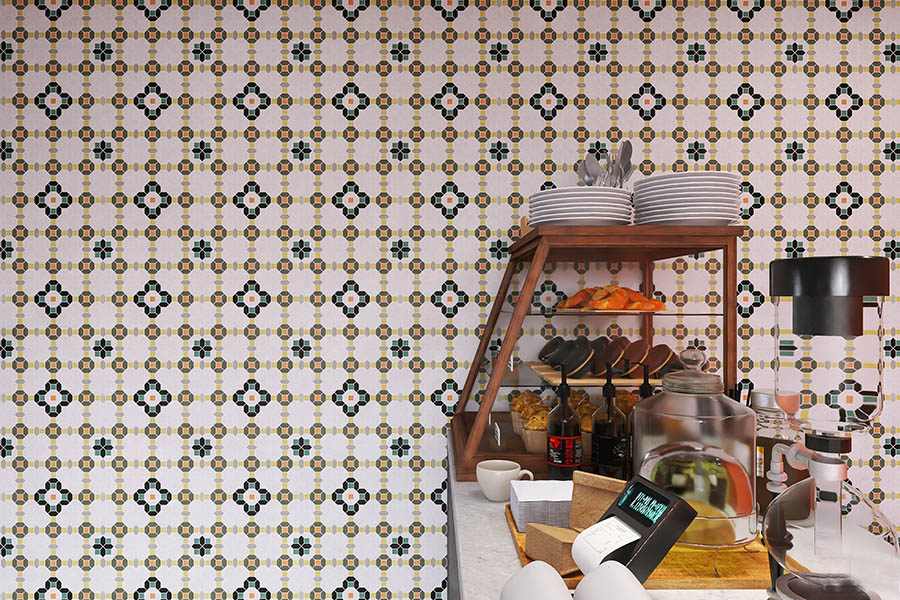
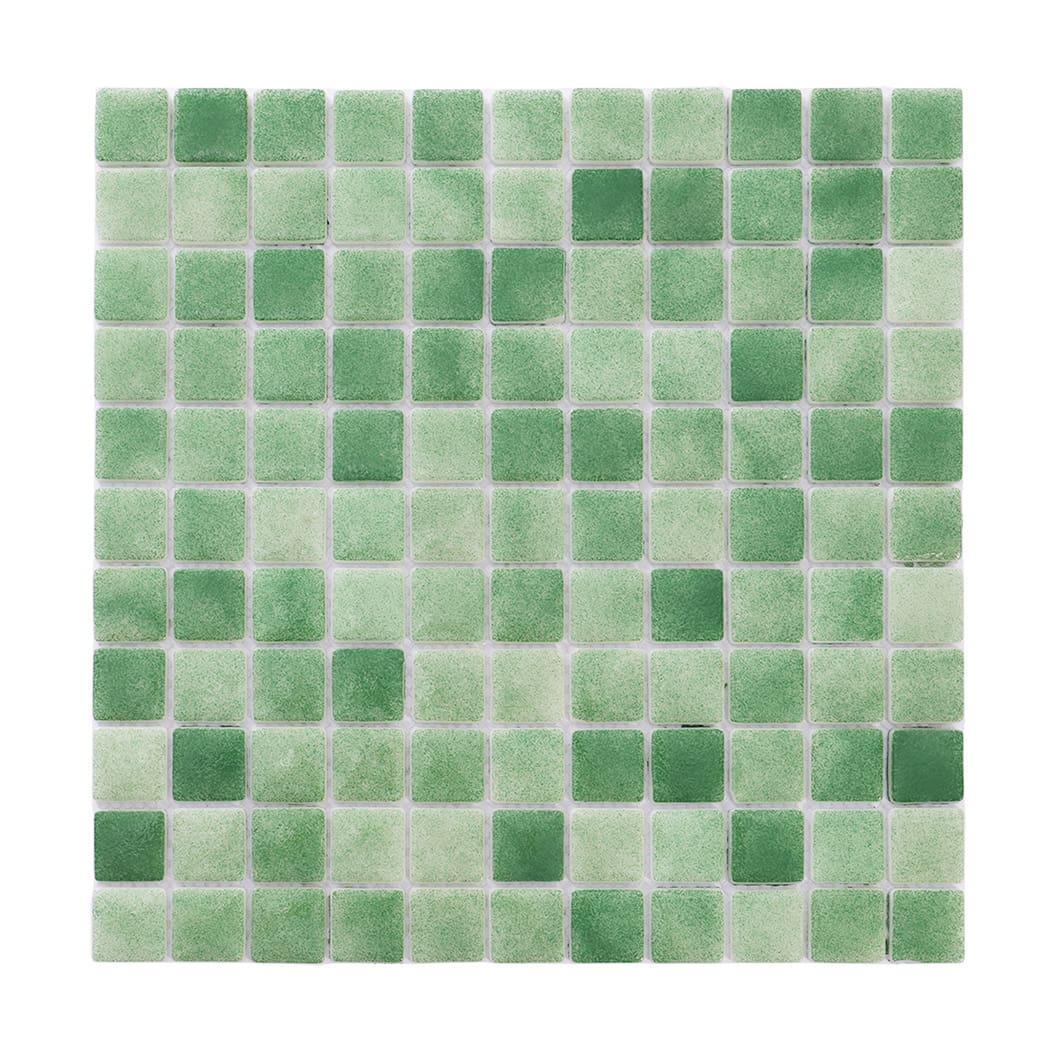
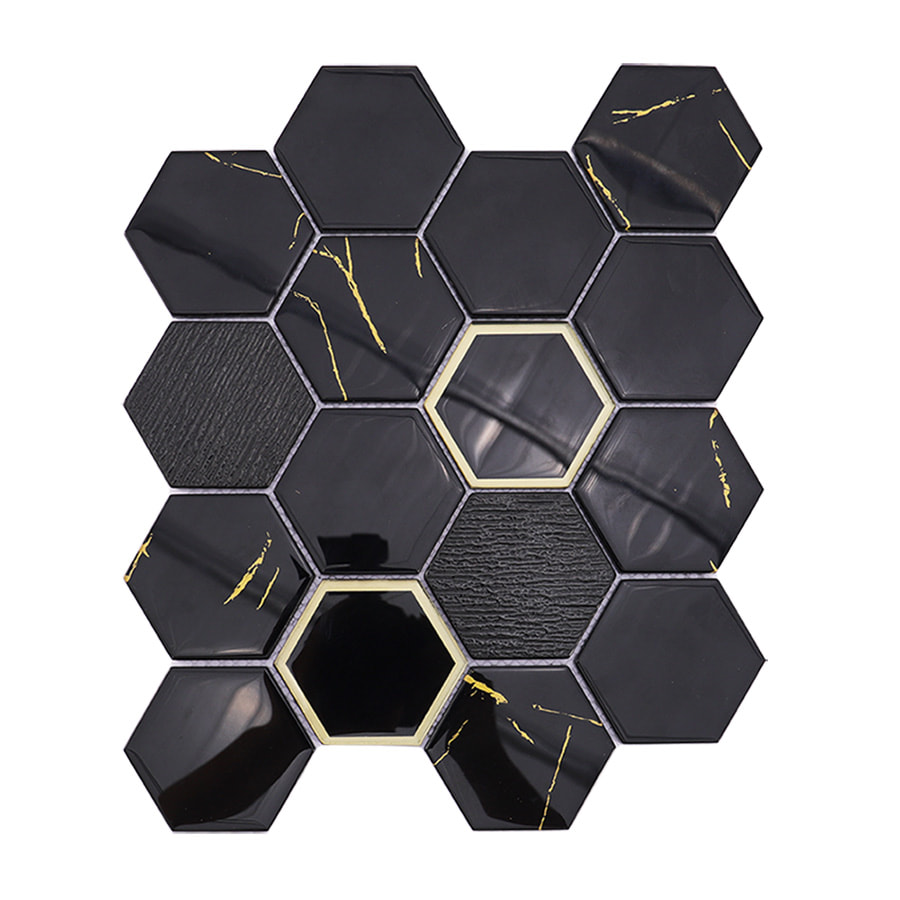
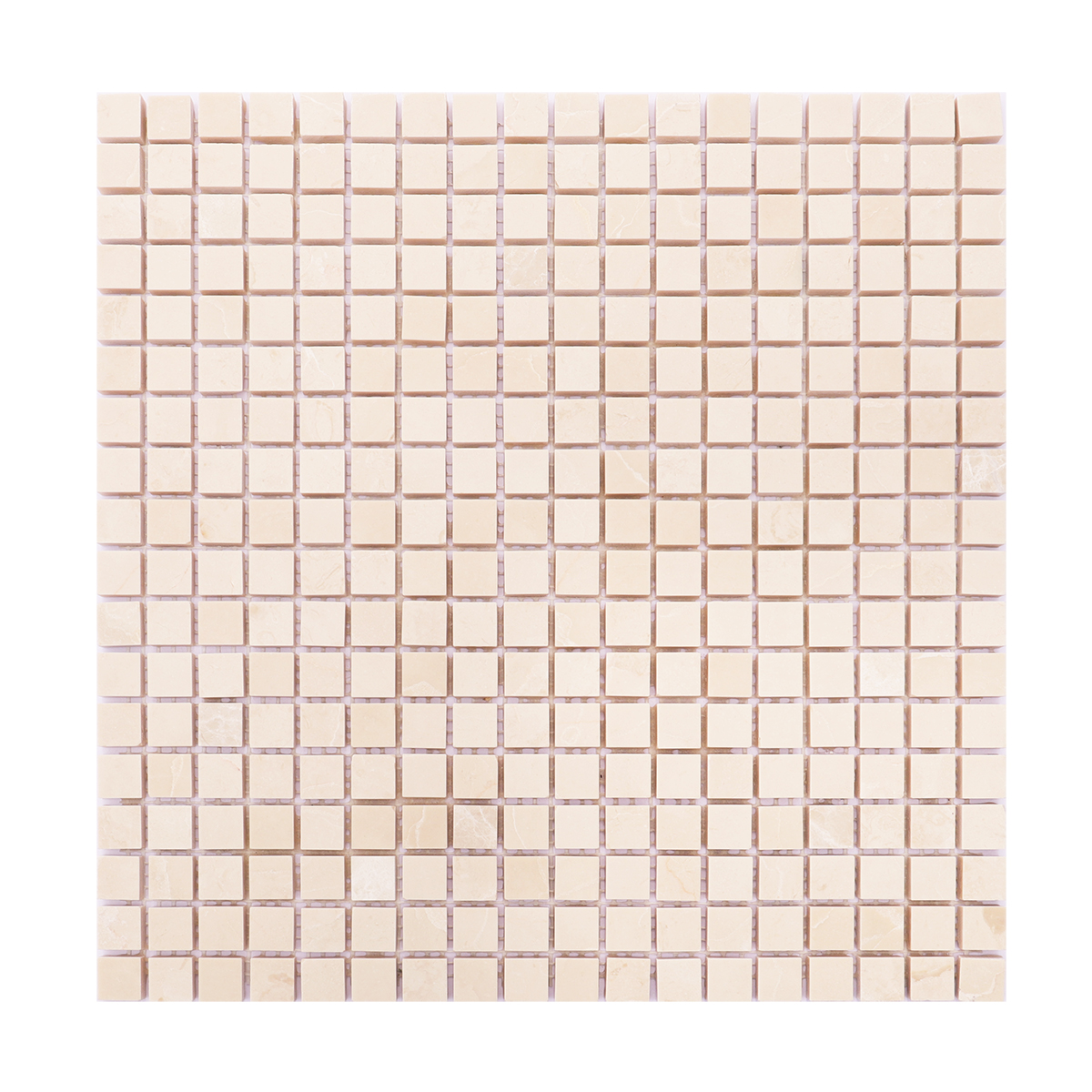
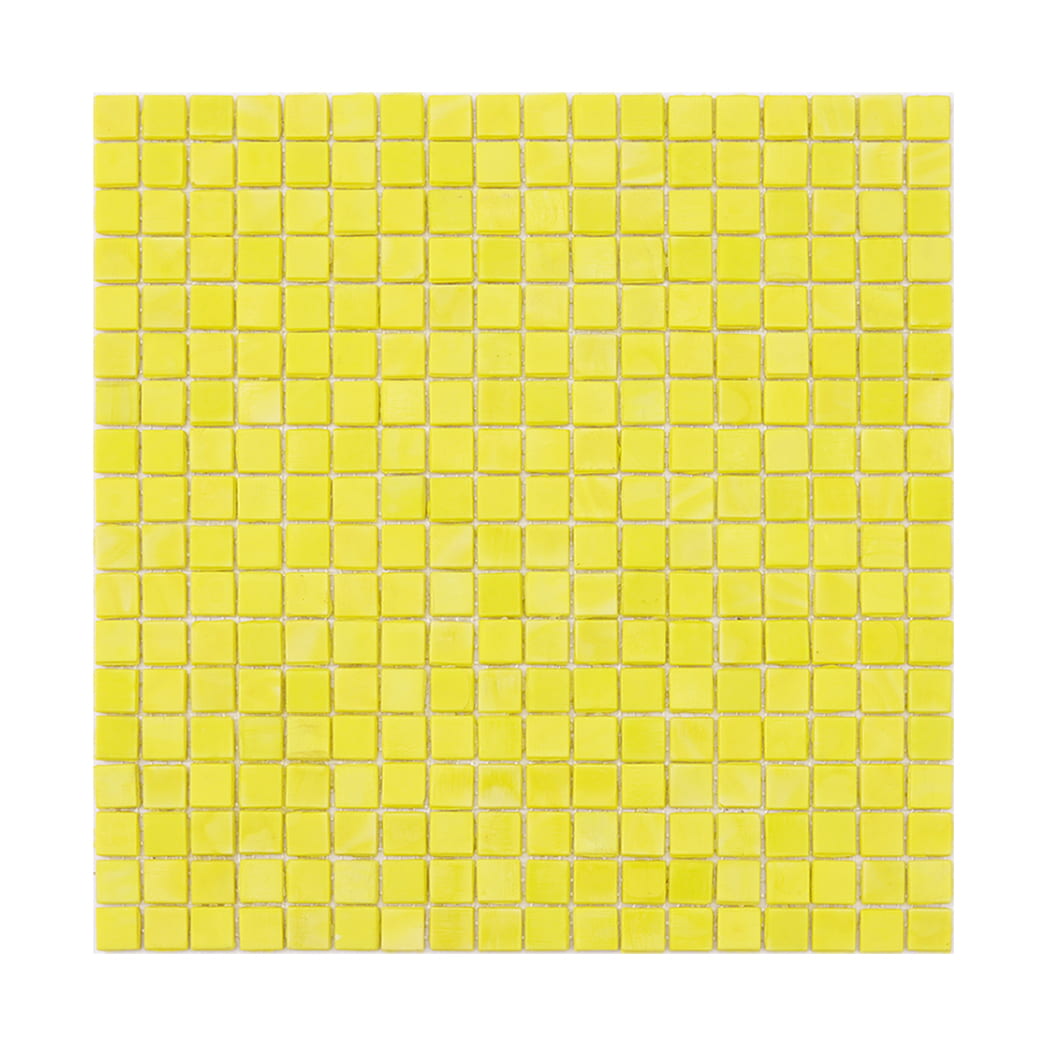
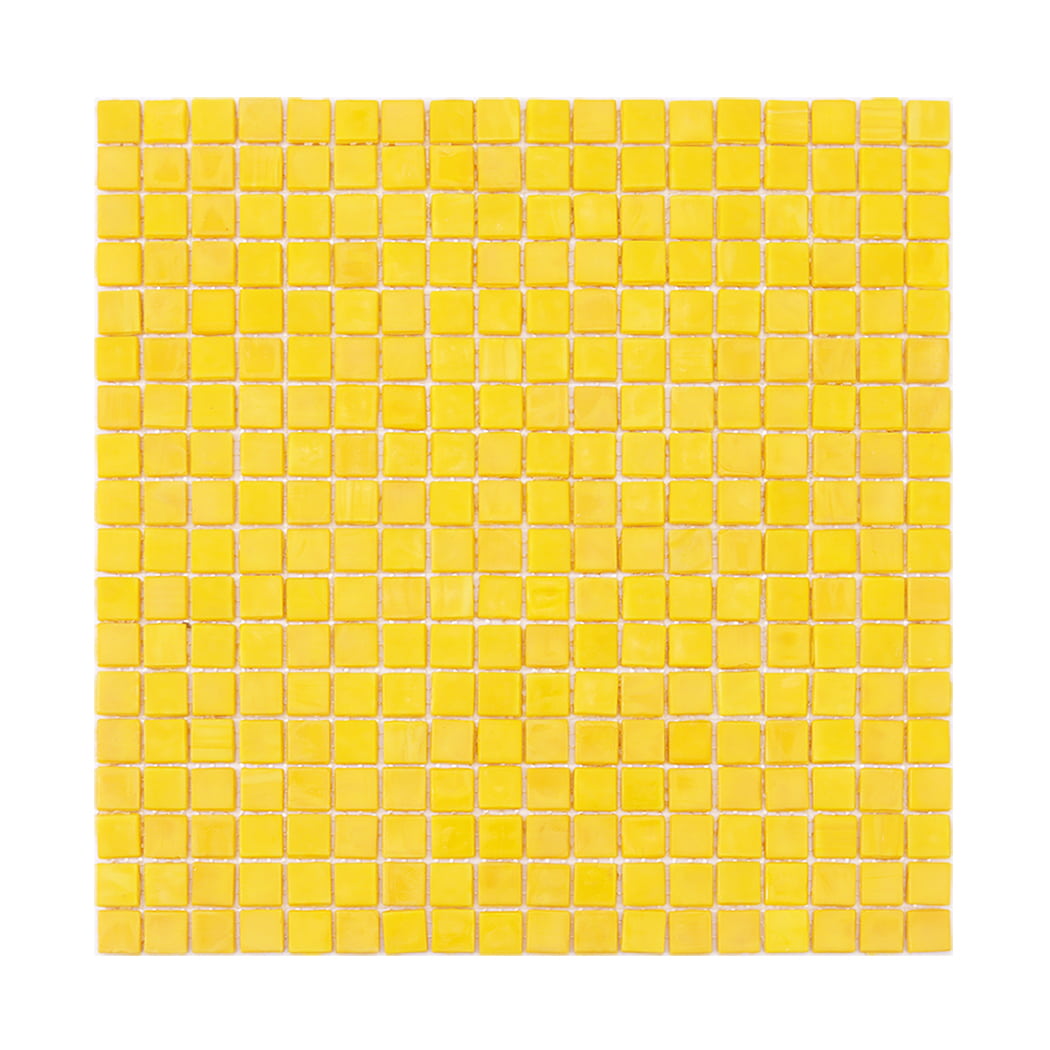
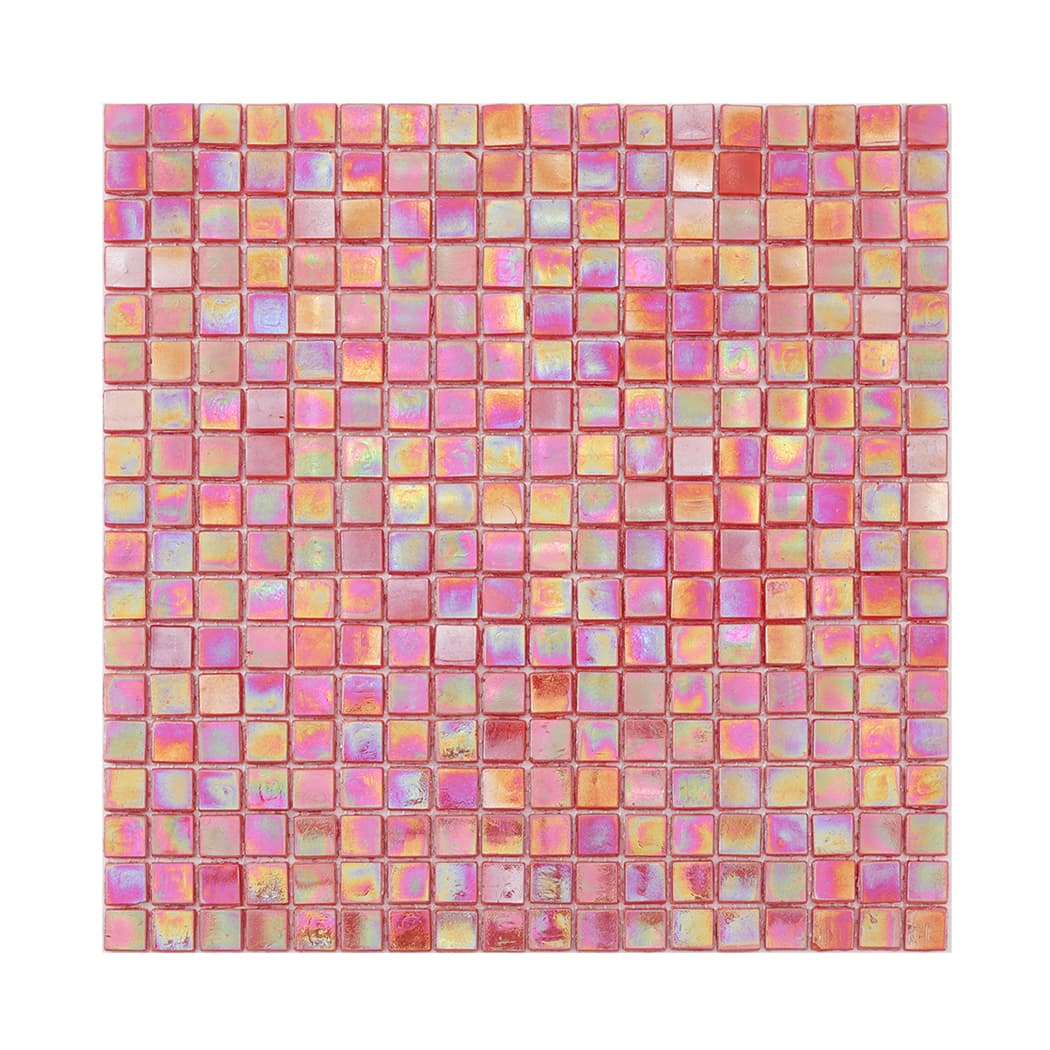
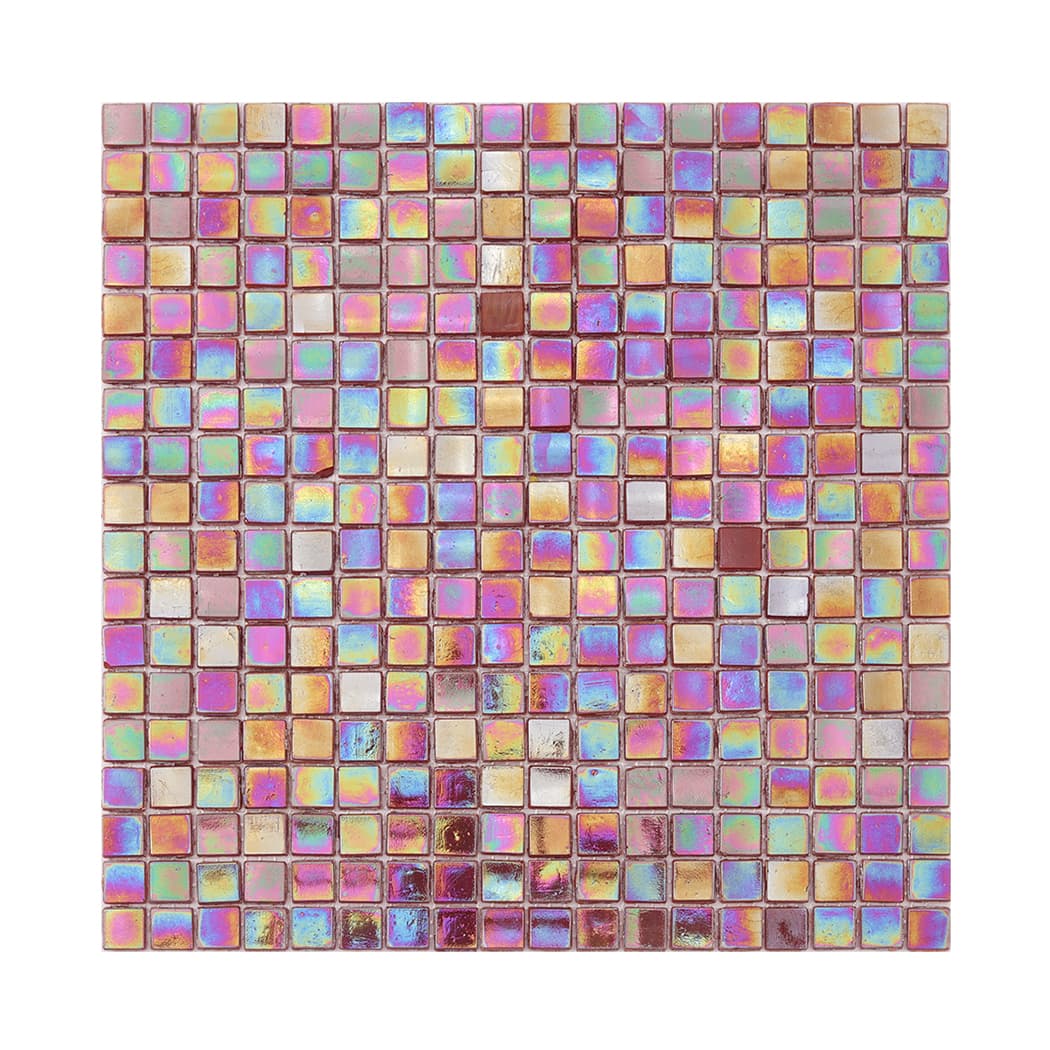
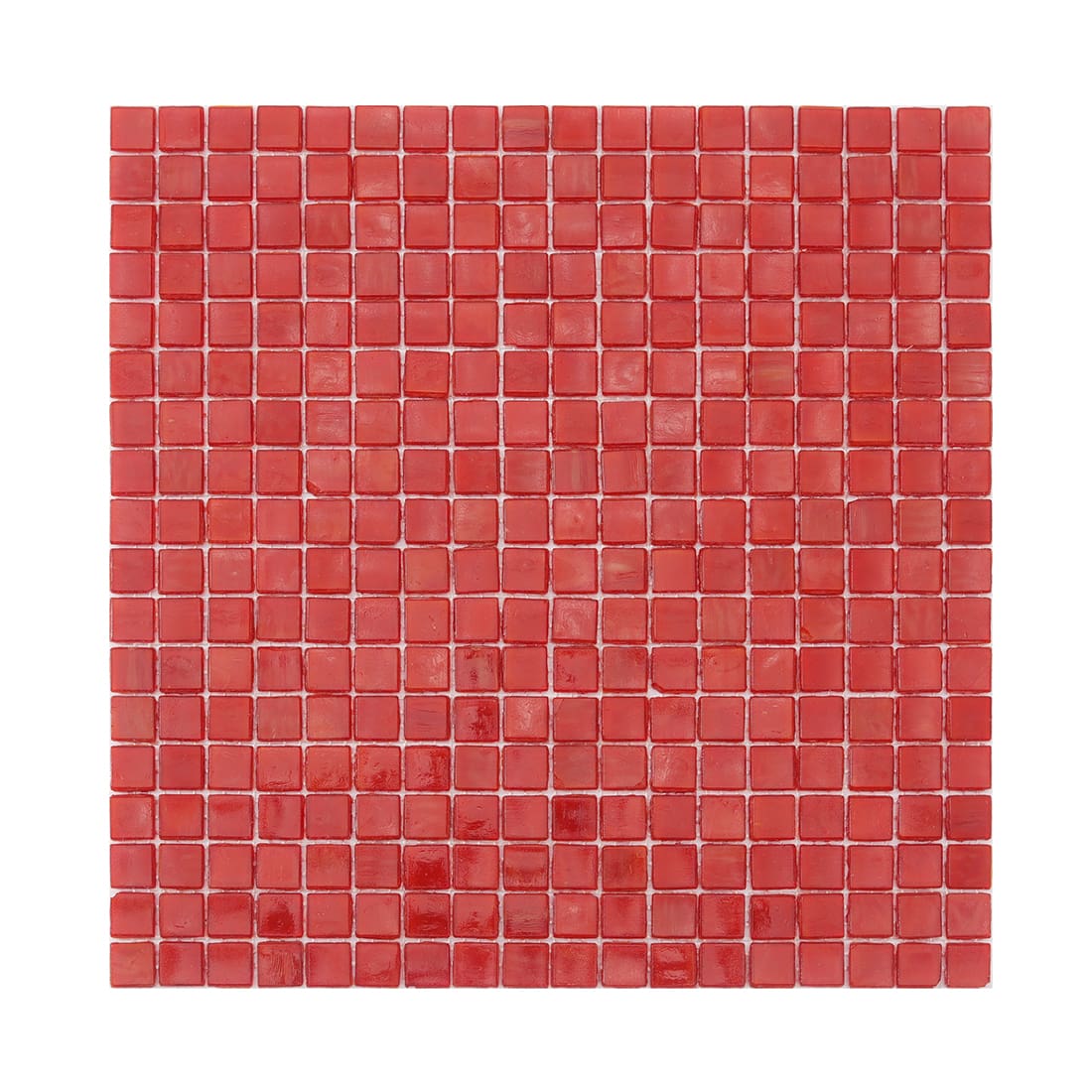
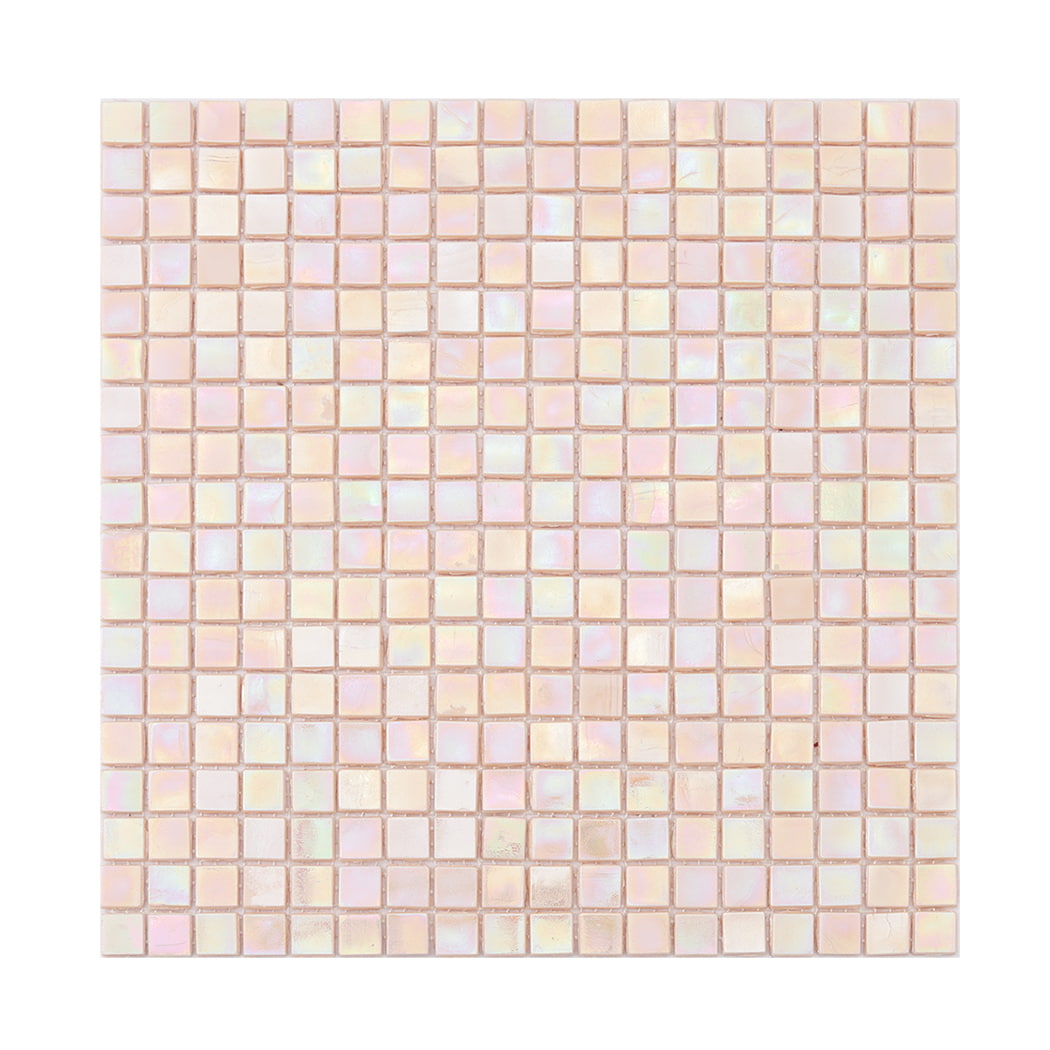
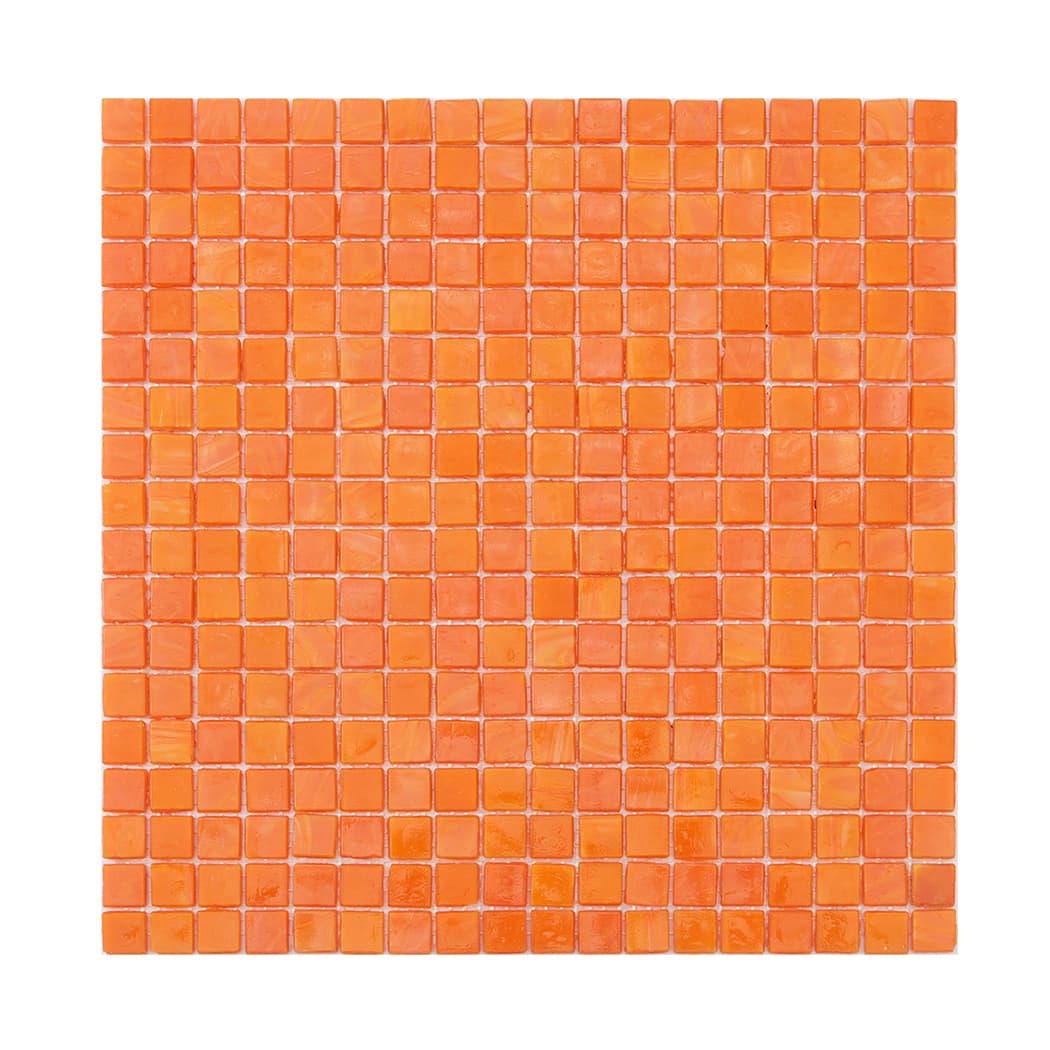
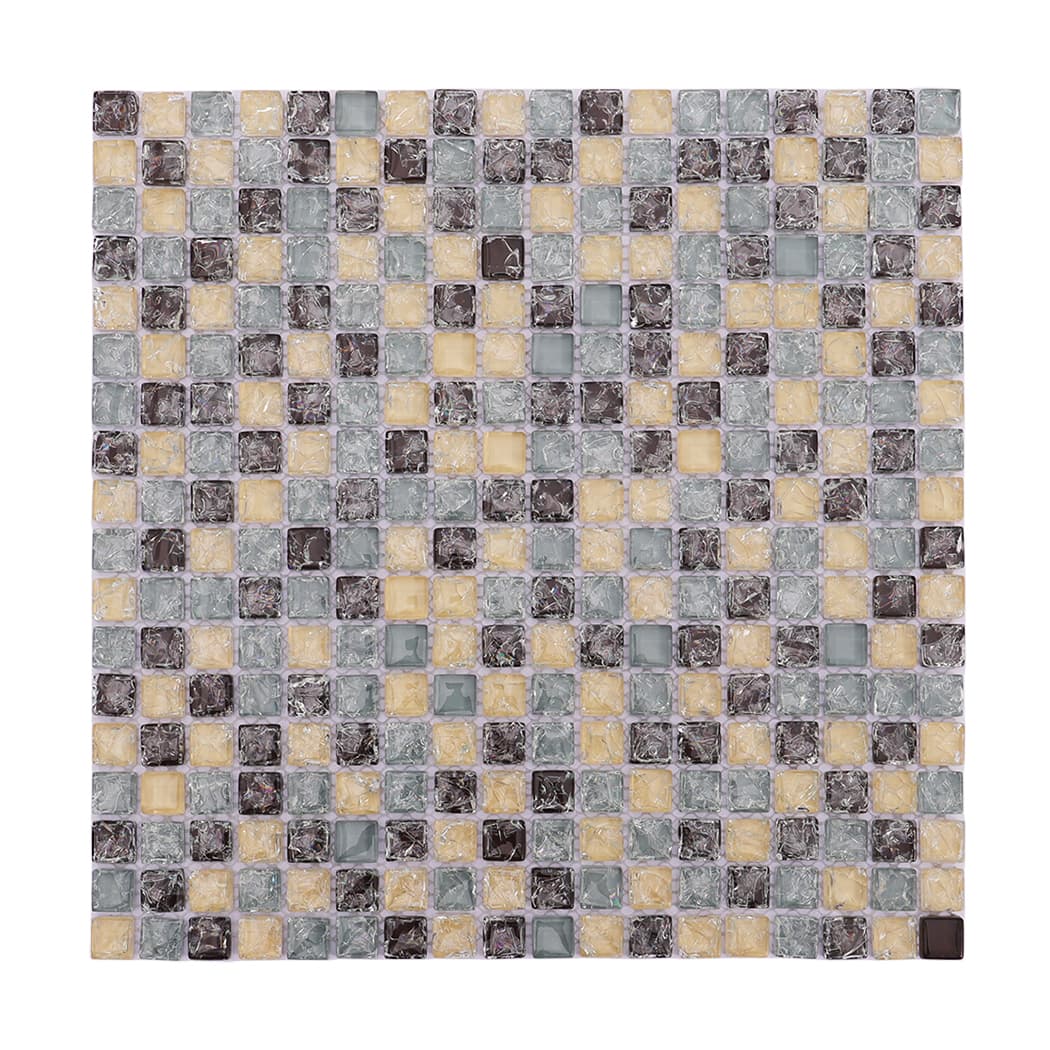
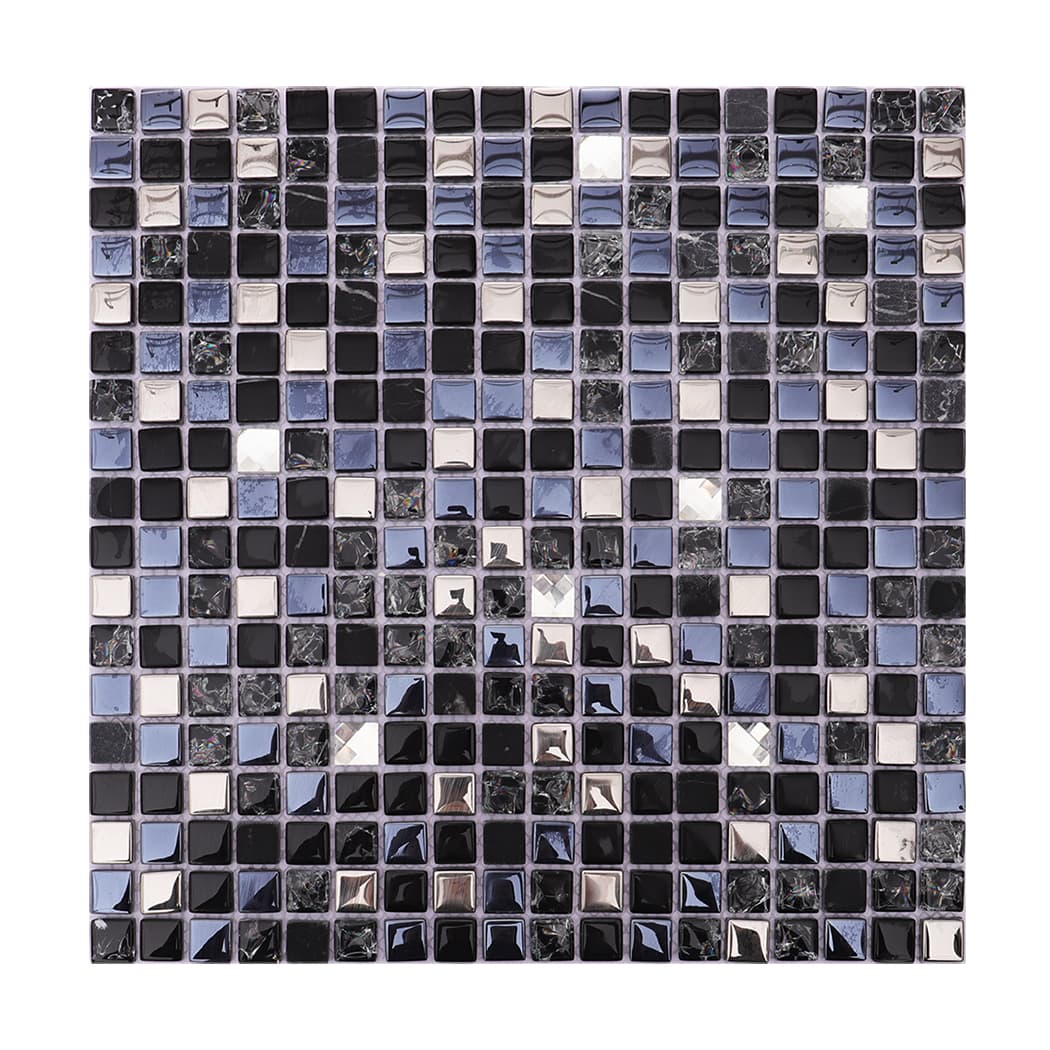
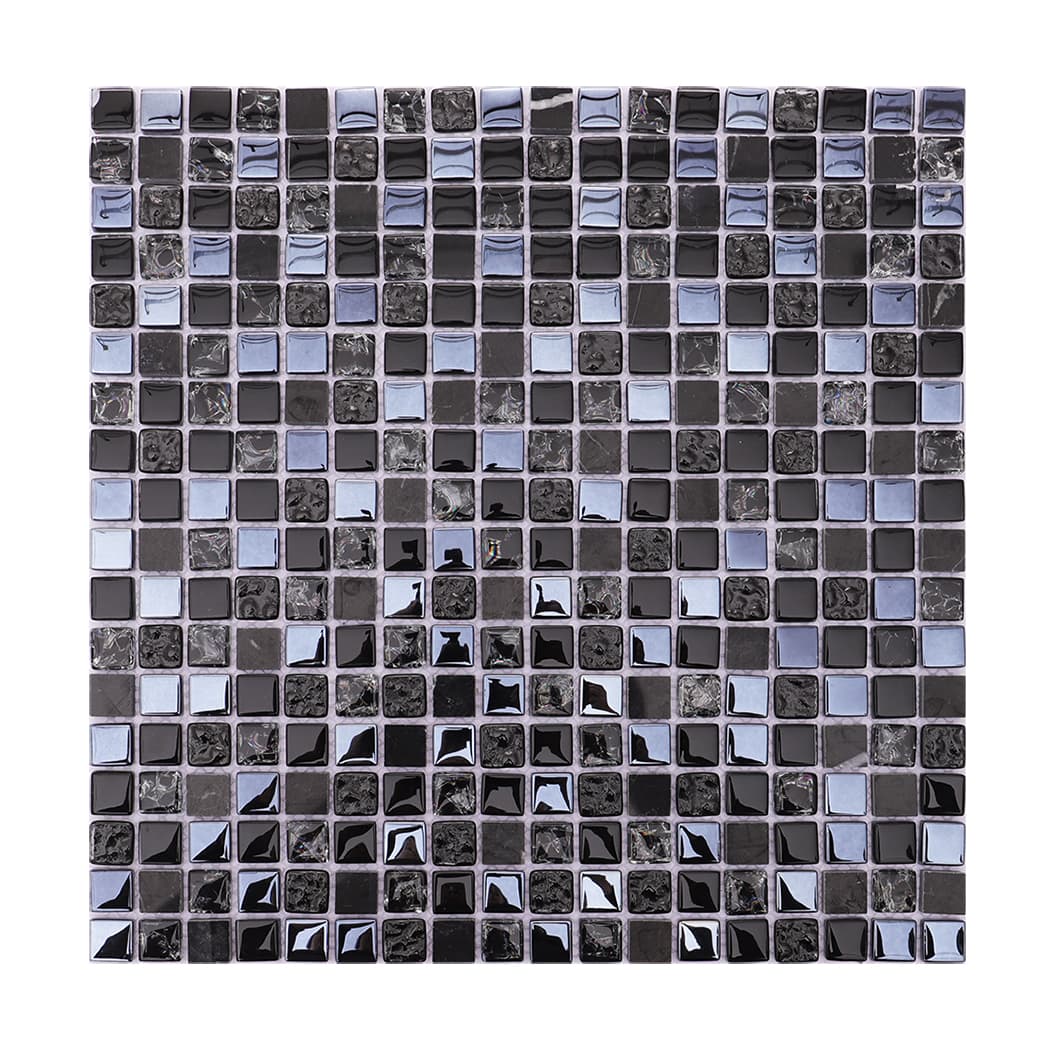
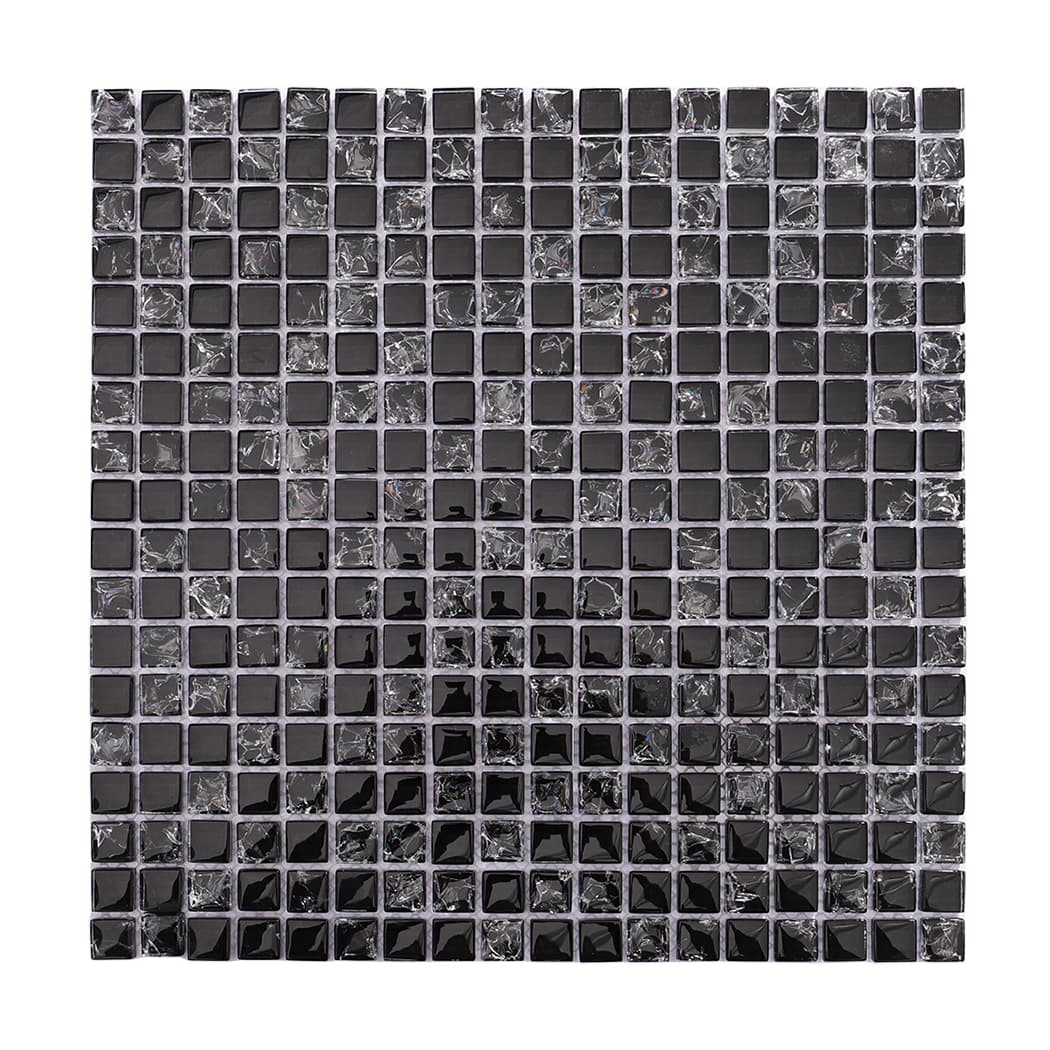
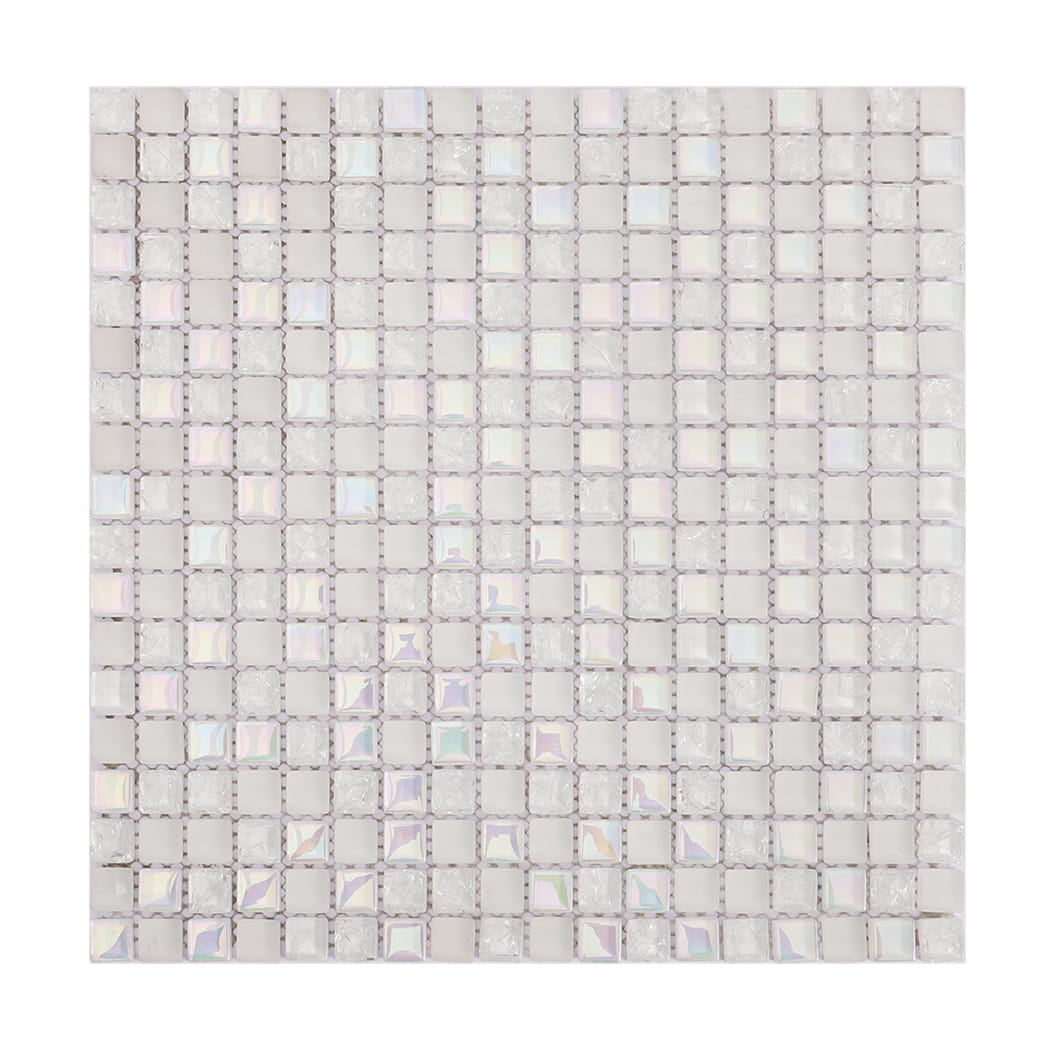
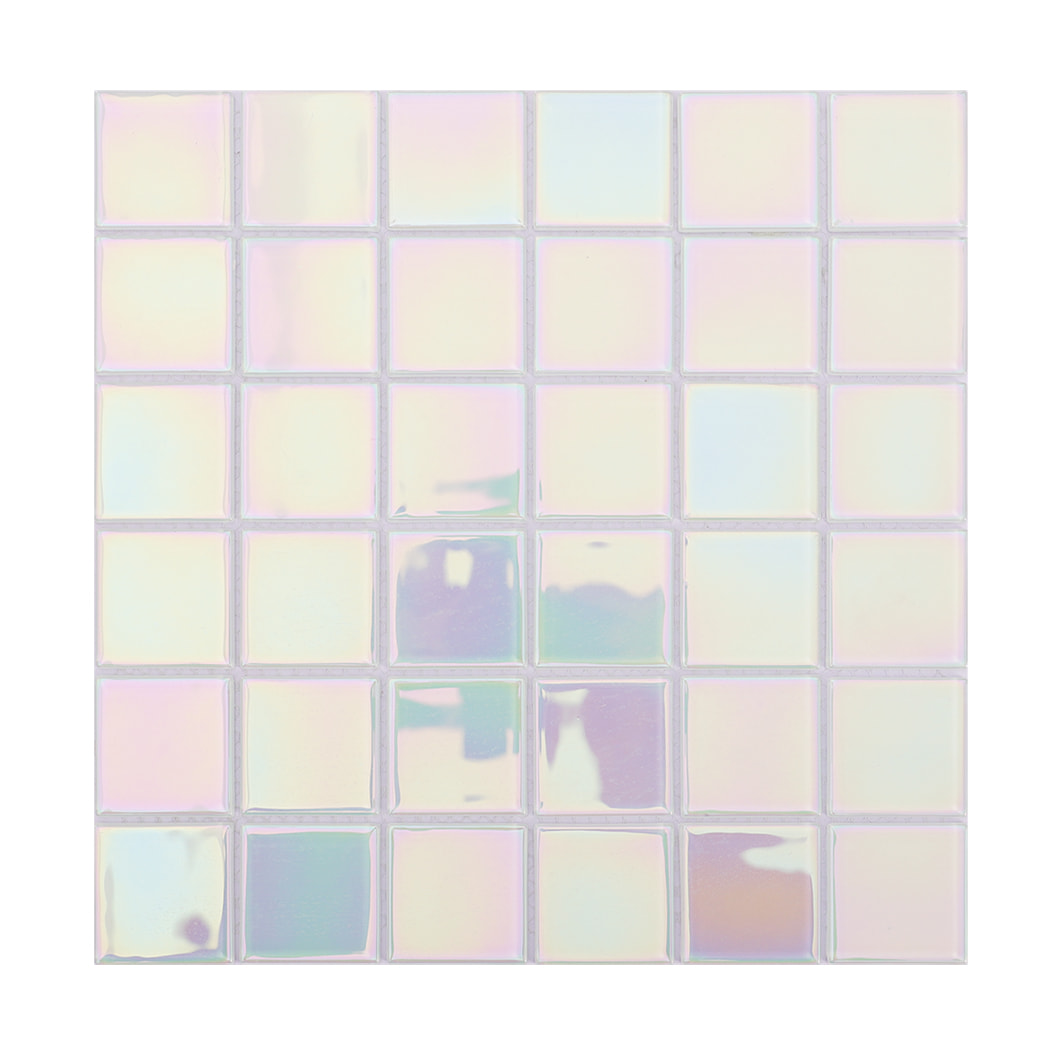
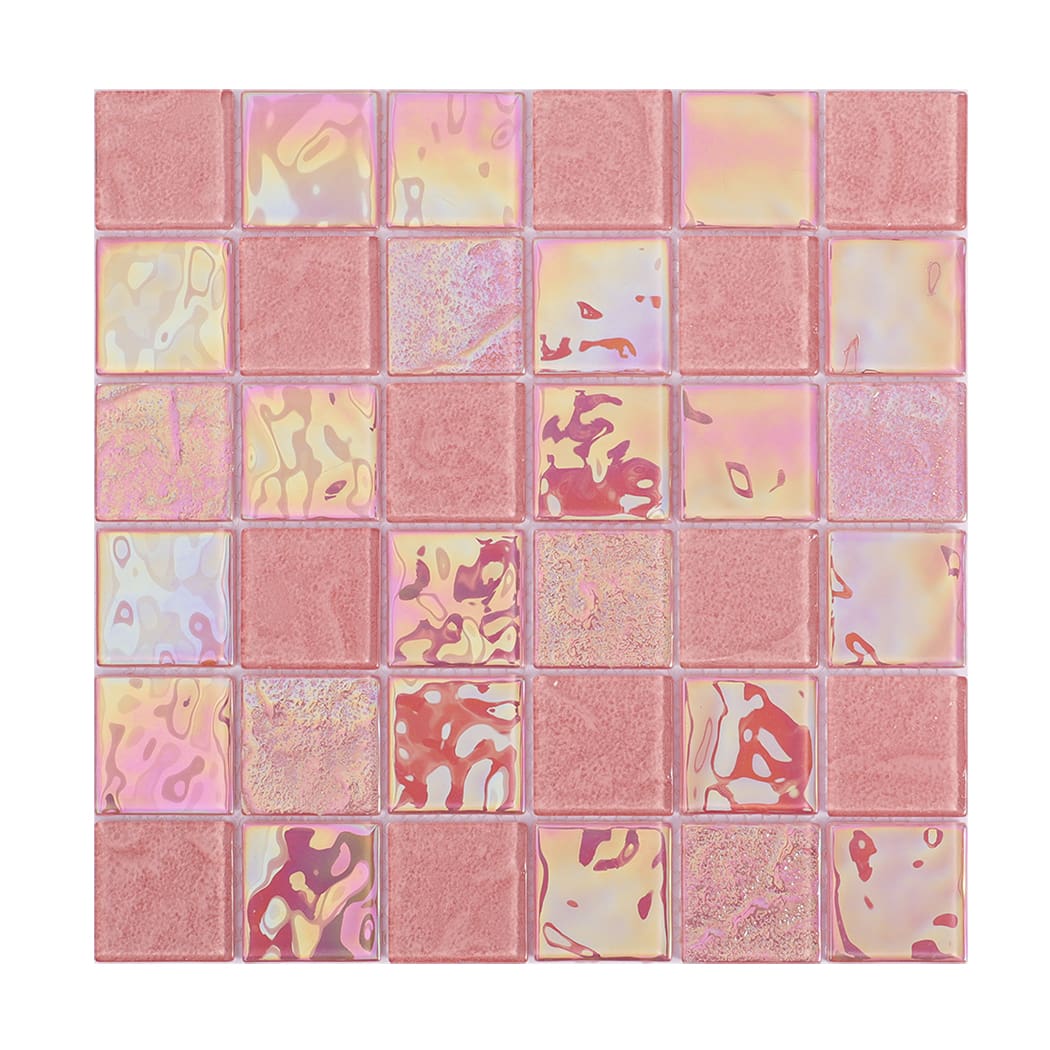
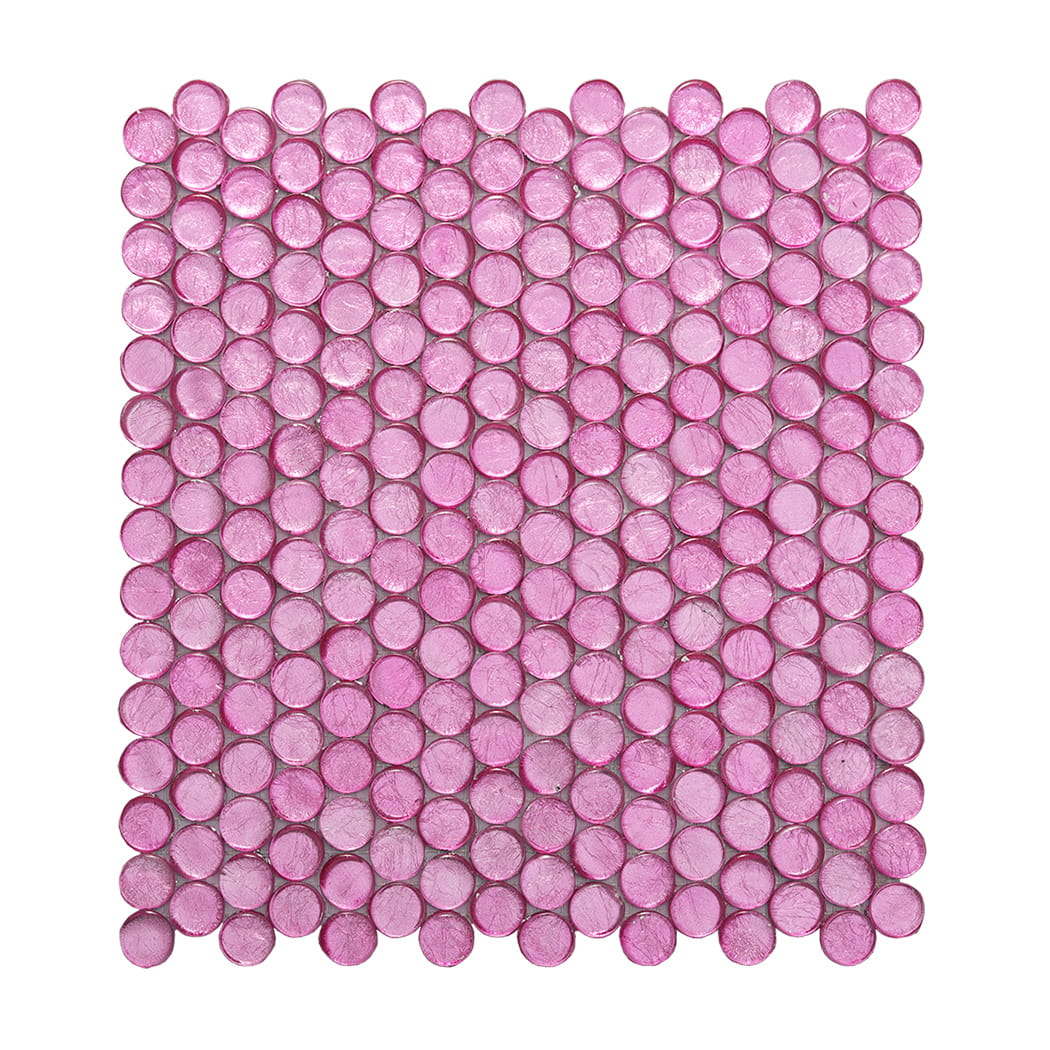
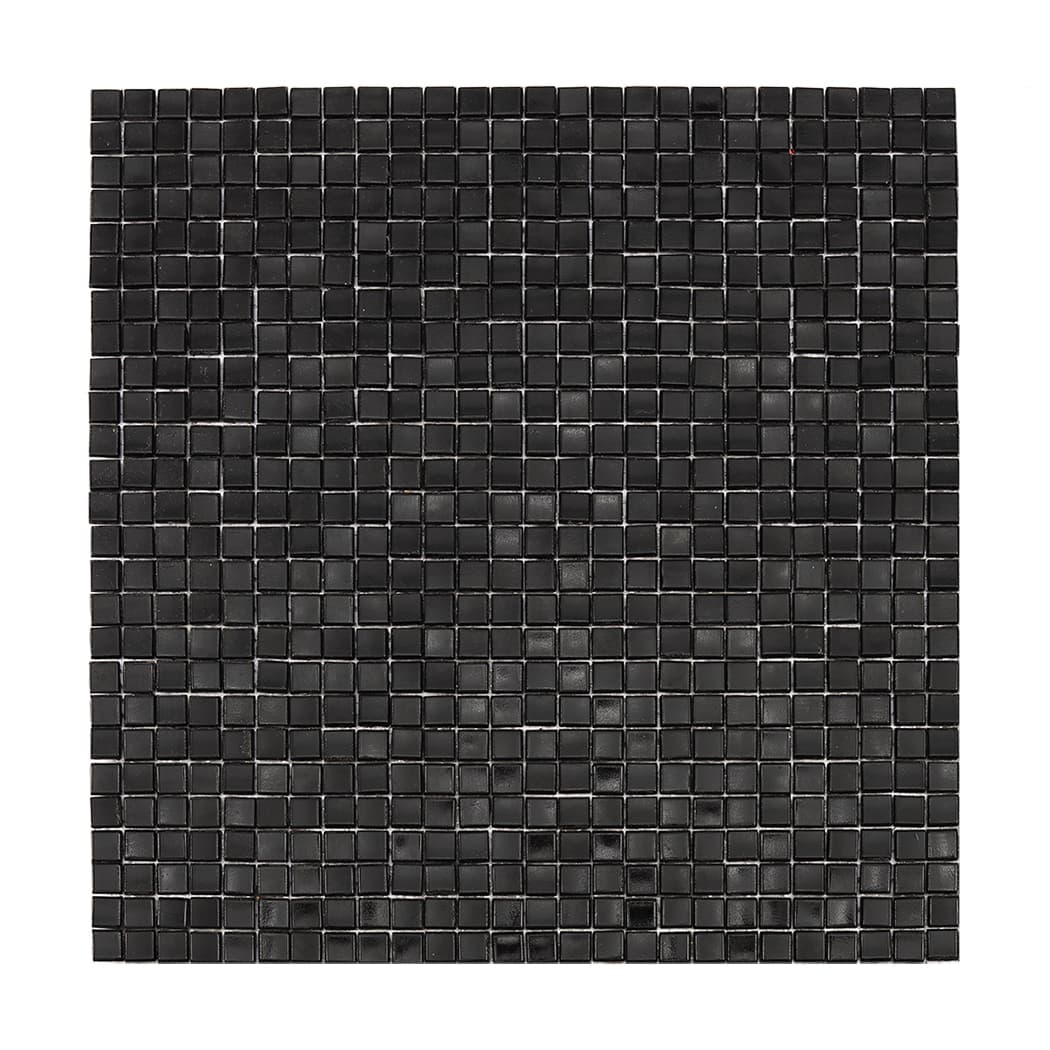
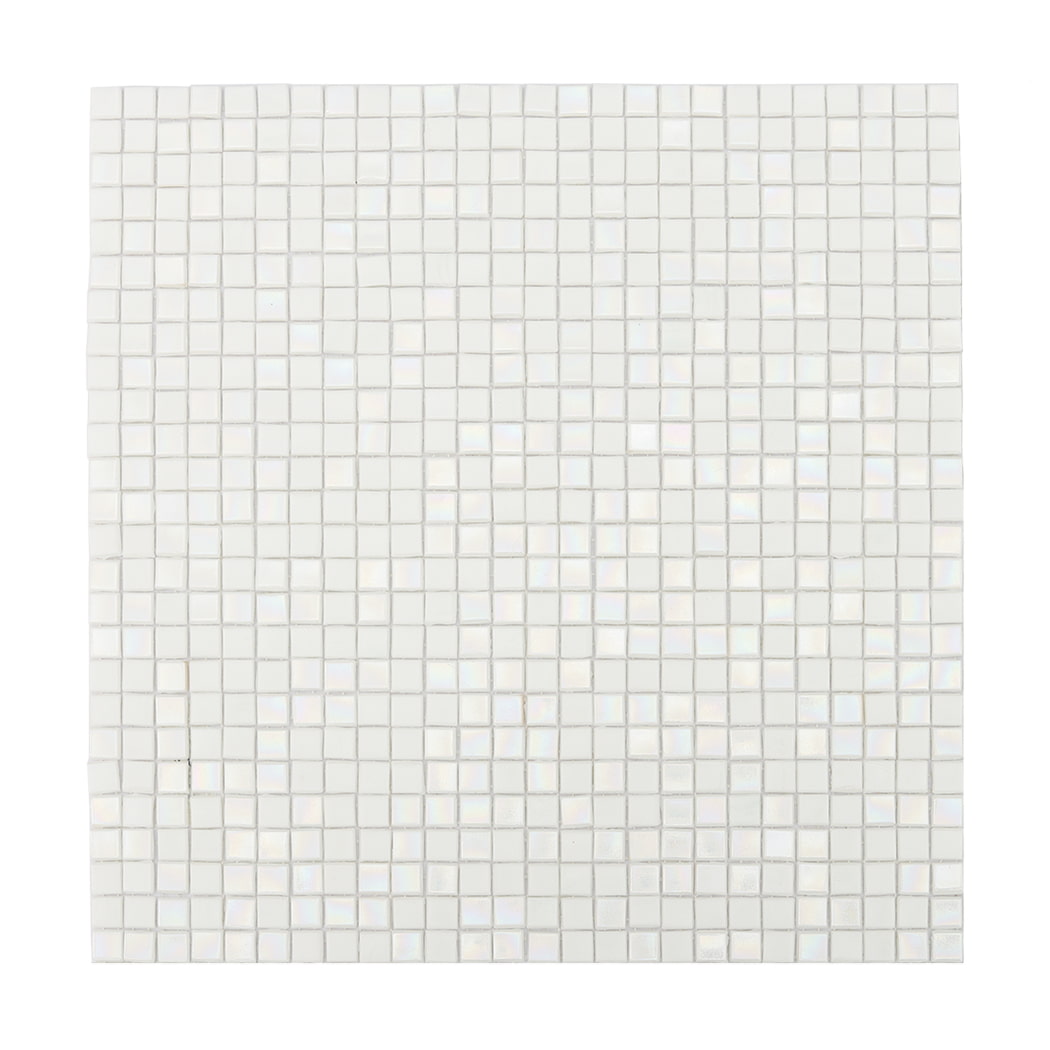
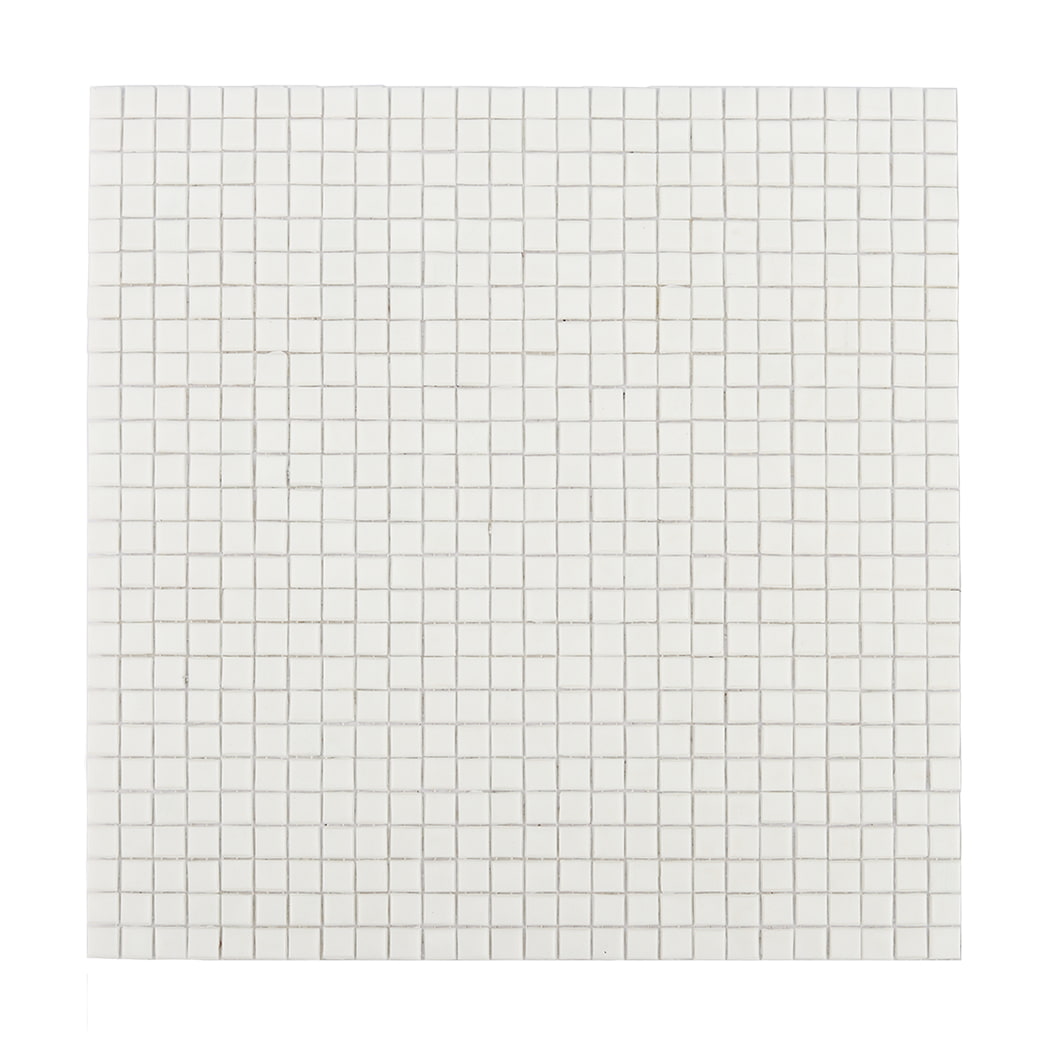
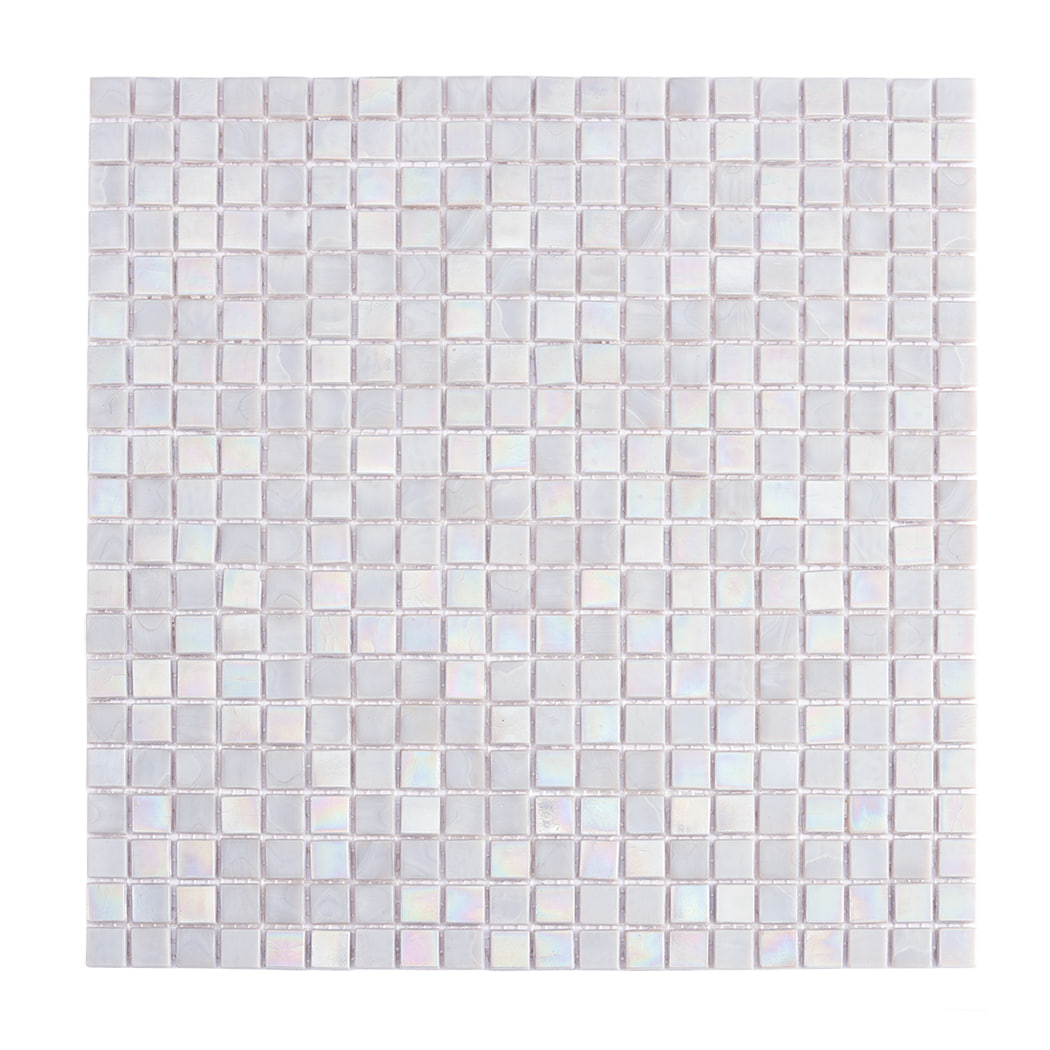
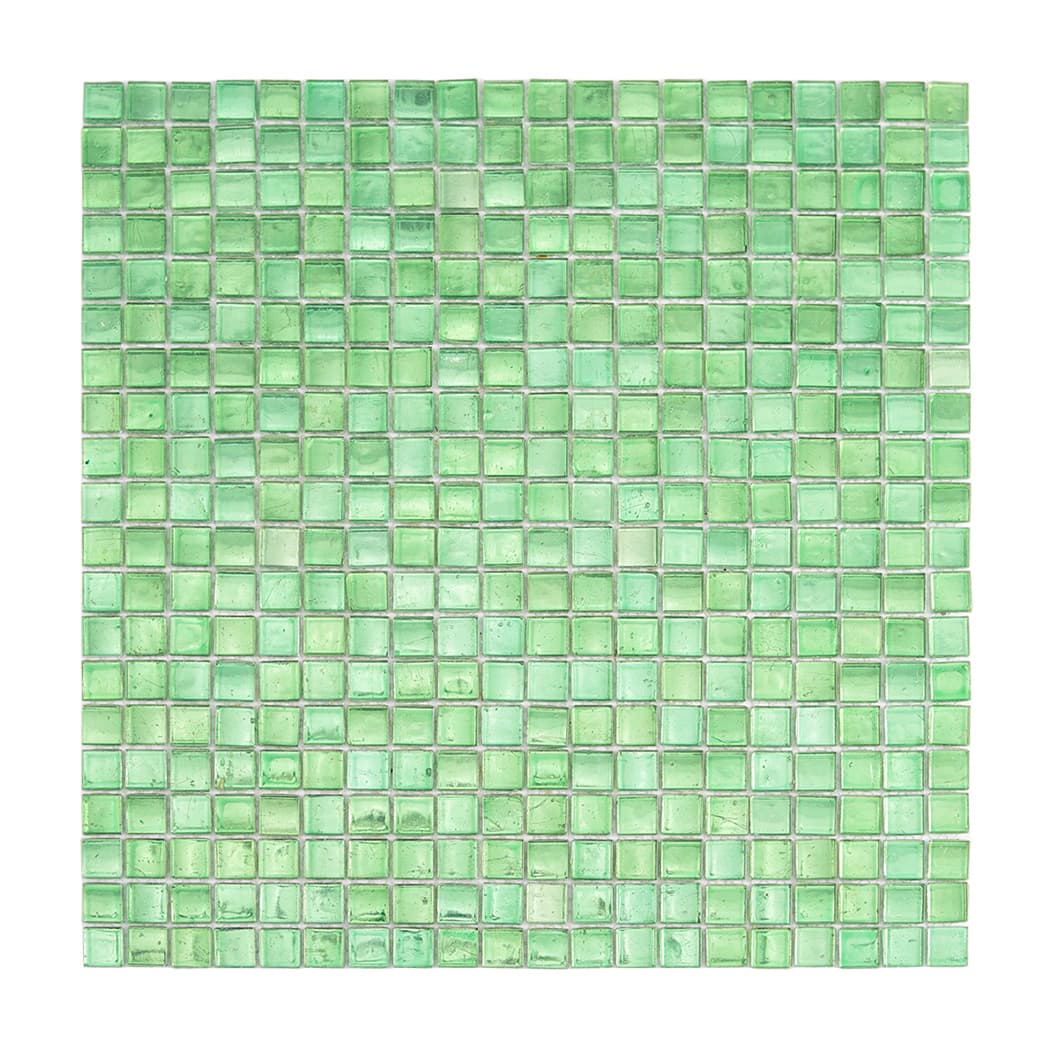
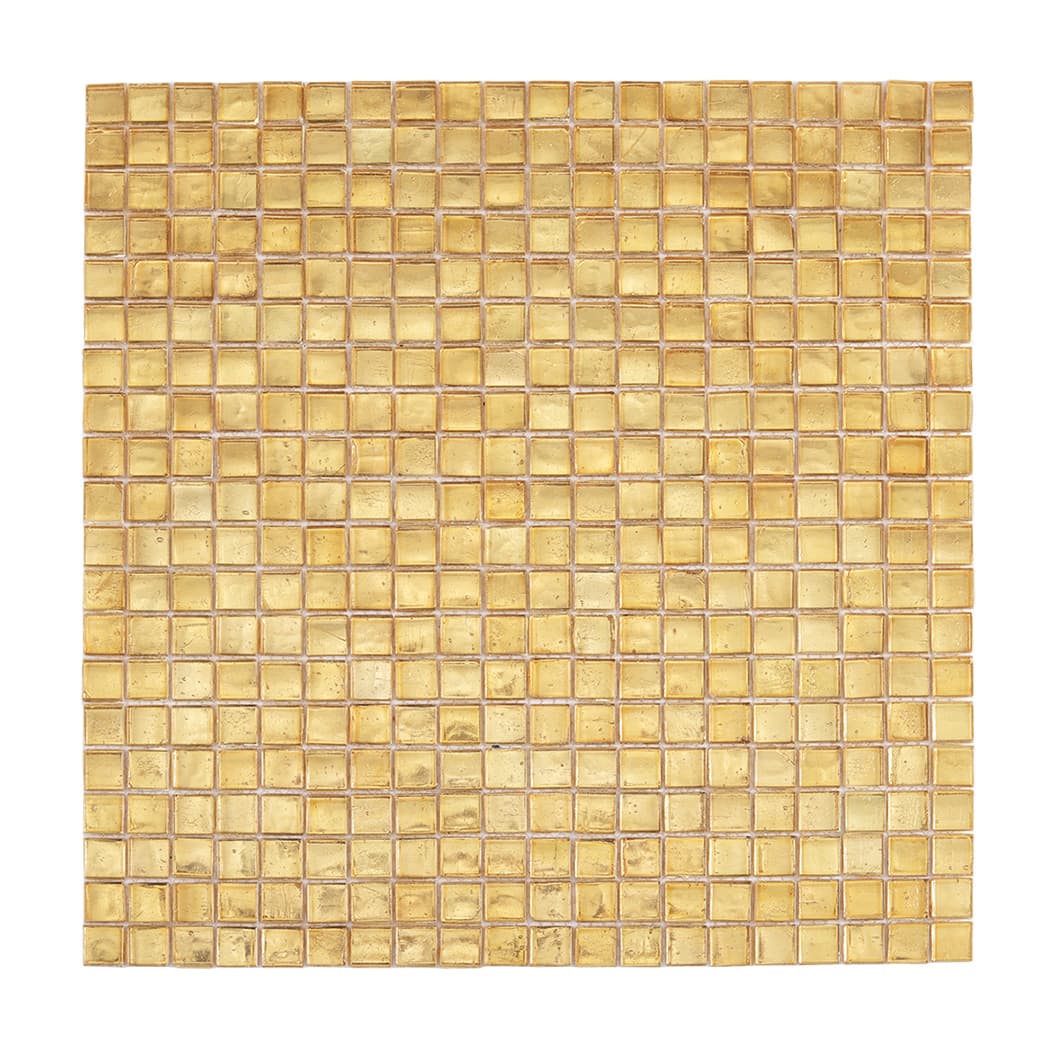
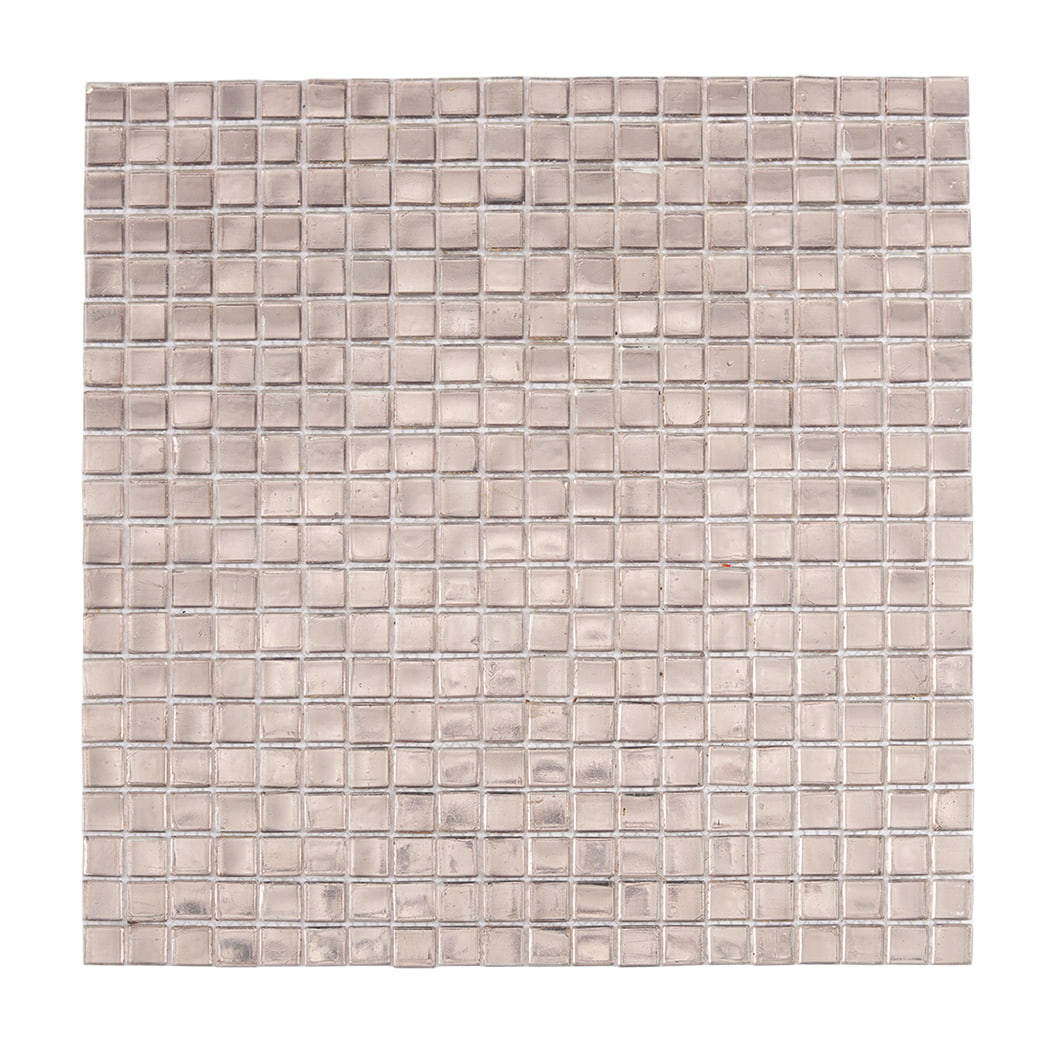
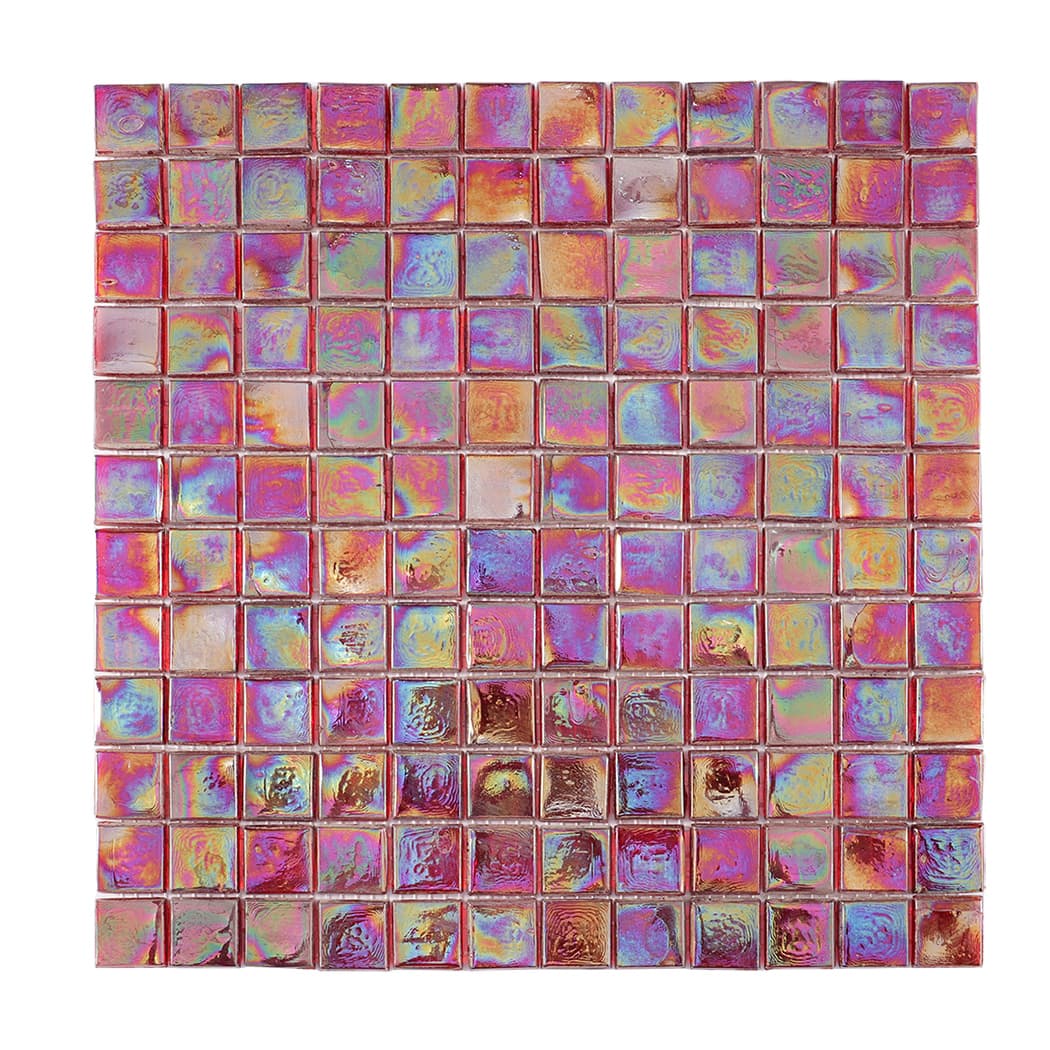
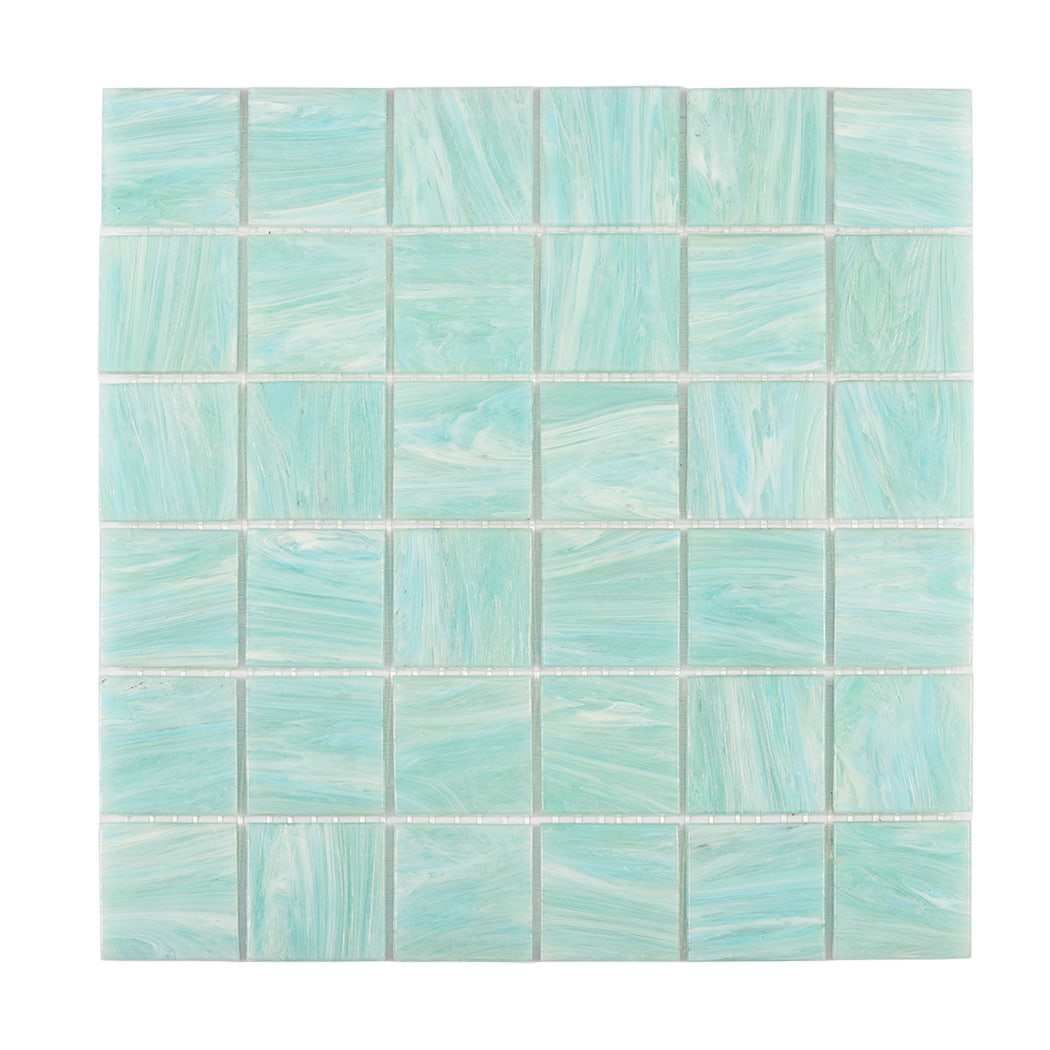
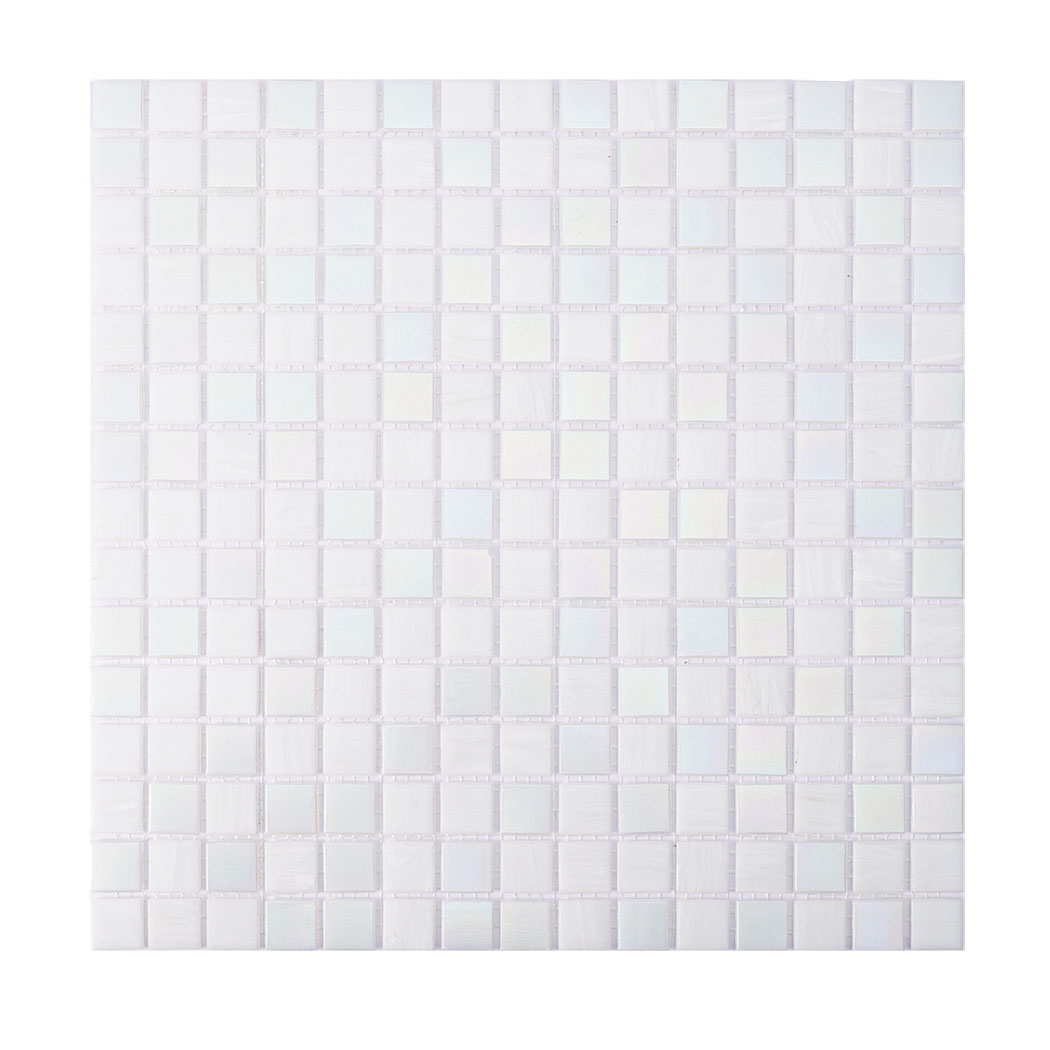
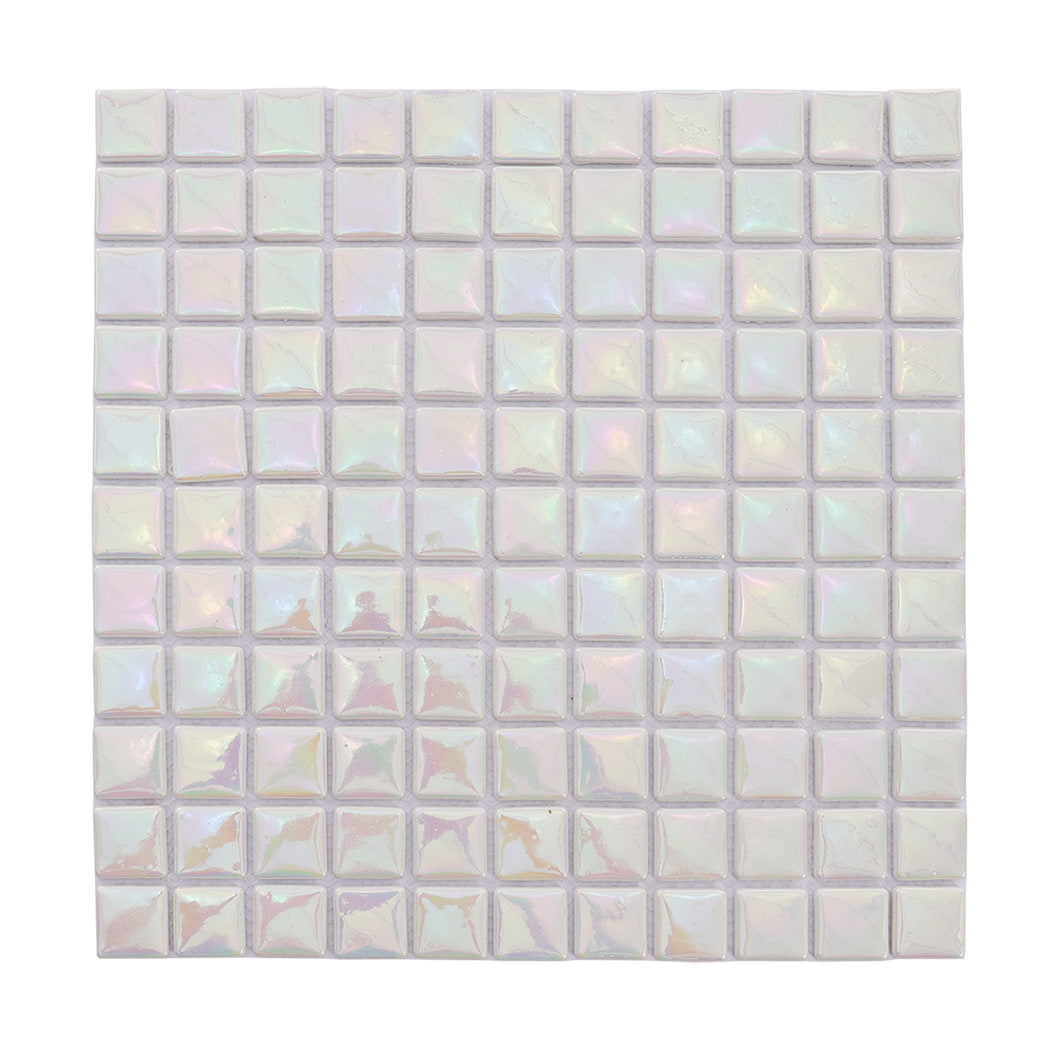
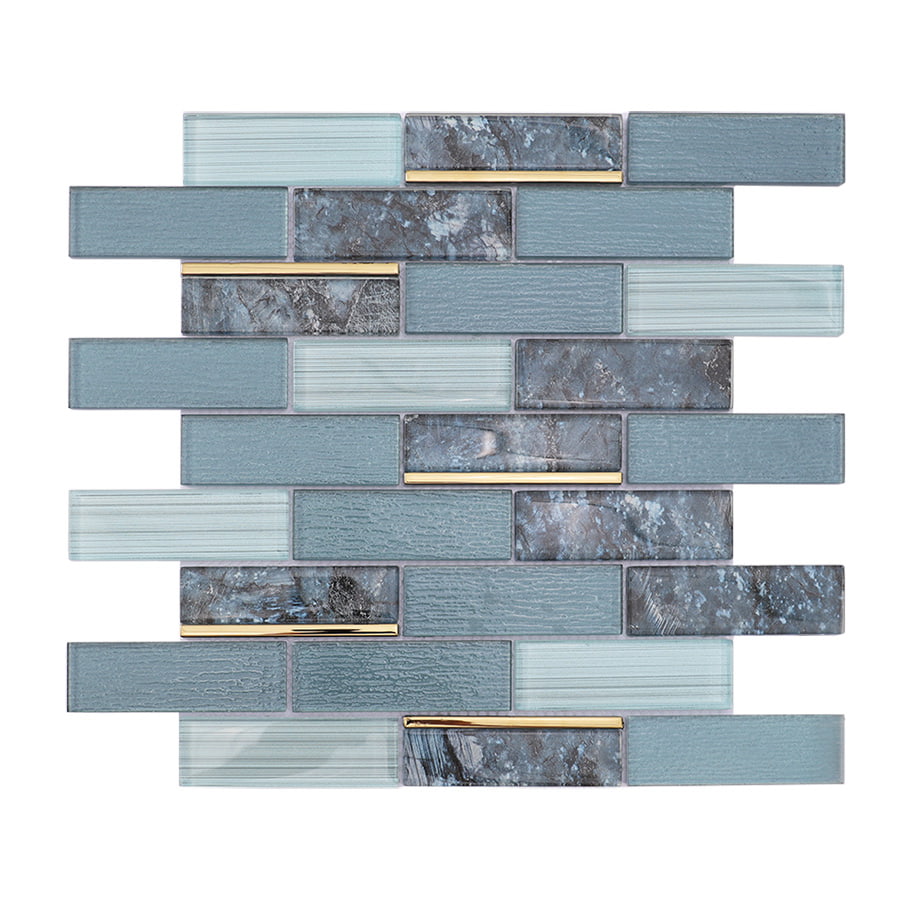
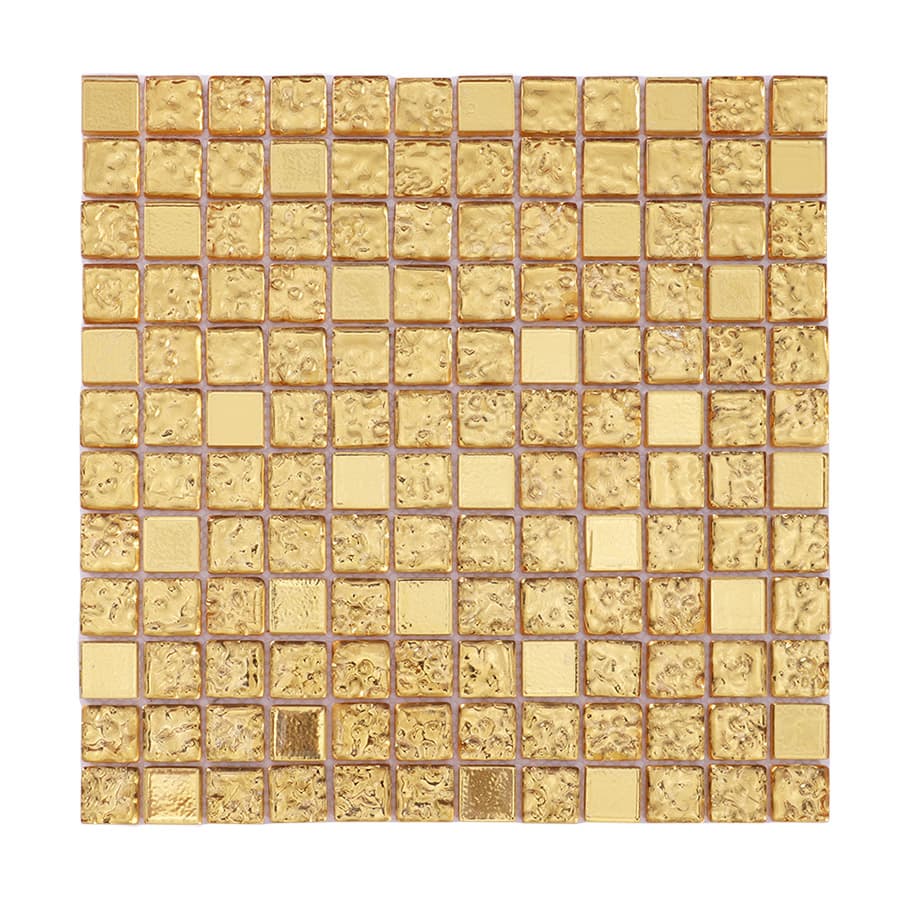
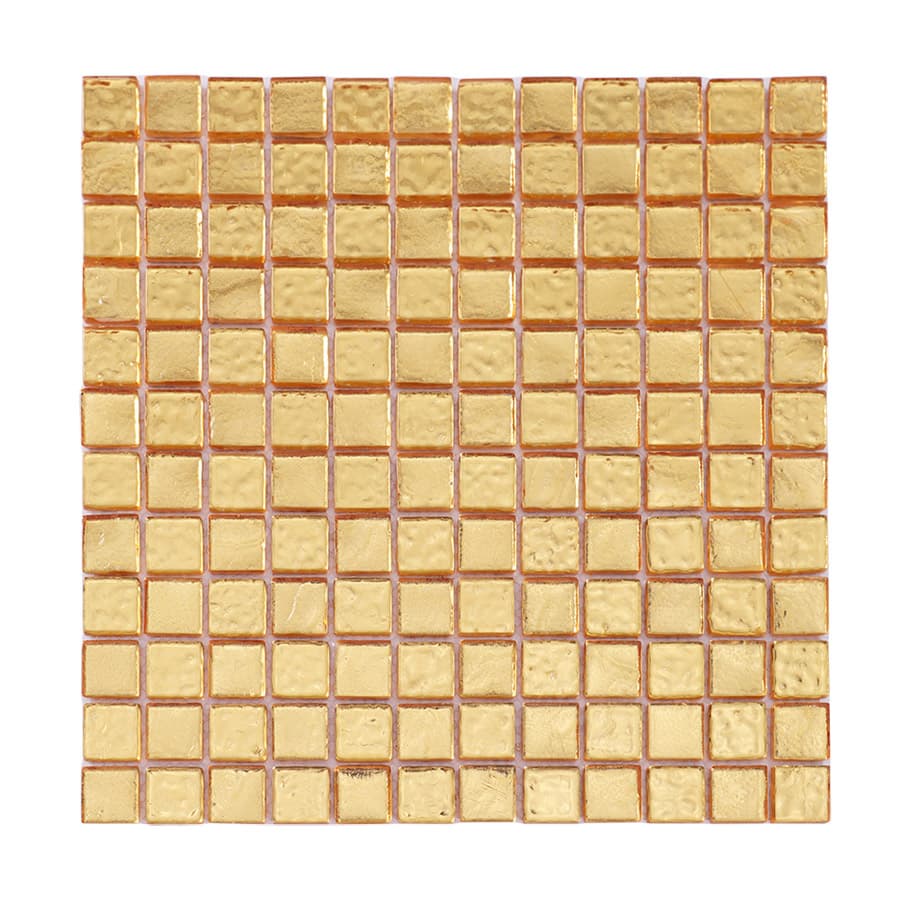
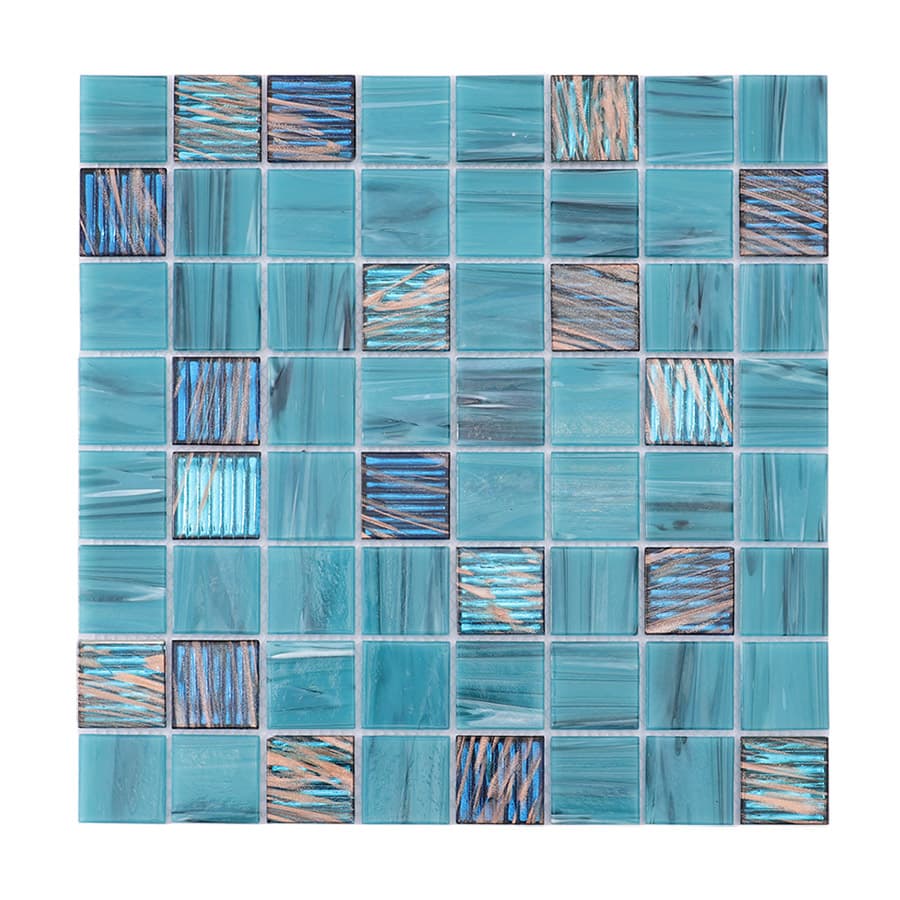
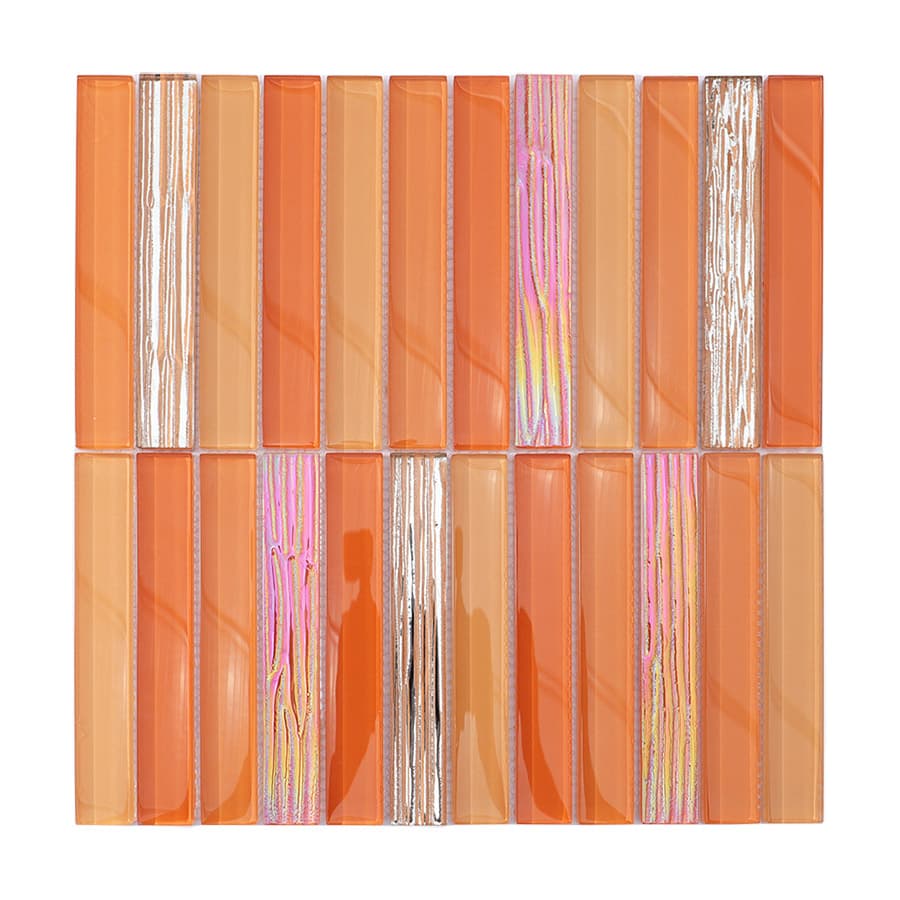
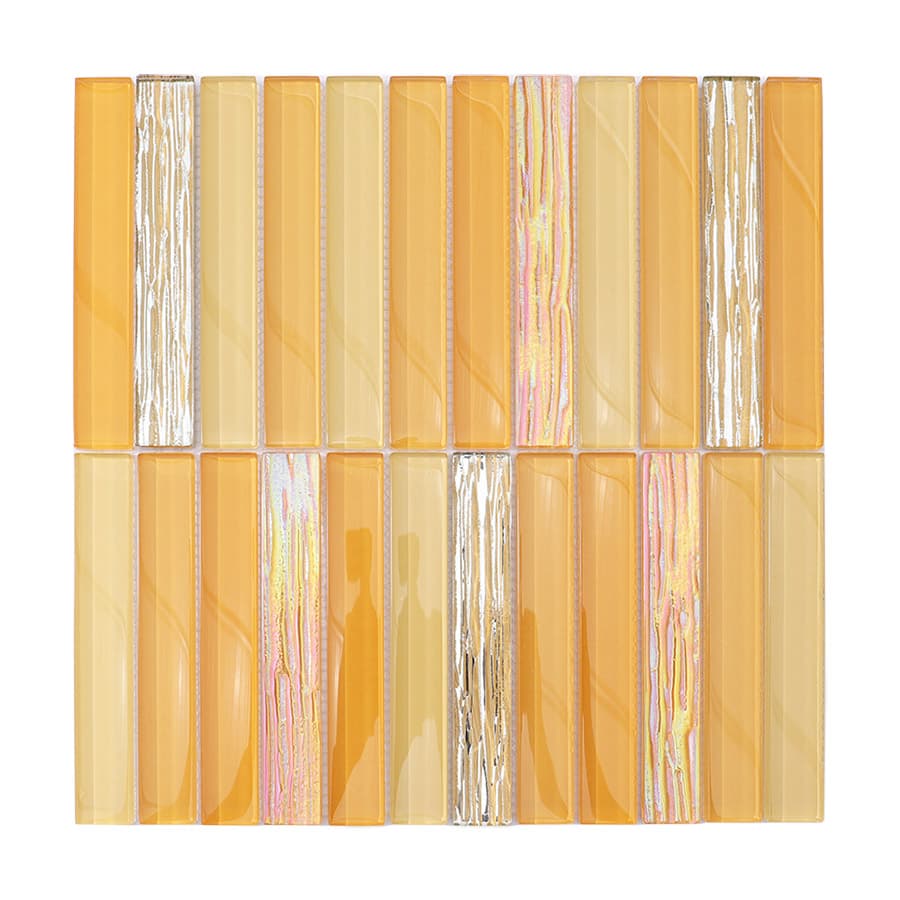
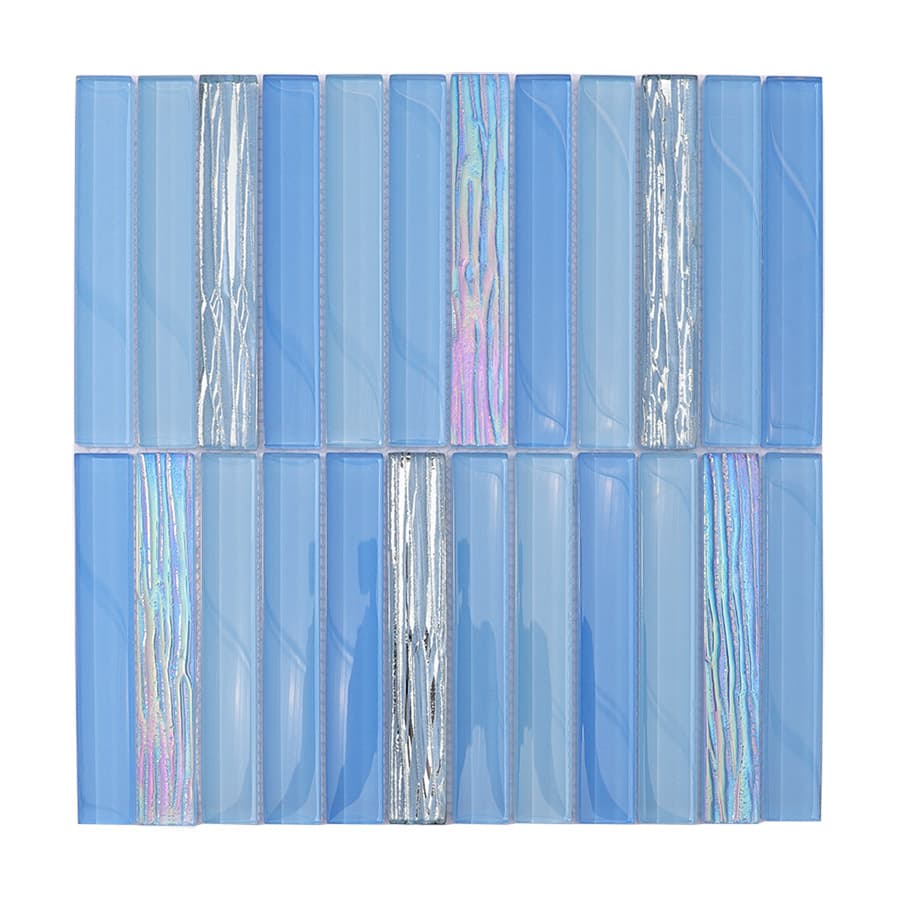
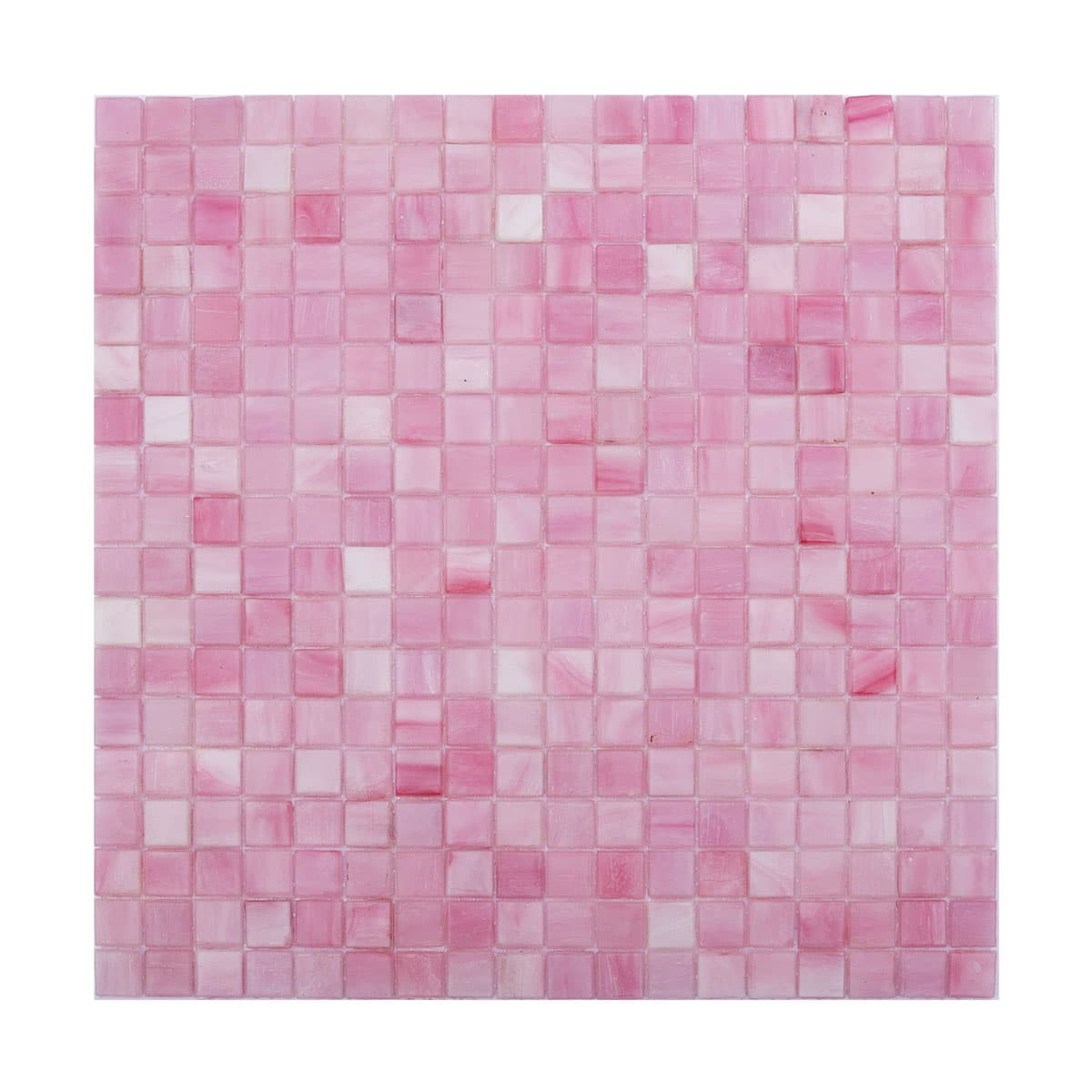
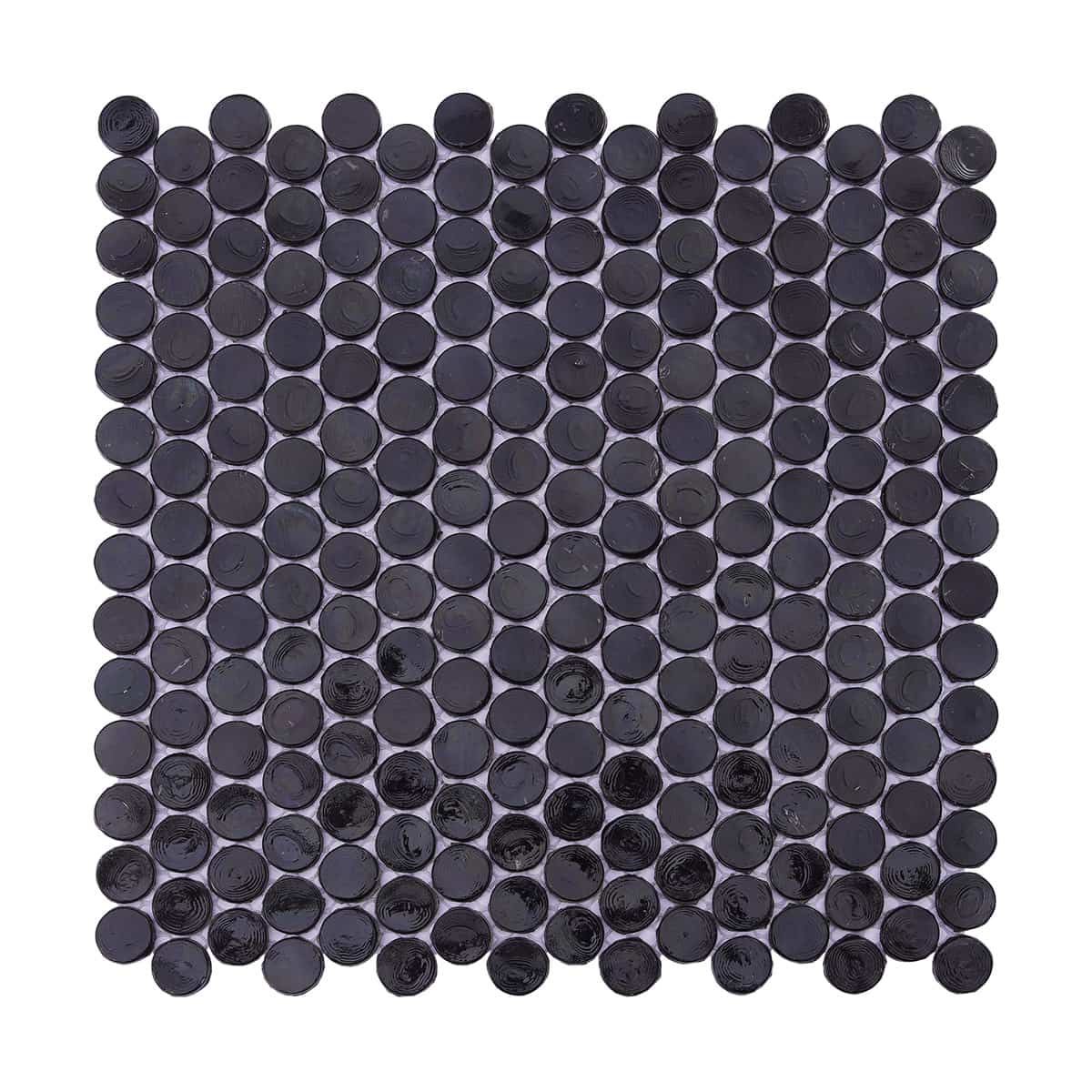
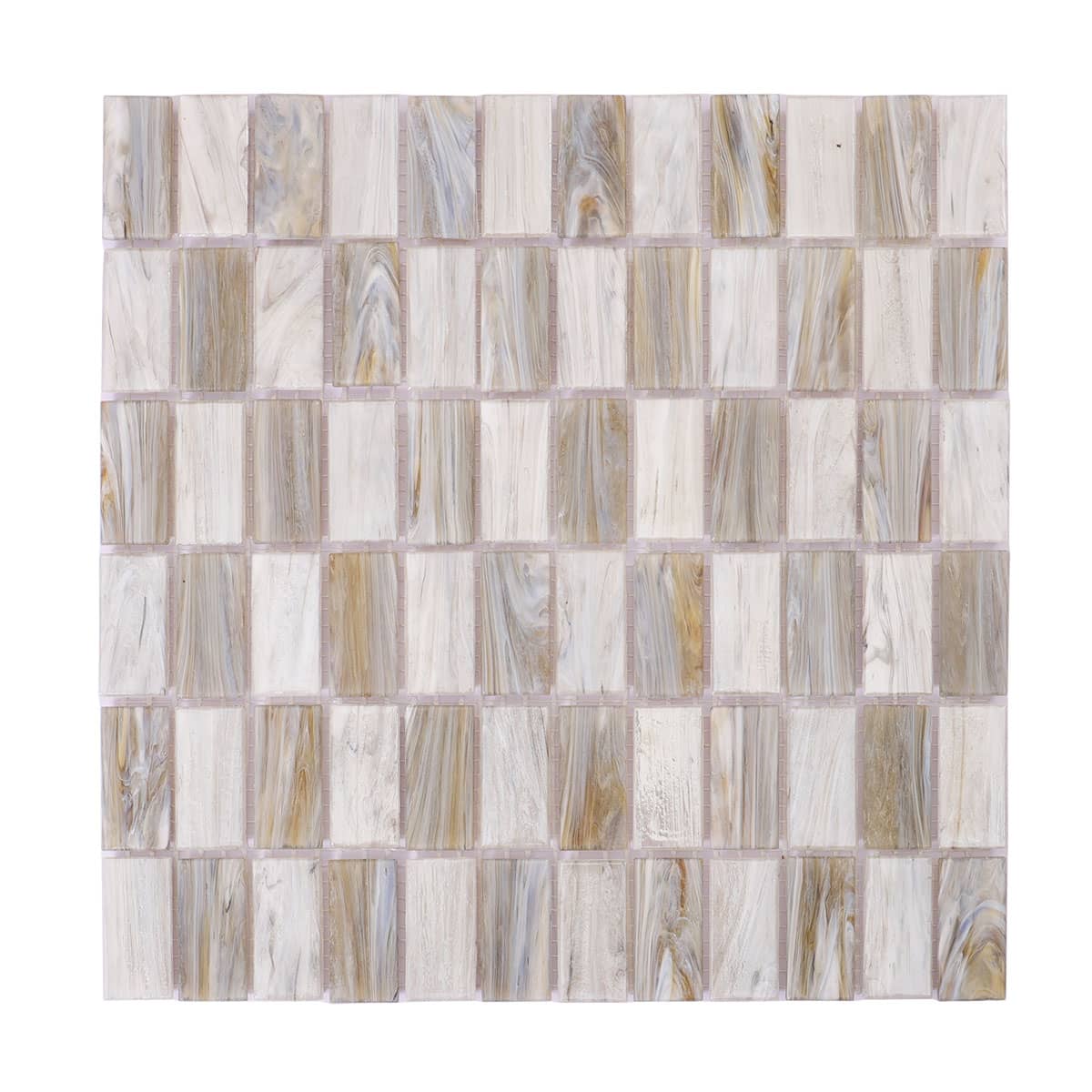
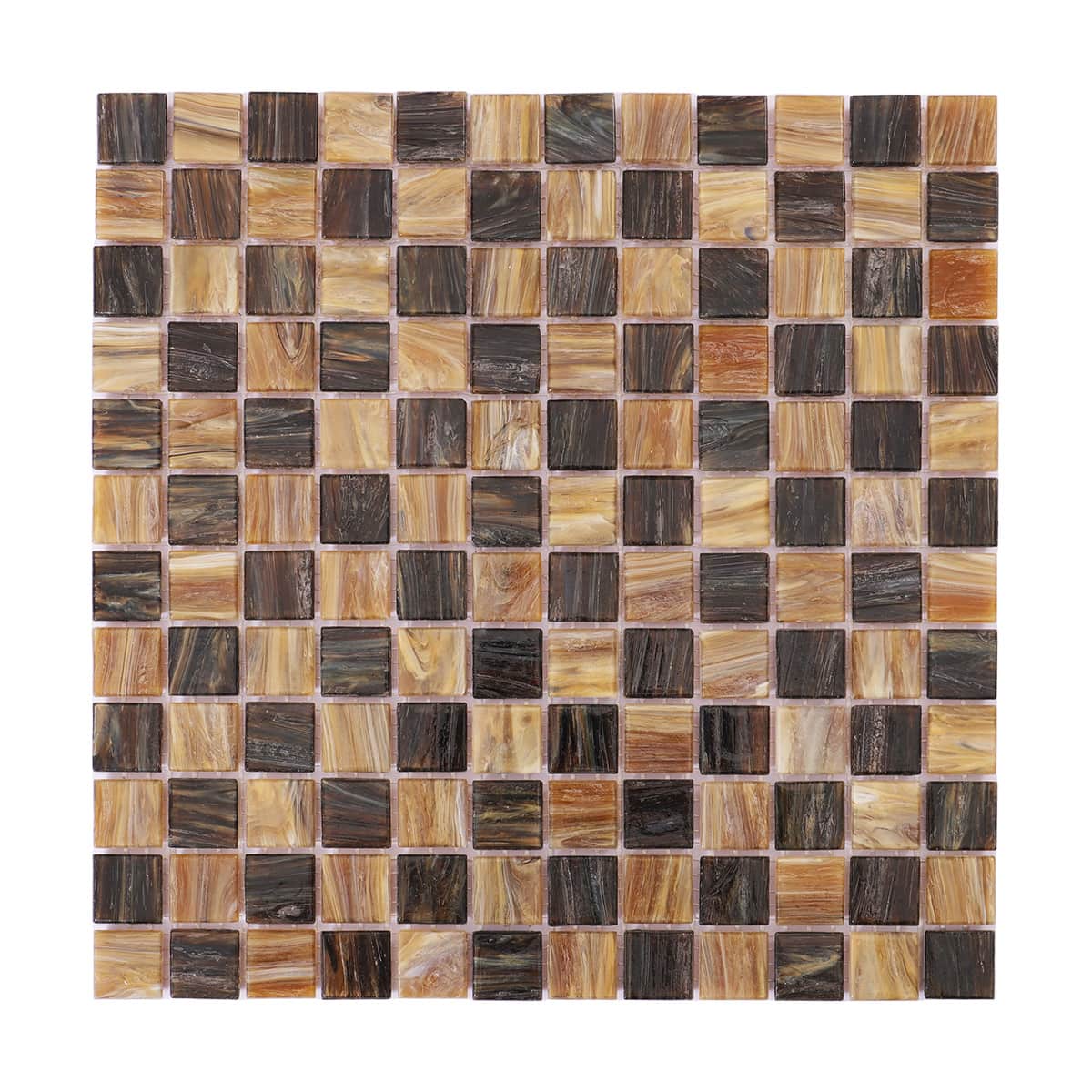
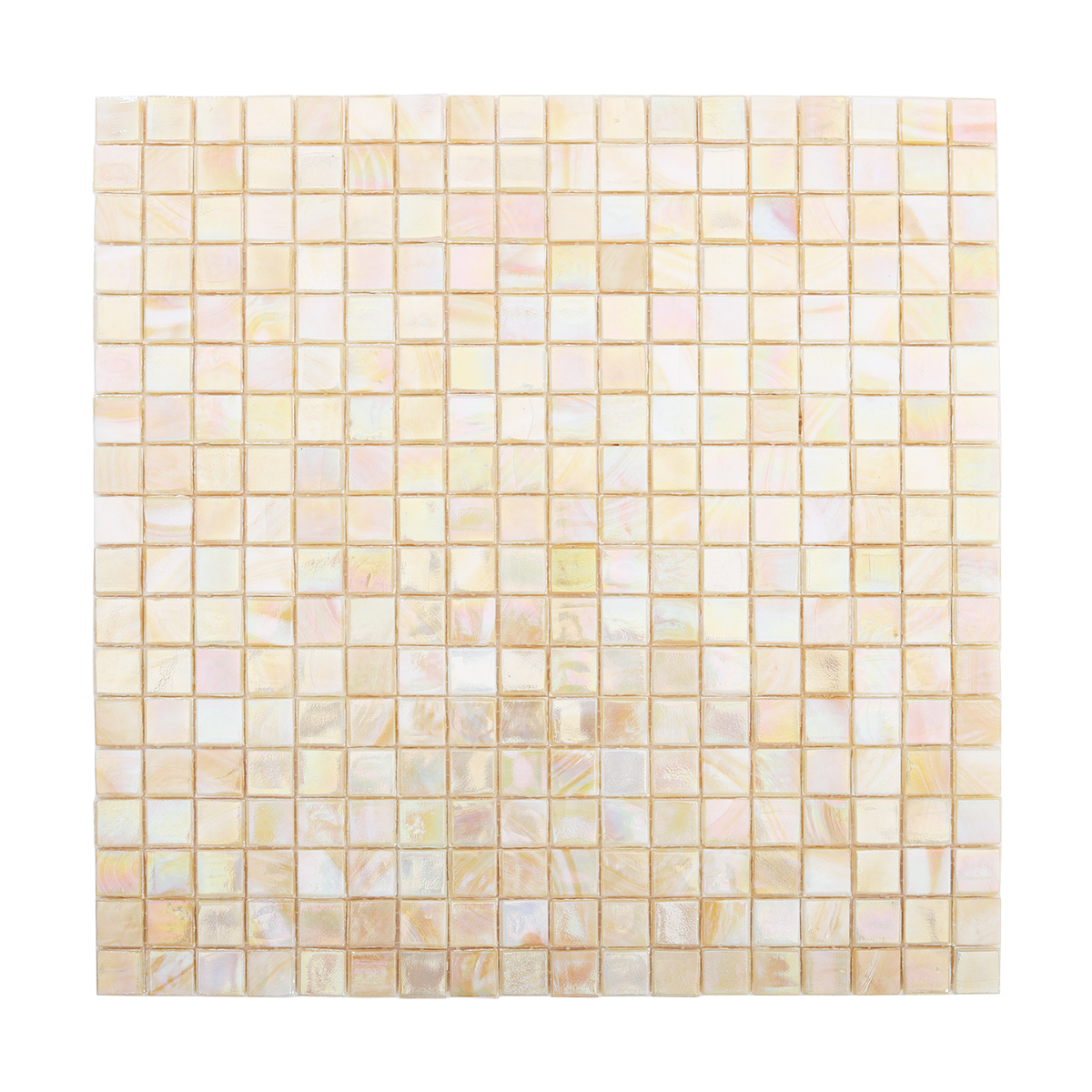
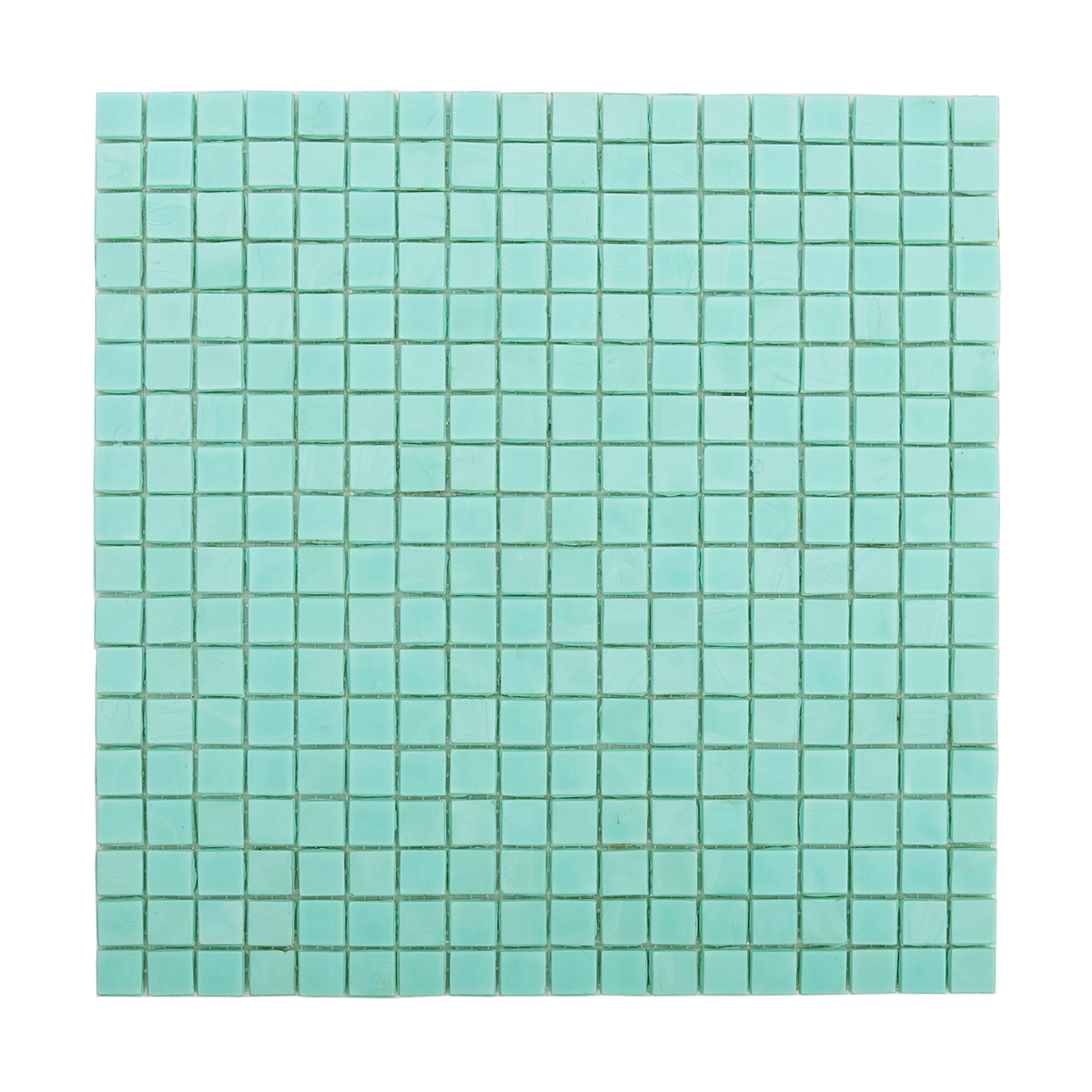
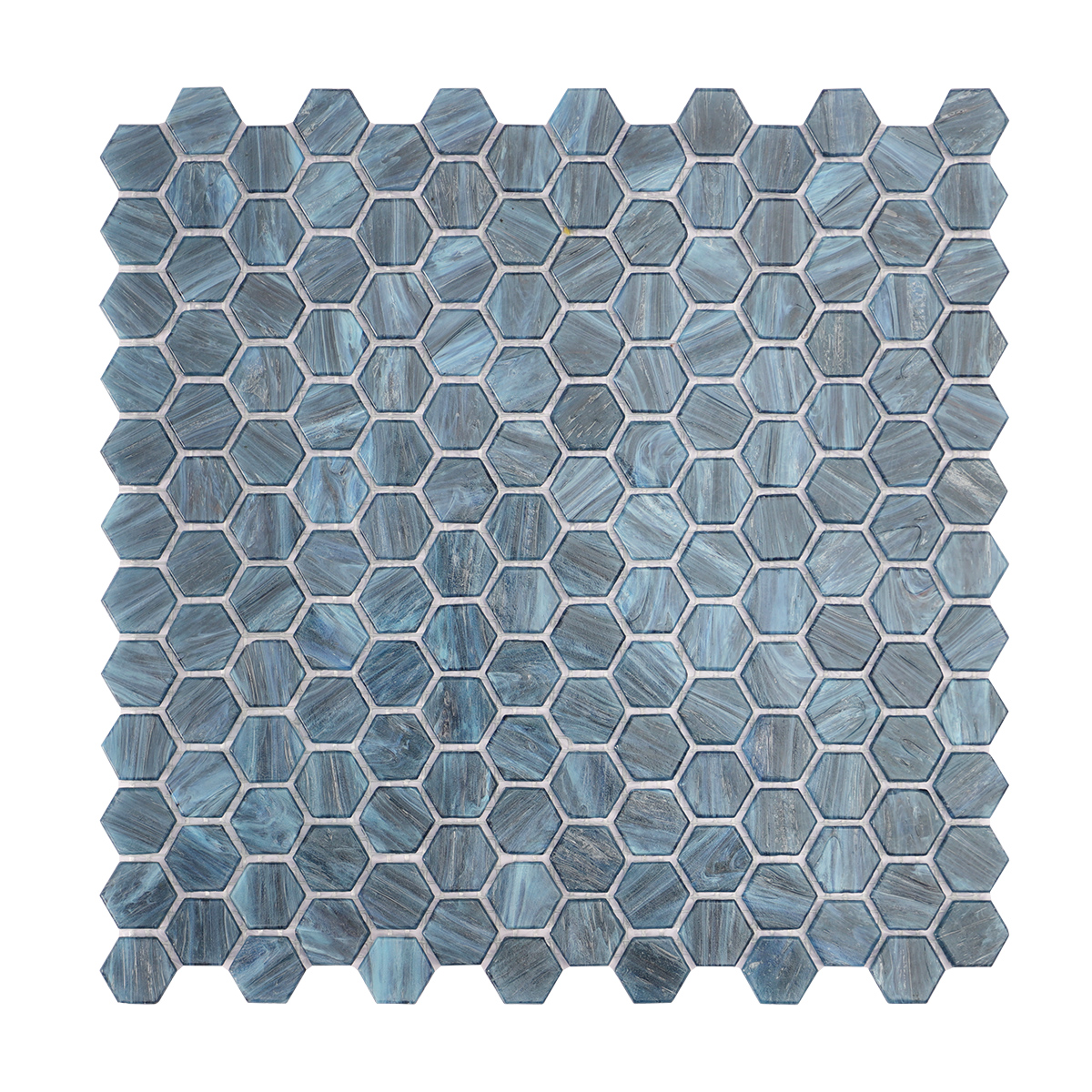
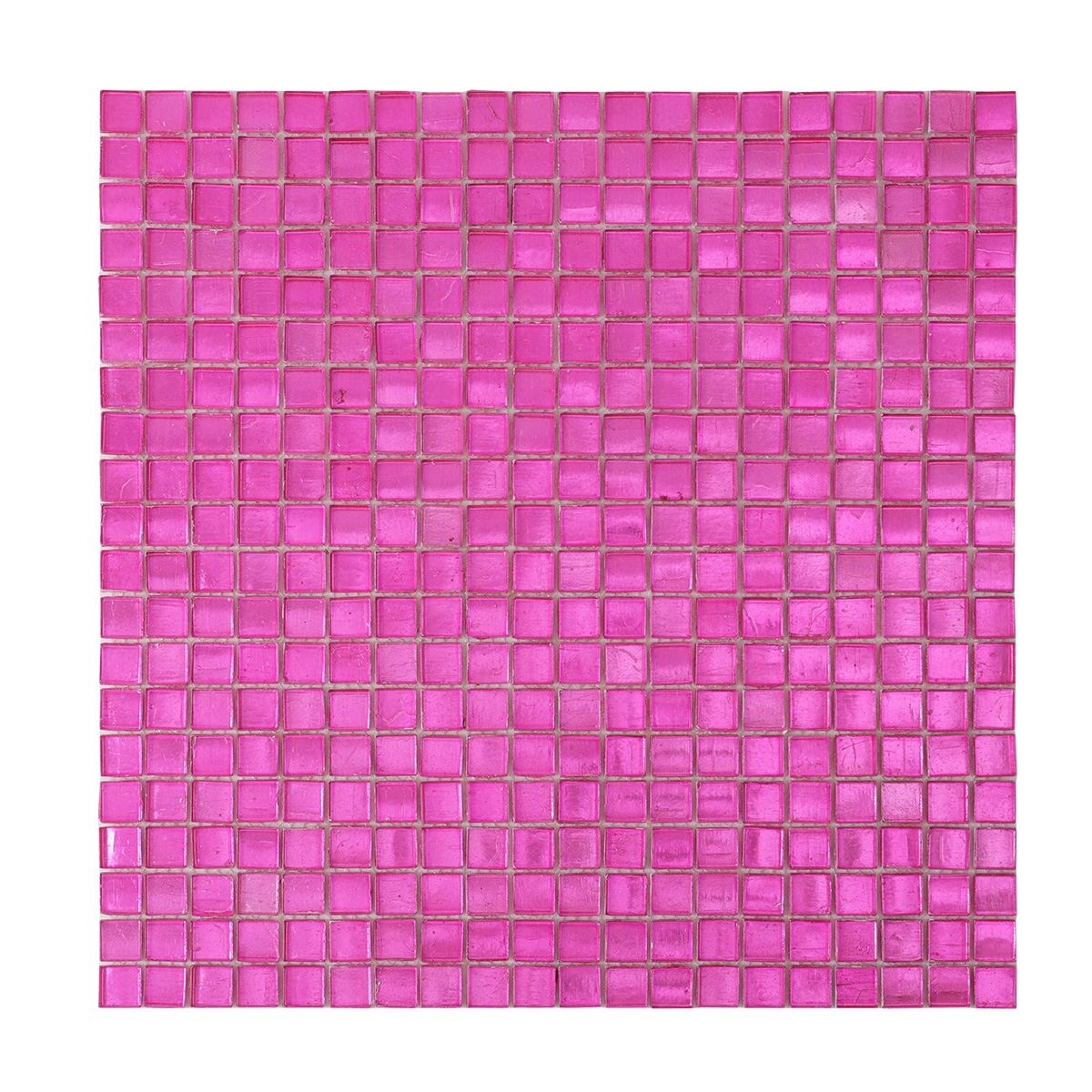
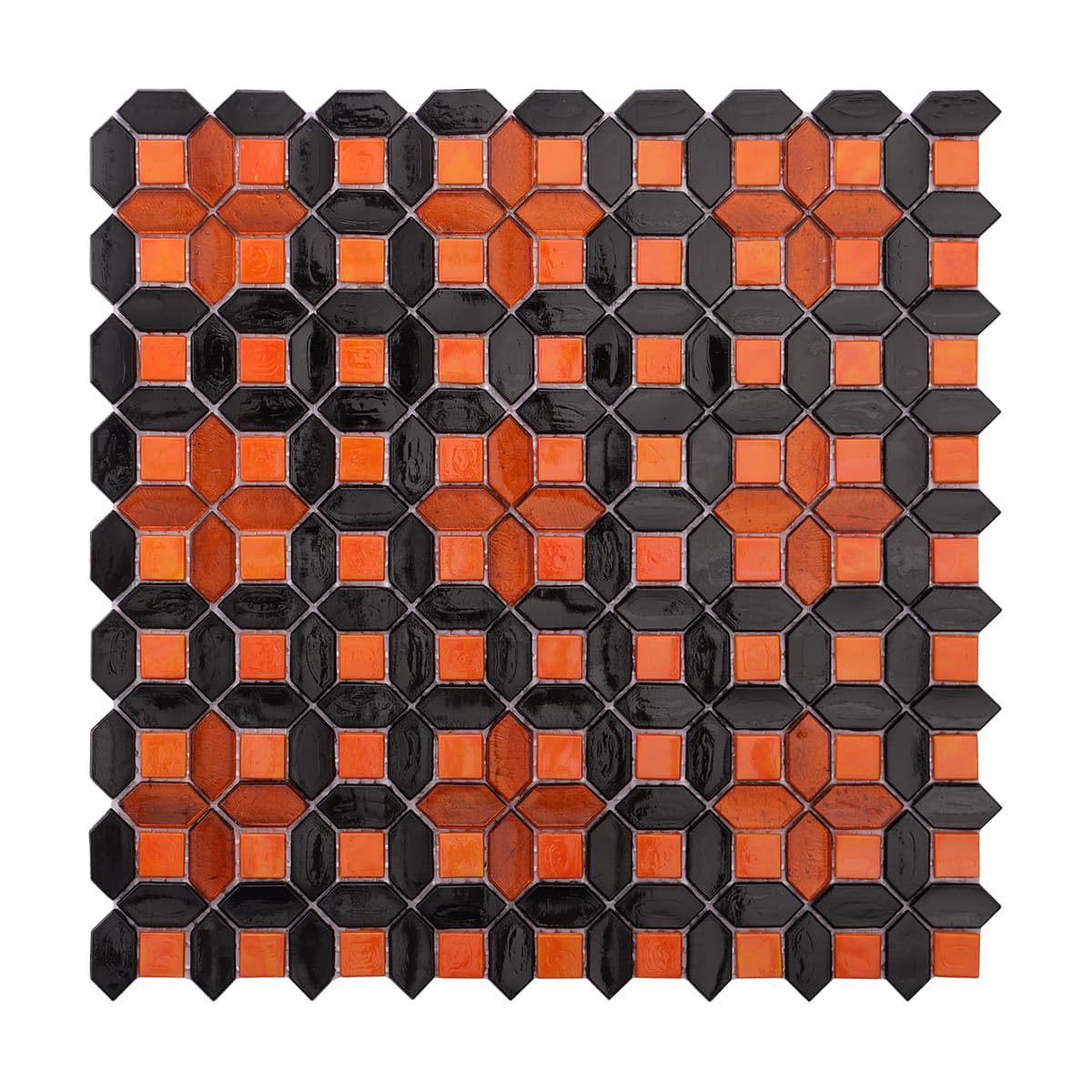
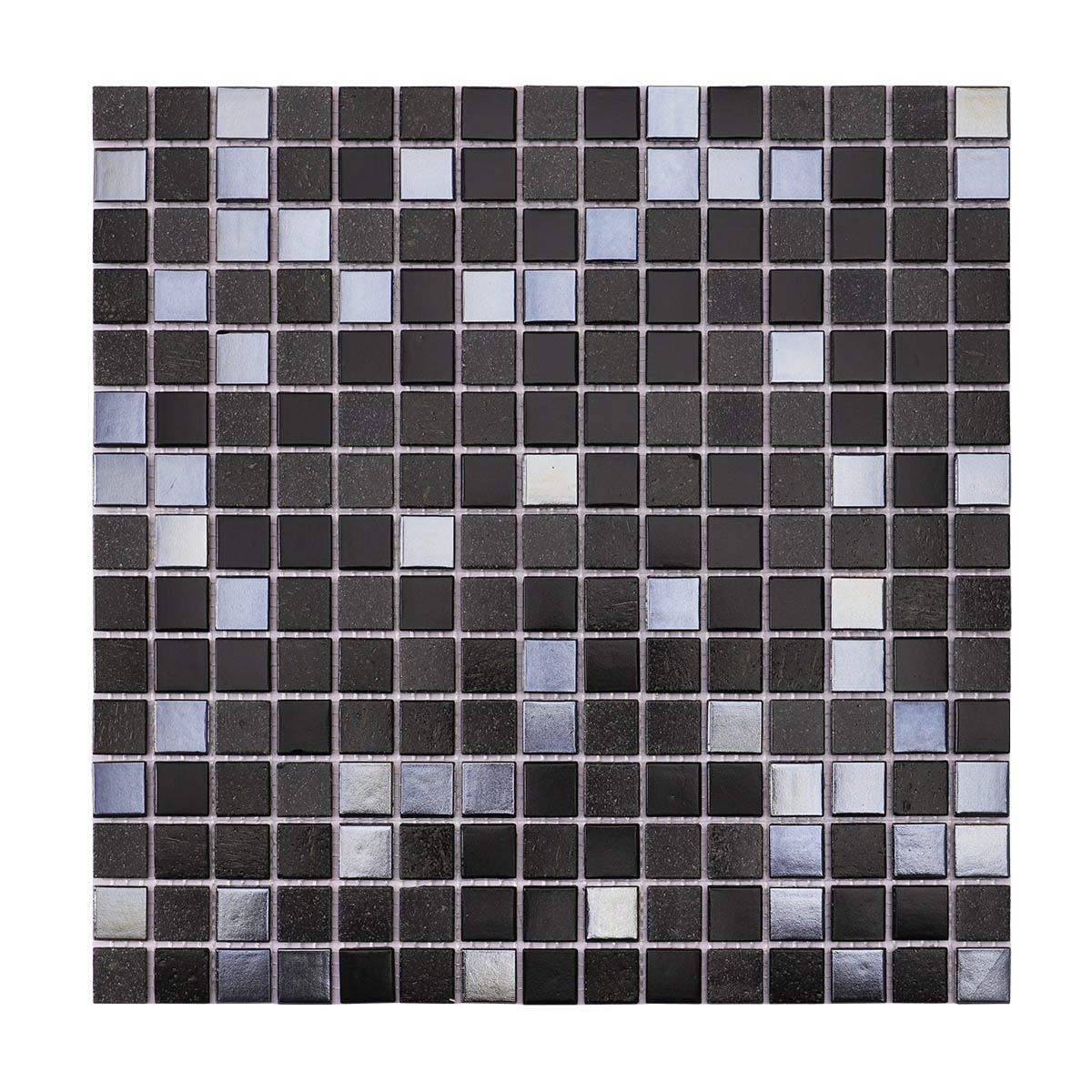
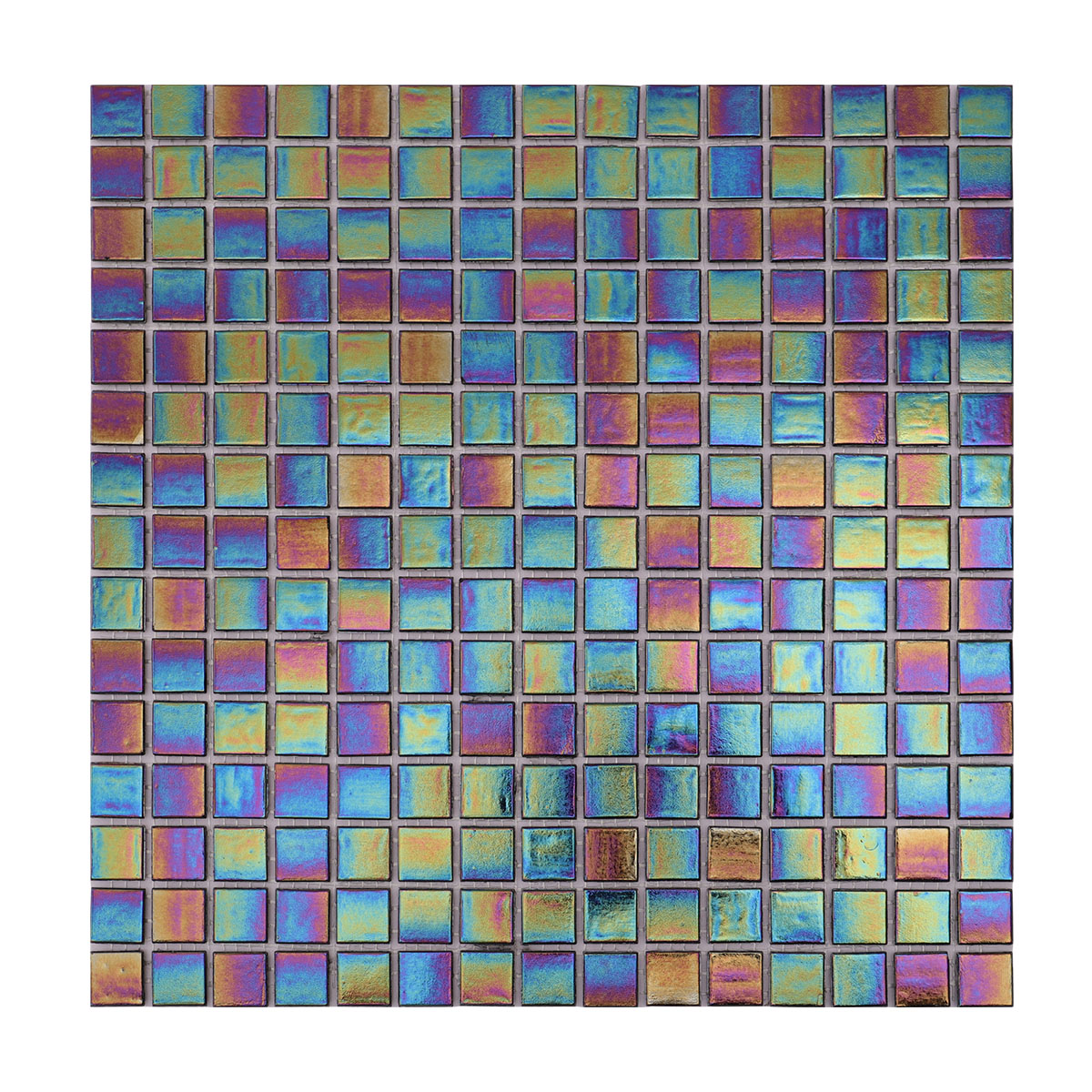
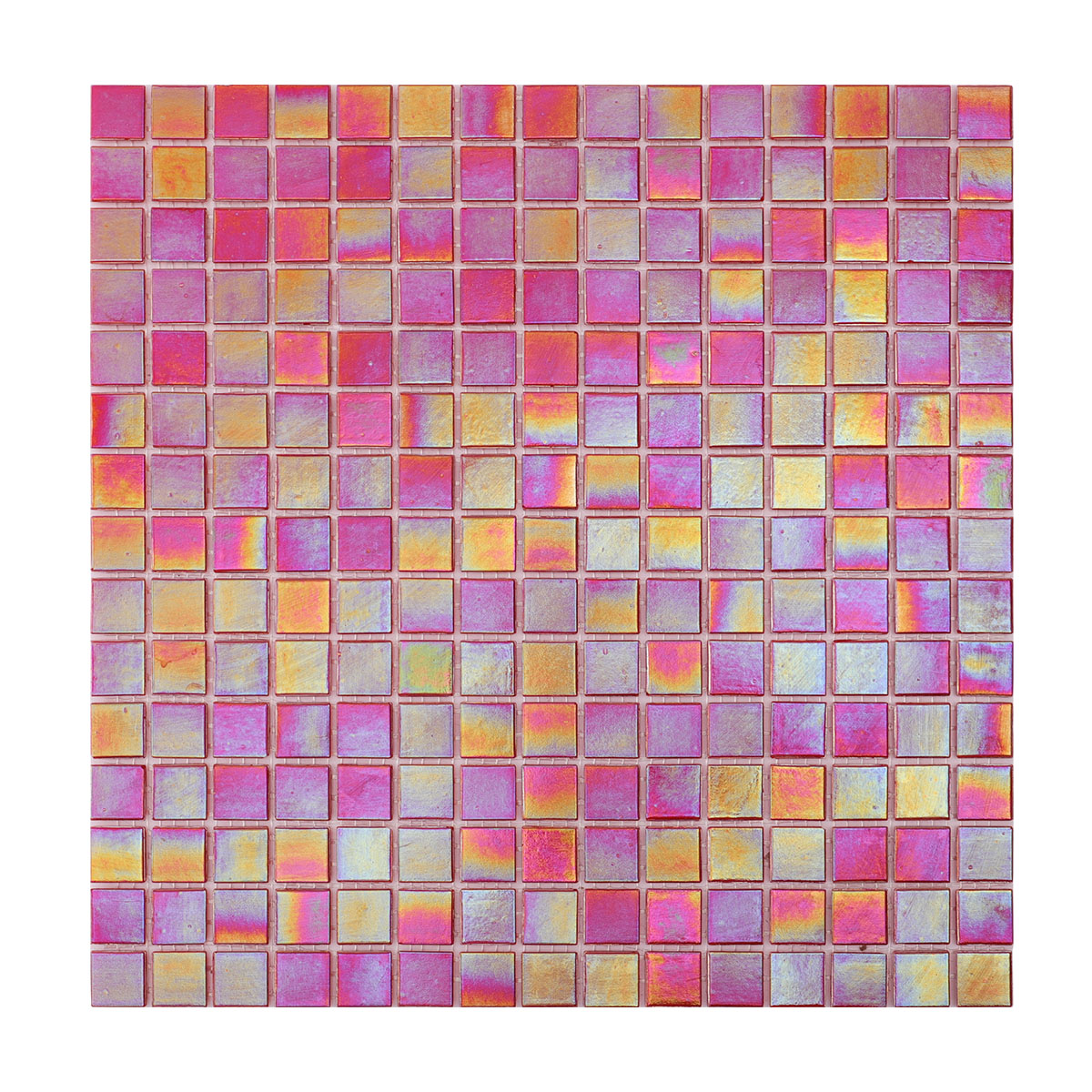
Glass Backsplash Tiles are a popular choice for kitchens, bathrooms, laundry rooms, bars, and other wall spaces where style and easy maintenance matter. Glass is a non-porous material, so it does not easily absorb water, stains, or everyday splashes. It also reflects light beautifully, helping the backsplash area feel brighter, cleaner, and more open.
One of the biggest advantages of glass backsplash tiles is their design flexibility. They are available in a wide range of colors, finishes, shapes, and sizes, making them suitable for everything from simple modern walls to bold decorative focal points. Popular options include glossy subway tiles, iridescent mosaic tiles, geometric glass tiles, and artistic glass murals.
Glass backsplash tiles are commonly used for kitchen backsplashes and bathroom backsplashes, but they can also be used for vanity walls, shower walls, feature walls, and other decorative interior wall applications. With the right color, finish, and shape, they can work in modern, coastal, luxury, minimalist, classic, or vintage-inspired interiors.
Why Choose Glass Backsplash Tiles
Glass backsplash tiles combine decorative beauty with practical performance.
Non-Porous and Easy to Clean
Glass is a non-porous material, which makes it a practical choice for spaces exposed to moisture, cooking splashes, and everyday mess. It is easy to wipe clean and helps maintain a neat backsplash surface.
Reflects Light
Glass tile reflects both natural and artificial light, making kitchens and bathrooms feel brighter and more spacious.
Wide Range of Colors and Finishes
Glass tiles are available in many colors and surface effects, including iridescent, metallic, transparent, matte, sanded, glittered, and textured finishes.
Suitable for Many Styles
From sleek modern kitchens to decorative bathroom walls, glass backsplash tiles can adapt to many design styles and layouts.
Types of Glass Backsplash Tiles
Glass backsplash tiles come in many different product types.
Glass Mosaic Tiles
Glass mosaic tiles are one of the most common choices for backsplashes. Their smaller format makes them ideal for detailed surfaces, corners, niches, and decorative patterns.
Glass Geometric Tiles
Geometric glass tiles include hexagon, diamond, picket, lantern, fish scale, and other distinctive shapes. These styles create a more decorative and design-focused backsplash.
Glass Wall Tiles
Larger glass wall tiles, such as subway tiles and rectangular tiles, create a cleaner and more continuous look. They are often used in modern and minimalist interiors.
Glass Mosaic Murals
Glass mosaic murals can turn a backsplash into an artistic focal point by adding custom images, gradients, or detailed patterns.
Main Types of Glass Material
There are several common types of glass used for backsplash tiles.
Vitreous Glass
Vitreous glass is a solid-body glass material often used in mosaic tiles. It offers rich color and strong visual depth.
Water Glass
Water glass usually features flowing surface texture and soft pattern movement, making it a good option for more natural and artistic designs.
Recycled Glass
Recycled glass tiles are often selected for eco-conscious interior projects and can provide modern color variation and texture.
Crystal Glass
Crystal glass tiles usually have a clearer, smoother, and more polished appearance, making them ideal for refined decorative walls.
Popular Finishes and Effects
Glass backsplash tiles are available in many surface finishes, including:
-
Glossy
-
Matte
-
Iridescent
-
Metallic
-
Transparent
-
Frosted
-
Sanded
-
Glittered
-
Gold-sparkle
-
Textured
Each finish creates a different visual effect. Glossy and transparent surfaces feel bright and clean. Matte surfaces offer a softer appearance. Iridescent and metallic finishes create a more decorative and eye-catching look.
Popular Shapes and Sizes
Glass backsplash tiles are made in many shapes and sizes, such as:
-
Rectangular tiles
-
Penny round tiles
-
Fish scale tiles
-
Picket tiles
-
Diamond tiles
-
Herringbone mosaics
-
Custom geometric patterns
Small mosaics create more detail and texture, while larger glass wall tiles create a simpler and more open look.
Where Glass Backsplash Tiles Can Be Used
Glass backsplash tiles are mainly used on interior walls. Common applications include:
-
Kitchen backsplashes
-
Bathroom backsplashes
-
Vanity walls
-
Shower walls
-
Bar backsplashes
-
Laundry room walls
-
Accent walls
-
Decorative feature walls
Glass tile is especially popular for backsplashes because it combines visual appeal with easy maintenance.
Design Ideas for Glass Backsplash Tiles
Modern Kitchen Backsplash
Glossy subway glass tiles, stacked rectangular tiles, or neutral-colored mosaics can create a clean and modern kitchen wall.
Luxury Bathroom Backsplash
Iridescent glass mosaics, metallic glass tiles, or crystal glass tiles can add shine and elegance to vanity and bathroom backsplash areas.
Colorful Accent Wall
Blue, green, gold, coral, and mixed-color glass mosaics can turn a backsplash into the focal point of the room.
Minimalist Interior
Clear glass, frosted white glass, and soft neutral tones work well in minimalist spaces where light and texture matter more than bold contrast.
Decorative Geometric Layout
Hexagon, fish scale, and picket-shaped glass tiles add movement and personality to backsplash designs.
How to Choose the Right Glass Backsplash Tiles
When choosing glass backsplash tiles, consider the following points:
Room Function
Kitchen backsplashes need easy cleaning and stain resistance. Bathroom backsplashes often benefit from light-reflective finishes and moisture-friendly surfaces.
Color Scheme
Select a tile color that works well with cabinets, countertops, paint, and hardware. Neutral colors create a timeless look, while bold colors make a stronger statement.
Finish
Glossy tiles reflect more light. Matte tiles feel softer. Iridescent and metallic finishes create a more decorative result.
Tile Shape and Size
Small mosaics add detail and texture. Larger tiles give the wall a cleaner and simpler look.
Overall Style
Choose shapes and finishes that match the design direction of the space, whether modern, luxury, coastal, minimalist, classic, or vintage.
Installation Notes
For the best results, the wall surface should be clean, dry, smooth, and structurally sound before installation. Careful planning around outlets, corners, cabinets, and trim helps create a more professional backsplash layout. Installation guides from major tile brands also emphasize using appropriate wall-tile methods and suitable cleaners and tools for glass surfaces.
Because glass is reflective and decorative, careful installation is important for a clean finished appearance. It is also important to confirm that the selected product is suitable for the intended application area.
Cleaning and Maintenance
Glass backsplash tiles are generally easy to maintain.
-
Wipe regularly with a soft cloth or sponge
-
Use mild, non-abrasive cleaners
-
Avoid steel wool and harsh scrubbing pads
-
Dry the surface after cleaning for a cleaner shine
-
Keep grout joints clean as part of regular maintenance
Guidance from tile manufacturers commonly recommends gentle, non-abrasive cleaning methods for decorative wall tile surfaces.
Glass Backsplash Tiles for Kitchen and Bathroom
Kitchen Glass Backsplash Tiles
Glass backsplash tiles are widely used in kitchens because they help protect the wall from splashes while adding color, shine, and easy-clean performance.
Bathroom Glass Backsplash Tiles
In bathrooms, glass tiles are often used to brighten the vanity area and create a more polished and decorative wall design.
FAQ
Are glass backsplash tiles easy to clean?
Yes. Glass is non-porous and is generally easy to wipe clean.
Are glass backsplash tiles good for kitchens?
Yes. They are a popular choice for kitchen backsplashes because they are decorative, moisture-resistant, and easy to maintain.
Can glass backsplash tiles be used in bathrooms?
Yes. Glass backsplash tiles are widely used for bathroom backsplash walls and vanity areas.
What styles do glass backsplash tiles come in?
They come in many styles, including mosaic, subway, geometric, iridescent, metallic, matte, glossy, and mural designs.
What is the difference between vitreous glass and crystal glass?
Vitreous glass usually has a more solid-body appearance, while crystal glass often looks clearer, smoother, and more polished.
Final Thoughts
Glass Backsplash Tiles are a smart choice for anyone who wants a wall surface that is decorative, versatile, and easy to maintain. With so many colors, finishes, shapes, and material types available, they can suit everything from simple kitchen backsplashes to luxurious bathroom walls.
If you want a backsplash that adds light, texture, color, and personality to the space, glass backsplash tiles are one of the most flexible options available.