

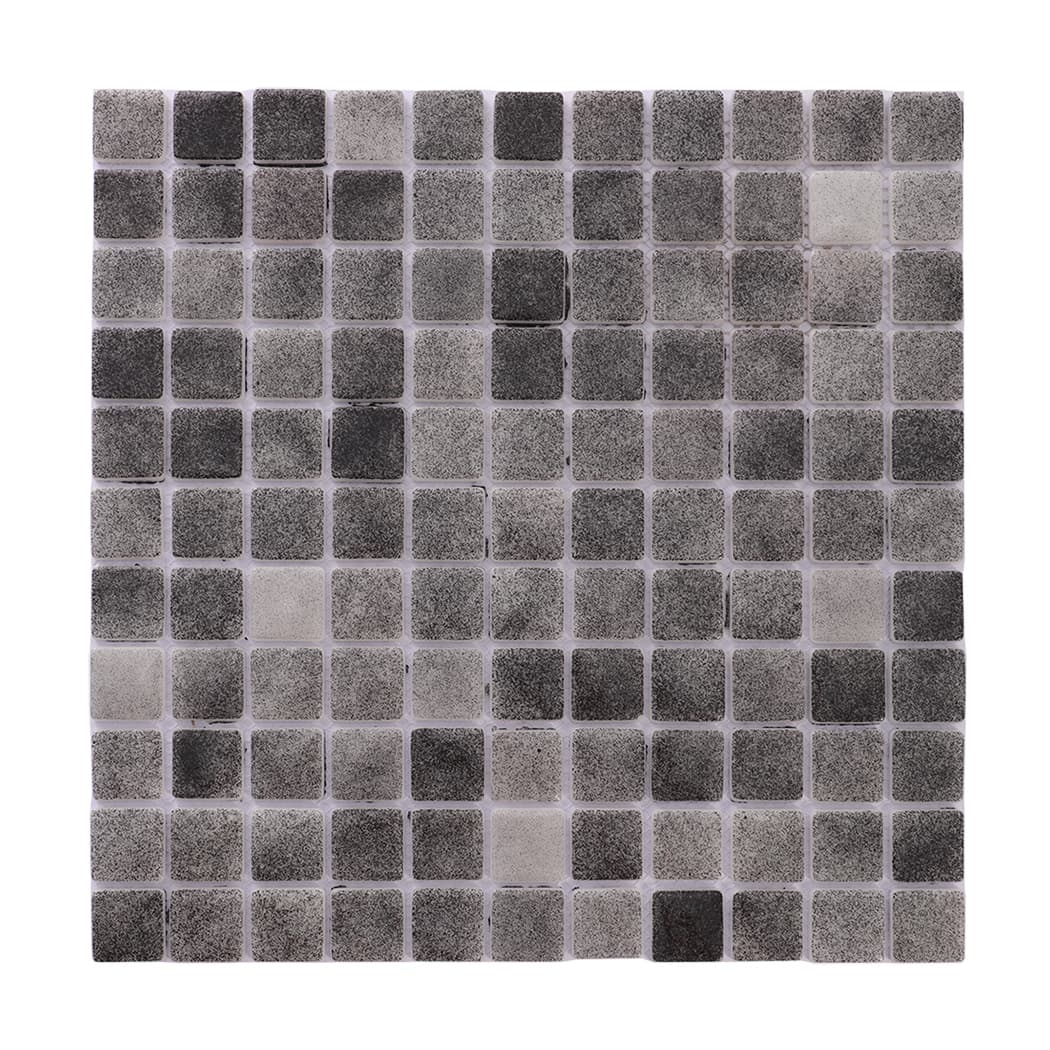
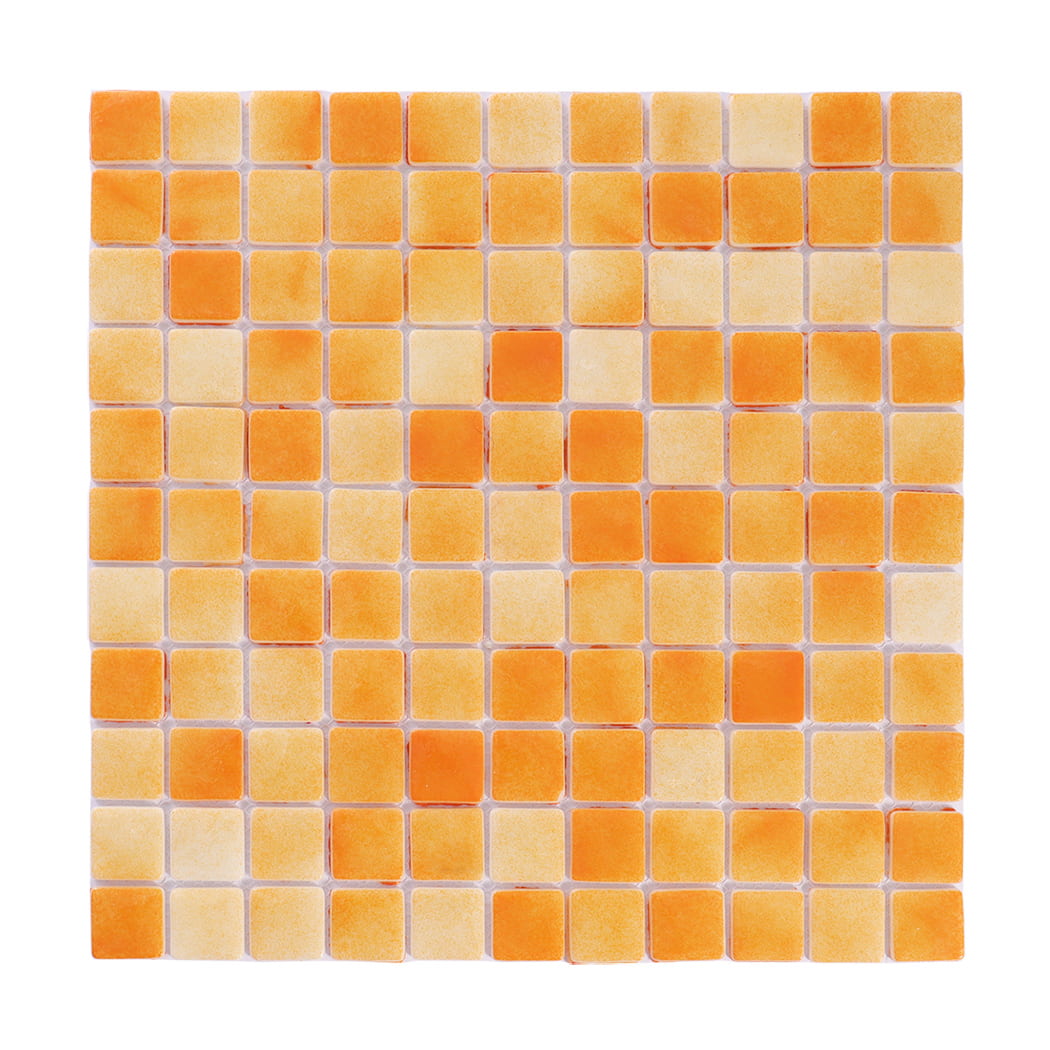
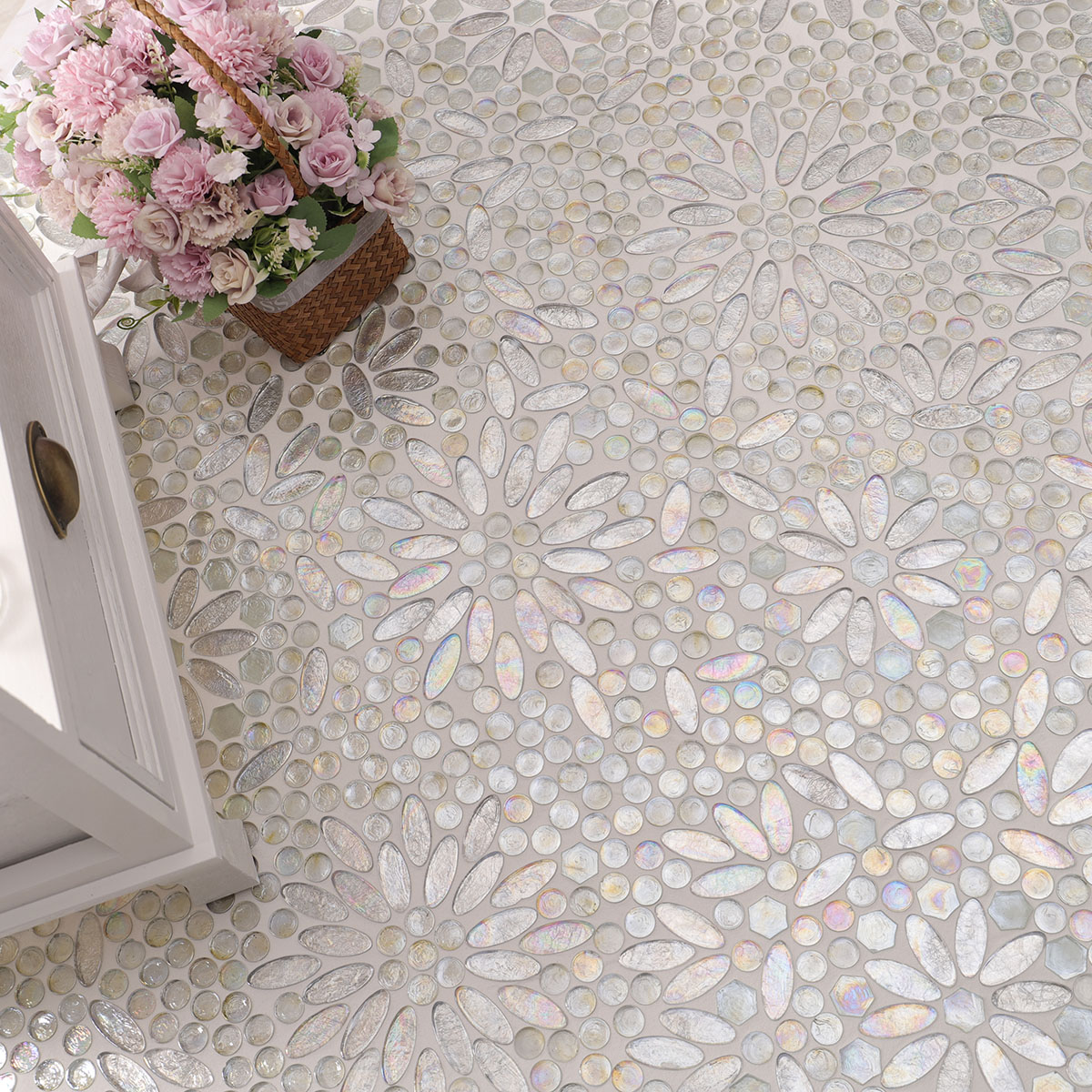
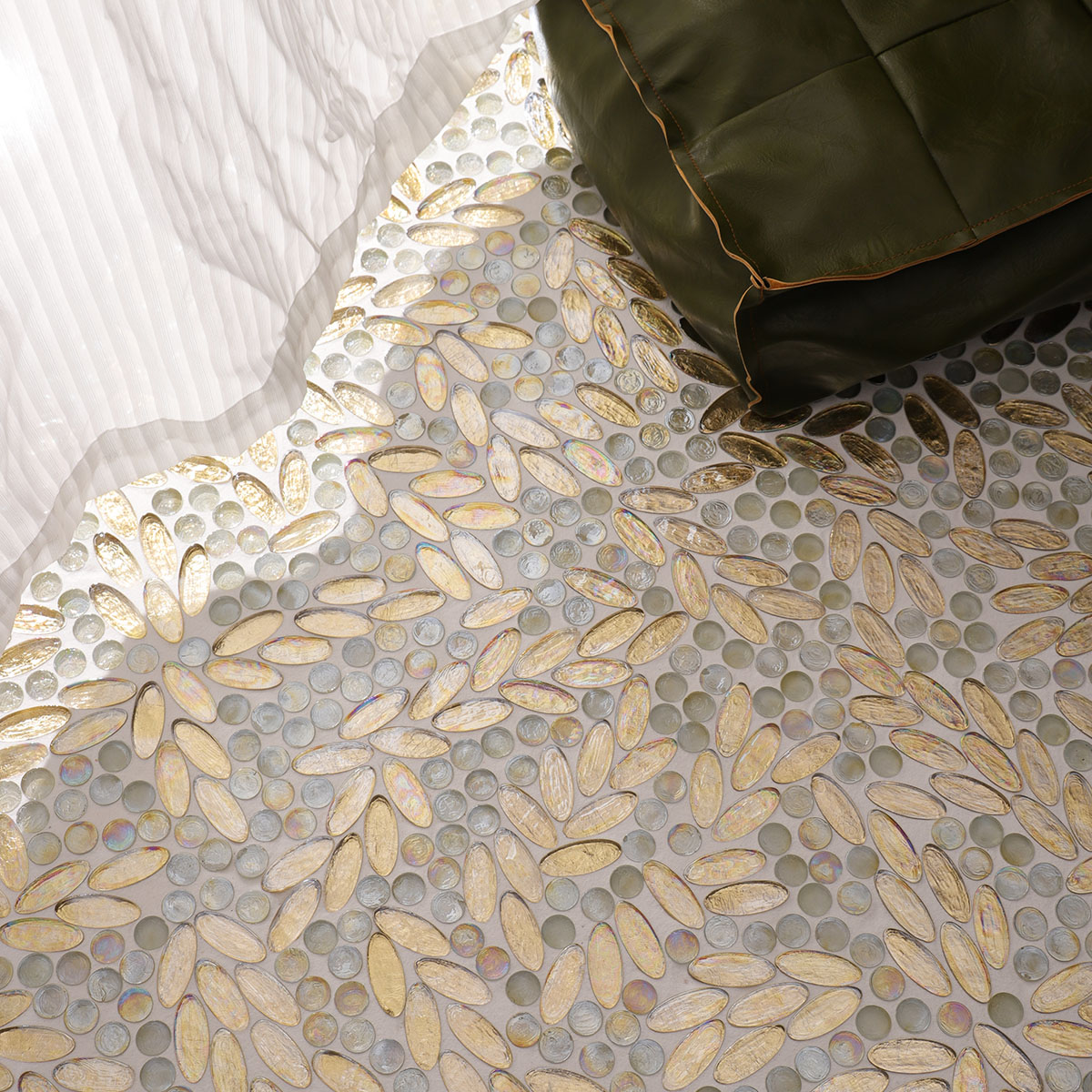
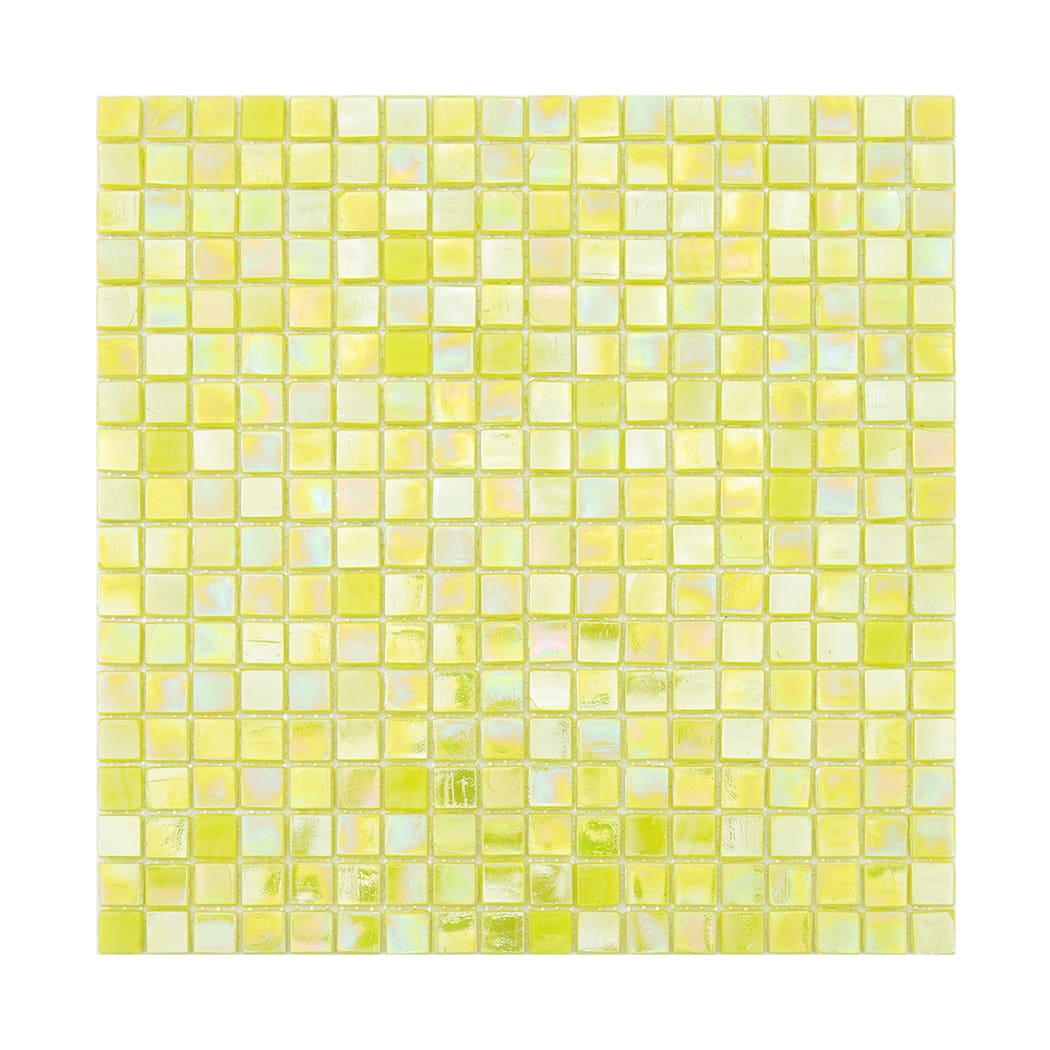
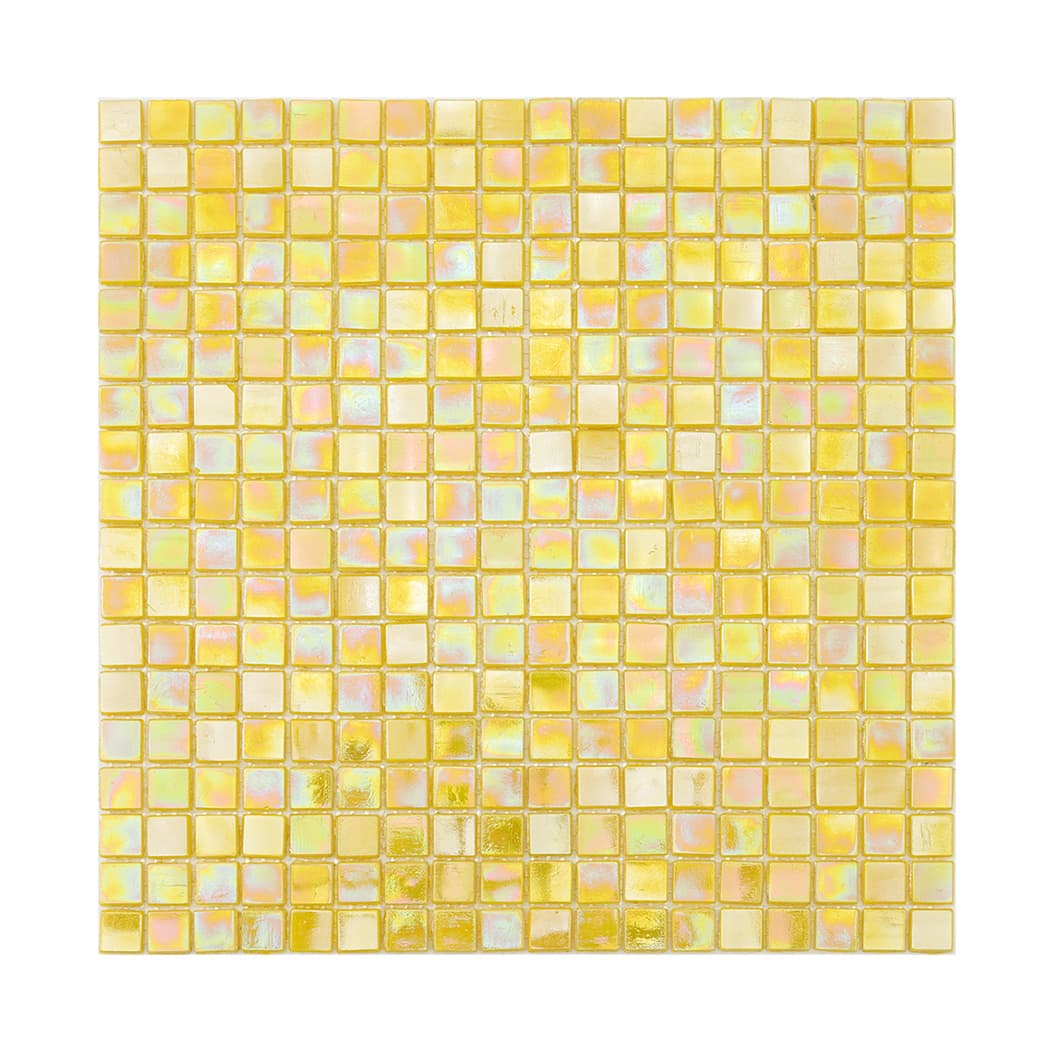
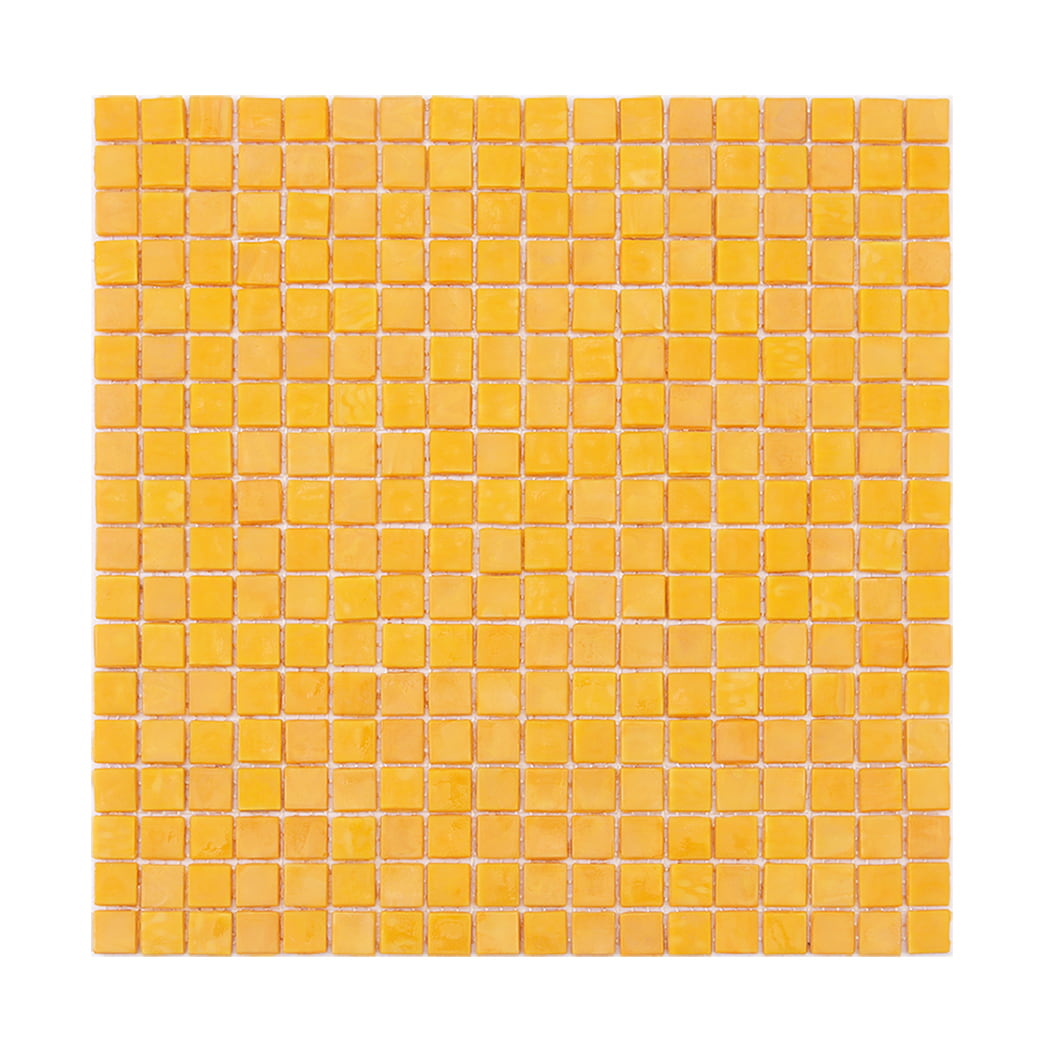
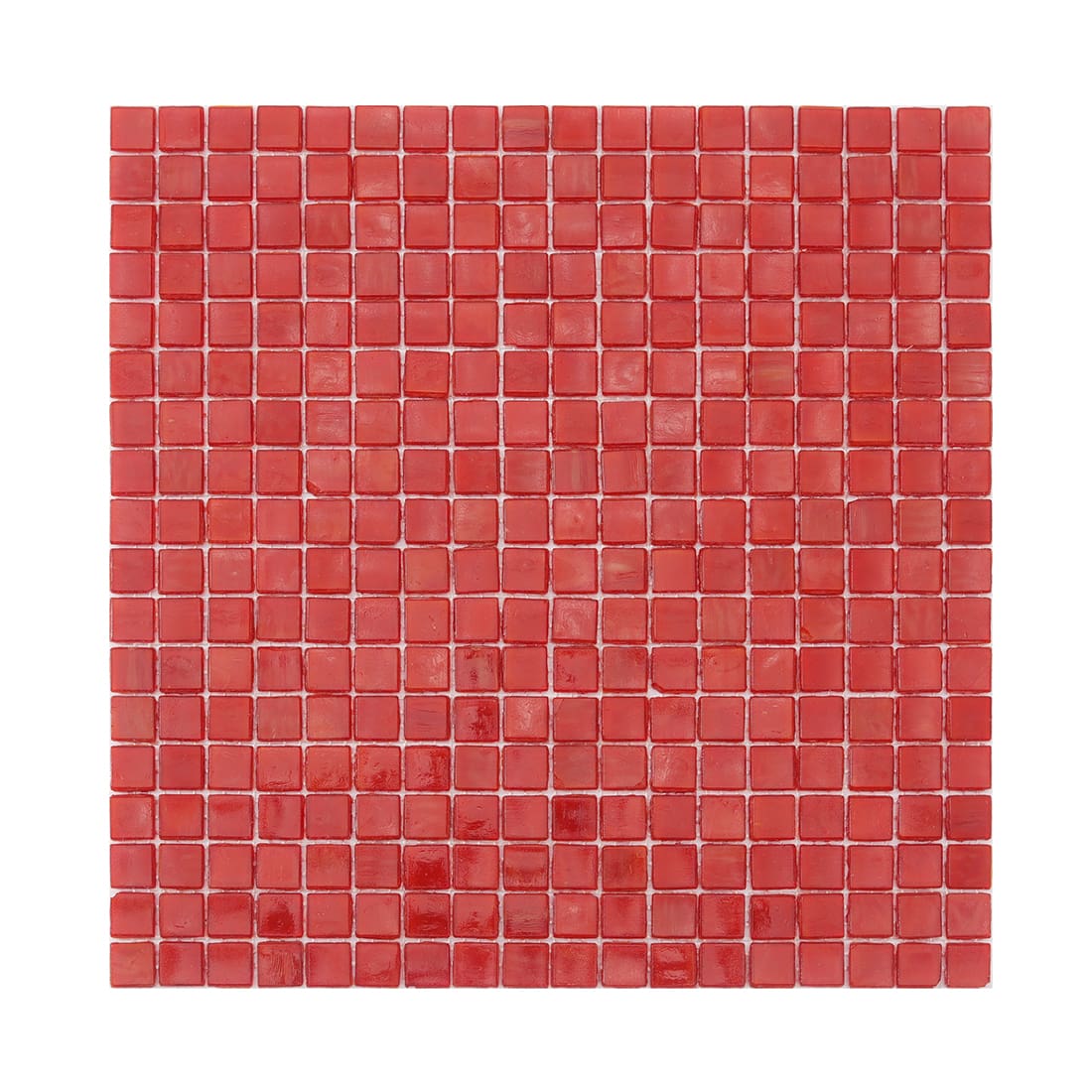
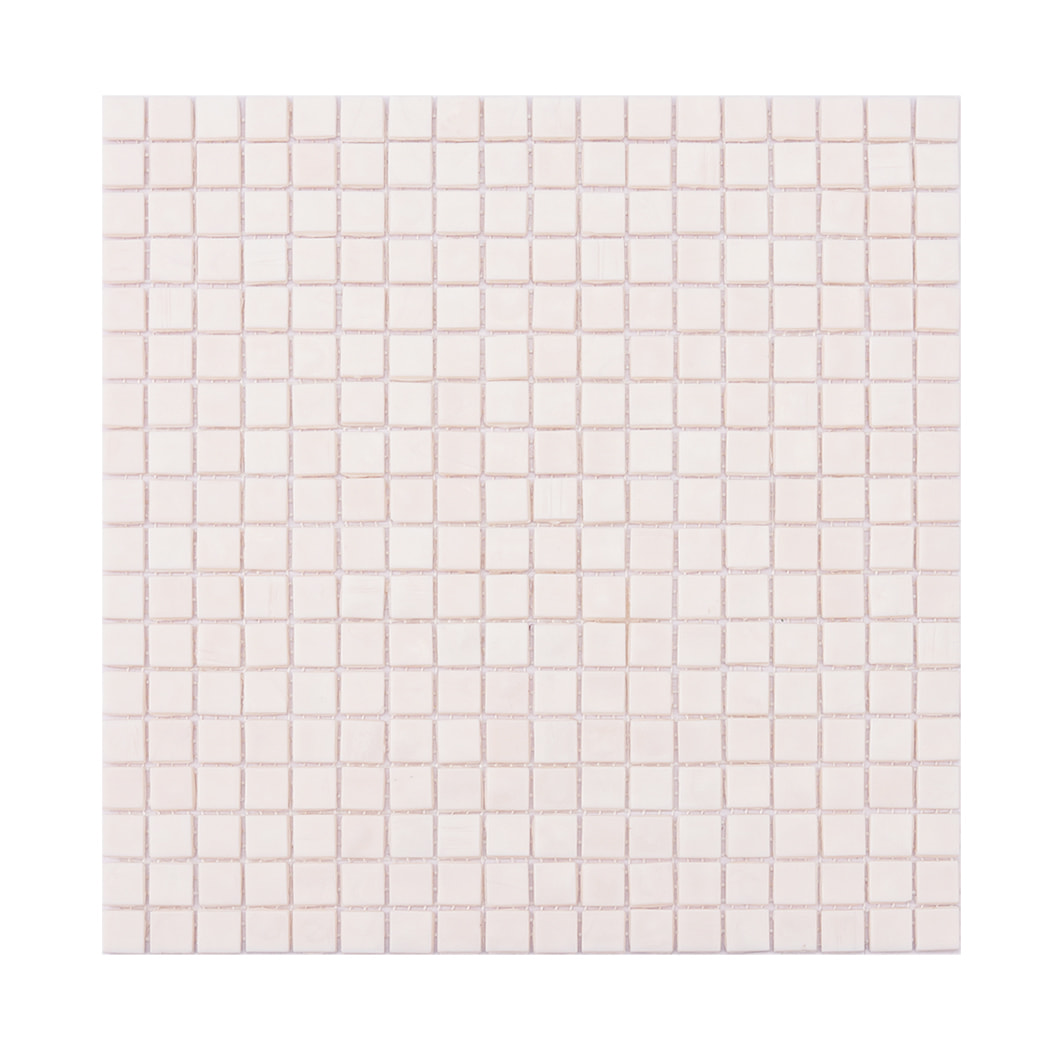
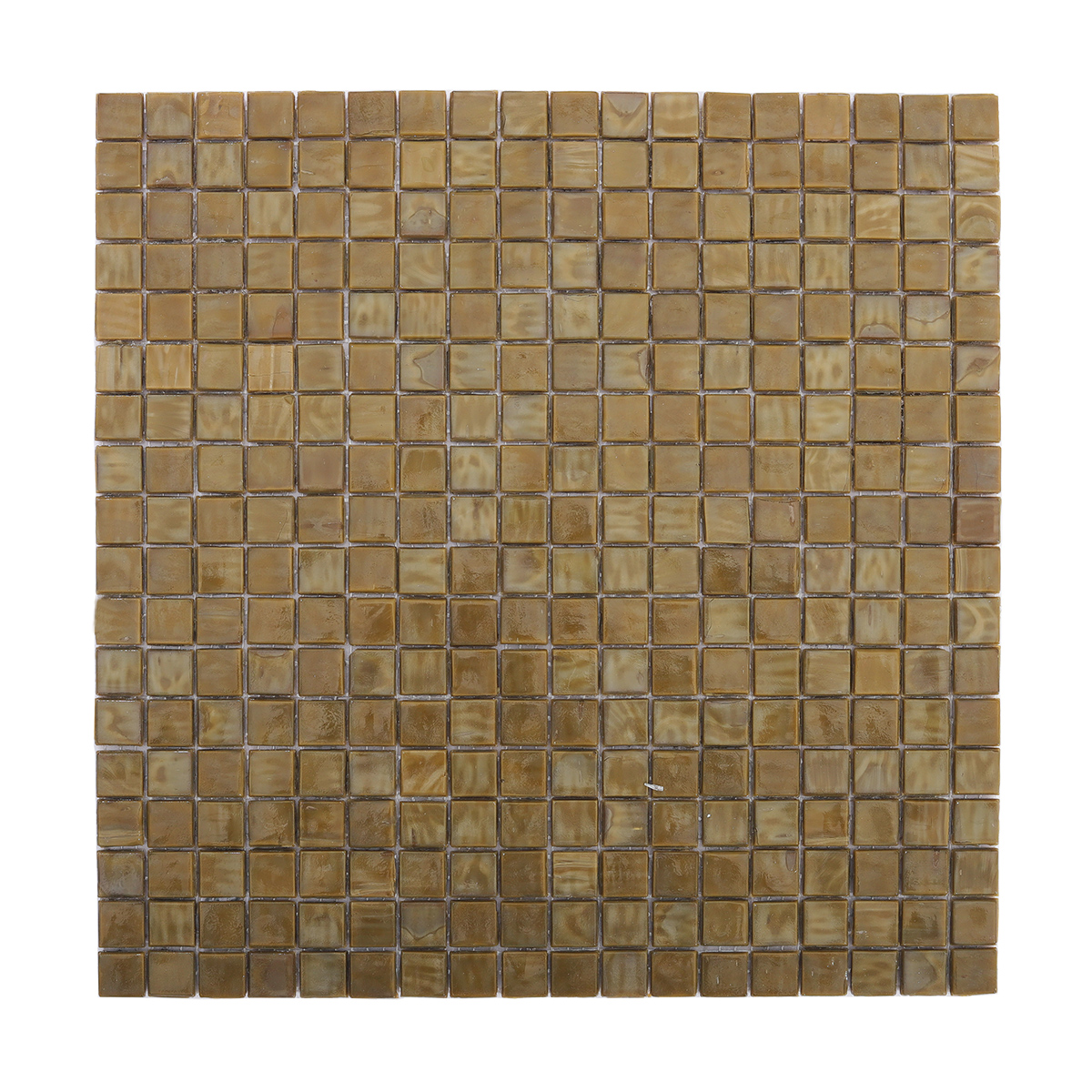
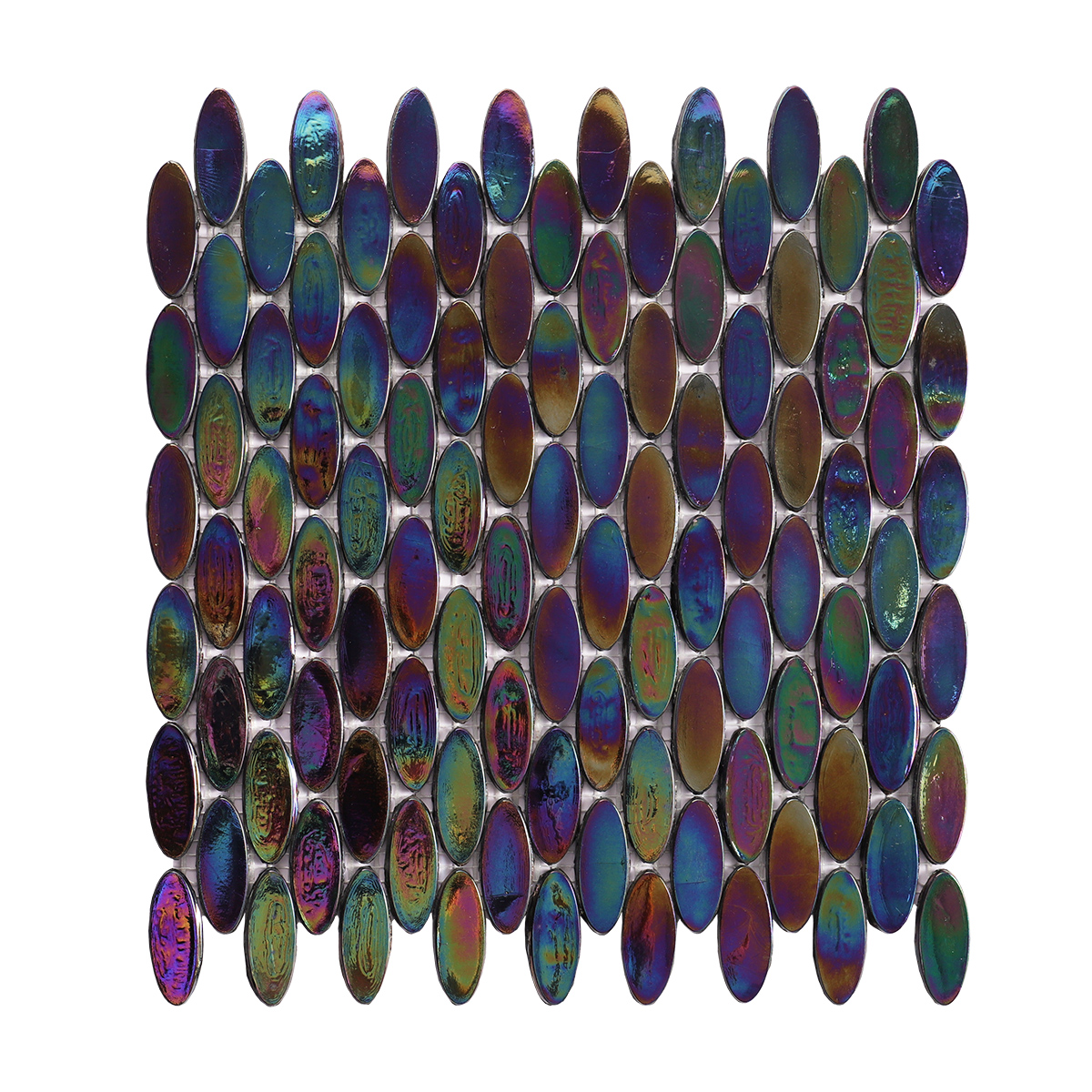
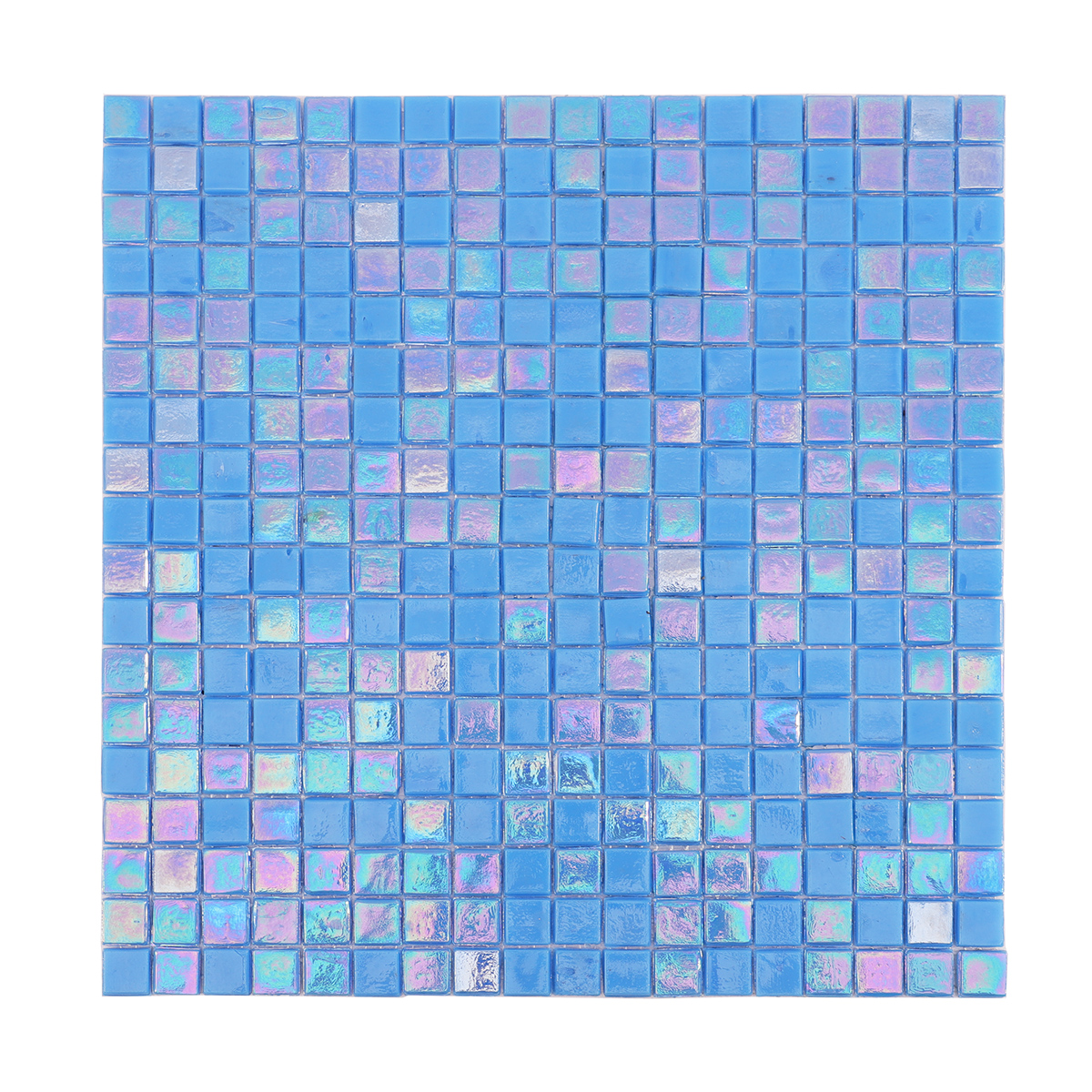
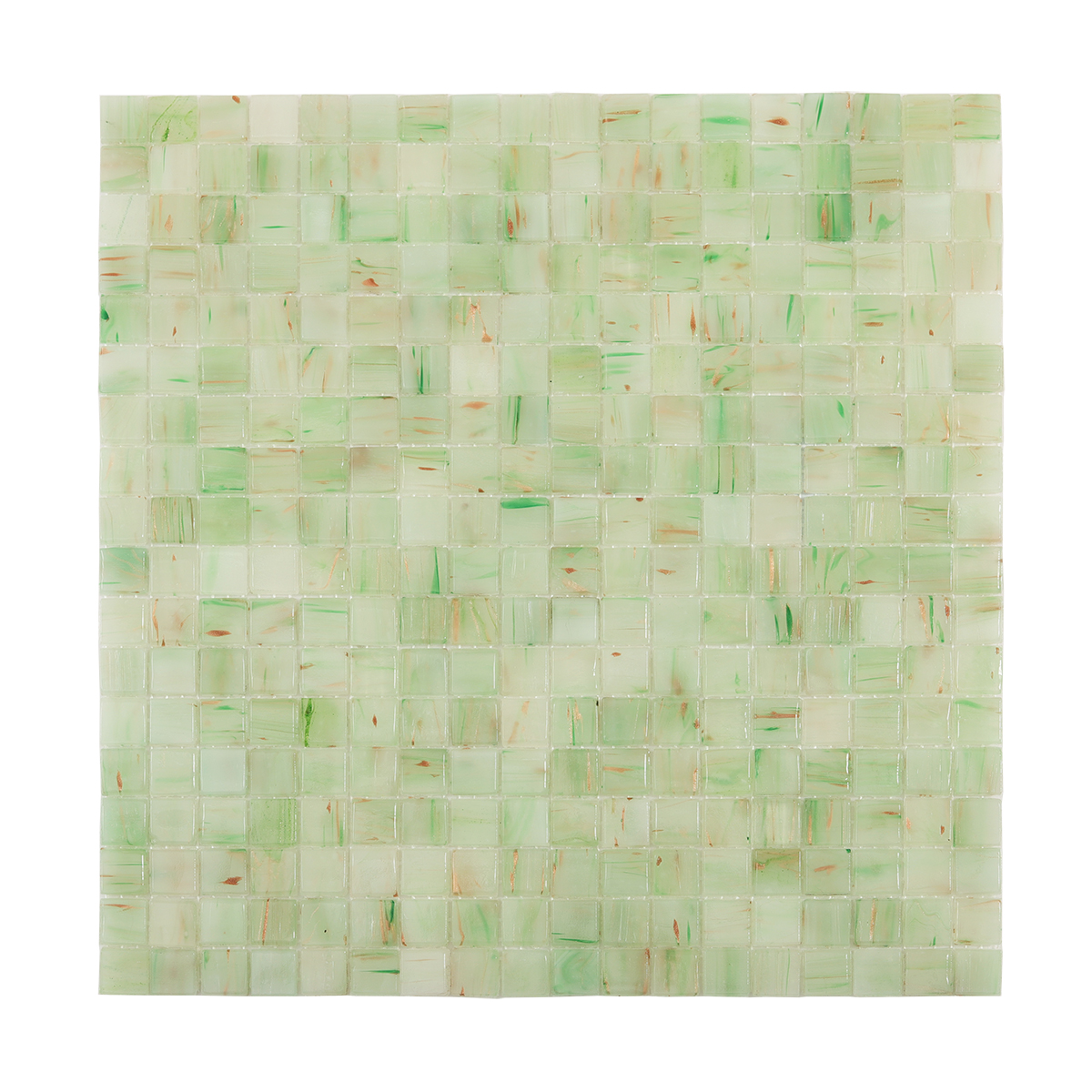
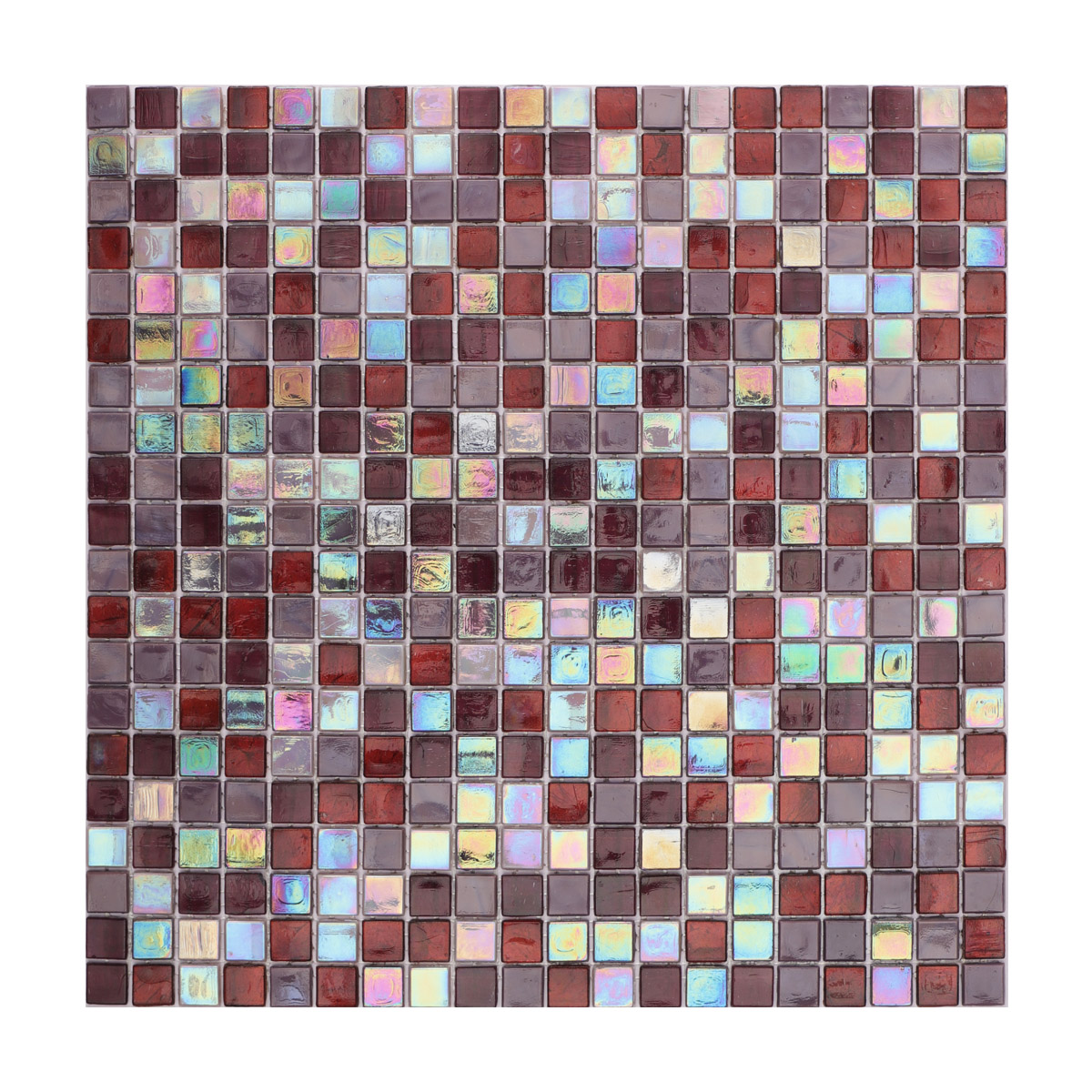
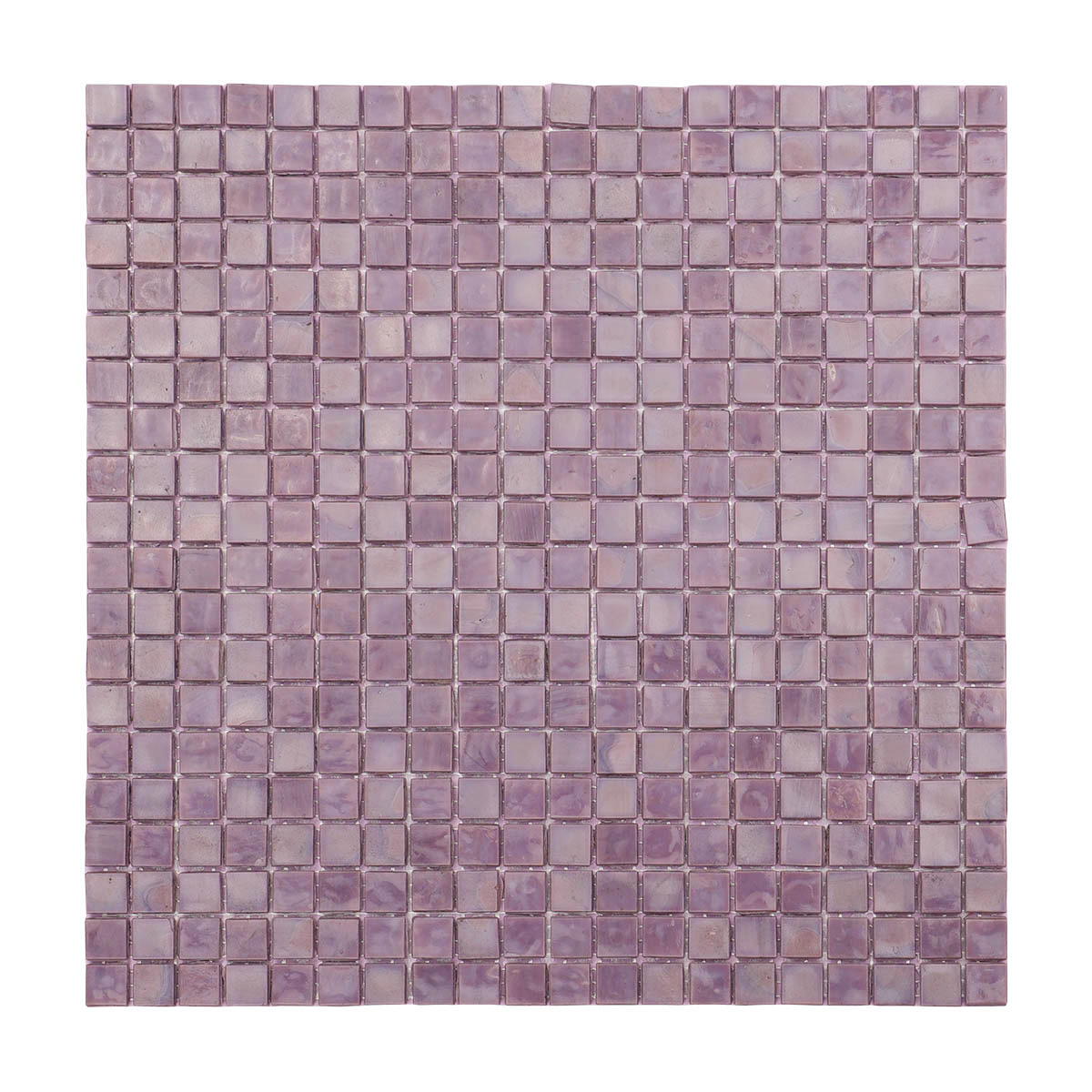
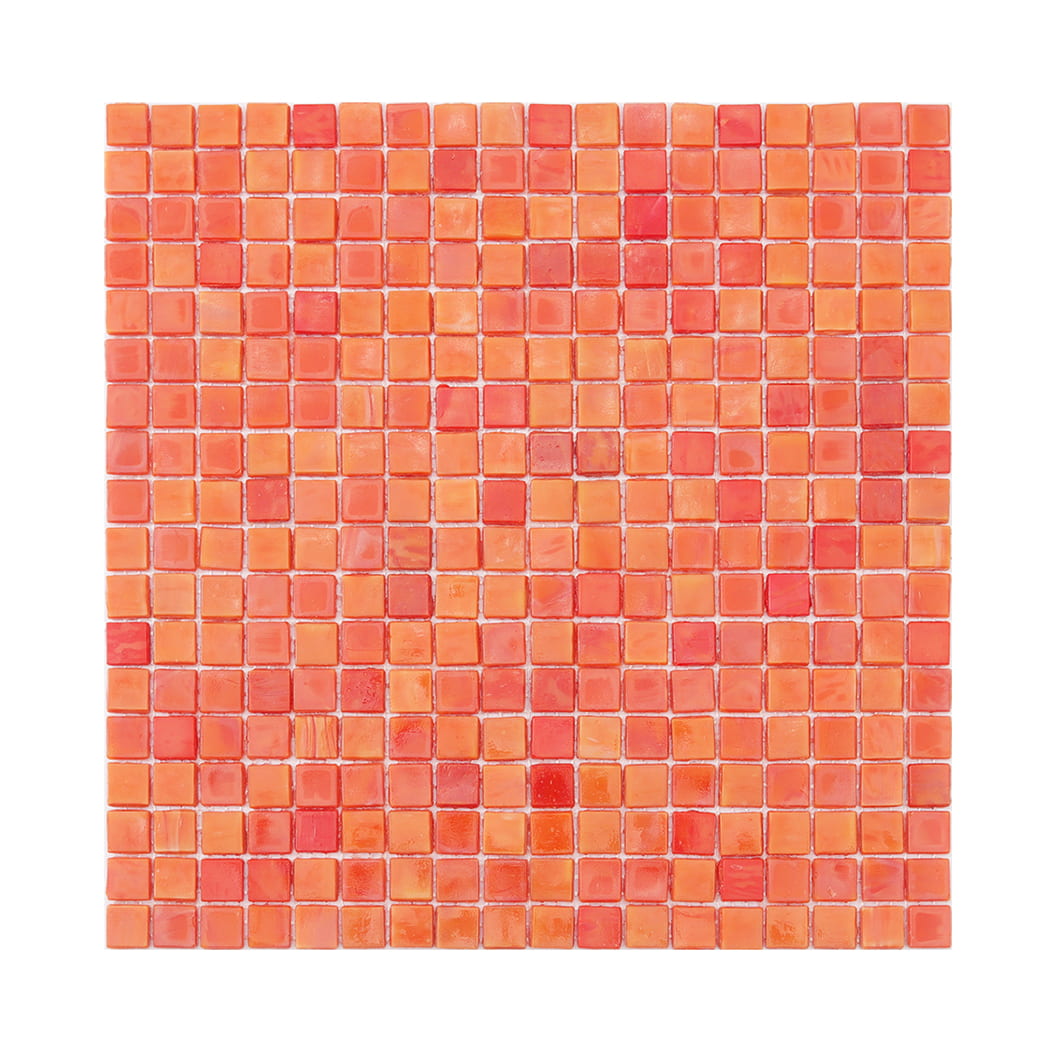
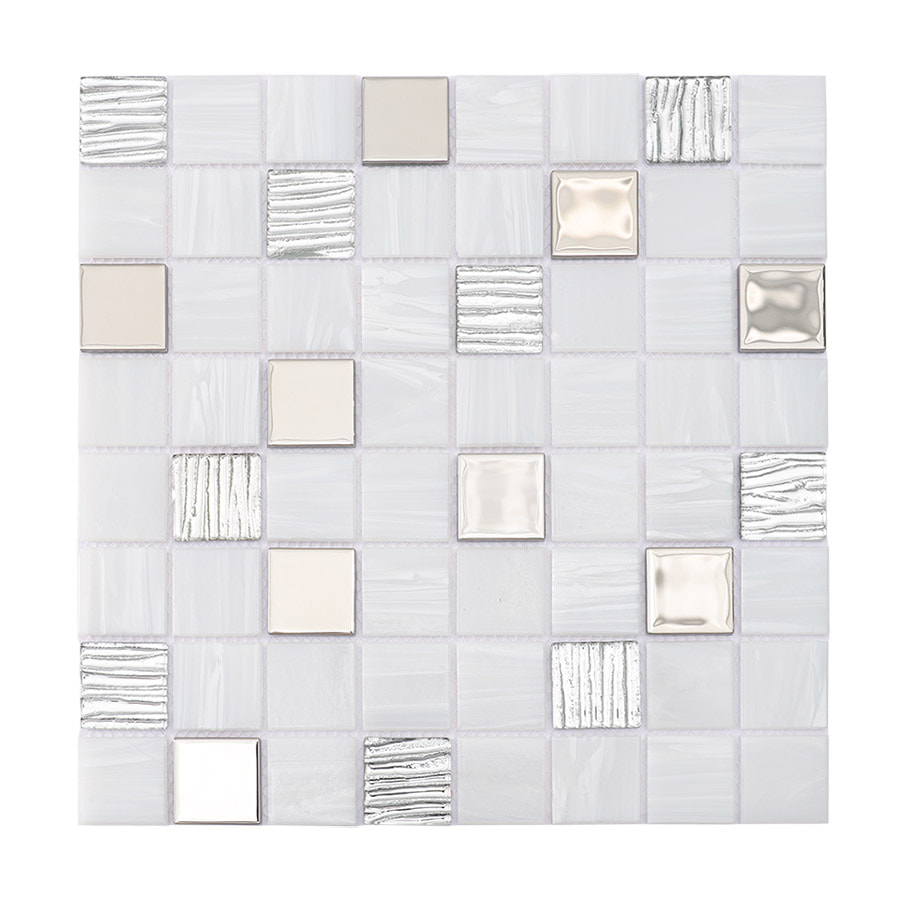
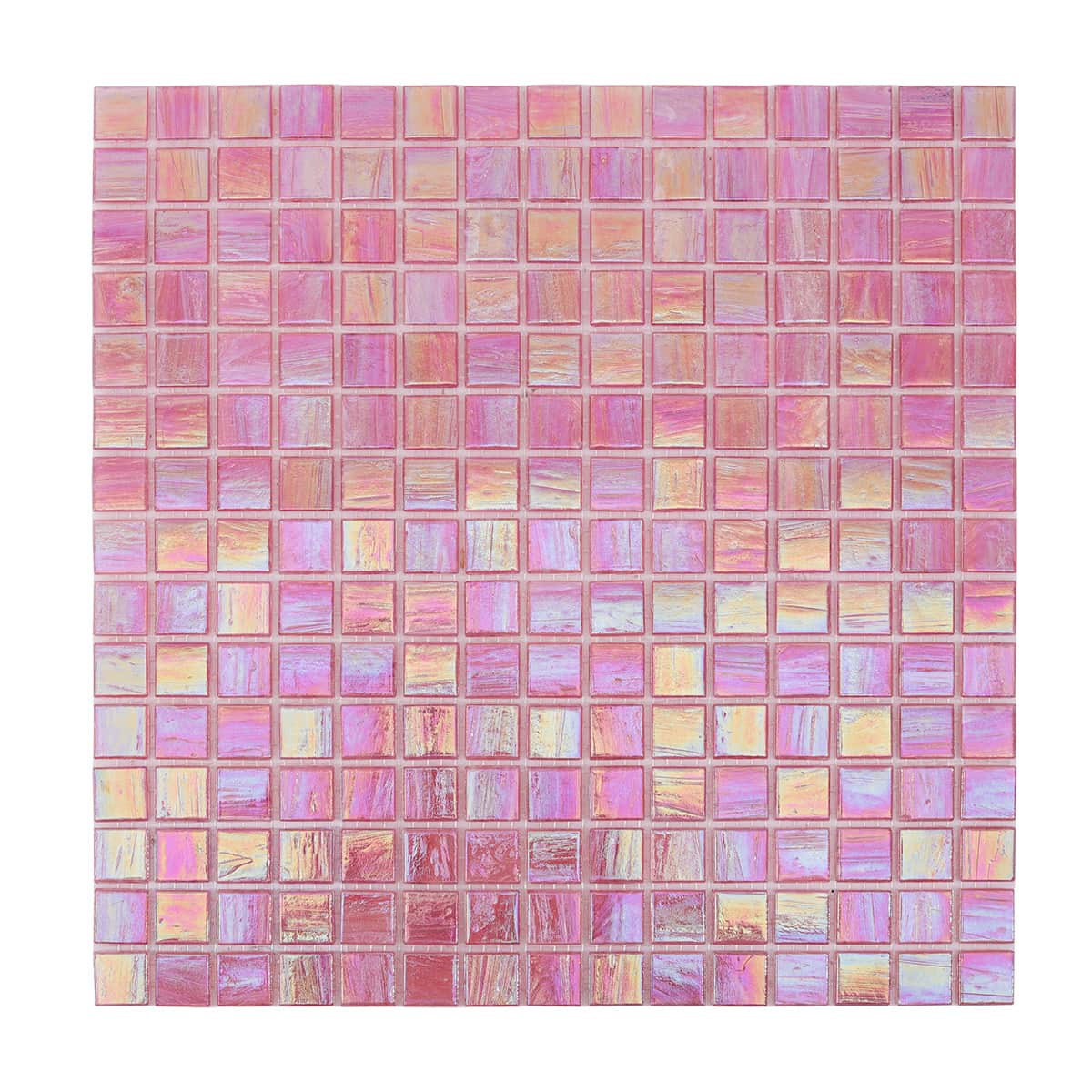
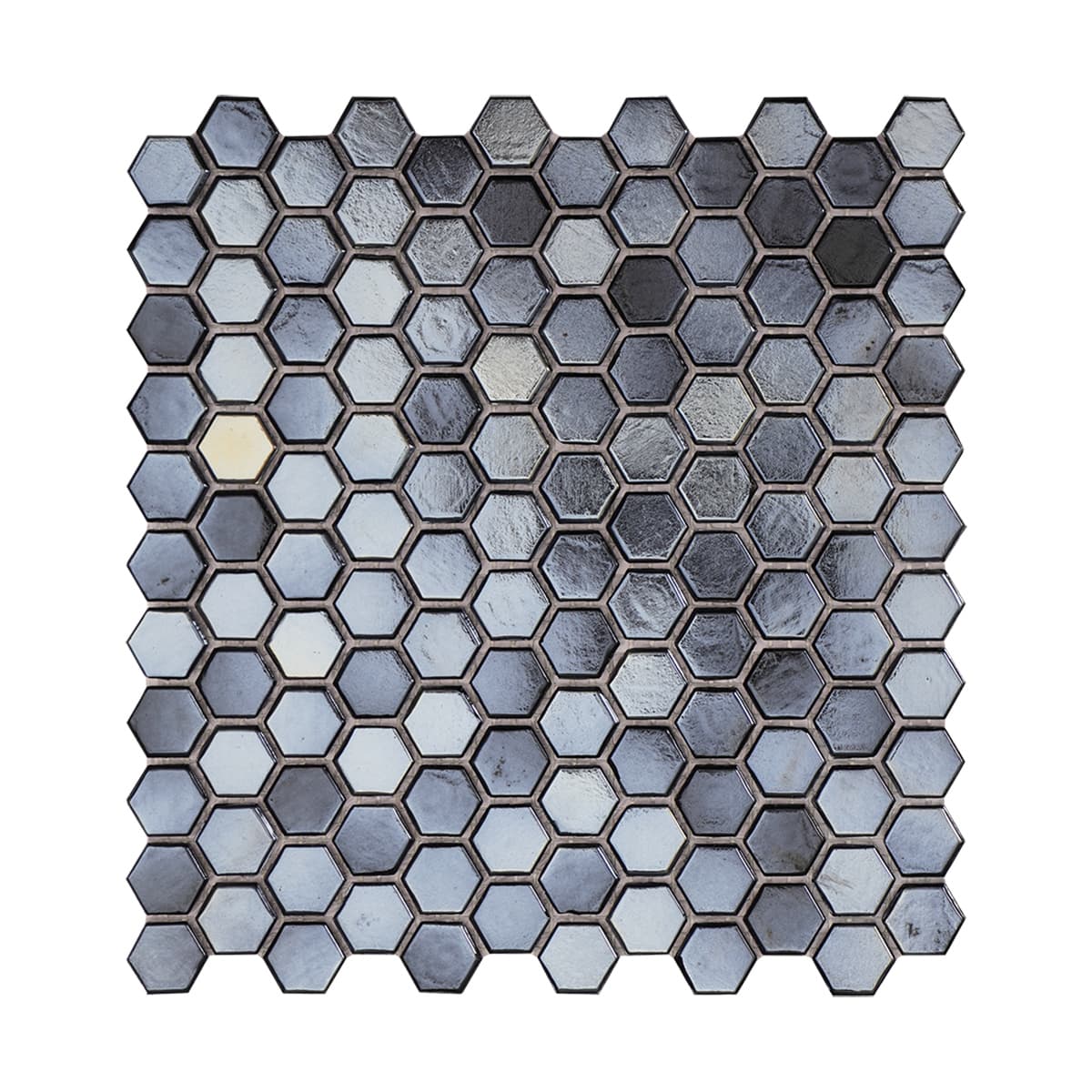
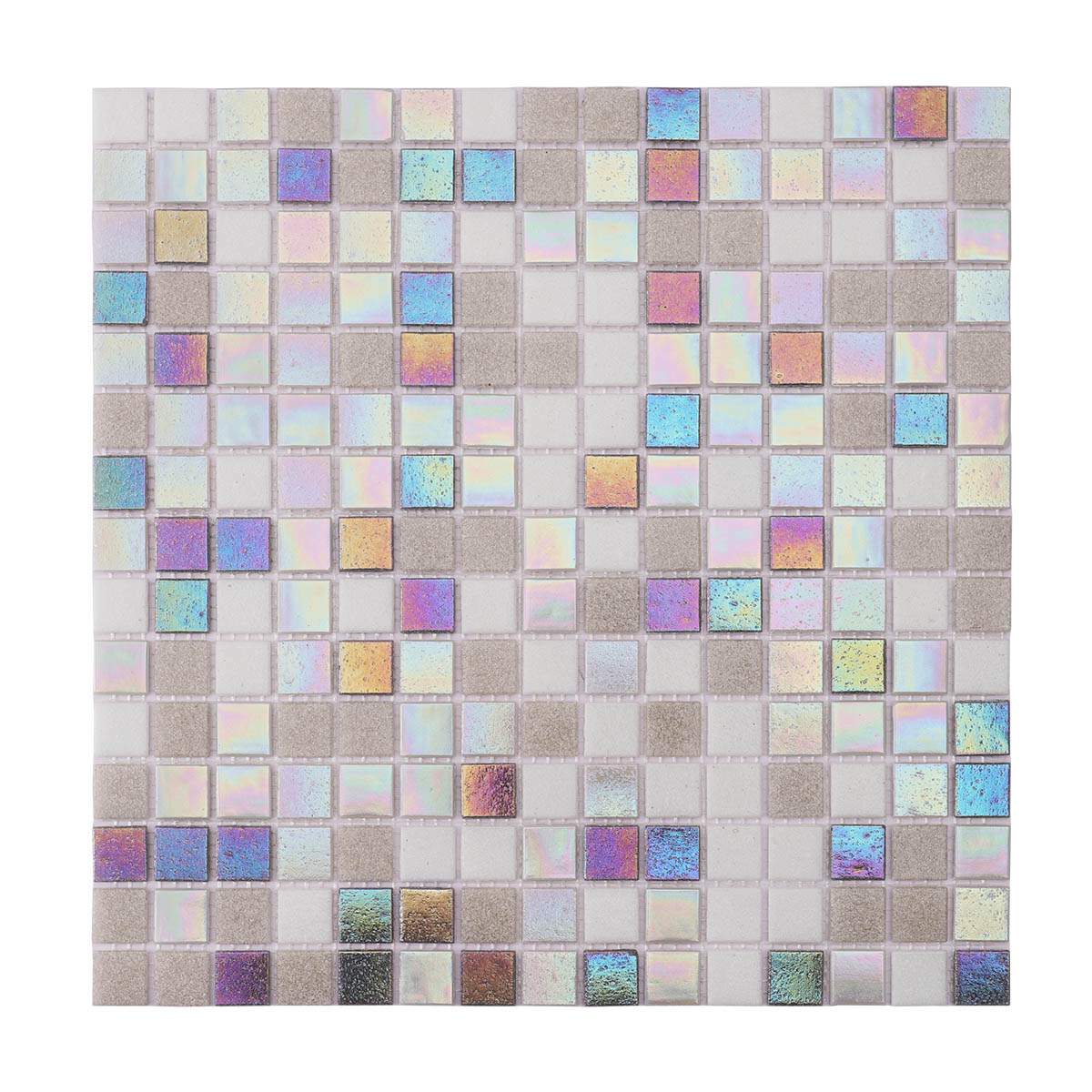
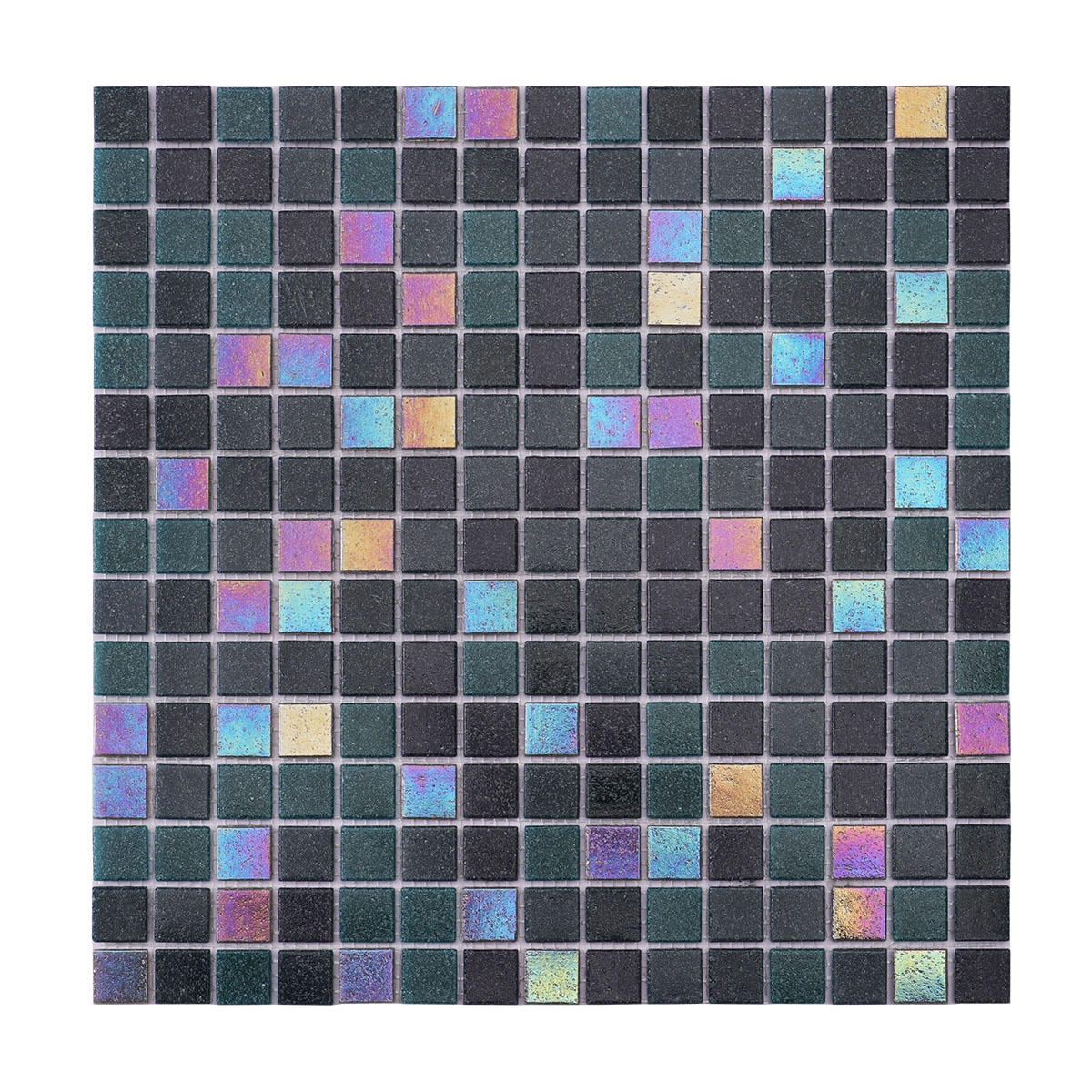
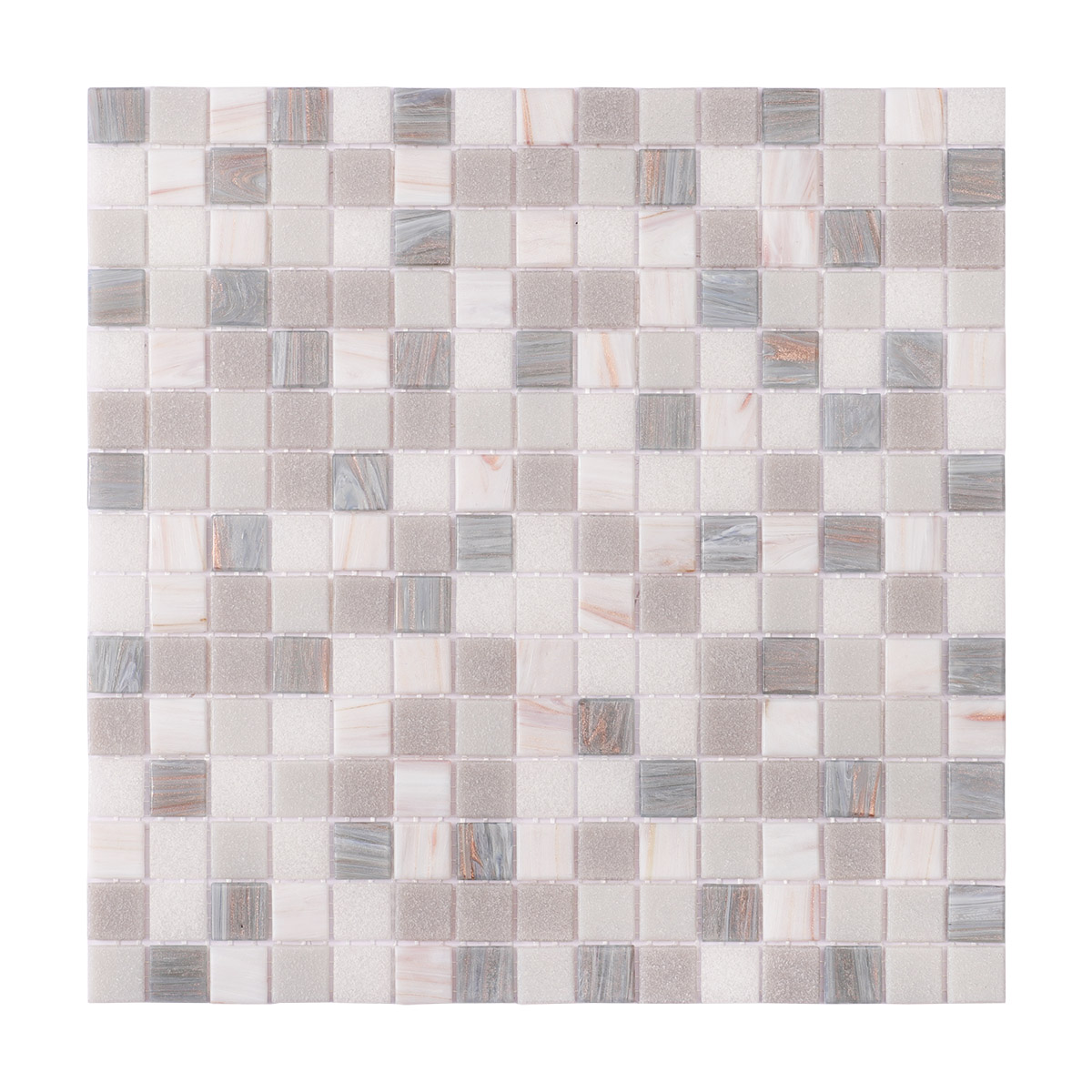
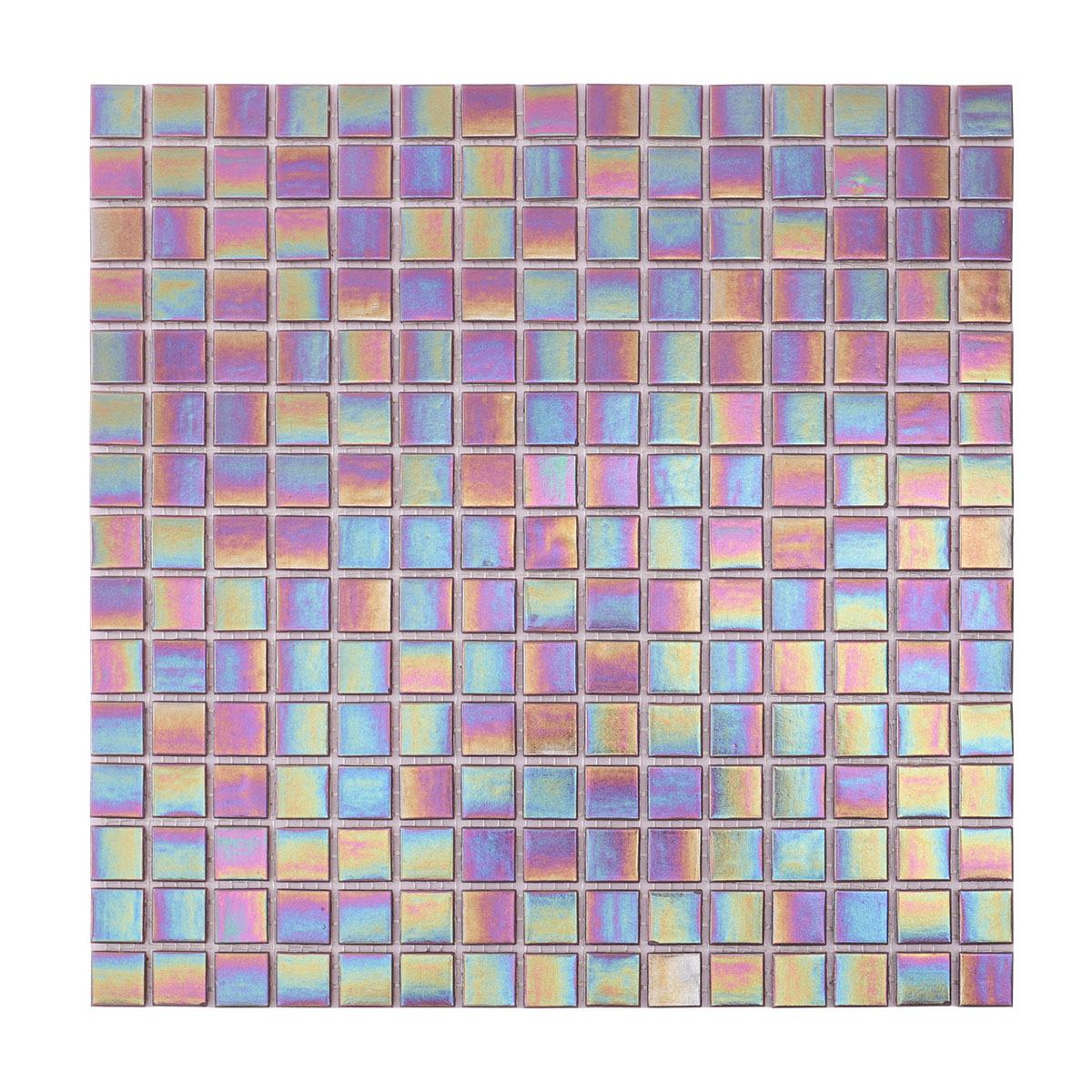
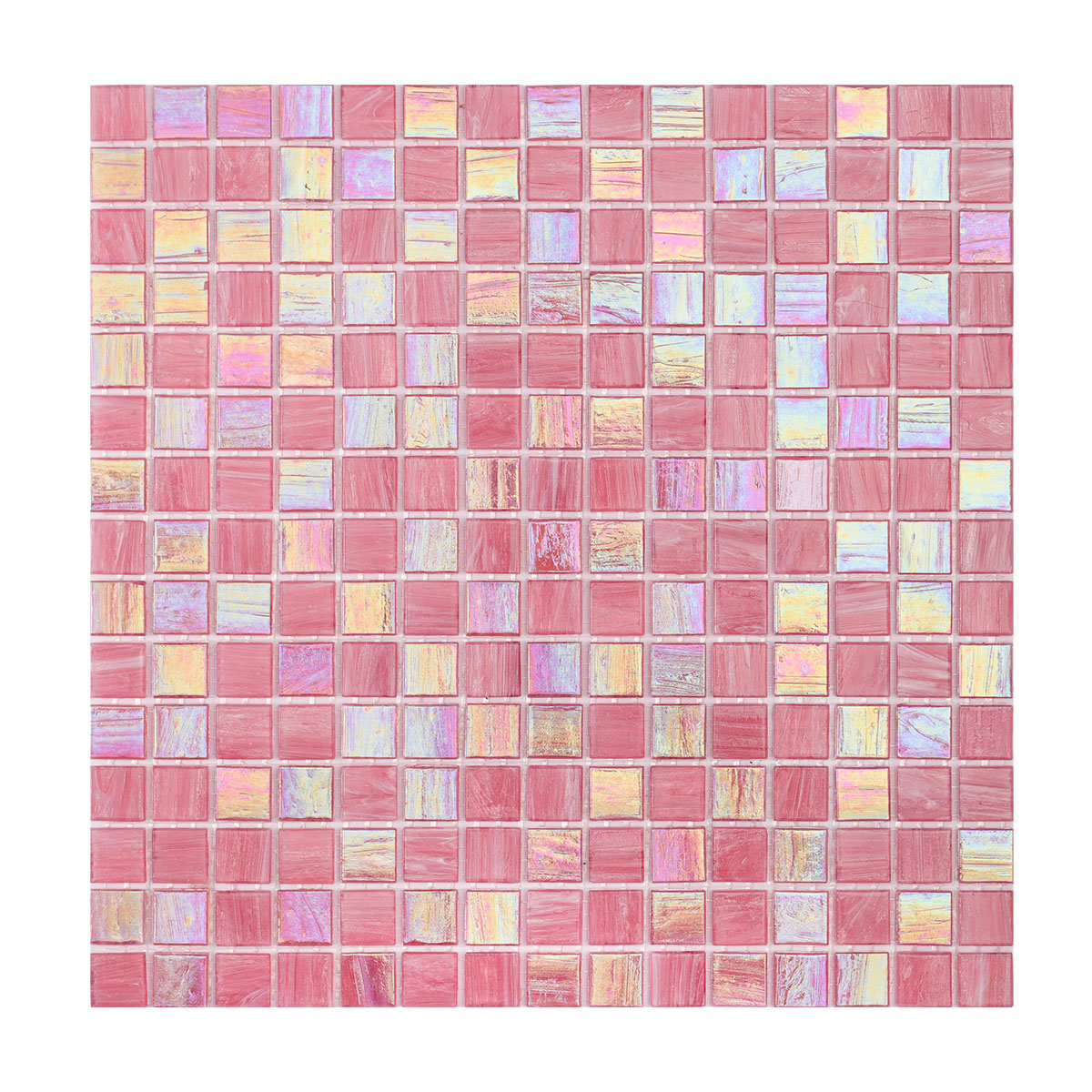
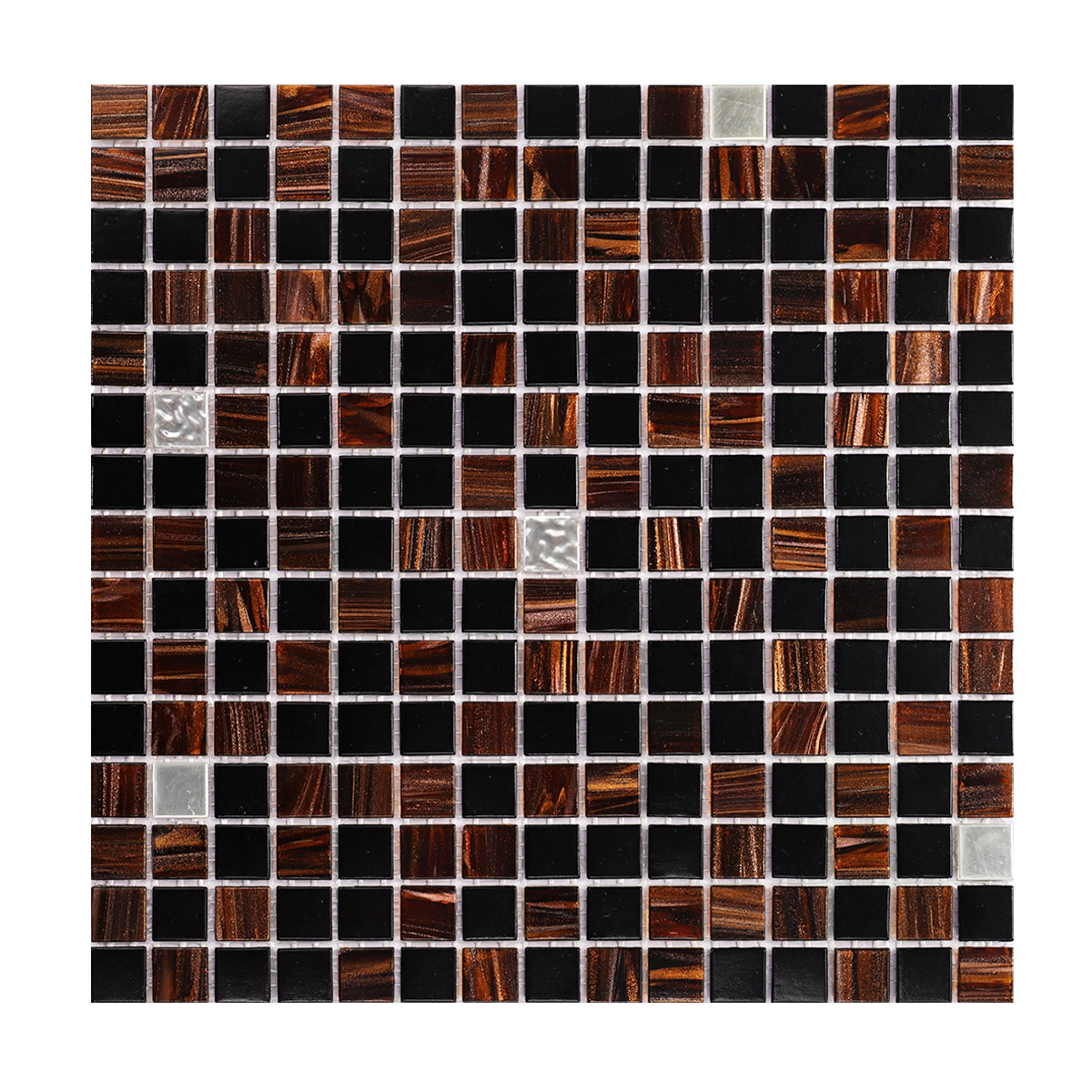

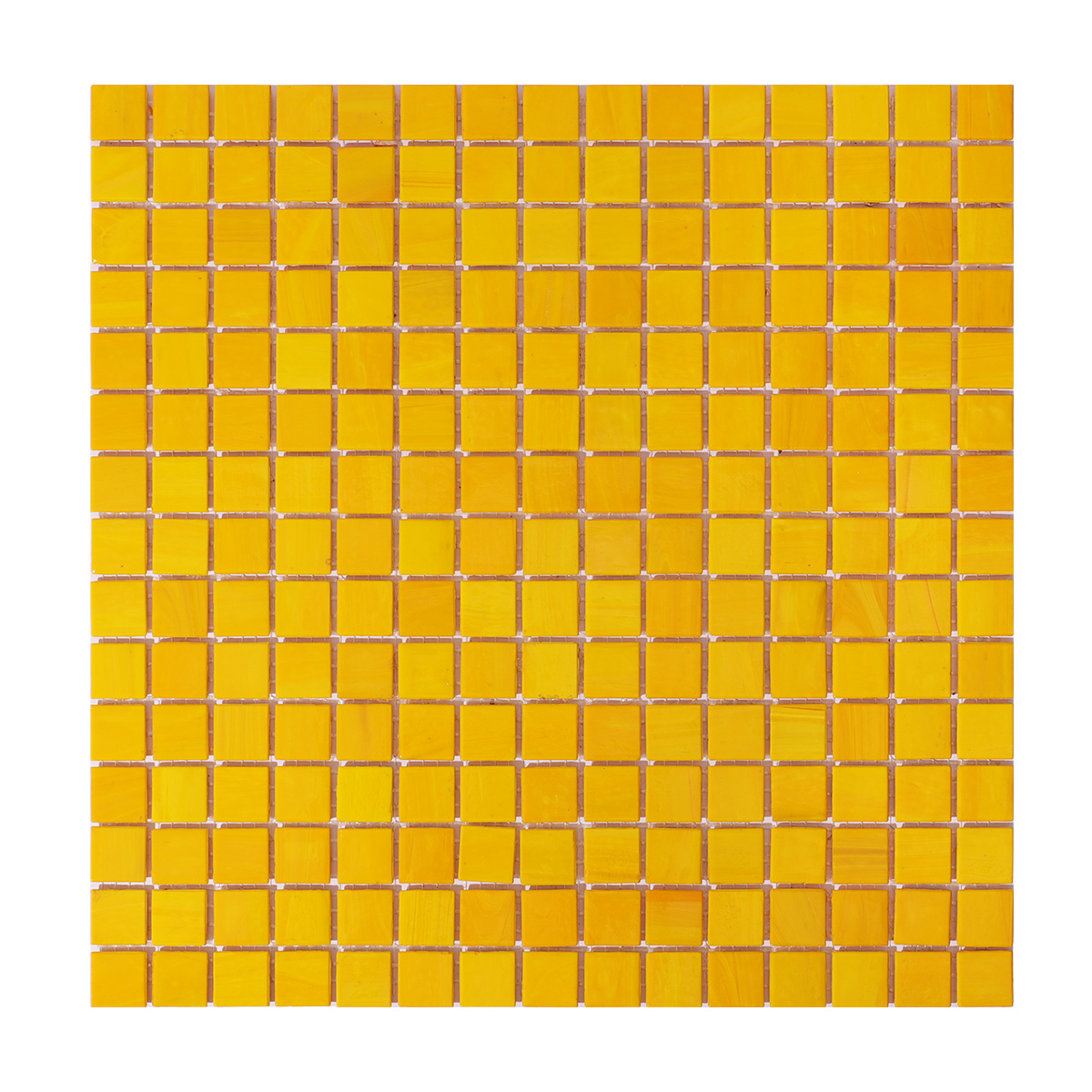
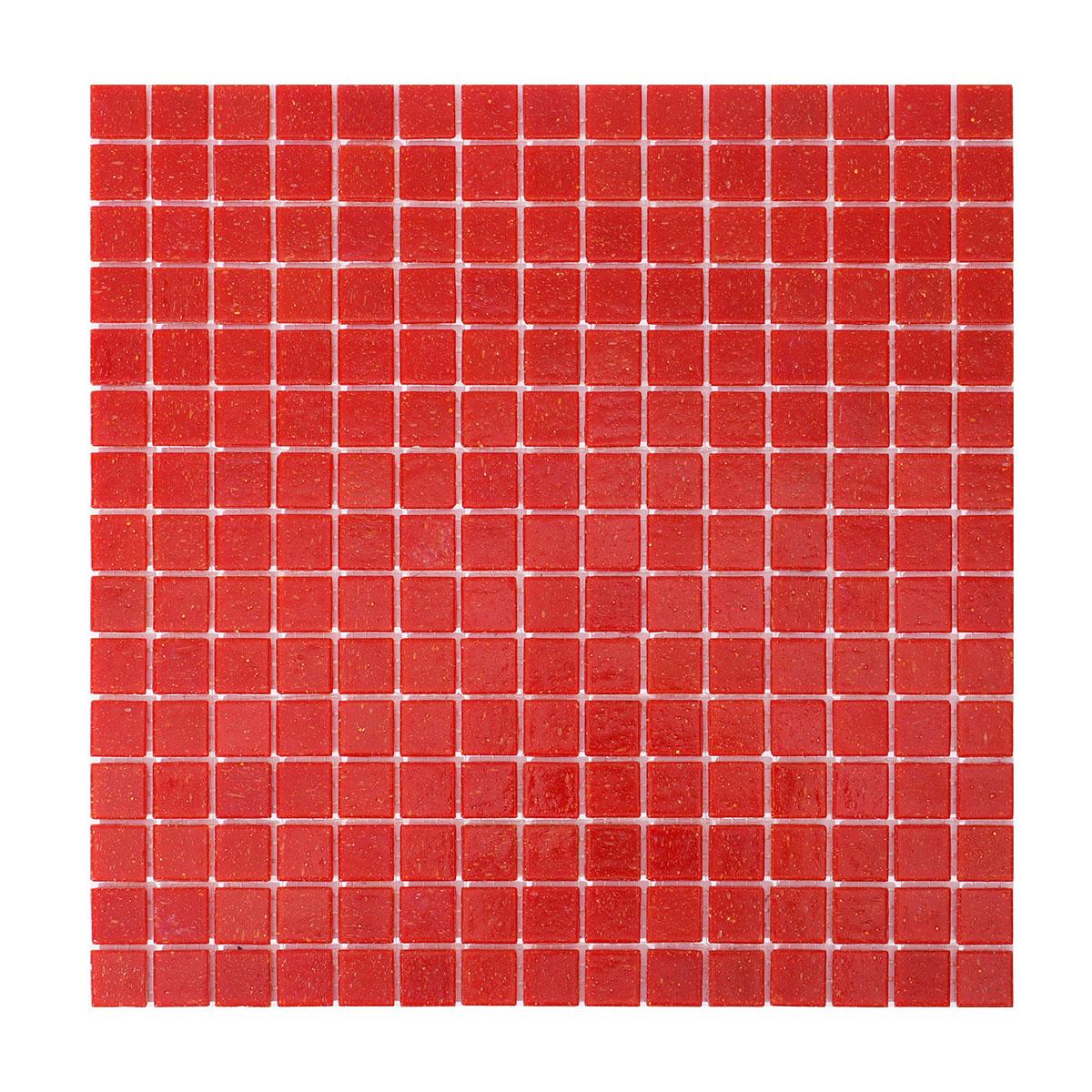
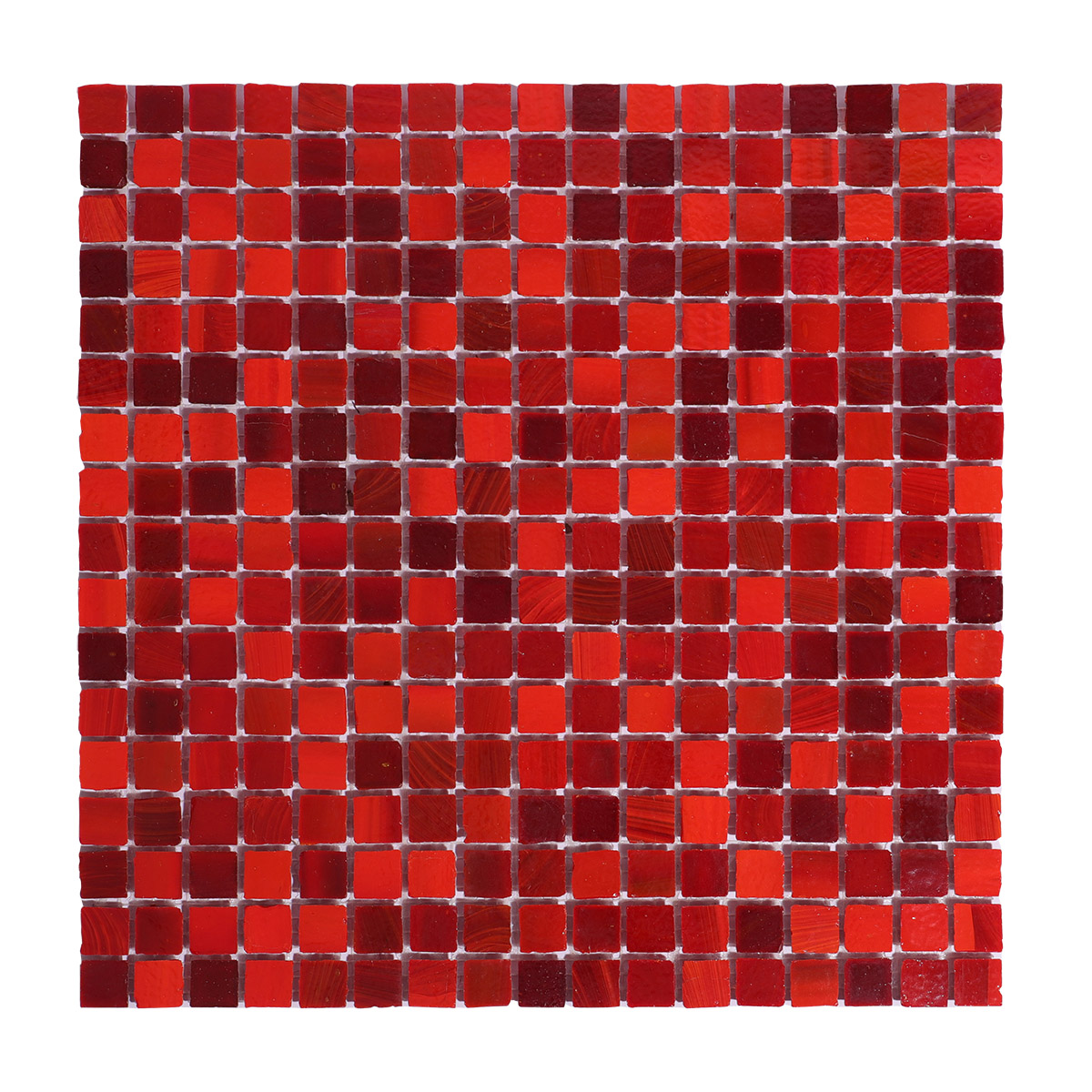
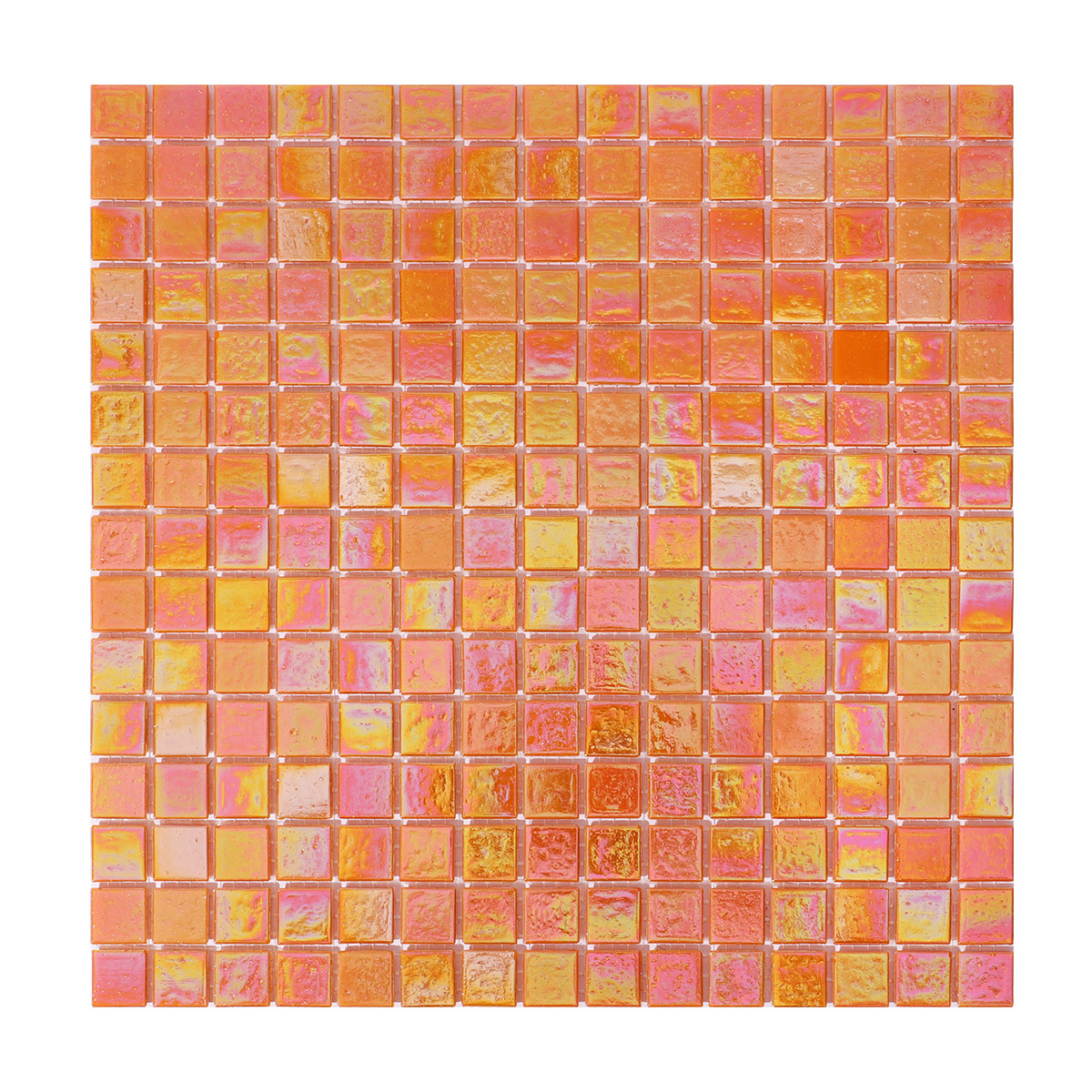
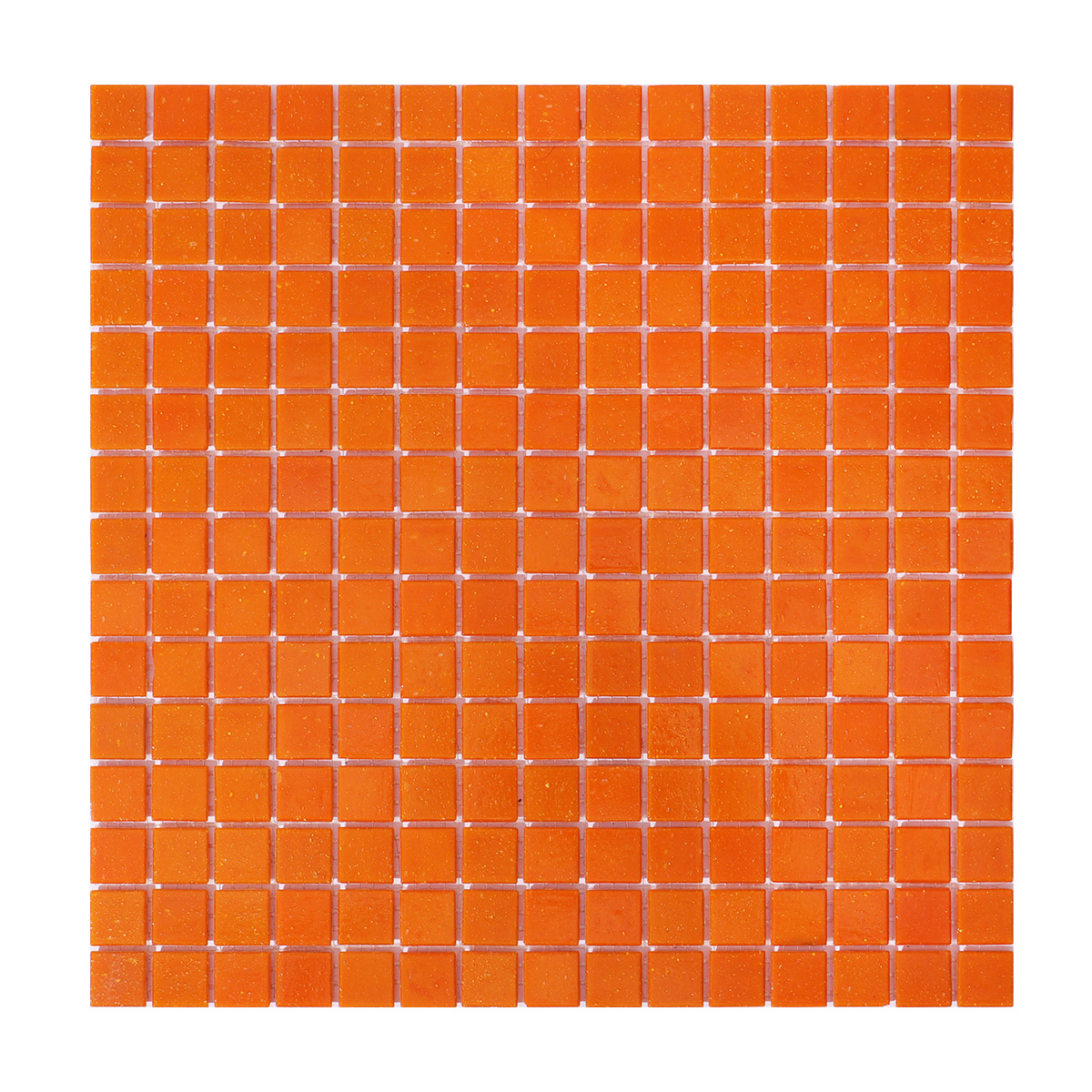
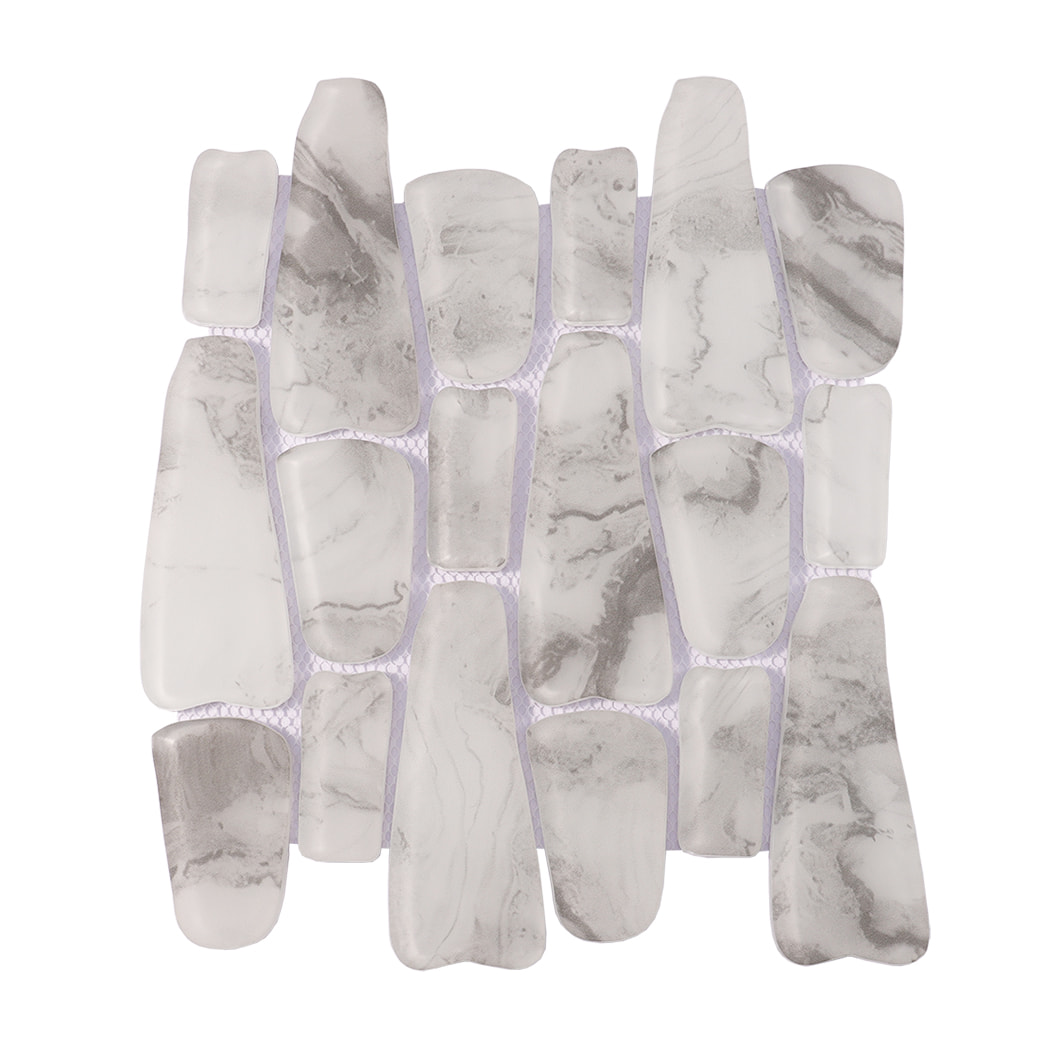
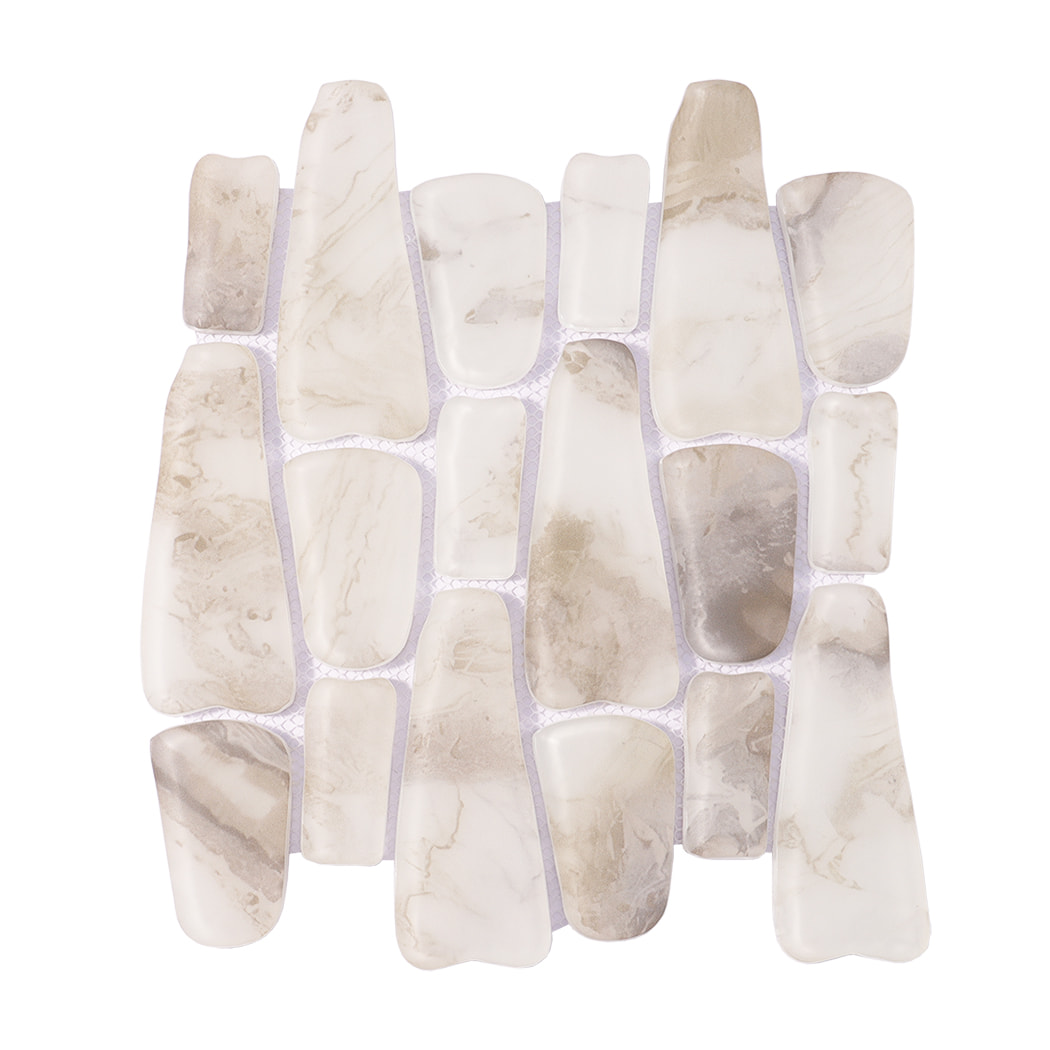
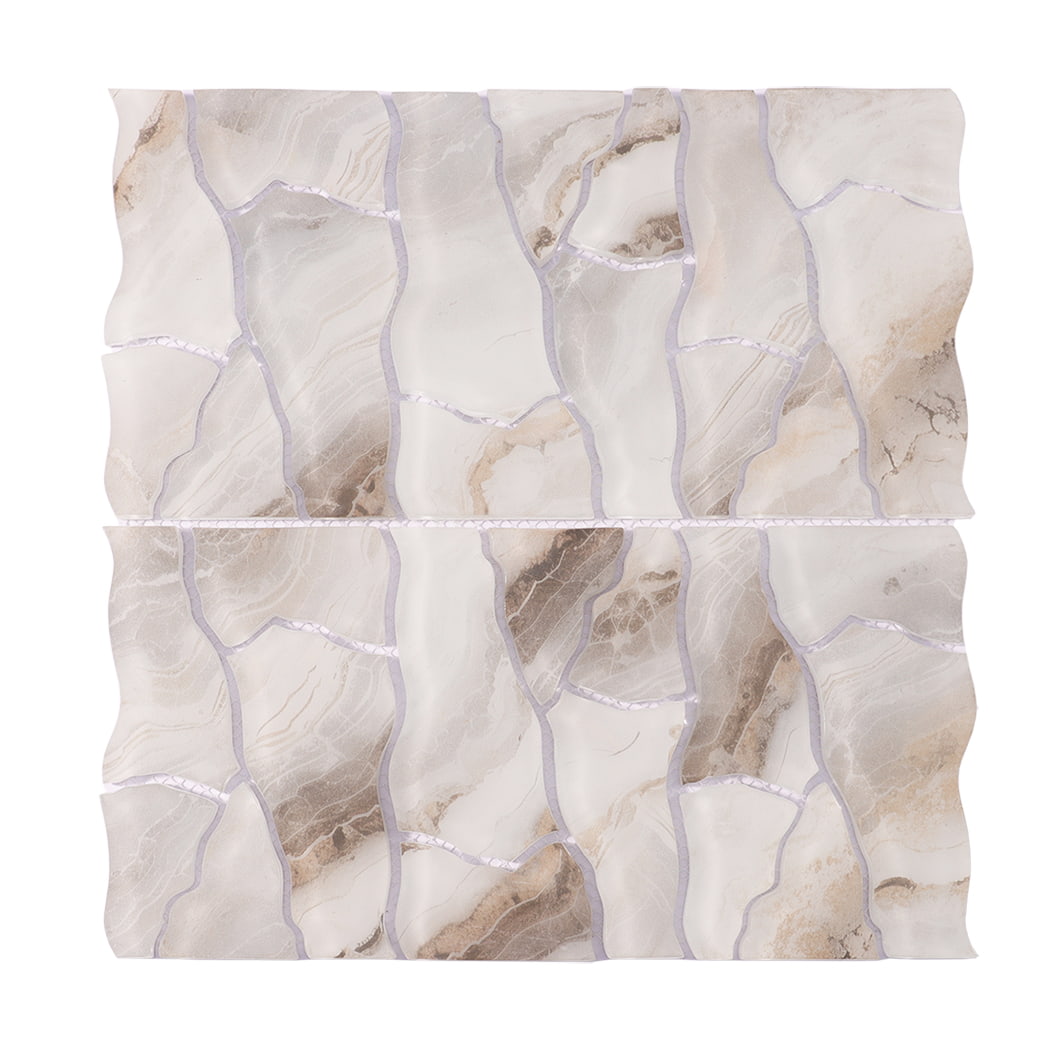
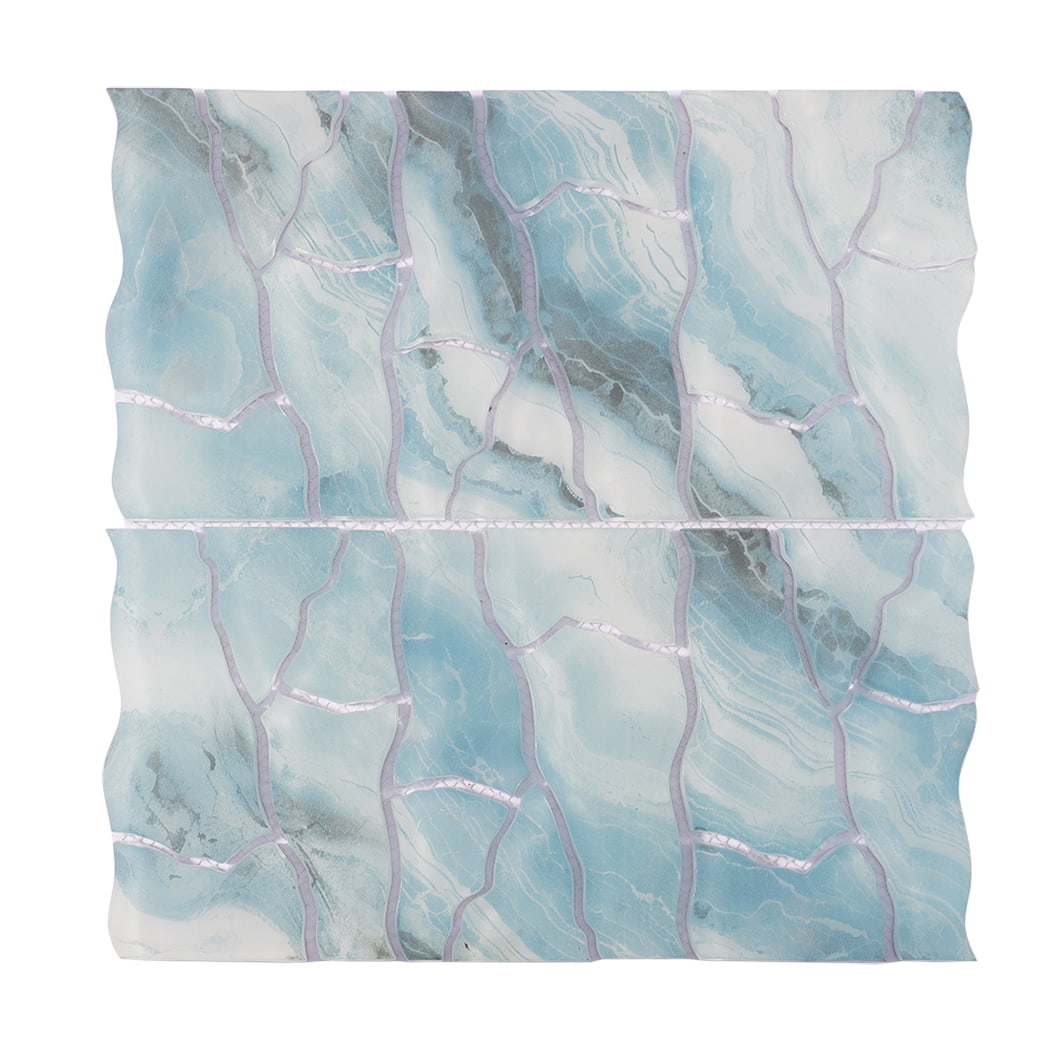
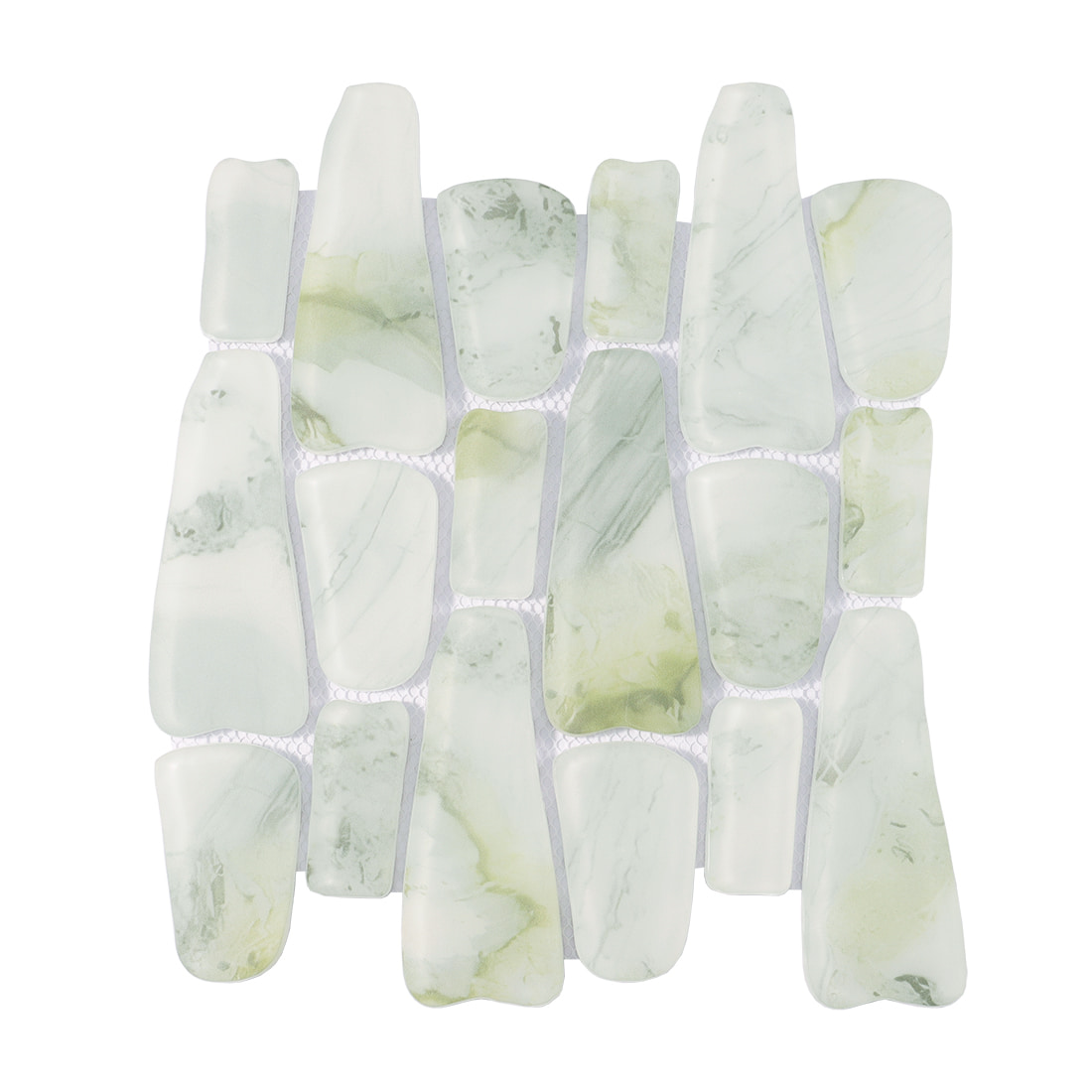
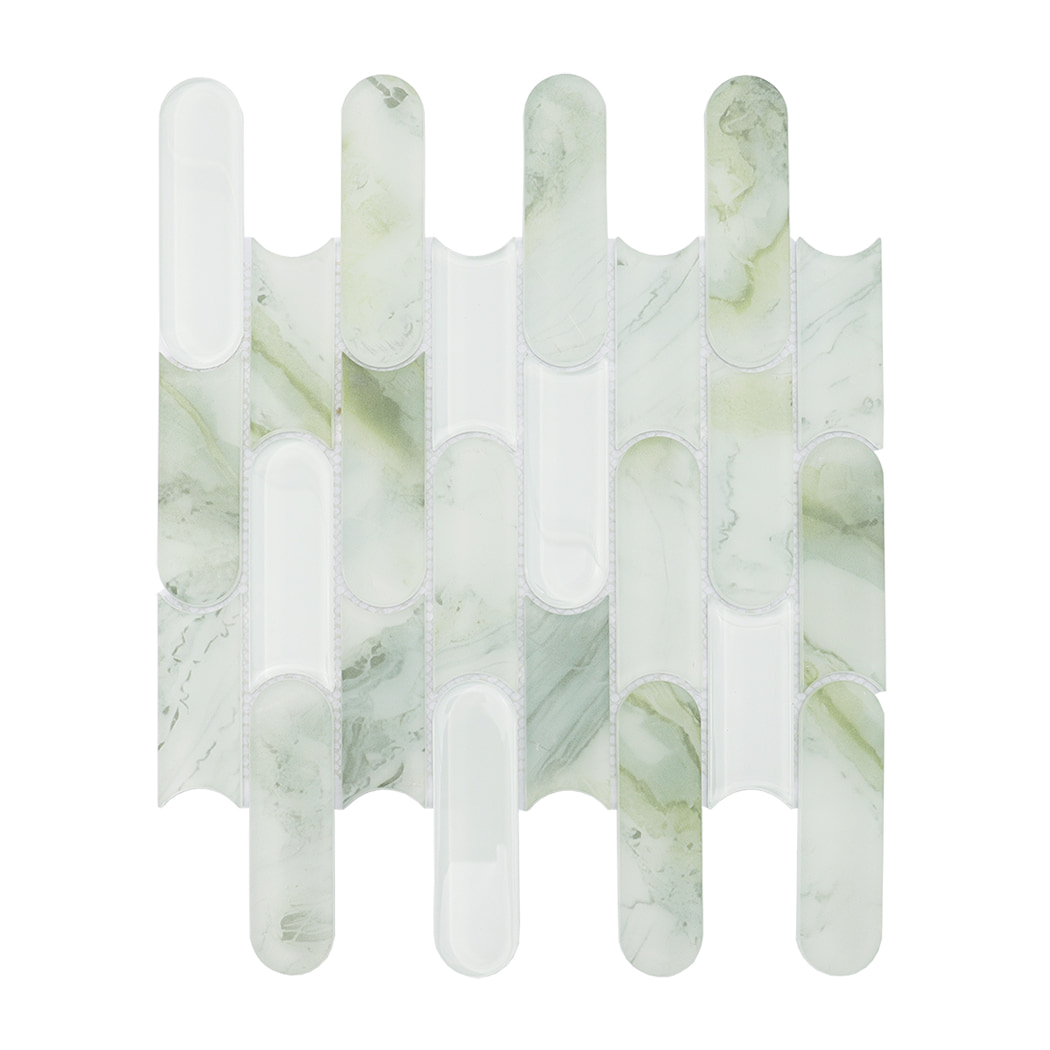
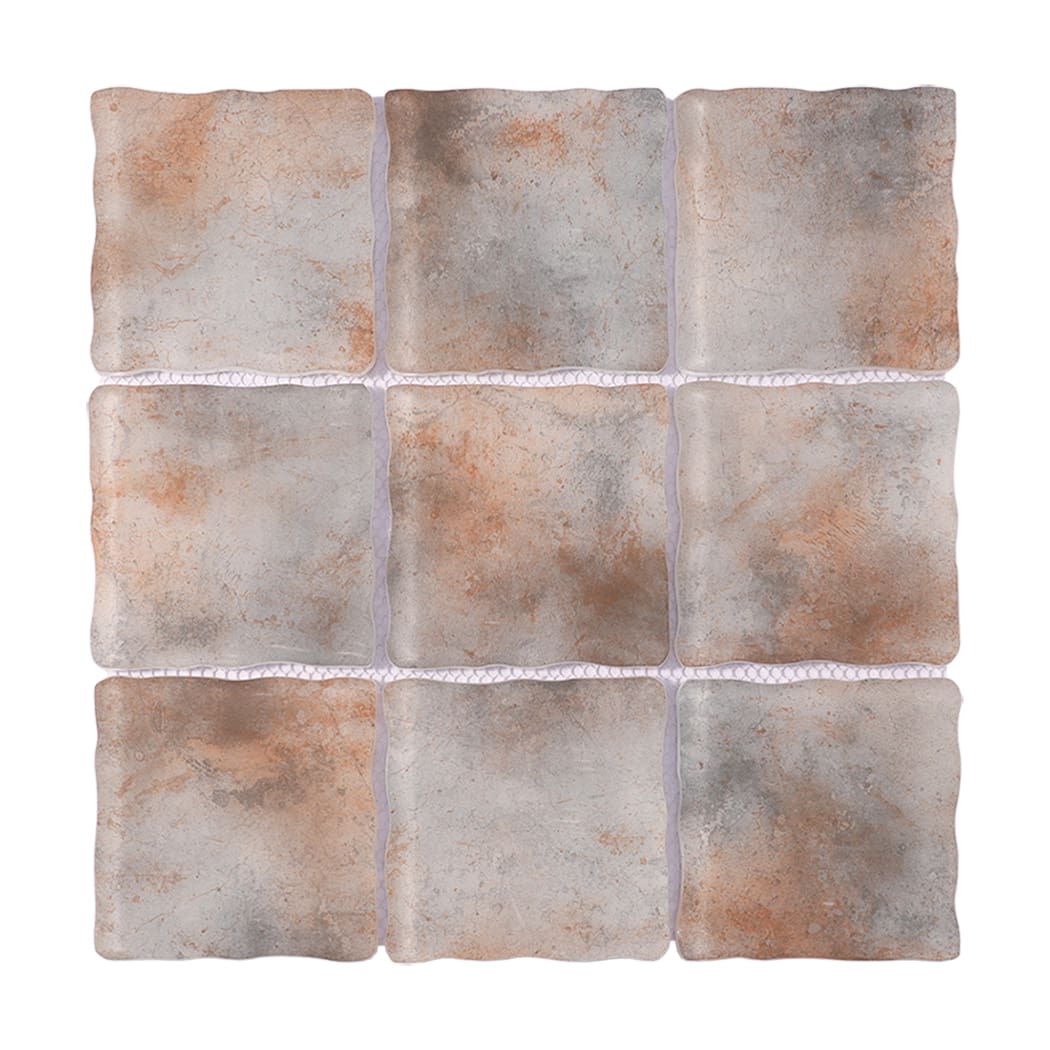
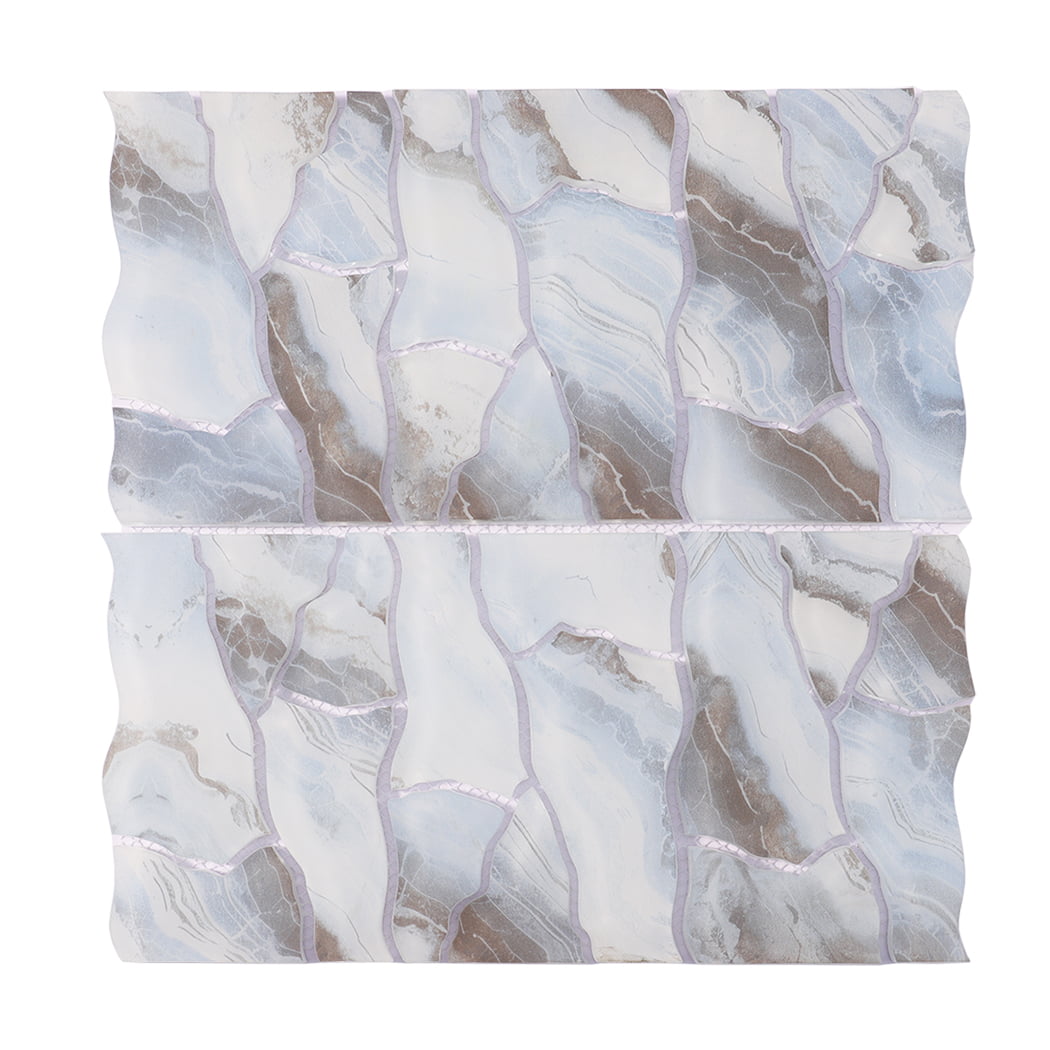
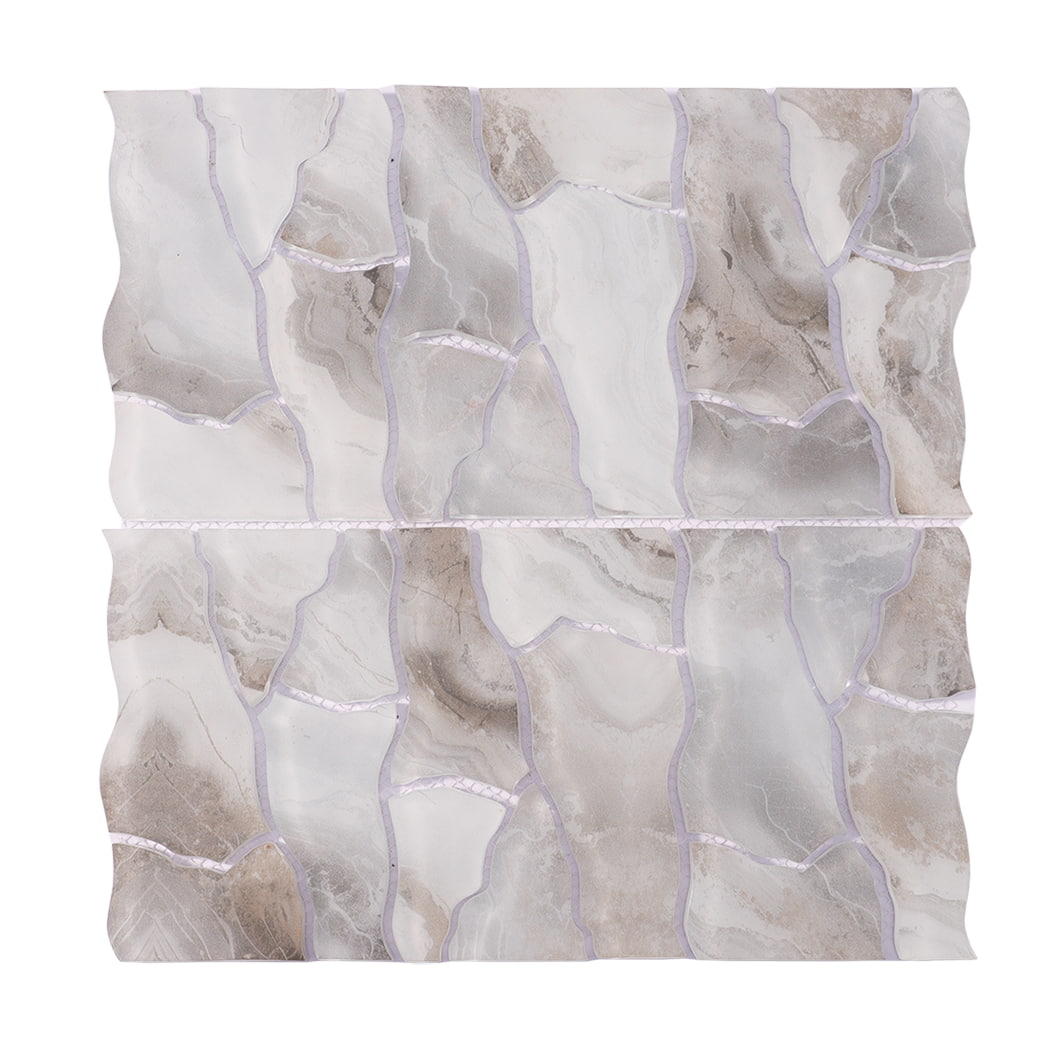
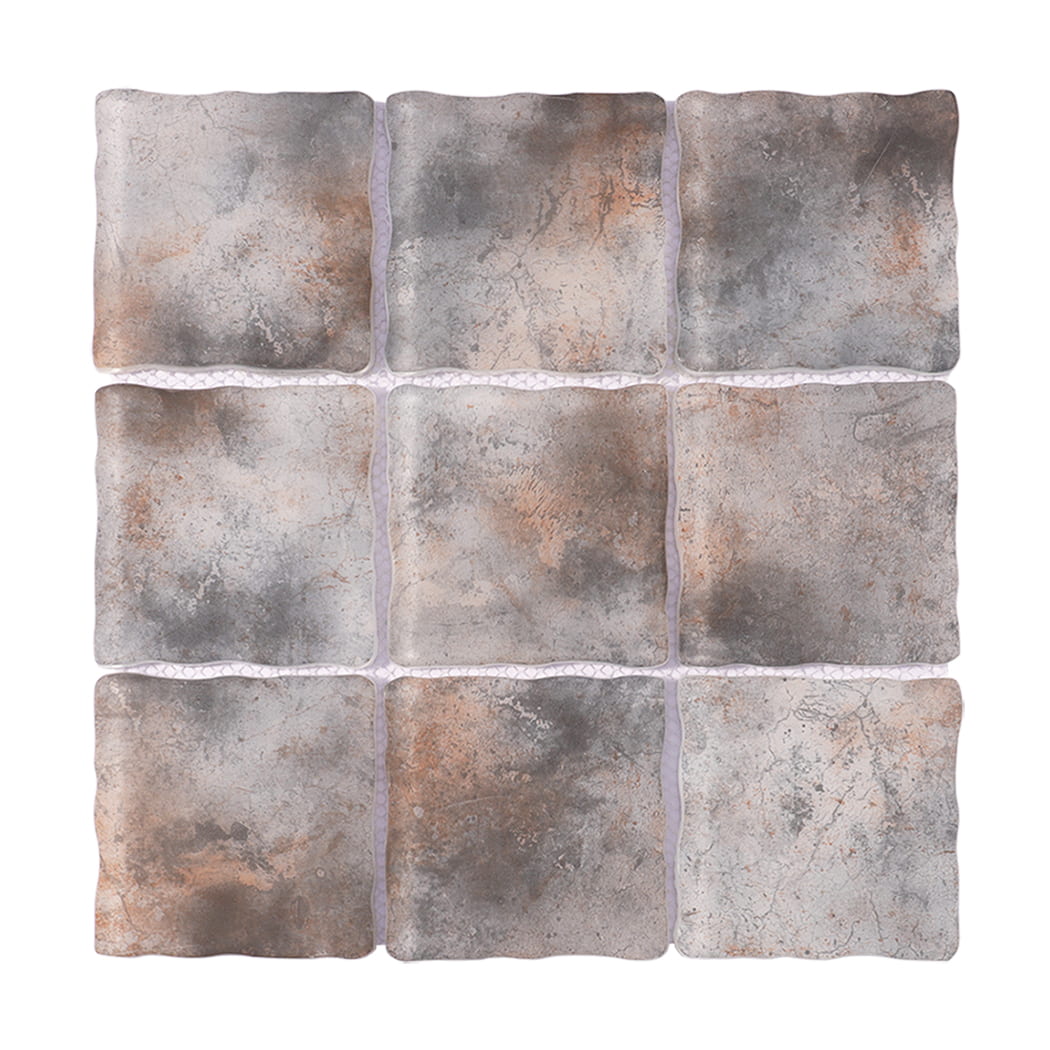
Glass Floor Tiles can be a stylish and practical choice when you select the right material, finish, and size for the space. Today, floor-rated glass mosaics are used in bathrooms, shower floors, kitchens, spas, and even pools because they offer strong color performance, low water absorption, and a clean, modern look.
Are Glass Floor Tiles Safe?
Glass floor tiles are safe when they are specifically rated for floor use and chosen with slip resistance in mind. In wet areas, the most important factors are surface texture, tile size, grout joint frequency, and whether the product is approved for wet interior floors or shower floors. ANSI guidance commonly referenced in the tile industry sets a wet DCOF benchmark of 0.42 or higher for level interior spaces expected to be walked on when wet.
Small-format mosaic glass tiles are often a better choice for wet floors because they create more grout joints, which can improve traction. They also make it easier to follow the slope of a shower floor for proper drainage.
Do Glass Floor Tiles Get Slippery?
Glass floor tiles can become slippery if the surface is too smooth or glossy, especially in wet areas. For bathroom floors, shower floors, and other moisture-prone spaces, matte, frosted, textured, or otherwise slip-conscious finishes are usually the better option.
This is why many glass floor tile designs for wet spaces use small mosaic pieces instead of large smooth panels. The combination of texture and grout lines can make the floor feel more secure underfoot.
Do Glass Floor Tiles Break Easily?
Glass floor tiles are more durable than many people expect, but not every glass tile is suitable for the floor. Floor use depends on product construction, tile size, installation method, and the intended traffic level. Glass mosaics are often used successfully in residential wet areas and decorative floors, but the product should always be approved for floor applications before installation.
Types of Glass Floor Tiles
Vitreous Glass Floor Tiles
Vitreous glass mosaics are a popular option for floors because they are often made in small sizes and offer many color and finish choices. Their mosaic format makes them especially suitable for shower floors, bathroom floors, and other detailed surfaces where extra grip and flexibility are helpful.
Water Glass Floor Tiles
Water glass tiles are often chosen for their rich color variation and artistic surface character. For floor use, the key point is not the name alone, but whether the tile is rated for floor applications and whether the surface provides enough traction for the intended area.
Recycled Glass Floor Tiles
Recycled glass floor tiles are valued for their color depth, modern appearance, and low-maintenance surface. Many recycled glass mosaics are used in bathrooms, spas, and decorative wet areas, but floor performance should still be confirmed product by product.
Crystal Glass Floor Tiles
Crystal glass can create a bright and reflective look, but smooth glossy surfaces are not always the best fit for wet floors. For safer floor use, textured or frosted finishes are generally a better choice than highly polished surfaces.
Best Places to Use Glass Floor Tiles
Bathroom Floor Tiles
Glass floor tiles can work beautifully in bathrooms, especially when you want color, shine, and easy cleaning. Small mosaics are a practical choice because they provide more grout joints and better adaptability in smaller spaces.
Shower Floor Tiles
Shower floors are one of the best uses for glass mosaics when the tile is rated for shower-floor use. Mosaic sheets are easier to install over sloped surfaces, and the extra grout lines can help improve slip resistance.
Kitchen Floor Tiles
Glass floor tiles can also be used in kitchens, especially for decorative zones and lighter-use spaces. Choosing a floor-rated, textured surface is important if the area may get wet.
Pool Floor Tiles
Glass mosaics are widely used in pools, spas, and submerged water features, but not every glass tile is suitable for submerged installations. Pool projects should use tiles, adhesives, and backing systems that are specifically approved for underwater use.
How to Choose Glass Floor Tiles
When choosing glass floor tiles, start with the application. A bathroom floor, shower floor, kitchen floor, and pool floor do not have the same performance requirements. Always check whether the tile is rated for floor use, whether it has a matte or textured finish, and whether it is suitable for wet or submerged conditions if needed.
Small mosaic tiles are often the safest and most flexible choice for wet areas because they offer more grout lines and adapt better to slopes and corners.
Installation Tips for Glass Floor Tiles
Proper installation is essential for long-term performance. Glass tile installations should follow the tile manufacturer’s instructions and recognized tile industry standards, especially in wet areas. Substrates should be sound, flat, and properly waterproofed where required.
For many glass tile installations, white mortar is preferred because it supports the appearance of translucent or transparent glass. In submerged or pool applications, the mortar must also be suitable for glass tile and rated for underwater use.
Grout for Glass Floor Tiles
Grout selection is very important for glass floor tiles. In wet areas, epoxy grout is often chosen for its stain resistance, density, and durability. However, some glass tile manufacturers and setting-material guides recommend confirming compatibility before using epoxy, because different glass tile systems can have different requirements.
If the glass surface is delicate or highly glossy, testing the grout first is a smart step. Some technical guidance also recommends unsanded grout in cases where sanded grout may scratch the surface.
Maintenance
Glass floor tiles are relatively easy to maintain because the tile surface itself does not absorb water like some natural materials. Regular cleaning and keeping the grout lines in good condition will help the floor look better and perform better over time.
Avoid harsh abrasive cleaning methods on glossy or decorative glass surfaces, and always follow the maintenance guidance for the specific tile and grout system used in the project.
Are glass floor tiles good for shower floors?
Yes. Small-format glass mosaics are commonly used on shower floors because they fit slopes well and provide more grout joints for traction, as long as the product is rated for shower-floor use.
Are glass floor tiles slippery when wet?
They can be if the surface is too smooth. Matte, textured, or frosted finishes are usually a better choice for wet areas than glossy surfaces.
Can recycled glass tile be used on floors?
Yes, some recycled glass tiles can be used on floors, but you should always confirm that the specific product is approved for floor use.
Can glass floor tiles be used in pools?
Some can, but not all. Pool installations require glass tile systems that are specifically approved for submerged applications.
What grout is best for glass floor tiles?
Epoxy grout is a common choice for wet areas, but compatibility should always be checked. For scratch-sensitive glass surfaces, unsanded grout may be a better option.
Conclusion
Glass floor tiles offer a unique combination of color, light, and design flexibility. When you choose a floor-rated product with the right finish, the right size, and the right installation system, glass mosaics can work beautifully in bathrooms, showers, kitchens, spas, and pools.