

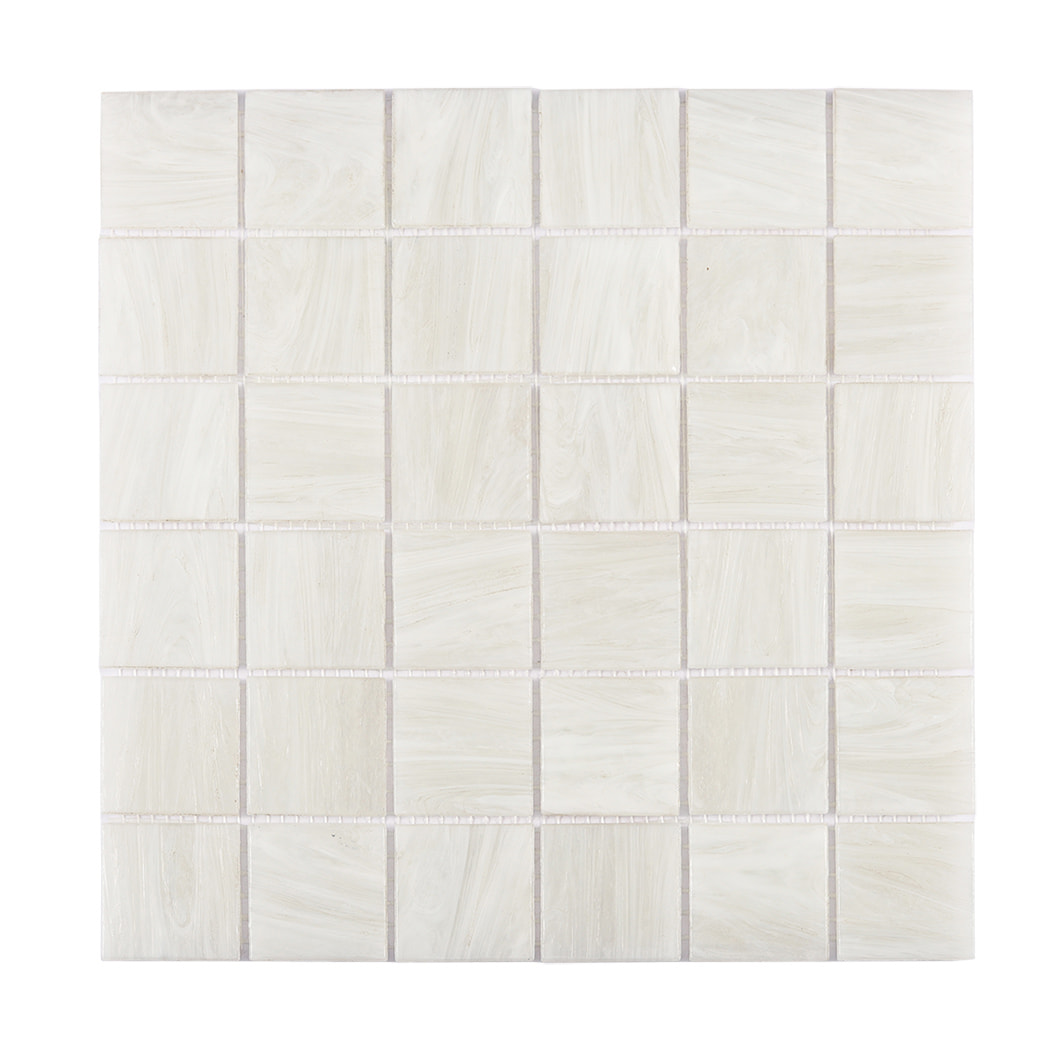
Kitchen Flooring Solutions
Premium Kitchen Floor Tiles
Transform your kitchen with durable, stylish, and easy-to-maintain floor tiles. Discover the perfect balance of beauty and functionality for your culinary space.
Choosing the right kitchen floor tiles is essential for creating a space that's both beautiful and practical. Your kitchen floor endures heavy foot traffic, spills, dropped utensils, and constant cleaning. The perfect tile must combine durability, water resistance, slip resistance, and aesthetic appeal while fitting your budget and lifestyle.
Moisture Resistant
Withstands spills and regular cleaning without damage
Anti-Slip Safety
Textured surfaces provide secure footing when wet
Long Lasting
Durable materials that maintain beauty for years
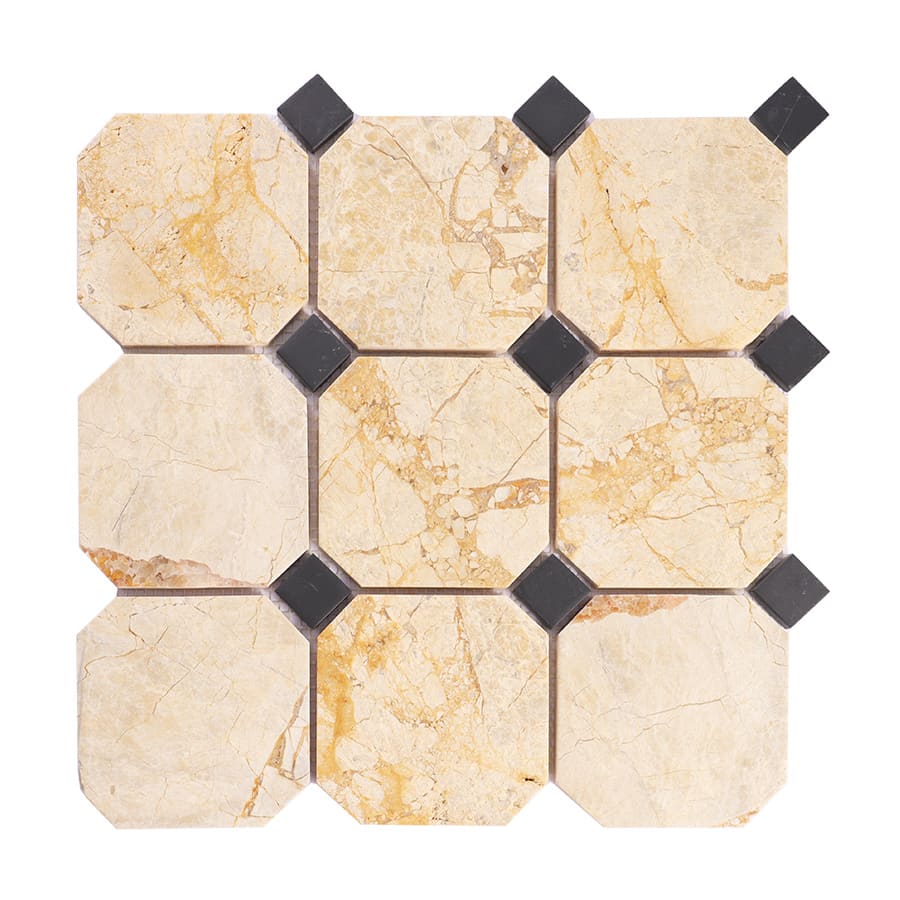
Marble Floor Tiles
Timeless elegance meets natural durability
Natural Beauty & Characteristics
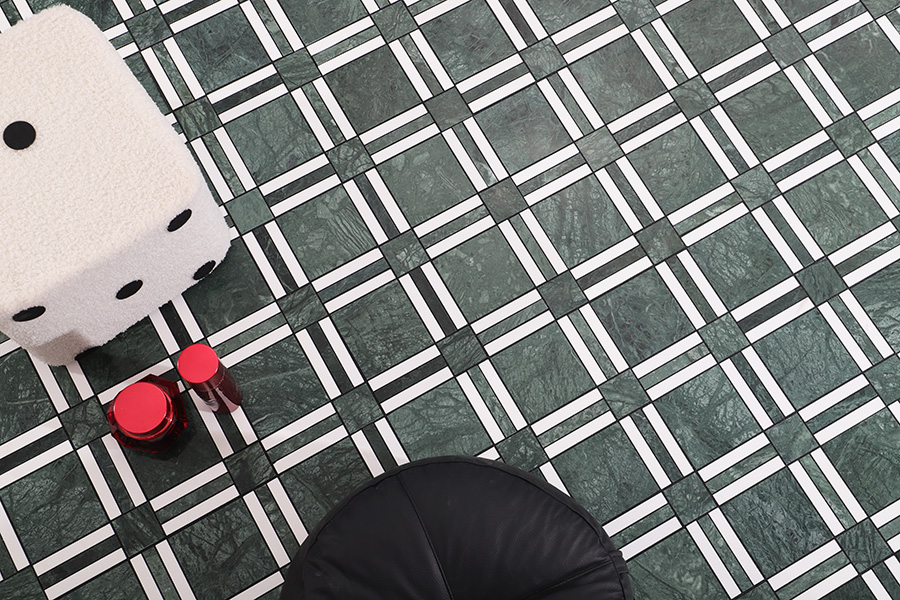
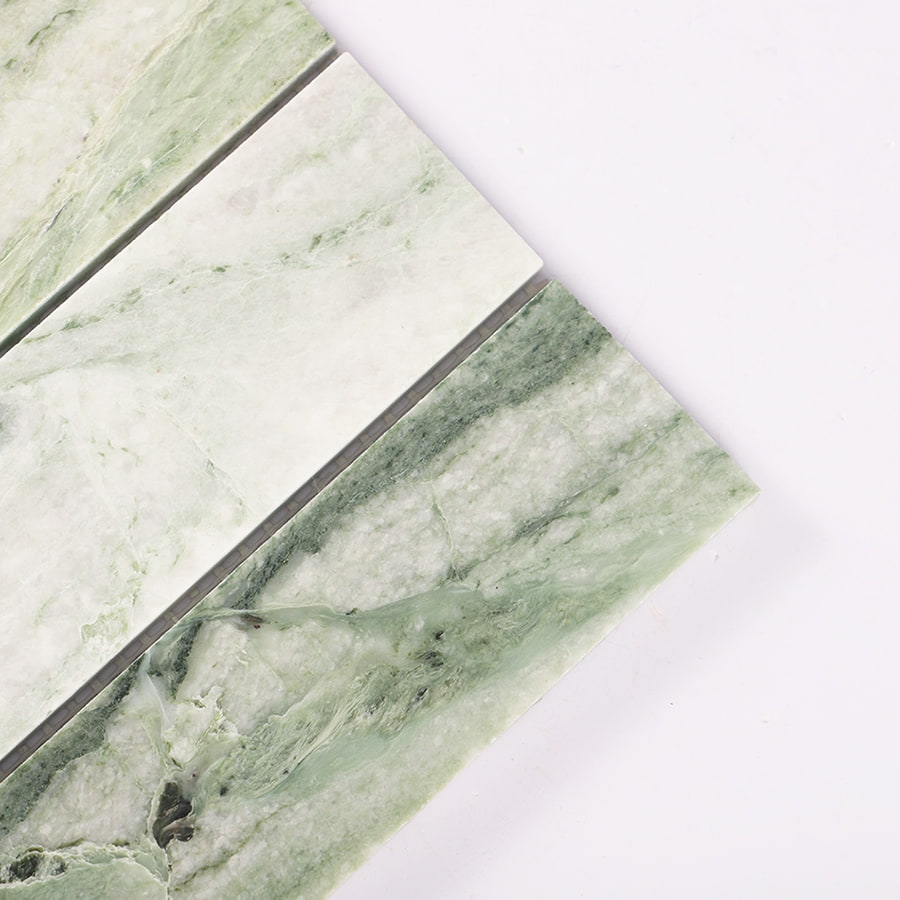
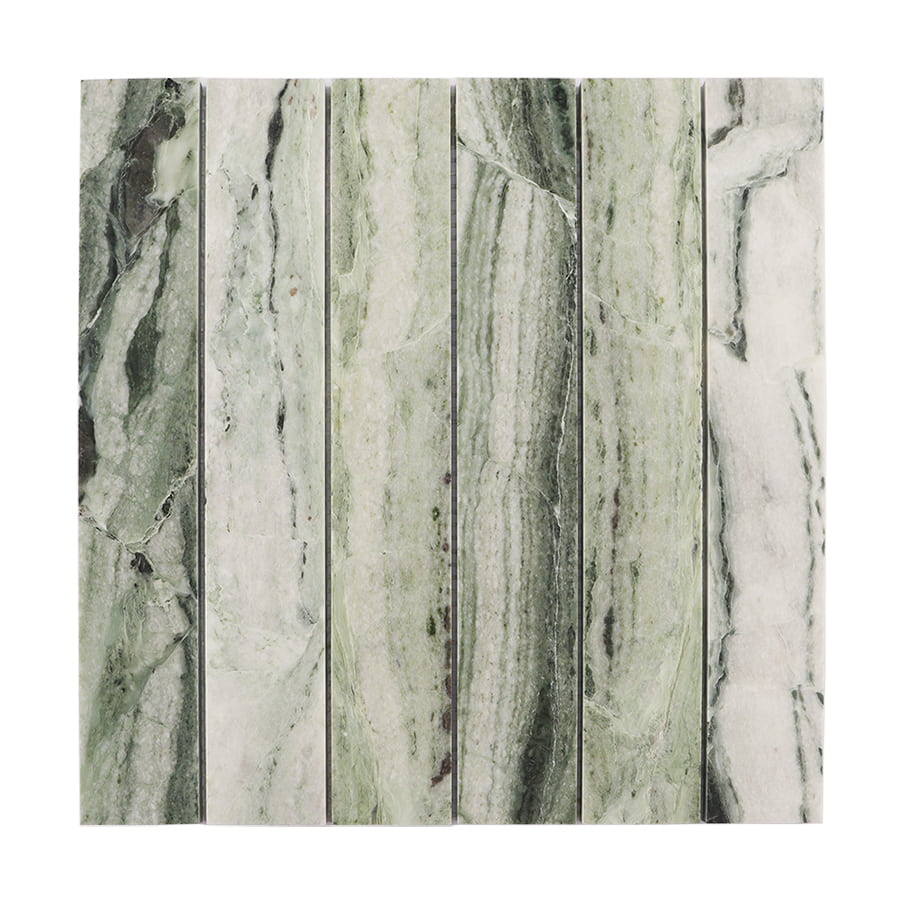
Marble is a natural stone material that has been prized for millennia for its luxurious appearance and unique veining patterns. When cut and shaped for kitchen flooring, marble tiles offer an unmistakable elegance that elevates any culinary space.
- Unique patterns: Every marble tile features one-of-a-kind natural veining and color variations
- Natural luminosity: The crystalline structure creates a subtle glow that synthetic materials cannot replicate
- Timeless appeal: Marble never goes out of style and adds significant value to your home
- Cool temperature: Naturally stays cool underfoot, perfect for warm climates
Slip Resistance & Safety Features
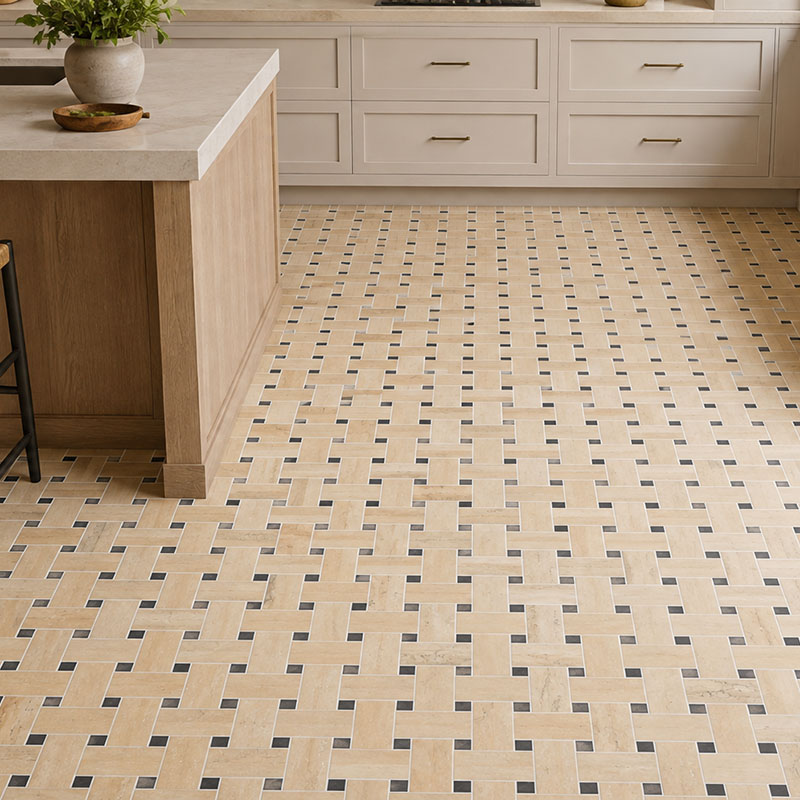
For kitchen applications, marble tiles are typically cut into smaller sizes with textured or honed finishes to enhance slip resistance. The grout lines between tiles also play a crucial role in providing traction.
Small Tile Advantage
Smaller marble tiles (typically 12x12 inches or smaller) create more grout lines, significantly increasing slip resistance. The textured surface of the tiles combined with recessed grout joints provides excellent traction, even when wet.
Surface Finish Matters
Avoid highly polished marble for kitchen floors. Instead, choose honed, tumbled, or textured finishes that provide better grip. The slightly rougher surface texture increases friction without sacrificing the marble's natural beauty.
Popular Marble Types for Kitchen Floors
Carrara Marble
White to blue-gray with soft, feathery veining
- Most affordable marble option
- Classic Italian marble
- Versatile aesthetic
Calacatta Marble
Bright white with bold, dramatic veining
- Luxury premium appearance
- Statement-making patterns
- High-end investment
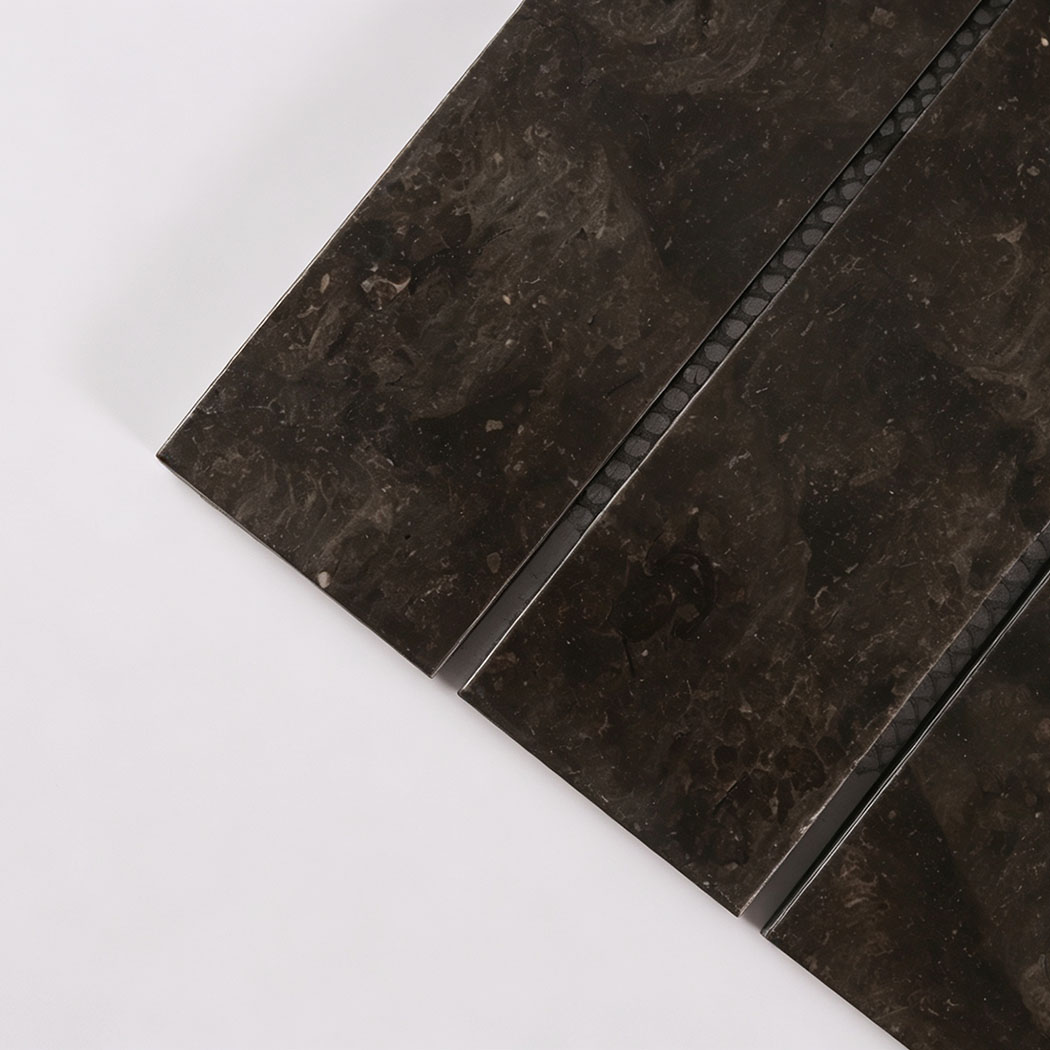
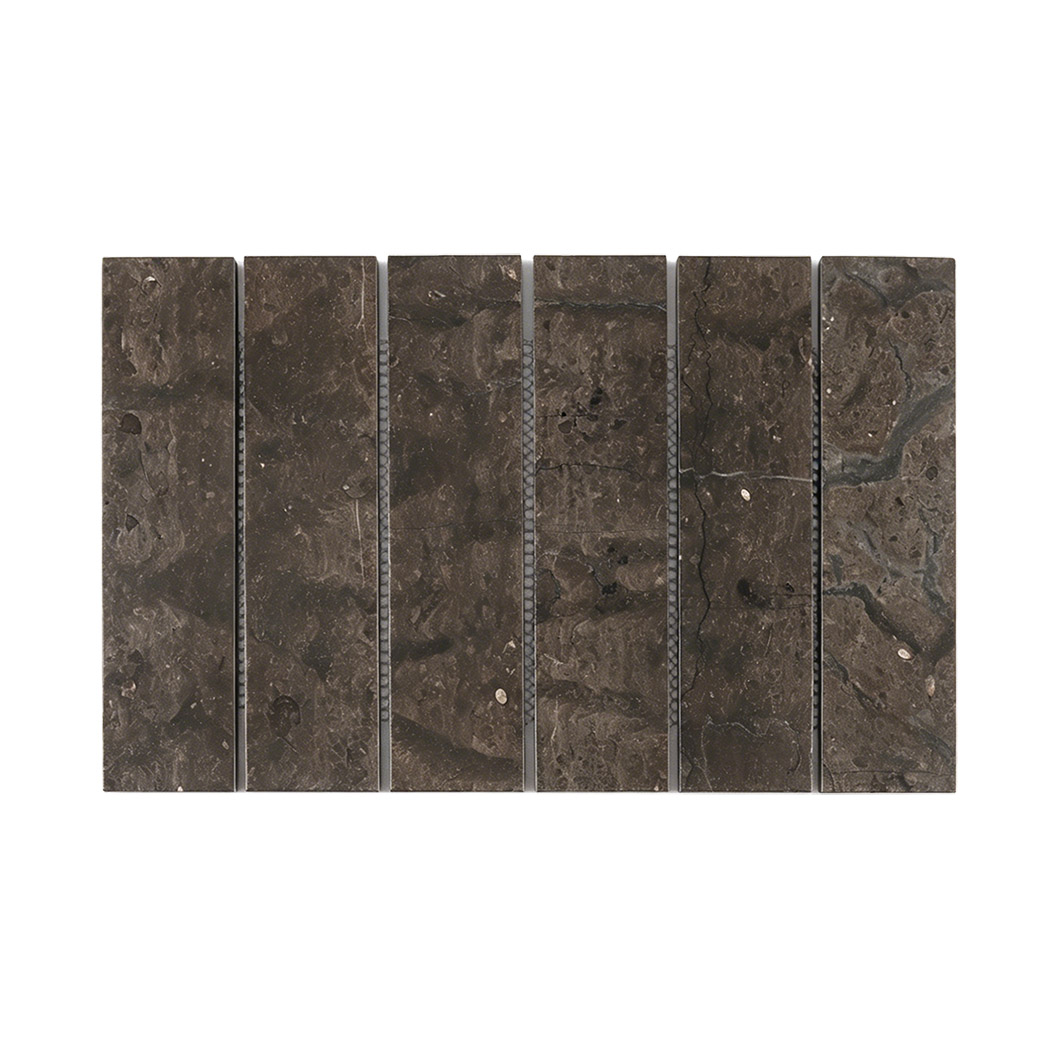
Emperador Marble
Rich brown tones with lighter veining
- Warm, earthy aesthetic
- Hides stains well
- Unique color option
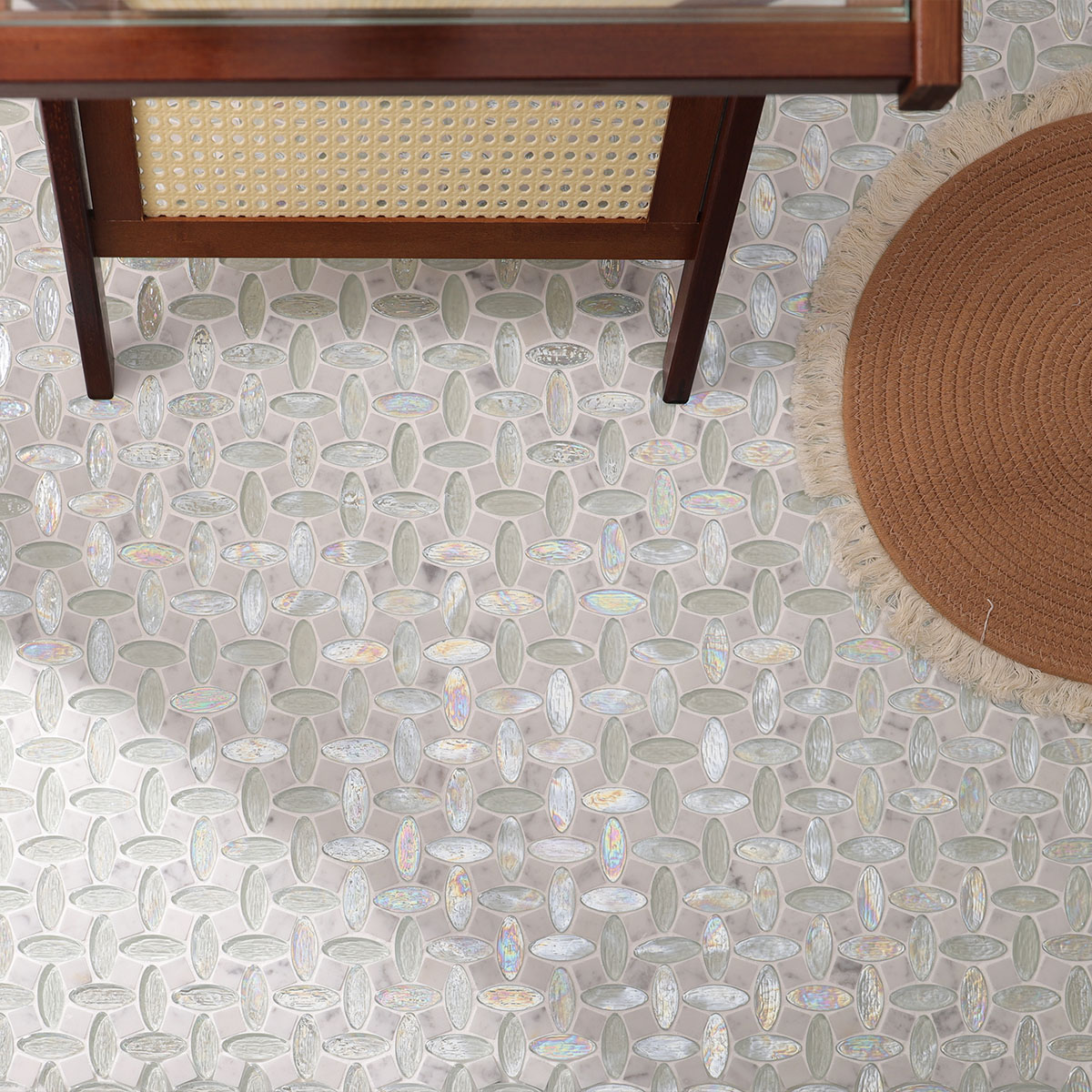
Glass Mosaic Floor Tiles
Modern innovation with stunning visual effects
Not Your Ordinary Glass
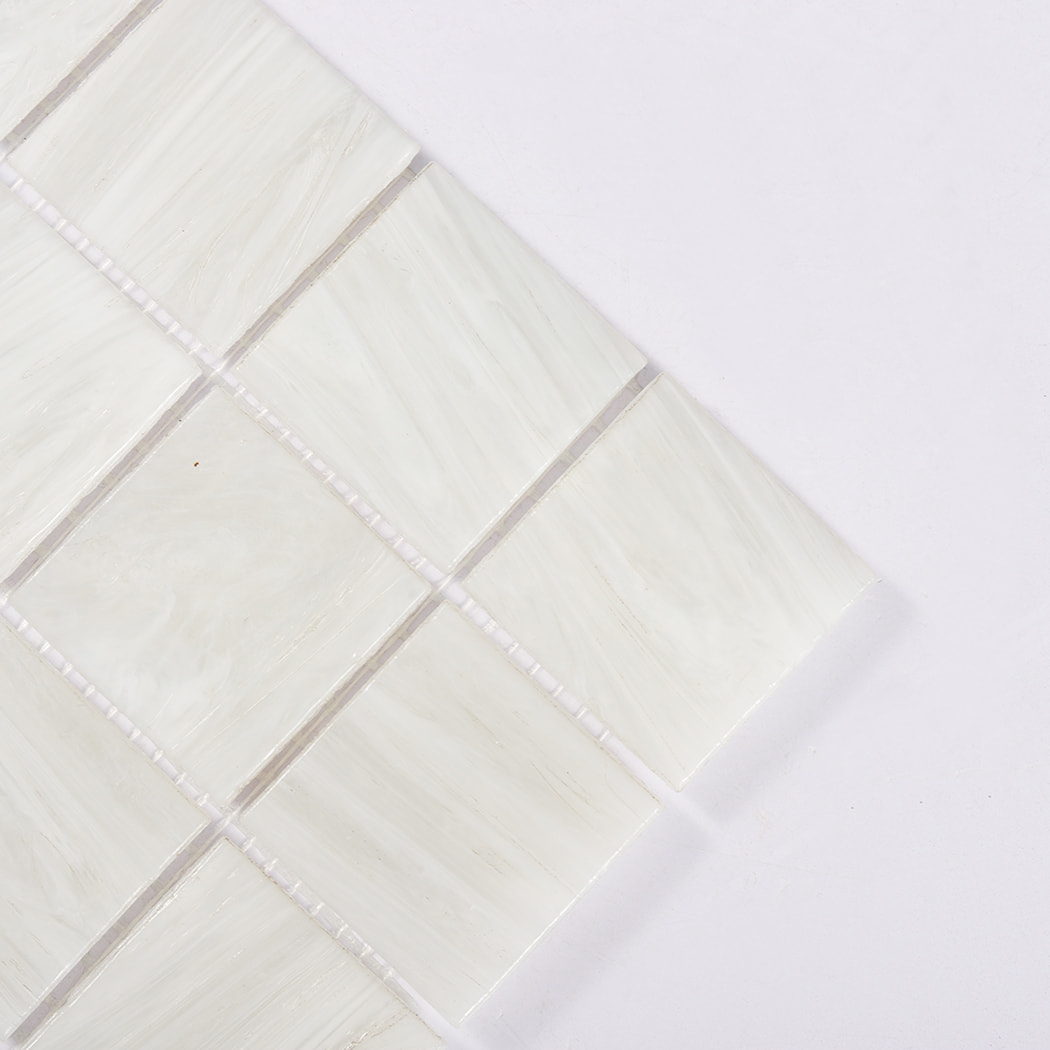
Glass floor tiles are engineered specifically for flooring applications and bear little resemblance to smooth window glass. These tiles are manufactured through high-temperature firing processes that combine color pigments, quartz sand, soda ash, and fluorite to create an incredibly durable material.
High-Temperature Manufacturing
Glass tiles are fired at extreme temperatures, creating a dense, non-porous material that is highly resistant to moisture, stains, and thermal expansion. This process makes them ideal for kitchen environments where temperature fluctuations and moisture exposure are common.
Surface Texture Options
Unlike smooth glass, floor-grade glass tiles feature textured surfaces that provide excellent slip resistance. These specially designed surface treatments ensure safety without compromising the tile's reflective and aesthetic properties.
Stunning Visual Effects
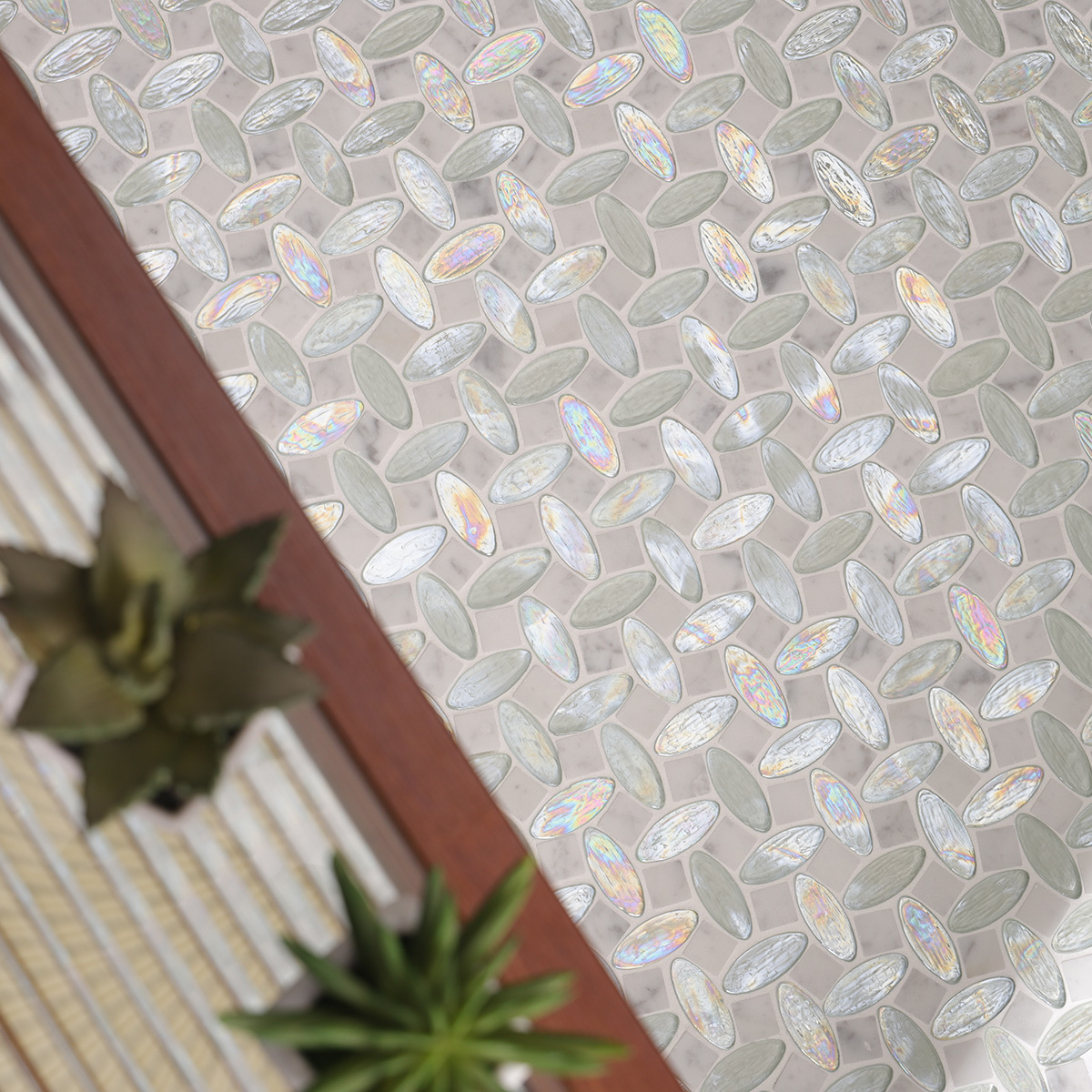
Glass mosaic tiles offer an unparalleled range of visual effects that can transform your kitchen floor into a work of art. The material's translucency and reflective properties interact with light in unique ways.
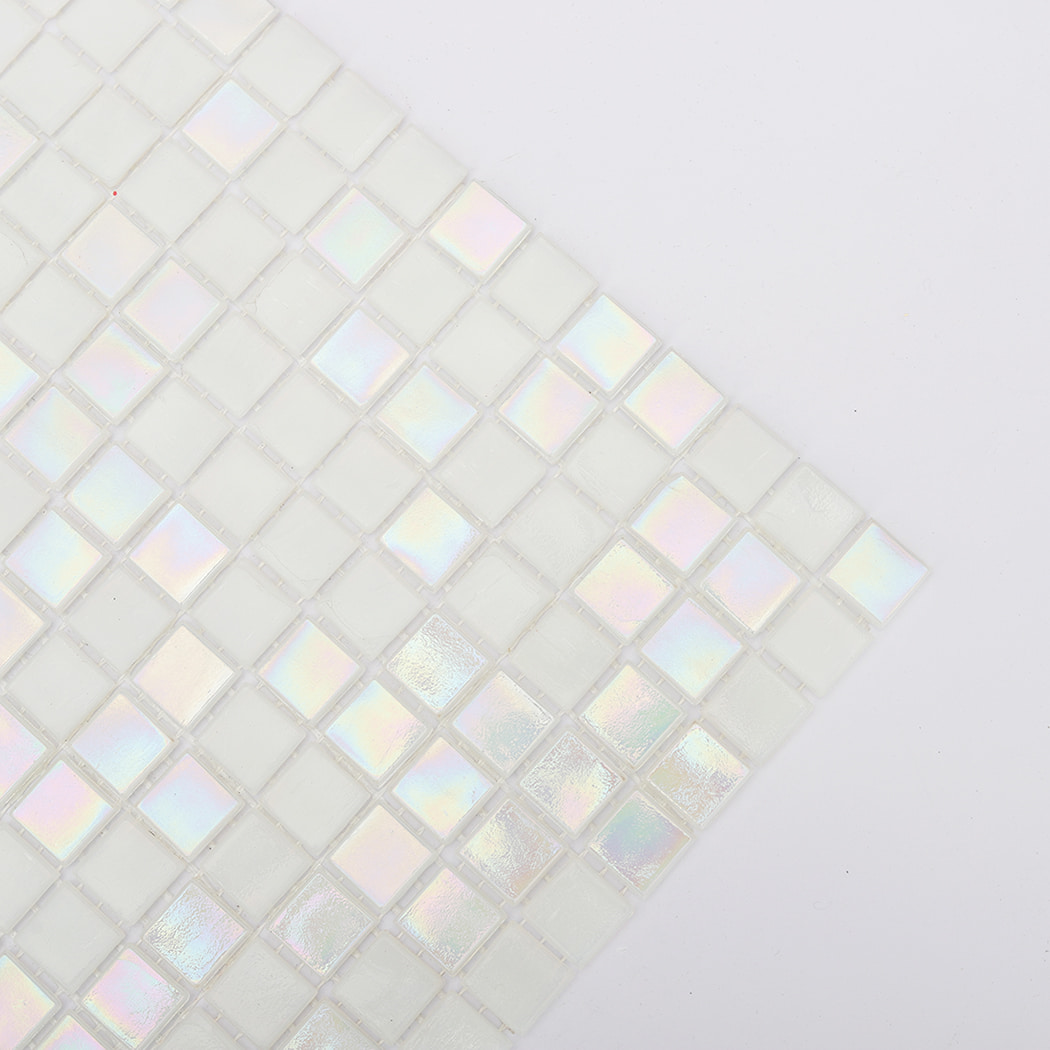
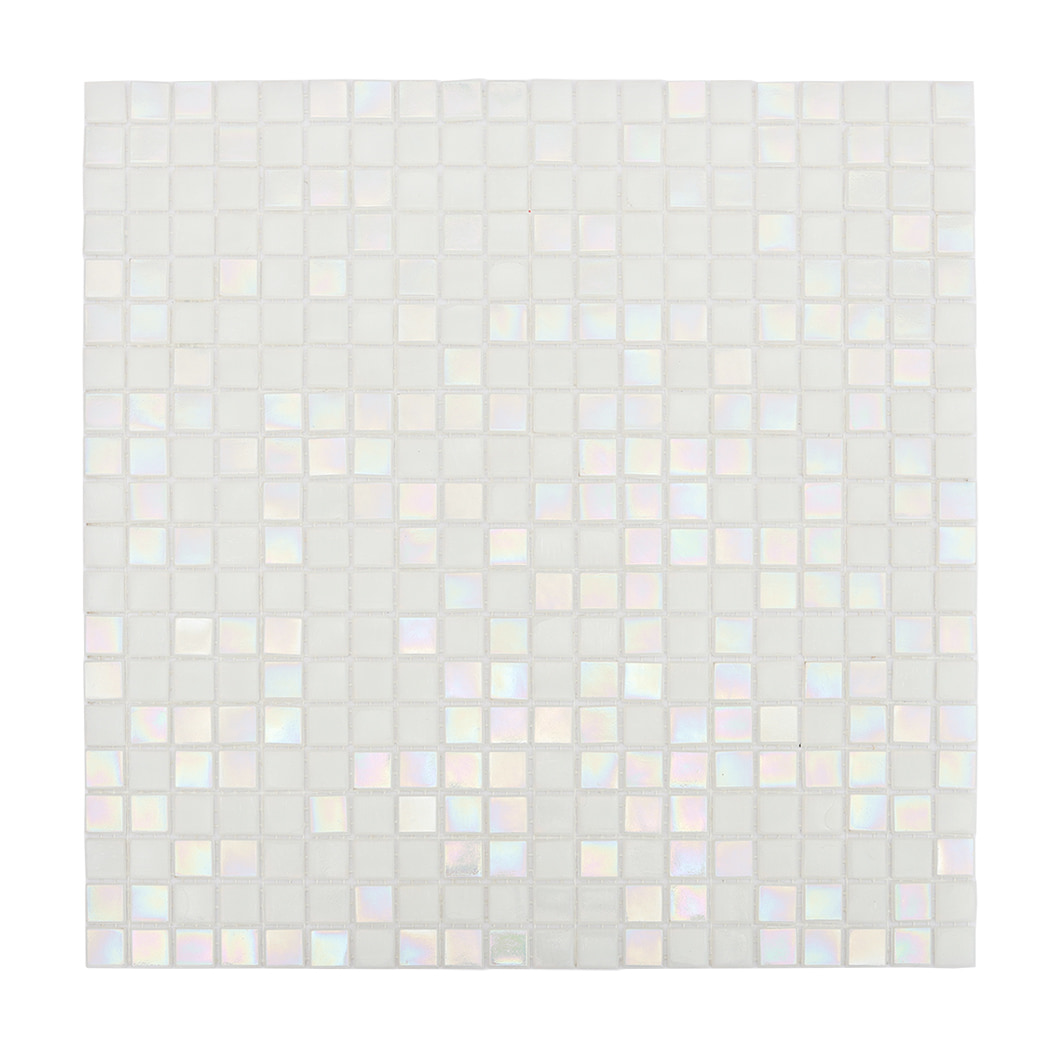
Iridescent Finishes
Color-shifting surfaces that change appearance with viewing angle and lighting conditions, creating dynamic visual interest
Metallic Surfaces
Gold, silver, bronze, and copper metallic finishes add luxury and sophistication to contemporary kitchen designs
Matte & Frosted
Subtle, sophisticated finishes with excellent slip resistance, perfect for minimalist and modern kitchen aesthetics
Sand-Textured
Small sand particles embedded in the surface create a tactile texture and enhance slip resistance significantly
Practical Benefits
Beyond their stunning appearance, glass mosaic tiles offer exceptional practical advantages that make them ideal for kitchen flooring applications.
100% Non-Porous
Glass tiles do not absorb moisture, preventing stains, mold, mildew, and bacteria growth—essential for hygienic kitchen environments
Thermal Stability
Unlike some natural stones, glass tiles resist thermal expansion and contraction, maintaining dimensional stability in varying temperatures
Small Size Advantage
Mosaic glass tiles are typically small (1-2 inches), creating numerous grout lines that significantly enhance slip resistance—crucial for wet kitchen floors
Chemical Resistance
Glass tiles withstand harsh cleaning chemicals and acidic spills without etching or discoloration, unlike natural stone materials
Design Versatility
Glass mosaic tiles offer endless design possibilities for creating unique kitchen floors that reflect your personal style.
Blend Multiple Colors
Combine different colored glass tiles to create custom patterns, gradients, or artistic floor designs
Mix Finishes
Combine matte and iridescent tiles for depth and visual interest, or integrate metallic accents for luxury touches
Create Borders & Accents
Use glass mosaics to define zones, create borders, or add decorative accents within larger tile layouts
Other Popular Kitchen Floor Tiles
Explore additional tile options for every style and budget
Porcelain Tiles
Porcelain tiles are among the most durable and versatile options for kitchen floors. Made from refined clay fired at extremely high temperatures, they offer superior hardness and water resistance.
Key Features:
- Extremely low water absorption (less than 0.5%)
- Scratch and chip resistant
- Can mimic natural stone, wood, or concrete
- Suitable for heavy traffic areas
Best for: High-traffic kitchens, modern designs, those seeking low-maintenance luxury
Ceramic Tiles
Ceramic tiles are a classic, cost-effective choice for kitchen floors. Made from natural clay with a glazed finish, they offer excellent versatility and come in countless styles, colors, and patterns.
Key Features:
- Budget-friendly option
- Wide variety of designs and colors
- Easy to clean and maintain
- Good water resistance when properly sealed
Best for: Budget-conscious homeowners, traditional kitchens, DIY installations
Natural Stone
Beyond marble, other natural stones like slate, granite, and travertine offer unique textures and colors. Each piece is one-of-a-kind, bringing authentic natural beauty to your kitchen.
Key Features:
- Authentic natural appearance
- Excellent durability (especially slate and granite)
- Unique variations in each tile
- Adds significant home value
Best for: High-end kitchens, rustic or natural designs, statement flooring
Terrazzo Tiles
Terrazzo combines marble, quartz, and glass chips embedded in cement or resin, creating a distinctive speckled appearance. This vintage material has experienced a major design renaissance.
Key Features:
- Unique, artistic appearance
- Extremely durable and long-lasting
- Low maintenance requirements
- Trendy and stylish
Best for: Contemporary kitchens, retro designs, bold statement floors
Quarry Tiles
Quarry tiles are made from unglazed natural clay, offering a rustic, earthy appearance. Their dense composition makes them ideal for commercial kitchens and high-traffic residential spaces.
Key Features:
- Exceptional slip resistance
- Very durable and dense
- Natural, rustic aesthetic
- Heat resistant
Best for: Commercial kitchens, farmhouse style, high-performance flooring
Encaustic Tiles
Encaustic tiles feature intricate patterns created by embedding colored clay into the tile body rather than surface glazing. These decorative tiles add artistic flair to kitchen floors.
Key Features:
- Intricate, colorful patterns
- Mediterranean and vintage appeal
- Pattern extends through tile thickness
- Creates focal points and accents
Best for: Eclectic kitchens, Mediterranean style, artistic statements
Grout Selection Guide
Choosing the right grout is essential for durability and aesthetics
Why Grout Matters
Grout does more than just fill the spaces between tiles—it plays a critical role in preventing moisture penetration, providing structural support, and enhancing slip resistance. The right grout choice can significantly extend the life of your kitchen floor while reducing maintenance requirements.
Epoxy Grout
Epoxy grout is a premium, two-part or three-part system that creates a highly durable, waterproof, and stain-resistant seal. It consists of epoxy resins mixed with a hardener and often contains colored sand for texture and appearance.
Advantages:
- 100% Waterproof: Does not absorb moisture, preventing mold, mildew, and bacteria growth
- Stain Resistant: Will not discolor from spills or cleaning products
- Enhanced Slip Resistance: Textured surface provides excellent traction when wet
- No Sealing Required: Maintenance-free after installation
- Easy to Clean: Simply wipe clean without deep cleaning grout lines
- Chemical Resistant: Withstands harsh cleaning agents and acidic spills
Best Applications:
- Glass tiles: Perfect partner for non-porous glass materials
- High-moisture areas: Ideal for kitchens with heavy cooking and cleaning
- Light-colored tiles: Prevents grout discoloration over time
- Commercial kitchens: Handles heavy use and frequent cleaning
Note: Epoxy grout requires more skill to install and is more expensive than cement-based options. Professional installation is recommended.
Cement-Based Grout
Traditional cement-based (powder) grout is the most common and economical option. It's made from a mixture of Portland cement, sand, and other additives. Available in sanded and unsanded varieties.
Advantages:
- Cost-Effective: Significantly less expensive than epoxy grout
- Easy to Apply: Suitable for DIY installation
- Color Variety: Available in numerous colors to match any tile
- Breathable: Allows moisture vapor transmission (important for some installations)
Best Applications:
- Marble and natural stone: Especially white marble—use white powder grout for seamless appearance
- Matte tiles: Matches the softer aesthetic of non-glossy surfaces
- Budget installations: Good performance at lower cost
- Wide grout joints: Sanded versions work well with joints 1/8" or wider
Maintenance Requirements:
- Requires sealing after installation and resealing every 1-2 years
- More prone to staining without proper sealing
- Grout lines may darken over time and require periodic cleaning
- More vulnerable to mold and mildew in damp conditions
Pro Tip: For white marble tiles, select white cement-based grout or tile adhesive. This creates a bright, cohesive look with subtle grout lines. Some installers add crystalline additives for sparkle.
Grout Selection Quick Reference
| Tile Type | Recommended Grout | Key Consideration |
|---|---|---|
| Glass Tiles | Epoxy Grout | Maximum water resistance and easy maintenance |
| White Marble | White Powder Grout | Seamless appearance, add crystals for sparkle |
| Colored Marble | Matching Powder Grout | Must seal regularly to prevent staining |
| Porcelain Tiles | Either Type | Choose based on budget and maintenance preference |
| Ceramic Tiles | Powder Grout | Cost-effective, seal properly |
| Natural Stone | Powder Grout | Breathable option, regular sealing essential |
Maintenance & Care Guide
Proper care extends the life and beauty of your kitchen floor tiles
Daily & Weekly Care
Regular Cleaning
- Sweep or vacuum daily to remove dirt and debris
- Mop weekly with pH-neutral cleaner
- Wipe spills immediately to prevent staining
- Use microfiber mops for best results
What to Avoid
- Never use acidic cleaners (vinegar, lemon) on natural stone
- Avoid abrasive scrubbers that can scratch surfaces
- Don't use oil-based cleaners—they leave residue
- Never use bleach on colored grout
Marble Tile Care & Protection
Critical: Surface Protection Required
Marble is a porous natural stone that MUST be sealed to prevent staining, etching, and moisture penetration. Sealing creates a protective barrier that significantly extends the life and appearance of your marble floor.
Sealing Schedule
- Initial sealing: Immediately after installation and grout curing
- Resealing frequency: Every 6-12 months for kitchen floors
- High-traffic areas: May require more frequent sealing
- Water test: Drop water on surface—if it absorbs in 10 minutes, reseal
Sealer Selection
- Penetrating sealers: Absorb into stone, recommended for floors
- Impregnating sealers: Fill pores deep within the stone
- Natural finish: Choose breathable sealers that don't alter appearance
- Food-safe: Ensure sealer is non-toxic for kitchen use
How to Seal Marble Tiles
- 1. Clean thoroughly: Remove all dirt, grease, and residue; allow to dry completely (24-48 hours)
- 2. Apply sealer: Use brush, roller, or sprayer to apply even coat following manufacturer's directions
- 3. Allow penetration: Let sealer absorb for specified time (typically 5-15 minutes)
- 4. Wipe excess: Remove any surface residue with clean, dry cloth
- 5. Apply second coat: Many sealers require 2-3 coats for optimal protection
- 6. Cure time: Allow 24-72 hours before foot traffic and water exposure
Daily Marble Care
- Use pH-neutral stone cleaner only
- Wipe spills immediately (especially acidic liquids)
- Use cutting boards and trivets always
- Place mats at entry points to reduce dirt tracking
Never Use on Marble
- Vinegar, lemon juice, or acidic cleaners (cause etching)
- Ammonia or bleach-based products
- Abrasive scrubbers or powders
- Generic "all-purpose" cleaners (often too harsh)
Glass Tile Maintenance
Low Maintenance Advantage
Glass tiles are non-porous and do not require sealing. They naturally resist stains, mold, mildew, and bacteria, making them one of the easiest flooring materials to maintain.
Cleaning Glass Tiles
- Use glass cleaner or mild dish soap solution
- Wipe with soft cloth or microfiber mop
- Squeegee or dry to prevent water spots
- Clean grout lines separately if needed
Maintaining Sparkle
- Avoid abrasive cleaners that dull the surface
- Don't use steel wool or harsh scrubbers
- Buff with dry microfiber cloth for shine
- Clean regularly to prevent buildup
Porcelain & Ceramic Tile Care
Porcelain and ceramic tiles are durable and low-maintenance. The tiles themselves rarely need sealing (glazed surfaces are already sealed), but grout lines require attention.
Routine Cleaning
- Sweep or vacuum regularly
- Mop with warm water and mild detergent
- No harsh chemicals needed
- Rinse well to prevent residue
Grout Maintenance
- Seal cement grout every 1-2 years
- Clean grout lines periodically
- Use grout brush for deep cleaning
- Regrout if cracked or crumbling
Stain Removal
- Most stains wipe clean easily
- Use baking soda paste for tough stains
- Commercial tile cleaners for grease
- Avoid steel wool and abrasives
Installation Considerations
Key factors for successful kitchen floor tile installation
Substrate Preparation
Ensure subfloor is level, clean, and structurally sound. Use appropriate underlayment for your tile type.
Layout Planning
Plan tile layout to minimize cuts and waste. Start from center and work outward for best results.
Proper Adhesive
Use the correct thinset mortar or adhesive for your specific tile material and application.
Expansion Joints
Include expansion joints around perimeter and at transitions to prevent cracking from movement.
Professional vs. DIY Installation
Good for DIY:
- Large format ceramic or porcelain tiles (12x12 or larger)
- Straightforward layouts without complex patterns
- Cement-based grout applications
- Level subfloors in good condition
Consider Professional:
- Natural stone tiles (marble, granite, slate)
- Small mosaic tiles and intricate patterns
- Epoxy grout installations
- Subfloor repair or leveling required
Cost Considerations
Understanding the investment in quality kitchen floor tiles
Price Ranges by Material
Ceramic Tiles
Budget-friendly, versatile option
per sq ft
Porcelain Tiles
Durable, water-resistant premium choice
per sq ft
Glass Mosaic Tiles
Unique aesthetic, specialized material
per sq ft
Marble Tiles
Luxury natural stone, elegant appearance
per sq ft
Important Note: Material cost is only part of the total investment. Factor in underlayment, adhesive, grout, sealer, and professional installation (typically $5-$15 per sq ft additional). Long-term value should also be considered—higher quality tiles may cost more upfront but last decades with proper care.
Frequently Asked Questions
Quick answers to common kitchen floor tile questions
What is the most durable kitchen floor tile?
Porcelain tiles are generally considered the most durable option, with exceptional hardness, low water absorption, and resistance to scratches, stains, and heavy traffic. Glass tiles are also highly durable and non-porous, while natural stone varies by type.
Do kitchen floor tiles need to be sealed?
It depends on the material. Natural stone tiles (marble, granite, slate, travertine) require regular sealing. Cement-based grout also needs sealing. However, glazed ceramic, porcelain, and glass tiles are non-porous and don't require sealing—only their grout lines do (unless using epoxy grout).
Are glass tiles slippery for kitchen floors?
No, when properly selected. Floor-grade glass tiles have textured surfaces (sand-textured, matte, or frosted) that provide excellent slip resistance. Additionally, small mosaic glass tiles create numerous grout lines that significantly enhance traction. Avoid smooth, polished glass tiles for floor applications.
How long do kitchen floor tiles last?
With proper installation and maintenance, ceramic and porcelain tiles can last 50+ years. Marble and natural stone can last 100+ years with proper care. Glass tiles are also extremely long-lasting (50+ years). The grout may need replacement or regrouting every 10-20 years depending on type and maintenance.
What grout color should I choose for my kitchen tiles?
Consider your lifestyle and aesthetic goals. Light grout (white, beige) creates a clean, seamless look but shows dirt more easily. Dark grout (gray, charcoal) hides stains better but creates visual contrast. Matching grout to tile color creates a subtle, unified appearance. Contrasting grout emphasizes tile patterns and geometry.
Can I install kitchen floor tiles over existing flooring?
Sometimes, but not always recommended. You can install over existing tile if it's in good condition, level, and firmly attached. However, installing over vinyl, laminate, or hardwood is generally not advised as these materials may flex or deteriorate. For best results, remove old flooring and prepare a clean, level substrate.
What tile size is best for small kitchens?
Contrary to popular belief, larger tiles (12x24 or 24x24) can actually make small kitchens appear more spacious by reducing visual clutter from grout lines. However, smaller tiles (8x8, 12x12, or mosaics) offer better slip resistance and work well in compact layouts with many obstacles. Consider your priorities: visual spaciousness versus practical slip resistance.
Ready to Transform Your Kitchen Floor?
Explore our extensive collection of premium kitchen floor tiles including marble, glass, ceramic, porcelain, and natural stone options. Find the perfect combination of style, durability, and functionality for your culinary space.