
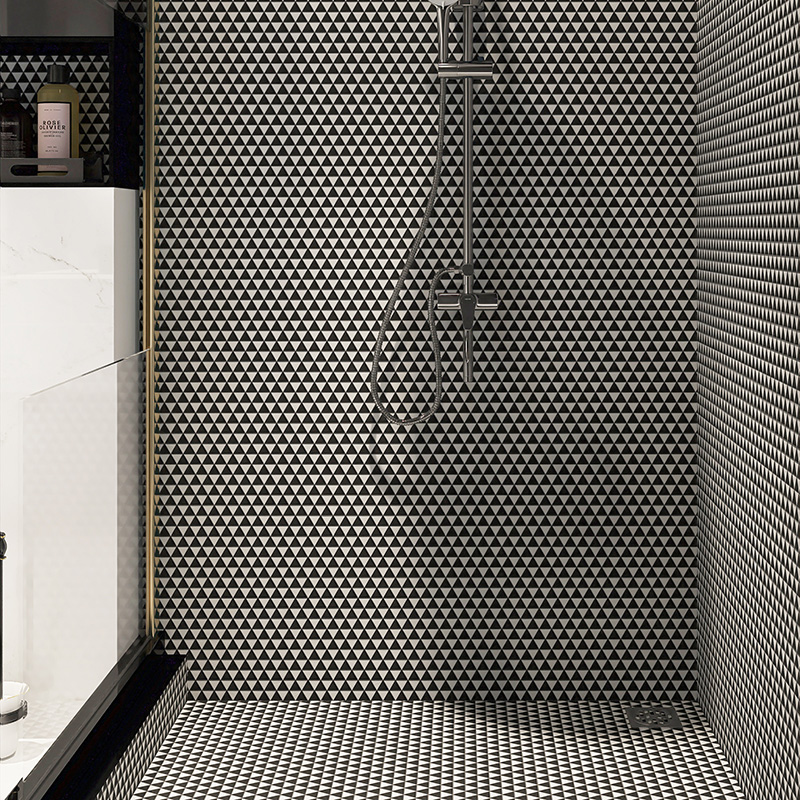

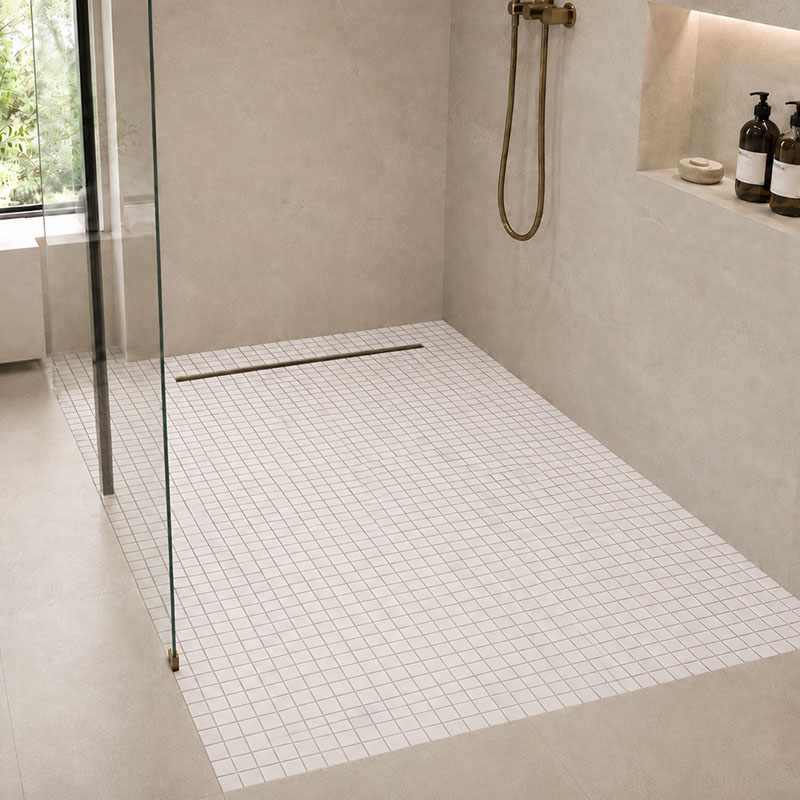


When it comes to bathroom safety and design, shower floor tiles play a crucial role in preventing slips and enhancing aesthetics. The shower area requires the most slip-resistant flooring solution due to constant water exposure, making the right tile selection essential for both functionality and style.
Choosing appropriate shower floor tiles involves understanding various materials, textures, and sizes that contribute to optimal safety. From natural marble to innovative glass mosaics, modern shower floor tiles offer diverse options that combine practical slip resistance with stunning visual appeal.
Why Anti-Slip Shower Floor Tiles Matter
Safety First
The shower is the most slip-prone area in any bathroom. Water, soap, and shampoo create hazardous conditions that demand tiles with superior traction. Non-slip shower floor tiles significantly reduce the risk of accidents for all family members, especially children and elderly individuals.
Water Resistance
Quality shower floor tiles must withstand constant moisture exposure without deteriorating. Proper tile selection prevents water damage, mold growth, and structural issues while maintaining their slip-resistant properties over years of daily use.
Best Materials for Shower Floor Tiles
Natural Marble Tiles
Natural marble stands as a premium choice for shower floor tiles, offering timeless elegance combined with practical benefits. As a natural material, marble can be cut into various shapes and sizes to create stunning shower floors that resist dirt accumulation and stay hygienic longer.
Size Recommendations for Maximum Safety
For shower floor applications, smaller marble tiles are highly recommended. The smaller the tile size, the more grout lines are created across the floor surface. These grout lines between tiles serve a critical function - they act as natural slip-resistant channels that enhance traction when the surface is wet.
- Mosaic sizes (1x1" to 2x2"): Provide maximum grout coverage and superior slip resistance
- Small format (4x4" to 6x6"): Balance between safety and easier installation
- Hexagon and penny round mosaics: Offer excellent traction with visual appeal
Pro Tip: Honed or textured marble finishes provide better grip than polished surfaces while maintaining the stone's natural beauty.
Glass Mosaic Tiles
Contrary to common assumptions, glass shower floor tiles aren't the smooth, slippery glass you might imagine. These specialized tiles are created from a high-temperature fusion of color pigments, quartz sand, soda ash, and fluorite, resulting in a unique material with textured surfaces.
Surface Finish Options
- Sandblasted texture for enhanced grip
- Iridescent finishes with subtle shimmer
- Metallic effects for modern aesthetics
- Matte surfaces with superior slip resistance
Key Advantages
- Non-porous surface prevents water absorption
- Small tile format increases grout lines
- Resistant to thermal expansion and contraction
- Excellent durability for floor applications
Due to their compact dimensions, glass mosaic tiles create numerous grout joints that enhance slip resistance. The material's impermeability and stability against temperature changes make it an outstanding choice for wet environments where safety cannot be compromised.
Porcelain and Ceramic Tiles
Porcelain and ceramic tiles represent versatile, budget-friendly options for shower floors. Porcelain tiles, fired at higher temperatures, offer superior water resistance and durability compared to standard ceramic, making them ideal for high-moisture environments.
What to Look For:
Slip Rating
Look for R10-R13 or COF rating above 0.60
Texture
Matte, textured, or structured finishes
Water Absorption
Less than 0.5% for shower applications
The Smaller, The Safer: Tile Size Strategy
A fundamental principle for shower floor tile selection is that smaller tiles provide better slip resistance. This isn't merely about the tile surface itself - it's about the strategic advantage of grout lines.
How Grout Lines Enhance Safety
The grout joints between tiles create a textured, uneven surface that interrupts water flow and provides crucial traction points for feet. More tiles mean more grout lines, translating to enhanced safety.
- 1-inch mosaics: Maximum grout coverage
- 2-inch tiles: Excellent balance of safety and style
- 4-6 inch tiles: Good for low-traffic showers
Popular Mosaic Patterns
- Hexagon tiles: Classic pattern with natural slip resistance
- Penny rounds: Circular tiles creating maximum grout coverage
- Square mosaics: Traditional grid layout with reliable traction
- Herringbone: Directional pattern that guides water drainage
Important: Avoid large-format tiles (12x12" or larger) on shower floors. While beautiful for walls, they offer insufficient grout lines and can become dangerously slippery when wet, regardless of surface texture.
Shower Floor Tiles Maintenance & Care
Proper maintenance ensures your shower floor tiles retain their slip-resistant properties and aesthetic appeal for years. Different materials require specific care approaches to prevent damage and preserve safety features.
Daily & Weekly Care Routine
After Each Shower
- Use a squeegee to remove excess water from tile surfaces
- Wipe down with a dry microfiber cloth to prevent water spots
- Ensure proper ventilation to reduce moisture buildup
Weekly Deep Clean
- Apply pH-neutral cleaner or mild soap solution
- Scrub grout lines with a soft brush to remove soap scum
- Rinse thoroughly with clean water and dry completely
Material-Specific Cleaning Guidelines
Marble Shower Floor Tiles
Natural stone requires gentle care to preserve its beauty and prevent etching or dulling of the surface.
- Use stone-specific pH-neutral cleaners
- Apply stone sealer annually for protection
- Avoid acidic cleaners (vinegar, lemon)
- Never use abrasive scrubbing pads
Glass Mosaic Tiles
Glass surfaces are non-porous and resist staining, making them low-maintenance options for shower floors.
- Regular dish soap and water work excellently
- White vinegar solution removes hard water stains
- Avoid harsh chemical cleaners
- Don't use steel wool or metal brushes
Porcelain & Ceramic Tiles
These durable tiles handle stronger cleaning products but still benefit from regular gentle maintenance.
- All-purpose bathroom cleaners are safe
- Steam cleaning works well for deep cleaning
- Avoid bleach on colored grout
- Don't let acidic cleaners sit too long
Essential Grout Maintenance
Since grout lines are critical for slip resistance, maintaining them properly is essential for safety. Dirty or damaged grout compromises both aesthetics and functionality.
Seal Regularly
Apply penetrating grout sealer every 6-12 months to prevent water infiltration and staining.
Clean Thoroughly
Use grout brush and specialized grout cleaner to remove soap scum and mildew buildup.
Repair Promptly
Address cracked or missing grout immediately to prevent water damage beneath tiles.
Professional Installation & Design Tips
Installation Best Practices
- Ensure proper slope (1/4" per foot) toward the drain for efficient water drainage
- Use waterproof membrane beneath all shower floor tiles
- Select narrow grout lines (1/16" to 1/8") for mosaic tiles
- Allow proper curing time before exposing tiles to water
Design Considerations
- Coordinate floor tile texture with wall tiles for cohesive design
- Consider darker grout colors to hide soap residue and staining
- Use contrasting colors to define shower floor boundaries
- Test tile samples in your shower lighting before final selection
Frequently Asked Questions
What are the best tiles for shower floors?
The best shower floor tiles combine slip resistance with durability. Natural marble mosaics, textured glass tiles, and porcelain tiles with high COF ratings (above 0.60) are excellent choices. Smaller tile formats (1-2 inches) with numerous grout lines provide superior traction compared to larger tiles. Look for matte or textured finishes rather than glossy surfaces for optimal safety.
Can glossy tiles be used on shower floors?
Glossy tiles are not recommended for shower floors due to their slippery nature when wet. While they may look elegant, polished surfaces become hazardous in wet conditions. Instead, opt for honed, matte, or textured finishes that provide better grip. If you love the look of polished marble or ceramic, reserve it for shower walls where slip resistance isn't critical.
How do I clean and maintain my shower floor tiles?
Regular maintenance involves using pH-neutral cleaners appropriate for your tile material. For marble, use stone-specific products and avoid acidic cleaners. Glass mosaics can be cleaned with mild dish soap or diluted white vinegar. Porcelain and ceramic tiles tolerate stronger cleaners but still benefit from gentle care. Always clean grout lines with a soft brush, seal grout every 6-12 months, and squeegee after each use to prevent soap scum buildup.
Why are smaller tiles safer for shower floors?
Smaller tiles create more grout lines across the shower floor surface. These grout joints provide natural slip resistance by creating texture and interrupting water flow. A 1-inch mosaic tile creates significantly more grout coverage than a 12-inch tile, resulting in better traction. The grout lines act as channels that enhance grip, making smaller formats the safer choice for wet environments where falls are a concern.
Which tiles should be avoided for shower floors?
Avoid polished marble, smooth glass, and large-format tiles (12x12 inches or larger) on shower floors. These materials and sizes offer insufficient slip resistance in wet conditions. Also steer clear of tiles with low slip-resistance ratings (below R9 or COF under 0.50). Unglazed natural terracotta and unsealed limestone are too porous and can harbor bacteria and mold in shower environments.
How often should I seal shower floor tiles?
Natural stone tiles like marble should be sealed annually or bi-annually to prevent water absorption and staining. Grout lines require sealing every 6-12 months regardless of tile type. Glass tiles don't require sealing as they're non-porous, but their grout still needs protection. Porcelain tiles may not need sealing depending on the product, but check manufacturer recommendations. Apply penetrating sealers rather than topical ones to maintain the tile's slip-resistant texture.
Making the Right Choice for Your Shower Floor
Selecting appropriate shower floor tiles is a crucial decision that impacts both safety and aesthetics for years to come. Whether you choose the timeless elegance of marble mosaics, the modern appeal of glass tiles, or the versatility of porcelain, prioritizing slip resistance through smaller tile formats and proper textures ensures a safe showering experience for your entire family.
Remember that the grout lines between tiles serve as critical safety features, making smaller tiles inherently safer than large-format options. Combined with proper installation, regular maintenance, and appropriate cleaning techniques, your shower floor tiles will provide lasting beauty, functionality, and peace of mind for years of daily use.