
-1.jpeg?w=800&h=800)


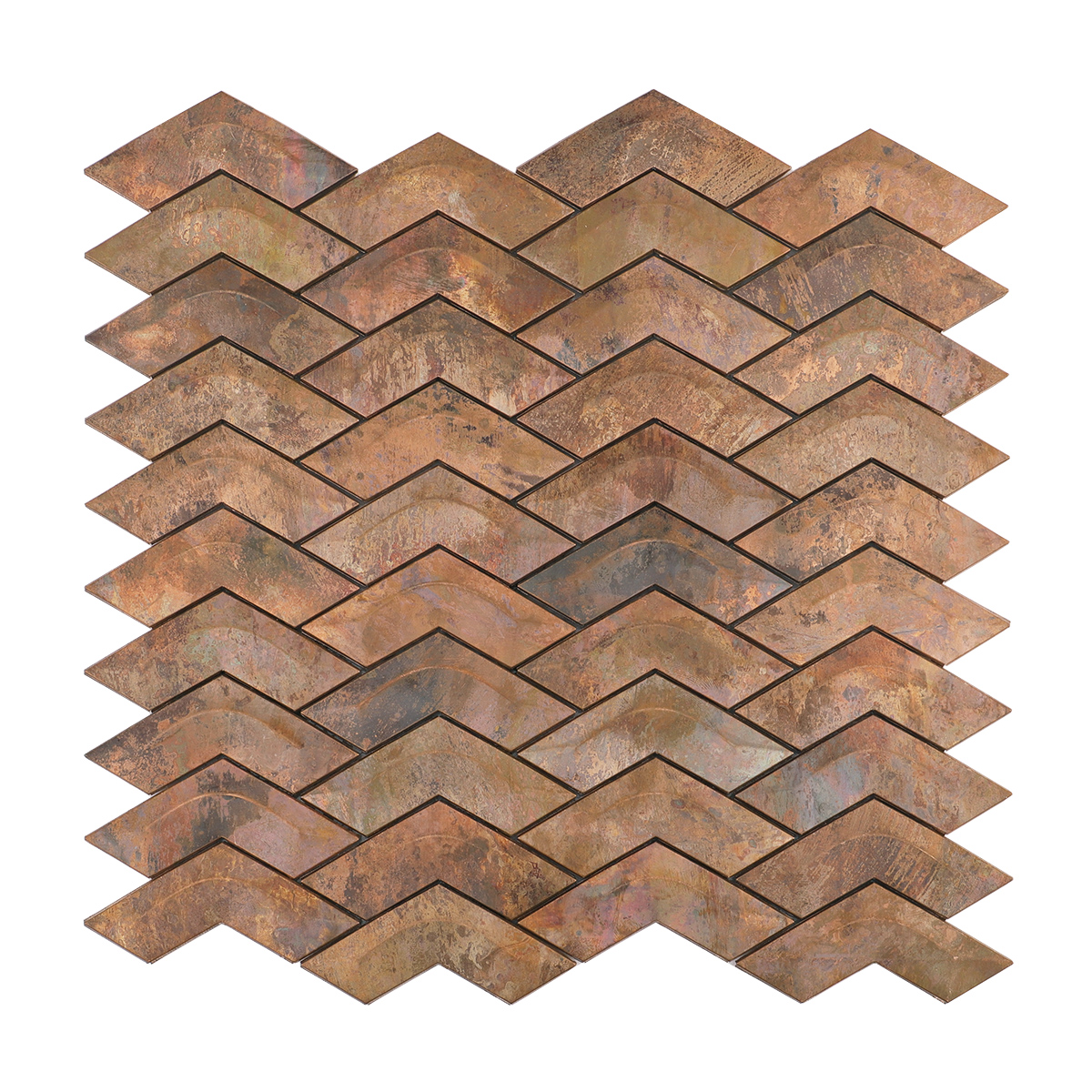
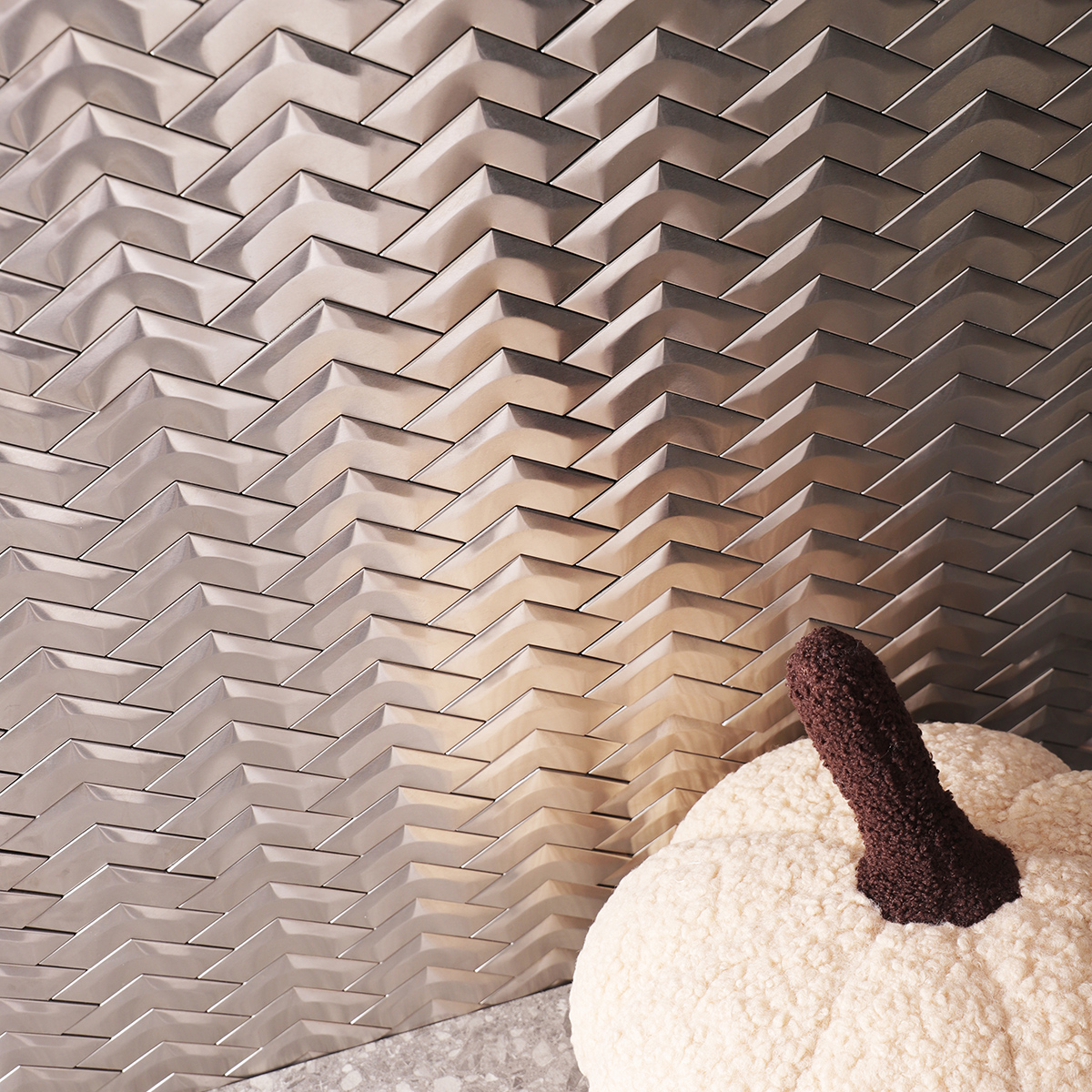
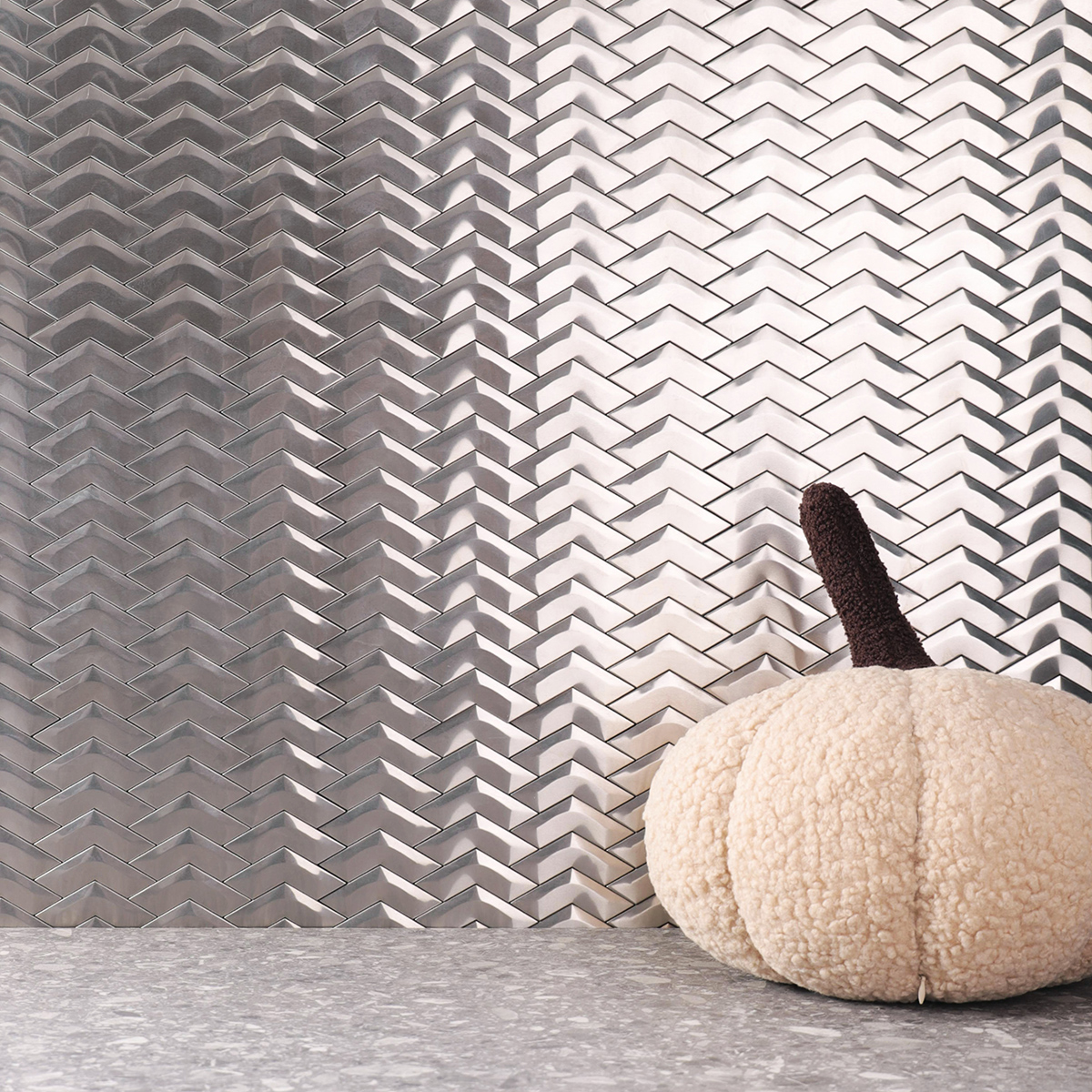
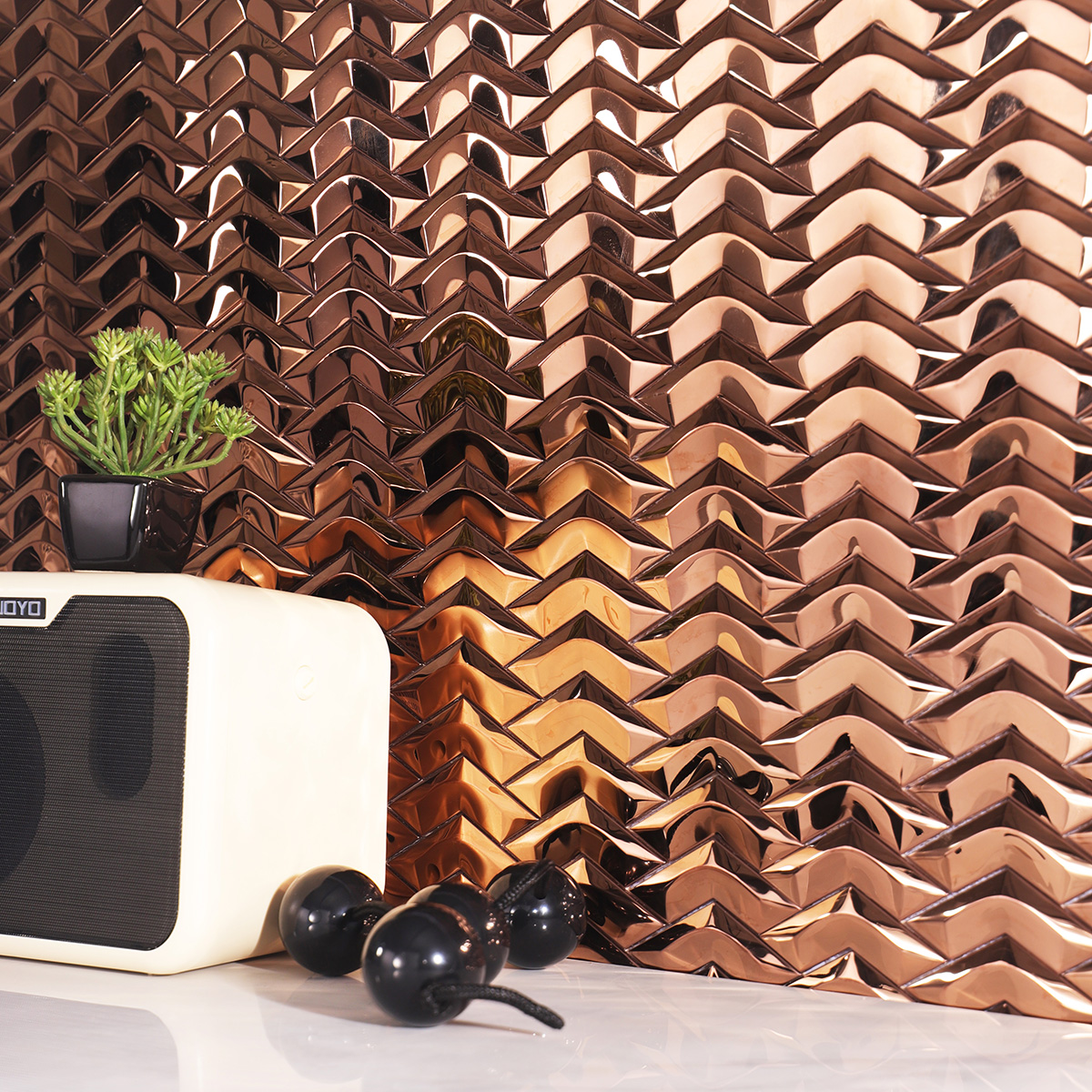


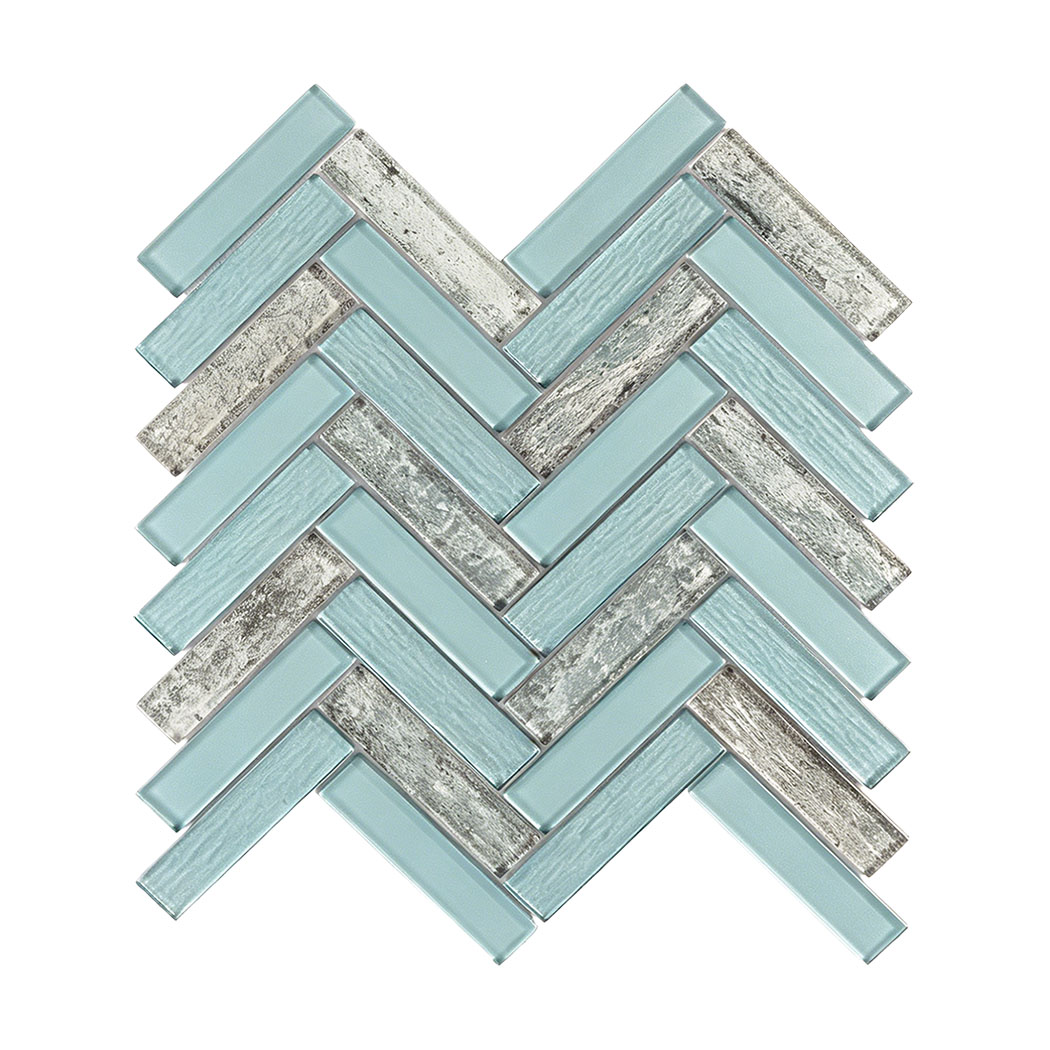
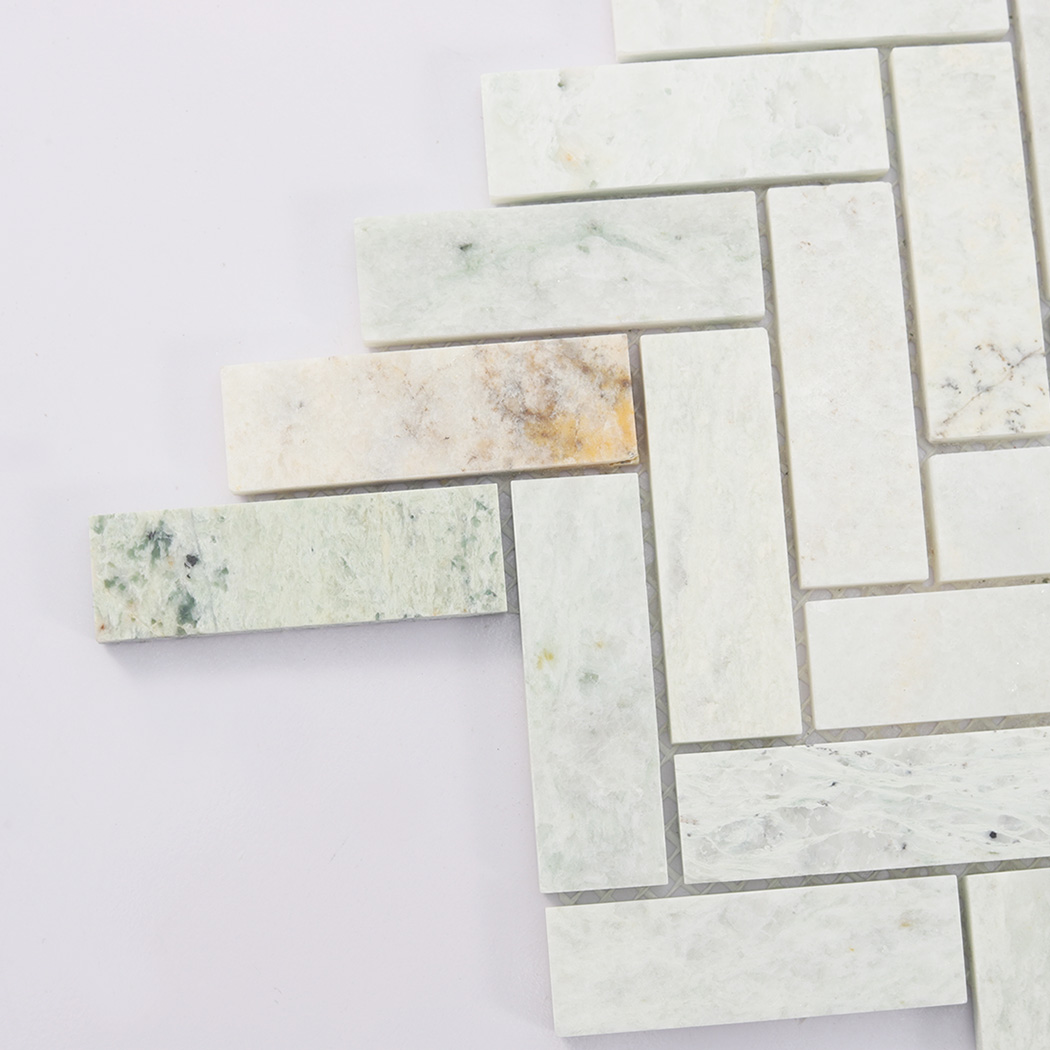
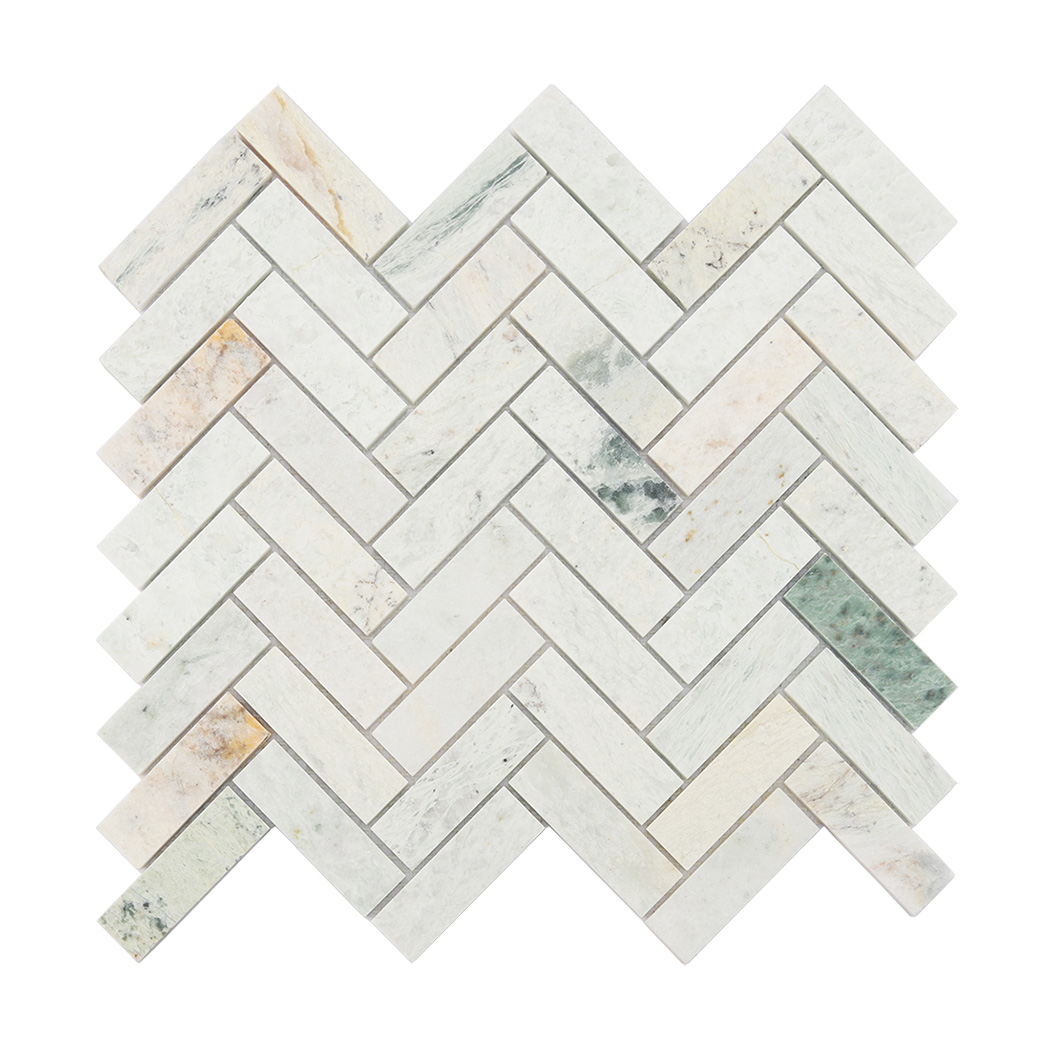
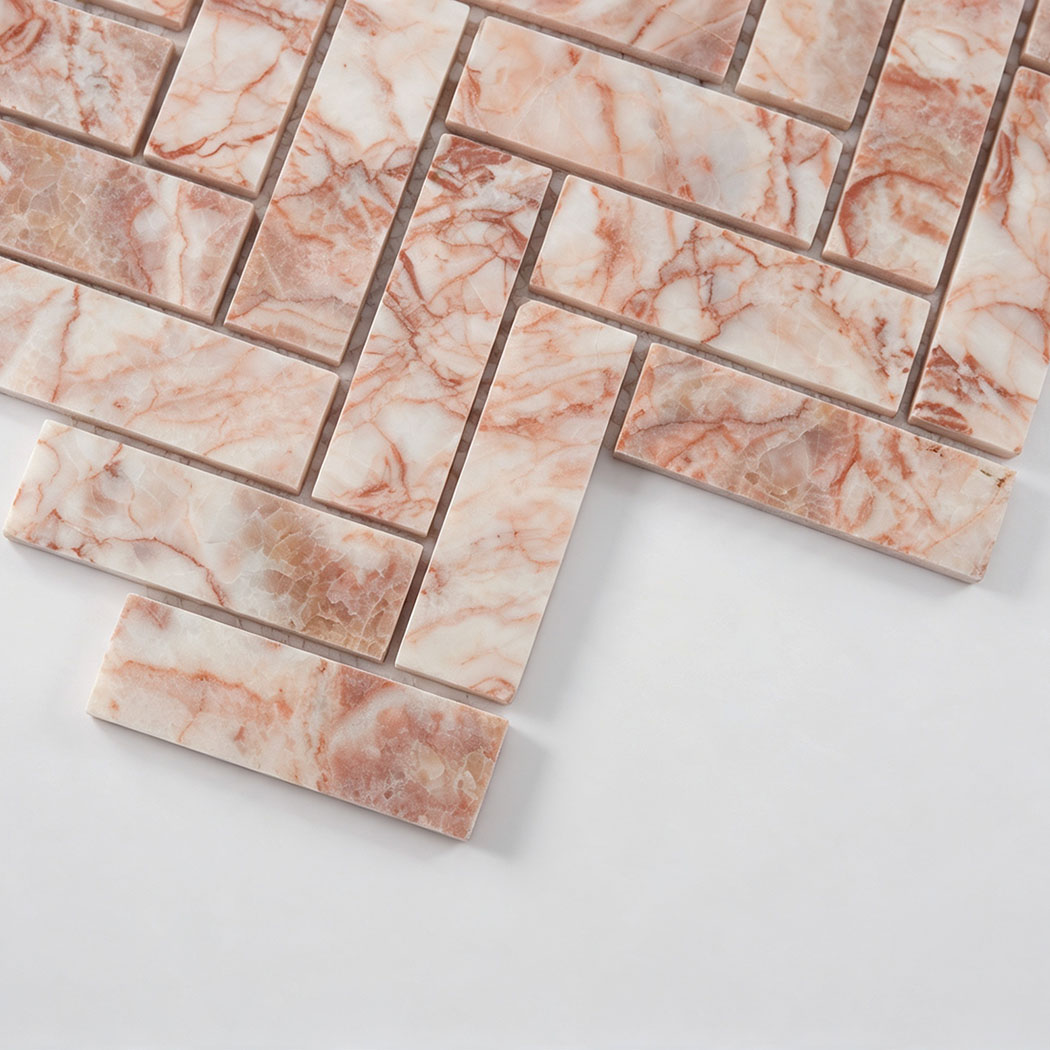
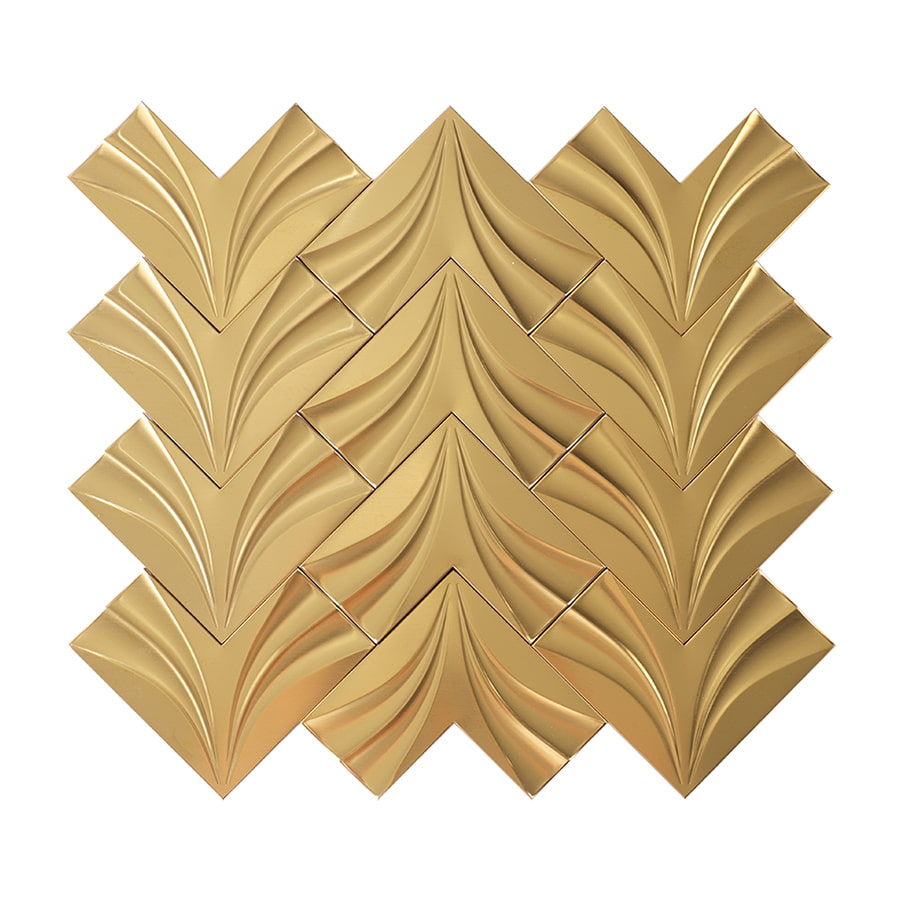
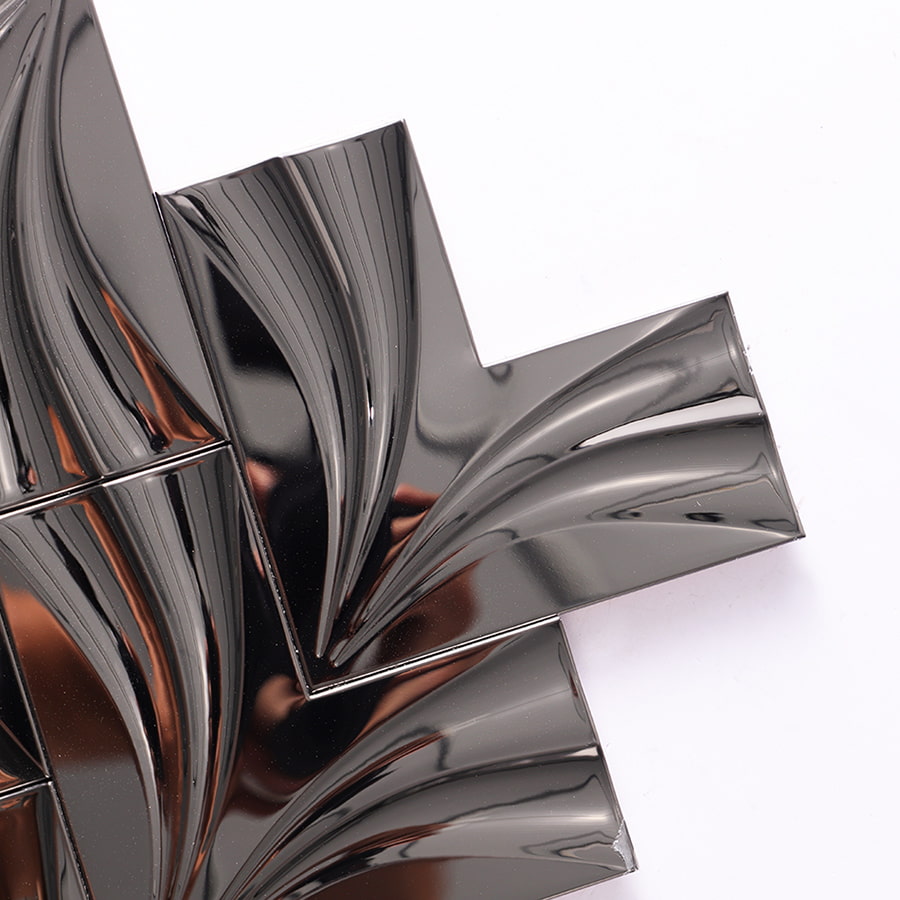
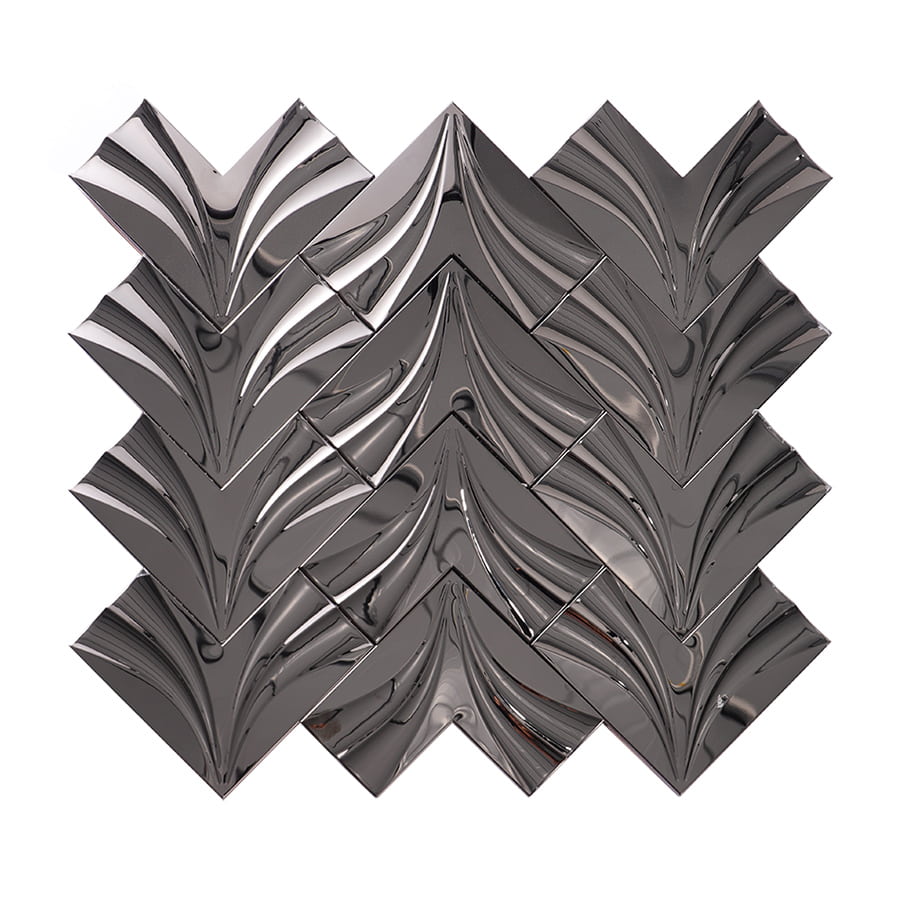
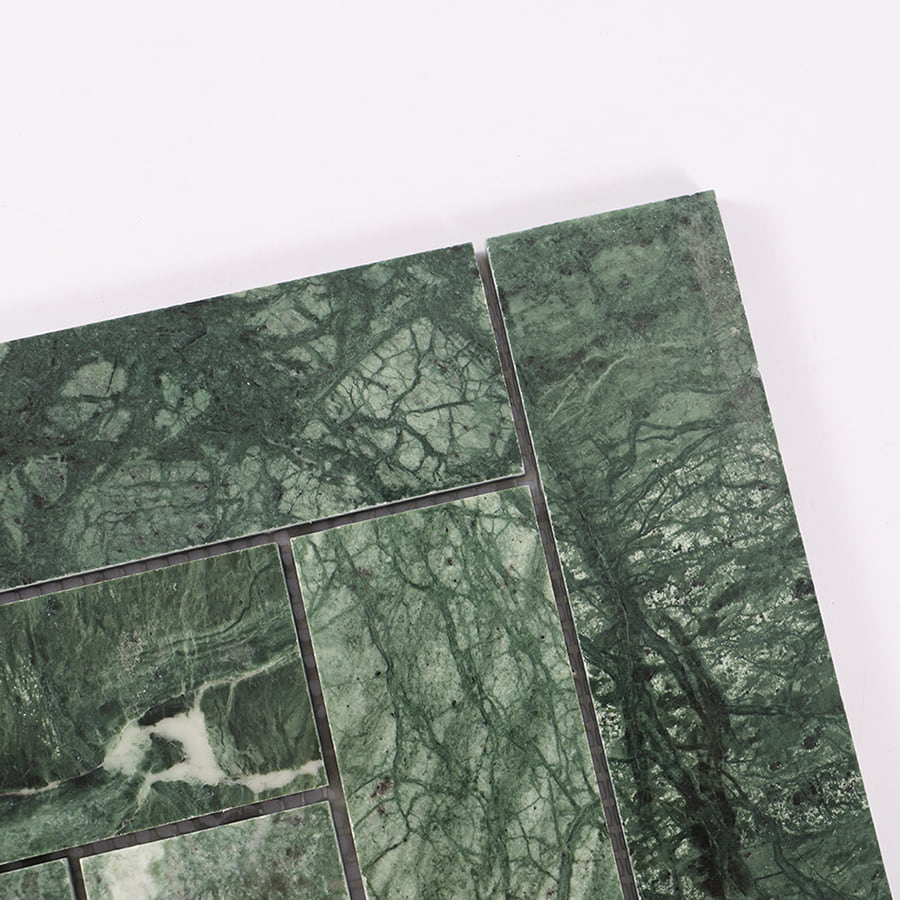
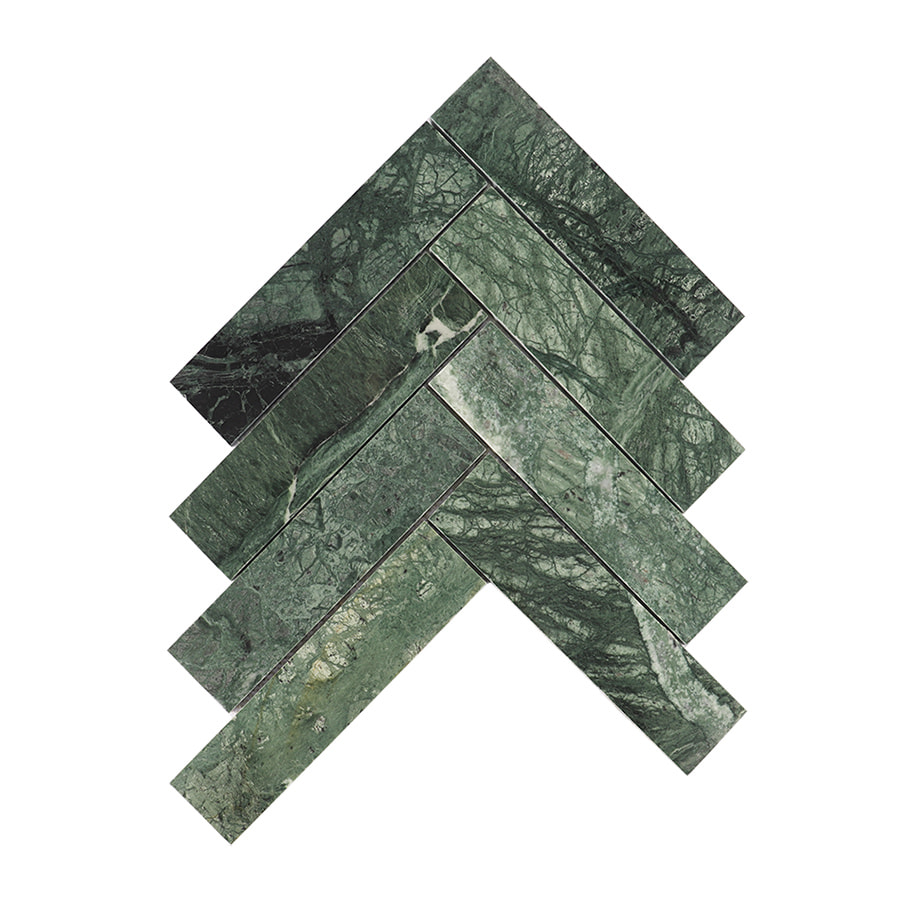
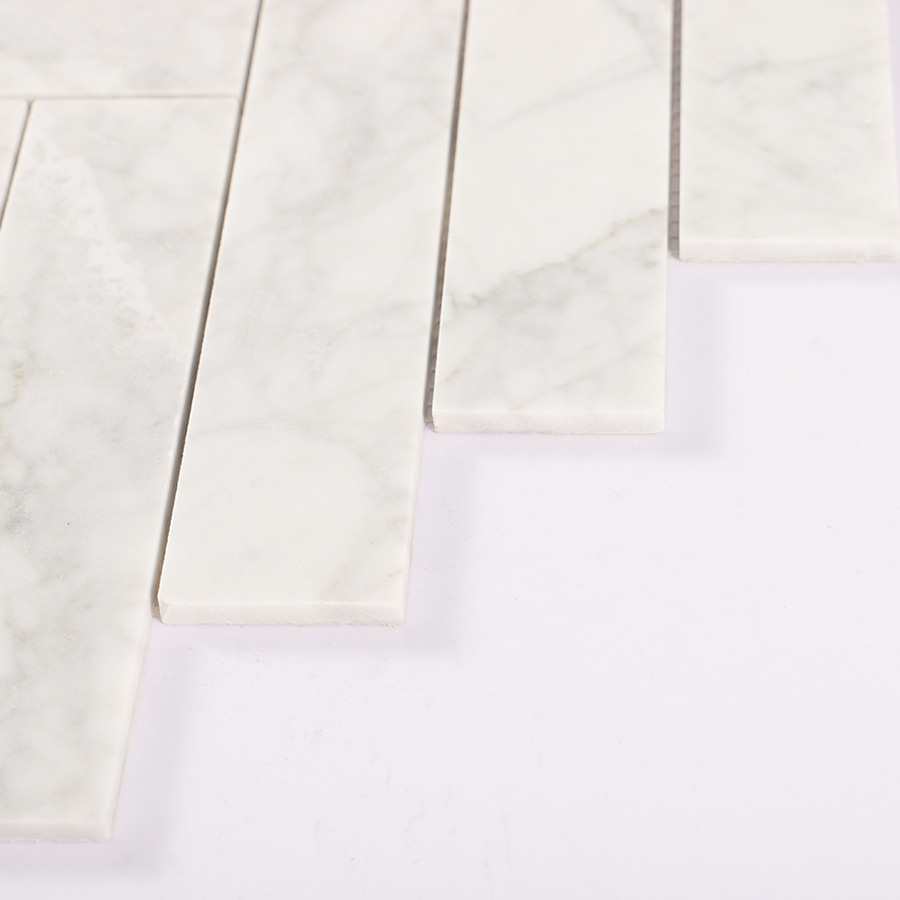
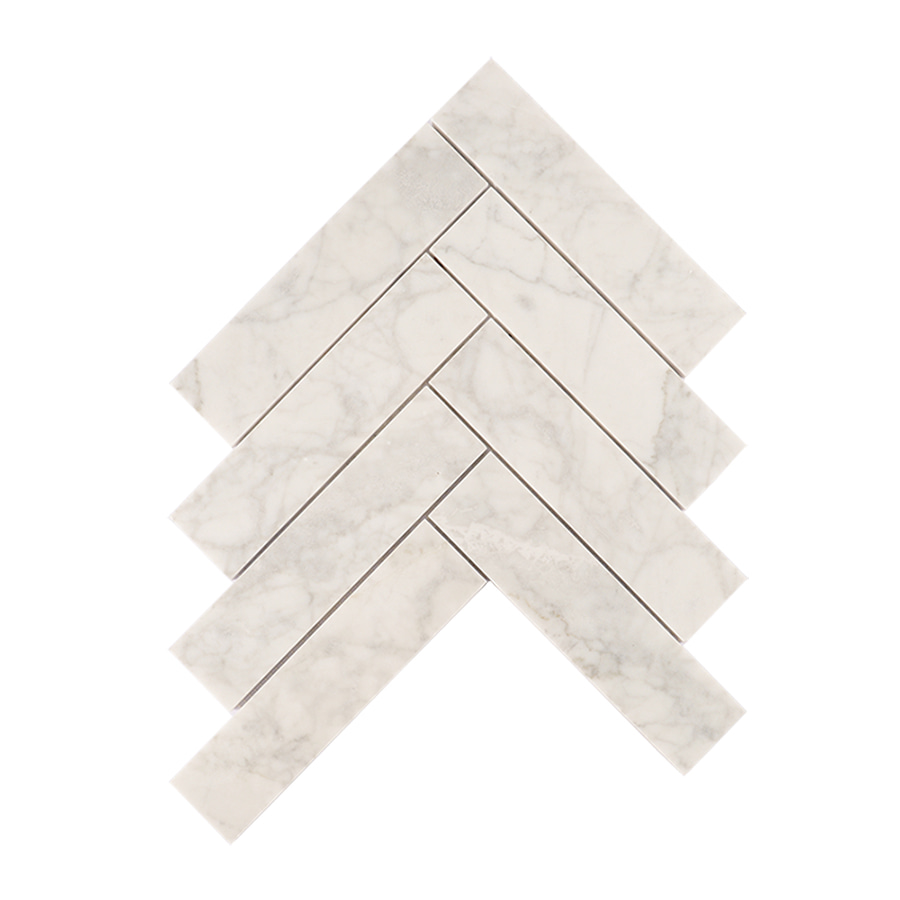
Herringbone Tiles: Classic Pattern, Modern Appeal
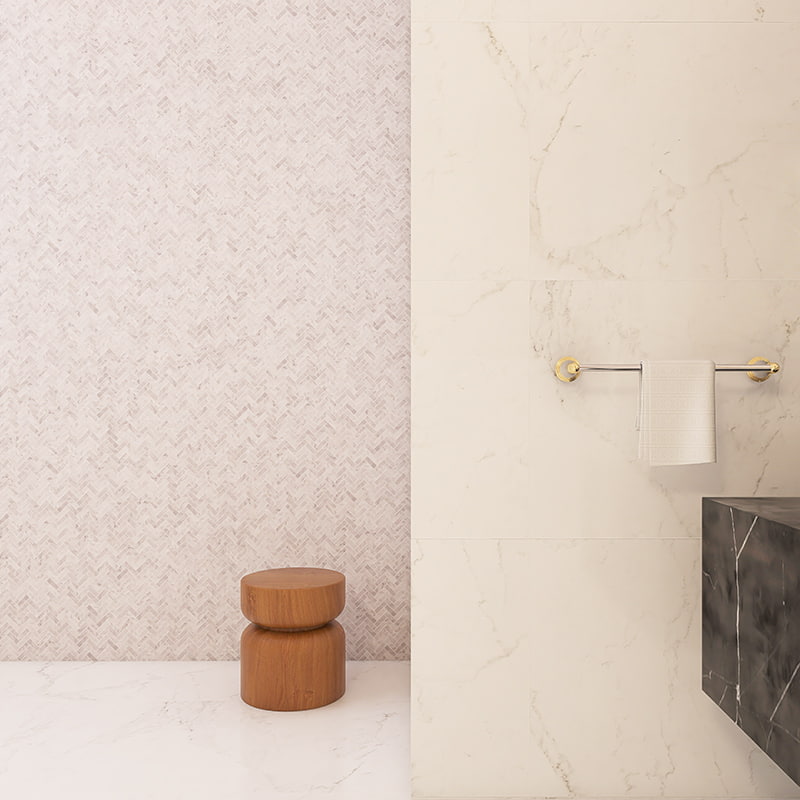
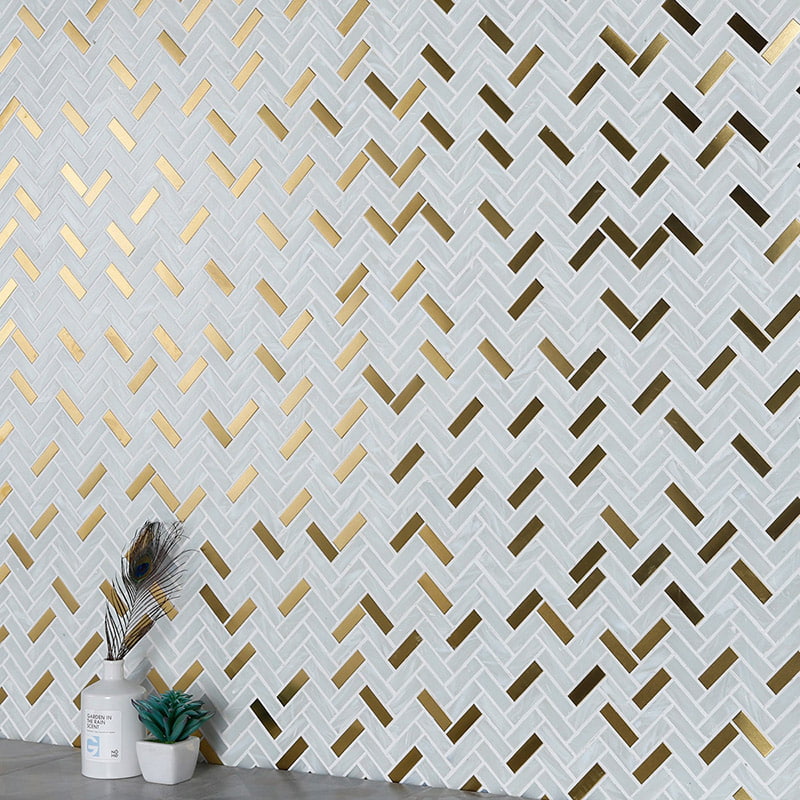
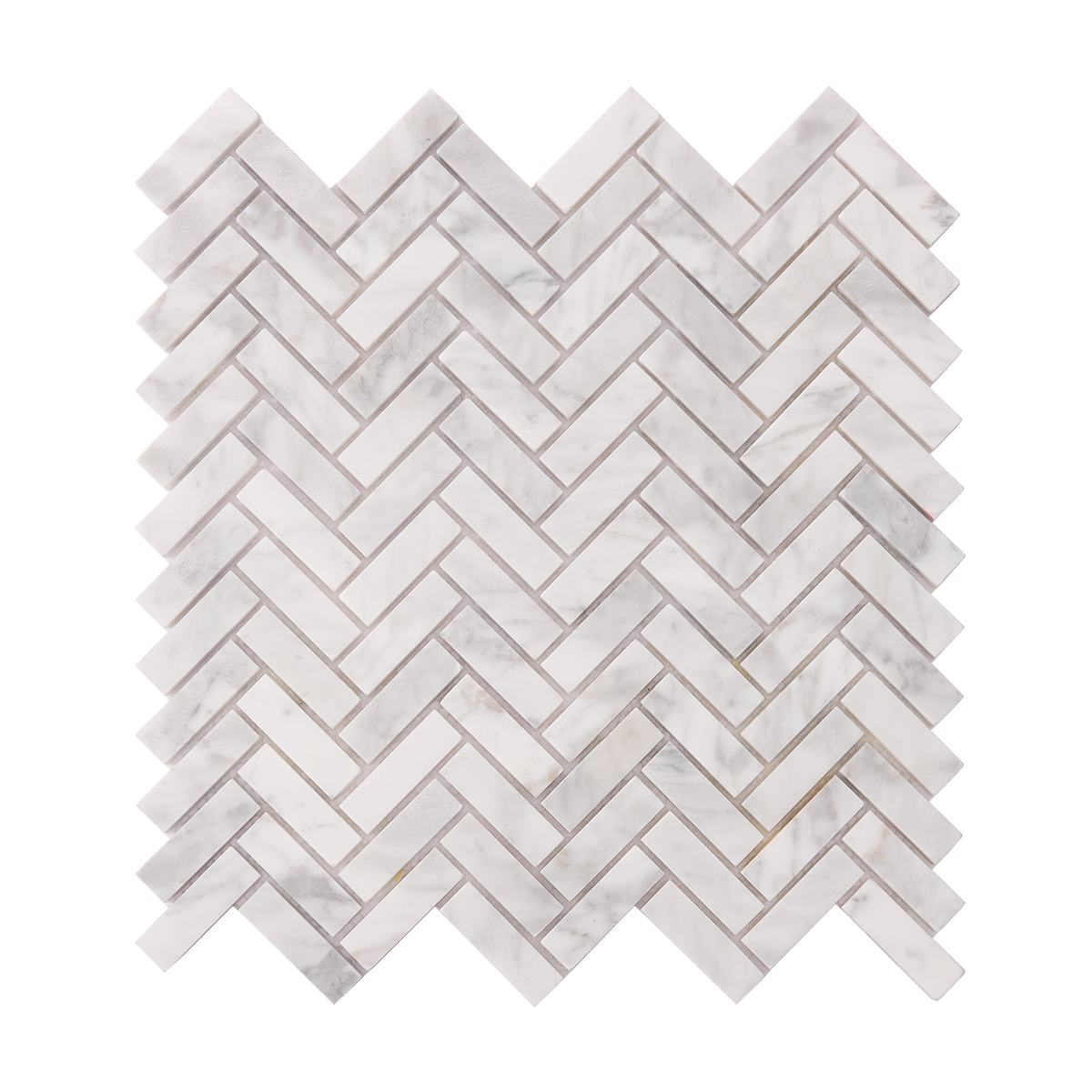
Herringbone tiles—characterized by their distinctive zigzag layout—have been a mainstay of interior design for centuries. Whether used on floors, walls, or backsplashes, herringbone tile patterns instantly elevate the look of kitchens, bathrooms, living rooms, and commercial spaces. In this guide, you’ll learn everything you need to know about choosing, installing, and caring for herringbone tiles to achieve a timeless, high-impact design.
What Are Herringbone Tiles?
-
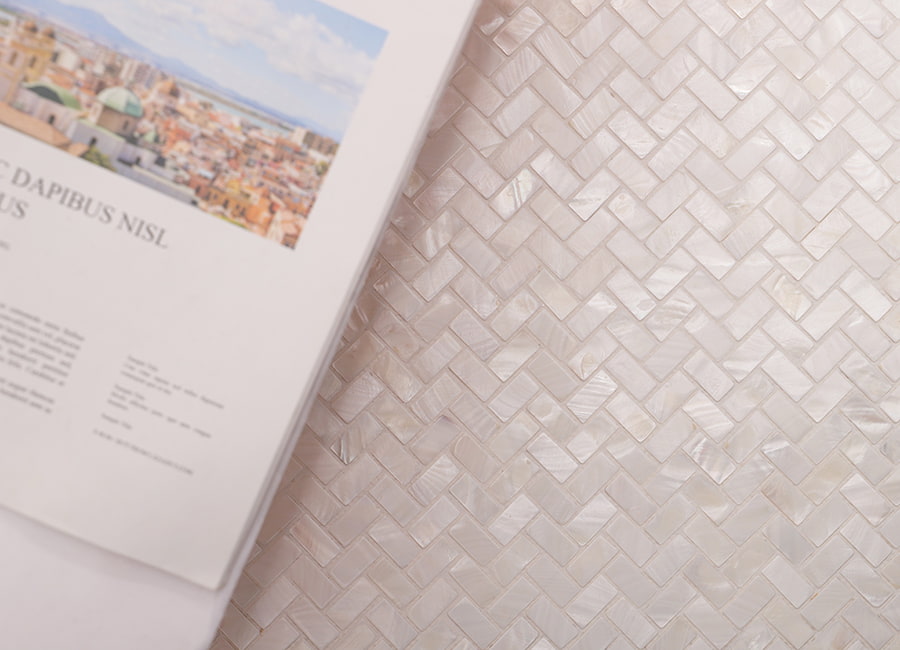
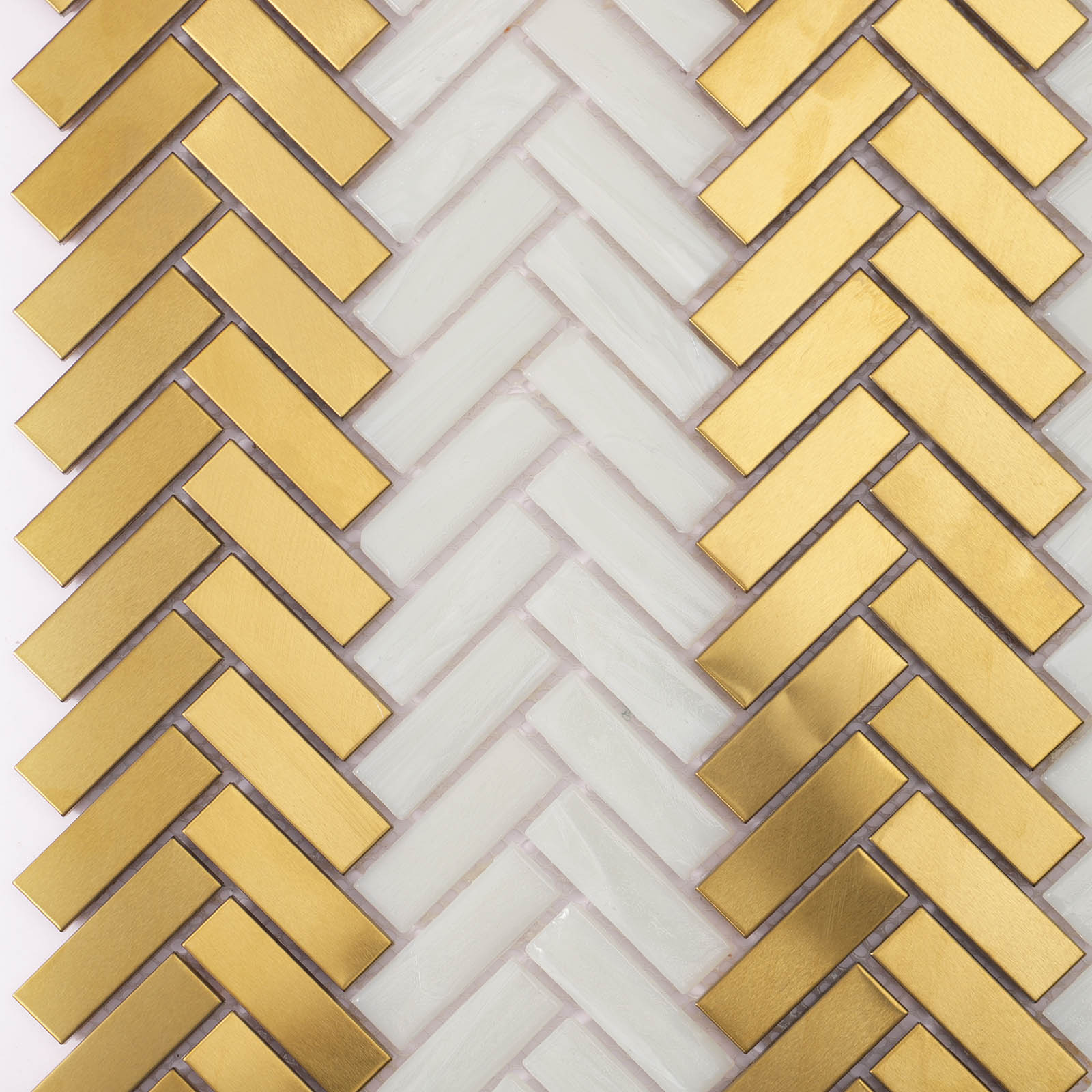
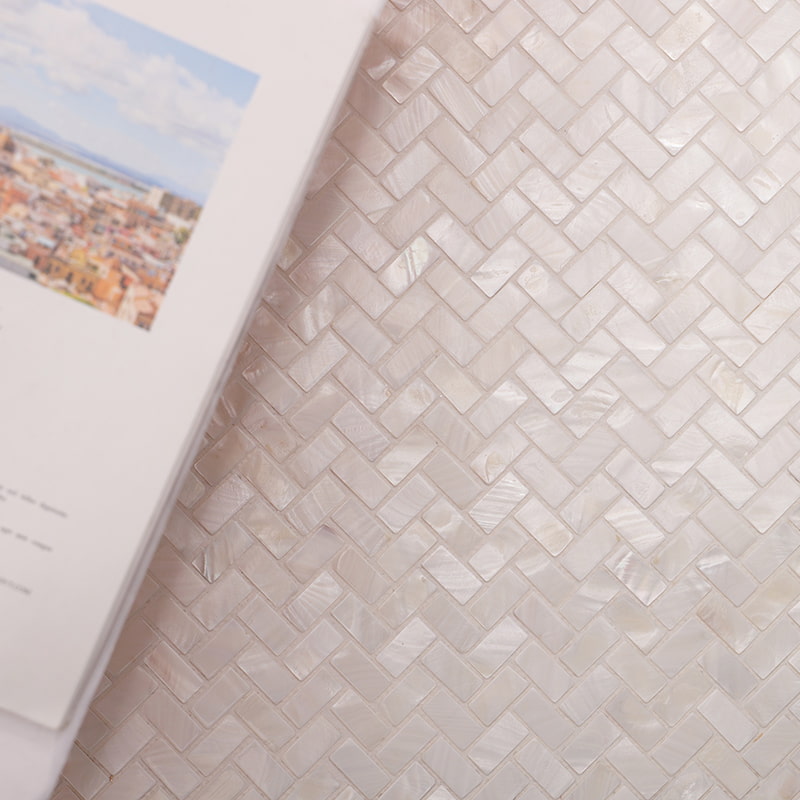
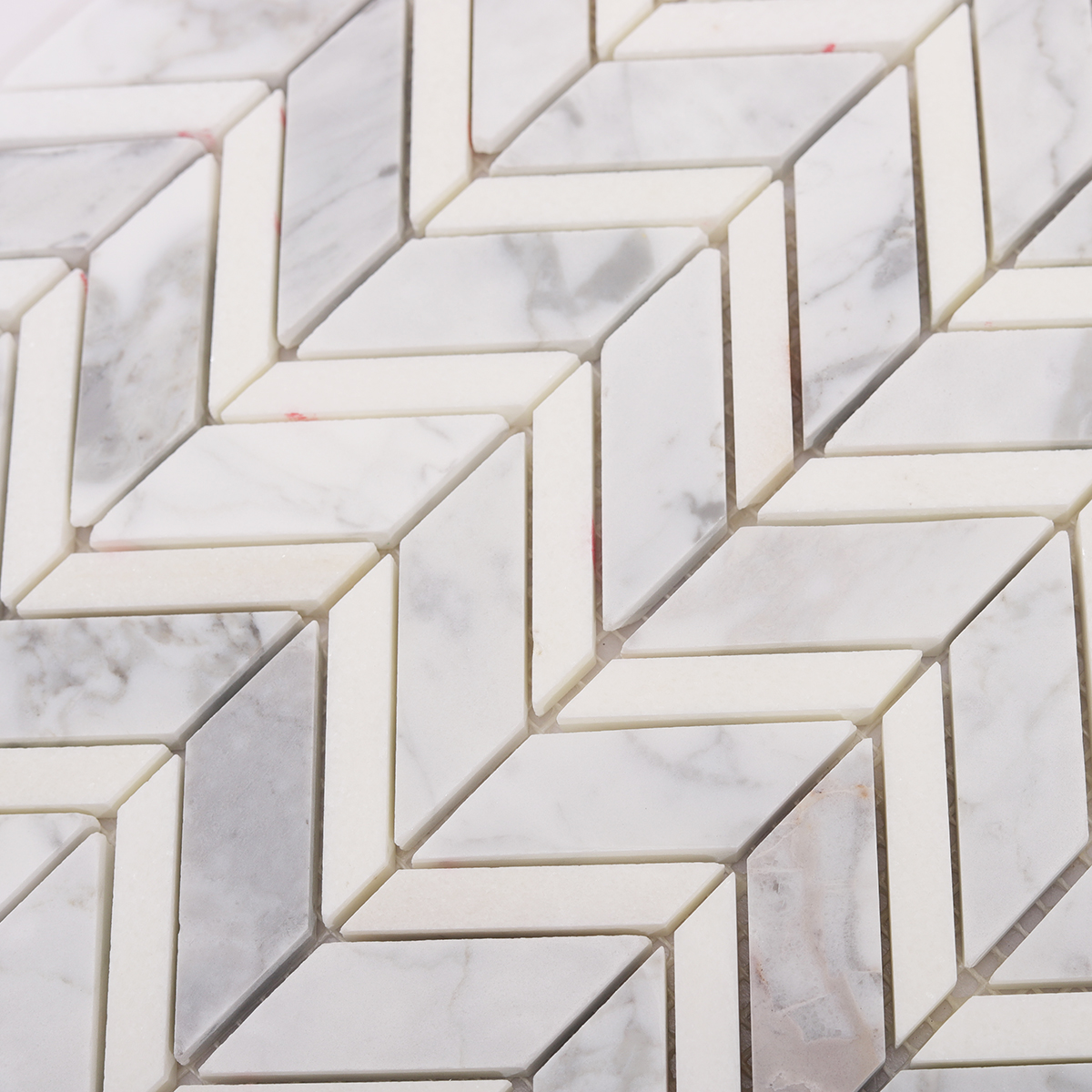
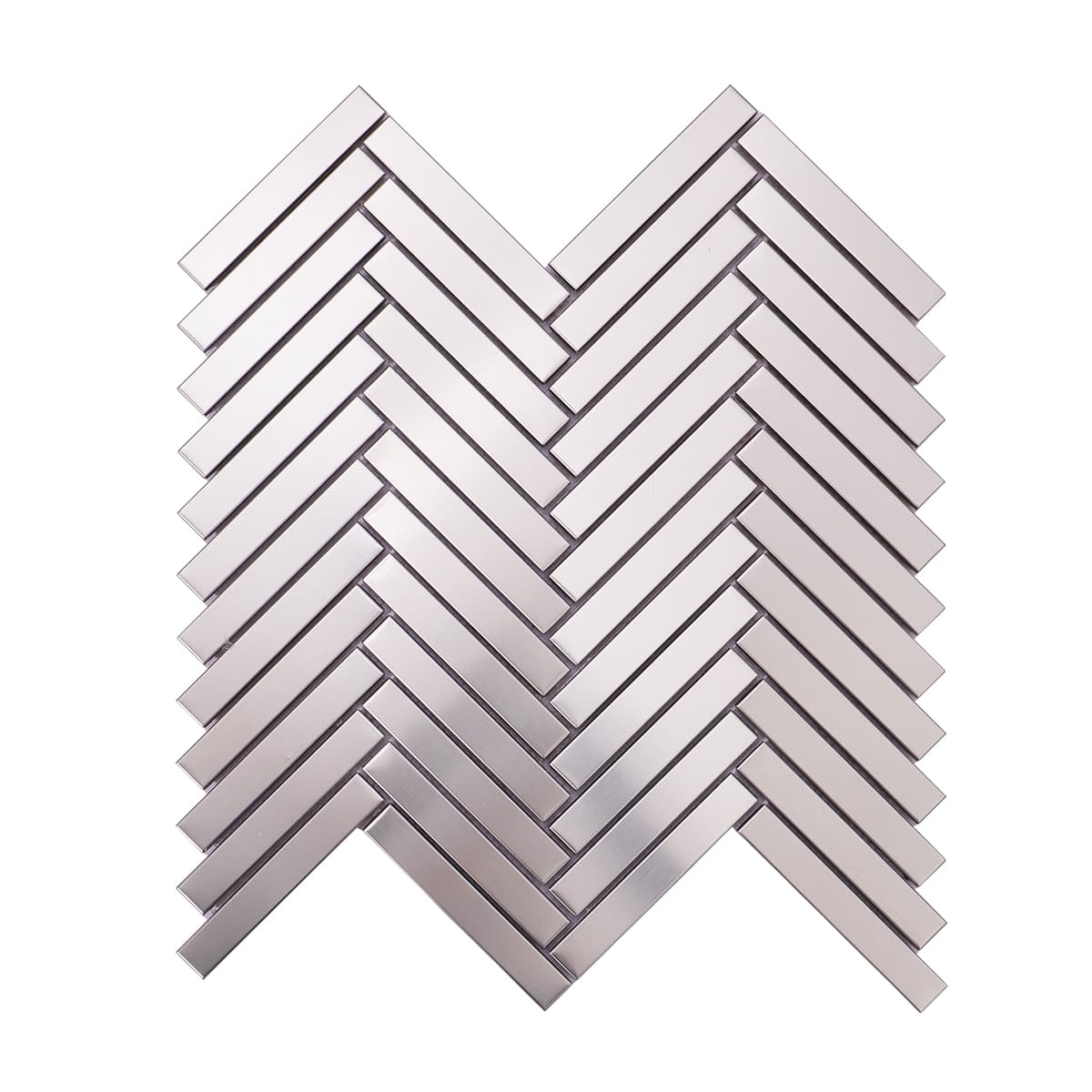
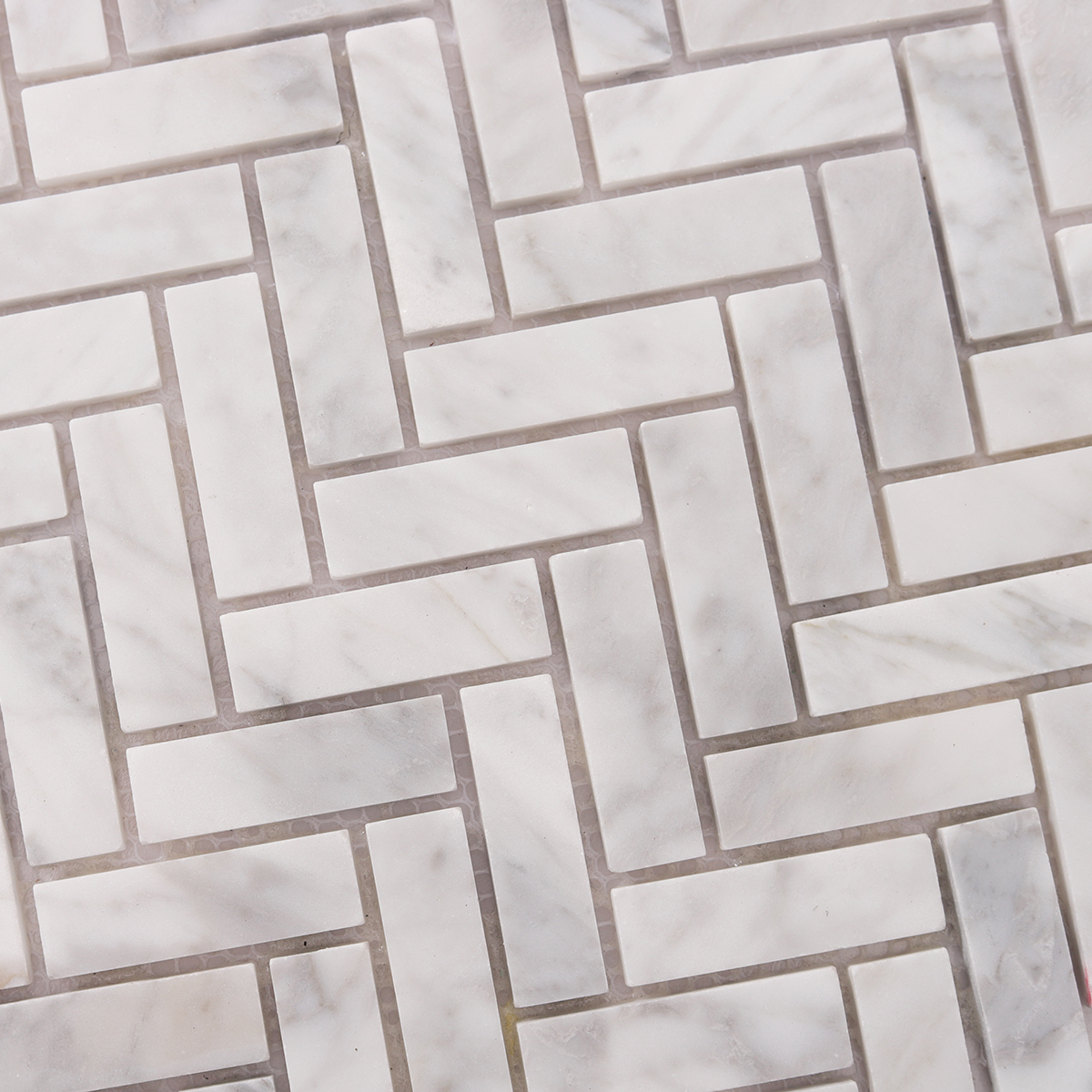
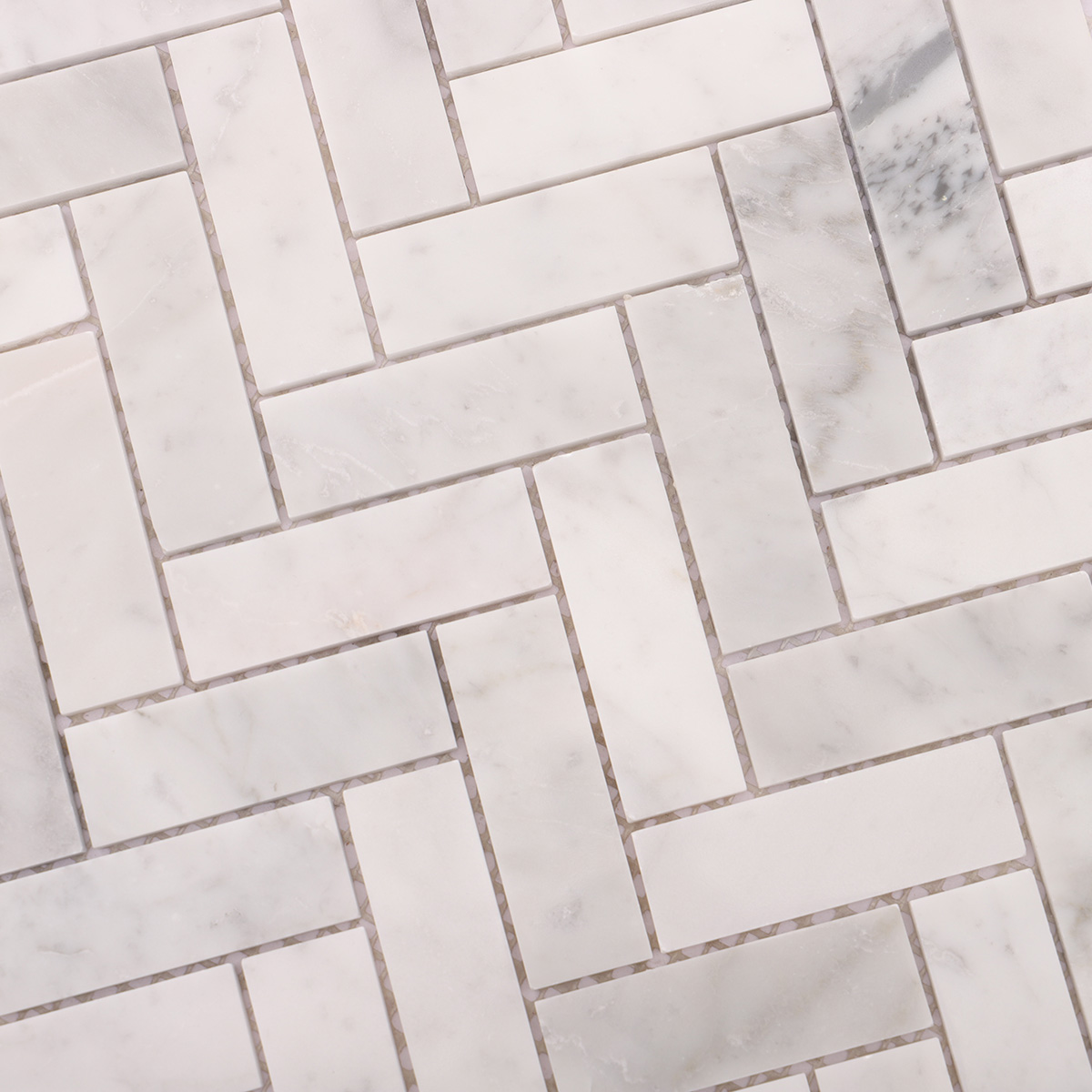
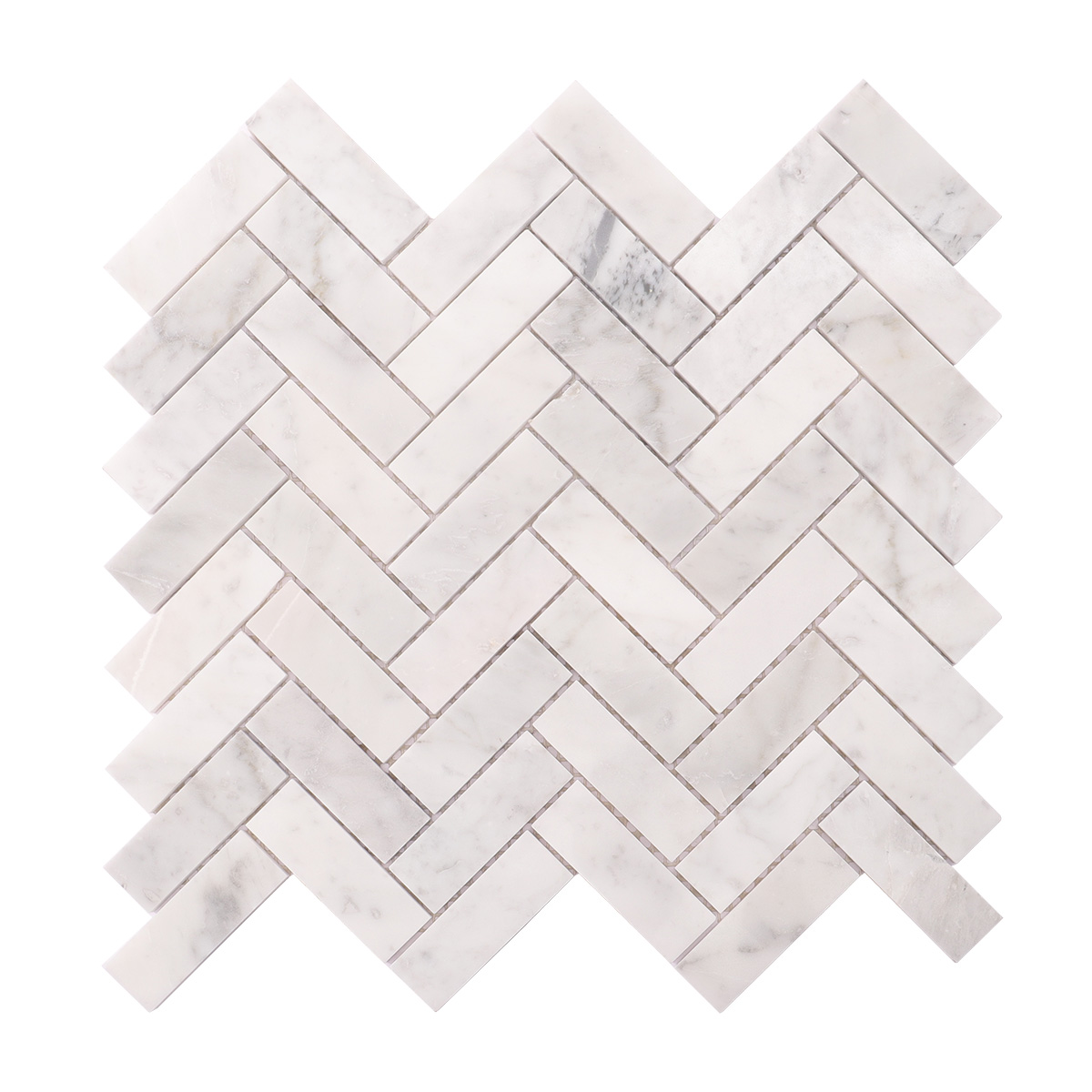
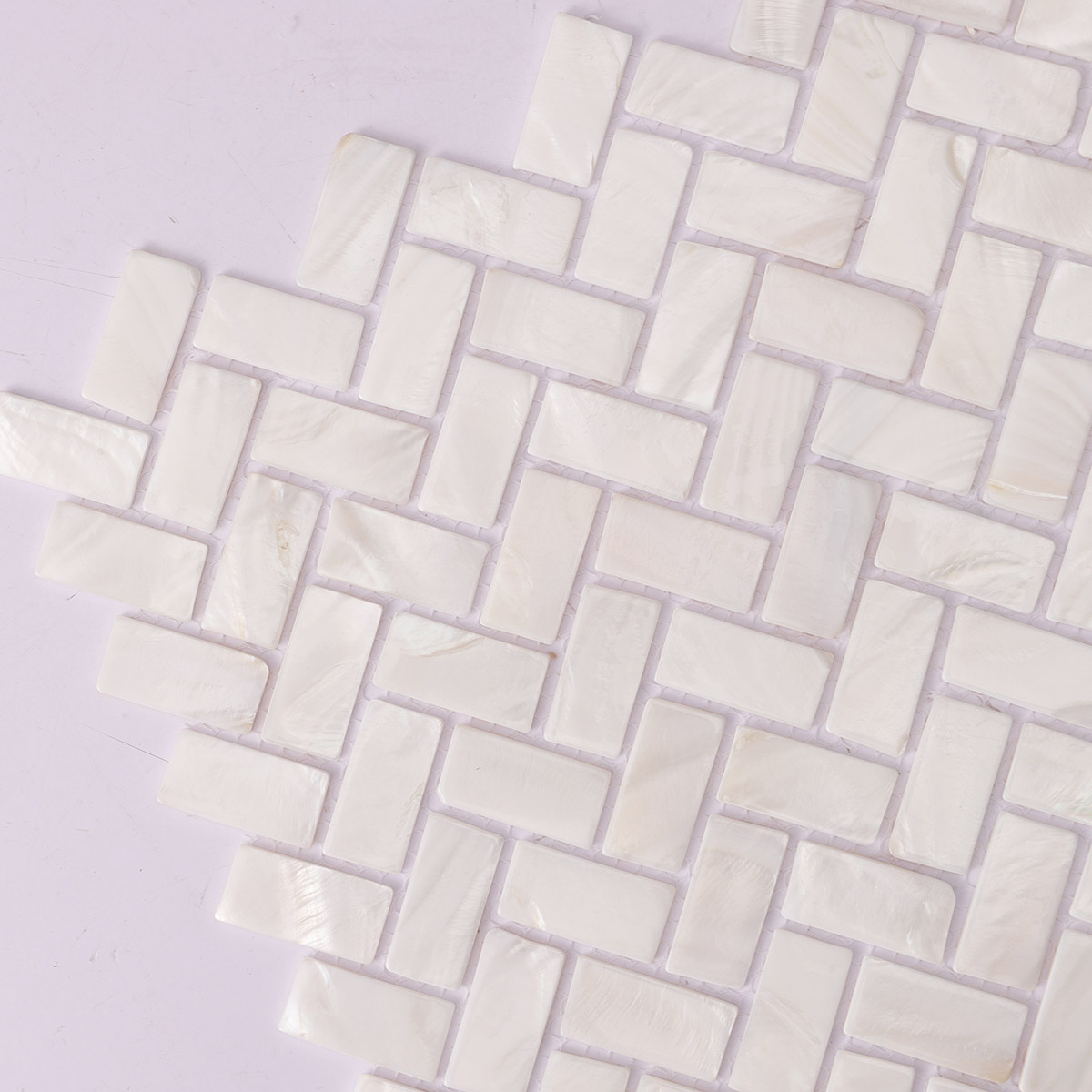
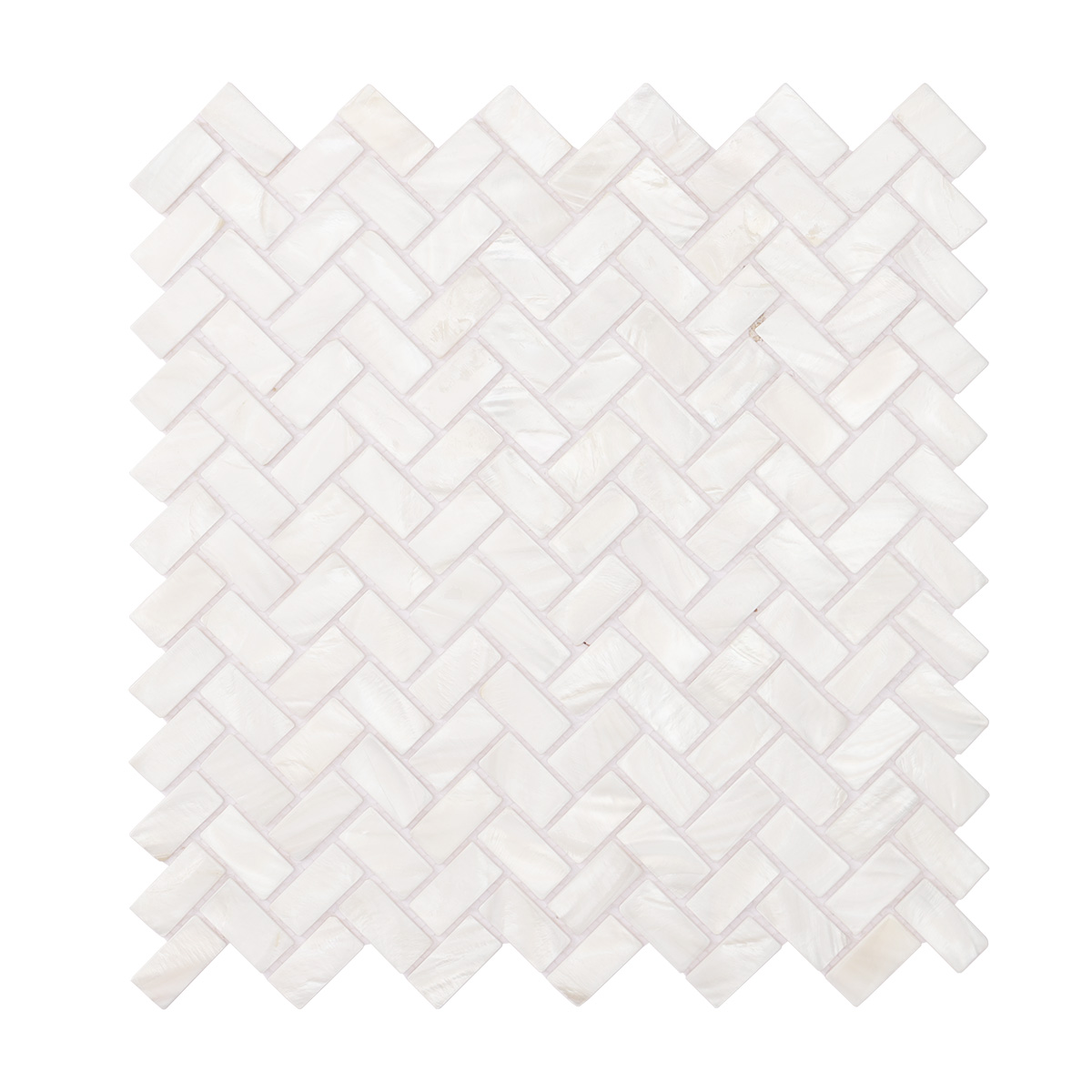
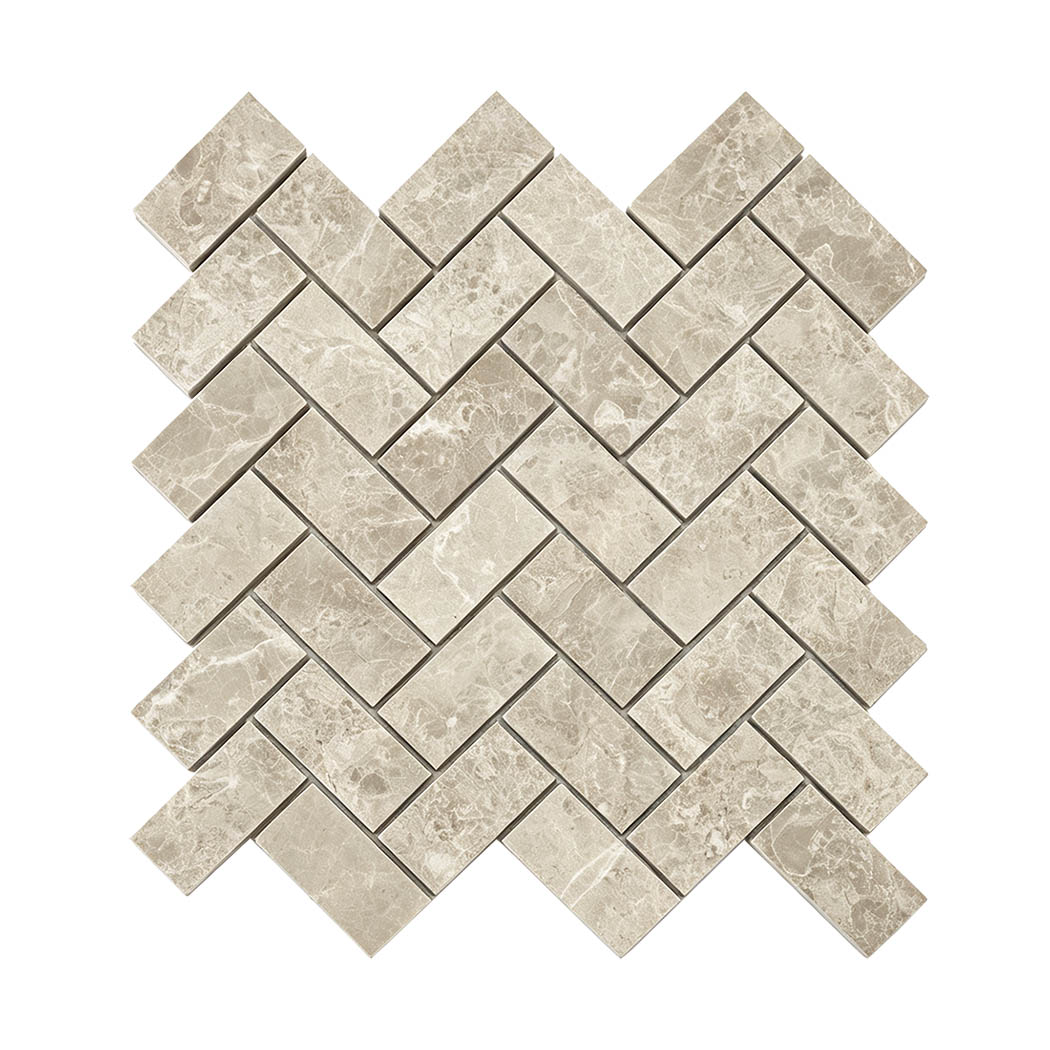
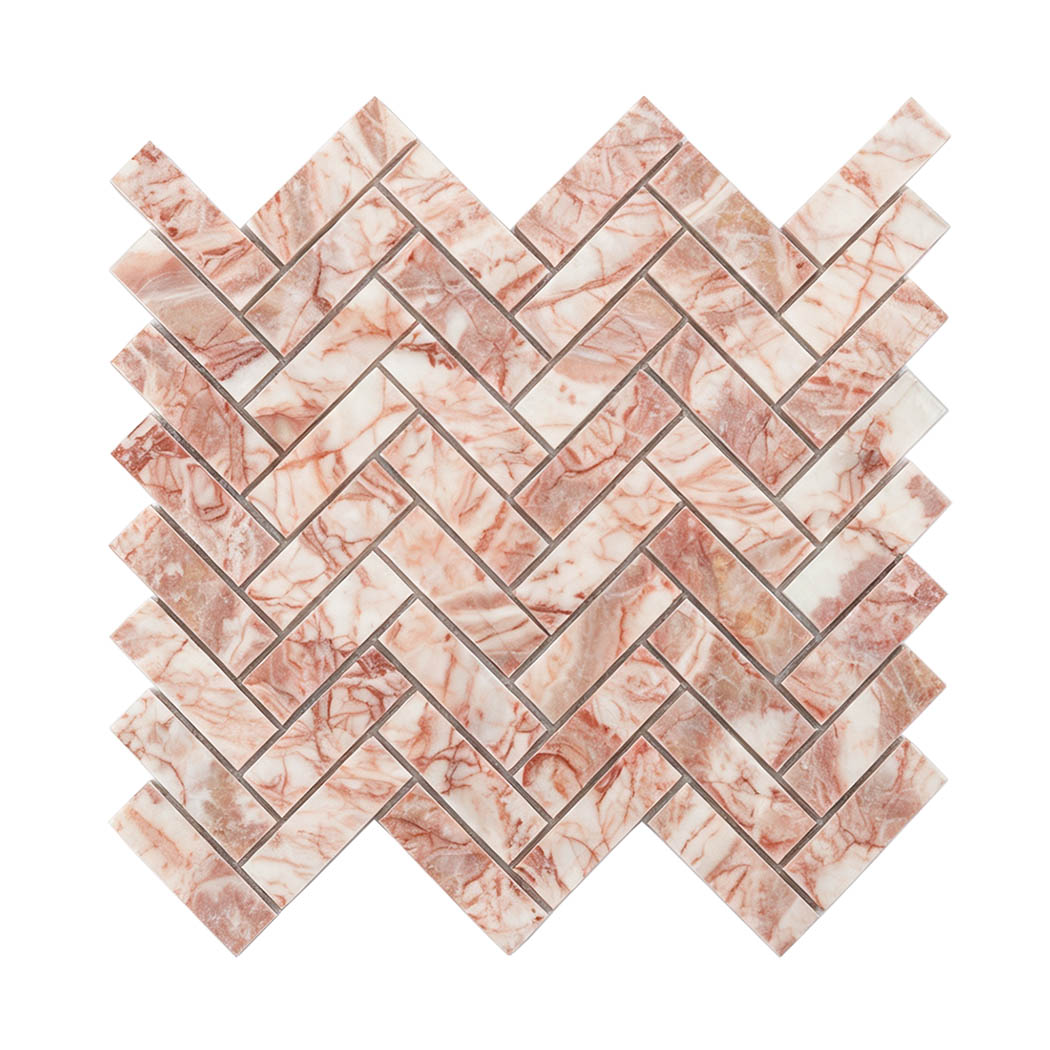
Definition: Herringbone tile refers to rectangular or elongated tiles laid in a staggered, zigzag pattern where the end of one tile meets the side of another at a 90° angle.
-
Origin: The pattern dates back to Roman times, when it was used in roadways and masonry. Its name comes from the resemblance to the bones of a herring fish.
-
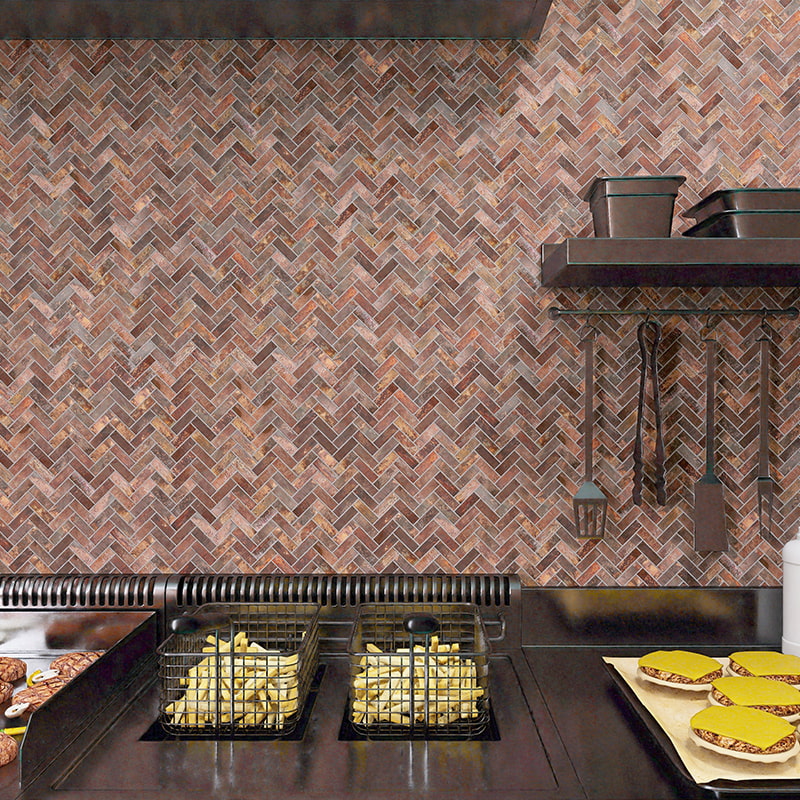
Applications: Commonly used for wood-look porcelain floors, marble bathroom walls, and subway tile kitchen backsplashes.
Benefits of Herringbone Tile Patterns
-
Visual Interest & Depth
The zigzag layout creates dynamic movement and depth, making small spaces appear larger and drawing the eye along sweeping lines. -
Versatility Across Materials
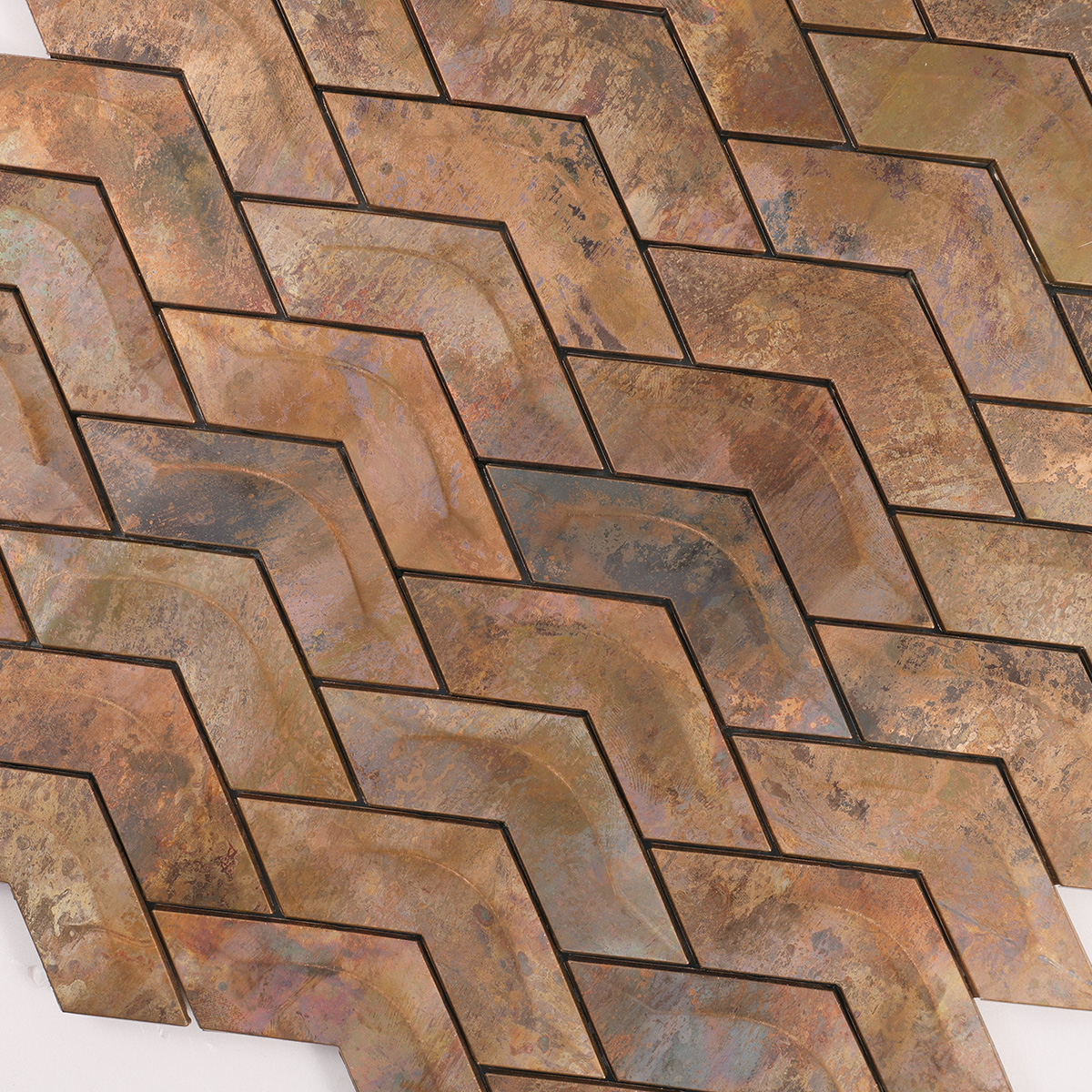
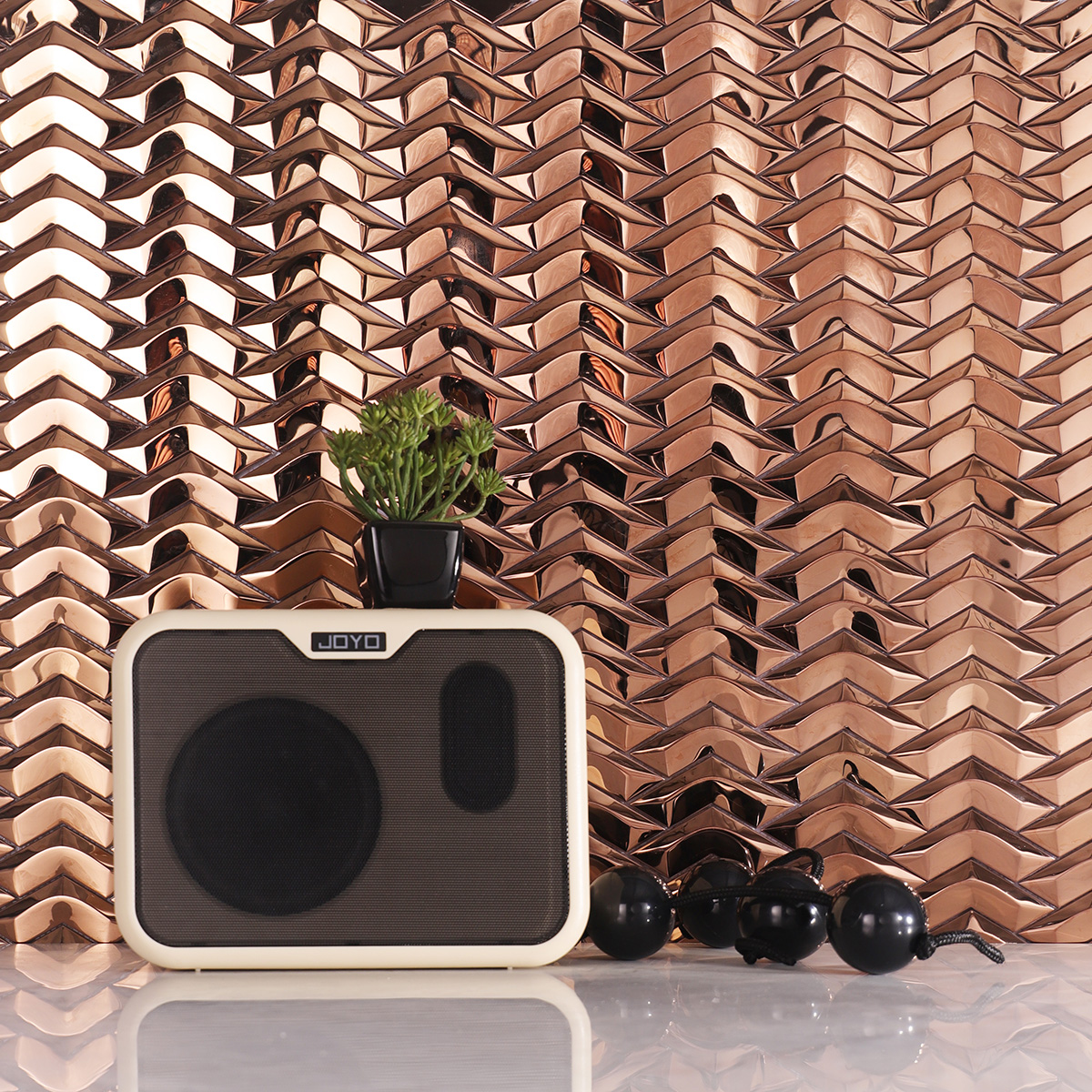
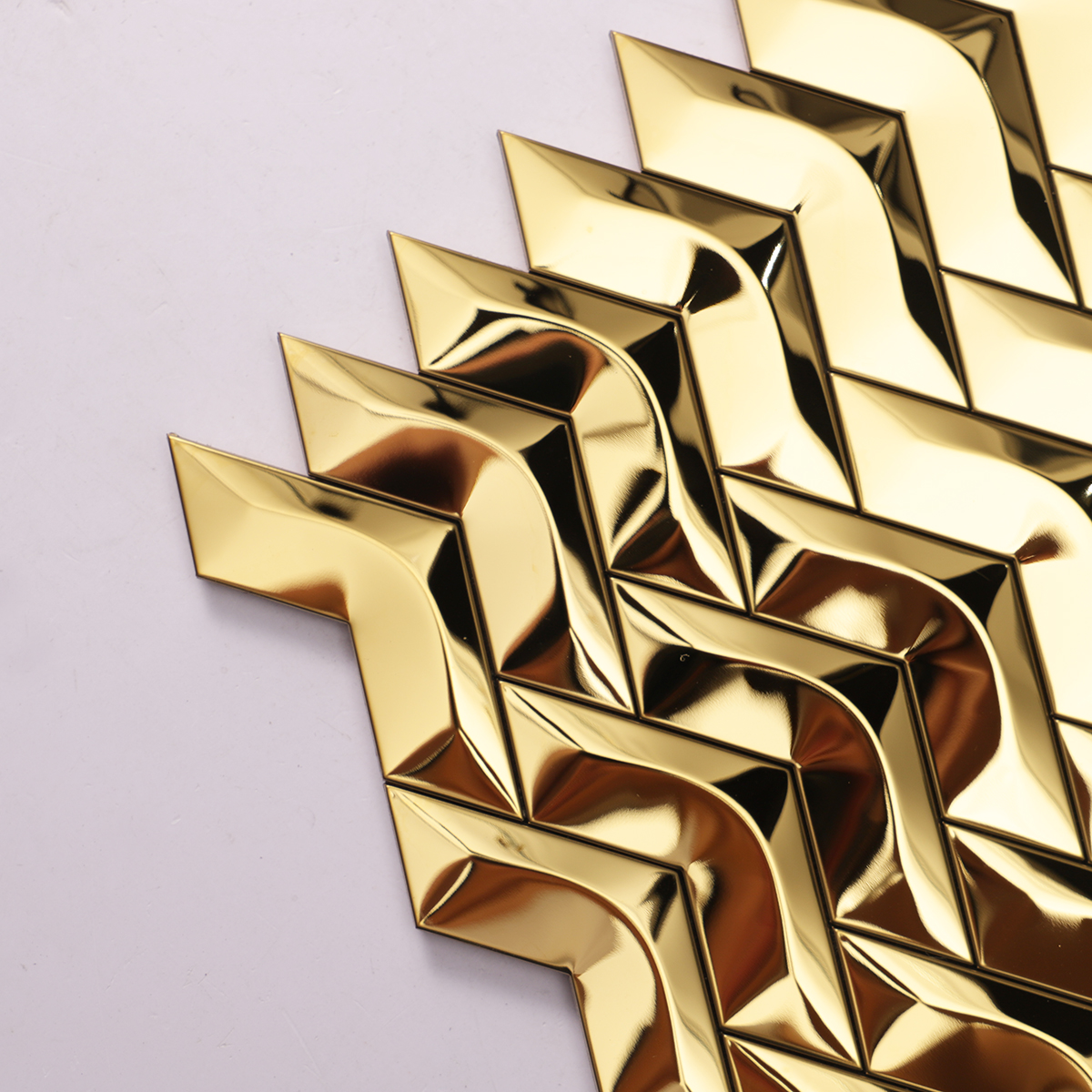
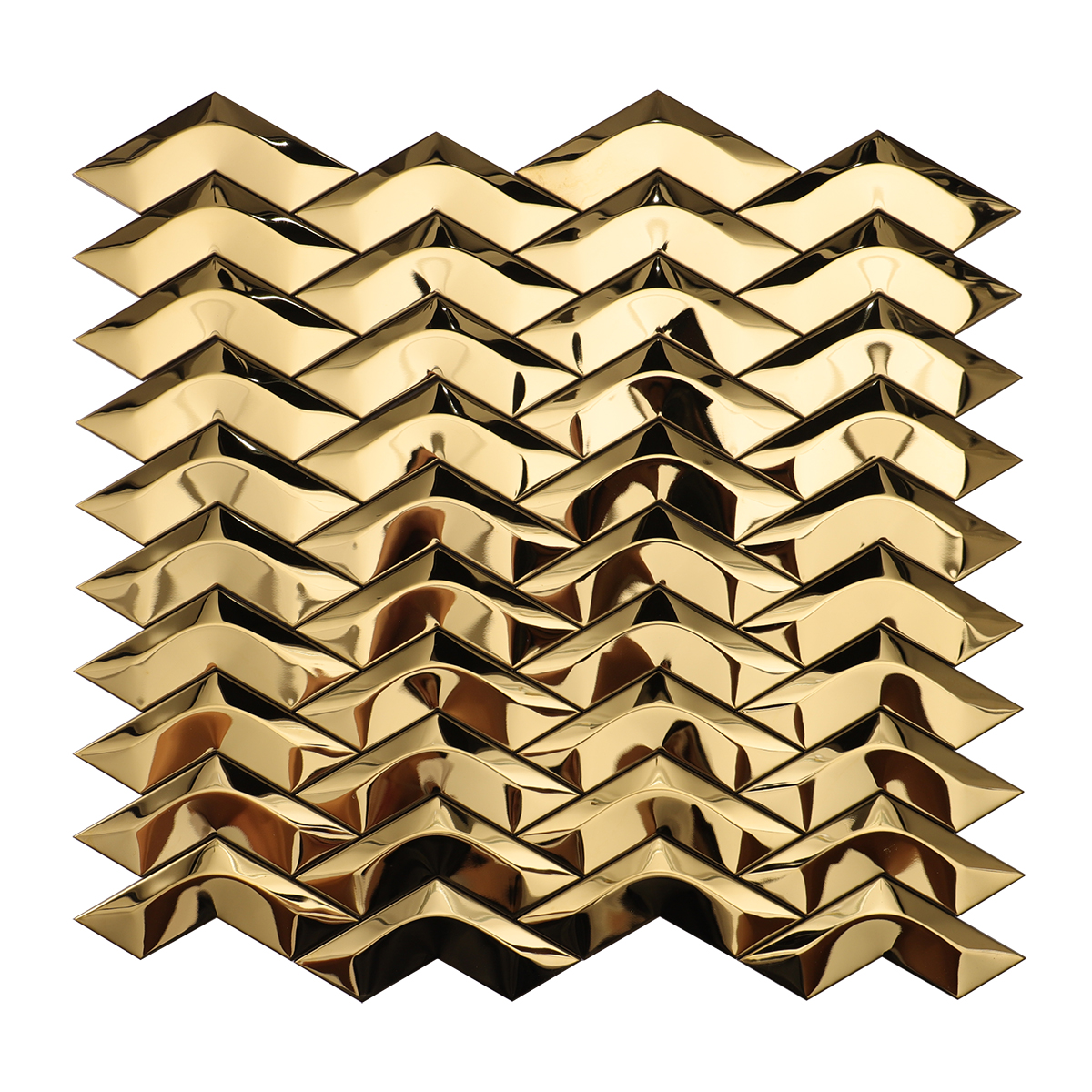
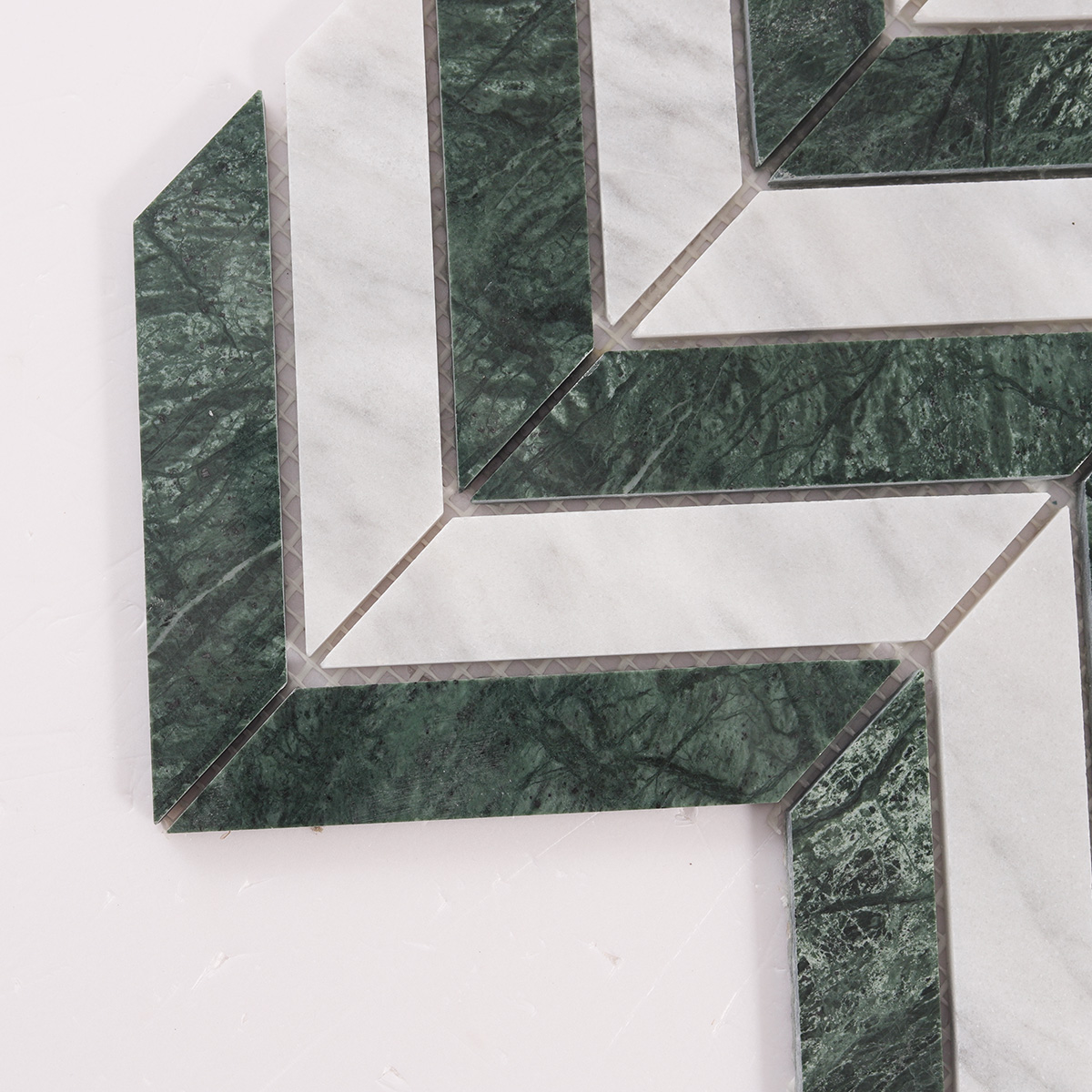
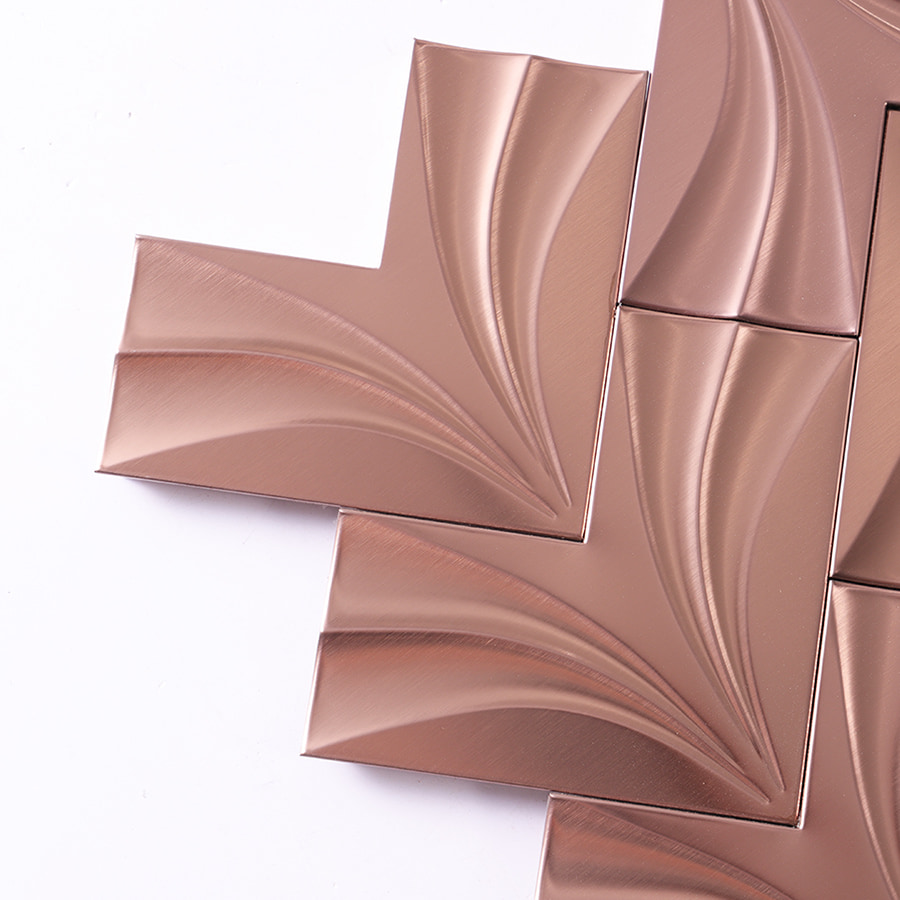
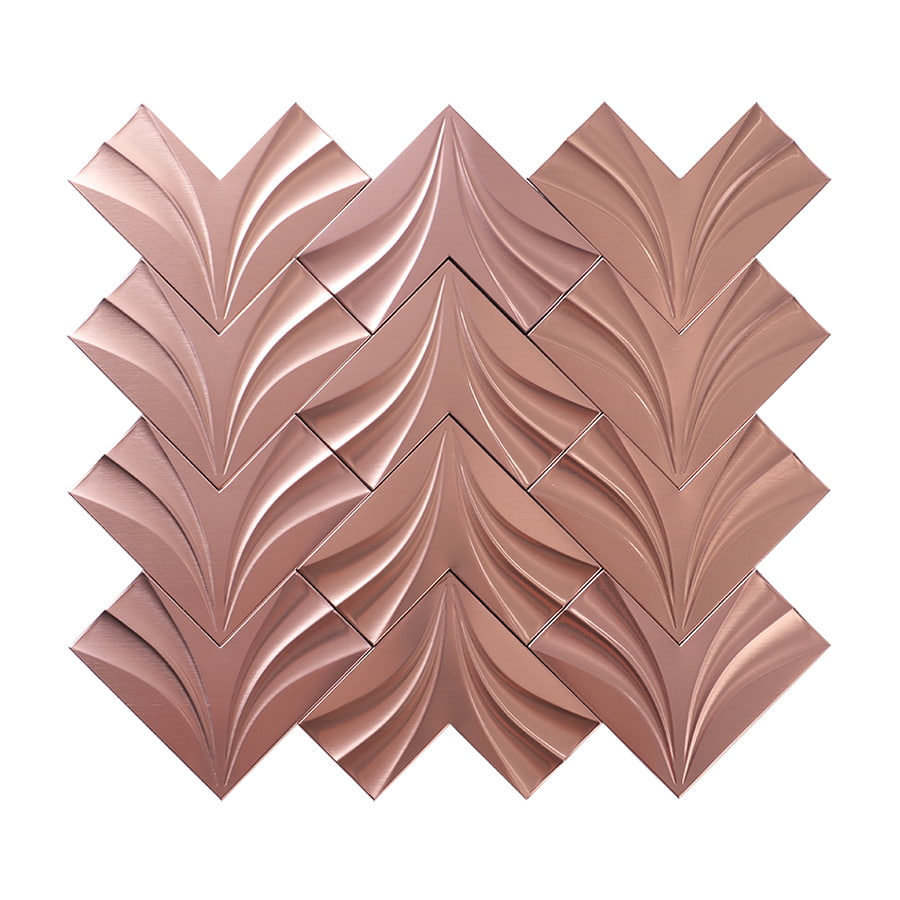
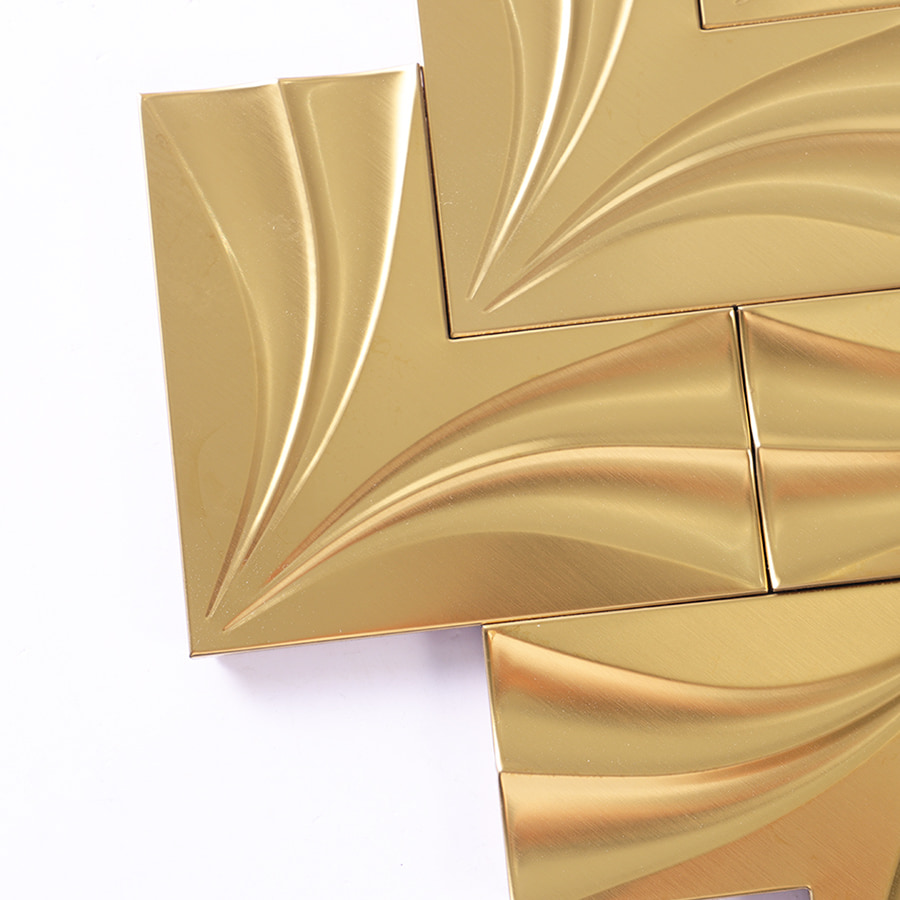
Available in porcelain, ceramic, natural stone (marble, travertine), glass, and even metal—herringbone tiles accommodate any design aesthetic from rustic to ultra-modern. -
Timeless Appeal
The classic pattern never goes out of style, adding architectural interest and a sense of tradition to contemporary settings. -
Durability & Practicality
High-quality porcelain and natural stone herringbone floor tiles offer excellent wear resistance and are easy to clean—ideal for high-traffic areas.
Popular Materials & Finishes
Porcelain & Ceramic
-
Advantages: Affordable, low-maintenance, and available in wood-look or stone-look finishes.
-
Use Case: High-quality porcelain herringbone floor tiles for kitchens and entryways.
Natural Stone
-
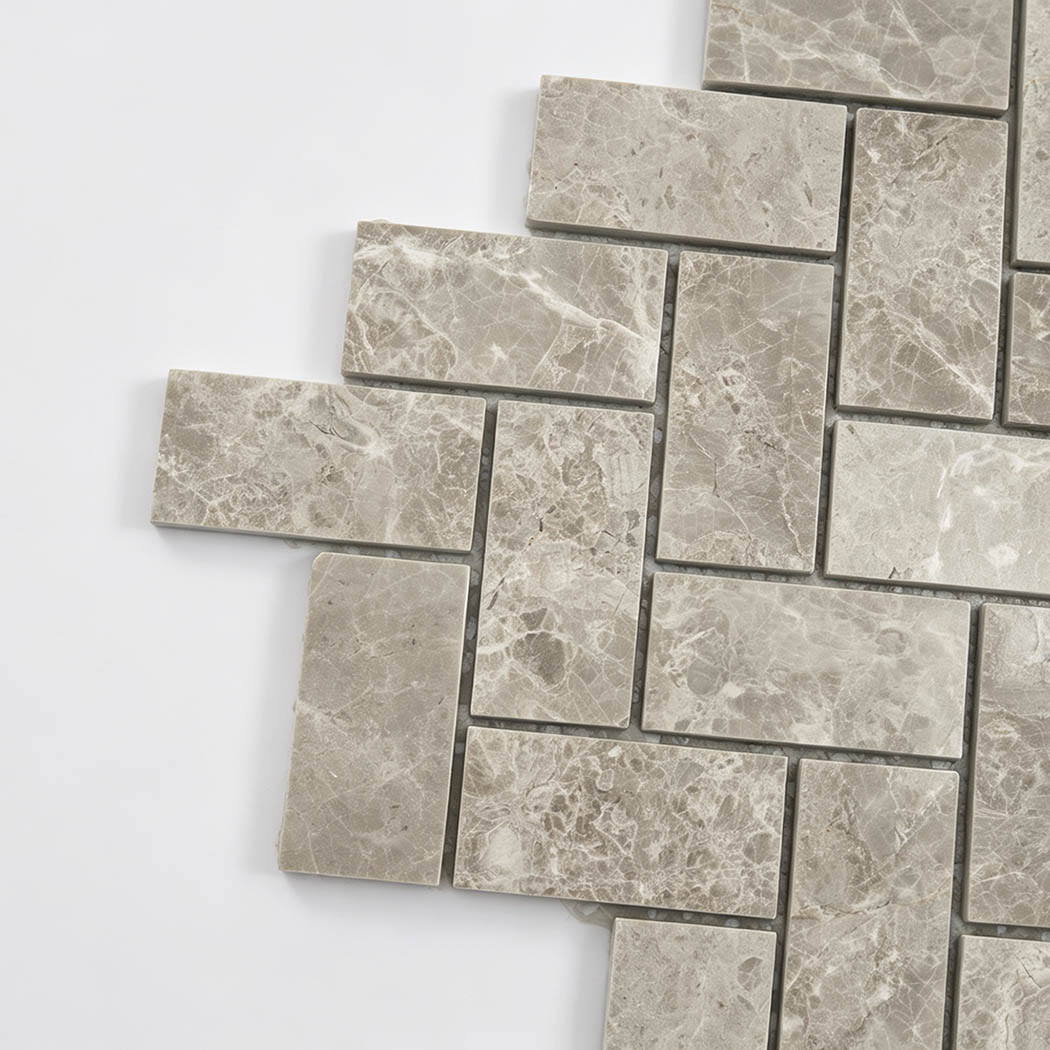
Advantages: Luxurious appearance, unique veining, and natural variation.
-
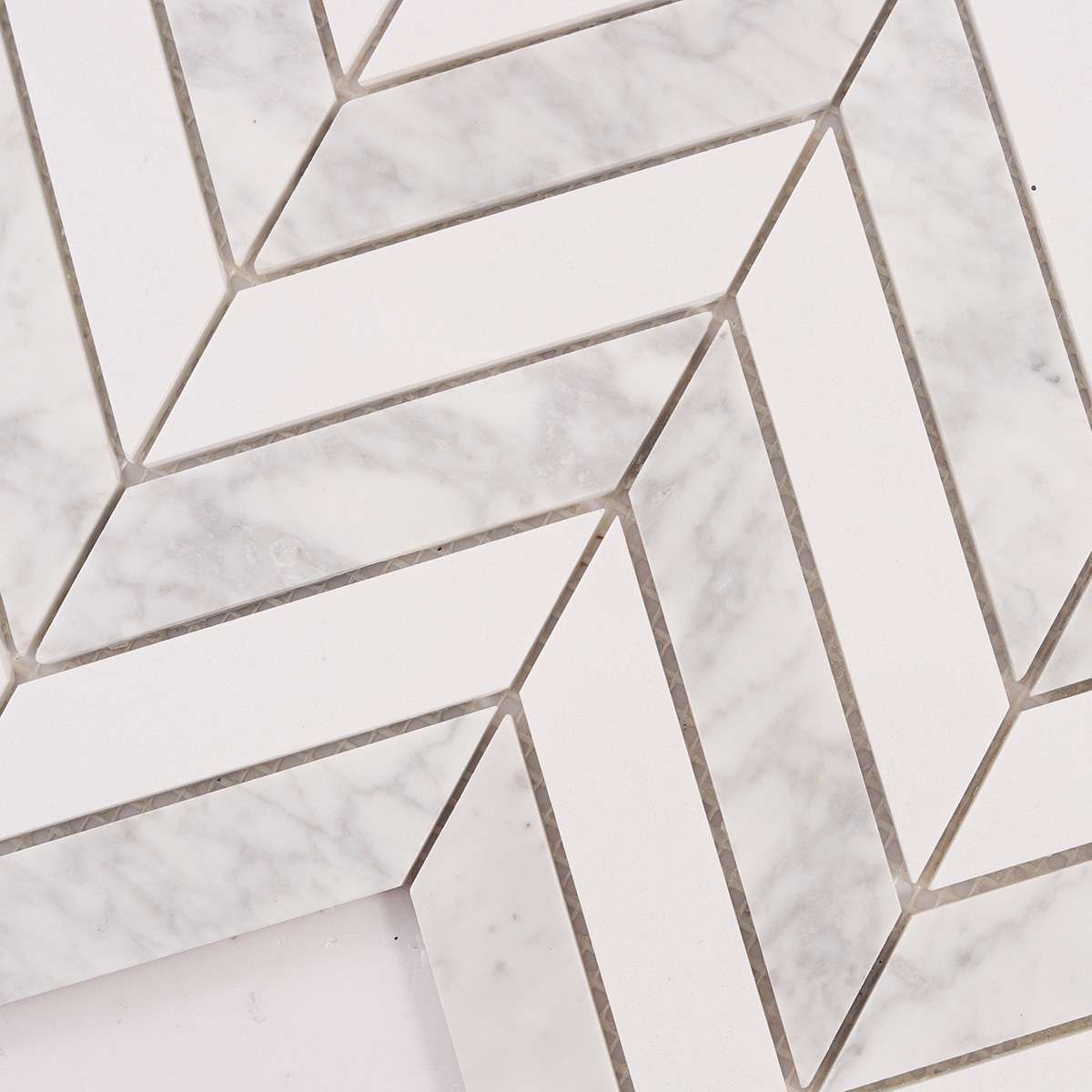
Use Case: Marble herringbone tile accent wall or bathroom floor, offering timeless elegance.
Glass & Metal
-
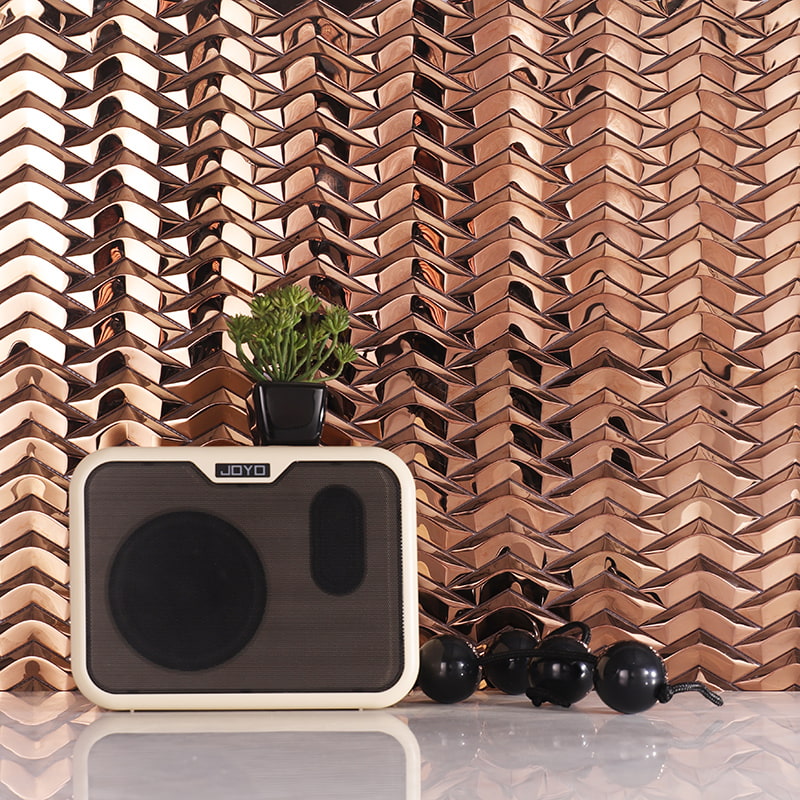
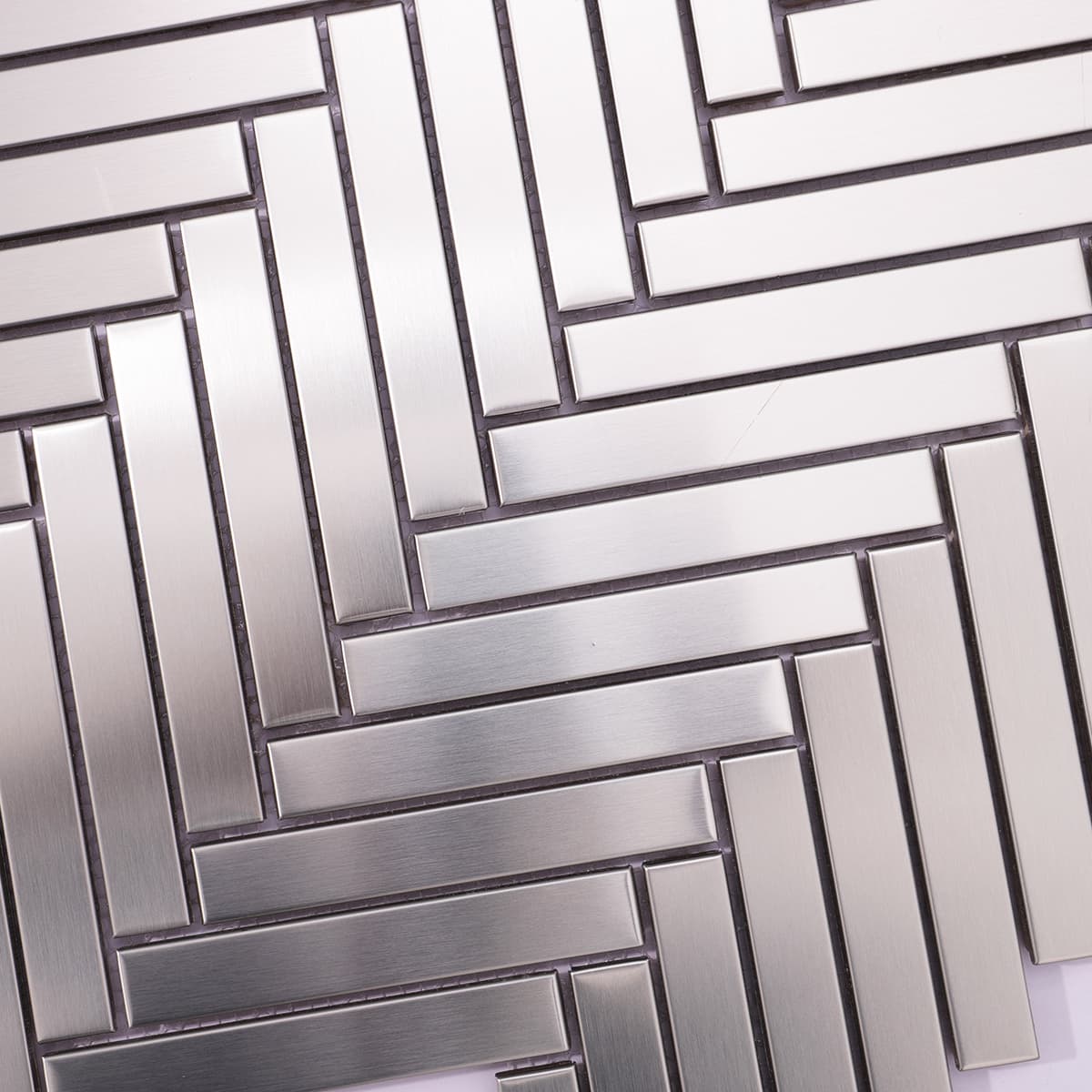
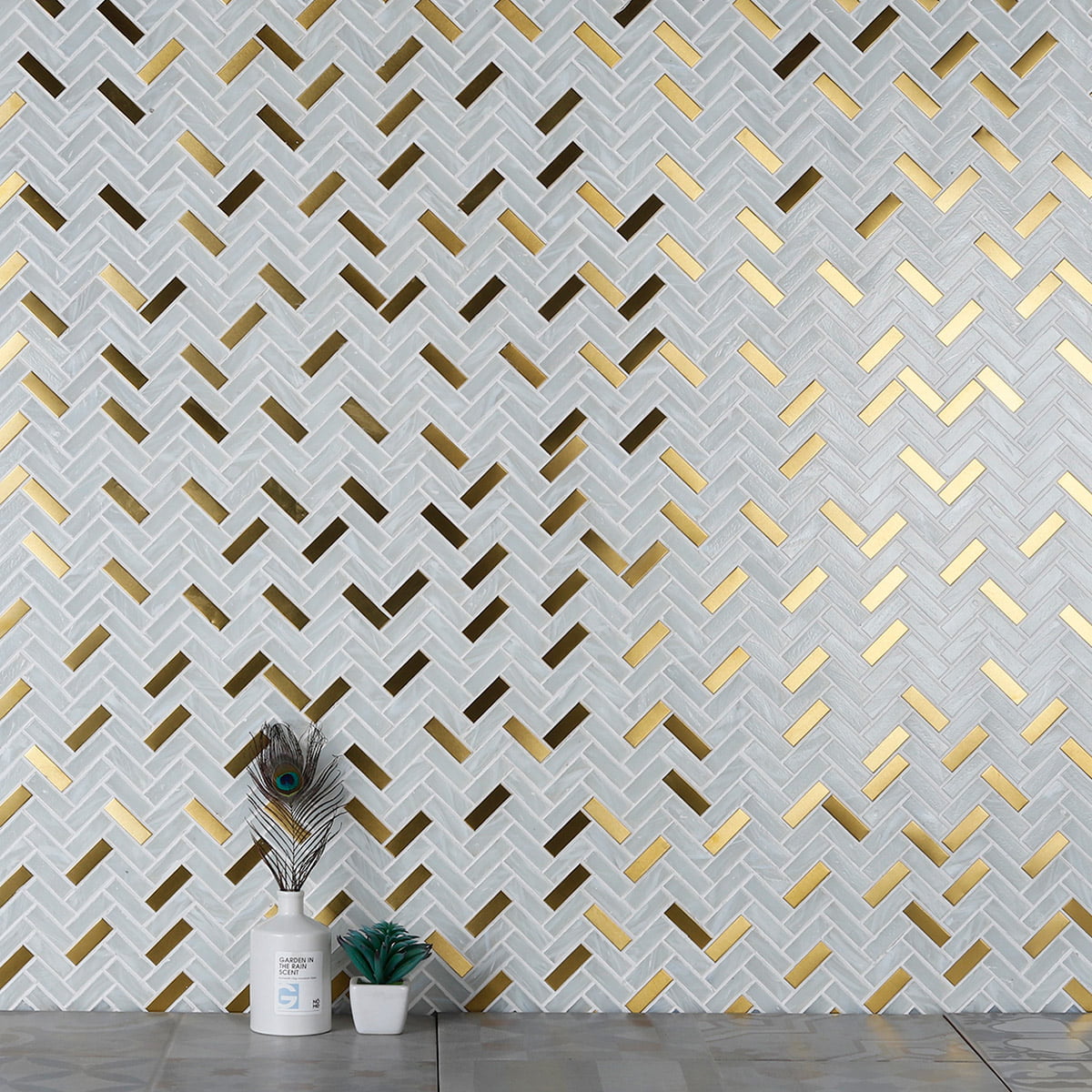
Advantages: Reflective surfaces brighten spaces; metal adds industrial flair.
-
Use Case: Glass herringbone backsplash tile in a glossy finish for modern kitchens; stainless steel herringbone tile in commercial environments.
Design Tips & Inspiration
-
Scale & Layout: Smaller tiles (e.g., 2" × 6") create intricate patterns, while larger rectangles (e.g., 4" × 12") offer bolder lines.
-
Color Contrast: Pair contrasting grout—white tile with dark grout or vice versa—to accentuate the herringbone pattern.
-
Mixed Materials: Combine two finishes—for example, alternating matte and polished porcelain—for a textured, dimensional look.
-
Border & Transition: Frame herringbone tile with a straight-laid border or transition strip to define spaces between patterns.
Installation & Maintenance
-
Preparation:
-
Ensure substrate is level, clean, and dry.
-
Use a chalk line to snap center guidelines to keep the pattern square.
-
-
Adhesive & Grout:
-
Select a high-quality thinset mortar suitable for your material (Use an installation mortar approved for the selected tile material, backing and application. Light-colored natural stone may require a suitable white mortar to reduce the risk of visible discoloration.).
-
Choose grout color carefully; matching grout creates a seamless look, while contrasting grout highlights the pattern.
-
-
Sealing (for Natural Stone):
-
Apply a penetrating sealer to stone herringbone tiles to protect against stains and moisture.
-
Natural stone may benefit from a penetrating sealer. Test the selected sealer on a sample and follow the sealer manufacturer’s instructions. Resealing frequency depends on the stone, finish, exposure and maintenance conditions. depending on traffic and cleaning frequency.
-
-
Cleaning:
-
Wipe spills promptly with a pH-neutral cleaner.
-
Avoid harsh acids or abrasive pads that can erode grout or dull finish.
-
Herringbone vs. Chevron Tiles
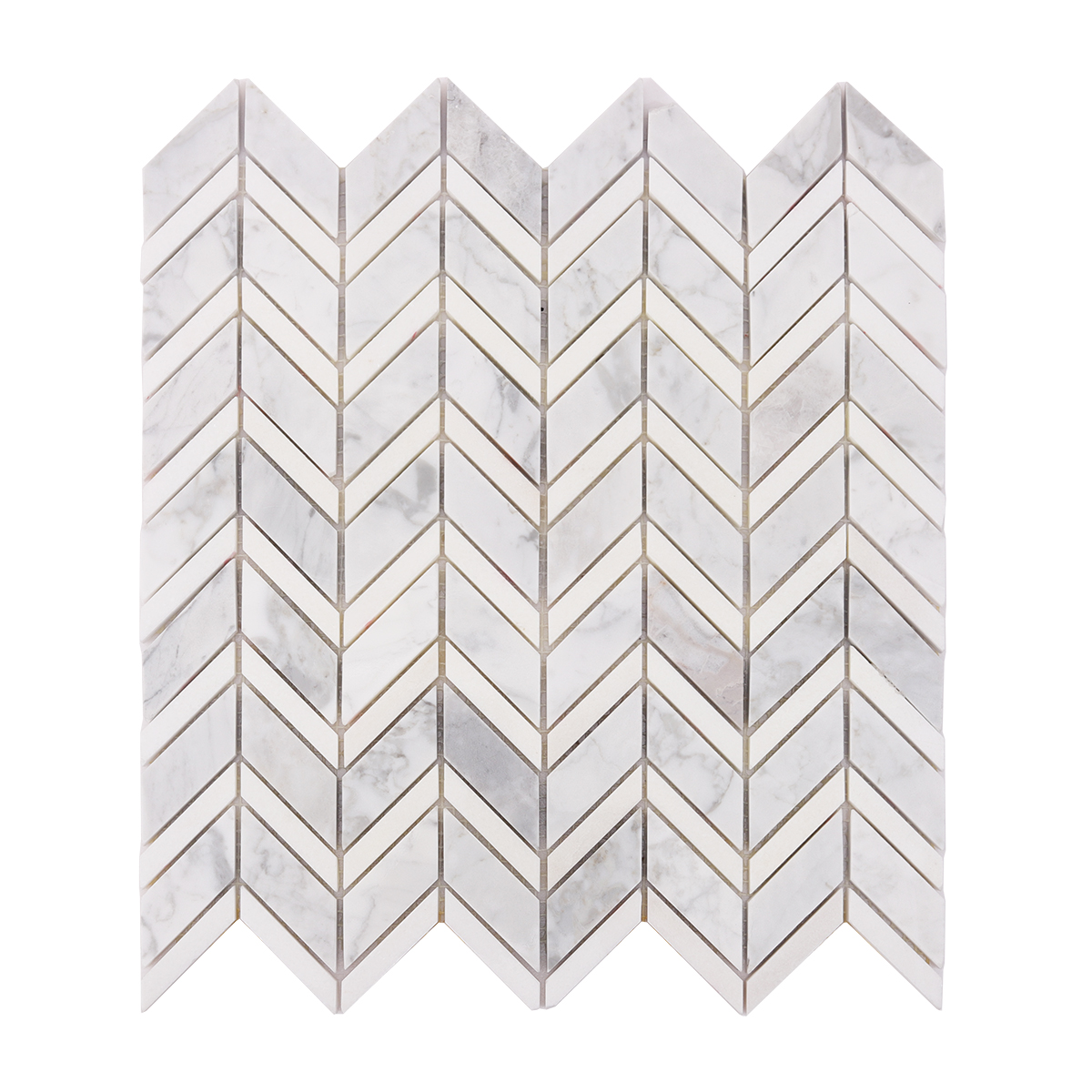
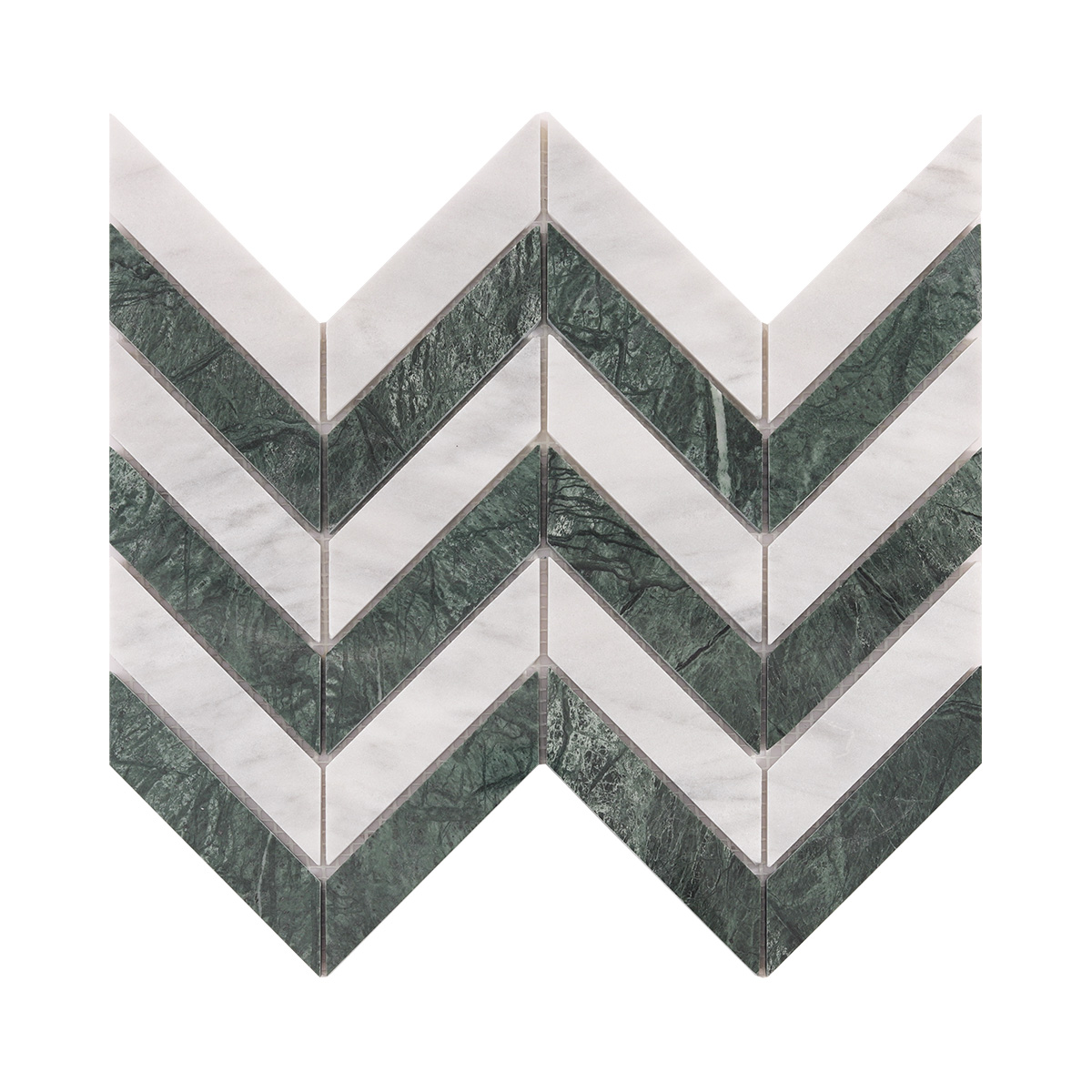
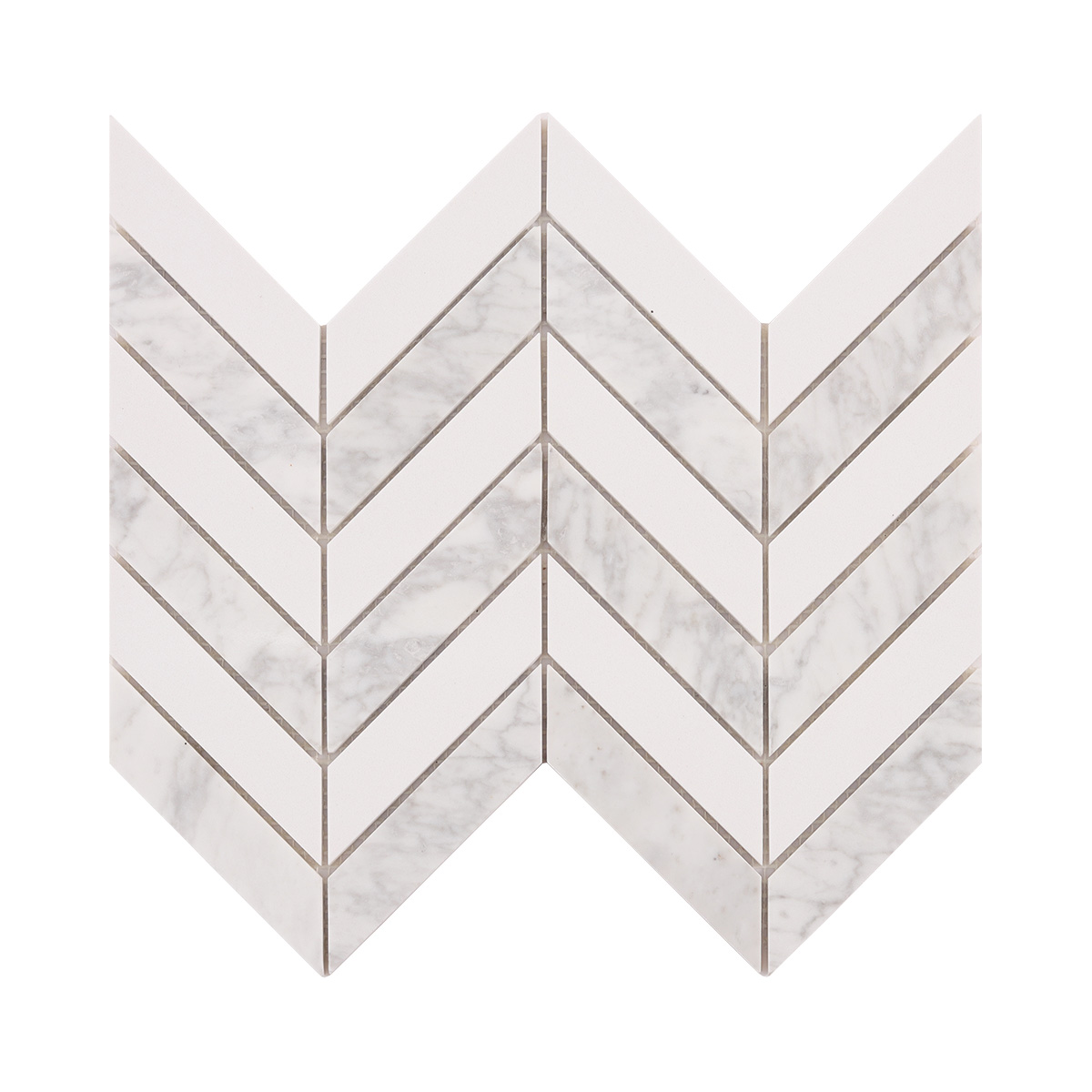
Herringbone and chevron both create directional zigzag patterns, but they are constructed differently. Herringbone uses rectangular pieces that meet at staggered right angles, creating a broken zigzag. Chevron tiles have angled ends that meet point to point, forming a continuous V-shaped line.