


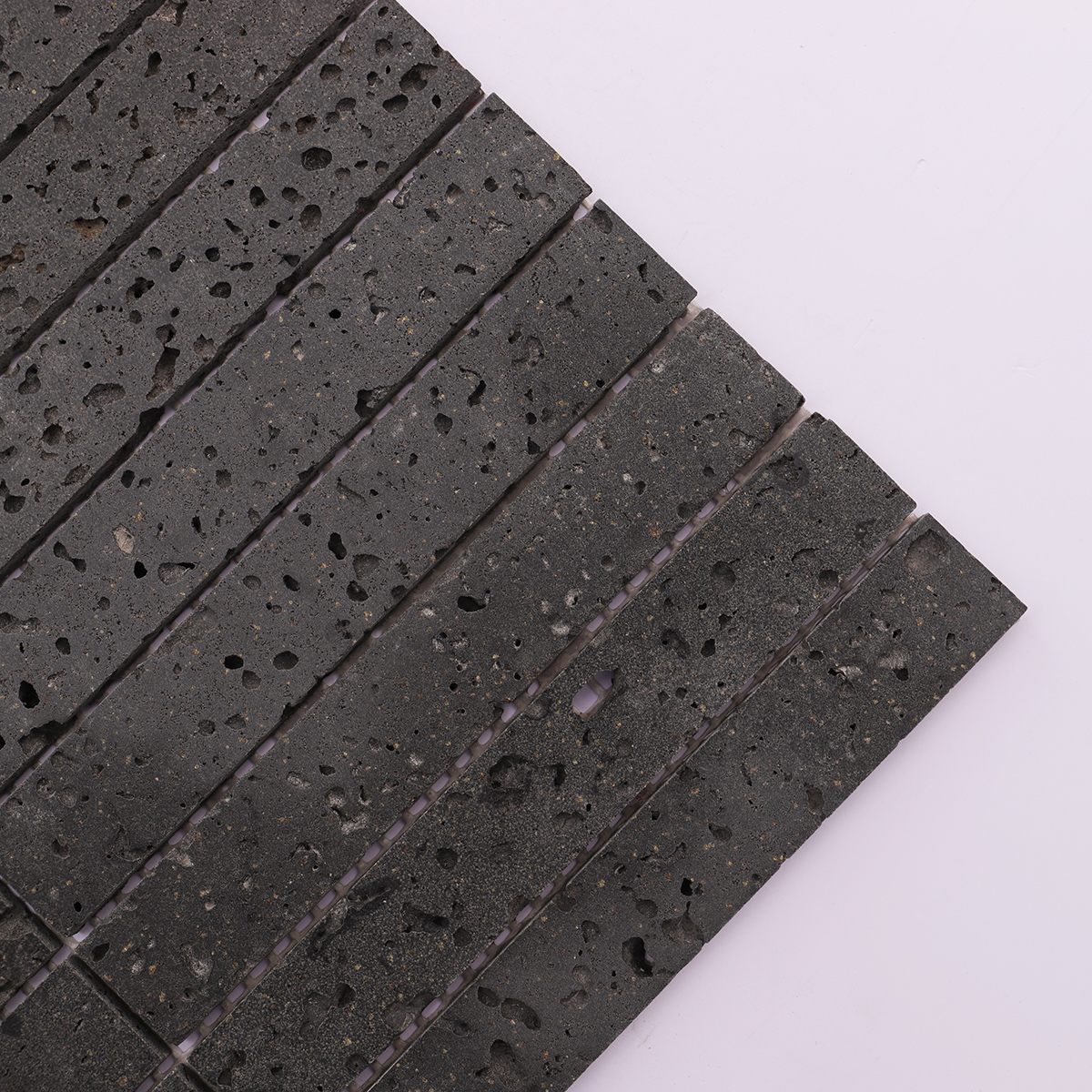
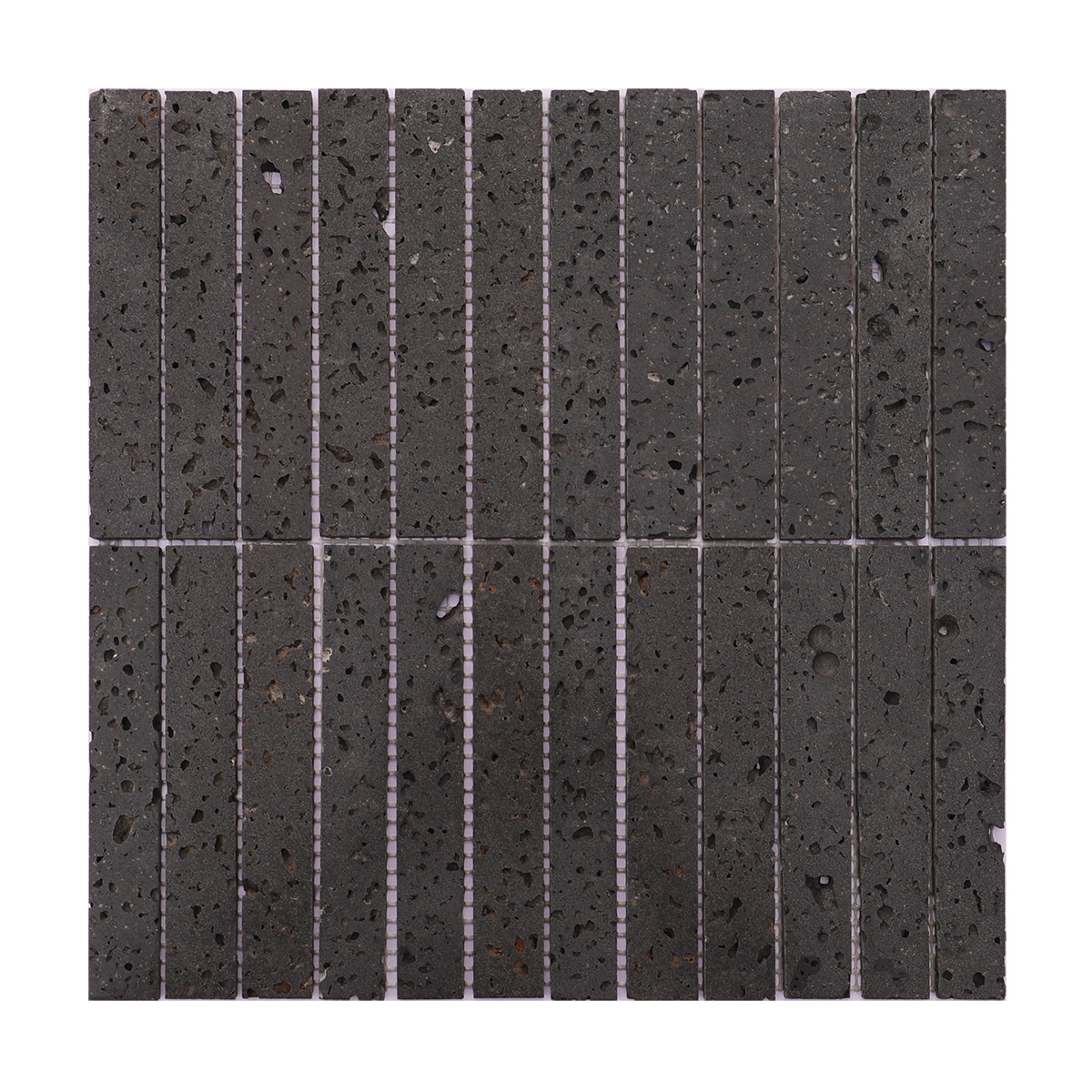
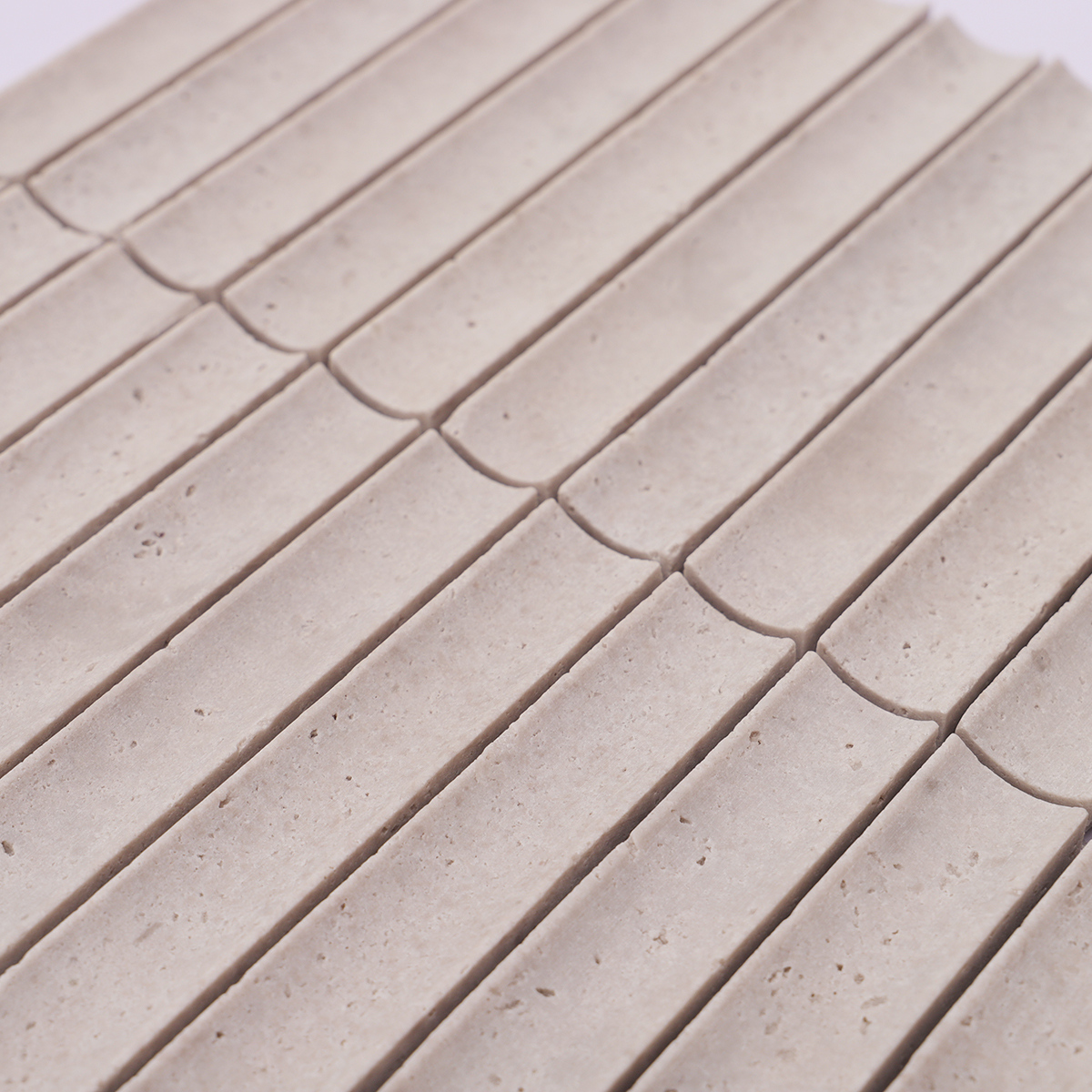
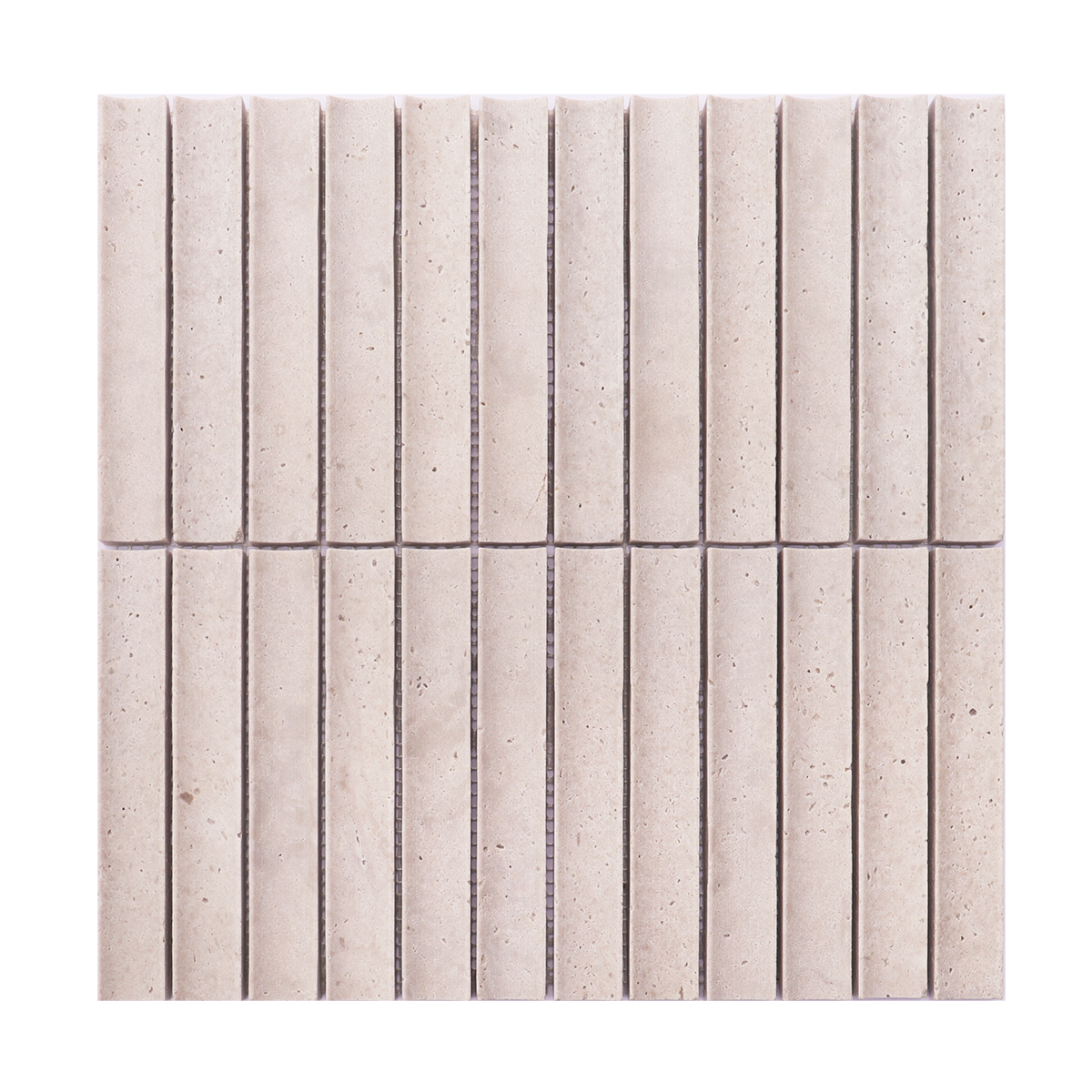
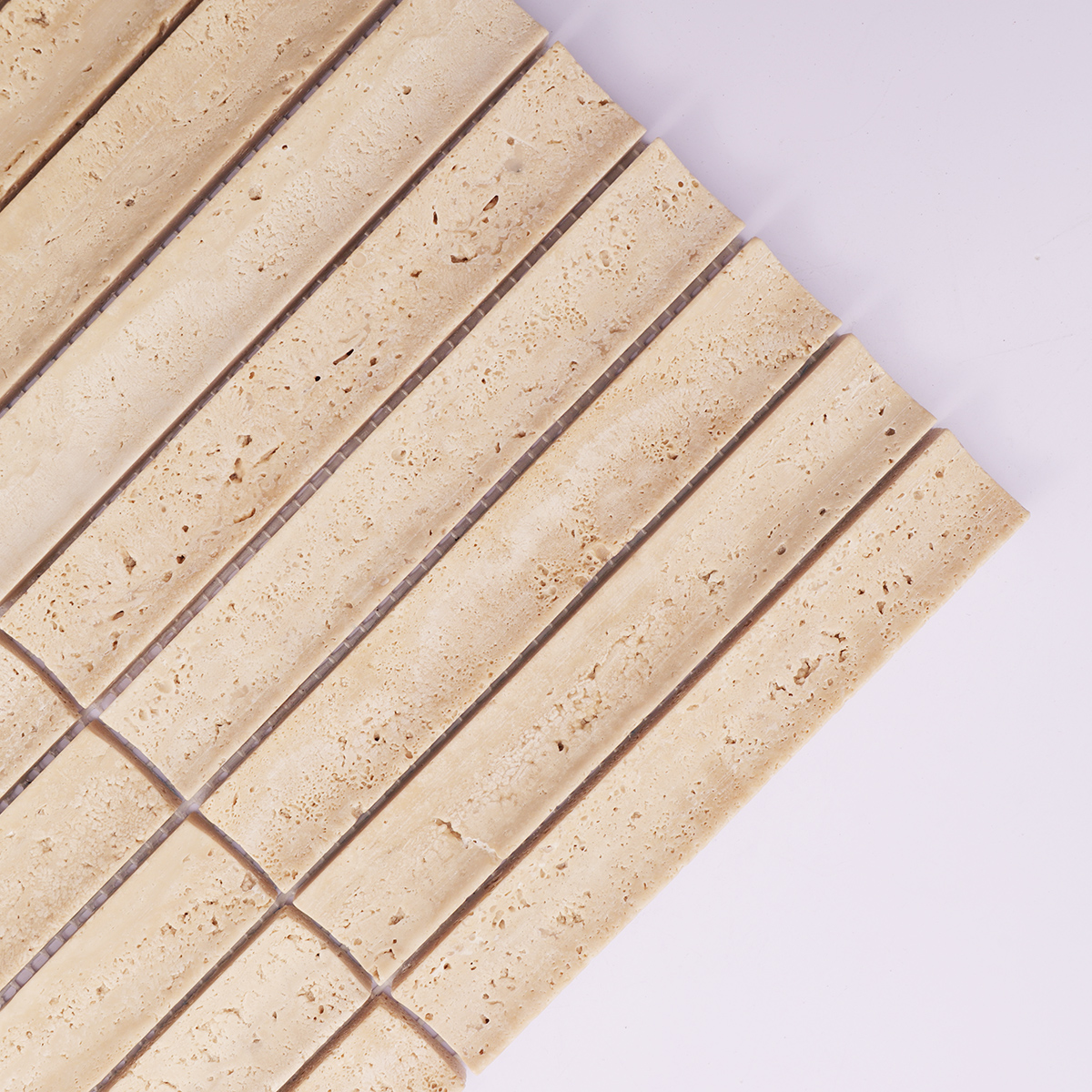
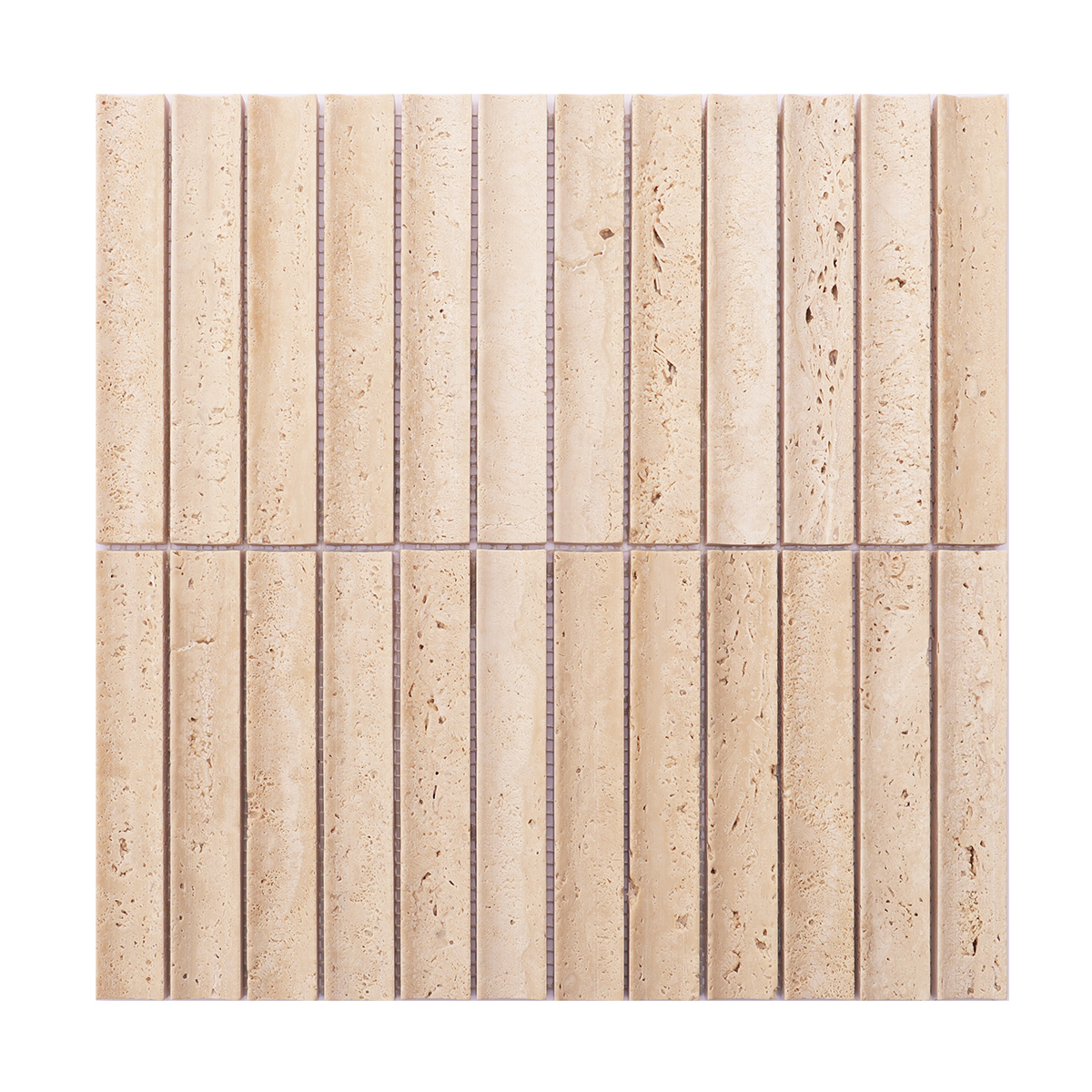
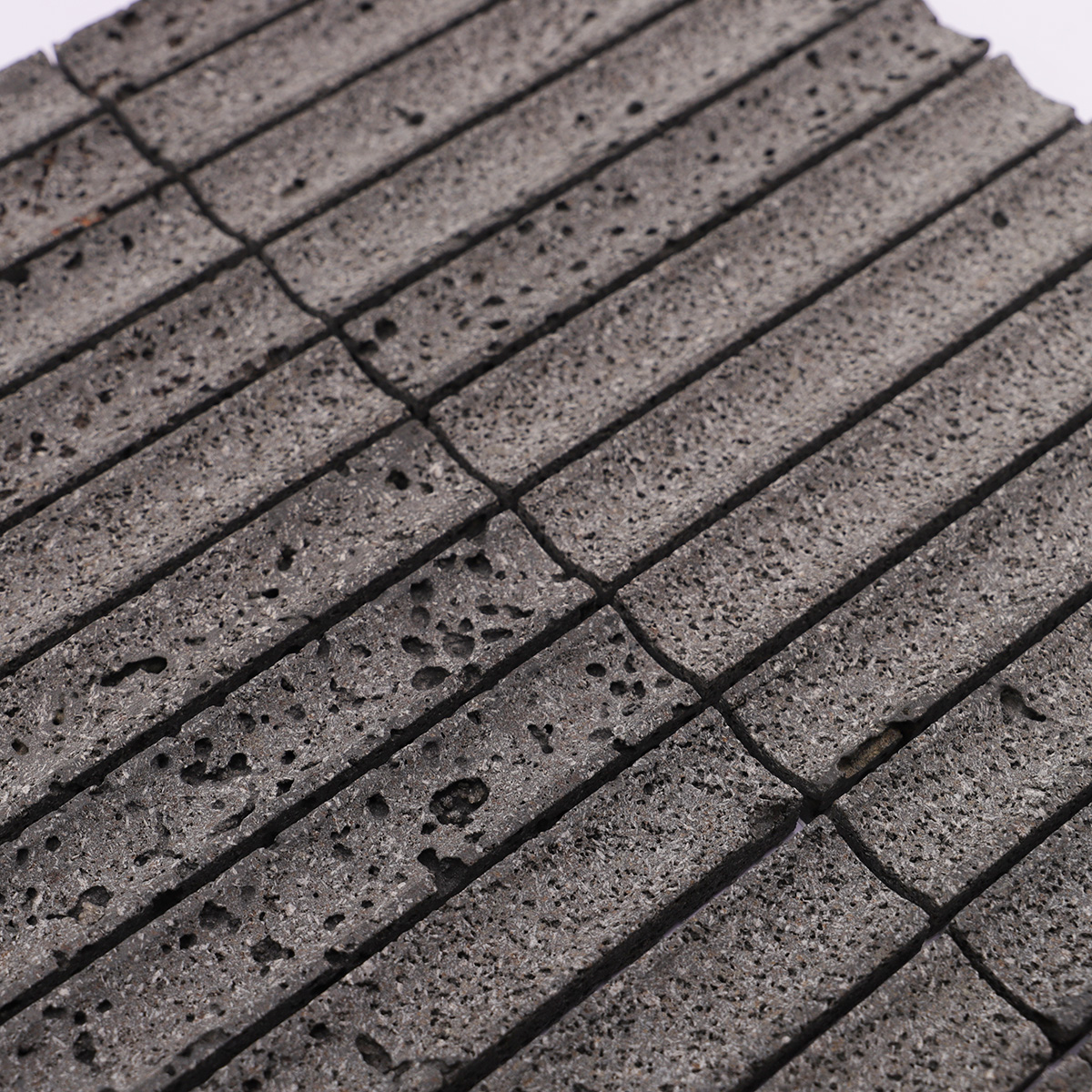
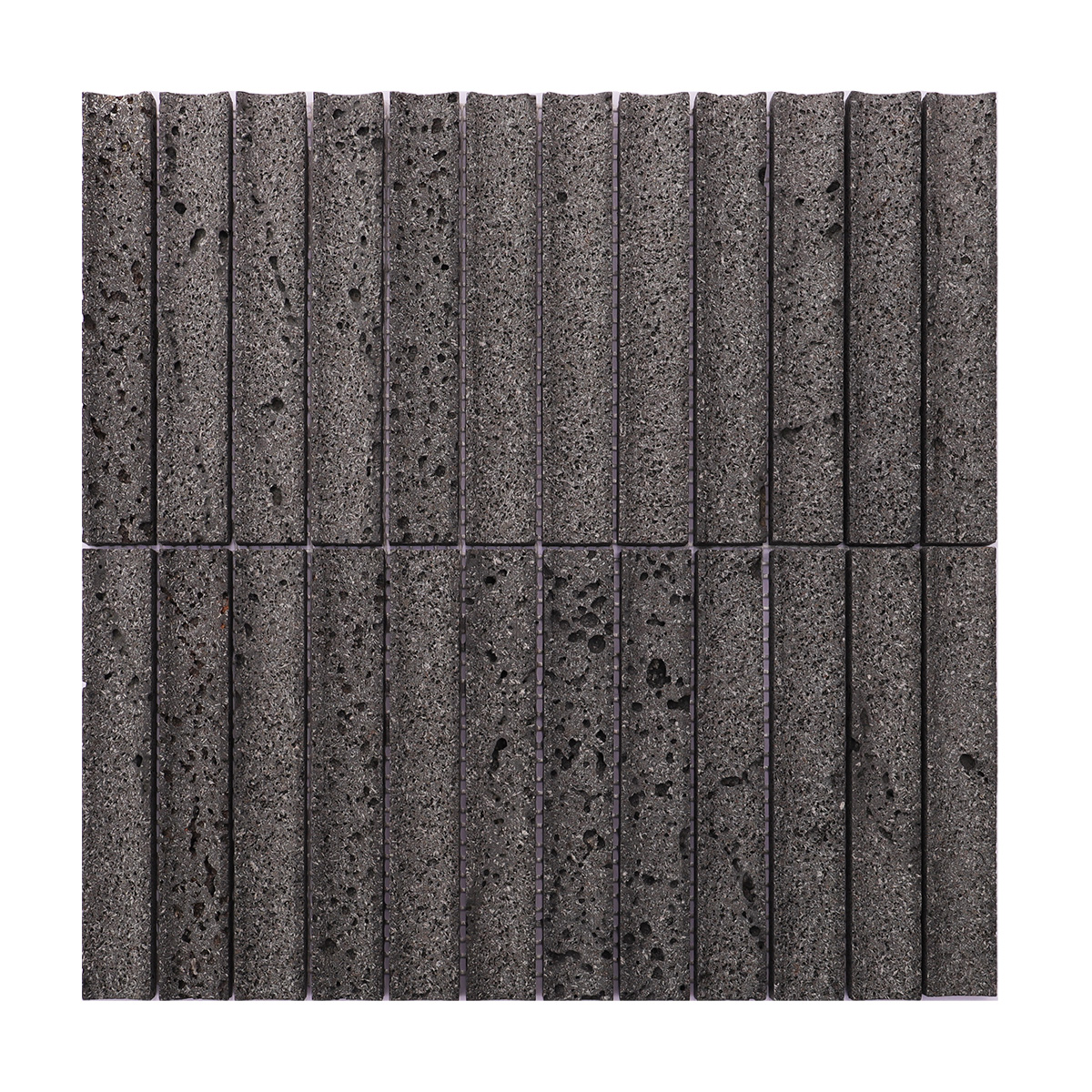
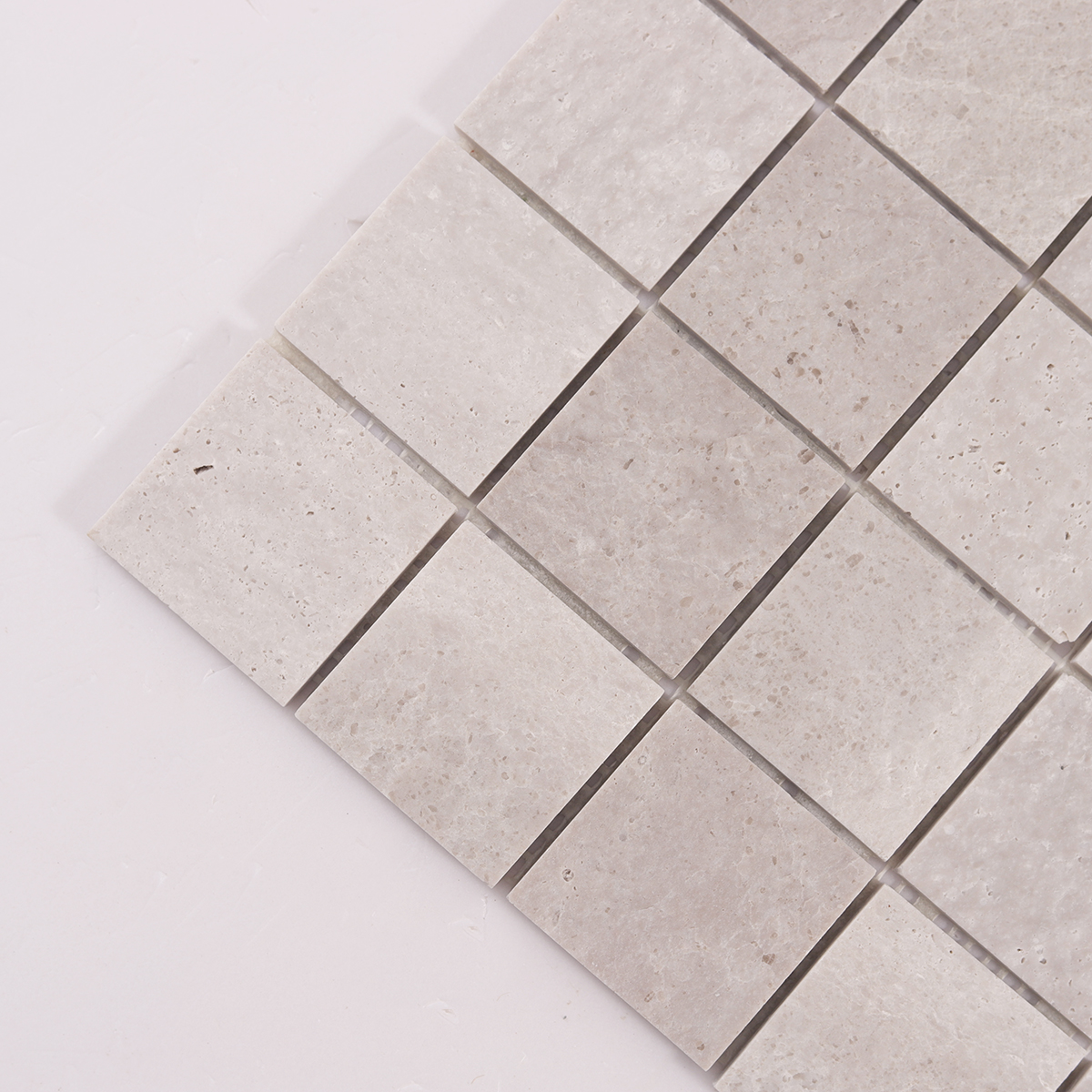
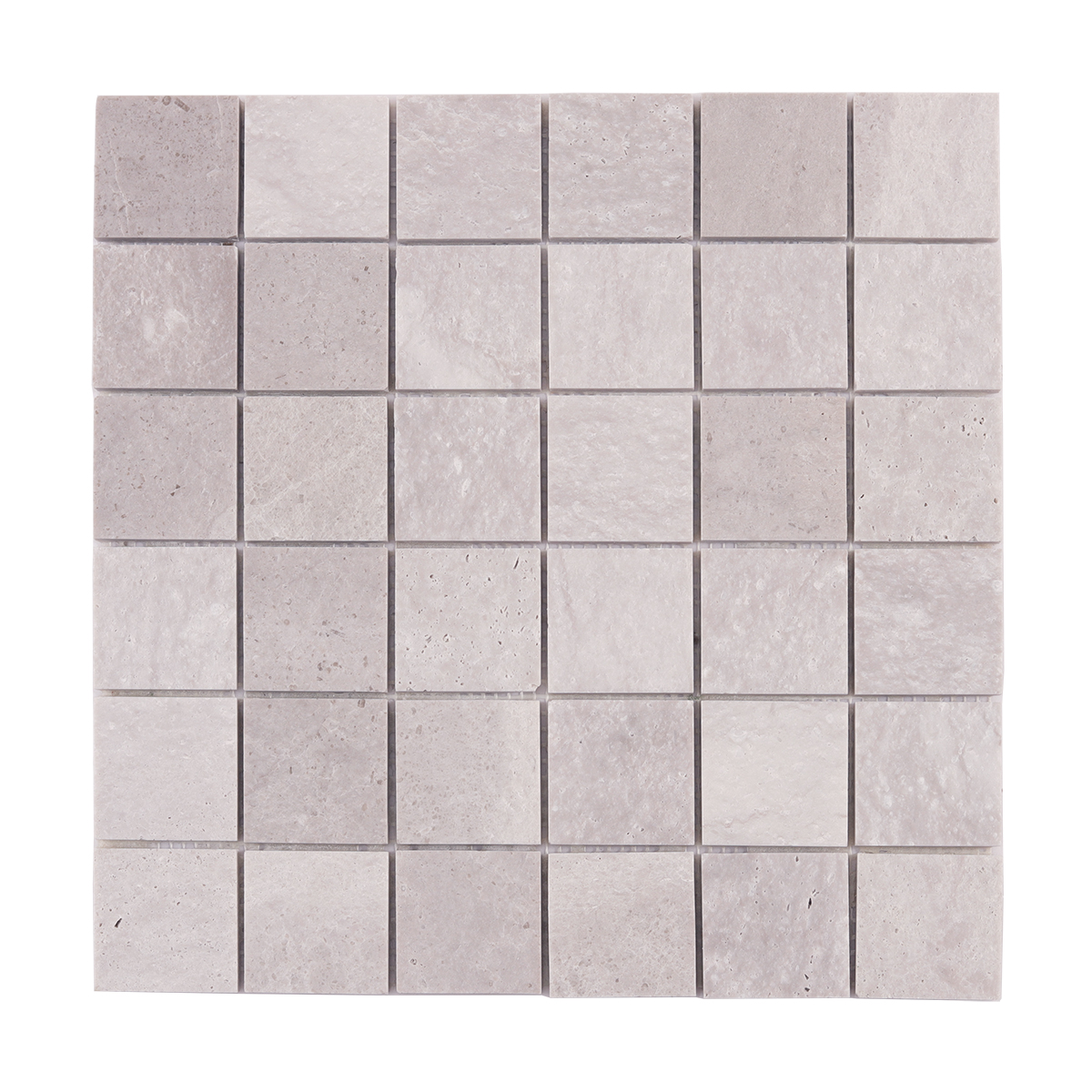
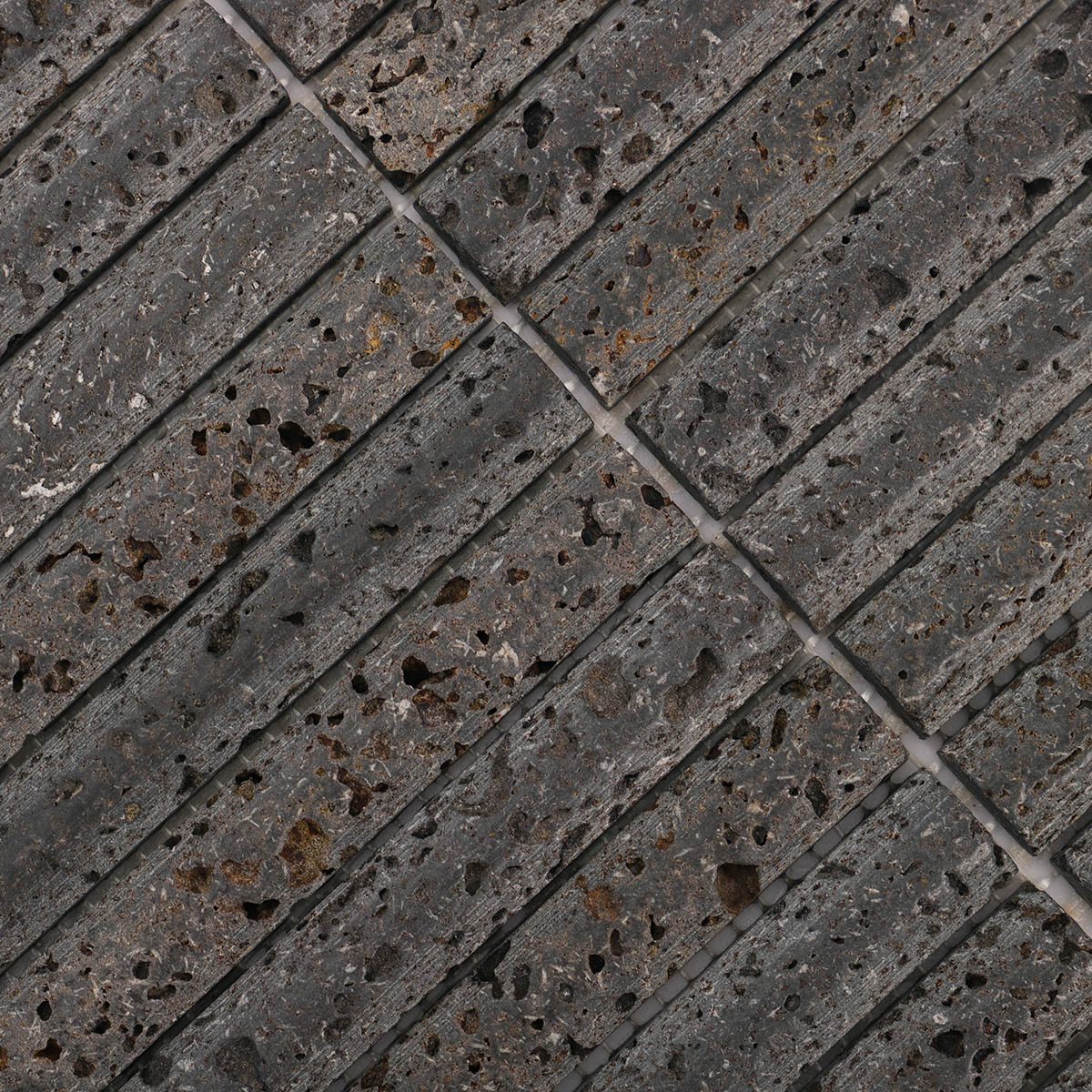
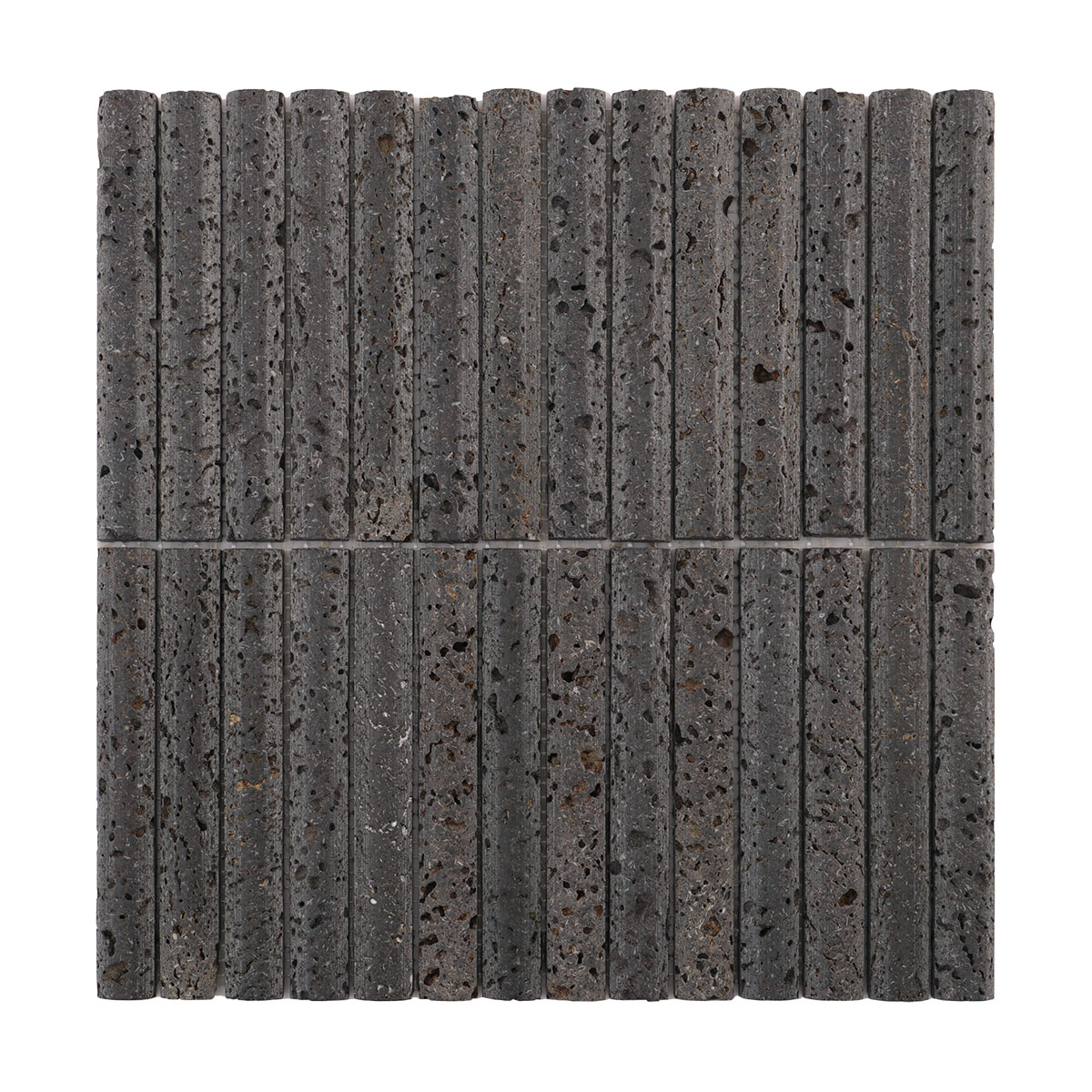
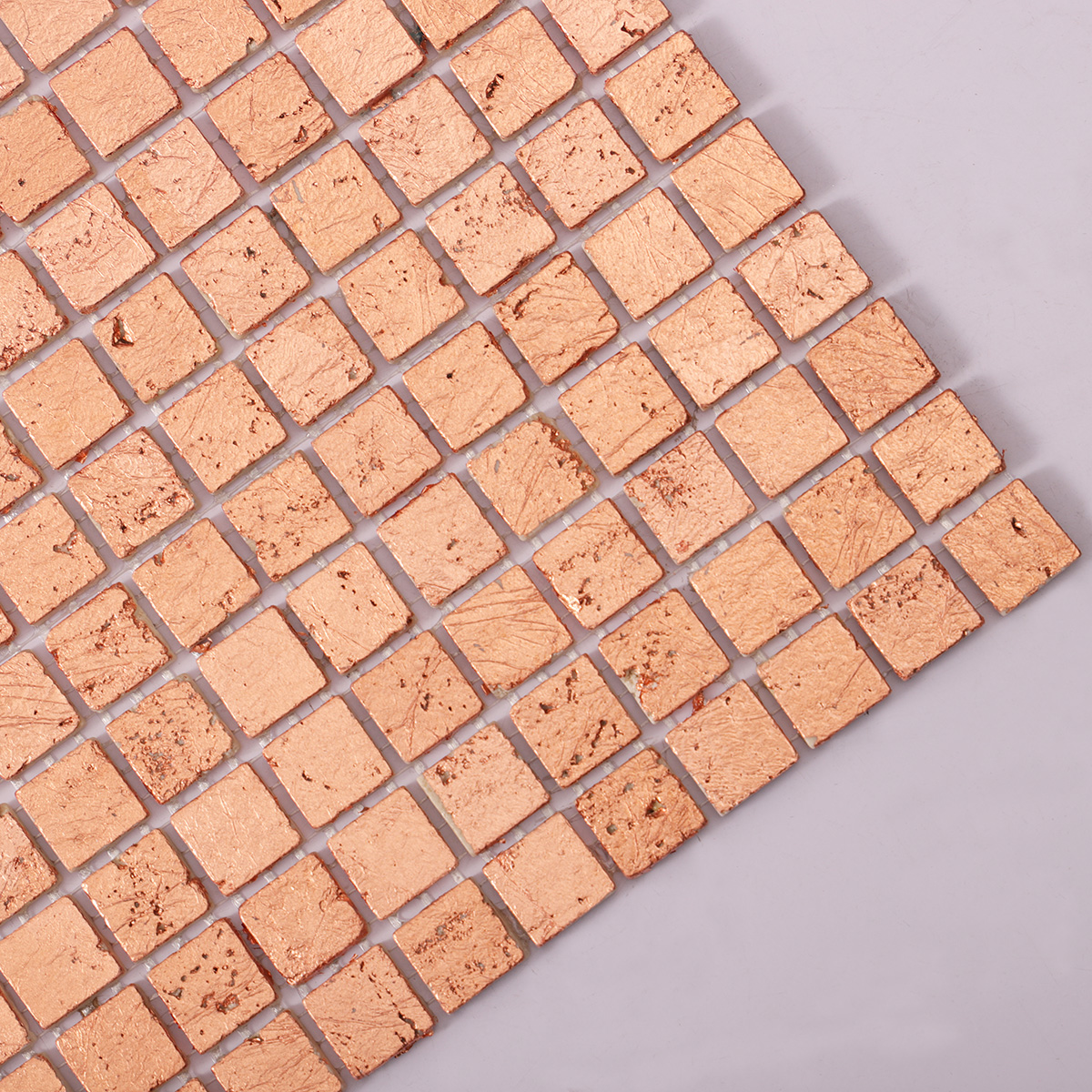
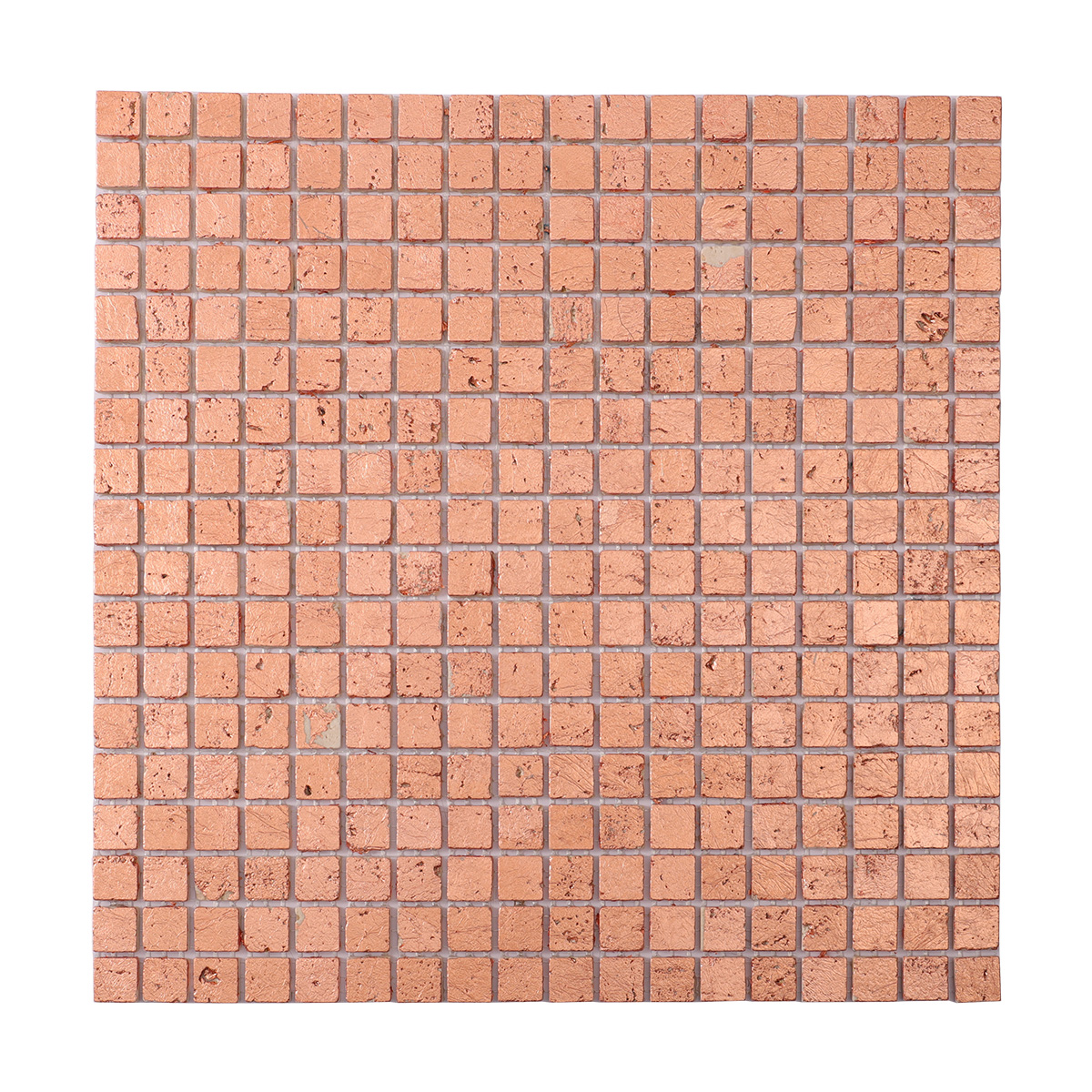
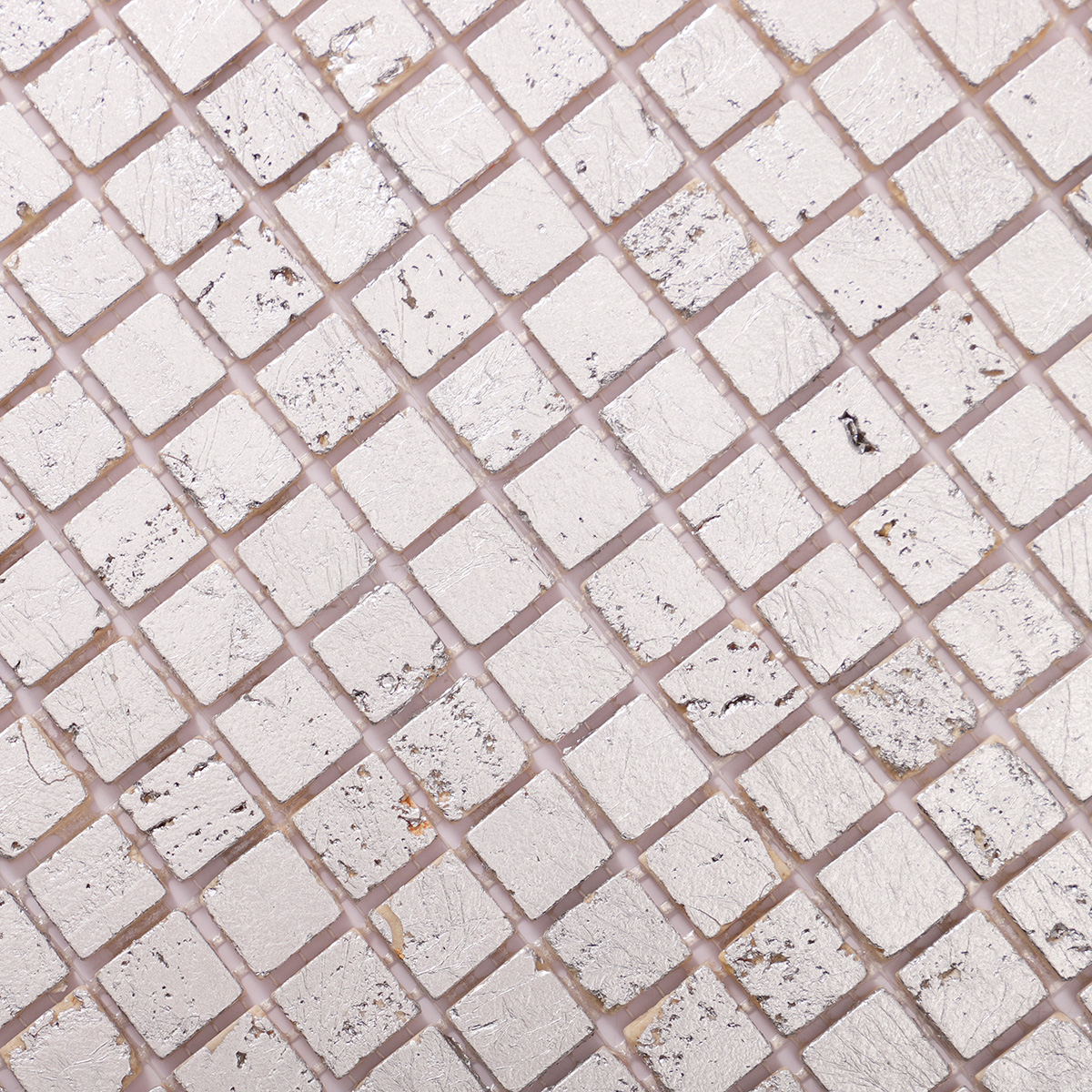
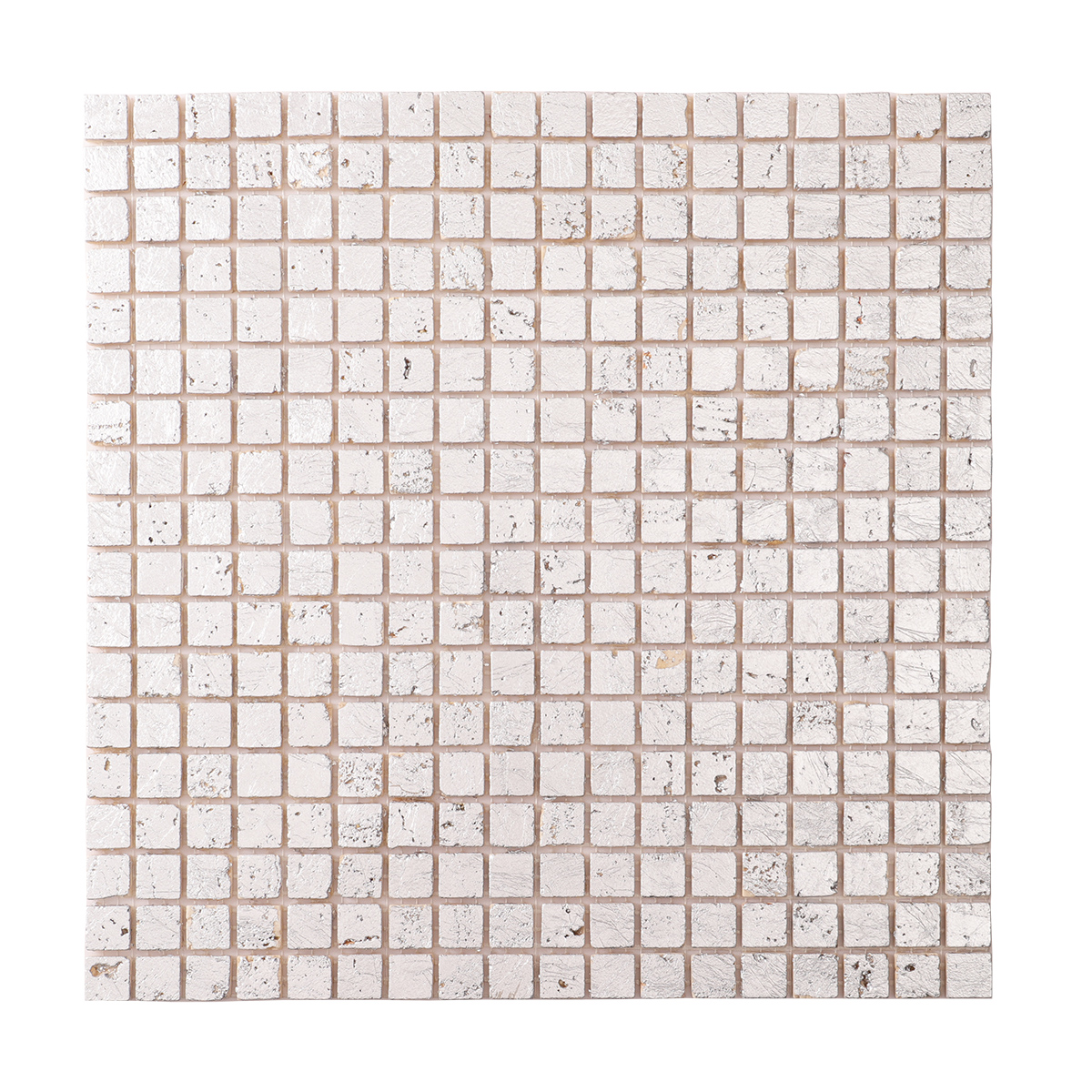
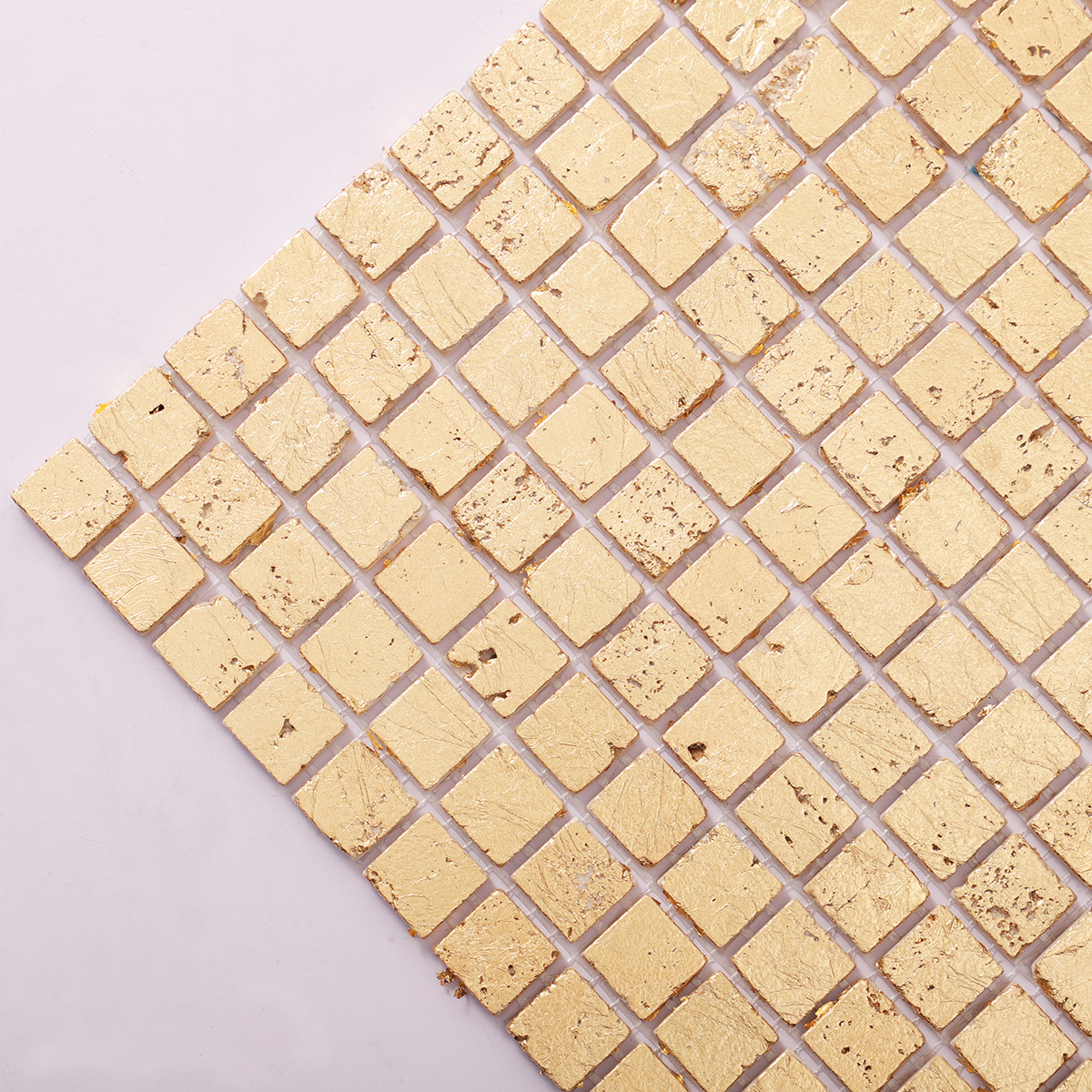
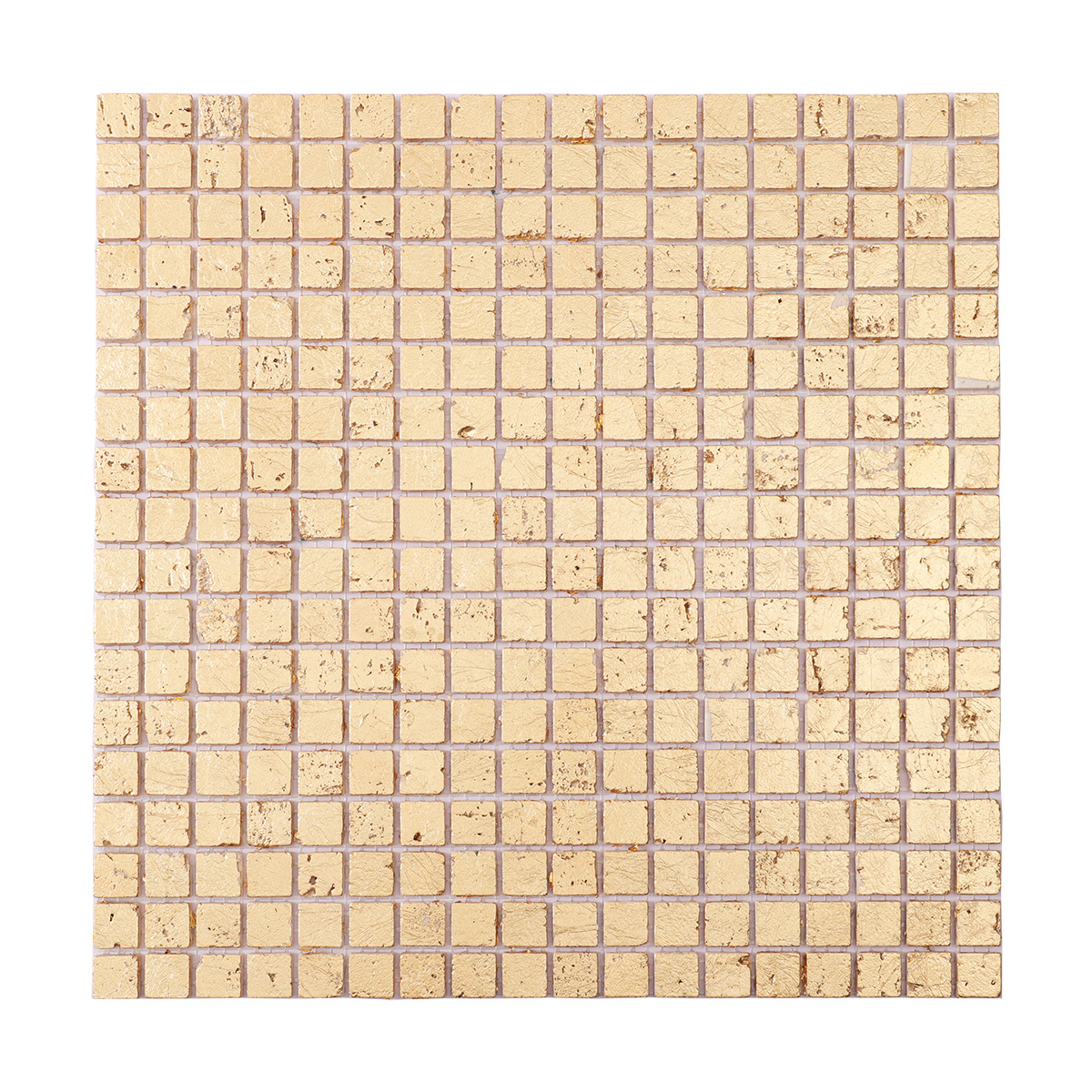
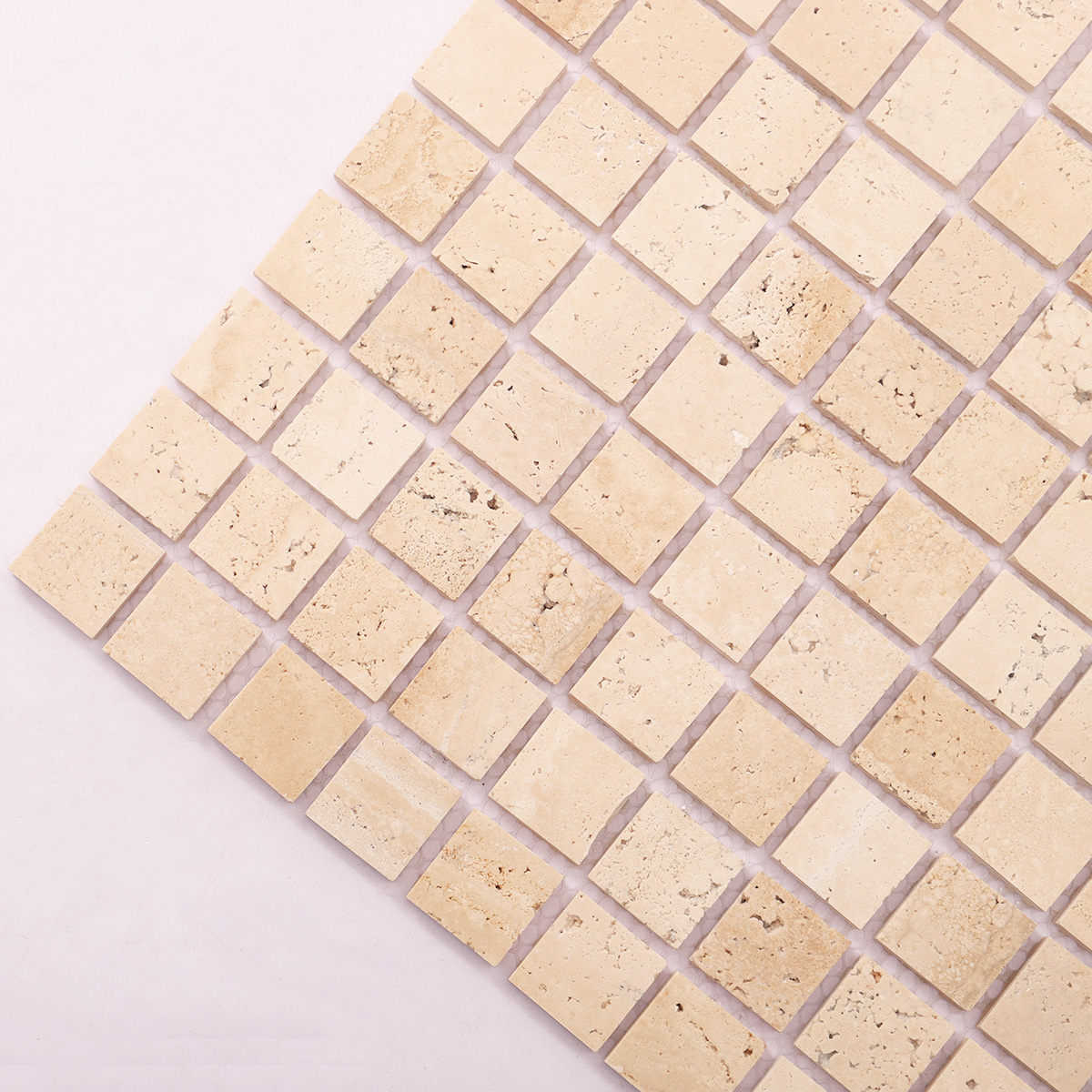
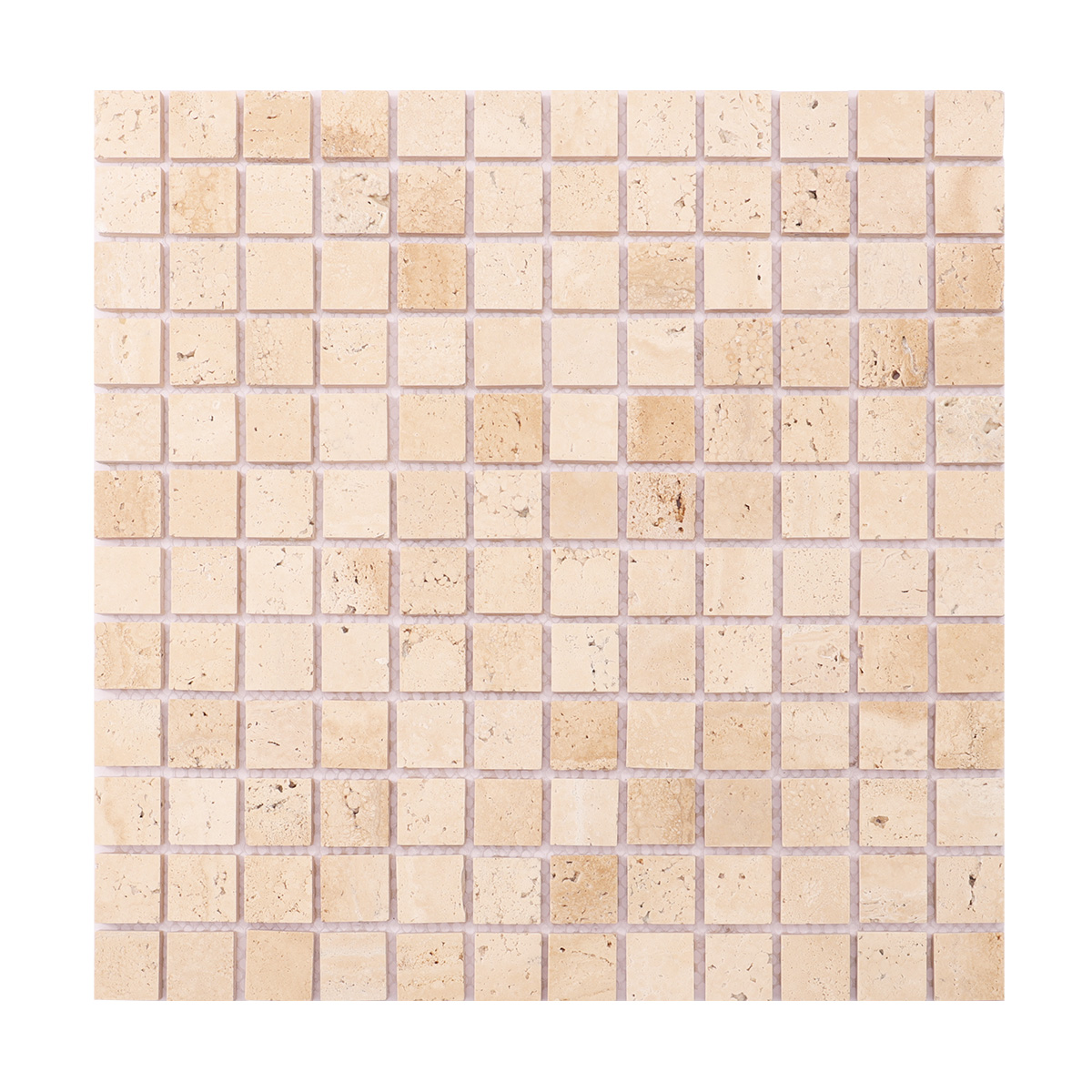
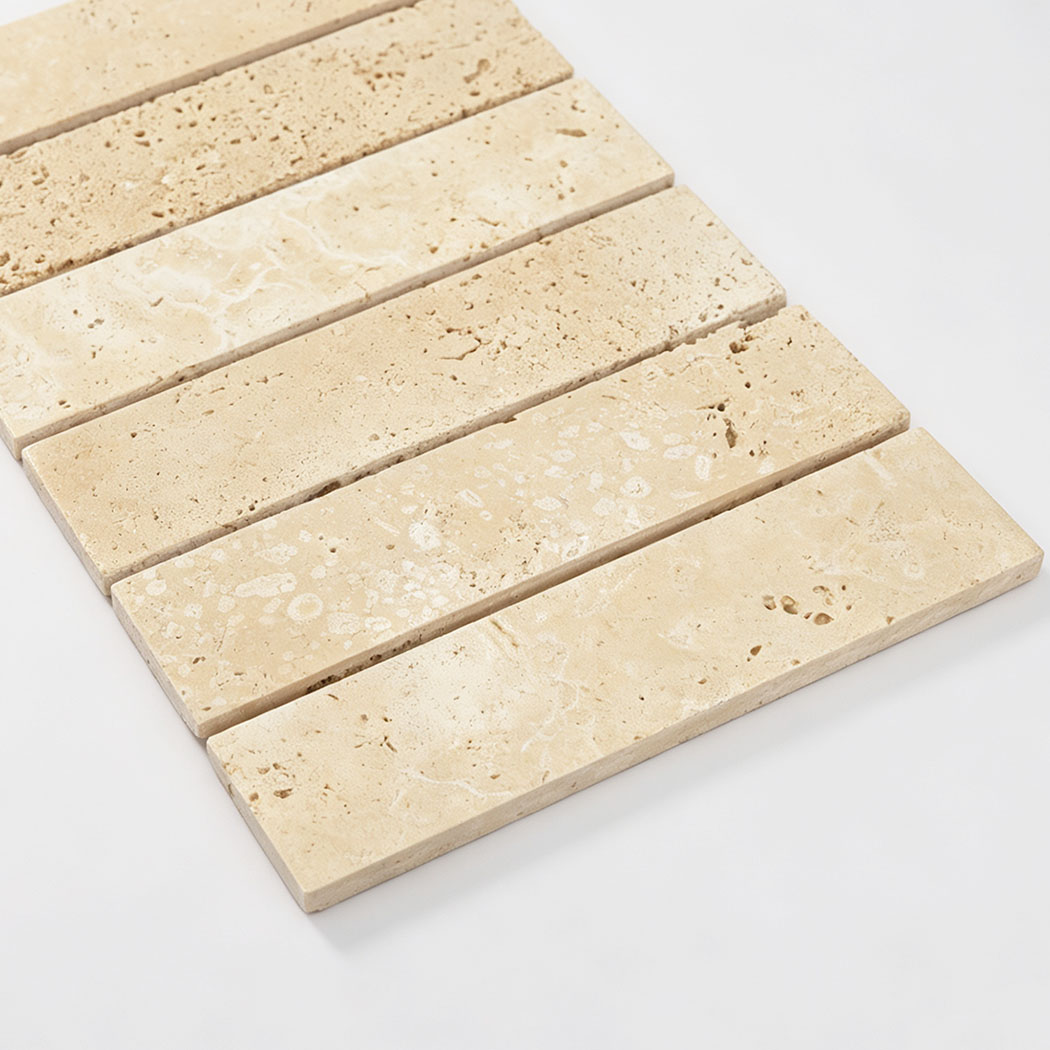
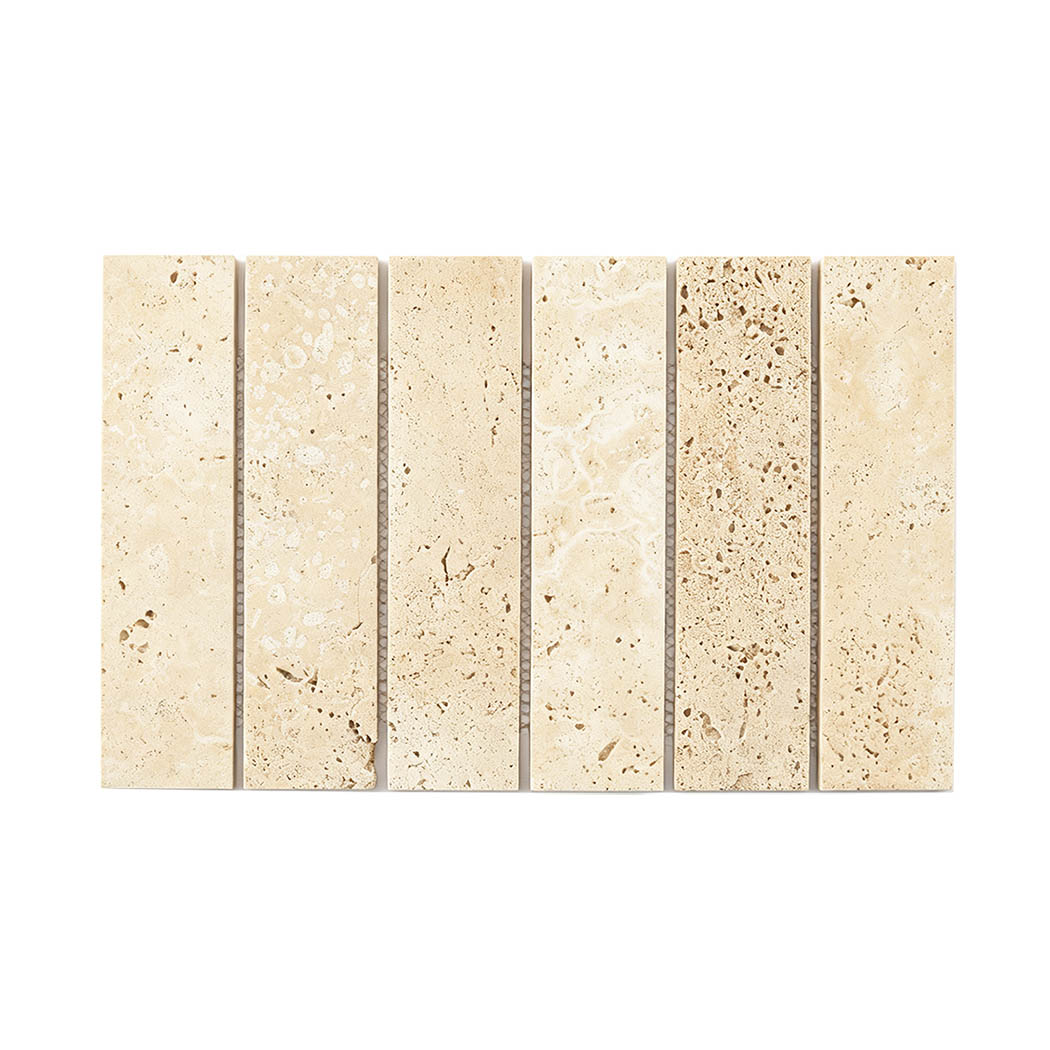
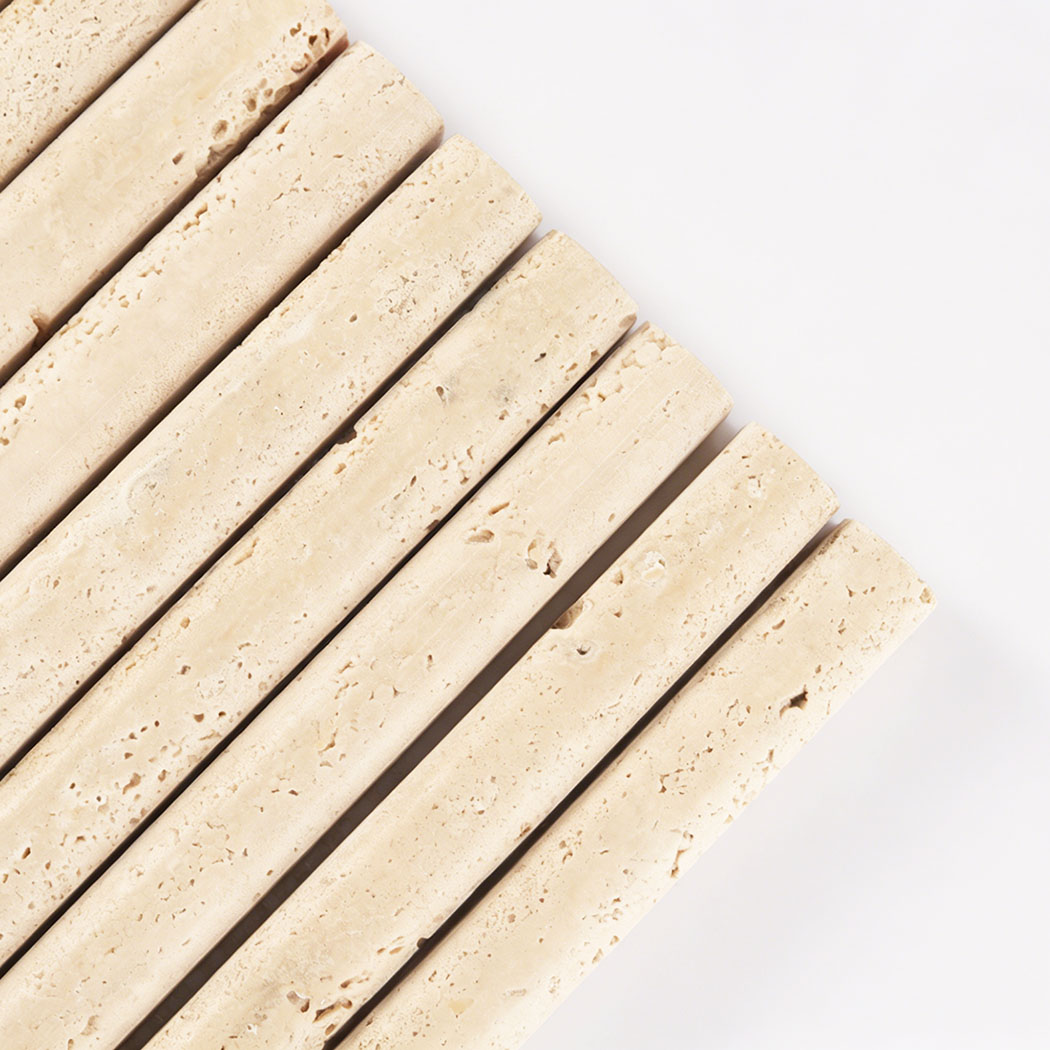
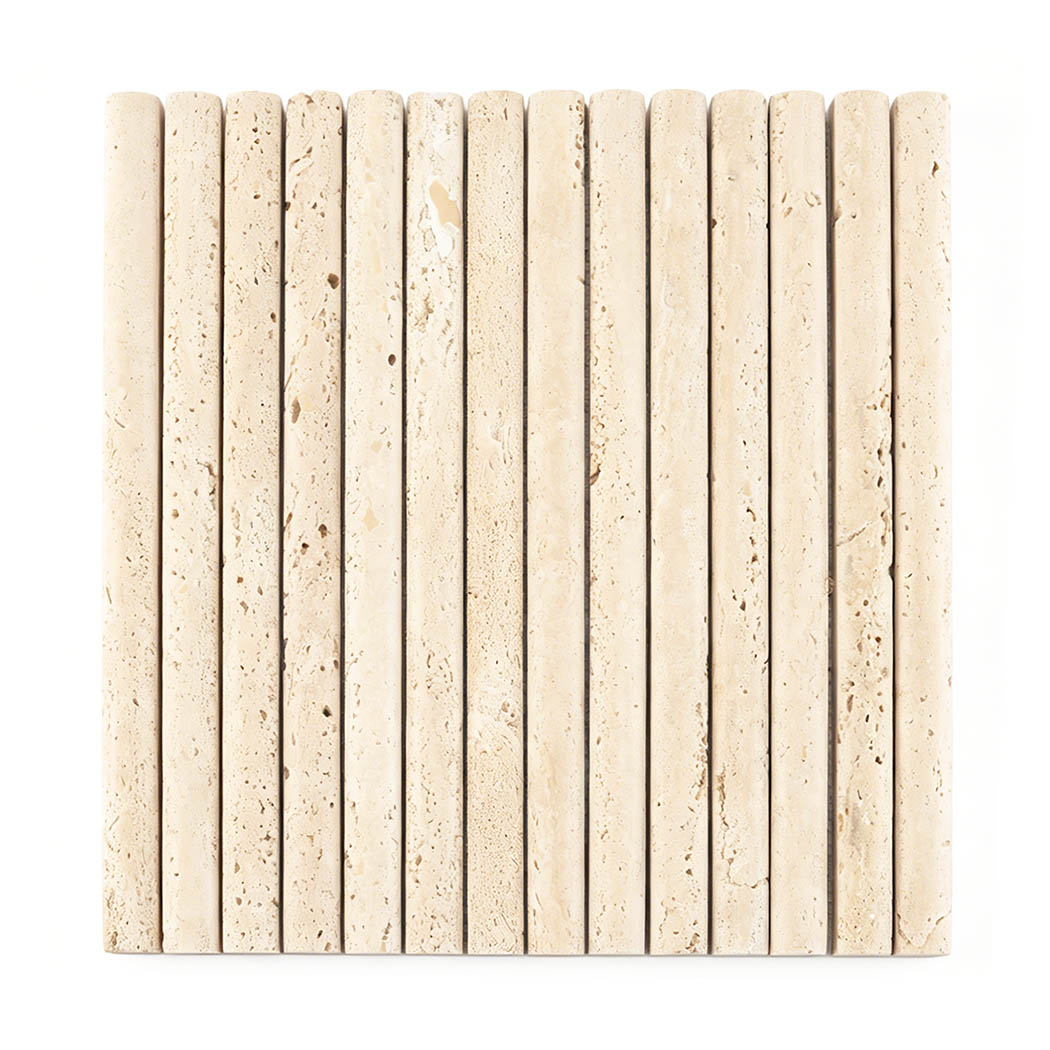
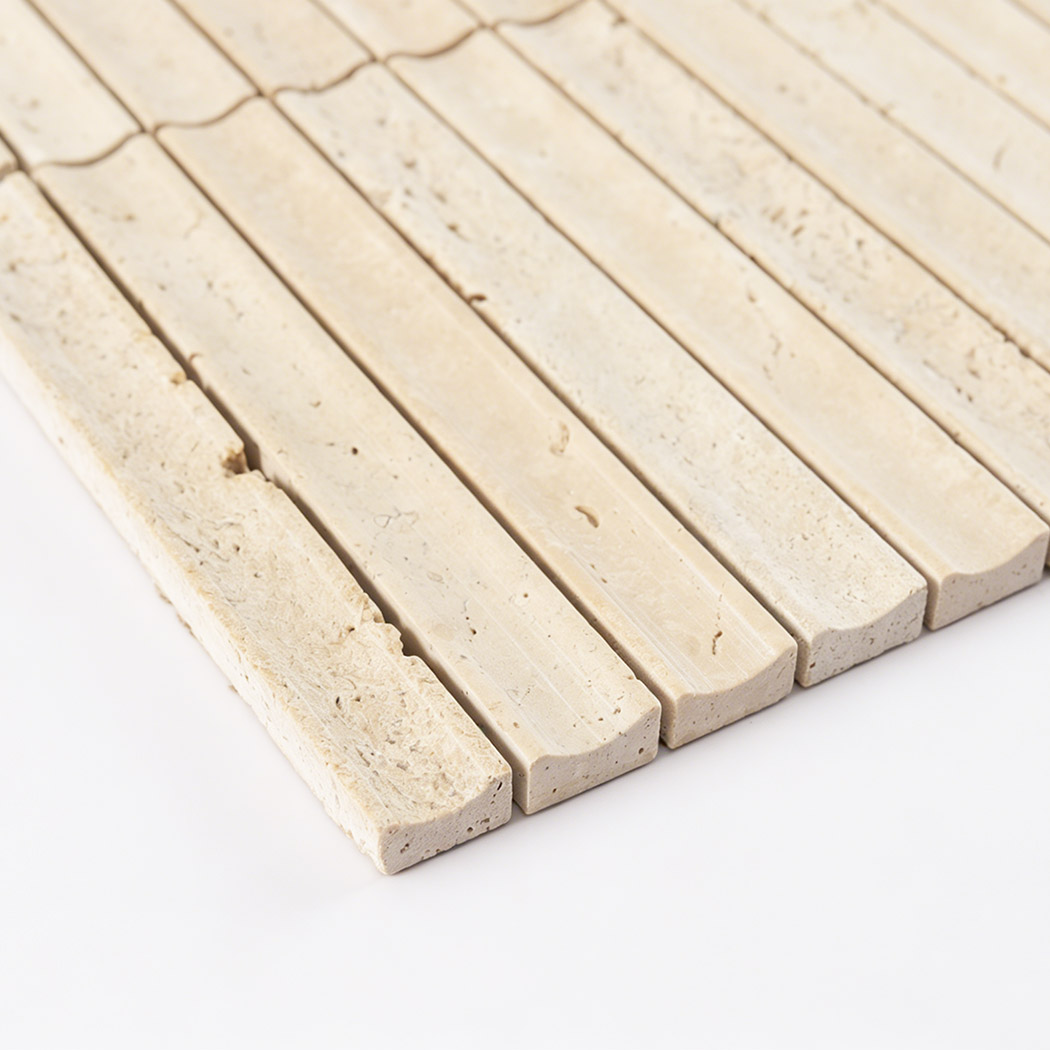
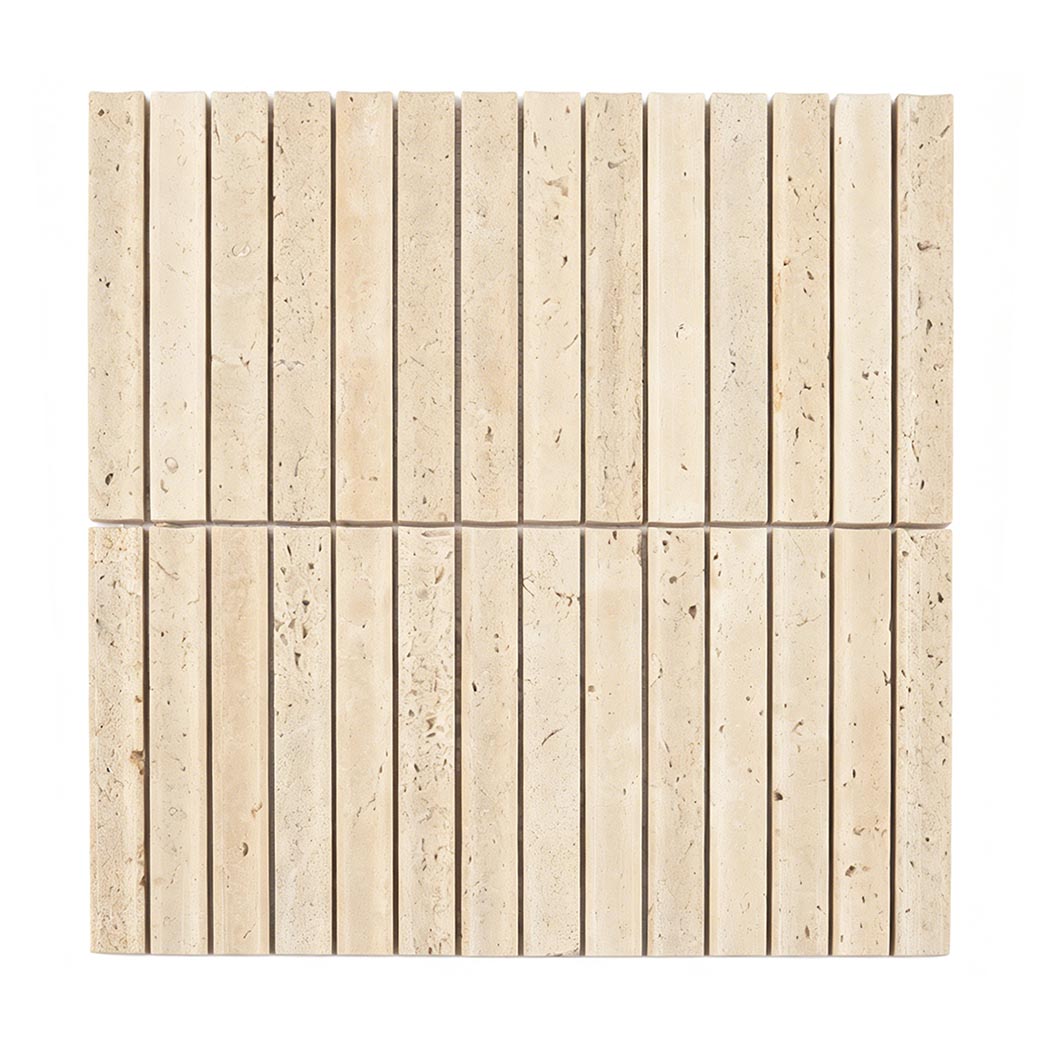
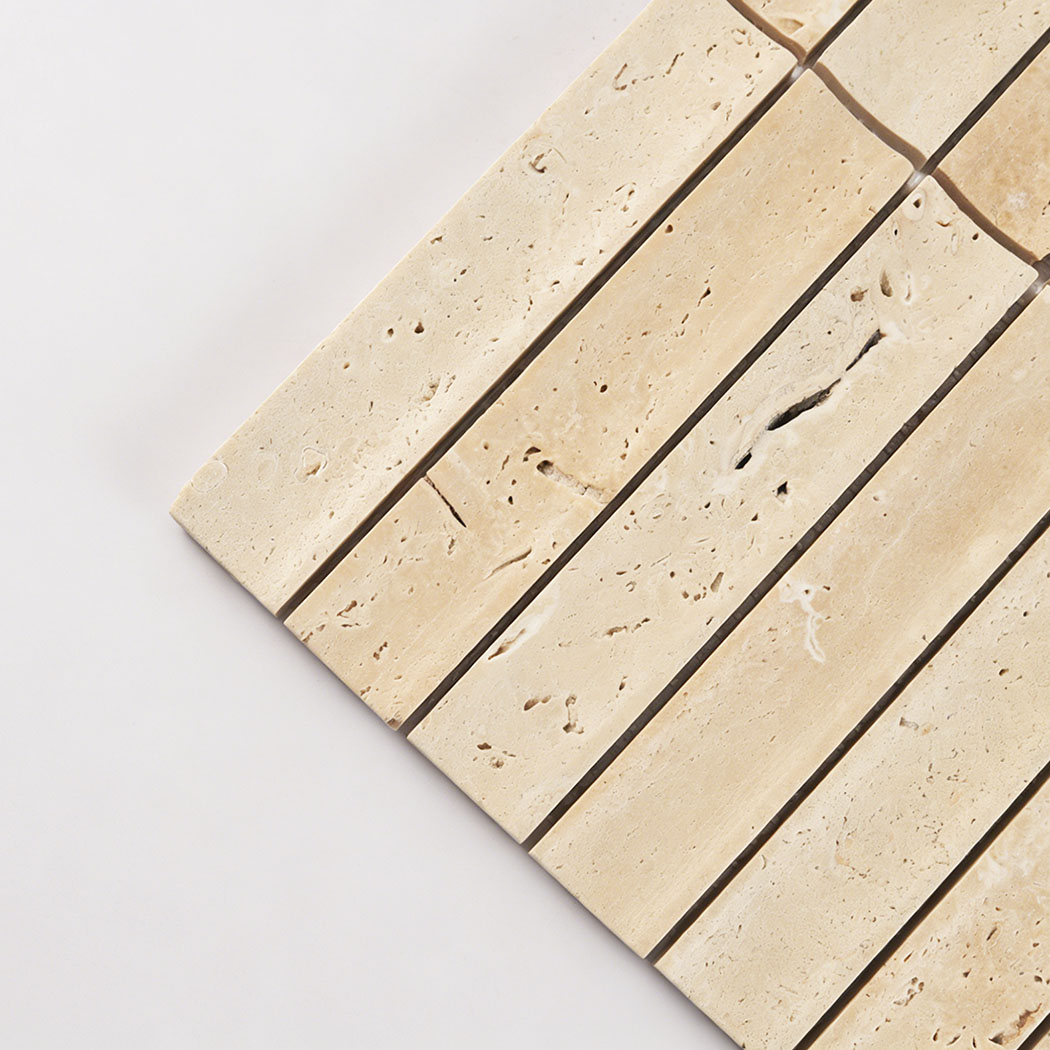
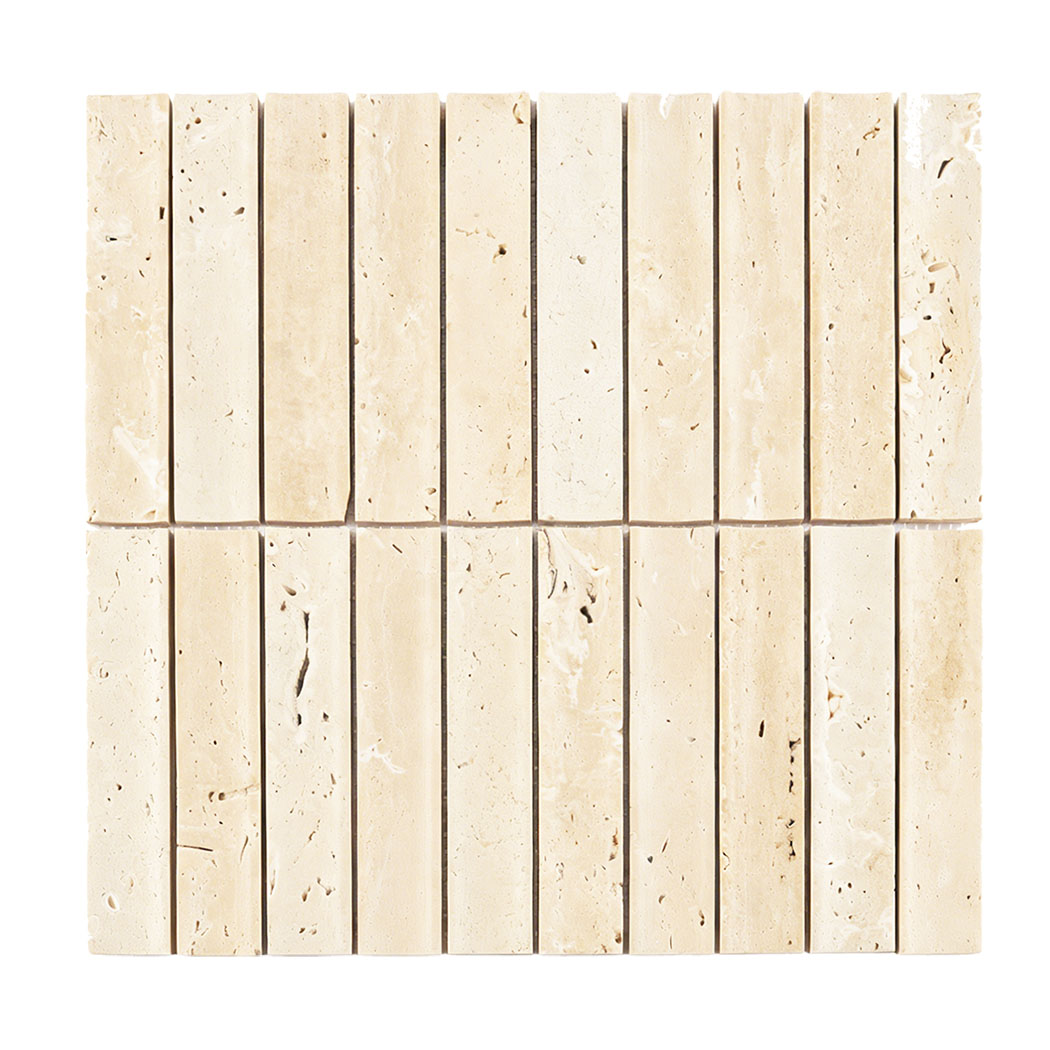

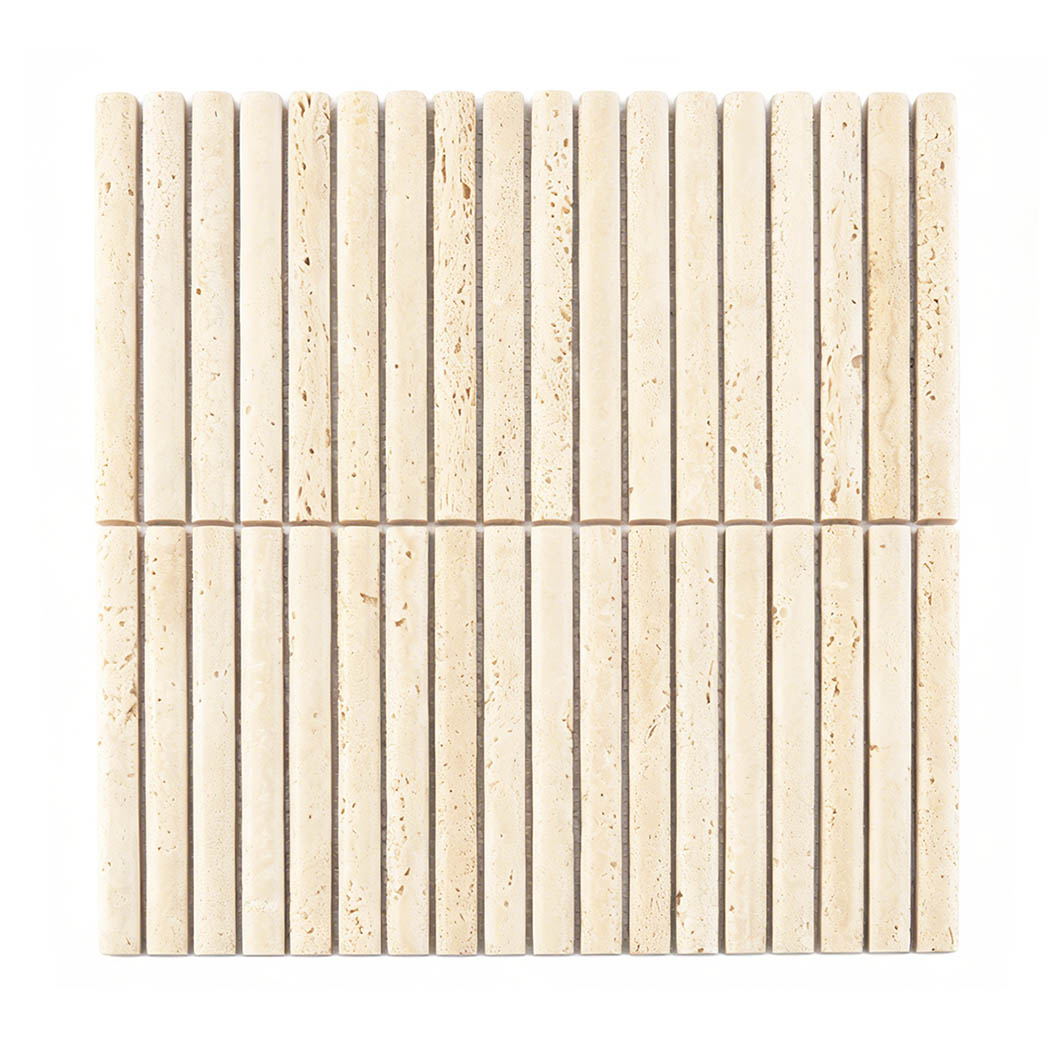

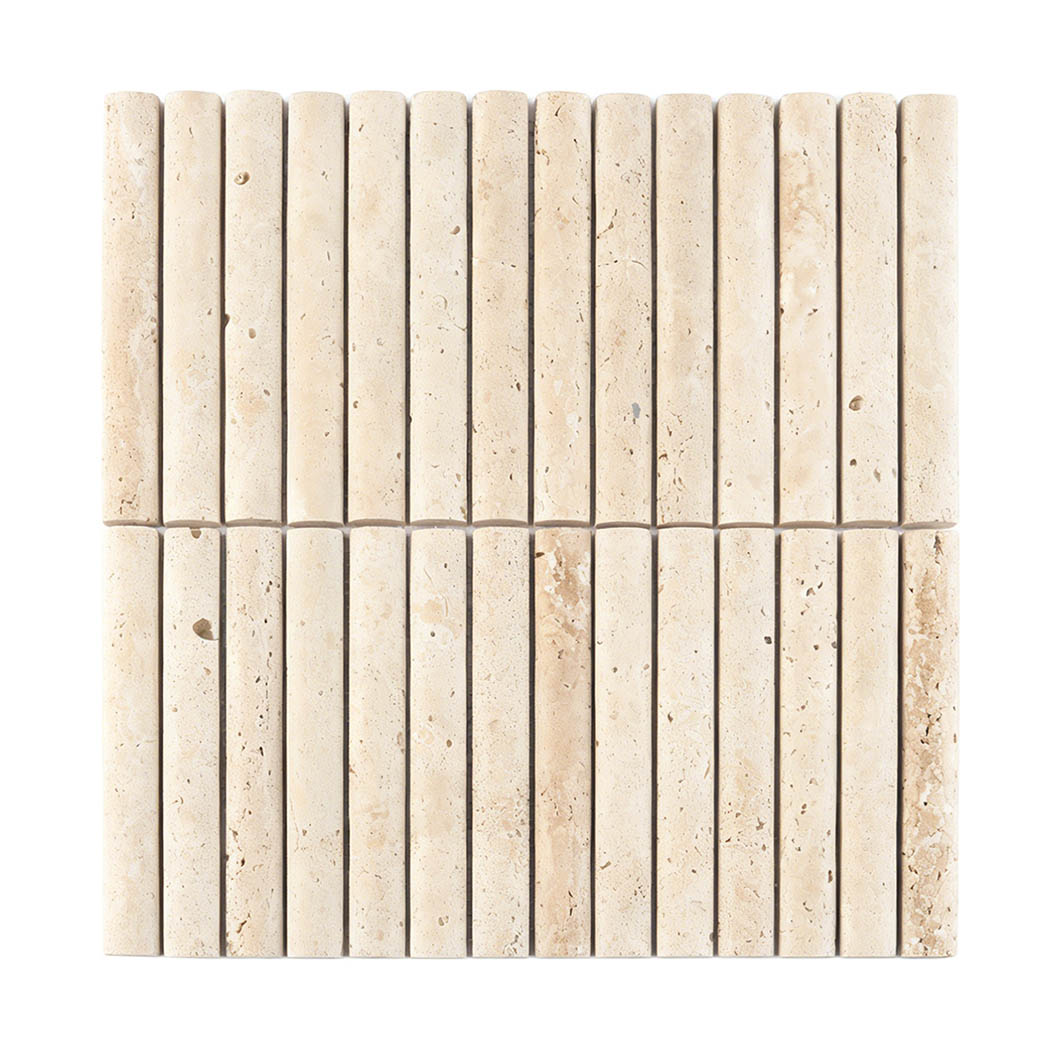

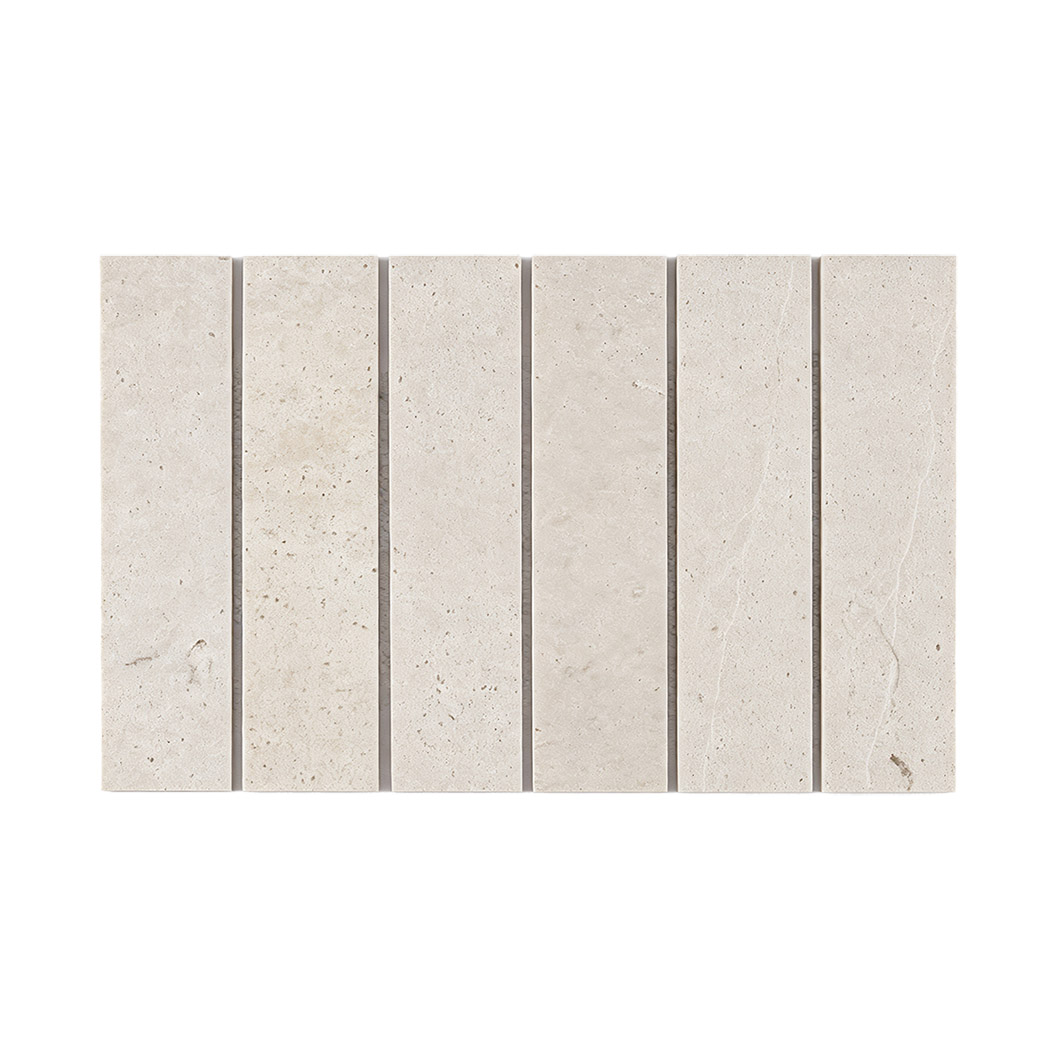
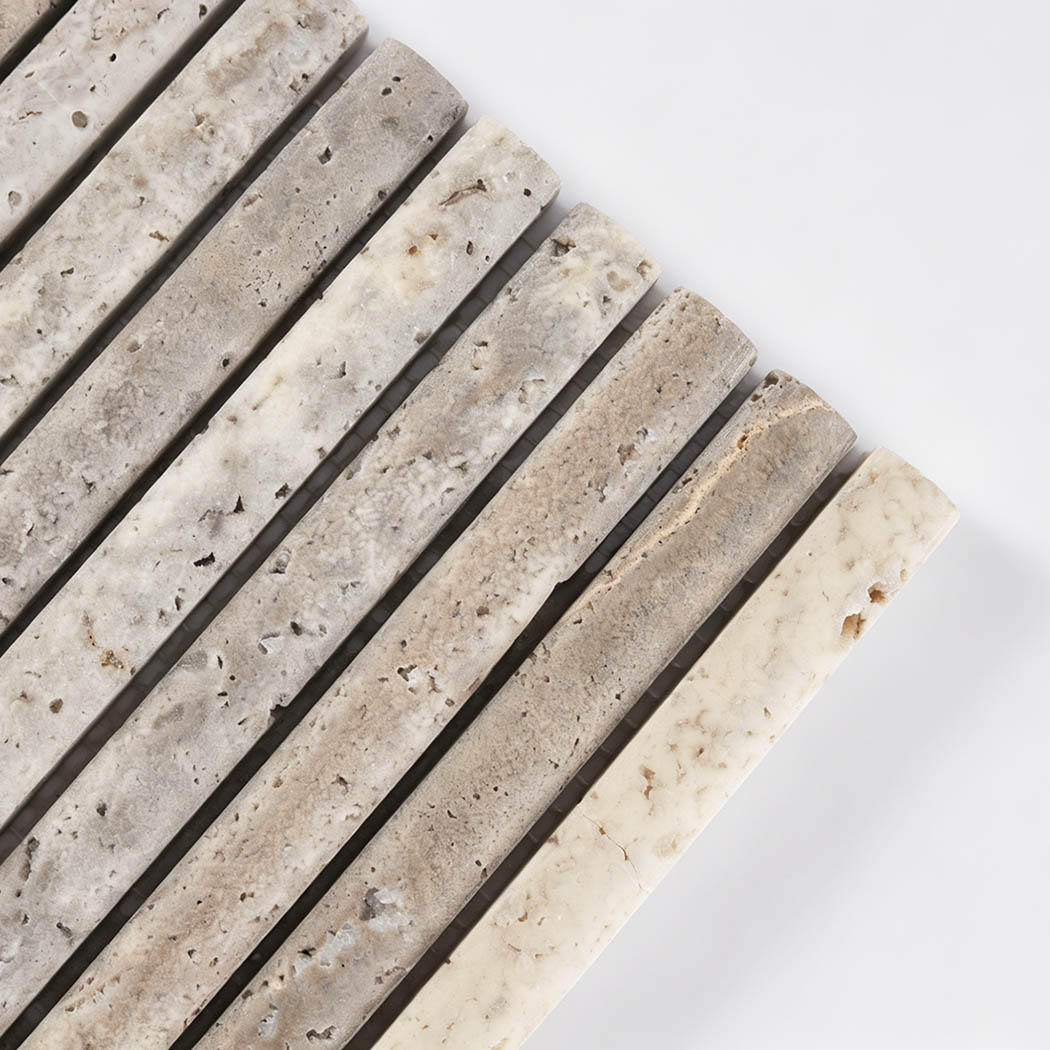


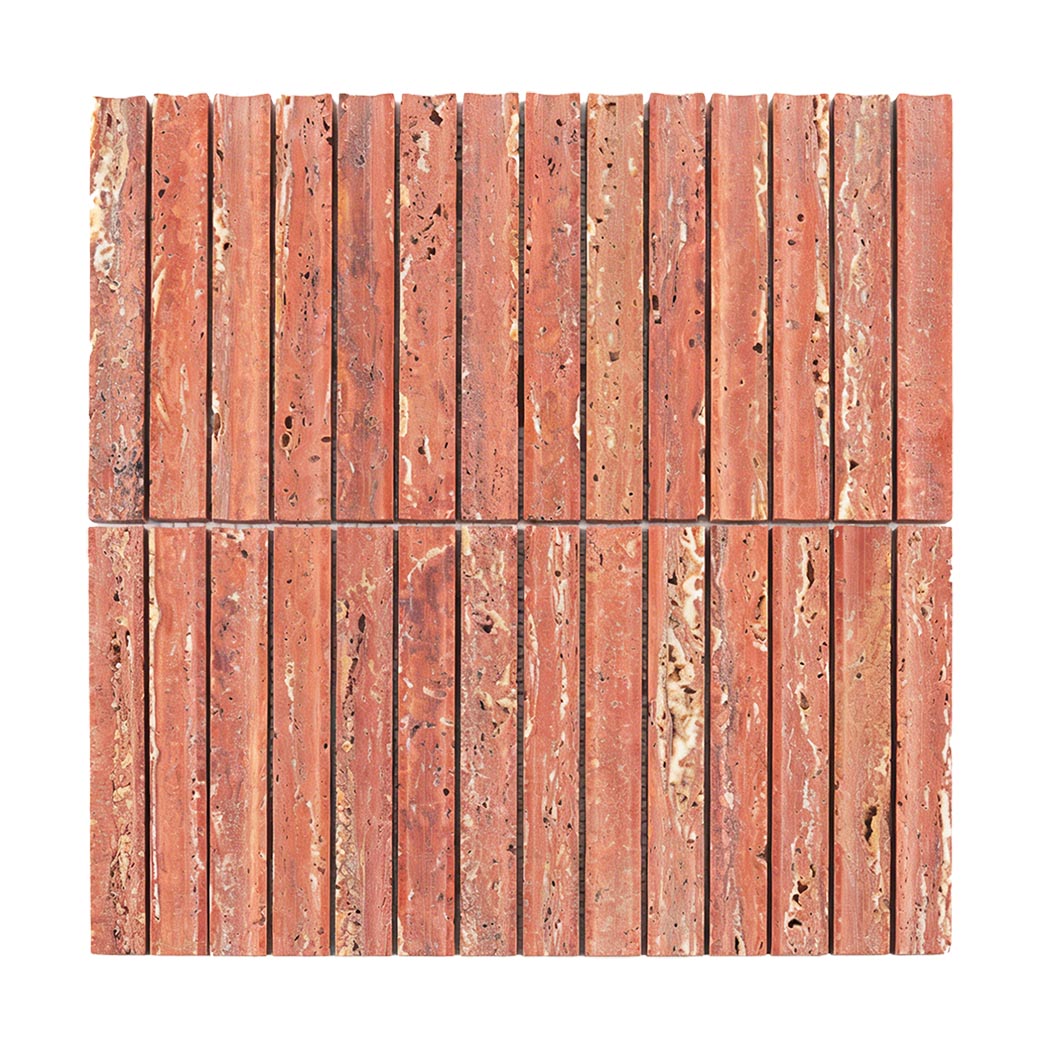
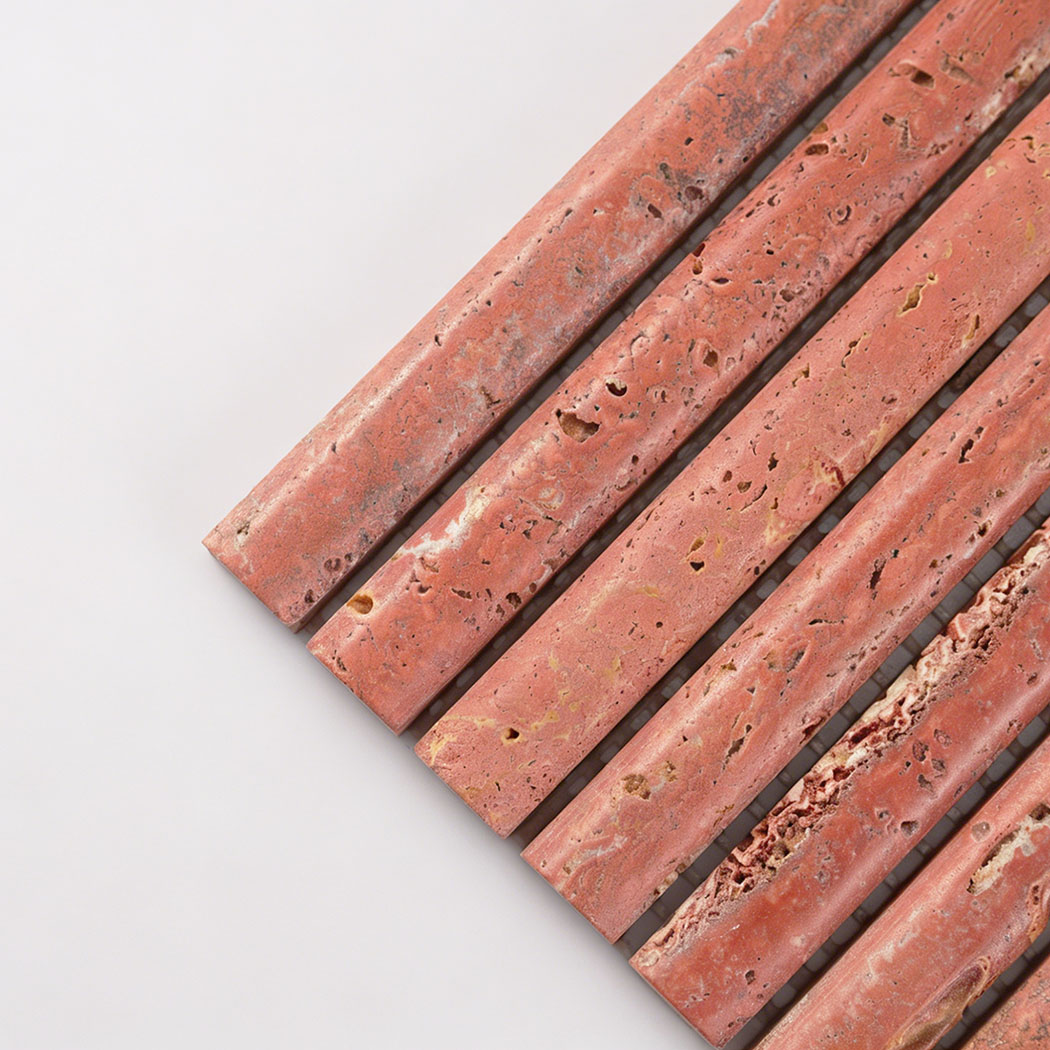
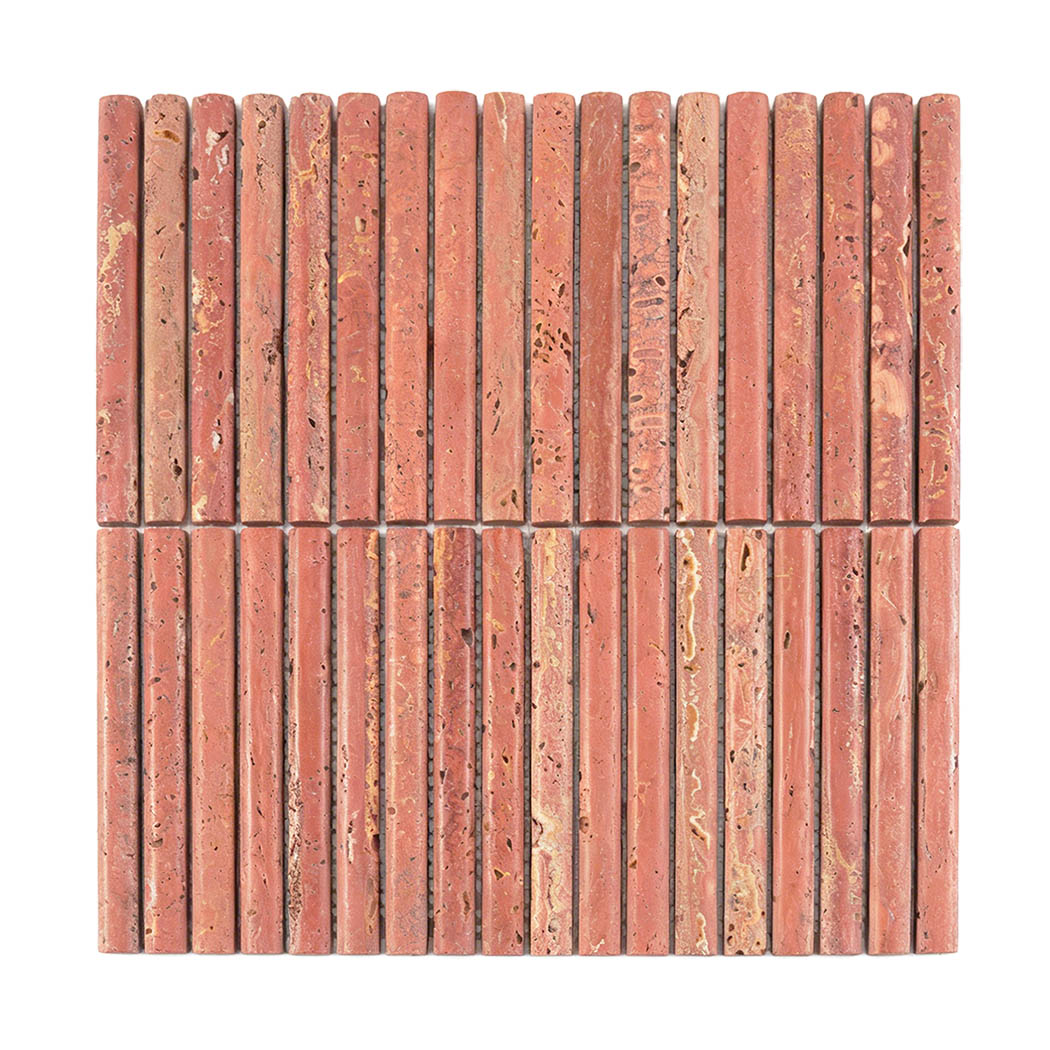
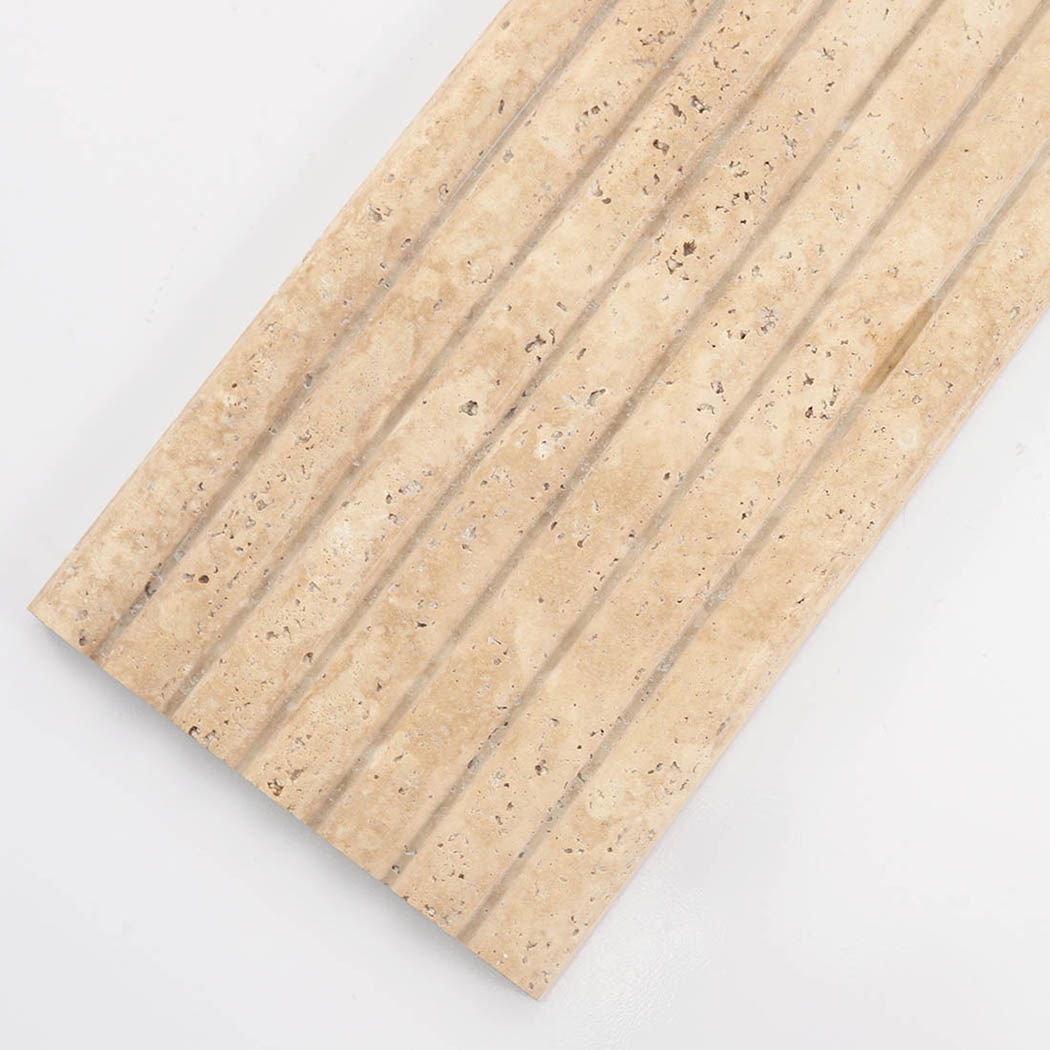
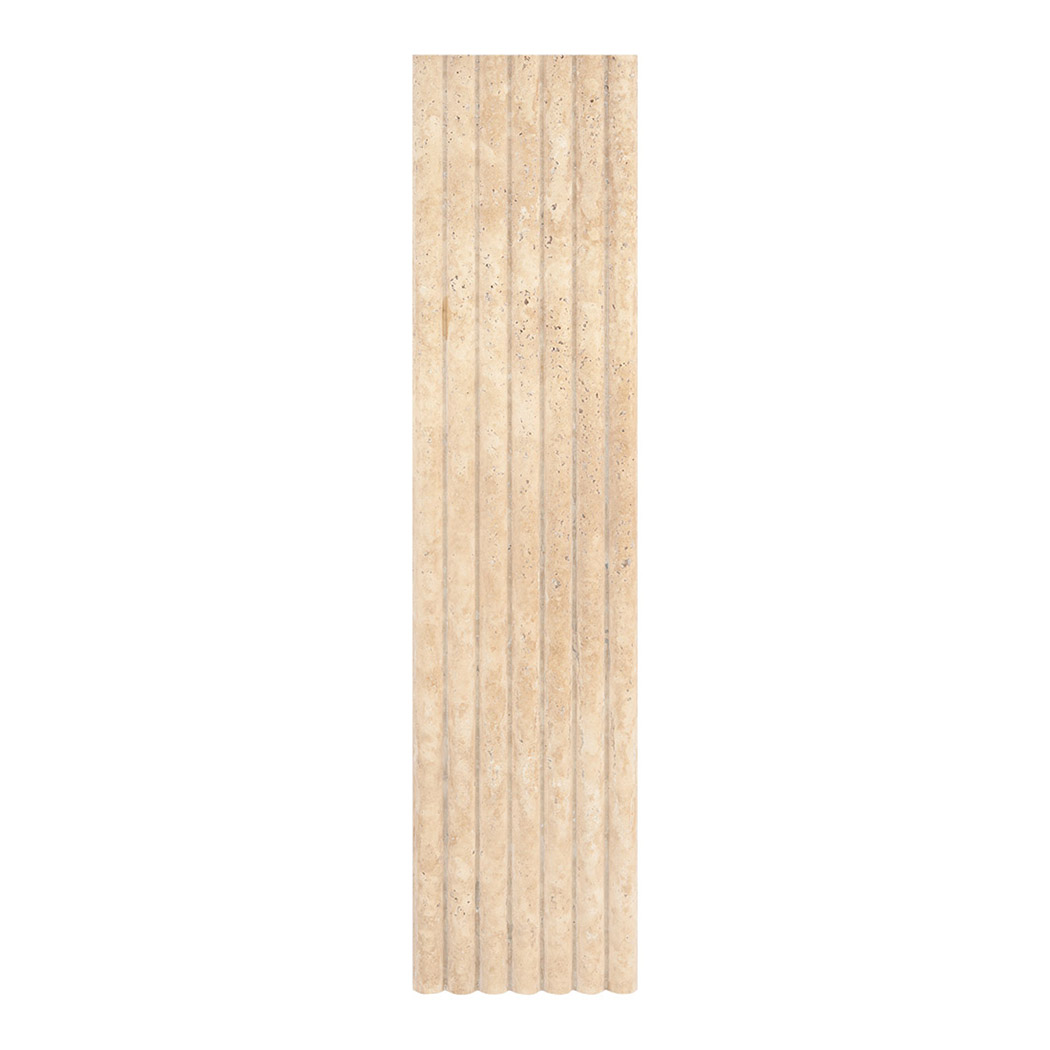

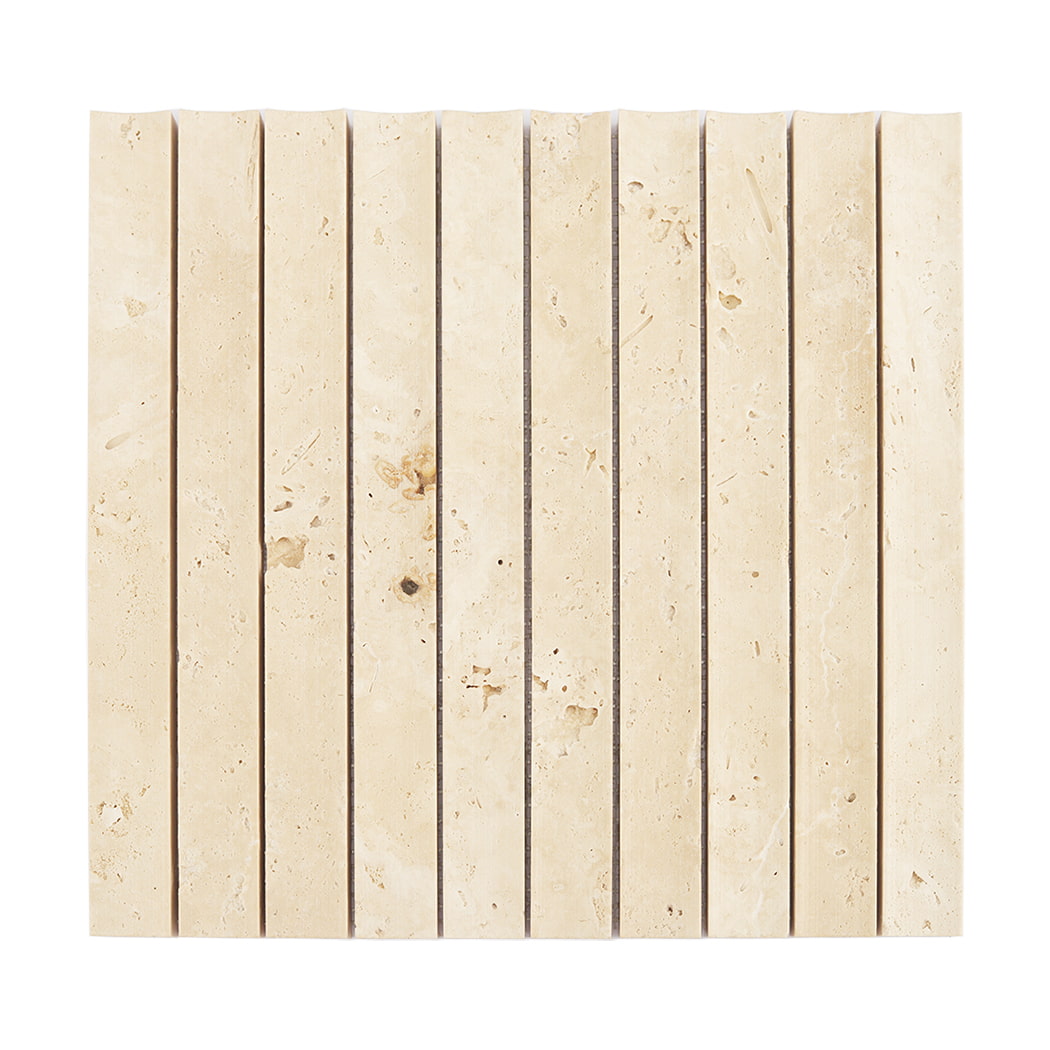

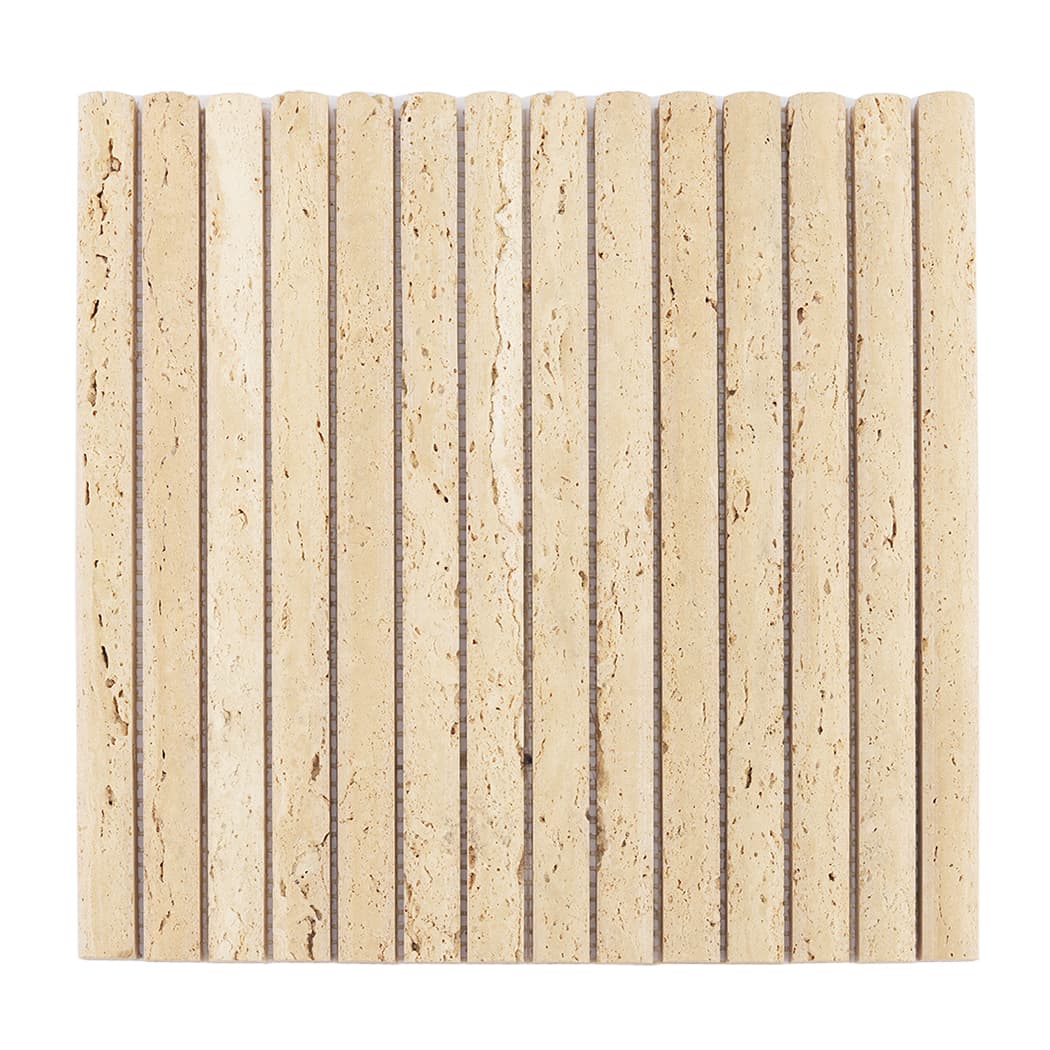

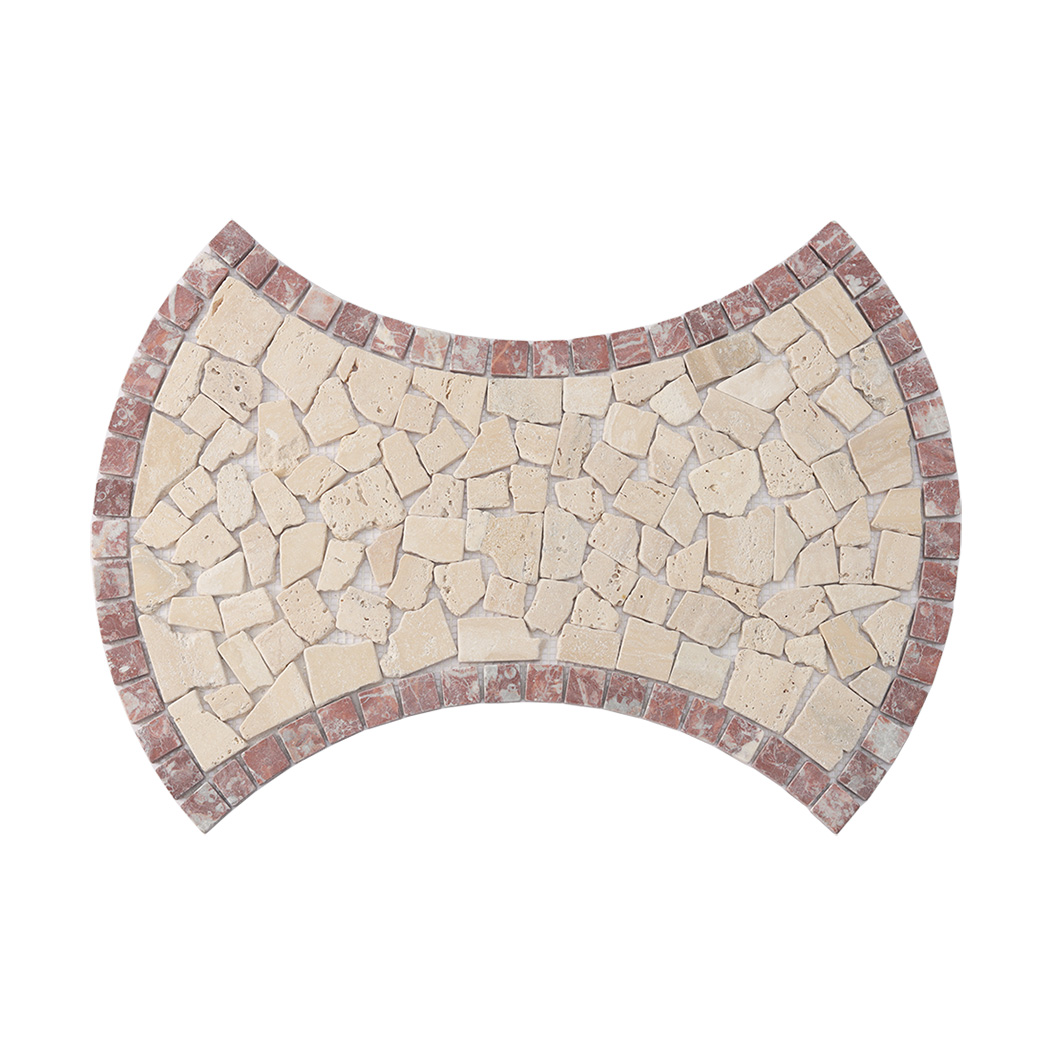







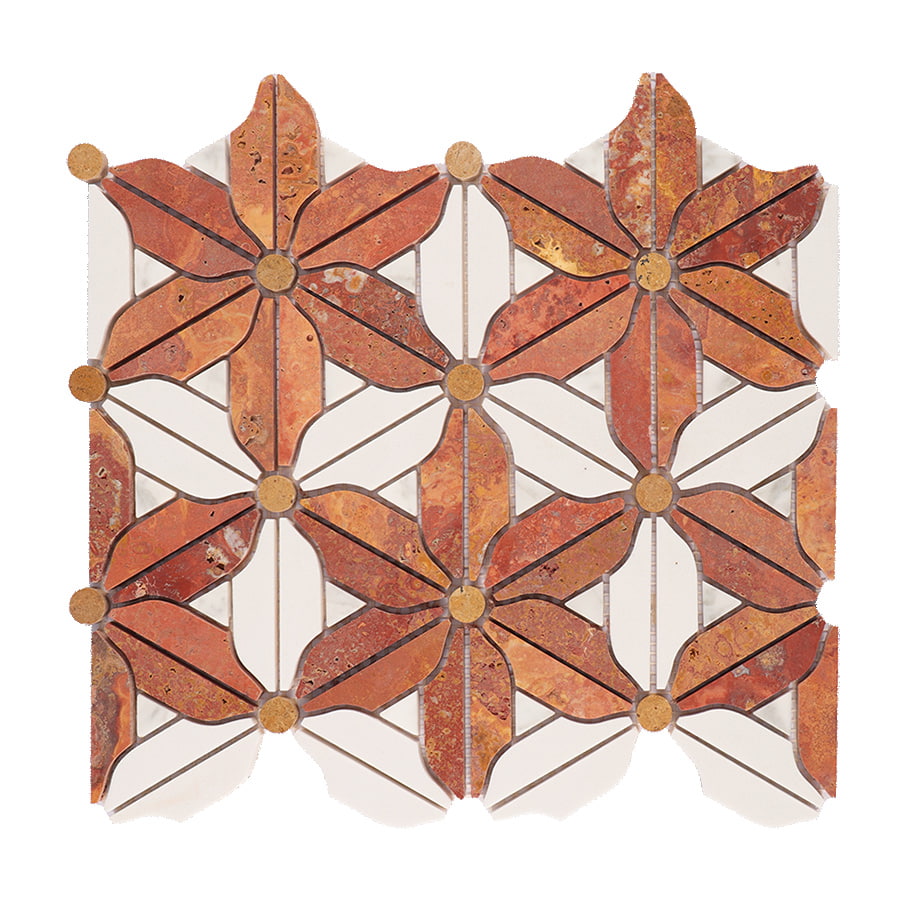
Transform your bathroom into a luxurious spa-like retreat with premium travertine tile shower installations. Our natural stone tiles combine timeless elegance with exceptional durability, perfect for both shower walls and floors.
Why Choose Travertine Tile for Your Shower
Travertine tile shower installations have become increasingly popular among homeowners seeking to create a sophisticated bathroom sanctuary. This natural sedimentary stone, formed by mineral springs and related to marble and limestone, offers unique characteristics that make it ideal for wet environments. Unlike manufactured tiles, each travertine piece features distinctive patterns, veining, and natural pores that create an authentic, organic aesthetic no two installations are exactly alike.
When properly sealed and maintained, travertine tile performs exceptionally well in shower applications. The stone's inherent durability withstands daily water exposure, temperature fluctuations, and normal wear without compromising its beauty. Its natural texture provides excellent slip resistance, particularly important for shower floors where safety is paramount. Available in a stunning range of earth tones and finishes, travertine tile effortlessly complements both traditional and contemporary bathroom designs.
Travertine Tile Colors for Shower Designs
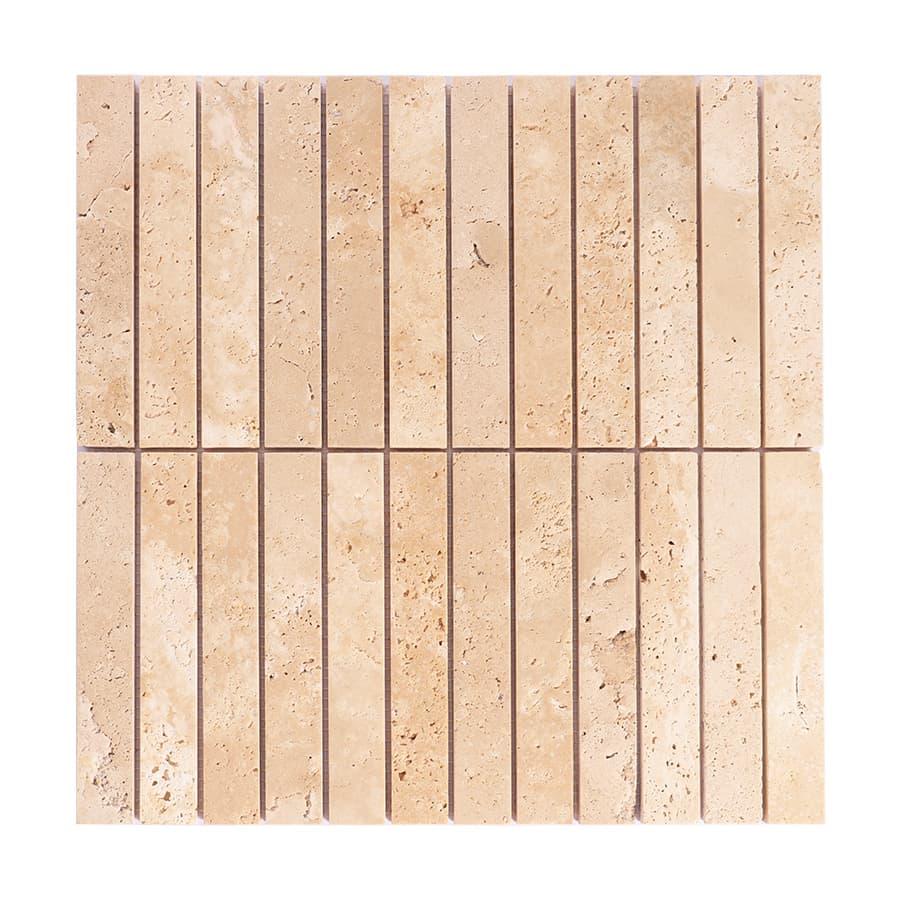
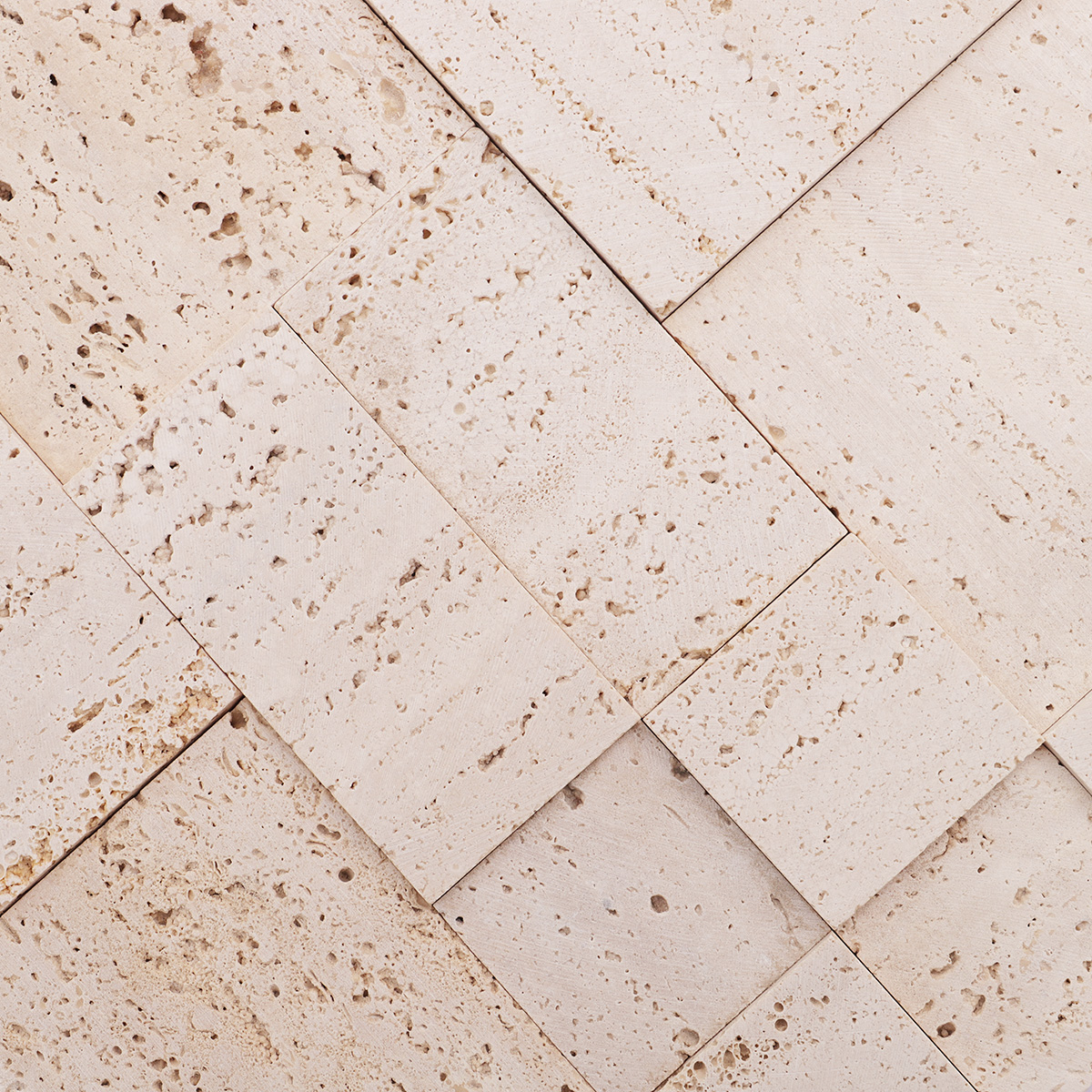
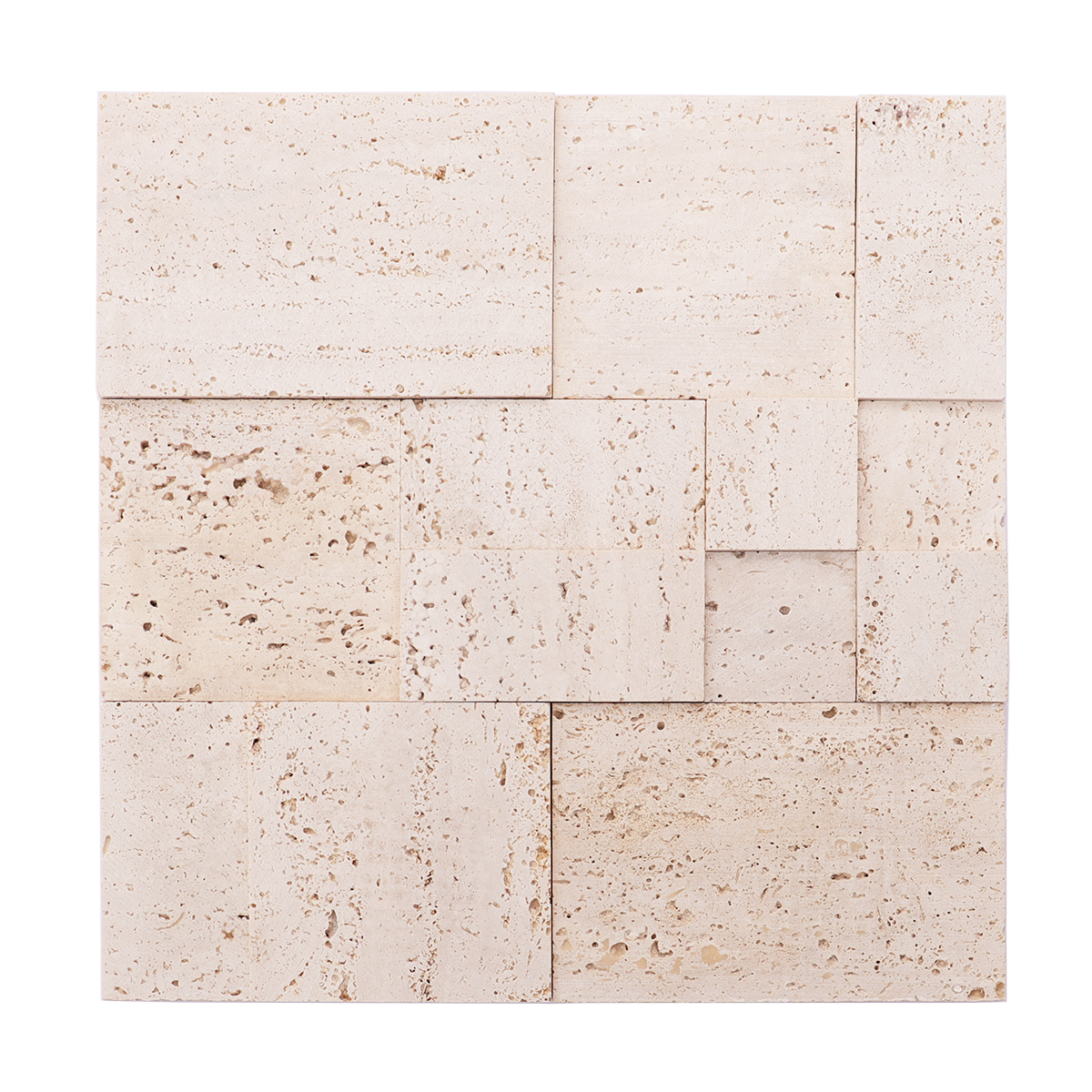
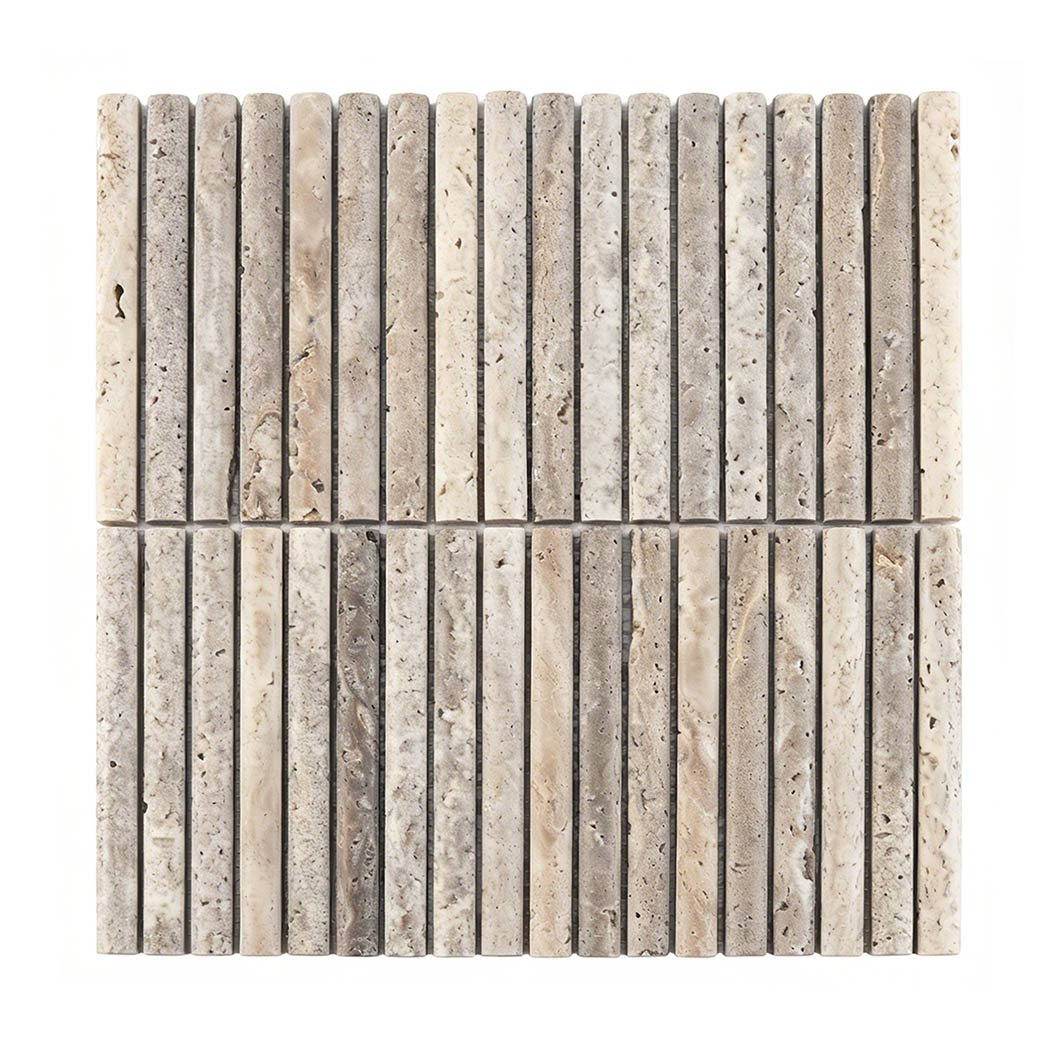
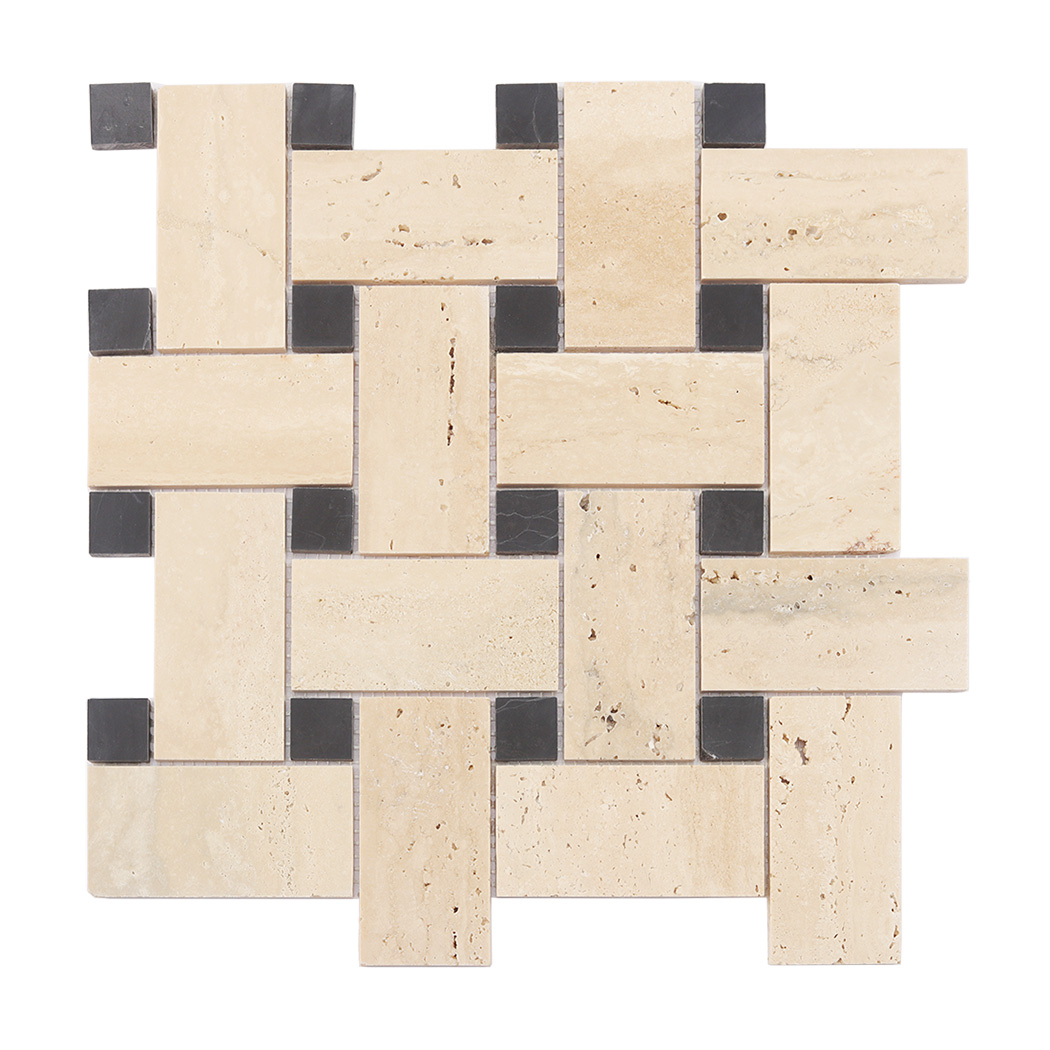
Beige Travertine
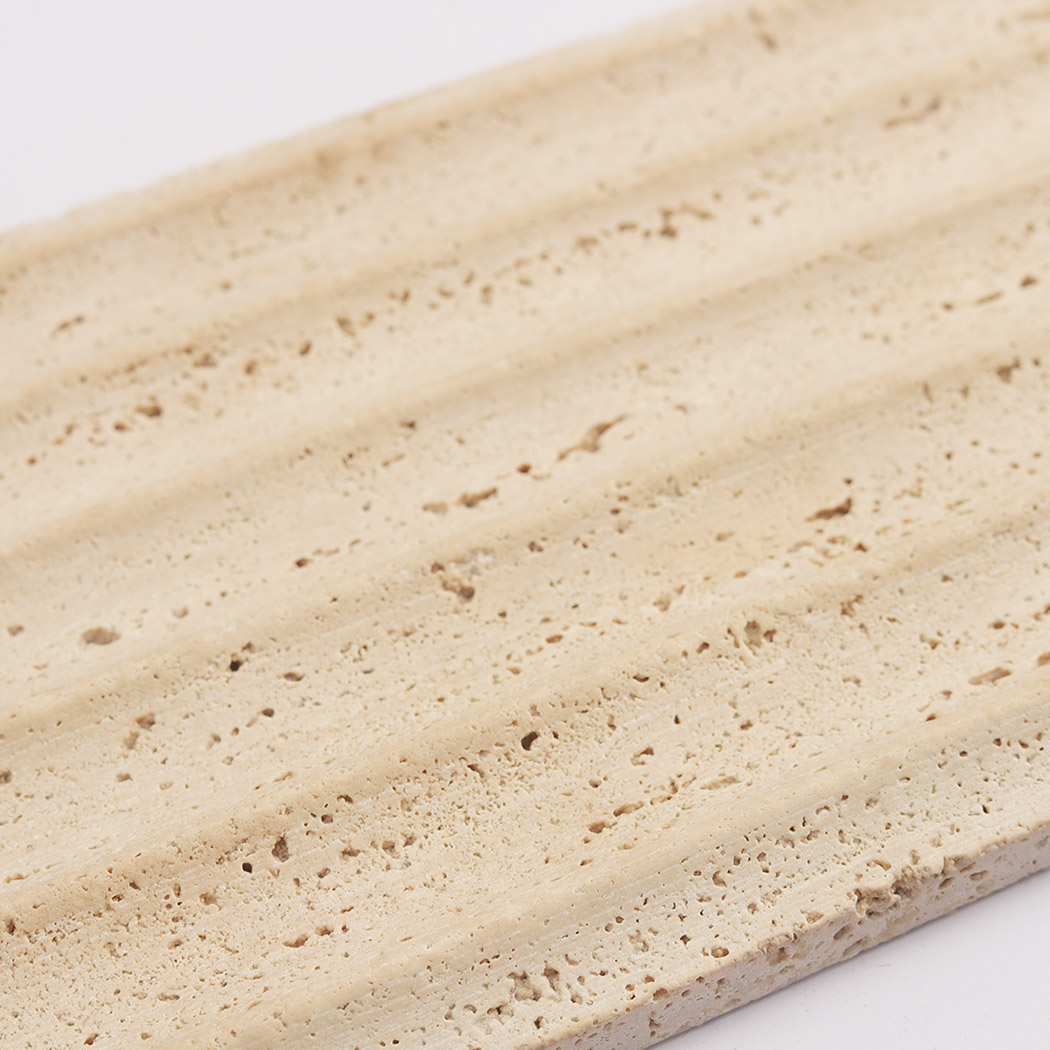
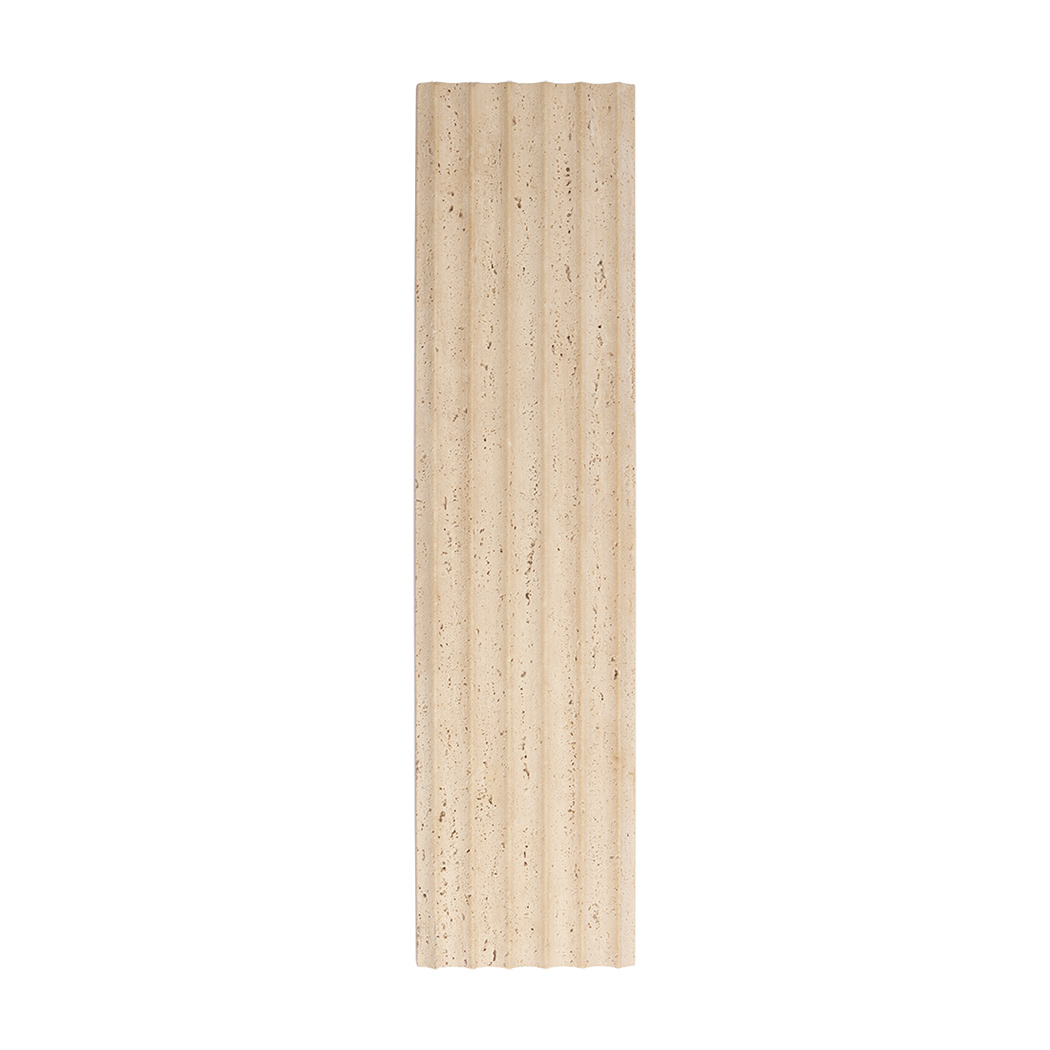
The most popular choice for shower installations, beige travertine features warm ivory, cream, and tan tones. This versatile color creates a bright, spacious feel while adding subtle sophistication. Perfect for traditional and transitional bathroom styles.
Grey Travertine
Contemporary and elegant, grey travertine tile offers silver, charcoal, and ash tones with distinctive straight graining. Ideal for modern minimalist showers, this color provides a sophisticated neutral backdrop that pairs beautifully with chrome or matte black fixtures.
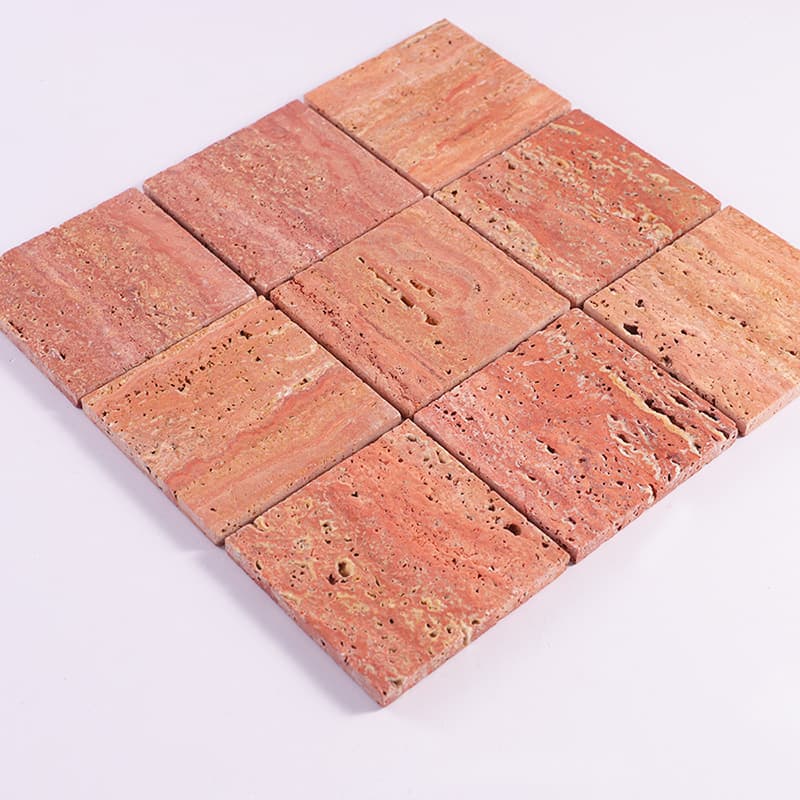
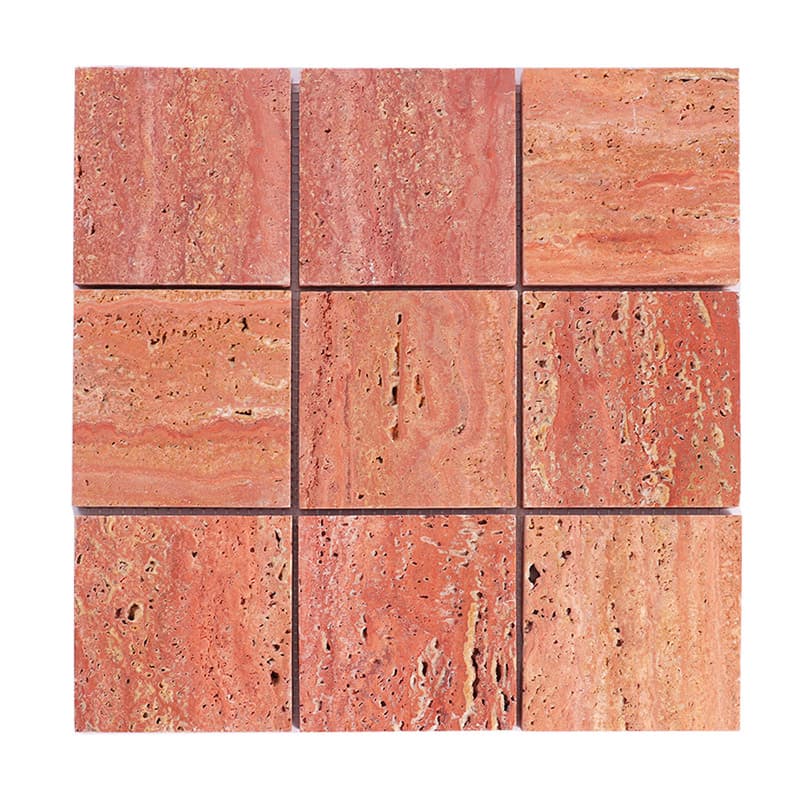
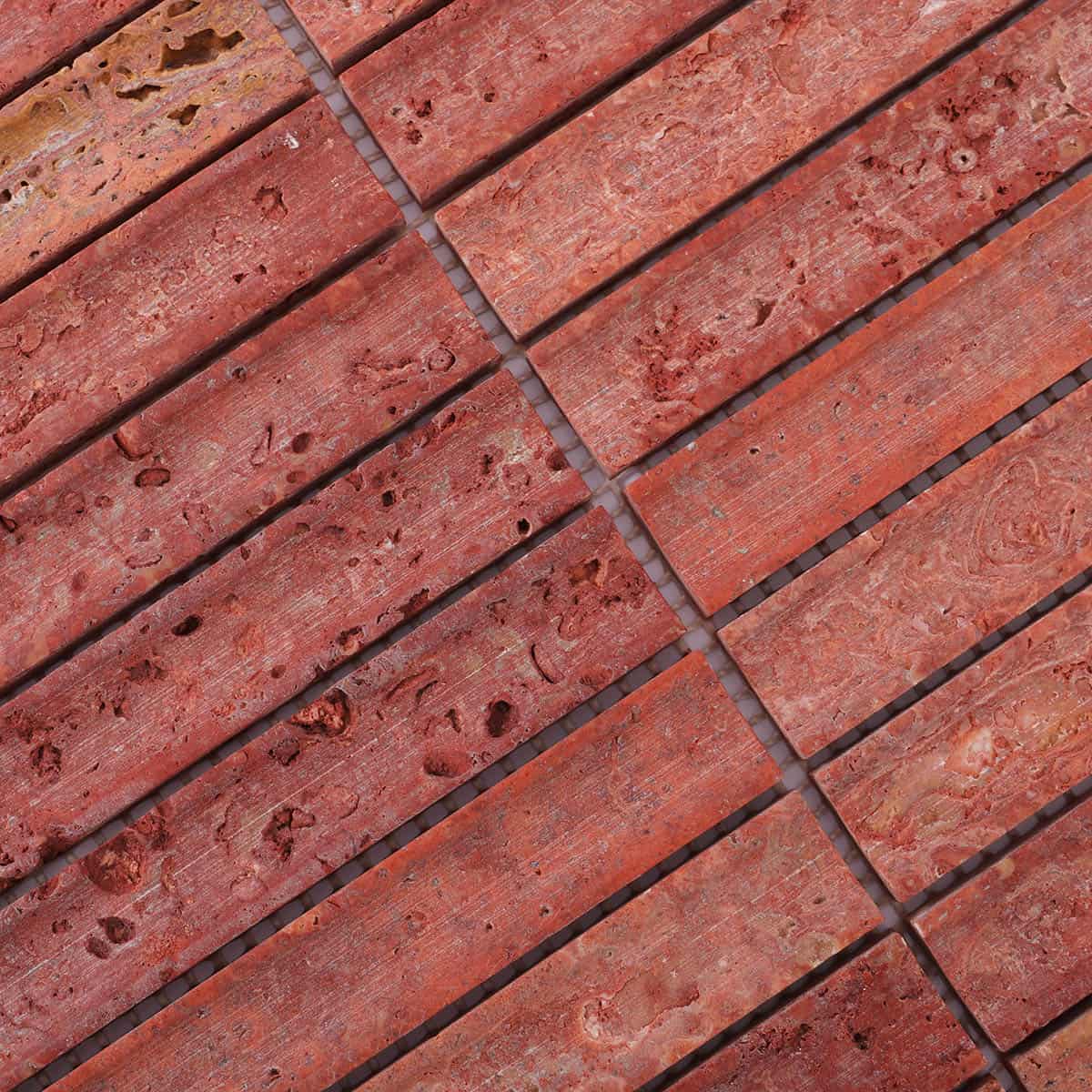
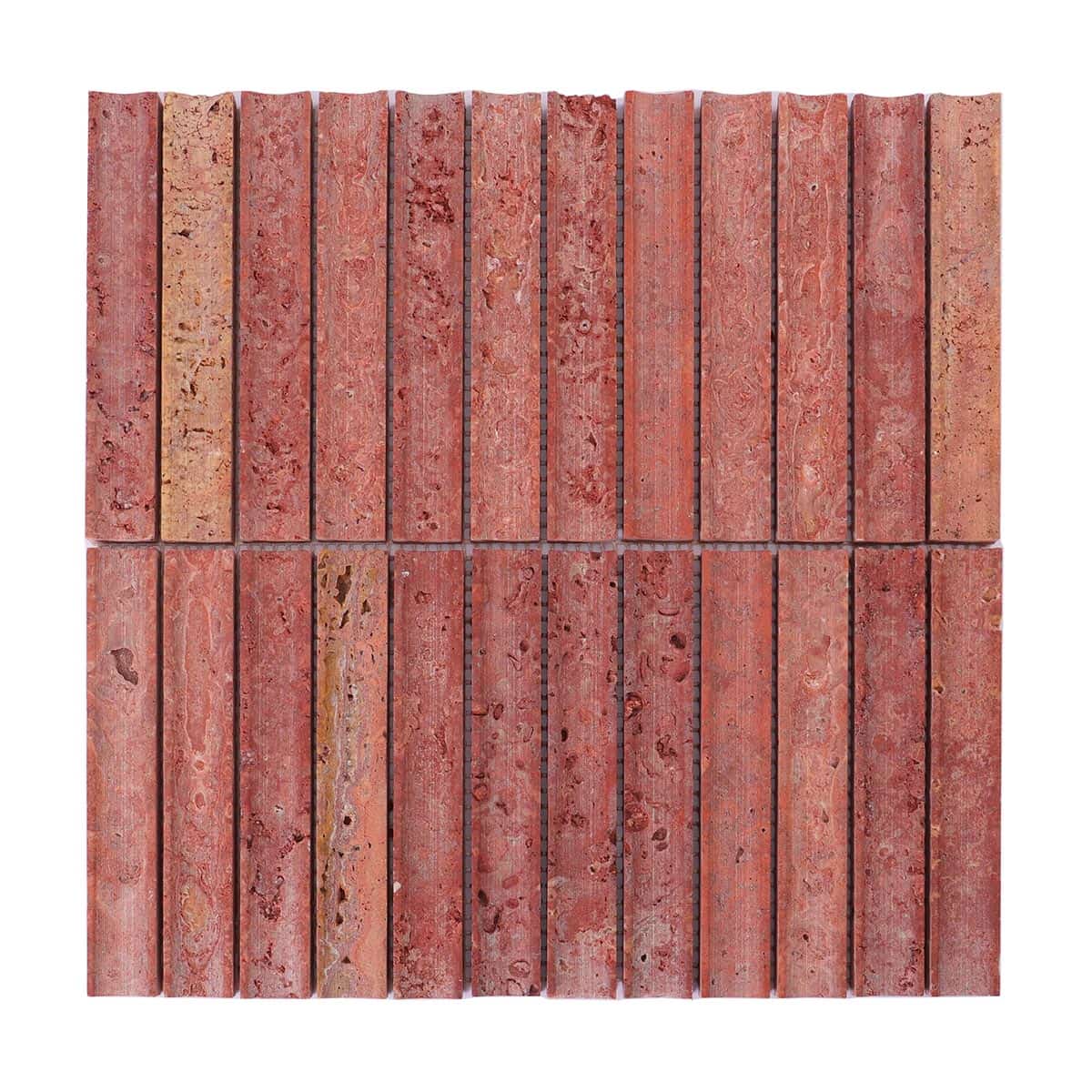
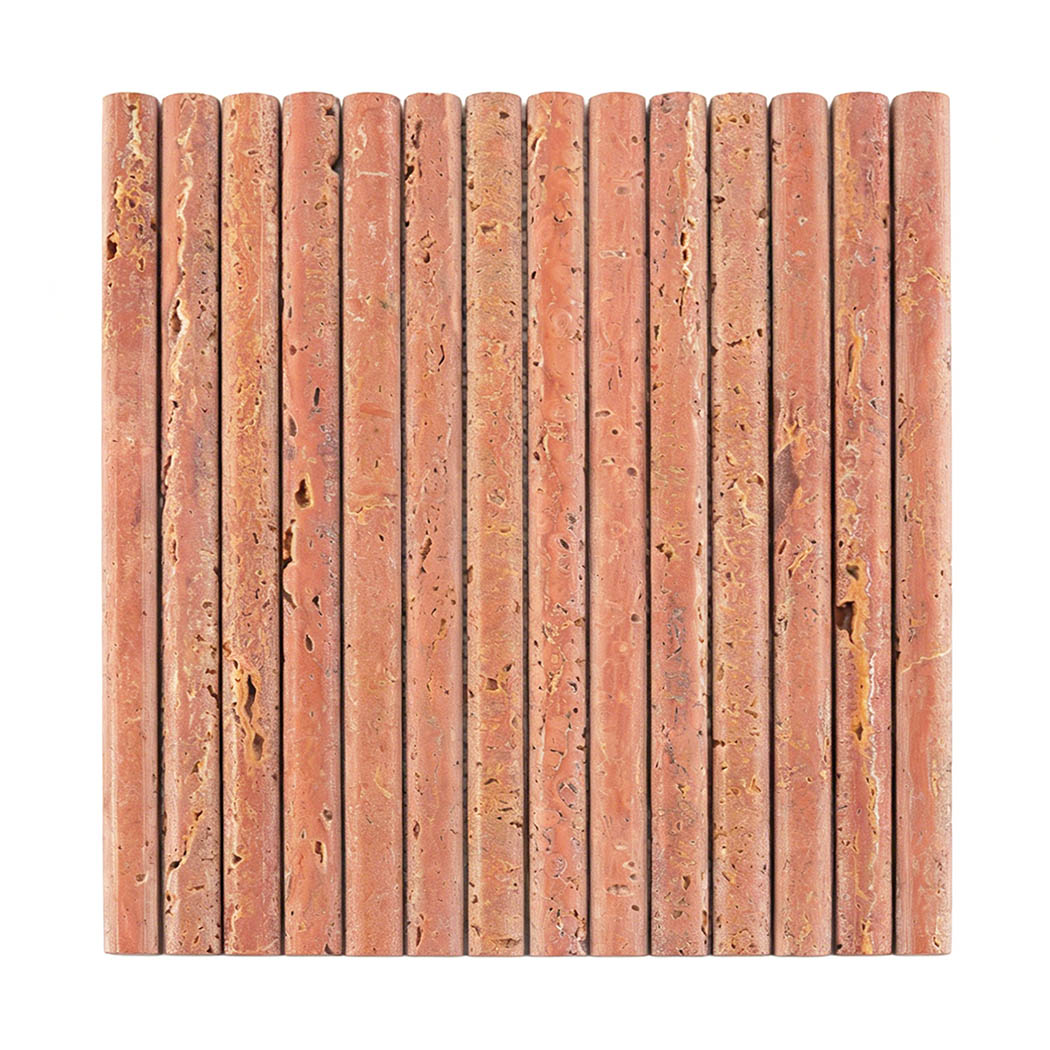
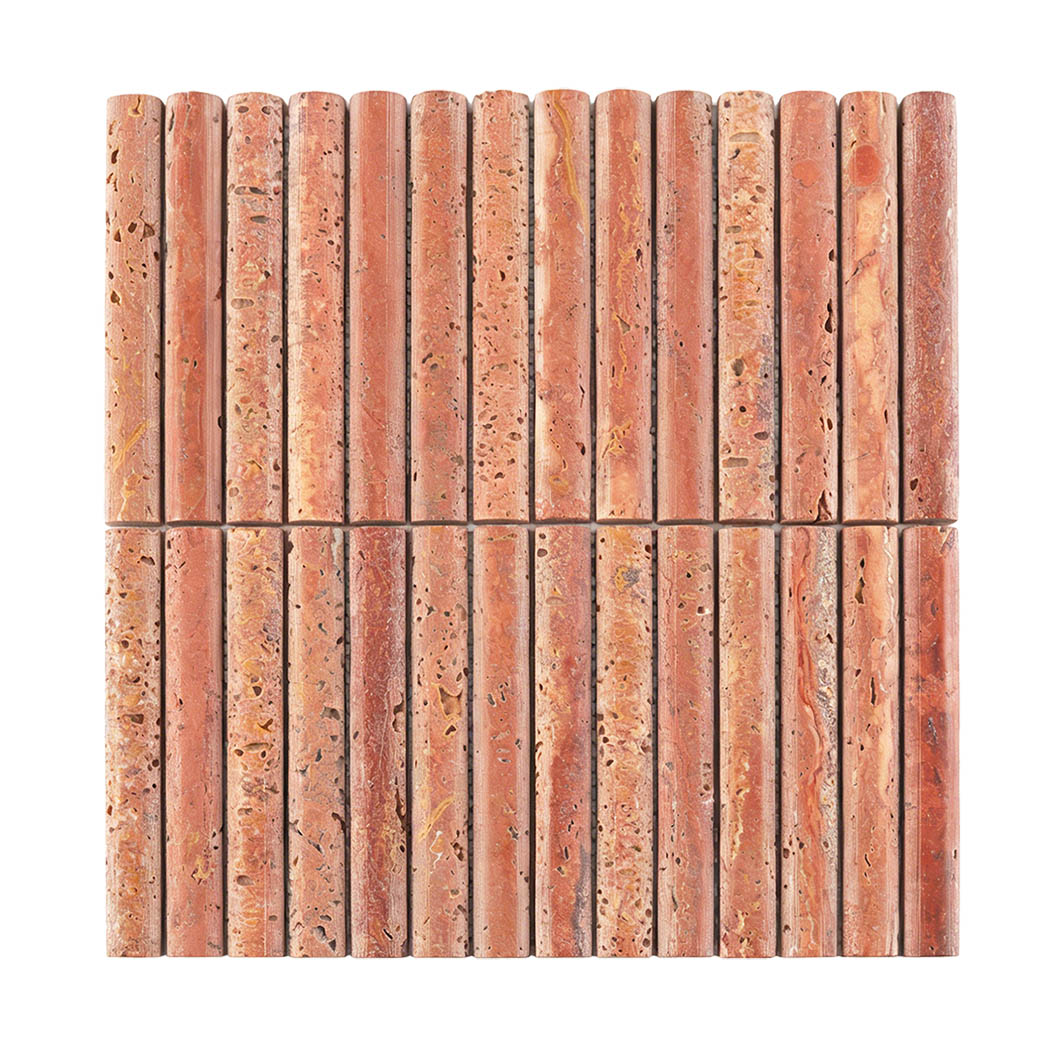
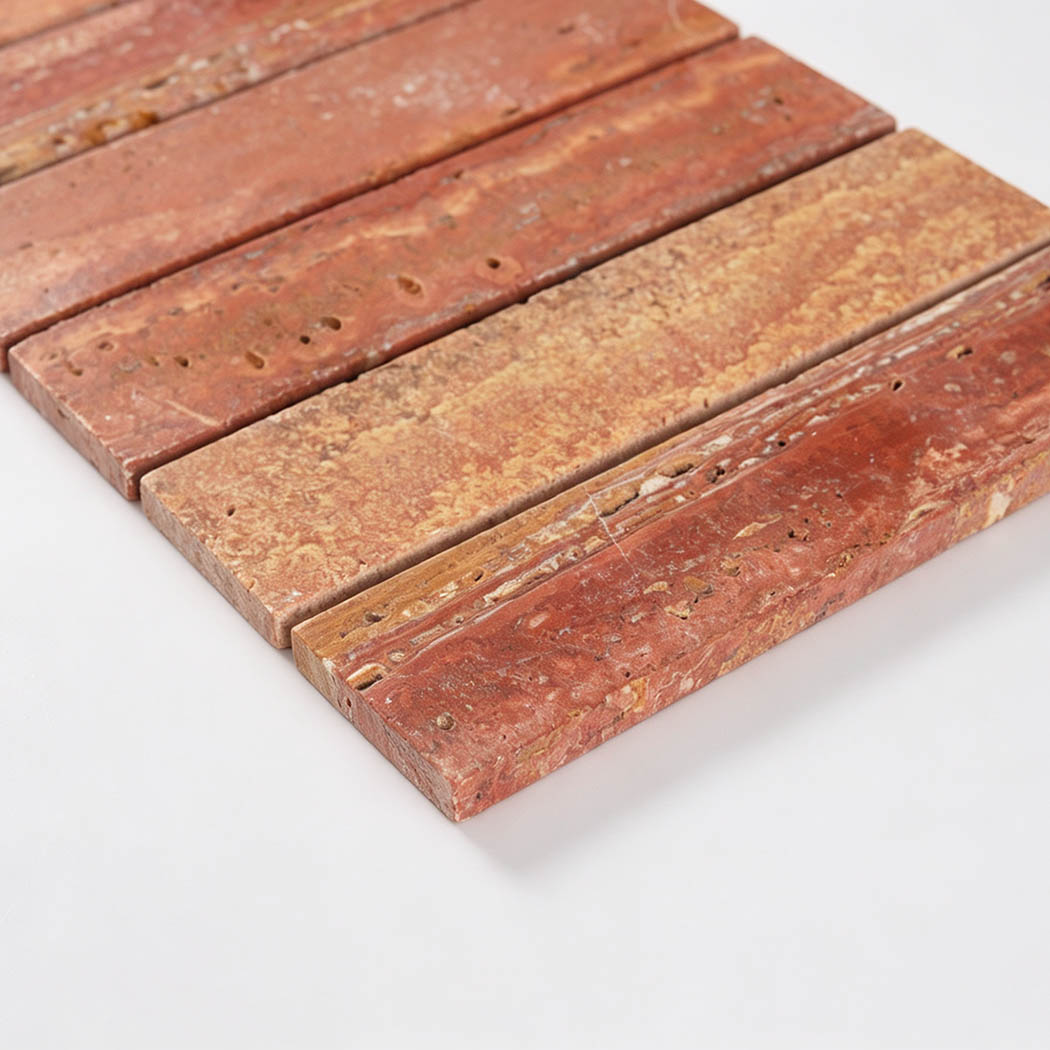
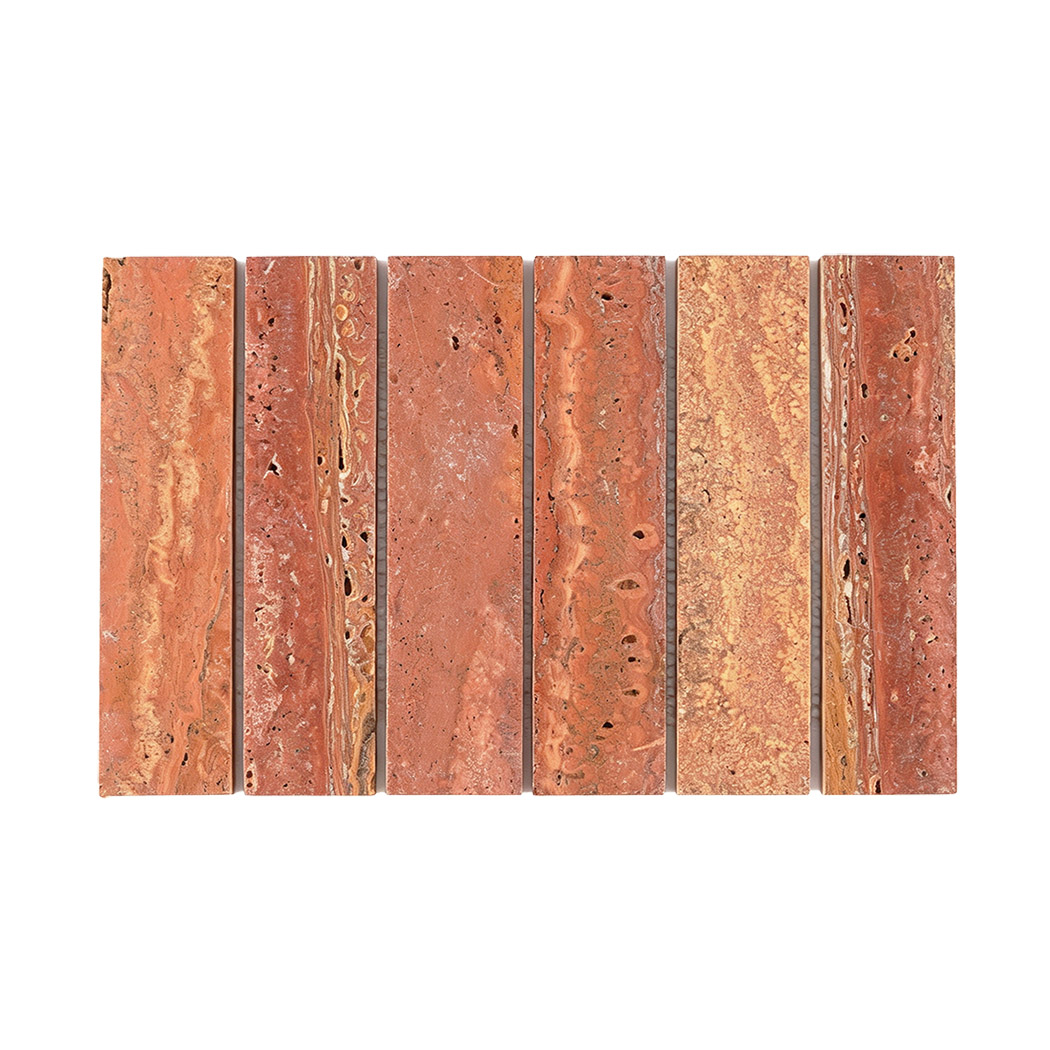
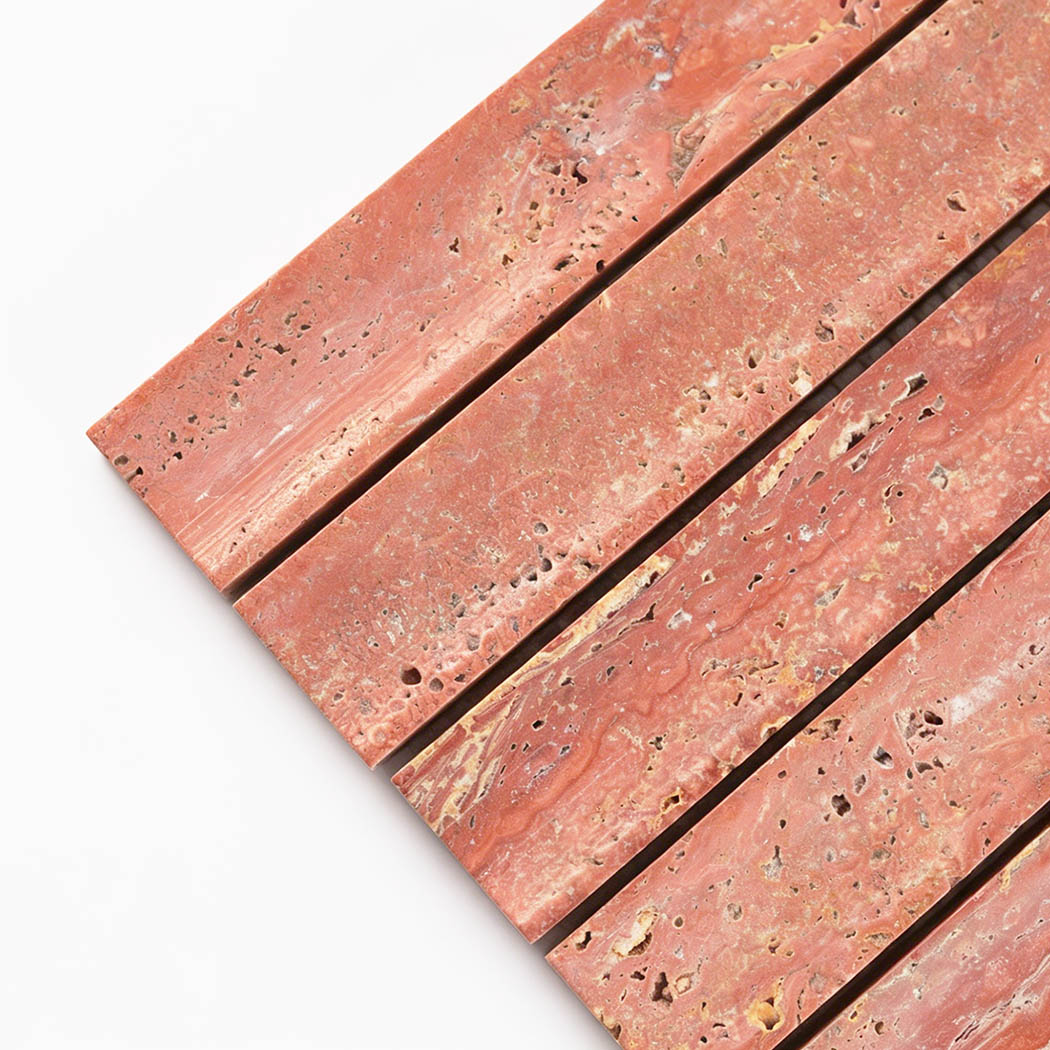
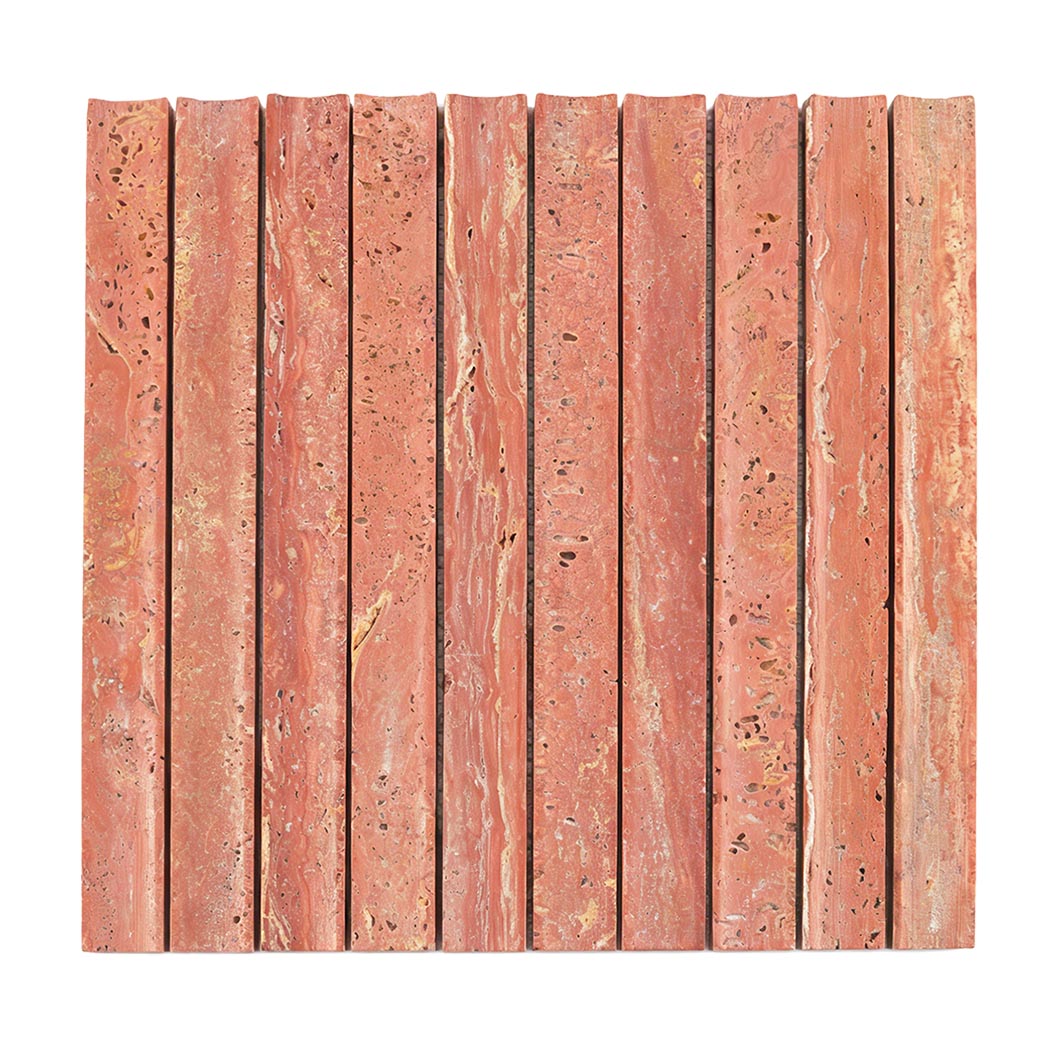
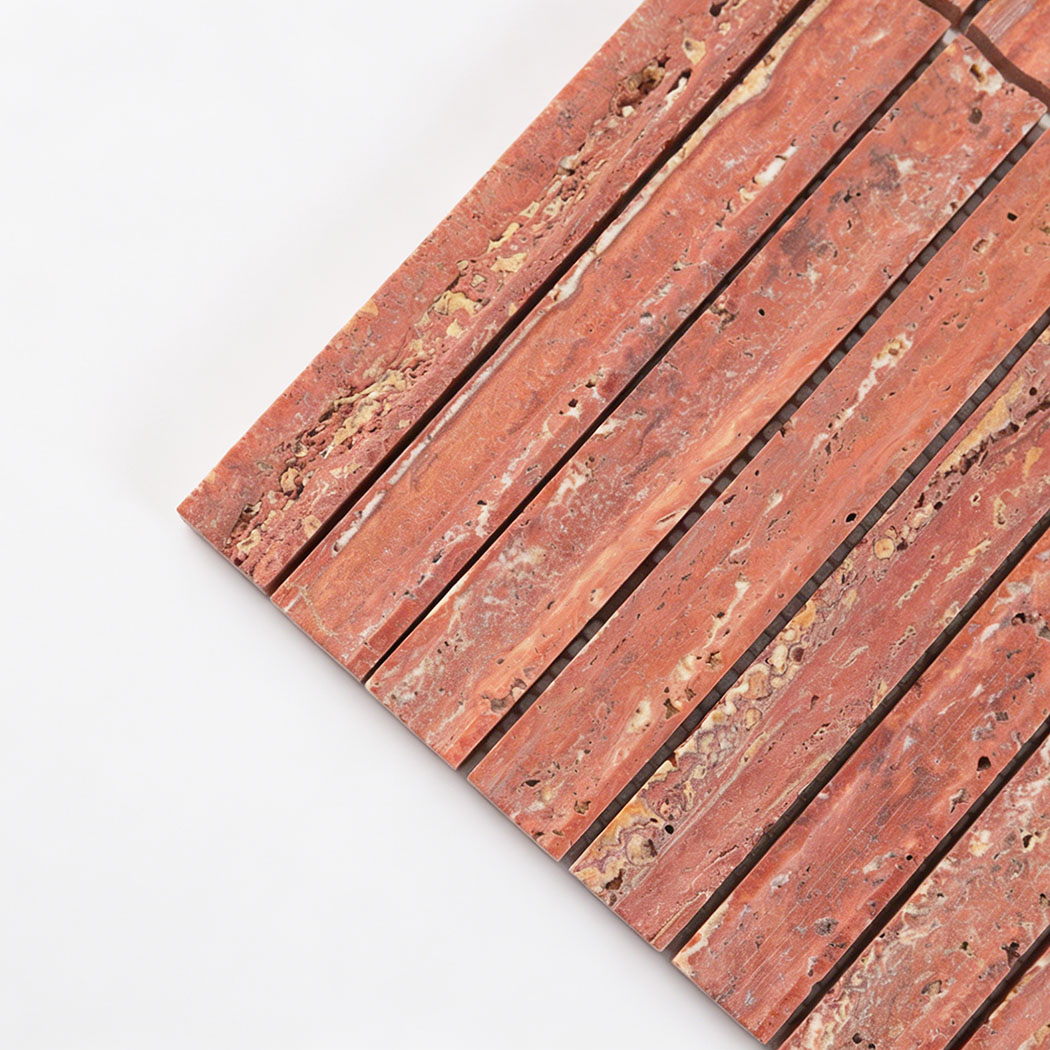
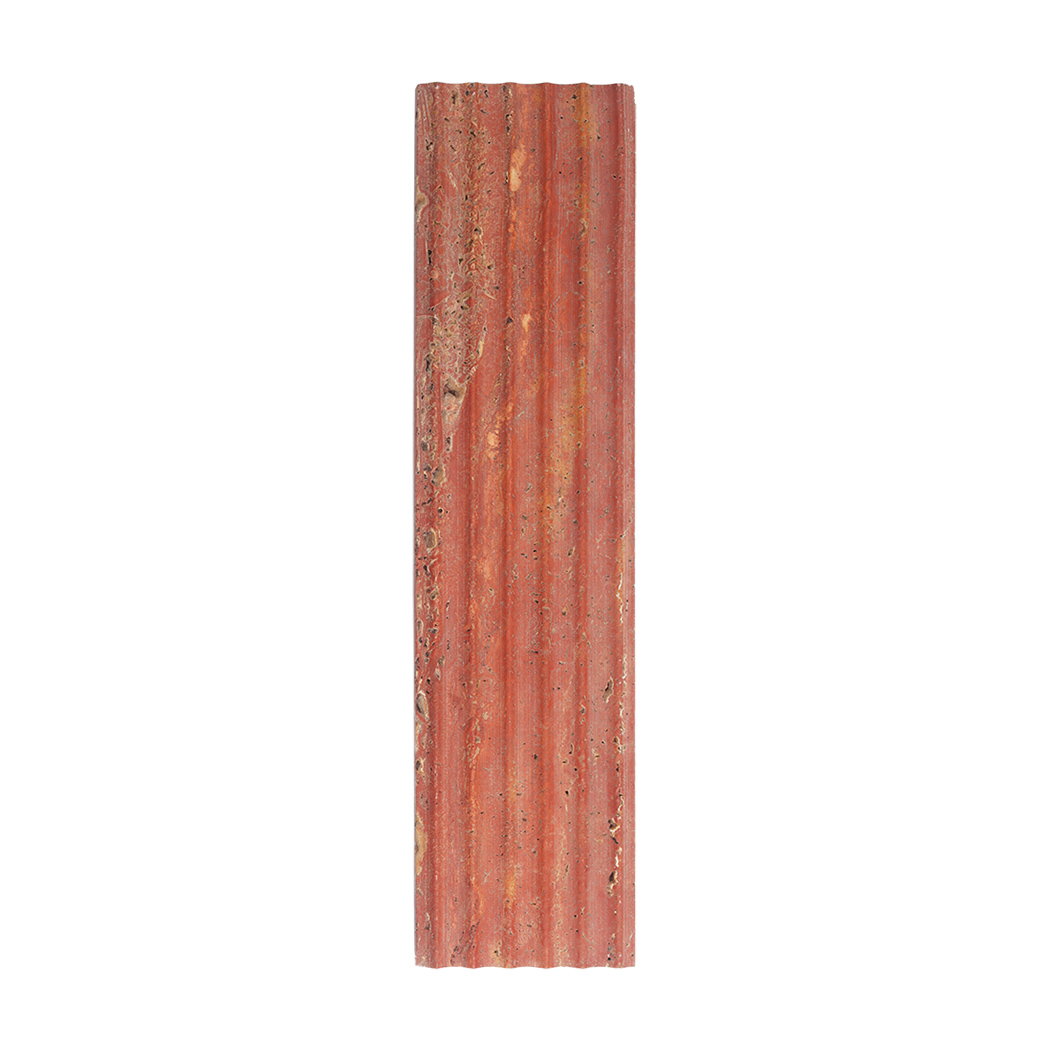
Red Travertine
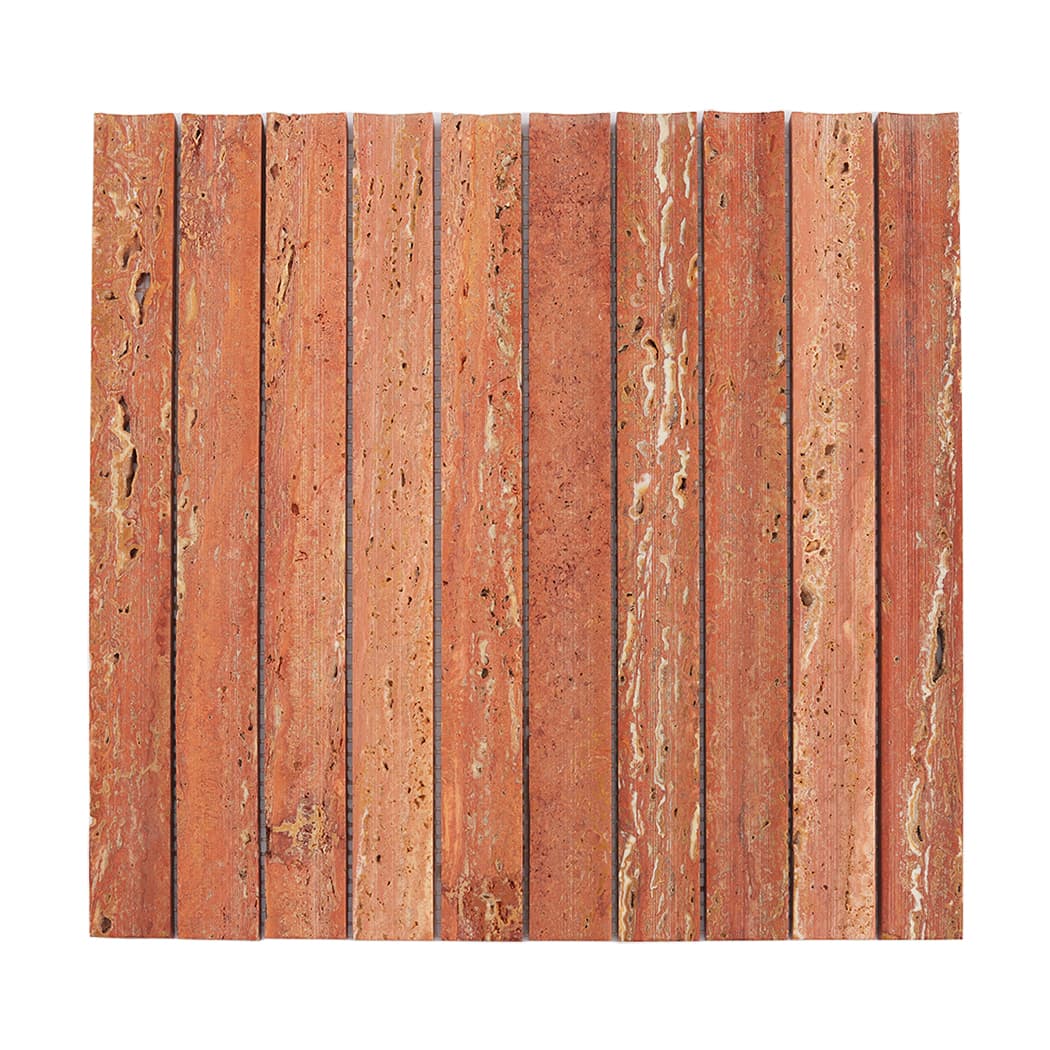
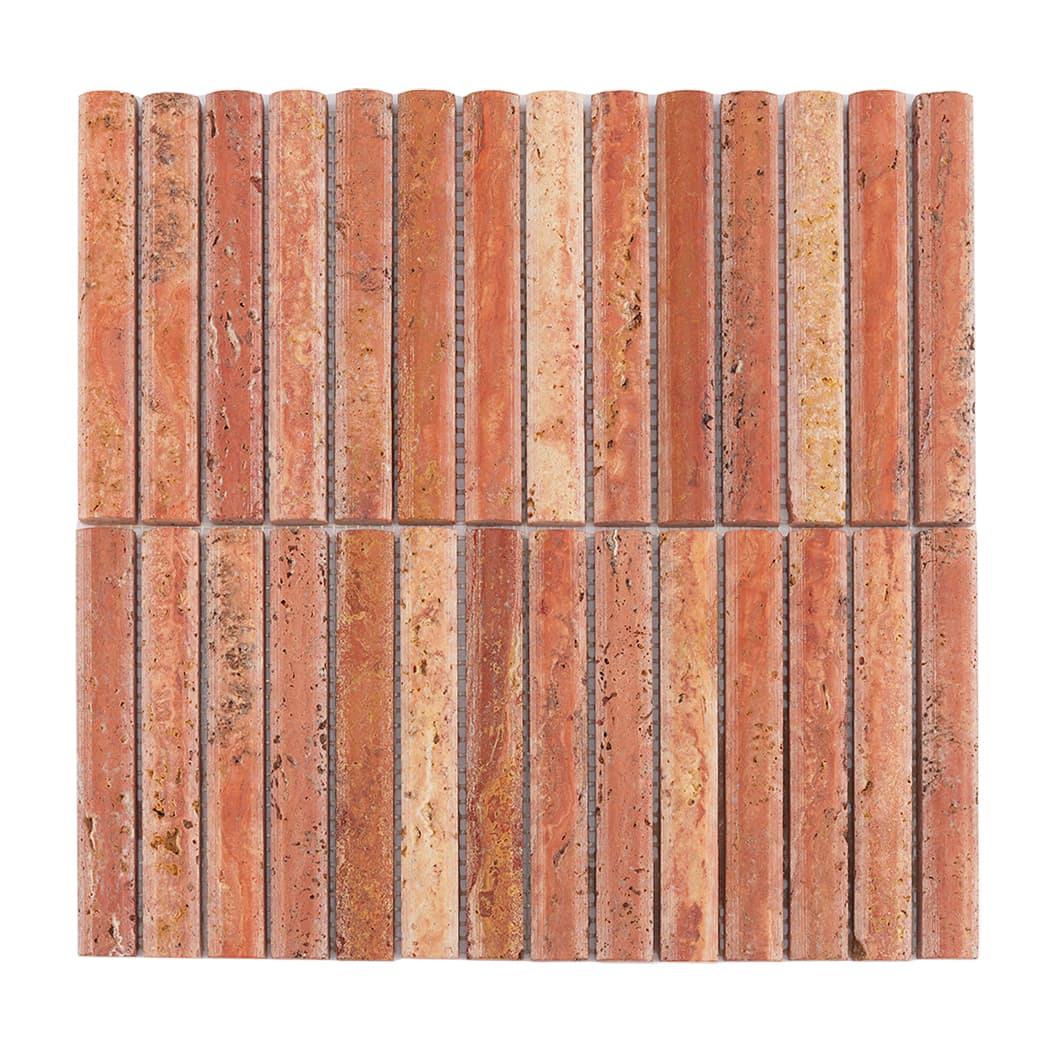
Bold and distinctive, red travertine showcases rich terracotta, rust, and warm brown hues. This dramatic color choice creates a striking focal point in shower walls, bringing warmth and character to Mediterranean or rustic-inspired bathroom designs.
Design Tip: Mix different travertine colors or use the same color in varying finishes to create visual depth and interest in your shower design.
Available Travertine Tile Shapes and Sizes
Square Travertine Tiles
Square tiles offer timeless symmetry and clean lines, ideal for traditional shower layouts. Common sizes include 4x4", 6x6", 12x12", 16x16", and 18x18". Larger squares create a modern, seamless appearance with fewer grout lines, while smaller formats work perfectly for shower floors, providing better drainage and traction.
Best for: Shower floors, accent walls, uniform wall coverage
Rectangle Travertine Tiles
Rectangular tiles add visual interest and can make shower spaces appear larger. Popular sizes include 3x6", 4x12", 6x12", 12x24", and subway tile formats. Install horizontally to widen narrow showers or vertically to enhance ceiling height. Rectangle tiles are particularly effective in creating contemporary linear patterns.
Best for: Shower walls, subway tile patterns, horizontal or vertical emphasis
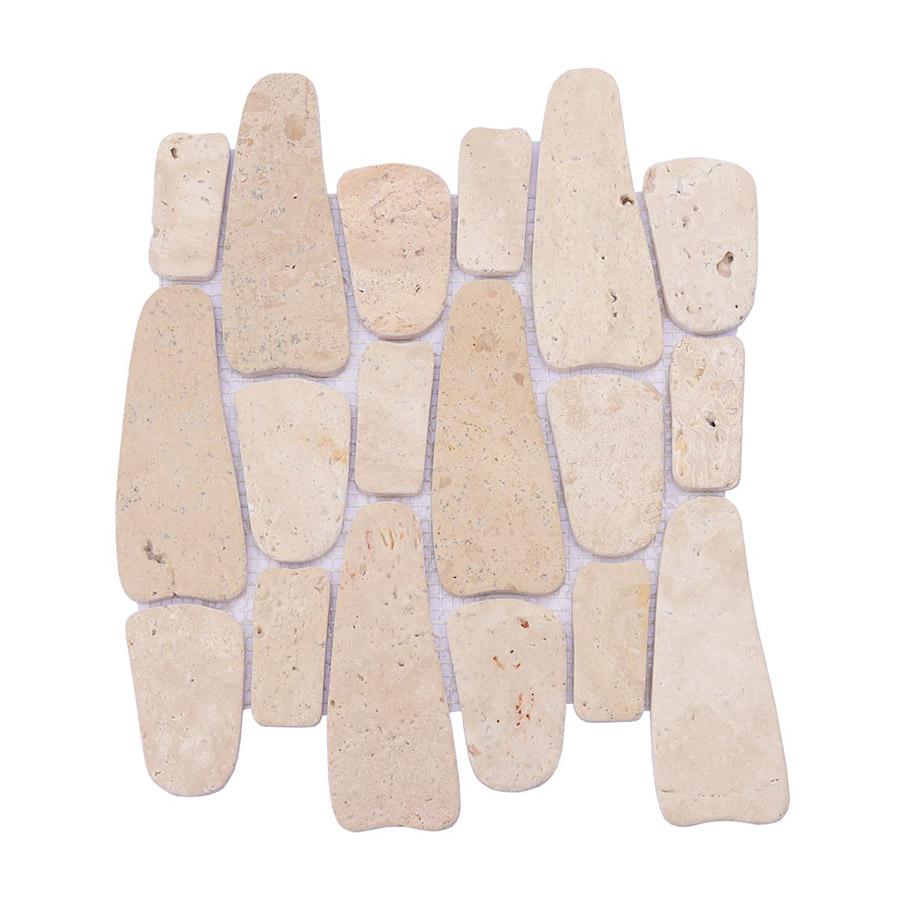
Custom & Specialty Shapes
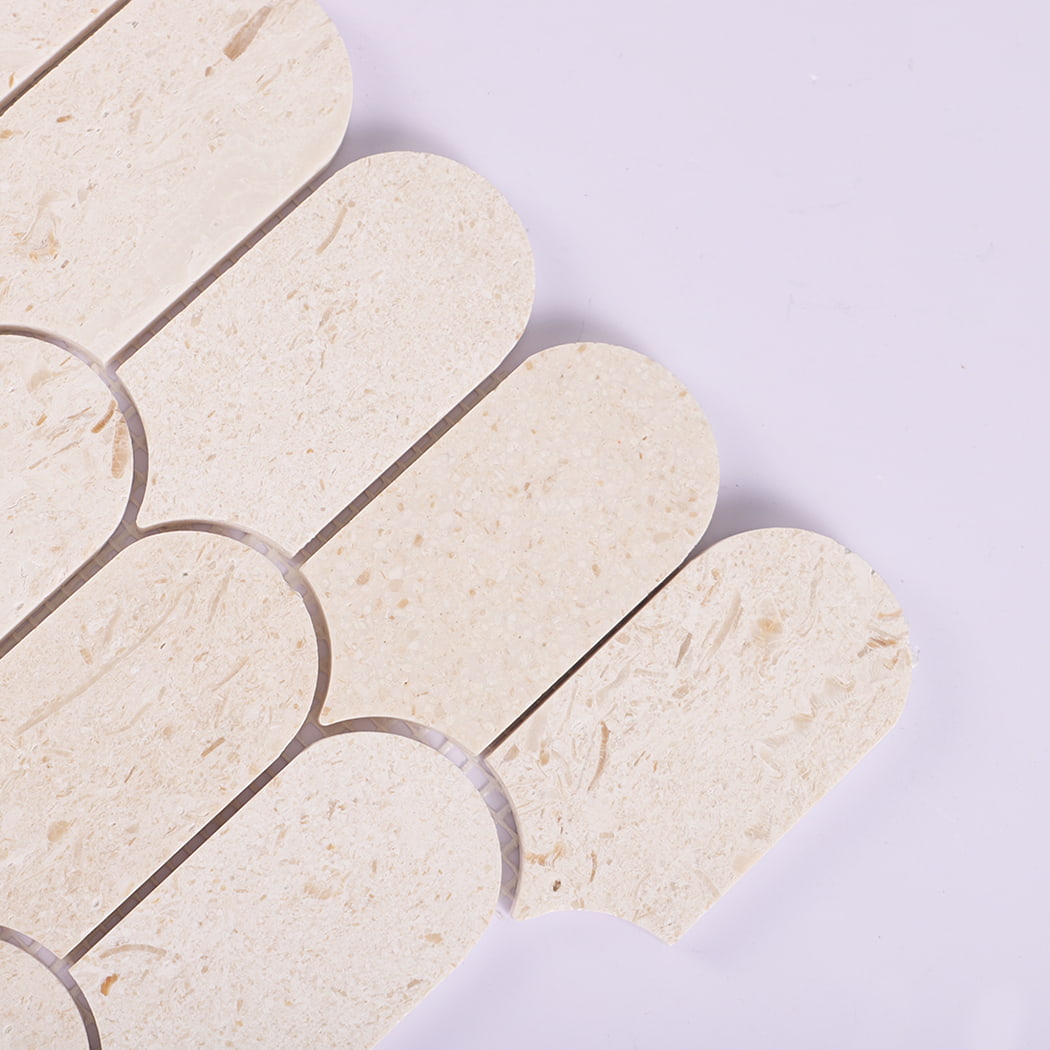
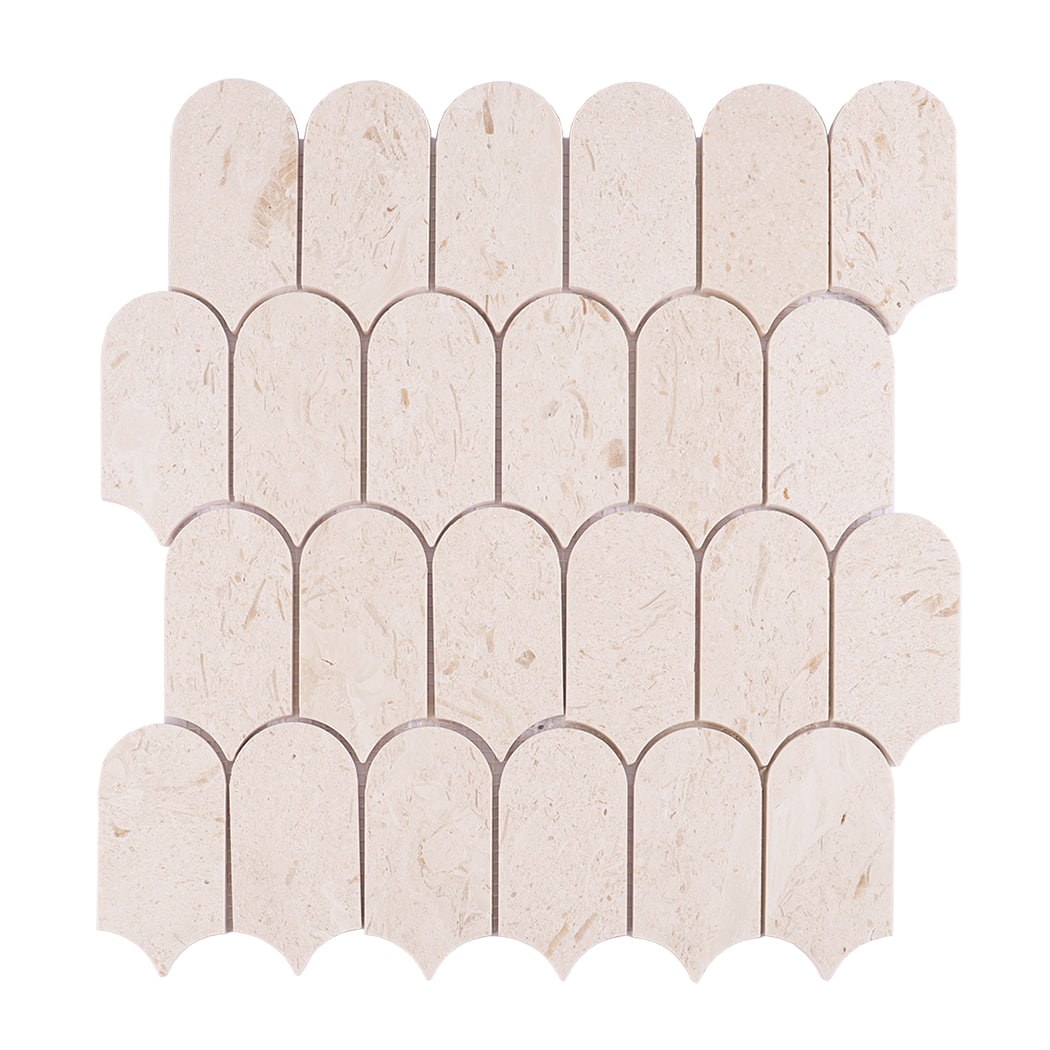
Express your unique style with hexagons, arabesques, chevrons, herringbone patterns, or French pattern sets (combining multiple sizes). Mosaic tiles and custom-cut pieces allow for intricate designs, borders, and decorative accents. These shapes excel in creating focal points or distinctive shower niches.
Best for: Feature walls, decorative borders, shower niches, artistic designs
Travertine Tile Applications in Showers
Shower Walls
Travertine tile transforms shower walls into stunning focal points. The stone's natural variation creates depth and visual interest while maintaining a cohesive look. Honed and filled travertine is the preferred finish for shower walls, offering a smooth surface that's easy to clean while showcasing the stone's inherent beauty.
- Install with proper waterproofing membrane behind tiles
- Use white thinset to prevent color darkening on lighter travertine
- Seal before and after grouting for maximum protection
- Consider larger format tiles to minimize grout lines
Shower Floors
Travertine shower floors provide excellent traction when using tumbled or brushed finishes. The stone's natural texture prevents slipping, making it a safe choice for wet environments. Smaller tiles or mosaics work best for floors, allowing proper slope for drainage and offering superior grip underfoot.
- Choose tumbled or honed finish for slip resistance
- Use smaller tiles (4x4" or mosaics) for better drainage slope
- Avoid polished finish as it becomes slippery when wet
- Apply penetrating sealer for water and stain protection
Travertine Tile Shower: Advantages and Considerations
Advantages
-
Natural Beauty: Each tile features unique veining and color variations, creating one-of-a-kind designs impossible to replicate with synthetic materials.
-
Durability: Properly maintained travertine withstands decades of daily use, resisting normal wear and temperature fluctuations without cracking.
-
Slip Resistance: Textured finishes provide excellent traction when wet, enhancing bathroom safety significantly.
-
Timeless Appeal: Travertine never goes out of style, maintaining aesthetic value and potentially increasing home resale value.
-
Heat Resistance: Stone remains comfortable to touch even in steam showers, never becoming uncomfortably hot.
Considerations
-
Porosity: Travertine requires regular sealing to prevent water absorption and staining. Plan for resealing every 1-2 years depending on use.
-
Maintenance: Needs pH-neutral cleaners; acidic products can etch the surface. Avoid vinegar, lemon, and harsh chemical cleaners.
-
Cost: Higher initial investment than ceramic or porcelain tiles, though long-term value often justifies the expense.
-
Installation: Requires experienced professionals familiar with natural stone to ensure proper waterproofing and support.
-
Etching Potential: Surface can develop dull spots if exposed to acidic substances, requiring professional restoration to repair.
Professional Installation Guidelines
Successful travertine tile shower installation requires attention to detail and proper technique. Follow these professional guidelines for optimal results:
1. Proper Substrate Preparation
Install cement backer board over studs, ensuring a flat, stable surface. Apply waterproofing membrane to all shower walls and floor, extending beyond the shower area to prevent moisture damage.
2. Pre-Installation Sealing
Seal all travertine tiles before installation to protect against thinset staining. This preventive step makes cleanup easier and ensures the stone's natural color remains untainted.
3. Use Appropriate Thinset
Apply white polymer-modified thinset specifically formulated for natural stone. Gray thinset can show through lighter travertine, affecting the final appearance. Mix to peanut butter consistency for proper adhesion.
4. Plan Your Layout
Dry-lay tiles before setting to achieve balanced patterns and minimize cuts in visible areas. Blend tiles from multiple boxes to distribute color variation evenly throughout the shower.
5. Grouting Technique
Use unsanded grout for joints less than 1/8" and sanded grout for wider joints. Ensure all holes in unfilled travertine are filled with grout. Clean excess grout promptly to prevent staining.
6. Final Sealing
After grout cures completely (typically 72 hours), apply penetrating sealer to all travertine surfaces. This final protection layer guards against water penetration and staining during shower use.
Maintenance and Care Tips
Daily Care
- Squeegee shower walls after each use to remove water droplets
- Ensure proper ventilation to prevent excessive moisture buildup
- Wipe spills immediately to prevent potential staining
- Use only pH-neutral, stone-safe cleaning products
Regular Maintenance
- Deep clean weekly with natural stone cleaner
- Inspect grout lines and repair any cracks promptly
- Reseal travertine annually or biannually based on usage
- Test sealer effectiveness by sprinkling water on the surface
Avoid These Products: Never use vinegar, lemon juice, bleach, ammonia, or abrasive cleaners on travertine. These products can etch, discolor, or damage the stone's surface permanently.
Frequently Asked Questions
Is travertine tile suitable for steam showers?
Yes, travertine works well in steam showers when properly sealed and maintained. The stone handles temperature fluctuations excellently, though you'll need to ensure meticulous sealing and use enhanced ventilation to manage the increased moisture levels.
How does travertine compare to porcelain for showers?
Travertine offers authentic natural beauty with unique variations, while porcelain provides lower maintenance and higher water resistance. Travertine requires sealing and careful cleaning but delivers unmatched organic elegance. Porcelain offers consistency and durability with minimal upkeep but lacks natural stone's distinctive character.
Can I install travertine tile myself?
While experienced DIYers can install travertine tile, professional installation is recommended for shower applications. Proper waterproofing, substrate preparation, and understanding natural stone characteristics are crucial for long-lasting results. Mistakes in shower installations can lead to costly water damage.
What finish is best for shower floors?
Tumbled or brushed finishes provide the best slip resistance for shower floors. Avoid polished travertine on floors as it becomes extremely slippery when wet. Honed finish offers a middle ground with moderate texture and easier cleaning than tumbled surfaces.
Ready to Transform Your Shower?
Explore our extensive collection of premium travertine tiles in various colors, shapes, and finishes. Create the bathroom sanctuary you've always envisioned with natural stone that stands the test of time.