

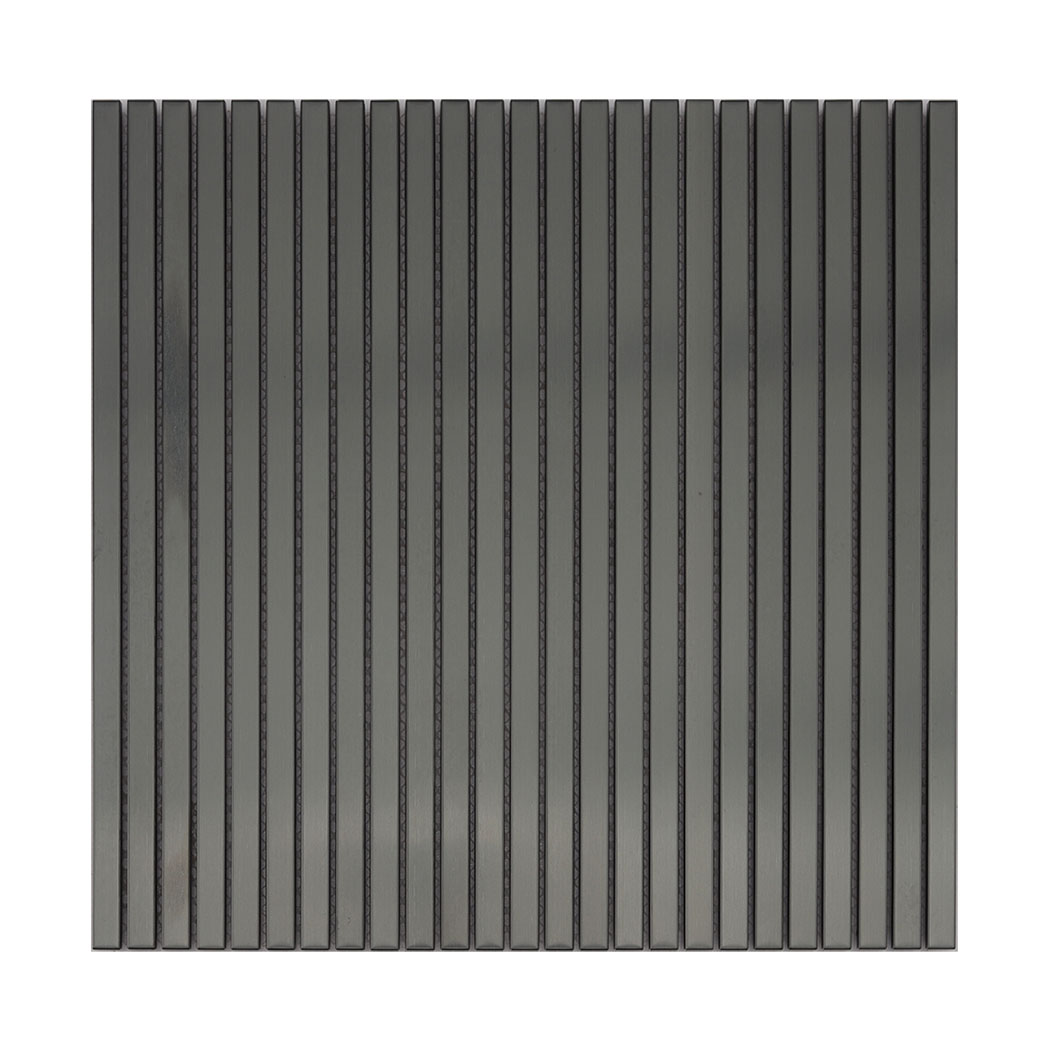
Retro tiles bring the colors, patterns and character of earlier design eras into spaces made for modern life. Inspired by Art Deco geometry, mid-century color, classic black-and-white mosaics and the warm earth tones of the 1970s, the Saicina Tiles collection offers decorative designs for kitchens, bathrooms, entryways, fireplace surrounds, hospitality interiors and statement walls.
Explore geometric mosaics, checkerboard and basketweave patterns, small-format squares and hexagons, aged natural stone, glass mosaics and hand-finished metal tiles. Choose a ready-made design or ask us to customize the material, color, shape, finish or sheet layout for your project. Always review the individual product specifications before selecting tiles for floors, showers, pools, fireplaces or exterior installations.
What Are Retro Tiles?
Retro tiles are newly manufactured tiles designed to recreate the colors, shapes, patterns and surface character of earlier design periods. They differ from genuine antique or new-old-stock tiles, which were manufactured decades ago and may be available only in limited quantities.
Modern retro tiles offer nostalgic character while allowing homeowners, designers and contractors to specify consistent quantities, current formats and project-appropriate performance.
The term covers more than one decorating period. Black-and-white octagon mosaics can recall early twentieth-century bathrooms. Fan, diamond and sunburst motifs reference Art Deco interiors. Pastel squares and clean geometric forms evoke the 1950s and 1960s, while terracotta, mustard, olive, rust and brown reflect the warmth of the 1970s.
Explore Retro Tile Styles
Classic Subway and Rectangle Tiles
Rectangular tiles create a familiar architectural rhythm that works in both historic-inspired renovations and modern retro interiors.
A traditional running-bond layout feels relaxed and timeless. A straight-stack pattern creates a cleaner mid-century look, while a vertical stack can make a backsplash or shower wall appear taller. Matte, softly glossy, beveled and intentionally varied finishes each produce a different period effect.
Subway and slim rectangular tiles are commonly used for:
- Kitchen backsplashes
- Bathroom and vanity walls
- Shower walls
- Café and restaurant walls
- Fireplace surrounds
- Bar fronts
- Decorative borders
Always verify that the selected product is approved for the intended application. Border pieces, exposed edges and corners should be planned before installation.
Patterned and Encaustic-Look Tiles
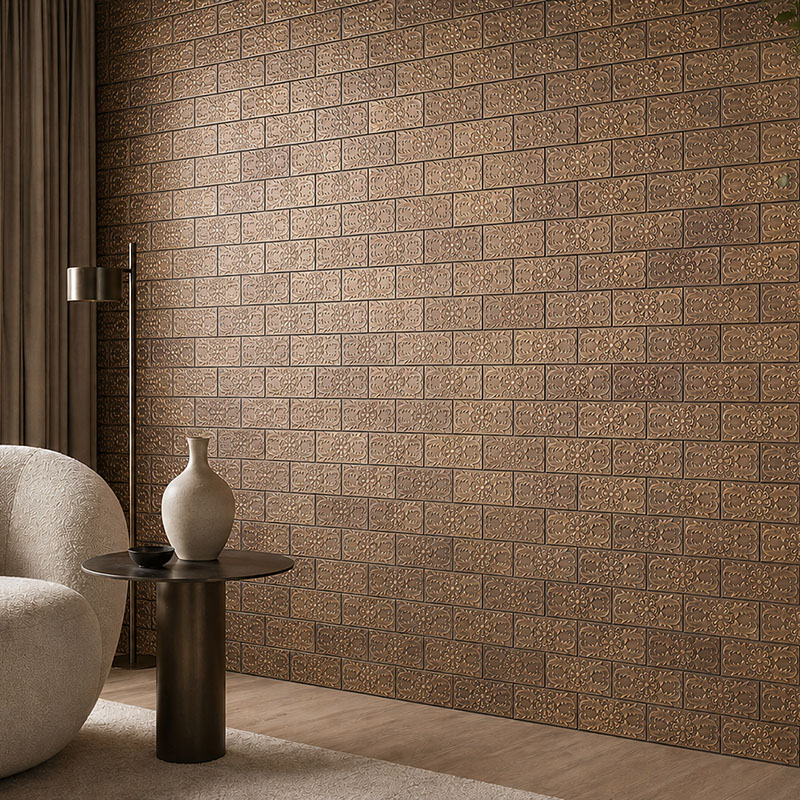
Floral motifs, star patterns, Moroccan-inspired geometry and repeating medallions transform walls and floors into decorative focal points.
Patterned retro tiles work especially well in entryways, powder rooms, kitchen feature areas, bathrooms, cafés and restaurant interiors. For a balanced design, combine a detailed pattern with quieter cabinetry, natural wood, plaster or a coordinating solid-color tile.
Some products reproduce an encaustic or cement-tile appearance using porcelain, ceramic or another material, while others may be genuine cement-based tiles. Check the product description for the actual material, sealing requirements and approved applications instead of relying only on appearance.
Solid-Color Matte Tiles
Cream, dusty pink, sage green, muted blue, mustard, terracotta, warm gray and coffee brown can create a retro atmosphere without using a busy pattern.
Matte and softly reflective surfaces give these colors depth while coordinating naturally with wood furniture, aged brass, painted cabinetry and vintage-inspired fixtures.
Solid-color retro tiles can be used to:
- Cover a complete wall or floor
- Frame a patterned tile installation
- Create decorative borders
- Form color-blocked layouts
- Balance patterned furniture or wallpaper
- Connect different retro materials within one room
Color variation may be intentional in handmade, natural stone and patinated metal products. Review physical samples and several pieces together before approving the final blend.
Small Squares, Penny Rounds, Hexagons and Octagons
Small-format tiles are an important part of many classic and mid-century interiors.
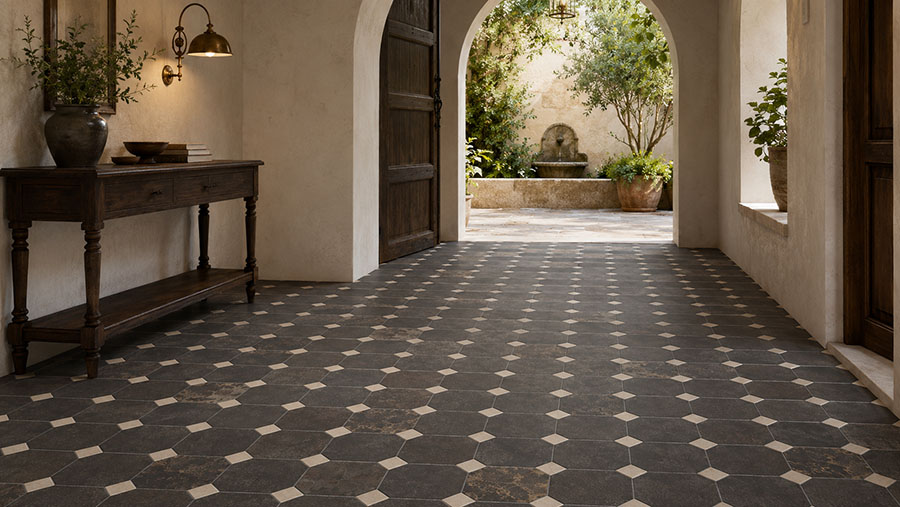
Square mosaics create a clean grid. Penny rounds soften surfaces with repeated curves. Hexagons and octagons introduce geometry without overwhelming compact rooms. Octagon-and-dot combinations are especially suitable for classic bathroom and entryway designs.
Mesh-mounted mosaics simplify installation, but installers should dry-lay the sheets and adjust individual pieces where necessary so the sheet boundaries do not remain visible.
Small mosaics create more grout joints, which can contribute to surface grip. However, suitability for bathroom floors, shower floors or commercial areas still depends on the product rating, surface finish, substrate and installation system.
Checkerboard, Basketweave and Geometric Mosaics
Checkerboard tile creates immediate contrast and works equally well in a 1950s kitchen, a Parisian-inspired bathroom or a contemporary café.
Black-and-white checkerboard tile produces the strongest graphic effect. Cream and beige, sage and ivory, or brown and warm white create softer interpretations of the same classic pattern.
Basketweave mosaics imitate the interlocking rhythm of woven material and introduce detailed texture to:
- Bathroom floors
- Shower niches
- Vanity areas
- Entry floors
- Powder room walls
- Kitchen backsplashes
- Boutique commercial interiors
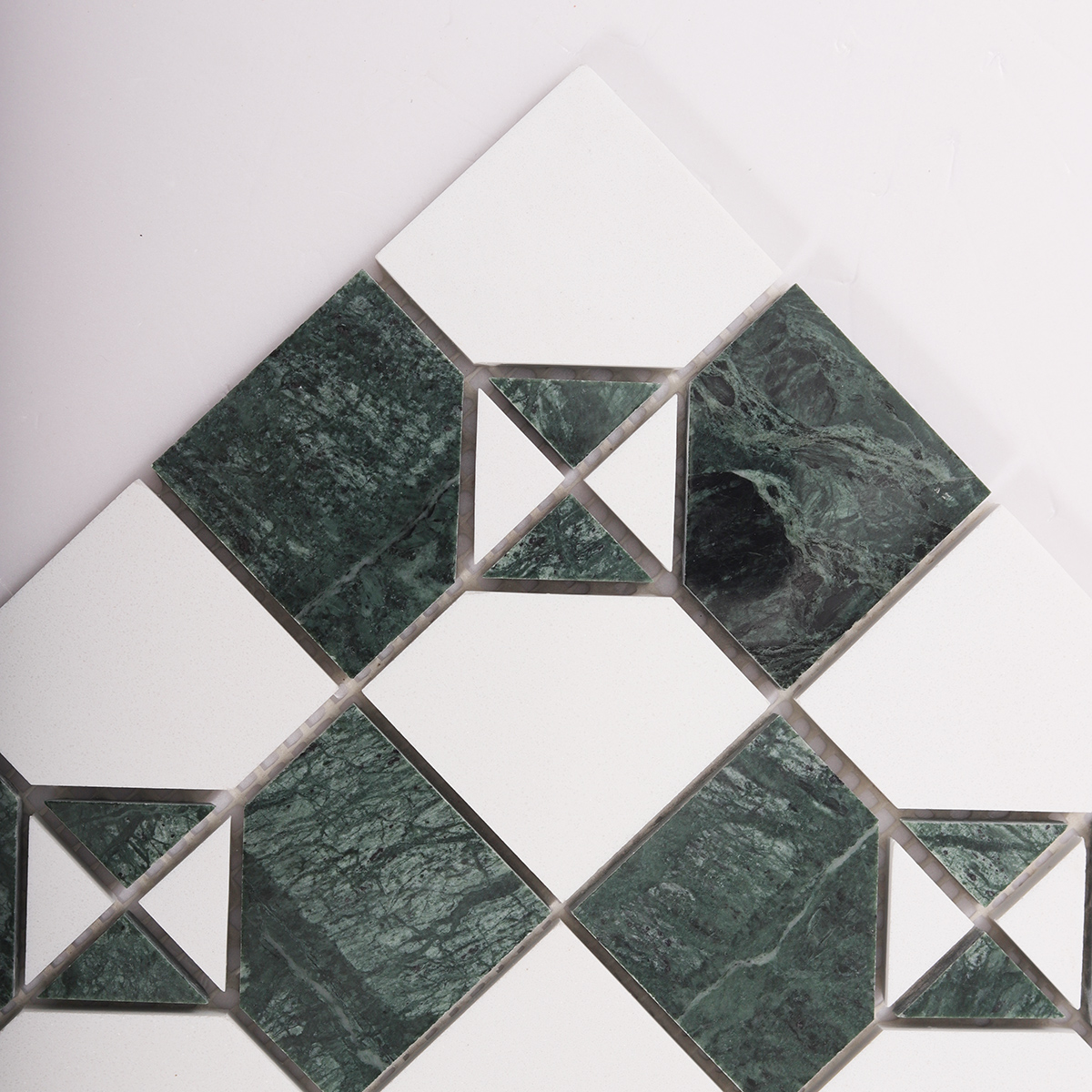
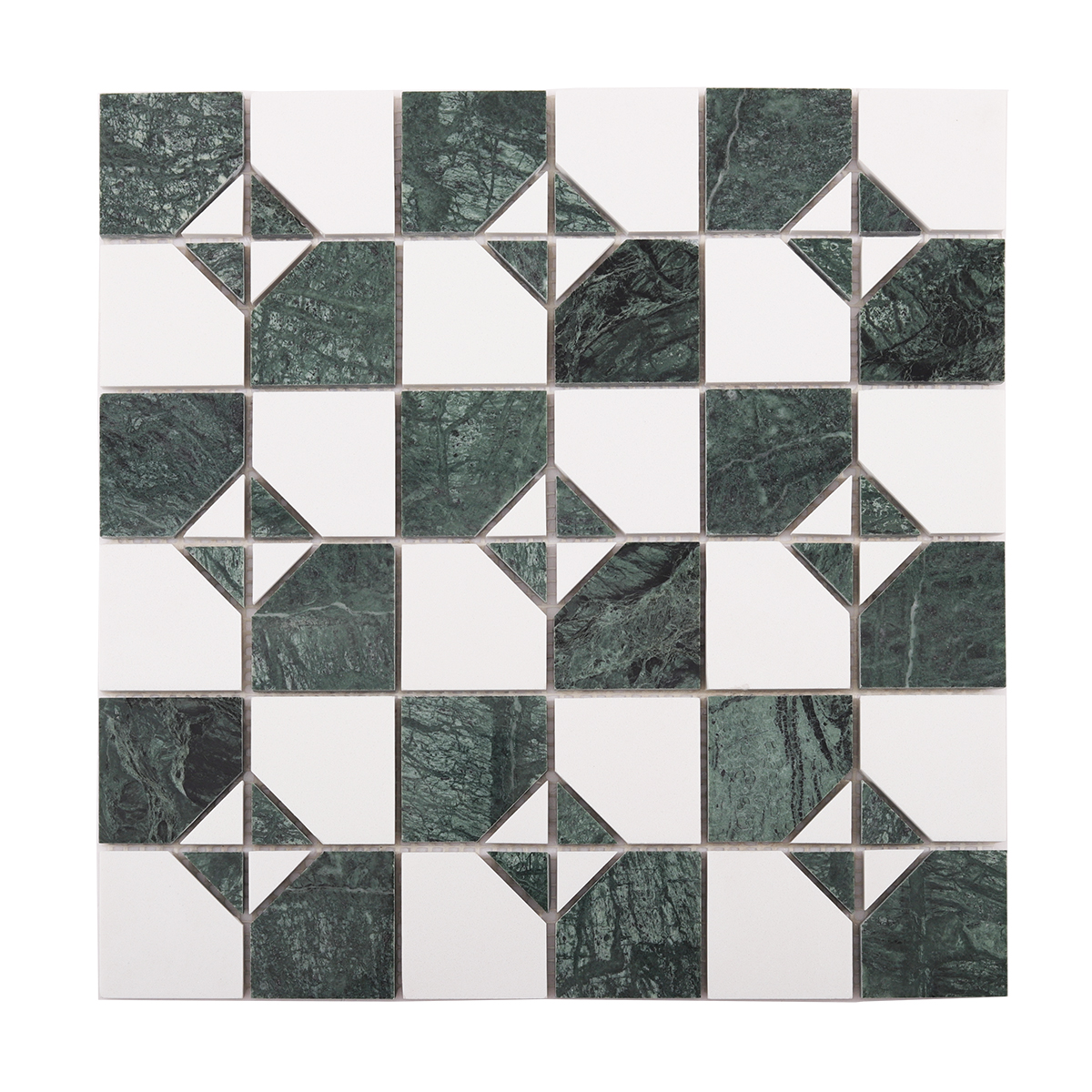
Diamonds, triangles, trapezoids, pinwheels and waterjet-cut combinations provide greater freedom for custom layouts. Saicina Tiles can develop geometric patterns in natural stone, glass, metal or mixed materials, subject to the technical requirements of the intended application.
Natural Stone Retro Tiles
Marble, travertine and limestone bring genuine veining, mineral marks, pores and natural color variation to retro tile installations.
Tumbled edges create a softened, time-worn appearance. Honed surfaces feel quieter and more refined, while split-face and chiseled textures introduce stronger relief for decorative walls.
Because natural stone varies naturally, every installation has a distinctive character that cannot be reproduced by printed patterns alone.
Popular natural stone retro colors include:
- Cream travertine
- Beige limestone
- White and gray marble
- Warm brown stone
- Antique black marble
- Sage and forest green marble
- Dusty pink stone
- Weathered gray stone
Natural stone requires material-specific installation and care. Many stones benefit from sealing, and white mortar may be preferred for light-colored materials. Acidic cleaners can etch calcite-based stones such as marble, limestone and travertine.
Textured stone is not automatically suitable for every floor or wet area. Confirm slip, water, freeze-thaw and application information before ordering.
Aged Copper, Brass and Metal Tiles
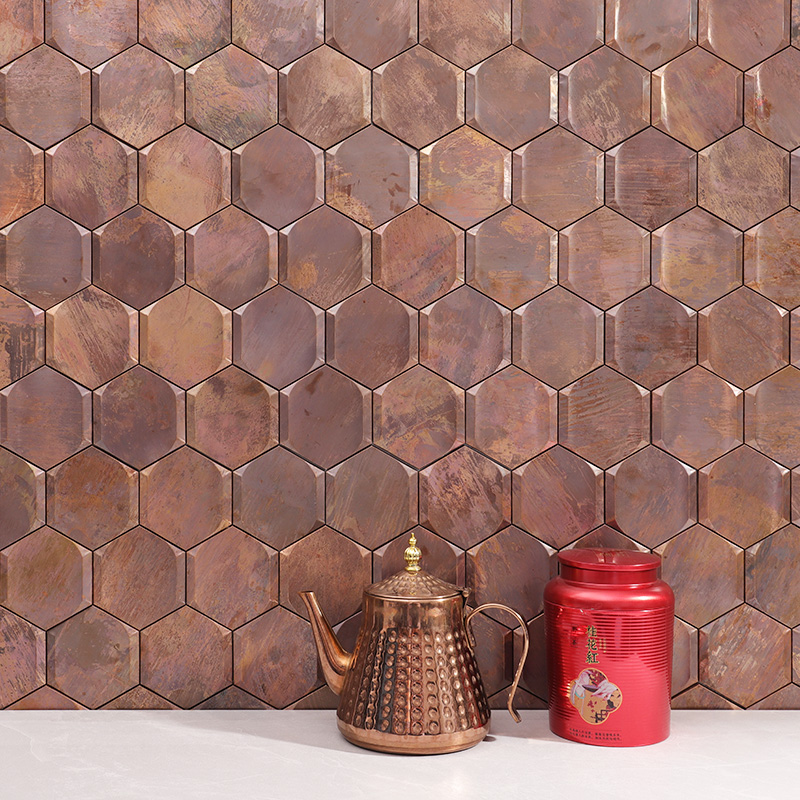
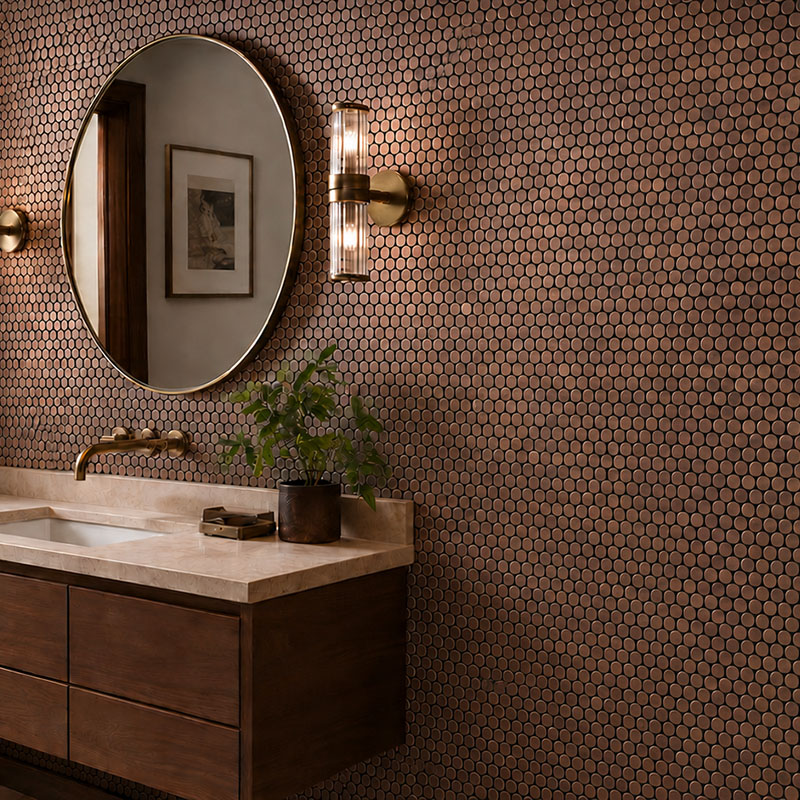
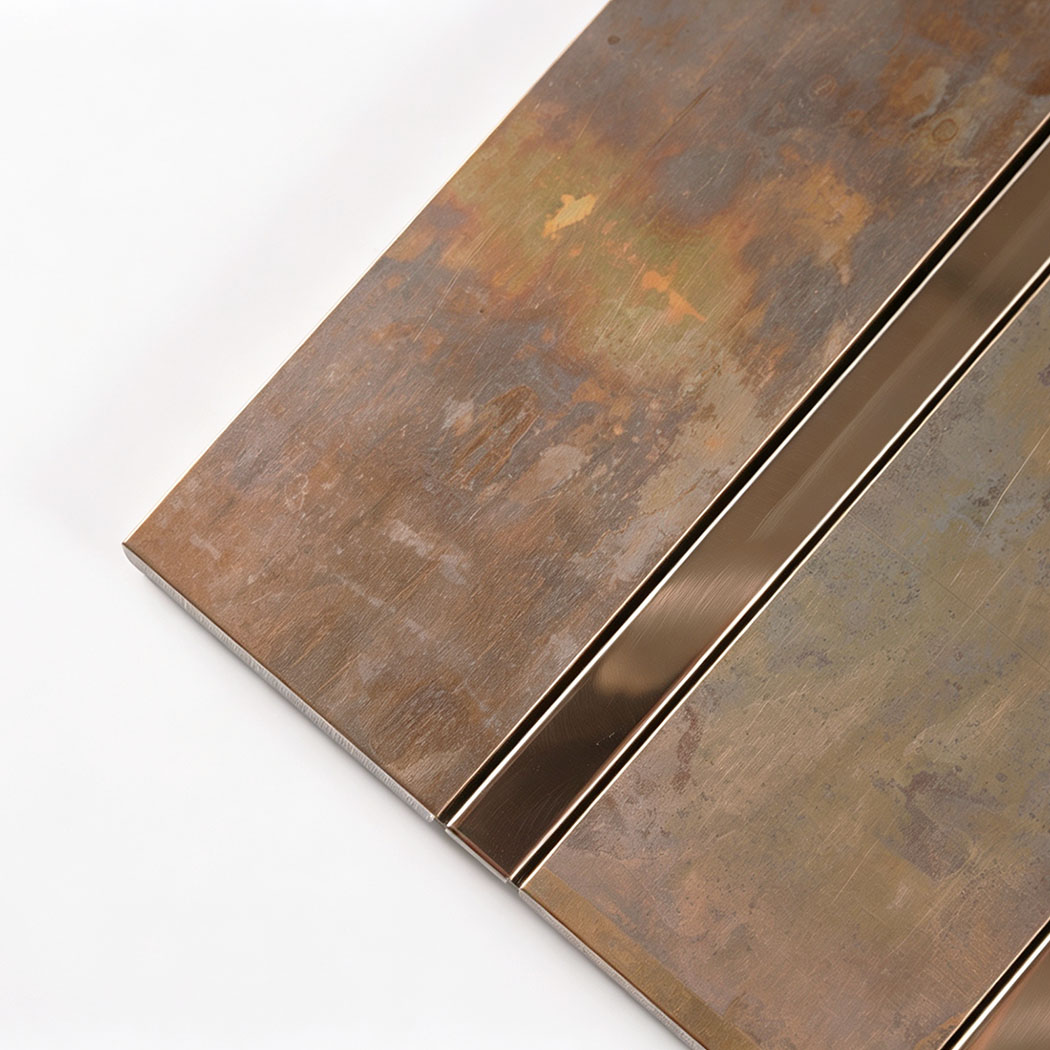
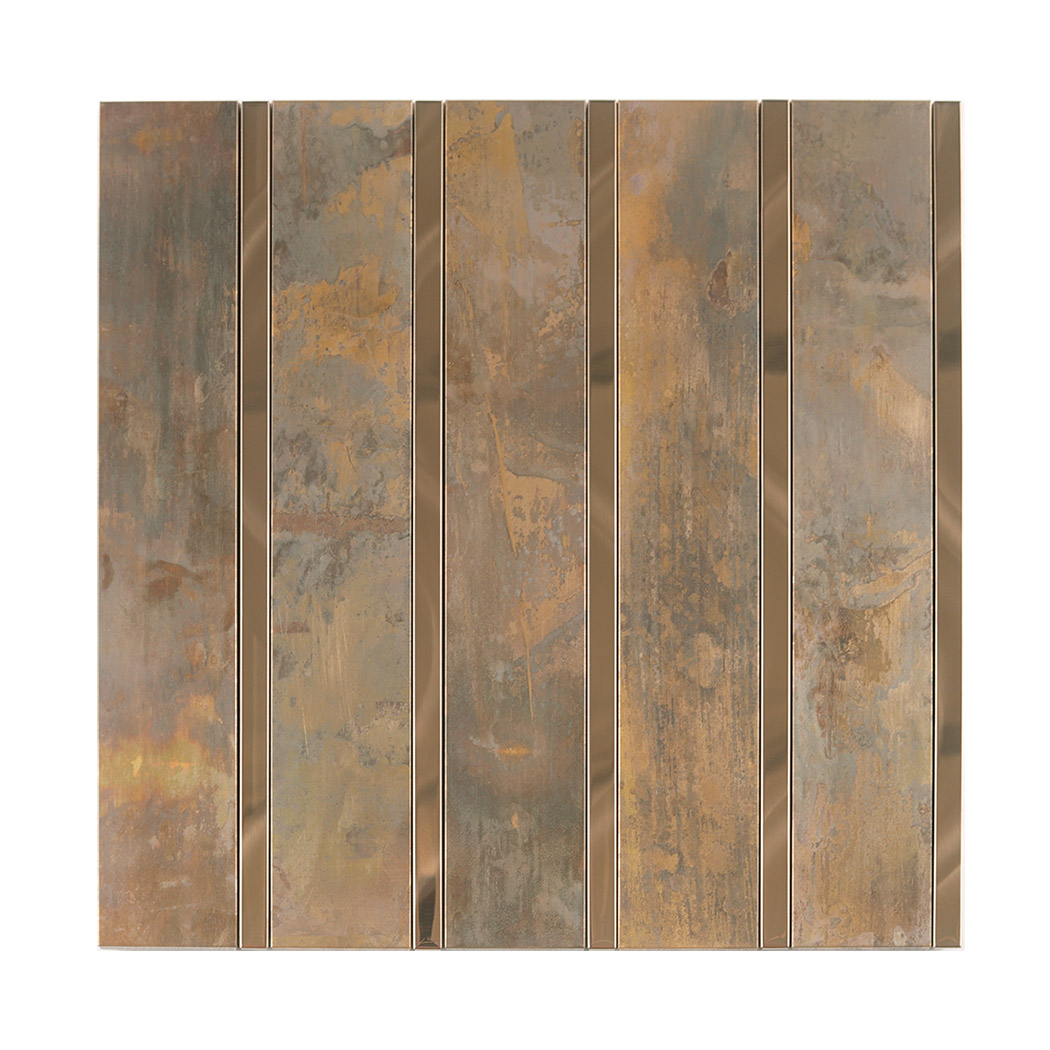
Hand-finished copper and brass tiles introduce warmth, depth and a genuine metallic surface.
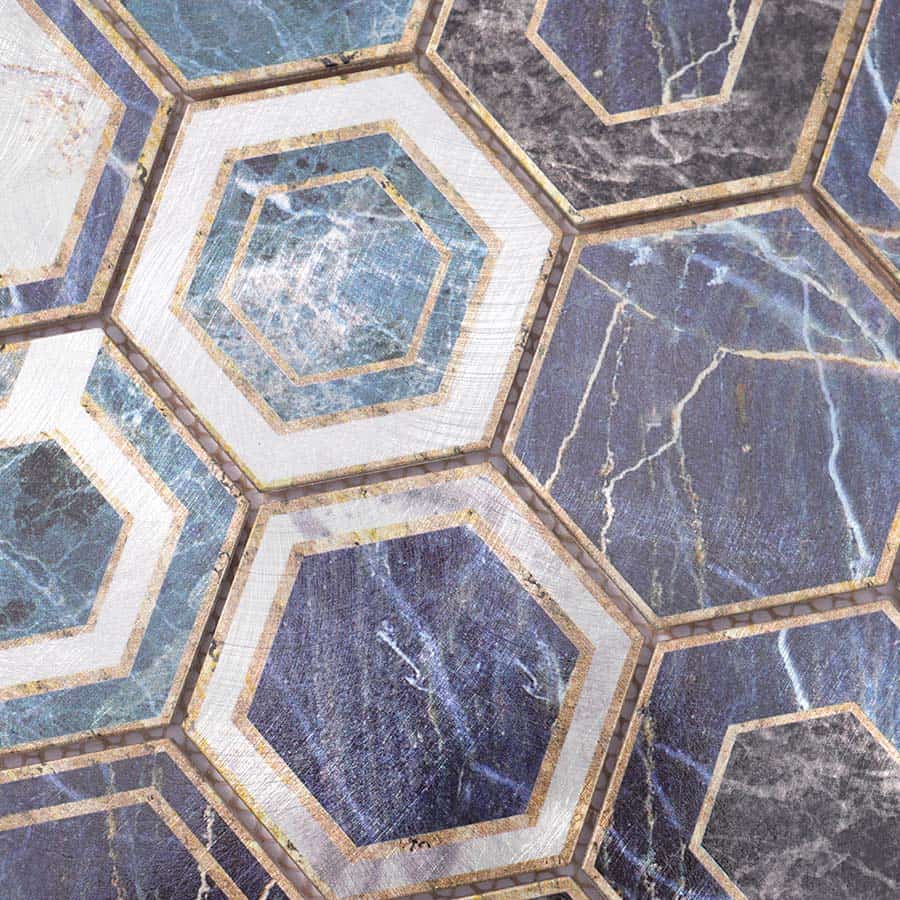
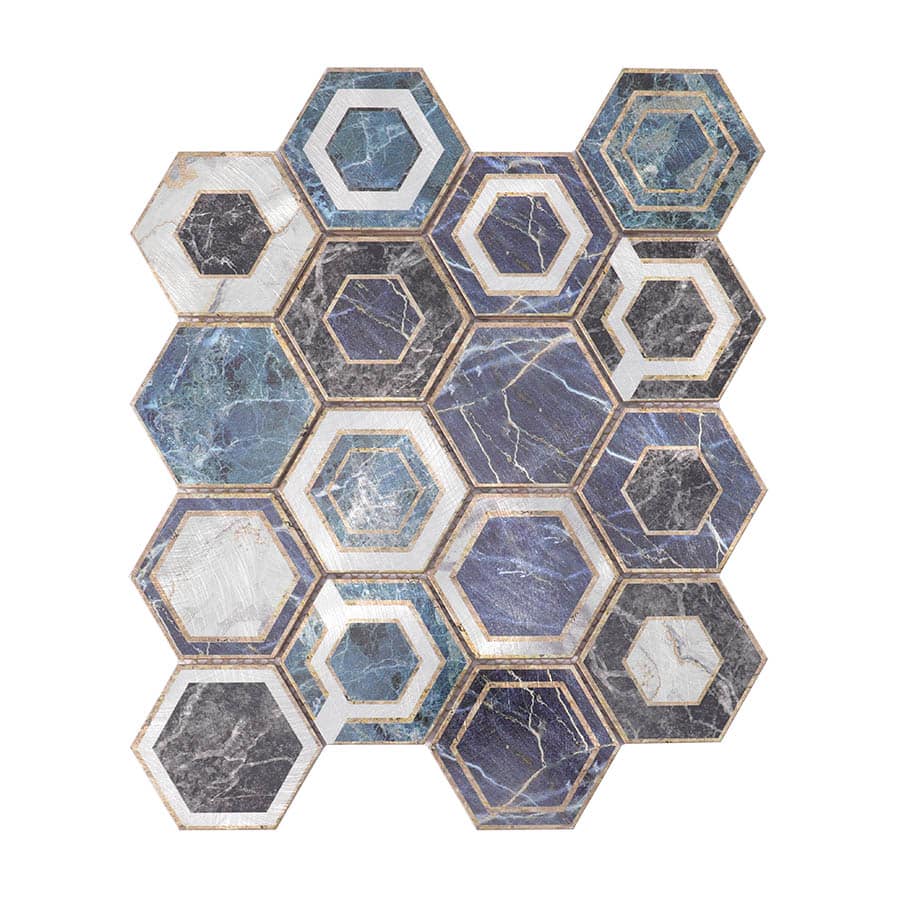
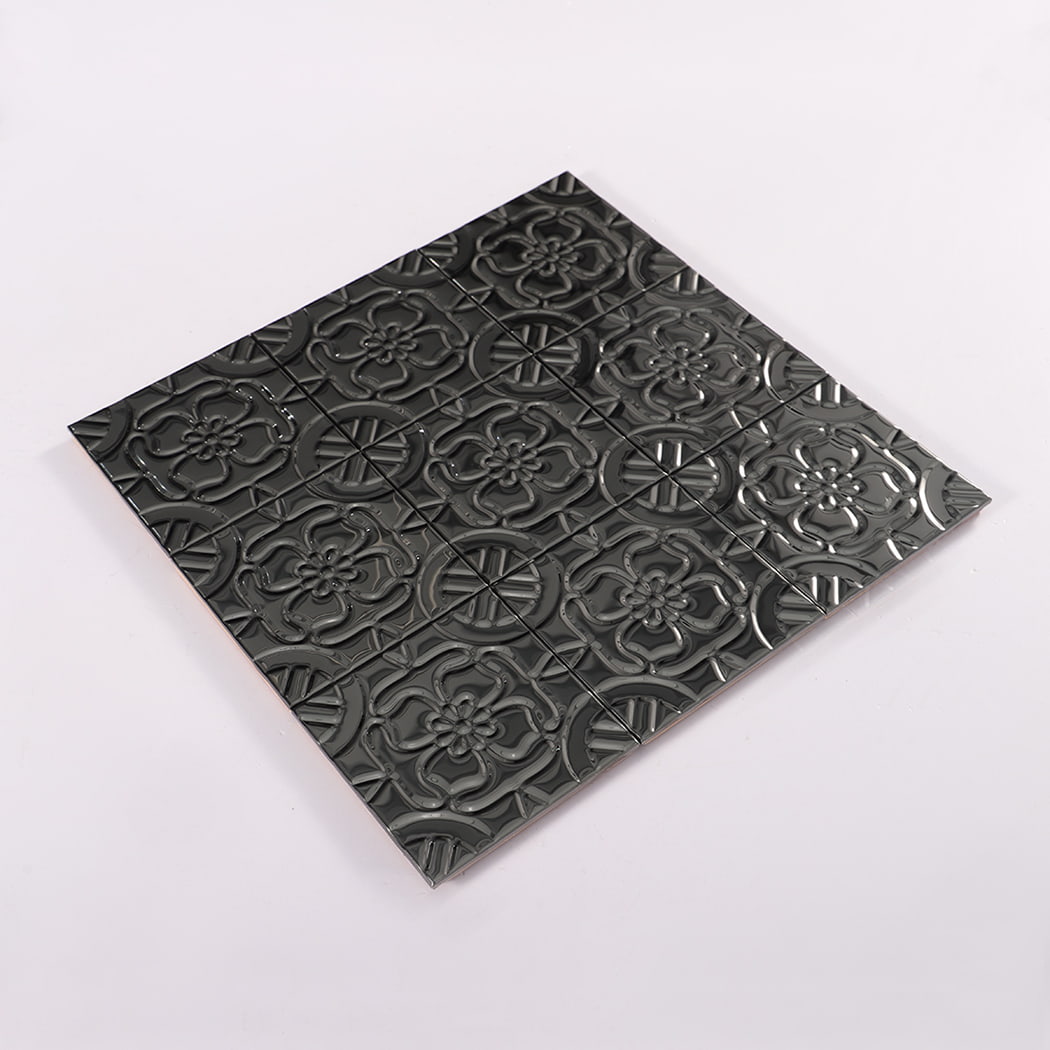
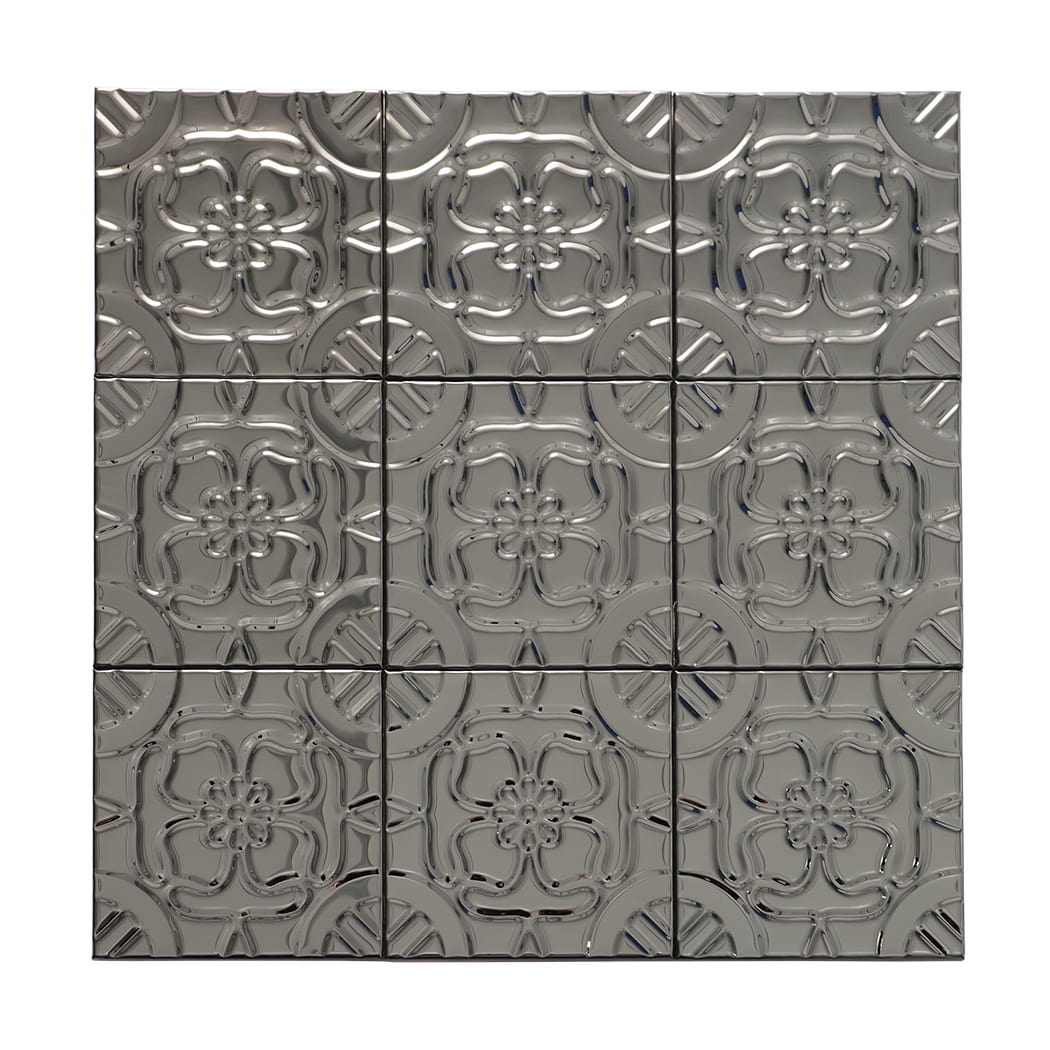
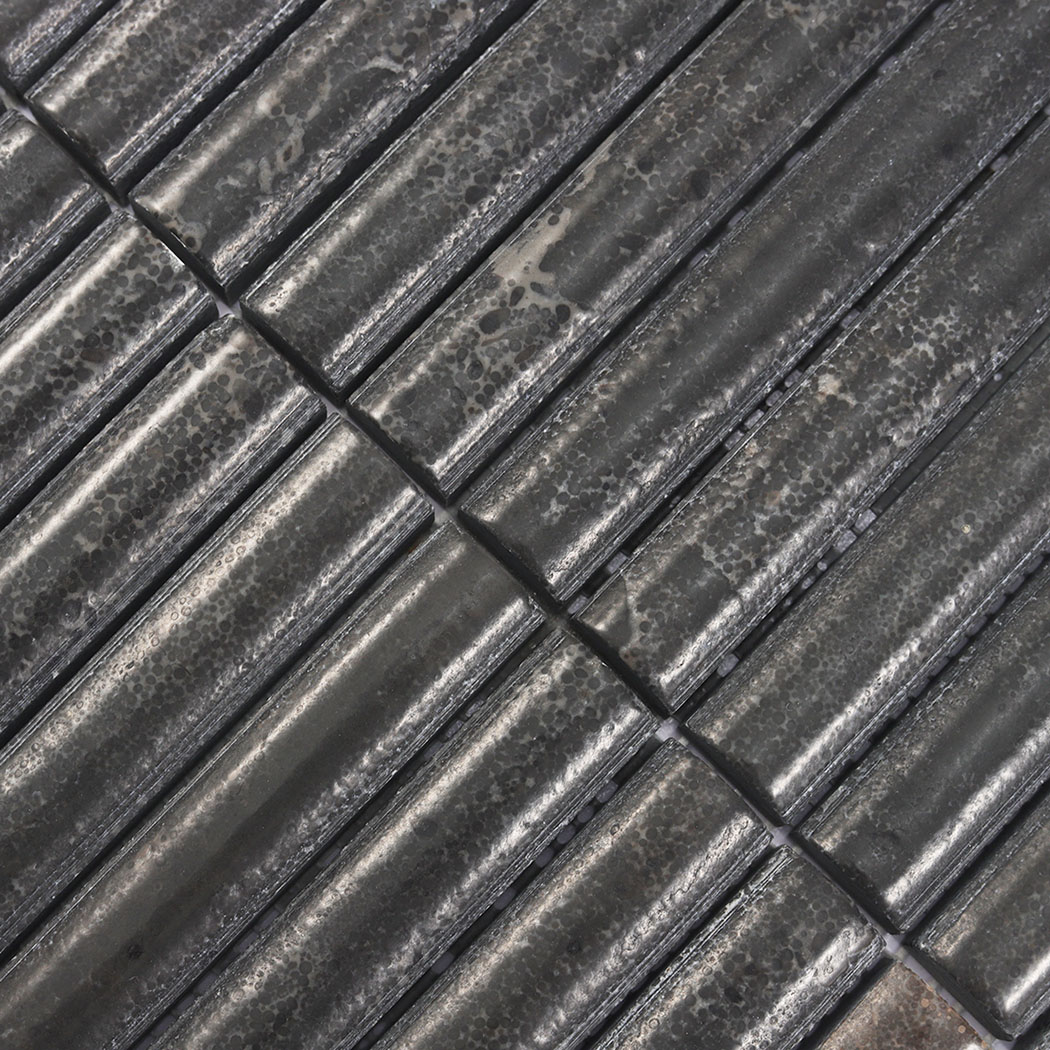
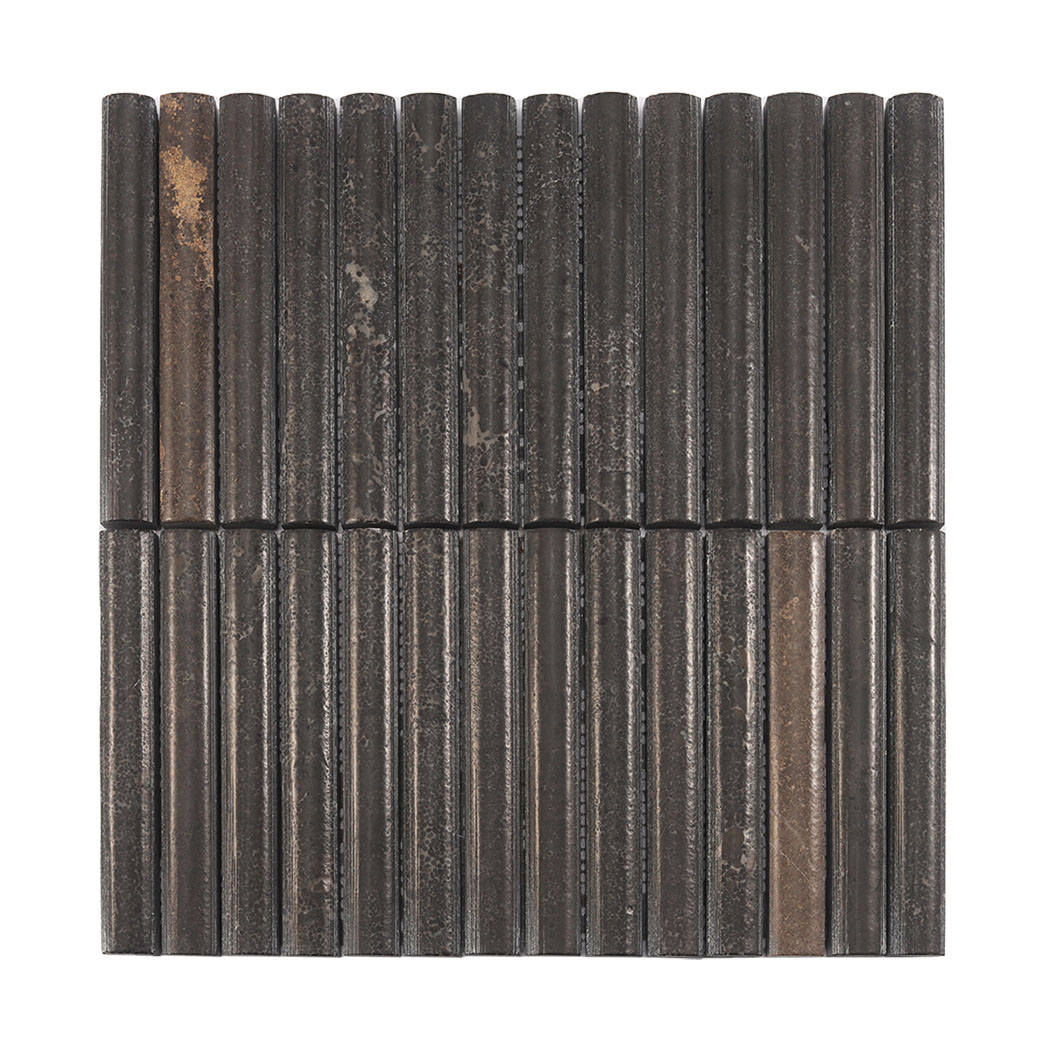
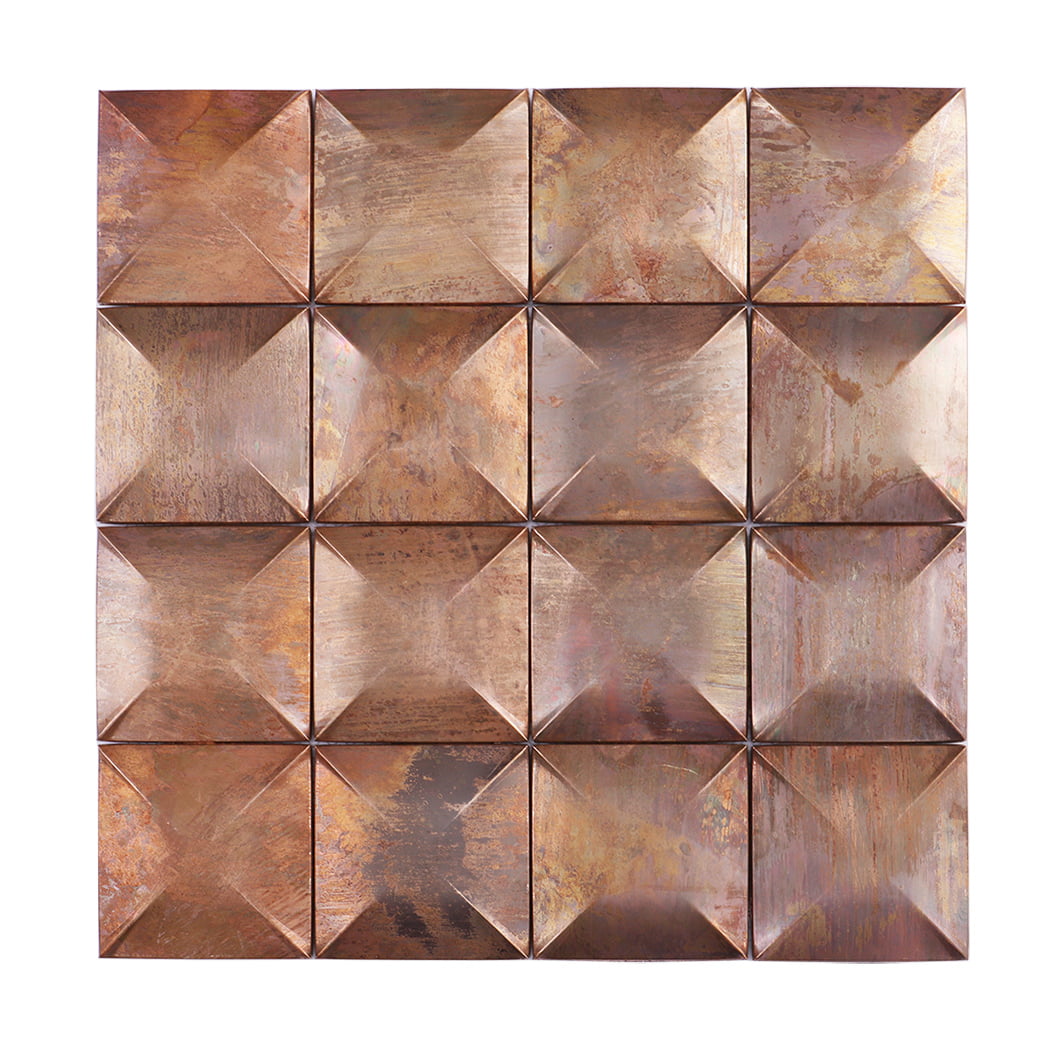
Fire treatment, controlled oxidation, chemical patination, brushing and hand-distressing can create brown, red, blackened, antique-brass or blue-green finishes. Pressed relief, woven textures, arabesque forms and waterjet-cut geometry make metal tiles especially effective on backsplashes, bar fronts, reception walls and fireplace surrounds.
Available metal effects may include:
- Natural aged copper
- Red-brown copper
- Antique brass
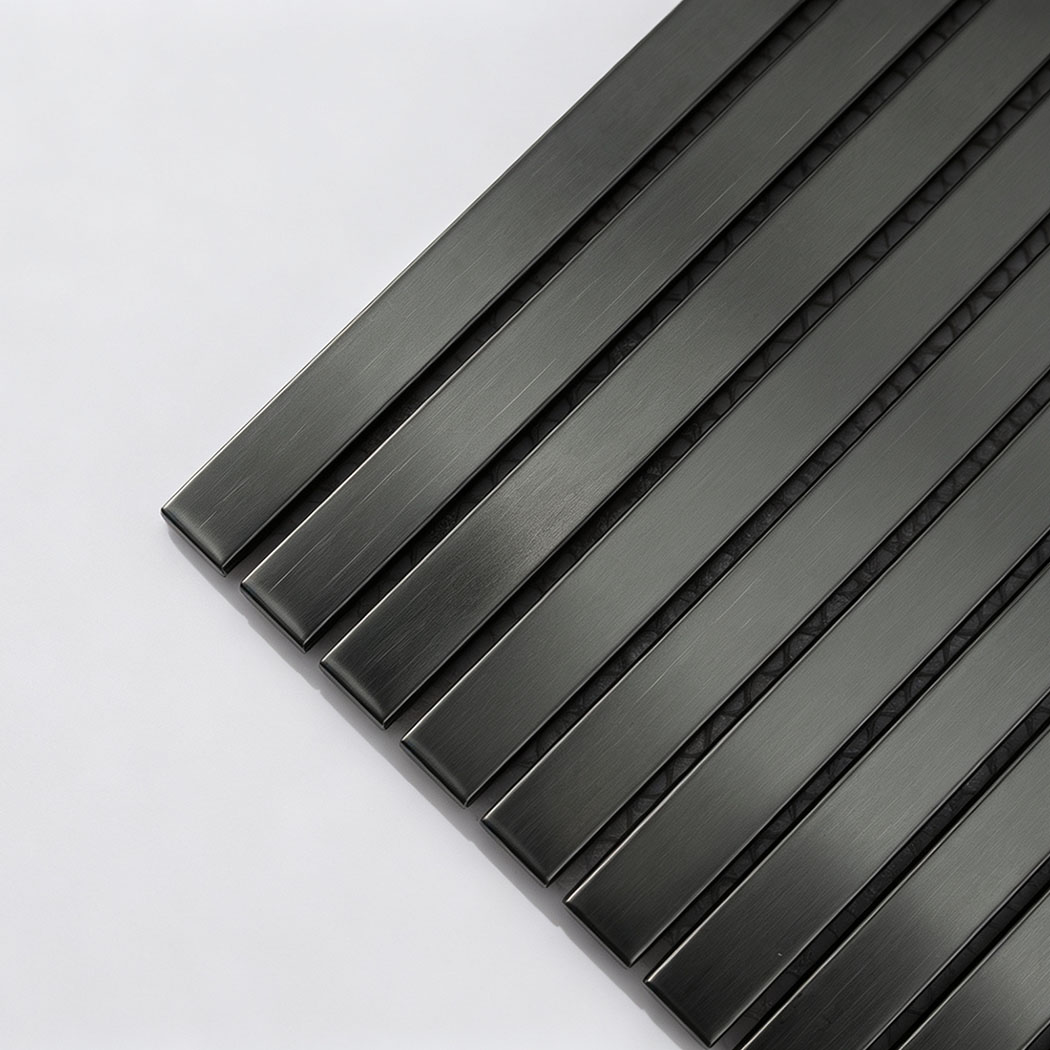
- Blackened metal
- Blue-green patina
- Brushed bronze
- Matte weathered metal
- Three-dimensional embossed surfaces
Patina may be a living or stabilized finish depending on the product. An untreated finish can continue to deepen over time, while a protective coating is designed to reduce further oxidation.
Metal tiles are generally best used as decorative wall materials unless the product is specifically rated for another application. Confirm direct-water, heat and chemical exposure requirements with Saicina Tiles before specifying metal around showers, cooktops or fireplaces.
Glass and Mixed-Material Retro Mosaics
Glass adds color, light reflection and precise pattern detail to retro mosaics.
Matte, glossy, iridescent and metallic-look glass can interpret everything from mid-century pixel patterns to jewel-toned Art Deco compositions. Combining glass with natural stone or metal creates additional contrast in color, texture and sheen.
Glass retro mosaics can be used for:
- Kitchen backsplashes
- Bathroom walls
- Shower walls where approved
- Pool walls where approved
- Bar fronts
- Hotel reception walls
- Restaurant feature walls
- Decorative borders and niches
Use only the approved adhesive, grout and cutting method for the selected glass product. Transparent and translucent glass may reveal the adhesive bed, while metallic backings or decorative surface treatments can have specific installation limitations.
Pool, submerged, shower-floor and exterior suitability must be confirmed for each product.
Compare Retro Tile Materials
| Material | Visual Character | Common Uses | Important Considerations |
|---|---|---|---|
| Ceramic | Classic glaze, broad color range, subway and patterned designs | Backsplashes, bathroom walls and decorative interiors | Wall and floor ratings vary; check water absorption and approved applications |
| Porcelain | Dense body with printed or through-body patterns | Bathrooms, kitchens, entryways and commercial interiors | Confirm slip rating, finish and exterior or freeze-thaw approval |
| Glass | Luminous color with glossy, matte or iridescent effects | Backsplashes, shower walls, feature walls and pools where approved | Adhesive, backing, cutting and submerged-use requirements vary |
| Marble | Natural veining with honed or tumbled surfaces | Walls, floors, bathrooms, entryways and fireplaces where approved | Usually benefits from sealing; avoid acidic cleaners |
| Travertine and Limestone | Warm pores, fossils and an old-world appearance | Interior walls, floors and fireplace surrounds where approved | Porosity, filling, sealing and freeze-thaw suitability vary |
| Copper and Brass | Genuine metal, aged patina and dimensional relief | Backsplashes, bar fronts, reception areas and feature walls | Patina behavior, coatings, water exposure and heat limitations vary |
| Mixed Materials | Contrasting stone, glass and metal within one mosaic | Decorative walls, niches, borders and focal areas | Follow the care requirements of the most sensitive material |
Choose by Color, Shape and Finish
Color establishes the period reference of a retro interior.
Black and white feels graphic and timeless. Cream, mint, pink and powder blue suggest a softer mid-century palette. Mustard, avocado, rust, terracotta and brown create a warmer 1970s mood.
Marble white, taupe, sand and stone gray support old-world, European and wabi-sabi-inspired interiors. Copper, antique brass and blackened metal add a richer industrial or hospitality character.
Shape controls the energy of the finished layout. Squares and subway tiles feel orderly. Penny rounds and scallops feel playful. Hexagons and octagons balance classic and geometric design. Diamonds, triangles and irregular waterjet pieces make a stronger artistic statement.
Finish affects both appearance and performance. Matte surfaces absorb light, glossy glazes intensify color, honed stone feels soft, tumbled stone looks naturally aged, and relief surfaces create deeper shadows and stronger visual texture.
If an exact combination is unavailable, send Saicina Tiles a reference image, project dimensions and intended installation area for a custom recommendation.
Retro Tile Ideas by Room
Retro Bathroom Tiles
Create a classic bathroom with an octagon-and-dot or hexagon mosaic floor, then keep the walls simple with subway tile or a solid-color square.
For a mid-century look, use dusty pink, mint, pale blue or warm yellow with a restrained contrasting border. Patterned tile can define a vanity wall, shower niche or powder room without covering every surface.
Bathrooms require more than a moisture-resistant appearance. Verify whether the tile is approved for bathroom floors, shower walls or shower floors, as these are different applications.
The waterproofing system belongs behind the tile assembly. Natural stone and cement-based products may also require sealing.
Retro Kitchen Tiles
A backsplash is an effective place to introduce retro character because it allows stronger color and pattern without dominating the entire kitchen.
Consider stacked rectangles for a clean 1960s mood, checkerboard tile for a diner-inspired look, floral or geometric mosaics for an artistic feature, or aged copper and brass for warmth behind a bar or preparation area.
Cream and terracotta pair naturally with warm woods. Sage and dusty blue balance oak or painted cabinets. Black-and-white patterns sharpen a neutral kitchen.
Behind a range, confirm that the tile, adhesive, grout and surface finish are suitable for heat, grease and repeated cleaning.
Entryways, Hallways and Living Spaces
Entry floors and corridors are natural locations for checkerboard, basketweave and patterned borders because tile can define a transition area.
Choose a floor-rated product suitable for the expected traffic and wet footwear. In living rooms, retro tile can frame a fireplace, line a built-in bar, wrap a feature column or add texture to a media wall.
Cafés, Restaurants, Hotels and Retail Interiors
Retro tiles can create a memorable brand atmosphere on café counters, restaurant accent walls, hotel reception desks and boutique display walls.
Metal and relief tiles deliver detailed texture at close range, while repeated geometric mosaics remain visible across larger spaces.
Commercial projects should be specified according to cleaning routines, expected traffic, fire requirements and local building codes rather than appearance alone.
Find the Right Retro Era for Your Interior
Art Deco
Choose fan, sunburst, diamond, scallop and high-contrast geometric motifs. Black, deep green, white marble, brass and gold-toned details create a polished 1920s- and 1930s-inspired interior.
Mid-Century Modern
Use simple squares, stacked rectangles, small mosaics and graphic shapes in olive, mustard, terracotta, teal, cream or dusty blue. Pair them with walnut, oak, softly rounded furniture and clean metalwork.
1950s Diner and Pastel Retro
Black-and-white checkerboard, small squares and glossy pastel wall tiles create a recognizable 1950s reference. Limit the design to two or three main colors so the room feels intentional rather than overly themed.
1970s Warm Retro
Build the palette around rust, brown, ochre, avocado and warm cream. Travertine, textured stone, smoked glass and aged brass coordinate naturally with dark wood and tactile fabrics.
Old-World, Cottage and European Vintage
Select tumbled marble, warm limestone tones, basketweave mosaics and softly distressed surfaces. Pair the tile with aged wood, unlacquered metal, plaster and natural textiles for a layered and comfortable result.
How to Select Retro Tiles for Your Project
- Start with the application. Decide whether the tile will be installed on an interior wall, floor, shower wall, shower floor, pool, fireplace or exterior surface. Select only products approved for that exact application.
- Choose the material. Porcelain may suit a busy floor, glass may suit a luminous wall, natural stone provides unique variation, and aged metal creates a strong decorative accent.
- Check the scale. Small mosaics add fine detail and more grout lines. Larger patterns need enough viewing distance to be appreciated. Measure the individual chips as well as the complete mosaic sheets.
- Order a sample. View the color, sheen, texture, edge and material variation under the room’s natural daylight and evening lighting.
- Dry-lay the design. Mix natural variation across boxes or sheets, align repeating patterns and inspect mosaic sheet joints before applying adhesive.
- Plan trim and transitions. Confirm exposed edges, corners, thresholds, floor-height changes and connections with adjoining materials before ordering.
- Allow for cuts and future repairs. Many straightforward projects allow approximately 10% extra material. Diagonal, intricate, waterjet or custom patterns may require more.
Grout and Layout Tips
Grout is an important part of retro tile design, especially with small-format mosaics.
A closely matched grout allows the tile color and material to remain the focus. Contrasting grout emphasizes every tile shape and joint.
Black or charcoal grout can sharpen a white geometric mosaic. Warm gray can soften natural stone. Ivory or beige grout can keep earth-toned designs cohesive.
Do not choose grout based on color alone. Joint width, tile edge, installation area and material determine the appropriate grout type.
Some natural stone, glass, metal and delicate surface finishes can be scratched or stained during grouting. Create a sample board using the actual tile, adhesive, grout and sealer before beginning the full installation.
Installation Essentials
- Prepare a flat, clean and stable substrate suitable for the installation.
- Install the required waterproofing or uncoupling system before tiling.
- Use an adhesive compatible with the tile material, backing, substrate and exposure.
- Use white adhesive for light-colored, transparent or translucent materials when required.
- Dry-lay patterned and mesh-mounted mosaics to confirm orientation and sheet alignment.
- Blend stone, handmade and patinated tiles from multiple sheets or boxes.
- Use cutting tools designed for glass, natural stone or metal.
- Protect delicate finishes during cutting, installation and grouting.
- Follow the instructions supplied by the tile, adhesive, grout and sealer manufacturers.
- Use an experienced professional for wet areas, floors, natural stone, metal and complex custom installations.
Cleaning and Care
Routine care should follow the requirements of the most sensitive material in the installation.
Clean ceramic, porcelain and most glass tiles with a soft cloth or non-abrasive sponge and a compatible neutral cleaner.
Clean marble, limestone and travertine with a pH-neutral stone cleaner. Acidic products such as vinegar and lemon can etch these natural stones.
Blot spills instead of spreading them, and reseal natural stone only as recommended for the specific product and installation area.
Use a soft cloth and approved cleaner on copper, brass, gold-leaf and other decorative metal finishes.
Abrasive pads, strong acids, bleach and metal polish can remove or alter patina and protective coatings. Unless the product instructions specifically permit polishing, treat the aged metal finish as part of the design.
Custom Retro Tiles by Saicina Tiles
Saicina Tiles works with homeowners, designers, contractors and hospitality teams on ready-made and custom mosaic projects.
Depending on the material and design, customization may include:
- Tile shape and chip size
- Complete sheet dimensions
- Color blends and pattern development
- Waterjet-cut natural stone
- Mixed-material geometry
- Pressed and relief metal forms
- Copper and brass patina effects
- Matte, honed, tumbled, glossy and textured finishes
- Decorative borders and medallions
- Mosaic murals
- Project-specific installation modules
To request a quote, send the installation area, required quantity, intended application, target dimensions, preferred material, reference images and delivery location.
For custom patterns, include a drawing or clear image and note any critical color or scale requirements.
Order a Sample Before You Decide
Physical samples help you evaluate the true color, surface variation, texture, sheen and scale of the tile.
A 4 × 4 inch sample may be complimentary where available, with shipping charged separately. Full mosaic sheets are charged, and custom samples may require a production or mold fee.
Sample terms can vary by product, so confirm availability before ordering.
View several pieces together when selecting natural stone, handmade glaze or patinated metal. Final production may vary from a small sample because natural veining, firing and hand-finishing are not completely uniform.
Why Choose Saicina Tiles?
Material-Led Design
Explore genuine marble, travertine, limestone, glass, copper, brass and mixed-material mosaics instead of relying only on printed retro effects.
Custom Manufacturing
Develop special shapes, sizes, color combinations, sheet layouts, relief textures and project-specific patterns.
Residential and Commercial Support
Receive assistance matching the material and construction to kitchens, bathrooms, feature walls, hospitality and retail projects.
Samples Before Production
Check the color, texture, sheen and scale before committing to a full order.
Project-Specific Packaging
Orders are packed according to the quantity, material and product structure to reduce movement and breakage during transportation.
Ready to create a space with lasting character? Explore the Saicina Tiles retro tile collection, request a sample or contact us for a custom design and project quote.
Frequently Asked Questions About Retro Tiles
What is the difference between retro tiles and vintage tiles?
Retro tiles are newly manufactured products designed to evoke an earlier era. Vintage tiles may refer to an older design style, genuine antique material or new-old-stock tile manufactured decades ago. On shopping pages, the terms often overlap, so verify whether a product is newly manufactured or historically produced.
Are retro tiles suitable for both walls and floors?
Some products are suitable for both applications, but not all. Wall tile may not have the strength, wear rating or surface characteristics required for floors. Use only products whose specifications approve the exact wall or floor application.
What are the best retro tiles for bathroom floors?
Choose floor-rated tiles suitable for wet conditions and the expected traffic. Small porcelain or approved natural stone mosaics are popular because the additional grout joints can contribute to surface grip. Confirm shower-floor suitability separately from general bathroom-floor suitability.
Can retro tiles be used in a shower?
Products specifically approved for shower walls or shower floors can be used with a correctly designed waterproofing and setting system. Natural stone may require sealing. Some metal, gold-leaf, backed-glass and highly textured products should not be installed in direct water exposure.
Can retro tiles be installed outdoors or in a swimming pool?
Only products rated for the specific exposure should be used. Outdoor tiles may require freeze-thaw resistance, suitable water absorption and an appropriate surface rating. Pool tiles must be approved for continuous submersion and exposure to pool chemicals.
Which retro tile patterns are timeless?
Checkerboard, basketweave, subway, penny round, hexagon, octagon-and-dot and restrained floral or geometric mosaics all have long design histories. A limited color palette and materials that complement the architecture help the finished design remain attractive over time.
How do I keep a retro room from looking overly themed?
Choose one primary statement surface and repeat one or two of its colors elsewhere in the room. Pair patterned tiles with quieter cabinetry or walls, combine vintage references with simple contemporary forms, and avoid using several competing motifs at the same scale.
What grout color works with retro tile?
Matching grout creates a softer and more continuous surface, while contrasting grout emphasizes the pattern. Warm gray works well with natural stone and muted colors. Dark grout gives pale geometric tiles a stronger graphic effect.
Do natural stone retro tiles need sealing?
Many marble, limestone and travertine products benefit from sealing, sometimes before grouting and again after installation. Requirements depend on the stone type, finish, location, sealer and maintenance expectations.
Will copper and brass tiles change color over time?
Uncoated metal can continue to oxidize, while sealed or lacquered finishes are designed to slow down the process. Cleaning products, moisture, heat and handling can also affect the patina.
Can Saicina Tiles make a custom retro pattern?
Yes. Custom options may include natural stone or mixed-material waterjet patterns, mosaic color blends, unusual geometric shapes, borders, murals, sheet layouts and shaped or textured metal pieces. Feasibility, minimum order quantity, sample cost and production time depend on the design and material.
How much extra tile should I order?
The installer should calculate the required overage based on the room shape, tile layout, material variation and number of cuts. Approximately 10% extra is common for straightforward layouts, while diagonal, complex geometric and custom patterns may require more.
How should retro tiles be cleaned?
Use a non-abrasive cleaning method compatible with the material. Neutral cleaners are the safest starting point for many tile surfaces. Avoid acidic cleaners on marble, limestone and travertine. Avoid aggressive chemicals, abrasive pads and unapproved polishing products on patinated metal, gold leaf and delicate decorative finishes.