
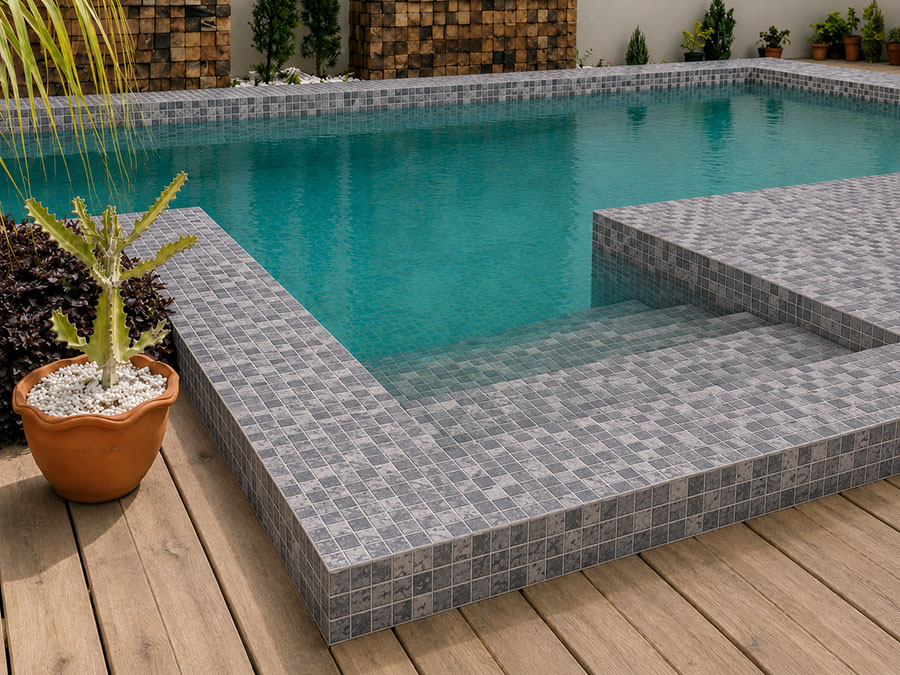
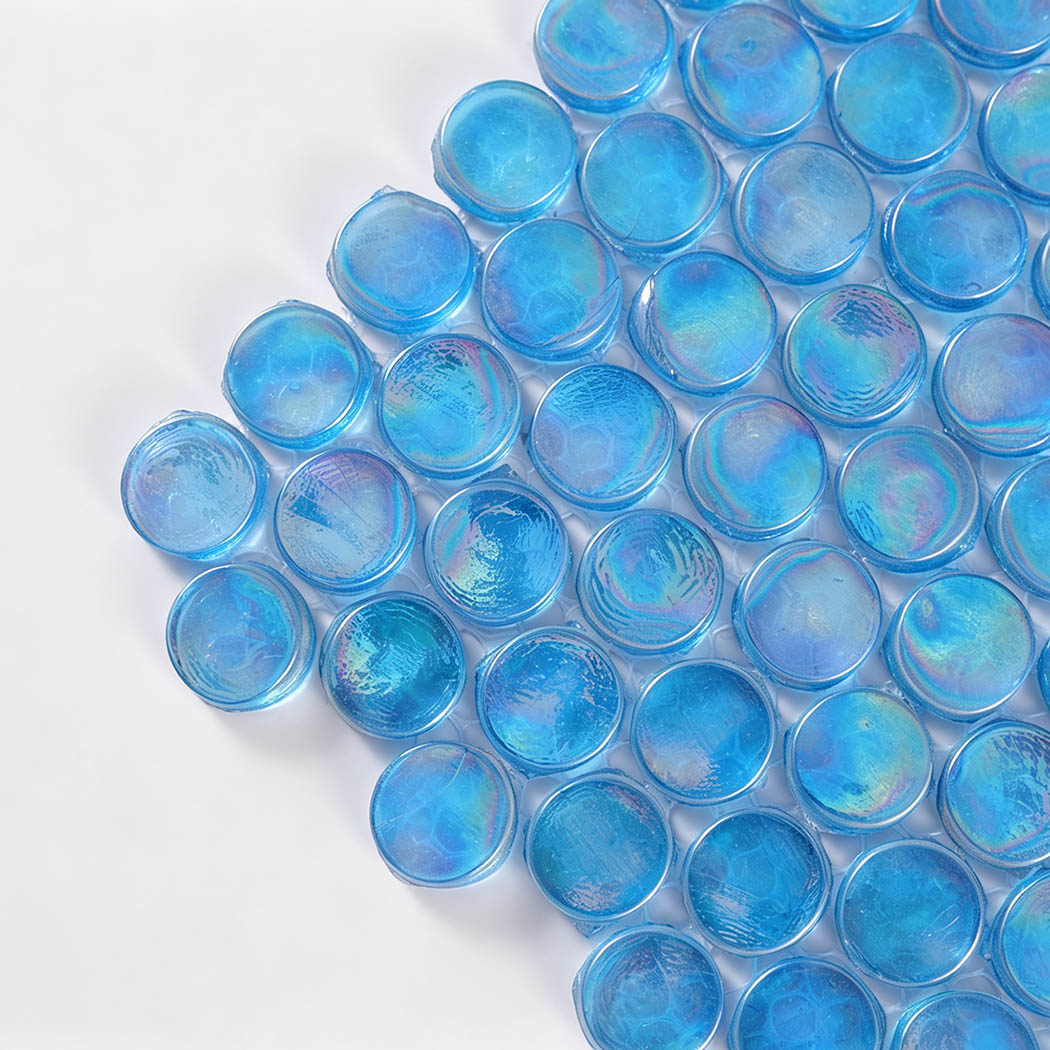
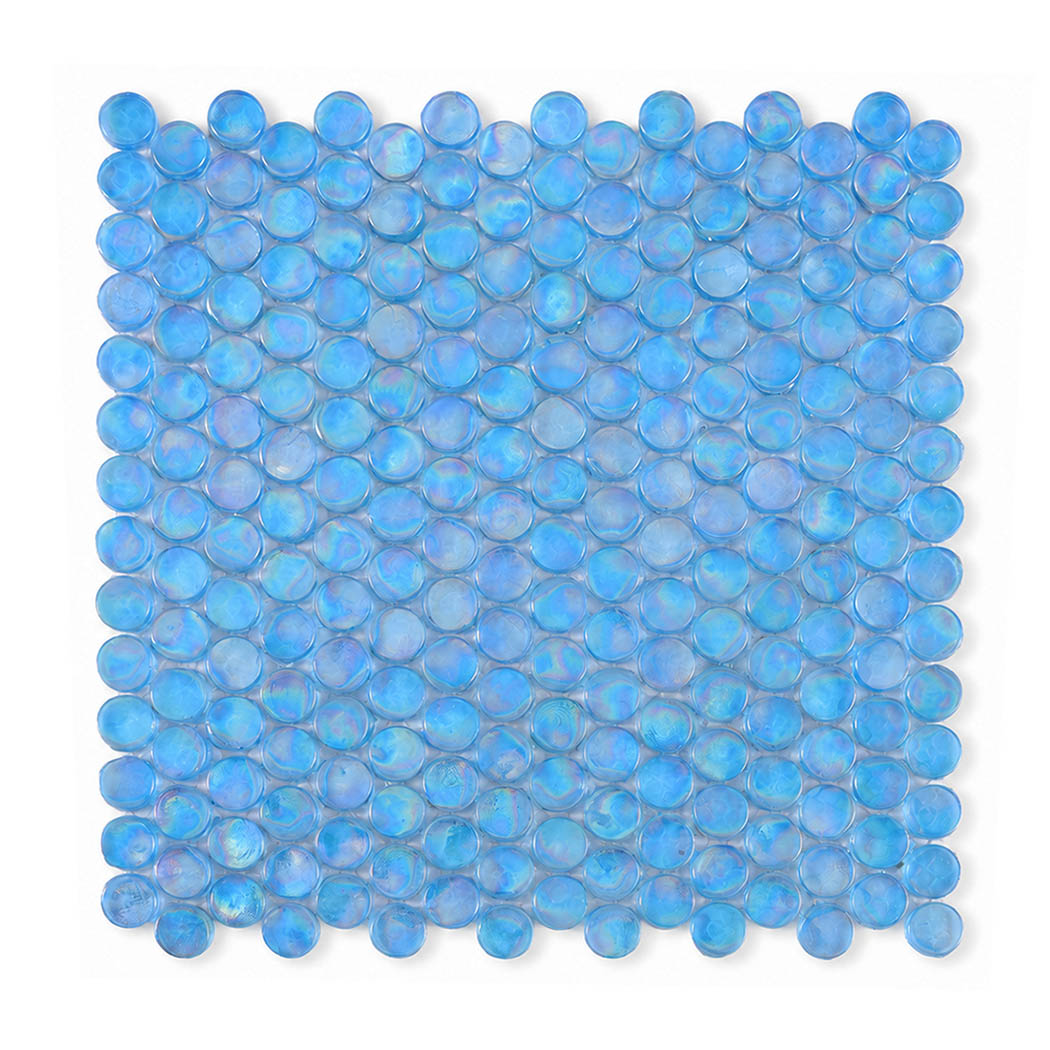
Poolside Tiles from Saicina Tiles bring together wet-area safety, outdoor durability and refined design for residential and commercial swimming pool projects. Explore porcelain pool deck tiles, natural stone pavers, pool coping, glass mosaics and custom decorative solutions created for pool surrounds, spas, water features and outdoor leisure areas.
The area around a swimming pool is exposed to splashing water, direct sunlight, changing temperatures, cleaning chemicals and frequent foot traffic. Choosing the right tile is therefore about more than appearance. A successful poolside surface must provide reliable traction, resist moisture and weather exposure, support effective drainage and coordinate naturally with the pool interior and surrounding architecture.
Saicina Tiles supplies poolside materials for private gardens, luxury villas, hotels, resorts, fitness centers, public swimming facilities and custom landscape projects. Our team can help you compare materials, finishes, colors, dimensions and installation requirements before ordering.
Why Choose Professional Poolside Tiles?
Ordinary indoor flooring is not designed for permanently exposed wet outdoor areas. Poolside tiles are selected according to more demanding performance requirements, including wet traction, low water absorption, resistance to temperature changes and suitability for outdoor installation.
Safer Traction in Wet Conditions
Slip resistance is one of the most important considerations around a swimming pool. Water, sunscreen, body oils and cleaning residue can reduce surface traction, especially on smooth or highly polished materials.
For pool decks and walking areas, choose tiles specifically rated by the manufacturer for wet exterior floors. Textured, matte, grip, bush-hammered, sandblasted and naturally cleft finishes can provide better traction than polished surfaces.
A single slip-resistance number should not be treated as a universal guarantee. Tile suitability also depends on the surface profile, slope, drainage, maintenance conditions, footwear and intended traffic level. Always review the product’s documented use classification and local building requirements before installation.
Low Water Absorption
Tiles installed beside a pool must resist frequent splashing, rain and prolonged humidity. Dense porcelain and properly selected natural stone can reduce the risk of moisture-related staining and deterioration.
For cold climates, low water absorption becomes especially important because moisture inside an unsuitable material may expand during freezing conditions. Products used outdoors should be approved for the local freeze-thaw environment.
Resistance to Sunlight and Weather
Outdoor tiles are continually exposed to ultraviolet light, rainfall, heat and seasonal temperature changes. Poolside materials should maintain stable color and structural performance under the expected climate conditions.
Porcelain pavers are widely used around pools because they can combine low water absorption with resistance to frost, stains, sunlight and outdoor wear. Natural stones can also perform well, although their porosity, finish, sealing needs and climate suitability vary by stone type.
Durable Performance for Frequent Traffic
Residential pools, hotel decks and public swimming facilities experience very different levels of use. A private spa surround may require less wear resistance than a resort pool deck or public aquatic center.
Commercial projects should prioritize tested exterior flooring, stable substrates, appropriate tile thickness and an installation system designed for the anticipated traffic and environmental exposure.
Easier Cleaning and Maintenance
Poolside surfaces collect mineral deposits, leaves, dirt, sunscreen and organic residue. Dense, stain-resistant materials generally require less maintenance than highly porous surfaces.
However, even low-maintenance tiles must be cleaned regularly. Dirt, algae and chemical residue can make an otherwise slip-resistant surface less safe. Use cleaners that are compatible with the tile, grout, sealant and pool-water system.
Explore Poolside Tile Materials
Saicina Tiles offers several material categories for different parts of the pool environment. The correct choice depends on whether the tile will be installed on the surrounding deck, coping, steps, waterline, interior pool wall or decorative feature.
Porcelain Poolside Tiles
Porcelain is one of the most practical materials for outdoor pool decks. Its dense structure, low water absorption and broad range of textured finishes make it suitable for many residential and commercial projects.
Porcelain poolside tiles are available in stone-look, concrete-look, terrazzo-look, wood-look and solid-color designs. They can create the appearance of natural materials while providing more consistent dimensions and relatively straightforward maintenance.
Best suited for:
-
Pool decks and surrounding patios
-
Outdoor walkways
-
Hotel and resort pool areas
-
Residential garden pools
-
Coordinated indoor-outdoor flooring
-
Raised pool terraces
-
Outdoor shower approaches
For exposed exterior installations, select a porcelain tile or paver specifically approved for outdoor wet floors. Standard indoor porcelain should not automatically be assumed suitable for a pool deck.
Natural Stone Pool Tiles and Pavers
Natural stone provides unique variation, organic texture and a strong connection to the surrounding landscape. Travertine, limestone, sandstone, quartzite, slate and granite may be used in poolside projects when their physical properties and finishes match the installation environment.
Travertine Poolside Tiles
Travertine is popular for warm, resort-inspired spaces. Cream, ivory, beige, silver and walnut tones coordinate well with gardens, stucco walls and natural landscaping.
Tumbled and textured travertine can provide a softer, more natural appearance than polished stone. Its thermal comfort, porosity and slip resistance vary by source, density, finish and treatment, so each product should be evaluated individually.
Limestone Pool Tiles
Limestone offers soft neutral colors and a calm architectural appearance. It works especially well in minimalist villas, Mediterranean landscapes and luxury hospitality projects.
Because limestone types vary significantly in density and chemical sensitivity, confirm outdoor suitability, sealing requirements and compatibility with the local pool environment before installation.
Sandstone and Quartzite Pavers
Sandstone and quartzite can introduce pronounced texture and natural color variation. Some varieties offer strong exterior performance, while others require more frequent sealing or may not be appropriate for freeze-thaw climates.
Slate Poolside Tiles
Slate creates a dramatic, earthy surface with naturally varied layers and colors. Exterior-grade slate must be carefully selected because lower-quality material may flake or deteriorate when exposed to continuous moisture and freezing temperatures.
Natural stone considerations:
-
Confirm wet-area and outdoor suitability
-
Review porosity and sealing requirements
-
Test compatibility with pool chemicals
-
Expect natural shade and pattern variation
-
Order enough material from the same production lot
-
Use a cleaner formulated for the specific stone
-
Avoid acidic cleaners on acid-sensitive stone
Glass Mosaic Pool Tiles
Glass mosaics are a signature choice for pool interiors, waterlines, spas, fountains, infinity edges and decorative water features. Their color depth and reflective qualities interact beautifully with moving water and natural light.
Small mosaic pieces can follow curves, steps, benches and custom pool shapes more easily than large-format tiles. Depending on the collection, Saicina glass mosaics may feature matte, translucent, iridescent, metallic, sand-dot or gold-sand effects.
Iridescent Glass Mosaics
Iridescent surfaces reflect shifting colors as the viewing angle and light change. They are ideal for creating luminous waterlines, decorative bands and resort-style pool interiors.
Sand-Dot Glass Mosaics
Sand-dot finishes incorporate fine surface texture that softens reflection and adds visual depth. Product-specific suitability must still be checked before using these mosaics on submerged steps or walking surfaces.
Gold-Sand Glass Mosaics
Gold-sand mosaics contain fine sparkling effects that appear especially vivid under sunlight and water. They work well in luxury spas, infinity pools, hotel water features and decorative borders.
Metallic-Effect Glass Mosaics
Metallic-effect glass creates a modern, architectural look without relying on exposed metal components that may be unsuitable for chemically treated or continuously submerged environments.
Recommended glass mosaic applications:
-
Pool waterlines
-
Interior pool walls
-
Pool floors where specifically rated
-
Submerged benches
-
Spa walls and seats
-
Infinity edges
-
Overflow channels
-
Fountains and water features
-
Decorative poolside borders
Not every glass mosaic is suitable for a pool deck or submerged floor. Confirm the approved application, mounting method, backing, finish and slip classification for each product.
Mosaic Murals and Custom Pool Art
Custom mosaic murals turn a swimming pool or water feature into a distinctive visual centerpiece. Saicina Tiles can develop artwork using pixel-style glass mosaic modules for pool floors, feature walls, hotel spas and resort water attractions.
Popular themes include:
-
Marine life
-
Tropical flowers
-
Geometric patterns
-
Logos and emblems
-
Compass designs
-
Waves and abstract gradients
-
Custom family or hospitality artwork
Large murals are divided into numbered sections to support organized installation. Custom colors, dimensions and image adjustments are available according to the project design.
Poolside Tiles by Application
Poolside flooring, pool coping and submerged pool tile perform different functions. Separating these applications helps prevent unsuitable material selection.
Pool Deck Tiles
Pool deck tiles cover the walkable area surrounding the pool. They should prioritize wet traction, drainage, climate resistance and comfort underfoot.
Large-format porcelain pavers create a clean, modern appearance with fewer grout joints. Smaller-format textured tiles can follow slopes and irregular layouts more easily, but they introduce additional joints that require proper installation and maintenance.
Pool Coping Tiles
Pool coping forms the finished edge at the top perimeter of the pool. It protects the pool structure, creates a transition between the pool and deck, and provides a comfortable edge for swimmers.
Common coping profiles include:
-
Bullnose coping
-
Full-round coping
-
Square-edge coping
-
Drop-face coping
-
Rebated coping
-
Cantilever-style edges
Coping should be coordinated with the surrounding deck but may require a different thickness, edge profile or installation detail. The finished assembly should direct splash water toward the intended drainage system rather than behind the pool shell.
Pool Waterline Tiles
Waterline tiles form a decorative and functional band near the top of the pool interior. They help visually define the water level and provide a surface from which mineral deposits and residue can be cleaned.
Glass, porcelain and selected natural stone mosaics may be used, depending on product approval and maintenance requirements.
Pool Steps and Submerged Benches
Pool steps require special attention because users place their full body weight on surfaces that are continuously wet. Choose products approved for submerged horizontal applications.
Contrasting colors or marker tiles can also improve step-edge visibility. Local accessibility and safety requirements should be considered in public and commercial pools.
Infinity Edges and Overflow Channels
Infinity pools and perimeter-overflow systems require tile that can handle continuous water movement, curved details and frequent chemical exposure. Small porcelain or glass mosaics are often selected because they adapt to detailed geometry.
The waterproofing, adhesive and grout system are as important as the visible tile. These assemblies should be designed and installed by experienced pool professionals.
Spa and Hot Tub Tiles
Spa areas are exposed to elevated temperatures, moisture and chemical treatment. Select tiles, adhesives, grouts and waterproofing products approved for the expected operating conditions.
Small mosaics are commonly used for contoured spa seats, curved walls and compact steps.
Best Poolside Tile Finishes
Surface finish has a major effect on both appearance and wet-area performance.
Matte Finish
Matte tiles reduce glare and provide a soft contemporary appearance. A matte finish does not automatically mean slip-resistant, so product testing and use classifications must still be reviewed.
Textured or Grip Finish
Grip finishes are developed to increase surface traction. They are commonly used on exposed pool decks, commercial terraces and other areas that remain wet during use.
More texture can improve traction but may also retain dirt more easily. Cleaning procedures should be considered during product selection.
Tumbled Finish
Tumbled natural stone has softened edges and an aged surface that suits Mediterranean, rustic and resort-inspired designs. Sealing and maintenance depend on the stone type.
Bush-Hammered or Sandblasted Finish
These mechanical finishes create a more pronounced texture on natural stone. They are often chosen for exterior walking surfaces but should be evaluated for bare-foot comfort.
Polished Finish
Highly polished tile is generally not recommended for exposed poolside walking areas because the surface may become dangerously slippery when wet.
Polished materials may still be used on vertical features or decorative areas where walking traction is not required.
Poolside Tile Colors and Design Styles
Blue Poolside Tiles
Blue mosaics connect visually with the water and remain a classic choice for waterlines, interiors and decorative borders. Pale aqua creates a refreshing coastal look, while navy and cobalt produce greater contrast.
White and Ivory Pool Tiles
White, ivory and cream surfaces create a clean resort atmosphere and coordinate easily with blue water. Lighter colors may also feel more comfortable in intense sunlight than very dark surfaces, although actual surface temperature depends on material, color, exposure and local conditions.
Beige and Sand Pool Tiles
Beige, tan and sand tones blend naturally with stone walls, tropical planting and Mediterranean architecture. Travertine and stone-look porcelain are especially suitable for this palette.
Gray Poolside Tiles
Light and mid-gray tiles support modern, minimalist and commercial designs. Concrete-look porcelain can create a seamless transition between the pool deck, outdoor kitchen and surrounding architecture.
Green and Turquoise Pool Tiles
Green, turquoise and teal mosaics can produce a tropical or lagoon-inspired effect. These colors work particularly well in glass because the material interacts with water and sunlight.
Dark Pool Tiles
Charcoal, black and deep brown tiles create dramatic contrast but may become hotter under direct sunlight. They are often better suited to borders, shaded areas, waterlines or selective feature zones than large unshaded barefoot surfaces.
Mixed-Color Mosaics
Blended mosaics introduce movement and help disguise minor mineral residue. They are available in ocean blues, neutral stone tones, tropical greens and custom gradients.
Popular Poolside Design Ideas
Modern Minimalist Pool Deck
Combine large-format light-gray porcelain pavers with a narrow dark waterline mosaic. Use simple coping profiles and restrained landscaping for a clean architectural result.
Mediterranean Pool Surround
Pair ivory or beige travertine with blue glass mosaics, textured stucco walls and natural planting. Tumbled edges and warm neutral tones create a relaxed resort atmosphere.
Tropical Resort Pool
Use turquoise and green glass mosaics inside the pool with sandy beige pavers around the deck. Add curved edges, lush planting and a coordinated spa.
Luxury Hotel Pool
Combine custom mosaic artwork, large-format porcelain pavers, linear overflow details and contrasting coping. Select materials rated for commercial traffic and establish a documented cleaning program.
Natural Garden Pool
Choose stone-look porcelain or suitable natural stone in soft gray, beige and brown tones. Coordinate the pool deck with garden paths, retaining walls and landscape features.
Contemporary Black-and-White Pool
Use light pool deck pavers with black waterline accents or geometric mosaic patterns. Limit dark walking surfaces in highly exposed locations where heat may affect barefoot comfort.
How to Choose the Right Poolside Tiles
1. Identify the Exact Installation Area
Start by determining whether the product will be used for:
-
The surrounding pool deck
-
Pool coping
-
Waterline walls
-
Submerged walls
-
Submerged floors
-
Pool steps
-
Spa seats
-
Infinity edges
-
Overflow channels
-
Outdoor showers
-
Decorative features
A product approved for a vertical waterline is not automatically suitable for a wet walking surface.
2. Confirm Wet-Area Slip Suitability
Request the manufacturer’s technical data and intended-use classification. For pool deck applications, look for a surface specifically designated for wet exterior pedestrian use.
Consider whether the area is level, sloped, barefoot, highly trafficked or subject to continuous water flow. More demanding conditions may require a more aggressively textured finish.
3. Review Water Absorption and Climate Performance
In freeze-thaw regions, use exterior-rated materials with suitable water absorption and frost resistance. In hot climates, consider lighter colors, shading and barefoot comfort.
Coastal projects may also require special attention to salt exposure, substrate preparation and corrosion-resistant installation components.
4. Consider Tile Size and Drainage
Large-format tiles provide a streamlined appearance but require an accurately prepared substrate. Smaller tiles can follow complex slopes more easily.
The finished deck should direct water away from the pool structure and toward approved drains. Tile size, slope, grout joints and drainage design must work together.
5. Compare Maintenance Requirements
Porcelain generally requires less sealing than natural stone. Some natural stones need penetrating sealer and periodic resealing.
Glass waterline mosaics are relatively easy to wipe clean, but mineral buildup can still develop if pool-water chemistry is not maintained.
6. Order Samples
Colors and finishes can appear different under outdoor sunlight, shade and water. Review physical samples beside the pool, exterior walls, coping and landscape materials before confirming the final selection.
7. Check Production-Lot Variation
Natural stone and some ceramic or glass products may vary between batches. Order sufficient material at one time and mix pieces from several boxes during installation to distribute variation.
Poolside Tile Installation Guide
Professional installation is strongly recommended for pool environments. Water exposure, structural movement, drainage and temperature changes make these projects more technically demanding than ordinary indoor tile work.
Prepare a Stable Substrate
The base must be structurally sound, clean, properly cured and free from contaminants that could reduce adhesion. Cracks, settlement and drainage issues should be addressed before tiling.
Install the Correct Waterproofing System
Submerged pools, spas, fountains and overflow channels require a waterproofing assembly designed for permanent immersion. Outdoor pool decks may require different moisture-management details depending on construction.
Use components that are compatible as a complete system rather than mixing products without technical confirmation.
Use an Appropriate Tile Adhesive
Select an adhesive approved for the tile material, exterior conditions and, where applicable, permanent submersion. Glass, porcelain and natural stone may require different mortar characteristics.
White mortar is often selected behind translucent or light-colored glass mosaics to preserve the intended appearance.
Achieve Full Mortar Coverage
Exterior and submerged installations require thorough adhesive contact with minimal voids. Empty spaces beneath the tile can collect water and increase the risk of cracking, debonding or freeze-related damage.
Include Movement and Expansion Joints
Pool decks, coping and tiled surfaces expand and contract as temperatures and moisture conditions change. Movement joints must not be filled with rigid grout.
The joint between the pool coping and adjoining deck often requires a flexible detail that allows the structures to move independently. Joint placement and sealant selection should follow the project design, tile-industry guidance and local construction requirements.
Use Suitable Grout
Choose grout approved for the installation environment. High-performance cementitious and epoxy grouts are commonly considered for pool projects, but suitability depends on the tile, water chemistry, joint width and installer requirements.
Grout should not replace movement joints or flexible sealant locations.
Protect the Installation During Curing
Newly installed tile must be protected from rain, freezing conditions, rapid drying, foot traffic and premature filling. Follow the waterproofing, adhesive and grout manufacturers’ curing instructions.
Cleaning and Maintaining Poolside Tiles
Routine Cleaning
Remove leaves and loose debris regularly. Wash the surface with clean water and use a pH-appropriate cleaner when required.
Control Algae and Organic Buildup
Algae can make textured surfaces slippery. Maintain proper drainage, sunlight exposure where possible and regular cleaning.
Remove Mineral Deposits Carefully
Waterline scale and calcium deposits should be treated using a method compatible with the tile and grout. Avoid aggressive scraping or acidic products unless specifically approved.
Maintain Natural Stone Sealers
Inspect sealed natural stone periodically. Resealing frequency depends on the stone, sealer, exposure and cleaning routine.
Check Grout and Flexible Joints
Look for cracked grout, deteriorated sealant, loose tile or water infiltration. Early repairs can prevent more extensive structural damage.
Maintain Pool-Water Chemistry
Unbalanced water chemistry can damage grout, stone and some decorative finishes. Follow professional pool-maintenance guidance and product-specific chemical resistance recommendations.
Residential Poolside Tiles
Saicina Tiles supplies materials for private pools, garden spas, courtyard water features and residential renovation projects.
Homeowners can coordinate the poolside deck with:
-
Exterior wall finishes
-
Outdoor kitchens
-
Garden pathways
-
Patio furniture
-
Pool interior mosaics
-
Waterline borders
-
Steps and coping
-
Outdoor showers
Samples and layout advice can help confirm the design before ordering.
Commercial Poolside Tiles
Commercial swimming facilities require materials that support higher traffic, scheduled maintenance and project-specific safety requirements.
Suitable projects include:
-
Hotels and resorts
-
Fitness centers
-
Apartment communities
-
Public aquatic centers
-
Schools and universities
-
Wellness clubs
-
Spas and thermal baths
-
Water parks
-
Restaurants with decorative water features
Commercial specifications should address intended-use classification, tile thickness, substrate design, waterproofing, drainage, chemical exposure and long-term replacement availability.
Custom Poolside Tile Solutions
Saicina Tiles supports custom residential, hospitality and commercial projects with flexible design and manufacturing services.
Custom Colors
Develop a mosaic blend that coordinates with the pool water, architecture, landscape or brand identity.
Custom Sizes and Shapes
Selected products can be produced in custom chip sizes, sheet dimensions, borders and decorative formats.
Custom Mosaic Murals
Convert artwork, logos or original concepts into numbered mosaic modules for organized installation.
Coordinated Pool Collections
Combine waterline mosaics, pool interior tile, coping details and surrounding deck materials into a unified design concept.
Project Quantity Support
We can assist with tile quantities based on the installation dimensions and recommended extra material for cutting, breakage and future repairs.
Why Choose Saicina Tiles?
Saicina Tiles specializes in decorative mosaics, custom tile production and project-based tile supply. Our collections include glass mosaic, porcelain, natural stone, metal-effect designs and handmade mosaic artwork for residential and commercial environments.
Broad Material Selection
Compare pool deck pavers, waterline mosaics, pool interior tiles, natural stone and custom decorative solutions from one supplier.
Custom Manufacturing
Create custom colors, dimensions, blends, patterns and mosaic murals for distinctive pool and hospitality projects.
Material Guidance
Receive application-focused advice based on the location of the tile, expected exposure, desired finish and project style.
Samples Available
Review physical color, texture and finish before placing a full project order.
Residential and Commercial Supply
We support private pool renovations, custom homes, hotels, resorts, spas and large commercial developments.
International Project Support
Saicina Tiles works with customers, designers, contractors and distributors in international markets.
Frequently Asked Questions About Poolside Tiles
What are the best tiles for a poolside deck?
Textured exterior-rated porcelain is one of the most versatile choices because it can offer low water absorption, weather resistance and relatively easy maintenance. Suitable natural stone can also perform well when correctly selected, finished, sealed and installed.
The best choice depends on the climate, traffic level, design, maintenance expectations and documented wet-area suitability.
Are poolside tiles slippery when wet?
Any surface can become slippery when contaminated or poorly maintained. For poolside walking areas, select tiles specifically rated for wet exterior use and maintain them regularly.
Avoid assuming that a tile is safe simply because it has a matte appearance.
Can indoor tiles be used around a swimming pool?
Indoor tiles should not be used outdoors unless the manufacturer explicitly approves them for the intended exterior wet application. Indoor products may lack the necessary traction, frost resistance, thickness or weather durability.
Are porcelain tiles suitable for pool decks?
Exterior-rated porcelain tiles and pavers are widely used for pool decks. They can provide low water absorption, stain resistance and a variety of textured surfaces.
Confirm that the selected product is approved for wet outdoor pedestrian areas rather than relying only on the word “porcelain.”
Is natural stone good for poolside areas?
Yes, selected natural stones can create durable and visually distinctive pool surrounds. However, performance varies widely.
Review porosity, finish, sealing needs, chemical sensitivity, salt resistance and freeze-thaw suitability before selection.
Can glass mosaic be used around a pool?
Glass mosaic is excellent for waterlines, pool interiors, spas, fountains, decorative borders and infinity edges. Only use it on pool decks or submerged walking surfaces when the specific product is approved for that application.
What color stays coolest around a pool?
Light colors generally absorb less solar heat than very dark colors, making white, ivory, beige and light gray common choices for exposed barefoot areas. Actual surface temperature also depends on the material, texture, air temperature, sunlight and installation conditions.
Test samples in direct sun before making a final decision.
Do poolside tiles need to be sealed?
Porcelain usually does not require surface sealing, although grout and installation details may have separate requirements.
Many natural stones benefit from a compatible penetrating sealer. Glass typically does not require sealing, but surrounding grout may require specific care.
How thick should poolside tiles be?
Thickness depends on the product, substrate and installation method. Bonded exterior tile, pedestal-supported porcelain pavers and dry-laid pavers may all require different thicknesses.
Follow the manufacturer’s instructions and the project engineer or installer’s requirements.
Can poolside tiles be installed over concrete?
Tiles may be installed over a properly prepared concrete substrate if it is stable, suitably cured, correctly sloped and compatible with the selected installation system.
Existing cracks, moisture problems and movement joints must be evaluated before tiling.
How much extra tile should I order?
Many projects allow approximately 10% additional material for cutting, breakage and future repairs. Complex layouts, diagonal patterns, custom mosaics or extensive curves may require more.
Calculate the allowance according to the specific layout and installer’s recommendation.
What is the difference between pool coping and pool deck tile?
Pool coping forms the finished edge directly around the top of the pool. Pool deck tile covers the larger surrounding walking area.
The two materials can match, but coping often has a special edge profile, thickness or installation detail.
Can pool tiles withstand chlorine and salt water?
Products designed for swimming pools are generally selected for exposure to treated water, but resistance differs by material, finish, grout and chemical concentration.
Confirm the specific product’s suitability for chlorinated or saltwater systems and maintain balanced water chemistry.
How do I clean poolside tiles?
Sweep or rinse loose debris, then use a cleaner approved for the tile and grout. Avoid waxy coatings that could reduce traction.
Do not use acidic cleaners on acid-sensitive natural stones such as limestone, marble or travertine unless a stone-care professional has approved the method.
Are small or large tiles better around a pool?
Large tiles provide a modern appearance with fewer grout lines but require accurate substrate preparation and slope control. Small tiles adapt more easily to curves and drainage transitions.
The best format depends on the deck geometry, design and installation conditions.
Create Your Poolside Space with Saicina Tiles
Poolside Tiles should make an outdoor space safer, easier to maintain and visually connected to the pool, landscape and architecture. Saicina Tiles offers porcelain, natural stone, glass mosaic and custom decorative options for pool decks, coping, waterlines, spas and water features.
Contact our team to request samples, compare materials or discuss a custom residential or commercial pool project. Share your dimensions, application area, preferred color and design references, and we will help you identify suitable tile options.