

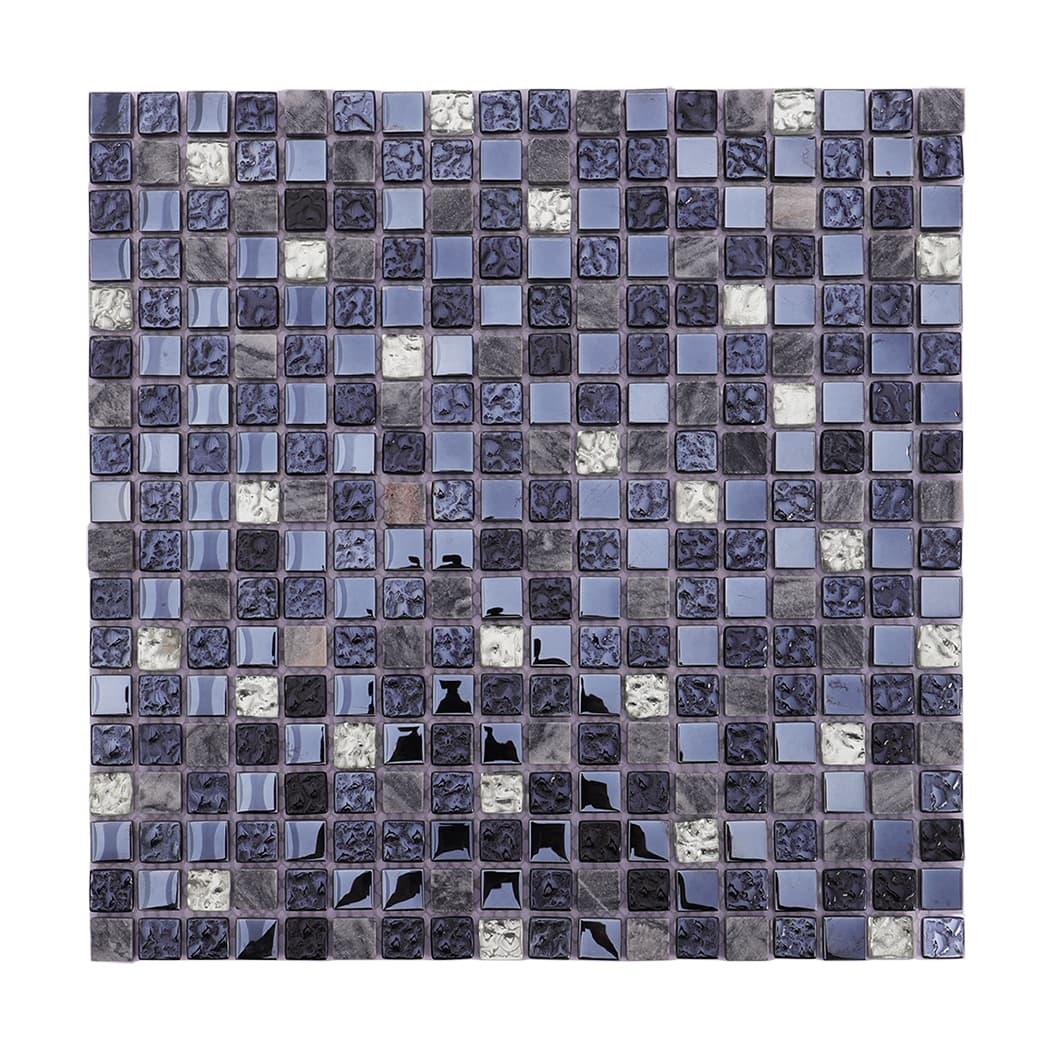
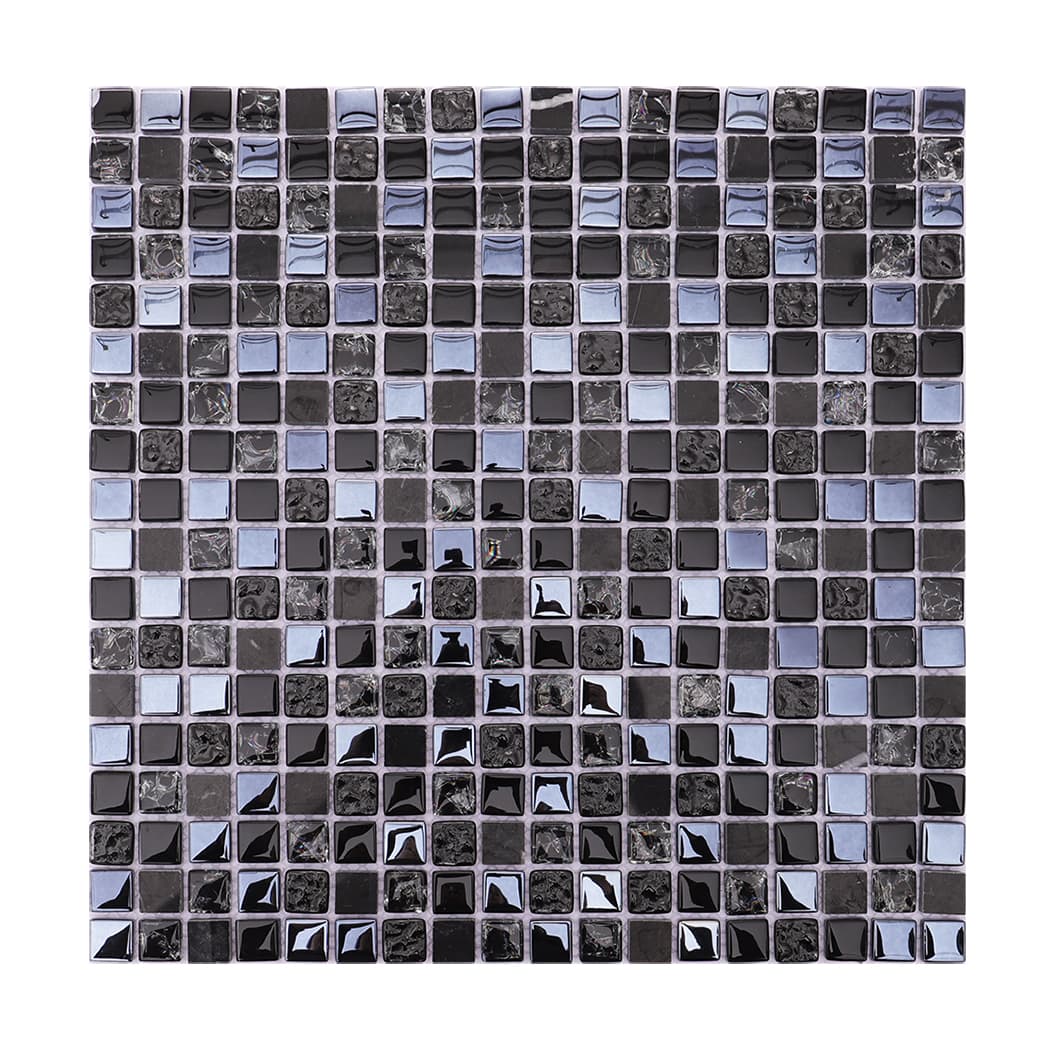
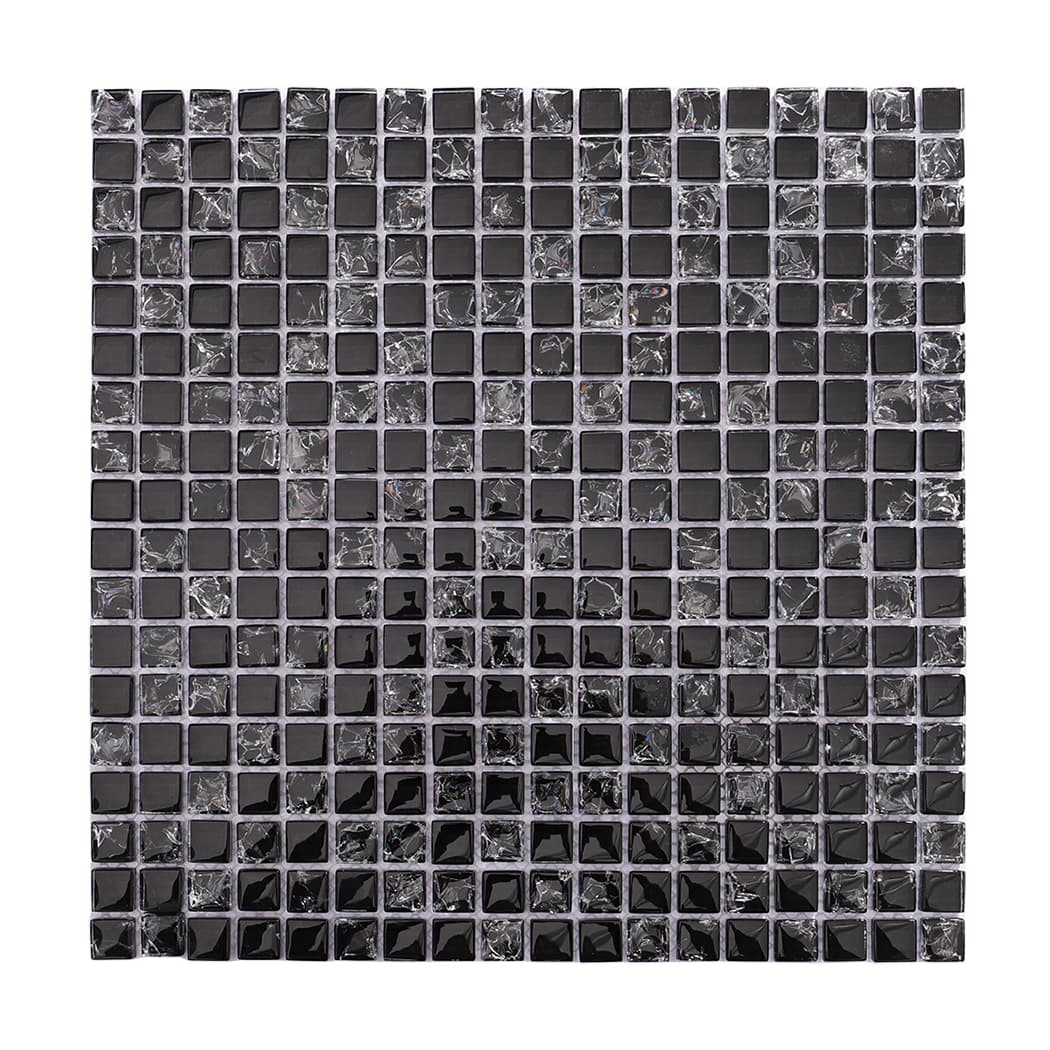
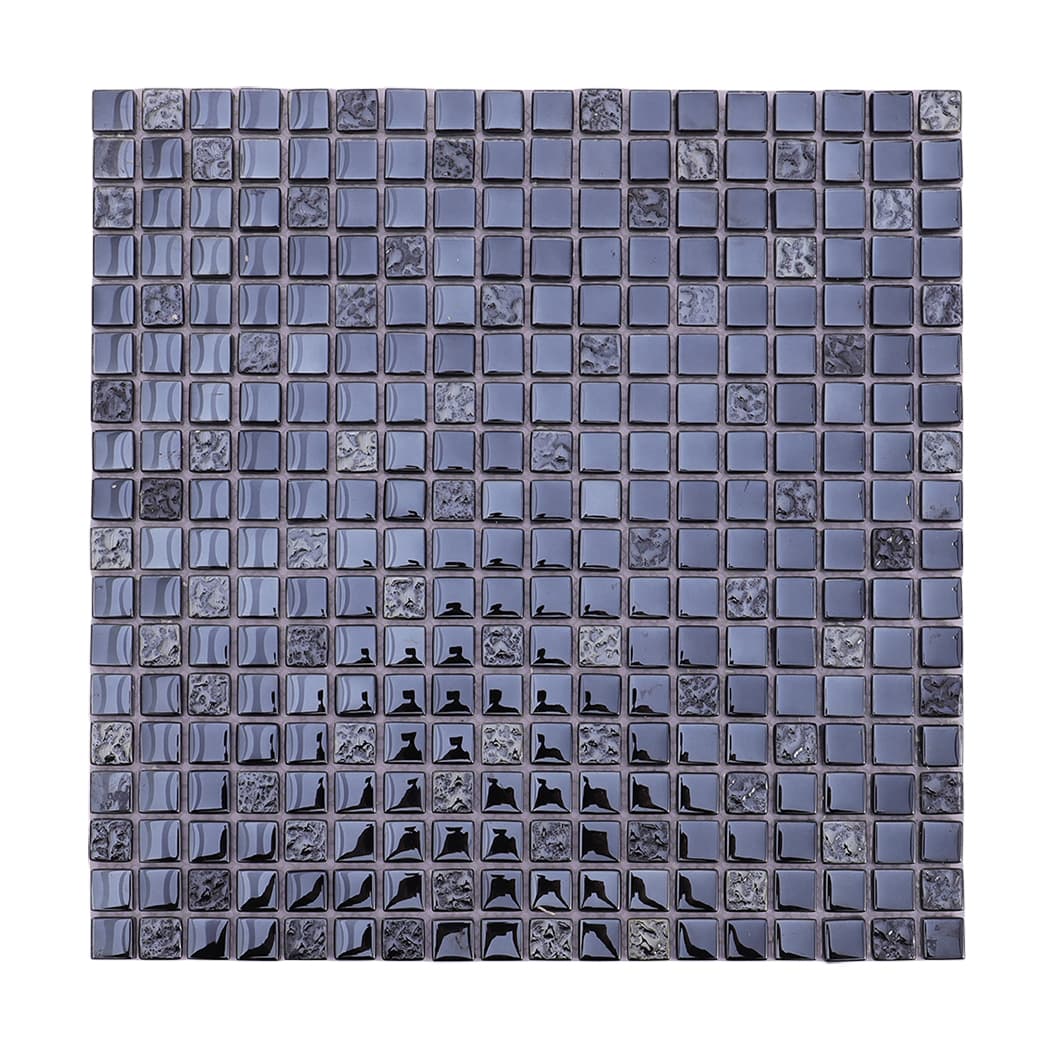
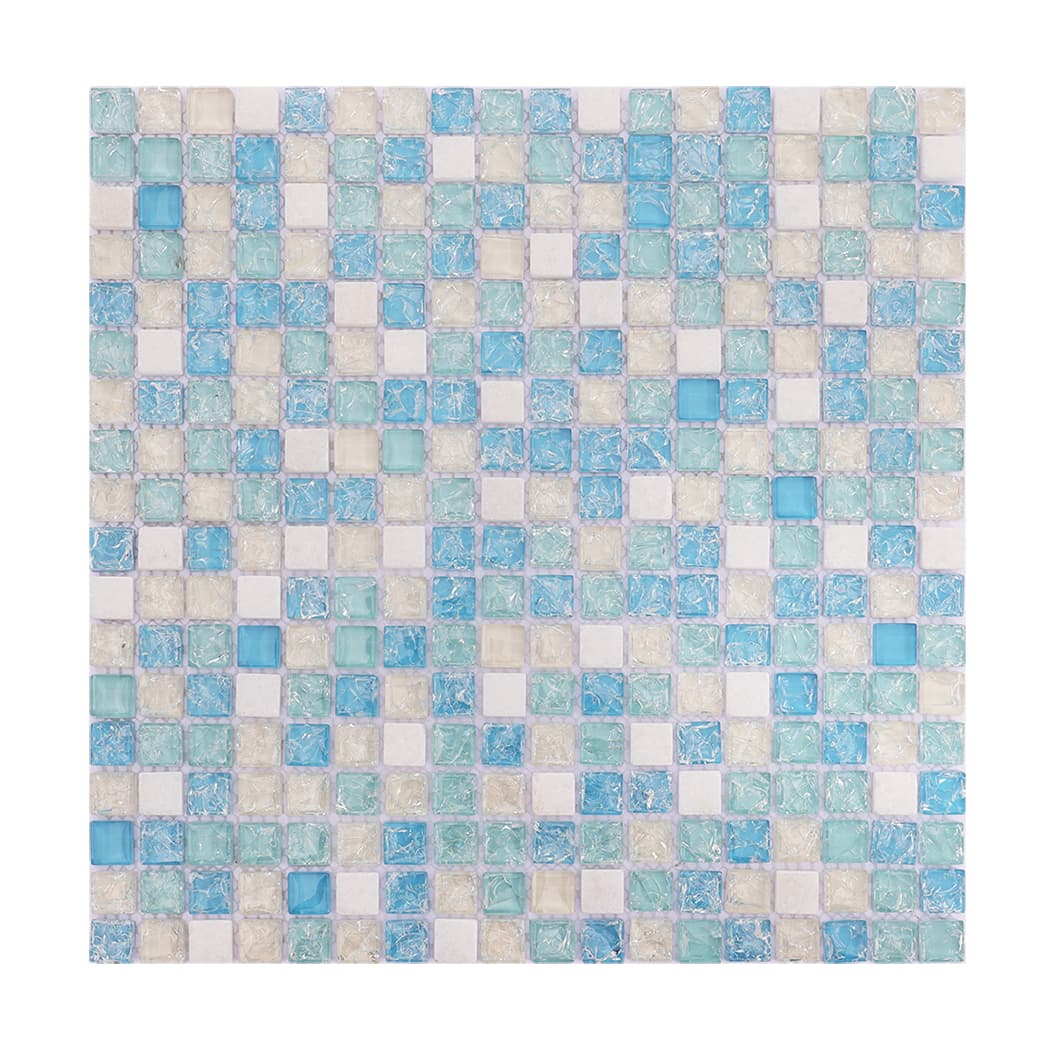
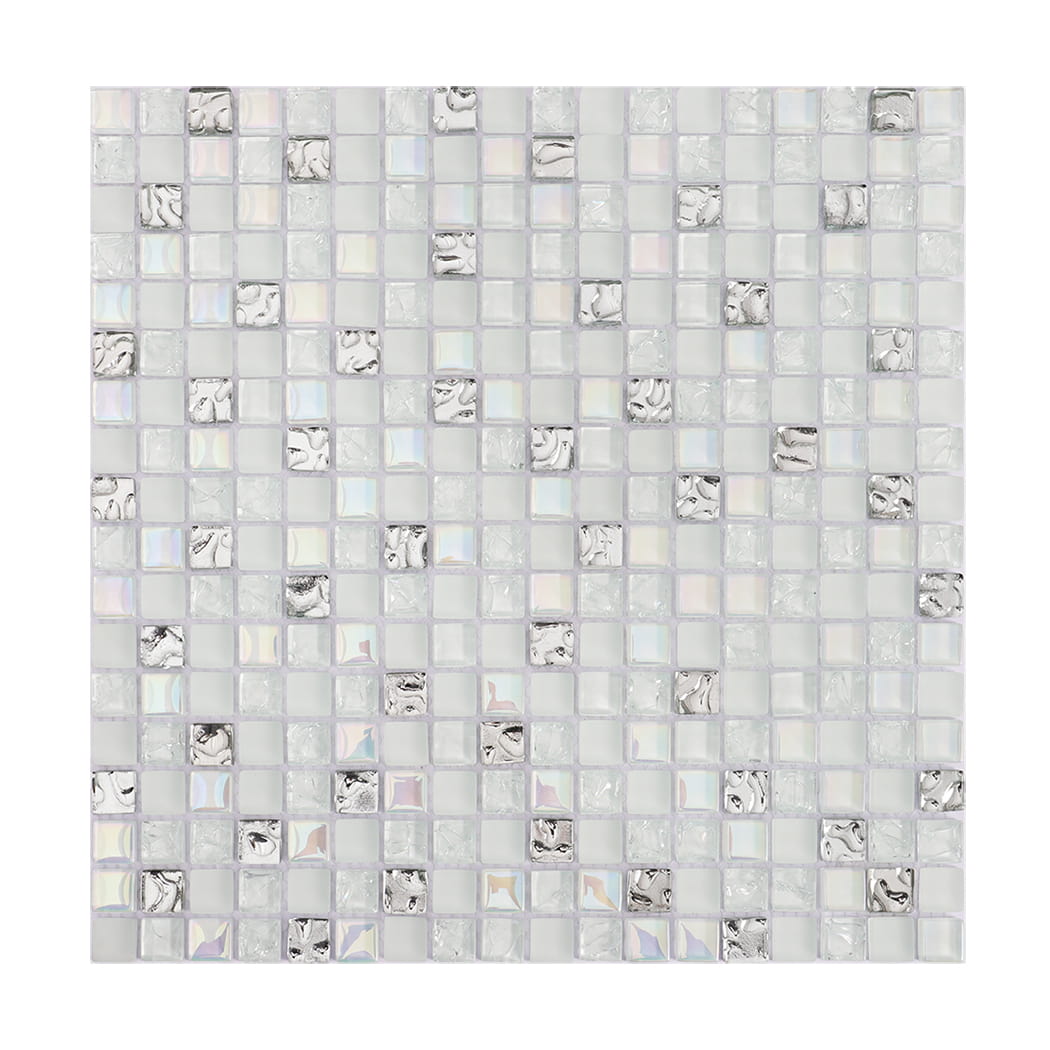
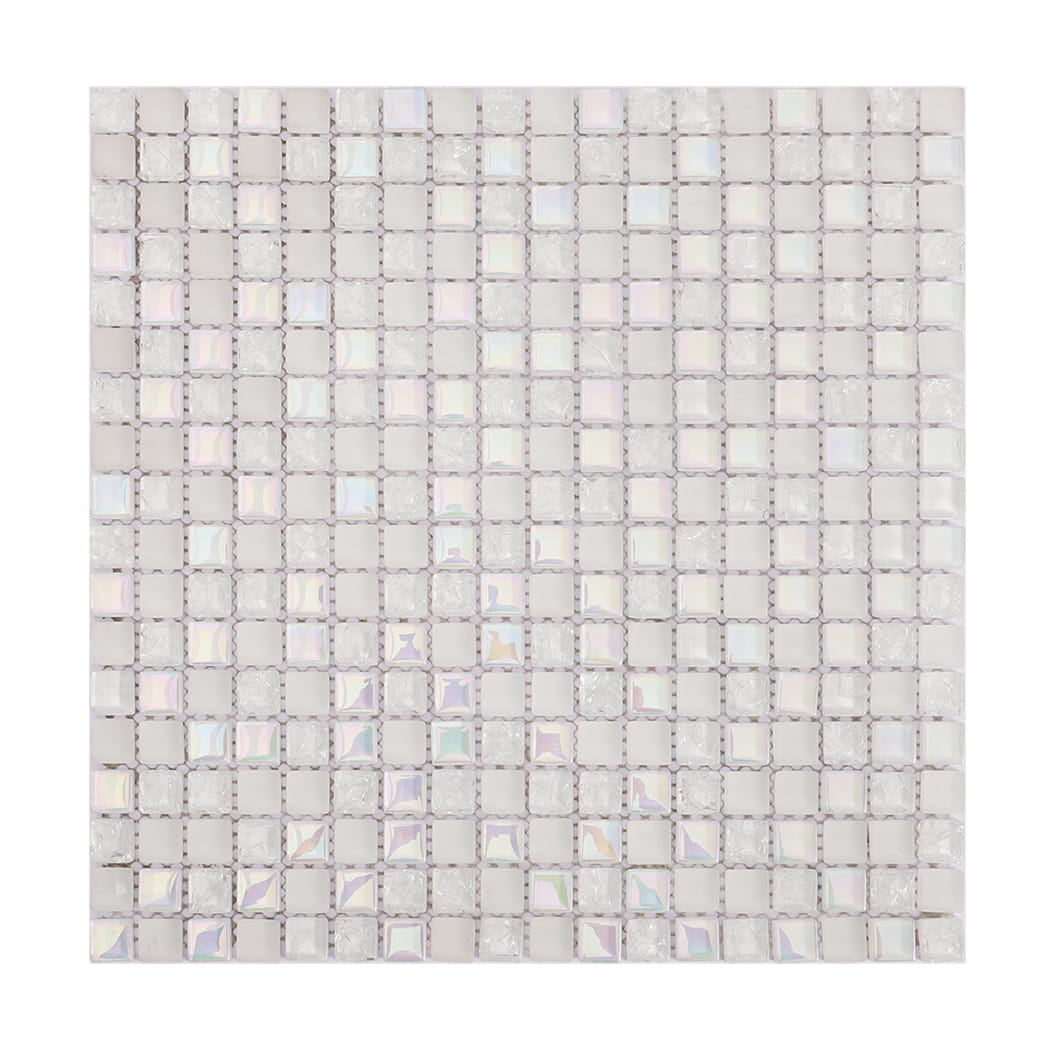
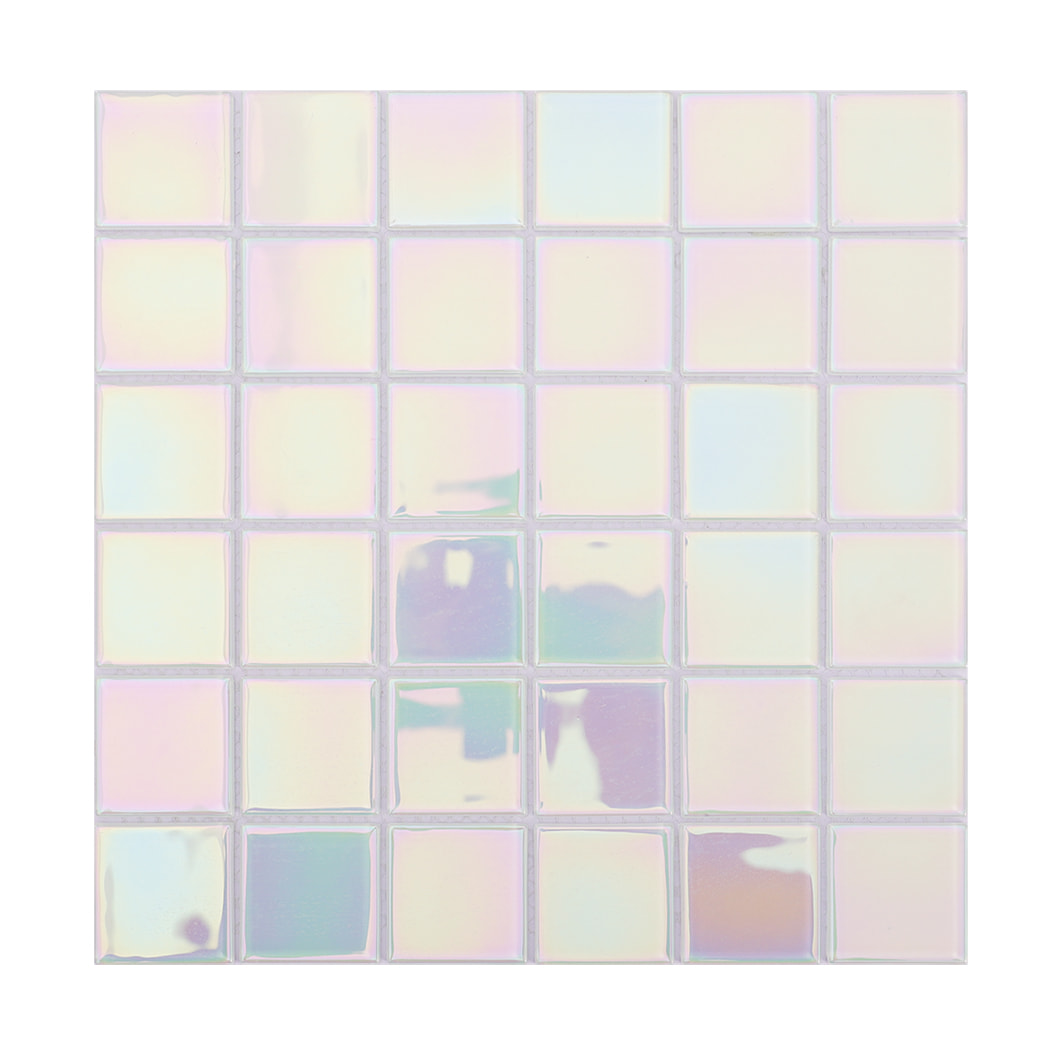

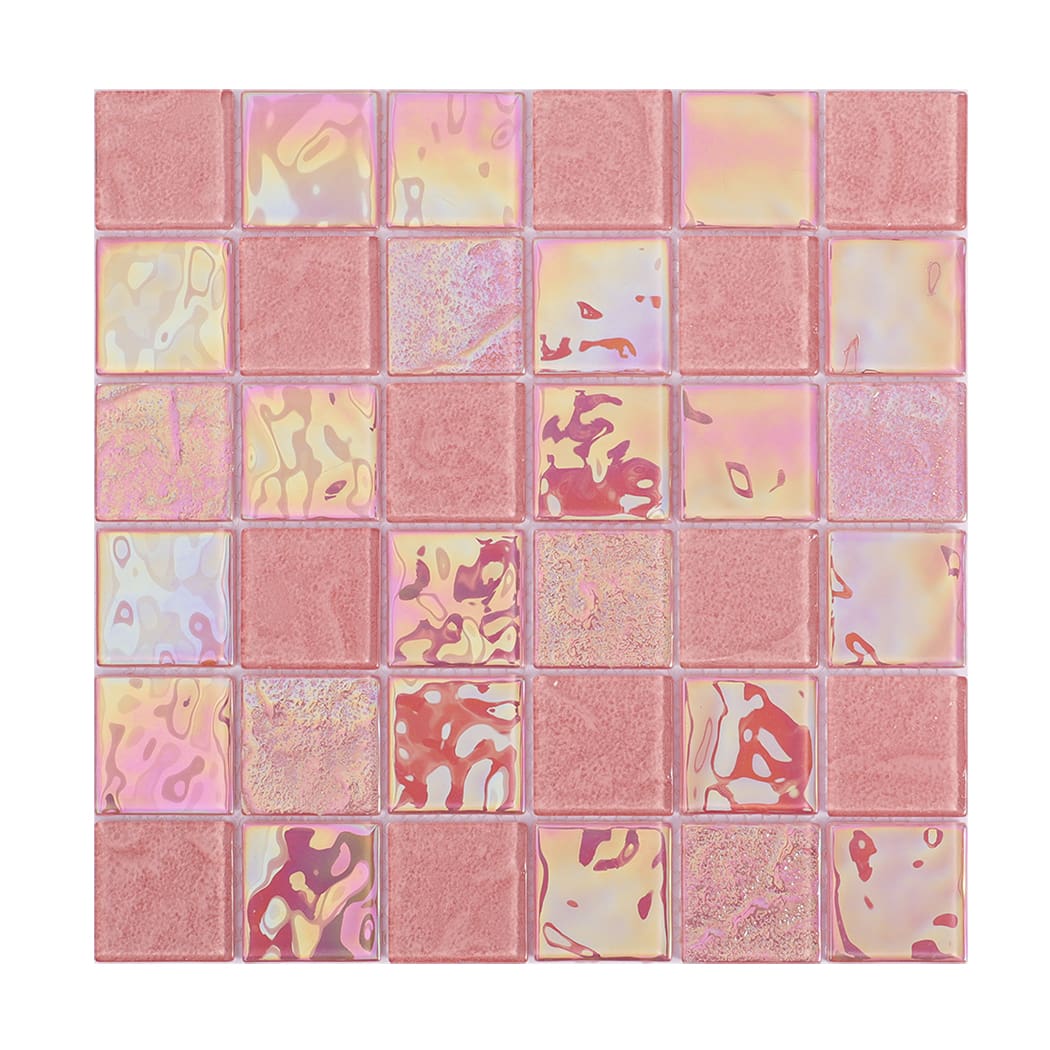

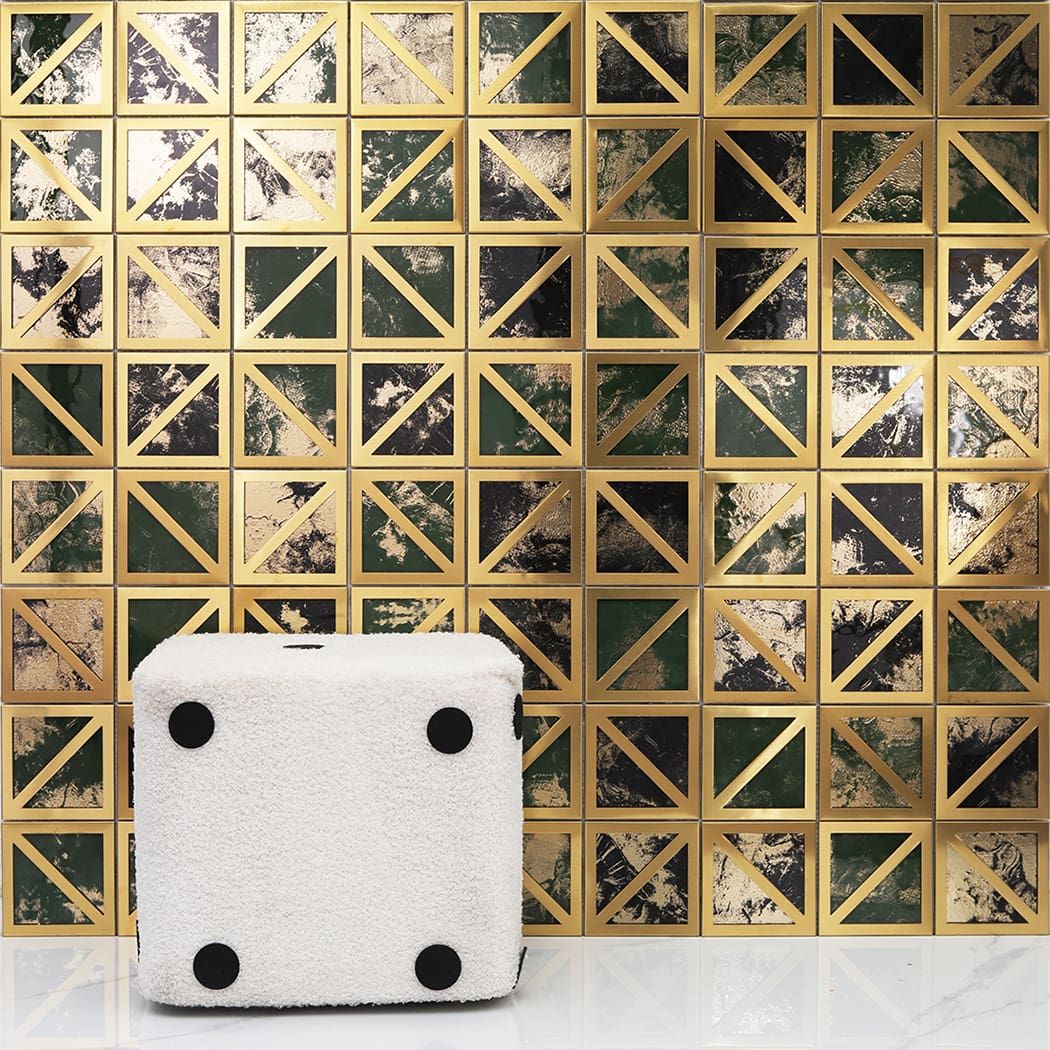
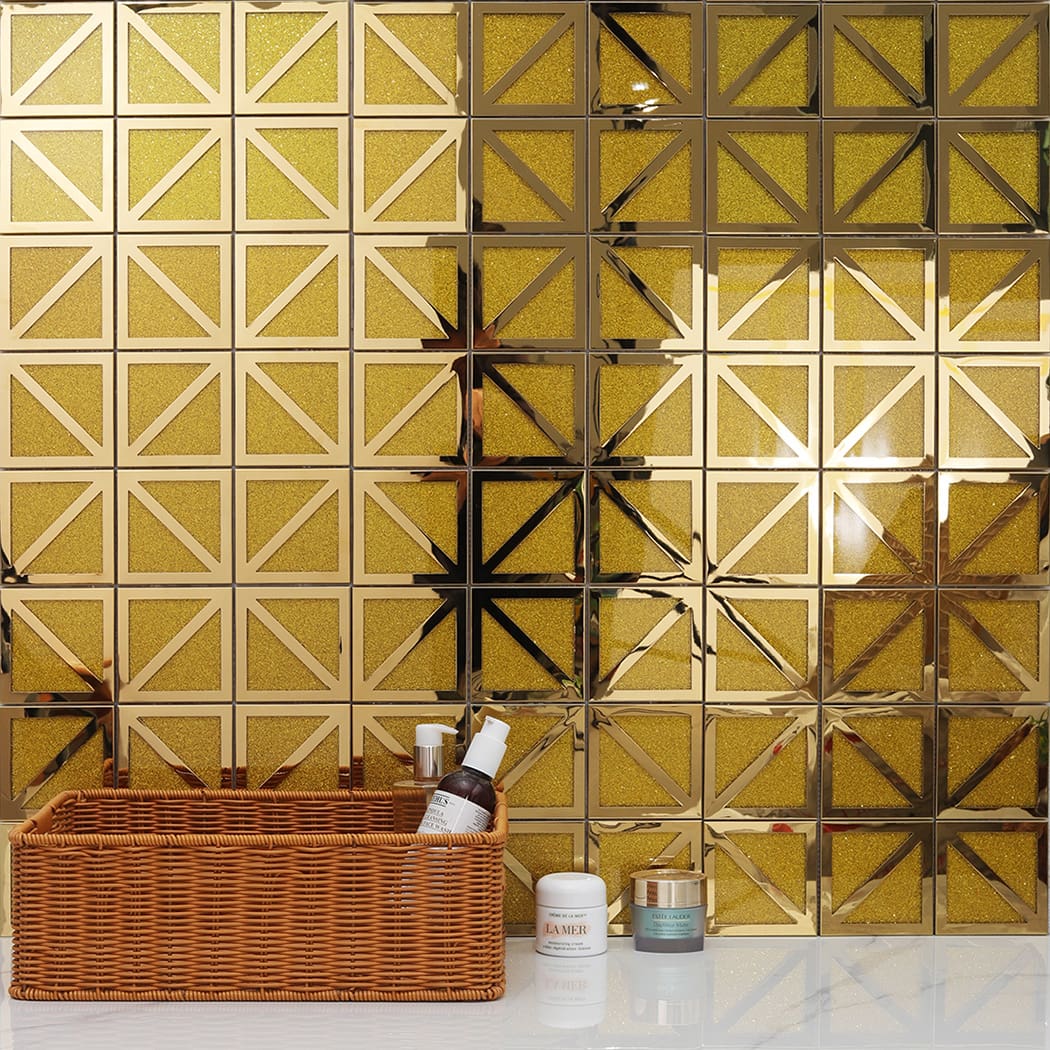
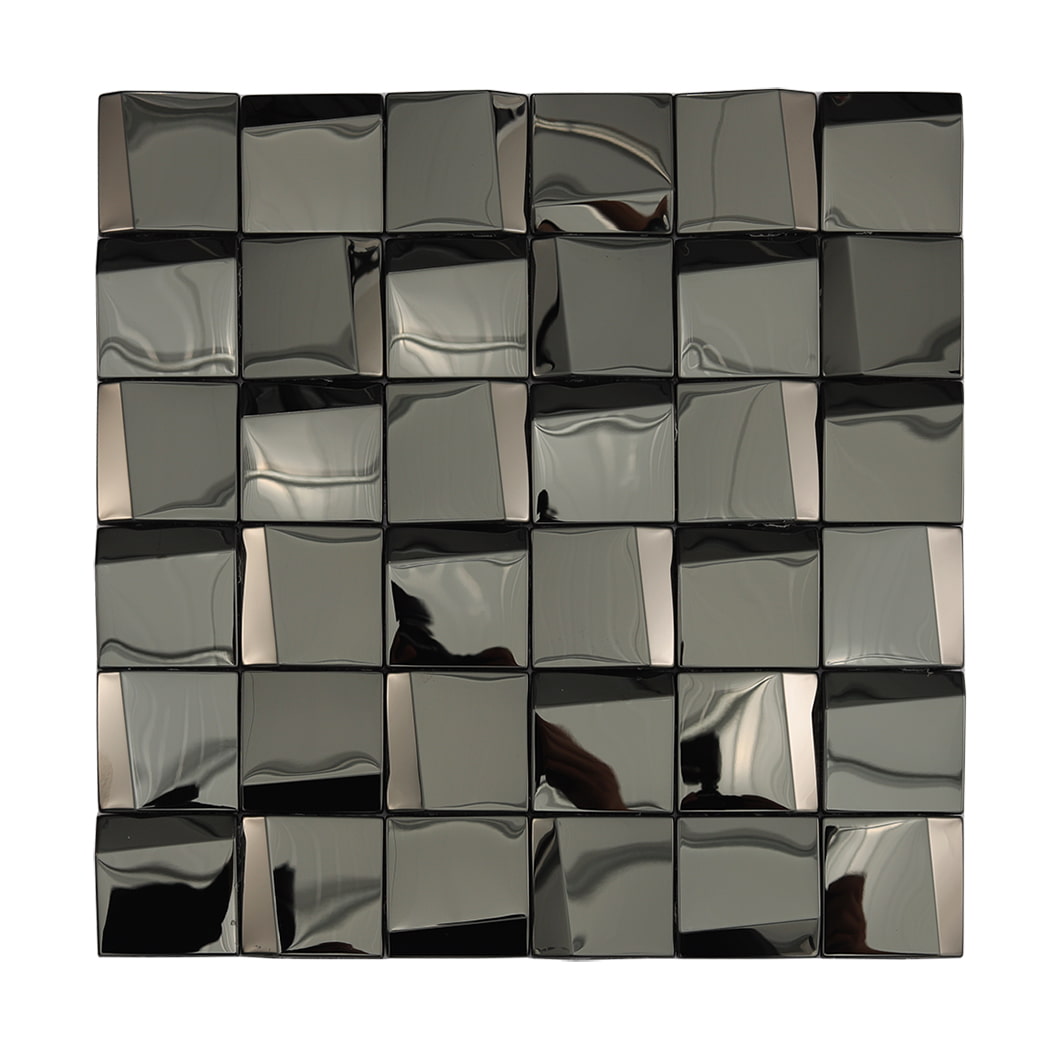
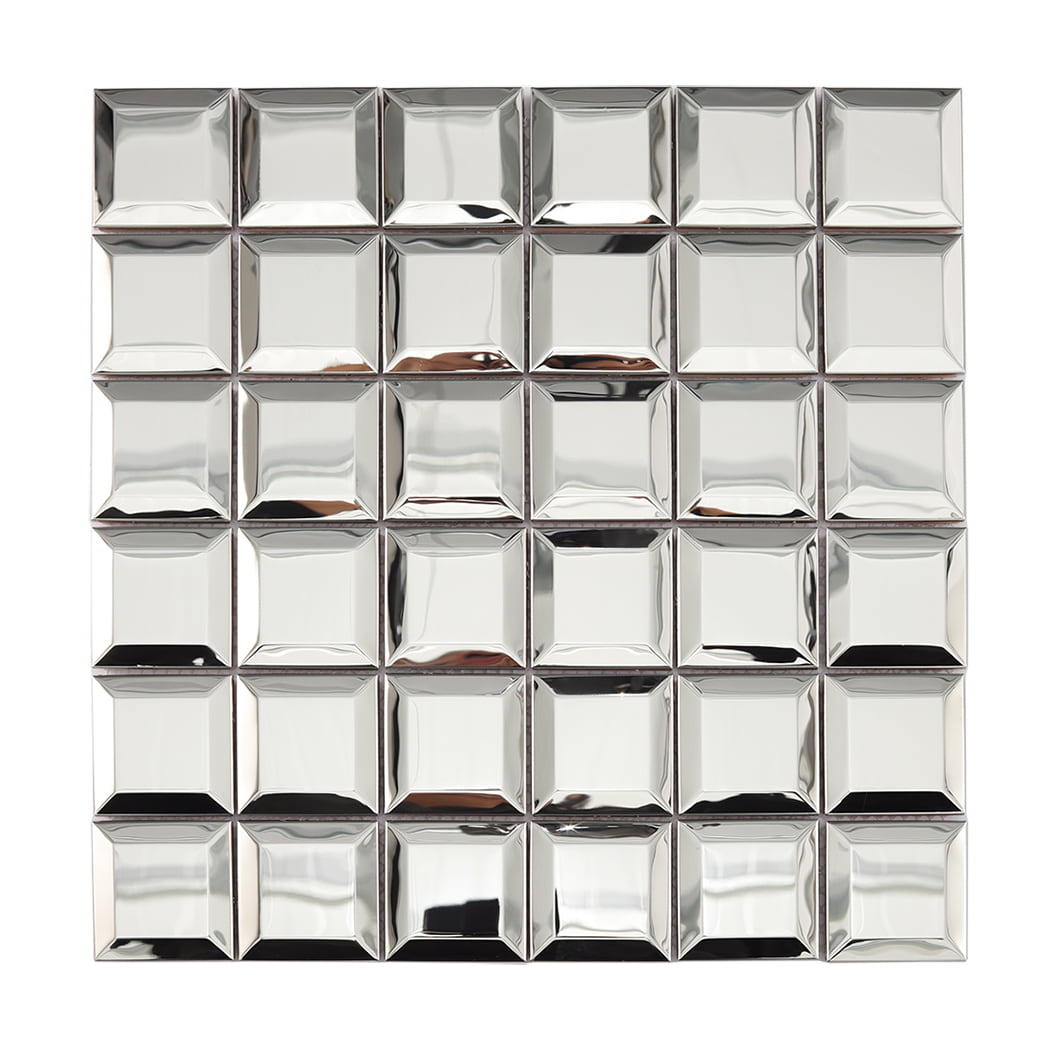
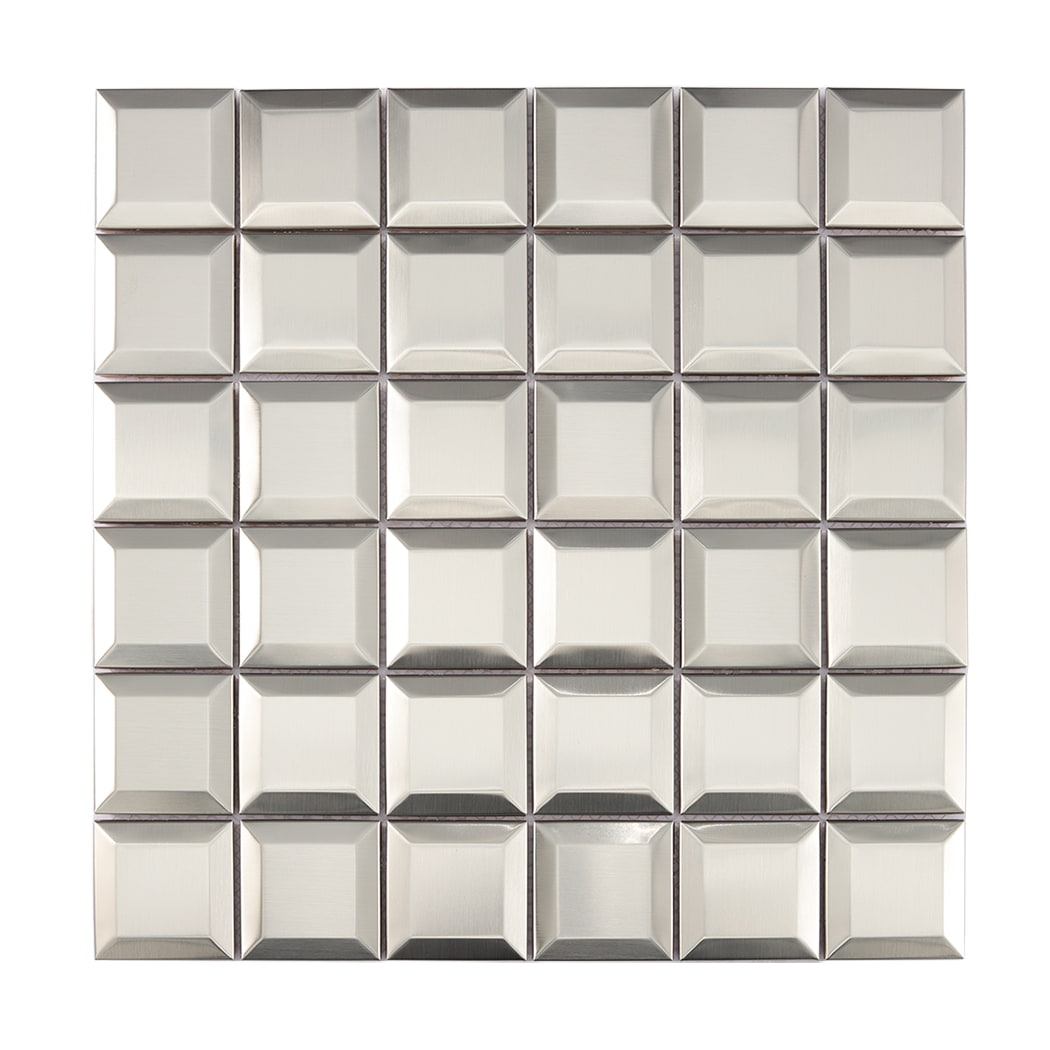
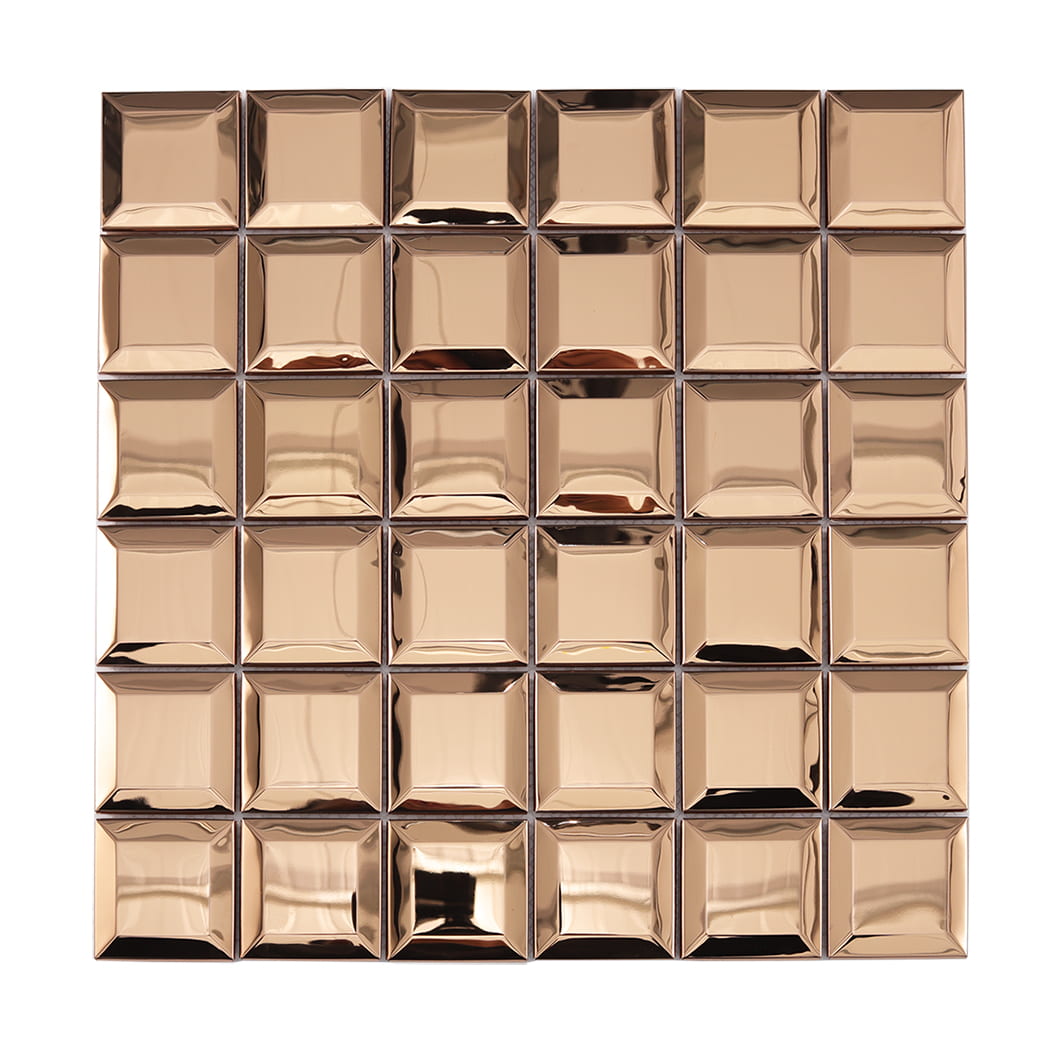
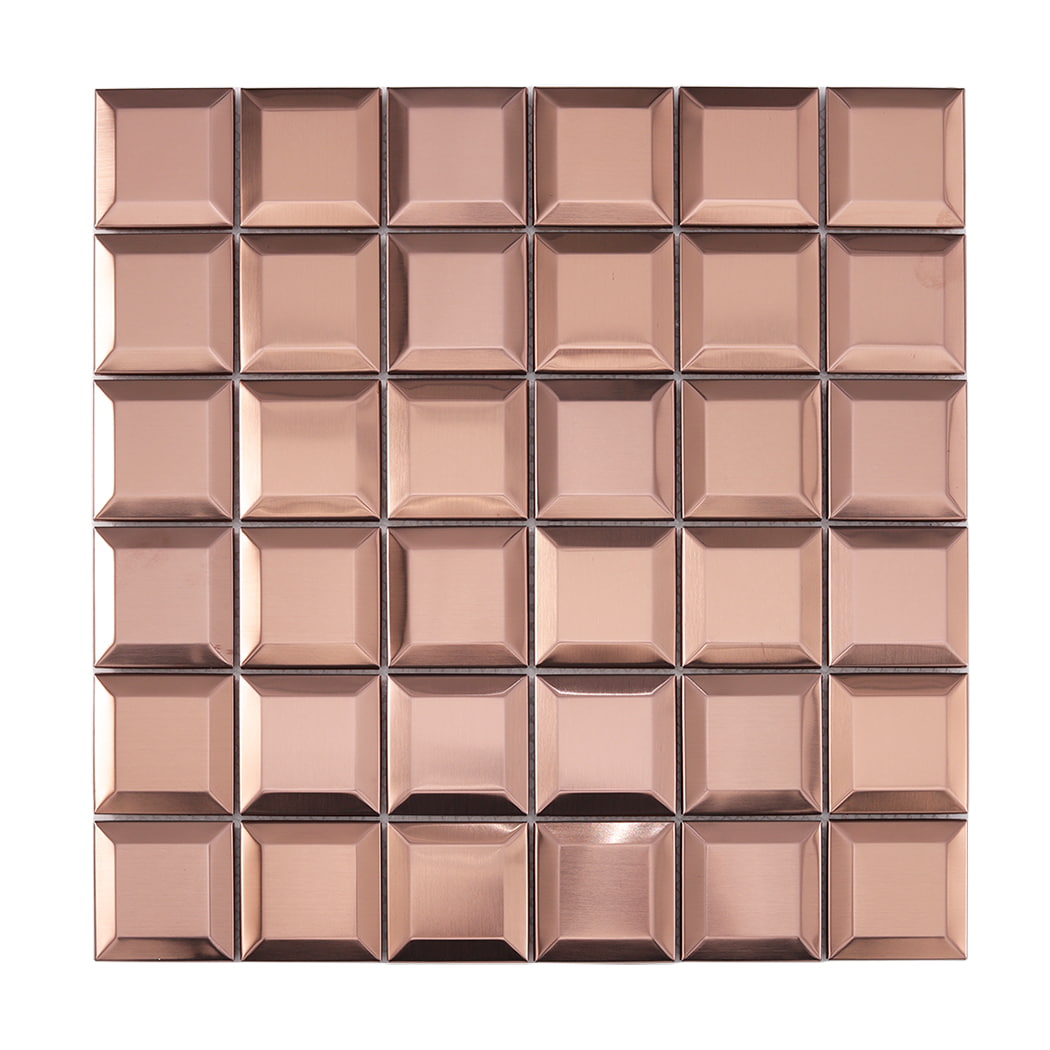
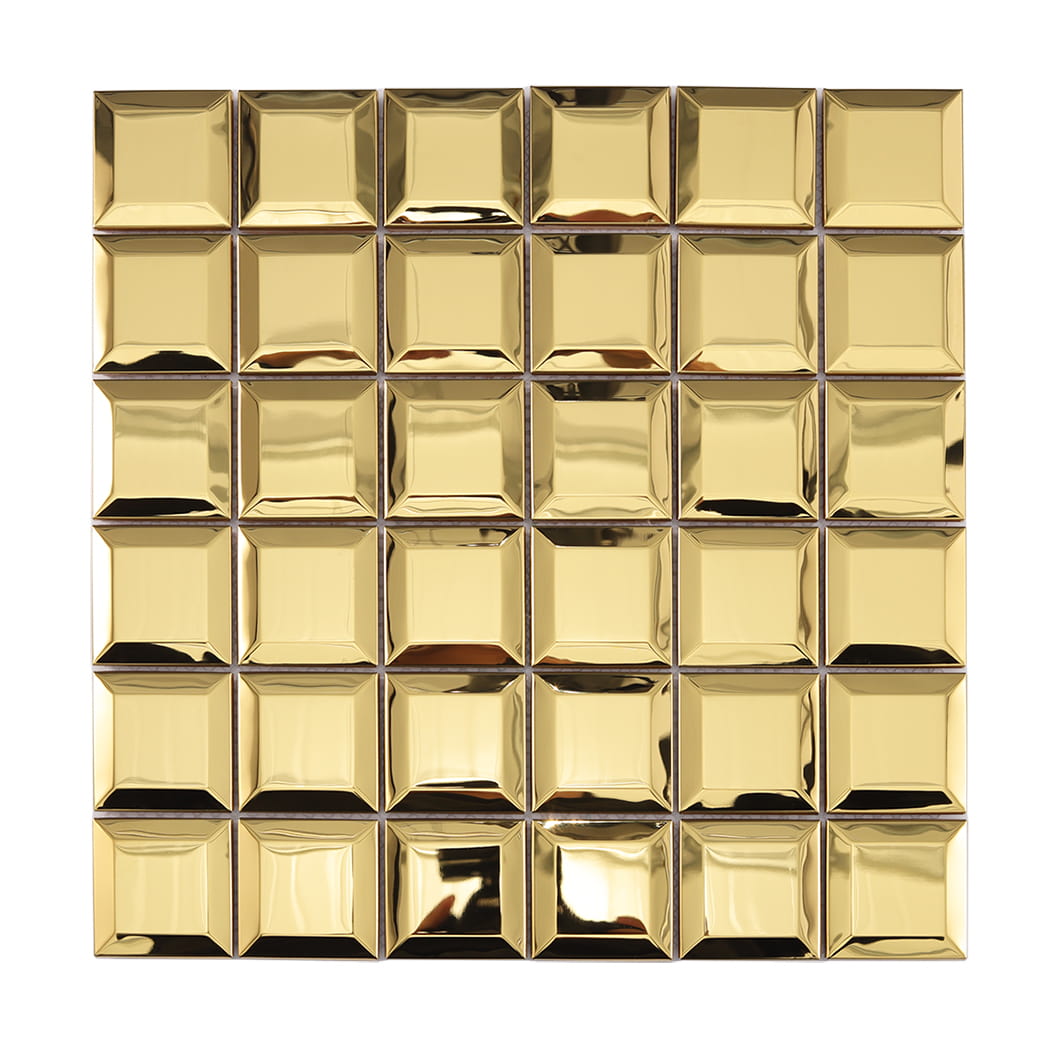
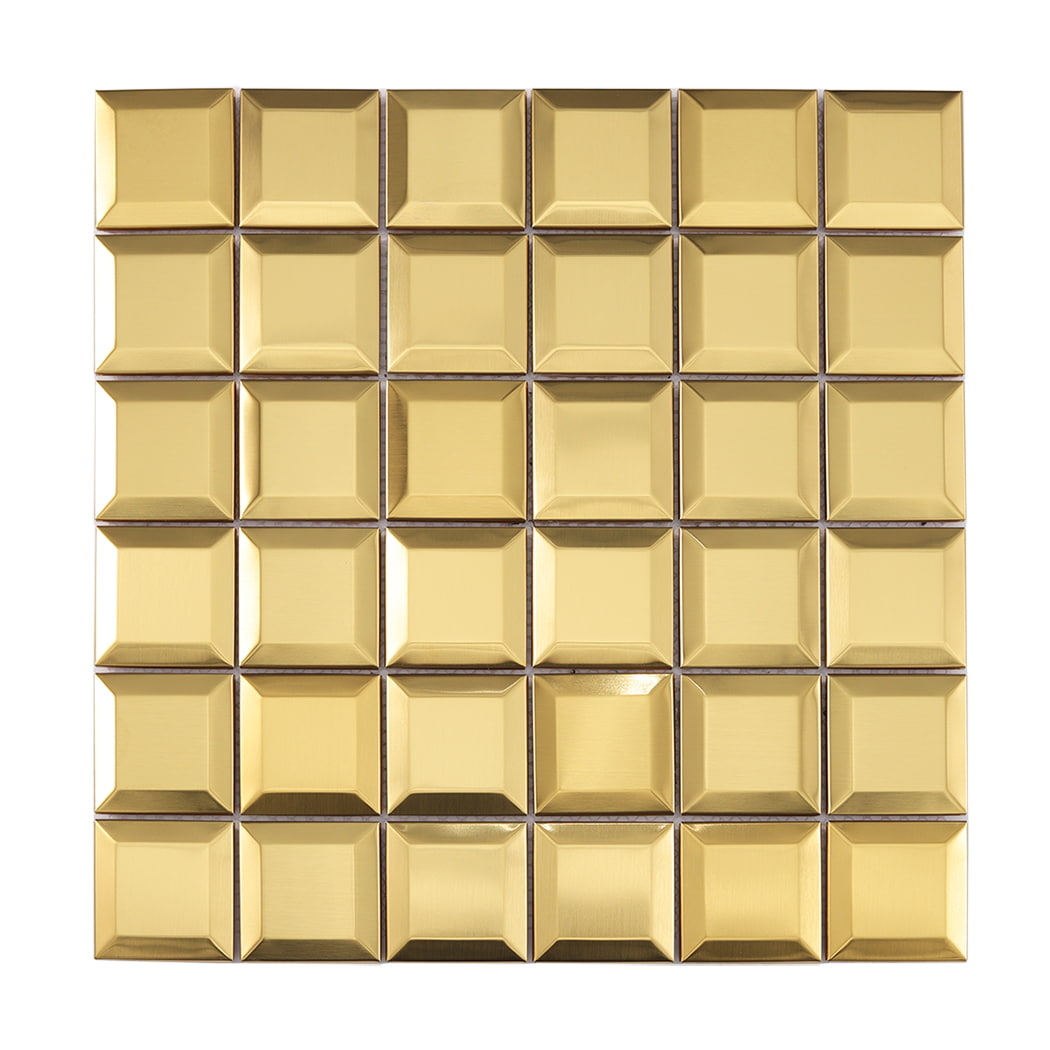
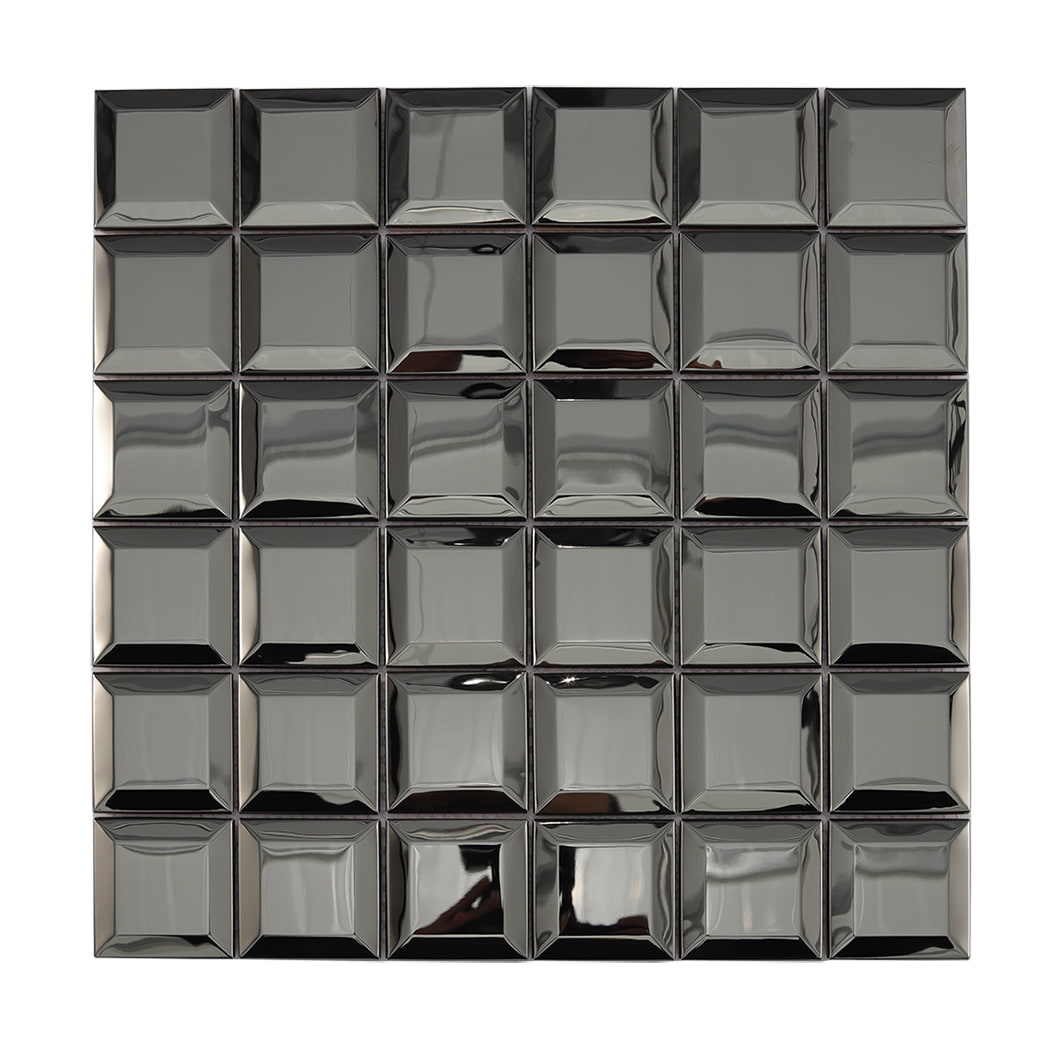
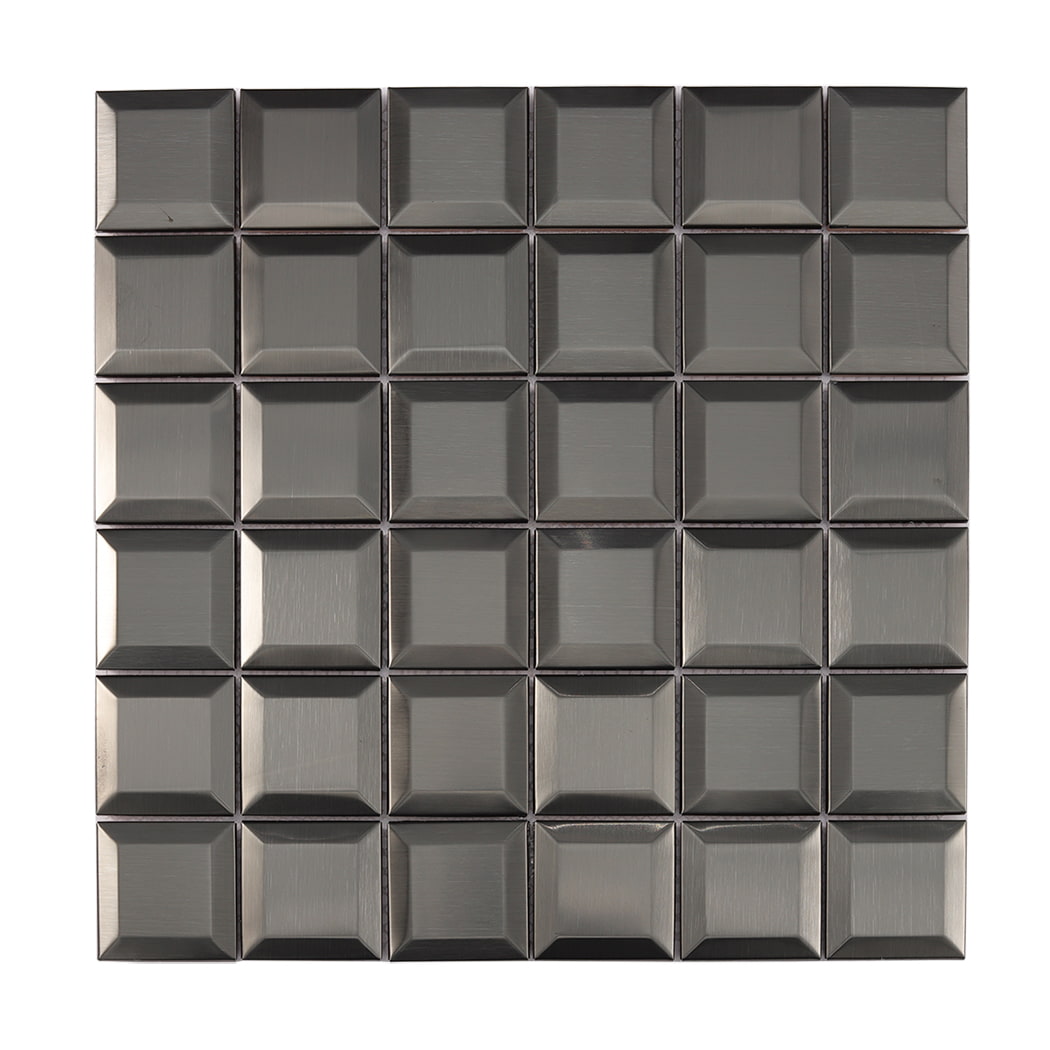
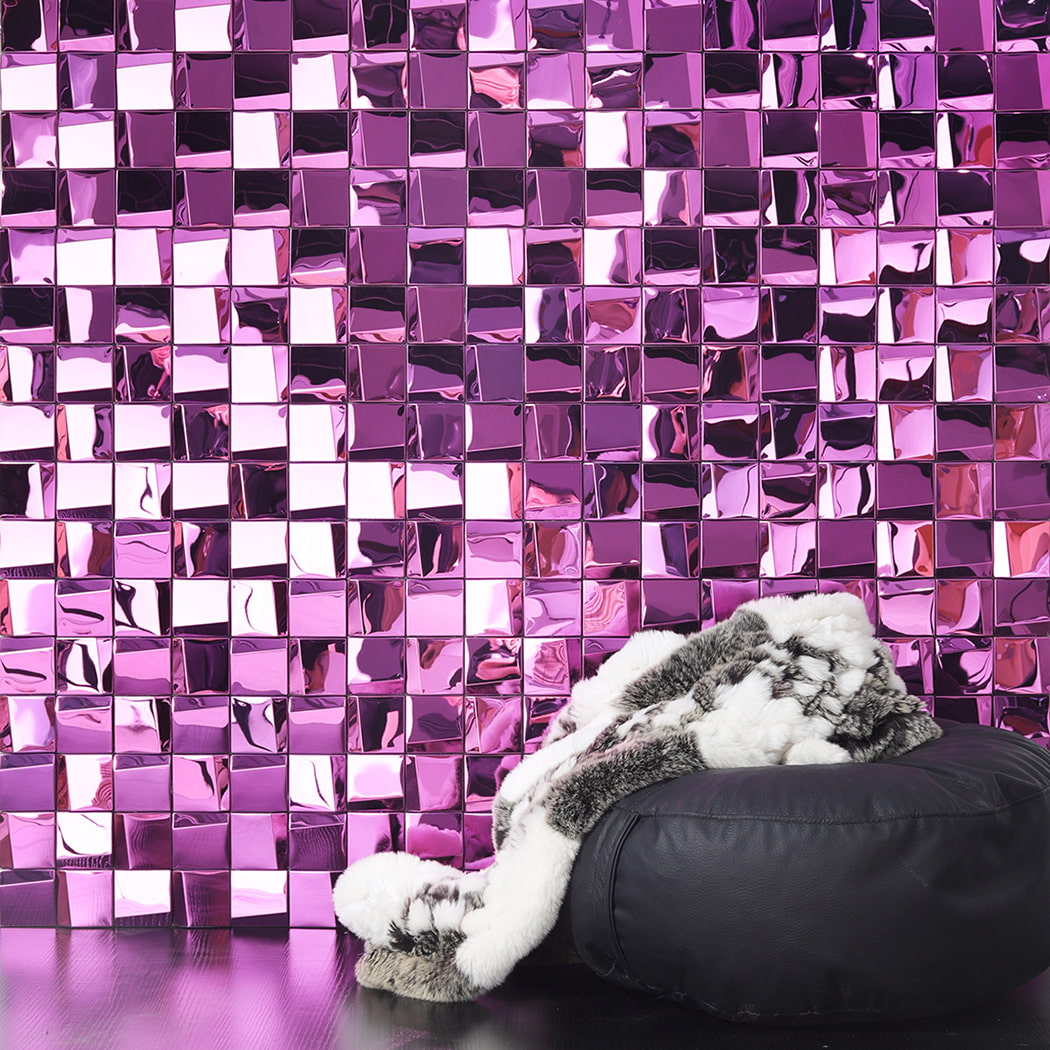
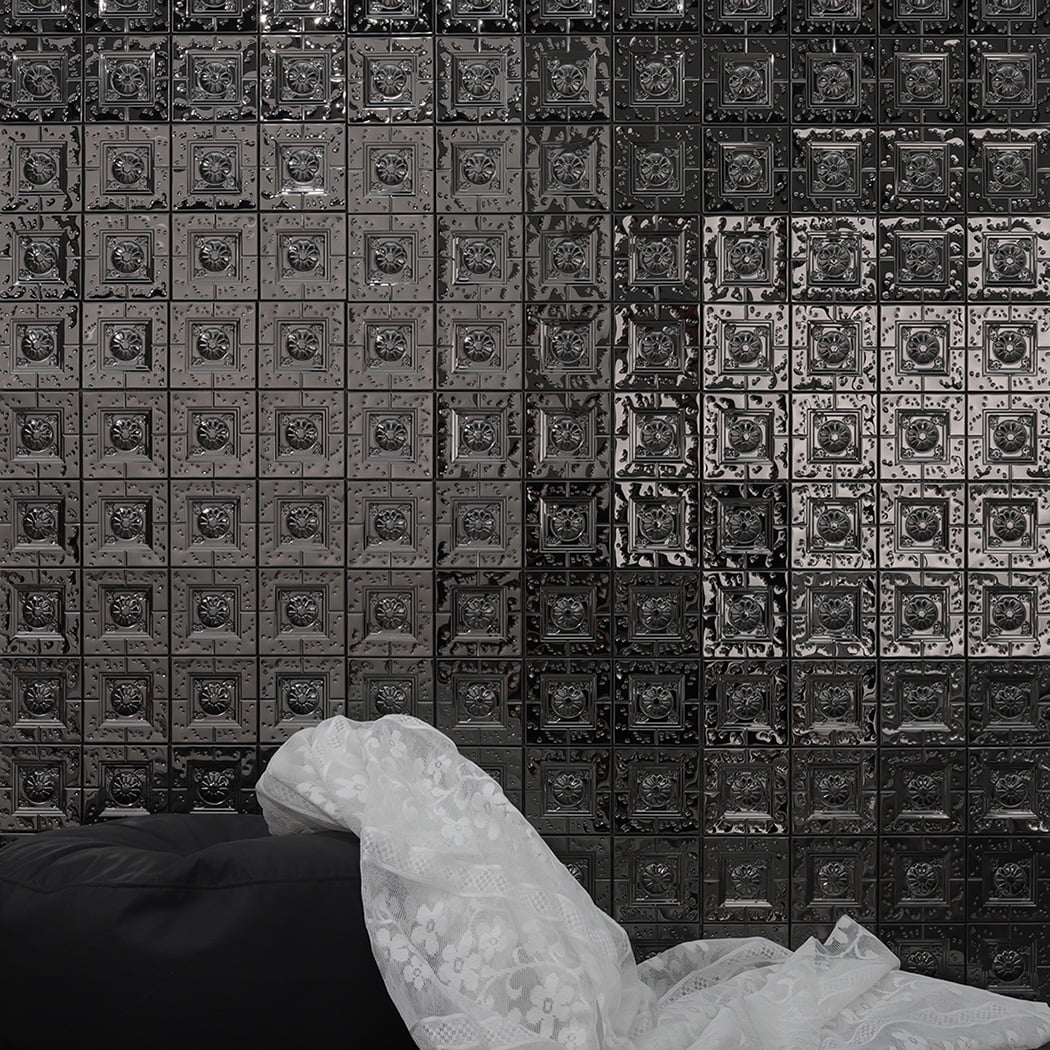
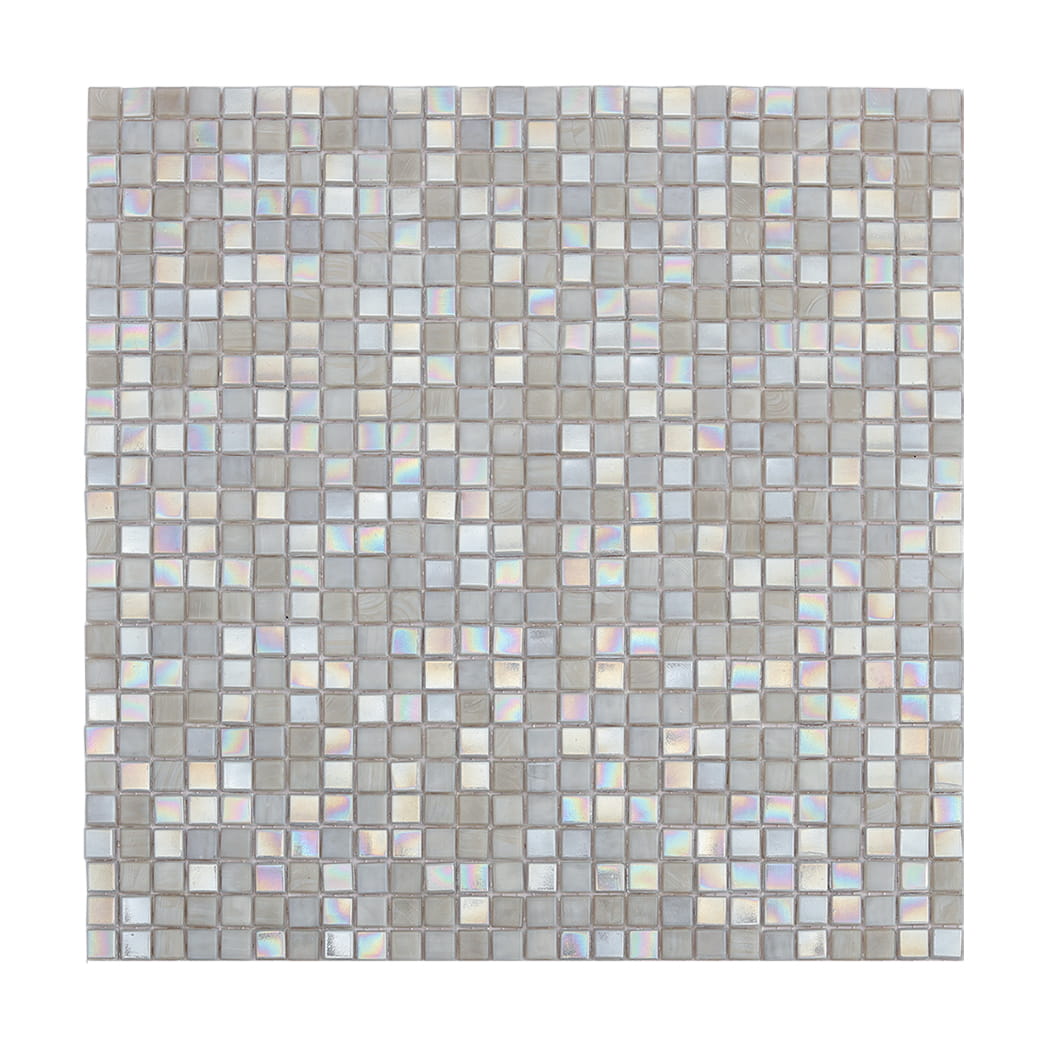
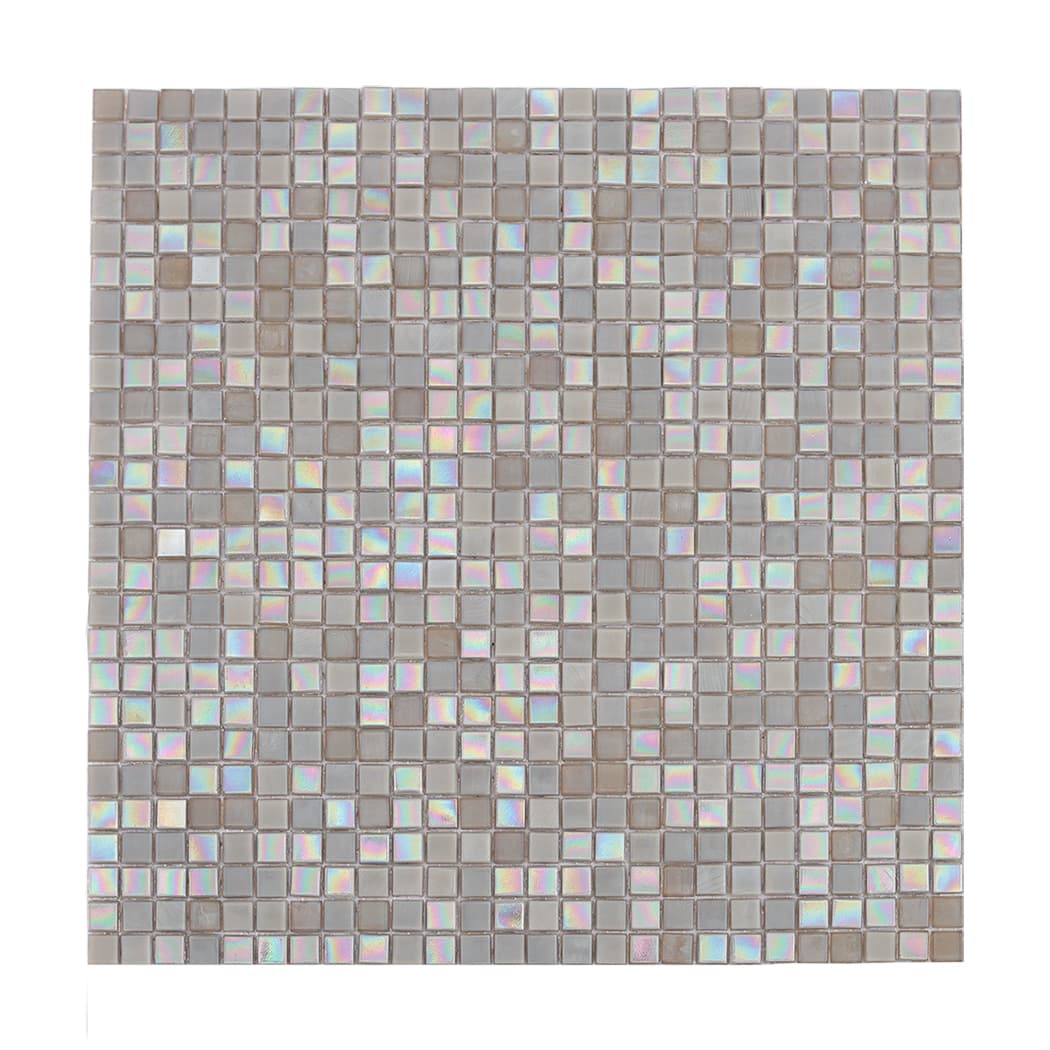
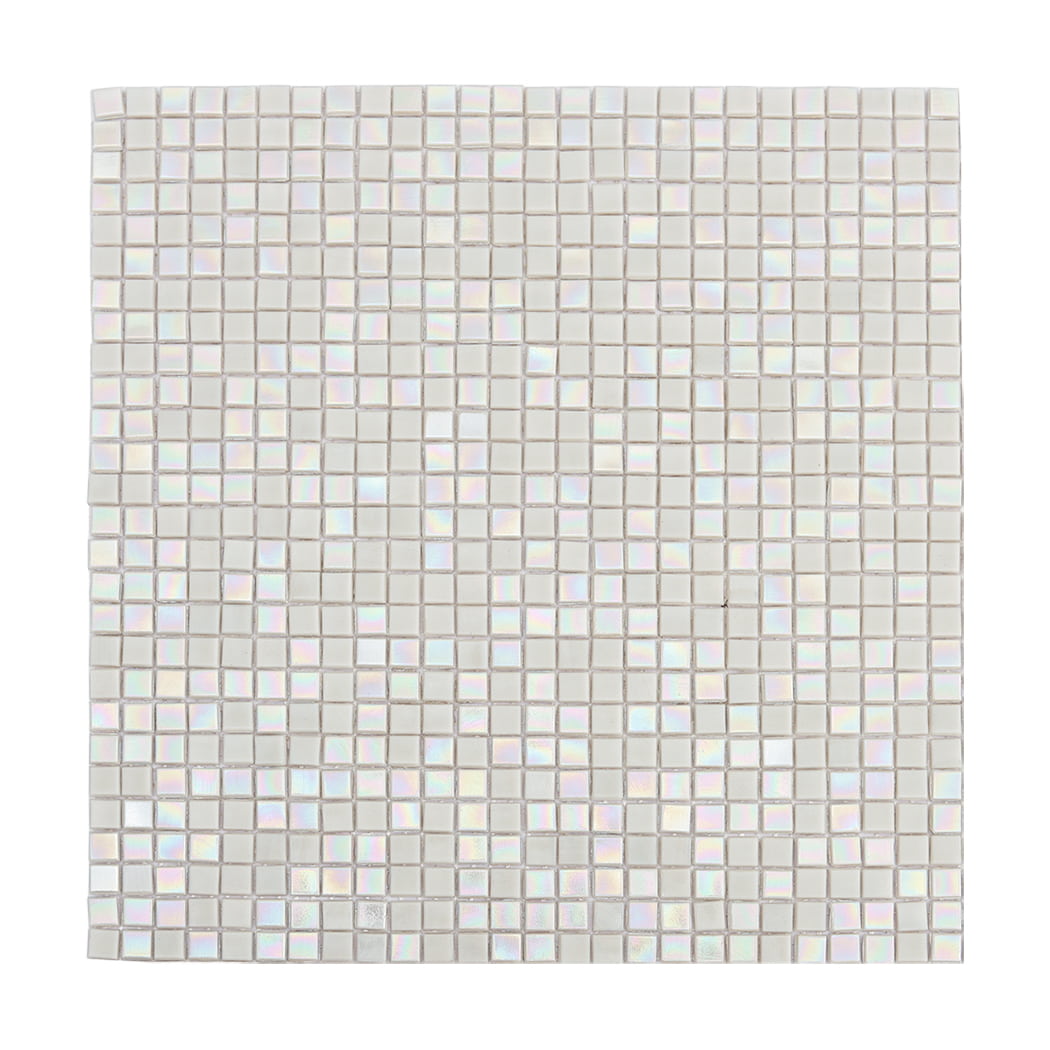
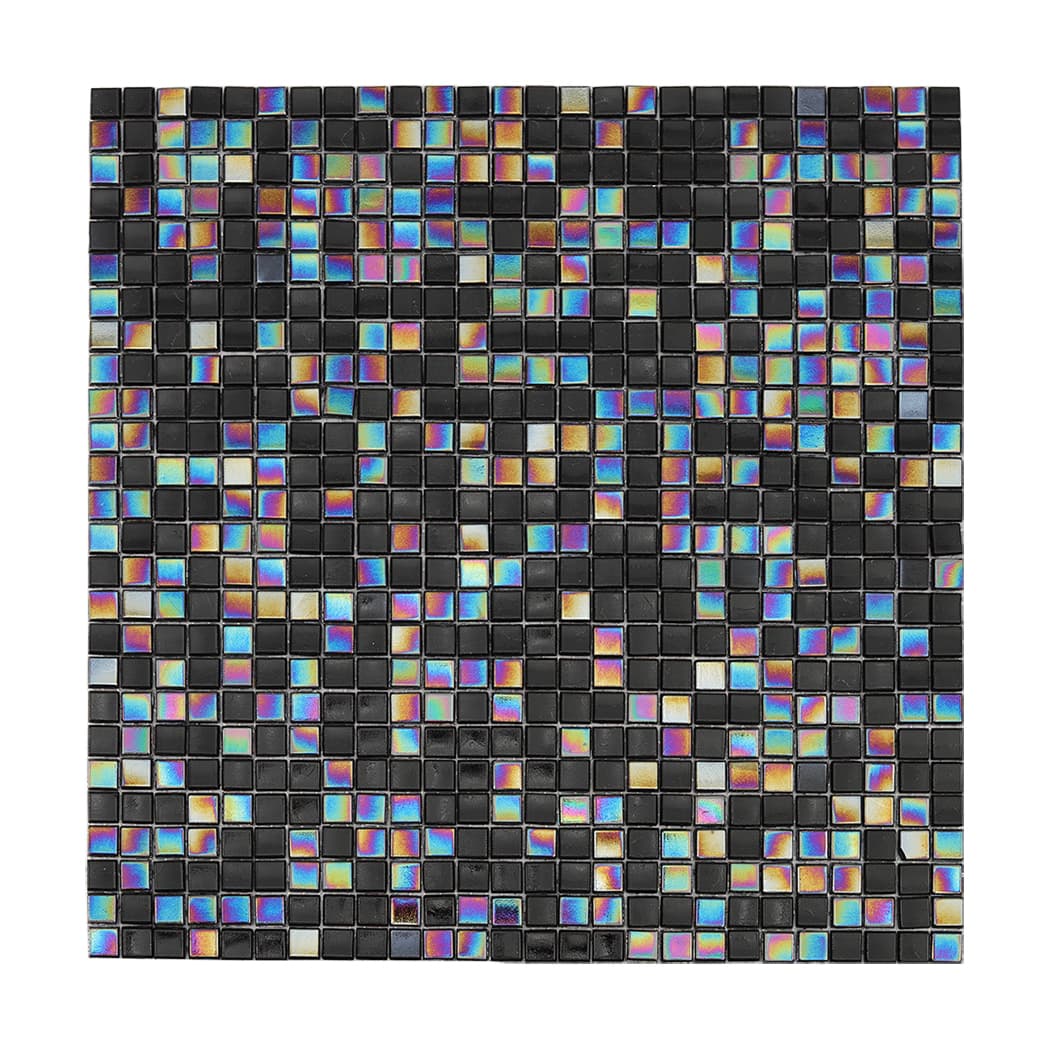
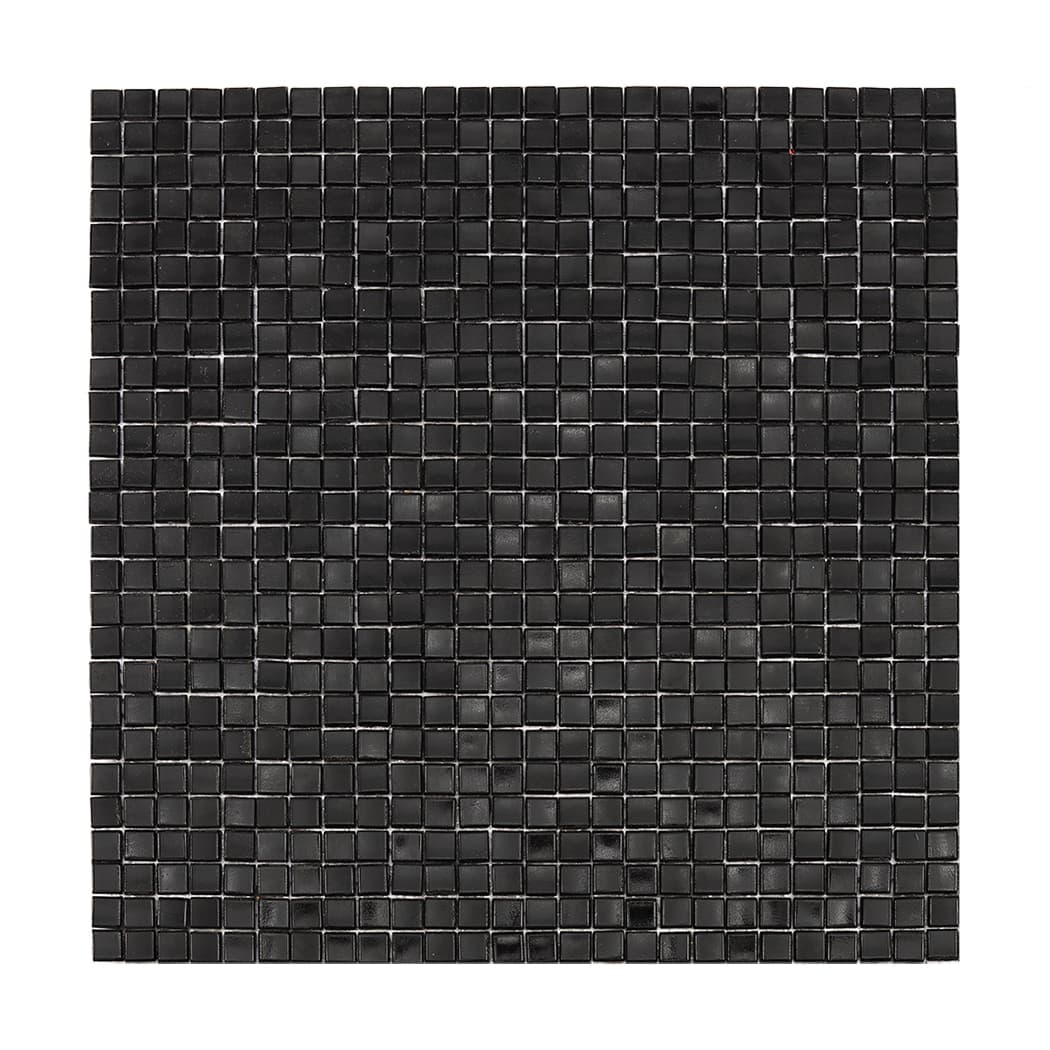
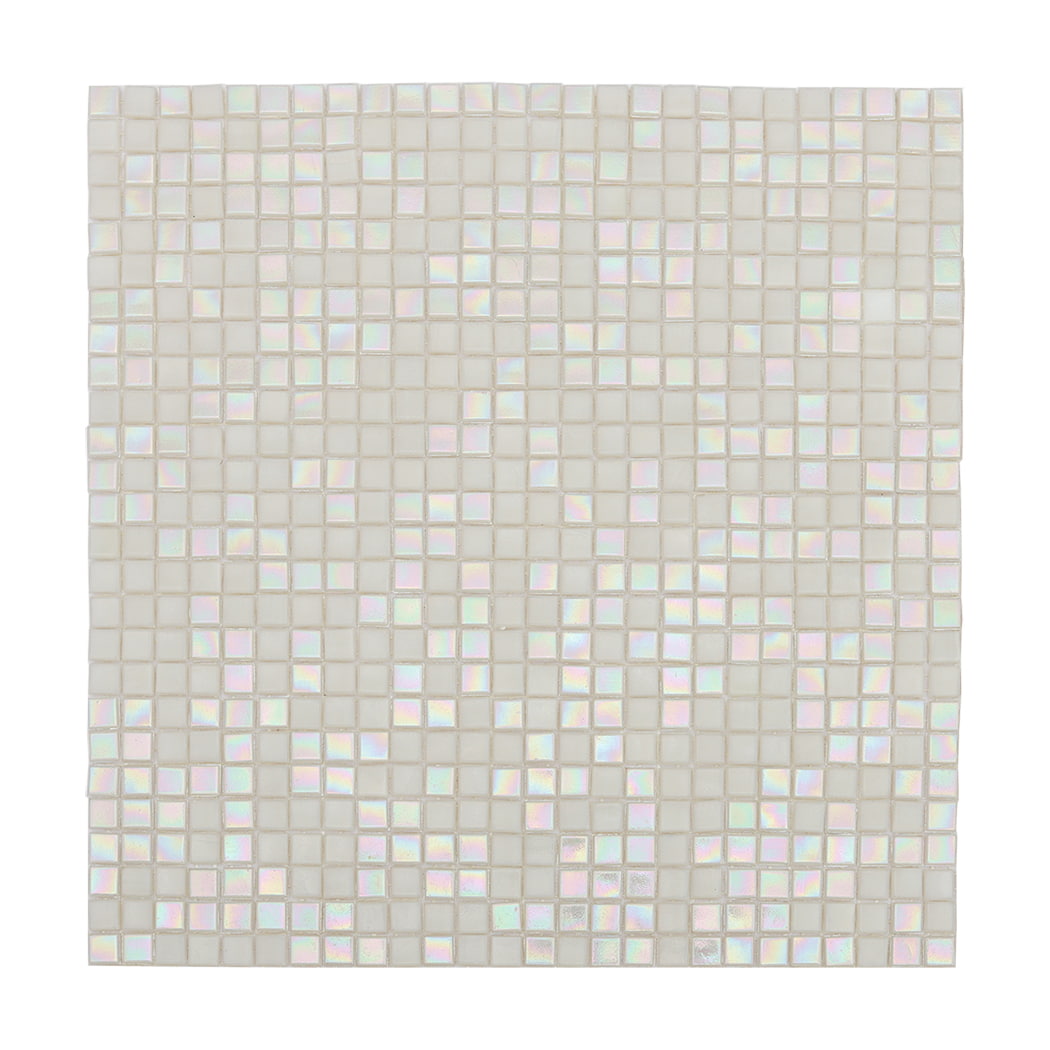
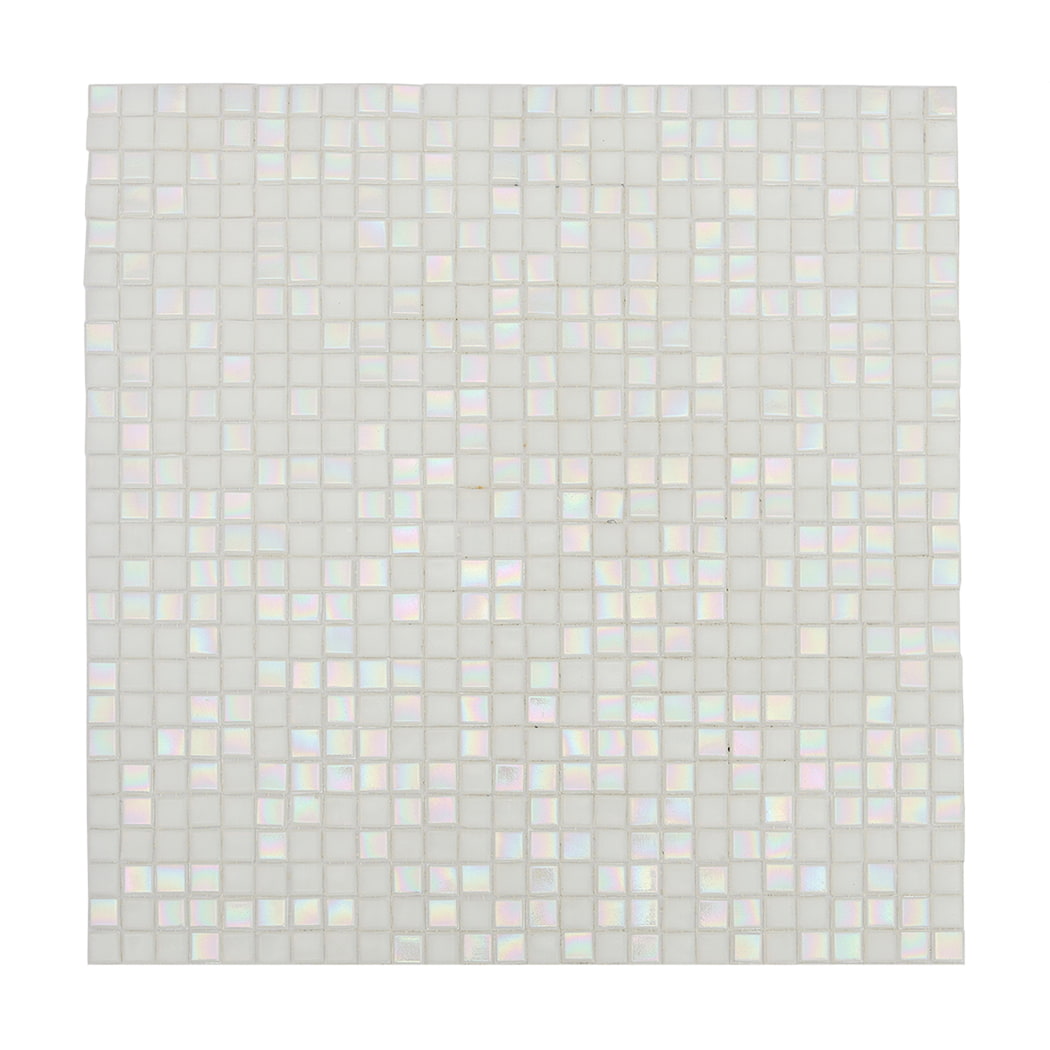
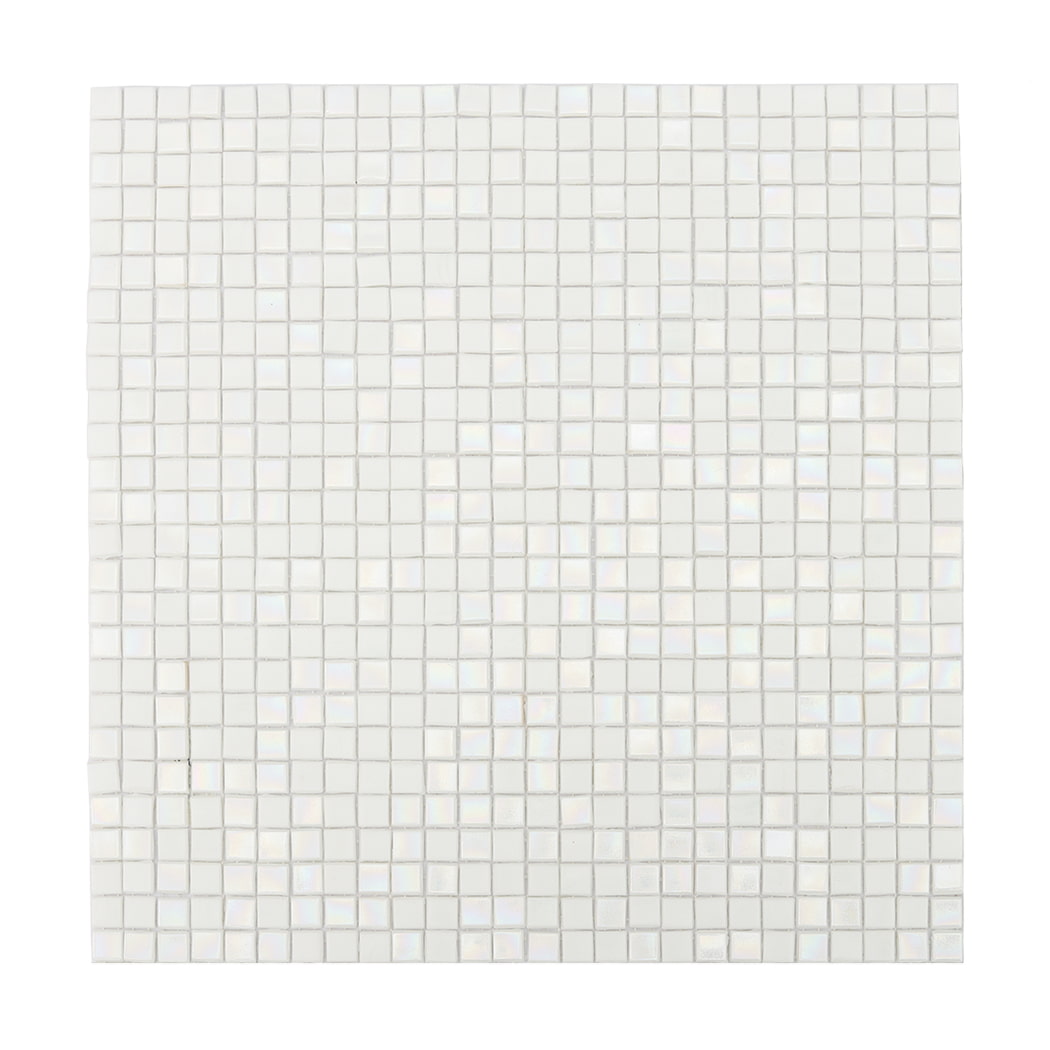
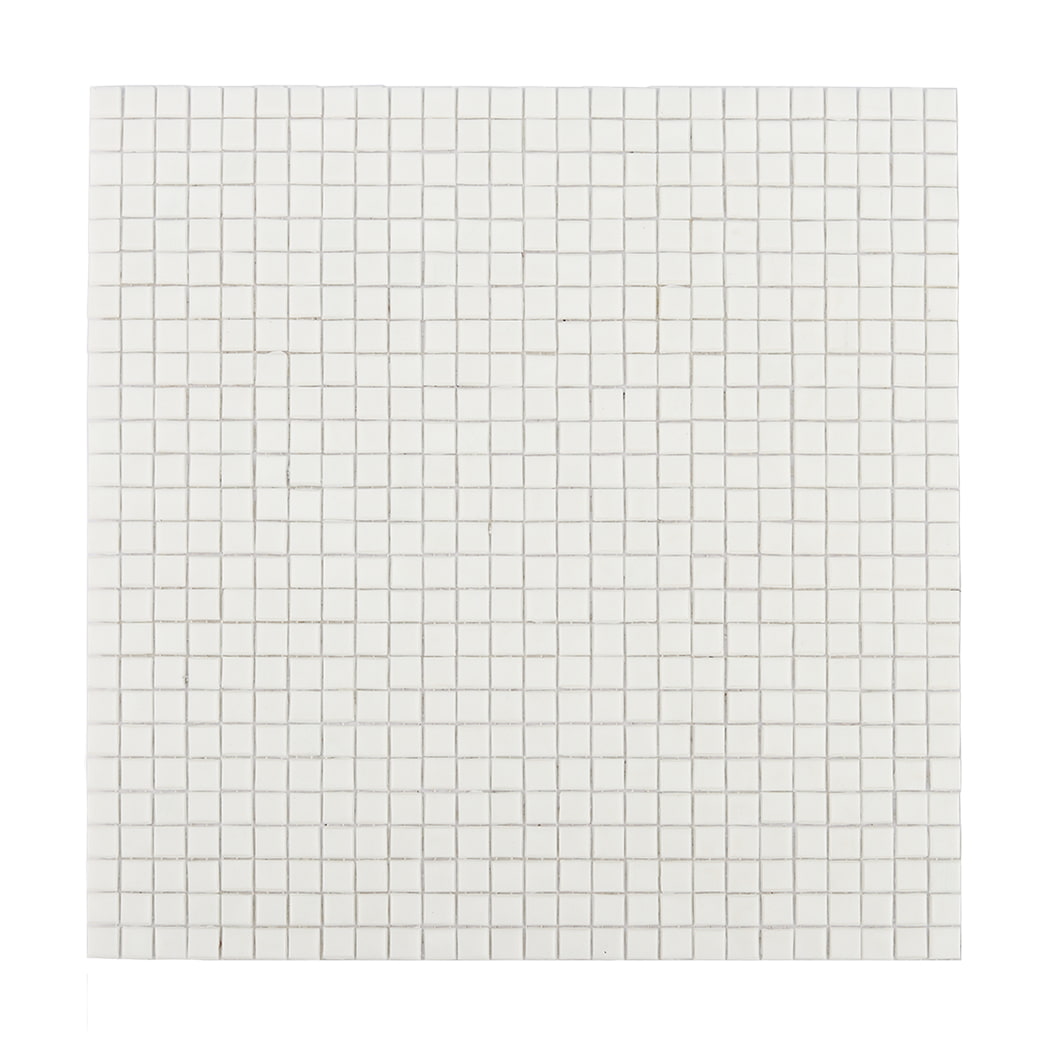
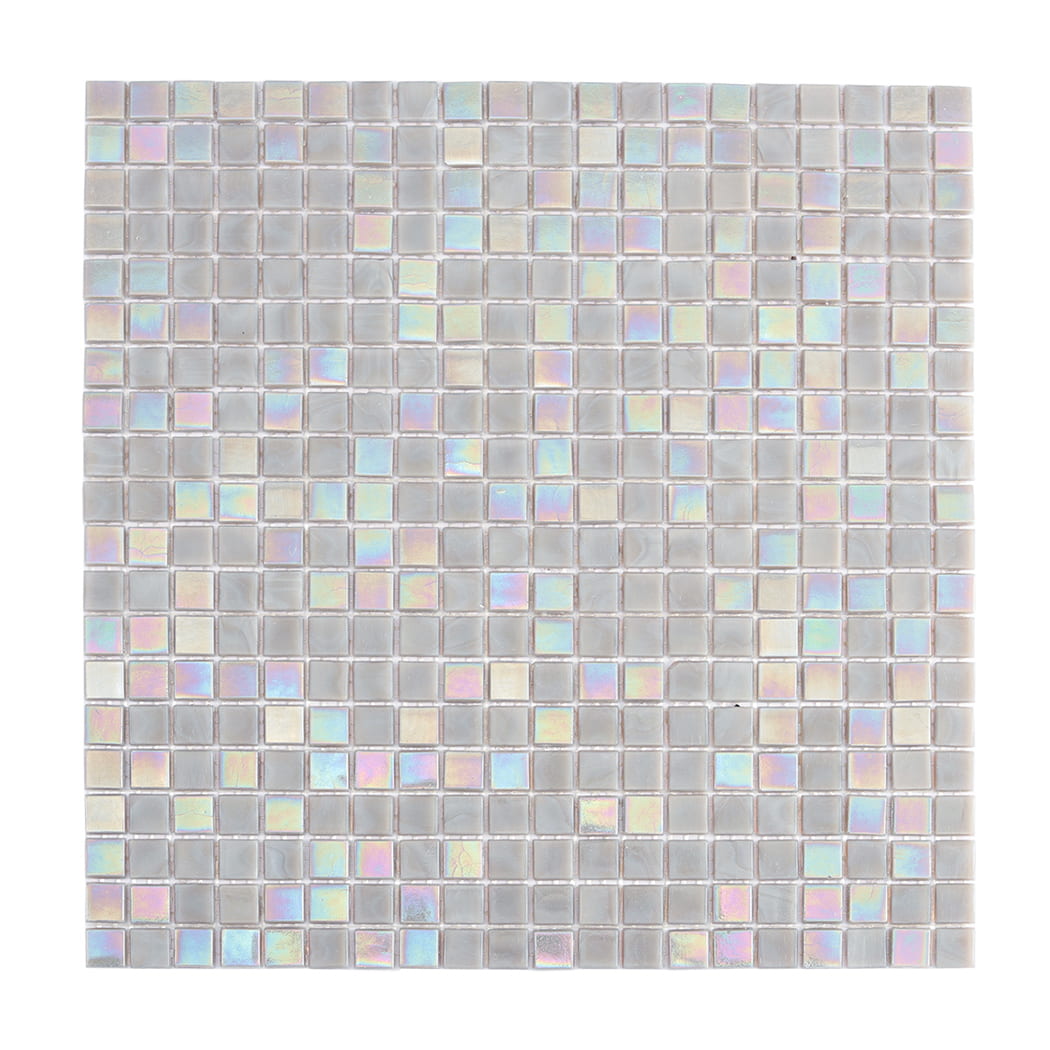
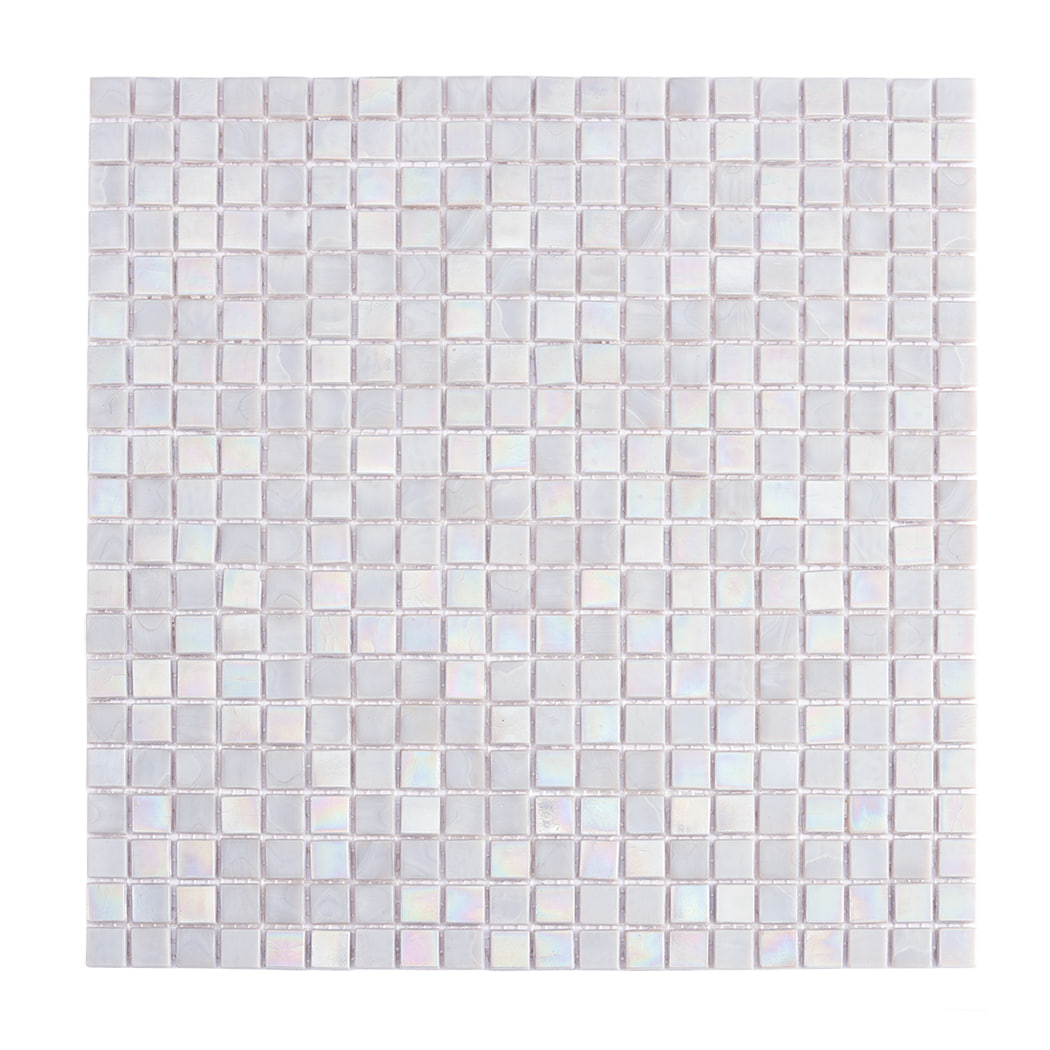
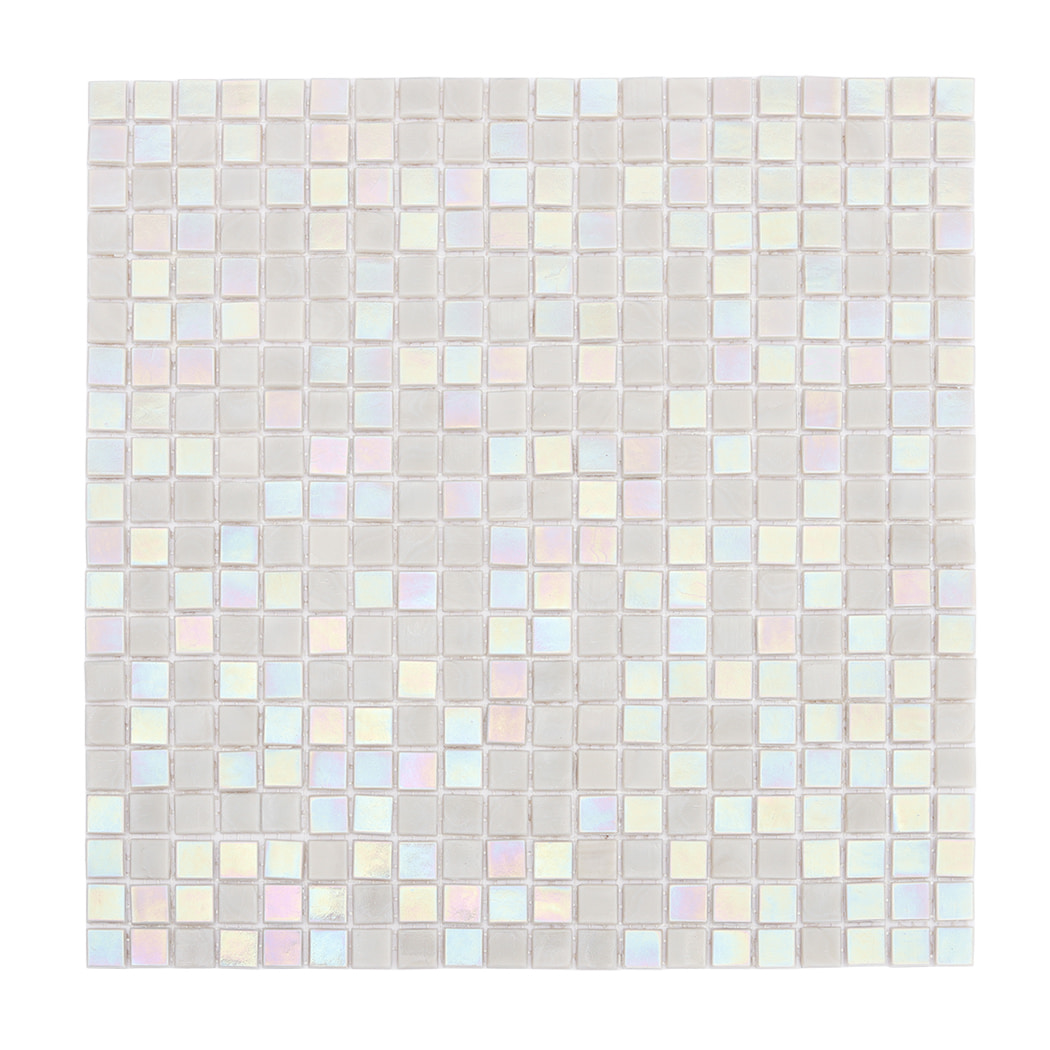
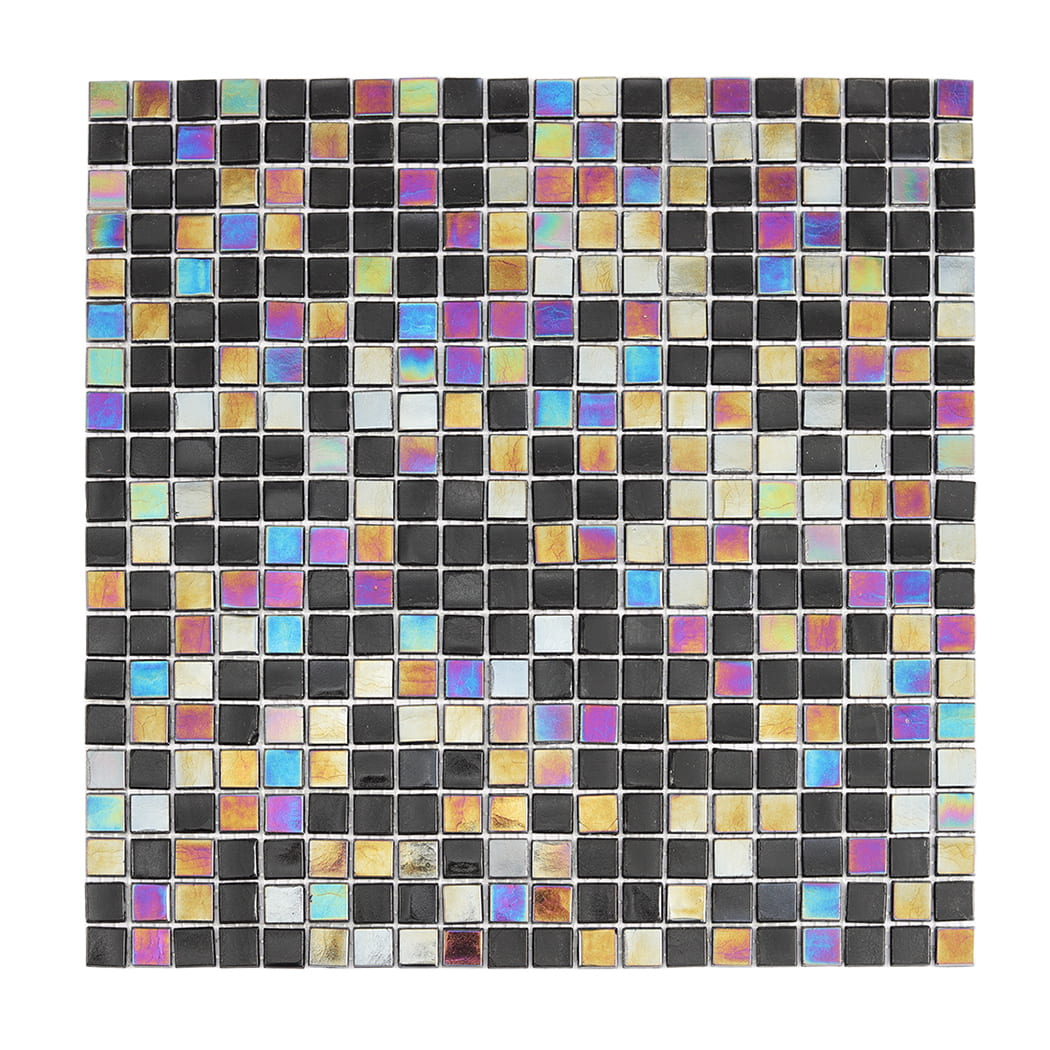
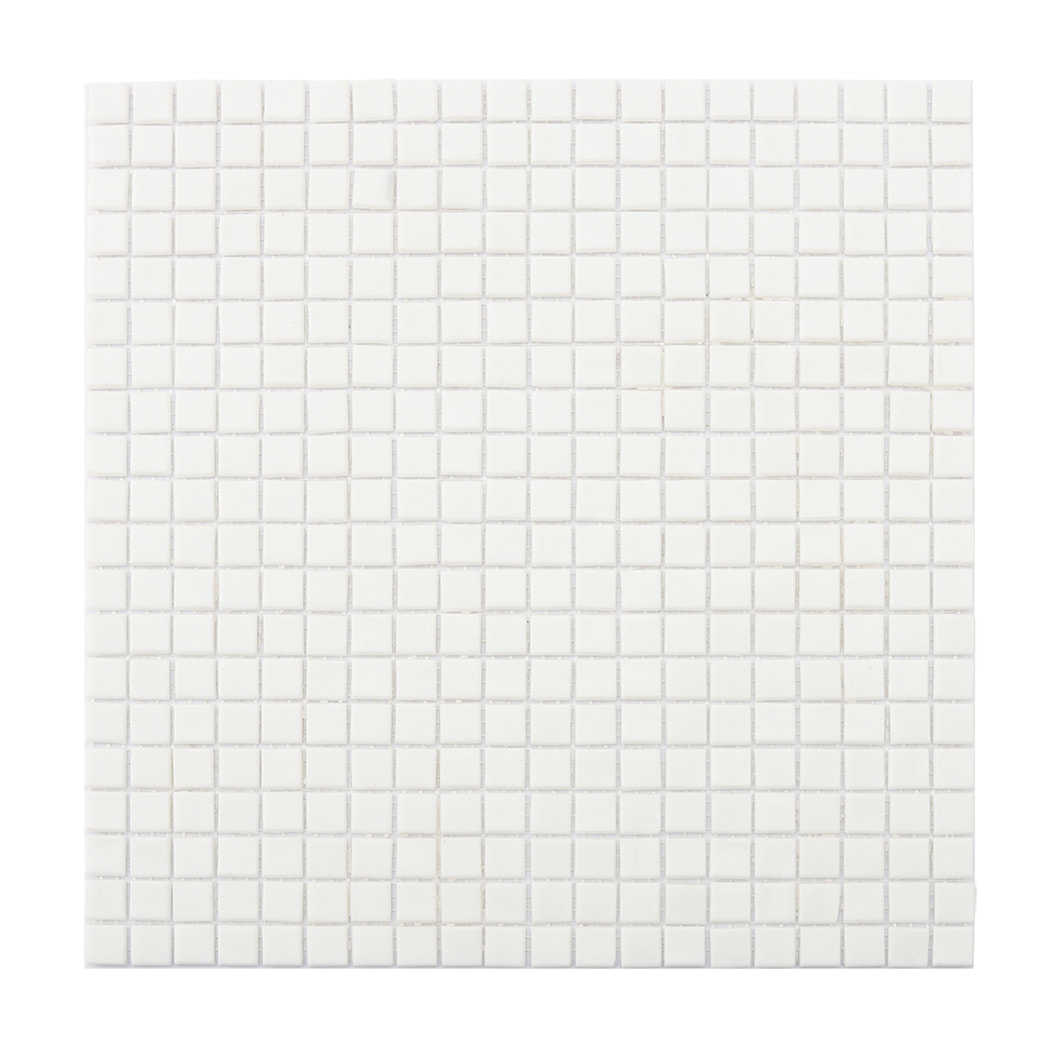
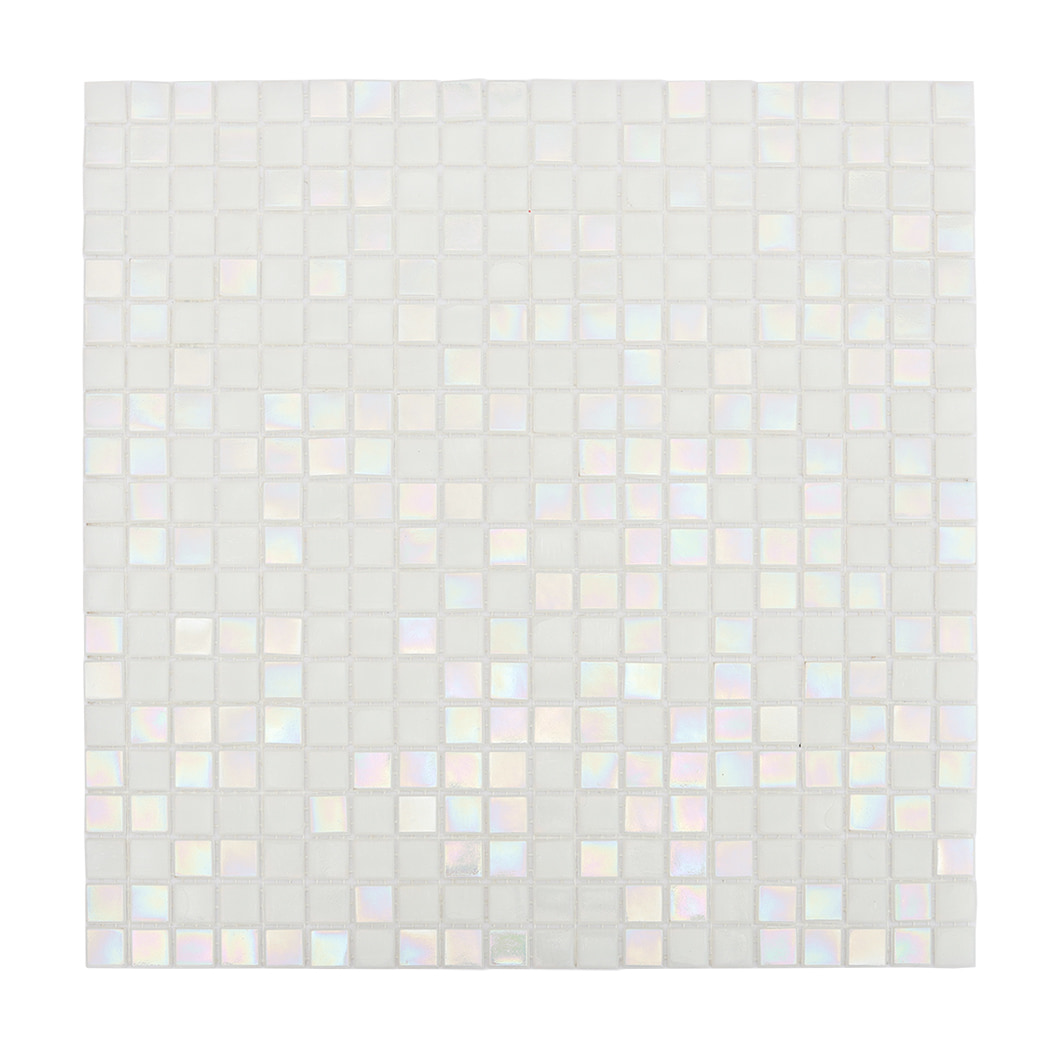
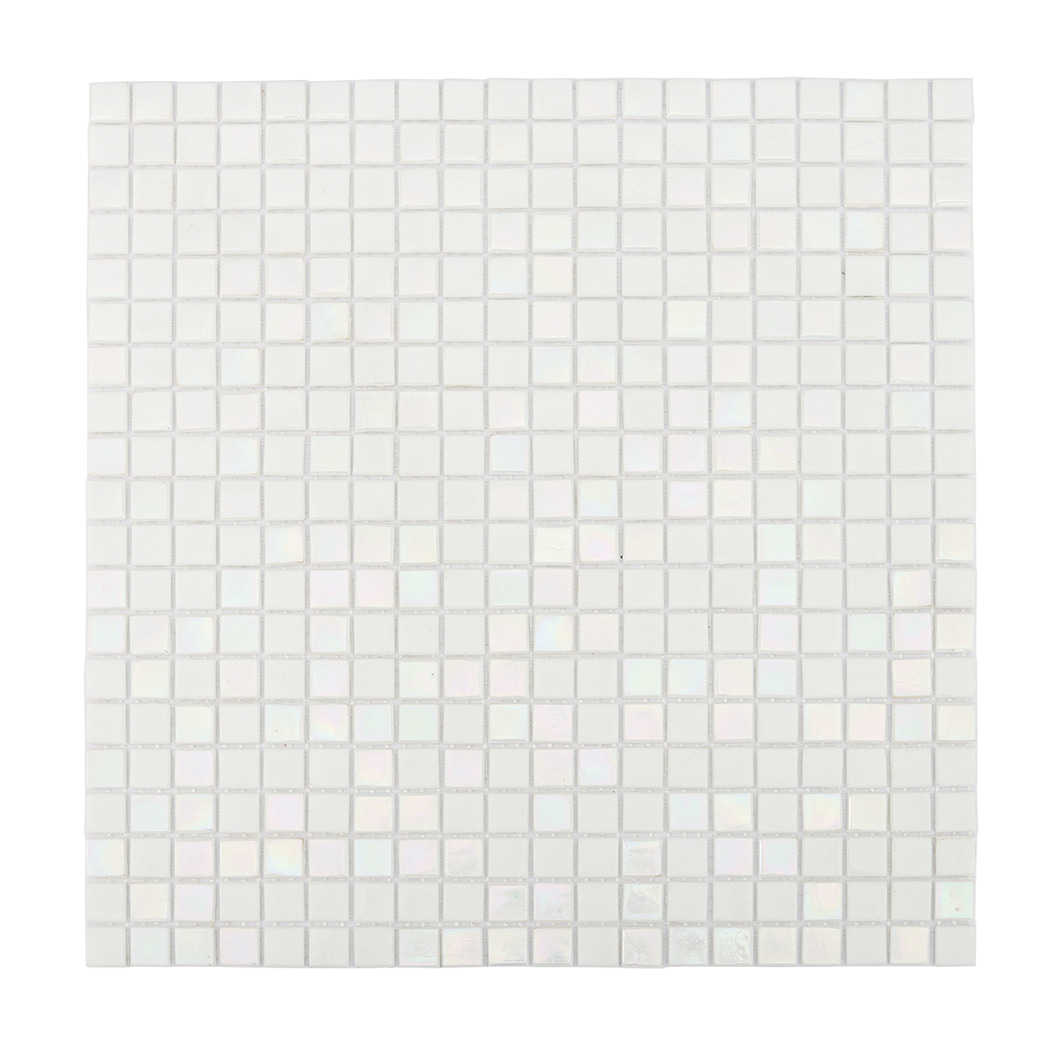
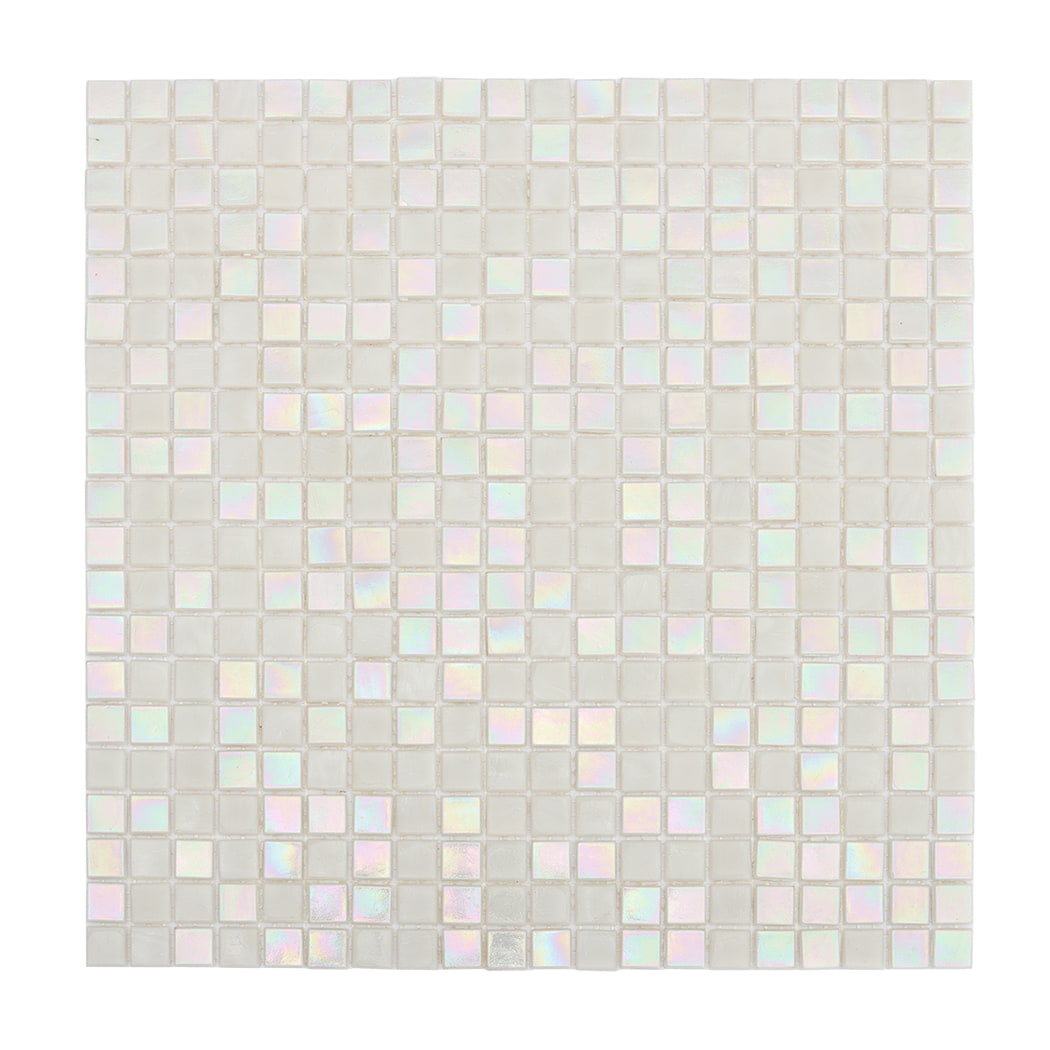
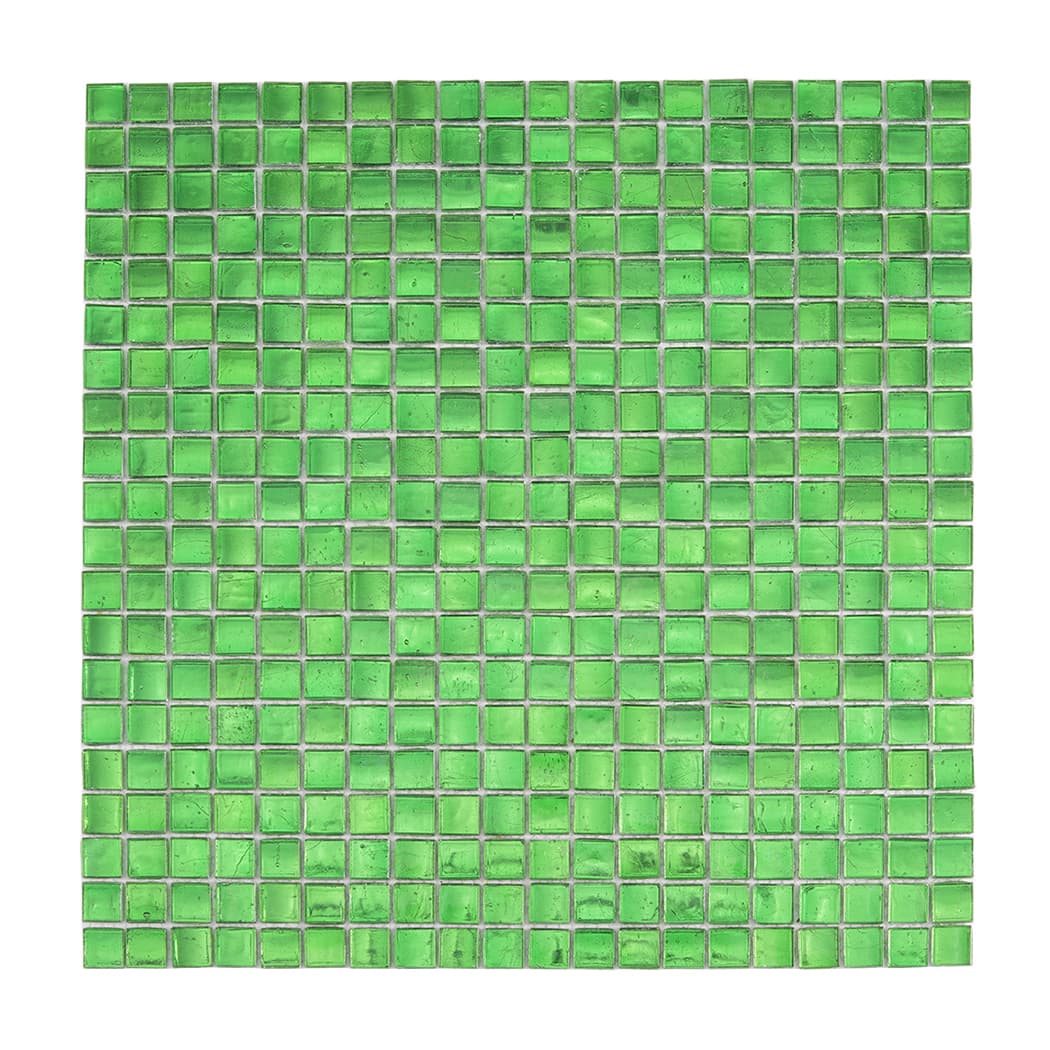
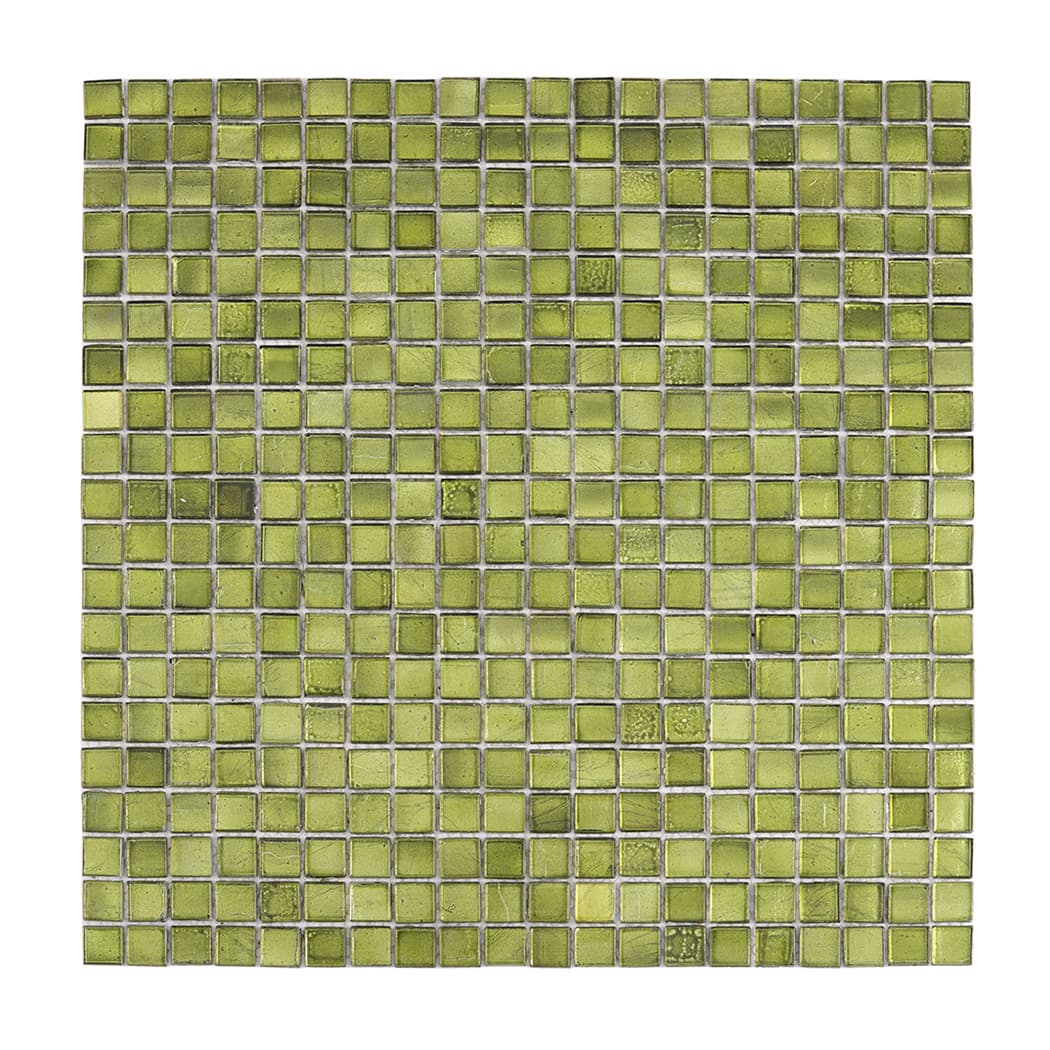
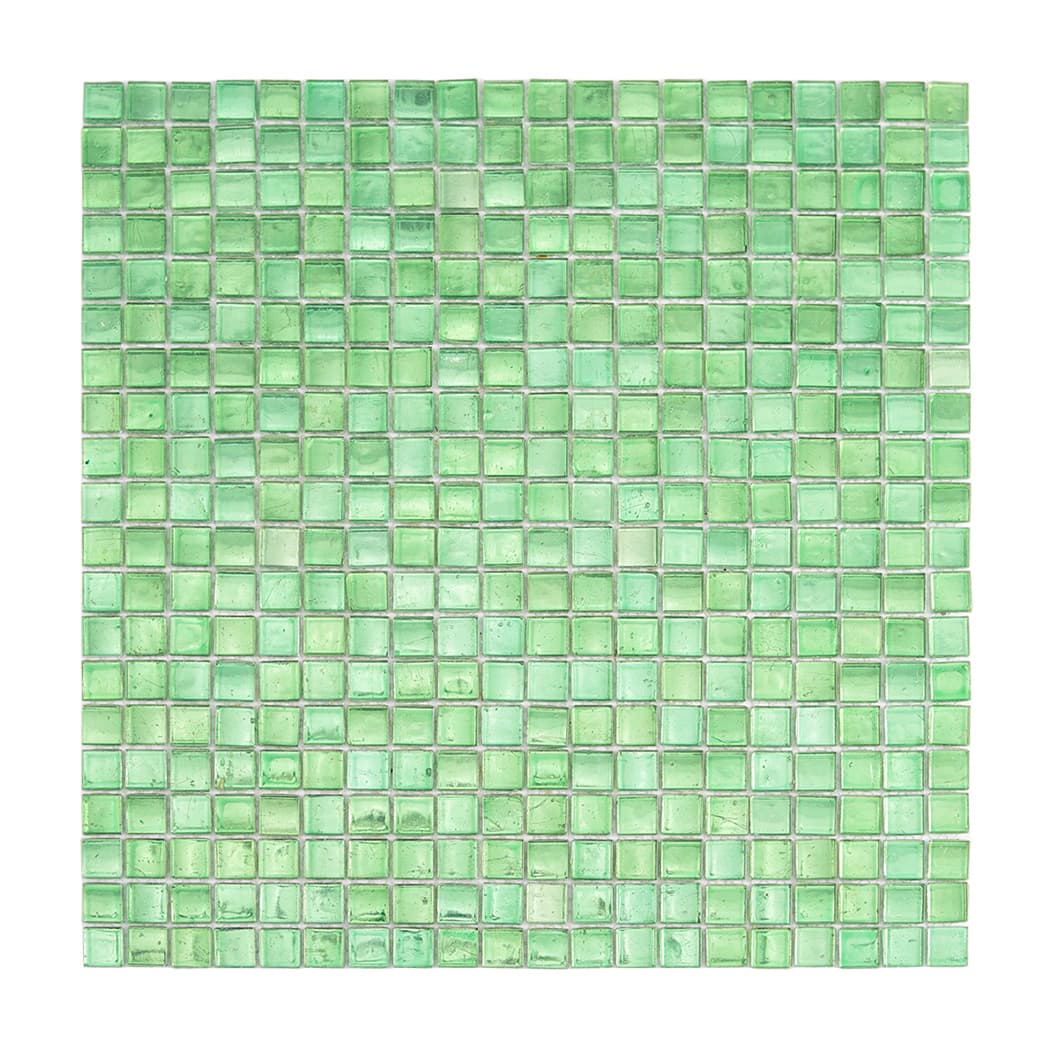
Straight Stack Tiles are one of the most classic and versatile tile layout styles. In this pattern, tiles are installed in clean, aligned rows so that both the vertical and horizontal grout joints line up evenly, creating a neat grid effect. In English-speaking markets, this look is also commonly described as straight set or stack bond.
Because of its simplicity, the straight stack layout works beautifully in both modern and timeless interiors. It can be used on walls or floors, in residential or commercial spaces, and with both square and rectangular tiles. Many design-focused tile brands present straight stack as a clean architectural pattern that highlights symmetry, color, texture, and tile shape.
What Are Straight Stack Tiles?
Straight Stack Tiles refer to tiles installed in a perfectly aligned layout rather than an offset pattern. Every tile is placed directly above, below, or beside the next tile, so the joints create a crisp grid.
This arrangement is considered one of the most original tile installation methods. It is simple in appearance, but it demands accurate planning and installation. Because every grout line is visible and continuous, even small alignment errors are easy to notice. That is why professional installers often use spacers, wedges, and laser or leveling tools when creating a straight stack layout. Saicina Tile’s installation guidance for vertical straight stack specifically recommends dry layout planning, consistent grout-line control, and laser alignment to keep the grid accurate.
Straight Stack Tile Shapes
Square Straight Stack Tiles
Square tiles are one of the most natural fits for a straight stack pattern. Their equal proportions make the grid look clean, balanced, and orderly.
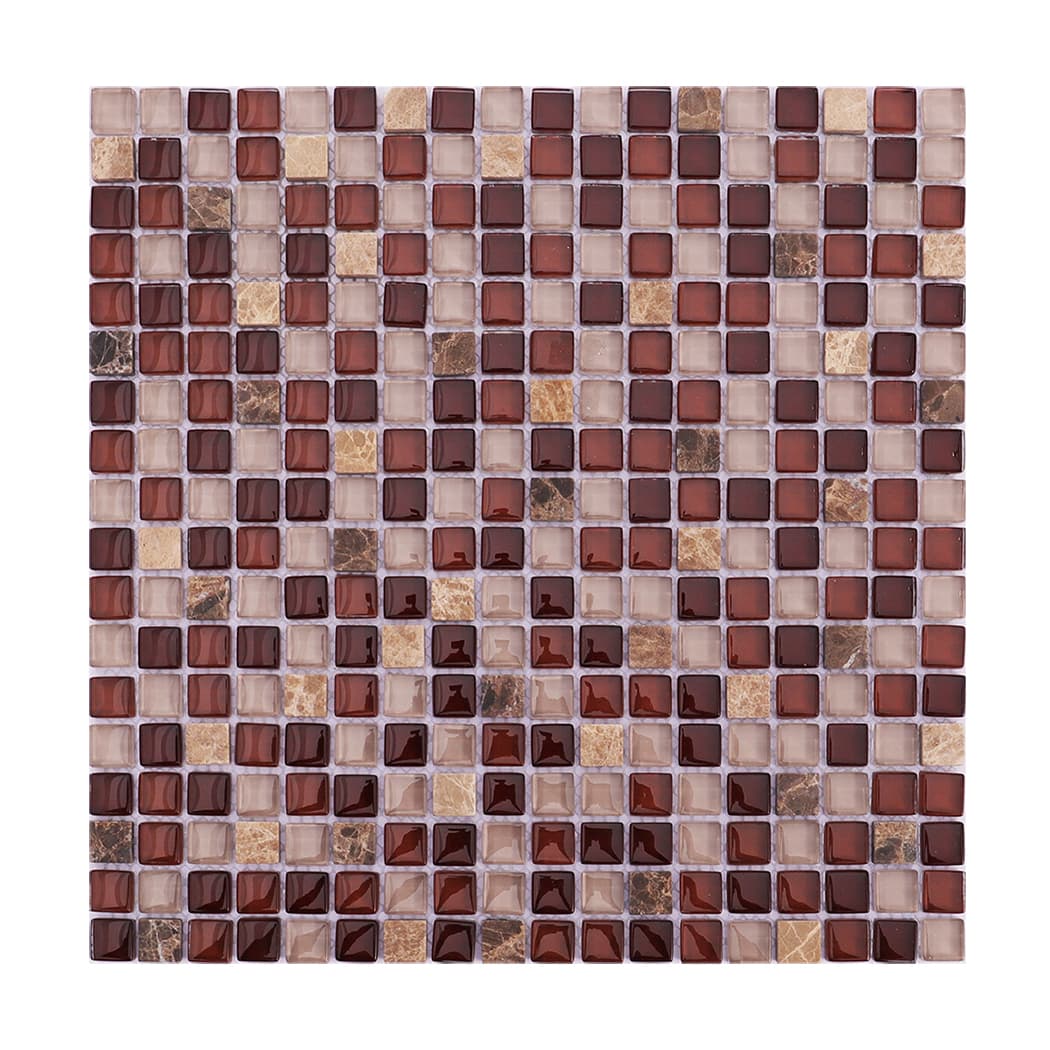
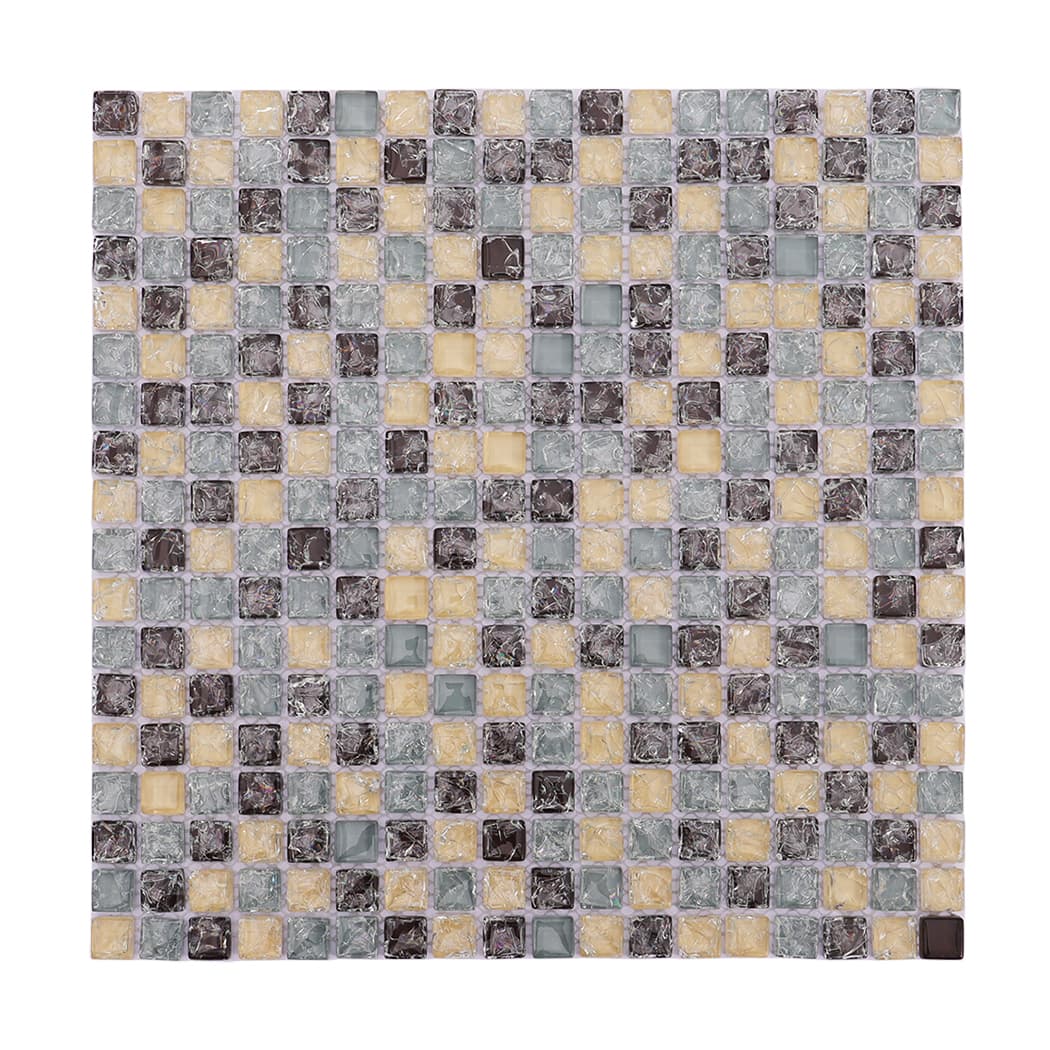
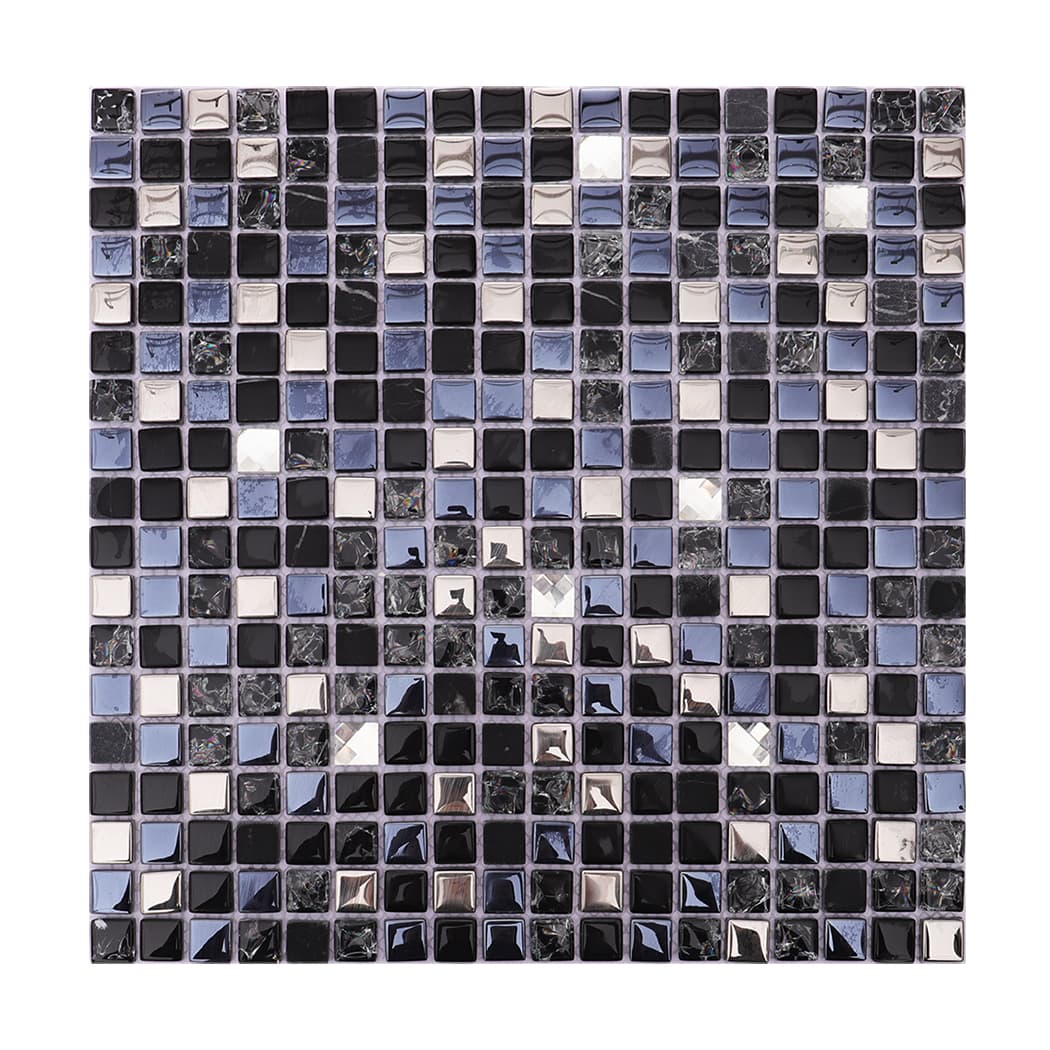
Straight stack square tiles are available in many sizes, from small mosaic chips to larger format tiles. Small square mosaics can start at around 10×10 mm, while larger square tile options can reach around 98×98 mm or more depending on the material and production method. Small-format square mosaics are especially useful when designers want strong color variation, decorative compositions, or even pixel-style mosaic artwork, where each small tile works like one pixel in an image.
Rectangular Straight Stack Tiles
Rectangular tiles are another popular choice for this layout. They can be installed in:
-
Horizontal straight stack
Horizontal straight stack draws the eye across a room and can make a space feel wider, while vertical stack emphasizes height and makes walls feel taller. This is a common design point on major tile and design sites.
Small rectangular straight stack tiles are especially popular in:
-
Finger tiles
-
Subway-style mosaics
These formats are widely used for backsplashes, shower walls, bathroom feature walls, and decorative interior surfaces.
Why Straight Stack Tiles Are So Popular
Straight stack layouts remain popular because they are visually simple but highly flexible. Competitor pages often describe this pattern as modern, structured, symmetrical, and ideal for minimalist or contemporary interiors.
Key advantages include:
-
Clean and organized appearance
-
Strong visual symmetry
-
Easy to pair with modern, Scandinavian, minimalist, and architectural interiors
-
Suitable for both small mosaics and large-format tiles
-
Excellent for showing off tile color, finish, and texture
-
Works in both vertical and horizontal layouts
-
Appropriate for walls and, with the right material, many floor applications
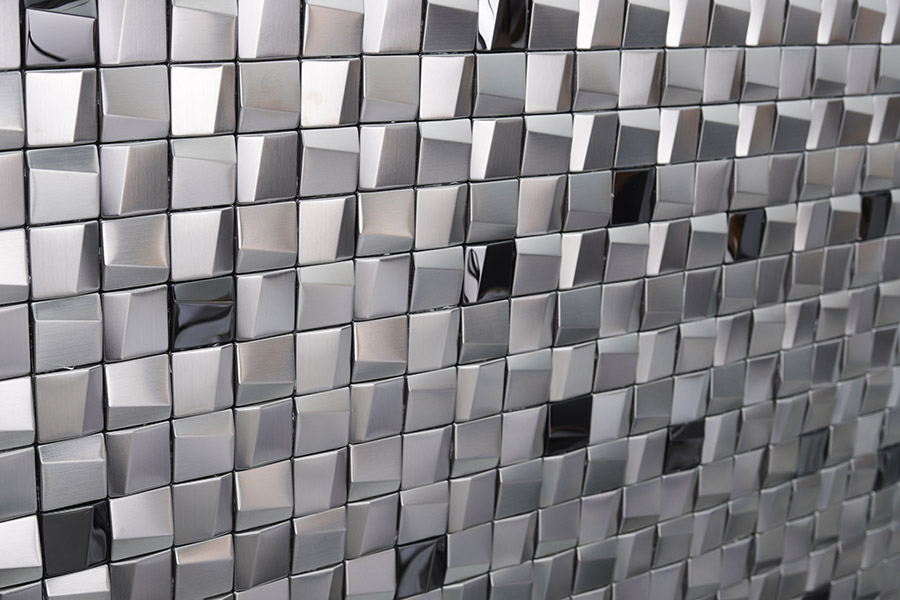
Because the layout itself is simple, it allows the tile material and color to become the focal point. This is one reason why straight stack is often chosen for colorful glass mosaics, polished marble, brushed metal finishes, and monochrome porcelain collections.
Materials for Straight Stack Tiles
Straight stack is a layout pattern rather than a single material category, so it can be created with many tile types.
Glass Tiles
Glass straight stack tiles are available in rich, saturated colors and are ideal for decorative walls, backsplashes, and pixel-style mosaic art. Small glass mosaics in straight stack layouts can create precise color blocking and graphic effects.
Marble Tiles
Natural marble gives straight stack layouts a more refined and architectural feeling. The clean geometry of the pattern contrasts beautifully with natural veining and tonal variation.
Porcelain and Ceramic Tiles
Porcelain and ceramic are practical choices for both residential and commercial use. Many straight stack porcelain mosaics on the market are promoted for walls, floors, backsplashes, showers, and even some outdoor or pool-rated applications depending on the product specification. (TileBar)
Metal Tiles
Straight stack metal mosaics create a sleek linear effect and work especially well on walls. Brushed, mirror, antique, and textured finishes all look stronger when arranged in a clean aligned pattern.
Straight Stack Tiles for Walls and Floors
Wall Applications
Straight Stack Tiles are widely used for:
-
Kitchen backsplashes
-
Bathroom walls
-
Shower walls
-
Feature walls
-
Fireplace surrounds
-
Commercial accent walls
Vertical stack layouts are particularly popular for backsplashes and bathroom walls because they bring a fresh, modern twist to classic rectangular tiles.
Floor Applications
Straight Stack Tiles can also be used on floors when the tile material and slip performance are suitable. Larger or rectified tiles create a clean grid on open floors, while smaller mosaics can add more grout joints and traction in wet areas. Industry guidance commonly notes that smaller mosaics provide more grip on shower floors because they create more grout lines.
Visual Effects of Straight Stack Layouts
Horizontal Straight Stack
Horizontal straight stack makes a room feel wider and calmer. This layout is often chosen for kitchen walls, backsplashes, and contemporary bathroom installations.
Vertical Straight Stack
Vertical straight stack leads the eye upward, helping walls and ceilings feel taller. It is especially effective for narrow walls, shower spaces, and modern interior statements.
Small Square Mosaic Grid
Small square straight stack mosaics can create a pixel-like effect. Because each chip acts as a small unit of color, designers can build gradients, geometric blocks, murals, and custom mosaic artwork with very precise control.
Straight Stack Tiles Installation Tips
Although the layout looks simple, it is not forgiving. Because every joint aligns continuously, any small mistake becomes easy to see. That is why installation quality matters even more in straight stack layouts than many people expect.
Important installation points include:
-
Dry-lay the pattern before fixing tiles in place
-
Check the center line and edge cuts before installation
-
Use a level or laser to keep lines perfectly straight
-
Use spacers, wedges, or shims to maintain consistent grout joints
-
Confirm that walls or floors are flat before setting tiles
-
Use the correct adhesive for the tile material
-
Plan cuts carefully so edge pieces stay balanced
-
Grout consistently to preserve the clean grid effect
Saicina Tiles’s installation recommendations for vertical straight stack specifically call for dry layout, mock-up review, consistent grout-line control, wedges or horseshoe shims, and laser guidance to maintain the grid.
For grout sizing, some manufacturers recommend about 3/16 inch for standard straight set patterns, while tighter joints such as 1/8 inch may be possible depending on whether the tile is rectified and how precise the product is.
Straight Stack Tiles vs Offset Tile Layout
Straight stack is often compared with running bond or brick pattern layouts.
Straight Stack Tiles
-
Clean grid
-
Modern and architectural
-
Highlights symmetry
-
Shows alignment precision
-
Best for minimalist and contemporary looks
Offset / Running Bond Tiles
-
More movement
-
More traditional feel
-
Softer visual rhythm
-
Better at disguising slight irregularities
Several tile layout guides distinguish stacked layouts from running bond by noting that stacked layouts align all joints, while running bond offsets them.
Best Design Ideas for Straight Stack Tiles
Straight Stack Tiles work especially well when paired with:
-
Bold colors
-
Gloss and matte finish combinations
-
Natural veining in marble
-
Metallic surfaces
-
Monochrome palettes
-
Checkerboard or striped color blocking
-
Small mosaic grids for custom graphics
Saicina Tiles also highlights that straight set layouts can be enhanced with multicolor, striped, or checkerboard effects, showing that even a simple grid can become highly creative.
FAQ About Straight Stack Tiles
Are Straight Stack Tiles the same as straight set tiles?
Yes. In many English-language tile resources, straight stack is also called straight set or stack bond.
Can Straight Stack Tiles be used on floors?
Yes, many can be used on floors if the material and application rating are suitable. Some straight stack mosaics are sold specifically for both walls and floors.
Are Straight Stack Tiles good for shower floors?
They can be, especially in smaller mosaic formats that create more grout joints and better traction. Shower-floor suitability depends on tile size, slip resistance, and product specification.
Do Straight Stack Tiles make a room look bigger?
They can. Horizontal layouts can make a space feel wider, while vertical layouts can make walls appear taller.
Are Straight Stack Tiles difficult to install?
They are visually simple, but they require very accurate alignment. Because all joints line up, mistakes are easier to notice than in offset layouts. Proper leveling and spacing are essential.
Conclusion
Straight Stack Tiles are one of the most timeless and practical tile layout choices. Their clean grid pattern works with square tiles, rectangular tiles, finger tiles, Kit Kat tiles, mosaics, and larger formats. They can be installed vertically or horizontally, used on walls or floors, and adapted to both modern and classic spaces.
For designers, they offer order, symmetry, and flexibility. For homeowners, they provide a neat and durable finish. For brands and architects, they create a clear visual language that highlights color, shape, and material.
If you want a tile layout that feels simple, modern, and highly versatile, Straight Stack Tiles remain one of the best options available.