

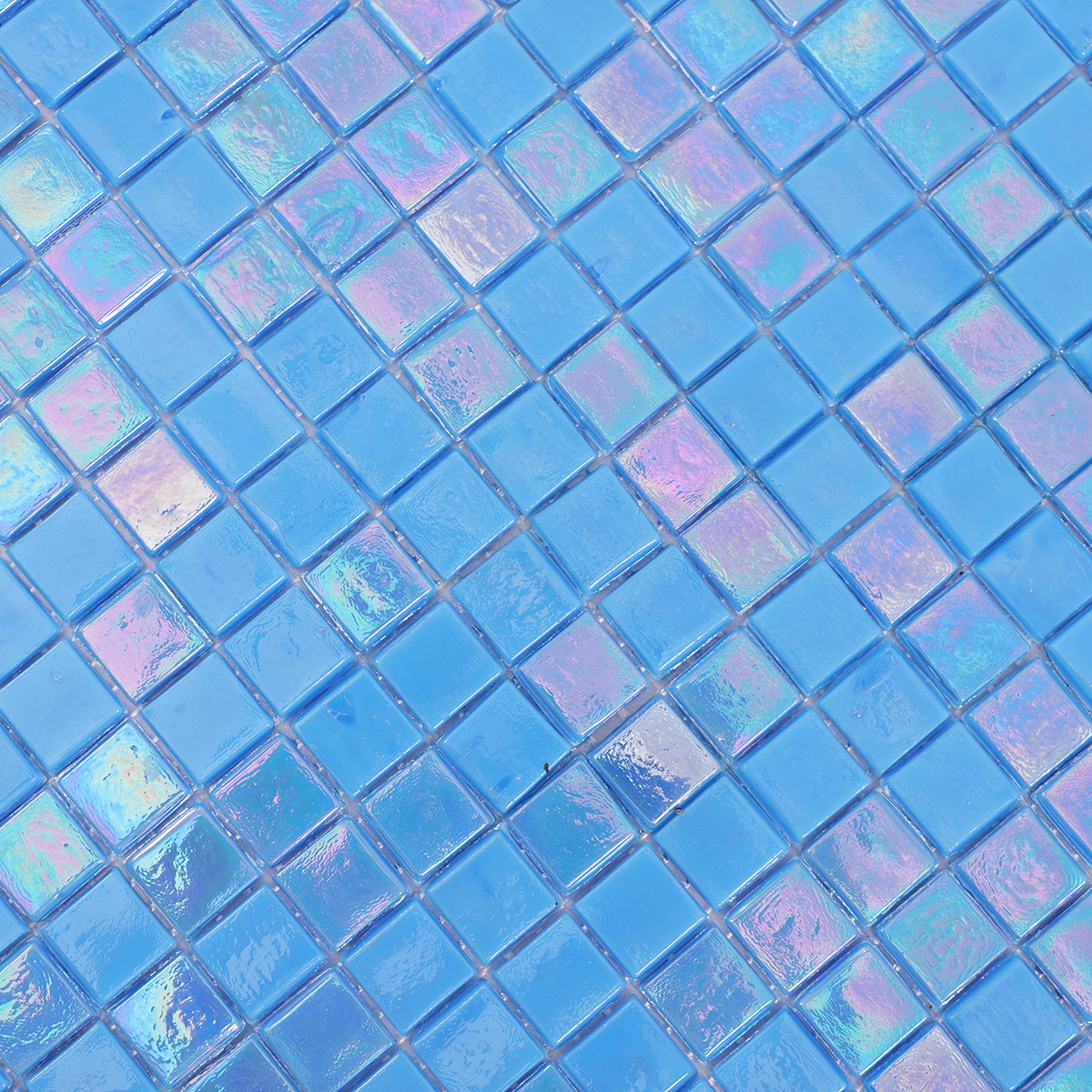
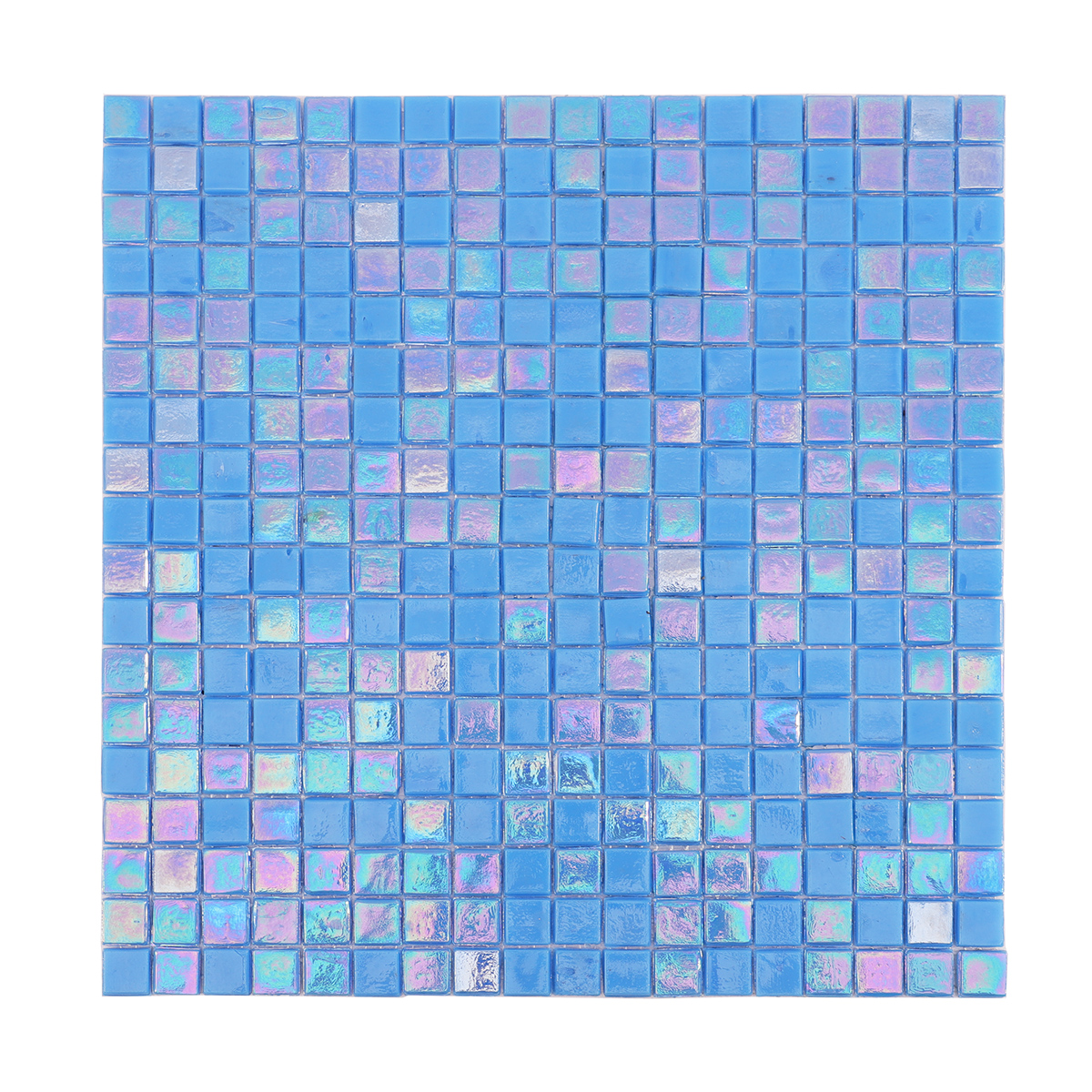
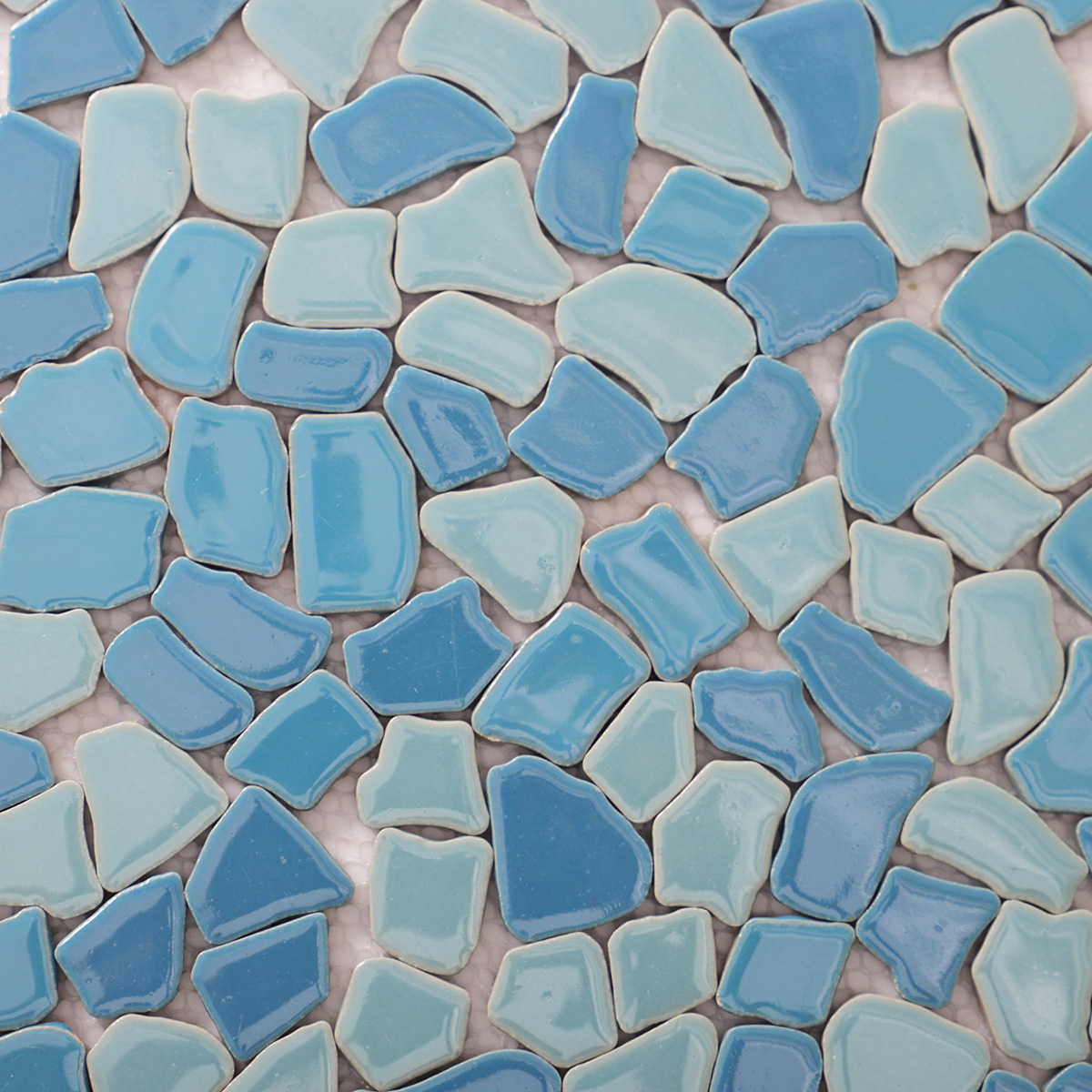
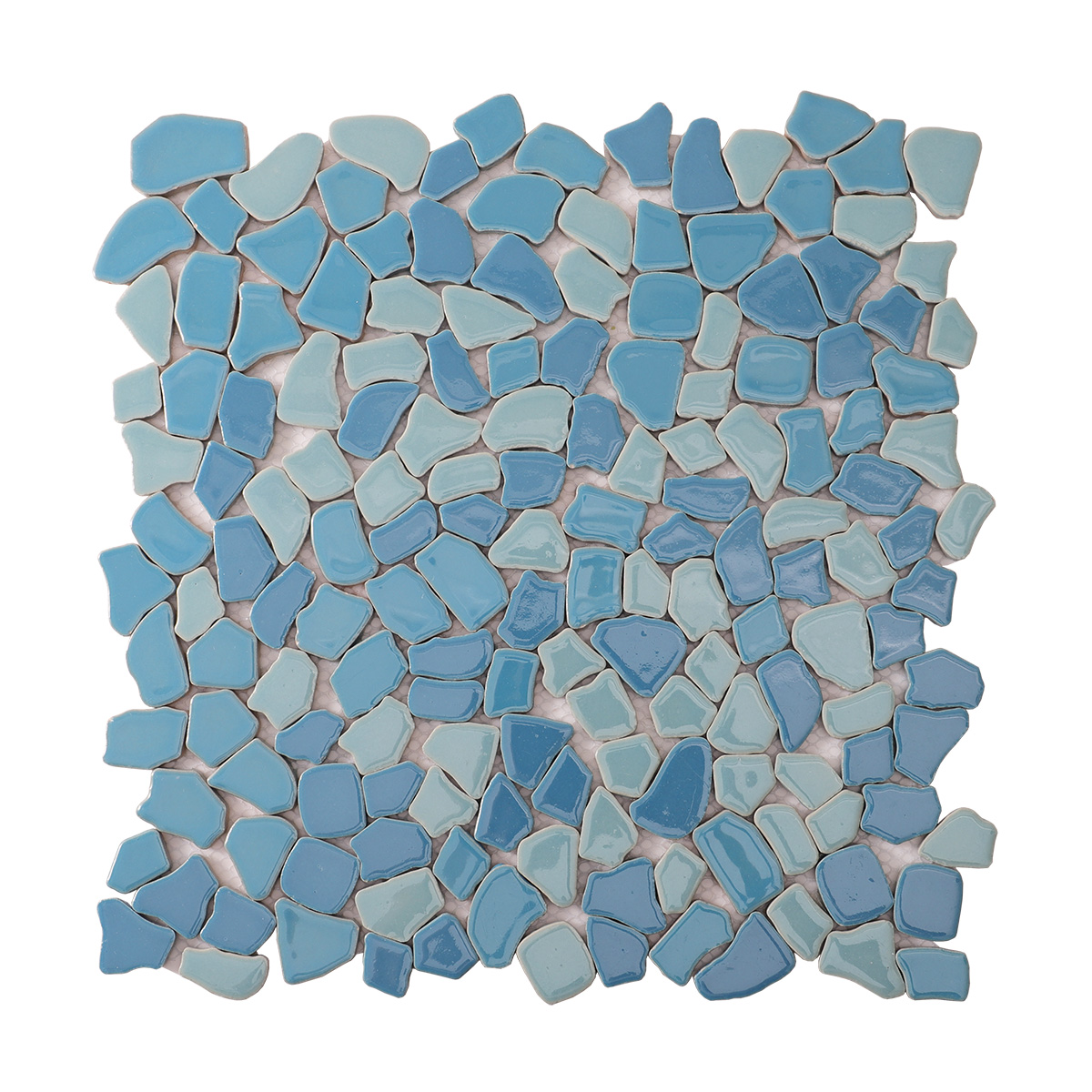
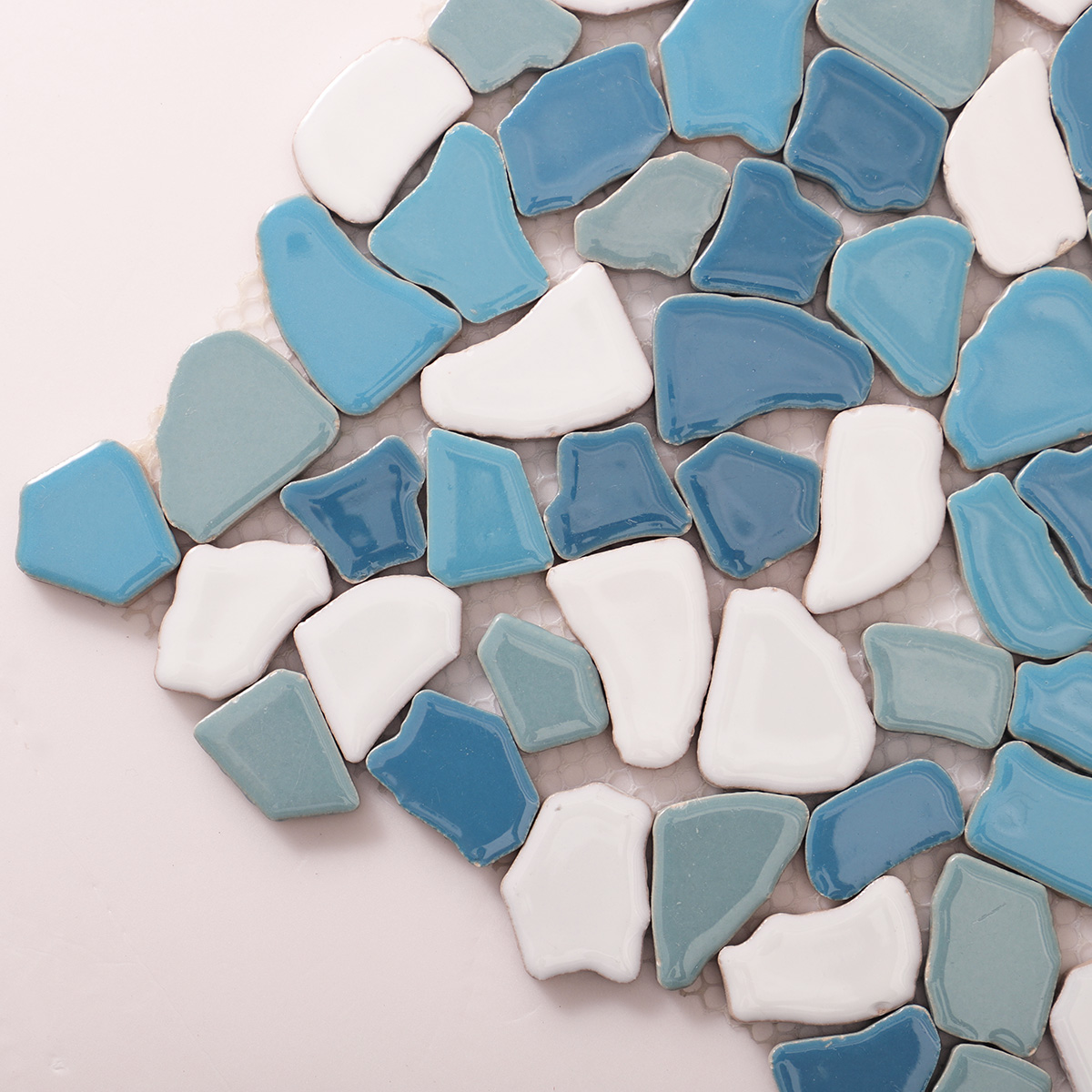
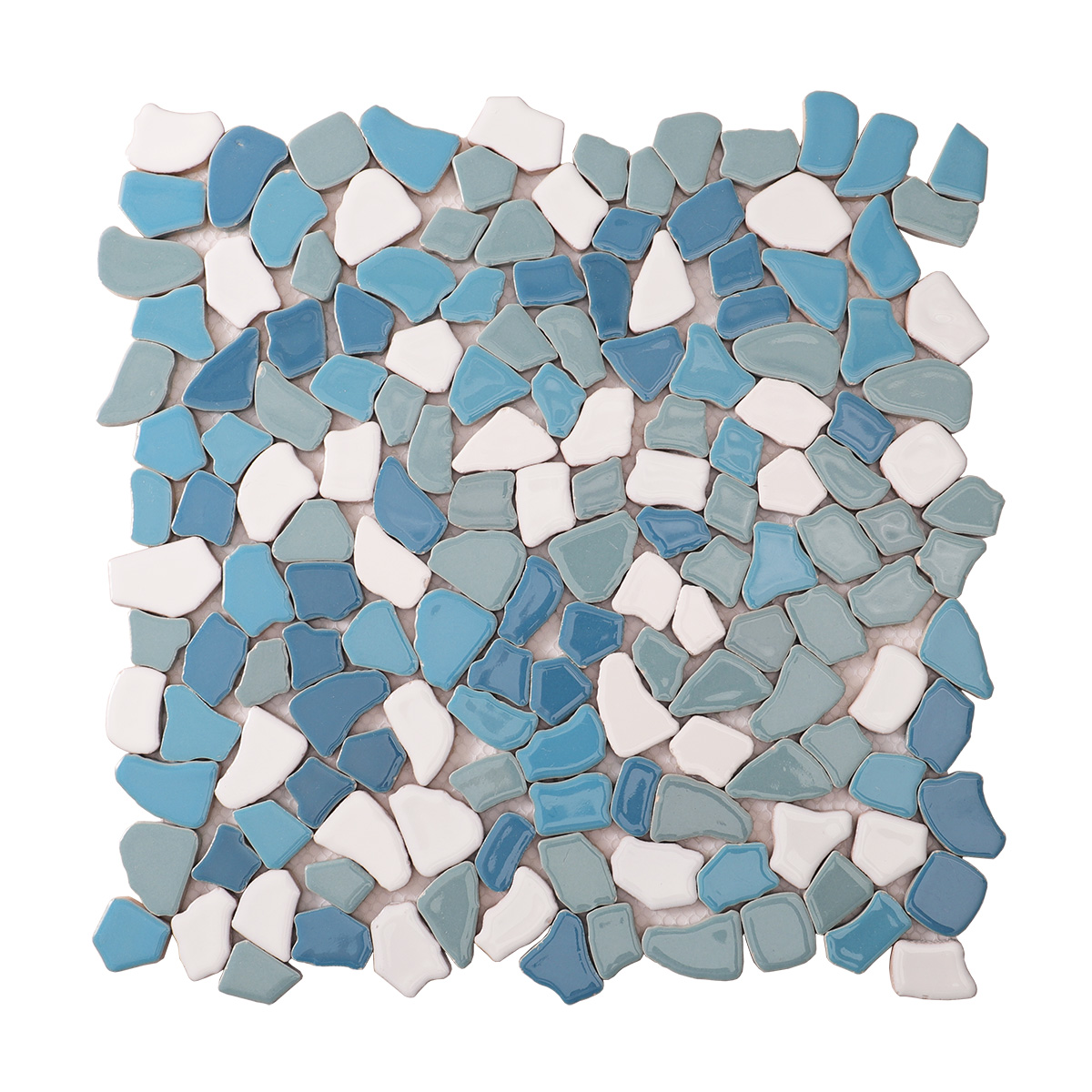
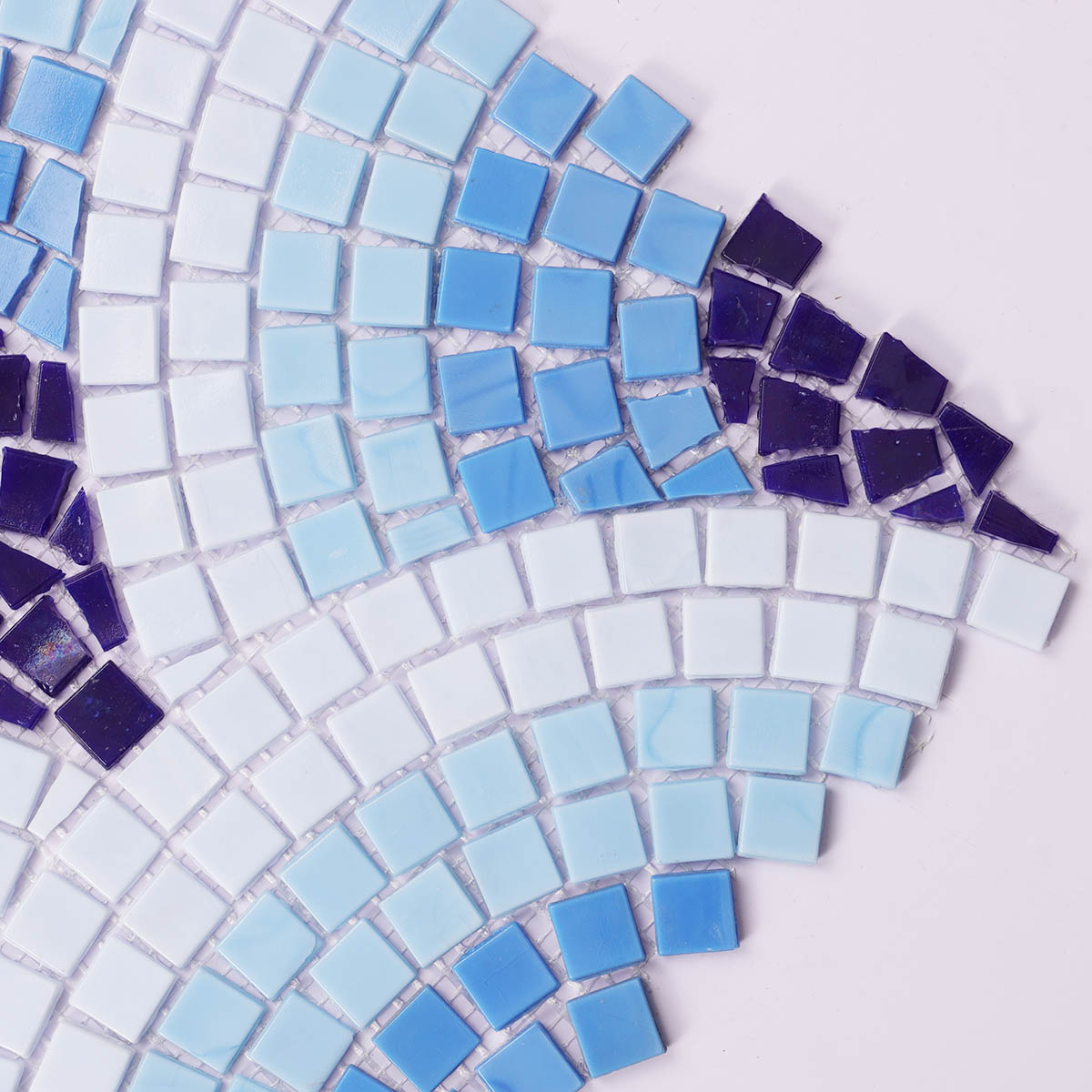
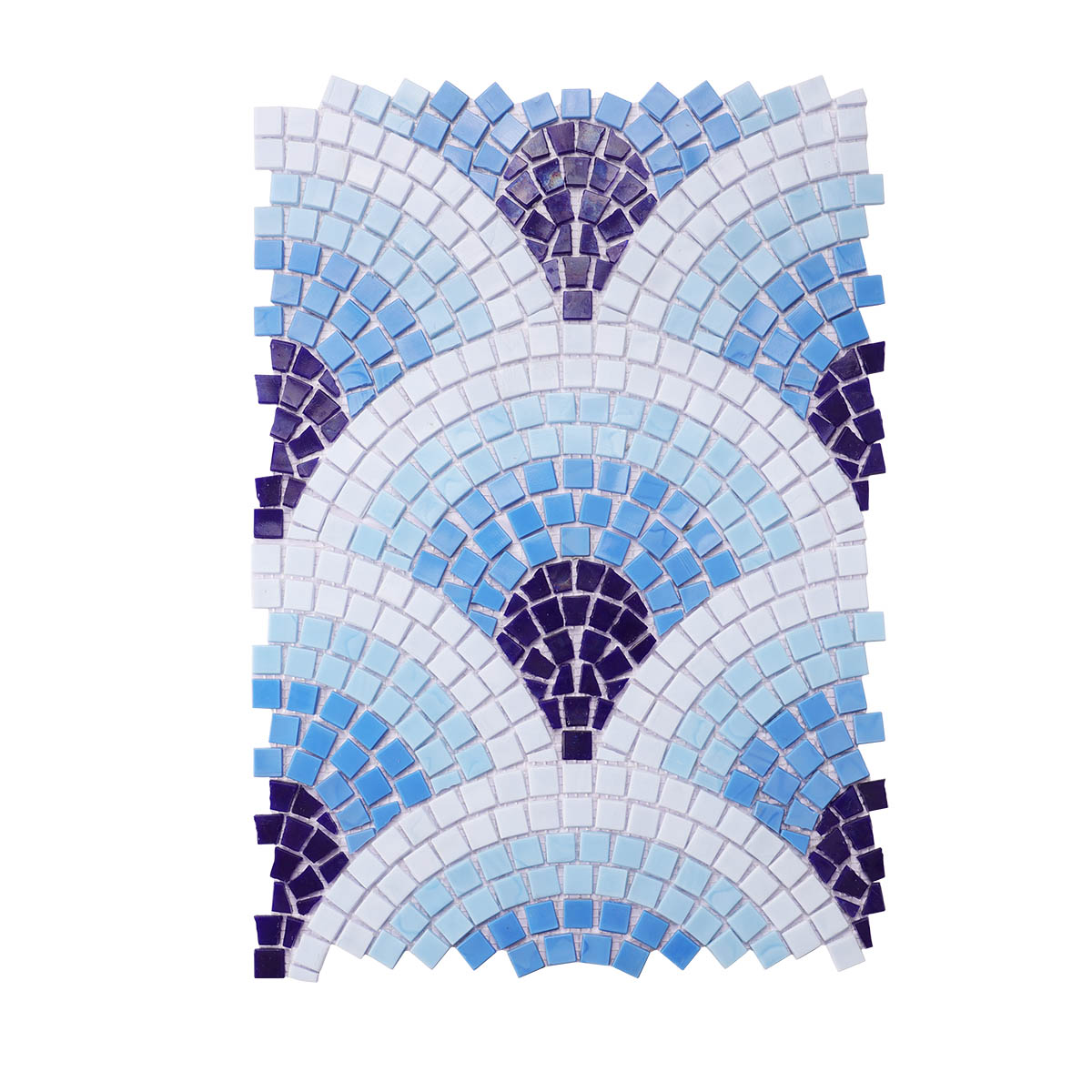
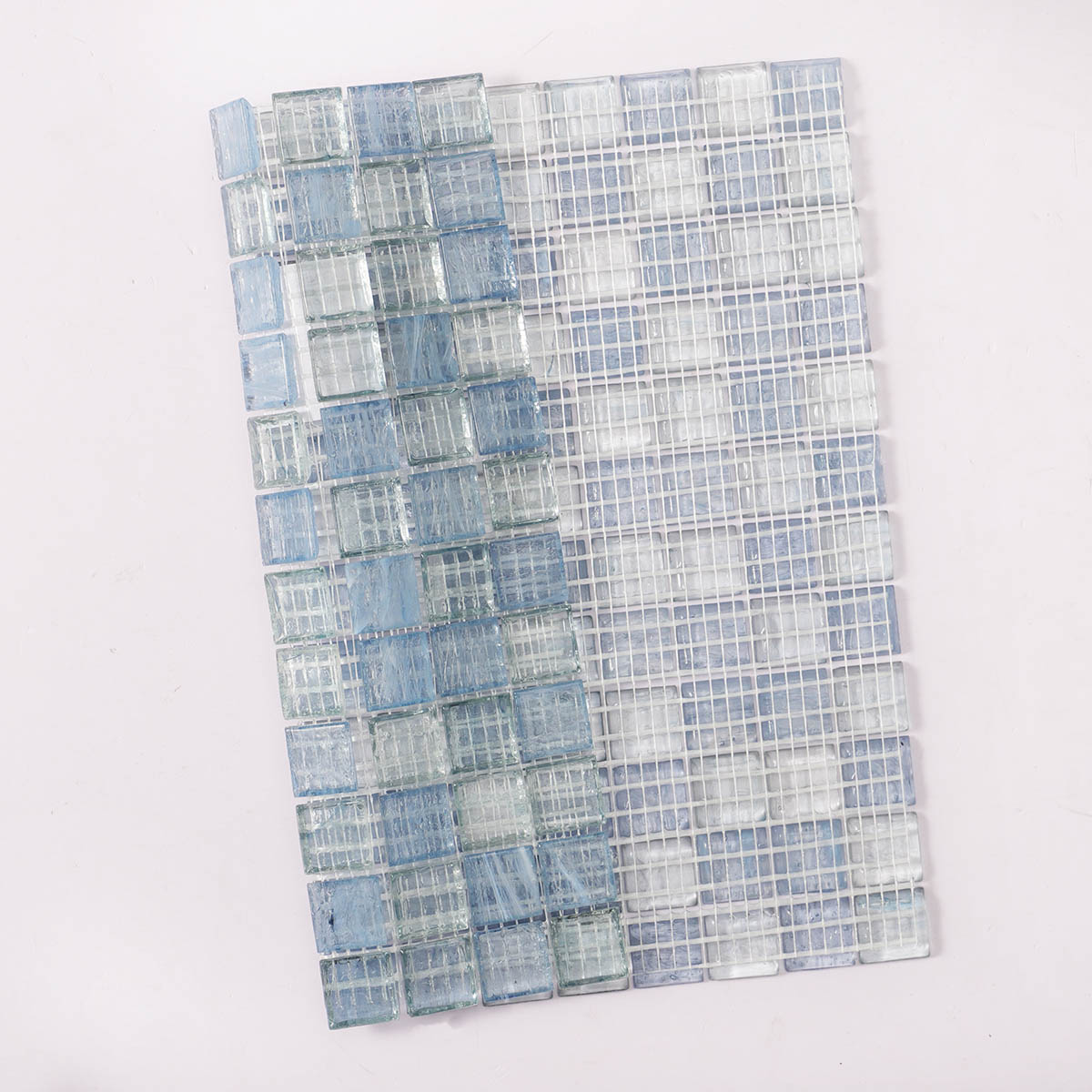
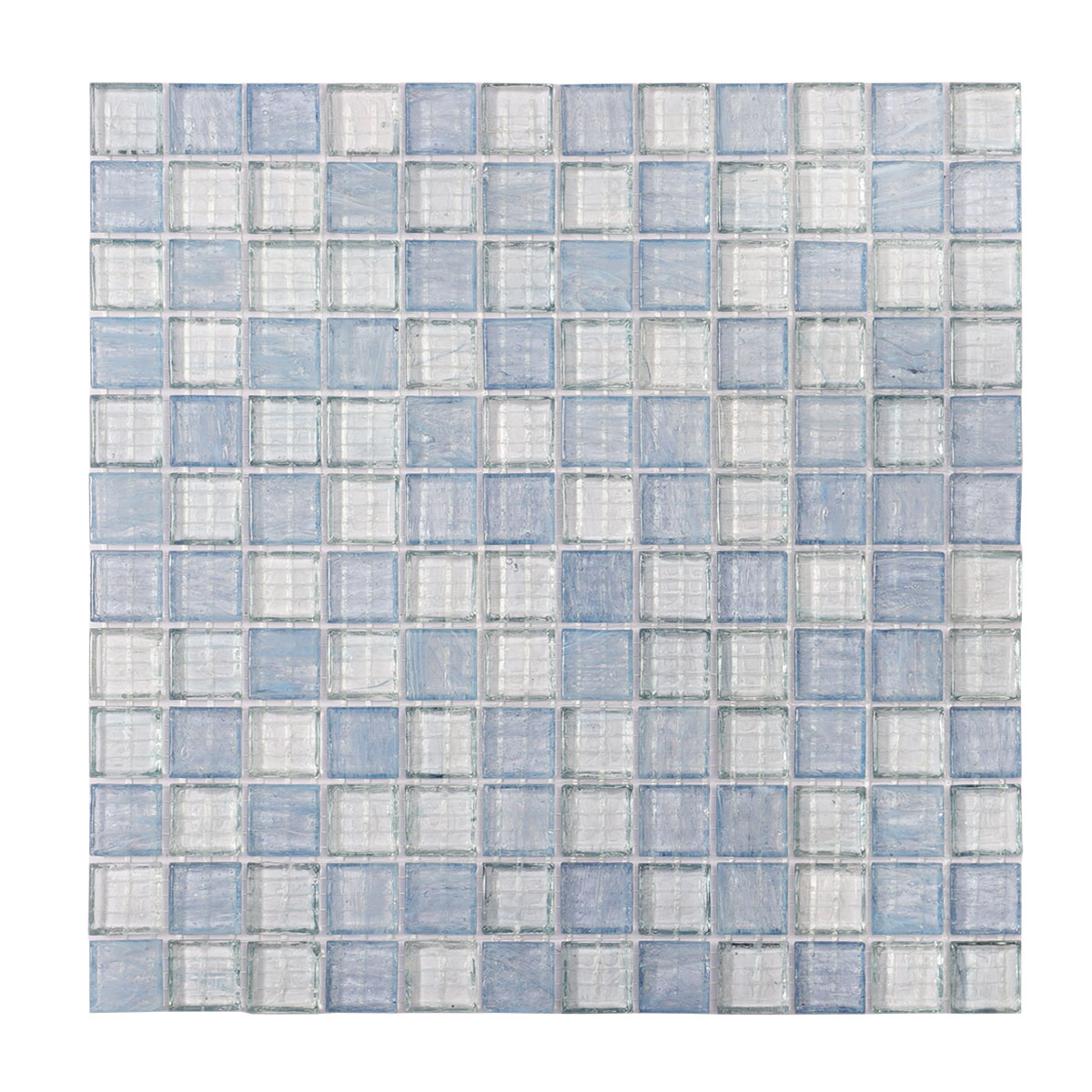
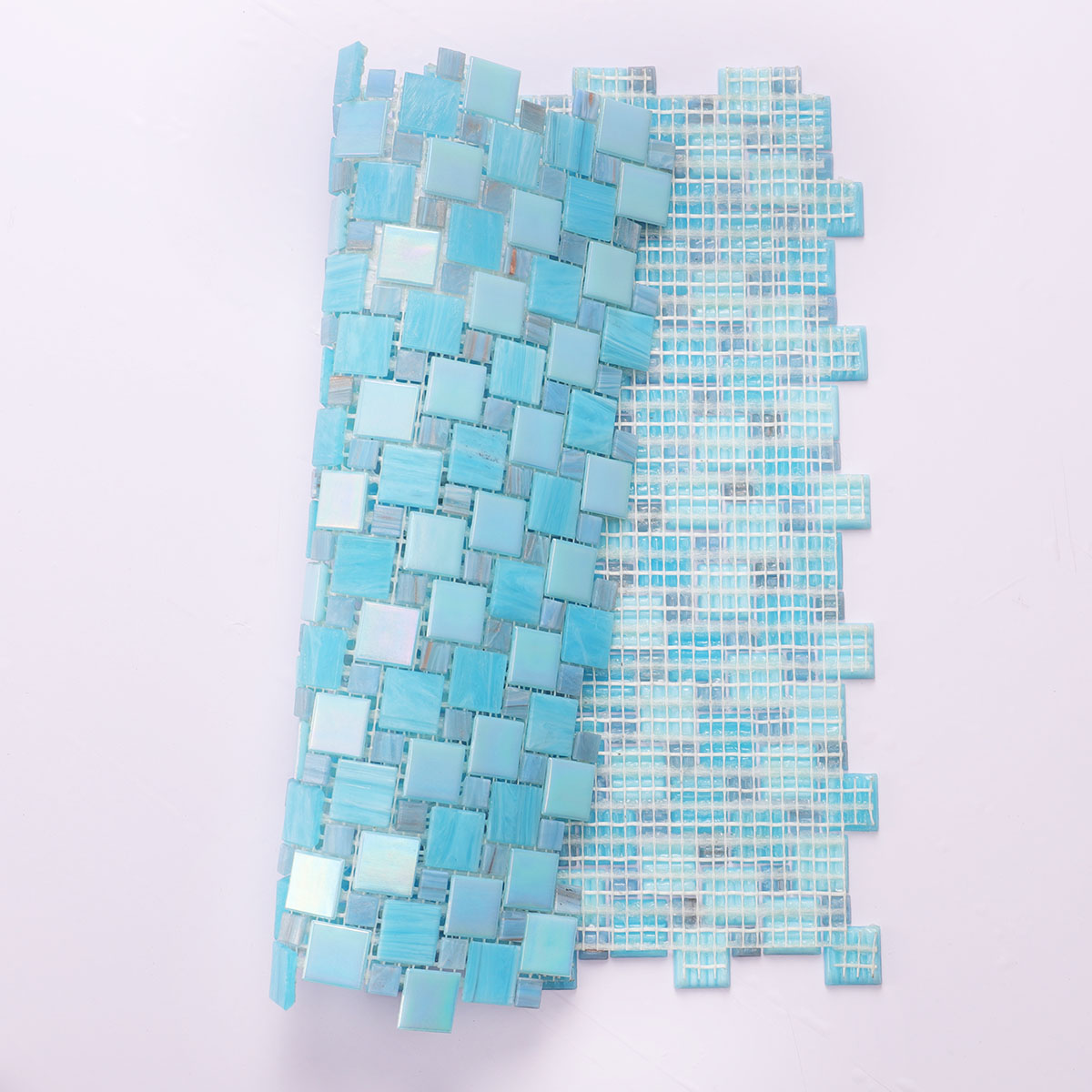
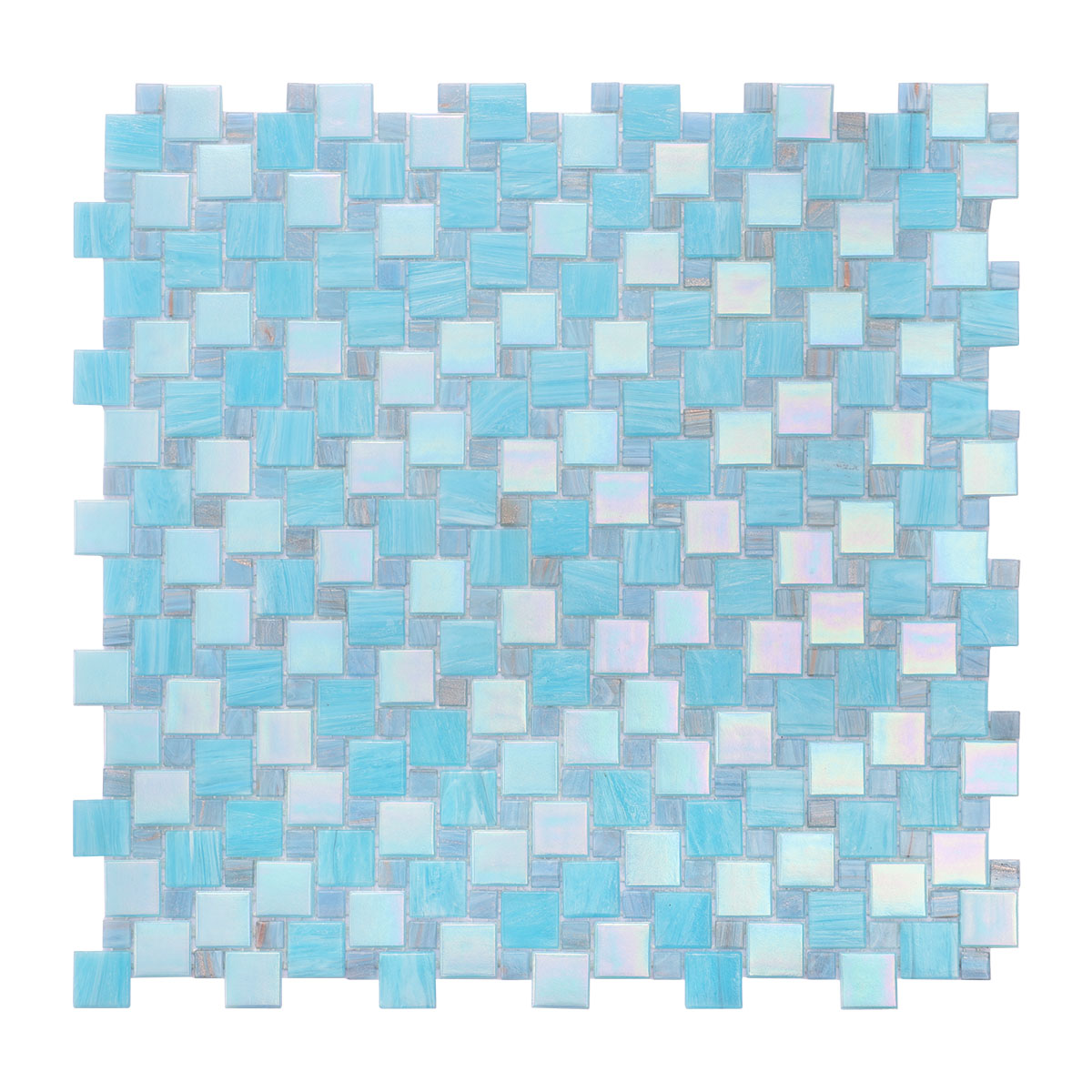
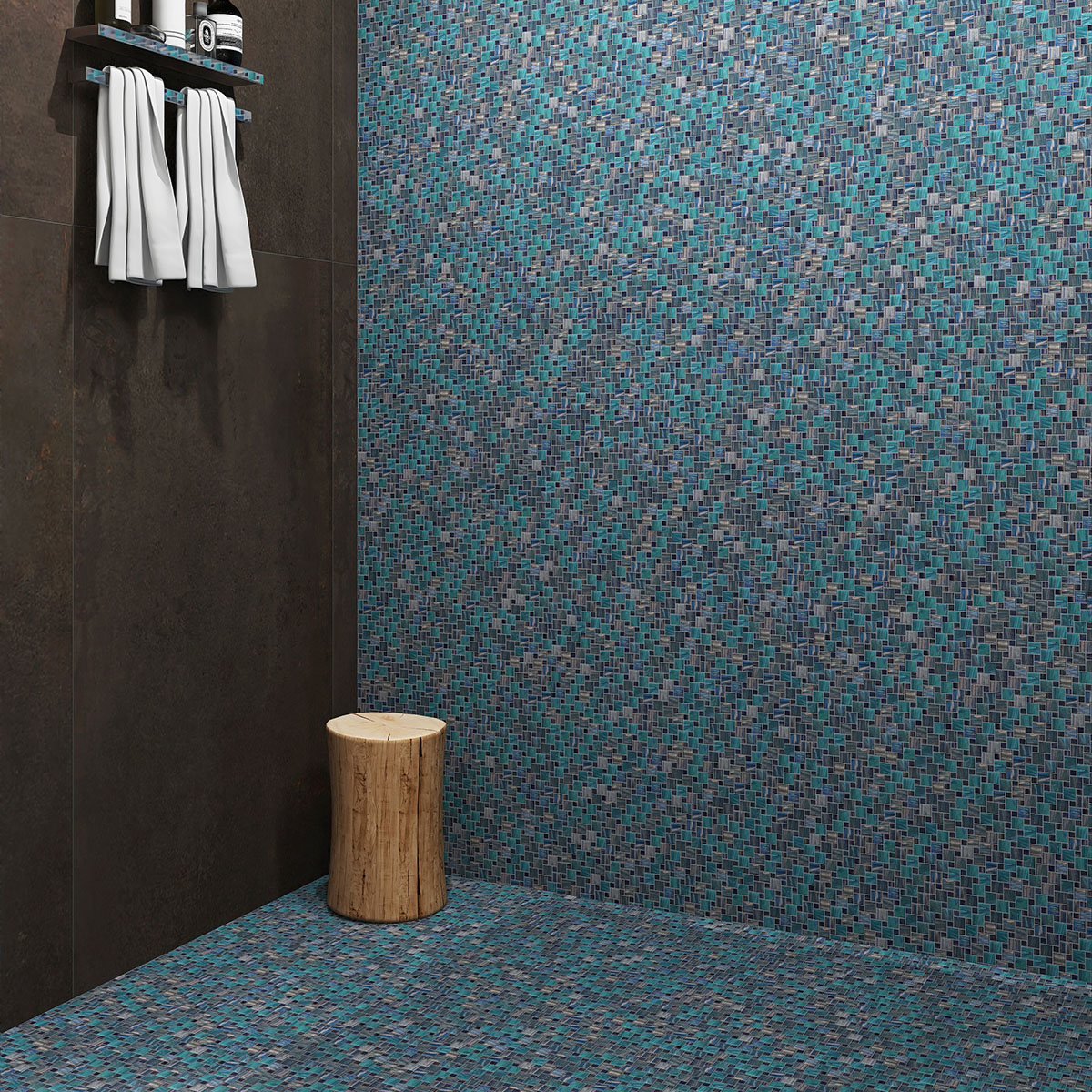
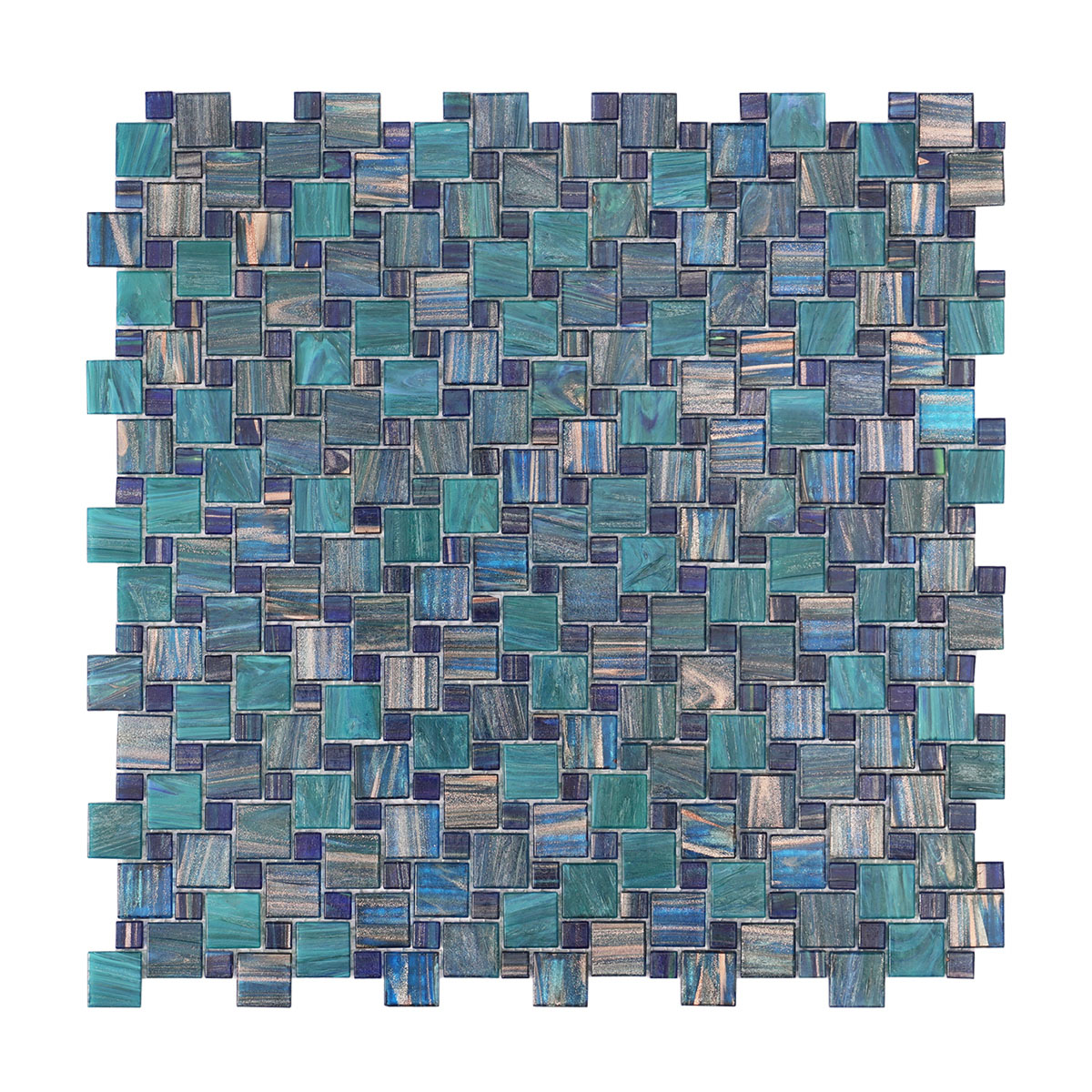
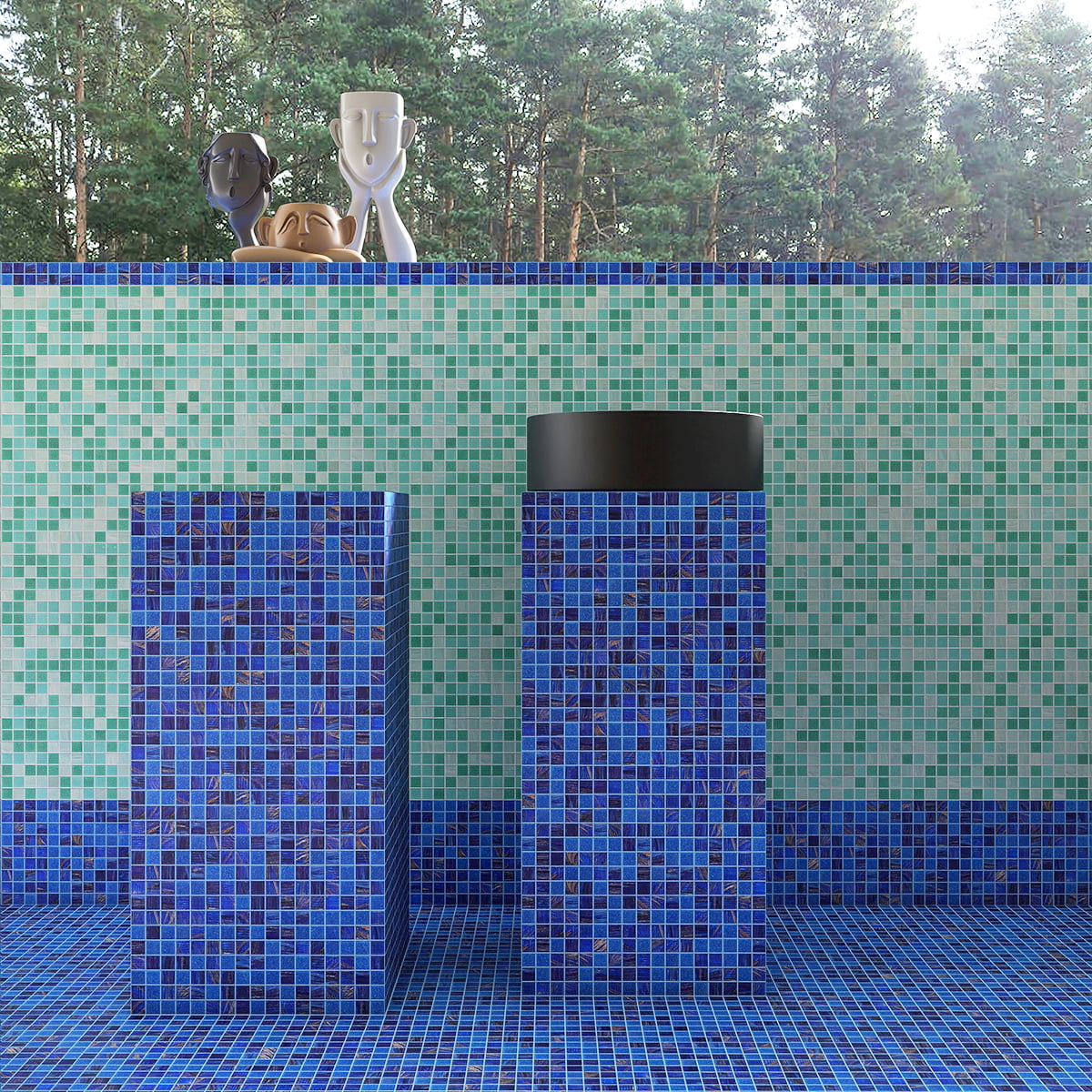
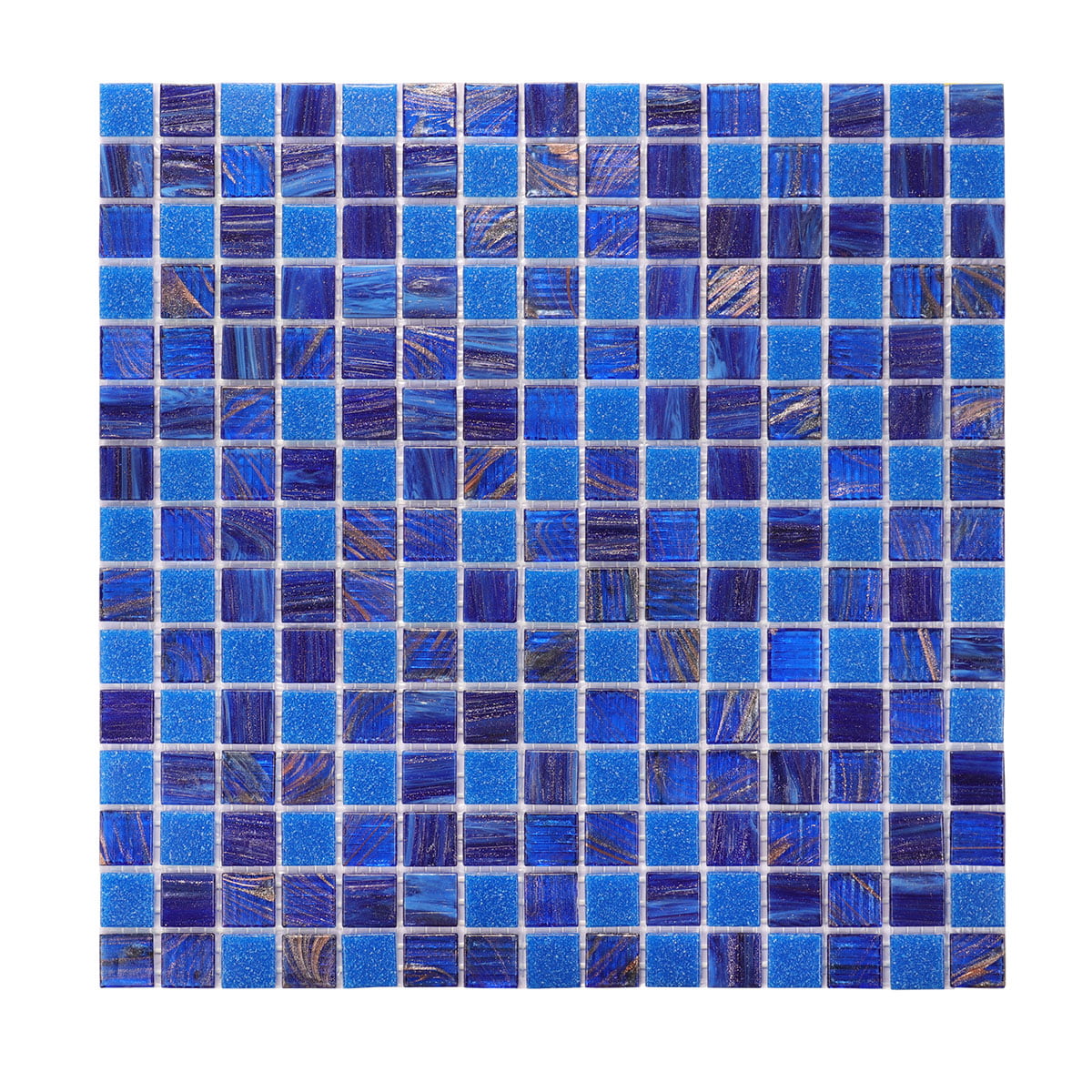

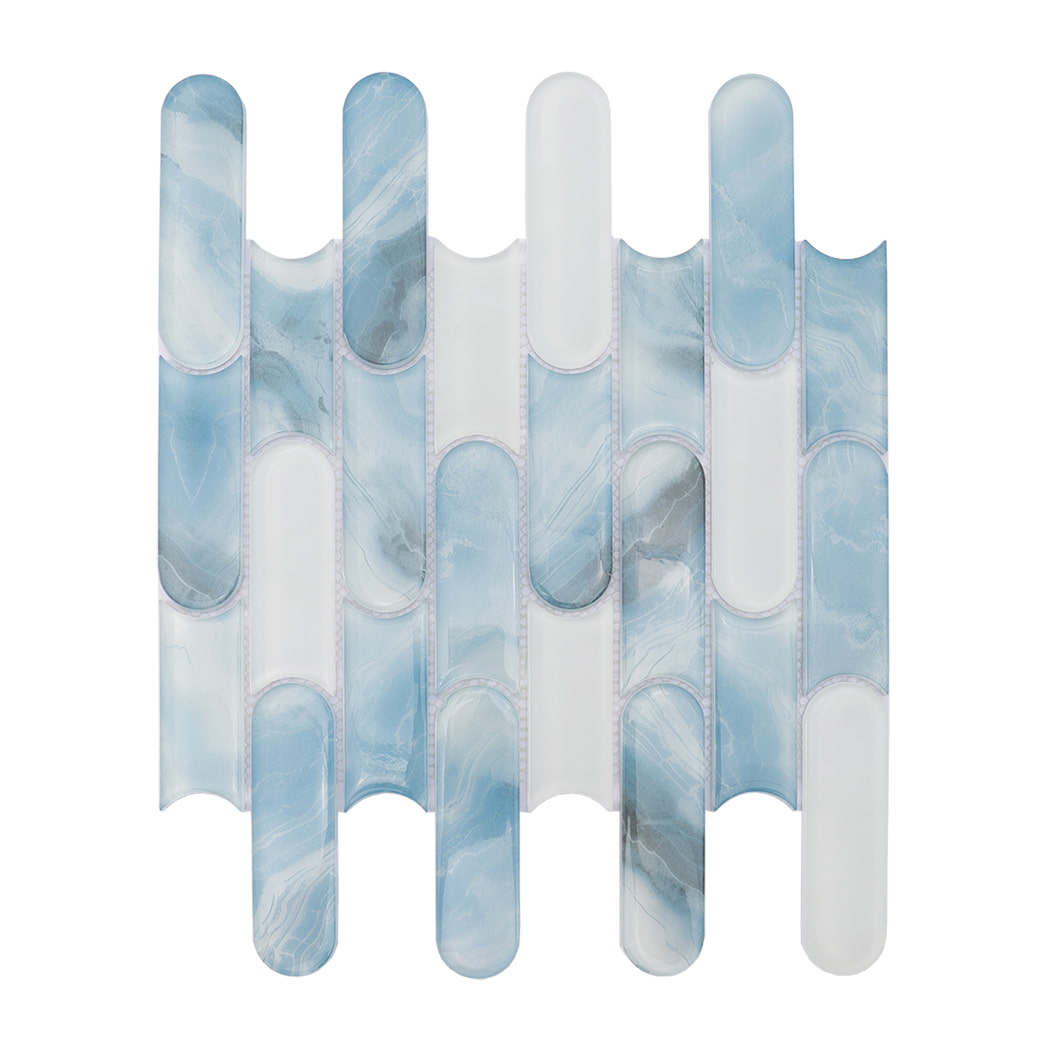
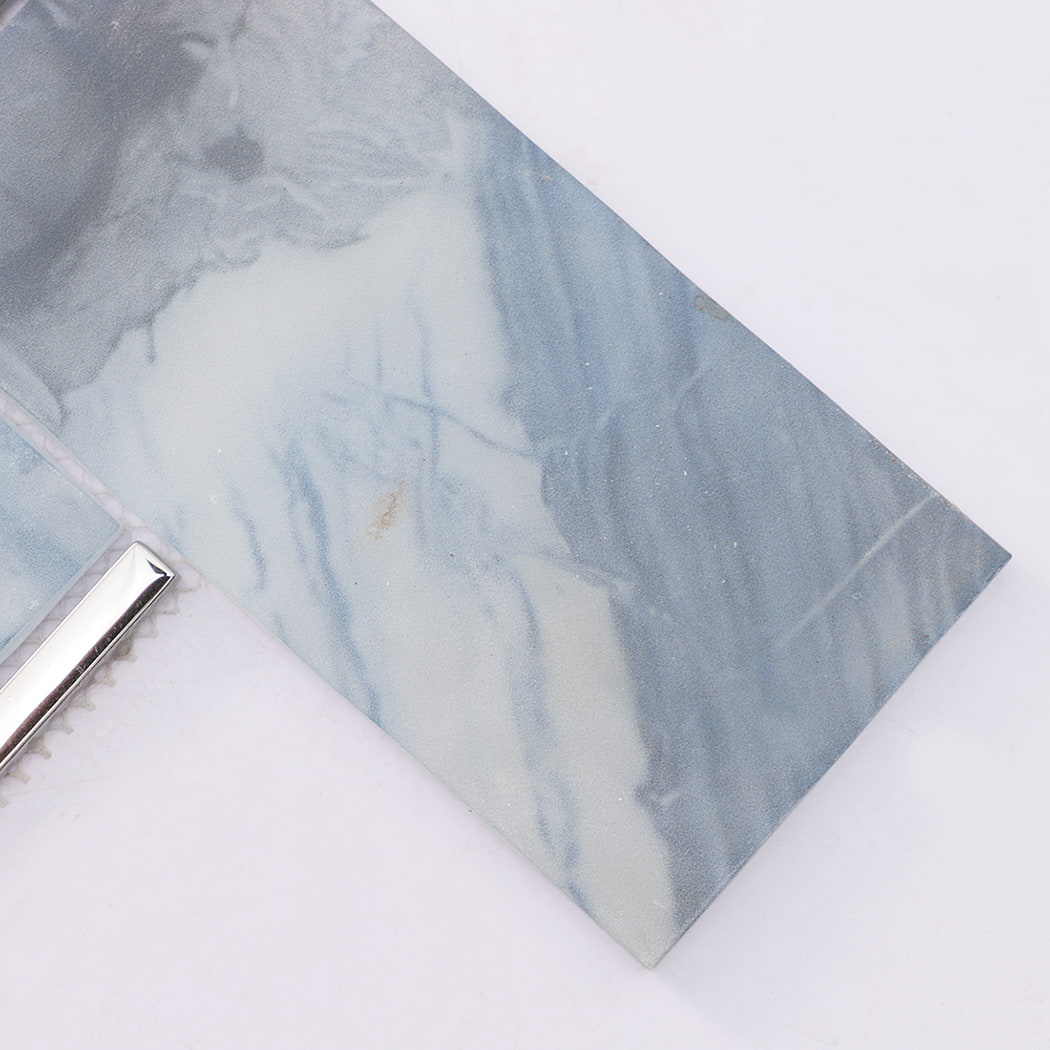
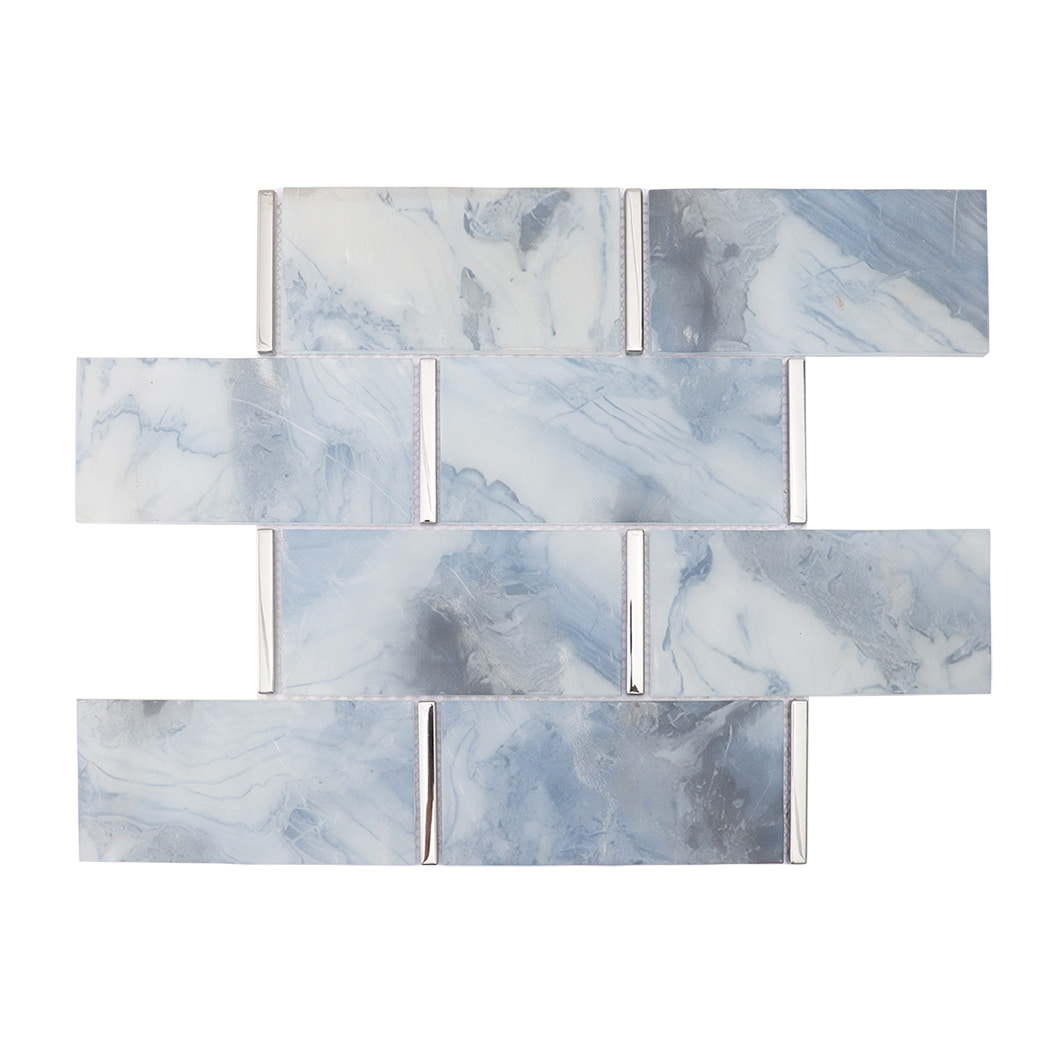
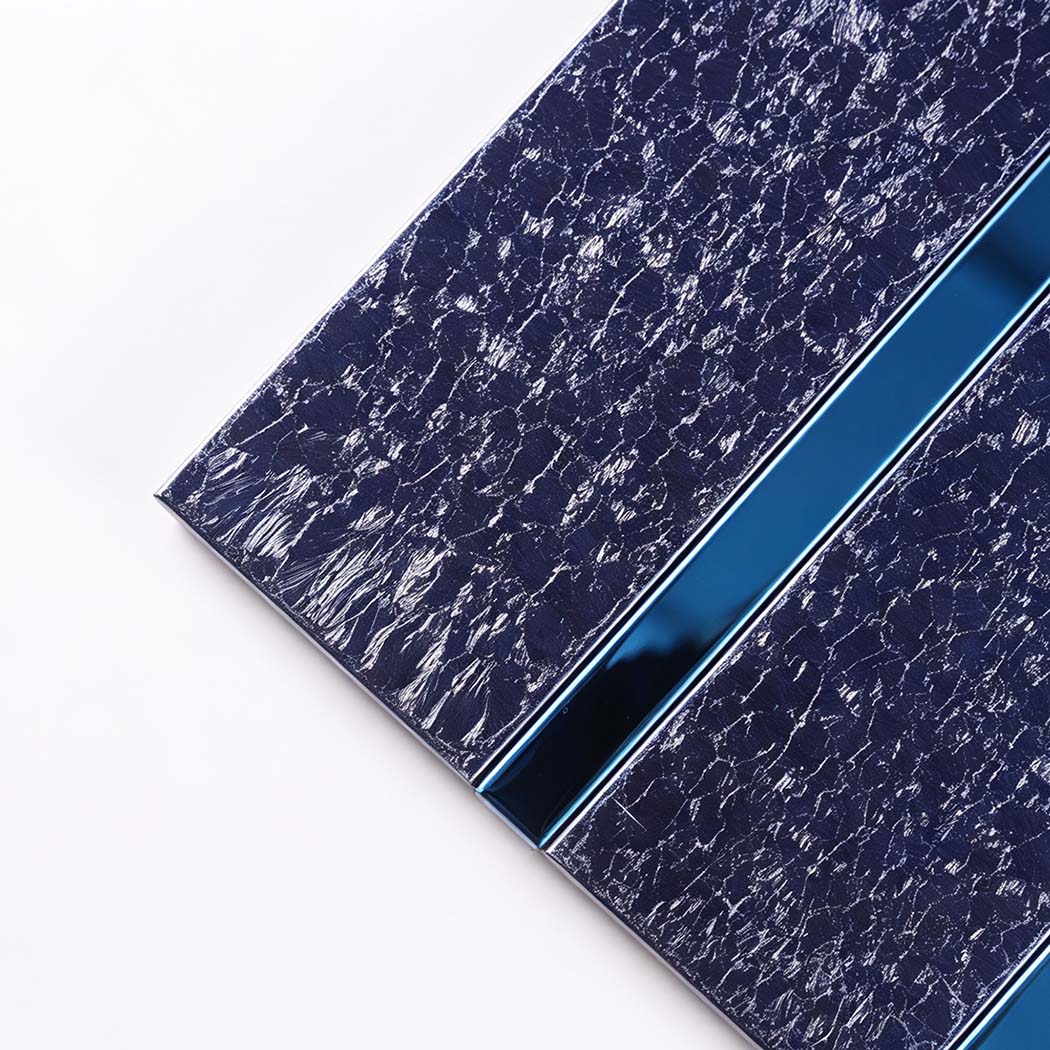
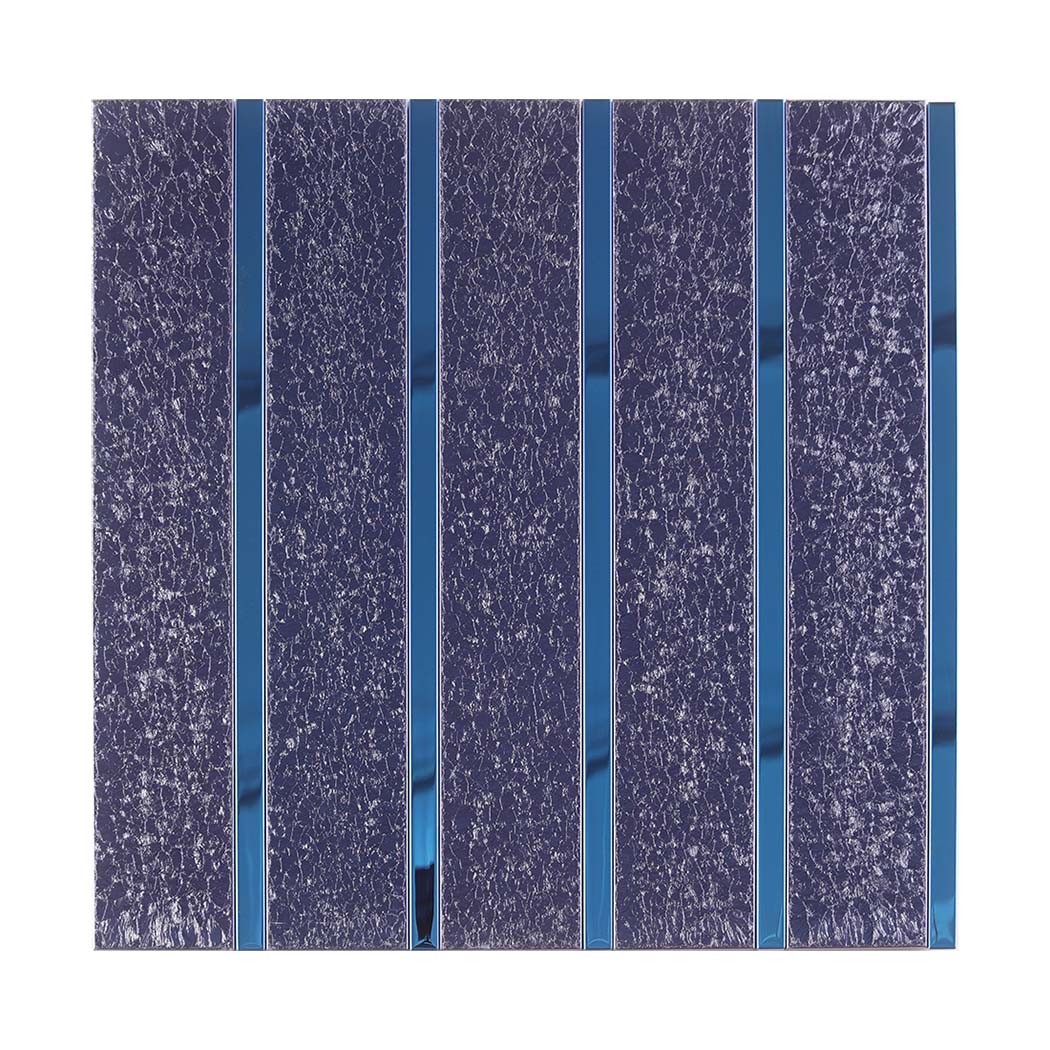
Mediterranean tiles have captivated homeowners, designers, and architects for centuries with their vibrant colors, intricate patterns, and timeless elegance. Inspired by the sun-drenched coastlines of Spain, Italy, Greece, and North Africa, these decorative tiles bring warmth, character, and artisanal craftsmanship to any space. Whether you’re renovating a kitchen backsplash, designing a luxury bathroom, or creating an inviting outdoor patio, Mediterranean tiles offer endless possibilities for transforming your home into a Mediterranean paradise.
What Are Mediterranean Tiles?
Mediterranean tiles are handcrafted or artisan-designed ceramic, terracotta, porcelain, glass, and mosaic tiles that reflect the rich cultural heritage of the Mediterranean region. These tiles draw inspiration from traditional styles including:
- Italian Majolica tiles - Known for their glossy finish and hand-painted designs
- Spanish Azulejos - Featuring bold geometric and floral patterns
- Portuguese Azulejos - Characterized by blue and white ceramic artistry
- Moroccan Zellige - Handmade clay tiles with intricate geometric patterns
- Greek island tiles - Emphasizing clean white and deep blue color palettes
- Tunisian and French tiles - Combining vibrant colors with traditional motifs
These tiles are not merely decorative; they are built to last, offering exceptional durability and resistance to moisture, heat, and wear, making them ideal for both indoor and outdoor applications.
Types of Mediterranean Tiles and Their Materials
Ceramic Mediterranean Tiles
Ceramic tiles are the most popular choice for Mediterranean-style interiors. These tiles feature:
- Glossy or matte finishes
- Hand-painted or printed decorative motifs
- Vibrant color palettes including blues, yellows, greens, and terracotta
- Best uses: Kitchen backsplashes, bathroom walls, accent walls, fireplace surrounds
Terracotta Tiles
Terracotta tiles embody the rustic, earthy essence of Mediterranean architecture:
- Natural clay composition with warm, reddish-brown tones
- Unglazed or glazed finishes
- Exceptional durability for high-traffic areas
- Best uses: Floor tiles, outdoor patios, courtyards, garden pathways
Mediterranean Mosaic Tiles
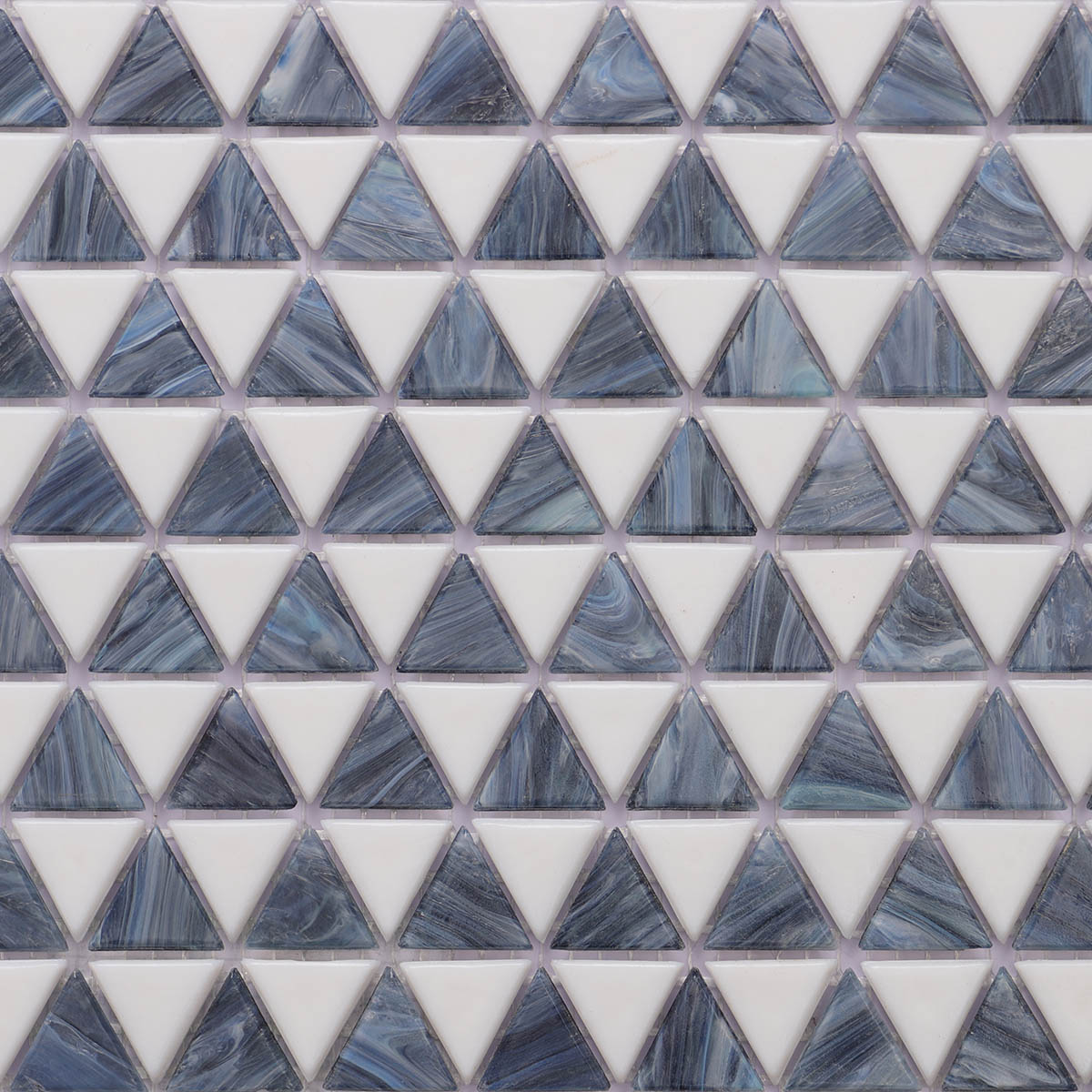
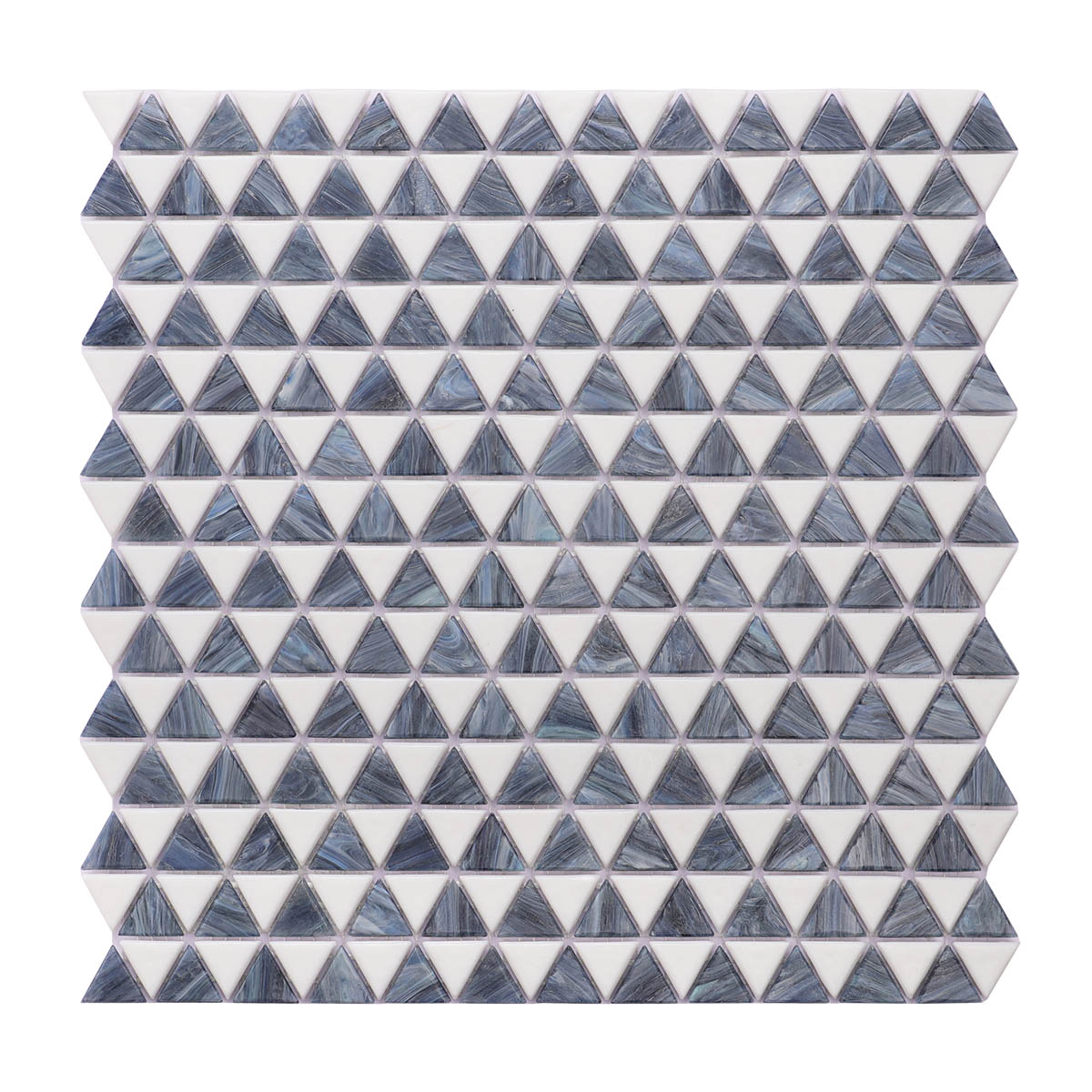
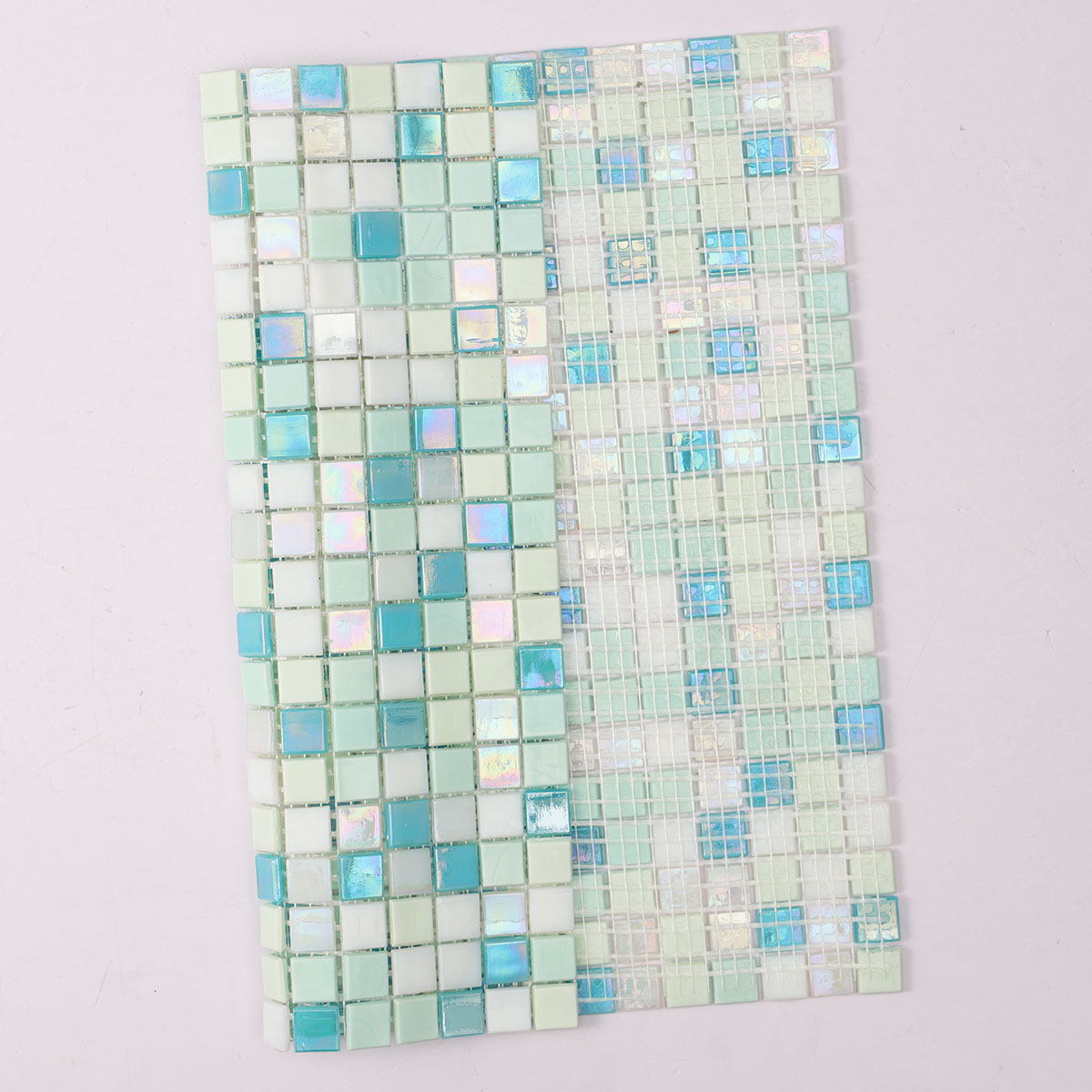
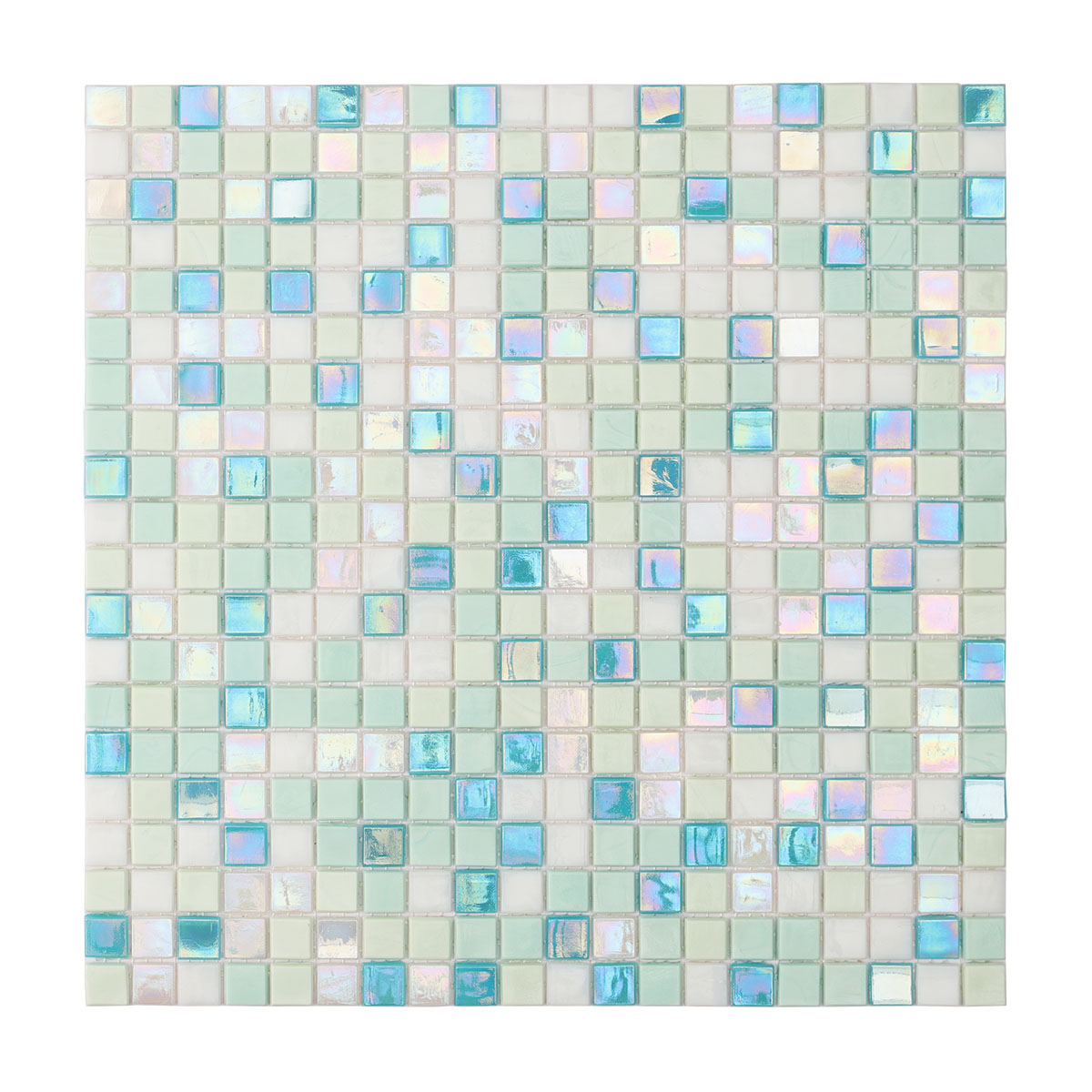
Mosaic tiles are the crown jewel of Mediterranean design, offering unparalleled artistic expression and customization. These small-format tiles create stunning visual effects through careful arrangement and color blending.
Handmade Mosaic Patterns
Handcrafted mosaic patterns represent the pinnacle of Mediterranean tile artistry. Artisans carefully arrange individual mosaic pieces to create:
- Intricate geometric designs - Stars, hexagons, interlocking patterns
- Floral and nature motifs - Vines, leaves, Mediterranean flora
- Custom medallions - Centerpiece designs for floors and walls
- Artistic murals - Depicting Mediterranean landscapes and cultural themes
Materials commonly used:
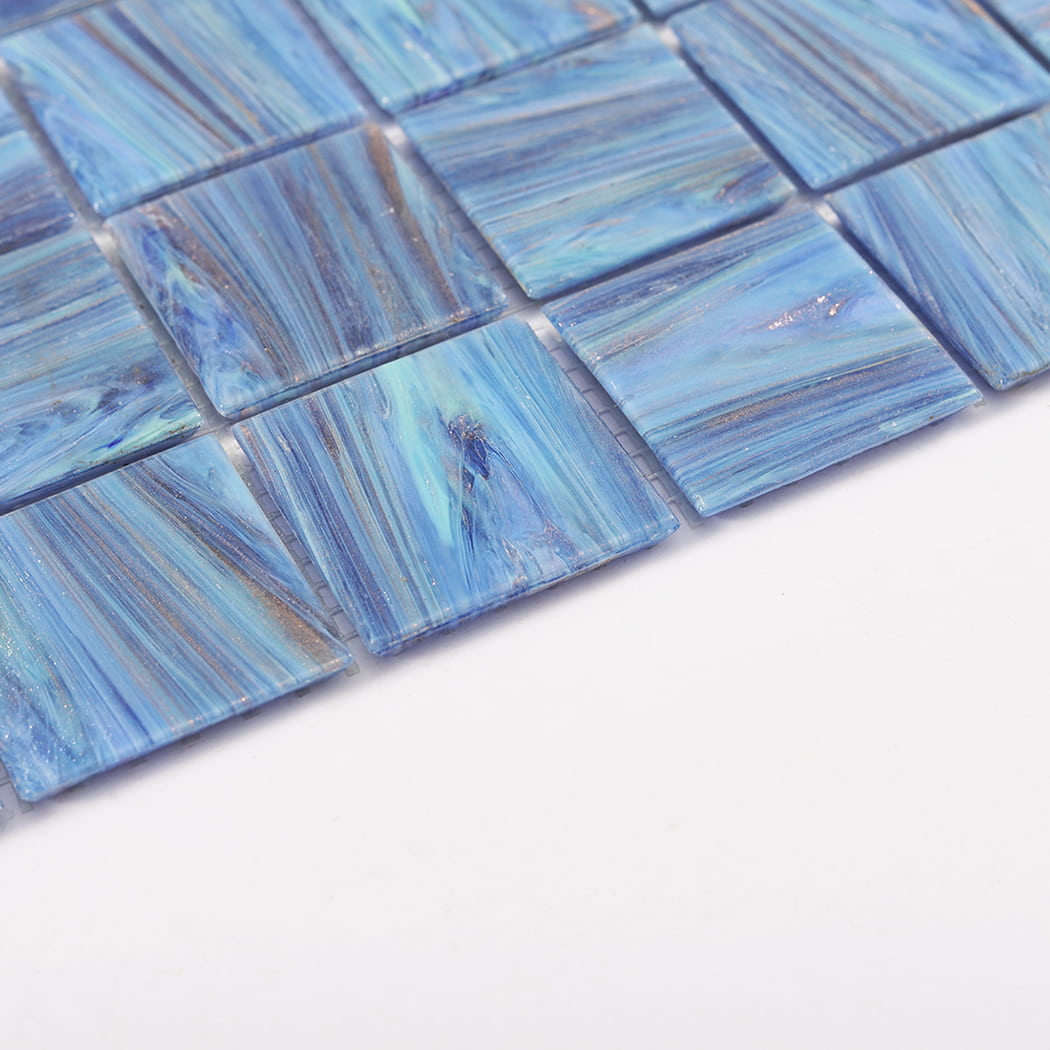
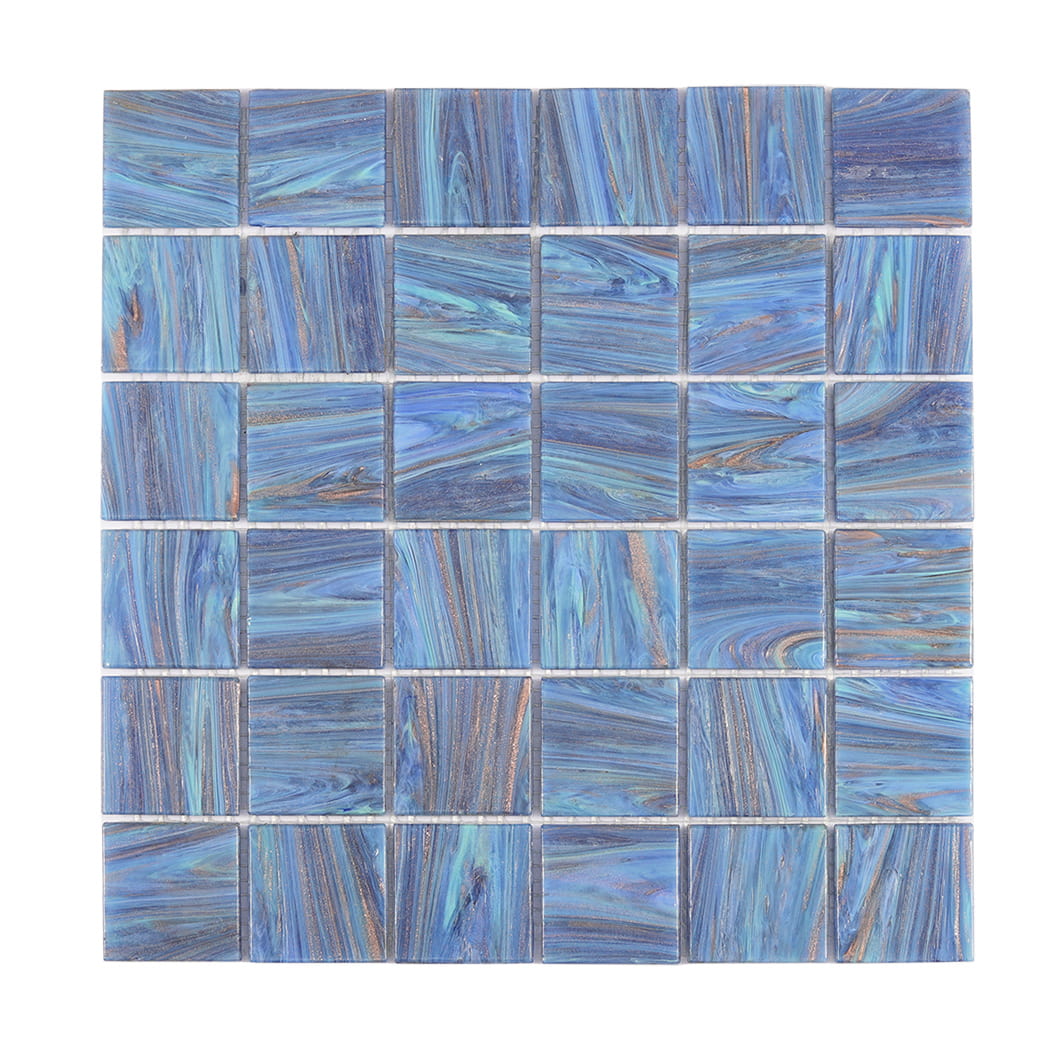
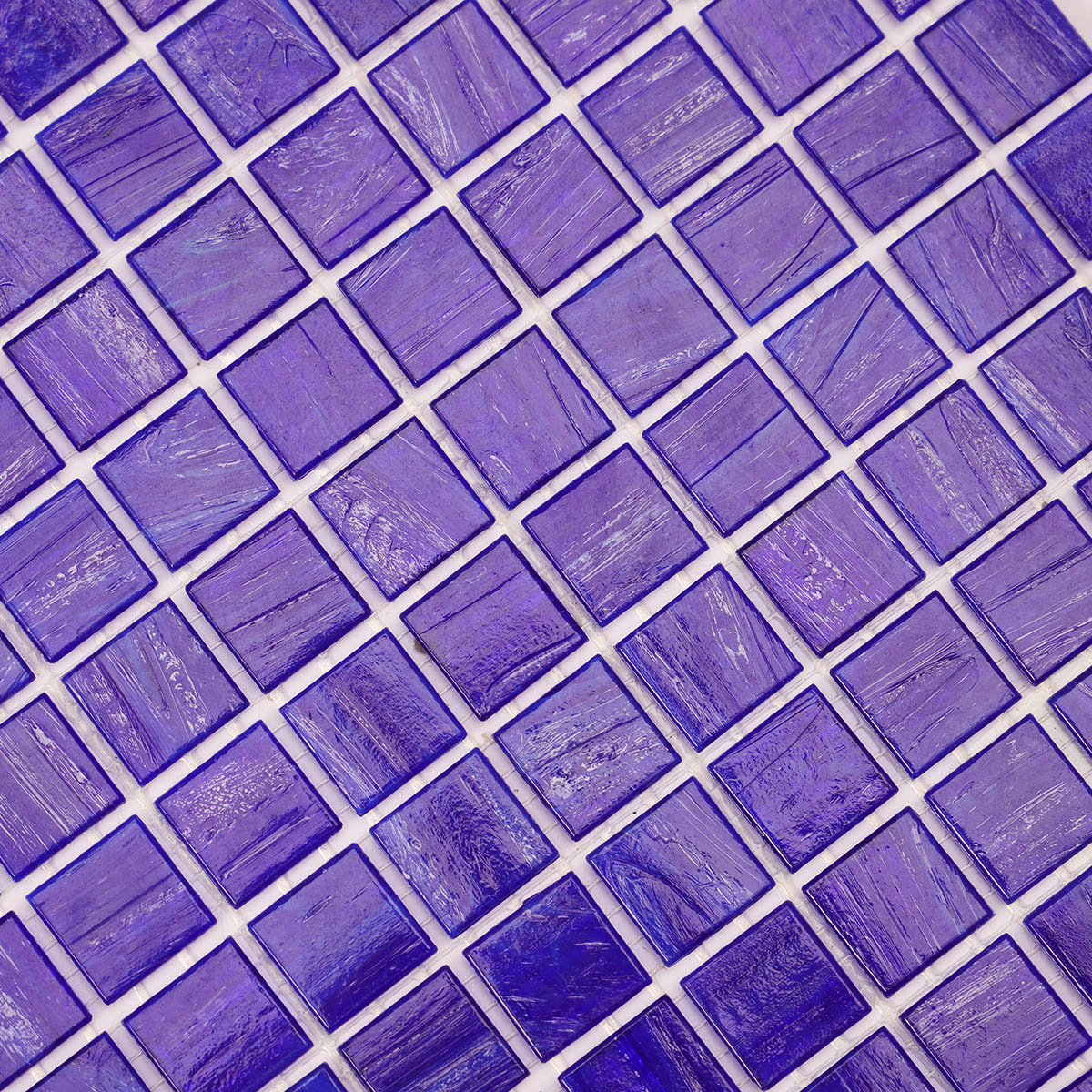
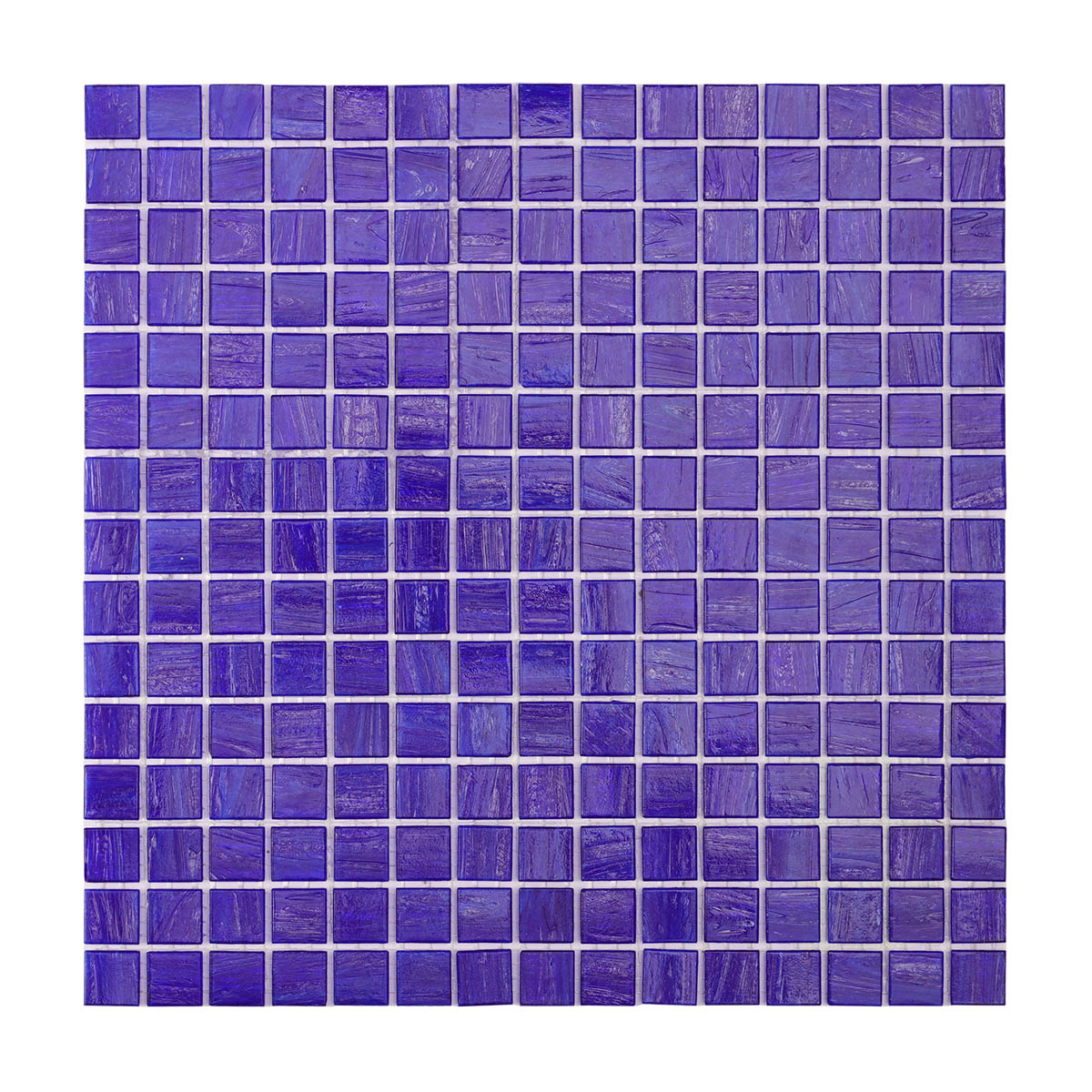
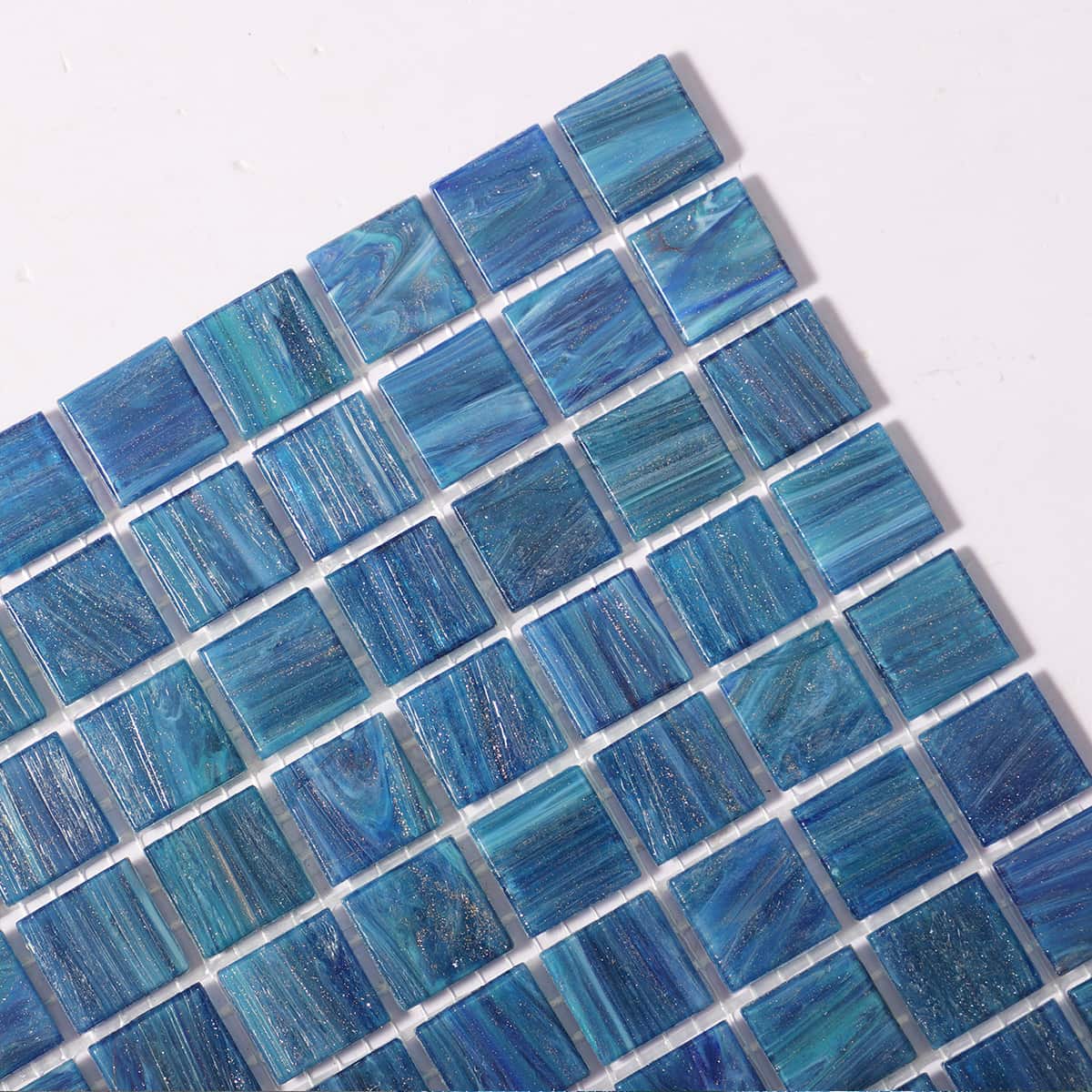
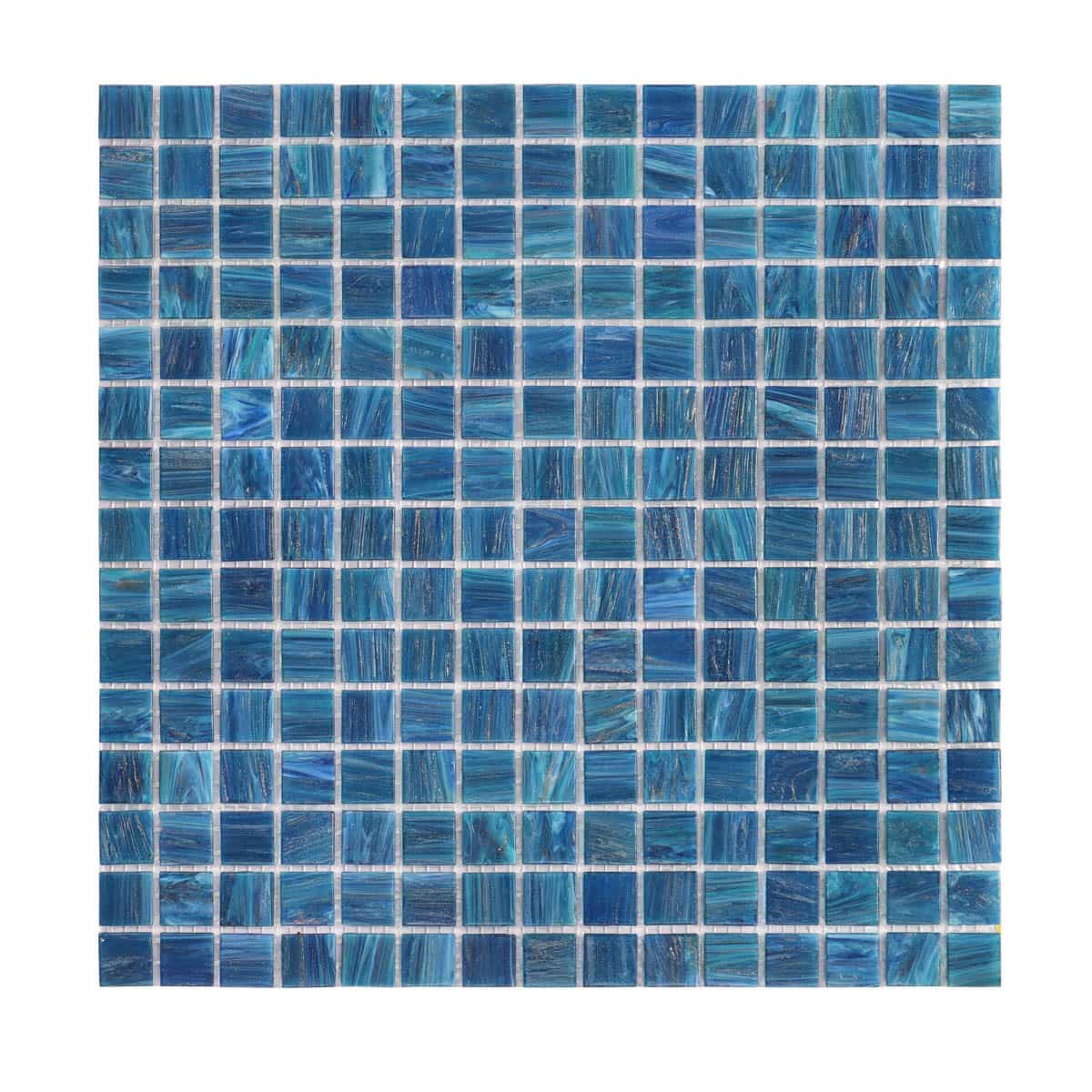
- Vitreous glass - High-quality glass with low water absorption (under 3%), frost-resistant and durable
- Water glass - Affordable glass option for indoor applications
- Marble - Natural stone offering luxury and timeless elegance
- Ceramic - Versatile and available in countless colors
Mixed Color Mosaic Tiles
One of the most popular Mediterranean design techniques involves mixing mosaic tiles of different colors while maintaining uniform size and thickness (typically 4mm). This approach creates:
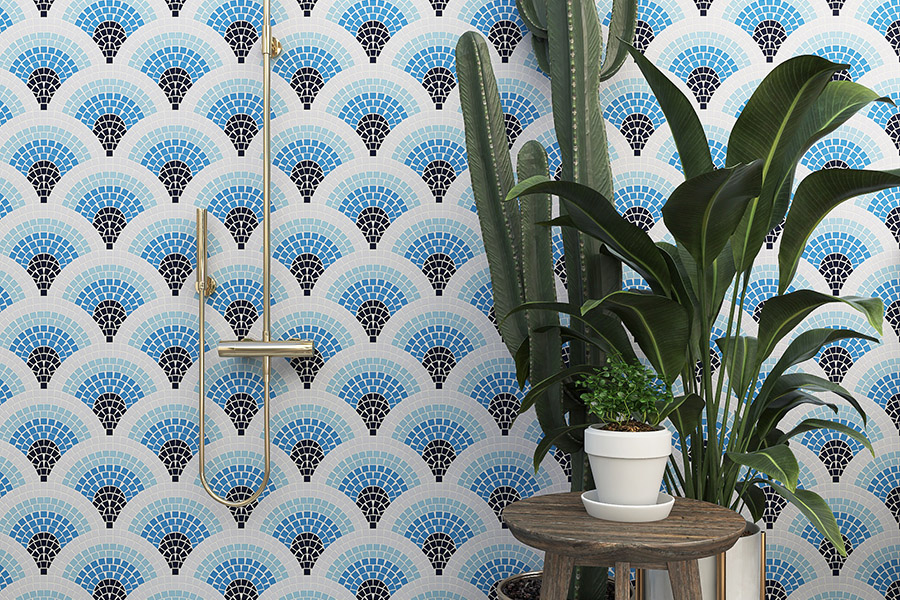
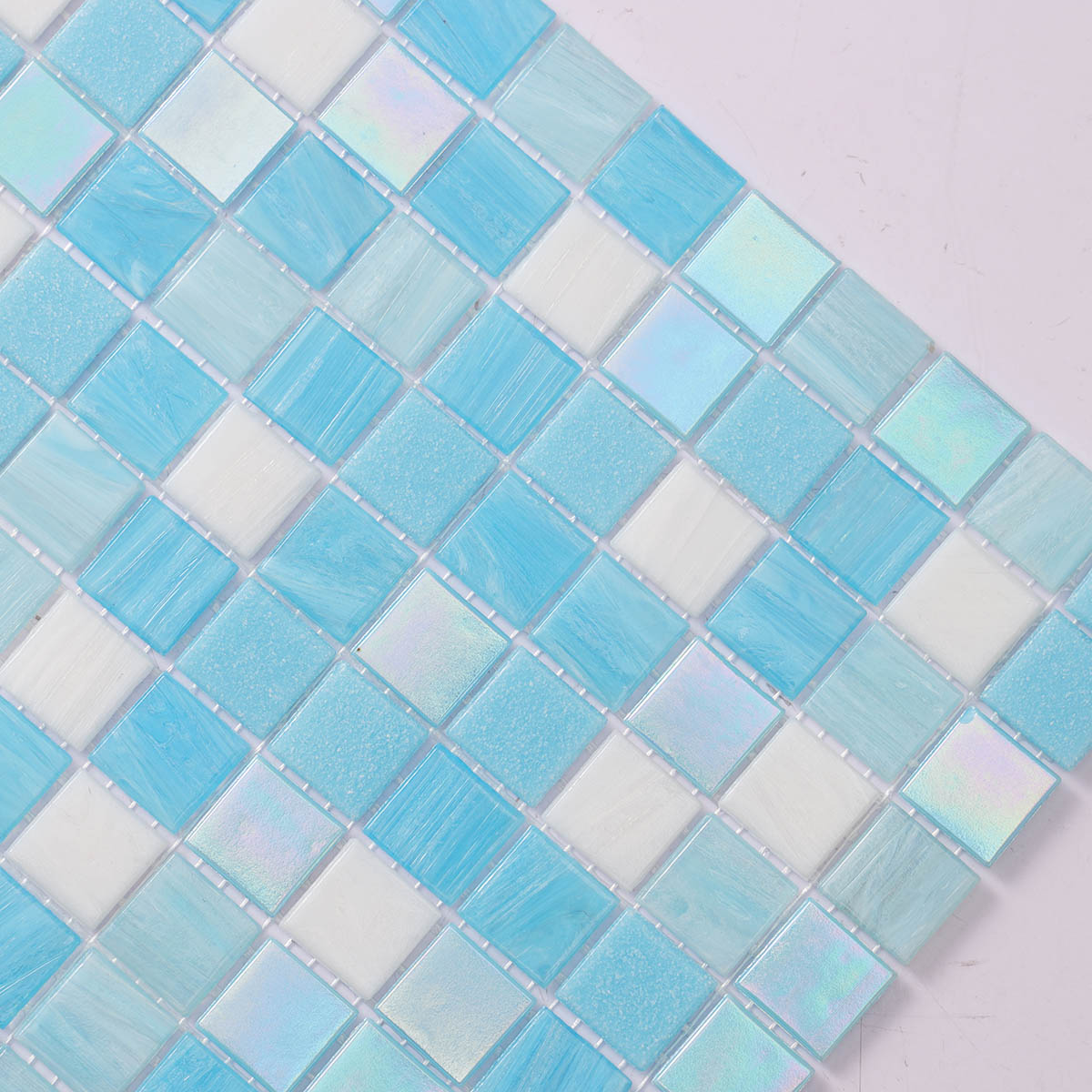
- Blue and white blends - Evoking the Aegean Sea and Greek islands
- Earthy terracotta mixes - Combining rust, ochre, and sand tones
- Multicolor patterns - Vibrant combinations of yellows, greens, blues, and reds
- Custom ratio blends - Proportioned color mixing based on design specifications
Common mosaic tile sizes:
- 10×10mm - Perfect for detailed artwork and intricate patterns
- 15×15mm - Ideal for small accent areas and decorative borders
- 20×20mm - Standard size for versatile applications
- 23×23mm - Popular for pool surrounds and bathroom floors
- 48×48mm - Larger format for contemporary Mediterranean looks
Standard thickness: 4mm (ensuring uniform surface and easy installation)
Material types for mosaics:
- Vitreous glass mosaic tiles - Premium choice with superior durability and frost resistance
- Water glass mosaic tiles - Cost-effective option for indoor spaces
- Marble mosaic tiles - Luxury natural stone with unique veining
- Ceramic mosaic tiles - Traditional choice with endless design options
Porcelain Mediterranean Tiles
Porcelain tiles offer the Mediterranean aesthetic with modern performance:
- Extremely durable and scratch-resistant
- Low water absorption (ideal for wet areas)
- Available in designs mimicking ceramic, terracotta, and natural stone
- Best uses: High-traffic floors, indoor/outdoor applications, commercial spaces
Encaustic and Cement Tiles
Encaustic tiles feature patterns embedded into the tile rather than printed on the surface:
- Multicolored geometric and floral designs
- Matte finish with artisanal character
- Require sealing for protection
- Best uses: Kitchen floors, entryways, garden paths, feature walls
Mediterranean Tile Colors and Palettes
The color palette of Mediterranean tiles reflects the natural beauty of the region—azure seas, sun-bleached architecture, terracotta roofs, and lush vegetation.
Signature Mediterranean Color Schemes
Coastal Blues and Whites:
- Deep cerulean blue
- Turquoise and aquamarine
- Crisp white and ivory
- Inspiration: Greek islands, Spanish coastlines
- Perfect for: Pool tiles, bathroom walls, kitchen backsplashes
Earthy Terracotta Tones:
- Rust and burnt orange
- Ochre and sandy beige
- Warm brown and clay red
- Inspiration: Tuscan villas, Spanish haciendas
- Perfect for: Floor tiles, outdoor patios, rustic kitchens
Vibrant Accent Colors:
- Sunny yellow (Moroccan influence)
- Emerald and moss green (Italian gardens)
- Cobalt blue (Portuguese azulejos)
- Perfect for: Decorative accents, feature walls, stair risers
Mixed Palettes:
Mediterranean tiles often combine multiple colors in a single design, creating:
- Dynamic visual interest
- Cultural authenticity
- Cheerful, inviting atmospheres
Mediterranean Tile Patterns and Designs
Geometric Patterns
Geometric designs are the hallmark of Mediterranean mosaic work:
- Interlocking shapes - Hexagons, stars, octagons
- Symmetrical layouts - Balanced, repeating motifs
- Moroccan zellige patterns - Complex geometric tessellations
- Greek key borders - Classic meander patterns
Floral and Nature-Inspired Patterns
Mediterranean nature comes alive in tile designs:
- Stylized flowers - Roses, sunflowers, Mediterranean botanicals
- Vine and leaf motifs - Climbing vines, olive branches
- Citrus fruits - Lemons and oranges (Italian and Spanish influence)
- Seashells and marine life - Coastal-inspired designs
Classic Blue and White Patterns
The iconic blue and white combination creates:
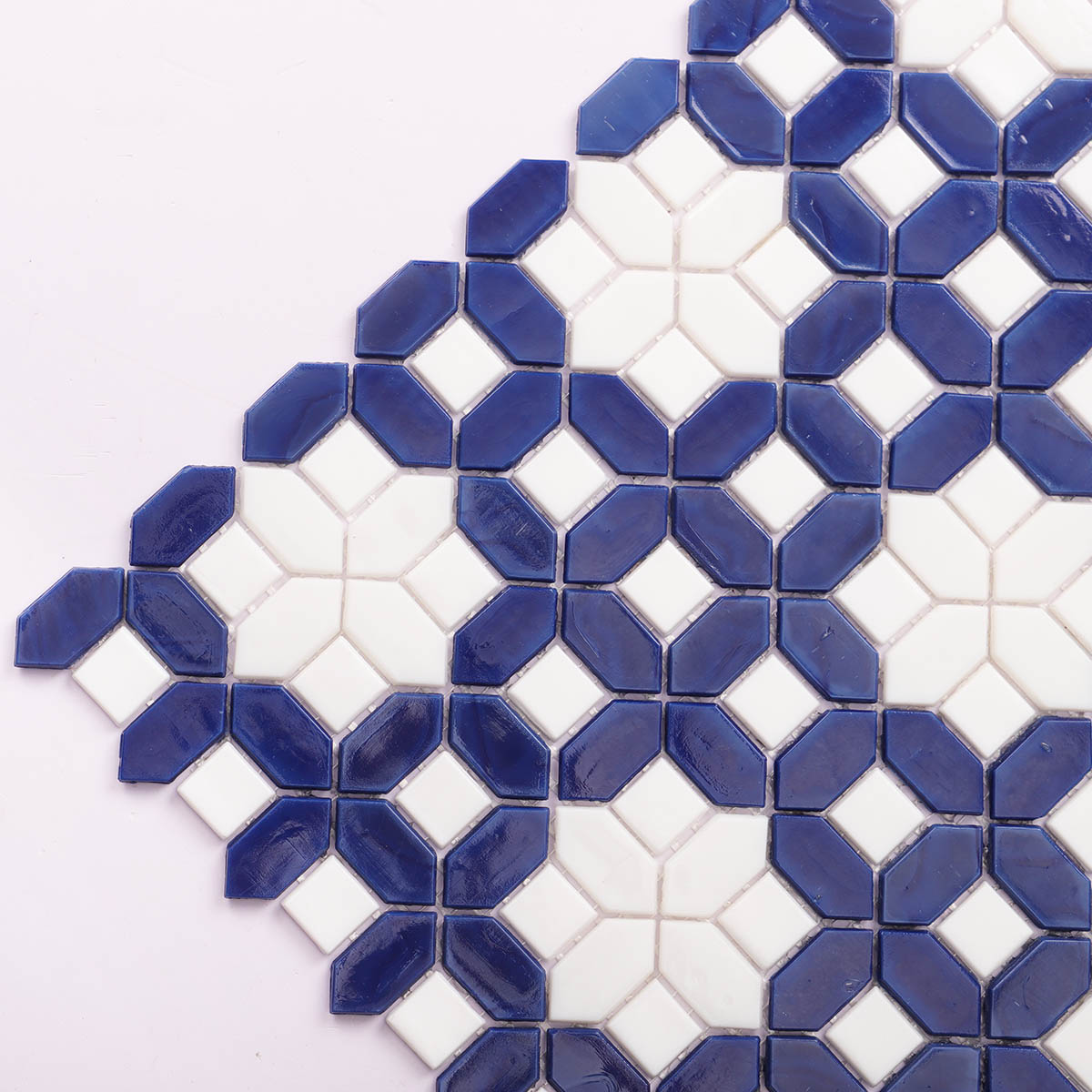
- Portuguese azulejo designs - Intricate blue paintings on white backgrounds
- Greek island aesthetics - Clean, minimalist white with deep blue accents
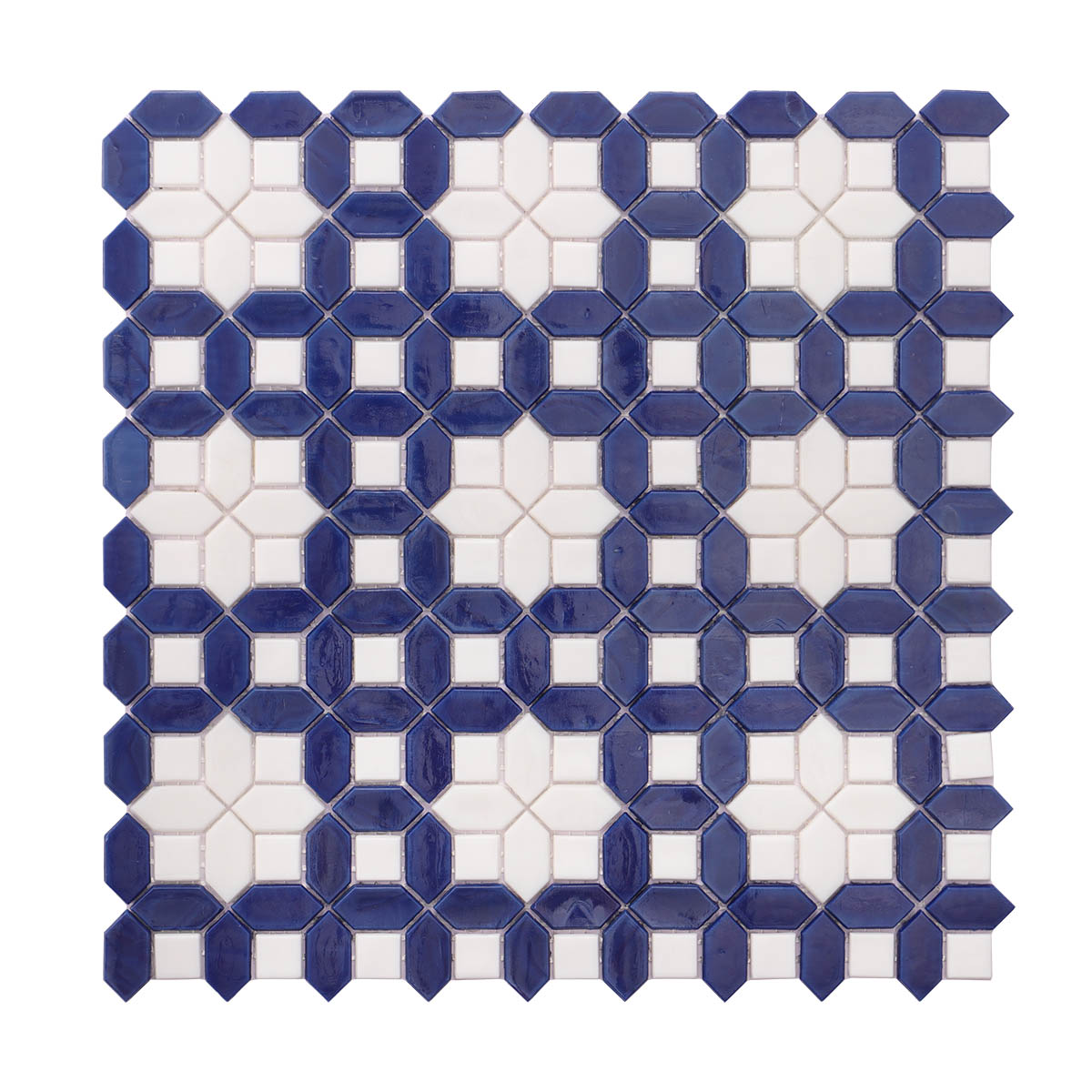
- Spanish tile traditions - Bold geometric patterns in cobalt and white
- Delft-inspired designs - Dutch influence with detailed blue illustrations
Patchwork and Mixed Patterns
Contemporary Mediterranean design embraces eclectic mixing:
- Mismatched tile combinations - Different patterns on adjacent tiles
- Patchwork floors - Random arrangement of patterned tiles
- Feature wall collages - Artistic display of various tile designs
Where to Use Mediterranean Tiles in Your Home
Kitchen Applications
Mediterranean Kitchen Backsplashes:
- Hand-painted ceramic tiles behind the stove
- Mosaic tile strips as decorative accents
- Full-wall patterned tile installations
- Design tip: Mix solid color tiles with patterned tiles for balance
Mediterranean Kitchen Floors:
- Terracotta floor tiles for rustic warmth
- Encaustic cement tiles in geometric patterns
- Porcelain tiles with Mediterranean motifs
- Design tip: Use larger format tiles to make small kitchens feel spacious
Bathroom Designs
Mediterranean Bathroom Walls:
- Blue and white tile showers
- Mosaic accent walls behind vanities
- Hand-painted ceramic tile wainscoting
- Design tip: Combine matte and glossy finishes for texture variation
Mediterranean Bathroom Floors:
- Small format mosaic tiles (10×10mm to 23×23mm) for slip resistance
- Heated terracotta floor systems
- Pebble mosaic borders around shower areas
- Design tip: Use darker grout with light tiles for Mediterranean authenticity
Outdoor Spaces
Mediterranean Patio Tiles:
- Weather-resistant terracotta pavers
- Frost-proof porcelain in Mediterranean designs
- Mixed color mosaic patterns for visual interest
- Design tip: Create outdoor “rooms” using different tile patterns
Mediterranean Pool Tiles:
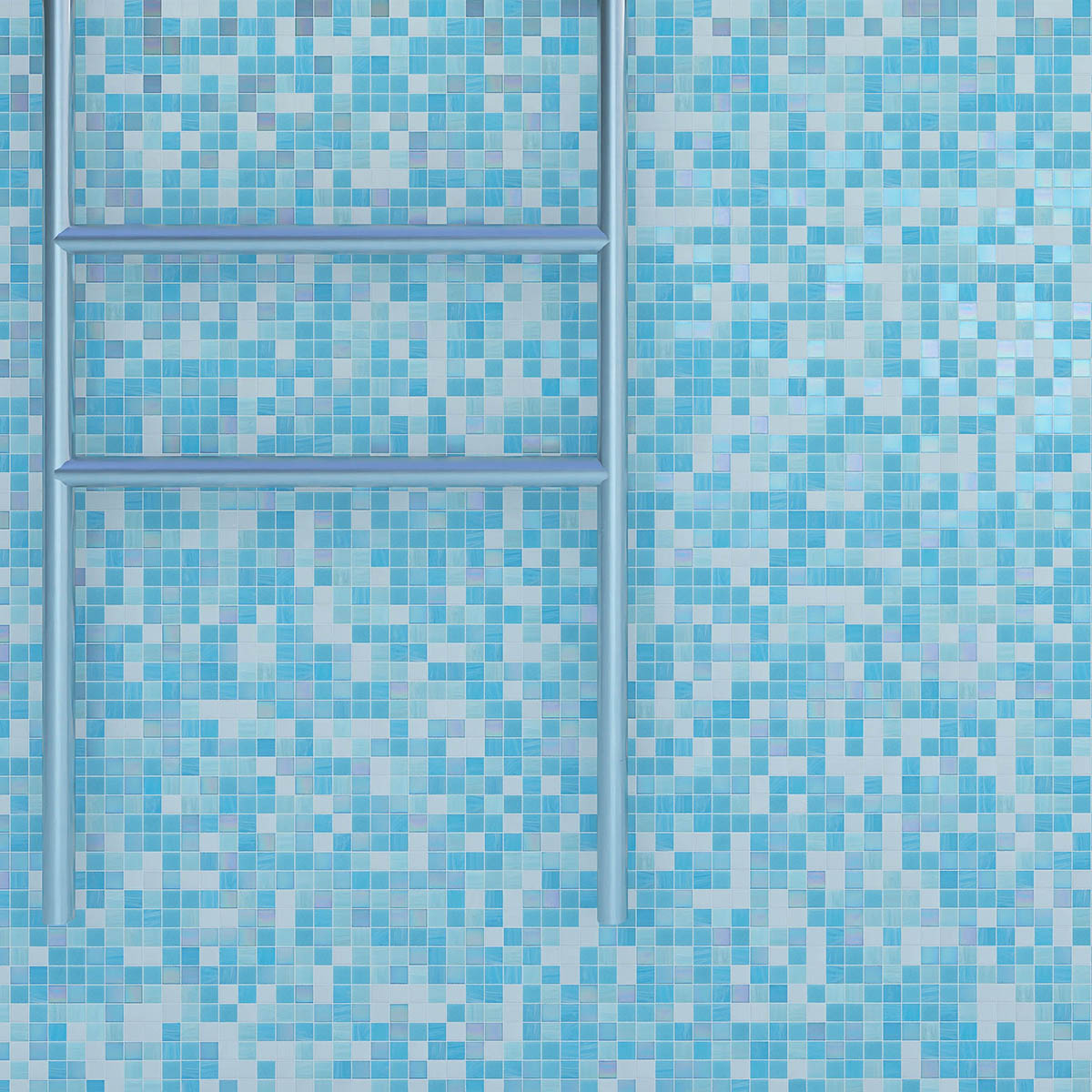
- Vitreous glass mosaics in blues and greens
- Waterline tile borders with decorative patterns
- Pool deck tiles in non-slip finishes
- Design tip: Extend pool tile colors into adjacent landscaping
Mediterranean Outdoor Wall Tiles:
- Decorative ceramic tiles on garden walls
- Mosaic murals in courtyard settings
- Accent tile strips on exterior columns
- Design tip: Protect outdoor wall tiles with weather-resistant sealers
Living Areas and Entryways
Mediterranean Accent Walls:
- Feature walls in living rooms or dining areas
- Tiled fireplace surrounds
- Entryway focal points
- Design tip: Frame patterned tiles with neutral solid colors
Mediterranean Stair Risers:
- Hand-painted ceramic tiles on stair fronts
- Mosaic patterns for visual drama
- Blue and white tile accents
- Design tip: Coordinate riser tiles with adjacent flooring
Mediterranean Tile Installation and Layout Ideas
Installation Patterns
Straight Lay Pattern:
- Traditional grid alignment
- Best for geometric designs
- Easy installation and clean appearance
Herringbone Pattern:
- Diagonal arrangement creating V-shapes
- Adds movement and sophistication
- Popular for rectangular terracotta tiles
Basketweave Pattern:
- Interlocking tile arrangement
- Classic Mediterranean look
- Works well with square tiles
Bordered Layouts:
- Frame areas with plain or contrasting tiles
- Define spaces within open floor plans
- Add visual structure to large areas
Mixed Pattern Installation:
- Patchwork effect with different tile designs
- Artistic, eclectic appearance
- Perfect for Mediterranean mosaic tiles
Design Techniques
Color Blending:
When creating mixed color mosaic installations:
- Determine color ratio based on design concept
- Mix tiles randomly or in planned patterns
- Maintain uniform tile size and thickness (typically 4mm)
- Use contrasting grout colors to enhance pattern definition
Accent Placement:
- Strategic use of decorative tiles as focal points
- Single patterned tiles within solid color fields
- Mosaic borders separating different areas
- Feature tile inserts in floor layouts
Indoor-Outdoor Flow:
- Use similar tile styles inside and outside
- Create seamless transitions between spaces
- Coordinate color palettes across environments
Benefits of Mediterranean Tiles
Durability and Longevity
Mediterranean tiles, especially porcelain and vitreous glass mosaics, offer:
- Exceptional resistance to scratches and impacts
- Low moisture absorption (ideal for wet areas)
- Frost resistance for outdoor applications
- Decades of service with minimal maintenance
Easy Maintenance
- Simple cleaning with mild soap and water
- Stain-resistant glazed surfaces
- No special treatments required (except encaustic tiles)
- Color permanence—won’t fade over time
Sustainability
- Made from natural materials (clay, glass, stone)
- Long lifespan reduces replacement needs
- Recyclable at end of life
- Local production options reduce transportation impact
Customization Options
- Hand-painted tiles for unique designs
- Custom color combinations in mosaic blends
- Made-to-order sizes and shapes
- Artisan craftsmanship for one-of-a-kind installations
Value Addition
- Increases home resale value
- Timeless appeal that doesn’t date
- Luxurious appearance at various price points
- Perceived quality and craftsmanship
Choosing the Right Mediterranean Tiles for Your Project
Consider Your Space
For high-traffic areas:
- Choose porcelain or vitreous glass mosaics
- Opt for matte or textured finishes
- Select darker colors to hide wear
For wet areas (bathrooms, pools):
- Use vitreous glass with low water absorption
- Select frost-resistant tiles for outdoor pools
- Ensure slip-resistant ratings for floor tiles
For outdoor applications:
- Verify frost and weather resistance
- Choose terracotta or porcelain materials
- Consider UV resistance for color permanence
Match Your Style
Traditional Mediterranean:
- Hand-painted ceramic tiles
- Terracotta floors
- Classic blue and white patterns
- Rustic, artisanal finishes
Contemporary Mediterranean:
- Large-format porcelain tiles with subtle patterns
- Monochromatic color schemes
- Geometric mosaic designs
- Sleek, modern layouts
Eclectic Mediterranean:
- Mixed patterns and colors
- Patchwork installations
- Vintage and new tiles combined
- Bold, artistic expressions
Budget Considerations
Budget-Friendly Options:
- Water glass mosaics instead of vitreous glass
- Ceramic tiles instead of hand-painted versions
- Porcelain tiles that mimic natural materials
- Accent use of expensive tiles with affordable field tiles
Mid-Range Options:
- Vitreous glass mosaic tiles
- Machine-made patterned ceramic tiles
- Standard terracotta
- Imported Mediterranean-style tiles
Luxury Options:
- Hand-painted Italian Majolica
- Authentic Moroccan zellige
- Custom mosaic murals
- Natural stone mosaics (marble, travertine)
Mediterranean Tile Trends for 2024-2026
Emerging Design Trends
Terrazzo Revival:
- Mediterranean-inspired terrazzo patterns
- Mixing marble chips with colored cement
- Contemporary twist on ancient Roman floors
Glazed Terracotta:
- Traditional terracotta with modern glazes
- Metallic and iridescent finishes
- Color-pop glazes on earthy bases
Large-Format Mediterranean Tiles:
- Oversized tiles (60×120cm and larger)
- Mediterranean patterns at architectural scale
- Reduced grout lines for contemporary aesthetics
Textured Surfaces:
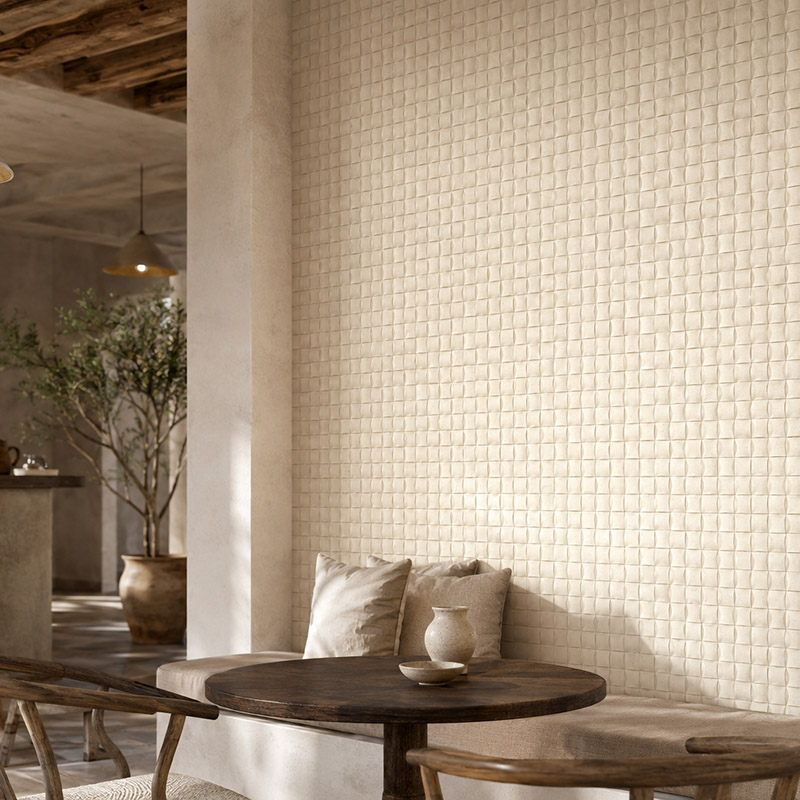
- Three-dimensional relief patterns
- Rippled and undulating surfaces
- Tactile experiences in Mediterranean design
Sustainable and Reclaimed:
- Recycled glass mosaics
- Reclaimed terracotta
- Eco-friendly production methods
- Natural, unprocessed finishes
Caring for Your Mediterranean Tiles
Regular Maintenance
Daily Care:
- Sweep or vacuum to remove debris
- Wipe spills immediately
- Use pH-neutral cleaners
Weekly Cleaning:
- Mop with warm water and mild detergent
- Avoid acidic cleaners on natural stone
- Dry thoroughly to prevent water spots
H3: Special Care for Different Materials
Terracotta Tiles:
- Seal every 1-2 years
- Avoid harsh chemicals
- Re-oil natural finish terracotta periodically
Glass Mosaic Tiles:
- Clean with glass cleaner for sparkle
- Remove soap scum with vinegar solution
- Polish with microfiber cloths
Encaustic Cement Tiles:
- Seal before use and annually thereafter
- Use gentle cleaners only
- Avoid abrasive scrubbing
Grout Maintenance
- Clean grout lines regularly to prevent discoloration
- Seal grout in wet areas
- Re-grout damaged areas promptly
- Consider epoxy grout for stain resistance
Professional Installation vs. DIY
When to Hire Professionals
Professional installation is recommended for:
- Complex mosaic patterns requiring artistic arrangement
- Large-format tiles needing precise leveling
- Outdoor installations with proper drainage and substrate prep
- Wet areas requiring waterproofing expertise
- Mixed material installations (combining glass, stone, ceramic)
DIY-Friendly Projects
Confident DIYers can tackle:
- Simple straight-lay patterns
- Small backsplash installations
- Pre-mounted mosaic sheets
- Accent wall projects
- Non-structural outdoor pavers
DIY Tips:
- Use proper substrate preparation
- Invest in quality tile adhesive and grout
- Rent professional tile cutting tools
- Allow proper curing time
- Watch tutorial videos specific to your tile type
Where to Buy Mediterranean Tiles
Specialty Tile Retailers
- Local tile showrooms with Mediterranean collections
- Online Mediterranean tile specialists
- Artisan tile workshops (for custom work)
- Architectural salvage yards (for authentic vintage tiles)
What to Look For
Quality Indicators:
- Consistent size and thickness
- Clear, vibrant colors
- Smooth, well-formed edges
- Proper packaging to prevent breakage
- Manufacturer specifications for intended use
Authenticity:
- Hand-painted or artisan-made markings
- Country of origin labels
- Traditional production methods
- Cultural design accuracy
Value Considerations:
- Price per square foot/meter
- Minimum order quantities
- Shipping costs for fragile items
- Return policies for damaged goods
Frequently Asked Questions About Mediterranean Tiles
What defines Mediterranean style?
Mediterranean style is characterized by warm, rustic aesthetics featuring natural materials (clay, stone, wood), earthy color palettes, sun-drenched whites, and decorative tiles inspired by coastal European and North African cultures. The style emphasizes indoor-outdoor living, arched architectural elements, and handcrafted artisanal details.
Are Mediterranean tiles expensive?
Mediterranean tile prices vary widely based on material, production method, and origin. Water glass and ceramic mosaics can be quite affordable ($5-15 per square foot), while hand-painted Italian Majolica or authentic Moroccan zellige can cost $30-100+ per square foot. Mixing expensive accent tiles with affordable field tiles creates budget-friendly Mediterranean designs.
Can Mediterranean tiles be used outdoors?
Yes, many Mediterranean tiles are specifically designed for outdoor use. Terracotta, vitreous glass mosaics, and porcelain tiles with frost resistance ratings are ideal for patios, pool areas, and garden paths. Always verify the tile’s intended use and weather resistance specifications before outdoor installation.
What is the difference between vitreous glass and water glass mosaic tiles?
Vitreous glass mosaic tiles have very low water absorption (under 3%), making them frost-resistant and suitable for outdoor applications and wet environments. Water glass mosaics have higher water absorption and are typically used for indoor applications only. Vitreous glass is more durable and weather-resistant but also more expensive.
How do I choose between ceramic and porcelain Mediterranean tiles?
Ceramic tiles are easier to cut, lighter, and more affordable, making them ideal for walls and low-traffic areas. Porcelain tiles are denser, more durable, and better for floors, outdoor spaces, and high-traffic areas. Both can achieve authentic Mediterranean aesthetics—choose based on your application’s functional requirements.
Can I mix different Mediterranean tile patterns?
Absolutely! Mixing patterns is a hallmark of authentic Mediterranean design. You can combine different patterned tiles in patchwork layouts, use patterned tiles as accents within solid color fields, or create borders with contrasting designs. Maintain color harmony and consistent scale for cohesive results.
What size mosaic tiles are best for Mediterranean designs?
Common Mediterranean mosaic sizes include 10×10mm (detailed work), 15×15mm (small accents), 20×20mm (versatile standard), 23×23mm (popular for pools and bathrooms), and 48×48mm (contemporary larger format). Choose based on your design detail level—smaller tiles allow more intricate patterns, while larger tiles cover space more quickly.
Do Mediterranean tiles require special maintenance?
Most Mediterranean tiles are easy to maintain with regular sweeping and mopping using mild cleaners. Exceptions include natural terracotta (requires periodic sealing and oiling) and encaustic cement tiles (need annual sealing and gentle cleaning). Glass and glazed ceramic tiles are the most low-maintenance options.
Are Mediterranean tiles suitable for modern homes?
Yes! Contemporary interpretations of Mediterranean tiles blend traditional patterns with modern design sensibilities. Large-format tiles, monochromatic color schemes, geometric mosaics, and subtle pattern variations create Mediterranean-inspired looks that complement modern architecture while adding warmth and character.
How do I create an authentic Mediterranean look?
For authentic Mediterranean style:
- Use natural materials (terracotta, ceramic, glass, stone)
- Incorporate traditional color palettes (blues, whites, terracotta tones)
- Mix patterns and textures rather than using uniform tiles
- Add hand-painted or artisan-crafted elements
- Consider cultural influences (Spanish, Italian, Greek, Moroccan)
- Embrace imperfections and handmade characteristics
- Create indoor-outdoor connections with similar tile styles
Conclusion: Transform Your Space with Mediterranean Tiles
Mediterranean tiles offer an unparalleled combination of artistic beauty, cultural richness, and practical durability. From handcrafted mosaic patterns in vitreous glass and marble to rustic terracotta floors and colorful ceramic backsplashes, these tiles bring the sun-soaked elegance of coastal Europe and North Africa into your home.
Whether you’re drawn to the intricate geometric patterns of Moroccan zellige, the classic blue and white aesthetics of Greek islands, the warm terracotta tones of Tuscan villas, or the vibrant hand-painted designs of Spanish azulejos, Mediterranean tiles provide endless design possibilities for kitchens, bathrooms, patios, pools, and living spaces.
By understanding the different types, materials, colors, patterns, and applications of Mediterranean tiles—from small-format mosaics (10mm to 48mm) to large-format porcelain slabs—you can create stunning, personalized spaces that reflect the timeless appeal of Mediterranean design. With proper selection, installation, and maintenance, your Mediterranean tile installation will provide decades of beauty, functionality, and Mediterranean charm.
Start your Mediterranean tile journey today and transform your home into a sun-drenched paradise that celebrates centuries of artisanal tradition and coastal elegance.