






Mosaic Tiles: The Ultimate Guide to Small-Format Decorative Tiles
What Are Mosaic Tiles? Defining the Perfect Small-Format Solution
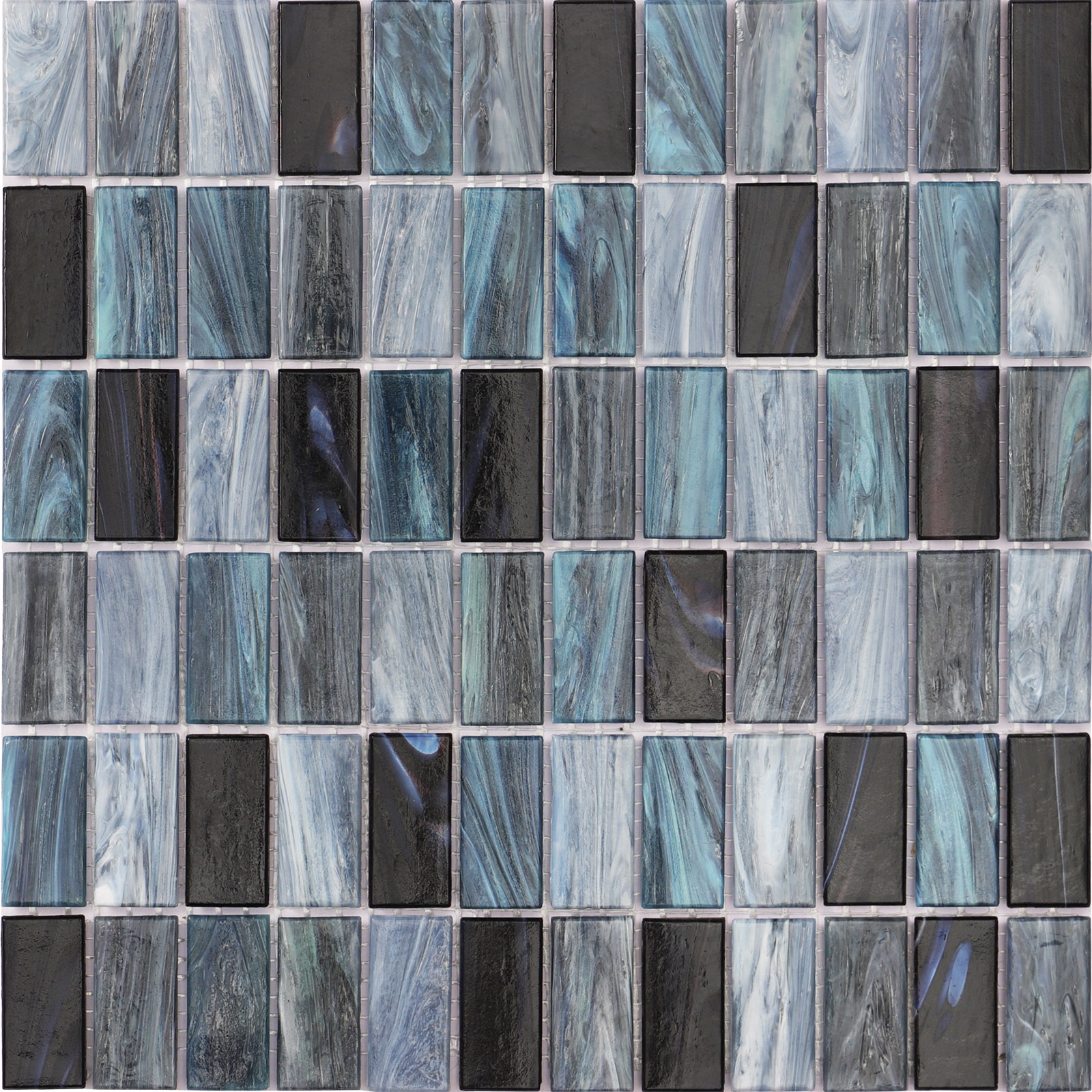
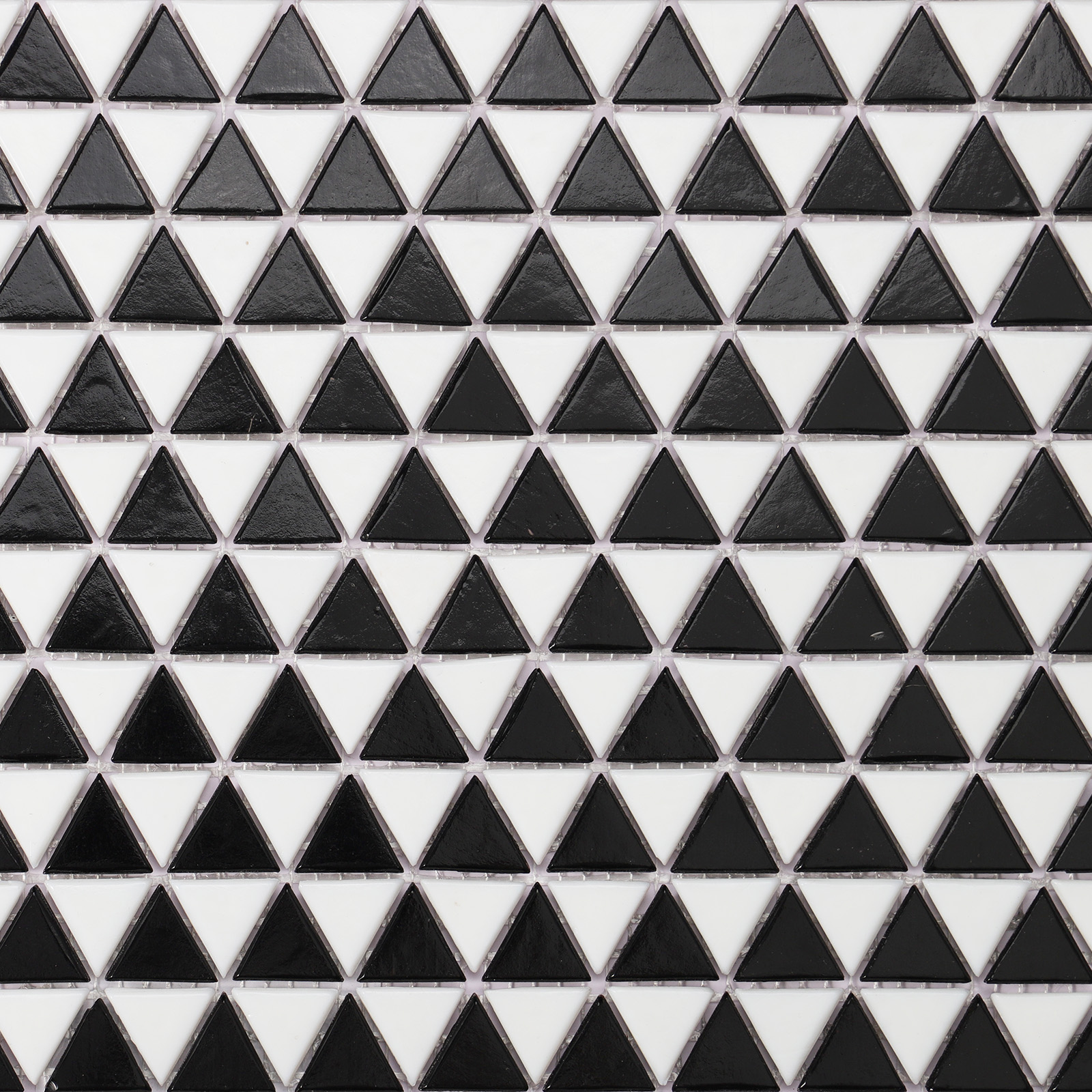
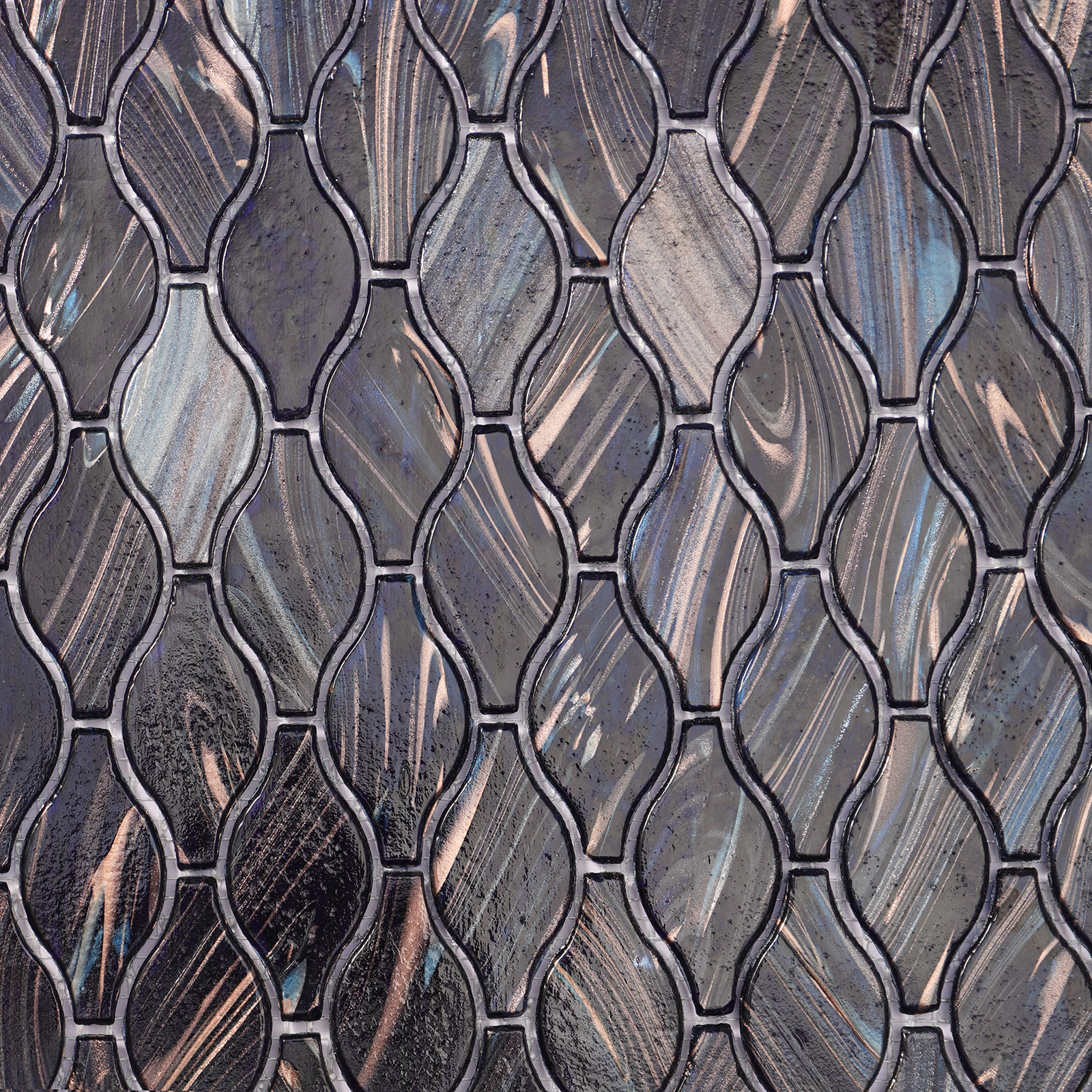
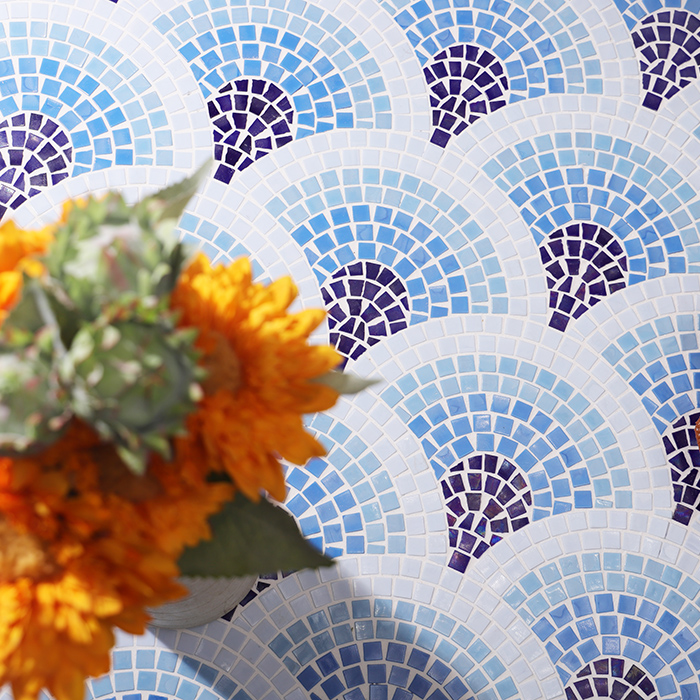
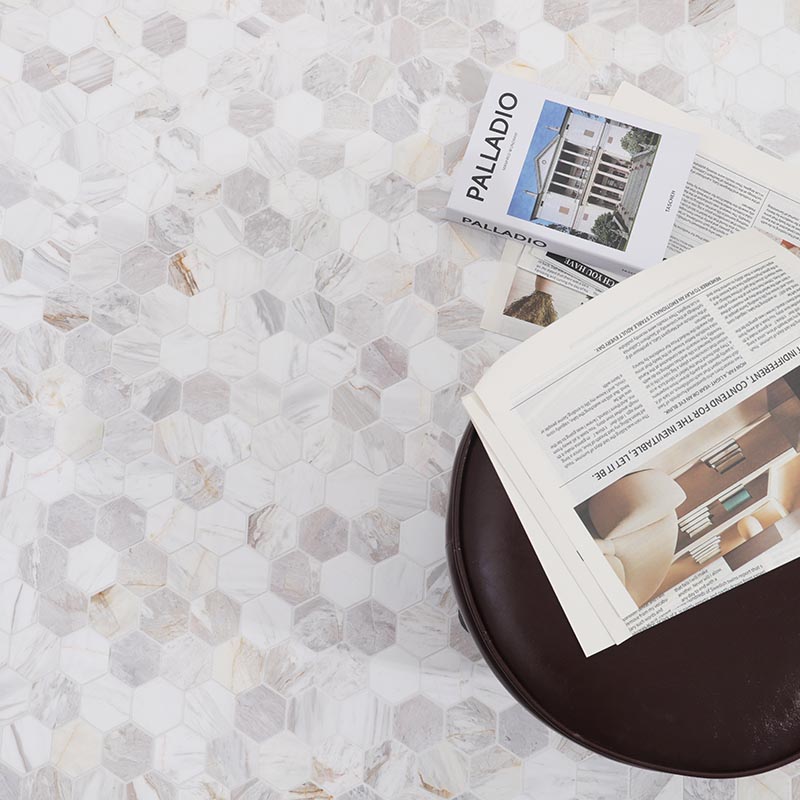
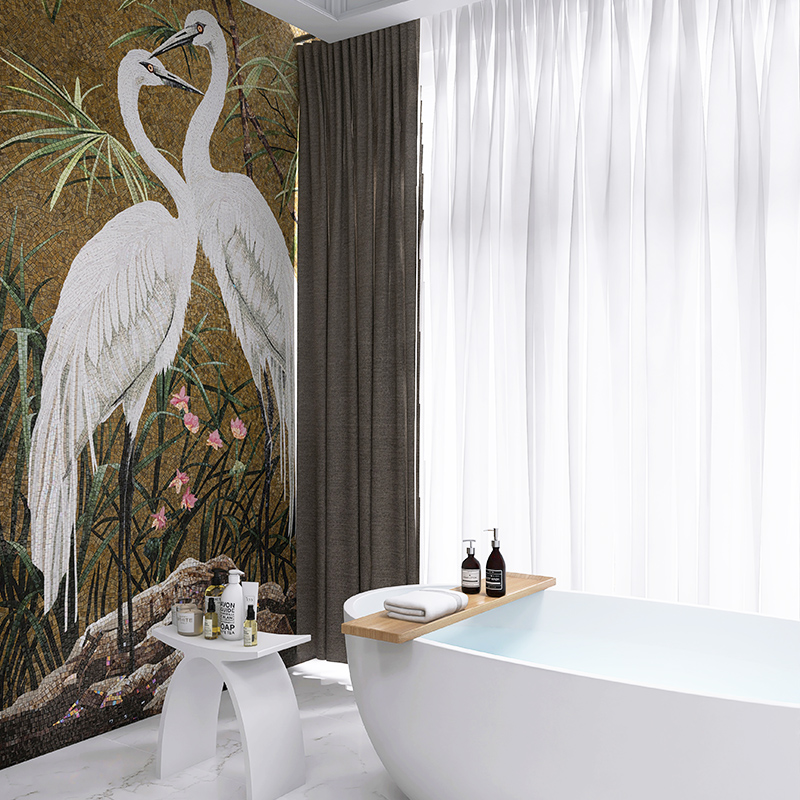
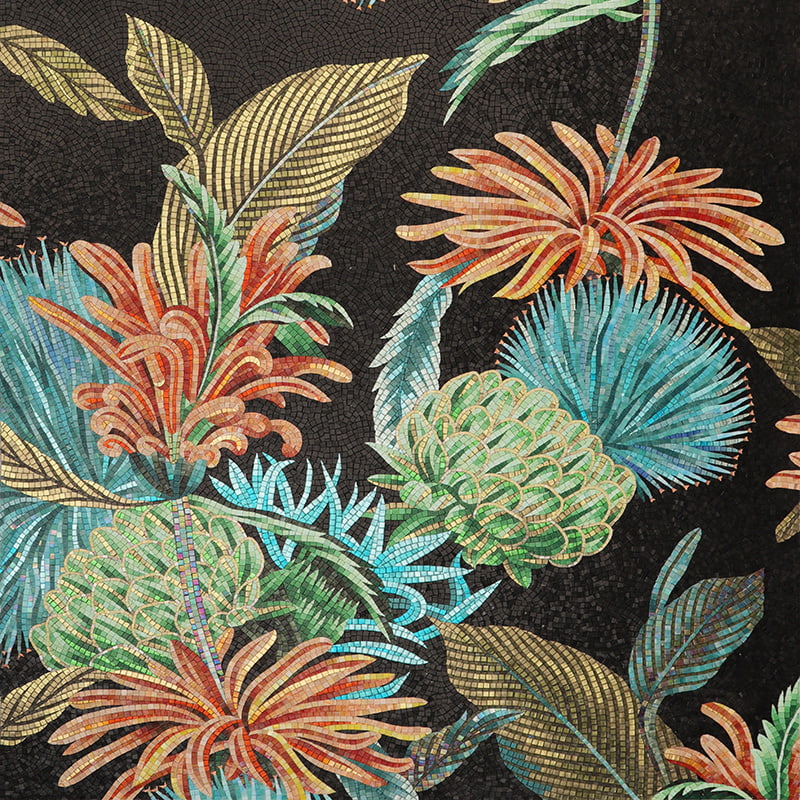
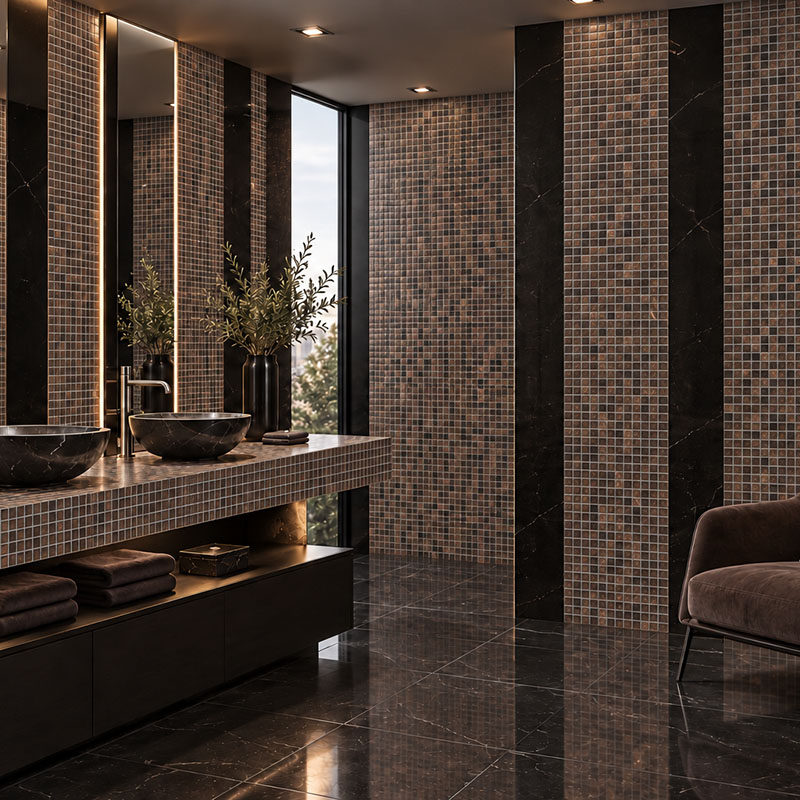
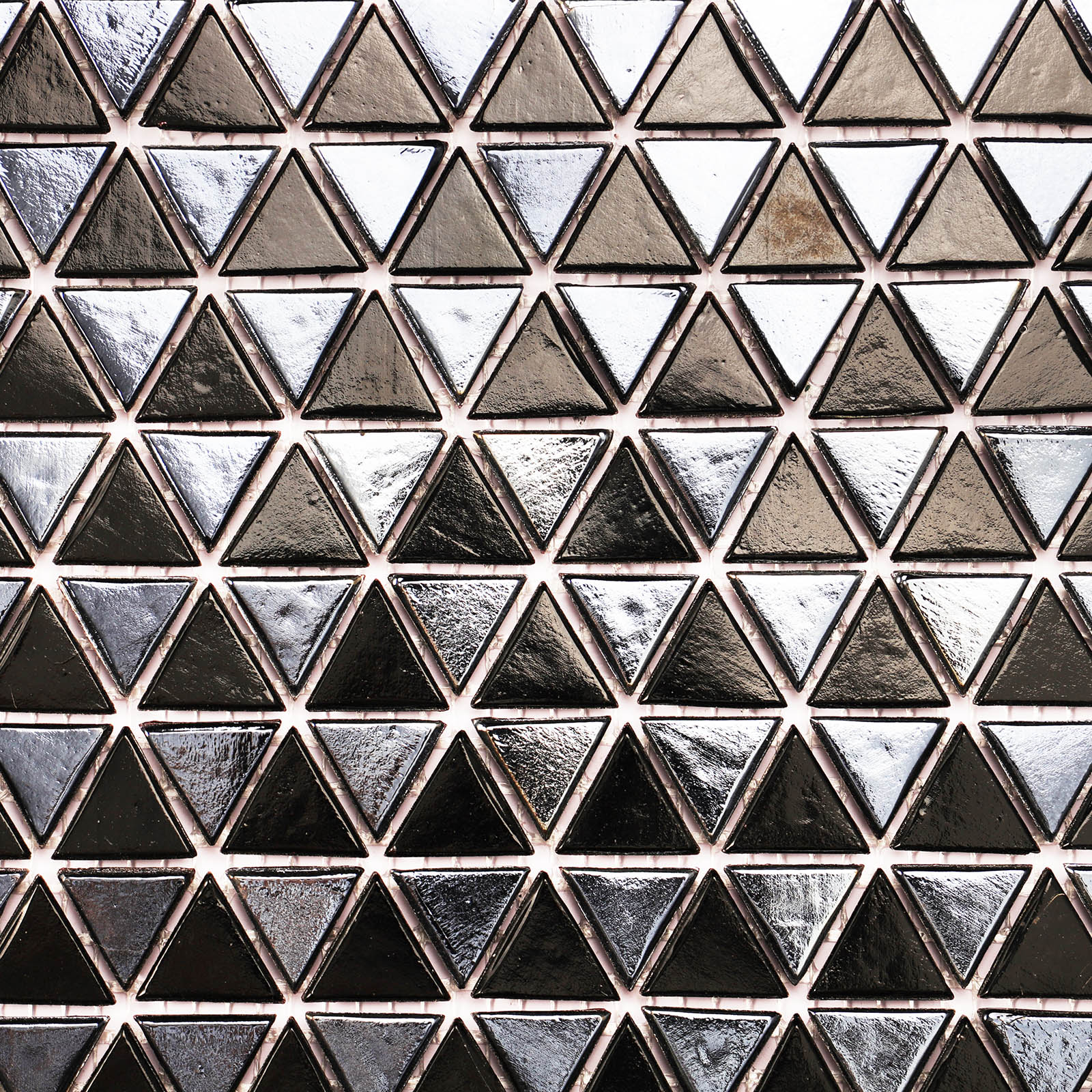
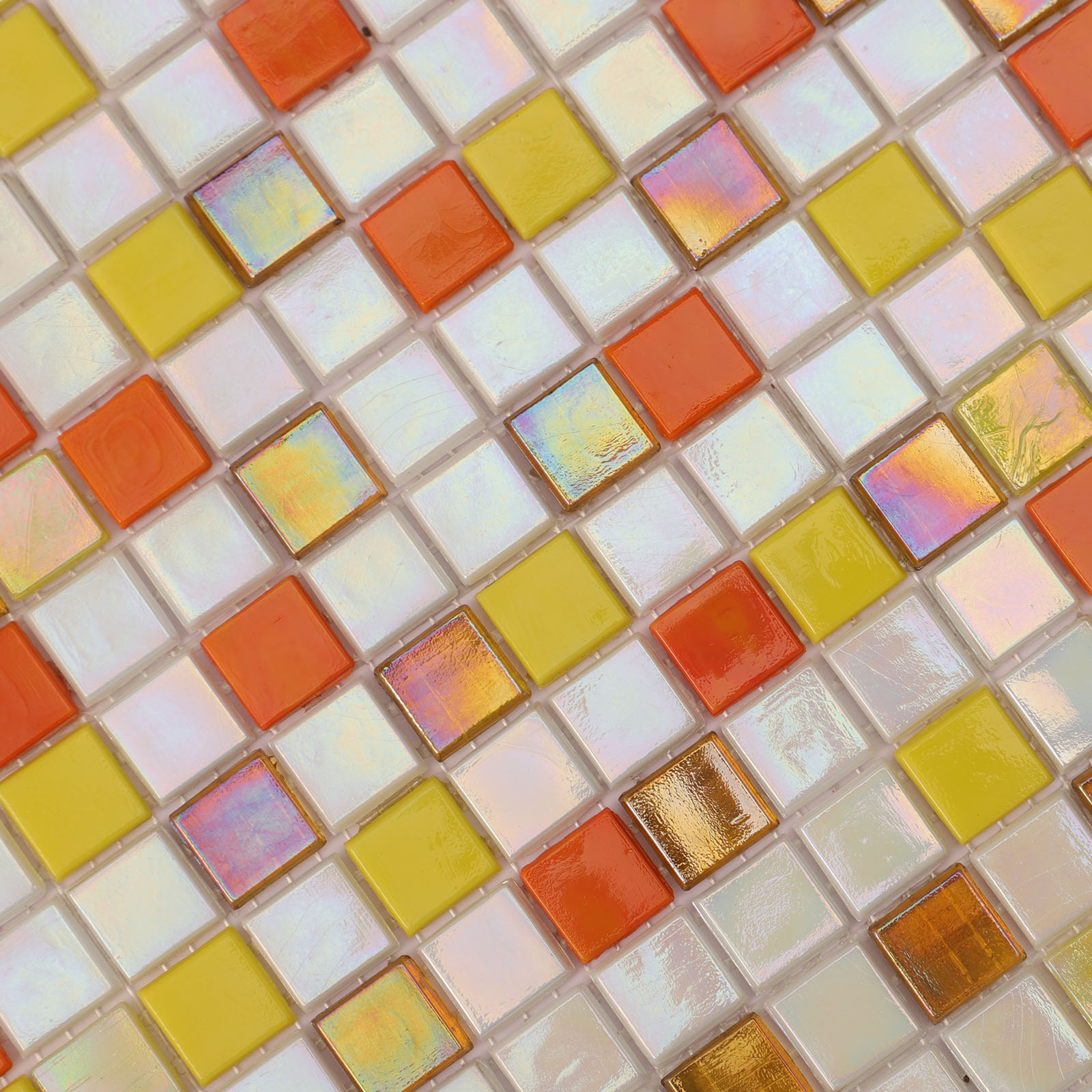
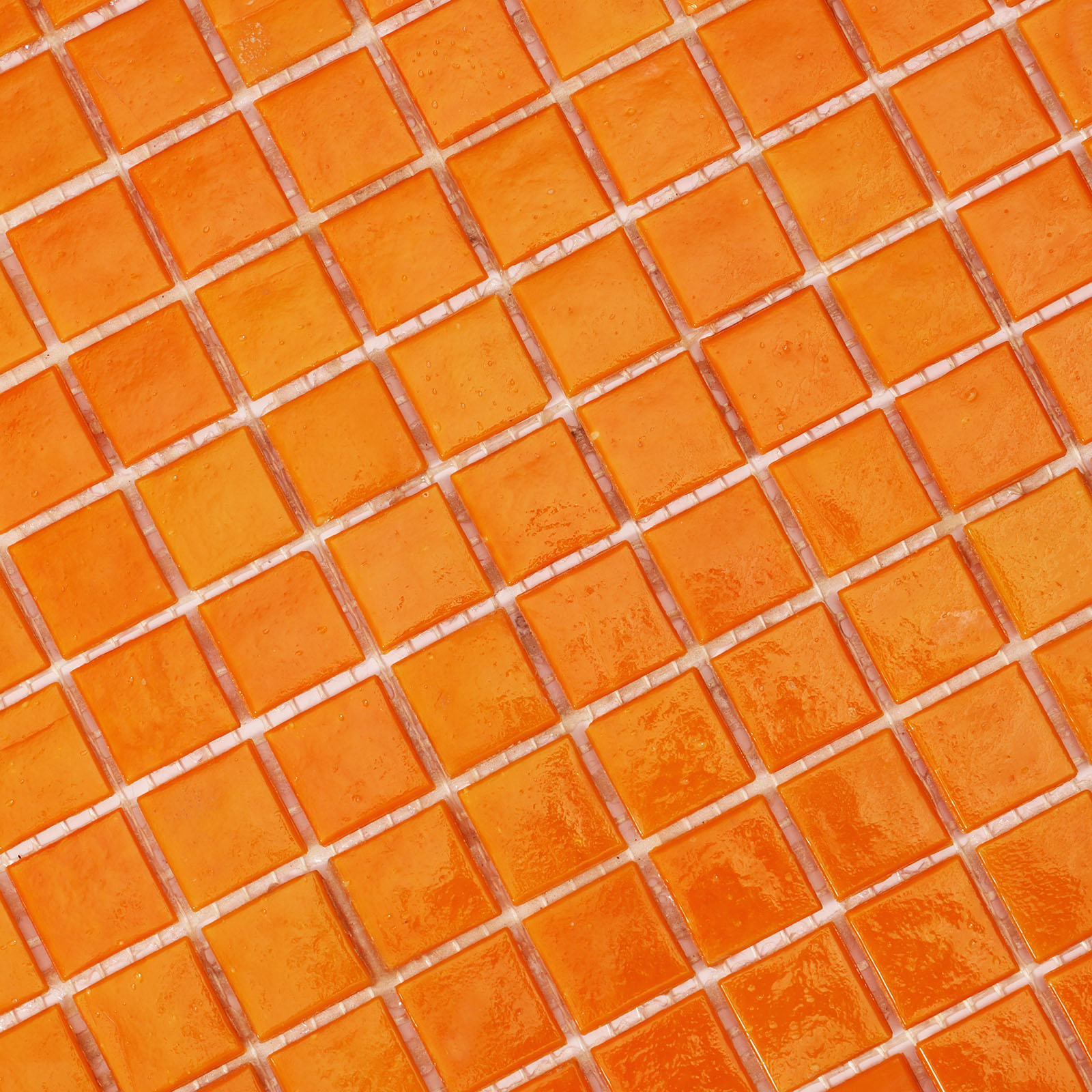
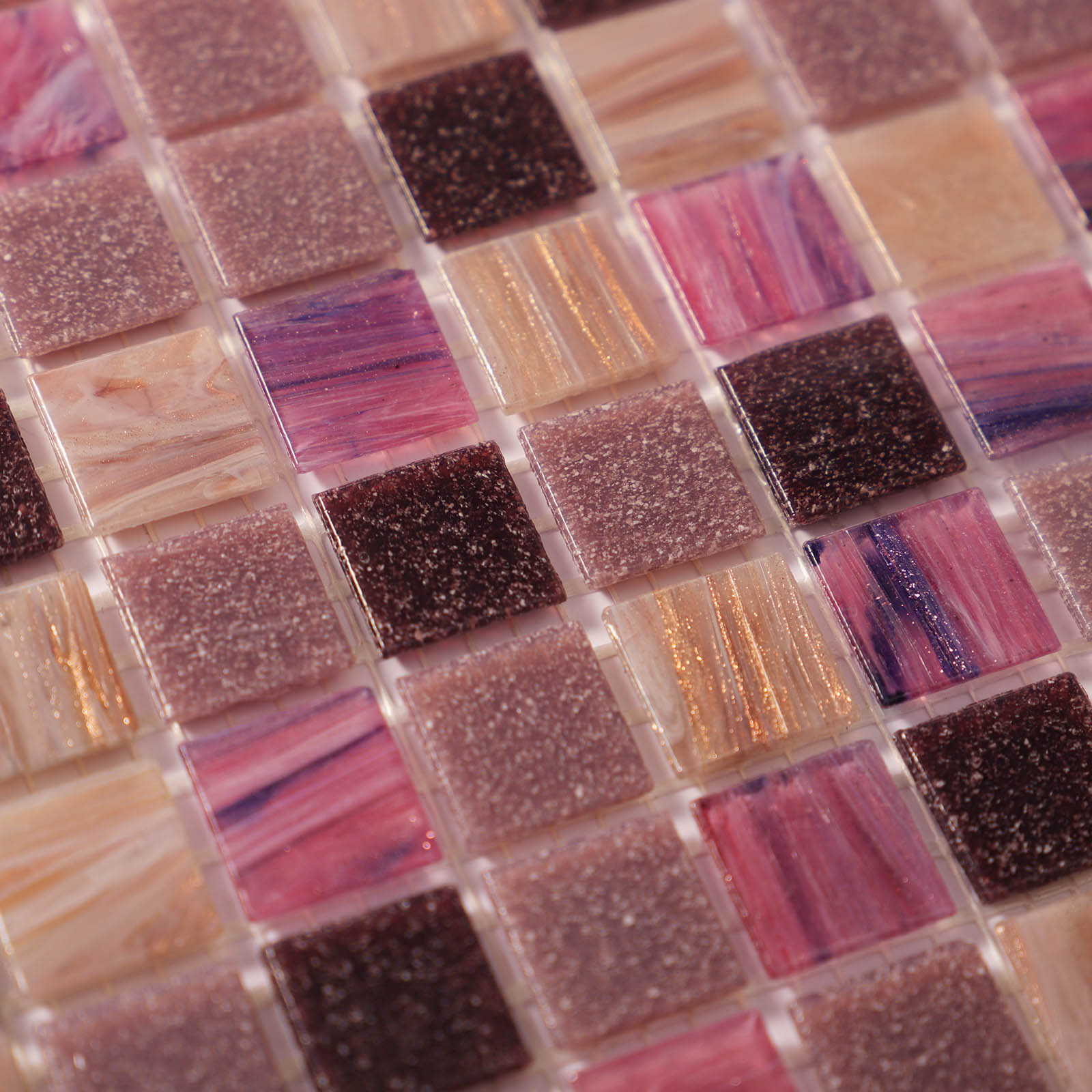
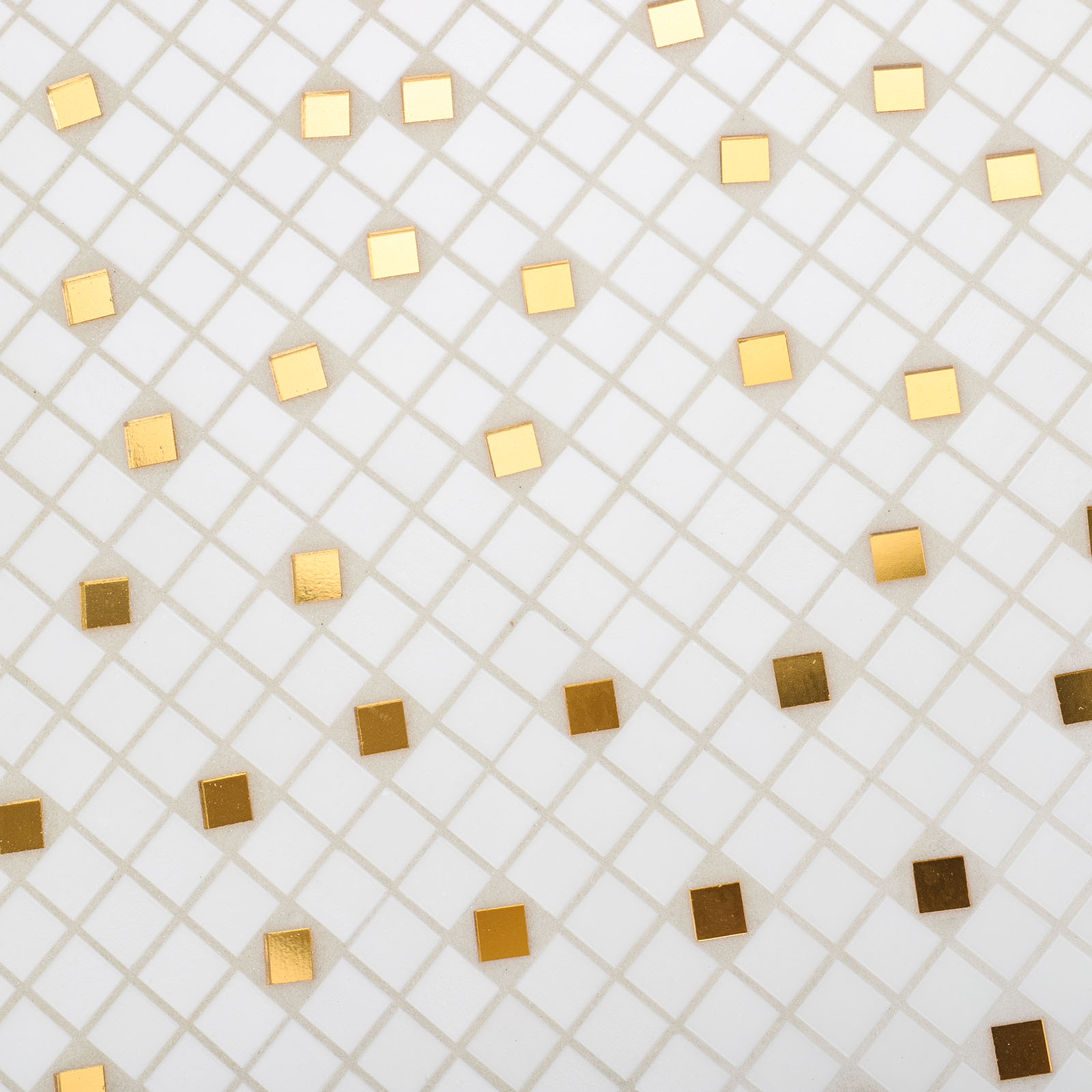
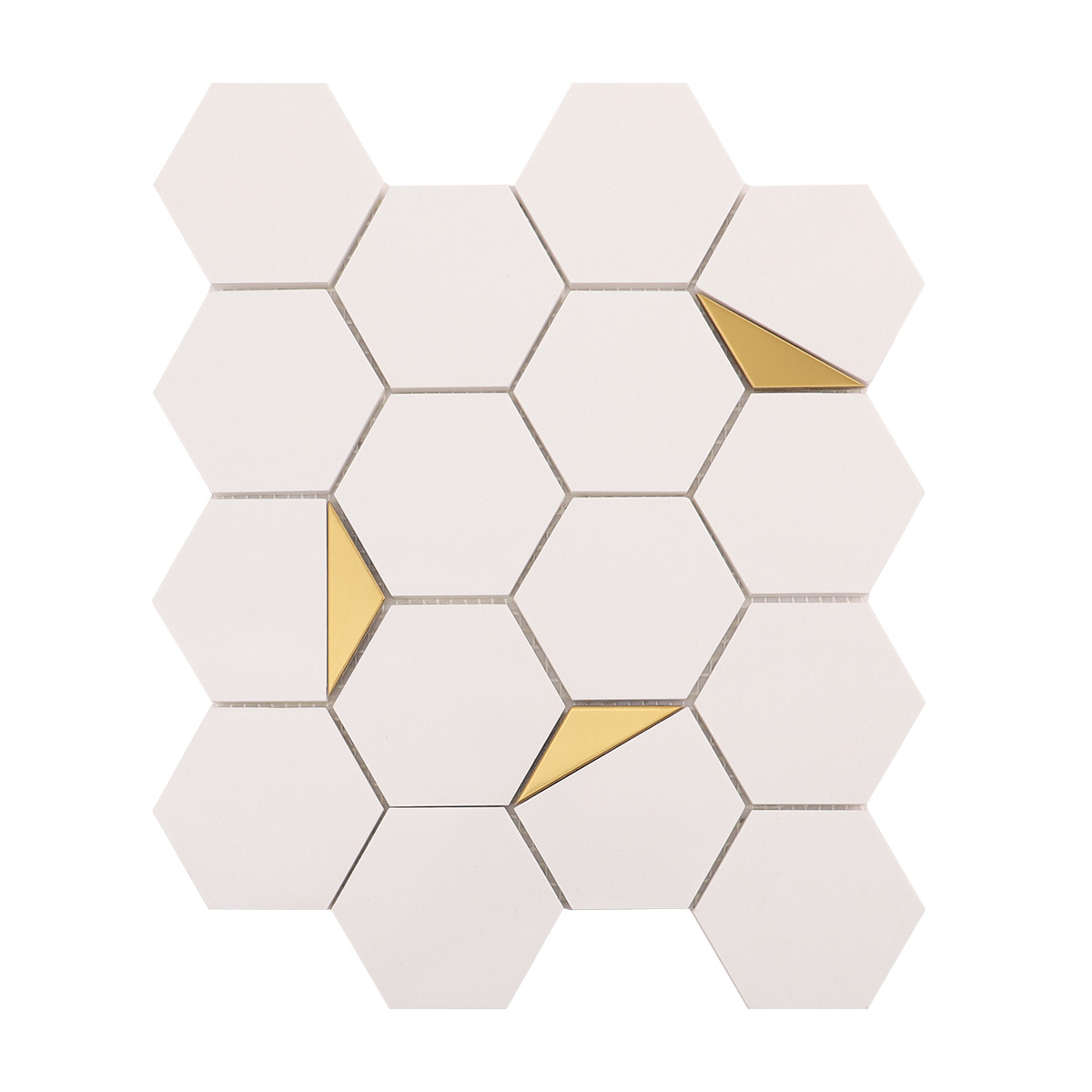
Mosaic tiles are small decorative pieces typically ranging from 10mm to 73mm in size, assembled together to create stunning patterns and designs. From my years of experience in the industry, I define mosaic tiles as any small objects that can be assembled into decorative surfaces - essentially, "mosaic" functions as both a noun and a verb, describing the process of creating beautiful patterns with small elements.
Size Specifications and Industry Standards
The beauty of mosaic tiles lies in their versatility of sizes:
- Micro mosaics: 10mm to 15mm for intricate detailed work
- Standard mosaics: 20mm to 30mm for general applications
- Large format mosaics: 48mm to 73mm for bold statement designs
Each size creates different visual effects, with smaller pieces offering more intricate patterns and larger pieces providing bolder, more contemporary looks.
How Are Mosaic Tiles Connected? The Evolution of Installation Methods
Many people wonder how thousands of tiny tiles are installed so precisely and uniformly. The connection methods have evolved significantly over time:
Historical Paper-Mounting Method
Originally, mosaic installation was indeed done piece by piece. The Italians revolutionized this by developing a paper-mounting system where:
- Small mosaic pieces were attached to paper surfaces with paste
- After installation, wet towels removed the paper
- Grout was then applied to fill the joints
Modern Mesh-Backing System
Today's preferred method uses:
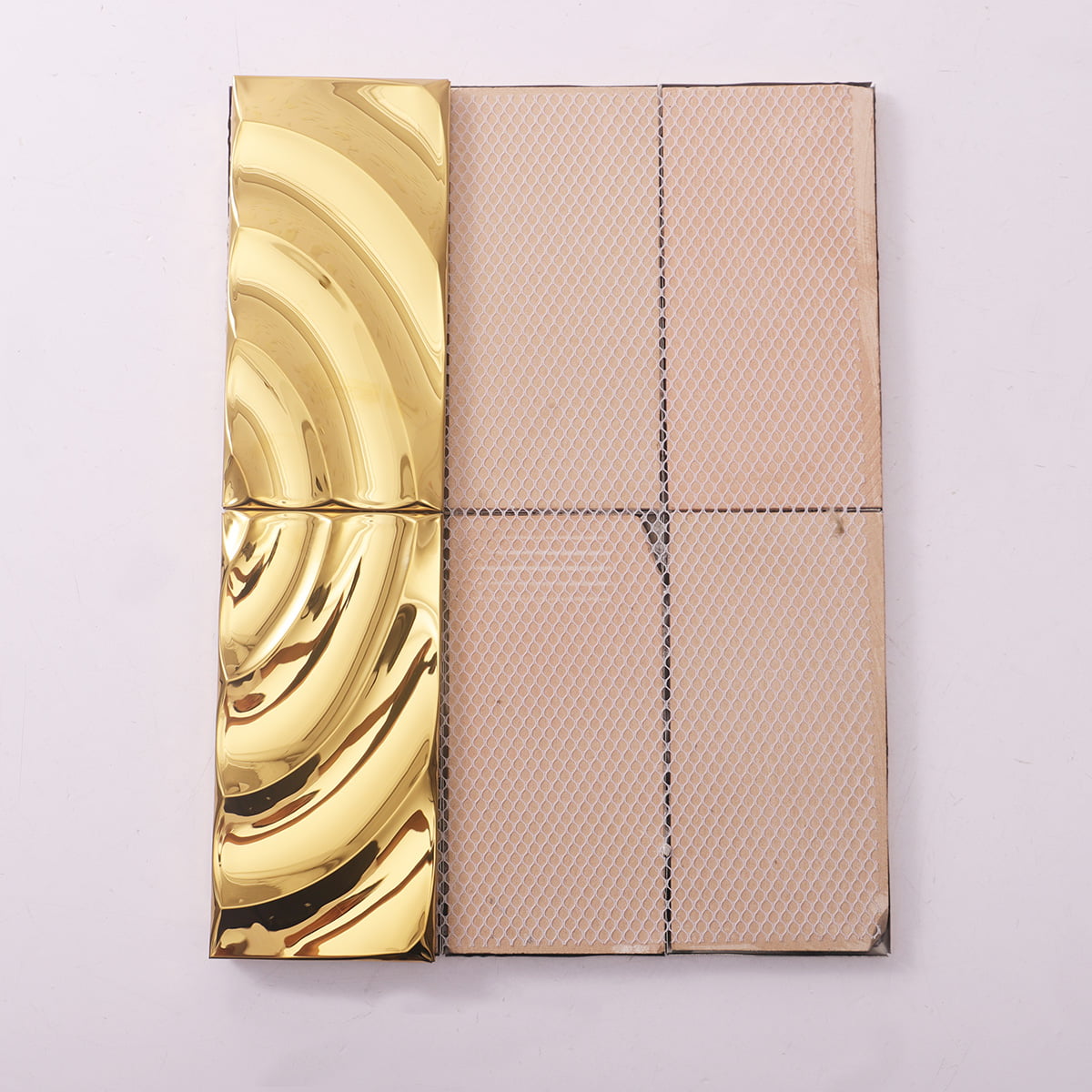
- Latex adhesive and fiber meshapplied to mosaic tile backs
- Transparent mountingfor glass mosaics to avoid visible mesh showing through
- Surface paper mounting for transparent glass, removed after installation
- Automated dot-gluing in large factories for increased efficiency
Mosaic Tile Materials: A Comprehensive Guide
Glass Materials: Vibrant and Versatile
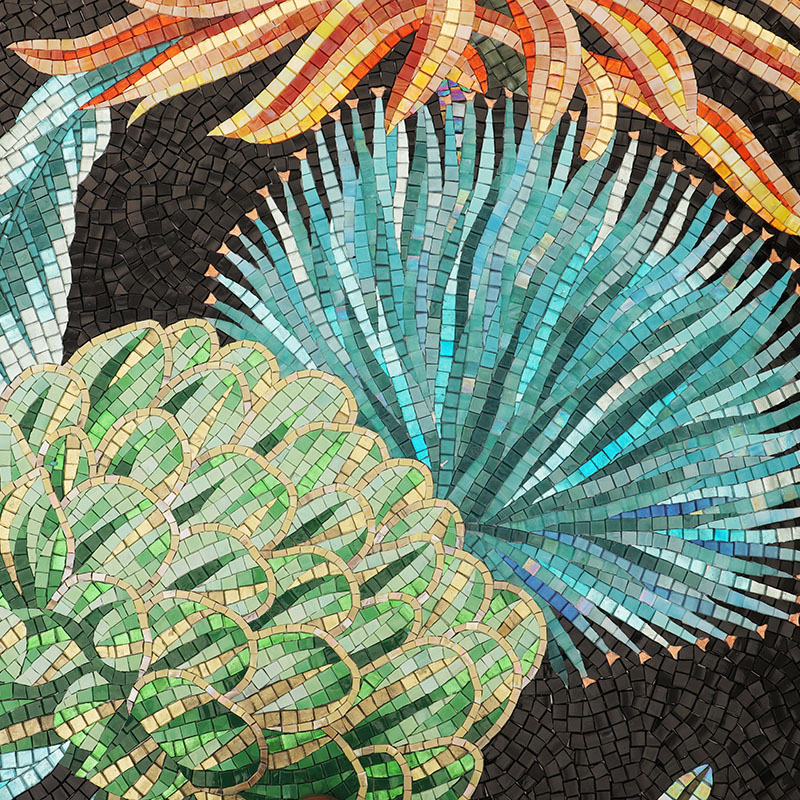
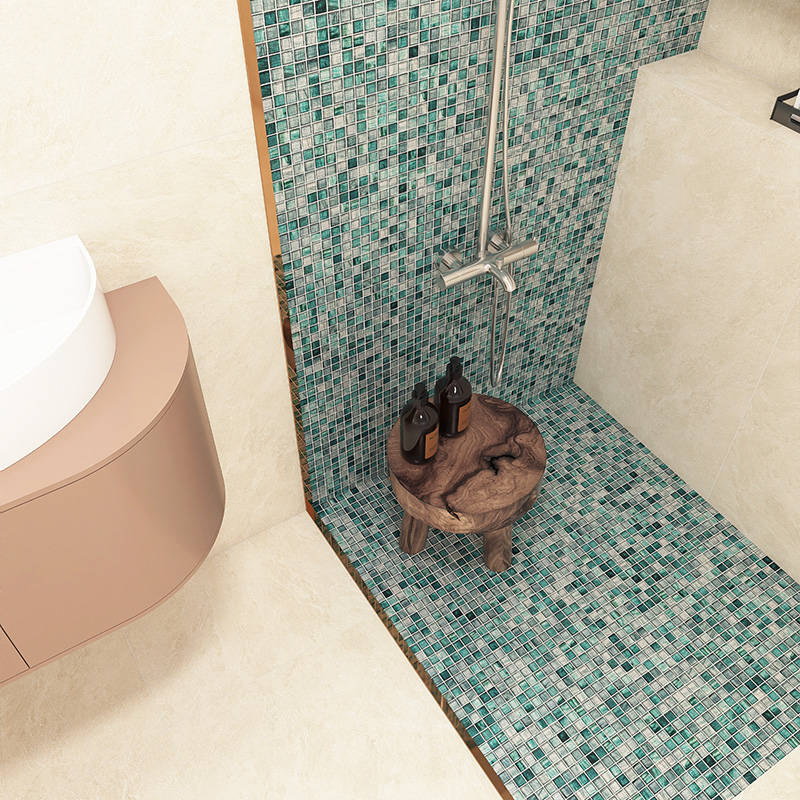
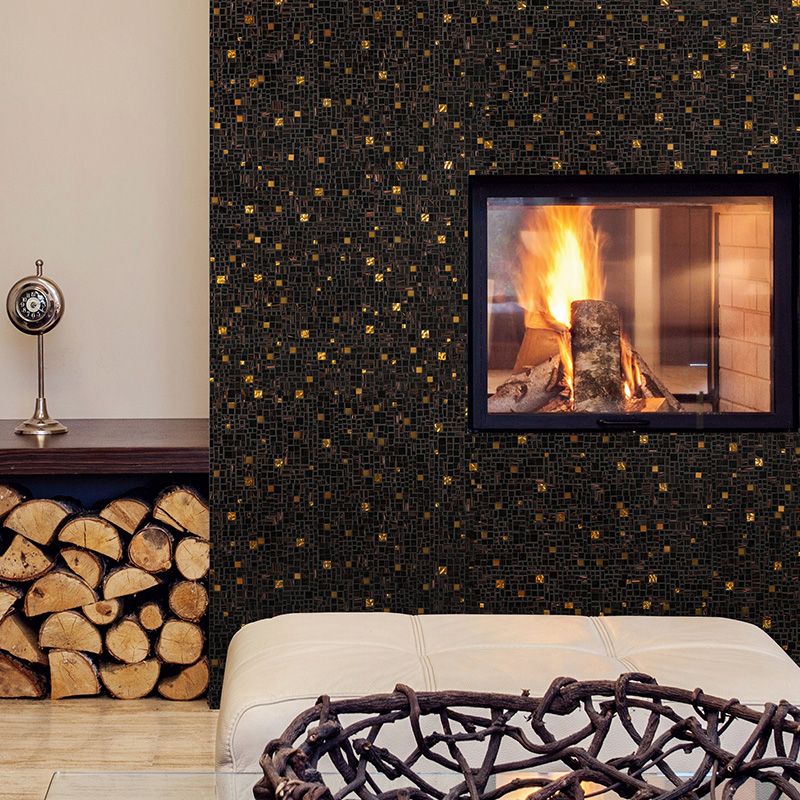
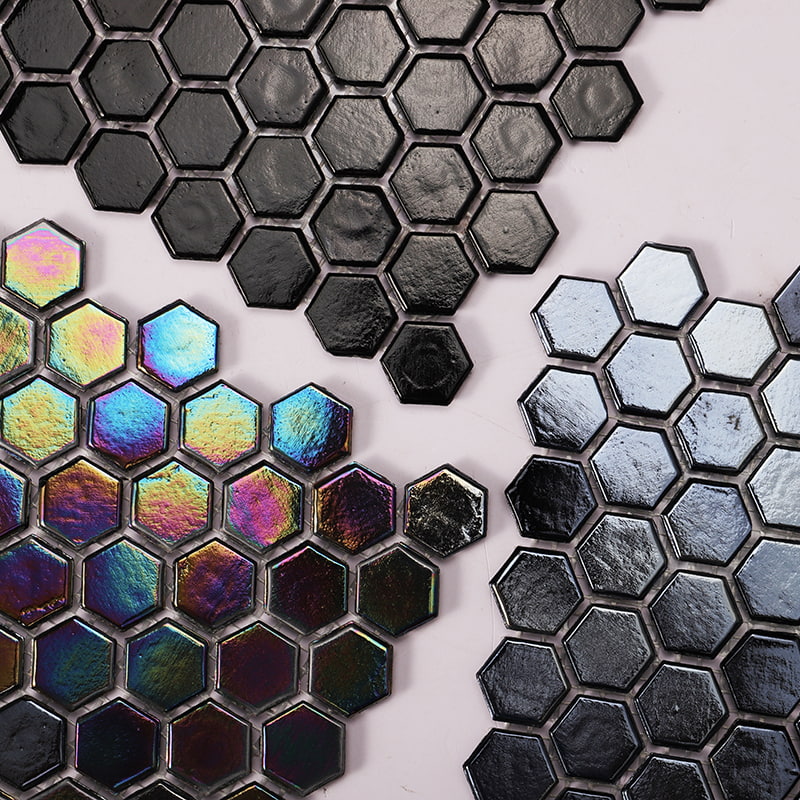
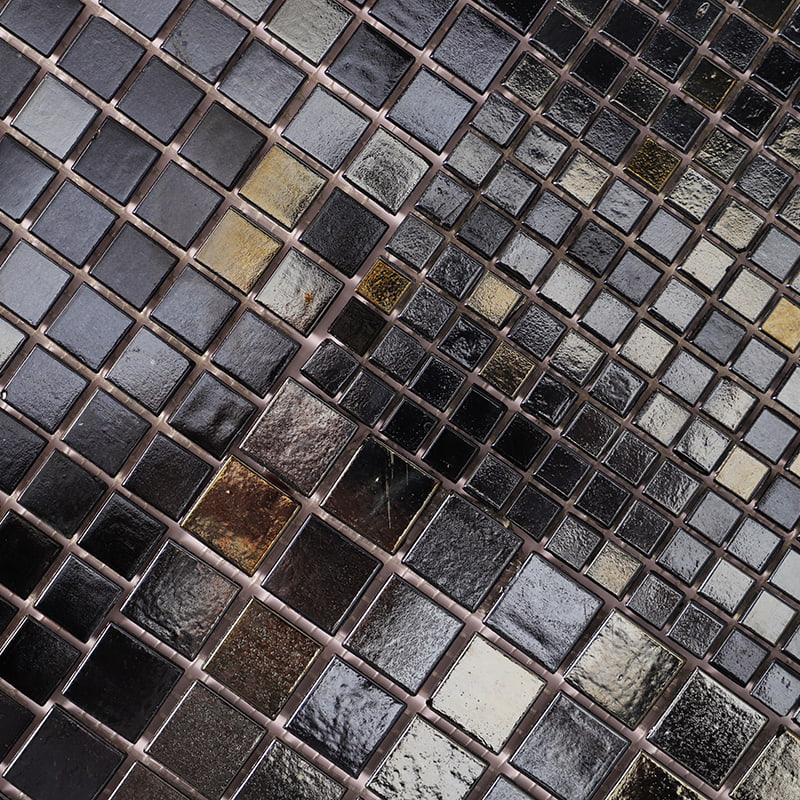
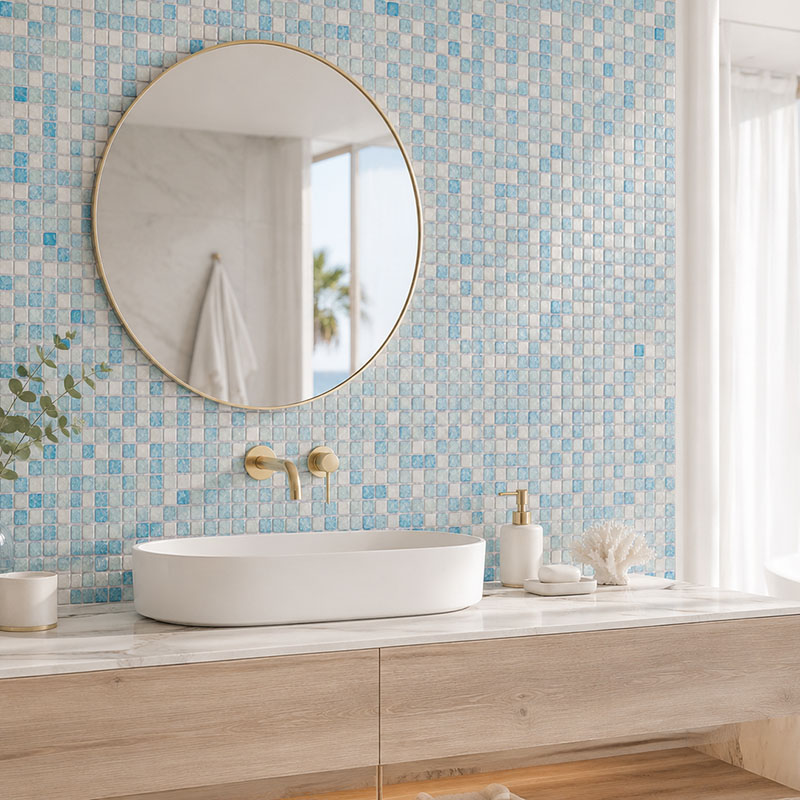
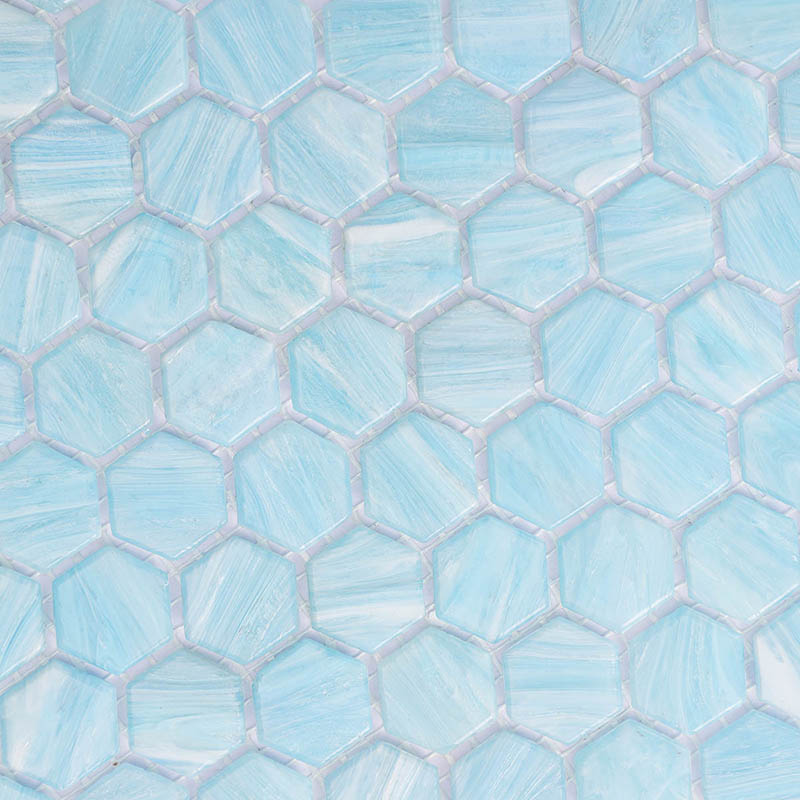
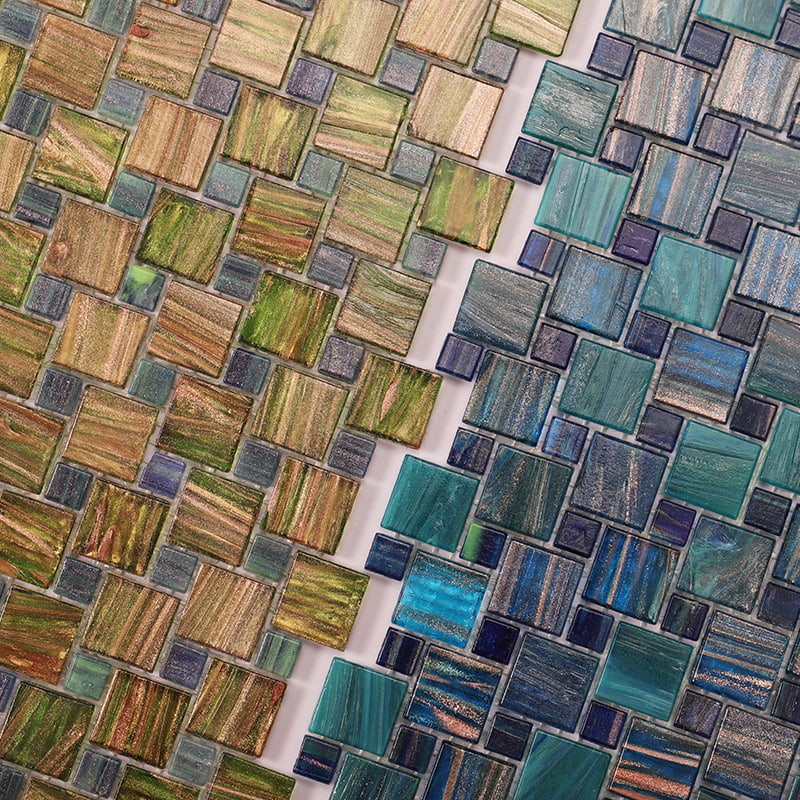
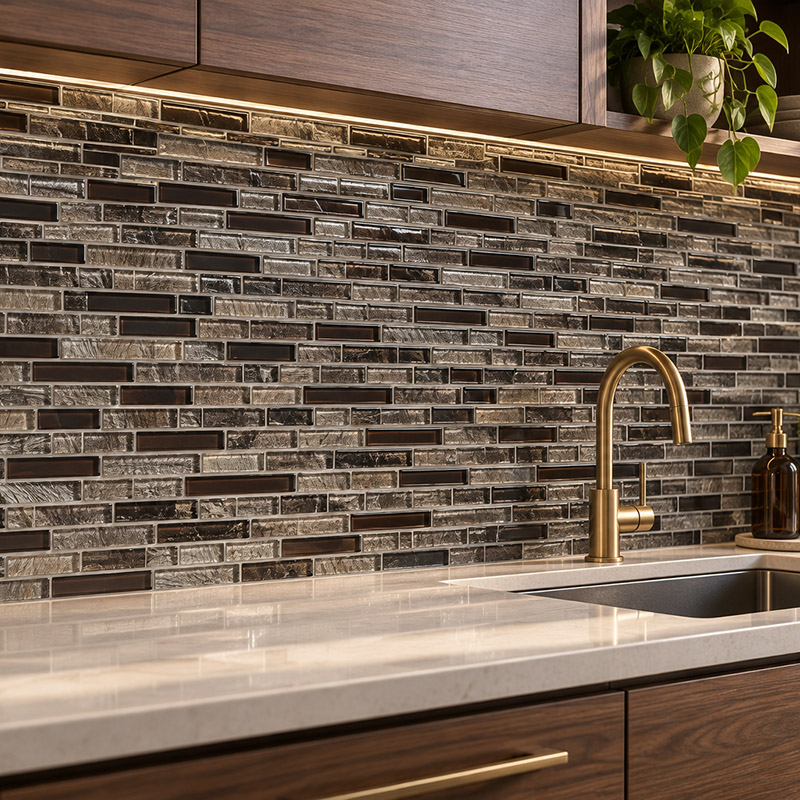
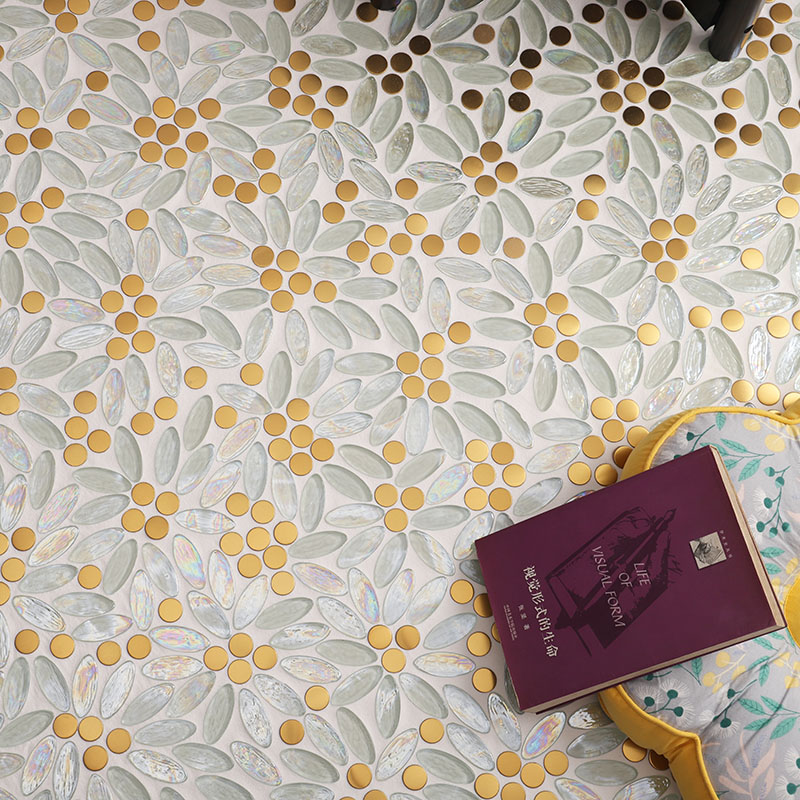
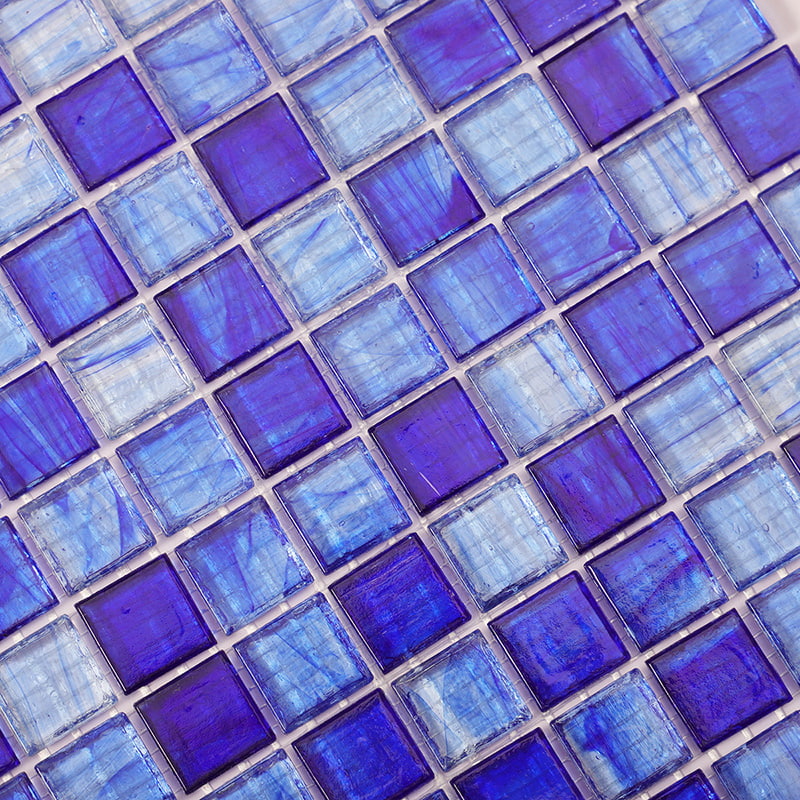
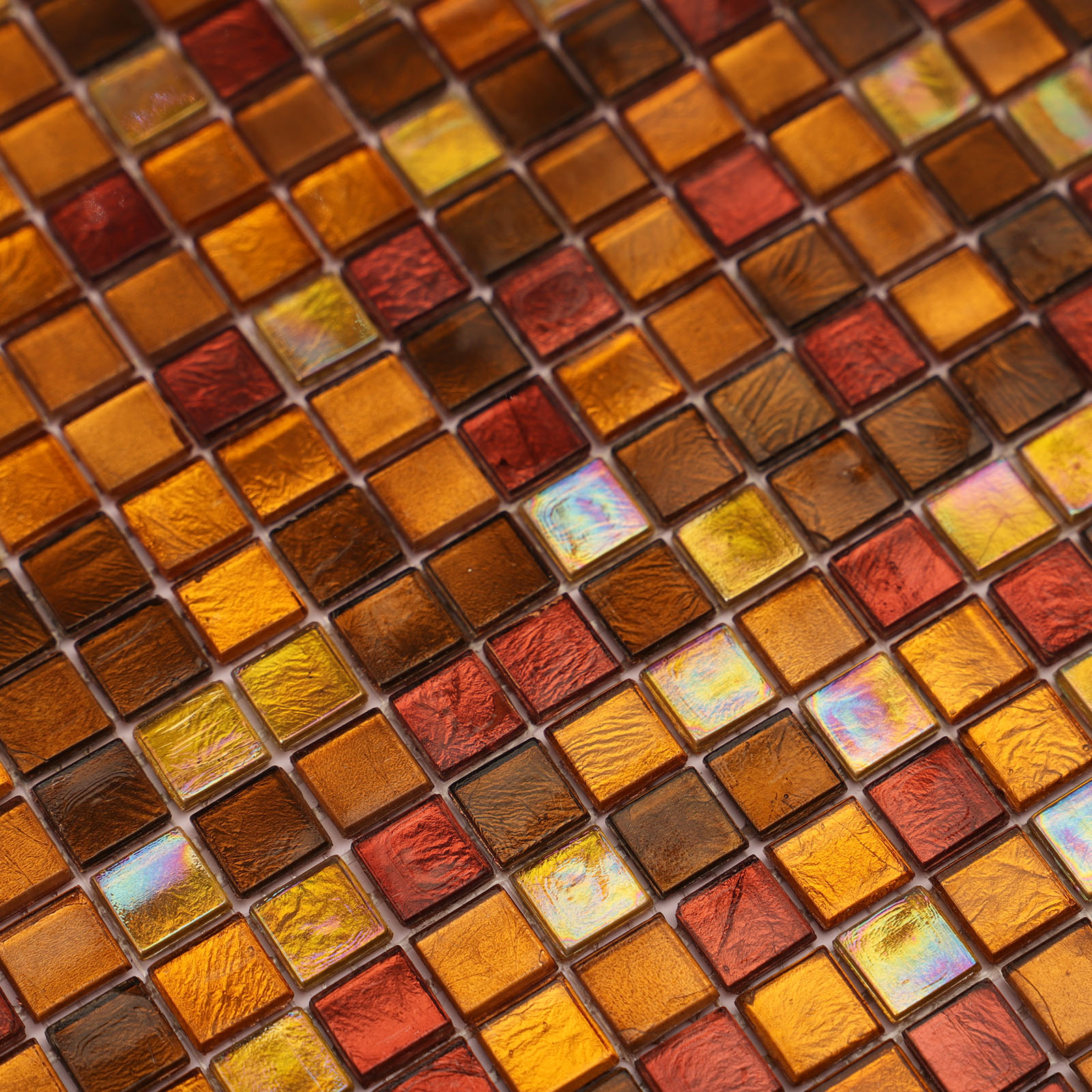
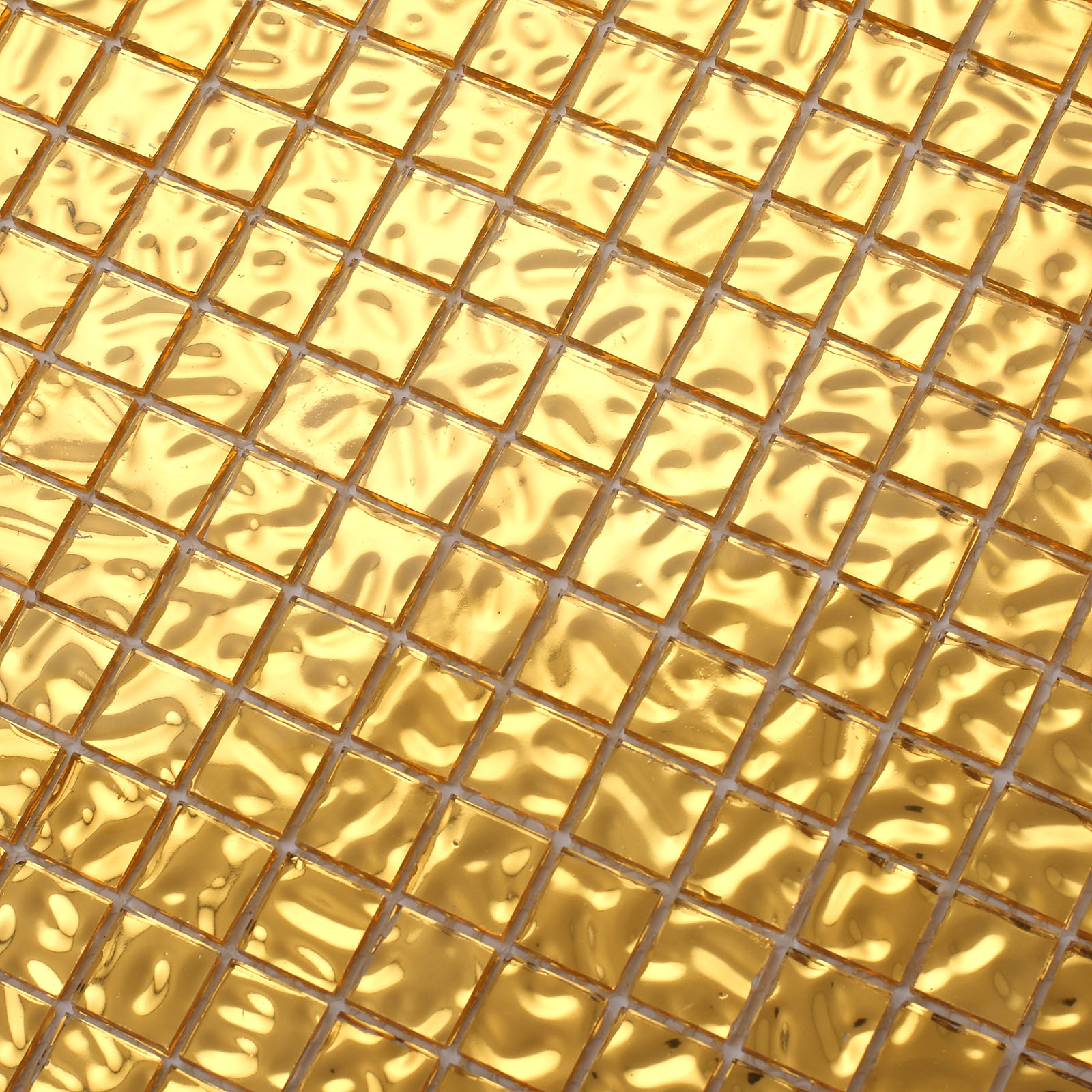
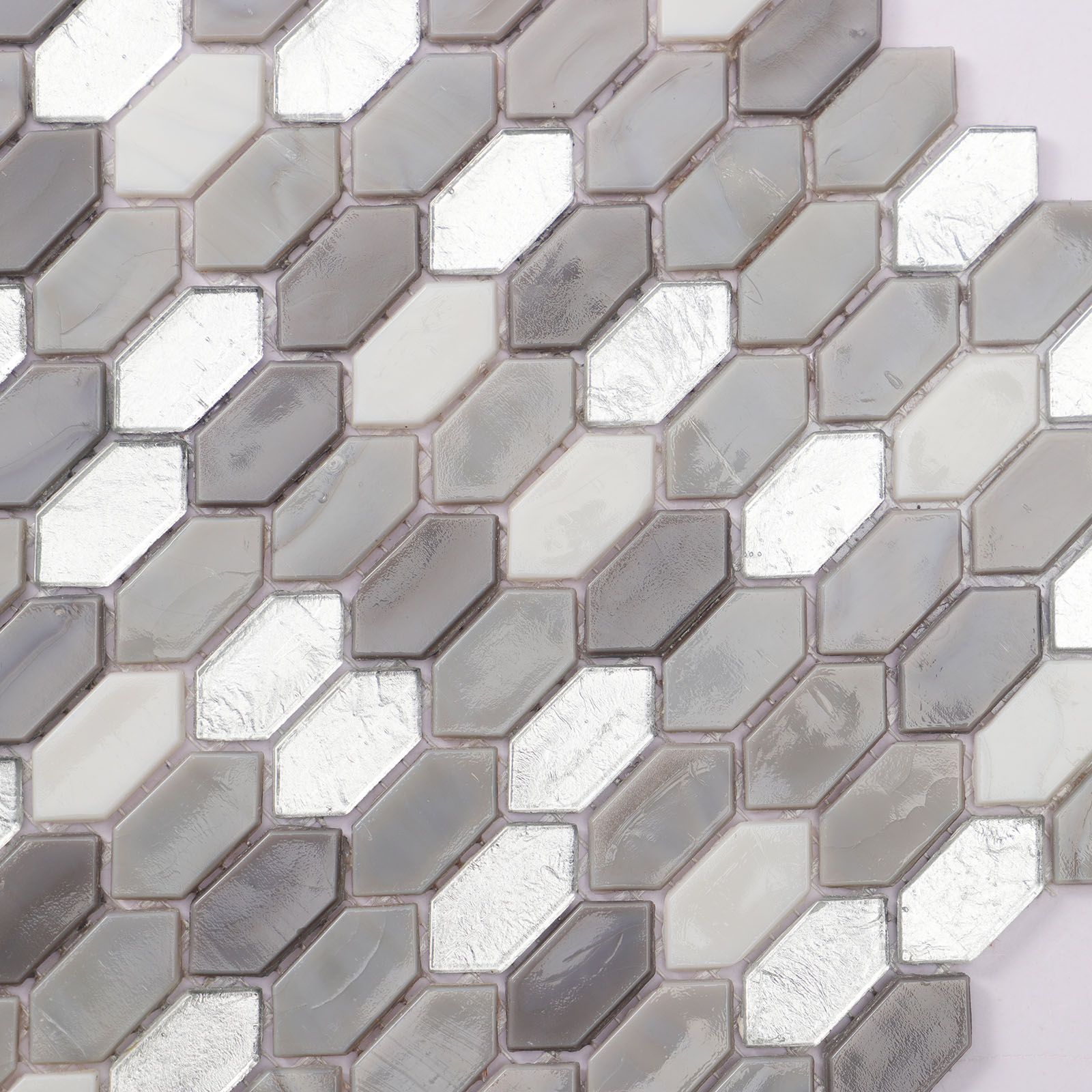
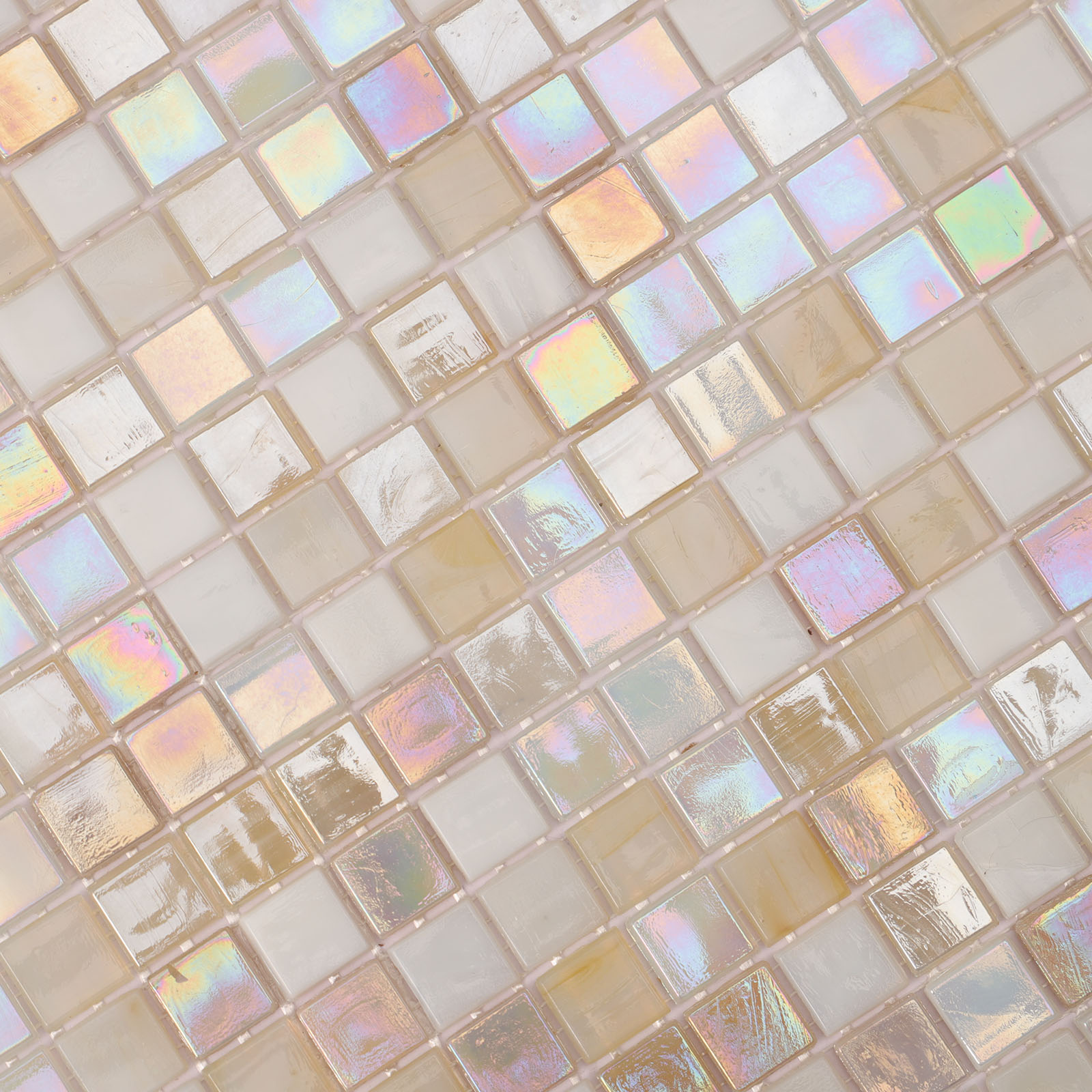
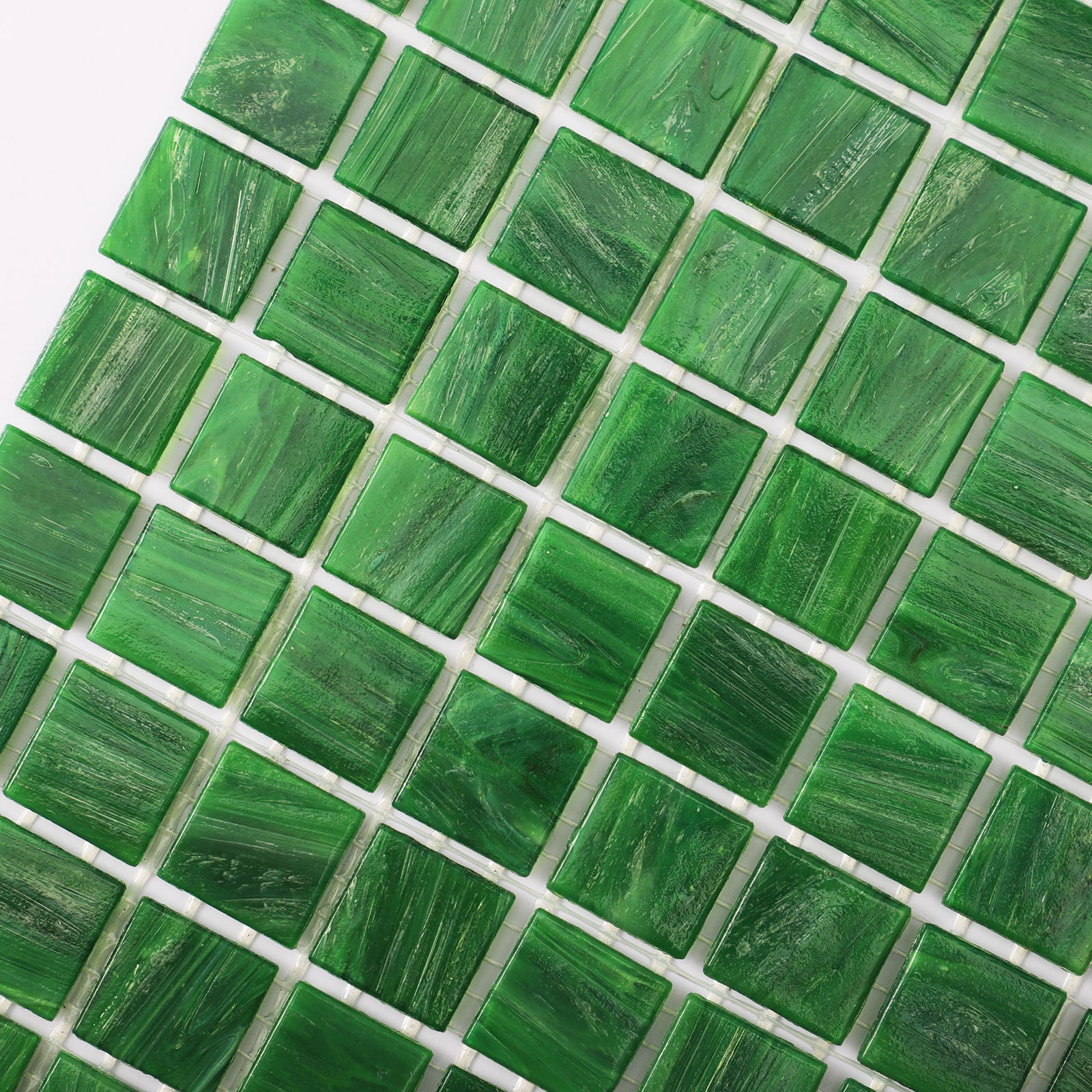
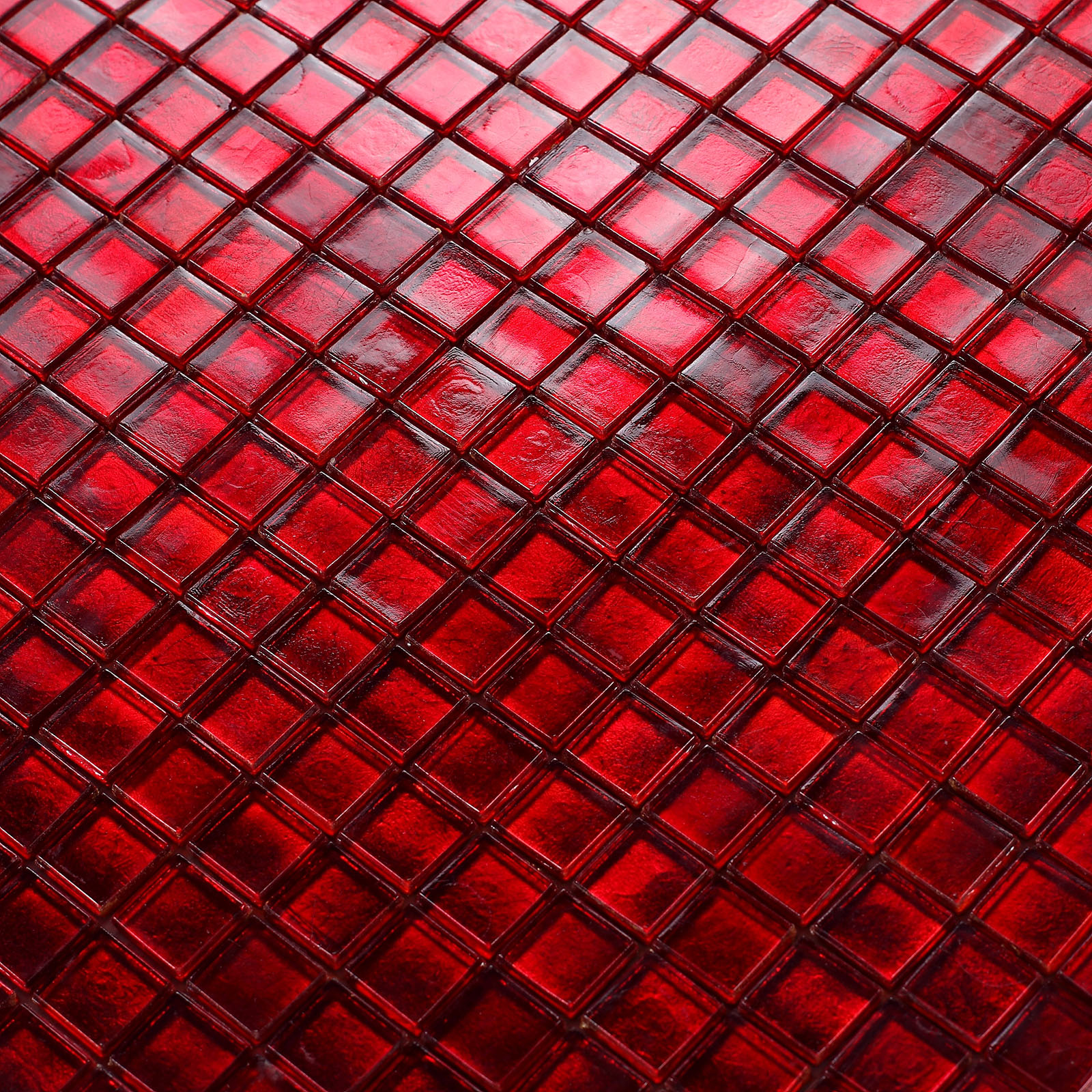
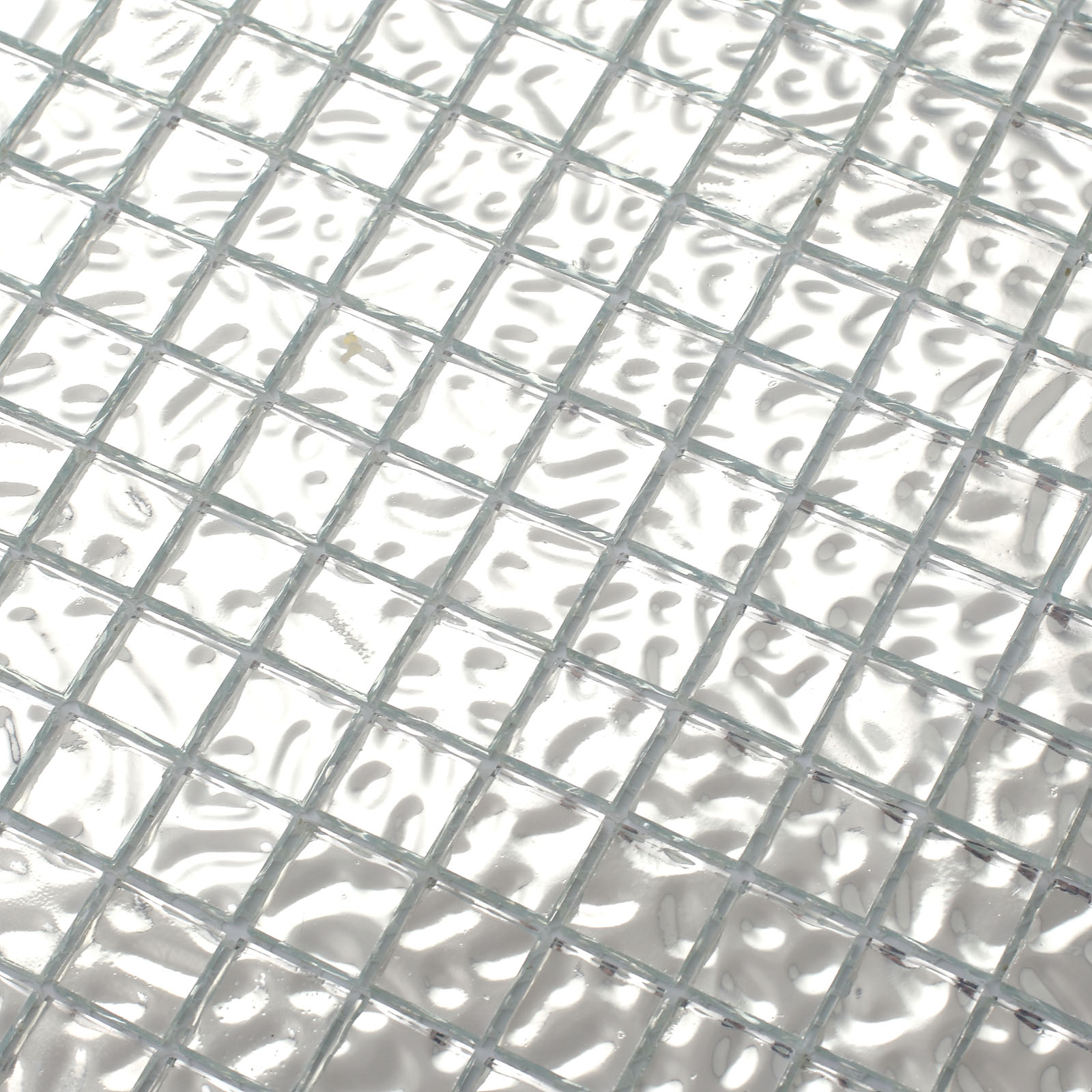
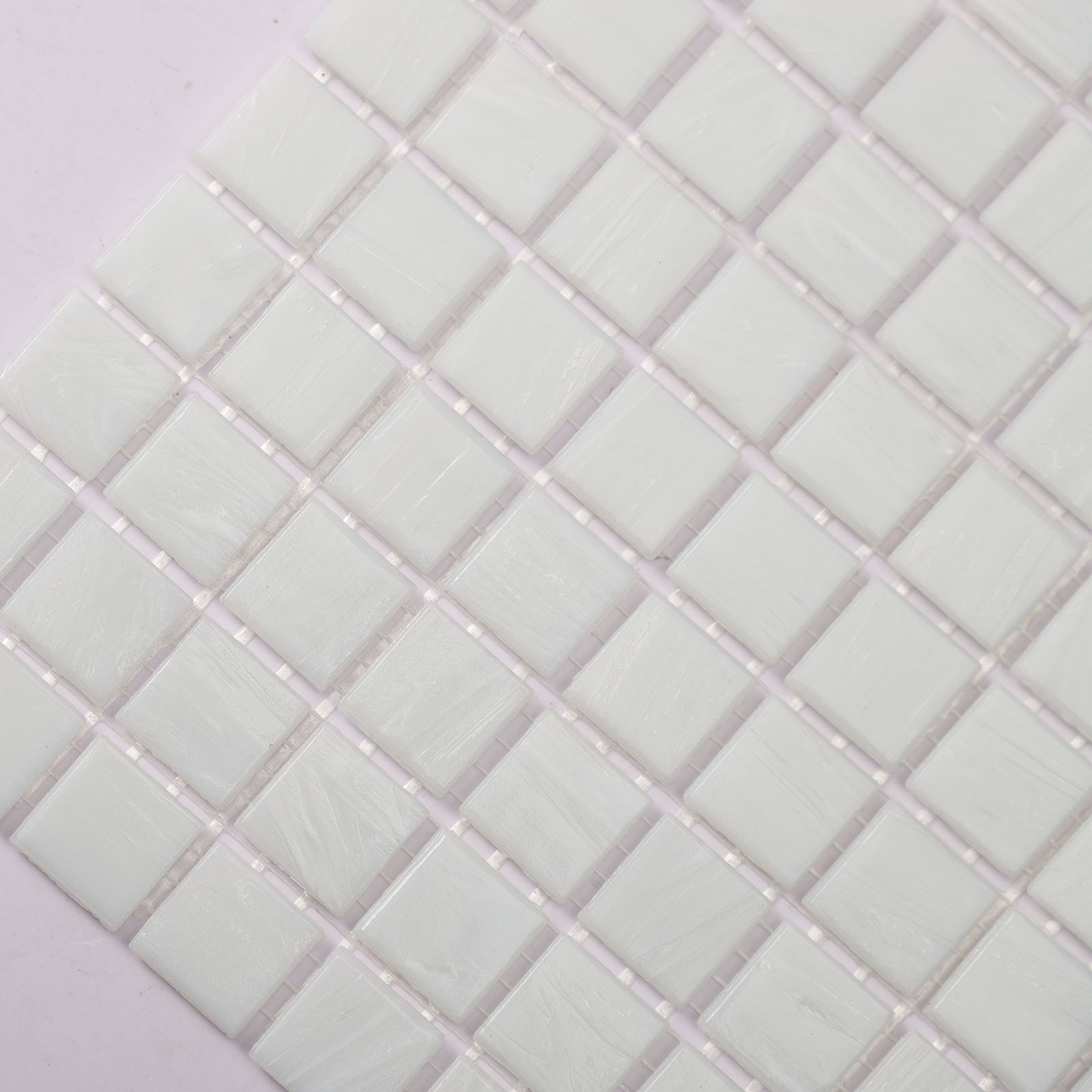
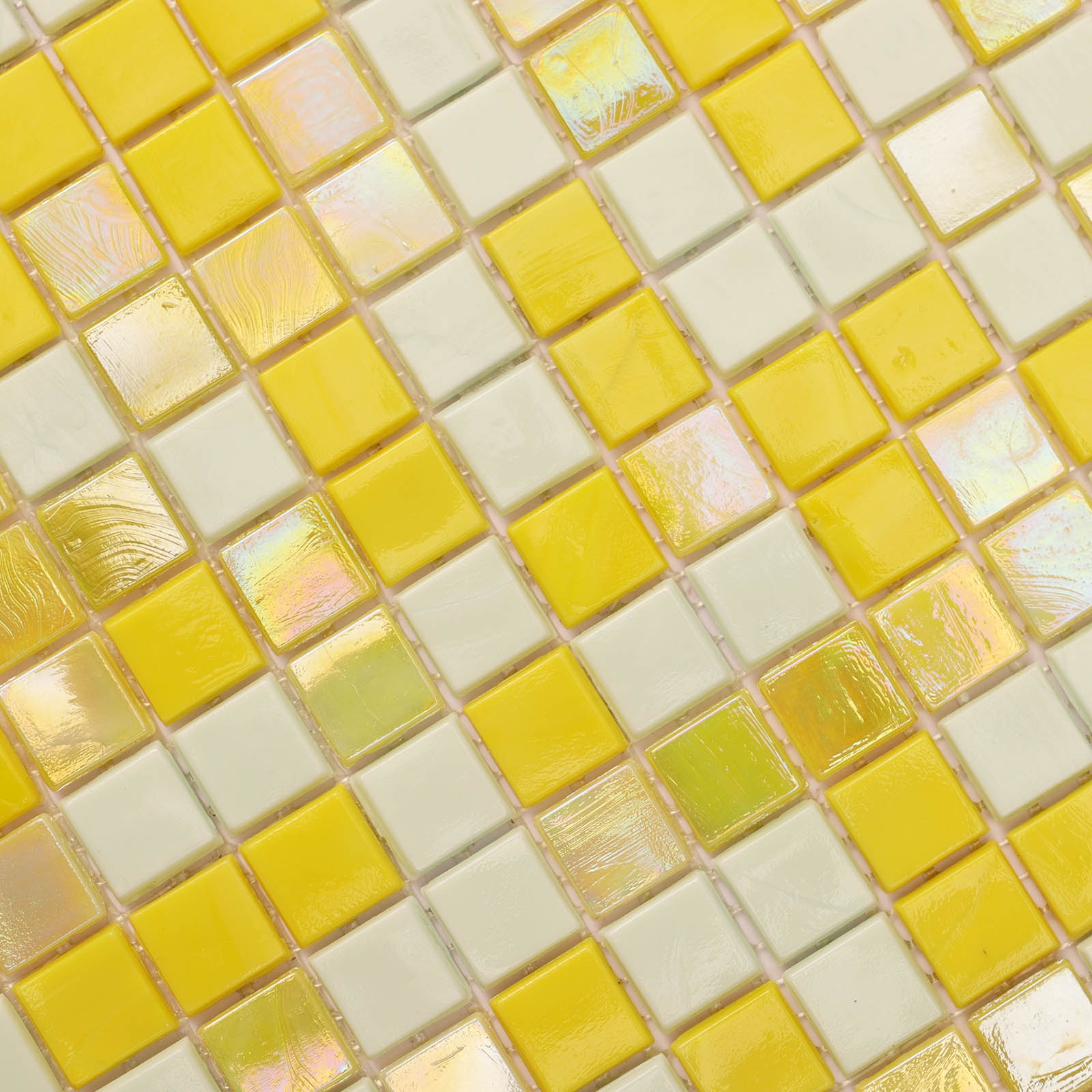
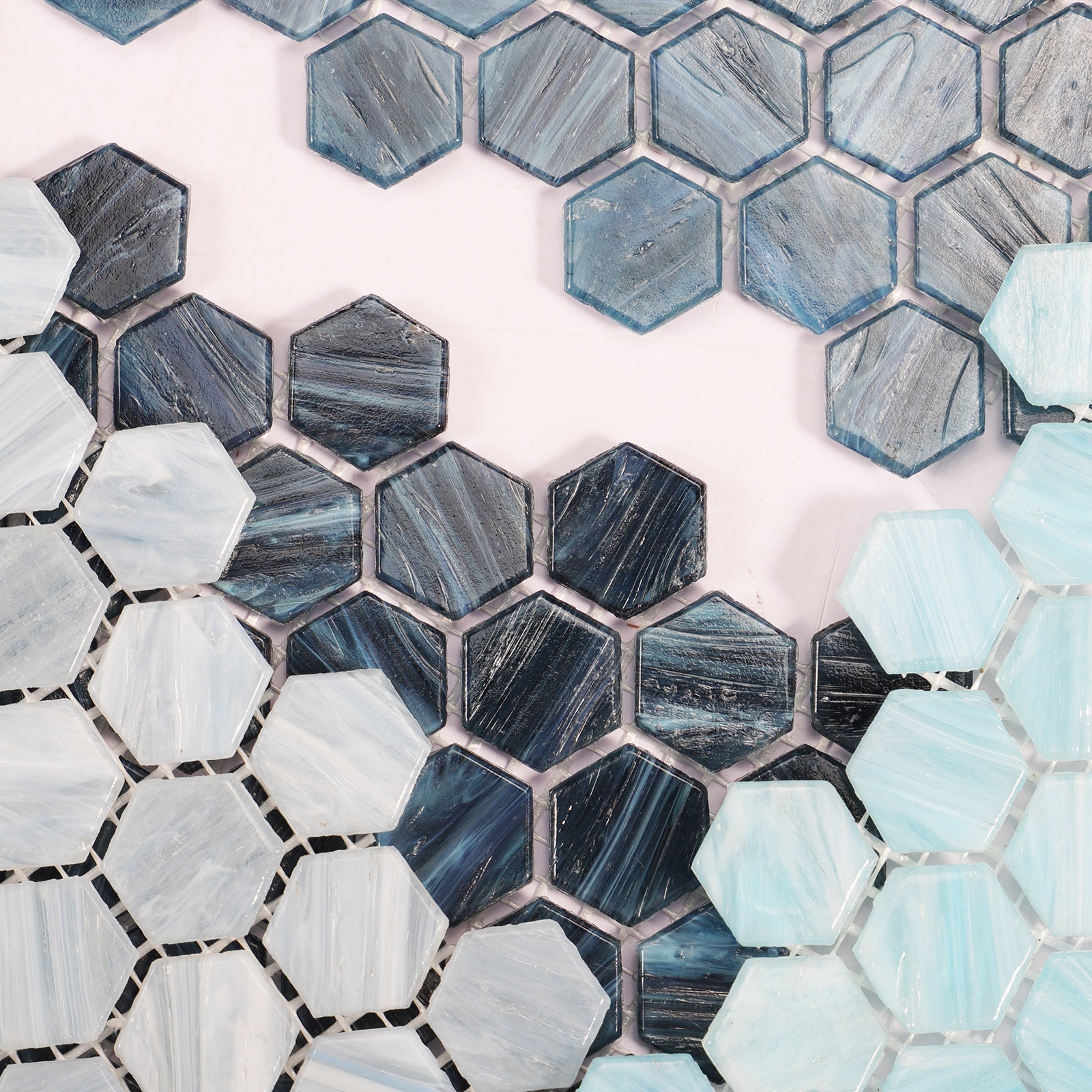
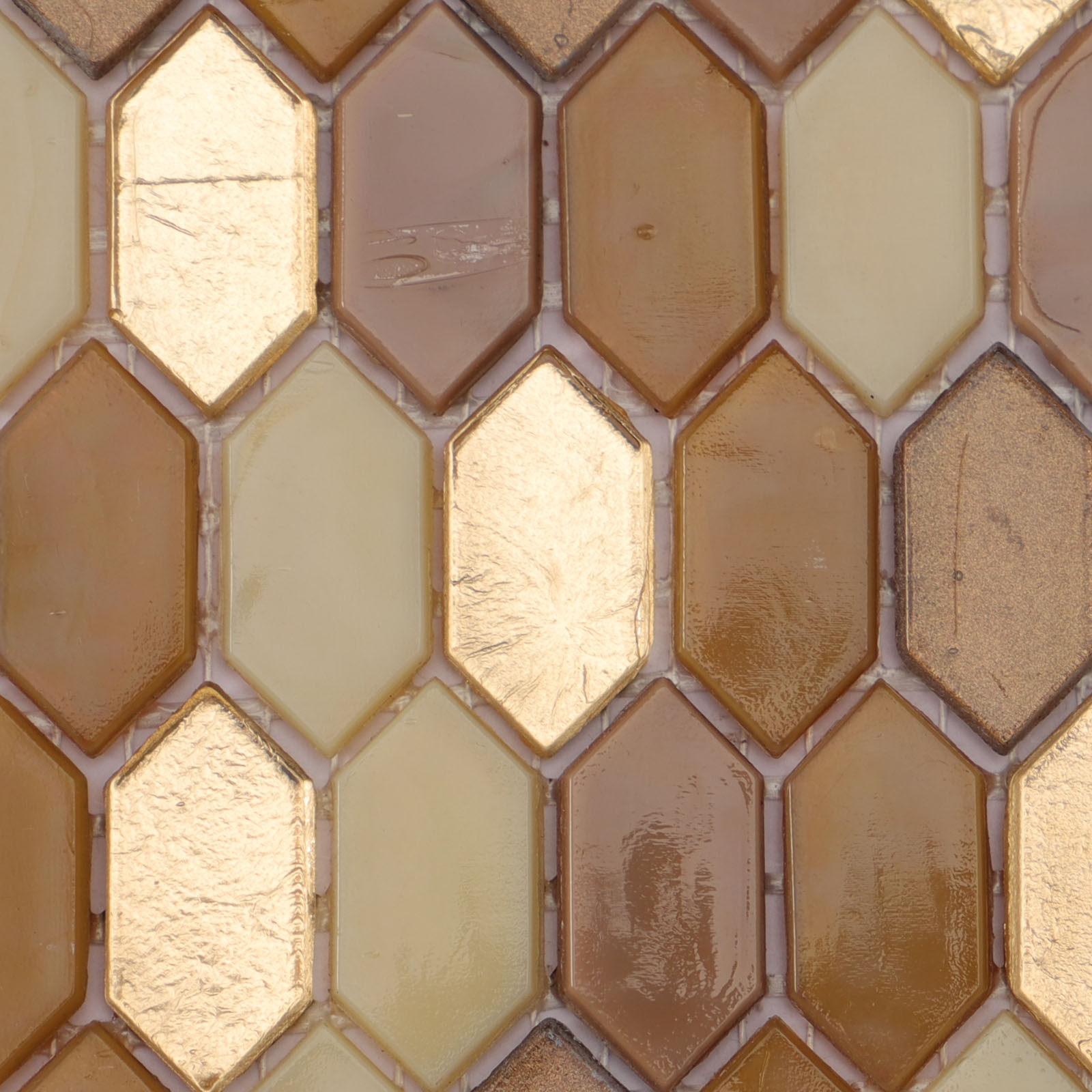
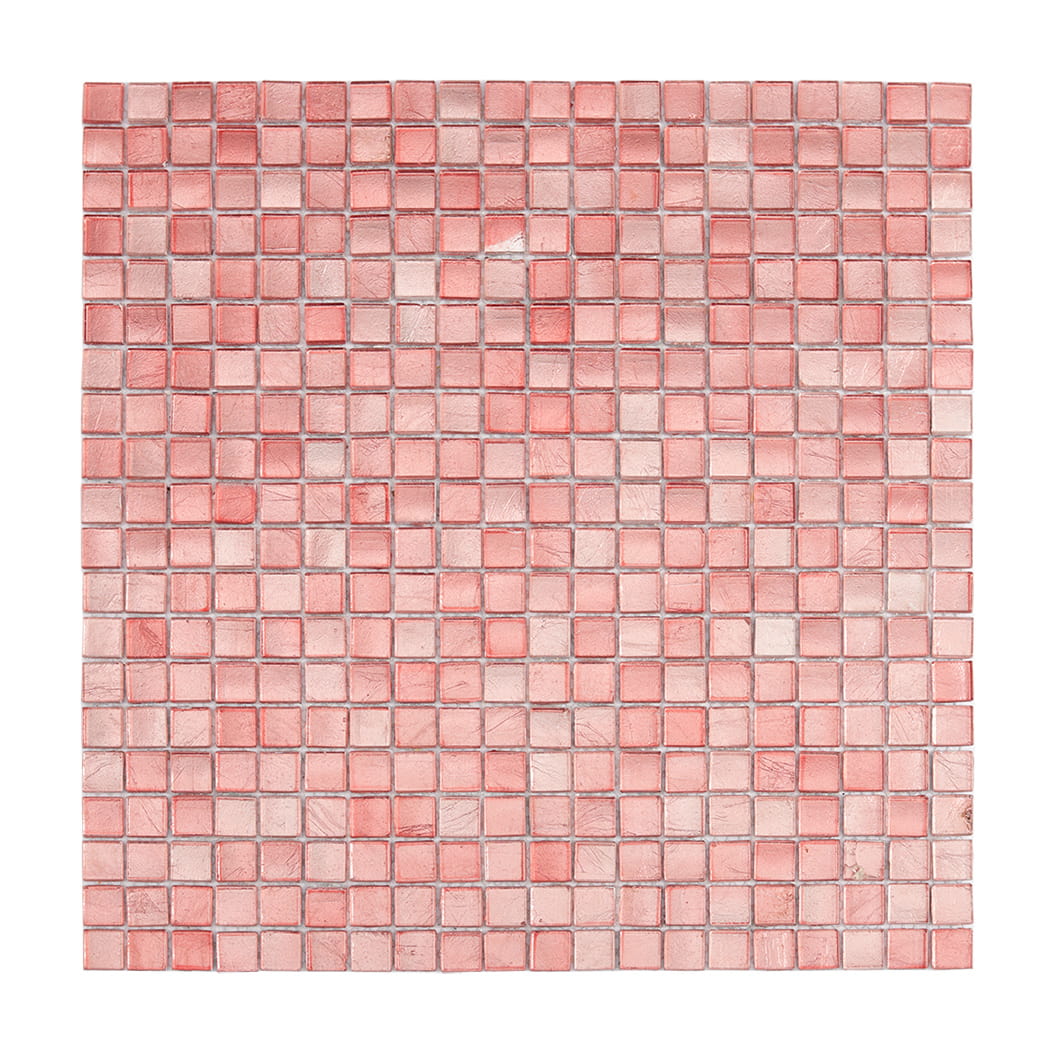
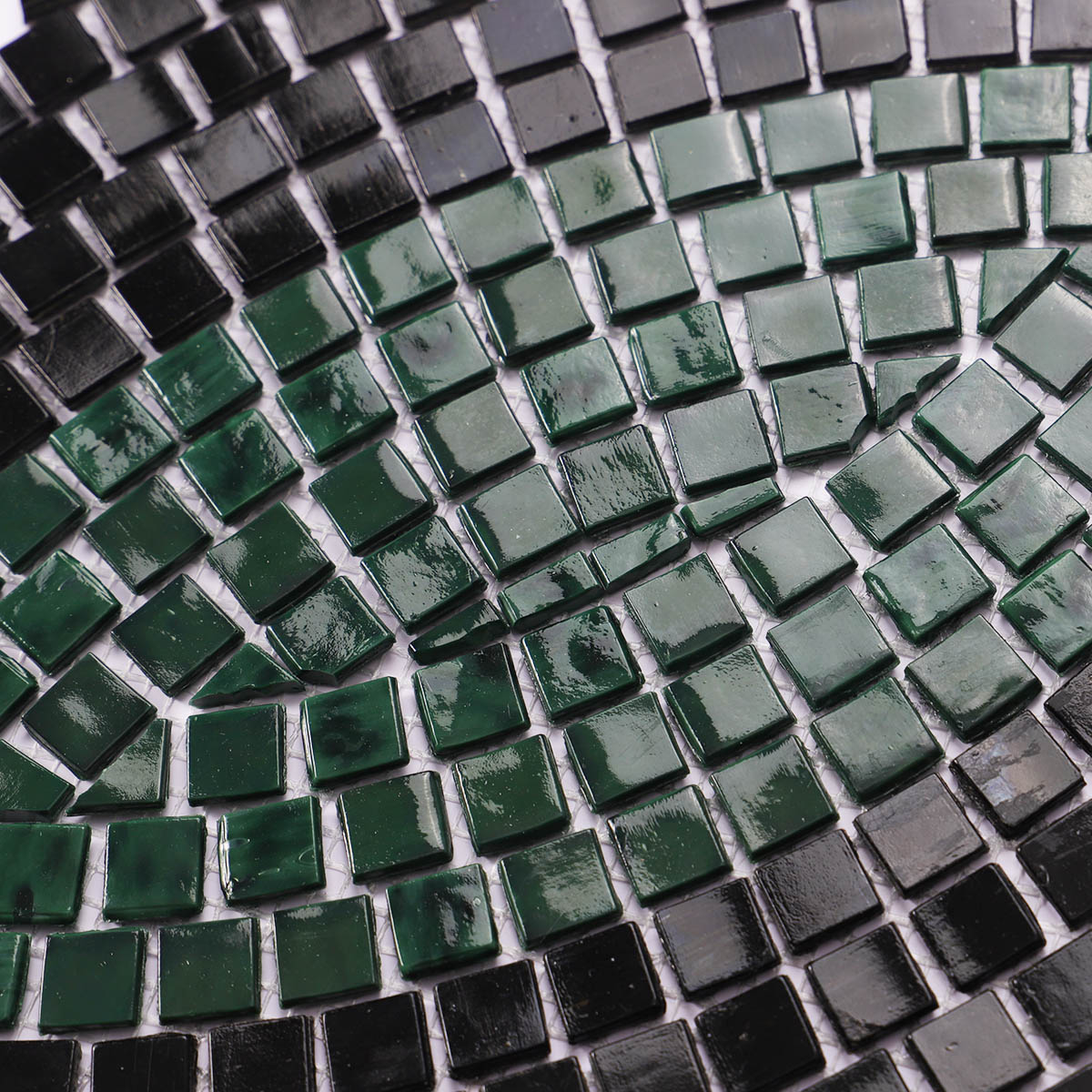
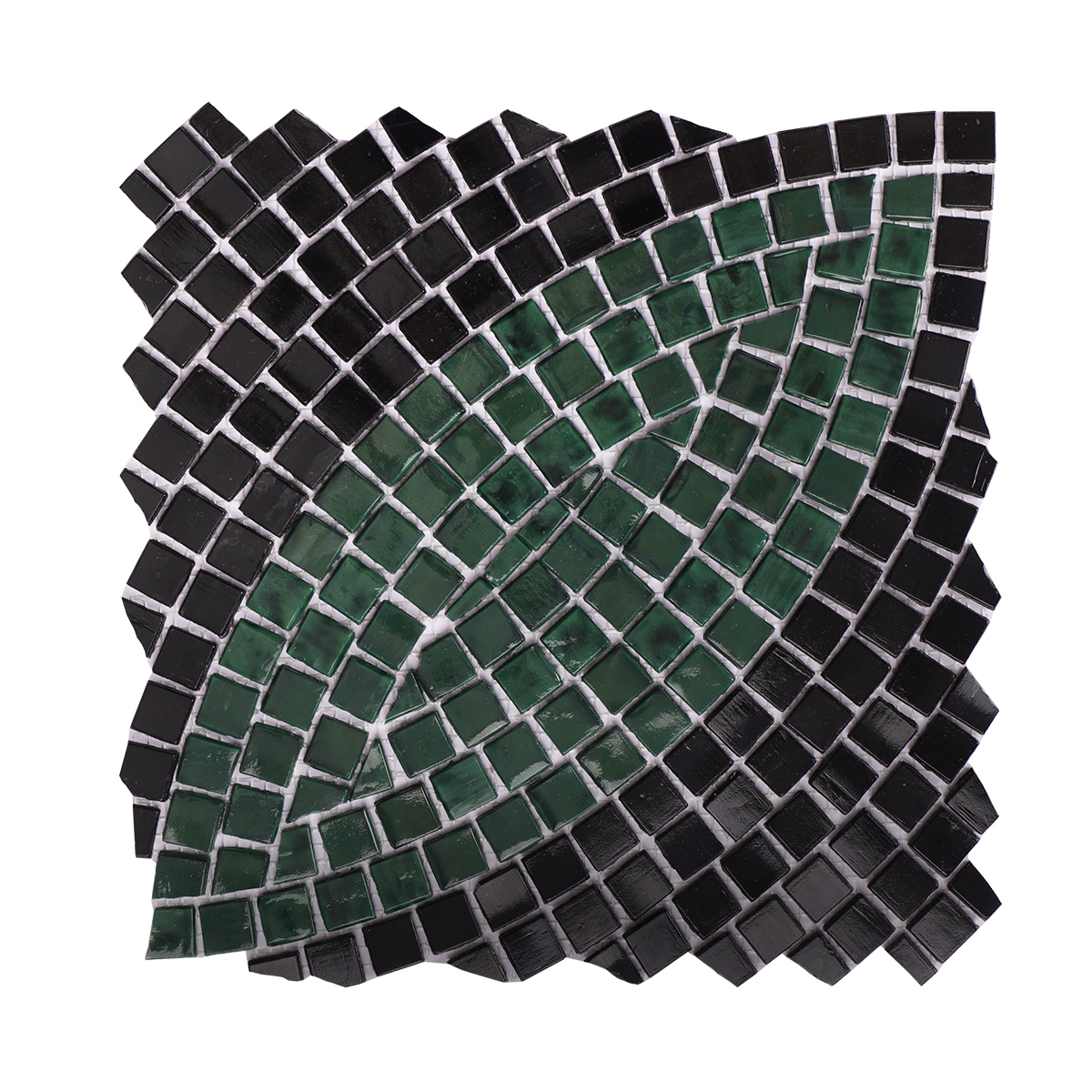
Glass mosaics offer the richest color palette and surface effects:
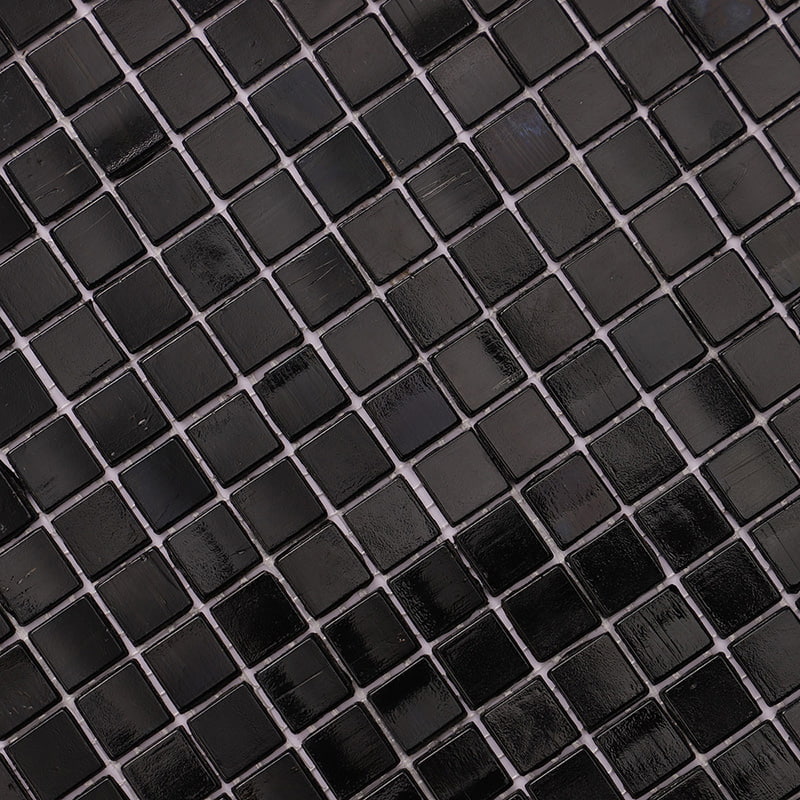
Vitreous Glass: Durable and consistent coloring
Water Glass: Eco-friendly recycled option
Crystal Glass: Premium clarity and brilliance
Recycled Glass: Sustainable choice with unique character
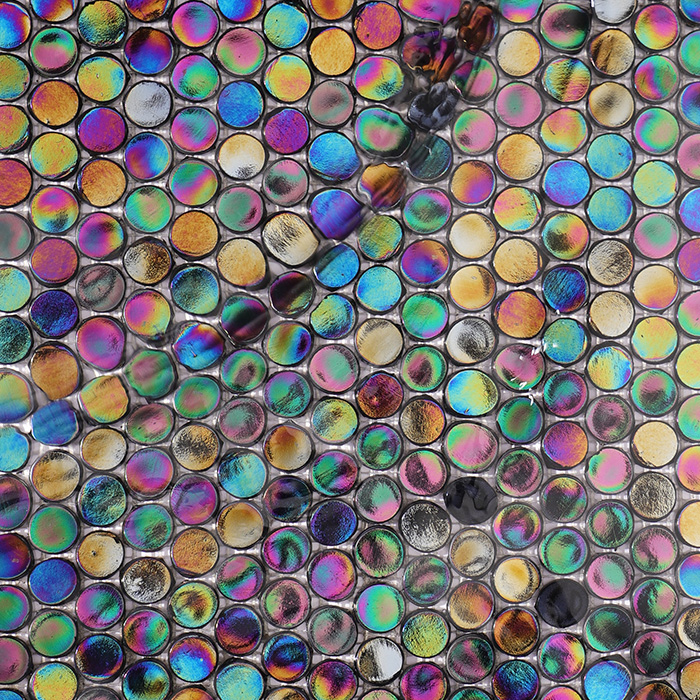
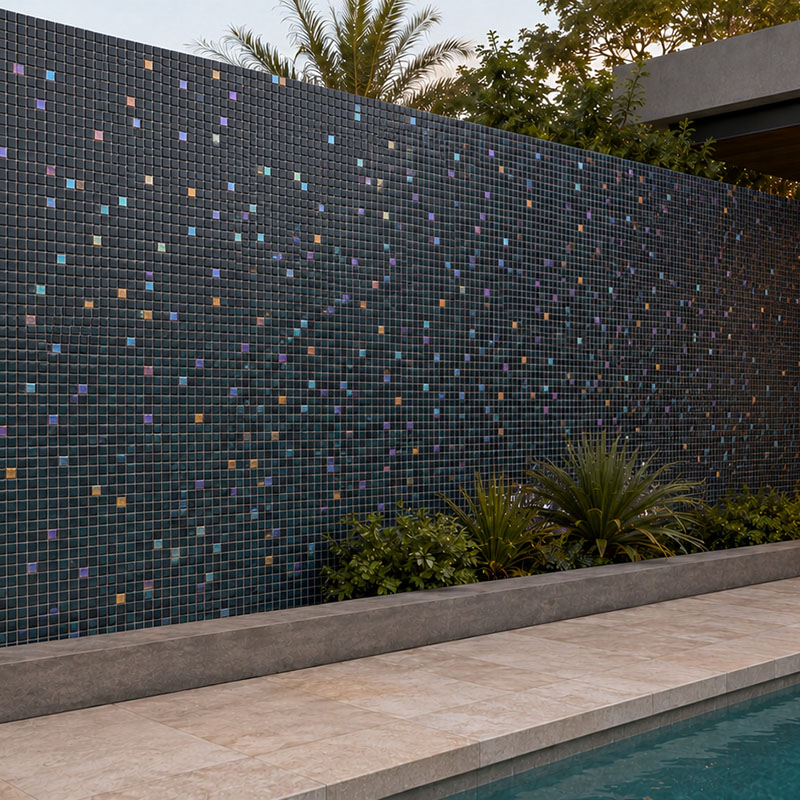
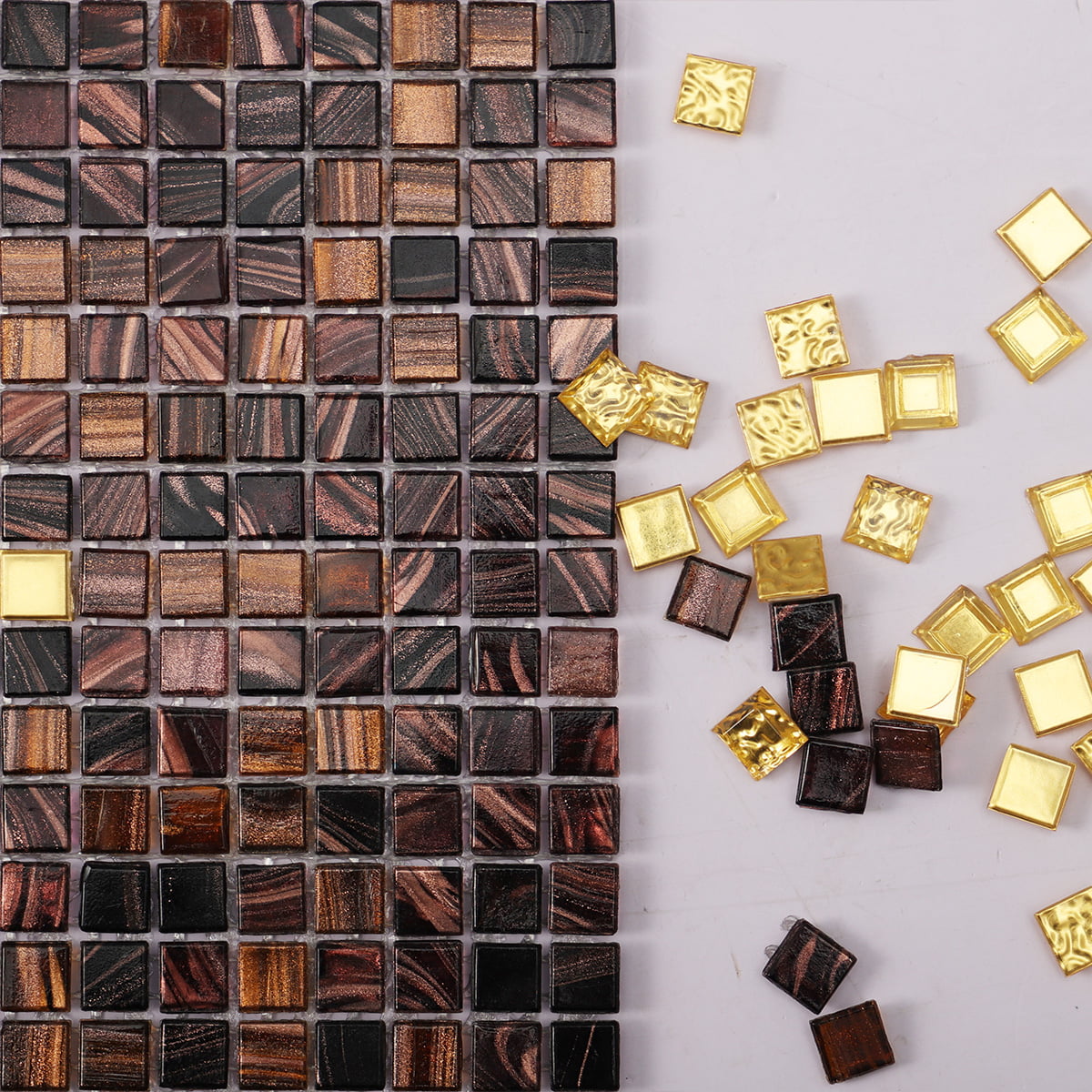
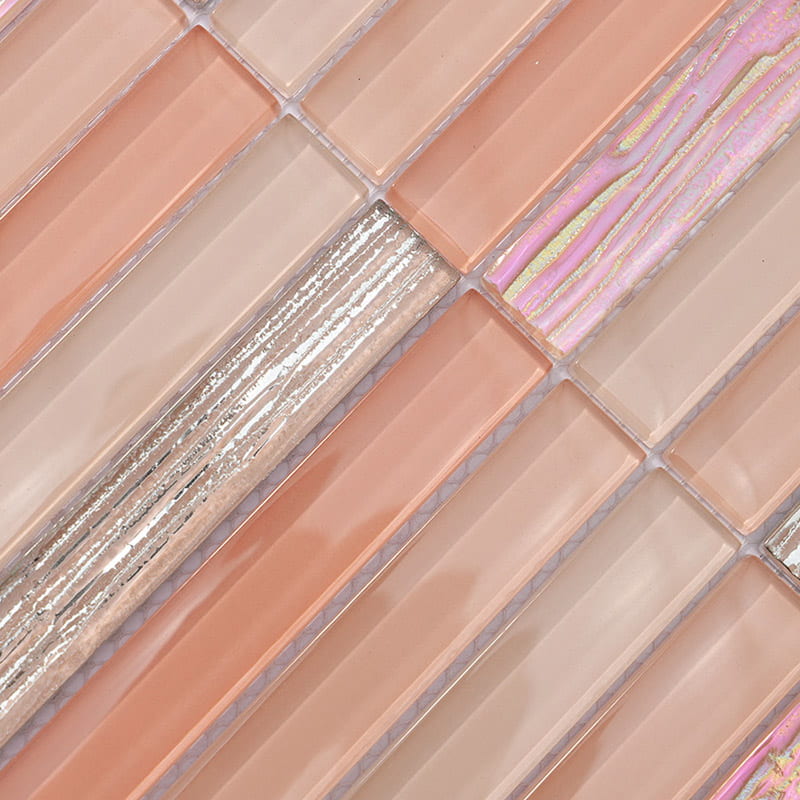
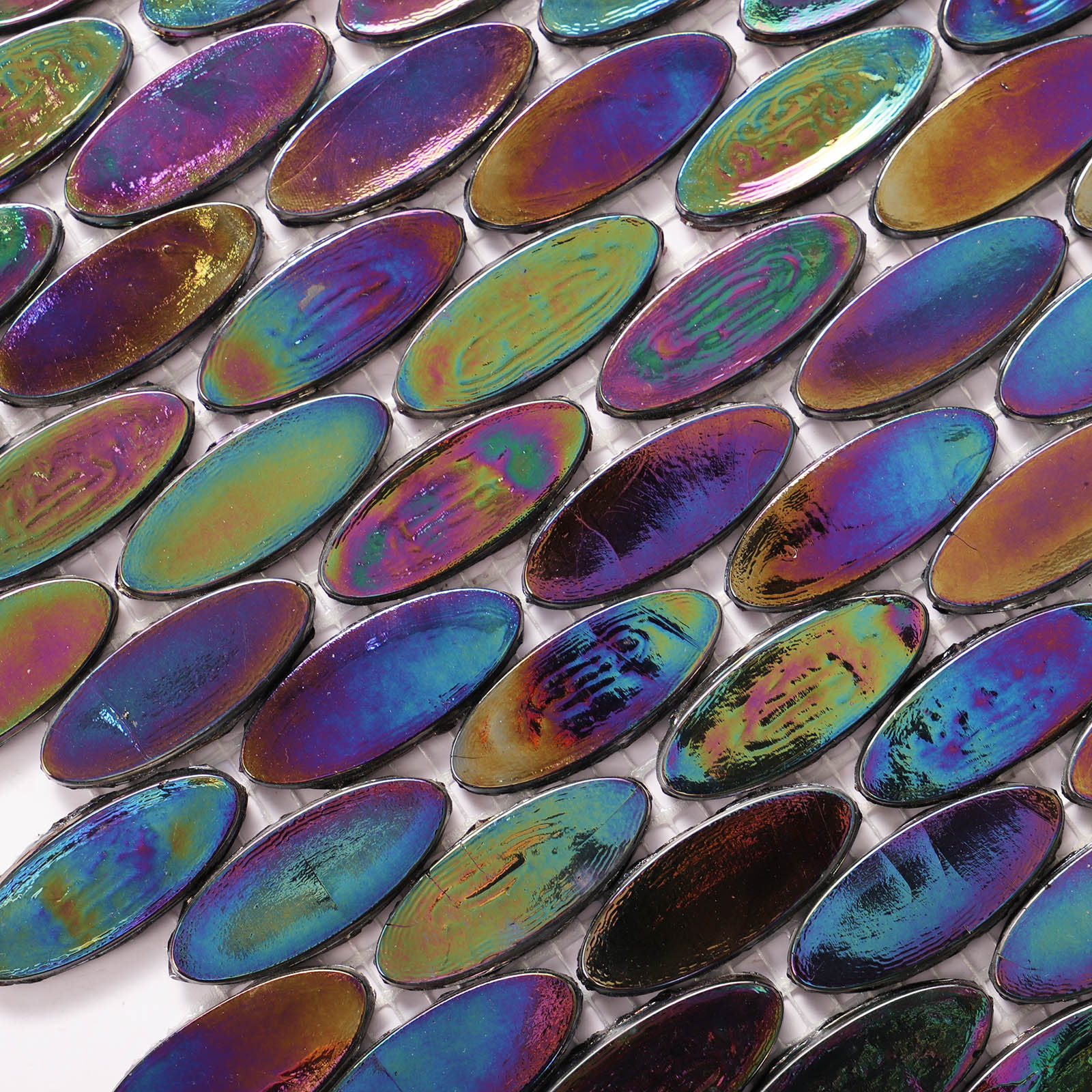
Surface finishes include matte, sand-point texture, gold sand, iridescent, and metallic effects.
Natural Stone Materials: Connecting with Nature
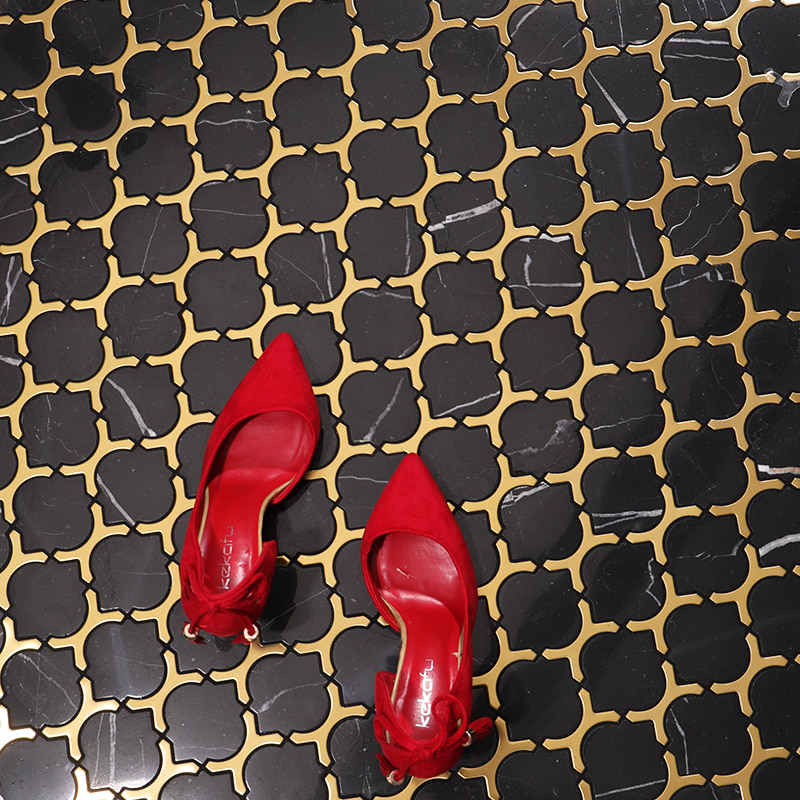
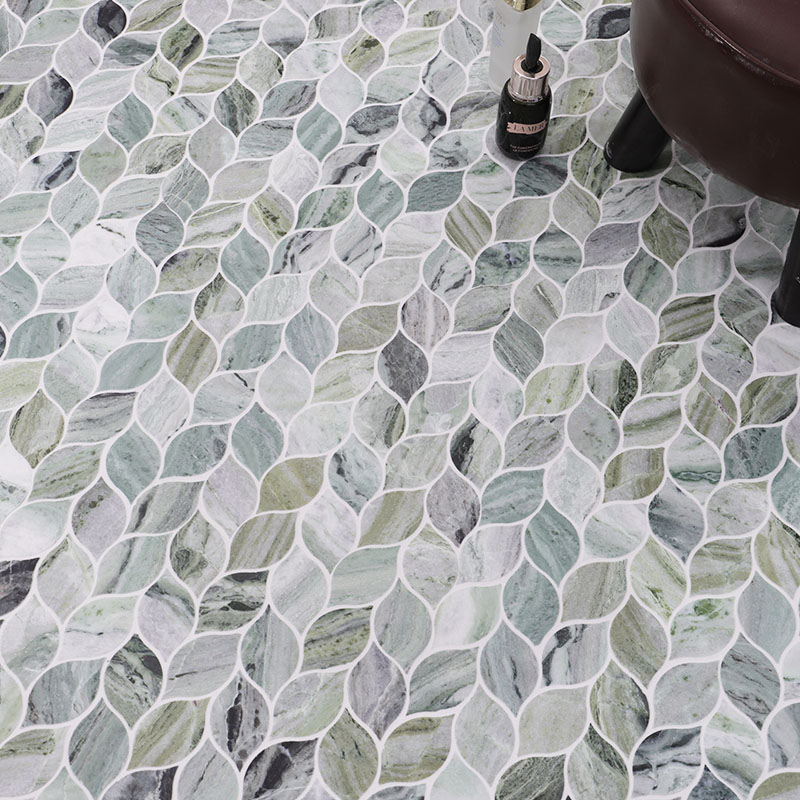
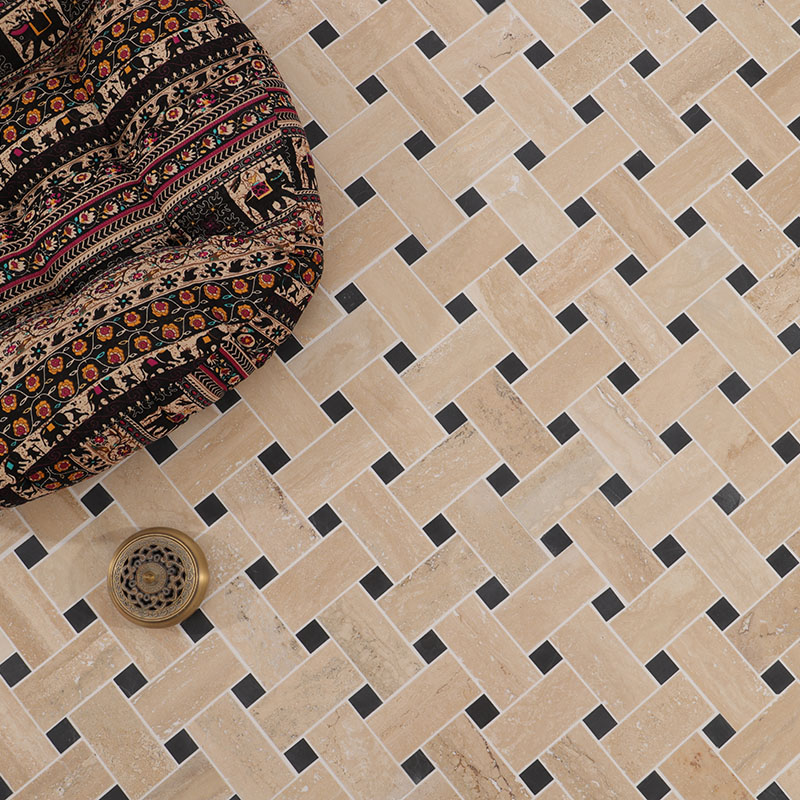
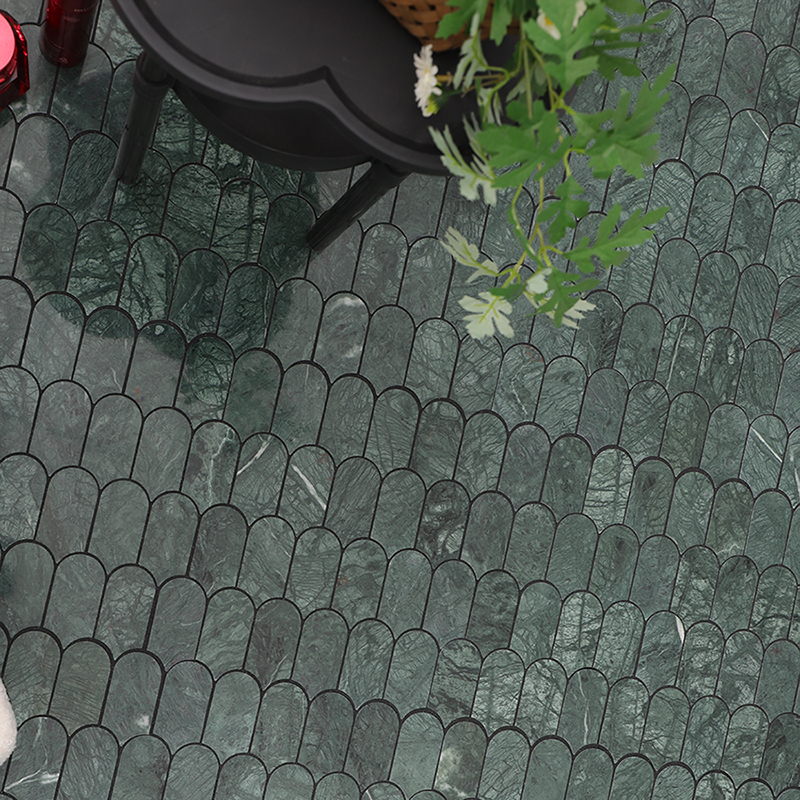
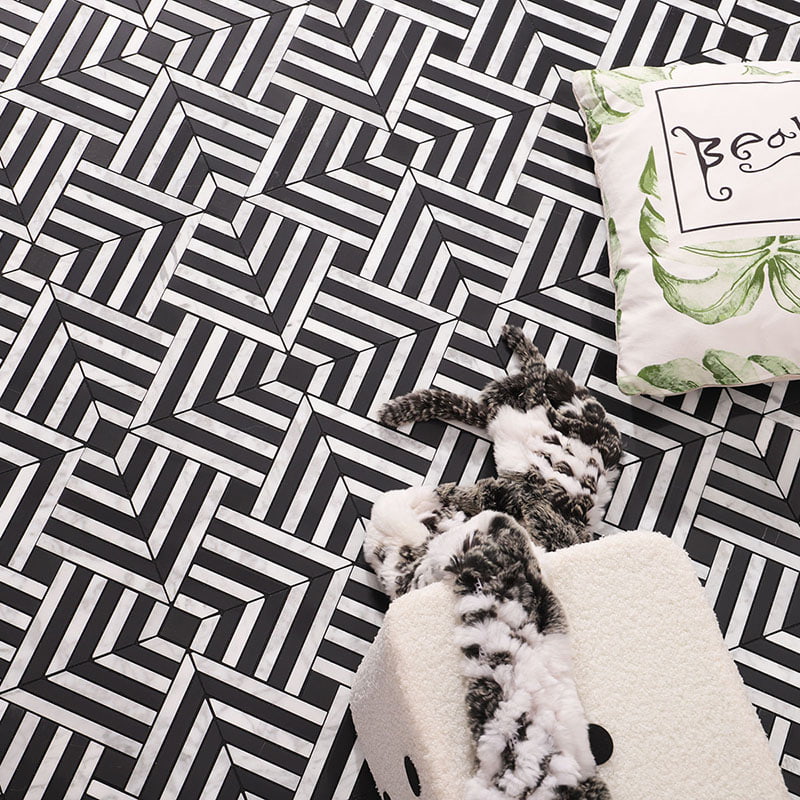
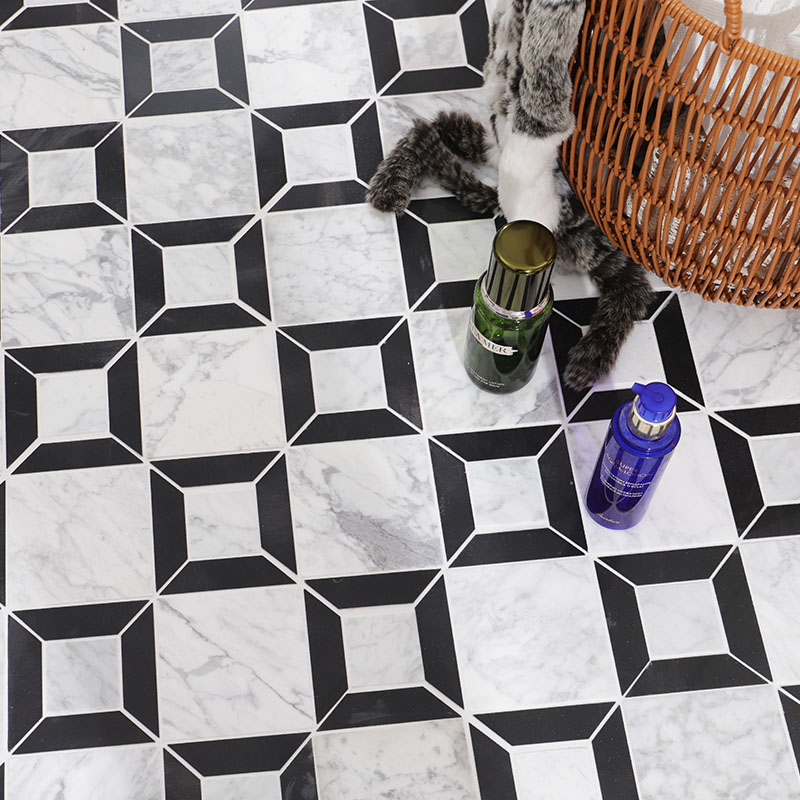
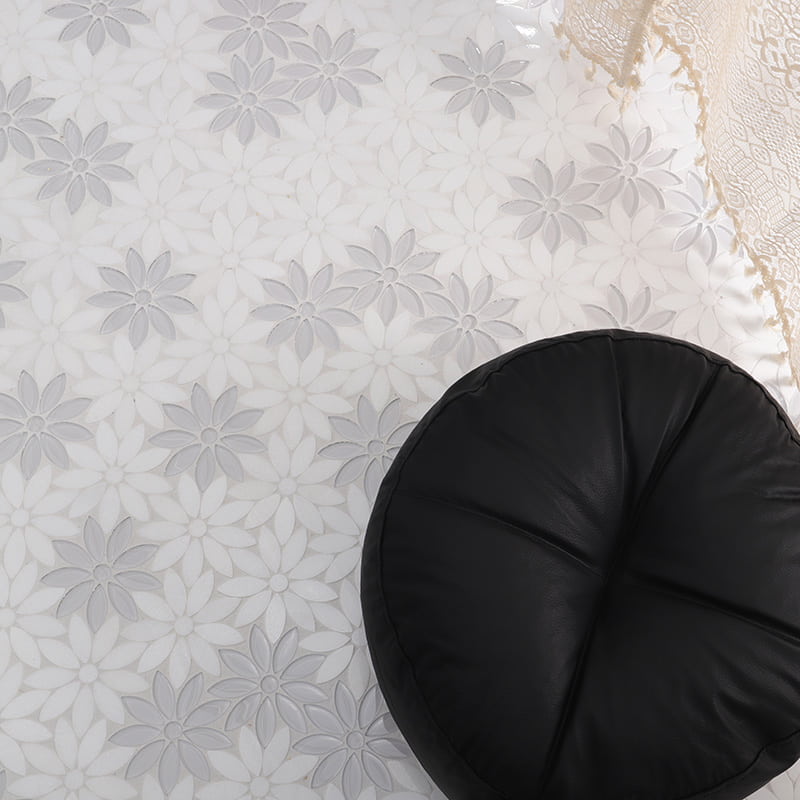
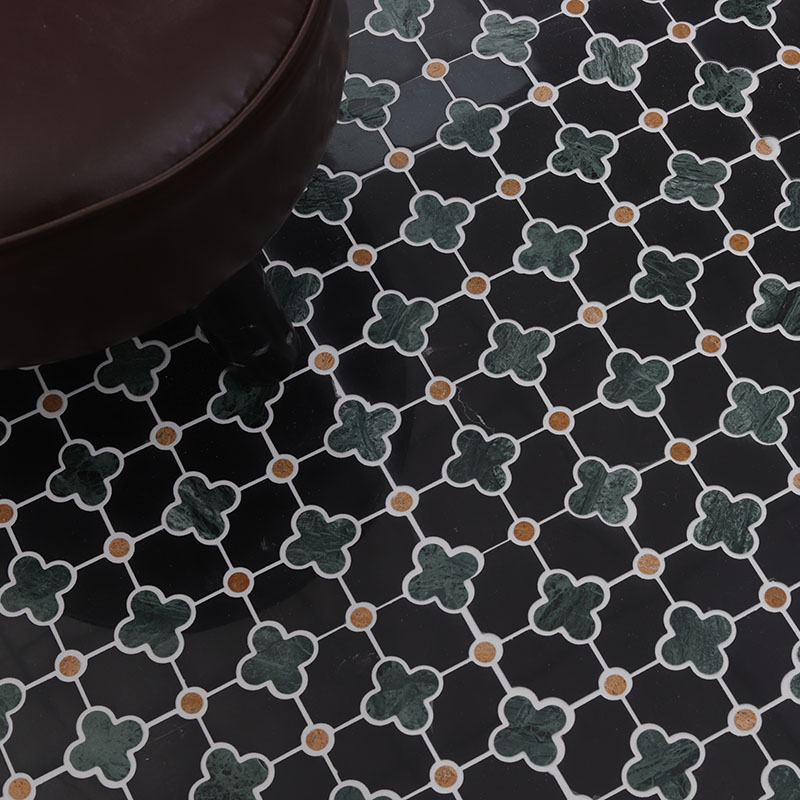
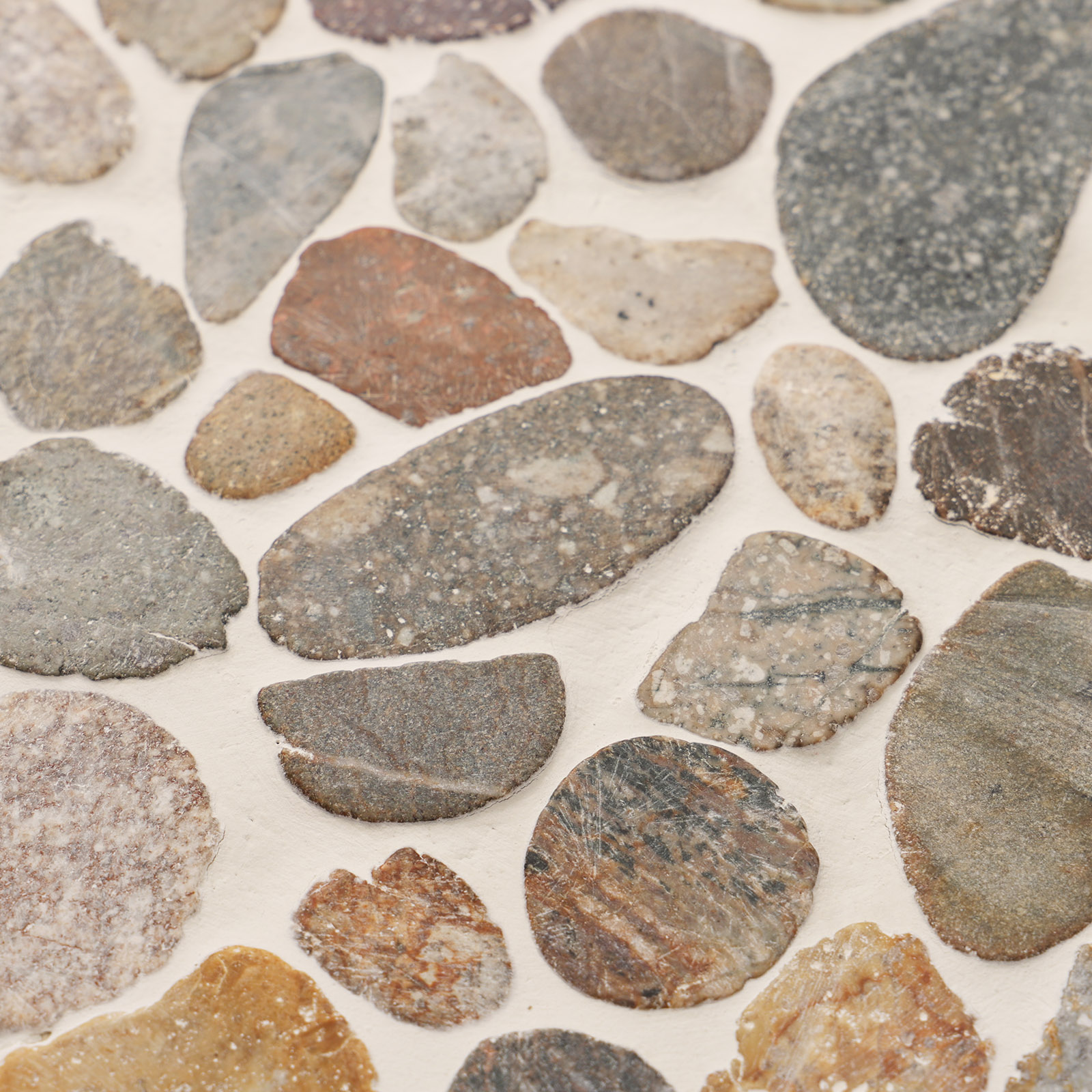
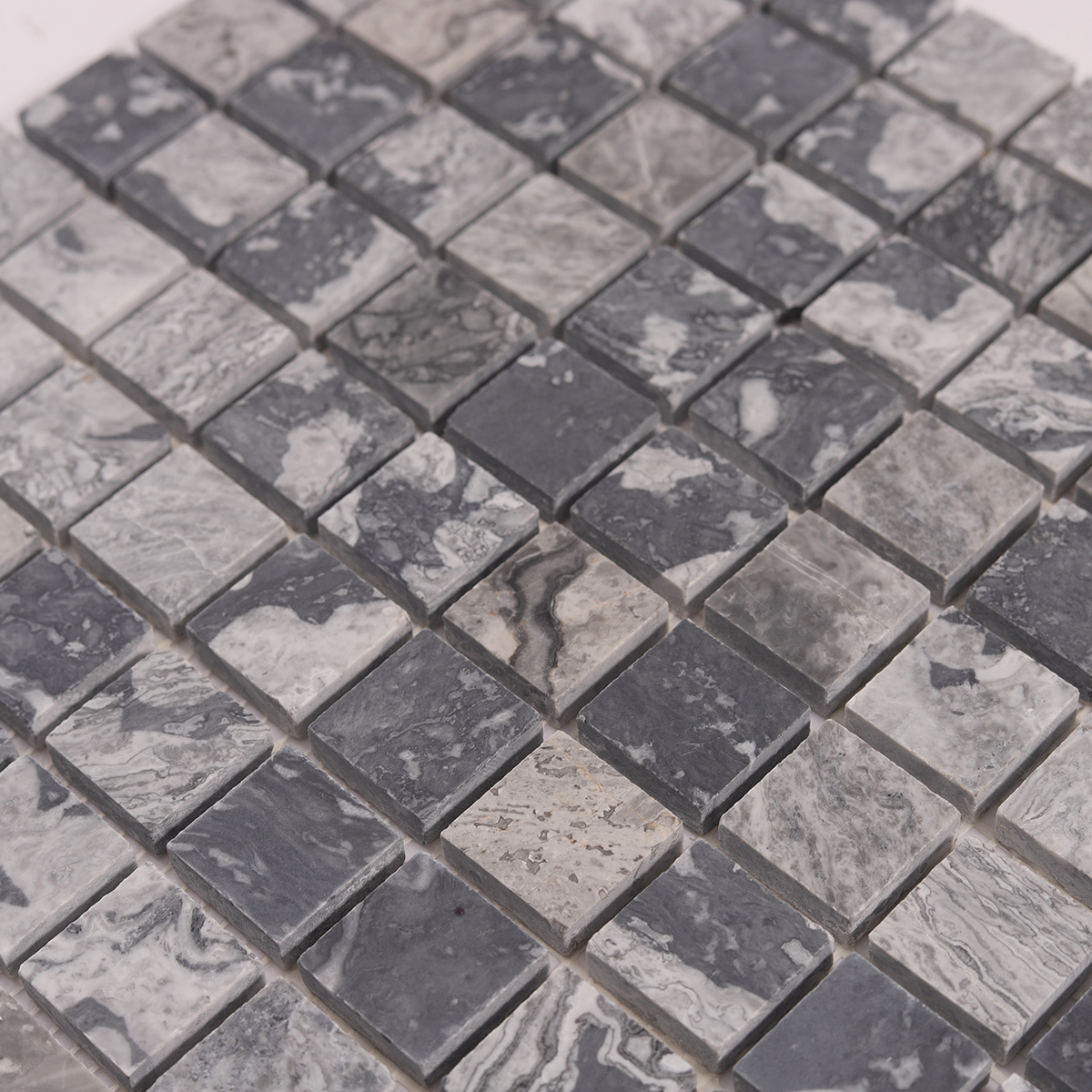
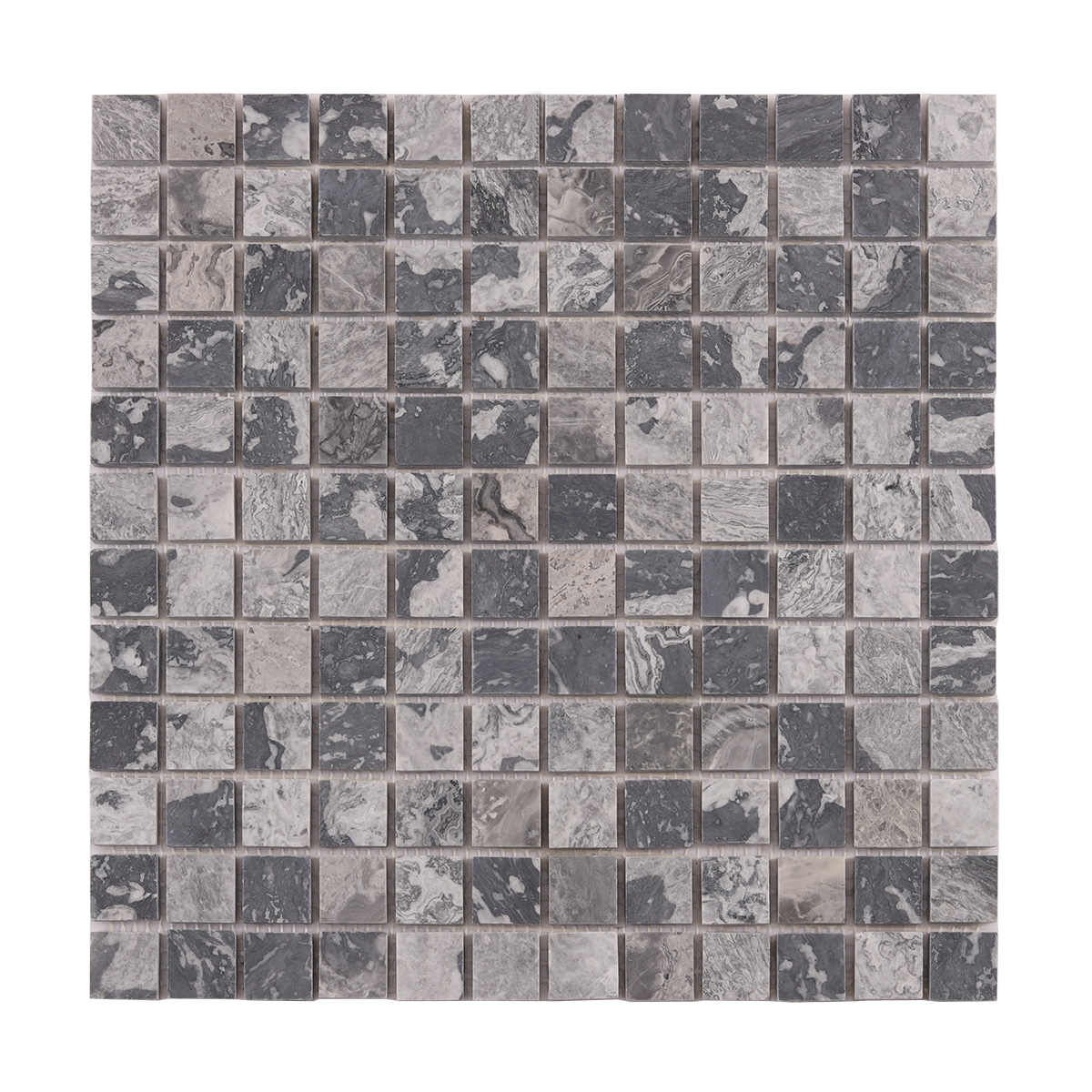
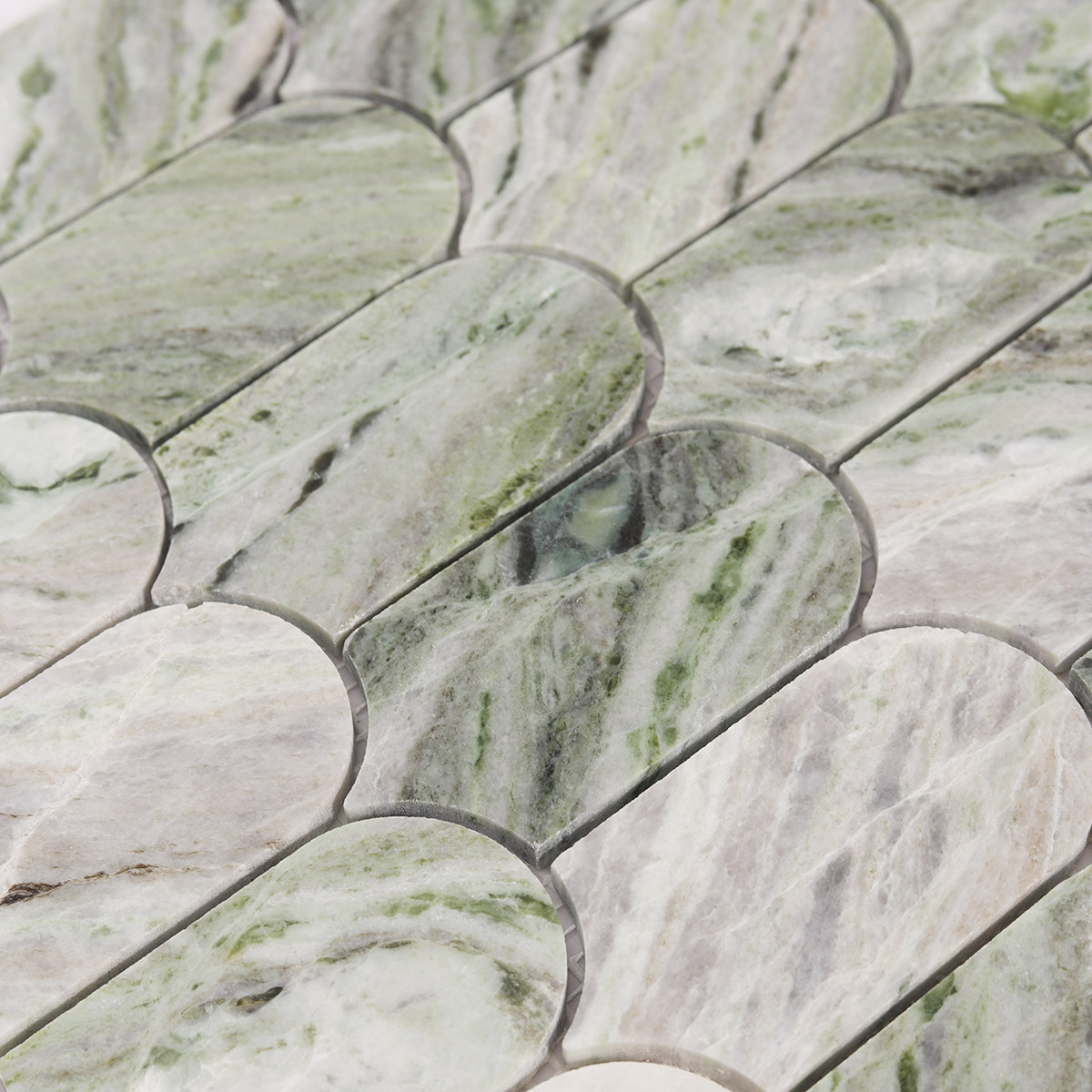
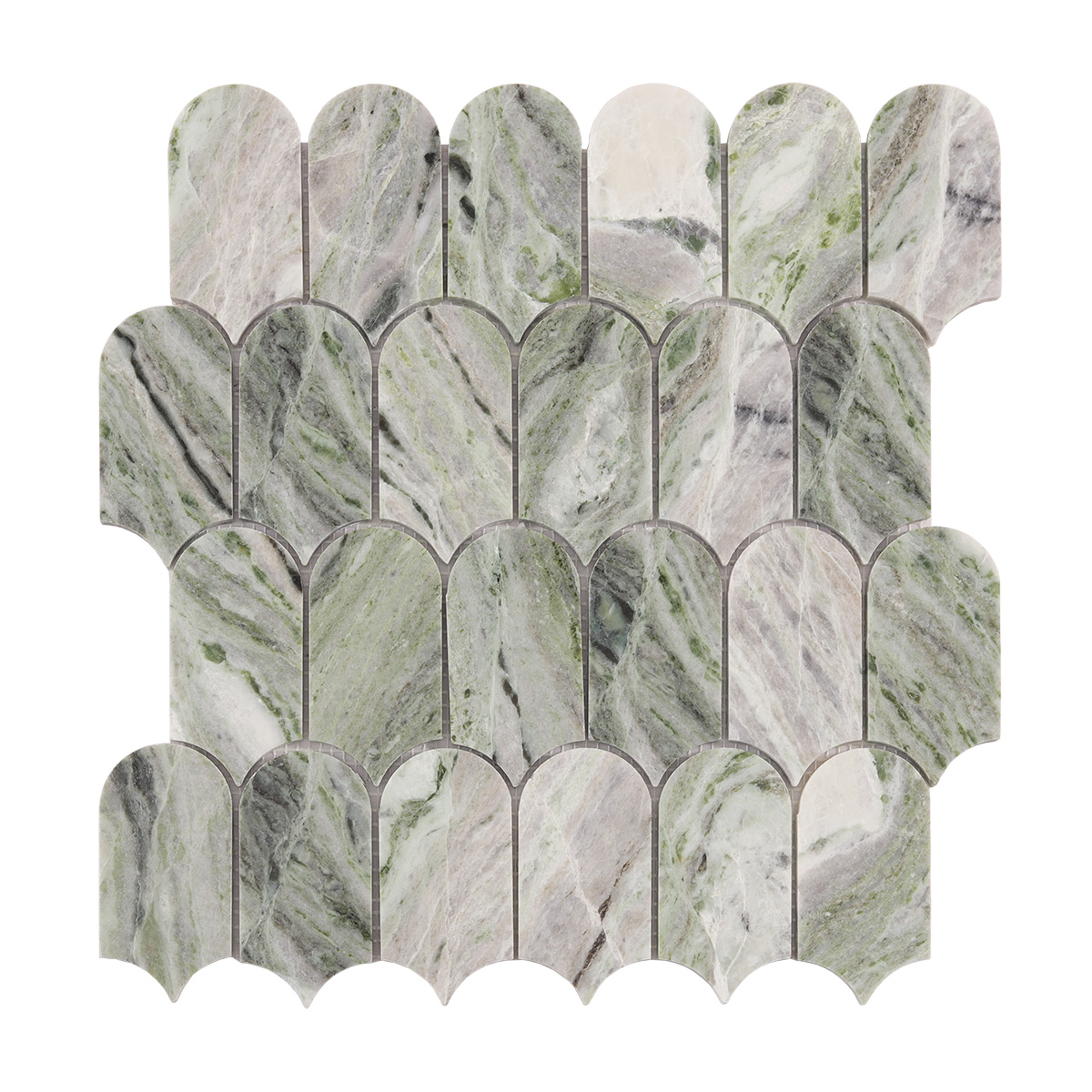
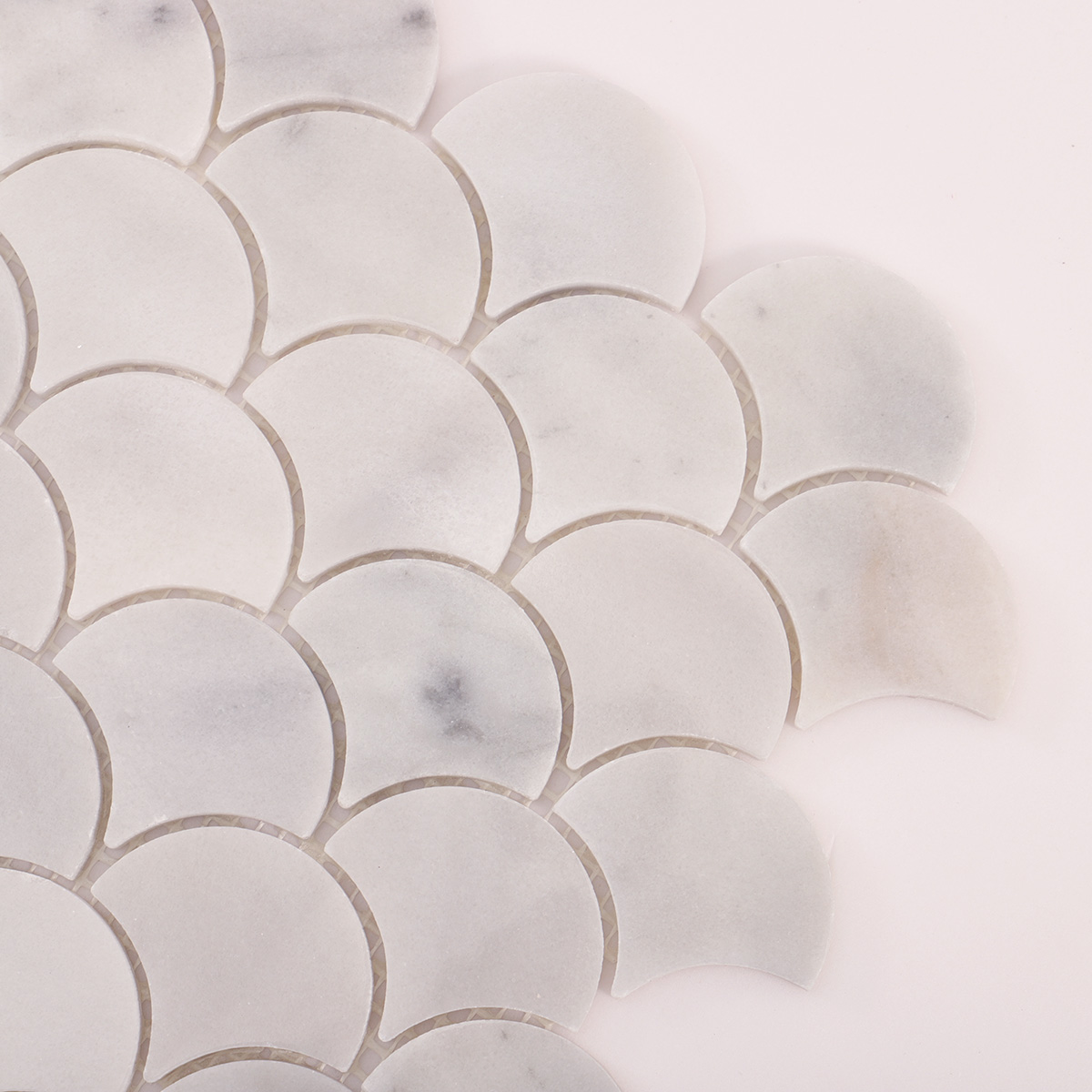
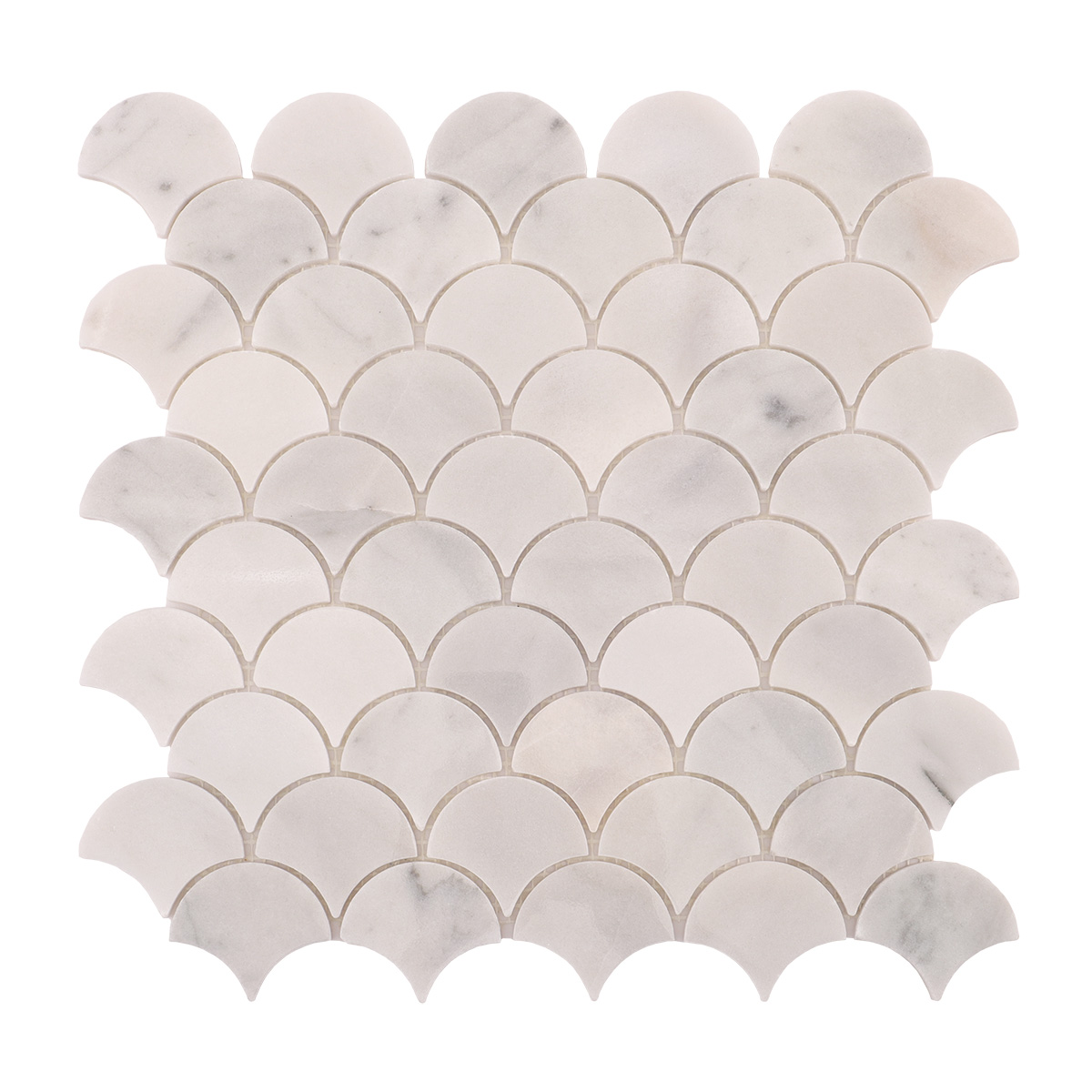
Stone mosaics can be cut into any shape using water-jet cutting:
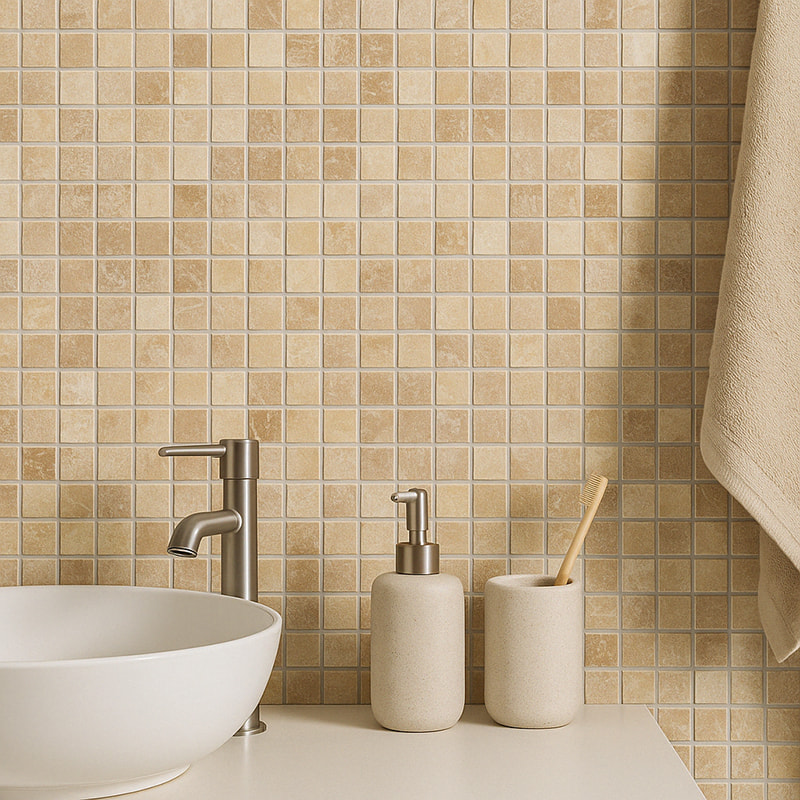
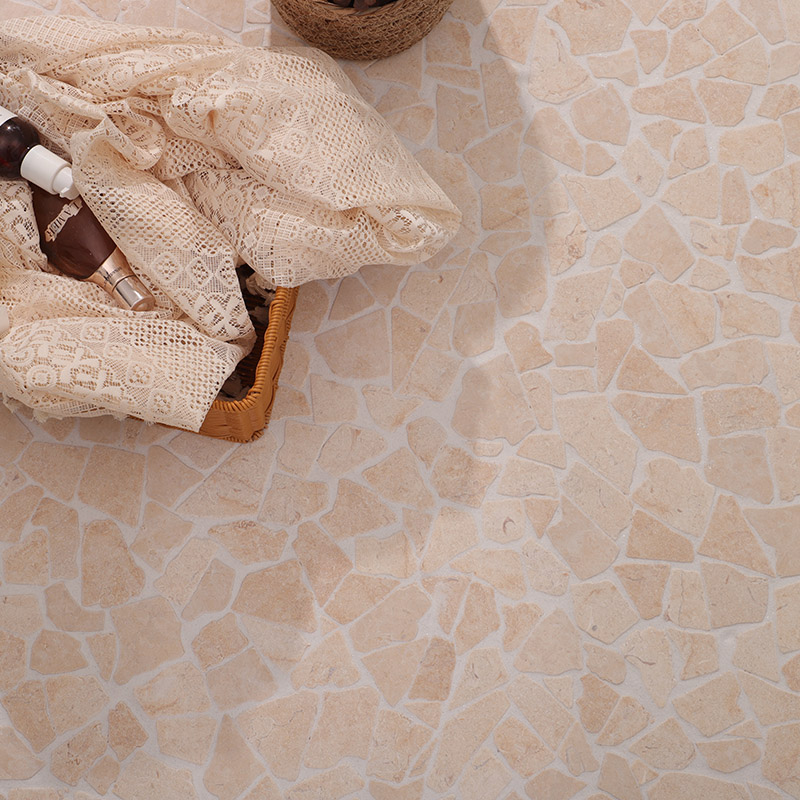
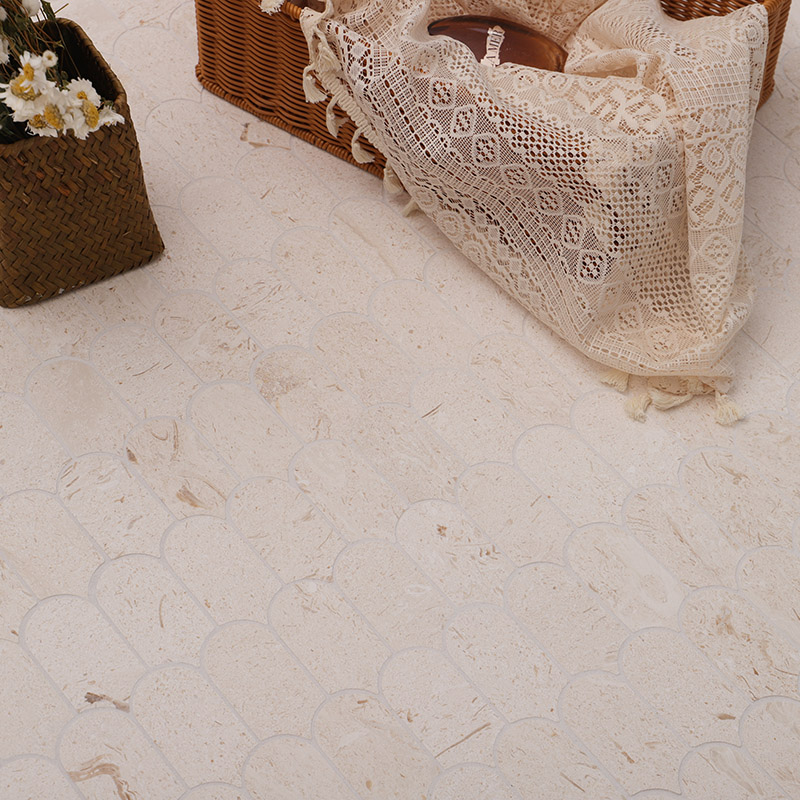
Travertine: Warm, earthy tones
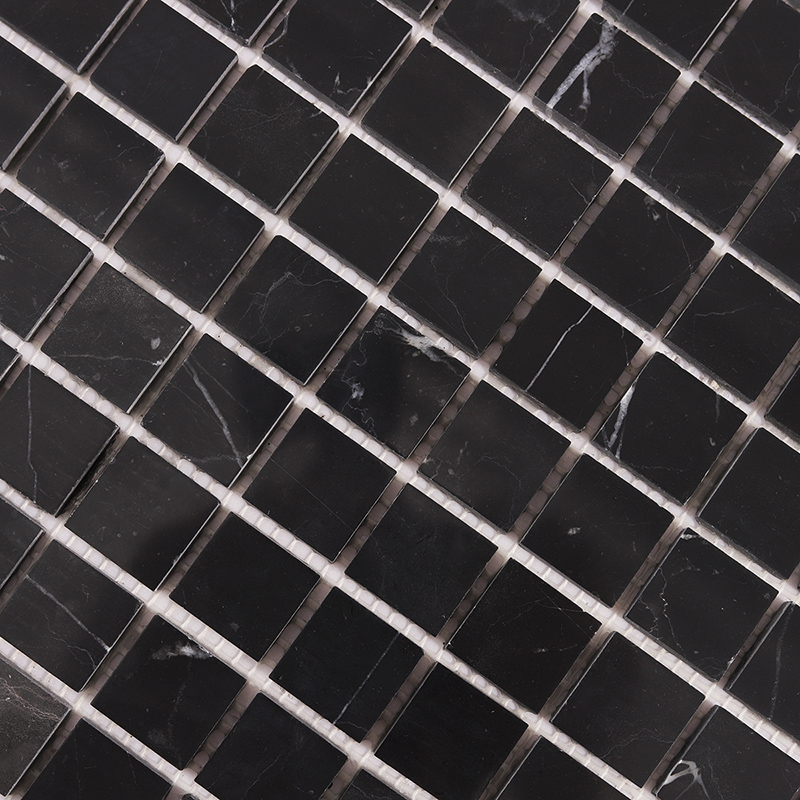
Nero Marquina: Classic white elegance
Ocean Wave Grey: Contemporary sophistication
Crema Marfil: Warm Mediterranean feel
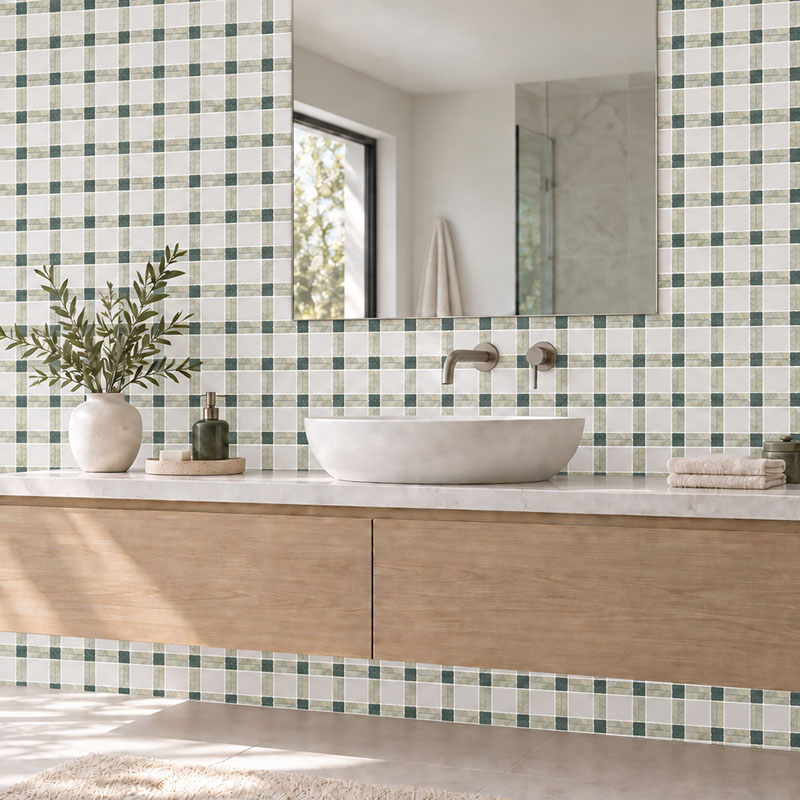
Indian Green:Rich, natural coloring
Ceramic Materials: High-Temperature Durability
Ceramic mosaics offer mass production efficiency with various glazes:
- Standard Glaze: Basic protective finish
- Metallic Glaze: Contemporary shimmer effect
- Vintage Glaze: Aged, rustic appearance
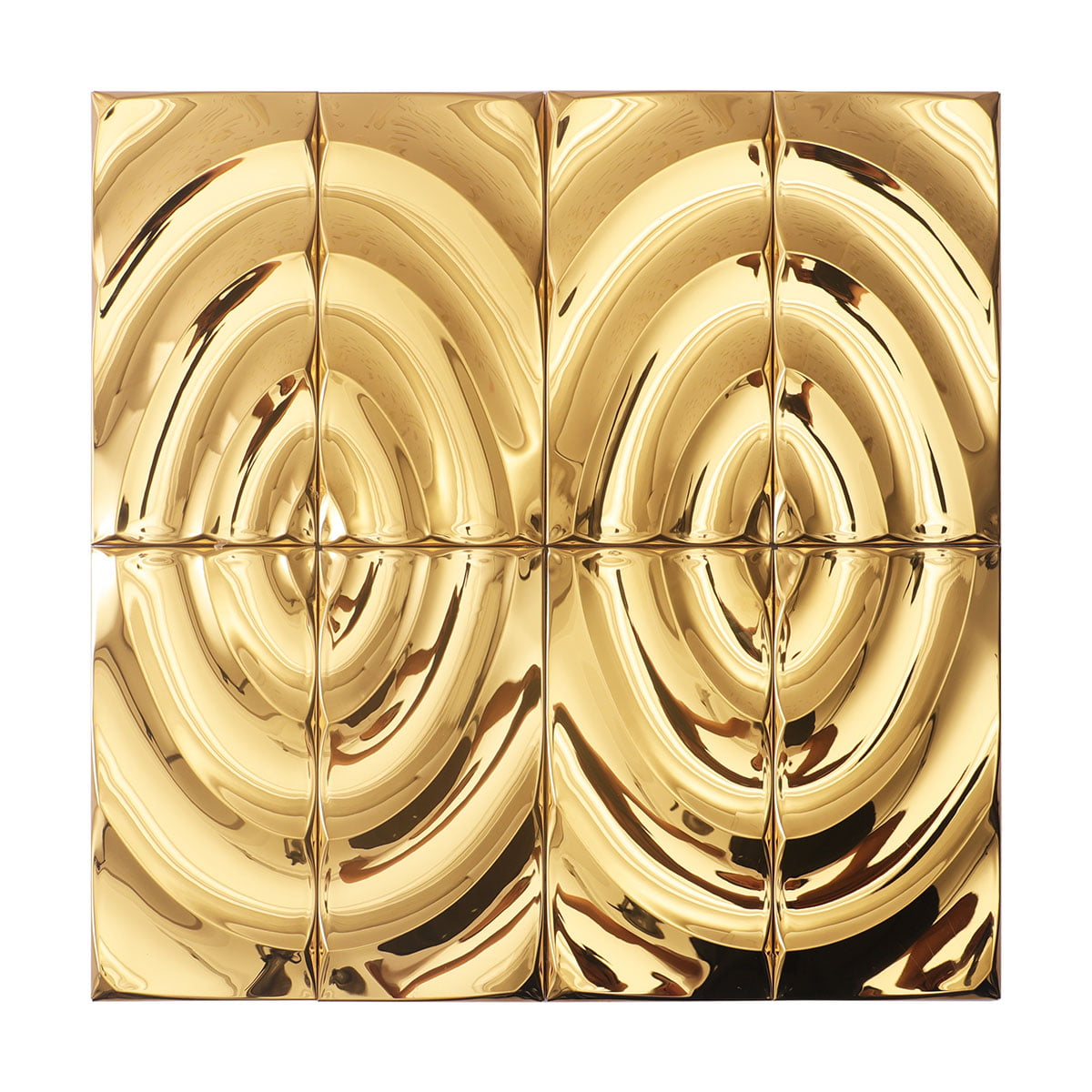
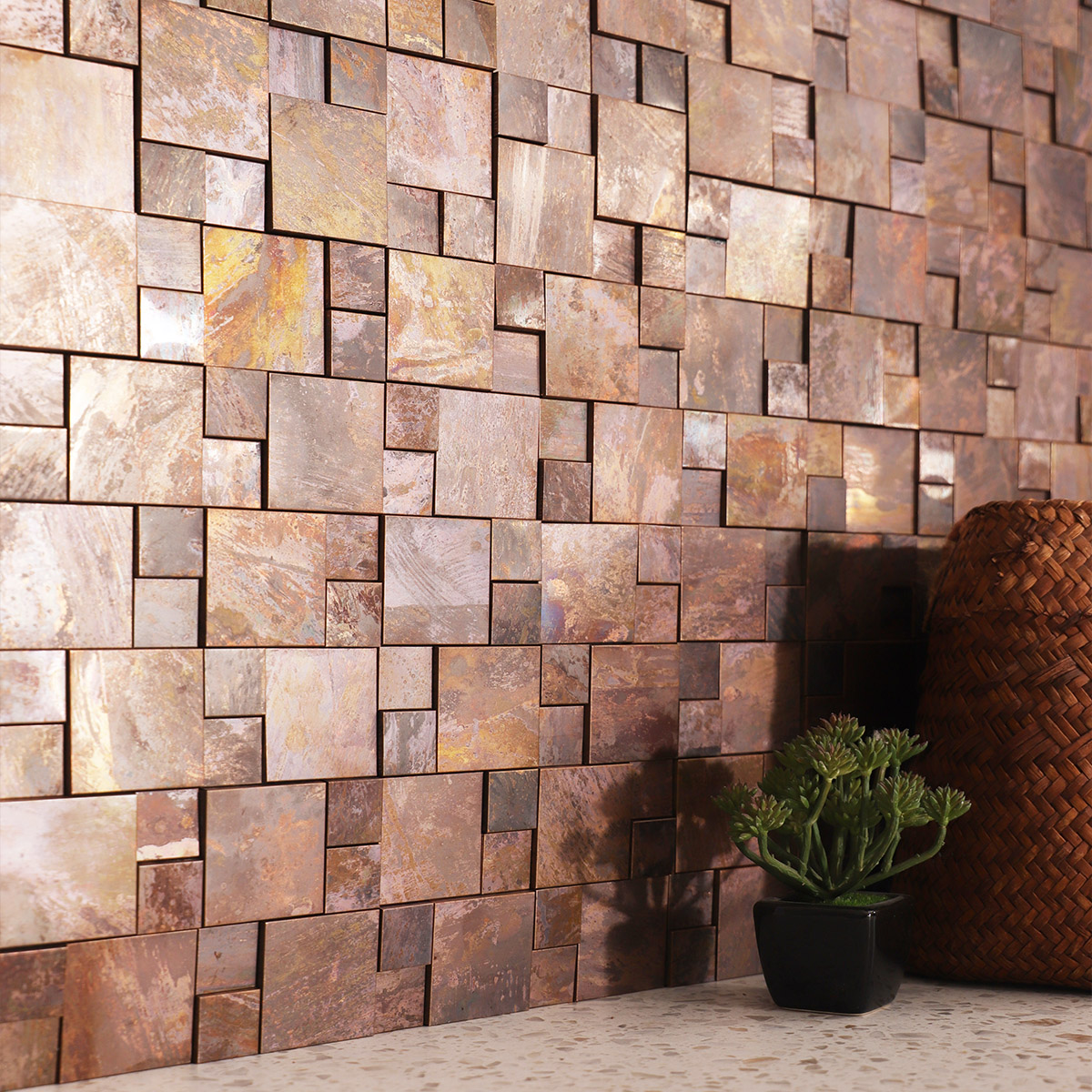
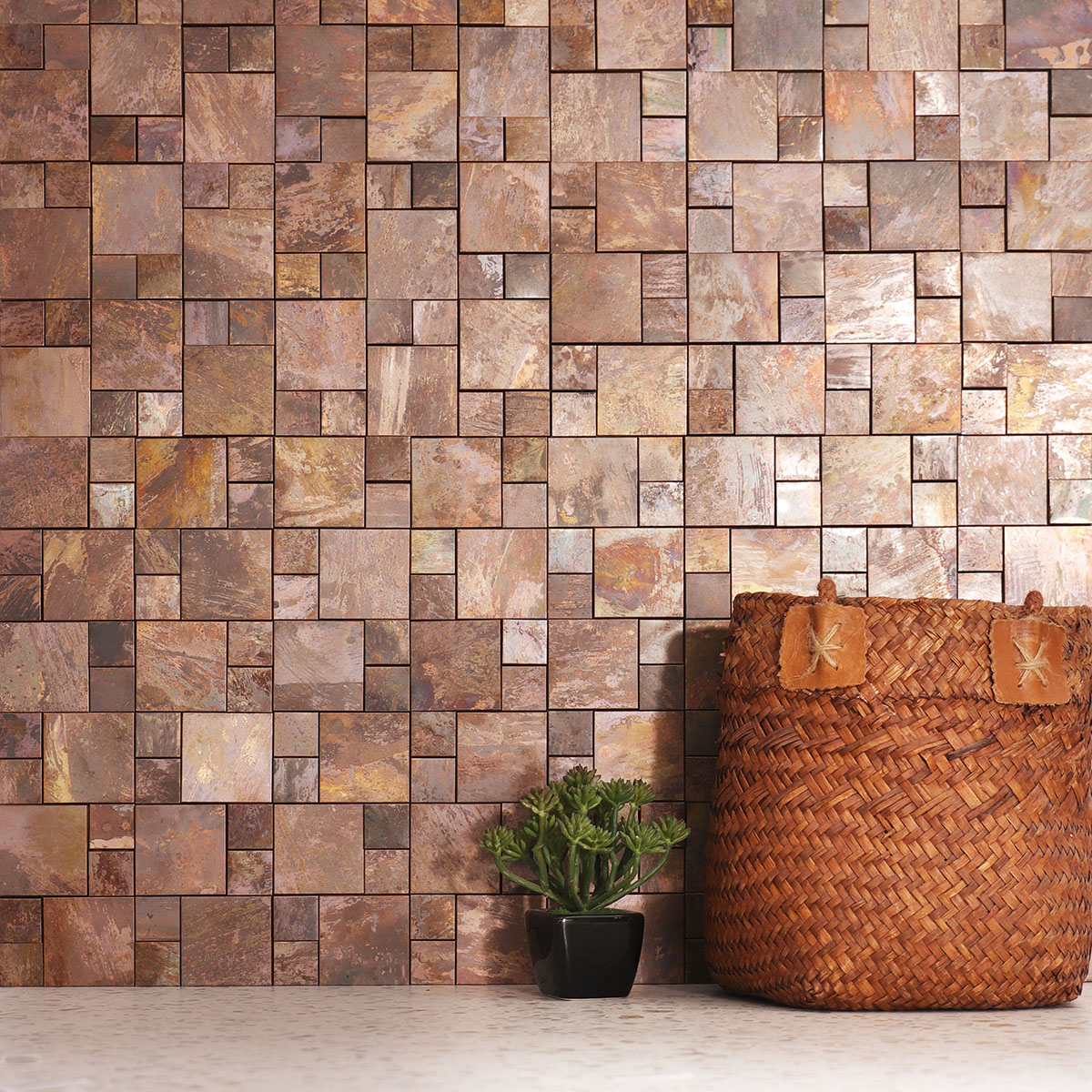
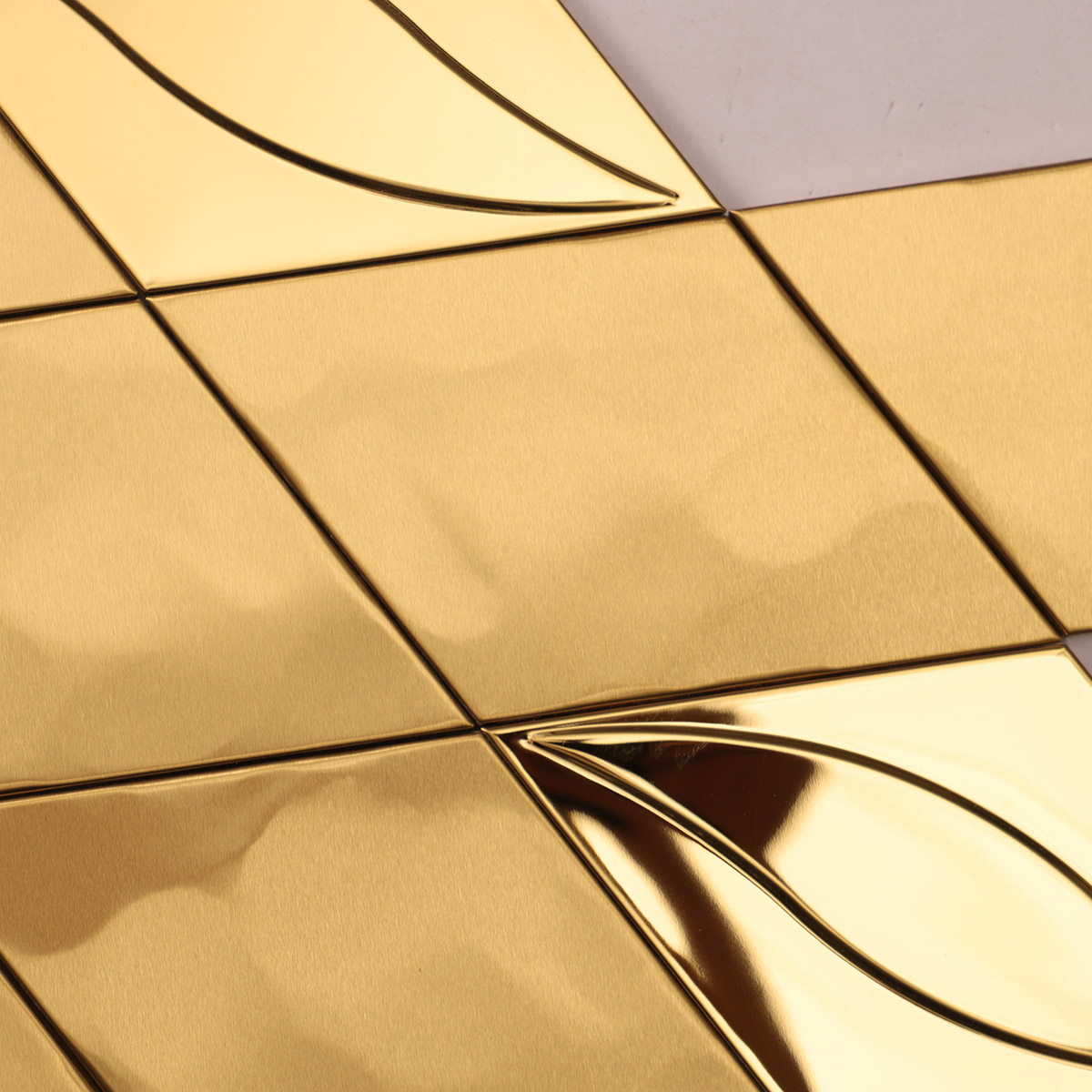
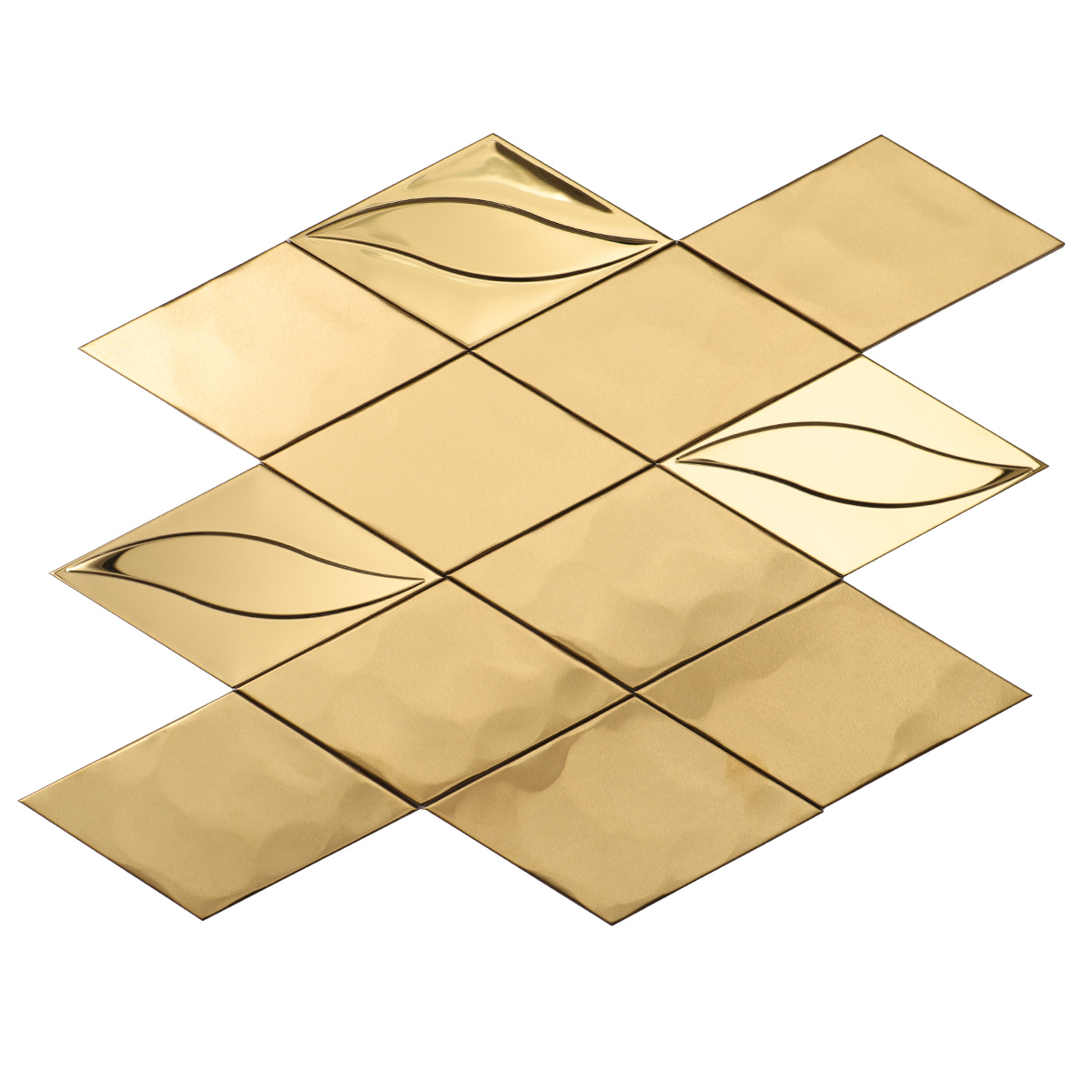
Metal Materials: Three-Dimensional Effects
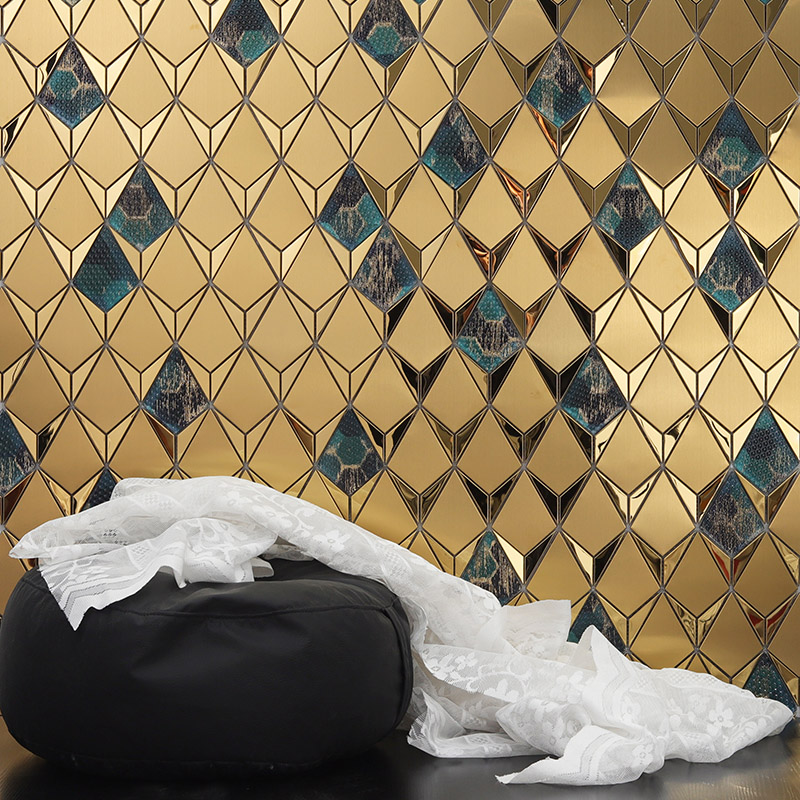
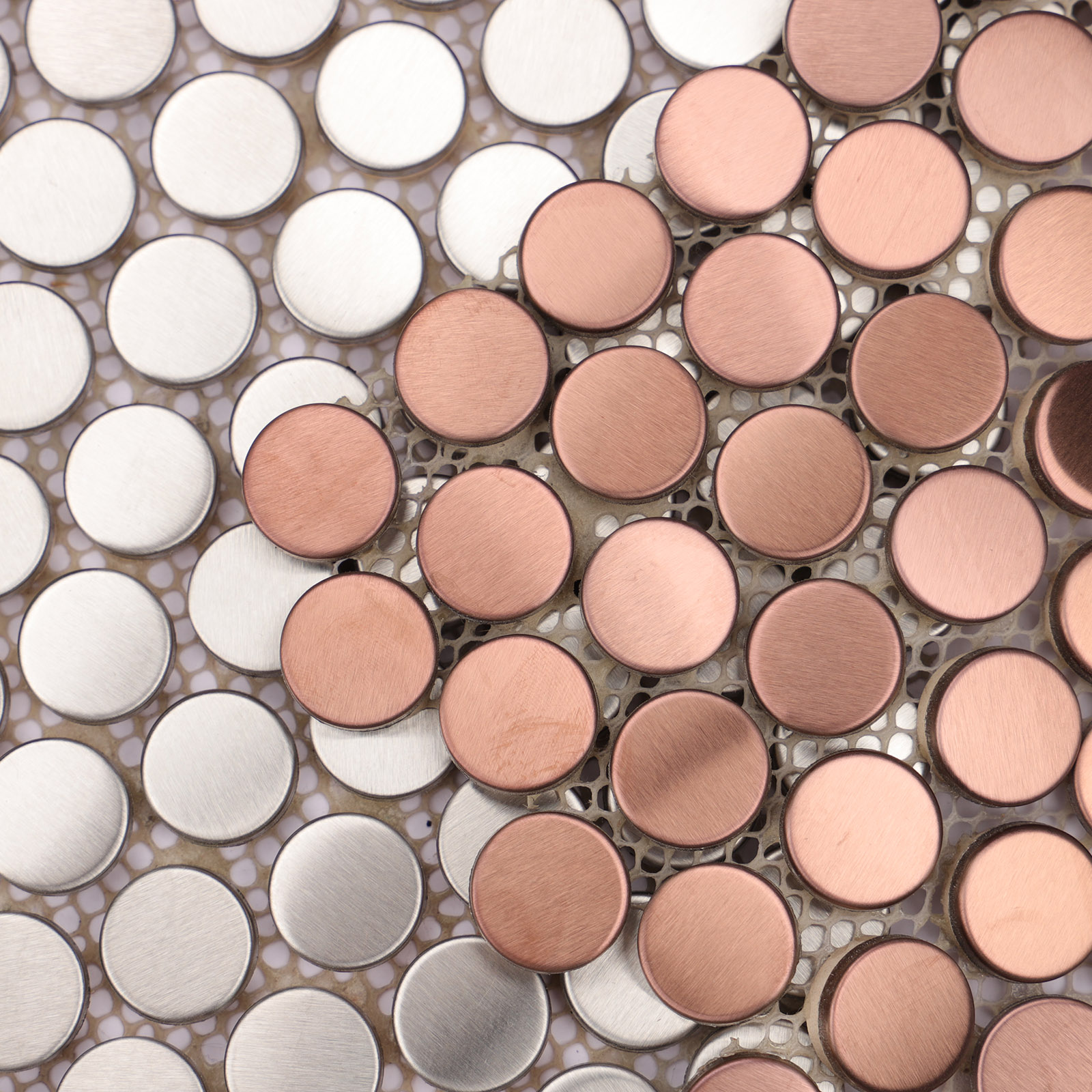
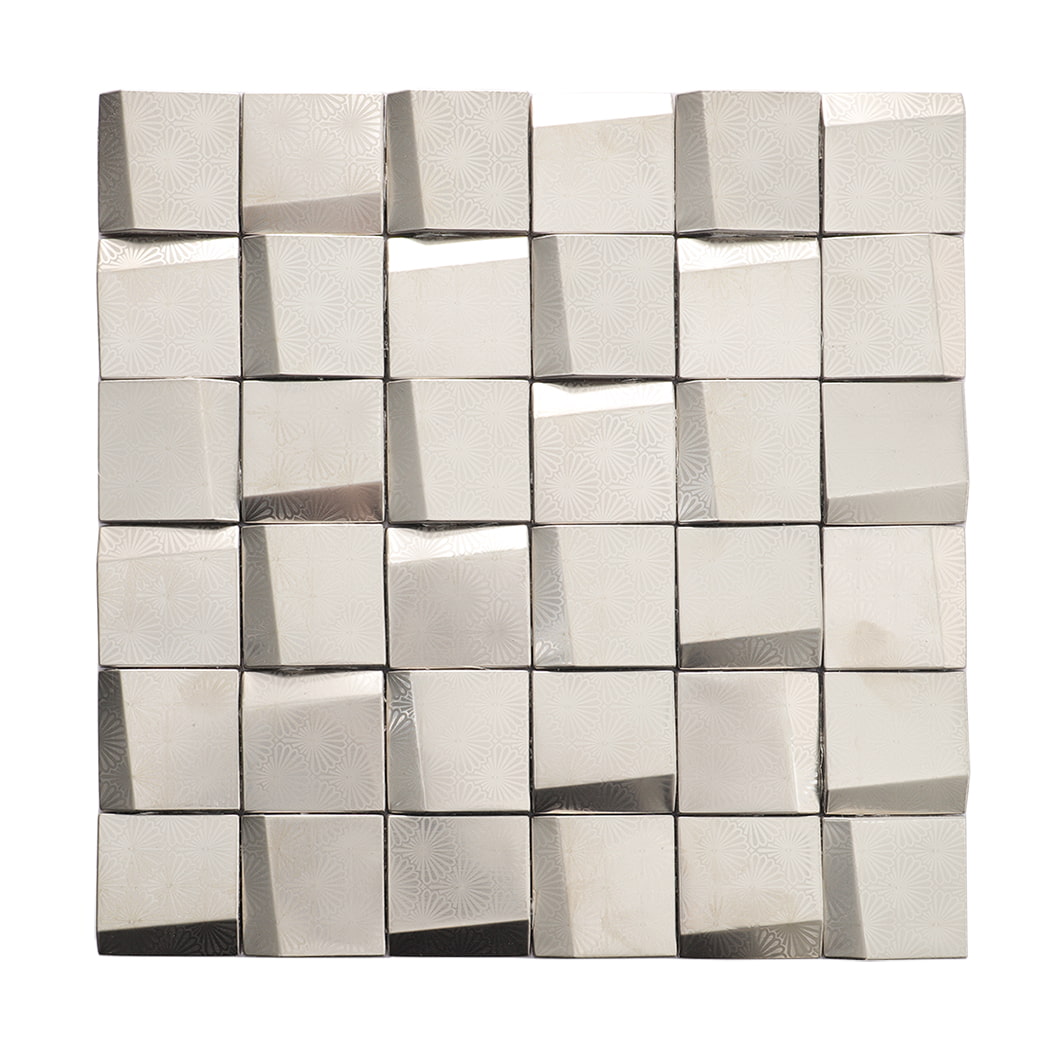
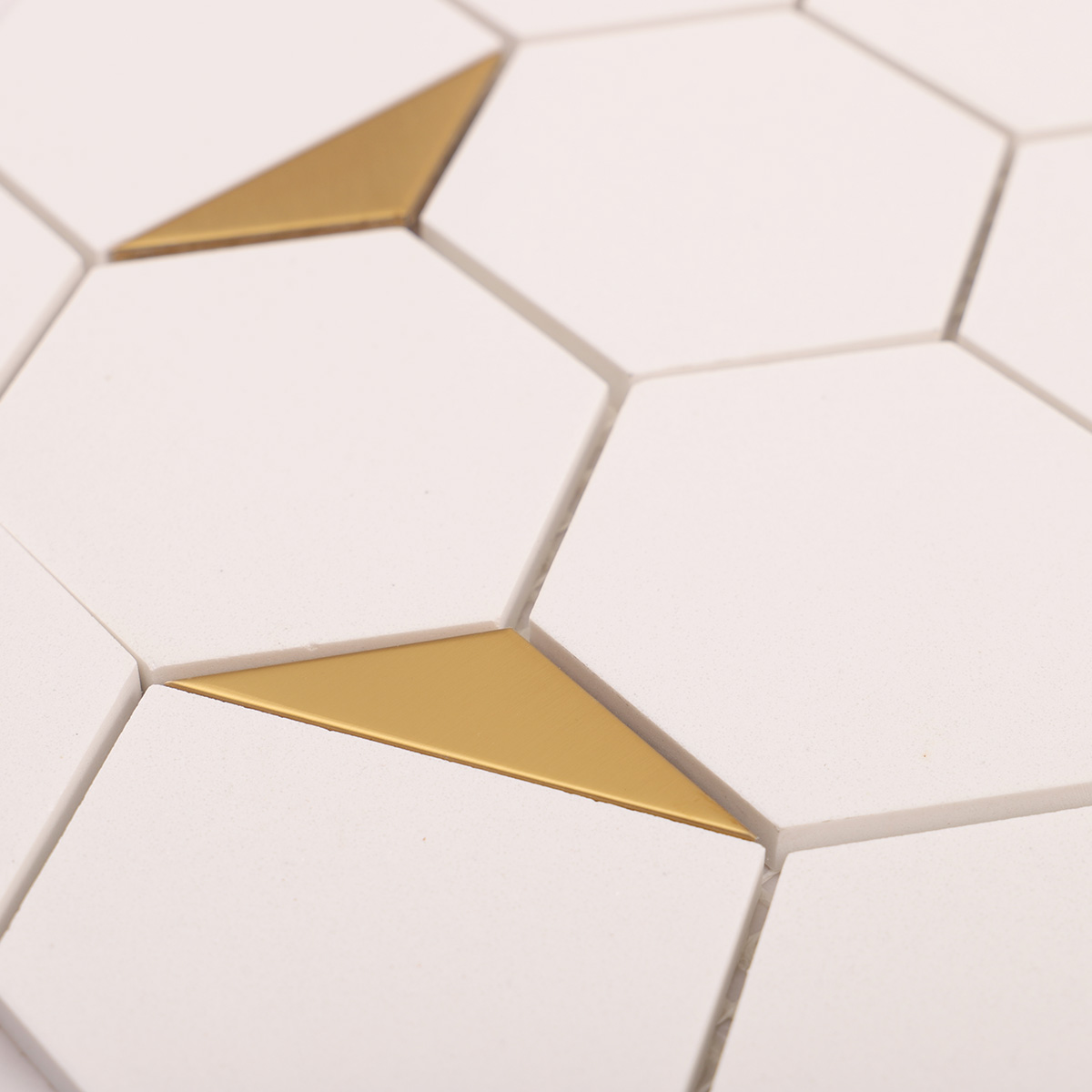
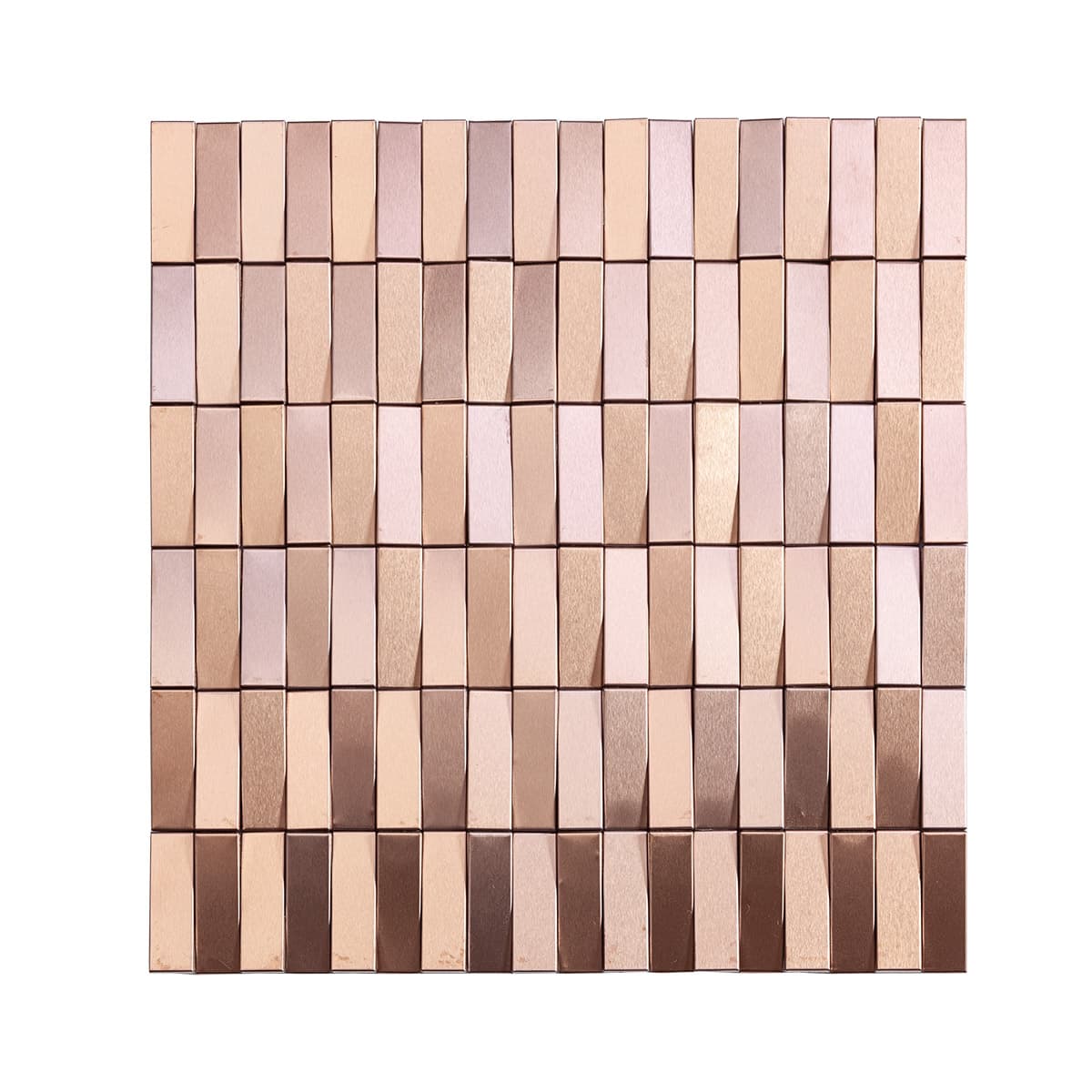
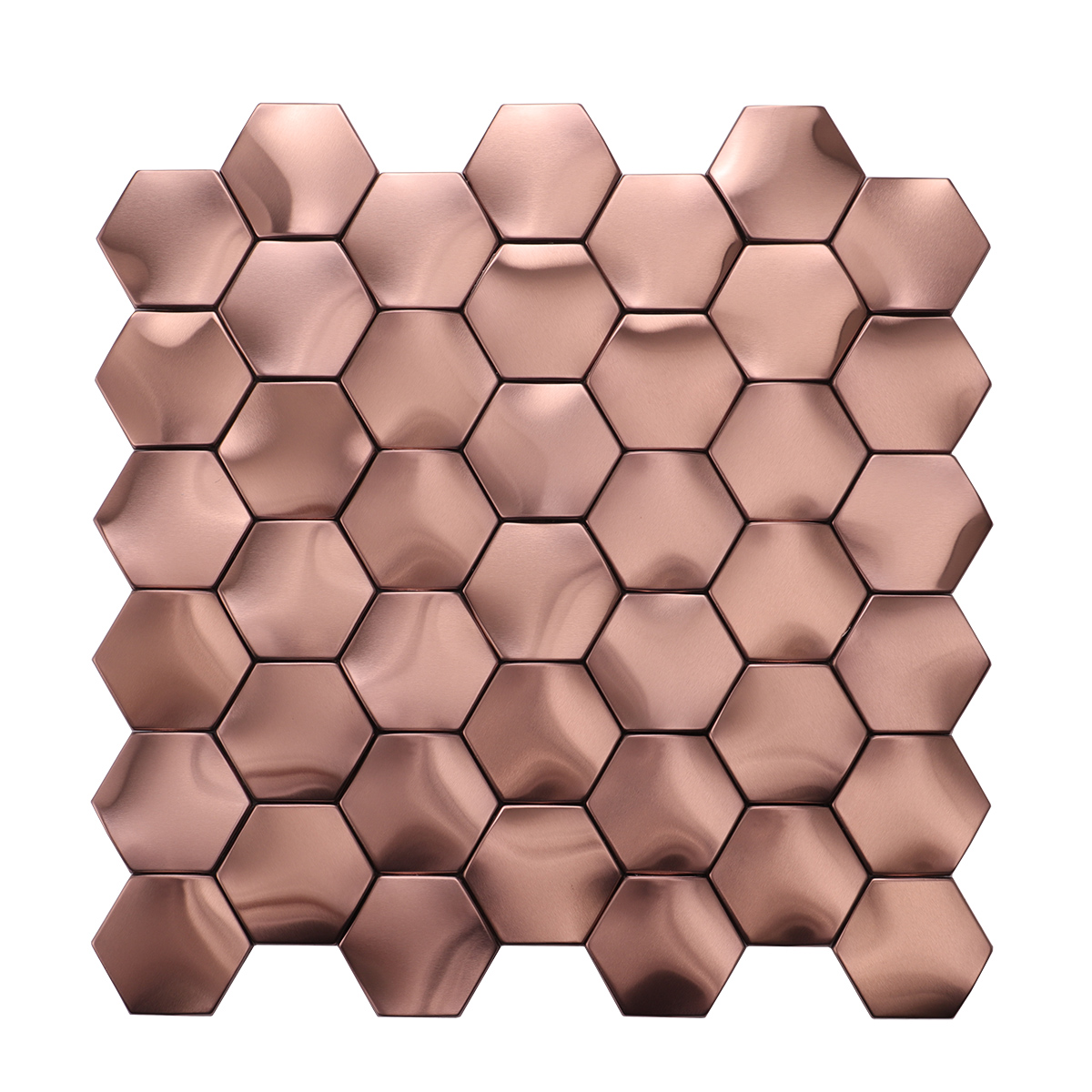
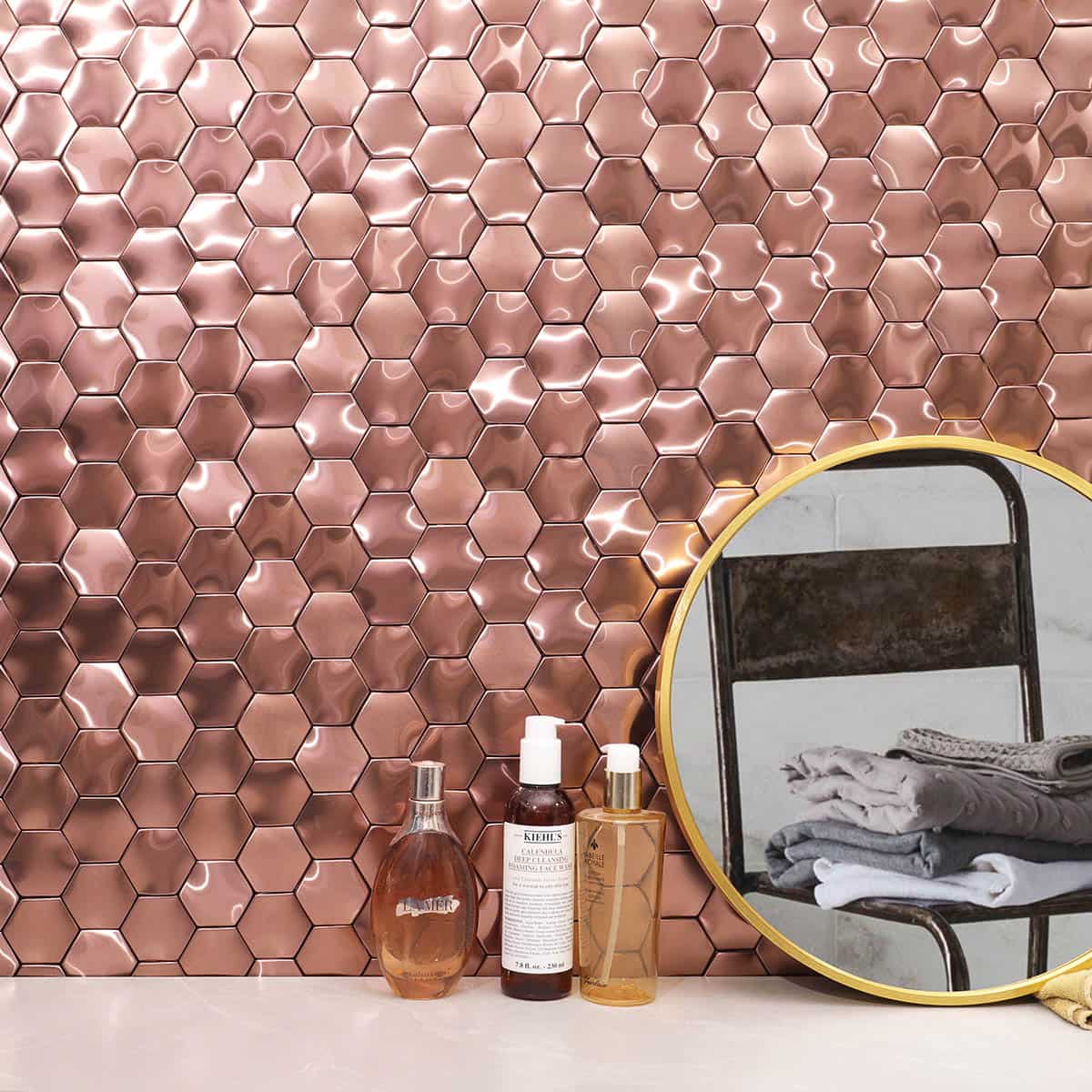
Perfect for commercial feature walls with embossed and relief effects:
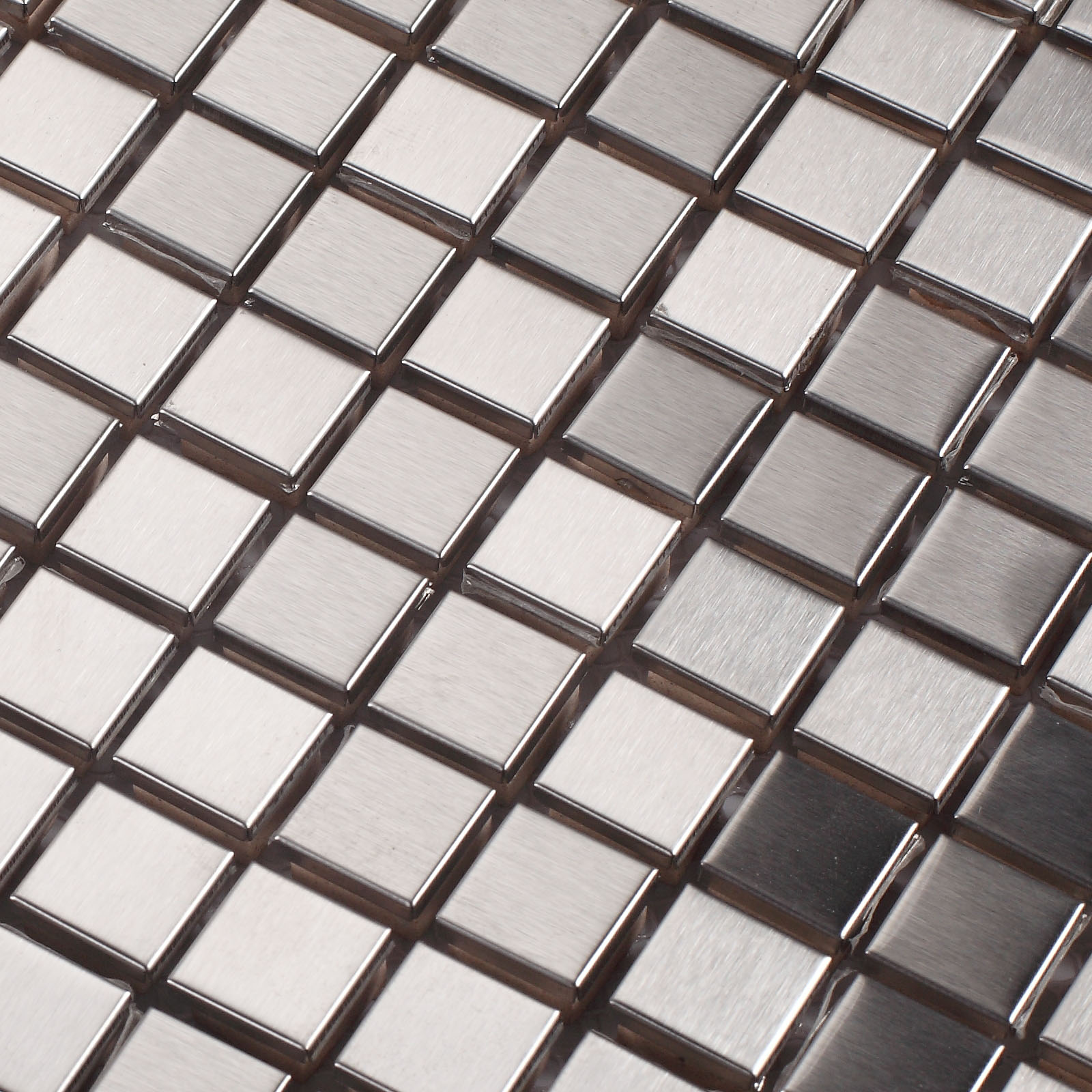
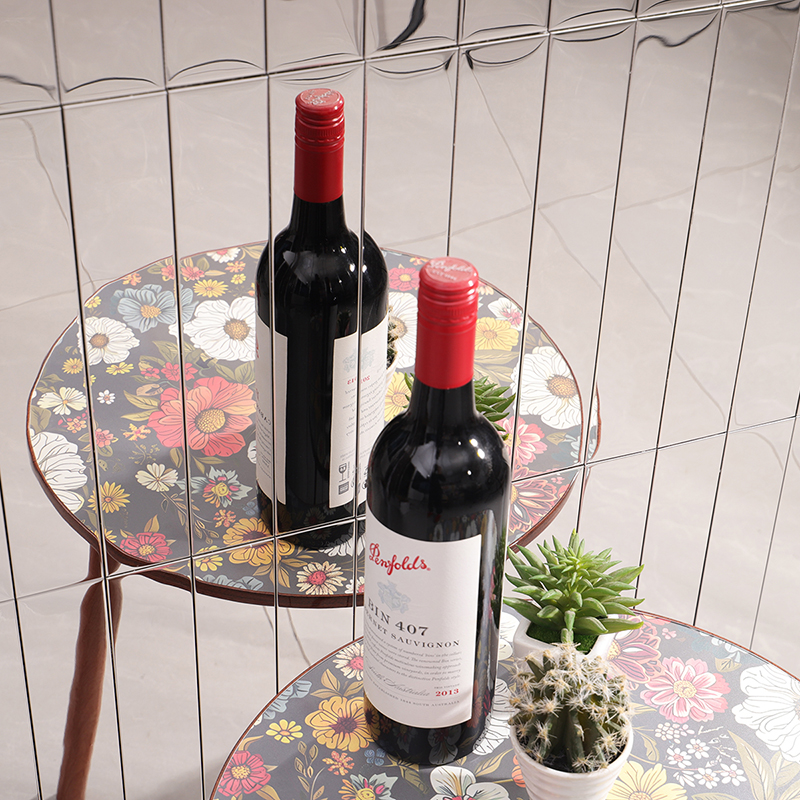
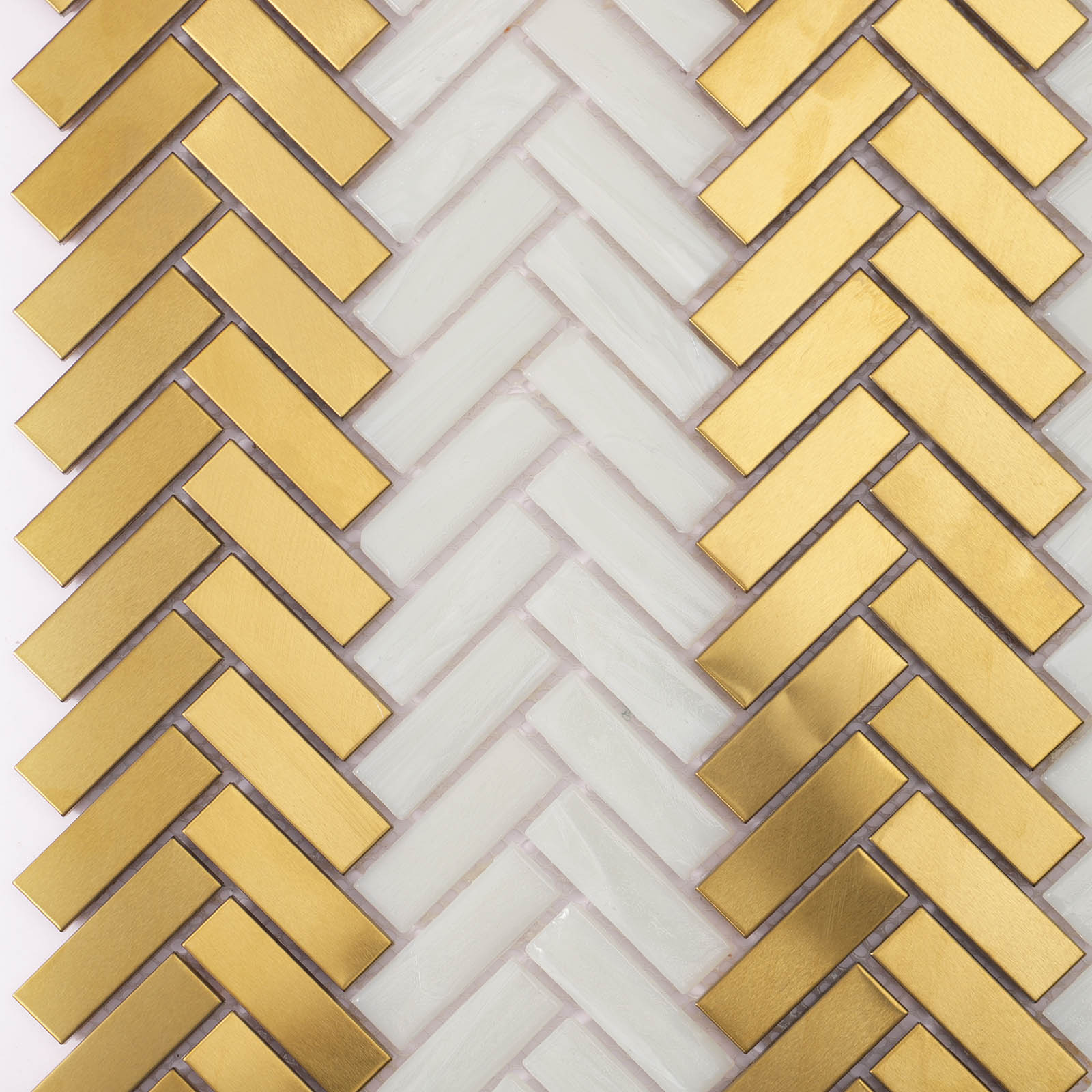
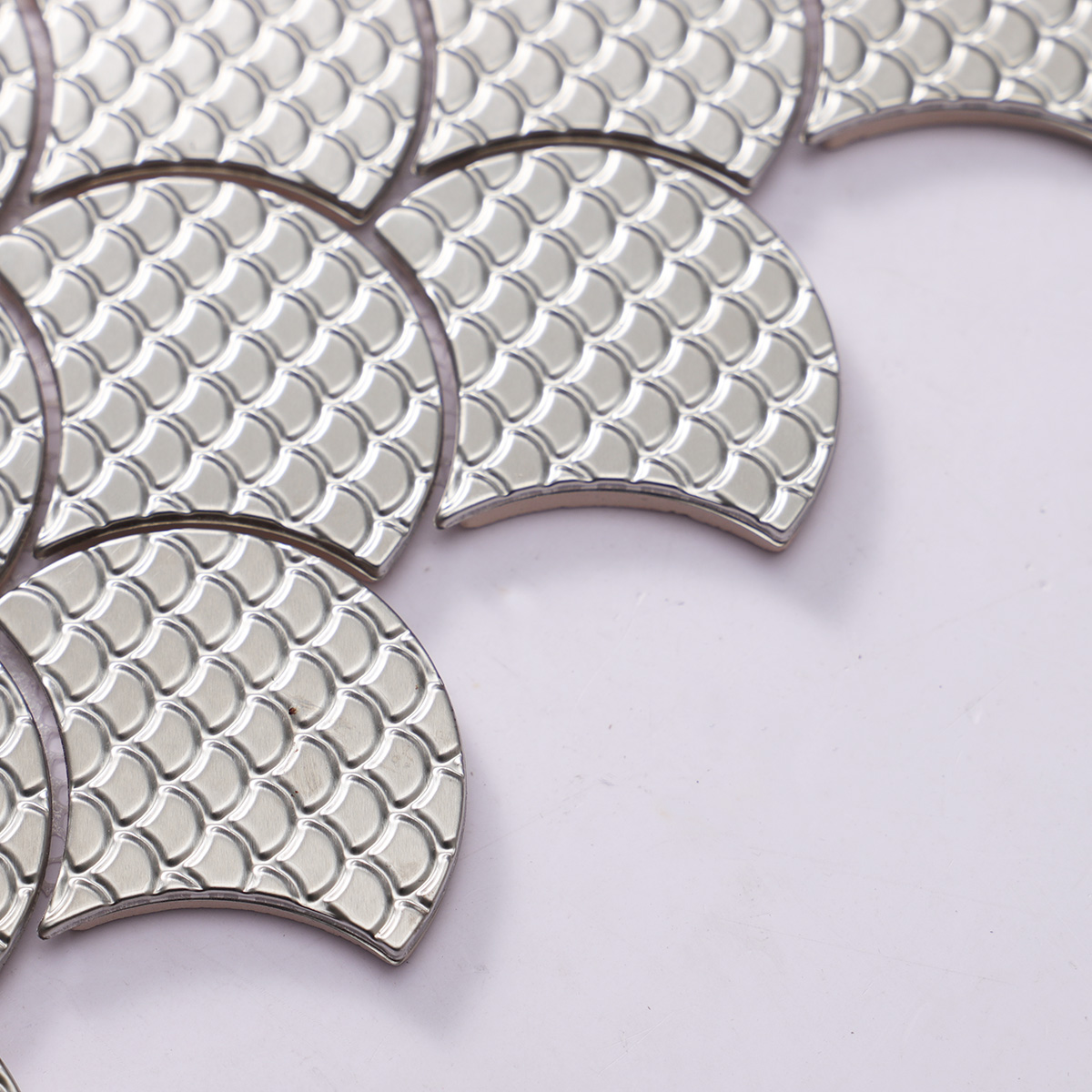
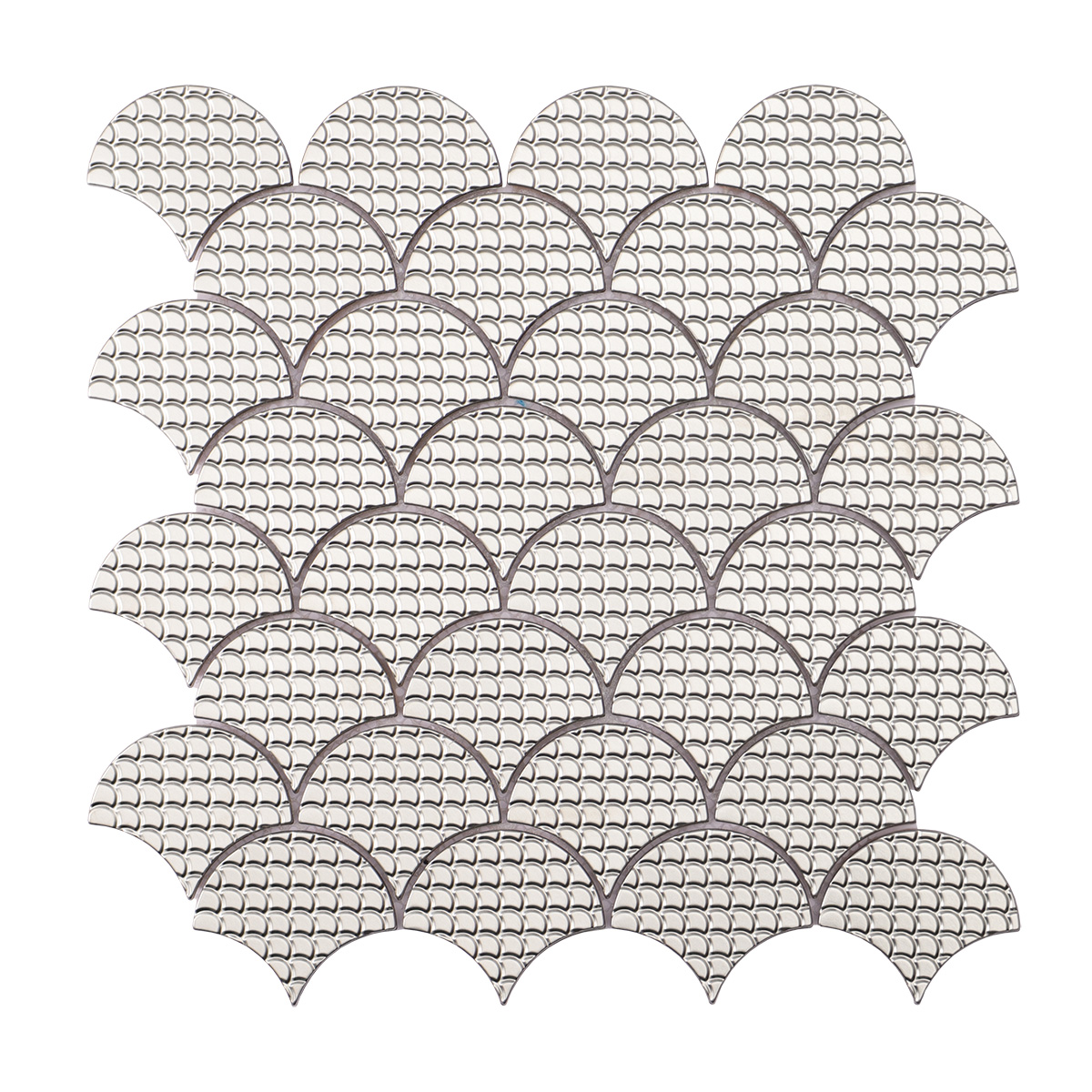
- Stainless Steel: Modern, hygienic finish
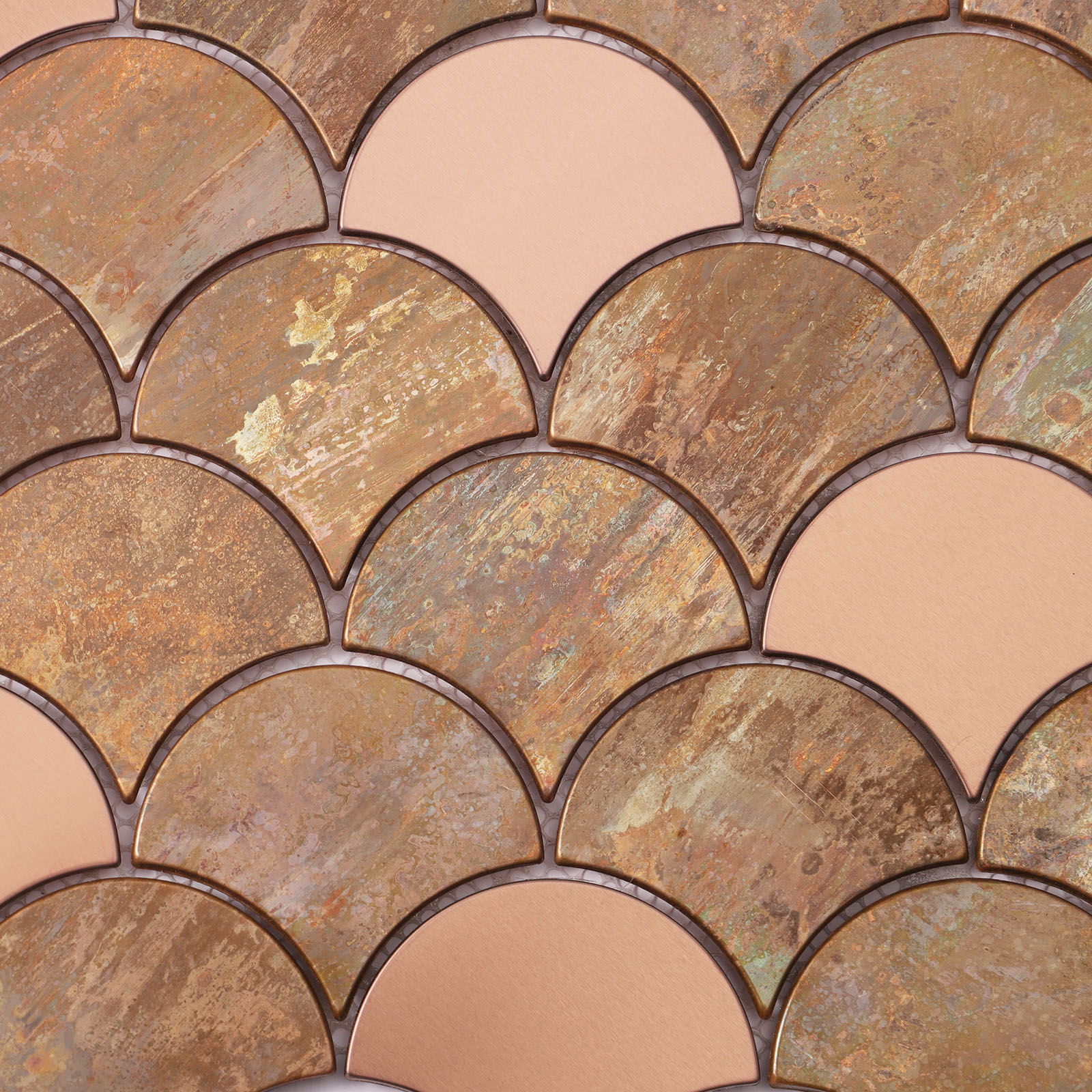
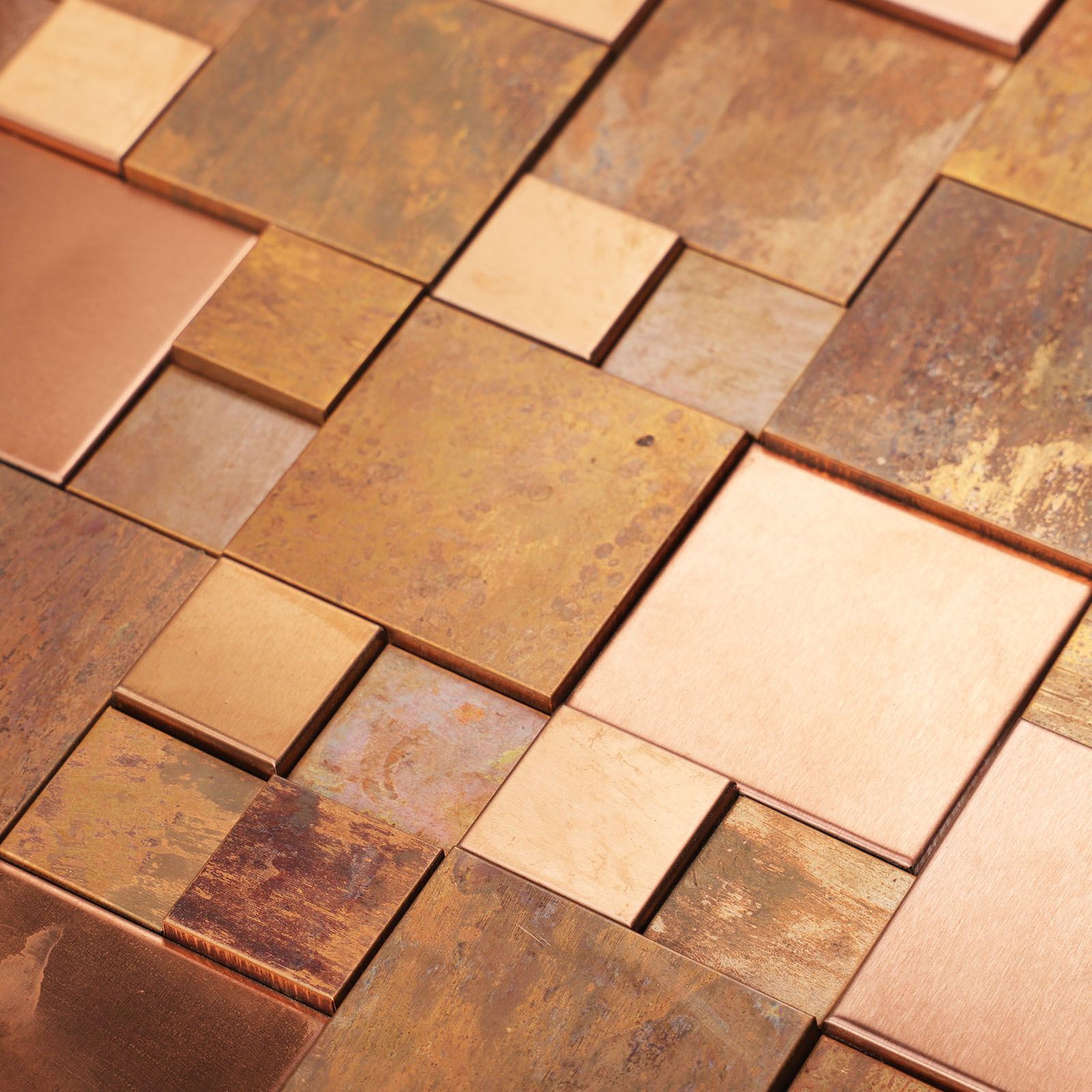
- Copper: Warm, developing patina
- Aluminum: Lightweight, contemporary option
Wood Materials: Natural Warmth
Capable of various shapes and three-dimensional effects:
- Reclaimed Ship Wood: Unique weathered character
- White Oak: Clean, contemporary grain
- Walnut: Rich, dark sophistication
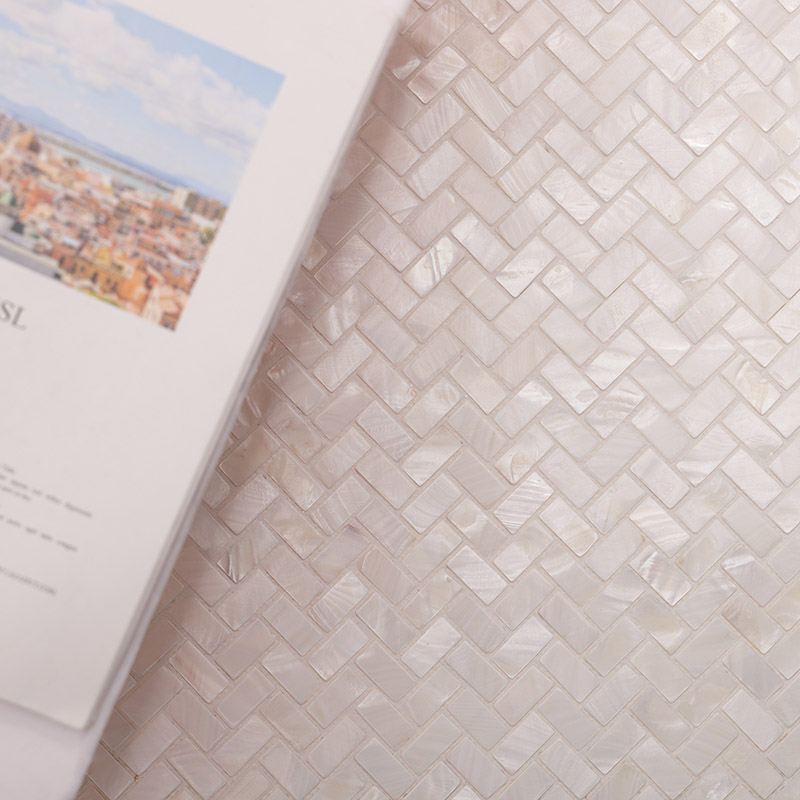
Shell Materials: Lightweight Luxury
At only 2mm thickness, shell materials are rare and valuable:
- Freshwater Shells: Subtle, natural iridescence
- Deep Sea Shells: Black pearl, yellow pearl, white pearl, penguin shell varieties
Design Styles and Applications
Wall Applications: Unlimited Creative Possibilities
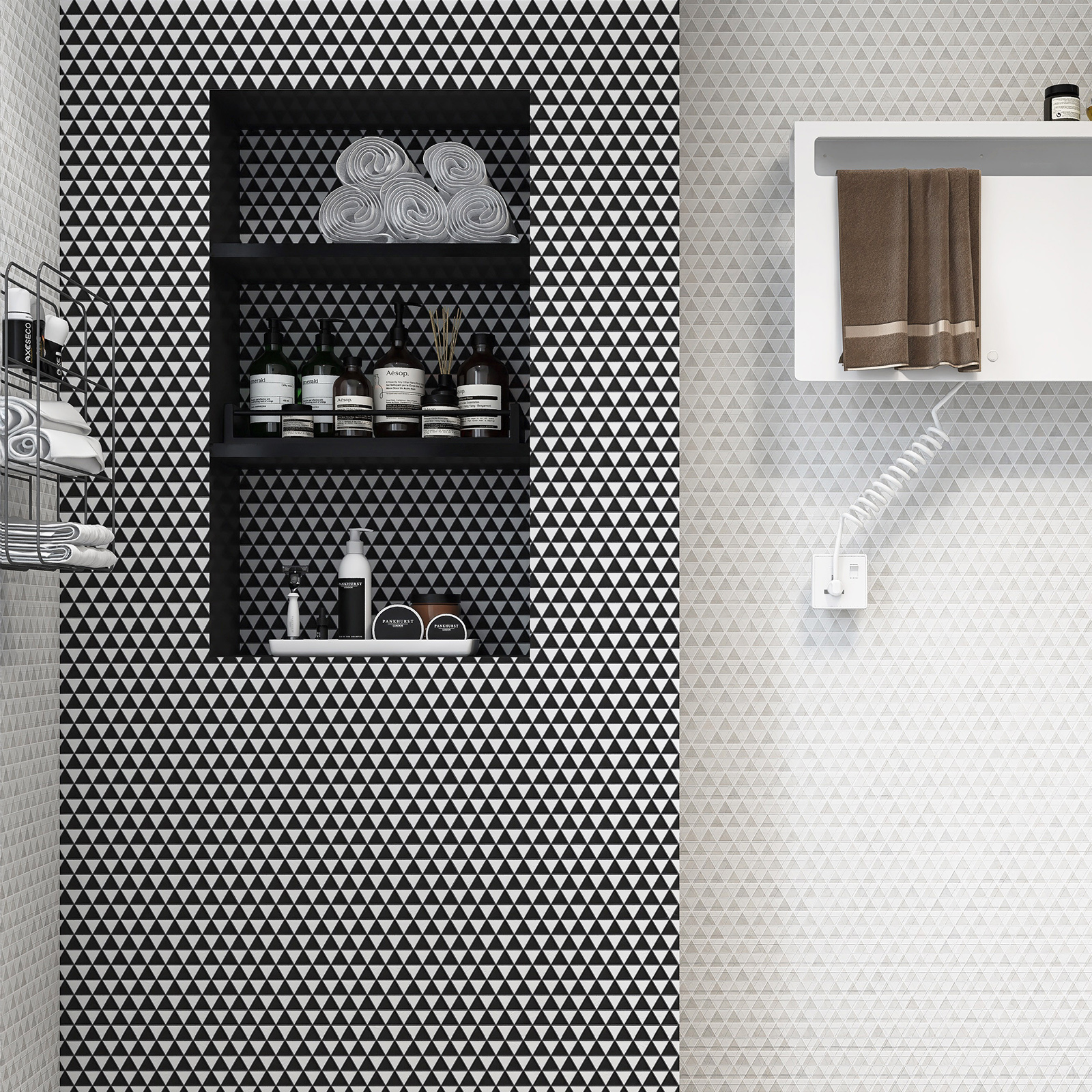
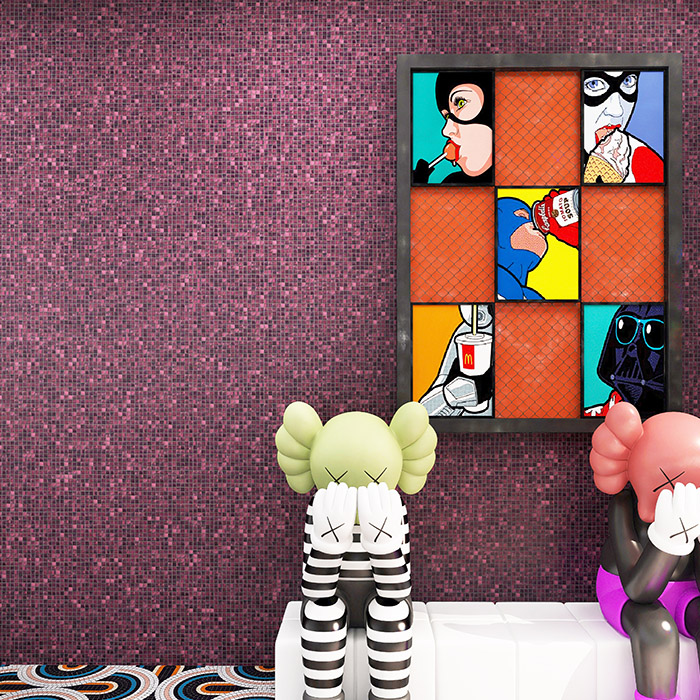
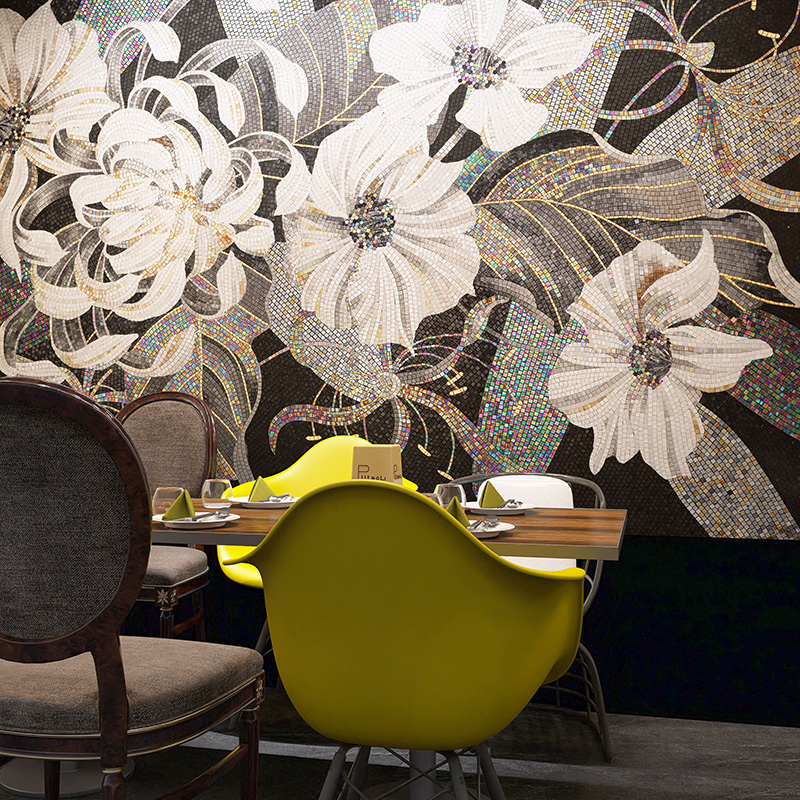
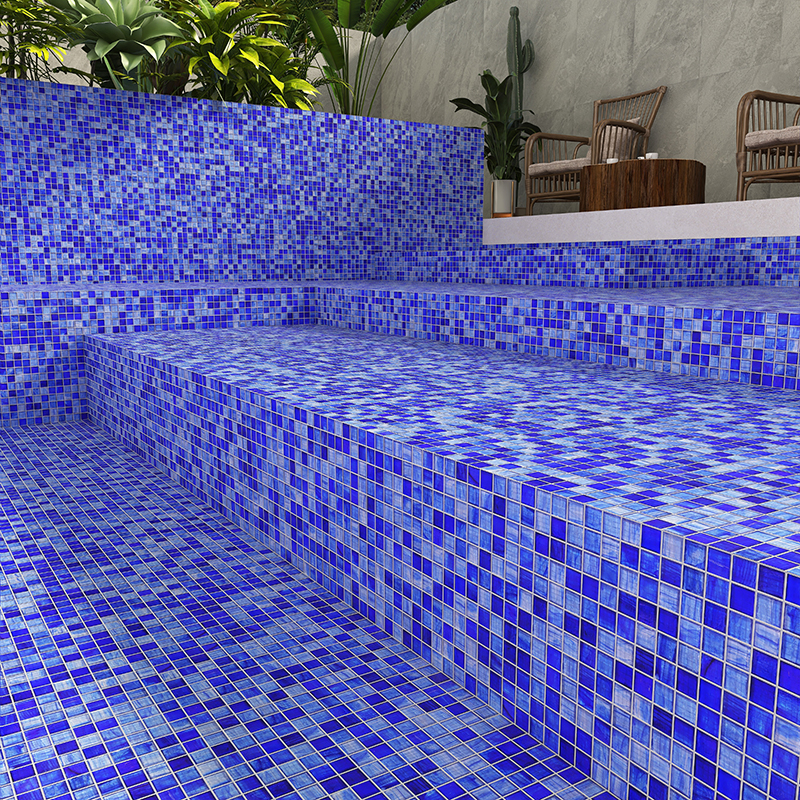
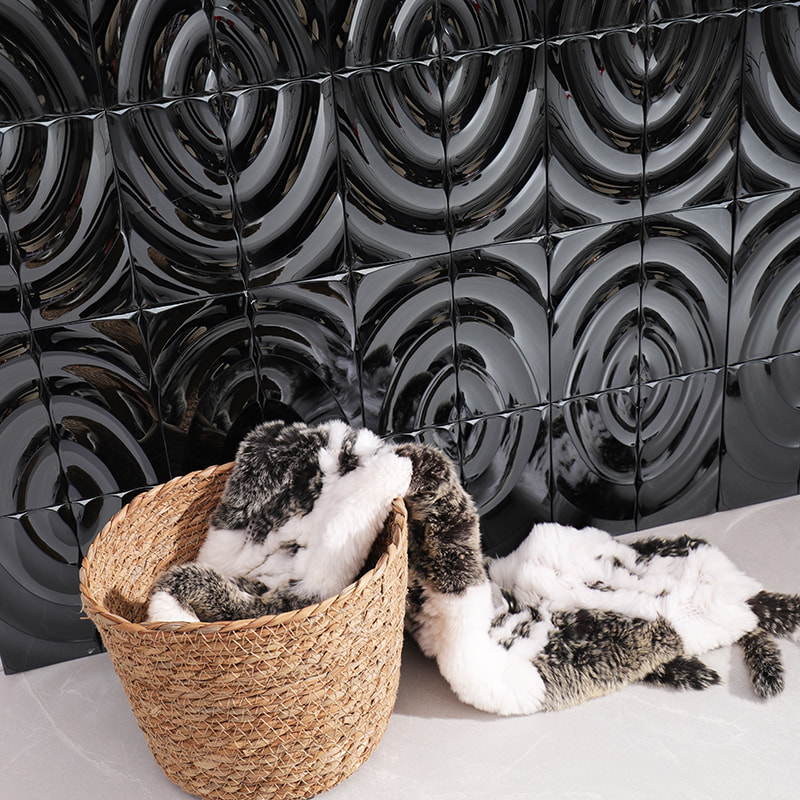
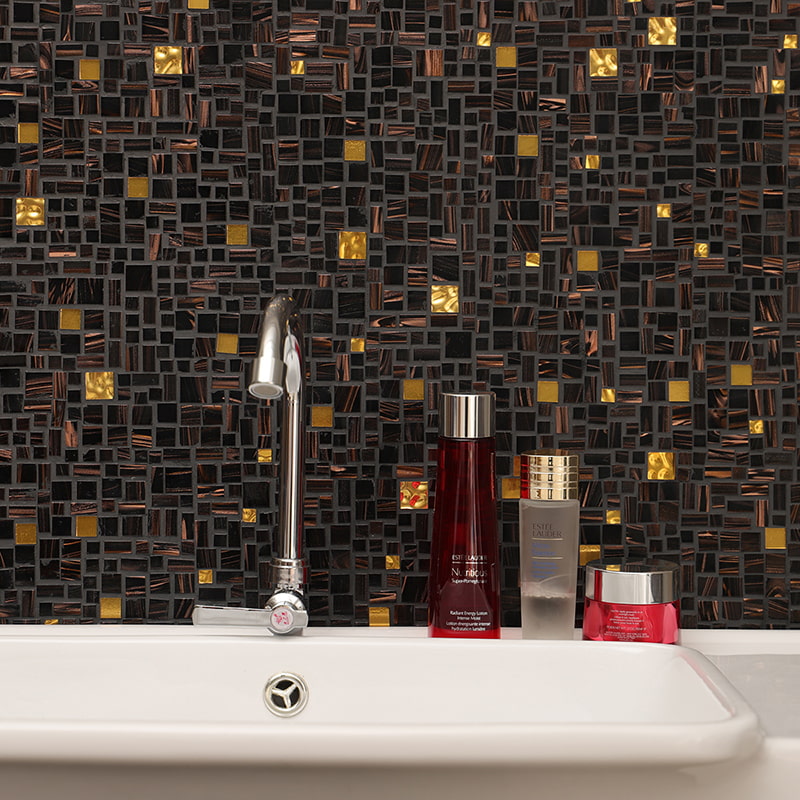
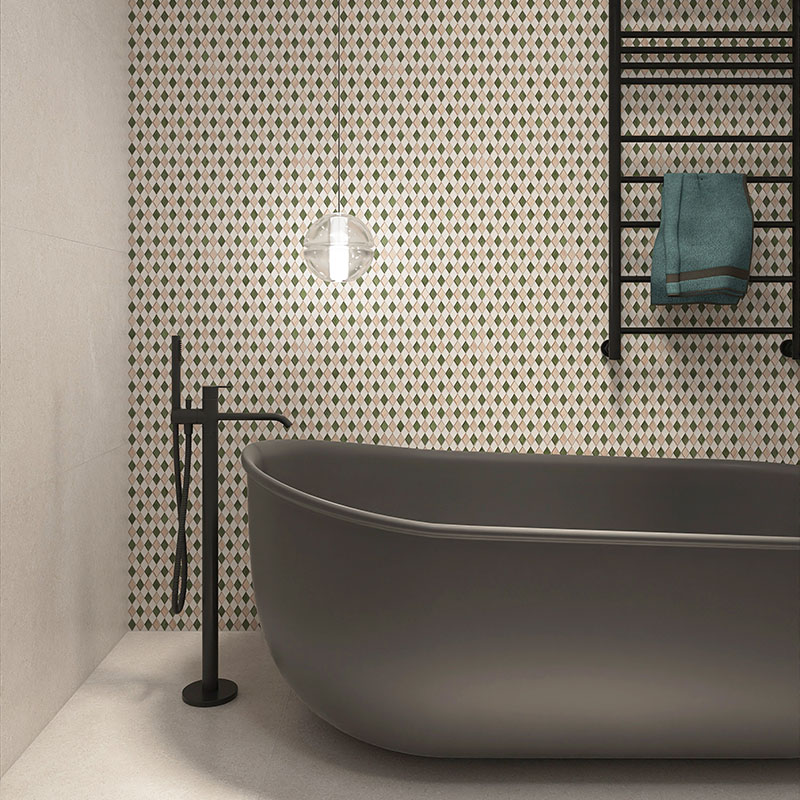
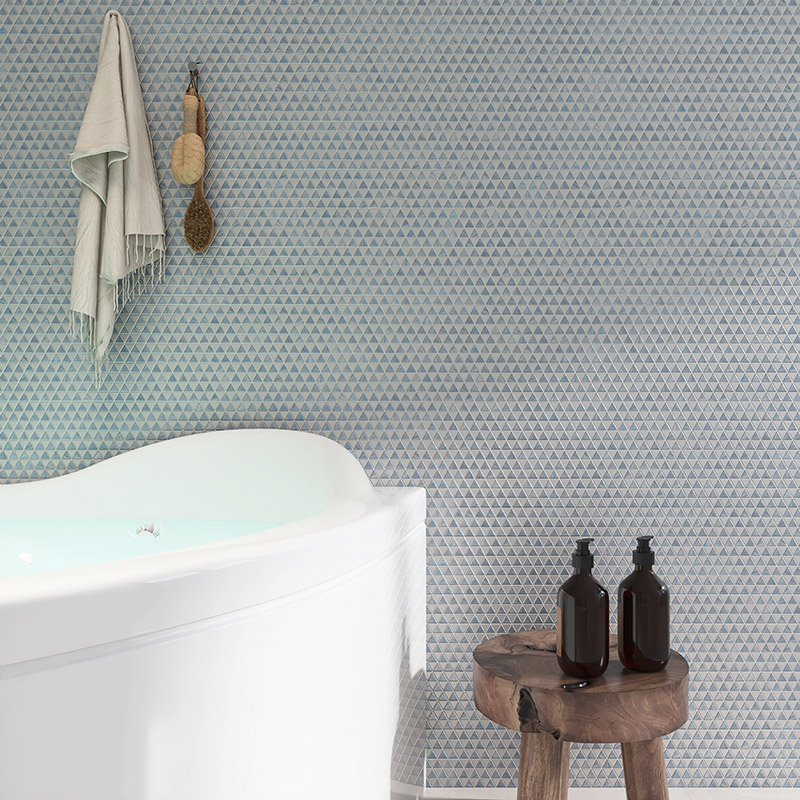
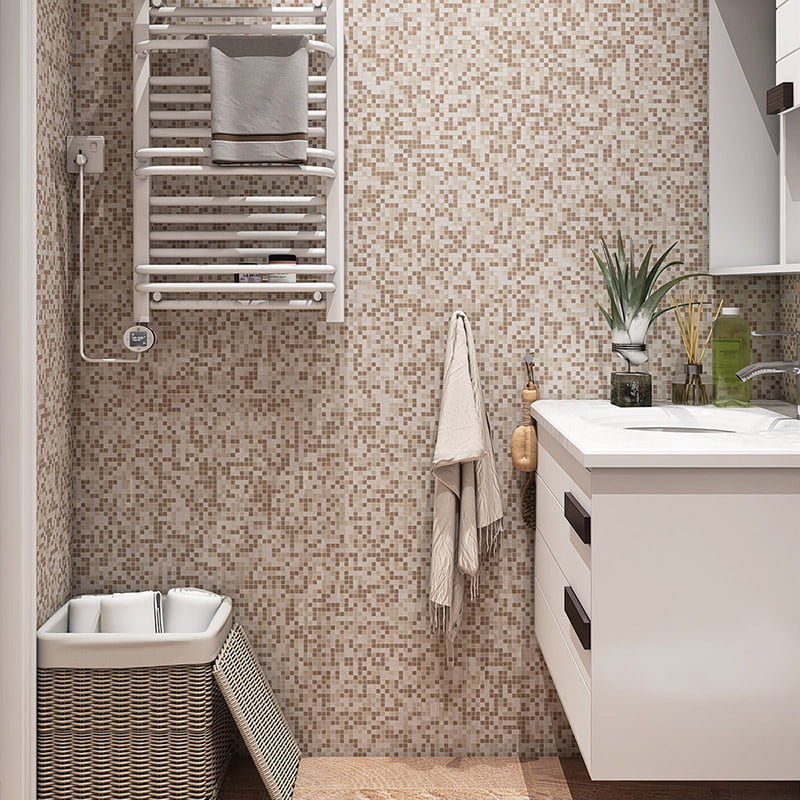
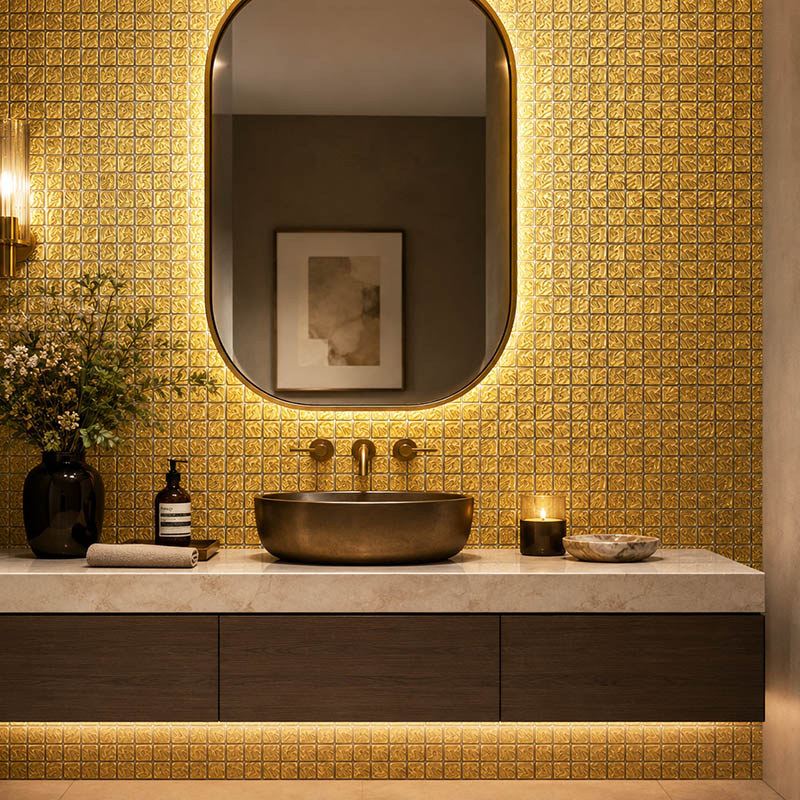
Mosaic tiles on walls offer endless design opportunities with various shapes and three-dimensional effects, creating stunning feature walls and artistic expressions.
Floor Applications: Function Meets Beauty
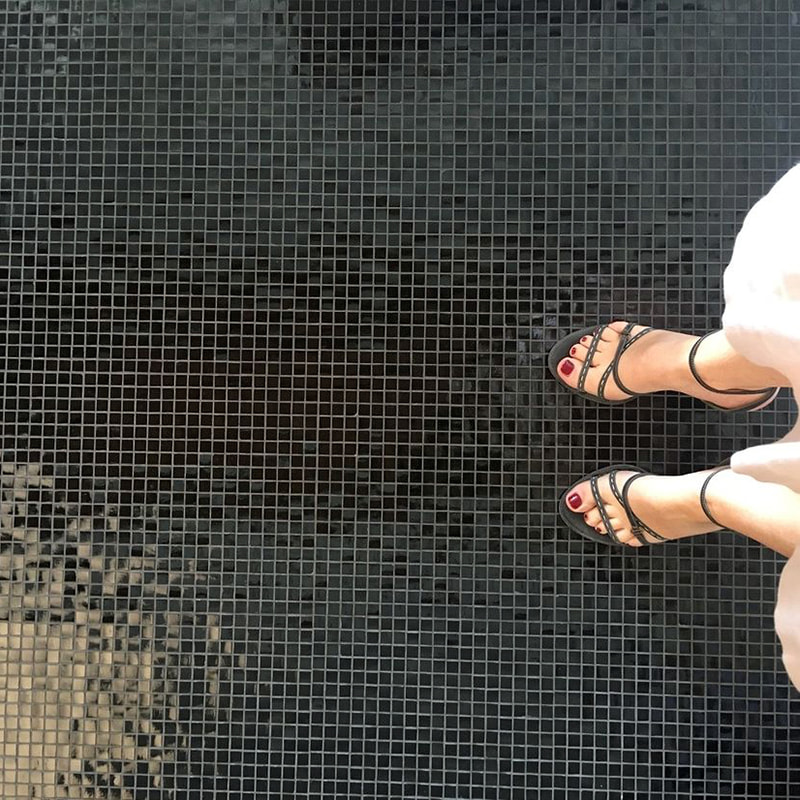
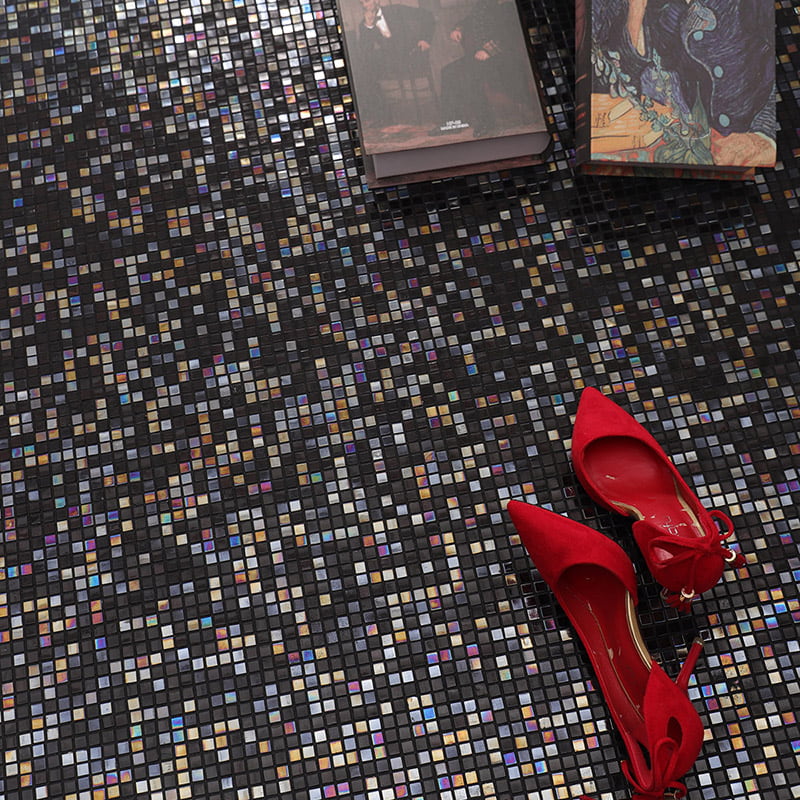
For flooring, consider the textured surface and adequate thickness. The grout joints between mosaic tiles provide excellent slip resistance, making them both beautiful and functional.
Grout Selection: The Make-or-Break Decision
For mosaics requiring grout, selection is crucial and can determine project success. I've developed three proven approaches:
Color-Matching Approach
Choose grout slightly lighter than the mosaic tiles to enhance the tile colors naturally while creating full, seamless joints.
Contrasting Approach
Use contrasting colors like white grout with black mosaics or black grout with white mosaics. Some designers even use bold colors like orange grout with white tiles for dramatic effect.
Neutral Approach
Semi-transparent grout: Made with glass sand, blends beautifully with various mosaic colors
Light grey: A near-white grey that works universally without being stark white or dark grey
Conclusion: Choosing the Perfect Mosaic Solution
Mosaic tiles represent the perfect marriage of artistry and functionality. Whether you're seeking the brilliance of glass, the warmth of natural stone, the durability of ceramic, or the luxury of shell materials, understanding these fundamentals will help you create stunning installations that stand the test of time.