
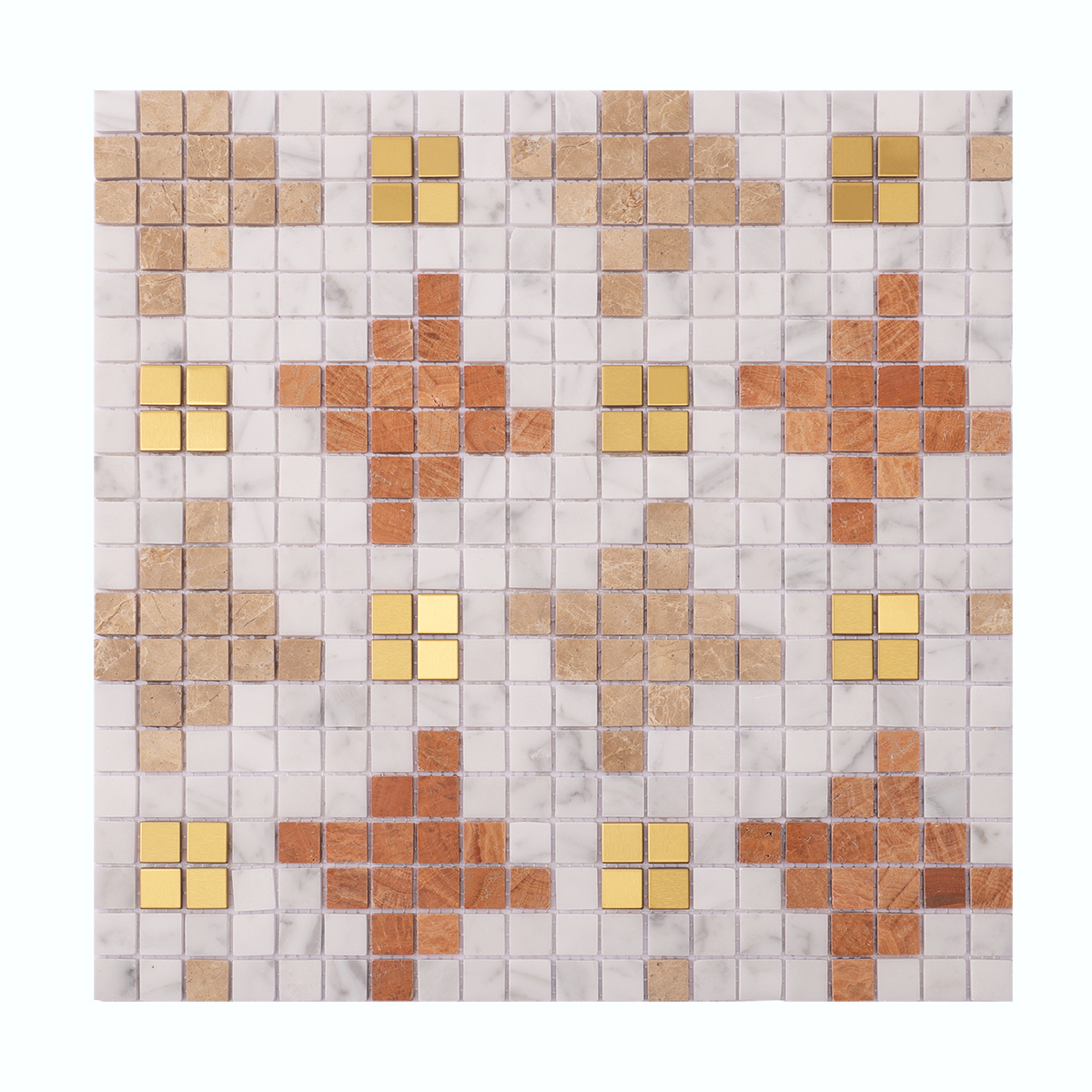
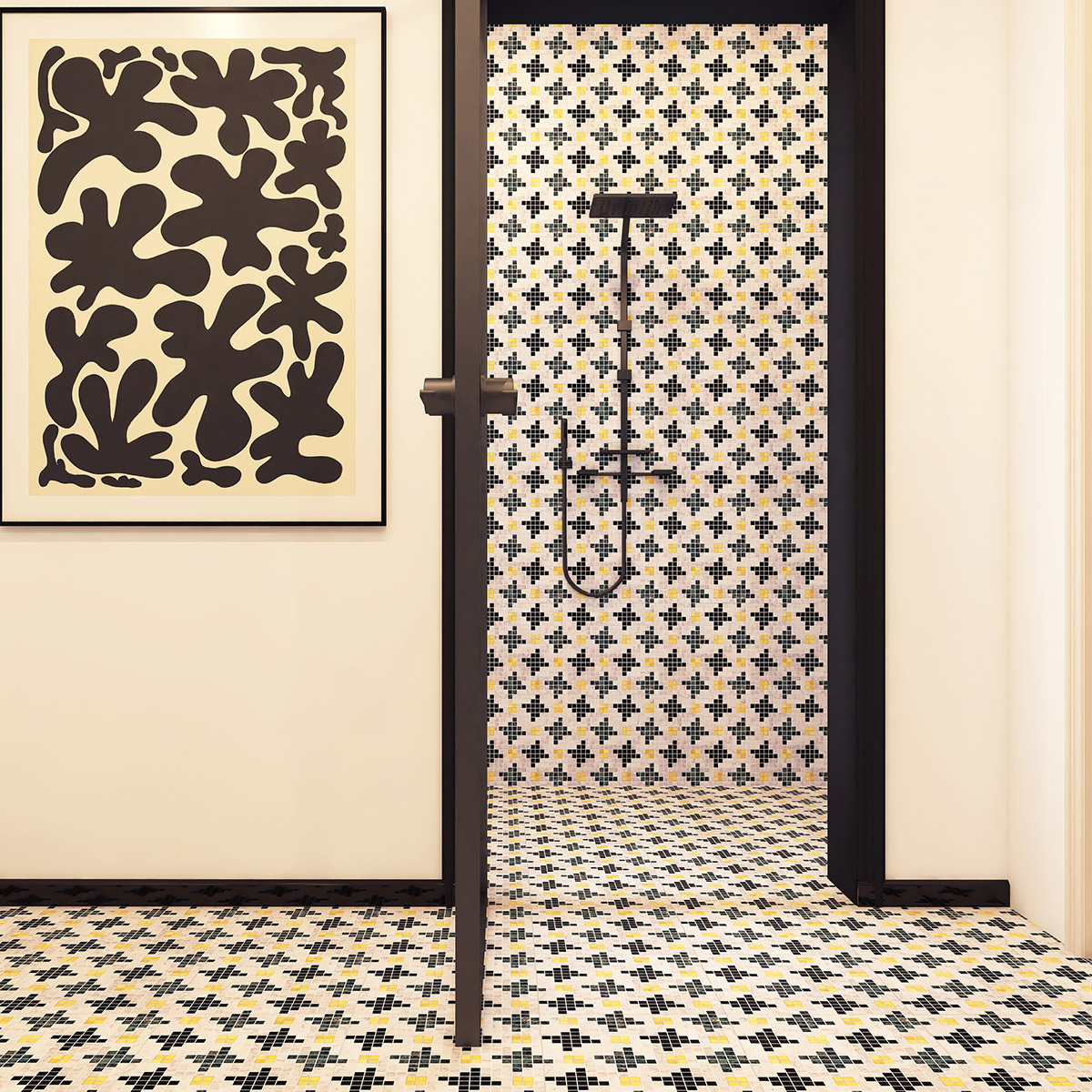
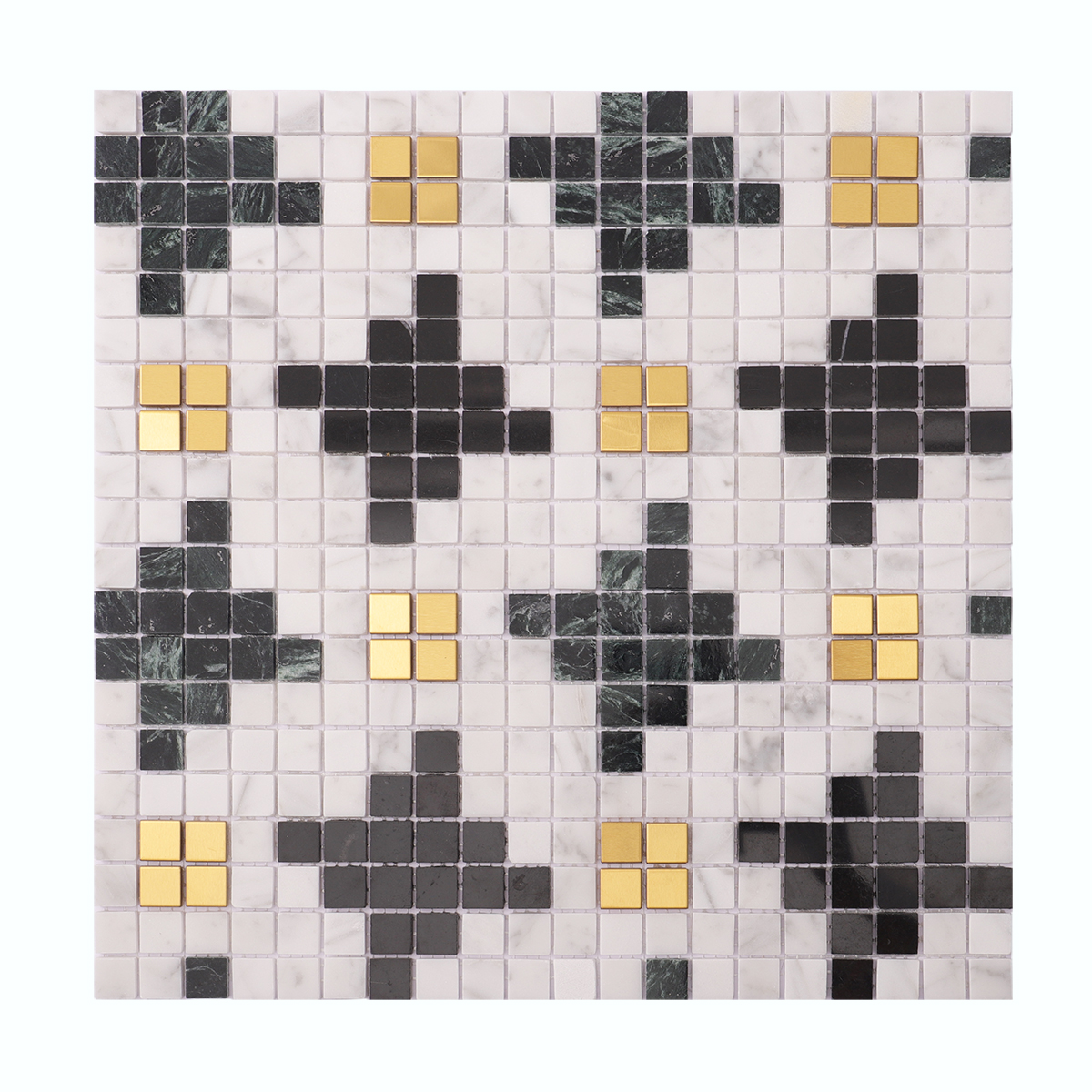
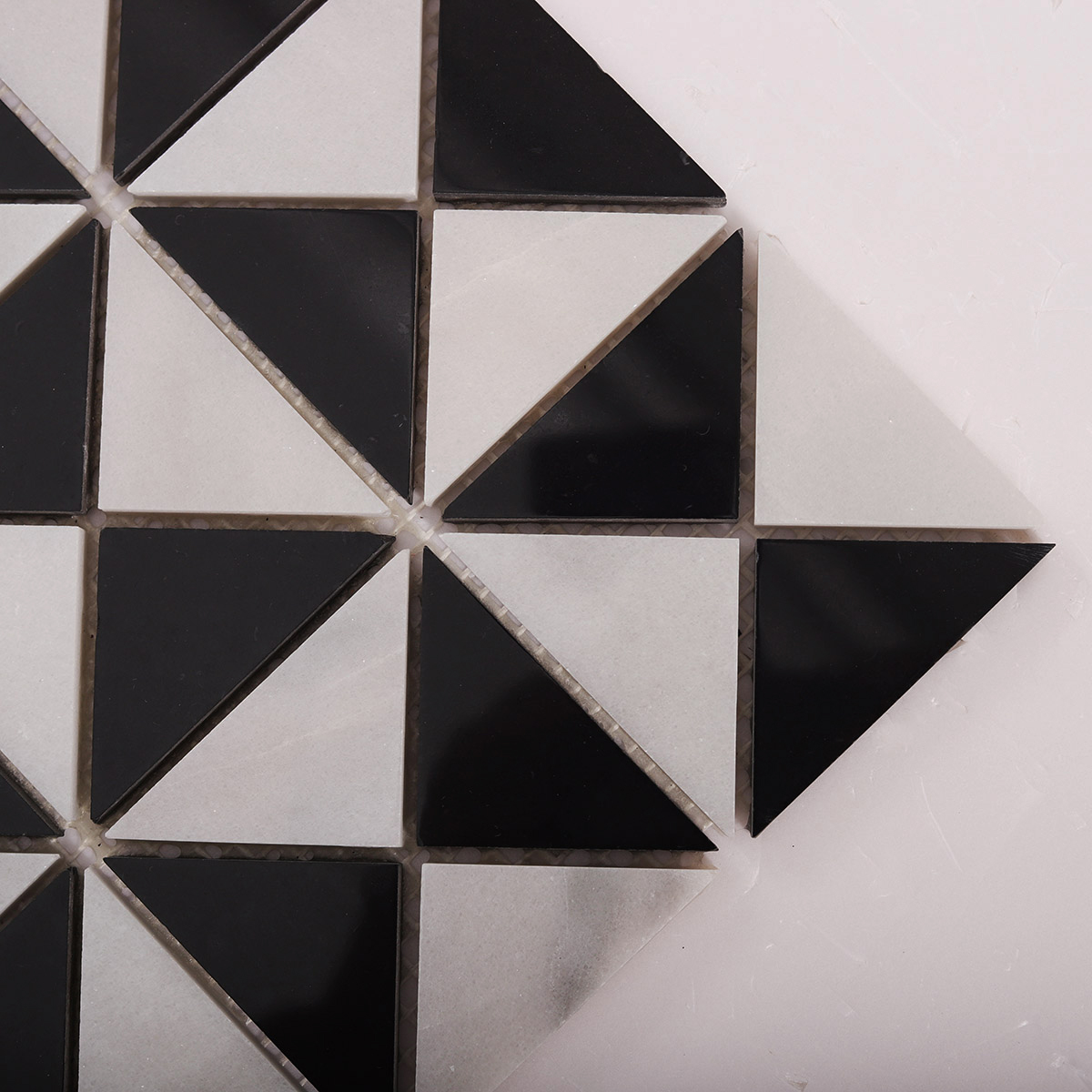
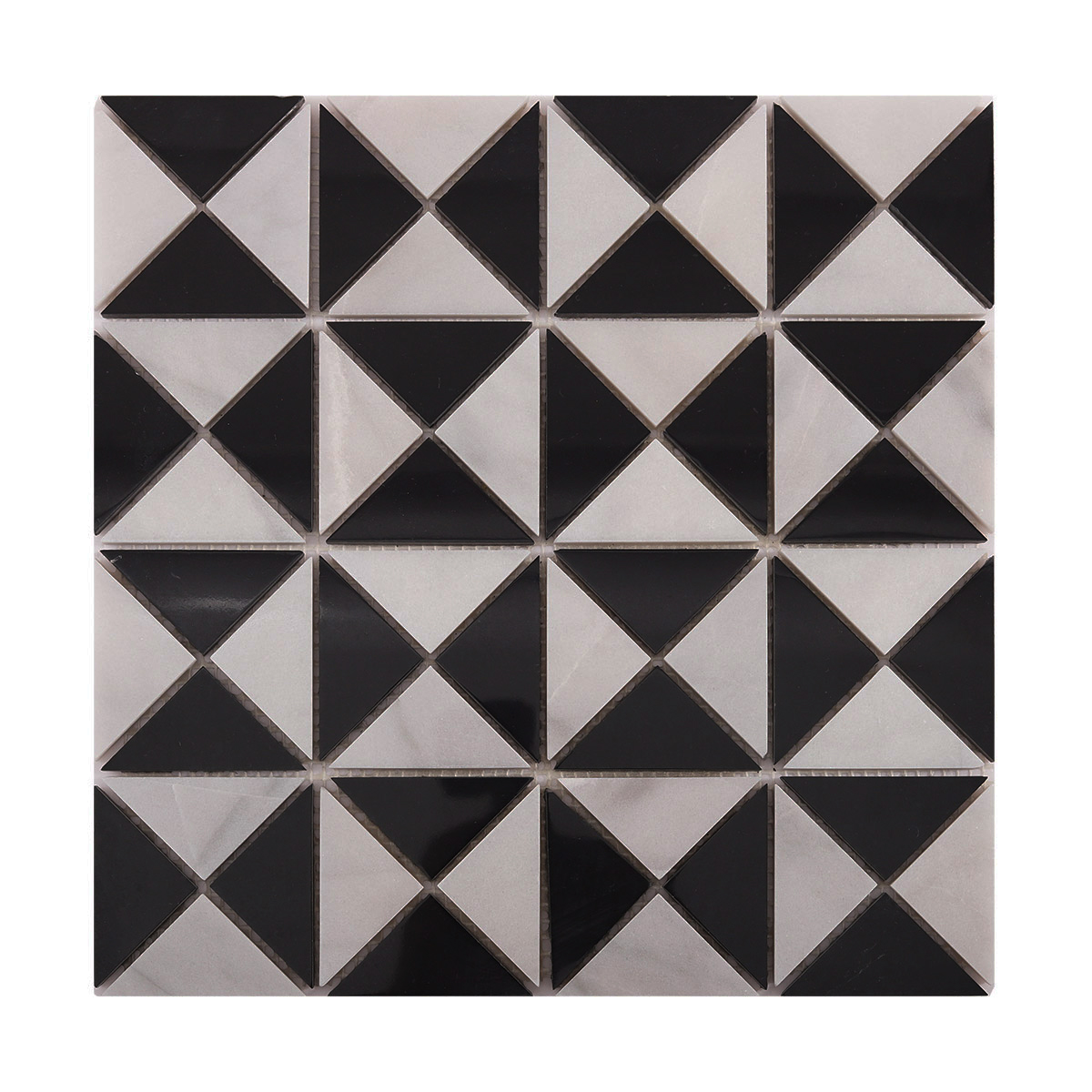


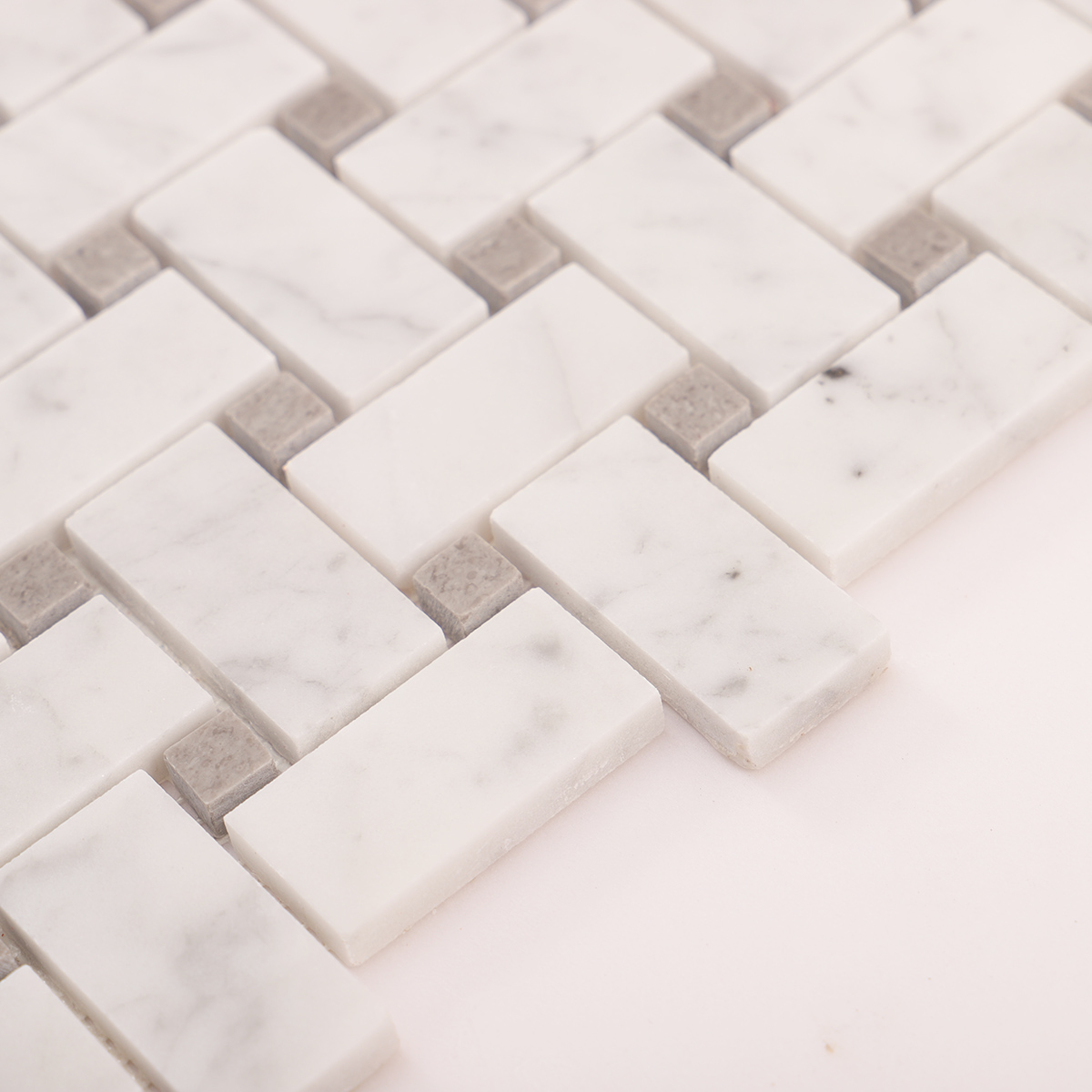
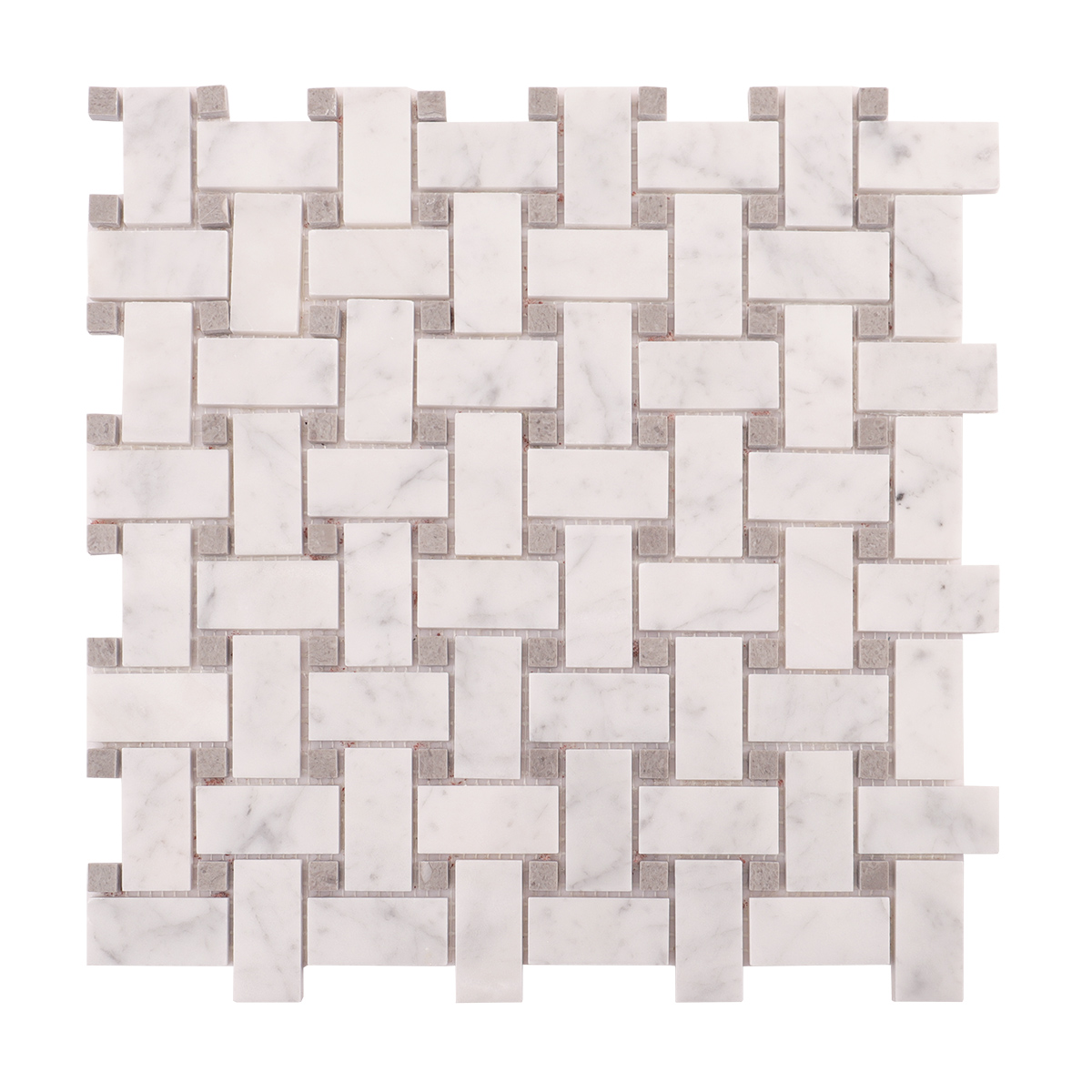
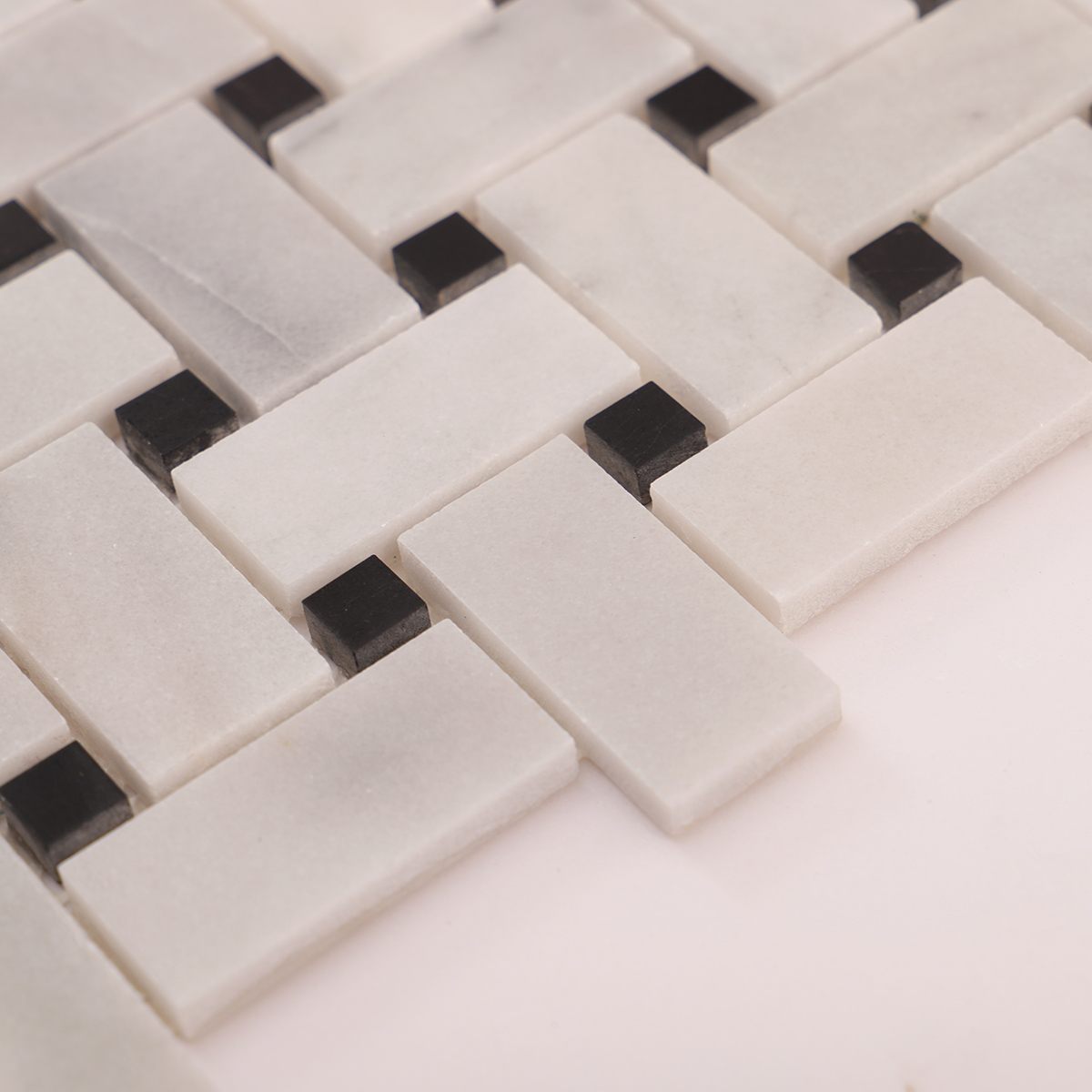
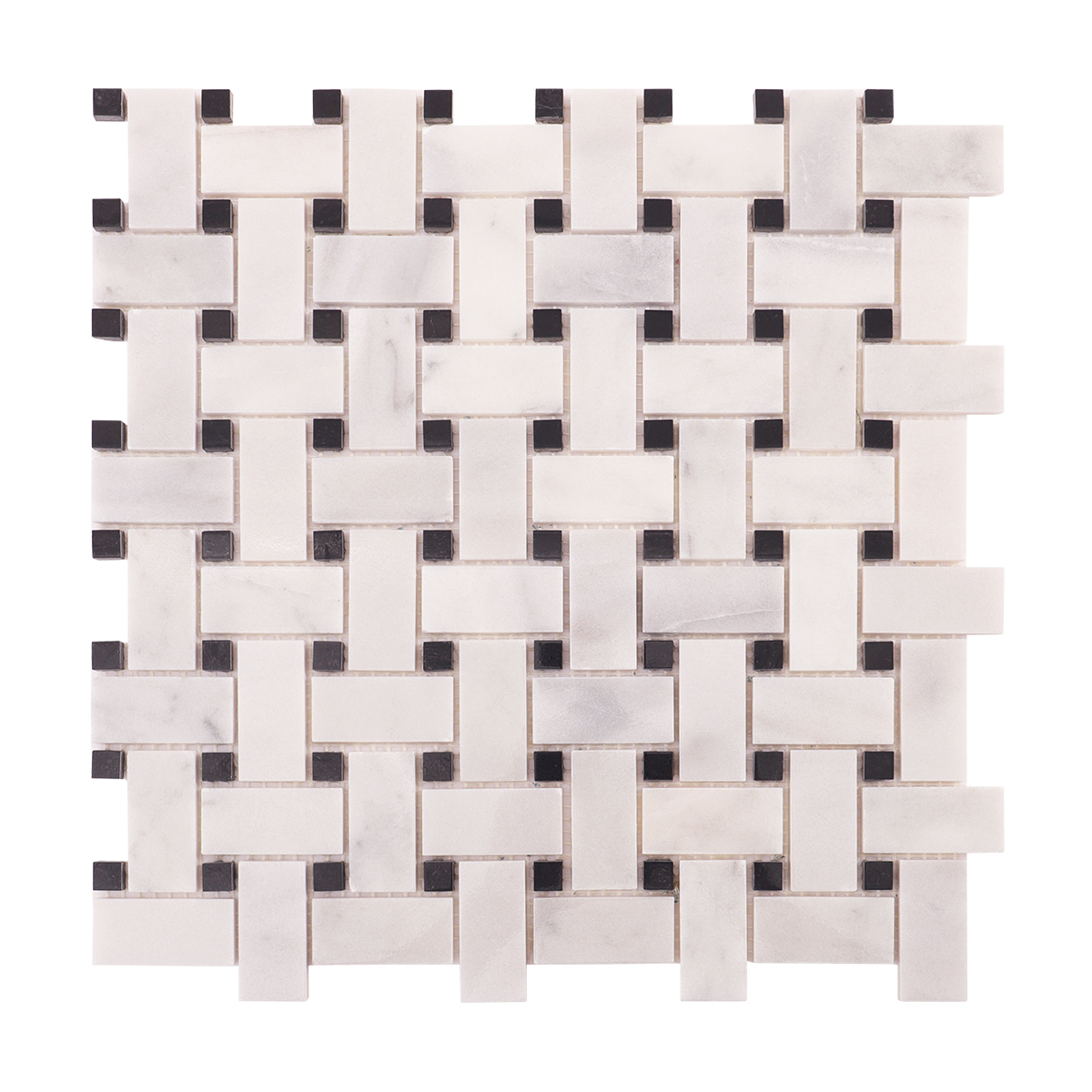
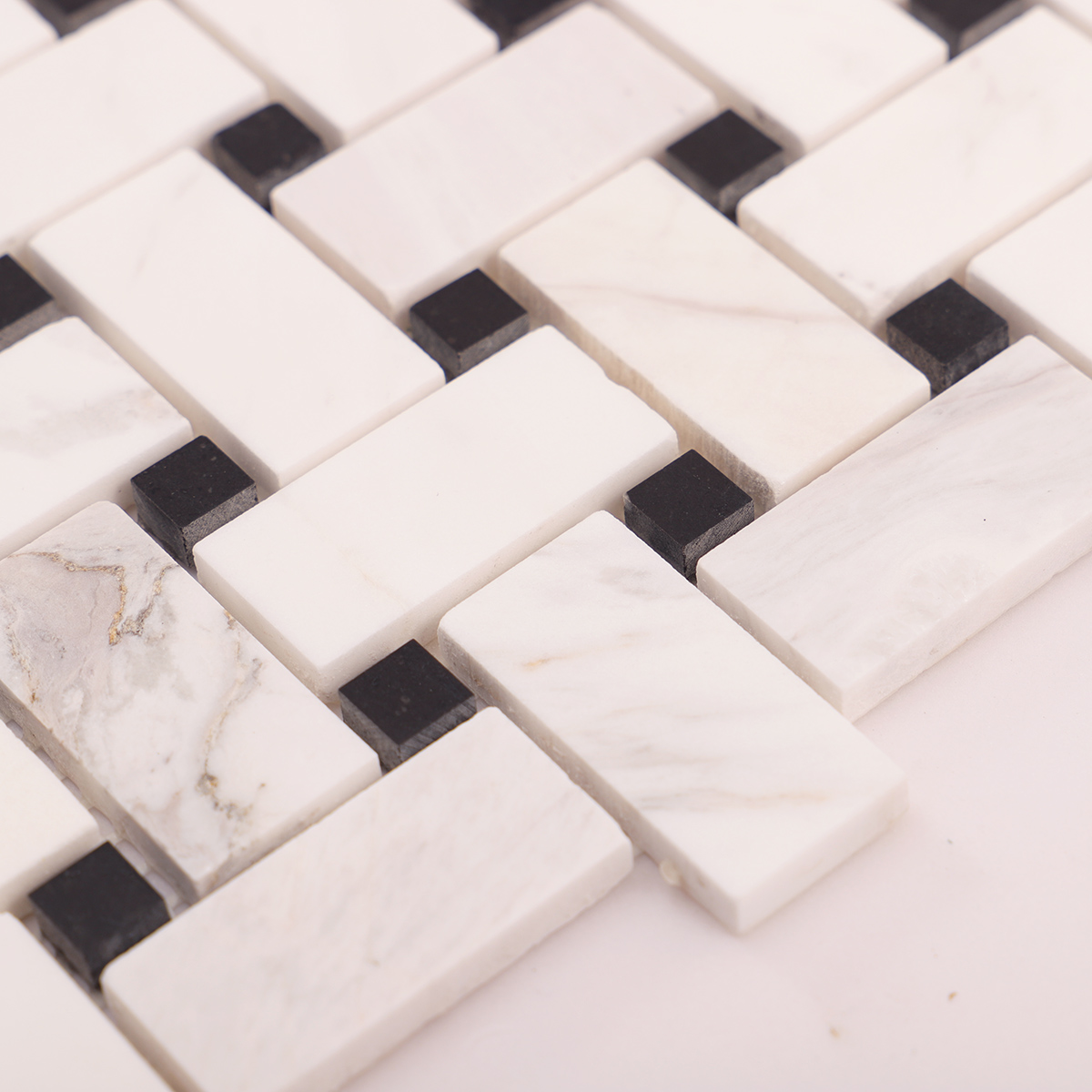
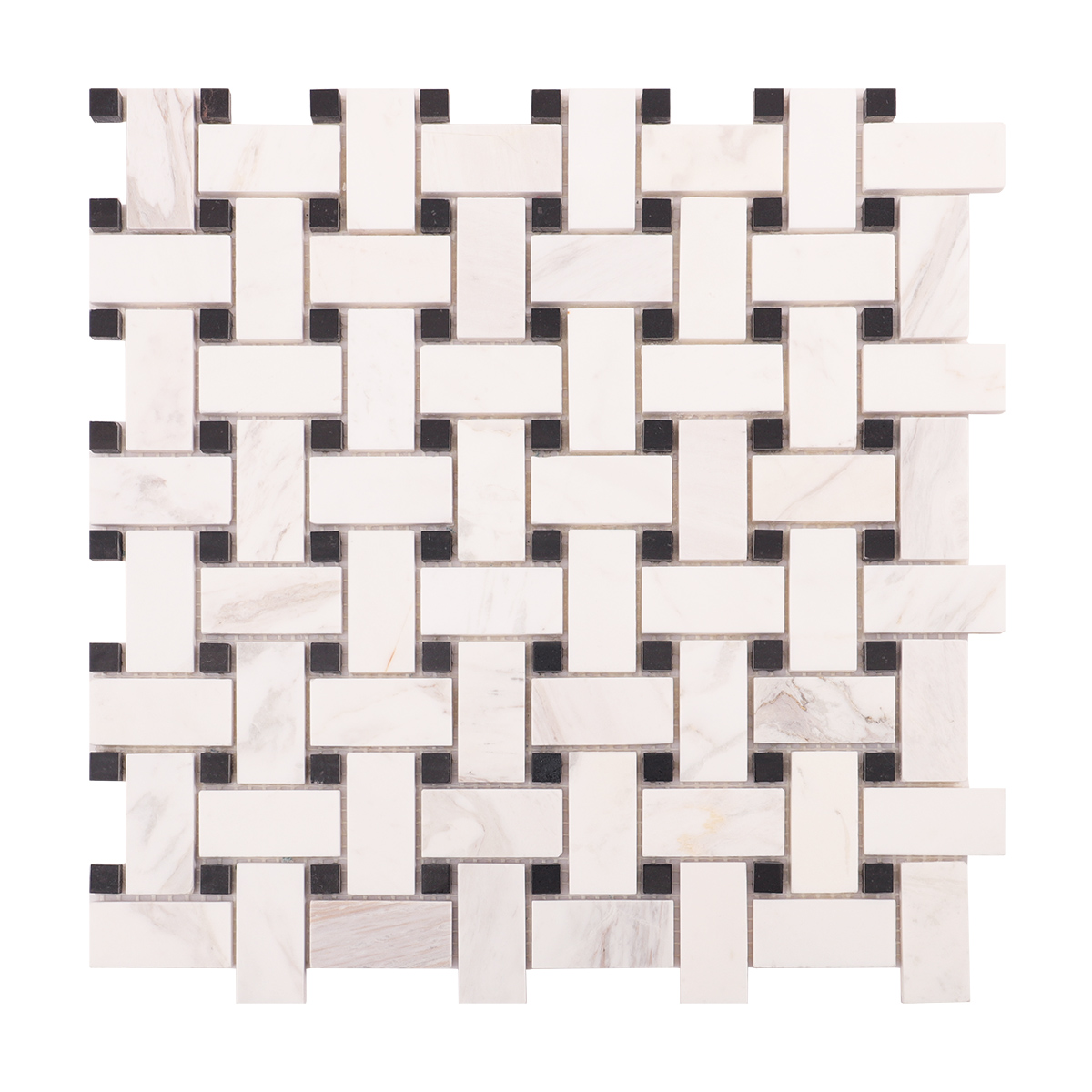
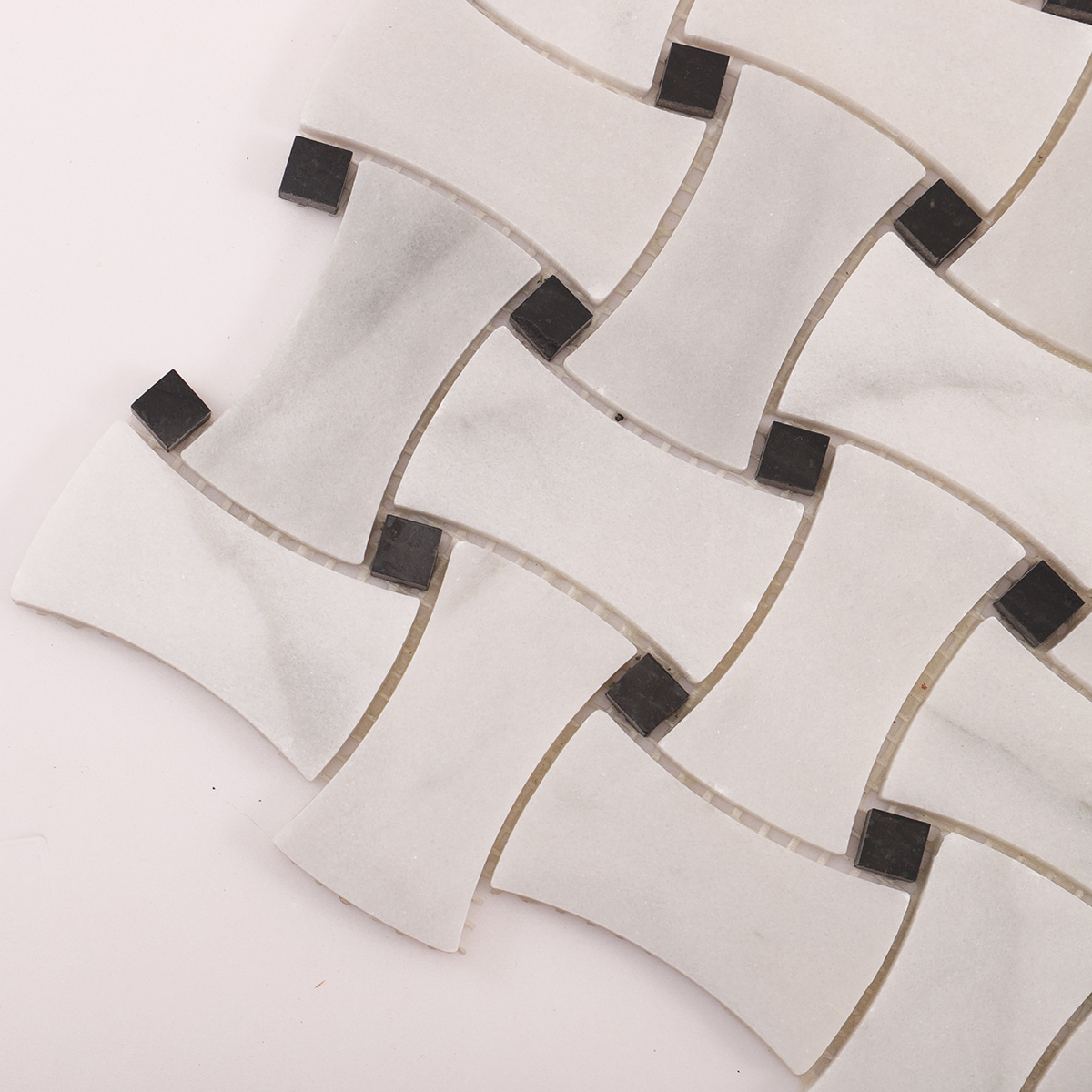
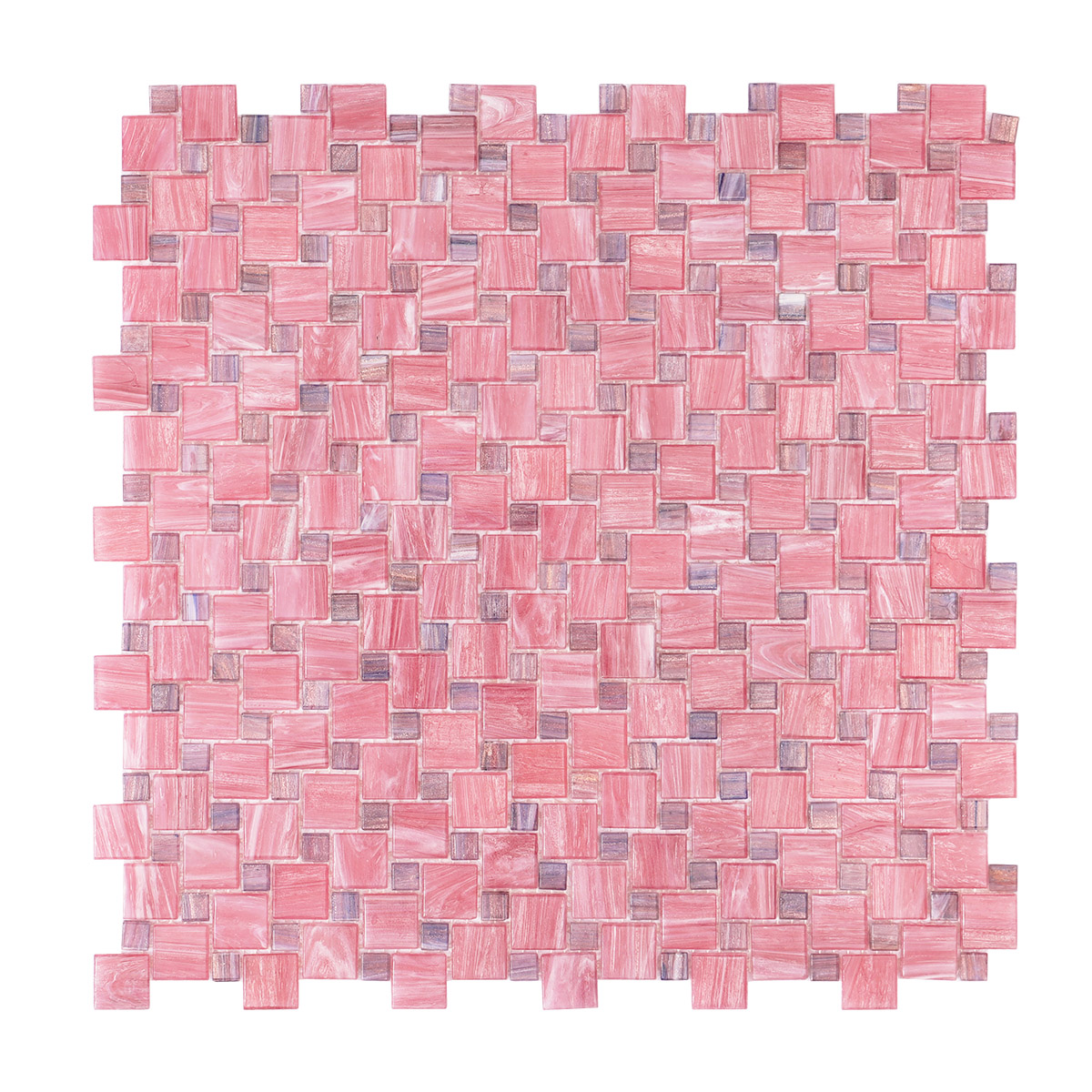
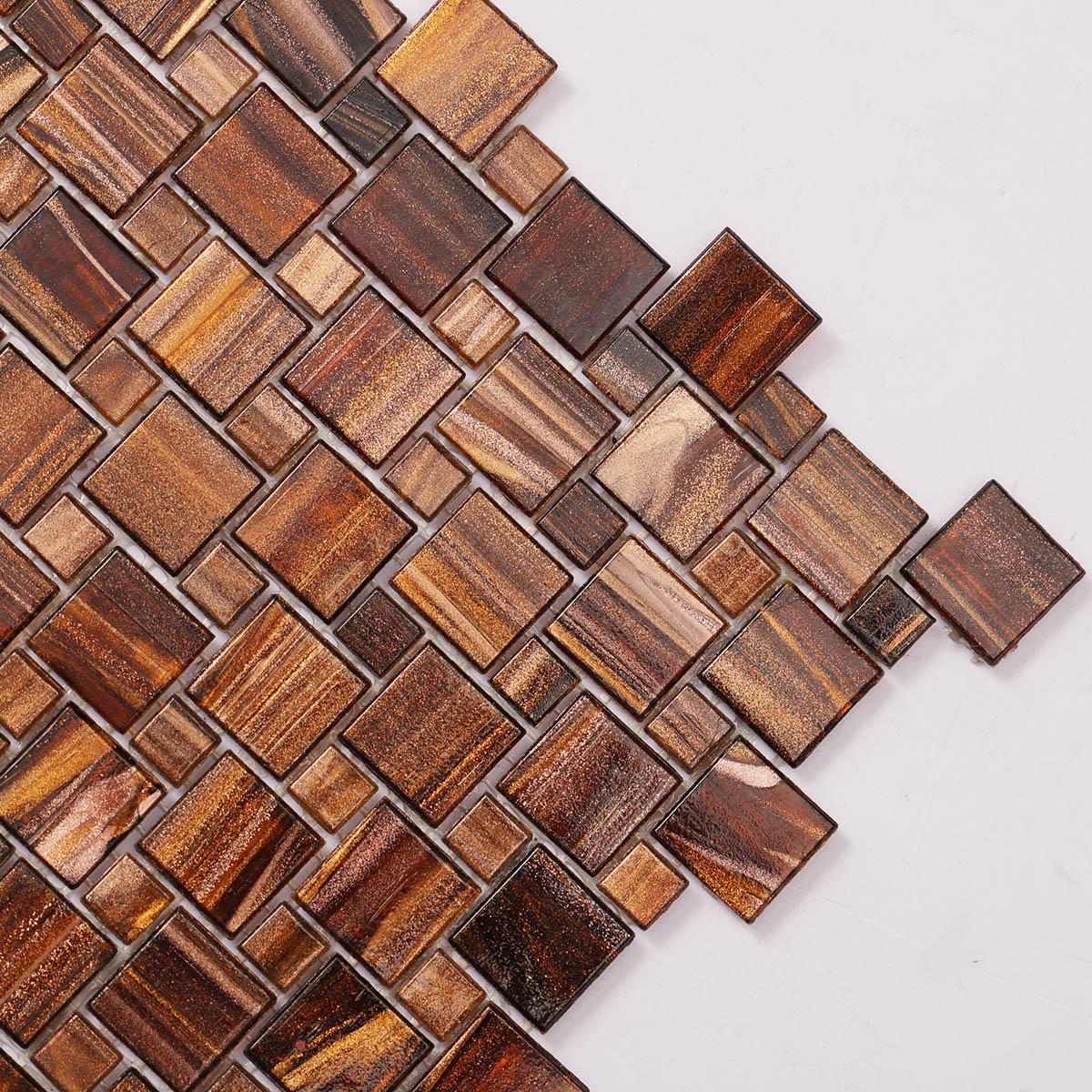
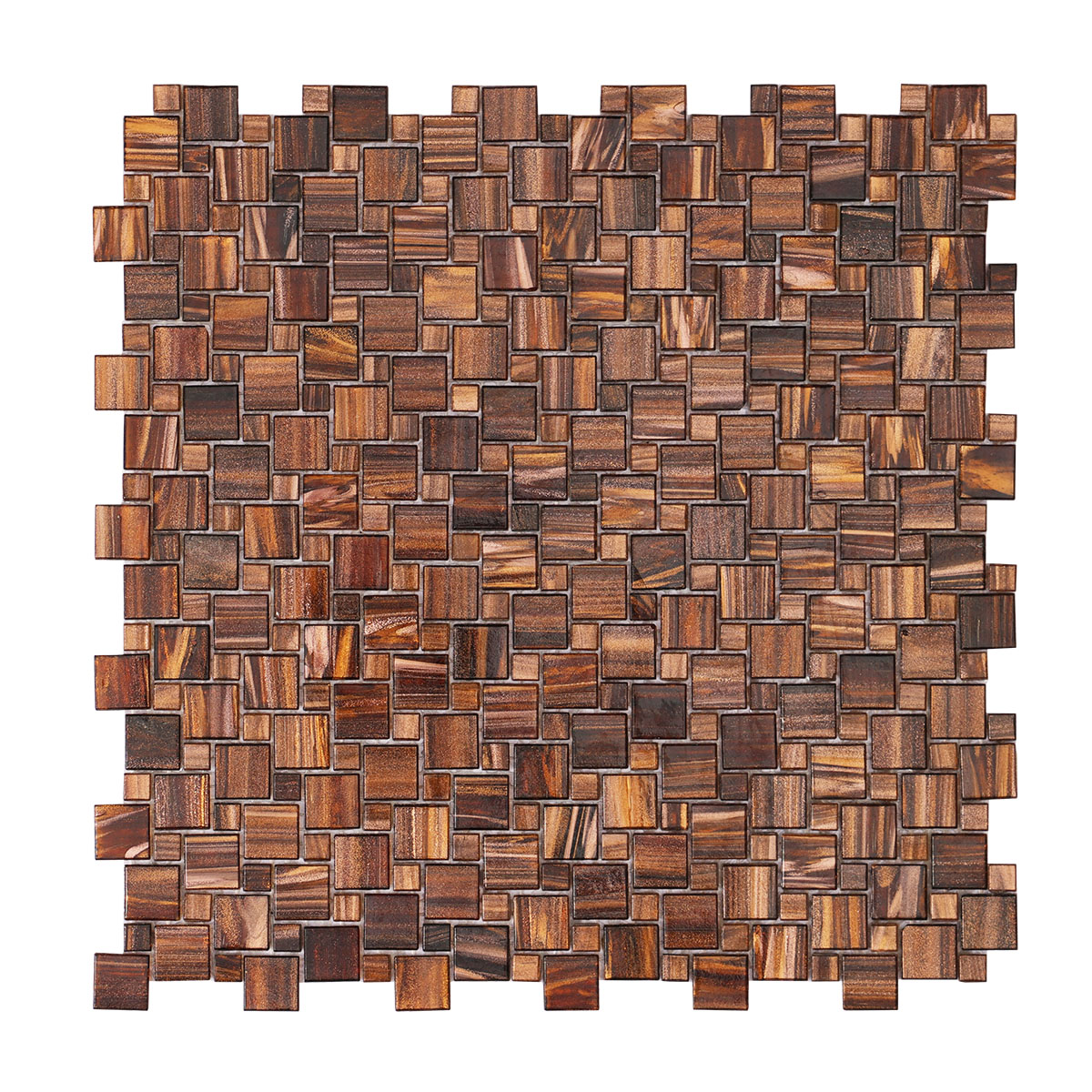
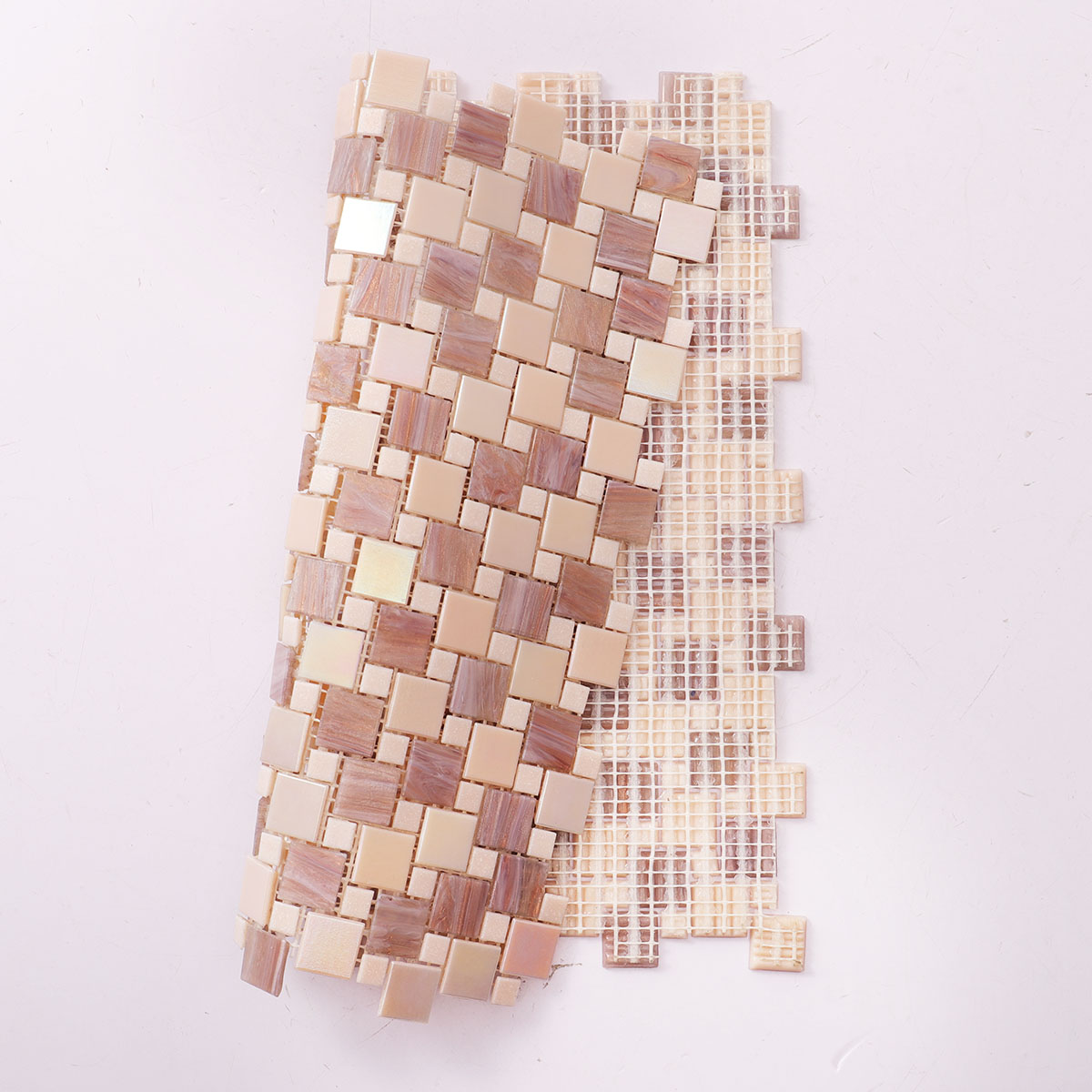
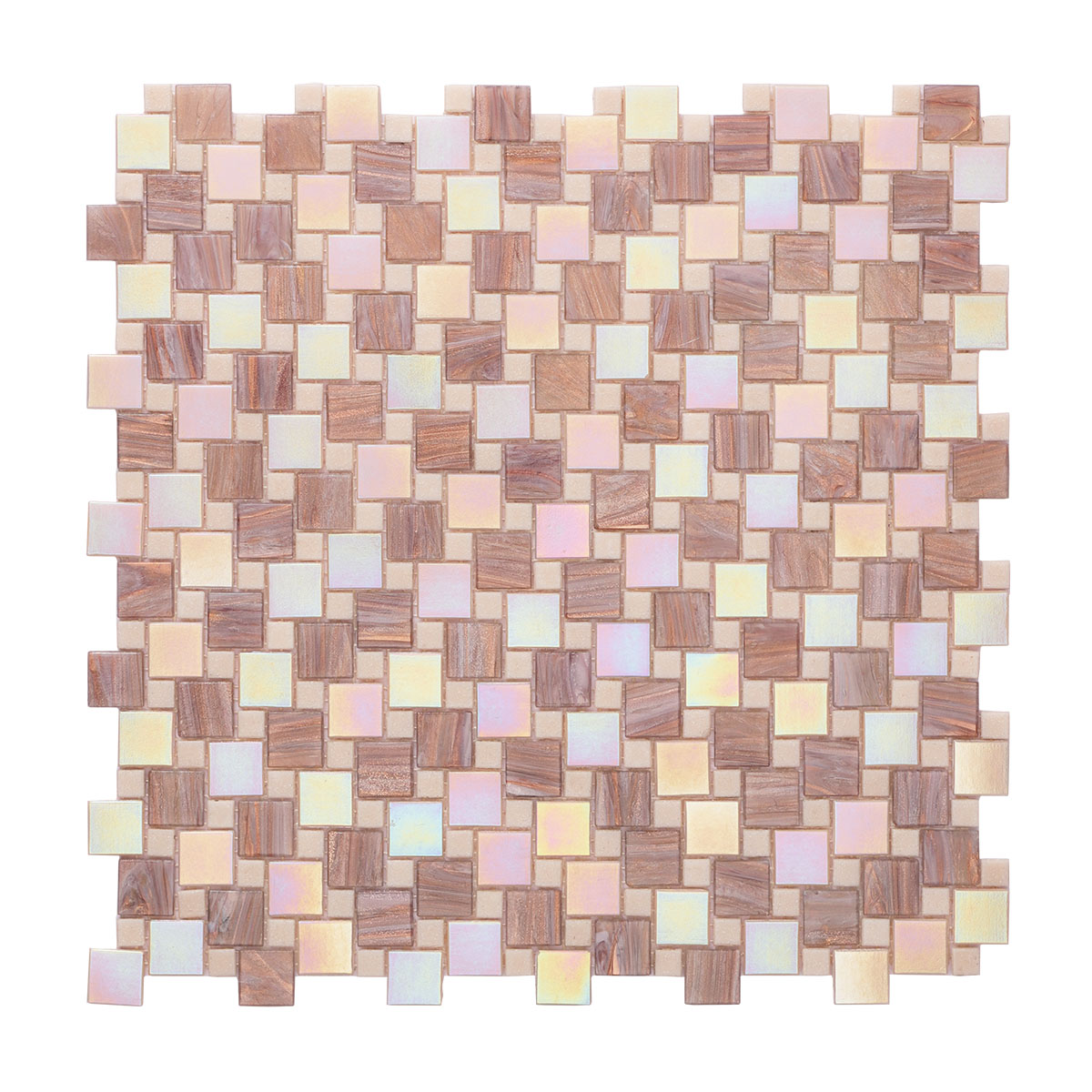
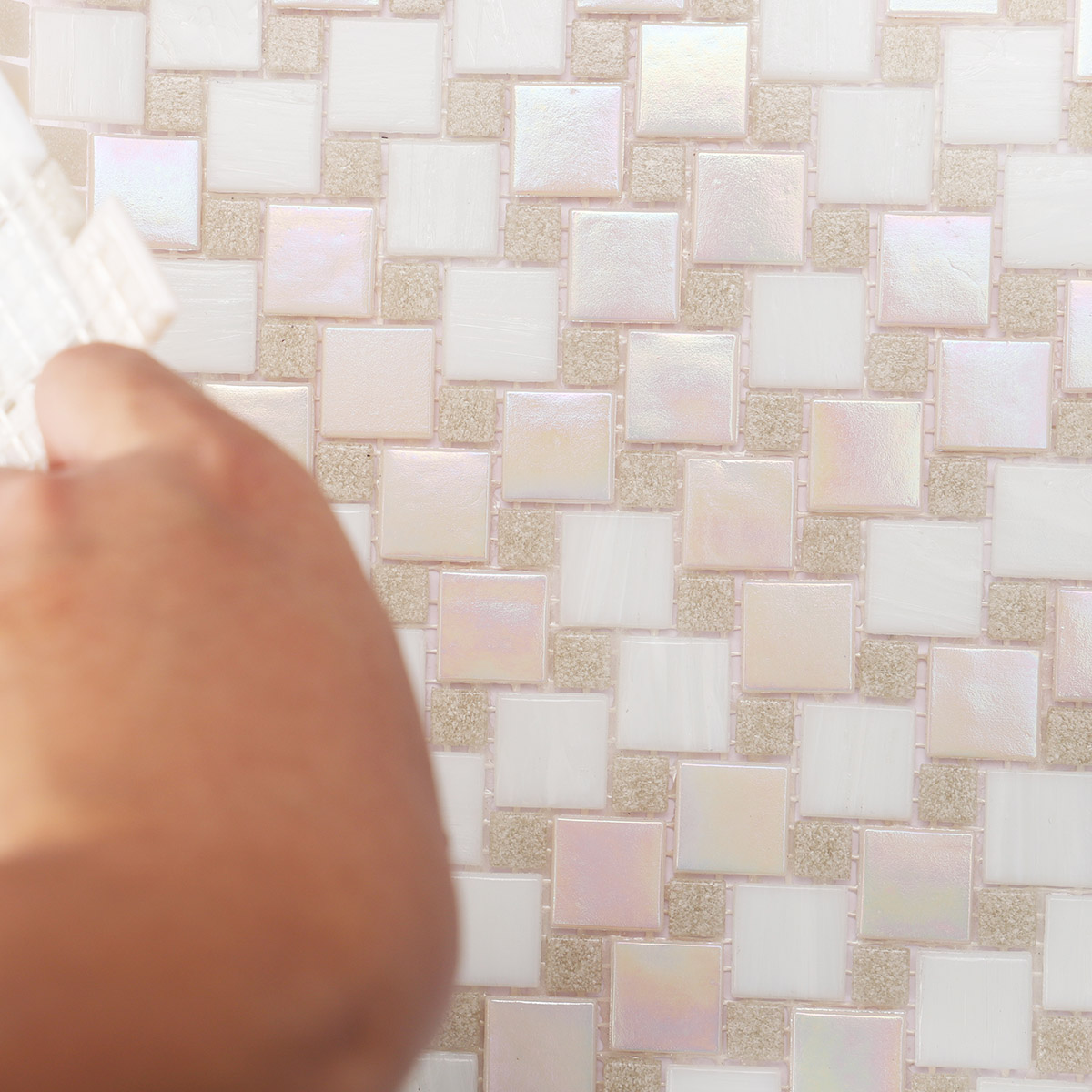
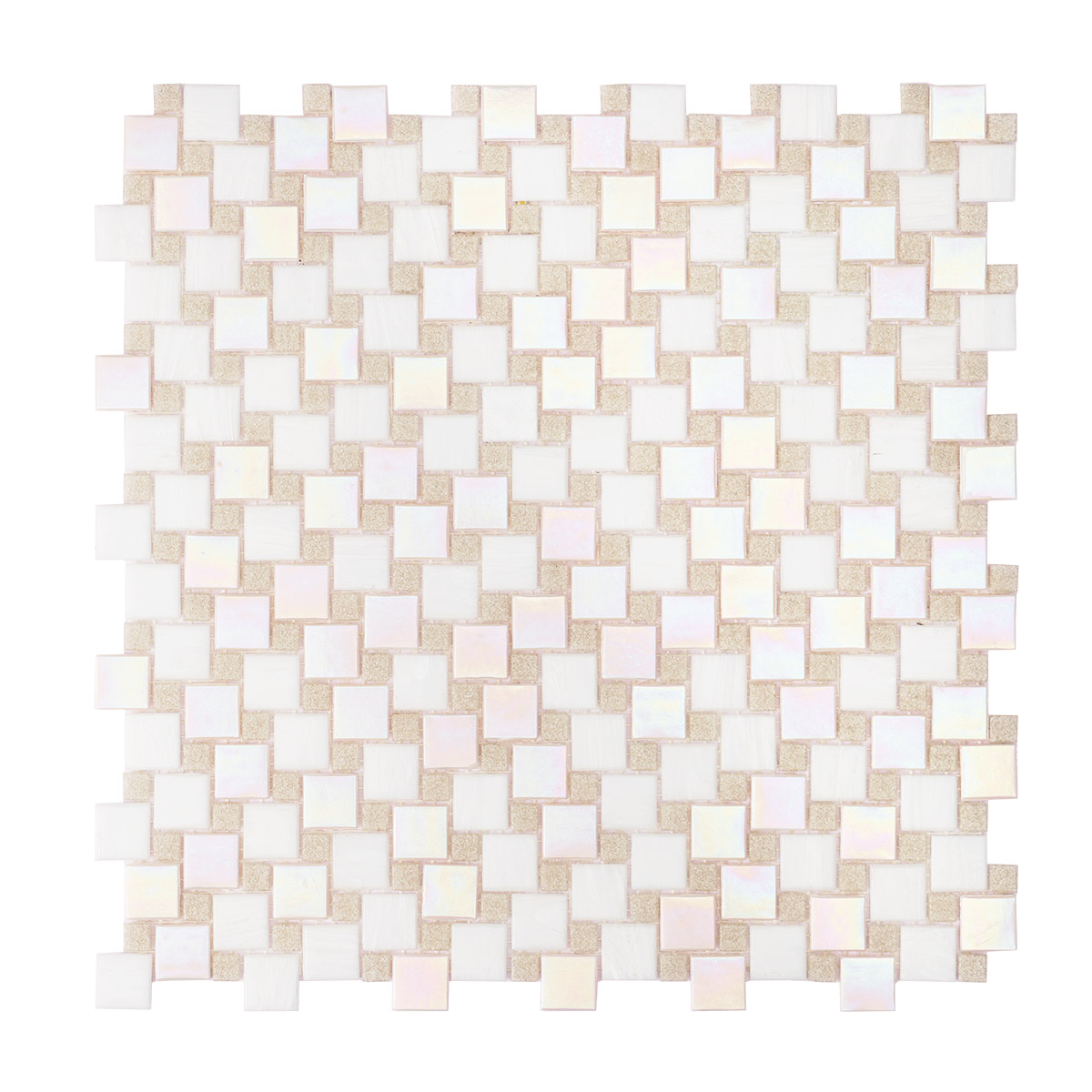
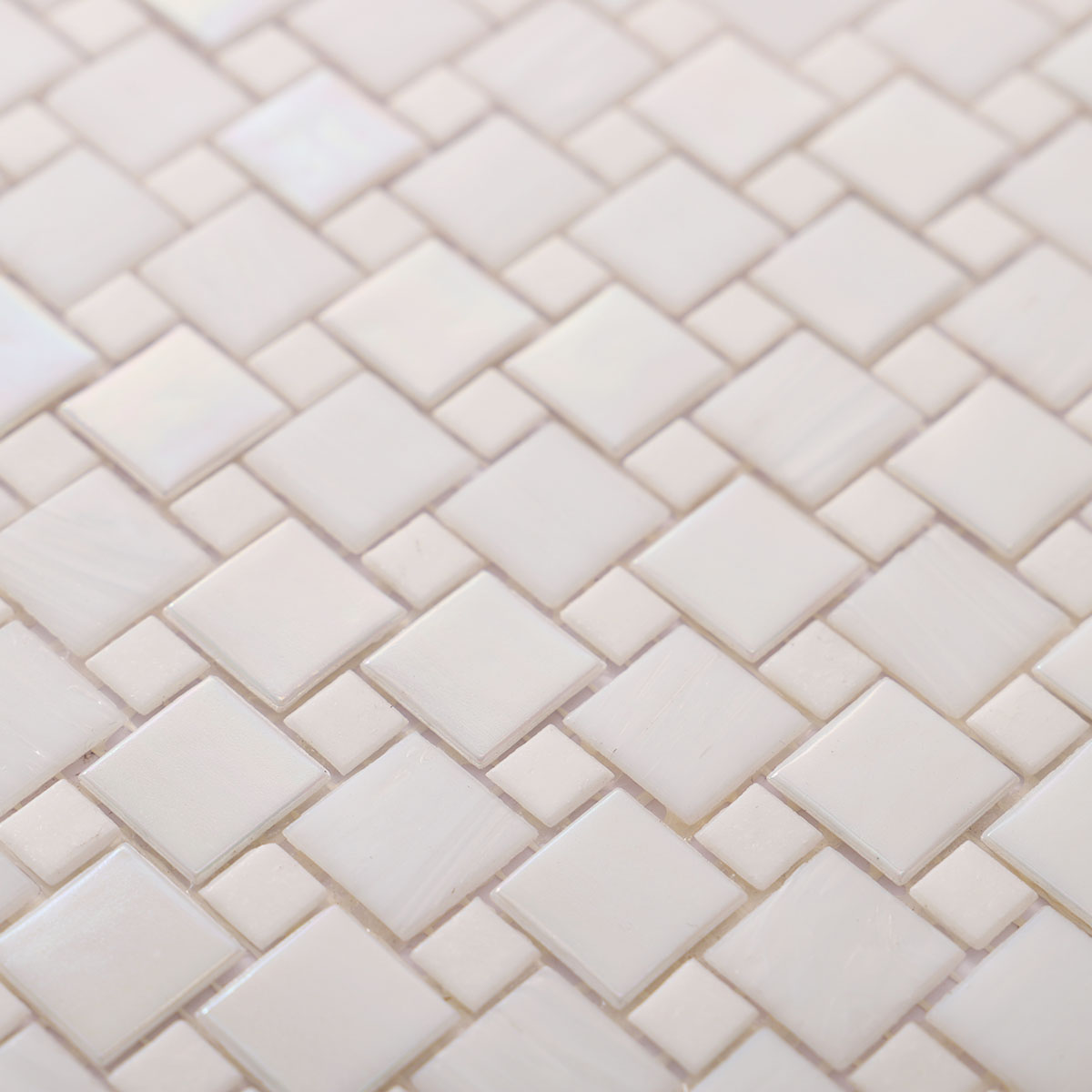
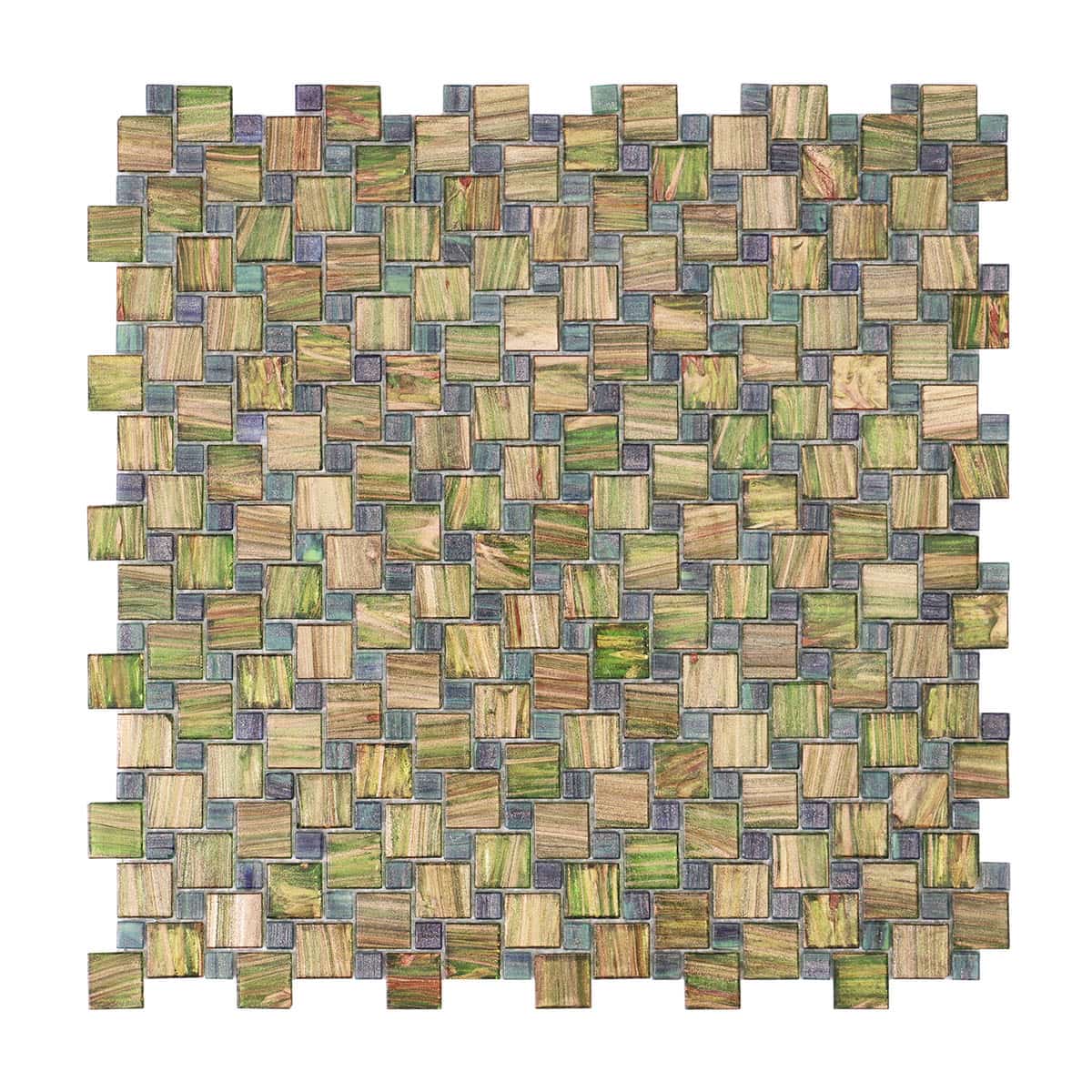
Pinwheel mosaic tiles offer a captivating way to transform any interior space with their dynamic geometric patterns. These versatile tiles create visual movement and sophisticated design elements that work beautifully in bathrooms, kitchens, backsplashes, and flooring applications.
Understanding Pinwheel Mosaic Tile Patterns
Two Square Format Design
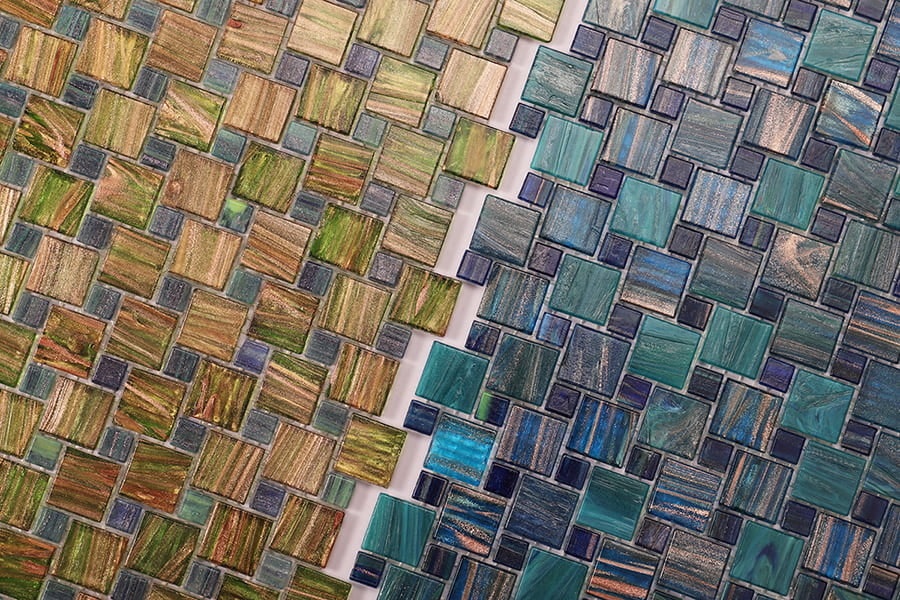
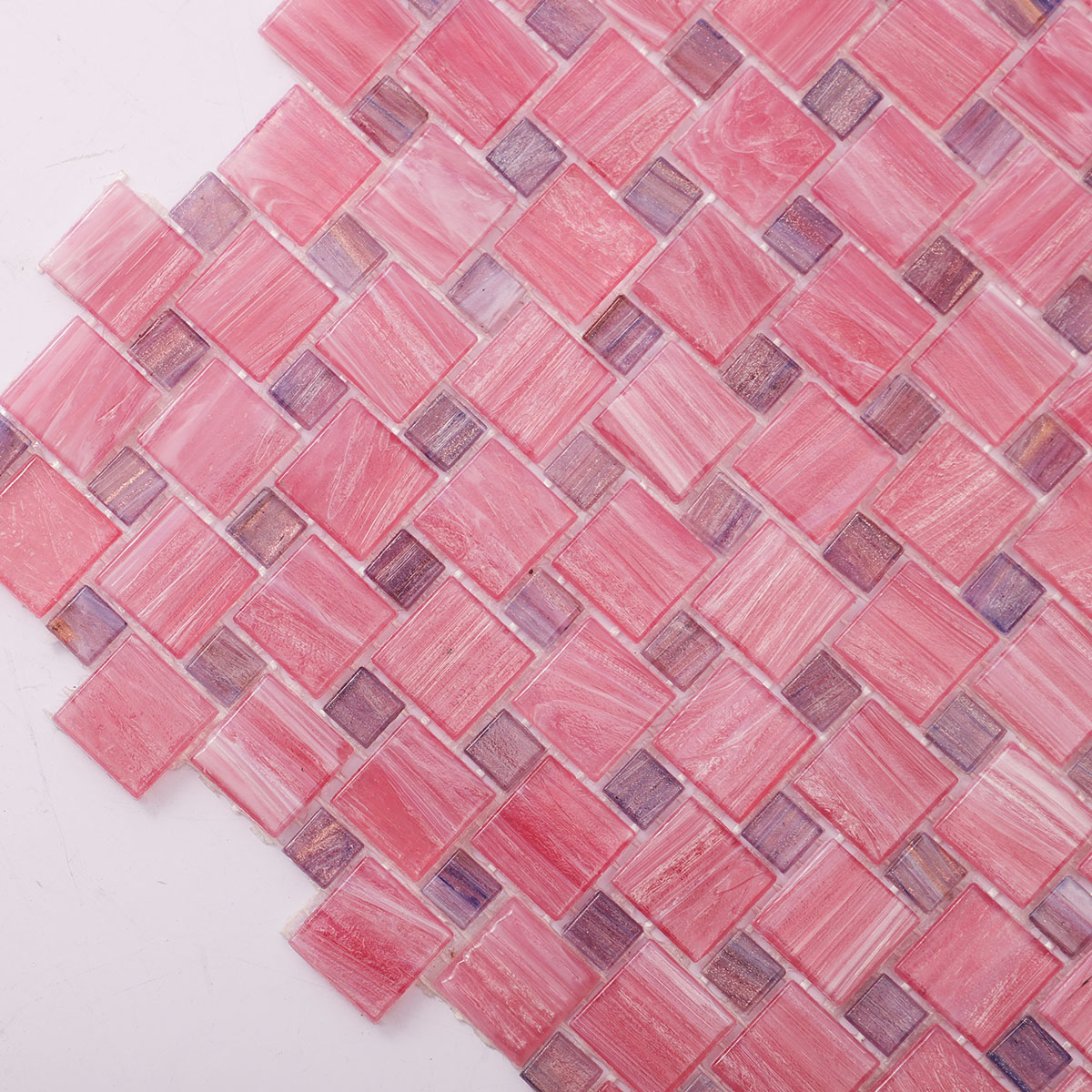
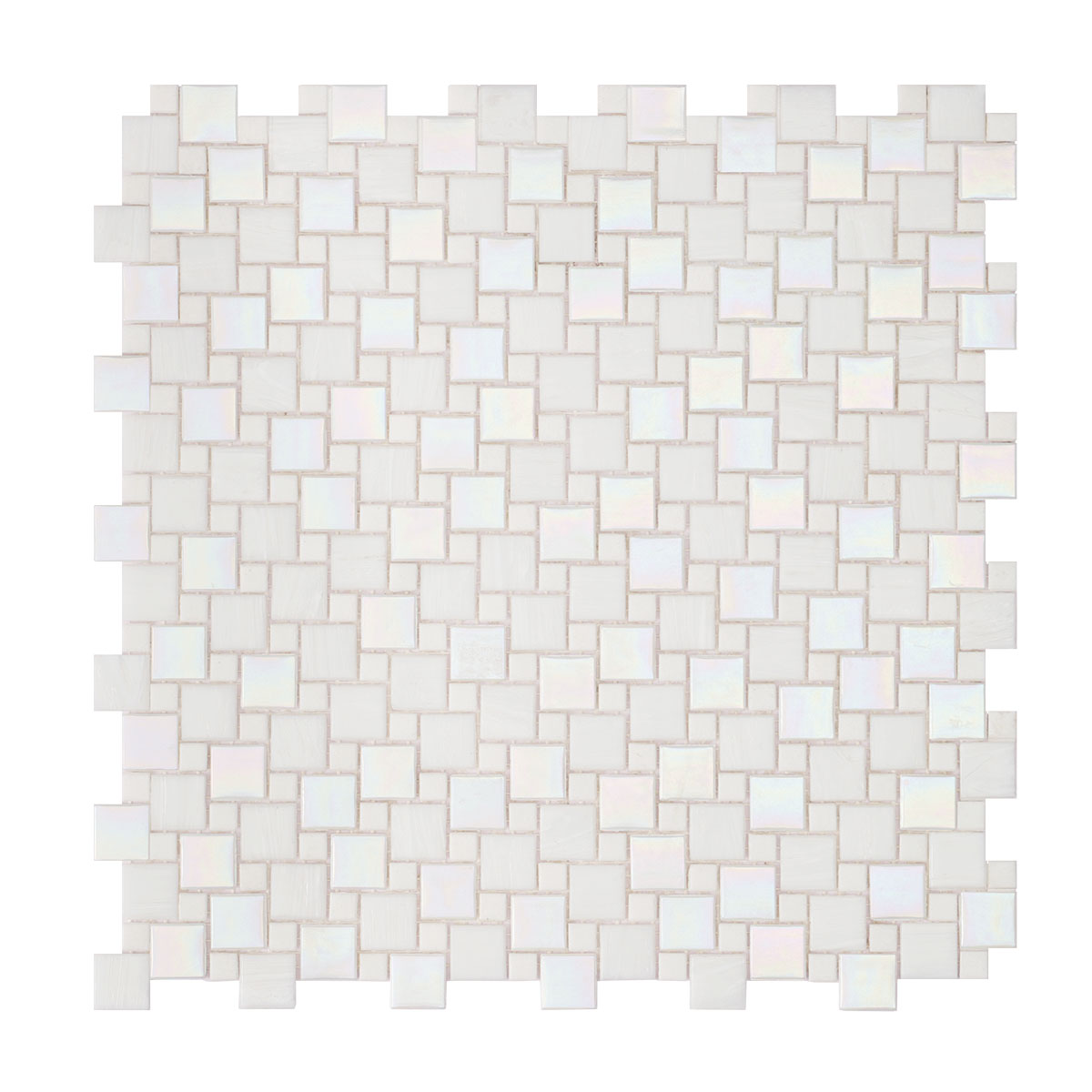
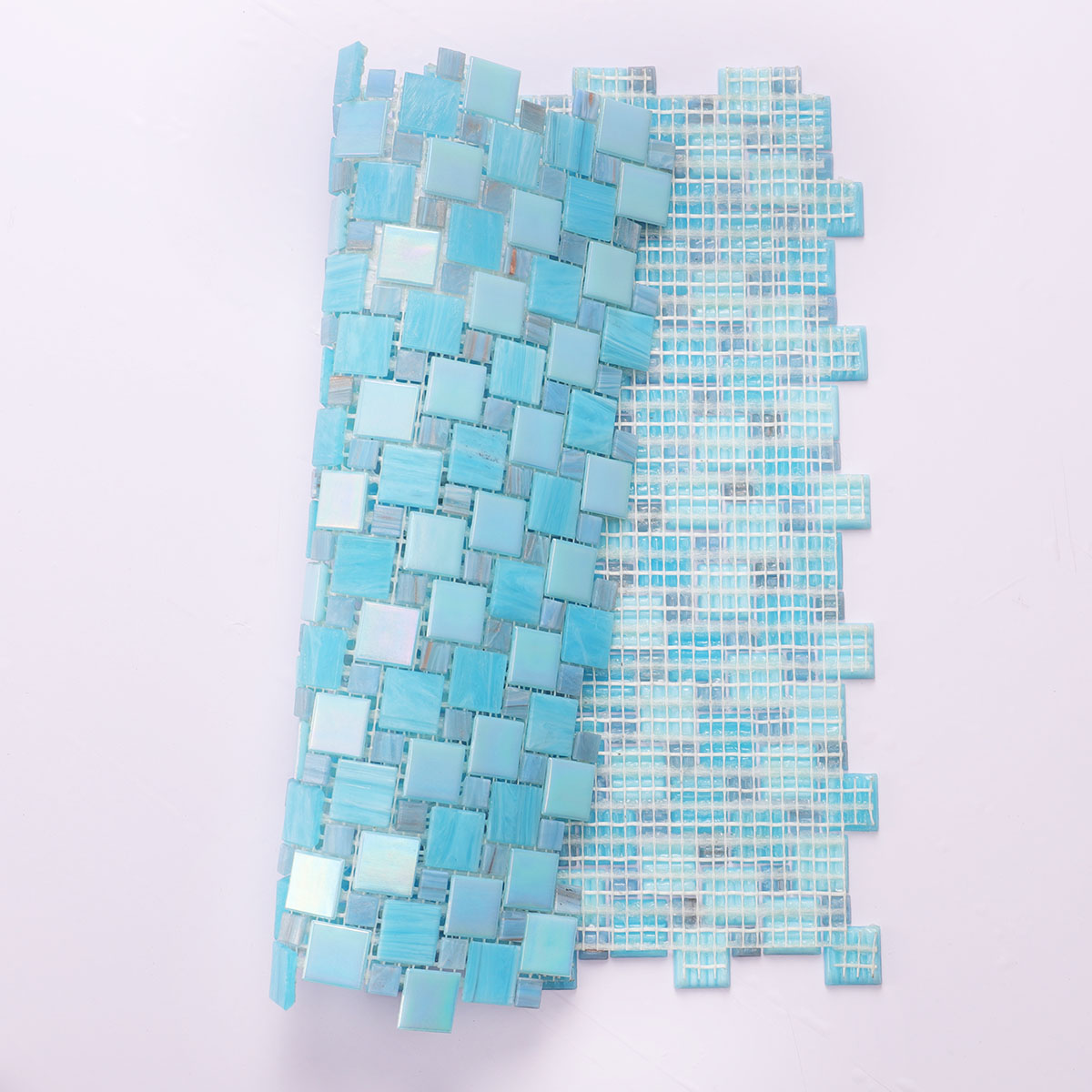
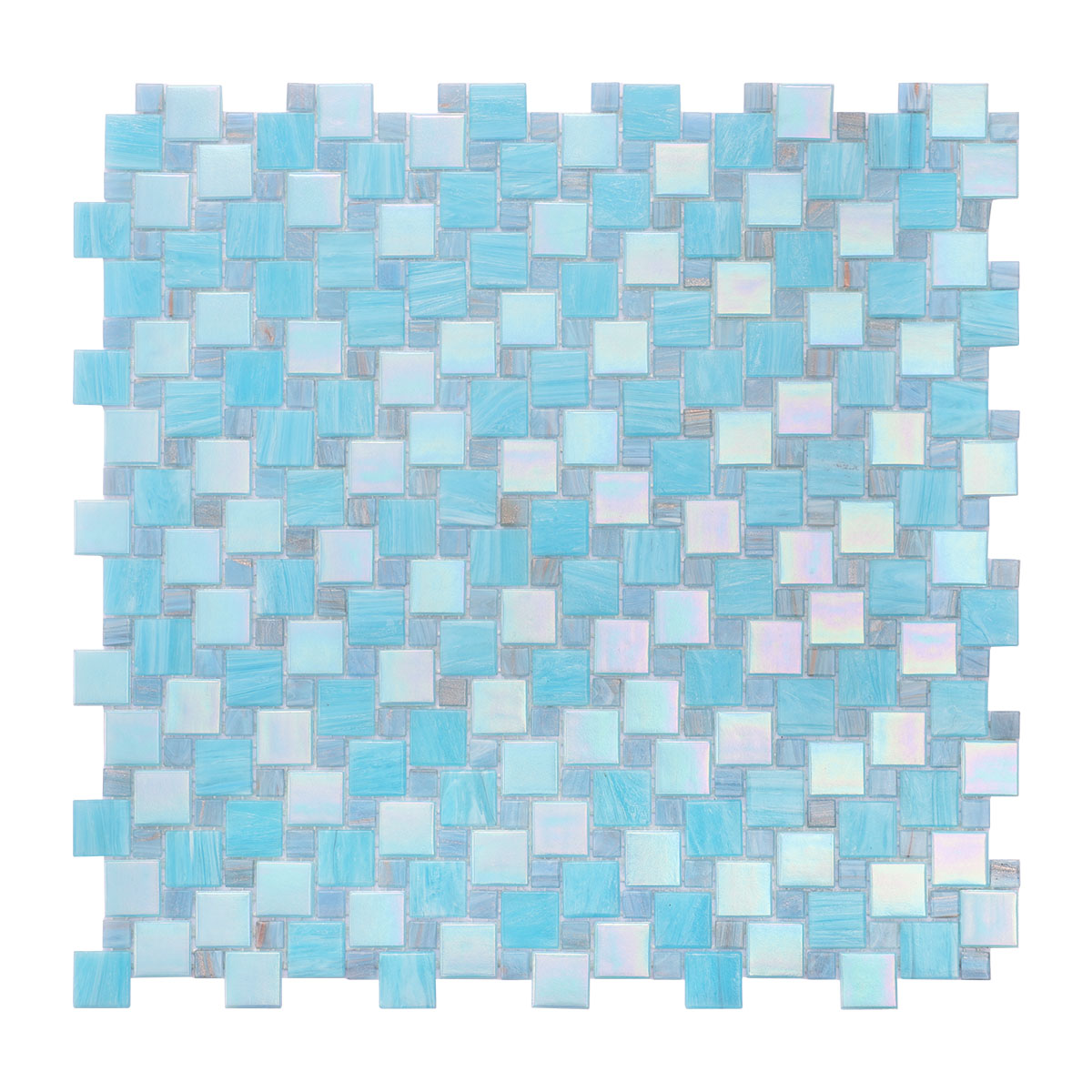
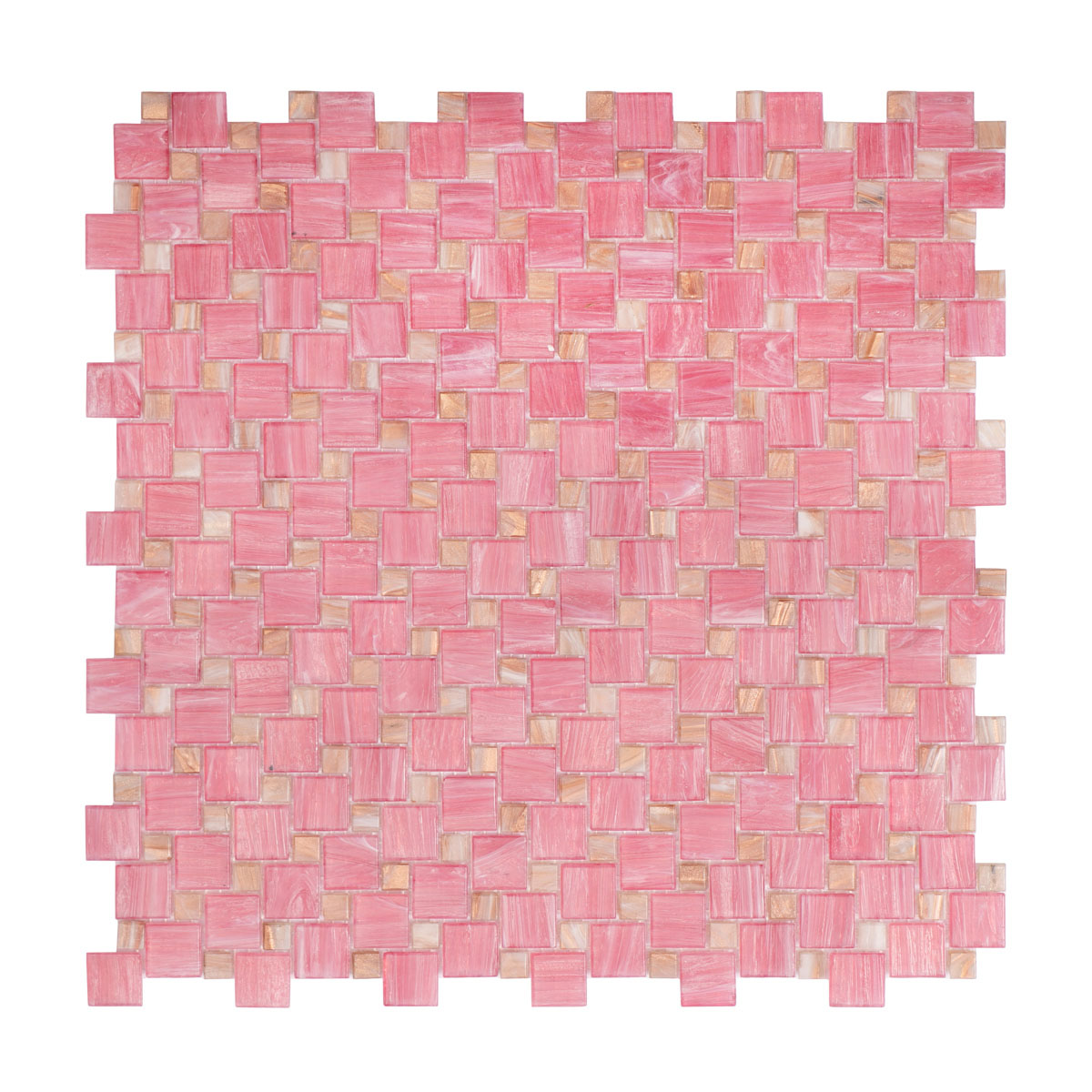
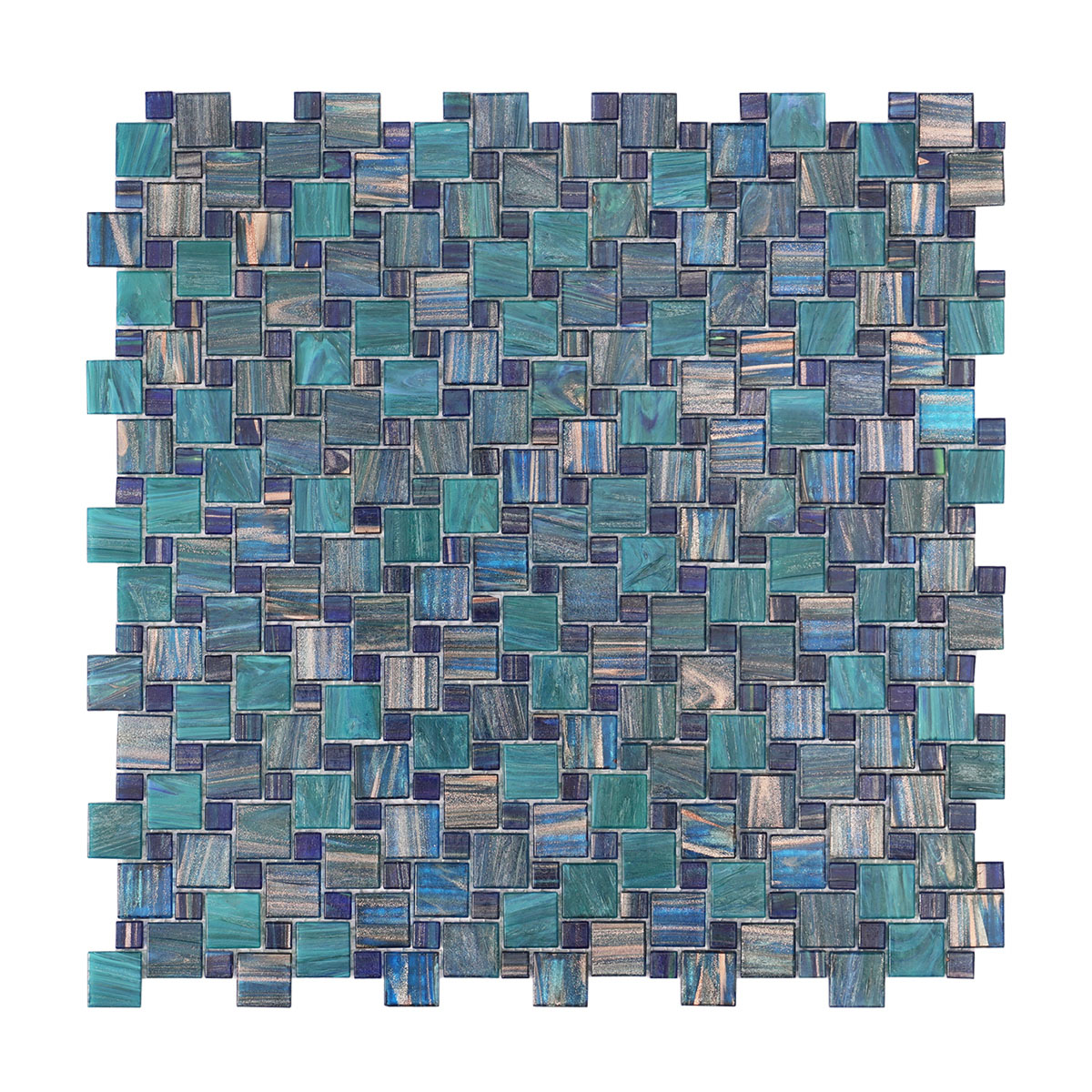
The classic pinwheel pattern features two different sized squares arranged in an offset layout to create the distinctive windmill shape. This design typically combines larger and smaller square tiles, where the alternating placement generates the spinning visual effect that gives pinwheel tiles their name.
Four Rectangle Plus Center Square Design
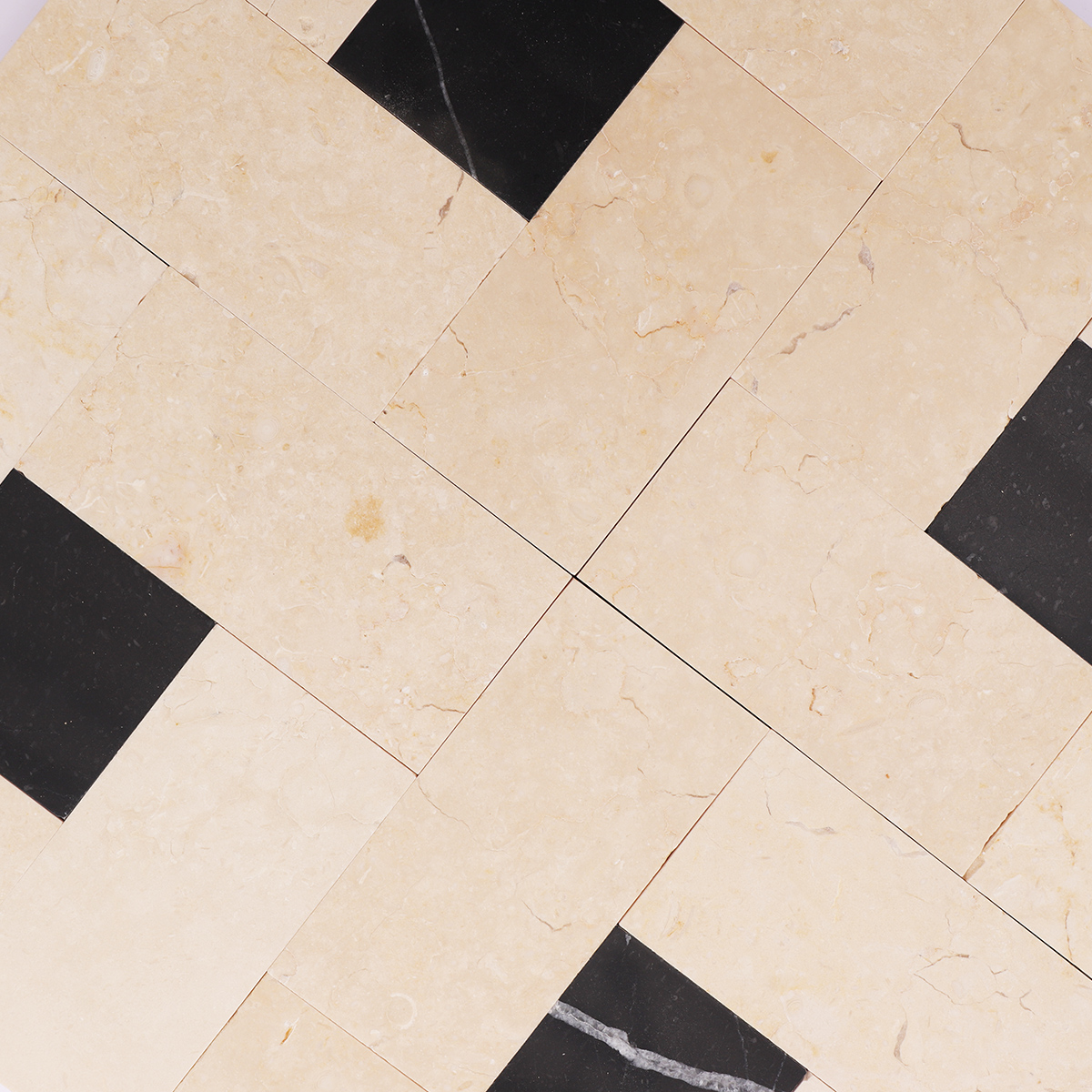
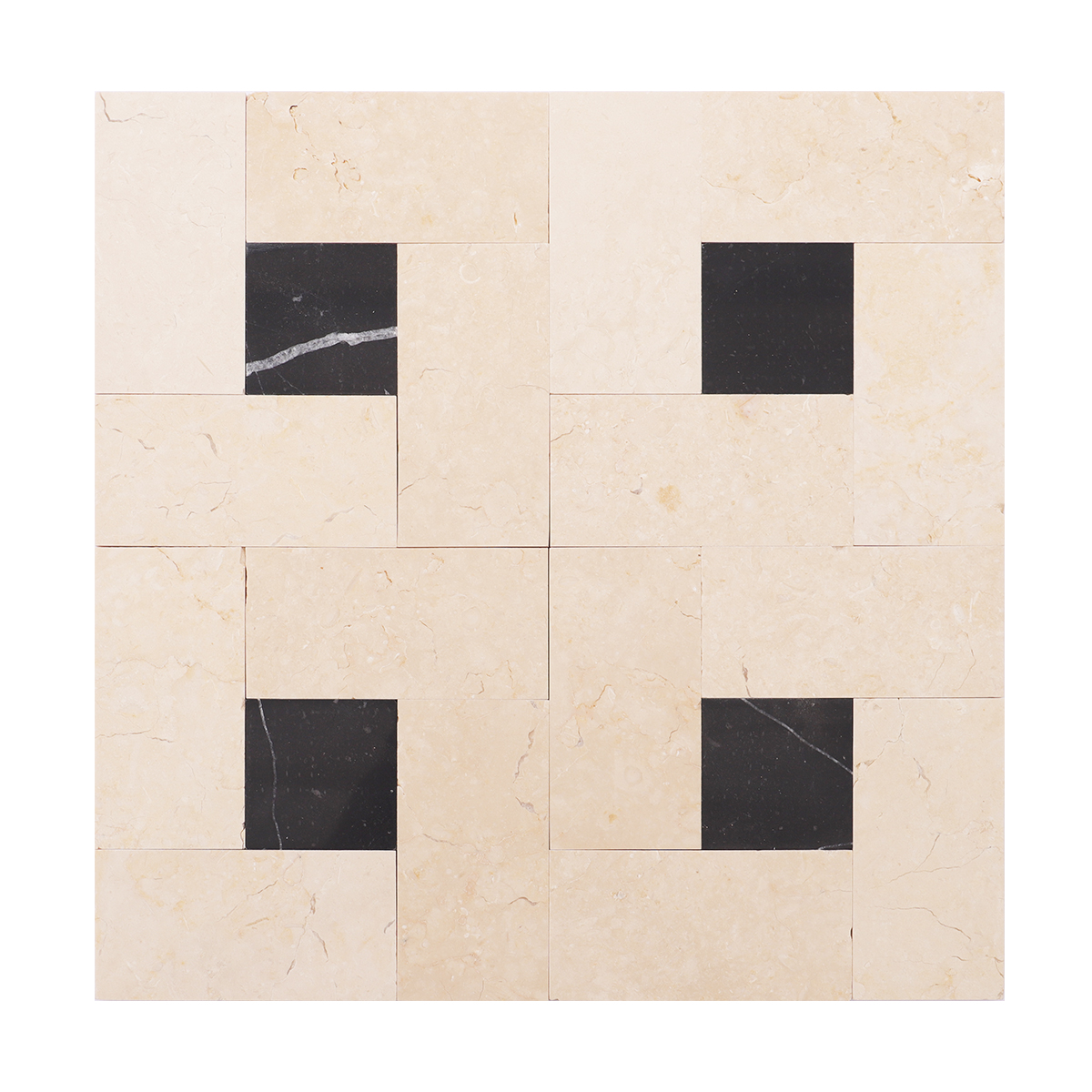
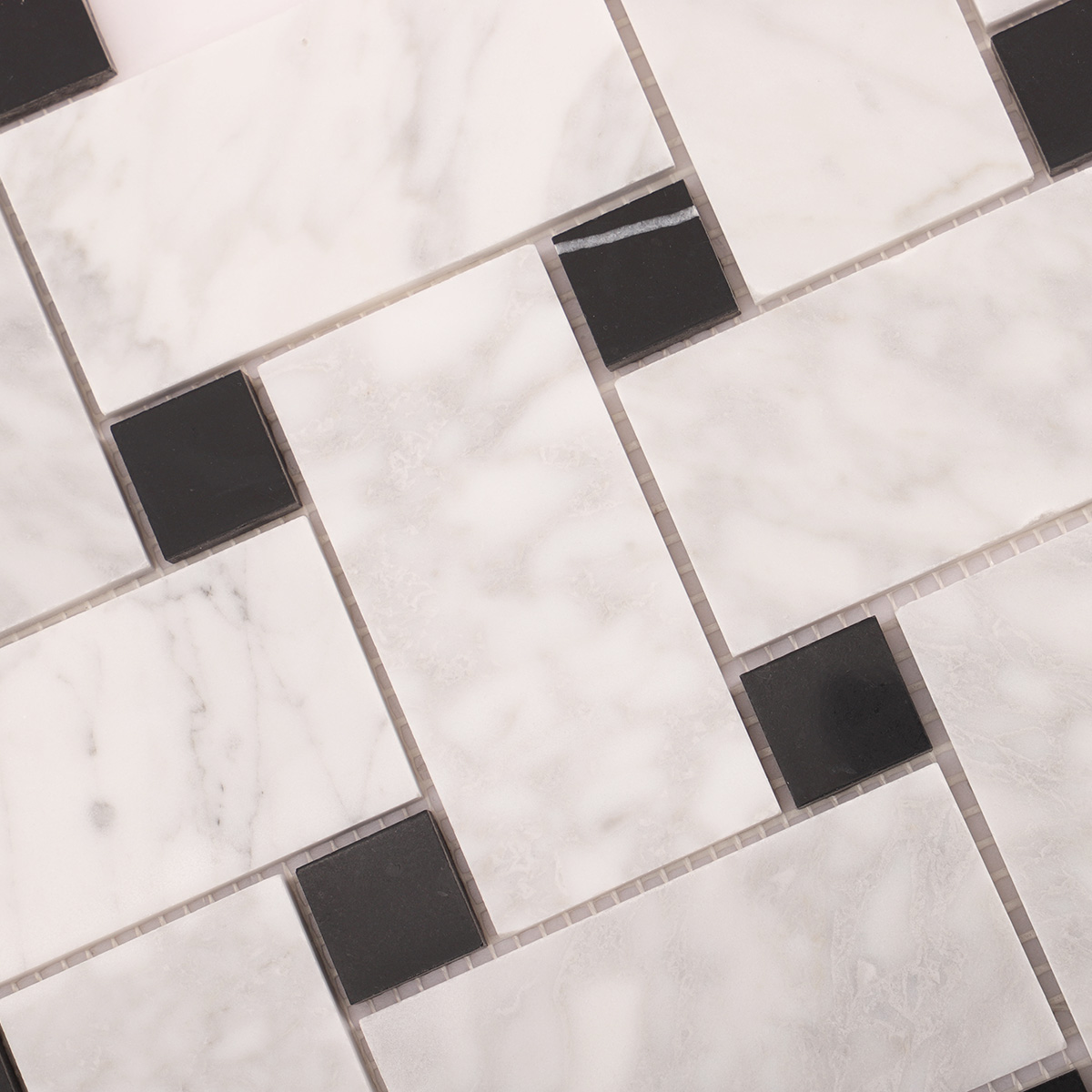
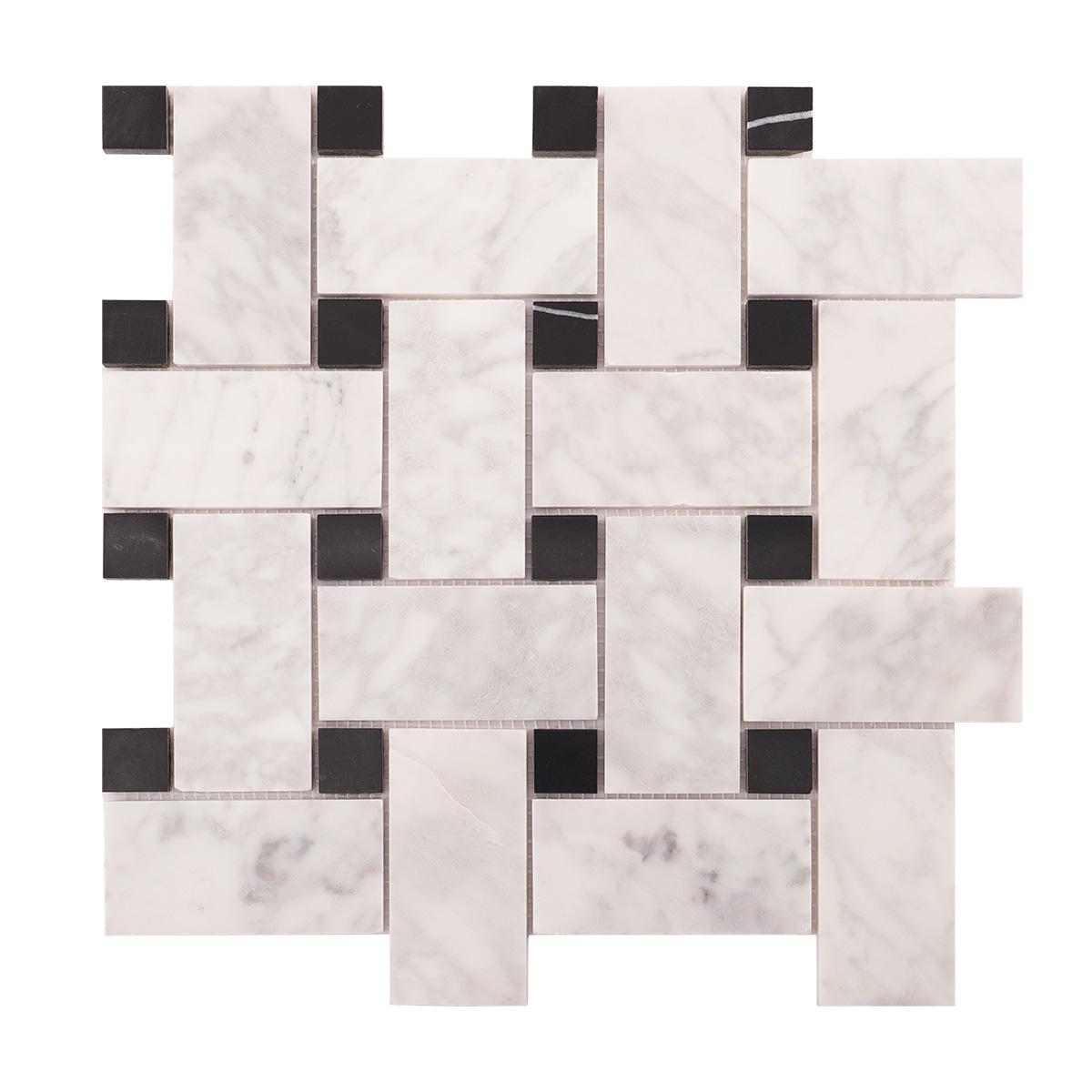
Another popular pinwheel configuration involves four rectangular tiles arranged around a central square piece. This layout creates a more complex geometric pattern where the rectangles radiate outward from the center square, forming a sophisticated windmill motif that adds architectural interest to any surface.
Semicircle Offset Pattern
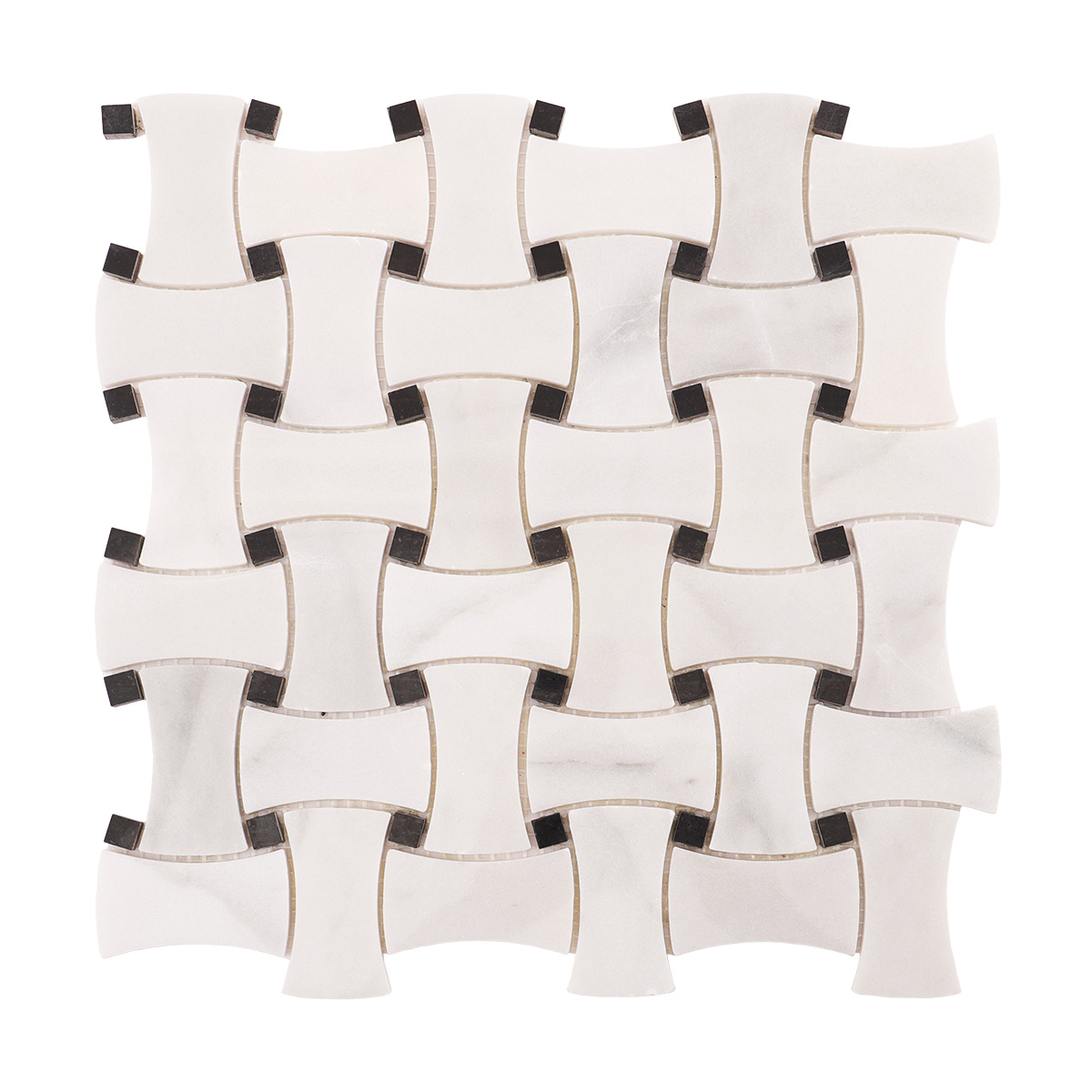
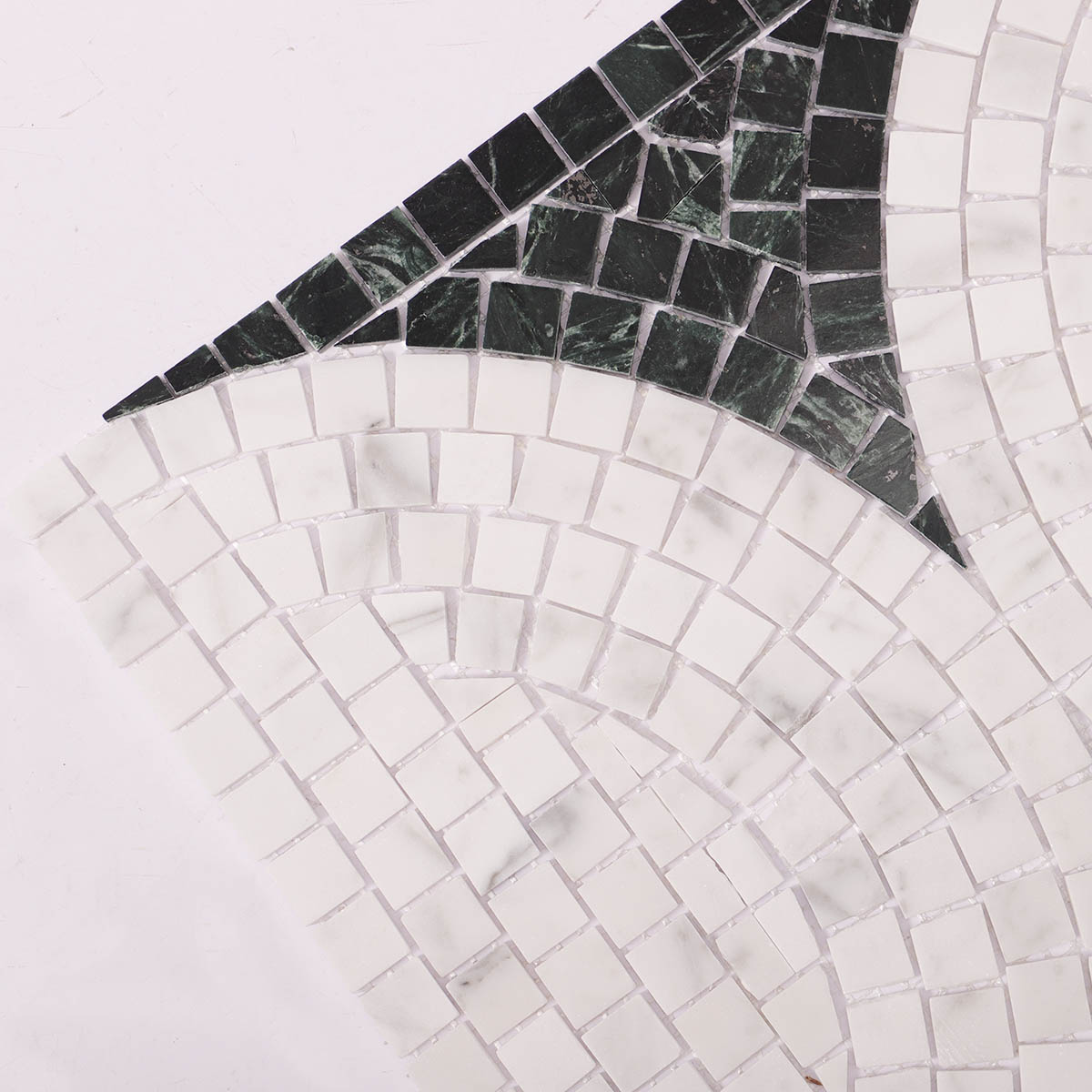
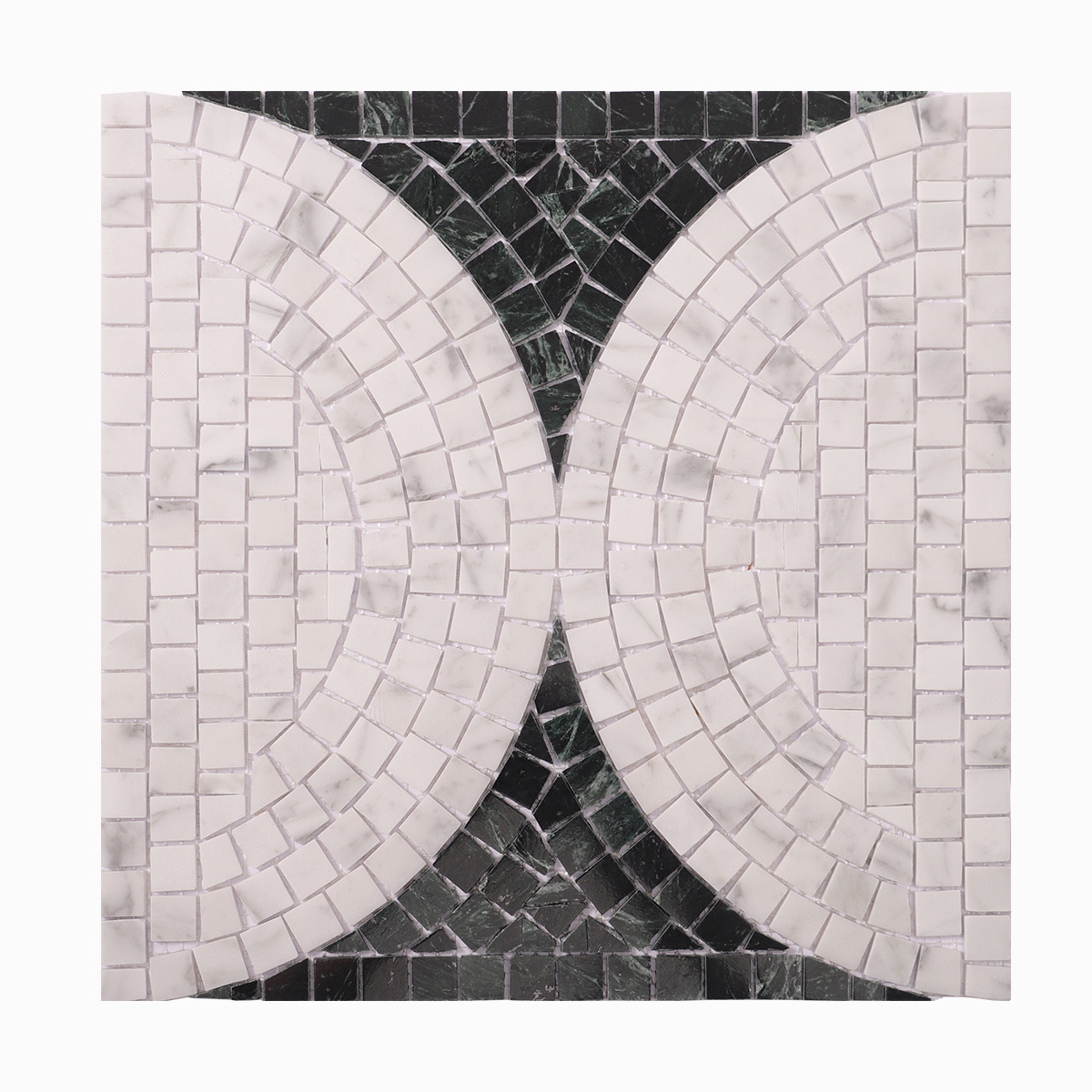
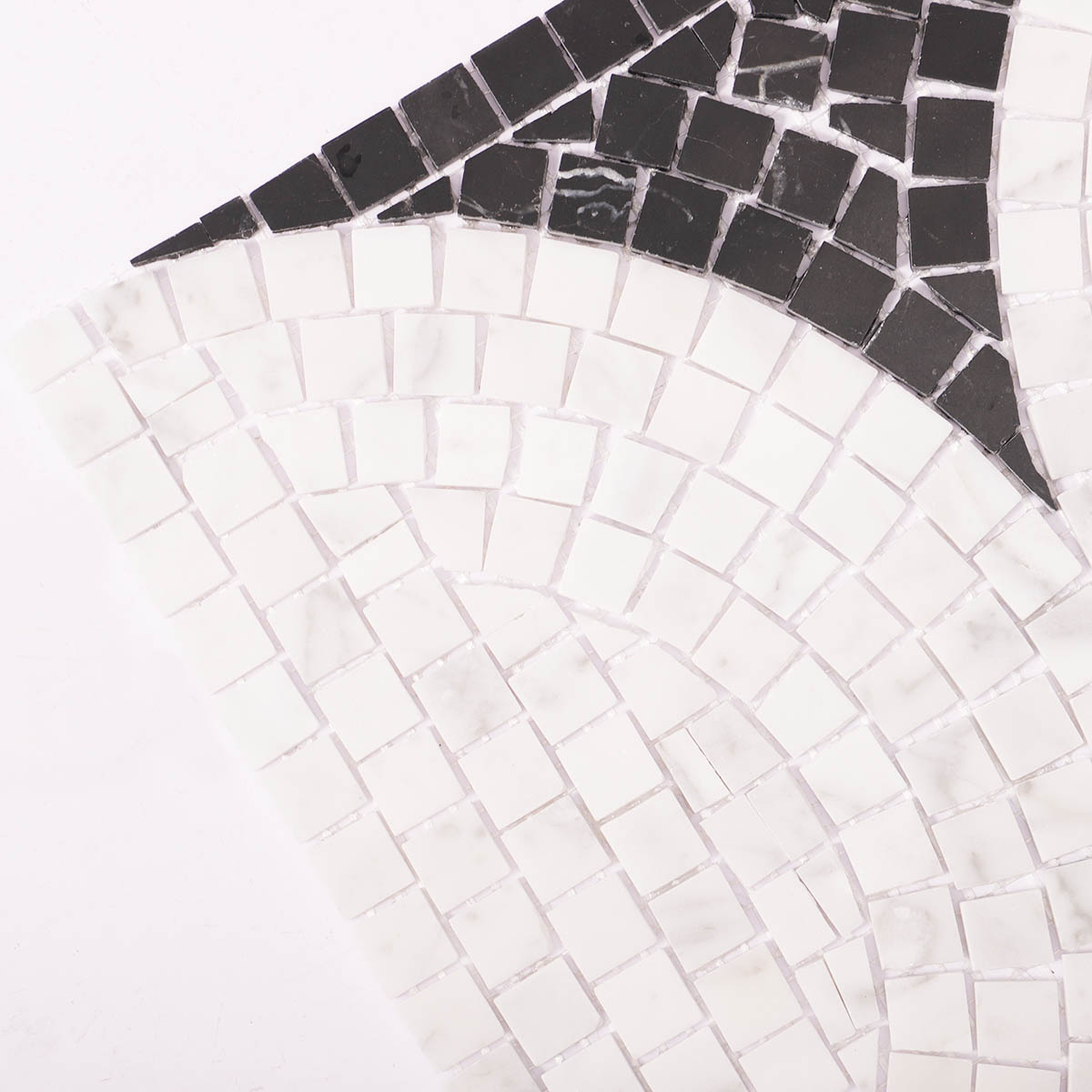
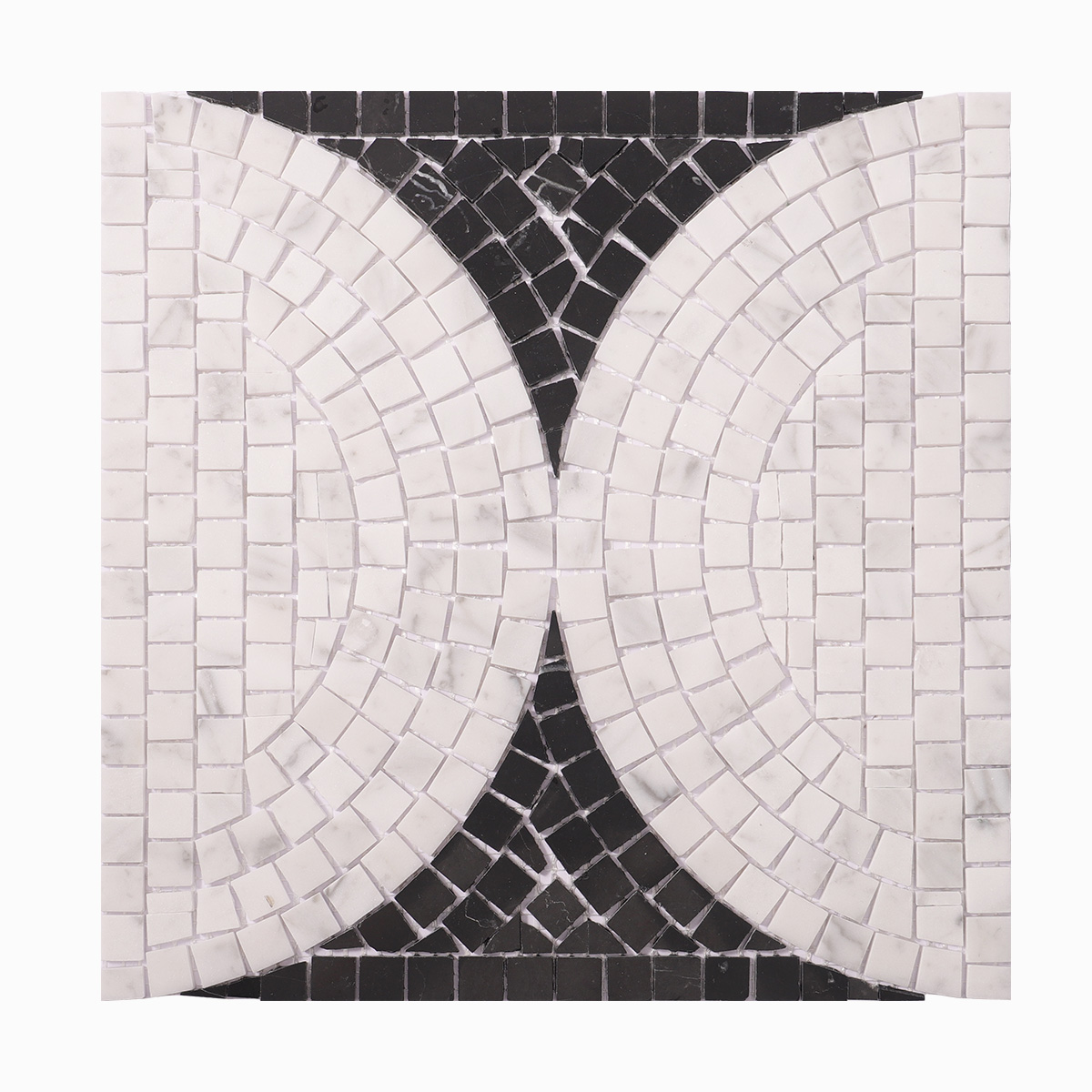
The semicircle pinwheel design uses curved tile pieces arranged in an offset pattern to create flowing windmill shapes. This organic interpretation of the pinwheel concept brings a softer, more fluid aesthetic while maintaining the characteristic rotational movement that defines pinwheel patterns.
Materials and Finishes for Pinwheel Mosaic Tiles
Ceramic Pinwheel Mosaics
Ceramic pinwheel tiles offer durability and versatility in various glazes and finishes. Popular options include matte, gloss, and satin surfaces that complement both traditional and contemporary design schemes. Ceramic materials provide excellent water resistance and are suitable for high-traffic areas.
Natural Stone Pinwheel Patterns
Marble and travertine pinwheel mosaics bring luxury and elegance to upscale installations. Carrara marble, Thassos white, and other premium stones create sophisticated patterns perfect for bathroom vanities, shower walls, and kitchen backsplashes where natural beauty is desired.
Glass Pinwheel Tiles
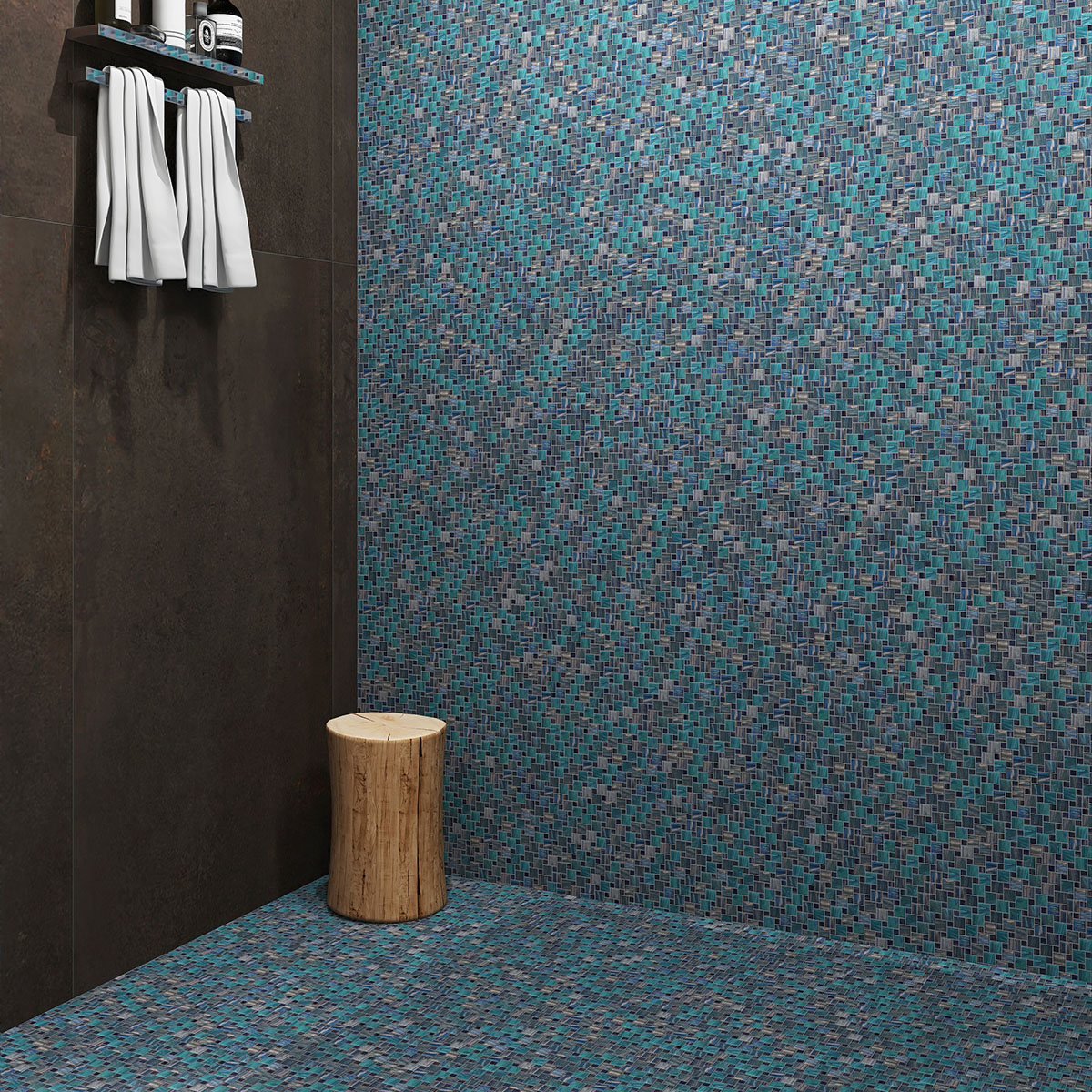
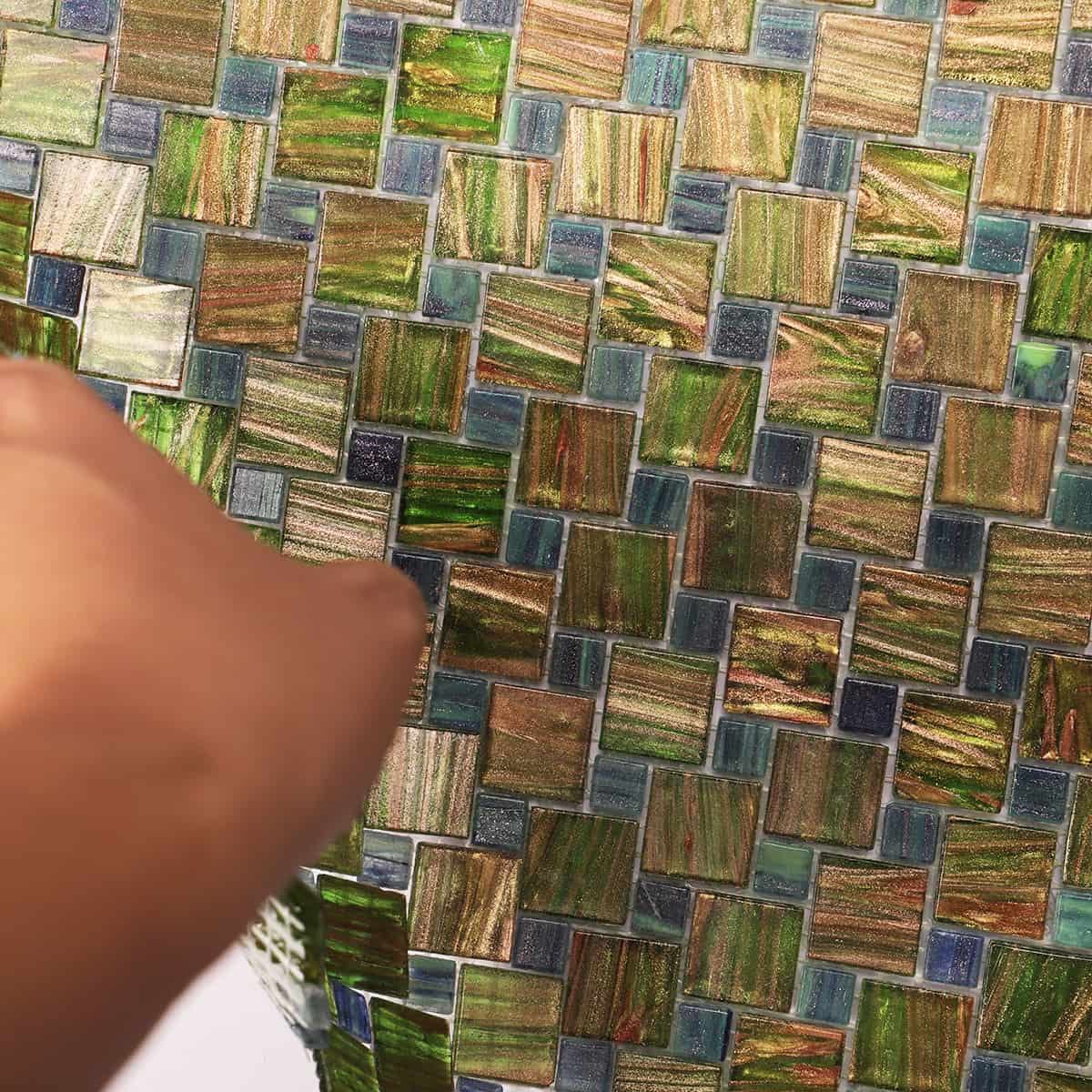
Glass pinwheel mosaics feature unique transparency and light-reflecting properties that create stunning visual effects. Available in both matte and glossy finishes, glass tiles are particularly popular for pool installations and modern bathroom designs where luminosity is important.
Installation Guidelines for Pinwheel Mosaic Tiles
Substrate Preparation
Proper substrate preparation is crucial for successful pinwheel mosaic installation. Use cement backer board or other engineered substrates designed for tiling. Ensure surfaces are clean, level, and dry before beginning installation to prevent future tile failure.
Adhesive Selection and Application
Choose appropriate thinset mortar or tile adhesive specifically rated for your installation environment. For wet areas like showers and pools, use waterproof adhesives. Apply adhesive with proper trowel techniques to ensure complete tile coverage and strong bonding.
Pattern Layout and Alignment
Start pinwheel installations from the center of the space and work outward to ensure pattern symmetry. Use spacers to maintain consistent grout joint width, typically 3/16 inch for most mosaic installations. Check alignment frequently to prevent pattern drift.
Design Applications and Room Ideas
Bathroom Pinwheel Installations
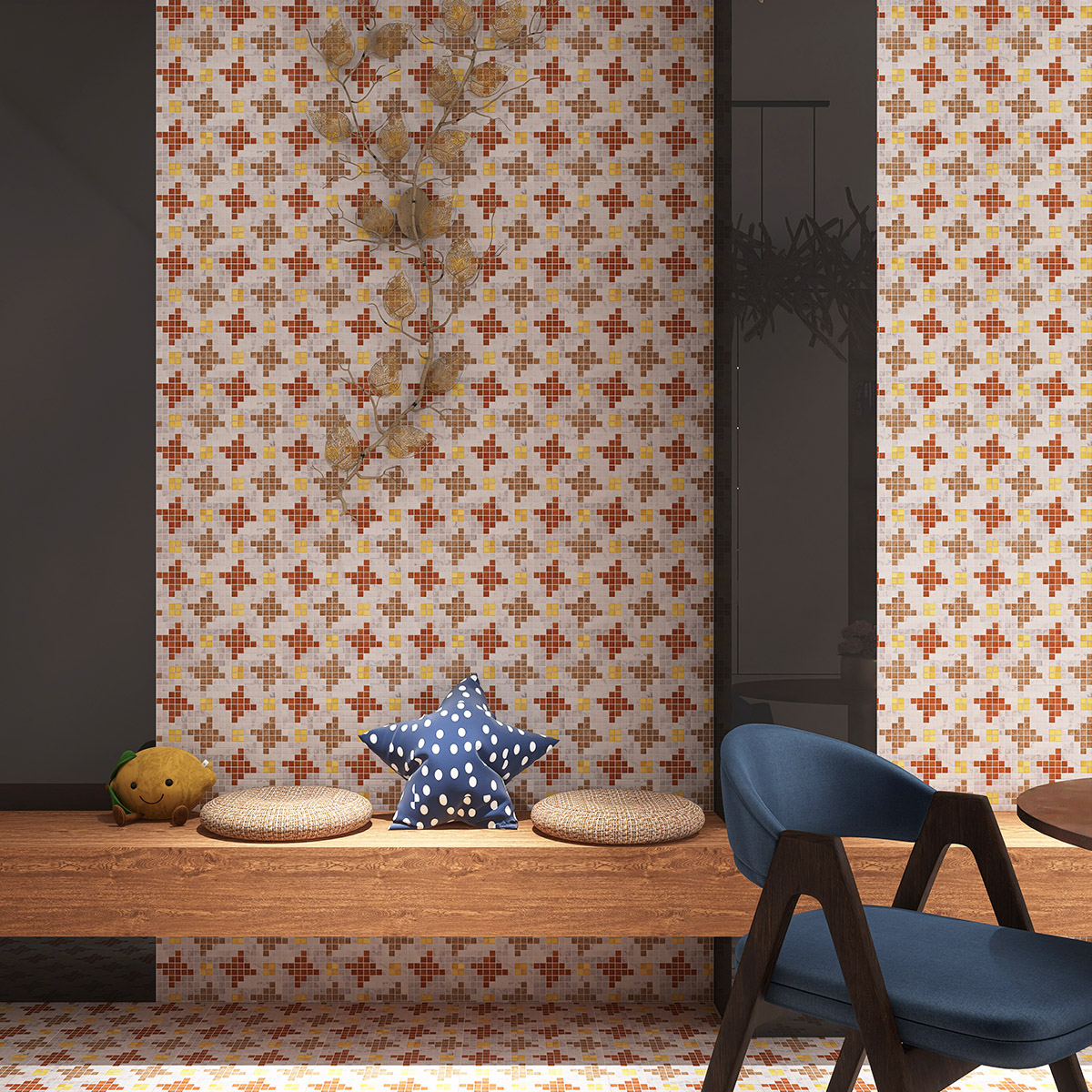
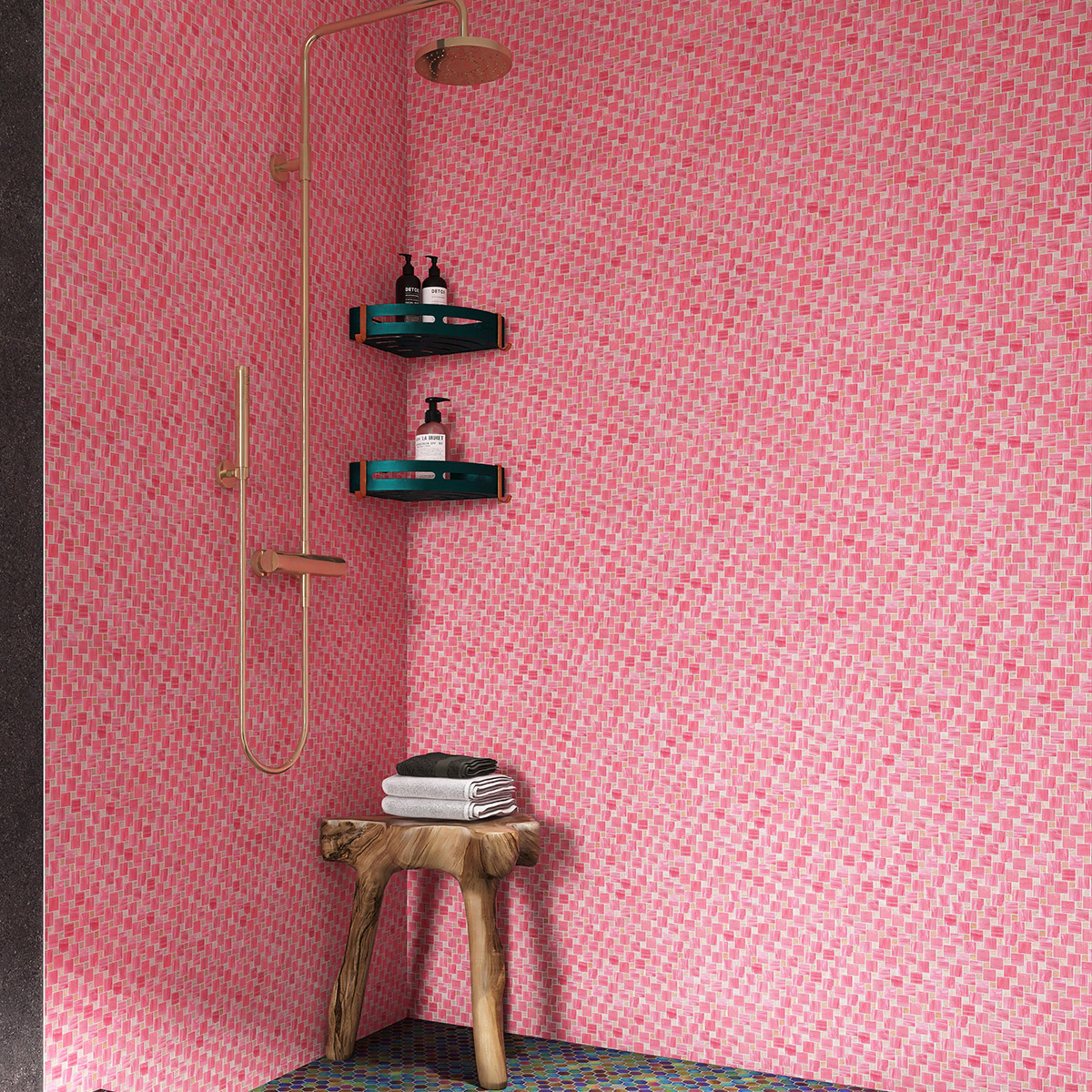
Pinwheel mosaics excel in bathroom applications, from shower niches to full wall installations. The geometric patterns add visual interest without overwhelming smaller spaces. Consider using contrasting grout colors to emphasize the pinwheel pattern or matching grout for subtle elegance.
Kitchen Backsplash Designs
Kitchen backsplashes benefit from pinwheel patterns that create focal points behind cooking areas. The geometric design complements both traditional and modern kitchen styles while providing easy-to-clean surfaces essential for food preparation areas.
Floor Pattern Options
Pinwheel floor installations create sophisticated patterns that work well in entryways, powder rooms, and other areas where decorative flooring makes a statement. Consider scale carefully - larger pinwheel patterns work better in spacious rooms while smaller formats suit intimate spaces.
Maintenance and Care Tips
Regular cleaning with pH-neutral cleaners preserves the beauty of pinwheel mosaic tiles. Avoid harsh chemicals that can damage grout or tile surfaces. For natural stone varieties, apply appropriate sealers to prevent staining and water damage. Professional deep cleaning every few years maintains optimal appearance.
Pinwheel mosaic tiles offer endless design possibilities for creating unique, visually striking installations. Whether you choose ceramic, natural stone, or glass materials, these geometric patterns bring sophisticated style and timeless appeal to any space.