

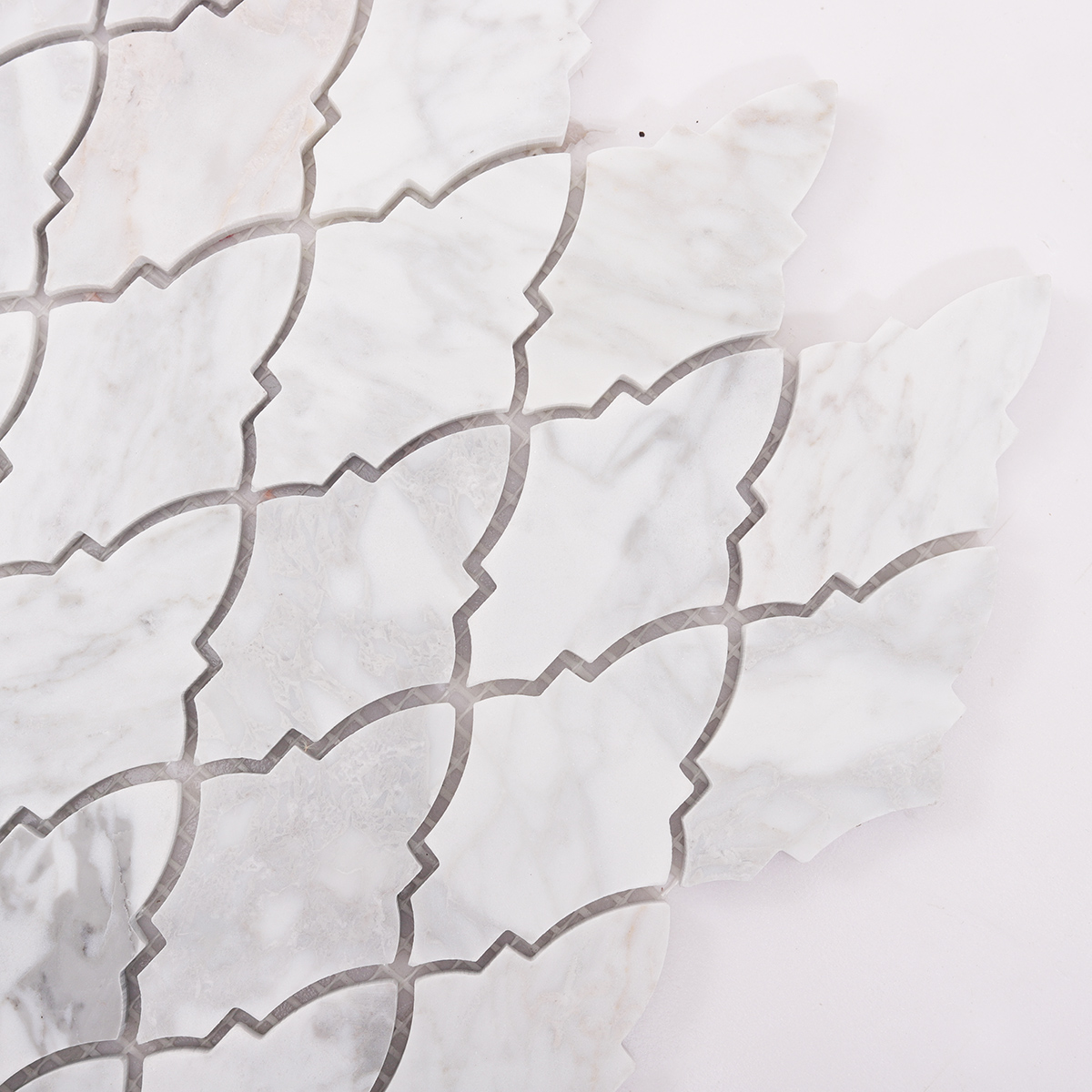
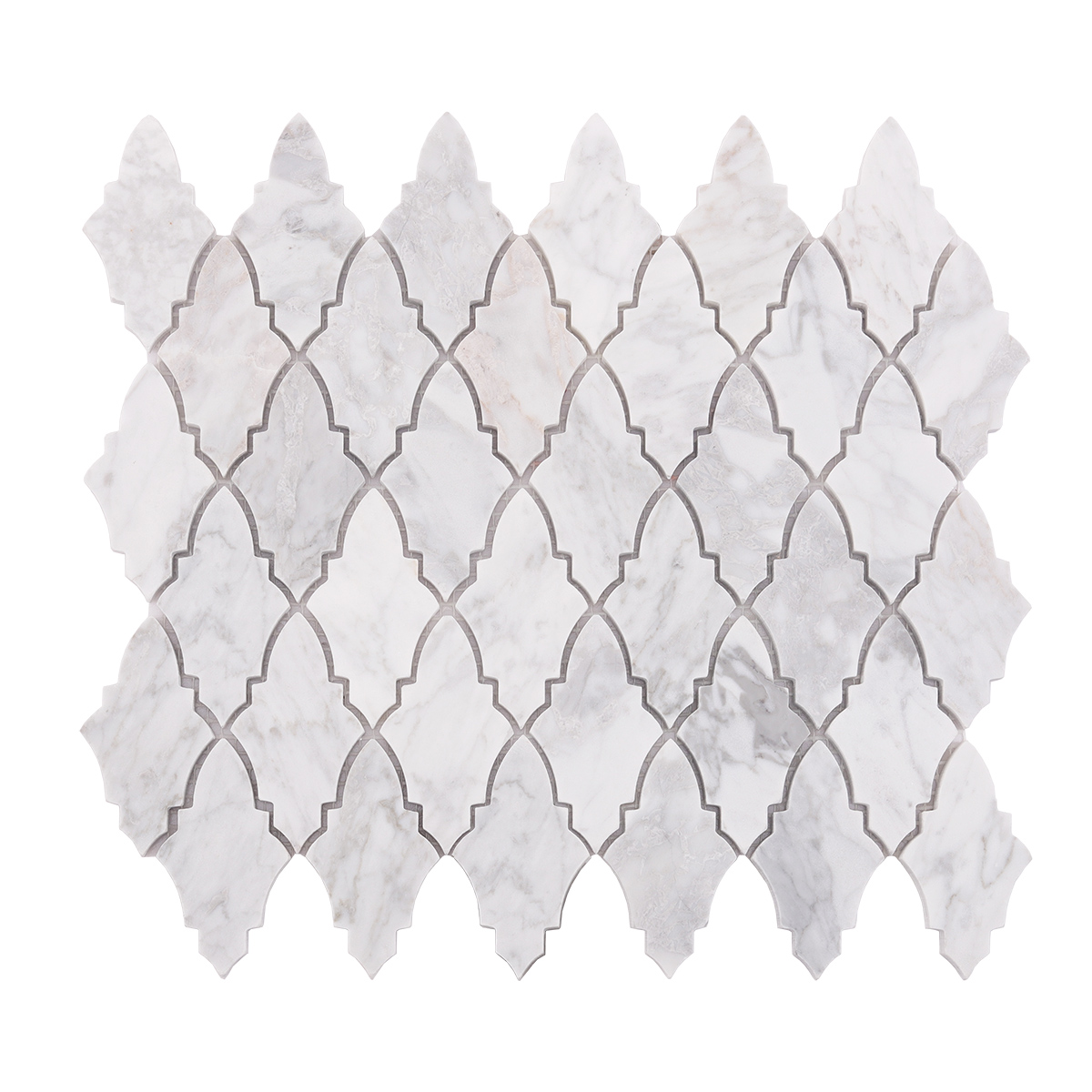
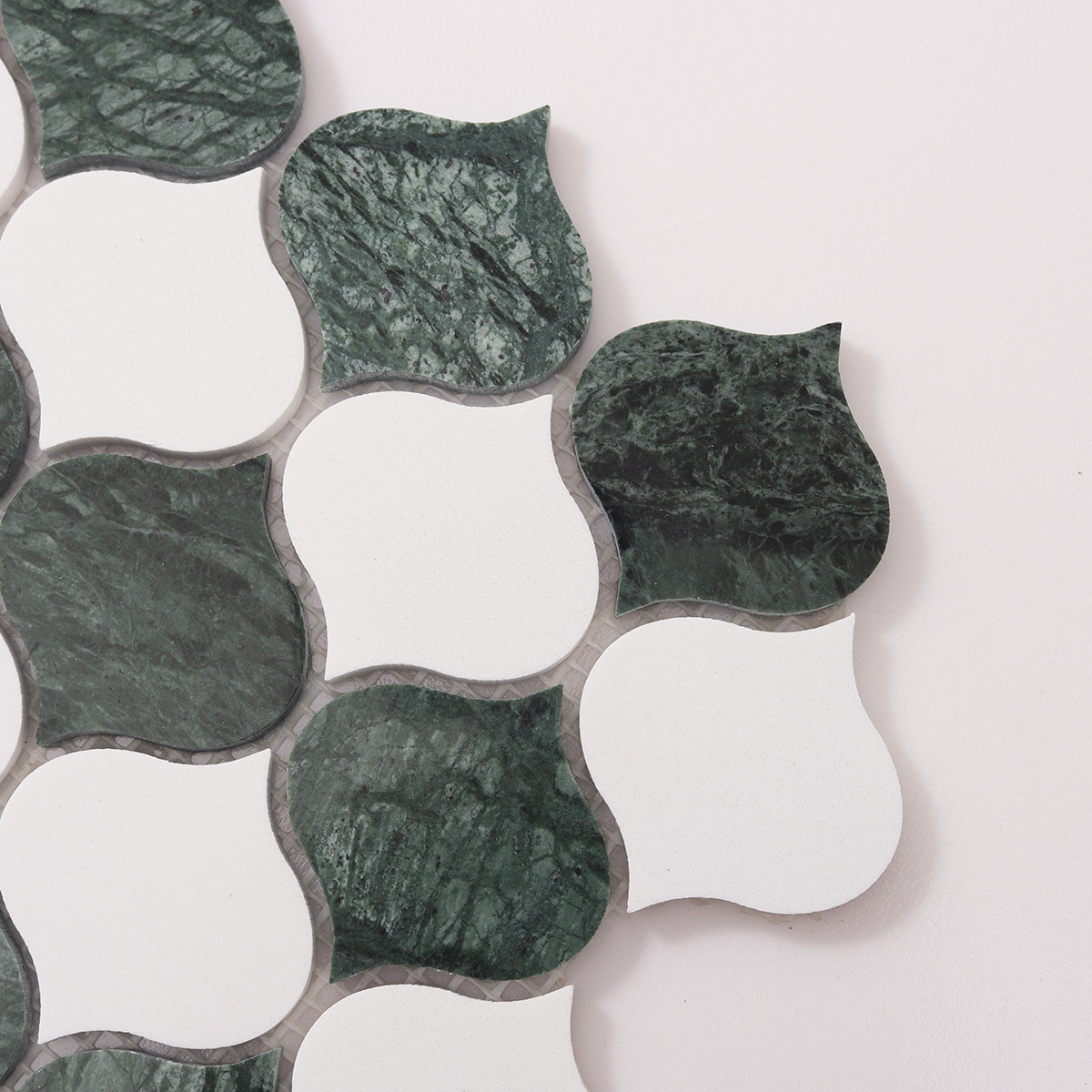
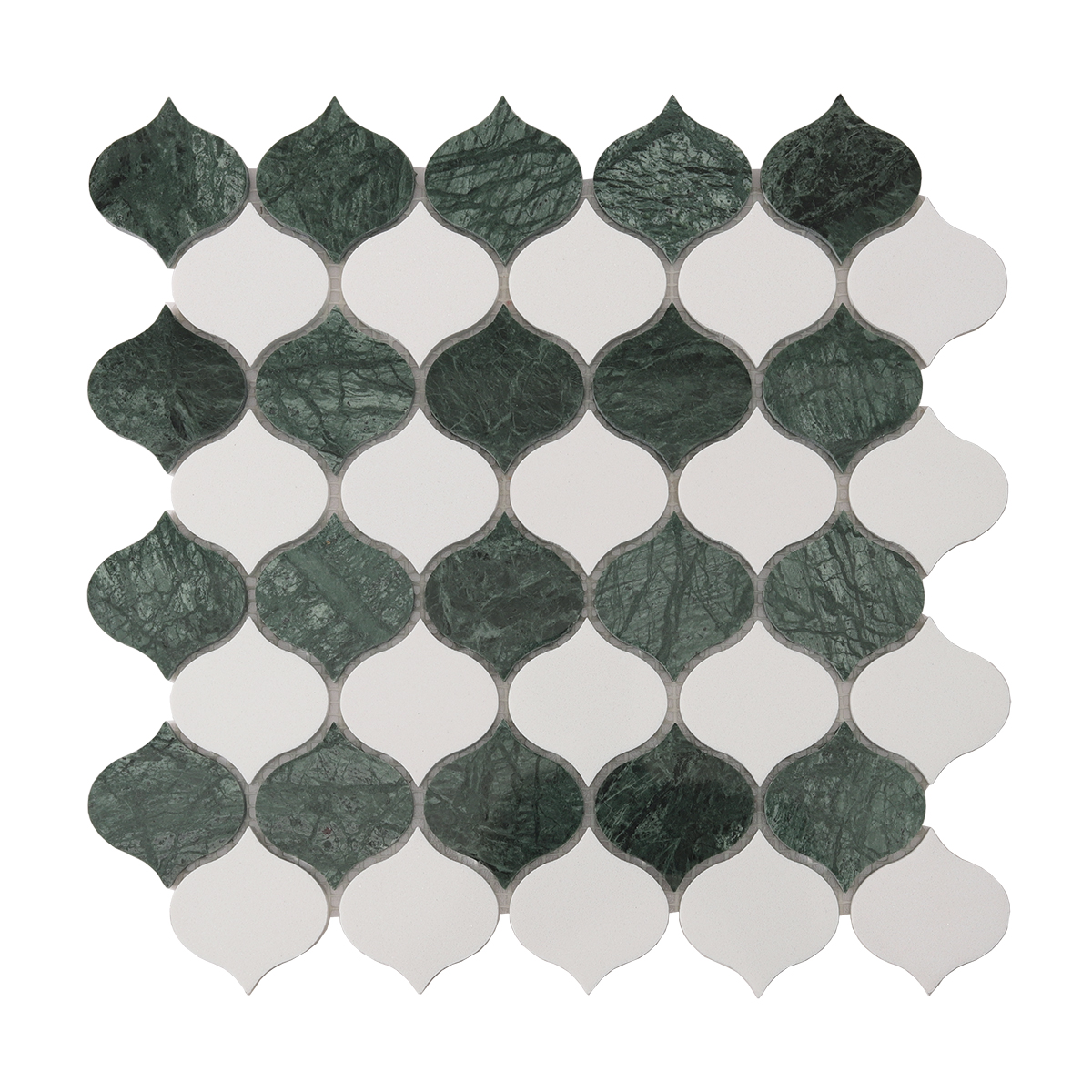
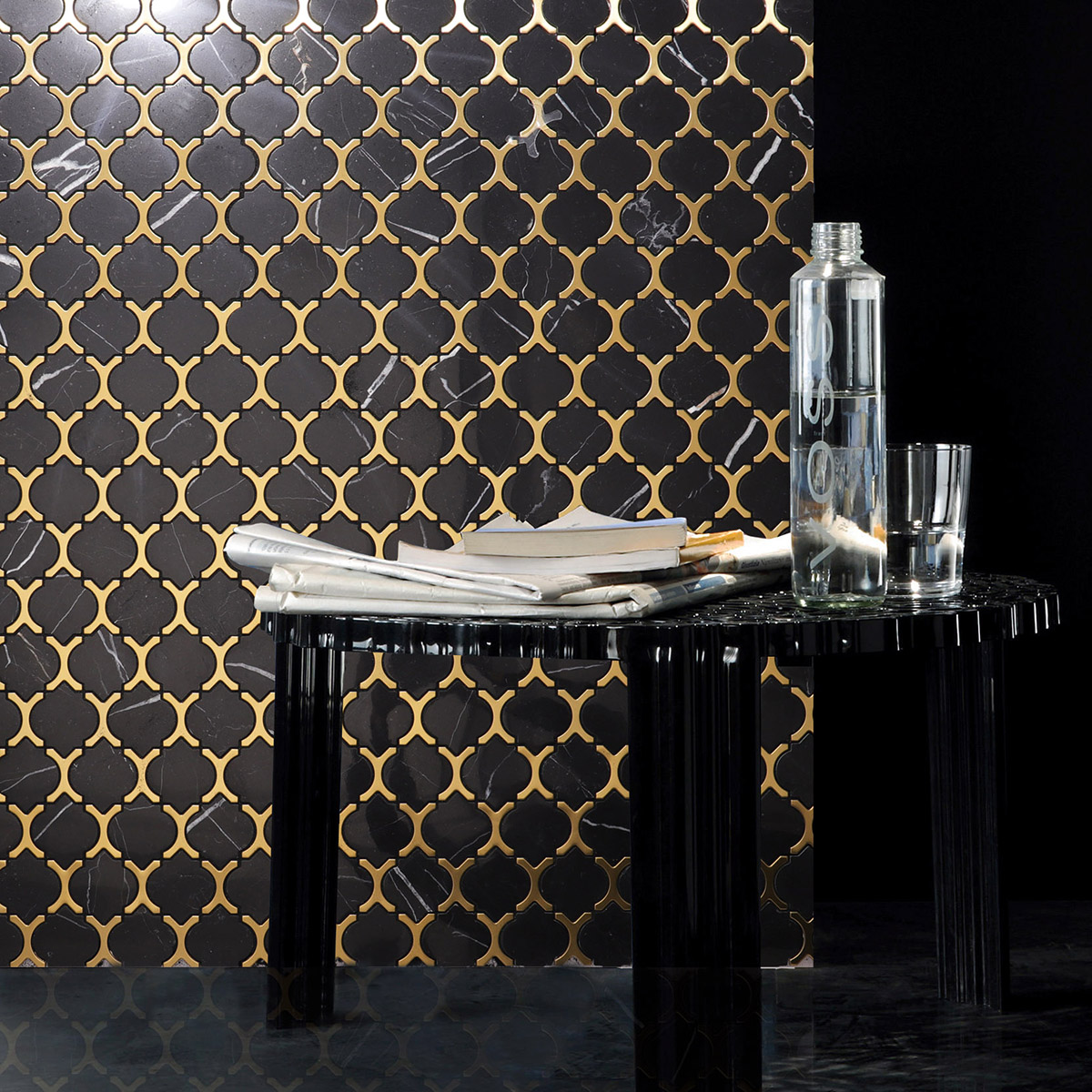
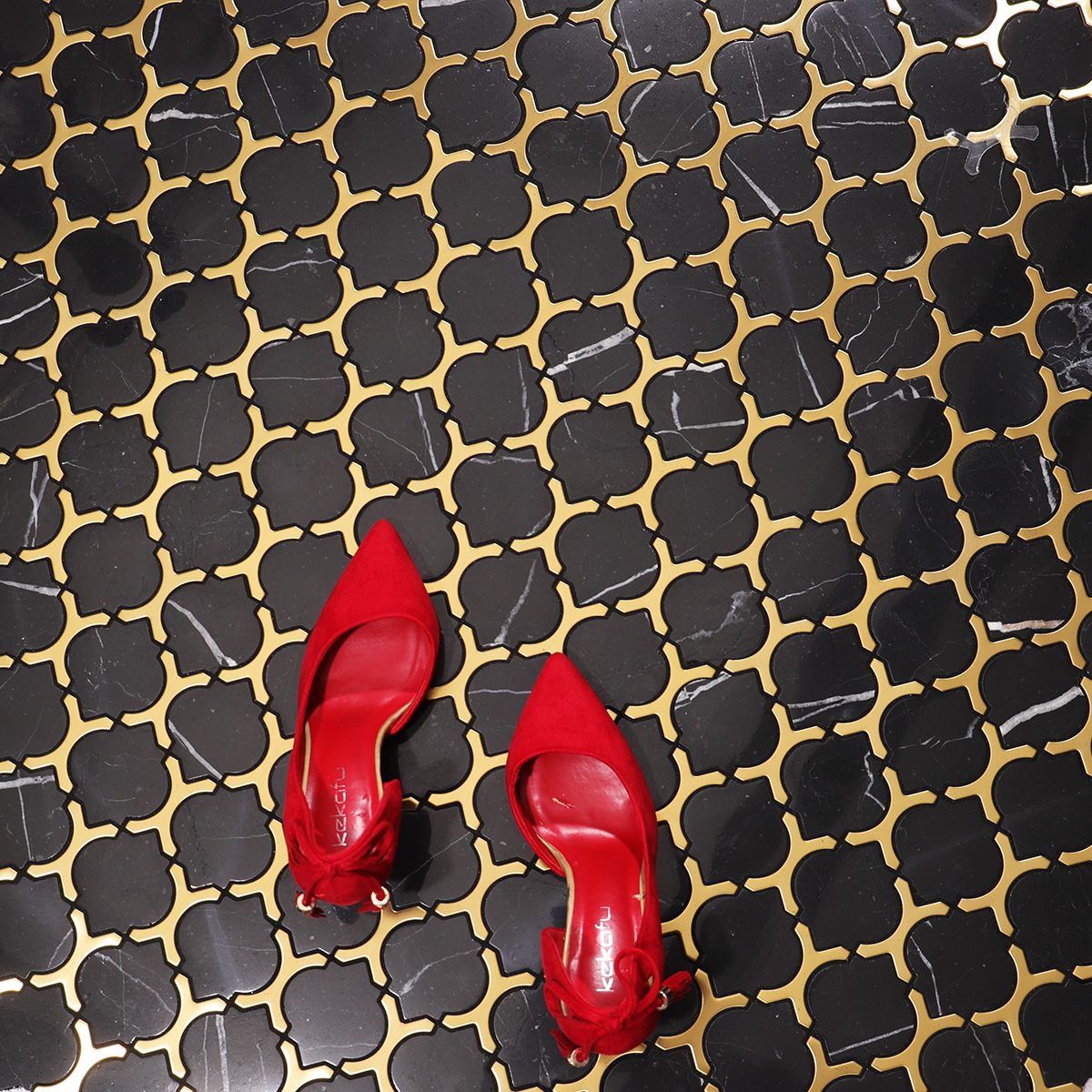
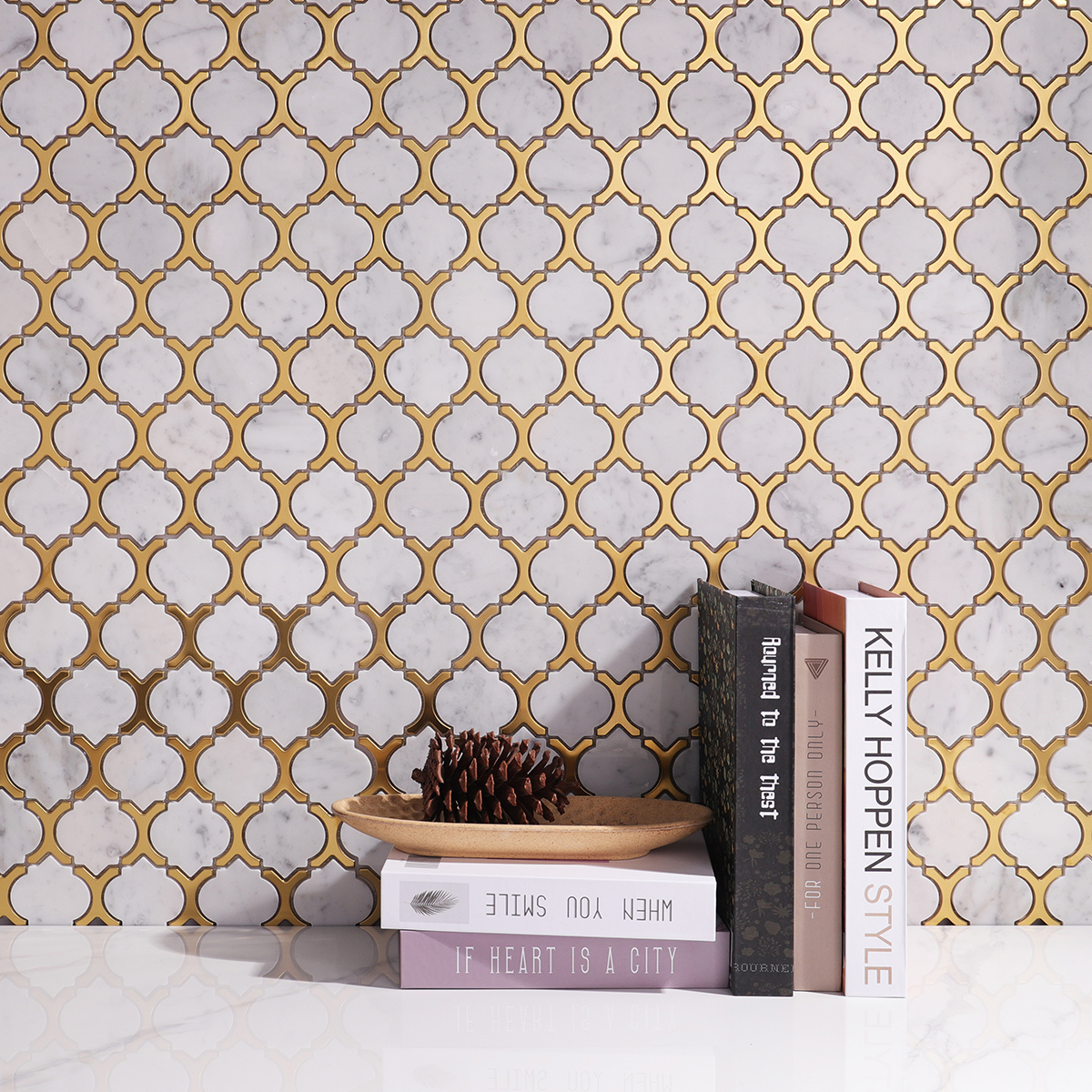

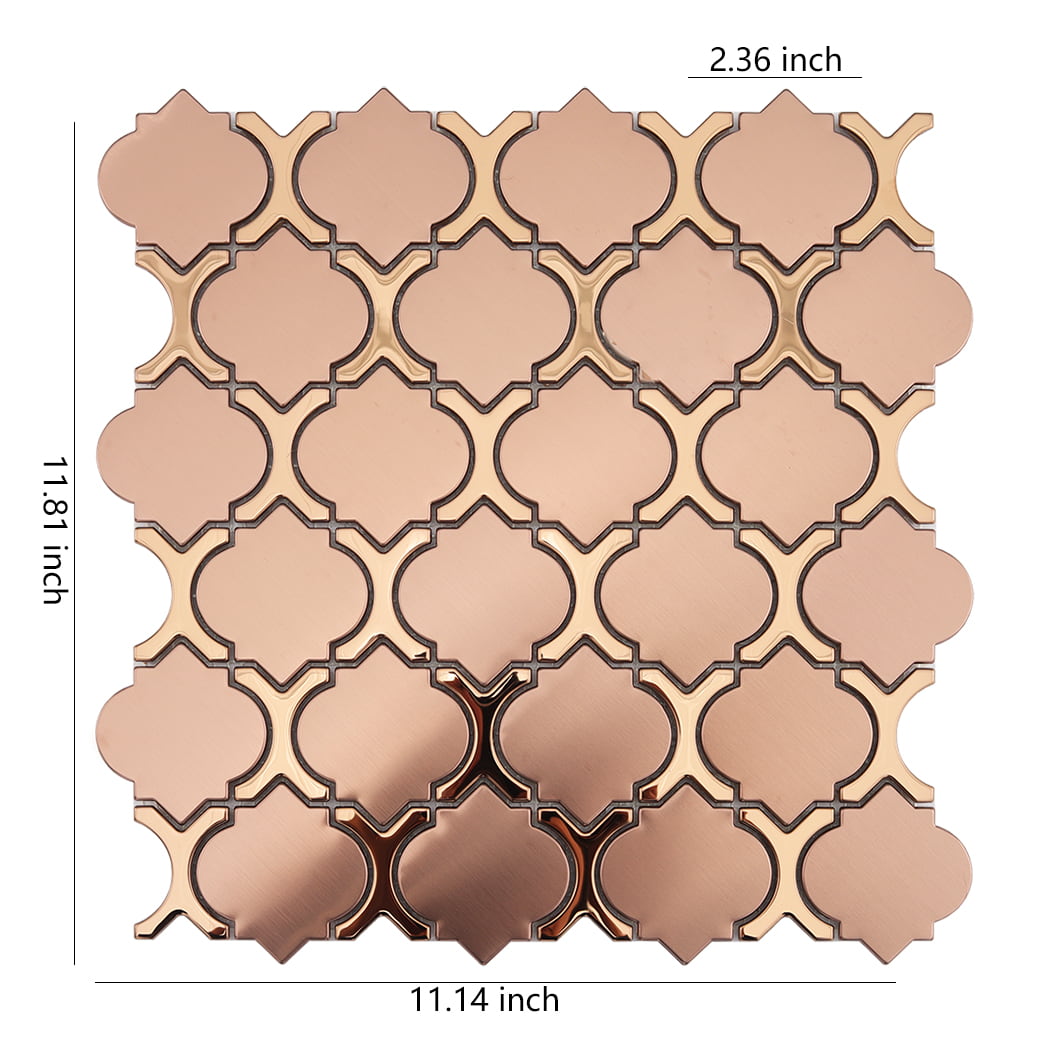


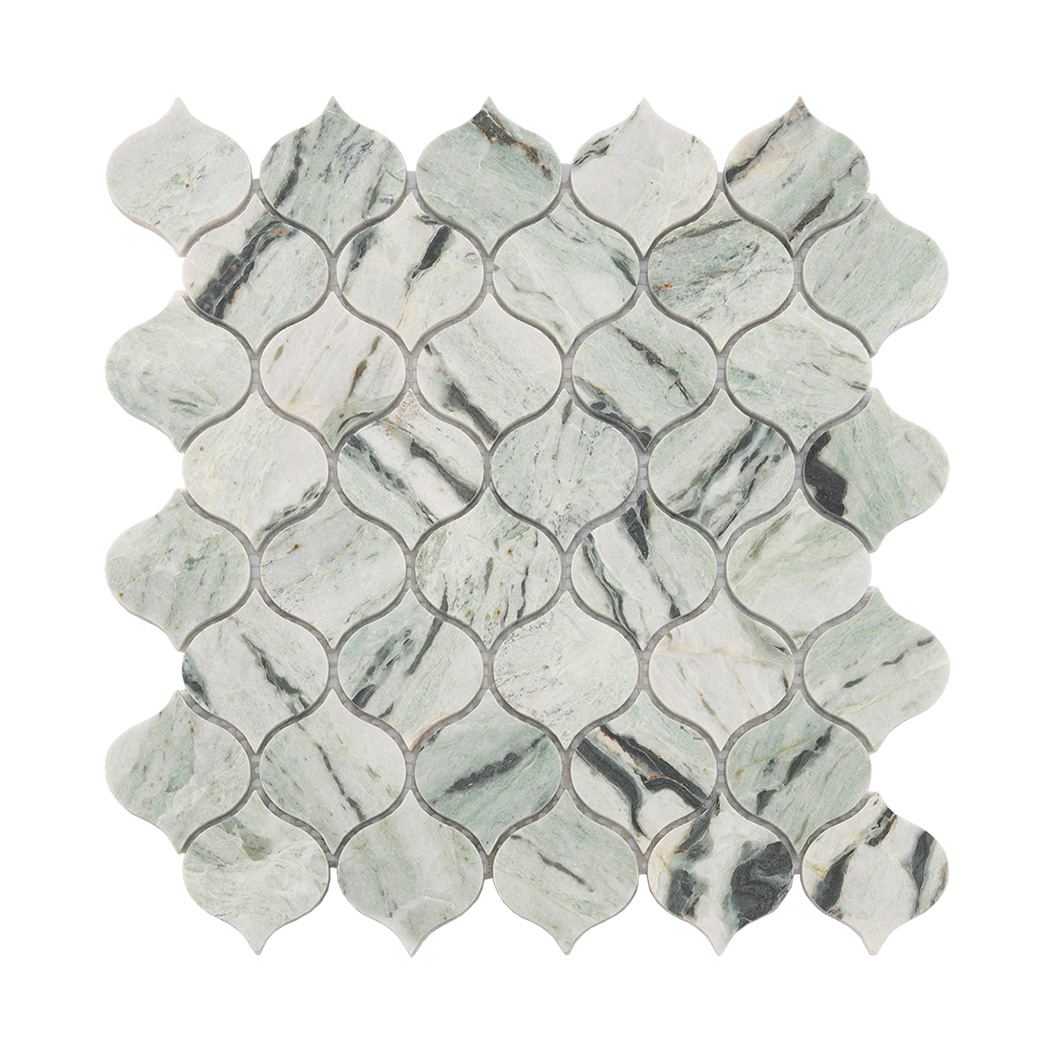
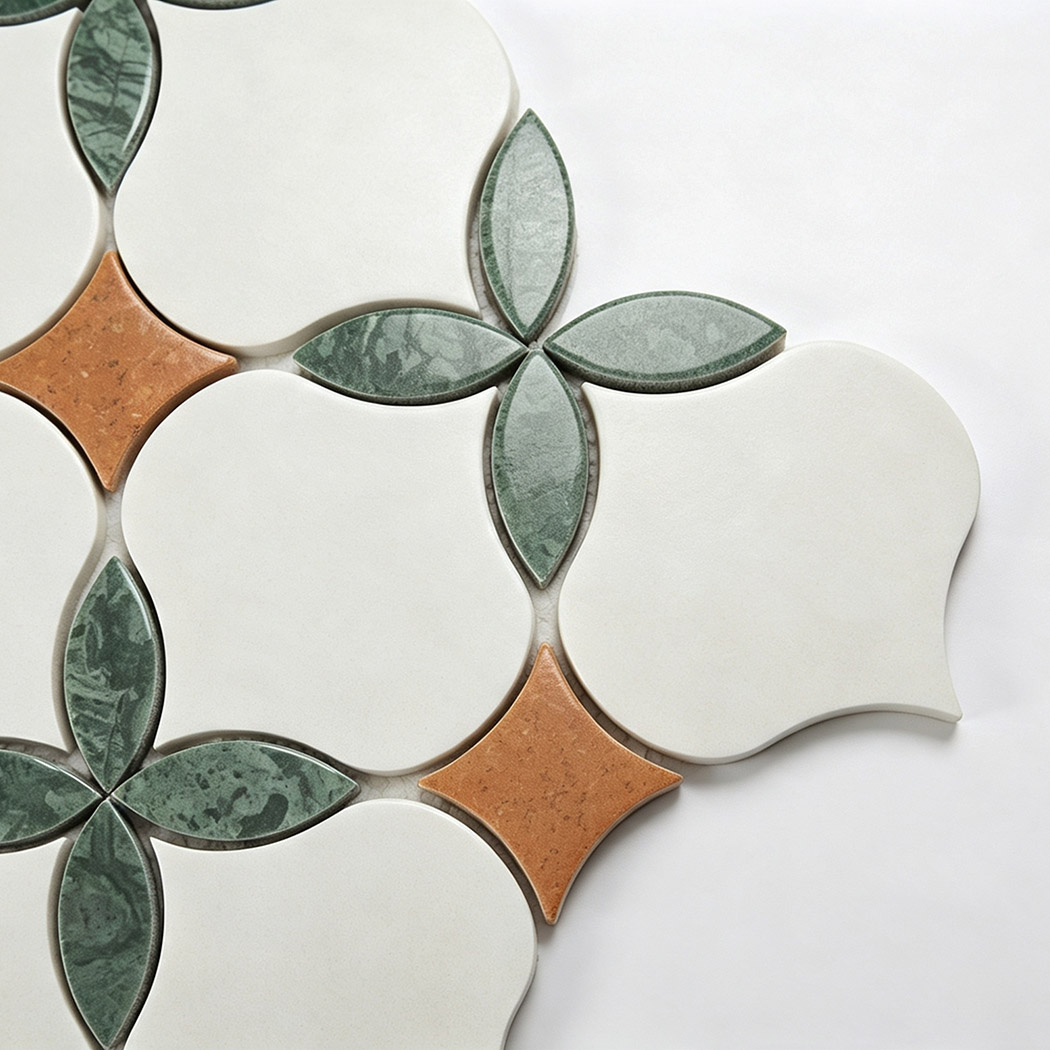
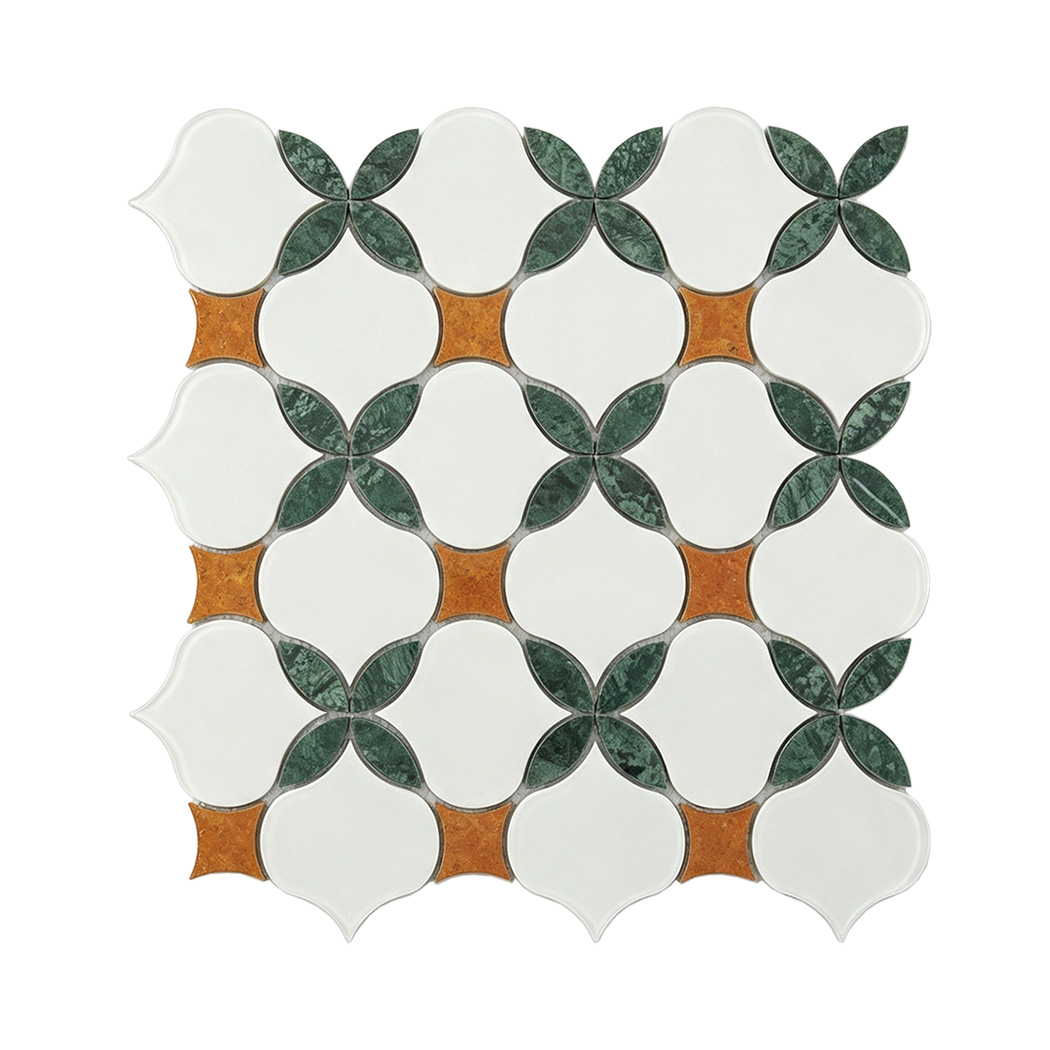
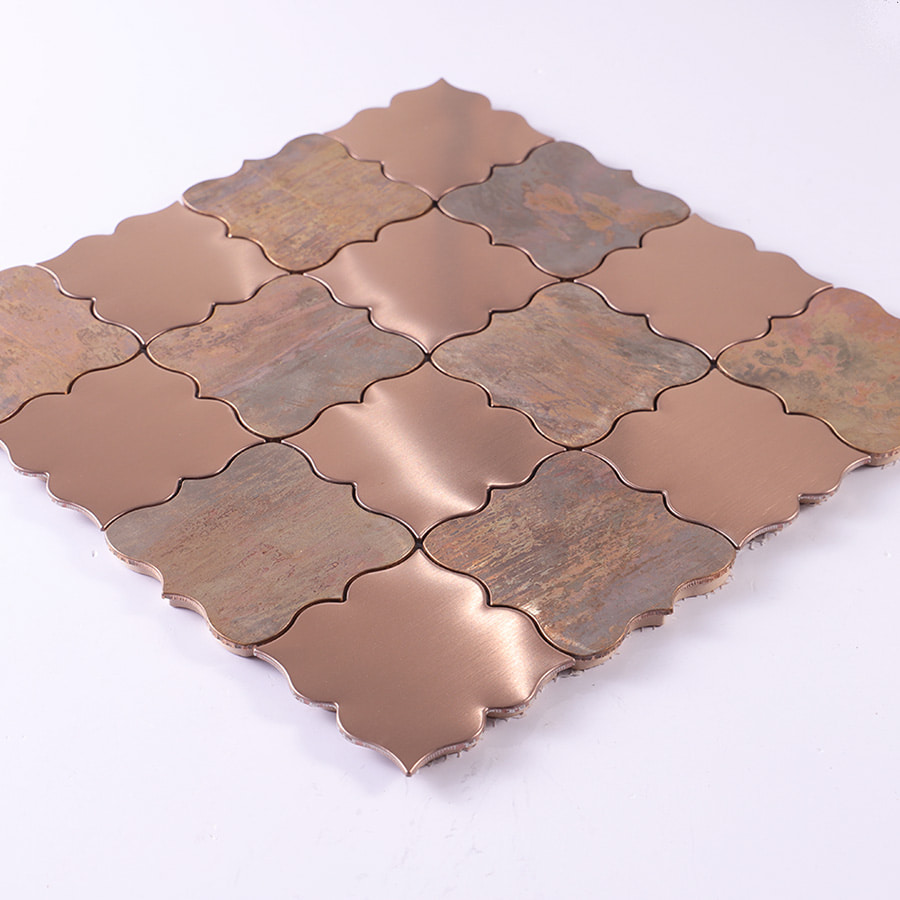

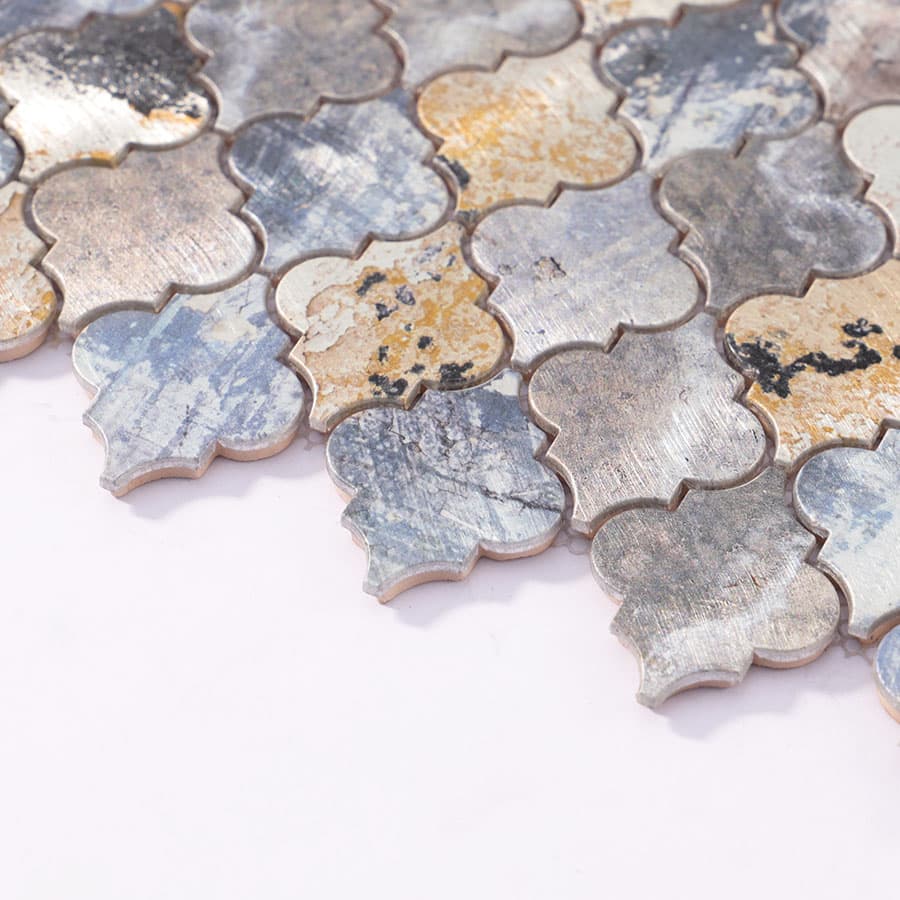
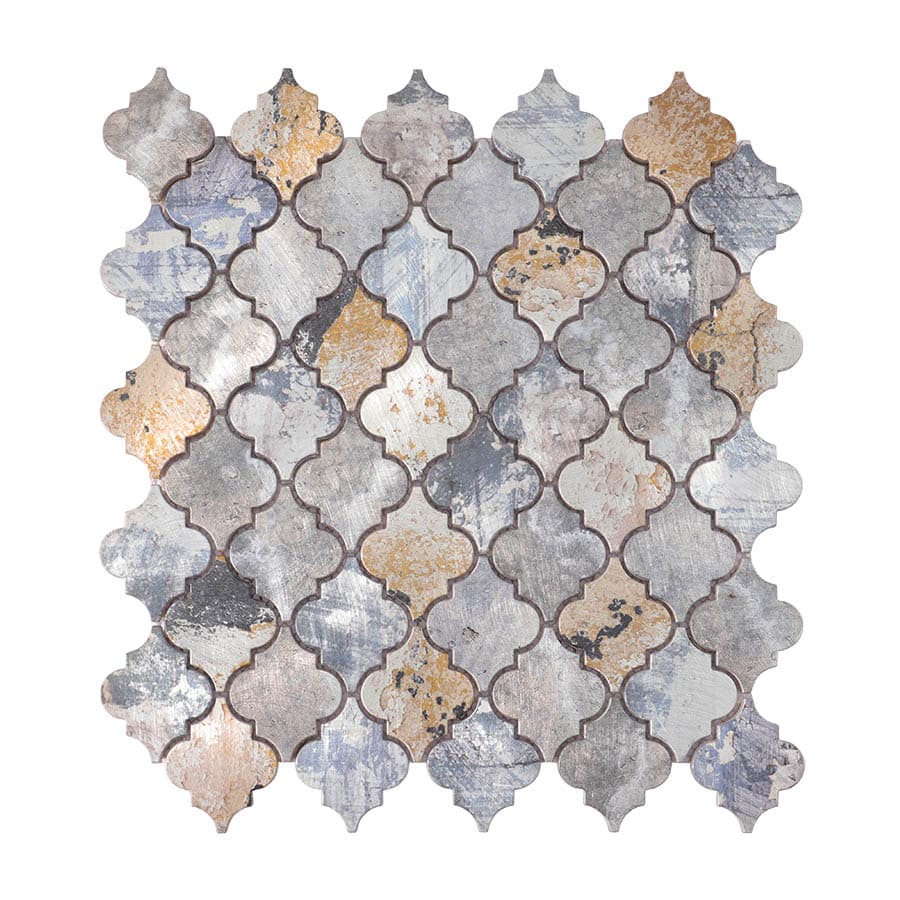
What Are Arabesque Tiles?
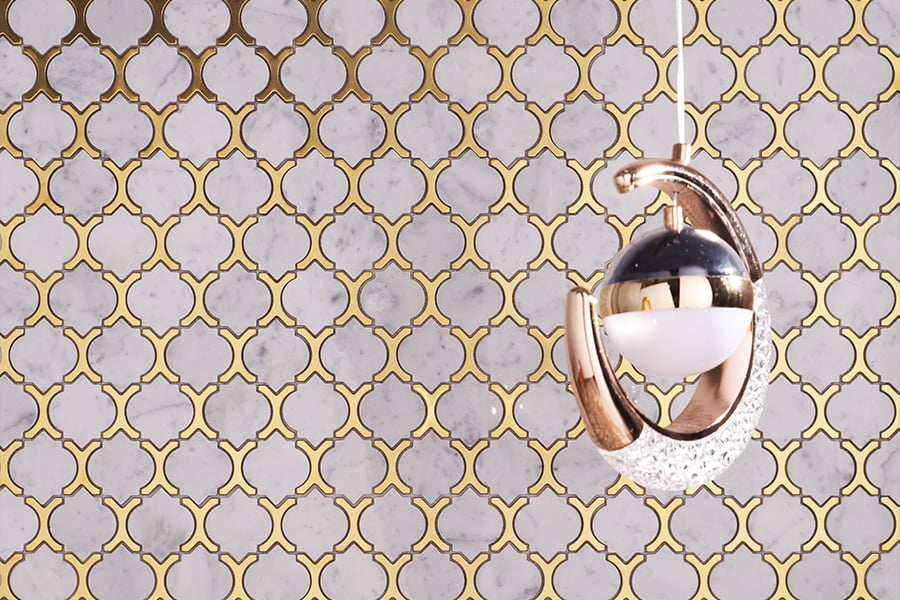
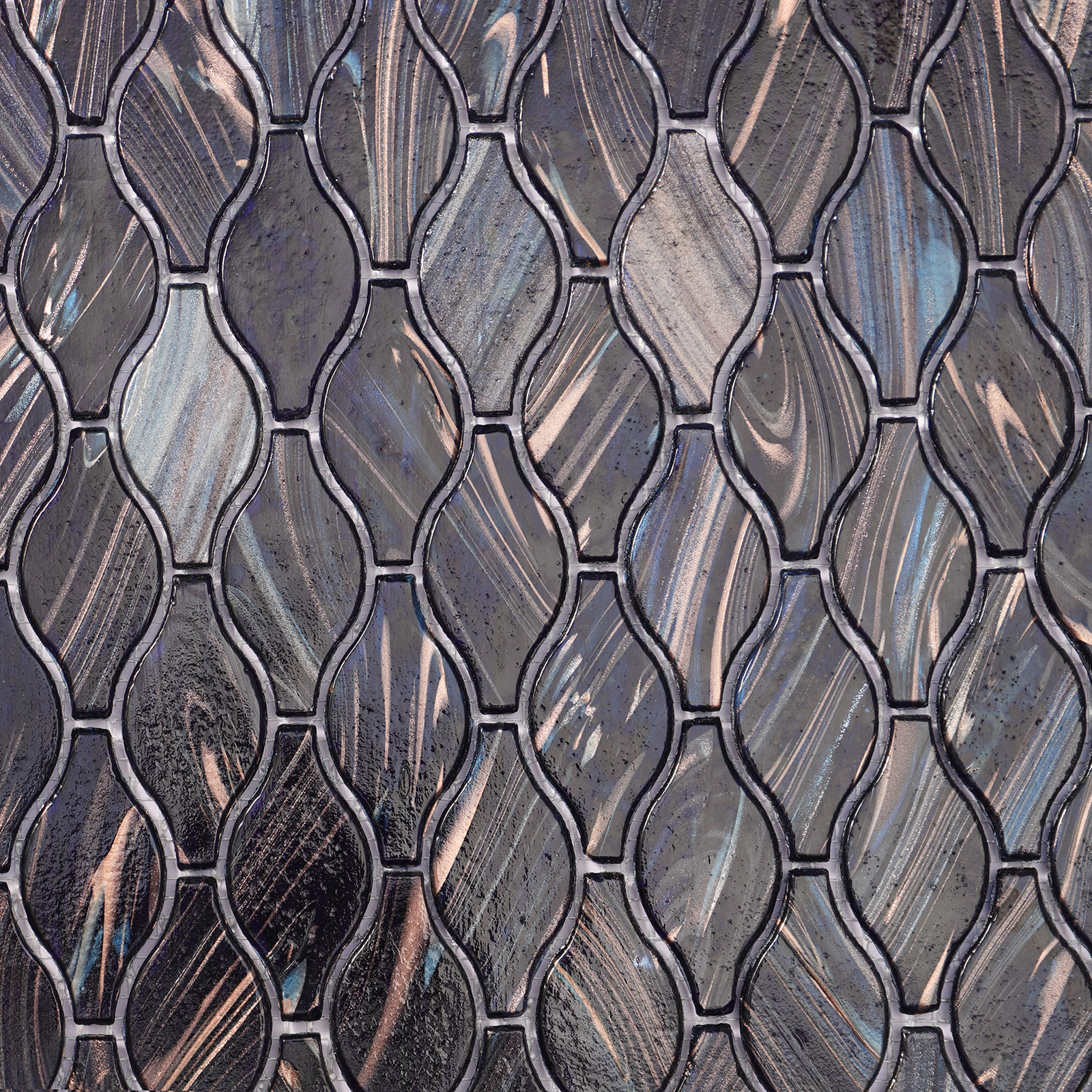
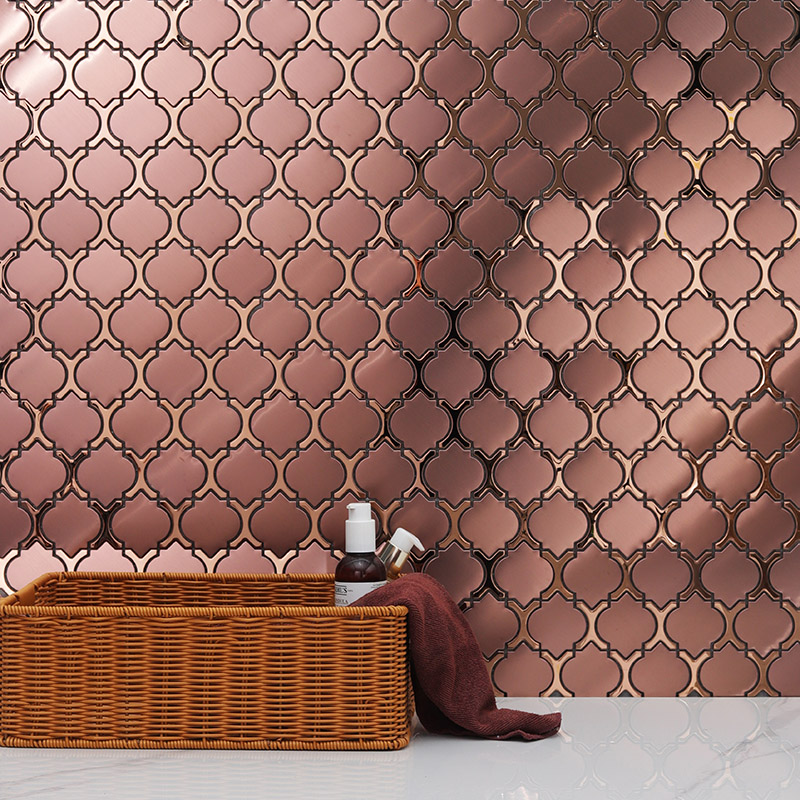
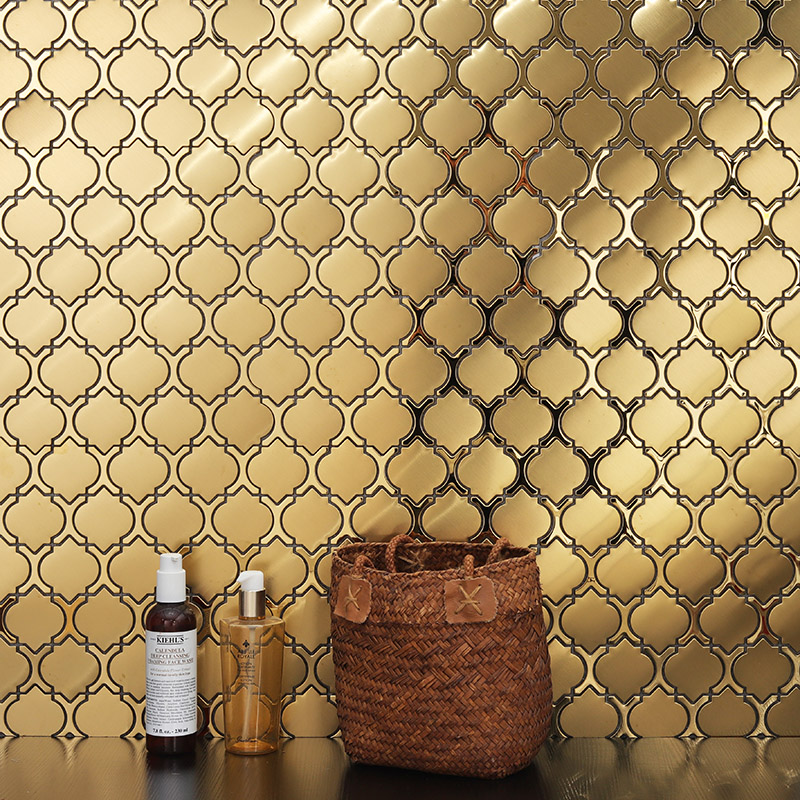
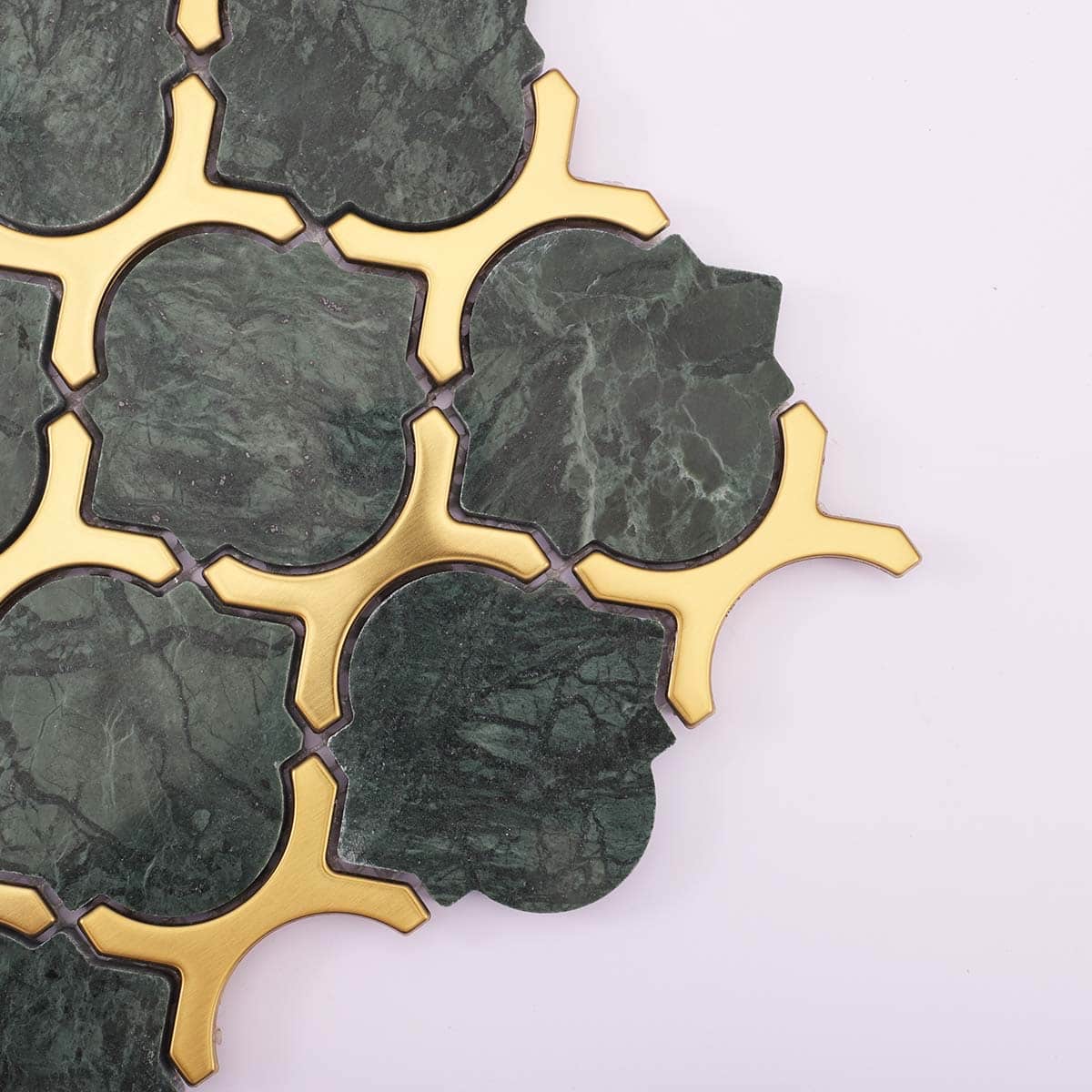
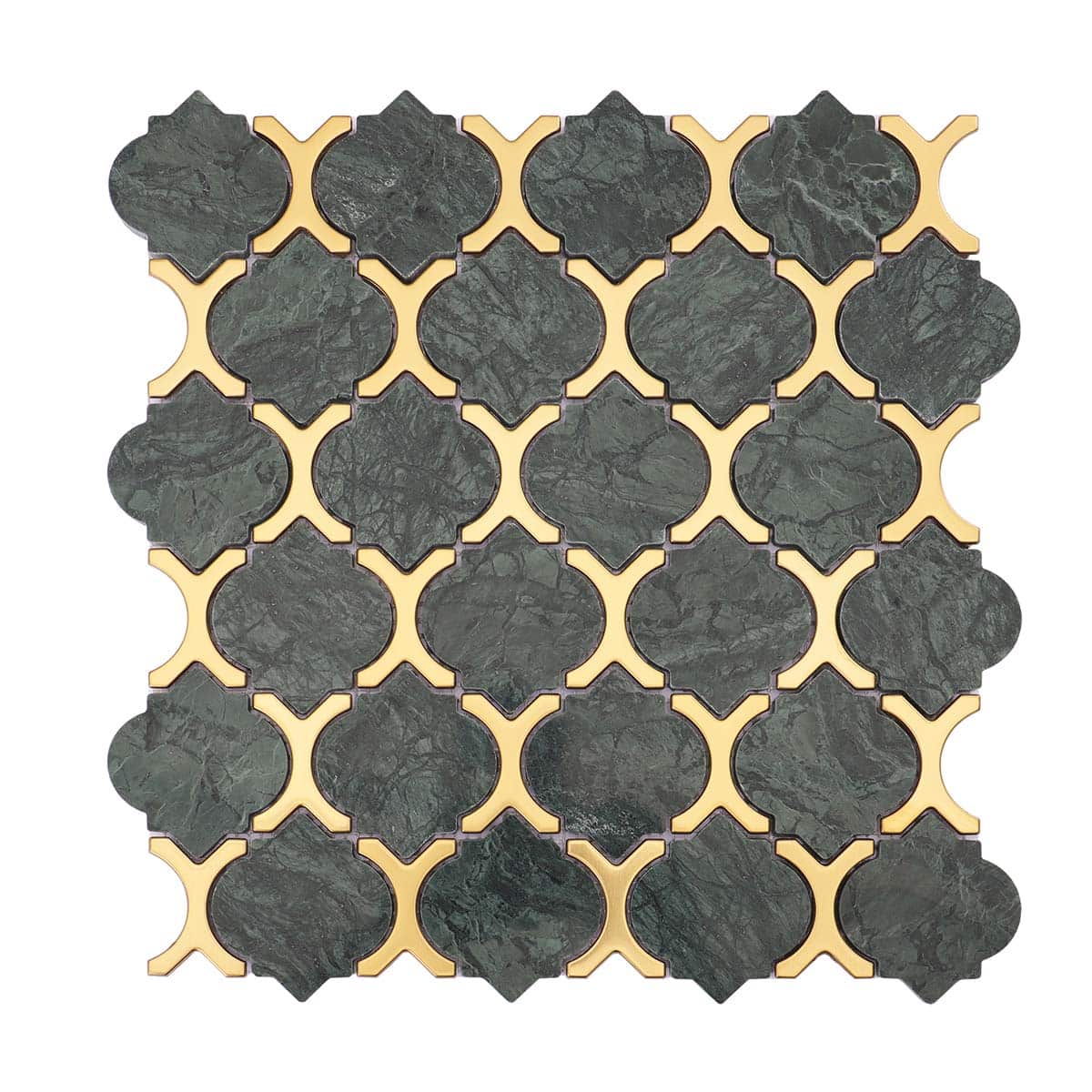
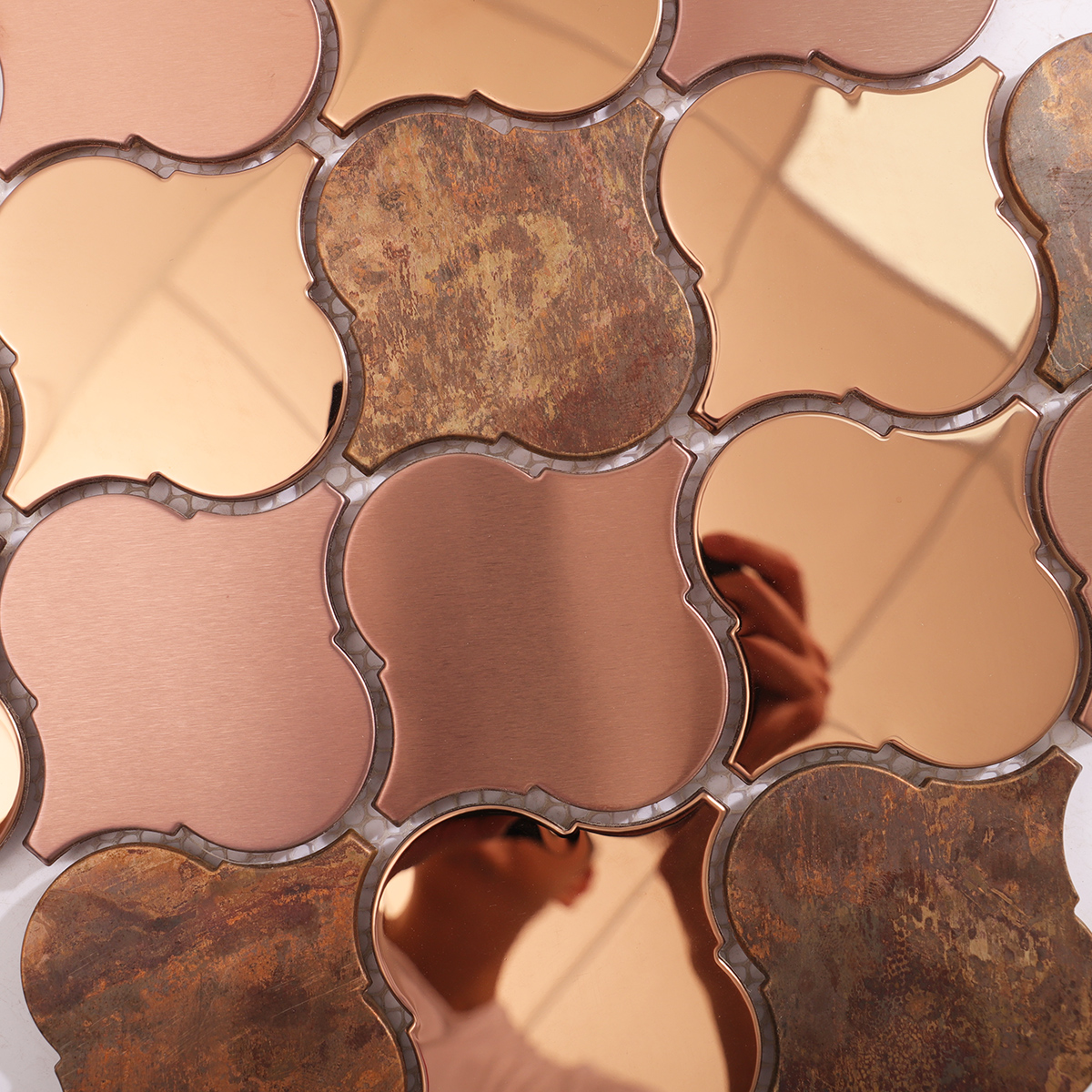
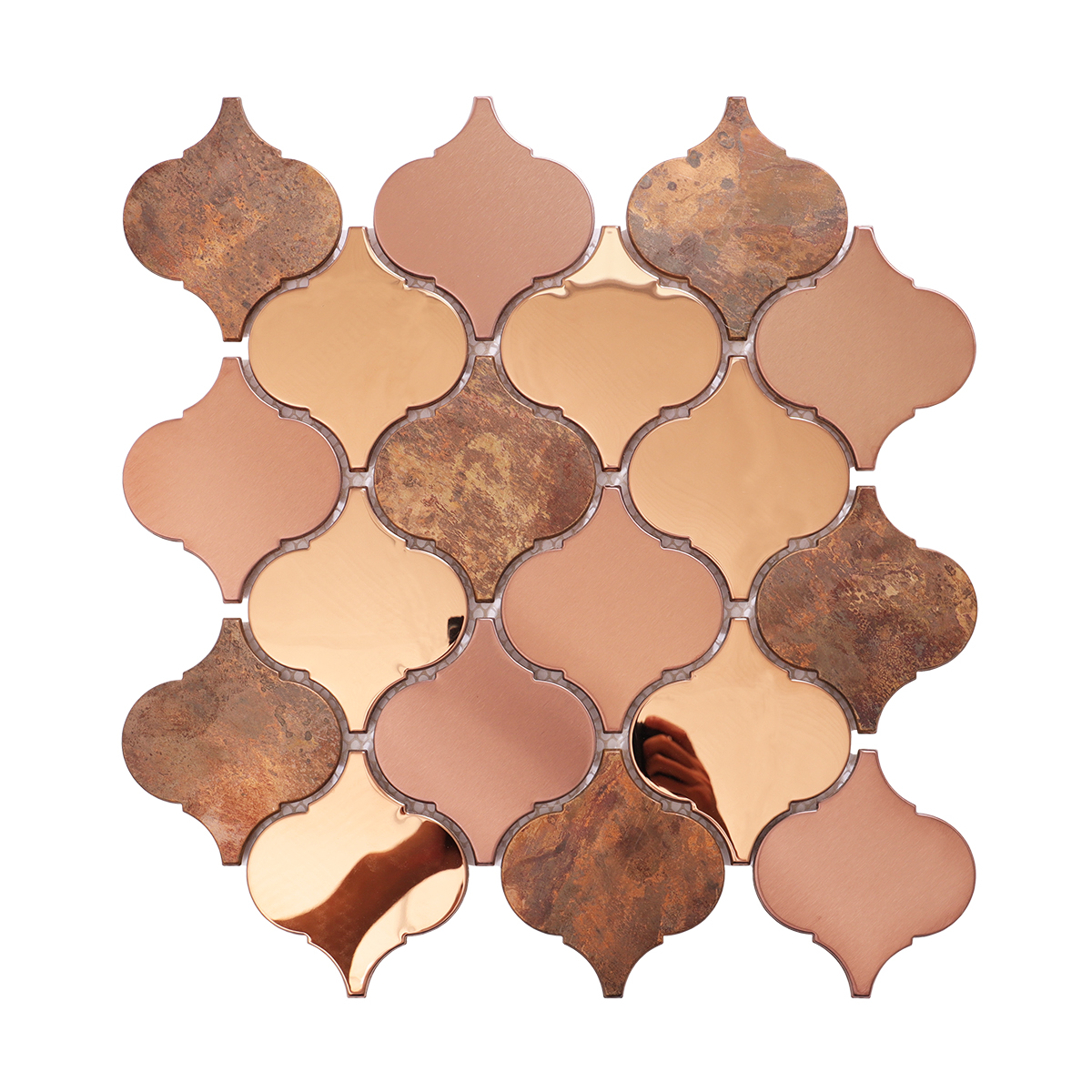
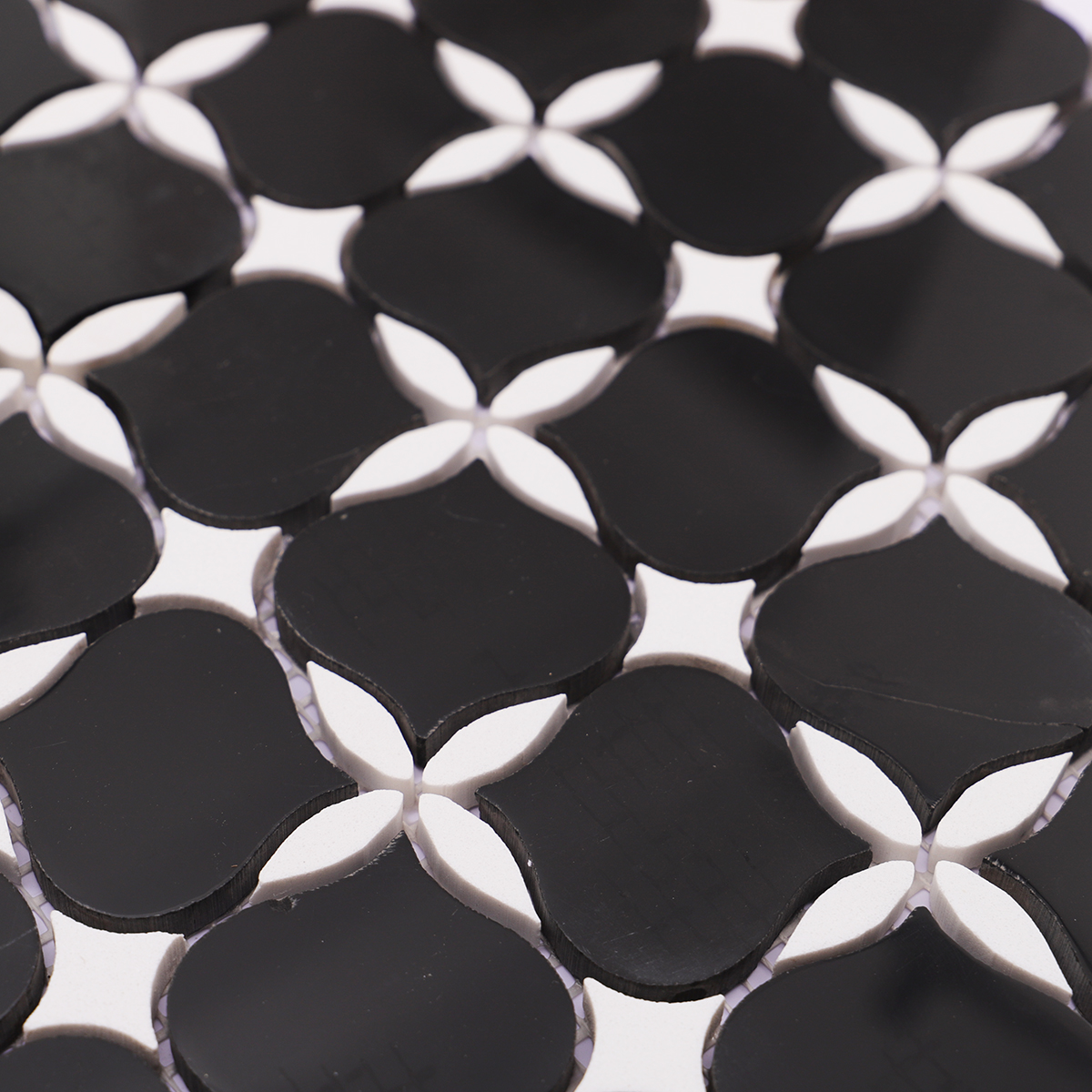
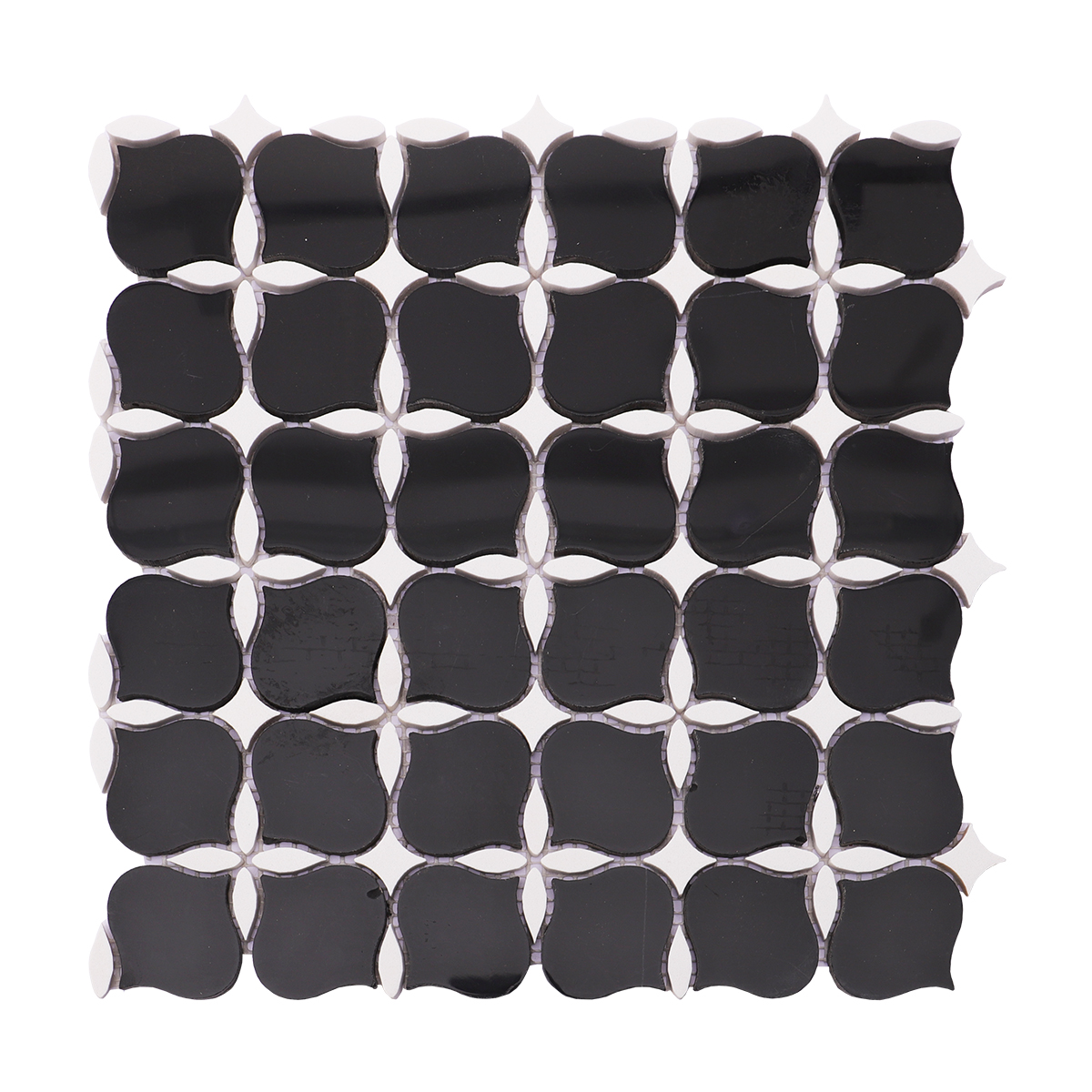
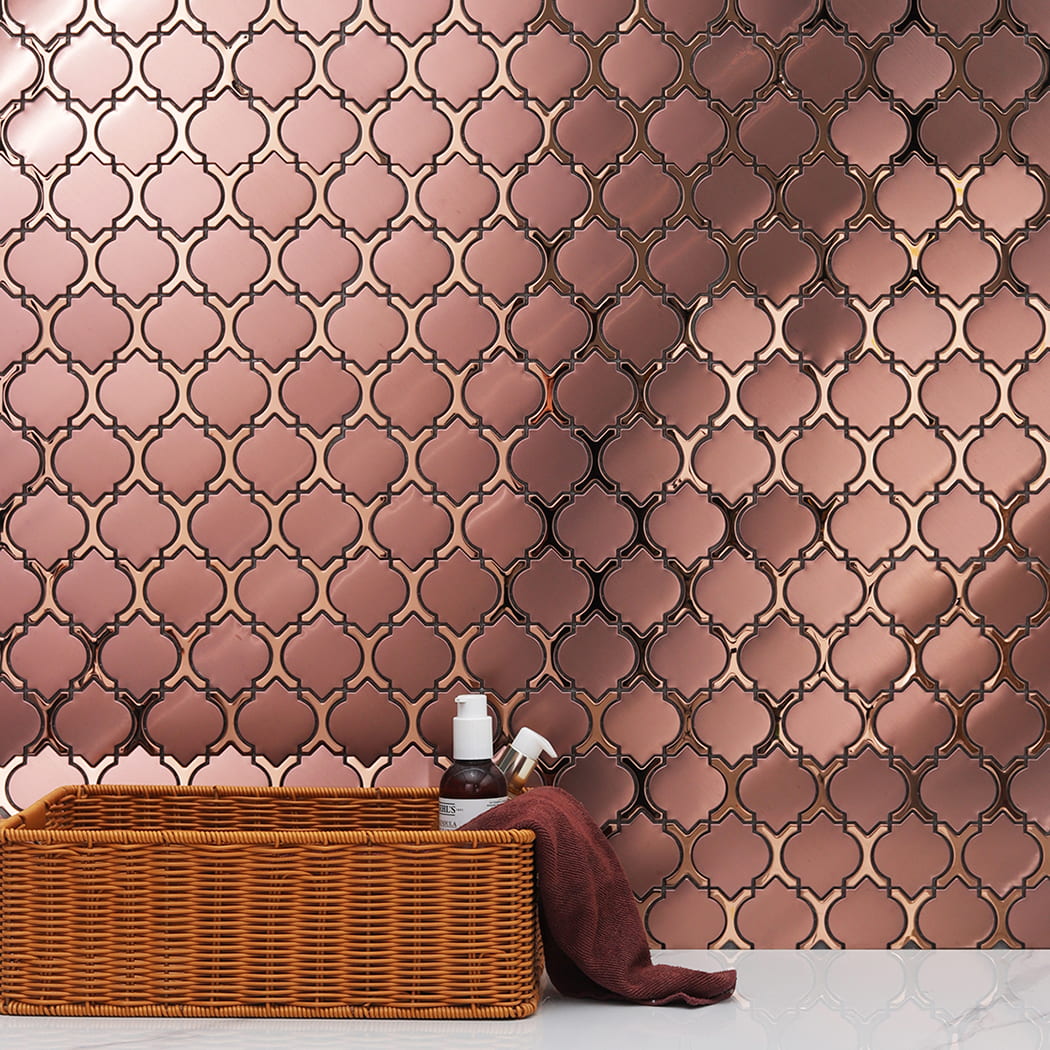
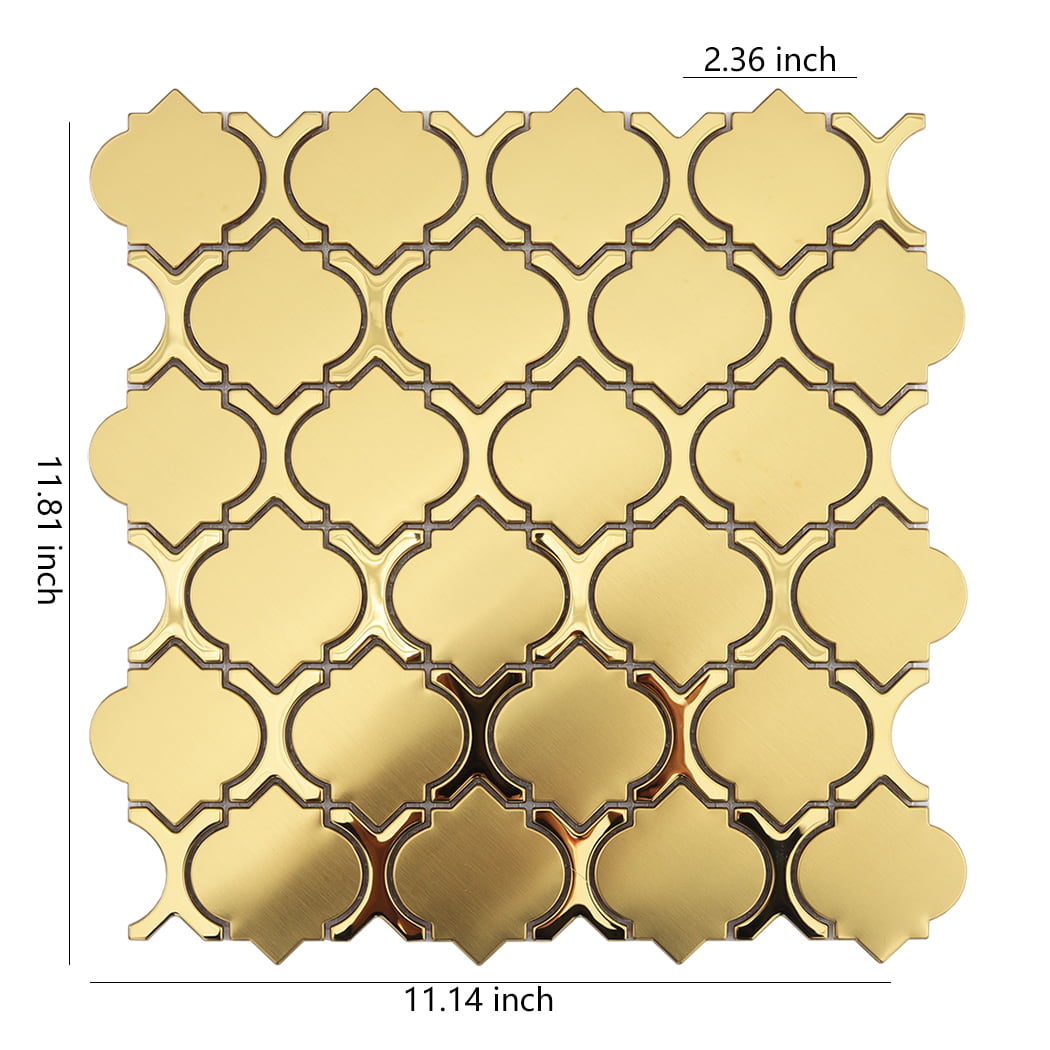
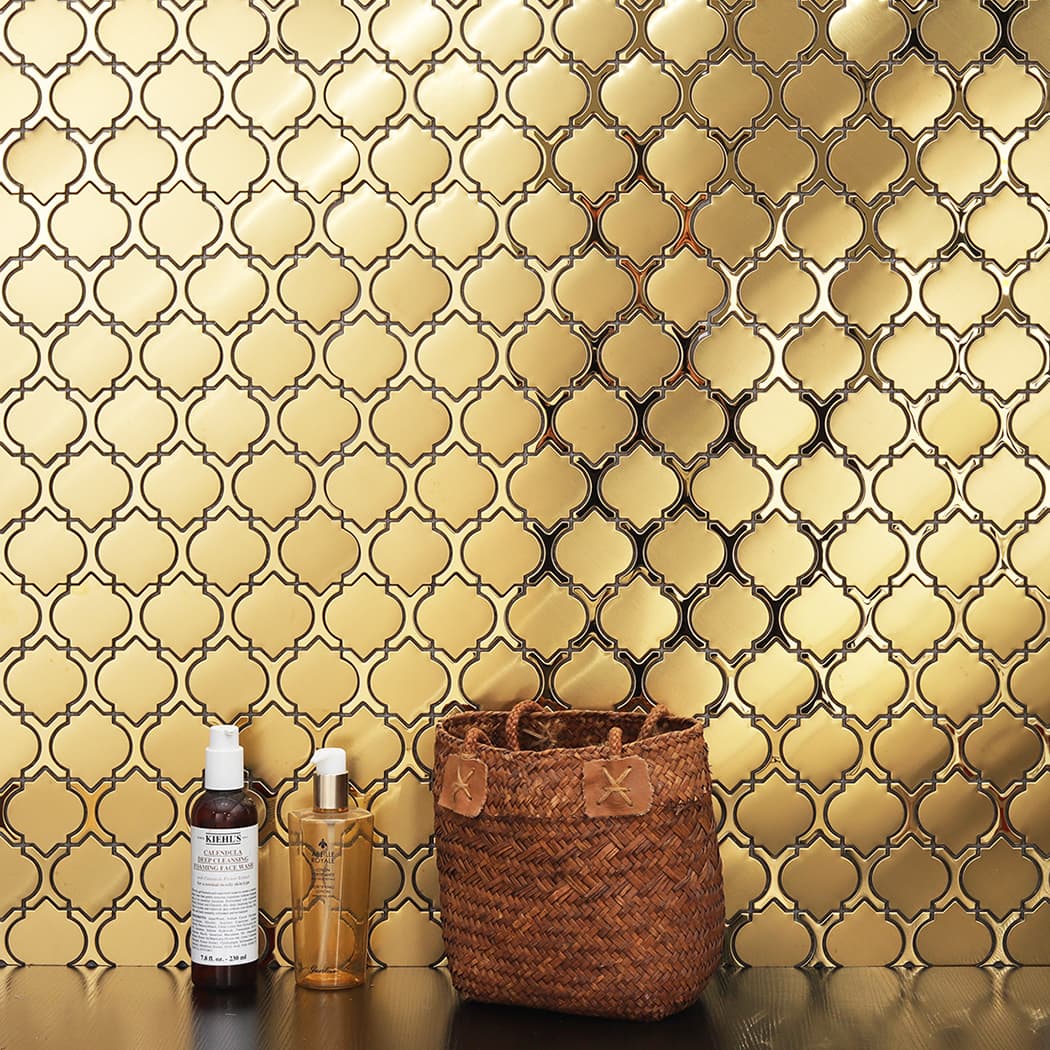
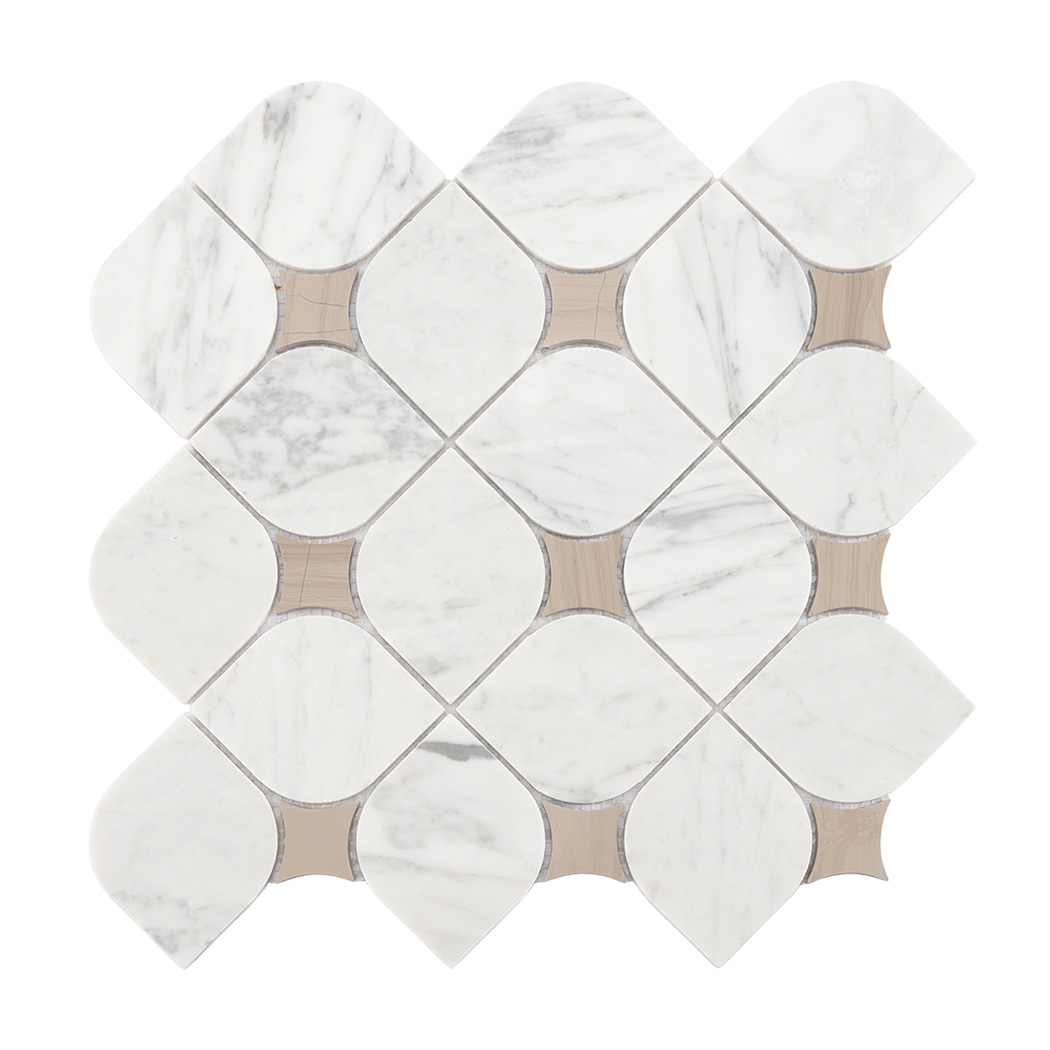
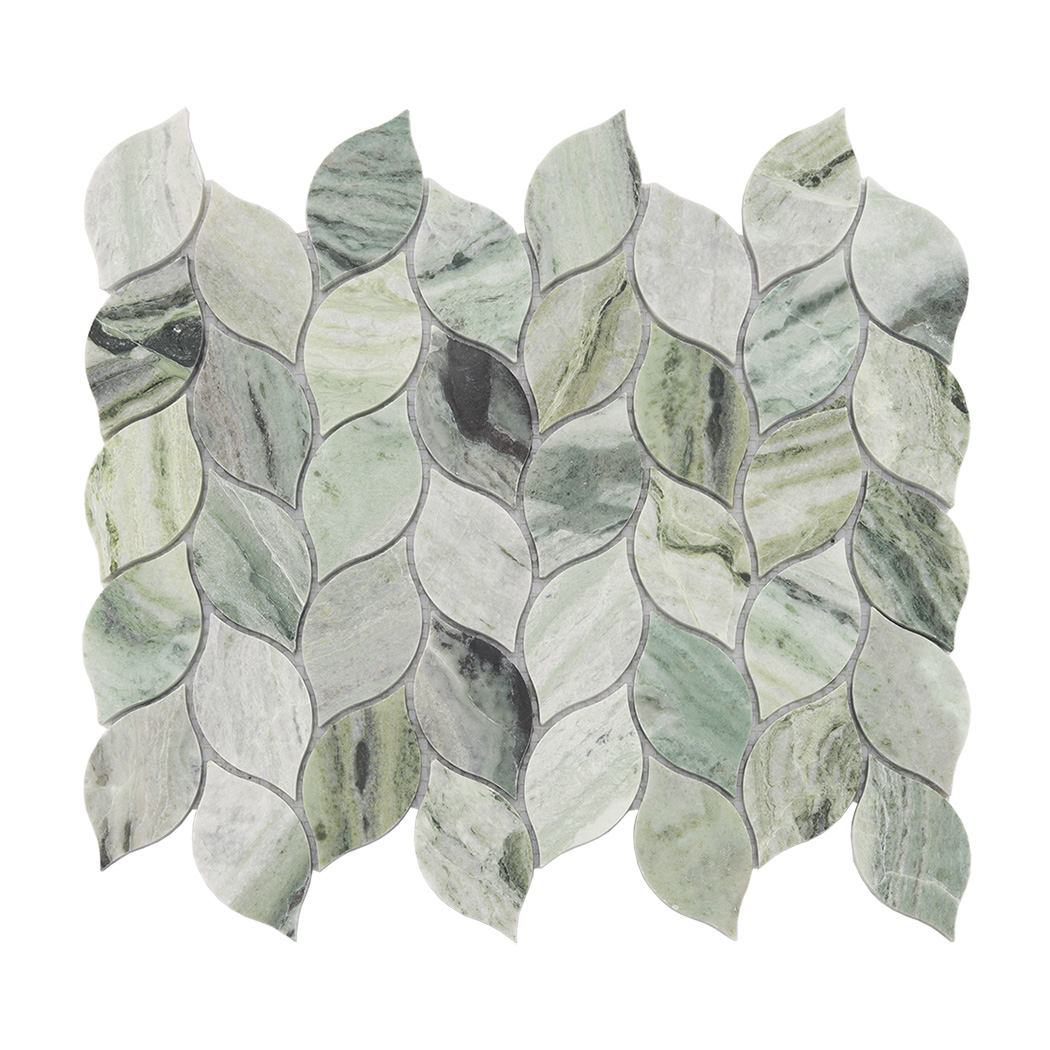
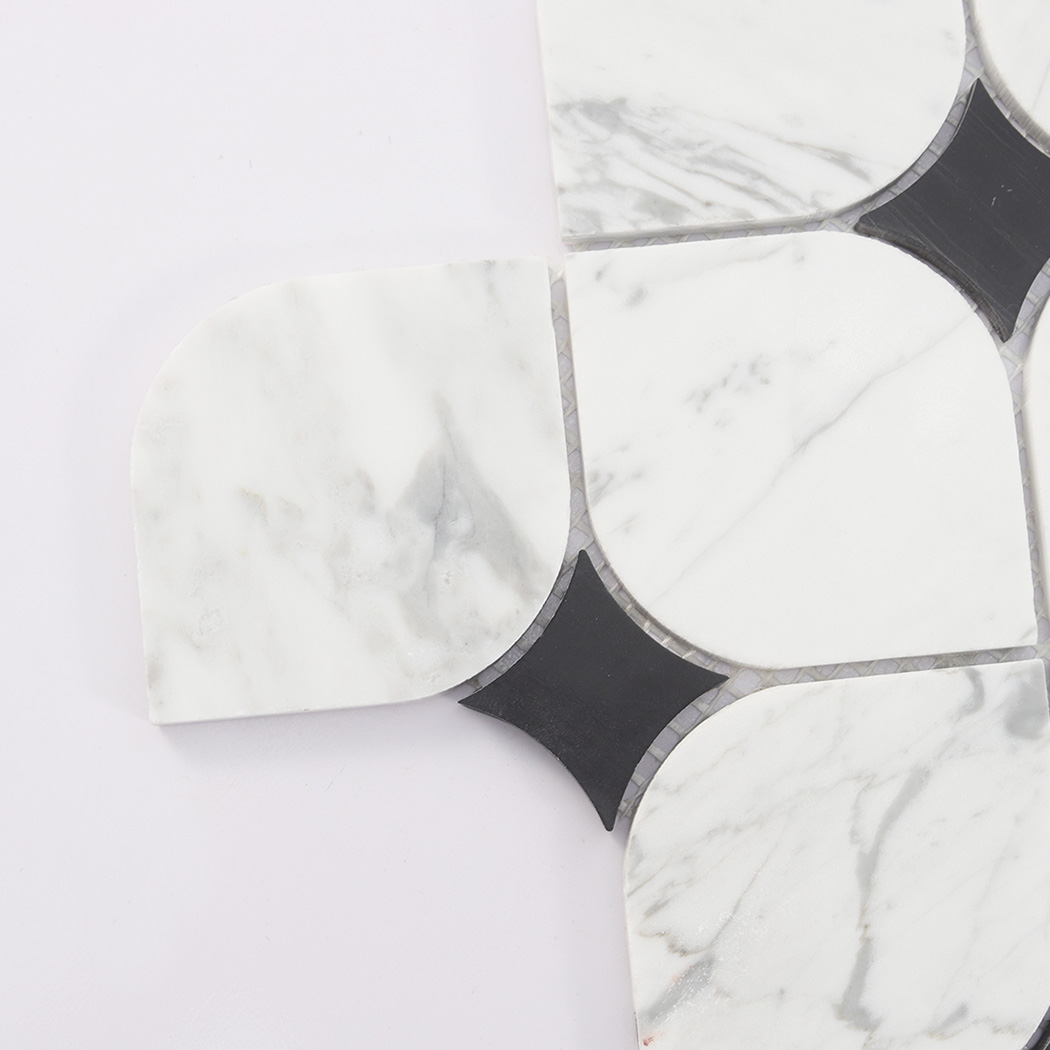
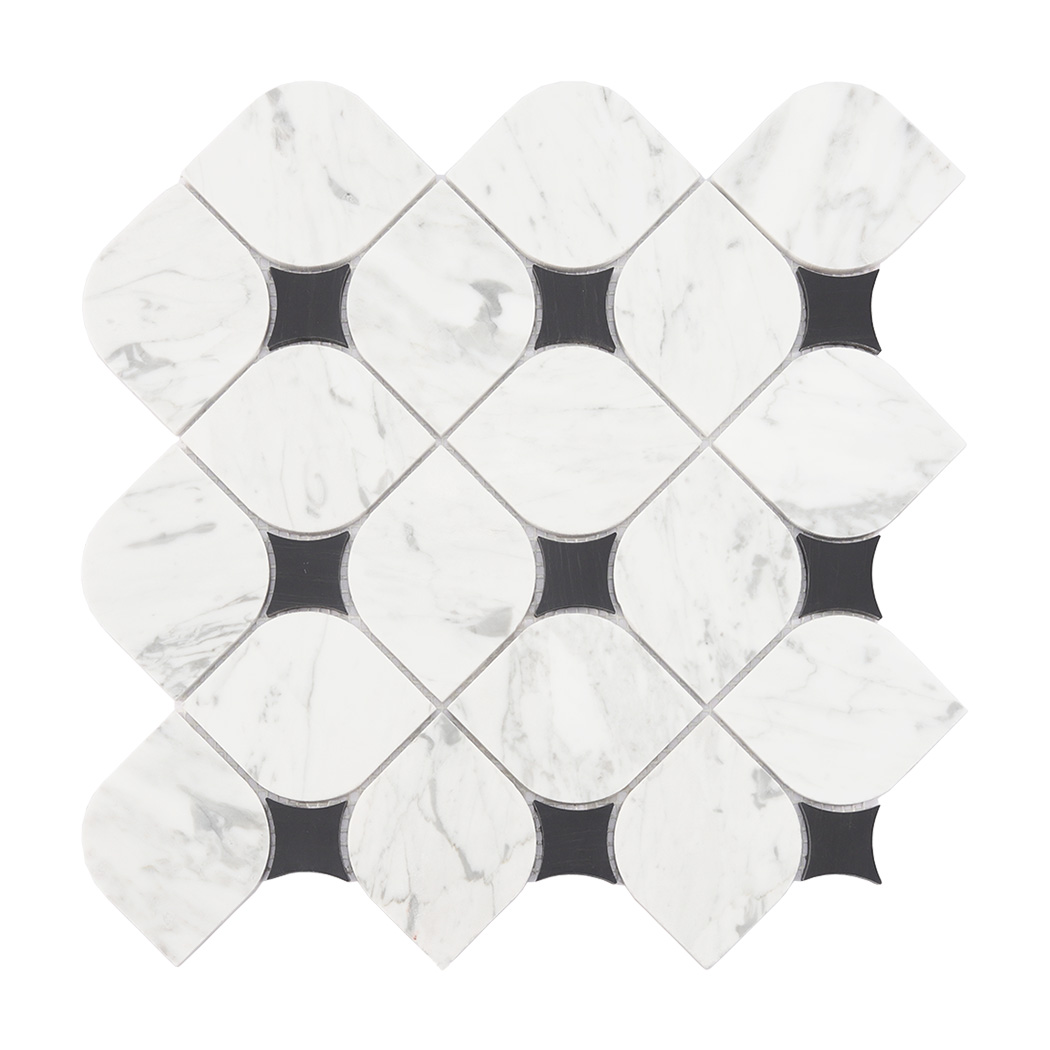
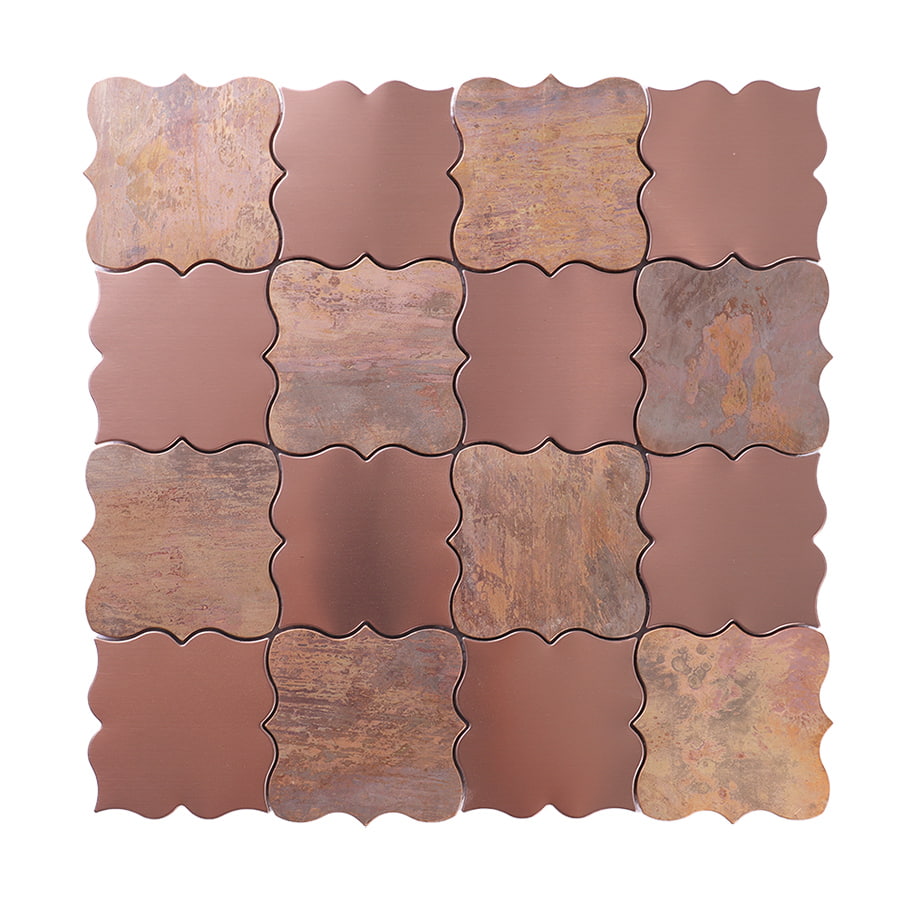
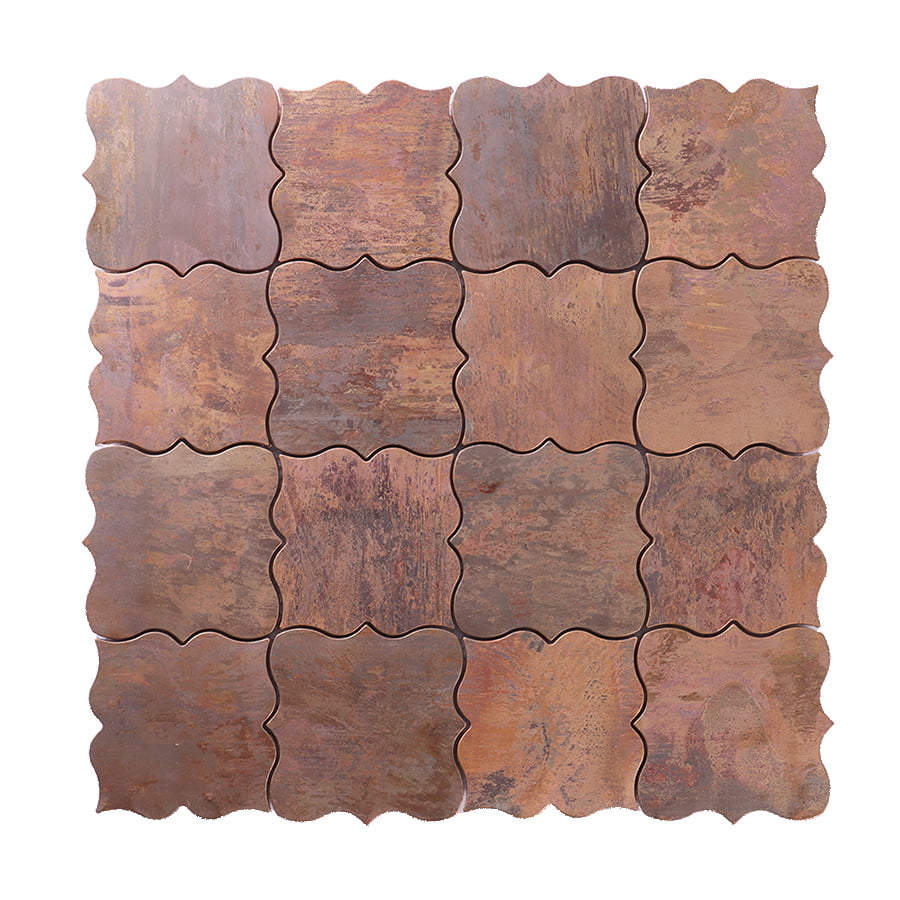
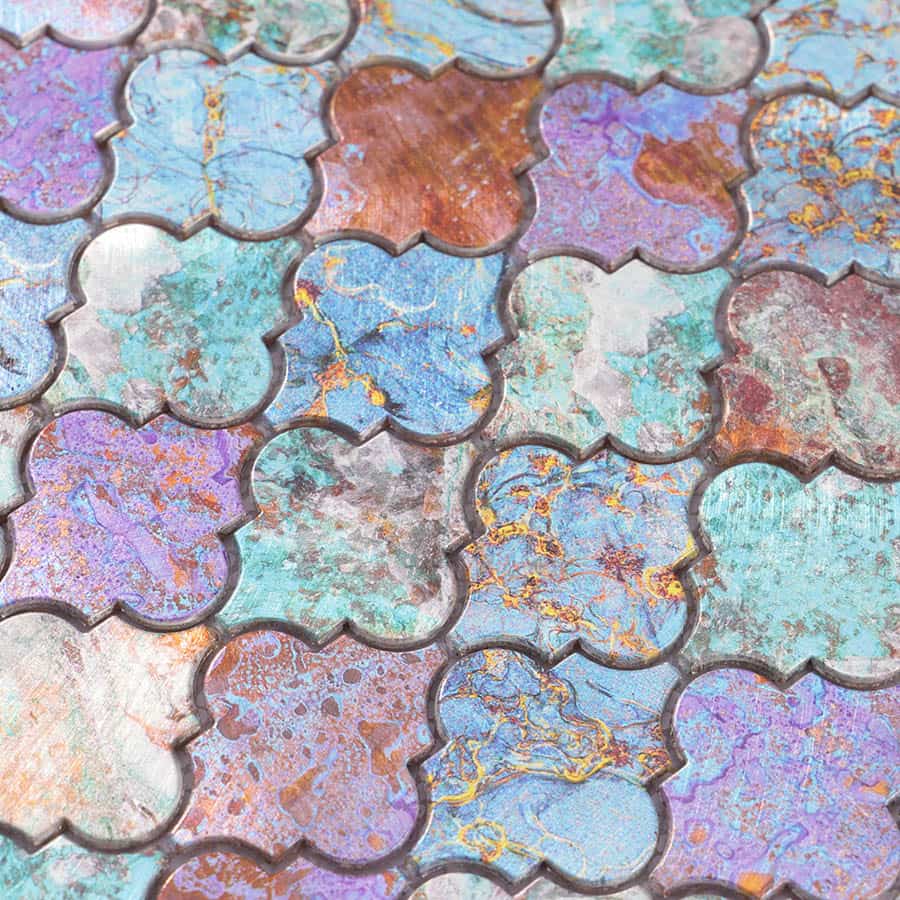
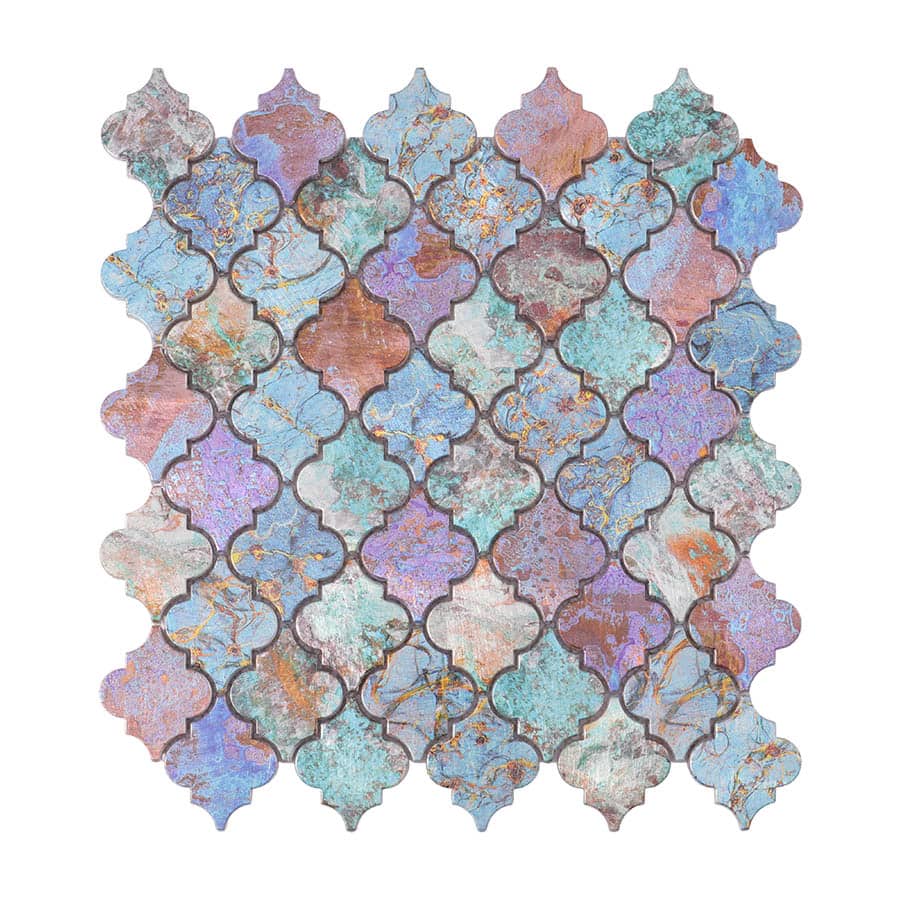
Arabesque tiles are ceramic or porcelain pieces shaped in a flowing, interlaced pattern inspired by traditional Moorish and Moroccan motifs. Their distinctive curved edges and gentle arabesques (literally “little arabesques”) give walls, backsplashes, and floors an artisan-crafted look without the custom price tag. Available in glazed or matte finishes, these tiles bring both texture and depth to any area of your home.
Key Benefits of Choosing Arabesque Tiles
1. Unique Aesthetic Appeal
The signature shape of arabesque tiles creates visual interest through subtle repetition and curvature. Whether installed in a herringbone-like offset or a straight grid, these tiles catch the eye and add an exotic flourish to even the simplest design schemes.
2. Versatility for Any Style
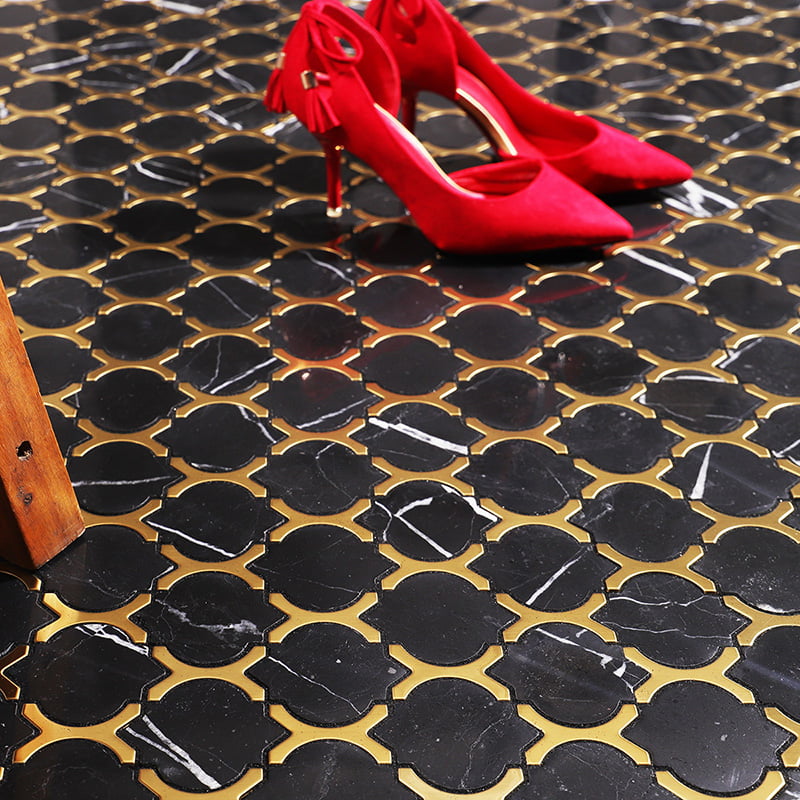
Despite their Moorish roots, arabesque tiles pair beautifully with modern, industrial, farmhouse, and even minimalist interiors. Choose crisp white or soft neutrals for a light, breezy look, or go bold with deep blues, emerald greens, or matte blacks to make a statement.
3. Durability and Easy Maintenance
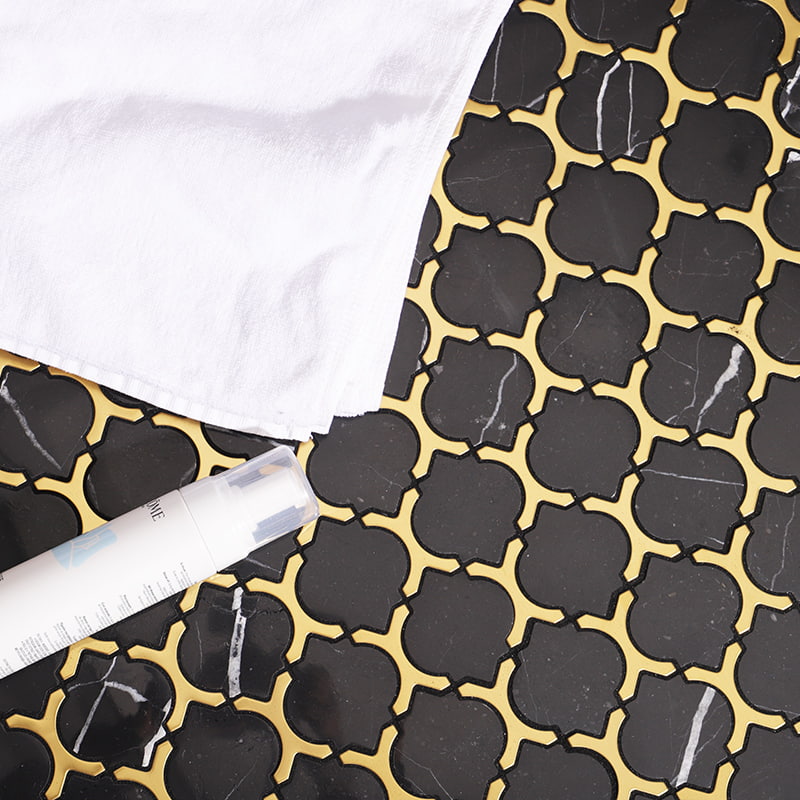
Manufactured from high-quality porcelain or glazed ceramic, arabesque tiles resist moisture, stains, and everyday wear. Their smooth surface makes cleaning a breeze—just wipe away spills with a damp cloth to keep your backsplash or floor looking pristine.
Popular Applications
Kitchen Backsplashes
An arabesque tile backsplash instantly elevates your kitchen’s style quotient. Pair soft-tone tiles with white cabinets for an airy farmhouse feel, or contrast glossy jewel-toned arabesques against dark cabinetry for a dramatic, high-end look.
Bathroom Walls and Floors
In bathrooms, these tiles bring an elegant, spa-like ambiance. Install a field of matte white arabesques around your vanity, then accent with metallic grout for subtle shimmer. For floors, choose larger-format arabesque tiles in muted shades to lend a seamless and expansive feel.
Accent Walls and Decorative Niches
Turn a shower niche or fireplace surround into a focal point by tiling with arabesque shapes. The gentle curves create a rhythmic texture that draws the eye, making any niche or accent wall feel custom-crafted.
Installation Tips for a Flawless Finish
1. Plan Your Layout Carefully
- Dry-lay tiles before applying mortar to determine the best starting point and edge cuts.
2. Use the Right Grout
- Choose a grout color that complements or contrasts—light grout for a seamless monochrome look, dark grout to emphasize the arabesque pattern.
3. Maintain Consistent Spacing
- Although arabesque tiles have non-linear edges, use spacer wedges or tile leveling clips to keep lines straight and uniform.
Caring for Your Arabesque Tiles
- Daily Cleaning:Wipe surfaces with a soft, damp cloth.
- Deep Cleaning:Use a pH-neutral tile cleaner to avoid dulling the glaze.
- Avoid Abrasives: Never use steel wool or scouring pads, which can scratch finishes.
Frequently Asked Questions
Are arabesque tiles suitable for outdoor use?
Yes—choose frost-resistant porcelain arabesque tiles rated for exterior installation. These withstand temperature changes and moisture without cracking.
How thick are arabesque tiles?
Most arabesque tiles range from 6 mm to 10 mm in thickness. Thicker porcelain options provide extra durability for high-traffic areas.
Can I install arabesque tiles over existing tile?
It’s possible if the substrate is sound, level, and well-adhered. However, removing old tile often yields a better long-term result by ensuring proper bonding.