




.jpg?w=800&h=800)



.jpeg?w=1200&h=1200)
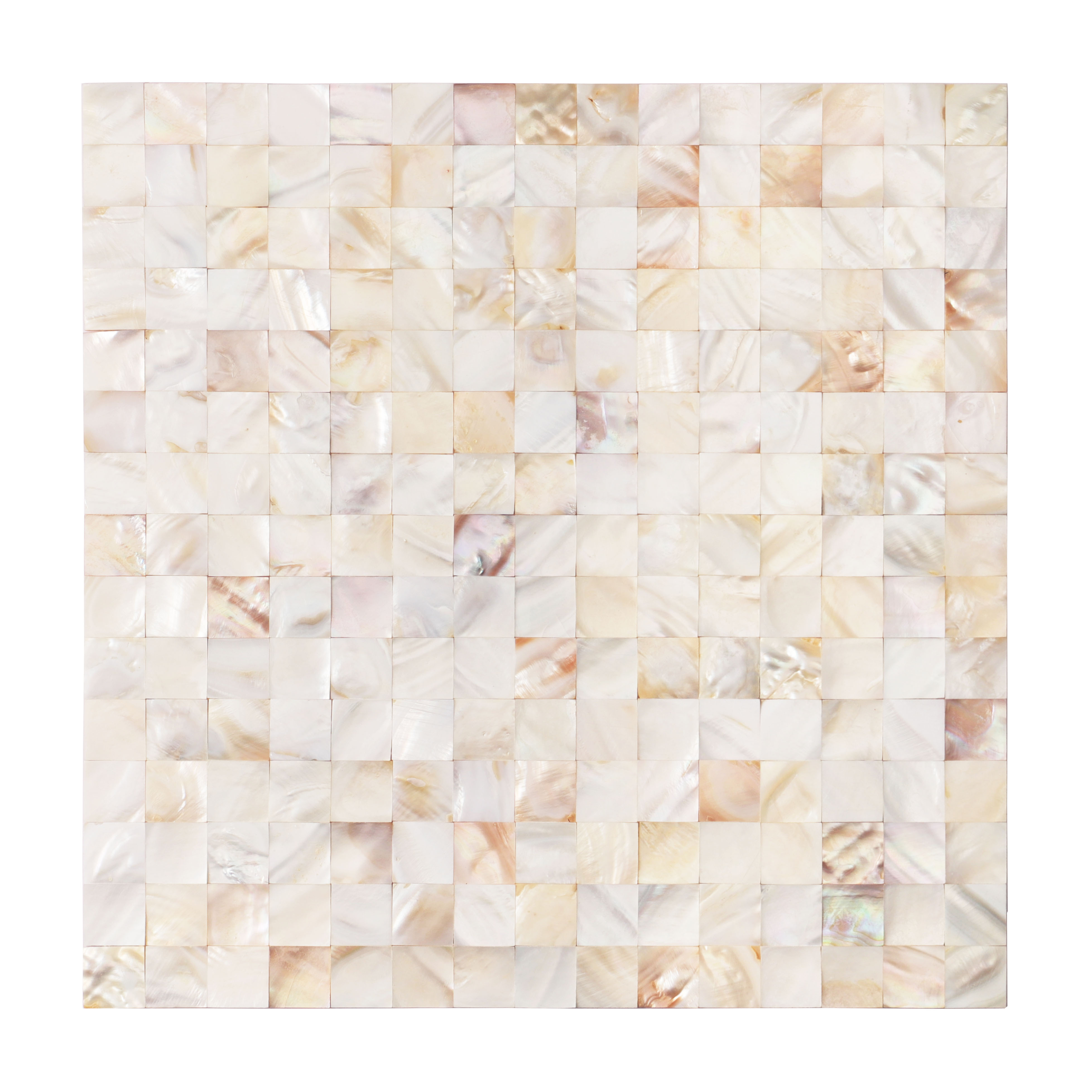
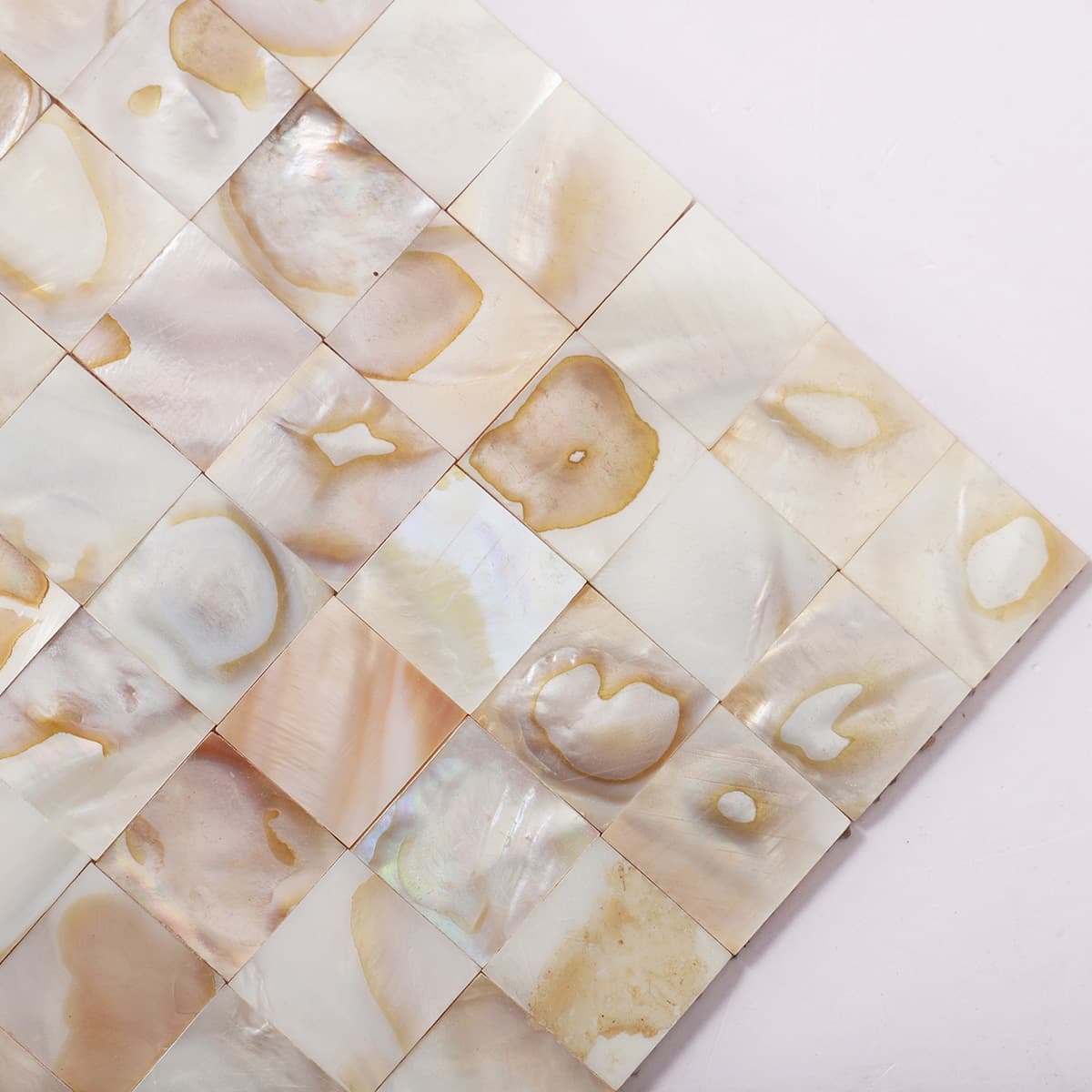
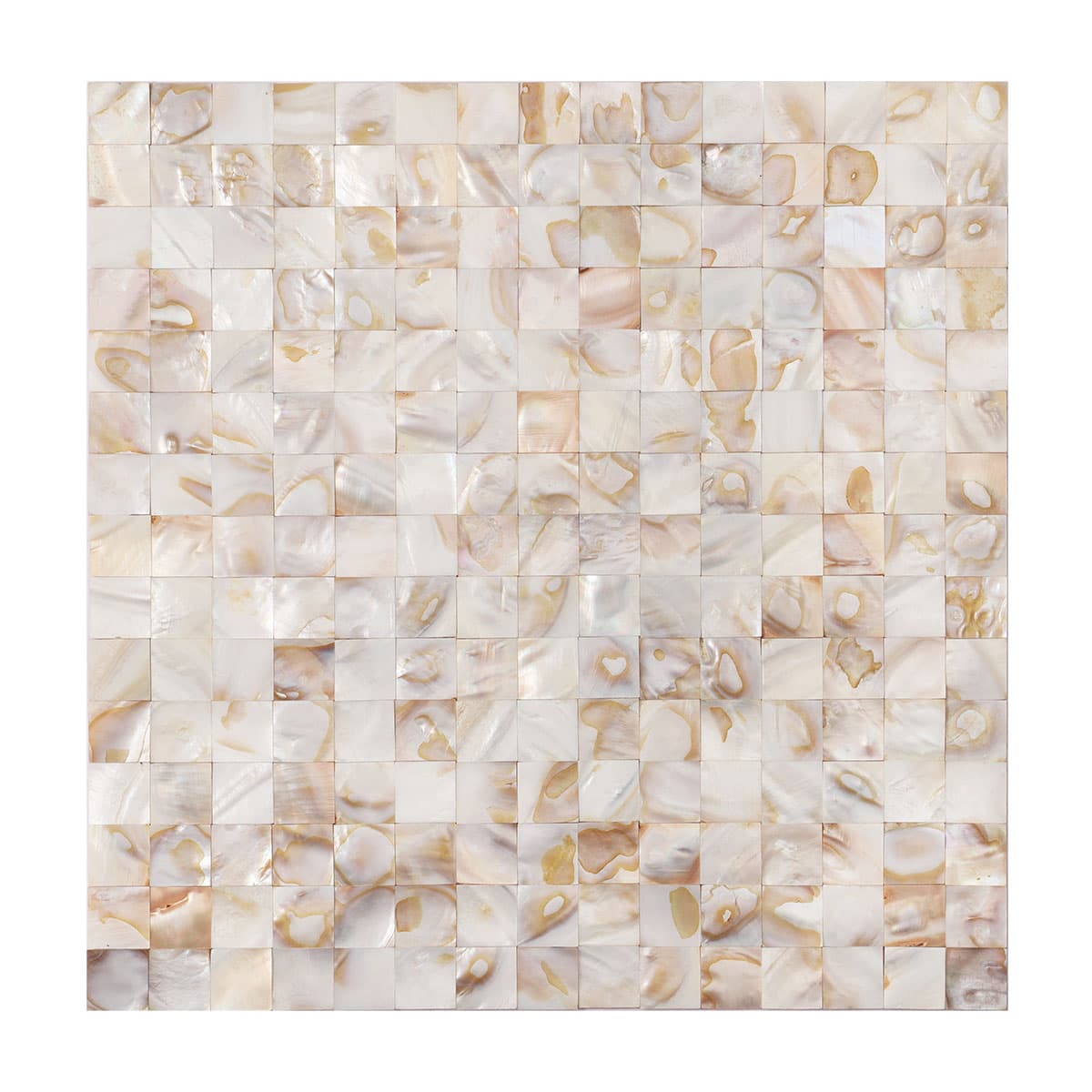
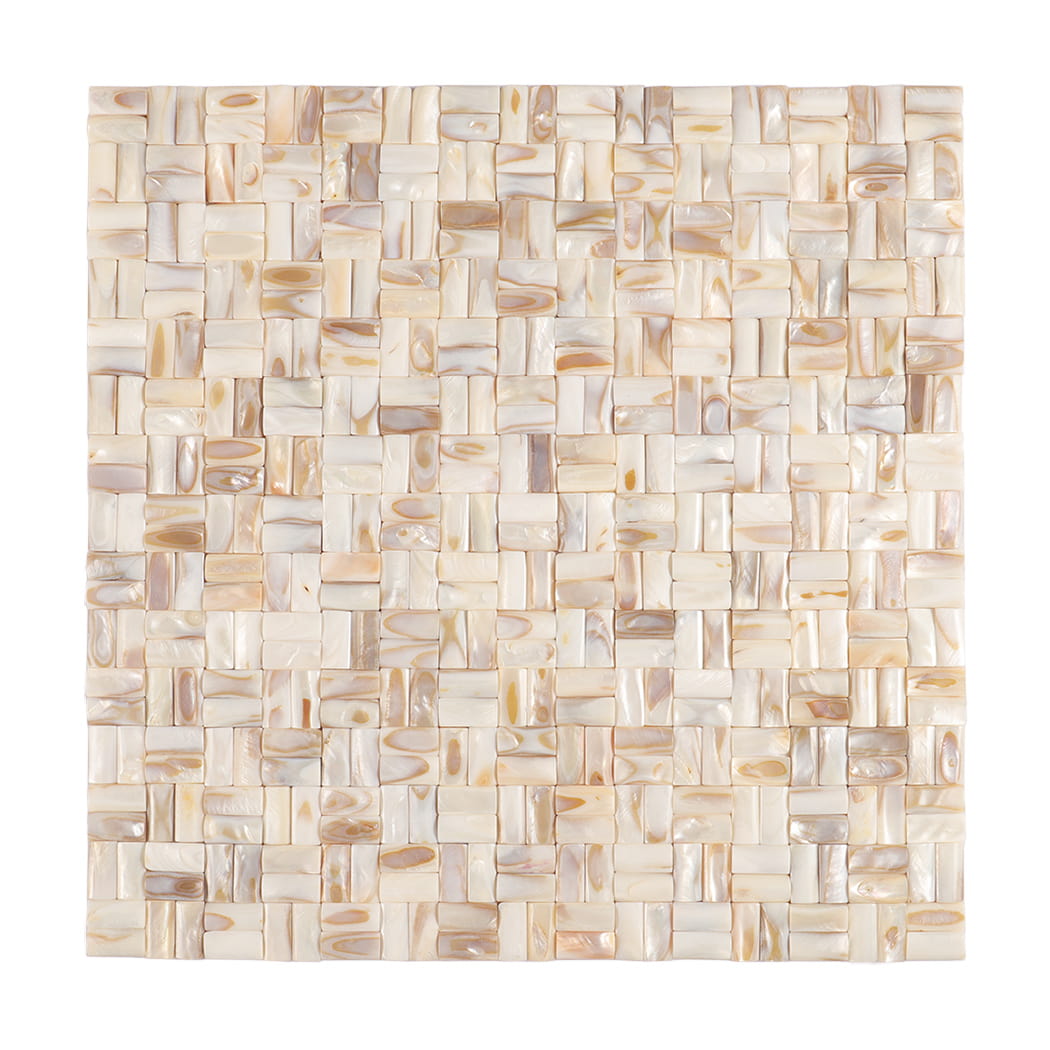
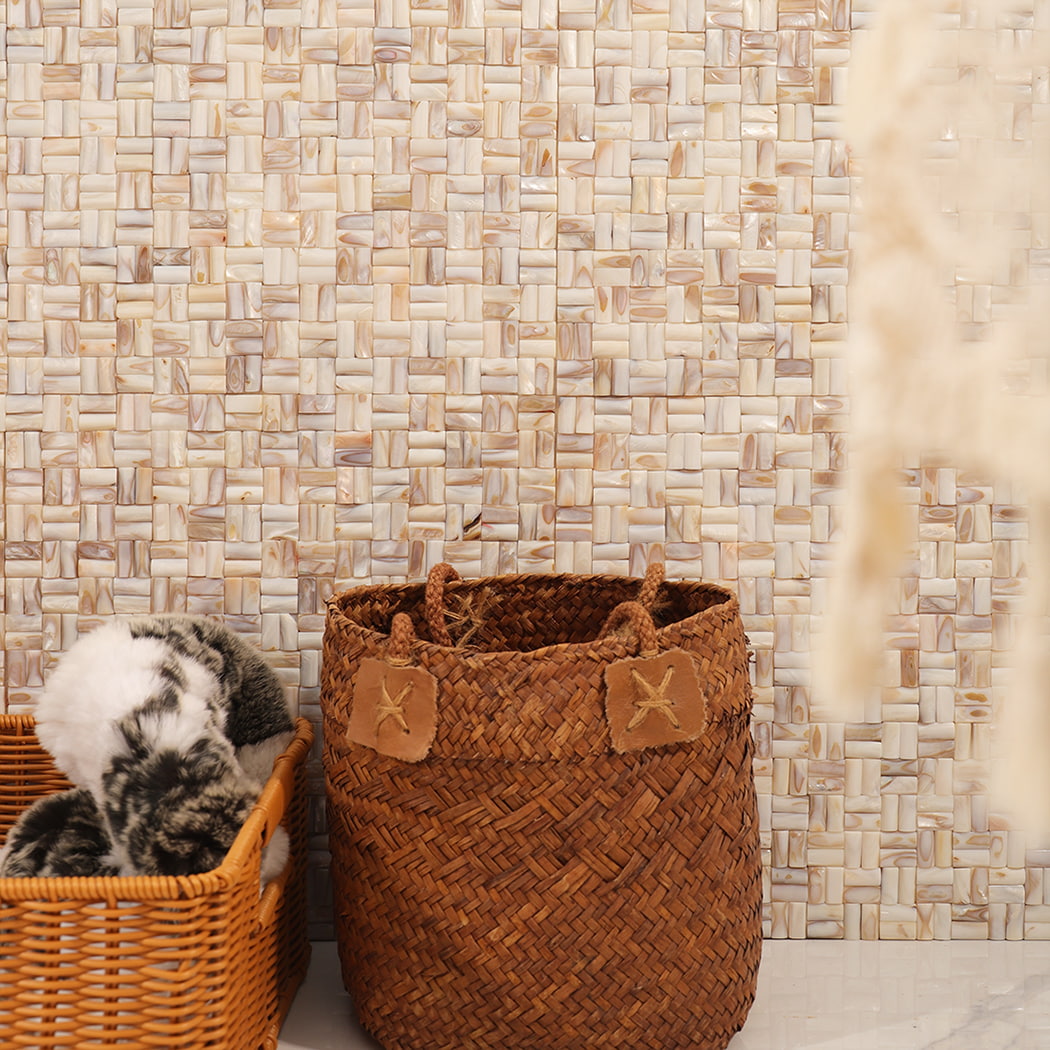
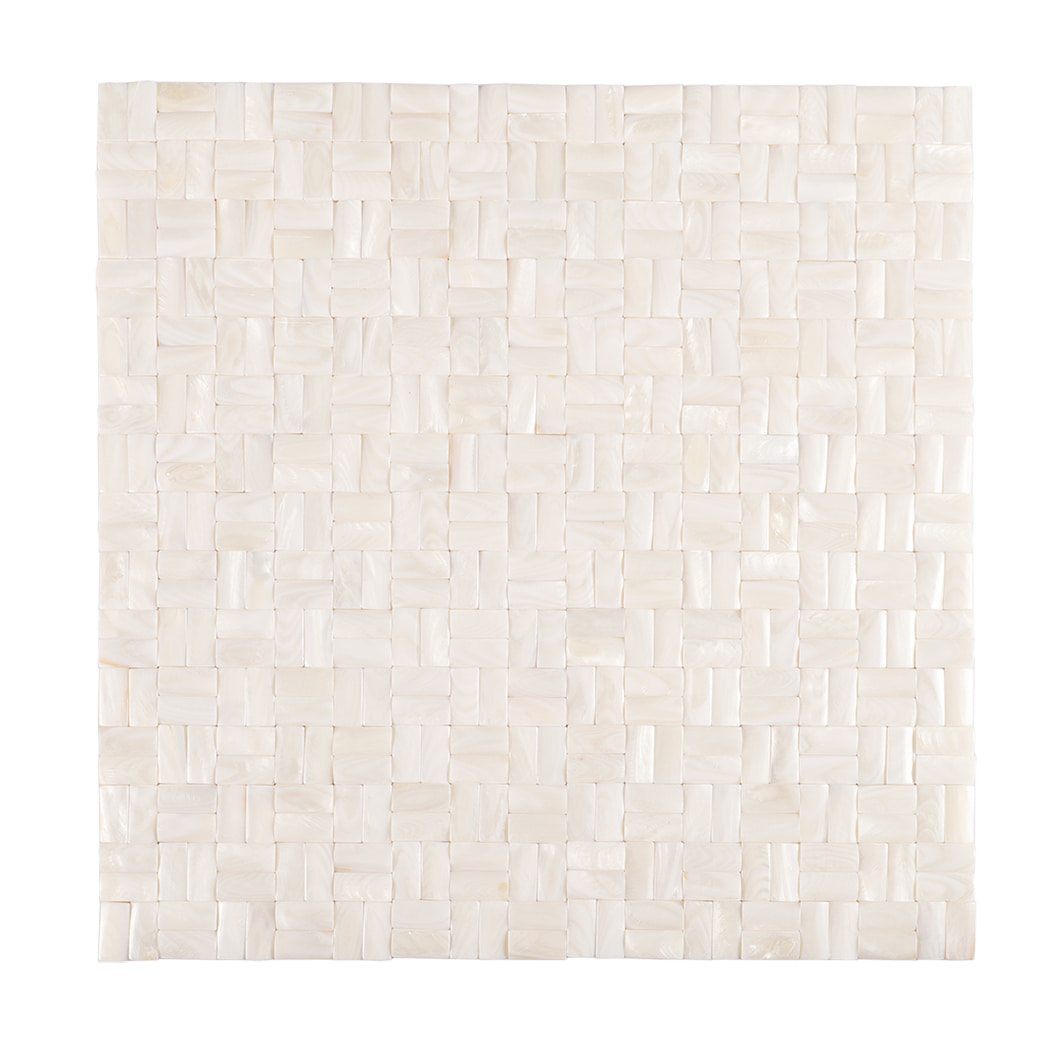

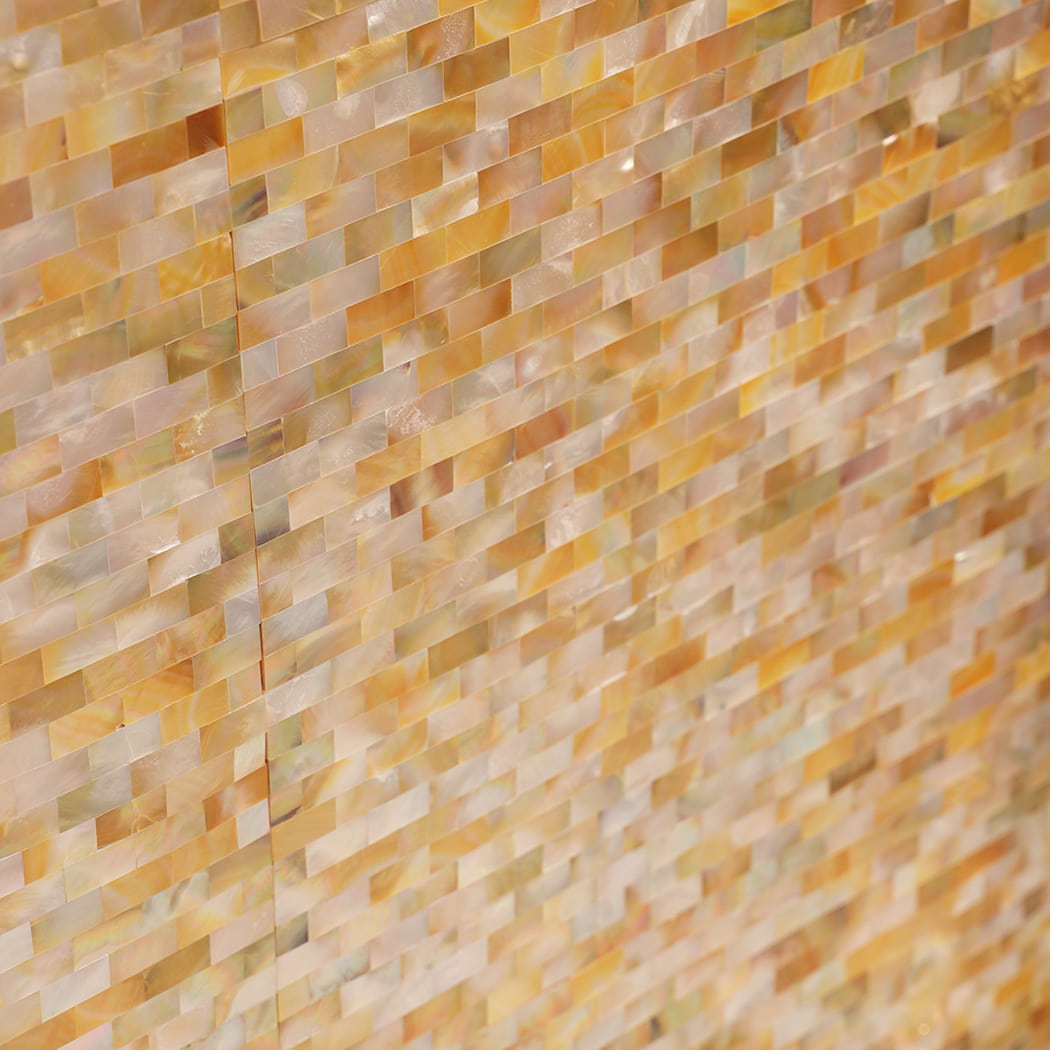
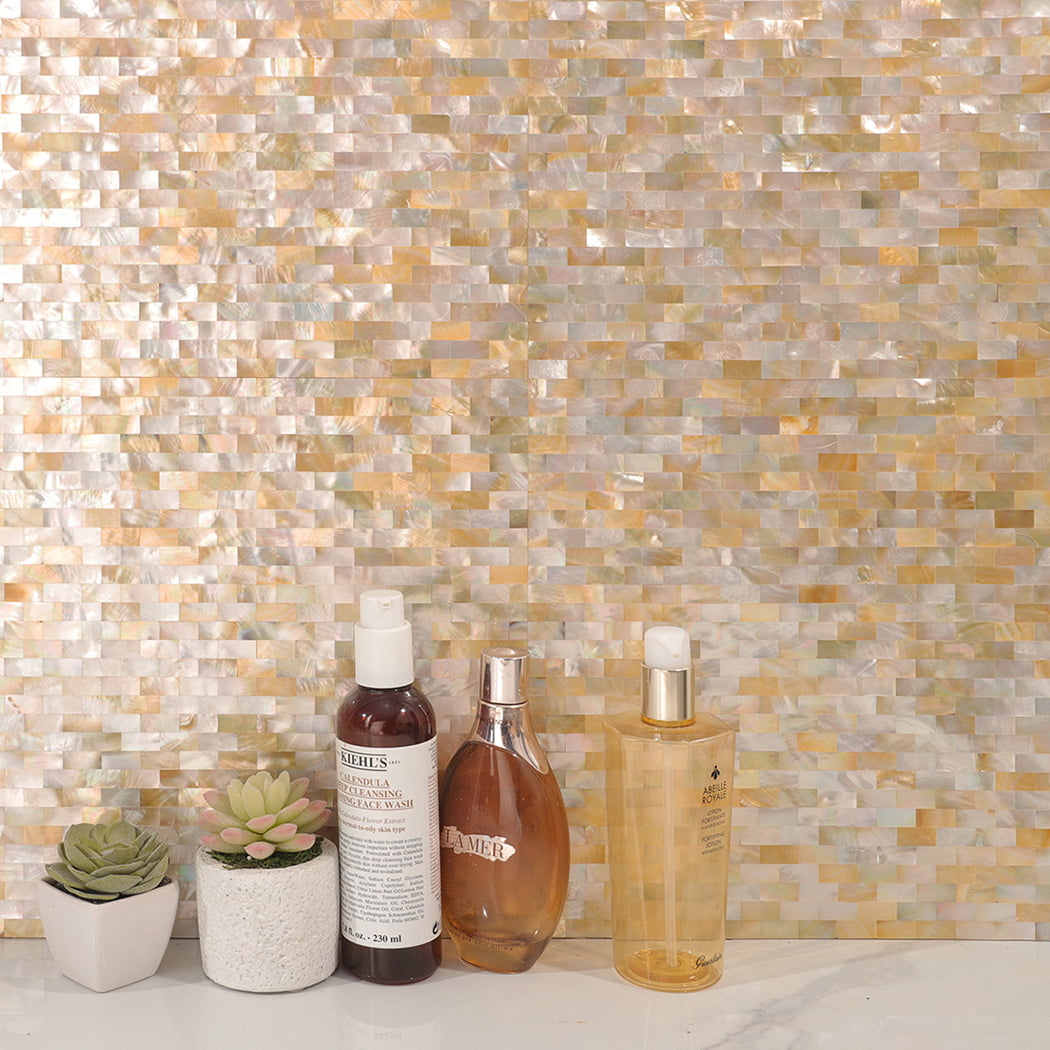
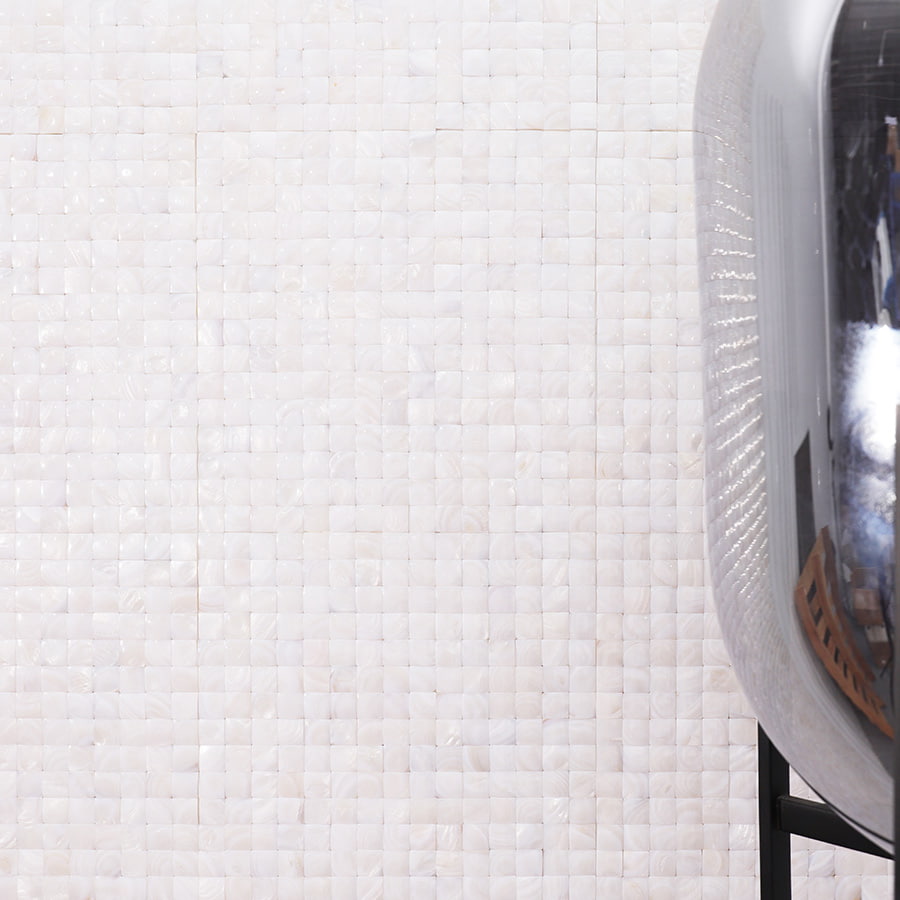
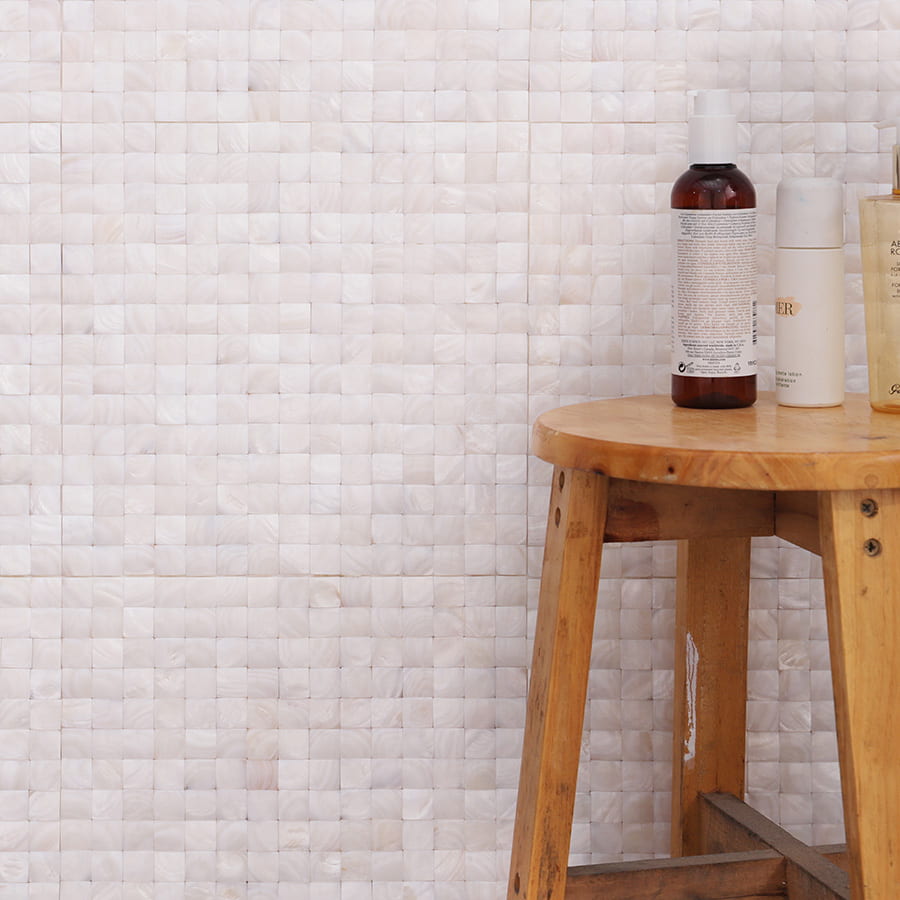
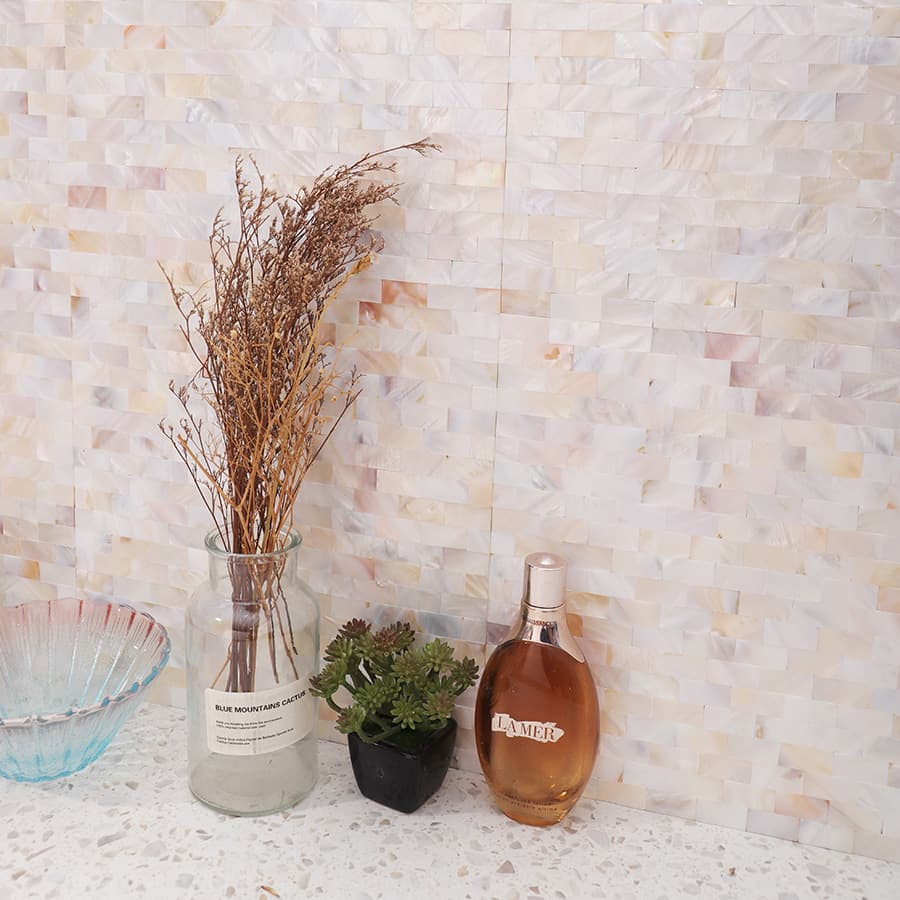
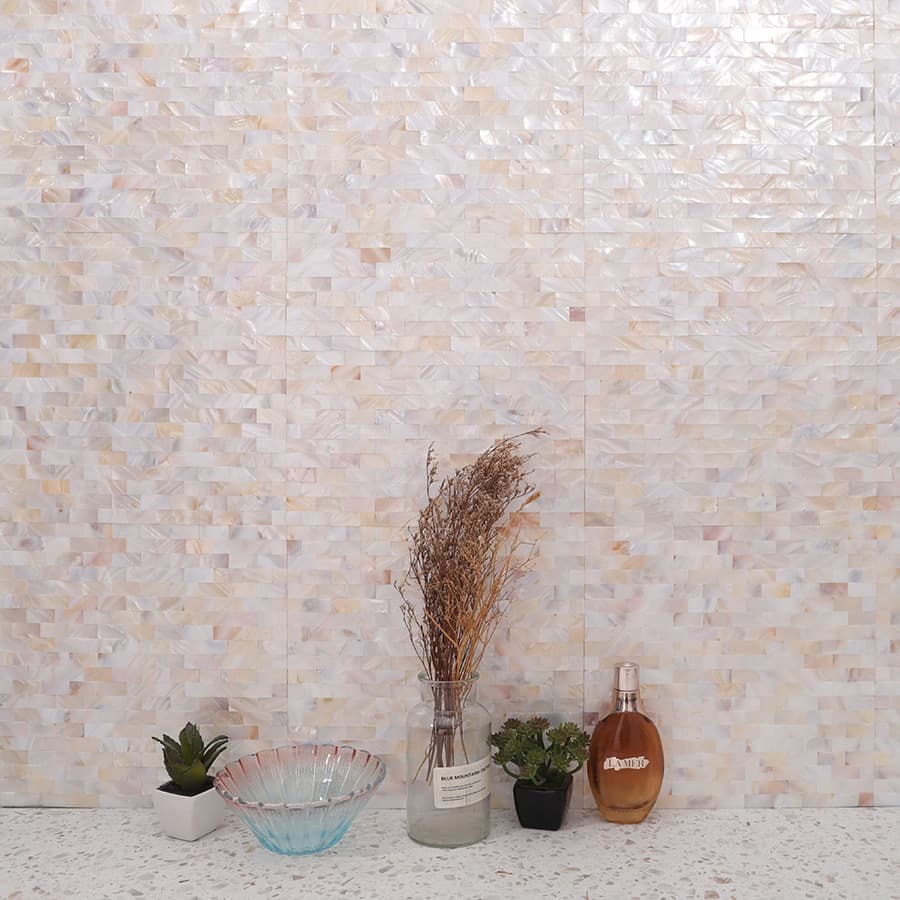
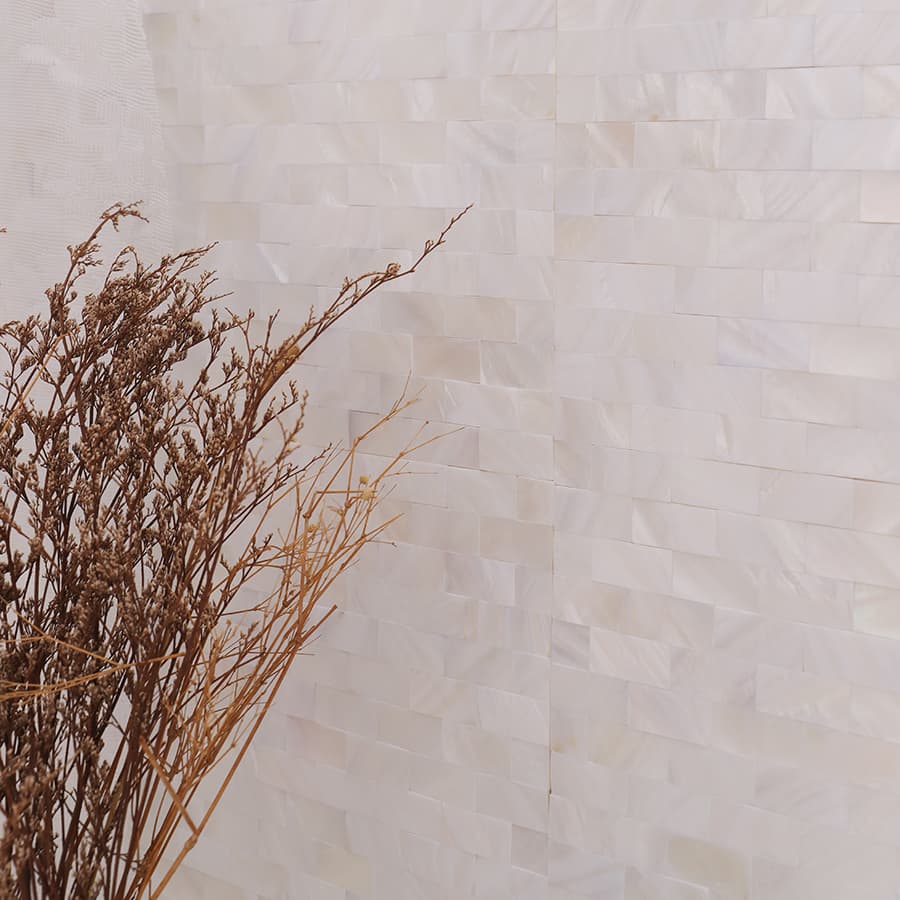
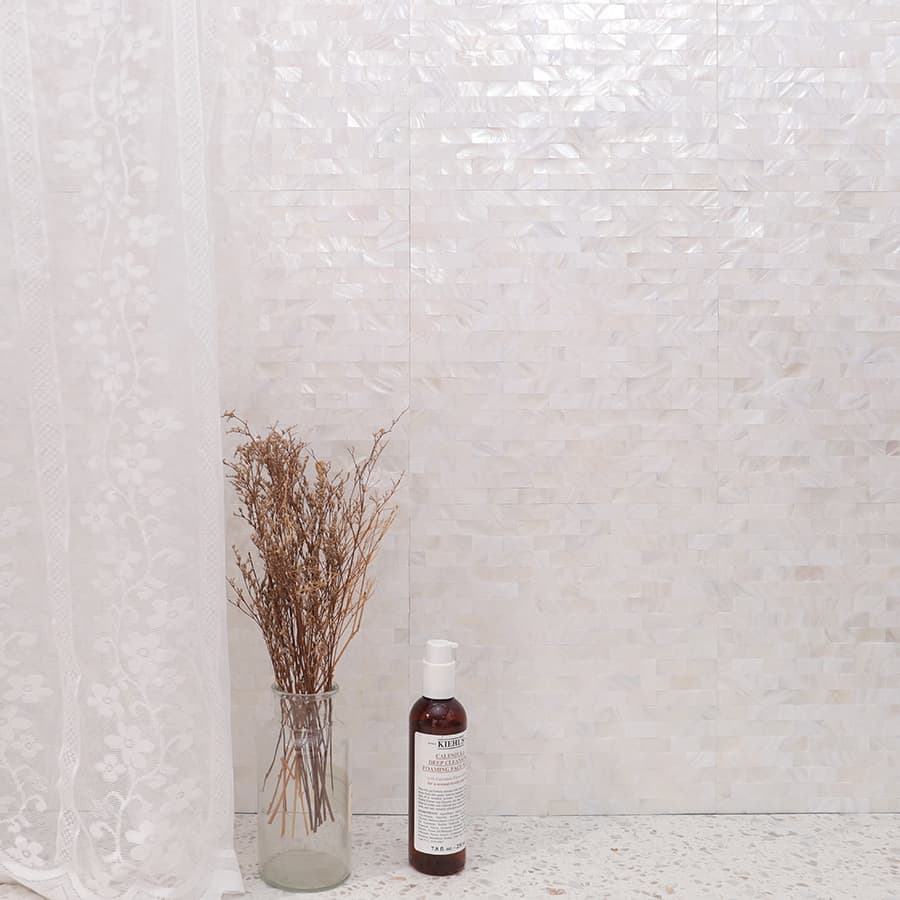
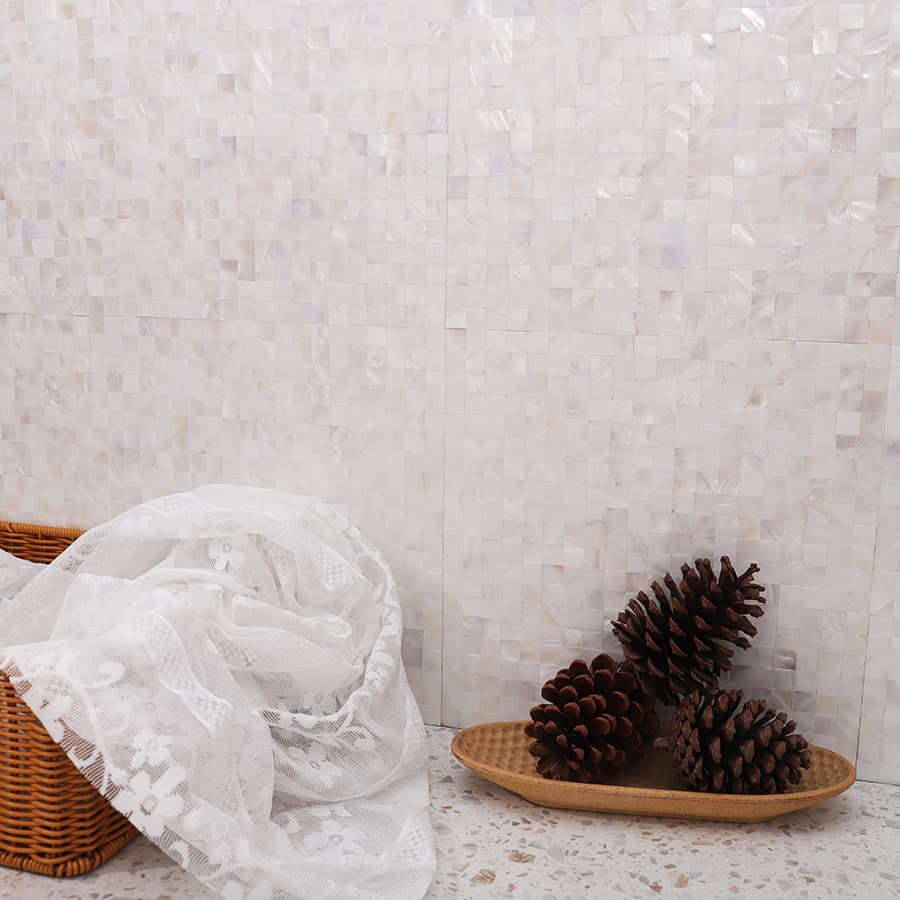
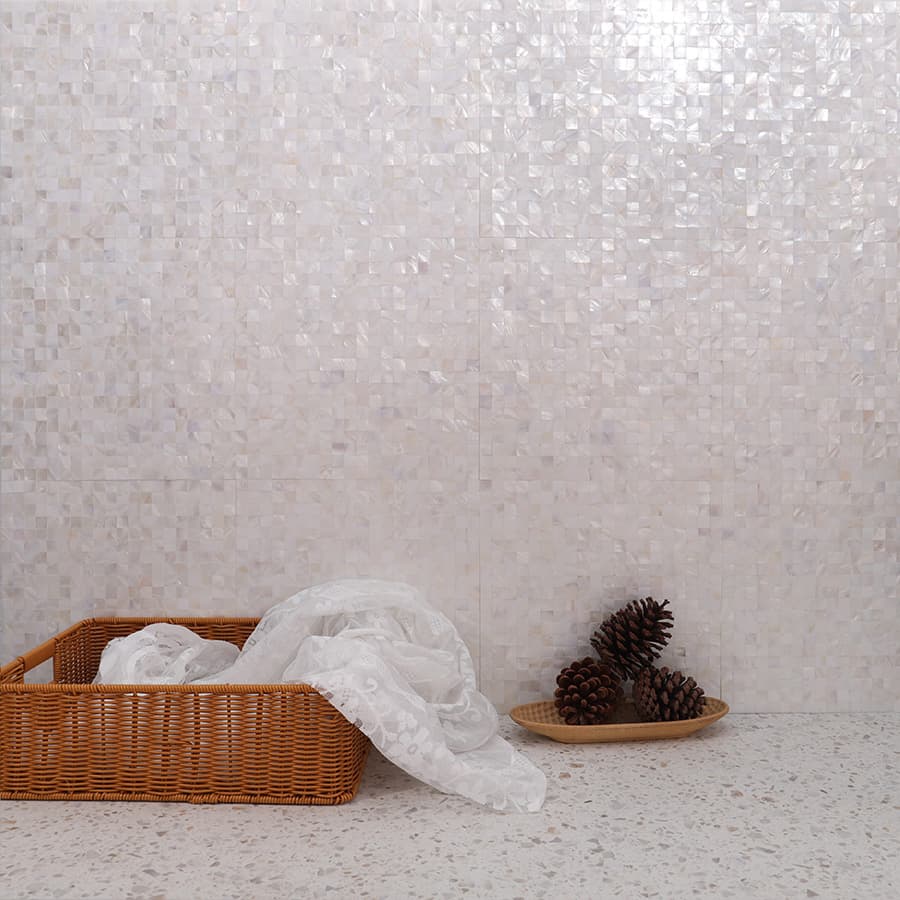
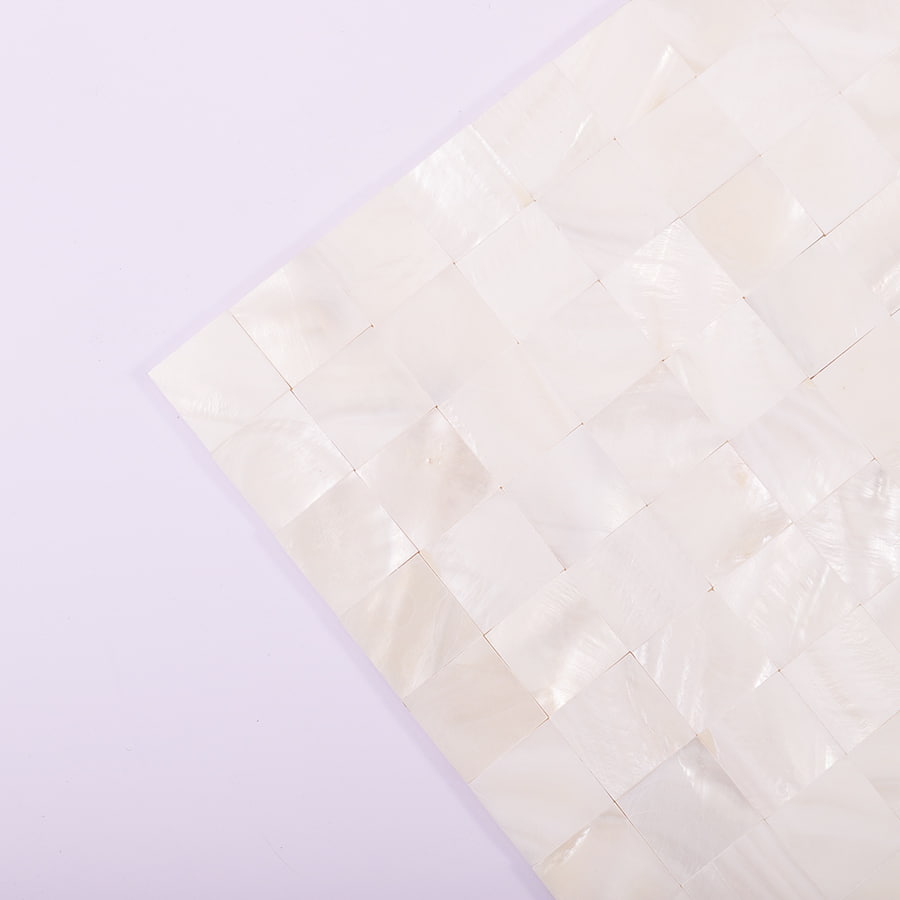
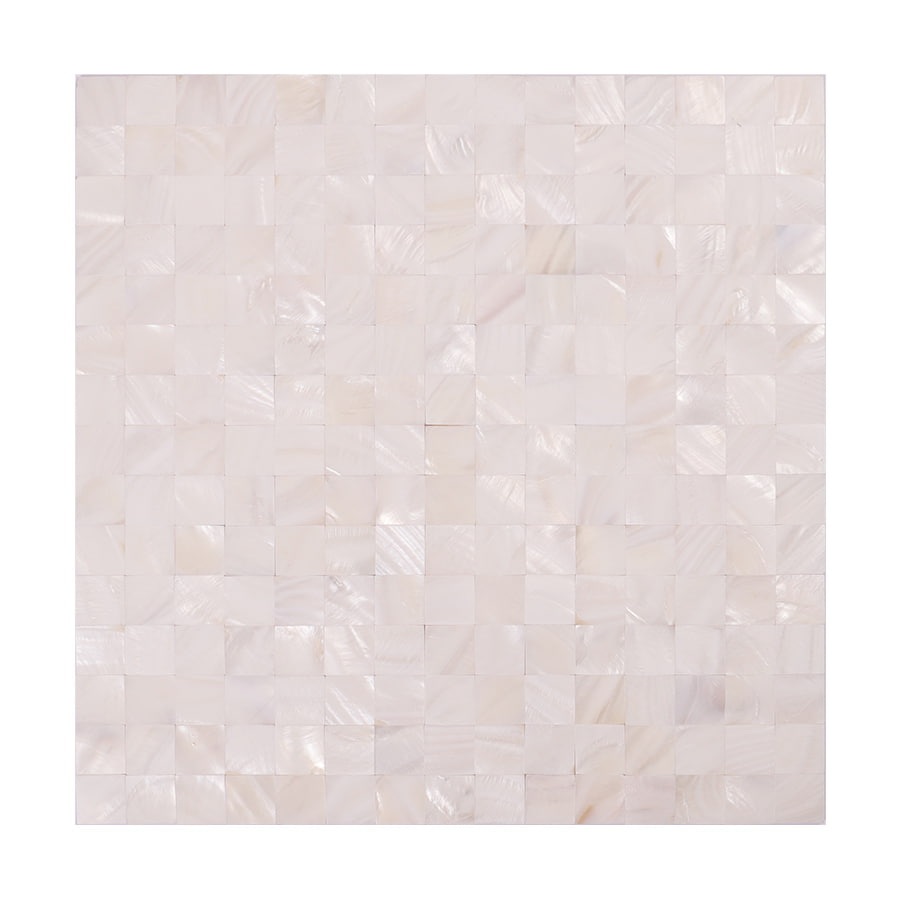
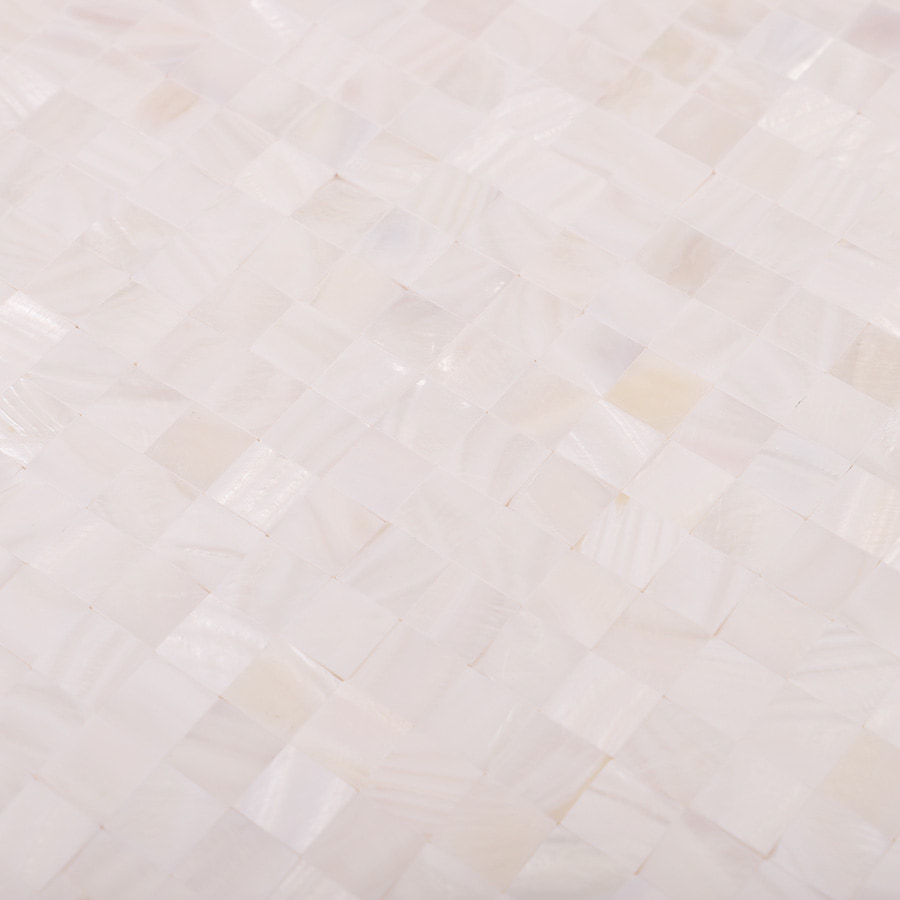
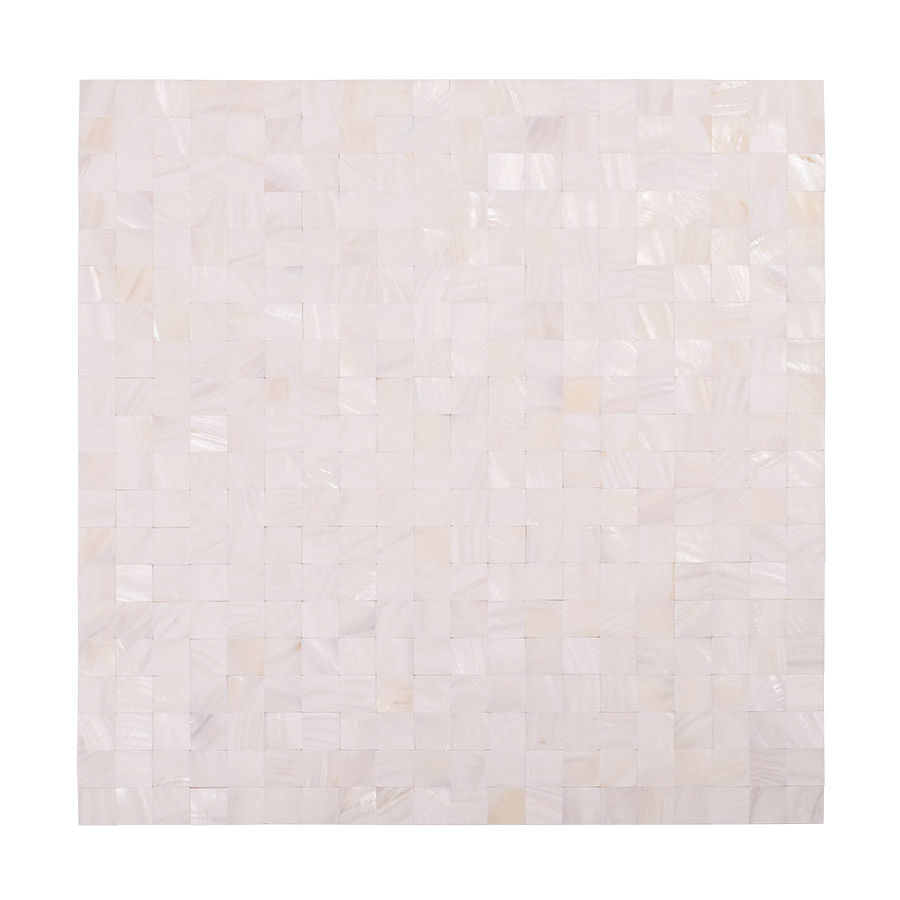
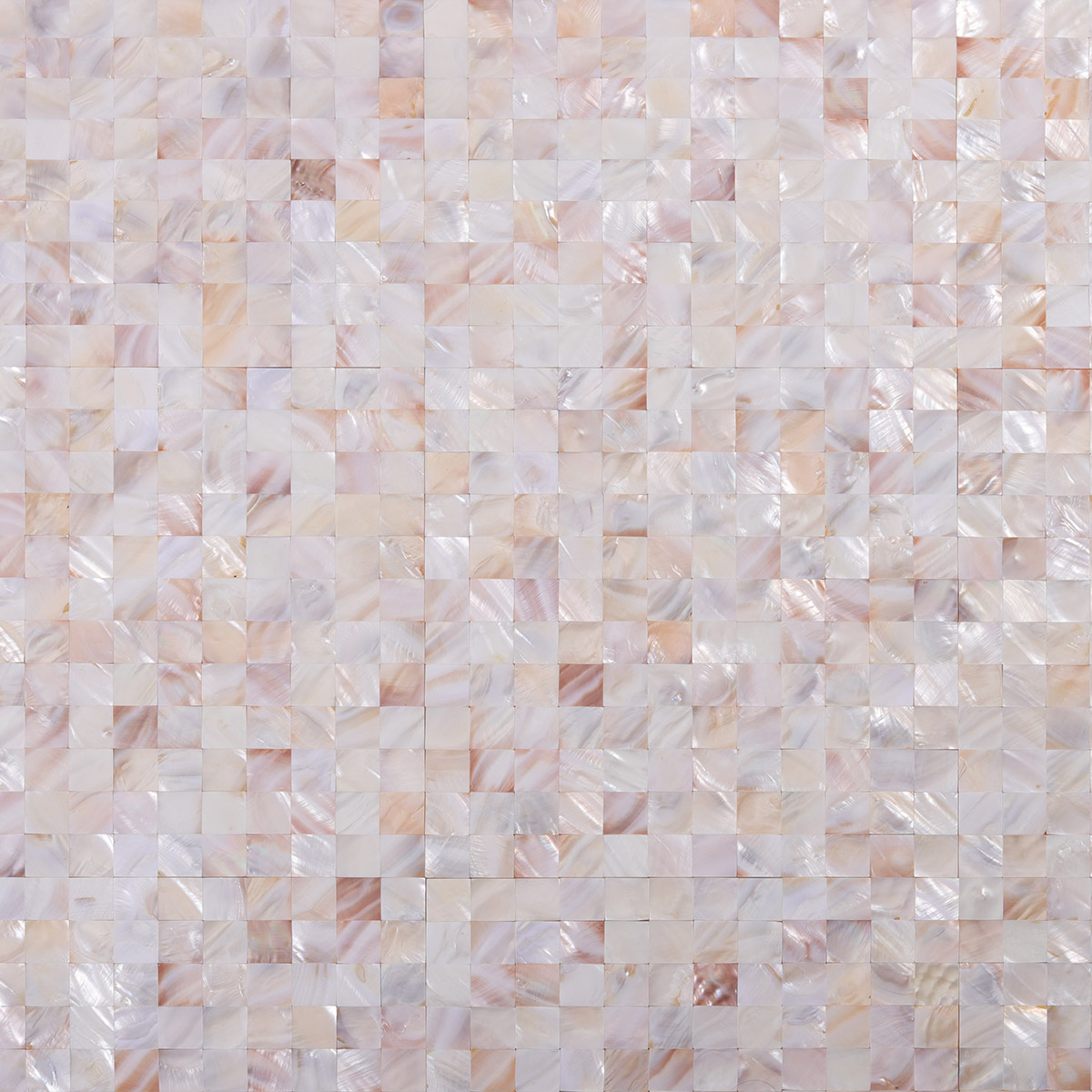
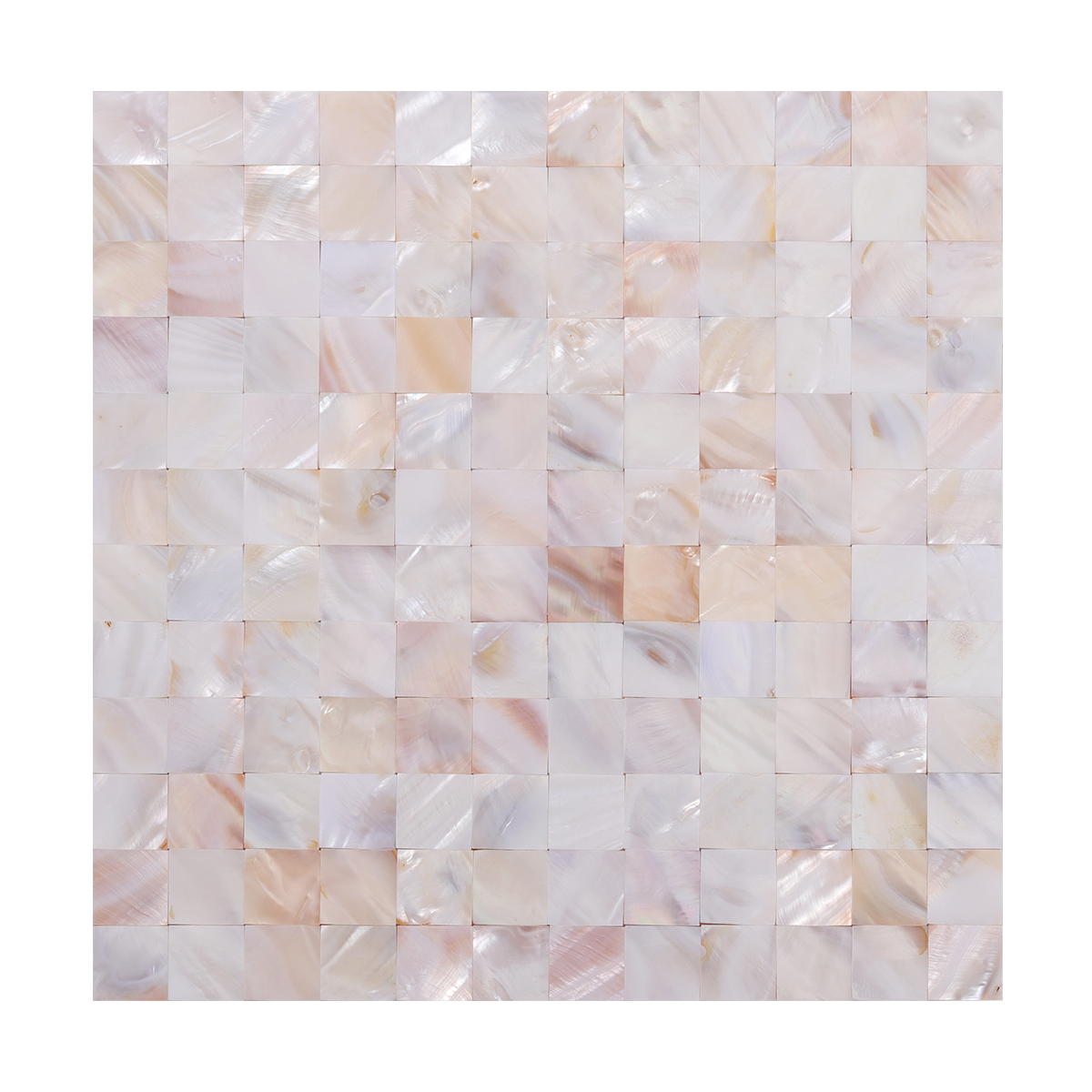
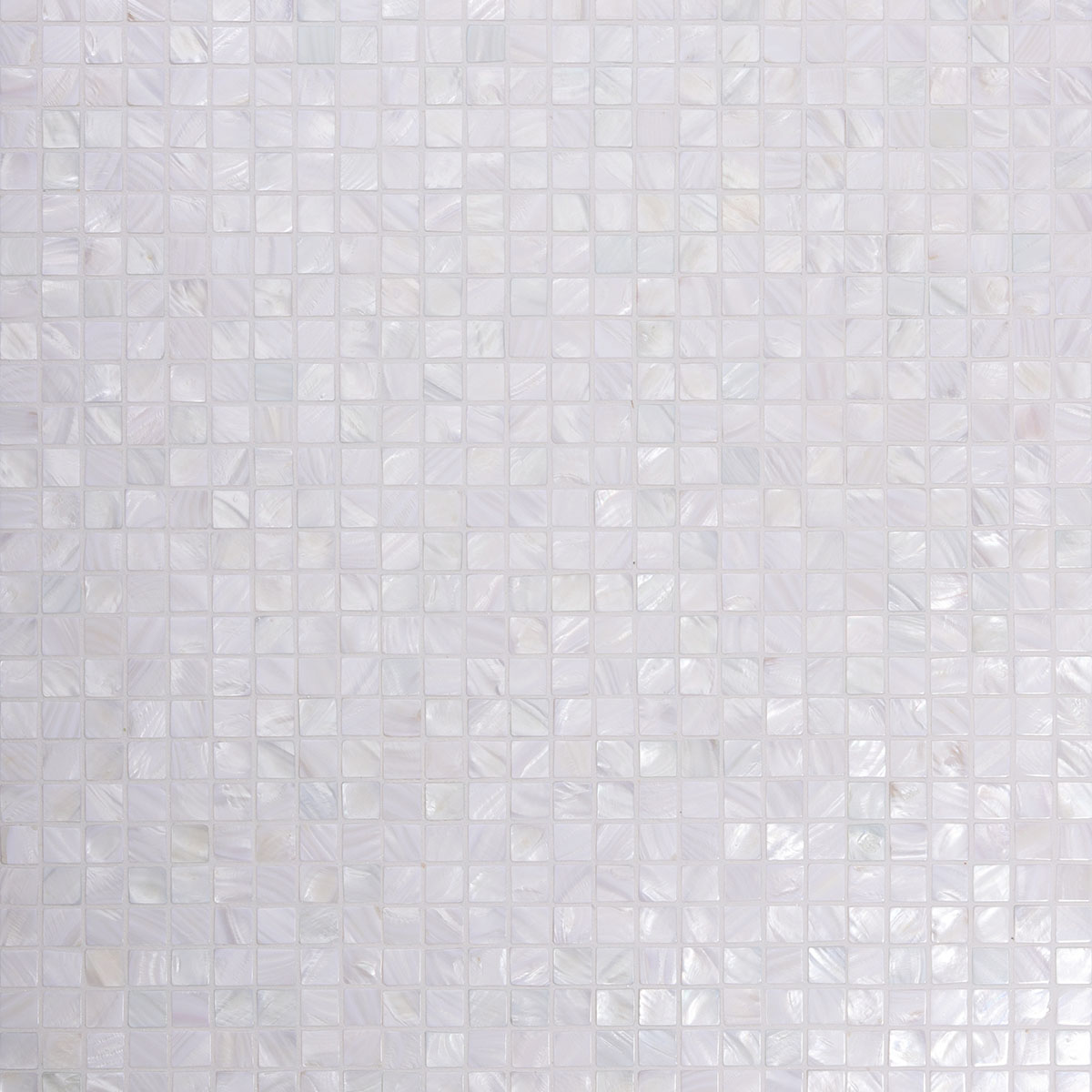
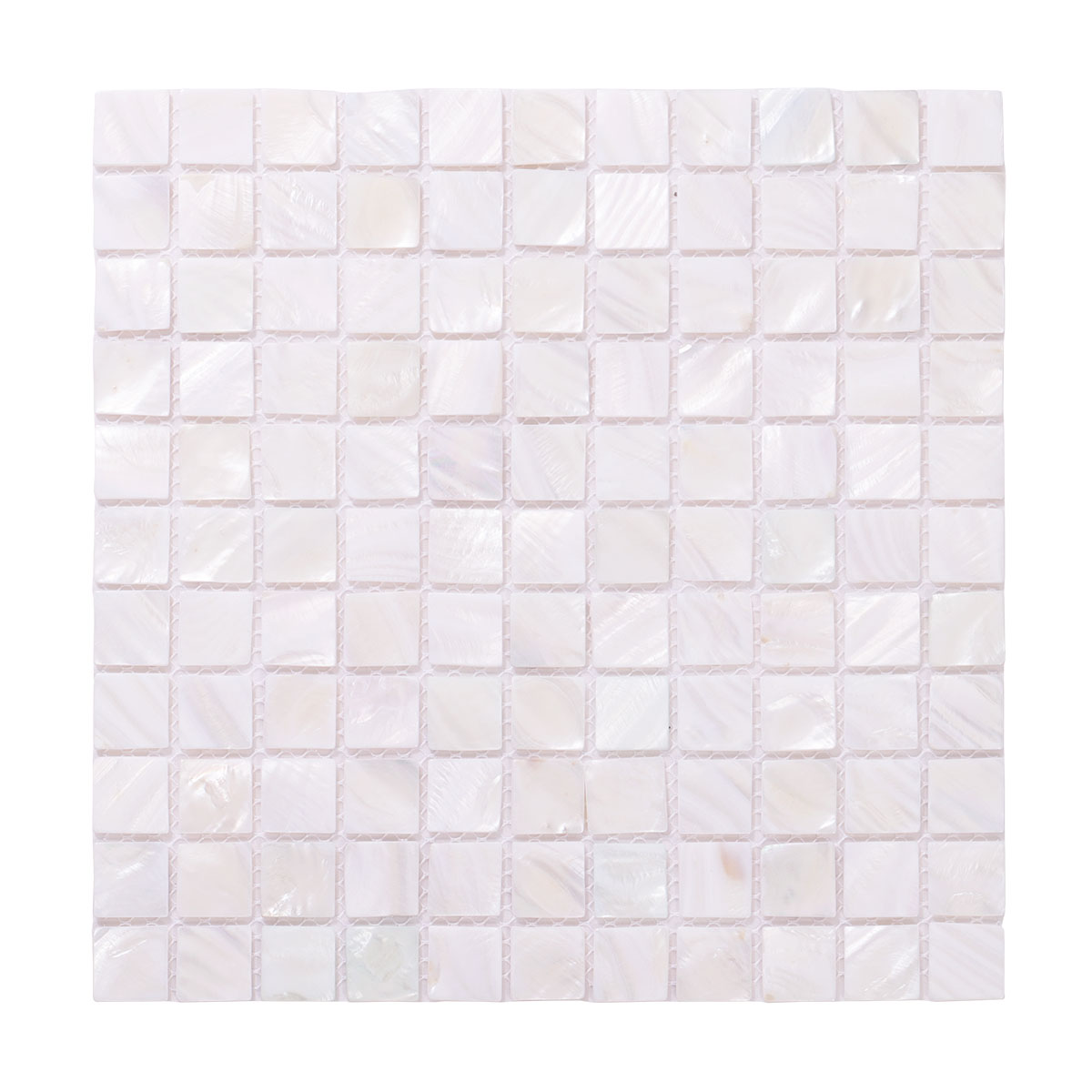
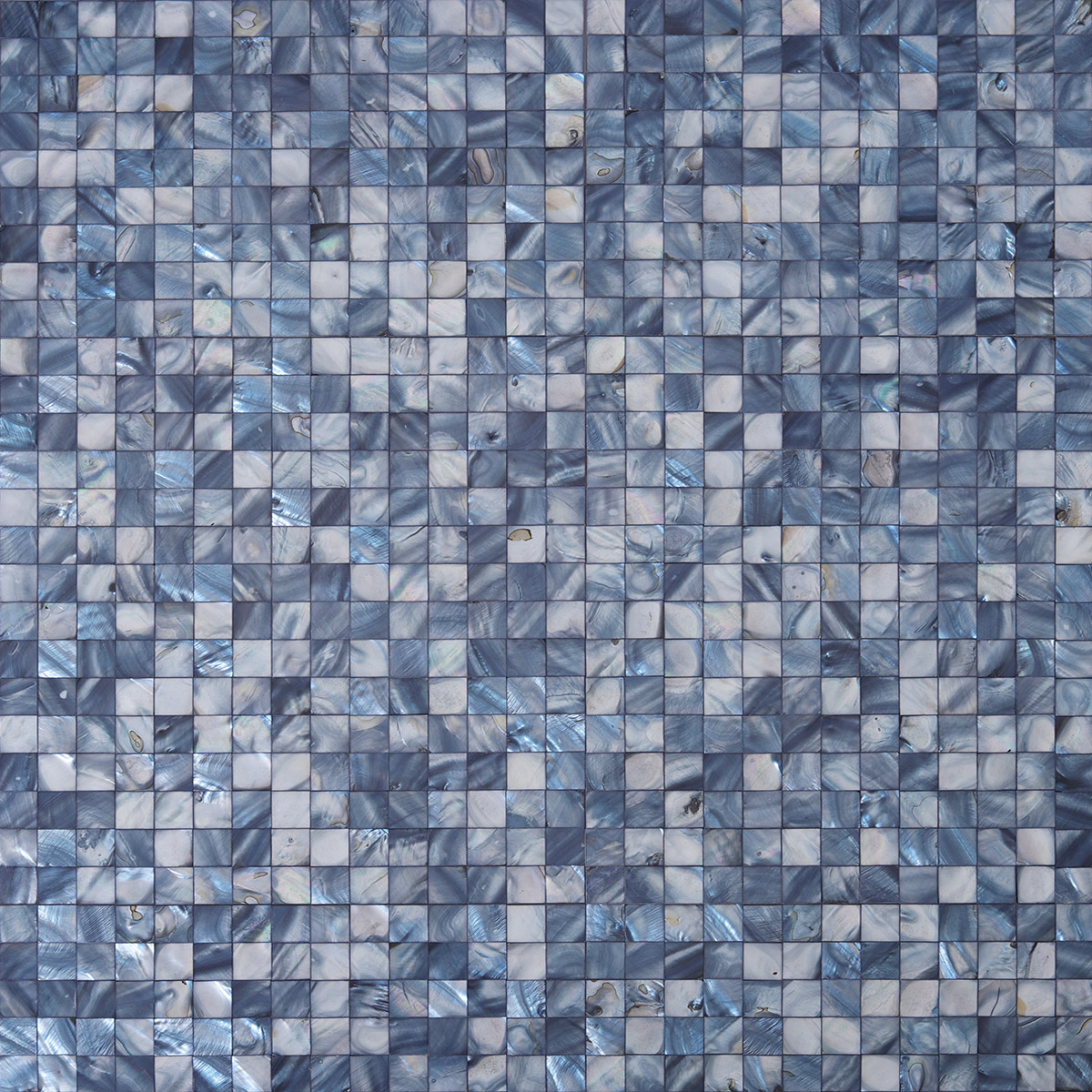
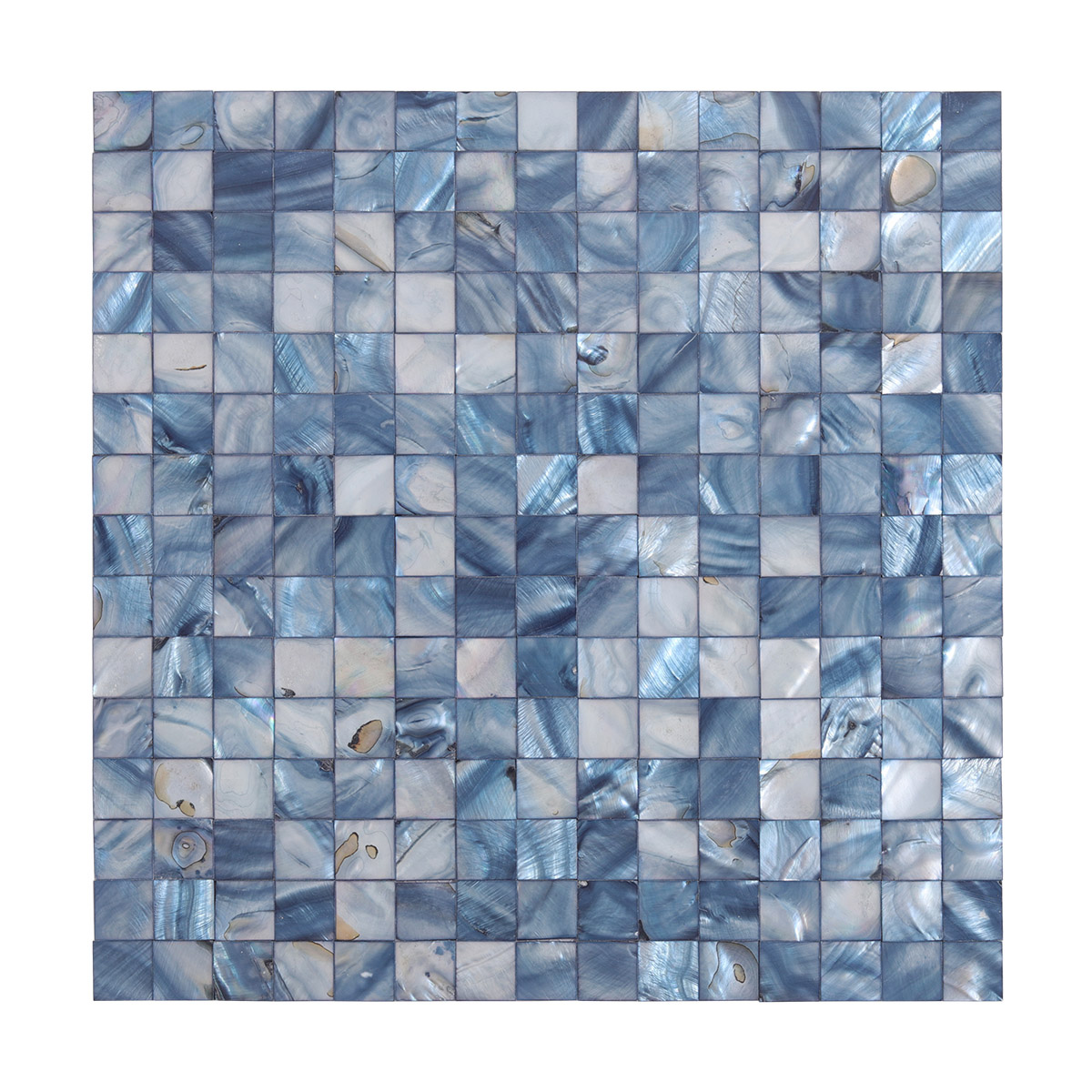
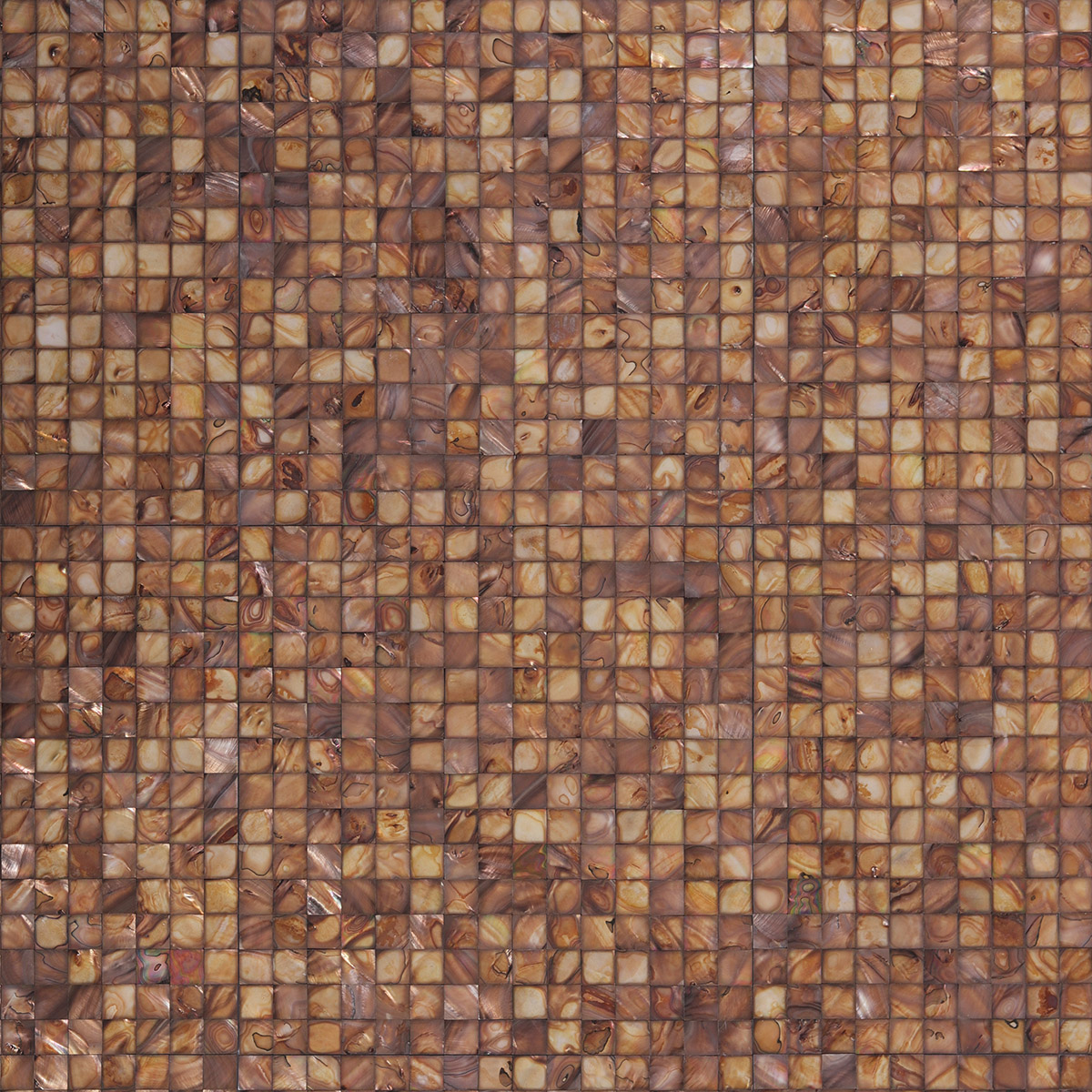
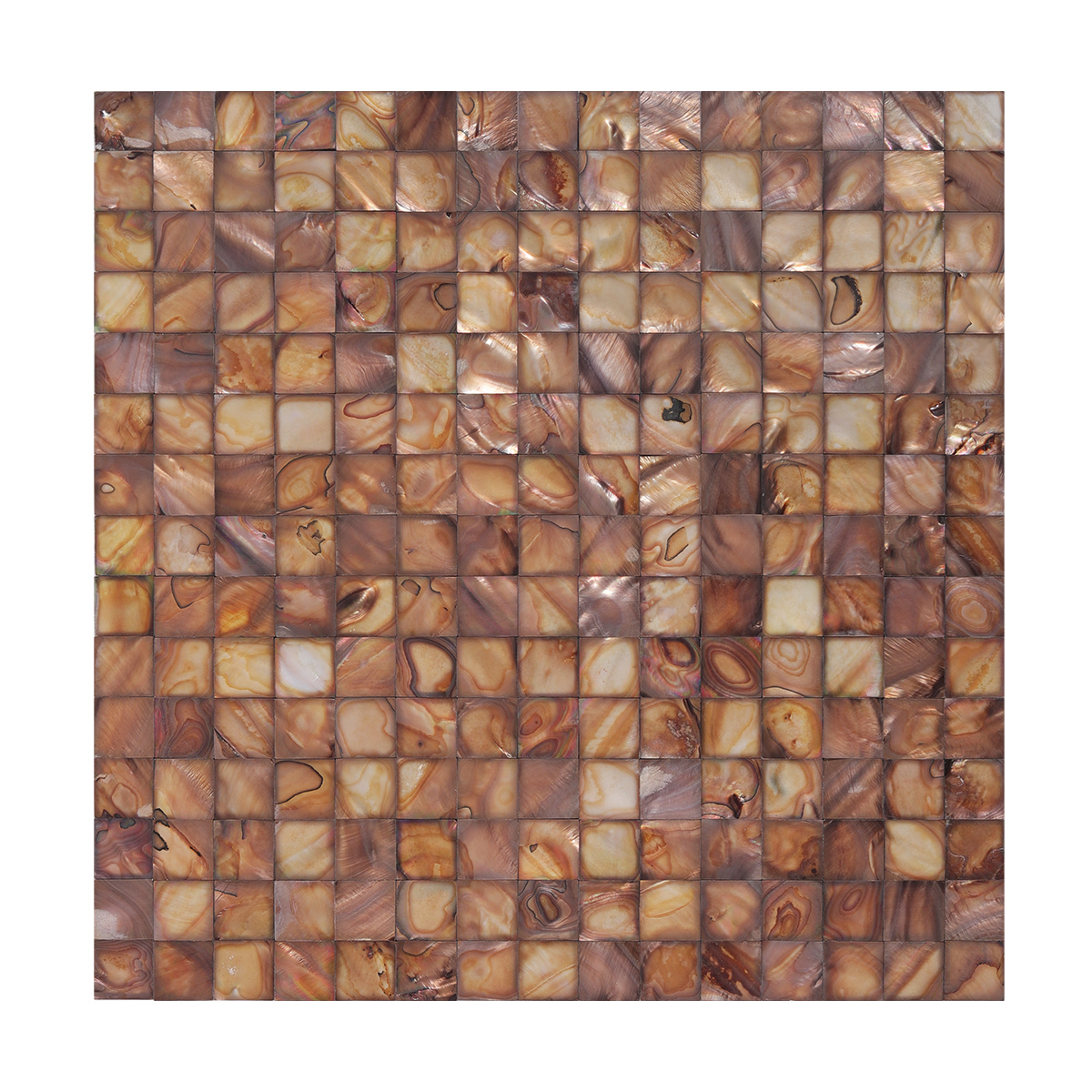
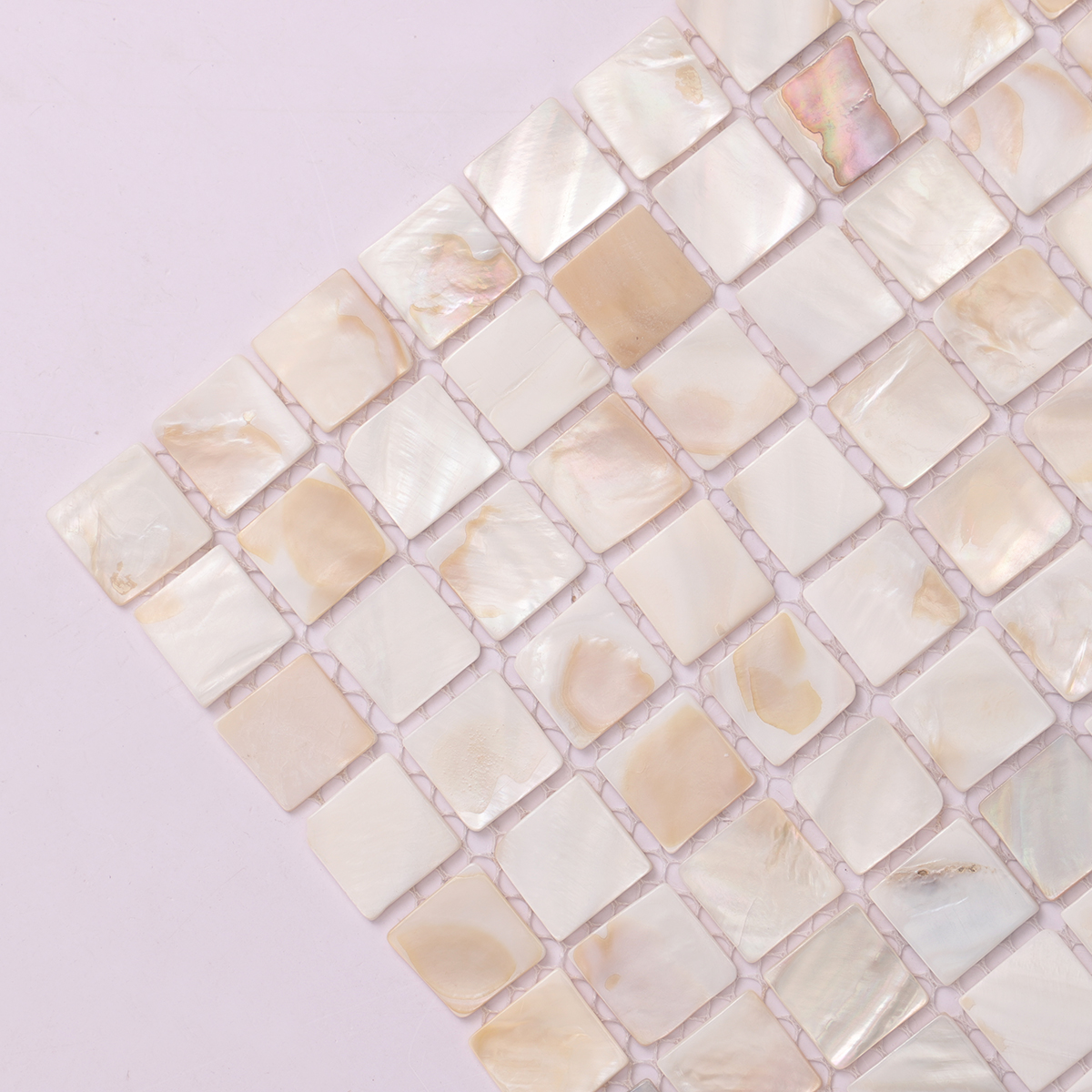
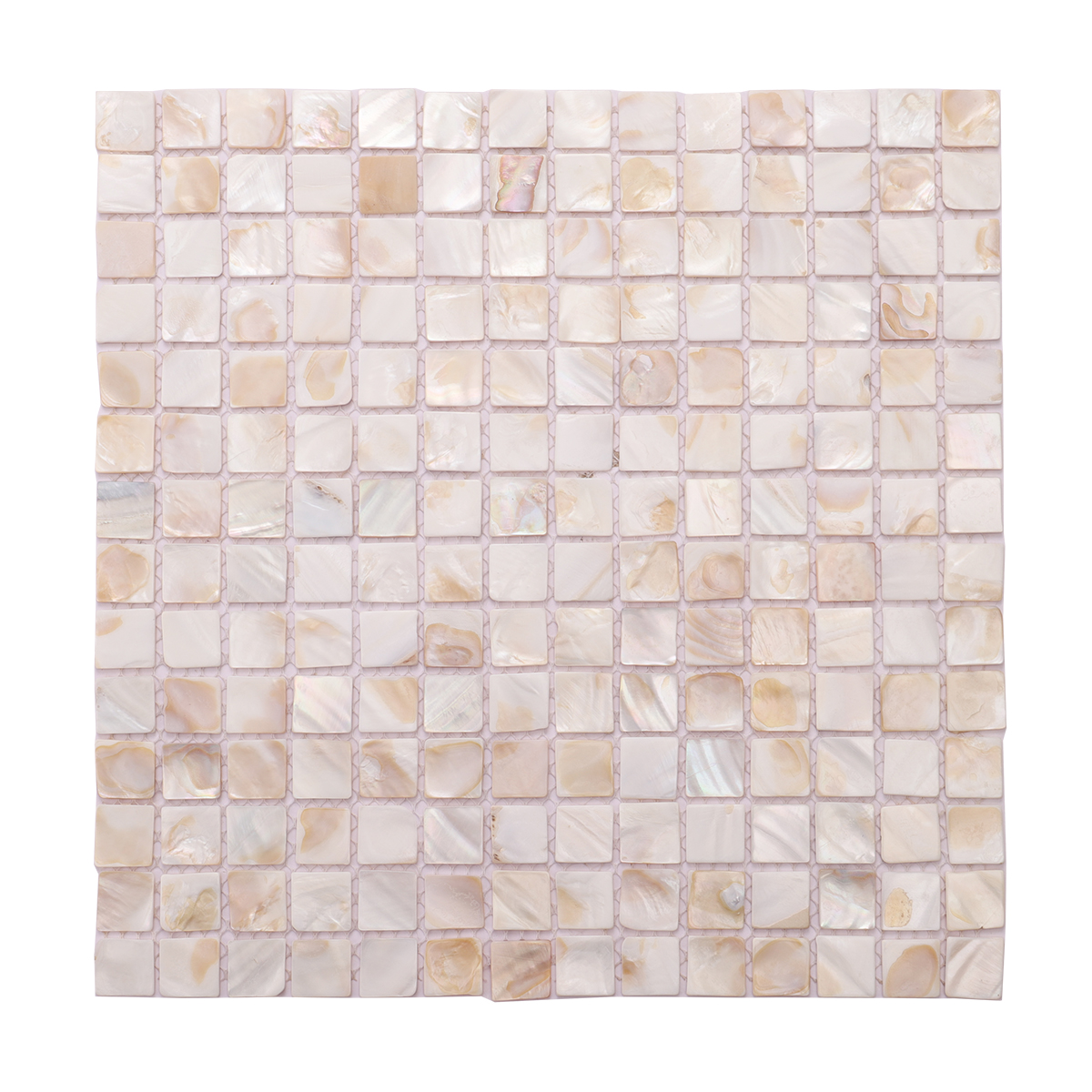
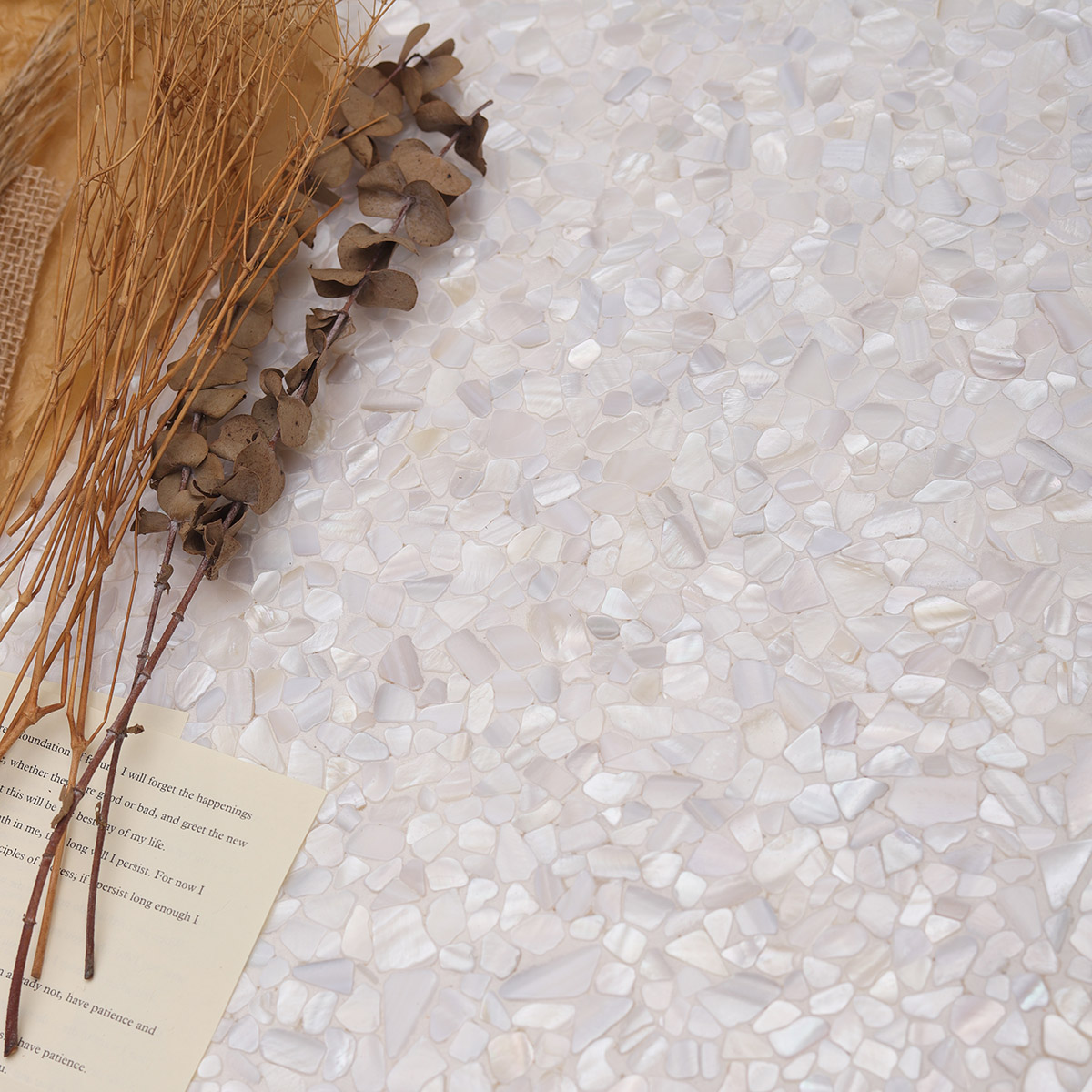
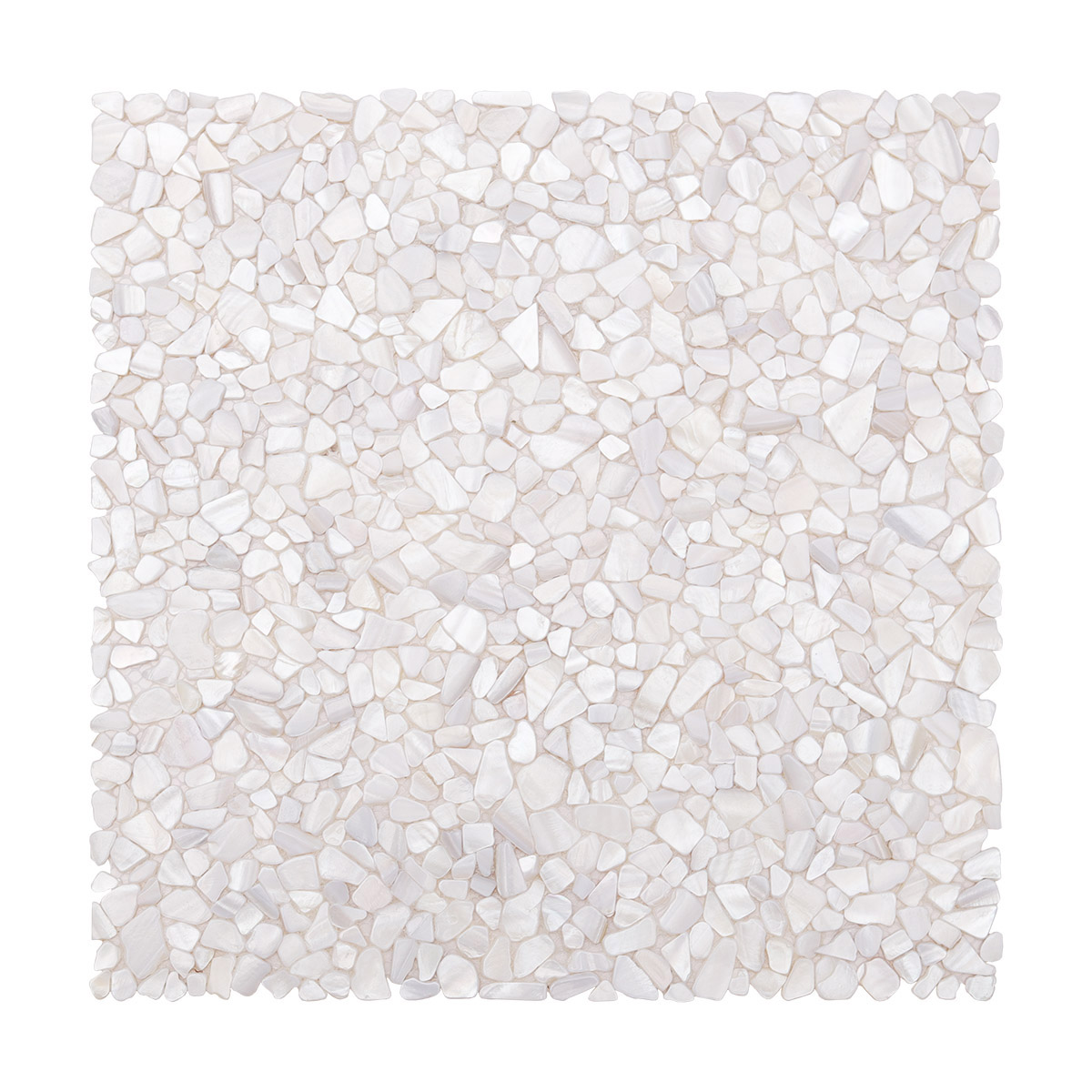
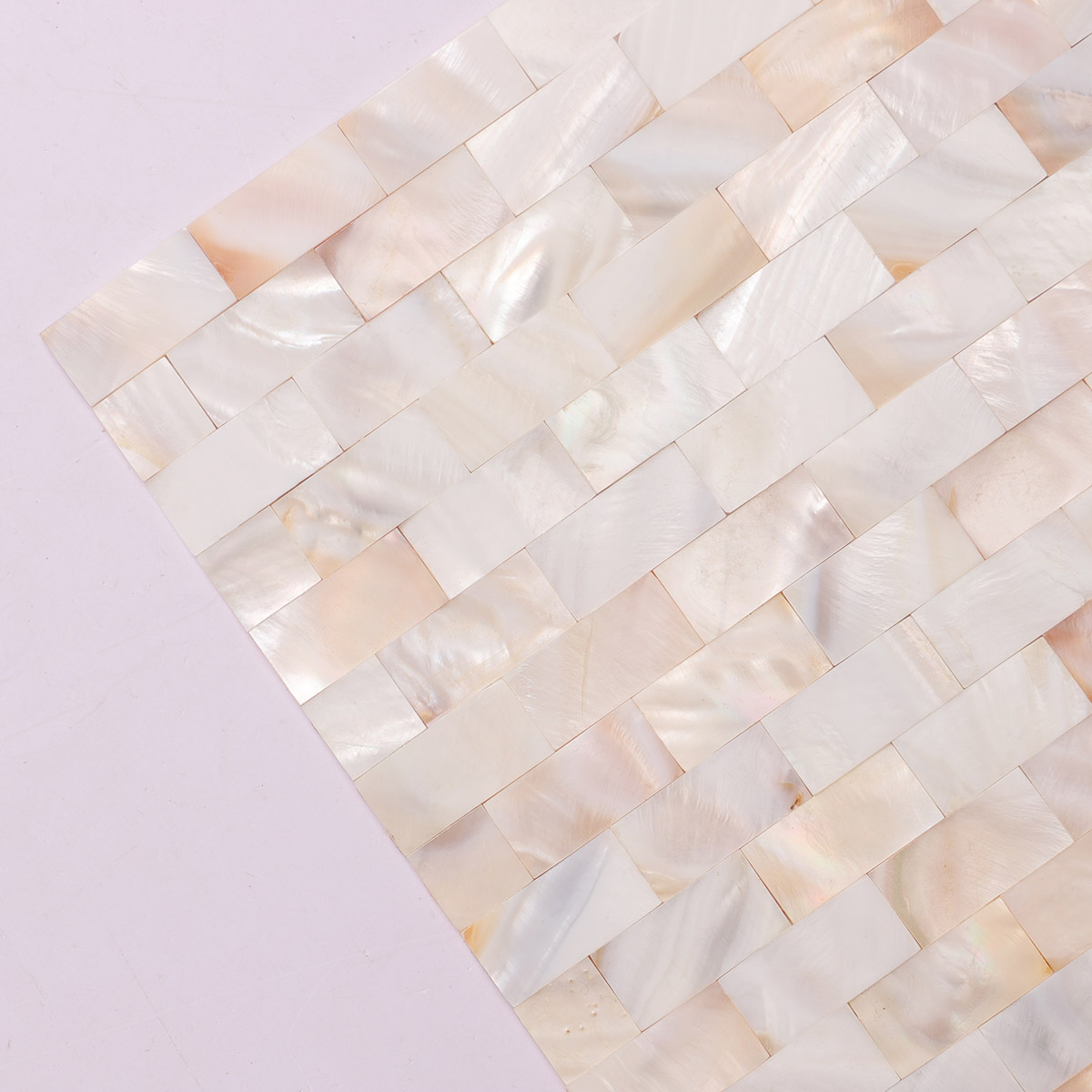
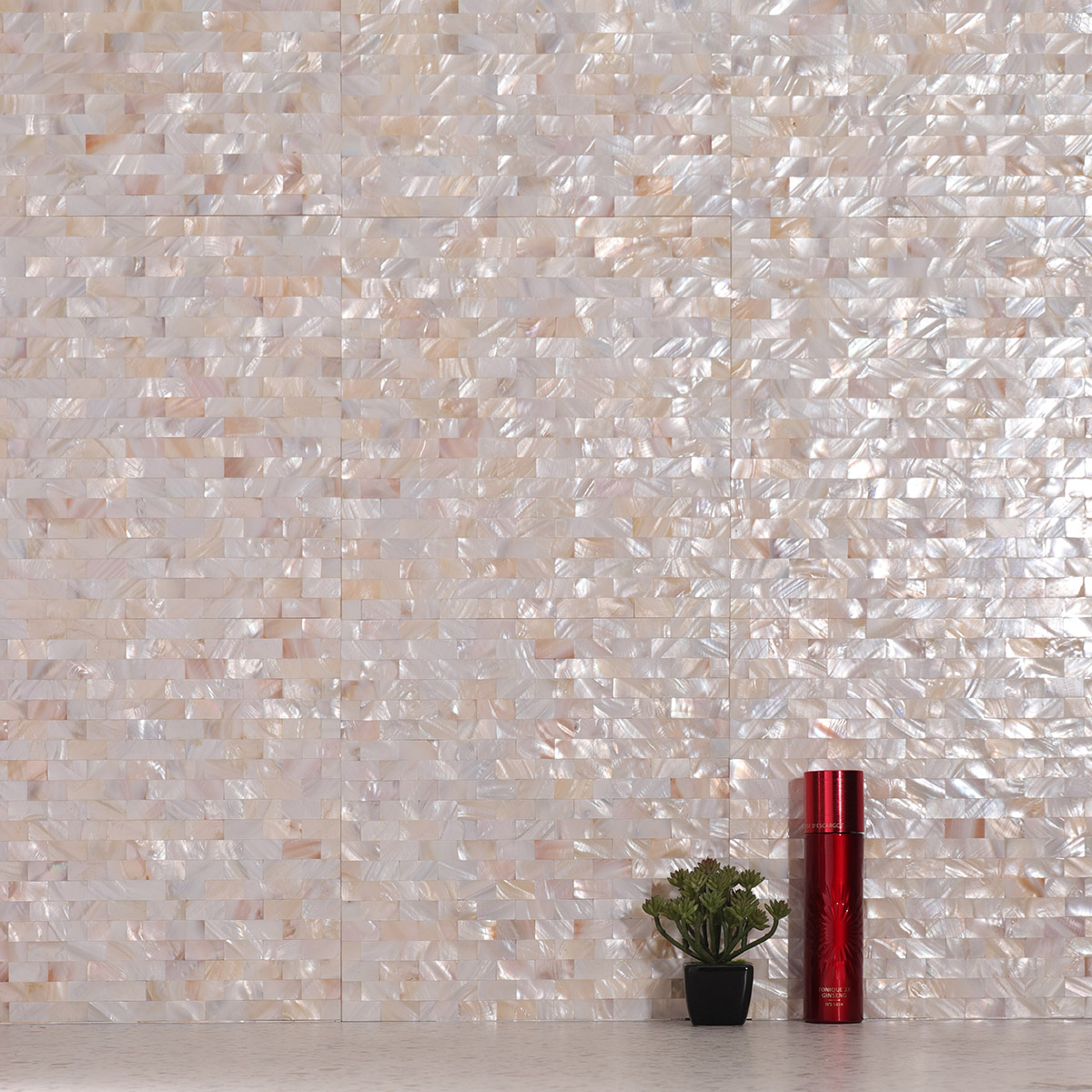
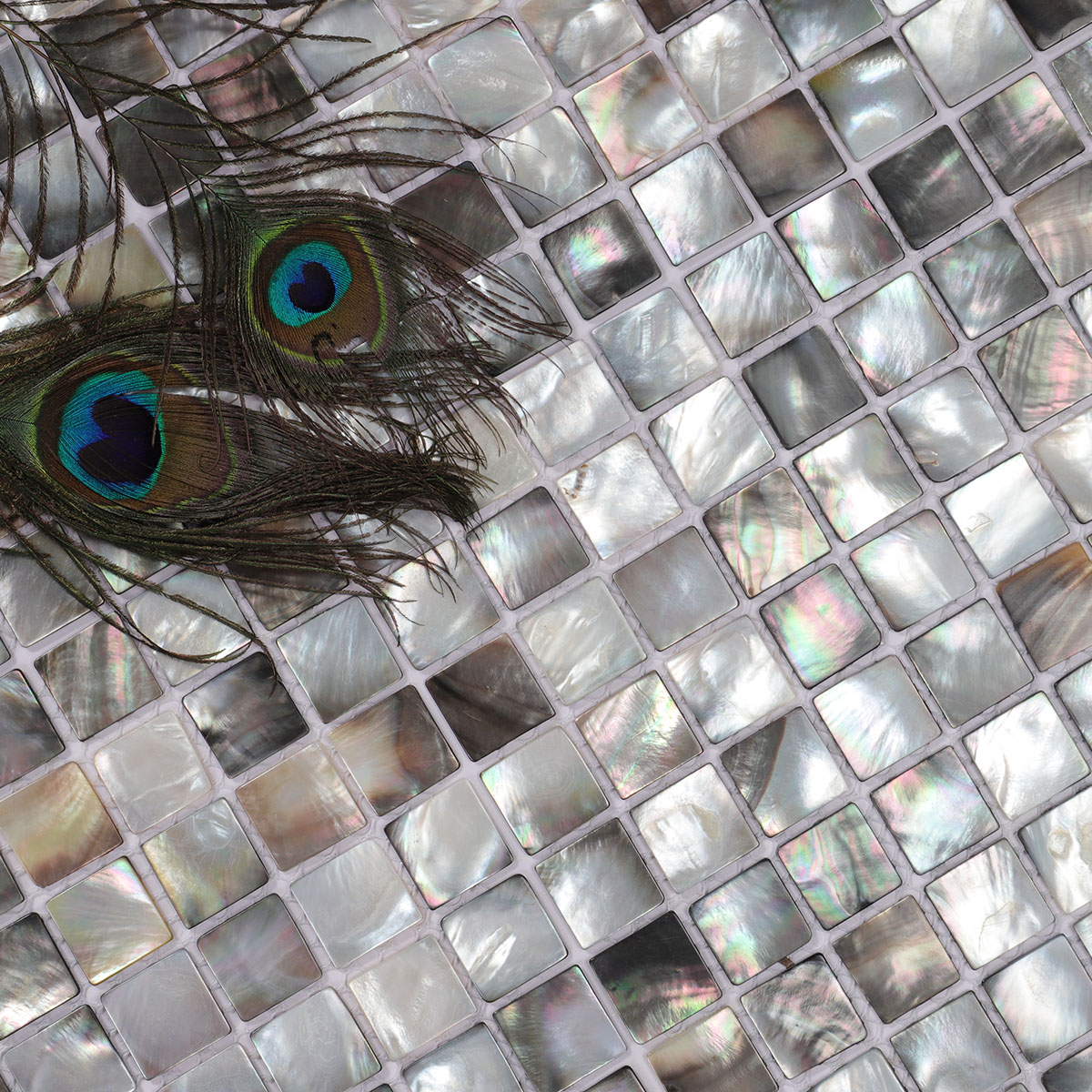
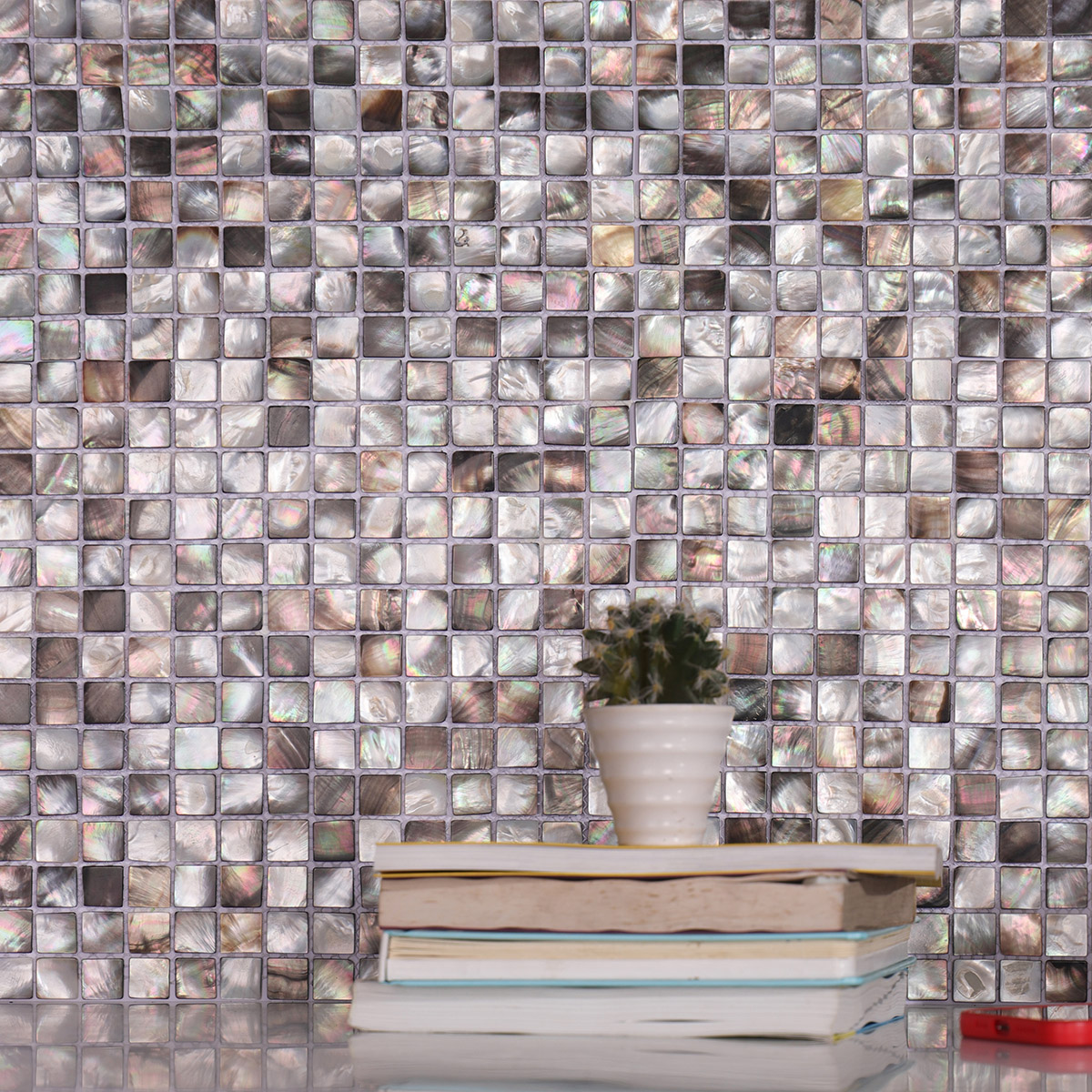
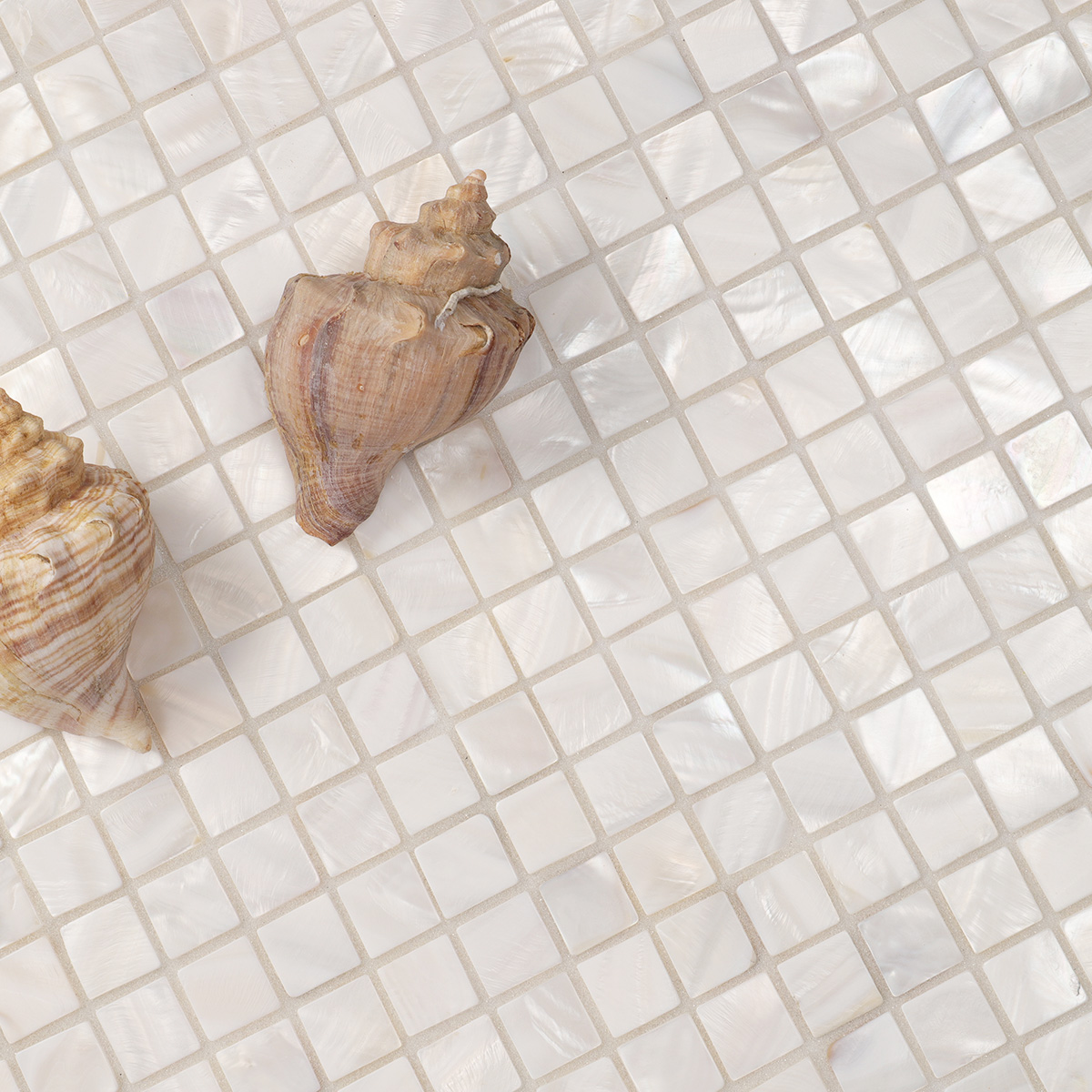
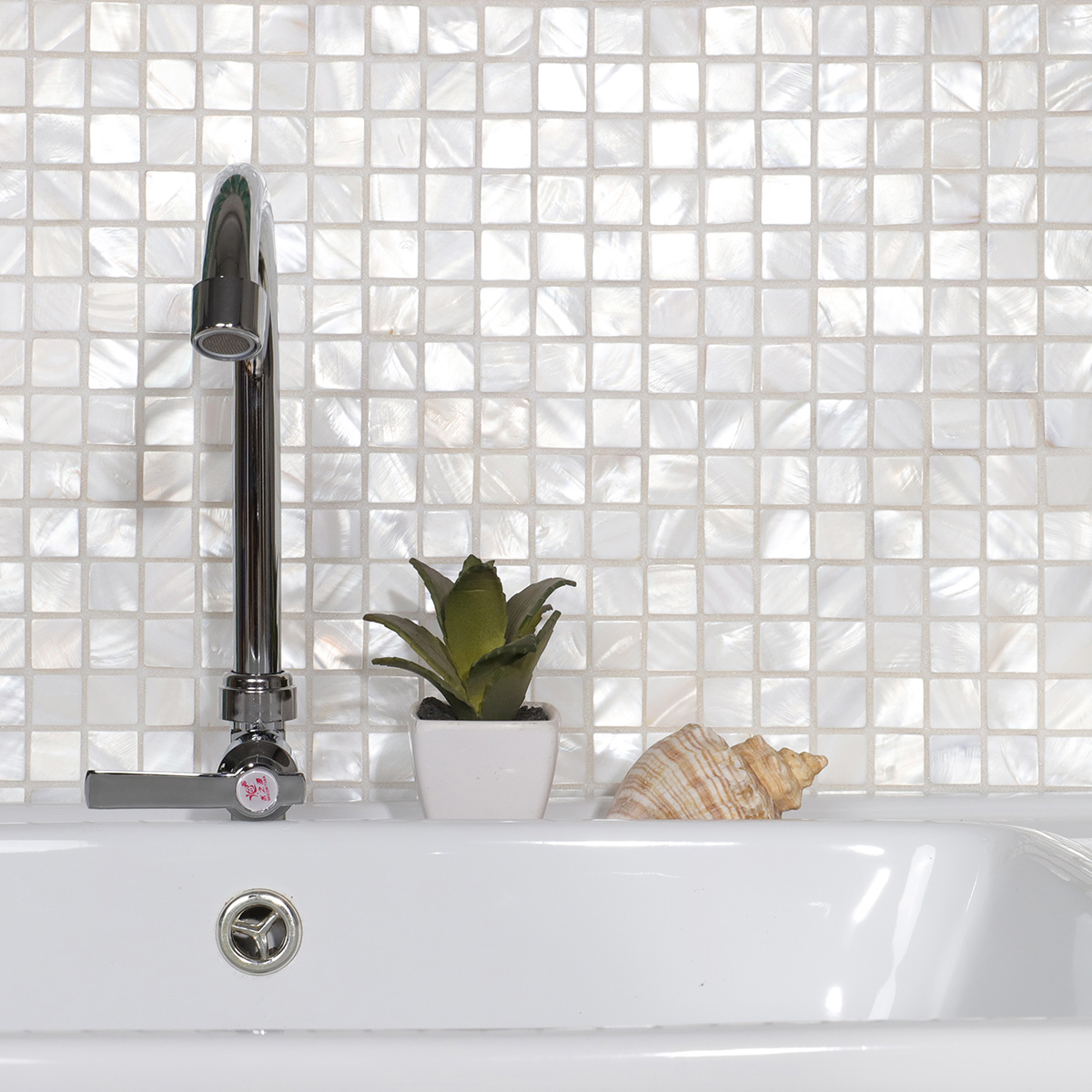
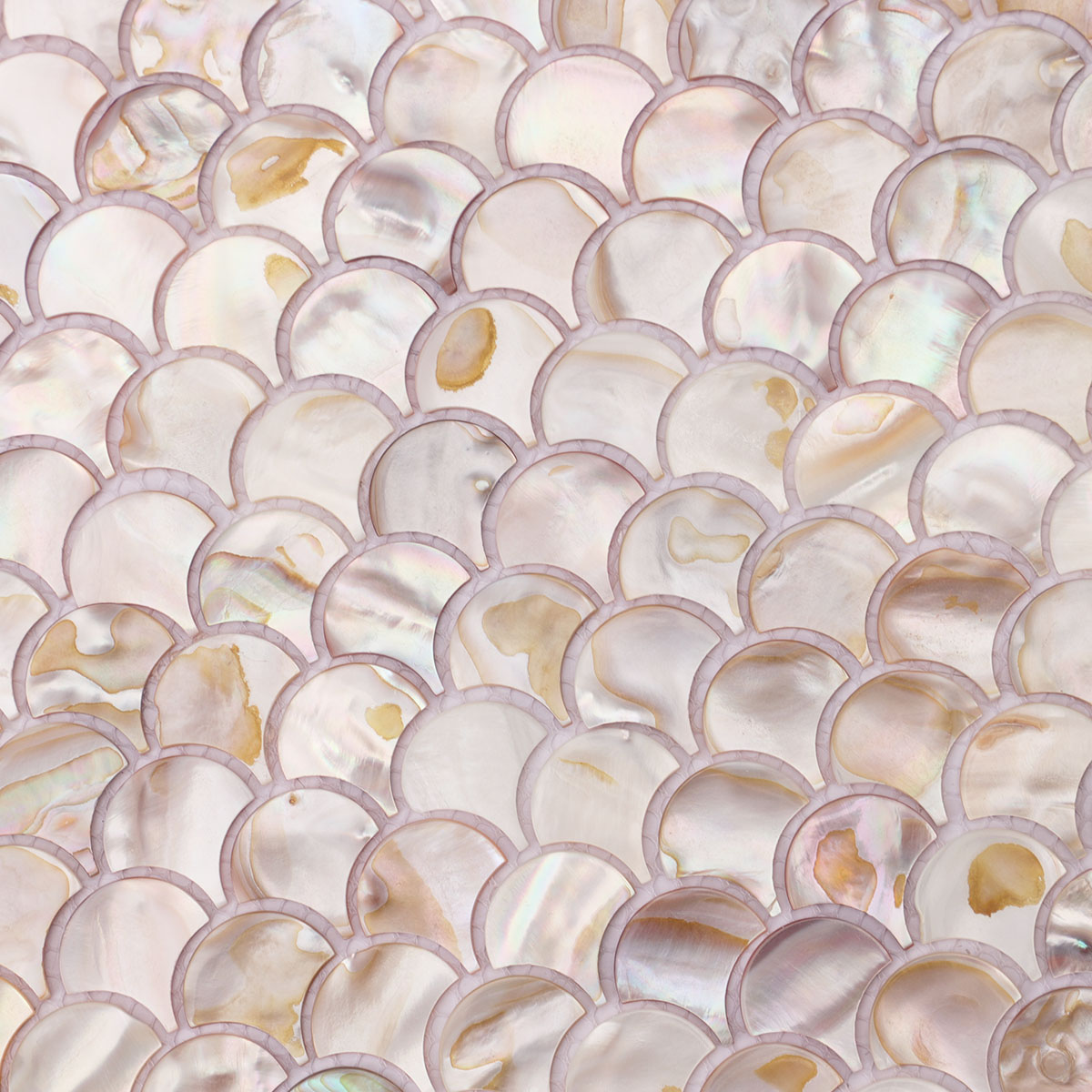
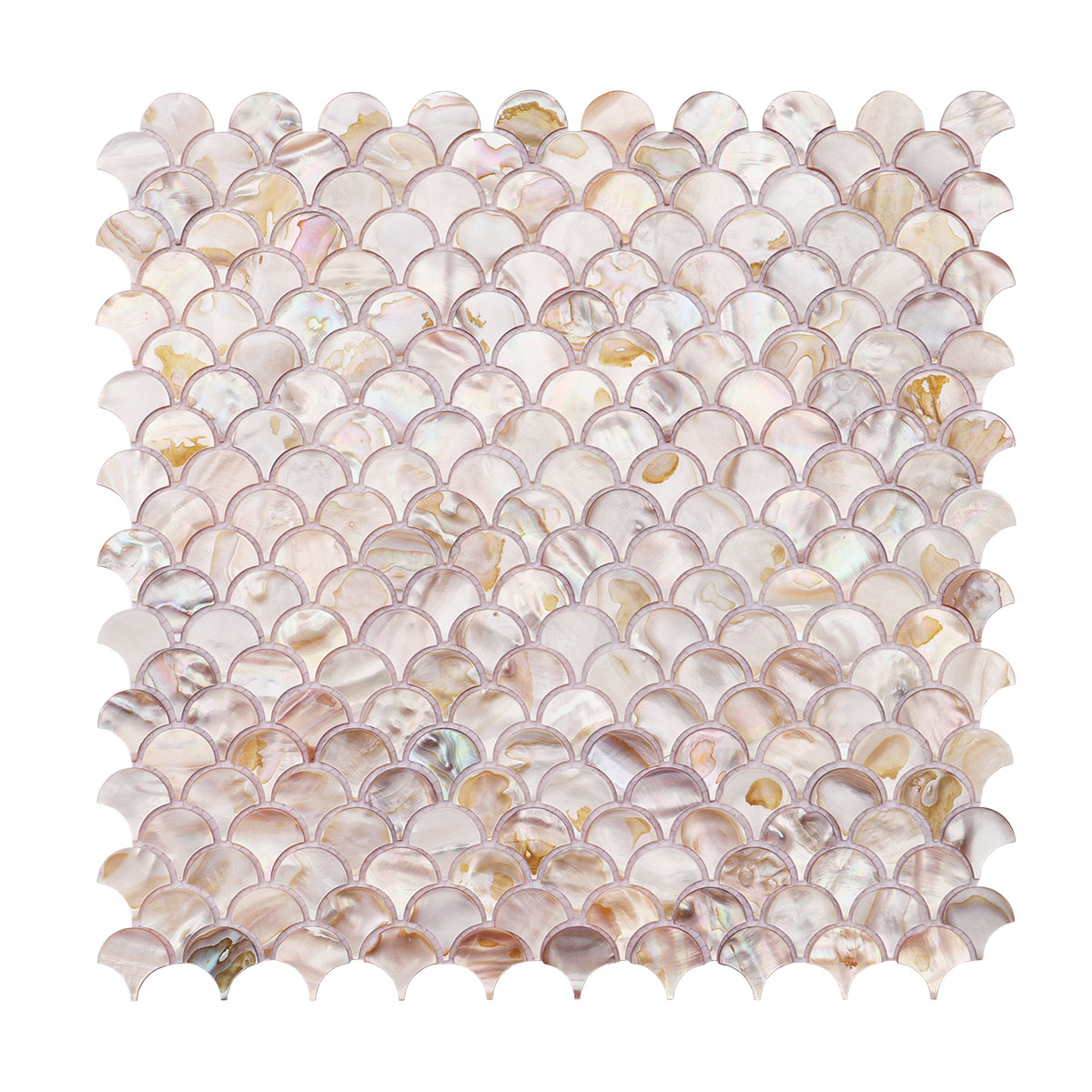
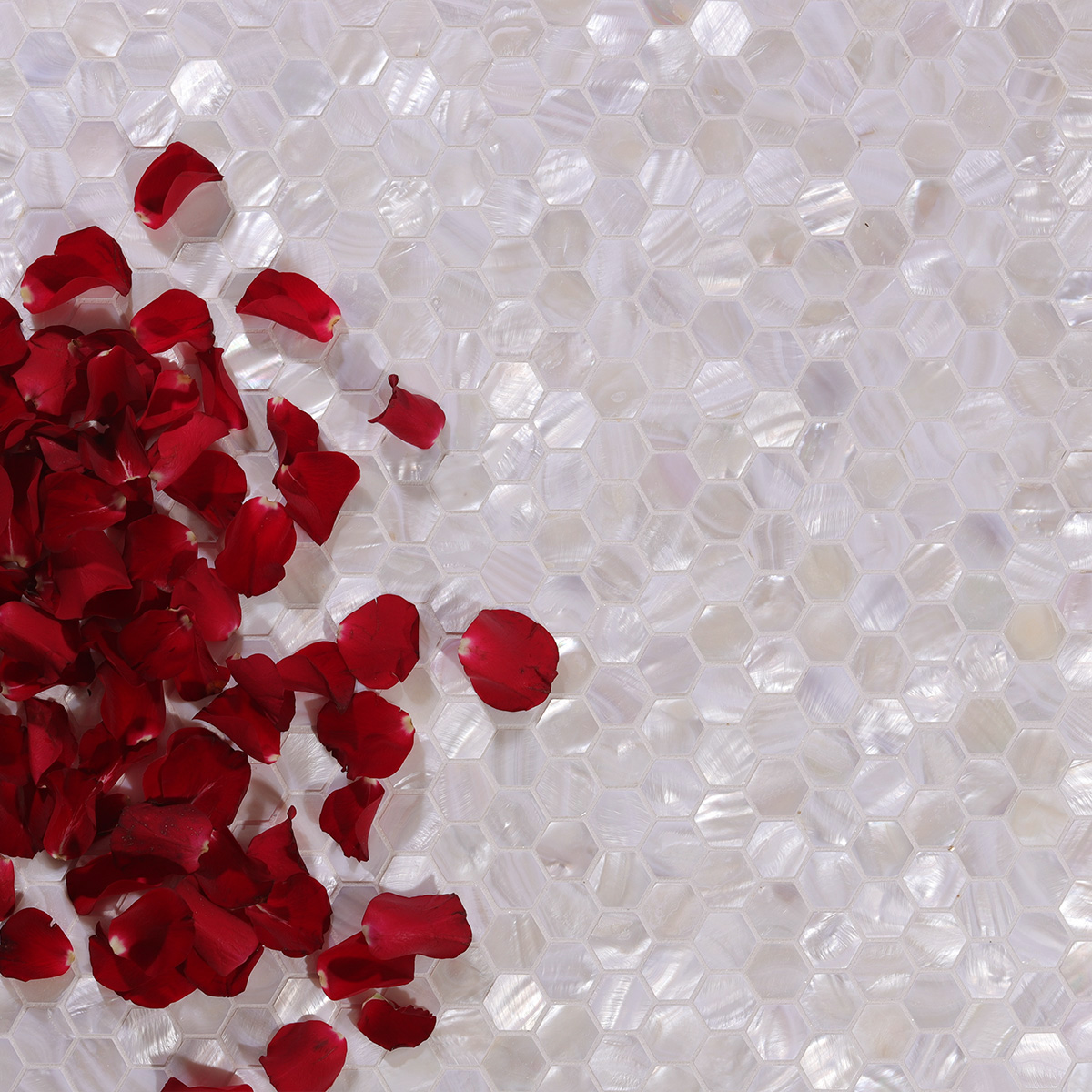
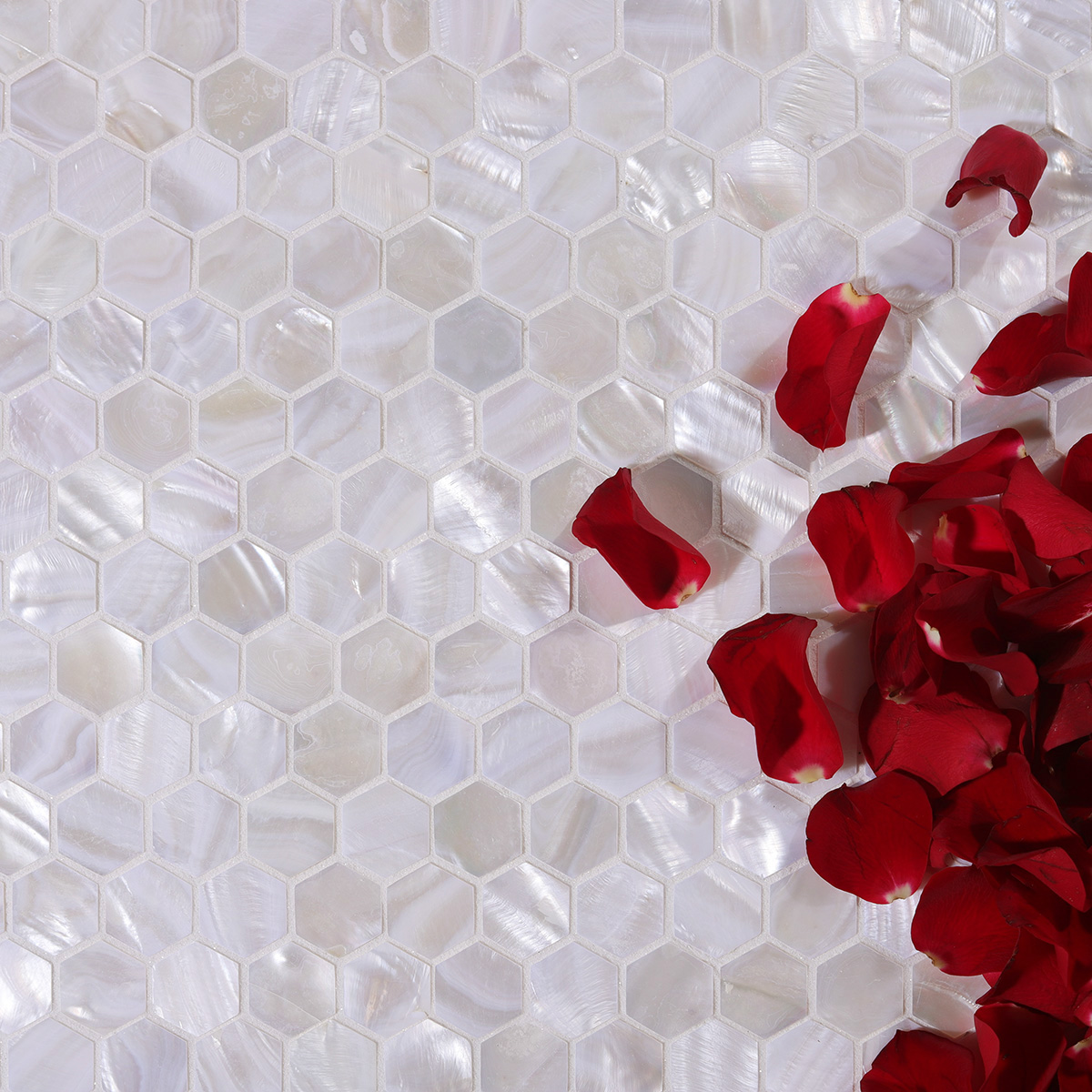
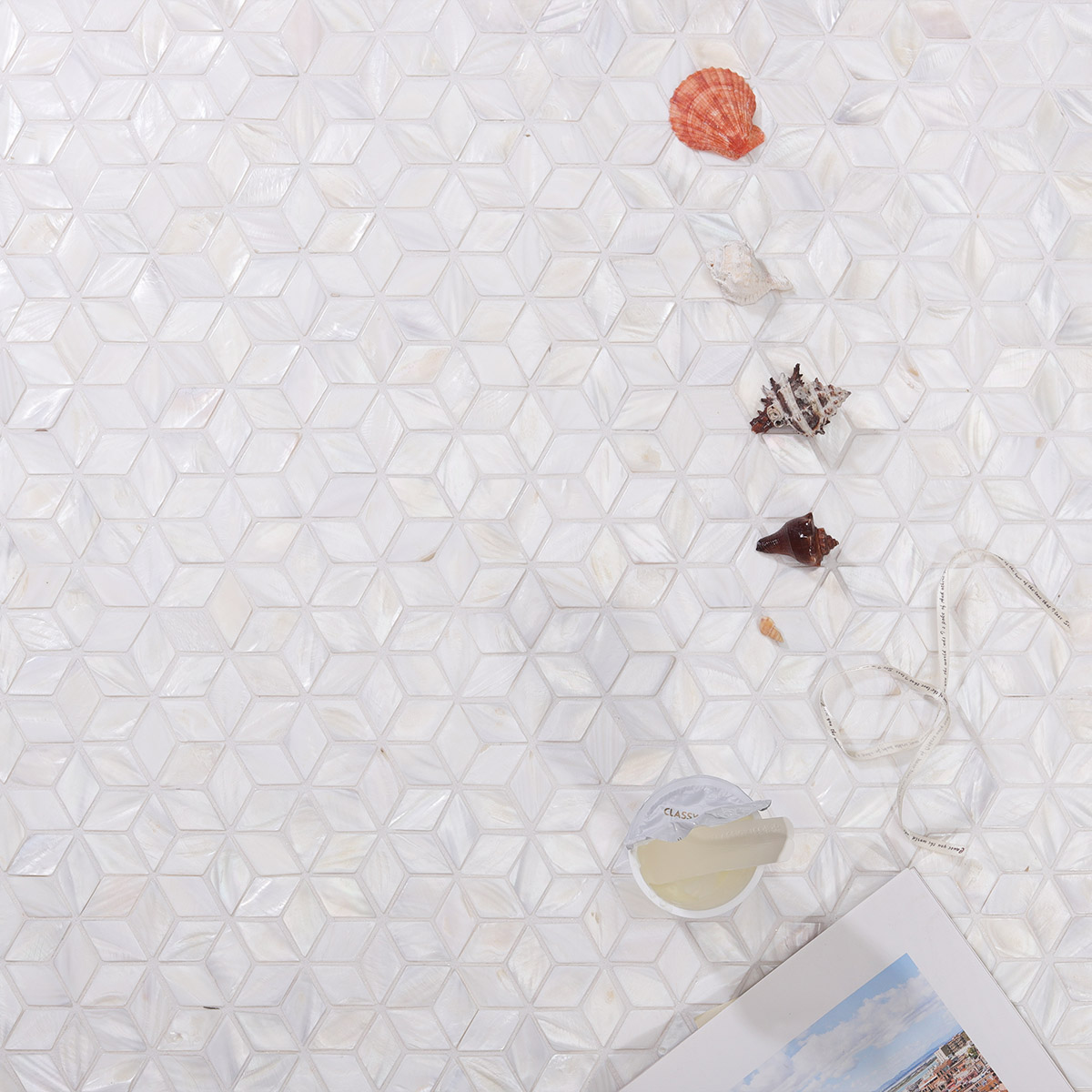
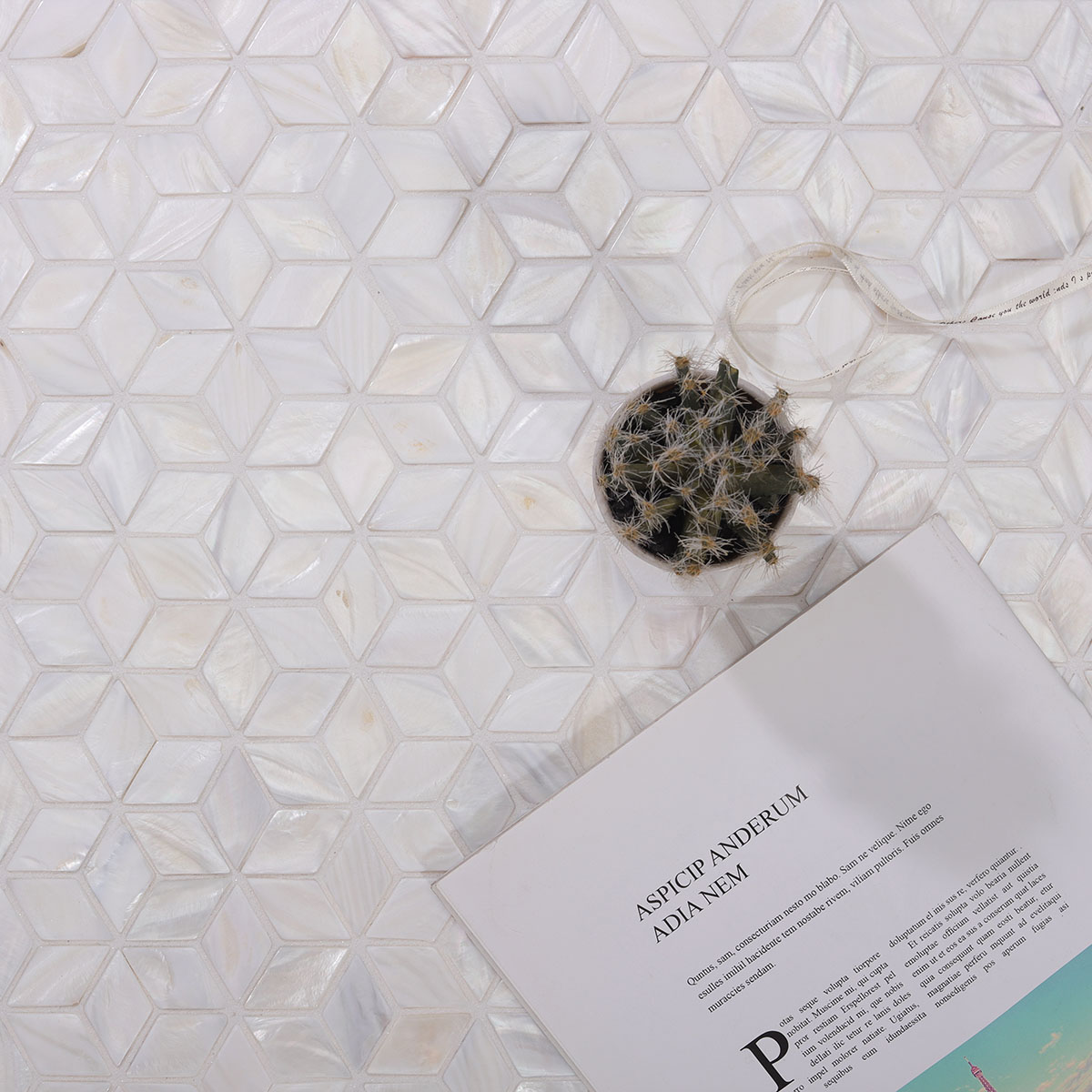
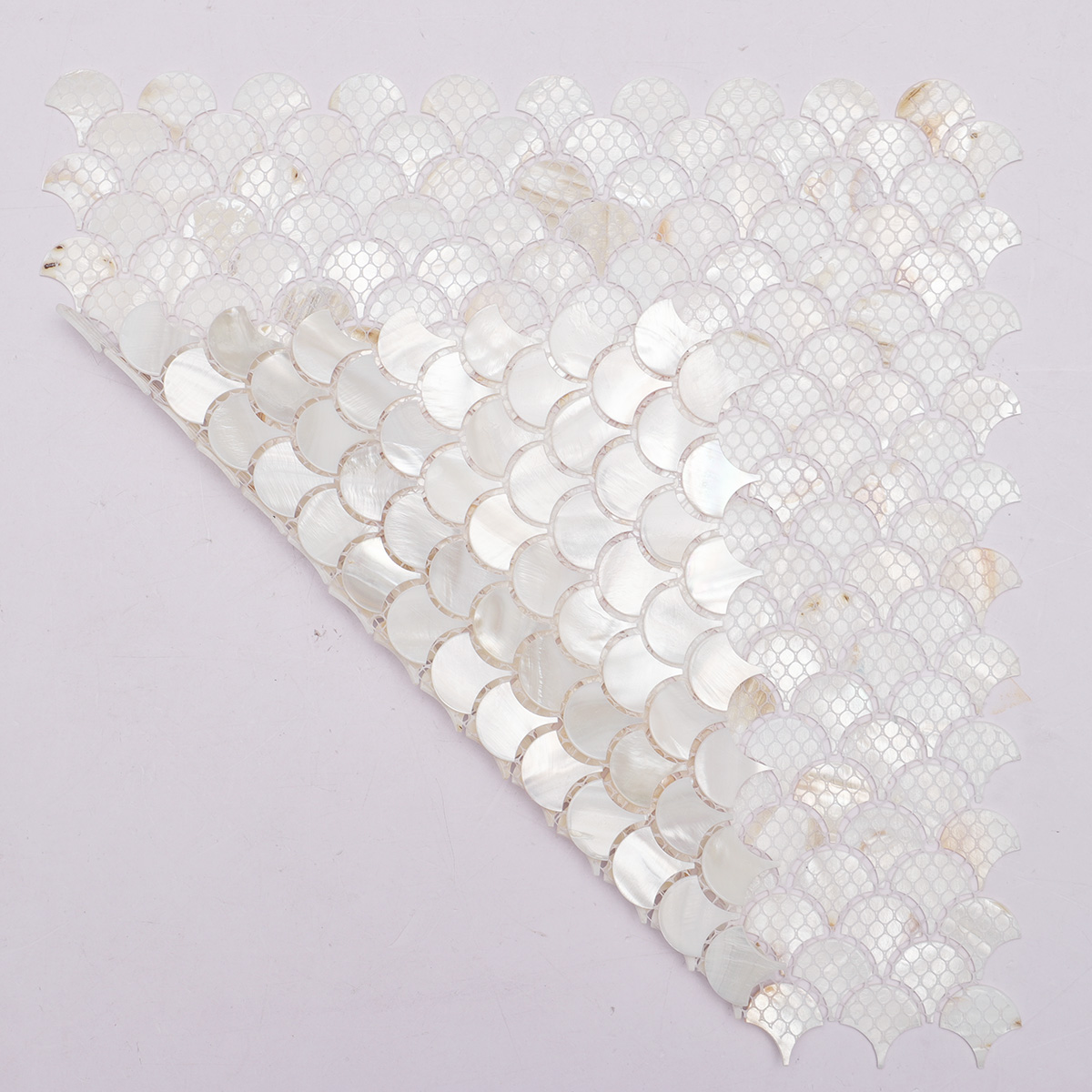
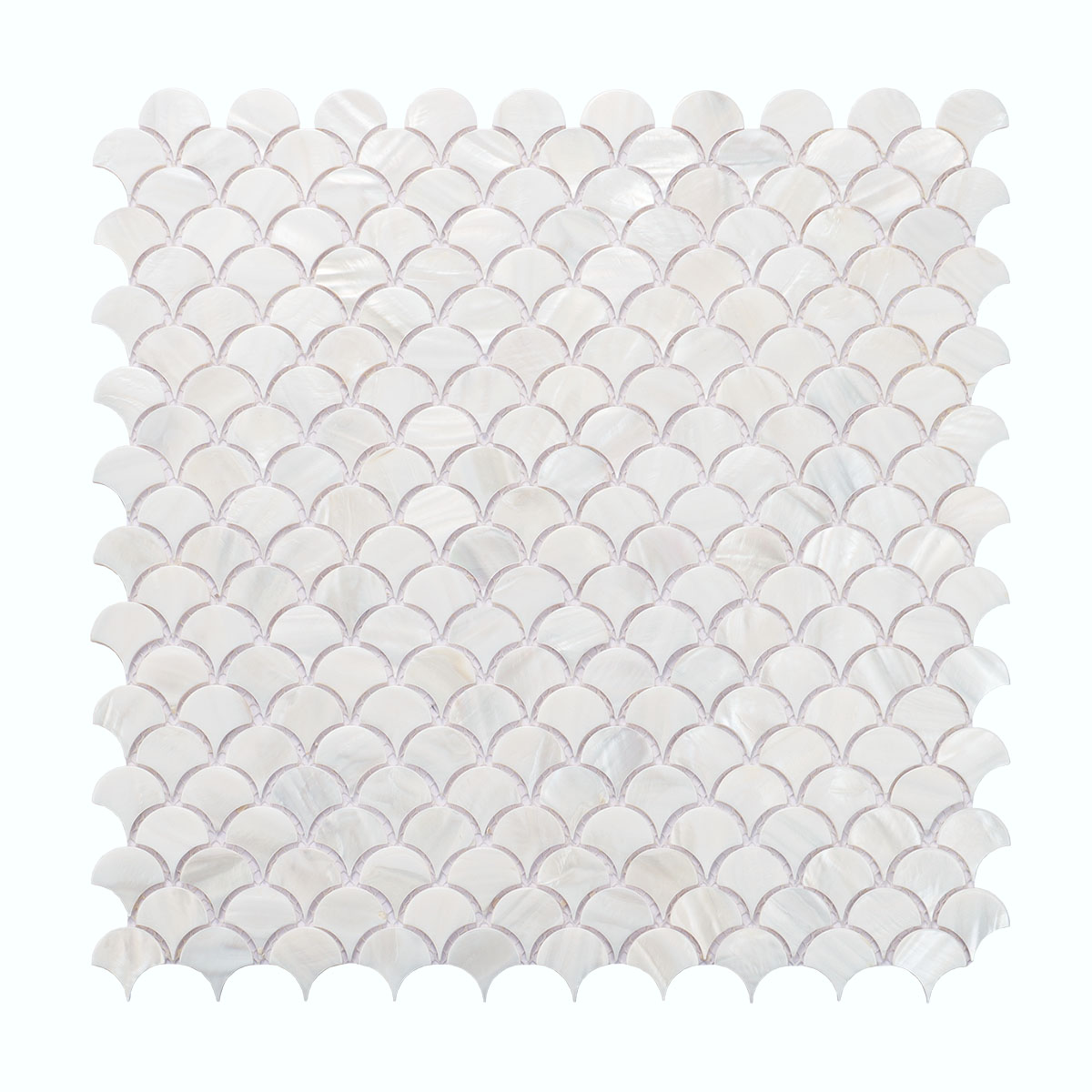
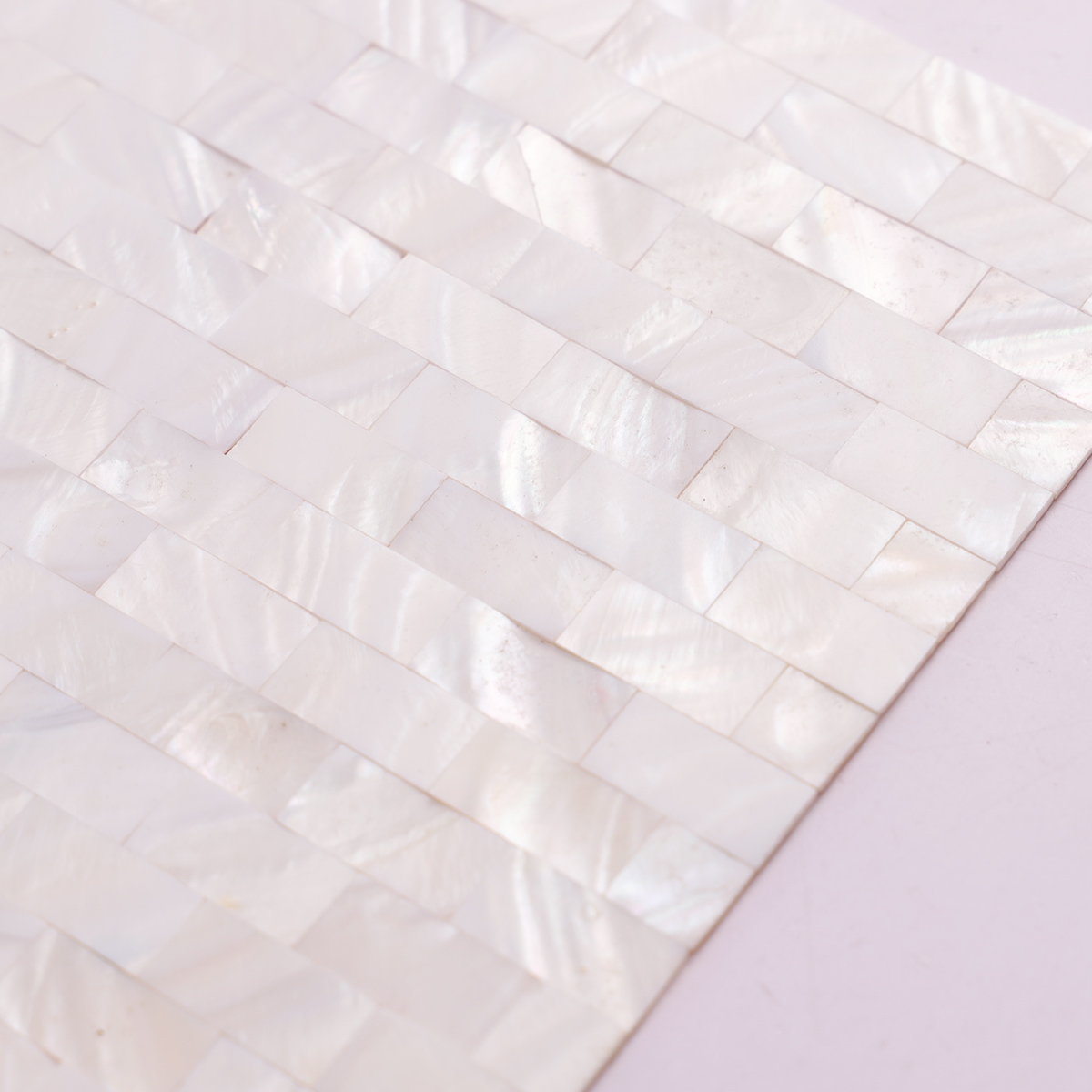
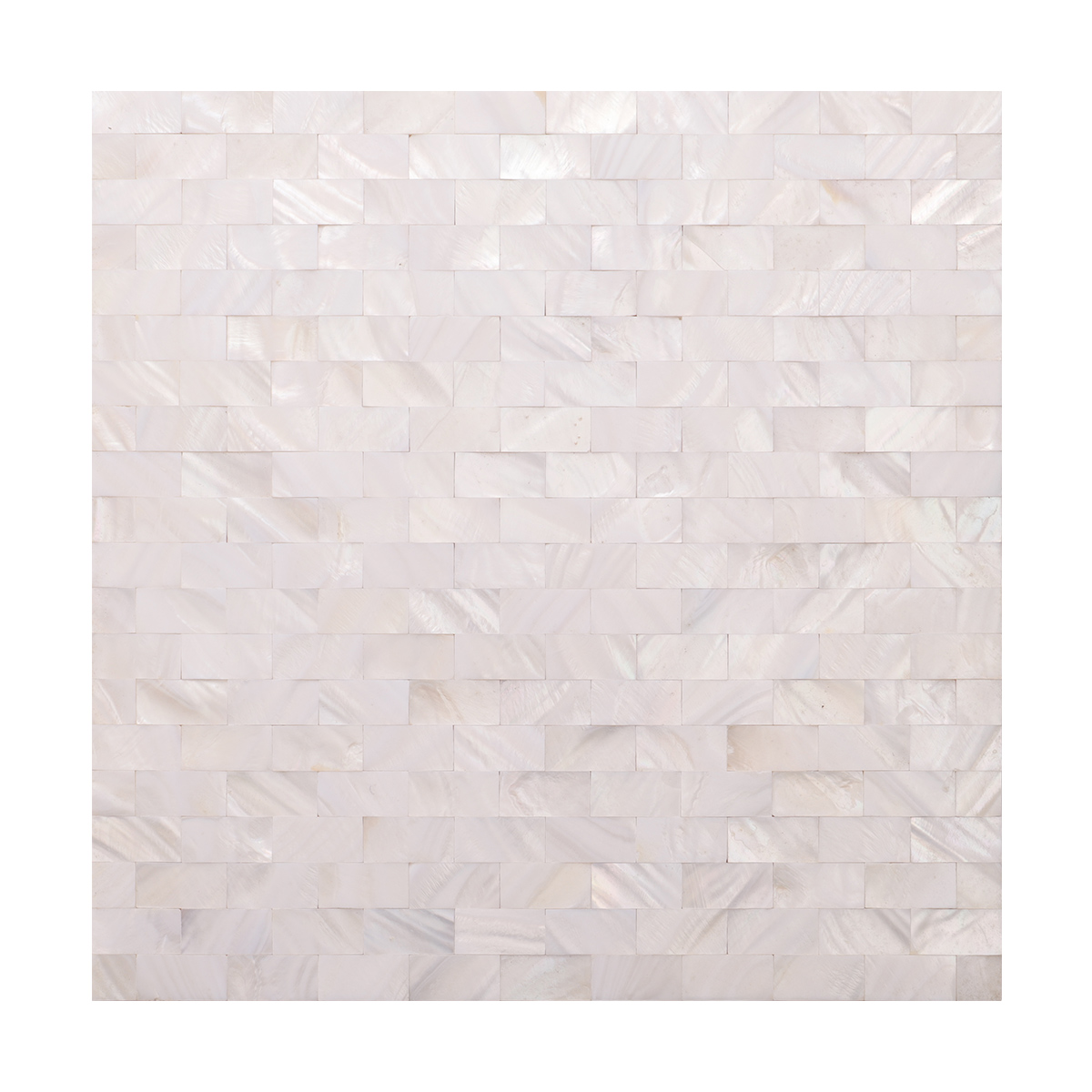
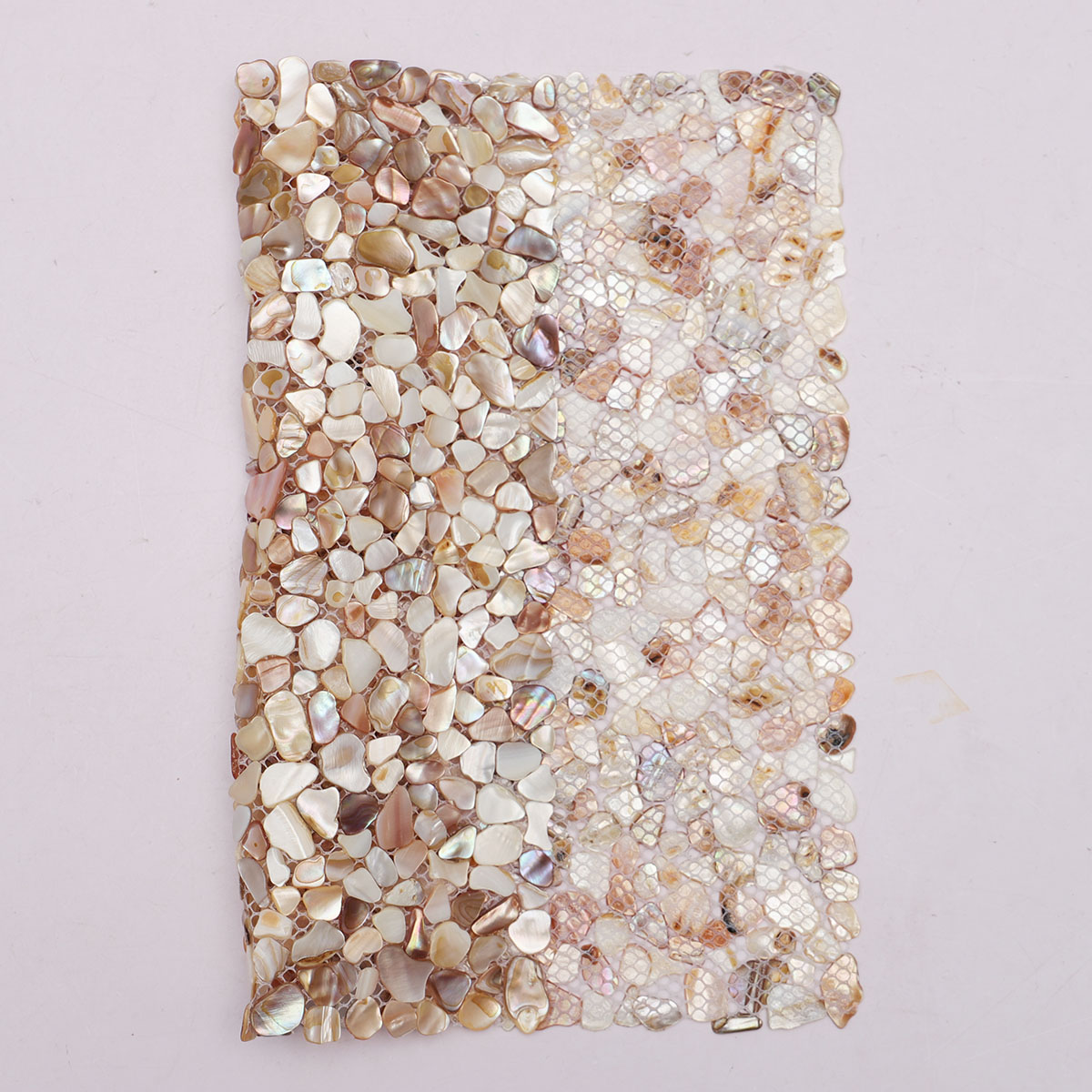
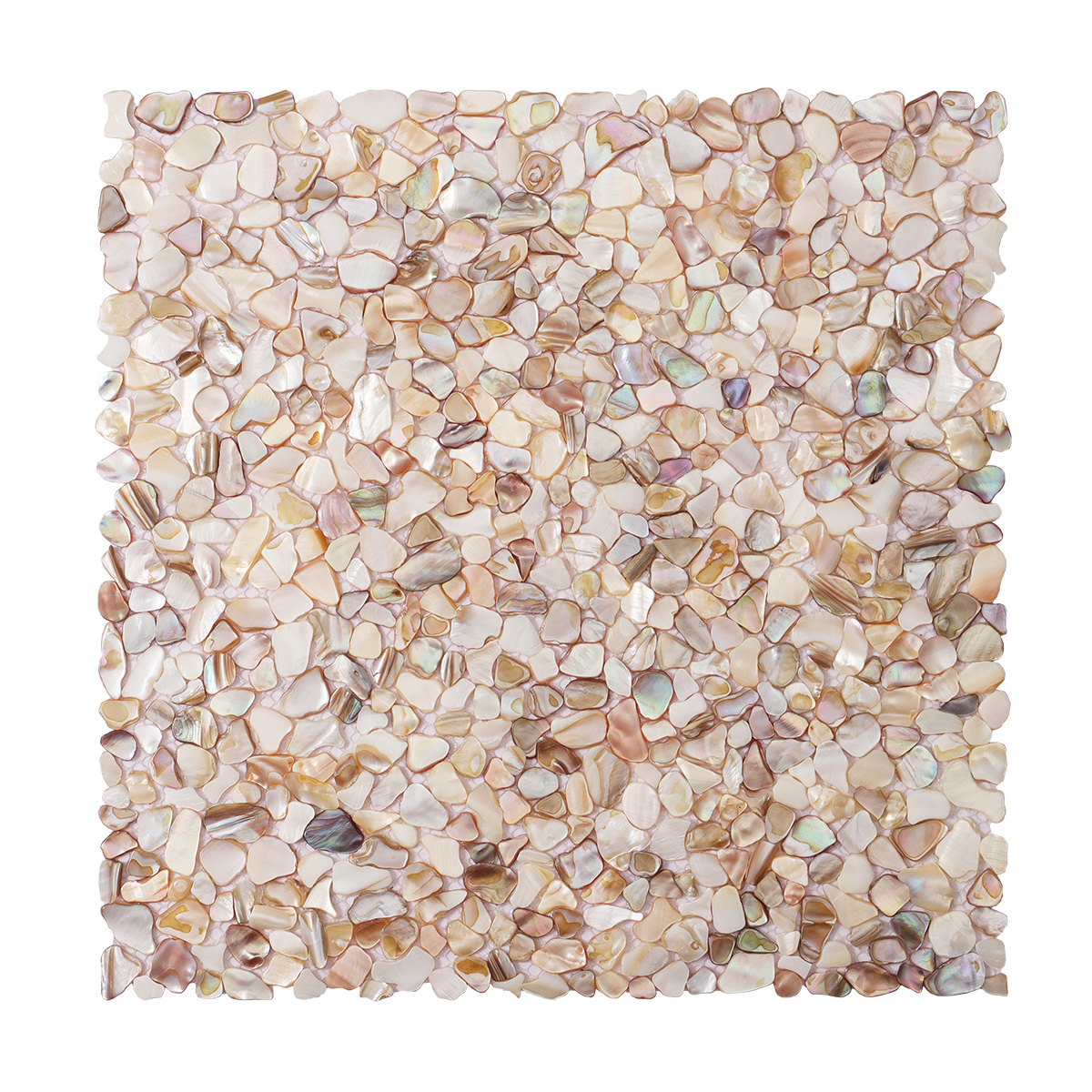
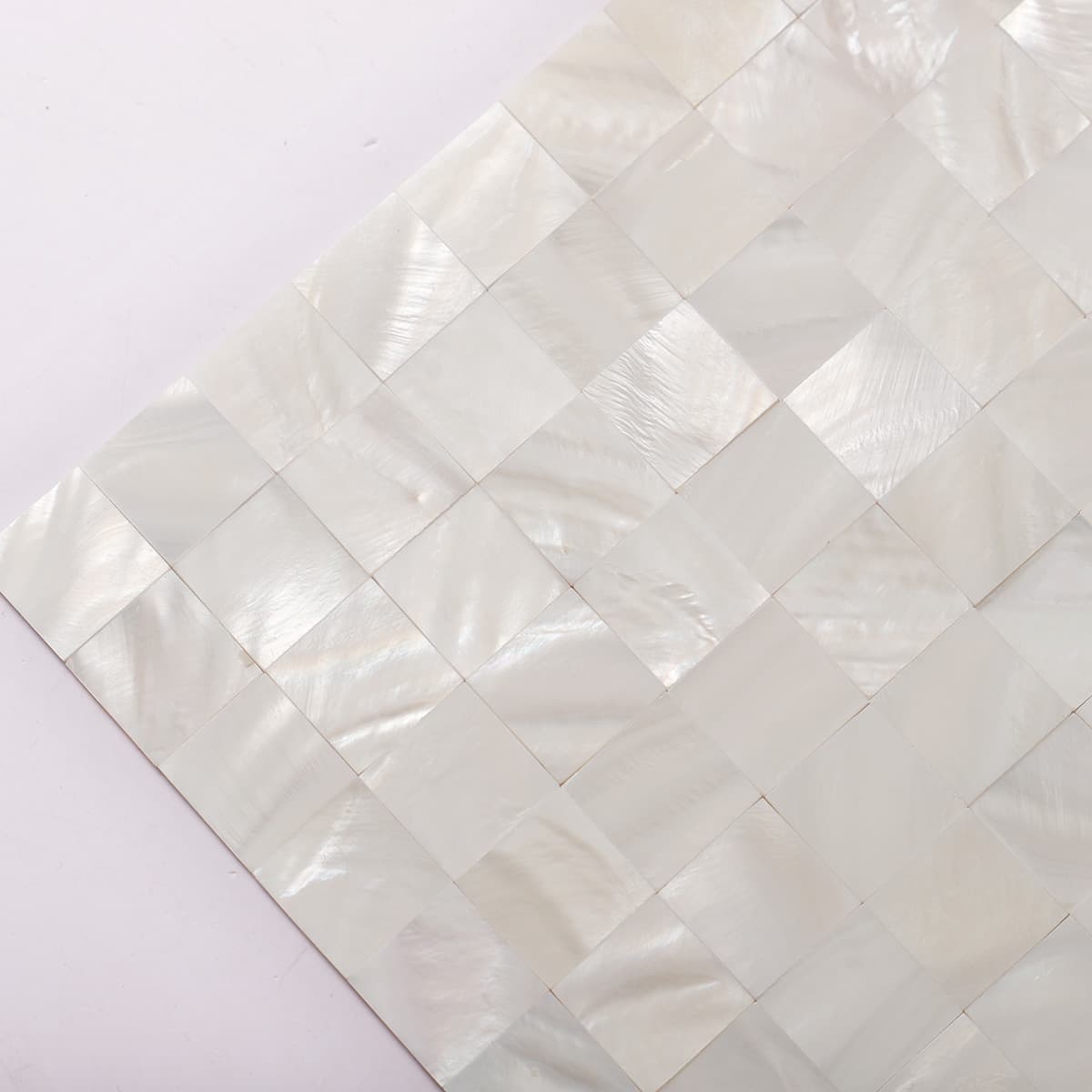
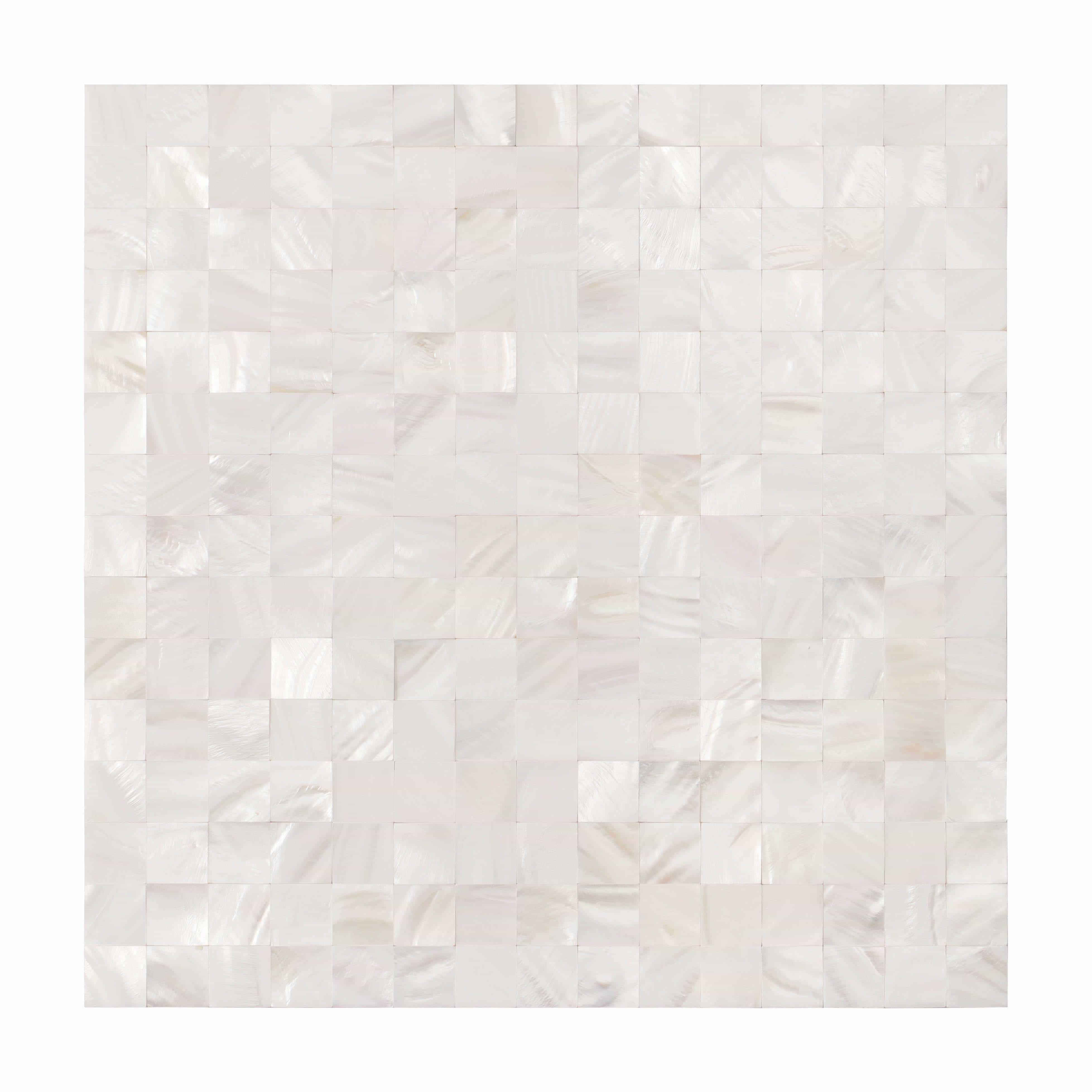
Mother of Pearl Tiles are natural decorative materials created by carefully cutting and polishing shells into elegant shapes. Known for their iridescent surface and organic beauty, these tiles combine craftsmanship with nature. They are widely used in luxury interiors, furniture design, and artistic projects, offering timeless charm and unique visual effects.
Types of Mother of Pearl Tiles
Freshwater Shells
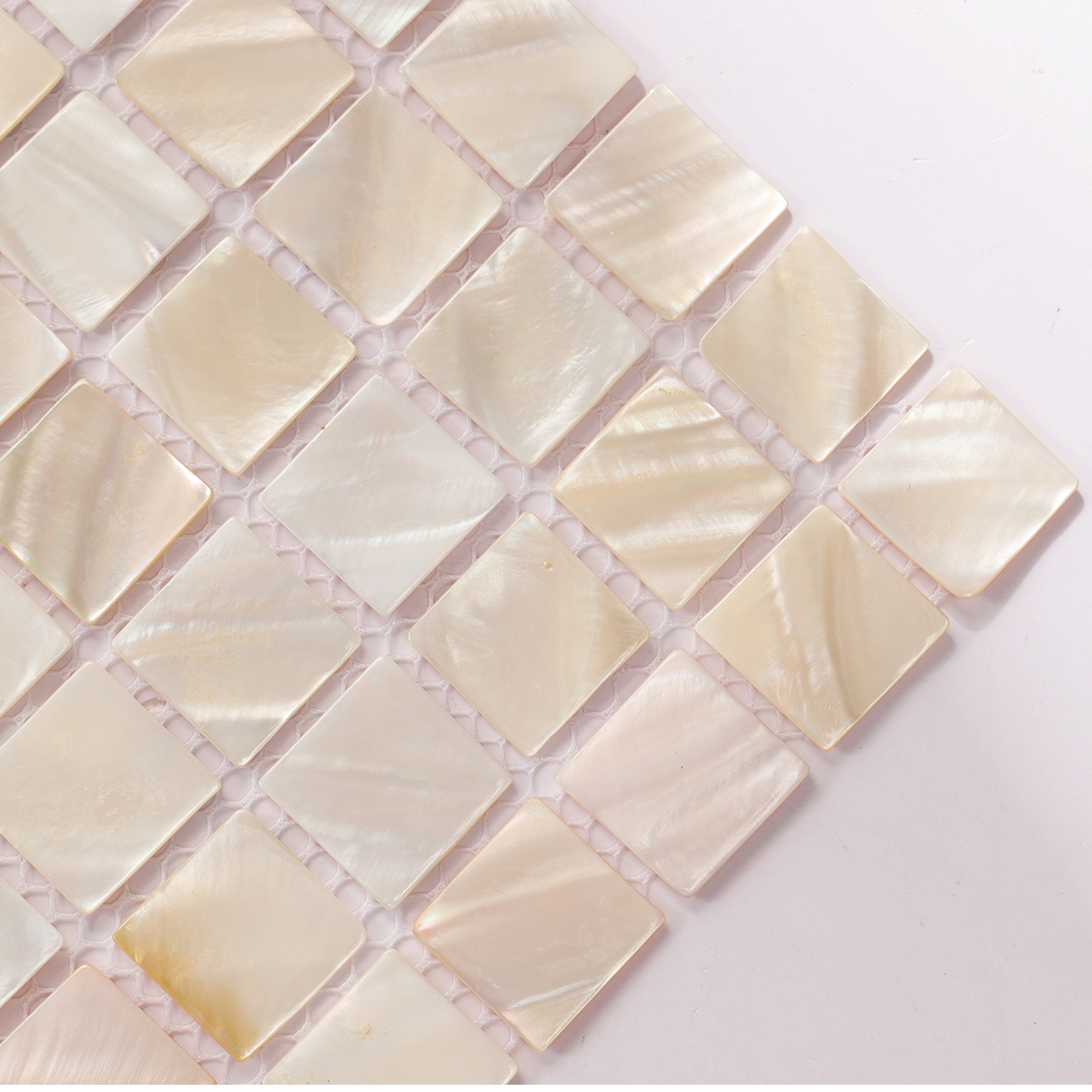
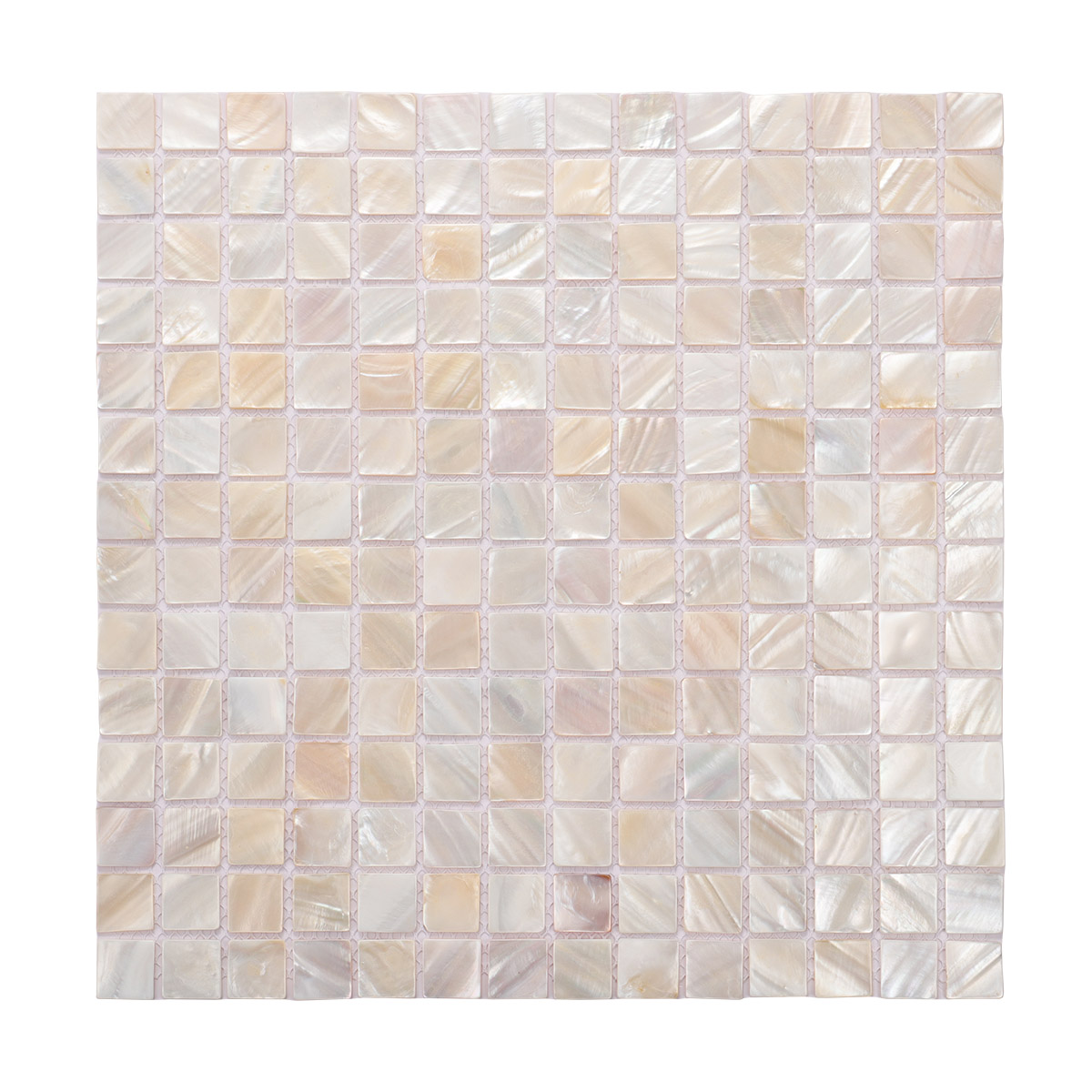
Freshwater Mother of Pearl Tiles are made from river mussels cultivated for pearls. After the pearls are harvested, the shells are cut and polished into tiles. A well-known origin is Poyang Lake in China, where mussels are sustainably farmed, turning natural byproducts into elegant tiles for decoration.
Deep Sea Shells
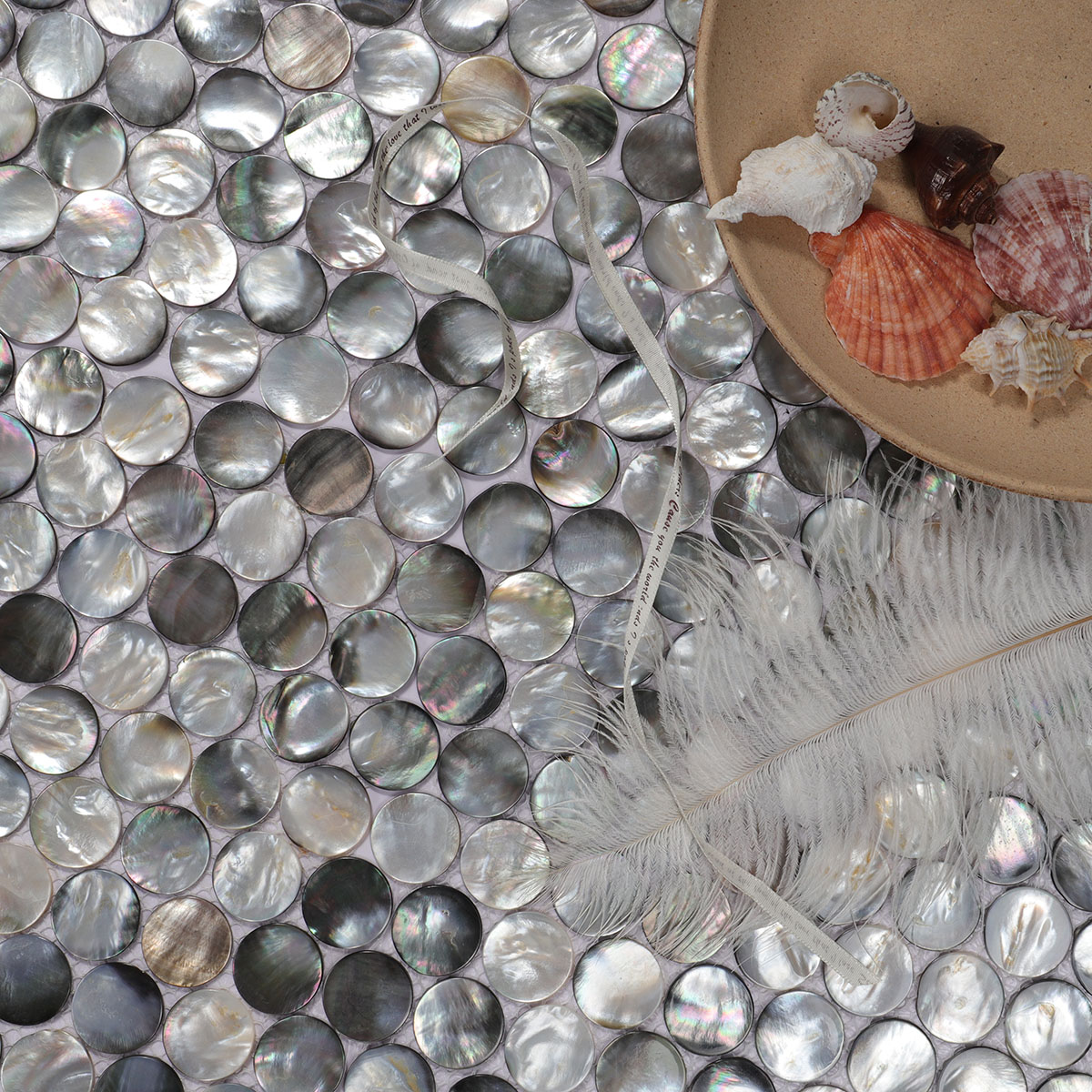
Deep sea shells are rarer and more luxurious. Popular types include Black Lip, White Lip, Yellow Lip, and Penguin shells. They come from oceans worldwide and are valued for their unique patterns and scarcity. Some varieties are so rare that their cost is comparable to precious metals, making them highly prized in design.
Shapes of Mother of Pearl Tiles
Mother of Pearl Tiles are cut into small, refined pieces due to the natural size of shells. Common shapes include:
-
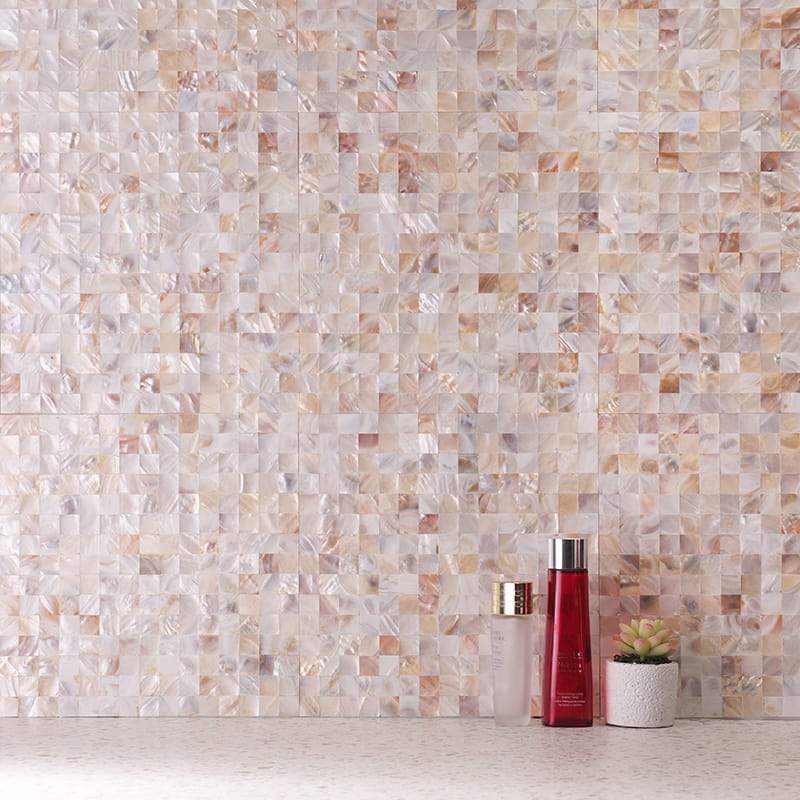
Square: 15×15mm, 20×20mm, and 25×25mm (maximum size).
-
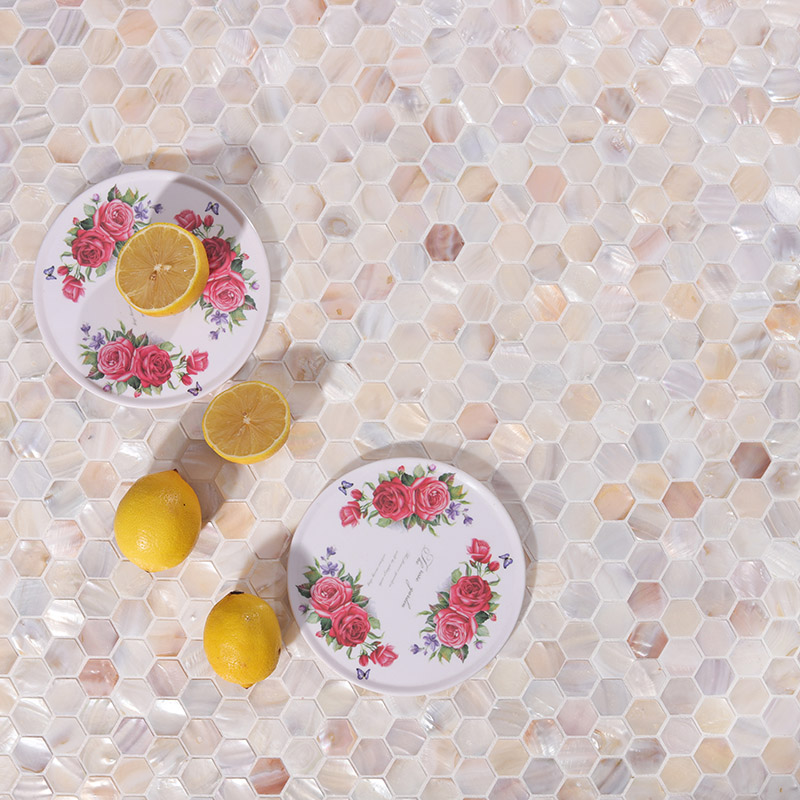
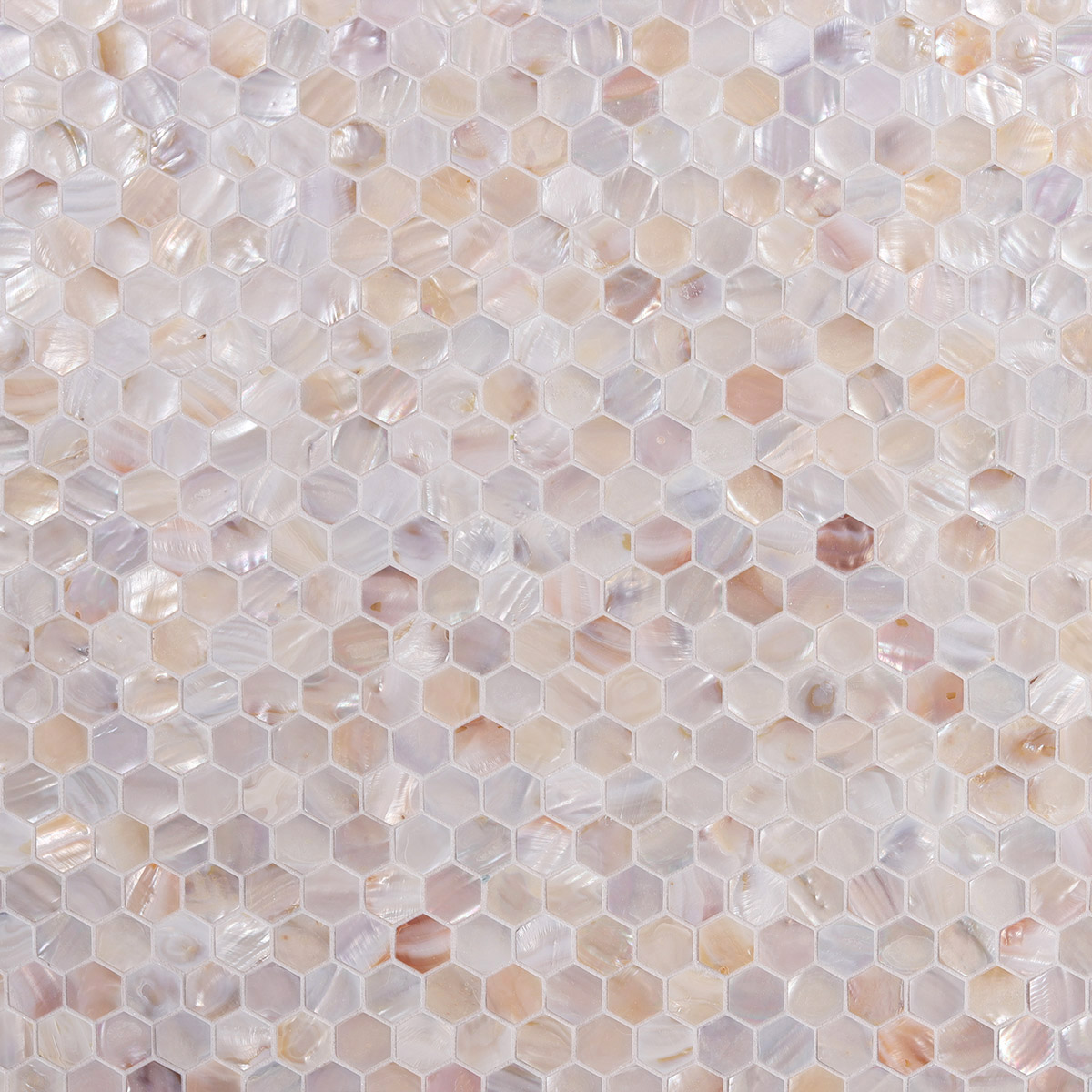
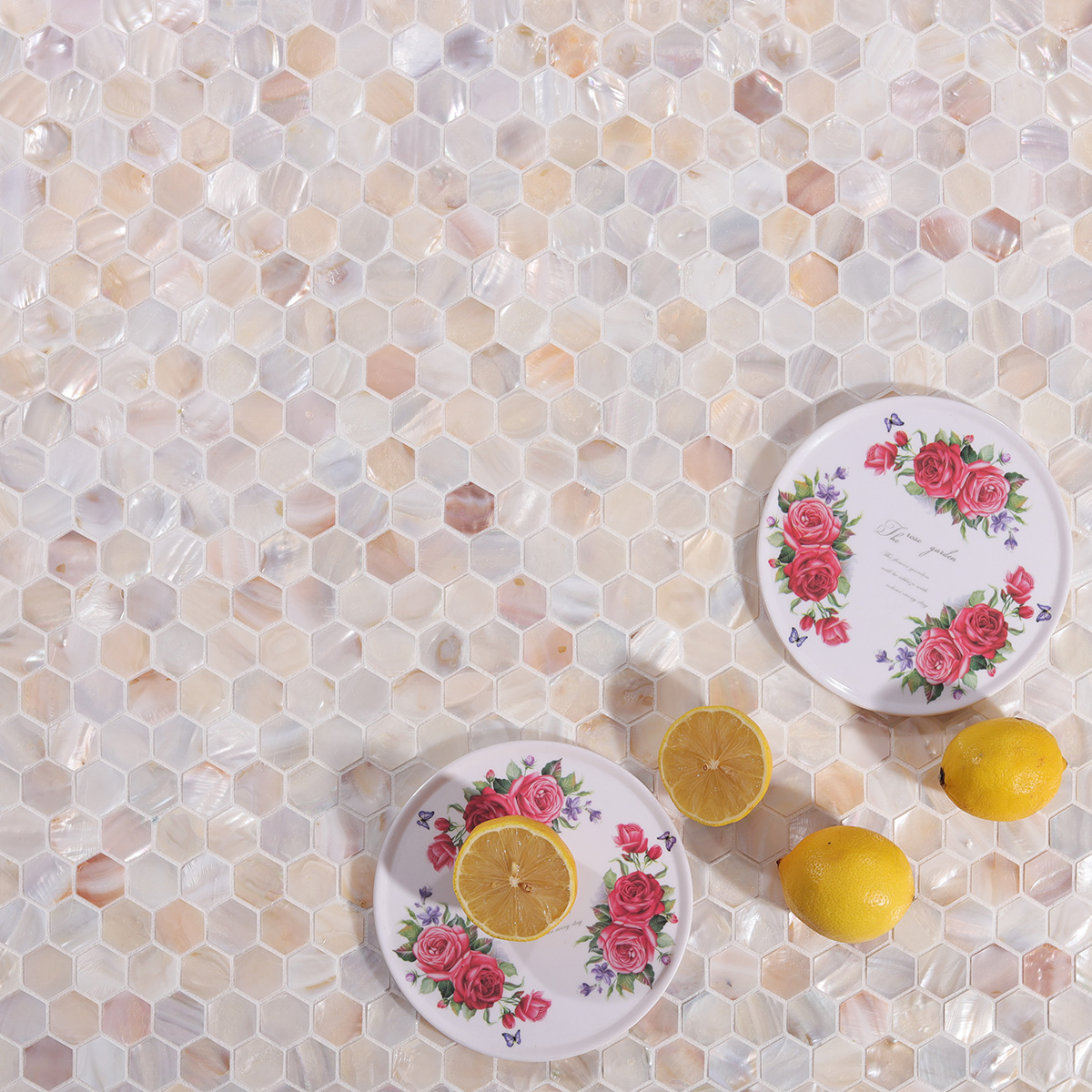
Hexagon: 25mm across.
-
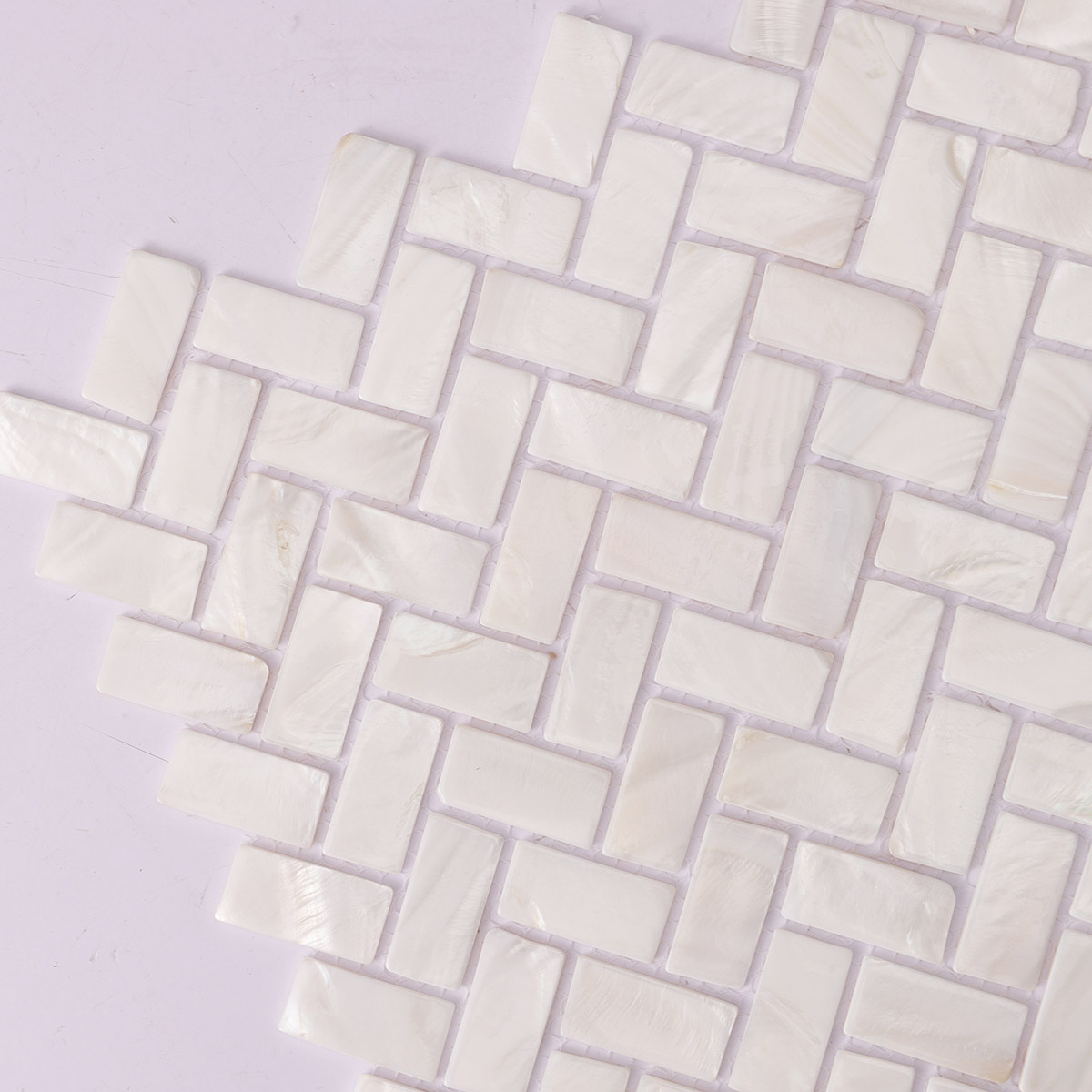
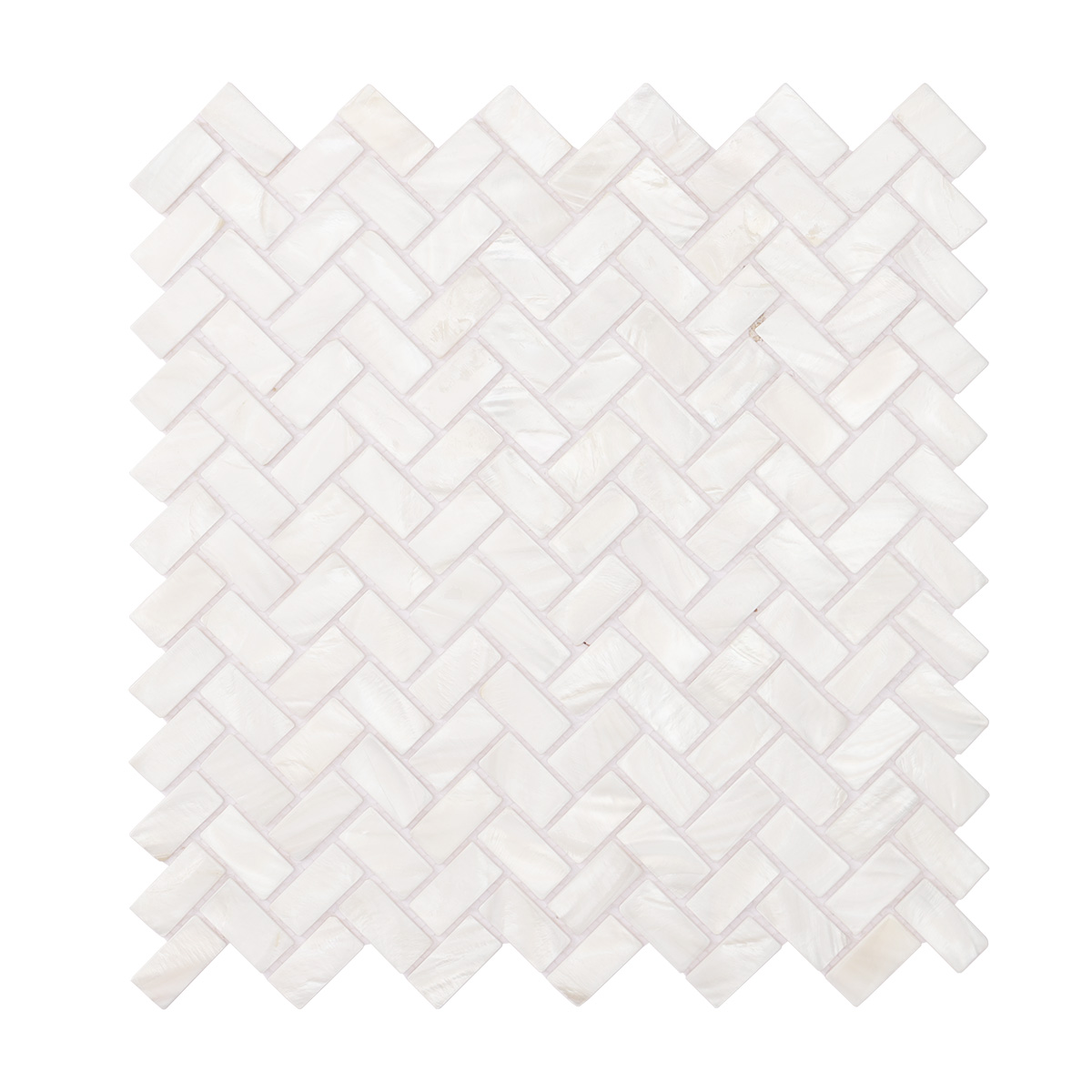
Rectangle: 15×30mm, ideal for staggered or herringbone layouts.
-
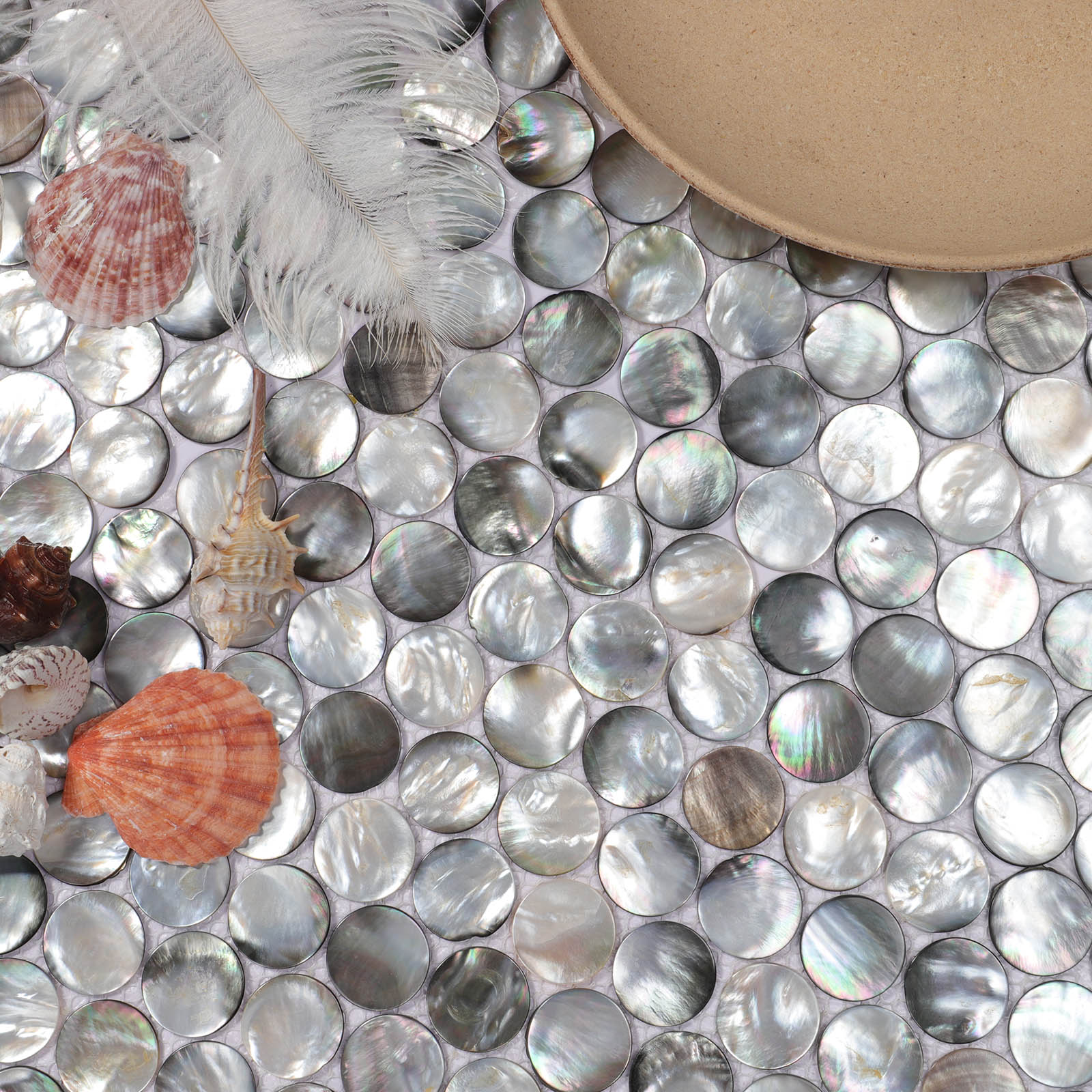
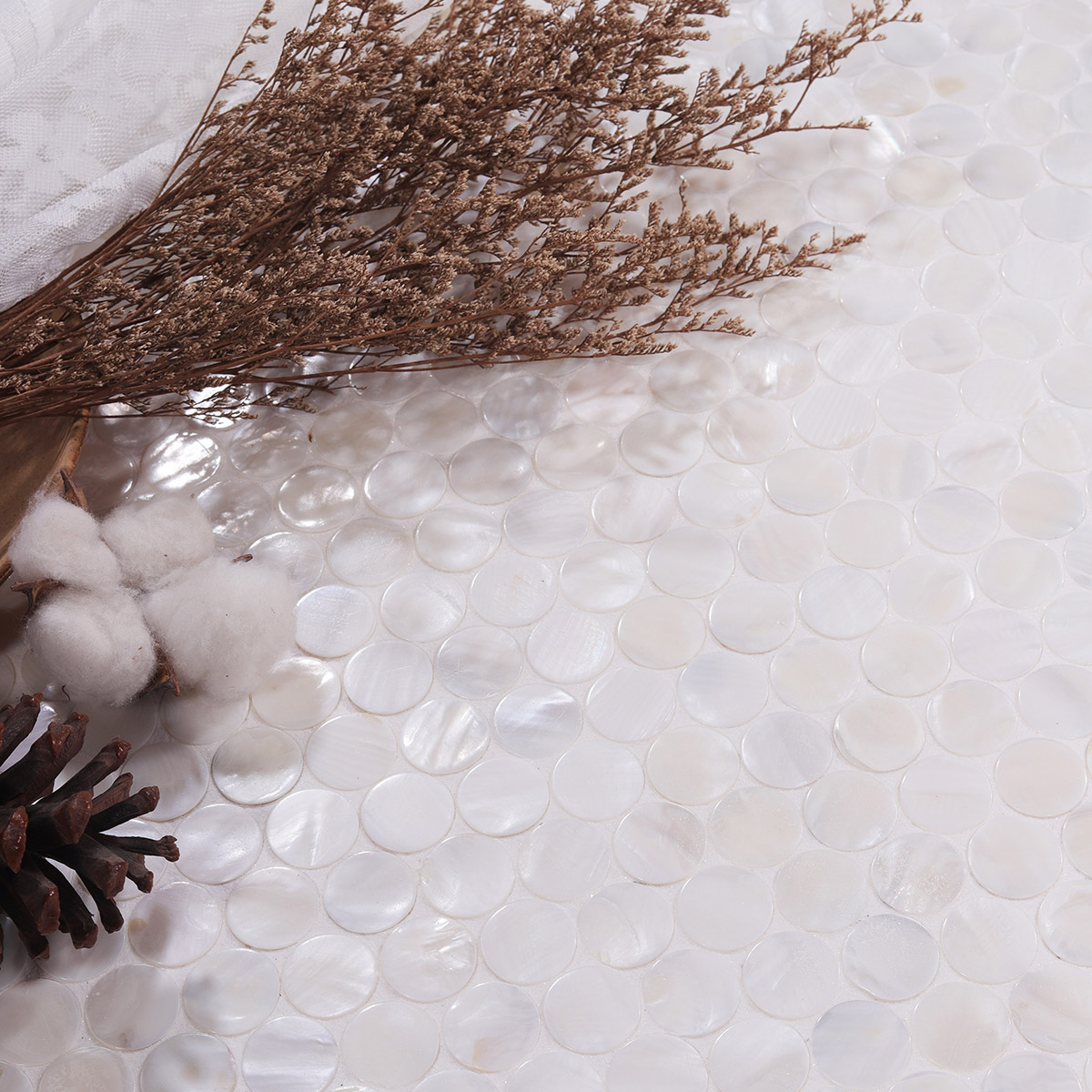
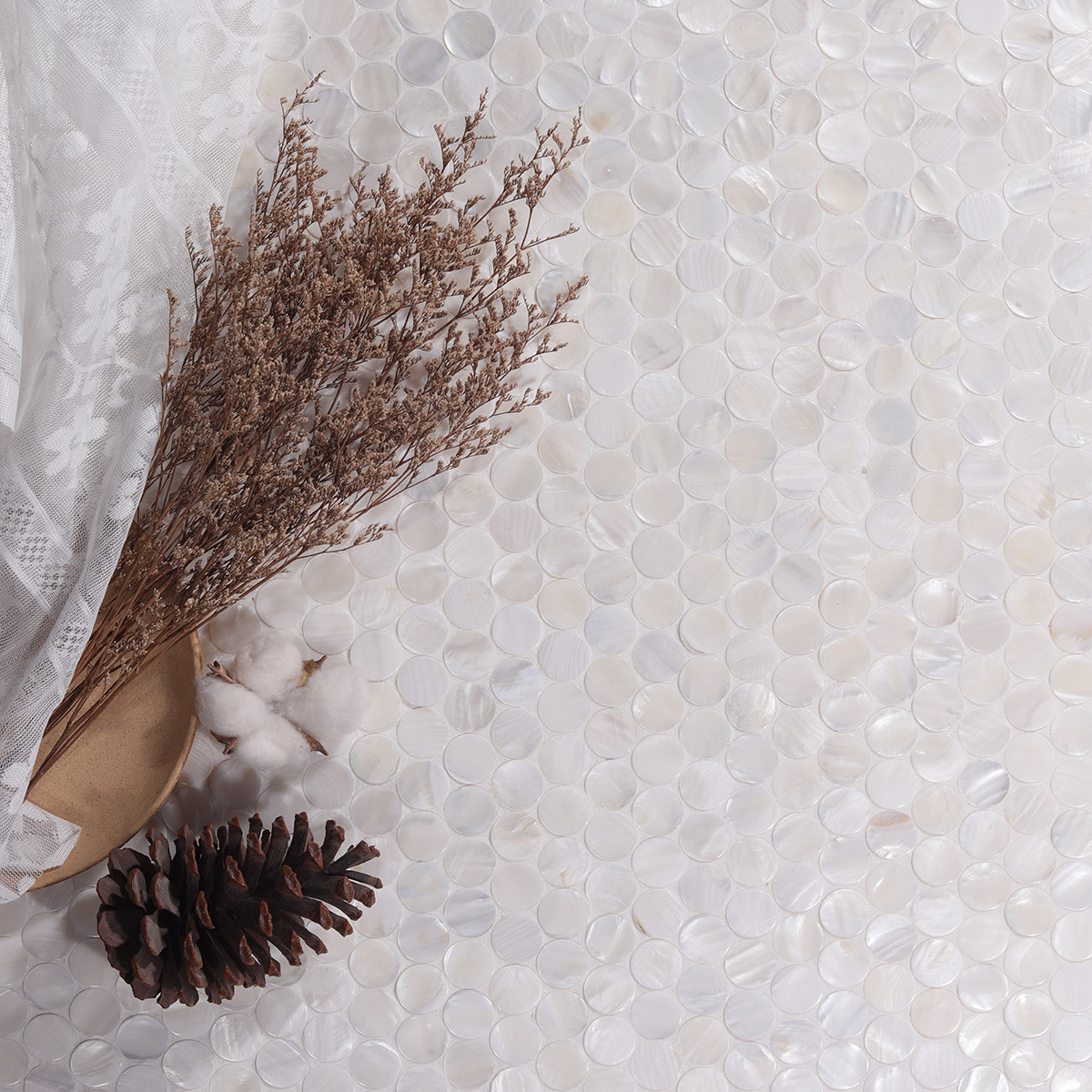
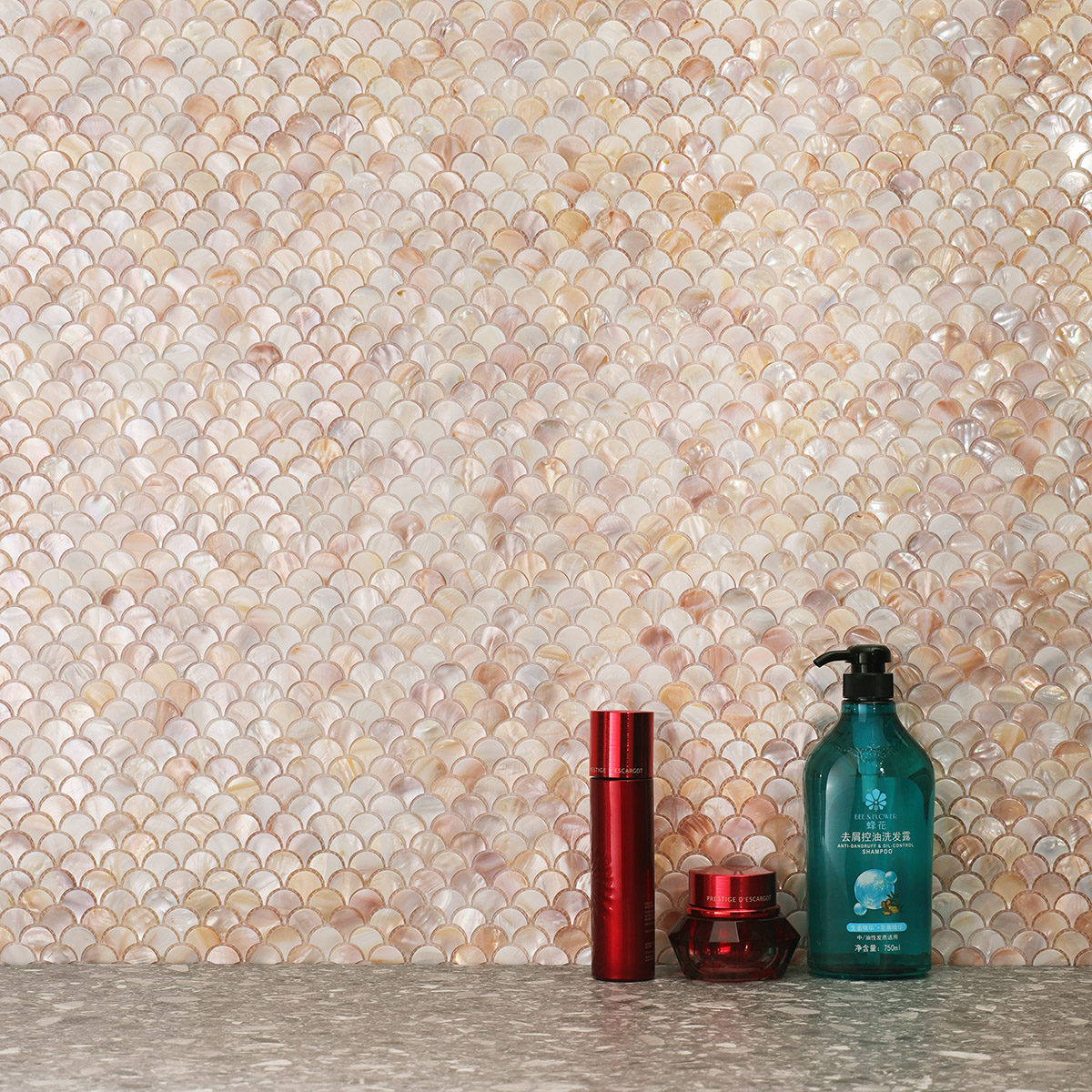
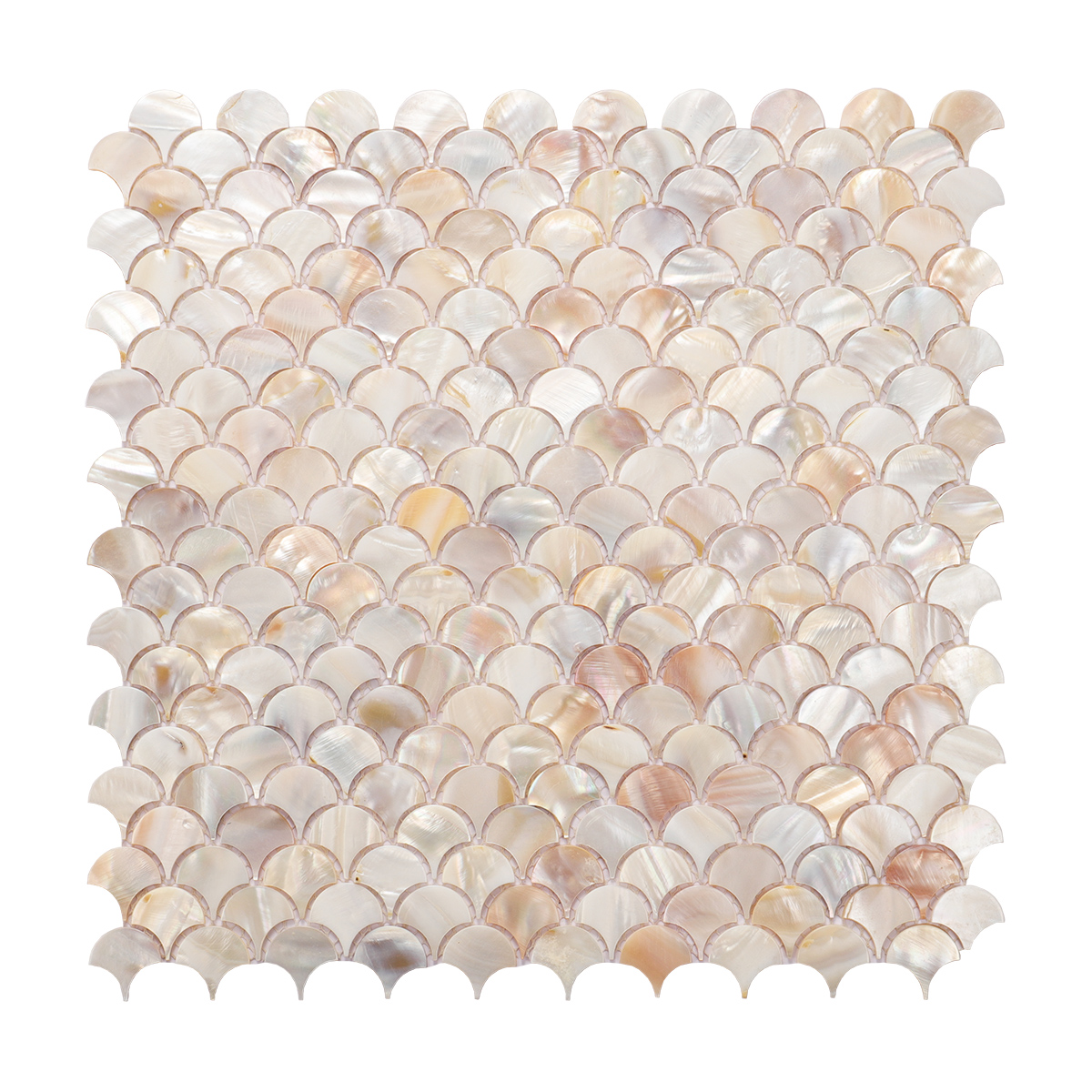
Fish Scale: Mini 25mm diameter tiles.
-
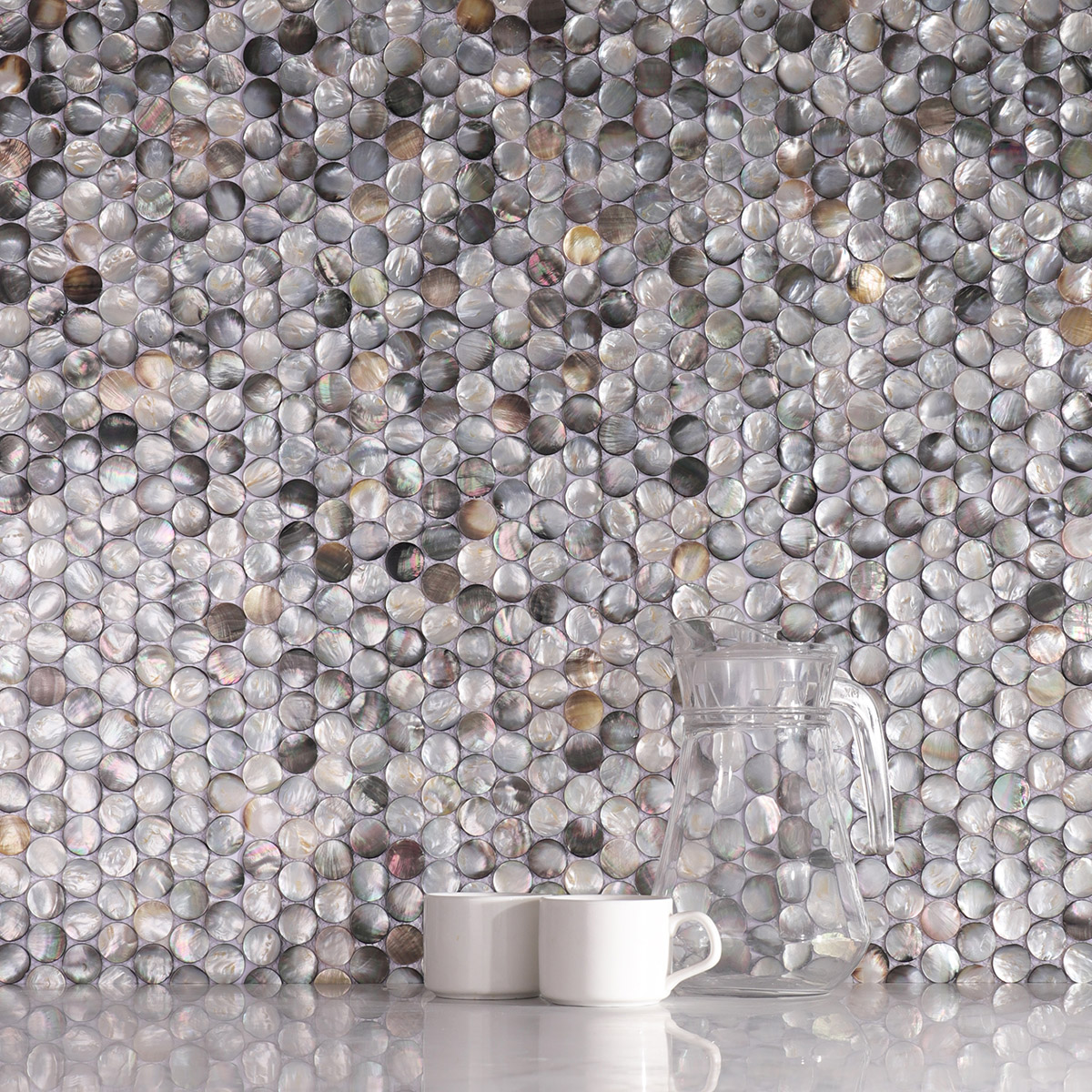
Round: 25mm diameter, similar to a coin.
Colors of Mother of Pearl Tiles
-
Freshwater Mussel: White or beige, selected by hand.
-
Black Lip: Deep black tones mixed with gray, elegant and layered.
-
White Lip: Bright white, highly reflective and luminous.
-
Yellow Lip: Golden tones with natural patterns, polished for brilliance.
Maintenance of Mother of Pearl Tiles
To maintain their beauty, clean with mild neutral detergent and soft cloth. Avoid strong acids, alkalis, or prolonged sunlight. Protect from scratches and calcification to preserve the shimmering iridescence for years.
Applications of Mother of Pearl Tiles
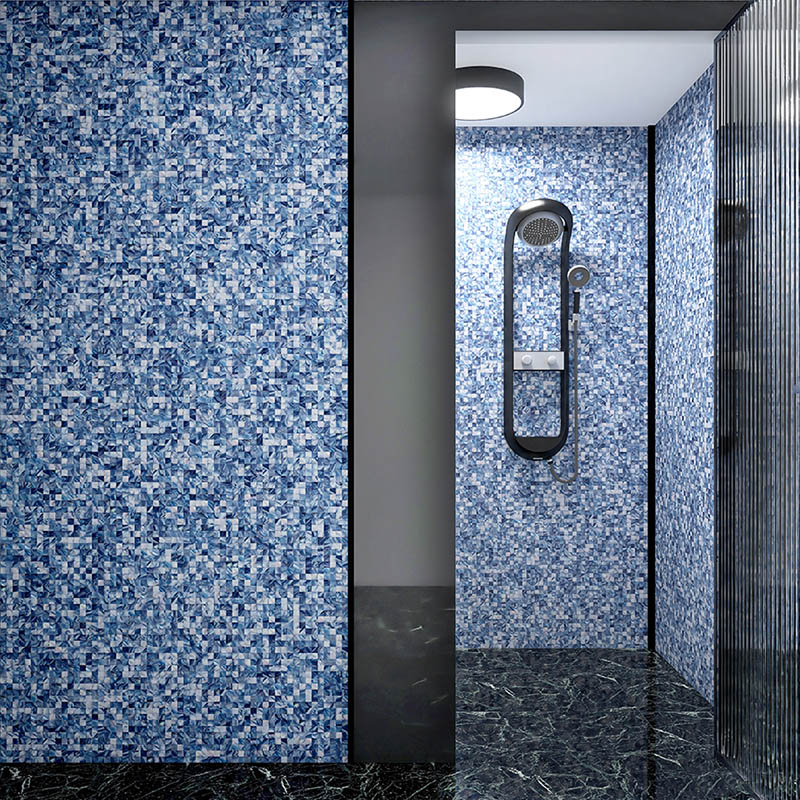
Mother of Pearl Tiles are versatile for interiors and design. They are commonly used for feature walls, furniture inlays, luxury decorations, jewelry boxes, musical instruments, and commercial spaces like hotels, bars, and lobbies. Their iridescent surface adds sophistication and exclusivity to any environment.