





TIMELESS ELEGANCE
Vintage Floor Tiles: Classic Beauty for Modern Homes
Transform your space with authentic vintage floor tiles that blend timeless aesthetics with modern durability. From intricate marble patterns to colorful glass mosaics, discover flooring solutions that tell a story.
What Are Vintage Floor Tiles?
Vintage floor tiles are decorative flooring materials that capture the charm and character of bygone eras. Typically defined as tiles that are at least 20 years old in design aesthetic, these tiles feature distinctive patterns, colors, and craftsmanship that cannot be replicated with standard modern production.
Whether salvaged from historic buildings or newly manufactured to replicate classic designs, vintage tiles add depth, personality, and nostalgic appeal to any space. They serve as both functional flooring and artistic statements that elevate interior design.
Authentic designs from Victorian, Art Deco, and Mid-Century periods
Unique patina and character that adds warmth to modern interiors
Design Versatility
From geometric patterns to floral motifs, vintage tiles offer endless design possibilities for kitchens, bathrooms, entryways, and living spaces.
Modern Durability
Contemporary manufacturing techniques ensure vintage-style tiles meet modern performance standards for wear resistance and longevity.
Investment Value
Quality vintage tiles add significant value to properties and never go out of style, making them a smart long-term investment.
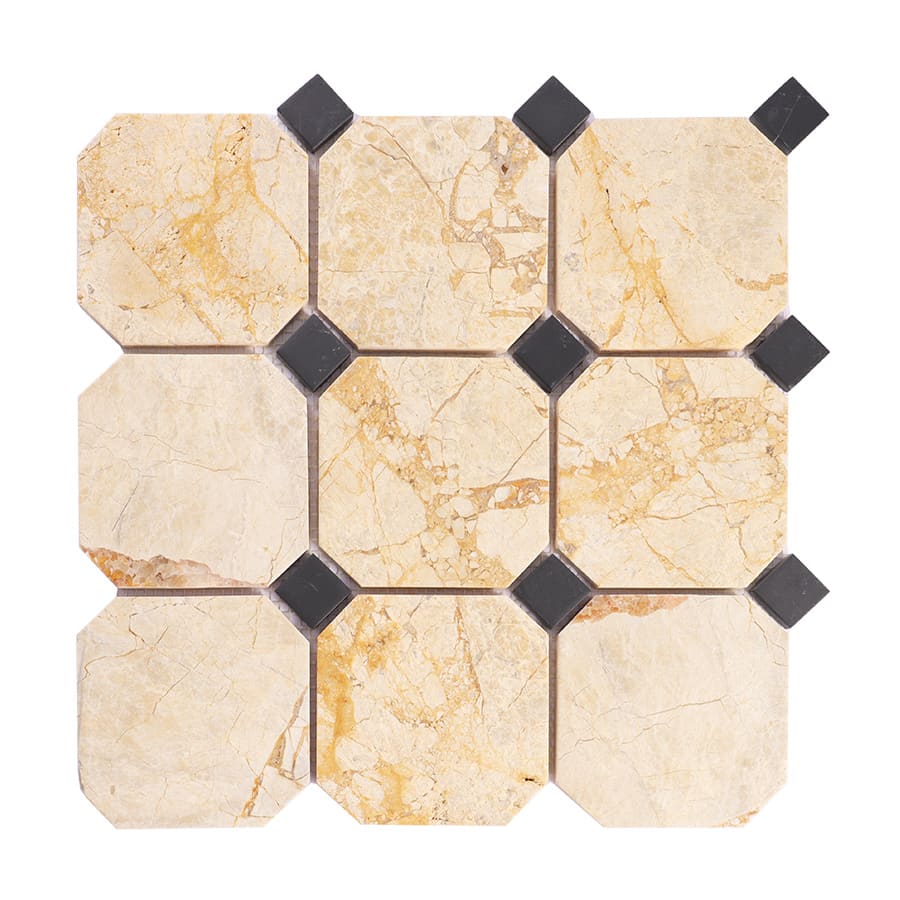
Vintage Marble Floor Tiles
Experience the luxury of natural marble cut into intricate patterns and designs that create stunning vintage-style flooring.
Premium Natural Stone
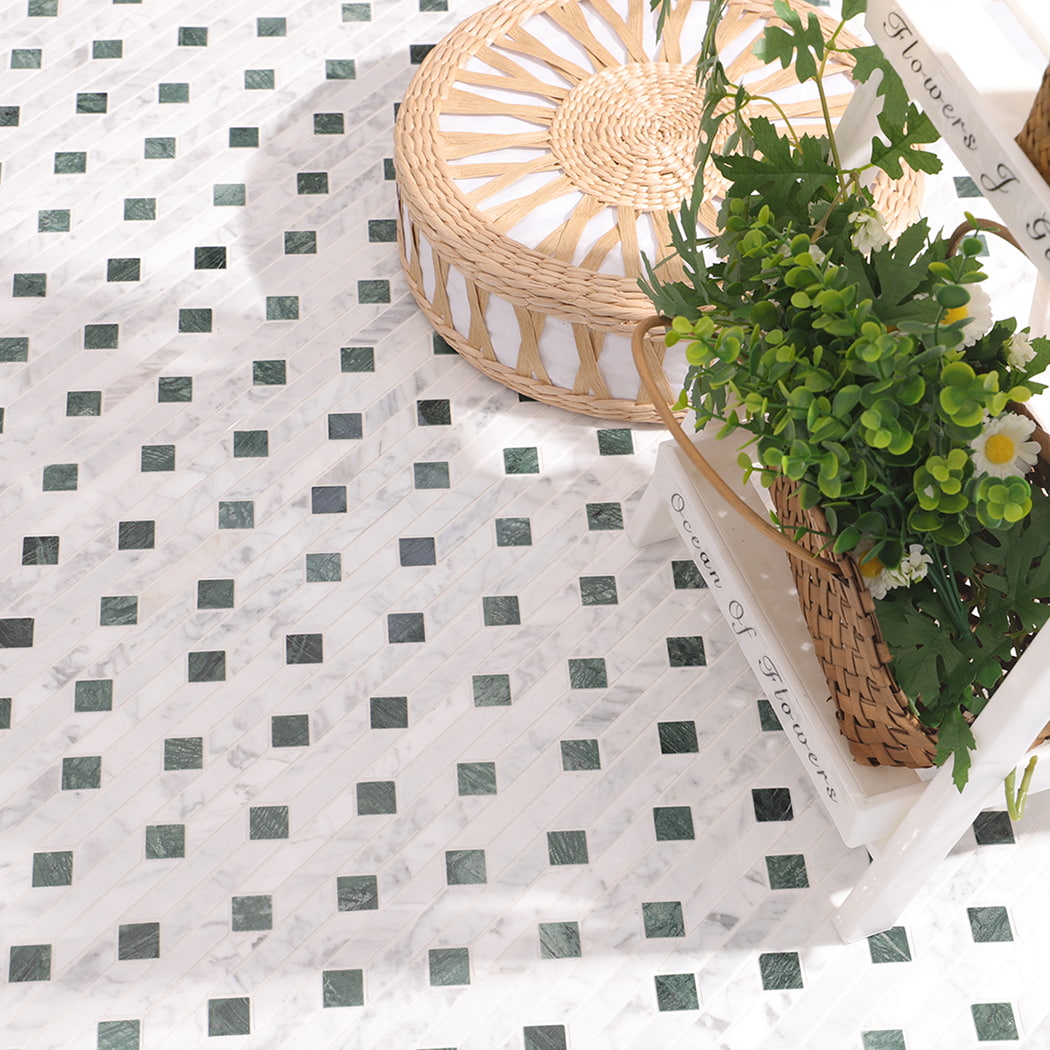
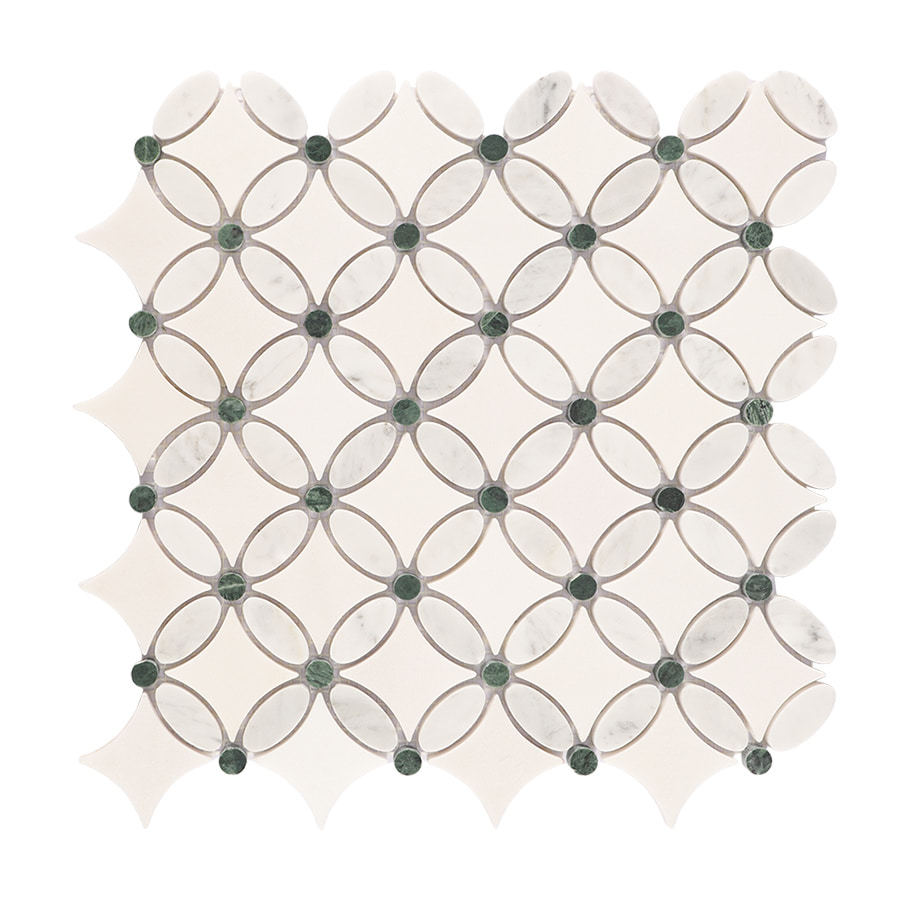
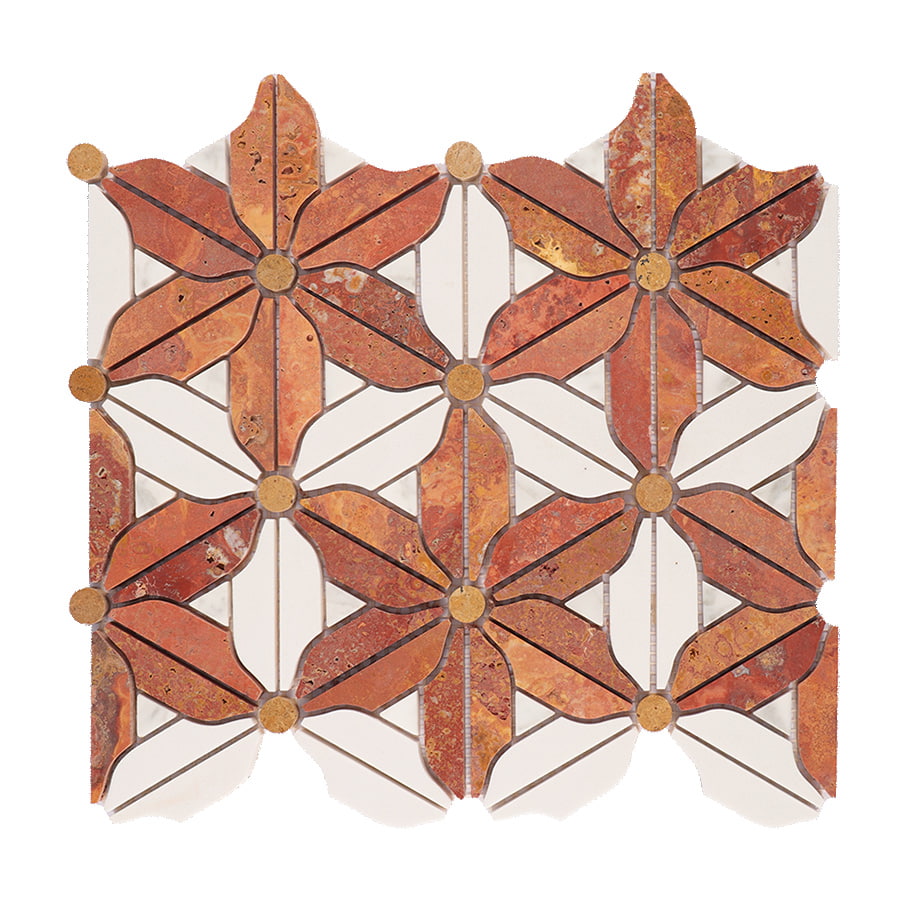
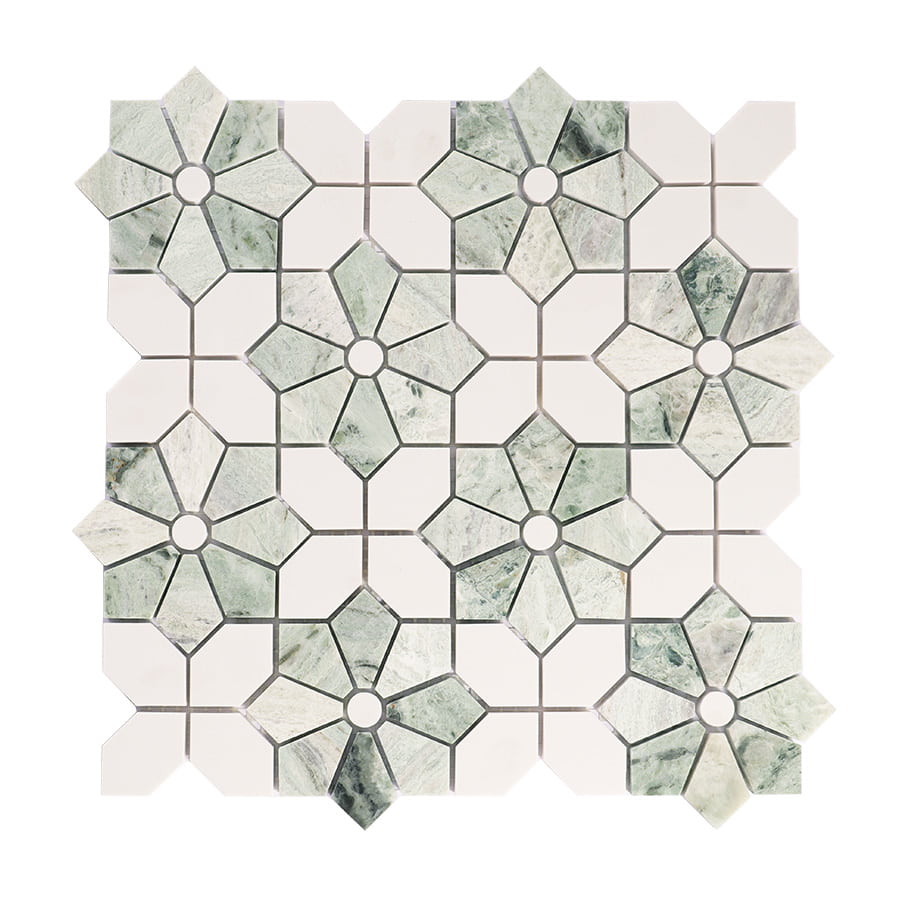
Crafted from authentic marble including Carrara, Nero, and Travertine varieties, each tile features unique natural veining and color variations.
Intricate Pattern Designs
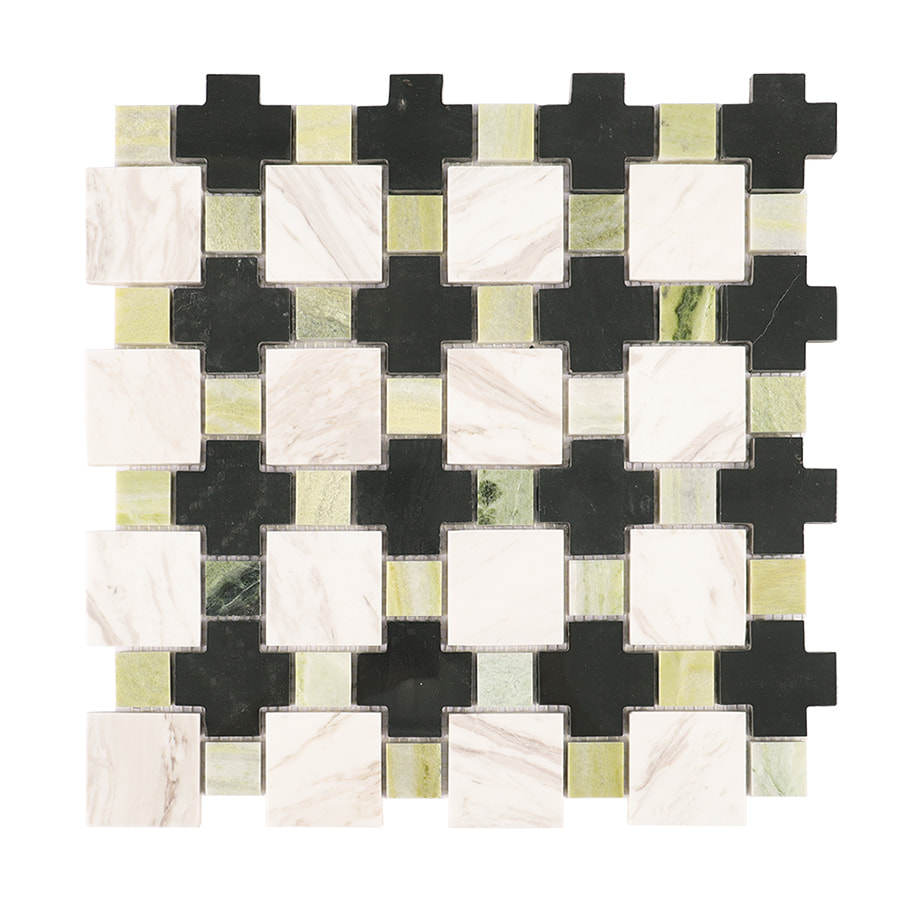
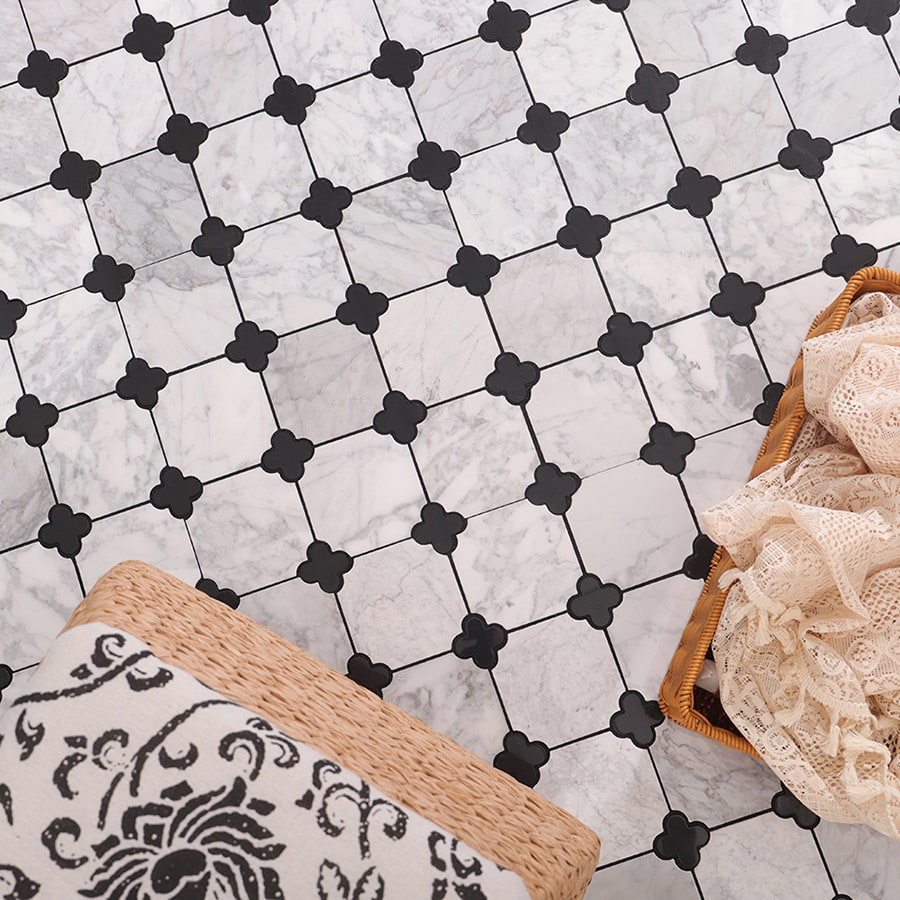
Multiple colors and types of marble are expertly cut and arranged to form geometric patterns, checkerboards, and custom vintage motifs.
Lasting Durability
Marble's natural hardness and density make it ideal for high-traffic areas, withstanding decades of use while maintaining its elegant appearance.
Popular Vintage Marble Patterns
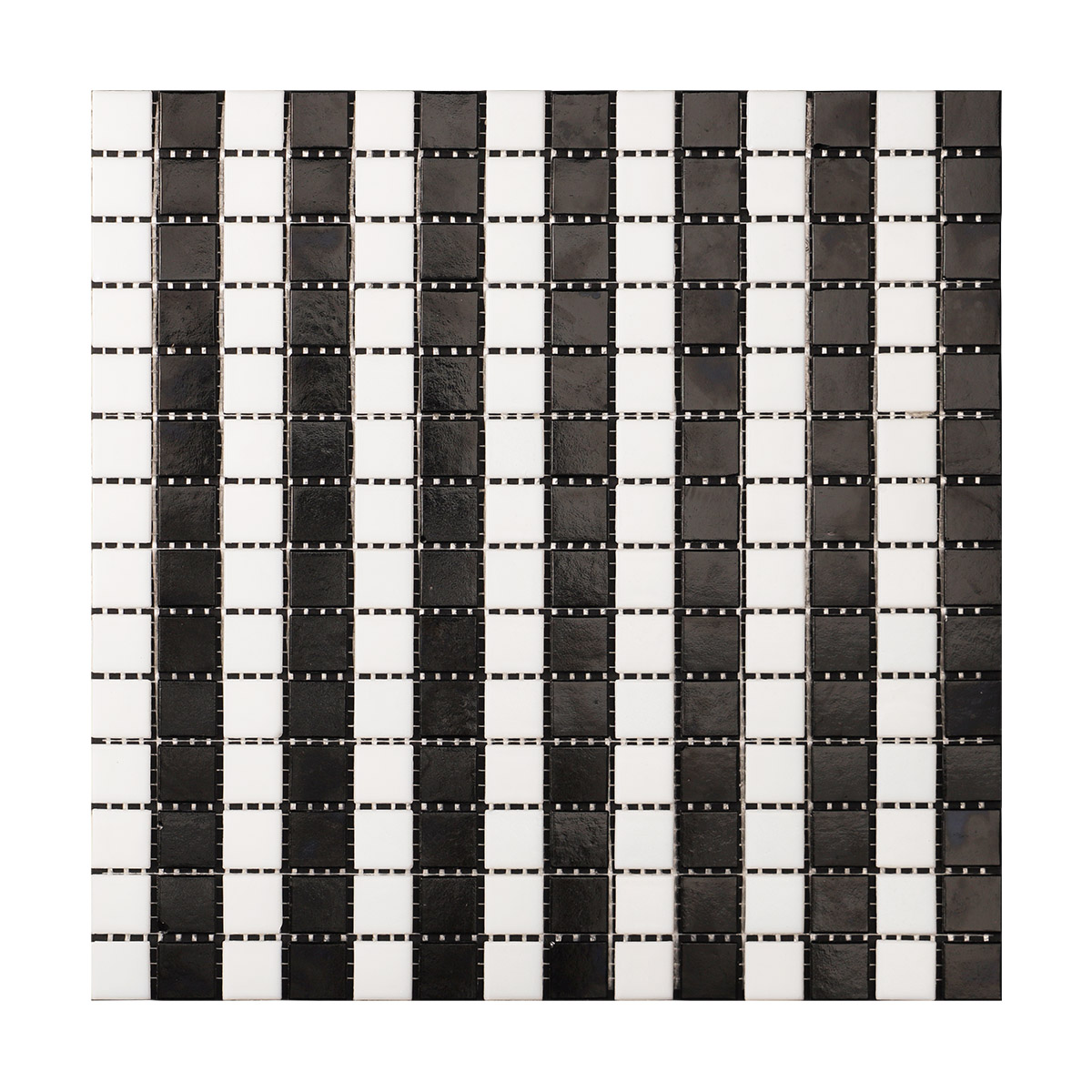
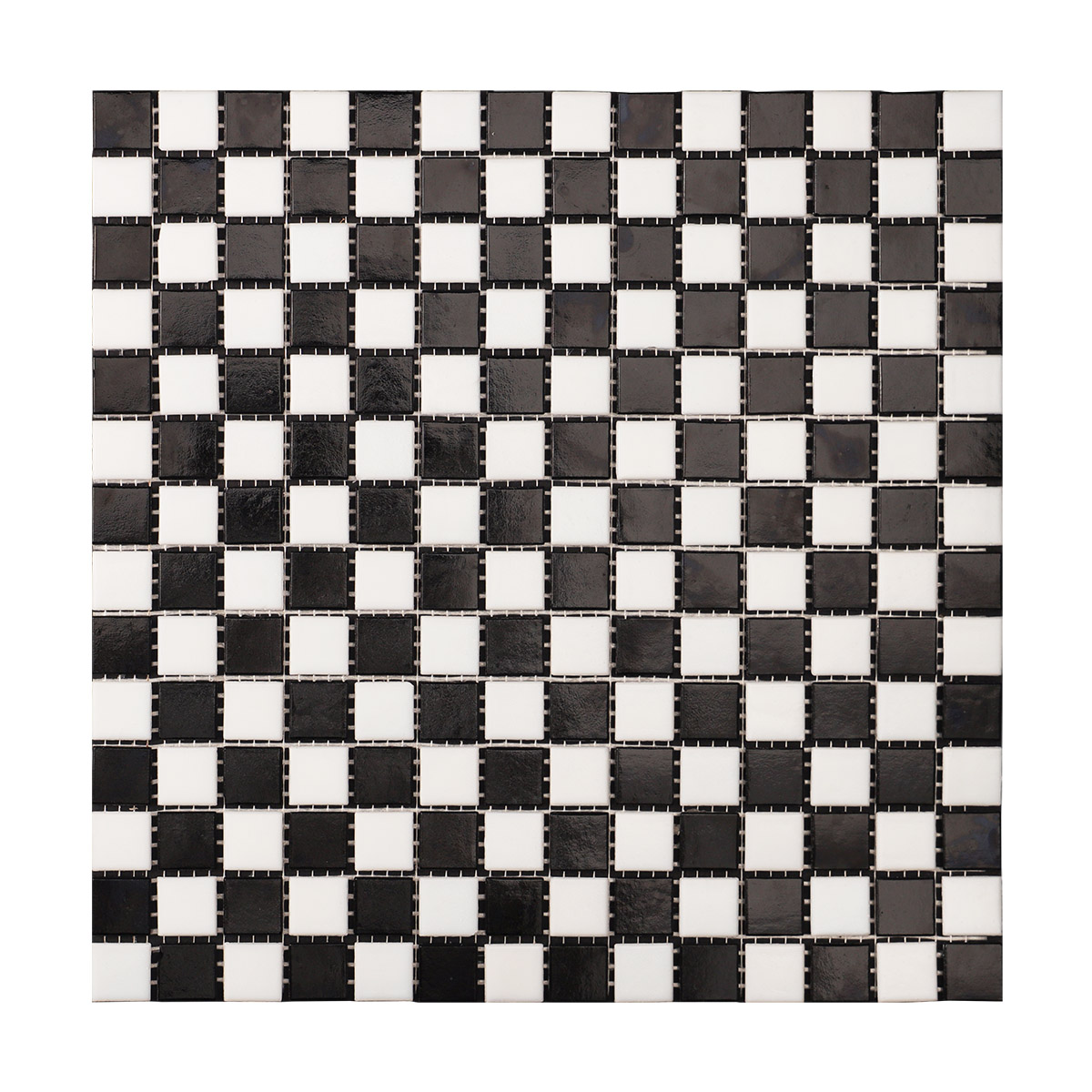
Black & White Checkerboard
The quintessential vintage pattern using contrasting Nero and Bianco Carrara marble creates a timeless, sophisticated look perfect for entryways and kitchens.
Best for: Hallways, kitchens, formal dining rooms
Victorian Geometric Mosaics
Complex arrangements of small marble pieces in hexagons, octagons, and intricate borders that defined Victorian-era elegance.
Best for: Bathrooms, entrance halls, conservatories
Medallion Centerpieces
Elaborate circular or star-shaped designs using multiple marble colors create stunning focal points in grand spaces.
Best for: Foyers, living rooms, commercial lobbies
Basketweave & Herringbone
Classic woven patterns using two or more marble types arranged at alternating angles for subtle texture and visual interest.
Best for: Powder rooms, wine cellars, butler pantries
Why Choose Marble for Vintage Flooring?
Advantages
- Timeless luxury and elegance that appreciates in value
- Each tile is unique with natural color variations
- Cool surface temperature ideal for warm climates
- Can be polished and refinished to restore original beauty
- Hypoallergenic and environmentally sustainable material
Considerations
- Requires periodic sealing to protect against stains
- Sensitive to acidic substances (wine, citrus, vinegar)
- Higher initial cost compared to ceramic alternatives
- Professional installation recommended for complex patterns
- May develop patina over time (enhances vintage character)
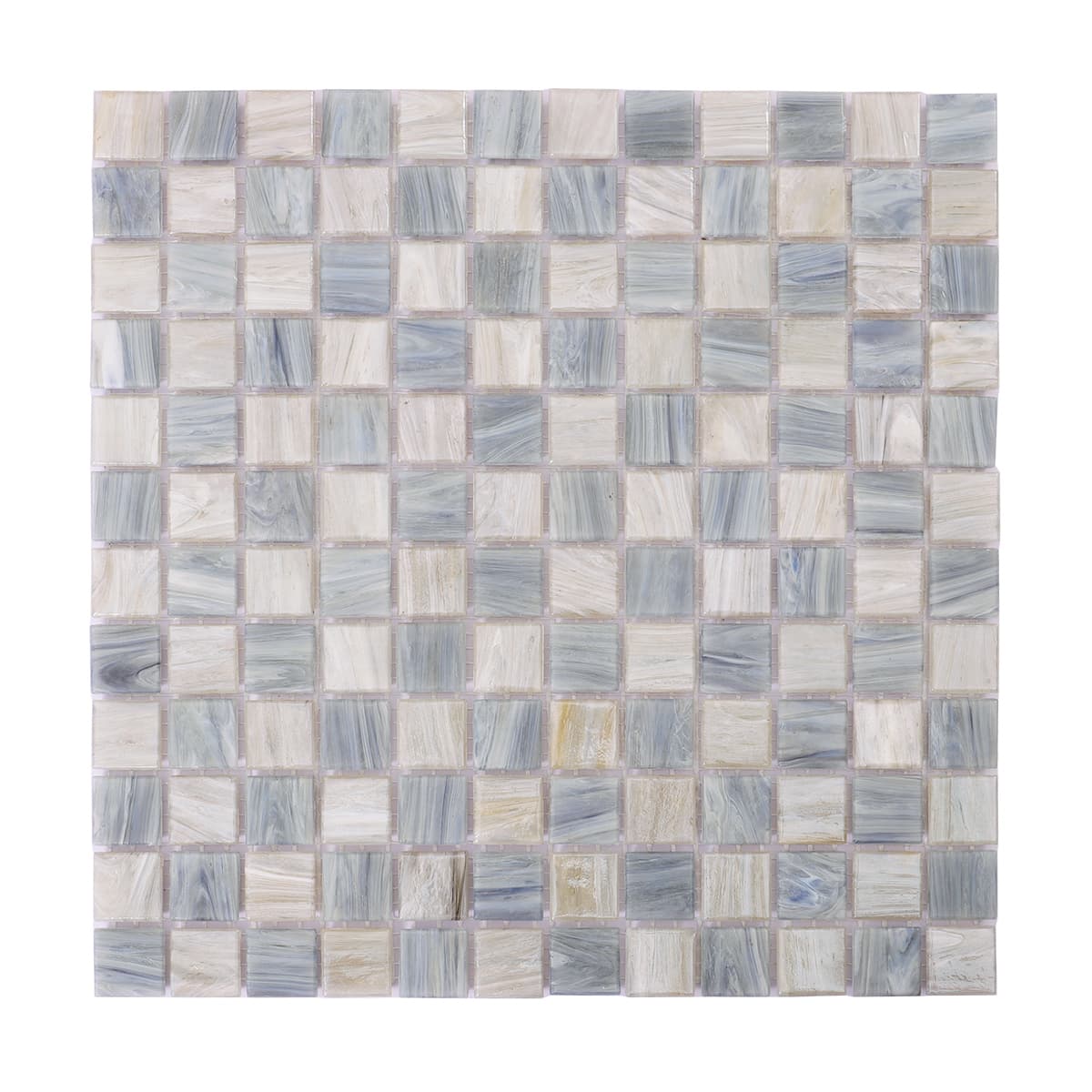
Vintage Glass Floor Tiles
Vibrant colors and luminous beauty combine in glass mosaic tiles that bring vintage charm with modern performance.
Vitreous & Water Glass Technology
Vintage glass floor tiles utilize advanced vitreous glass and water glass formulations that create non-porous, highly durable surfaces perfectly suited for flooring applications.
What is Vitreous Glass?
Vitreous glass tiles are manufactured through a high-temperature fusion process that creates a completely non-porous material. Unlike standard ceramic tiles with surface glazes, the color penetrates throughout the entire tile body, ensuring lasting beauty even with wear.
Absorption rate: Less than 0.5% - Ideal for wet areas and high-traffic zones
Water Glass Properties
Water glass (sodium silicate glass) provides exceptional impermeability and chemical resistance. This makes glass tiles particularly suitable for floors exposed to moisture, cleaning chemicals, and temperature fluctuations.
Perfect for: Bathrooms, kitchens, pool areas, commercial spaces
Rich Color Possibilities
Glass tiles offer an unparalleled spectrum of colors, finishes, and effects that allow for creating truly unique vintage-inspired floor designs.
Unlimited Color Range
From bold primary colors to subtle pastels, metallic sheens to iridescent finishes, glass tiles achieve colors impossible with natural stone.
Special Effects
Iridescent coatings, metallic inclusions, and textured surfaces create dynamic visual effects that change with lighting angles.
Recycled Glass Options
Eco-friendly recycled glass tiles offer sustainable beauty with the same performance characteristics as traditional glass.
Mix & Match Potential
Combine different colors, sizes, and finishes to create custom vintage patterns from Victorian mosaics to Art Deco geometrics.
Classic Glass Tile Patterns for Vintage Style
Penny Round Mosaics
Small circular glass tiles arranged in tight patterns, reminiscent of 1920s bathrooms and vintage soda shops.
Subway Tile Layout
Classic brick-pattern arrangement using rectangular glass tiles in period-appropriate colors like aqua, mint, and powder blue.
Hexagonal Honeycomb
Hexagon-shaped tiles create geometric vintage patterns popular in Art Deco and Mid-Century Modern design.
Why Glass Tiles Excel for Vintage Flooring
100% Waterproof & Non-Porous
The vitreous nature means zero water absorption, preventing mold, mildew, and water damage even in constantly wet environments.
Fade-Resistant Colors
Colors are integrated throughout the glass body and won't fade from UV exposure, maintaining vibrant appearance for decades.
Hygienic & Easy to Clean
Non-porous surface prevents bacteria growth and makes cleaning simple with standard household cleaners.
Scratch & Stain Resistant
Hard glass surface resists scratching from normal use and won't absorb stains from spills or cleaning products.
Frost & Heat Resistant
Suitable for both indoor and outdoor applications, withstanding temperature extremes without cracking or damage.
Environmentally Friendly
Many glass tiles contain recycled content and are fully recyclable at end of life, supporting sustainable building practices.
Popular Applications for Vintage Floor Tiles
Discover how vintage floor tiles transform different spaces with timeless elegance and practical functionality.
Bathrooms
Create spa-like sanctuaries with vintage penny round glass mosaics or elegant marble hexagons. Waterproof properties make both materials ideal for wet areas.
- Shower floors with slip-resistant texture
- Vintage powder room statements
- Classic black and white checkered designs
Kitchens
Durable marble or glass tiles handle kitchen demands while adding character. Vintage patterns create focal points that anchor kitchen design schemes.
- High-traffic kitchen floors
- Butler pantry feature floors
- Breakfast nook vintage charm
Entryways
Make powerful first impressions with elaborate marble medallions or colorful glass mosaic patterns that welcome guests with vintage elegance.
- Grand foyer centerpieces
- Mudroom durable flooring
- Victorian entrance halls
Living Spaces
Add sophistication to living rooms, dining rooms, and sunrooms with vintage tile floors that serve as artistic foundations for interior design.
- Open-plan living areas
- Formal dining room elegance
- Conservatory and sunroom floors
Commercial
Restaurants, boutiques, and hotels utilize vintage tiles to create memorable brand atmospheres that combine nostalgic appeal with commercial durability.
- Restaurant and cafe interiors
- Boutique hotel lobbies
- Retail store feature areas
Pool Areas
Glass tiles especially excel around pools and water features, offering frost resistance, non-slip surfaces, and colors that shimmer beautifully underwater.
- Pool surrounds and decks
- Spa and hot tub areas
- Outdoor patio flooring
Installation & Maintenance Guide
Professional Installation Tips
Surface Preparation is Critical
Ensure substrate is level, clean, and properly waterproofed. Vintage tiles, especially glass, require perfectly flat surfaces to prevent cracking and lippage.
Use Appropriate Adhesives
Glass tiles require white polymer-modified thin-set mortar to prevent shadowing. Marble needs flexible mortar for natural stone movement.
Follow the 1/3 Offset Rule
For rectangular tiles, stagger by 33% rather than 50% to minimize lippage and create smoother surfaces, especially important for larger format tiles.
Plan Complex Patterns Carefully
Lay out intricate vintage patterns dry first. Consider hiring experienced installers for medallions and geometric designs to ensure precision.
Grout Selection Matters
Use unsanded grout for glass tiles to prevent scratching. Epoxy grout provides superior stain resistance and waterproofing for both materials.
Maintenance & Care
Daily Cleaning
- Sweep or vacuum regularly to remove abrasive dirt particles
- Damp mop with pH-neutral cleaner designed for tile floors
- Glass tiles: Use glass cleaner for extra shine
Marble-Specific Care
- Apply penetrating sealer every 6-12 months to protect against stains
- Avoid acidic cleaners (vinegar, lemon, harsh chemicals)
- Wipe spills immediately, especially wine, coffee, and citrus
- Professional polishing can restore original luster over time
Long-Term Protection
- Use protective pads under furniture legs to prevent scratches
- Place rugs in high-traffic areas to extend floor life
- Inspect grout lines annually and reseal if necessary
- Address cracked or damaged tiles promptly to prevent moisture intrusion
Professional Installation Recommended
While DIY installation is possible for simple layouts, vintage floor tiles—particularly complex patterns, expensive materials, and large-format tiles—benefit significantly from professional expertise. Experienced installers ensure proper substrate preparation, prevent costly mistakes, and deliver flawless results that protect your investment.
Average professional installation cost: $8-$15 per square foot for standard patterns, $15-$30+ for complex custom designs
Why Choose Vintage Floor Tiles?
Discover the compelling advantages that make vintage floor tiles a superior choice for discerning homeowners and designers.
Timeless Appeal
Never goes out of style—vintage tiles maintain their beauty and relevance across decades, protecting your design investment.
Exceptional Durability
Both marble and glass withstand decades of heavy use, resisting wear, stains, and damage better than many modern alternatives.
Unique Character
Distinctive patterns and authentic vintage aesthetics create one-of-a-kind spaces that reflect personal style and sophistication.
Increases Value
Quality vintage tile floors significantly enhance property values and appeal to buyers seeking authentic, well-crafted homes.
Design Versatility
Works with multiple design styles from Victorian to Mid-Century Modern, farmhouse to contemporary eclectic.
Water Resistant
Especially glass tiles with their non-porous vitreous surface, ideal for wet areas without risk of water damage or mold.
Easy Maintenance
Simple cleaning routines keep vintage tiles looking pristine—no special treatments required for daily care.
Eco-Friendly Options
Natural marble and recycled glass tiles provide sustainable choices that minimize environmental impact.
Investment Comparison
| Feature | Vintage Marble | Vintage Glass | Standard Ceramic |
|---|---|---|---|
| Lifespan | 50-100+ years | 30-50+ years | 15-25 years |
| Water Absorption | 0.2-0.5% | <0.5% (vitreous) | 3-7% |
| Scratch Resistance | Excellent | Excellent | Moderate |
| Color Fade Resistance | Natural (no fade) | Excellent | Moderate |
| Property Value Impact | High | Medium-High | Low |
Vintage Tile Design Styles
Explore the most popular vintage tile aesthetics and find the perfect style for your space.
Victorian Era (1837-1901)
Characterized by elaborate geometric mosaics, rich colors, and intricate borders. Victorian tiles often feature small pieces arranged in complex patterns like stars, flowers, and tessellations.
Art Deco (1920s-1930s)
Bold geometric patterns, metallic accents, and streamlined designs define this glamorous period. Think hexagons, chevrons, and contrasting black and white schemes with gold highlights.
Mid-Century Modern (1945-1969)
Clean lines, bold colors, and atomic-age patterns. Features penny rounds, atomic starburst designs, and playful color combinations in turquoise, pink, yellow, and charcoal.
Classic Subway Style (1900s-Present)
Originally from New York subway stations, these rectangular tiles in brick-pattern layout remain timeless. Now available in vintage-inspired colors and distressed finishes.
Frequently Asked Questions
Are vintage floor tiles suitable for high-traffic areas?
Yes, both marble and glass vintage tiles are extremely durable and ideal for high-traffic areas. Marble's natural density and glass's vitreous composition provide exceptional wear resistance. Many vintage tile floors have survived 50-100+ years of use in commercial and residential settings.
Can vintage glass tiles be used on floors or just walls?
Quality vitreous glass tiles are absolutely suitable for floors when properly installed on well-prepared substrates. Their non-porous nature, scratch resistance, and slip-resistant texture (especially in mosaic formats with grout lines) make them excellent flooring choices for bathrooms, kitchens, and even pool areas.
How do I clean and maintain marble floor tiles?
Daily: Sweep or vacuum, then damp mop with pH-neutral cleaner. Avoid acidic products (vinegar, lemon) that can etch marble. Apply penetrating sealer every 6-12 months to protect against stains. Wipe spills immediately, especially wine, coffee, and citrus. Professional polishing can restore shine when needed.
What's the difference between vitreous and regular glass tiles?
Vitreous glass tiles have absorption rates below 0.5%, making them virtually non-porous and waterproof—essential for floor applications. The color is integrated throughout the glass body rather than applied as a surface coating. This ensures durability, fade resistance, and suitability for areas exposed to moisture and wear.
Are vintage tiles more expensive than modern alternatives?
Initial costs are higher—typically $10-$40+ per square foot for materials depending on type and rarity, plus installation. However, their exceptional longevity (50-100+ years vs. 15-25 for standard ceramic), timeless style, and positive impact on property values make them cost-effective long-term investments that won't require replacement.
Can vintage tiles work in modern home designs?
Absolutely! Vintage tiles excel at creating eclectic, transitional spaces that bridge traditional and contemporary aesthetics. Use them as statement floors in otherwise minimalist rooms, or pair vintage patterns with modern furnishings for sophisticated contrast. The timeless nature of quality vintage tiles complements virtually any design direction.
Do I need special installation for vintage floor tiles?
Professional installation is strongly recommended, especially for complex patterns, large-format tiles, and expensive materials. Key requirements include: perfectly level substrate, appropriate thin-set mortar (white polymer-modified for glass, flexible for marble), proper waterproofing in wet areas, and careful pattern layout. Experienced installers prevent costly mistakes and ensure longevity.
Expert Tips for Vintage Floor Tile Success
Plan Your Pattern First
Create a scale drawing or use digital design tools to visualize the final layout. Order 10-15% extra for cuts, breakage, and future repairs.
Test Before Committing
Order samples to see actual colors and textures in your lighting. Test sealers and cleaners on sample pieces before applying to installed floors.
Invest in Quality Installation
Professional installation costs are worth it—poor installation can ruin expensive tiles and cause long-term problems like cracking and water damage.
Balance Pattern and Space
Complex vintage patterns work best in moderate-sized areas. Very large or very small spaces may benefit from simpler layouts to avoid overwhelming the eye.
Consider Surrounding Décor
Let vintage floor tiles be the star—keep wall colors neutral and furniture classic to avoid competing visual elements that diminish the floor's impact.
Allow Proper Curing Time
Wait 24-72 hours before walking on new tile installations, and 7-10 days before heavy furniture placement. Rush jobs compromise adhesive strength.