

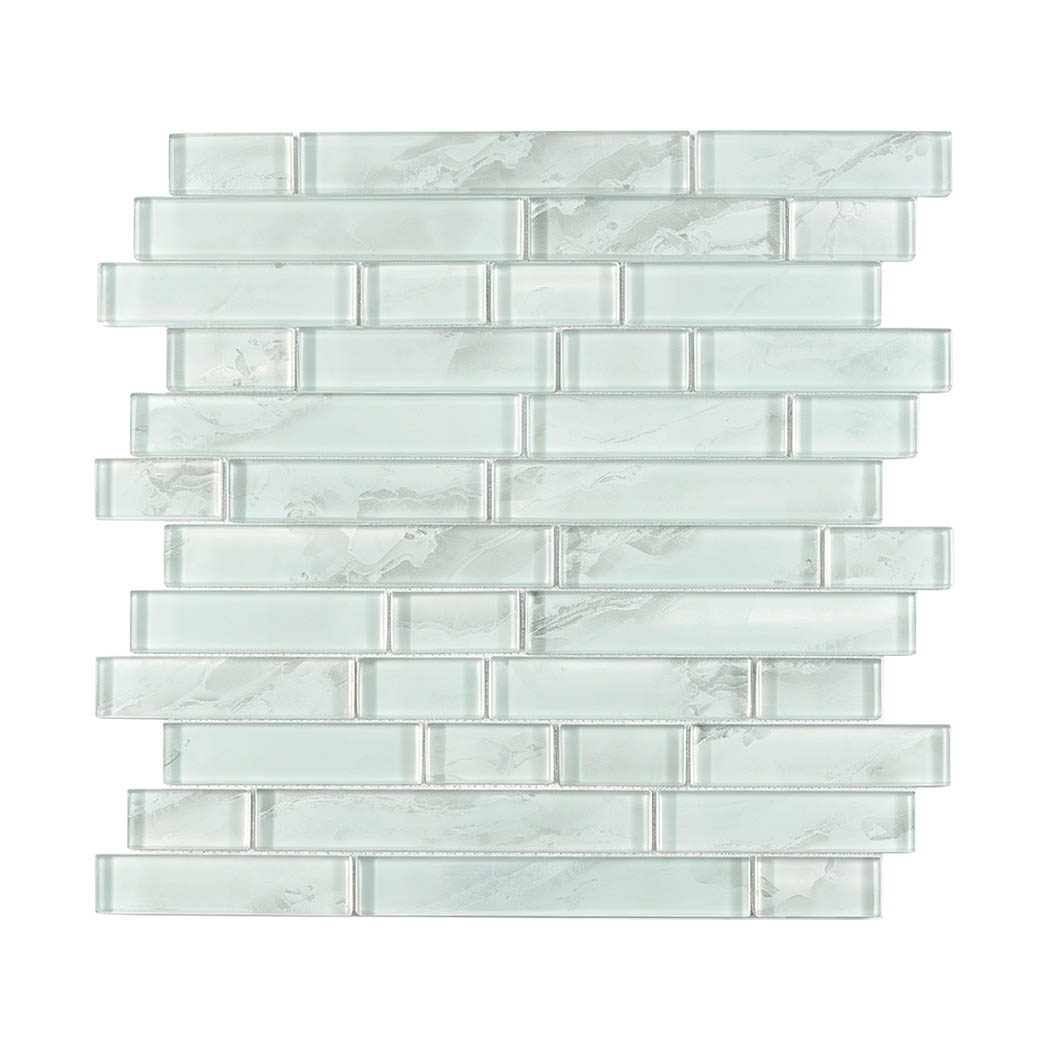
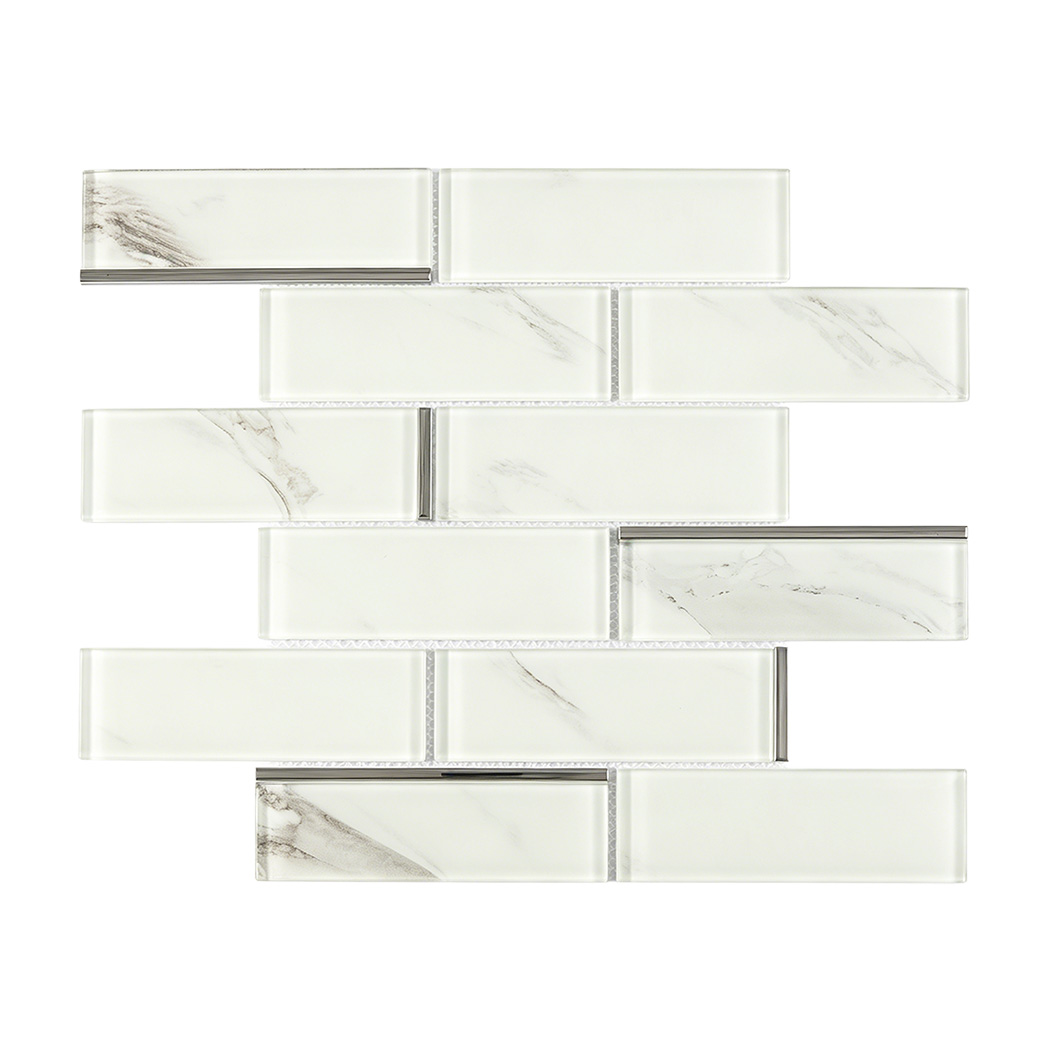
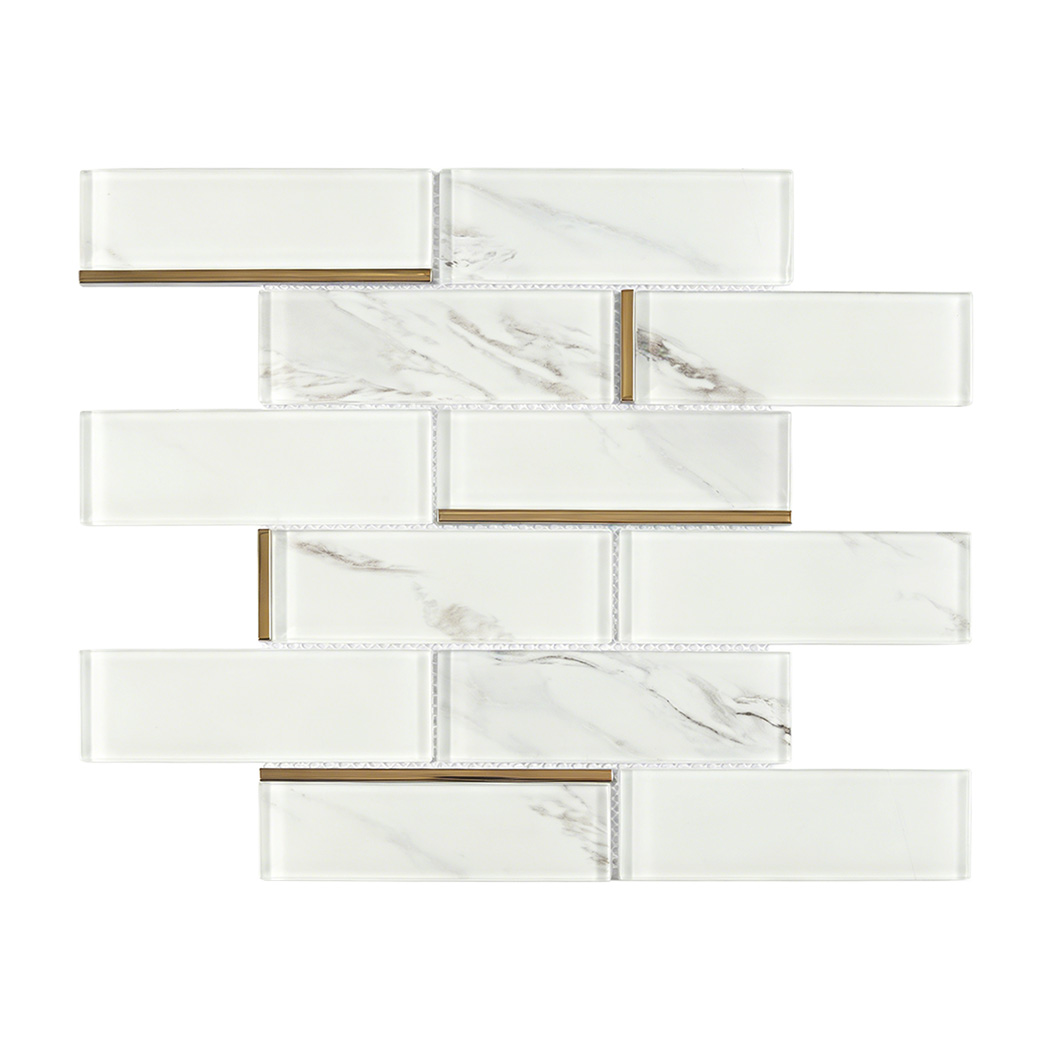
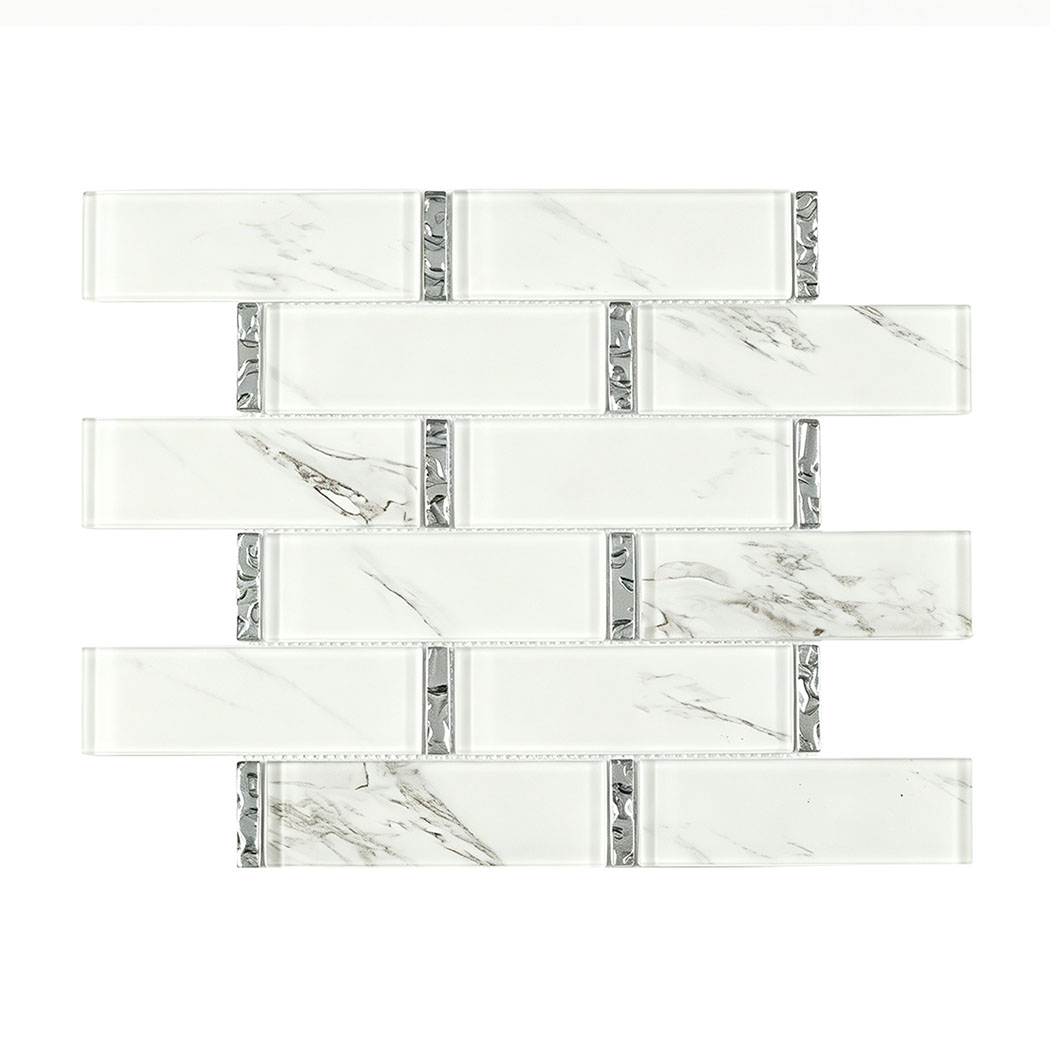

Staggered tiles, also known as offset or brick pattern tiles, represent a timeless design choice that brings dynamic visual interest to any space. This classic layout involves placing tiles so that the joints are not aligned, creating a flowing, organic pattern that adds depth and movement to walls and floors.
Whether you're renovating your kitchen backsplash, updating a bathroom, or designing a stunning feature wall, staggered tile patterns offer unparalleled versatility and aesthetic appeal. From traditional subway tiles to contemporary geometric shapes, this installation method transforms ordinary surfaces into extraordinary design statements.
What Are Staggered Tiles?
Staggered tiles are installed in an offset pattern where each tile's edge aligns with the center of the tile above or below it, rather than forming straight vertical lines. This arrangement creates a distinctive "brick-like" appearance that has been popular in architecture and interior design for centuries.
The staggered pattern can be applied to various tile shapes and sizes, from classic rectangular subway tiles to modern hexagons, squares, triangles, and picket tiles. This versatility makes it suitable for both traditional and contemporary design aesthetics.
Key Characteristics of Staggered Tiles:
- Timeless Appeal: Creates a classic, enduring look that never goes out of style
- Visual Movement: Adds dynamic texture and depth to surfaces
- Versatile Application: Works well on floors, walls, backsplashes, and showers
- Error Concealment: Helps hide minor imperfections in tile size or wall alignment
- Design Integration: Blends seamlessly with various architectural styles
Types of Staggered Tile Shapes
Staggered tile patterns can be created using a variety of tile shapes, each offering unique aesthetic possibilities and design characteristics.
Square Tiles
Square tiles in a staggered pattern create a unique offset grid design that breaks away from traditional straight alignment. This layout adds subtle visual interest while maintaining a clean, organized appearance.
- Perfect for modern minimalist spaces
- Creates geometric sophistication
- Works well in both small and large formats
Rectangular Tiles
The most popular choice for staggered patterns, rectangular tiles (including subway tiles) create the classic brick-bond appearance. Can be installed horizontally or vertically for different visual effects.
- Traditional subway tile favorite
- Versatile horizontal or vertical installation
- Ideal for backsplashes and shower walls
Hexagon Tiles
Hexagonal tiles in a staggered layout create a stunning honeycomb effect. This shape naturally lends itself to offset patterns, producing organic, flowing designs that captivate the eye.
- Creates beautiful honeycomb patterns
- Trending in contemporary design
- Exceptional for feature walls and floors
Triangle Tiles
Triangle tiles offer bold geometric possibilities when staggered. They create dramatic zigzag patterns or can be arranged for subtle transitions, making them ideal for modern, artistic installations.
- Bold, contemporary aesthetic
- Creates dynamic zigzag patterns
- Perfect for artistic, one-of-a-kind designs
Picket Tiles
Picket tiles feature elongated, narrow shapes that create sophisticated vertical or horizontal lines. When staggered, they produce elegant, refined patterns perfect for upscale interiors.
- Elegant, refined appearance
- Creates detailed mosaic effects
- Ideal for luxury backsplashes
Diamond Tiles
Diamond-shaped tiles can create waves when laid side to side or stunning 3D cube effects. Staggered diamond patterns offer exceptional versatility for creative, eye-catching designs.
- Creates 3D visual effects
- Produces wave-like patterns
- Perfect for feature walls
Premium Materials for Staggered Tiles
The material you choose for your staggered tiles significantly impacts the final appearance, durability, and maintenance requirements. Each material offers distinct aesthetic qualities and practical benefits.
Vitreous Glass
Vitreous glass tiles are highly durable, non-porous tiles with exceptional water resistance. Their smooth, reflective surface adds luminosity and creates a sense of spaciousness in any room.
Key Features:
- Highly water-resistant and stain-proof
- Available in vibrant colors and finishes
- Easy to clean and maintain
- Perfect for kitchen backsplashes and bathrooms
- Reflects light beautifully
Crystal Glass
Crystal glass tiles offer exceptional clarity and brilliant light reflection. These premium tiles create stunning visual effects with their sparkle and transparency, adding luxury to any space.
Key Features:
- Superior light refraction and sparkle
- Premium, luxurious appearance
- Creates stunning focal points
- Highly resistant to moisture
- Ideal for decorative accents and feature walls
Marble
Marble tiles bring natural elegance and timeless sophistication to staggered patterns. Each tile features unique veining and color variations, ensuring no two installations are exactly alike.
Key Features:
- Natural stone with unique patterns
- Classic, luxurious aesthetic
- Available in various colors and finishes
- Increases property value
- Requires sealing for optimal protection
Metal
Metal tiles add industrial chic and contemporary flair to staggered installations. Options include stainless steel, copper, aluminum, and brass, each offering distinct visual character and durability.
Key Features:
- Modern, industrial aesthetic
- Extremely durable and long-lasting
- Heat and moisture resistant
- Creates dramatic focal points
- Perfect for contemporary and loft-style spaces
Mother of Pearl
Mother of pearl tiles are crafted from the iridescent inner layer of mollusk shells. These natural tiles create luminous, shimmering surfaces that change appearance with light and viewing angle, adding organic luxury to any space.
Key Features:
- Natural iridescent shimmer and luster
- Eco-friendly and sustainable material
- Naturally water-resistant surface
- Each tile is uniquely patterned
- Creates coastal, luxurious ambiance
- Requires minimal maintenance with proper care
Benefits of Staggered Tile Patterns
Choosing a staggered tile pattern offers numerous advantages that extend beyond aesthetics, providing practical benefits for long-term satisfaction and functionality.
Enhanced Visual Interest
Staggered patterns create dynamic movement and depth, making surfaces more engaging and visually appealing than standard grid layouts.
Timeless Design
The classic brick bond pattern has been used for centuries and remains perpetually stylish, ensuring your investment won't look dated.
Hides Imperfections
The offset pattern naturally conceals slight variations in tile size, wall irregularities, and minor installation imperfections.
Reduces Lippage
The 1/3 offset pattern minimizes lippage (uneven edges between tiles), creating a smoother, more uniform surface especially with large format tiles.
Design Versatility
Works seamlessly with various tile shapes, sizes, materials, and color combinations, offering endless customization possibilities.
Increases Property Value
Professional staggered tile installations are attractive to buyers and can enhance the perceived value and appeal of your property.
Creates Texture & Depth
The offset creates shadows and dimensional interest, especially when combined with contrasting grout colors or textured tile surfaces.
Flexible Orientation
Can be installed horizontally to widen spaces or vertically to create the illusion of height, adapting to your room's needs.
Durability Benefits
The staggered pattern distributes stress more evenly across the surface, potentially improving structural integrity over time.
Design Applications & Room Ideas
Staggered tiles can transform any space in your home. Discover the most popular and effective applications for this versatile pattern.
Kitchen Applications
Backsplashes
Staggered tile backsplashes are the most popular application in kitchens. Classic subway tiles in offset patterns create timeless appeal, while colored glass or marble adds sophistication. The pattern protects walls from splashes while serving as a stunning focal point.
- Subway tile remains the classic choice
- Glass tiles reflect light beautifully
- Contrasting grout adds definition
Kitchen Floors
Staggered floor tiles in kitchens provide durability and style. Porcelain or ceramic tiles in brick patterns withstand heavy traffic while maintaining aesthetic appeal. The pattern works particularly well for open-concept spaces transitioning to other flooring types.
- Durable for high-traffic areas
- Easy to clean and maintain
- Creates seamless transitions
Bathroom Applications
Shower Walls
Staggered patterns on shower walls create texture and visual interest in wet areas. Vertical staggered layouts make ceilings appear taller, while horizontal patterns add width.
Best materials: Vitreous glass, ceramic, porcelain
Bathroom Walls
Full or partial wall coverage with staggered tiles adds elegance and practicality. The pattern works wonderfully around vanities and as feature walls behind bathtubs.
Best materials: Ceramic, marble, glass mosaic
Bathroom Floors
Smaller tiles in staggered patterns provide excellent slip resistance with more grout lines. Hexagons and small rectangles are particularly popular for bathroom flooring.
Best materials: Porcelain, ceramic, natural stone
Living Spaces & Other Areas
Feature Walls
Create dramatic focal points in living rooms, bedrooms, or entryways with staggered tile feature walls in metal, stone, or textured materials.
Fireplace Surrounds
Staggered patterns around fireplaces add sophistication. Natural stone, ceramic, or glass tiles create beautiful frames for this architectural element.
Entryways & Hallways
Durable staggered floor tiles in high-traffic entryways make strong first impressions while withstanding daily wear and tear.
Outdoor Patios
Extend staggered patterns outdoors with weather-resistant tiles in natural stone or porcelain for cohesive indoor-outdoor living spaces.
Installation Tips & Guidelines
Proper installation is crucial for achieving beautiful, long-lasting results with staggered tile patterns. Follow these professional guidelines for optimal outcomes.
Offset Recommendations
1/2 Offset (50%)
Traditional brick pattern where each tile is offset by half its length. Works best with smaller tiles (under 15 inches).
Classic appearance but may cause lippage with large format tiles
1/3 Offset (33%)
Industry-recommended offset for large format tiles (15 inches and larger). Reduces lippage and creates smoother surfaces.
Recommended by manufacturers for modern large tiles
Random Offset
Varies between 10-40% for artistic, organic appearance. Creates unique, one-of-a-kind patterns.
Perfect for contemporary, creative designs
Key Installation Steps
Surface Preparation
Ensure surface is clean, level, and dry. Fix any cracks or irregularities before starting.
Layout Planning
Dry-lay tiles to plan pattern and ensure symmetry. Mark center lines for alignment.
Choose Proper Adhesive
Select appropriate thinset or mastic based on tile material, size, and installation location.
Set Tiles with Spacers
Use tile spacers to maintain consistent grout lines. Work in small sections to prevent adhesive from drying.
Check Level Frequently
Regularly verify tiles are level and adjust before adhesive sets to prevent lippage.
Grouting
Wait 24-48 hours for adhesive to cure. Apply grout, clean excess, and seal if necessary.
Professional Installation Tips
- Start from Center: Begin installation from the center of the area and work outward for balanced appearance
- Cut Tiles Properly: Use a wet saw for clean cuts, especially with glass and porcelain tiles
- Back Butter Large Tiles: Apply thinset to both substrate and tile back for better adhesion
- Consider Grout Color: Matching grout creates seamless look; contrasting grout highlights pattern
- Avoid Full Offset with Large Tiles: Never exceed 33% offset with tiles over 15 inches to prevent warping issues
- Account for Tile Variation: Mix tiles from different boxes to distribute color and texture variations
- Plan Cut Tiles: Position cut tiles in less visible areas like corners or under cabinets
- Allow Proper Curing Time: Don't rush grouting; let adhesive fully cure per manufacturer specifications
Staggered vs. Straight Stack Tile Patterns
Understanding the differences between staggered and straight stack patterns helps you make the best design choice for your space.
| Feature | Staggered Pattern | Straight Stack Pattern |
|---|---|---|
| Design Style | Traditional, classic, timeless appeal | Modern, contemporary, clean lines |
| Visual Effect | Creates movement, texture, and depth | Emphasizes symmetry and grid precision |
| Installation Complexity | Moderate - requires careful offset planning | Easier - straightforward grid alignment |
| Grout Lines | Staggered, creates flowing visual rhythm | Continuous horizontal and vertical lines |
| Hides Imperfections | Excellent at concealing flaws | Shows imperfections more easily |
| Best For | Traditional homes, rustic styles, backsplashes | Modern spaces, minimalist design, feature walls |
| Popular Applications | Subway tile backsplashes, bathroom walls, floors | Shower walls, contemporary backsplashes, accents |
| Maintenance | Standard - more grout lines to clean | Slightly easier with aligned grout lines |
Design Tip: The choice between staggered and straight patterns ultimately depends on your design goals, space characteristics, and personal preferences. Staggered patterns suit those seeking timeless, textured appeal, while straight stack patterns work best for modern, minimalist aesthetics. Both can be beautiful when properly executed!
Maintenance & Care Guide
Proper maintenance ensures your staggered tile installation remains beautiful and functional for years to come. Follow these care guidelines based on your tile material.
Daily & Regular Cleaning
Routine Cleaning
- • Sweep or vacuum regularly to remove dirt and debris
- • Wipe down with damp cloth or mop using mild detergent
- • Dry with clean cloth to prevent water spots (especially glass)
- • Clean spills immediately to prevent staining
Grout Maintenance
- • Clean grout lines with soft brush and appropriate cleaner
- • Seal grout every 1-2 years to prevent staining and moisture
- • Address discoloration promptly with grout-specific cleaners
- • Avoid harsh chemicals that can damage grout
Material-Specific Care
Glass Tiles
Use non-abrasive cleaners and microfiber cloths. Avoid acidic cleaners that can damage glass surfaces.
Marble Tiles
Seal regularly. Use pH-neutral cleaners only. Avoid acidic substances (lemon, vinegar) that etch marble.
Metal Tiles
Clean with mild soap and water. Dry immediately to prevent water spots. Polish occasionally for shine.
Mother of Pearl
Use gentle, non-acidic cleaners. Clean with soft cloth and warm water. No sealing required for tile surface.
Ceramic & Porcelain
Most durable and low-maintenance. Use standard tile cleaners. Very resistant to stains and chemicals.
DO's
- Use appropriate cleaners for your specific tile material
- Seal grout lines regularly to maintain protection
- Test cleaners on small, inconspicuous areas first
- Dry tiles after cleaning to prevent water spots
- Address chips or cracks promptly to prevent further damage
DON'Ts
- Never use abrasive scrubbers on glass or polished surfaces
- Avoid acidic cleaners on marble and natural stone
- Don't use bleach or ammonia on colored grout
- Never allow standing water on any tile surface
- Avoid oil-based products that can discolor grout
Current Staggered Tile Design Trends
Stay ahead of the curve with these trending staggered tile design approaches that are capturing attention in contemporary interior design.
Bold Color Combinations
Vibrant, contrasting colors in staggered patterns create eye-catching focal points. Think emerald green with gold accents or navy blue with white.
Trending in kitchens and feature walls
Mixed Shape Transitions
Transitioning between different tile shapes (hexagons to rectangles, squares to triangles) in staggered patterns for unique, artistic designs.
Popular for bathroom floors and walls
Metallic Accents
Incorporating metallic tiles (brass, copper, gold) in staggered patterns adds luxury and sophistication to contemporary spaces.
Ideal for upscale backsplashes
Natural & Organic
Earth tones, natural stone textures, and mother of pearl tiles in staggered layouts connect interiors with nature's organic beauty.
Perfect for spa-like bathrooms
Vertical Staggered Layouts
Installing rectangular tiles vertically in staggered patterns creates height illusions and modern architectural interest.
Trending in shower walls
Contrasting Grout
Dark grout with light tiles (or vice versa) in staggered patterns emphasizes the geometric pattern and adds definition and drama.
Popular across all applications
Frequently Asked Questions
Get answers to common questions about staggered tile patterns, installation, and maintenance.
What is the best offset for staggered tiles?
For tiles under 15 inches, a traditional 1/2 offset (50%) works well. However, for large format tiles (15 inches and larger), a 1/3 offset (33%) is recommended by manufacturers to minimize lippage and create a smoother, more uniform surface. This reduces the risk of uneven edges and improves the overall finish.
Can staggered tile patterns be used on floors?
Absolutely! Staggered tile patterns are excellent for flooring, particularly in kitchens, bathrooms, entryways, and hallways. They provide visual interest while maintaining durability. Ceramic, porcelain, and natural stone tiles in staggered layouts are particularly popular for floor applications due to their strength and wear resistance.
Are staggered tiles more expensive than straight patterns?
The tile material costs are the same regardless of pattern. However, installation costs may be slightly higher for staggered patterns due to the additional planning, cutting, and precision required. The difference is typically modest (5-15% more) and depends on the complexity of the layout and tile size.
What grout color works best with staggered tiles?
The choice depends on your design goals. Matching grout (similar to tile color) creates a seamless, cohesive appearance that makes the space feel larger. Contrasting grout (e.g., dark grout with light tiles) emphasizes the staggered pattern and adds definition and visual impact. Both approaches can be stunning when executed properly.
How do I prevent lippage in staggered tile installations?
To prevent lippage: (1) Use the 1/3 offset rule for large format tiles, (2) Ensure your substrate is perfectly flat and level, (3) Use tile leveling systems during installation, (4) Apply adequate thinset with proper trowel size, (5) Check level frequently during installation, and (6) Allow adequate curing time before grouting.
Can I install staggered tiles myself or should I hire a professional?
DIY installation is possible for homeowners with tile experience, especially for smaller projects with standard-sized tiles. However, professional installation is recommended for: large format tiles, complex patterns, expensive materials (marble, mother of pearl), wet areas requiring waterproofing, and when you want guaranteed results. Professionals have the tools, experience, and expertise to achieve flawless results.
Which tile shape is best for staggered patterns?
All shapes work beautifully in staggered patterns, but the best choice depends on your style preference and space. Rectangular tiles (including subway tiles) are the most popular and versatile. Hexagons create stunning honeycomb effects. Squares offer modern sophistication. Triangles and picket tiles provide artistic, contemporary looks. Consider your overall design aesthetic when selecting tile shape.
Transform Your Space with Staggered Tiles
Staggered tile patterns offer a timeless design solution that combines aesthetic beauty with practical functionality. Whether you're renovating a kitchen backsplash, updating a bathroom, or creating a stunning feature wall, the offset pattern provides endless possibilities for creative expression.
From classic rectangular subway tiles to contemporary hexagons, from elegant marble to shimmering mother of pearl, the variety of shapes and materials available ensures you'll find the perfect combination for your unique vision. The staggered pattern's ability to hide imperfections, create visual movement, and adapt to any design style makes it an excellent investment for any home improvement project.
Remember that successful installation requires careful planning, proper materials, and attention to detail. Whether you choose to tackle the project yourself or hire a professional, understanding the principles of offset patterns, material properties, and installation techniques will help you achieve stunning, long-lasting results.
Ready to start your staggered tile project? Your dream space awaits!