
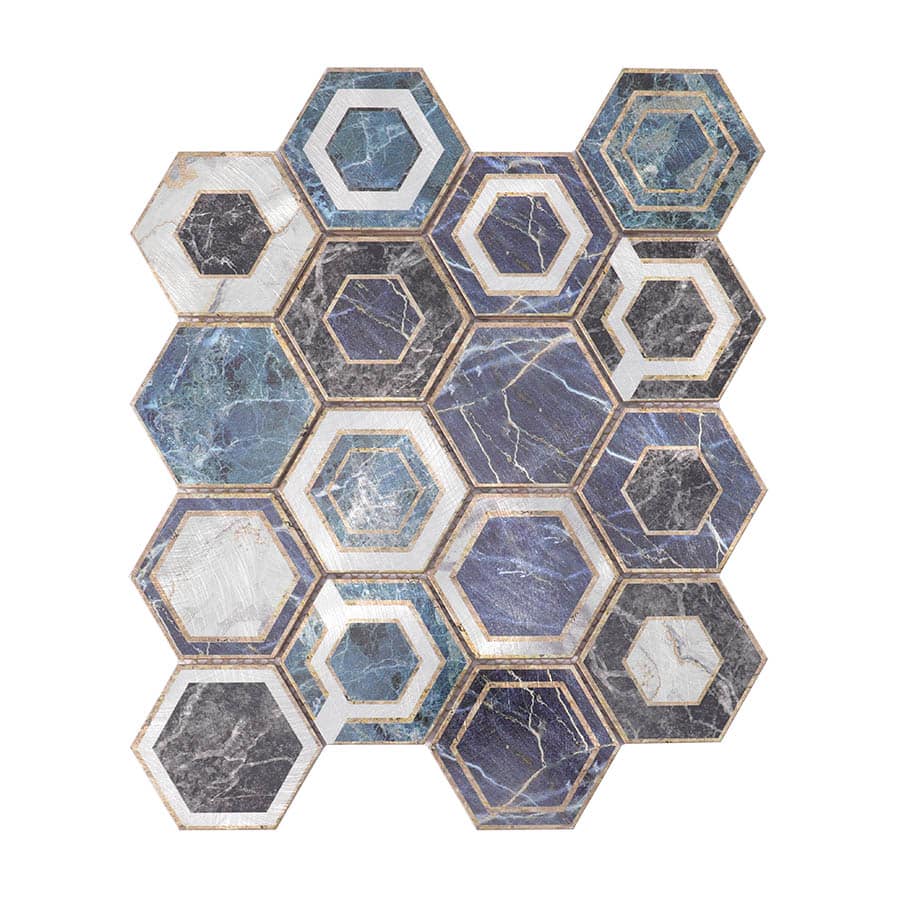
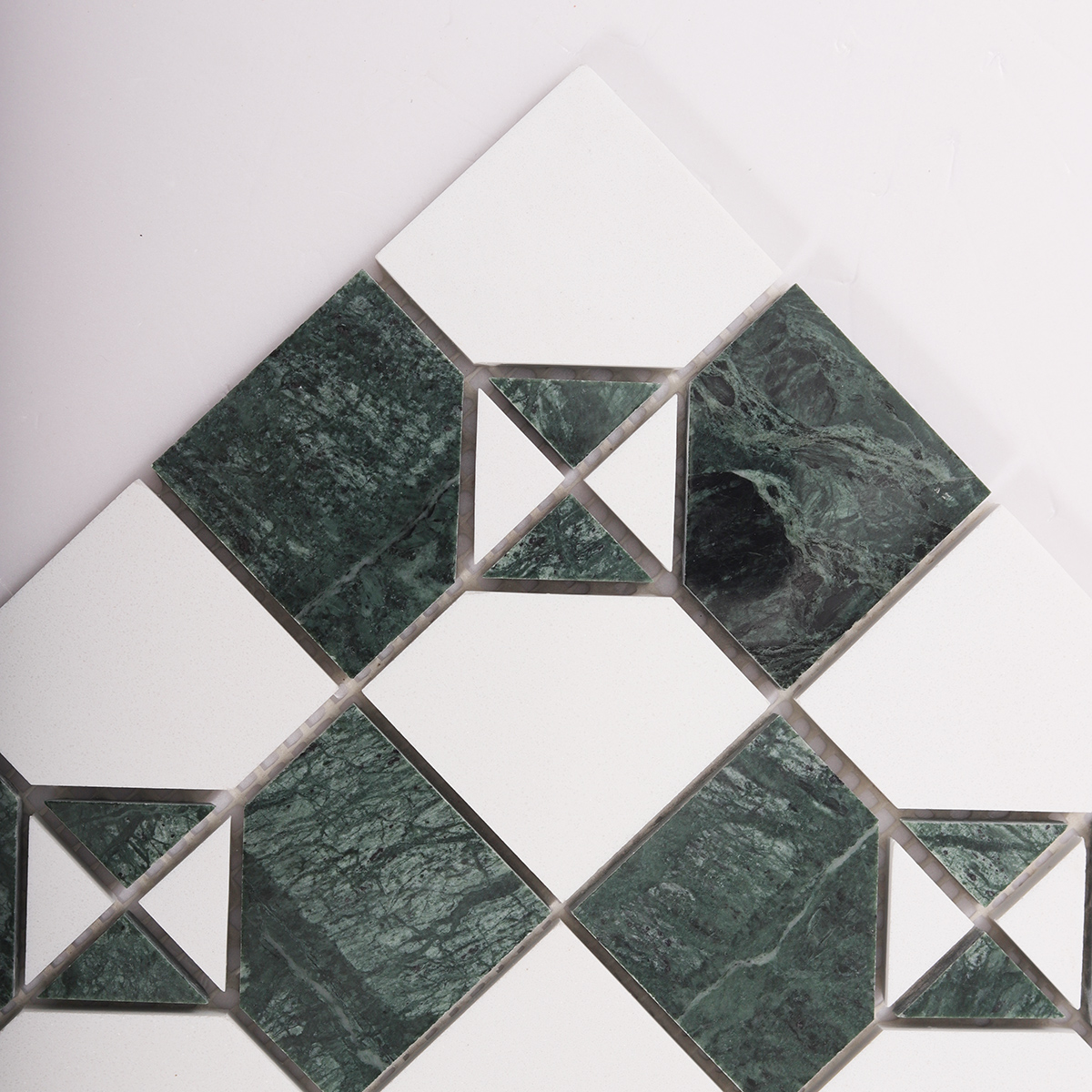
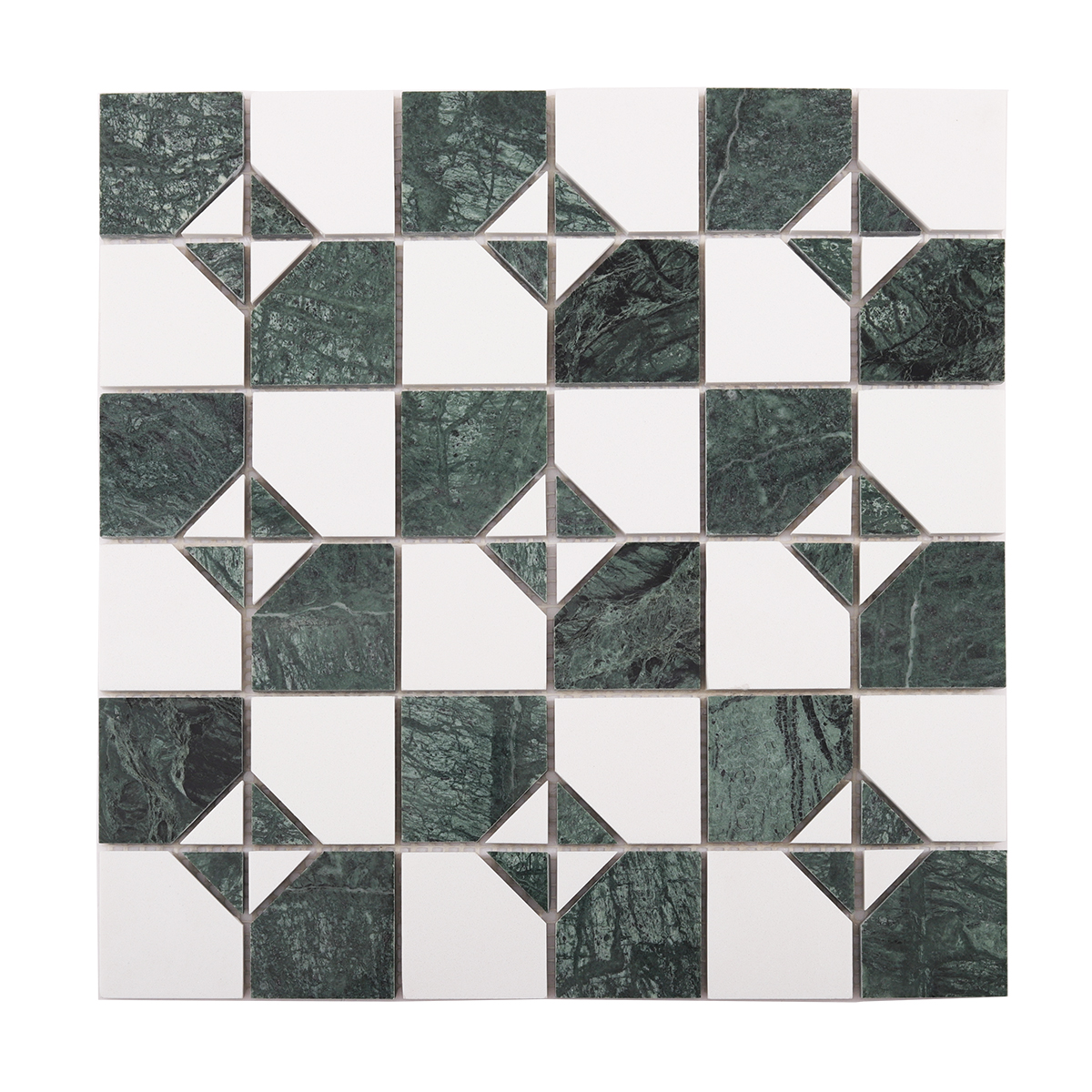
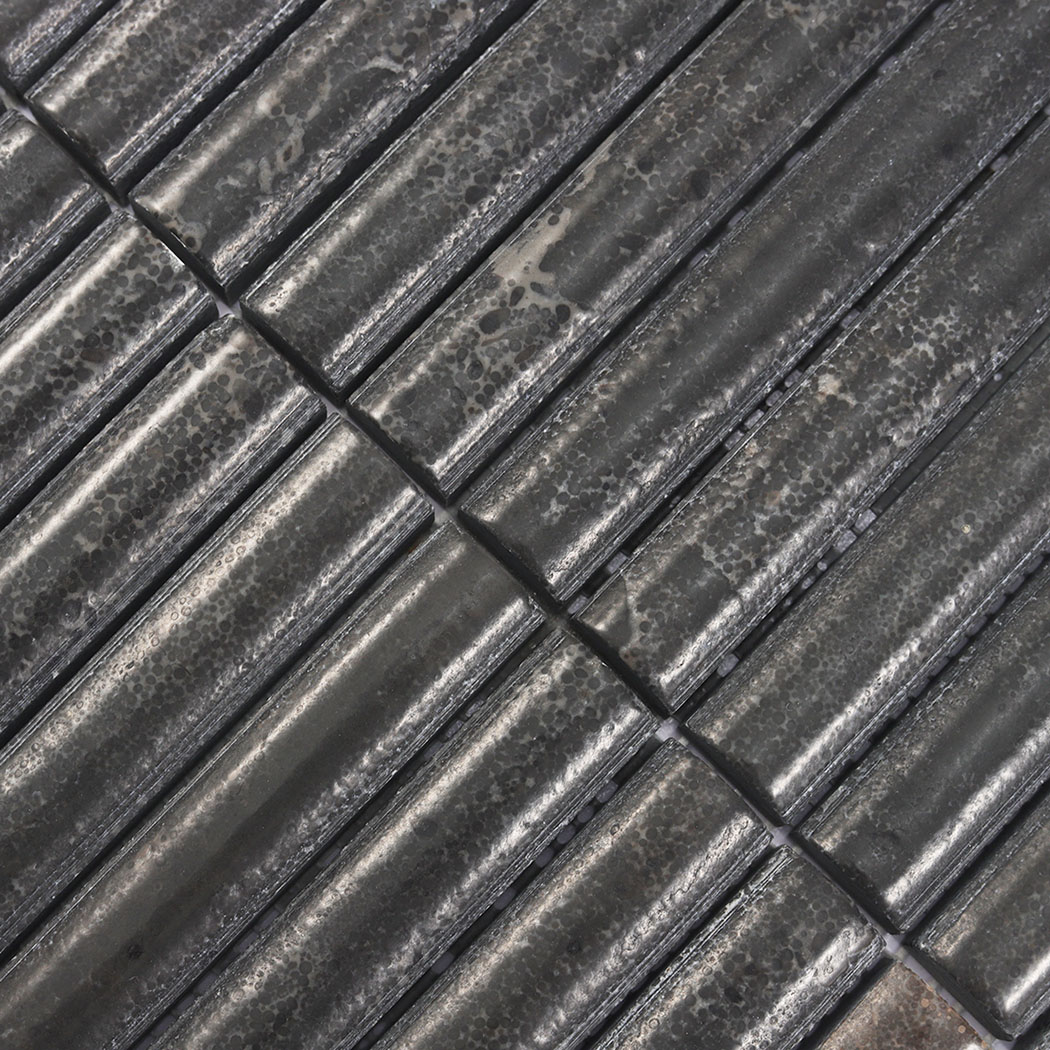

Transform your kitchen with timeless elegance and nostalgic charm. Discover the perfect retro tiles that combine vintage aesthetics with modern durability.
What Are Retro Kitchen Tiles?
Retro kitchen tiles are decorative tiles that evoke the nostalgic aesthetics of past decades, particularly from the 1950s through the 1980s. These tiles bring warmth, personality, and timeless charm to modern kitchens while maintaining the durability and functionality required for contemporary living spaces.
Whether you're renovating a period home or adding vintage flair to a new kitchen, retro tiles offer an authentic connection to design history. From vibrant colors and geometric patterns to handcrafted textures and unique materials, these tiles create focal points that transform ordinary kitchens into extraordinary spaces.
Why Choose Retro Kitchen Tiles?
- Create a unique, personality-filled kitchen space
- Increase property value with timeless design
- Combine vintage aesthetics with modern durability
- Wide range of materials suitable for walls and floors
- Easy to clean and maintain with proper care
Types of Retro Kitchen Tiles
Explore five distinctive materials, each offering unique characteristics and design possibilities
Glass Tiles
Glass tiles are among the most versatile and visually stunning options for retro kitchen designs. Their reflective qualities add depth and luminosity to any space, making kitchens appear brighter and more spacious.
Glass Tile Varieties:
- Water Glass: Eco-friendly recycled glass with a smooth, semi-transparent finish
- Vitreous Glass: Non-porous, highly durable with superior moisture resistance
- Recycled Glass: Sustainable option with unique color variations and texture
- Crystal Glass: Premium clarity with brilliant light reflection properties
Surface Effects:
- Iridescent: Rainbow-like shimmer that changes with viewing angle
- Frosted/Sandblasted: Soft, diffused appearance for subtle elegance
- Metallic: Reflective finish with gold, silver, or copper tones
- Gold Thread: Embedded gold filaments for luxurious detail
Best Applications:
Glass tiles excel in backsplash applications, accent walls, and decorative borders. Their rich color palette and reflective properties make them ideal for creating focal points in both traditional and contemporary retro kitchens.
Marble Tiles
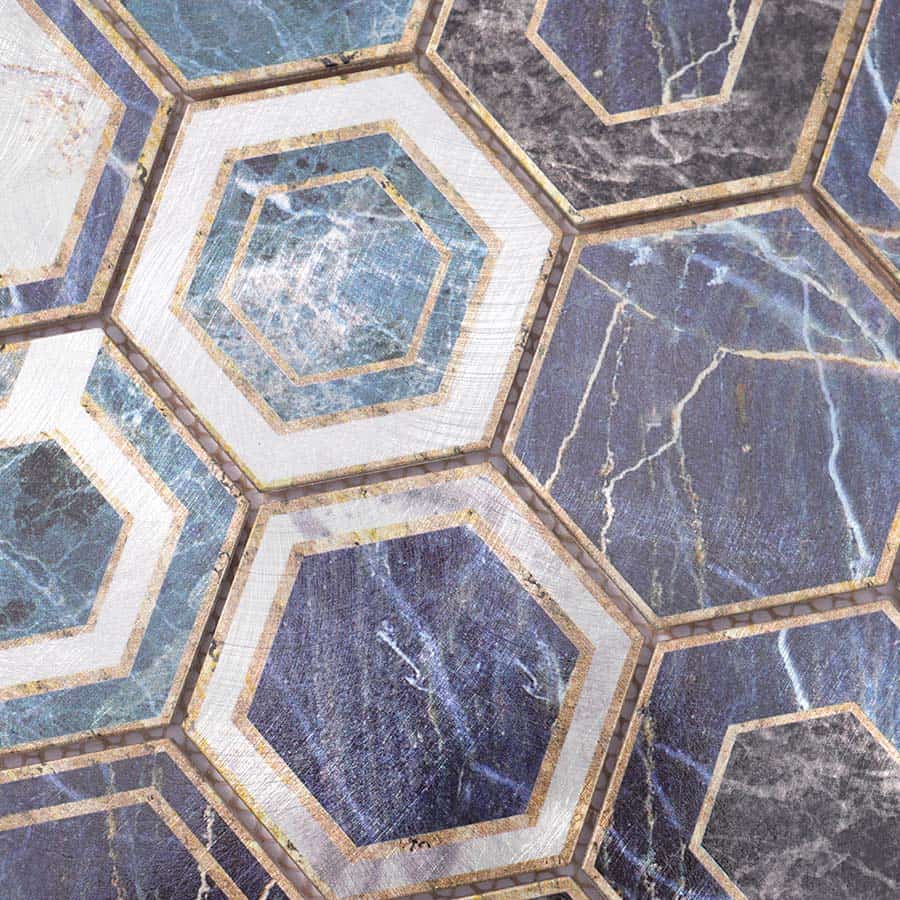
Natural marble tiles bring the elegance of nature directly into your kitchen. Each piece is unique, featuring distinctive veining patterns and color variations that cannot be replicated by manufactured materials.
Specifications:
- Thickness: 4-10mm
- Shapes: Custom cut available
- Applications: Walls & floors
- Durability: Extremely long-lasting
Surface Finishes:
- Polished: Mirror-like shine
- Honed: Smooth matte finish
- Tumbled: Aged, weathered look
- Grooved: Textured surface
Popular Colors:
- Carrara White
- Calacatta Gold
- Emperador Brown
- Verde Green
Natural Beauty Benefits:
Marble tiles offer a "zero distance" connection to nature, bringing organic beauty and timeless sophistication to your kitchen. The natural stone's thermal properties help regulate temperature, while its unique patterns ensure no two installations are ever identical.
Shell Tiles
Shell tiles represent one of the most exclusive and luxurious options for retro kitchen designs. Crafted from genuine mother-of-pearl and various seashells, these tiles offer unparalleled iridescence and natural beauty.
Craftsmanship Process:
Hand-selected natural shells harvested sustainably
Precision cutting to desired shapes and sizes
Multi-stage polishing for lustrous finish
Quality control and final finishing
Important Considerations:
Rare Material: Limited availability makes shell tiles a premium choice
Small Particle Size: Typically available in smaller dimensions
Best Use: Ideal for accent areas, decorative borders, and small-area applications rather than full wall coverage
Metal Tiles
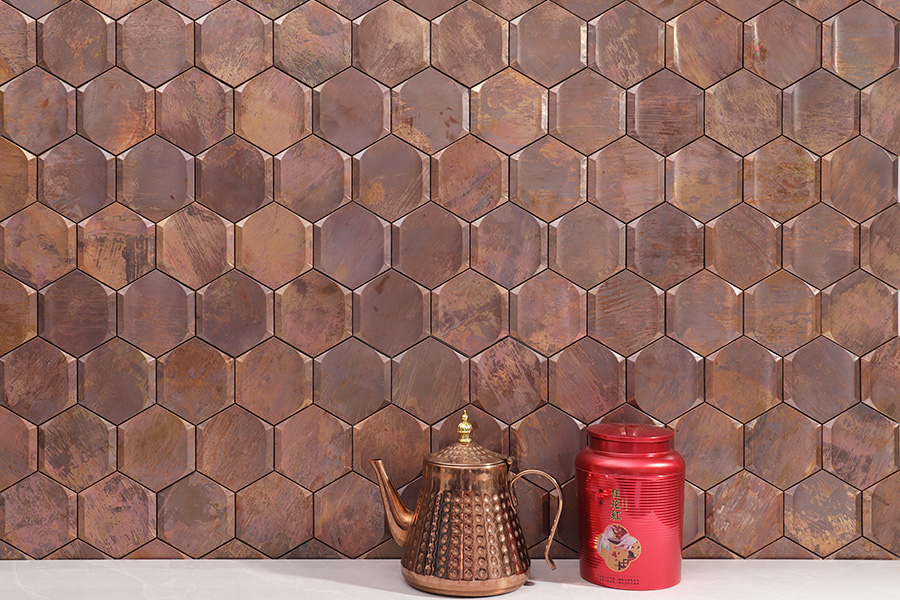
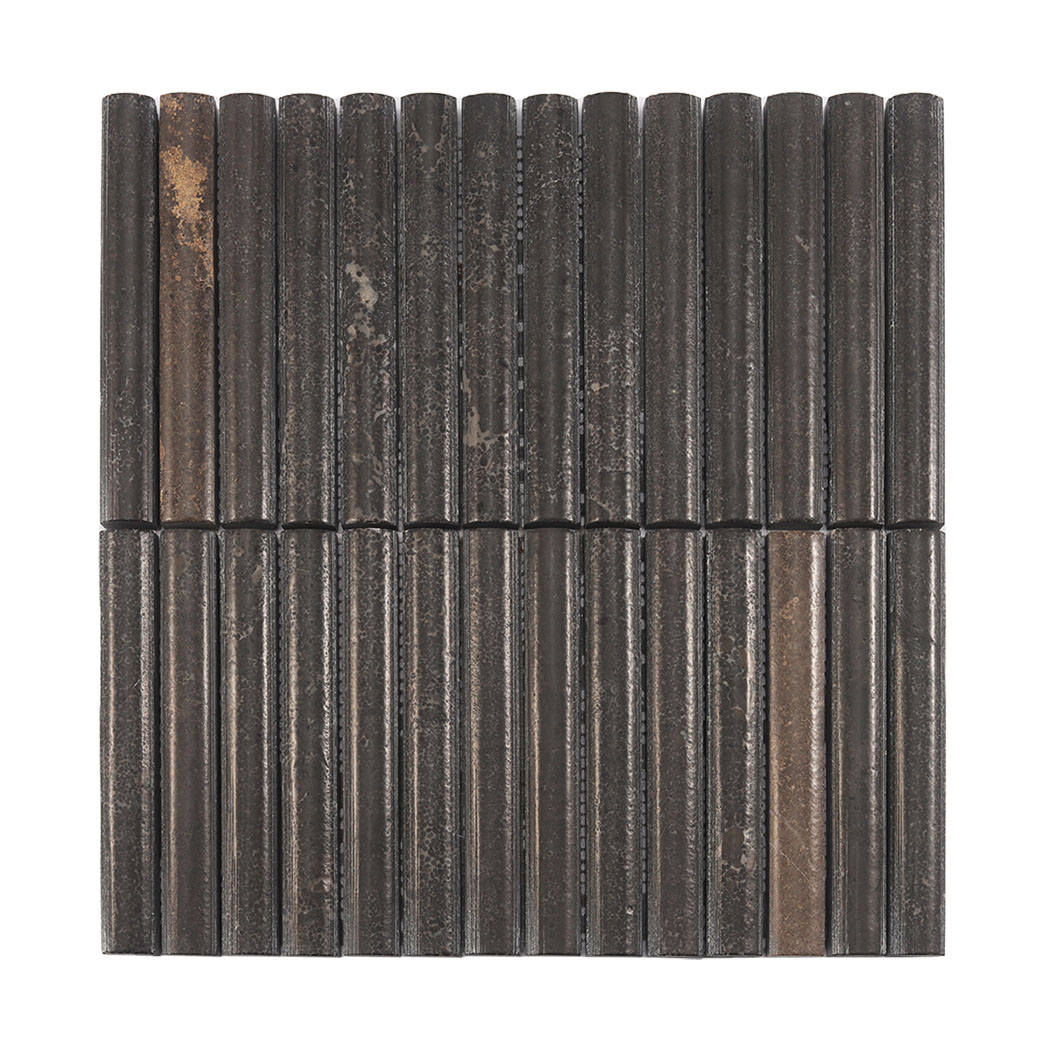
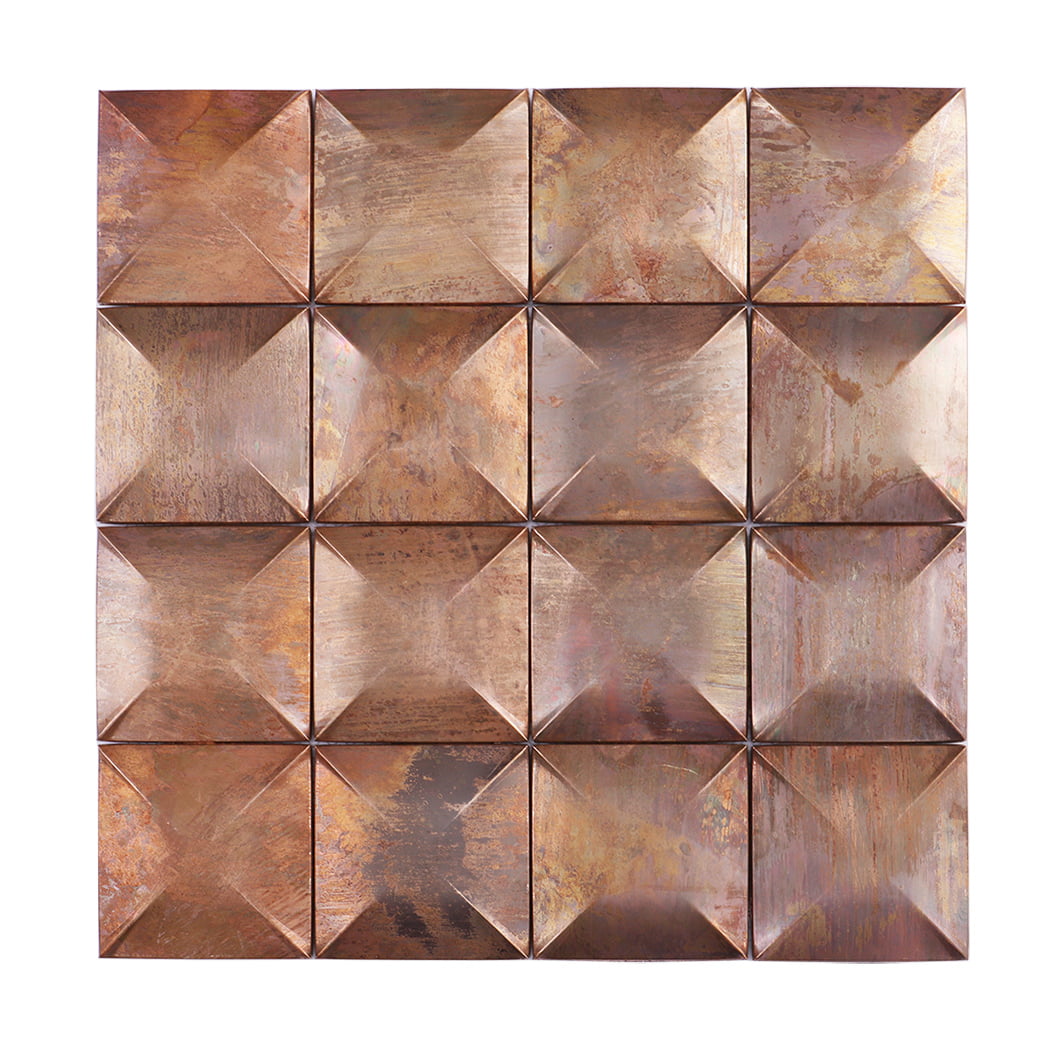
Metal tiles bring industrial chic and modern sophistication to retro kitchen designs. Manufactured through precision die-casting, these tiles offer exceptional durability and a contemporary edge to vintage aesthetics.
Material Options:
Stainless Steel
Corrosion-resistant, easy to clean, professional kitchen aesthetic
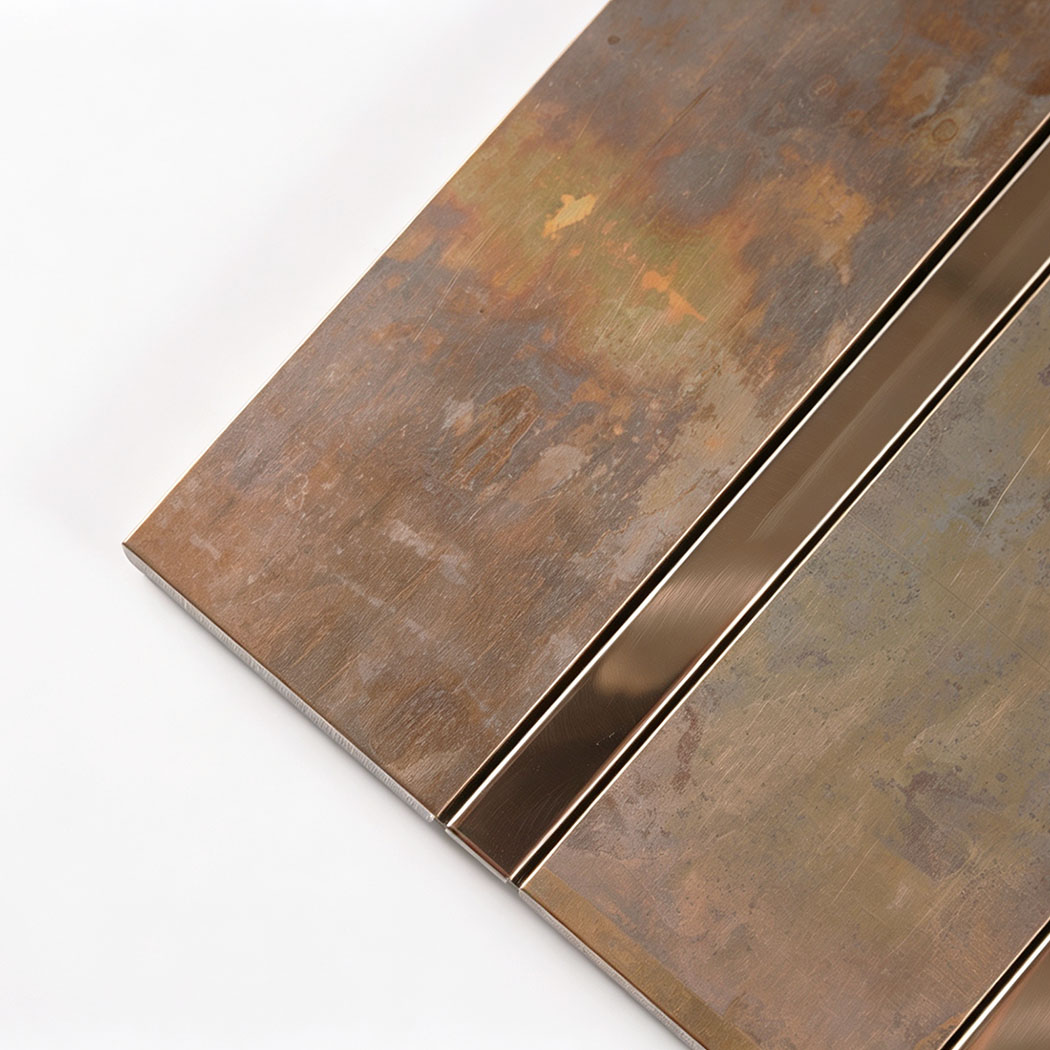
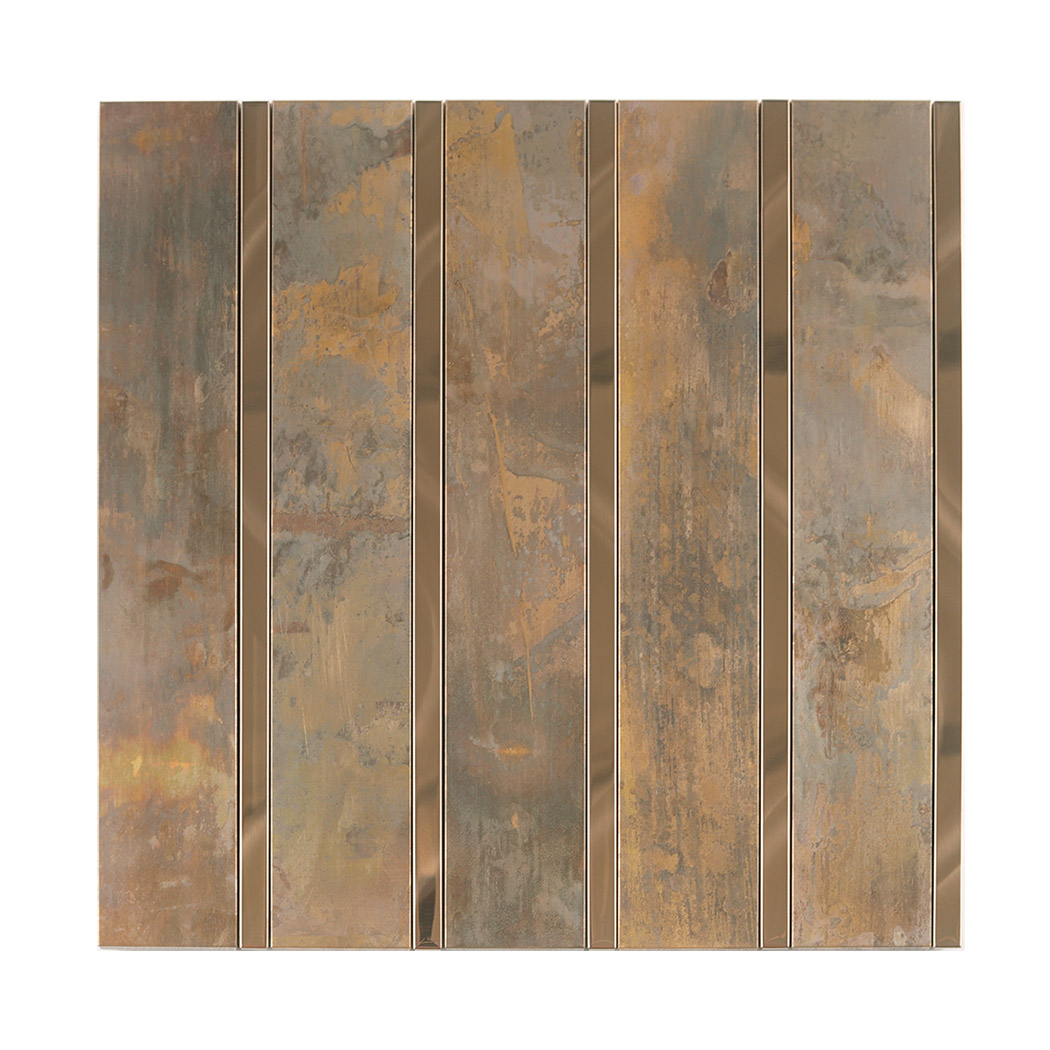
Copper
Warm tones, natural patina development, antimicrobial properties
Aluminum
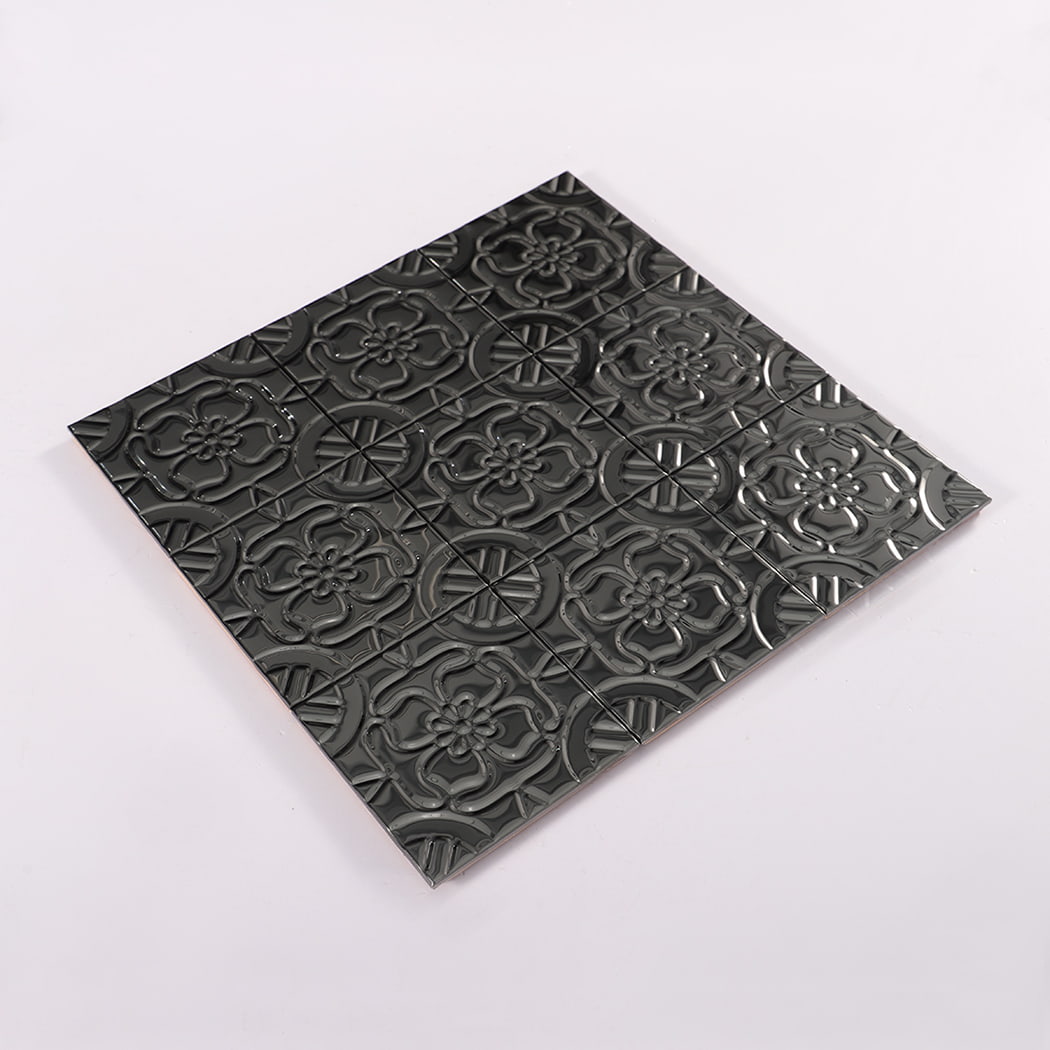
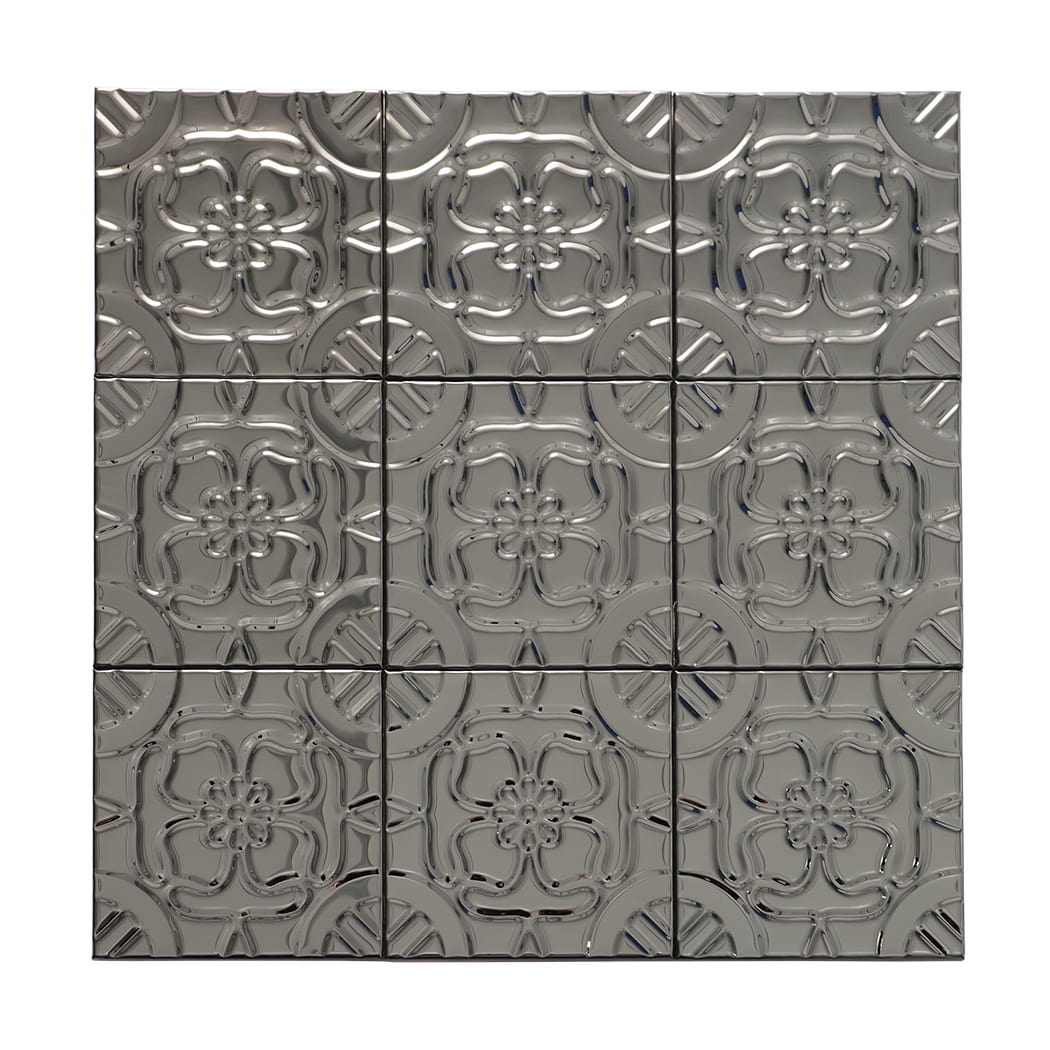
Lightweight, versatile, excellent for embossed patterns
Surface Effects:
Manufacturing Excellence:
Metal tiles are precision-crafted using industrial die-casting molds, ensuring consistent quality and dimensional accuracy. This process allows for intricate designs, from simple geometric shapes to complex embossed patterns with three-dimensional relief effects.
Ceramic Tiles
Ceramic tiles remain the most popular and versatile choice for retro kitchens, combining affordability with unlimited design possibilities. Their glazed surfaces offer both protection and aesthetic appeal in countless colors and patterns.
Glazed Firing
High-temperature kiln process creates durable, non-porous surface
Unlimited Shapes
Subway, hexagon, penny, square, rectangular, and custom designs
Endless Colors
From classic whites to vibrant hues and hand-painted patterns
Why Ceramic Tiles Lead the Market:
- Cost-effective without compromising quality
- Easy to clean and maintain
- Resistant to heat, moisture, and stains
- Wide availability in all markets
- Perfect for DIY installation
- Authentic vintage patterns available
Retro Kitchen Tile Design Ideas
Classic patterns and layouts that define retro aesthetics
Classic Subway Tile
The timeless 3×6 inch rectangular tile that defined mid-century kitchens. Typically installed in brick or running bond pattern with contrasting grout.
Perfect For:
Backsplashes, full wall coverage, creating clean lines and traditional appeal
Penny Round Tiles
Small circular tiles reminiscent of 1950s diners and bathrooms. Available in monochrome or multi-color arrangements for playful vintage charm.
Perfect For:
Floor accents, backsplash borders, creating texture and visual interest
Checkerboard Pattern
Bold alternating squares in contrasting colors—typically black and white—creating a striking geometric statement that defined 1960s-70s kitchens.
Perfect For:
Floor installations, creating dramatic focal points, diner-style aesthetics
Geometric Patterns
Hexagons, diamonds, and triangular arrangements that add dimension and movement. Popular in both monochromatic and multicolored schemes.
Perfect For:
Statement walls, modern retro fusion, creating visual complexity
Herringbone Layout
Rectangular tiles arranged in a distinctive V-pattern creates sophisticated texture and visual movement across surfaces.
Perfect For:
Upscale retro designs, adding elegance to backsplashes, floor patterns
Encaustic Patterns
Intricate hand-painted or printed designs featuring florals, geometric motifs, or Mediterranean-inspired artwork for authentic vintage character.
Perfect For:
Feature walls, kitchen islands, creating artistic focal points
Popular Retro Color Schemes
1950s Pastels
Mint green, pastel pink, soft yellow, turquoise
1970s Bold
Harvest gold, avocado green, burnt orange, brown
Classic B&W
Black and white, charcoal, cream, ivory
Ocean Inspired
Aqua, seafoam, navy, turquoise
Installation Guide
Professional tips for successful retro tile installation
Pre-Installation Preparation
Surface Preparation:
Clean Thoroughly
Use TSP (Trisodium Phosphate) or degreaser to remove all dirt, grease, and residue
Level Surface
Fill cracks and holes with latex filler; ensure surface is flat and smooth
Seal If Required
Apply latex sealer to porous surfaces like cement or drywall
Dry Completely
Ensure surface is completely dry before beginning installation
Required Tools & Materials:
- Tile adhesive or thinset mortar
- Notched trowel (size depends on tile)
- Tile spacers for consistent grout lines
- Level and measuring tape
- Tile cutter or wet saw
- Grout and grout float
- Sponges and cleaning cloths
- Safety glasses and gloves
Step-by-Step Installation Process
Step 1: Plan Your Layout
Mark centerlines on your wall or floor. Dry-lay tiles to determine the best starting point and minimize small cuts at edges. For backsplashes, start from the center and work outward. For floors, begin at the room's center.
Pro Tip: Always start with full tiles in the most visible areas and place cut tiles in less conspicuous locations.
Step 2: Apply Adhesive
Using the notched trowel, spread adhesive evenly over a small section (about 3×3 feet). Hold the trowel at a 45-degree angle to create consistent ridges. Only work in areas you can tile within 15-20 minutes.
Pro Tip: For glass tiles, use white adhesive to maintain color clarity. For heavy marble or metal tiles, use a stronger thinset mortar.
Step 3: Set the Tiles
Press each tile firmly into the adhesive with a slight twisting motion. Insert spacers between tiles to maintain consistent grout lines. Use a level frequently to ensure tiles remain even.
Pro Tip: For retro patterns like herringbone or checkerboard, work methodically and verify pattern alignment frequently.
Step 4: Cut Edge Tiles
Measure and mark tiles that need cutting. For ceramic, use a tile cutter. For glass, use a specialized glass-cutting tool. For marble or metal, use a wet saw with appropriate blade.
Pro Tip: Always wear safety glasses when cutting tiles. Make smooth, consistent cuts to avoid chipping.
Step 5: Allow Adhesive to Cure
Let the adhesive dry completely before grouting. Typically 24-48 hours, but check manufacturer's recommendations. Remove spacers after adhesive sets but before it fully cures (usually 12-24 hours).
Step 6: Apply Grout
Mix grout according to package directions. Using a rubber grout float, spread grout diagonally across tiles, pressing firmly into joints. Remove excess grout immediately with the float held at a 90-degree angle.
Pro Tip: For retro aesthetics, consider contrasting grout colors—dark grout with white subway tiles or white grout with colored tiles creates authentic vintage appeal.
Step 7: Clean and Seal
After 15-20 minutes, wipe tiles with a damp sponge to remove grout haze. Rinse sponge frequently. Once grout cures (48-72 hours), apply appropriate sealer to protect grout lines and porous tiles like marble.
Material-Specific Installation Tips
Glass Tiles
- Use white adhesive to prevent color distortion
- Avoid excessive pressure during installation
- Score and snap carefully to prevent chipping
Marble Tiles
- Use polymer-modified thinset for better adhesion
- Seal before and after grouting
- Work carefully to avoid staining natural stone
Metal Tiles
- Use appropriate adhesive for metal bonding
- Handle with care to avoid scratching surfaces
- Consider expansion joints for large installations
Maintenance & Care Guide
Keep your retro tiles looking beautiful for decades
Daily Maintenance
Quick Cleaning
Wipe down tiles with warm water and microfiber cloth after cooking to prevent grease buildup
Spill Management
Clean spills immediately, especially acidic substances that can damage grout or natural stone
Dry Surfaces
Keep tiles dry to prevent water spots on glass and metal, and to protect grout from mildew
Weekly Deep Clean
pH-Neutral Cleaners
Use mild, pH-neutral cleaners designed for your specific tile material to avoid damage
Grout Attention
Scrub grout lines with soft brush and appropriate cleaner to prevent discoloration
Polish When Needed
Buff glass and metal tiles with dry cloth to restore shine and remove fingerprints
Material-Specific Care Instructions
Glass Tiles
- Use vinegar solution for water spots
- Avoid abrasive cleaners
- Dry with microfiber cloth
- No harsh chemicals
Marble Tiles
- Reseal annually
- Use stone-safe cleaners
- Blot spills immediately
- Avoid acidic products
Shell Tiles
- Gentle cleaning only
- Warm water preferred
- Soft cloth essential
- No scrubbing pads
Metal Tiles
- Use metal-safe cleaners
- Polish regularly
- Prevent water spots
- Avoid steel wool
Ceramic Tiles
- Most forgiving material
- Standard tile cleaner OK
- Can handle scrubbing
- Low maintenance
Troubleshooting Common Issues
Grout Discoloration
Solution: Use baking soda paste or specialized grout cleaner. For stubborn stains, apply oxygen bleach solution. Consider regrouting or using grout pen for severe cases.
Water Spots on Glass
Solution: Mix equal parts white vinegar and water in spray bottle. Spray, let sit 5 minutes, wipe with microfiber cloth. Prevent by drying tiles after each use.
Marble Etching
Solution: For minor etching, use marble polishing compound. For deep damage, consult professional stone restoration service. Always seal marble to prevent future etching.
Loose Tiles
Solution: Remove loose tile, scrape away old adhesive, apply fresh thinset, and reset tile. Use tape to hold in place until adhesive cures. Regrout once secure.
Mildew in Grout
Solution: Apply mildew remover or bleach solution (test first on hidden area). Scrub with grout brush, rinse thoroughly. Improve ventilation and reseal grout to prevent recurrence.
Restoring Vintage Tiles
Assessment
Evaluate tile condition, identify damage types, test cleaning methods in inconspicuous areas before full restoration
Deep Cleaning
Remove decades of buildup with appropriate cleaners, strip old wax or sealers, restore original surface appearance
Protection
Apply suitable sealer, repair or replace damaged grout, implement proper maintenance routine to preserve restoration
Why Choose Retro Kitchen Tiles?
The advantages that make retro tiles a smart investment
Timeless Appeal
Retro designs never go out of style. These tiles maintain their aesthetic value across decades, ensuring your kitchen remains fashionable and attractive.
Increased Property Value
Quality tile installations enhance home value. Retro kitchens appeal to buyers seeking character and authenticity in their homes.
Superior Durability
Modern manufacturing ensures retro tiles combine vintage aesthetics with contemporary durability, offering decades of reliable performance.
Customization Options
Five material types, countless colors, numerous patterns, and various installation layouts provide unlimited design possibilities.
Easy Maintenance
With proper care, retro tiles remain beautiful with minimal effort. Most materials resist moisture, stains, and heat effectively.
Eco-Friendly Options
Recycled glass tiles, sustainable shell materials, and long-lasting durability make retro tiles an environmentally conscious choice.
2024-2025 Retro Tile Trends
Stay current with the latest vintage-inspired design movements
Bold Color Comebacks
The 2024-2025 retro revival embraces bold, saturated colors from the 1970s. Harvest gold, avocado green, and burnt orange are experiencing renewed popularity alongside emerald green and deep navy blues.
Trend Insight: Homeowners are moving away from neutral grays toward warm, personality-rich color palettes that evoke nostalgia and comfort.
Checkerboard Renaissance
Classic black and white checkerboard floors are experiencing a major resurgence. Modern variations include colored combinations like emerald-and-white or navy-and-cream for fresh takes on the traditional pattern.
Trend Insight: This pattern works equally well in contemporary and period homes, bridging vintage charm with modern minimalism.
Geometric Complexity
Intricate geometric patterns including hexagons, diamonds, and Moroccan-inspired designs are trending. These patterns add visual interest and artistic sophistication to kitchen spaces.
Trend Insight: Mix small-scale patterns for backsplashes with solid tiles for walls to balance visual complexity.
Natural Material Focus
Authentic marble, terrazzo effects, and natural stone finishes dominate 2024-2025 trends. Homeowners seek genuine materials that connect spaces to nature while maintaining vintage character.
Trend Insight: Sustainability matters—recycled glass and eco-friendly materials align with both vintage aesthetics and environmental consciousness.
Top Pattern Trends
Herringbone
Sophisticated texture
Basketweave
Classic interlocking
Penny Round
Nostalgic texture
Chevron
Dynamic movement
Frequently Asked Questions
Everything you need to know about retro kitchen tiles
What makes tiles "retro" versus simply "vintage"?
Retro tiles specifically evoke designs from the 1950s through 1980s, featuring characteristic colors, patterns, and styles from those eras. Vintage tiles typically refer to actual antique tiles from past periods. Modern retro tiles combine nostalgic aesthetics with contemporary manufacturing quality and durability.
Can I install retro tiles myself or should I hire a professional?
DIY installation is possible for those with basic home improvement skills, especially for backsplash projects using ceramic or glass tiles. However, professional installation is recommended for floor tiles, large-format tiles, natural stone materials like marble, or complex patterns like herringbone. Proper substrate preparation and material-specific techniques are crucial for long-lasting results.
Which tile material is best for a busy kitchen?
Ceramic tiles offer the best combination of durability, affordability, and low maintenance for high-traffic kitchens. Glazed porcelain is even more durable. For backsplashes where durability is less critical, glass tiles provide stunning visual appeal. Marble requires more maintenance but offers unmatched natural beauty for those willing to provide proper care.
How do I choose grout color for retro tiles?
For authentic vintage appeal, use contrasting grout—dark gray or black with white subway tiles creates classic definition, while white grout with colored tiles lets the tile colors shine. Matching grout creates a seamless, modern look. Consider maintenance: darker grout shows less staining over time. Always seal grout to protect against moisture and discoloration.
Are retro tiles suitable for modern kitchen appliances?
Absolutely! Retro tiles create beautiful contrast with modern stainless steel appliances, forming an eclectic "transitional" style. The key is balance—let tiles provide vintage character while appliances offer contemporary functionality. This combination is increasingly popular in kitchen design, blending nostalgia with modern convenience.
How long do retro tiles typically last?
With proper installation and maintenance, ceramic and porcelain tiles can last 50+ years. Glass tiles are similarly durable when properly installed. Natural marble lasts indefinitely with appropriate care and resealing. Metal tiles maintain their appearance for decades. The longevity makes tiles an excellent long-term investment compared to other wall and floor coverings.
What's the average cost of retro tile installation?
Costs vary significantly by material: ceramic tiles ($3-15 per sq ft), glass tiles ($7-30 per sq ft), marble ($10-40 per sq ft), metal tiles ($15-50 per sq ft), shell tiles ($20-60 per sq ft). Professional installation adds $5-15 per sq ft. Backsplash projects (30-40 sq ft) typically cost $500-2,000 including materials and labor.
Can retro tiles work in small kitchens?
Yes! Strategic tile selection can actually make small kitchens appear larger. Light-colored tiles with minimal pattern keep spaces feeling open. Glossy glass tiles reflect light to brighten spaces. Vertical subway tile installation creates the illusion of height. Reserve bold patterns for small accent areas rather than entire walls.
Ready to Transform Your Kitchen?
Explore our comprehensive collection of retro kitchen tiles and discover the perfect materials, colors, and patterns to bring your vintage vision to life. Whether you're renovating a period home or adding nostalgic charm to a modern space, retro tiles offer timeless beauty and lasting value.
Material Types
Color Options
Pattern Designs
Your Complete Retro Kitchen Tile Resource
Premium Materials
Glass, marble, shell, metal, and ceramic options
Design Expertise
Pattern layouts, color schemes, and styling guidance
Installation Support
Step-by-step guides for successful DIY or pro installation
Maintenance Care
Keep your tiles beautiful for decades with proper care
Retro kitchen tiles combine the charm of bygone eras with modern manufacturing excellence, creating spaces that are both nostalgic and functional. From the iridescent beauty of glass tiles to the natural elegance of marble, from the luxurious rarity of shell tiles to the industrial chic of metal—every material offers unique possibilities for transforming your kitchen into a vintage-inspired masterpiece.