
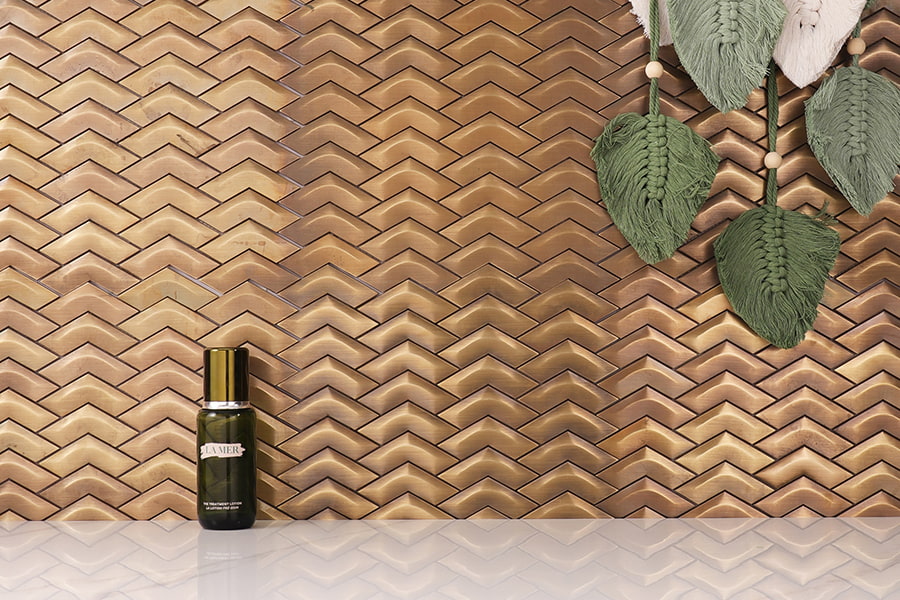
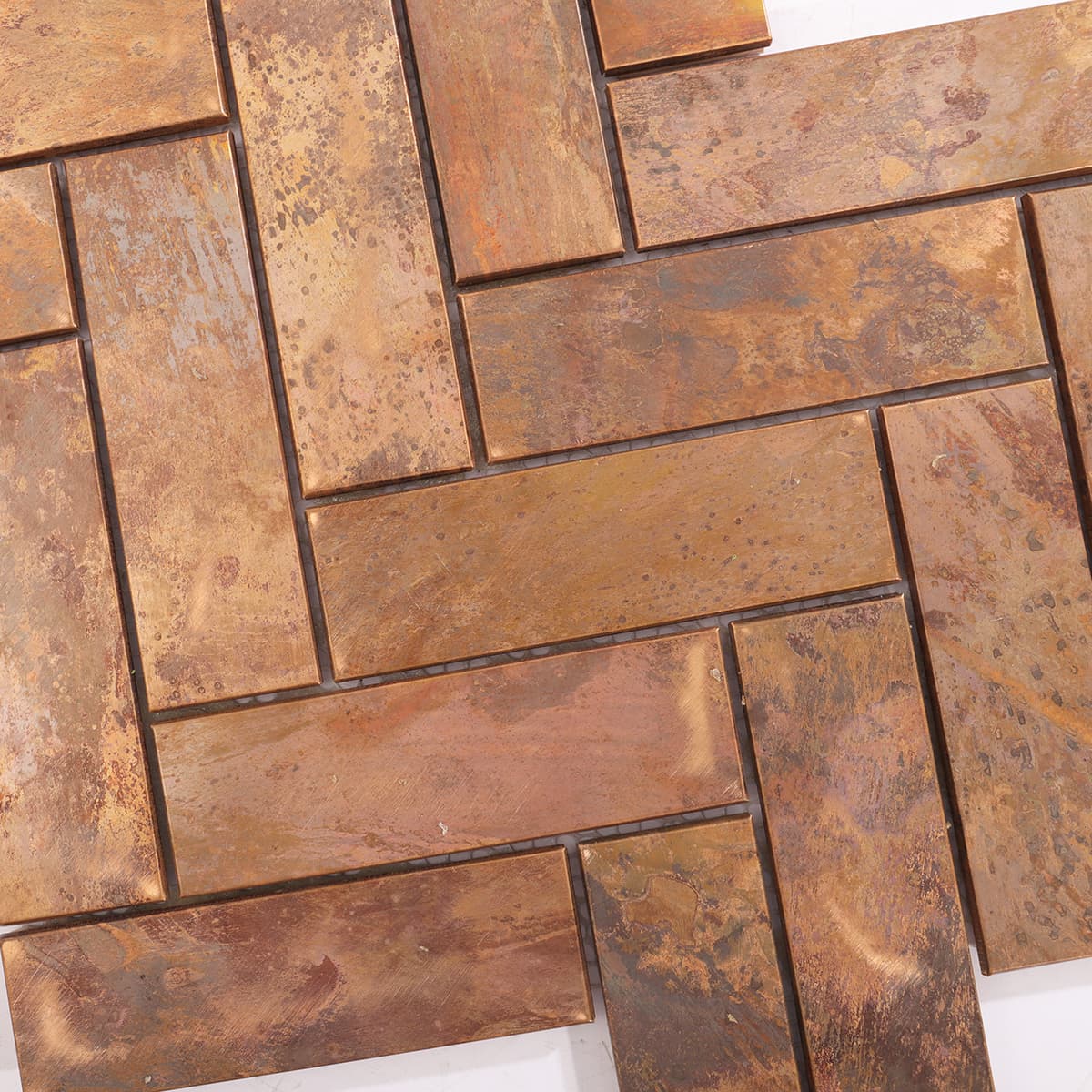
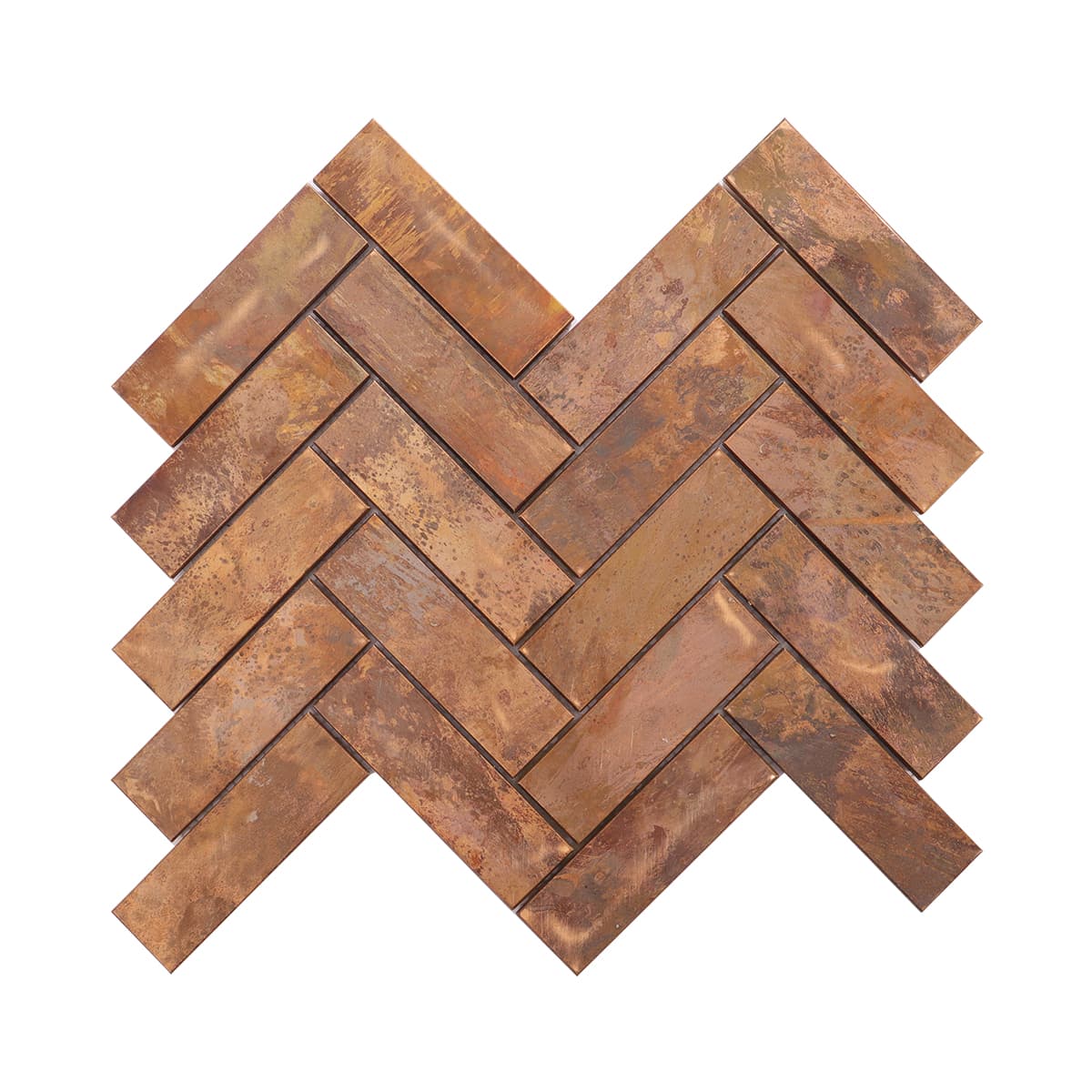
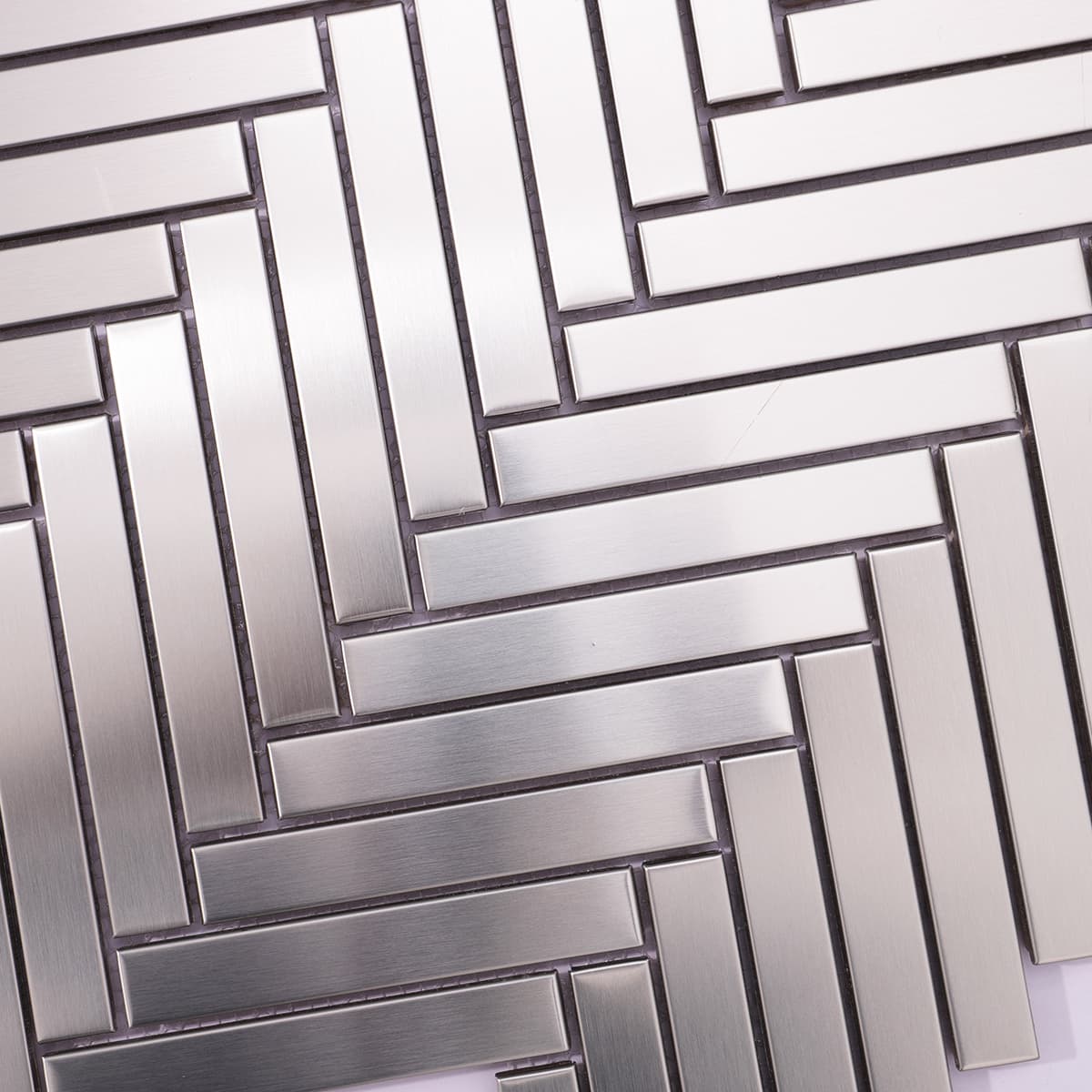
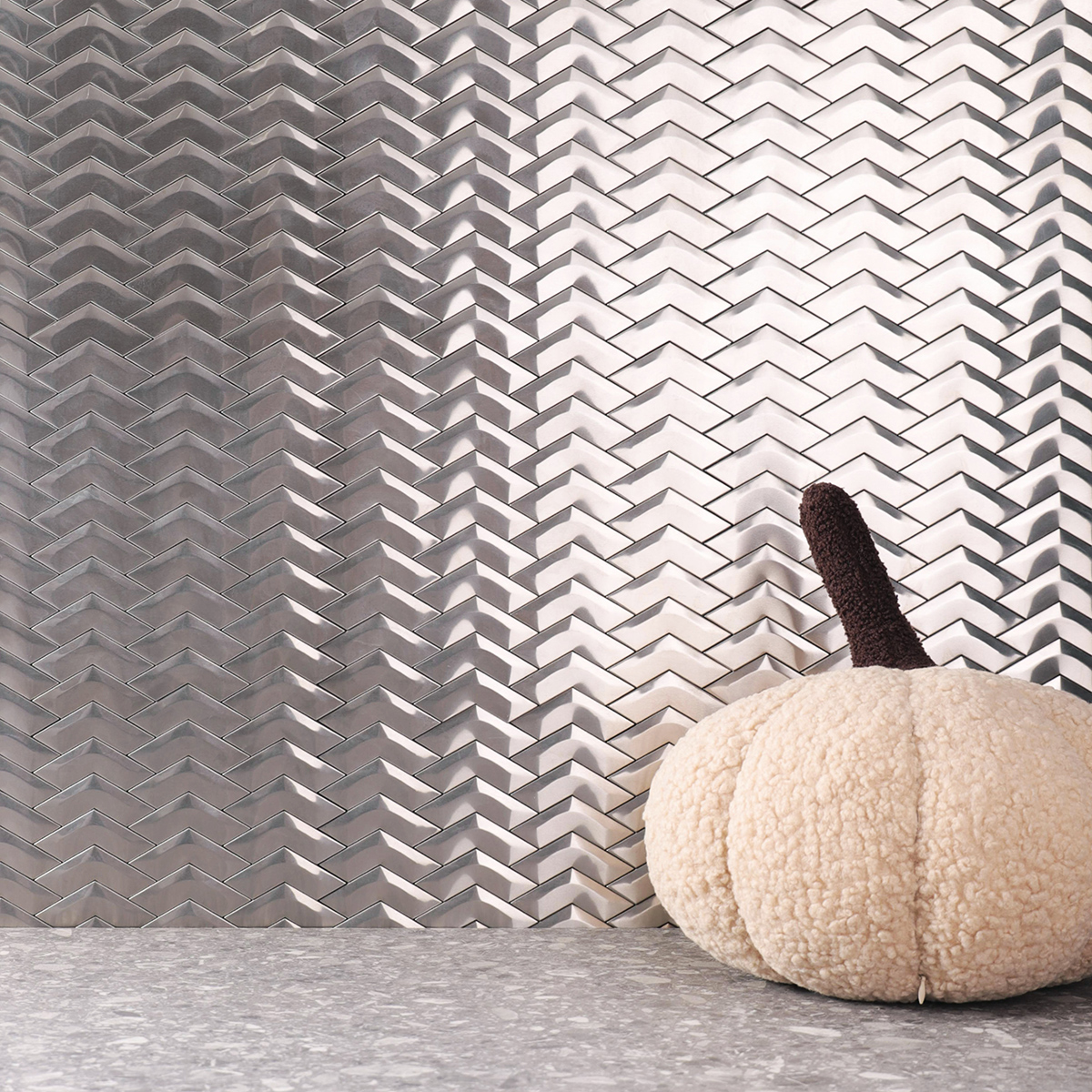
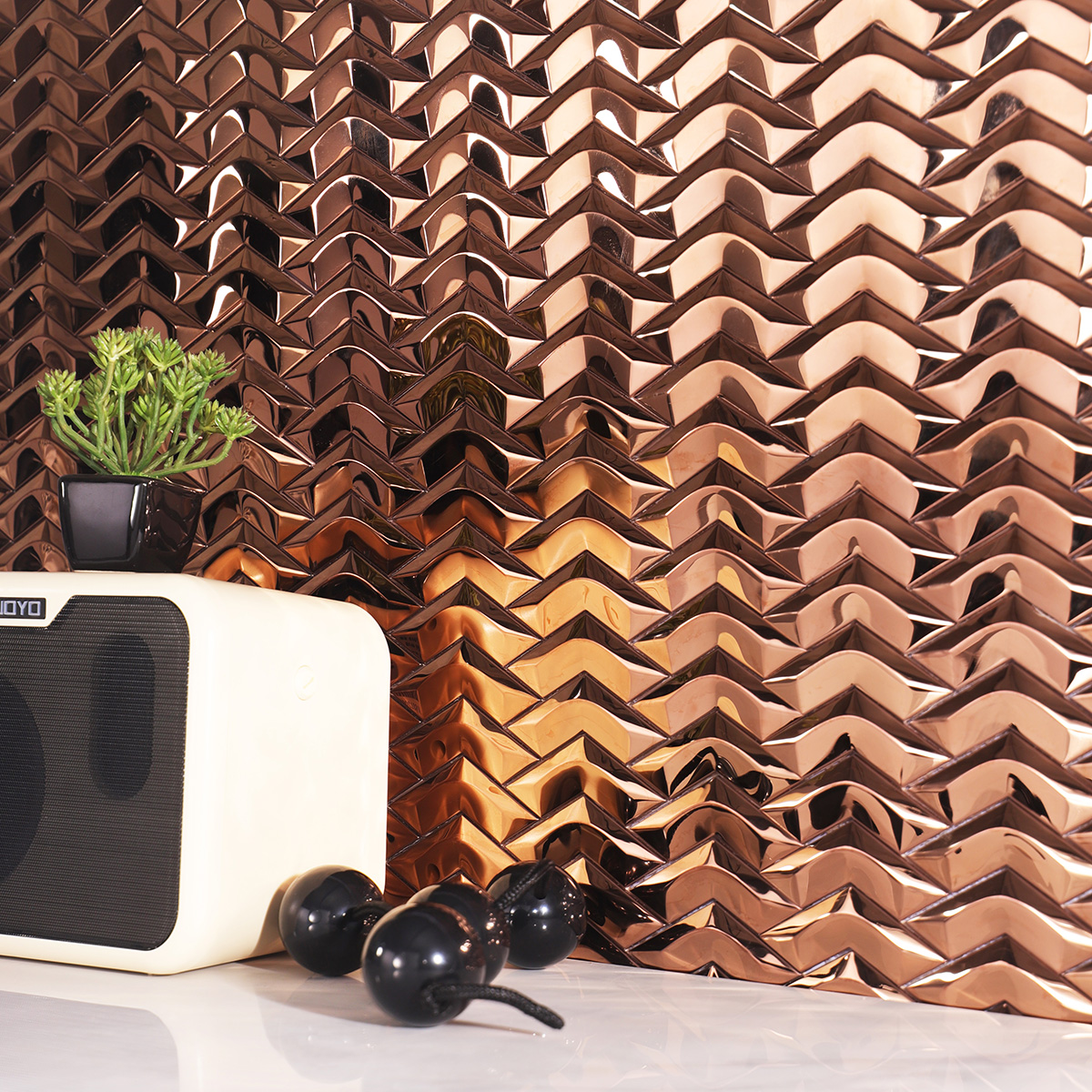
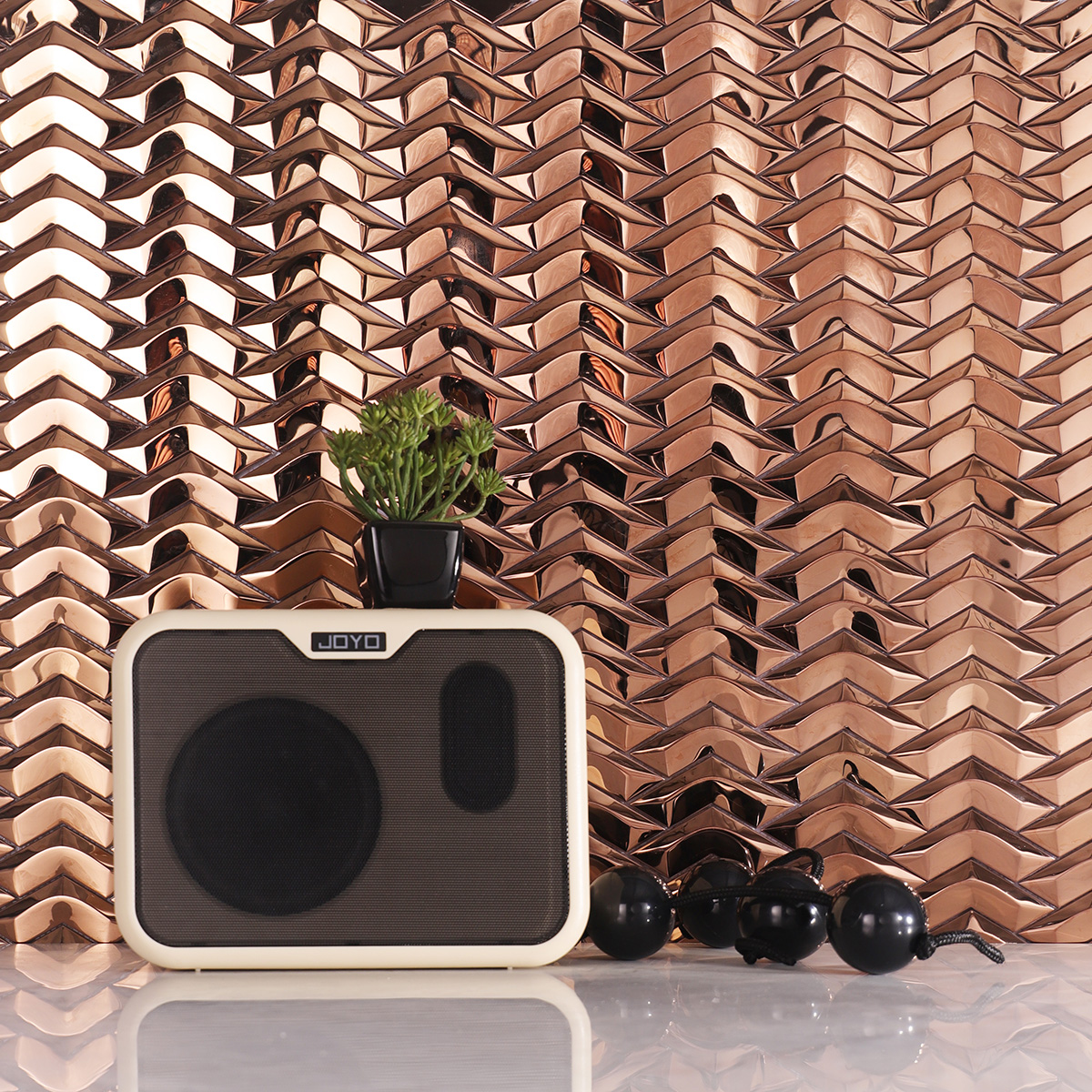
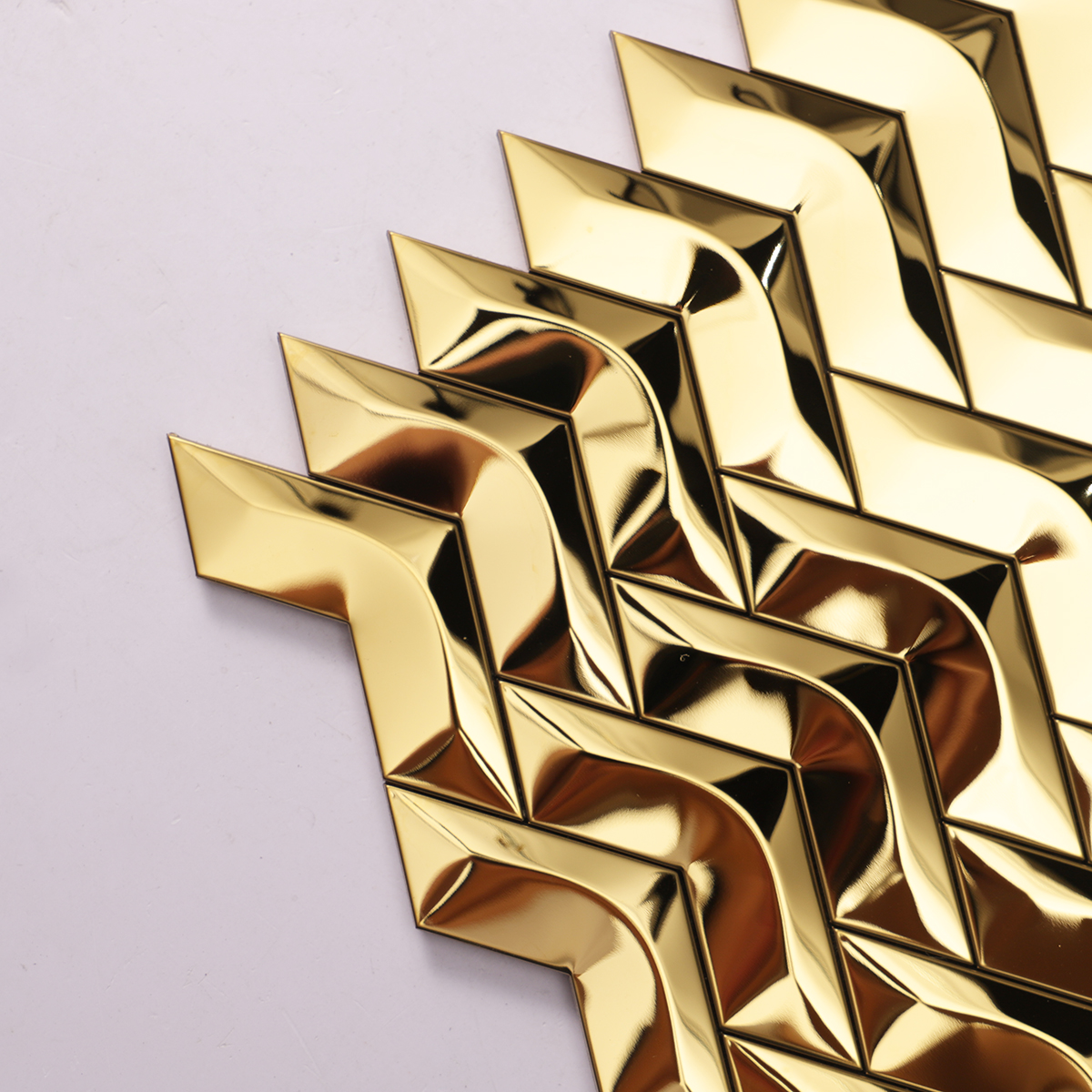


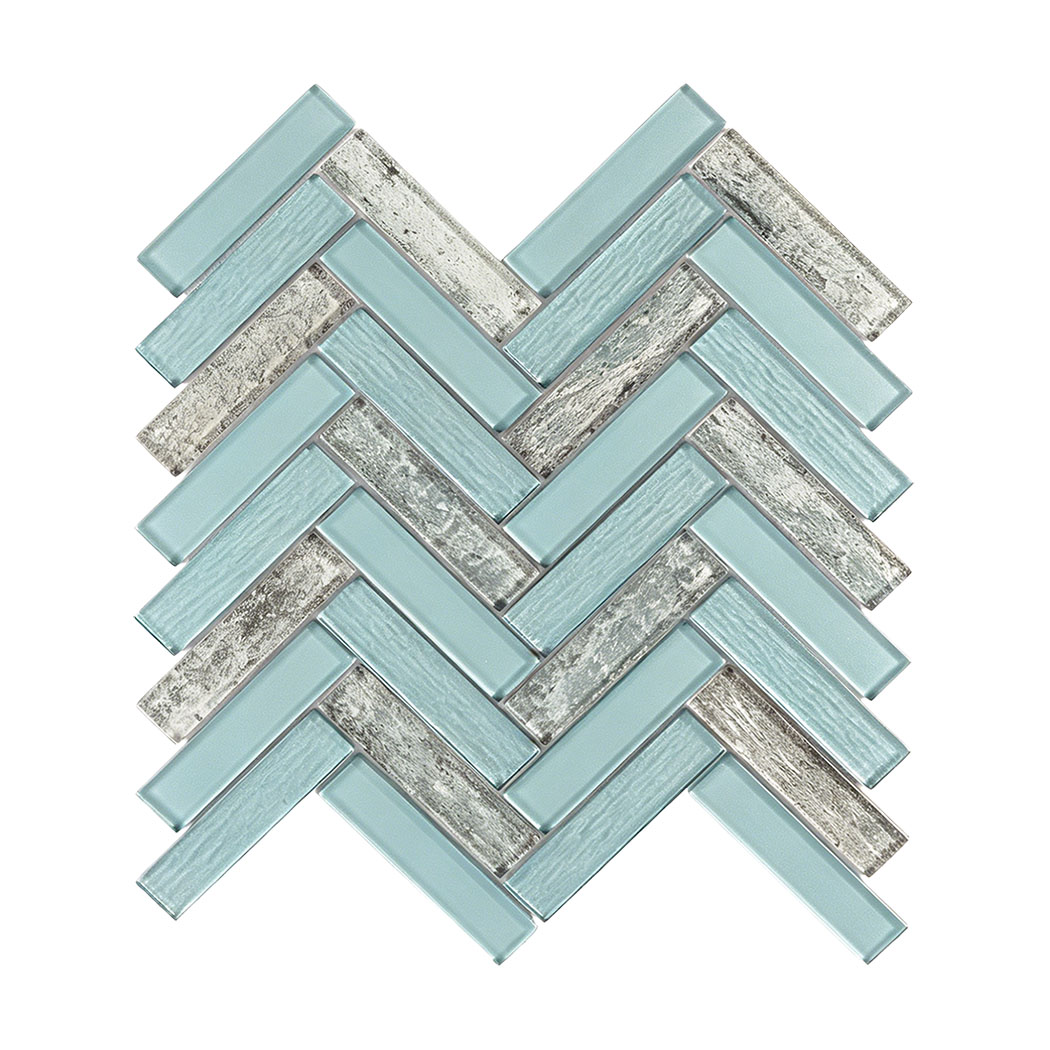
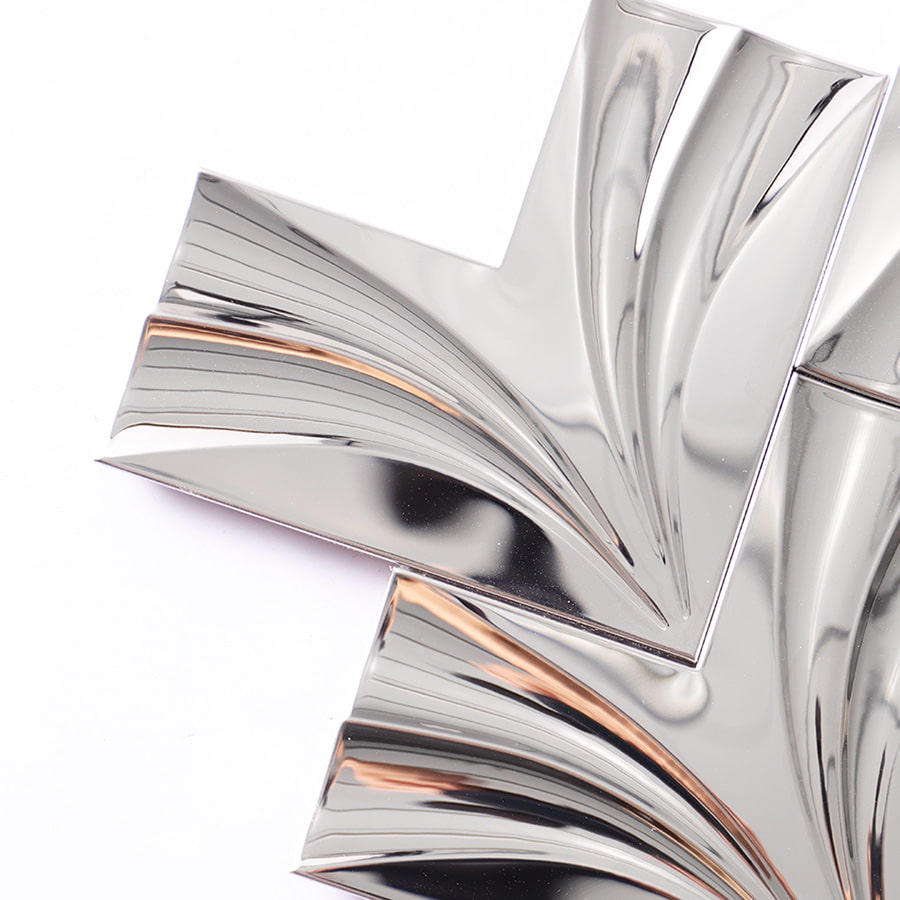
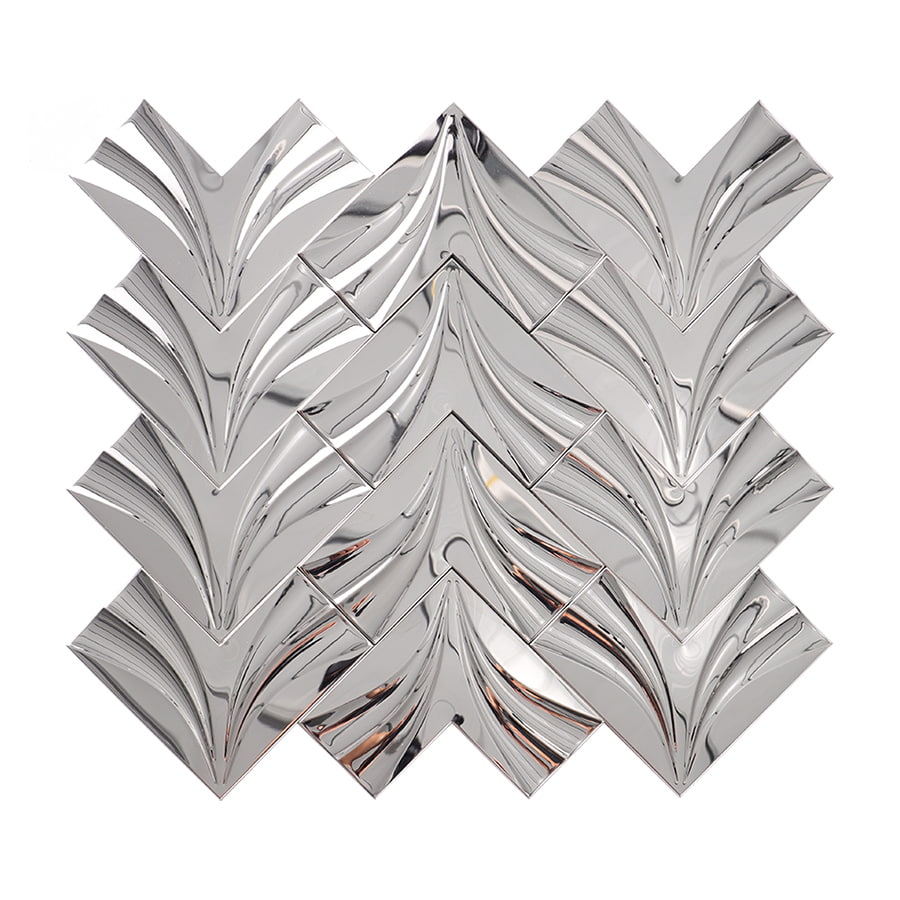
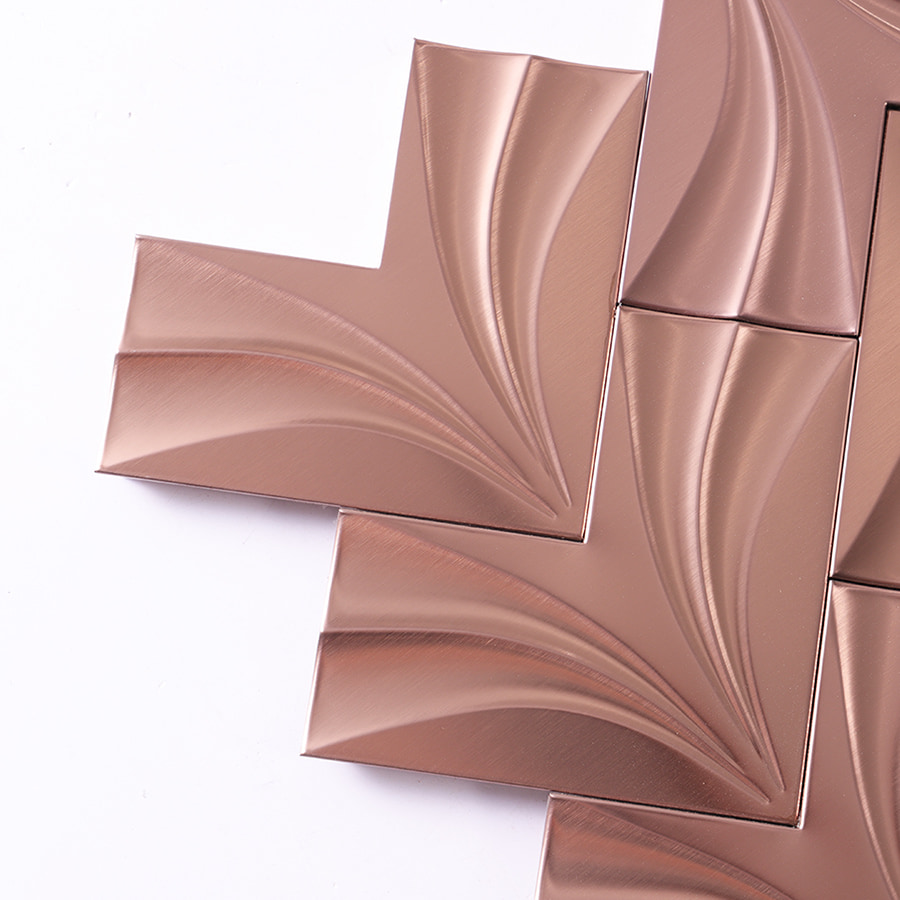
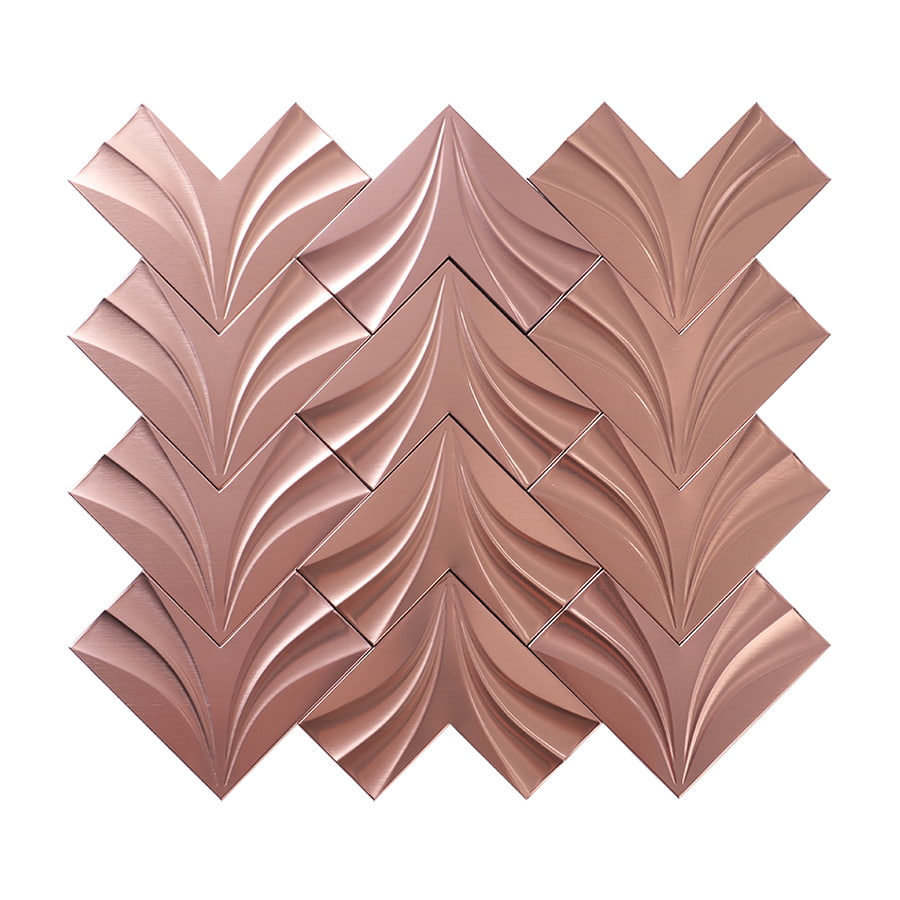
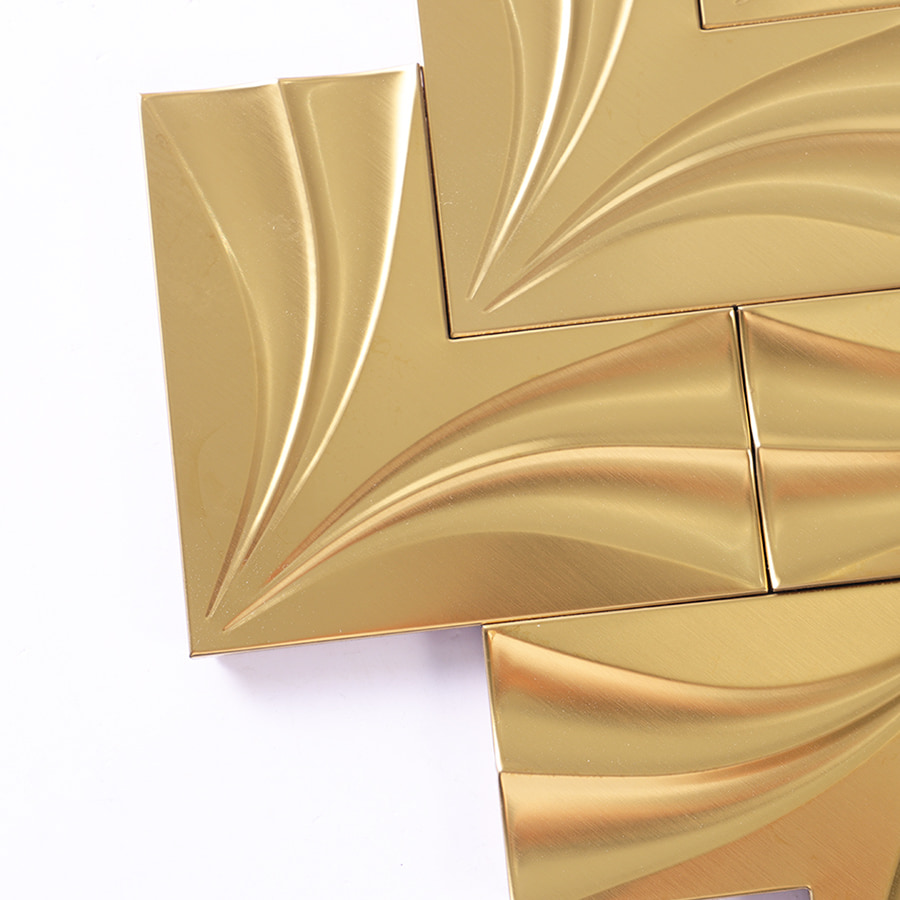
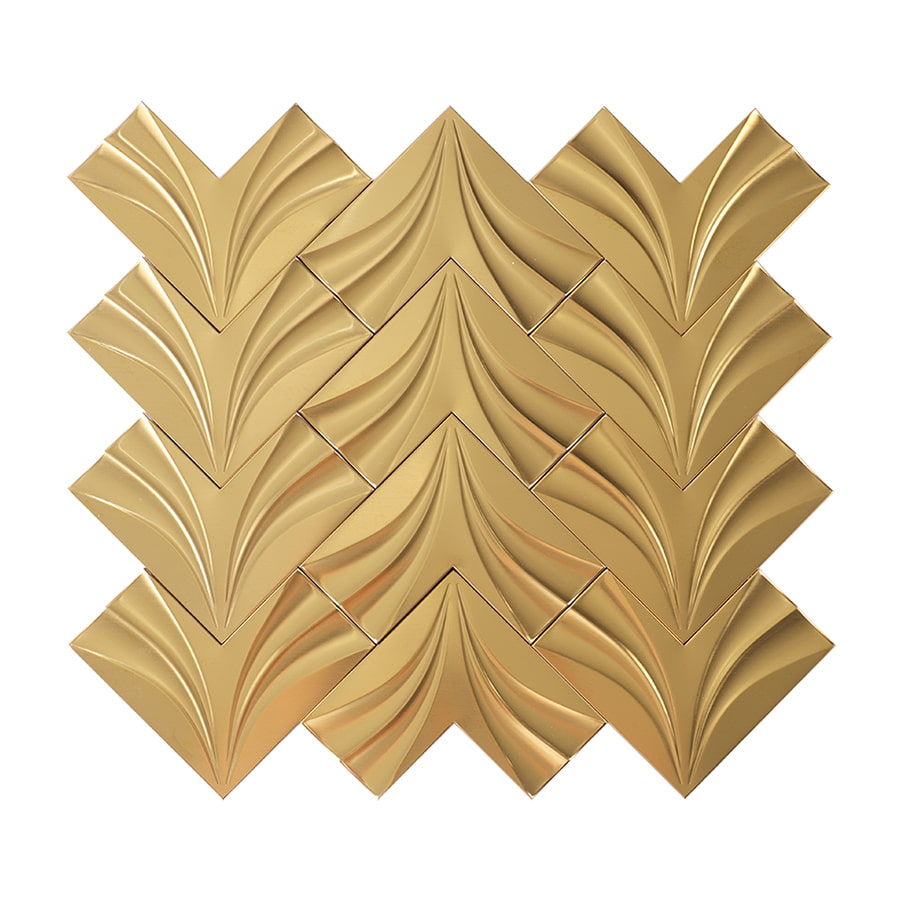
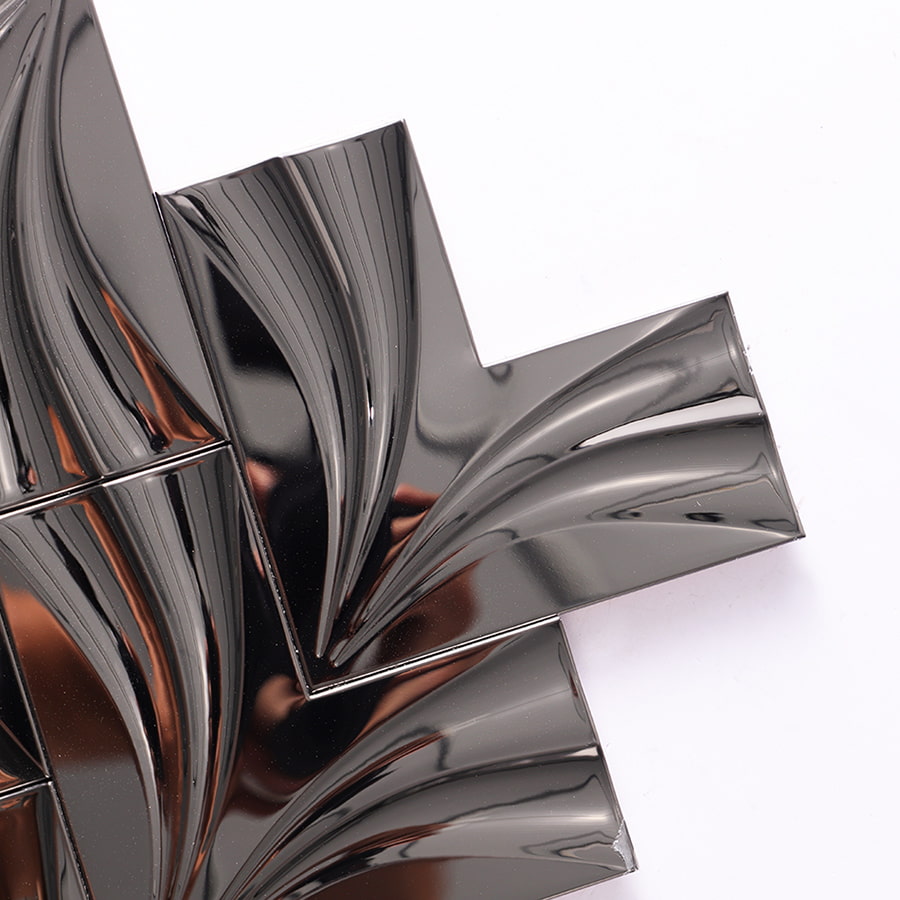
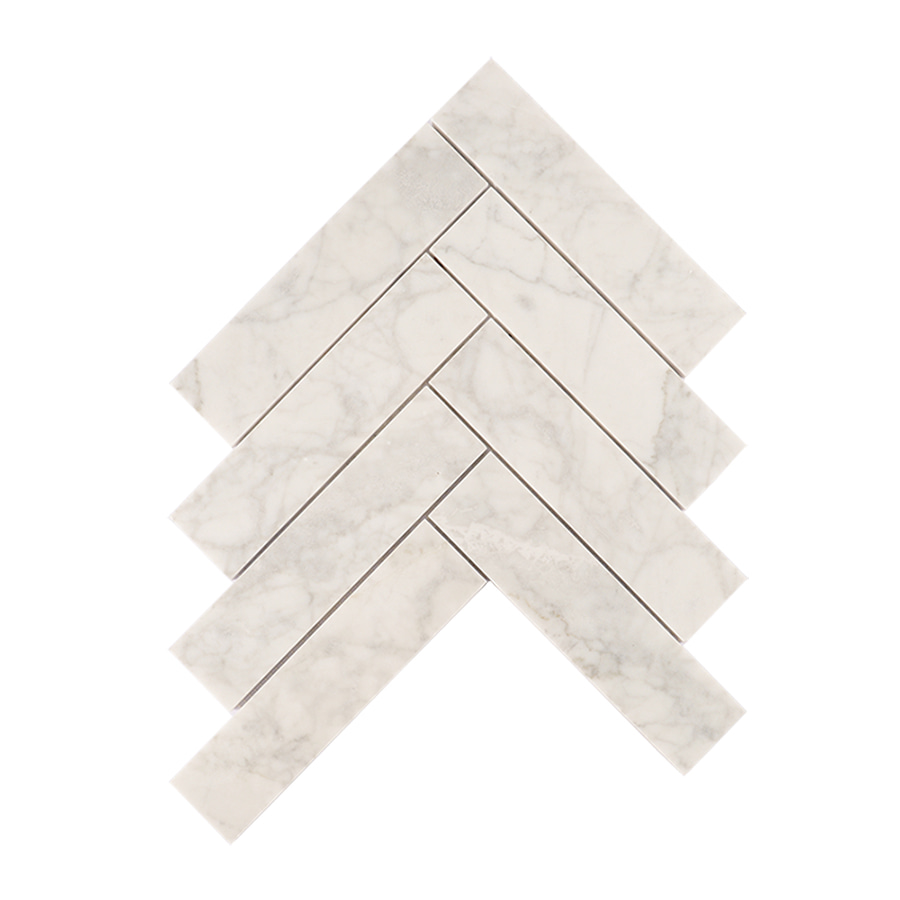
Herringbone wall tiles bring timeless elegance and dynamic visual interest to any interior. With their distinctive zigzag pattern, these tiles transform ordinary walls into stylish focal points. Whether you’re updating a kitchen backsplash, accentuating a fireplace surround, or creating a feature wall in a bathroom, herringbone wall tiles offer versatility, durability, and a touch of classic sophistication.
What Are Herringbone Wall Tiles?
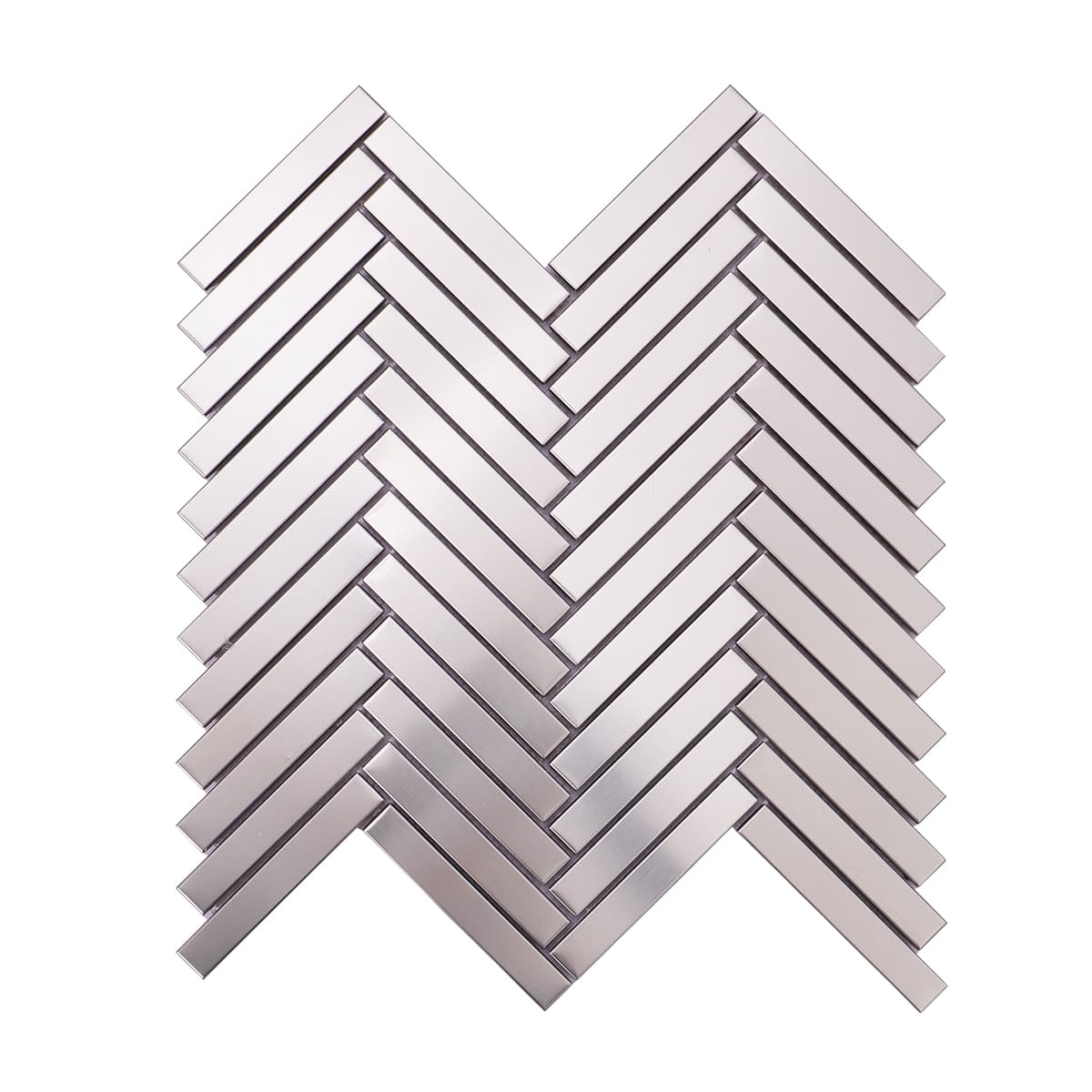
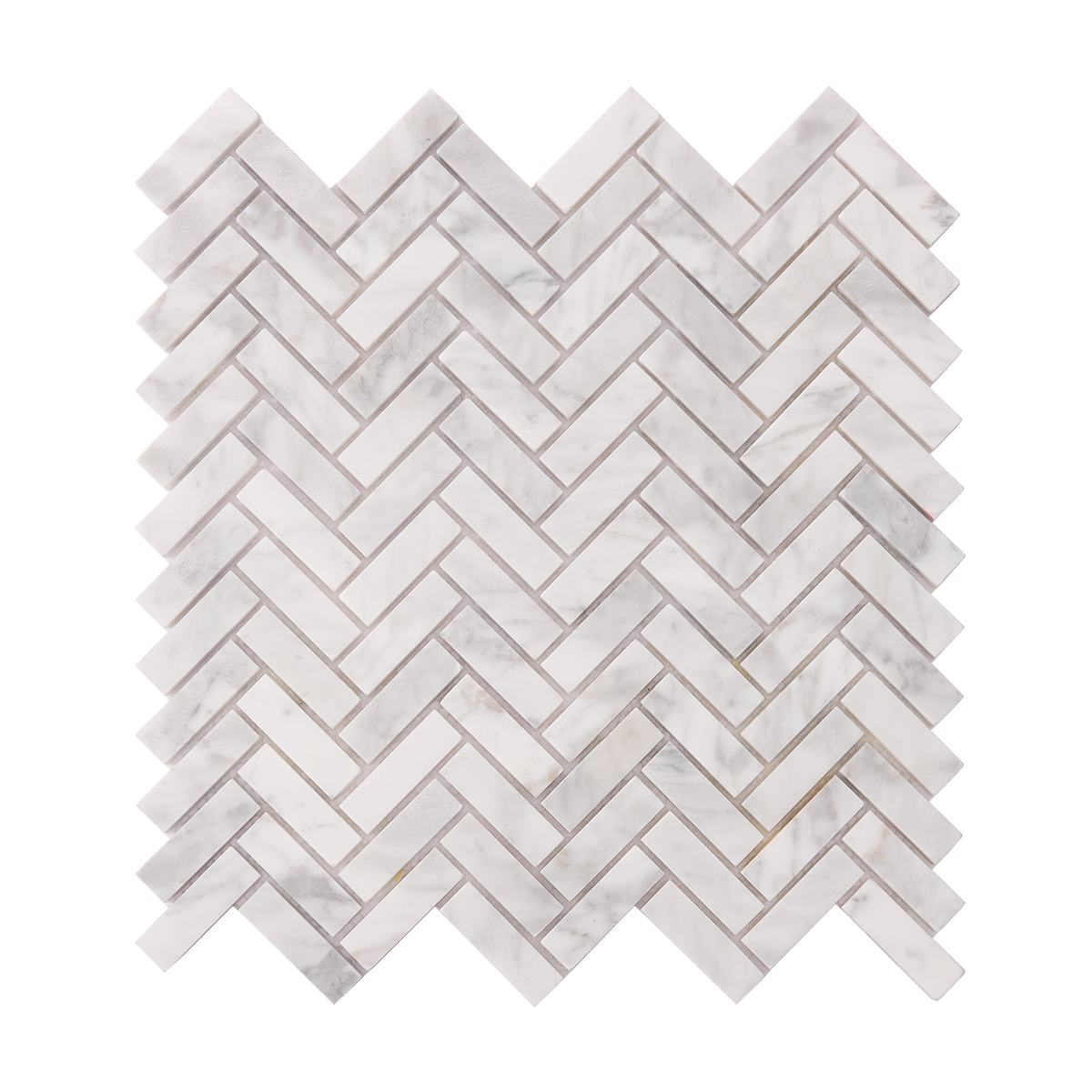
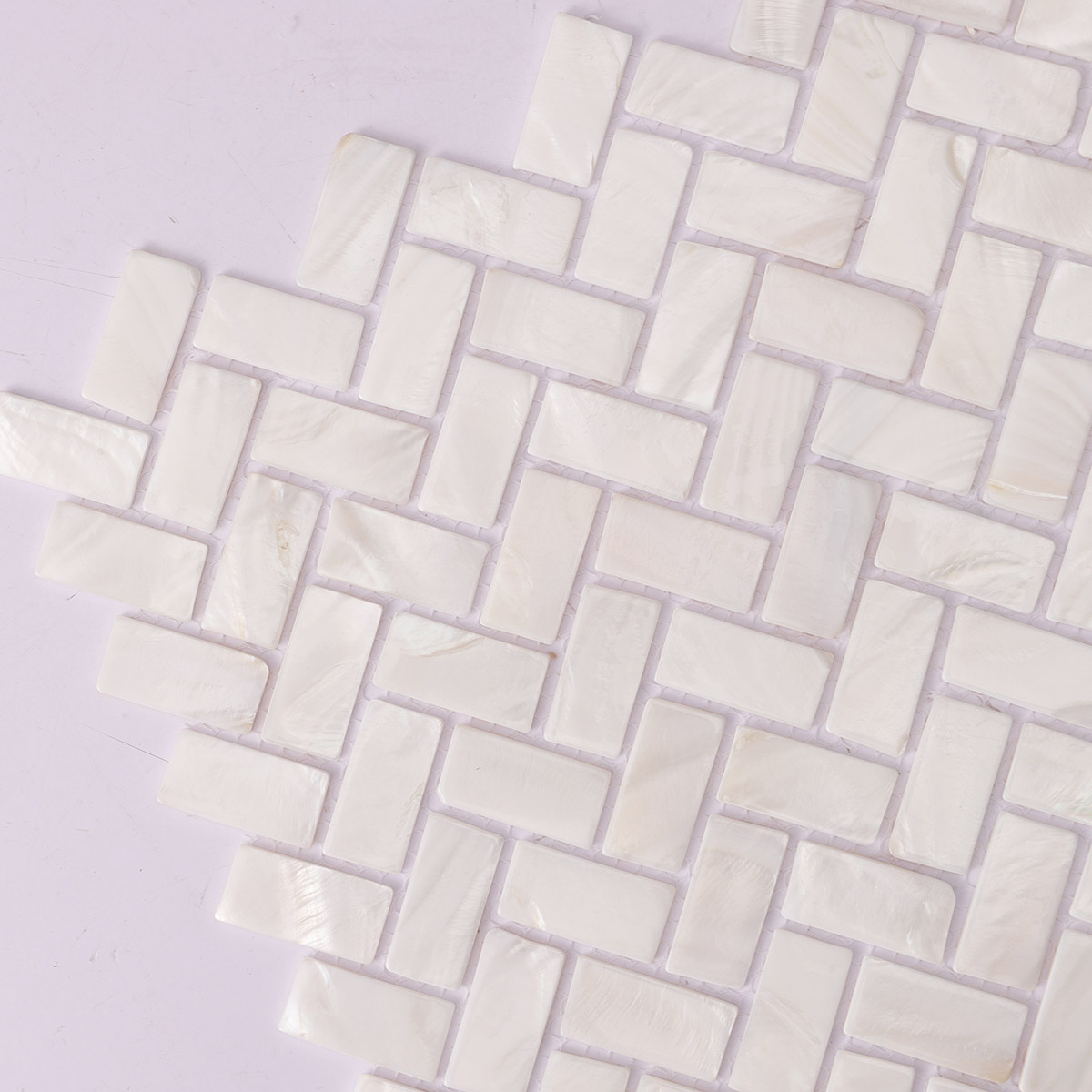
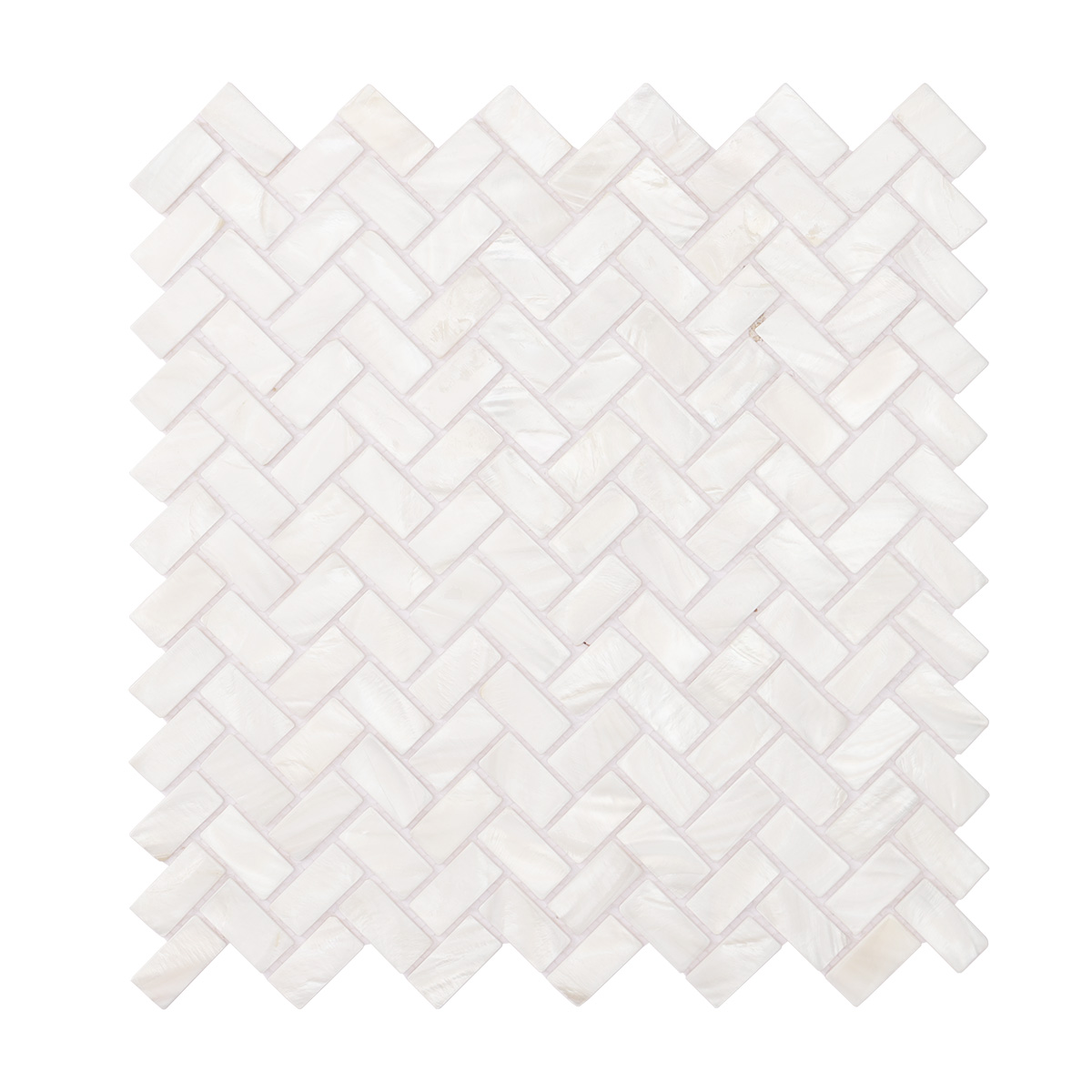
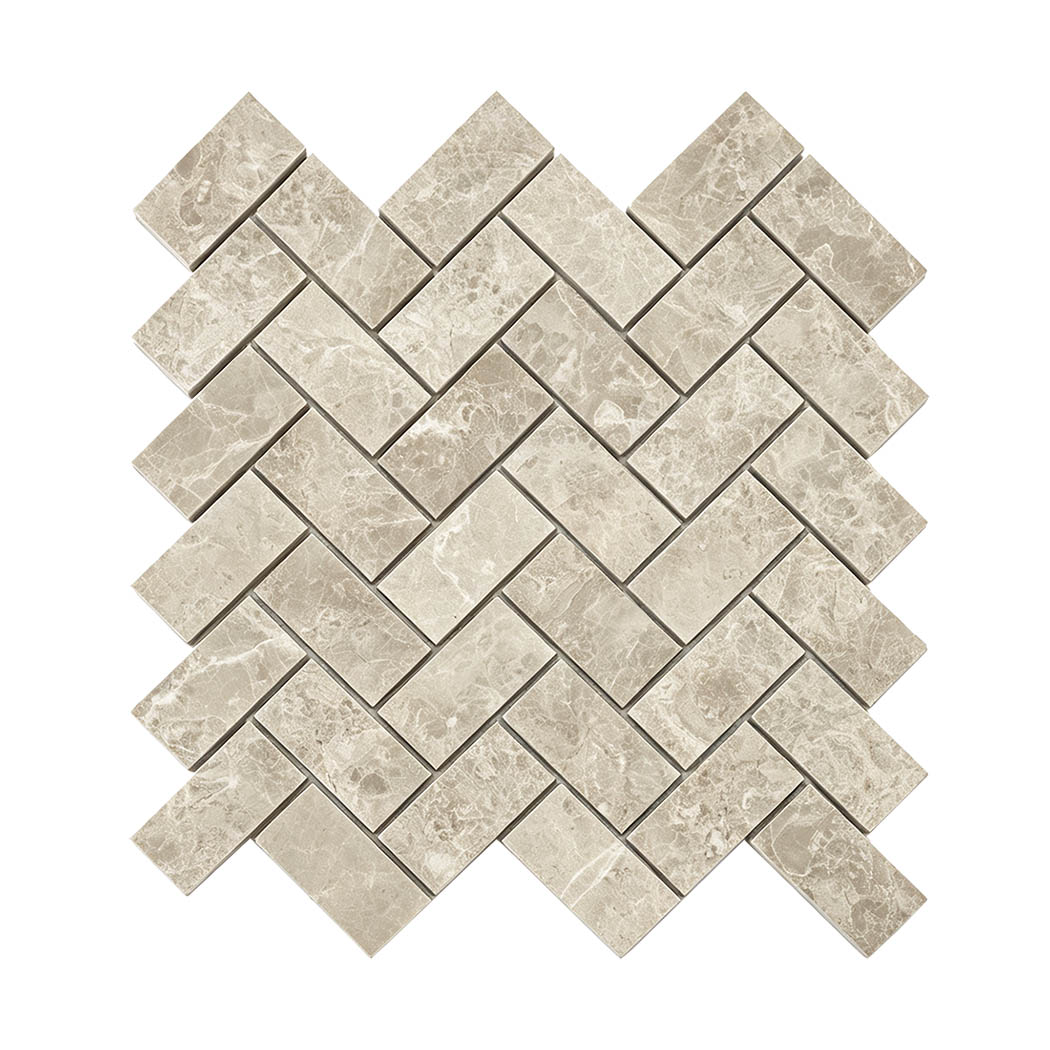
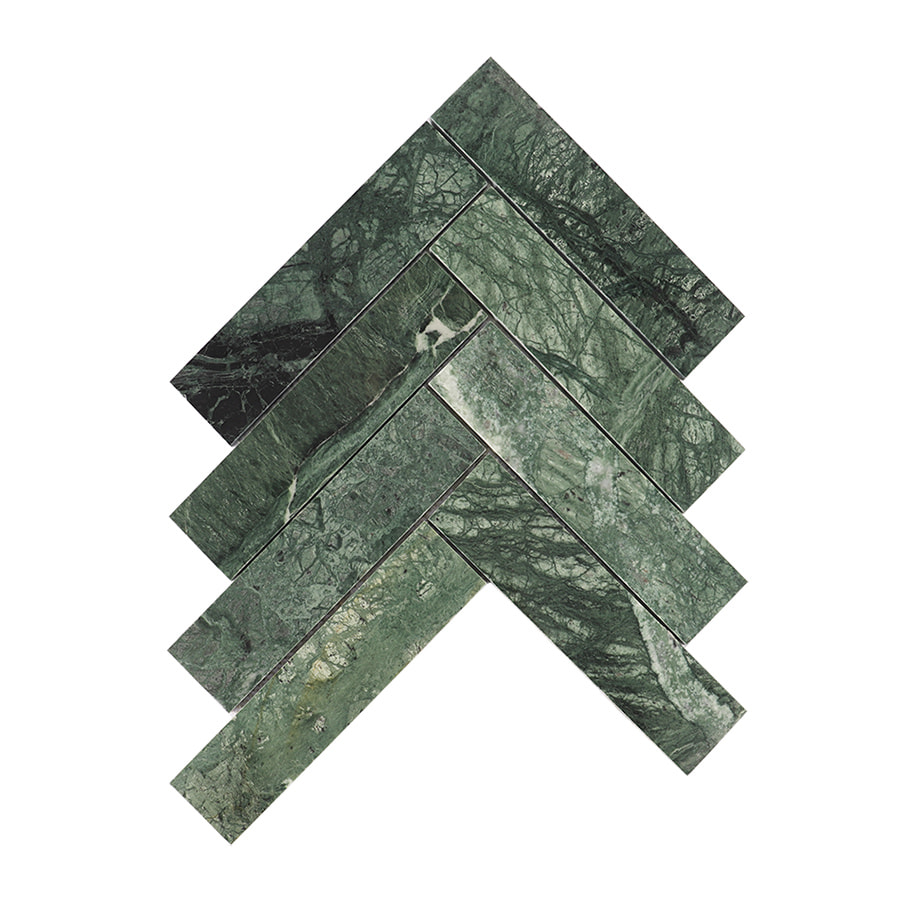
The herringbone pattern consists of rectangular tiles laid at a 45° angle in a continuous “V” shape, reminiscent of fish bones. This age-old design has roots in Roman brickwork and remains a popular choice for contemporary and traditional interiors alike.
Key Benefits of Herringbone Wall Tiles
Visual Depth & Texture: The zigzag layout draws the eye and adds architectural interest without the need for additional décor.
Versatility: Available in ceramic, porcelain, marble, glass, and metal finishes to suit any style—from rustic farmhouse to sleek modern.
Durability: High-quality wall tiles resist moisture, stains, and scratches, making them ideal for kitchens, bathrooms, and other high-traffic areas.
Easy Maintenance: Smooth, non-porous surfaces wipe clean with mild detergent, preserving the pattern’s crisp lines over time.
Design Flexibility: Scale the look up or down by choosing larger or smaller tile dimensions (e.g., 2×8", 3×12", or mosaic herringbone mosaics).
Materials & Finishes
Choosing the right material and finish ensures your herringbone wall tiles complement your décor and performance needs:
Ceramic: Affordable and available in countless colors and glazes. Perfect for low-impact walls and backsplashes.
Porcelain: Denser and less porous than ceramic; ideal for wet areas like shower surrounds.
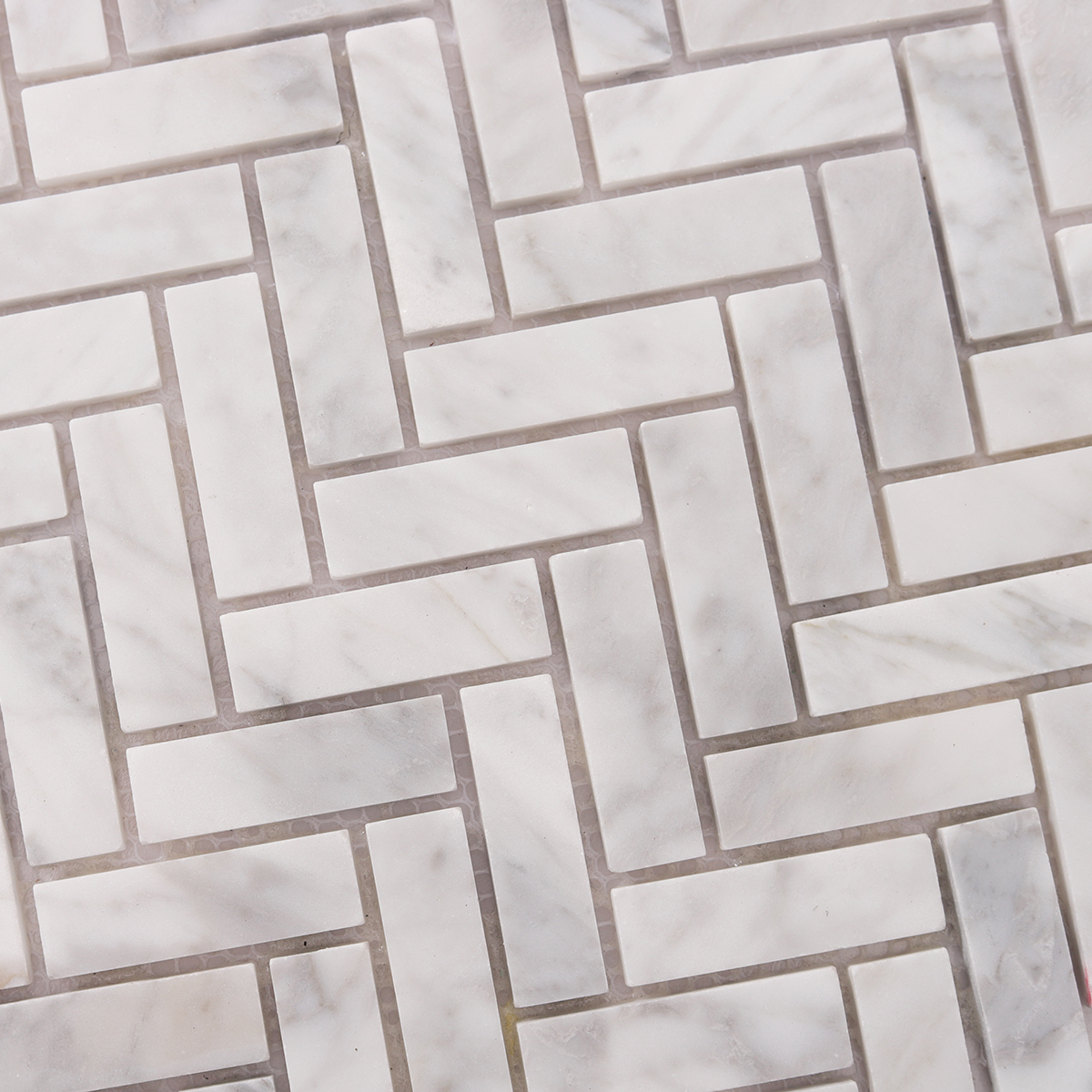
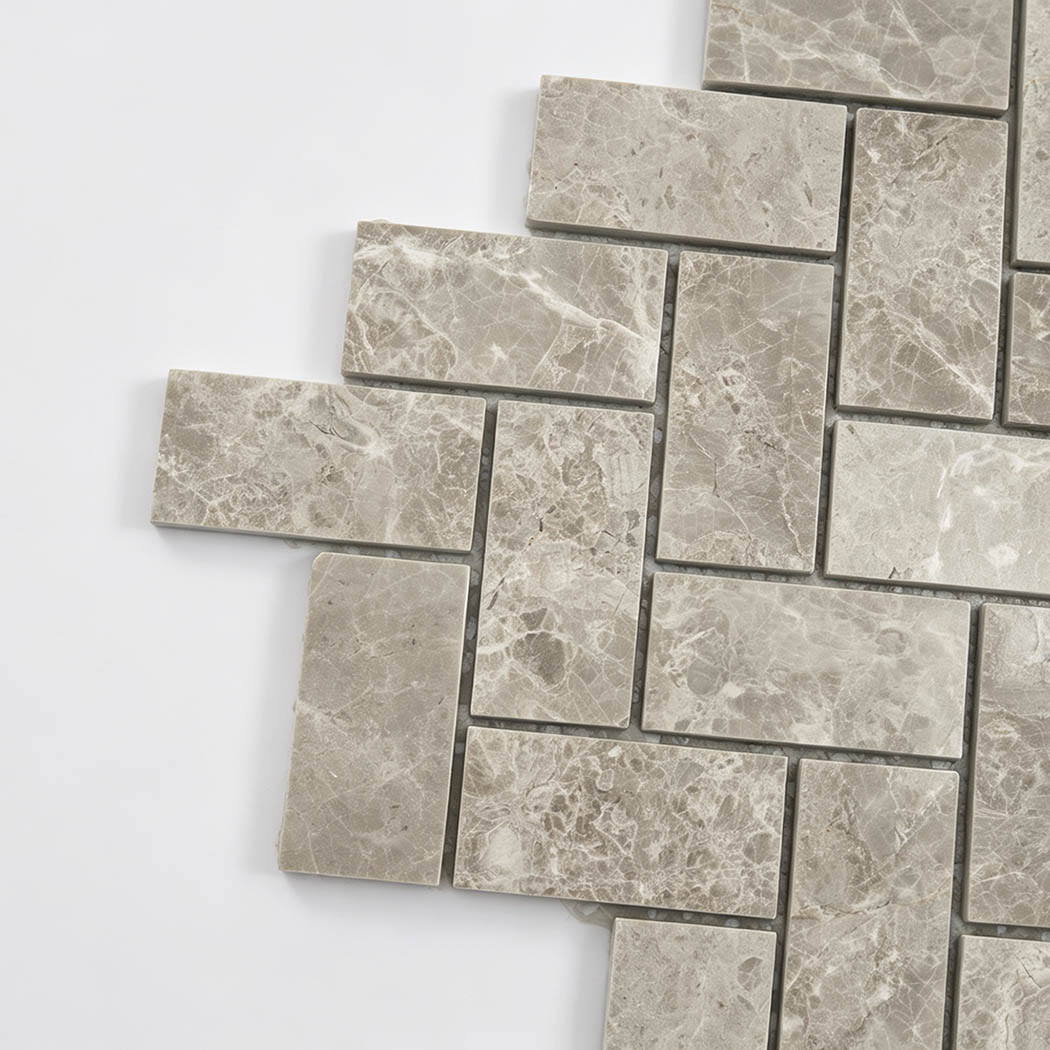
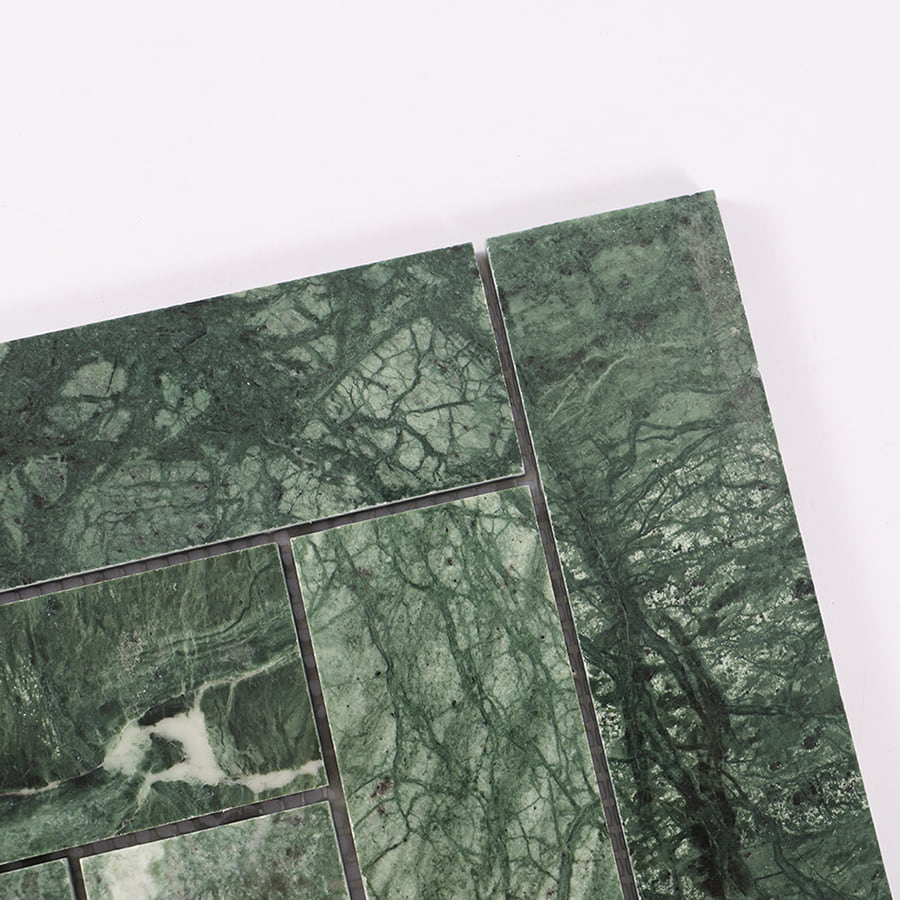
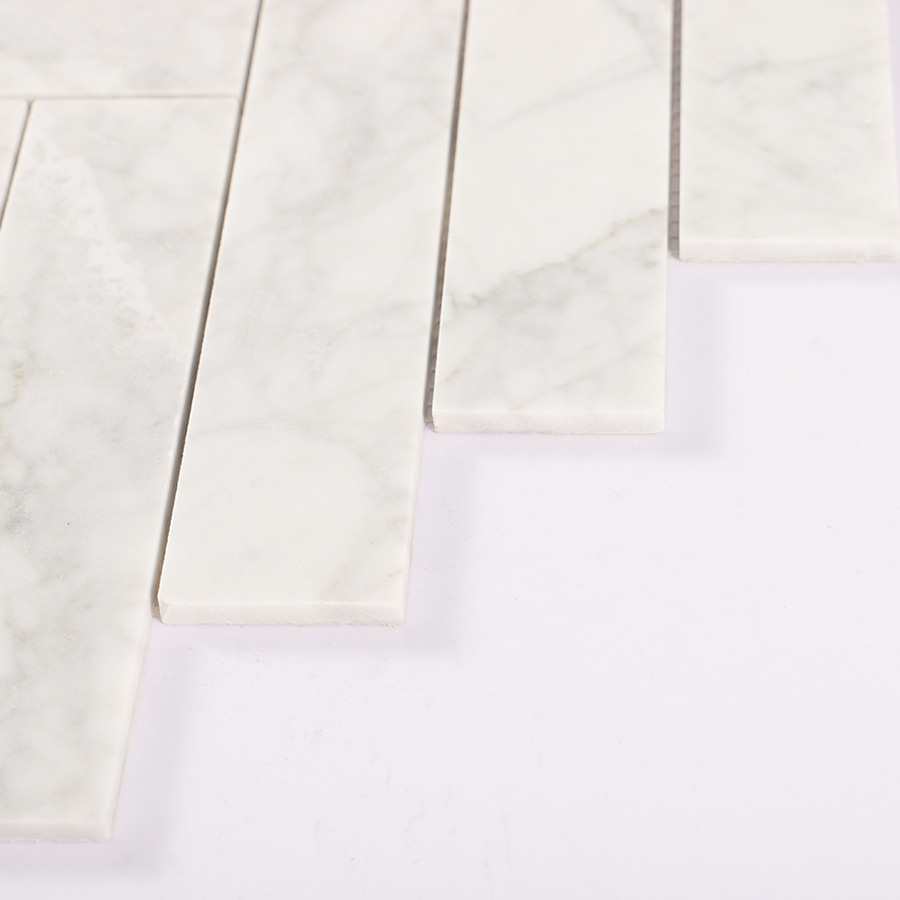
Natural Stone: Marble and travertine lend luxury and organic texture. Seal regularly to protect against staining.</li>
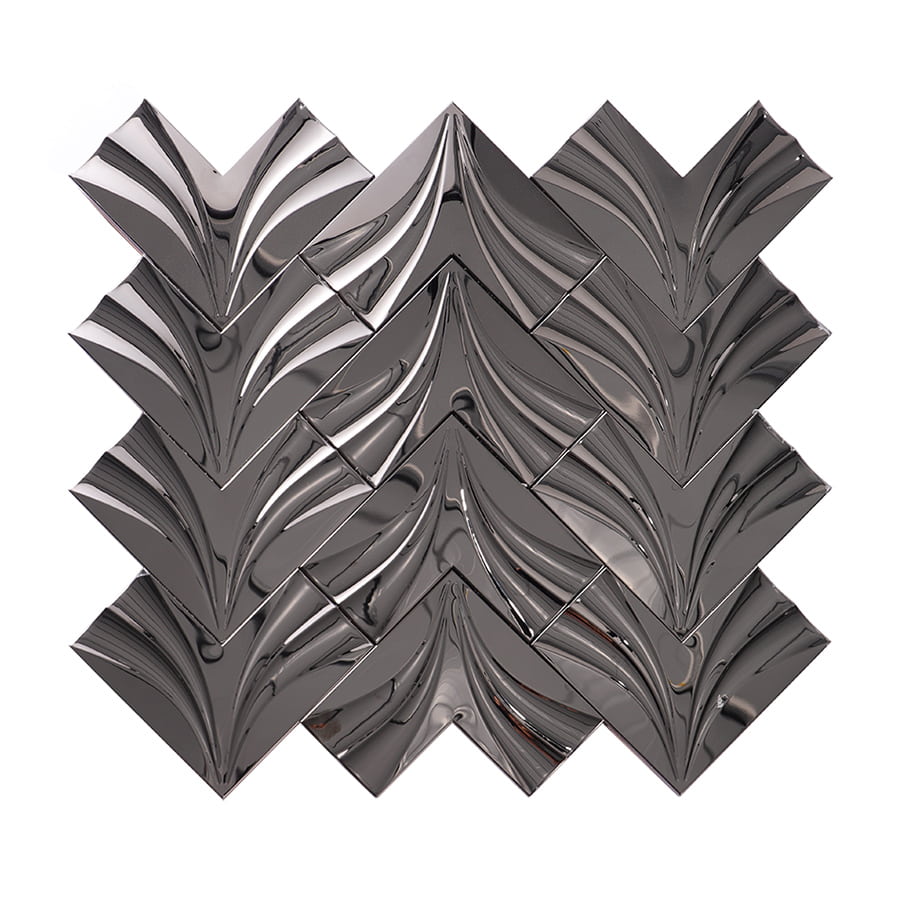
Glass: Reflective surfaces intensify light and create a luminous backdrop for modern spaces.</li>
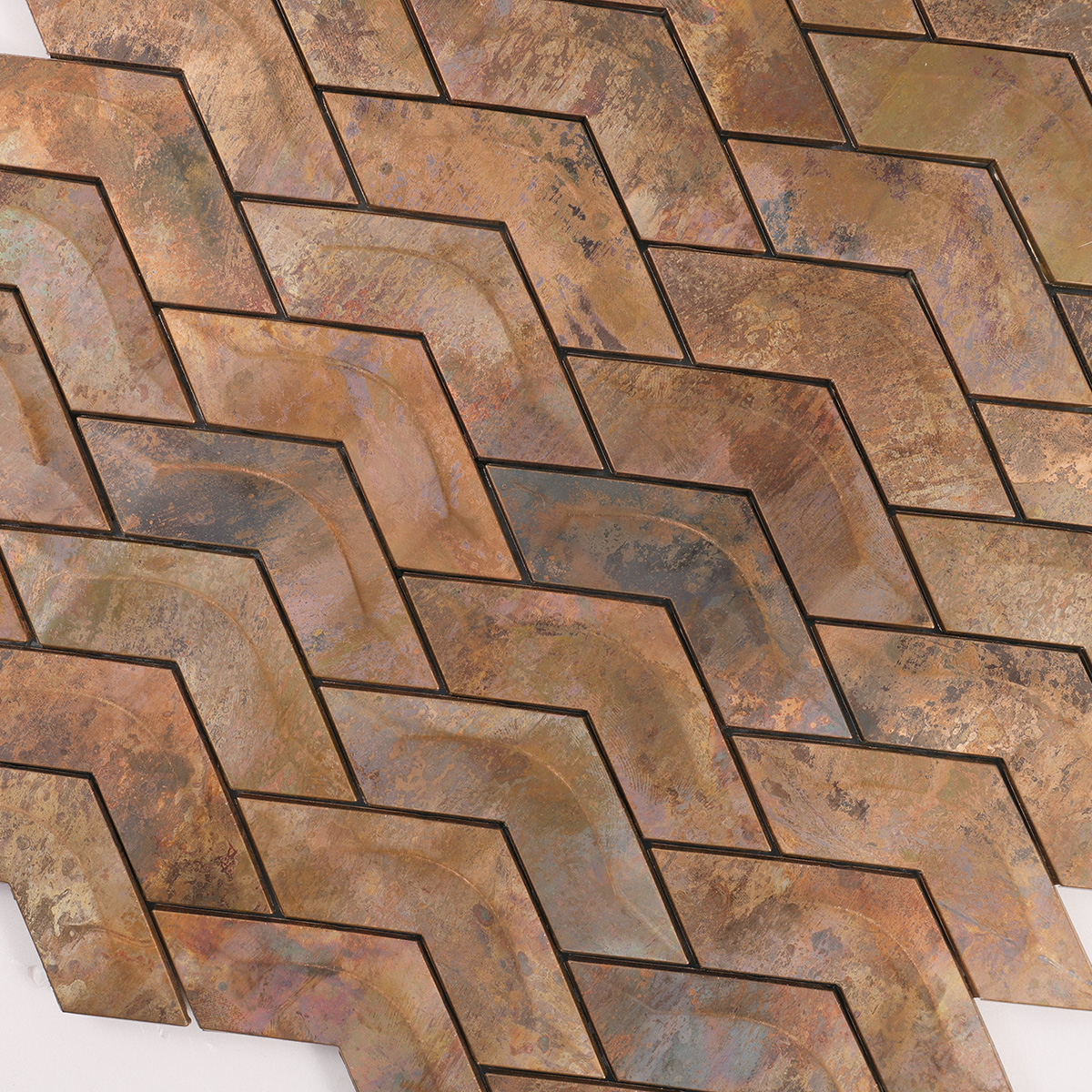
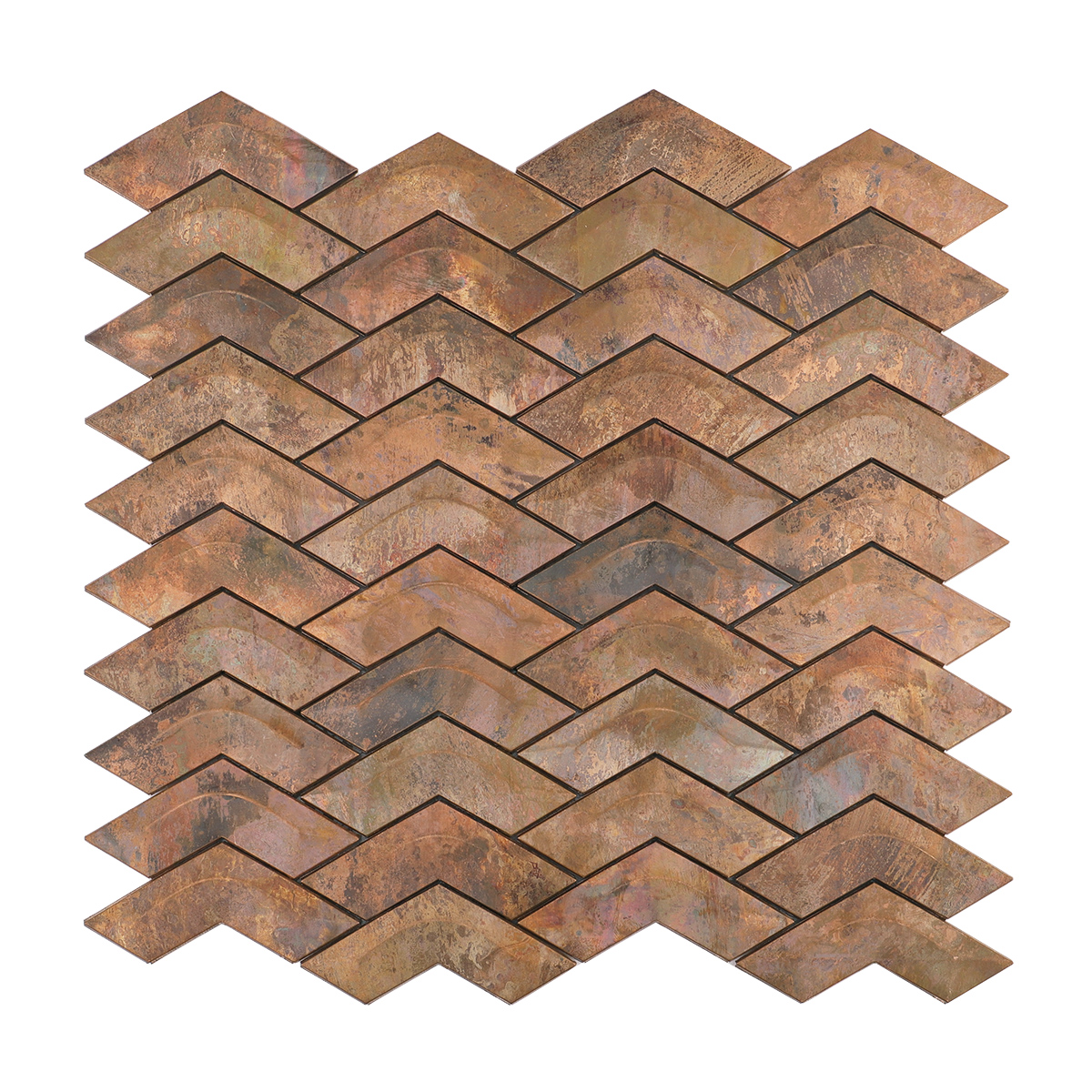
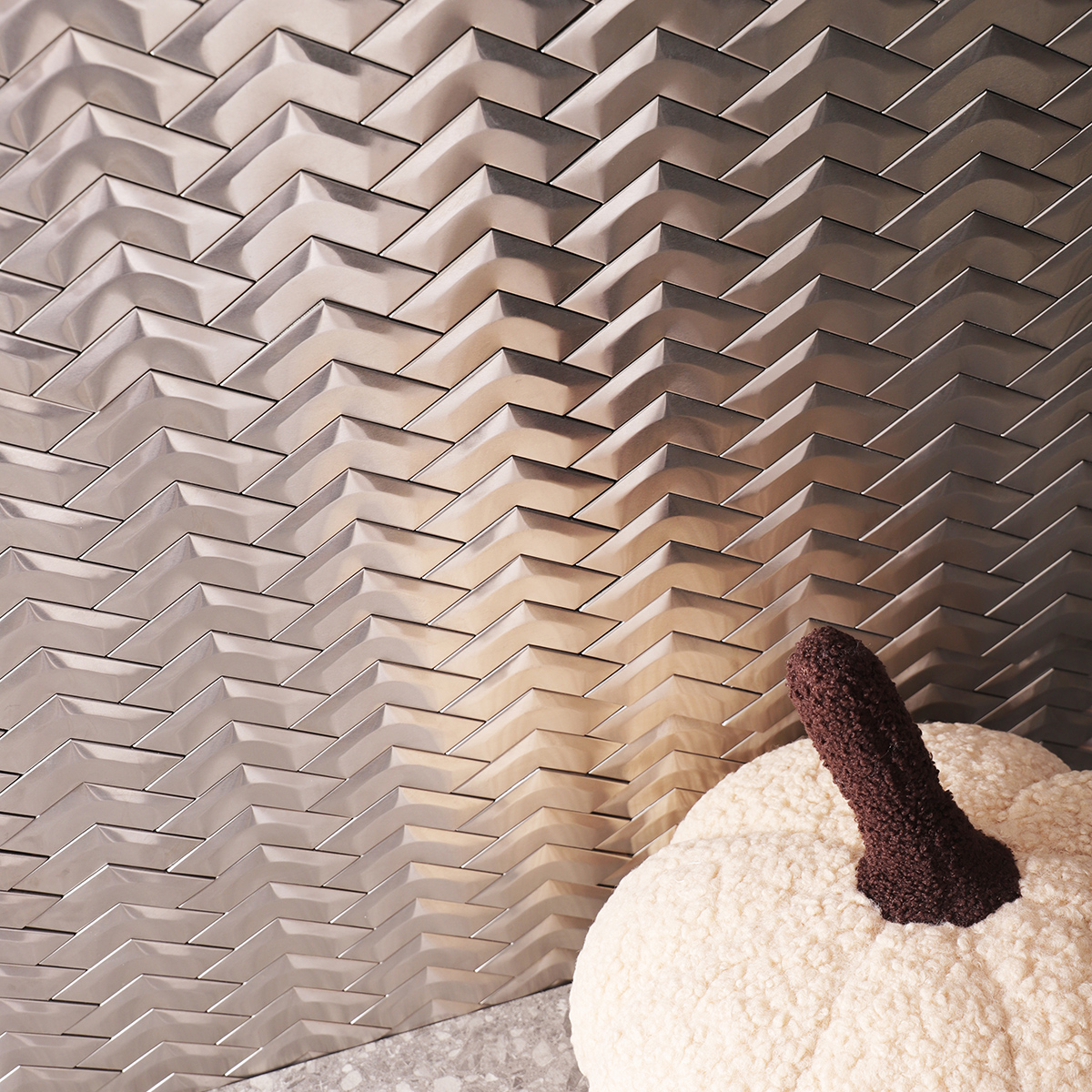
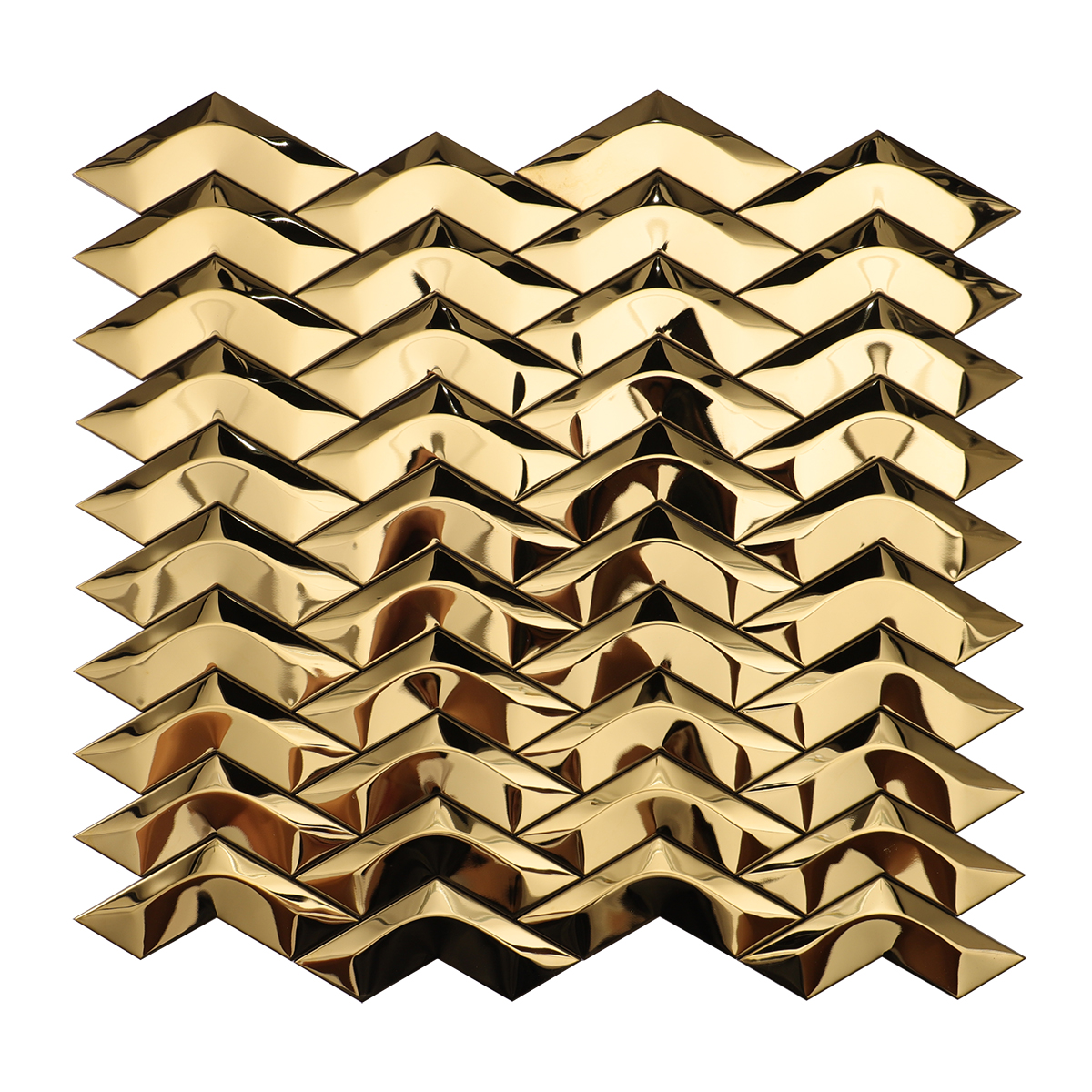
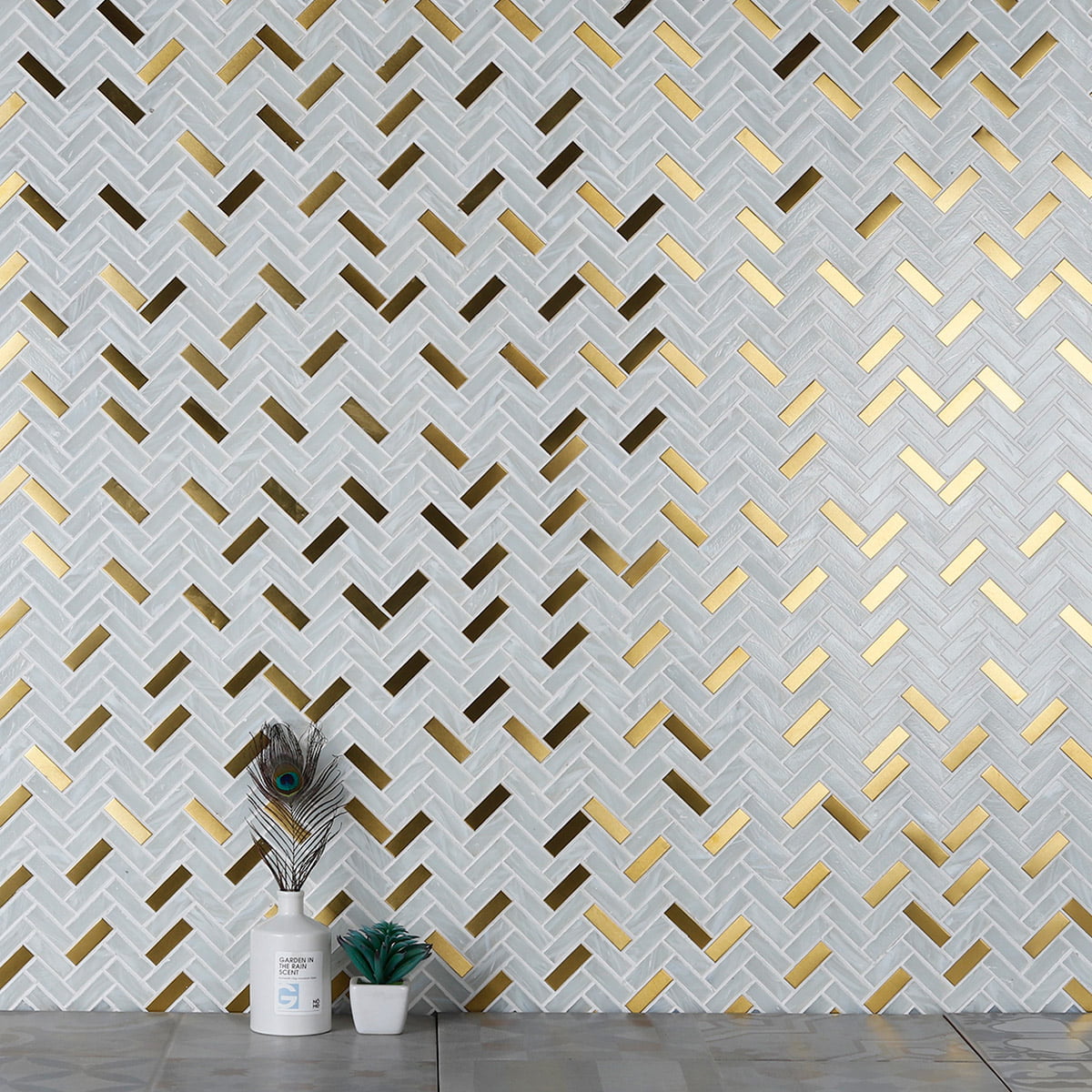
Metal & Metallic: Stainless steel or brass-look tiles introduce an industrial-chic vibe and are excellent for accent walls.
Design & Style Inspirations
Subtle Monochrome: Use white or light gray tiles for a clean, Scandinavian-inspired look.
Bold Contrast: Pair black herringbone tiles with white grout for dramatic impact.
Mixed Materials: Combine glass and marble pieces to craft a custom mosaic herringbone mural.
Vertical Herringbone: Rotate the pattern 90° to create a sense of height in narrow spaces.
Ombre Effect: Gradually shift tile colors from light to dark to convey movement and depth.
Installation Guide
Surface Preparation: Ensure walls are smooth, clean, and primed. Use cement backer board in wet areas.
Layout Planning: Dry-lay tiles to determine centerlines and minimize cut pieces at edges.
Adhesive Application: Spread a high-quality, flexible tile adhesive with the appropriate notched trowel.
Tile Setting: Press each tile firmly, maintaining consistent spacing. Use spacers if recommended by the manufacturer.
Grouting: After adhesive cures, apply grout—choose a contrasting color to emphasize the pattern or a matching hue for a seamless look.
Sealing (if needed): Seal porous tiles and grout lines to guard against moisture and stains.