
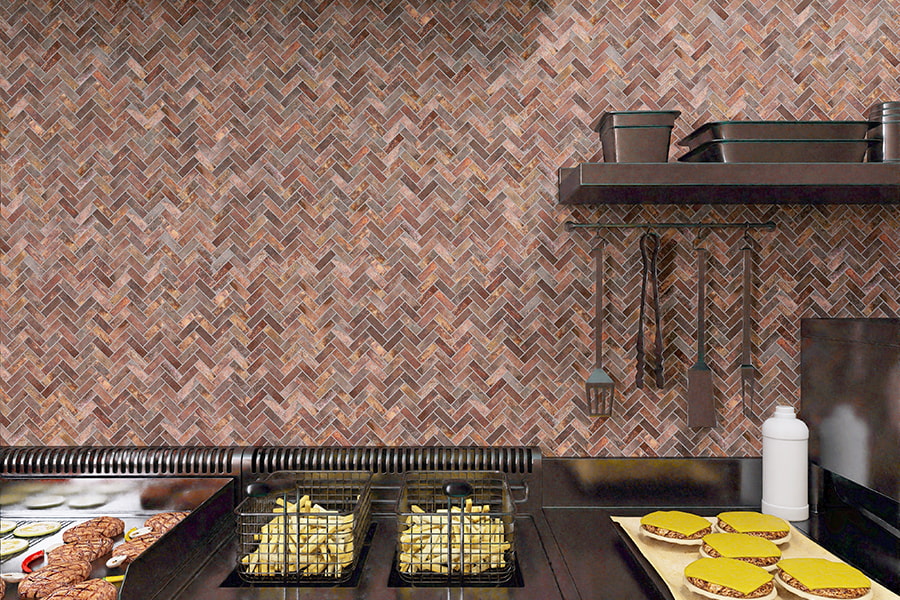
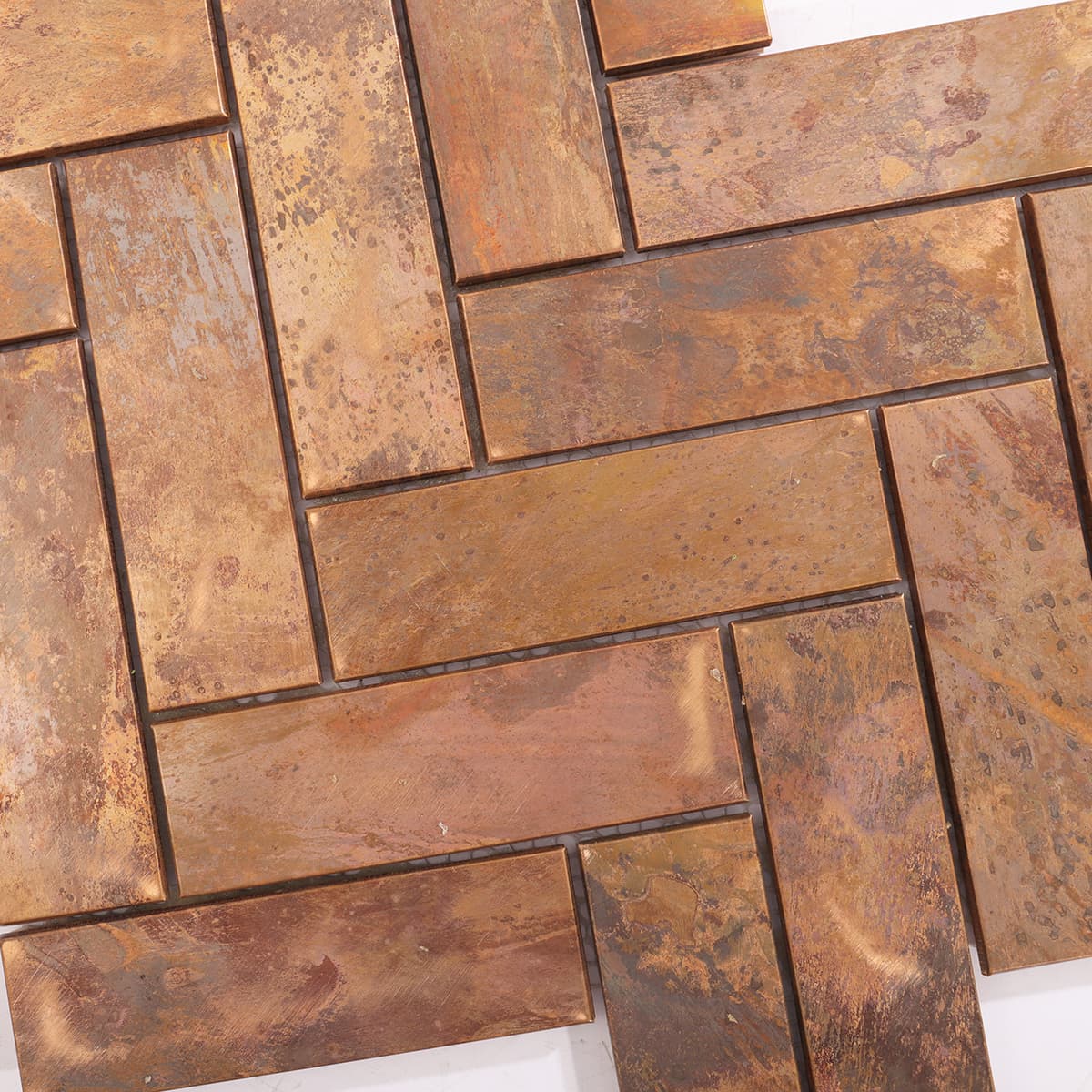
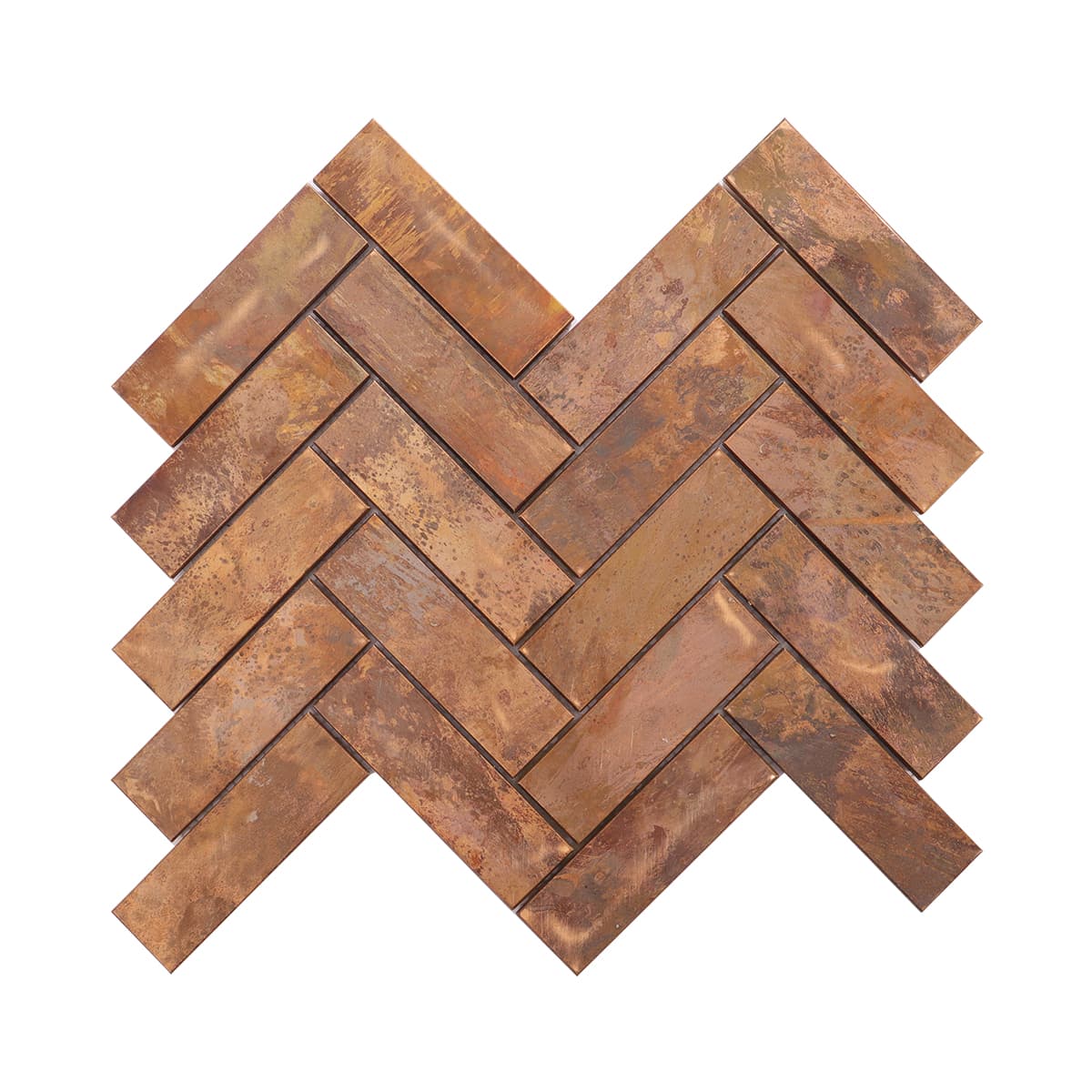
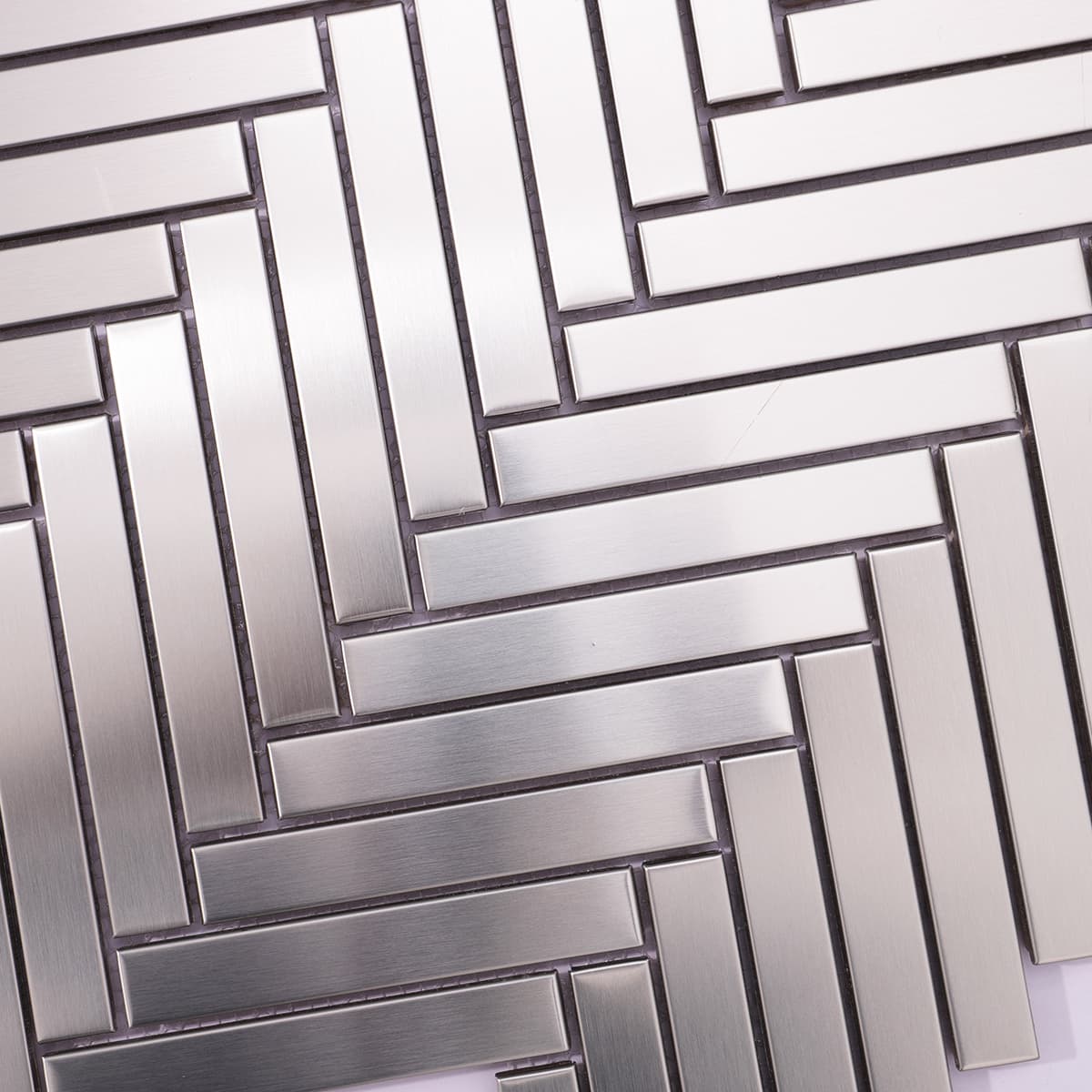
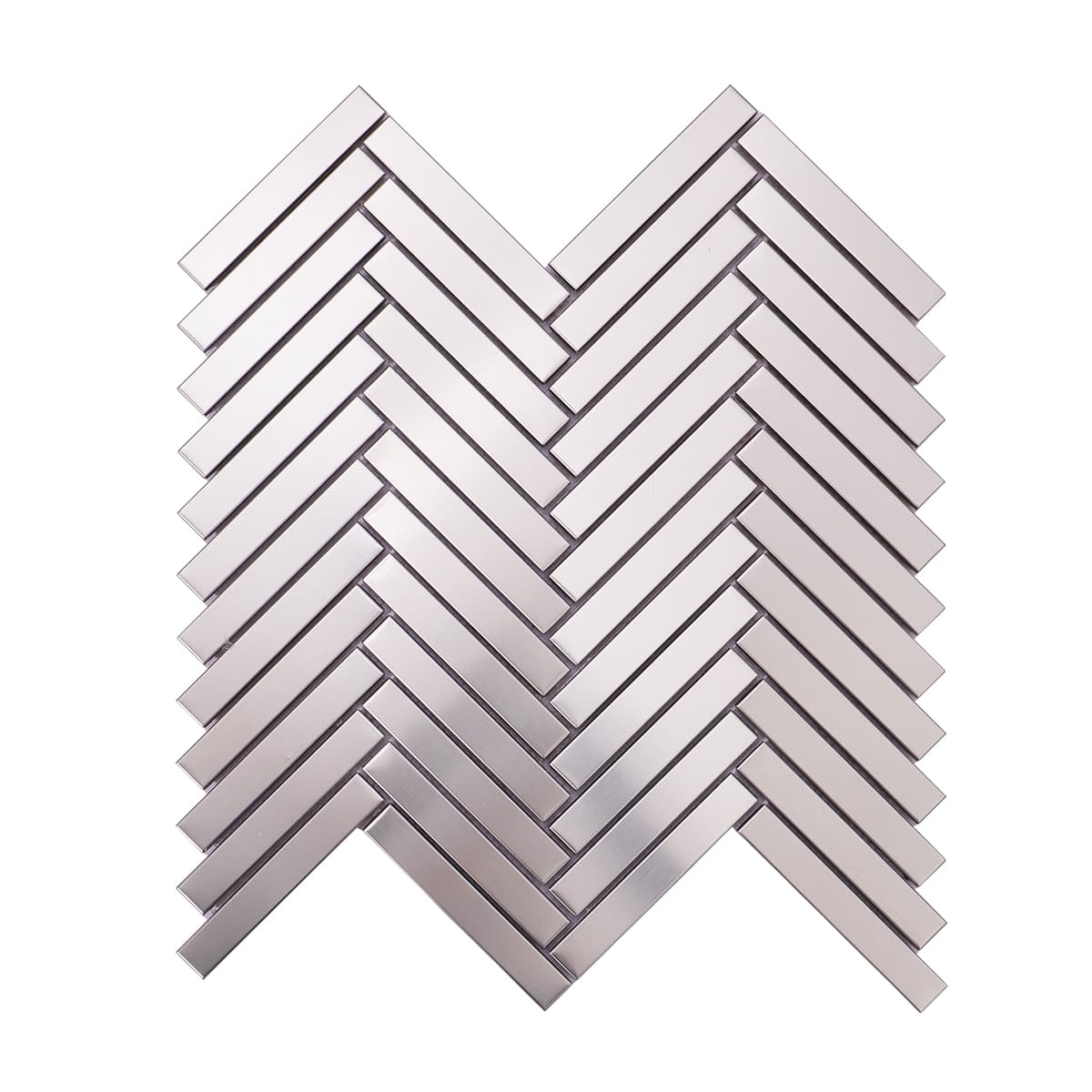
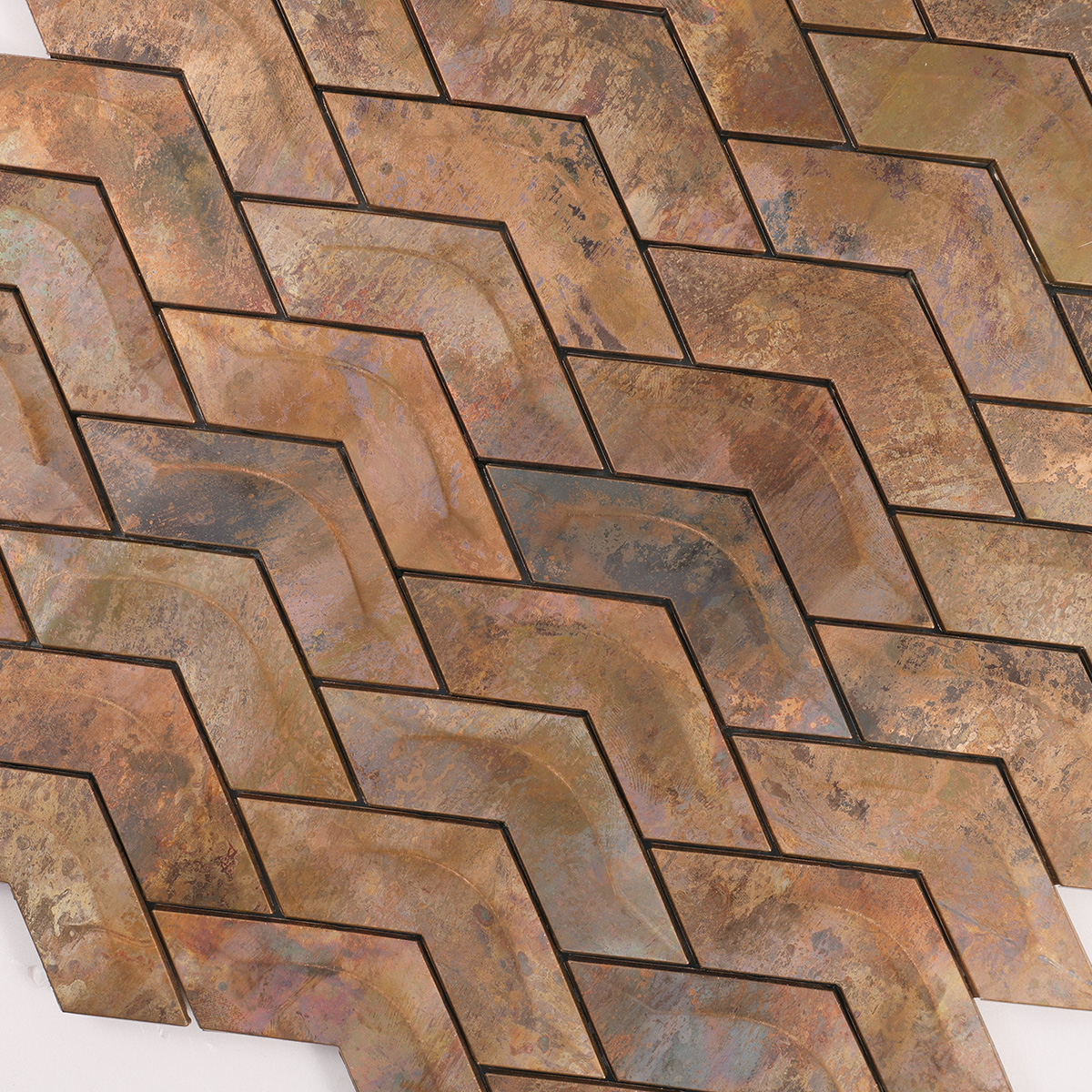
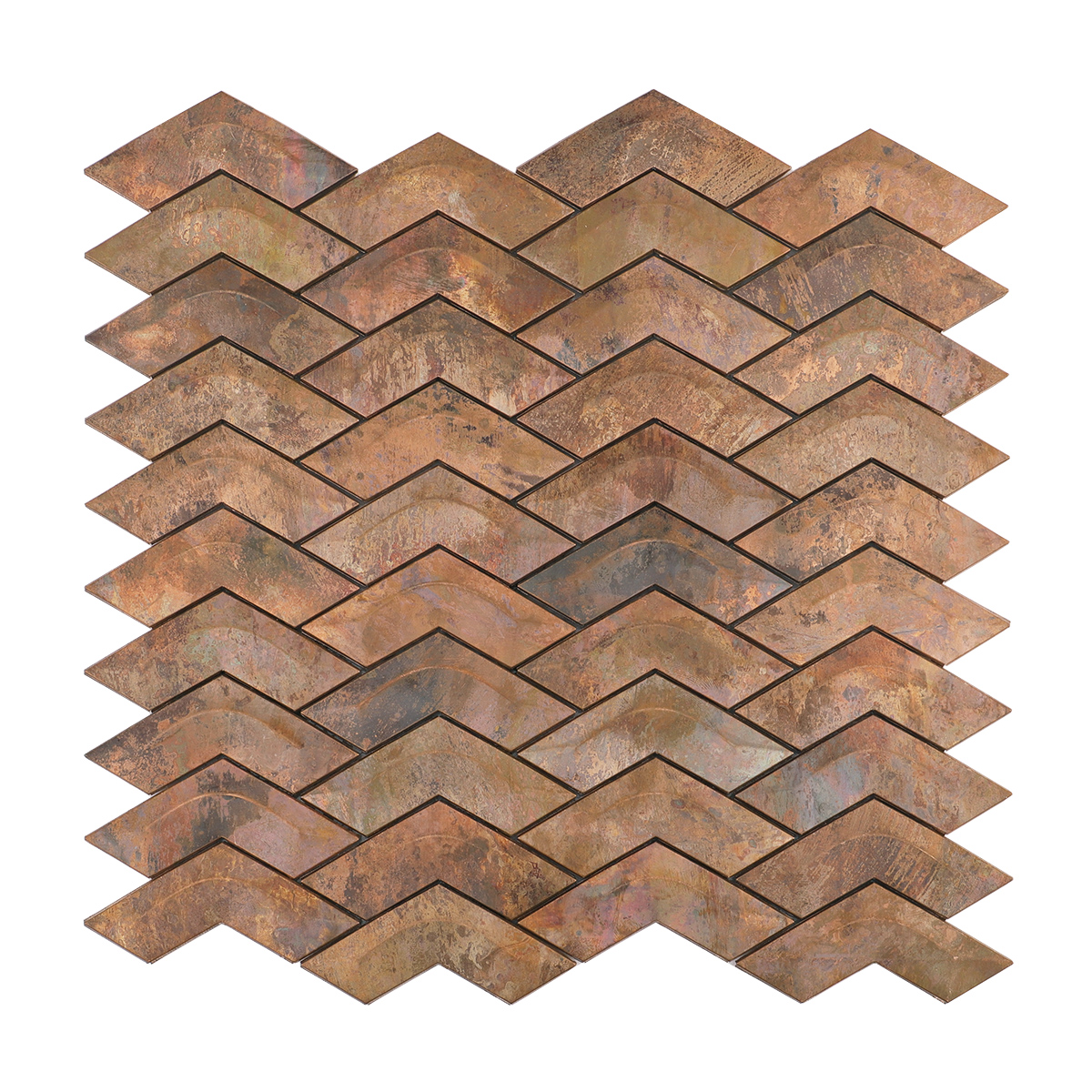
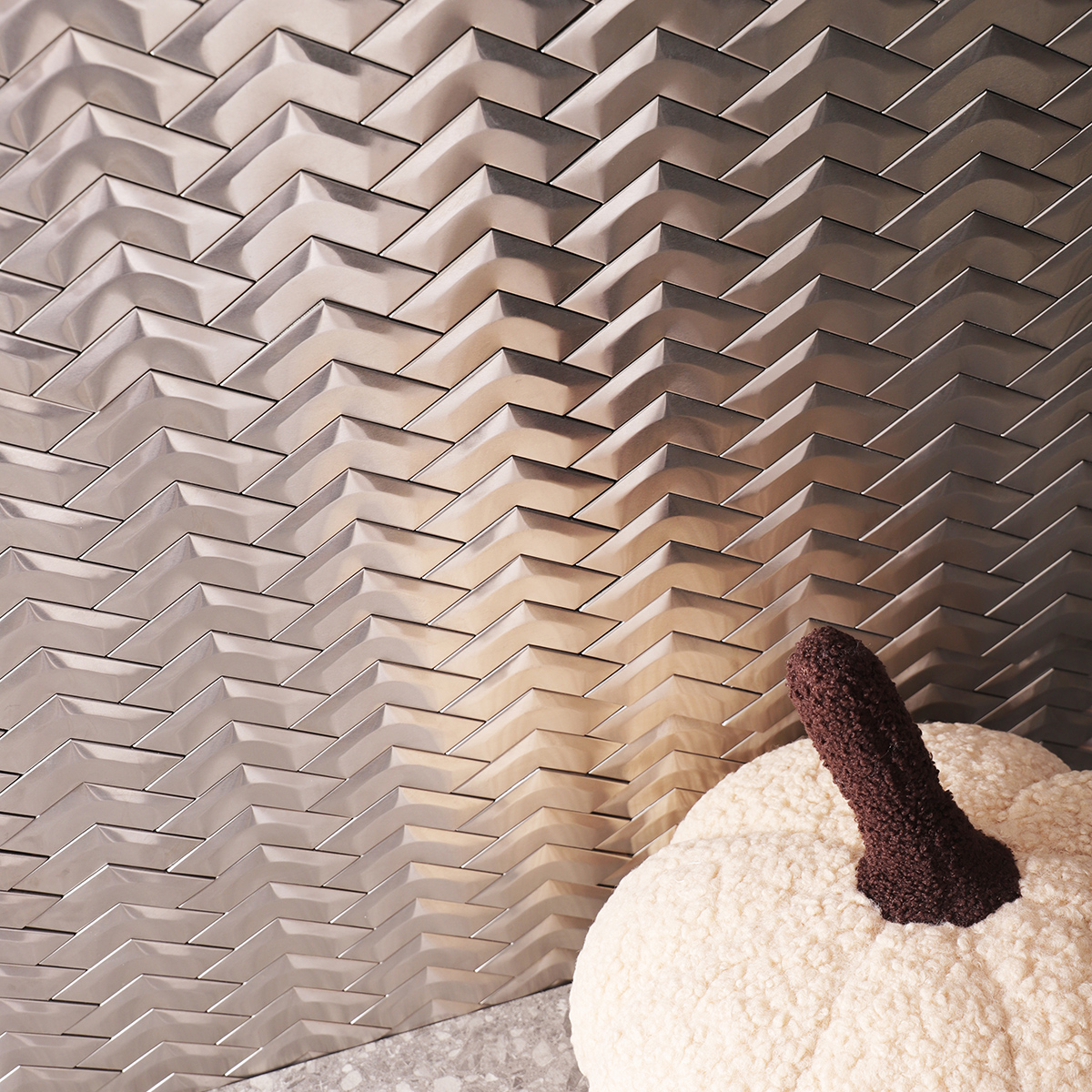
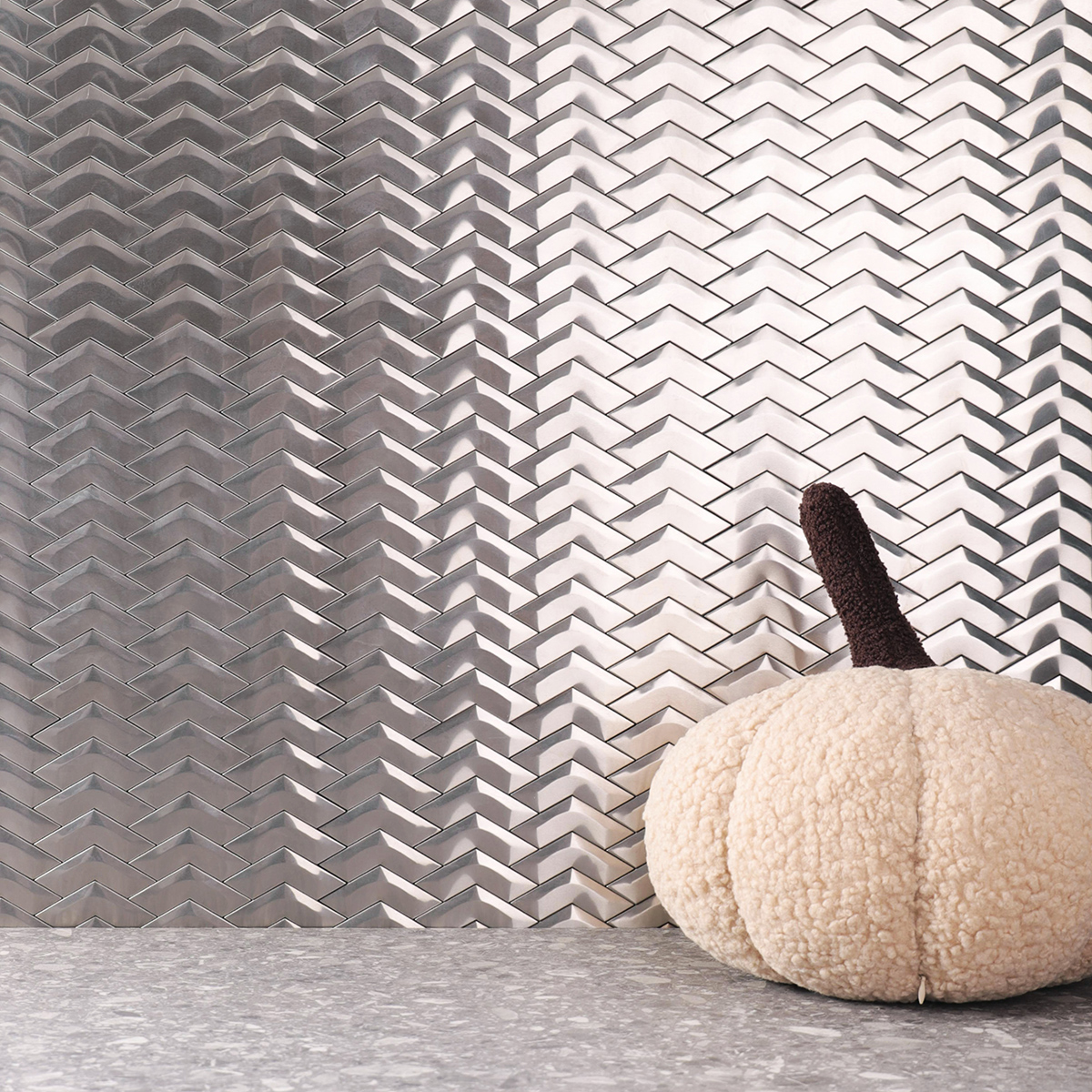
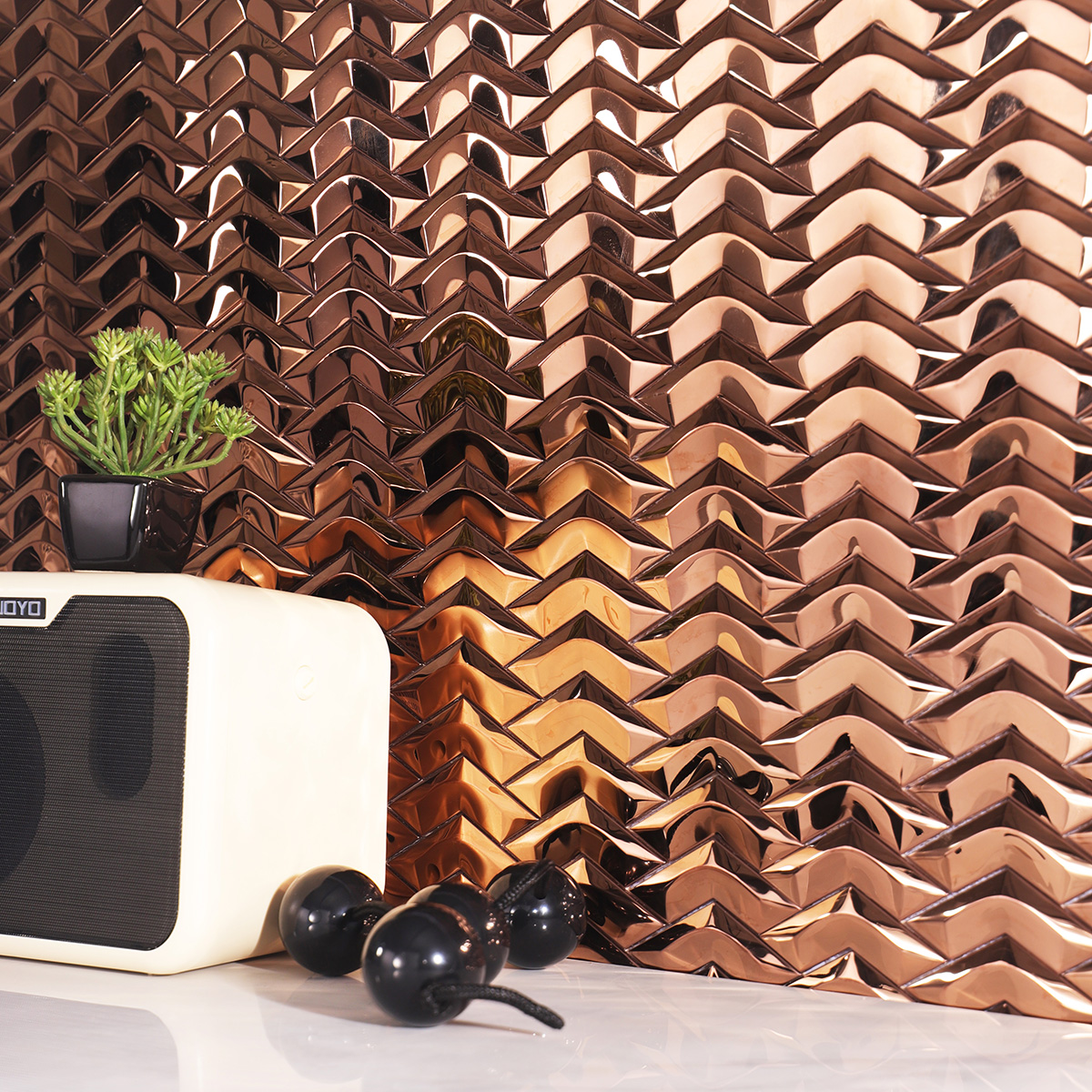
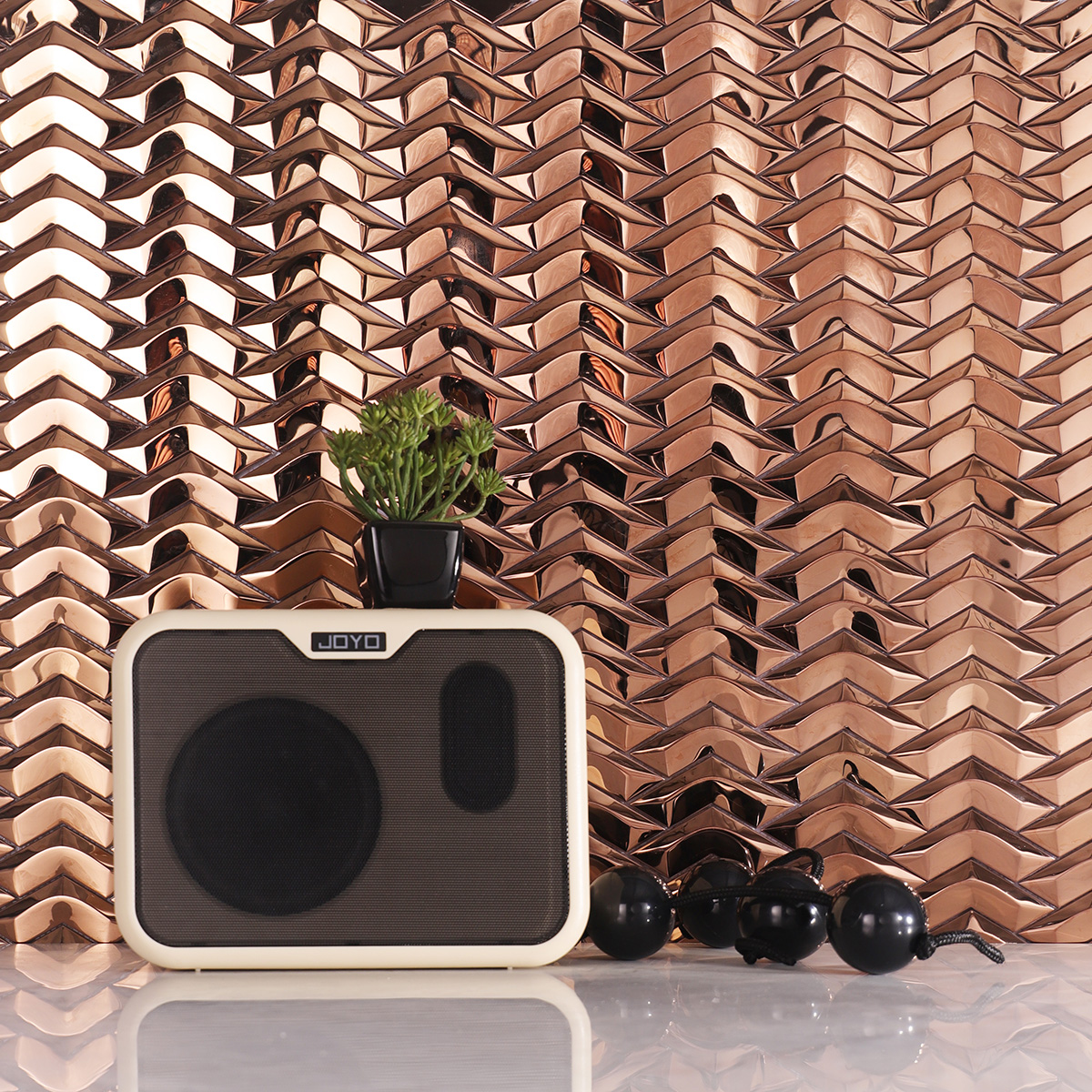

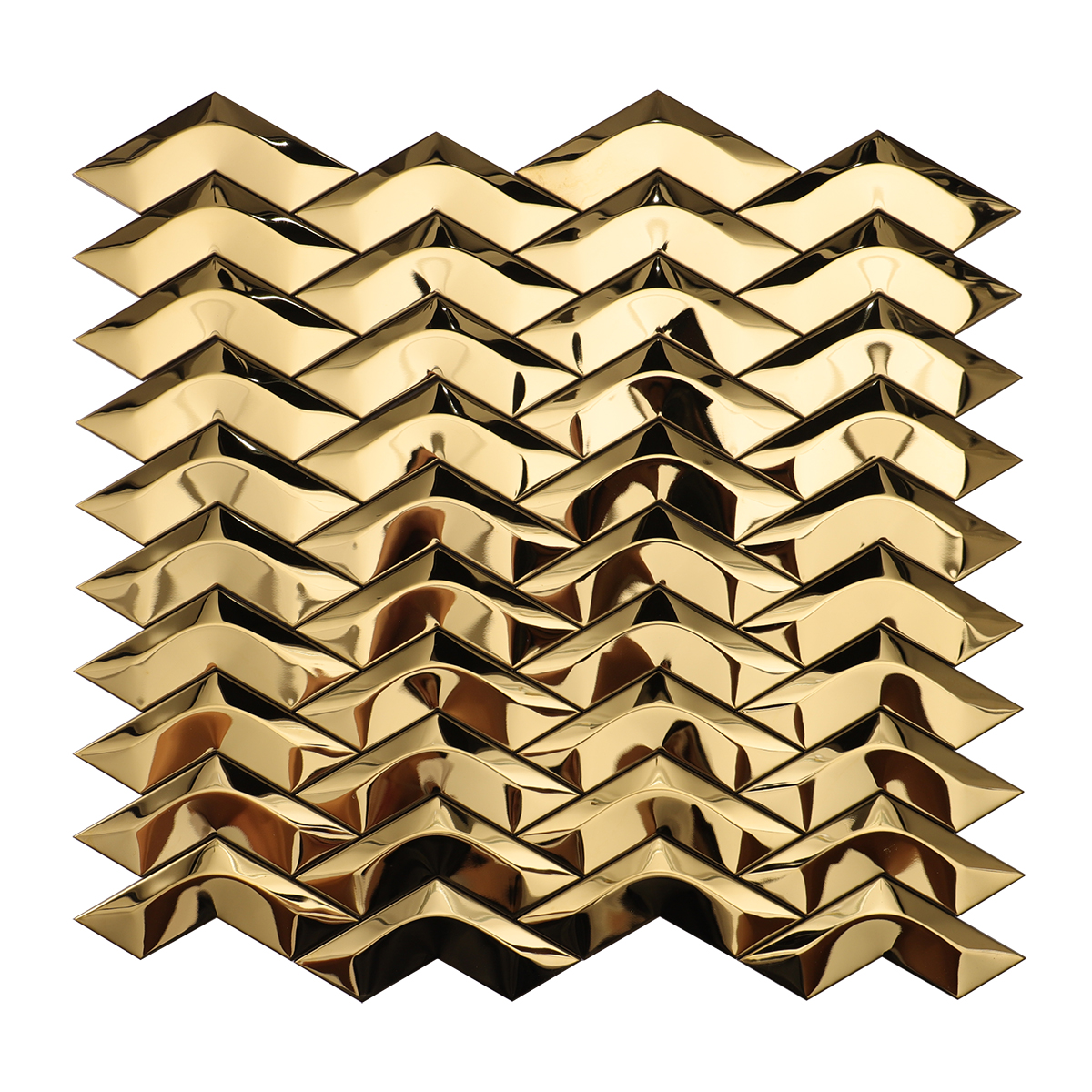
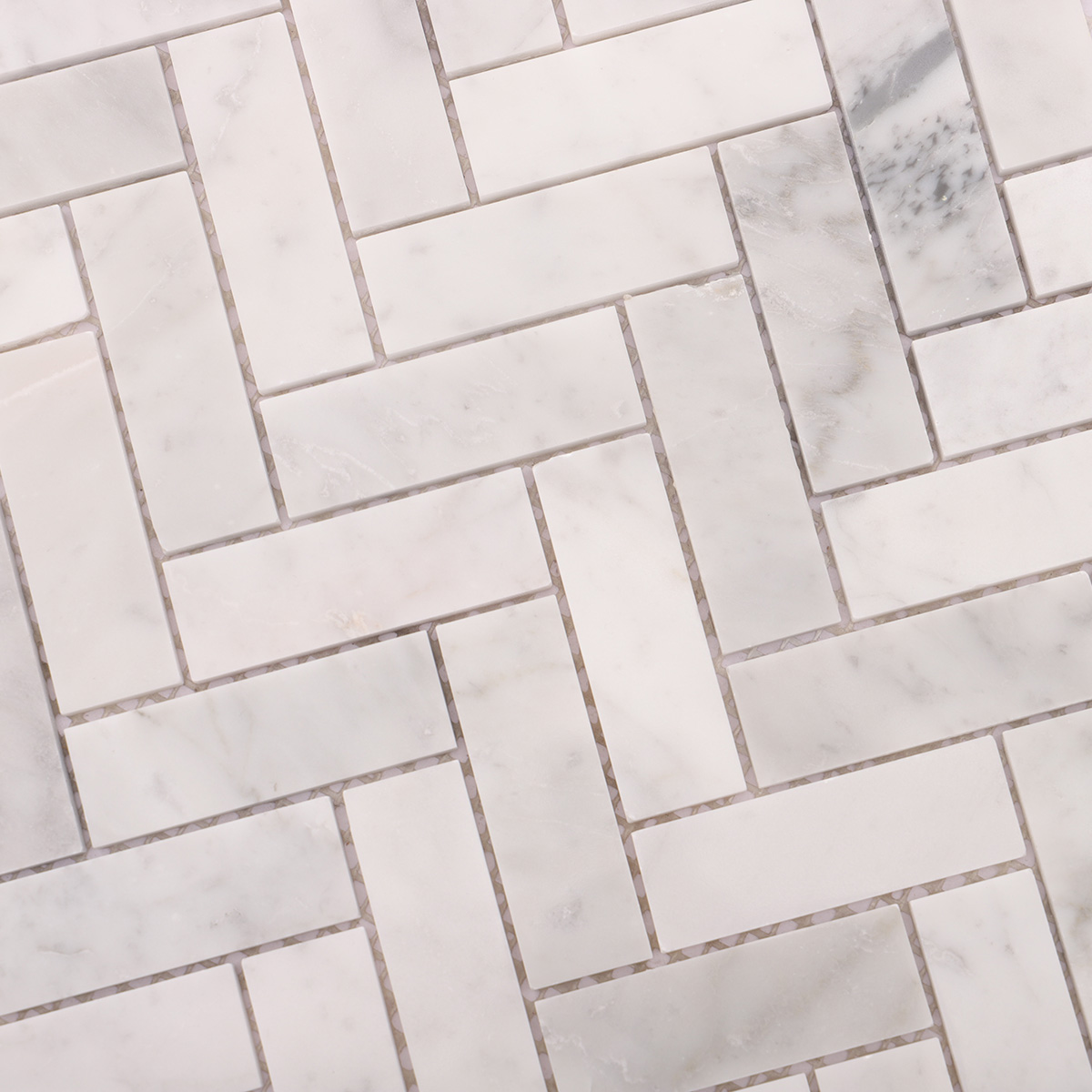
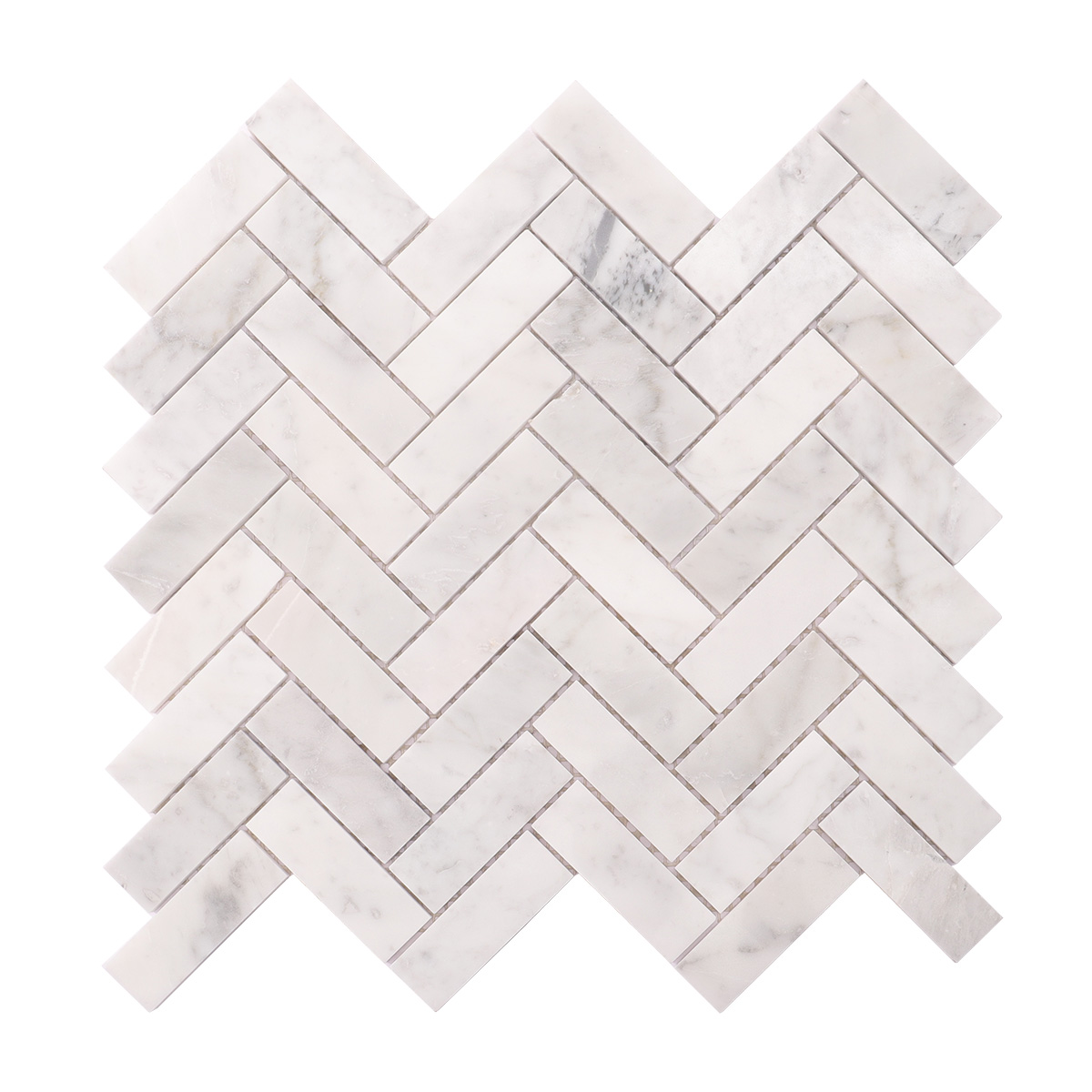
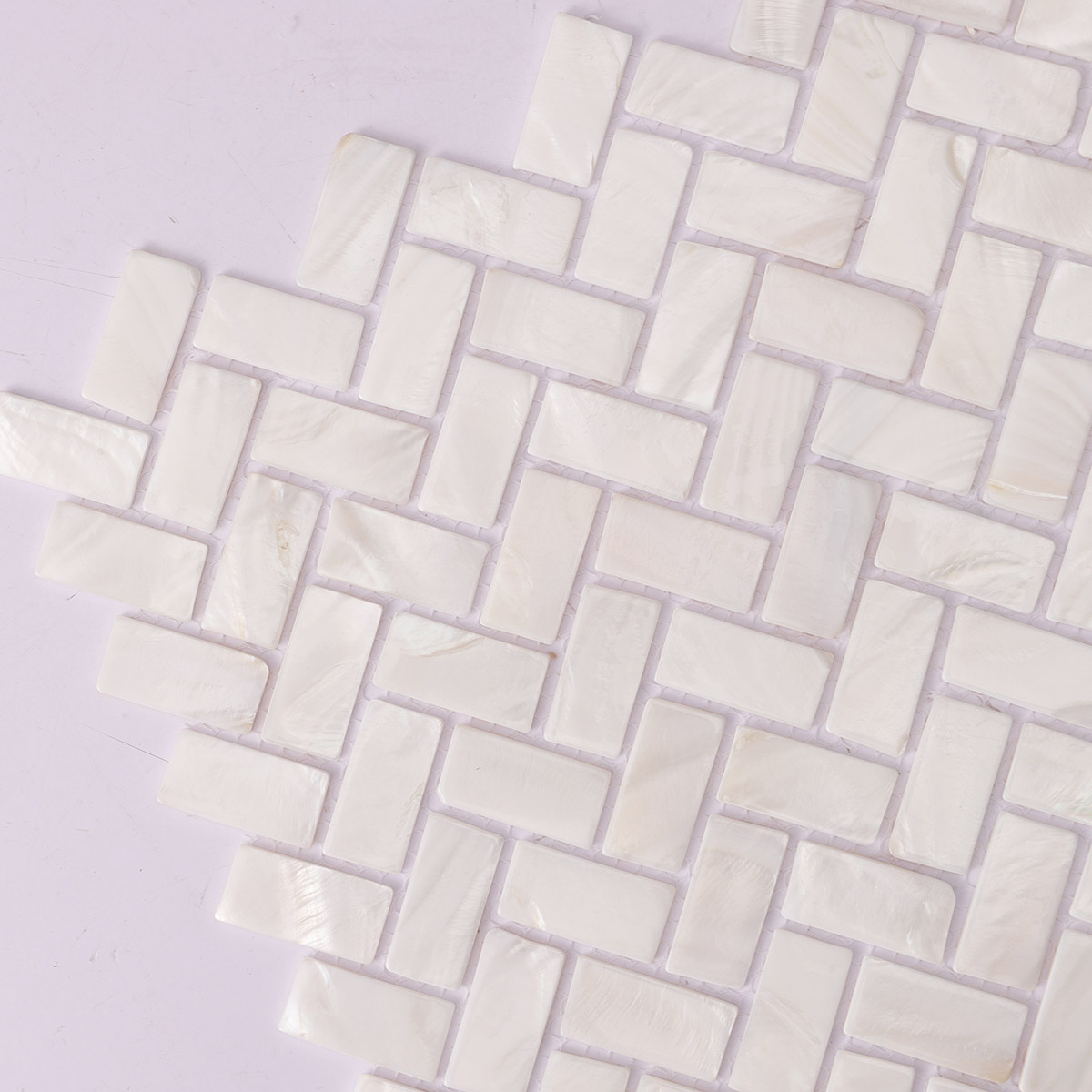
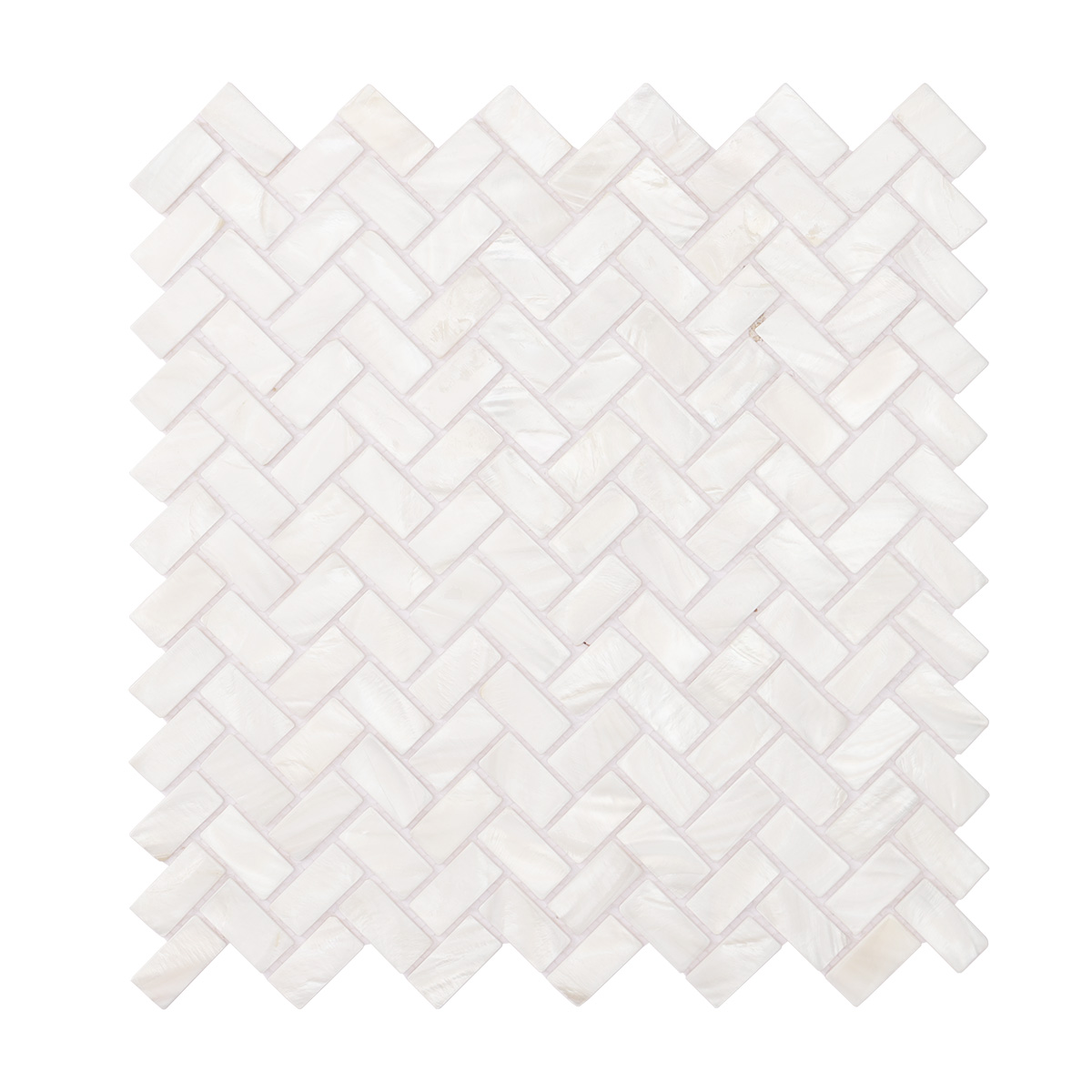

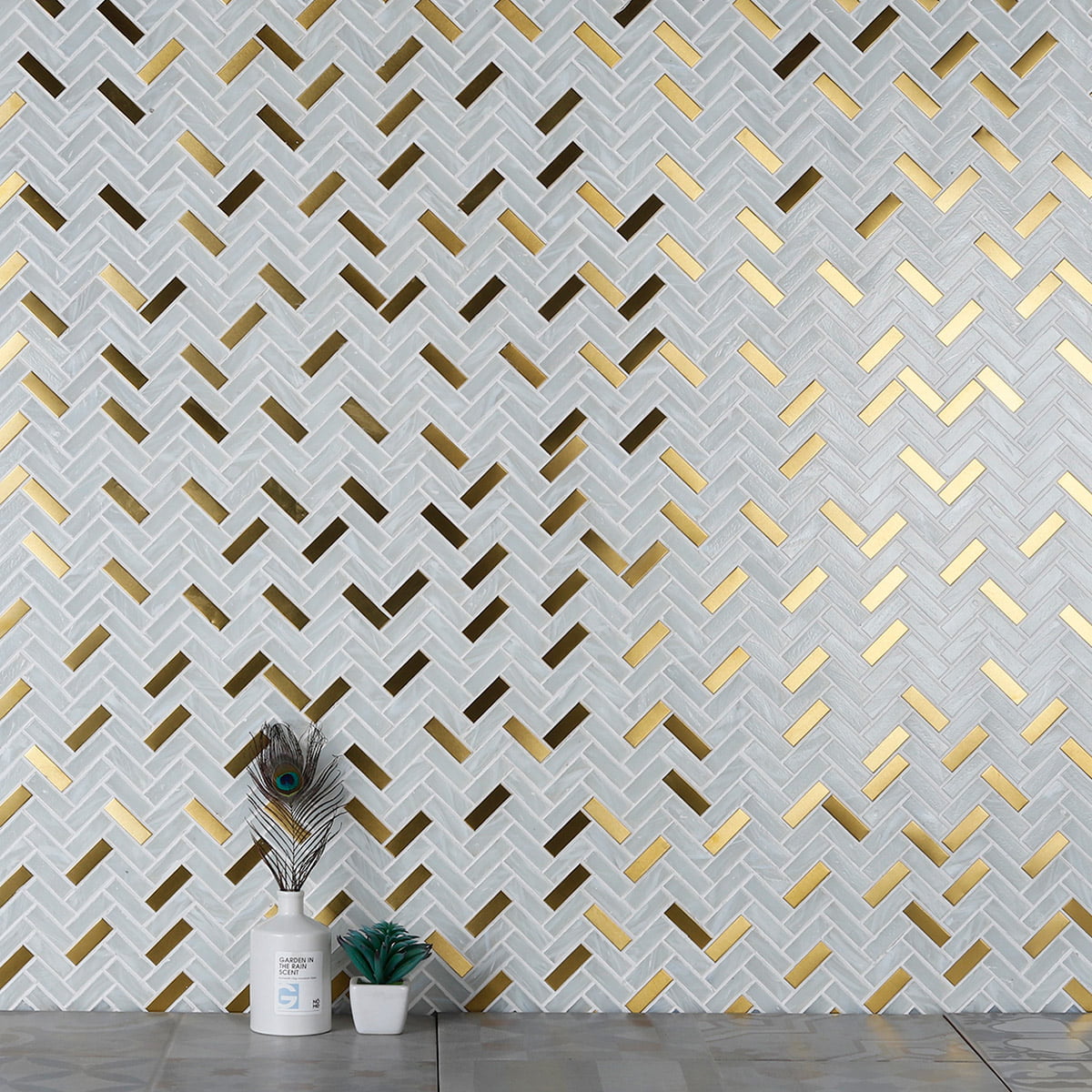
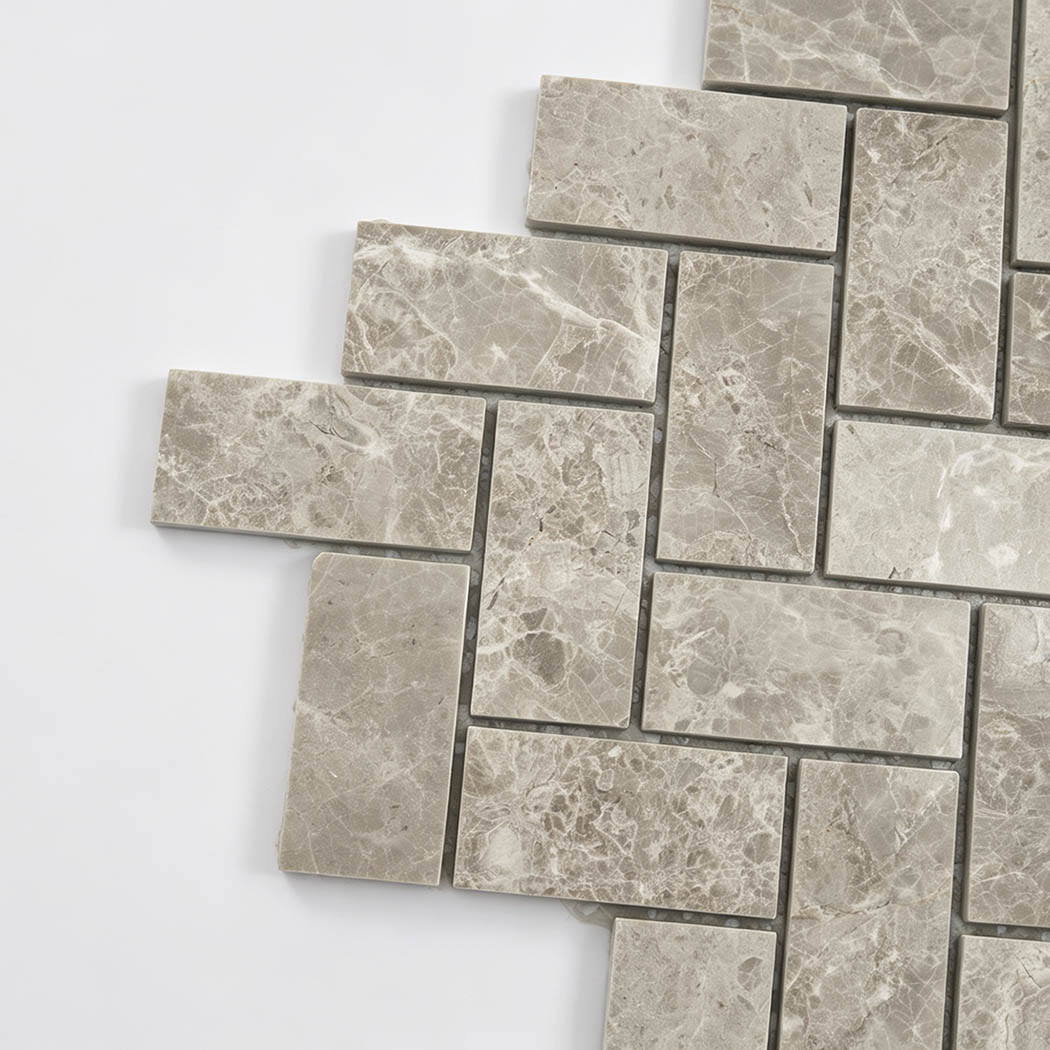
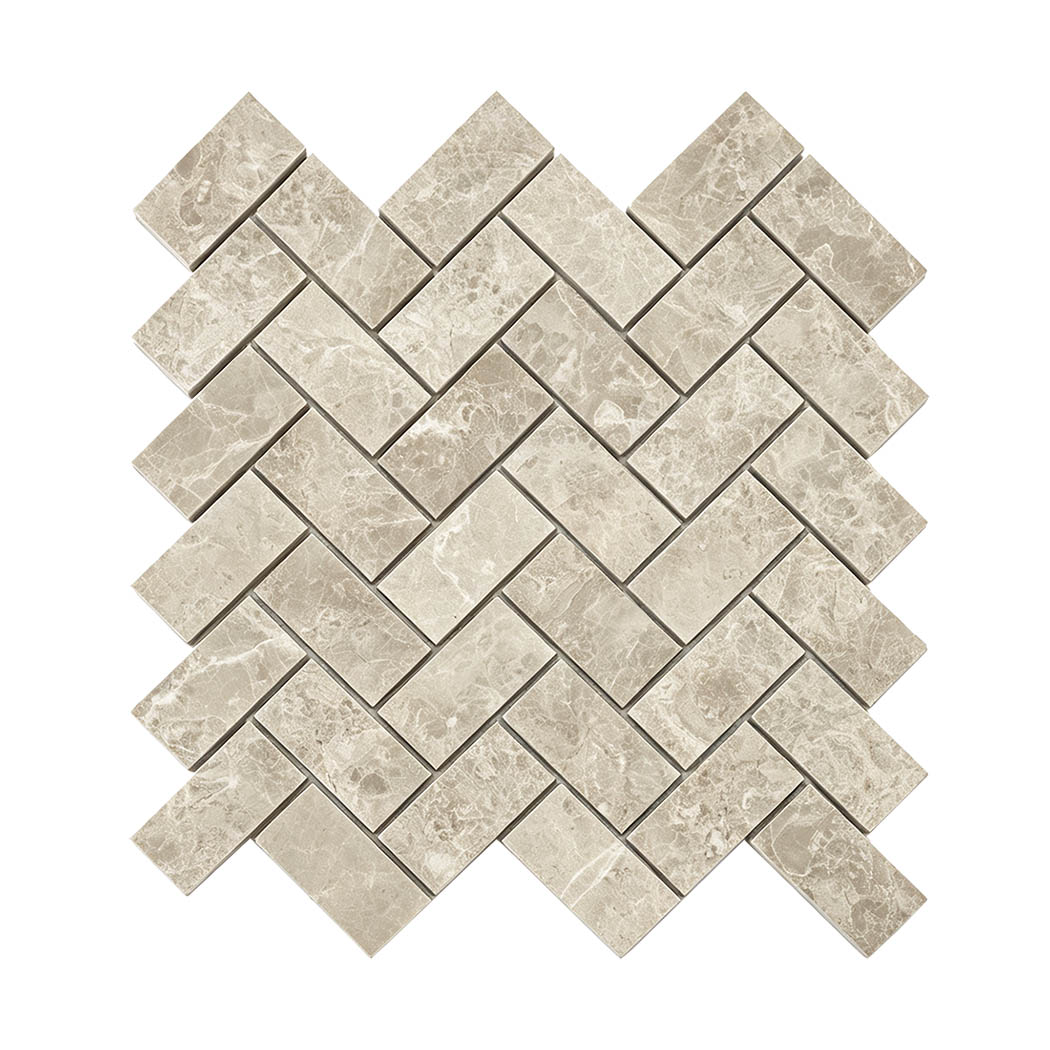

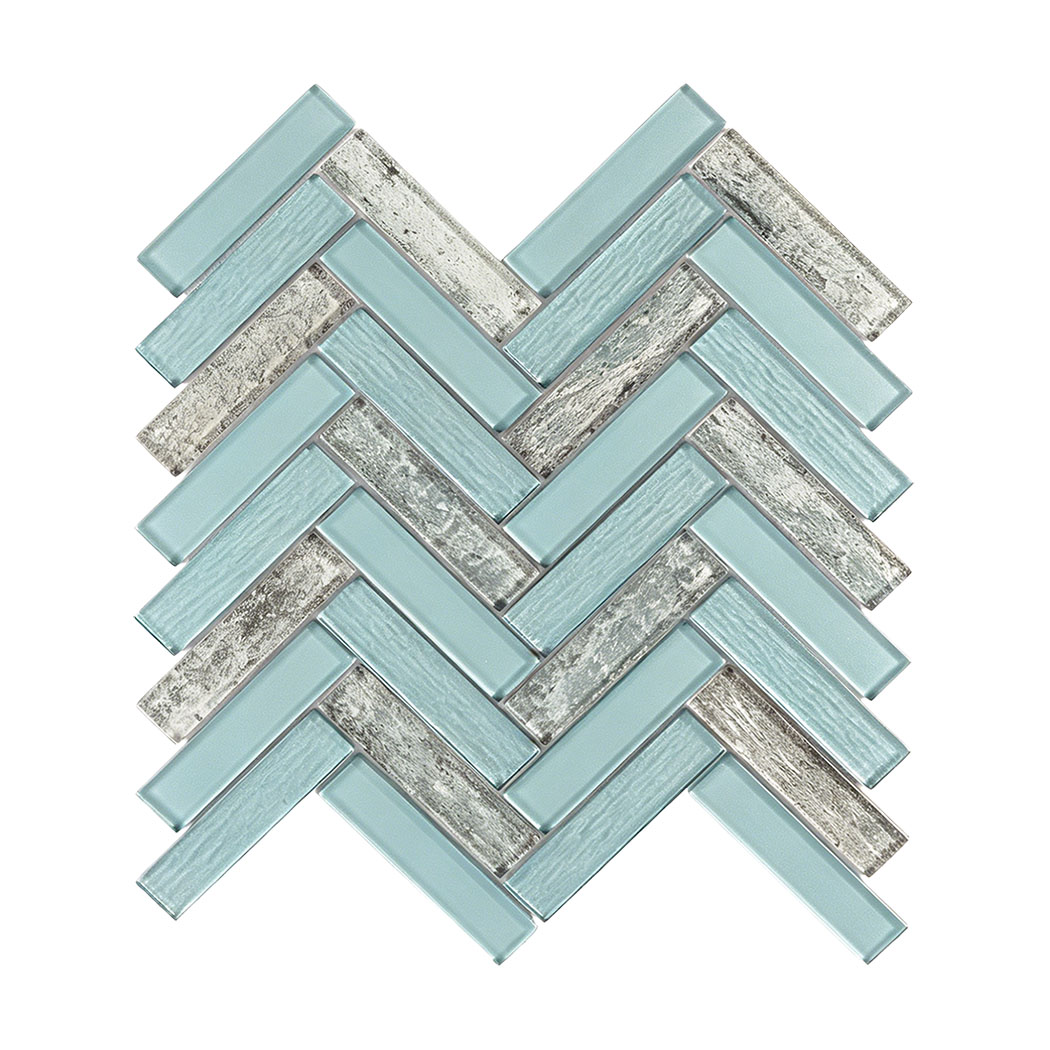
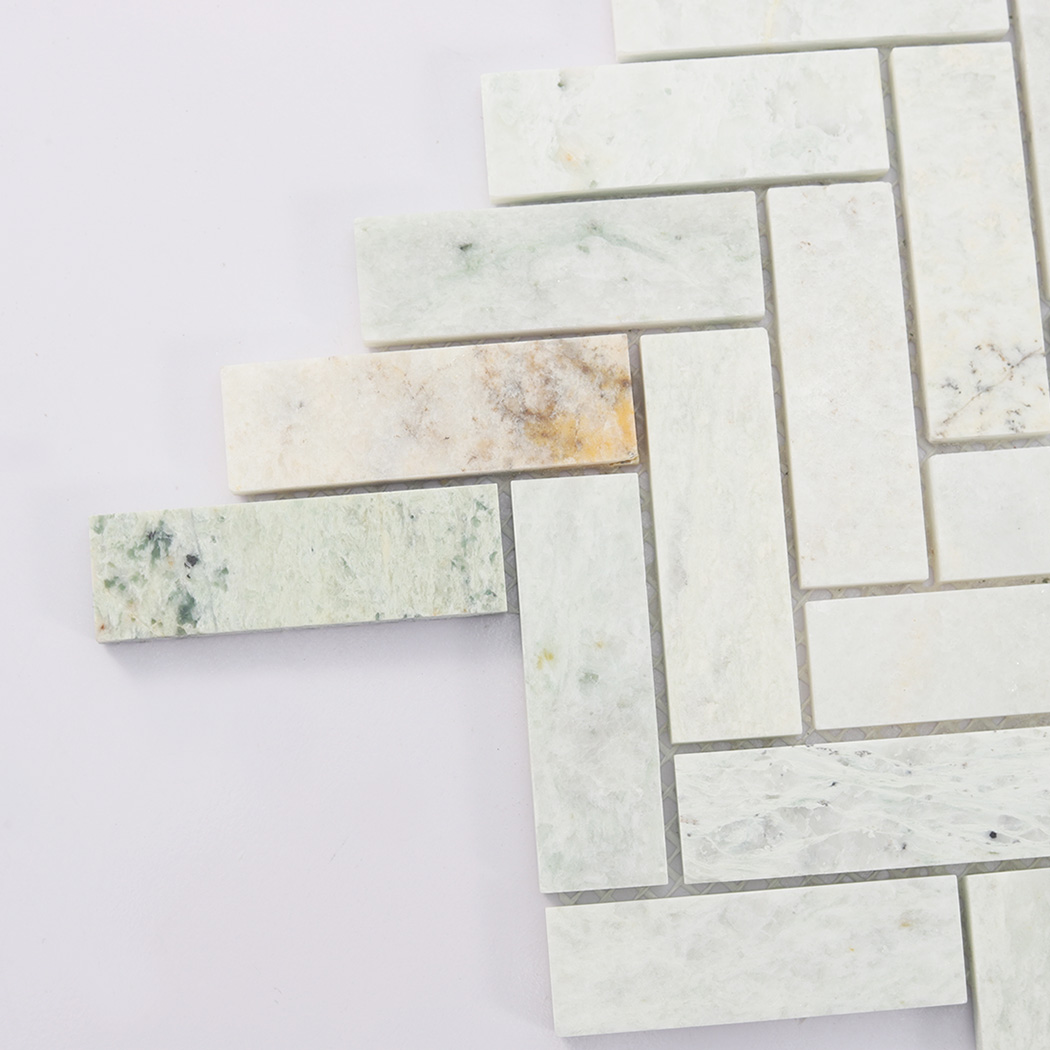
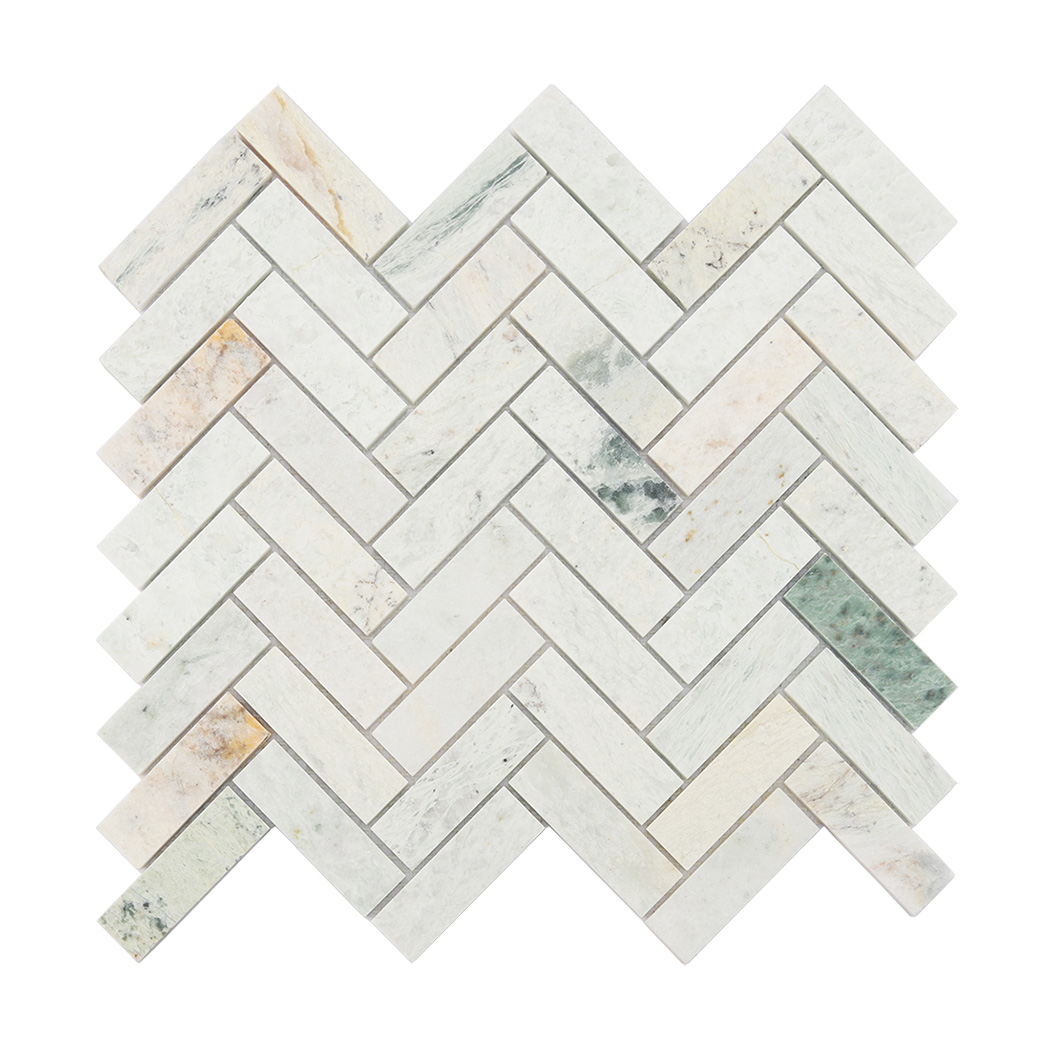
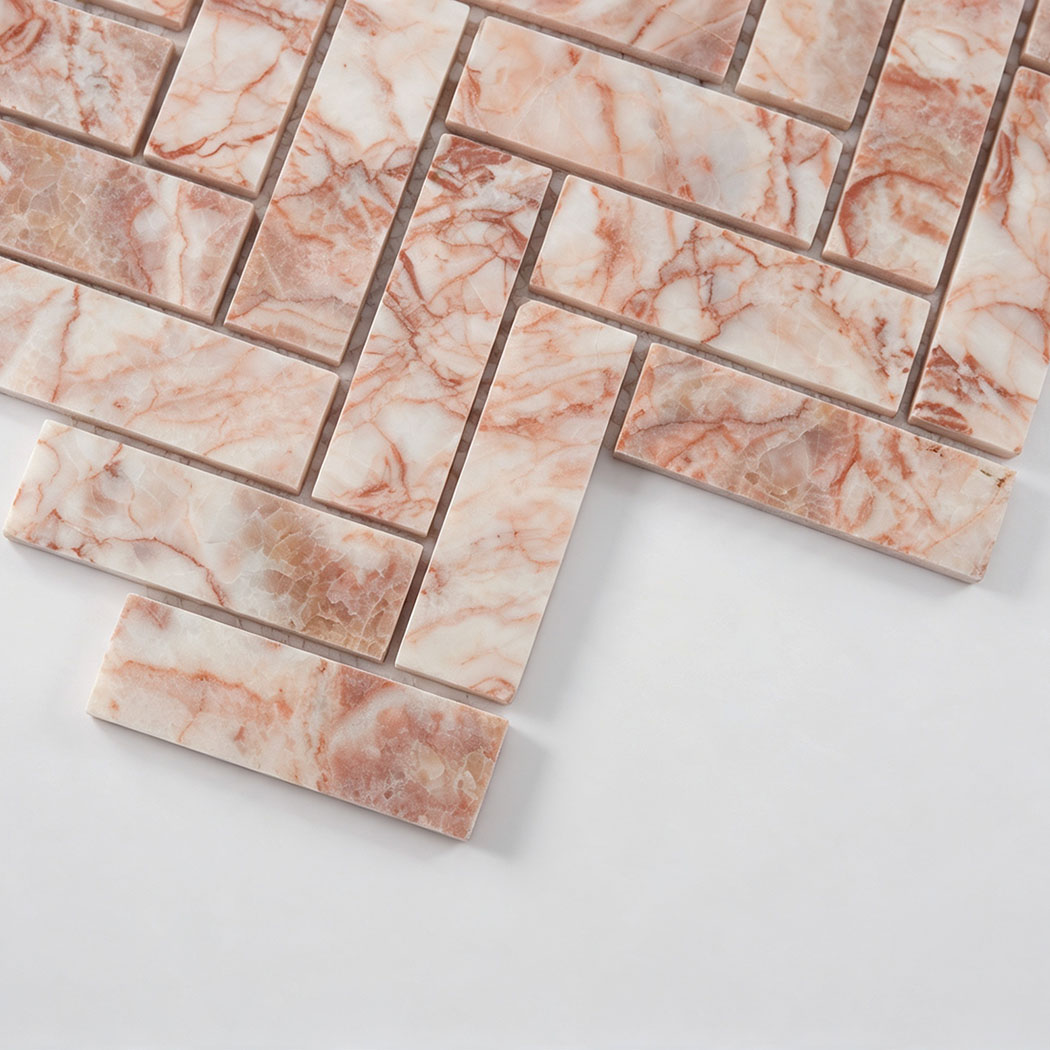
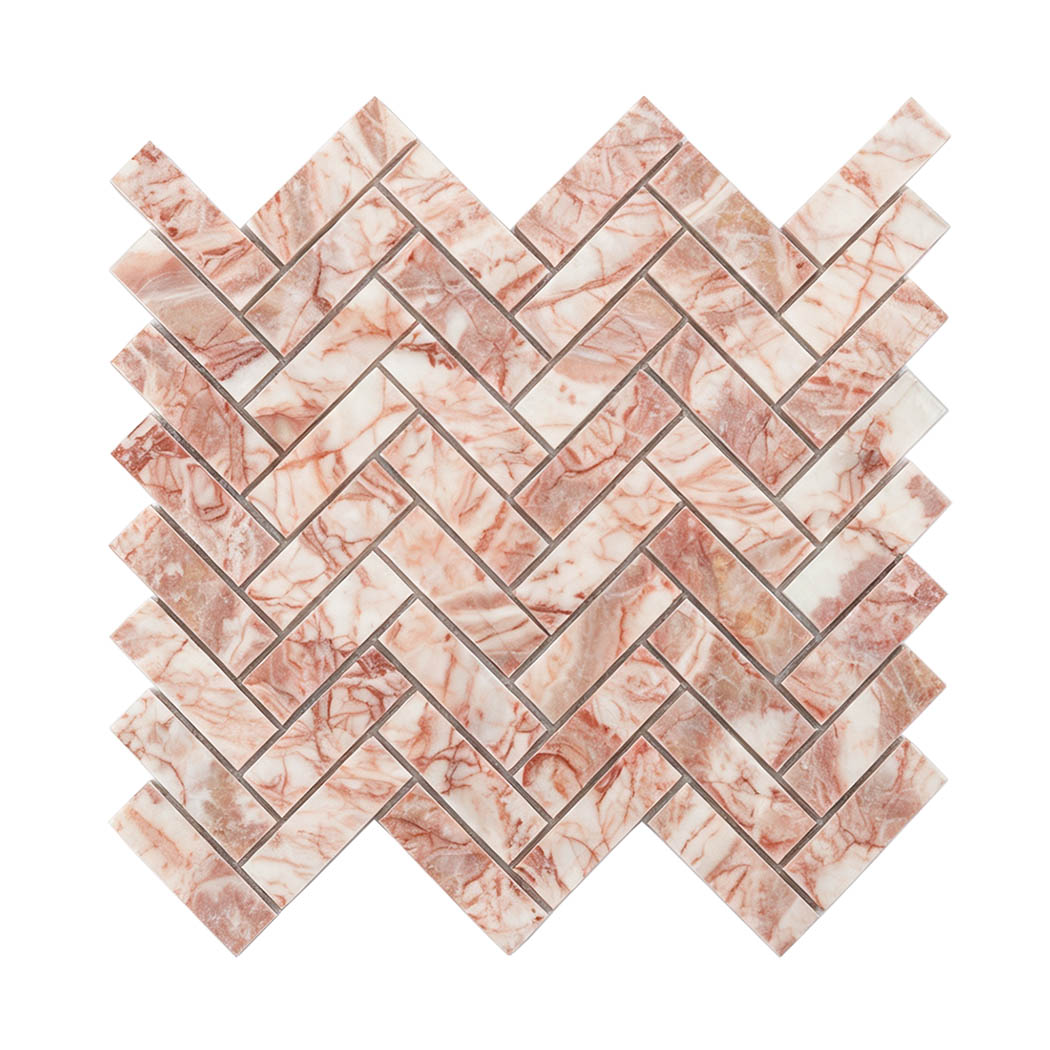
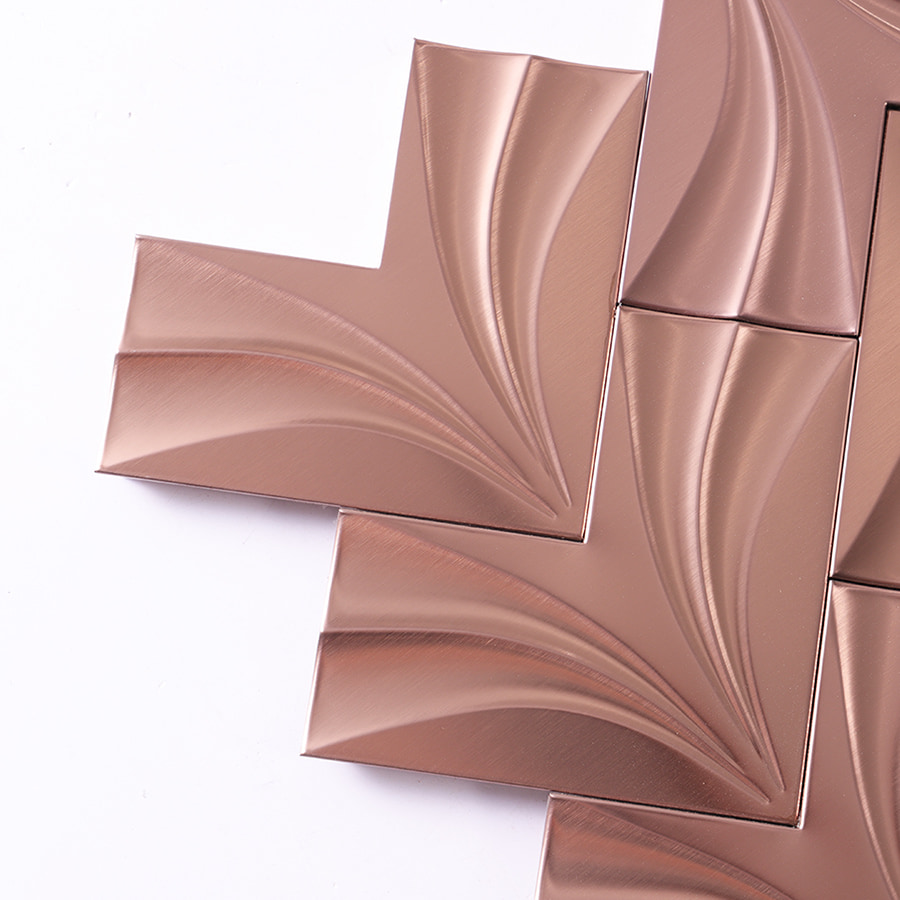
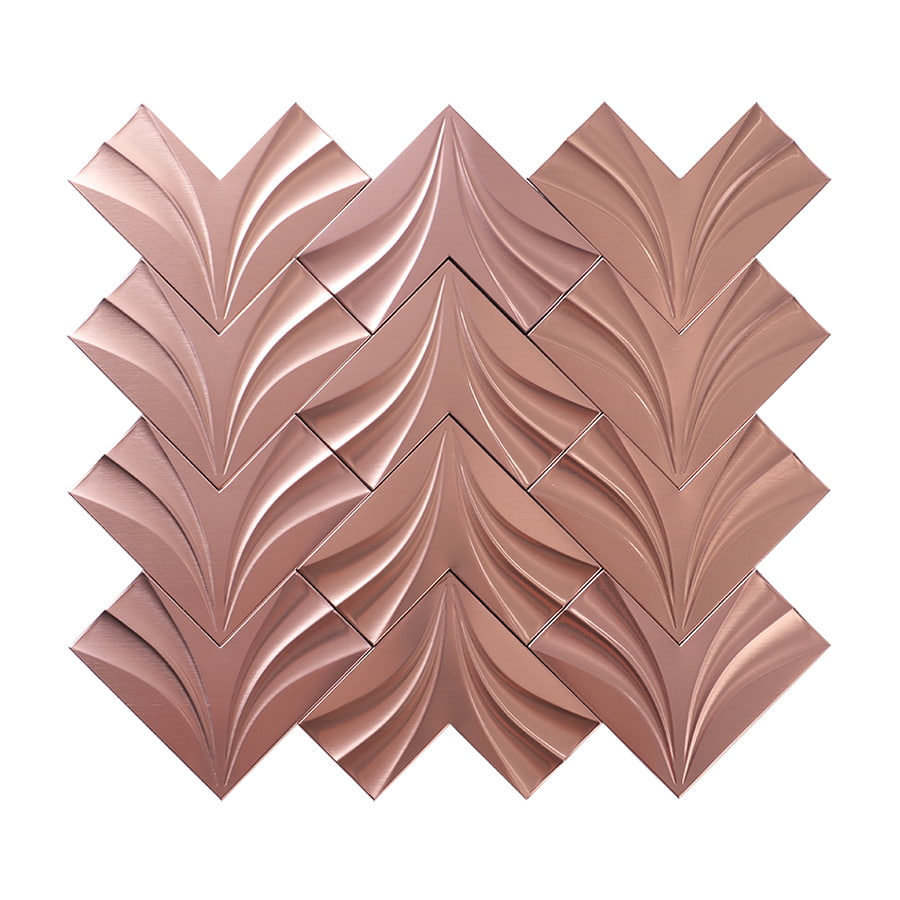
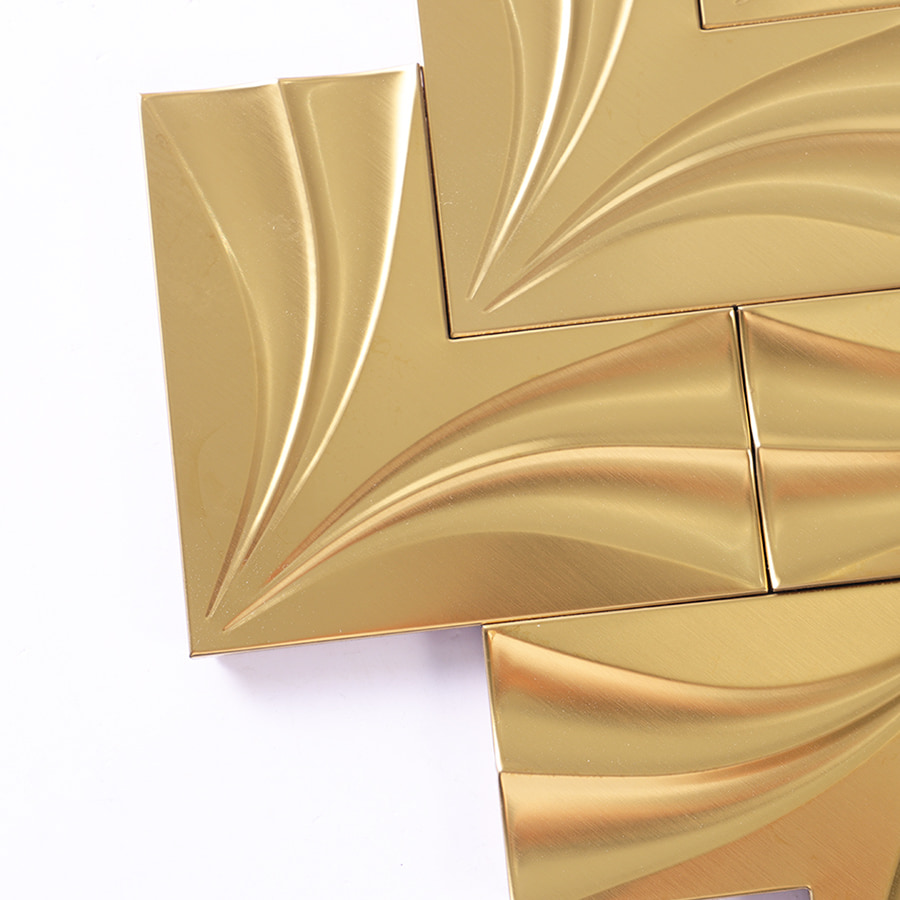
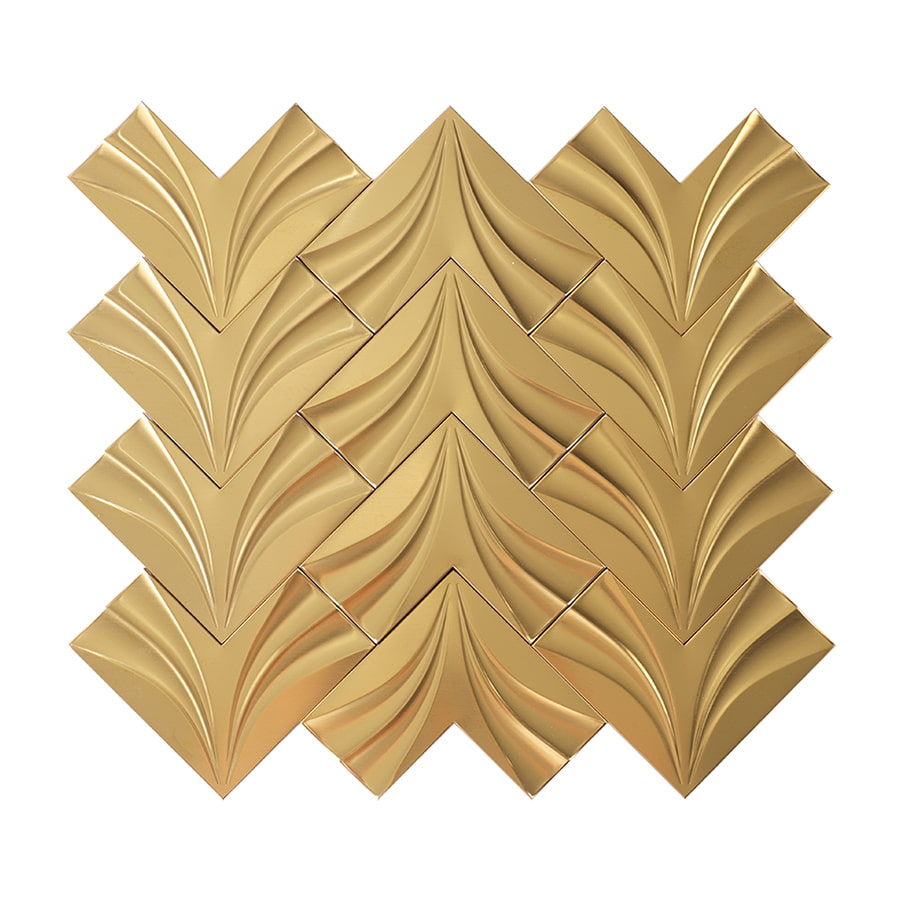
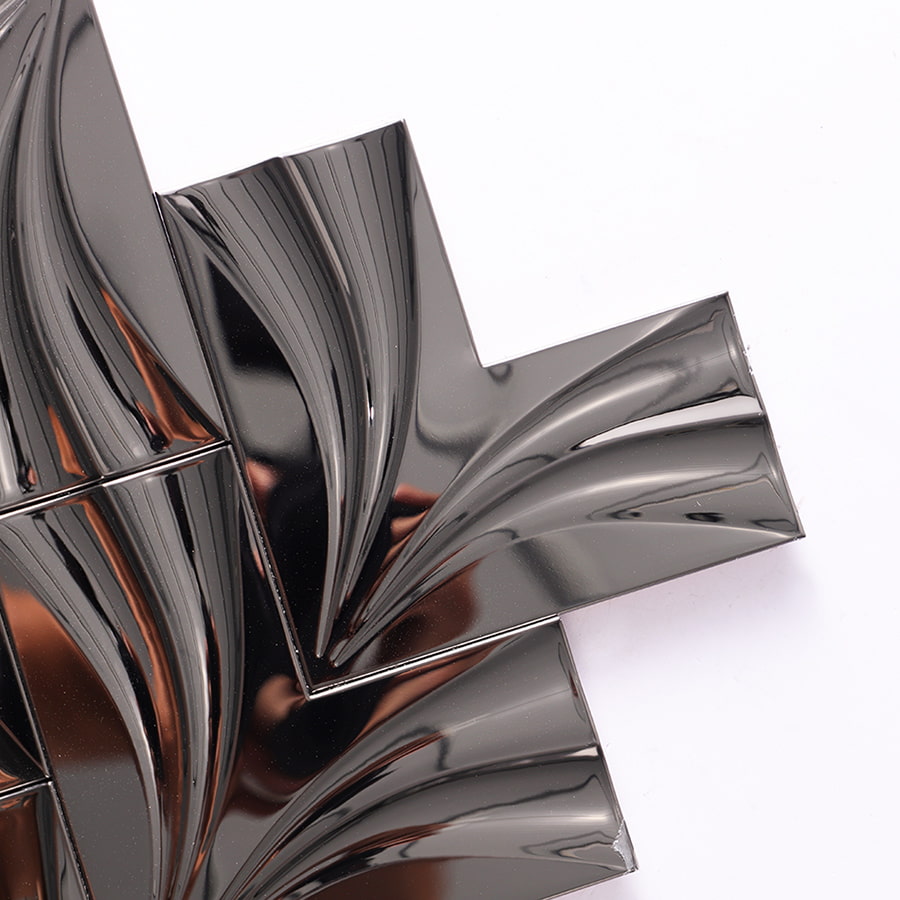
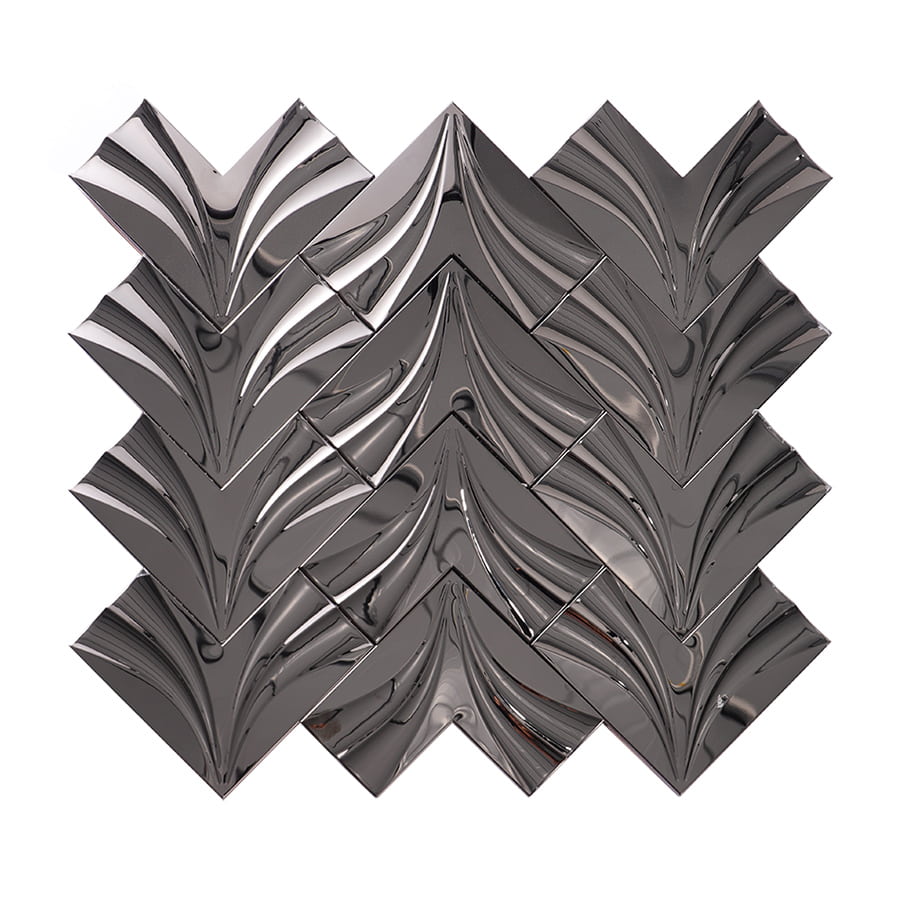
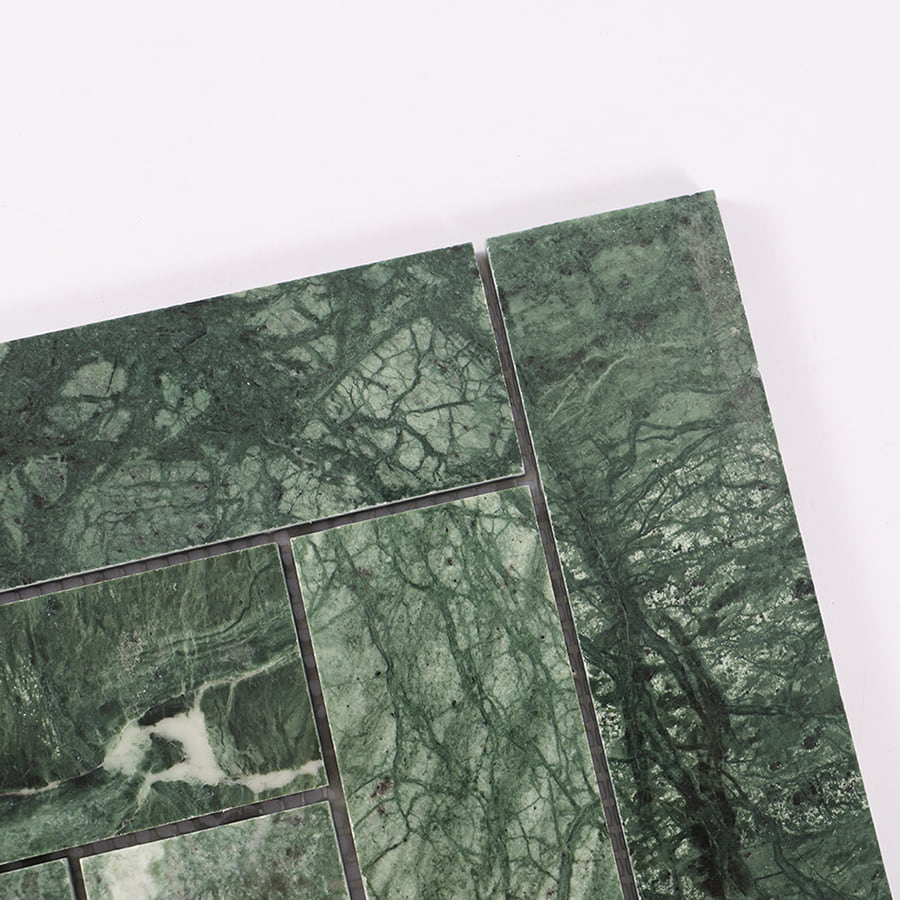
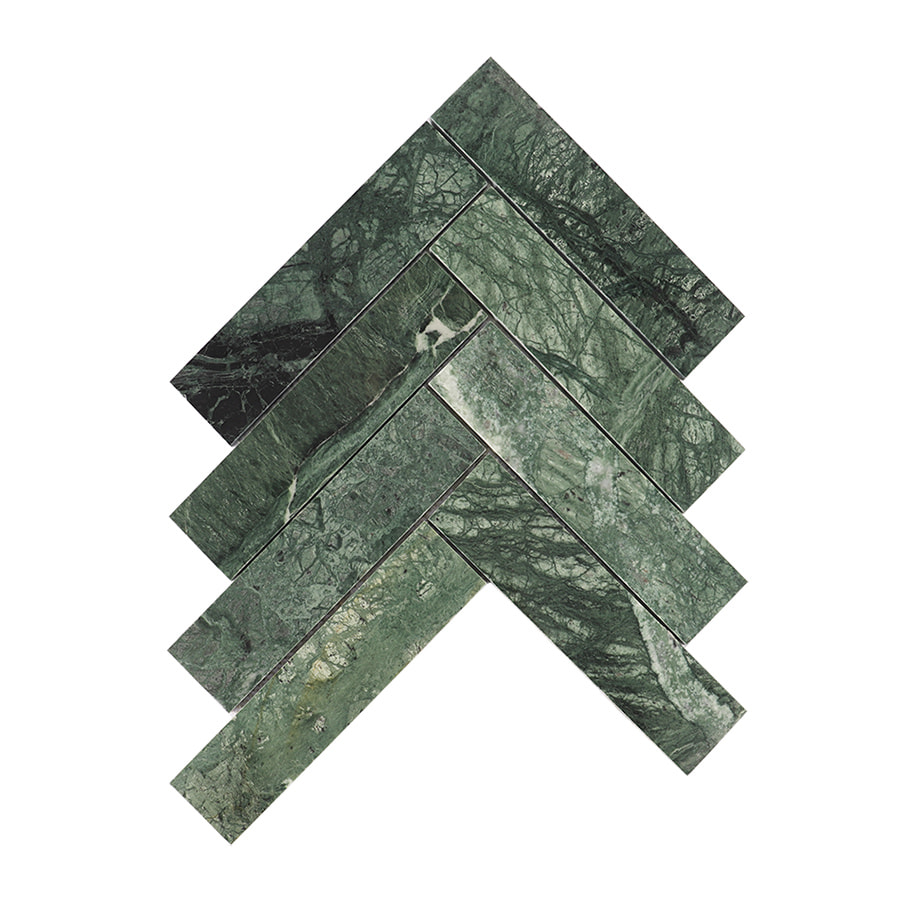
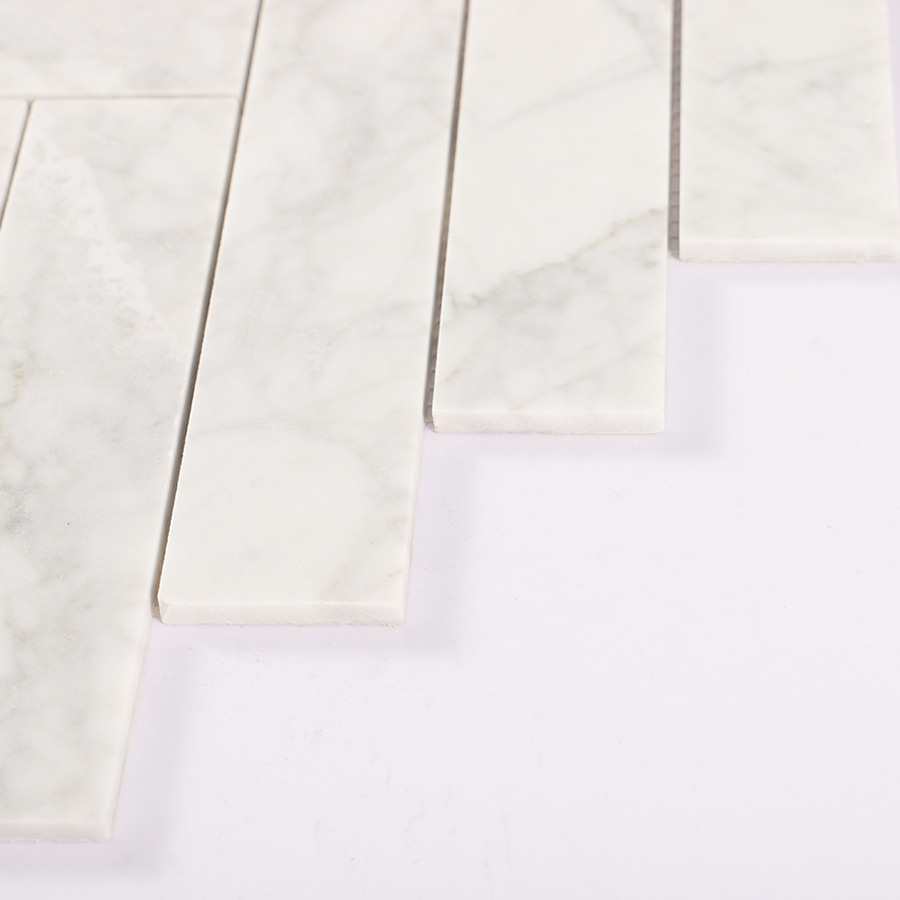
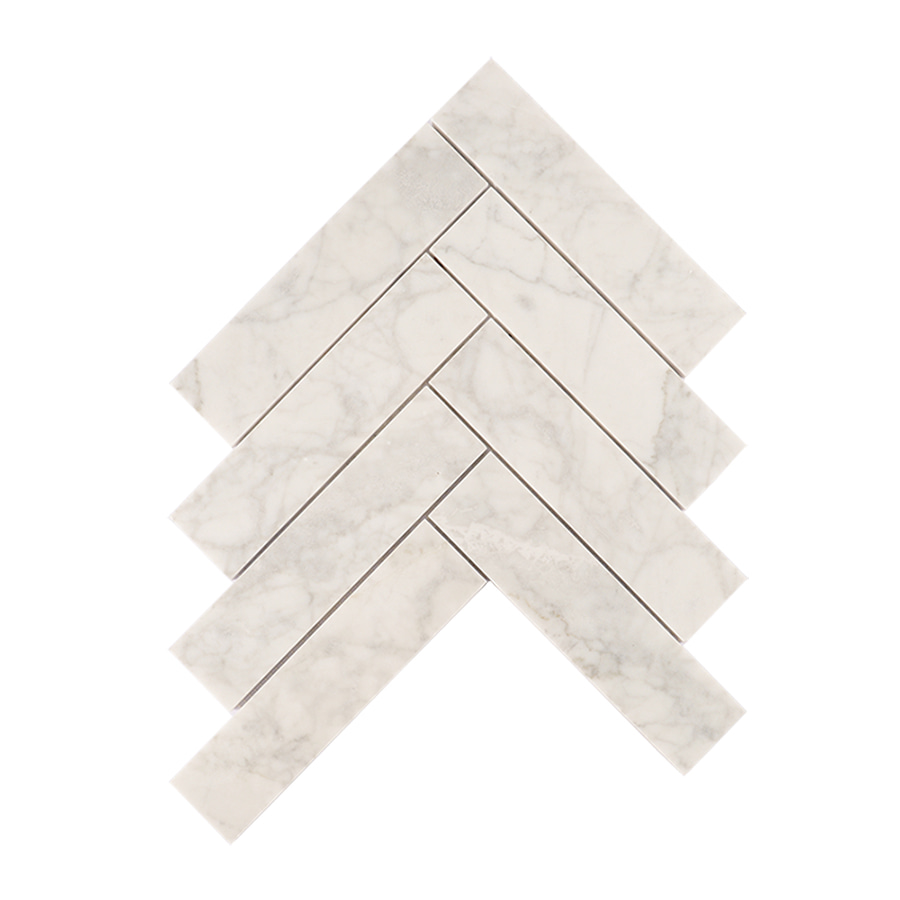
Transform your cooking space with herringbone tiles kitchen designs that blend timeless elegance and modern flair. Whether you’re revamping a small galley kitchen or designing a culinary oasis, herringbone-patterned tiles add visual interest, depth, and a sense of craftsmanship to any backsplash, floor, or accent wall.
Why Choose Herringbone Tiles in Your Kitchen?
-
Distinctive Pattern: The zigzag arrangement of herringbone tiles creates dynamic movement, drawing the eye and elevating even the simplest kitchen styles.
-
Versatile Applications: Perfect for backsplashes, floors, and feature walls, herringbone tiles adapt to both traditional and contemporary kitchens.
-
Durability & Practicality: Made from high-quality ceramic, porcelain, glass, or natural stone, these tiles withstand heat, moisture, and daily wear—ideal for high-traffic culinary areas.
-
Design Flexibility: From slim metro tiles in classic white to large-format marble slabs, the herringbone layout works with varied materials, sizes, and finishes.
Design Inspirations
1. Classic White Subway Herringbone
-
Material: 3″×6″ glazed ceramic
-
Finish: Glossy white for a clean, reflective surface
-
Style Tip: Pair with white grout for a seamless look or light gray grout to accentuate the pattern.
2. Marble Herringbone Floor
-
Material: 12″×12″ natural Carrara marble
-
Finish: Polished for a luxurious sheen
-
Style Tip: Use darker veining to introduce subtle contrast; perfect for open-concept kitchens that flow into dining areas.
3. Glass Mosaic Accent Wall
-
Material: 1″×2″ glass mosaic tiles
-
Finish: Iridescent or matte
-
Style Tip: Install behind open shelving to catch light and showcase kitchenware as decor.
4. Metal-Trimmed Herringbone Backsplash
-
Material: Stainless steel-edged porcelain
-
Finish: Brushed metal border around porcelain center
-
Style Tip: Ideal for industrial or modern farmhouse kitchens; complements stainless appliances.
Materials and Finishes
| Material | Benefits | Typical Use |
|---|---|---|
| Ceramic | Affordable, easy to clean | Backsplashes, walls |
| Porcelain | Highly durable, low porosity | Floors, countertops |
| Glass | Reflective, moisture-resistant | Accent walls, backsplashes |
| Natural Stone | Unique veining, high-end appeal | Floors, feature walls |
Installation Tips
-
Subfloor Preparation: Ensure floors are level and firmly secured. For walls, confirm the surface is clean, dry, and smooth.
-
Tile Layout: Dry-lay a row of tiles in the herringbone pattern to adjust spacing and alignment before applying adhesive.
-
Adhesive Selection: Use a polymer-modified thinset designed for your tile type—especially critical for heavier natural stone.
-
Grouting: Opt for a grout color that either blends for a seamless look or contrasts to highlight the herringbone pattern. Seal grout lines on porous materials.
-
Professional vs. DIY: While small-scale backsplash installs can be DIY-friendly, complex floor patterns are best handled by experienced tile setters.
Maintenance & Care
-
Daily Cleaning: Wipe down tiled surfaces with a soft cloth and mild detergent.
-
Deep Cleaning: Use a pH-neutral tile cleaner monthly to remove grease and grime. Avoid harsh chemicals on natural stone.
-
Sealing: Apply a penetrating sealer to stone or unglazed tiles every 1–2 years to protect against stains.
-
Repair: Keep spare tiles on hand for quick replacements in case of chips or cracks.
FAQs
What size tiles work best for a herringbone kitchen floor?
Medium to large-format tiles (8″×16″ or larger) create a striking pattern with fewer grout lines, while smaller tiles (e.g., 3″×6″) suit backsplashes and accent walls.
Can I install herringbone tiles over existing tile?
It’s possible if the existing tile is well-adhered, level, and intact. However, tiling over drywall or a cement backer board ensures optimal adhesion and longevity.
How much does a herringbone tile installation cost?
Costs vary by material, tile size, and labor rates. On average, expect to pay $15–$25 per square foot for professional installation, including materials.