
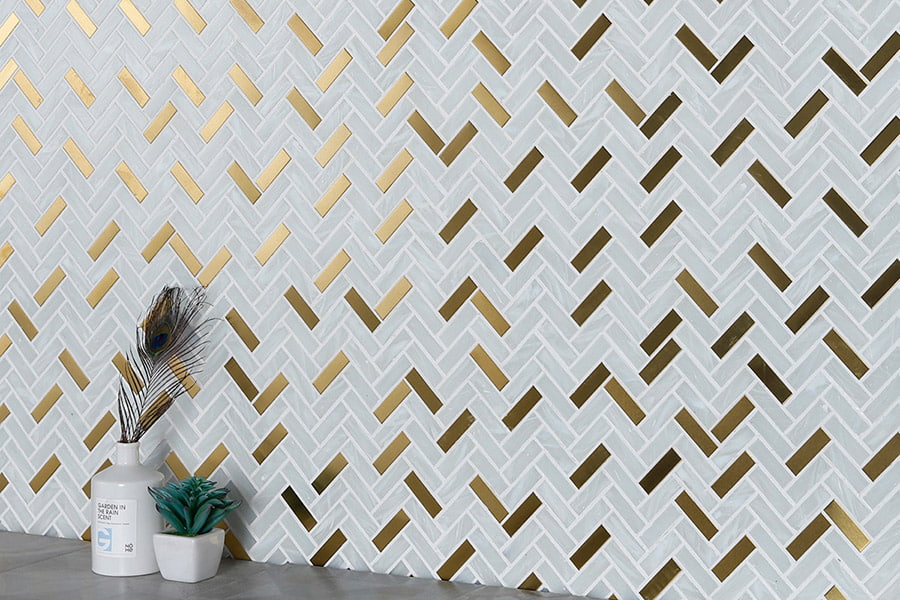

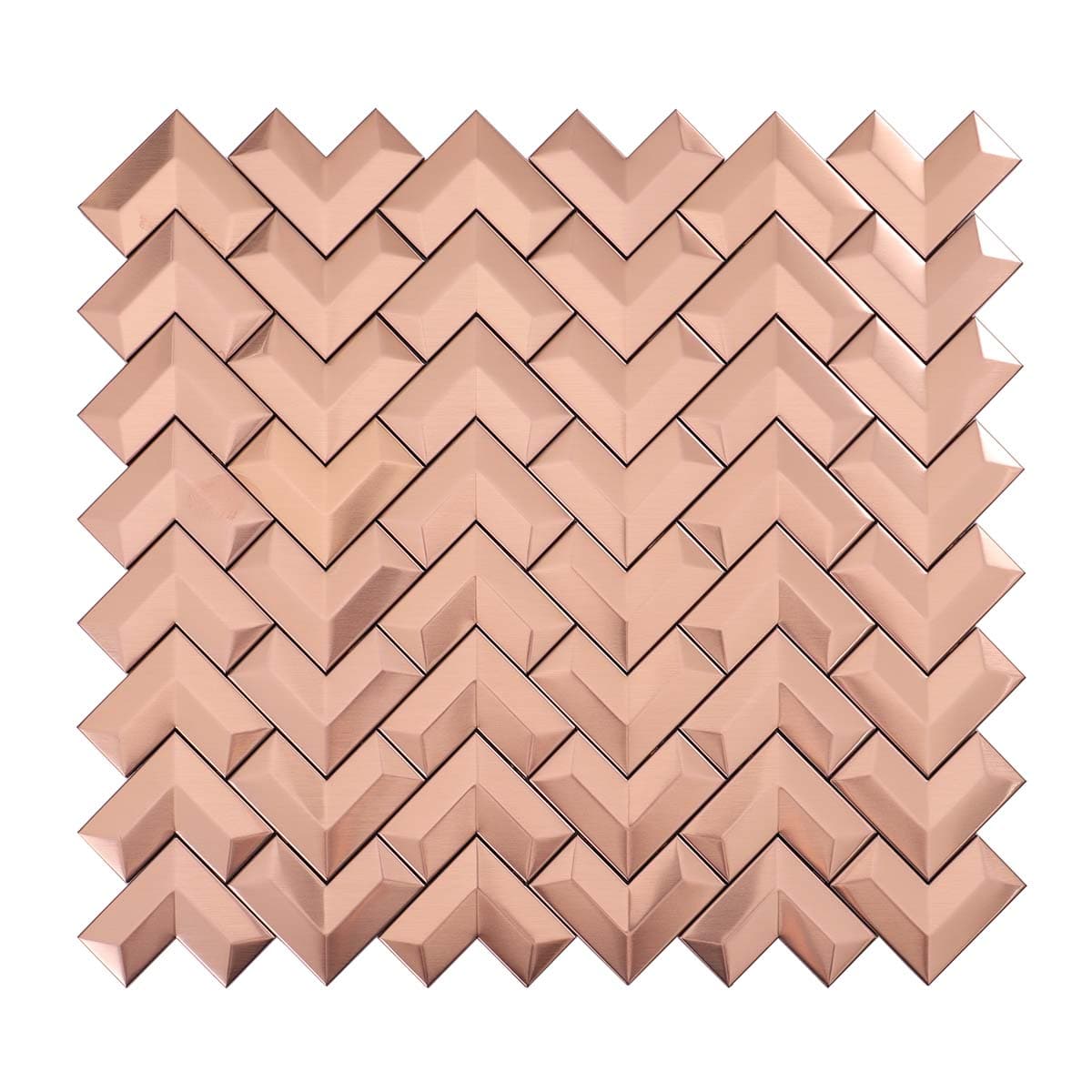

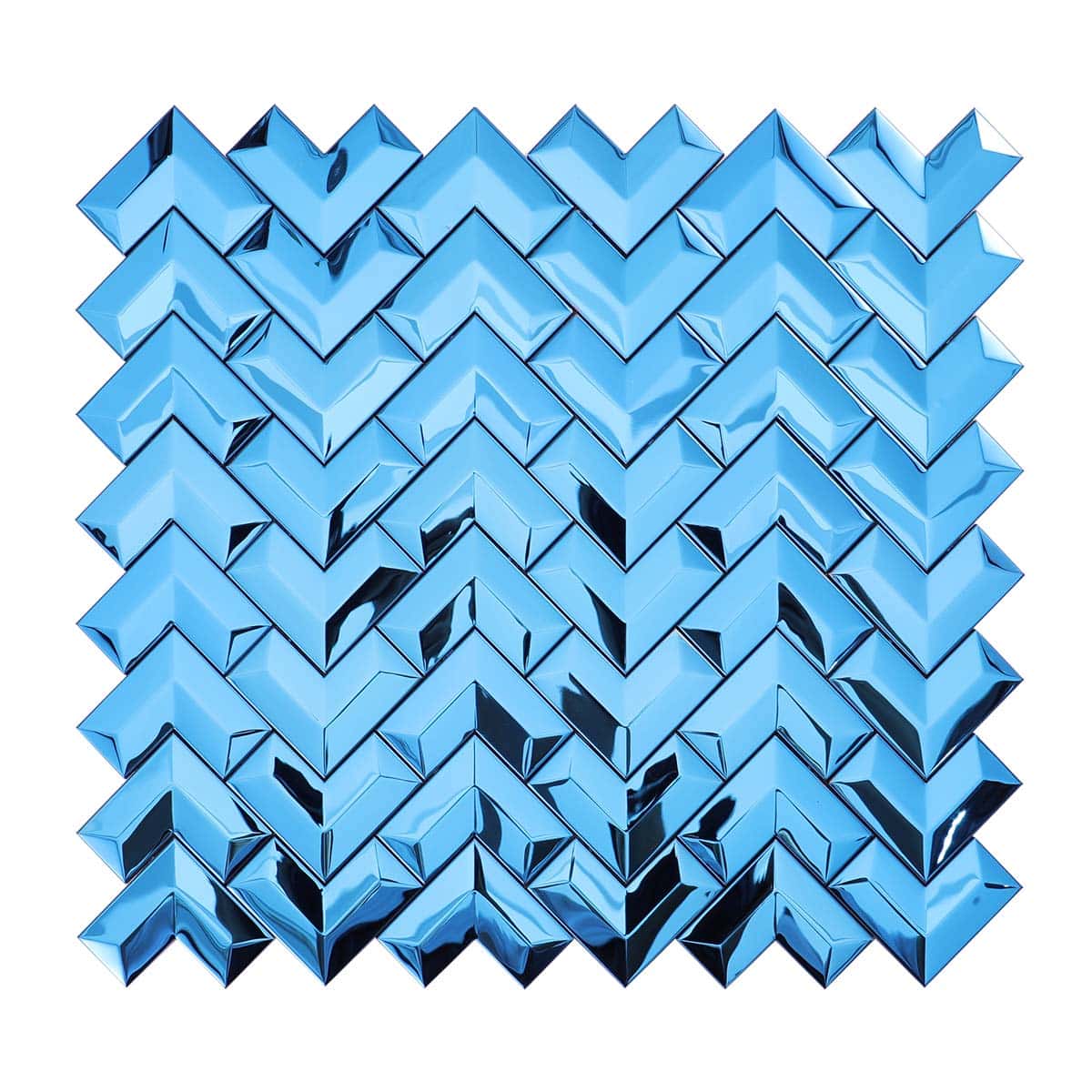

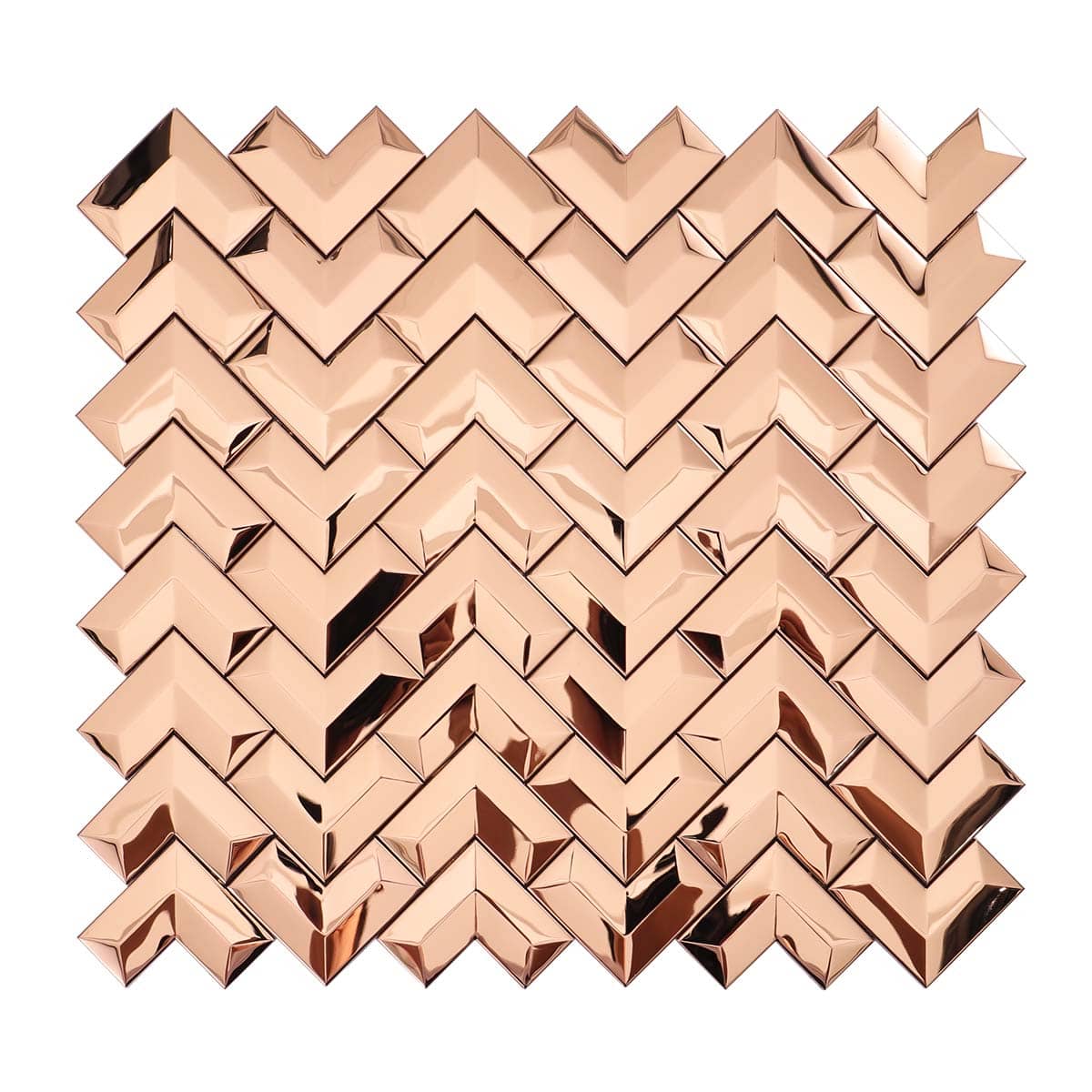

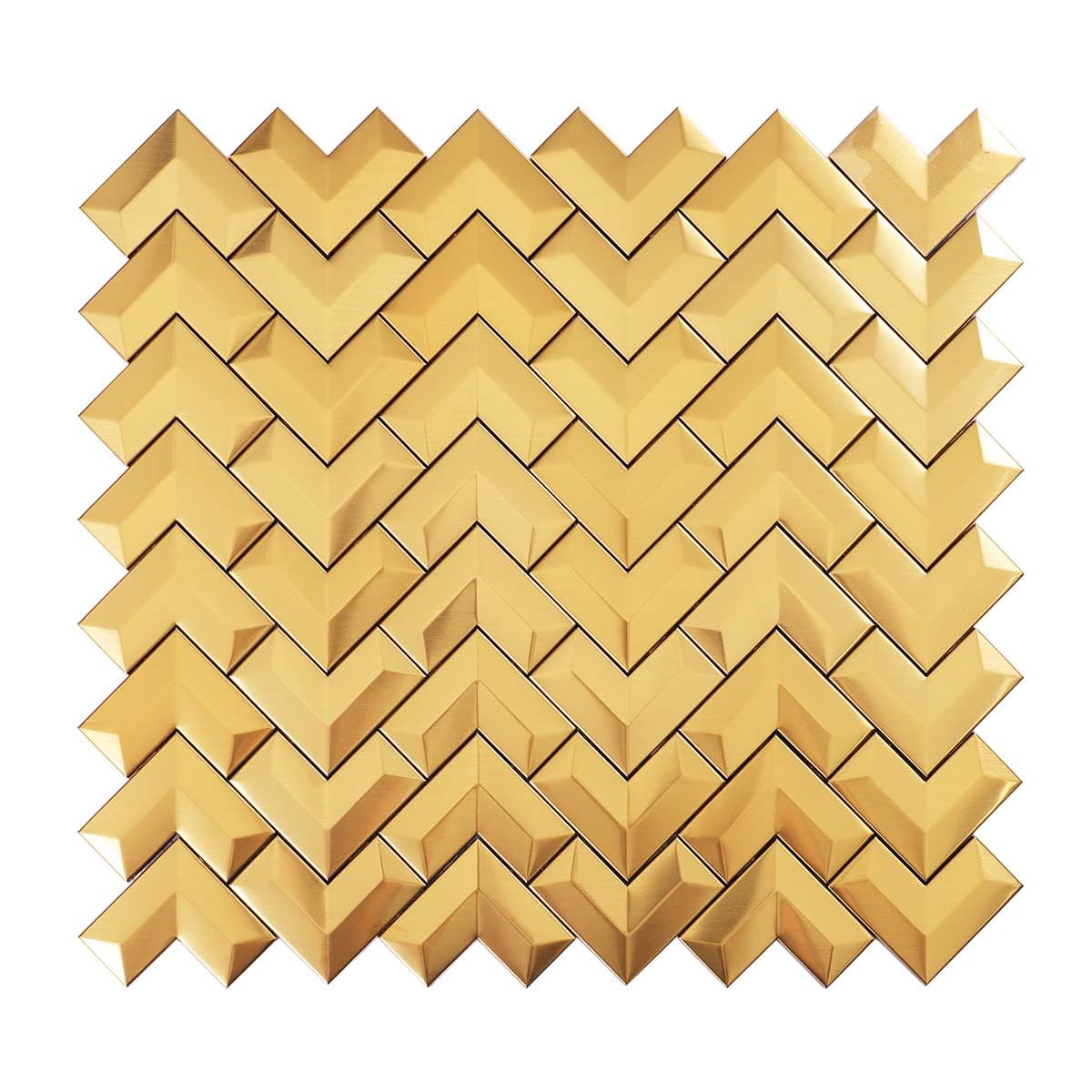

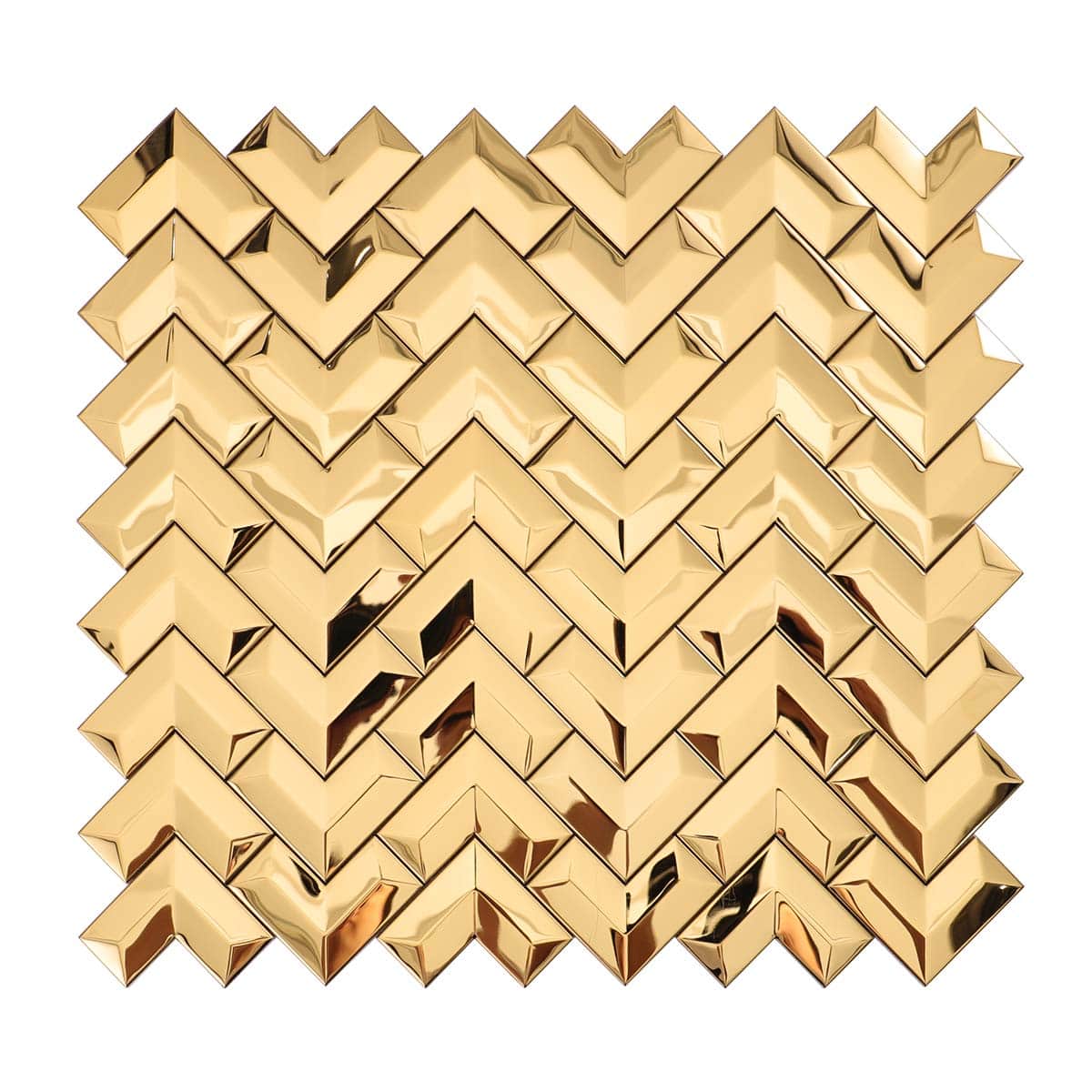
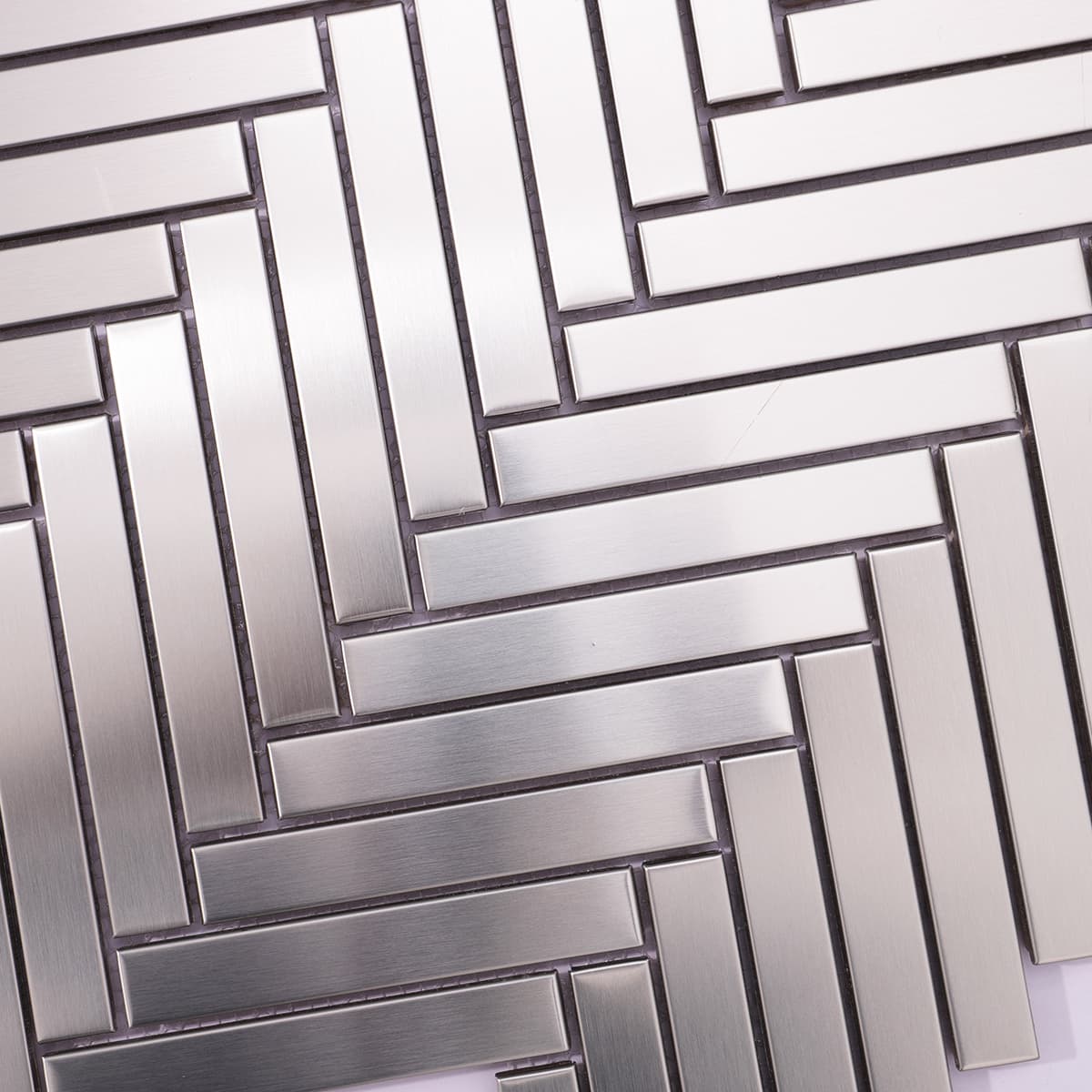
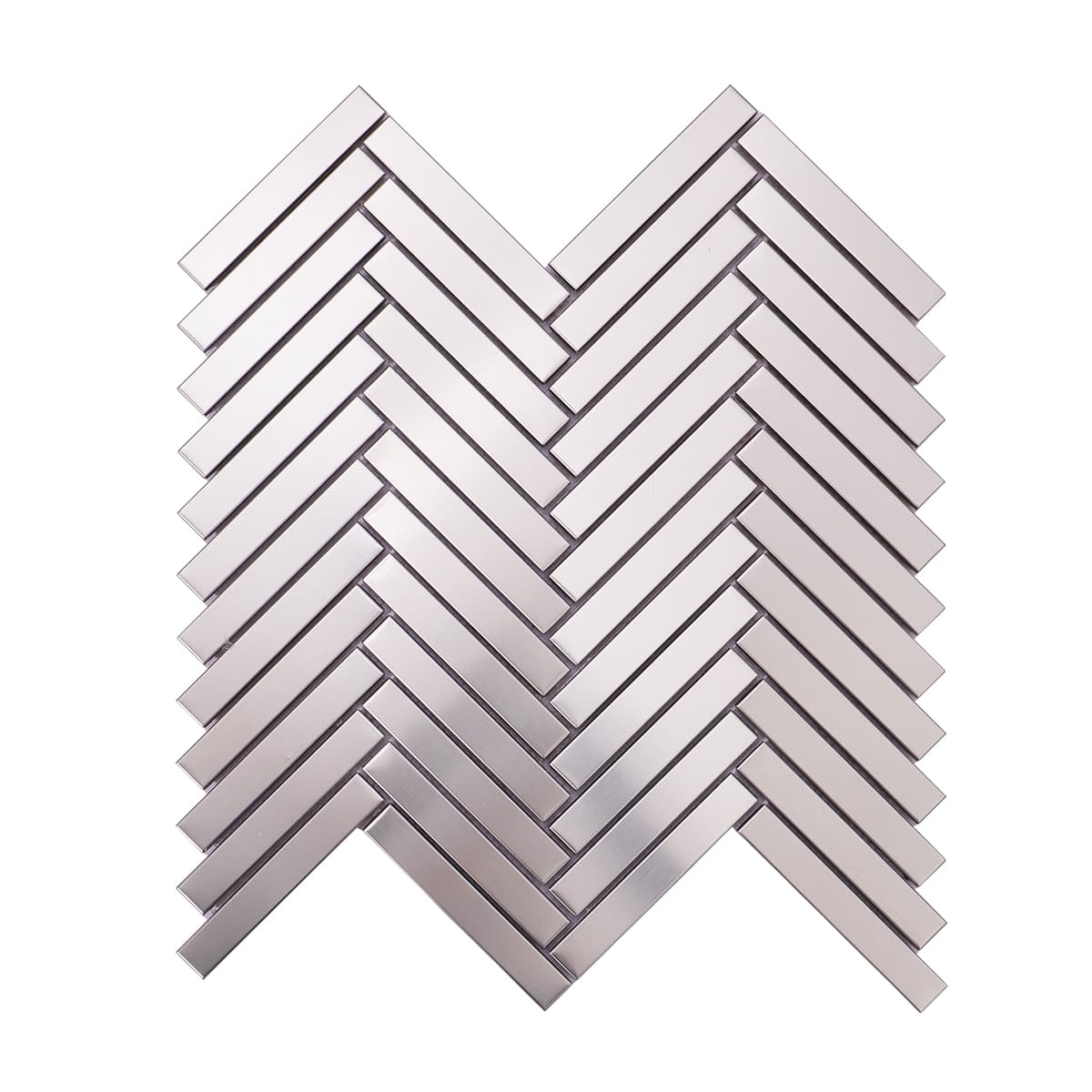
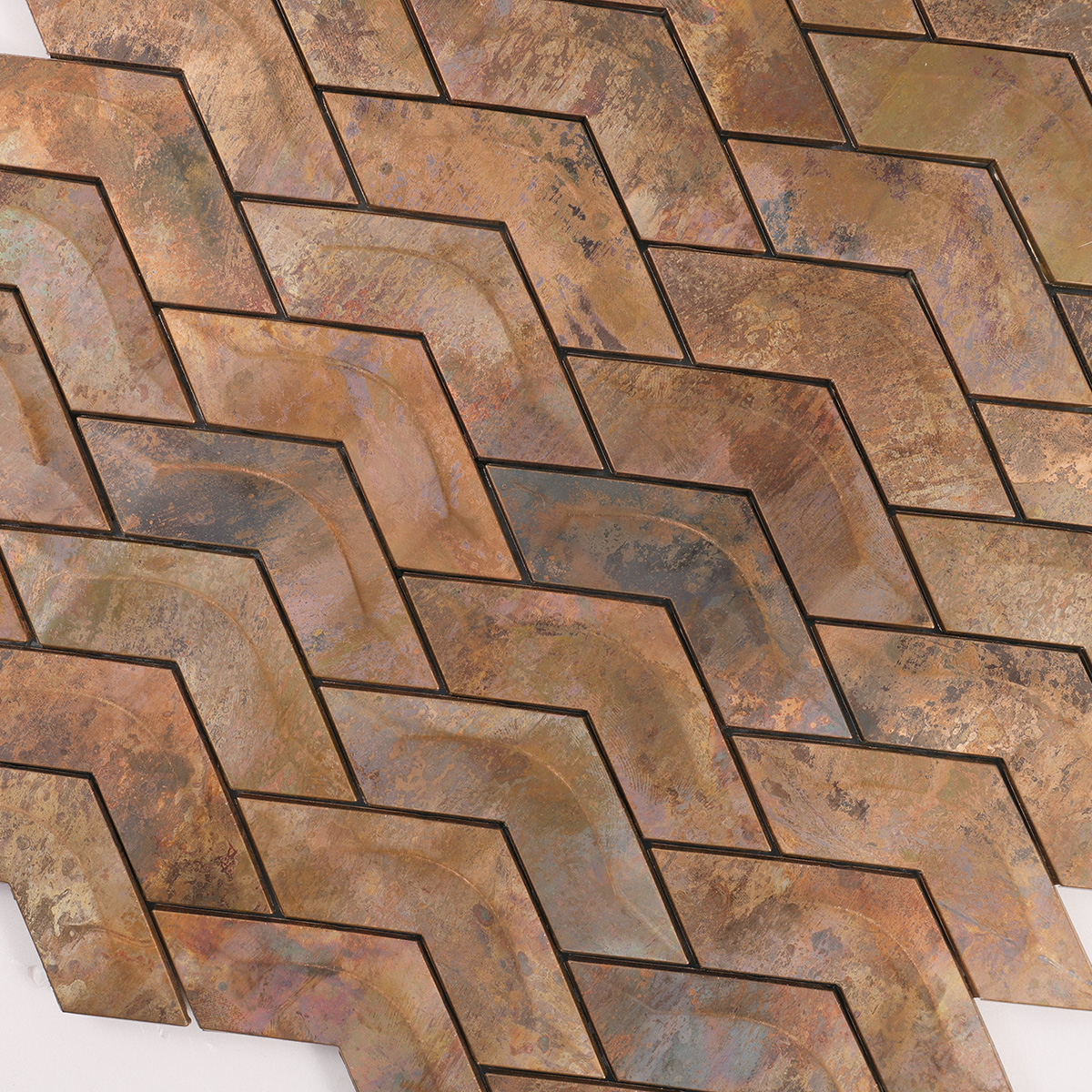
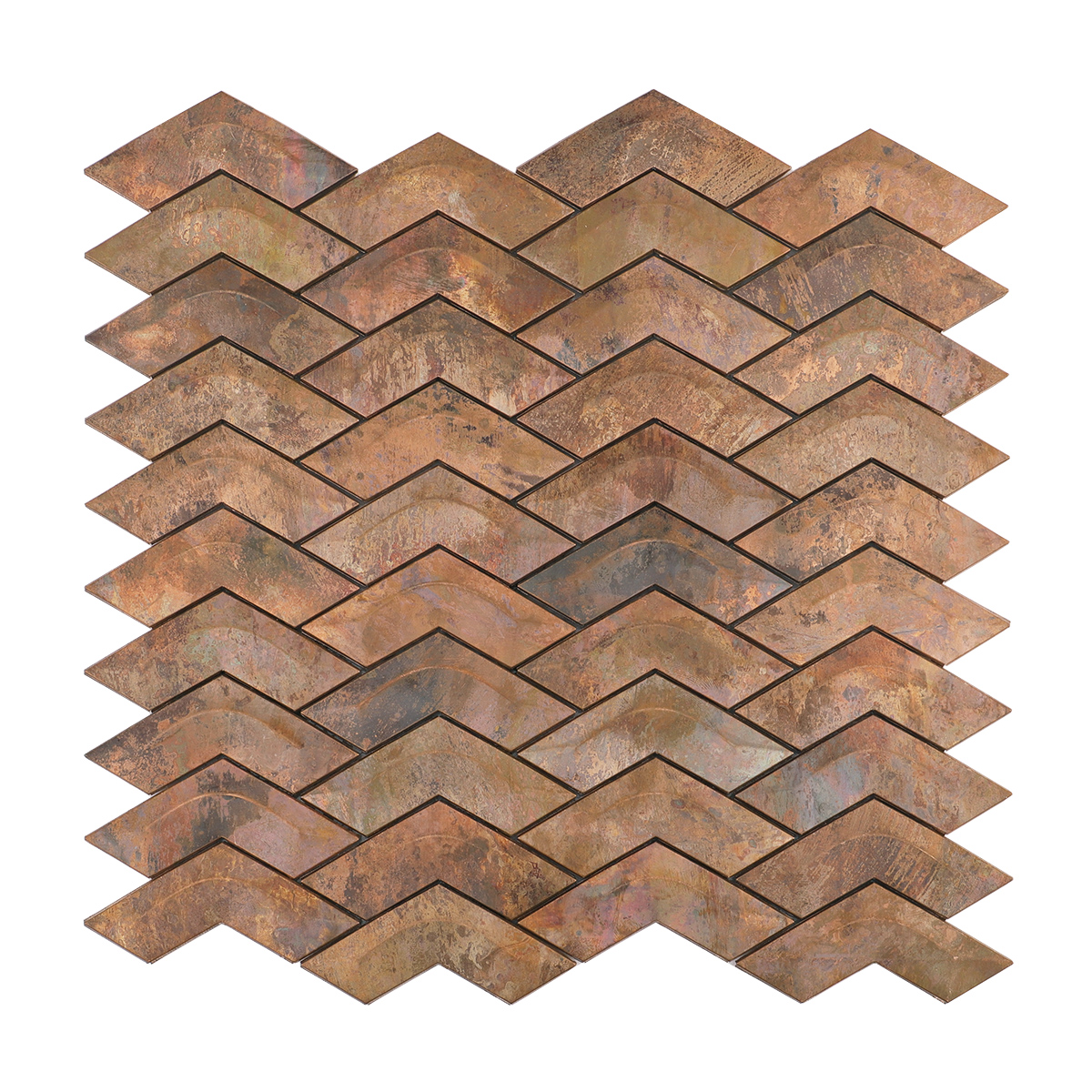
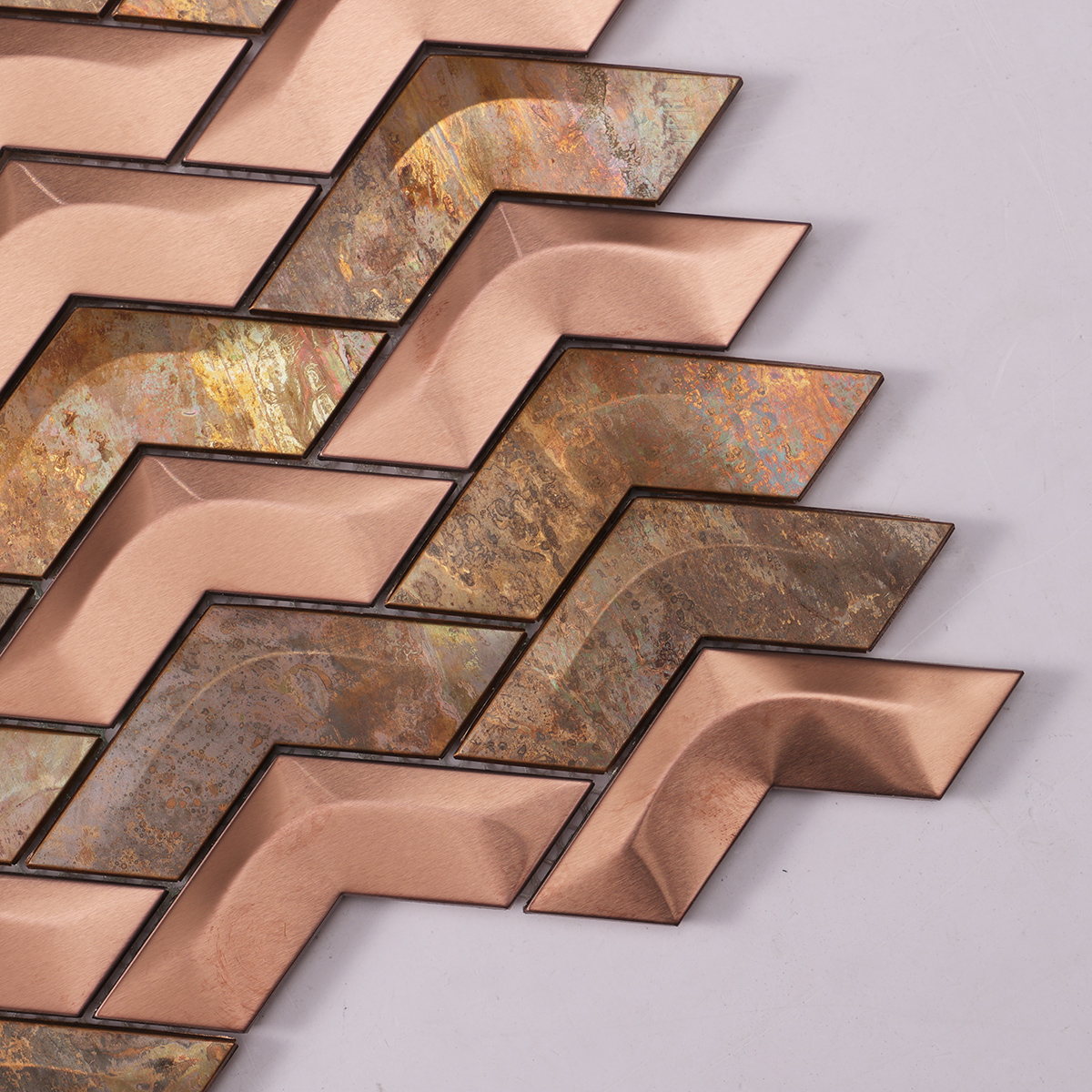
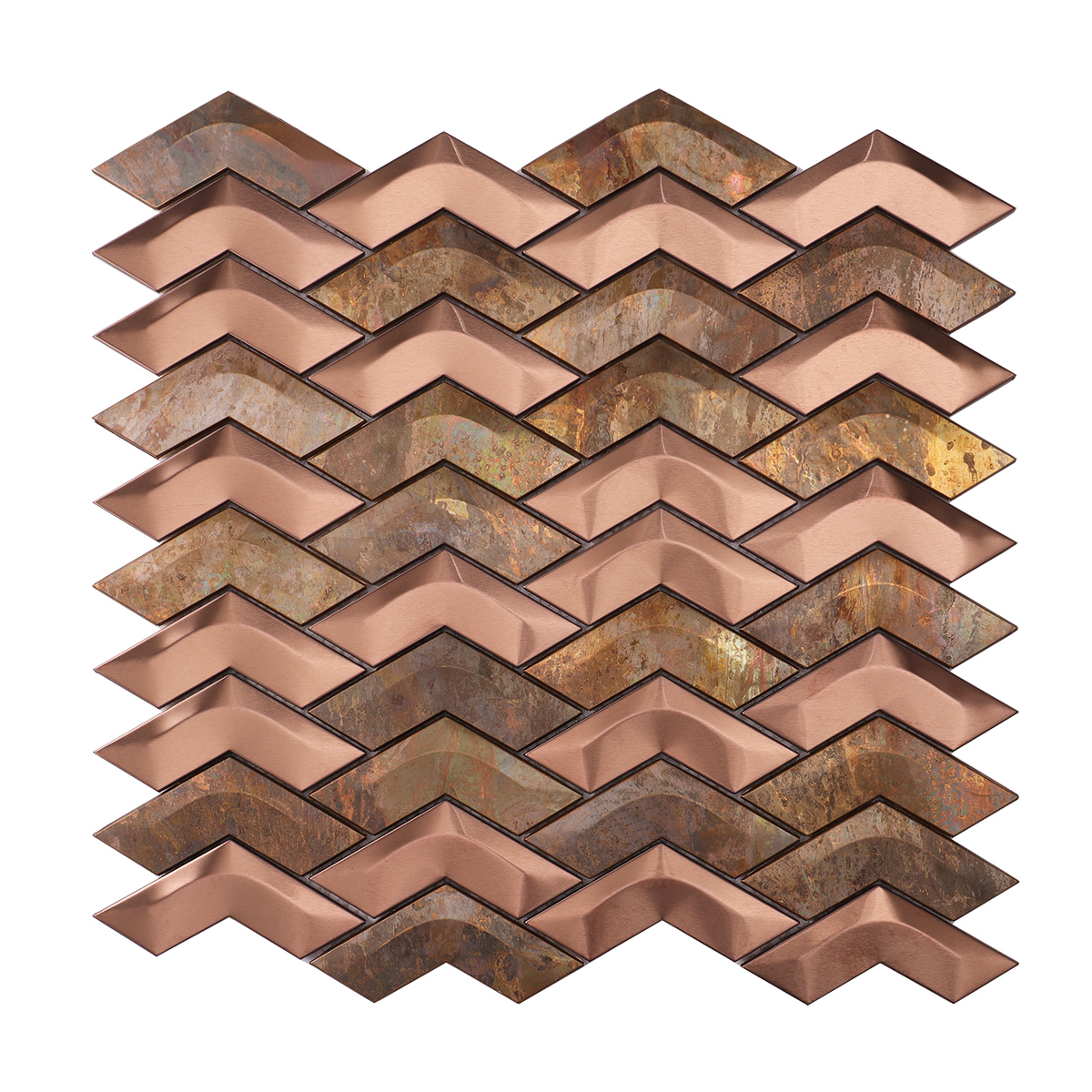
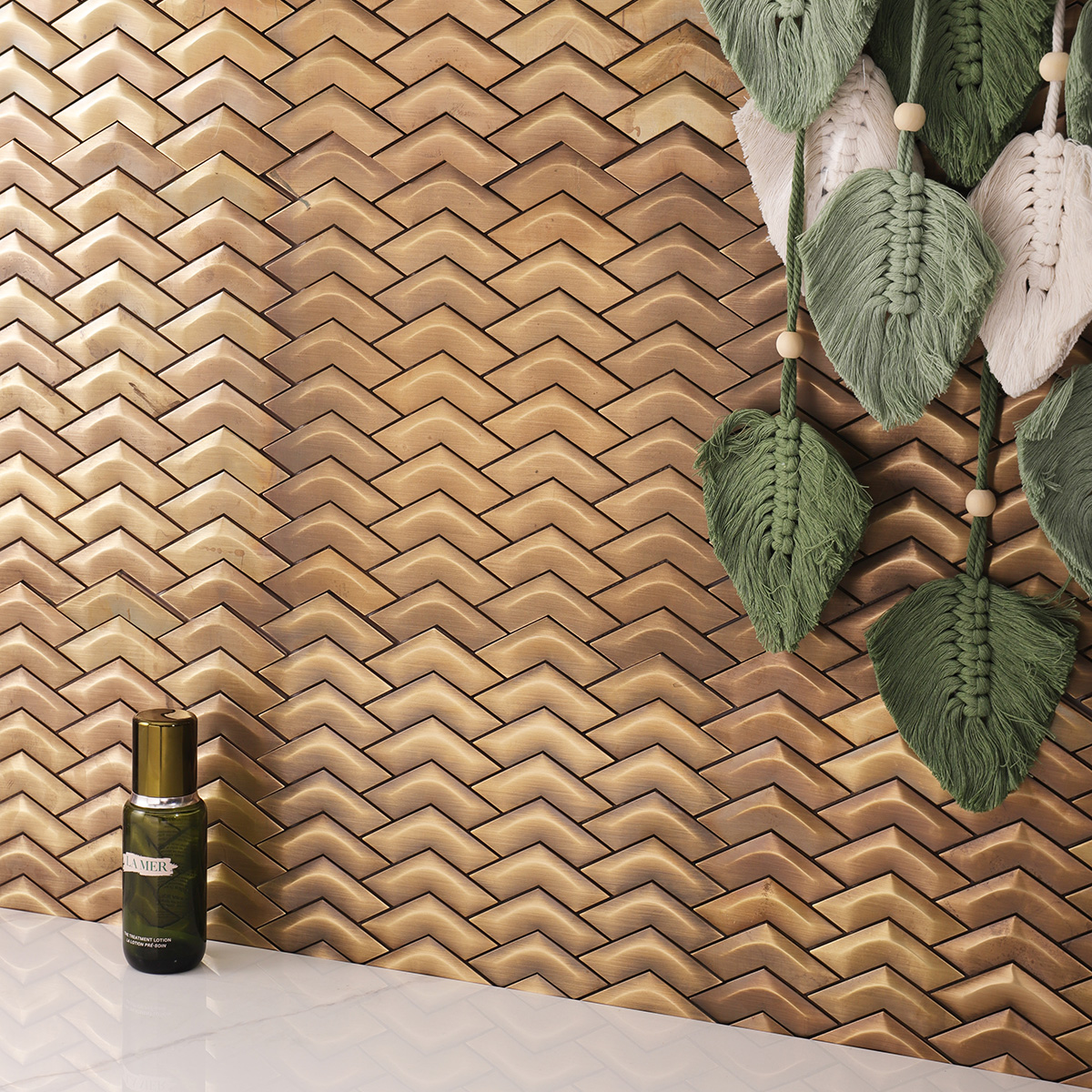
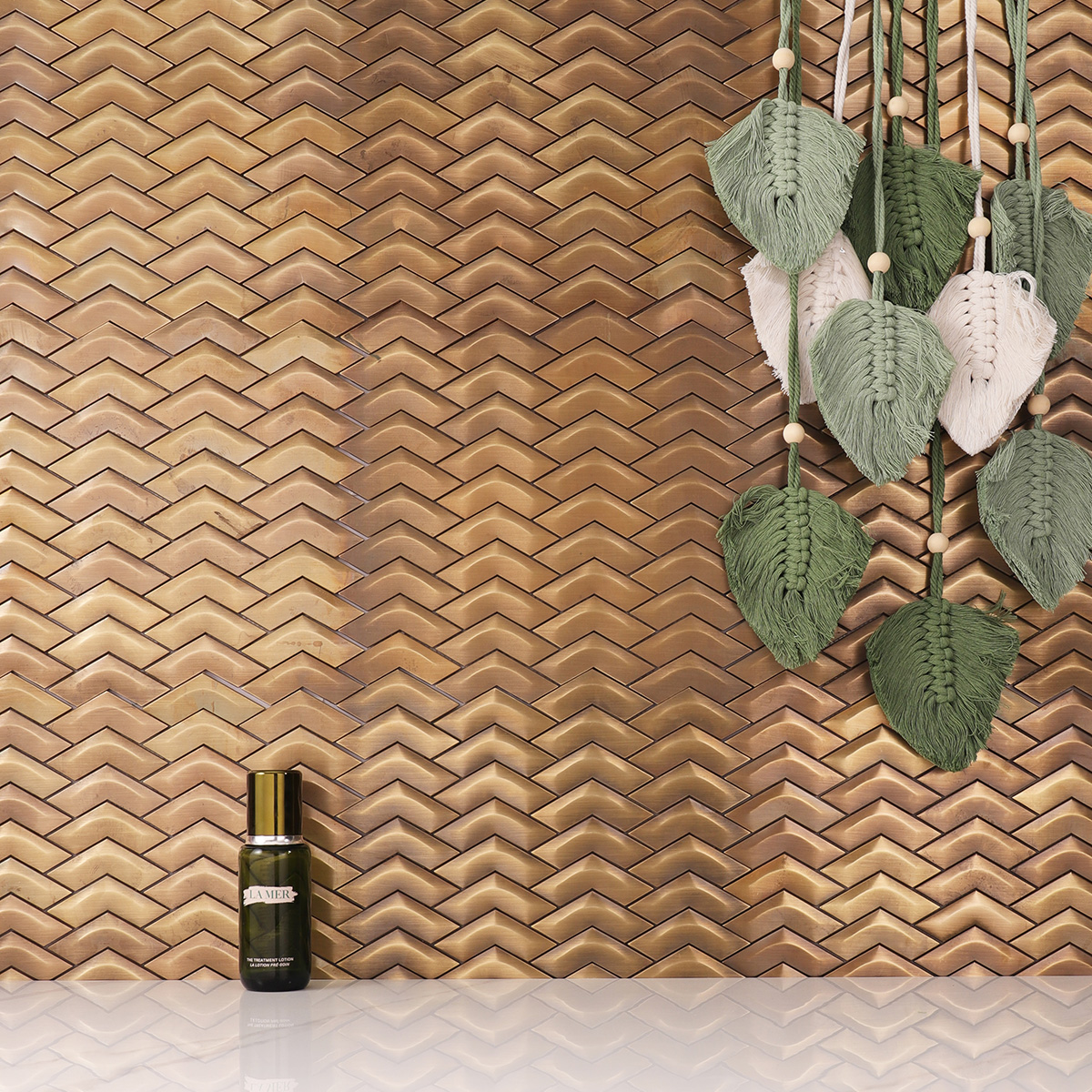
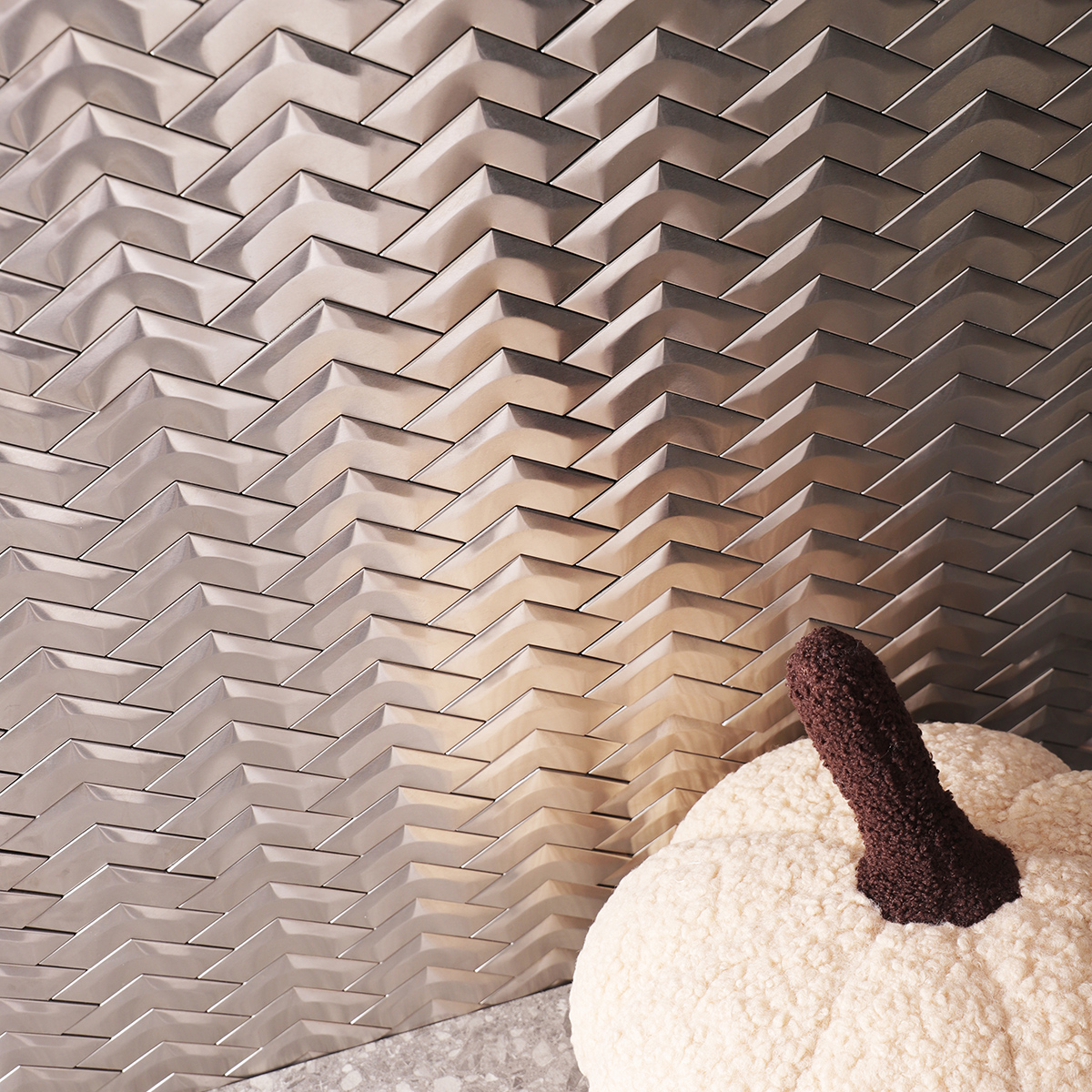
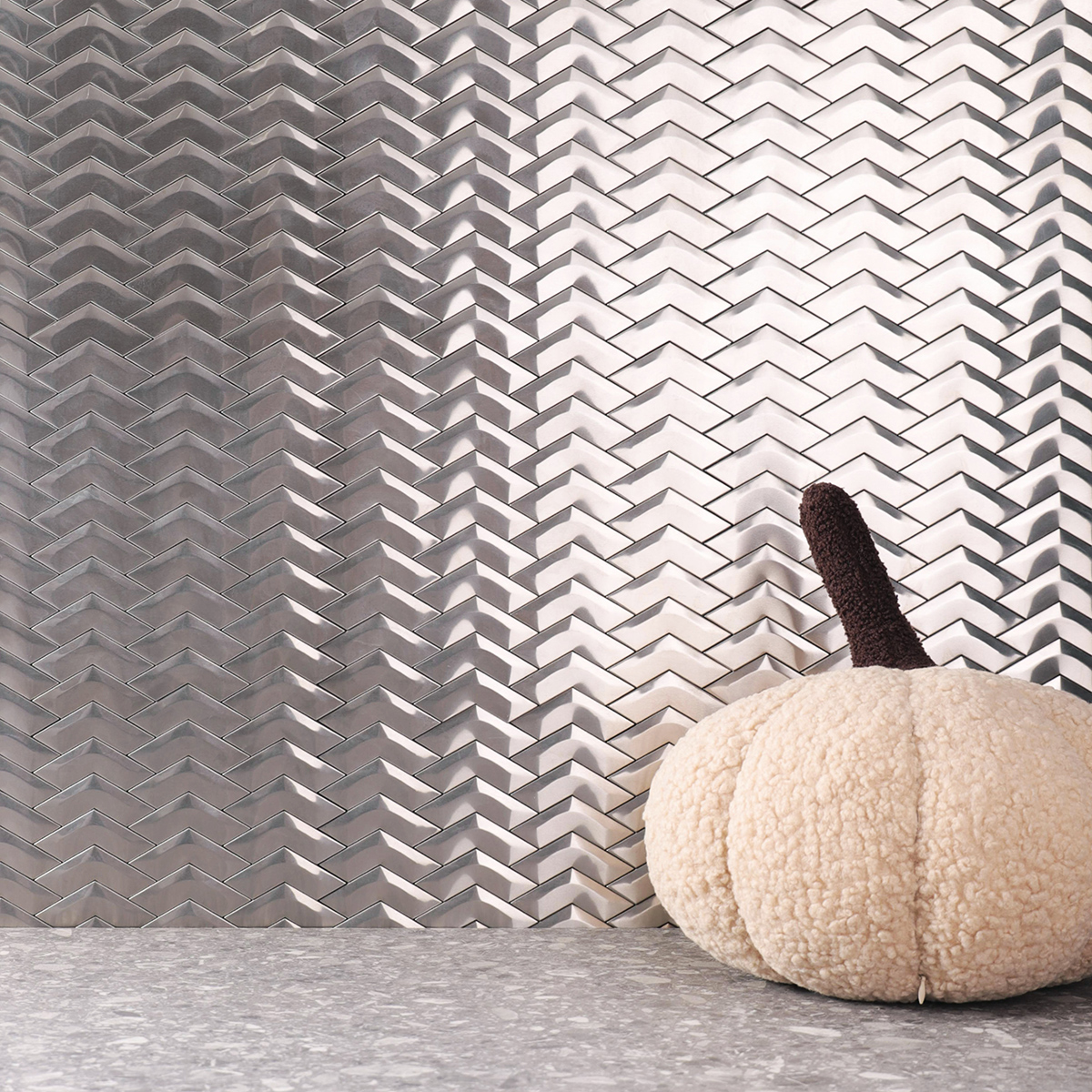
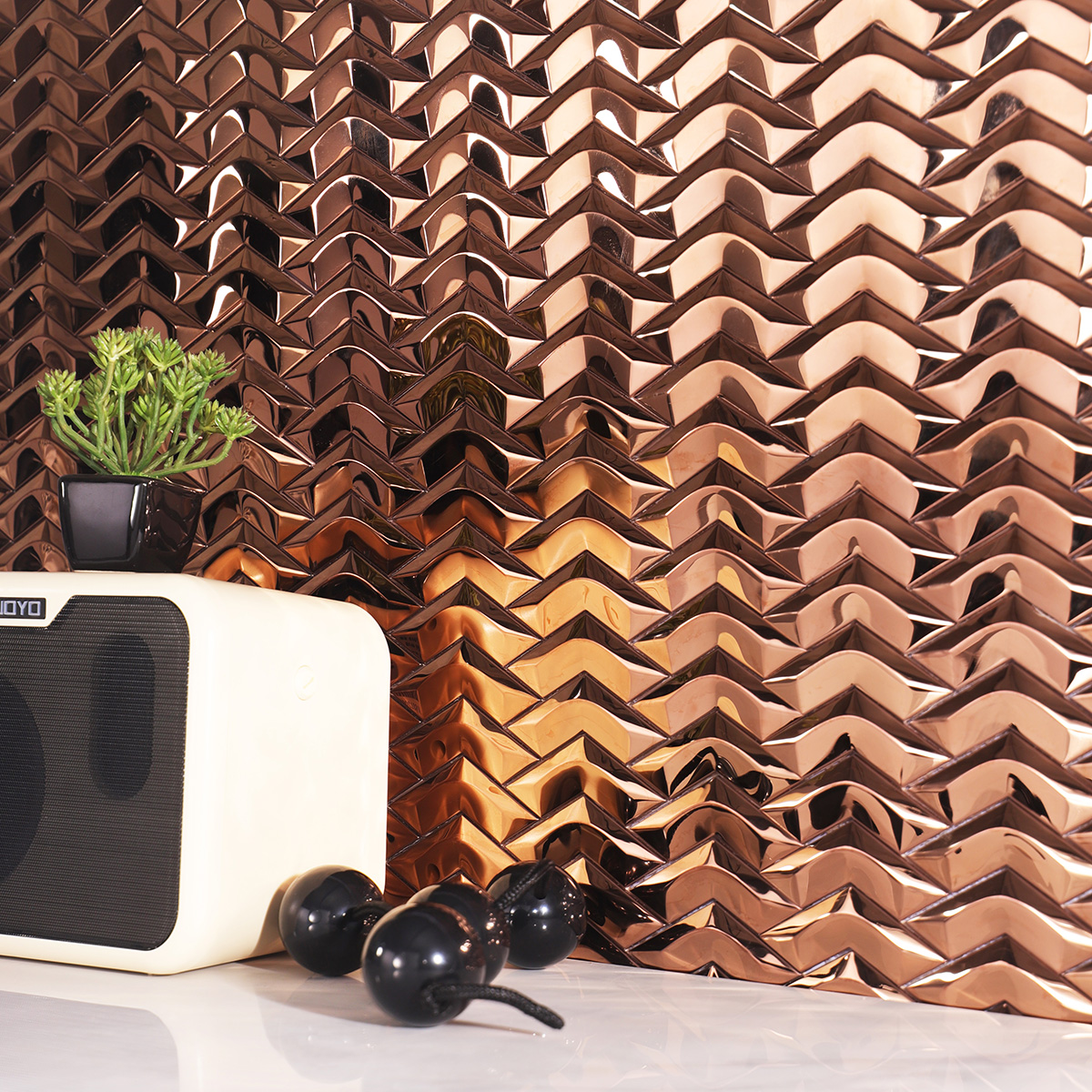
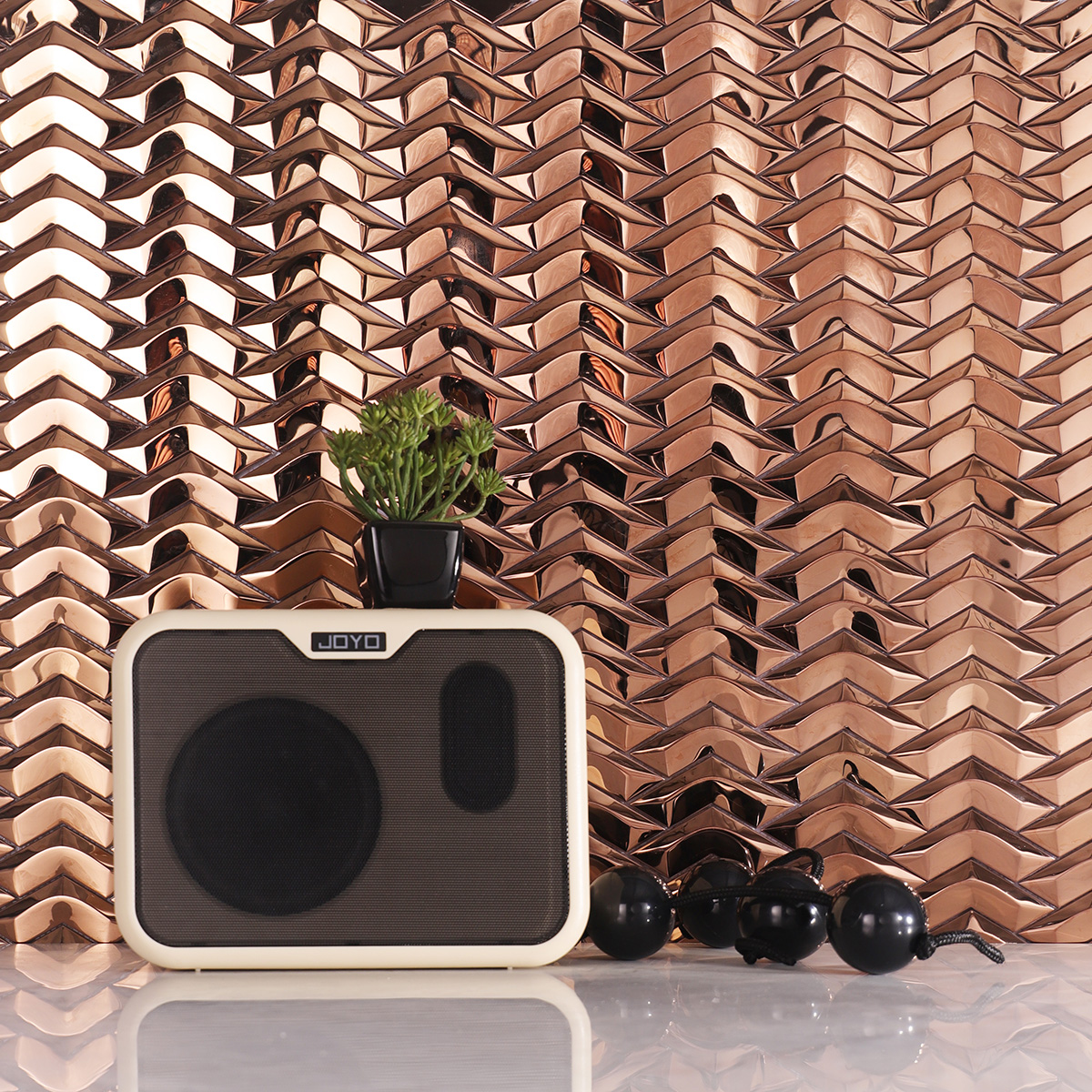

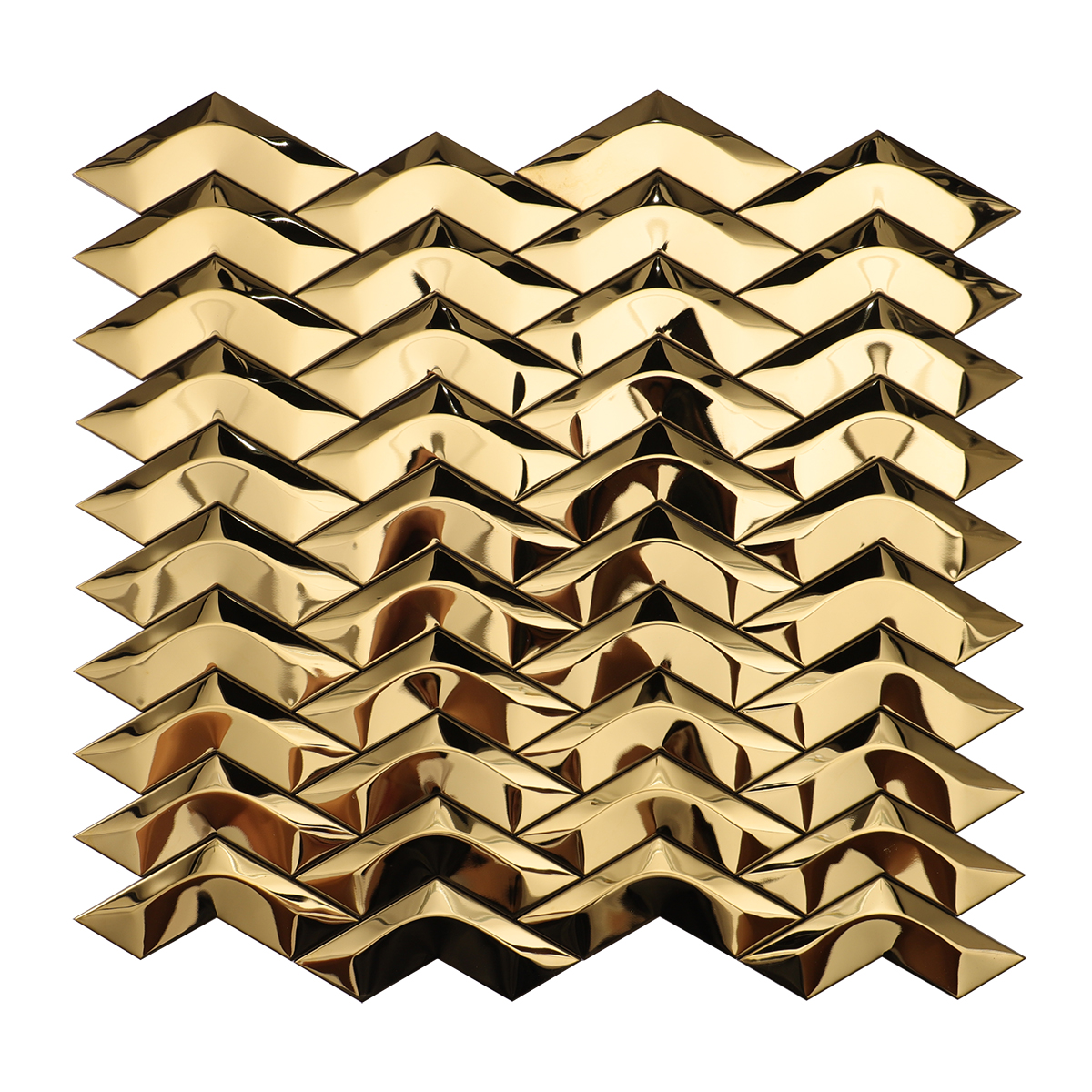
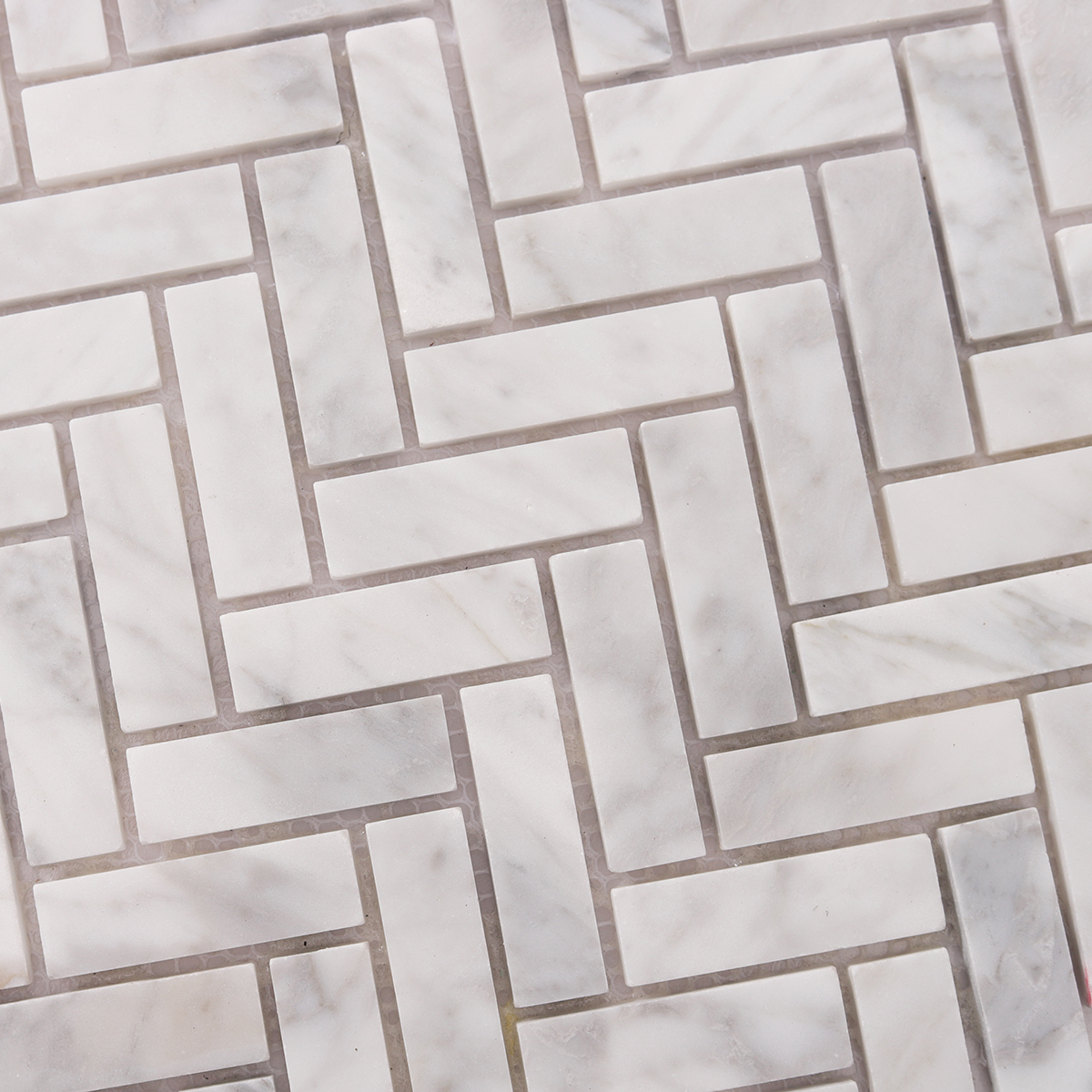
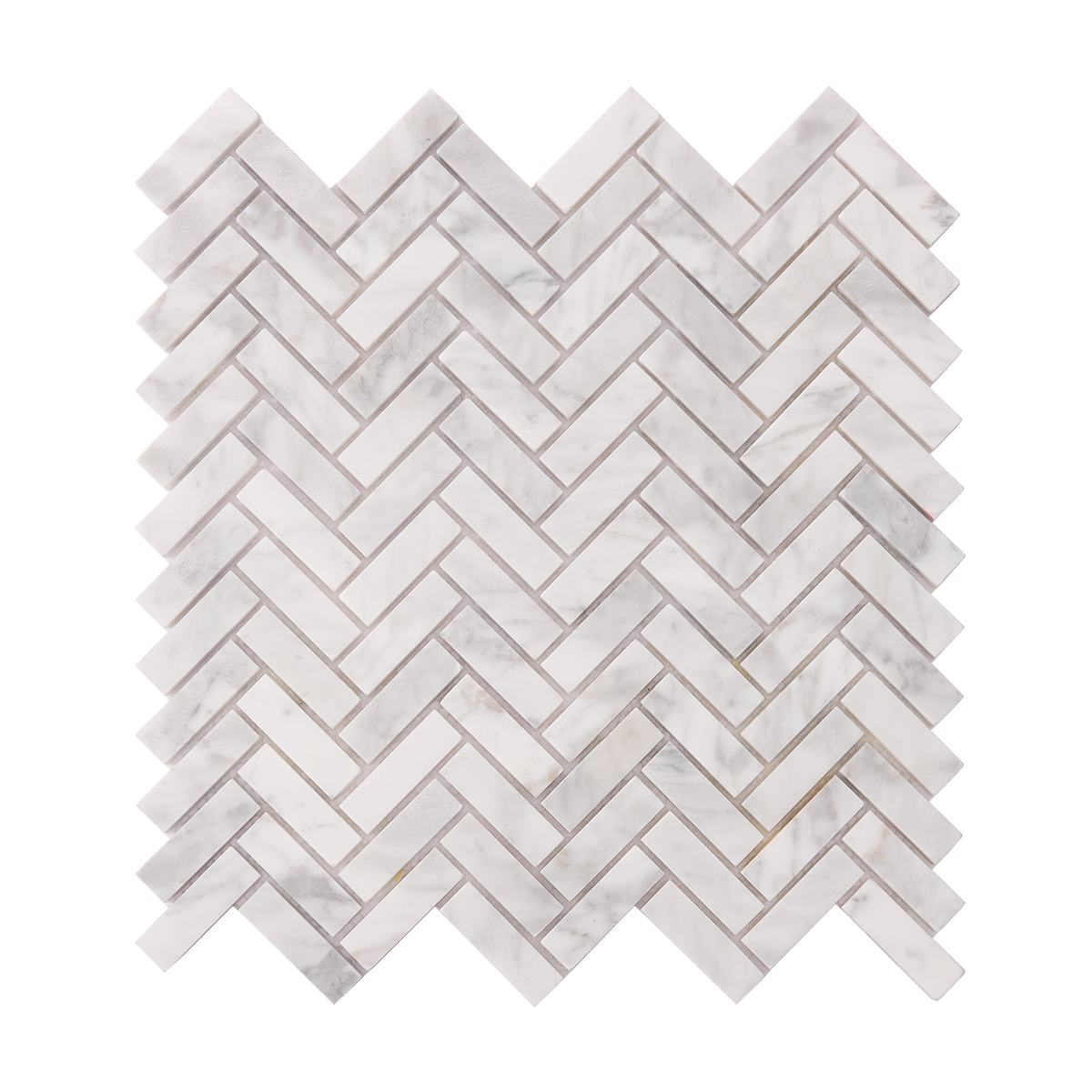
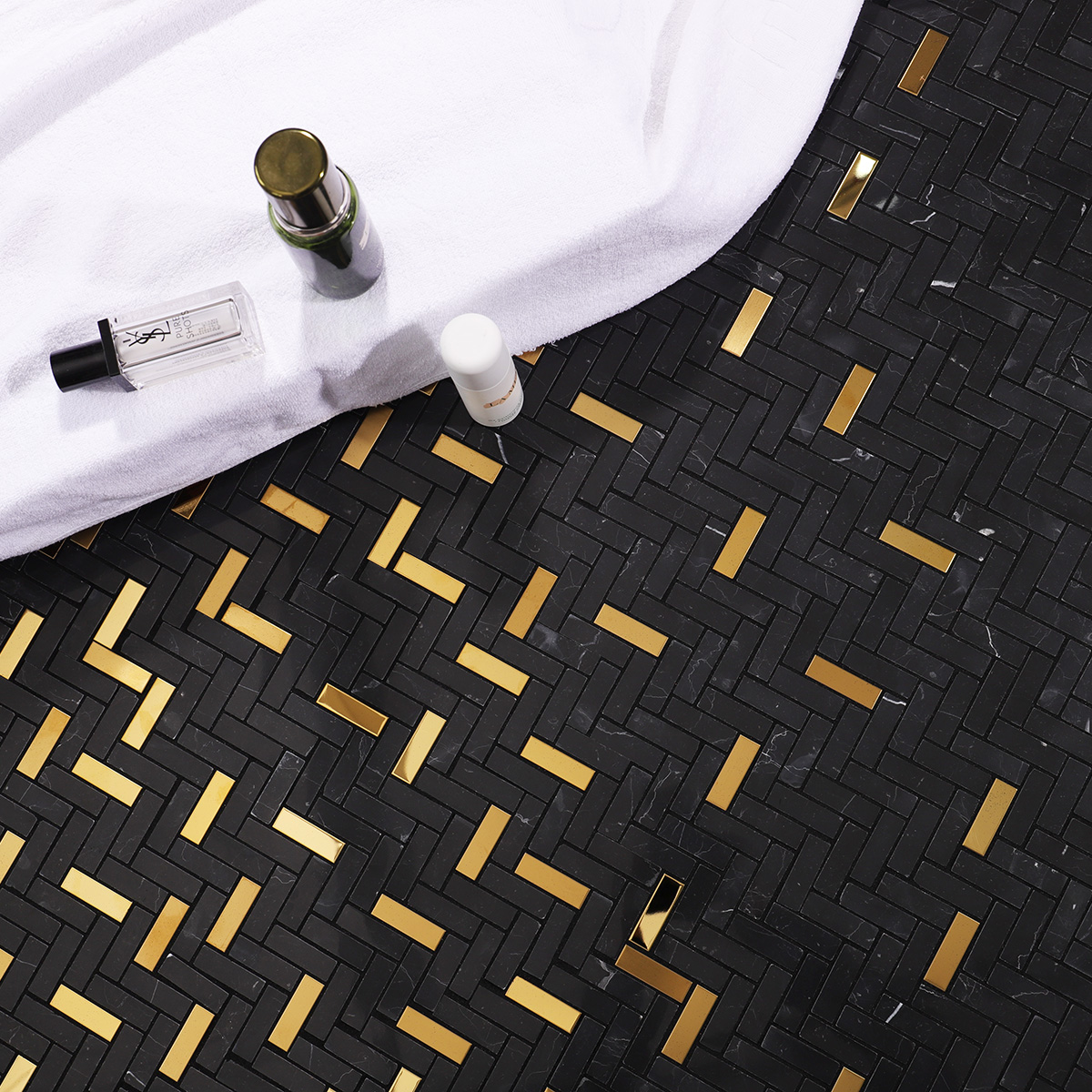

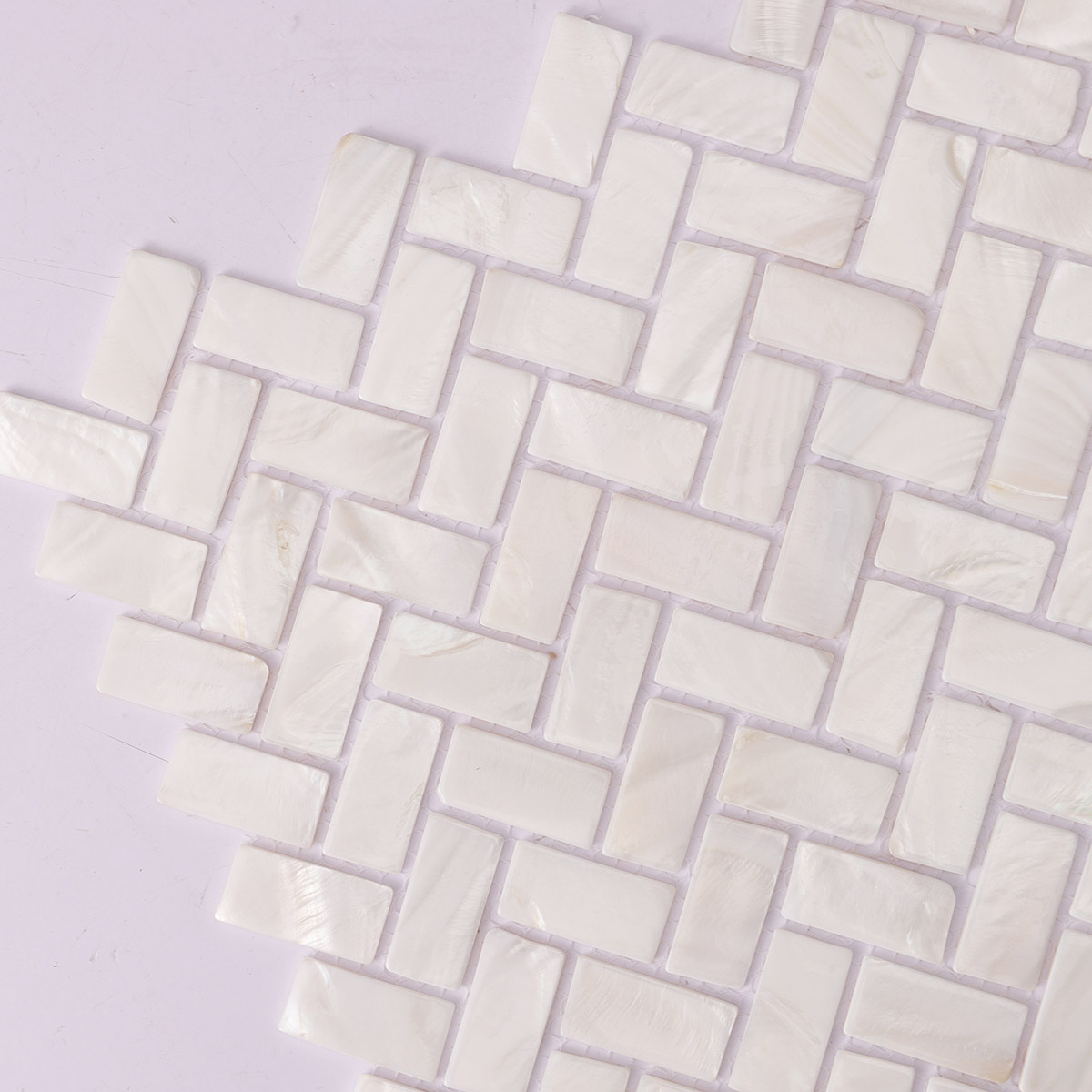
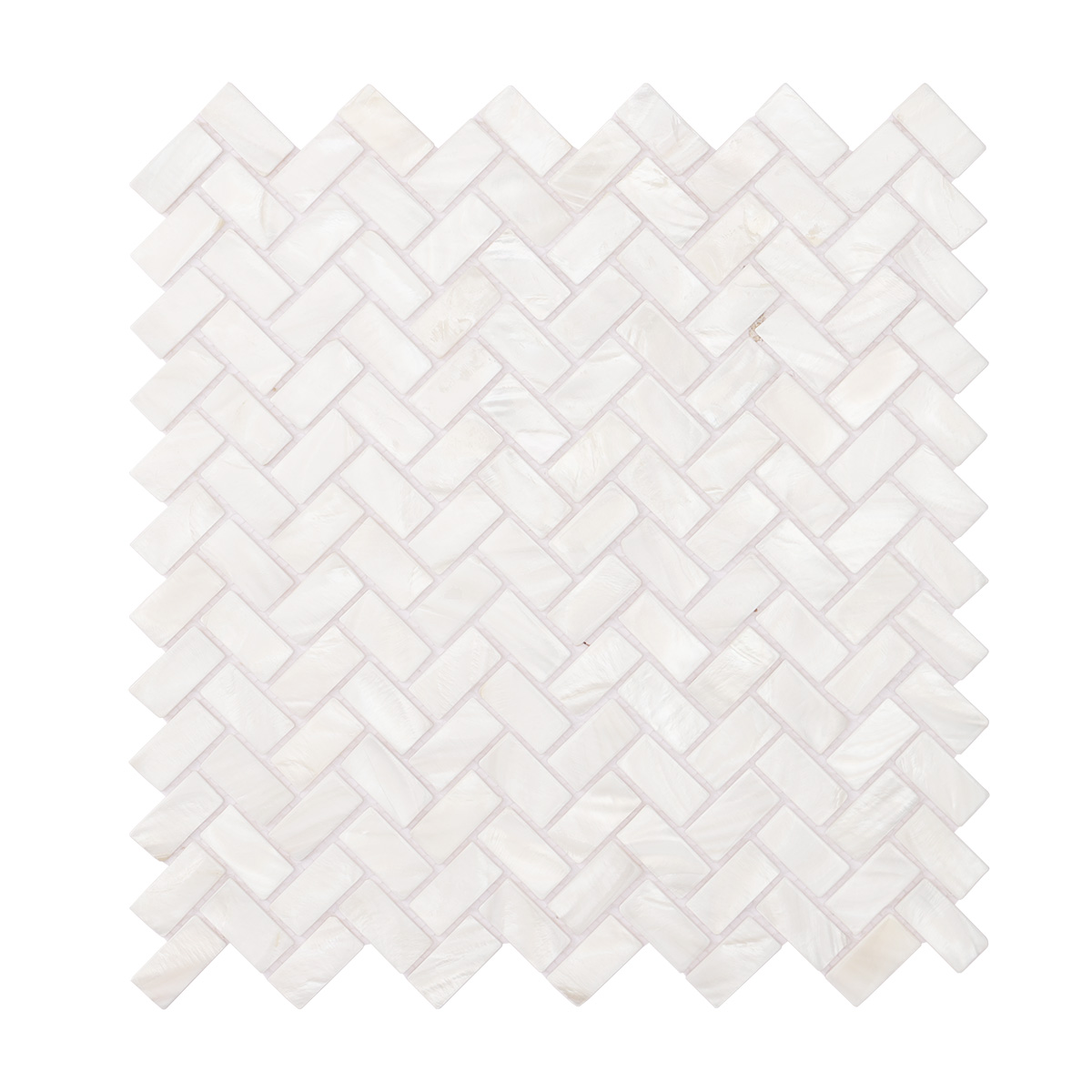

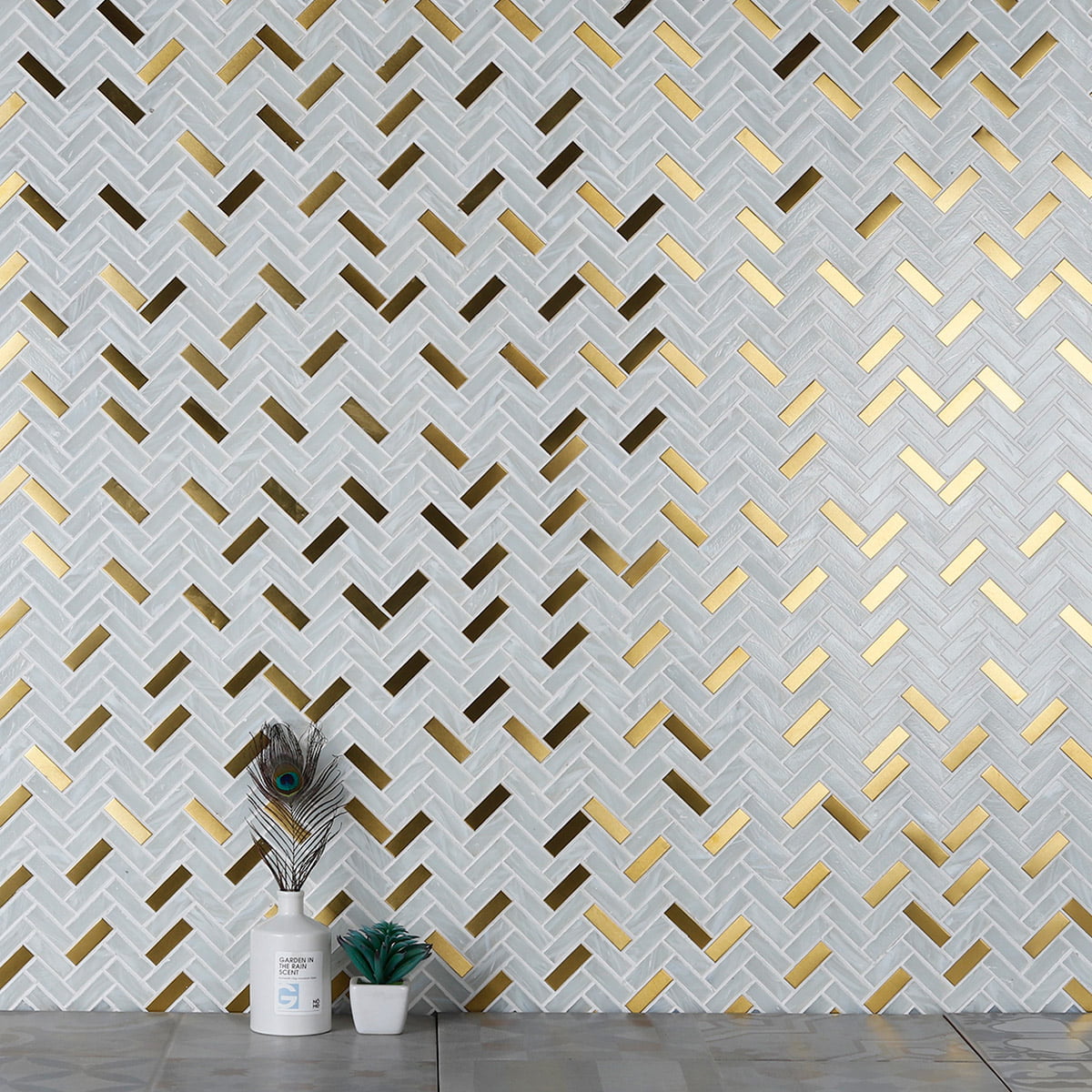
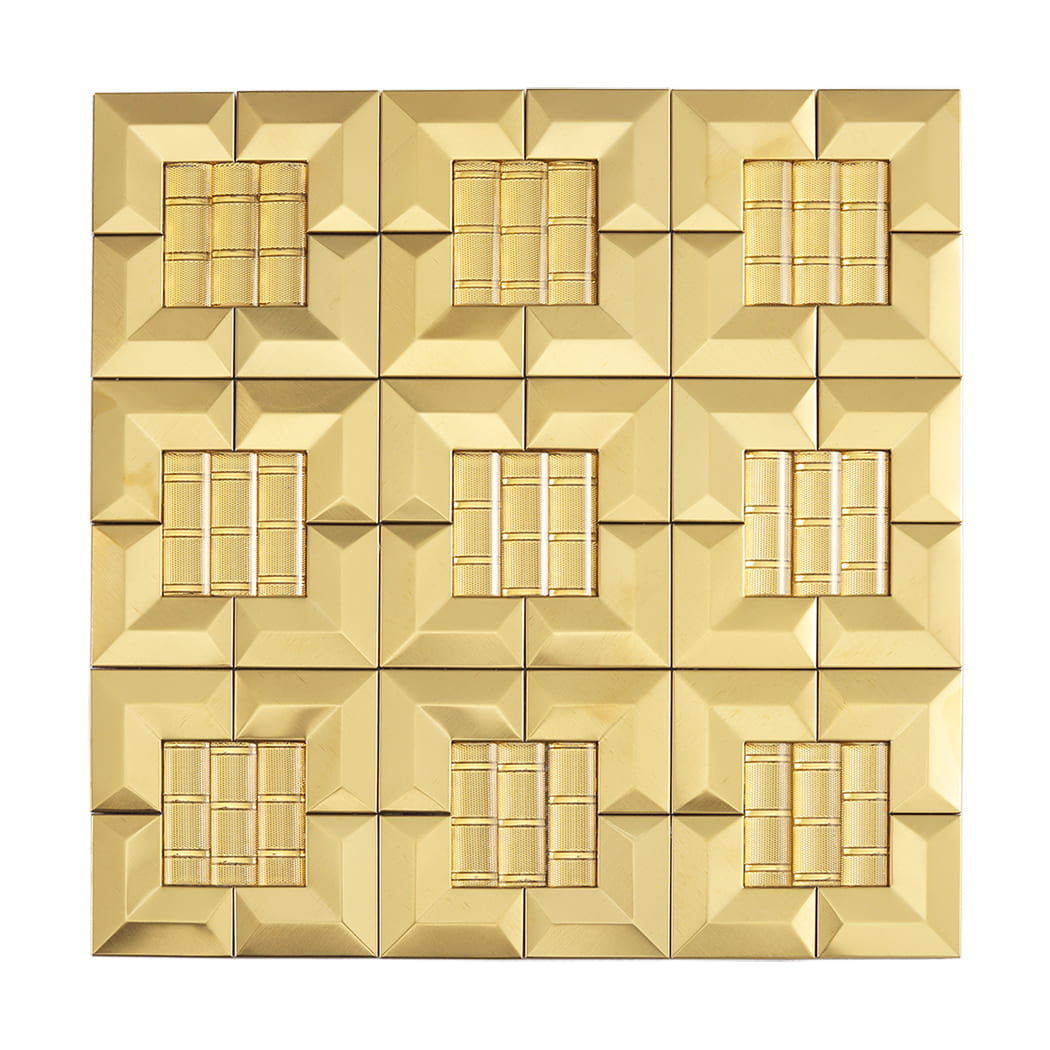
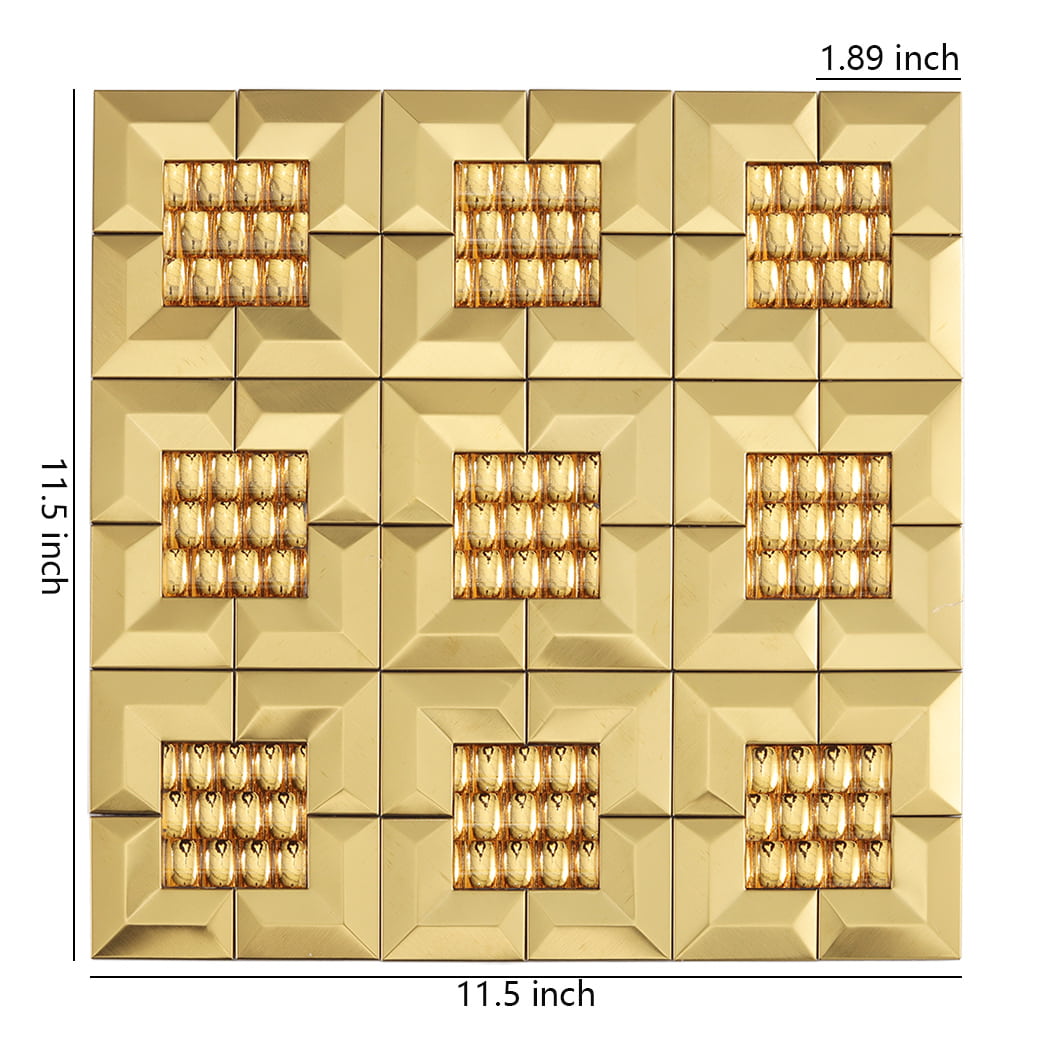
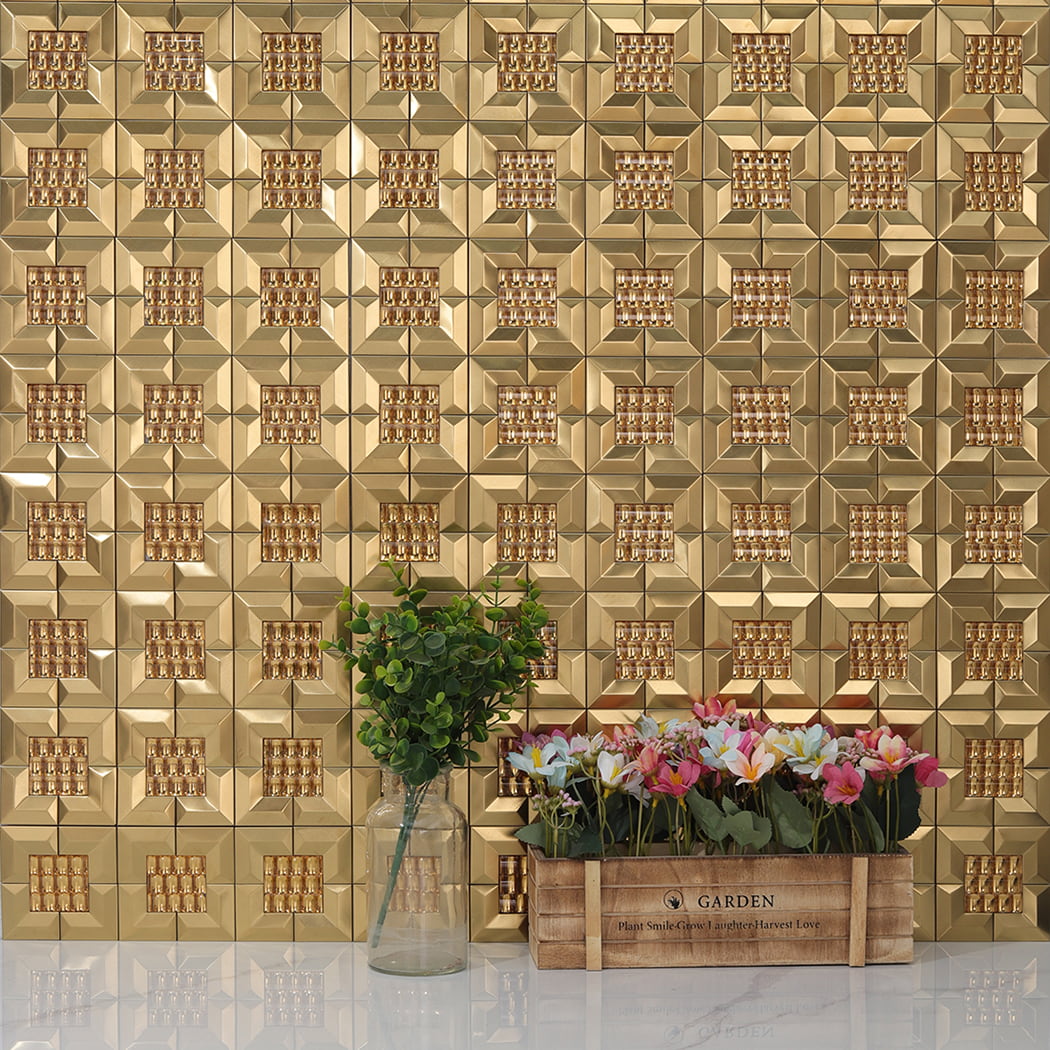

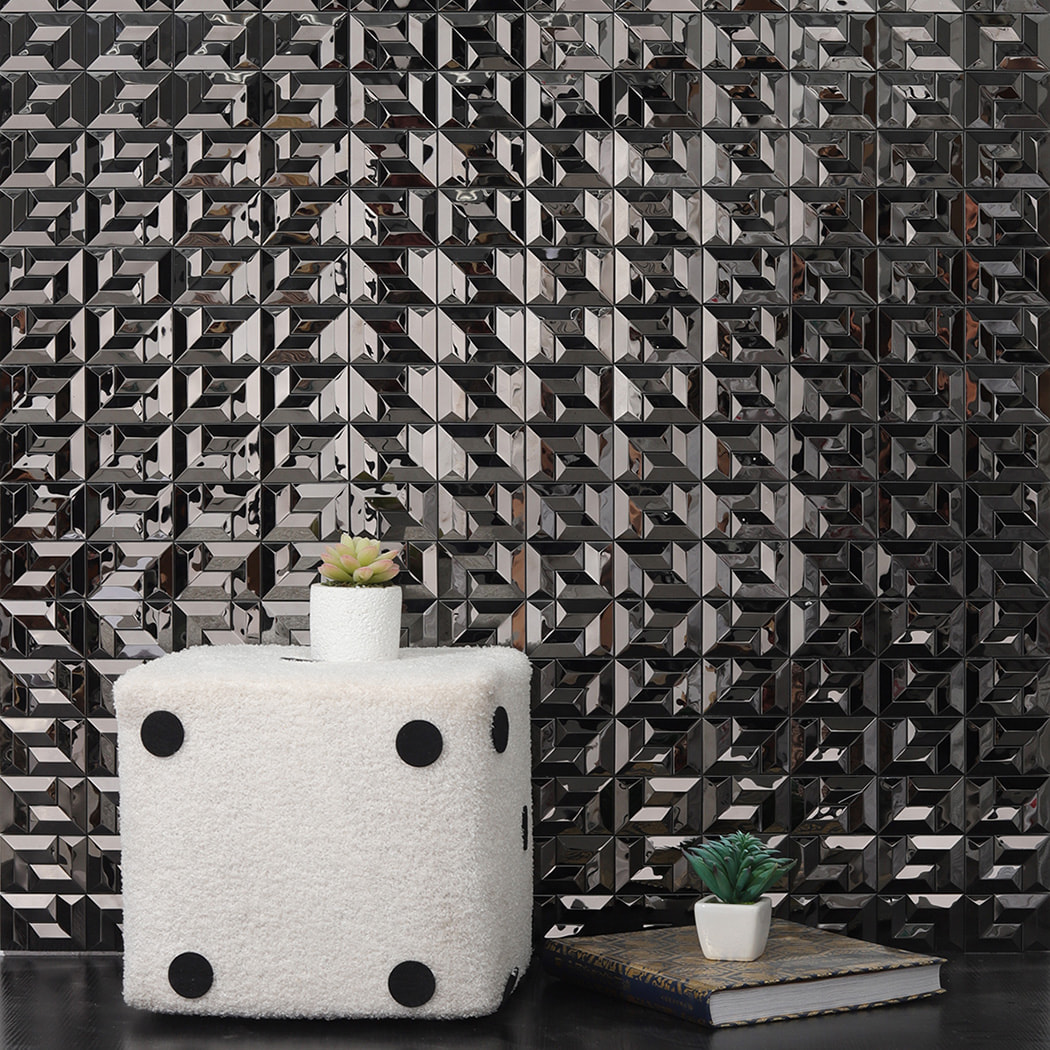
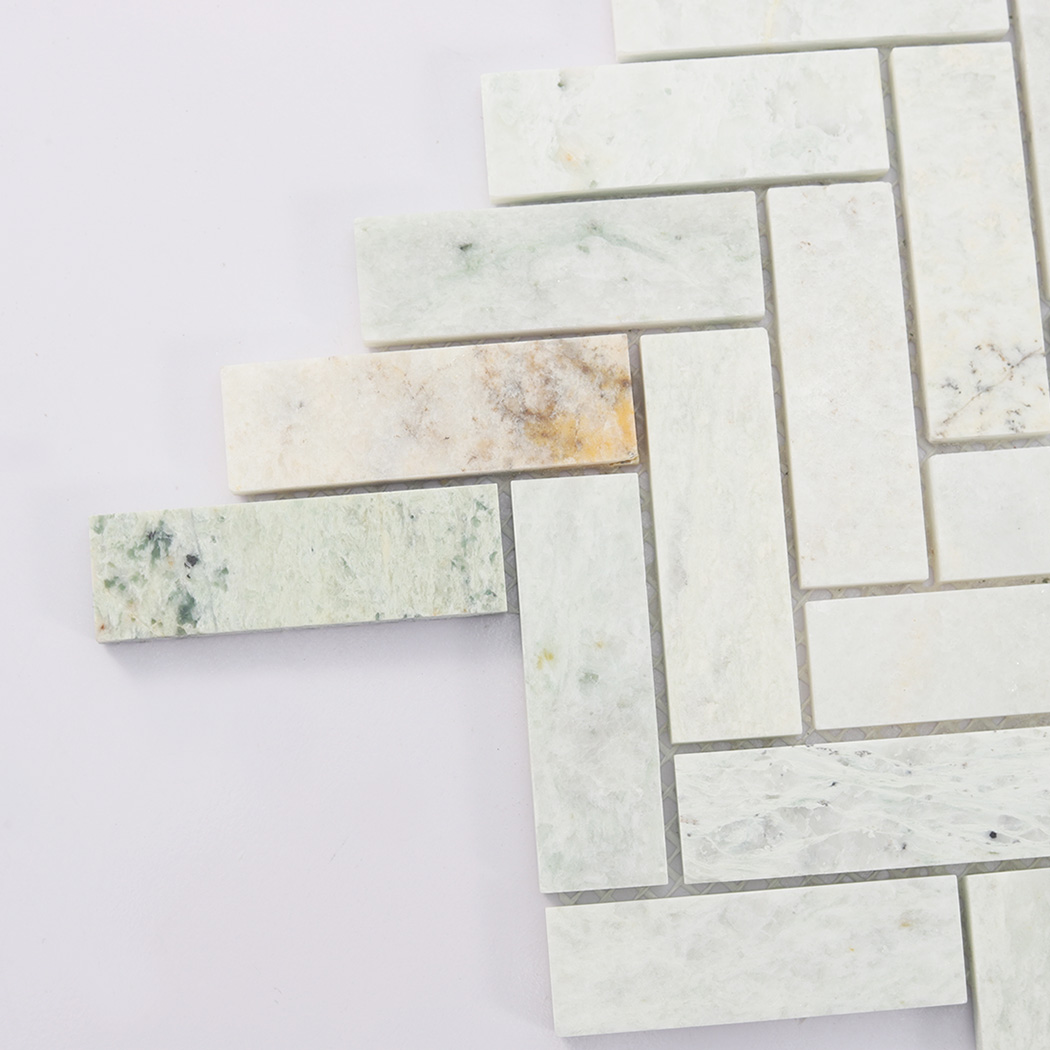
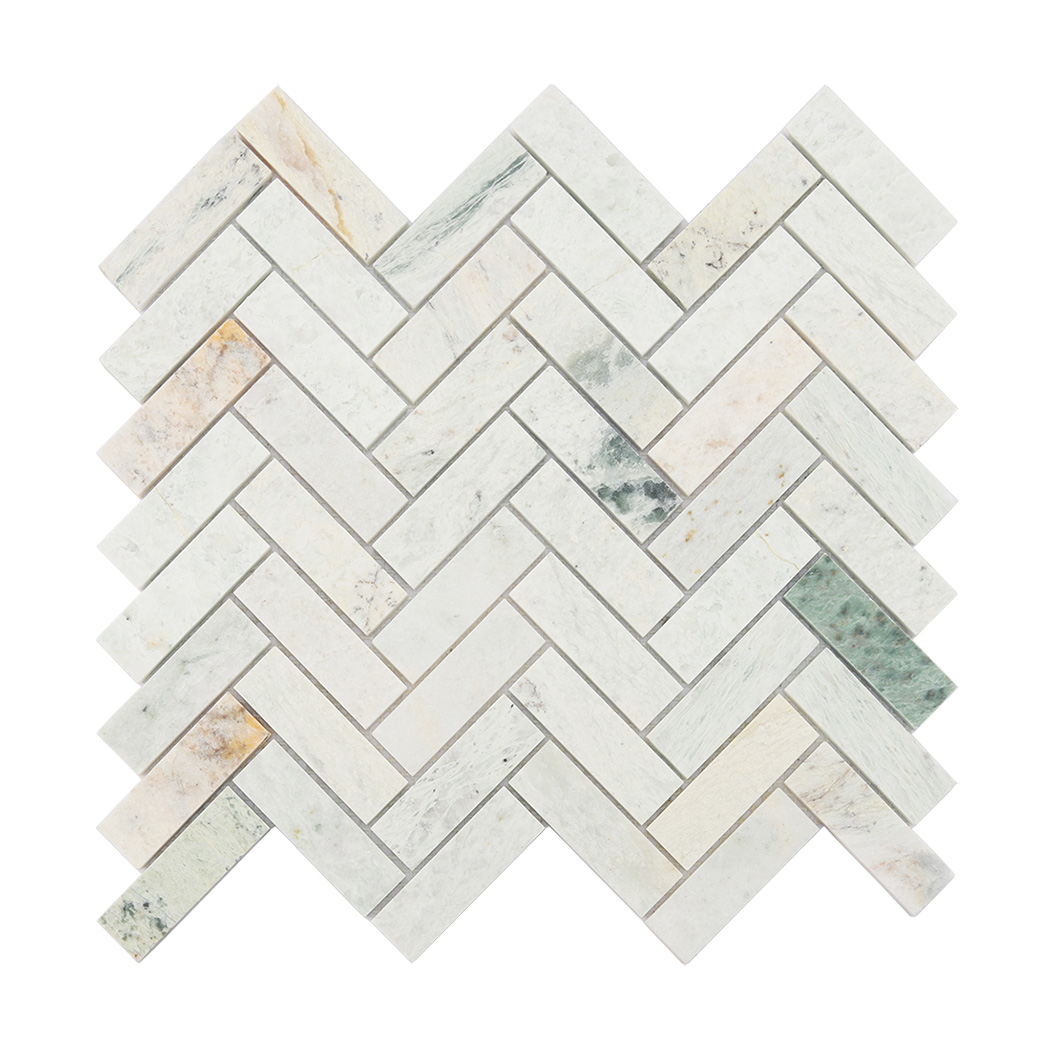

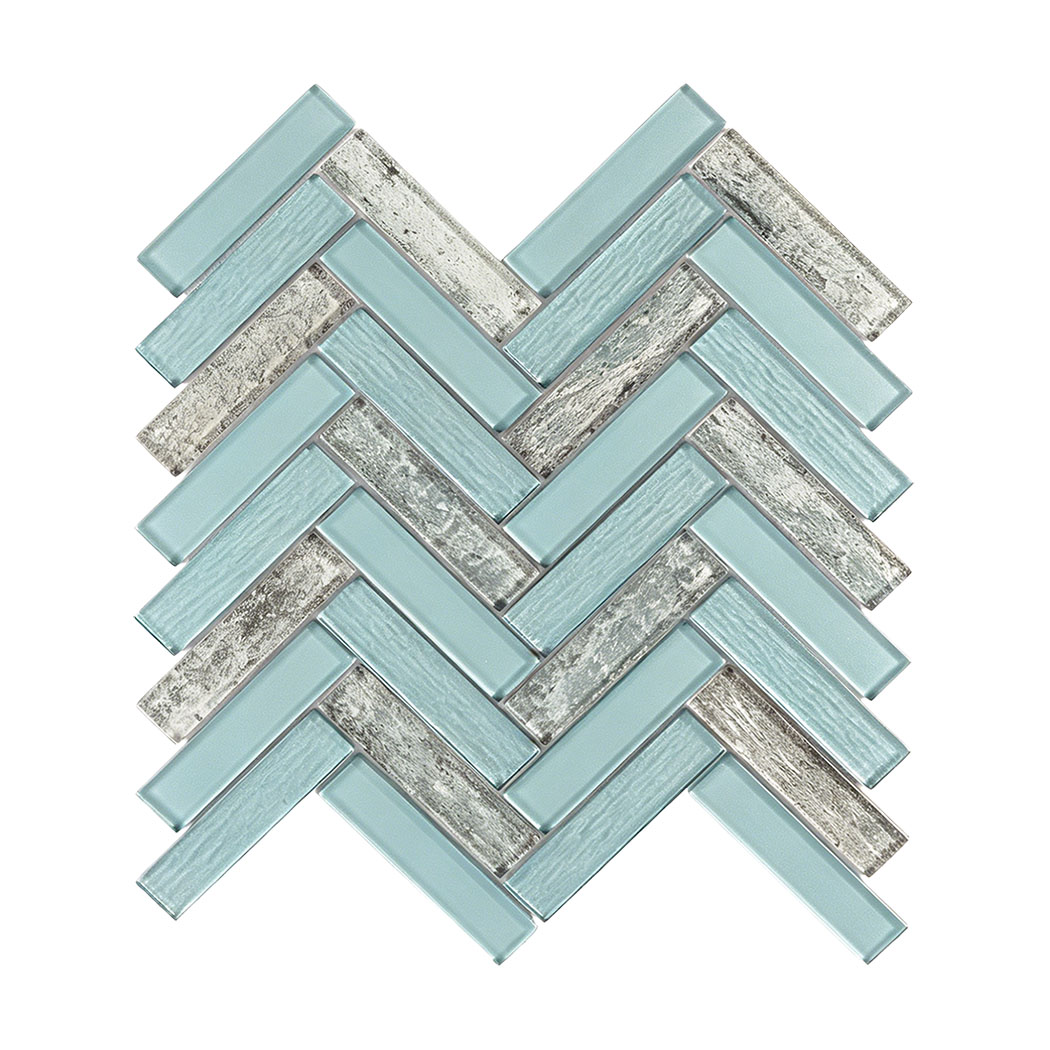
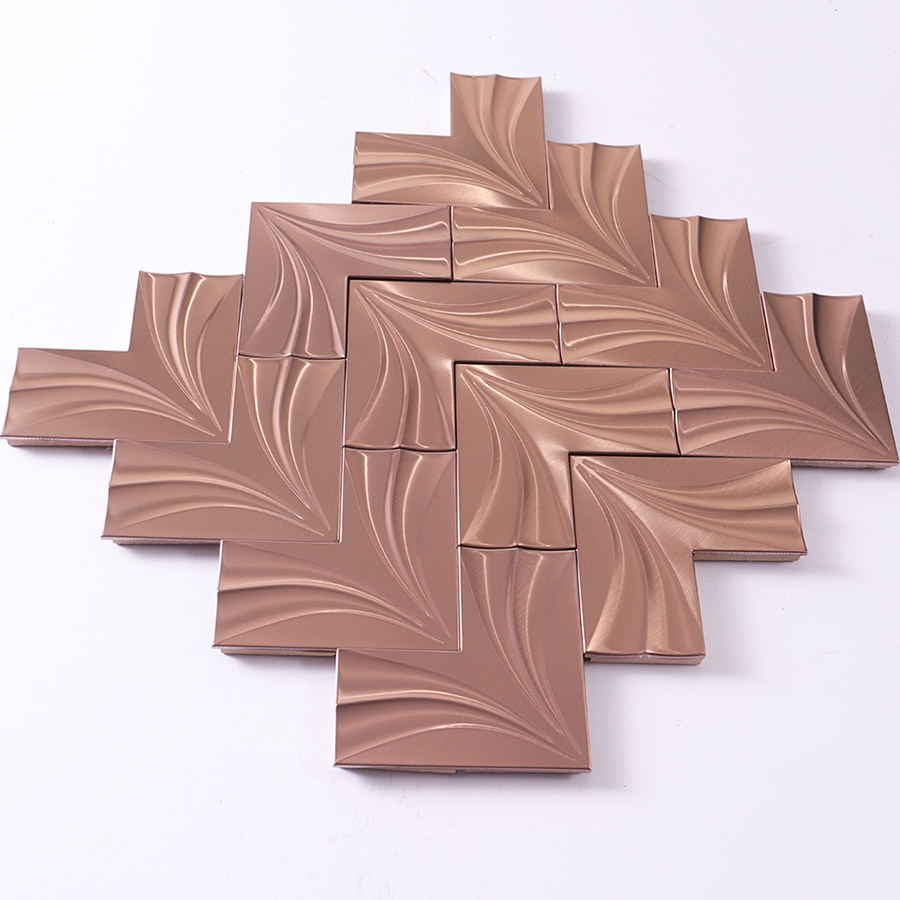
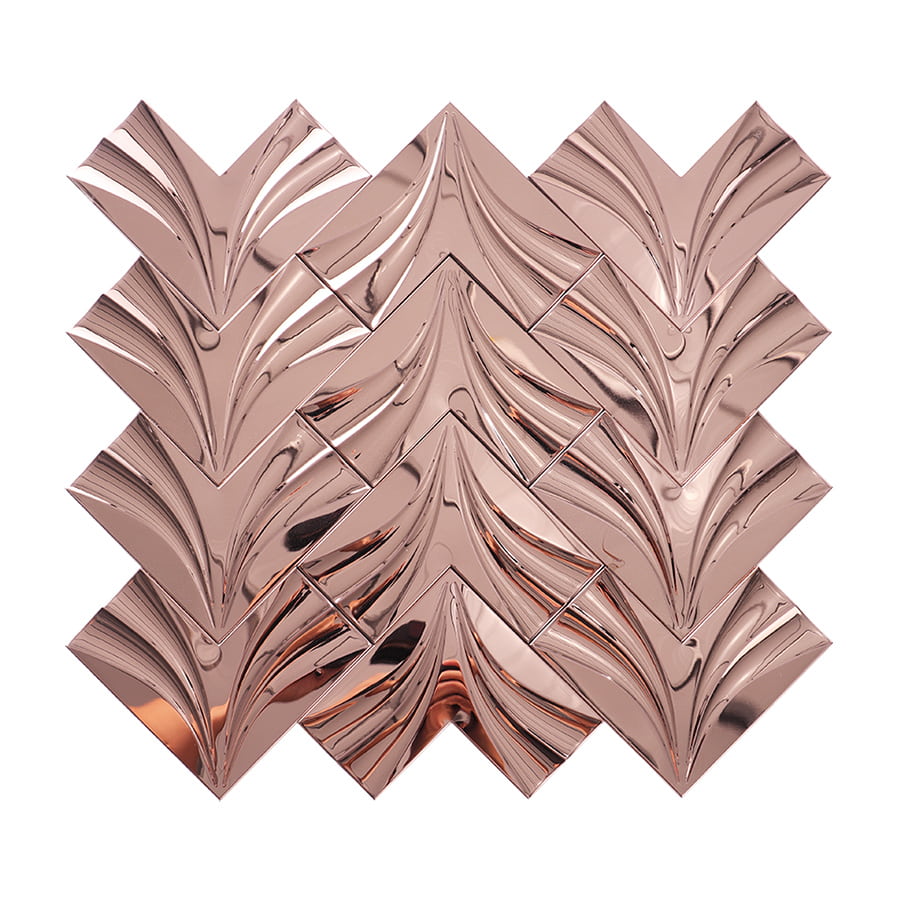

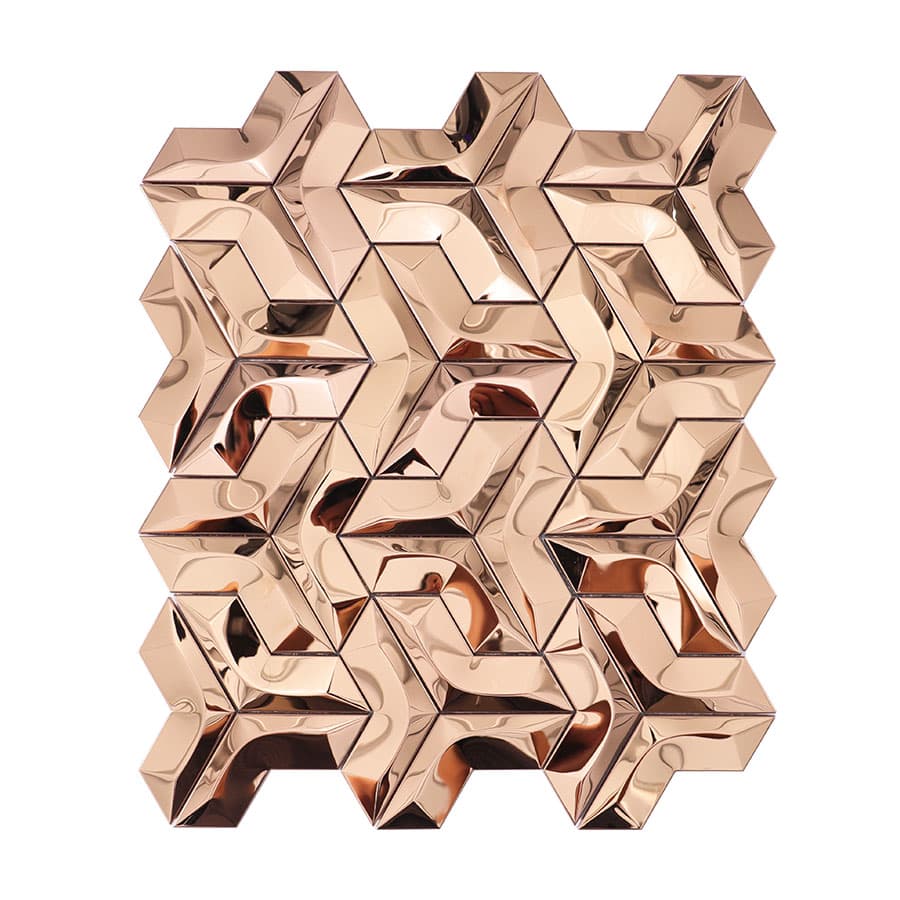
Elevate your space with the timeless charm of small herringbone tiles. These petite tiles, arranged in the classic zigzag pattern, add intricate detail and visual movement to backsplashes, floors, and accent walls. Whether you’re aiming for a sleek modern look or a cozy vintage vibe, small herringbone tiles deliver versatile style that endures.
Why Choose Small Herringbone Tiles?
-
Visual Interest: The interlocking herringbone pattern creates dynamic lines that draw the eye and lend depth to any surface.
-
Versatility: Ideal for kitchens, bathrooms, entryways, and even fireplace surrounds—these tiles complement both contemporary and traditional interiors.
-
Scale & Proportion: Smaller sizes (1″×2″ or 2″×4″) allow for precise pattern work around cabinets, fixtures, and tight corners.
Material Options & Finishes
Choose from a variety of materials to suit your design goals and functional needs:
-
Porcelain: Durable, low-maintenance, and available in countless colors and textures.
-
Natural Stone: Marble or travertine offers organic veining and a luxurious feel.
-
Glass: Reflective and easy to clean; perfect for brightening compact spaces.
-
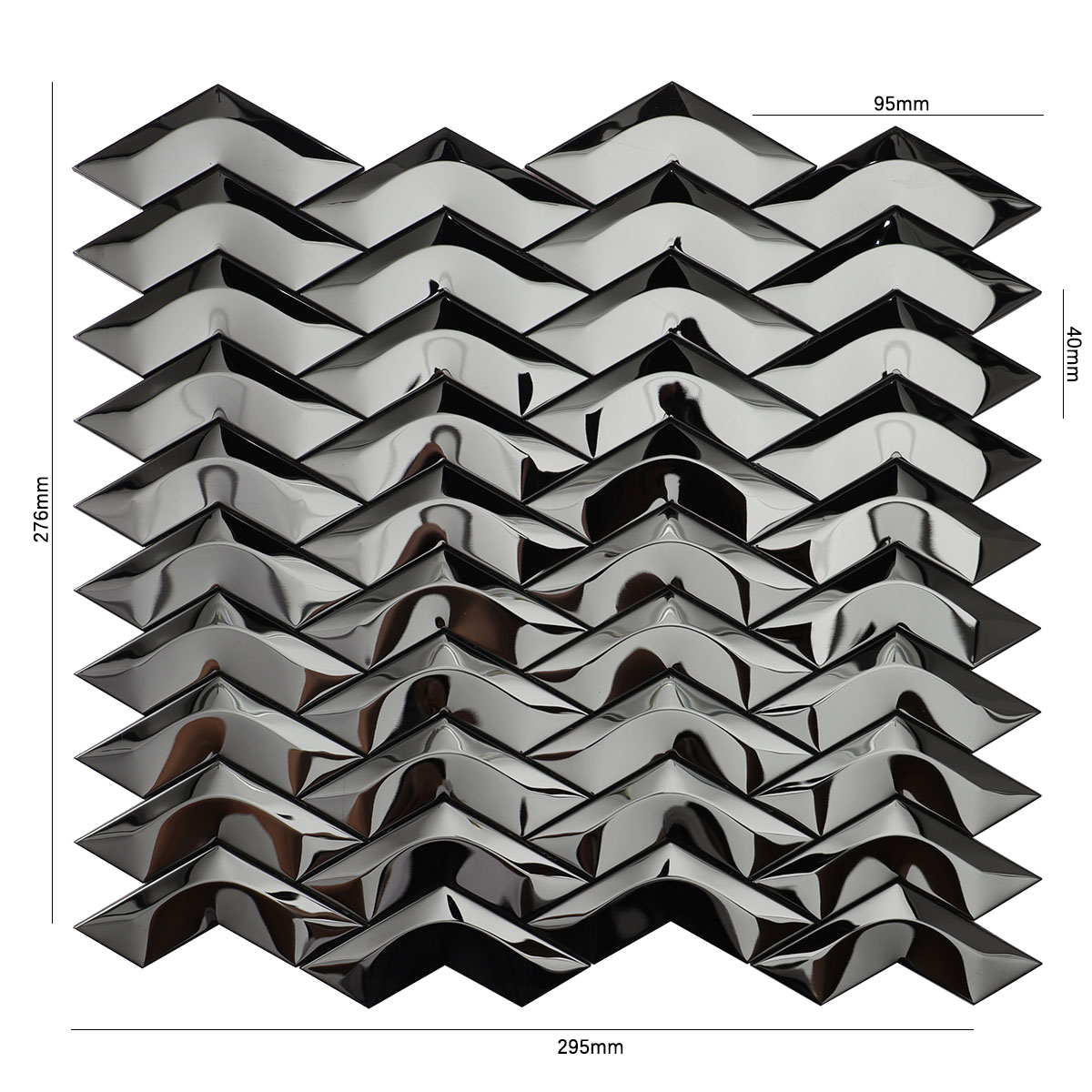
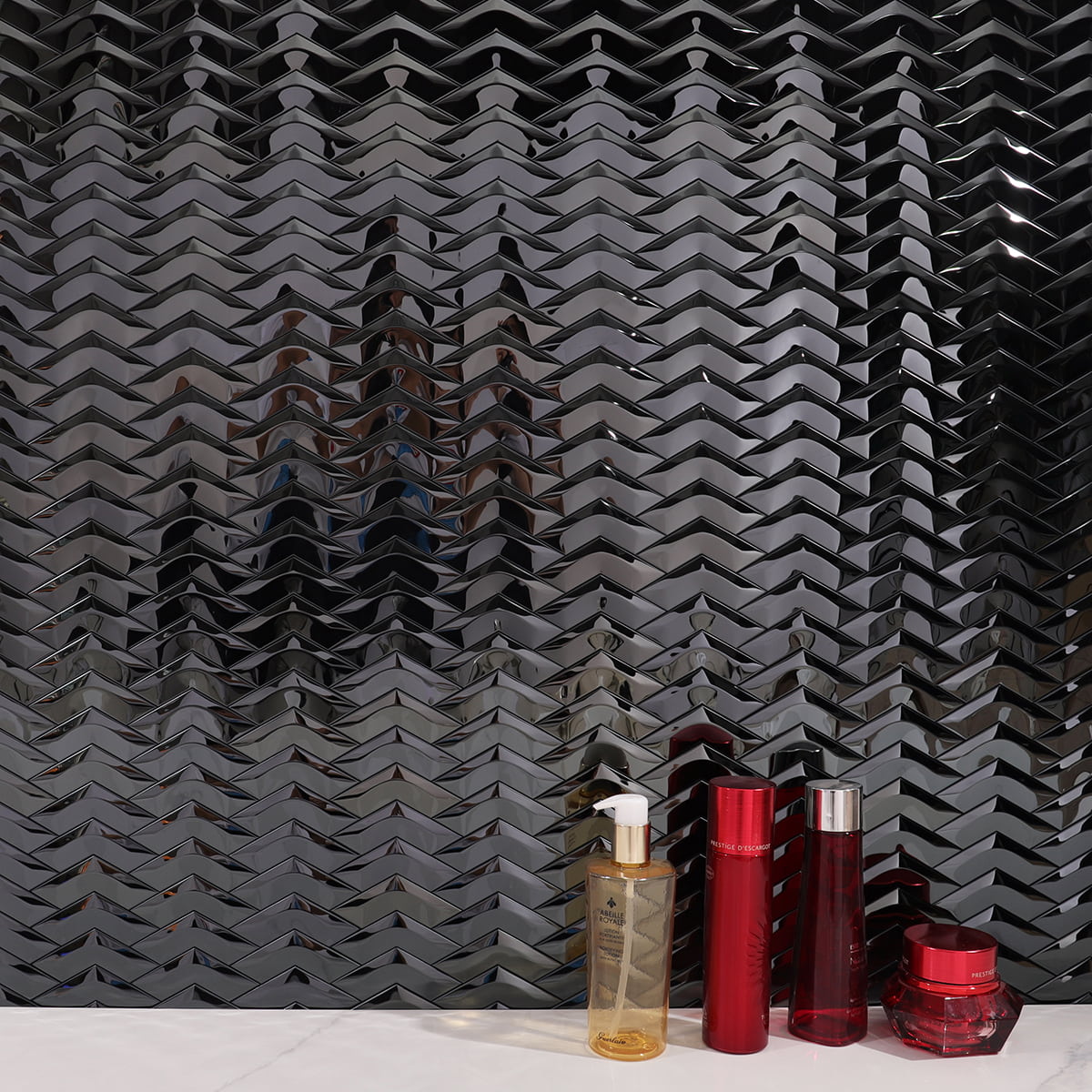
Metal/Stainless Steel: Sleek, industrial accents for modern kitchens or commercial projects.
Design Inspiration
-
Kitchen Backsplash: Pair white ceramic herringbone tiles with dark grout for a crisp, graphic look.
-
Bathroom Floor: Install pale gray porcelain patterns to visually expand a compact powder room.
-
Accent Wall: Use bold-colored glass tiles behind a floating shelf to create a chic focal point.
-
Shower Niche: Frame built-in niches with contrasting herringbone tiles to showcase toiletries in style.
Installation Tips
-
Surface Preparation: Ensure walls or floors are clean, level, and free of debris.
-
Layout Planning: Dry-lay tiles to determine the best starting point and pattern alignment before applying adhesive.
-
Adhesive Selection: Use a thin-set mortar compatible with your tile material and substrate.
-
Grout Choice: Select grout color to either highlight or tone down the herringbone pattern; seal grout lines if using porous stone.
Maintenance & Care
-
Wipe spills promptly with a soft cloth to prevent staining.
-
Use a pH-neutral cleaner—avoid acidic or abrasive formulas that can etch or dull finishes.
-
Re-seal natural stone tiles annually to protect against moisture and wear.
Frequently Asked Questions
Are small herringbone tiles hard to install?
With proper planning and the right tools, the herringbone pattern is straightforward—consider hiring a professional for intricate layouts.
Can I use small herringbone tiles outdoors?
Choose porcelain options rated for exterior use; avoid indoor-only materials in freeze–thaw climates.
What grout width works best?
A 1/16″ to 1/8″ grout joint offers clean lines without overwhelming the small-scale pattern.