






























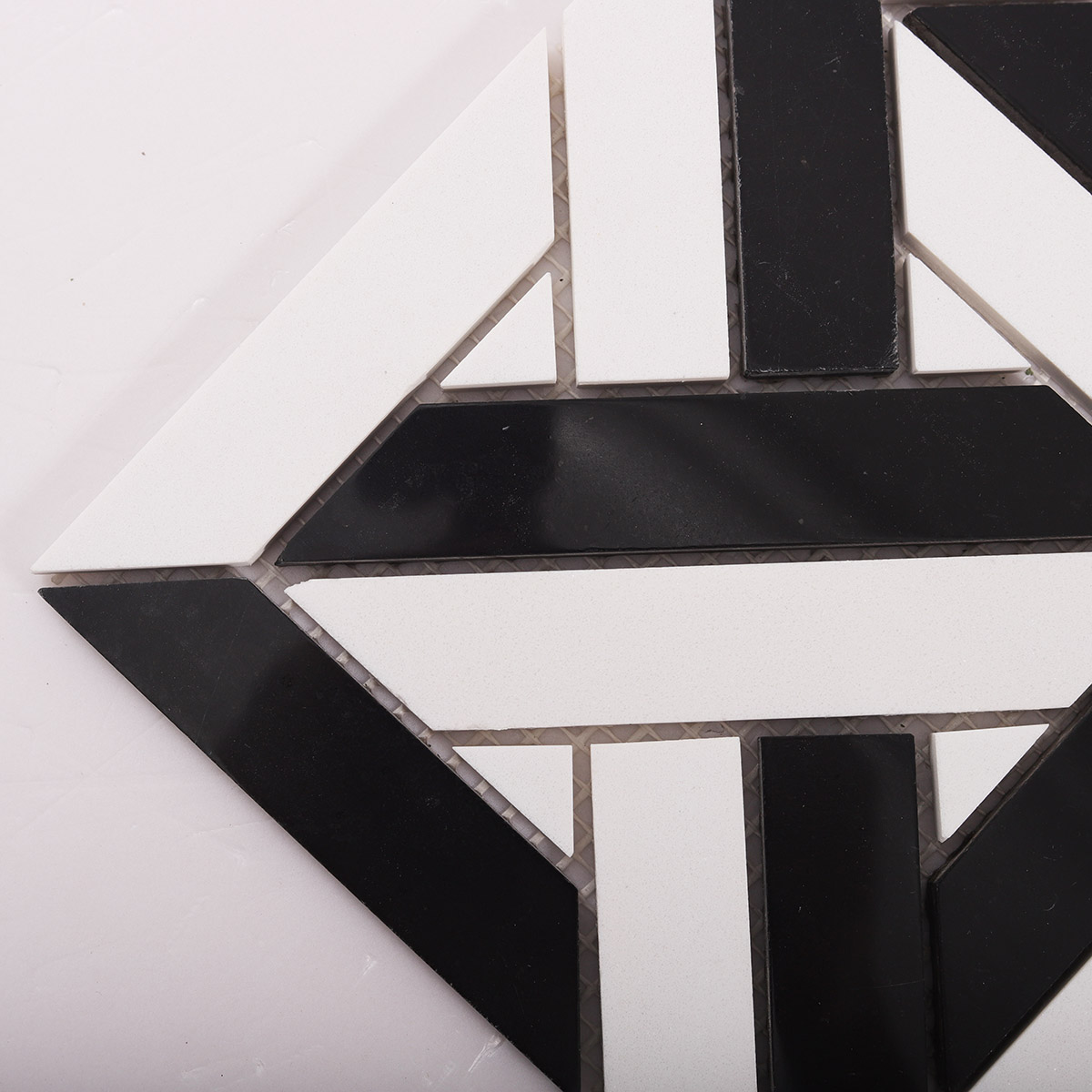
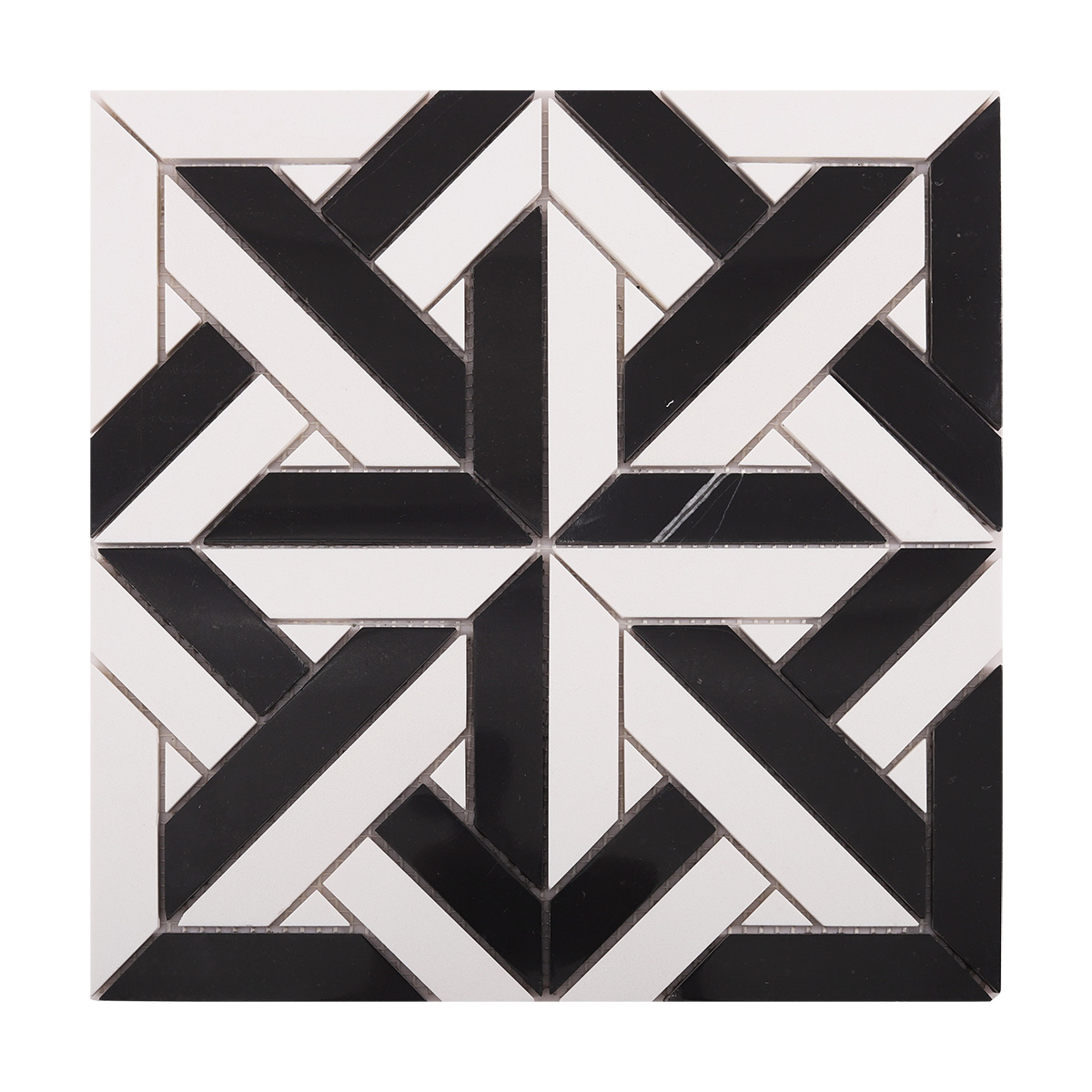
Marble Mosaic Tiles: Shapes, Sources & Craftsmanship
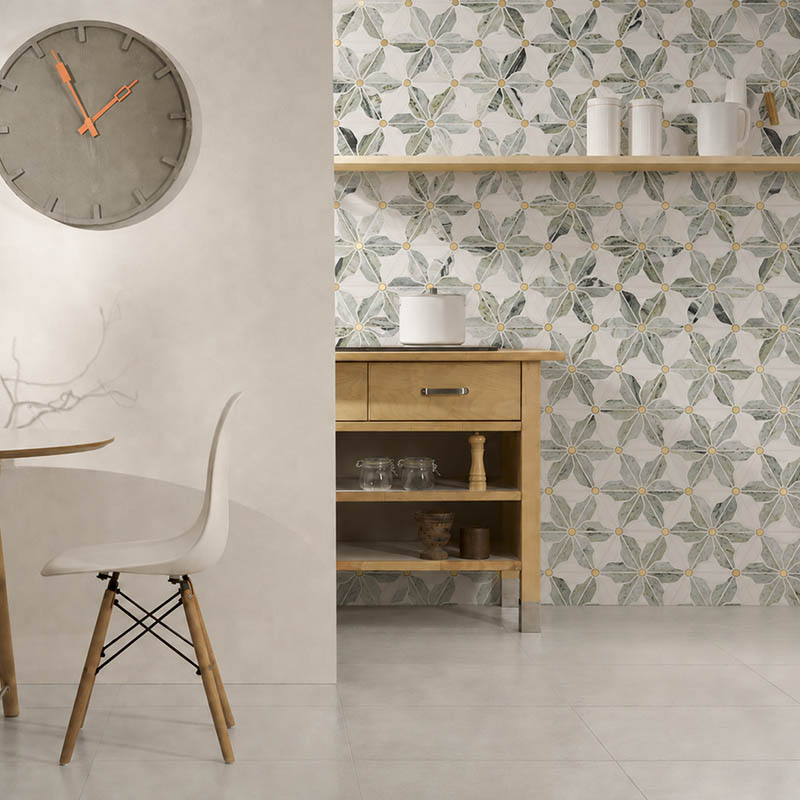
Marble Mosaic Tiles marry natural stone beauty with precise geometry, offering durable surfaces for walls, floors, and feature panels. Their small-format modules create fluid patterns, tight radii, and slip-friendly textures while keeping installation efficient for residential and commercial interiors.
Definition & Evolution
From Classic Shapes to Complex Curves
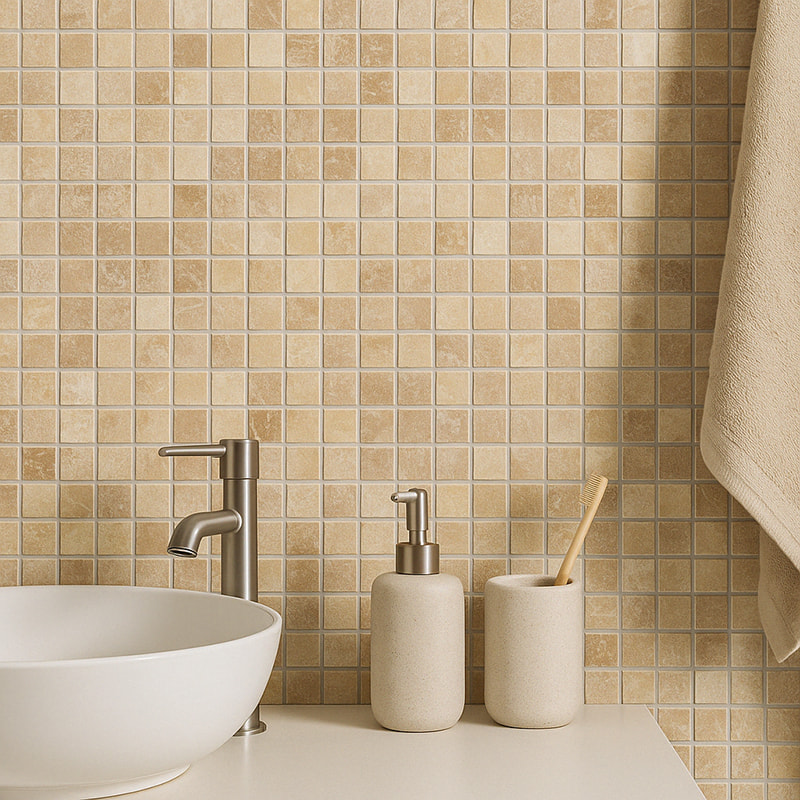
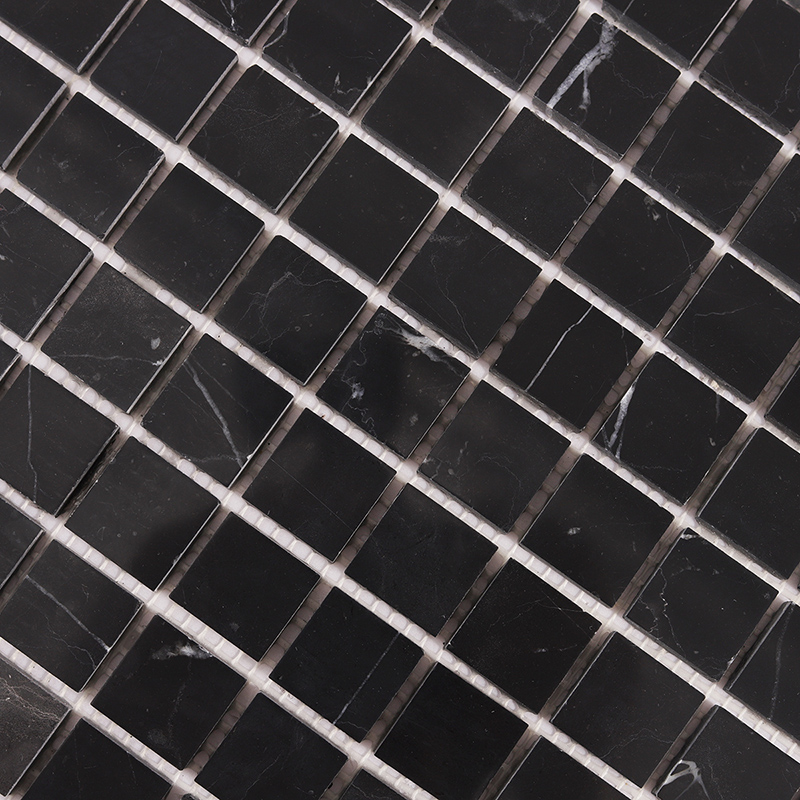
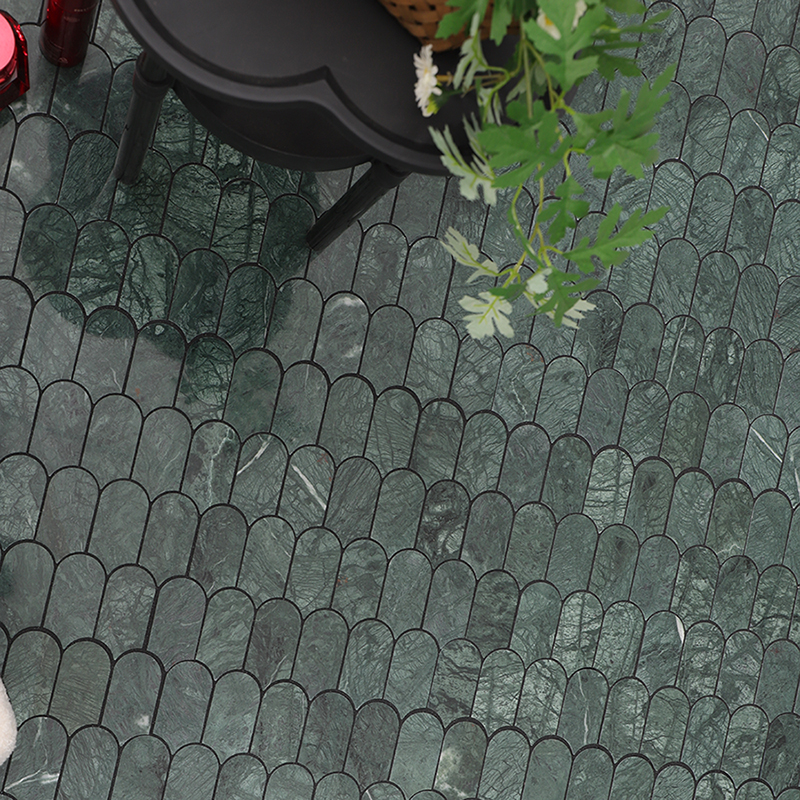
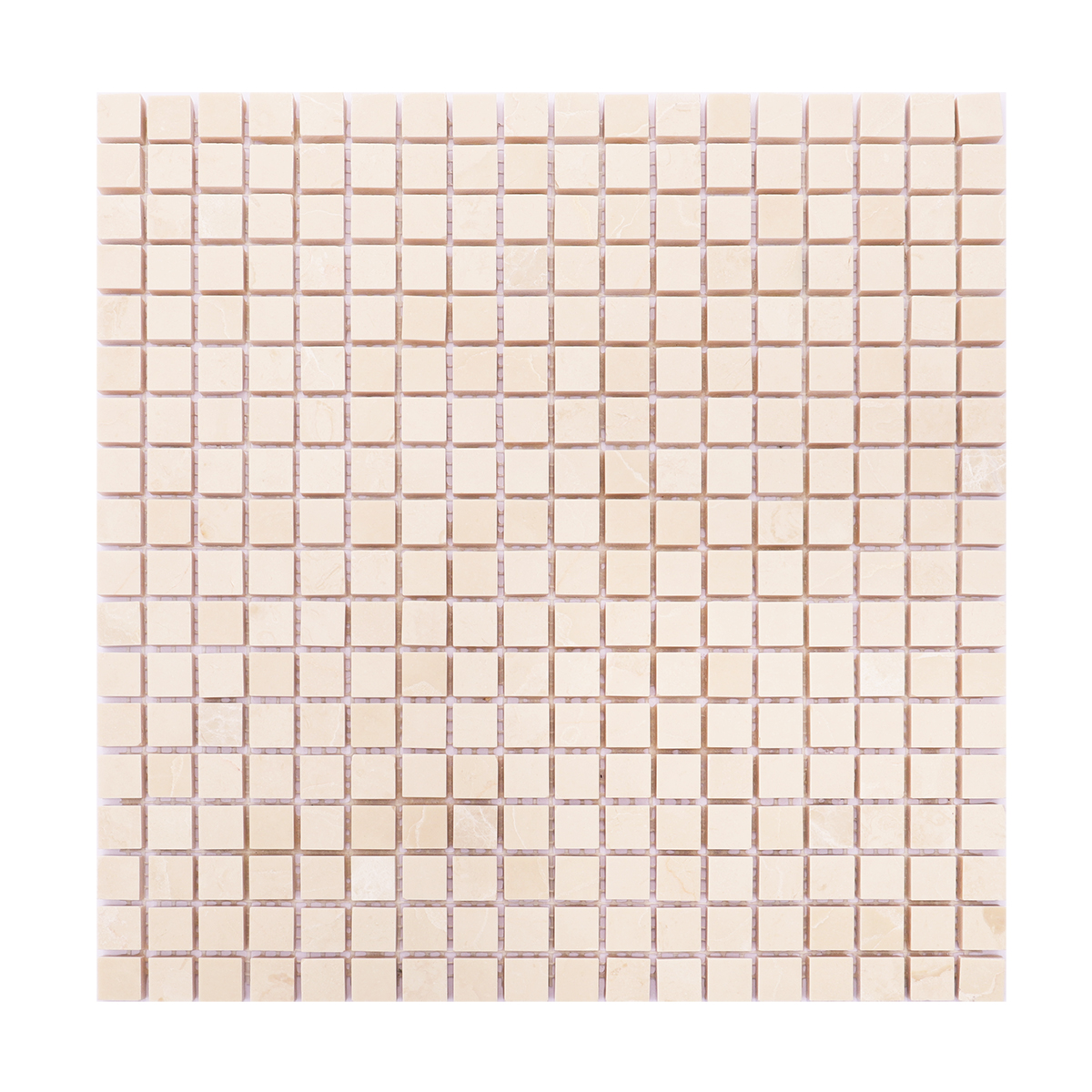
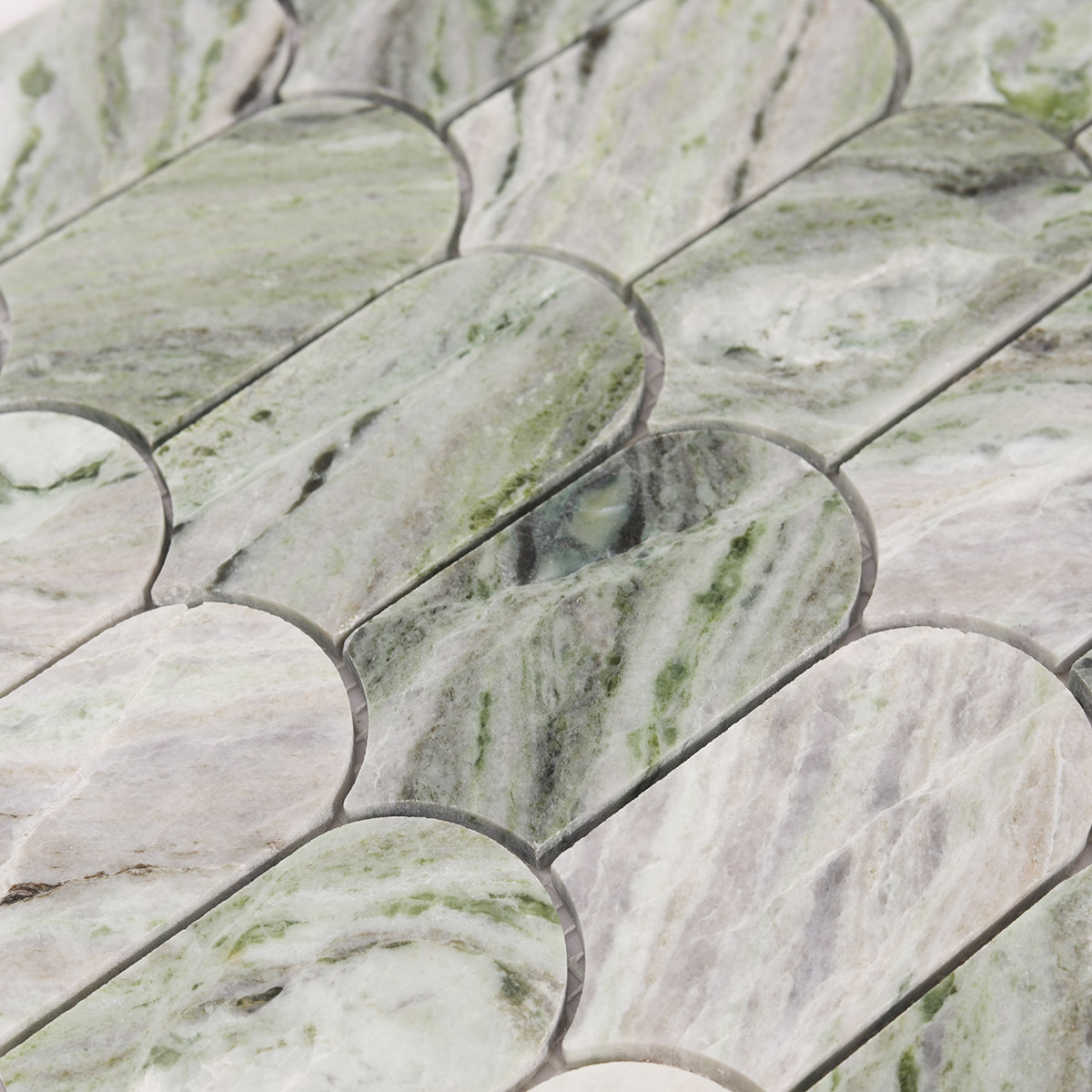
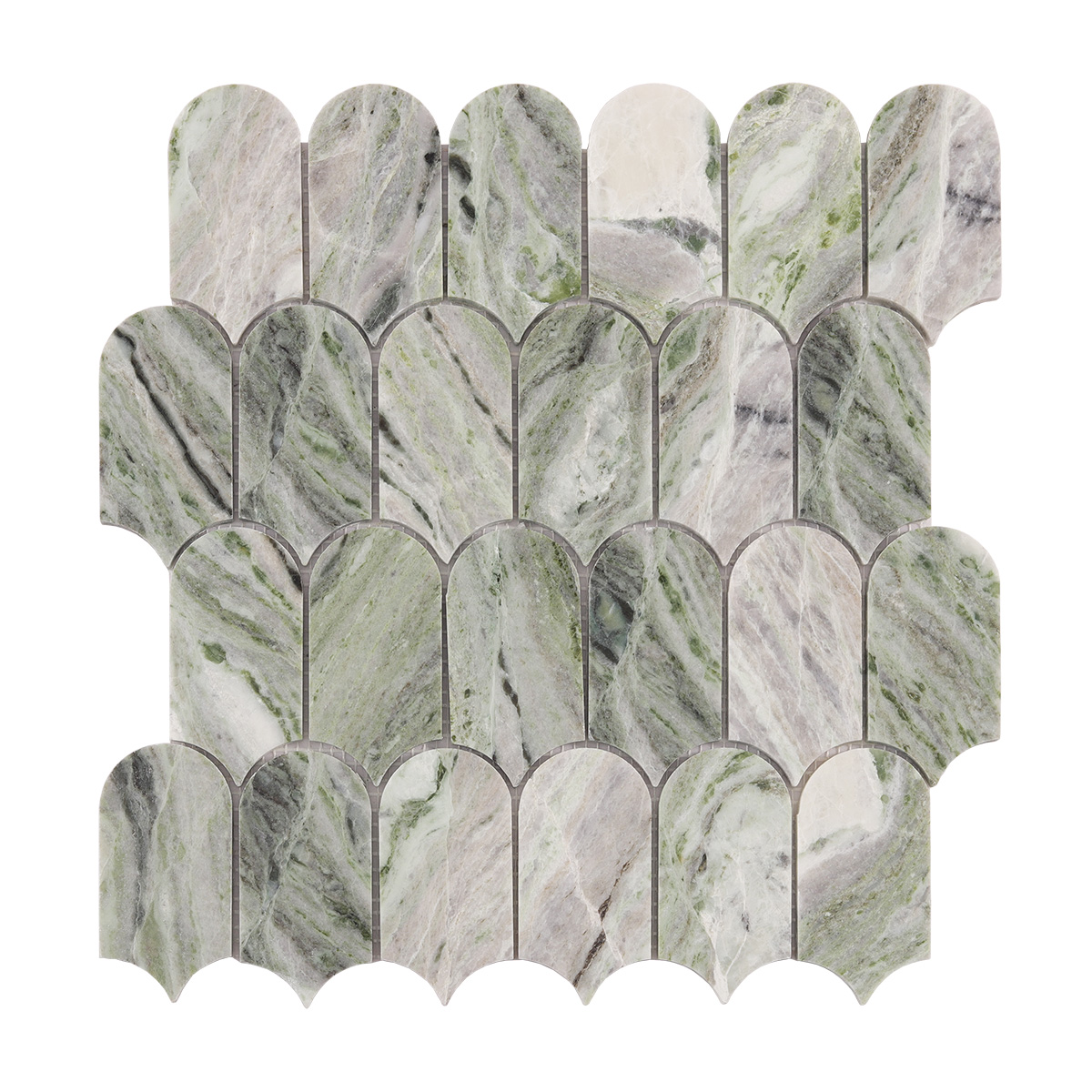
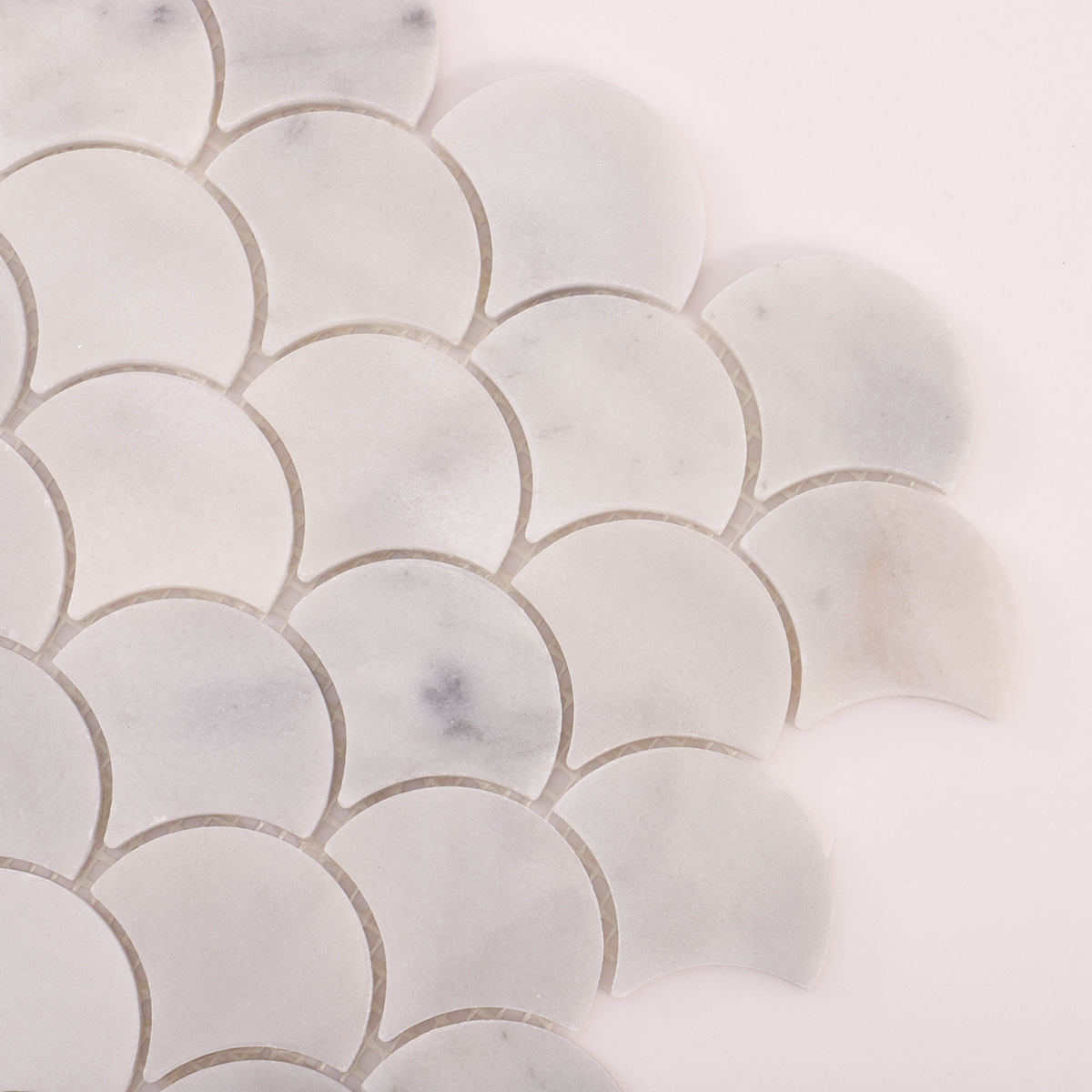
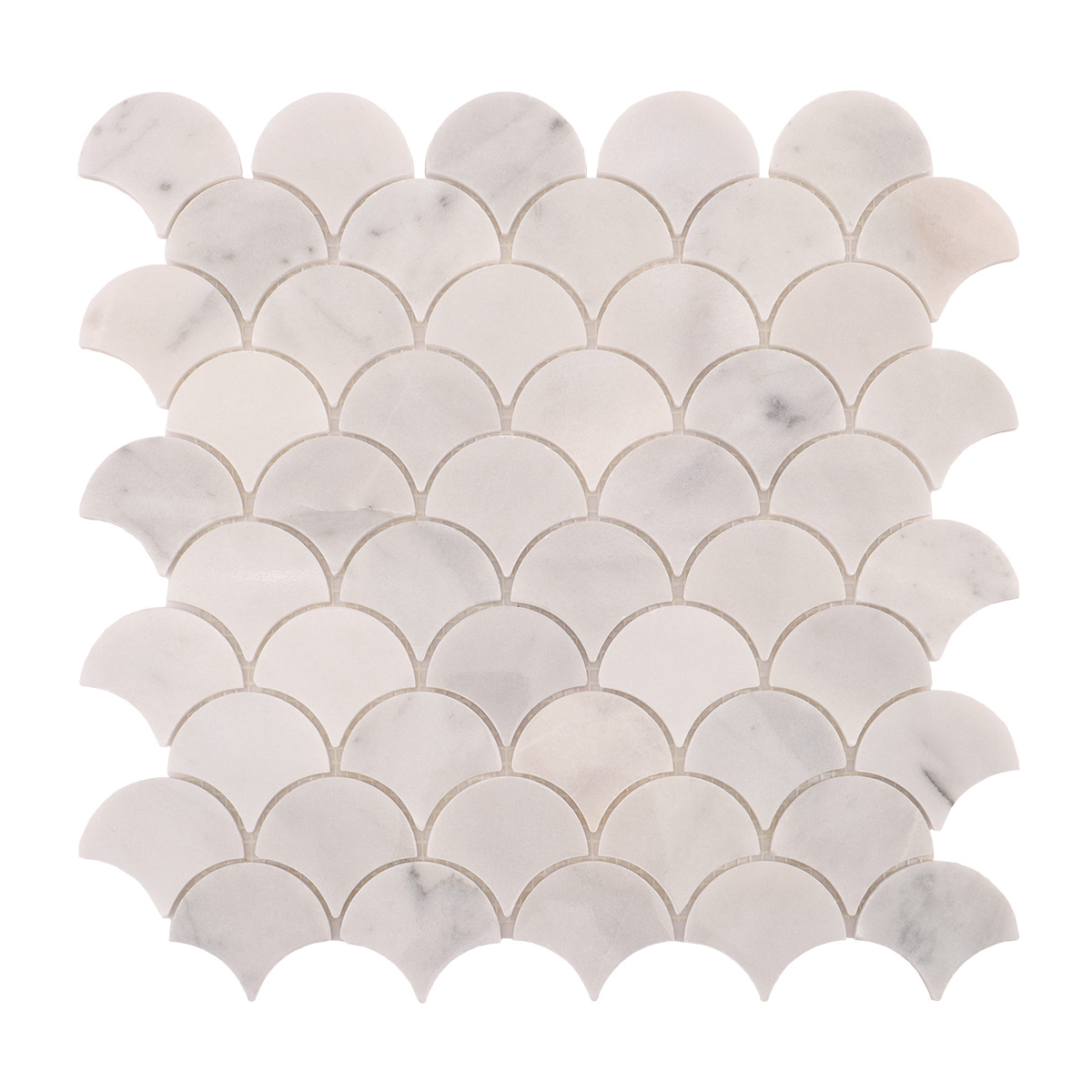
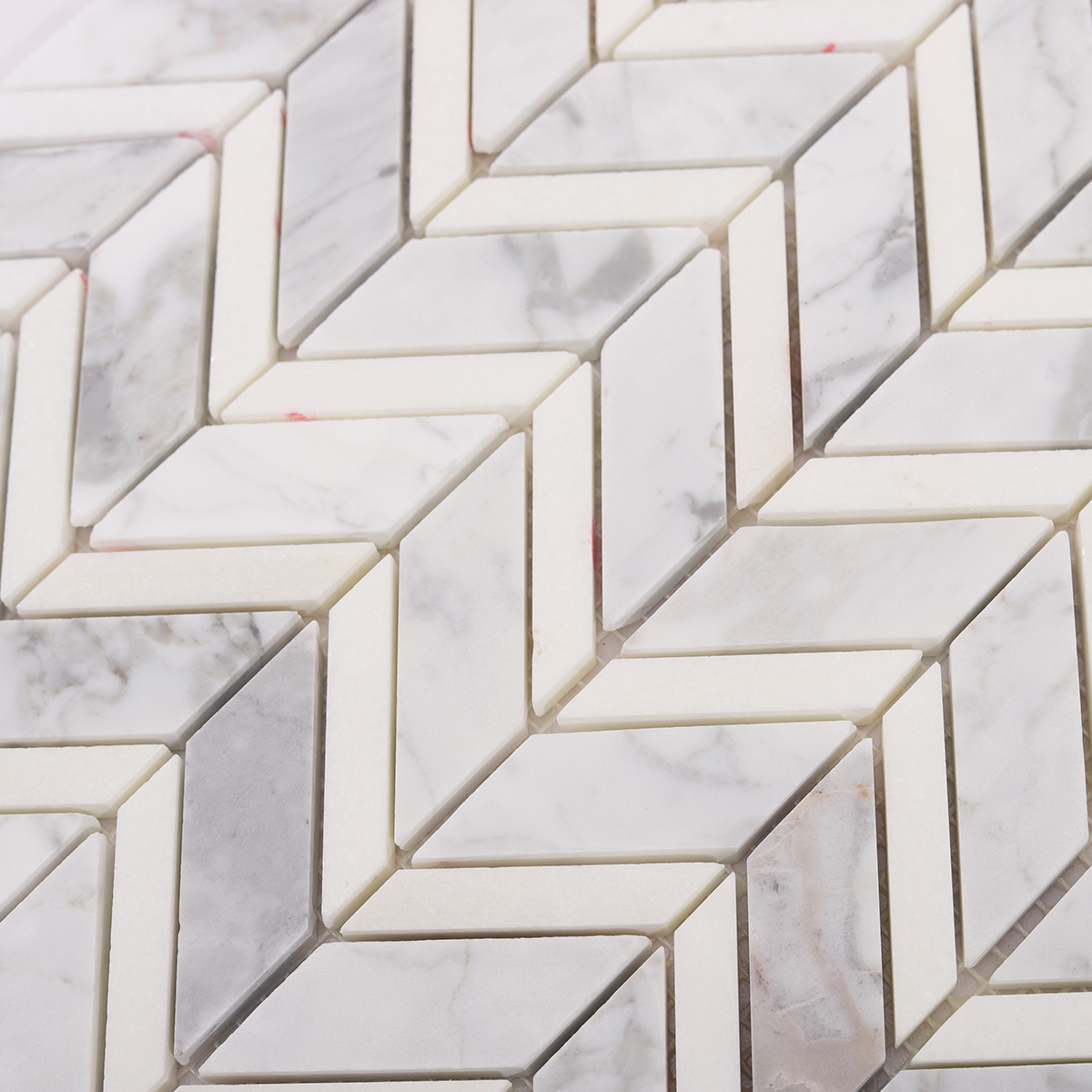
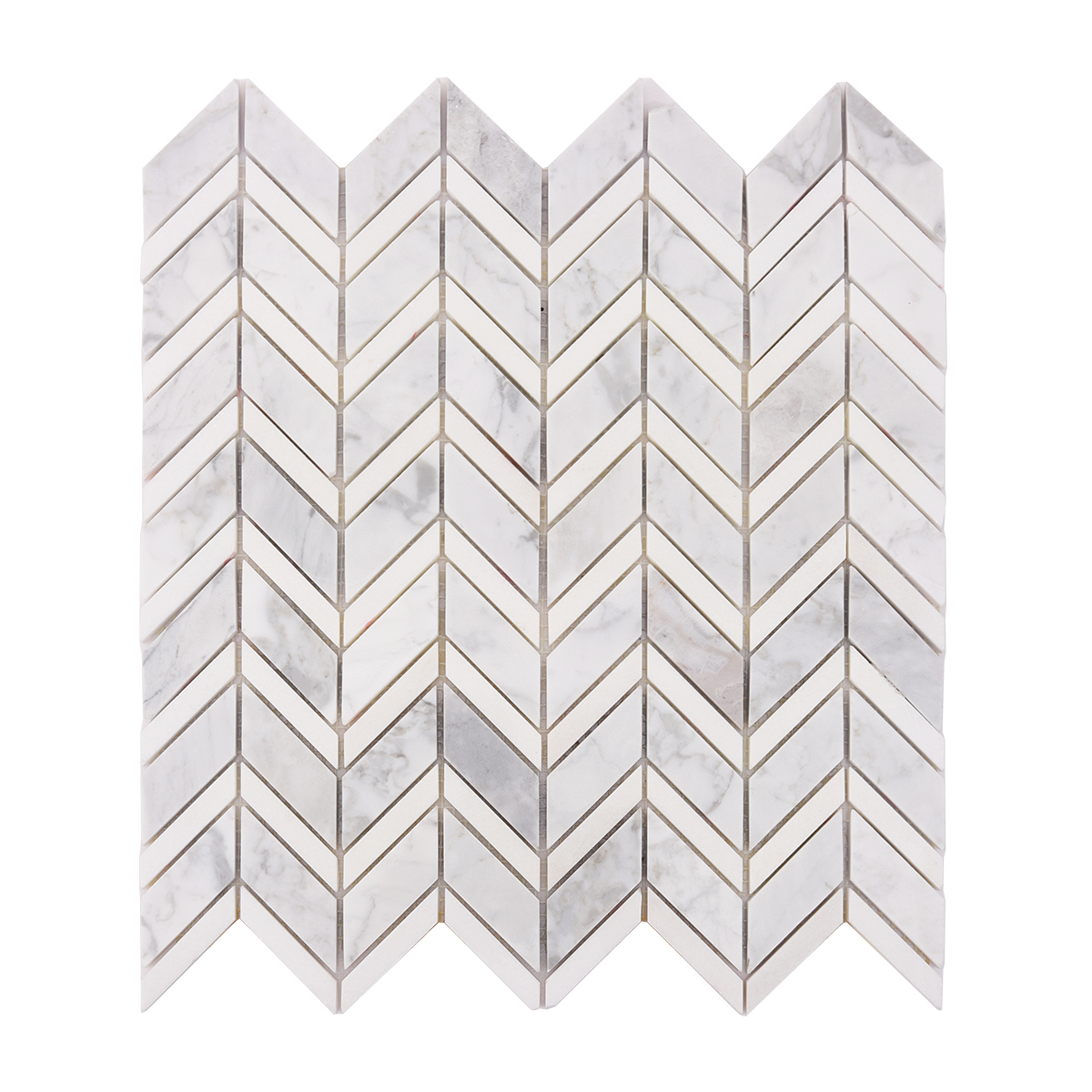
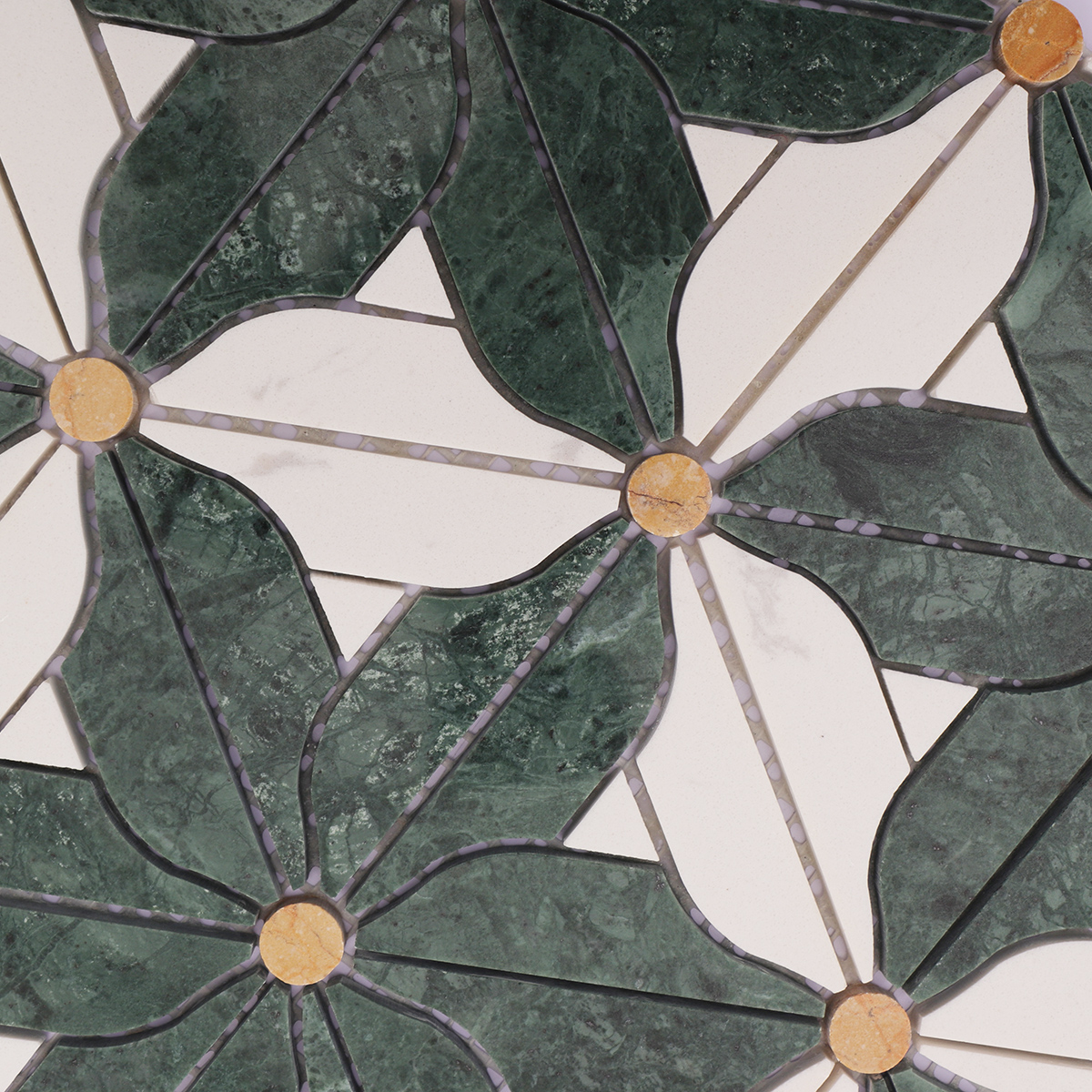
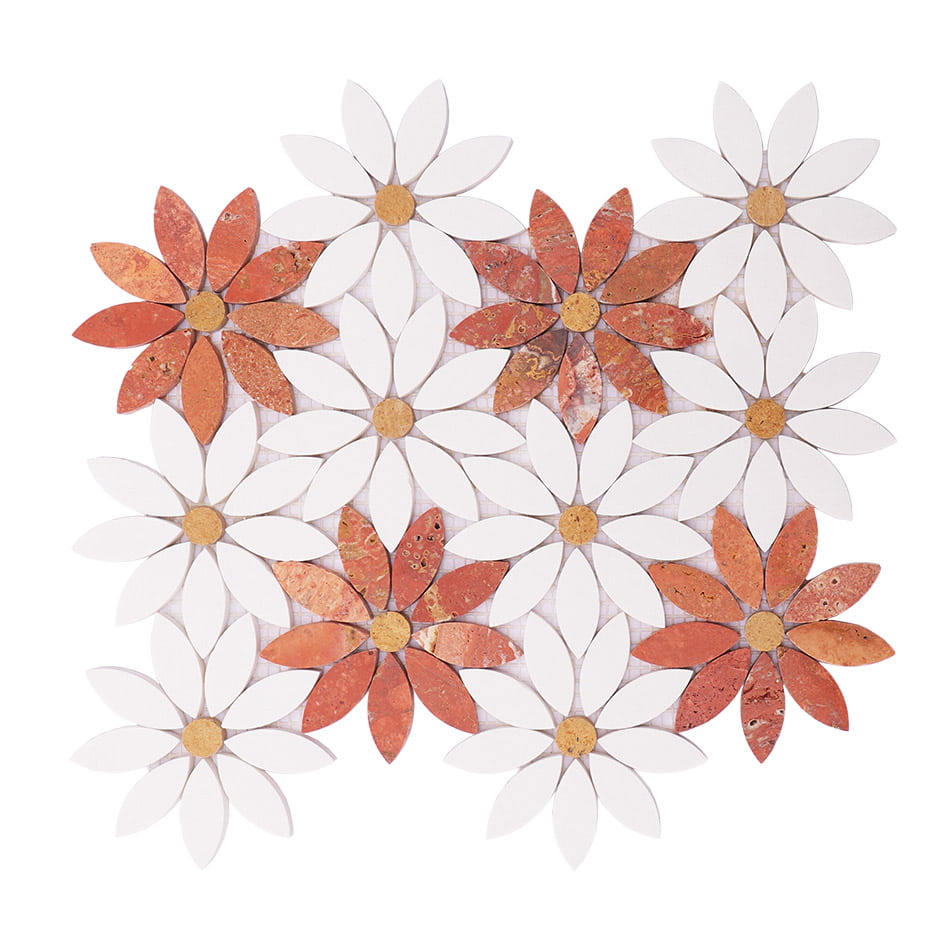
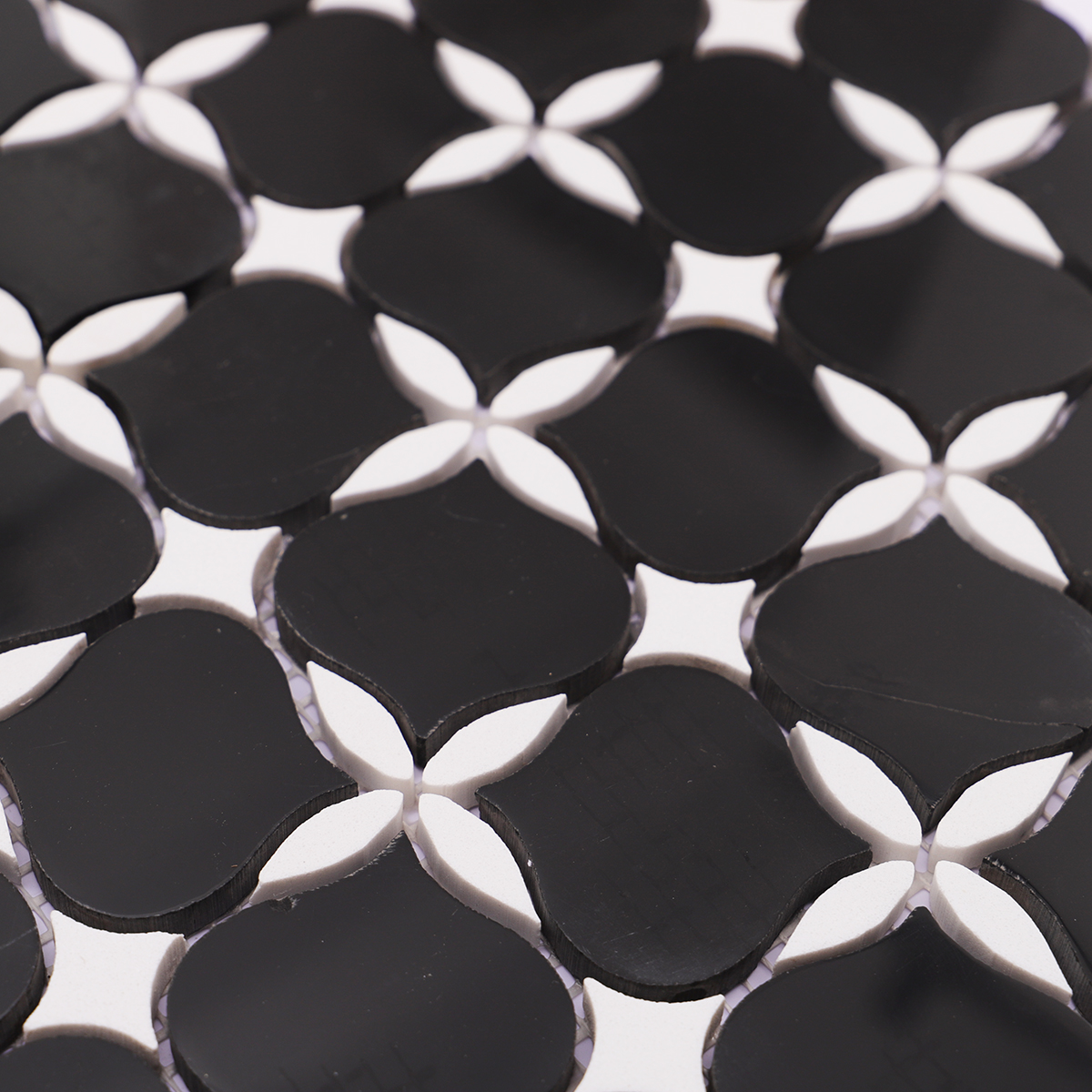
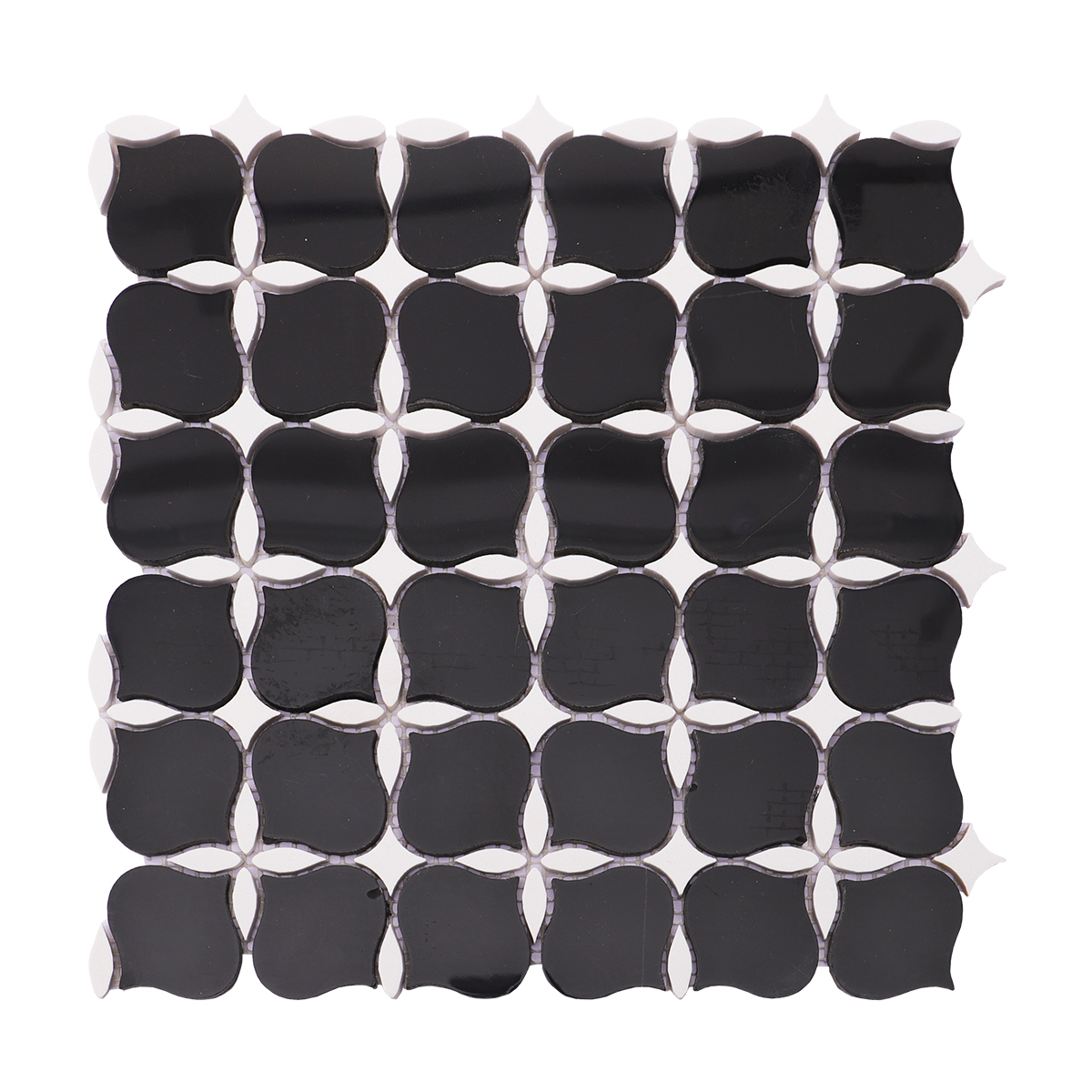
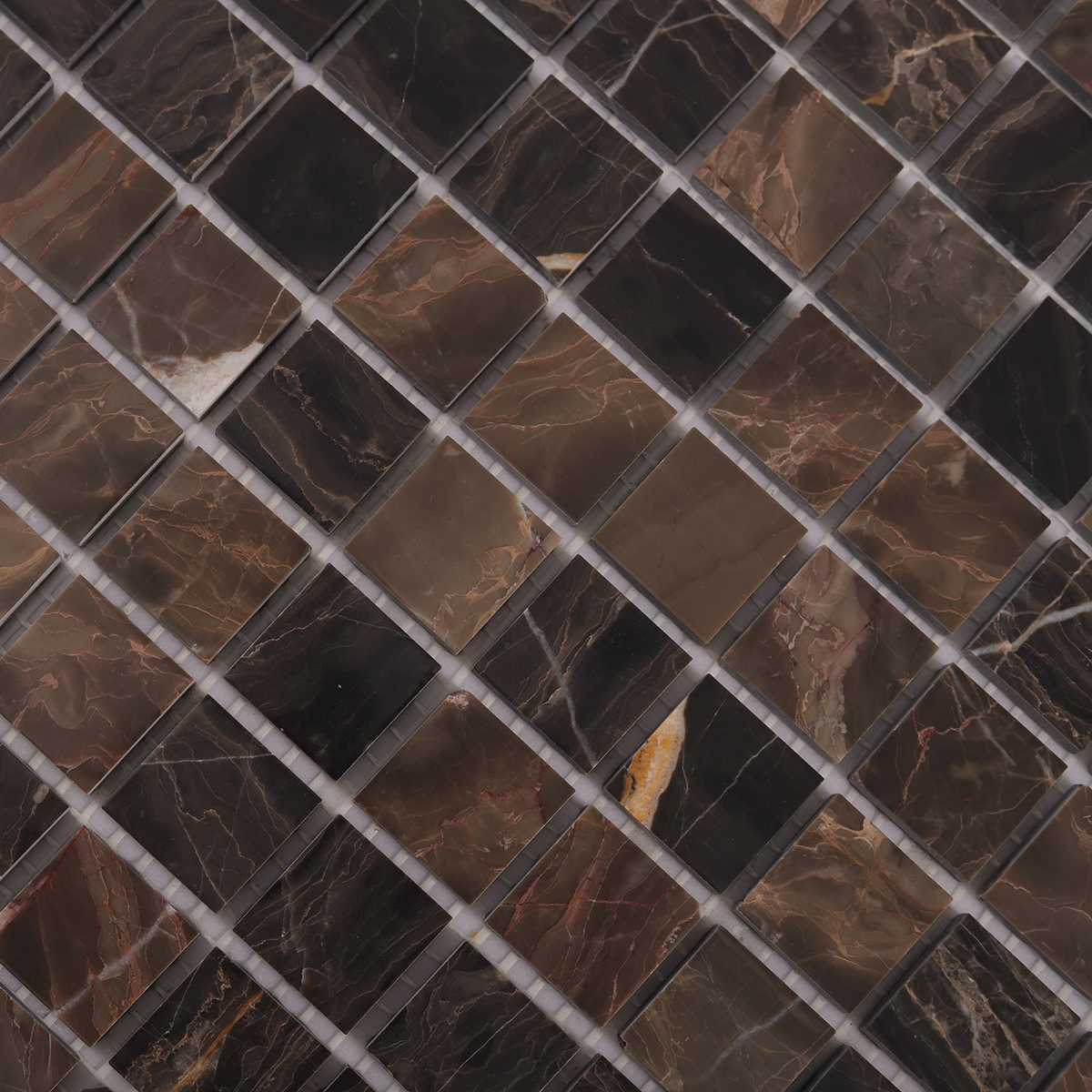
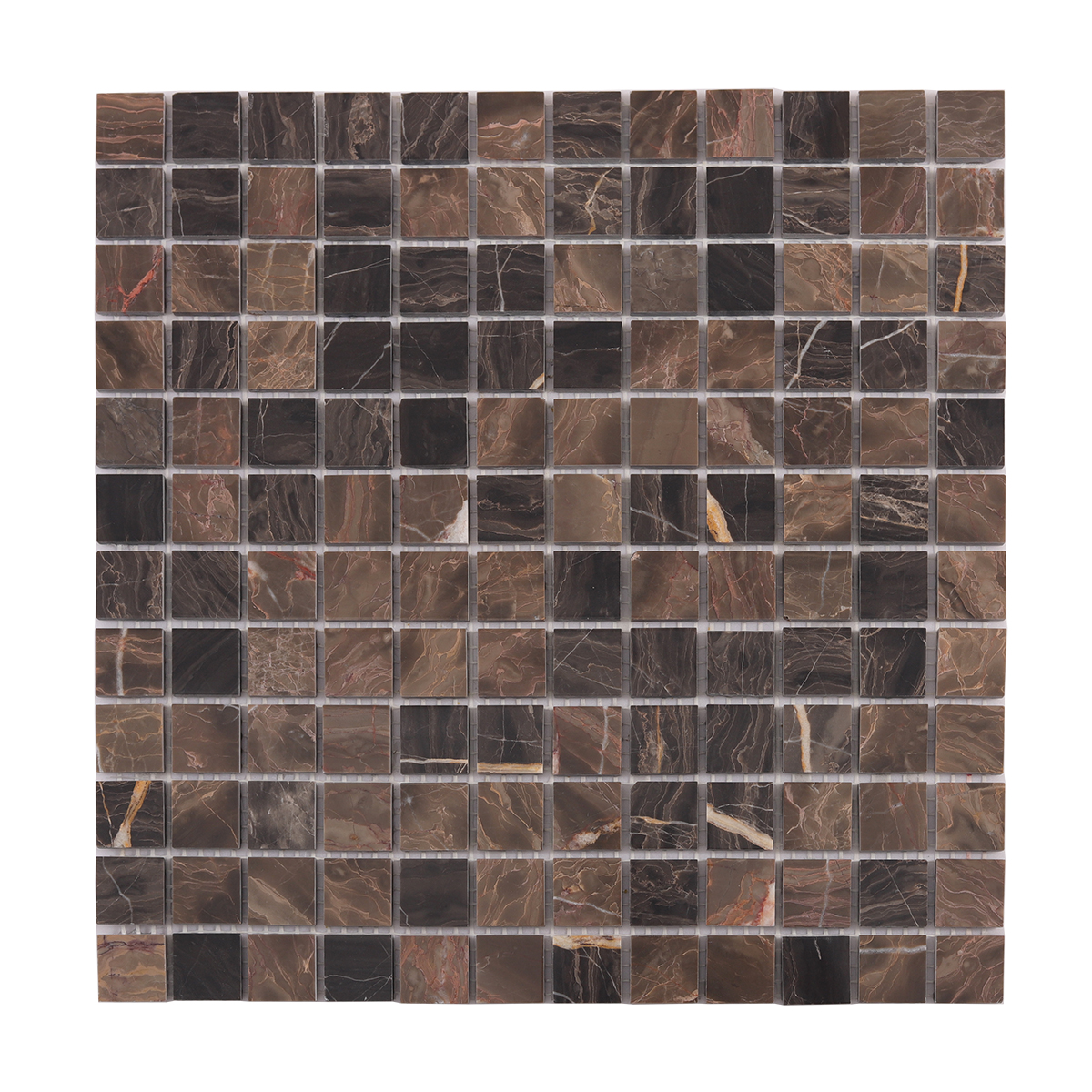
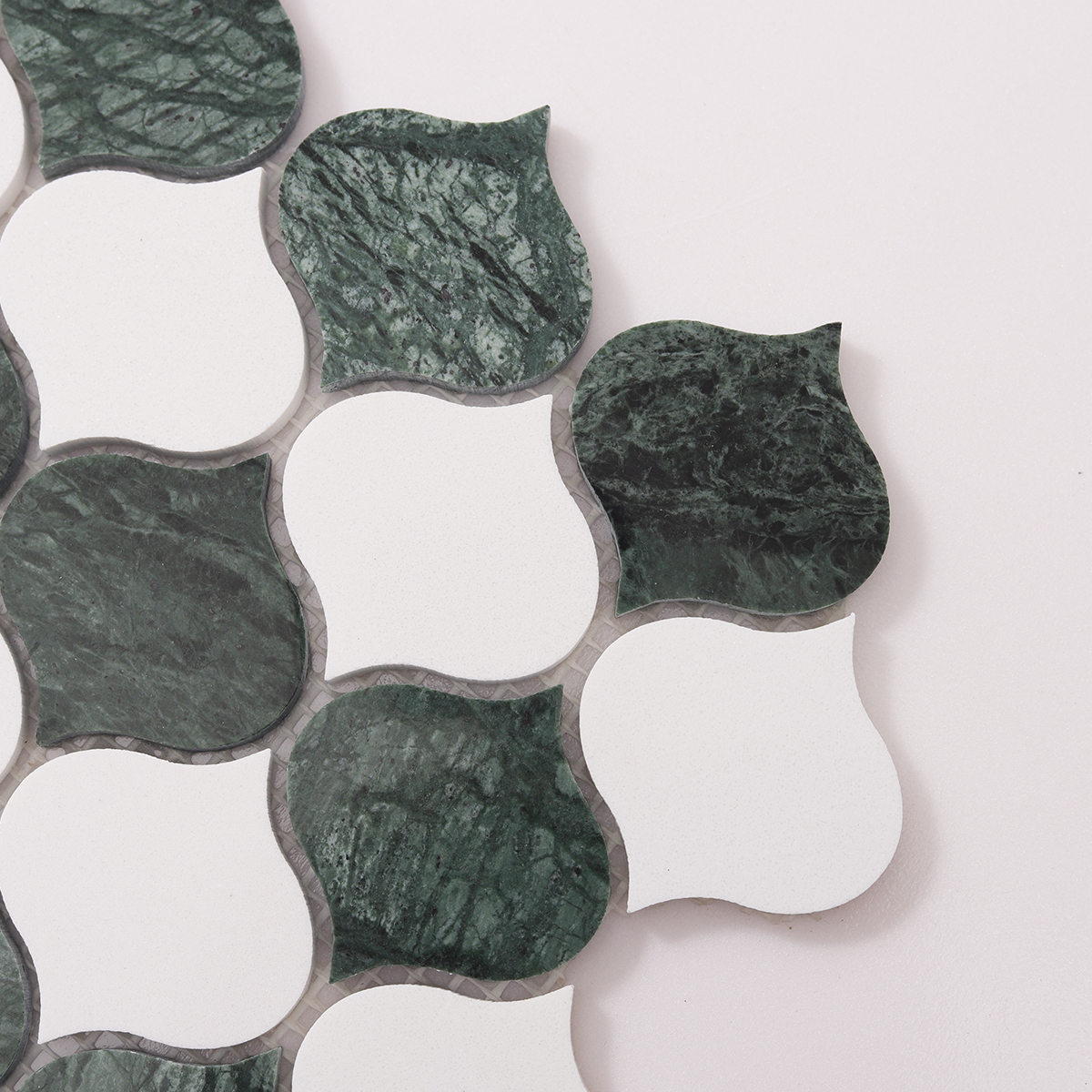
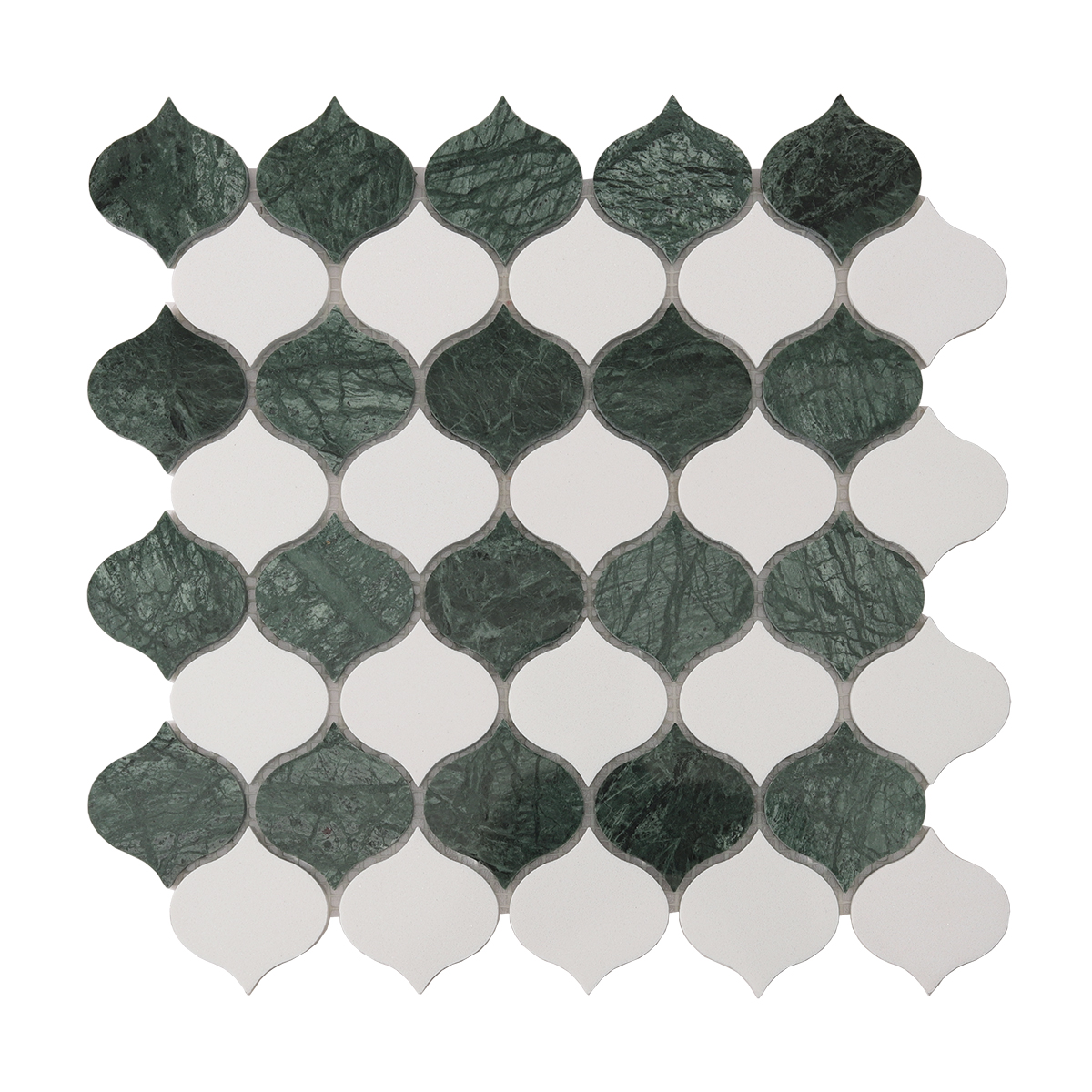
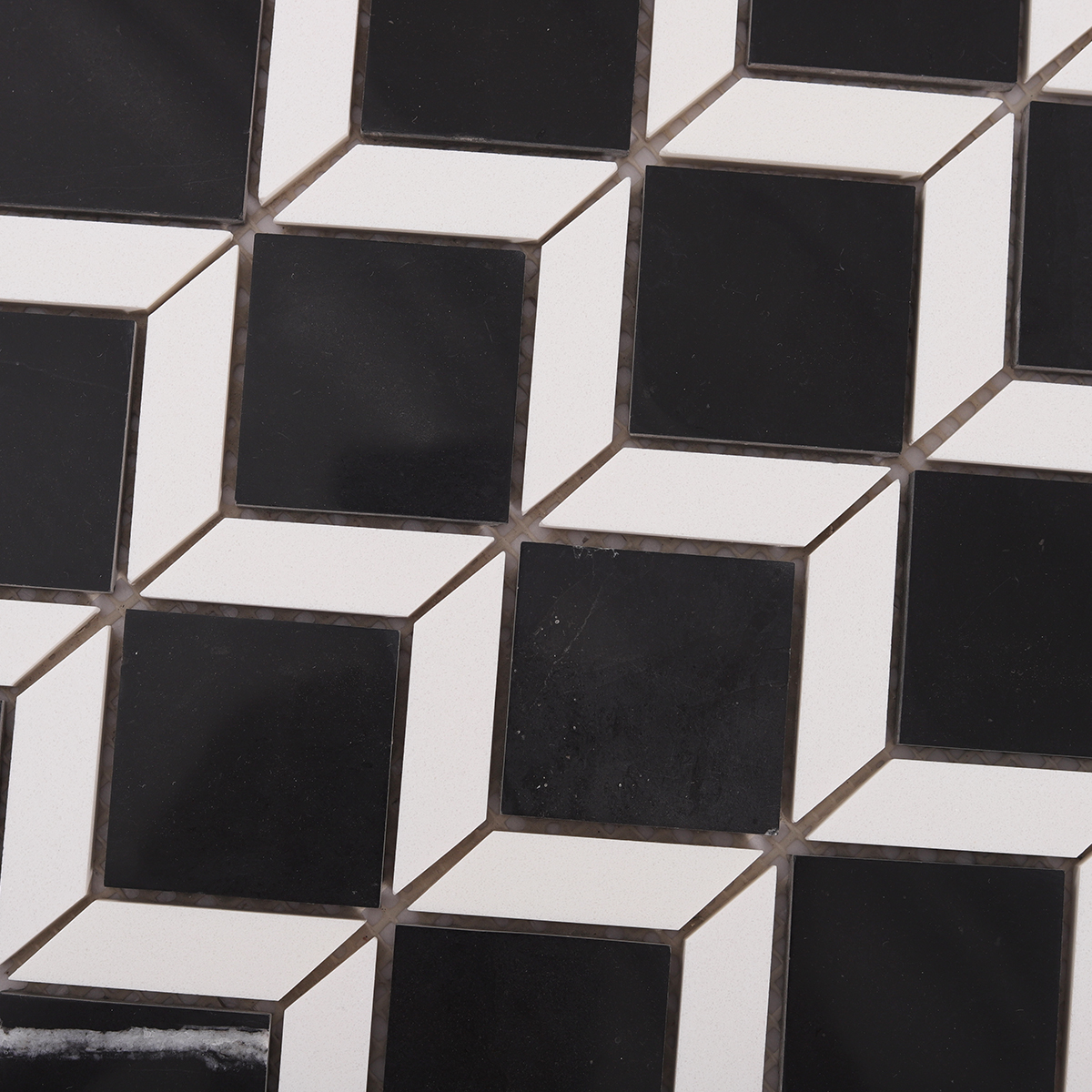
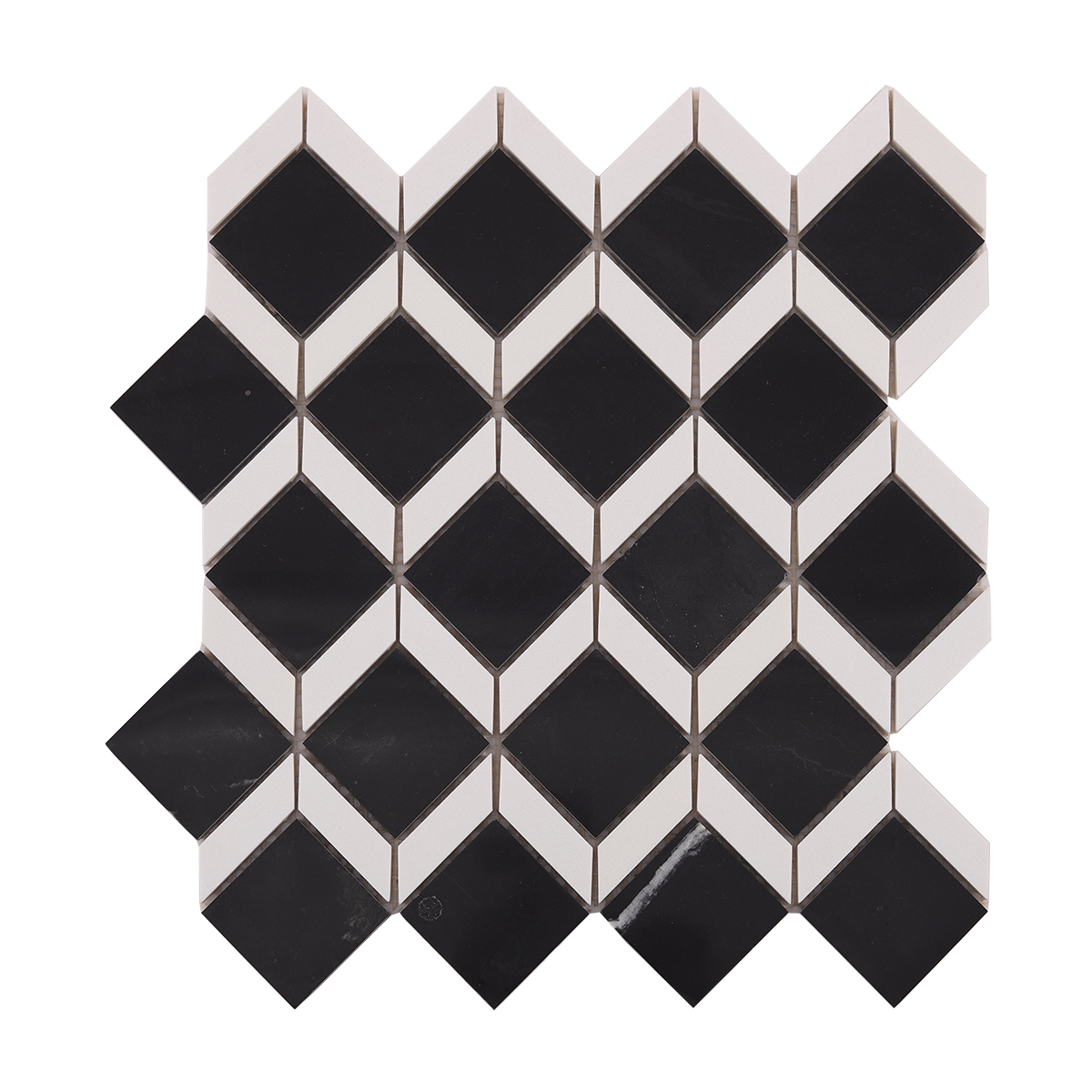
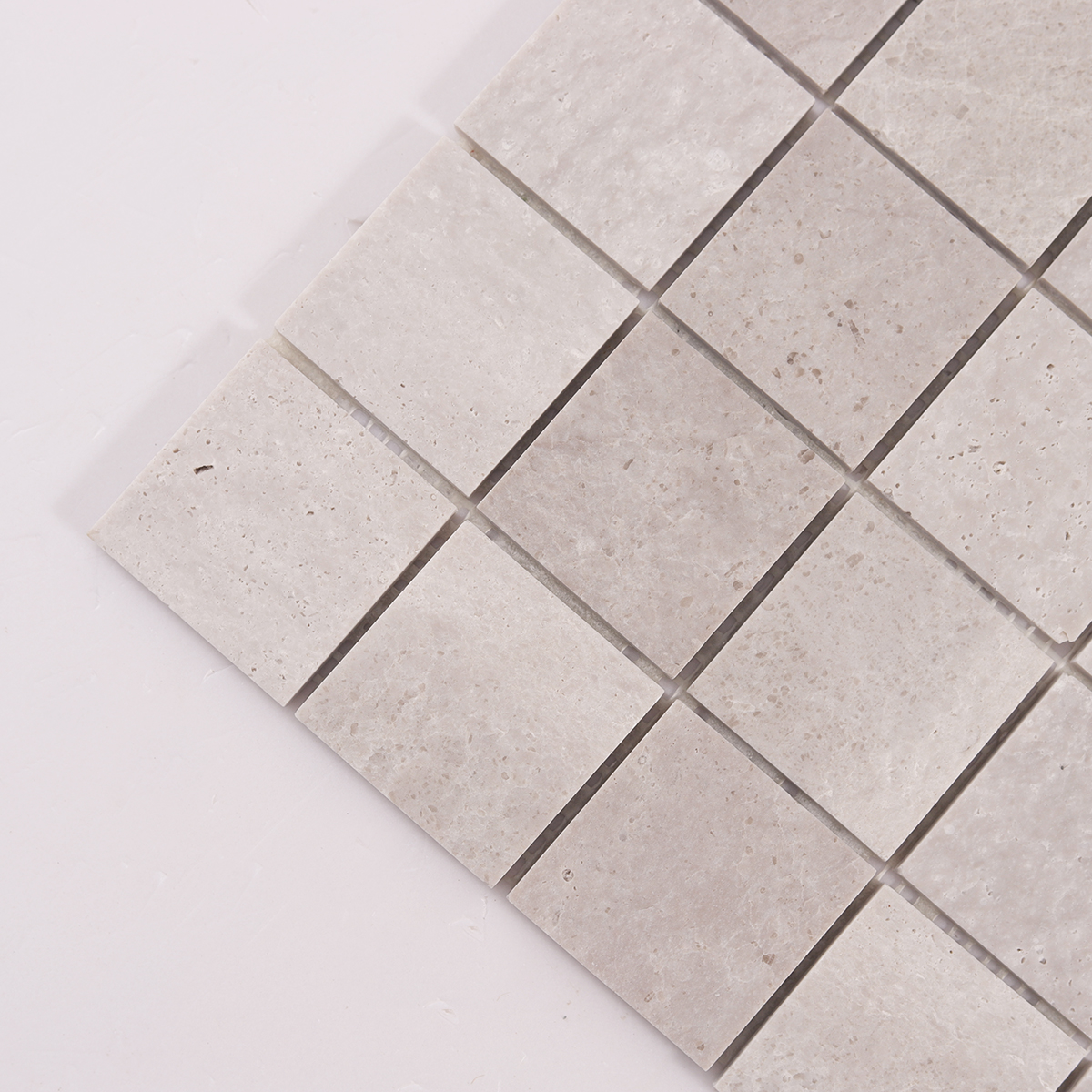
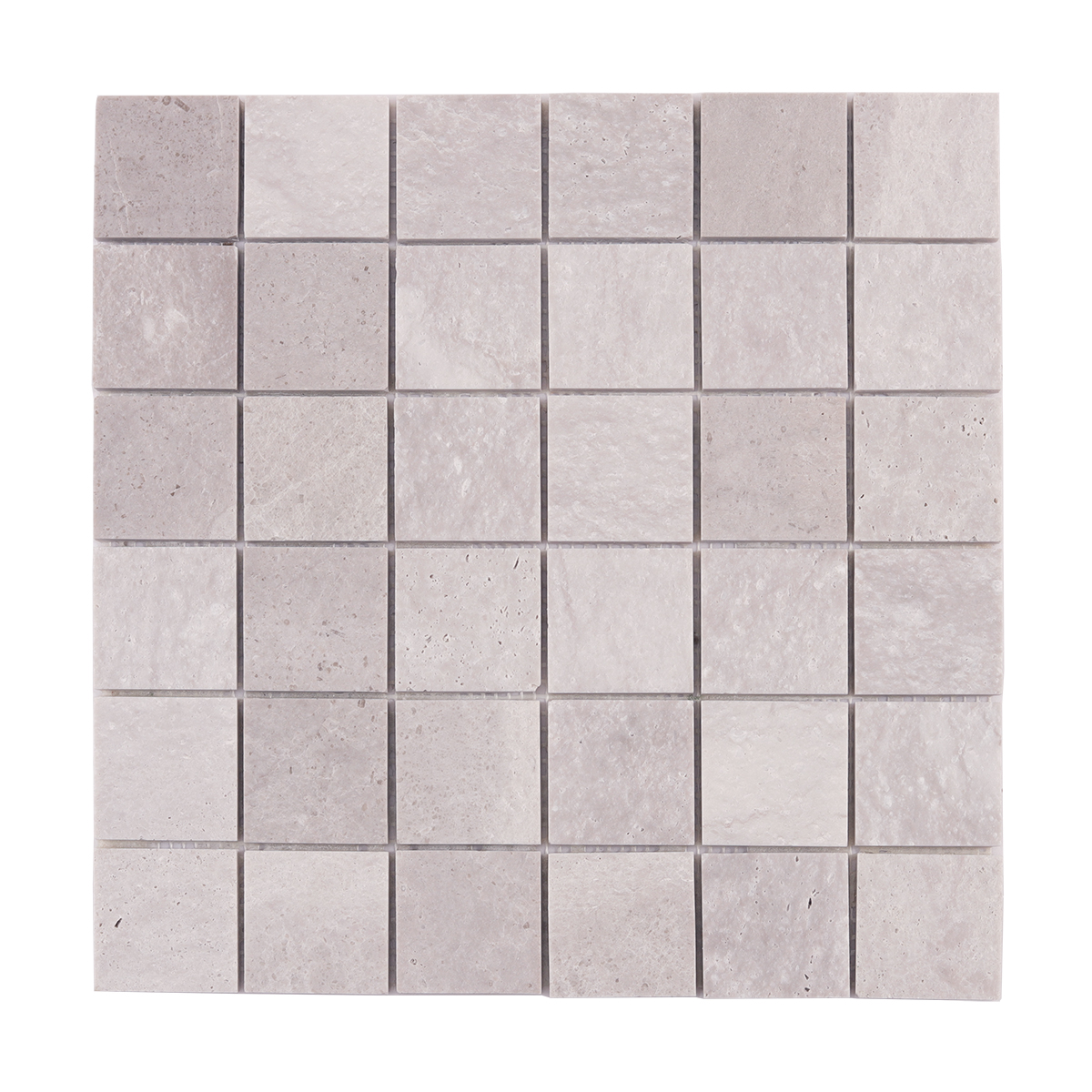
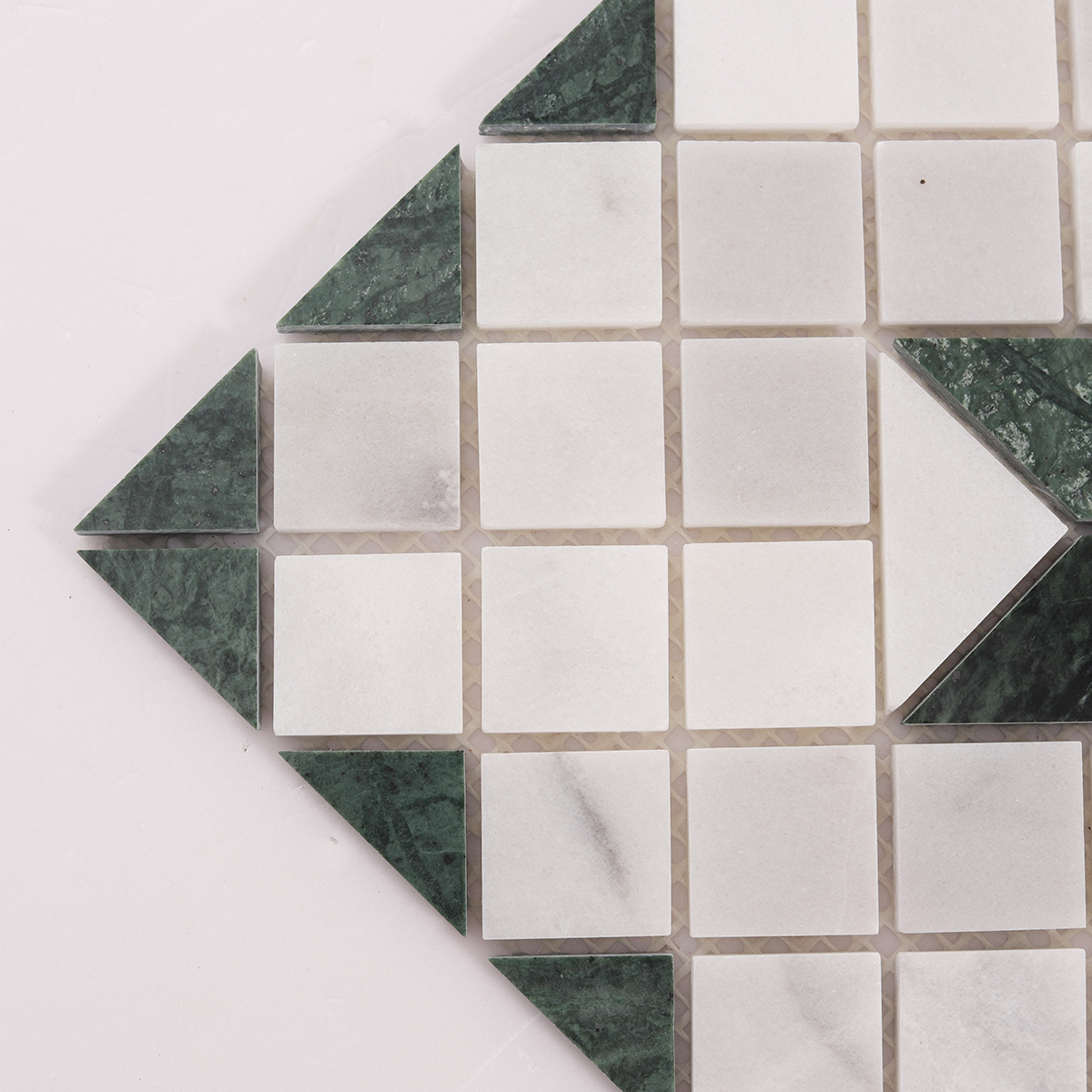
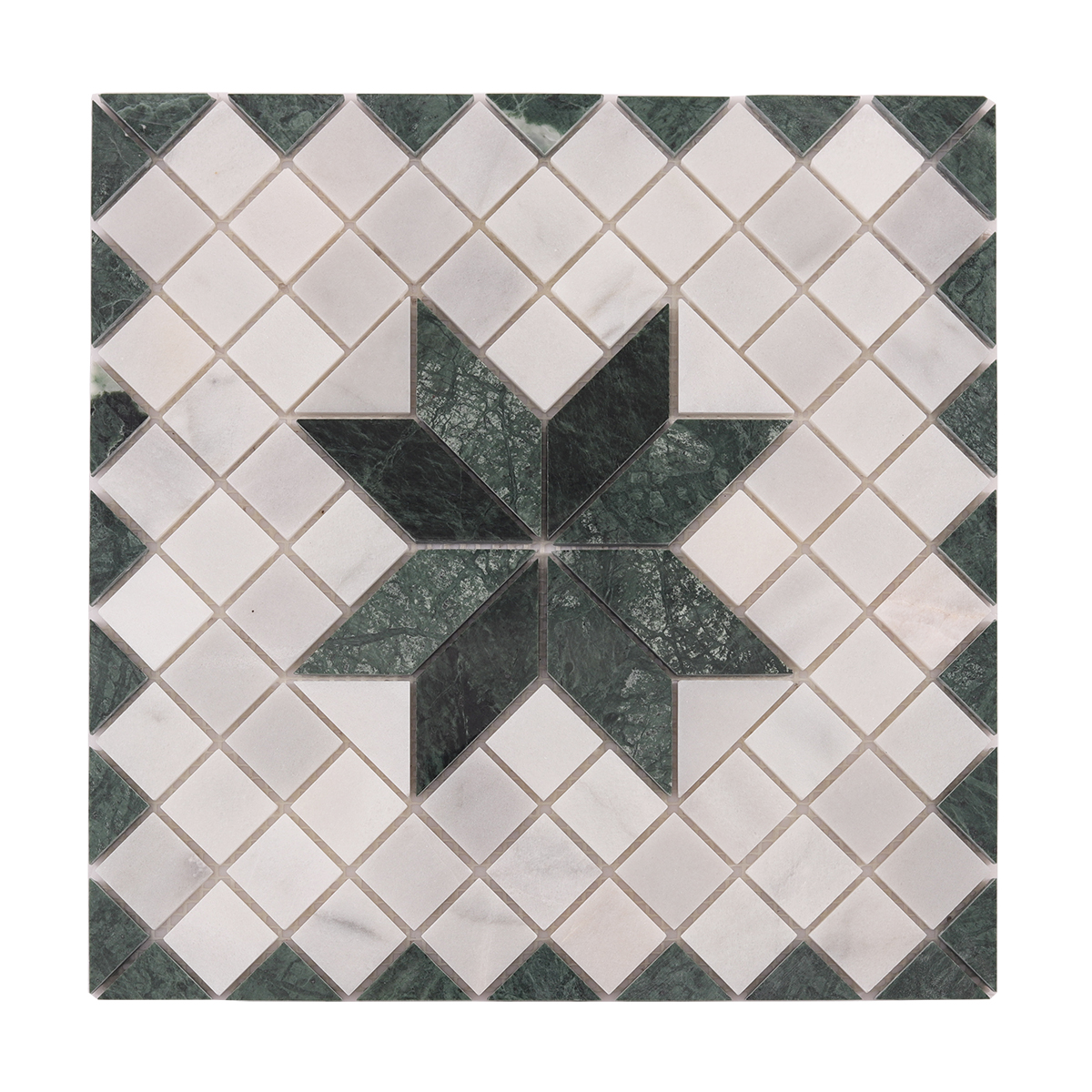
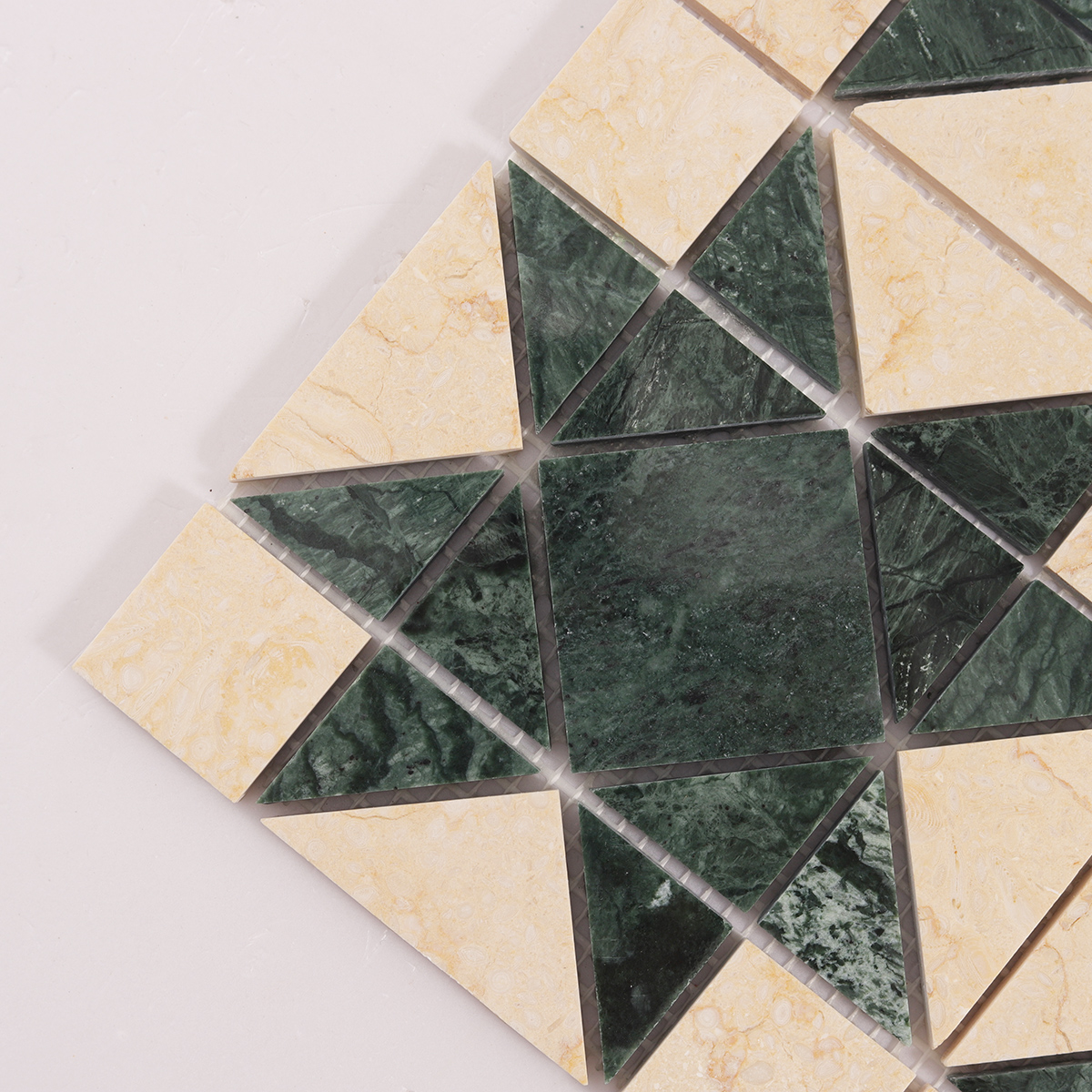
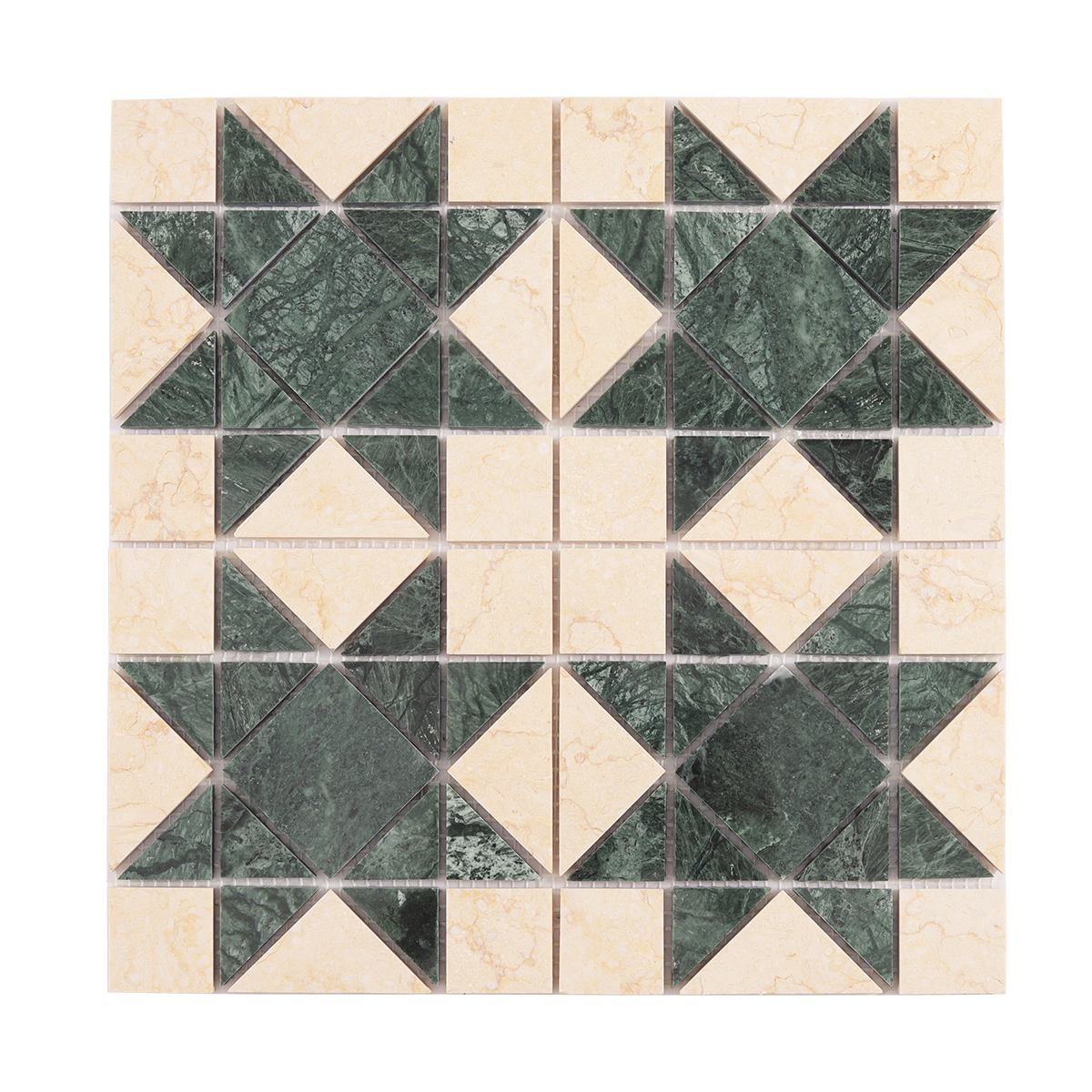
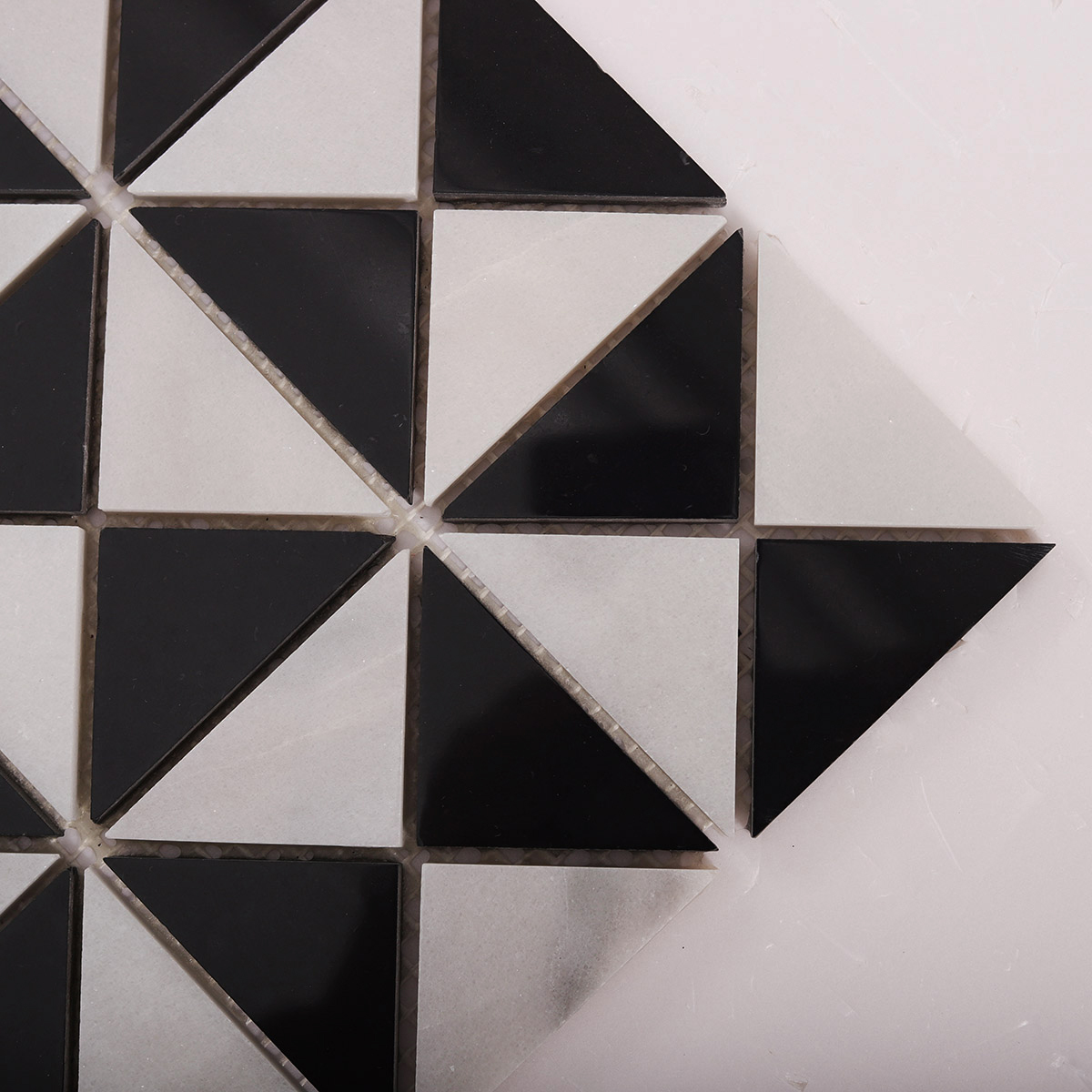
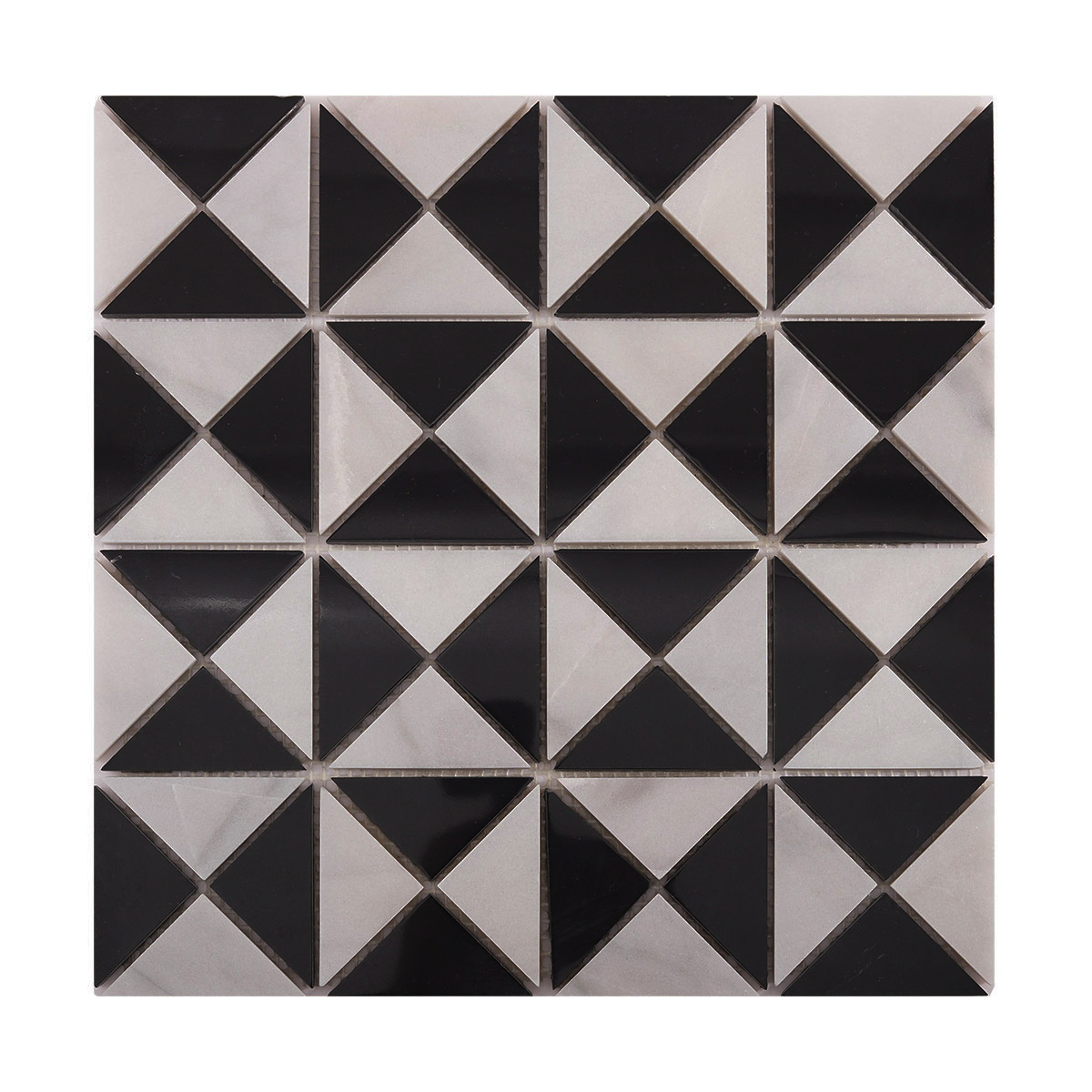
Traditionally, Marble Mosaic Tiles were cut into small squares, hexagons, and rectangles. As techniques advanced, designers embraced fish scale, arabesque, and oval motifs, plus custom silhouettes that flow across corners and niches. The result is a library of patterns that balance classical order with modern expression.
Advanced Cutting Methods
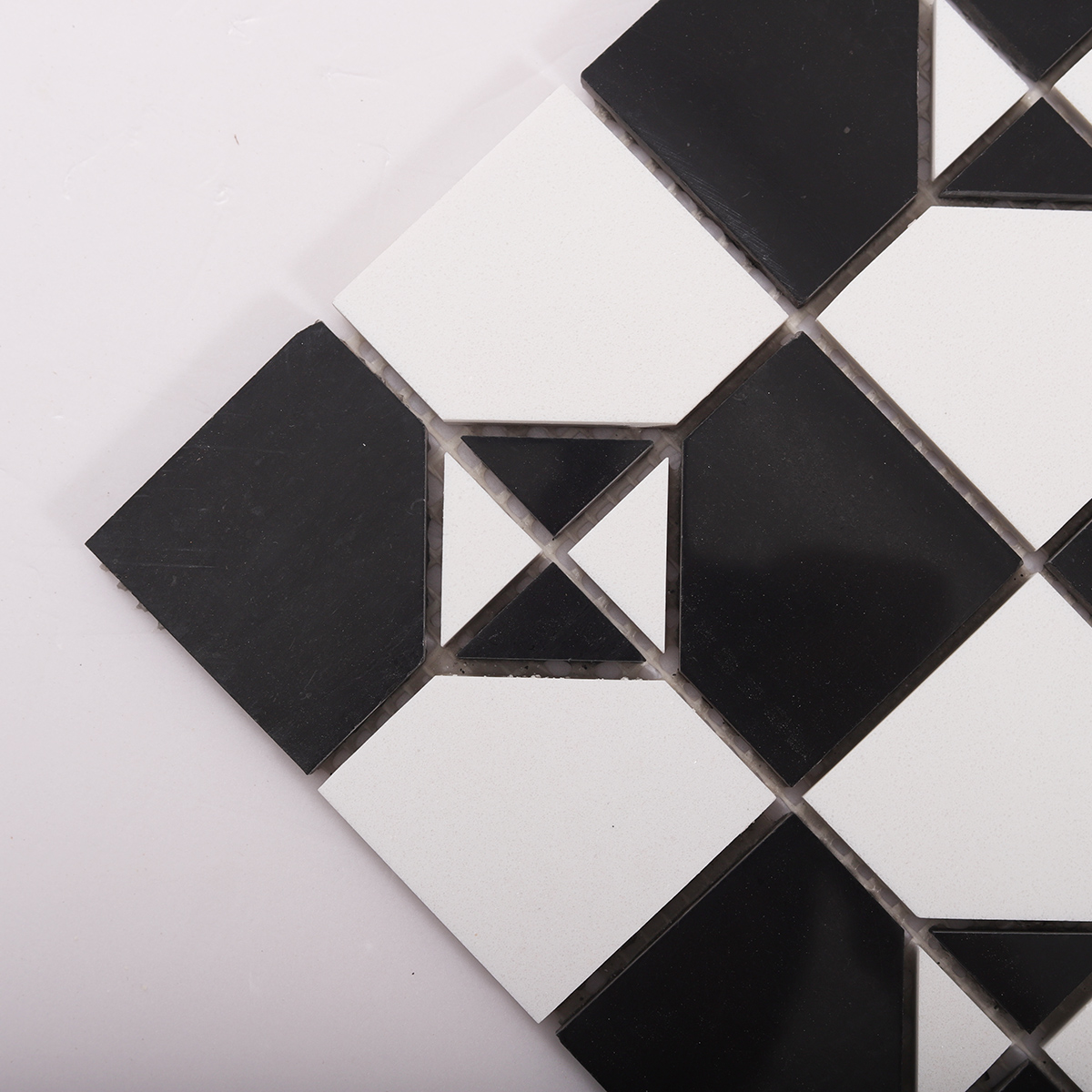
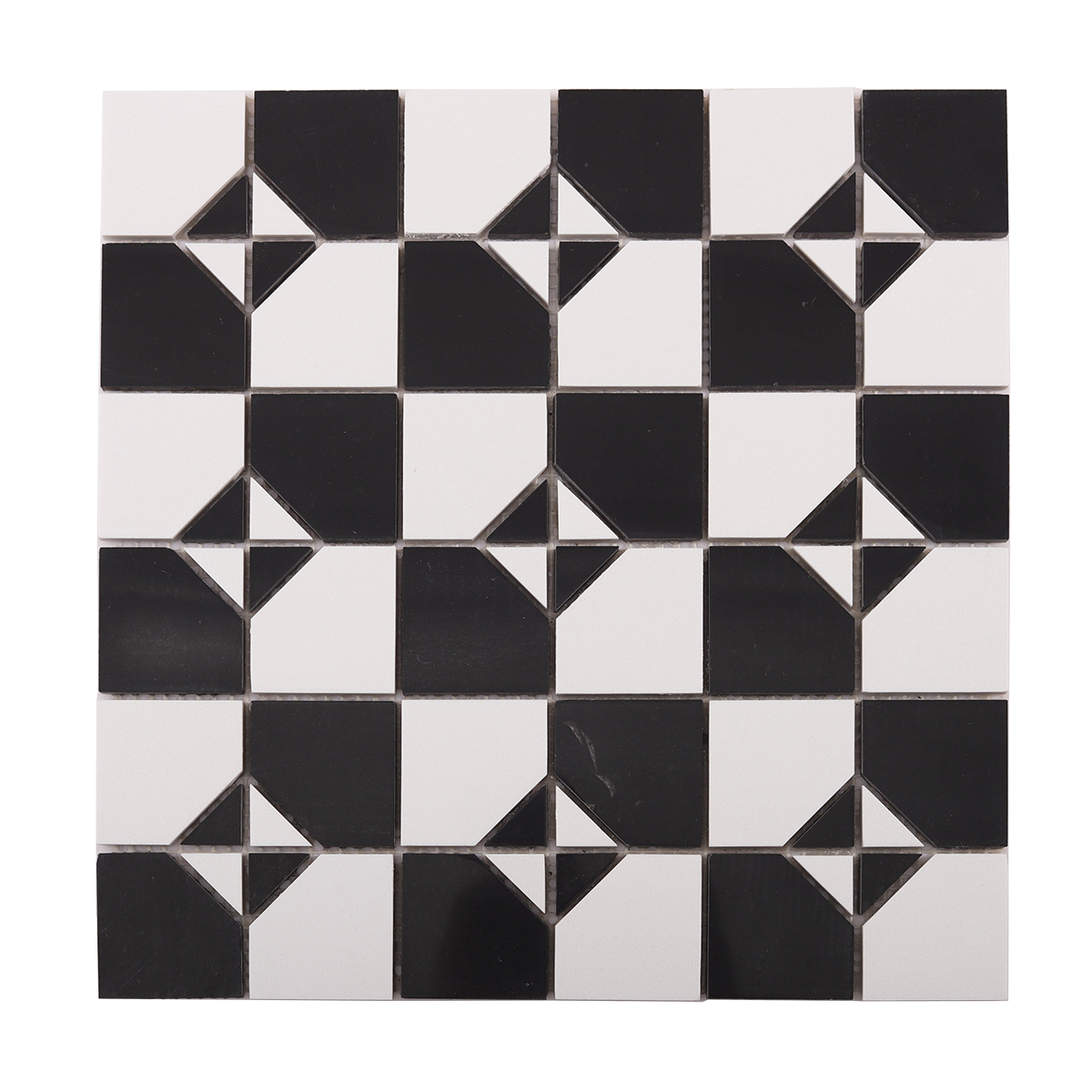
Today’s Marble Mosaic Tiles leverage waterjet and laser cutting to achieve near-any shape with tight tolerances and clean edges. CAD/CAM workflows translate drawings into precise parts, enabling medallions, borders, and repeat modules that install seamlessly and minimize on-site trimming.
Material Sources & Sustainability
From Global Marble Blocks
In stone markets and fabrication shops worldwide, marble blocks are processed into countertops, basins, round tables, and décor. During production, surplus fragments inevitably arise; these pieces share the same quarry pedigree and color families as premium slabs.
Upcycling Offcuts into Mosaics
Marble Mosaic Tiles often begin as carefully sorted offcuts. Factories collect, grade, and recut these remnants, then calibrate thickness and finish surfaces—effectively turning waste into value. This circular practice reduces landfill, stabilizes costs, and delivers consistent, repeatable modules.
Crafting Methods & Styles
Precision Machine-Cut Tiles
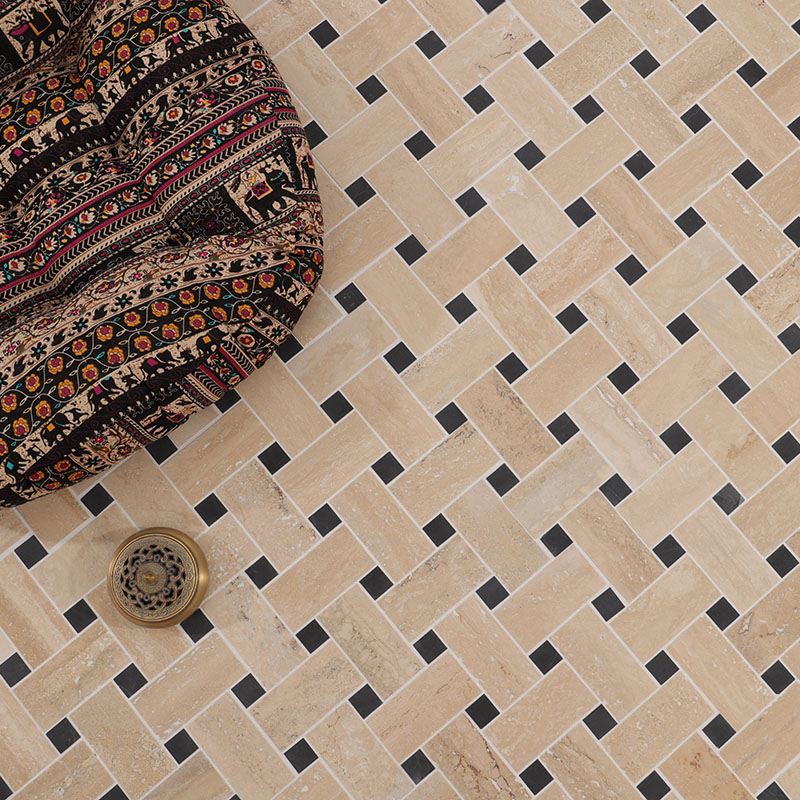
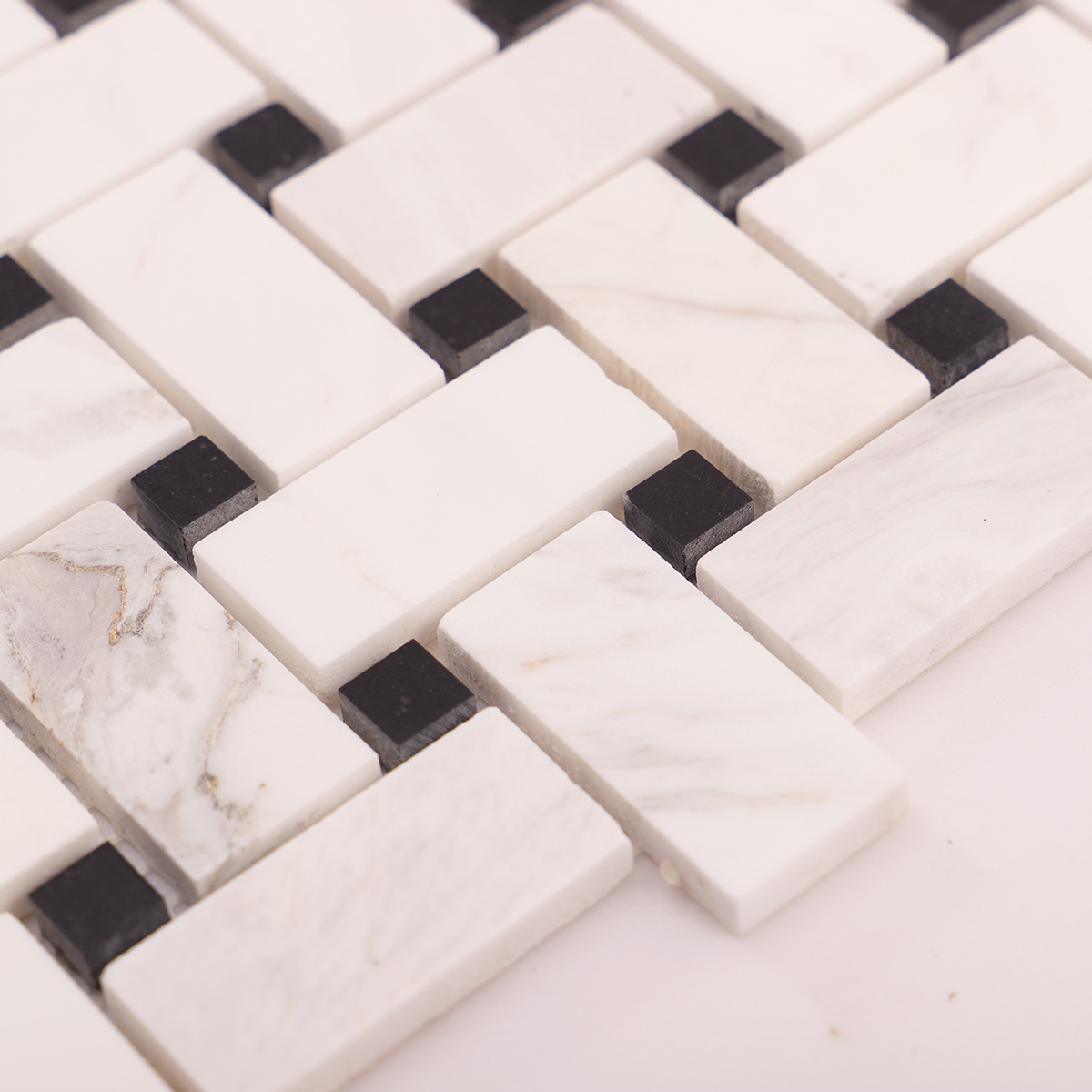
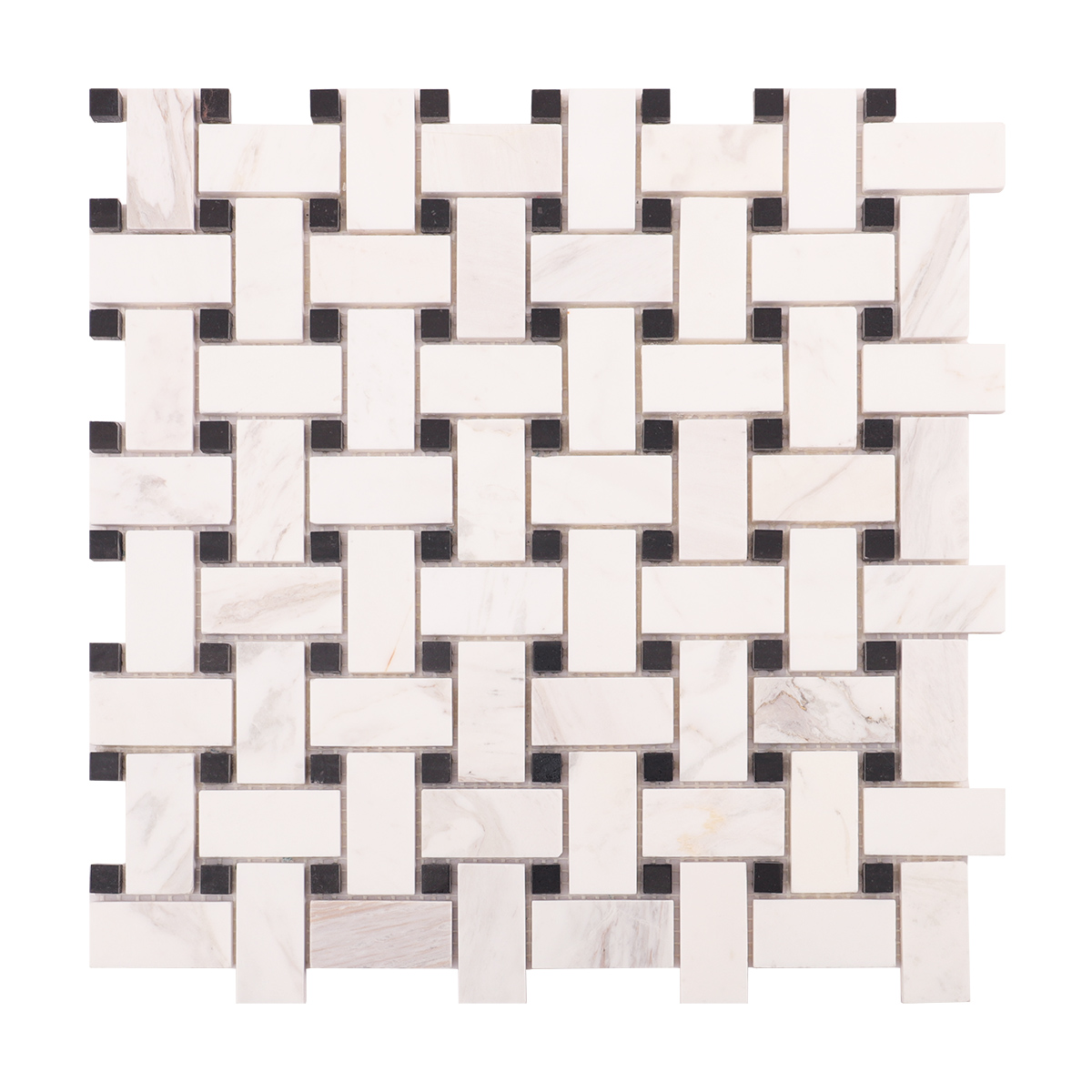
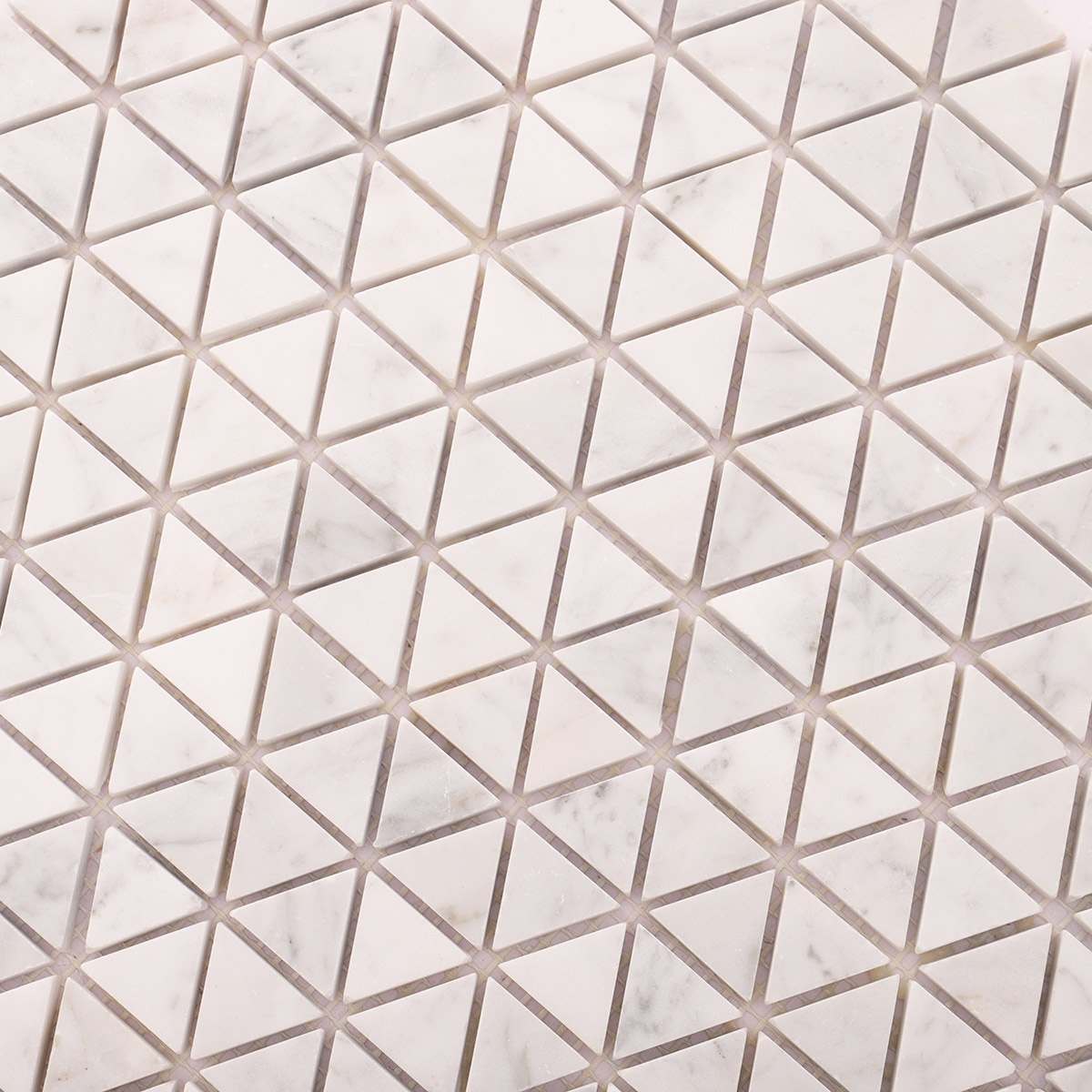
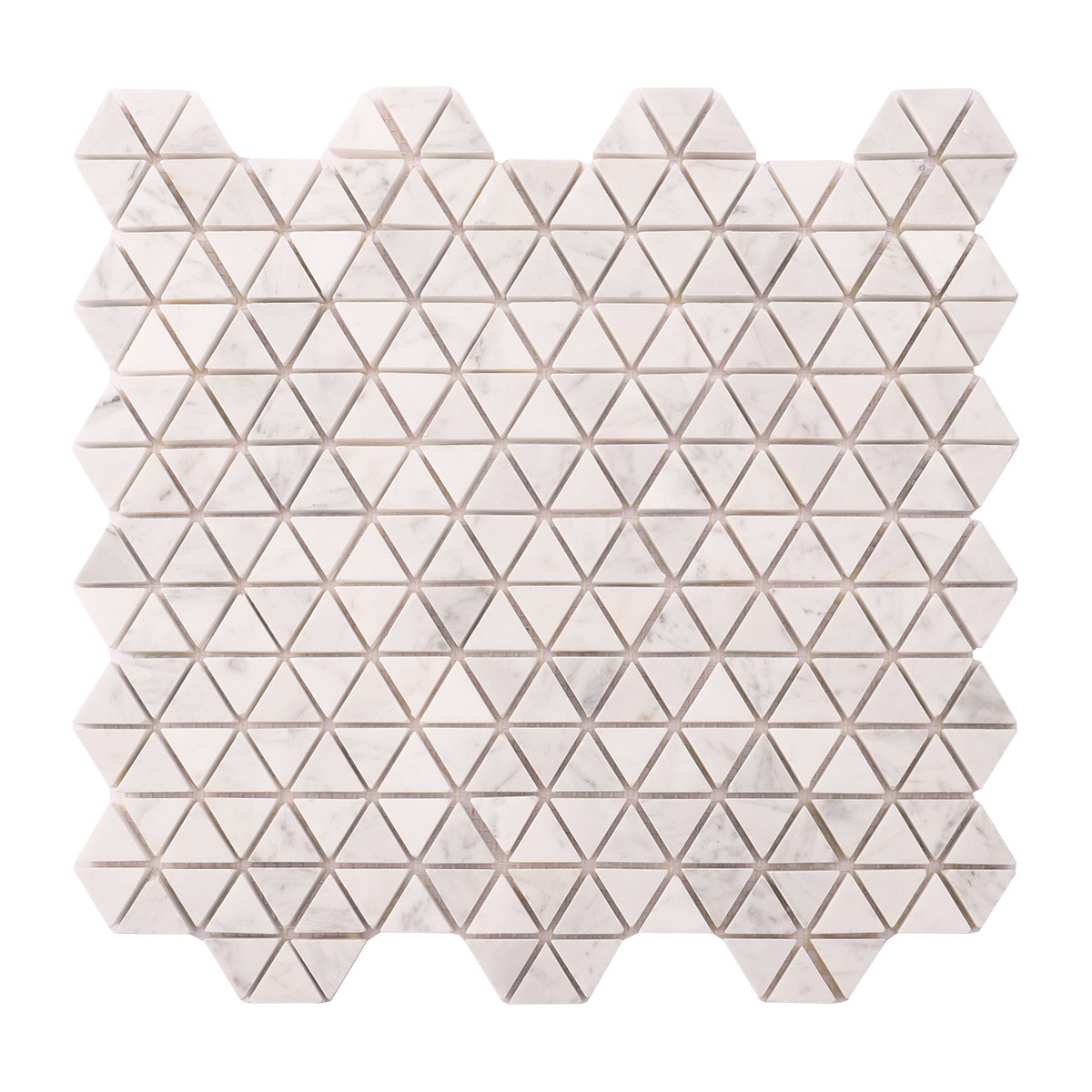
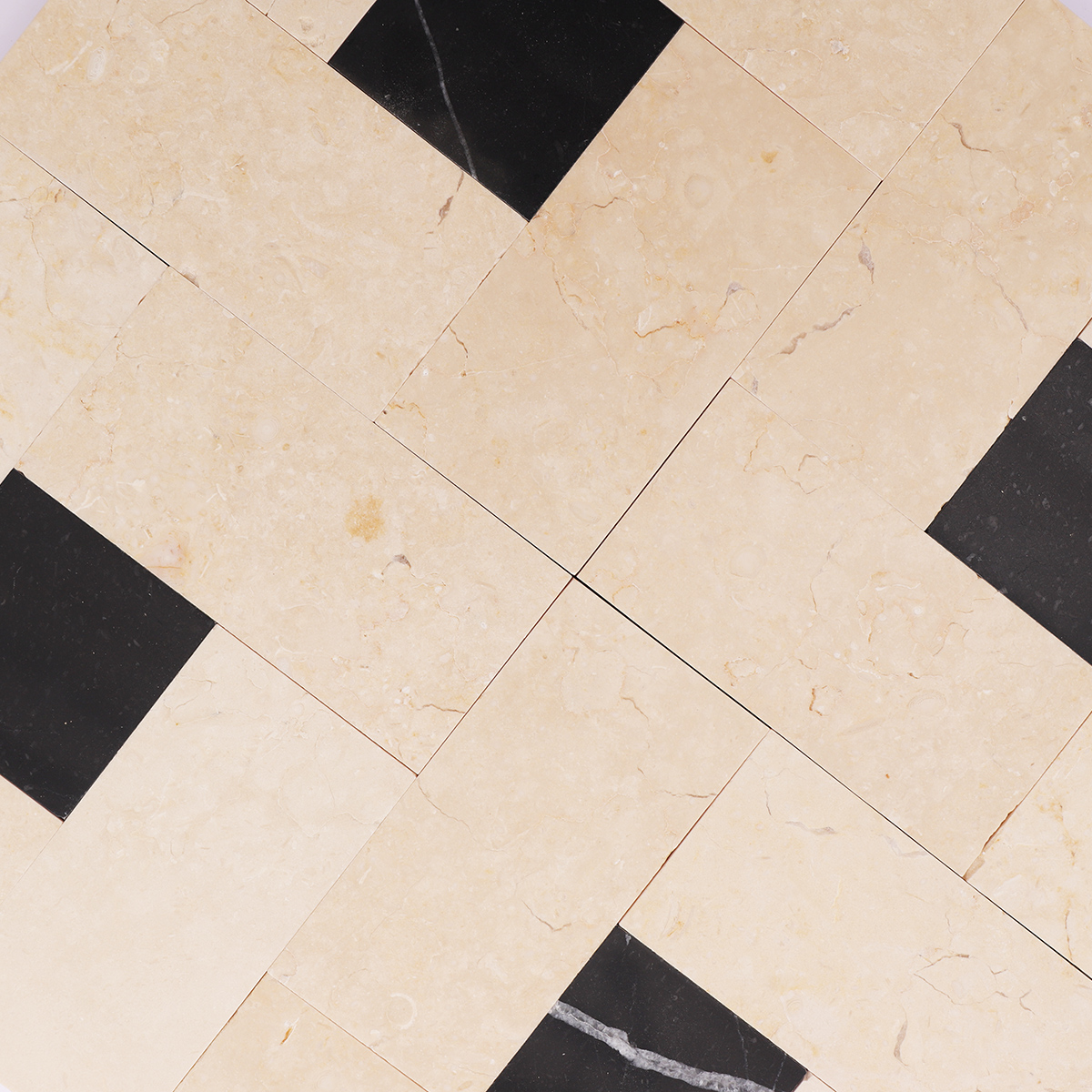
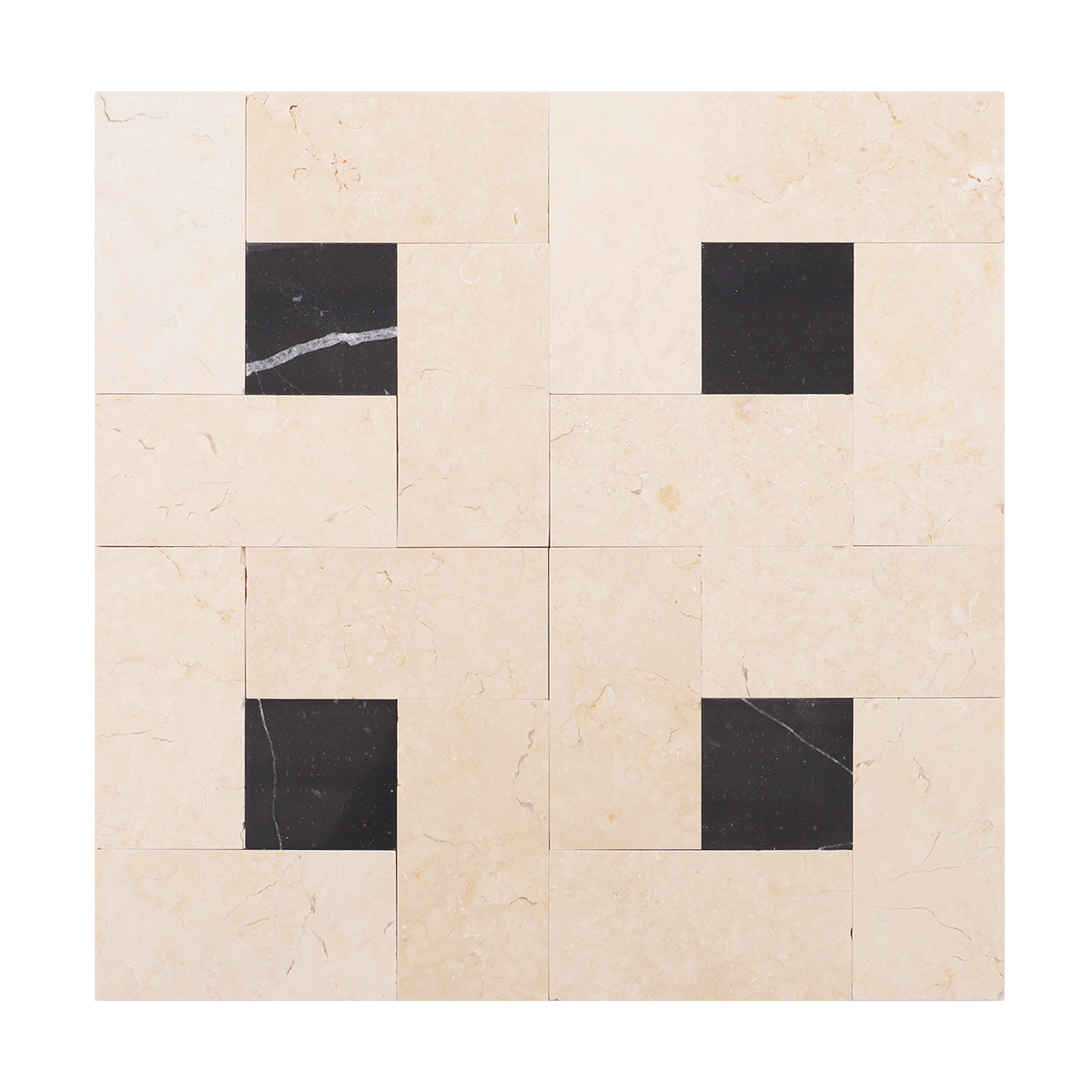
Machine-cut Marble Mosaic Tiles offer crisp geometry, uniform joints, and sheet-mounted backings that speed installation. Regular grids, herringbone, and basketweave patterns suit floors, wet areas, and backsplashes where durability and clean alignment are essential.
Handcrafted Cut-and-Polished Mosaics
Handcrafted Marble Mosaic Tiles are individually cut, chamfered, and polished, revealing artisanal detail and tactile warmth. Craftsmen compose murals, borders, and gradient blends that machines can’t easily emulate—ideal for bespoke foyers, medallions, and feature walls.
FAQS
Are marble mosaic tiles made from natural stone?
Most marble mosaic tiles are made from genuine natural marble cut into small pieces and assembled into decorative patterns. Natural veining, mineral markings and color variation are inherent characteristics of the stone. Some designs may combine marble with glass, metal, shell or other materials, so check the product specifications for the exact composition.
Can marble mosaic tiles be used on floors?
Some marble mosaic tiles can be used on residential or commercial floors, but not every design is floor-rated. Suitability depends on the marble type, surface finish, thickness, backing, pattern and expected traffic. Sculpted, fluted, thin or metal-accented mosaics are generally better suited to walls. Always check the approved applications of the individual product.
Are polished marble mosaics suitable for shower floors?
Not automatically. Polished marble can become slippery when wet and may require more maintenance in a shower environment. Small mosaic pieces create additional grout joints, but grout lines alone do not guarantee slip resistance. Use polished marble on a shower floor only when the specific product, finish and installation system are approved for that application.
Do marble mosaic tiles need to be sealed?
Many natural marble mosaics benefit from a penetrating sealer because marble can absorb moisture and stains. However, sealing requirements vary according to the stone, finish, filler, location and selected installation system. Test the sealer on a sample first and follow the sealer manufacturer’s instructions.
What is the difference between honed and polished marble?
Honed marble has a smooth matte or satin surface with softer reflections and a more understated appearance. Polished marble has a glossy, reflective finish that makes the stone’s color and veining appear richer. Honed finishes are often selected for calm, natural interiors, while polished finishes are popular for decorative walls and backsplashes. Application suitability still depends on the individual product.
Is natural color variation normal?
Yes. Differences in color, veining, mineral markings, pores and shade are normal characteristics of natural marble. Samples show the general stone appearance but may not represent every piece in a full order. We recommend reviewing several sheets and dry-laying them before installation to distribute the natural variation evenly.
Can marble and metal mosaic tiles be used in wet areas?
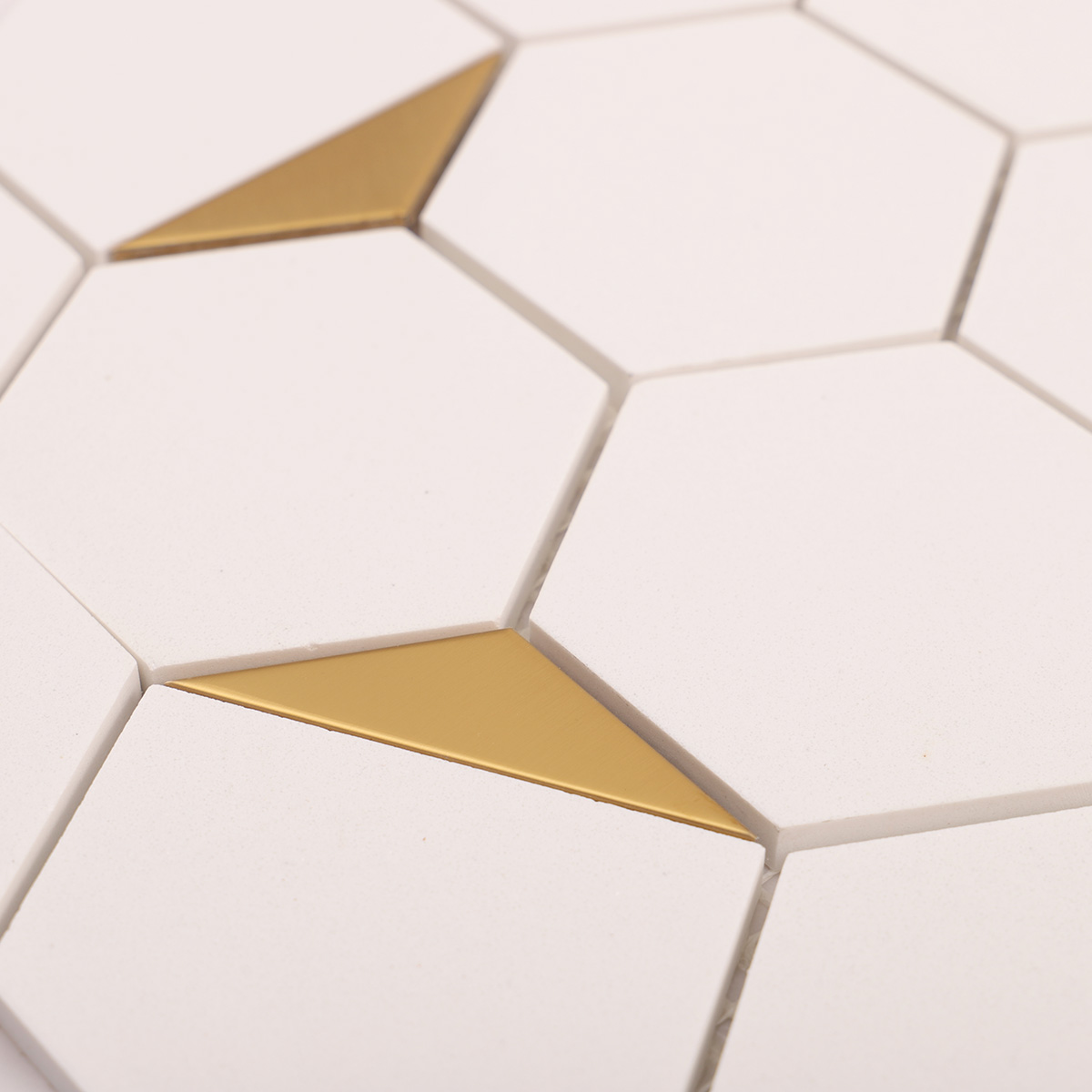
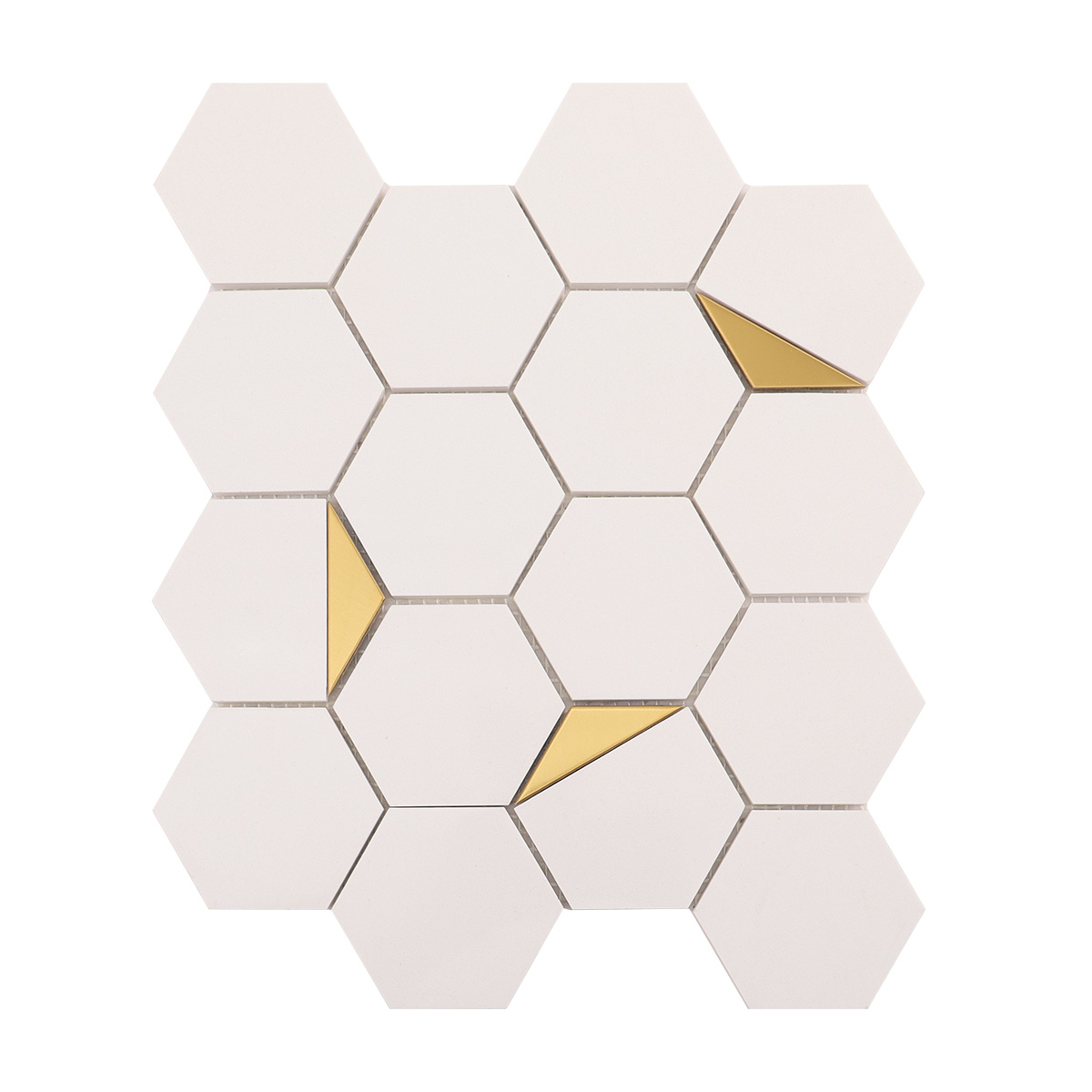
Marble and metal mosaic tiles are generally recommended for dry interior walls, kitchen backsplashes, bar fronts, vanity walls and decorative features. Because metal components may react to constant moisture, pool chemicals, salt or cleaning products, these mosaics are not recommended for shower floors, steam rooms, swimming pools or continuously submerged areas unless the product is explicitly approved for that use.
How should marble mosaic tiles be cleaned?
Use a soft cloth, sponge or soft-bristle brush with warm water and a pH-neutral cleaner formulated for natural stone. Wipe spills promptly and rinse away cleaner residue. Avoid vinegar, acidic cleaners, abrasive powders, steel wool and harsh scrubbing pads, as they may etch or dull the marble surface. Follow the care instructions for any glass, metal or shell accents included in the mosaic.
Are marble mosaics mesh mounted?
Most marble mosaic tiles are pre-assembled on mesh-backed sheets to simplify handling, pattern alignment and installation. However, backing methods may vary by design. Some custom mosaics, murals or specialty products may use different mounting systems. Check the product page for the sheet size, backing and installation details.
How many extra sheets should I order?
We generally recommend ordering 10%–15% more than the measured area to allow for cuts, pattern alignment, natural variation and possible future repairs. Complex layouts, diagonal installations or projects with many corners may require 15%–20% extra. Confirm the final quantity with your installer before ordering.
Can I request a sample before placing a full order?
Yes. A small 4 × 4-inch sample is available free of charge, while shipping is paid by the customer. Full-sheet samples are also available and are charged according to the selected product. Because marble is a natural material, the sample will show the general color and texture but may not represent every variation in the final production batch.