








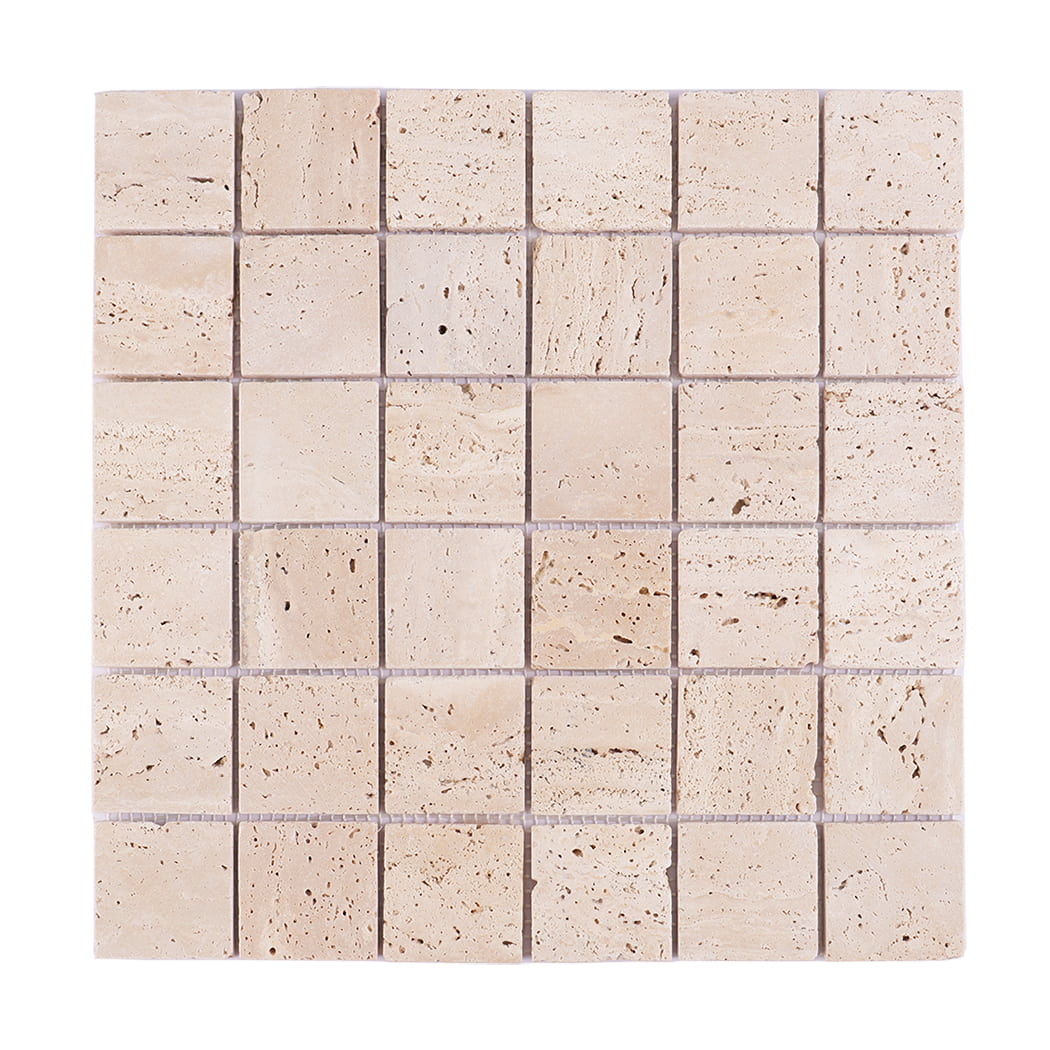
Natural Stone Excellence
Transform Your Kitchen with Timeless Travertine Tile
Discover the elegance and durability of travertine tile for your kitchen. From stunning backsplashes to sophisticated flooring, travertine brings natural beauty and lasting value to your home.
Why Choose Travertine Tile for Your Kitchen?
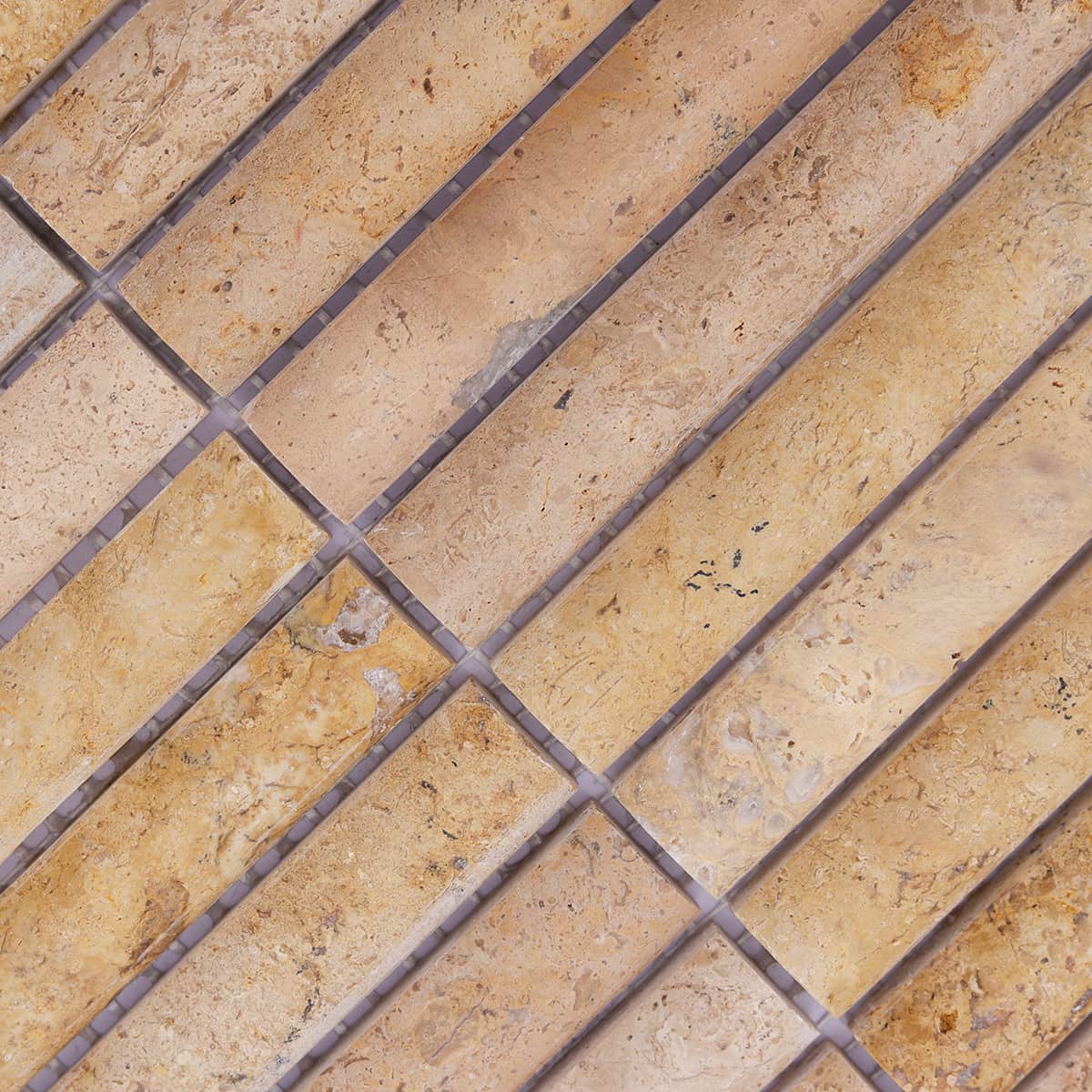
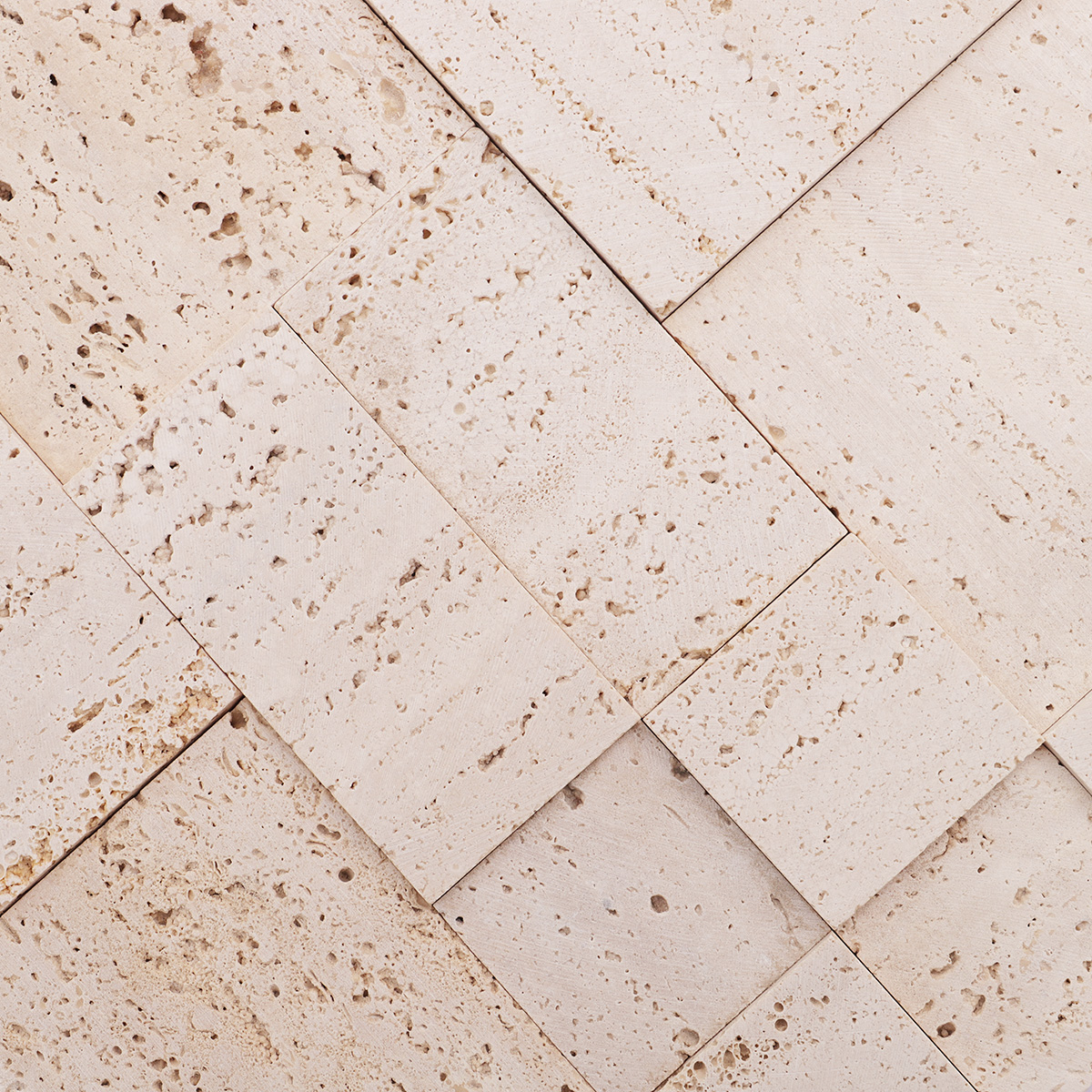
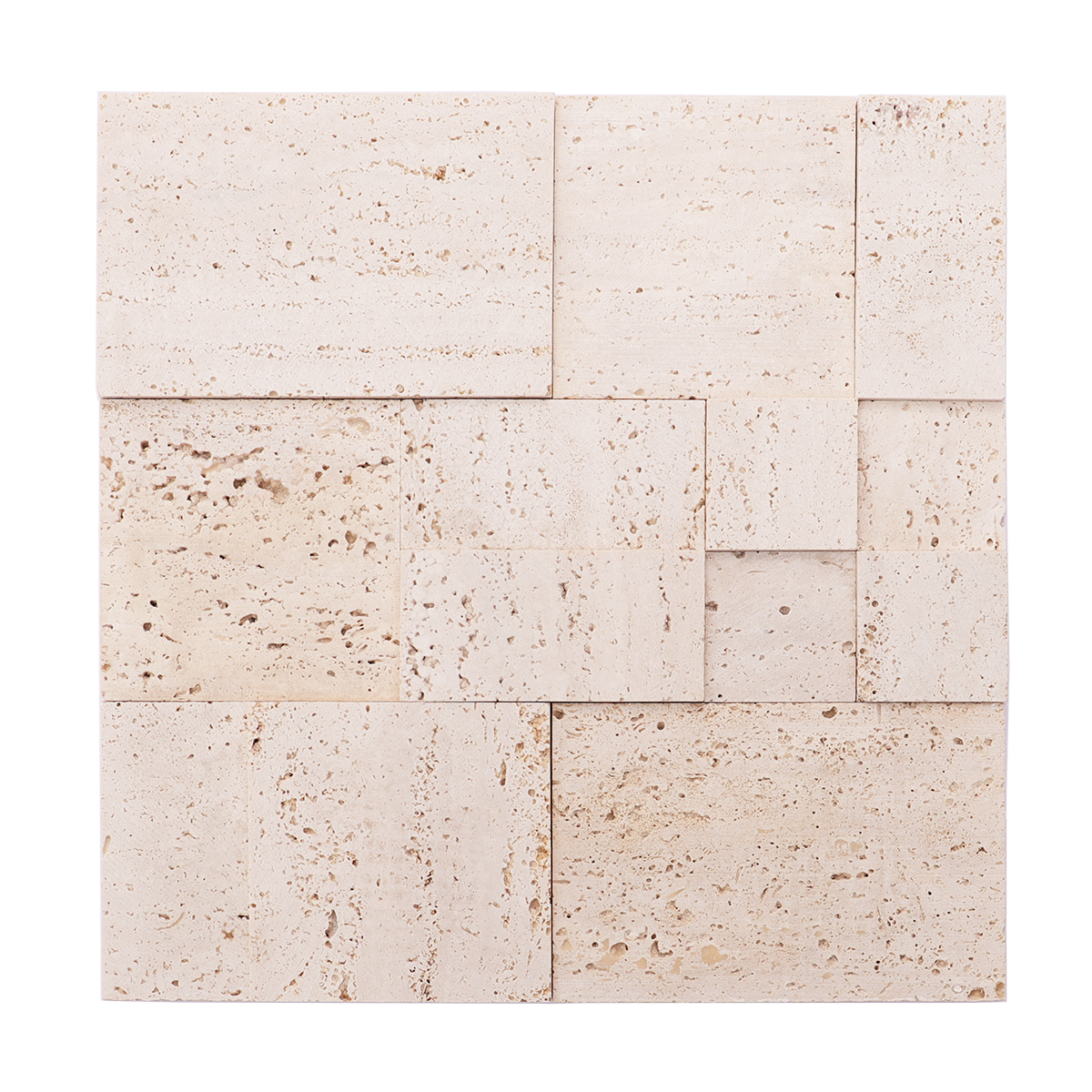
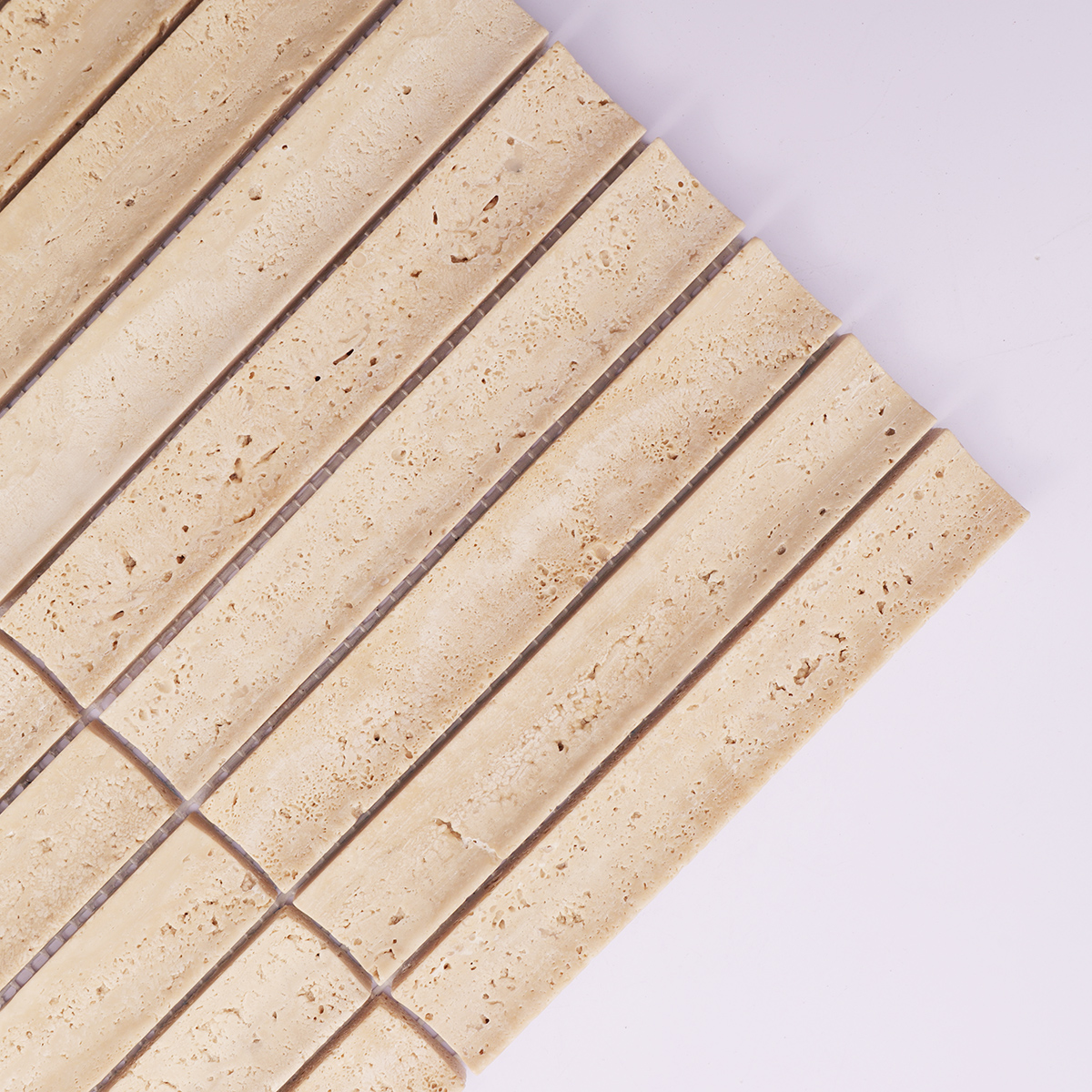
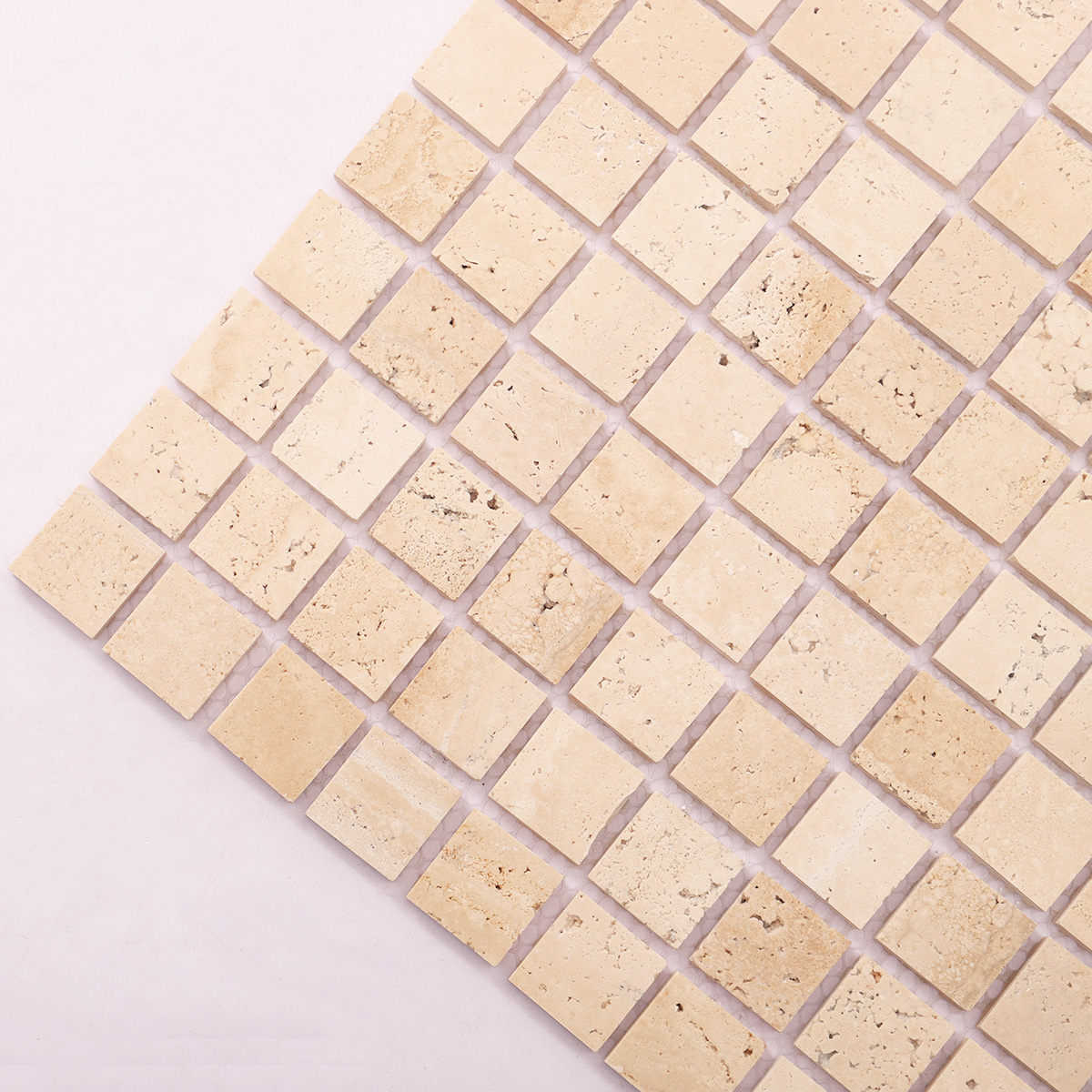
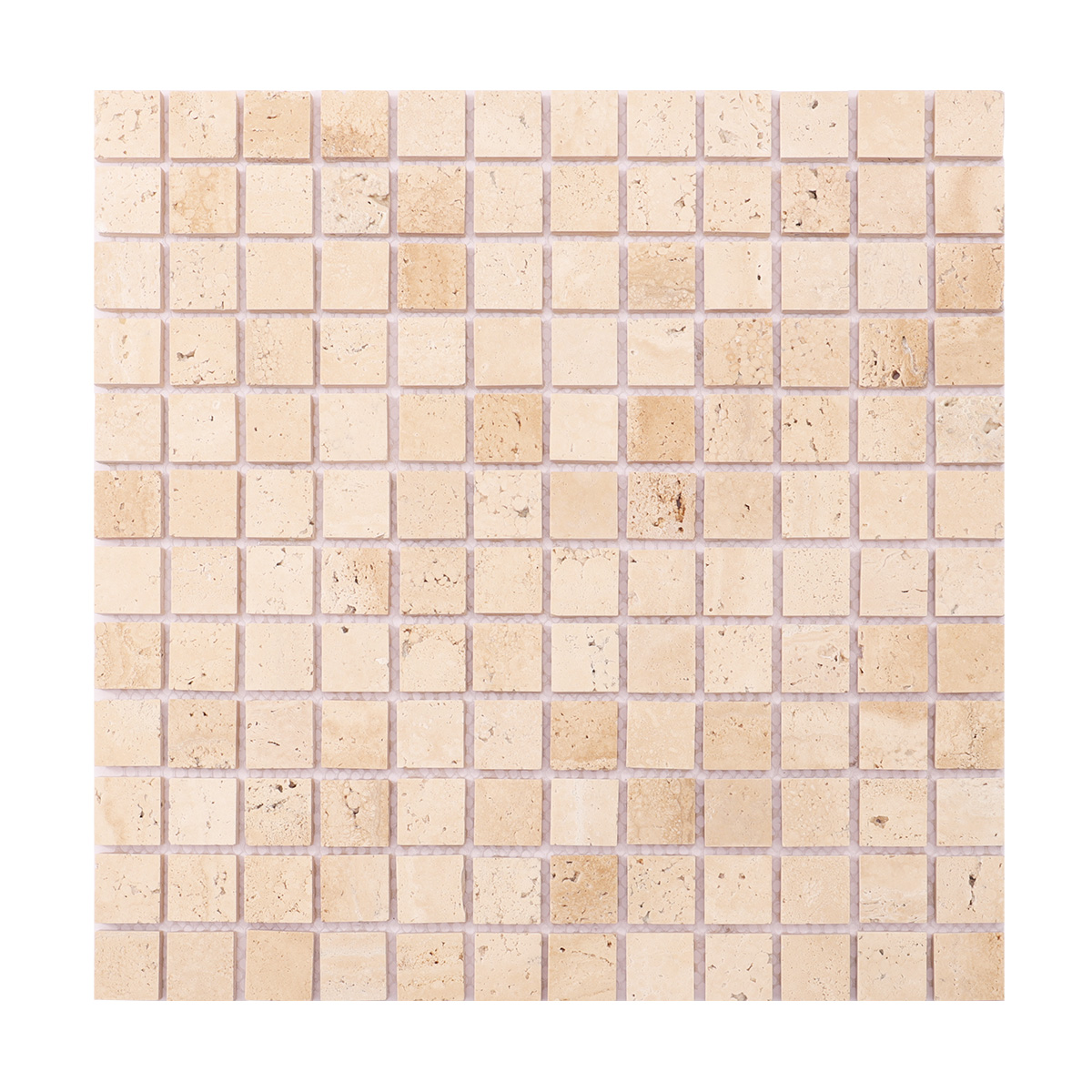
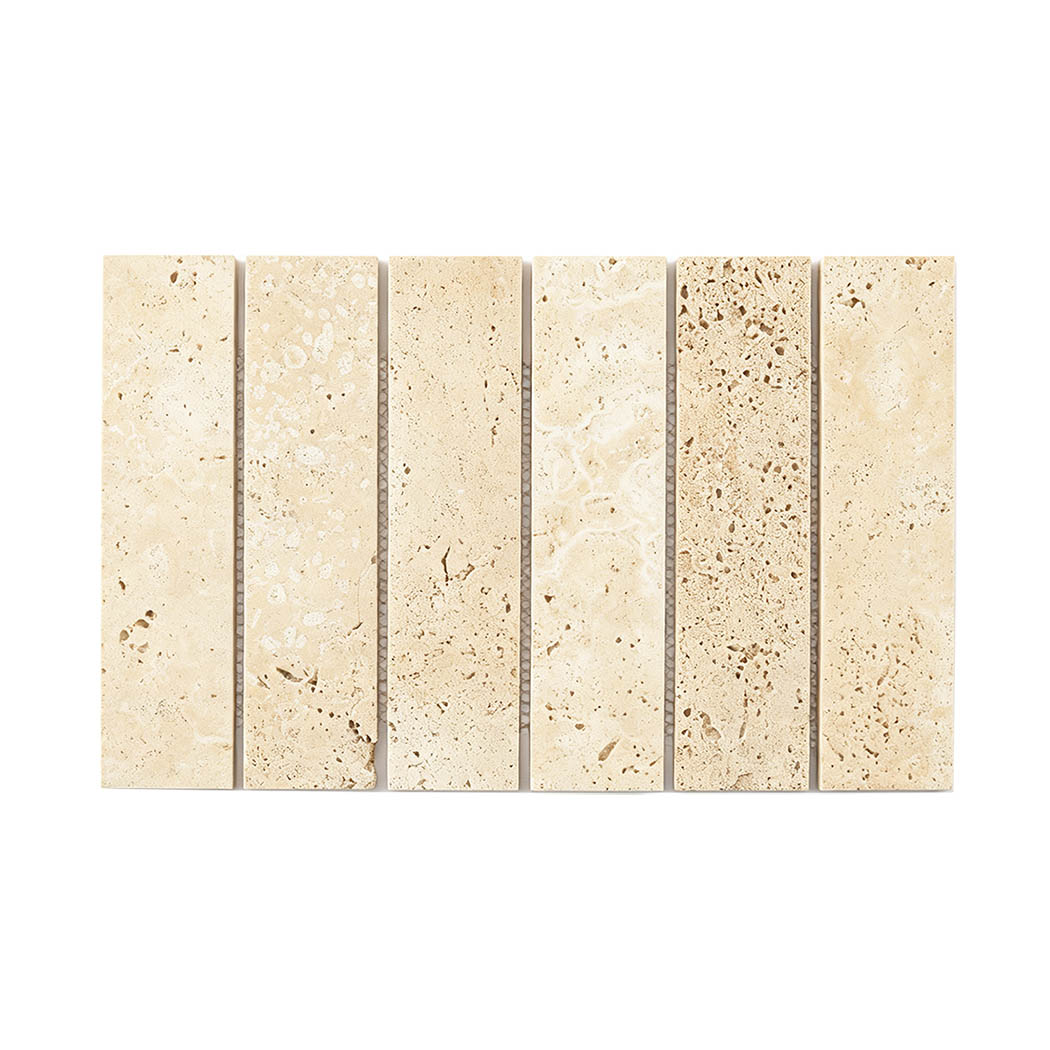
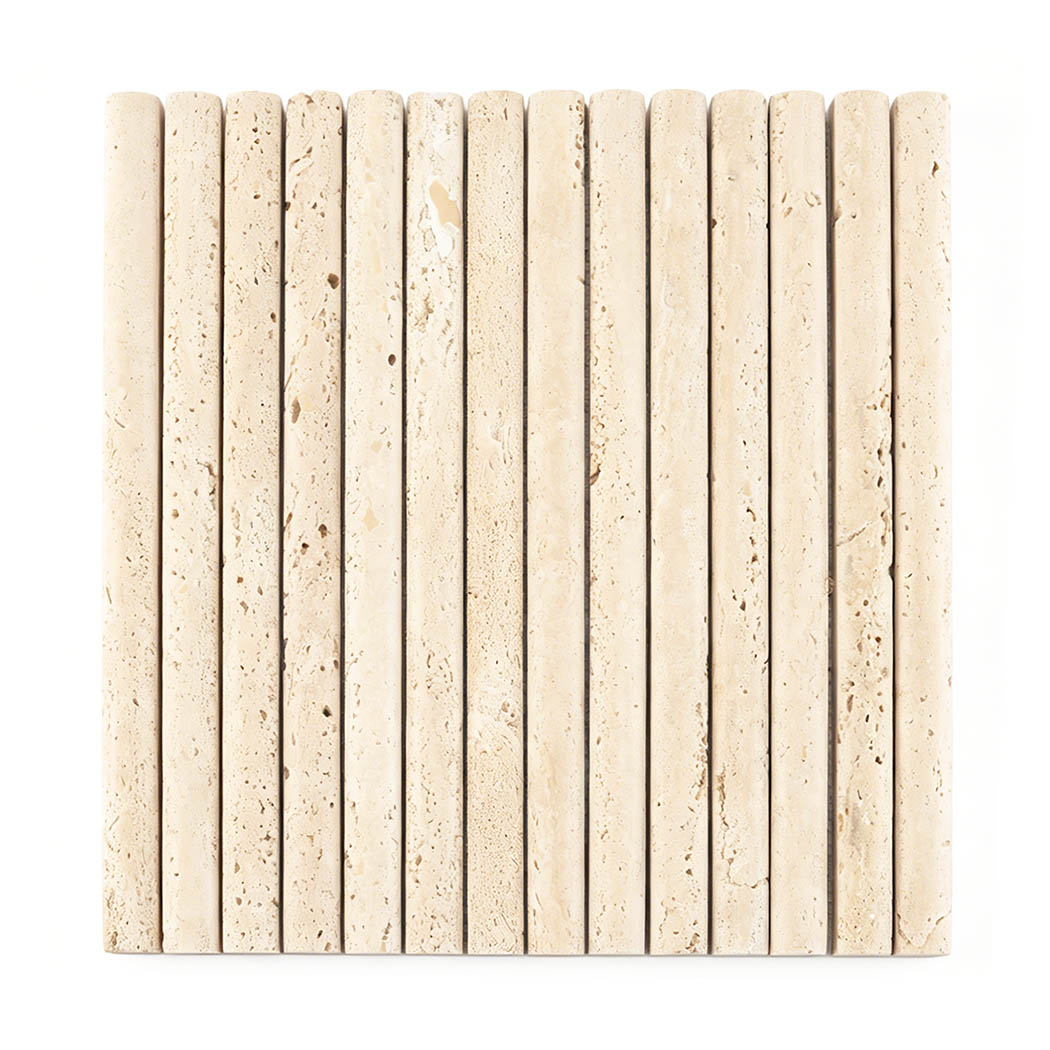
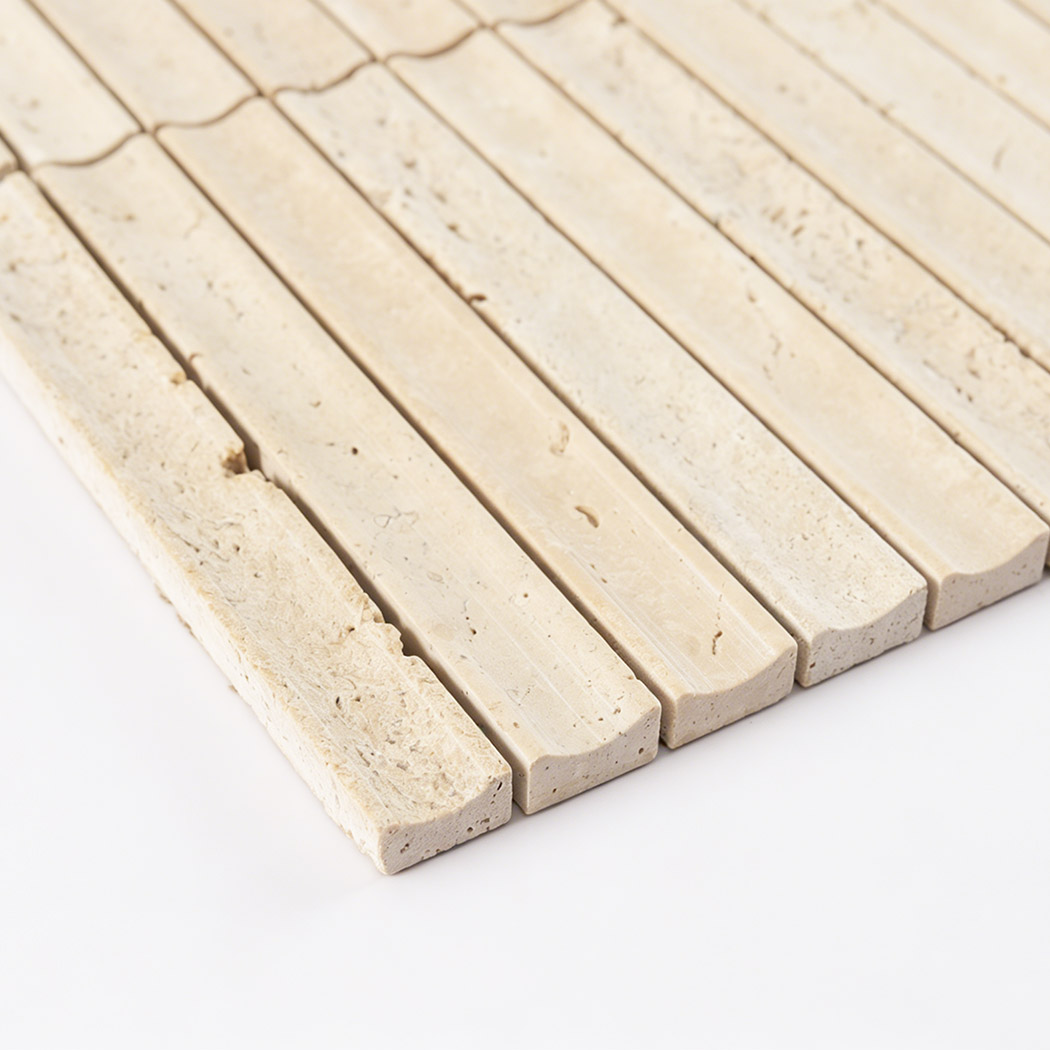
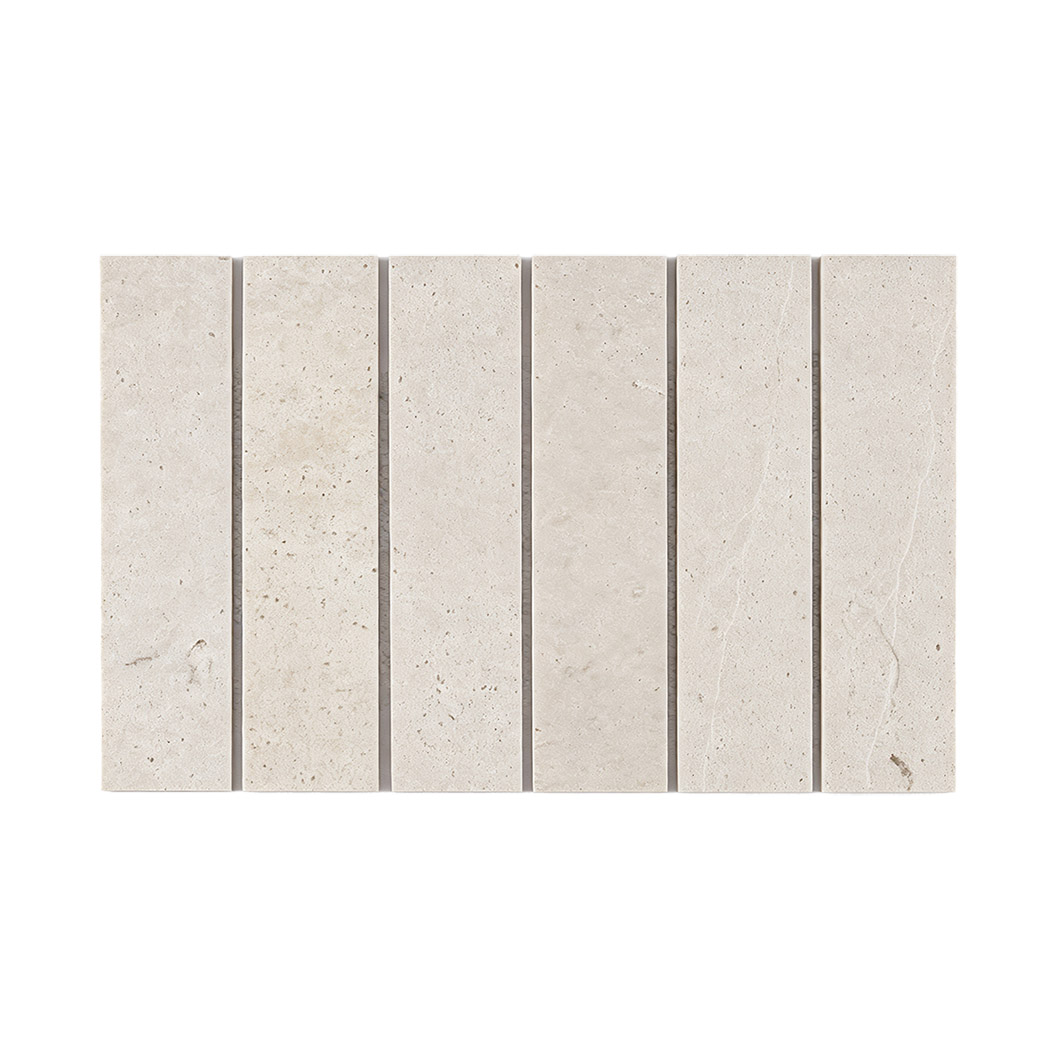
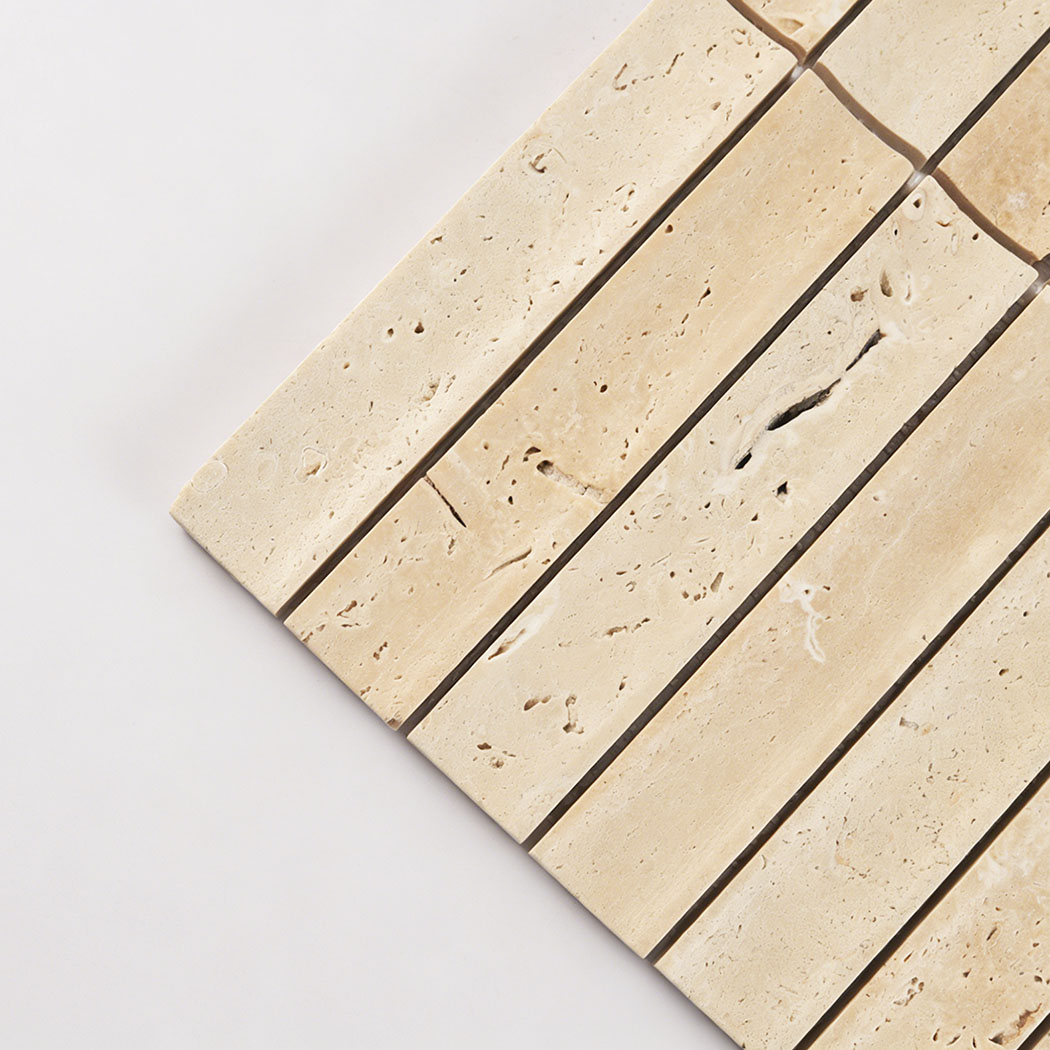
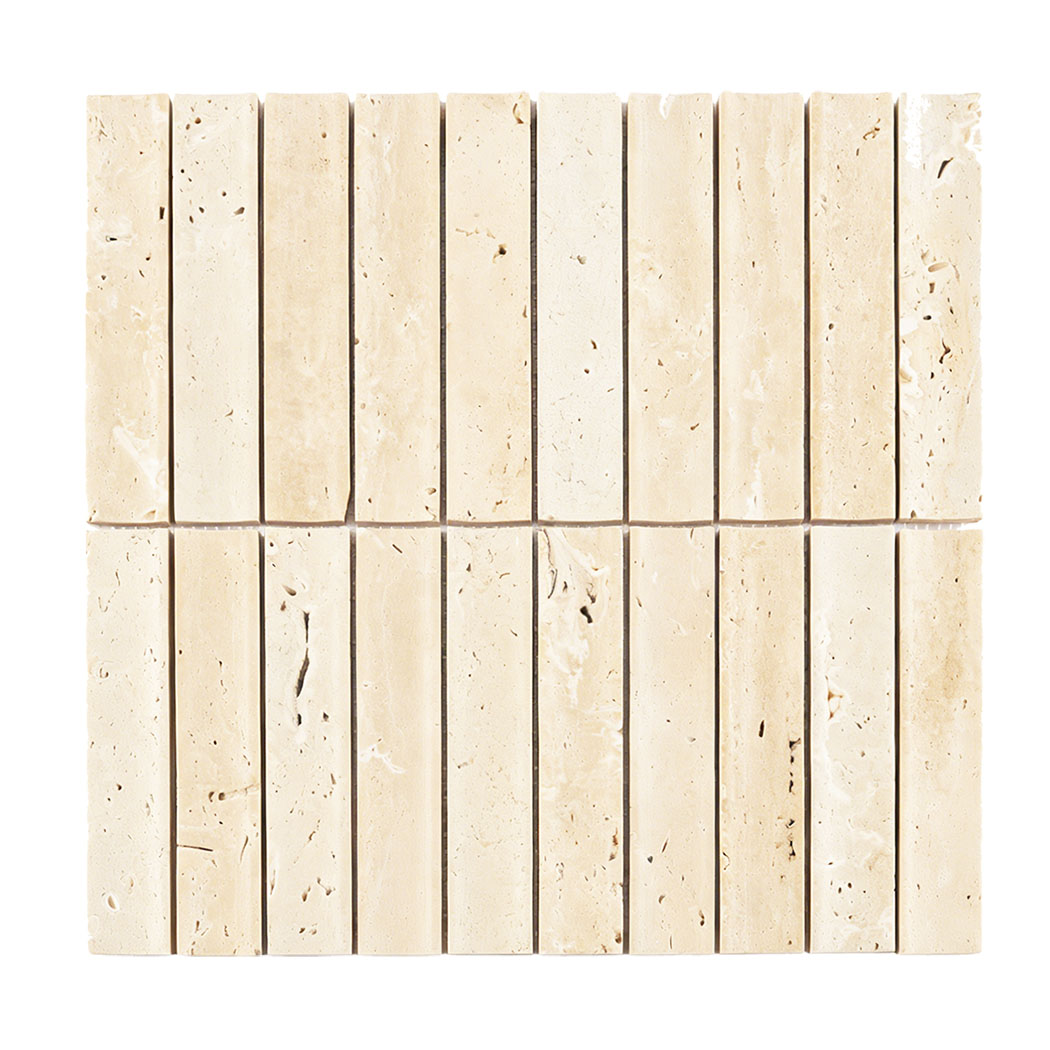
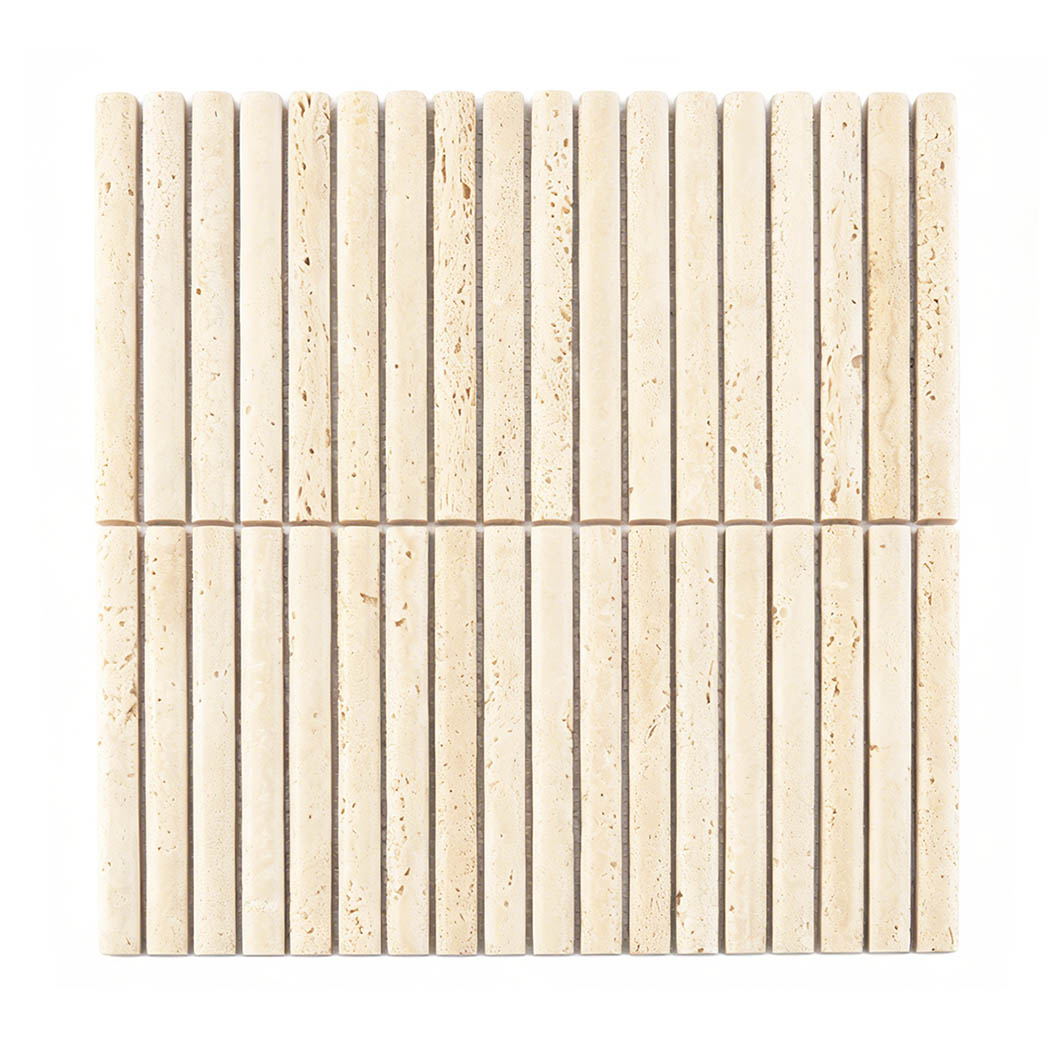
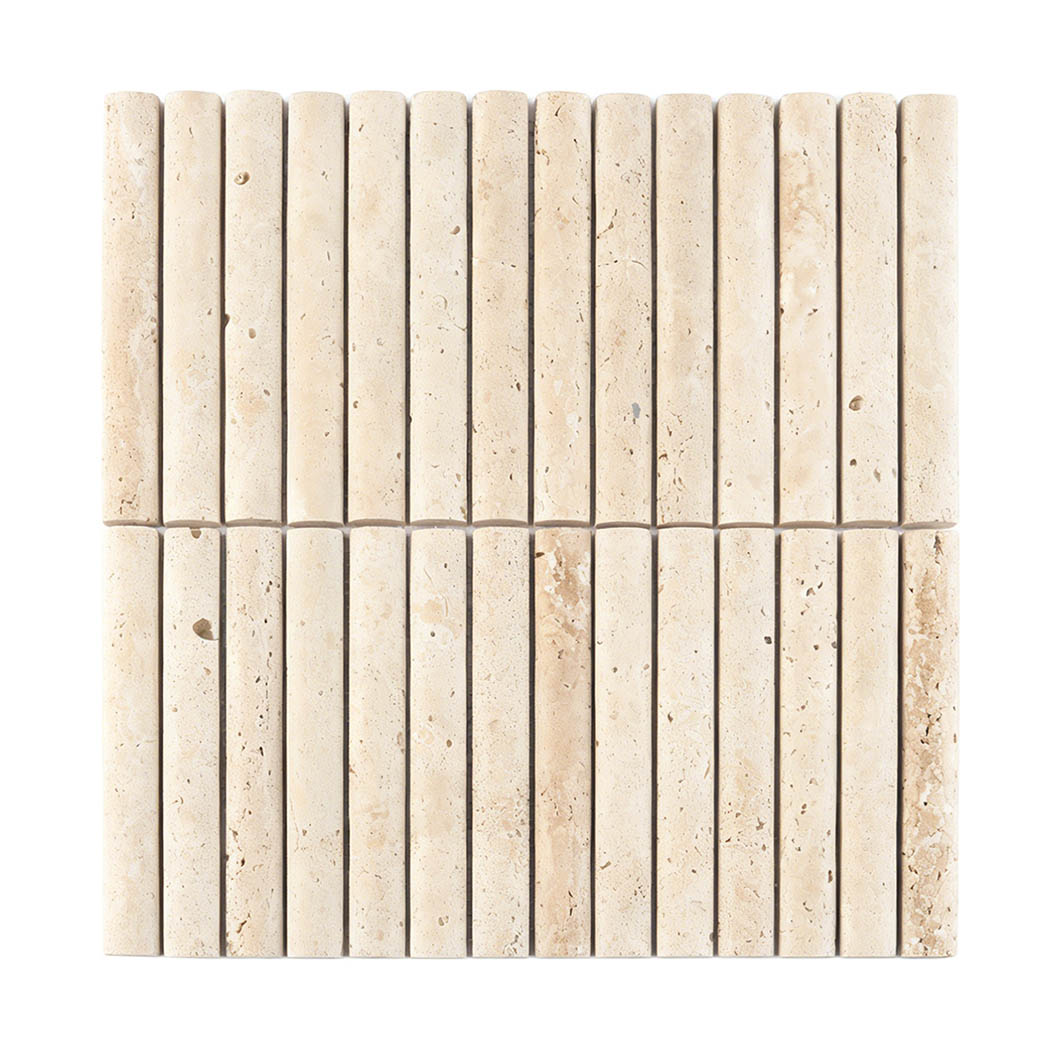
Travertine is a form of limestone that has captivated homeowners and designers for centuries. Its natural beauty, characterized by soft color tones and unique patterns, makes it an ideal choice for kitchen applications. The minerals found in travertine create distinctive striations and character in each tile, ensuring your kitchen has a truly one-of-a-kind appearance.
Travertine kitchen tile brings a warm and inviting ambiance to any home. Whether used as a robust kitchen floor or a striking backsplash, travertine stands out for its timeless elegance and natural character that complements various design styles from traditional to contemporary.
Natural Beauty
Unique patterns and warm tones
Durable Material
Long-lasting stone quality
Timeless Style
Never goes out of fashion
Easy Maintenance
Simple care routine
Travertine Tile Colors for Kitchen Design
Travertine tiles come in a beautiful range of natural colors, from soft creamy tones to rich earth shades. Each color brings its own character and works beautifully with different kitchen styles.
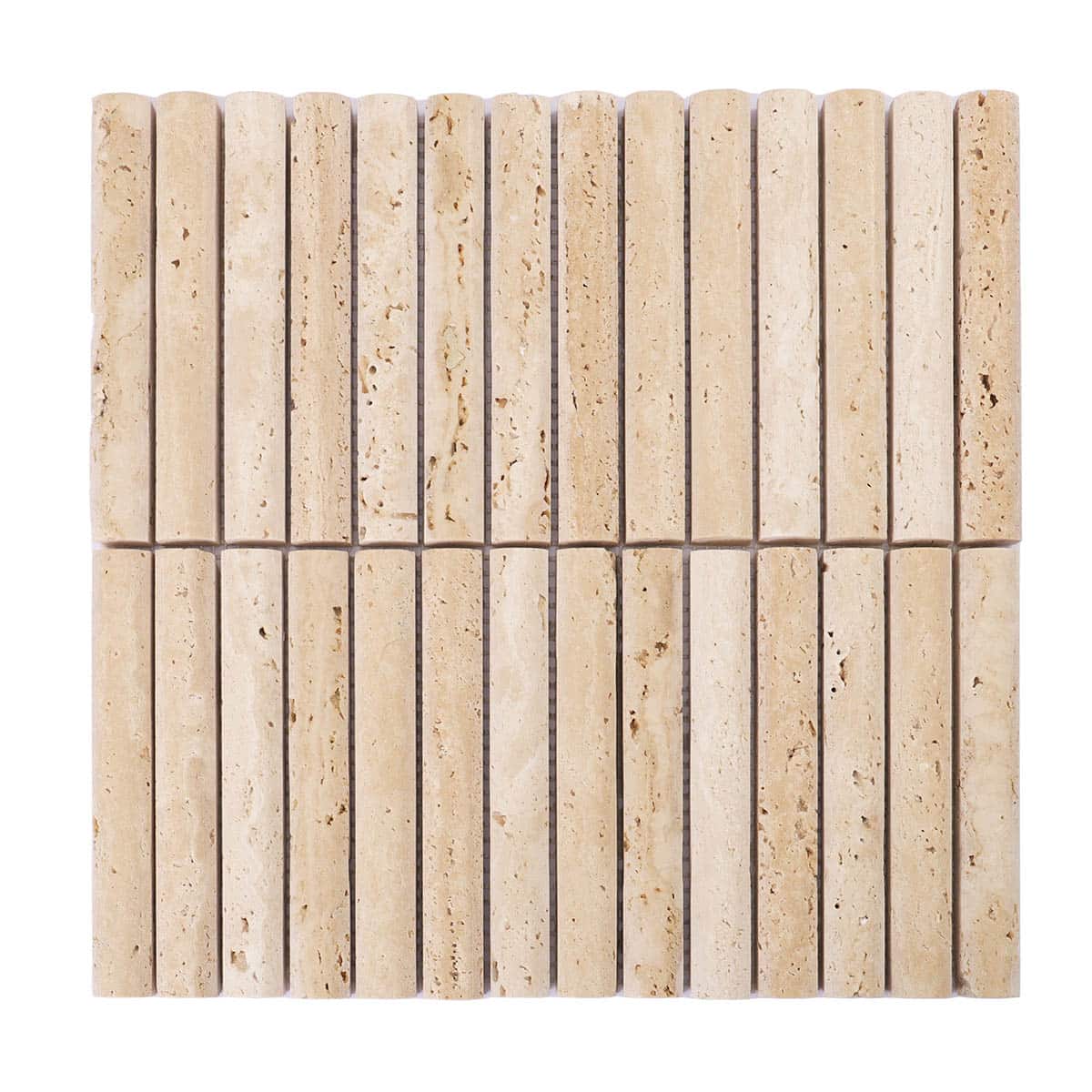
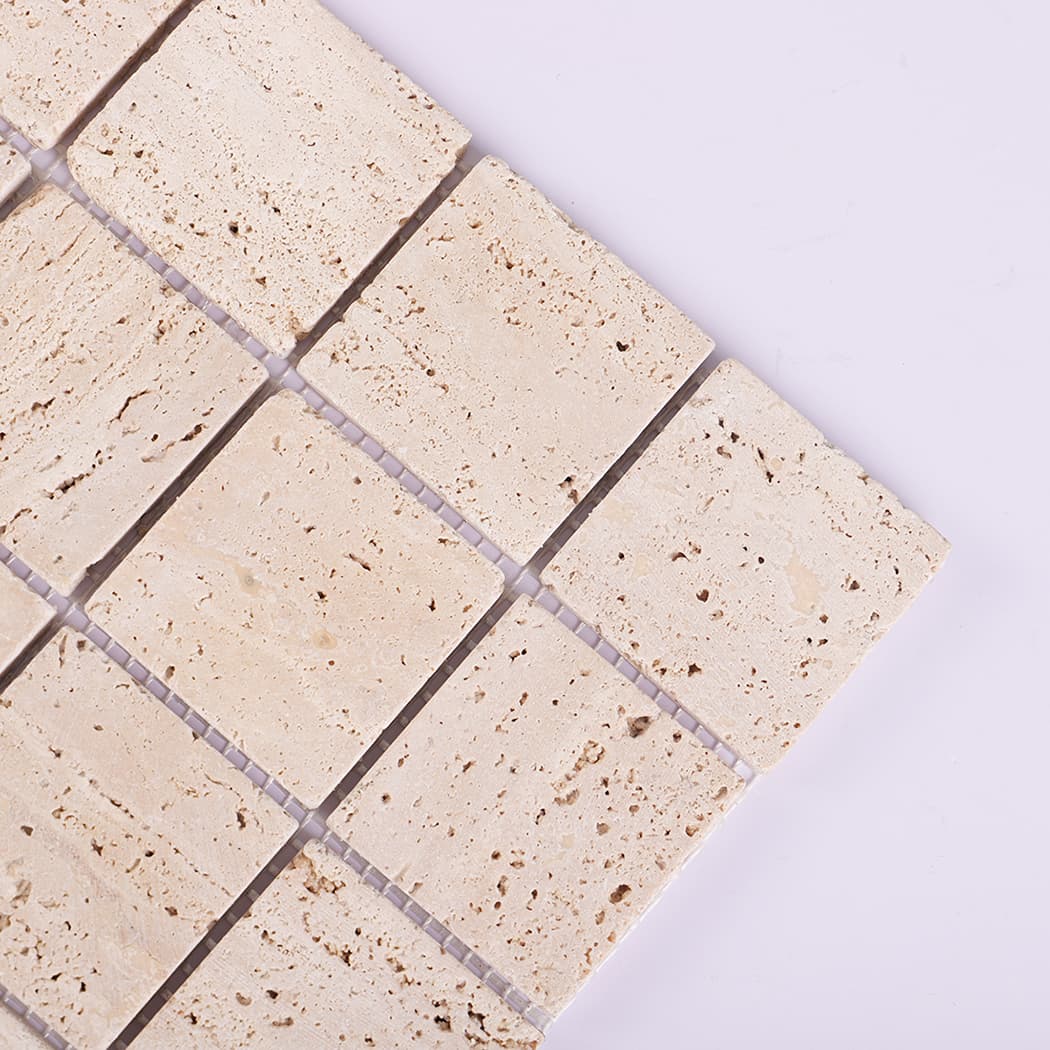
Beige Travertine
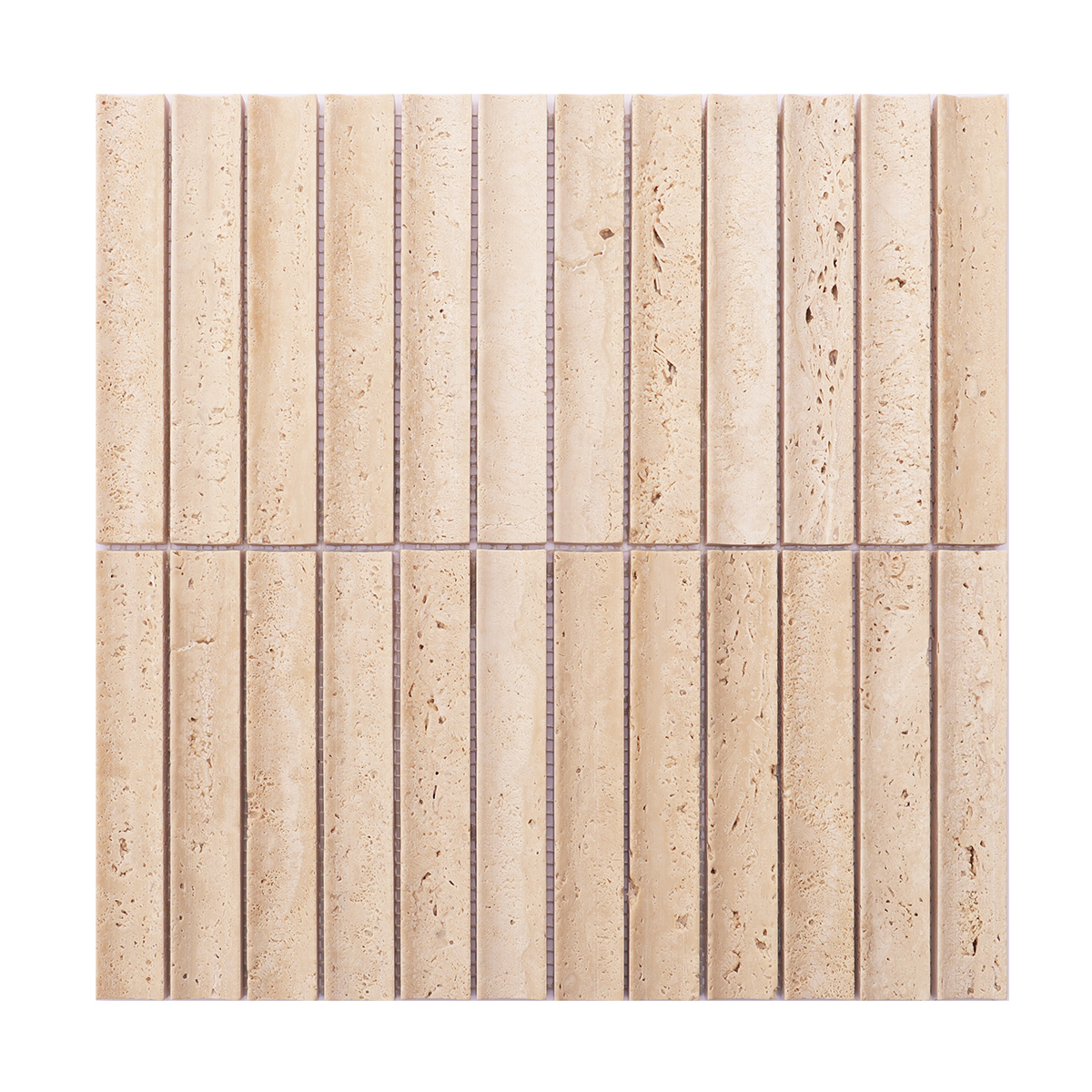
The most popular choice featuring warm cream and beige tones. Perfect for creating inviting, traditional spaces that pair beautifully with white or wood cabinets.
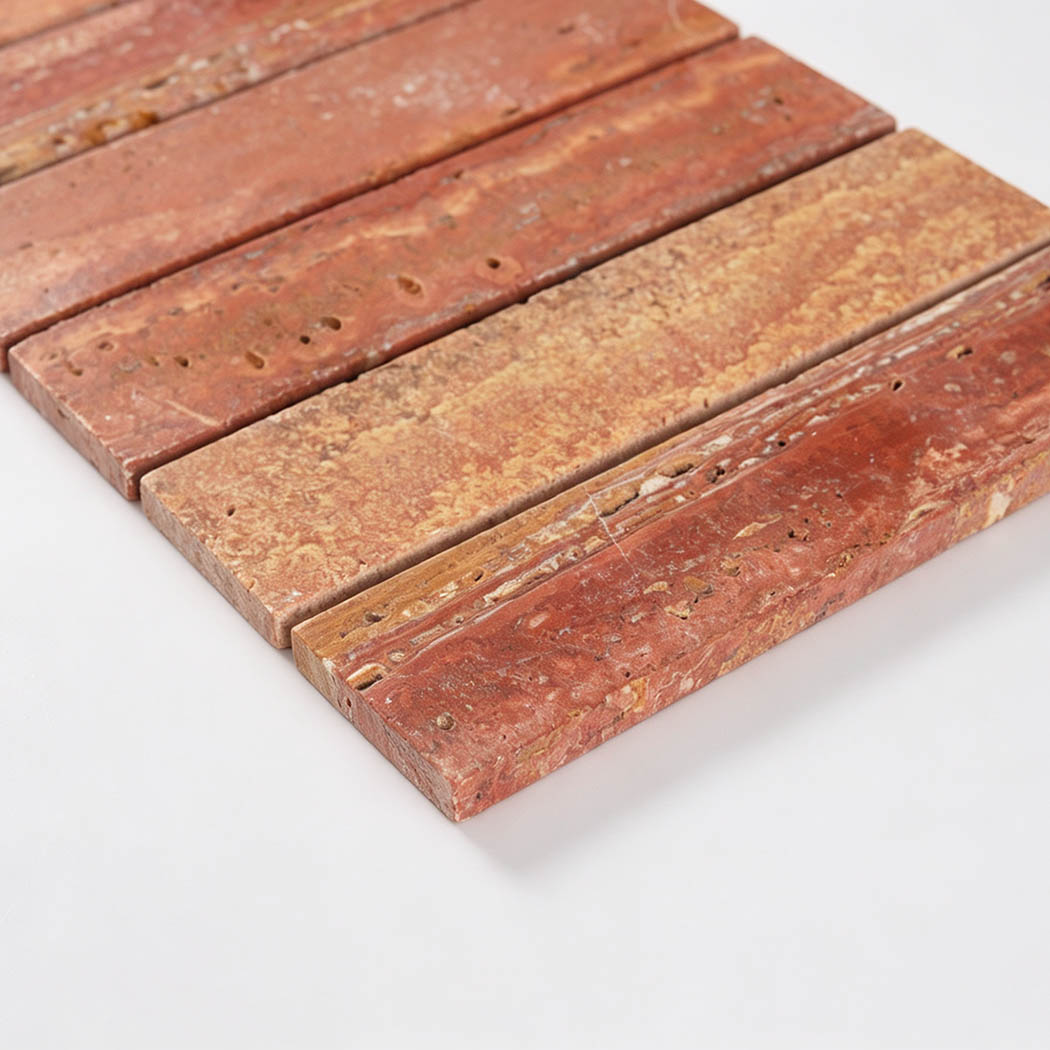
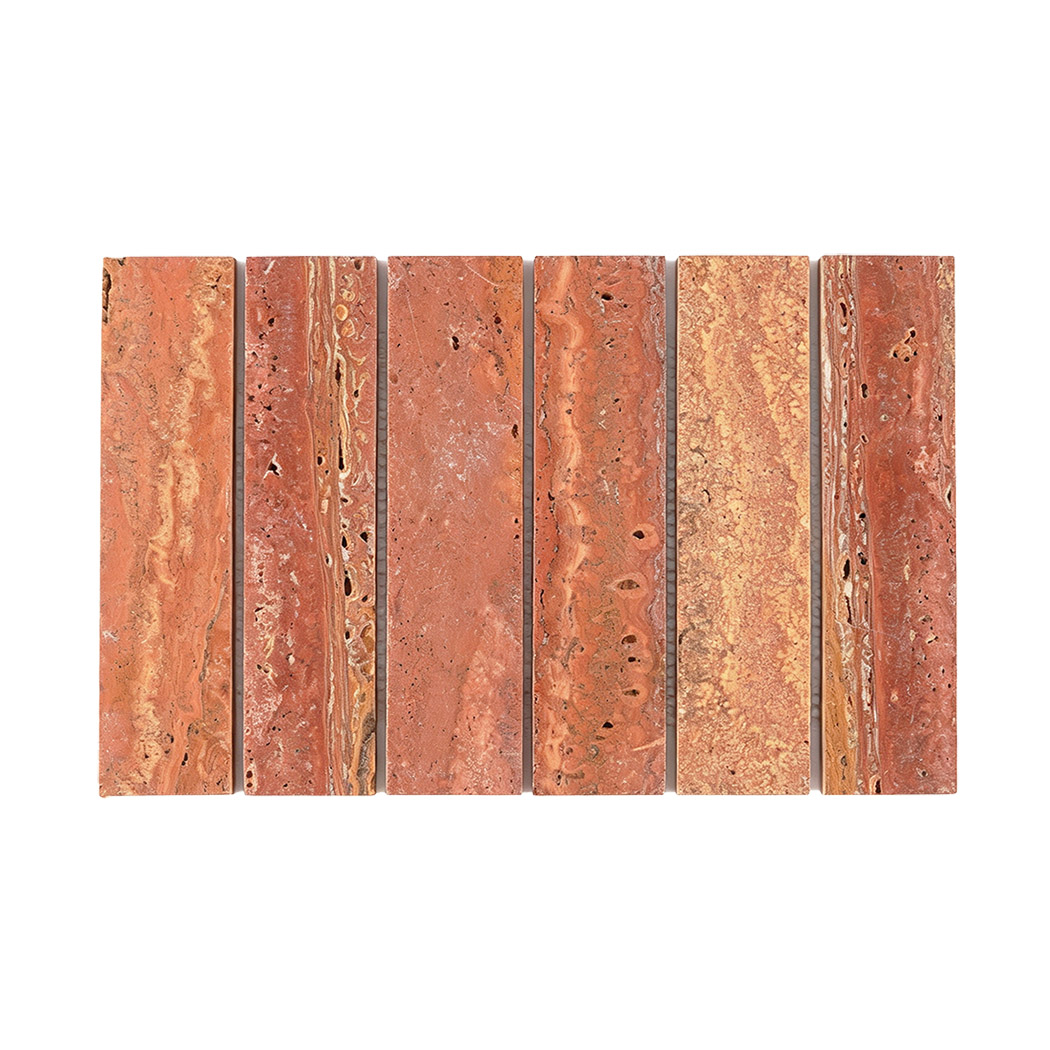
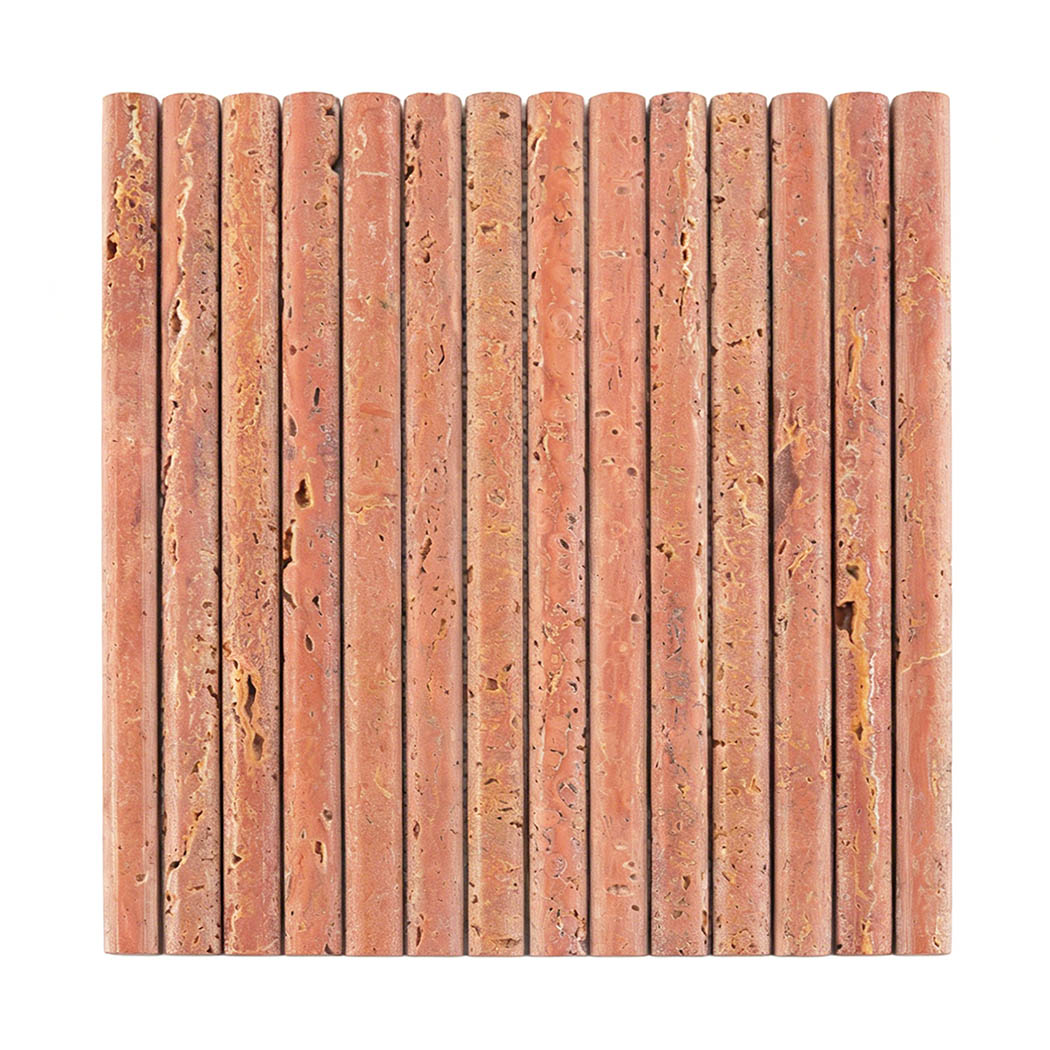
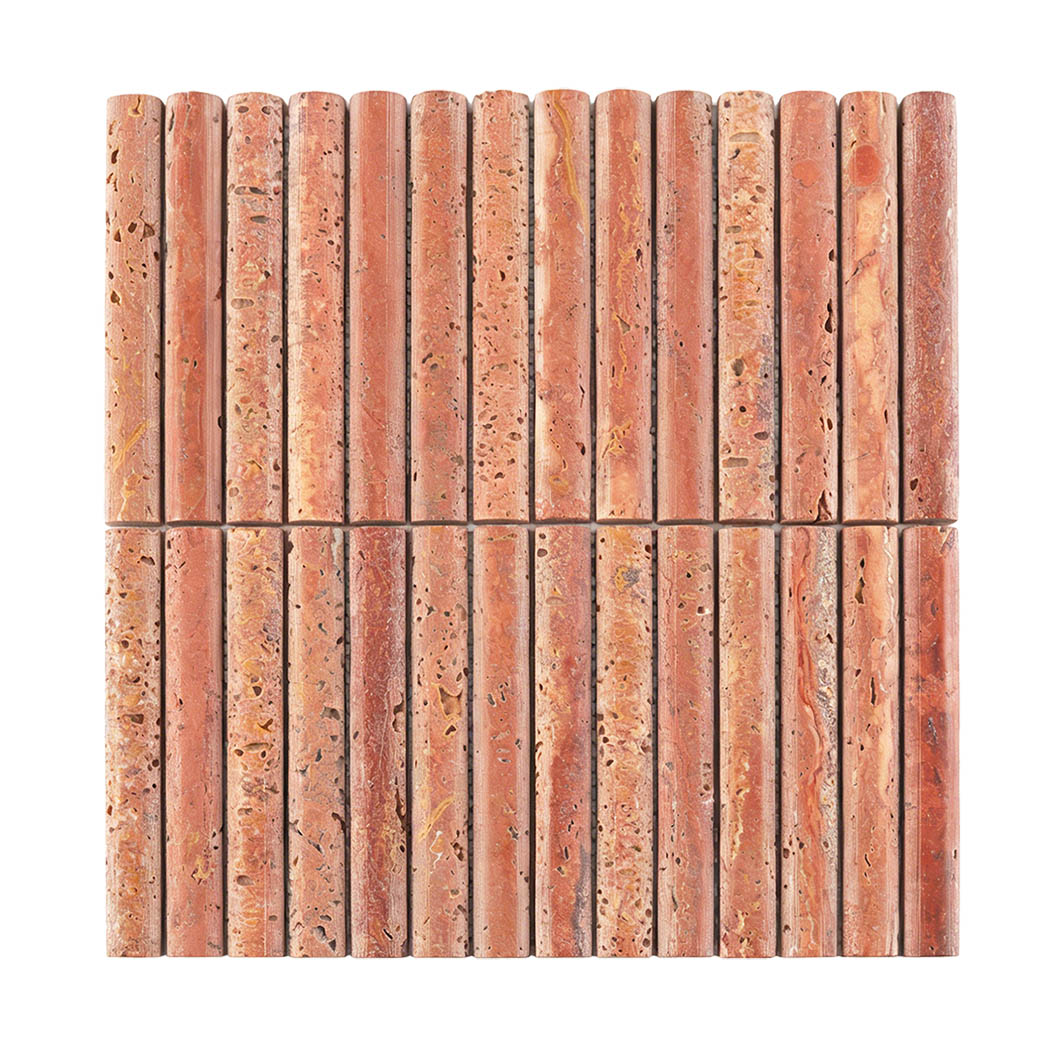
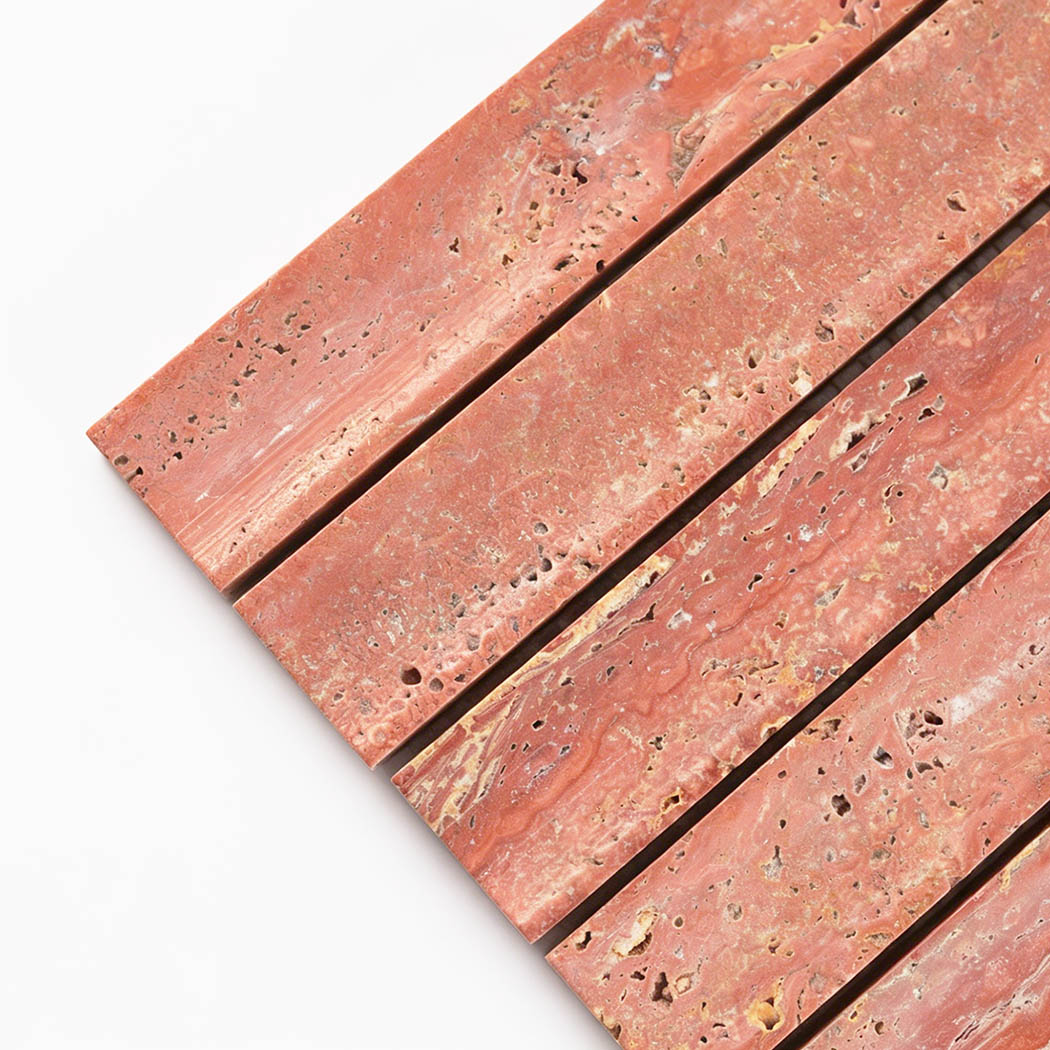
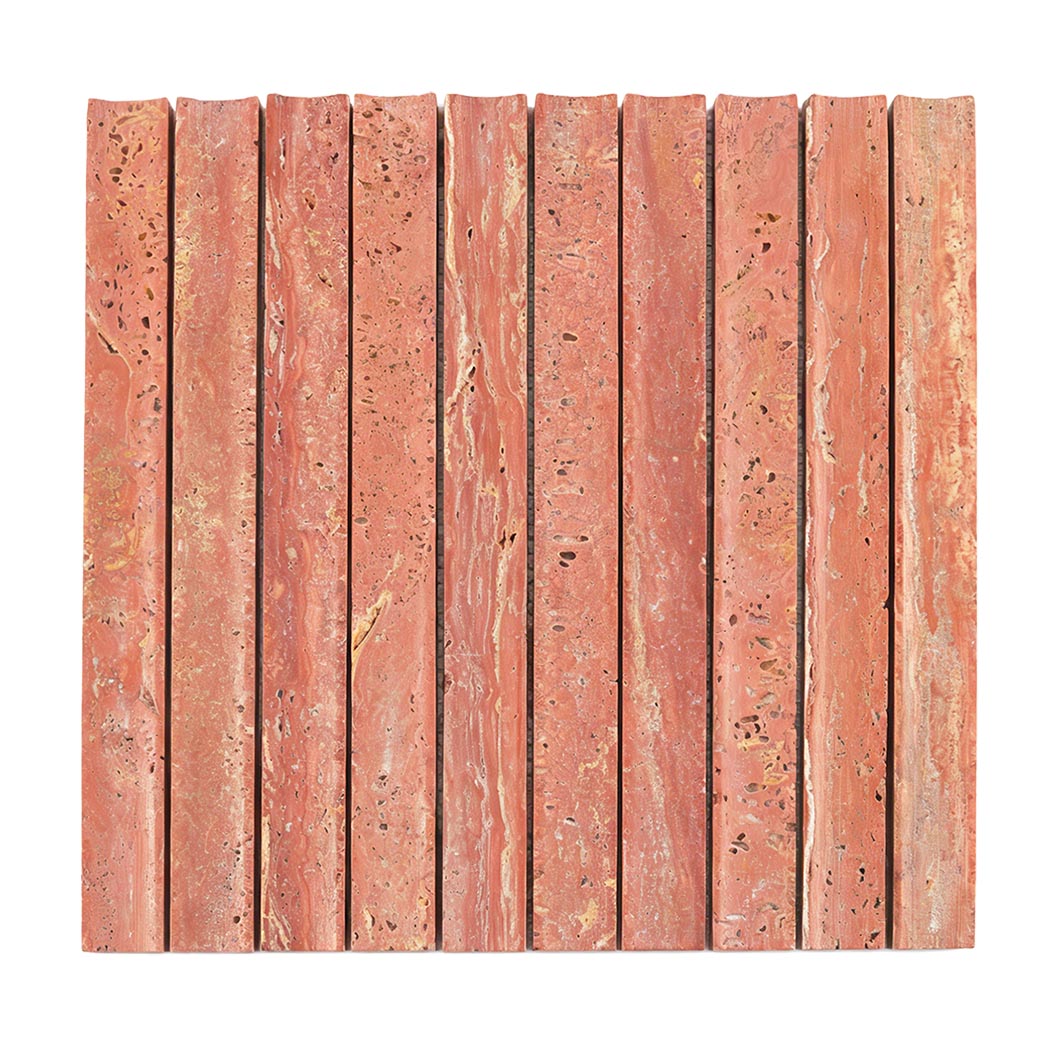
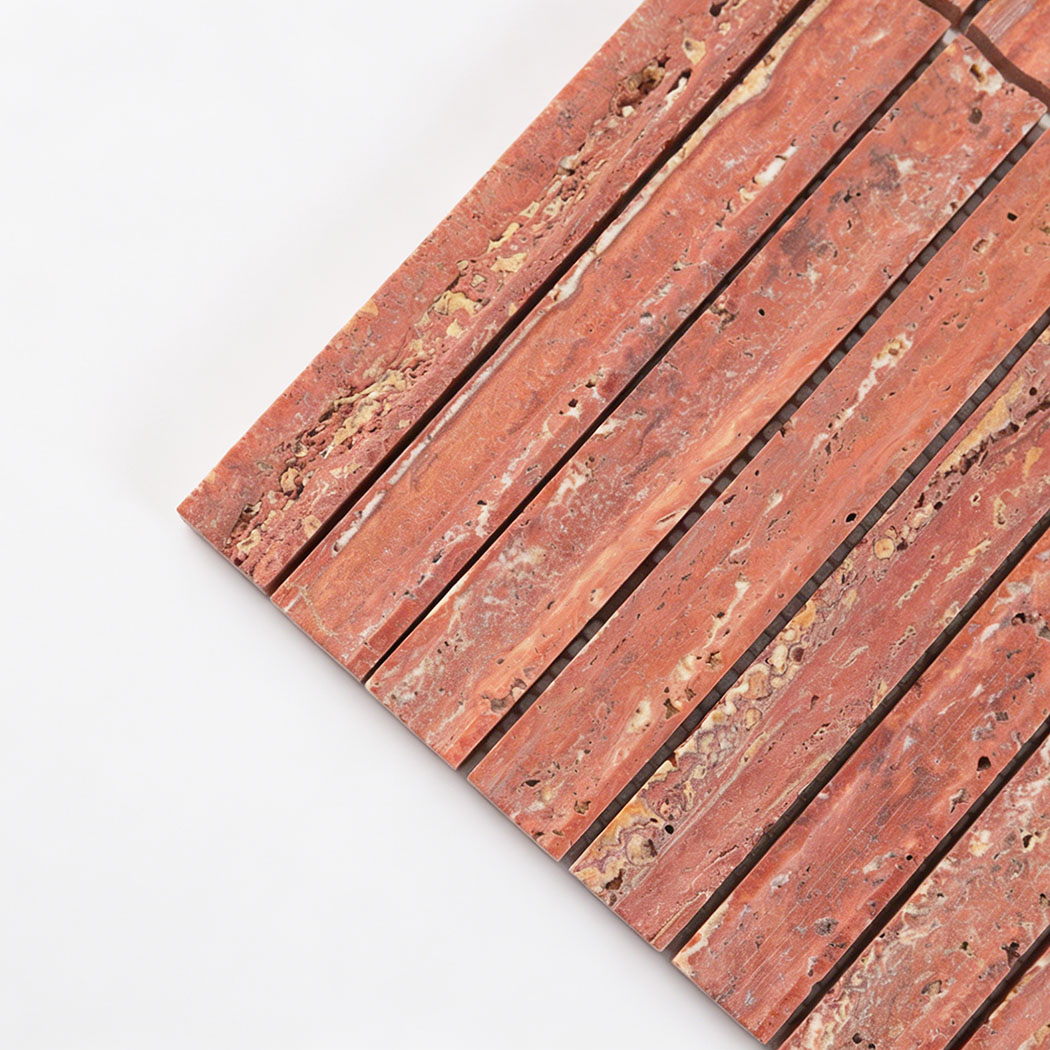
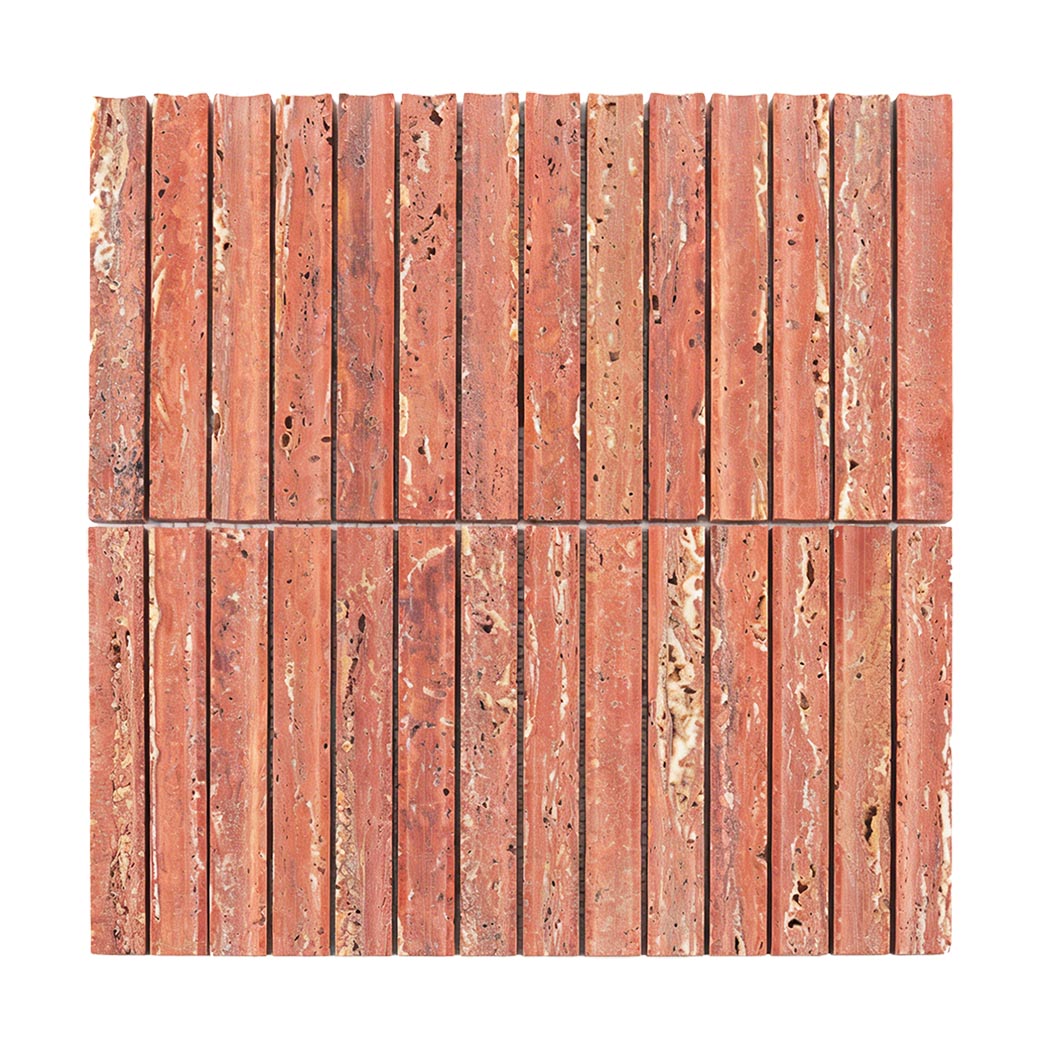
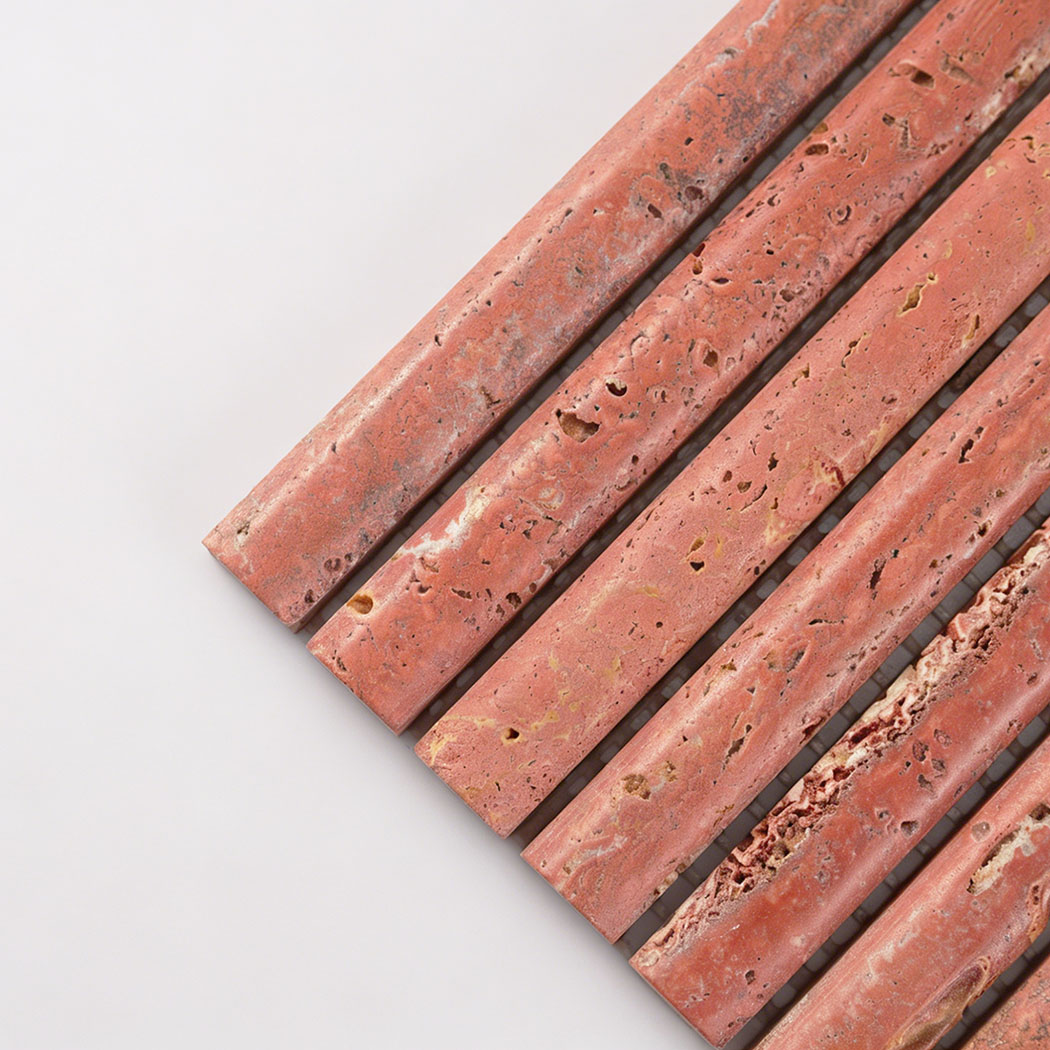
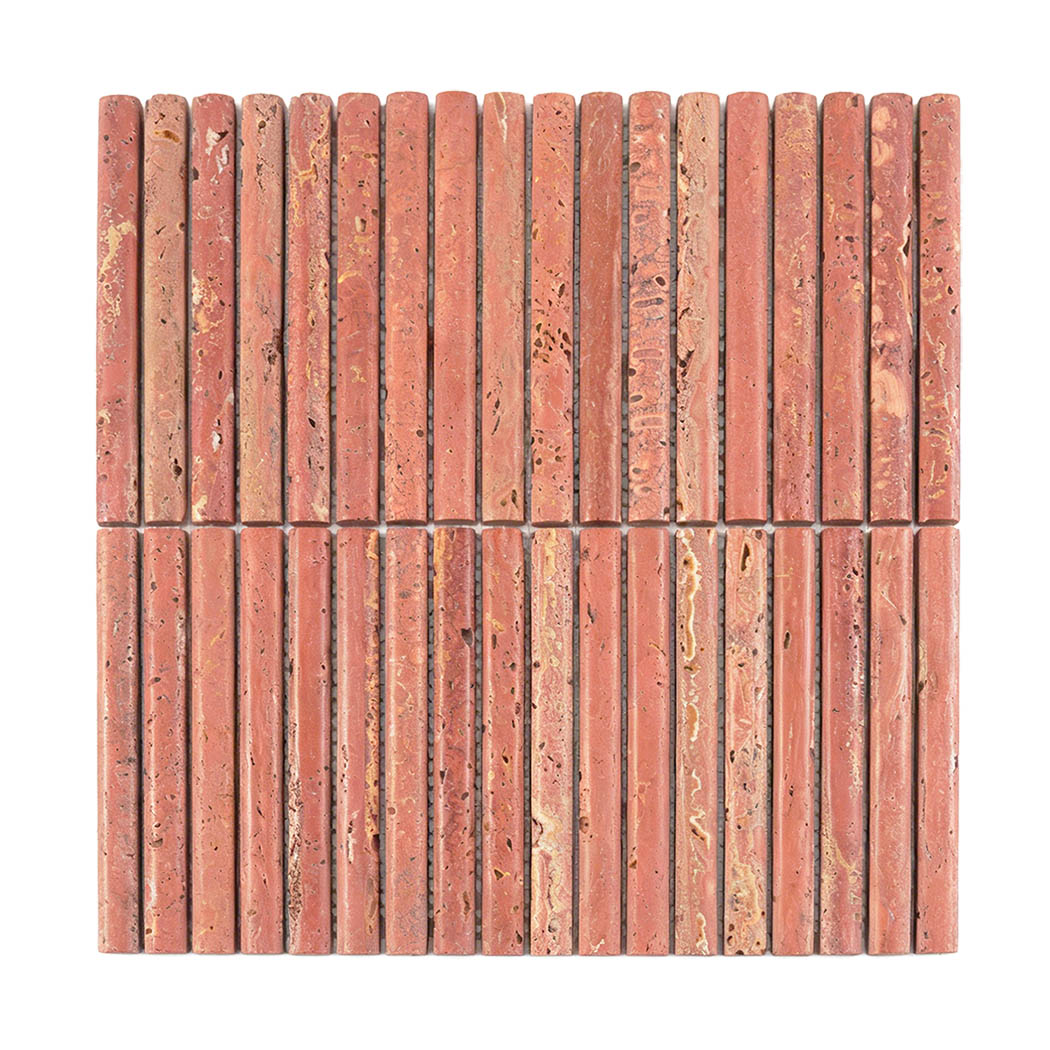
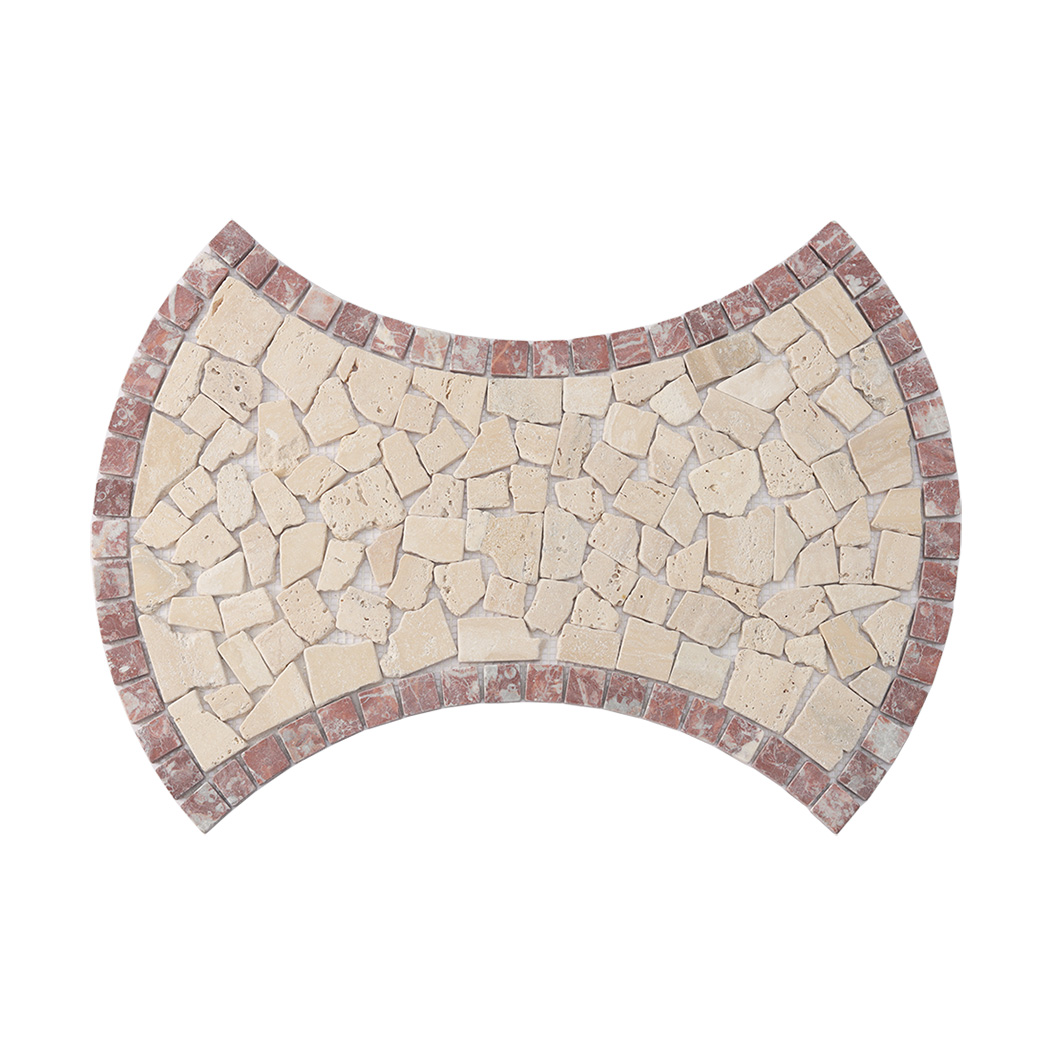
Red Travertine
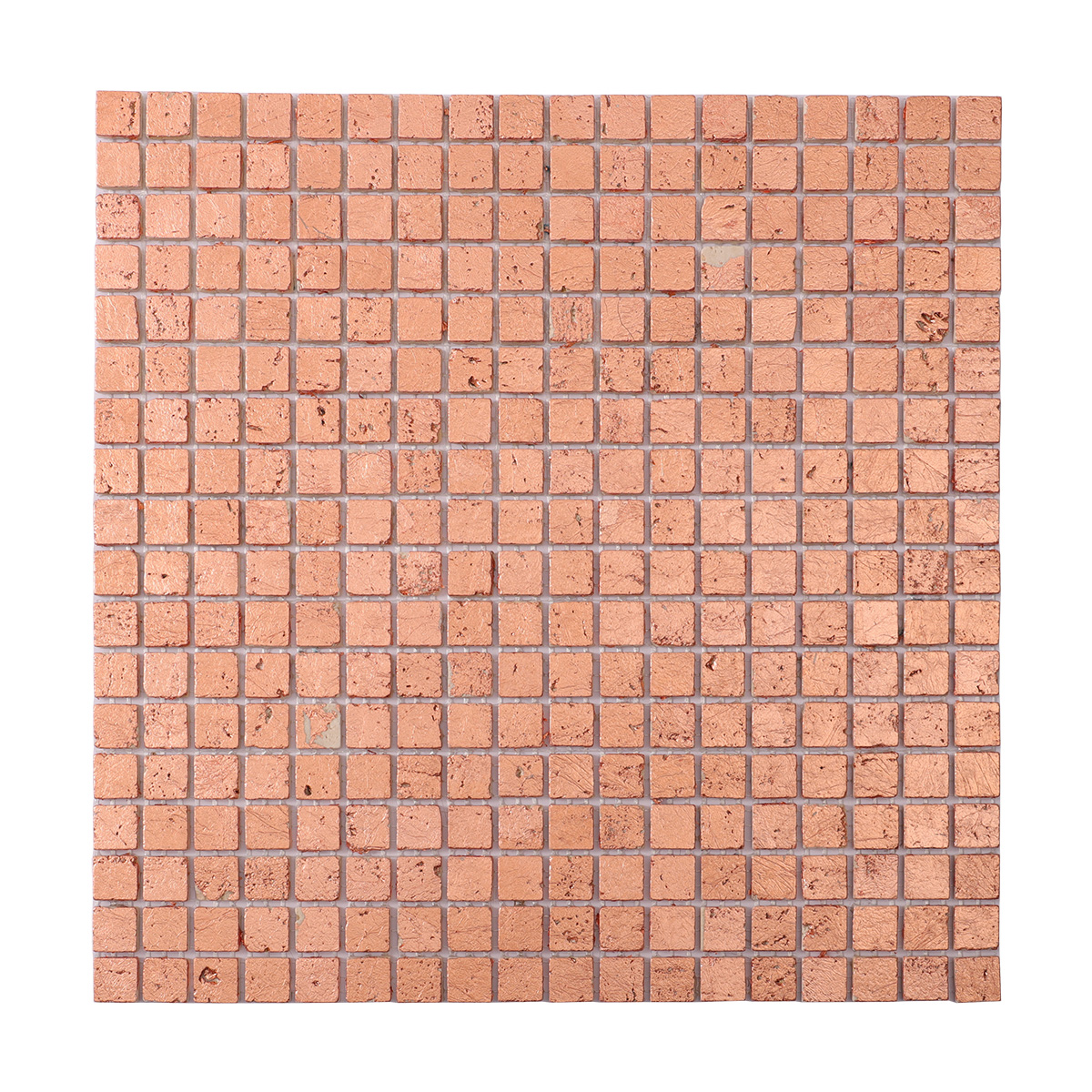
Bold and dramatic with warm russet and terracotta tones. Adds rich character and creates stunning focal points in Mediterranean or rustic kitchen designs.
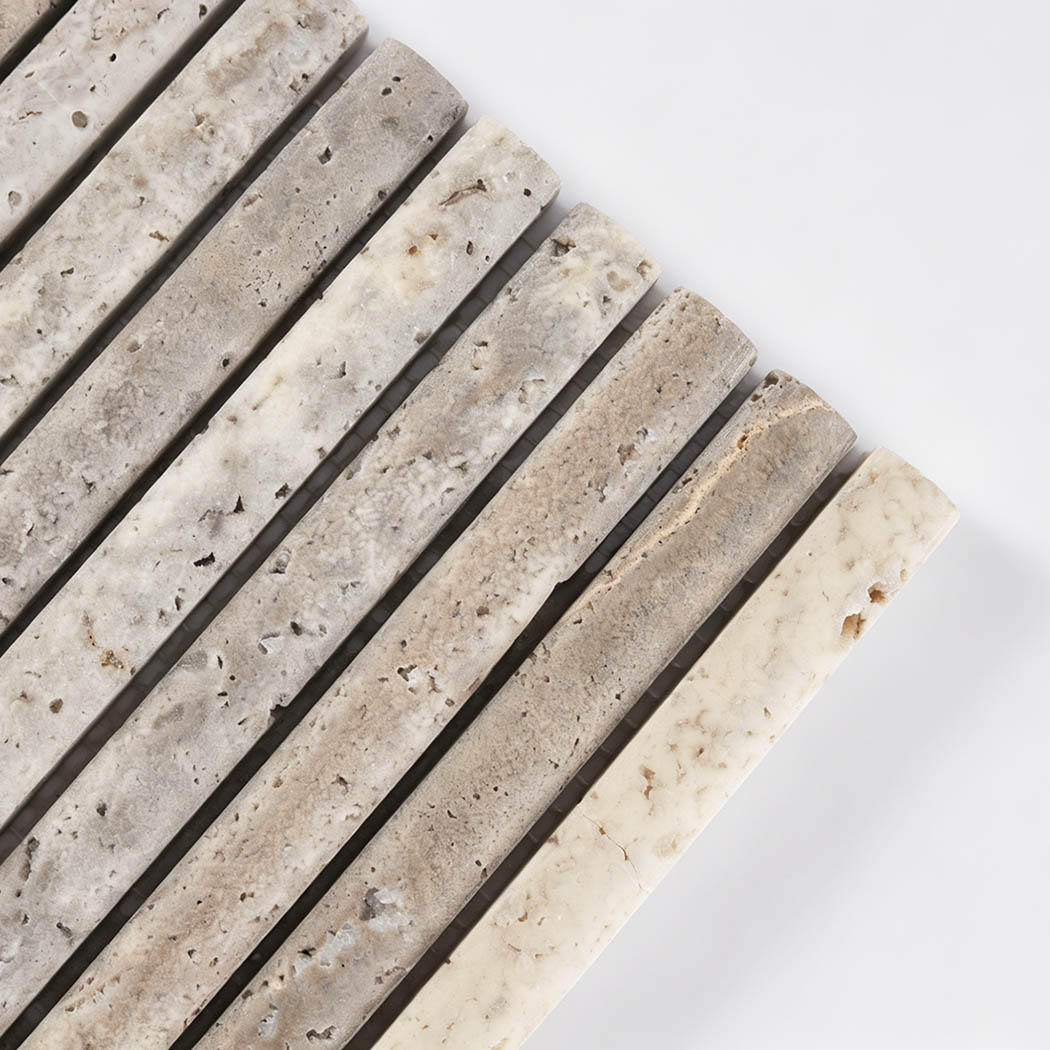
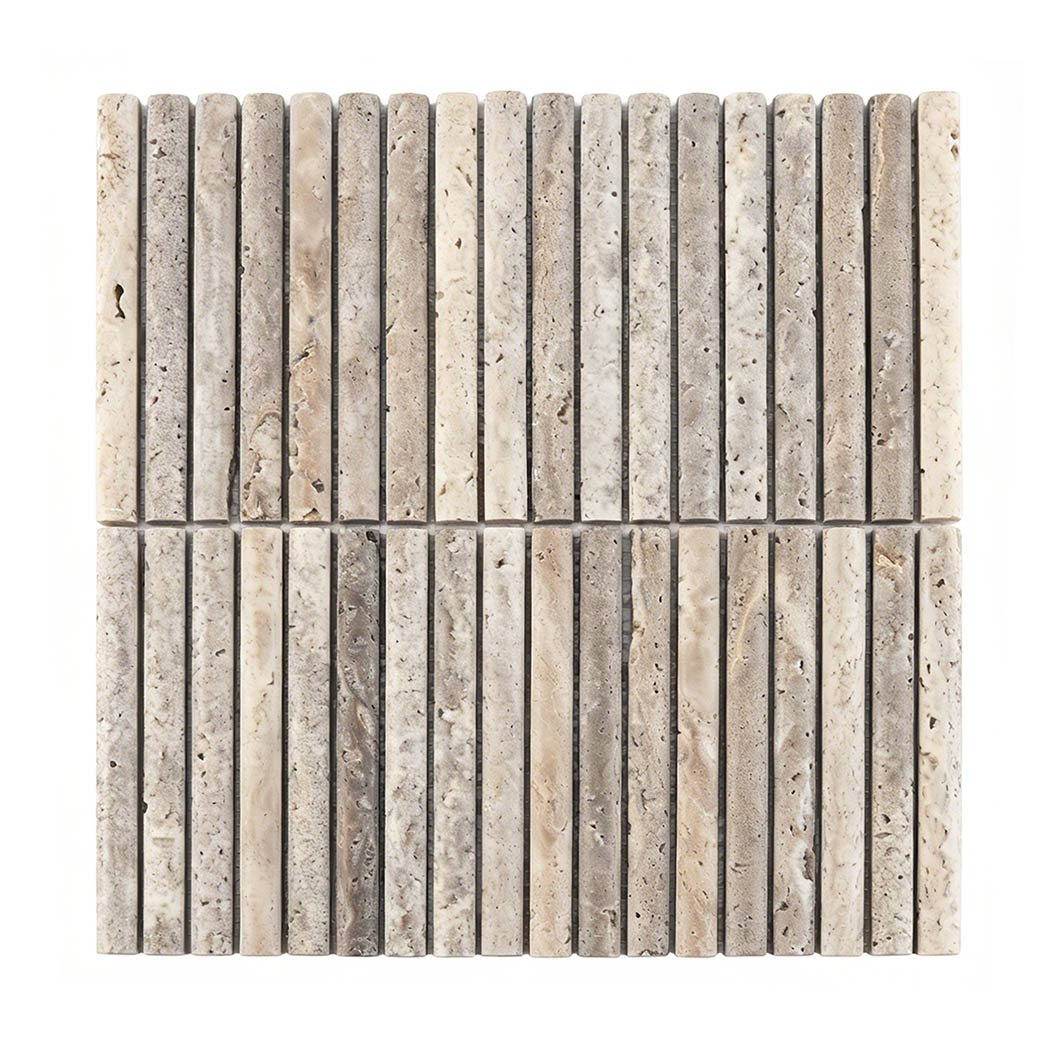
Gray Travertine
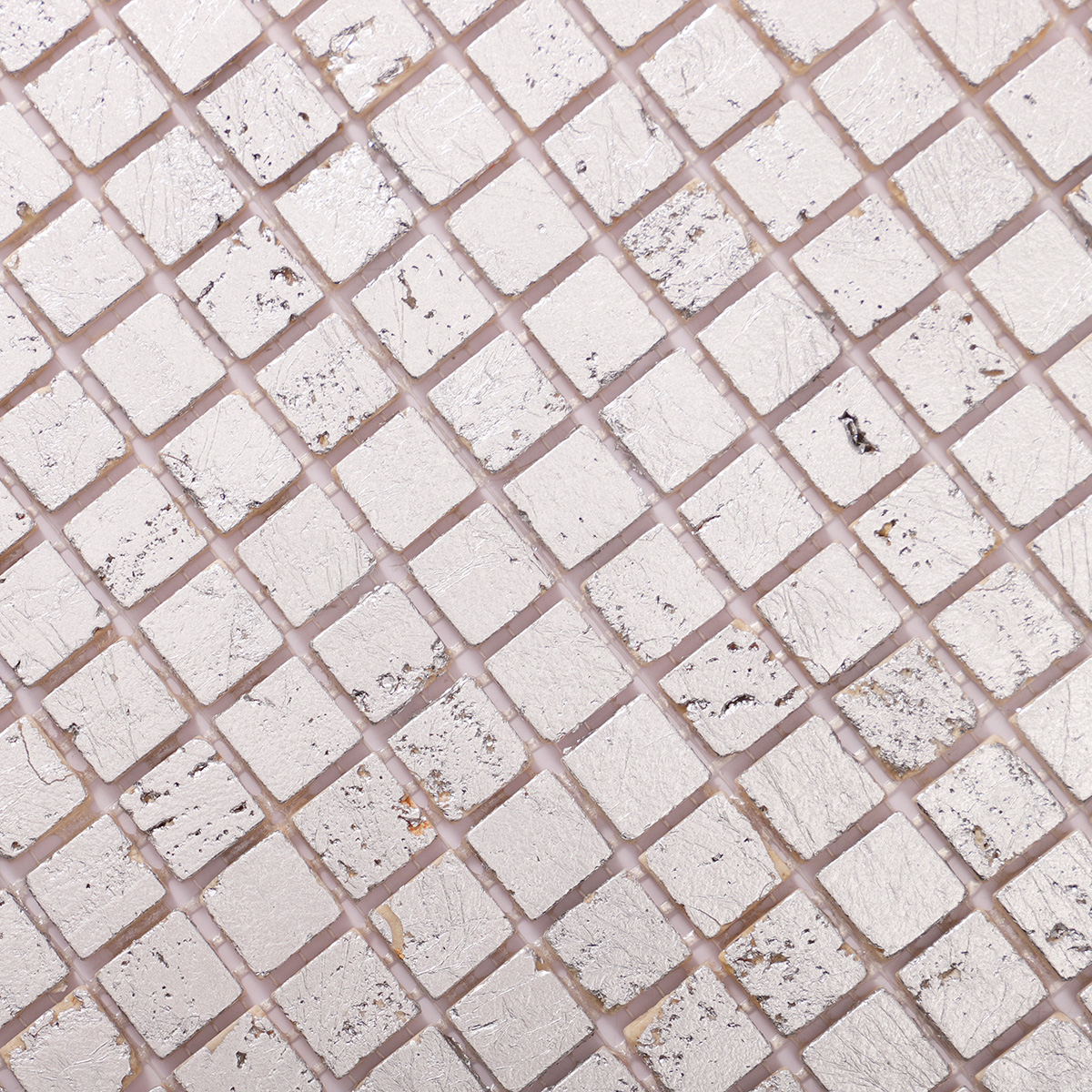
Sophisticated silver and charcoal tones that offer a contemporary edge. Ideal for modern kitchens seeking a sleek, refined aesthetic with natural stone texture.
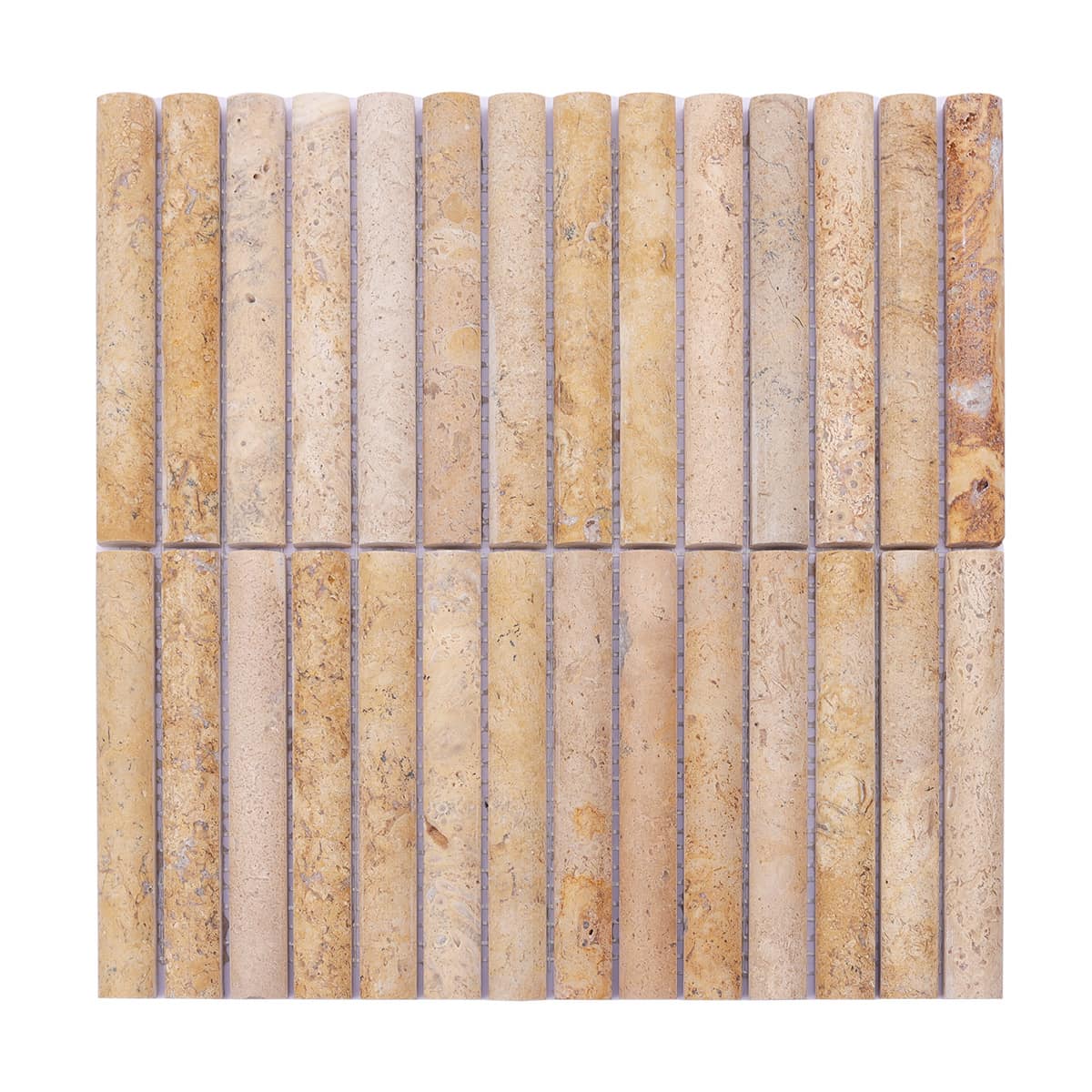
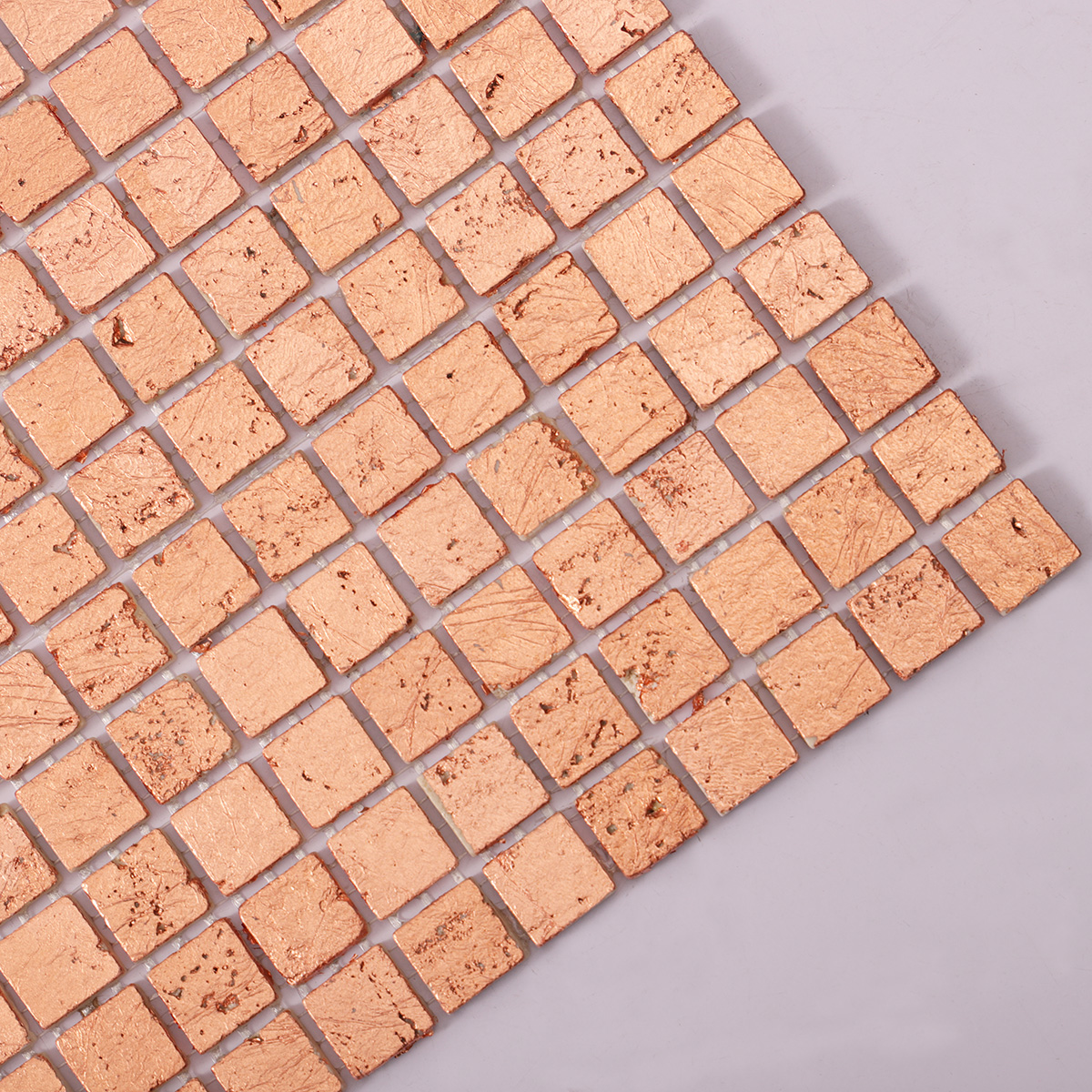
Gold Foil Accent
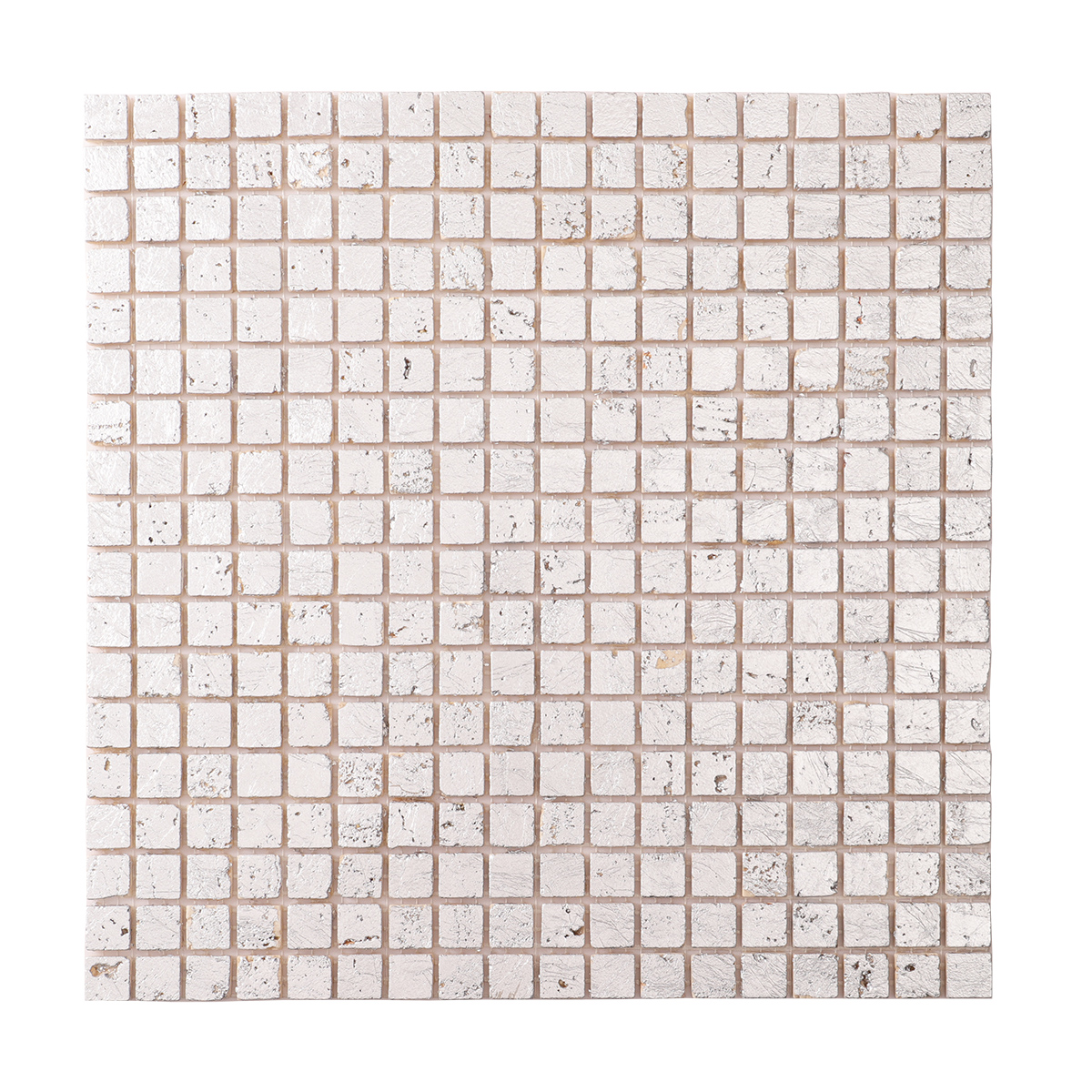
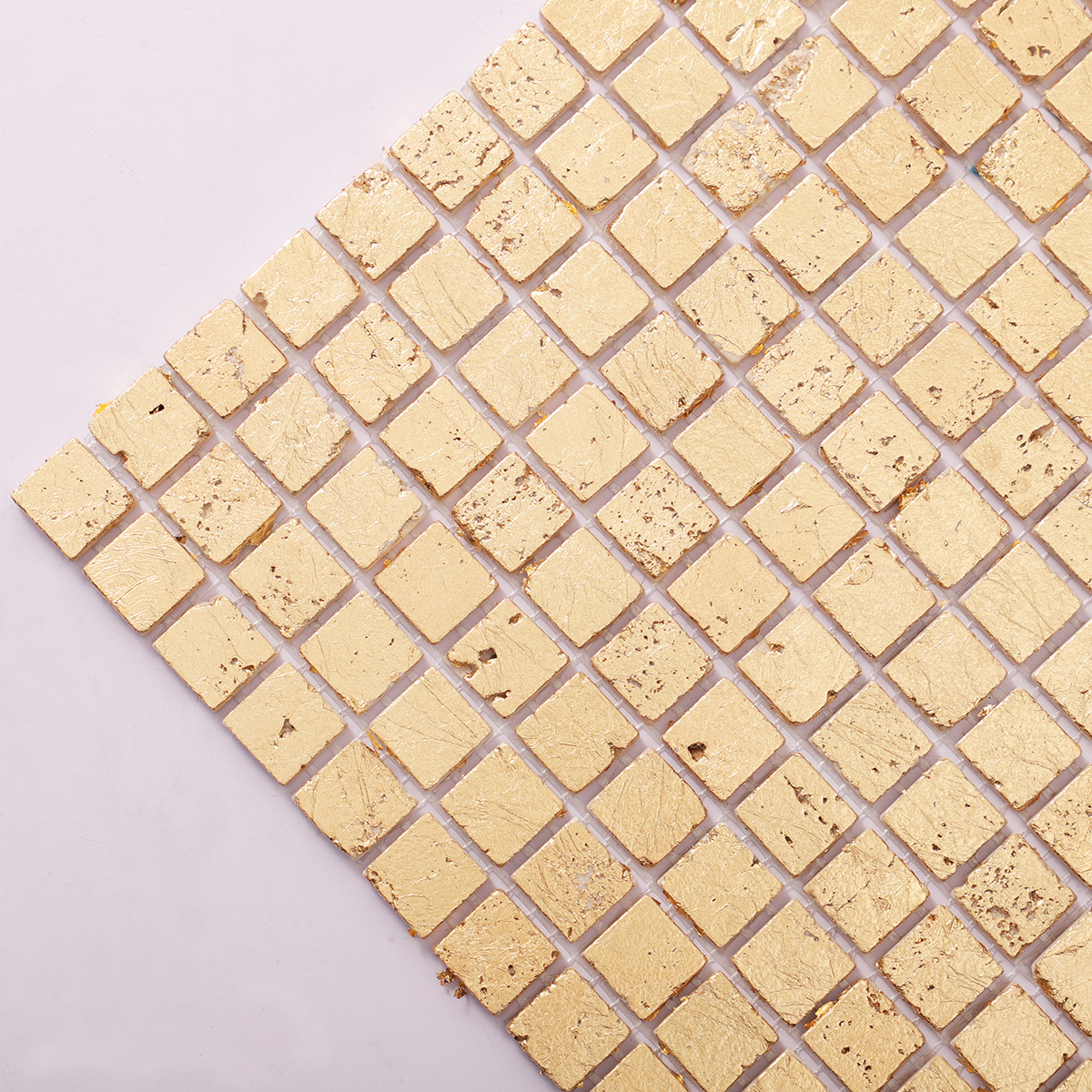
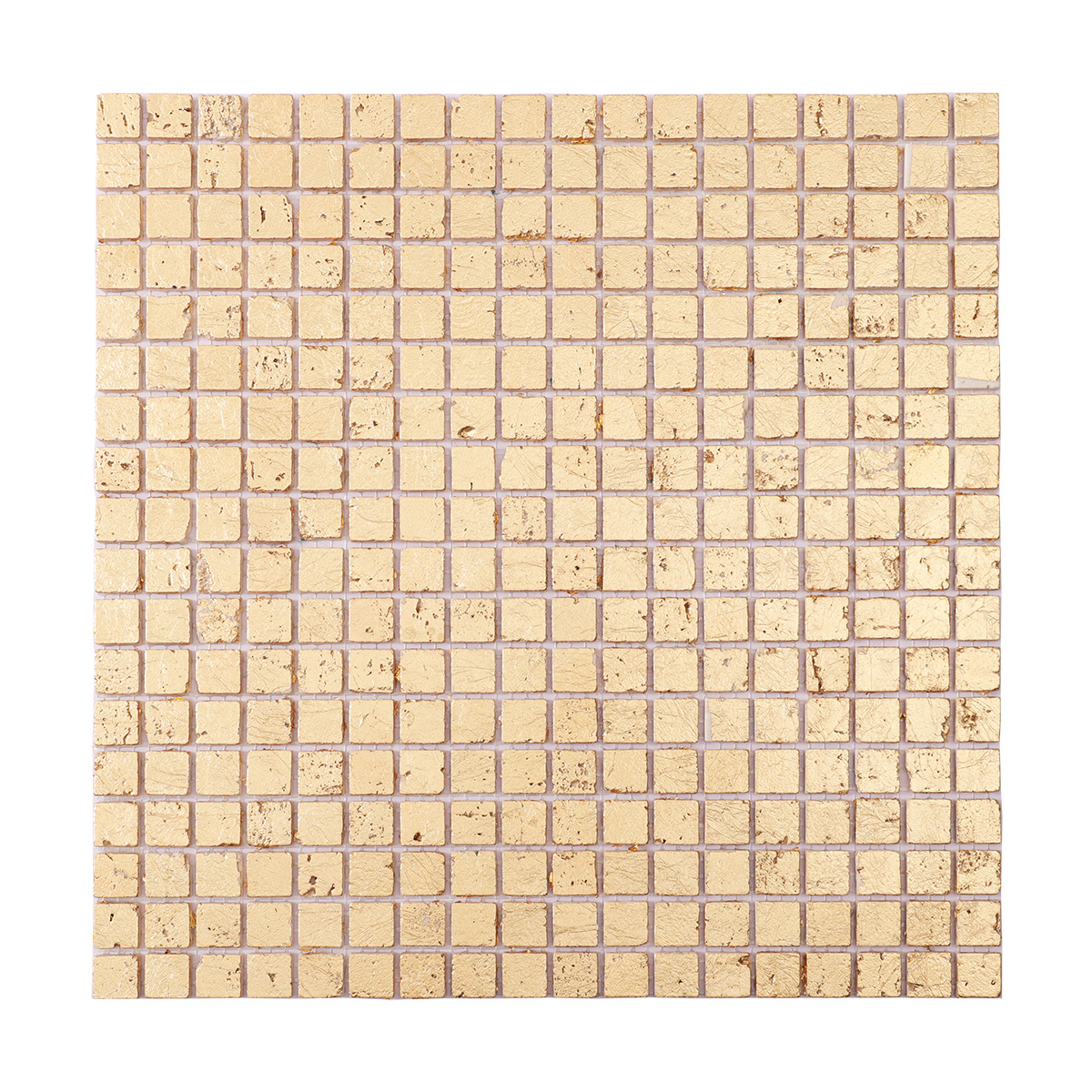
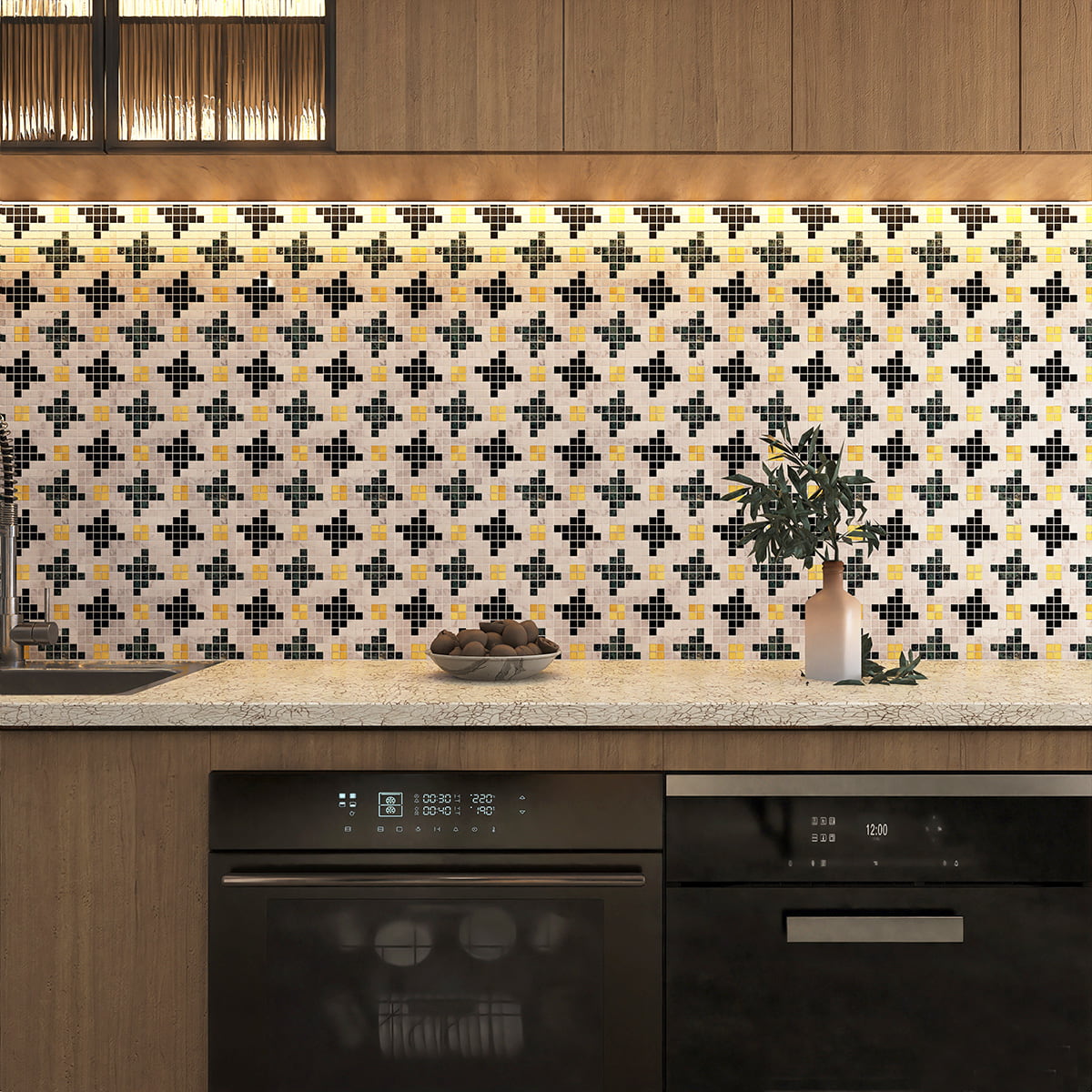
Luxurious travertine with metallic gold foil surface treatments. Combines the imperfect beauty of travertine mosaic with glamorous metallic shimmer for high-end kitchens.
Color Combination Ideas
Light & Airy
Combine ivory or light beige travertine with white cabinetry and stainless steel appliances for a bright, welcoming space.
Warm & Rich
Pair red or brown travertine with dark wood cabinets and bronze hardware for a cozy, traditional atmosphere.
Modern Elegance
Use gray travertine with black countertops and minimalist white cabinets for a sophisticated contemporary look.
Travertine Tile Sizes and Shapes
Travertine tiles are available in various sizes and shapes to suit different design preferences and installation areas. Choose the right format to achieve your desired aesthetic.
Standard Tile Sizes
Small Format: 15x15mm (0.6"x0.6")
Perfect for mosaic patterns and intricate designs. Ideal for backsplash accents and decorative borders.
Mosaic Size: 23x23mm (1"x1")
Popular for creating textured backsplashes with natural stone appeal. Easy to work with for DIY projects.
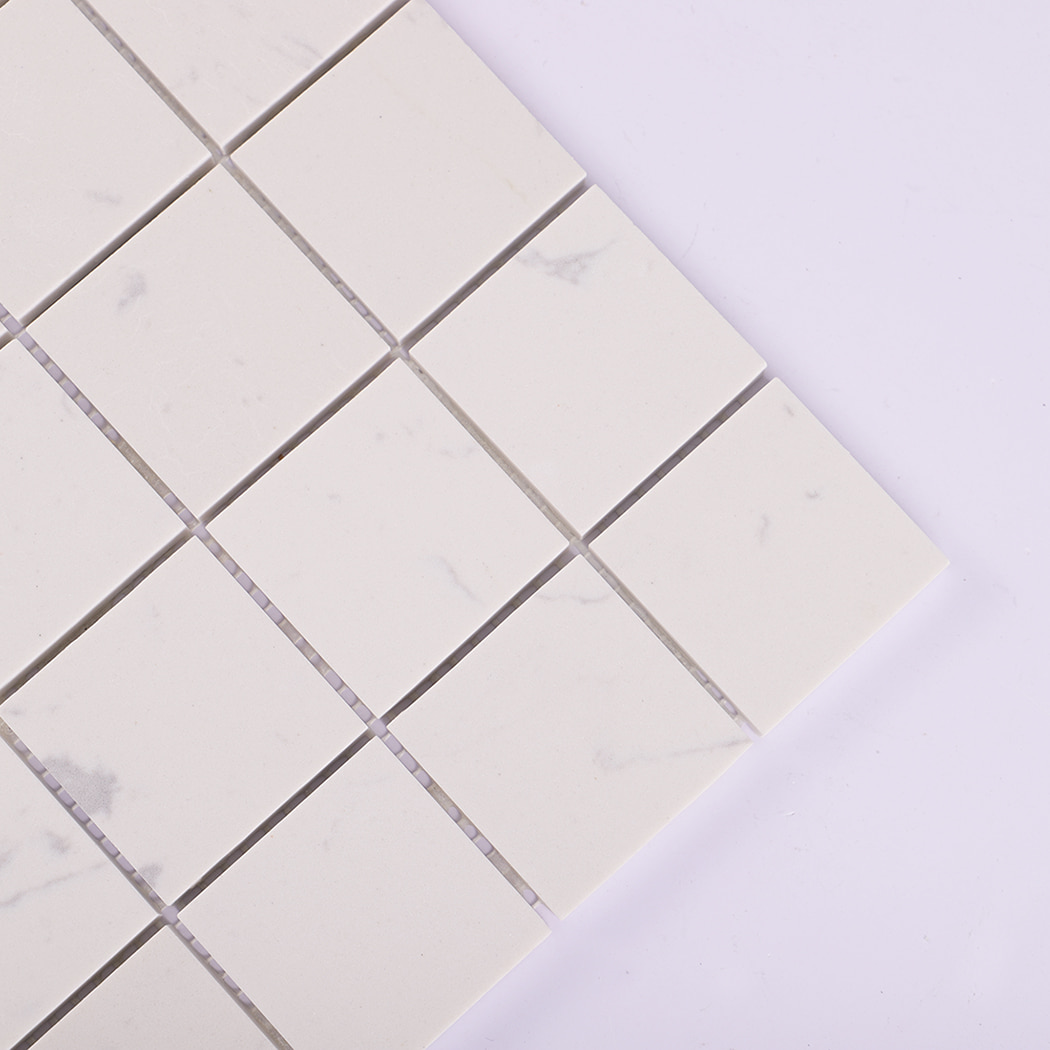
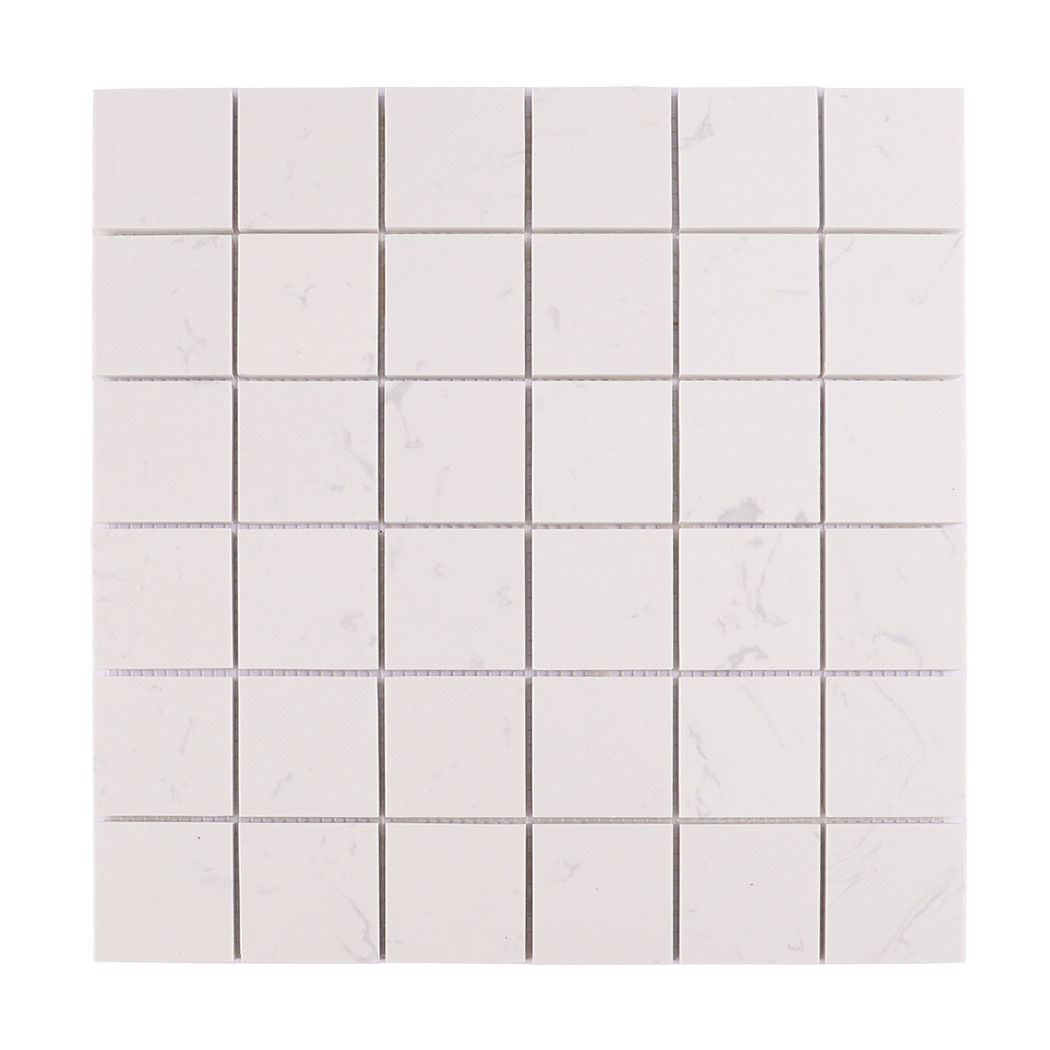
Large Format: 48x48mm (2"x2")
Suitable for both walls and floors. Creates a more spacious feel with fewer grout lines.
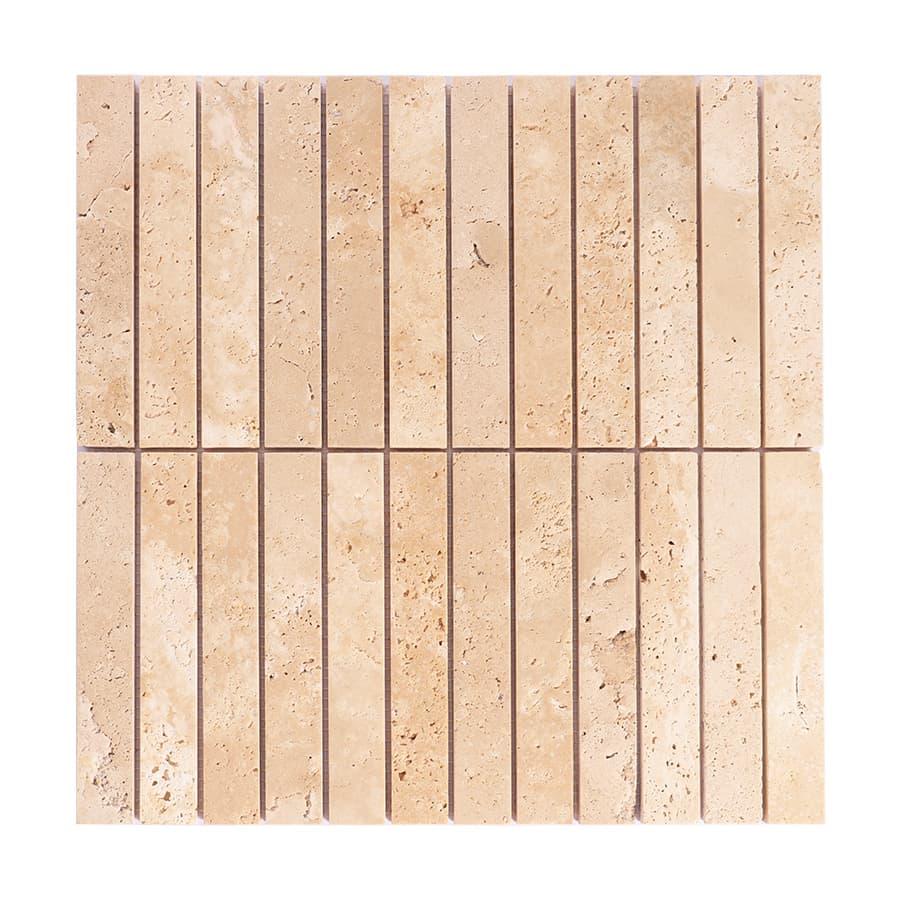
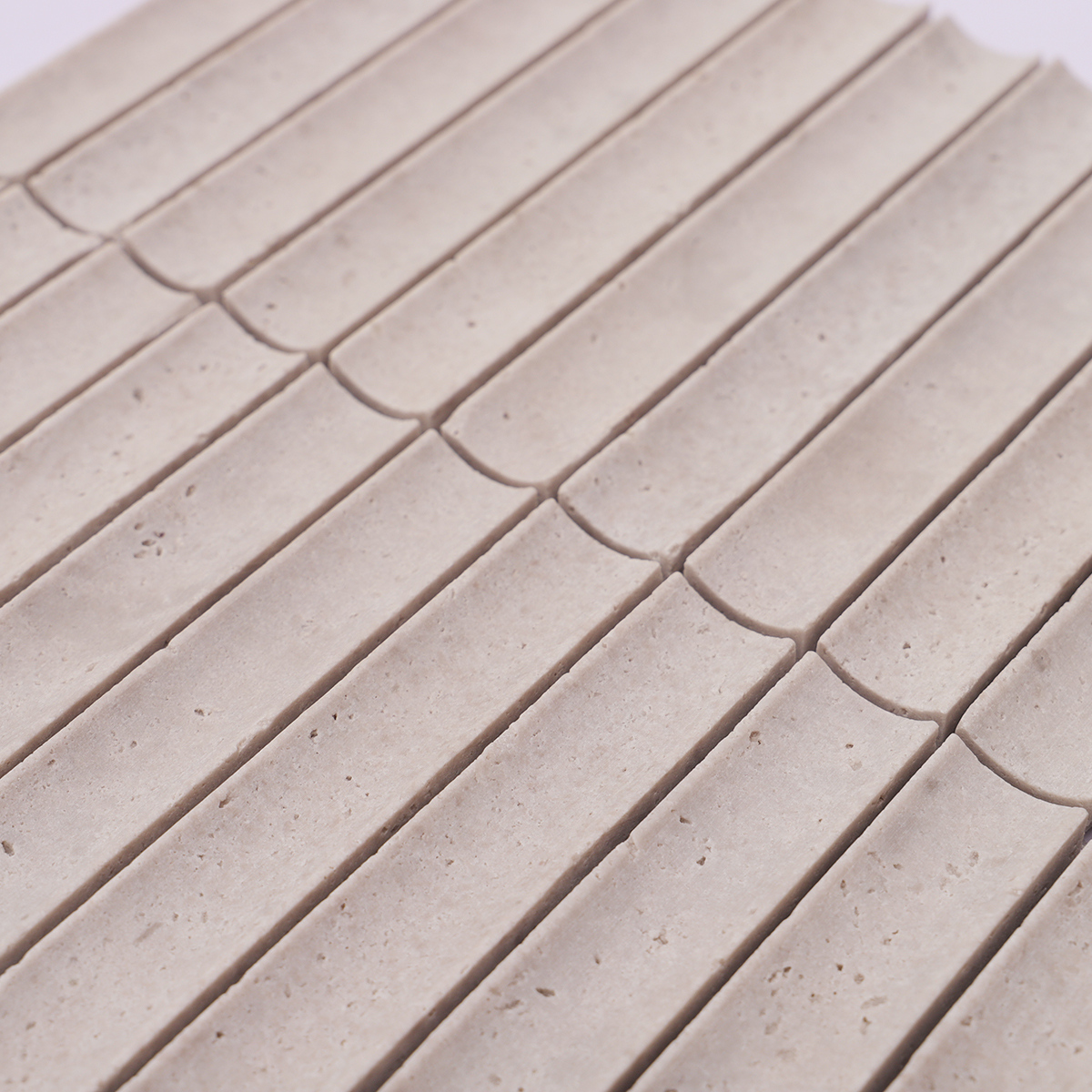
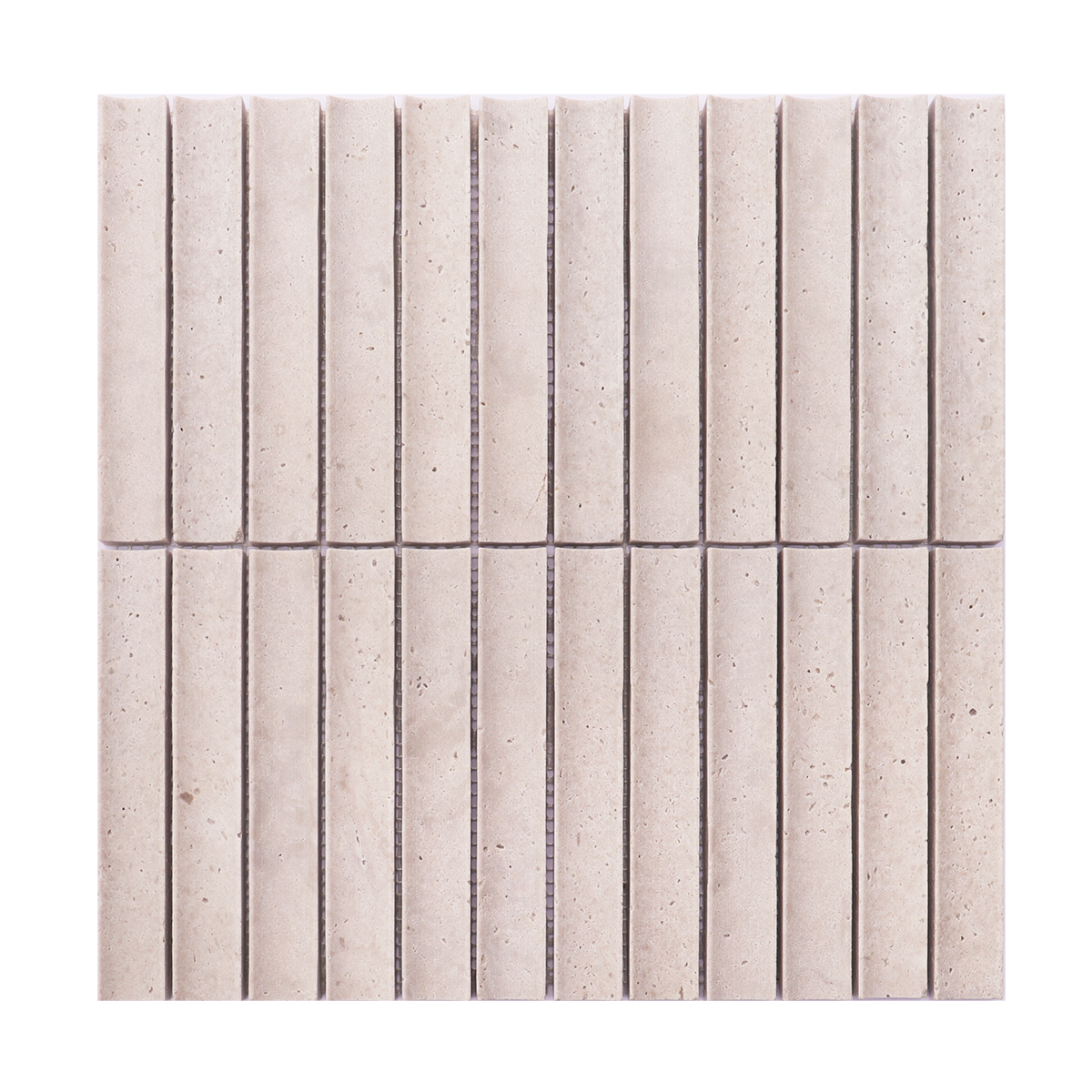
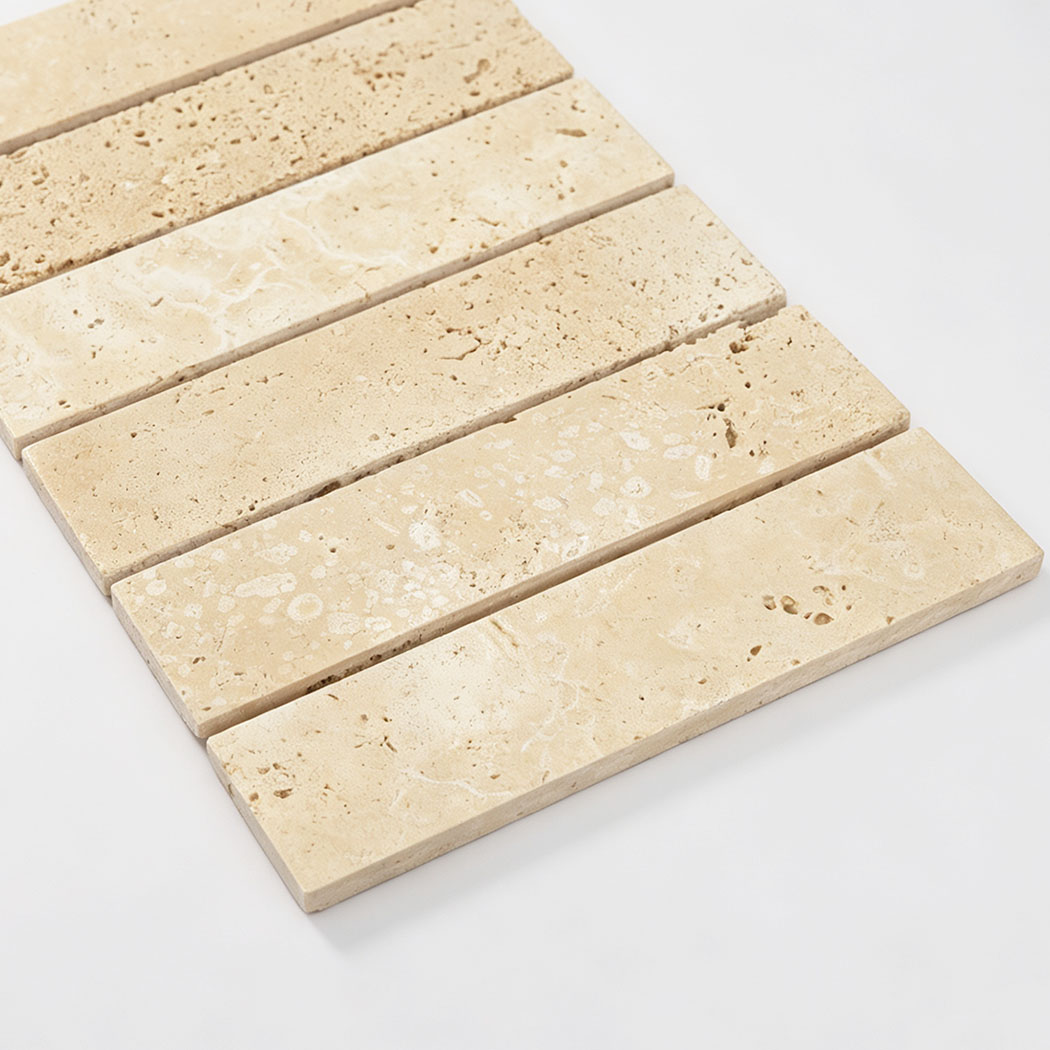
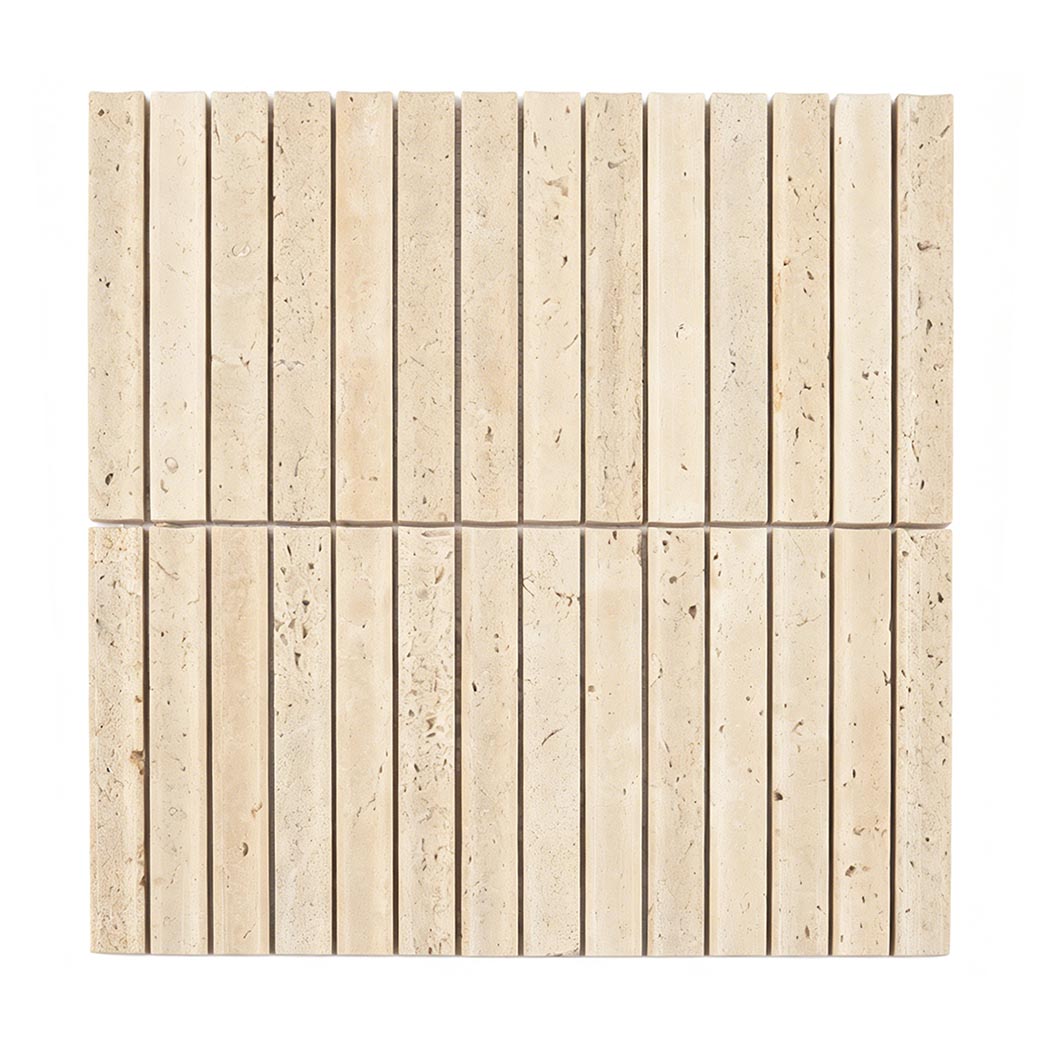
Subway Style: 23x148mm (1"x6")
Classic rectangular format perfect for traditional subway patterns and herringbone layouts.
Tile Shapes & Patterns
Square Tiles
Traditional and versatile. Available in 4x4", 6x6", 12x12", 18x18", and 24x24" formats for floors and walls.
Rectangle/Subway Tiles
Classic subway format (3x6", 4x12", 6x24") perfect for backsplashes in standard or herringbone patterns.
Hexagon Tiles
Trendy geometric shape that adds visual interest. Popular for creating focal points and accent walls.
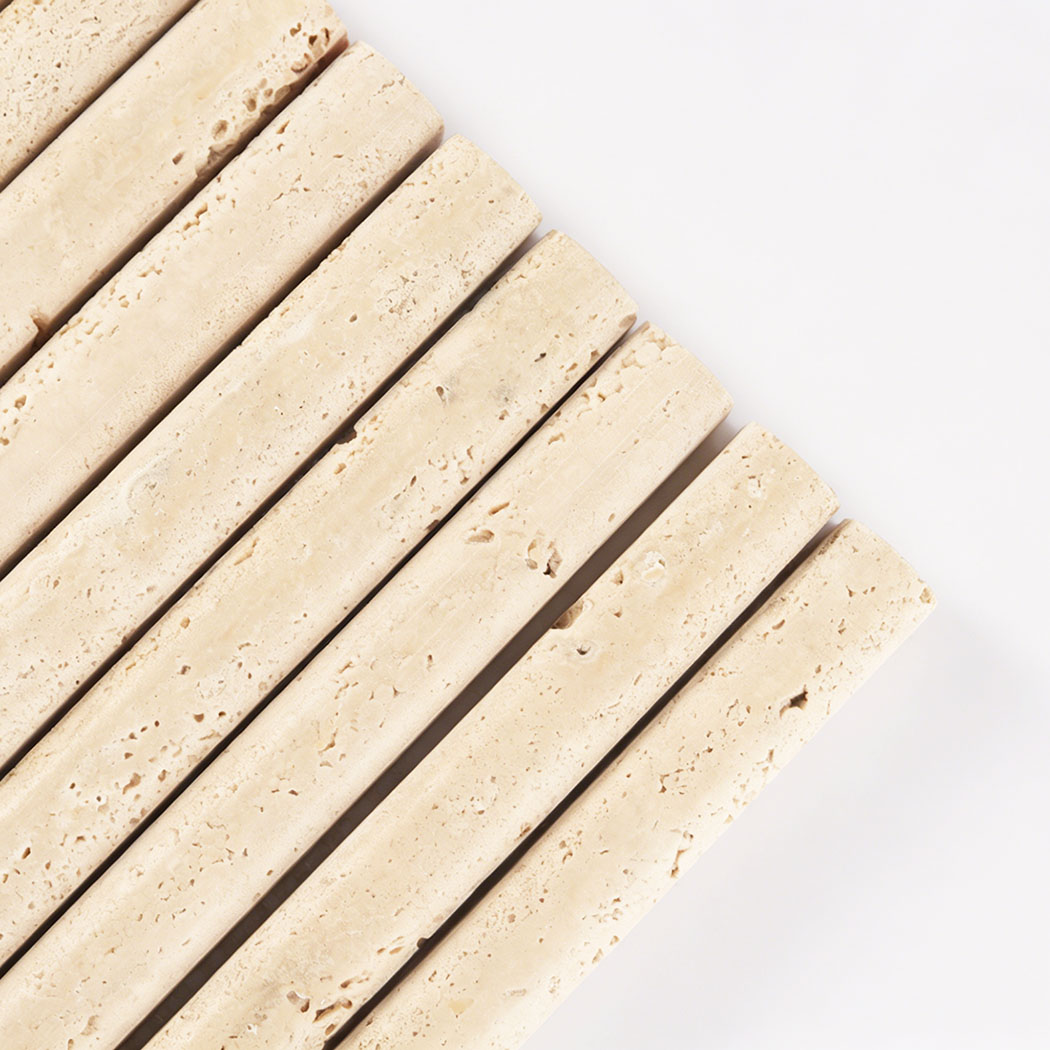
Pebble/Rounded Shapes
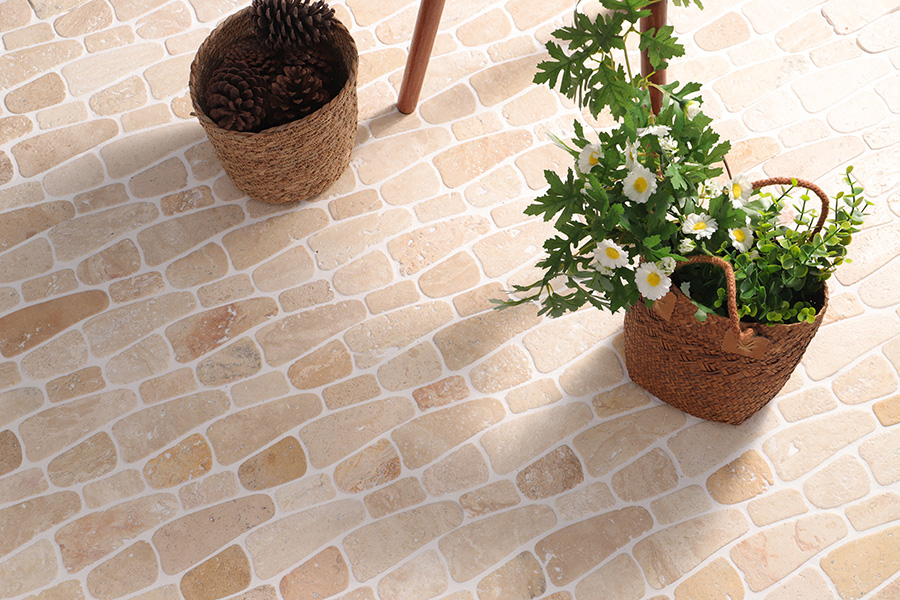
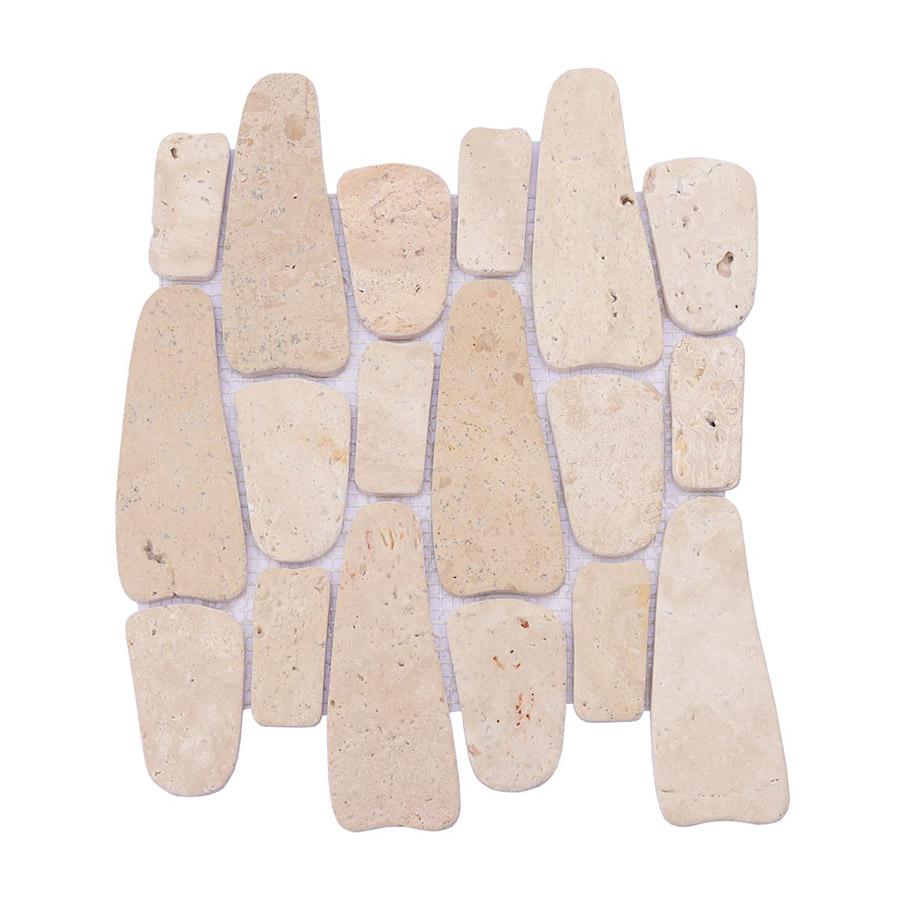
Organic pebble-like shapes that create a natural, spa-like atmosphere. Ideal for accent areas.
Choosing the Right Size
For small kitchens, larger tiles (12x12" or bigger) can make the space feel more expansive with fewer grout lines. For backsplashes, smaller mosaics and subway tiles offer more design flexibility and visual texture.
Consider the installation area: floors typically use larger, more durable sizes (12x12" to 24x24"), while backsplashes can showcase smaller mosaic tiles (1x1" to 4x4") for intricate patterns.
Travertine Tile Kitchen Backsplash Ideas
A travertine backsplash adds elegance and natural beauty to your kitchen. Explore different finishes, patterns, and styles to create your perfect kitchen backdrop.
Tumbled Travertine
Features an aged, textured finish developed through tumbling. Creates a rustic, Old World charm perfect for traditional and Mediterranean kitchens.
Honed Travertine
Most common finish with a smooth, matte surface. Offers a flat, uniform appearance while maintaining natural stone texture. Requires regular sealing.
Polished Travertine
Glossy, reflective finish similar to marble. More resistant to stains and scratches. Adds sophistication and elegance to modern kitchens.
Popular Backsplash Patterns
Subway Pattern
Classic rectangular tiles laid in horizontal rows with staggered joints. Timeless appeal that works with any kitchen style. Typically uses 3x6" or 4x12" tiles.
Tip: Run subway tiles vertically to make ceilings appear higher.
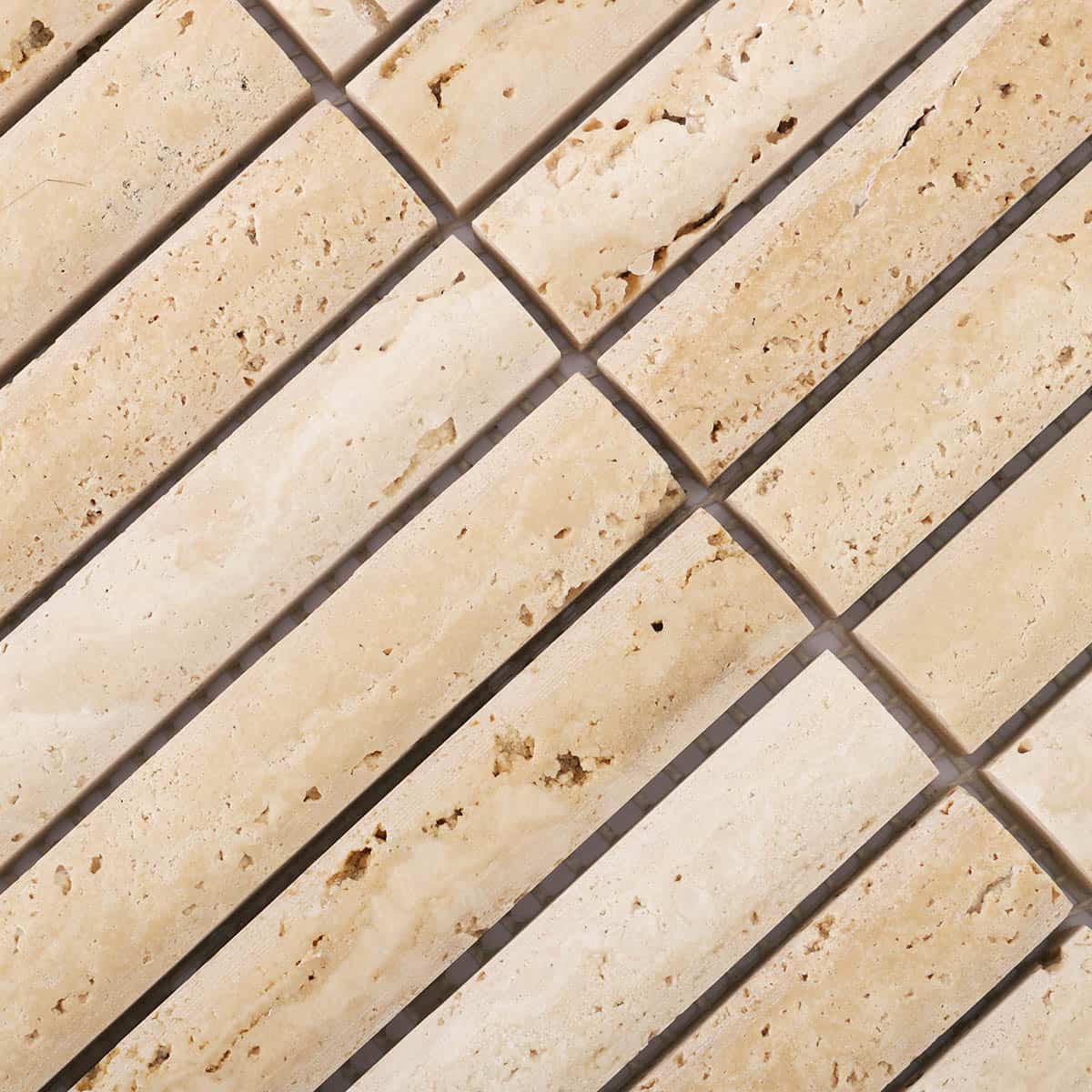
Herringbone Pattern
Rectangular tiles arranged in a V-shaped weaving pattern. Creates dynamic visual interest and sophisticated appeal. Perfect focal point behind the stove.
Tip: Herringbone draws the eye and works best as an accent area.
Mosaic Pattern
Small tiles (typically 1x1" or 2x2") arranged in sheets. Can mix travertine with glass or metal accents for added shimmer and texture.
Tip: Mosaic sheets make installation faster despite small tile size.
Stacked/Grid Pattern
Tiles aligned in straight rows both horizontally and vertically. Clean, modern look that emphasizes stone's natural beauty without pattern distraction.
Tip: Large format tiles in grid pattern minimize grout lines.
Design Recommendations
White Cabinets
Pair with beige or ivory travertine for a light, airy feel. Add stainless steel appliances and light quartz countertops for a fresh, contemporary look.
Dark Wood Cabinets
Complement with medium beige travertine and granite countertops for traditional elegance. Bronze or oil-rubbed bronze hardware completes the look.
Black Countertops
Balance bold black with light travertine backsplash to soften the contrast. Creates dramatic yet sophisticated appeal.
Mixed Materials
Combine travertine mosaic with glass or metallic tiles for sparkling accents and movement. Adds depth and visual interest.
Travertine Tile Kitchen Flooring
Travertine floor tiles bring timeless elegance and exceptional durability to kitchen floors. Their natural warmth and character create inviting spaces that stand the test of time.
Benefits of Travertine Kitchen Floors
Exceptional Durability
Natural stone withstands heavy foot traffic, dropped items, and daily kitchen activities. Properly maintained travertine floors last for decades.
Naturally Cool Surface
Stays cool underfoot even in warm climates. Provides comfort during cooking activities. Compatible with radiant floor heating systems.
Increases Home Value
Natural stone flooring is a premium feature that appeals to buyers. Timeless style means it won't look dated in future years.
Eco-Friendly Choice
Natural material with minimal processing required. Long lifespan reduces need for replacement. Can be recycled at end of life.
Pet-Friendly Surface
Resistant to scratches from pet nails. Doesn't trap pet hair or odors. Easy to clean up accidents with proper sealing.
Floor Tile Size Recommendations
Large Format (18"x18" - 24"x24")
Creates seamless look with minimal grout lines. Makes small kitchens appear larger. Faster installation with fewer tiles.
Medium Format (12"x12" - 16"x16")
Versatile size suitable for most kitchen layouts. Balanced visual appeal. Standard choice for traditional designs.
Plank Format (6"x24" - 8"x48")
Elongated tiles that mimic wood planks. Creates linear flow. Contemporary alternative to square formats.
Important Considerations for Kitchen Floors
- Choose honed or tumbled finish: Polished travertine can be slippery when wet, making it less ideal for kitchen floors where spills occur.
- Proper sealing is essential: Kitchen floors require high-quality penetrating sealer to protect against spills, stains, and moisture.
- Use filled travertine: For floor applications, choose tiles with filled holes to prevent debris collection and easier maintenance.
- Consider COF rating: Look for tiles with Coefficient of Friction (COF) rating of 0.5 or higher for safe, slip-resistant floors.
Installing Travertine Tile in Your Kitchen
Proper installation ensures your travertine tiles look beautiful and perform well for years. Follow these professional guidelines for successful results.
Materials Needed
Step-by-Step Process
Prepare the Surface
Ensure surface is clean, level, and dry. Sand rough areas and repair any damage. Prime porous surfaces.
Plan Your Layout
Measure and mark center points. Dry-lay tiles to determine best pattern and minimize cuts in visible areas.
Apply Thin-Set Mortar
Mix mortar per manufacturer instructions. Spread in small sections using notched trowel. Work quickly before it dries.
Set the Tiles
Press tiles firmly with slight twisting motion. Use spacers for consistent gaps. Check level frequently.
Apply Grout
Wait 24 hours for mortar to cure. Mix and apply grout at 45-degree angle. Remove excess after 10-15 minutes.
Seal and Protect
Let grout cure 72 hours. Apply penetrating sealer according to product directions. Allow proper drying time.
Professional Installation Tips
Before Installation
- Acclimate tiles to room temperature for 24 hours
- Sort tiles by shade variation for balanced distribution
- Order 10-15% extra tiles to account for cuts and future repairs
- Test layout completely before applying any mortar
During Installation
- Use white thin-set for light-colored travertine to prevent darkening
- Back-butter larger tiles to ensure full mortar coverage
- Clean mortar from tile face immediately before it dries
- Avoid walking on newly laid tiles for at least 24 hours
Travertine Tile Kitchen Maintenance & Care
Travertine is easier to maintain than many natural stones. With proper care and regular maintenance, your travertine kitchen tiles will maintain their beauty for decades.
Daily Cleaning
Keep your travertine looking fresh with simple daily maintenance.
- Sweep or vacuum to remove loose dirt
- Wipe spills immediately to prevent staining
- Use microfiber cloth for streak-free finish
- Avoid leaving standing water on surface
Weekly Cleaning
Deep clean your travertine tiles weekly for optimal appearance.
- Mix warm water with pH-neutral stone cleaner
- Mop with slightly damp (not wet) mop
- Use soft-bristle brush for grout lines
- Rinse with clean water and dry thoroughly
Sealing Schedule
Protect your investment with regular sealing maintenance.
- Initial seal immediately after installation
- Reseal every 1-3 years depending on traffic
- Use penetrating sealer for best protection
- Test water beading to determine reseal timing
Recommended Cleaning Solutions
Safe to Use
pH-Neutral Stone Cleaner
Specially formulated for natural stone. Won't damage or discolor travertine.
Mild Dish Soap Solution
Few drops in warm water. Rinse thoroughly to avoid residue buildup.
Baking Soda Paste
For stubborn stains: mix with water, apply, wait 5 minutes, scrub gently, rinse.
Never Use
Acidic Cleaners
Vinegar, lemon juice, or commercial acid-based cleaners will etch and damage travertine surface.
Harsh Chemicals
Bleach, ammonia, or abrasive cleaners cause discoloration and deteriorate stone surface.
Generic Floor Cleaners
Most household cleaners are too harsh. Always use products labeled safe for natural stone.
Stain Removal Guide
Oil-Based Stains (grease, cooking oil)
Apply baking soda paste, cover with plastic wrap, leave 24 hours, rinse with pH-neutral cleaner.
Organic Stains (coffee, wine, juice)
Clean immediately with hydrogen peroxide solution. For set stains, use poultice with baking soda.
Hard Water Deposits
Use specialized stone soap or very diluted stone-safe cleaner. Never use vinegar or acidic products.
Preventive Maintenance Tips
- Place door mats at entrances to trap dirt before it reaches travertine floors
- Use coasters under glasses and trivets under hot pots to prevent water rings and heat damage
- Place area rugs in high-traffic zones to minimize wear patterns
- Felt pads under furniture legs prevent scratches when moving items
- Clean spills immediately - don't let them sit and penetrate the stone
- Avoid dragging heavy items across travertine surfaces
Travertine Tile Kitchen: Pros and Cons
Understanding both the advantages and considerations helps you make an informed decision about travertine for your kitchen.
Advantages
Timeless Natural Beauty
Unique patterns and warm earth tones never go out of style. Each tile has individual character that creates one-of-a-kind spaces.
Excellent Durability
Withstands heavy foot traffic and daily kitchen use. Properly maintained travertine lasts for decades without replacement.
Increases Property Value
Natural stone is a premium feature that appeals to buyers. Adds perceived and actual value to your home investment.
Versatile Design Options
Works with traditional to contemporary styles. Available in multiple colors, sizes, finishes, and patterns for customization.
Relatively Easy Maintenance
Simpler to maintain than marble. Regular sweeping and occasional mopping with pH-neutral cleaner keeps it looking great.
Naturally Cool Surface
Stays cool underfoot in warm weather. Compatible with radiant heating systems for winter comfort.
Eco-Friendly Material
Natural stone with minimal processing. Long lifespan reduces environmental impact. Recyclable at end of life.
Considerations
Requires Regular Sealing
Must be sealed initially and resealed every 1-3 years to protect against stains and moisture. Factor this maintenance into your decision.
Sensitive to Acidic Substances
Vinegar, lemon juice, wine, and acidic cleaners can etch the surface. Spills must be cleaned immediately to prevent damage.
Porous Nature
Natural pits and holes can trap dirt and debris. Choose filled travertine for floors and seal properly to minimize this issue.
Can Be Scratched
Polished finishes especially susceptible to scratches in high-traffic areas. Honed or tumbled finishes hide scratches better.
Slip Hazard When Polished
Polished travertine can be slippery when wet. Choose honed or tumbled finish for floors or areas prone to water exposure.
Higher Initial Cost
More expensive than ceramic or porcelain tiles. However, longevity and value increase often justify the investment.
Color Variation
Natural stone has inherent variation between tiles. Some see this as character, others prefer uniformity - view samples first.
Bottom Line
Travertine tile is an excellent choice for kitchens if you appreciate natural stone beauty and are willing to perform regular maintenance. The timeless elegance, durability, and value addition typically outweigh the considerations for homeowners seeking a premium, long-lasting kitchen surface. Proper sealing and care will ensure your travertine kitchen remains beautiful for decades.
Frequently Asked Questions
Common questions about travertine tile in kitchens
Is travertine tile good for kitchen floors?
Yes, travertine is excellent for kitchen floors when properly sealed and maintained. Choose honed or tumbled finish (not polished) for better slip resistance. The stone is durable enough to handle heavy foot traffic and withstands daily kitchen activities. Its natural beauty and warmth make it a premium flooring choice that adds value to your home.
Is travertine backsplash outdated?
No, travertine backsplash is not outdated. While it peaked in popularity in the 1980s-90s, its classic beauty ensures it remains stylish today. The neutral color palette and natural texture work beautifully with both traditional and contemporary kitchen designs. Travertine's timeless appeal means it won't look dated in future years, unlike trendy materials that quickly become passé.
How often should travertine kitchen tiles be sealed?
Seal travertine immediately after installation, then reseal every 1-3 years depending on usage and traffic. Kitchen floors in high-traffic areas may need annual resealing, while backsplashes can often go 2-3 years. Test by sprinkling water drops - if they don't bead up, it's time to reseal. Always use a penetrating sealer specifically designed for natural stone.
Can I use vinegar to clean travertine tiles?
No, never use vinegar or any acidic cleaner on travertine. Acids will etch and damage the stone surface, creating dull spots and permanent damage. Instead, use pH-neutral stone cleaners or a mild solution of dish soap and warm water. For stubborn stains, create a paste with baking soda and water, which is gentle yet effective.
What color cabinets work best with travertine backsplash?
Travertine's neutral tones are incredibly versatile. White cabinets create a light, airy feel and highlight the stone's natural beauty. Medium to dark wood cabinets complement beige travertine for traditional elegance. Gray or charcoal cabinets pair well with gray travertine for modern sophistication. The key is balancing the warmth of travertine with your overall color scheme.
Are travertine kitchen floors high maintenance?
Travertine requires moderate maintenance but is not excessively high-maintenance. Daily sweeping and weekly damp mopping with pH-neutral cleaner is sufficient. The main commitment is resealing every 1-3 years and wiping spills immediately. This is actually less maintenance than many other natural stones. The key is establishing good habits and using proper cleaning products.
What size travertine tile is best for kitchen floors?
For kitchen floors, 12x12", 18x18", or 24x24" tiles are most popular. Larger tiles (18"+ ) make small kitchens feel more spacious with fewer grout lines and faster installation. Medium tiles (12x12") offer traditional appeal and are easier to work with around cabinets. Consider your kitchen size and style - modern kitchens suit large format, while traditional kitchens often use medium sizes.
Can travertine tiles be installed over existing kitchen tile?
Yes, but only if the existing tile is firmly adhered, level, and in good condition. The surface must be thoroughly cleaned and roughened for proper mortar adhesion. However, this adds height to your floor and may create issues with appliances and door clearances. In most cases, it's better to remove old tile first for optimal results and to avoid future problems.
Create Your Dream Kitchen with Travertine Tile
Travertine tile offers the perfect combination of natural beauty, timeless elegance, and practical durability for your kitchen. Whether you're designing a stunning backsplash or installing beautiful flooring, travertine brings warmth and sophistication that never goes out of style. With proper installation, regular sealing, and basic maintenance, your travertine kitchen will remain a source of pride for decades to come.
From classic beige and ivory tones to dramatic red and gray options, from small mosaic tiles to large format planks, travertine provides endless design possibilities to match your personal style. The natural variation and unique character of each stone ensures your kitchen will be truly one-of-a-kind.
Natural Beauty
Lasting Durability
Timeless Value