

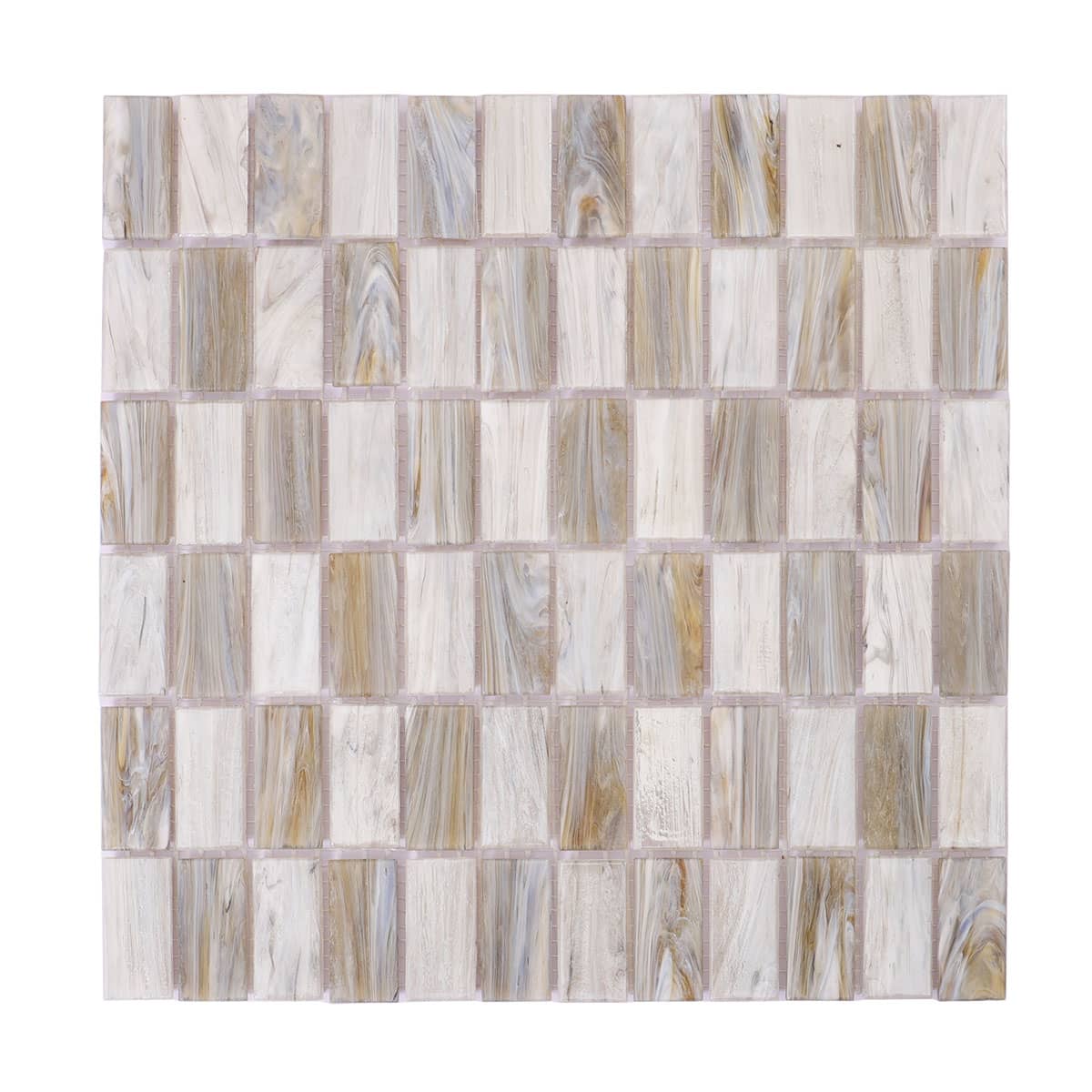
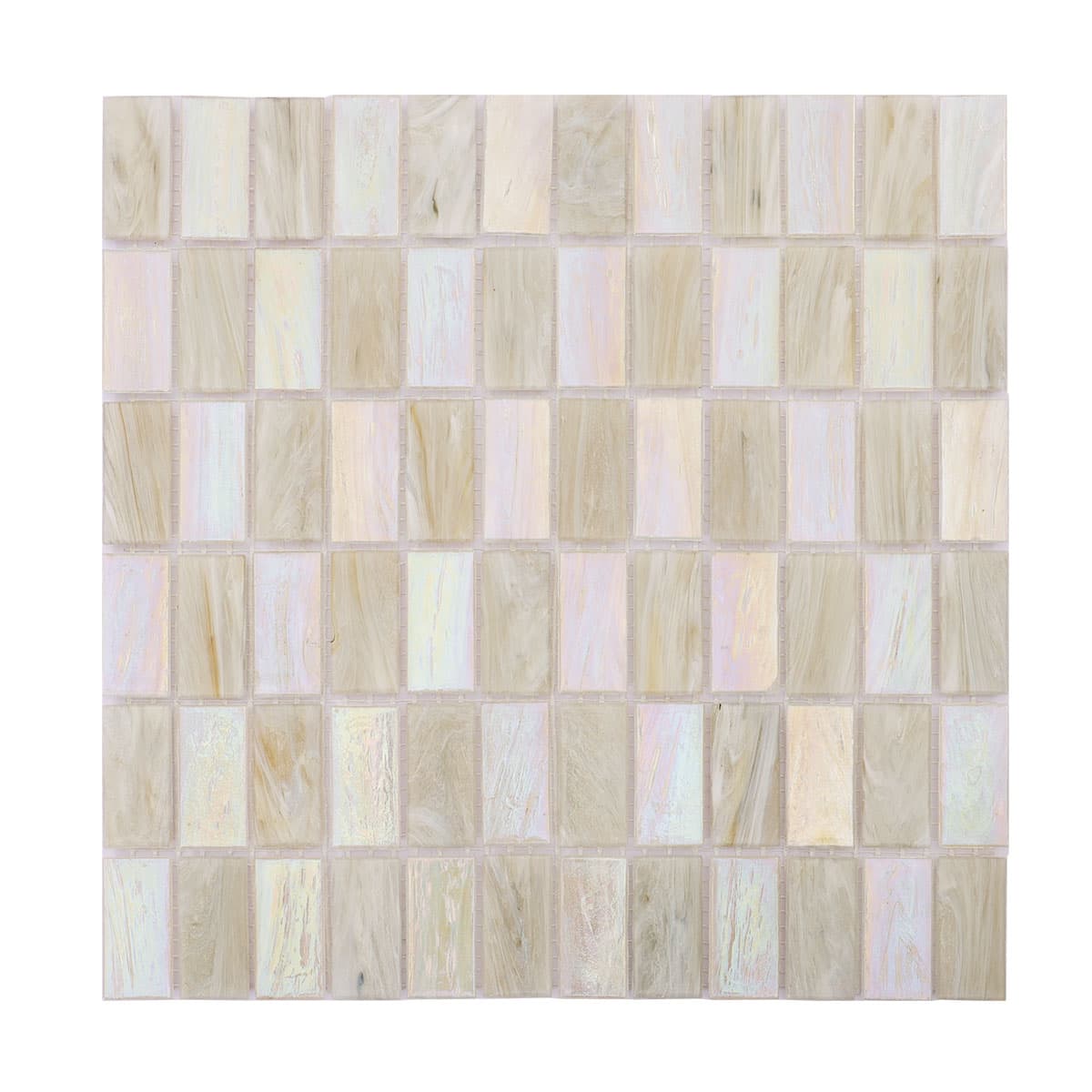
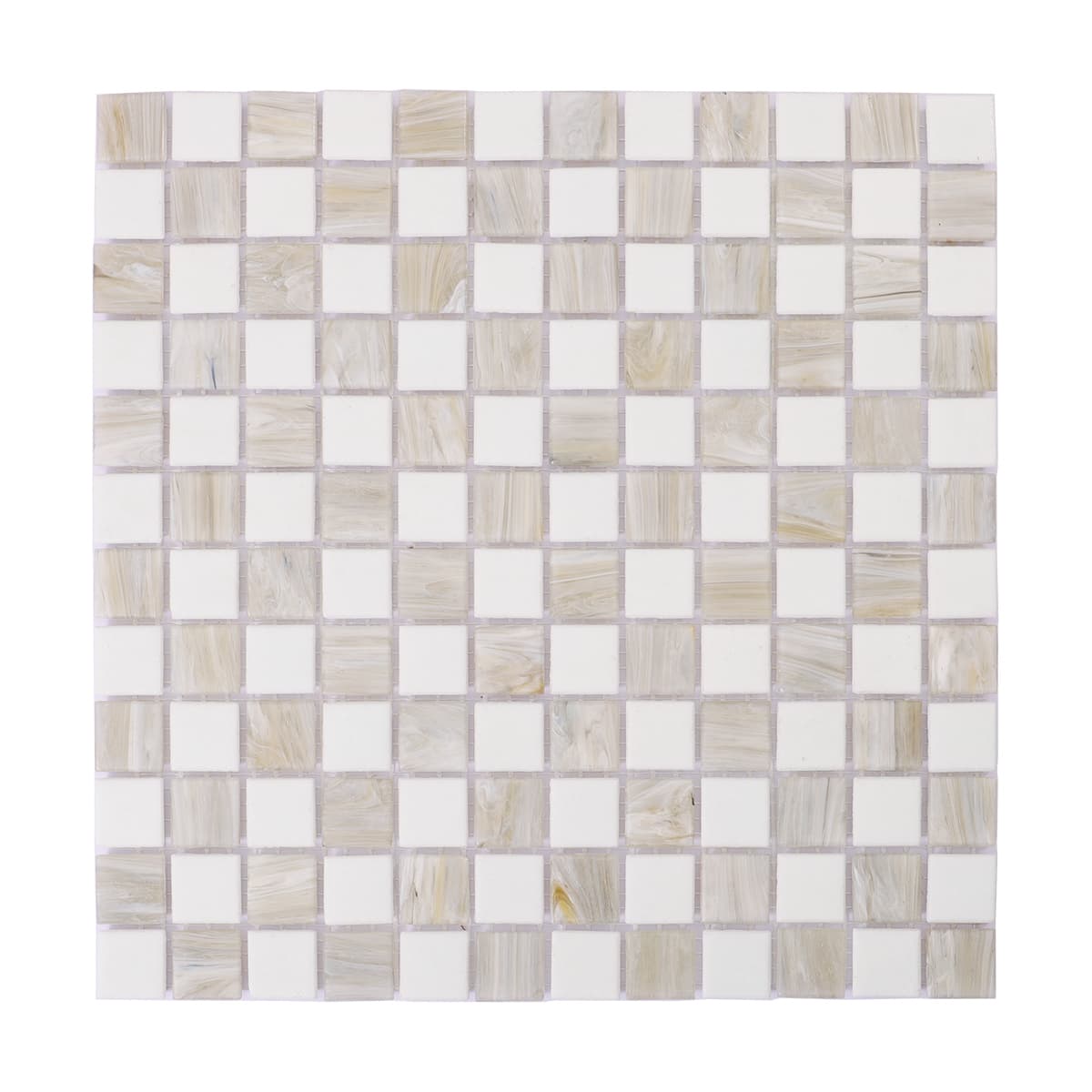
Beige and white checkered tiles combine timeless elegance with contemporary versatility, making them a premier choice for modern interior design. Available in premium glass and natural marble materials, these tiles offer sophisticated pattern variations that enhance both residential and commercial spaces. The neutral color palette creates a perfect foundation for various design styles while providing durability and easy maintenance.
Materials and Finishes
Glass Tiles: Vitreous and Water Glass
Glass checkered tiles are manufactured using two primary types: vitreous glass and water glass. Both materials offer exceptional durability and non-porous properties, making them ideal for high-moisture environments.
Surface Finish Options:
- Iridescent Finish: Creates rainbow-like color shifts under different lighting angles, adding dynamic visual interest
- Metallic Finish: Incorporates metallic particles for subtle shimmer and luxurious appearance
- Matte Finish: Provides a sophisticated, non-reflective surface perfect for contemporary designs
The non-porous nature of glass tiles prevents water absorption, bacterial growth, and staining, making them suitable for any application area including kitchens, bathrooms, and swimming pools.
Natural Marble Tiles
Premium marble options offer natural beauty and unique veining patterns that create distinctive visual appeal.
Popular Marble Varieties:
- Spanish Beige (Crema Marfil): Classic cream marble with warm undertones and delicate golden veining
- Jazz White: Pure white marble with subtle gray veining, perfect for bright, clean aesthetics
- Carrara White: Italian marble featuring distinctive gray veining and timeless elegance
Size and Pattern Guide
Checkered tile patterns come in various configurations to suit different design requirements and space dimensions.
| Pattern Type | Common Sizes | Best Applications | Design Impact |
|---|---|---|---|
| Square Checkerboard | 15×15mm, 20×20mm, 23×23mm, 48×48mm | Floors, walls, backsplashes | Classic, versatile appeal |
| Rectangular Checkerboard | 15×48mm, 23×48mm | Modern accent walls, feature areas | Contemporary, elongated patterns |
| Triangle Checkerboard | 19×22mm | Feature walls, artistic installations | Unique geometric interest |
Size Selection Guidelines
Smaller tiles (15-23mm) create intricate patterns ideal for accent areas and detailed work. Medium sizes (48×48mm) offer balanced visual impact suitable for most applications. Consider room size, lighting conditions, and desired visual effect when selecting tile dimensions.
Application Areas
Kitchen Applications
Beige and white checkered tiles excel in kitchen environments due to their stain resistance and easy cleaning properties. Use as backsplashes behind stoves and sinks, or as accent borders around countertops. Glass varieties are particularly suitable for areas prone to grease and moisture.
Bathroom Installations
Both glass and marble checkered tiles perform excellently in bathroom settings. Install on shower walls, vanity backsplashes, or as decorative floor borders. The non-slip properties of matte finishes make them ideal for wet areas.
Living Spaces
Create stunning feature walls in living rooms, entryways, or dining areas. Smaller format tiles work well for fireplace surrounds, while larger formats make bold statements on accent walls.
Installation Guidelines
Surface Preparation
Ensure surfaces are clean, level, and properly primed. Use appropriate waterproofing membranes in wet areas. Check for structural soundness and repair any cracks or irregularities before tile installation.
Grout Selection and Application
Choose grout colors that either contrast for bold definition or match for seamless appearance. Use minimum 1/16" grout joints, though 1/8" often provides better results. Apply grout diagonally and clean excess immediately to prevent staining.
Pro Tip: For marble tiles, use neutral pH grout and sealers to prevent chemical damage and maintain natural stone integrity.
Maintenance and Care
Daily Cleaning Routine
Clean with pH-neutral cleaners and soft cloths or mops. Avoid abrasive materials that could scratch surfaces. For glass tiles, use streak-free glass cleaners for optimal shine and clarity.
Marble-Specific Care
Natural marble requires sealing every 6-12 months to prevent staining and etching. Use marble-specific cleaners and avoid acidic substances like vinegar or lemon-based products. Address spills immediately to prevent permanent staining.
Long-term Maintenance
- Inspect grout lines annually and reseal as needed
- Replace damaged tiles promptly to prevent water infiltration
- Professional deep cleaning every 2-3 years for optimal appearance
Design Ideas and Color Combinations
Classic Neutral Palettes
Pair beige and white checkered tiles with warm grays, soft taupes, and cream accents for timeless elegance. Add natural wood elements and brass fixtures for sophisticated warmth.
Contemporary Contrasts
Create modern appeal by combining with bold black accents, stainless steel fixtures, and minimalist furniture. Use dramatic lighting to highlight the geometric patterns.
Transitional Styling
Blend traditional and modern elements by incorporating both warm and cool metallic finishes. Mix textures through natural stone, wood, and fabric elements for balanced visual interest.
Frequently Asked Questions
What's the difference between vitreous and water glass tiles?
Vitreous glass has lower water absorption (0.5-3%) while water glass is virtually non-porous (less than 0.5%). Both are suitable for wet areas, with water glass offering slightly superior moisture resistance.
Can marble checkered tiles be used in showers?
Yes, with proper sealing and maintenance. Use honed or textured finishes for slip resistance and ensure adequate ventilation to prevent moisture buildup.
How do I choose the right tile size for my space?
Smaller rooms benefit from smaller tiles (15-23mm) to avoid overwhelming the space. Large areas can accommodate bigger formats (48mm+) for dramatic impact. Consider the room's proportions and lighting.
What grout color works best with beige and white tiles?
Light gray or beige grout creates subtle definition while maintaining cohesion. White grout provides clean contrast, while darker grout adds bold definition to the checkerboard pattern.
Are glass tiles more expensive than marble?
Glass tiles typically range from moderate to high-end pricing, while natural marble costs vary significantly based on quality and origin. Both offer excellent long-term value through durability and timeless appeal.
How often should marble tiles be sealed?
Seal marble tiles every 6-12 months depending on usage and exposure. High-traffic or wet areas may require more frequent sealing, while low-traffic areas can extend the interval.
Can I install checkered tiles myself?
DIY installation is possible for experienced tilers, but professional installation is recommended for optimal results, especially with natural stone materials that require specialized handling and sealing.
What's the best way to clean iridescent glass tiles?
Use pH-neutral glass cleaners with soft cloths. Clean in circular motions to maintain the iridescent finish and avoid streaking. Regular cleaning prevents buildup that can dull the surface.