
.jpeg?w=900&h=600)

What Are Glass Pebble Tiles?
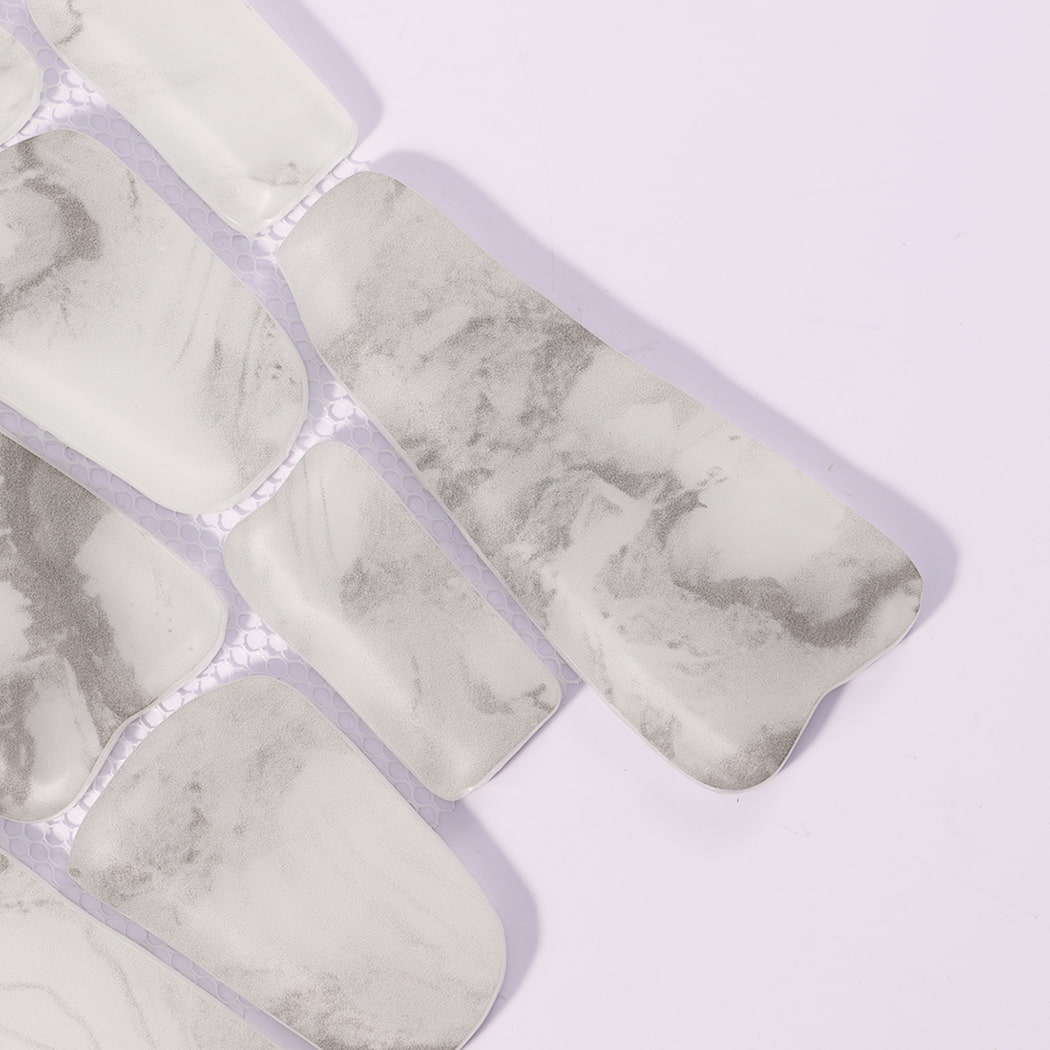
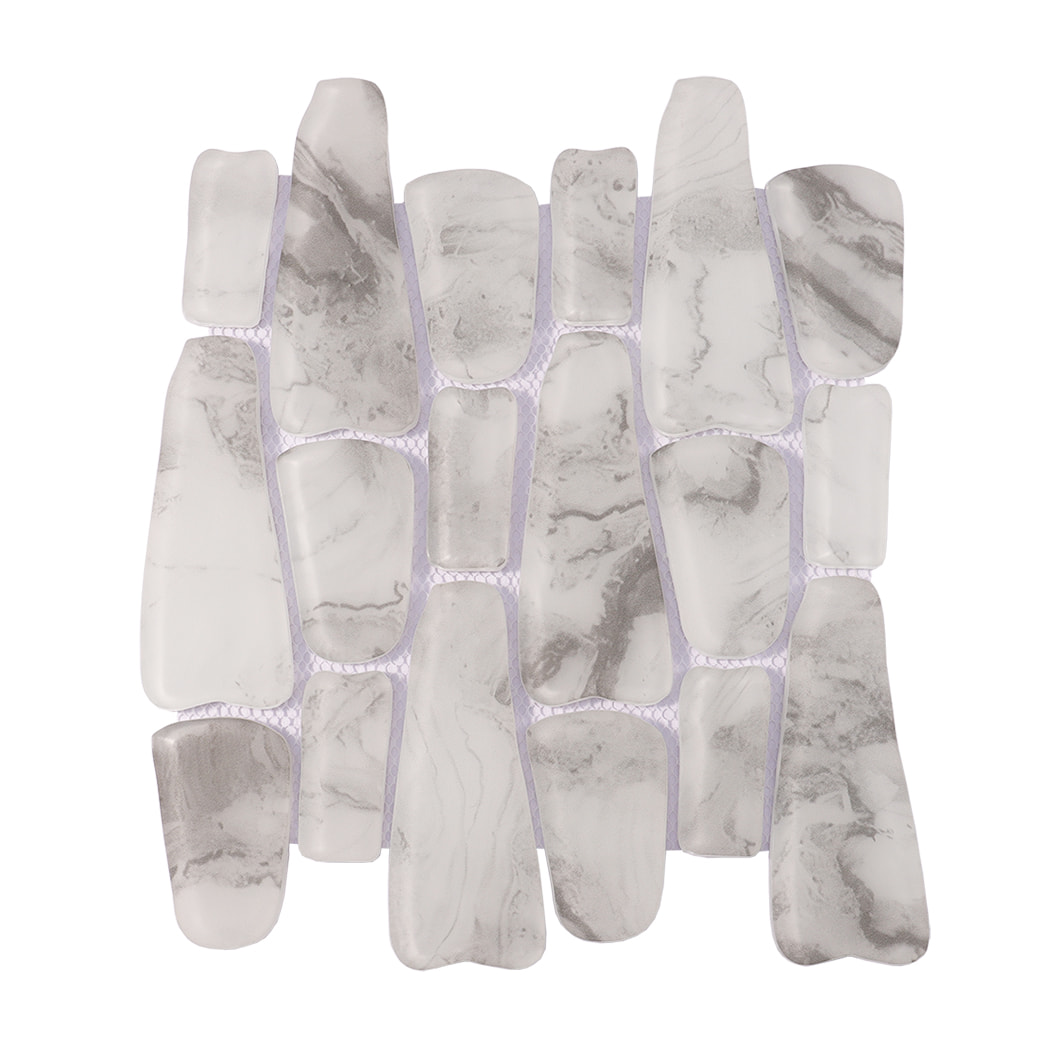
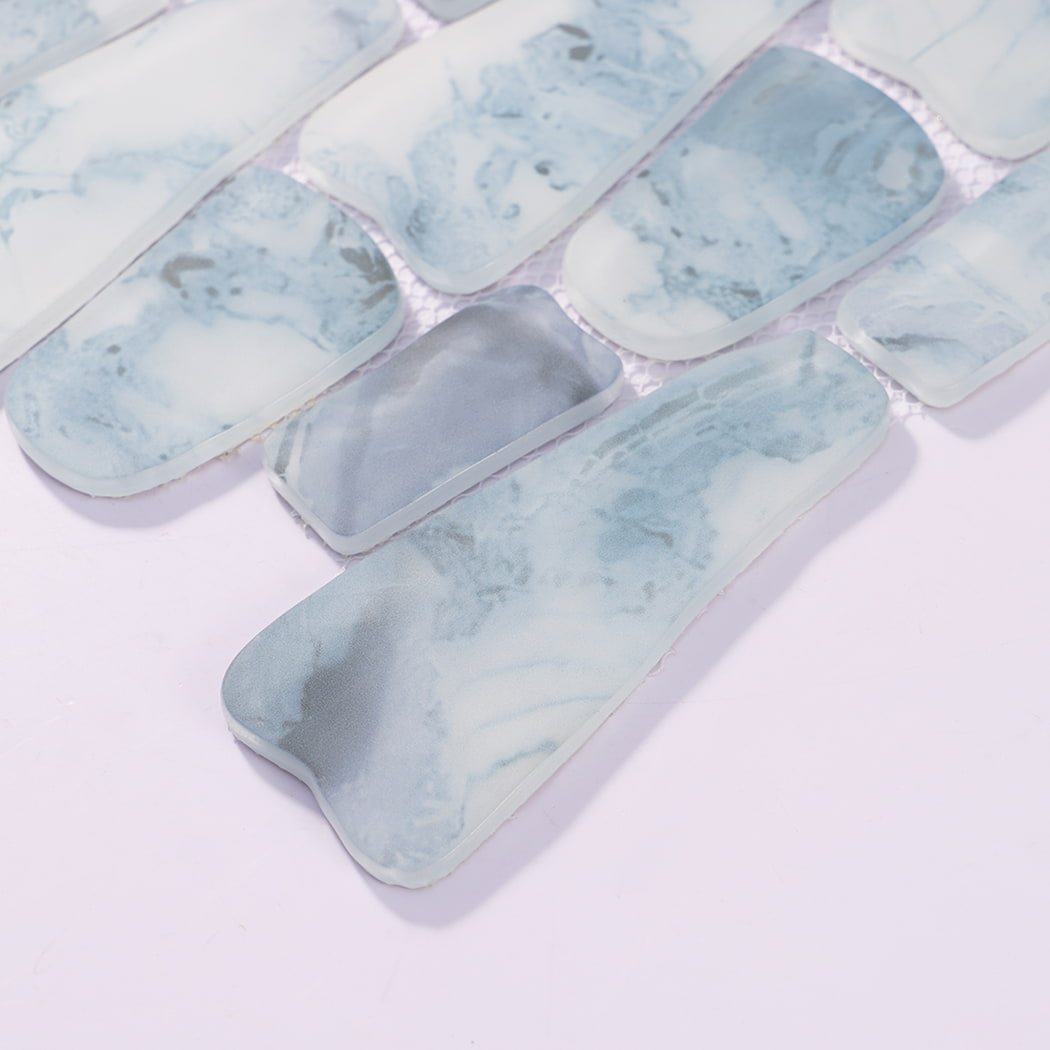
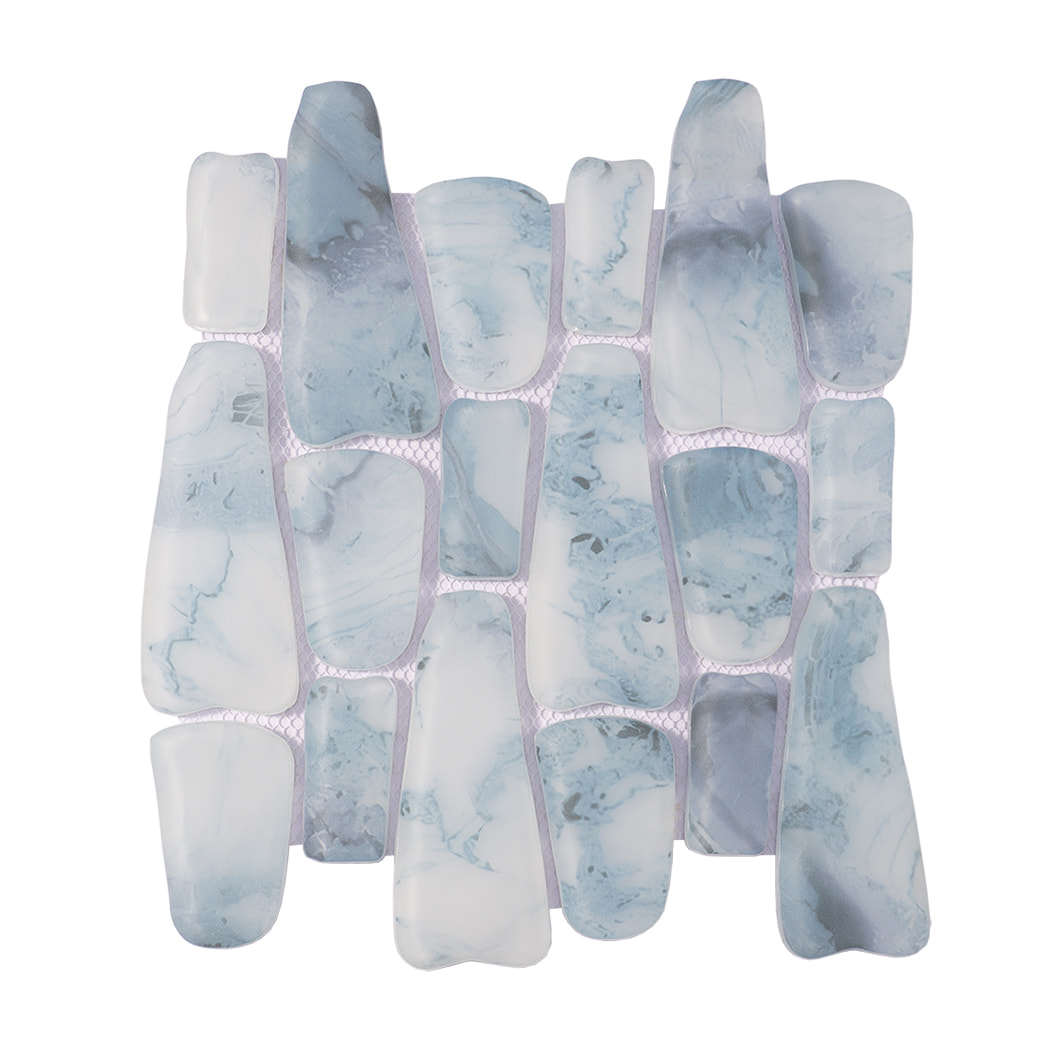
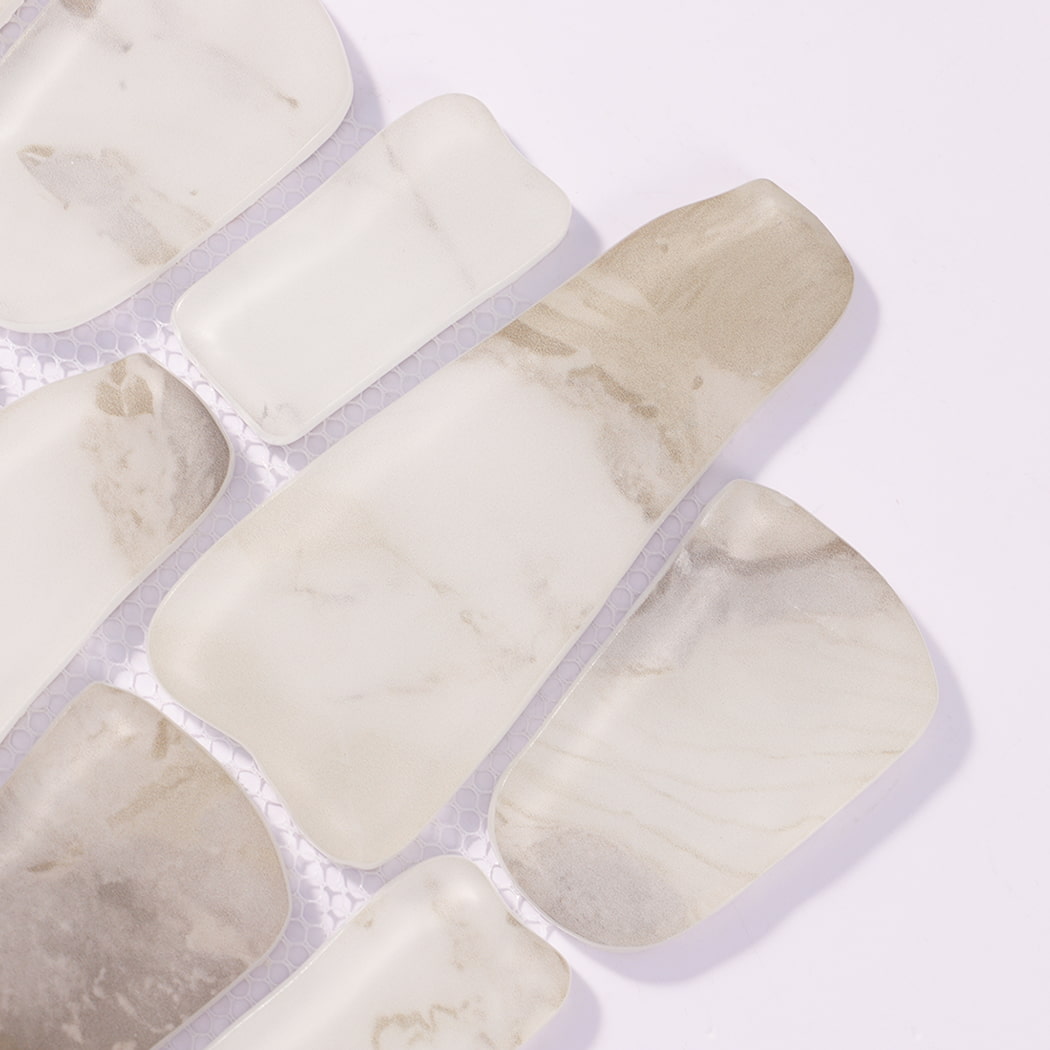
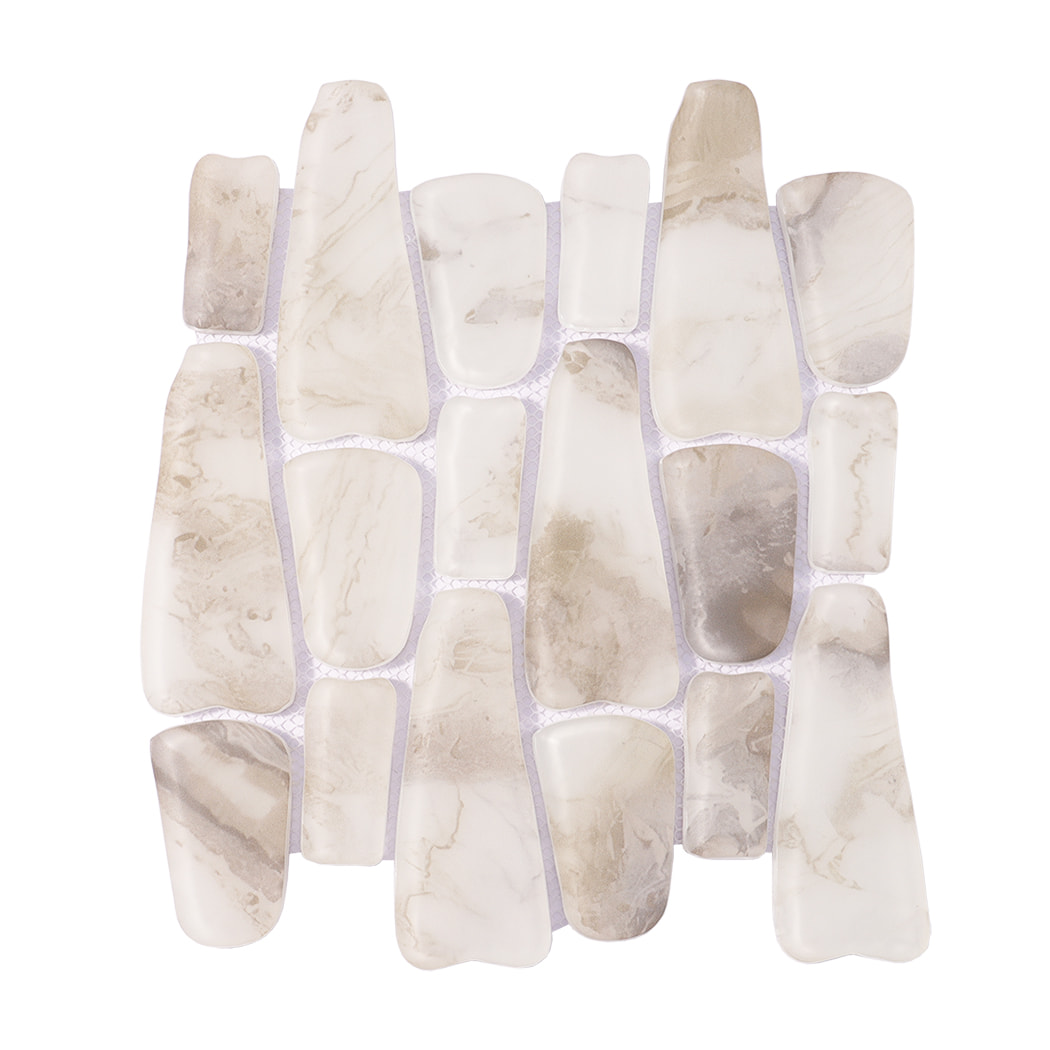
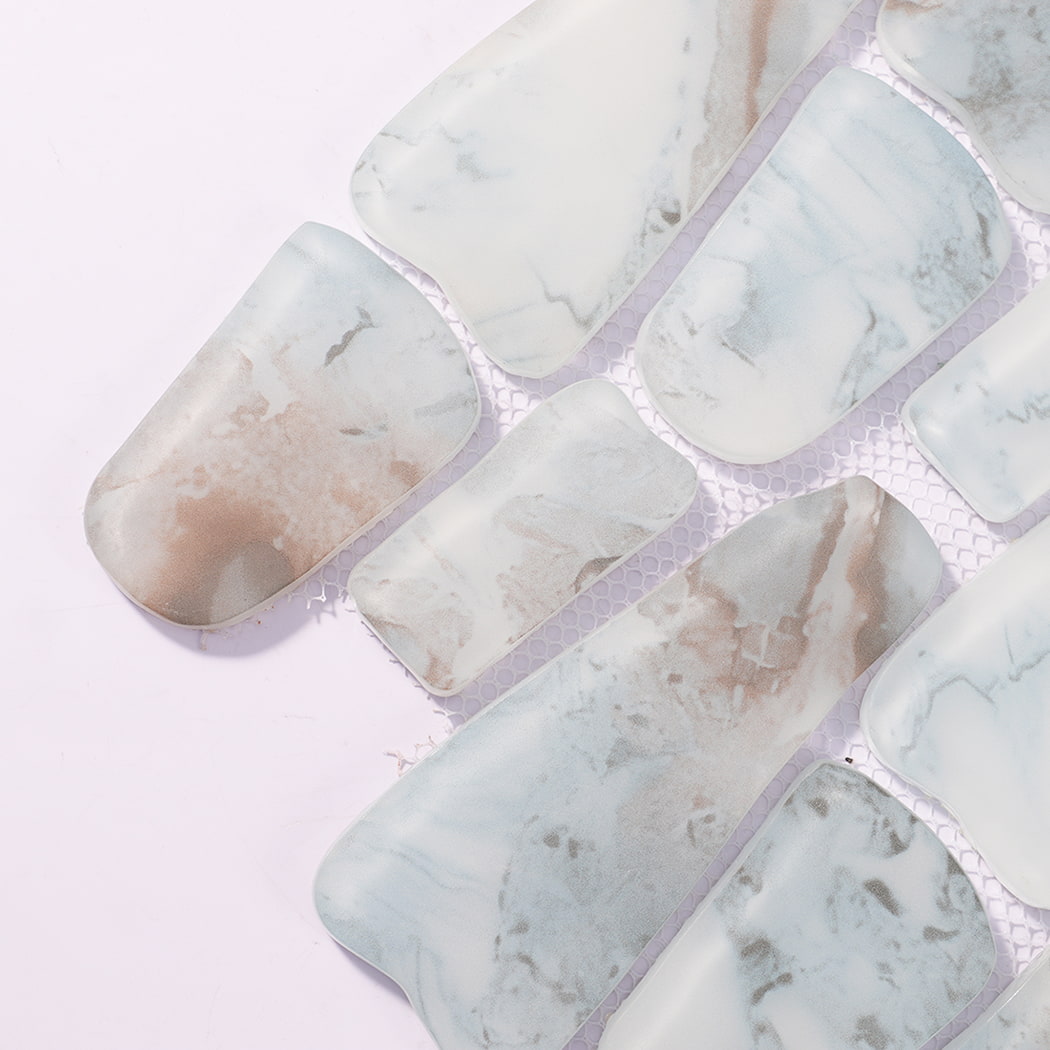
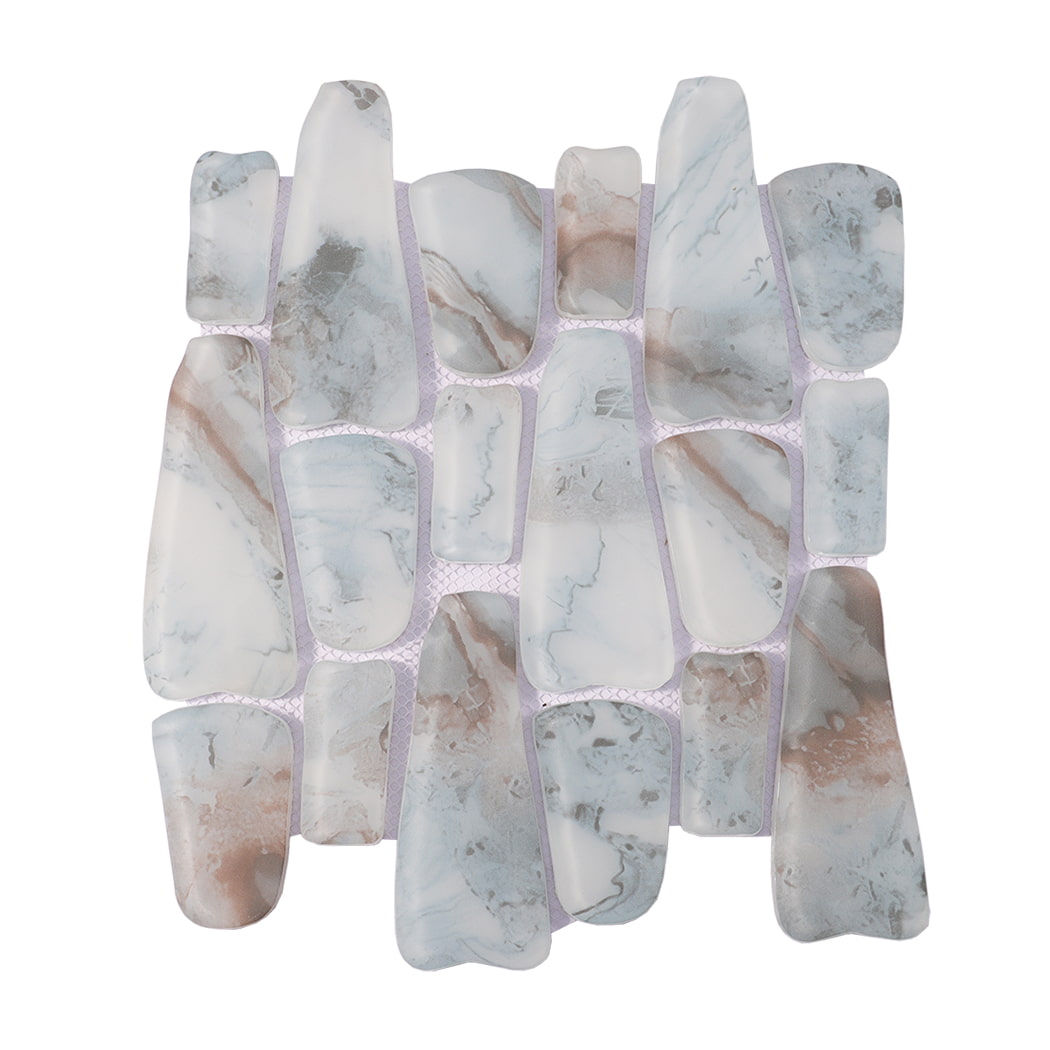
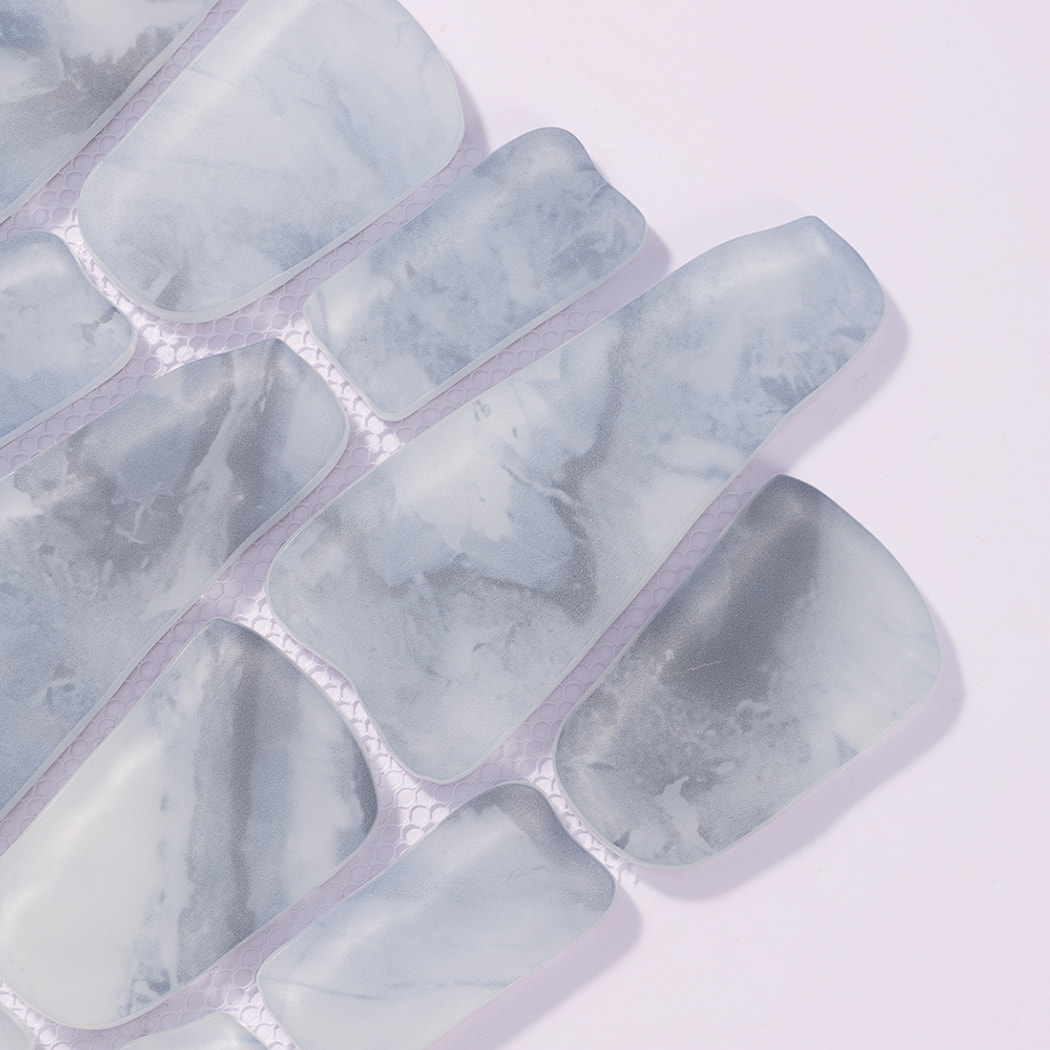
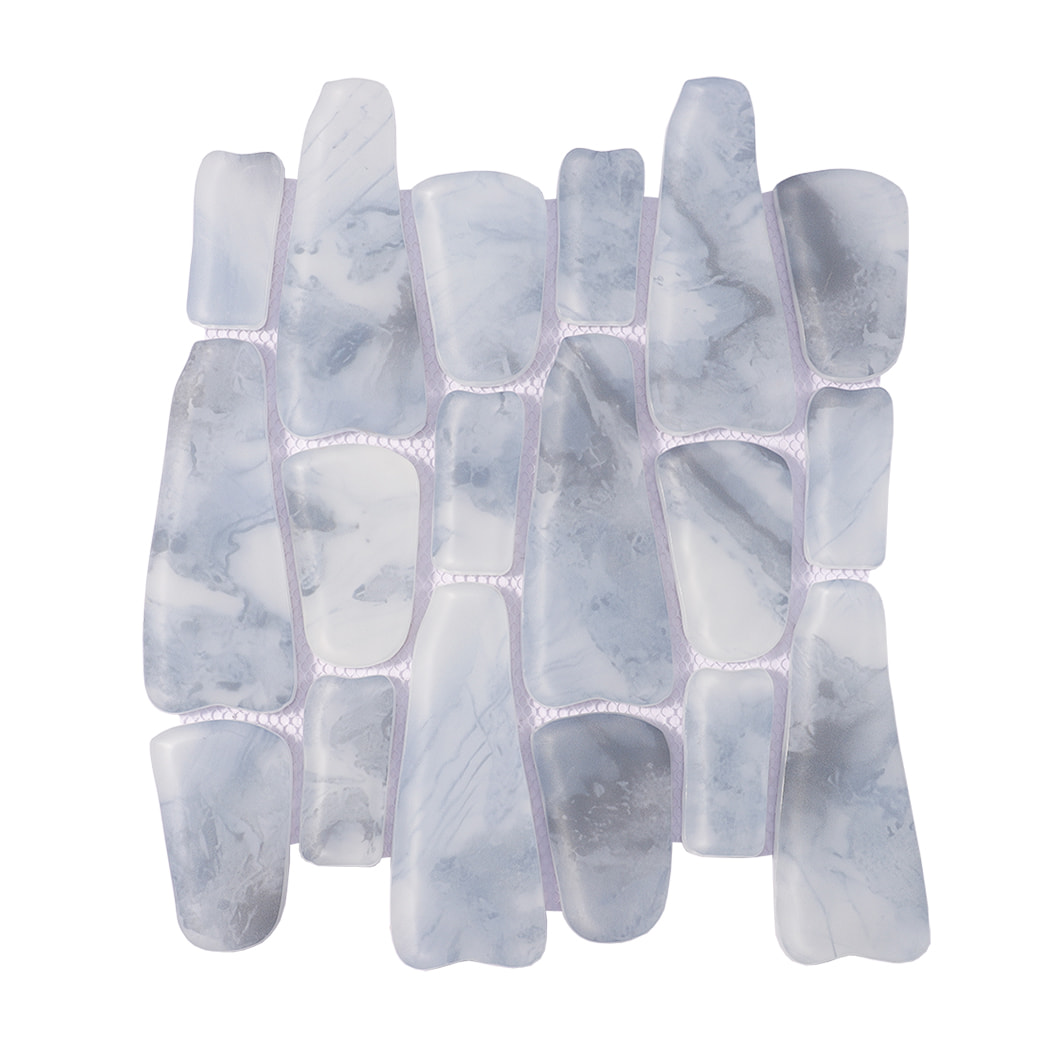
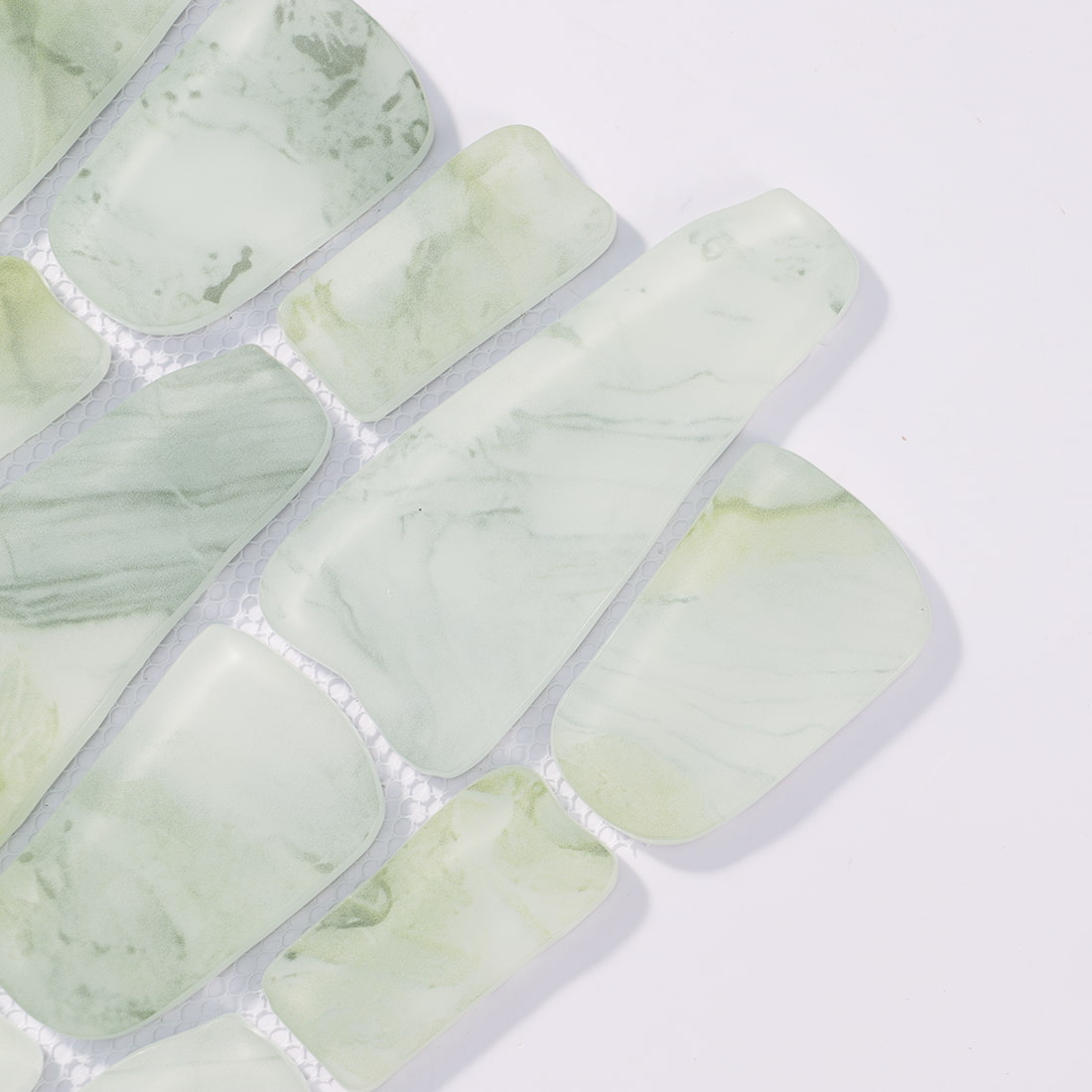
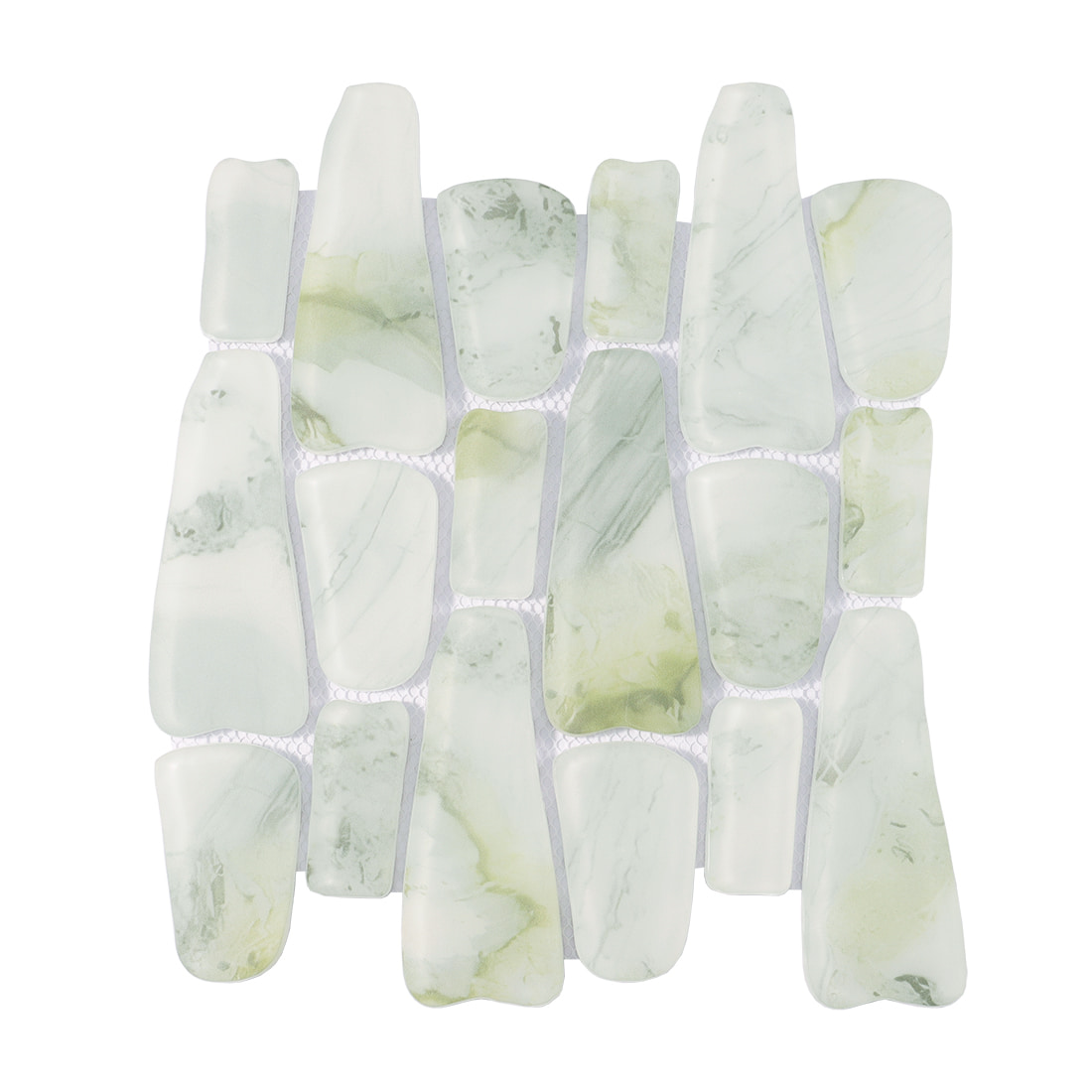
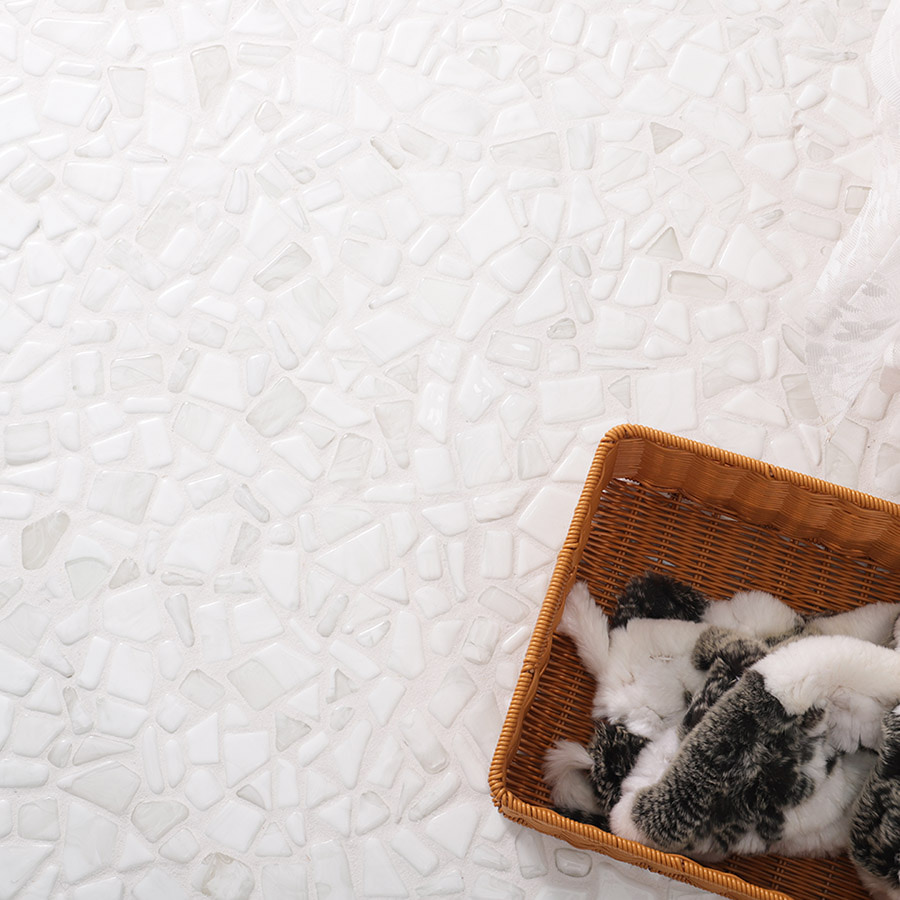
Glass pebble tiles are a stunning form of mosaic tile made by combining colored pigments and glass at high temperatures. Unlike traditional tiles that rely on molds for shaping, glass pebble tiles naturally form their organic shapes during the firing process. This results in smooth, flowing contours and intricate surface textures that resemble river pebbles or precious stones.
The Art of Pigment Flow and Texture
One of the most remarkable features of glass pebble tiles is how the pigment flows during firing. As the glass softens under extreme heat, the pigments disperse and shift, creating rich visual depth, swirling patterns, and unique textures on every piece. No two tiles are identical, making each installation a work of art.
Mold-Free Forming: Challenge and Charm
Unlike regular tiles shaped by molds, glass pebble tiles are formed without fixed molds. This gives them their organic look, but it also presents technical challenges. For instance, controlling the thickness is difficult without a mold. Moreover, during the cooling process, pieces must be carefully separated to prevent them from fusing together. These production hurdles result in a relatively low yield rate, but also contribute to the tiles’ artisanal value.
Applications and Aesthetic Appeal
Glass pebble tiles are ideal for feature walls, bathroom accents, swimming pool borders, and artistic installations. Their shimmering surfaces and water-like patterns enhance any space with elegance and natural charm. Thanks to their translucent beauty and tactile texture, they’re often used to create relaxing spa-like atmospheres.
Conclusion: A Tile Like No Other
Glass pebble tiles blend organic aesthetics with handcrafted charm. Their freeform shaping, rich textures, and intricate pigment flow make them an excellent choice for designers seeking natural beauty with a touch of uniqueness. Though their production is more complex, the end result is a product that stands apart from conventional tiles.