
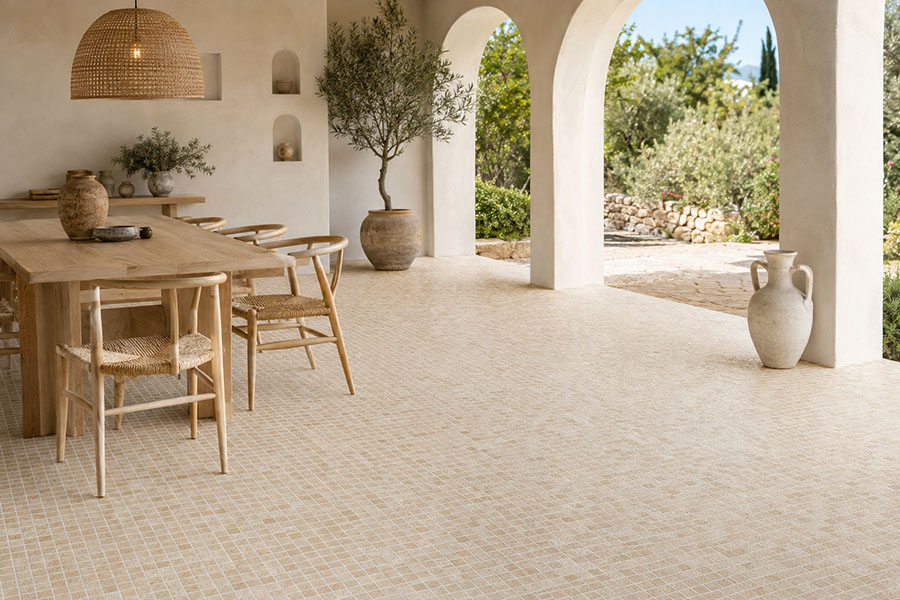

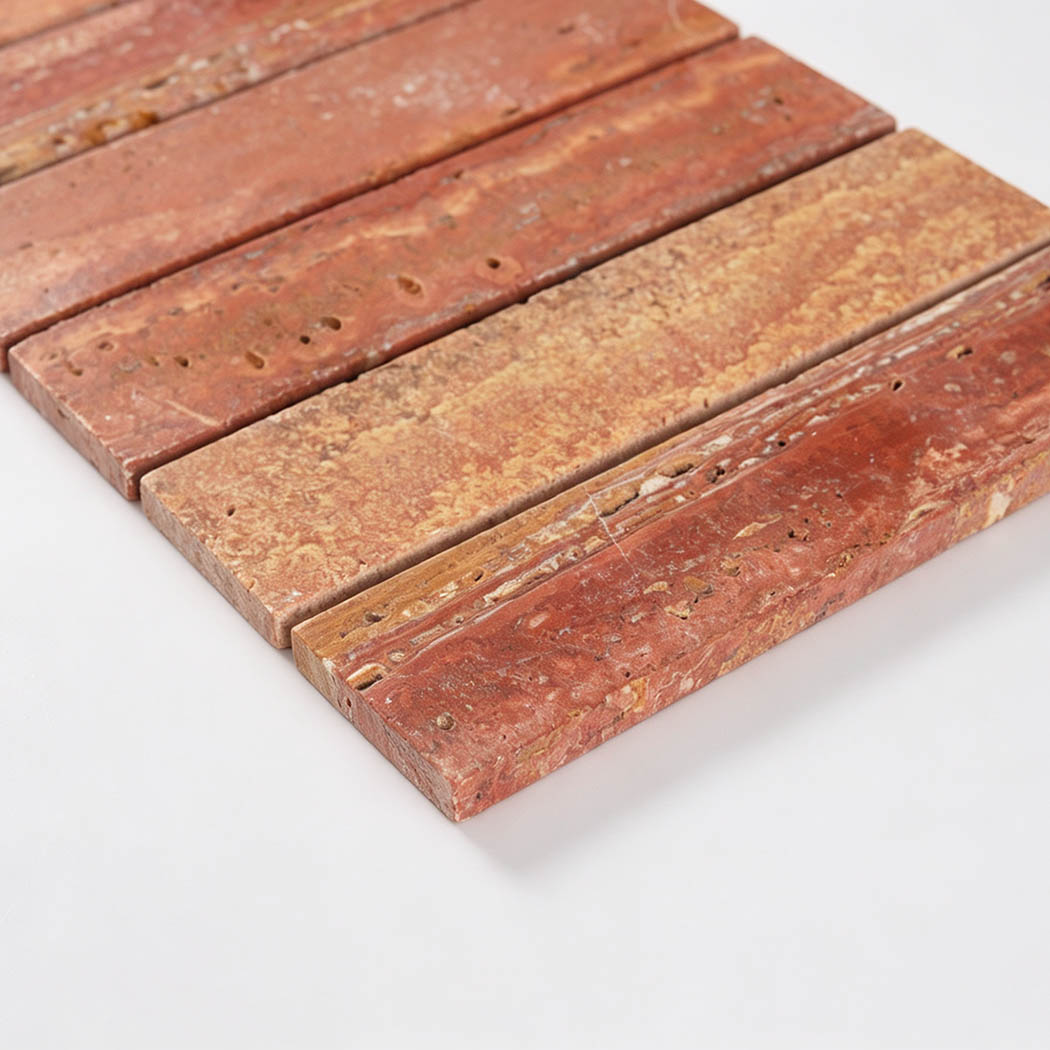
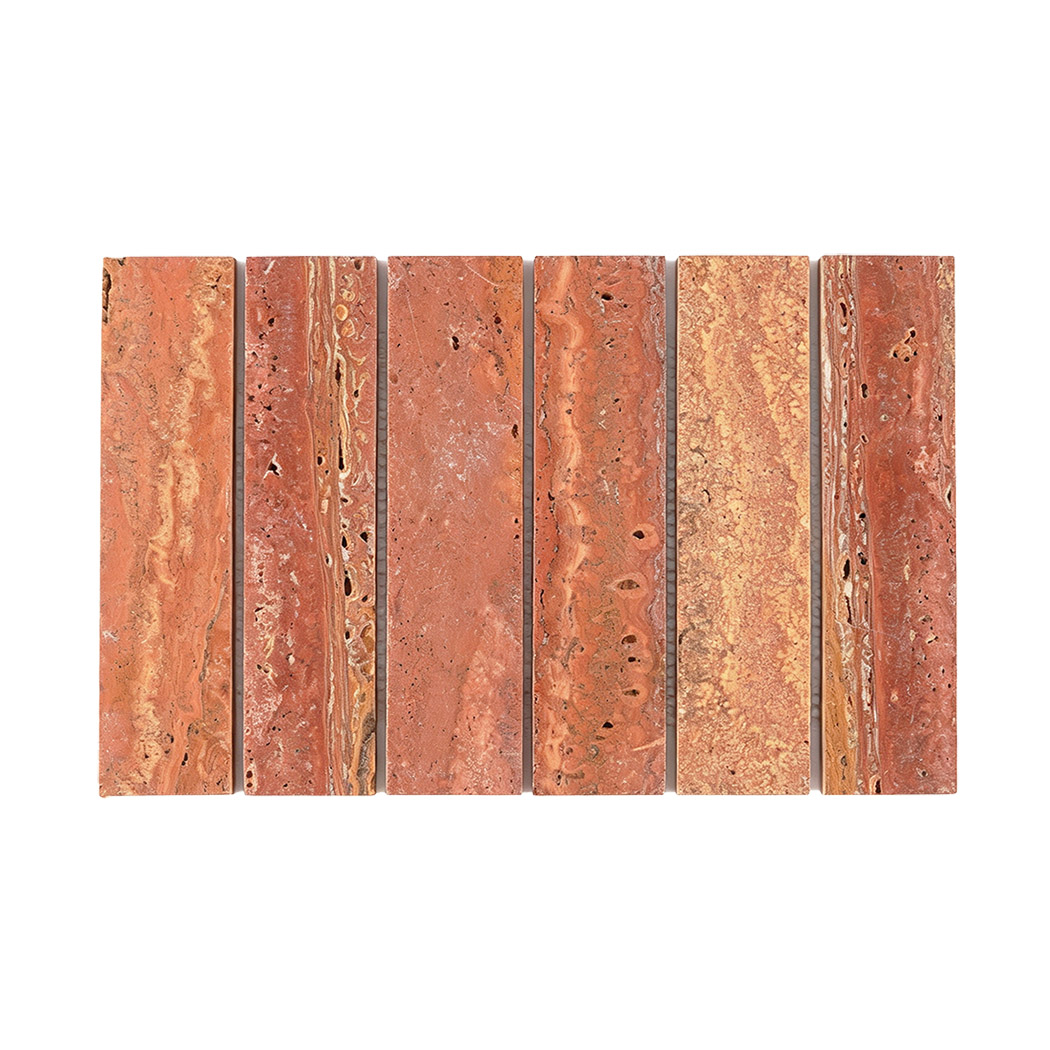

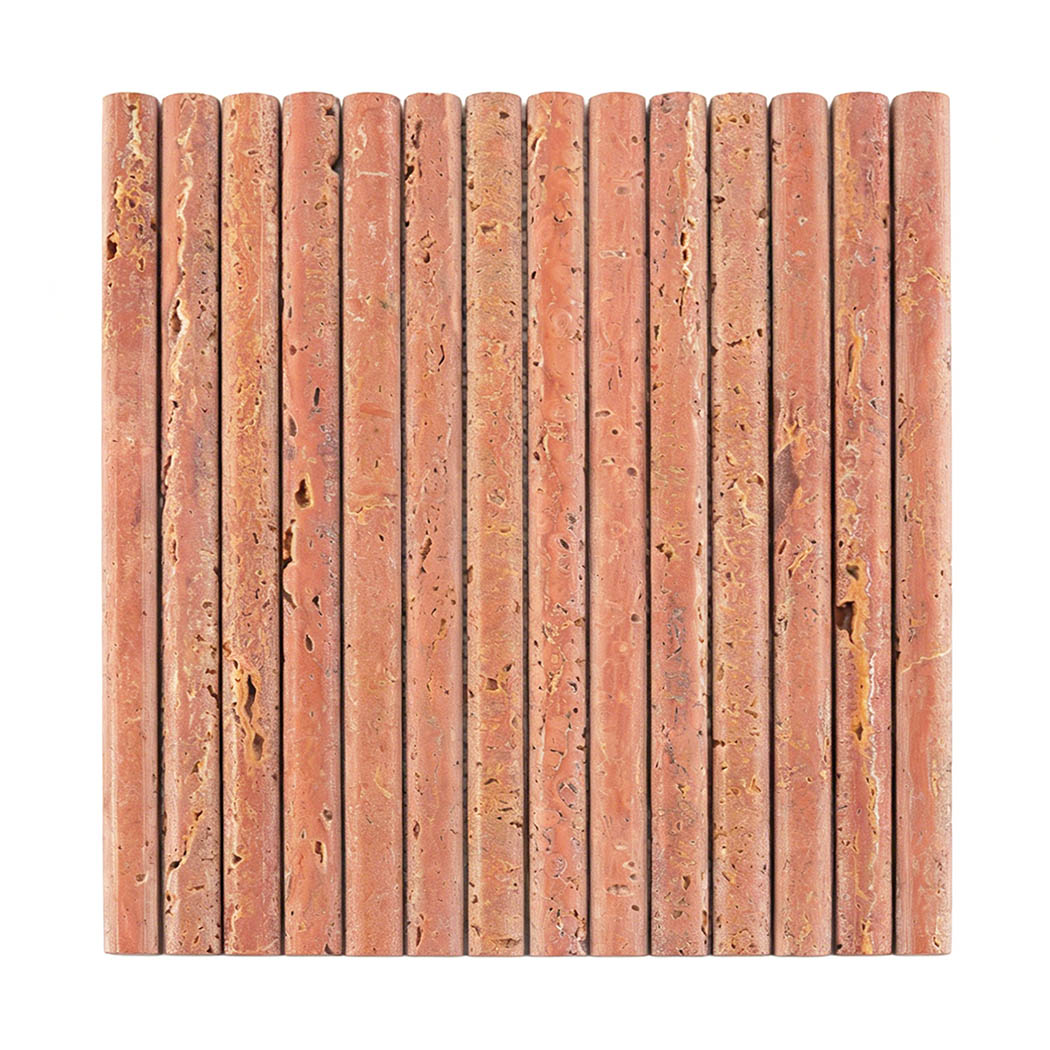

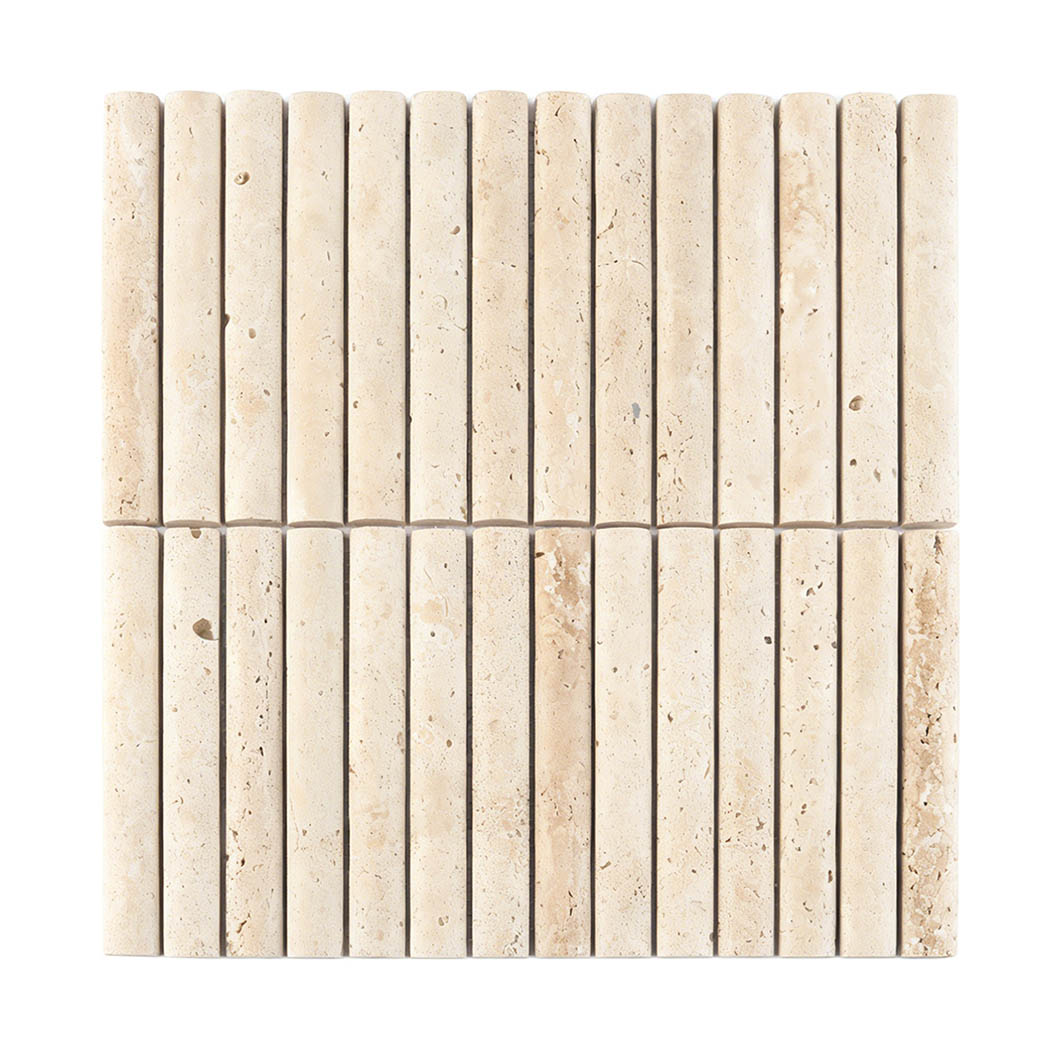

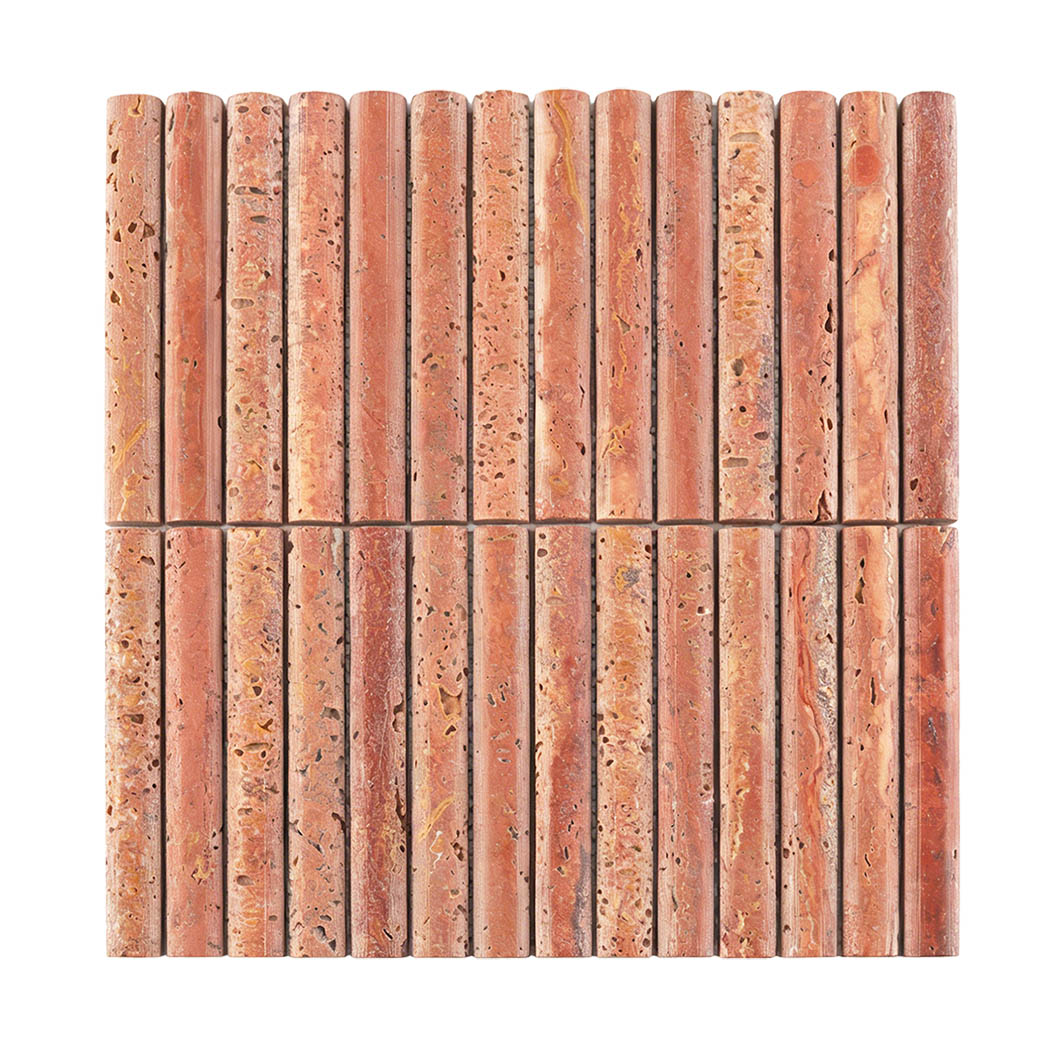
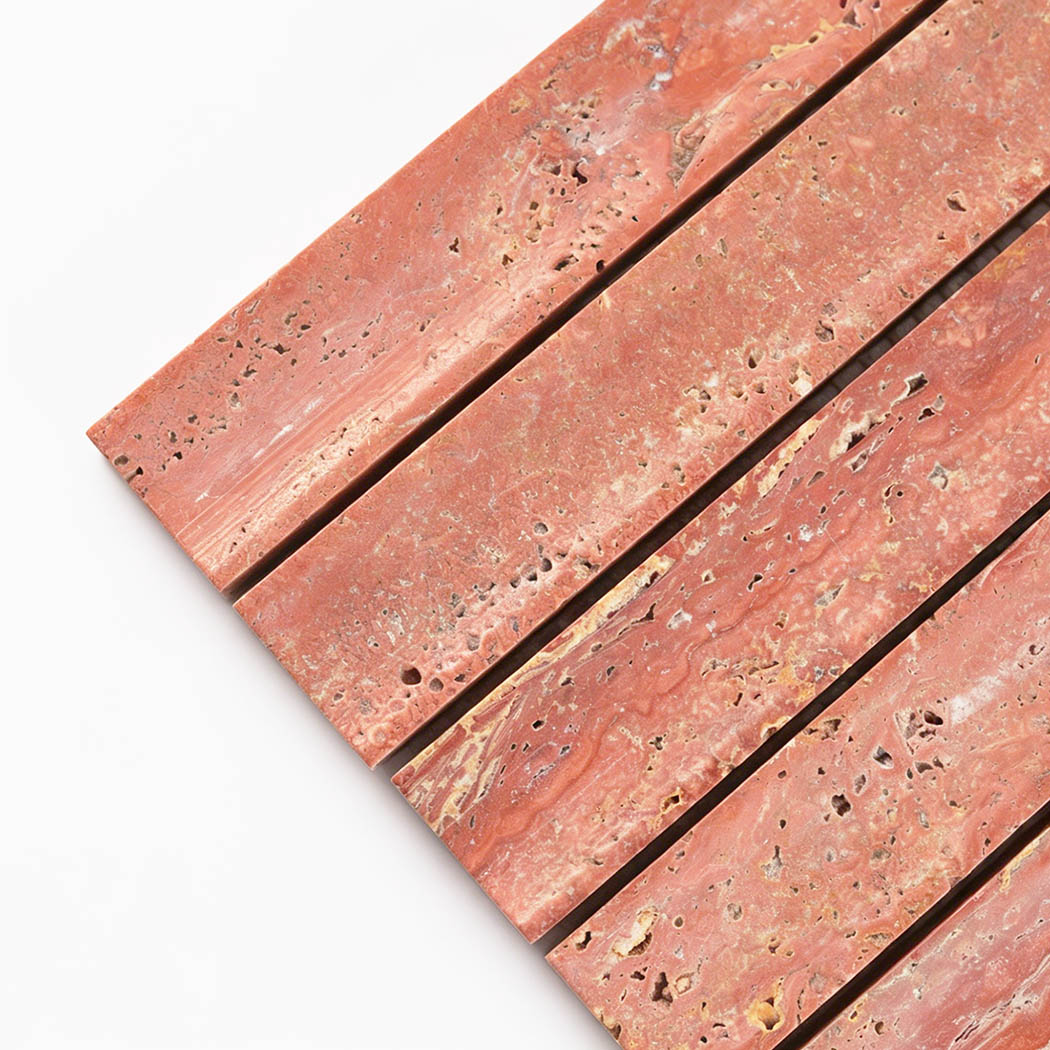
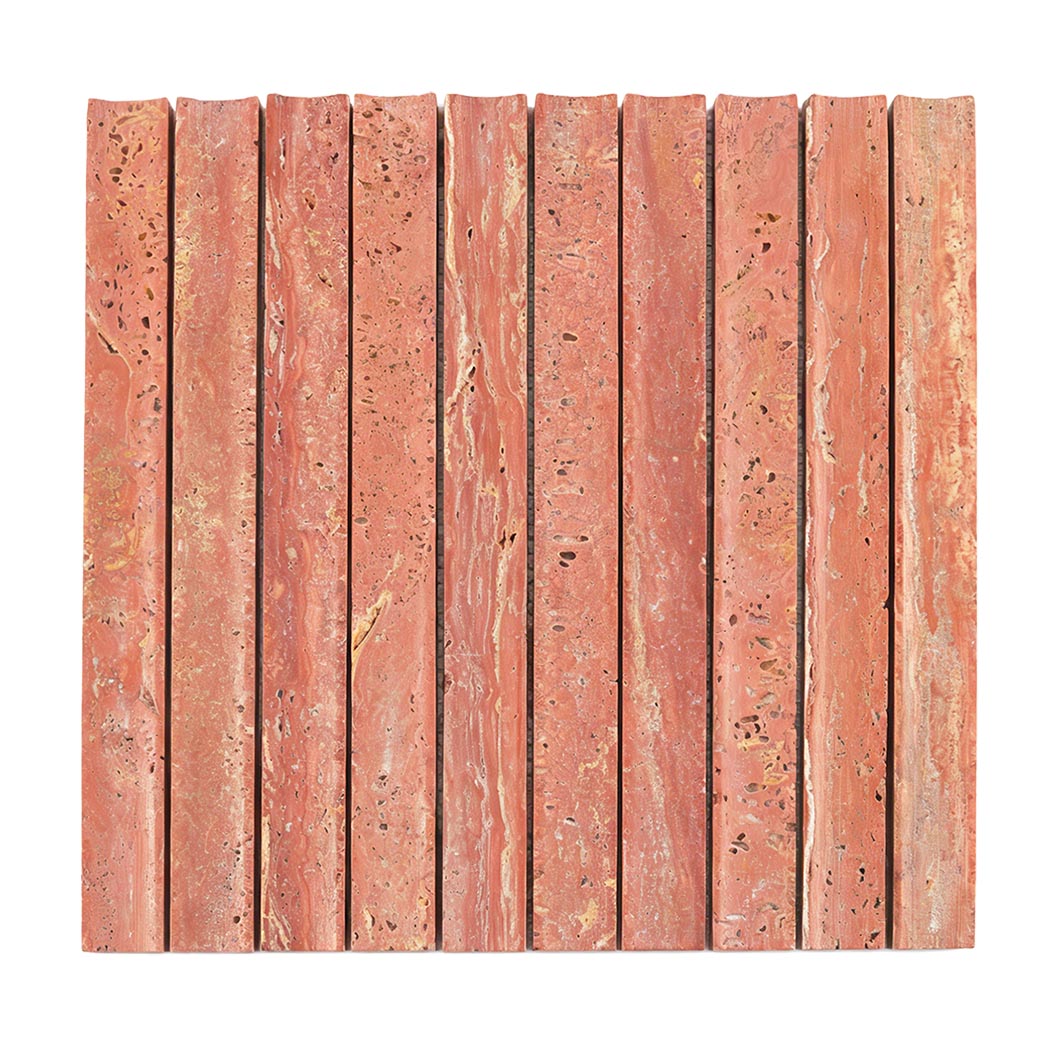
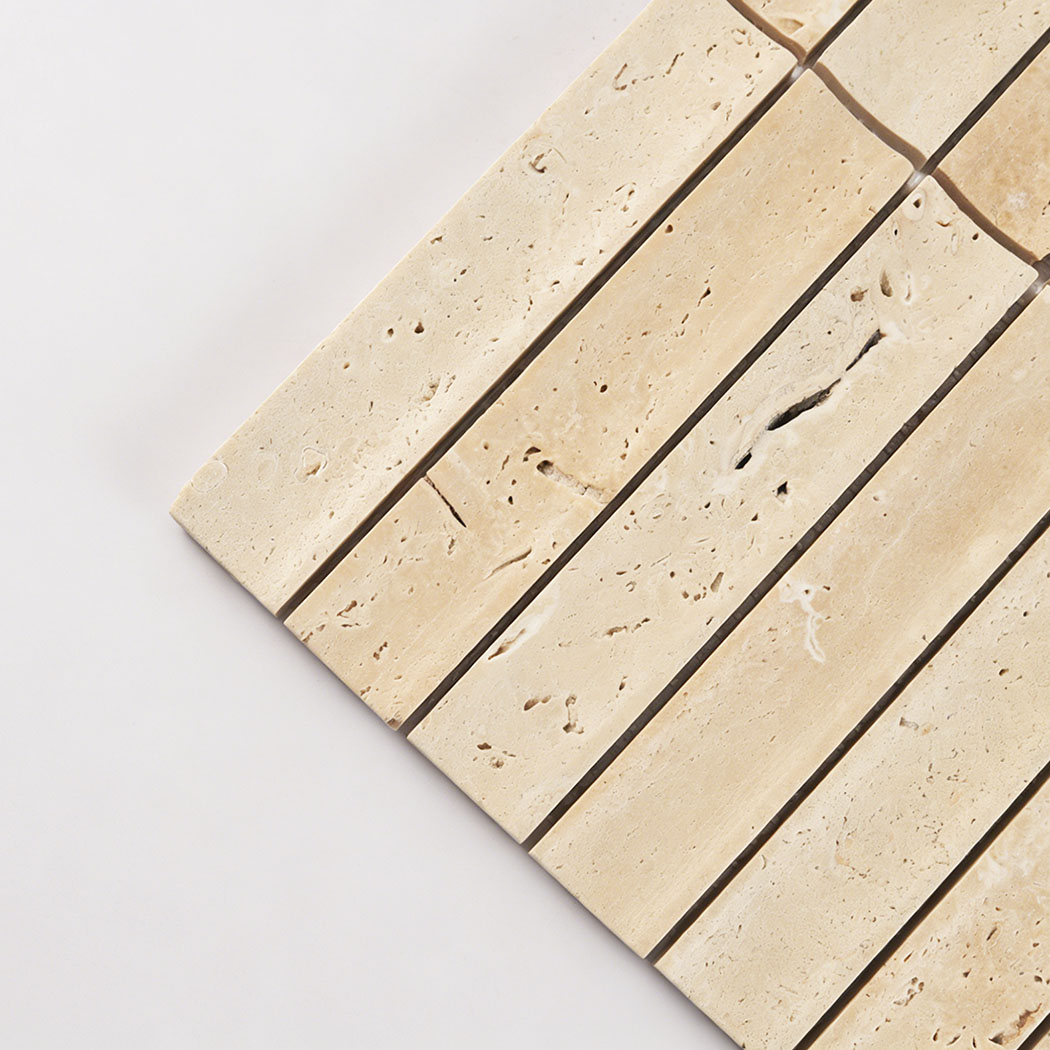
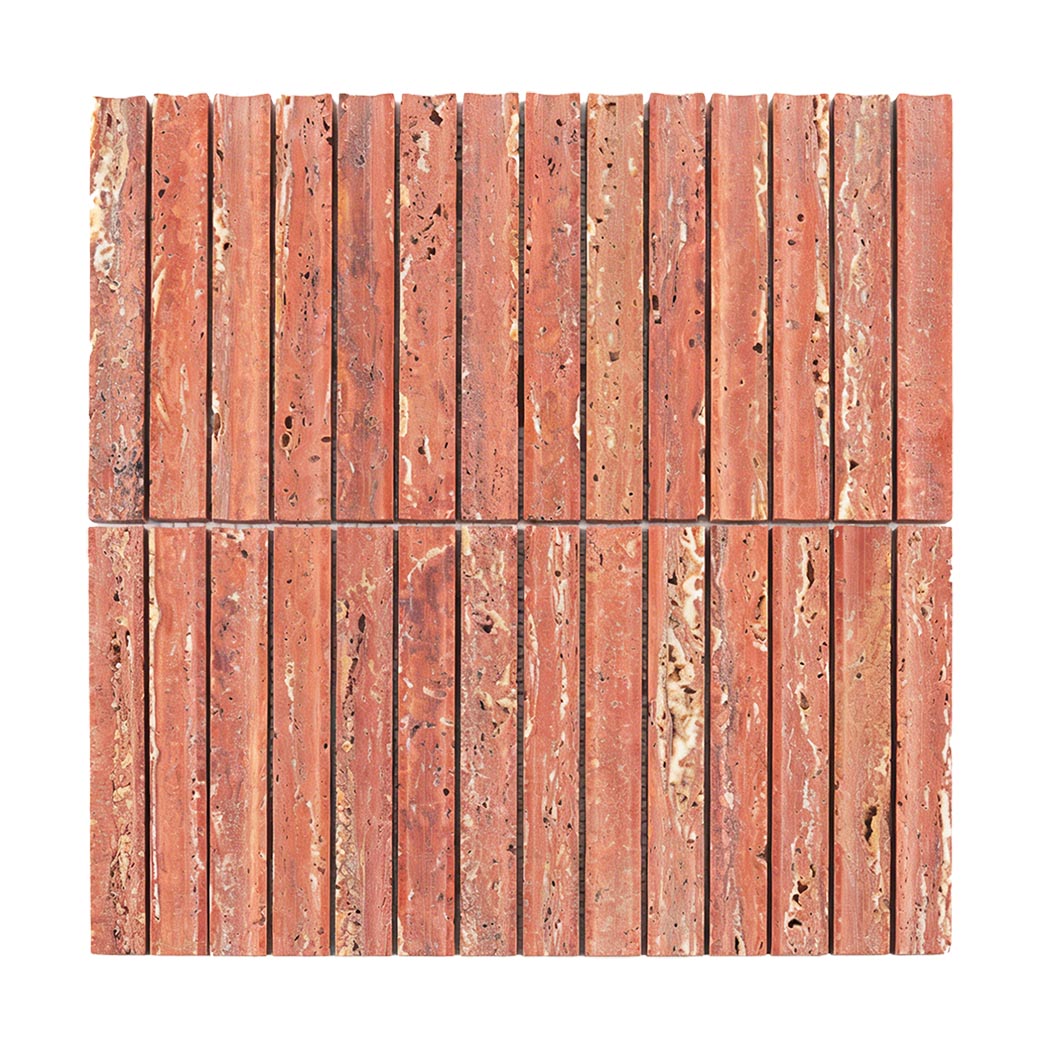
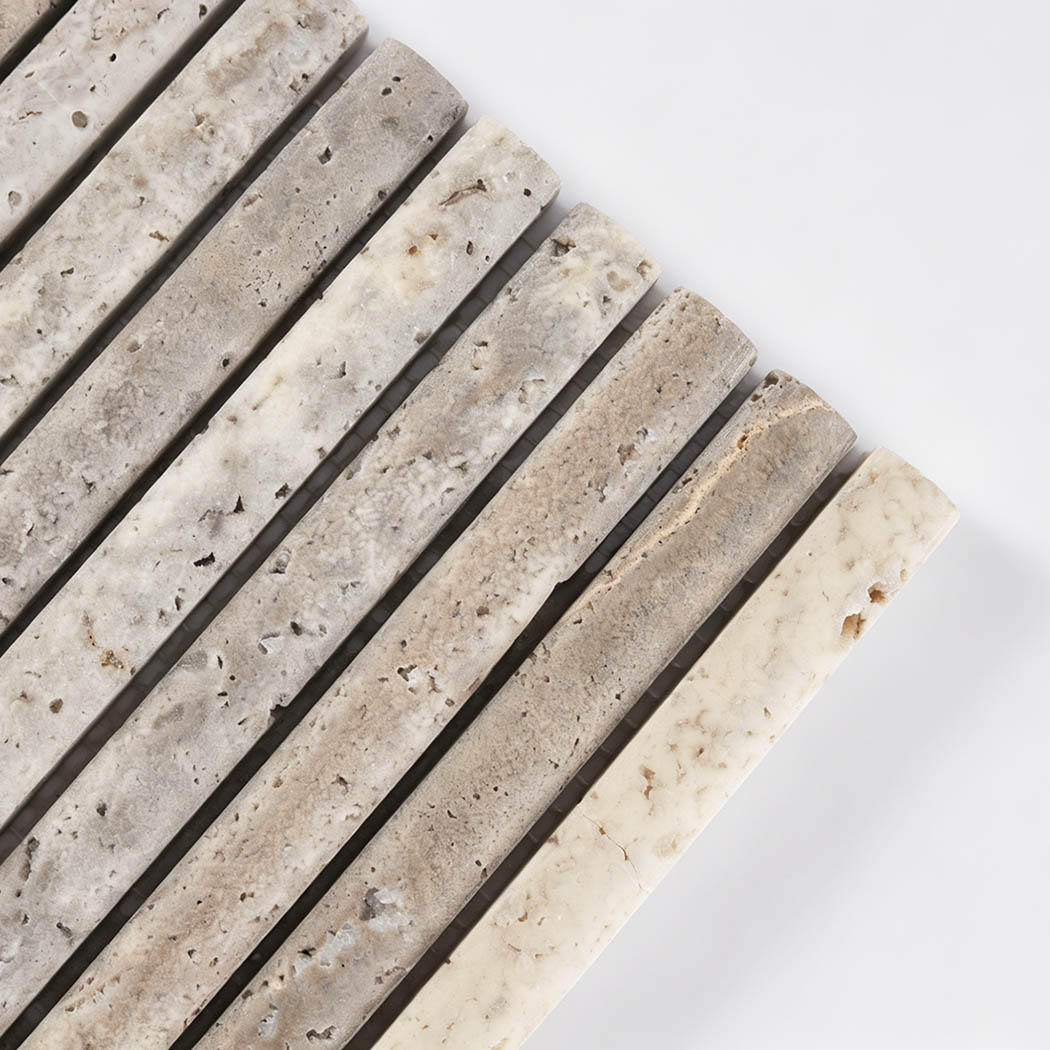
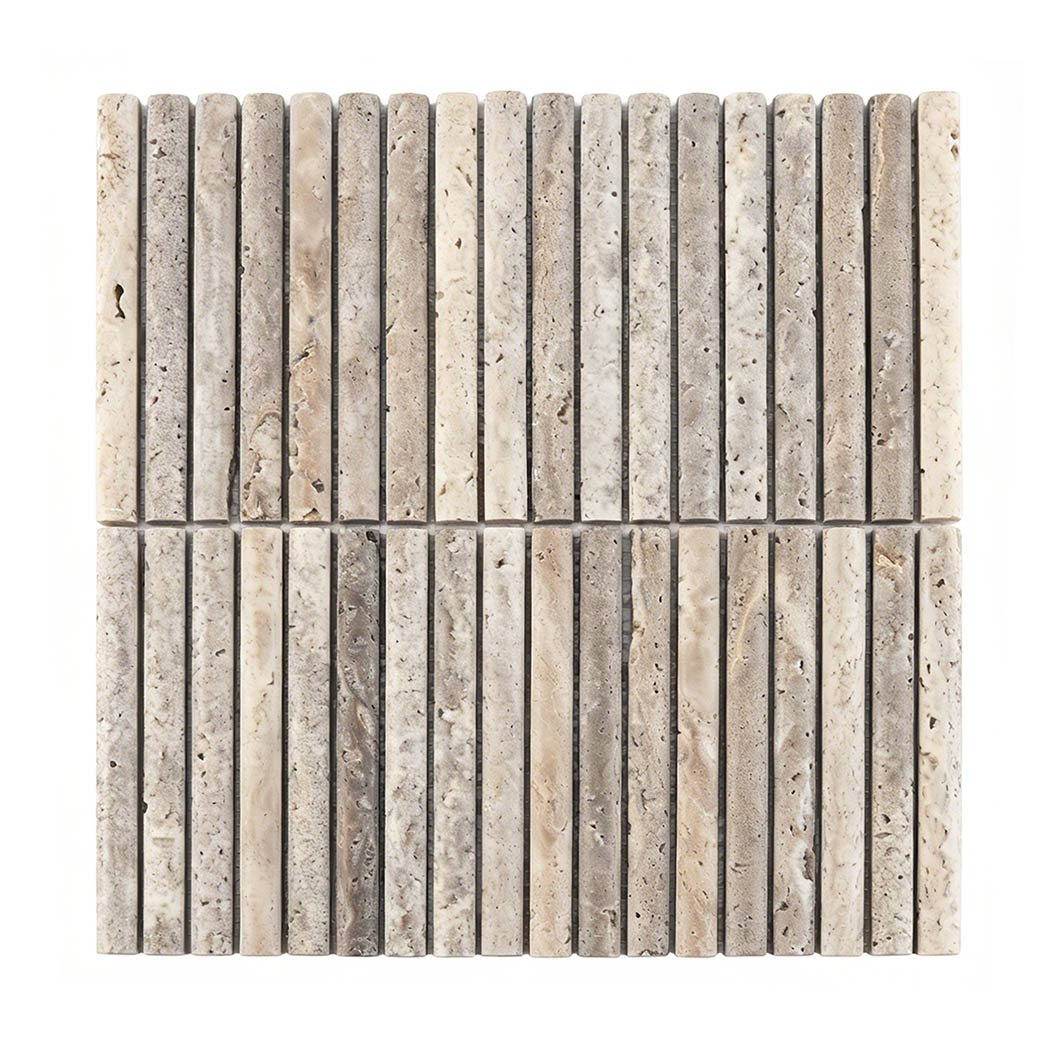
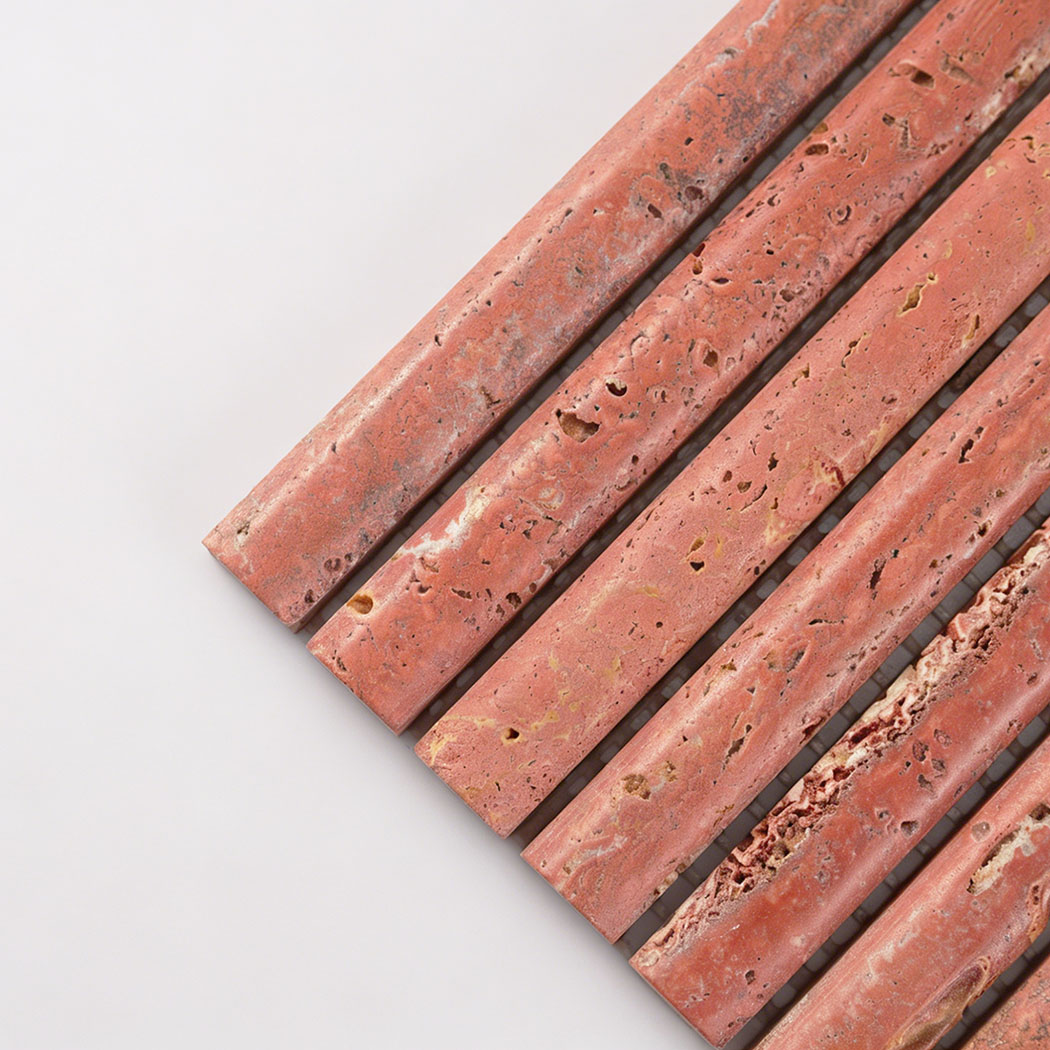
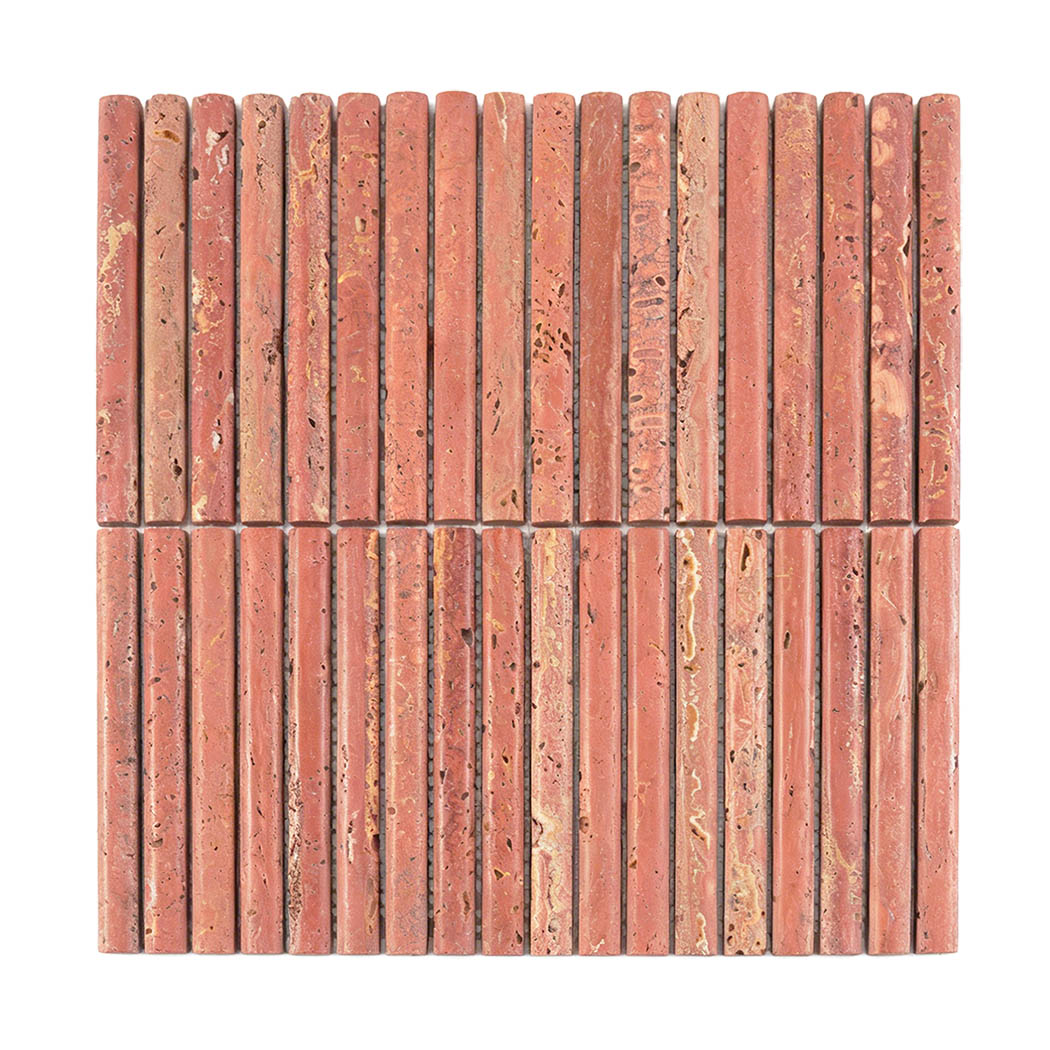

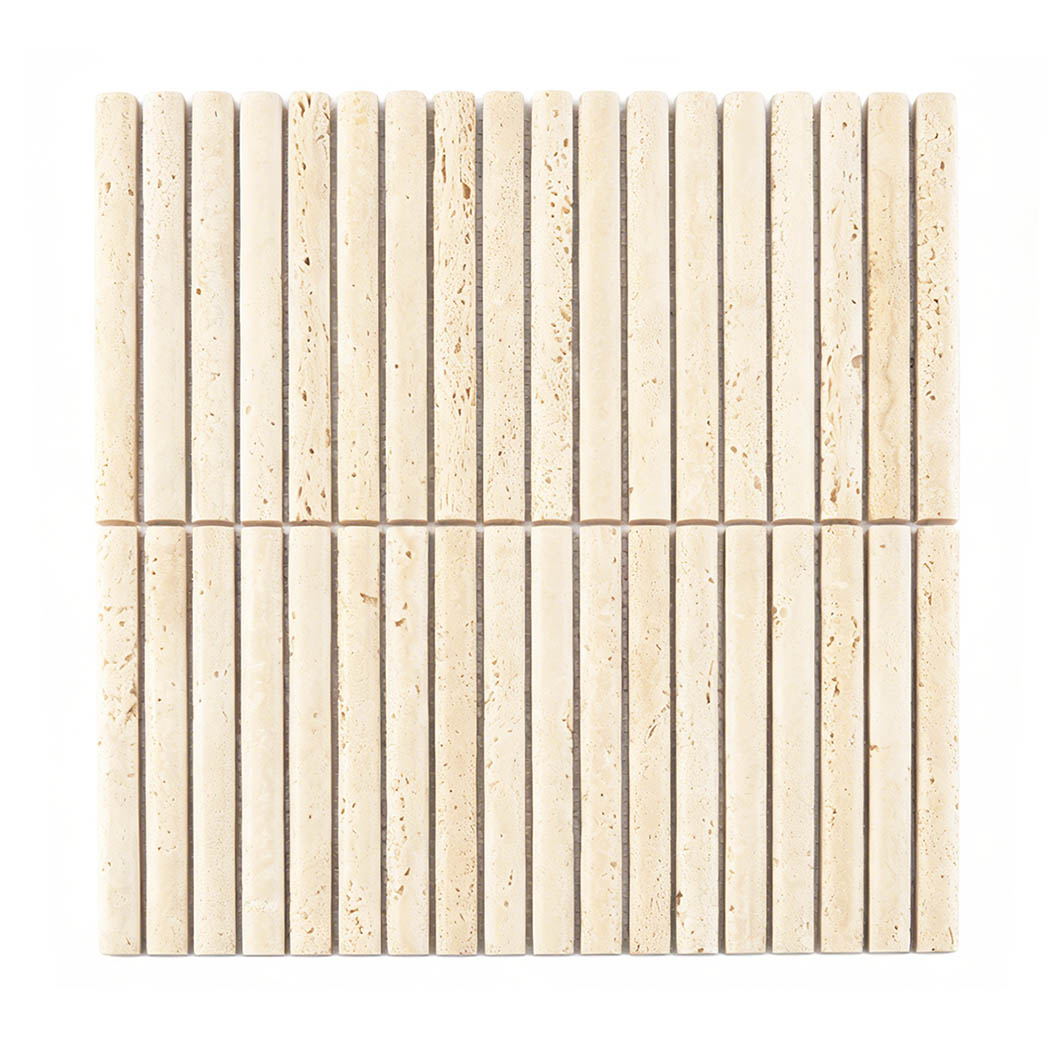

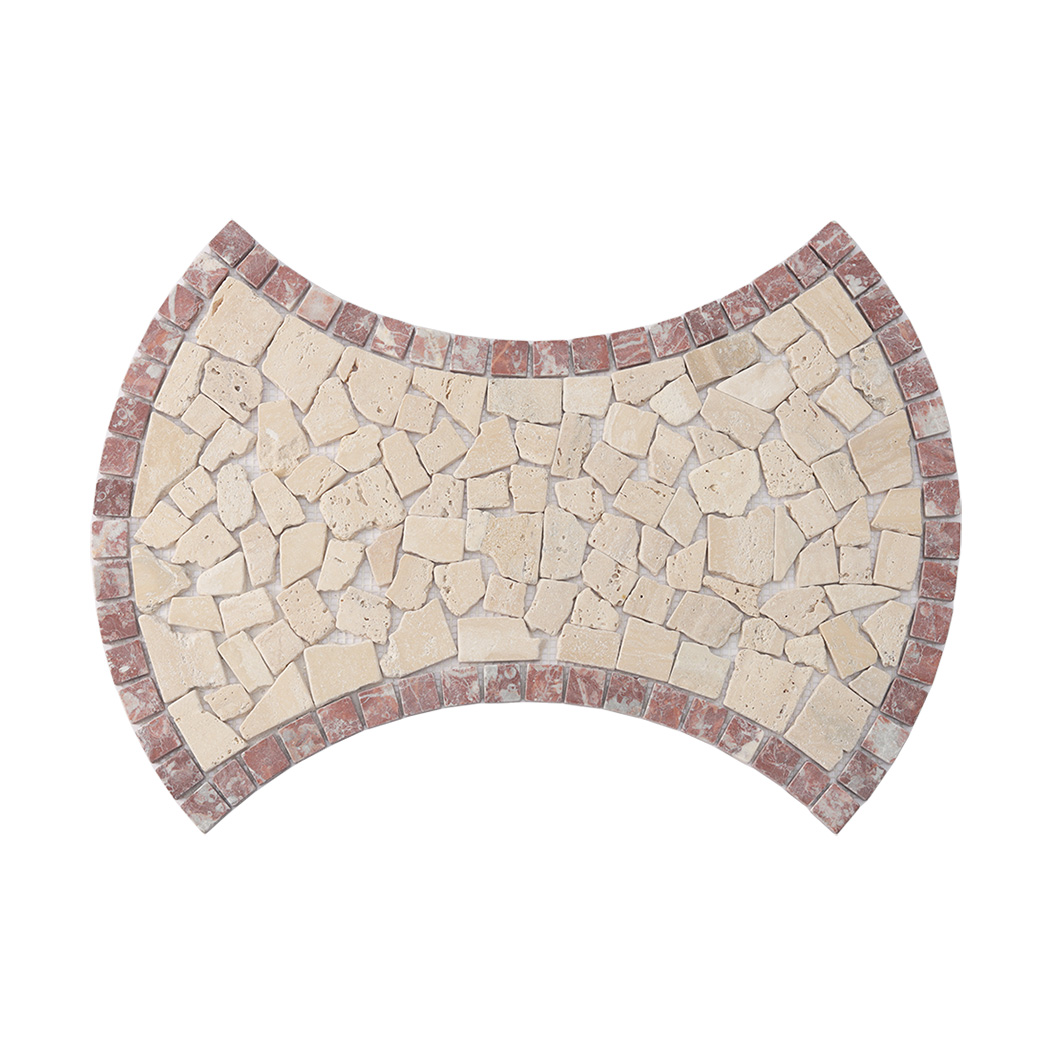

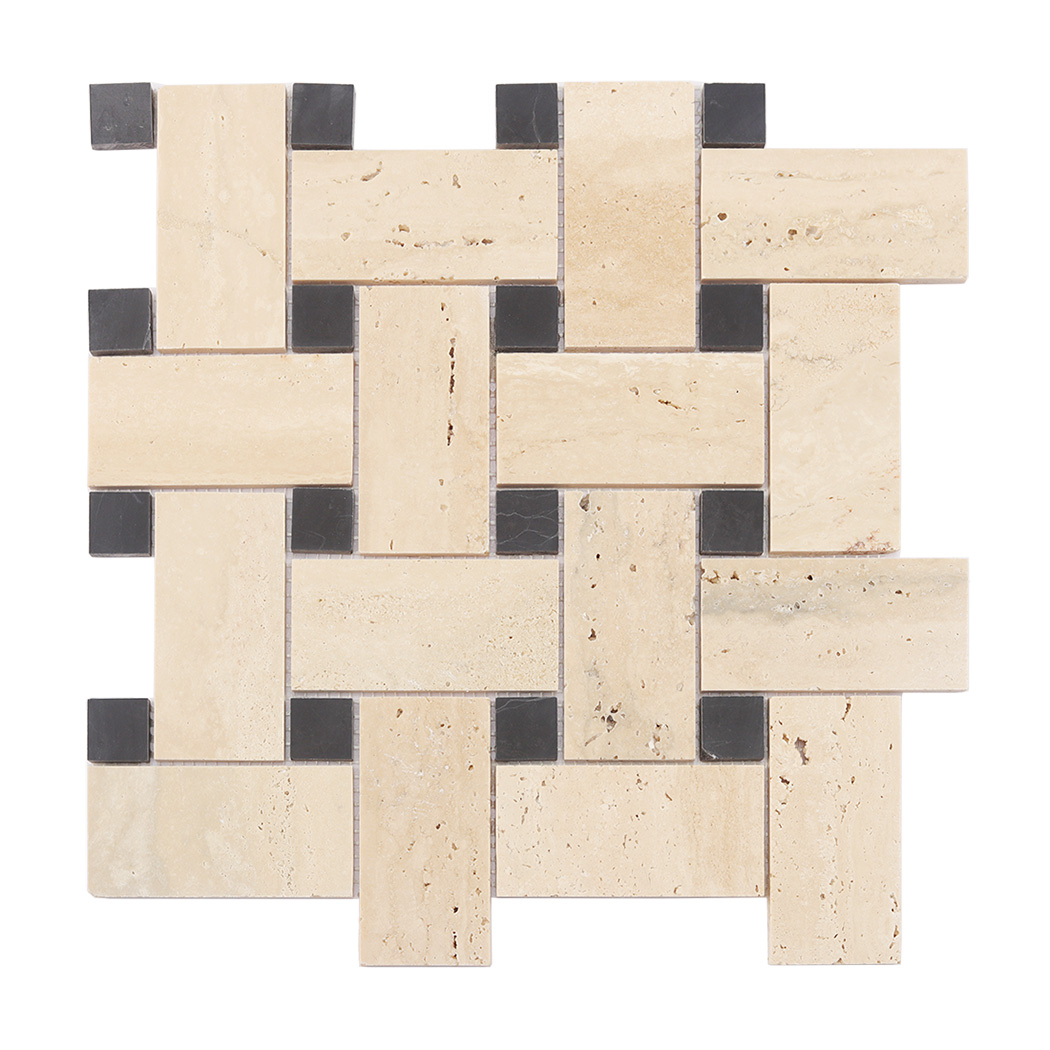

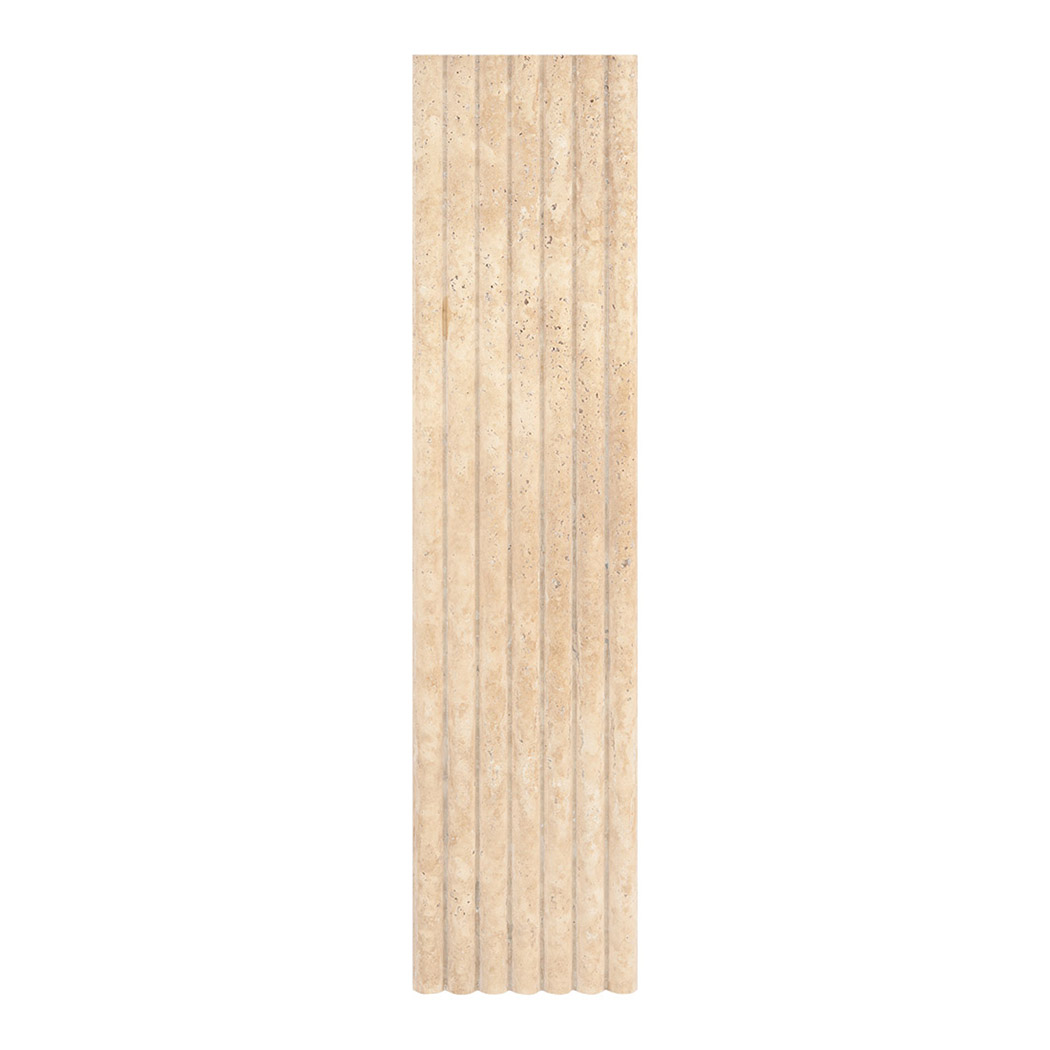

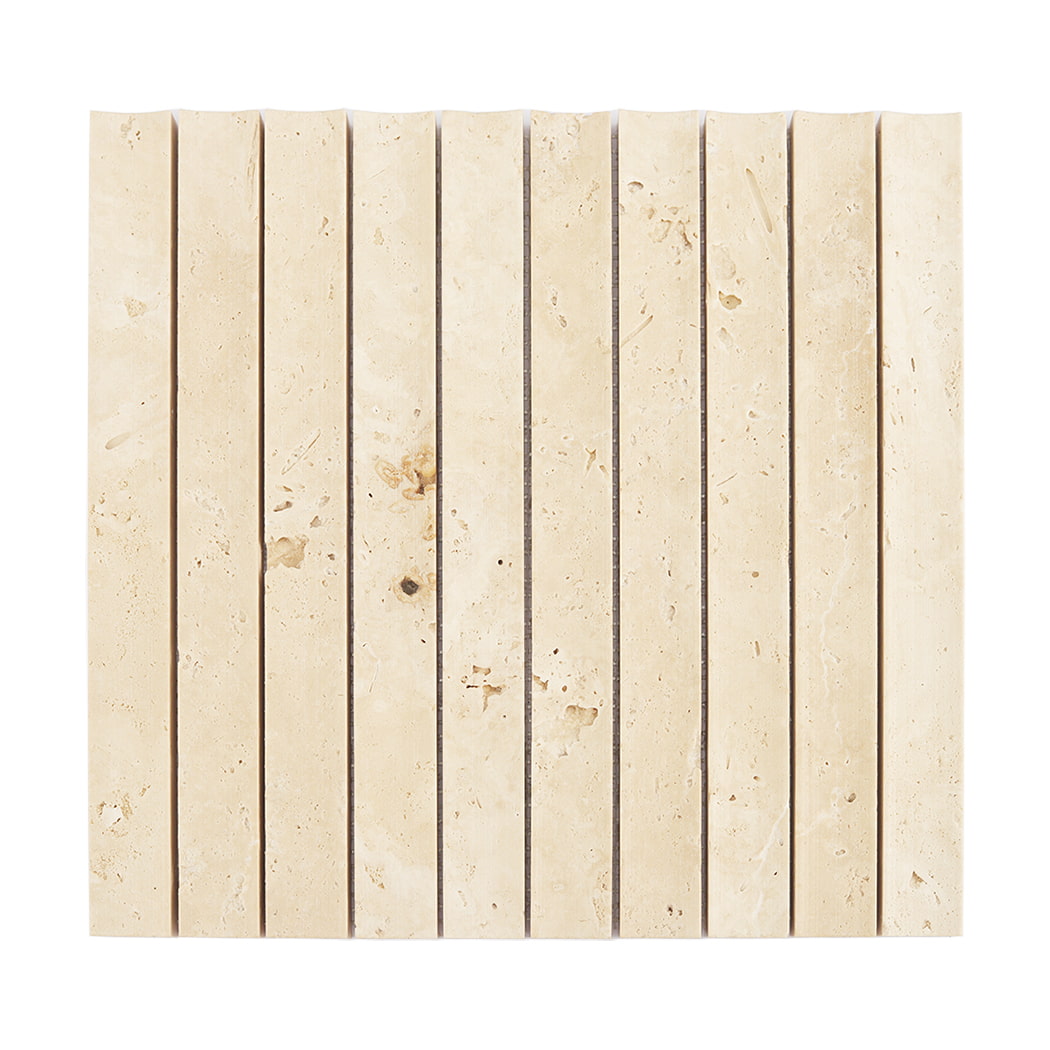

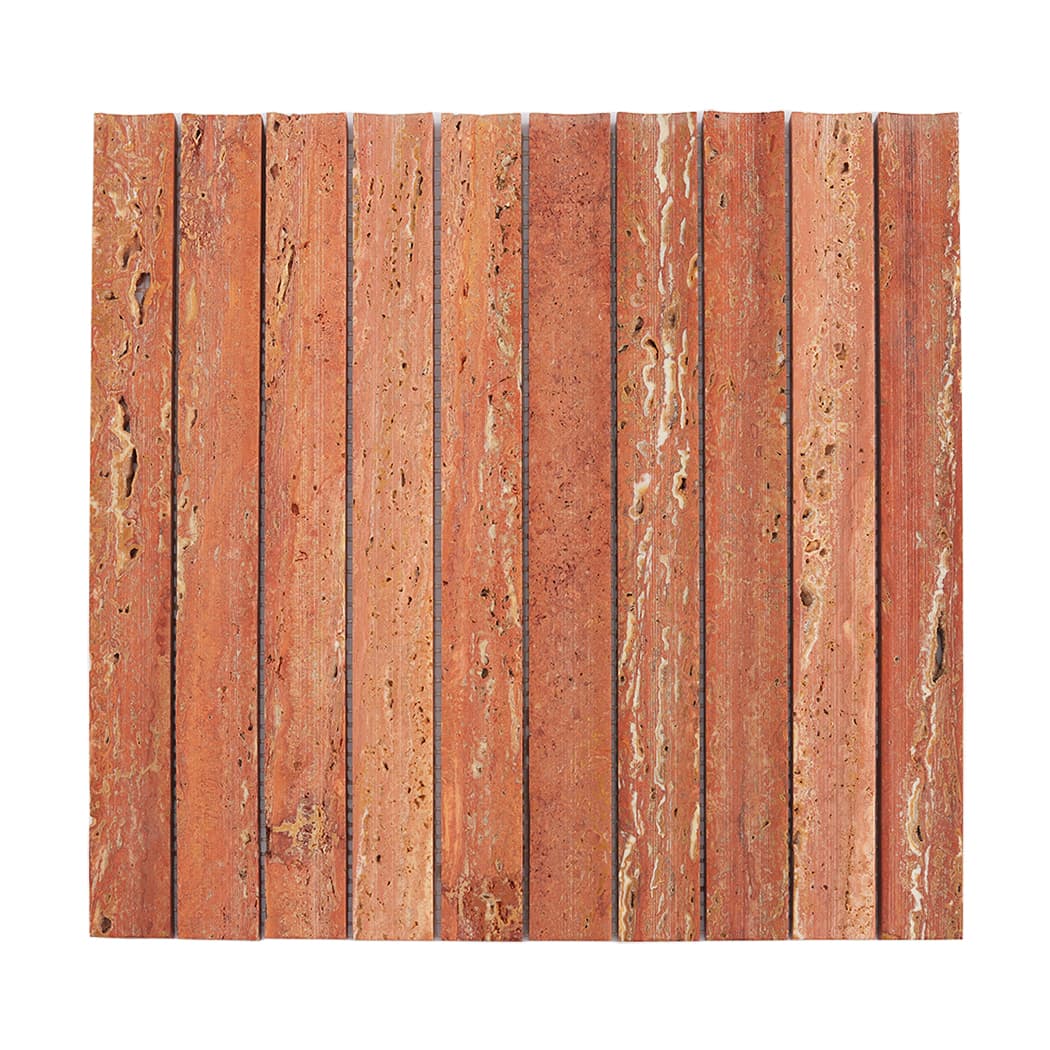

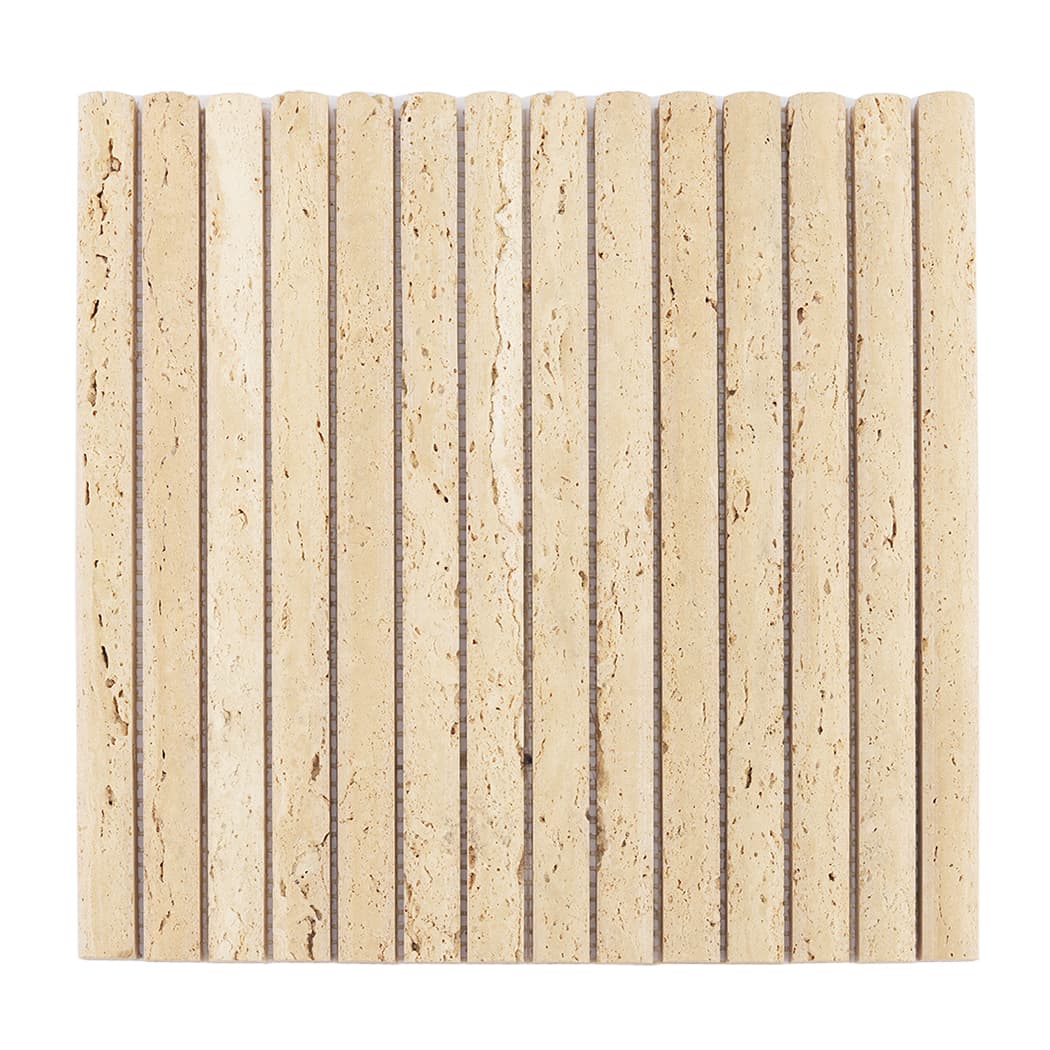

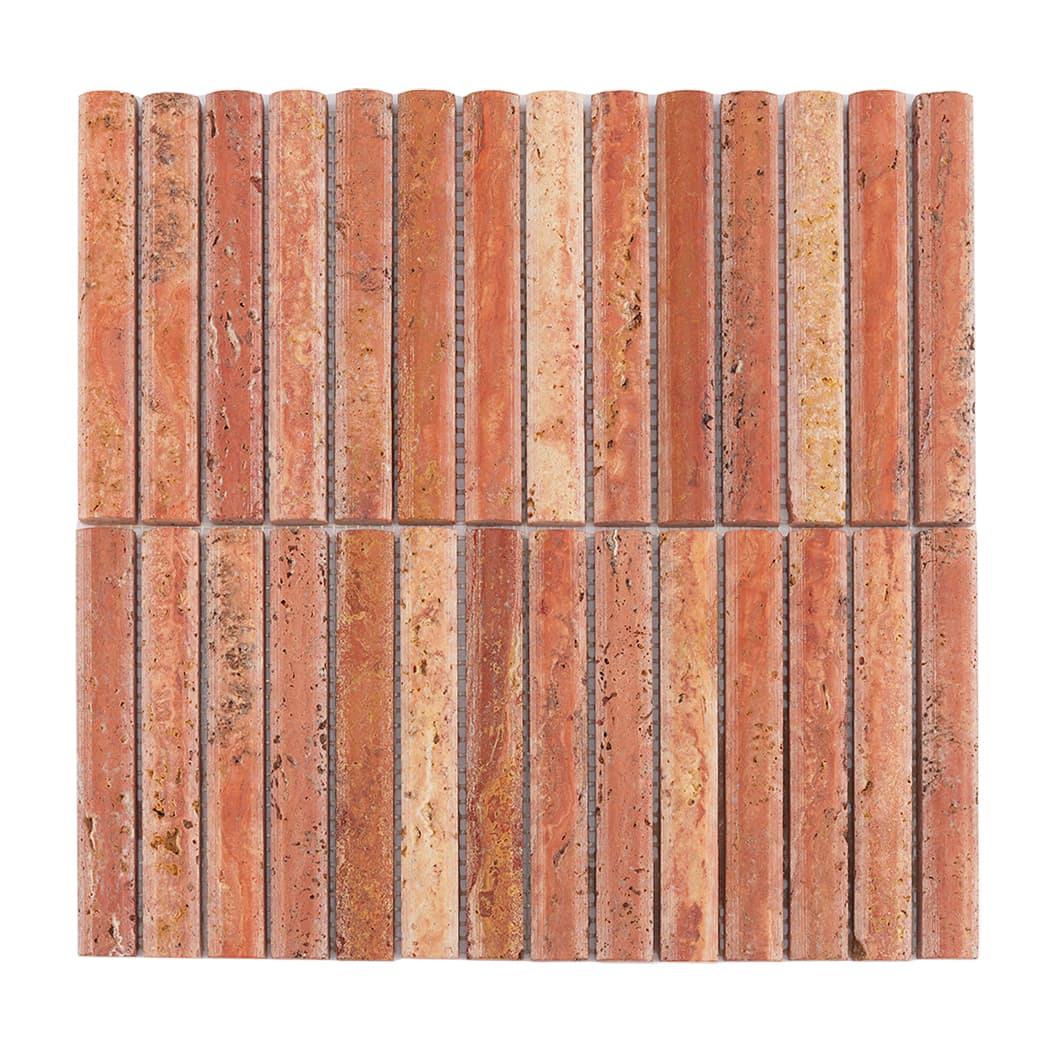
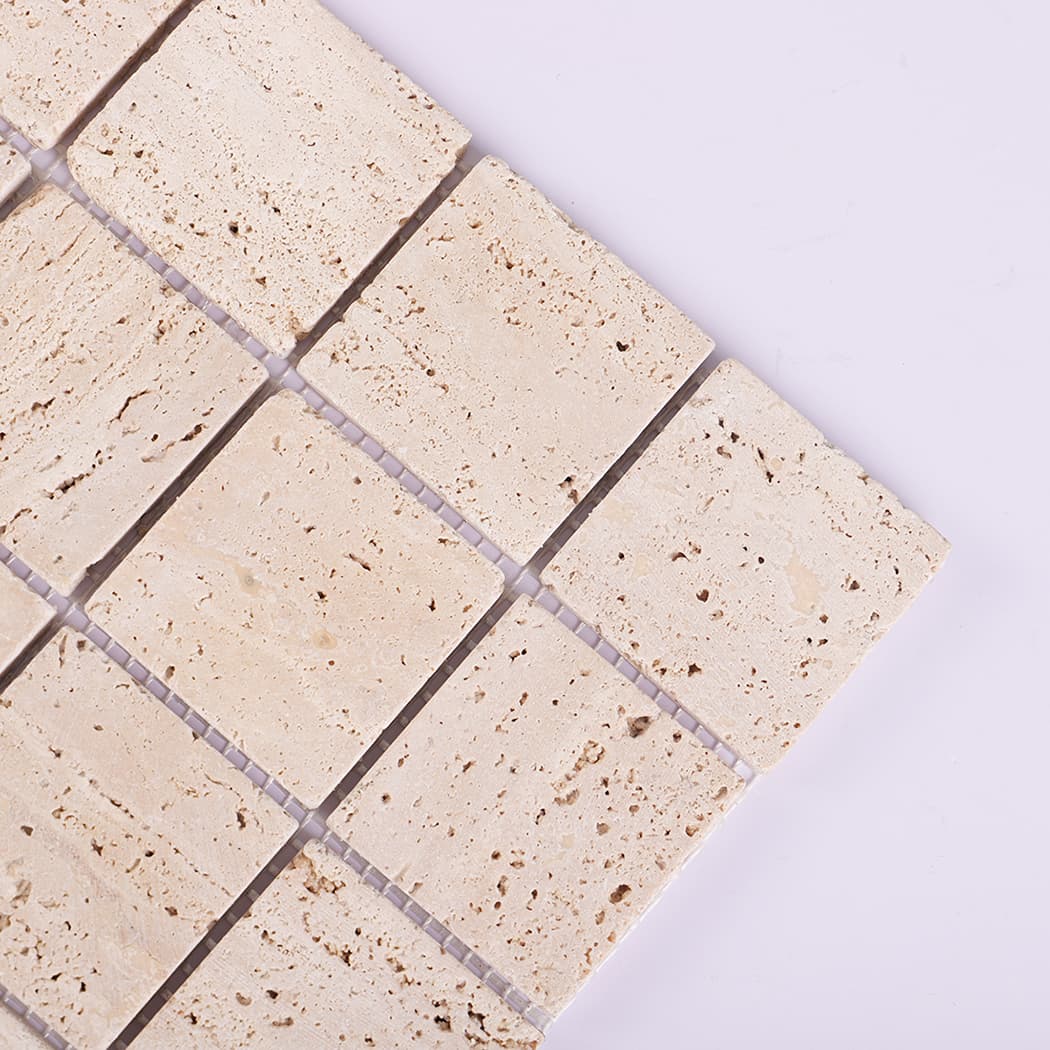
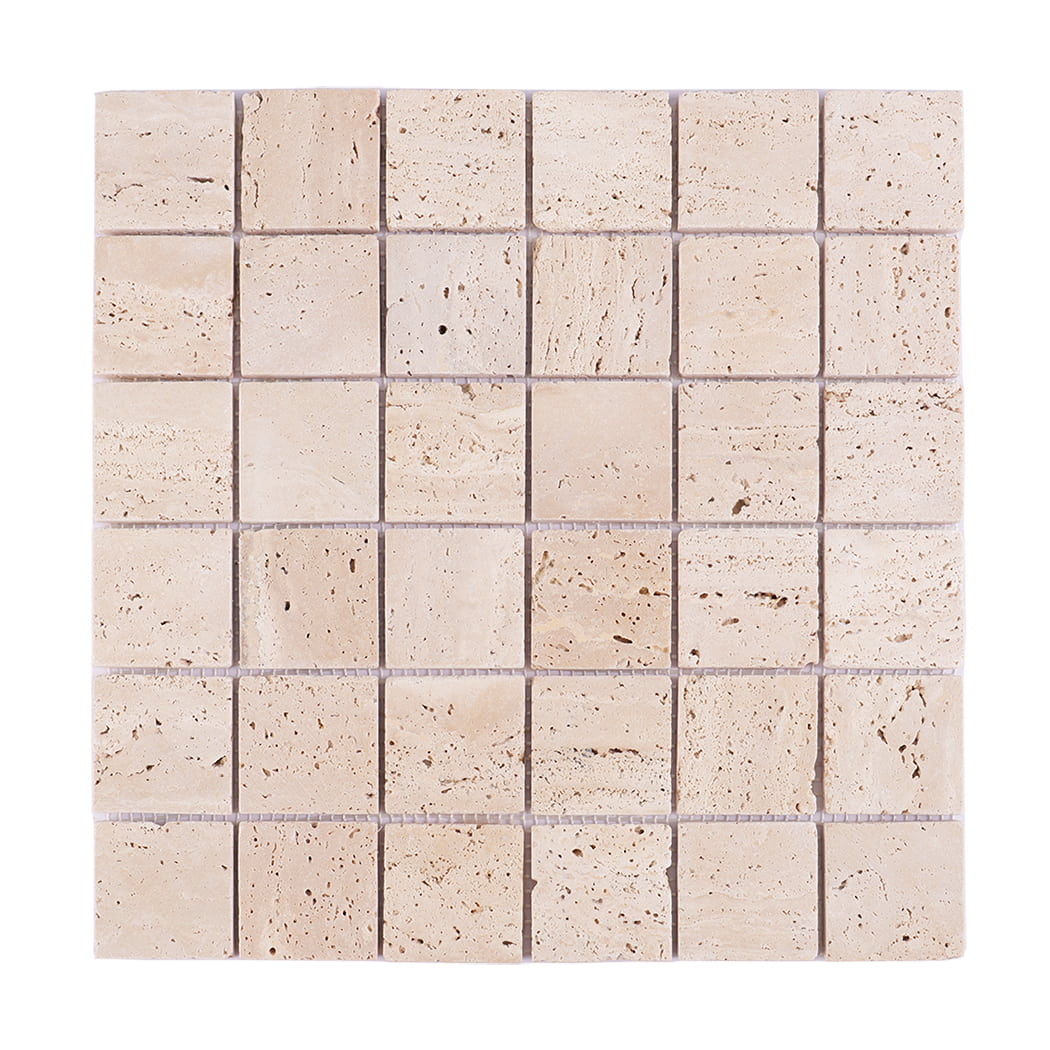
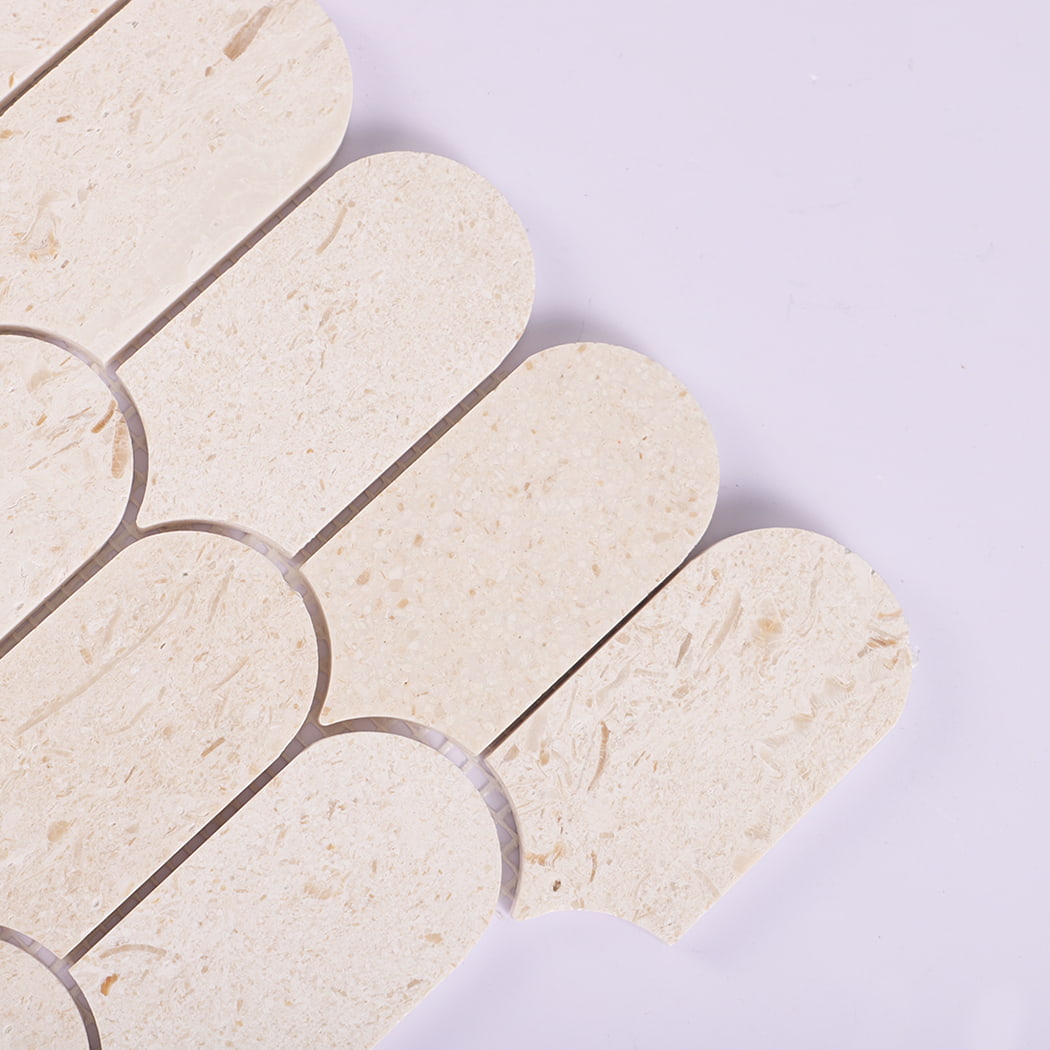
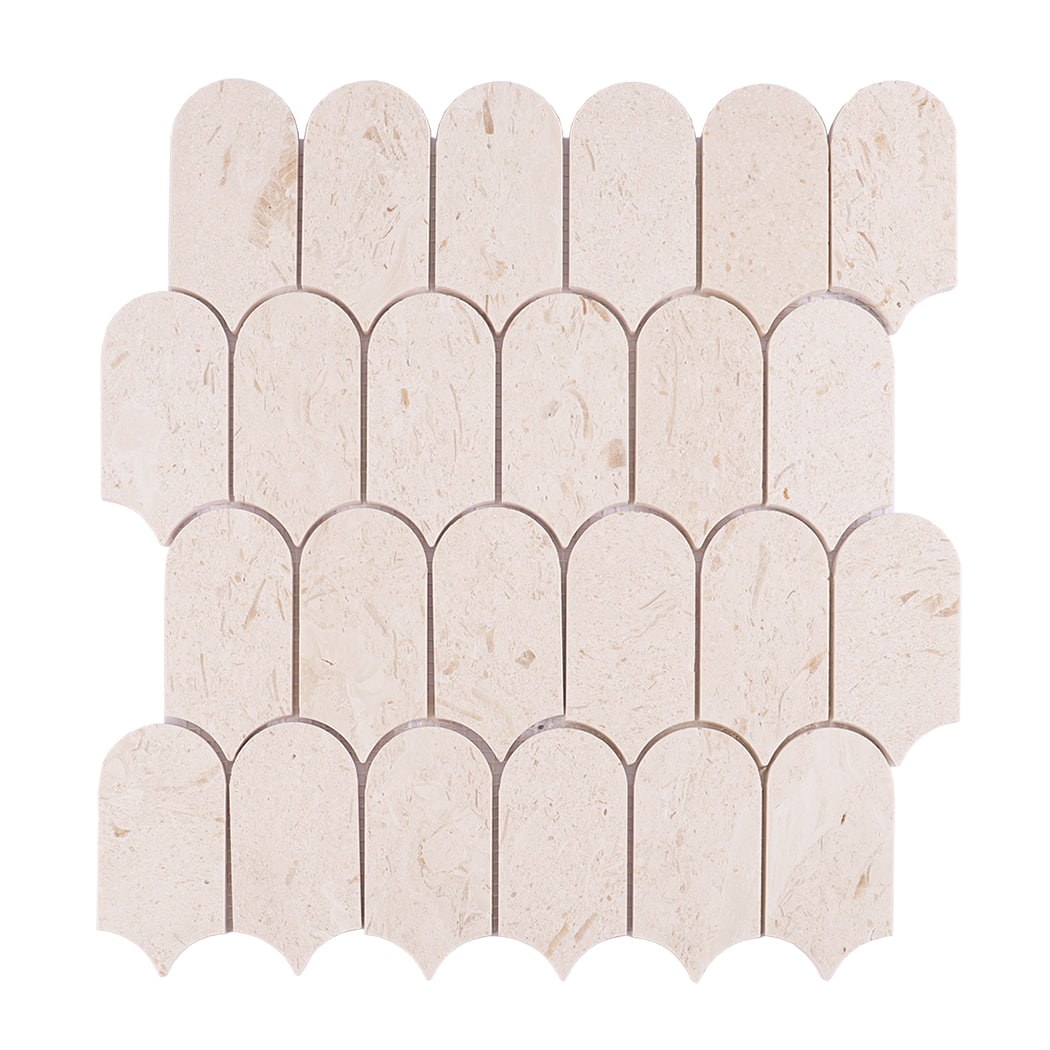

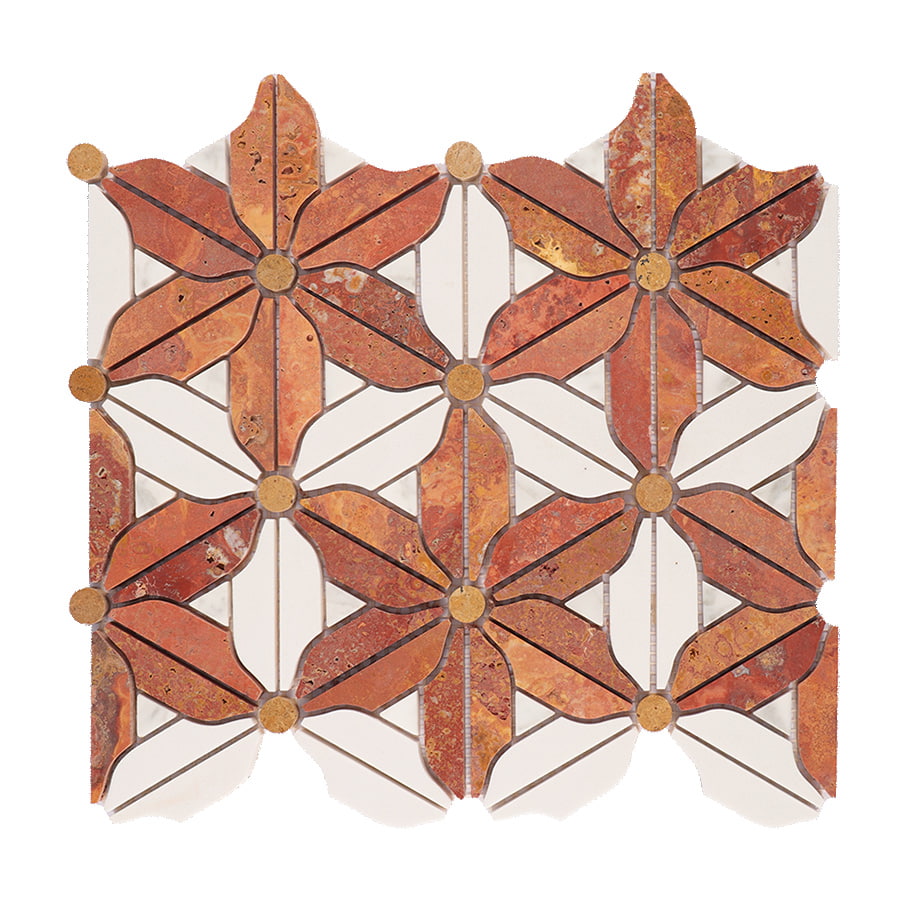

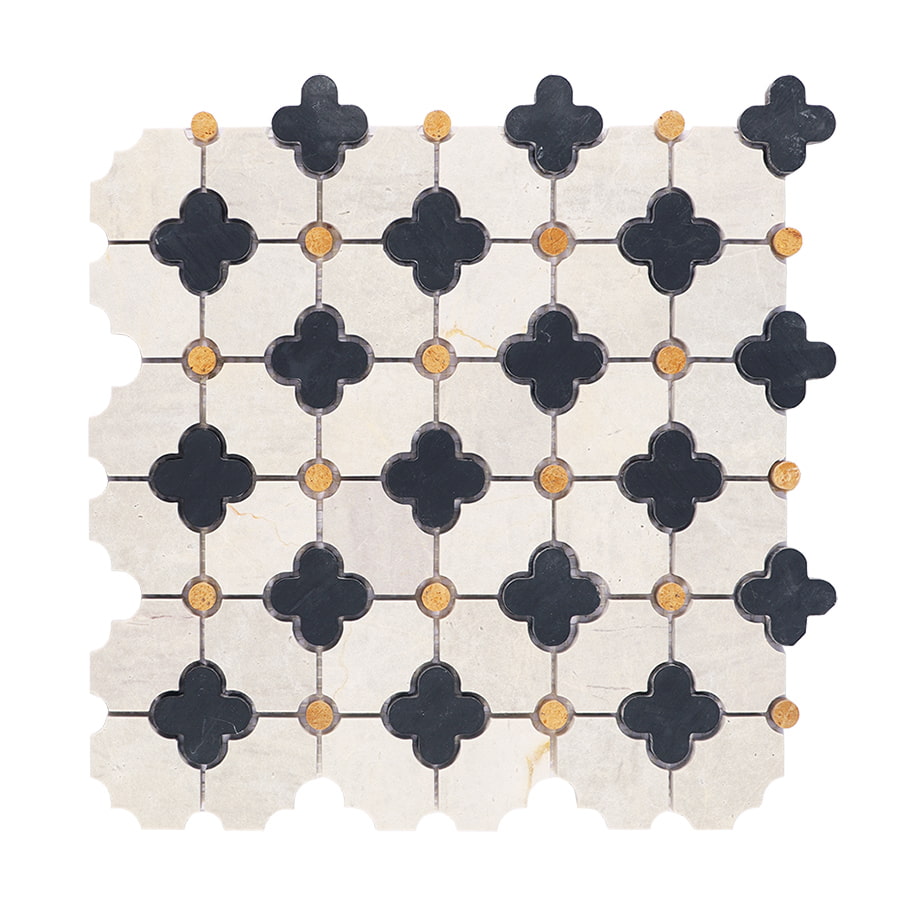

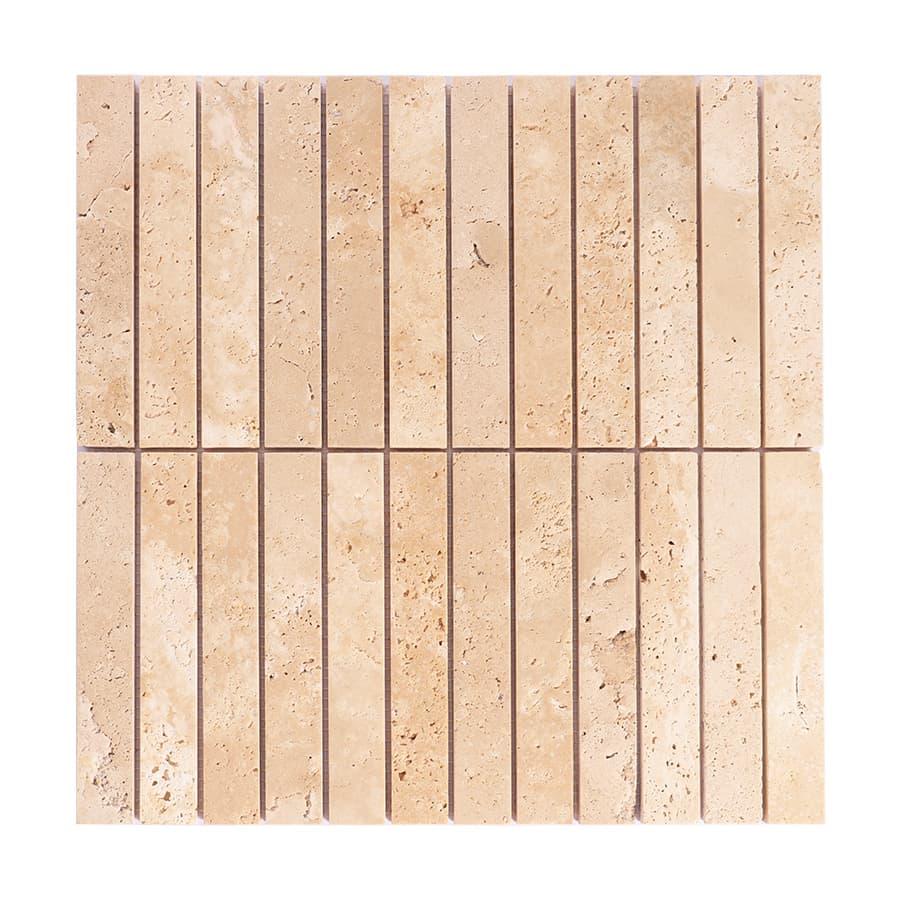

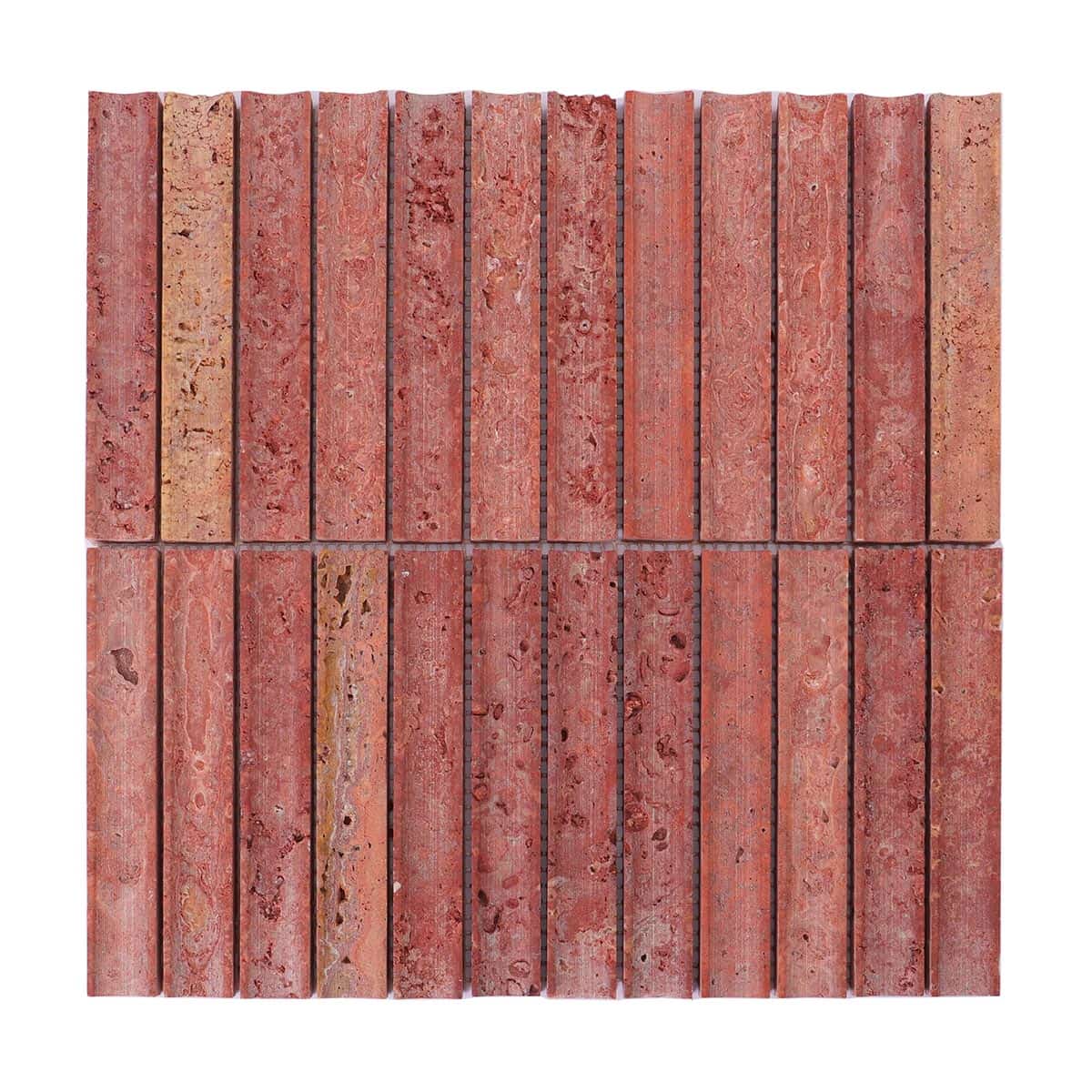
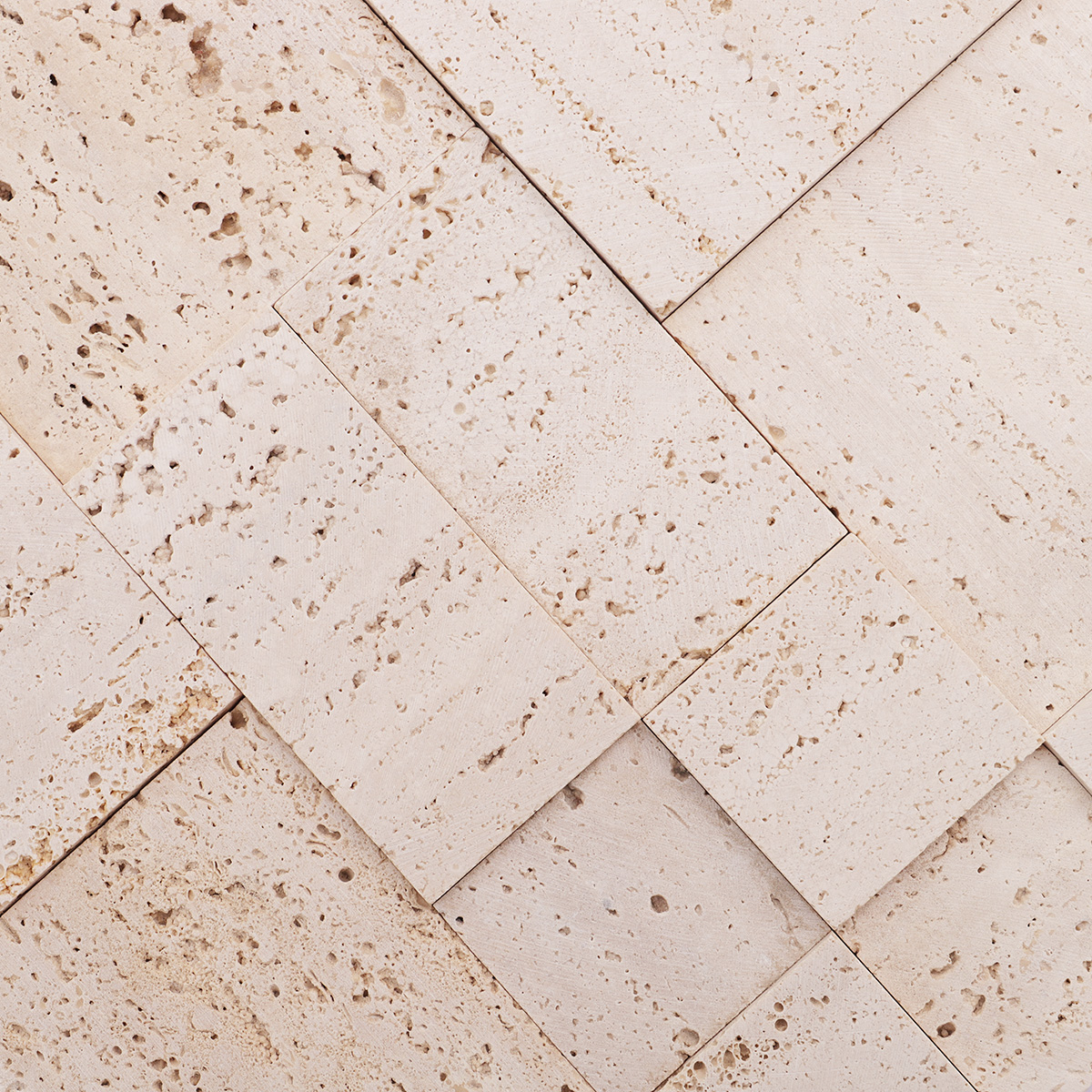
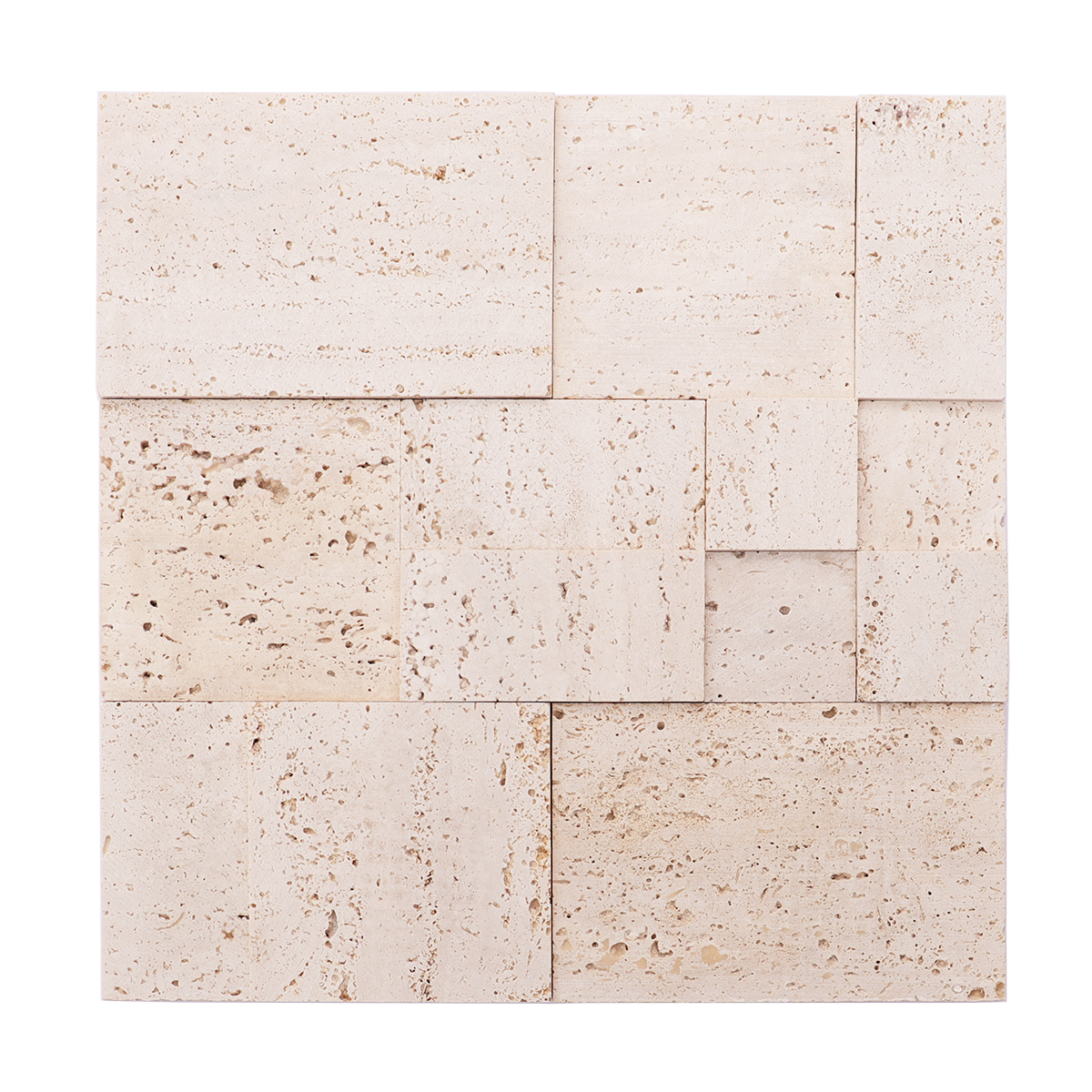
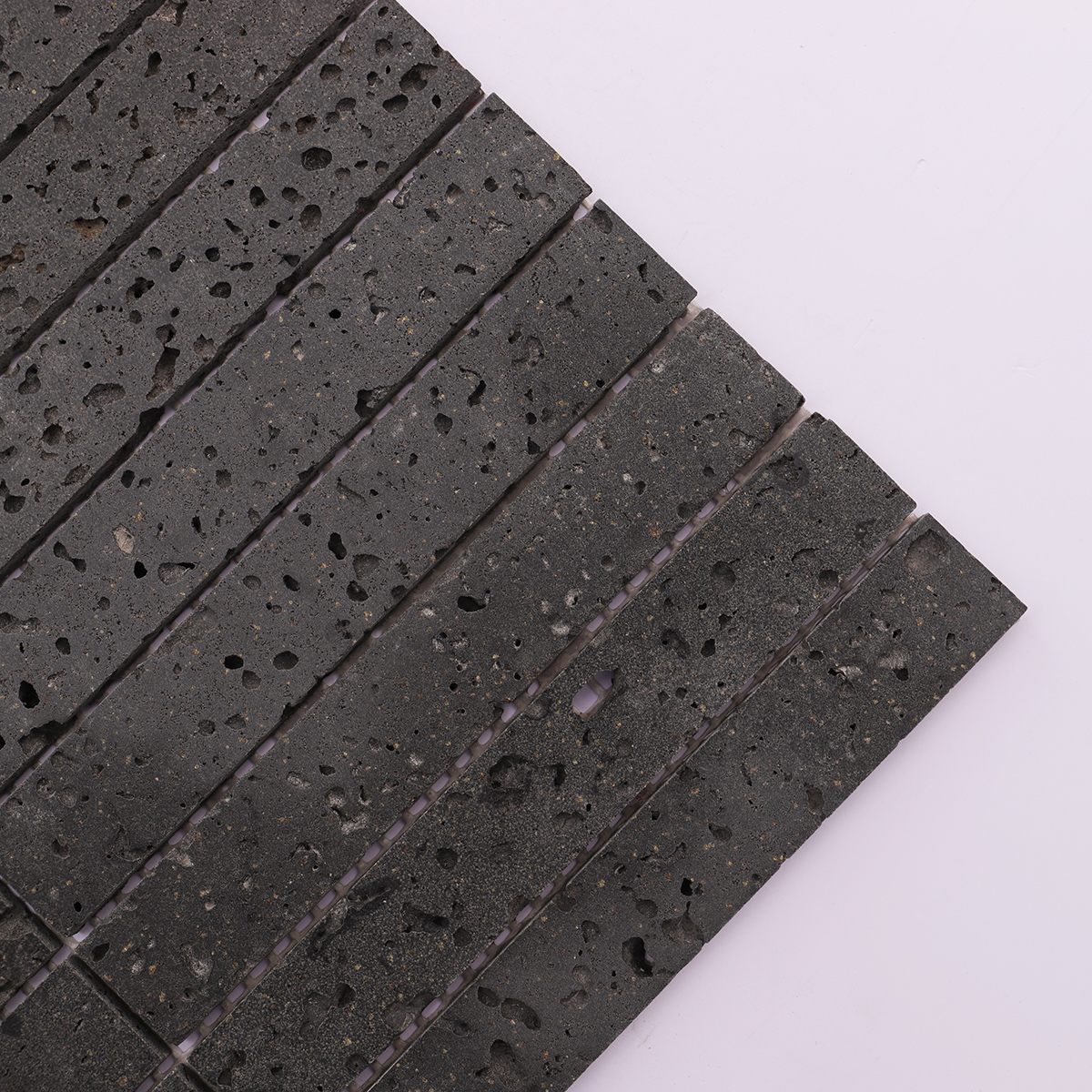
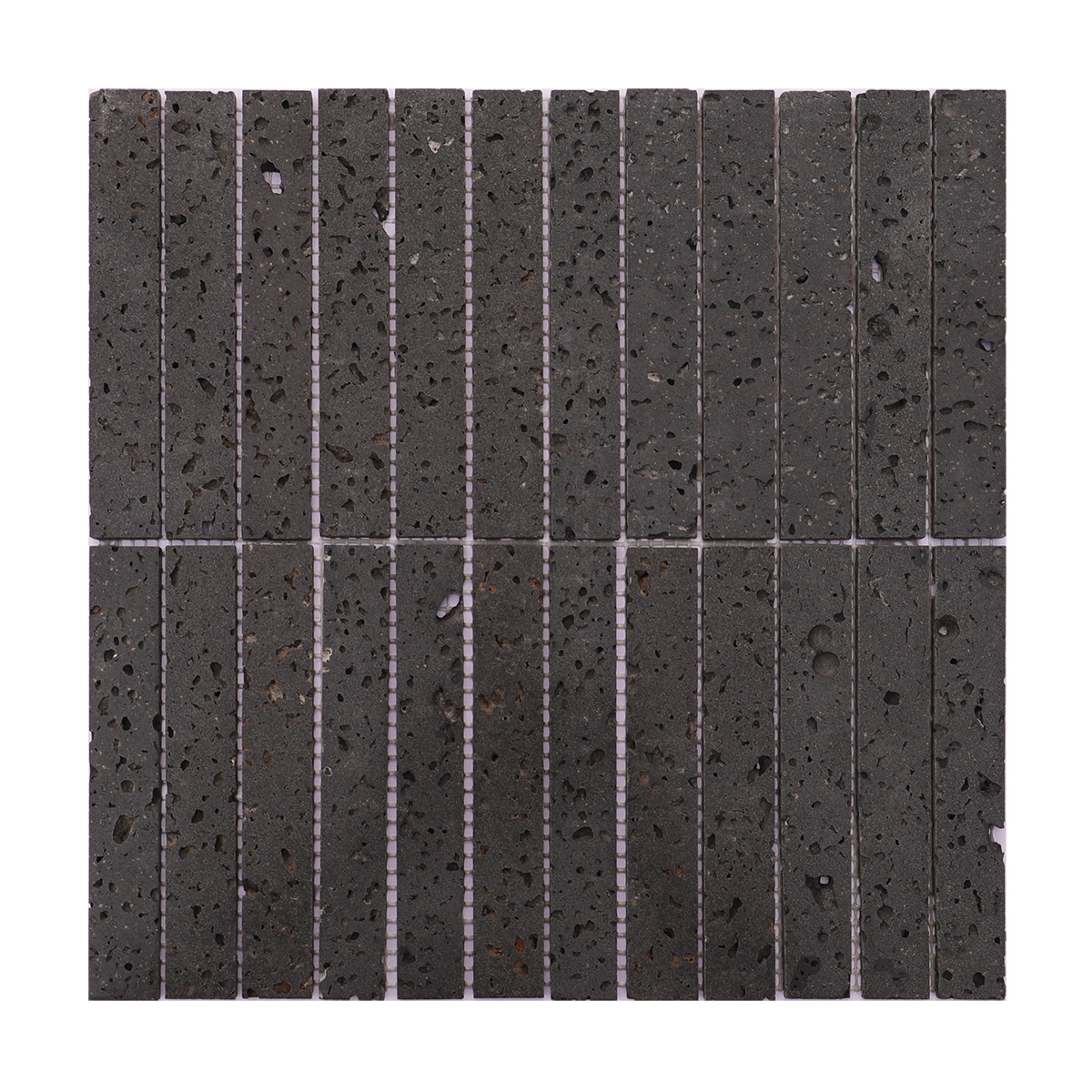
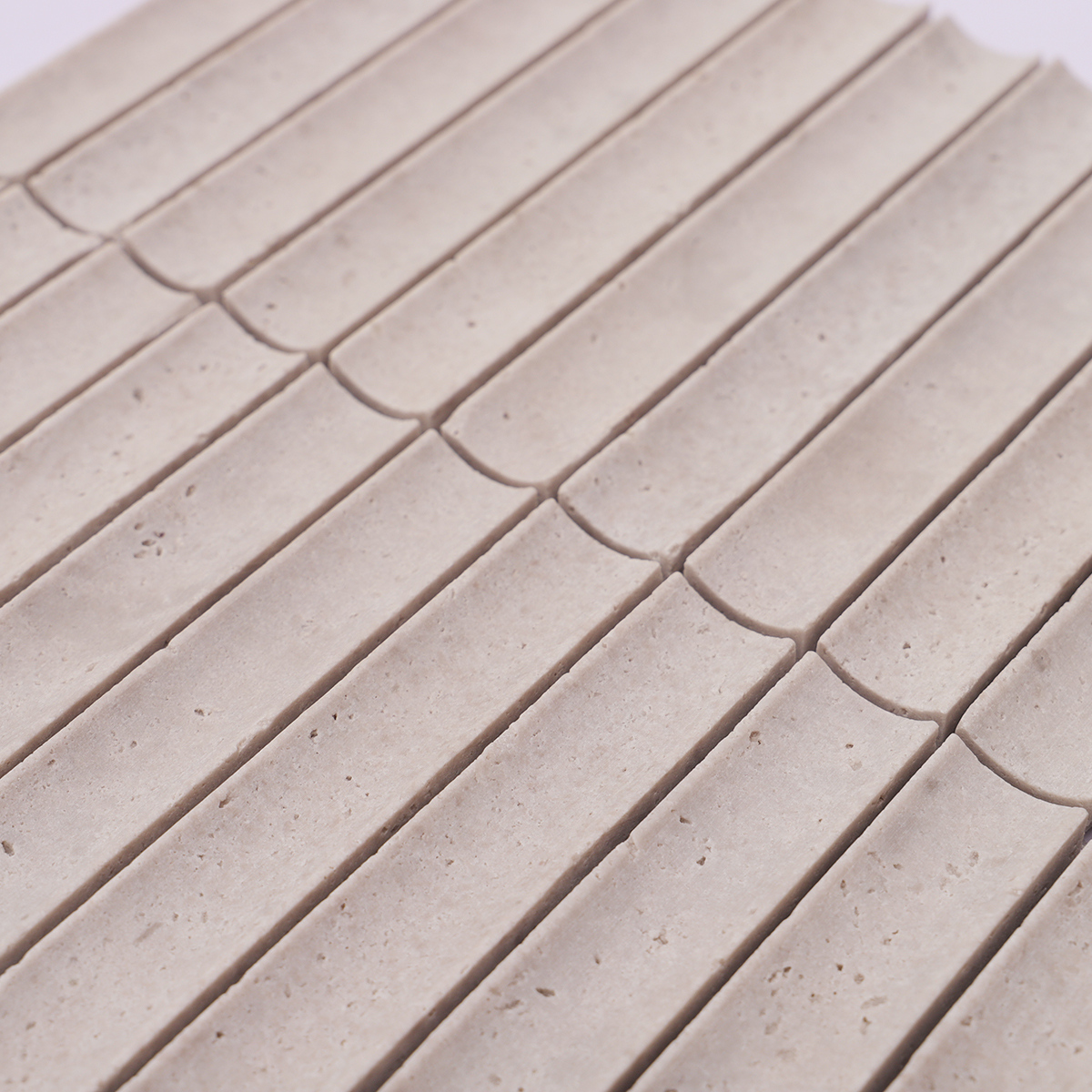
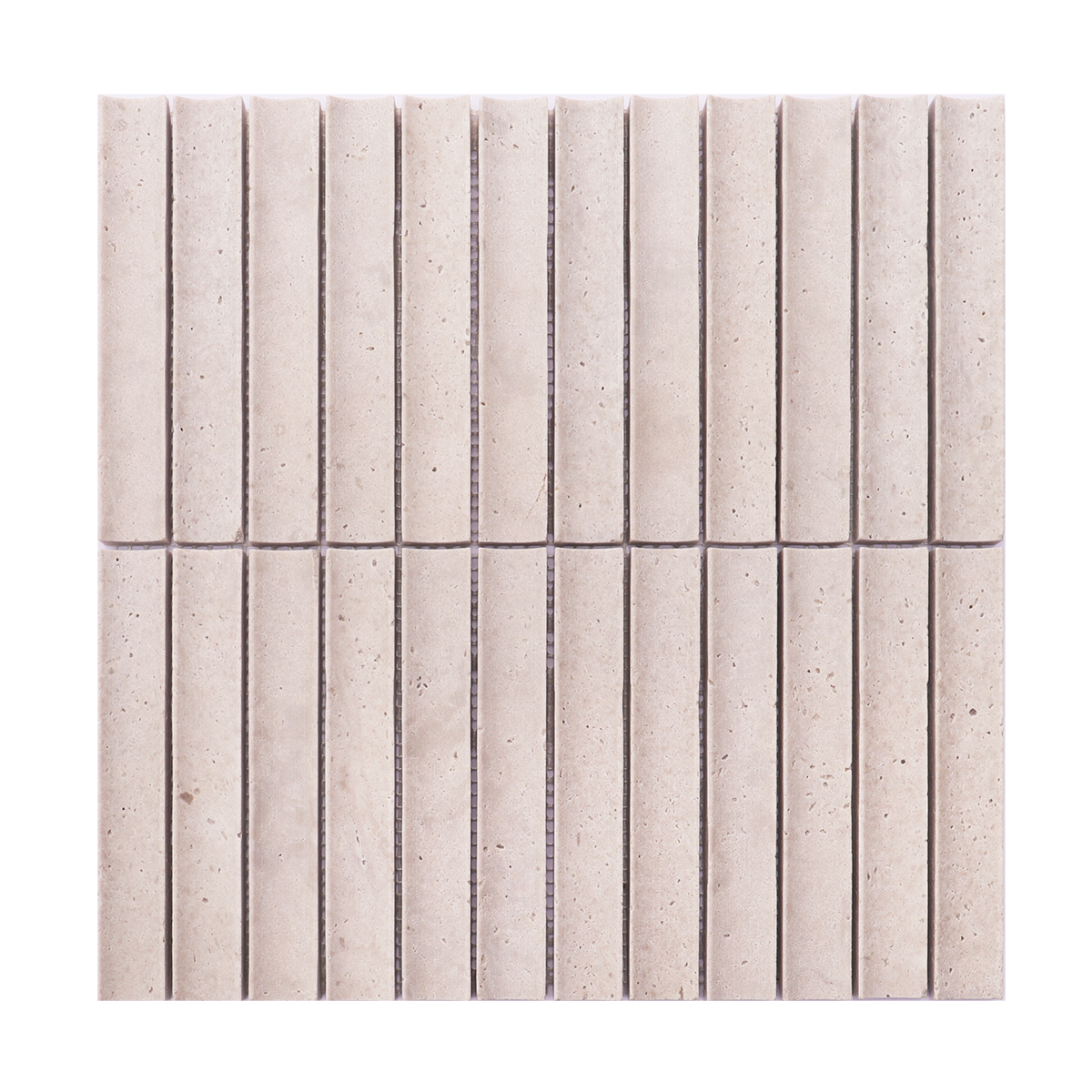
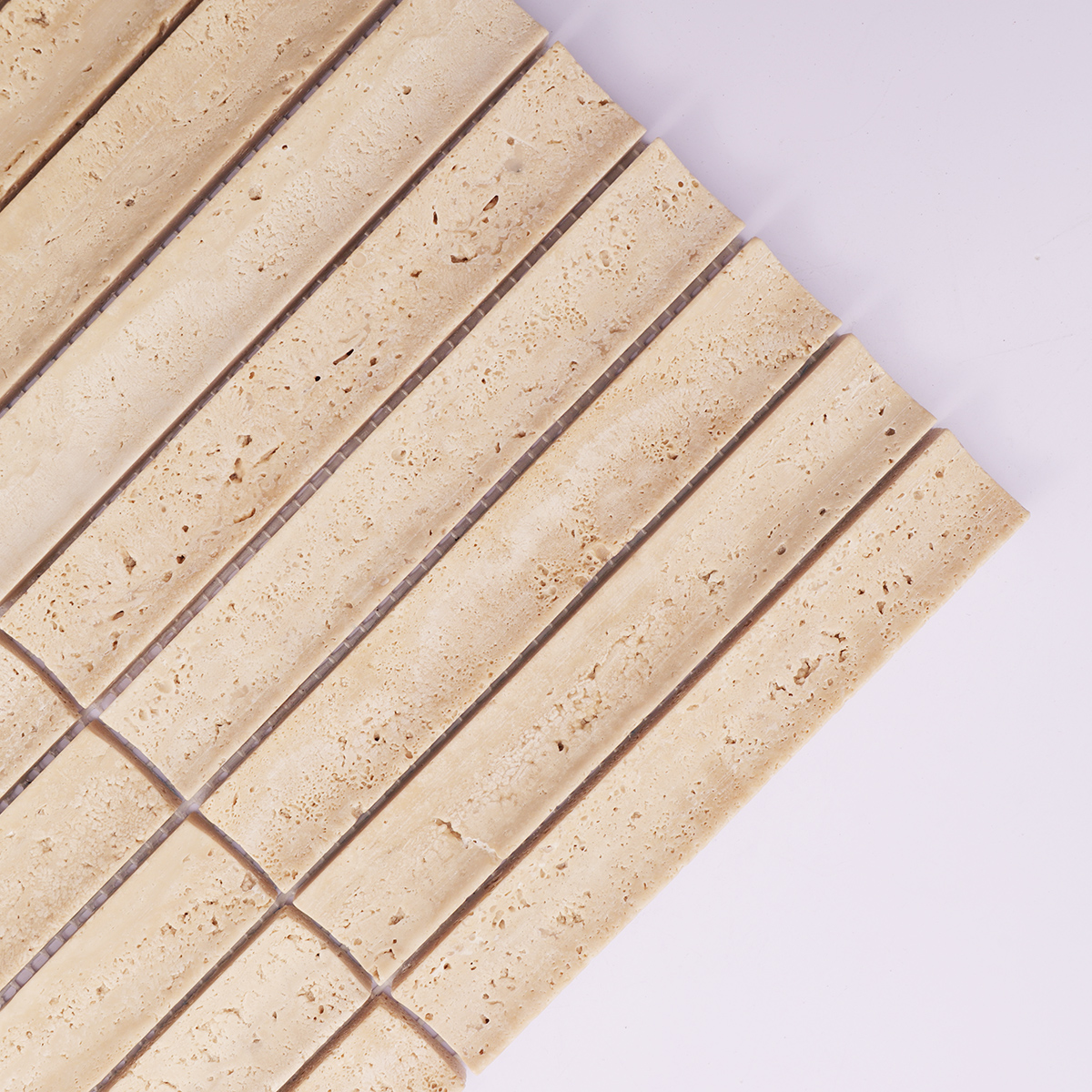
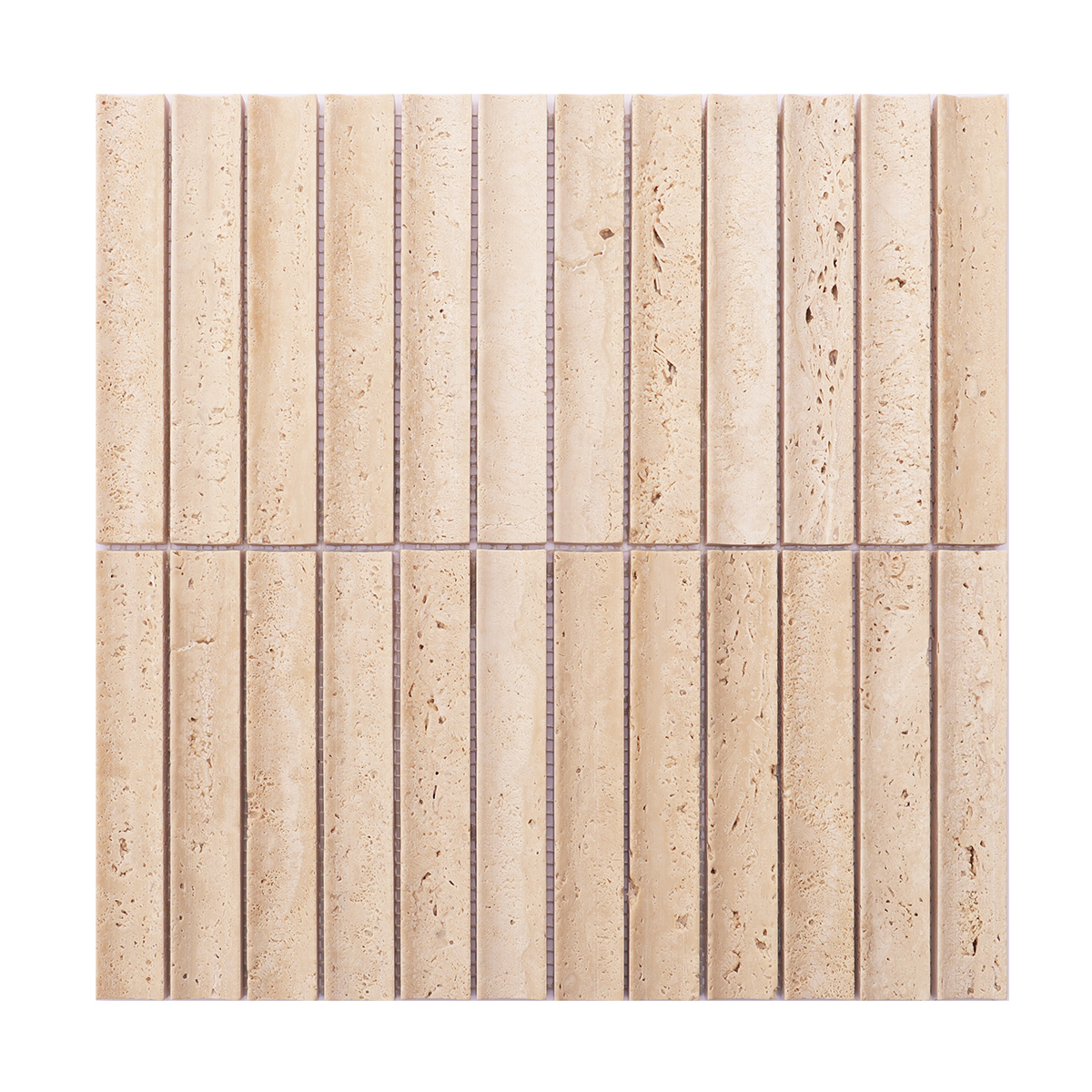
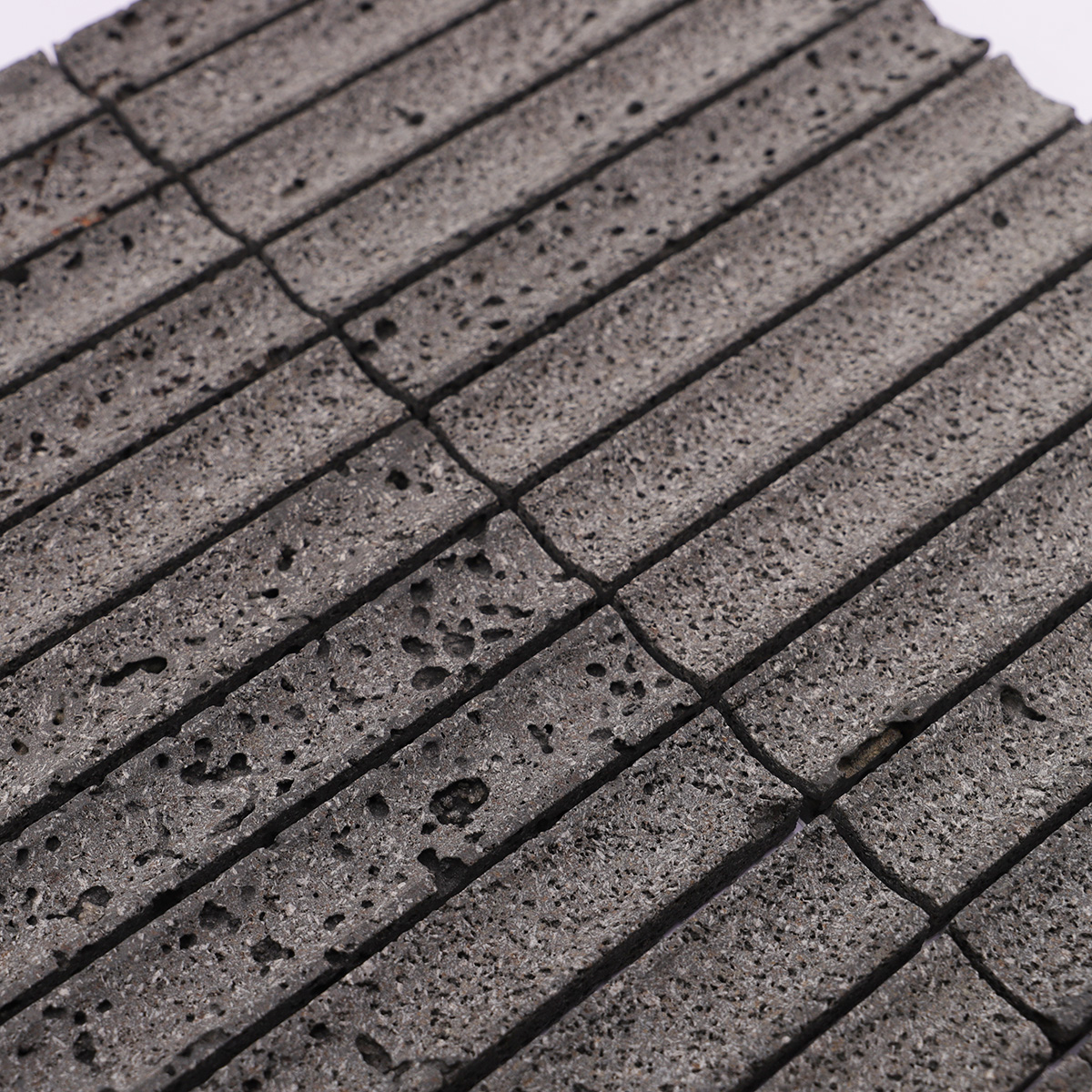
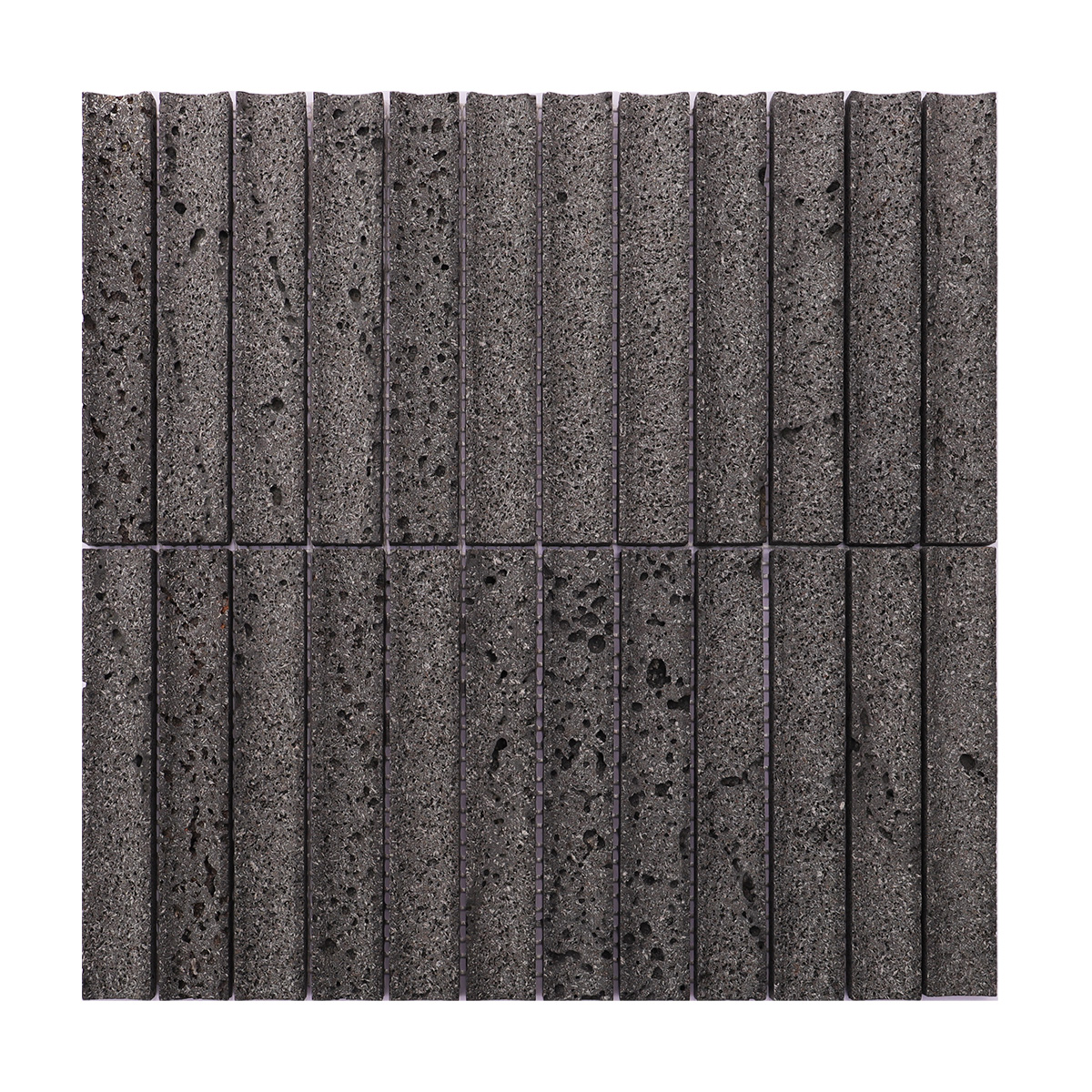
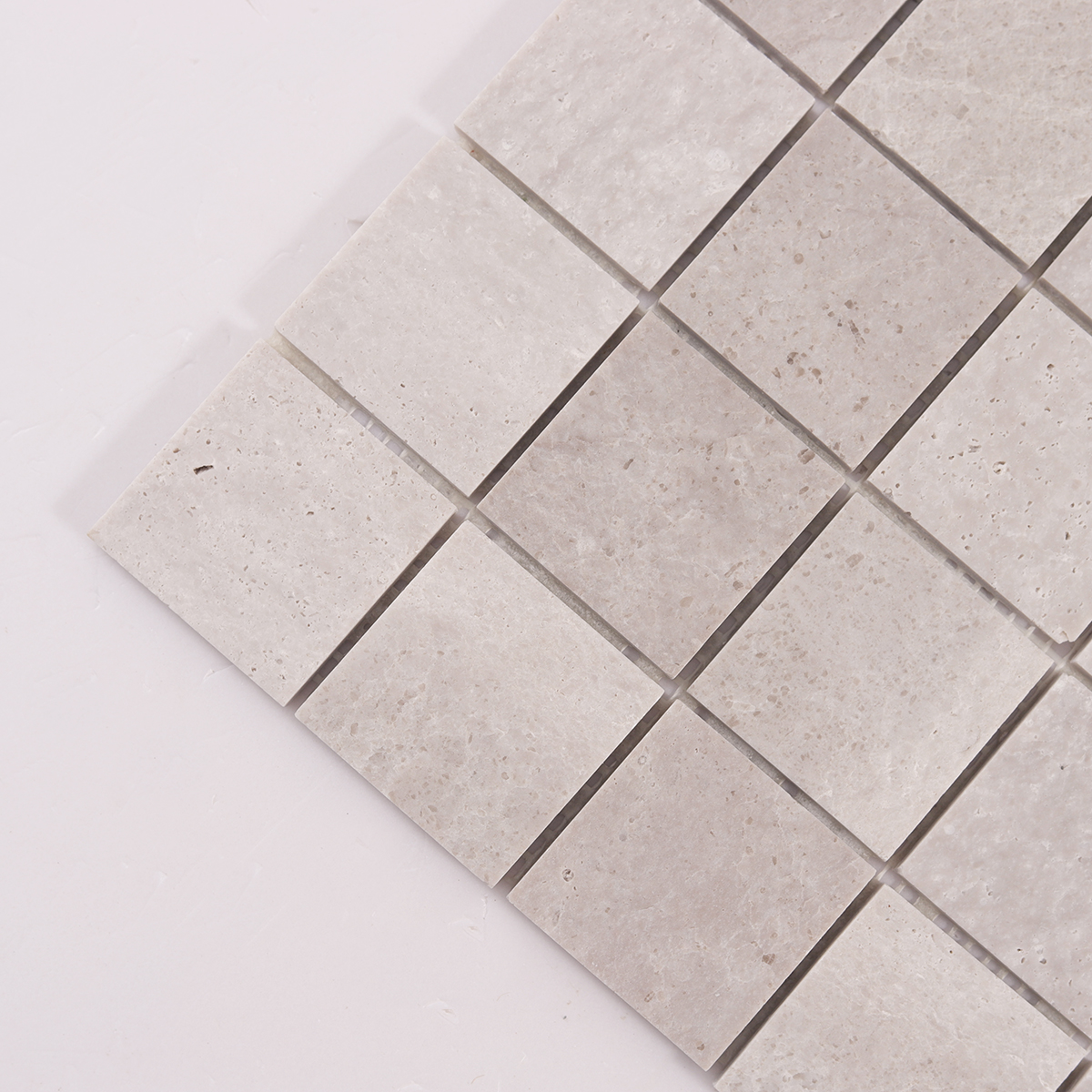
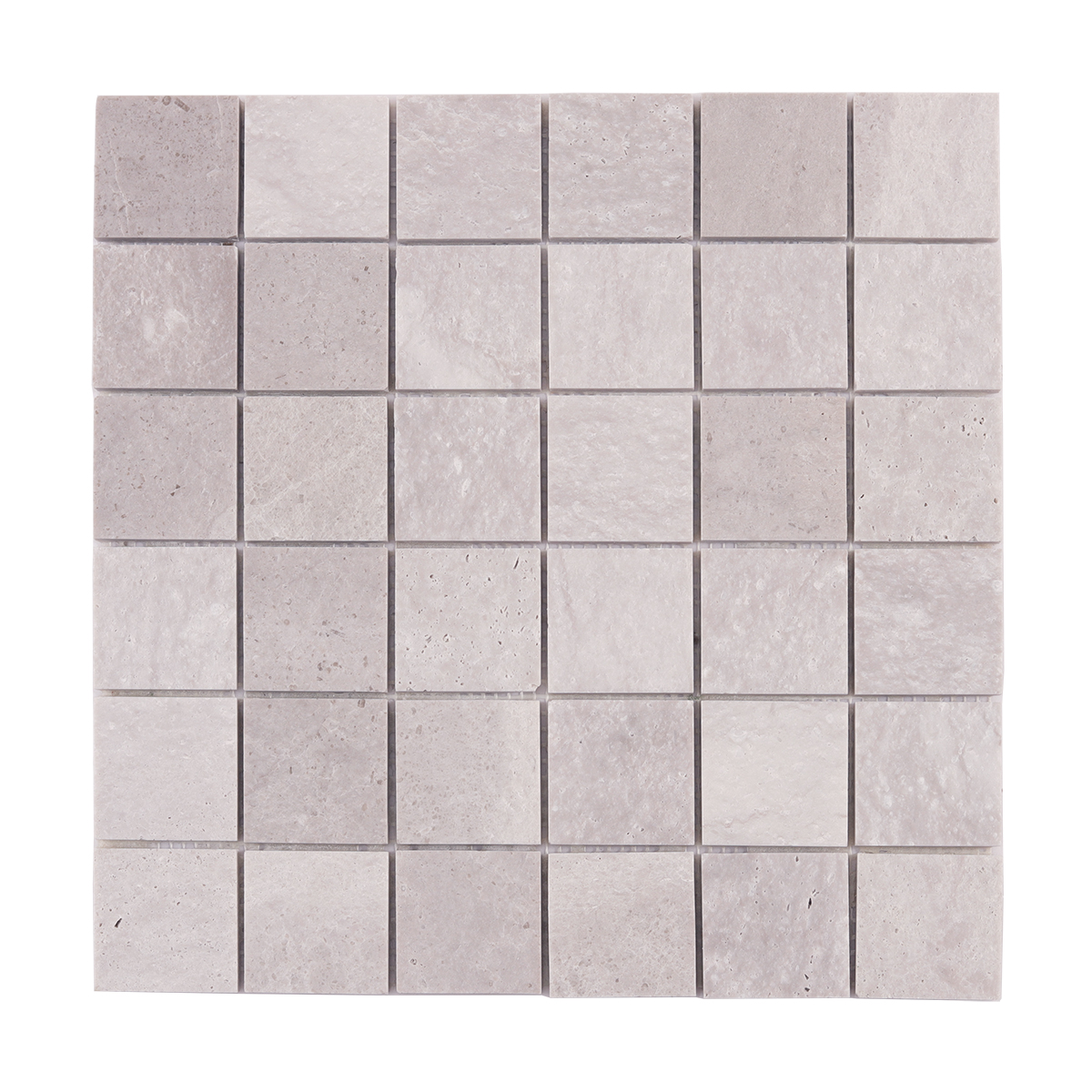
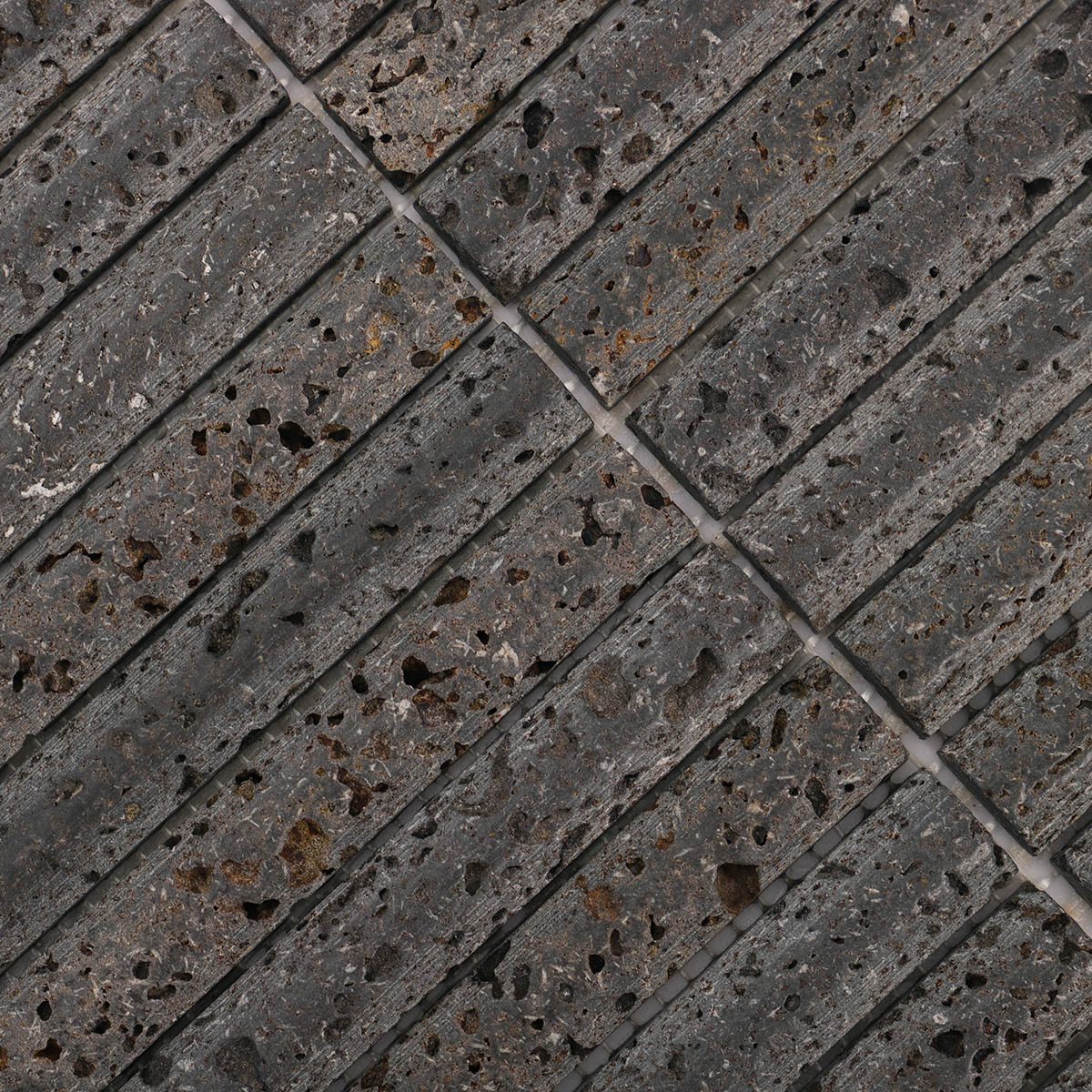
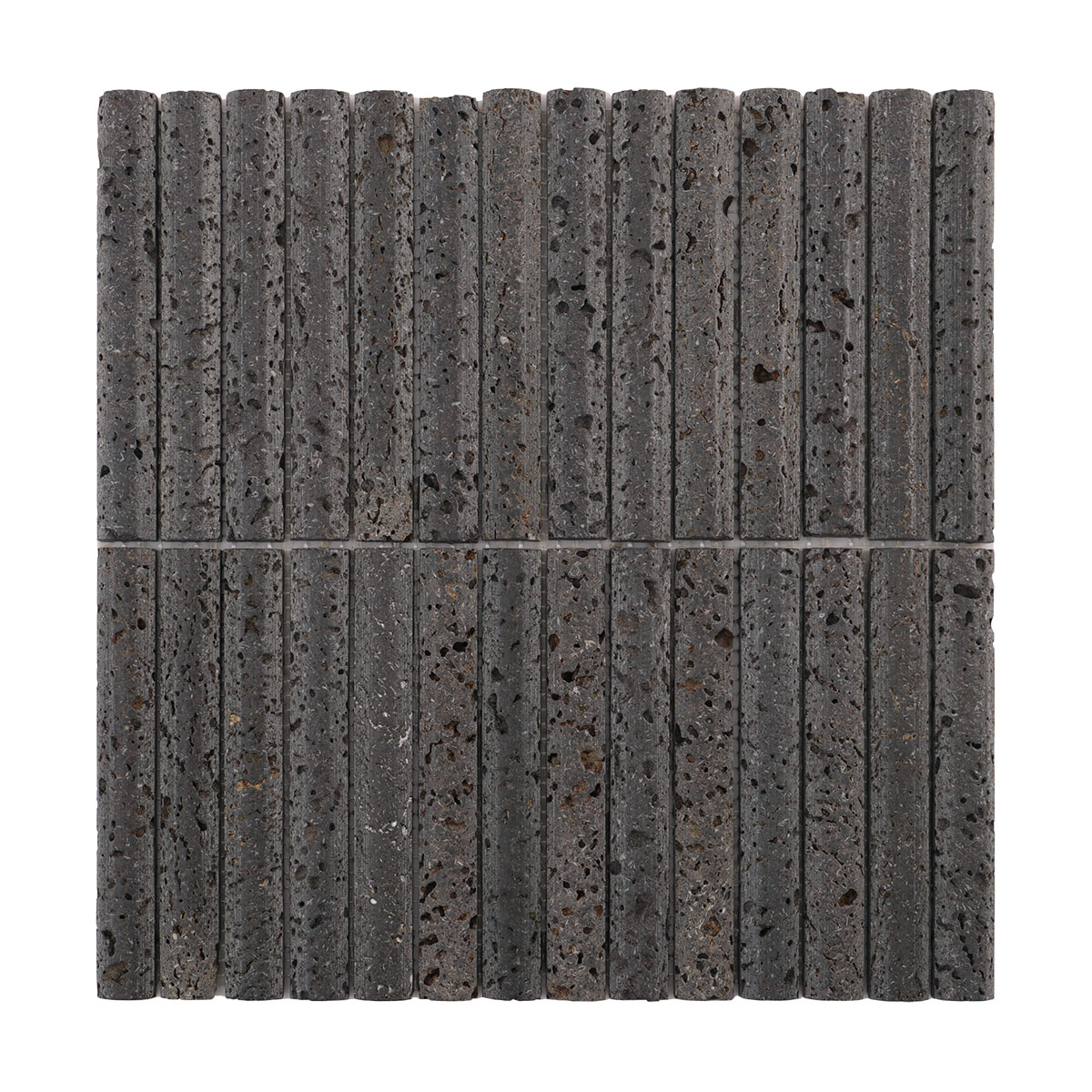
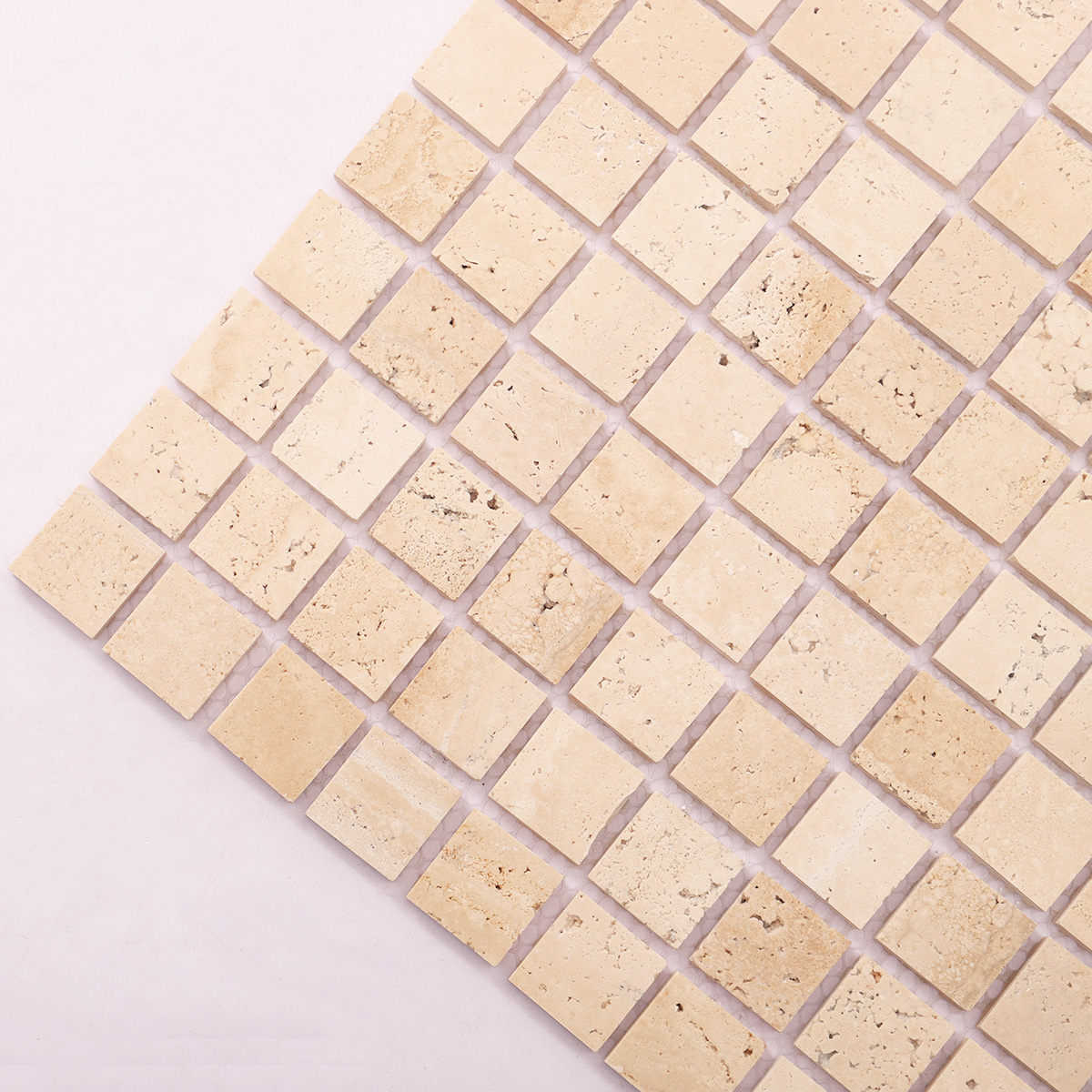
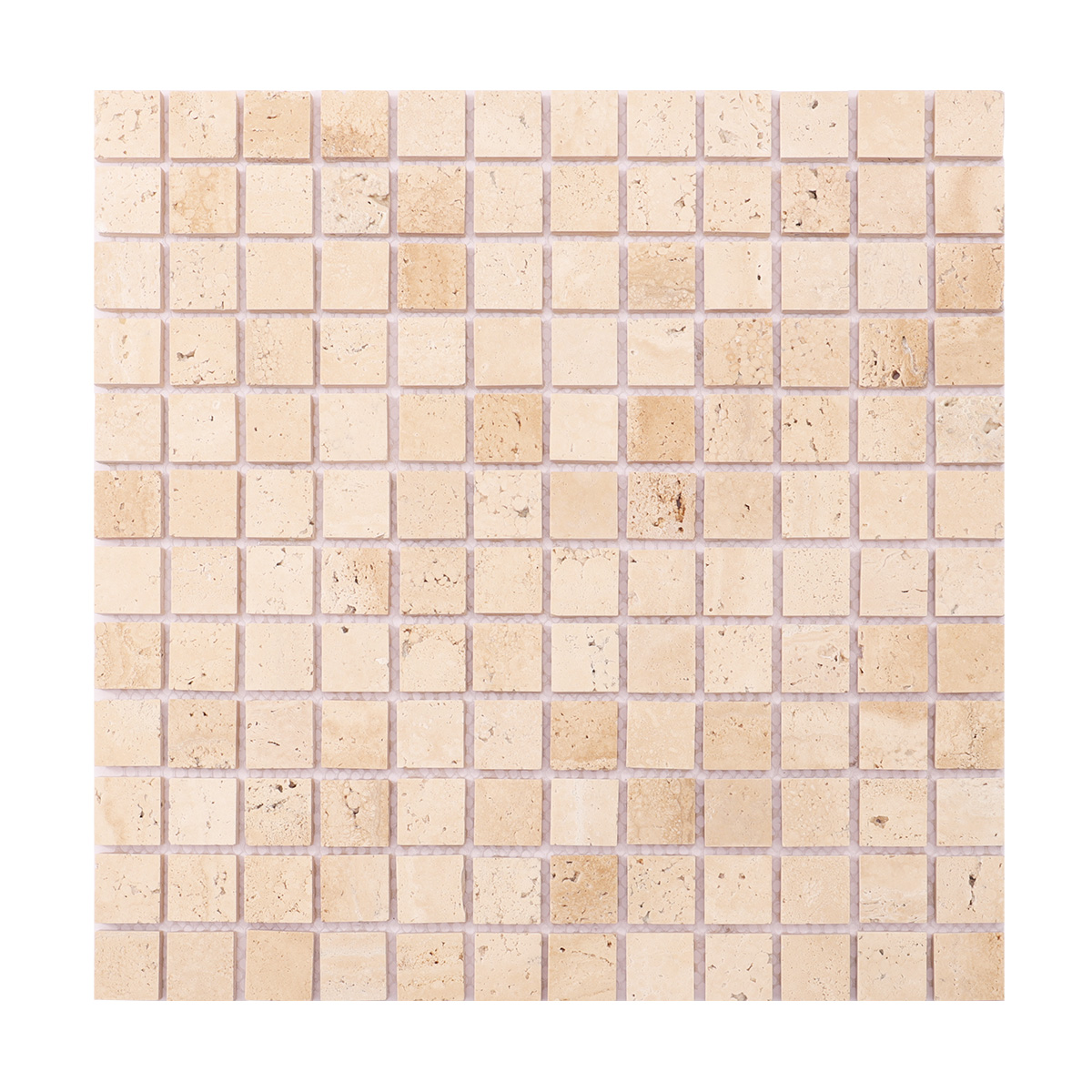

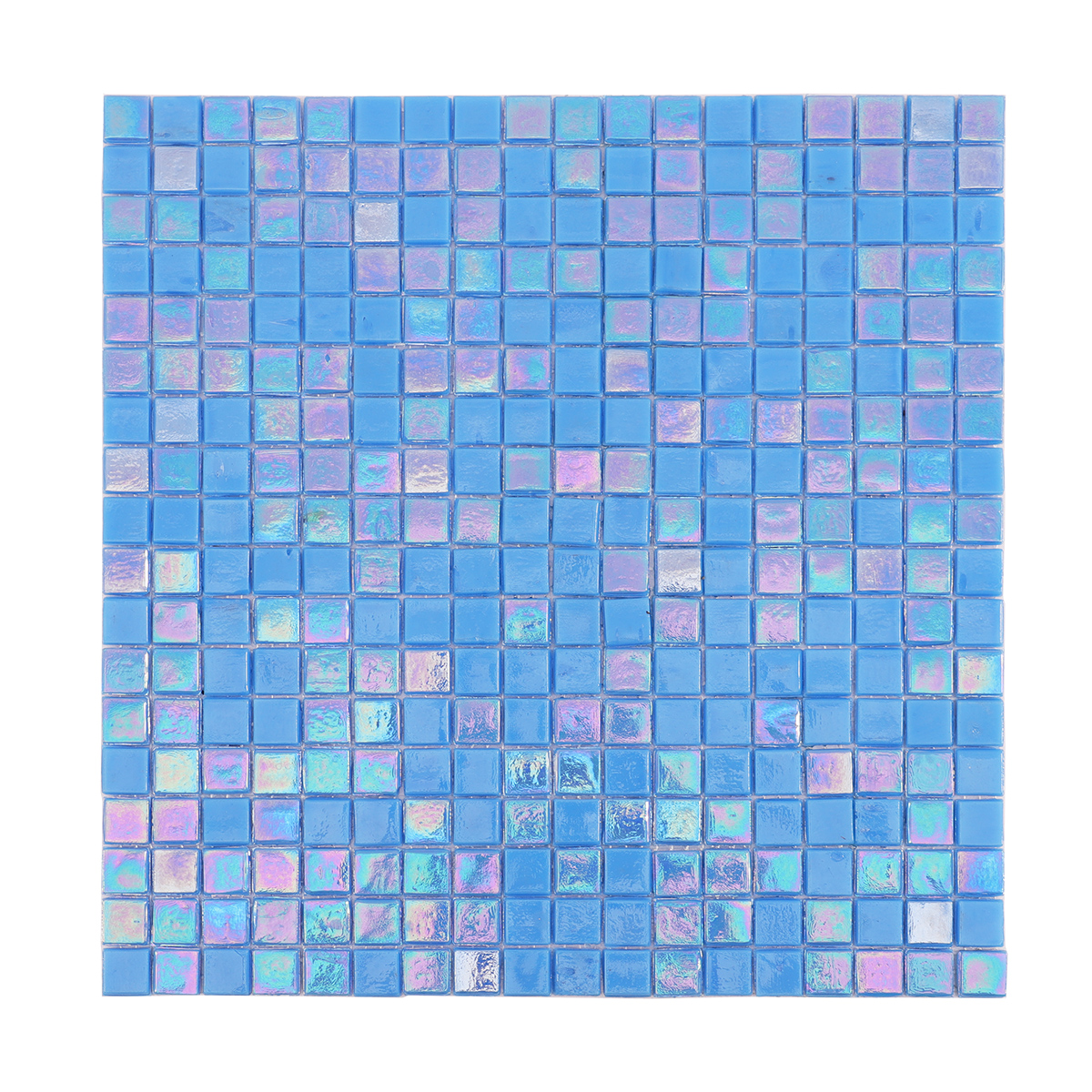
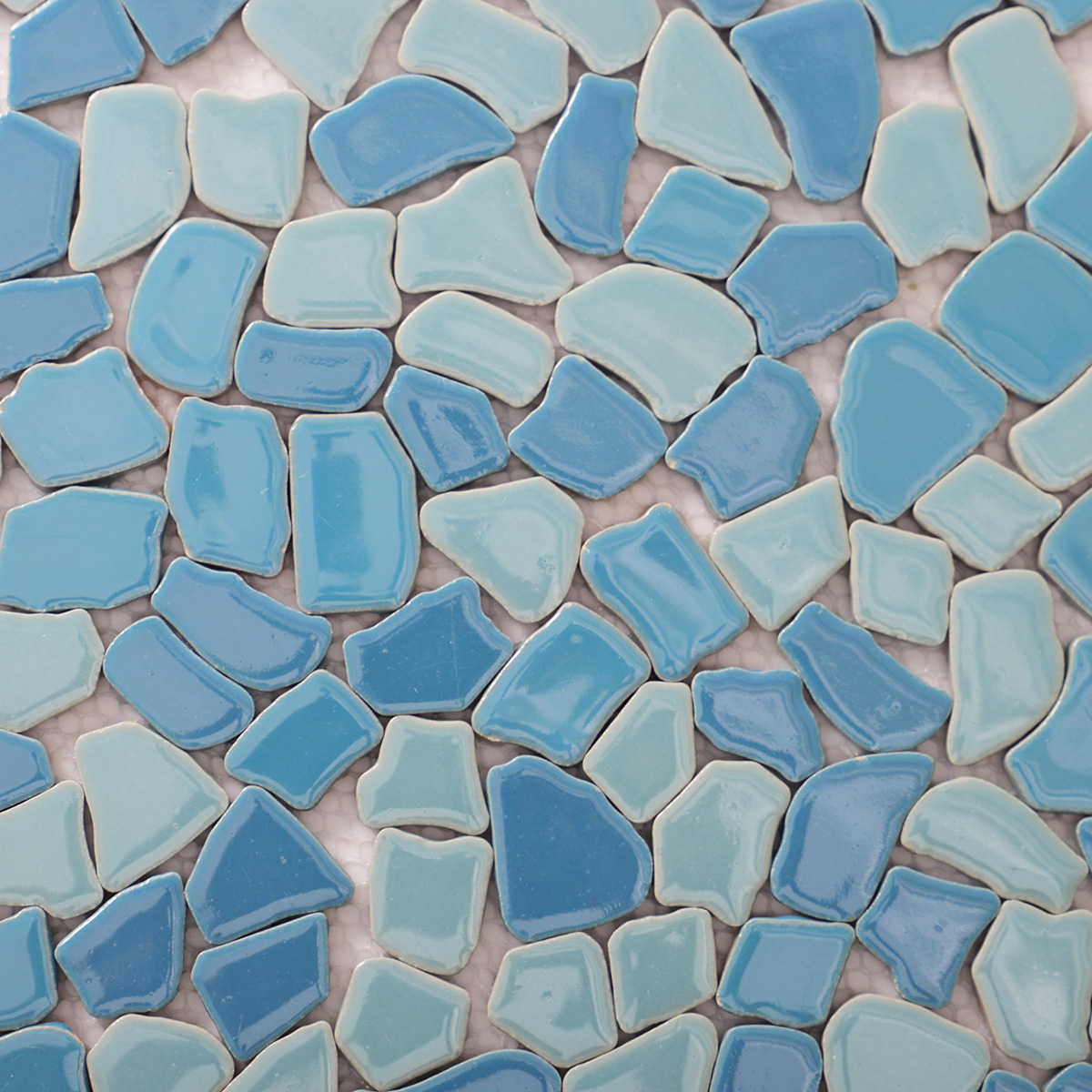
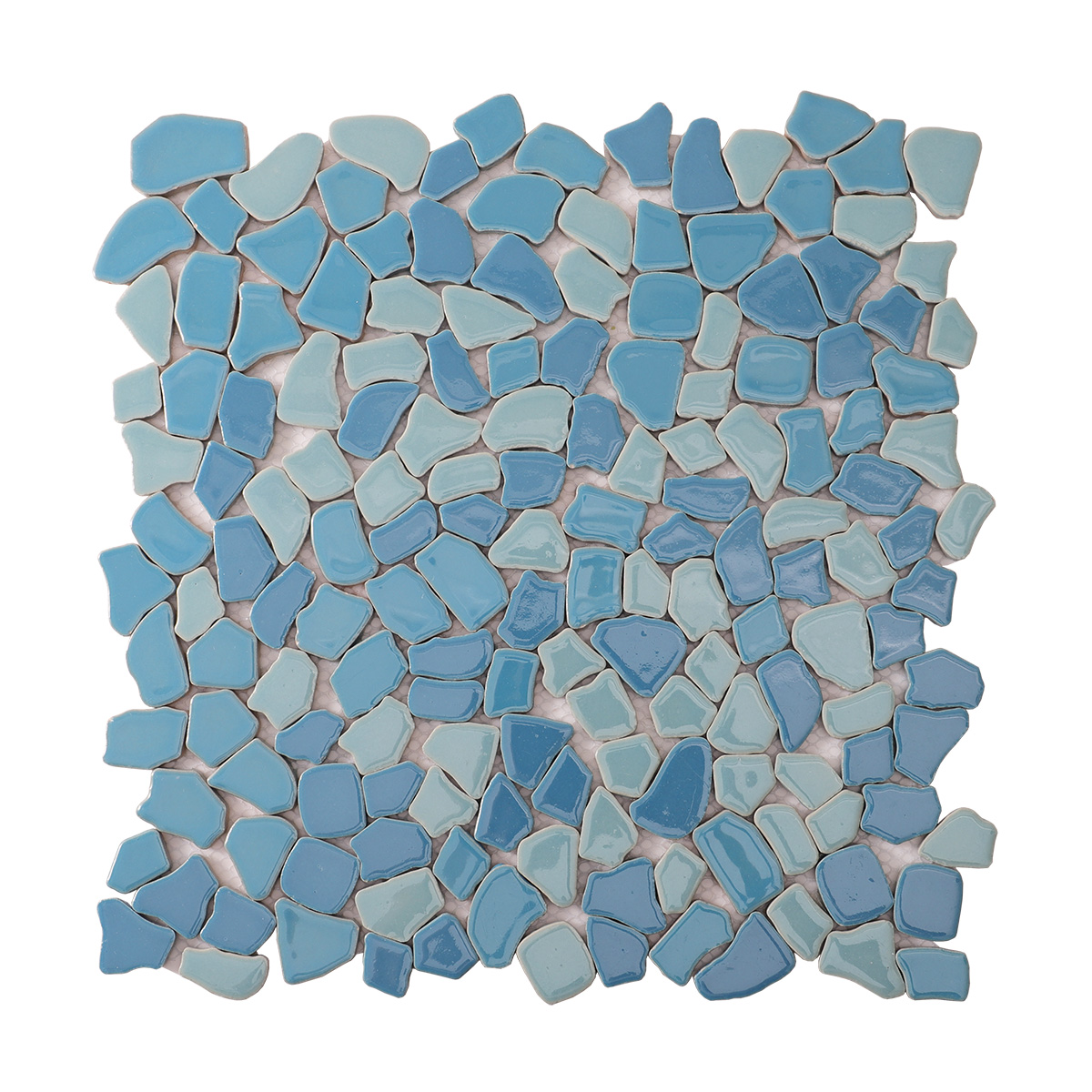
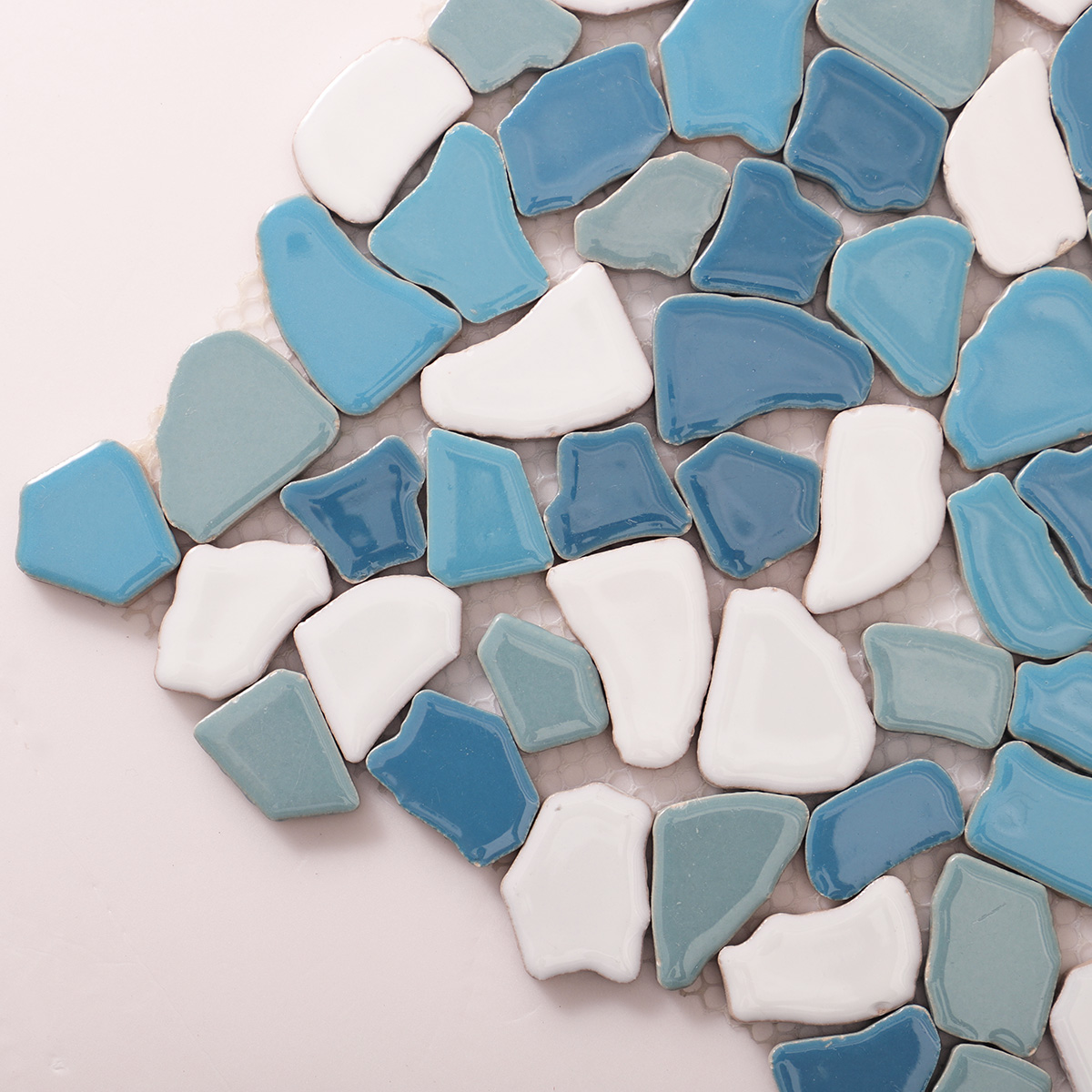
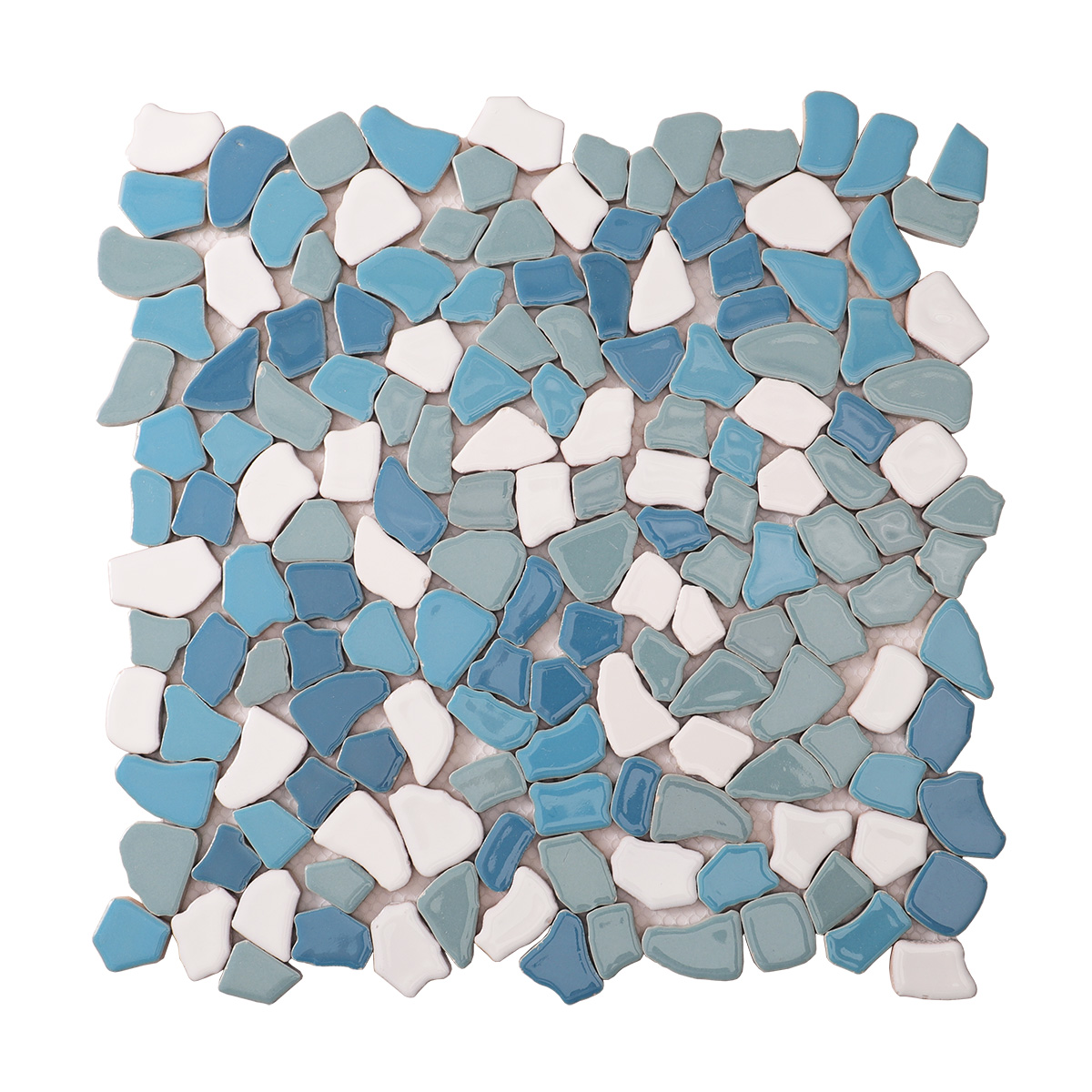
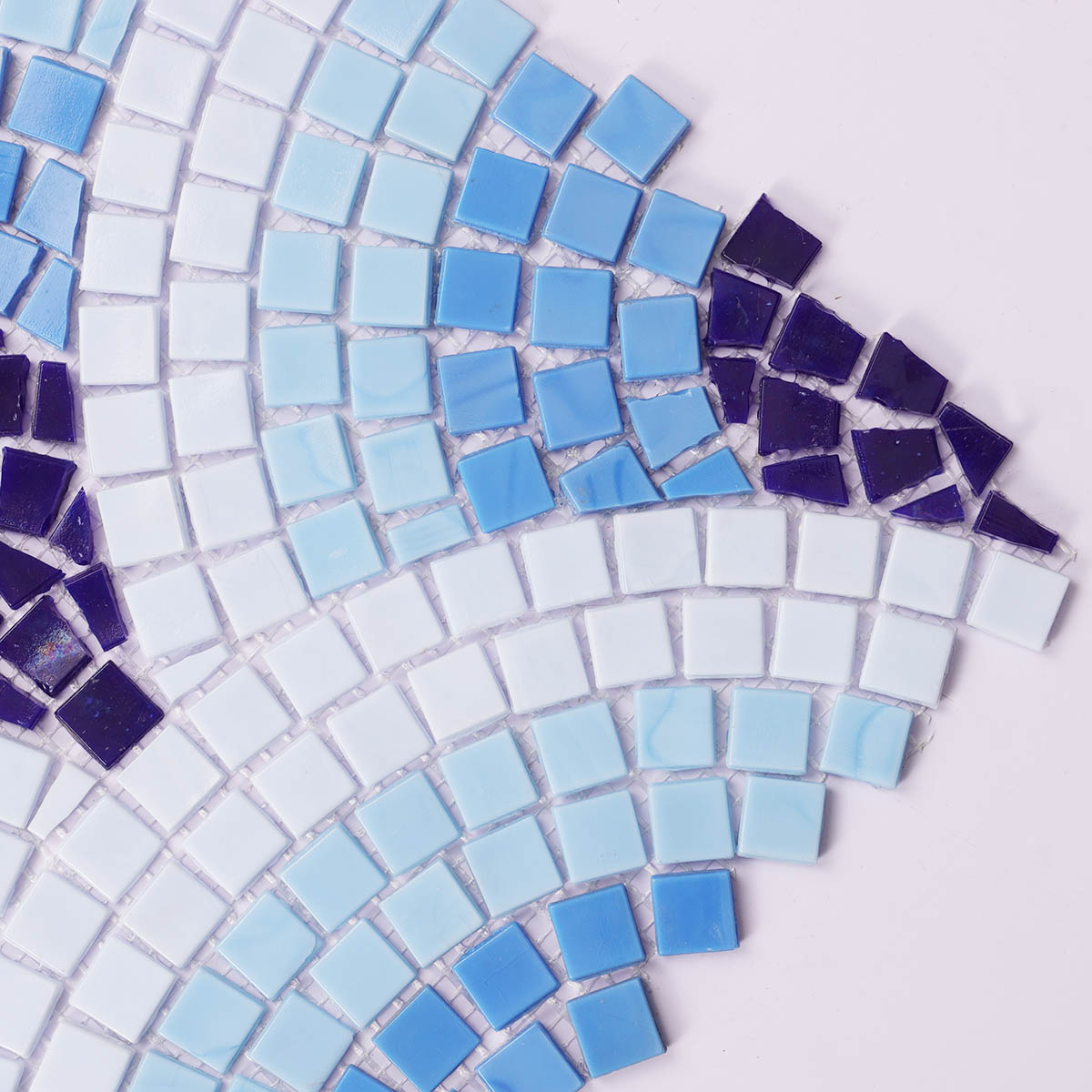
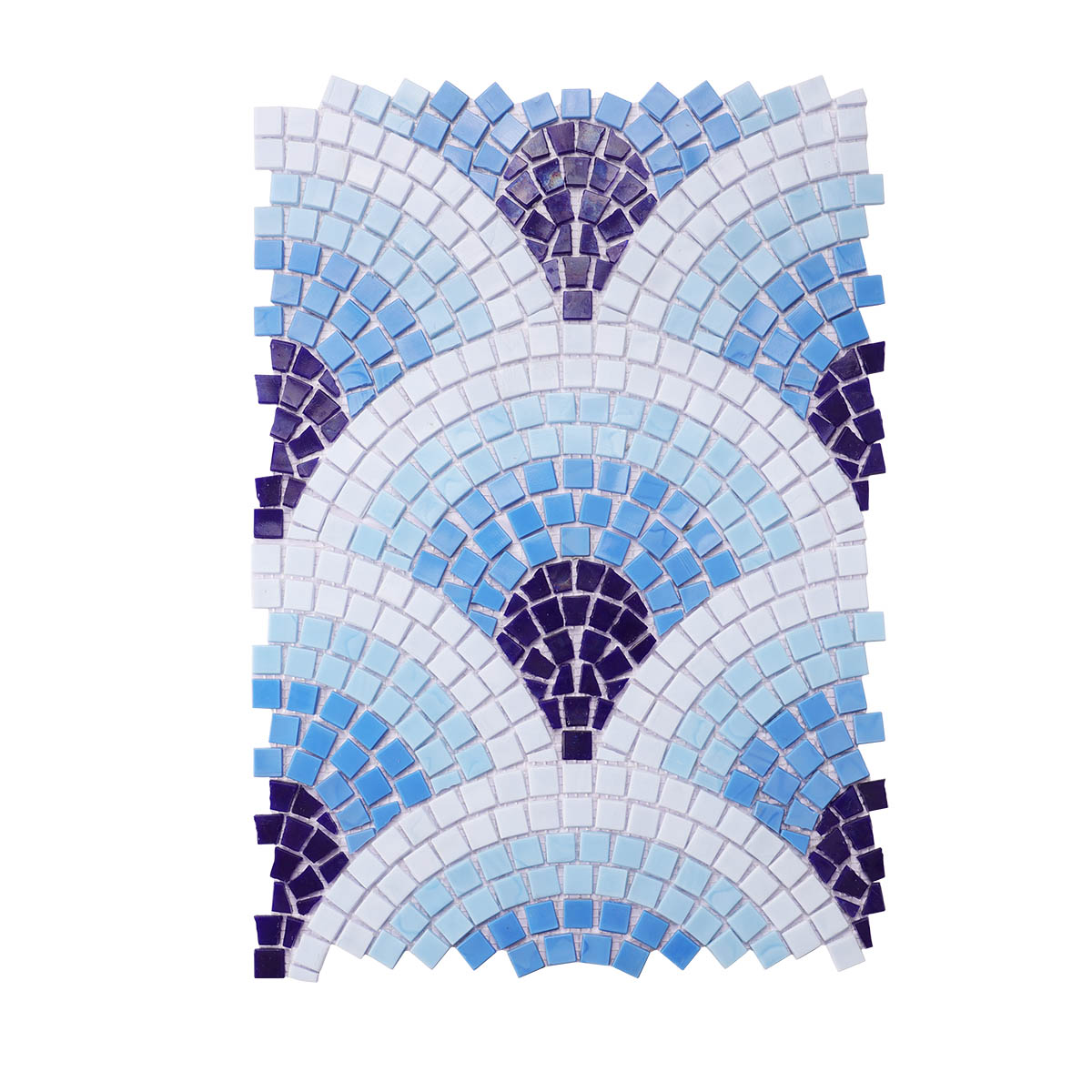
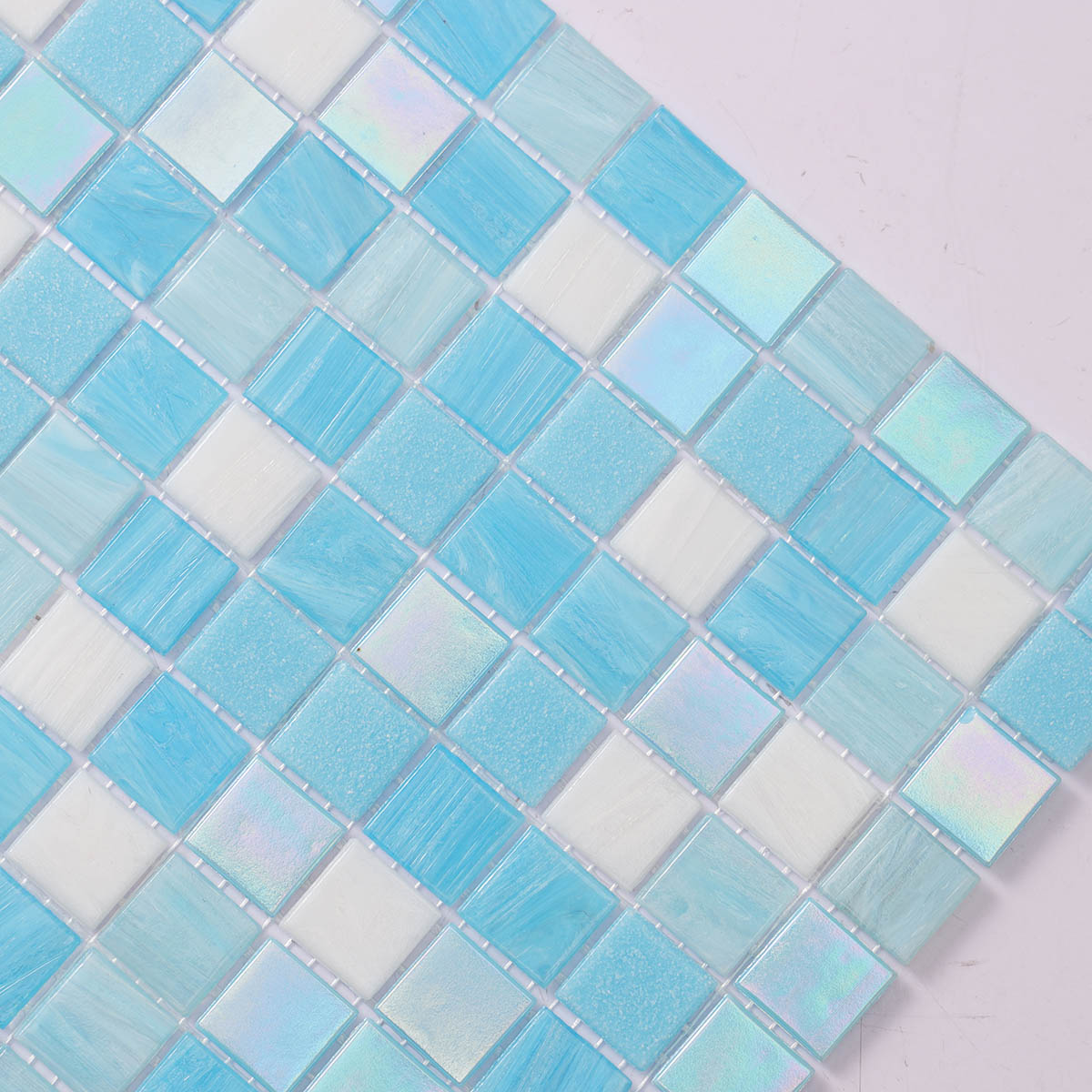
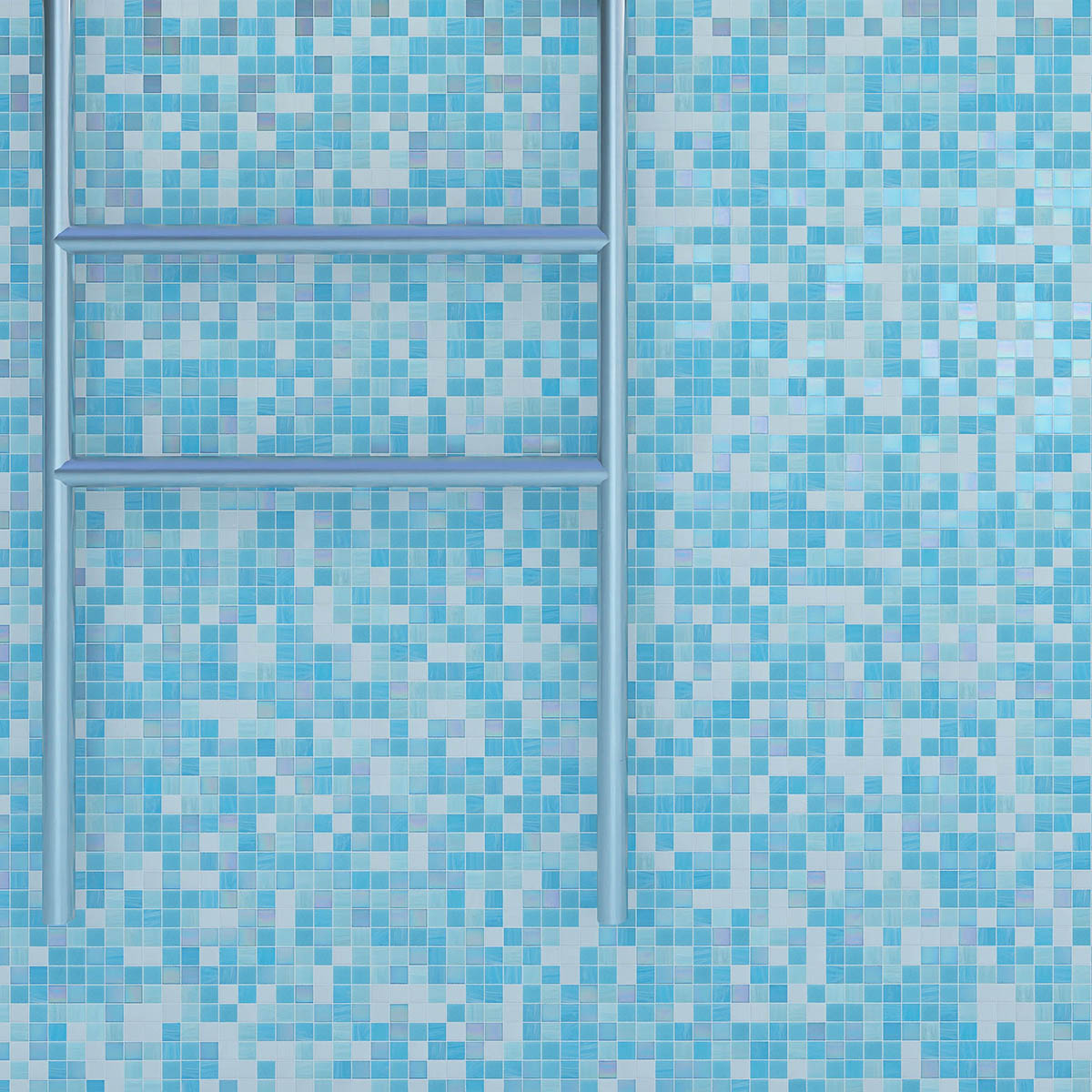
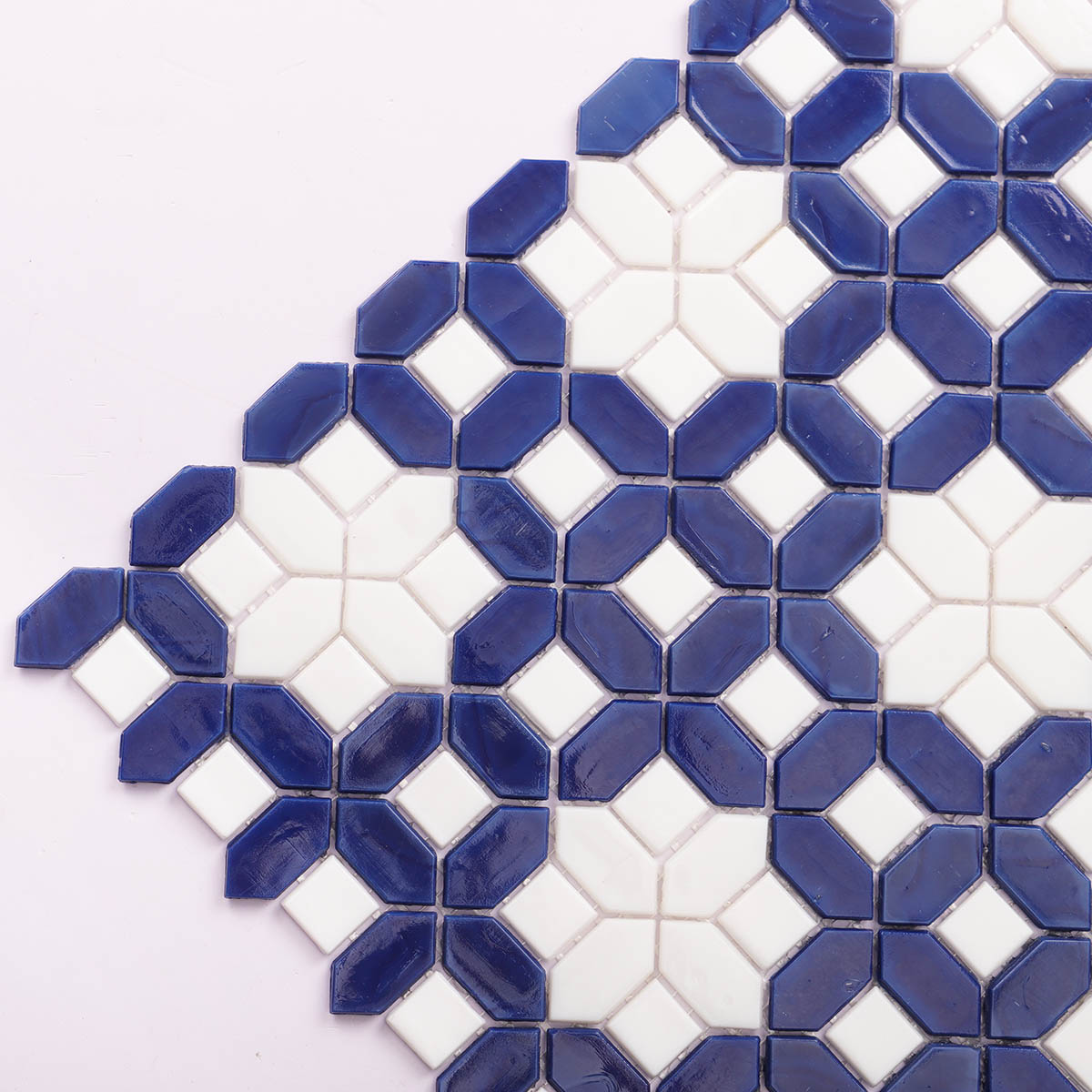
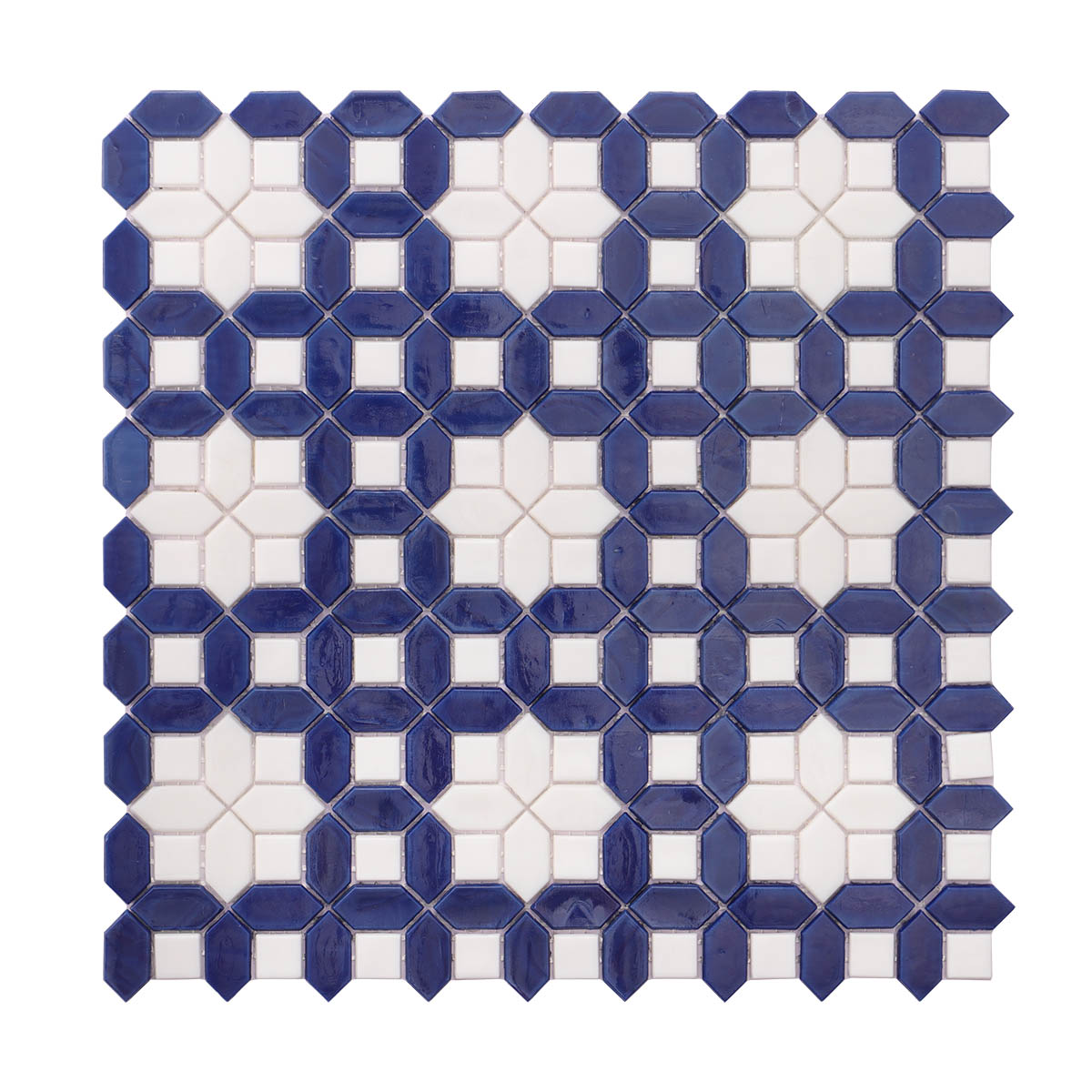
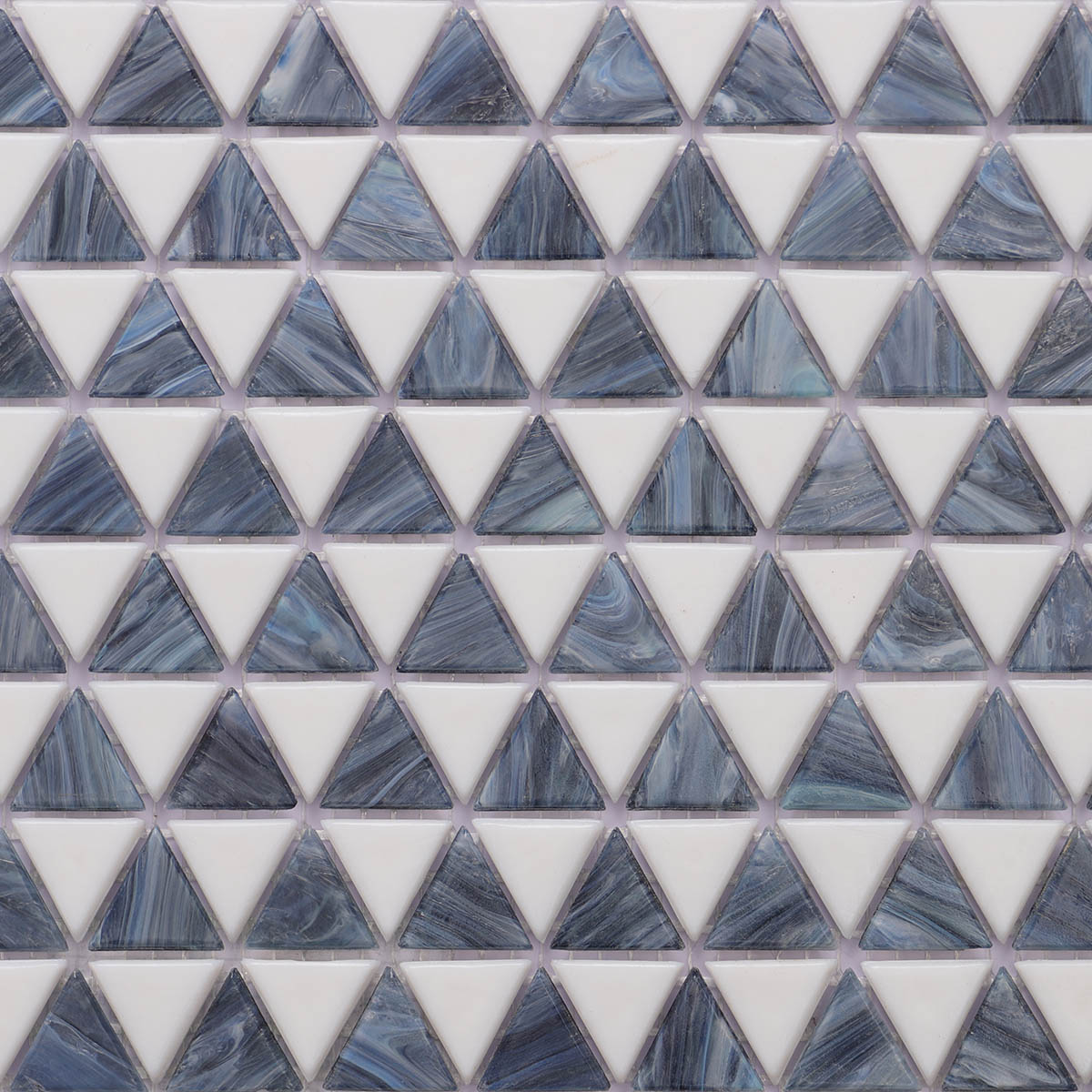
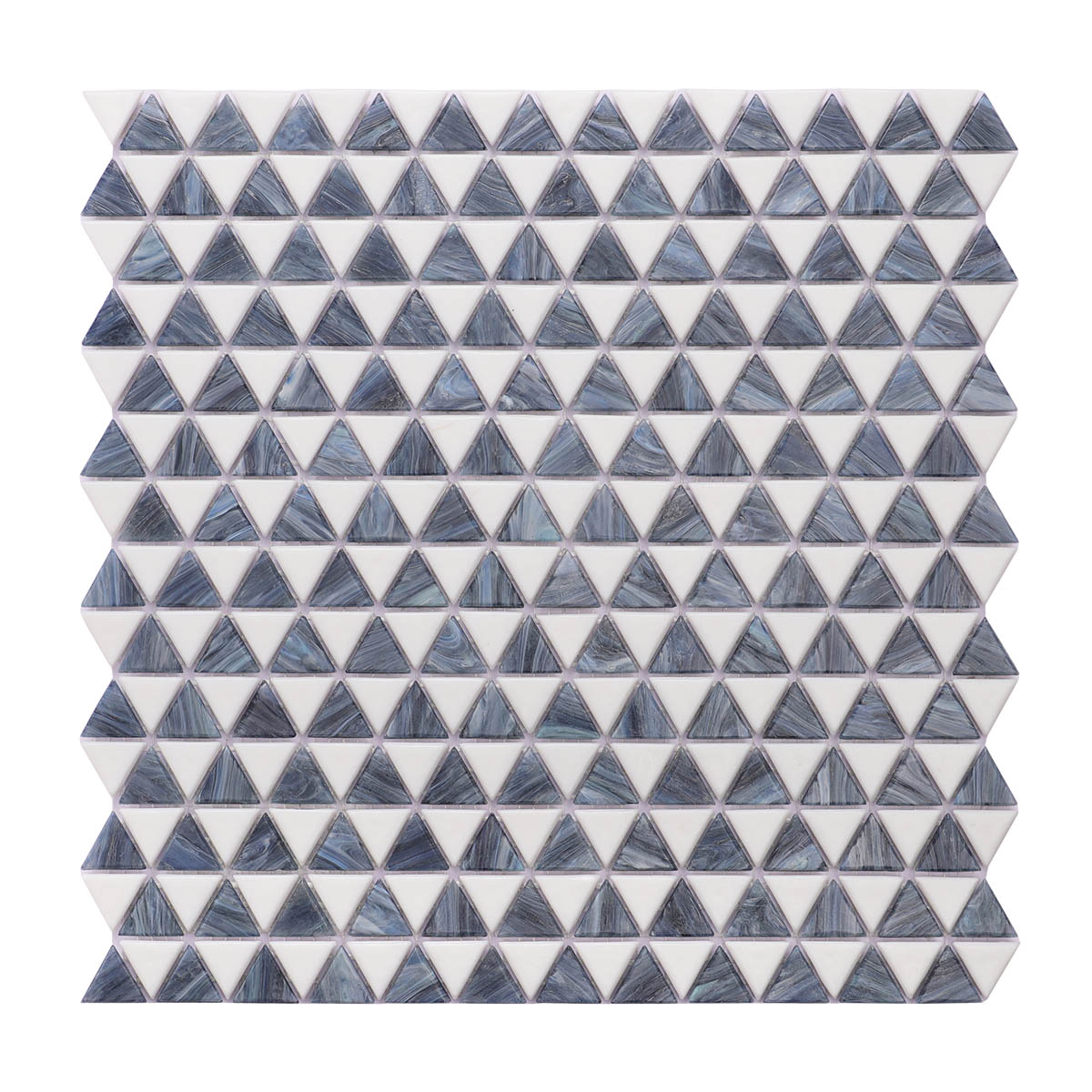
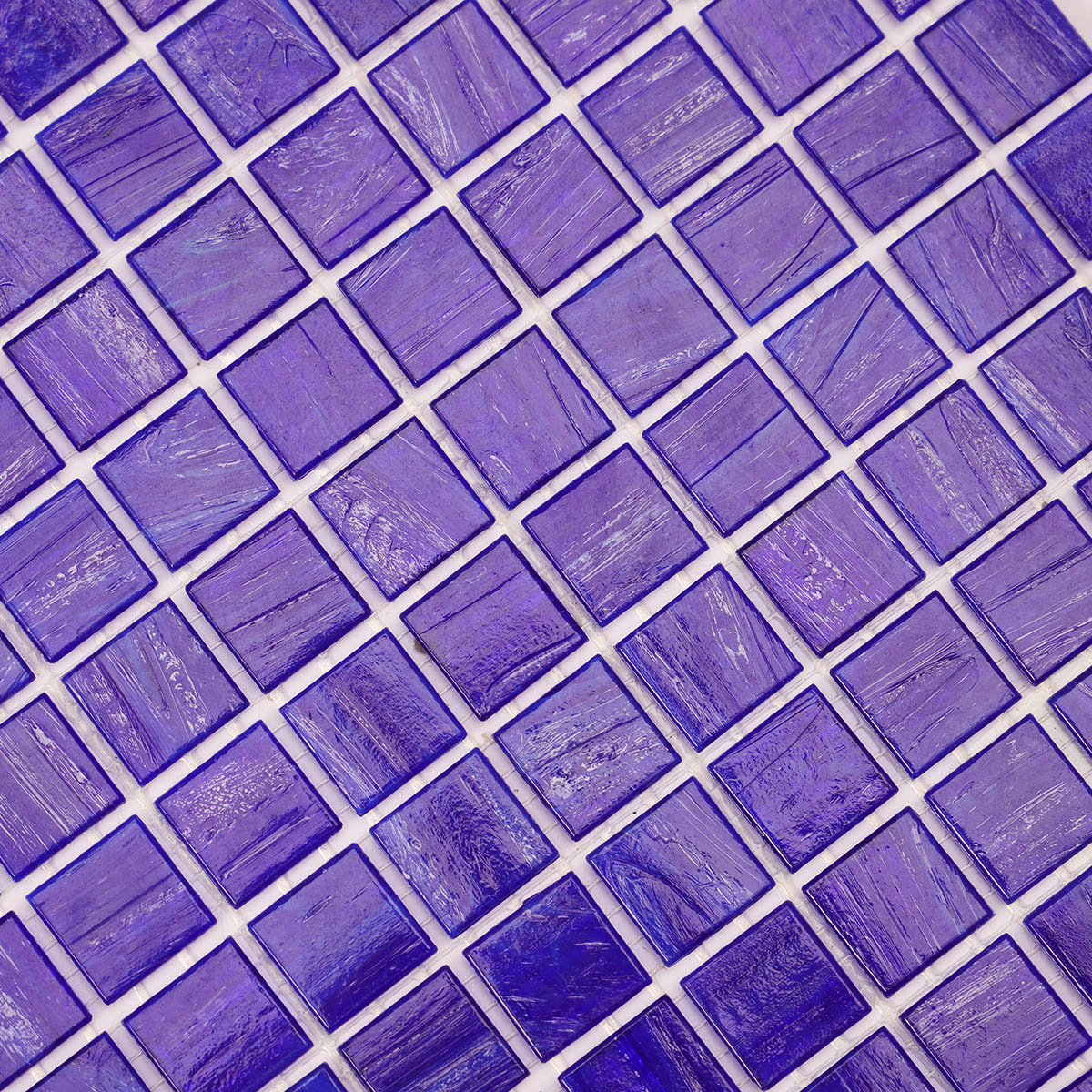
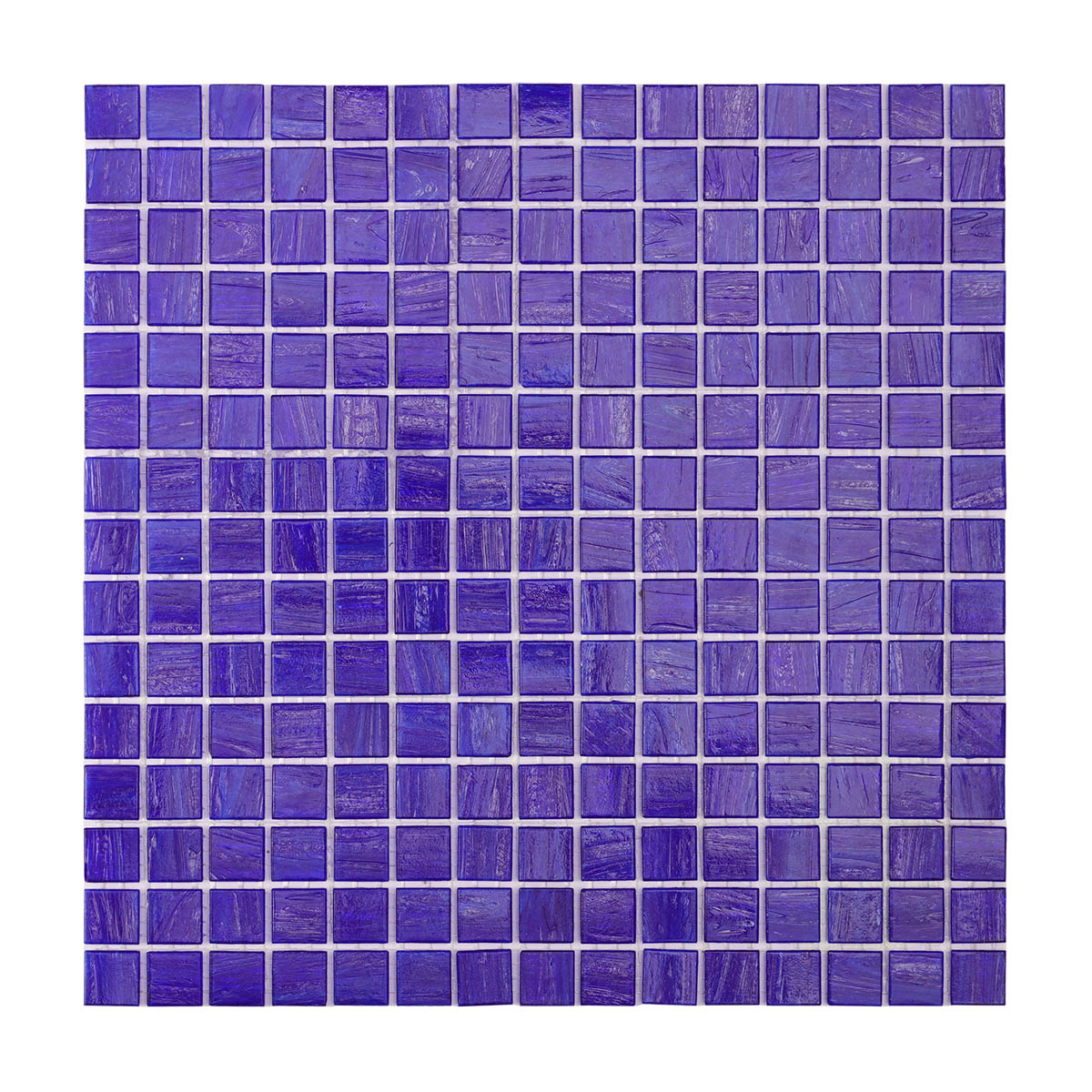
Bring the warmth of sunlit coastlines, historic villas and relaxed Southern European interiors into your space with Mediterranean floor tiles from SAICINA TILES.
Inspired by the architecture and decorative traditions of Greece, Italy, Spain, Portugal, southern France and North Africa, our collection combines natural colors, expressive patterns and tactile surfaces. From ocean-blue glass mosaics and softly veined marble to rustic travertine and understated limestone, each material offers a distinctive way to create Mediterranean-style flooring.
Choose patterned tiles for a bold focal point, neutral natural stone for a quiet coastal foundation, or combine decorative and solid-color tiles to create borders, tile rugs and custom layouts. Because application suitability varies by material and finish, always review the specifications of the individual product before ordering.
Explore our collection, compare materials and order samples to find the right Mediterranean floor tiles for your project.
Create a Relaxed Mediterranean Interior
Mediterranean interiors feel warm, welcoming and closely connected to nature. Their character comes from a thoughtful combination of sun-washed colors, natural materials, handcrafted details and surfaces with subtle variation.
Mediterranean tile flooring can define an entire room without making it feel overly formal. Blue-and-white patterns evoke the Greek islands, terracotta tones recall Spanish courtyards and Tuscan farmhouses, while cream limestone and travertine create the understated elegance of a coastal villa.
At SAICINA TILES, you can find decorative designs for traditional Mediterranean homes as well as cleaner interpretations suited to contemporary interiors. Whether you are renovating a small bathroom or specifying flooring for a hotel, restaurant or resort, our collection allows you to balance historic character with modern functionality.
What Defines Mediterranean Floor Tiles?
Mediterranean flooring is not limited to a single material, color or pattern. It is a broad design language shaped by the architecture, climate and craftsmanship of the regions surrounding the Mediterranean Sea.
Sun-Washed, Nature-Inspired Colors
Traditional Mediterranean colors reflect the surrounding sea, sky, earth and coastal vegetation:
-
Ocean blue and turquoise
-
Chalk white and warm ivory
-
Sand, beige and limestone cream
-
Terracotta, rust and clay red
-
Olive and sage green
-
Soft gray and weathered stone
-
Warm brown and muted gold
These colors can be used individually or combined to create a layered, collected appearance. For a calmer room, choose cream, beige or light gray flooring. For a stronger visual identity, introduce deep blue, green or terracotta through patterned tiles and decorative borders.
Decorative Patterns with Historic Character
Mediterranean patterned floor tiles frequently feature:
-
Geometric repeats
-
Floral and botanical motifs
-
Spanish-inspired patterns
-
Portuguese-style ornament
-
Moorish and Moroccan-influenced geometry
-
Star, cross and interlocking shapes
-
Checkerboard layouts
-
Mosaic medallions and borders
-
Handcrafted or timeworn visual effects
Patterned tiles can cover an entire room or be used as a tile rug beneath a dining table, kitchen island or bathroom vanity.
Natural Variation and Tactile Texture
Unlike highly uniform contemporary flooring, Mediterranean-style tiles often celebrate variation. Subtle changes in color, veining, texture and edge detail help the finished floor appear natural rather than mechanically repeated.
Natural stone pieces may vary from tile to tile. Glass can create tonal depth and reflected color, while tumbled edges and matte surfaces introduce softness and an aged architectural character.
Before installation, dry-lay tiles from multiple cartons and distribute the variations throughout the floor for a balanced result.
Explore Mediterranean Floor Tiles by Material
The material affects more than the appearance of the floor. It can also influence maintenance, installation requirements, slip resistance and suitability for wet or outdoor environments.
Glass Mediterranean Mosaic Tiles
Glass mosaics bring luminous color and visual depth to Mediterranean-inspired interiors. Blue, green, aqua and pearlescent white are especially effective for creating a fresh coastal atmosphere.
Small-format glass pieces can be arranged into geometric fields, flowing patterns or detailed custom mosaics. Their reflective qualities can help brighten compact bathrooms, entryways and hospitality interiors.
Potential applications may include:
-
Decorative residential flooring
-
Bathroom accents
-
Powder room floors
-
Coastal-style entryways
-
Custom floor medallions
-
Hotel and resort features
Not every glass tile is suitable for floor installation. Confirm the product’s floor-use, wet-area and slip-resistance specifications before selection.
Natural Marble Mediterranean Floor Tiles
Marble gives Mediterranean flooring a refined and architectural appearance. Its natural veining creates movement without relying on printed decoration, while honed and tumbled finishes provide a softer, more relaxed character than highly polished marble.
Popular Mediterranean marble colors include:
-
White and warm ivory
-
Beige and cream
-
Soft gray
-
Pale blue-gray
-
Honey and light gold
Marble works especially well in villa-style entryways, dining rooms, bathrooms, boutique hotels and upscale commercial interiors. Because marble is a porous natural material, sealing and appropriate cleaning products may be required.
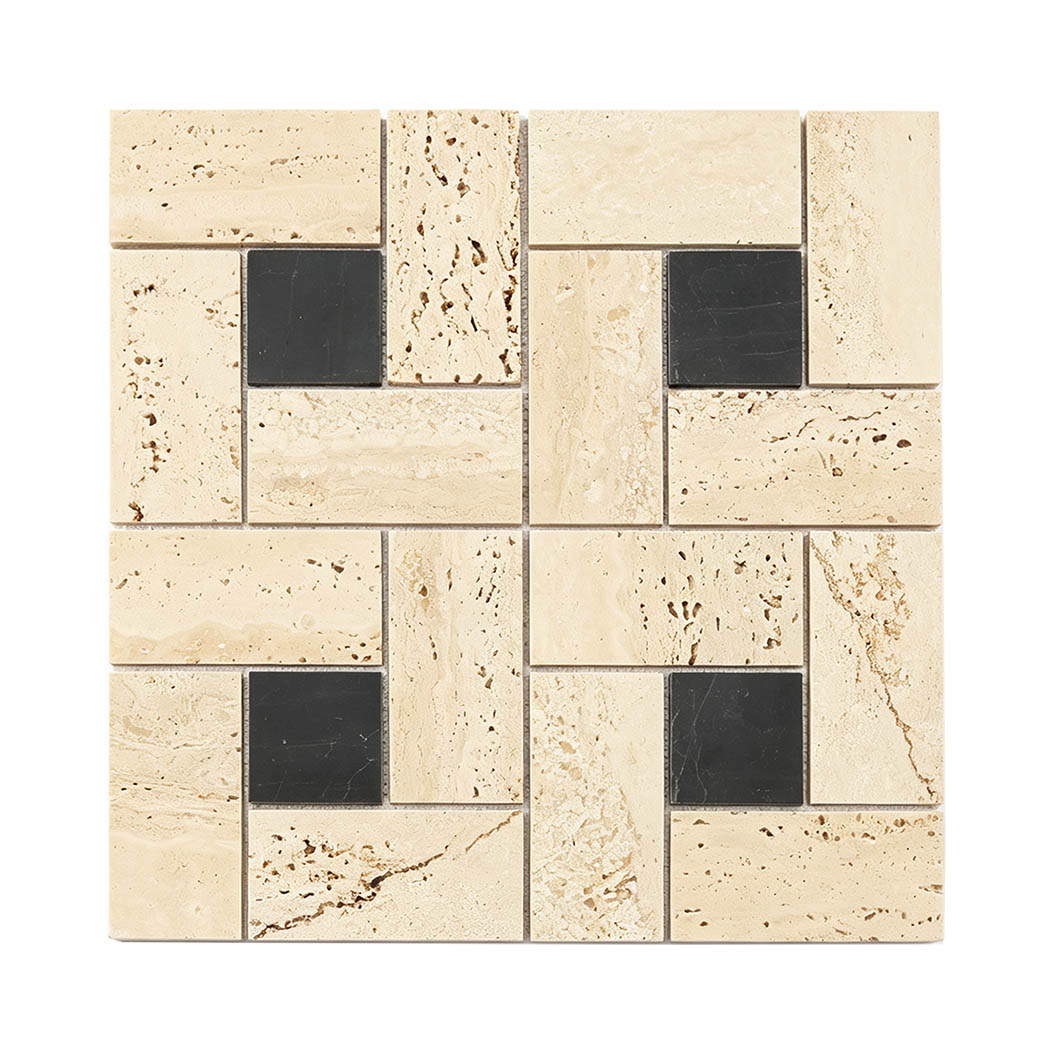
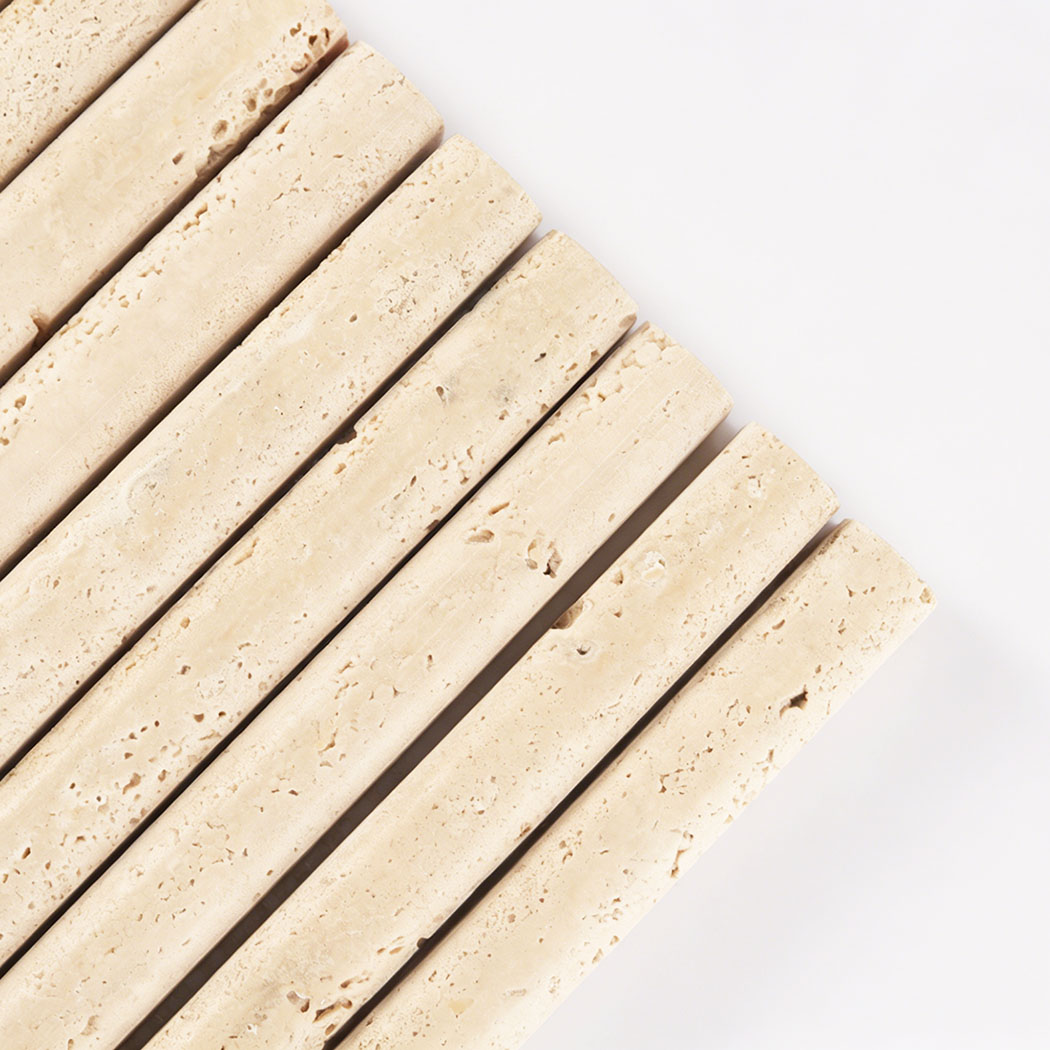
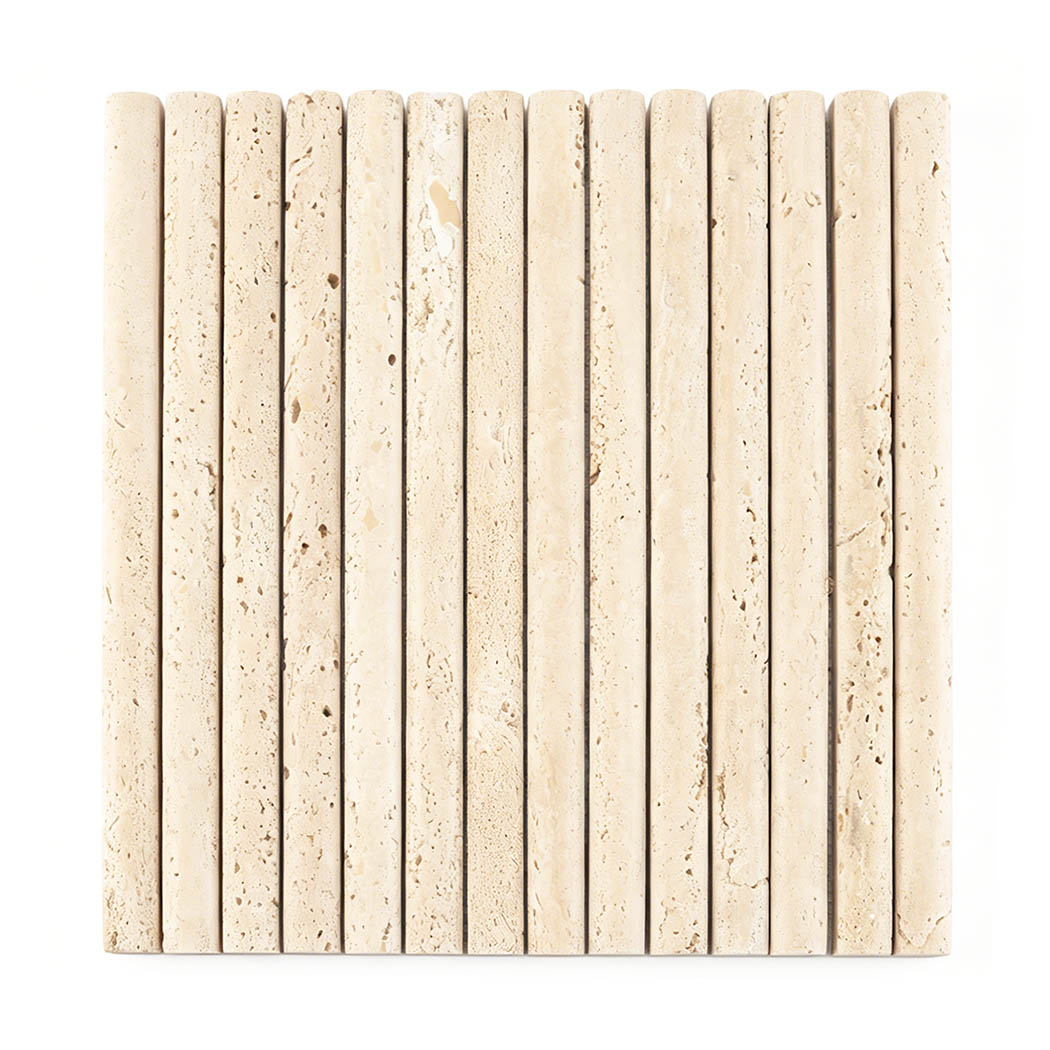
Travertine Mediterranean Floor Tiles
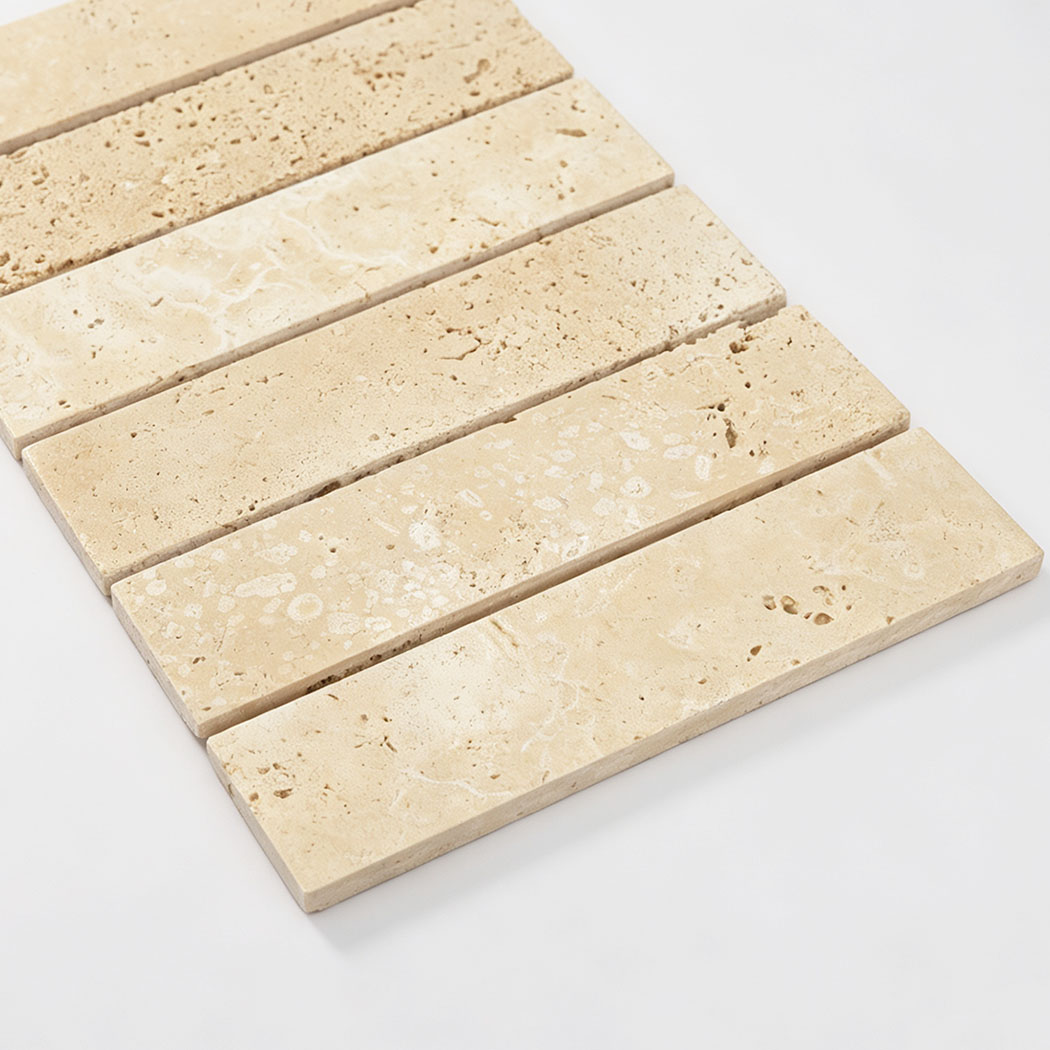
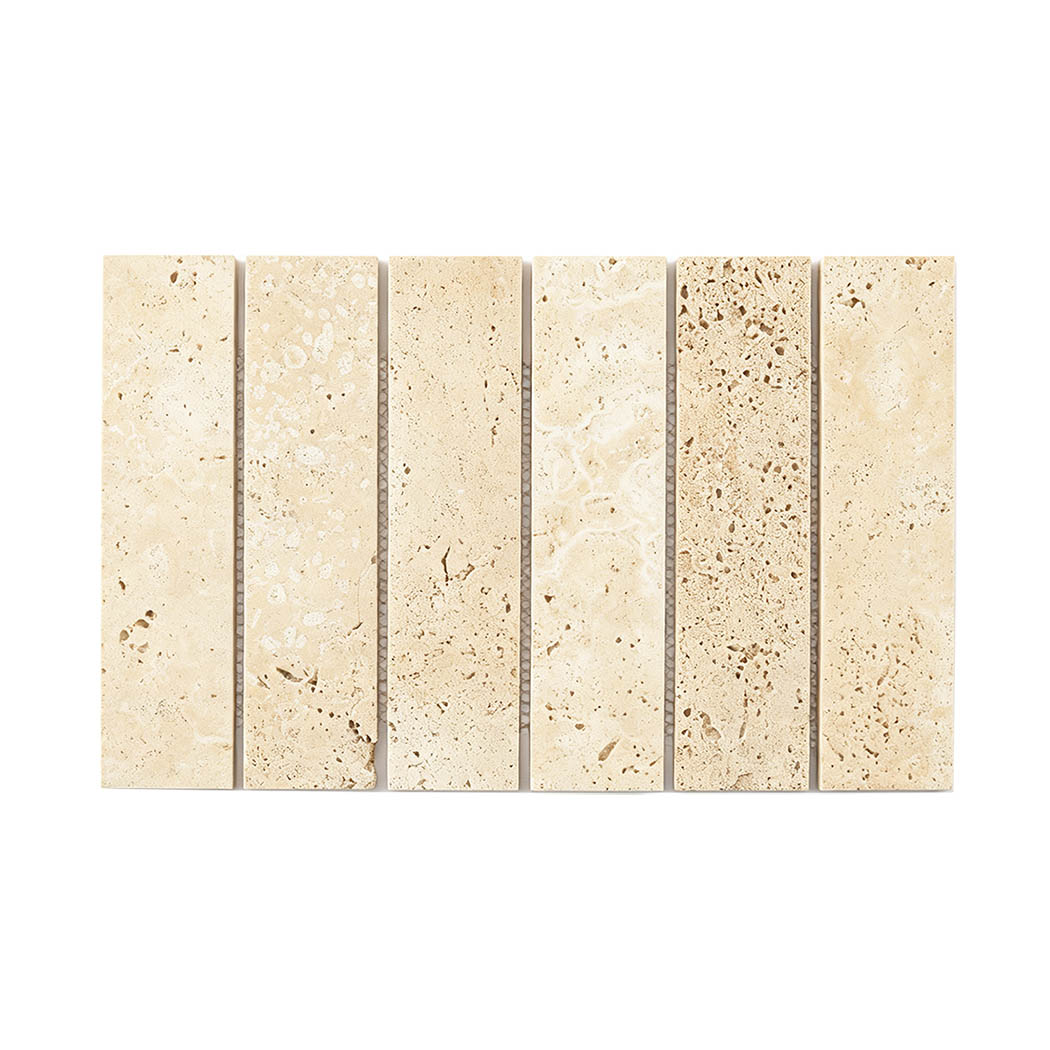
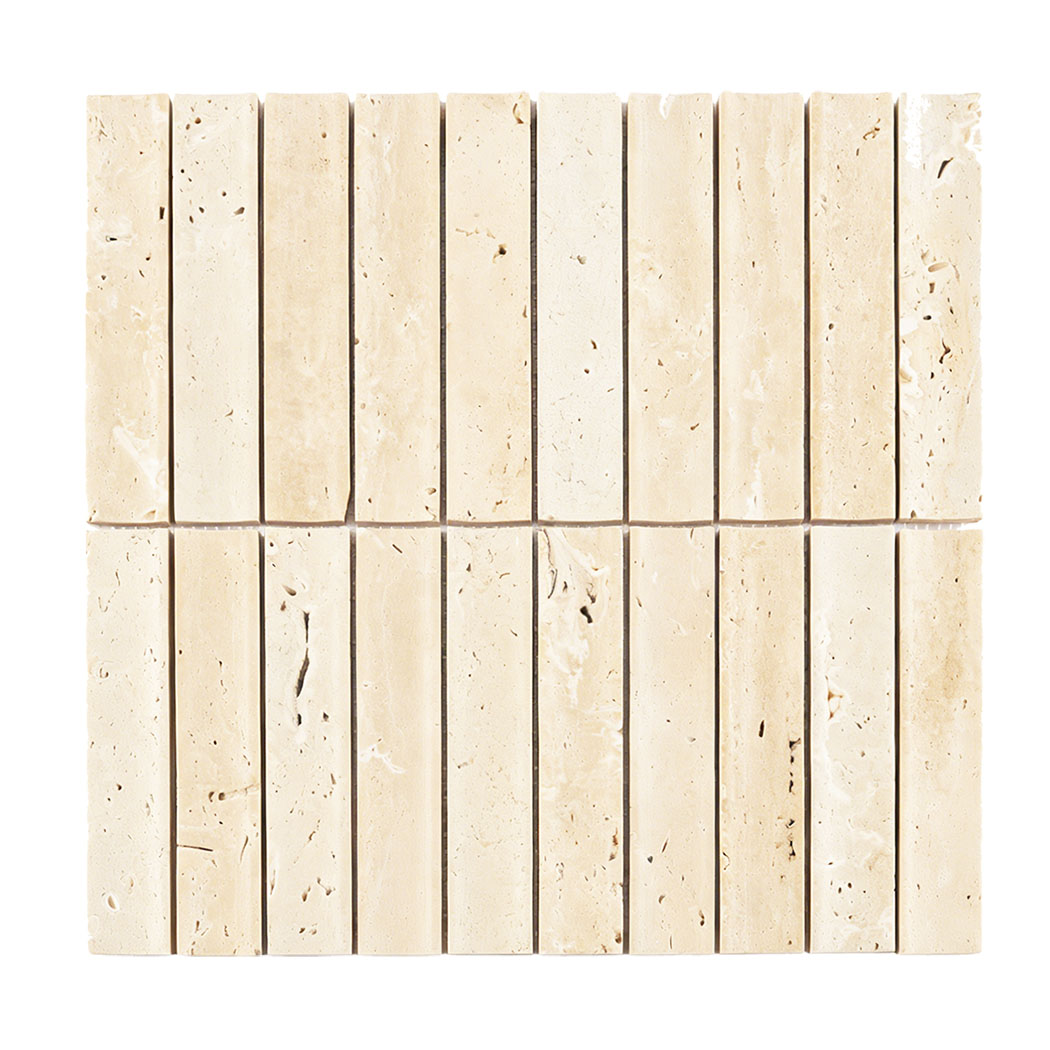
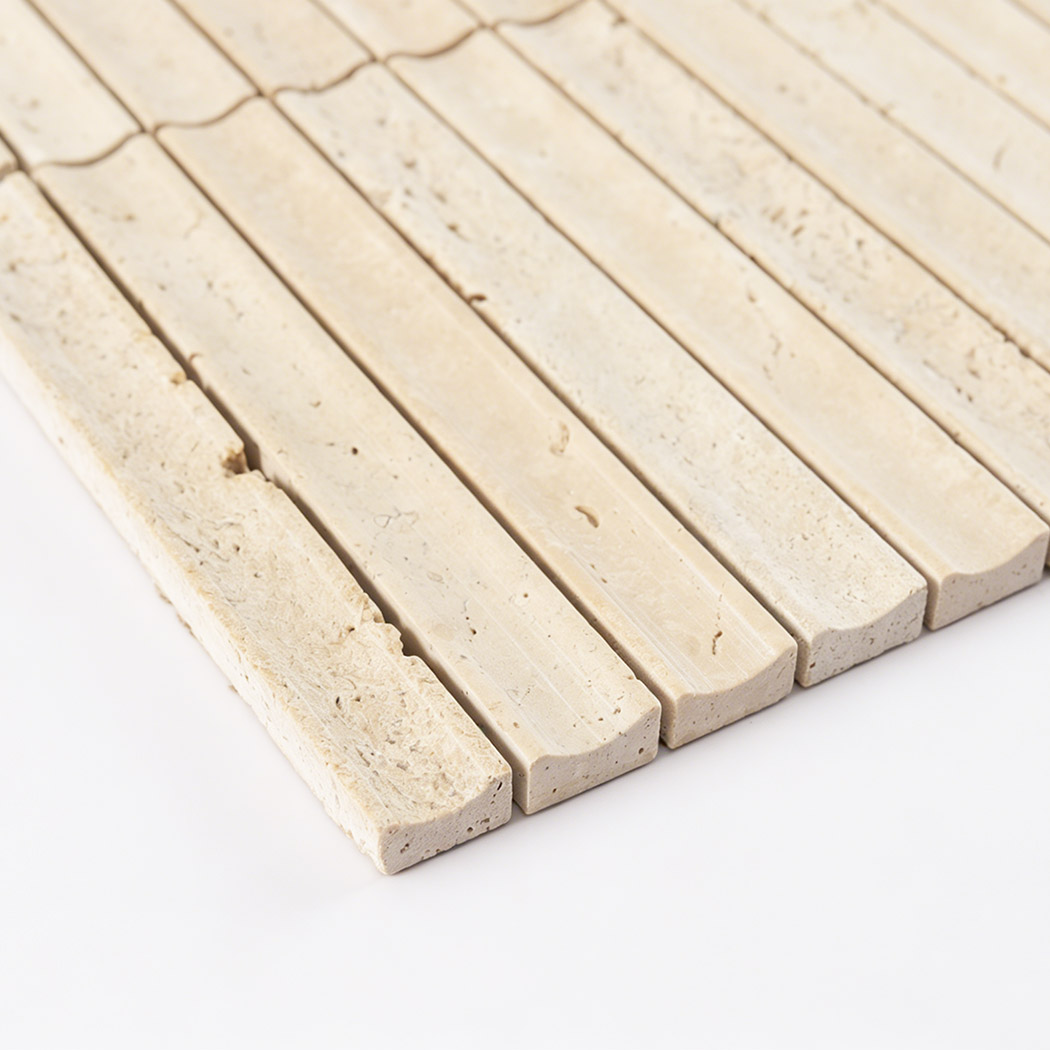
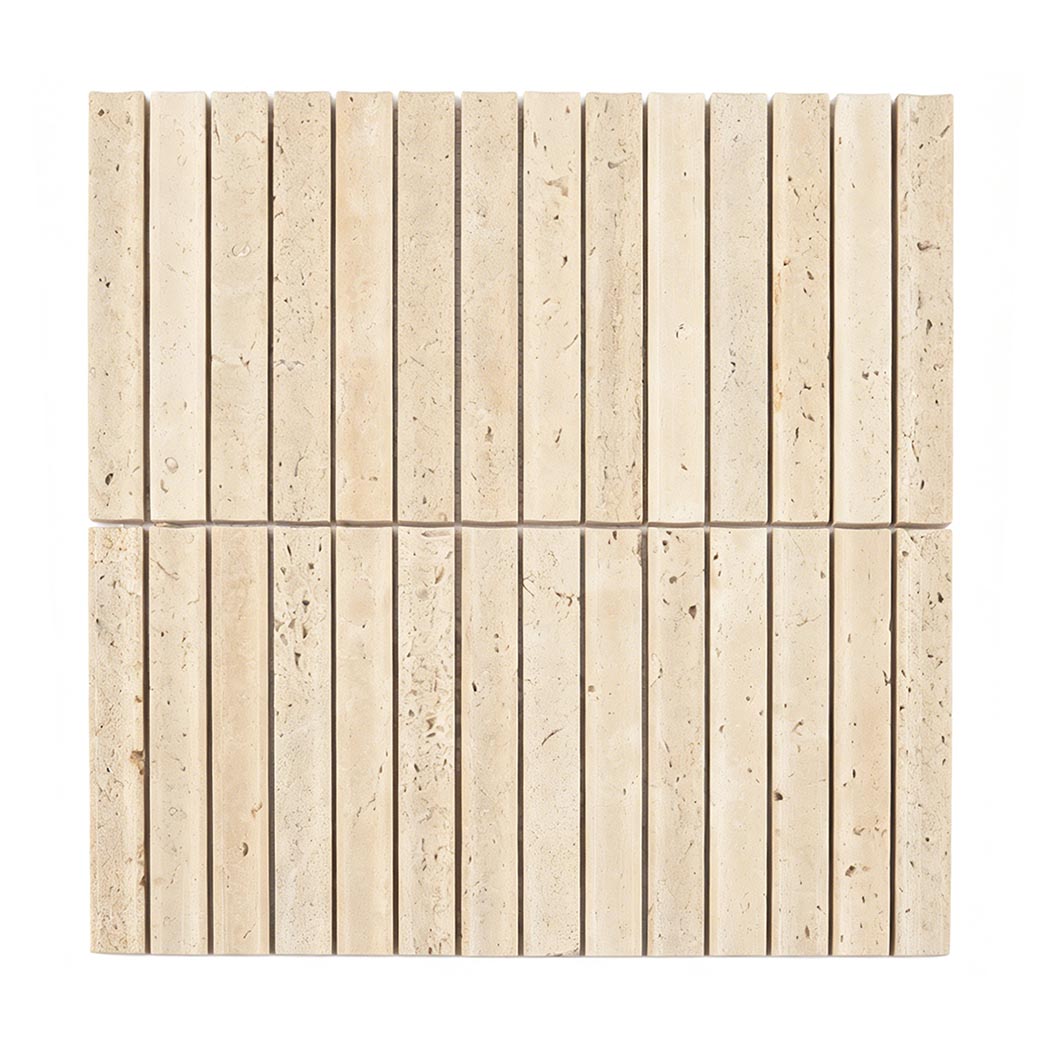
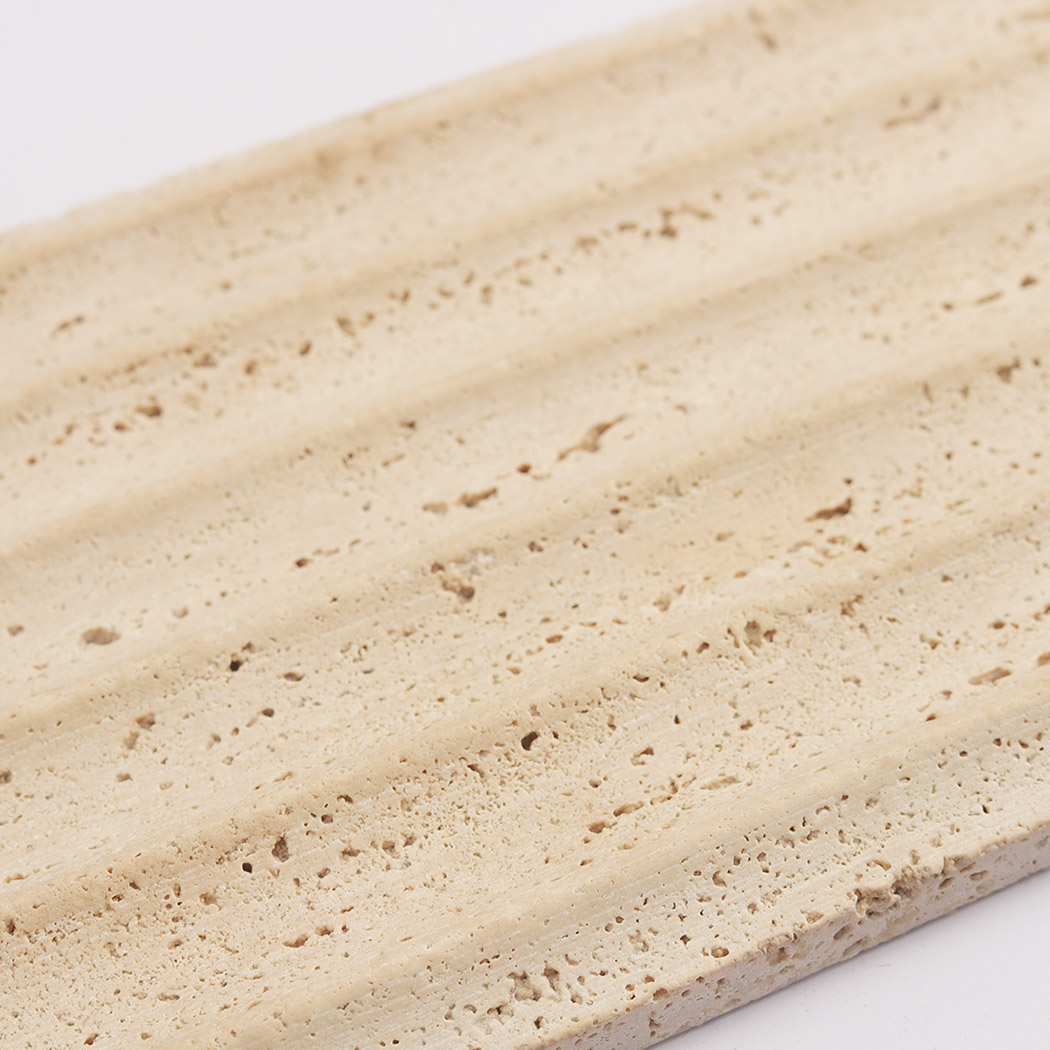
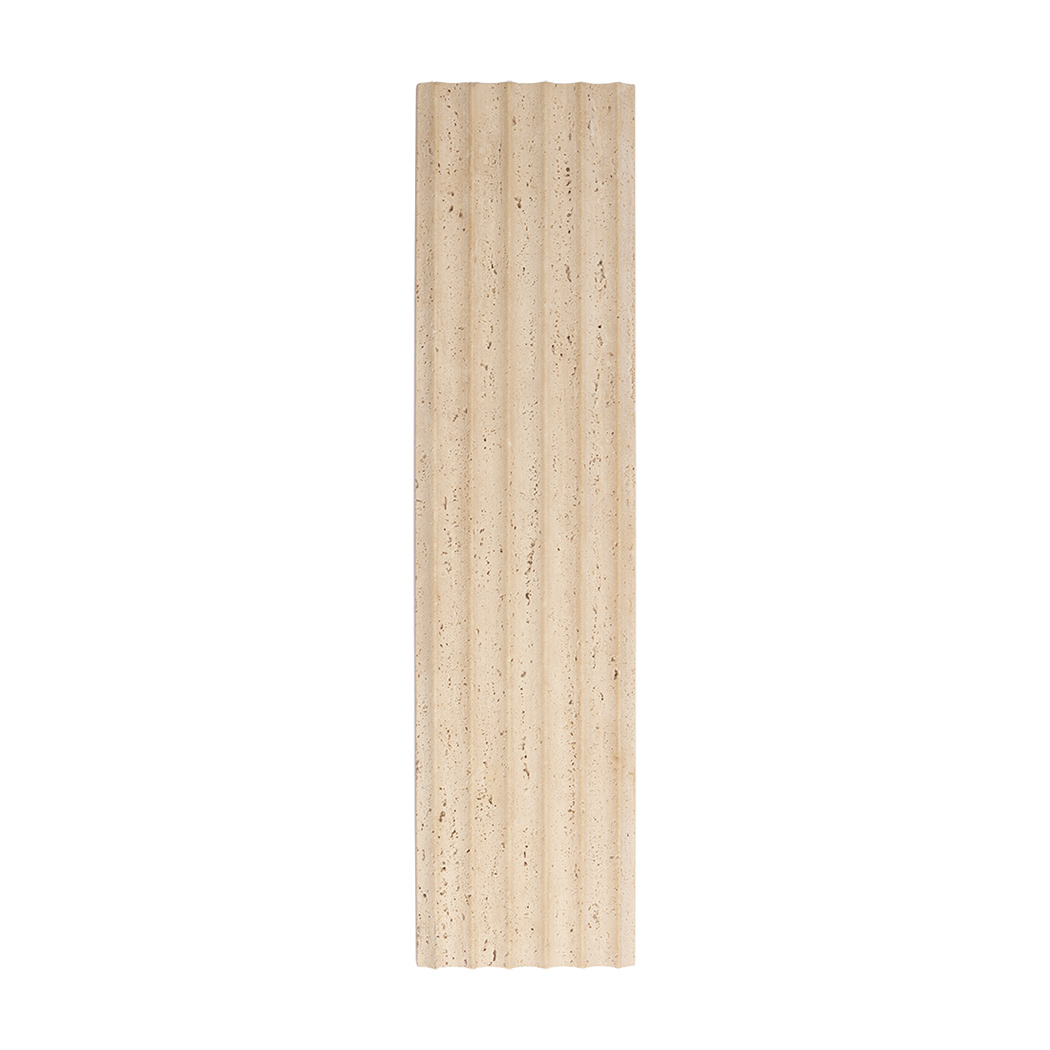
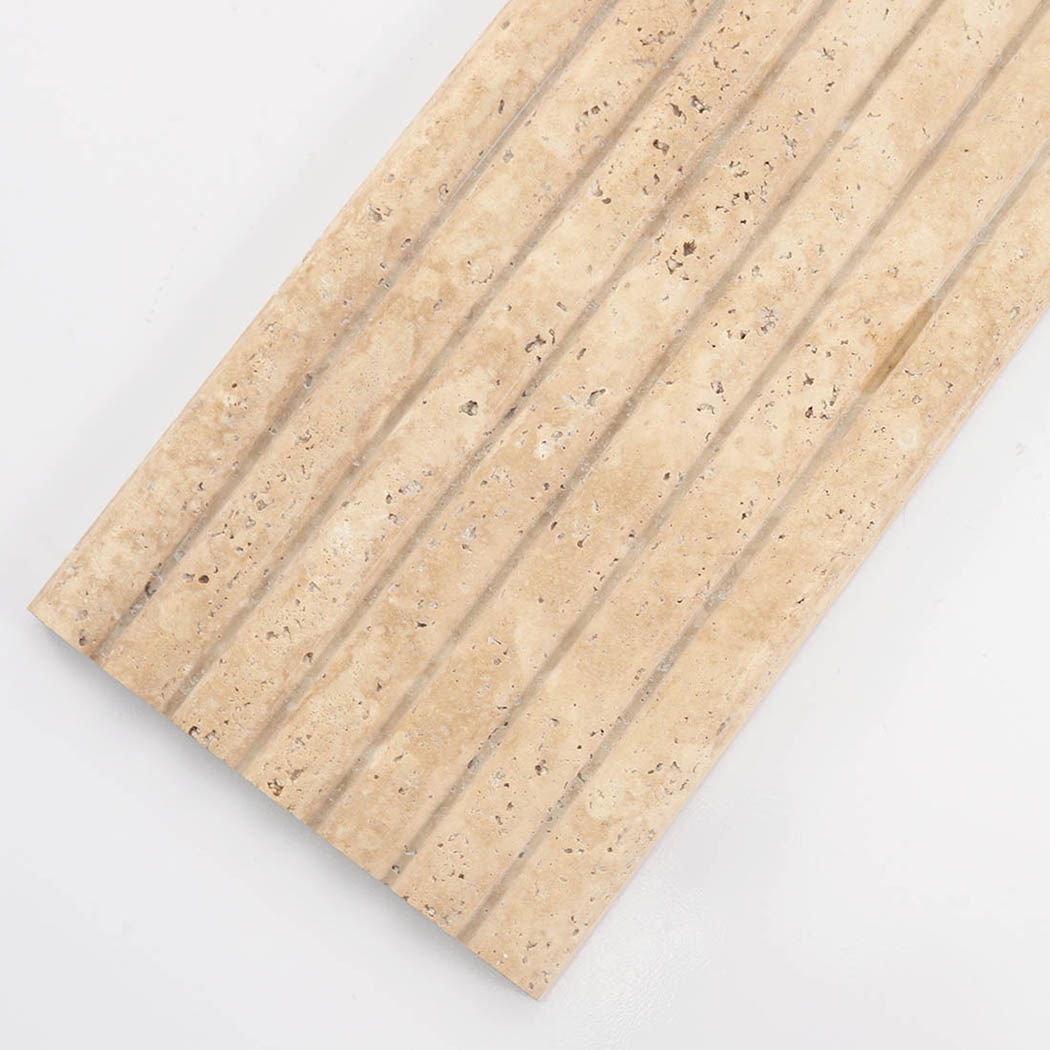
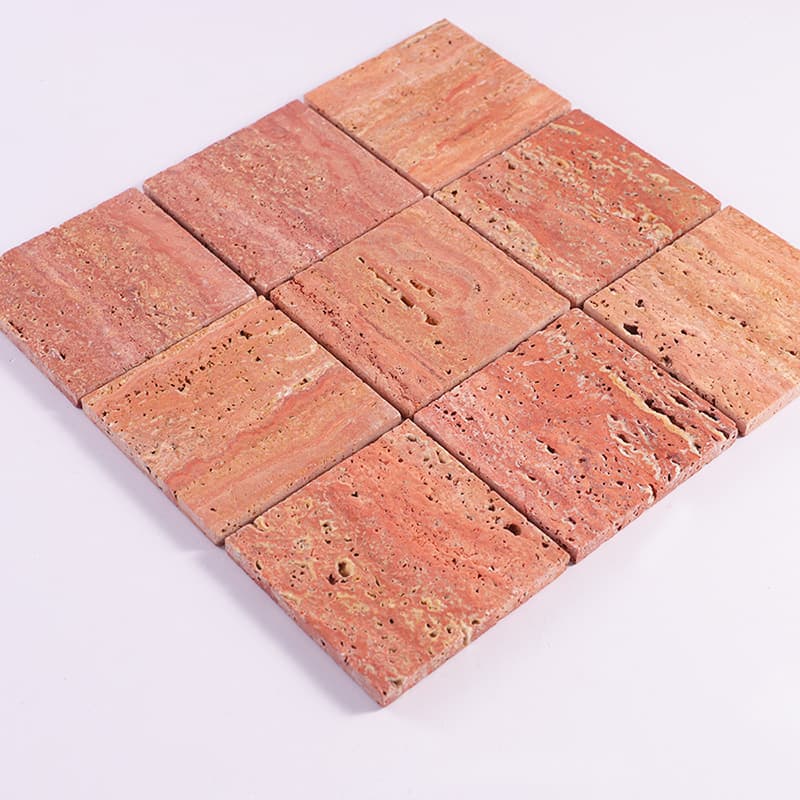
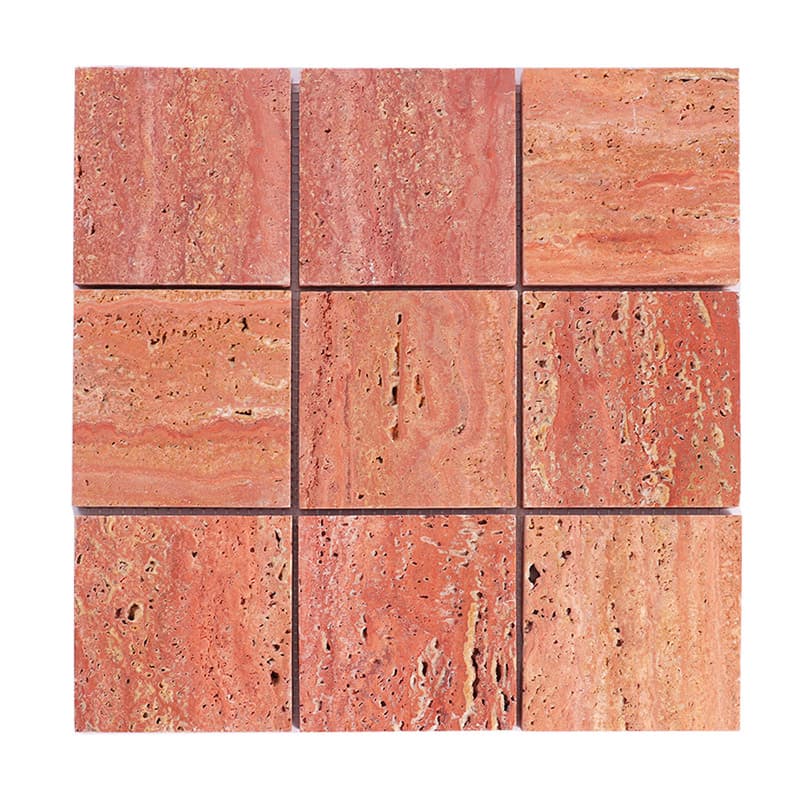
Travertine is closely associated with classical Italian and Southern European architecture. Its warm neutral colors and naturally occurring pits and pores give floors a rustic, established appearance.
Common colors include ivory, beige, walnut and warm gray. Available finishes may include honed, brushed, tumbled or filled surfaces.
Travertine complements:
-
Tuscan-style kitchens
-
Mediterranean living rooms
-
Courtyards and covered patios
-
Rustic bathrooms
-
Entryways
-
Resort and hospitality spaces
Porosity, finish, climate and installation conditions must be considered before using travertine in wet or exterior locations.
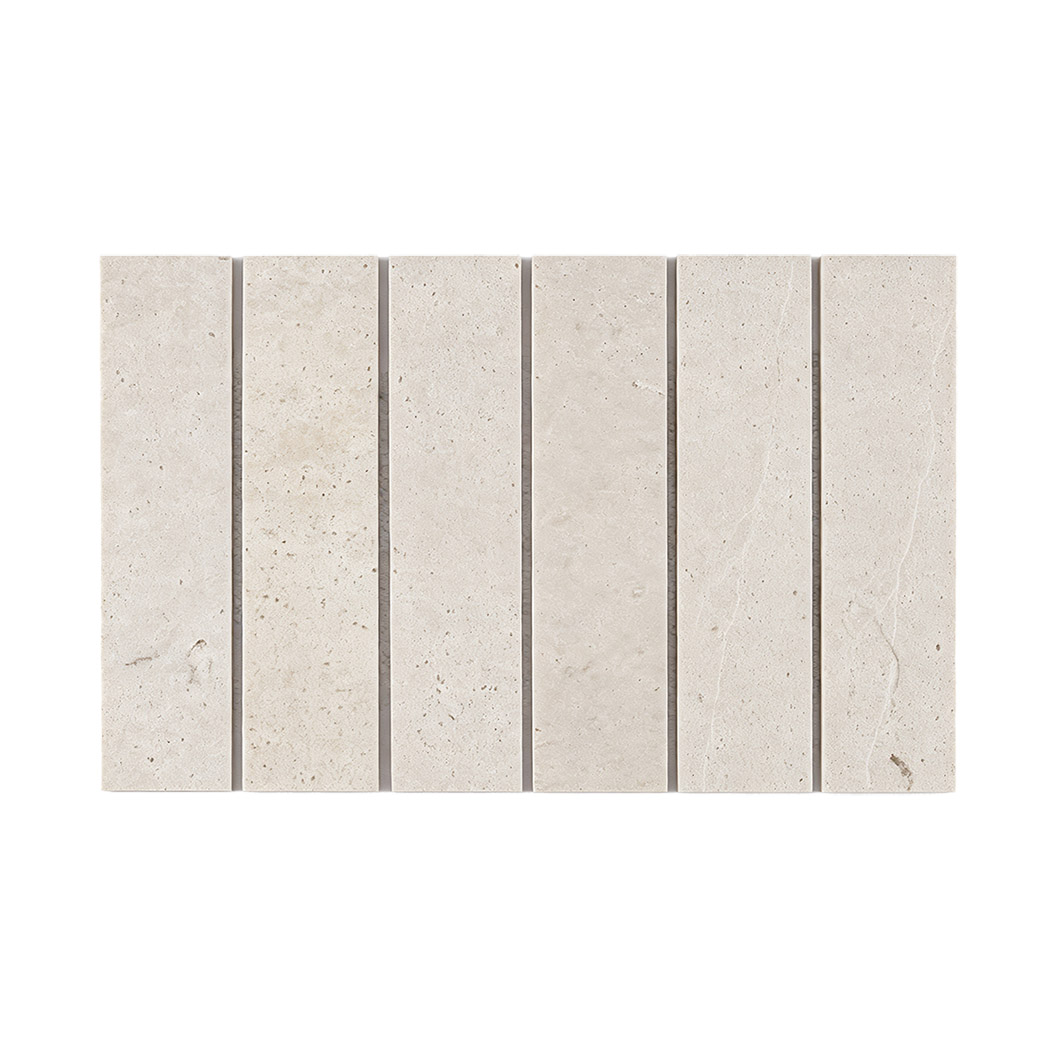
Limestone Mediterranean Floor Tiles
Limestone offers a quieter alternative to highly patterned or strongly veined flooring. Its subtle movement, matte character and muted palette make it particularly suitable for modern Mediterranean interiors.
Cream, light beige, off-white and pale gray limestone create a calm foundation for timber furniture, linen textiles, plaster walls and handcrafted accessories.
Limestone is often selected for large continuous floor areas because it provides natural character without overwhelming the space. Sealing requirements and suitable applications depend on the specific limestone product and finish.
Mixed Natural Stone Mosaic Tiles
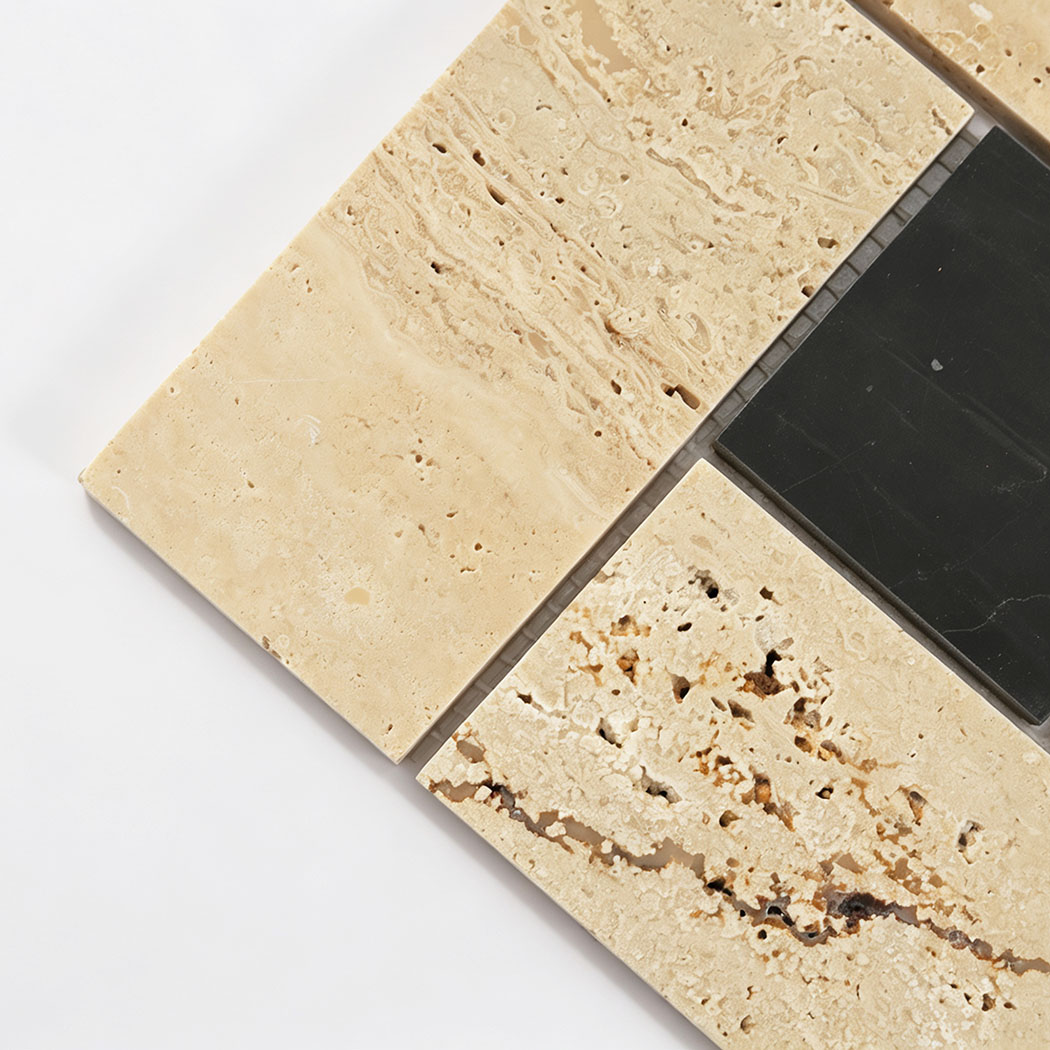
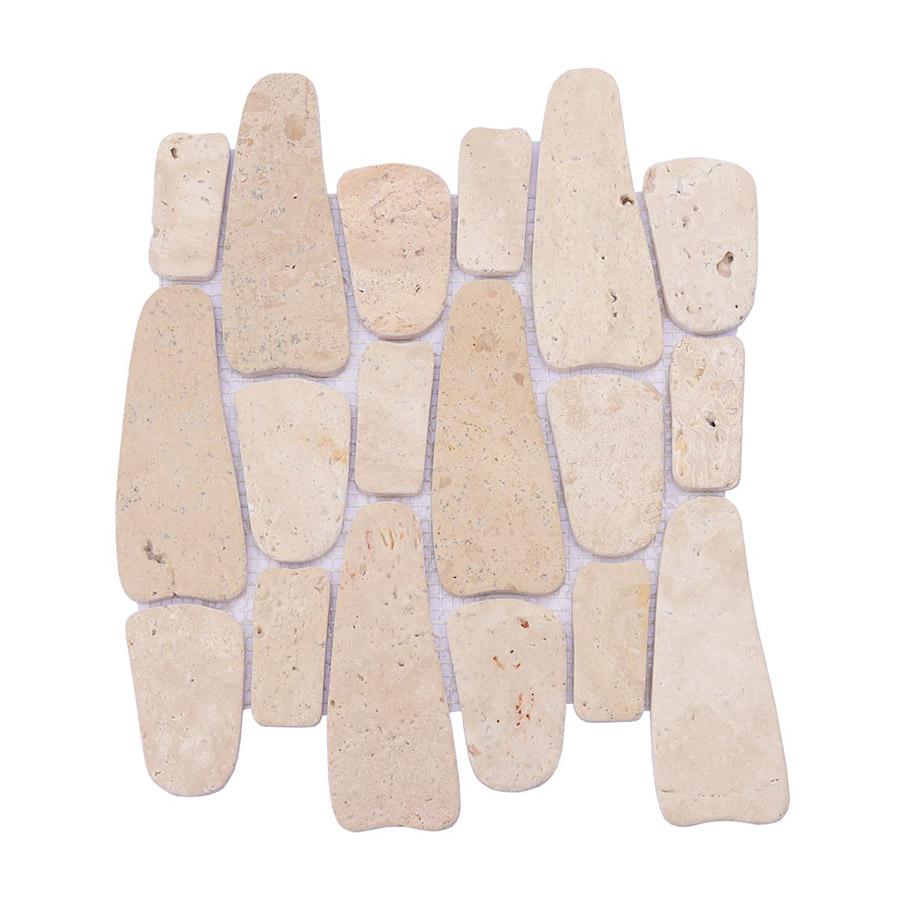
Mixed natural stone mosaics combine multiple colors, shapes or stone varieties to create more detailed flooring designs. They can be used for borders, medallions, transition areas or complete decorative surfaces.
These mosaics are an effective choice when you want the richness of Mediterranean patterned flooring while retaining the authentic variation of natural stone.
Popular Mediterranean Floor Tile Styles
Blue and White Mediterranean Tiles
Blue-and-white tiles are inspired by the sea, sky and whitewashed architecture of the Greek islands and other Mediterranean coastal regions.
They work especially well in:
-
Bathrooms
-
Breakfast rooms
-
Kitchens
-
Sunrooms
-
Coastal cafés
-
Boutique hotels
Pair them with white plaster walls, light wood, woven textures and brushed metal fixtures for a bright coastal look.
Terracotta and Earth-Tone Flooring
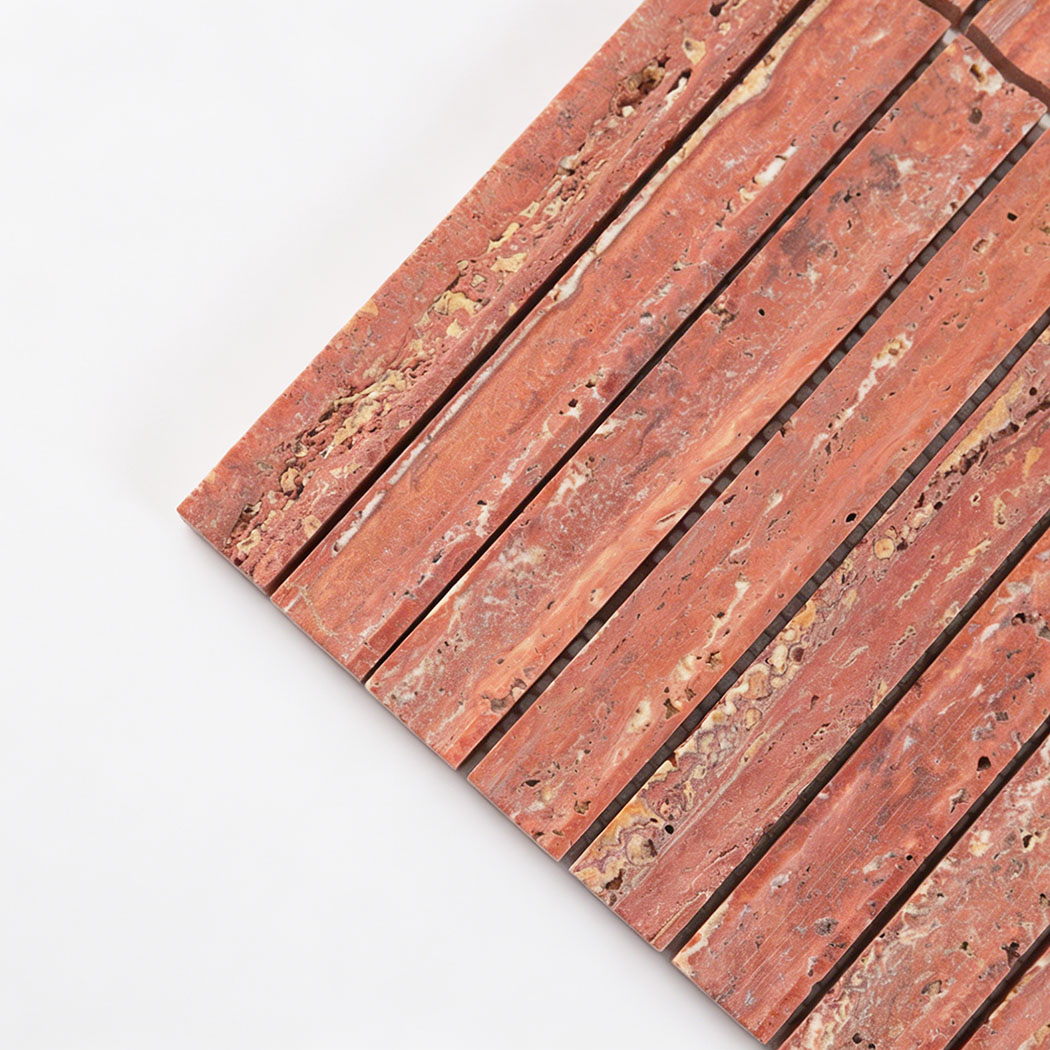
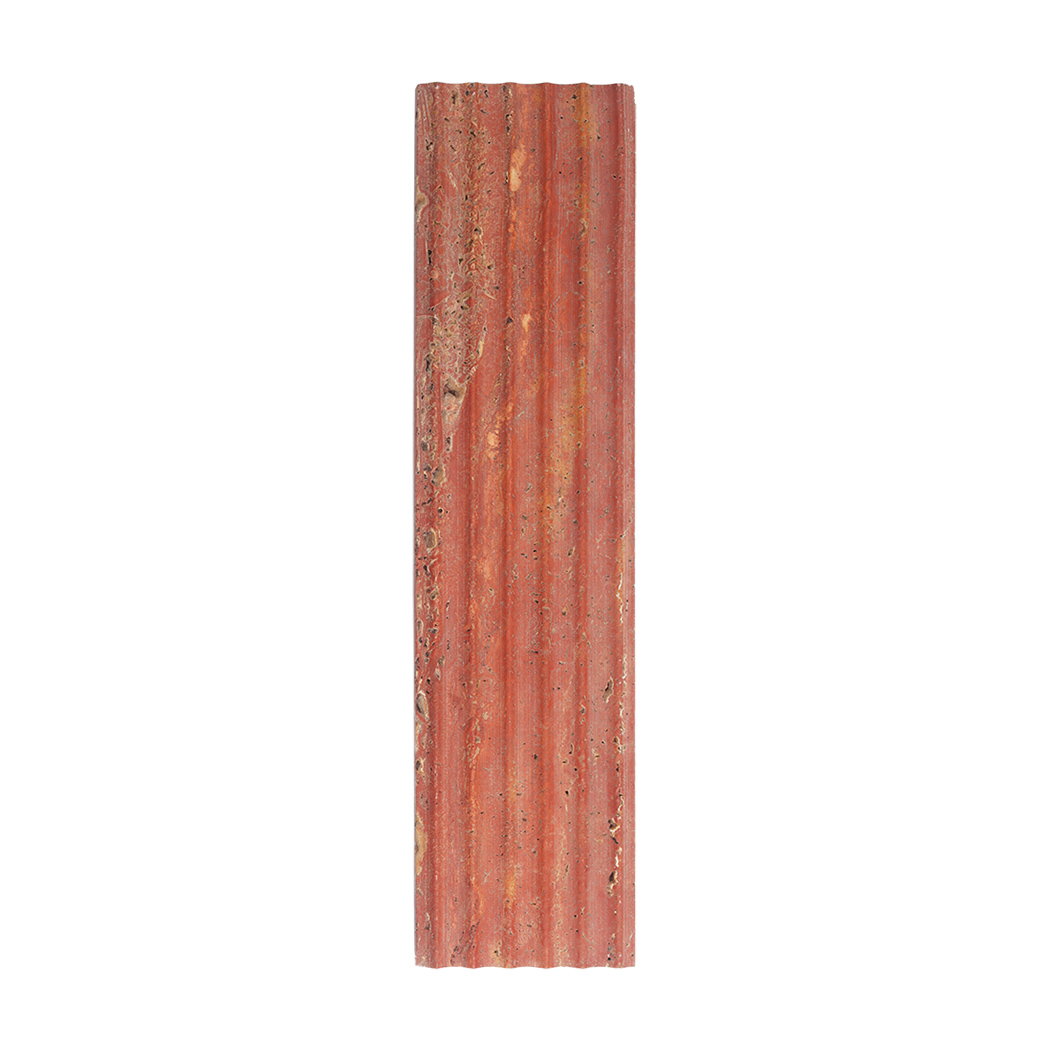
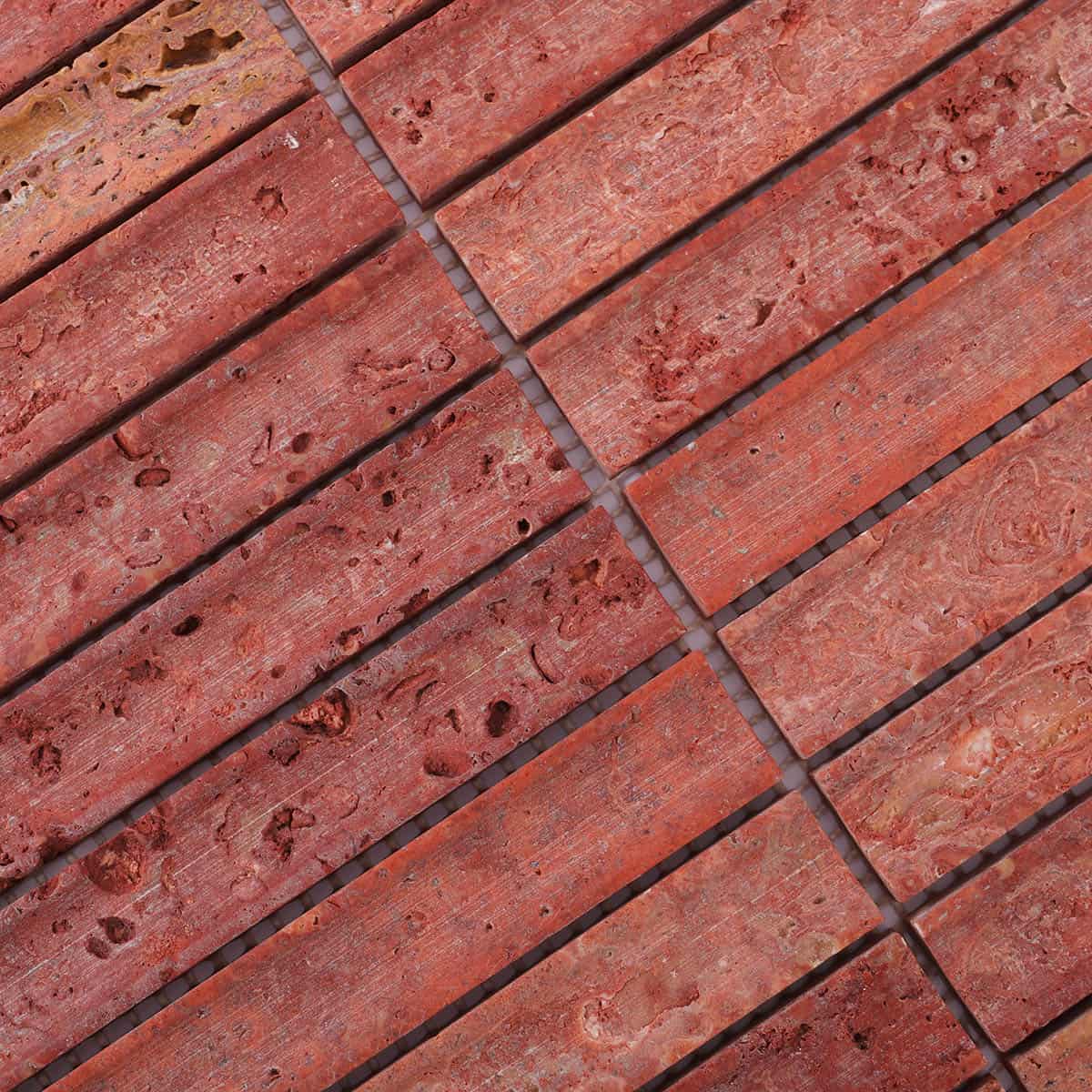
Clay red, rust, ochre and warm brown create an immediate sense of age and warmth. These colors are associated with Spanish villas, Italian farmhouses and sunbaked courtyards.
Terracotta-inspired flooring pairs naturally with:
-
Exposed timber
-
Cream plaster walls
-
Antique brass
-
Wrought iron
-
Olive green cabinetry
-
Natural linen and leather
Where traditional terracotta requires more maintenance than the project allows, consider a floor-rated stone, ceramic or porcelain product in a terracotta-inspired color palette.
Mediterranean Patterned Floor Tiles
Decorative patterned tiles can transform an otherwise simple room. Repeating floral or geometric motifs create visual rhythm and can help define individual zones within an open-plan interior.
For a balanced design, combine patterned flooring with quieter walls and furniture. If both the walls and floors include decorative tiles, use related colors while varying the scale of the patterns.
Neutral Modern Mediterranean Tiles
Modern Mediterranean design uses the same warm palette and relaxed atmosphere while reducing decorative detail. Cream limestone, lightly veined marble, warm gray stone and simple geometric mosaics are ideal choices.
The result feels clean and contemporary while retaining the warmth that distinguishes Mediterranean interiors from colder minimalist spaces.
Rustic and Aged-Look Tiles
Tumbled edges, matte surfaces and tonal variation can create the appearance of an established European home. These characteristics are particularly effective in kitchens, dining rooms, entryways and courtyard-inspired spaces.
An aged appearance does not determine a tile’s technical performance. Always confirm its floor-use rating, maintenance requirements and recommended applications.
Mediterranean Floor Tile Ideas by Room
Mediterranean Kitchen Floor Tiles
The kitchen is one of the most natural settings for Mediterranean flooring. Patterned tiles add energy to white or wood cabinetry, while neutral natural stone creates a warmer and more understated effect.
Mediterranean kitchen floor ideas include:
-
Blue-and-white patterned flooring with white cabinetry
-
Warm stone flooring with olive green cabinets
-
A decorative tile rug beneath the kitchen island
-
Terracotta tones paired with handmade-look wall tiles
-
A mosaic border surrounding a neutral central field
-
Geometric flooring combined with natural wood furniture
Kitchen floors experience spills, oil, moisture and frequent foot traffic. Choose a product specifically approved for flooring and consider maintenance, stain resistance and surface texture.
Mediterranean Bathroom Floor Tiles
Mediterranean bathroom floor tiles can give even a compact room a distinctive identity. Pale natural stone produces a spa-like atmosphere, while geometric mosaics introduce detail without requiring a large space.
Before selecting tiles for a bathroom or shower floor, verify:
-
Wet-area suitability
-
Floor-use rating
-
Slip-resistance information
-
Recommended grout width
-
Sealing requirements
-
Compatibility with the waterproofing system
Small-format mosaics create additional grout joints, but suitability still depends on the material, surface finish and complete installation system.
Mediterranean Living Room Flooring
Neutral marble, limestone or travertine can give a living room the calm character of a coastal villa. Large continuous areas benefit from carefully distributed material variation and a consistent installation layout.
Complete the room with:
-
Natural wood furniture
-
Linen or cotton upholstery
-
Woven rugs
-
Handmade ceramic accessories
-
Warm white walls
-
Olive, blue or terracotta accents
Mediterranean Dining Room Floors
Patterned flooring can visually anchor a dining space and make it feel like a destination. Use decorative tile throughout the complete room or create a bordered panel beneath the dining table.
For restaurants and other frequently used dining spaces, confirm that the selected material is suitable for the expected level of traffic and maintenance.
Mediterranean Entryway and Hallway Tiles
An entryway provides an opportunity to introduce a stronger decorative pattern without committing to an entire home. Geometric mosaics, stone borders and compact repeating patterns work particularly well in transitional spaces.
Choose a surface suitable for tracked-in dirt, moisture and the anticipated amount of foot traffic.
Mediterranean Patio and Courtyard Tiles
Mediterranean courtyard flooring often uses warm stone colors, geometric layouts and materials that visually connect the architecture with the surrounding landscape.
Outdoor suitability cannot be determined by appearance alone. Confirm that the selected tile is approved for exterior use and appropriate for local temperatures, freeze-thaw exposure, drainage conditions and substrate requirements.
Mediterranean Tiles for Commercial Interiors
Mediterranean floor tiles can help hotels, resorts, restaurants, cafés and retail stores create a recognizable and memorable atmosphere.
Custom tile layouts may be used to define:
-
Entrances
-
Reception areas
-
Dining zones
-
Hotel corridors
-
Feature floors
-
Branded installations
-
Decorative borders and medallions
SAICINA TILES supports custom and project-based orders. Contact us with your required quantity, installation area, drawings and project schedule for an evaluation.
How to Choose the Right Mediterranean Floor Tile
Identify the Installation Area
Begin by determining where the tile will be installed:
-
Dry interior floor
-
Wet bathroom floor
-
Shower floor
-
Residential kitchen
-
High-traffic commercial floor
-
Covered exterior area
-
Fully exposed exterior area
-
Pool or water feature
A product described as Mediterranean in style is not automatically suitable for every application. Always match the tile’s technical specifications to the installation environment.
Compare the Available Materials
Consider appearance and practical requirements together:
-
Choose glass for luminous color and detailed mosaic patterns where the product is floor-rated.
-
Choose marble for natural veining and refined architectural character.
-
Choose travertine for warm color and rustic texture.
-
Choose limestone for quiet, understated flooring.
-
Choose mixed stone for detailed patterns, medallions and borders.
Consider Surface Finish and Slip Resistance
Polished, honed, matte, brushed and tumbled surfaces create different visual and functional results.
For bathrooms, entrances and outdoor spaces, request the relevant slip-resistance and application information. Do not assume that all matte or textured tiles provide the same level of traction.
Decide How Much Pattern the Room Needs
A fully patterned floor creates a strong statement. If the room already contains patterned fabrics, decorative walls or ornate furniture, consider a neutral floor with a patterned border.
For a more restrained Mediterranean effect, use decorative tiles in:
-
A central tile rug
-
An entrance panel
-
A border
-
A transition strip
-
A powder room
-
A single defined zone
Order Samples Before Making a Final Decision
Photography and screen settings cannot fully communicate surface texture, reflectivity, edge detail or natural color variation.
An actual sample allows you to compare the tile with cabinetry, paint, countertops, furniture and fabrics under the lighting conditions of your project. Review it during both daylight and evening lighting before making the final selection.
How to Calculate the Required Tile Quantity
Accurate quantity planning helps prevent installation delays and reduces the risk of needing additional tiles from a different production batch.
Measure the Floor Area
For a rectangular space, use:
Floor area = Length × Width
If the room has an irregular layout, divide it into smaller rectangular sections. Calculate each section separately and add the results together.
Add Extra Material for Cutting and Waste
Add an allowance for cutting, pattern alignment, installation adjustments, accidental damage and future repairs.
A general starting point is:
-
Add 10% for simple straight layouts
-
Add 15% for diagonal or moderately complex patterns
-
Add 15–20% for intricate mosaics, irregular rooms or layouts requiring many cuts
Ask your installer to confirm the final allowance because tile shape, room geometry and pattern direction can affect the required quantity.
Convert the Area into Sheets or Boxes
Divide the total required floor area, including the allowance, by the coverage of one sheet or box. Always round up to the next complete purchasing unit.
For example:
-
Measured floor area: 100 sq. ft.
-
Additional allowance: 10%
-
Total required coverage: 110 sq. ft.
-
Coverage per sheet: 0.95 sq. ft.
Calculation:
110 ÷ 0.95 = 115.79 sheets
The order should therefore be rounded up to 116 sheets.
Keep Spare Tiles After Installation
Store a small quantity of unused tiles for future repairs. Spare pieces are especially valuable for natural stone, handcrafted surfaces and custom products that may vary between production batches.
How to Order from SAICINA TILES
Select Your Preferred Design
Browse the collection and review the product’s material, size, finish, thickness, sheet coverage and suitable applications.
Order a Sample
Use the sample to confirm color, texture, scale, reflectivity and compatibility with other materials in the room.
SAICINA TILES can provide 4 × 4-inch samples for many products. The sample may be free, while the customer is responsible for shipping. Full-sheet samples are charged according to the selected product.
Calculate the Required Quantity
Measure the installation area, add an appropriate allowance and confirm the quantity with your professional installer before ordering.
Request Support for Custom or Commercial Projects
For custom patterns, large orders or commercial installations, send us:
-
Product link or reference image
-
Required area or quantity
-
Installation location
-
Delivery country and postal code
-
Desired completion date
-
Drawings and dimensions, if available
Inspect the Tiles Before Installation
When your order arrives, inspect every carton and confirm the design, quantity, dimensions and condition before installation begins.
Open multiple cartons and review intentional or natural variations. Do not install tiles if there is an unresolved concern. Problems are significantly easier to assess before the material has been permanently installed.
Mediterranean Floor Tile Installation Guide
Correct installation is essential to the appearance and long-term performance of tiled flooring. Natural stone, detailed mosaics and wet-area projects should generally be completed by an experienced tile installer.
Prepare the Substrate
The substrate must be structurally stable, level, clean, dry and suitable for the selected installation system.
Remove dust, oil, wax, loose material and other contaminants that could weaken adhesion. Wet areas require an appropriate waterproofing and drainage system beneath the tile.
Dry-Lay the Tiles Before Installation
Lay out multiple tiles or sheets before applying adhesive. This allows the installer to:
-
Check pattern direction
-
Distribute natural color variation
-
Plan perimeter cuts
-
Align borders and medallions
-
Avoid clusters of similar pieces
-
Confirm transitions to adjoining floors
-
Adjust the layout around permanent fixtures
Use Compatible Installation Materials
The adhesive, grout, waterproofing membrane and sealer must be compatible with the tile material, substrate and installation environment.
Light-colored or translucent tiles may require white setting material. Natural stone can be sensitive to certain adhesives, grout pigments and cleaners. Follow the tile specifications and installation-material manufacturer’s instructions.
Maintain Consistent Spacing
Mesh-mounted mosaic sheets require careful adjustment so that the joints between individual sheets do not become visible.
The installer should compare the spacing within each sheet with the spacing between adjacent sheets and adjust the mosaic pieces before the adhesive sets.
Test Grout Color Before Installation
Grout color can significantly change the completed appearance:
-
Matching grout creates a softer, more continuous surface.
-
Contrasting grout emphasizes the geometry of each tile.
-
Light-colored grout can brighten blue and patterned tiles.
-
Darker grout can add definition to rustic designs.
Test the grout on an uninstalled sample before applying it across the complete floor.
Seal When Required
Some natural stone tiles should be sealed before grouting to reduce staining or grout haze. Additional sealing may be needed after installation.
Follow the instructions provided for the selected stone, grout and sealer. Always test the product on a spare piece first.
Allow the Installation to Cure
Follow the specified curing time for the adhesive, grout and sealer. Prevent foot traffic, cleaning and furniture placement until the installation system is ready for use.
Cleaning and Maintaining Mediterranean Tile Flooring
Maintenance requirements depend on the material and finish rather than the Mediterranean style itself.
Routine Floor Cleaning
For regular maintenance:
-
Remove loose dirt with a soft broom or suitable vacuum attachment.
-
Wipe up spills promptly.
-
Use a soft mop or cloth.
-
Select a cleaner approved for the specific tile material.
-
Avoid abrasive pads unless confirmed as safe.
-
Do not allow strong cleaning solutions to dry on the surface.
Caring for Natural Stone
Marble, travertine and limestone may require sealing. Clean them with a pH-neutral product formulated for natural stone.
Avoid acidic cleaners, including vinegar-based products, because they can etch or damage acid-sensitive stone.
Sealing frequency depends on the stone, finish, sealer and level of exposure. Follow the sealer manufacturer’s recommendations.
Caring for Glass Mosaic Flooring
Use non-abrasive tools and cleaners compatible with glass and grout. Inspect the grout joints periodically, especially in frequently wet areas.
Protecting High-Traffic Floors
Use appropriate entrance mats to reduce tracked-in dirt and grit. Place protective pads beneath furniture and avoid dragging heavy objects across the flooring.
Why Choose SAICINA TILES?
SAICINA TILES specializes in distinctive mosaic and surface materials for residential, hospitality and commercial projects. Our Mediterranean floor tile collection combines natural materials, versatile colors and customizable design possibilities.
Diverse Materials and Designs
Explore glass mosaics, marble, travertine, limestone and mixed natural stone in coastal colors, geometric patterns and artistic layouts.
Sample Support
Samples allow you to evaluate the actual color, texture and variation of a product before committing to a complete order.
Custom Tile Capabilities
SAICINA TILES can evaluate custom colors, sizes, shapes, patterns and project-specific mosaics. Custom production feasibility depends on the material, required quantity and technical specifications.
Residential and Commercial Project Assistance
From individual bathrooms to hotels and restaurants, our team can assist with quantity planning, custom production requirements, packaging and shipping options.
Protective Project Packaging
Orders are packaged according to the product type and quantity to help protect the tiles during transportation.
Frequently Asked Questions
What Are Mediterranean Floor Tiles?
Mediterranean floor tiles are inspired by the colors, materials and decorative traditions of Southern Europe and the surrounding coastal regions. Common characteristics include blue-and-white patterns, warm earth tones, floral and geometric motifs, natural stone and handcrafted-looking surfaces.
Are Mediterranean Floor Tiles Always Patterned?
No. Mediterranean interiors also use neutral limestone, travertine, marble and solid-color tiles. Patterned flooring creates a decorative statement, while plain natural materials support a quieter modern Mediterranean style.
What Colors Are Popular for Mediterranean Flooring?
Popular choices include ocean blue, white, cream, sand, terracotta, olive green, warm gray and natural stone tones. The best color depends on the room’s lighting, furniture and desired level of contrast.
Can Mediterranean Tiles Be Used on Bathroom Floors?
Yes, provided that the individual product is approved for floor and wet-area use. Confirm its slip resistance, surface finish, waterproofing requirements and recommended installation method before purchase.
Can Mediterranean Tiles Be Installed on Shower Floors?
Only products specifically approved for shower-floor use should be selected. Consult an installer regarding drainage, waterproofing, grout joints and slip resistance.
Are Mediterranean Floor Tiles Suitable for Kitchens?
Many floor-rated Mediterranean tiles are suitable for kitchens. Consider stain resistance, maintenance requirements, surface texture and whether the material needs sealing.
Can Mediterranean Tiles Be Used Outdoors?
Some products may be suitable for outdoor applications. Suitability depends on the material, water absorption, finish, local climate and freeze-thaw exposure. Check the specifications of the individual tile before ordering.
Do Natural Stone Tiles Need to Be Sealed?
Many marble, travertine and limestone products benefit from sealing, but requirements vary. Follow the recommendations provided for the specific material and finish.
Are Polished Tiles Suitable for Wet Floors?
A polished appearance alone does not determine suitability. Review the tile’s floor-use and slip-resistance information before selecting it for a wet location.
Should I Order a Tile Sample?
Yes. Samples allow you to examine the actual color, texture, scale, reflectivity and natural variation under your project’s lighting.
How Much Extra Tile Should I Order?
A common starting allowance is 10% for simple installations and 15–20% for complex patterns or rooms with many cuts. Ask your installer to confirm the final amount.
Can SAICINA TILES Create Custom Mediterranean Patterns?
Custom patterns may be available depending on the material, size, quantity and production requirements. Send your drawing, dimensions or reference image to SAICINA TILES for evaluation.
How Do I Choose a Grout Color?
Matching grout creates a softer and more continuous result, while contrasting grout emphasizes individual shapes. Test the grout beside an actual tile sample before making the final decision.
How Should Mediterranean Floor Tiles Be Cleaned?
Use cleaning products appropriate for the tile material. Natural stone generally requires pH-neutral care, while glass should be cleaned with non-abrasive products. Always follow the instructions for the specific tile and sealer.
Find Your Mediterranean Floor Tiles
Create a distinctive floor inspired by coastal villas, sunlit courtyards and historic Mediterranean craftsmanship.
Whether you prefer blue-and-white mosaics, warm natural stone, intricate geometric patterns or a calm contemporary palette, SAICINA TILES can help you select a material that complements your design and installation requirements.
Browse our Mediterranean floor tile collection, order samples or contact us for assistance with quantities, custom designs and commercial project requirements.