
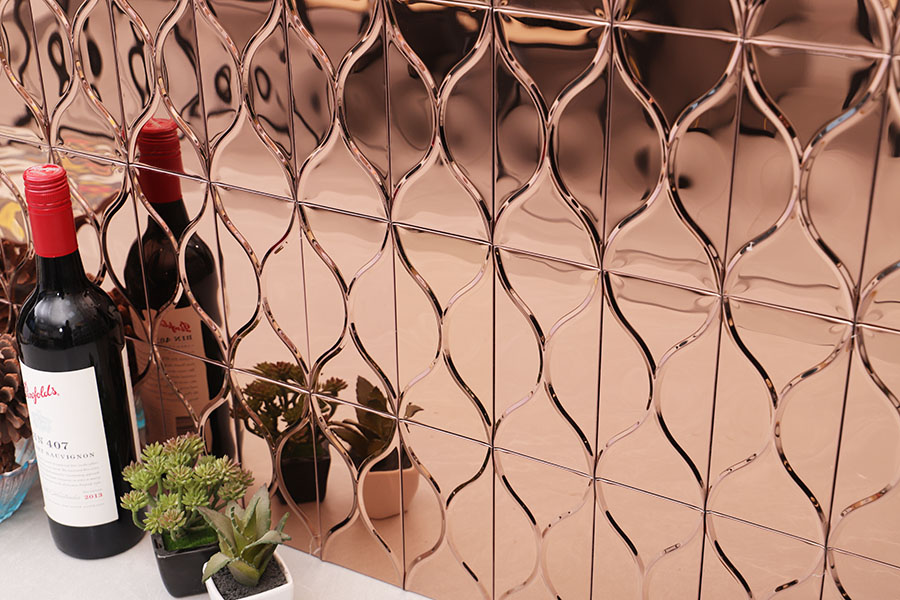
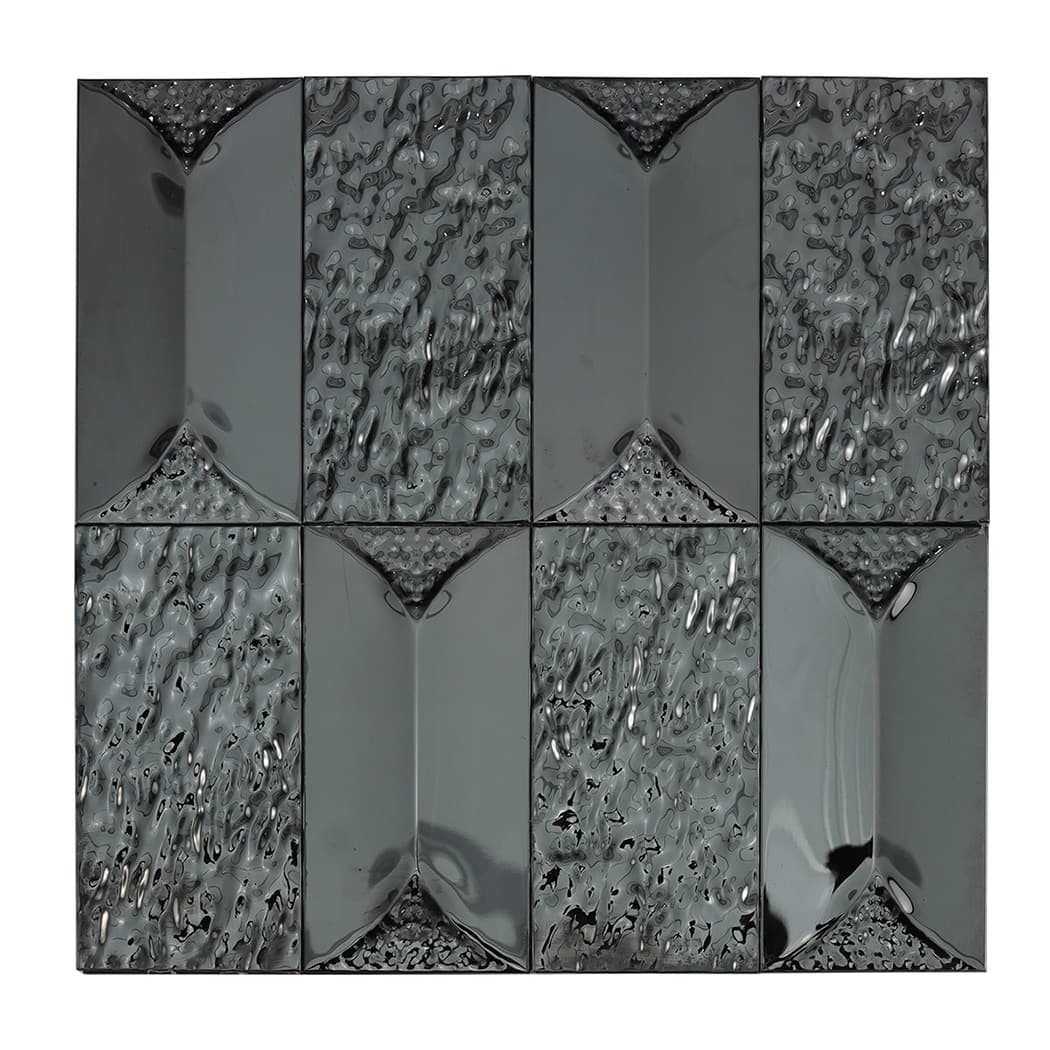
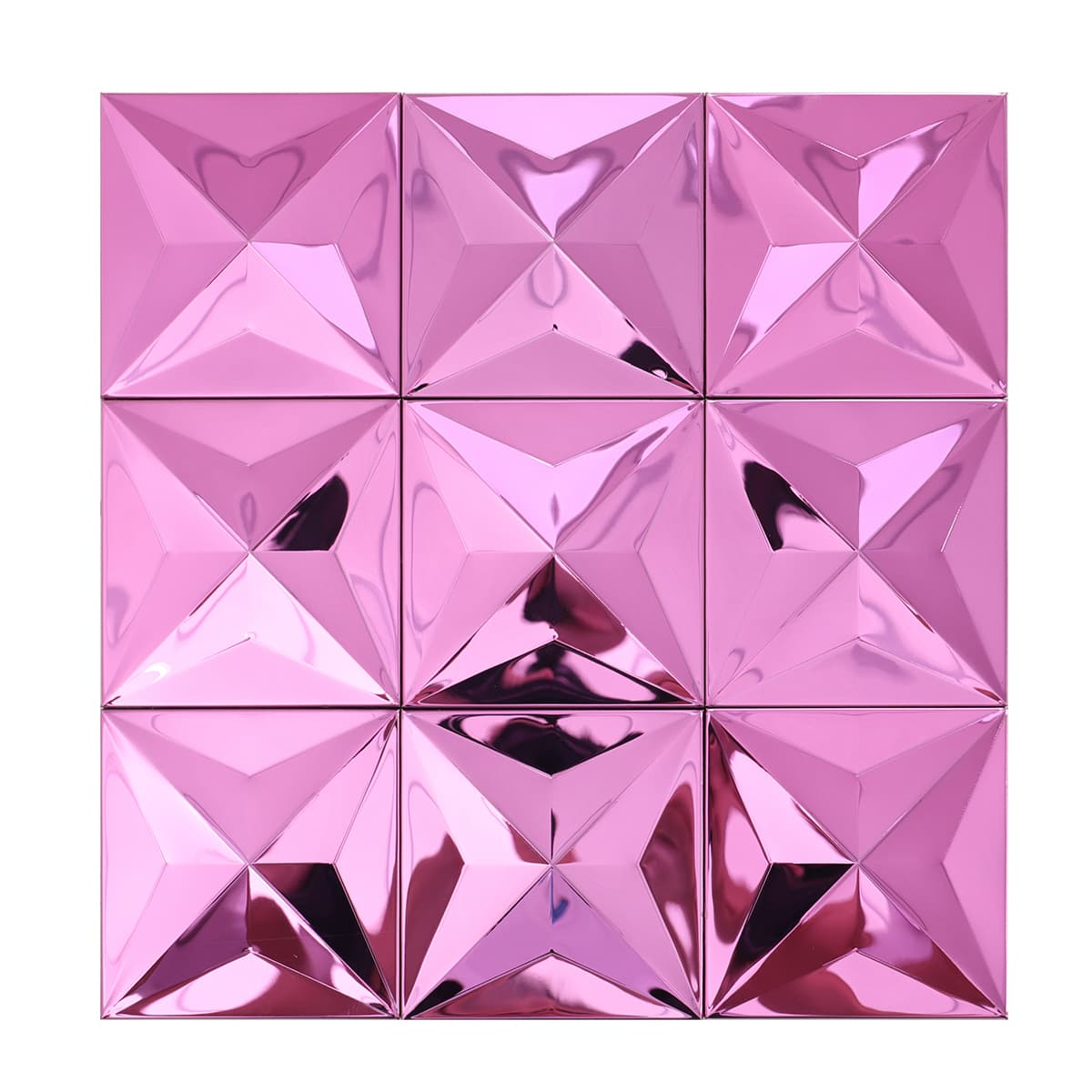
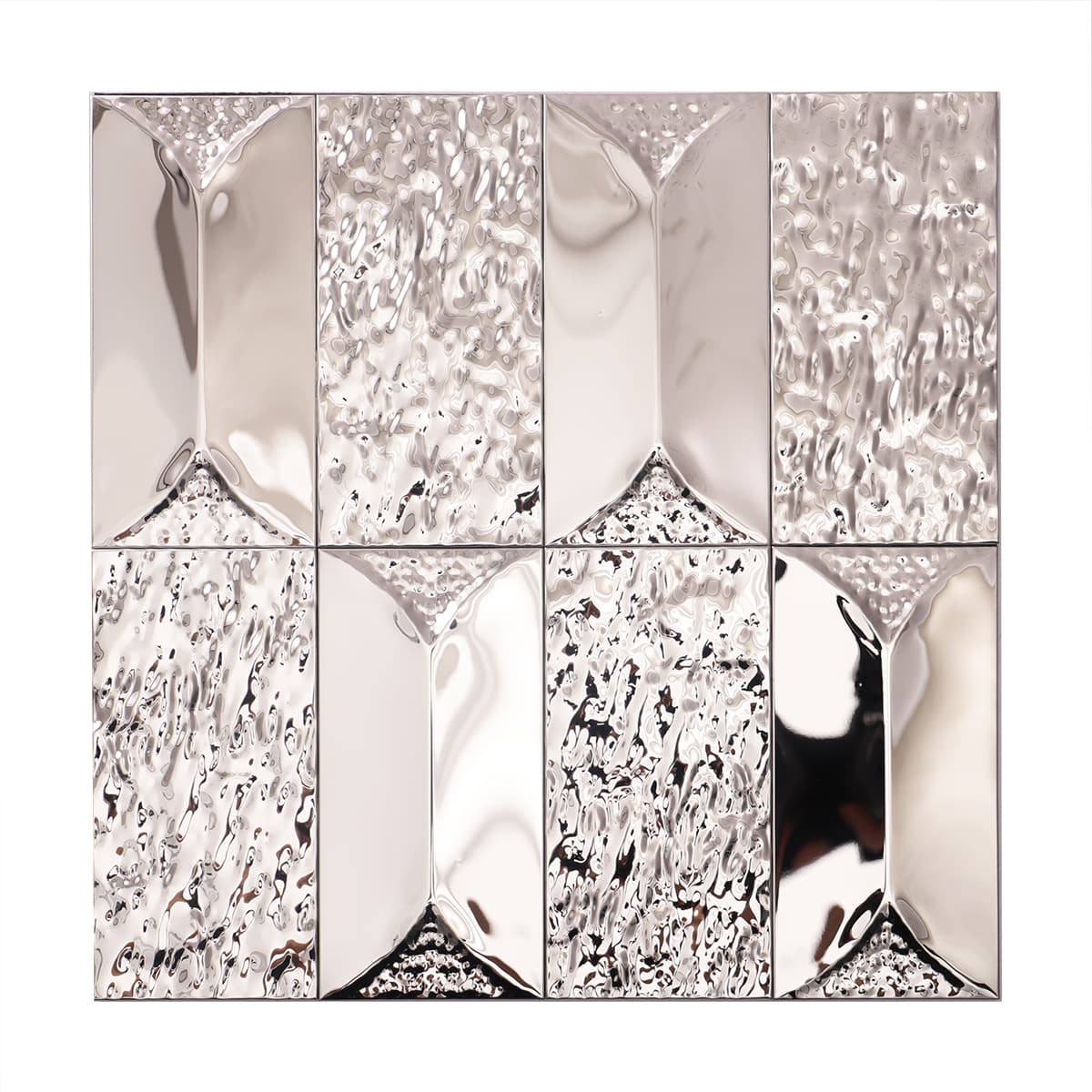
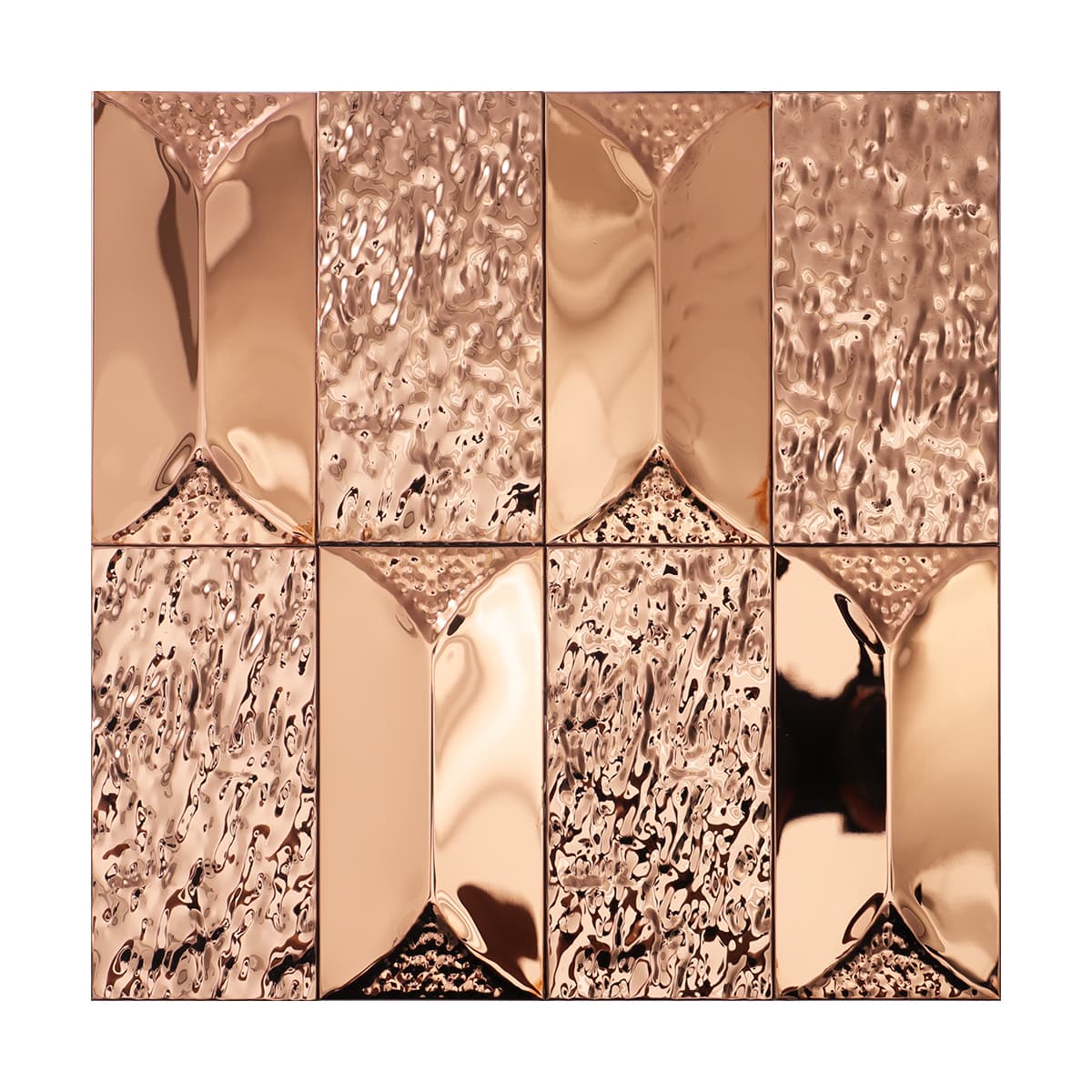
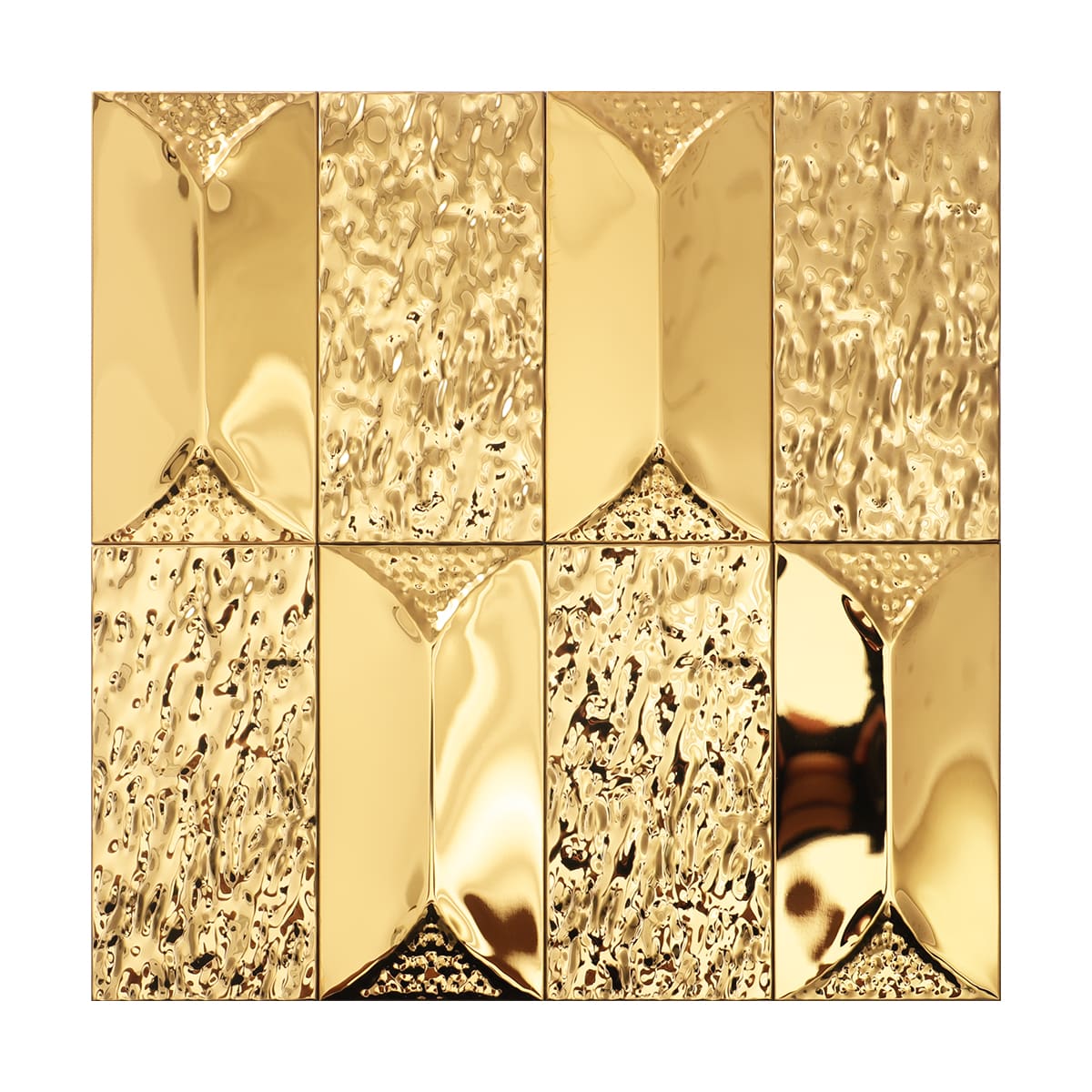
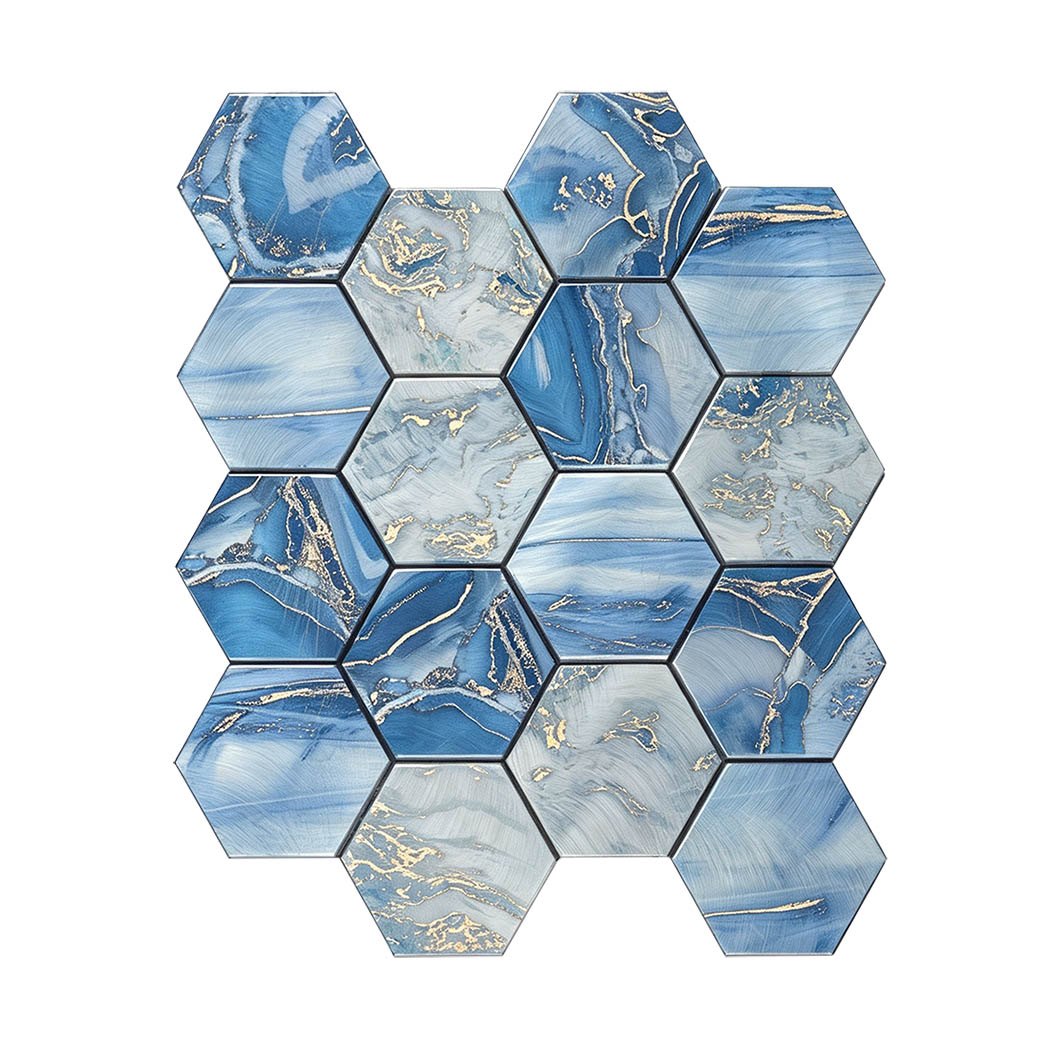
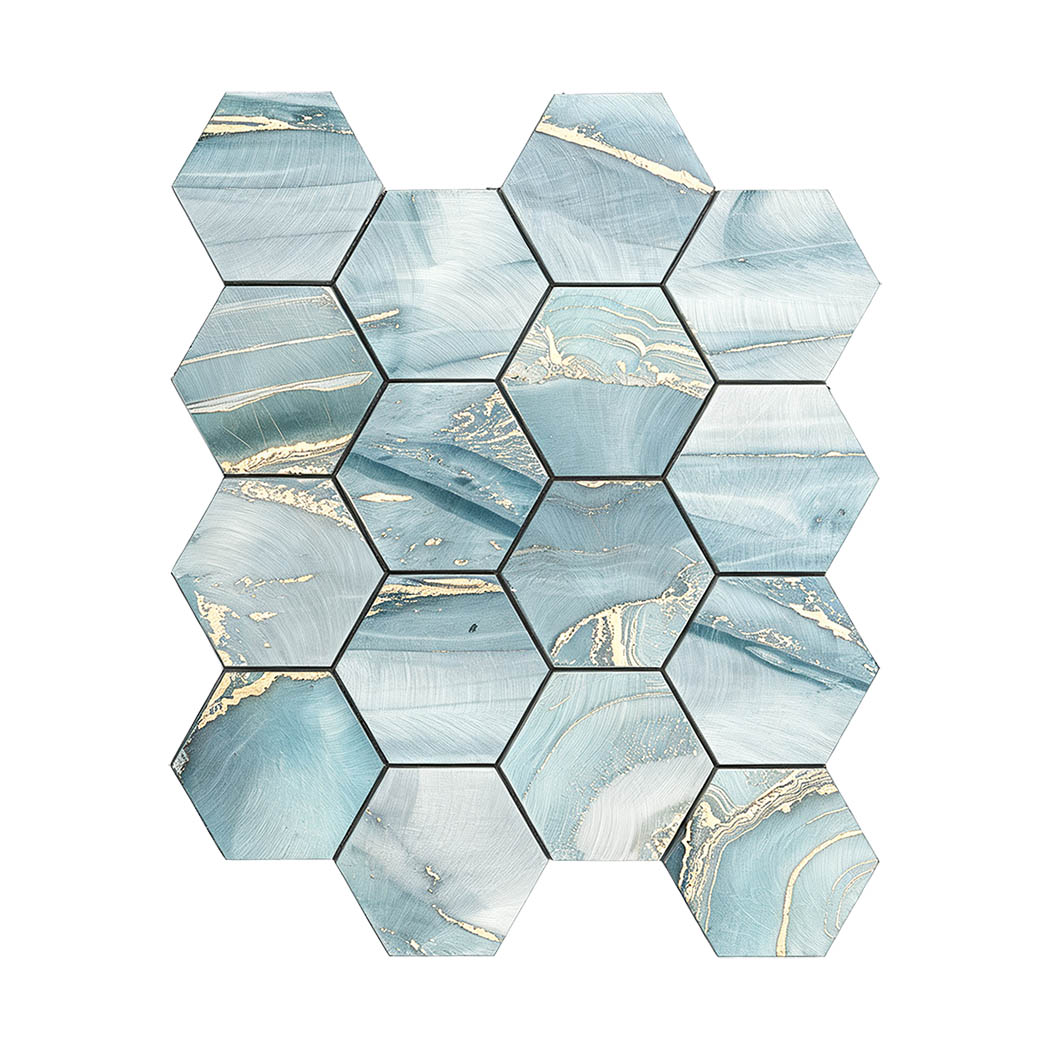

Peel and Stick Metal Tiles are a smart choice for quick wall upgrades, modern kitchen backsplashes, bathroom accent walls, ceiling details, and decorative interior projects. Designed with a thin metal surface and self-adhesive backing, these tiles allow homeowners, designers, and contractors to create a clean metallic look without traditional mortar, grout, or heavy installation work.
Unlike conventional metal mosaic tiles, which often use a metal shell over a ceramic base, peel and stick metal tiles require a lighter and more flexible backing structure. This makes them easier to apply to smooth walls, panels, and ceiling surfaces while keeping the finished look sharp, modern, and seamless.
What Are Peel and Stick Metal Tiles?
Peel and Stick Metal Tiles are decorative metal tiles made with a real or metal-finished surface and an adhesive backing. The installation process is simple: peel off the protective backing, align the tile, and press it firmly onto a clean, flat surface.
Most peel and stick metal tiles are made from aluminum because aluminum sheets are thin, lightweight, easy to cut, and ideal for adhesive installation. In addition to aluminum, stainless steel and copper can also be used for peel and stick designs when the bottom structure is adjusted to work with self-adhesive backing.
These tiles are especially popular for kitchen backsplashes, range hood walls, bathroom vanity walls, laundry rooms, bar areas, RV interiors, commercial feature walls, and ceiling decoration.
Why Choose Peel and Stick Metal Tiles?
Peel and stick metal tiles combine the visual strength of metal with the convenience of DIY installation. They are lighter than traditional metal tiles with ceramic bases, making them suitable for vertical wall applications and even ceiling surfaces.
Easy DIY Installation
The biggest advantage of peel and stick metal tiles is simple installation. There is no need for mortar, grout, special adhesives, or complicated tools. The self-adhesive backing allows the tile to be applied directly to a clean and smooth surface.
Lightweight Metal Structure
Because these tiles use a thin metal shell or lightweight metal surface, they are much easier to handle than traditional ceramic-backed metal tiles. This makes them practical for backsplashes, accent walls, and ceiling projects.
Seamless or Tight-Joint Appearance
Most peel and stick metal tiles are designed for tight-joint installation. The pieces can be placed close together to create a clean, nearly seamless metal wall effect, especially in subway, square, rectangular, hexagon, or mosaic patterns.
Modern Metallic Finish
Metal surfaces can create a strong design impact. Brushed silver, stainless steel, aluminum, copper, bronze, champagne, black, and gold finishes can match modern, industrial, farmhouse, vintage, or luxury interiors.
Common Materials for Peel and Stick Metal Tiles
Aluminum Peel and Stick Tiles
Aluminum is one of the most common materials for peel and stick metal tiles. It is thin, lightweight, easy to cut, and suitable for adhesive backing. Aluminum tiles are often used for kitchen backsplashes, bathroom walls, laundry rooms, and DIY home improvement projects.
Aluminum can be made in brushed, matte, embossed, printed, or metallic finishes. It is a practical choice for customers who want an affordable metal-look backsplash with easy installation.
Stainless Steel Peel and Stick Tiles
Stainless steel peel and stick tiles offer a clean, modern, and professional look. They are especially popular for kitchen backsplashes, range hood walls, commercial-style kitchens, and contemporary interiors.
Stainless steel surfaces can be brushed, mirror polished, textured, or patterned. Compared with aluminum, stainless steel gives a stronger metallic feel and a more premium appearance.
Copper Peel and Stick Tiles
Copper peel and stick tiles bring warmth, vintage character, and natural metallic depth to a space. Copper can be made in brushed, aged, oxidized, antique, or patina-style finishes.
For peel and stick construction, copper tiles need a suitable lightweight backing instead of a traditional ceramic base. This allows the surface to keep the beauty of copper while making the tile easier to install.
Best Applications for Peel and Stick Metal Tiles
Kitchen Backsplash
Peel and stick metal tiles are widely used for kitchen backsplashes. The metallic surface pairs well with cabinets, countertops, range hoods, and stainless steel appliances. Aluminum and stainless steel styles are especially popular for modern kitchens, while copper and bronze tones create a warmer vintage look.
Bathroom Wall
These tiles can be used on bathroom vanity walls, powder room feature walls, and decorative bathroom wall areas. For wet areas, the wall surface must be clean, dry, smooth, and suitable for adhesive installation. Product sealing and edge treatment may be needed depending on the design.
Laundry Room and Utility Wall
Peel and stick metal tiles are a practical option for laundry rooms, mudrooms, utility spaces, and small renovation areas. They create a finished look without a complicated installation process.
Bar Wall and Commercial Feature Wall
Metal tiles can add a bold visual effect to bars, cafés, restaurants, reception areas, retail walls, and hospitality spaces. Brushed stainless steel, dark metal, antique copper, and gold finishes can create different design moods.
Ceiling Decoration
Because peel and stick metal tiles are lightweight, they can also be considered for ceiling decoration, feature ceilings, soffits, and decorative overhead panels. A smooth and stable surface is important for proper adhesion.
Popular Styles and Shapes
Subway Metal Tiles
Subway-style peel and stick metal tiles are one of the most popular choices for kitchen backsplashes. They can be arranged in horizontal, vertical, or stacked patterns for a clean modern look.
Square Metal Tiles
Square peel and stick metal tiles create a simple and balanced surface. They are suitable for modern kitchens, bathroom walls, commercial walls, and ceiling panels.
Hexagon Metal Tiles
Hexagon metal tiles add a geometric design effect. They work well for accent walls, backsplashes, and decorative feature areas.
Brushed Metal Tiles
Brushed finishes reduce strong reflections and create a softer metallic texture. Brushed aluminum and brushed stainless steel are both popular choices for modern interiors.
Copper and Antique Metal Tiles
Copper, bronze, and antique-style metal tiles are ideal for vintage, farmhouse, industrial, and warm luxury interiors. These finishes can bring more depth and character than standard silver metal surfaces.
How to Install Peel and Stick Metal Tiles
1. Prepare the Surface
The wall must be clean, dry, flat, and free from dust, grease, loose paint, or uneven texture. Smooth drywall, painted walls, existing tile, glass, metal panels, and other stable surfaces may work if properly cleaned.
2. Plan the Layout
Before peeling the backing, place the tiles on the wall to check the layout, pattern direction, and edge cuts. Mark level guide lines to keep the installation straight.
3. Peel and Stick
Remove the protective backing and press the tile firmly onto the surface. Apply even pressure from the center to the edges to improve adhesion and reduce air gaps.
4. Cut Edges Carefully
Use appropriate cutting tools based on the tile material and thickness. Thin aluminum tiles are usually easier to cut than stainless steel or copper tiles.
5. Finish the Edges
For a professional look, use edge trims, corner pieces, or careful caulking where needed. This is especially important near countertops, cabinets, range hoods, and bathroom vanities.
Surface Requirements Before Installation
Peel and stick metal tiles perform best on smooth, clean, and non-porous surfaces. Avoid installing them over heavily textured walls, dusty surfaces, peeling paint, damp walls, or uneven plaster.
Recommended surfaces may include:
Smooth painted drywall
Existing smooth ceramic tile
Glass panels
Metal panels
Finished wood panels
Clean laminate surfaces
Not recommended surfaces may include:
Rough brick
Unfinished concrete
Oily walls
Loose wallpaper
Powdery plaster
Uneven textured walls
Wet or damp surfaces
Are Peel and Stick Metal Tiles Waterproof?
Many peel and stick metal tiles are water-resistant, but the final performance depends on the surface material, adhesive backing, edge sealing, and installation environment. They are commonly used for kitchen backsplashes and bathroom wall areas, but they should not be treated the same as fully waterproof pool tiles or traditional mortar-set shower tiles unless the product is specifically designed for that use.
For wet areas, proper sealing around edges, seams, countertops, and corners is important.
Are Peel and Stick Metal Tiles Heat Resistant?
Metal surfaces generally handle heat better than many plastic wall coverings, which makes them suitable for kitchen backsplash areas. However, heat resistance depends on the adhesive backing and product construction. For installation behind a stove or near a range, always check the required distance from direct heat and confirm the tile’s heat rating before installation.
Peel and Stick Metal Tiles vs Traditional Metal Tiles
Peel and Stick Metal Tiles
Peel and stick metal tiles are lightweight, easy to install, and designed for quick wall upgrades. They are ideal for DIY backsplashes, accent walls, ceiling decoration, rental-friendly updates, and fast renovation projects.
Traditional Metal Tiles
Traditional metal tiles often use a metal shell with a ceramic or porcelain base. They are heavier and usually require mortar, grout, and professional installation. They are suitable for more permanent wall designs and premium custom projects.
Which One Should You Choose?
Choose peel and stick metal tiles if you want easy installation, lightweight material, and a fast decorative update.
Choose traditional metal tiles if you need a heavier, more permanent tile system with ceramic backing and professional installation.
How to Clean and Maintain Peel and Stick Metal Tiles
Peel and stick metal tiles are easy to maintain with regular cleaning. Use a soft cloth, mild soap, and water to remove fingerprints, grease, and dust. Avoid harsh abrasives, steel wool, strong acidic cleaners, or rough scrubbing pads, as they may scratch or damage the metal surface.
For brushed metal finishes, wipe in the same direction as the grain to keep the surface looking clean and even.
Design Ideas for Peel and Stick Metal Tiles
Peel and stick metal tiles can be used in many design styles:
Use brushed stainless steel tiles for a modern kitchen backsplash.
Choose aluminum tiles for a lightweight and affordable DIY wall update.
Use copper peel and stick tiles for a warm farmhouse or vintage kitchen.
Apply black metal tiles for a bold contemporary accent wall.
Use gold or champagne metal tiles for a luxury bathroom vanity wall.
Install square or subway metal tiles on ceilings for a decorative panel effect.
Frequently Asked Questions
Are peel and stick metal tiles easy to install?
Yes. Peel and stick metal tiles are designed for easy installation. You simply remove the backing and press the tile onto a clean, smooth surface.
Do peel and stick metal tiles need grout?
Most peel and stick metal tiles do not require grout. They are usually installed with tight joints for a clean and seamless look.
Can peel and stick metal tiles be used in a kitchen?
Yes. They are commonly used for kitchen backsplashes, range hood walls, bar walls, and cabinet accent areas.
Can peel and stick metal tiles be used in a bathroom?
Yes, they can be used on bathroom walls and vanity backsplashes. For wet areas, proper surface preparation and edge sealing are important.
Can peel and stick metal tiles be used on ceilings?
Yes. Because they are lightweight, peel and stick metal tiles can be used on ceiling panels or decorative ceiling areas when the surface is clean, smooth, and stable.
What materials are common for peel and stick metal tiles?
Aluminum is the most common material because it is thin and lightweight. Stainless steel and copper are also used when the backing structure is suitable for peel and stick installation.
Can peel and stick metal tiles be removed?
They may be removable depending on the adhesive, wall surface, and installation time. However, removal can sometimes damage paint or drywall, so it should be done carefully.
Are peel and stick metal tiles good for renters?
They can be a good option for renters who want a fast visual upgrade, but the adhesive may affect the wall surface during removal. Renters should test a small area first or confirm with the property owner.
Conclusion
Peel and Stick Metal Tiles offer a practical way to create a modern metal backsplash, decorative wall, or ceiling feature without traditional tile installation. Aluminum is the most common option because it is thin, lightweight, and easy to apply, while stainless steel and copper provide more premium metallic styles.
With simple peel-and-stick application, tight-joint design, and a wide range of finishes, these tiles are ideal for kitchens, bathrooms, laundry rooms, bar walls, commercial interiors, and fast DIY renovation projects.