

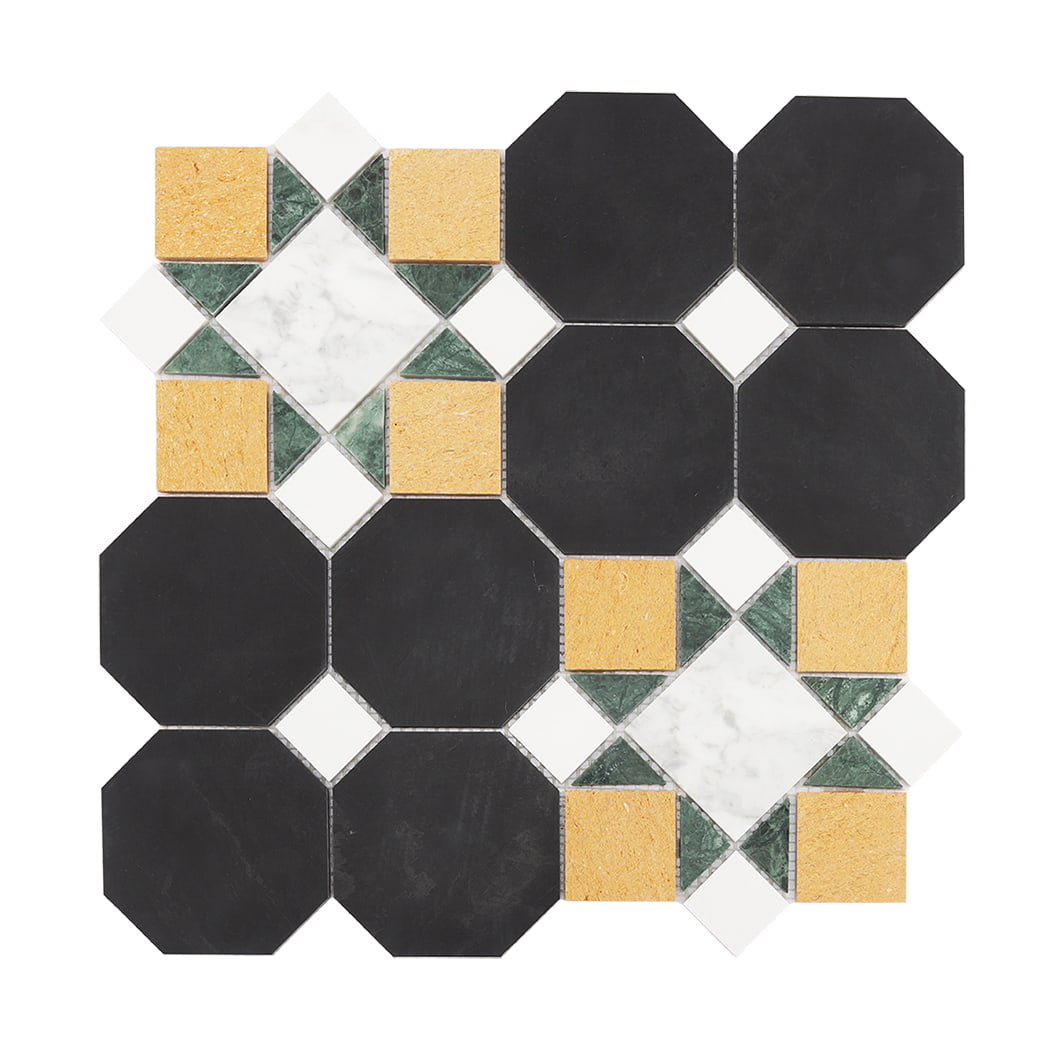
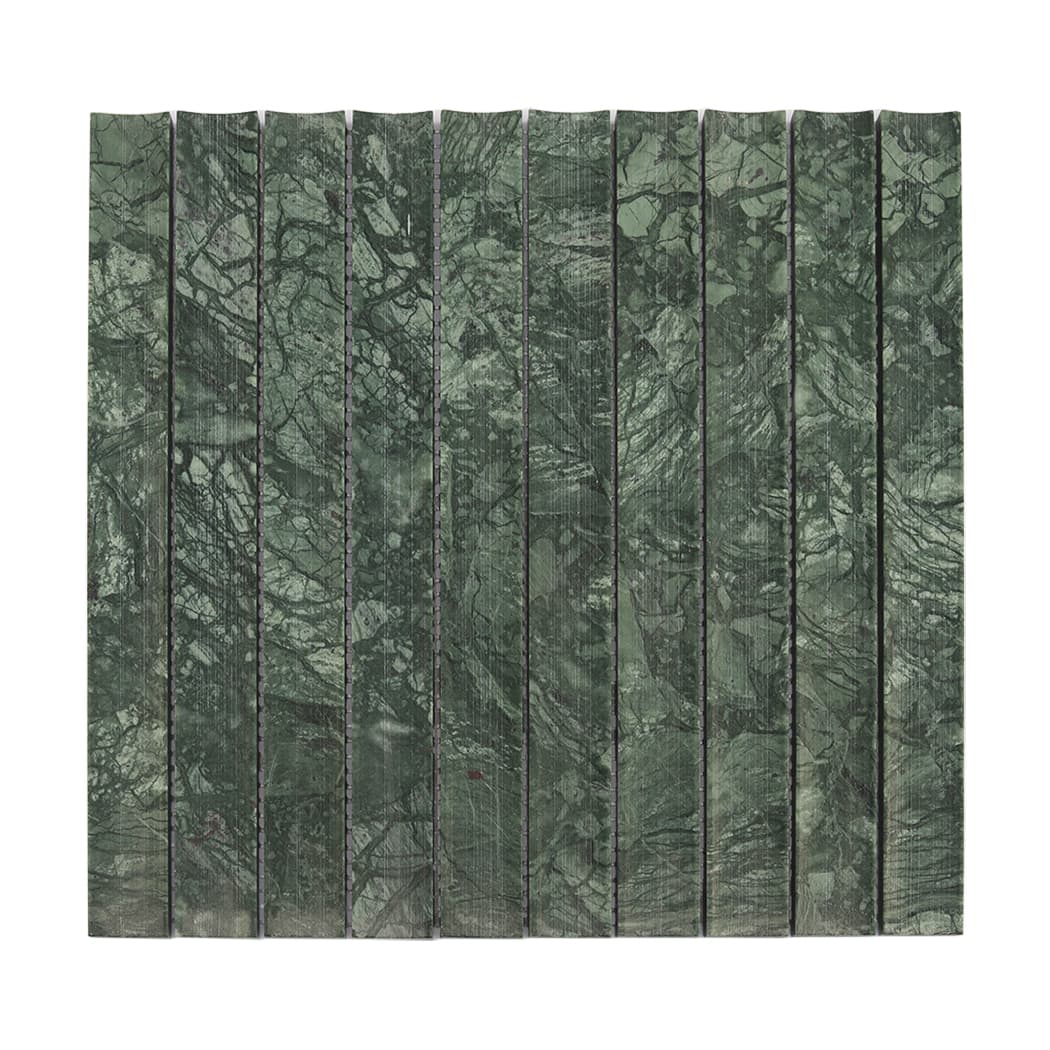
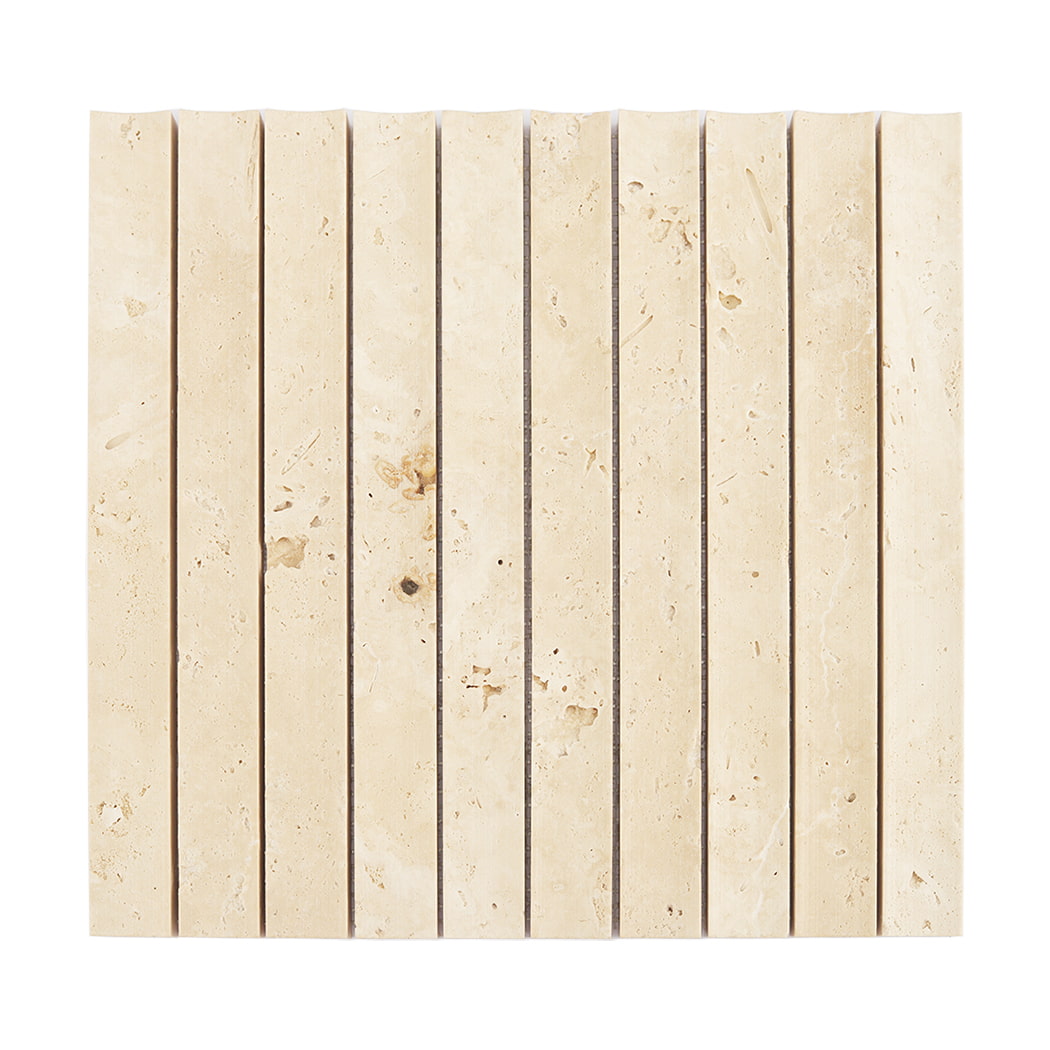
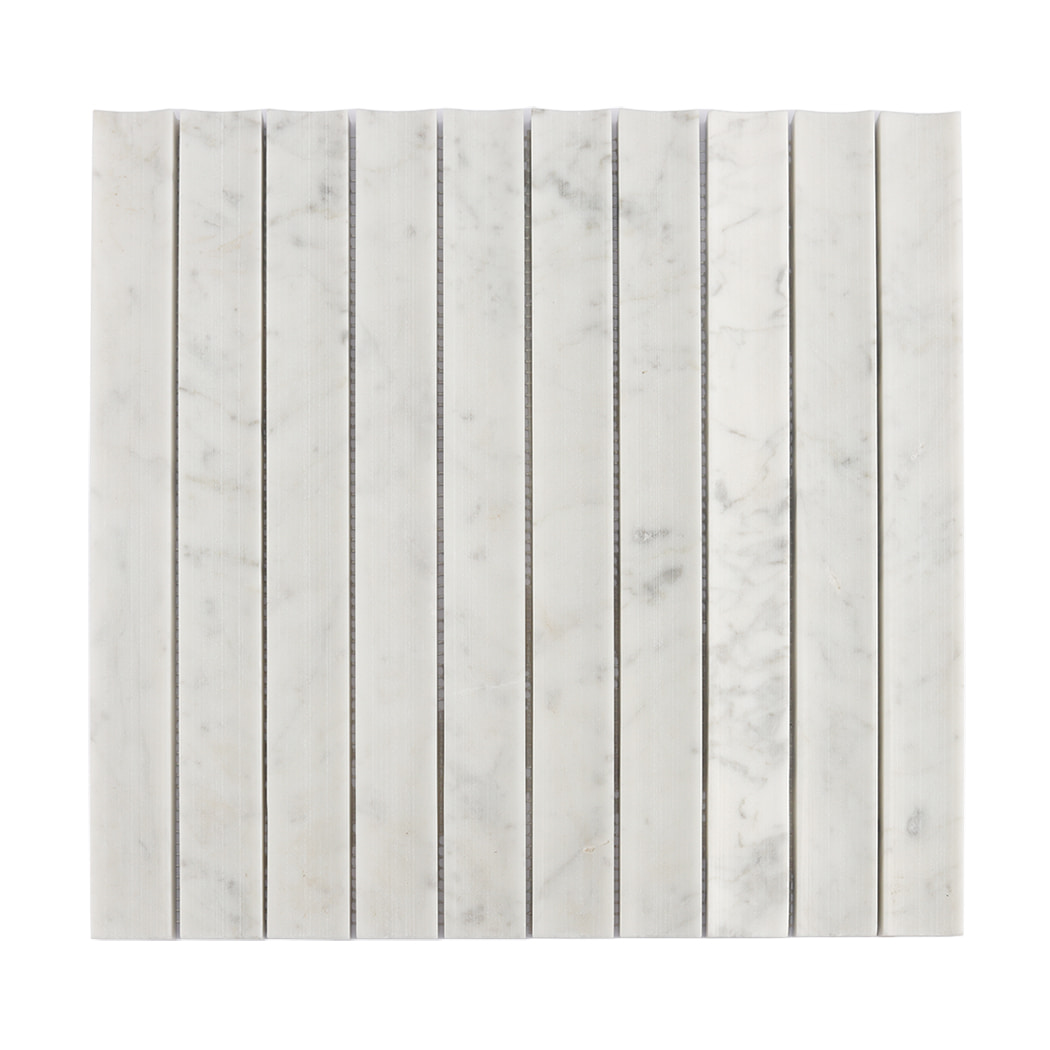
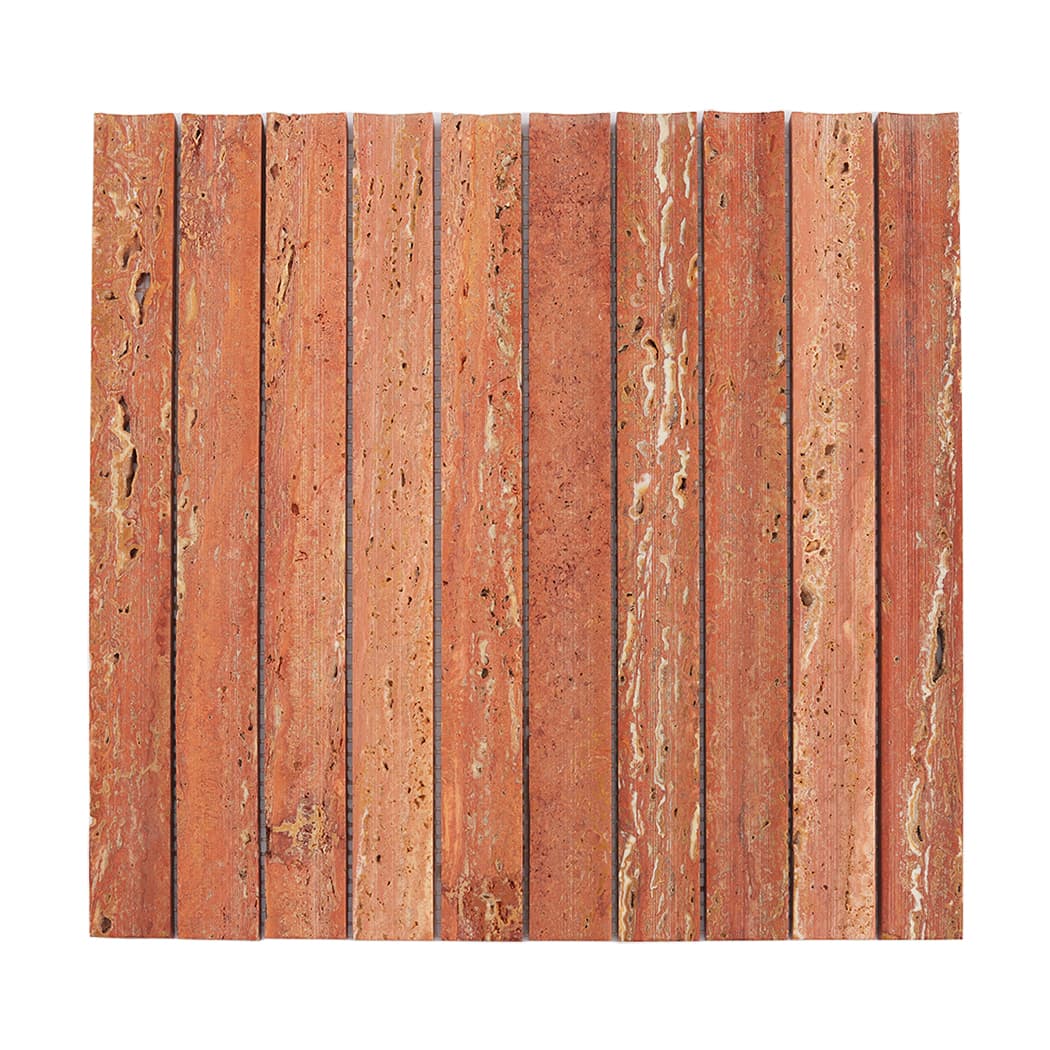
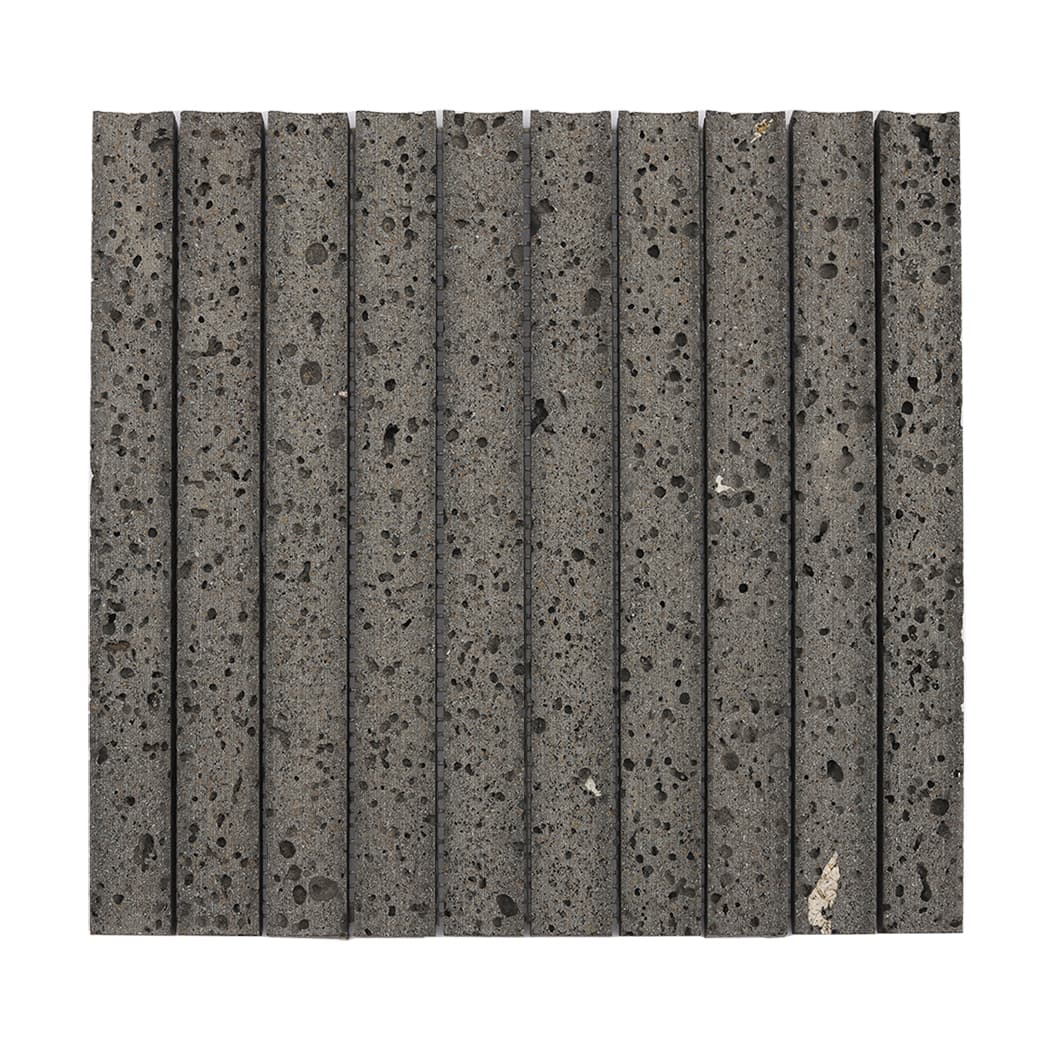
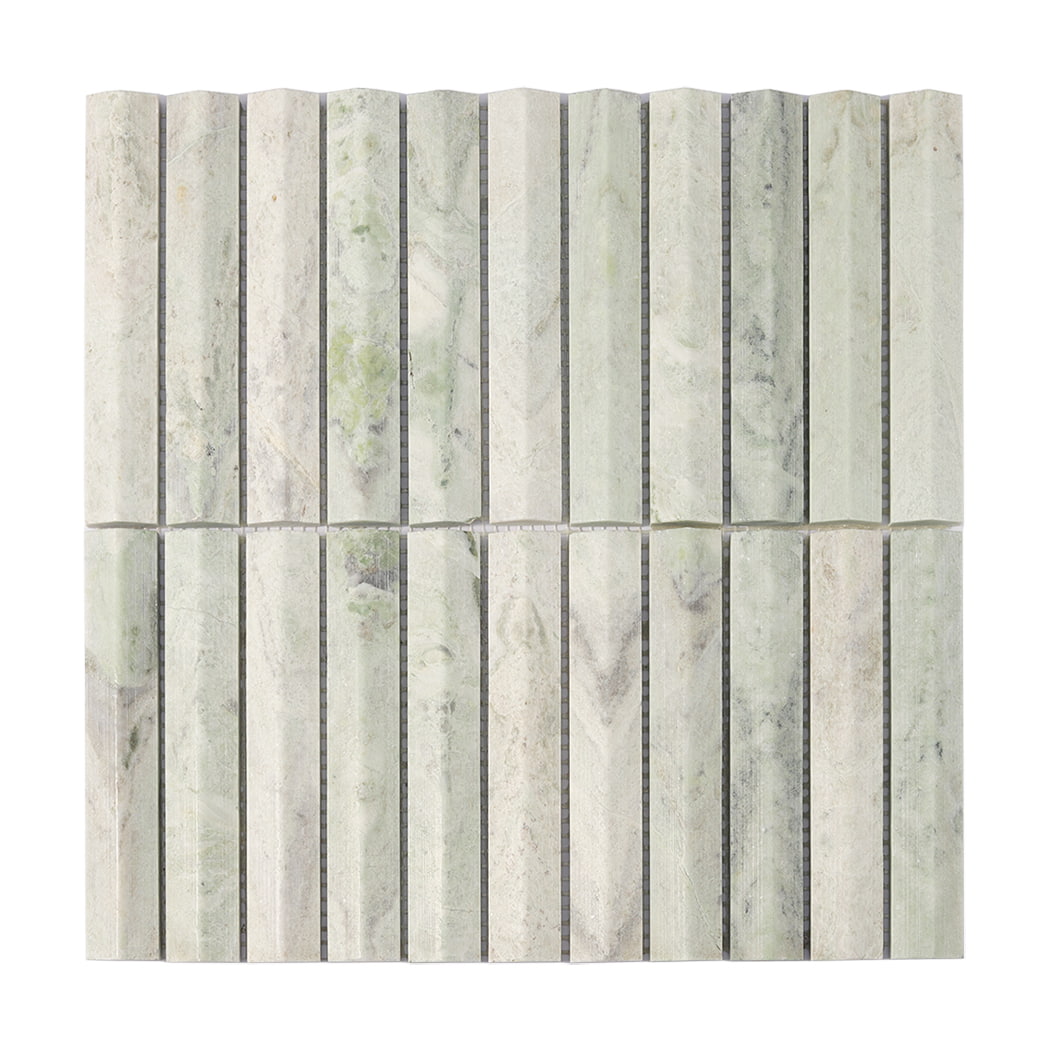
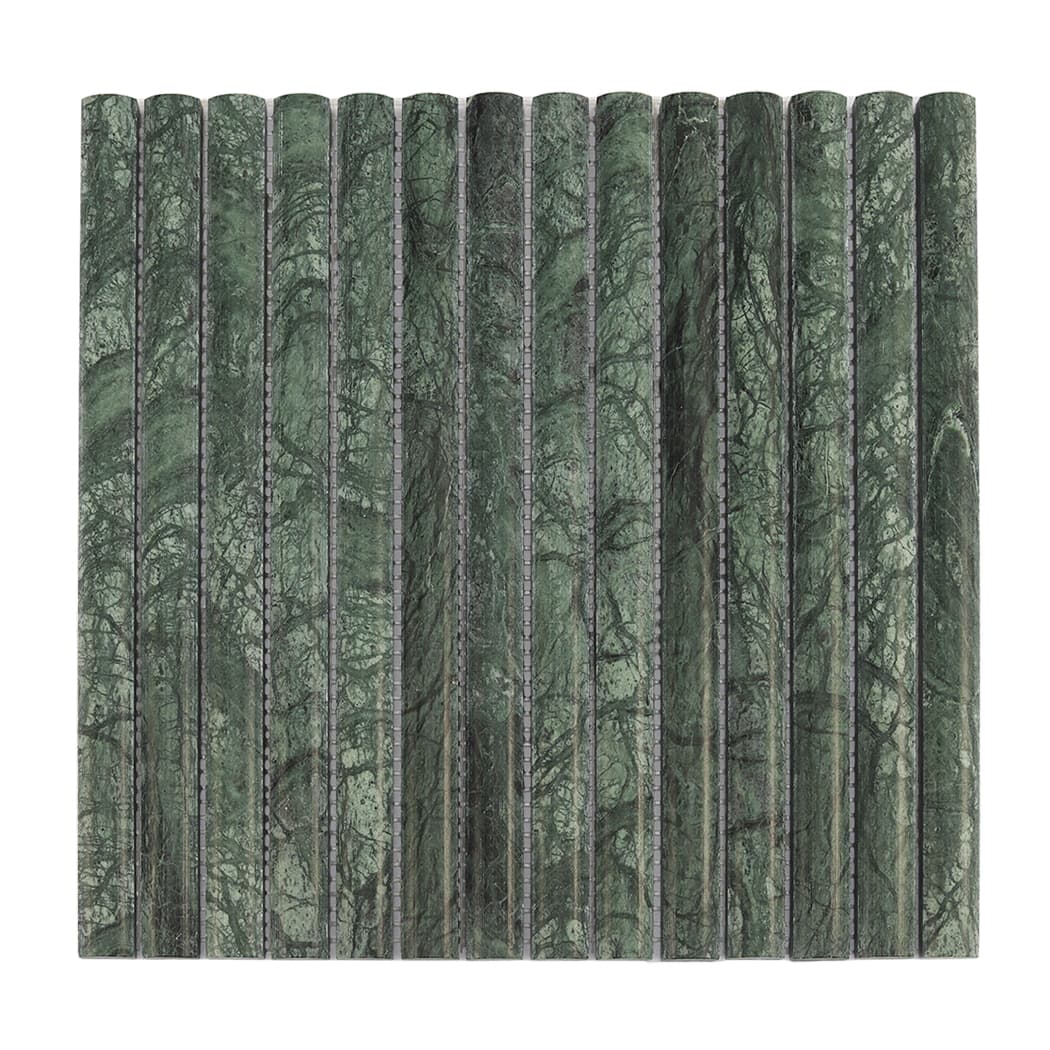
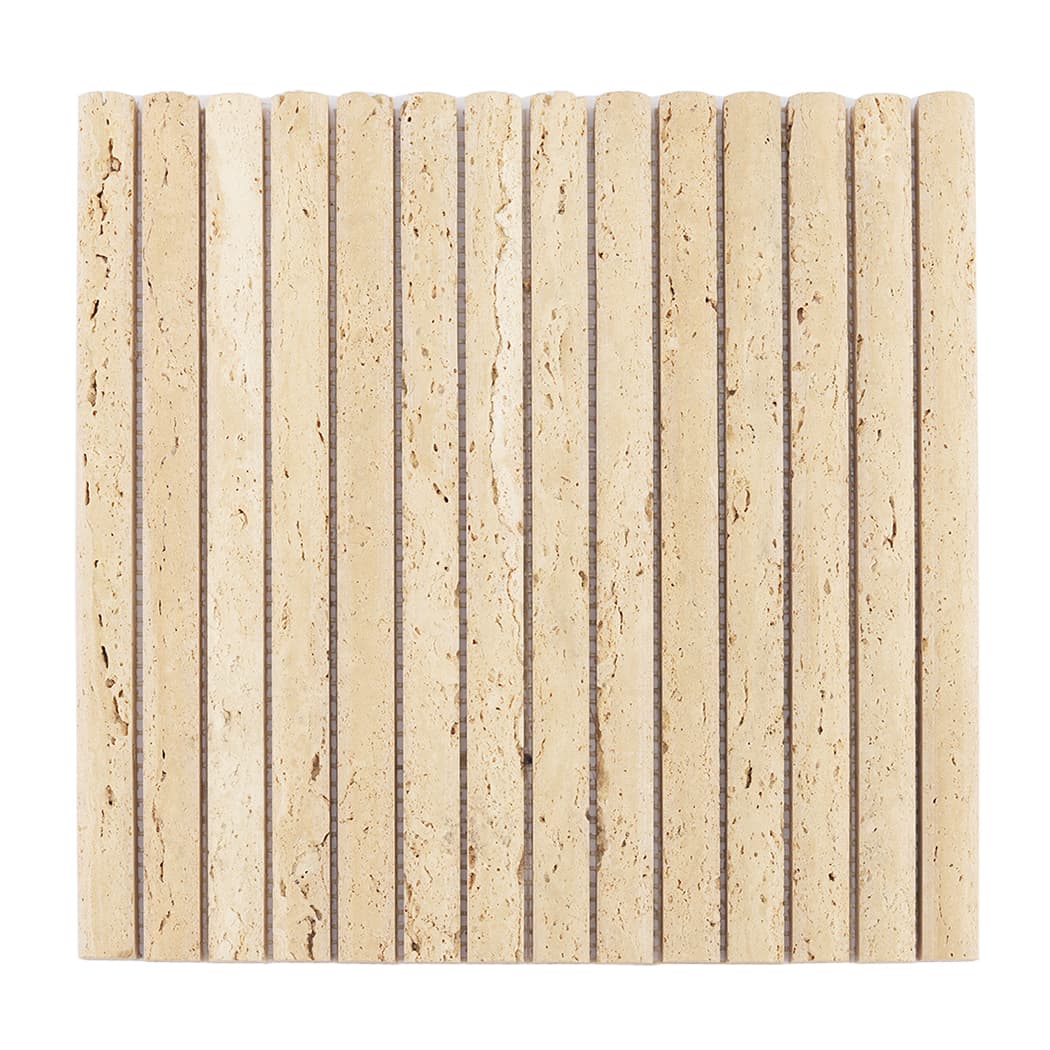
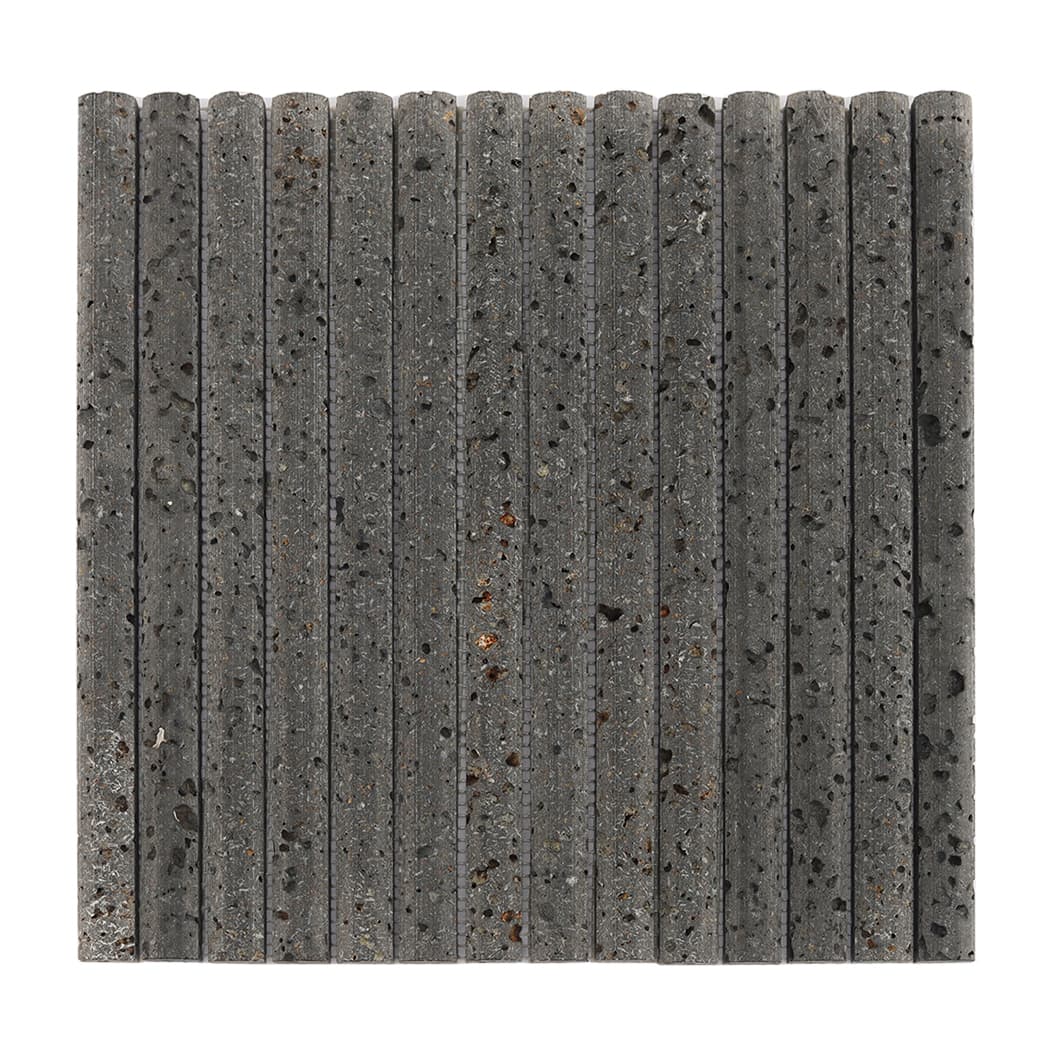
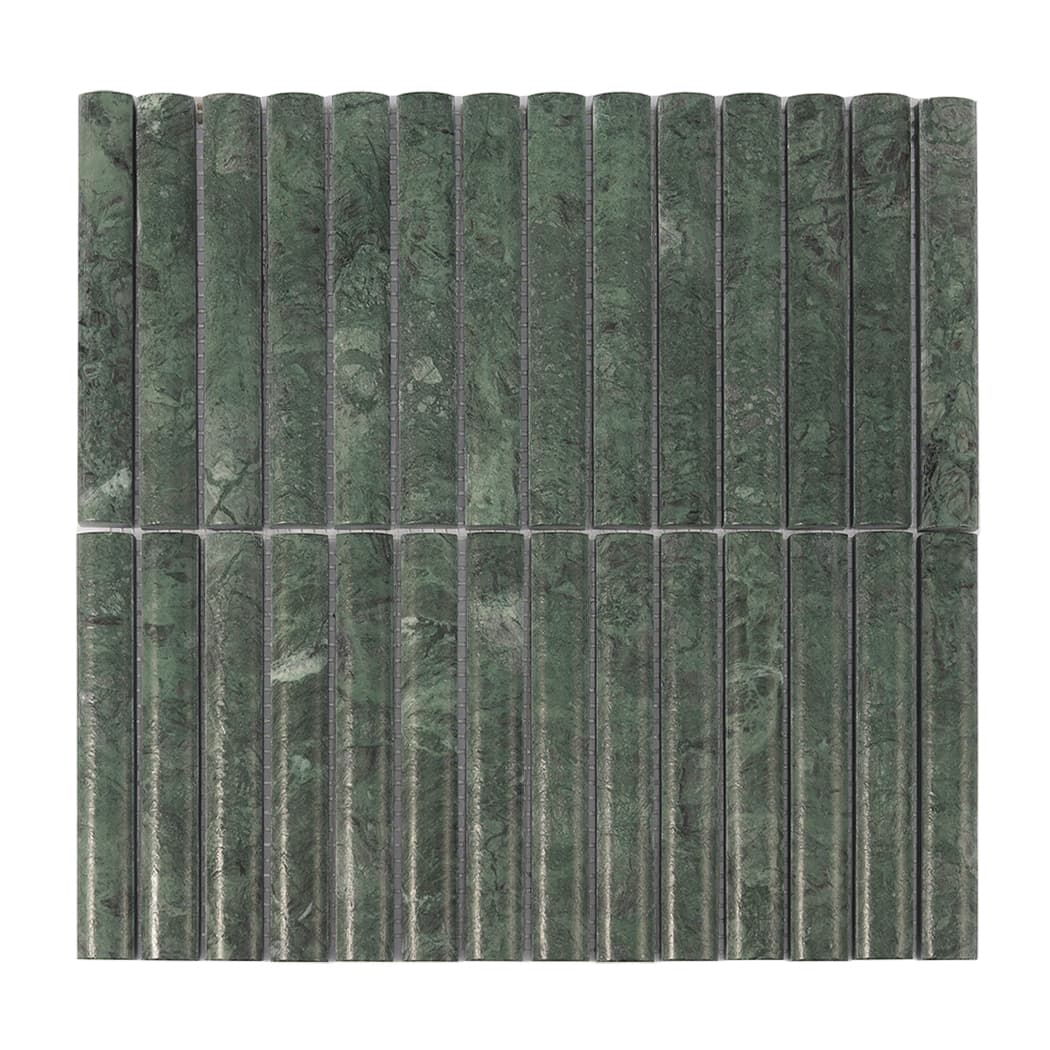
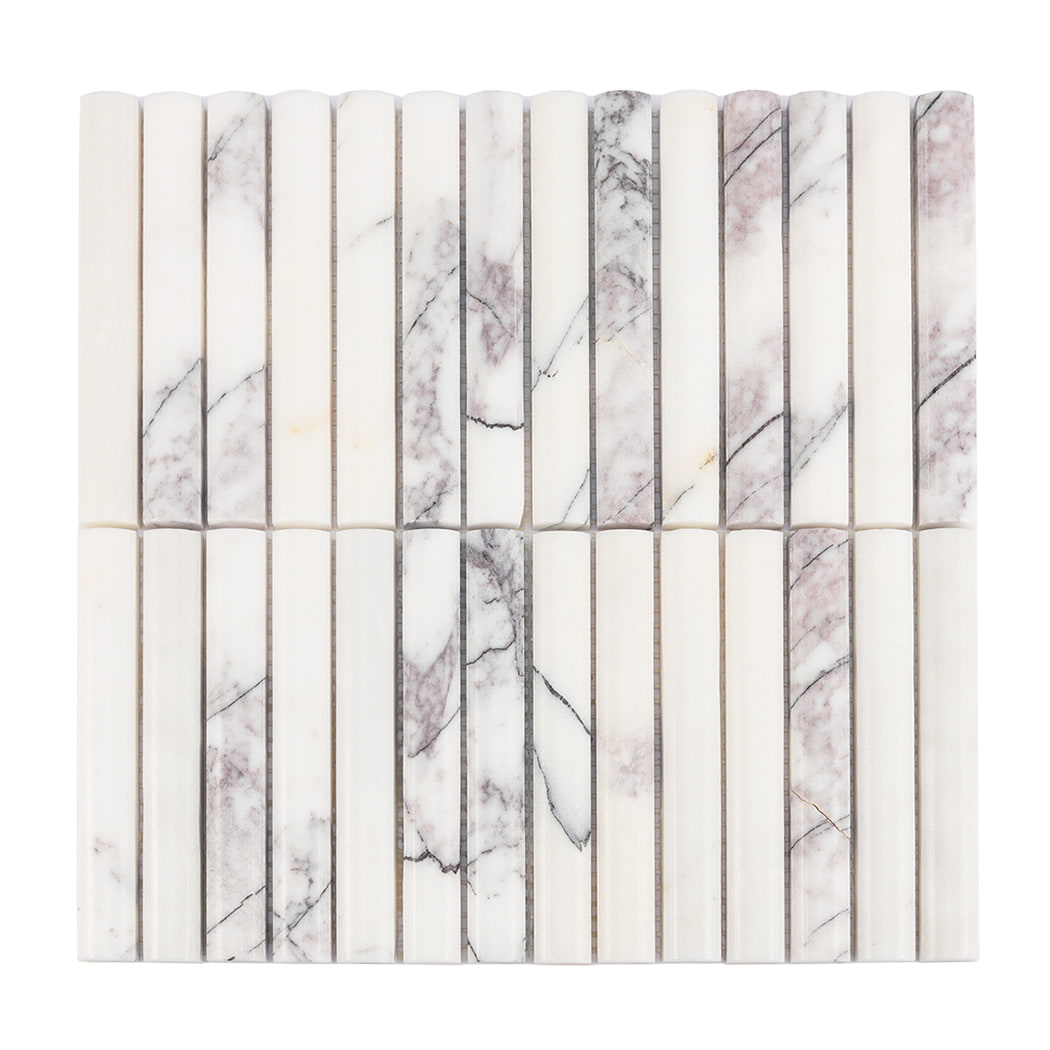
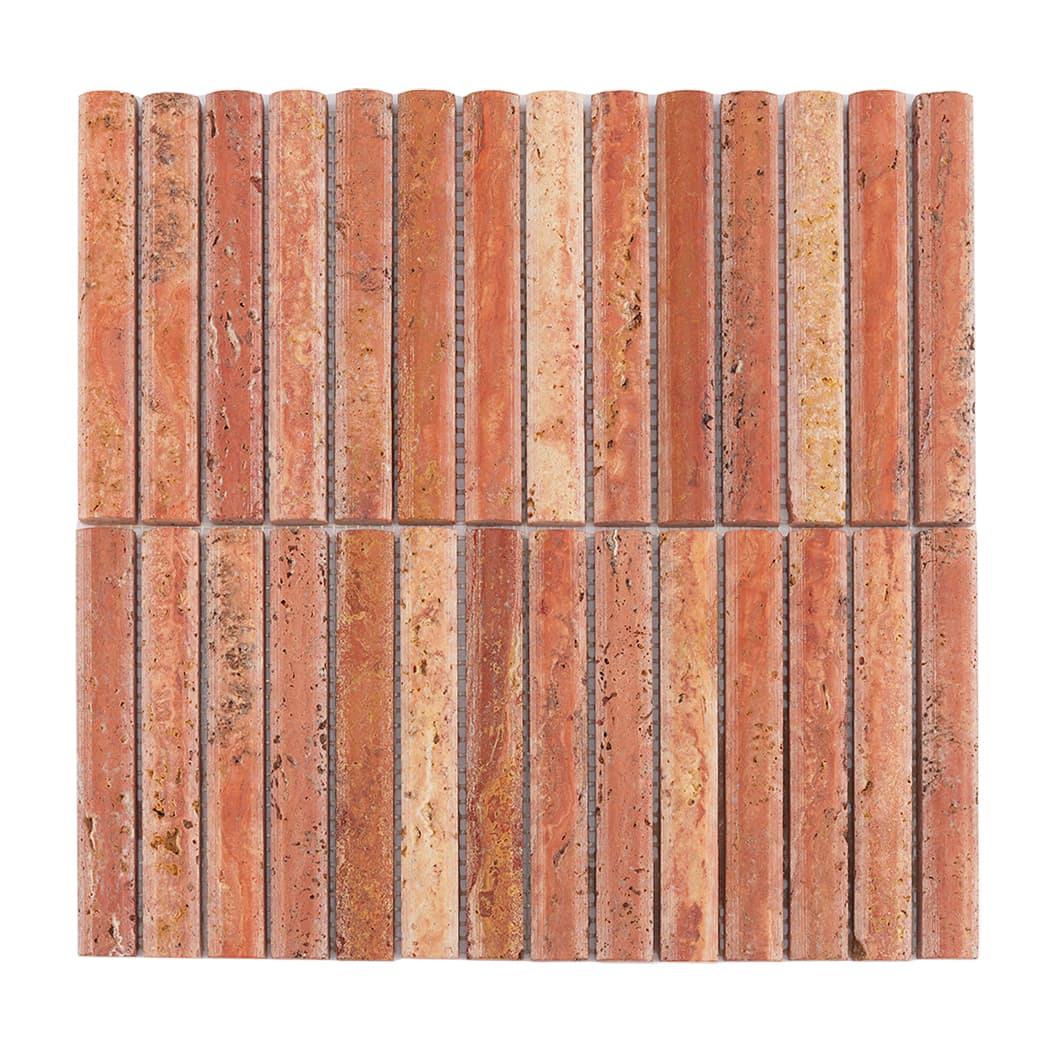
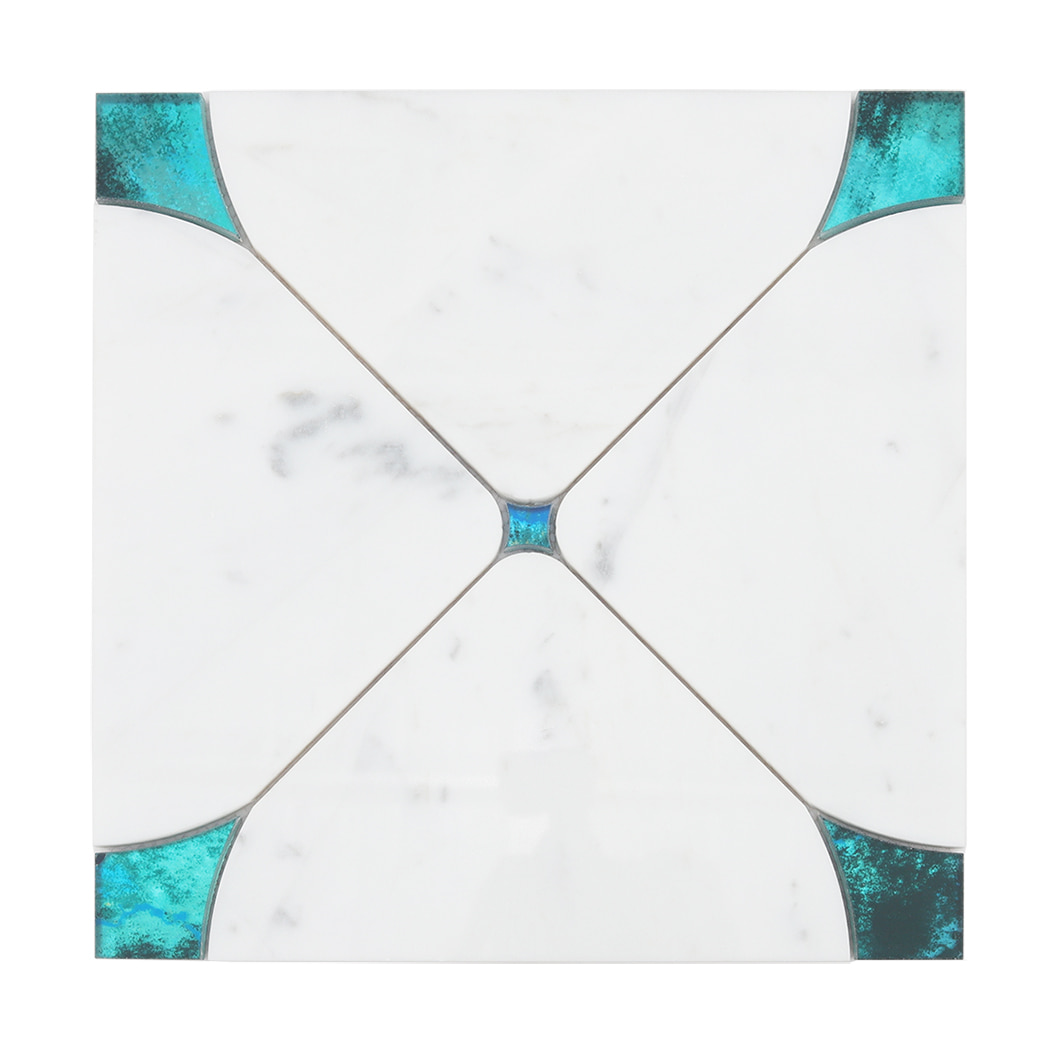
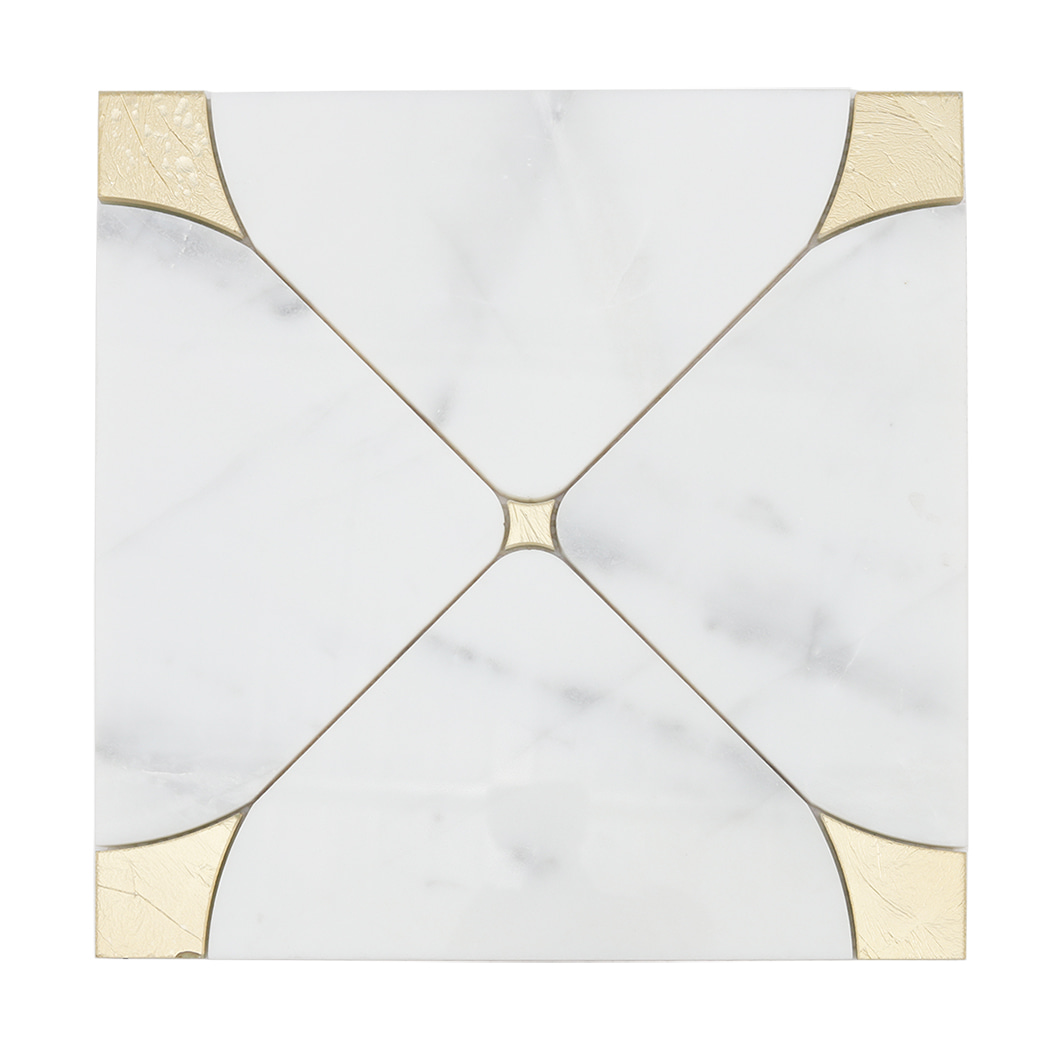
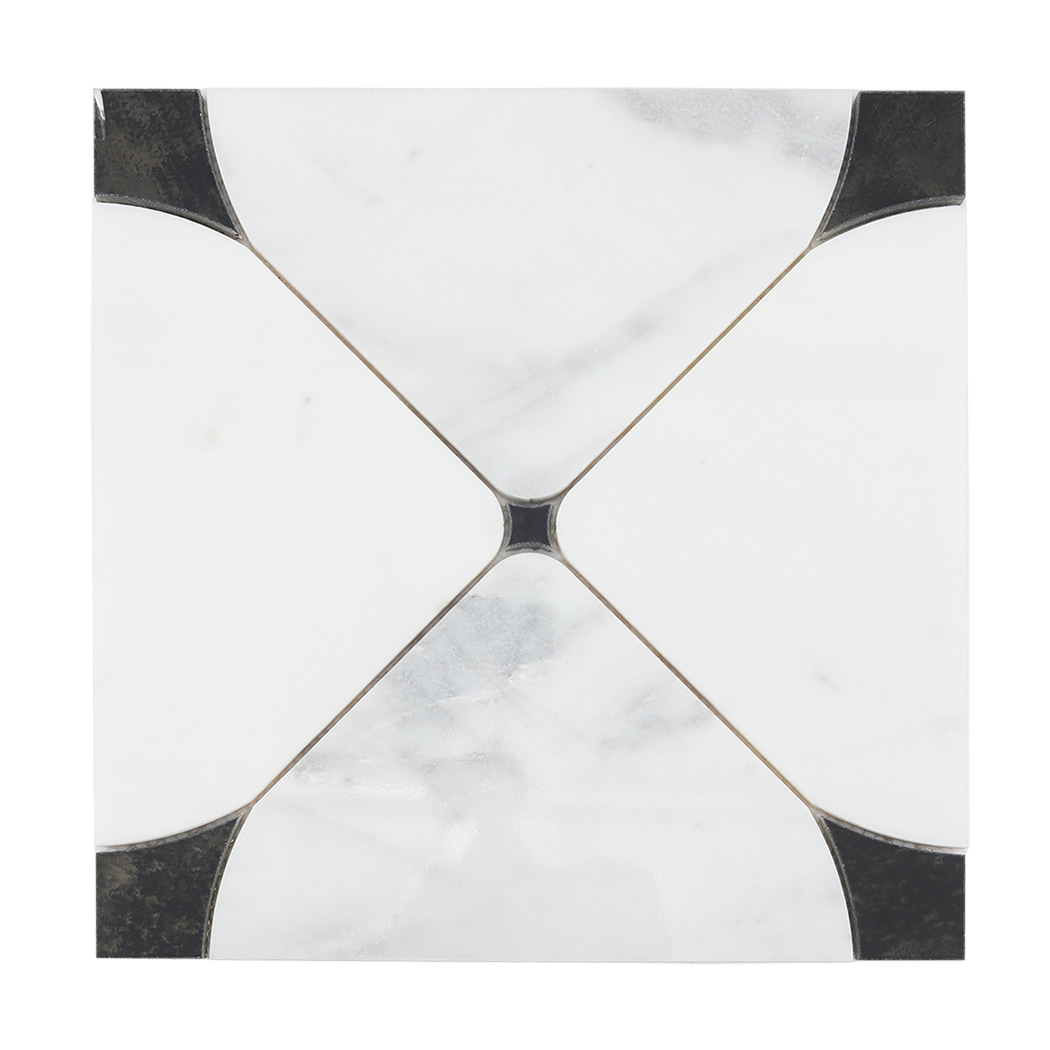
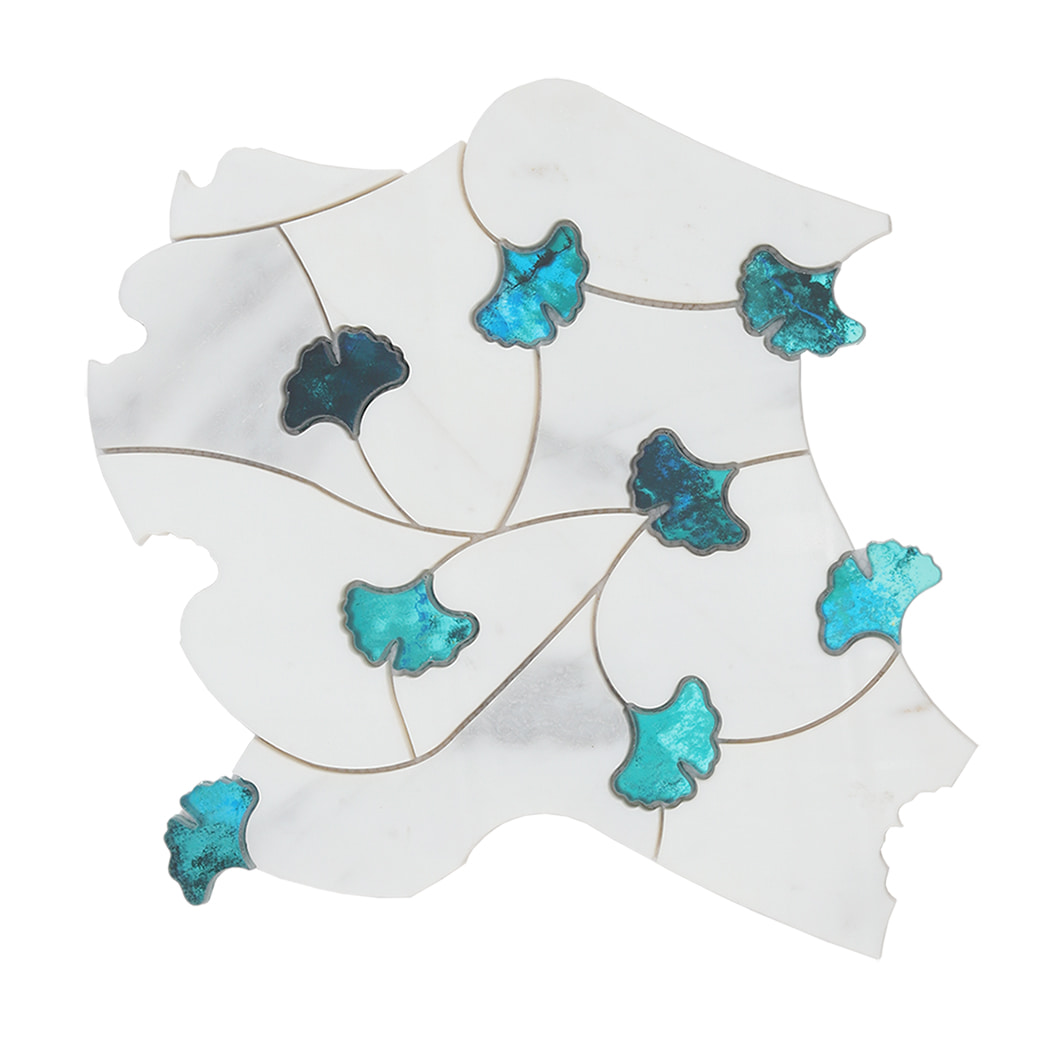
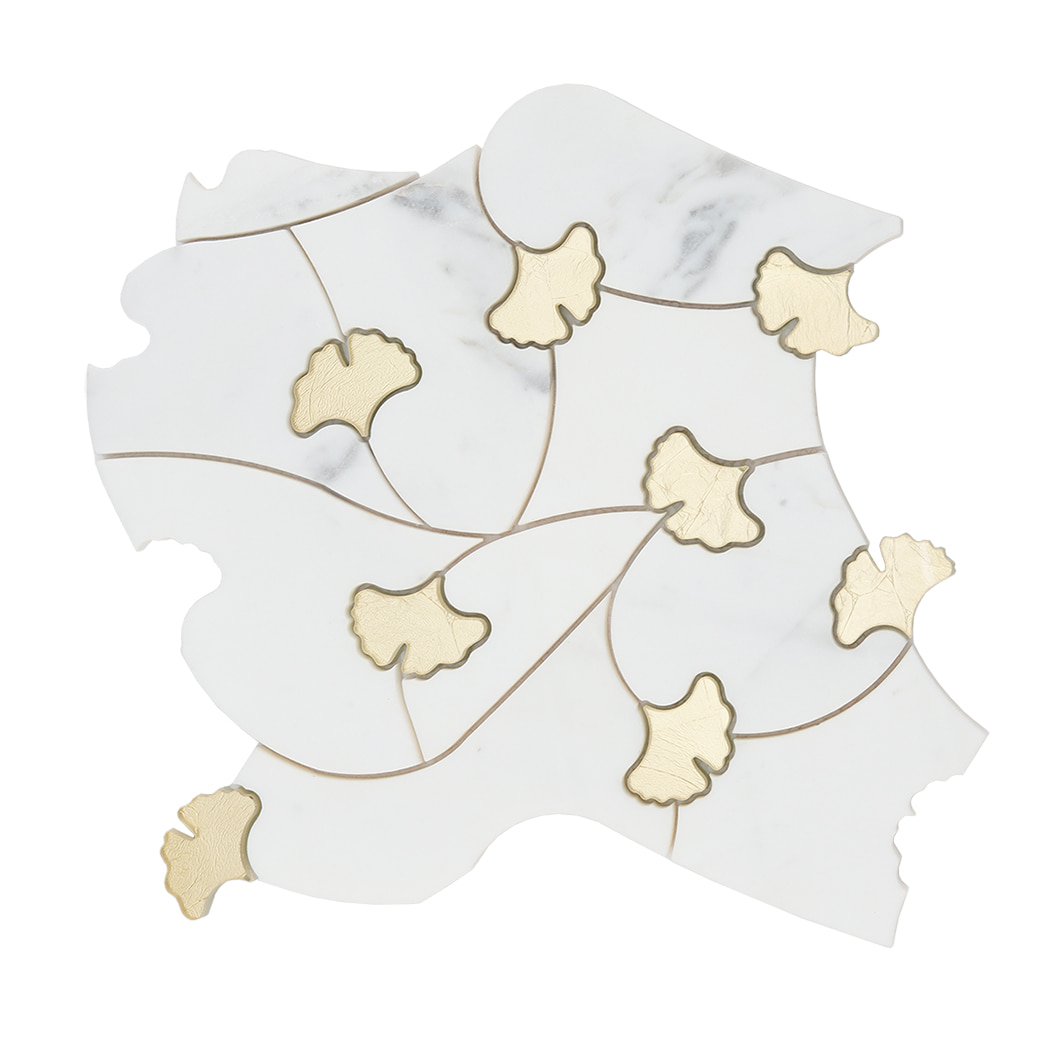
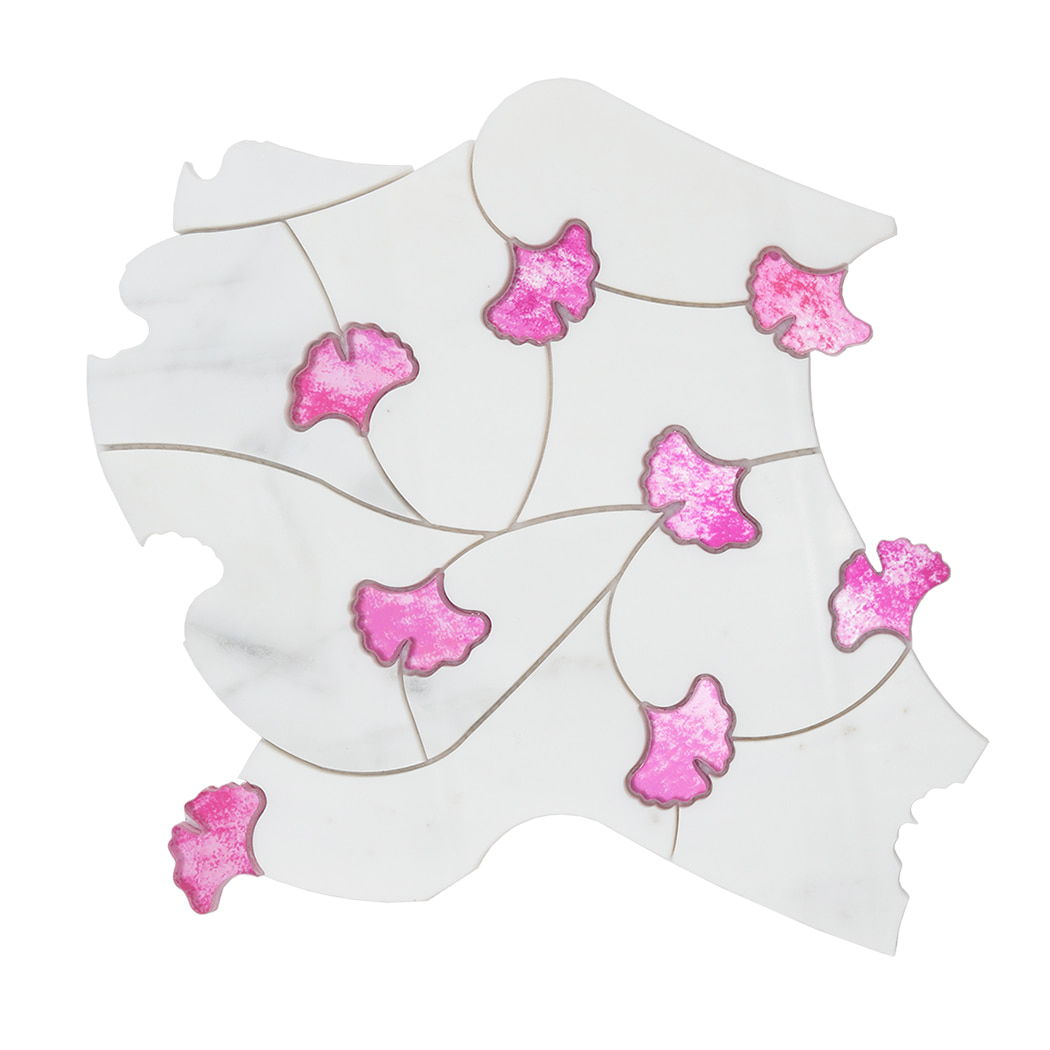
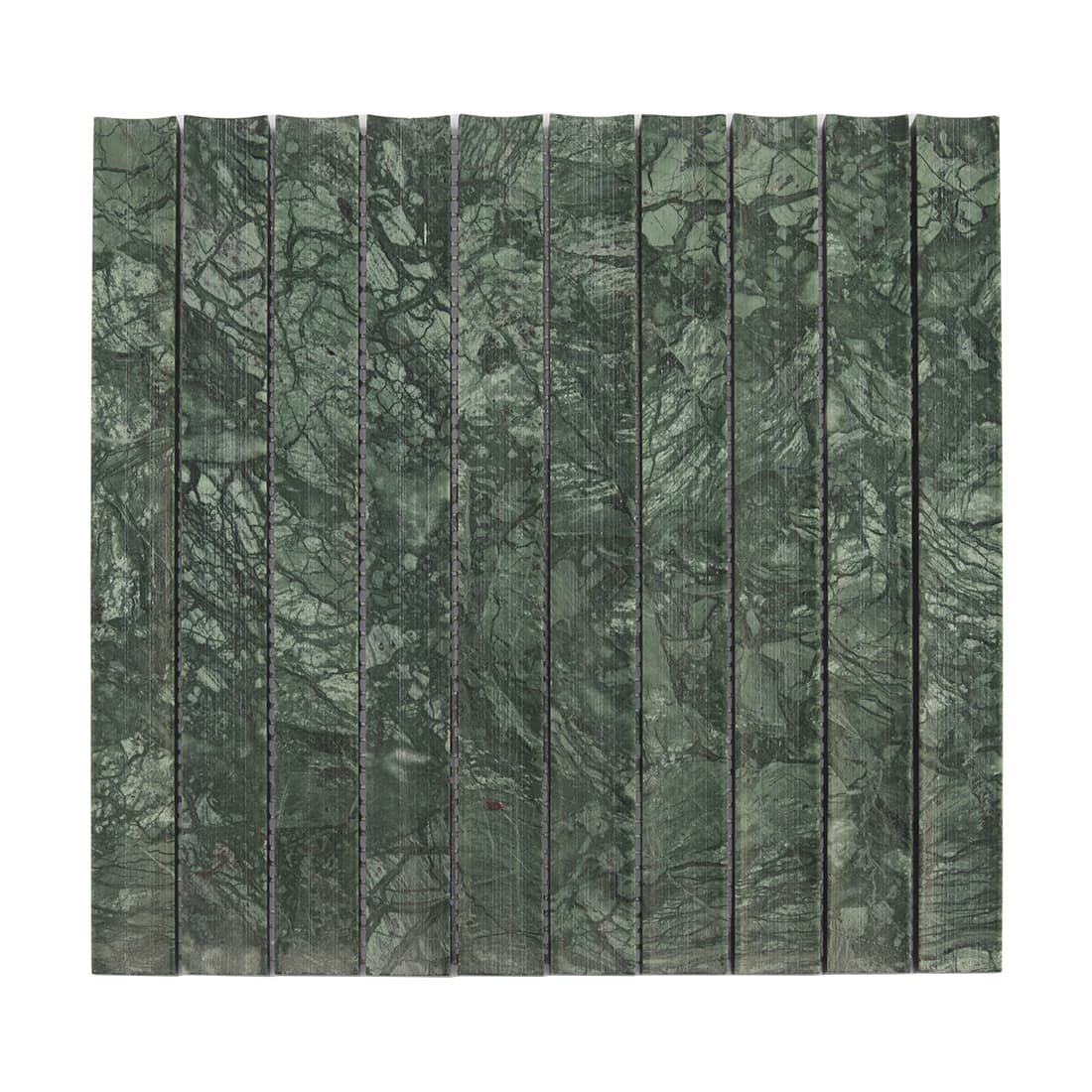
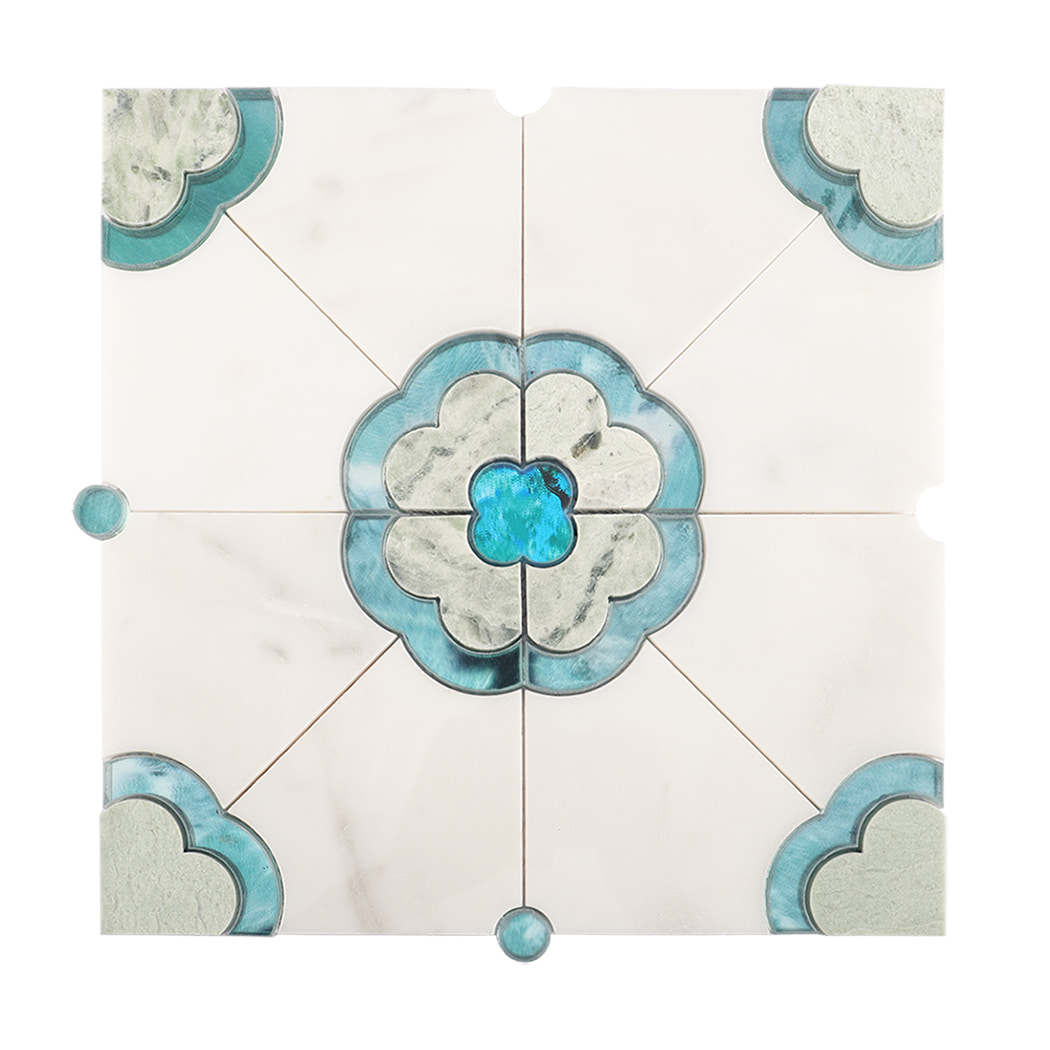
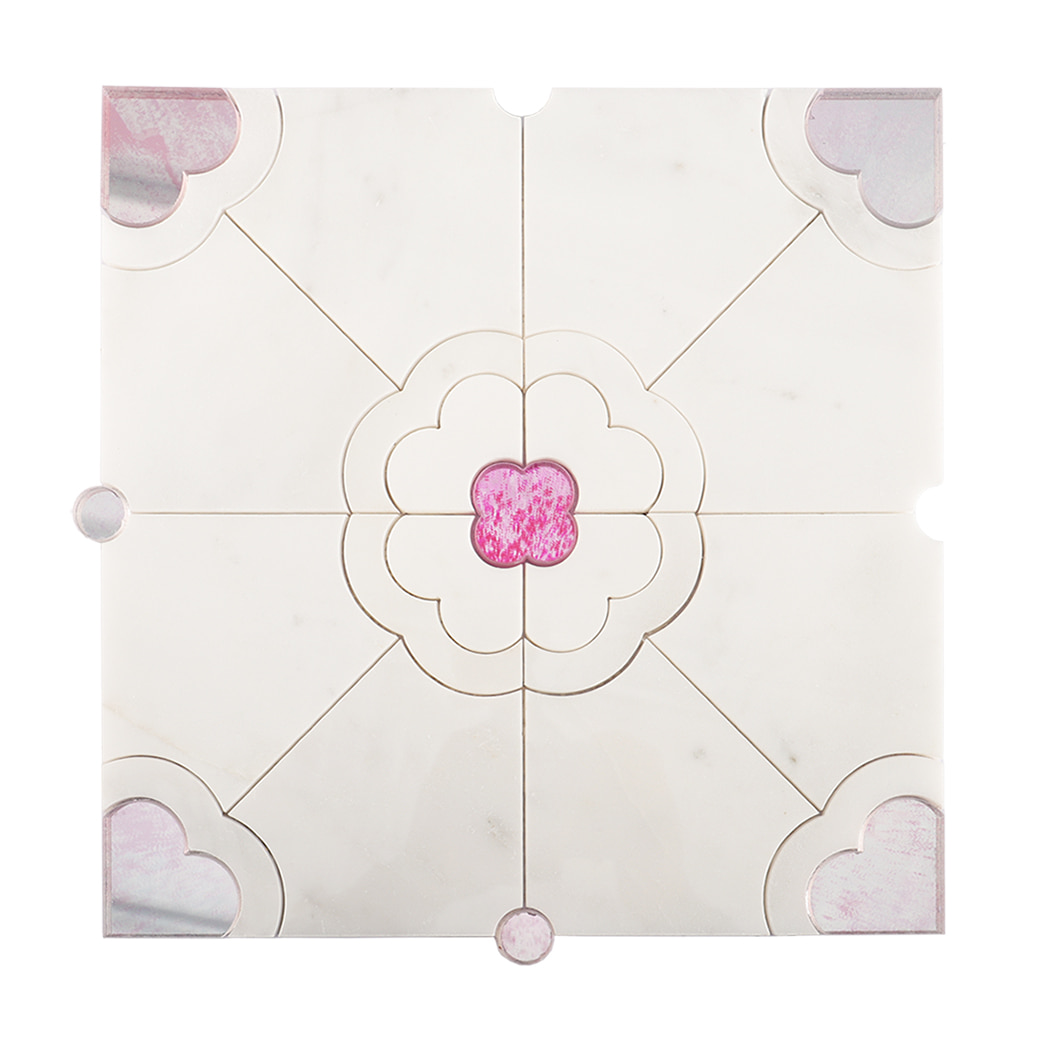
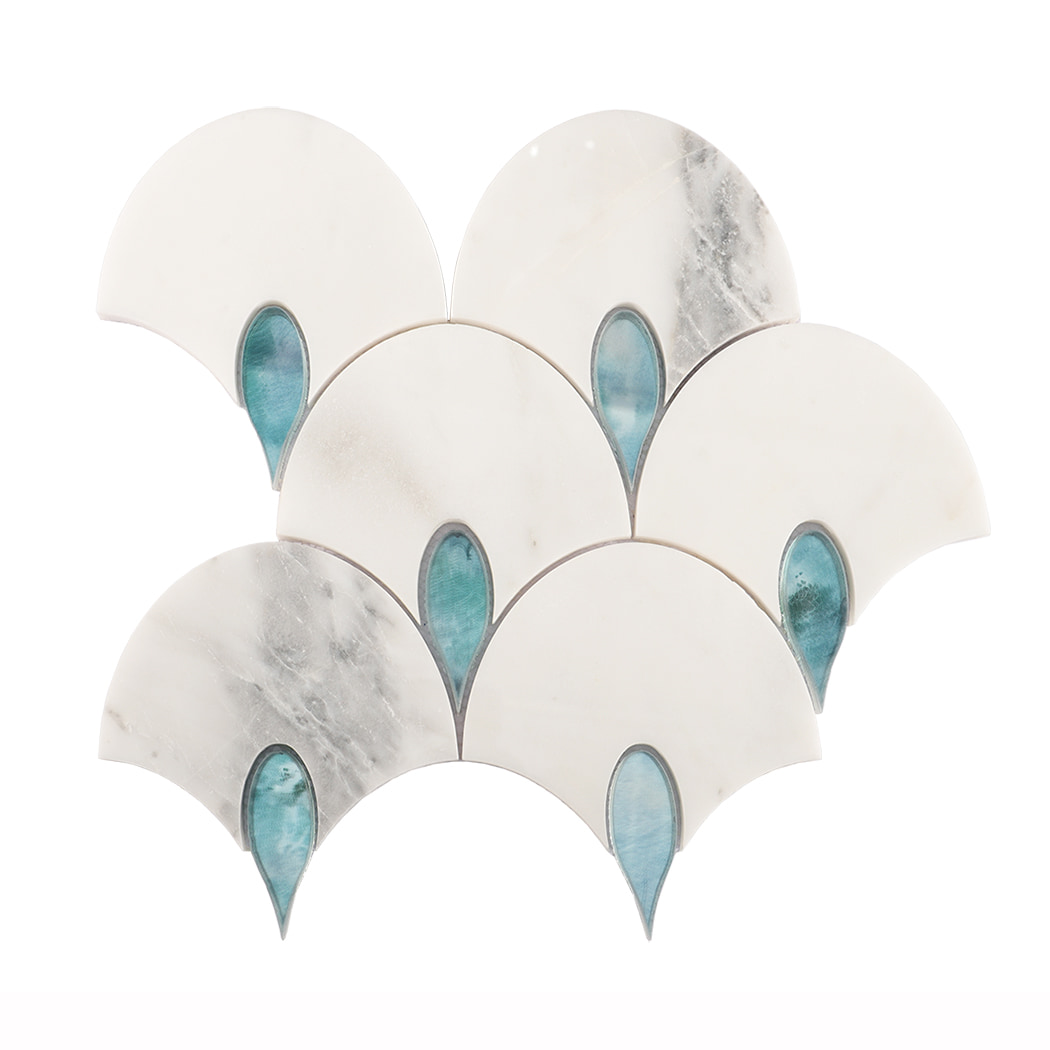
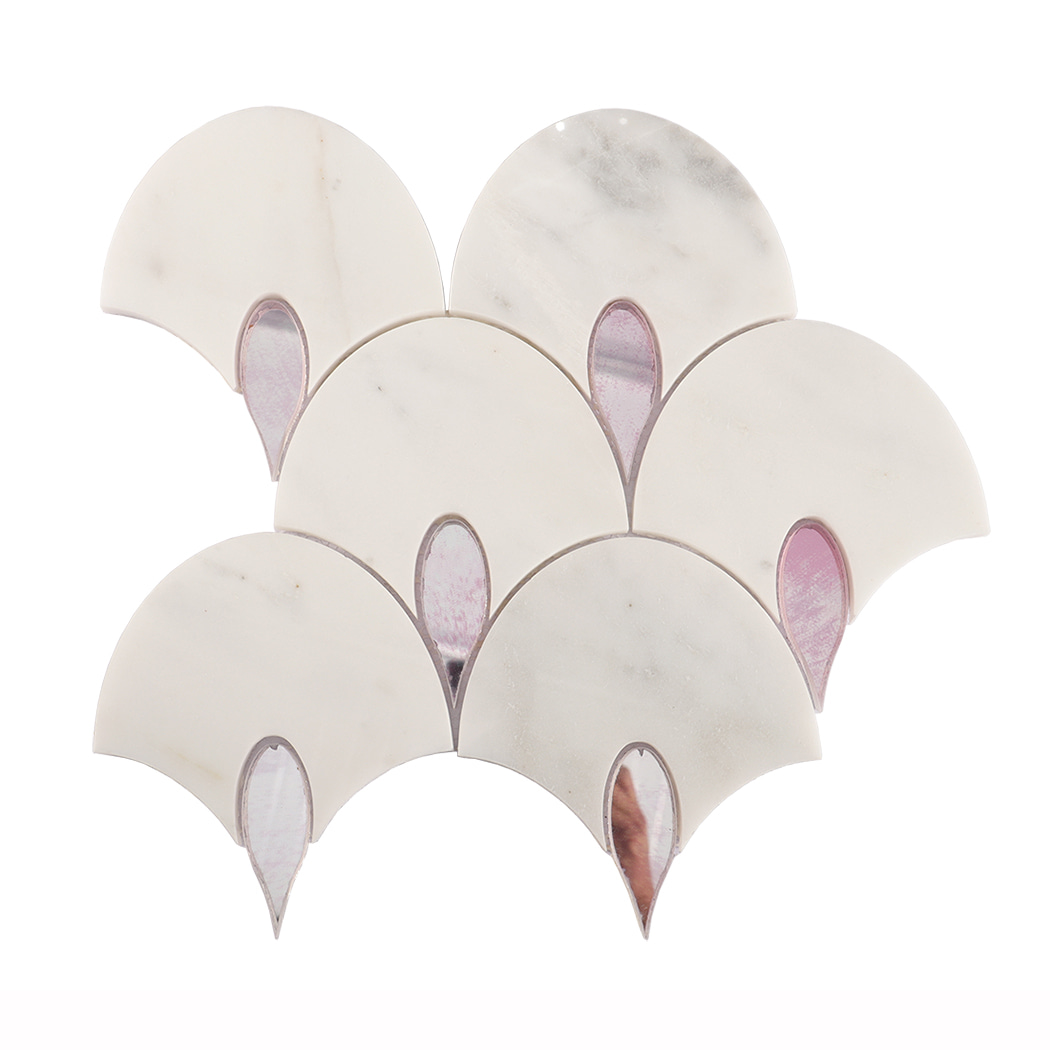
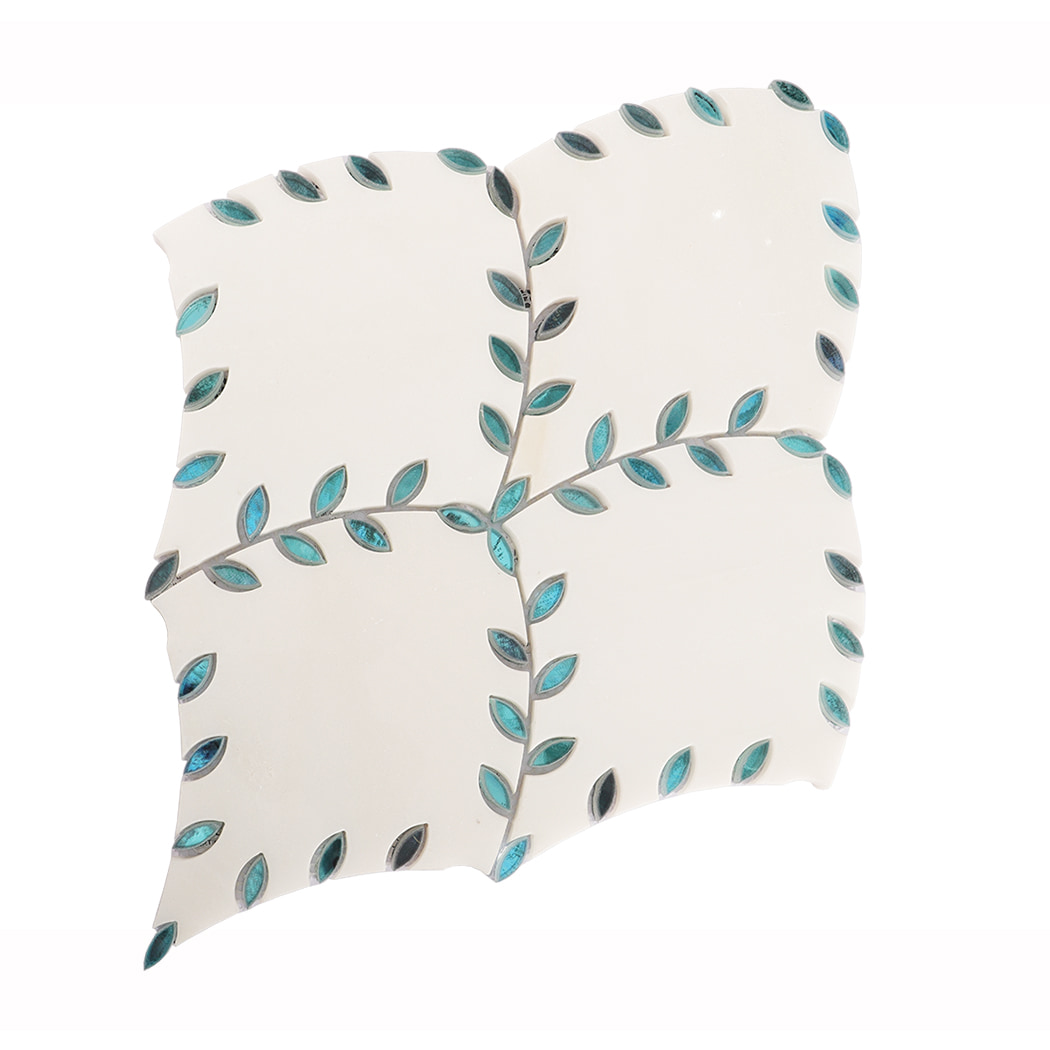
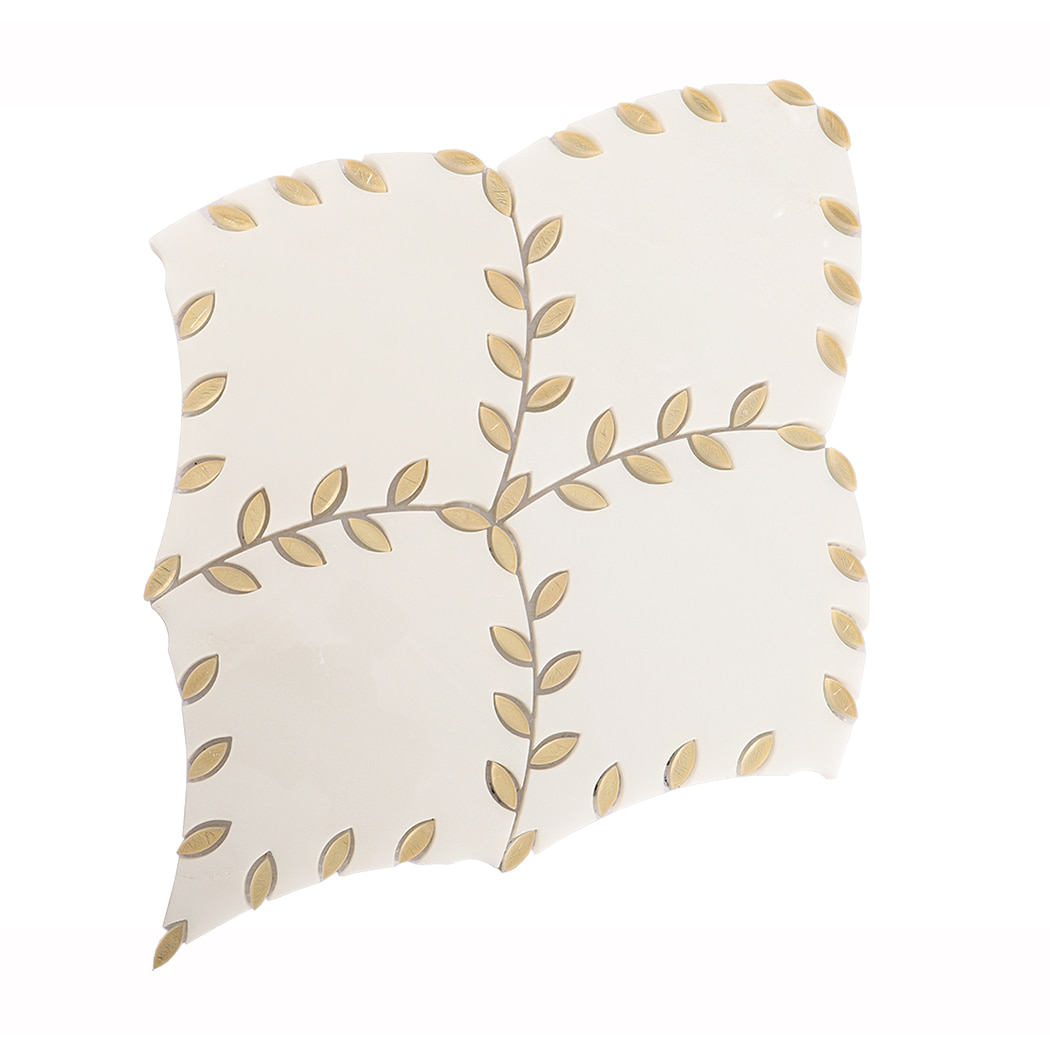
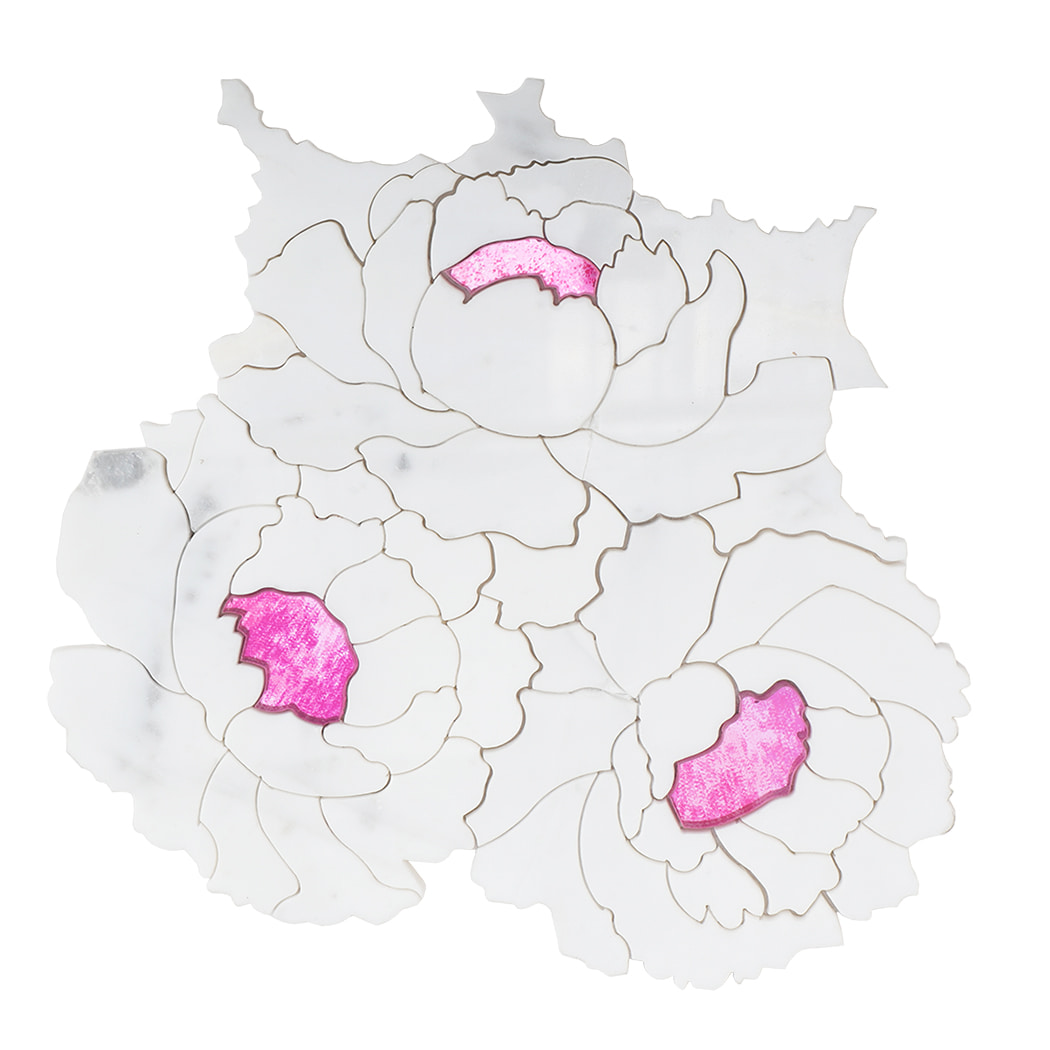
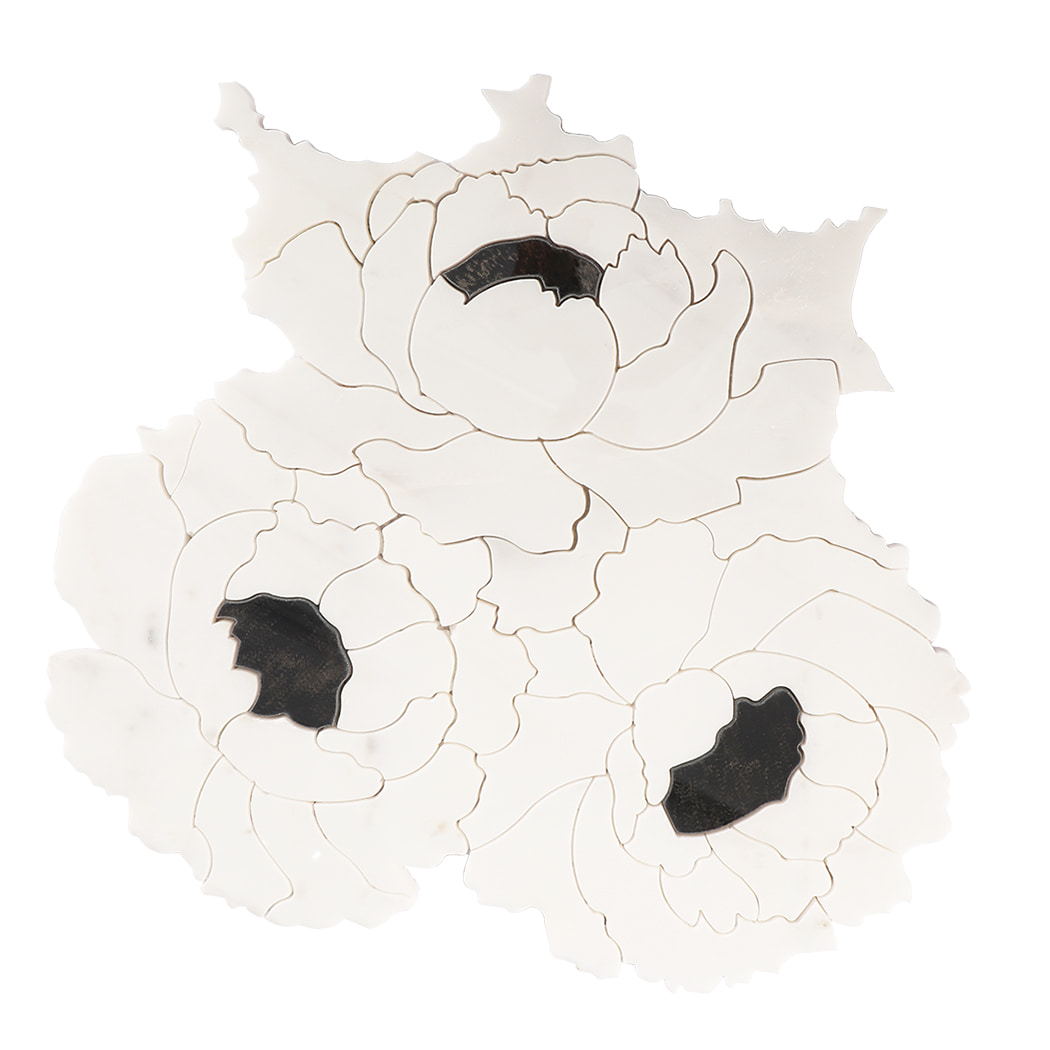
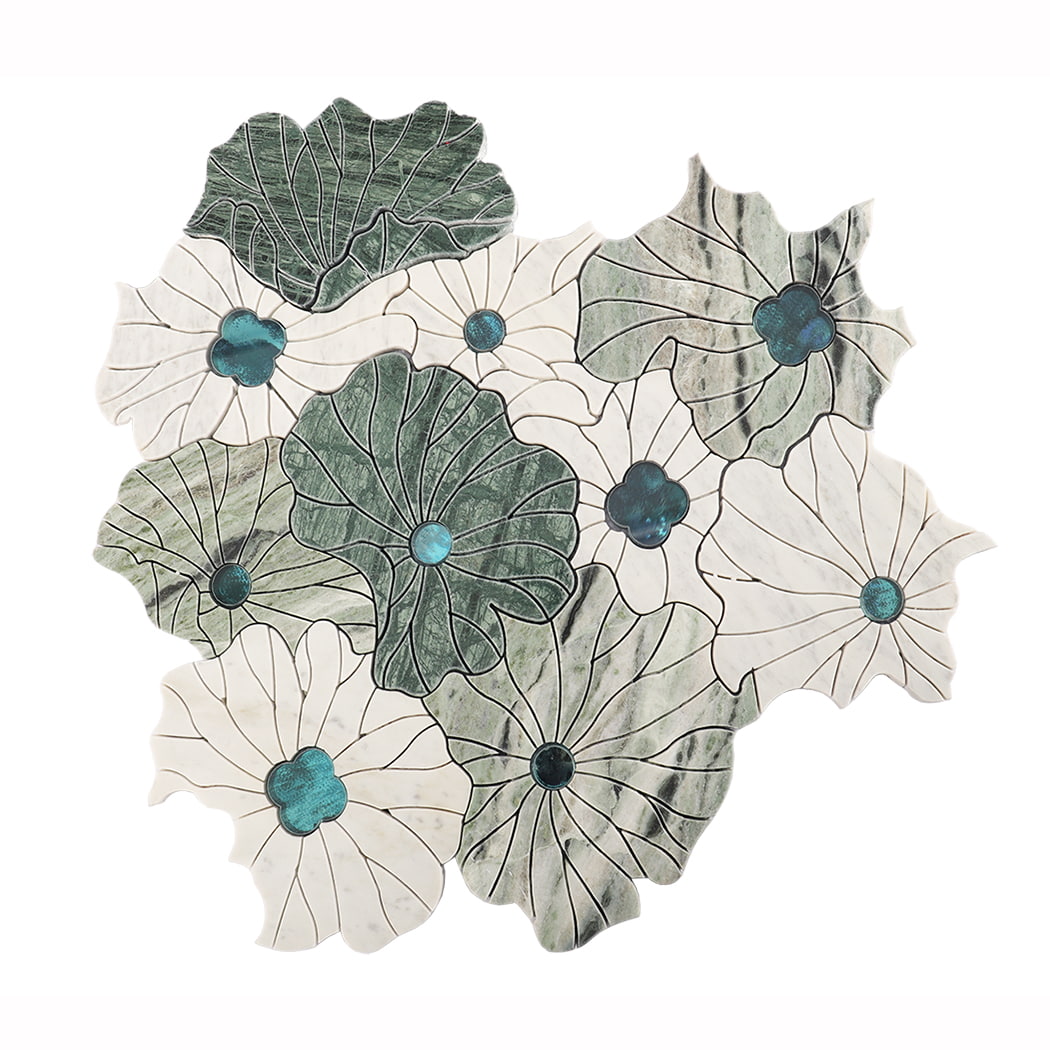
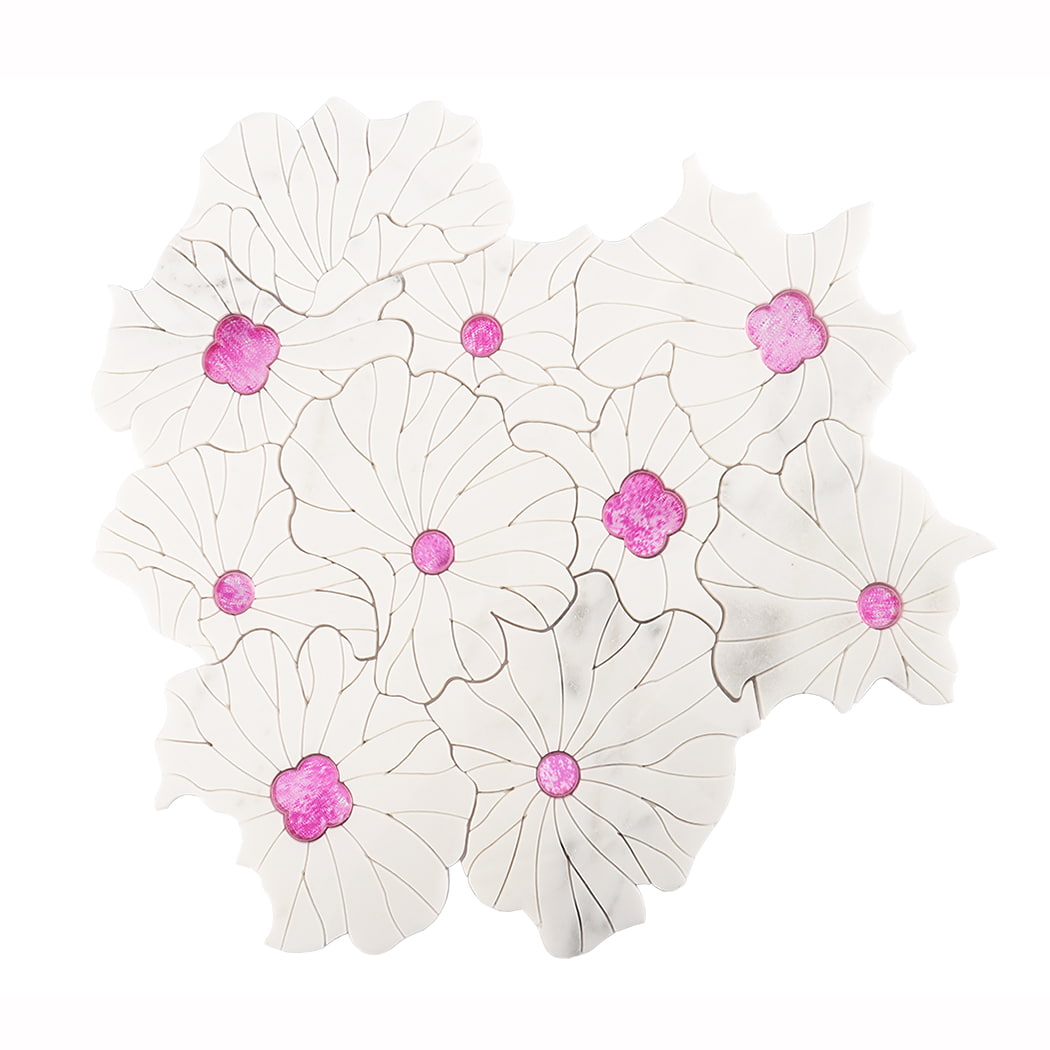
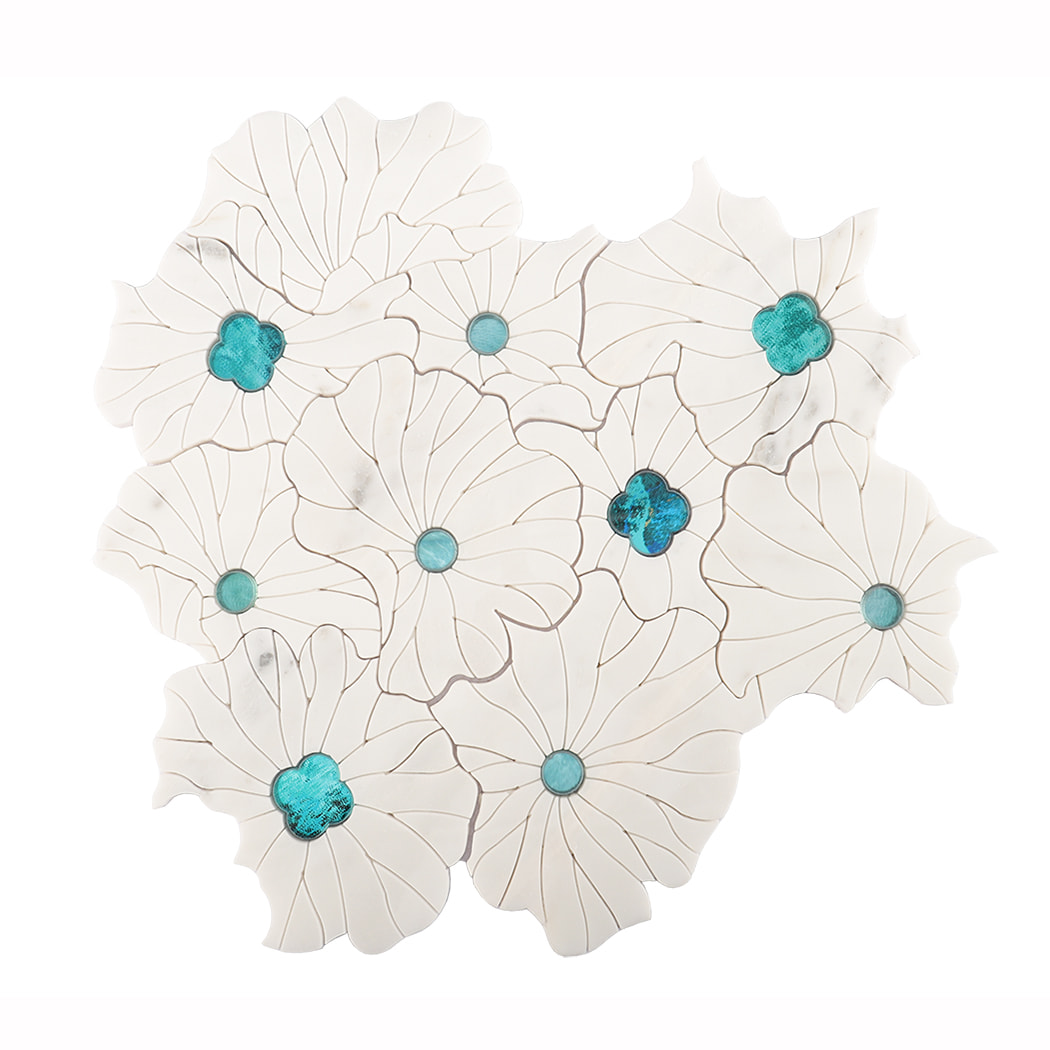
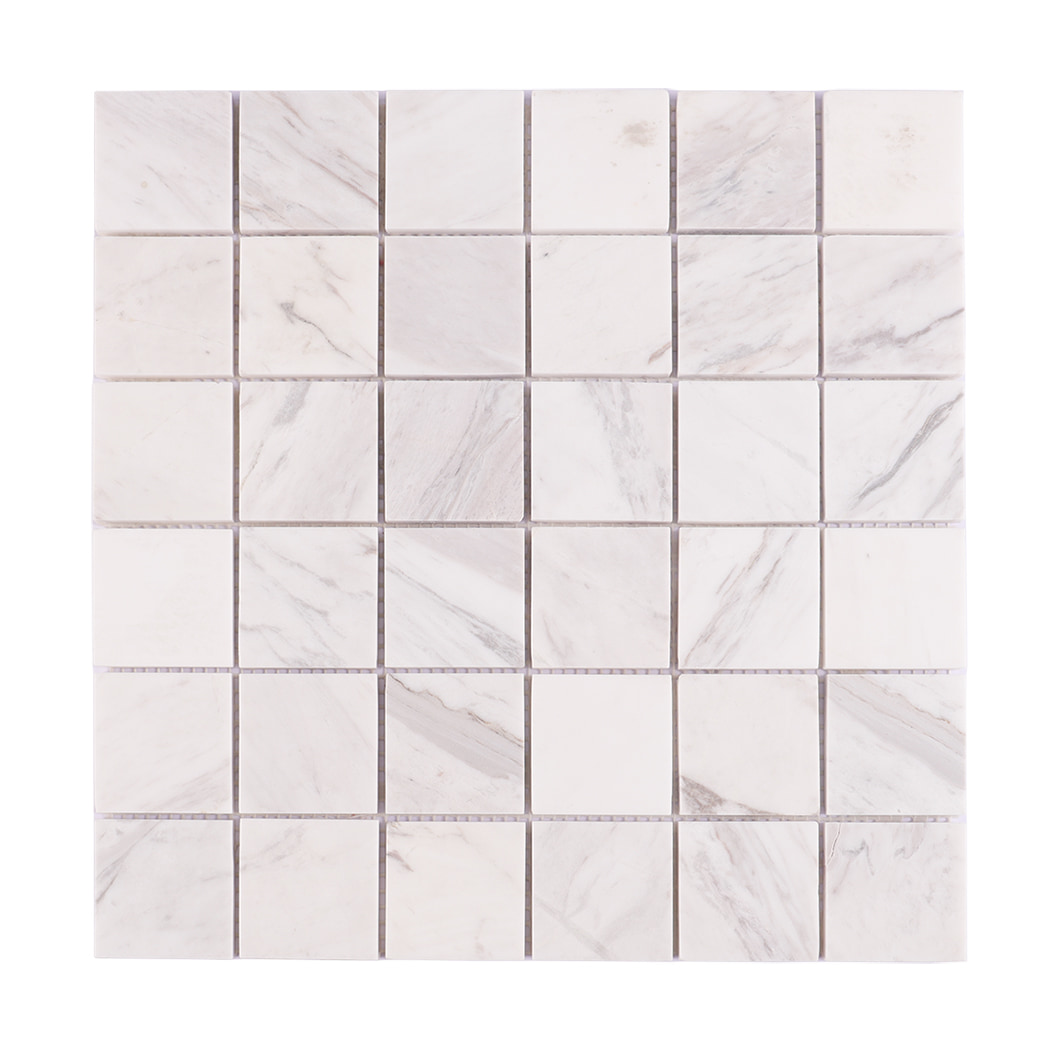
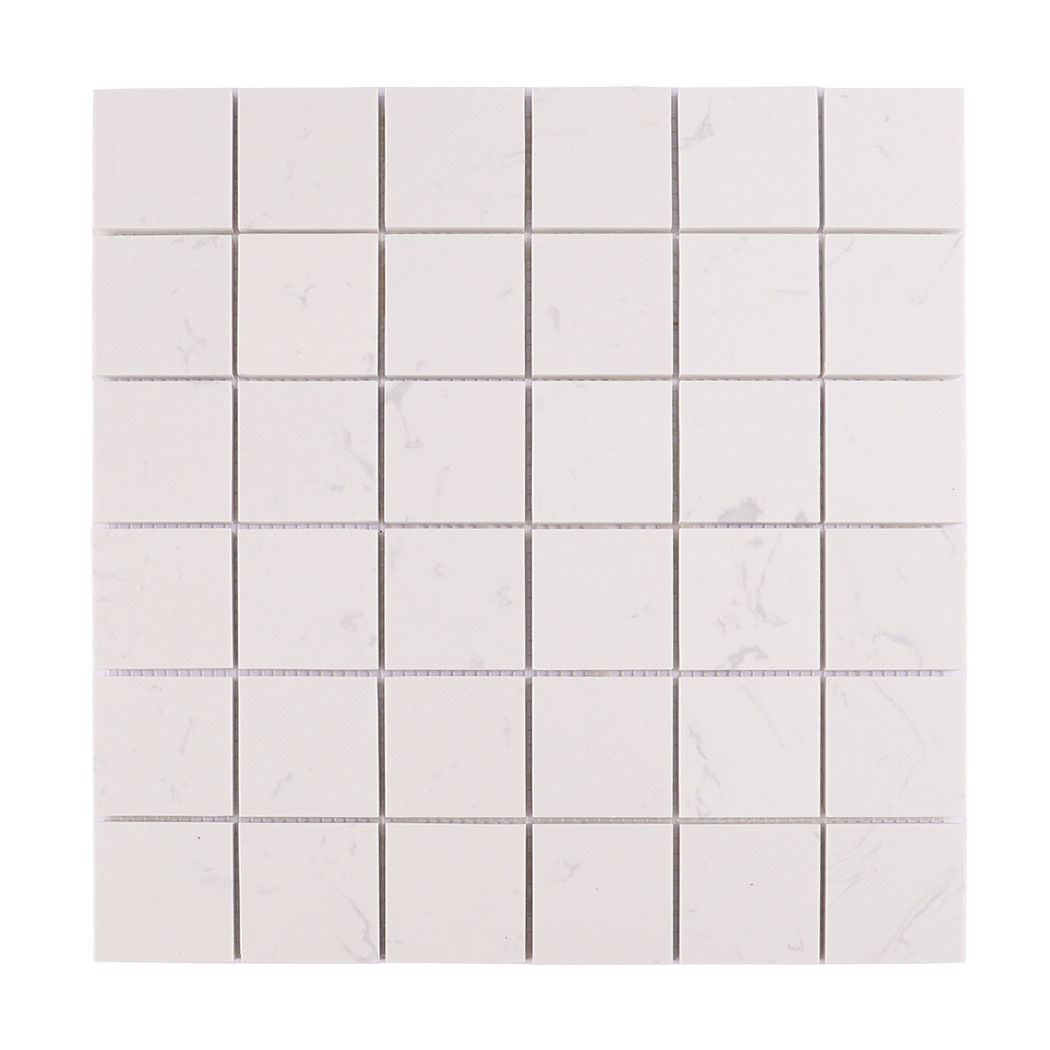
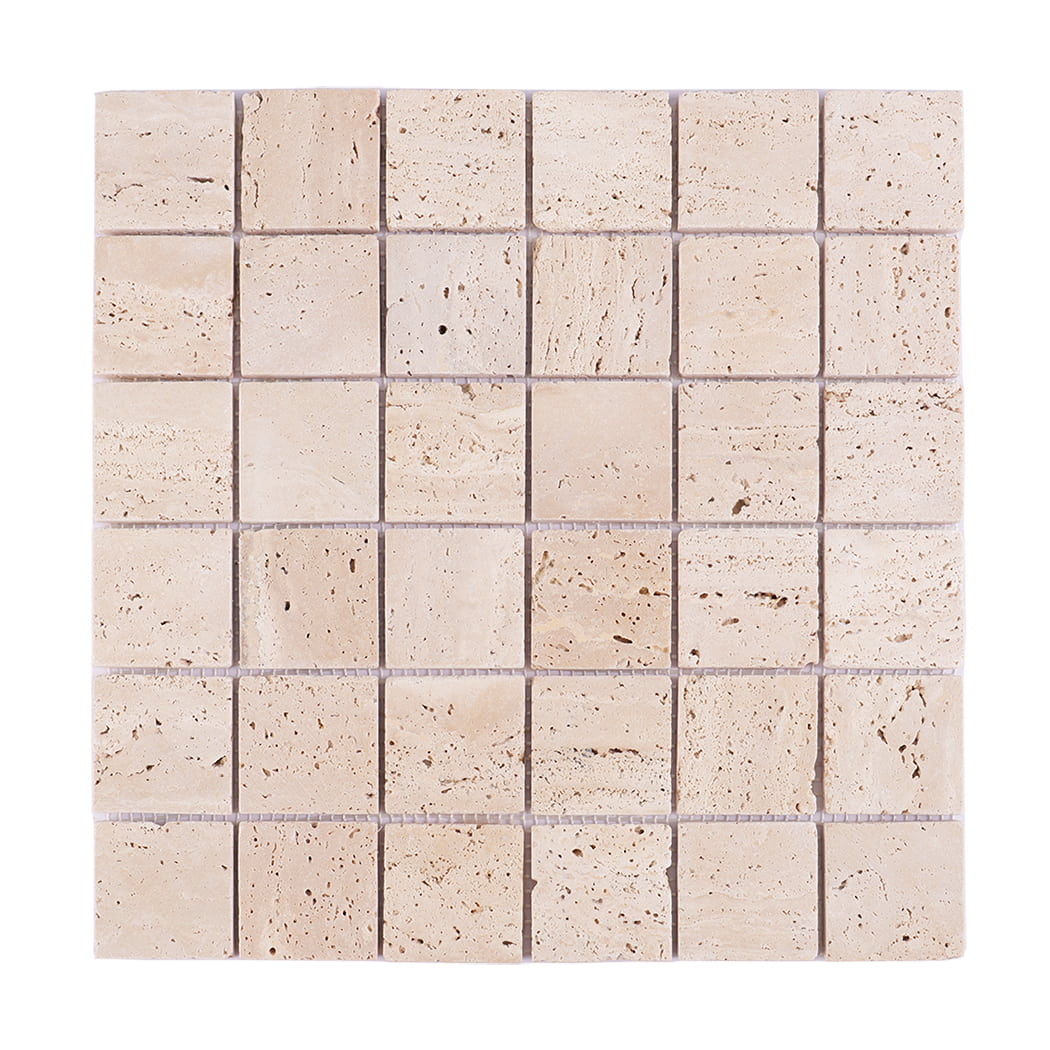
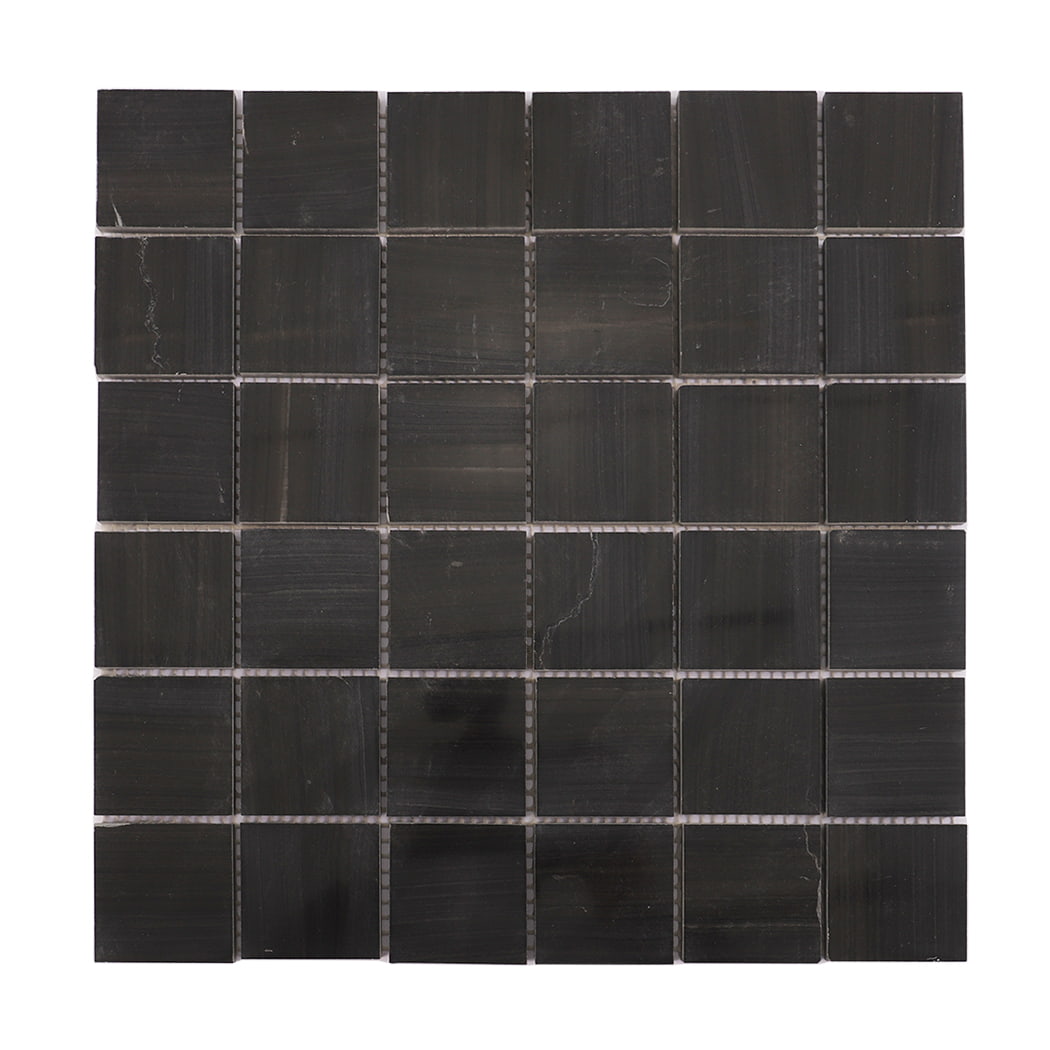
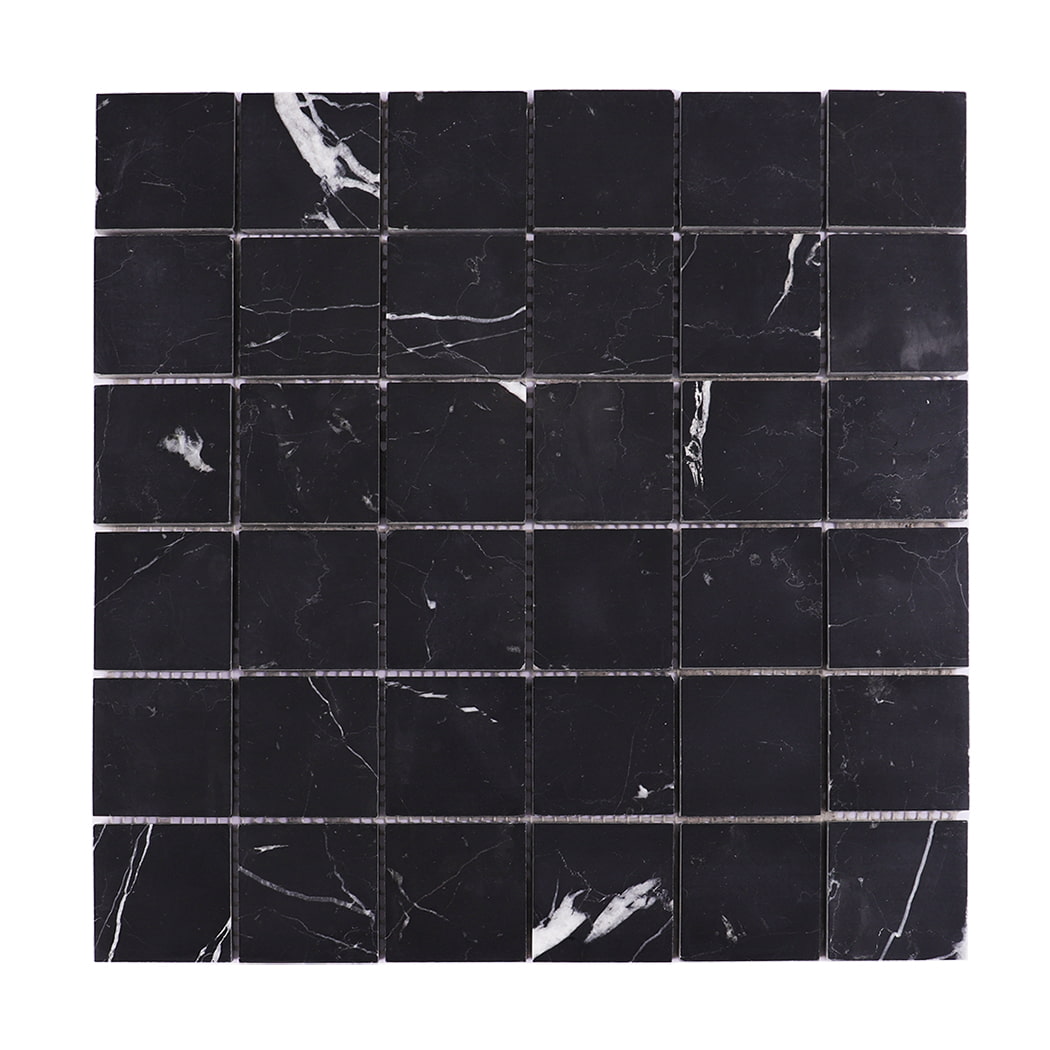
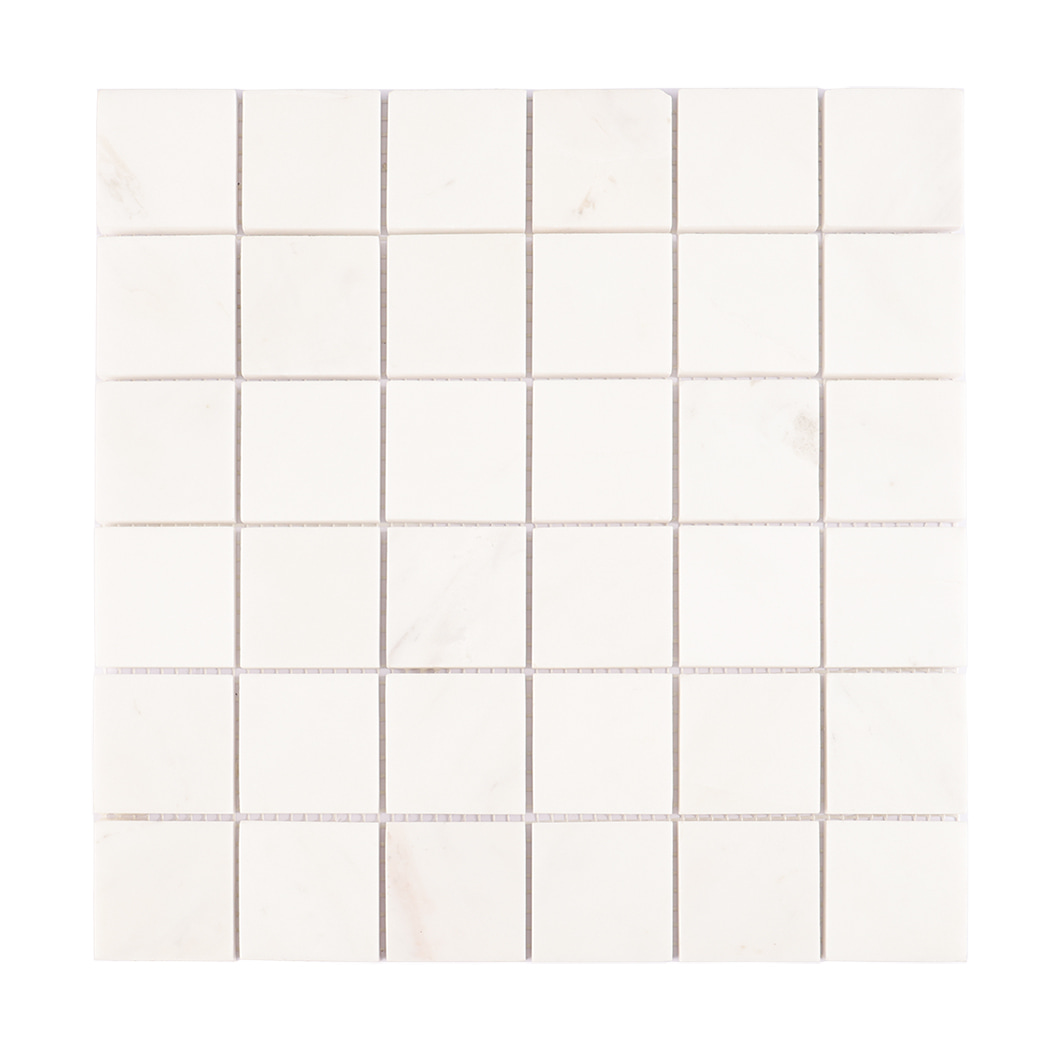
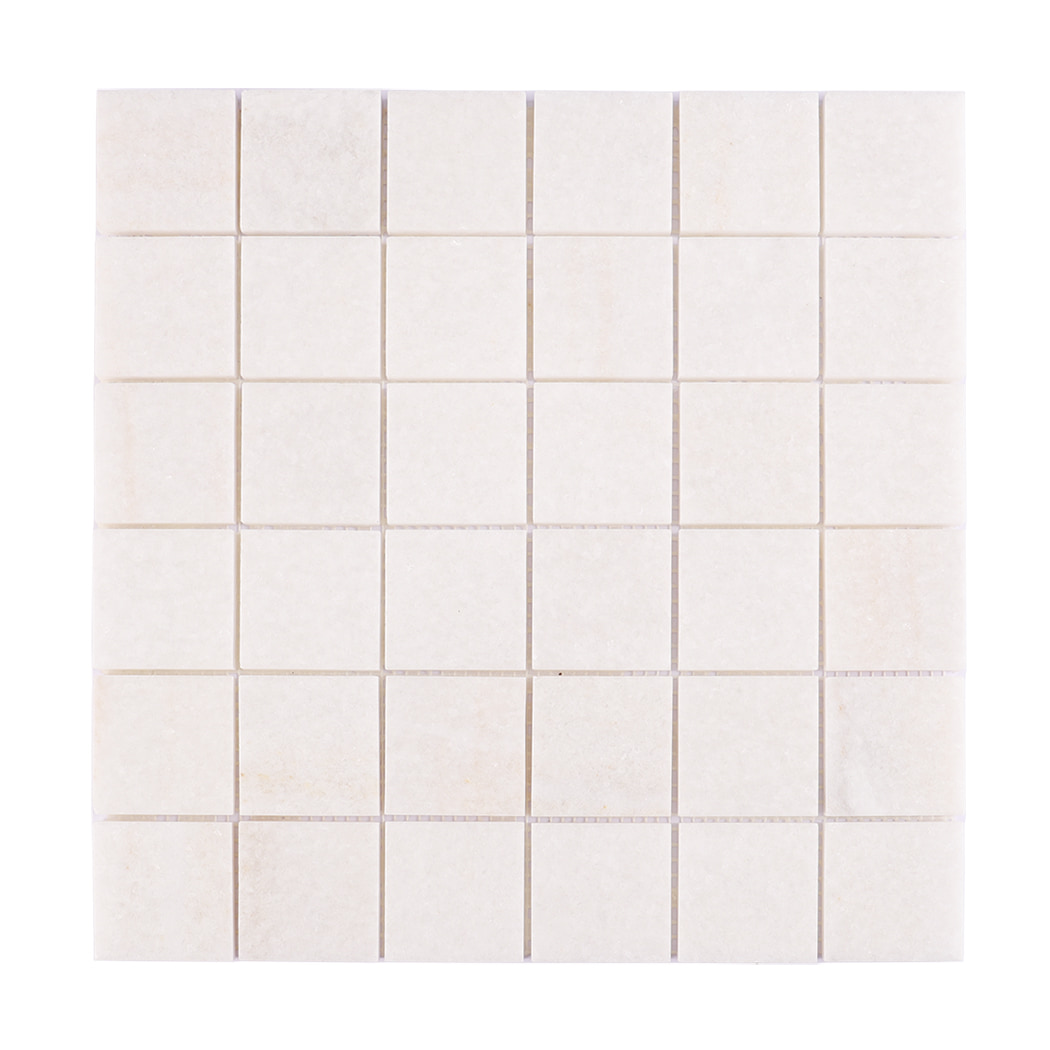
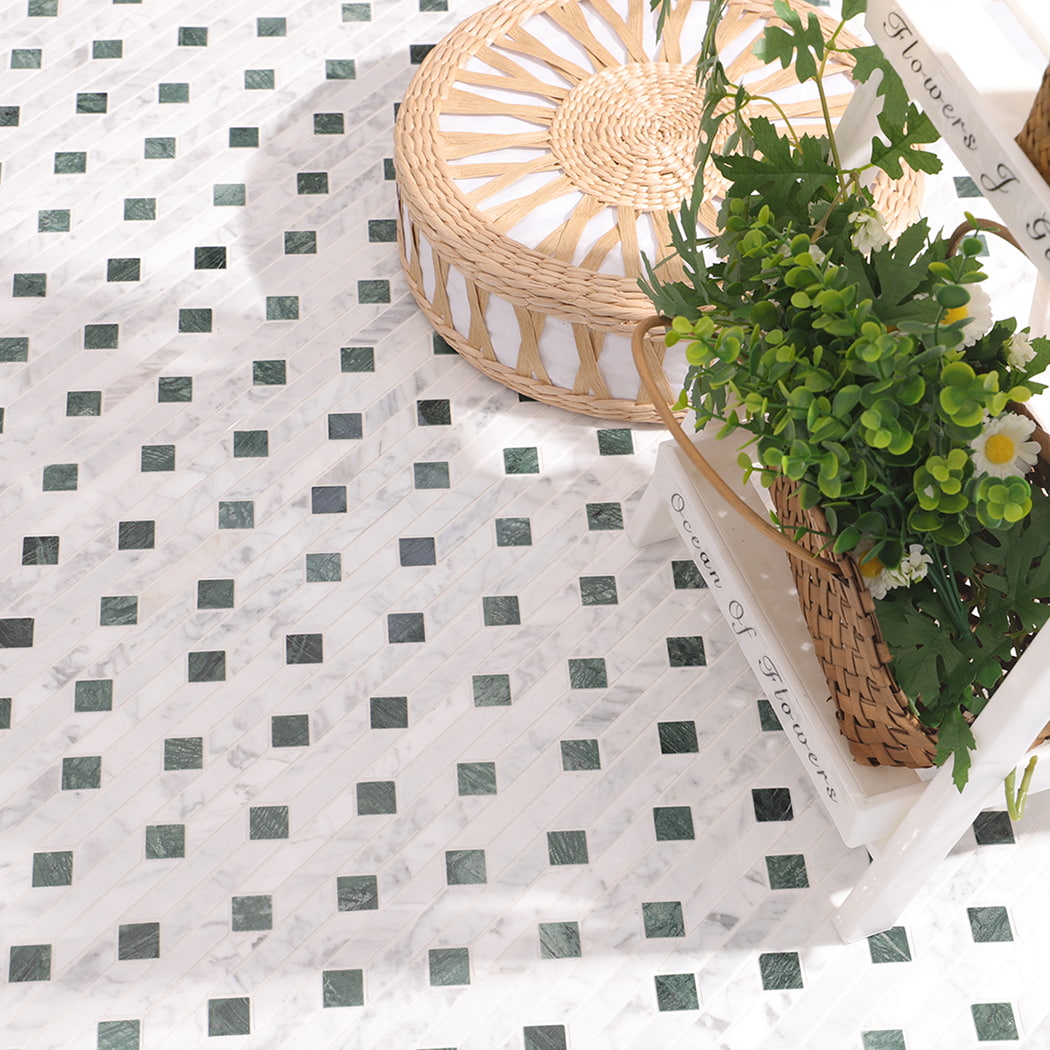
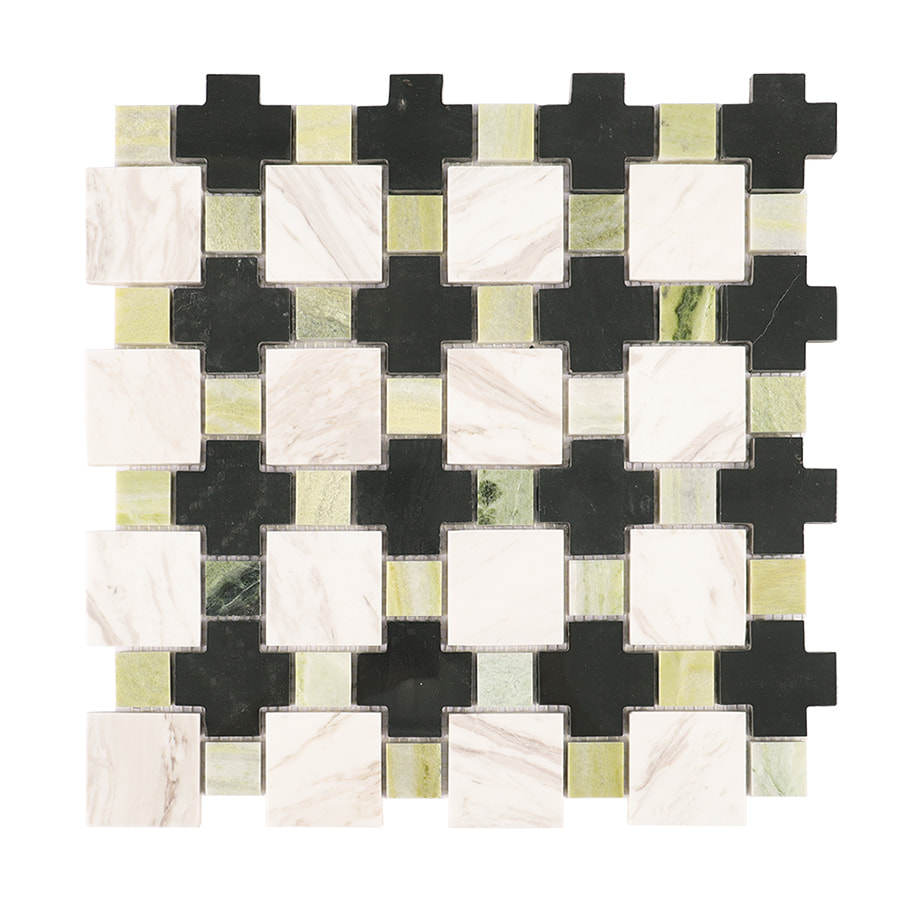
Marble Tile Bathroom designs are a timeless choice for both walls and floors. Natural marble brings unique veining, organic texture, and a refined look that works beautifully in bathroom spaces. Because marble is a natural stone, every tile has its own variation in tone and pattern, which helps create a bathroom that feels more elegant, natural, and visually rich.
Marble tiles can be used on bathroom walls, bathroom floors, shower walls, vanity backsplashes, and decorative feature areas. They fit many design styles, including modern, classic, vintage, minimalist, luxury, and natural-inspired interiors. Whether used in a full bathroom installation or as a decorative accent, marble tile adds depth and a high-end finish to the space.
Why Choose Marble Tile for a Bathroom
Marble tile is a popular bathroom material because it combines natural beauty with design versatility. It can make a bathroom feel brighter, softer, warmer, or more dramatic depending on the color and finish selected. White marble can make small bathrooms feel more open, while darker marble can create a bold and sophisticated atmosphere.
Another major advantage is that marble can be cut into many shapes and sizes. This allows it to be used in everything from simple subway layouts to detailed mosaic patterns and waterjet designs. Marble can create a clean and understated bathroom or become the centerpiece of a more decorative design.
Is Marble Tile Good for Bathroom Walls and Floors
Yes, marble tile is suitable for both bathroom walls and bathroom floors when the right type of tile is chosen for each area.
For bathroom walls, marble offers great design freedom. Polished marble, honed marble, fluted marble, and decorative marble mosaics can all be used to create a beautiful and luxurious wall surface. Shower walls, feature walls, and vanity backsplashes are especially popular places for marble tile.
For bathroom floors, slip resistance is more important. Small marble mosaic tiles are often a better option because the extra grout joints can help provide more traction underfoot. Honed or textured marble is also commonly preferred for wet floor areas because it usually feels less slippery than polished marble.
Best Marble Tile Finishes for Bathrooms
Polished Marble
Polished marble has a glossy, reflective finish that highlights the natural veining of the stone. It gives bathrooms a bright, elegant, and luxurious appearance. This finish is commonly used on walls, vanity backsplashes, and feature areas.
Honed Marble
Honed marble has a smoother, matte-like finish. It offers a softer and more natural look than polished marble and is often preferred for bathroom floors because it feels more understated and practical.
Textured or Tumbled Marble
Textured, brushed, or tumbled marble has more surface character and a more natural feel. These finishes are often used in wet bathroom areas where better traction is desired, especially on shower floors and bathroom floors.
Marble Tile Bathroom Floor Ideas
Marble tile is an excellent choice for bathroom floors, especially when smaller pieces are used. Marble mosaic tiles are particularly popular because the grout joints between the tiles can improve slip resistance and help create a safer walking surface.
Popular marble bathroom floor styles include small square mosaics, hexagon mosaics, penny round mosaics, basketweave patterns, and decorative waterjet designs. These options allow bathroom floors to become both functional and decorative. They also suit a wide range of styles, from simple and modern to classic and luxurious.
Small-format marble floor tiles are especially effective in bathrooms because they can follow floor slopes more easily and work well in wet zones such as shower floors.
Marble Tile Bathroom Wall Ideas
Marble bathroom walls create a refined and timeless appearance. They can be used to add texture, natural movement, and elegance to the space. Bathroom wall applications include shower surrounds, full wall cladding, vanity backsplashes, bathtub feature walls, and recessed niches.
Large marble tiles can make bathroom walls feel more seamless and open, while marble mosaics add more detail and texture. Decorative marble wall tiles can also be used to create focal points without covering the entire room. This makes marble suitable for both minimal and highly decorative bathroom designs.
Popular Marble Tile Shapes for Bathrooms
Natural marble can be fabricated into many shapes, which makes it highly versatile for bathroom design.
Square Marble Tiles
Square marble tiles are simple, timeless, and easy to use on both walls and floors. They work well in classic, modern, and transitional bathrooms.
Rectangular Marble Tiles
Rectangular marble tiles are ideal for subway patterns, stacked layouts, and vertical installations. They can make walls appear taller or longer depending on the installation direction.
Hexagon Marble Tiles
Hexagon marble tiles are one of the most popular choices for bathroom floors. They offer a balance between classic elegance and geometric style.
Penny and Round Marble Mosaics
Round marble mosaics bring a softer and more decorative look. They are often used on shower floors, bathroom floors, and accent areas.
Waterjet Marble Patterns
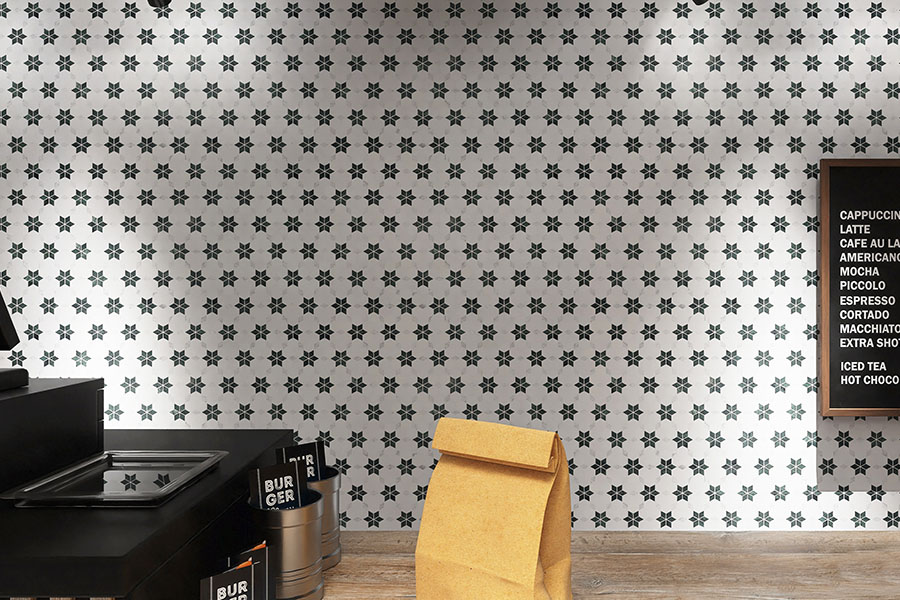
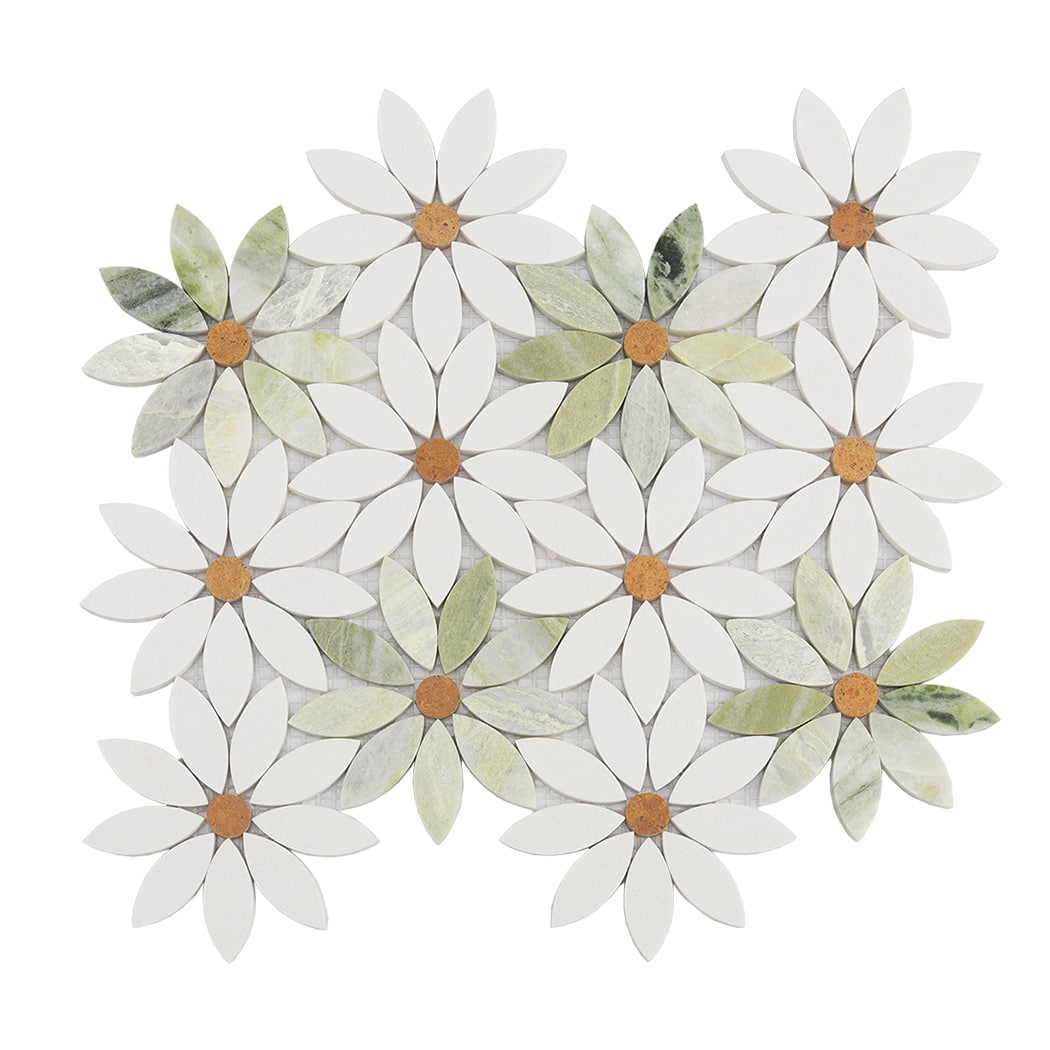
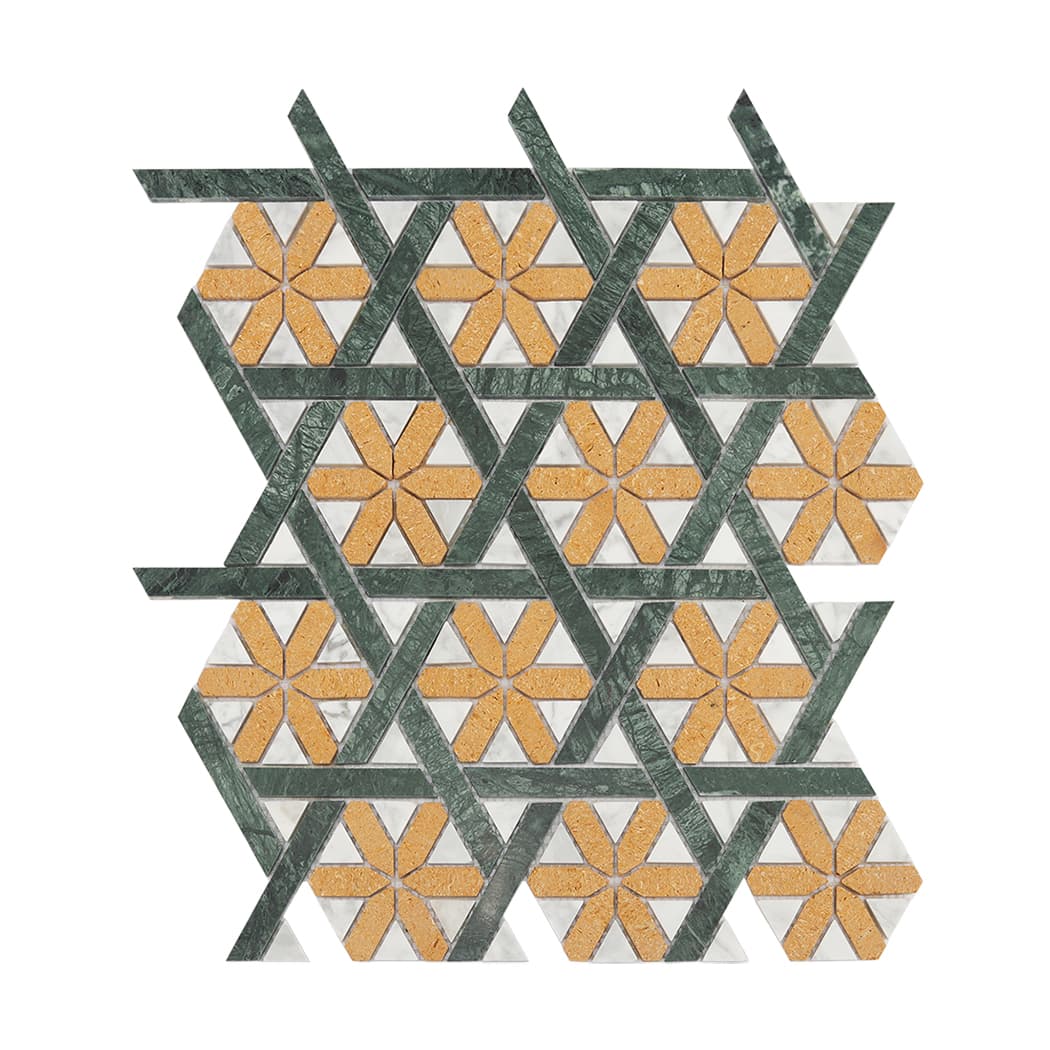
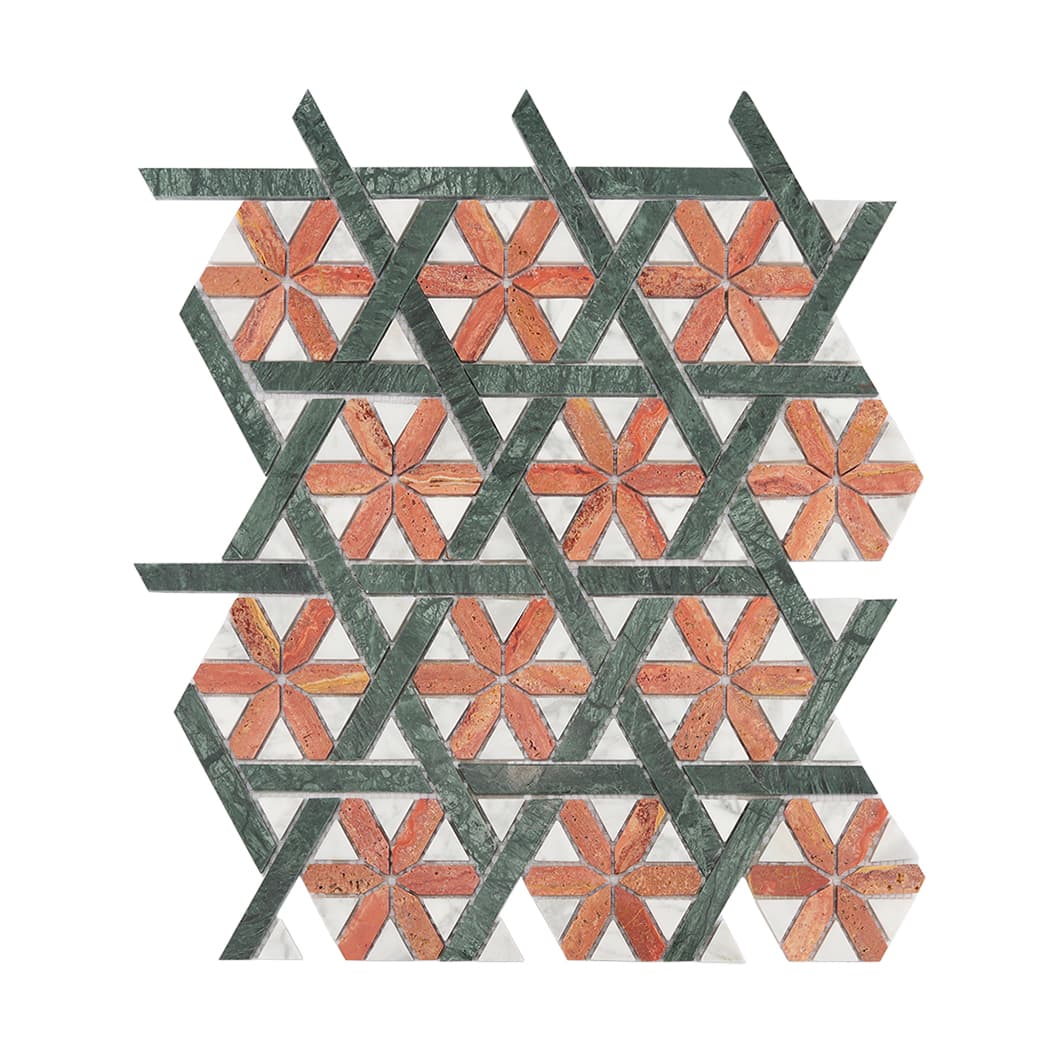
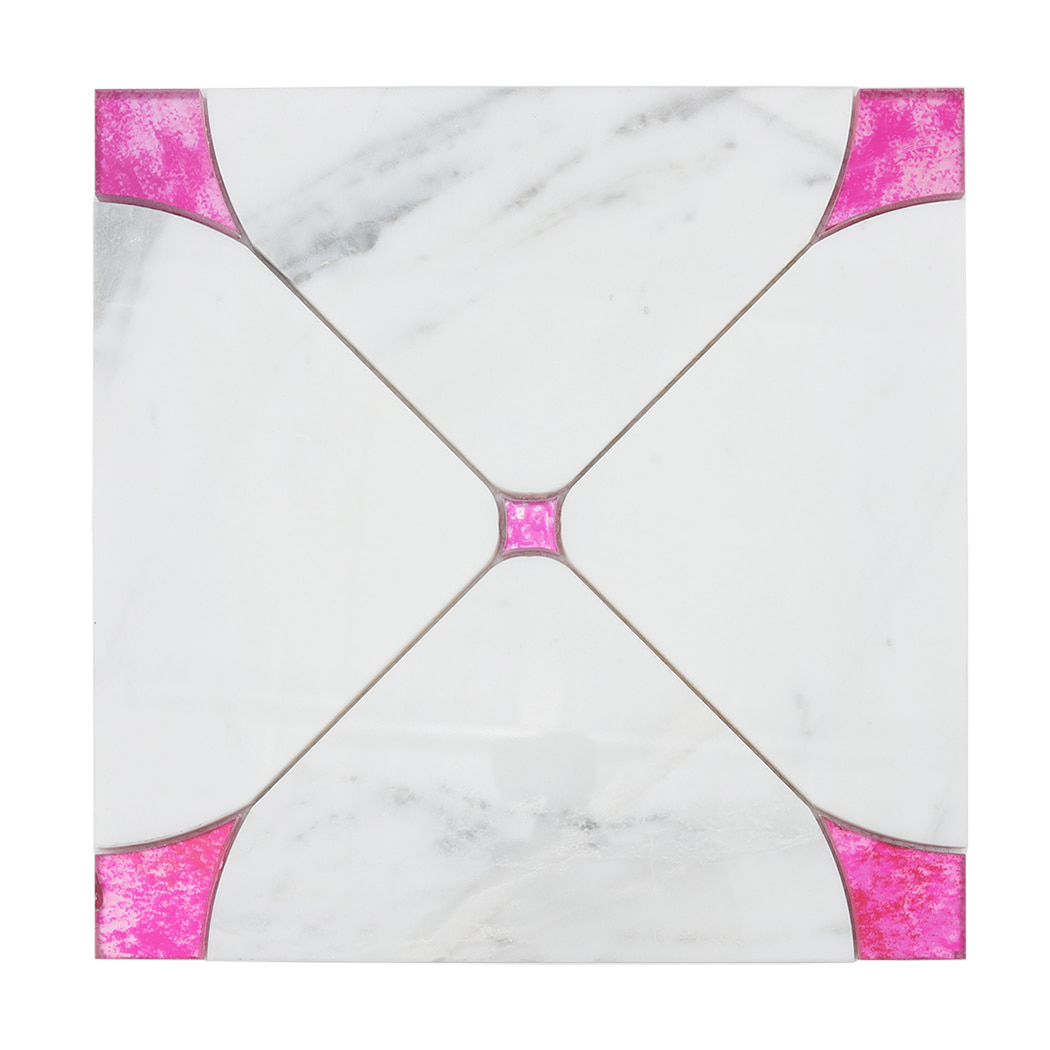
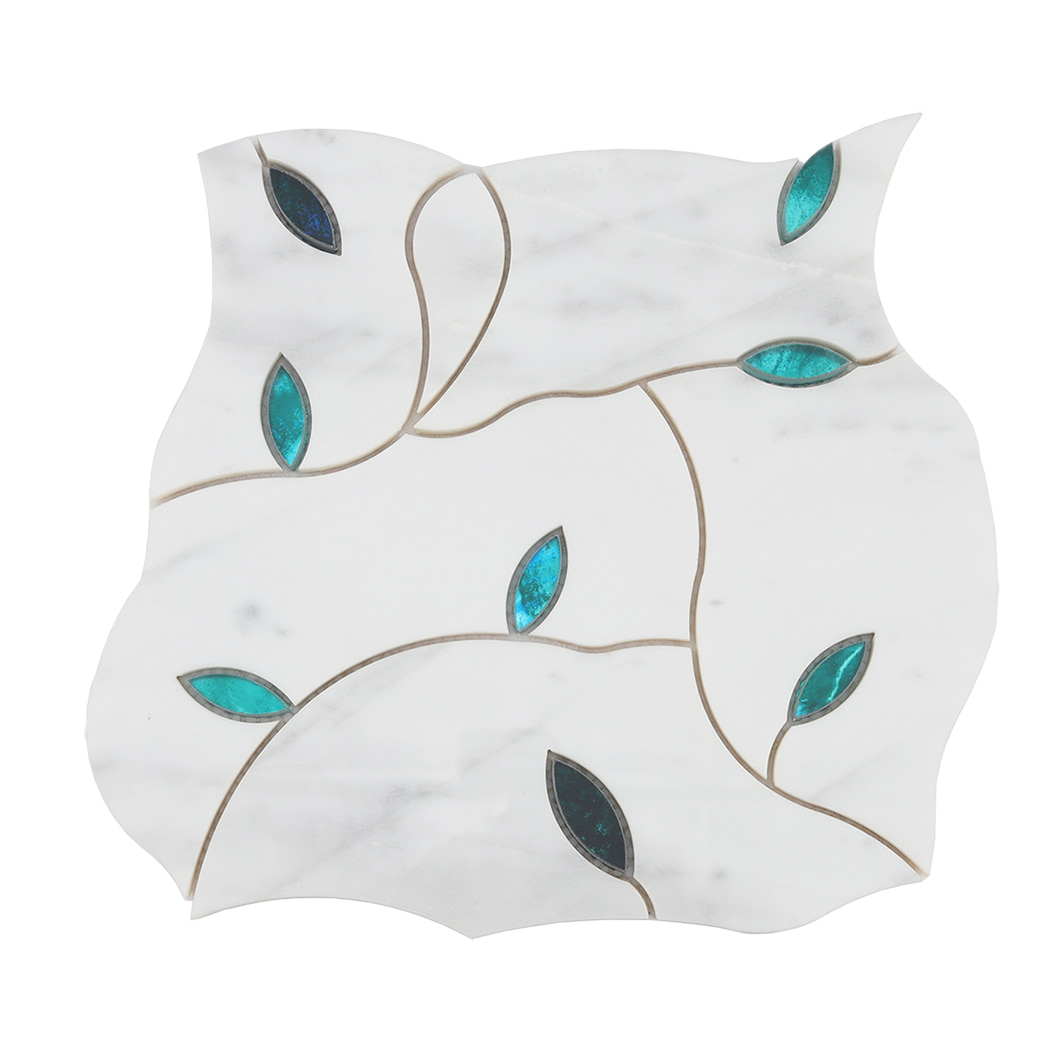
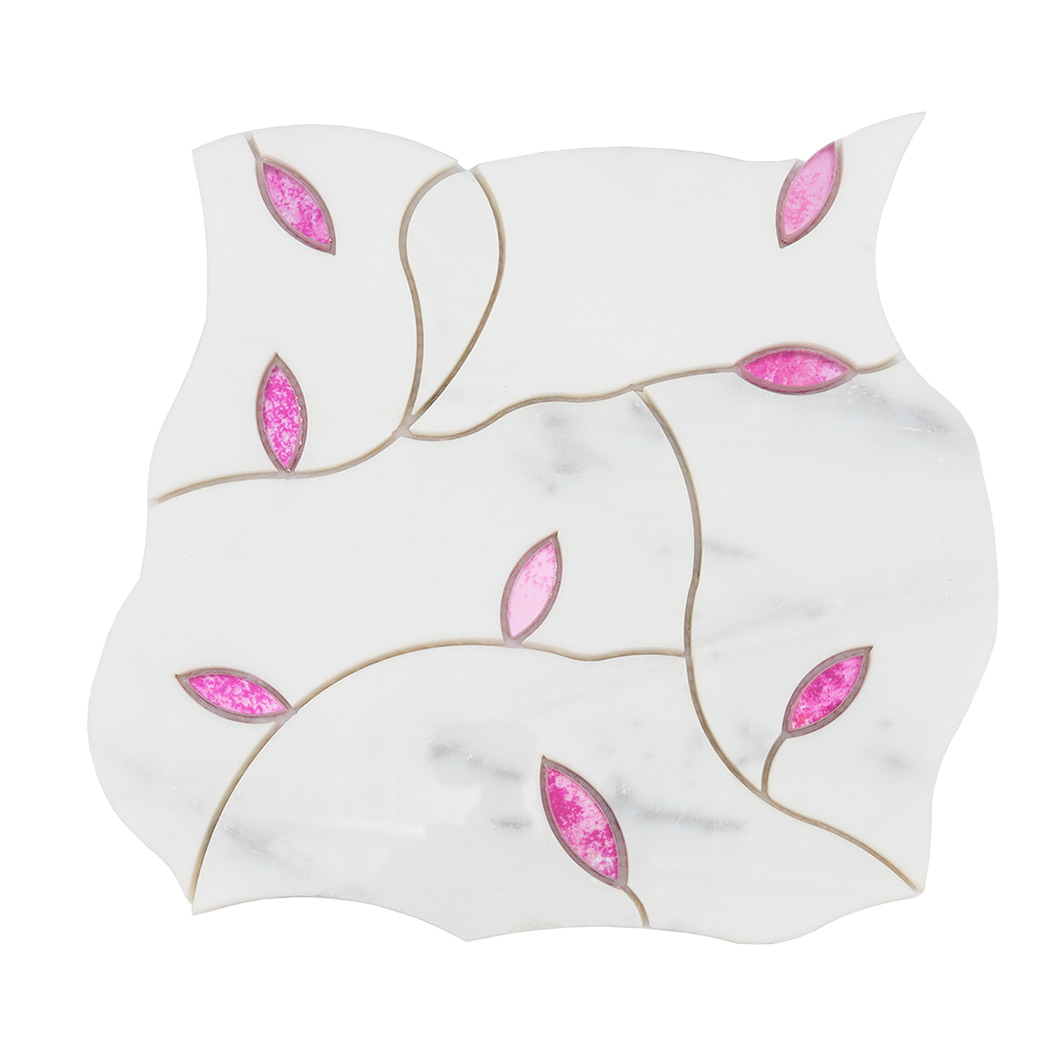
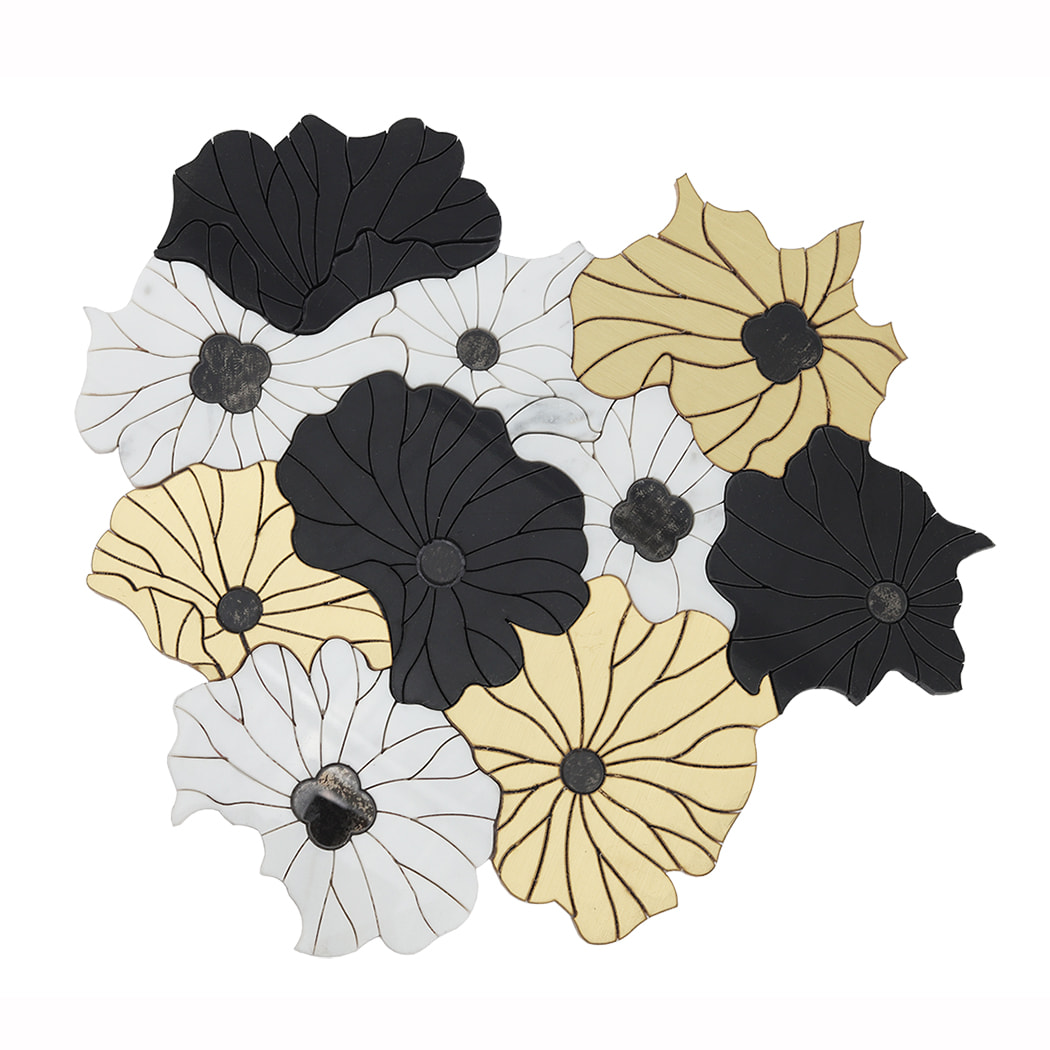
Waterjet marble tiles can be cut into floral, geometric, arabesque, and custom decorative patterns. These are often used to create a more luxurious and artistic bathroom design.
Best Styles for a Marble Tile Bathroom
Marble tile works well in many bathroom styles because it can be cut into different shapes and finished in different ways.
Classic Style
White marble with soft gray veining creates a timeless and elegant bathroom look that never goes out of style.
Modern Style
Clean lines, large-format marble, and simple geometric layouts create a modern and minimalist bathroom.
Vintage Style
Small marble mosaics, checkerboard patterns, and decorative borders can give a bathroom a more traditional or vintage character.
Luxury Style
Full marble walls, coordinated marble floors, and detailed decorative accents help create a bathroom that feels high-end and sophisticated.
Natural Style
Honed marble in beige, gray, green, or warm earth tones can create a bathroom that feels calm, organic, and closely connected to nature.
How to Choose Marble Tile for Different Bathroom Areas
For Shower Floors
Small marble mosaic tiles are usually the best option for shower floors because they provide more grout lines and better traction. Honed or textured finishes are generally more suitable than polished finishes in wet areas.
For Bathroom Floors
Bathroom floor marble should balance beauty with practicality. Smaller sizes, matte surfaces, and textured finishes are often preferred to help improve slip resistance.
For Shower Walls
Shower walls allow more design freedom. Polished marble, honed marble, large-format marble, and marble mosaics can all be used depending on the desired style.
For Vanity Backsplashes and Accent Walls
These areas are ideal for using decorative marble patterns, waterjet designs, fluted marble, or statement marble colors. They add character without overwhelming the room.
Marble Tile Bathroom Maintenance
Marble tile is beautiful, but it does require regular care. Because marble is a natural stone, it can be sensitive to harsh cleaners and acidic products. For daily care, it is best to use gentle, pH-neutral cleaning products made for natural stone.
Bathroom marble should be cleaned regularly to prevent soap residue, water spots, and surface buildup. It is also helpful to keep wet areas well ventilated and to remove standing water when possible. Proper maintenance helps preserve the appearance of the marble over time.
Does Marble Tile Need to Be Sealed in a Bathroom
Yes, marble tile usually benefits from sealing in bathroom applications. Since marble is a porous natural material, sealing can help reduce the risk of staining and moisture absorption. Sealing does not make marble maintenance-free, but it helps protect the surface and makes routine care easier.
The frequency of resealing depends on the type of marble, the finish, and how heavily the bathroom is used. Floors and shower areas may need more attention than decorative wall areas.
Installation Considerations for Marble Tile Bathrooms
Marble tile should be installed on a clean, flat, and stable surface. Because marble is a natural material with variation in tone and veining, it is a good idea to dry-lay the tiles before installation to create a balanced overall appearance.
For bathroom floors, especially in wet zones, proper tile layout and suitable grout selection are important. Small-format marble mosaics are often a practical choice because they can adapt more easily to floor slopes and provide additional grout lines for traction.
It is also important to choose installation materials that are suitable for natural stone and bathroom use.
Pros and Cons of Marble Tile in Bathrooms
Pros
-
Natural and luxurious appearance
-
Unique veining and color variation
-
Suitable for walls, floors, showers, and decorative areas
-
Available in many shapes, sizes, and finishes
-
Works with classic, modern, vintage, and luxury styles
Cons
-
Requires sealing and regular maintenance
-
Can be sensitive to acidic cleaners
-
Polished surfaces may feel slippery when wet
-
Usually requires more care than ceramic or porcelain tile
Marble Tile Bathroom FAQs
Is marble tile good for a bathroom?
Yes, marble tile is a great option for bathrooms when the correct finish, size, and installation area are considered. It works well on walls, floors, shower walls, and decorative accents.
Is marble slippery in a bathroom?
Polished marble can be slippery when wet. For bathroom floors and shower floors, honed finishes, textured surfaces, and smaller mosaics with more grout joints are often better choices.
What is the best marble tile for a shower floor?
Small-format marble mosaic tiles are usually the best choice for shower floors because they provide more grout joints and better grip.
Does marble tile need special cleaning?
Yes. Marble should be cleaned with gentle, stone-safe products. Harsh, acidic, or abrasive cleaners should be avoided.
Is marble better for bathroom walls or floors?
Marble is suitable for both, but bathroom walls allow more decorative freedom, while floors require more attention to slip resistance, finish, and maintenance.
Conclusion
Marble Tile Bathroom designs remain one of the most timeless and elegant choices for bathroom interiors. Marble can be used to create simple, natural, luxurious, or decorative spaces depending on the shape, finish, and layout selected. From small mosaic floor tiles to dramatic wall installations, marble offers both beauty and design flexibility.
When properly selected, installed, sealed, and maintained, marble tile can bring lasting style and natural character to bathroom walls, floors, showers, and accent areas.
3. 补一版更像谷歌首页竞品写法的 FAQ 扩展内容