
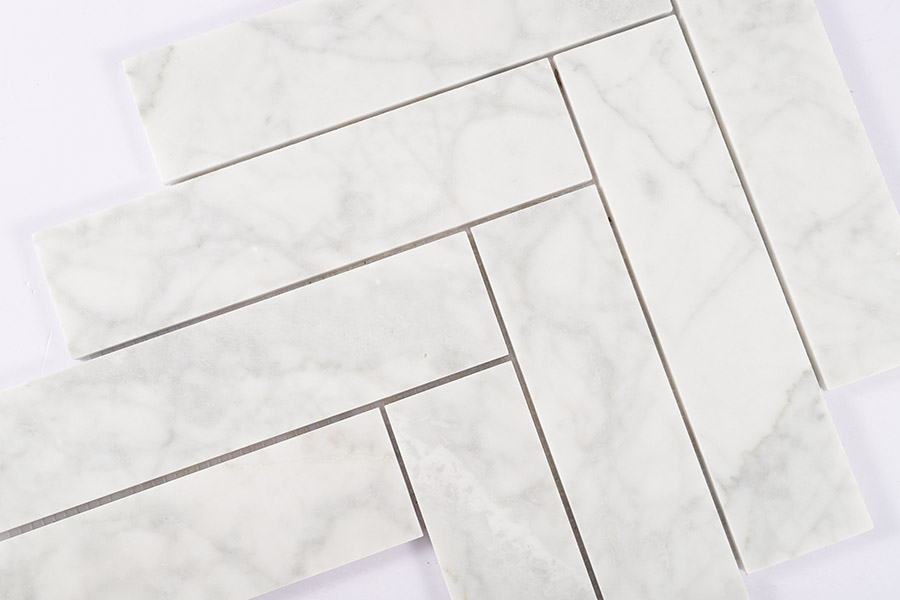
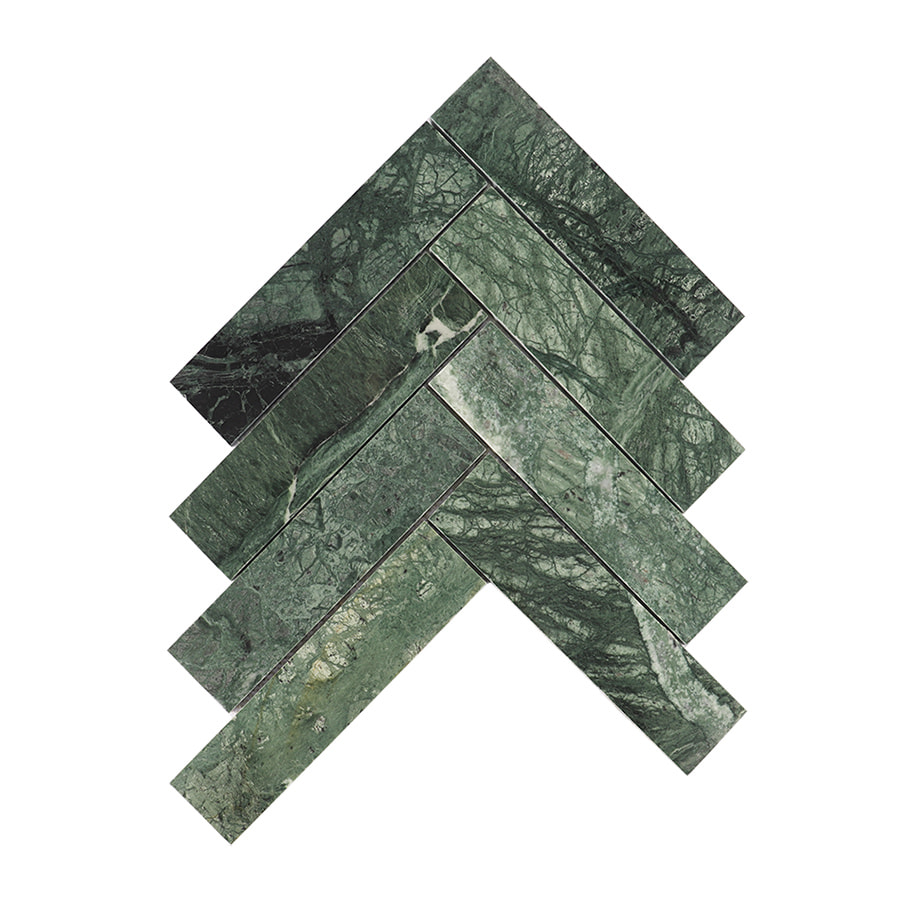
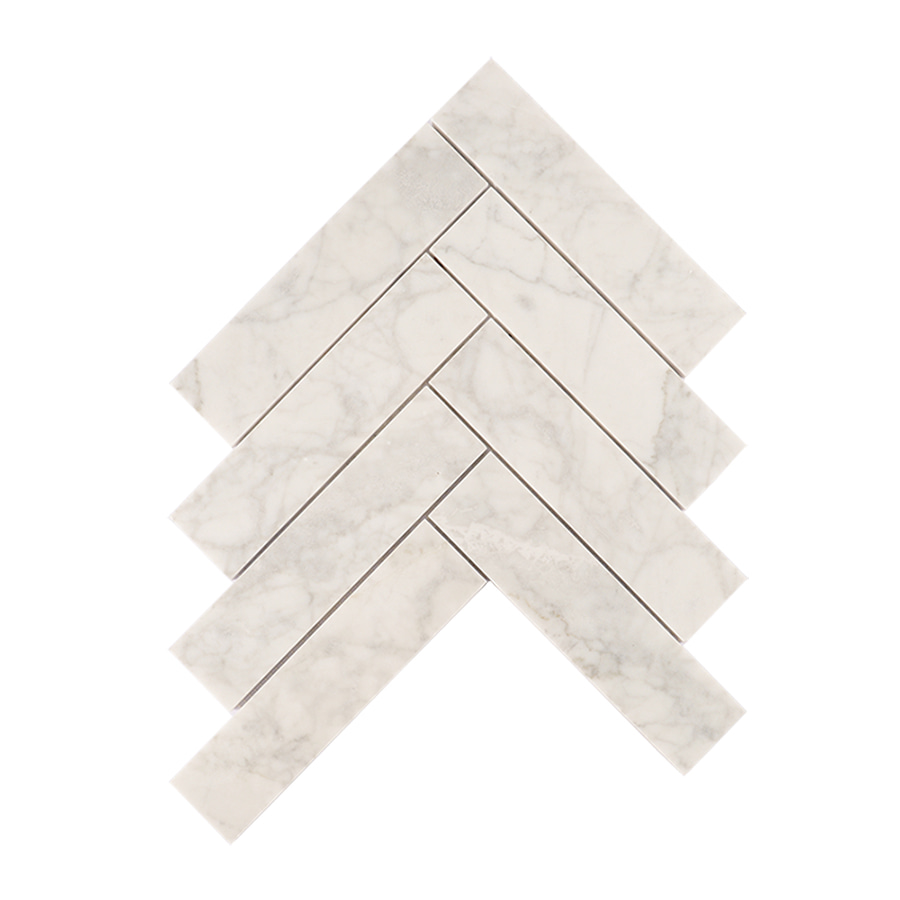
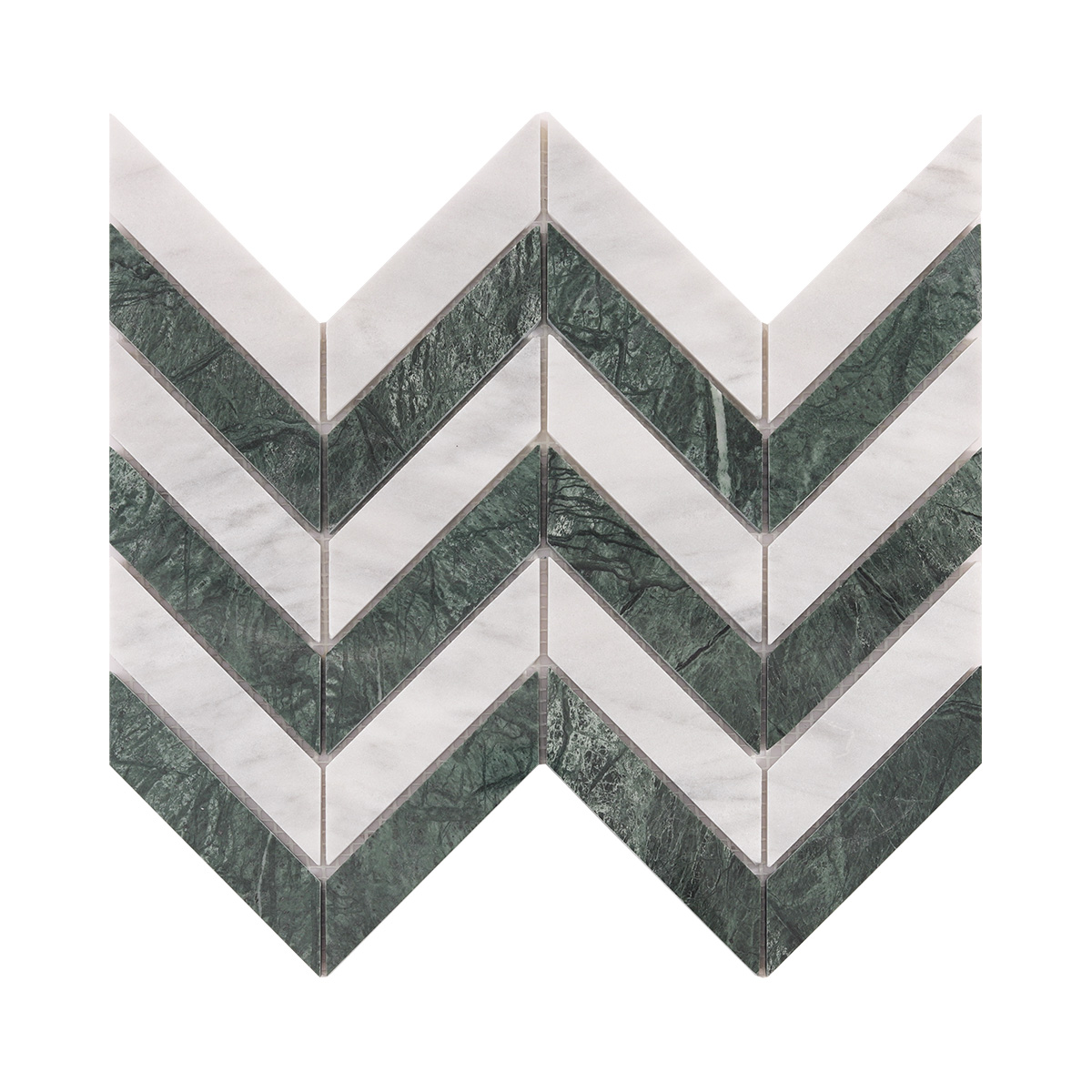
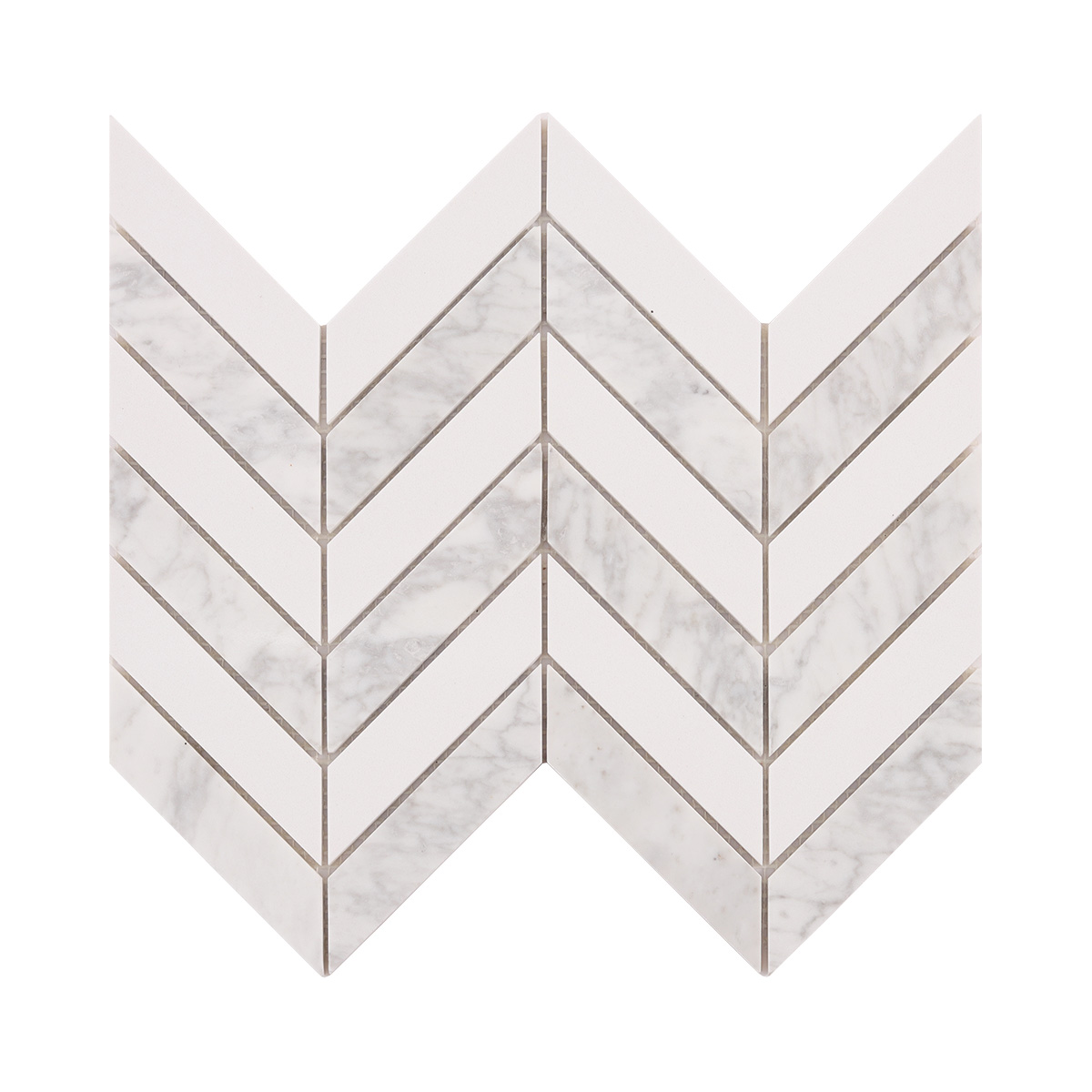
Large herringbone tiles are the perfect intersection of classic Roman architecture and contemporary interior design. By scaling up the traditional zig-zag pattern, you create a sense of grandeur and flow that smaller mosaics simply cannot achieve. Whether you are using natural marble or high-grade porcelain, large-format herringbone is the go-to choice for 2026 luxury interiors.
Why Choose Large Format Herringbone?
While standard herringbone tiles are often $2 \times 6$ or $3 \times 12$ inches, large format herringbone typically features planks of $4 \times 16$, $6 \times 24$, or even larger.
-
Fewer Grout Lines: Larger tiles mean less visual clutter, making a room feel more expansive and easier to clean.
-
Architectural Impact: The bold lines of oversized marble planks act as a focal point, drawing the eye across the floor or up the wall.
-
Versatility: Large tiles work exceptionally well in open-concept living areas, grand entryways, and spa-like master bathrooms.
Applications: From Floors to Feature Walls
1. Statement Marble Floors
Using large herringbone tiles on the floor can visually lengthen a room. Marble, with its natural veining, creates a "movement" effect when laid in this pattern. It is highly recommended for:
-
Main Hallways: To guide guests into the home.
-
Kitchen Floors: Pairing durability with high-end aesthetics.
2. High-Impact Wall Accents
A large herringbone pattern on a wall provides a sophisticated texture.
-
Bathroom Showers: Use oversized marble planks to create a seamless, high-end hotel vibe.
-
Kitchen Backsplashes: A larger scale reduces the "busy" look of traditional mosaics, allowing the marble’s natural beauty to shine.
Popular Marble Materials for Large Herringbone
Since marble can be custom-cut to any dimension, you can achieve specific color palettes:
-
Carrara White: The classic choice with soft grey veining.
-
Calacatta Gold: For a warmer, more luxurious feel with bold gold and grey veins.
-
Nero Marquina: A dramatic black marble that makes a striking floor pattern when paired with white grout.
Design & Installation Tips
Choosing the Right Grout Color
To emphasize the herringbone pattern, choose a contrasting grout. For a subtle, monolithic look, match the grout color to the base color of the marble.
Directional Flow
Always lay the "points" of the herringbone toward the main focal point of the room or the furthest window to maximize the sense of depth.
Professional Sealing
Because marble is a natural stone, ensure your large tiles are sealed before and after grouting to prevent staining and maintain the luster of the stone.
Frequently Asked Questions (FAQ)
Q: Does large herringbone make a small room look smaller?
A: Actually, no. Using larger tiles with fewer grout lines can trick the eye into seeing more continuous surface area, often making small bathrooms feel larger.
Q: Is herringbone more expensive to install?
A: Expect a 15%–20% increase in labor and material waste (overage) compared to a standard offset pattern due to the intricate cuts required at the edges.