
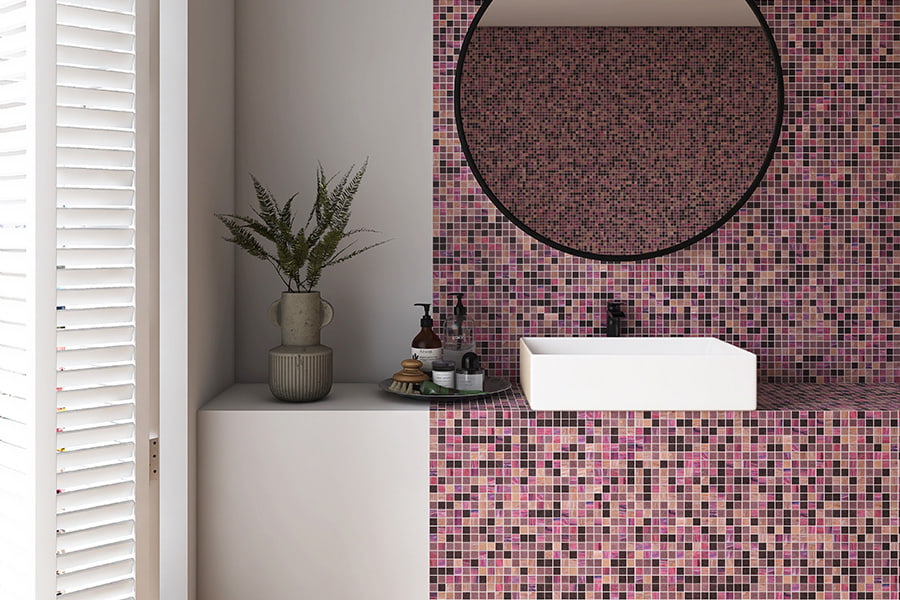

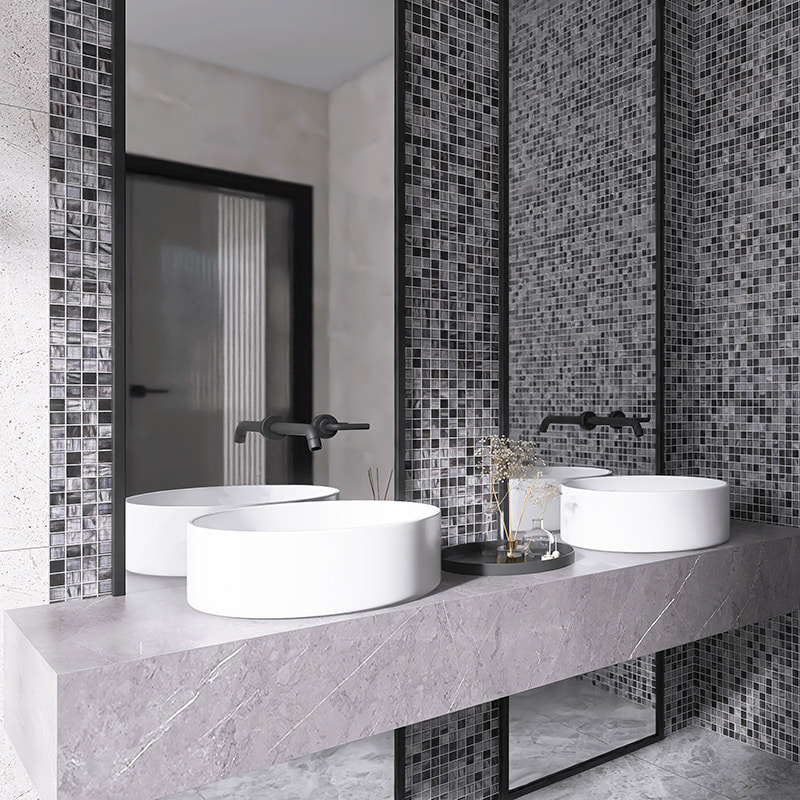
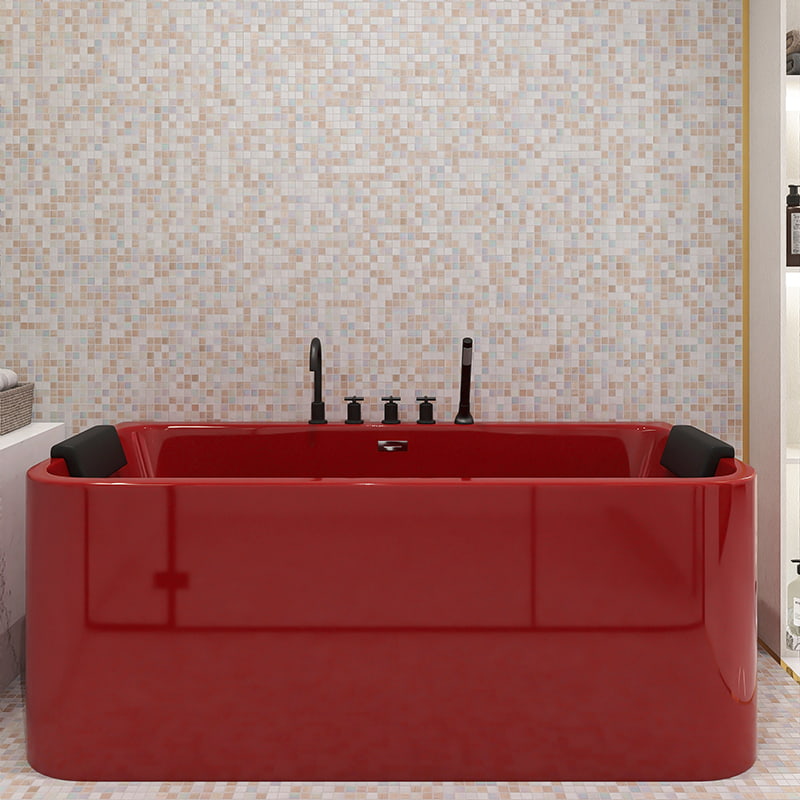
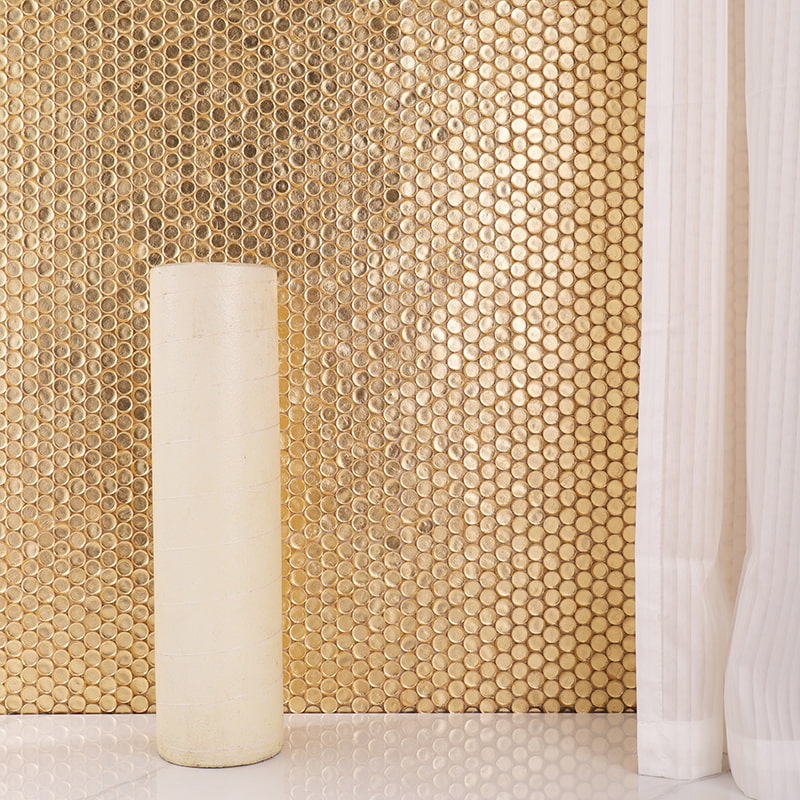
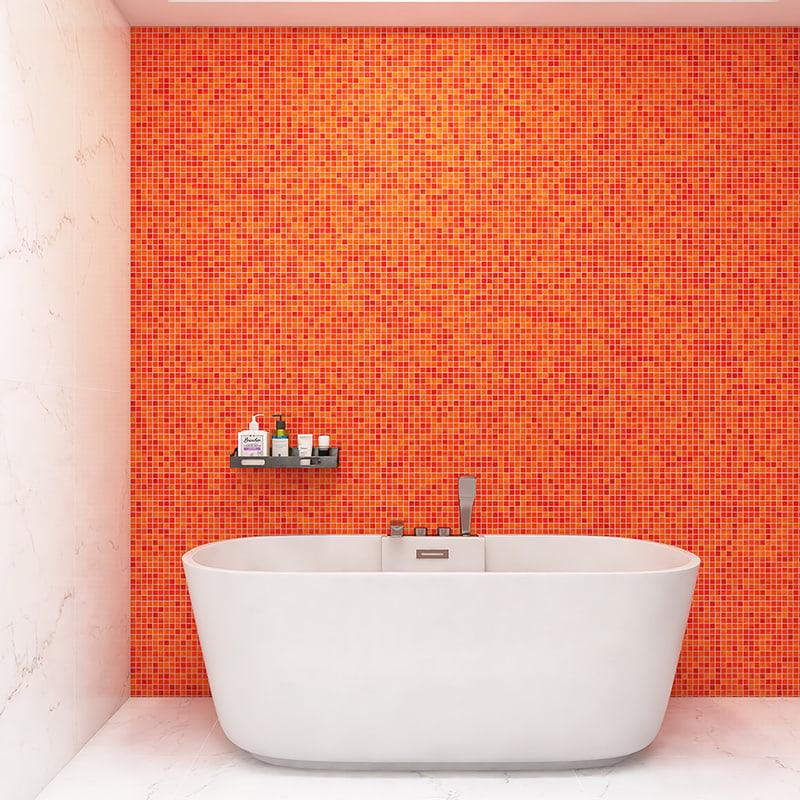
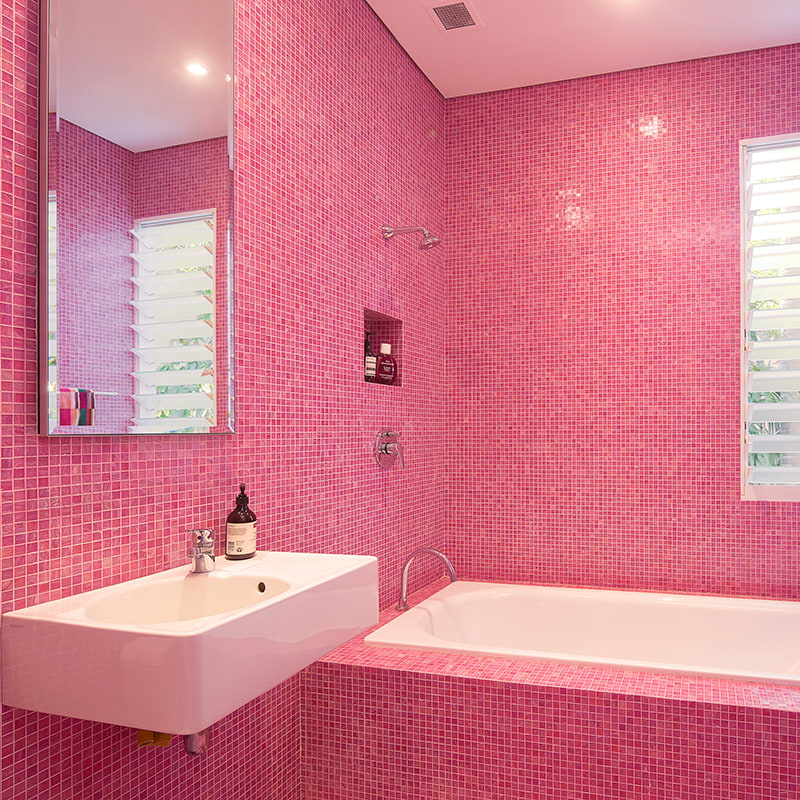
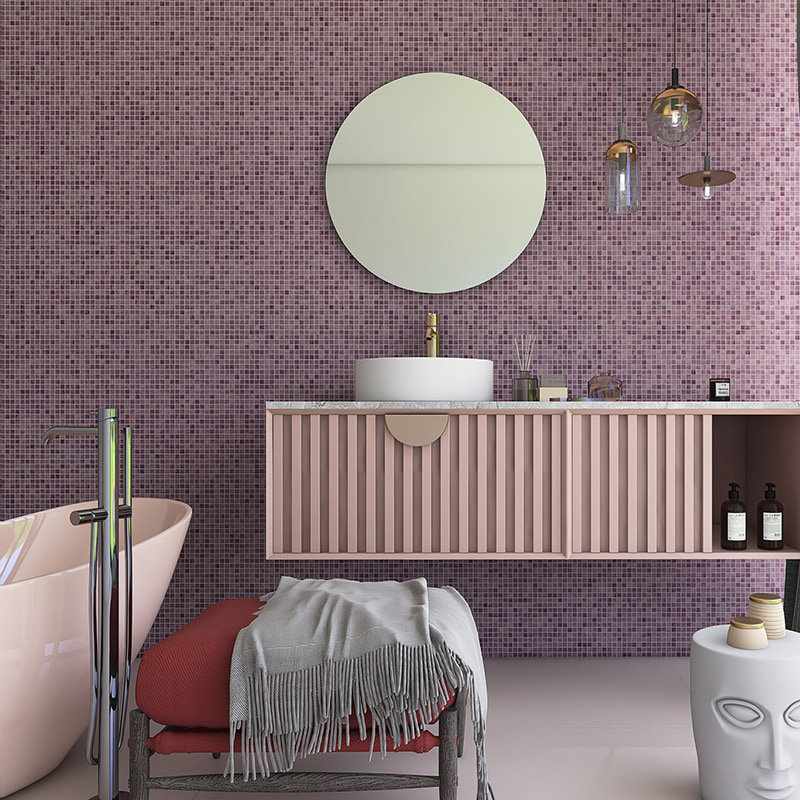
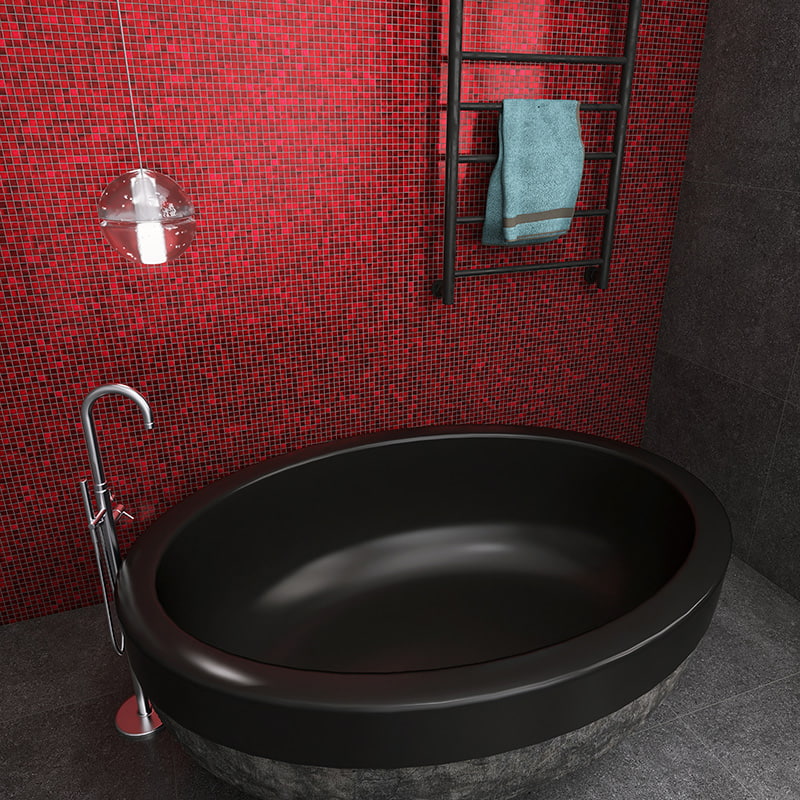

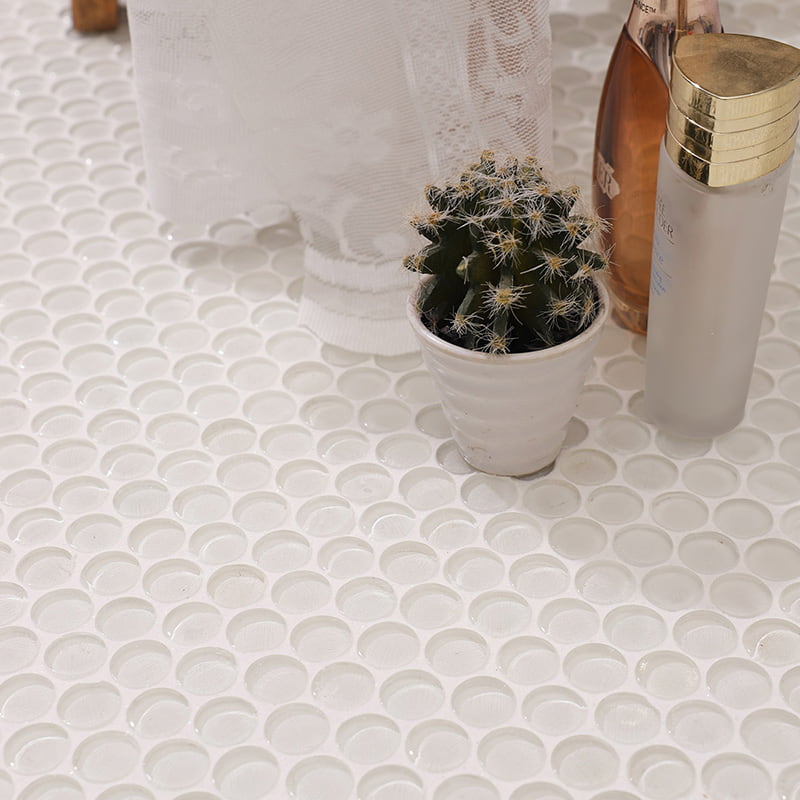
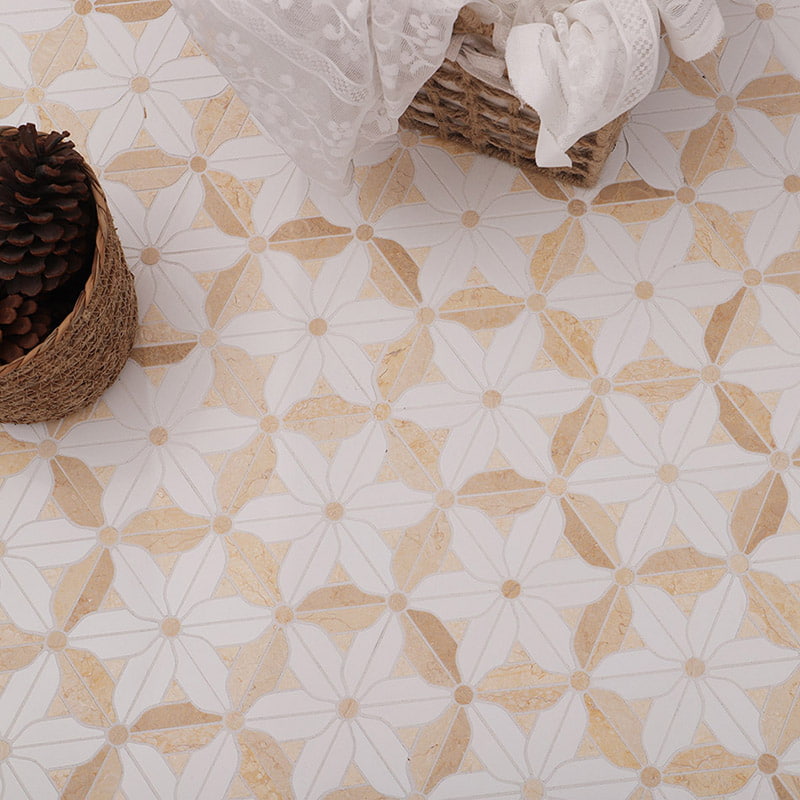
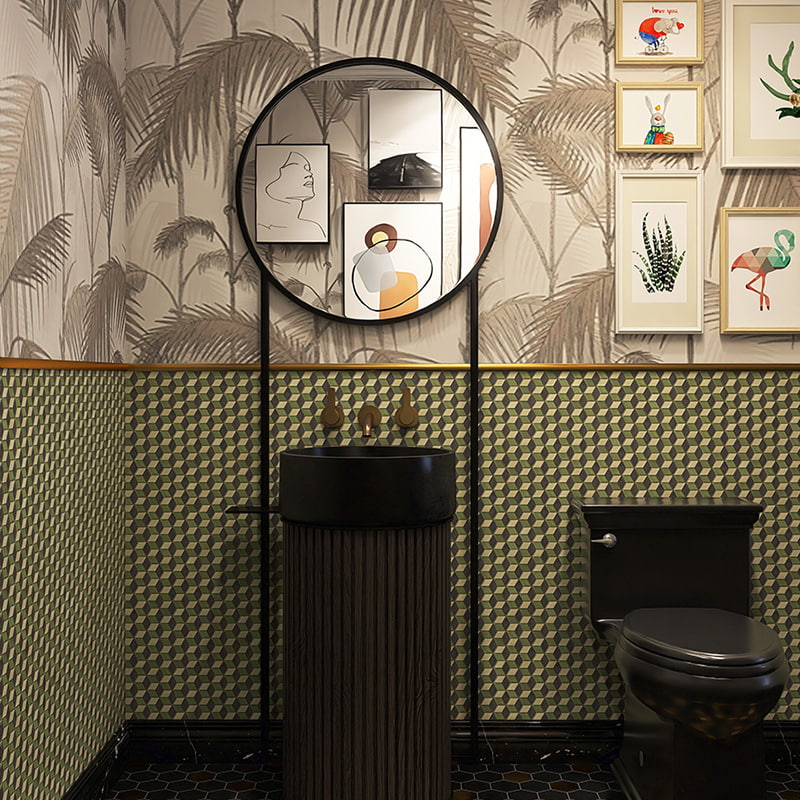
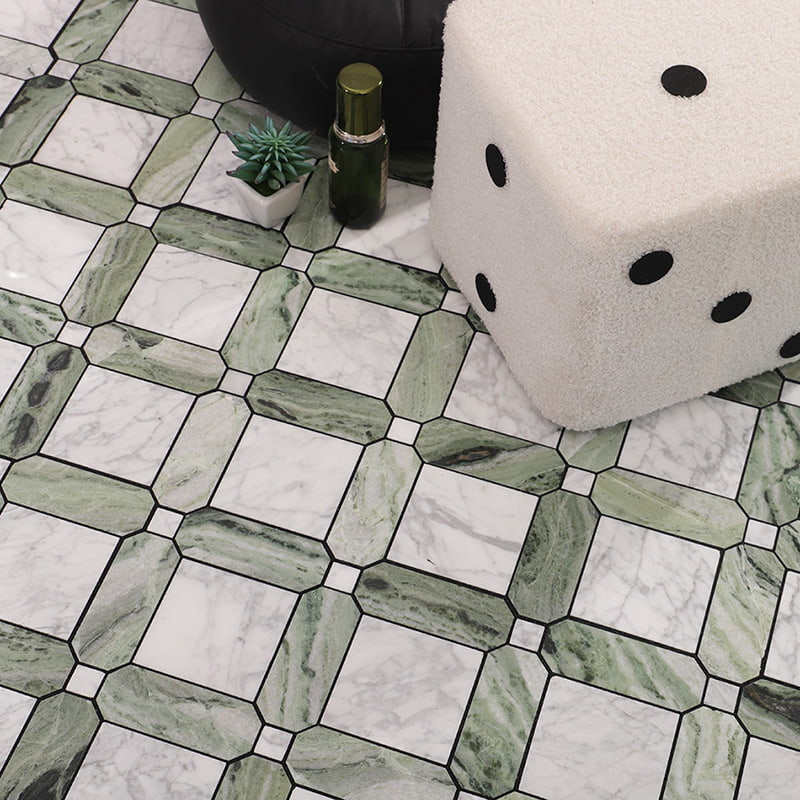
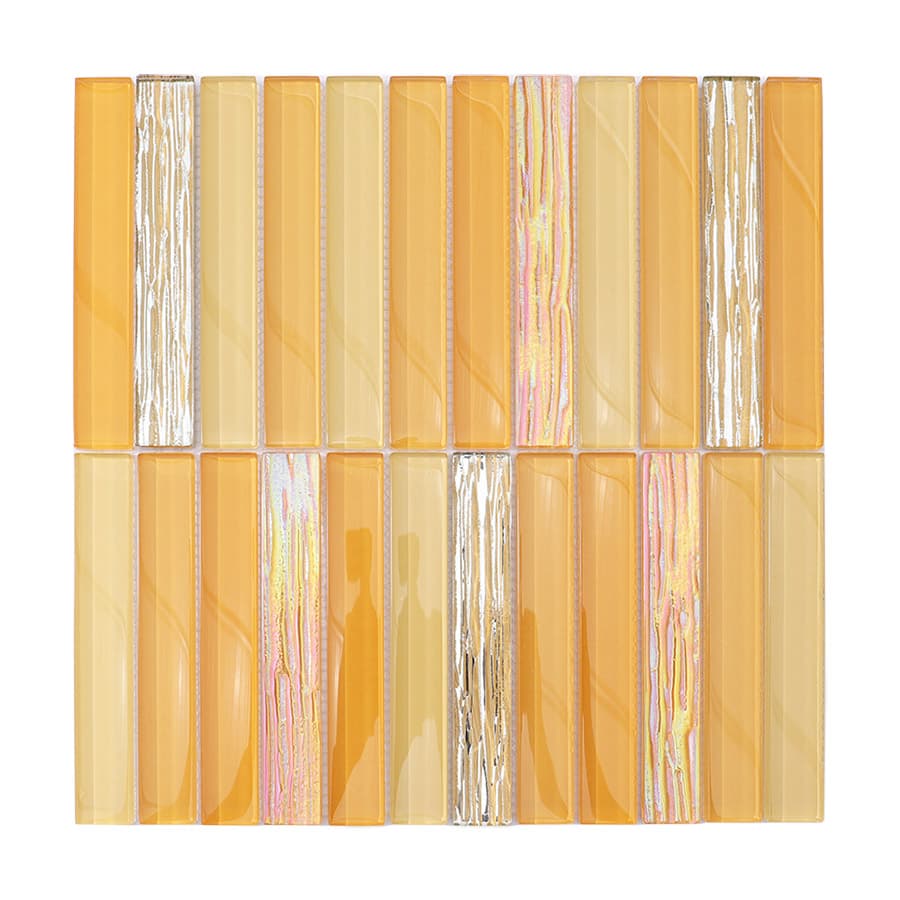
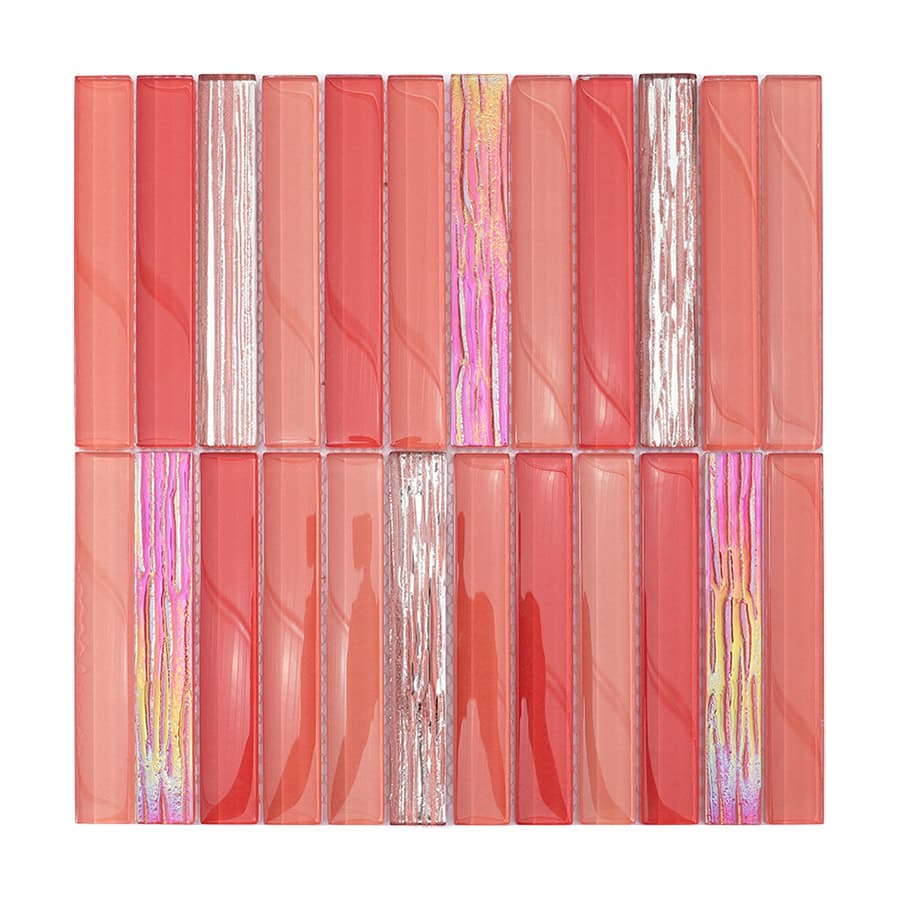
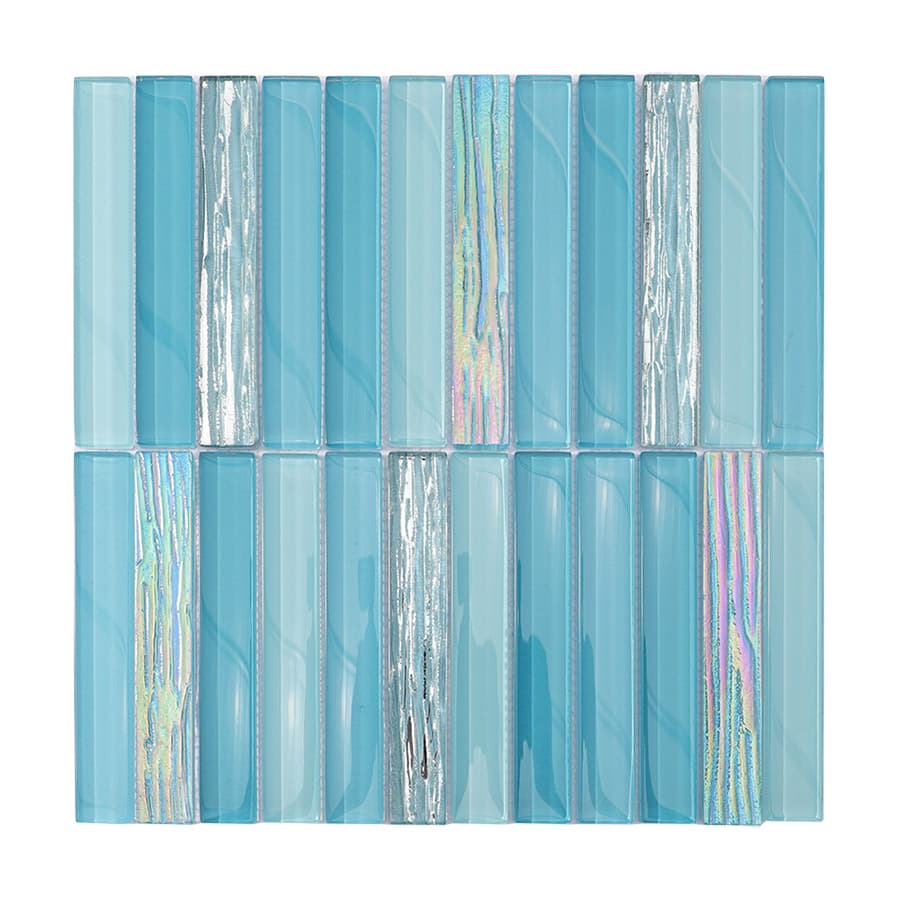
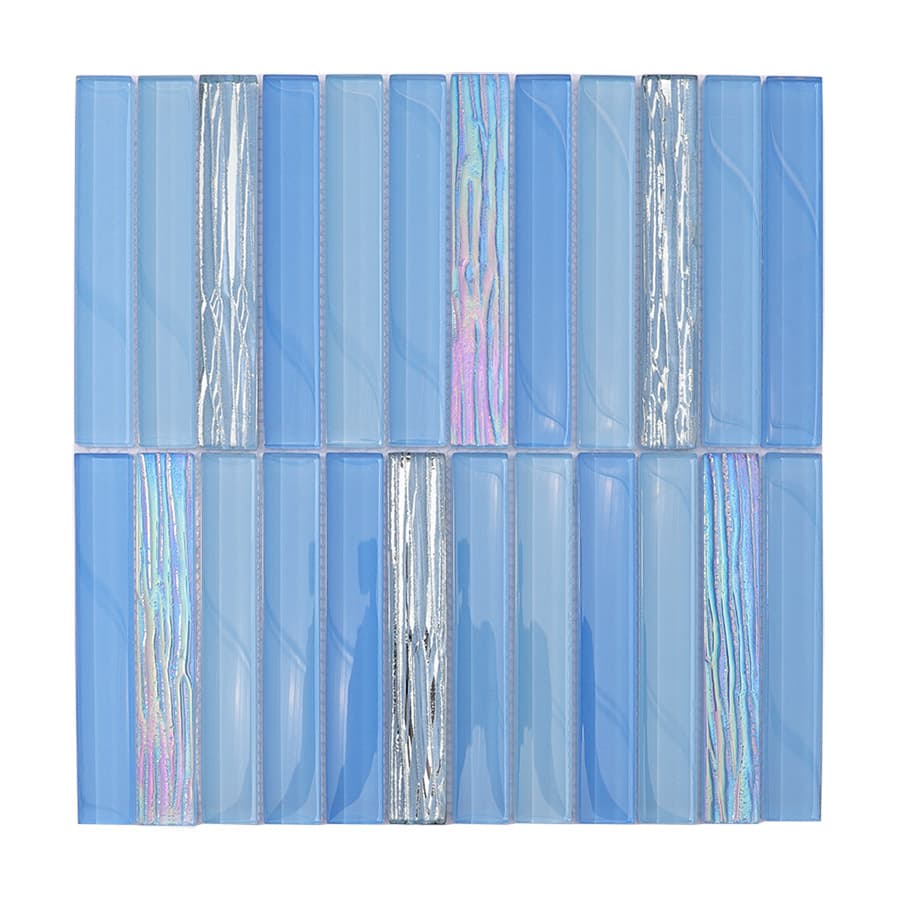
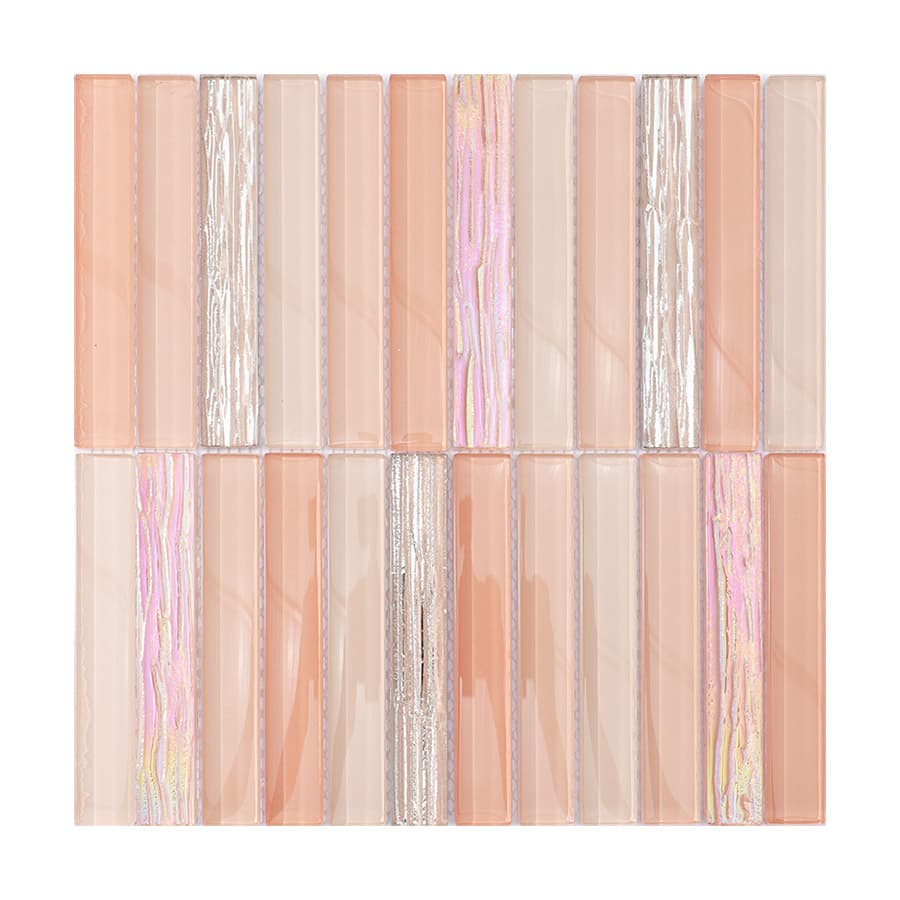
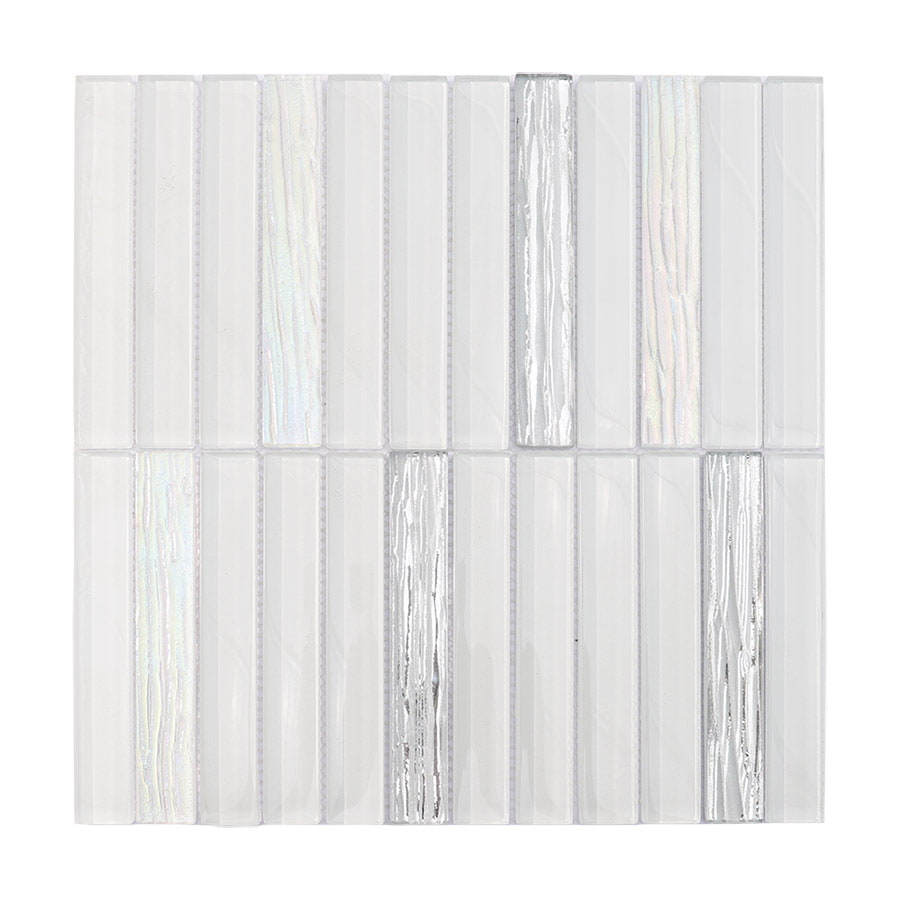
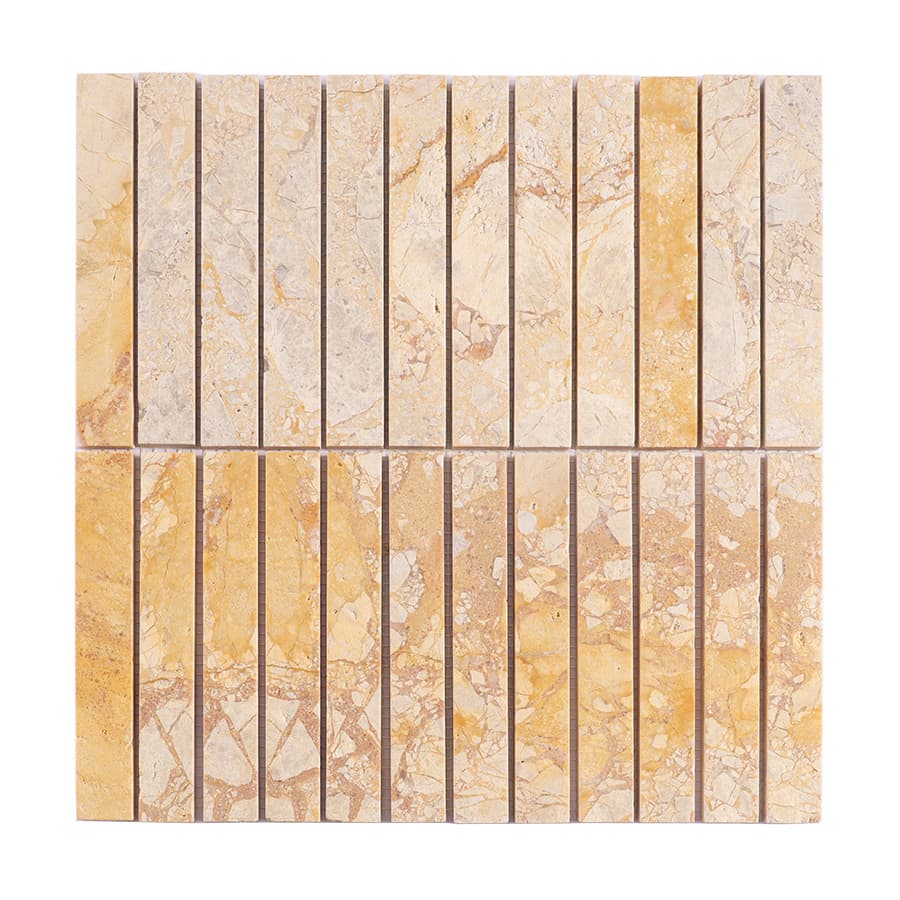
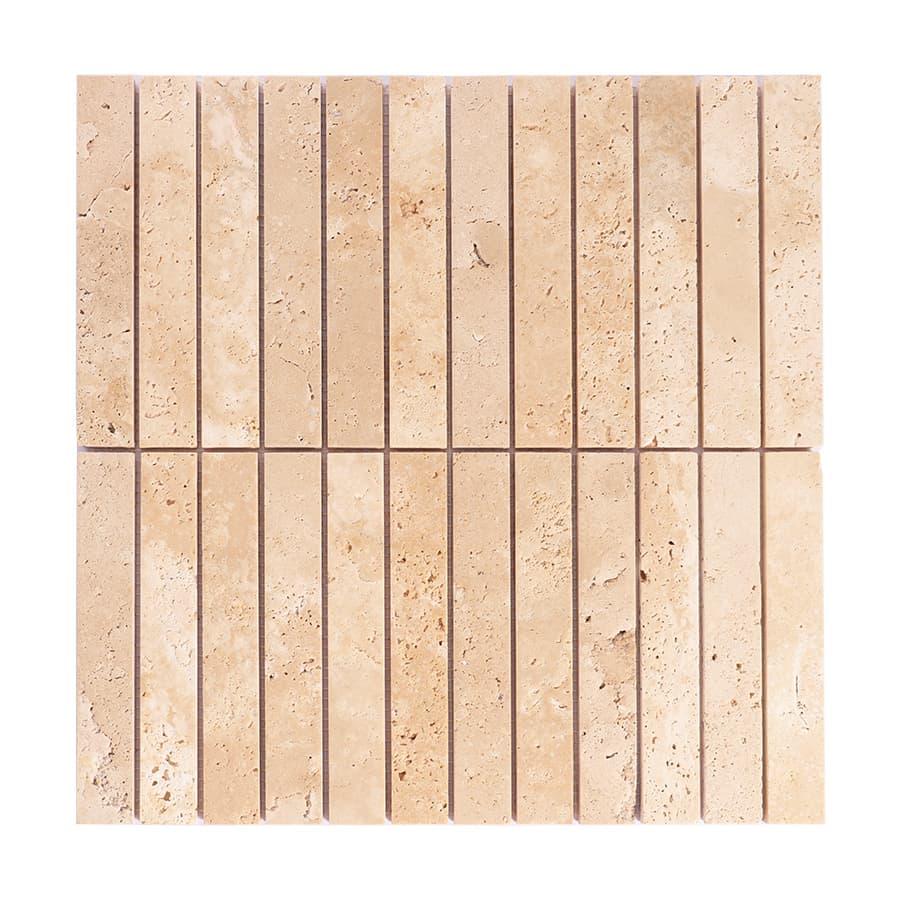
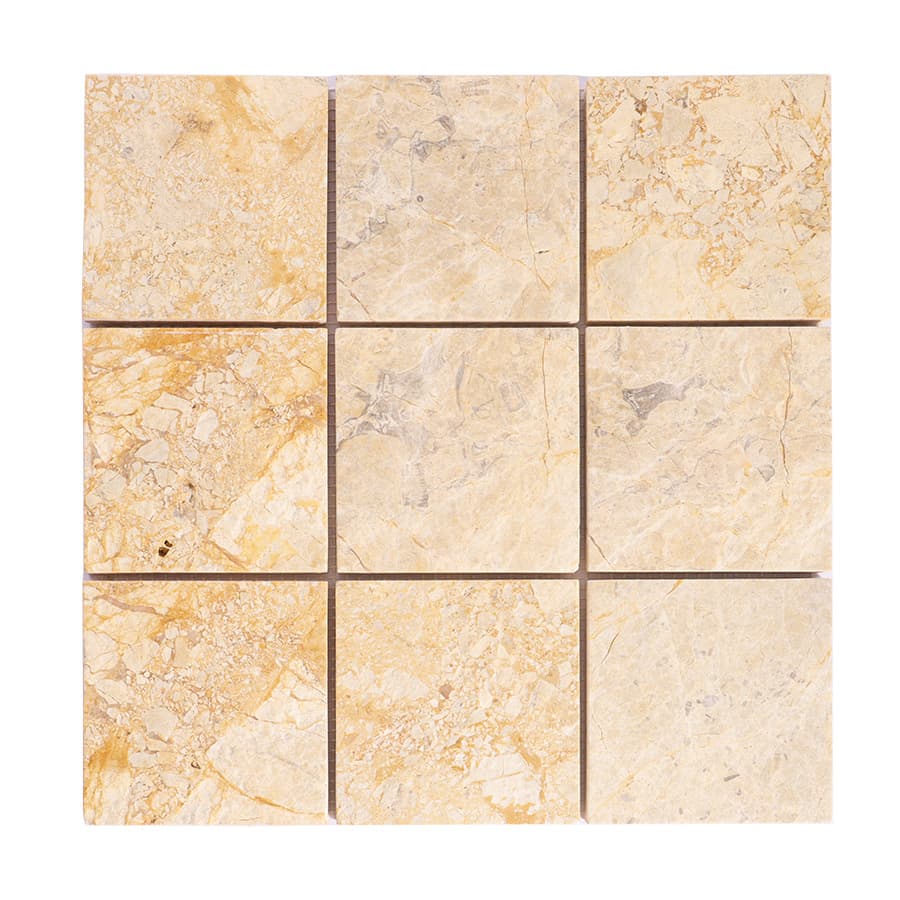
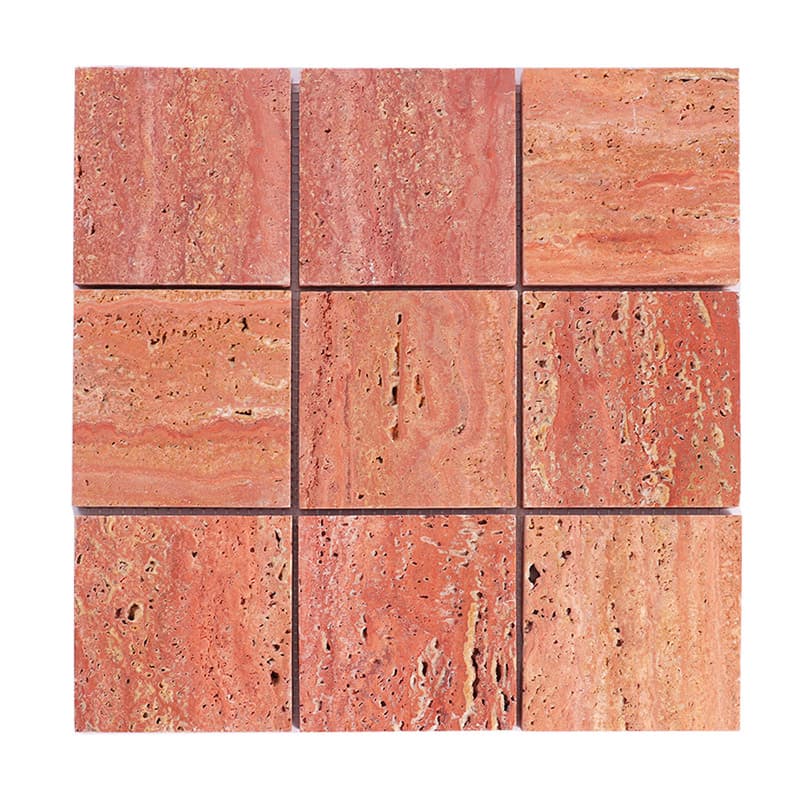
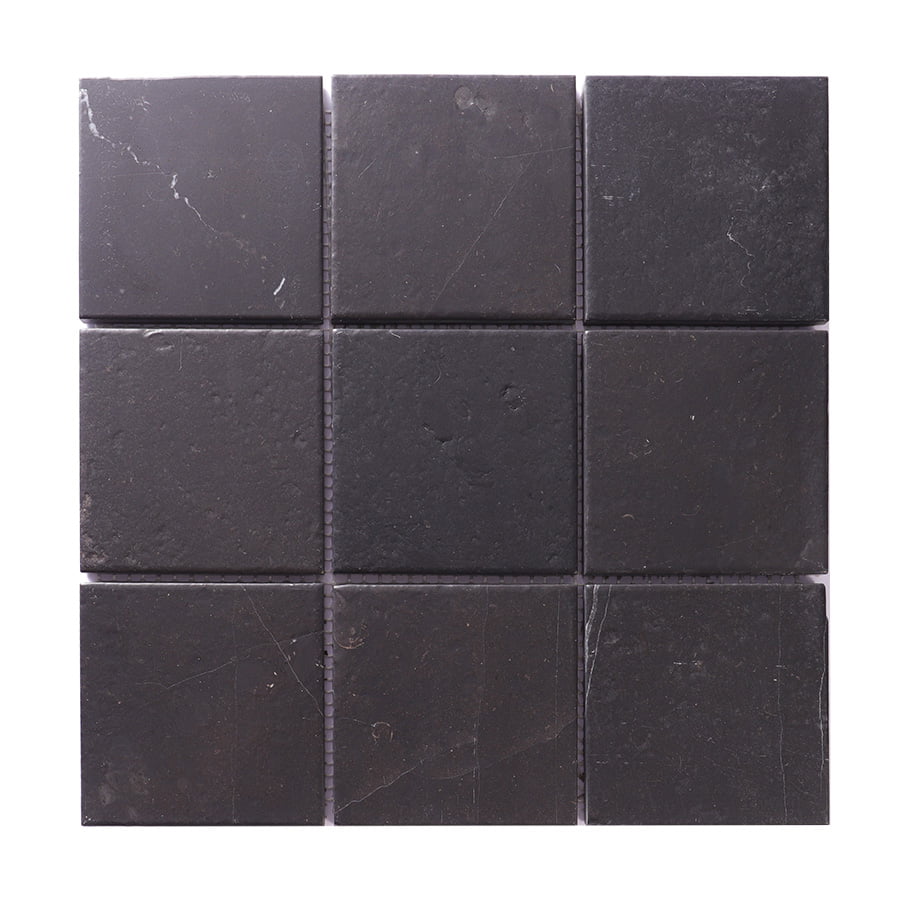
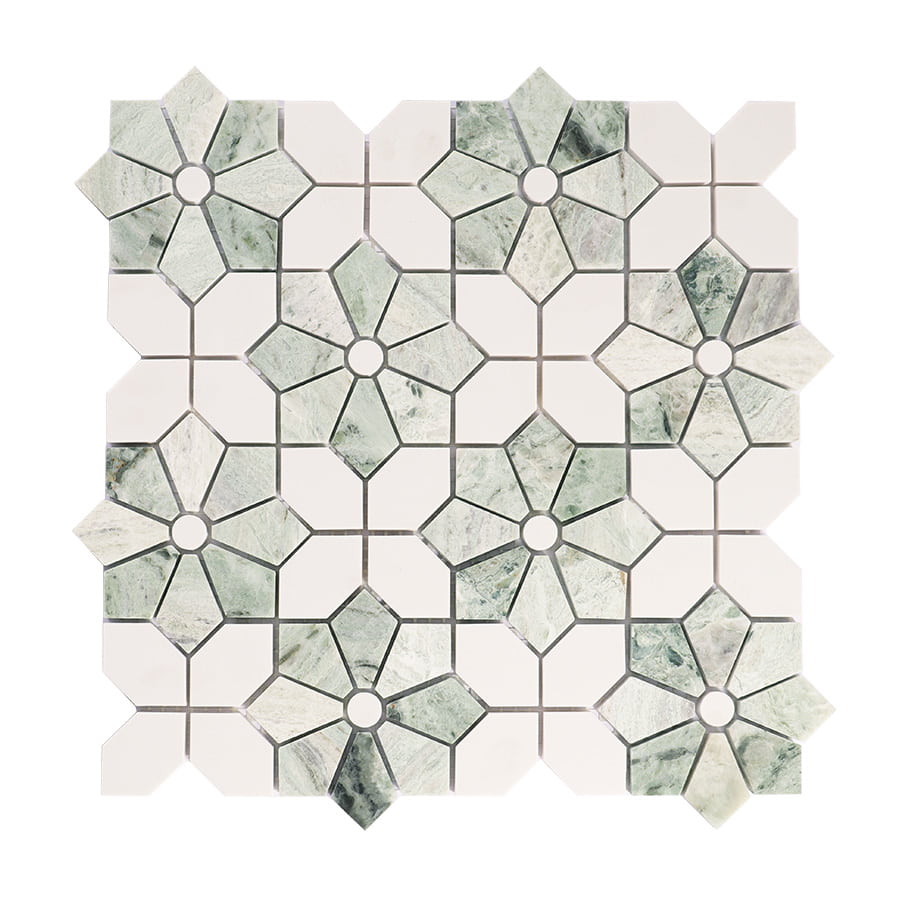


Transform your bathroom with the perfect tiles - from luxurious marble to modern glass mosaics
Why Bathroom Tiles Matter
Bathroom tiles are more than just decorative elements - they're the foundation of a functional, beautiful, and durable bathroom space. The right tile selection combines aesthetics with essential properties like water resistance, slip prevention, and easy maintenance.
Water Resistance
Essential protection against moisture damage and mold growth
Durability
Long-lasting performance in high-traffic, humid environments
Easy Maintenance
Simple cleaning and maintenance for busy lifestyles
Application Areas
Wall Tiles
Available in full-wall or half-wall designs, bathroom wall tiles create stunning visual impact while protecting surfaces from moisture.
- • Full-wall coverage for maximum protection
- • Half-wall designs for balanced aesthetics
- • Backsplash applications behind vanities
Floor Tiles
Floor tiles must meet specific anti-slip standards while maintaining style and durability for safe, comfortable walking surfaces.
- • Anti-slip surface requirements
- • Water-resistant properties
- • Heavy-duty durability standards
Design Styles & Inspirations
Discover the perfect style to match your bathroom's personality and your home's aesthetic
Vintage & Classic
Embrace timeless elegance with traditional patterns, subway tiles, and vintage-inspired finishes that never go out of style.
Minimalist & Clean
Create serene, uncluttered spaces with large format tiles, neutral colors, and clean lines for a zen-like bathroom experience.
Modern & Contemporary
Bold geometric patterns, mixed materials, and innovative textures create striking contemporary bathrooms that make a statement.
Material Selection Guide
Choose the perfect material based on your style preferences, budget, and functional requirements
Glass Tiles
Available in multiple varieties including water glass, vitreous glass, recycled glass, and crystal glass, offering rich colors and stunning surface effects.
Types & Effects
- • Water Glass: Translucent, eco-friendly option
- • Vitreous Glass: Non-porous, highly durable
- • Recycled Glass: Sustainable, unique textures
- • Crystal Glass: Premium clarity and brilliance
Surface Finishes
- • Iridescent: Color-changing effects
- • Frosted: Textured, non-slip surfaces
- • Metallic: Gold, silver, copper accents
- • Crackle: Vintage-inspired patterns
Marble Tiles
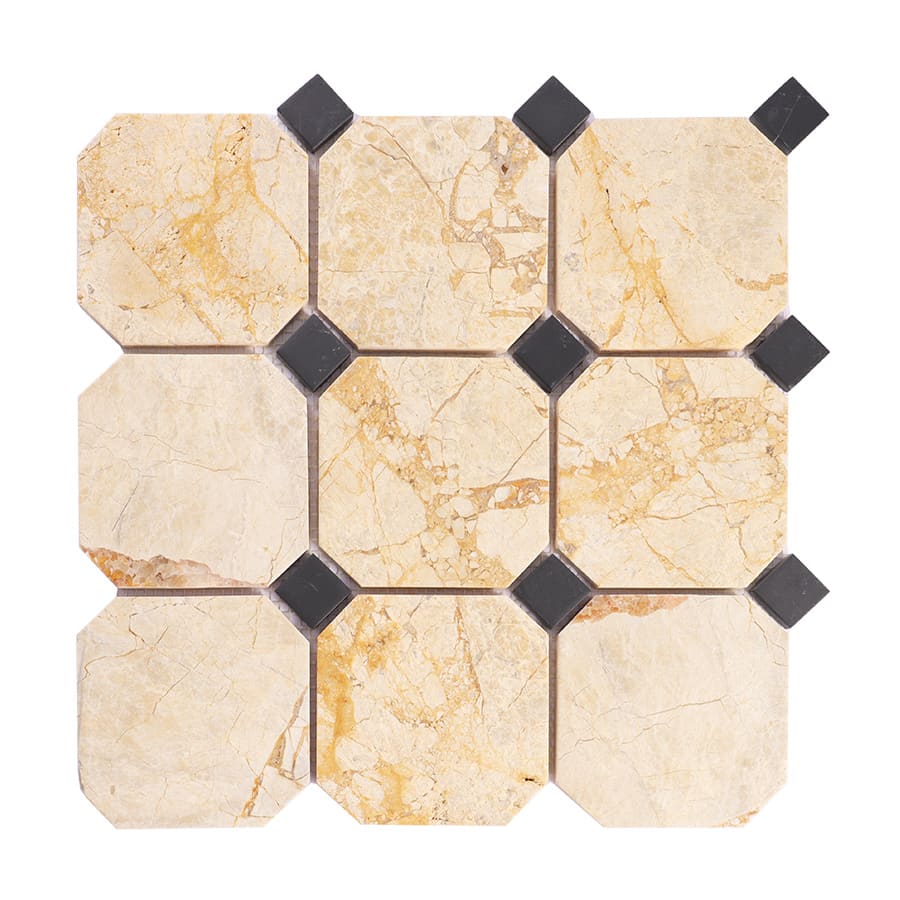
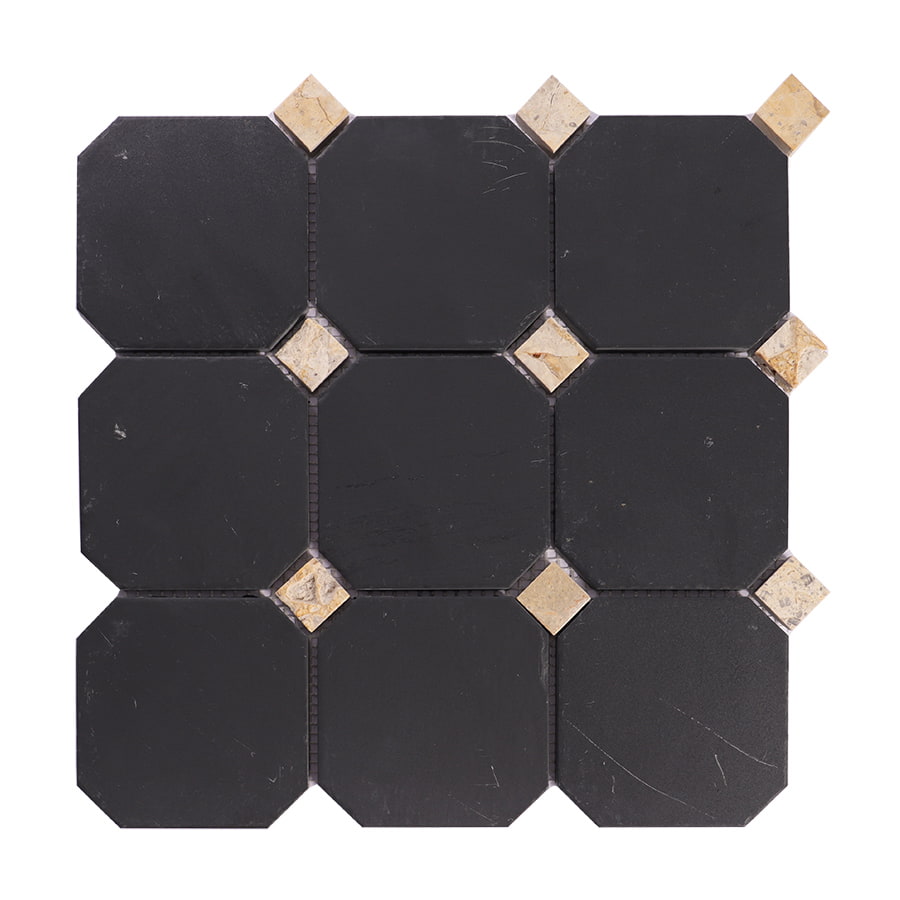
Natural marble can be precision-cut into various shapes with thickness ranging from 4-10mm, suitable for both walls and floors, bringing you closer to nature's beauty.
Thickness Options
4mm - 10mm range
Applications
Walls & floors
Cutting
Custom shapes
Finish
Natural veining
Popular Marble Types
Shell Tiles
A rare and exotic material, shell tiles are hand-cut, polished, and shaped with smaller granule sizes, making them perfect for small area applications and accent features.
Best Applications
- • Bathroom backsplashes
- • Shower niches and shelves
- • Accent borders and trim
- • Small feature walls
Shell Types & Characteristics
Mother of Pearl
Iridescent, luxurious finish with natural color variations
Oyster Shell
Textured surface with organic patterns and neutral tones
Abalone Shell
Premium option with striking color-changing properties
Metal Tiles
Manufactured through mold pressing, metal tiles are available in stainless steel, copper, and aluminum with various embossed and three-dimensional effects.
Manufacturing Process
- • Precision mold pressing
- • Quality material selection
- • Surface finishing treatments
- • Protective coating application
Stainless Steel
Corrosion-resistant, modern aesthetic, easy maintenance
Copper
Warm tones, develops natural patina, antimicrobial properties
Aluminum
Lightweight, versatile finishes, cost-effective option
Ceramic Tiles
Glazed ceramic tiles are kiln-fired and available in countless colors and shapes, offering versatility, durability, and affordability for any bathroom design.
Manufacturing
- • Clay Base: Natural earthenware
- • Glazing: Protective surface layer
- • Firing: High-temperature kiln process
- • Finishing: Quality control and grading
Benefits
- • Cost-effective solution
- • Wide color selection
- • Easy installation
- • Low maintenance requirements
- • Suitable for DIY projects
Bathroom Size & Tile Selection Guide
Choose the right tile size and layout to maximize your bathroom's potential
Large Bathroom Tile Selection
Large bathrooms offer flexibility to experiment with bold patterns, mixed materials, and statement designs that create visual interest and luxury.
Recommended Tile Sizes
- • 12" x 24" or larger format tiles
- • 24" x 48" for dramatic effect
- • Mix small mosaics with large tiles
- • Statement patterns and borders
Design Opportunities
- • Feature walls with bold patterns
- • Multiple material combinations
- • Decorative borders and inlays
- • Floor-to-ceiling installations
Layout Tips
- • Create zones with different materials
- • Use contrasting grout for definition
- • Consider diagonal installations
- • Plan lighting to highlight textures
Small Bathroom Tile Selection
Small bathrooms require strategic tile choices to maximize the sense of space while maintaining functionality and style.
Space-Maximizing Sizes
- • Large format tiles (12" x 24" minimum)
- • Fewer grout lines = larger appearance
- • Vertical installations for height
- • Light colors to reflect more light
Color & Pattern Strategy
- • Light, neutral color palettes
- • Minimal contrasting elements
- • Glossy finishes for light reflection
- • Continuous flooring into shower area
Smart Layout Solutions
- • Wall-to-wall installations
- • Matching floor and wall tiles
- • Strategic accent placement
- • Mirror placement to multiply light
Tile Size Impact Comparison
Small Tiles
2" x 2" - 4" x 4"
More grout lines, busy appearance
Medium Tiles
6" x 6" - 8" x 8"
Balanced proportions
Large Tiles
12" x 12" - 18" x 18"
Fewer seams, cleaner look
Extra Large
24" x 24" and up
Seamless, luxurious appearance
Installation & Maintenance Guide
Professional tips for proper installation and long-term care of your bathroom tiles
Installation Best Practices
Surface Preparation
- • Ensure surfaces are clean, dry, and level
- • Apply appropriate primer or sealer
- • Check for structural issues before tiling
- • Install proper waterproofing barriers
Adhesive Selection
- • Use waterproof adhesives for wet areas
- • Match adhesive to tile material and size
- • Consider flexible adhesives for movement
- • Follow manufacturer curing times
Grouting Guidelines
- • Choose appropriate grout width for tile size
- • Use epoxy grout for maximum water resistance
- • Clean excess grout immediately
- • Apply grout sealer after curing
Maintenance & Care
Daily Cleaning
- • Wipe down surfaces after each use
- • Use pH-neutral cleaners for natural stone
- • Avoid abrasive cleaning tools
- • Ensure adequate ventilation
Deep Cleaning
- • Clean grout lines monthly with appropriate cleaner
- • Remove soap scum with gentle scrubbing
- • Address stains immediately
- • Reseal natural stone tiles annually
Preventive Care
- • Use exhaust fans to reduce humidity
- • Replace worn caulk around fixtures
- • Inspect for loose or cracked tiles
- • Address repairs promptly
Frequently Asked Questions
Get answers to common bathroom tile questions
What is the best tile material for bathroom floors?
Porcelain and ceramic tiles are excellent choices for bathroom floors due to their water resistance, durability, and slip-resistant options. Natural stone like marble requires more maintenance but offers luxury appeal.
How do I choose between wall and floor tile coverage?
Full-wall coverage provides maximum moisture protection and creates a luxurious spa-like feel. Half-wall designs are cost-effective and work well with painted upper walls or wallpaper for visual interest.
What anti-slip standards should bathroom floor tiles meet?
Look for tiles with a slip resistance rating of R10 or higher for dry areas, and R11-R13 for wet areas. Textured surfaces, smaller tiles with more grout lines, and matte finishes provide better traction.
Can I mix different tile materials in one bathroom?
Yes! Mixing materials like marble walls with ceramic floors, or adding glass mosaic accents, creates visual interest. Ensure materials have similar maintenance requirements and complement each other aesthetically.
How thick should bathroom tiles be?
Wall tiles typically range from 4-8mm thick, while floor tiles should be 8-12mm or thicker for durability. Natural stone tiles like marble can vary from 4-10mm depending on the application and structural requirements.
Ready to Transform Your Bathroom?
Explore our extensive collection of premium bathroom tiles and find the perfect match for your style and budget.