How to Lay Mosaic Floor Tile: Complete Professional Guide
Sep 30,2025 | Shiloman
Master the art of mosaic floor tile installation with our comprehensive step-by-step guide. Learn professional techniques, avoid common mistakes, and achieve stunning results.
What Are Mosaic Floor Tiles?
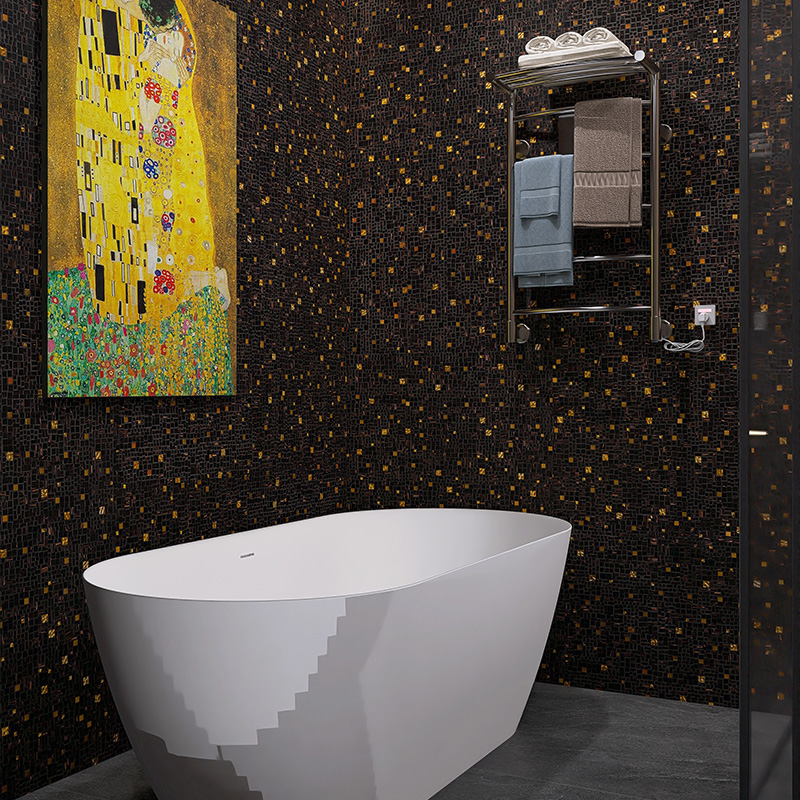
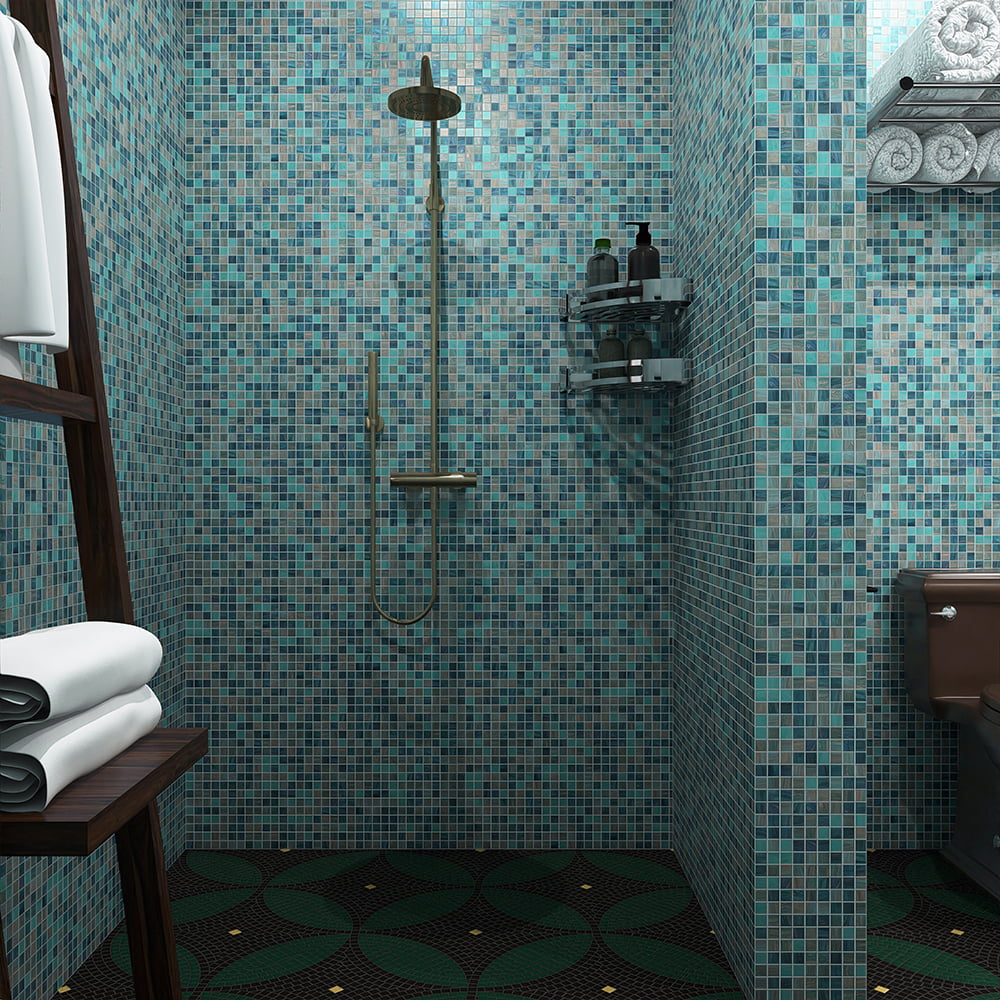
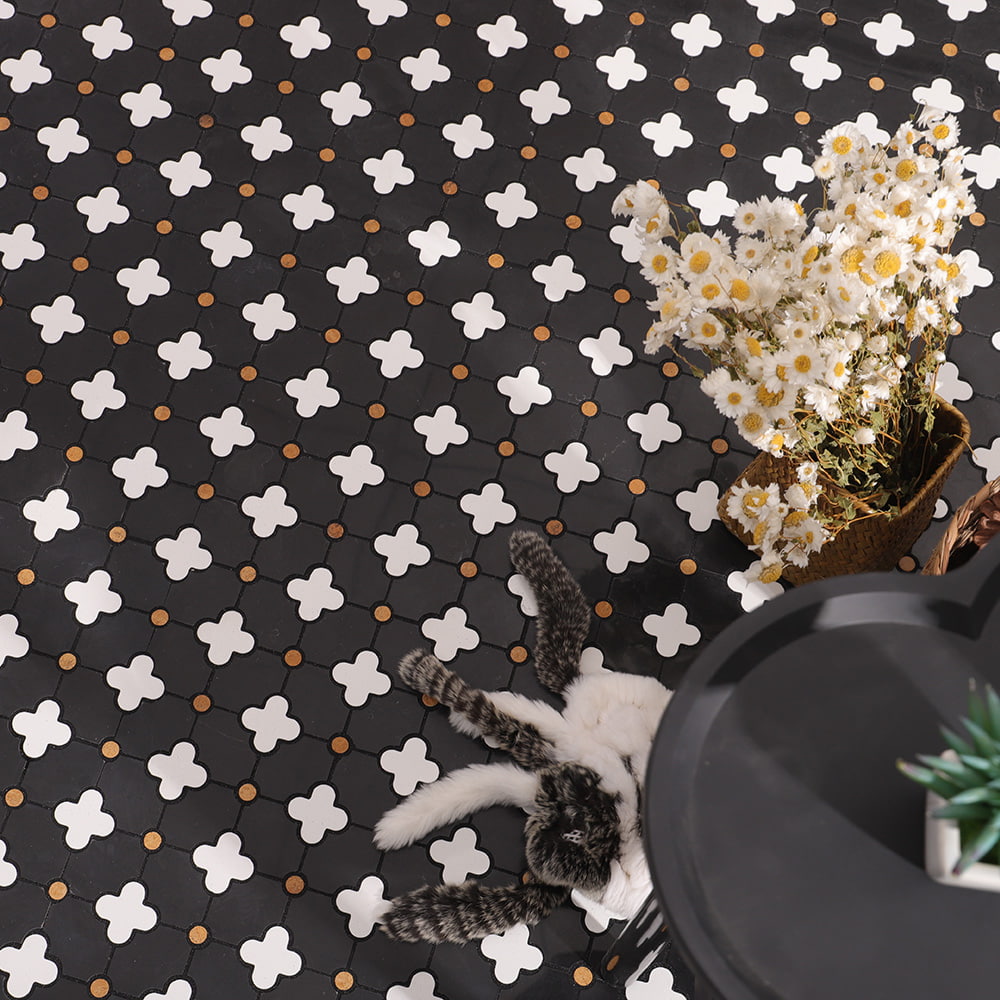
Mosaic floor tiles are small decorative pieces, typically ranging from 1x1cm to 5x5cm, arranged in sheets or patterns to create stunning floor surfaces. These tiles come in various materials including ceramic, glass, stone, and metal, offering endless design possibilities for your flooring project.
Unlike traditional large-format tiles, mosaic tiles provide superior flexibility and decorative appeal, making them perfect for creating intricate patterns, gradients, and artistic designs on your floors.

Key Benefits of Mosaic Floor Tiles
Design Versatility
Create stunning patterns, gradients, and artistic designs with endless color and material combinations.
Durability
Excellent water resistance, stain resistance, and wear tolerance make them perfect for high-traffic areas.
Flexibility
Small size allows for installation on curved surfaces and complex architectural features.
Essential Tools and Materials
Tools Required
- Notched trowel (6mm or 8mm)
- Tile spacers
- Rubber grout float
- Level and measuring tape
- Tile cutter or wet saw
- Rubber mallet
- Clean sponges and buckets
- Utility knife
Materials Needed
- Mosaic tile sheets
- Tile adhesive/thinset mortar
- Grout (sanded or unsanded)
- Primer/sealer
- Backer board (if needed)
- Grout sealer
- Transition strips
Pre-Installation Preparation

1. Surface Preparation
Critical Step: Proper surface preparation is essential for long-lasting results.
- Clean the subfloor: Remove all debris, dust, and old adhesive residue
- Check for level: Use a 6-foot level to identify high and low spots
- Fix imperfections: Fill low areas with self-leveling compound
- Prime if necessary: Apply primer to improve adhesion on problem surfaces
2. Layout Planning
Planning your layout is crucial for achieving professional results. Start by finding the center of your room and work outward to ensure balanced borders.
Measurement Tips
- • Measure room length and width
- • Calculate center points
- • Account for 5-10% waste
- • Plan pattern orientation
Layout Guidelines
- • Start from room center
- • Work toward exits
- • Avoid small cuts at doorways
- • Consider grout line alignment
Step-by-Step Installation Process
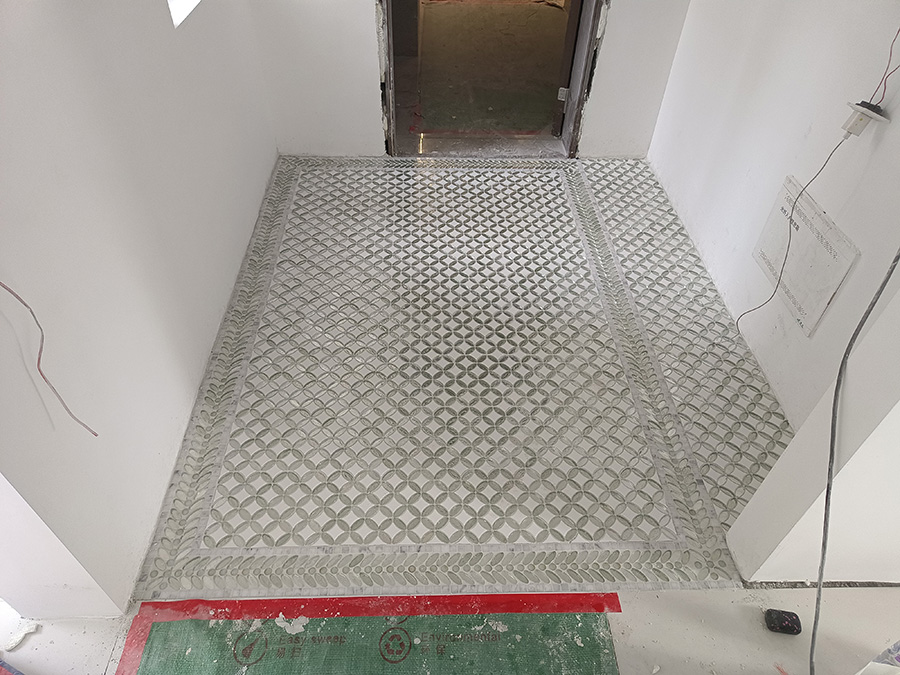
Step 1: Mix the Adhesive
Mix only enough thinset mortar for 20-30 minutes of work to prevent it from drying out. Follow manufacturer's mixing ratios precisely.
Pro Tip: For glass mosaics, use white or clear adhesive to prevent color show-through.
Step 2: Apply Adhesive
Using a notched trowel, spread adhesive in small sections (about 3 square feet at a time). Hold the trowel at a 45-degree angle and create consistent ridges.
- • Use 3-5mm thick adhesive layer
- • Work in manageable sections
- • Maintain consistent ridge height
- • Avoid working ahead of yourself
Step 3: Install First Mosaic Sheet
Starting from your center reference lines, carefully place the first mosaic sheet. Press firmly and evenly to ensure good contact with the adhesive.
Installation Tips:
- • Press evenly across entire sheet
- • Use rubber float to tap down
- • Check for level constantly
- • Remove excess adhesive immediately
What to Avoid:
- • Don't slide tiles into position
- • Avoid uneven pressure
- • Don't ignore lippage
- • Never rush the process
Step 4: Continue Installation
Work systematically, installing one sheet at a time while maintaining proper spacing and alignment. Use a straight edge to ensure rows stay straight.
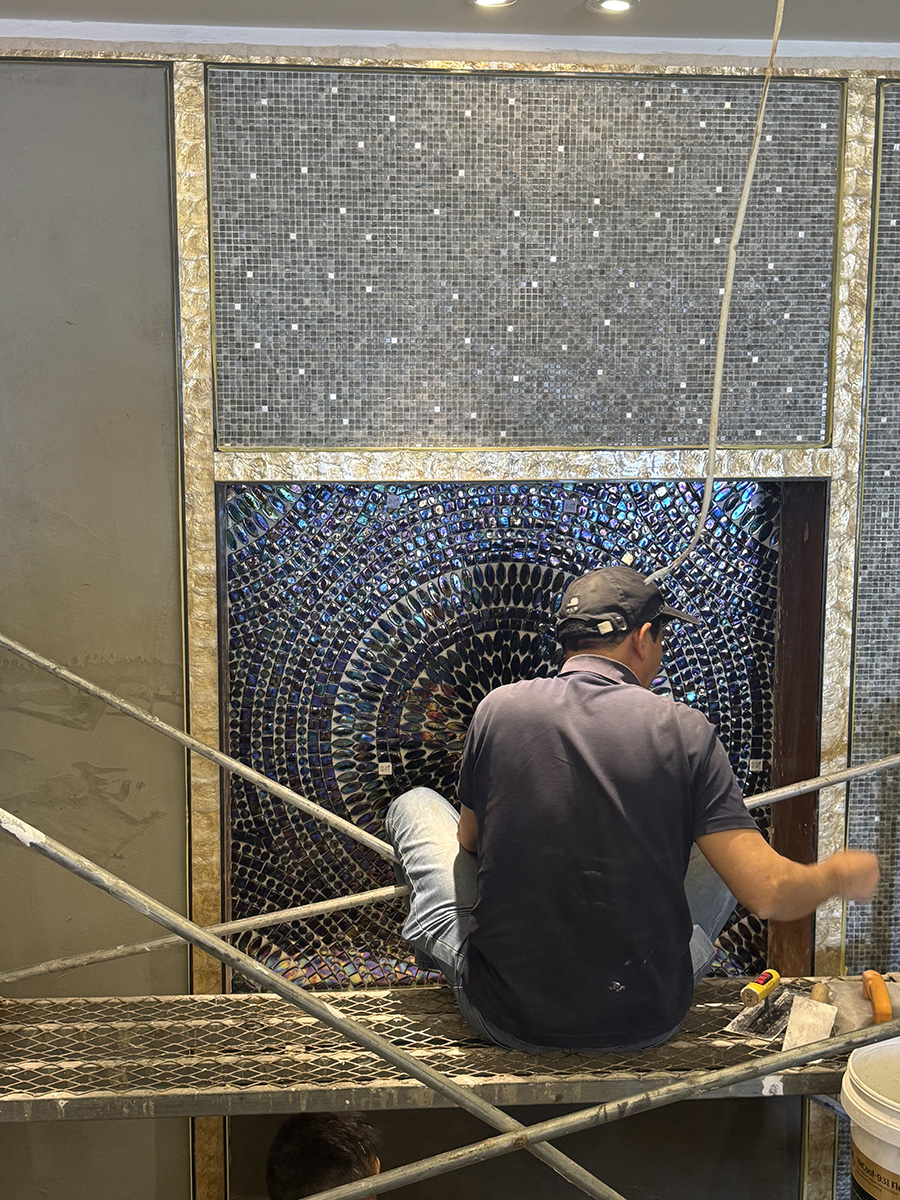
Important: Check alignment after every few sheets to prevent cumulative errors.
Step 5: Cut Edge Pieces
Measure and cut mosaic sheets to fit around room perimeters and obstacles. Use a utility knife to cut the mesh backing between tiles, then use tile nippers or a wet saw for individual tiles.
Straight Cuts
Use utility knife on mesh backing
Curved Cuts
Score and snap individual tiles
Complex Shapes
Use wet saw for precision cuts
Step 6: Clean and Cure
Remove any adhesive from tile surfaces immediately with a damp sponge. Allow the installation to cure for 24-48 hours before grouting.
- • Clean tools immediately after use
- • Protect installation from foot traffic
- • Maintain proper temperature and humidity
- • Check for loose tiles before grouting
Grouting Your Mosaic Floor

Grout Selection
Sanded Grout
Best for: Joints wider than 1/8 inch
Pros: Strong, crack-resistant, good for floor applications
Unsanded Grout
Best for: Joints narrower than 1/8 inch
Pros: Smooth finish, won't scratch delicate tile surfaces
Grouting Process
Mix Grout
Mix grout to a peanut butter consistency. Only mix what you can use in 20-30 minutes.
Apply Grout
Using a rubber float at 45-degree angle, spread grout diagonally across tiles, pressing firmly to fill all joints.
Clean Excess
After 15-20 minutes, use a damp sponge to remove excess grout from tile surfaces. Rinse sponge frequently.
Final Cleaning
Once grout has cured (24-72 hours), clean any haze with a clean, dry cloth and apply grout sealer.
Different Mosaic Installation Methods
Standard Sheet Method
Most common approach using pre-mounted mosaic sheets. Ideal for beginners and large areas.
Best for: Bathrooms, kitchens, simple patterns
Pros: Fast installation, consistent spacing
Cons: Limited pattern options
Custom Pattern Method
Creating unique designs by arranging individual tiles or cutting custom shapes from sheets.
Best for: Artistic installations, feature areas
Pros: Unlimited creativity, unique results
Cons: Time-intensive, requires skill
Mixed Material Method
Combining different mosaic materials (glass, stone, metal) for textural variety.
Best for: Modern designs, accent areas
Pros: Rich texture, visual interest
Cons: Different adhesive requirements
Gradient Method
Creating smooth color transitions from light to dark or between different hues.
Best for: Swimming pools, spa areas
Pros: Stunning visual flow
Cons: Requires precise planning
Common Problems and Solutions
Problem: Uneven Tile Surfaces (Lippage)
Causes:
- • Uneven substrate
- • Inconsistent adhesive thickness
- • Poor installation technique
Solutions:
- • Level substrate before installation
- • Use proper trowel size
- • Check level frequently during installation
Problem: Grout Discoloration
Causes:
- • Adhesive bleed-through
- • Wrong adhesive color for glass tiles
- • Contaminated mixing water
Solutions:
- • Use white/clear adhesive for glass
- • Clean adhesive from joints before grouting
- • Use clean water and tools
Problem: Tiles Coming Loose
Causes:
- • Poor substrate preparation
- • Low-quality adhesive
- • Insufficient cure time
Solutions:
- • Ensure clean, dry substrate
- • Use recommended adhesive type
- • Allow proper curing time
Maintenance and Care
Daily Care
- Sweep or vacuum regularly to remove debris
- Clean spills immediately to prevent staining
- Use pH-neutral cleaners for routine cleaning
- Avoid acidic cleaners on natural stone mosaics
Long-term Care
- Re-seal grout annually in high-traffic areas
- Inspect and repair damaged grout promptly
- Check waterproofing in wet areas yearly
- Monitor for loose tiles and re-adhere as needed
Frequently Asked Questions
How long does mosaic floor tile installation take?
Installation time varies by room size and complexity. A typical bathroom (50 sq ft) takes 2-3 days including prep, installation, and grouting. Allow extra time for curing between steps.
Can I install mosaic tile over existing flooring?
In some cases, yes. You can install over existing tile if it's well-bonded and level. However, removing old flooring often provides better results and allows for proper substrate preparation.
What's the difference between sanded and unsanded grout?
Sanded grout contains fine sand and is used for joints wider than 1/8 inch. Unsanded grout is smoother and used for joints narrower than 1/8 inch. Choose based on your tile spacing.
How do I cut mosaic tiles for edges and corners?
For straight cuts, use a utility knife to cut the mesh backing between tiles. For individual tile cuts, use tile nippers for small adjustments or a wet saw for precise cuts on harder materials.
Is mosaic tile suitable for high-traffic areas?
Yes, mosaic tile is excellent for high-traffic areas when properly installed. The numerous grout joints actually provide better slip resistance, and quality mosaic materials are very durable.
Ready to Start Your Mosaic Floor Project?
Installing mosaic floor tile is a rewarding DIY project that can transform any space. With proper preparation, the right tools, and patience, you can achieve professional-looking results. Remember to take your time, especially during the planning and layout phases – they're crucial for success.
Plan Carefully
Proper planning and measurement prevent costly mistakes and ensure beautiful results.
Use Quality Materials
Invest in good adhesive, grout, and tools for a long-lasting, professional finish.
Take Your Time
Rushing leads to mistakes. Allow proper curing time between installation steps.
Comment