Bathroom Tiles for Small Bathrooms
Nov 25,2025 | Shiloman
Transform your compact space with expert tile selection, colors, and layouts that maximize style and functionality
Choosing the right bathroom tiles for small bathrooms can dramatically transform your space from cramped to comfortable. With the right tile selection, colors, and layout patterns, even the tiniest bathroom can feel spacious, bright, and luxurious. In this comprehensive guide, we'll explore expert-approved tile solutions specifically designed for small bathrooms.
Whether you're planning a complete renovation or a simple refresh, understanding which tiles work best in compact spaces will help you make informed decisions that balance aesthetics, functionality, and budget.
Why Tile Size Matters in Small Bathrooms
Small Format Tiles Create Visual Interest
Small-format tiles and mosaic tiles are ideal for compact bathrooms. They create intricate patterns and textures that add depth without overwhelming the space. The increased grout lines can actually help define different zones in your bathroom, making it feel more organized and purposeful.
Large Format Tiles Reduce Visual Clutter
Contrary to popular belief, large-format tiles (12x24" or larger) can make small bathrooms appear more spacious. With fewer grout lines, the eye travels smoothly across the surface, creating an uninterrupted flow that visually expands the space. This is particularly effective on floors and feature walls.
Pro Tip
The best approach often combines both: use larger tiles on floors to create continuity, and incorporate mosaic or small-format tiles as accent features on walls, niches, or backsplashes to add personality without overwhelming the space.
Mosaic Tiles: Perfect for Small Bathrooms
Mosaic tiles are a designer favorite for compact bathrooms. Their small scale creates stunning visual effects while offering superior functionality and endless design possibilities.
Versatile Designs
From classic penny rounds to modern hexagons, mosaic tiles come in countless shapes, colors, and materials to match any style.
Superior Grip
More grout lines mean better traction on floors, making mosaic tiles an excellent anti-slip solution for shower floors and wet areas.
Space Definition
Use mosaics to create focal points, define zones, or add accent walls without making the space feel smaller.
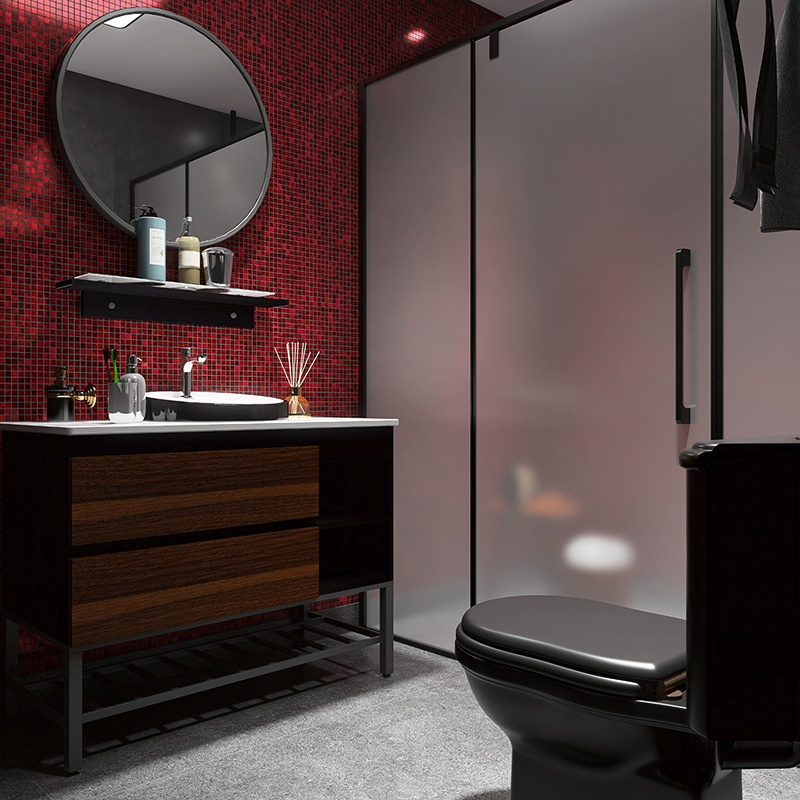
Red Mosaic with Gold Foil
Bold and luxurious accent option
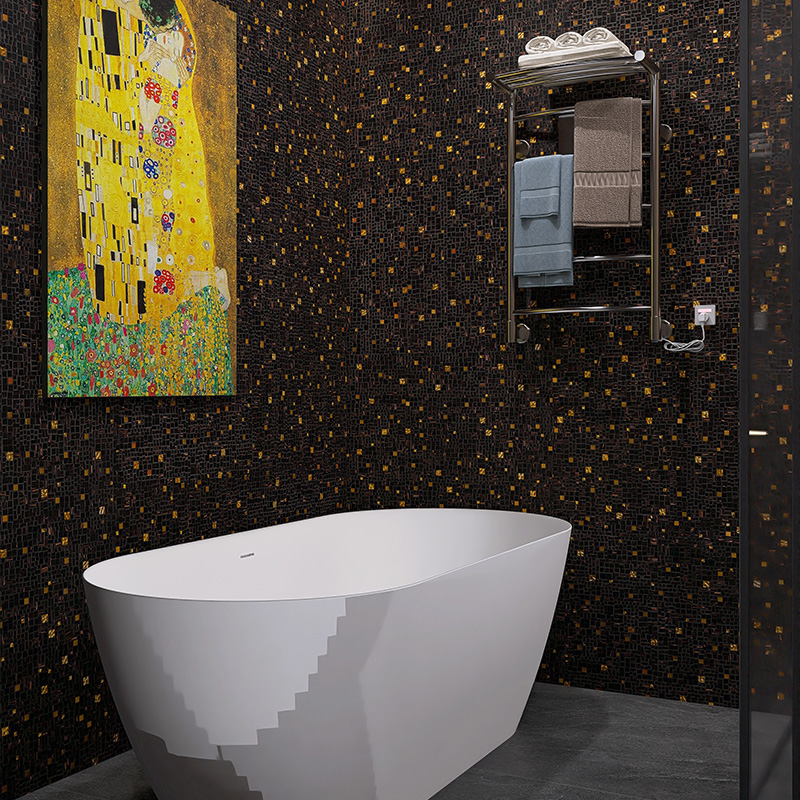
Klimt Dark Mosaic
Artistic sophistication meets functionality
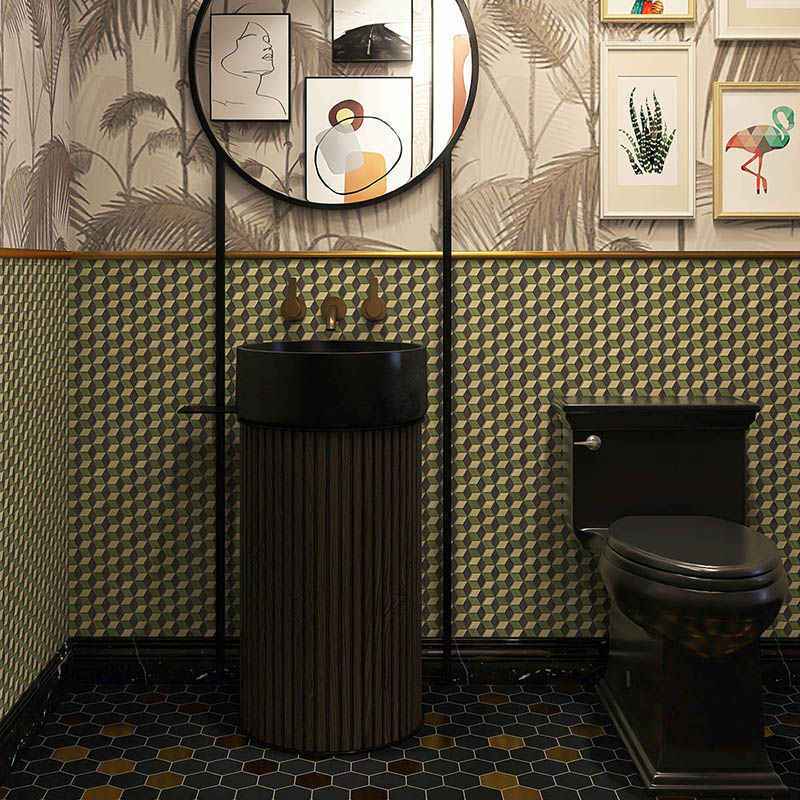
Green Diamond Hexagonal
Perfect vintage bathroom style
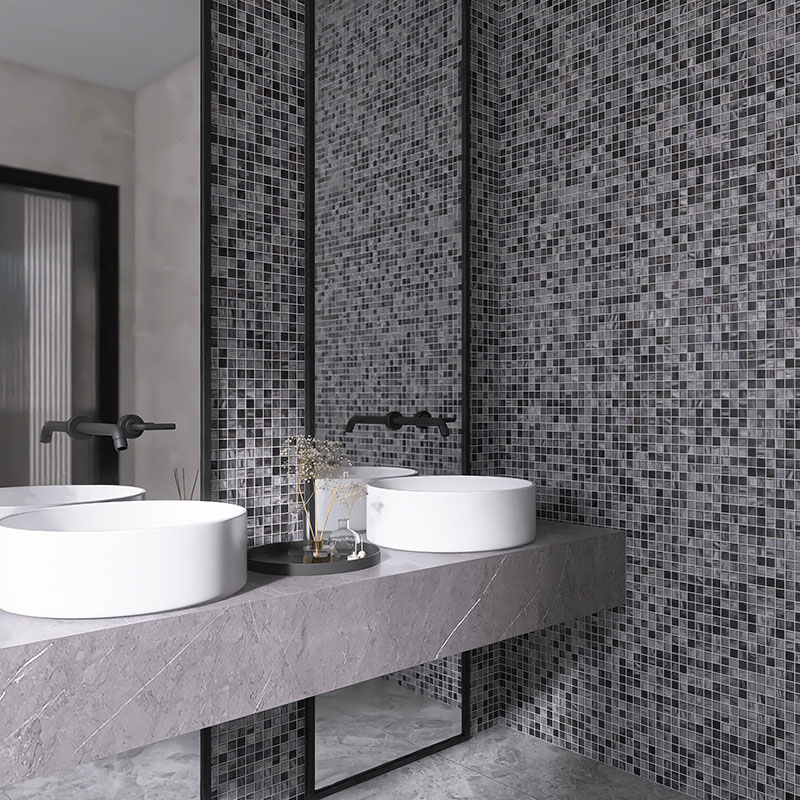
Dark Grey Amber Mosaic
Sophisticated modern elegance
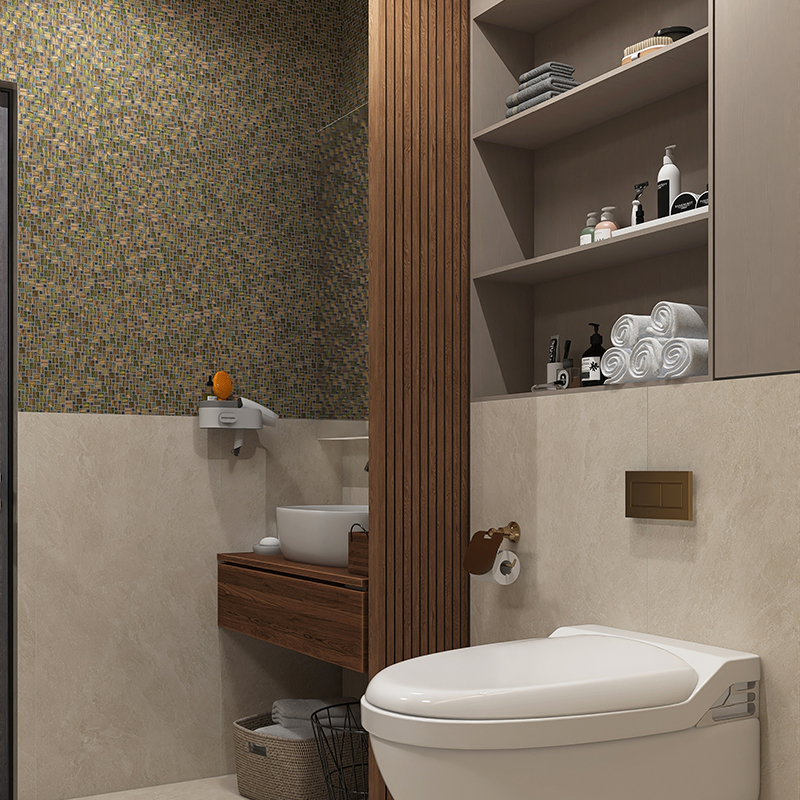
Olive Green Mosaic
Natural warmth in compact spaces
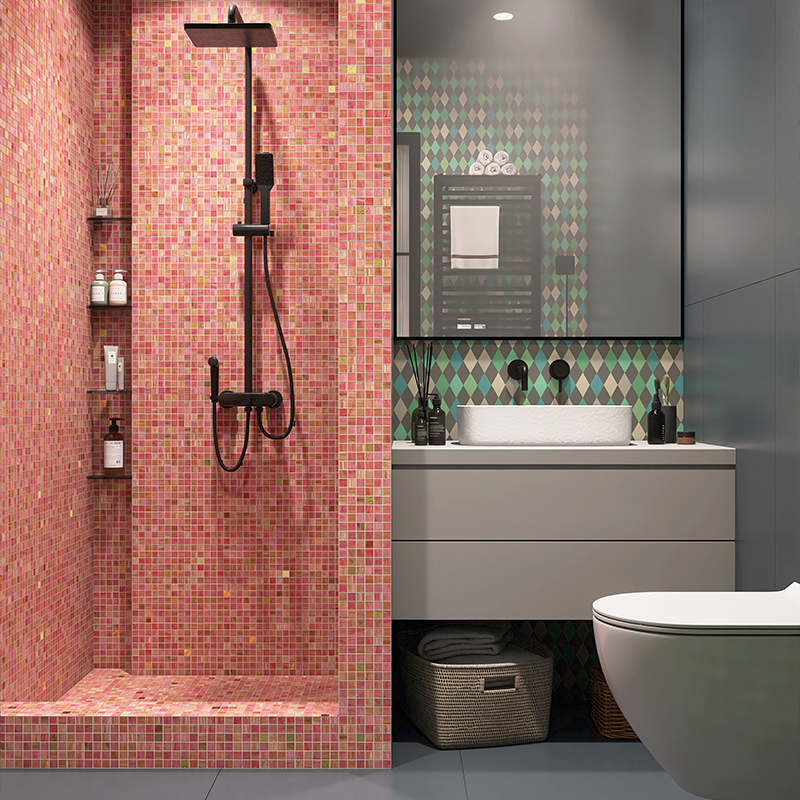
Pink & 24K Gold Mosaic
Glamorous feminine elegance
Choosing the Right Colors for Small Bathrooms
Color selection is crucial in small bathrooms. The right palette can make your space feel twice its size while creating the perfect ambiance.
Light & Bright Colors
Light-colored tiles are the go-to choice for small bathrooms. White, cream, light gray, and soft pastels reflect natural and artificial light, making the entire space feel more open and airy.
- Maximize light reflection and brightness
- Create an illusion of more space
- Timeless and versatile design
- Easy to coordinate with fixtures and decor
Strategic Bold Colors
Don't be afraid of bold colors! When used strategically as accents, deep hues and vibrant shades can add depth and character to small bathrooms without making them feel cramped.
- Create stunning focal points and feature walls
- Add personality and unique style
- Balance with lighter tiles to maintain openness
- Perfect for niches and accent areas
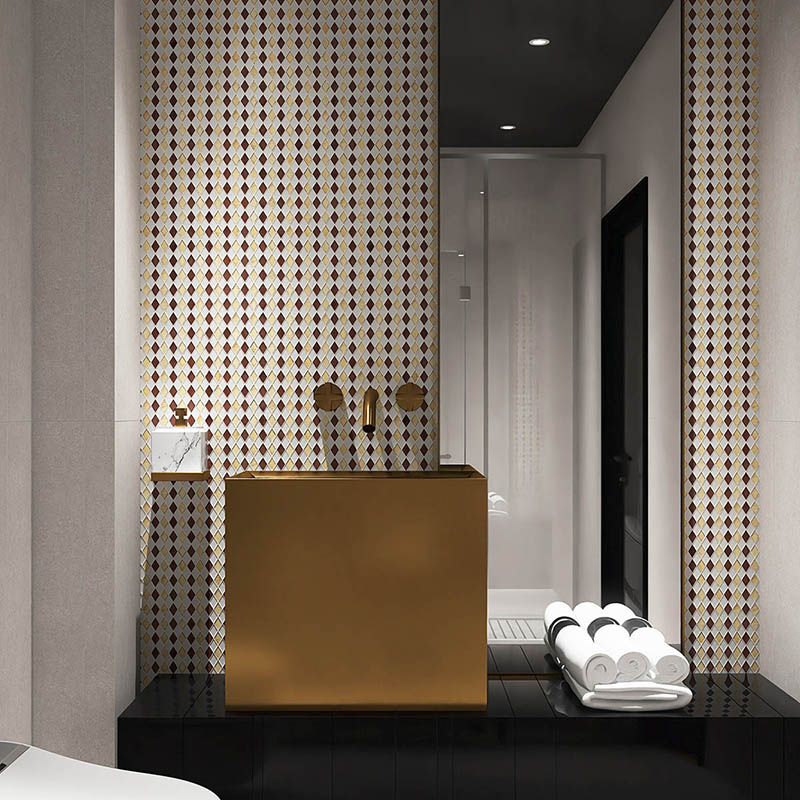
Gold & White Elegance
Light base with luxurious gold accents
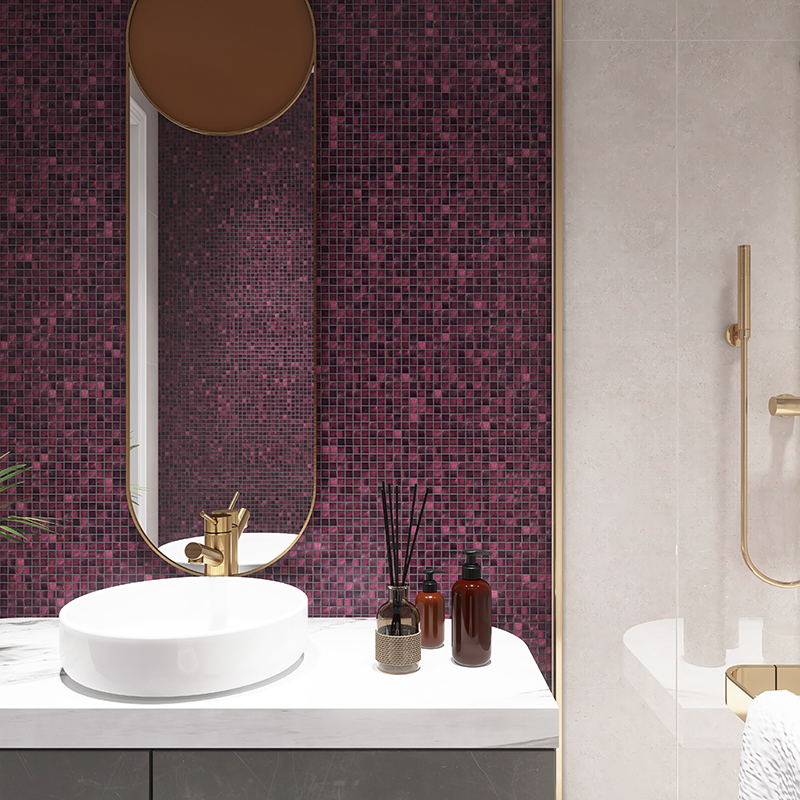
Glossy Purple Mosaic
Bold color as a stunning feature
Expert Color Tip
For optimal results in small bathrooms, use the 60-30-10 rule: 60% light neutral tiles (walls/floors), 30% medium tones (fixtures/vanity area), and 10% bold accent colors (feature wall, niche, or decorative border). This creates visual interest while maintaining the feeling of spaciousness.
Anti-Slip Flooring: Safety Meets Style
In small bathrooms where every square inch is used, safety cannot be compromised. Anti-slip tiles ensure your bathroom is both beautiful and secure.
Safety First
Wet bathroom floors are a major slip hazard. Choosing tiles with proper slip resistance ratings is essential, especially for families with children or elderly members.
Textured Surfaces
Tiles with textured or matte finishes provide better grip than glossy surfaces. Look for tiles with a coefficient of friction (COF) rating of 0.60 or higher.
Mosaic Tiles
Small mosaic tiles create more grout lines, which naturally provide excellent traction. This makes them one of the best anti-slip options for bathroom floors.
Natural Stone
Slate, travertine, and other natural stones offer inherent texture and slip resistance. Their organic surface variations provide both grip and natural beauty.
Anti-Slip Standards & Ratings
DCOF (Dynamic Coefficient of Friction)
- DCOF ≥ 0.42: ADA compliant, suitable for most areas
- DCOF ≥ 0.50: Good for wet areas
- DCOF ≥ 0.60: Excellent for shower floors
Best Practices
- Always check manufacturer slip ratings
- Use textured tiles in wet zones
- Consider smaller tiles for more grout lines
- Maintain proper drainage and ventilation
Half-Wall Tile Design: Adding Visual Interest
Half-wall tiling (also known as wainscoting) is a clever design technique that adds sophistication and style diversity to small bathrooms without overwhelming the space.
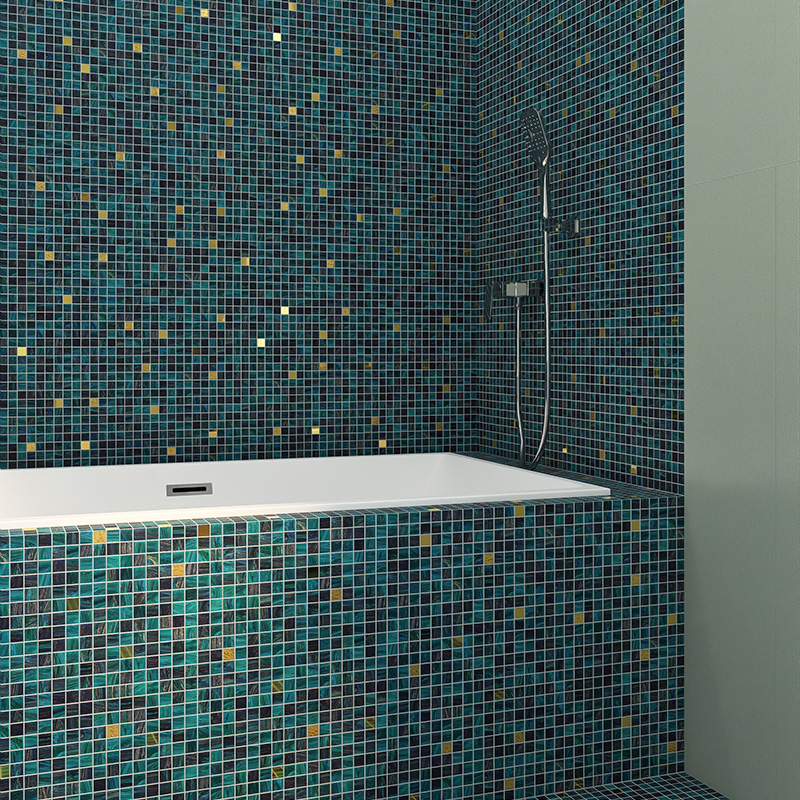
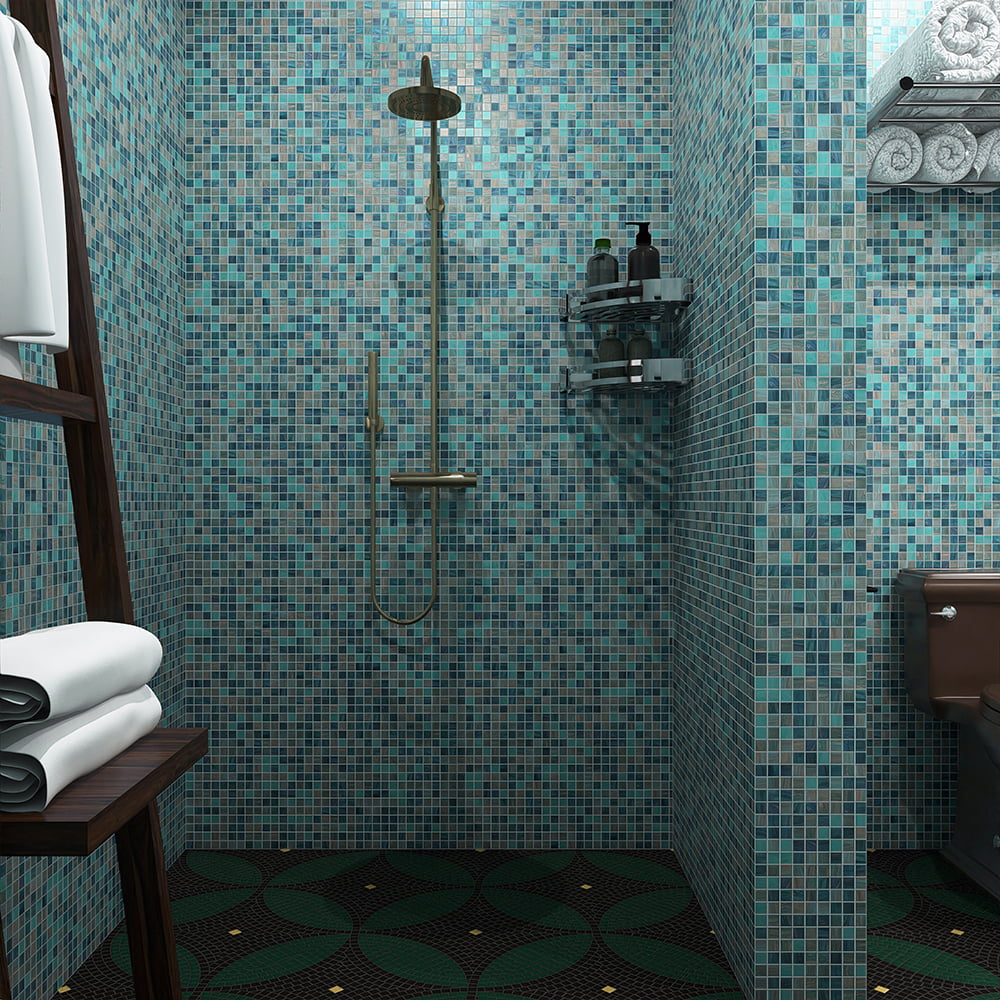
Teal Mosaic Feature
This stunning teal mosaic creates a dramatic half-wall treatment around the bathtub, providing a pop of color while keeping the upper walls neutral.
Benefits of Half-Wall Tiling
Cost-Effective
Using tiles halfway up the wall reduces material and installation costs while still achieving a high-end look.
Visual Depth
Creates horizontal lines that can make small bathrooms appear wider and more spacious.
Moisture Protection
Protects the most vulnerable areas from water splashes while allowing painted upper walls to breathe.
Style Versatility
Allows you to use bold, decorative tiles as accents without overwhelming the entire room.
Half-Wall Design Tips
Optimal Heights
- 36-42 inches: Standard wainscoting height
- 48-60 inches: Around tub/shower areas
- Chair rail height: Creates classic proportions
Design Combinations
- Bold tiles below + neutral paint above
- Mosaic below + subway tiles above
- Textured tiles below + smooth finish above
Vintage Style: Perfect for Small Bathrooms
Vintage and retro designs are surprisingly ideal for compact bathrooms. Their intricate patterns, warm colors, and nostalgic charm create character and personality that makes small spaces feel intentionally cozy rather than cramped.
Timeless Appeal
Vintage designs never go out of style. Hexagonal tiles, penny rounds, and art deco patterns have been beloved for over a century.
Pattern Diversity
Vintage styles embrace complex patterns that add visual interest without requiring large spaces to make an impact.
Cozy Atmosphere
Vintage designs create warmth and intimacy, turning a small bathroom into a charming retreat rather than a limitation.
Vintage Tile Inspiration Gallery
Green Diamond Hexagonal Vintage
Classic hexagonal pattern in elegant green tones with metallic accents, perfect for creating that authentic vintage bathroom aesthetic.
View Details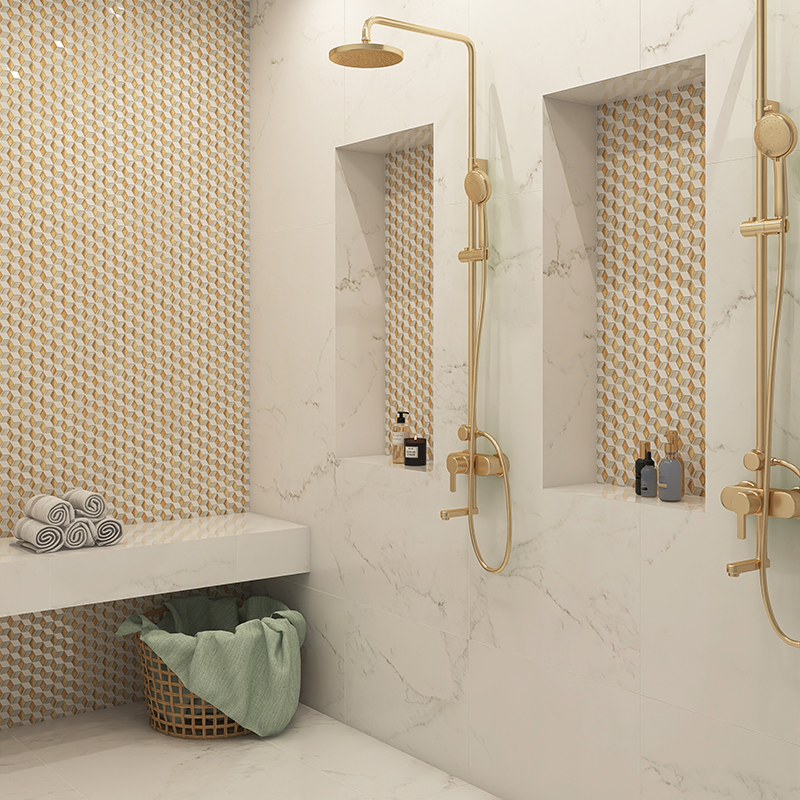
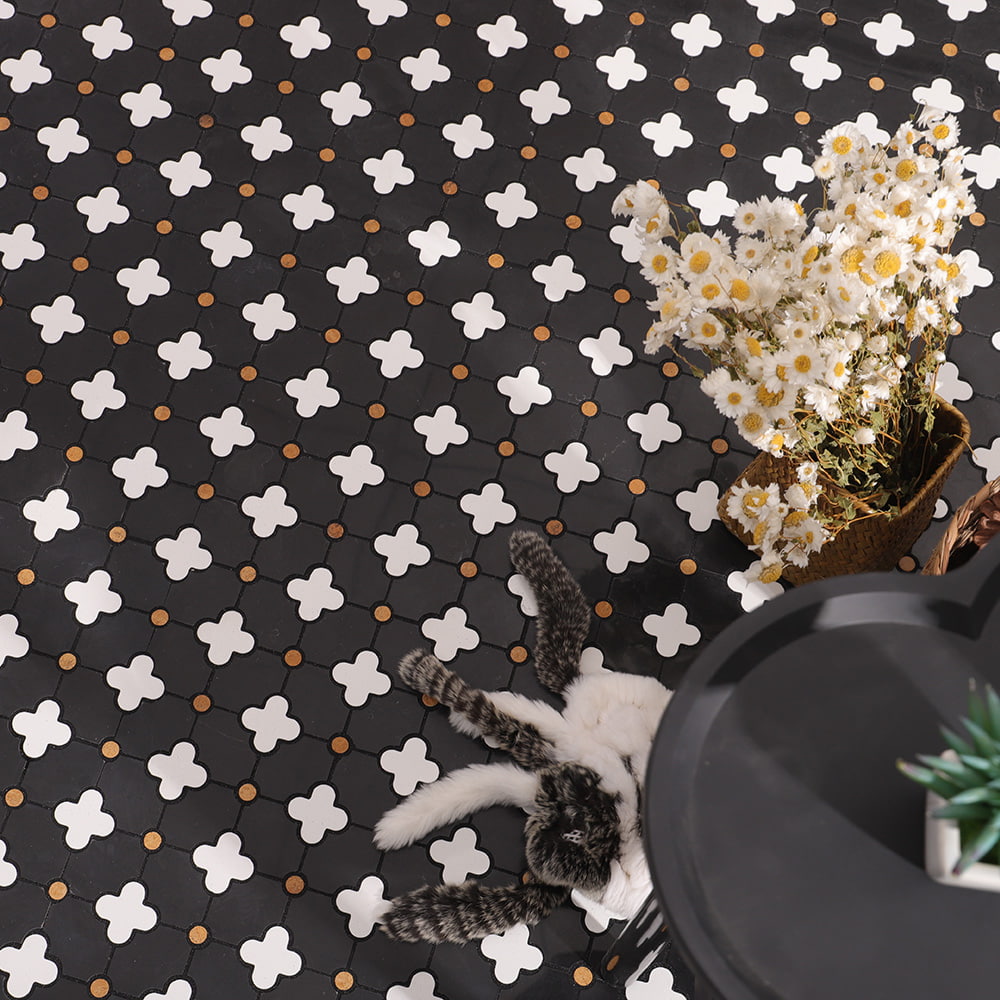
White & Gold Vintage Diamond
Luxurious combination of white marble and gold mosaic accents in vintage diamond pattern, creating a sophisticated focal point.
View DetailsPopular Vintage Tile Styles for Small Bathrooms
Classic Patterns
- Hexagonal/Honeycomb: Iconic six-sided tiles in various sizes
- Penny Rounds: Small circular mosaics perfect for floors
- Subway Tiles: Timeless rectangular tiles with beveled edges
- Art Deco Geometric: Bold angular patterns from the 1920s-30s
- Victorian Encaustic: Colorful patterned cement tiles
Vintage Color Palettes
- Sage & Forest Green: Natural, calming tones
- Navy & White: Crisp nautical appeal
- Black & White: Dramatic art deco contrast
- Blush Pink & Gold: Romantic Hollywood glamour
- Mint & Teal: Retro 1950s charm
Vintage Design Tip
When going vintage in a small bathroom, balance is key. Use intricate patterned tiles in specific zones (floor, shower niche, or half-wall) and pair them with simpler, complementary tiles or paint on other surfaces. This creates authenticity without visual overwhelm. Consider adding period-appropriate fixtures like brass taps, clawfoot tubs, or pedestal sinks to complete the vintage aesthetic.
Layout & Installation Tips for Small Bathrooms
How you lay your tiles is just as important as which tiles you choose. Smart layout techniques can dramatically enhance the perceived size of your bathroom.
Horizontal Layout
Laying rectangular tiles horizontally (like horizontal subway tiles) makes narrow bathrooms appear wider. This is one of the most effective visual tricks for expanding small spaces.
Vertical Layout
Vertical tile placement draws the eye upward, creating the illusion of higher ceilings. Perfect for bathrooms with low ceilings that feel cramped.
Diagonal Layout
Diagonal tile patterns create dynamic movement that distracts from the room's small size. Best used with square tiles on floors.
Minimal Grout Lines
Using rectified tiles with thin grout lines (1/16" to 1/8") creates a more seamless look that makes the space feel larger and more cohesive.
Continuous Flooring
Extend the same floor tile from the bathroom into adjacent hallways or rooms to blur boundaries and create a sense of expanded space.
Floor-to-Ceiling
Tiling from floor to ceiling, especially in the shower area, creates a luxurious spa-like feel and protects walls from moisture damage.
Professional Installation Considerations
Key Preparation Steps
- Ensure substrate is level, clean, and properly waterproofed
- Plan tile layout before starting to avoid awkward cuts
- Use proper adhesive and grout for wet areas
- Allow adequate drying time between steps
Common Mistakes to Avoid
- Starting with cut tiles in visible areas
- Inconsistent grout line spacing
- Insufficient waterproofing in wet zones
- Neglecting proper slope for shower drainage
Popular Tile Materials for Small Bathrooms
Understanding different tile materials helps you make the best choice for your bathroom's needs, budget, and aesthetic goals.
Ceramic Tiles
Affordable, versatile, and available in countless designs. Perfect for walls and light-traffic floors.
Porcelain Tiles
Extremely durable and water-resistant. Ideal for high-traffic floors and wet areas. Available in stone and wood looks.
Glass Mosaic
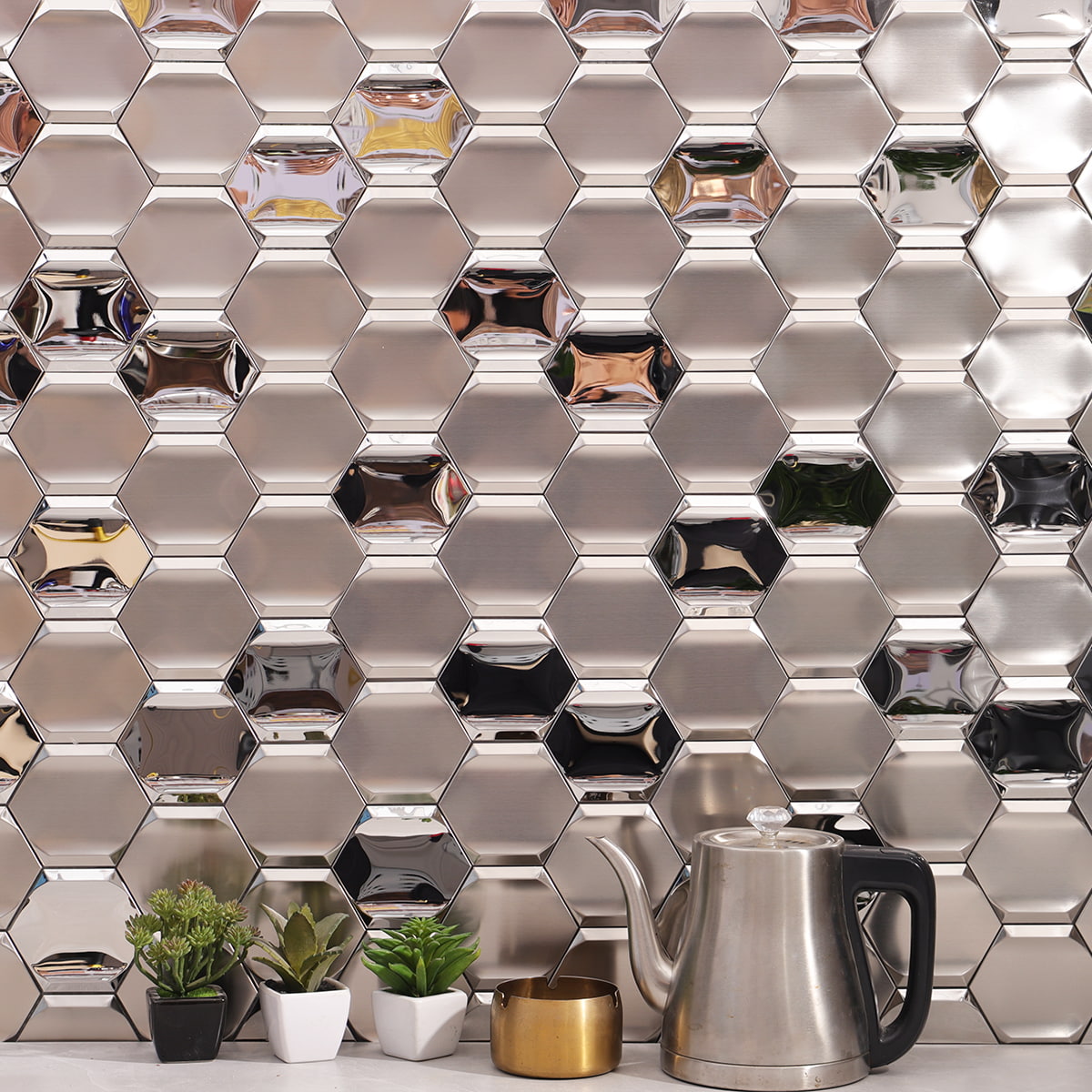
Reflective surfaces that brighten small spaces. Perfect for accent walls, niches, and borders.
Natural Stone
Marble, travertine, slate offer unique natural beauty. Requires sealing and maintenance.
Material Selection Guide
| Material | Best For | Maintenance | Pros |
|---|---|---|---|
| Ceramic | Walls, light floors | Low | Budget-friendly, versatile |
| Porcelain | Floors, high-traffic areas | Very Low | Extremely durable, water-proof |
| Glass Mosaic | Accents, niches, borders | Low | Reflective, brightens space |
| Natural Stone | Luxury walls and floors | Medium-High | Unique, natural beauty |
Budget Planning for Small Bathroom Tiles
Understanding cost factors helps you maximize impact while staying within budget. Small bathrooms offer cost advantages when planned smartly.
Budget-Friendly
$5-15 per sq ft
- Standard ceramic tiles
- Basic subway tiles
- Simple color palette
- DIY-friendly installation
Mid-Range
$15-30 per sq ft
- Porcelain tiles
- Glass mosaic accents
- Designer patterns
- Professional installation
Luxury
$30-100+ per sq ft
- Natural stone (marble, granite)
- Custom mosaics with gold foil
- Designer collections
- Complex installation patterns
Money-Saving Strategies for Small Bathrooms
Smart Cost-Cutting Tips
- Mix expensive and affordable: Use luxury tiles as accents only
- Order extra: 10-15% overage prevents costly reorders
- Shop sales and clearance: Discontinued lines are often discounted
- Consider tile size: Large tiles = fewer cuts = less labor cost
Where to Splurge vs. Save
Frequently Asked Questions
What size tile is best for a small bathroom?
Both small and large tiles can work well in small bathrooms. Large-format tiles (12x24" or larger) create fewer grout lines and make spaces feel larger. Small mosaic tiles add texture and are perfect for floors due to their anti-slip properties. The best approach often combines both: larger tiles for main surfaces and mosaics for accents or wet areas.
Should I use light or dark tiles in a small bathroom?
Light-colored tiles are generally recommended as they reflect more light and make spaces feel larger. However, don't be afraid of dark tiles! Used strategically (like a dark floor with light walls), they can add depth and sophistication. The key is balance—if you use dark tiles, ensure adequate lighting and pair them with lighter elements.
Are mosaic tiles good for small bathrooms?
Yes! Mosaic tiles are excellent for small bathrooms. They offer superior slip resistance, create visual interest without overwhelming the space, and allow for creative patterns and color combinations. Mosaics work particularly well on shower floors, accent walls, niches, and as borders. The increased grout lines also help define zones in compact spaces.
How can I make my small bathroom look bigger with tiles?
Use light colors to reflect light; lay rectangular tiles horizontally to widen the space or vertically to increase perceived height; minimize grout lines with large-format tiles or rectified edges; extend the same floor tile into adjacent areas; use glossy or reflective tiles to bounce light; and avoid busy patterns on all surfaces—instead, use them as strategic accents.
What is the most slip-resistant tile for bathroom floors?
Look for tiles with a DCOF (Dynamic Coefficient of Friction) rating of 0.60 or higher for excellent slip resistance. Textured porcelain tiles, small mosaic tiles (more grout lines = more traction), natural stone like slate, and matte-finish tiles all provide good slip resistance. Avoid glossy, polished tiles on floors, especially in wet areas like showers.
Can I install bathroom tiles myself?
DIY tile installation is possible for those with some experience and the right tools. Simple patterns like basic subway tile or large-format tiles are more beginner-friendly. However, complex patterns, mosaics, and areas requiring precise waterproofing (like showers) are best left to professionals. Proper substrate preparation and waterproofing are critical—mistakes can lead to costly water damage.
What's the advantage of half-wall tiling?
Half-wall tiling (wainscoting) offers several benefits: it's cost-effective (uses less tile), protects the most vulnerable lower portions from water damage, creates visual interest through horizontal lines that can make bathrooms appear wider, allows you to use bold or expensive tiles as accents without overwhelming the space, and provides design flexibility by combining tiles with paint.
Transform Your Small Bathroom Today
Choosing the right tiles for your small bathroom doesn't have to be overwhelming. By focusing on appropriate sizes, smart color choices, anti-slip safety standards, creative layouts, and your personal style preferences, you can create a bathroom that feels spacious, safe, and stunning.
Key Takeaways
"The perfect bathroom tile isn't about following rules—it's about understanding principles and applying them to your unique space and style."
Comment