What Size Tile for a Small Bathroom Floor?
Oct 30,2025 | Shiloman
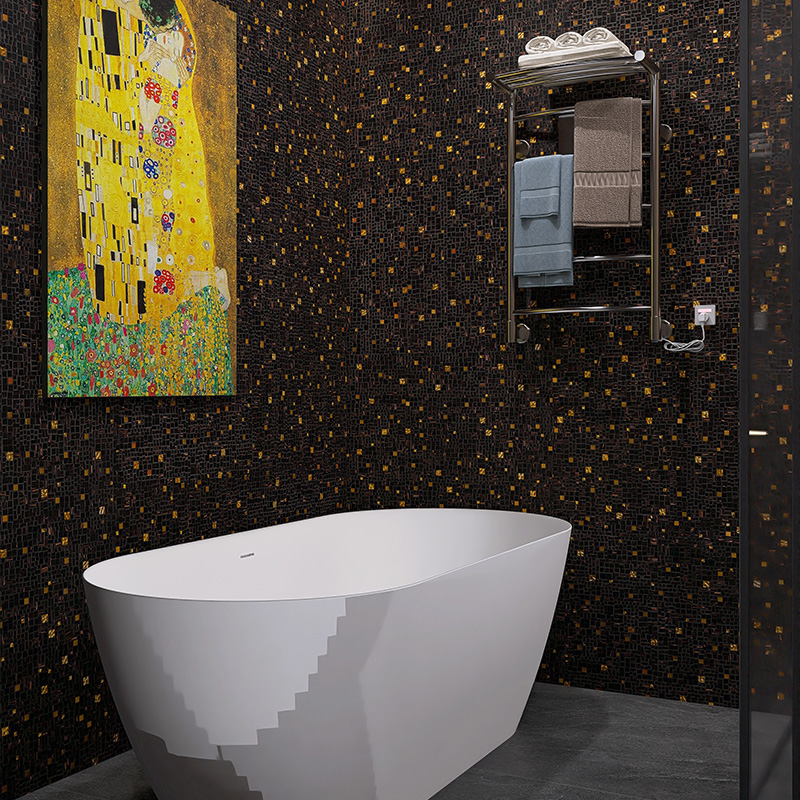
Choosing the right tile size for your small bathroom floor can dramatically impact how spacious and stylish your space feels. This comprehensive guide covers everything from tiny mosaic tiles to large format options, helping you make the perfect choice for your bathroom renovation.
Quick Answer
For small bathroom floors, tile sizes typically range from 1-inch mosaic tiles to 12x24-inch large format tiles. Surprisingly, larger tiles (12x12 inches or 12x24 inches) often work better in small spaces because they create fewer grout lines, making the room appear more spacious. However, mosaic tiles (1x1 to 2x2 inches) are excellent for creating visual interest and providing slip resistance.
Understanding Tile Size Options for Small Bathrooms
Mosaic Tiles (1-2 inches)
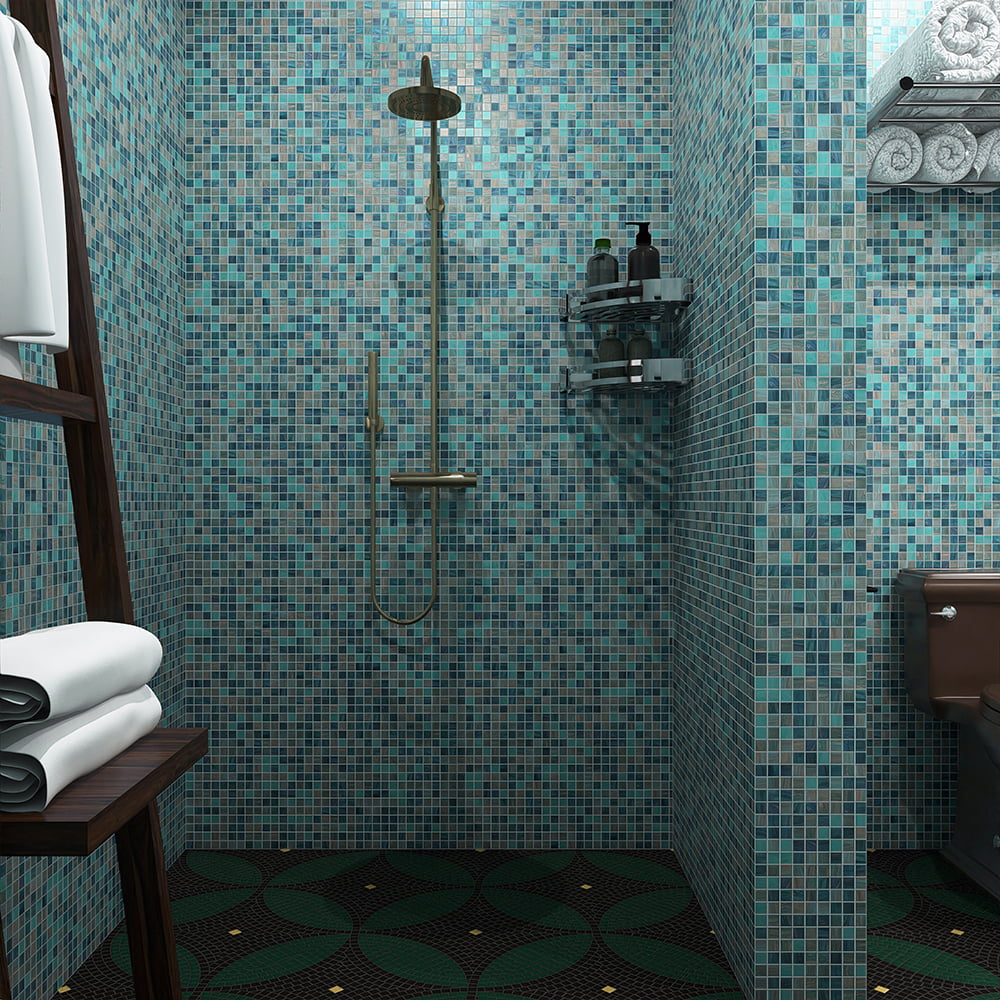
Mosaic tiles are the smallest option, typically ranging from 0.5 inches to 2 inches. These tiny tiles create intricate patterns and offer excellent slip resistance due to their numerous grout lines.
- Superior traction and safety
- Creates decorative patterns
- Perfect for shower floors
- More grout lines to clean
- Can make space feel busy
Small Format Tiles (4-9 inches)
Small format tiles include popular sizes like 4x4, 6x6, and 8x8 inches. These are traditional choices that work well in compact bathrooms.
- Proportionate to small spaces
- Classic and timeless look
- Easy to install
- Multiple grout lines
Mid-Size Tiles (12x12 to 12x24 inches)
Mid-size tiles are versatile options that balance visual impact with practicality. The 12x12 inch size is particularly popular for small bathroom floors.
- Fewer grout lines to clean
- Makes spaces look larger
- Modern and sleek appearance
- Cost-effective installation
Large Format Tiles (12x24 inches and larger)
Large format tiles are anything larger than 12x24 inches. While they may seem counterintuitive for small spaces, they can actually make bathrooms feel more spacious.
- Creates illusion of space
- Minimal grout maintenance
- Contemporary luxury look
- May require more cutting
- Professional installation recommended
Recommended Tile Sizes by Bathroom Area
| Bathroom Area | Recommended Tile Sizes | Why This Size Works |
|---|---|---|
| Small Bathroom Floor | 1-inch to 12x12 inches (or 12x24 inches) | Larger tiles reduce grout lines, creating a cleaner, more spacious look |
| Shower Floor | 1-inch to 2-inch mosaics | More grout lines provide better traction and slip resistance |
| Bathroom Walls | 4x4 inches to 12x24 inches | Larger wall tiles create modern look and are easier to maintain |
| Shower Walls | 4x4 inches to 15x30 inches | Reduces grout maintenance and creates seamless appearance |
| Accent Areas | Mosaics to 6x6 inches | Adds visual interest and decorative focal points |
Stunning Mosaic Tile Options for Small Bathrooms
Mosaic tiles offer incredible versatility and visual appeal for small bathroom floors. Explore these beautiful patterns and designs:
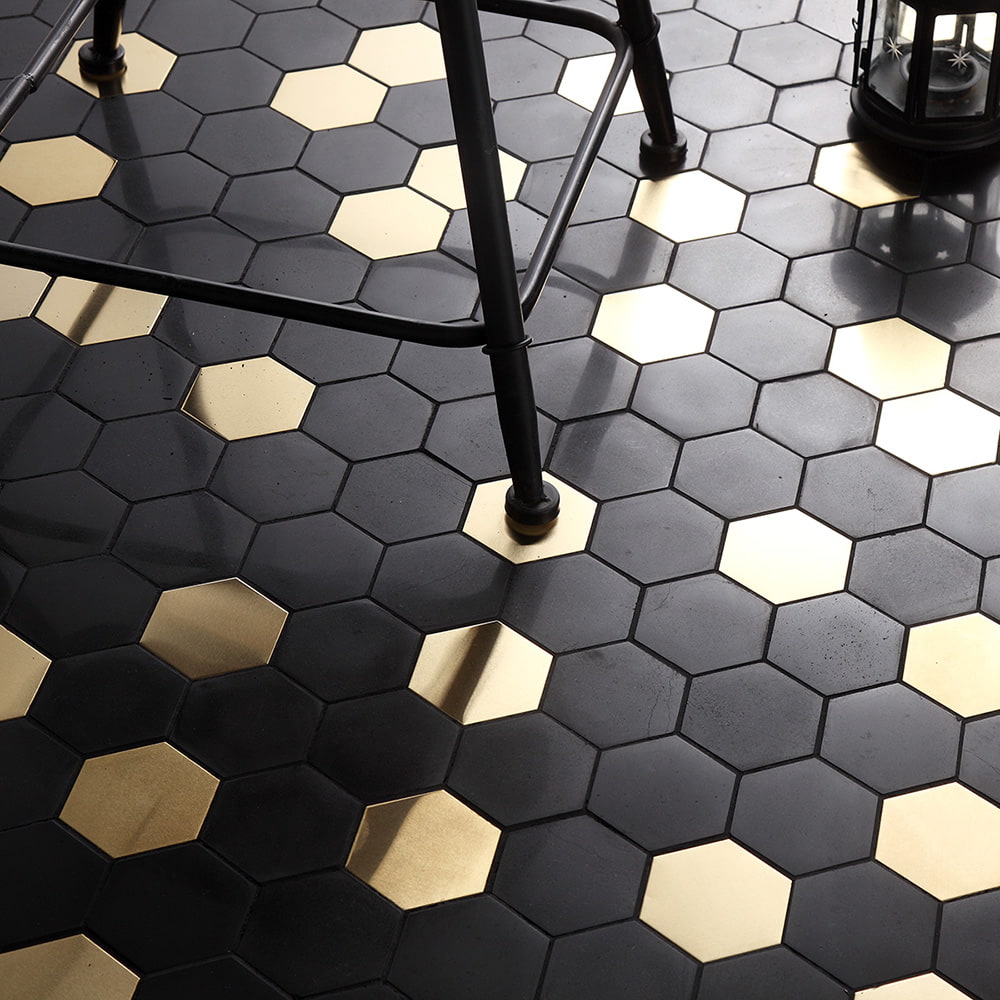
Black Hexagon Mosaic Tile
Elegant black and gold hexagon pattern that adds sophistication and visual interest to small bathroom floors.
View Details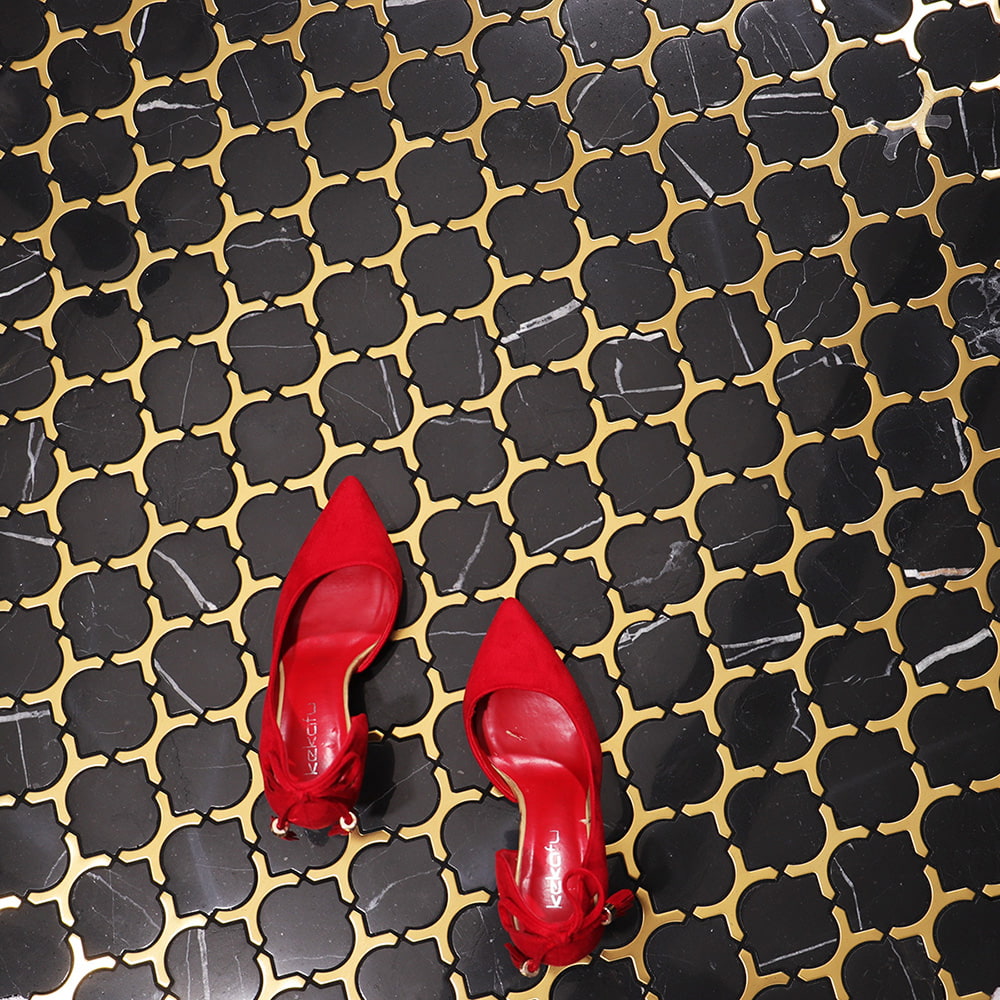
Arabesque Marble Mosaic
Luxurious Moroccan-inspired arabesque pattern in black and gold marble creates a stunning focal point.
View Details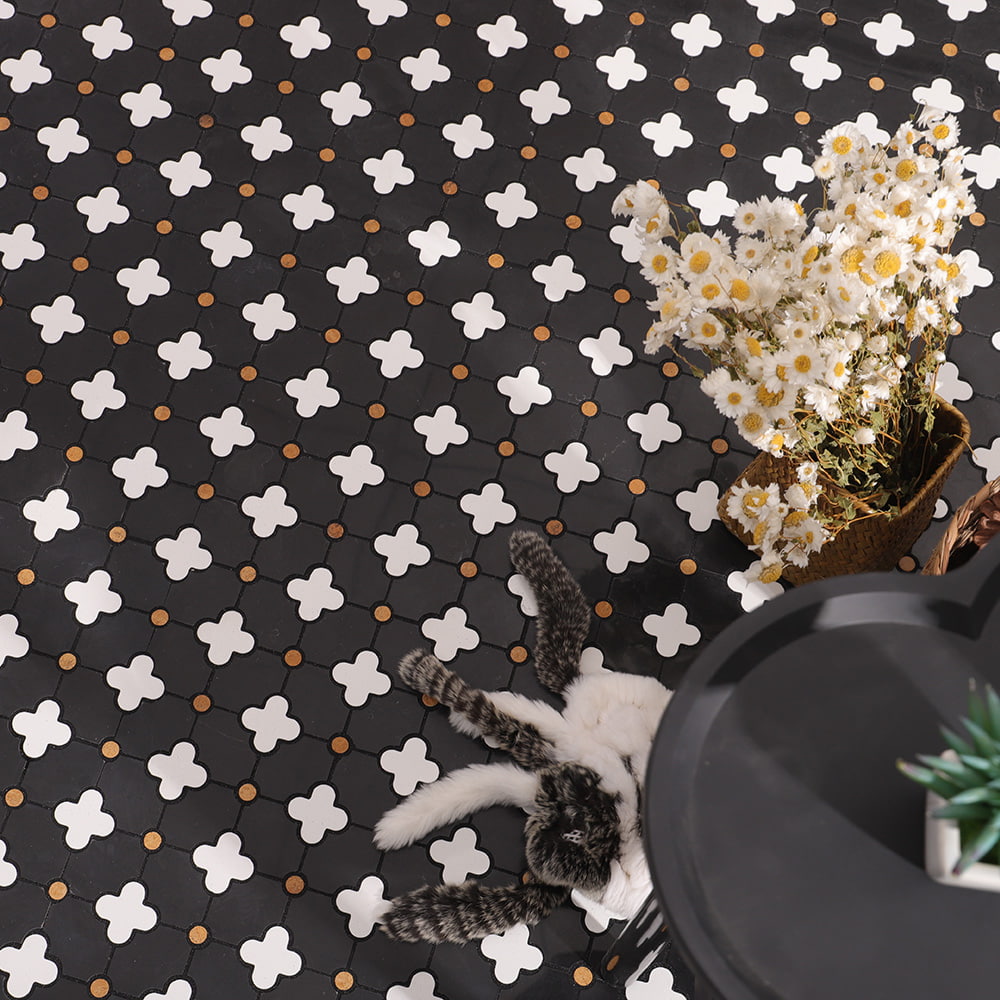
Clover Pattern Floor Tile
Classic black and white clover waterjet design brings timeless elegance to small bathroom spaces.
View Details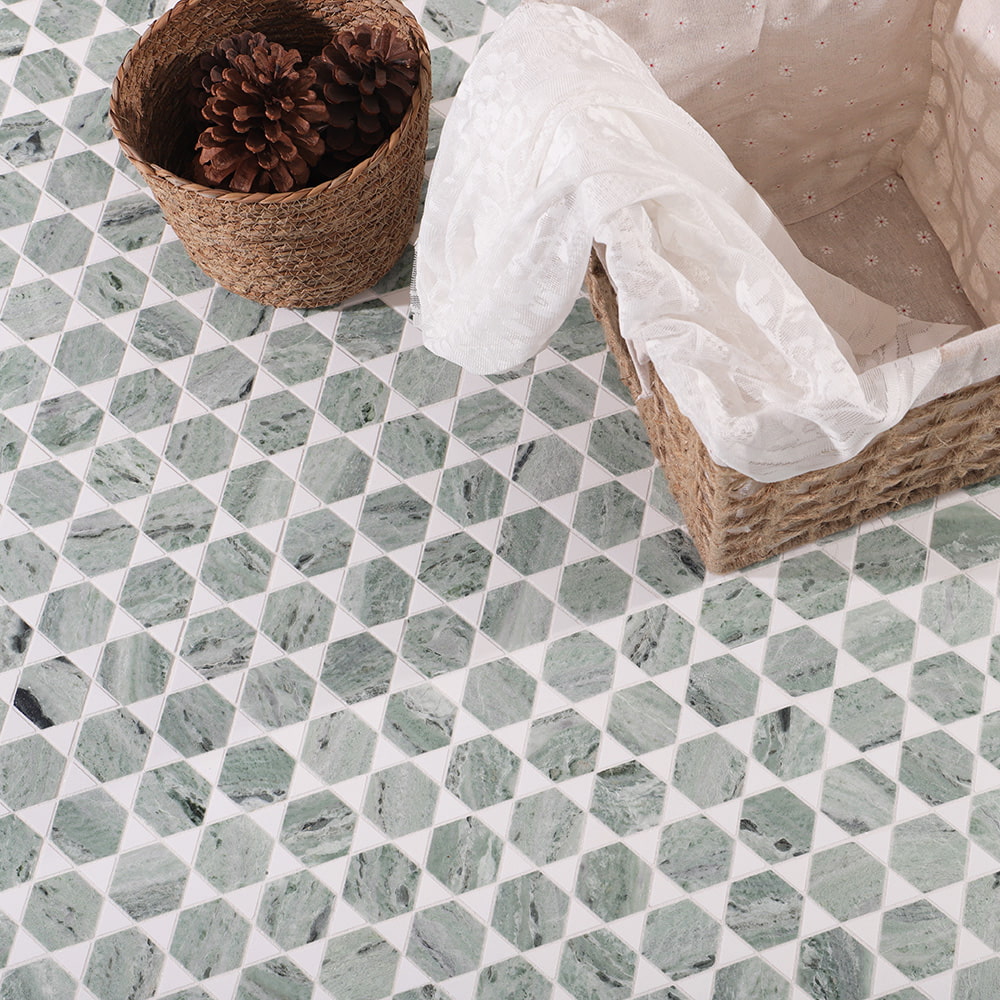
Green Geometric Marble Mosaic
Contemporary green and white geometric pattern adds a fresh, modern touch to bathroom floors.
View Details
Green Penny Round Tile
Unique circular penny round design in green and amber onyx creates eye-catching texture and depth.
View Details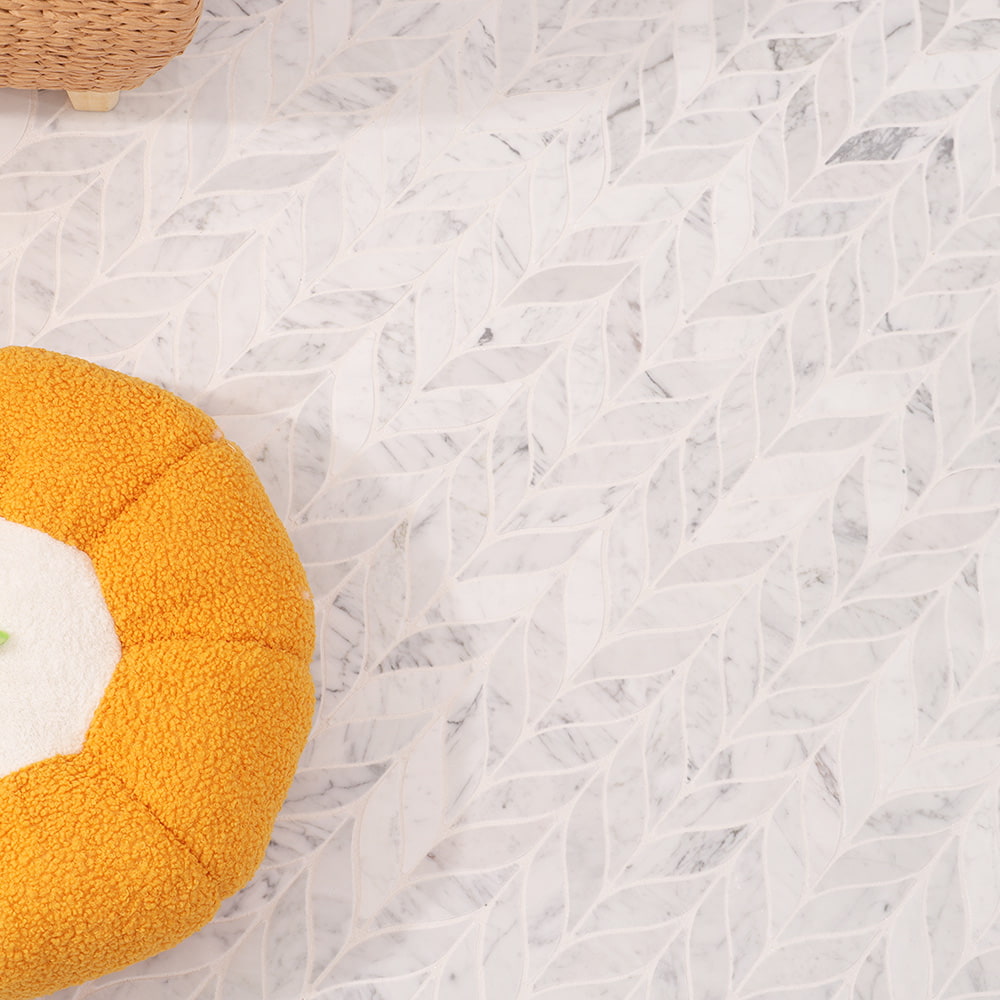
Carrara Leaf Marble Mosaic
Elegant white Carrara marble with delicate leaf pattern brings natural beauty to bathroom design.
View Details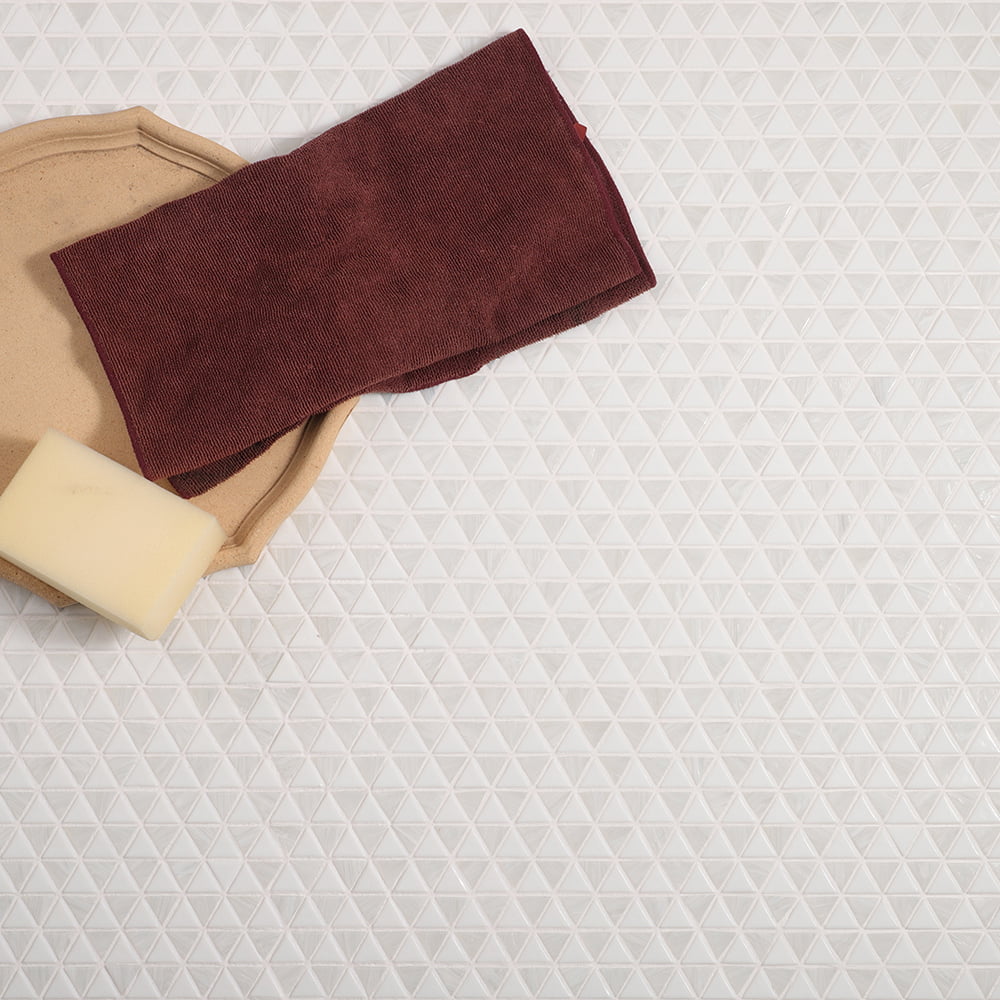
White Glass Triangle Mosaic
Luminous white glass tiles with triangle texture reflect light beautifully in small spaces.
View Details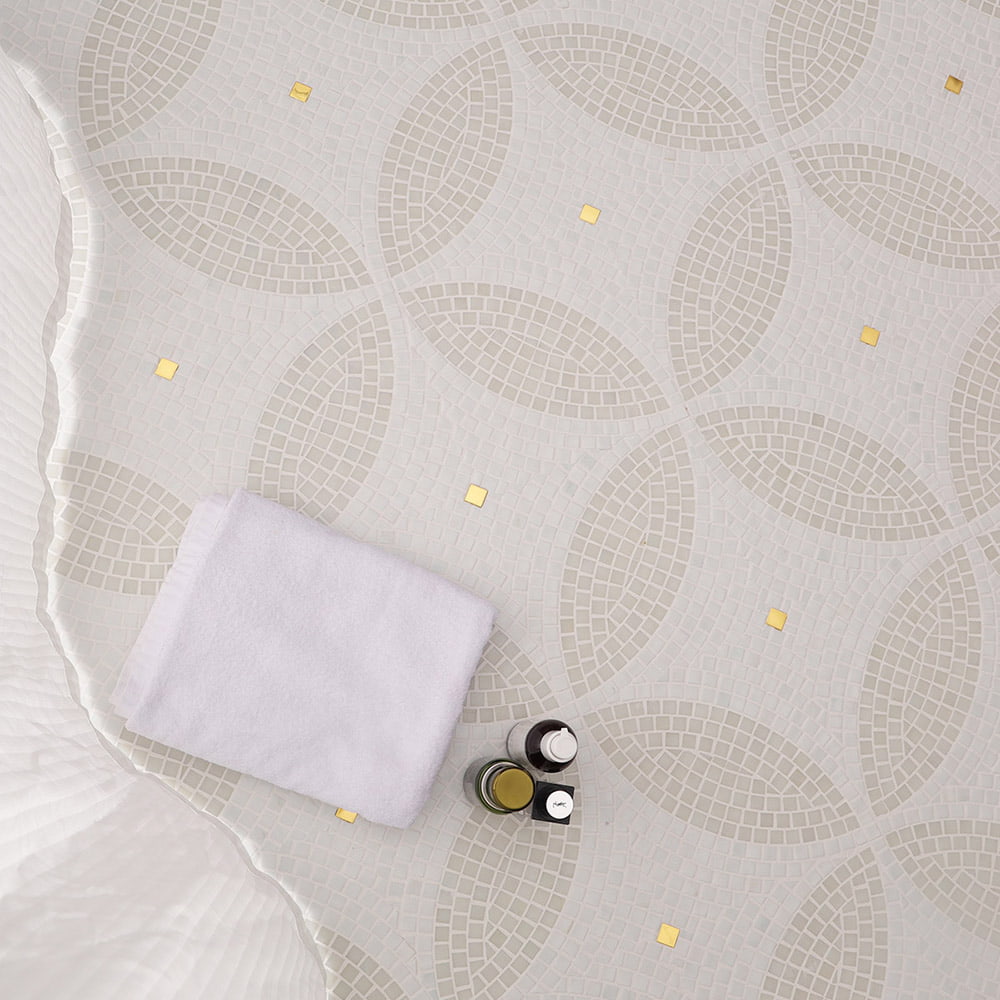
Glass Mosaic Art Patterns
Artistic white circles with gold accents create a luxurious and sophisticated bathroom aesthetic.
View Details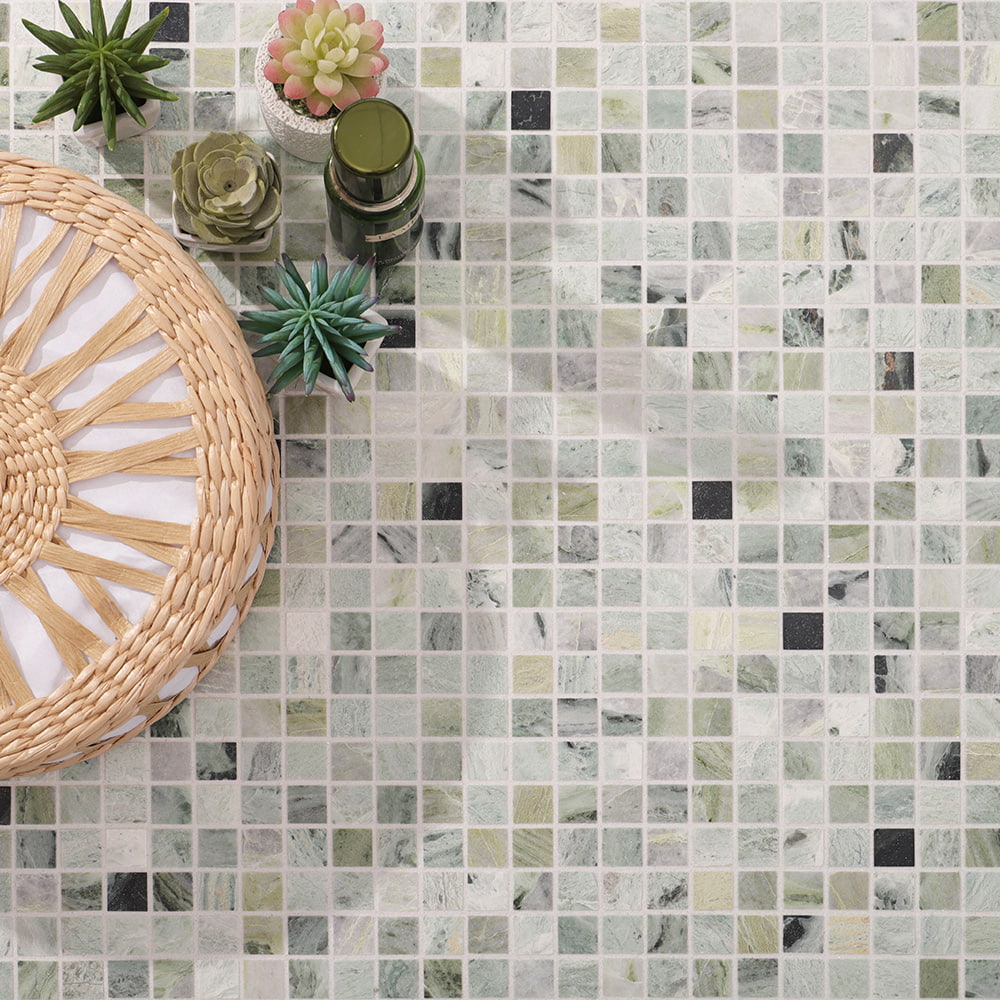
Envy Green Marble Square
Natural green marble squares create rich texture and organic beauty for bathroom floors.
View DetailsMore Tile Design Options

Iridescent Floral Glass
Stunning iridescent glass with floral patterns adds shimmer and artistic flair to small bathrooms.
View Details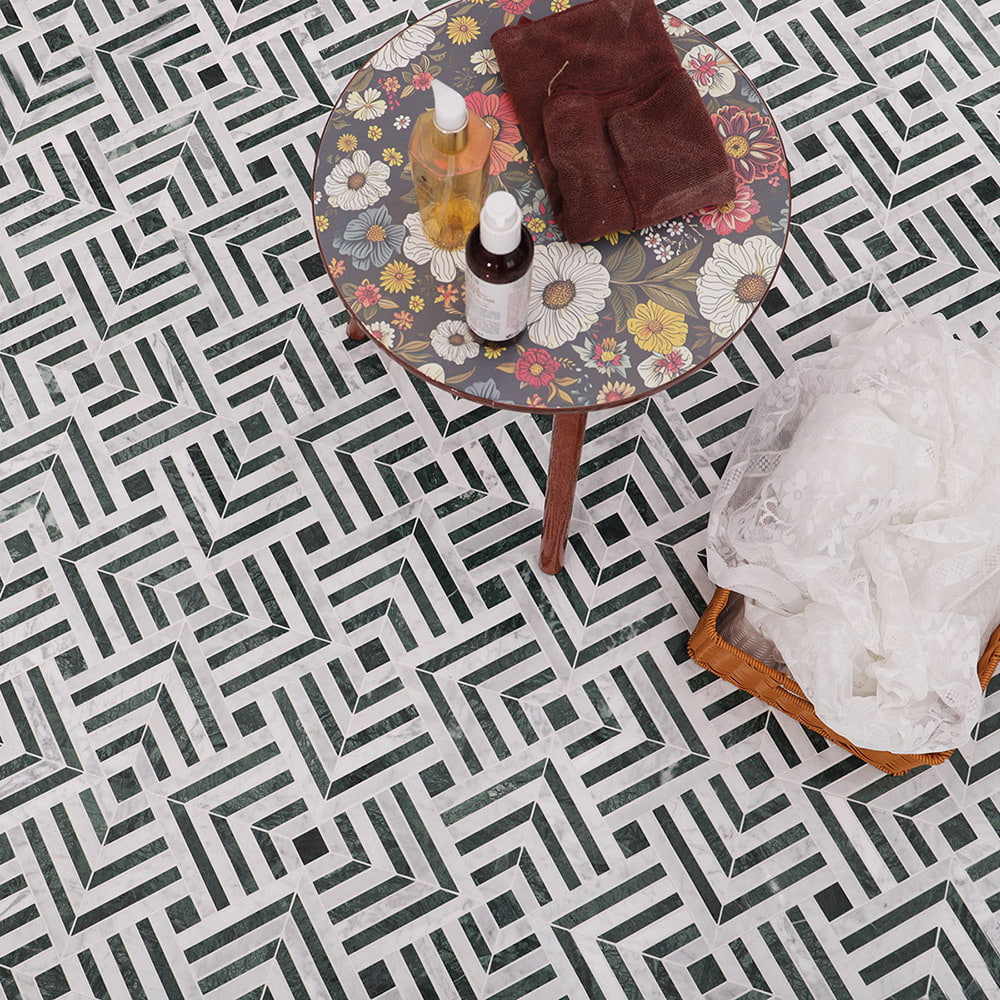
Carrara Verde Geometric
Sophisticated combination of Carrara white and verde green in geometric patterns for elegant floors.
View Details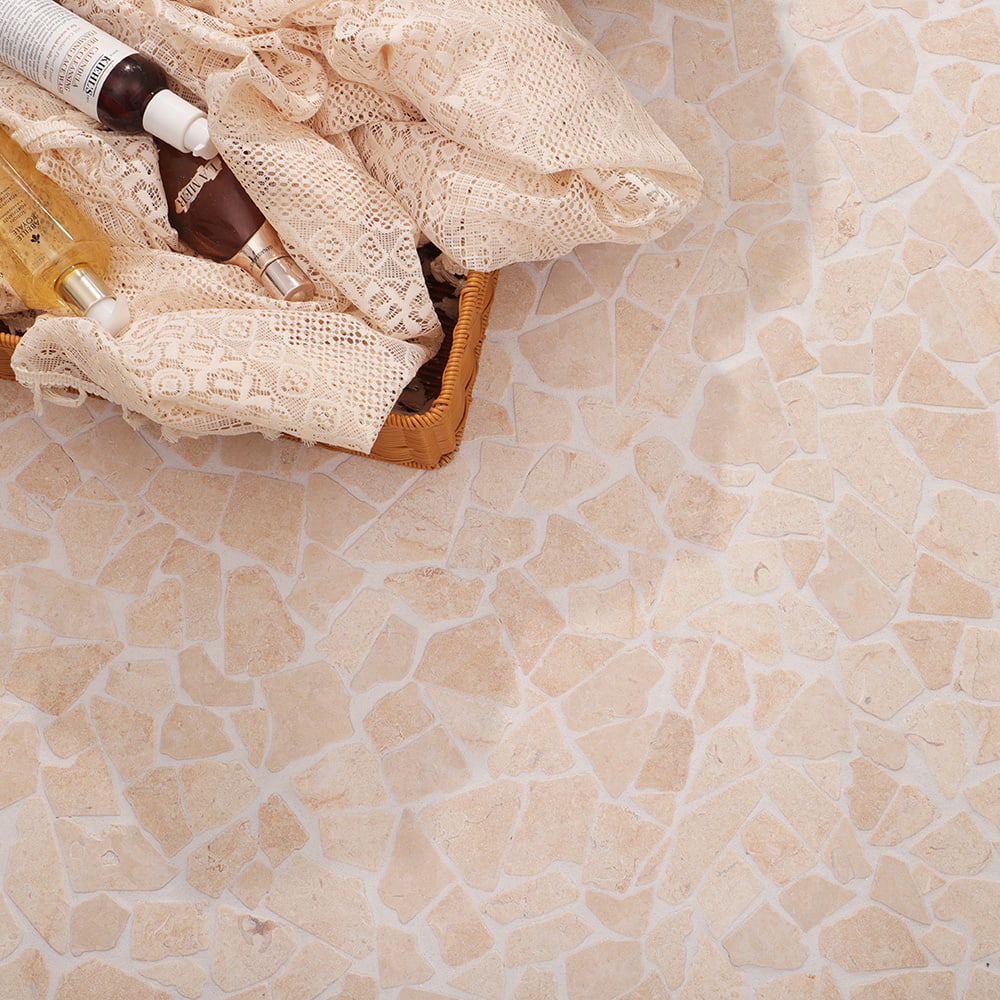
Natural Pebble Stone
Organic beige pebble stone tiles bring spa-like tranquility and natural texture to bathroom spaces.
View DetailsThe Big Debate: Large Tiles vs. Small Tiles in Small Bathrooms
The Case for Large Tiles
Contrary to popular belief, large format tiles can actually make small bathrooms feel more spacious. Here's why designers often recommend them:
- Fewer Grout Lines: Less visual clutter creates a cleaner, more expansive look
- Less Maintenance: Fewer grout lines mean less cleaning and maintenance
- Modern Aesthetic: Creates a contemporary, luxury spa-like atmosphere
- Uninterrupted Flow: Large tiles create seamless visual flow throughout the space
Pro Tip: Use matching grout color to make large format tiles appear even more seamless and spacious.
The Case for Small Tiles
Small tiles and mosaics have their own unique advantages, particularly in certain bathroom areas:
- Superior Traction: More grout lines provide excellent slip resistance, especially important for shower floors
- Design Versatility: Create intricate patterns, borders, and decorative accents
- Better for Curves: Small tiles work better on curved surfaces and around fixtures
- Classic Appeal: Timeless aesthetic that never goes out of style
Pro Tip: Combine both sizes - use large tiles on main floor and small mosaics in shower for best of both worlds.
Key Design Considerations for Small Bathroom Floors
Measure Your Space
Calculate your bathroom's square footage before purchasing tiles. For large format tiles, ensure you'll have at least 3-4 full tiles across the width to avoid an awkward appearance.
Color Selection
Light-colored tiles reflect more light and make small bathrooms feel larger. However, darker tiles can add drama and coziness when used strategically with proper lighting.
Grout Color Matters
Matching grout color to your tiles creates a seamless look that makes spaces appear larger. Contrasting grout emphasizes tile patterns and adds visual interest.
Slip Resistance
Check the Coefficient of Friction (COF) rating. For bathroom floors, look for tiles with a COF rating between 0.5-0.6 for safe traction in wet conditions.
Layout Patterns
Diagonal layouts make rooms appear larger. Horizontal layouts widen narrow bathrooms, while vertical patterns add height to spaces with low ceilings.
Surface Finish
Matte finishes provide better traction for floors. Glossy tiles reflect light and work well on walls but can be slippery on floors when wet.
Professional Installation Tips for Small Bathrooms
1 Plan Your Layout First
Always dry-fit your tiles before installation. Start from the center of the room and work outward to ensure balanced cuts on edges. This is especially important for small bathrooms where every inch counts.
2 Consider Tile Direction
Rectangular tiles installed horizontally make narrow bathrooms appear wider. Installing them vertically can make a space feel taller. Diagonal installation creates visual interest and makes rooms feel larger.
3 Minimize Small Cuts
Avoid ending up with thin slivers of tile along walls. Adjust your starting point so edge cuts are at least half a tile wide for a professional, balanced appearance.
4 Proper Substrate Preparation
Ensure your floor is level, clean, and properly waterproofed before installation. Large format tiles especially require a perfectly flat surface to prevent lippage (uneven edges).
Important Installation Notes
- Large format tiles (over 12x24 inches) typically require professional installation
- Always purchase 10-15% extra tiles to account for cuts, mistakes, and future repairs
- Use appropriate thinset mortar for your tile type (large format requires special large-tile mortar)
- Allow proper curing time before grouting and using the bathroom
Popular Tile Layout Patterns for Small Bathrooms
Straight Lay (Grid)
The most common pattern where tiles are laid in straight rows. Simple, clean, and works well with any tile size. Best for: Creating a classic, orderly appearance.
Diagonal (Diamond)
Tiles installed at 45-degree angle to walls. Creates visual interest and makes rooms appear larger. Best for: Small square bathrooms that need dimension.
Running Bond (Brick)
Rectangular tiles offset by 50% or 33%. Creates horizontal movement that widens narrow spaces. Best for: Rectangular bathrooms and subway tiles.
Herringbone
Rectangular tiles arranged in V-shaped zigzag pattern. Adds sophisticated visual interest and texture. Best for: Creating a high-end, designer look.
Basketweave
Pairs of tiles create woven appearance. Classic pattern that adds traditional charm. Best for: Vintage or traditional bathroom styles.
Hexagon (Honeycomb)
Six-sided tiles create geometric honeycomb pattern. Trendy and modern with excellent visual appeal. Best for: Contemporary and transitional designs.
Common Mistakes to Avoid When Choosing Bathroom Floor Tiles
Choosing Tiles That Are Too Small
While it might seem logical, very small tiles in small bathrooms create too many grout lines, making the space feel cluttered and busy. They also require more maintenance and cleaning.
Ignoring Slip Resistance
Safety should be your top priority. Choosing glossy tiles that look beautiful but are dangerously slippery when wet can lead to accidents. Always check COF ratings.
Not Buying Enough Tiles
Failing to purchase extra tiles for cuts, mistakes, and future repairs is a costly mistake. Tile lots can vary in color, and your exact tile may be discontinued later.
Skipping the Dry Layout
Jumping straight into installation without dry-fitting tiles can result in awkward cuts and unbalanced layouts. Always lay tiles out first to visualize the final result.
Forgetting About Grout Width
Different tile sizes require different grout joint widths. Large format tiles need smaller joints (1/8"), while smaller tiles need larger joints (1/4" or more) for proper installation.
Choosing Style Over Function
While aesthetics matter, bathroom tiles must be functional. Prioritize water resistance, durability, and safety before choosing tiles purely for appearance.
Budget and Cost Considerations
Tile Cost Breakdown
Understanding tile costs helps you budget effectively for your small bathroom renovation. Prices vary based on material, size, and complexity of installation.
| Tile Type/Size | Price Range (per sq ft) | Installation Cost | Best For |
|---|---|---|---|
| Ceramic Mosaic | $5 - $15 | $8 - $15 | Budget-friendly accents |
| Standard Ceramic (4x4 to 12x12) | $1 - $10 | $5 - $10 | Budget-conscious projects |
| Porcelain (12x12 to 12x24) | $3 - $20 | $5 - $12 | Durability and water resistance |
| Large Format Porcelain (24x24+) | $8 - $25 | $12 - $20 | Modern luxury looks |
| Natural Stone Mosaic | $10 - $30 | $10 - $18 | Premium natural beauty |
| Glass Mosaic | $15 - $40 | $12 - $20 | High-end decorative accents |
Money-Saving Tips
- Use expensive tiles as accents and budget-friendly tiles for main areas
- Porcelain tiles offer natural stone look at fraction of the cost
- Larger tiles typically cost less to install per square foot
- Buy extra tiles during initial purchase to avoid price increases later
- Consider DIY installation for smaller tiles to save on labor costs
Best Tile Materials for Small Bathroom Floors
Porcelain Tiles
Porcelain is the most popular choice for bathroom floors due to its exceptional durability and water resistance. It's denser than ceramic, making it less porous and better suited for wet environments.
Advantages:
- Extremely durable and long-lasting
- Highly water and stain resistant
- Available in countless styles and sizes
- Can mimic natural stone, wood, or concrete
Considerations:
- More expensive than ceramic
- Harder to cut, requires special tools
- Can feel cold underfoot
Ceramic Tiles
Ceramic tiles are a budget-friendly option that works well in bathrooms with proper sealing. They're easier to cut and install than porcelain, making them popular for DIY projects.
Advantages:
- More affordable than porcelain
- Easier to cut and install
- Wide variety of colors and patterns
- Good for light to moderate traffic
Considerations:
- More porous, requires sealing
- Less durable than porcelain
- Can chip or crack more easily
Natural Stone (Marble, Travertine, Slate)
Natural stone tiles bring organic beauty and luxury to bathrooms. Each piece is unique, creating one-of-a-kind floors with timeless appeal.
Advantages:
- Unique, natural beauty
- Adds value to your home
- Timeless and elegant aesthetic
- Can last for decades
Considerations:
- Most expensive option
- Requires regular sealing
- Can be porous and stain easily
- Some types can be slippery when wet
Glass Tiles
Glass tiles reflect light beautifully and are perfect for creating stunning mosaic designs. They're most commonly used as accents rather than entire floor coverage.
Advantages:
- Reflects light, brightens space
- Non-porous and stain resistant
- Available in vibrant colors
- Easy to clean and maintain
Considerations:
- Can be slippery, best for accents
- More expensive than ceramic
- Can show water spots
- Requires careful installation
Frequently Asked Questions
What is the best tile size for a small bathroom floor?
For small bathroom floors, 12x12 inch or 12x24 inch tiles are often the best choice. These mid-size to large tiles create fewer grout lines, making the space appear larger and more open. However, the "best" size depends on your bathroom's specific dimensions, style preferences, and functional needs. Mosaic tiles work well for shower floors where slip resistance is crucial.
Do large tiles make a small bathroom look bigger?
Yes, large format tiles typically make small bathrooms appear more spacious. Fewer grout lines create a cleaner, less cluttered visual effect. The uninterrupted surface creates an illusion of continuity and expansiveness. Using matching grout color further enhances this effect by minimizing visual breaks in the floor surface.
Should bathroom floor tiles be bigger than wall tiles?
There's no strict rule about floor tiles being larger than wall tiles. However, many designers use larger tiles on floors (like 12x12 or 12x24 inches) and smaller or rectangular tiles on walls (like 3x6 subway tiles). This creates visual balance and proper proportions. What's most important is that the tile sizes complement each other and work well with your bathroom's dimensions.
What color tile is best for small bathrooms?
Light colors like white, cream, light gray, and soft pastels work best for making small bathrooms feel larger. These colors reflect more light and create an airy, open atmosphere. However, darker tiles can work beautifully when used strategically with proper lighting, white fixtures, and light-colored walls to create contrast and sophistication.
How do I choose slip-resistant tiles for my bathroom?
Look for tiles with a Coefficient of Friction (COF) rating of 0.5 or higher for bathroom floors. Tiles rated 0.6 or above offer excellent slip resistance. Matte finishes typically provide better traction than glossy tiles. Smaller tiles with more grout lines also offer better grip. For shower floors, mosaic tiles (1-2 inches) are recommended for maximum safety.
Can I mix different tile sizes in my bathroom?
Absolutely! Mixing tile sizes is a popular design strategy. A common approach is using large format tiles on the main bathroom floor, smaller tiles in the shower area, and mosaic tiles for the shower floor. This combination balances aesthetics with functionality while creating visual interest. Just ensure the different sizes complement each other in style and color.
What's better for small bathrooms: porcelain or ceramic tiles?
Porcelain is generally the better choice for bathroom floors due to its superior water resistance and durability. It's denser and less porous than ceramic, making it ideal for wet environments. However, ceramic tiles are more budget-friendly and easier to install. For small bathrooms with moderate use, ceramic tiles with proper sealing can work well. For high-traffic bathrooms, porcelain is the safer investment.
How much tile do I need for a small bathroom floor?
Measure your bathroom's length and width in feet, then multiply to get square footage. Always add 10-15% extra for cuts, waste, and future repairs. For example, a 5' x 8' bathroom is 40 square feet, so purchase 44-46 square feet of tile. For complex layouts, diagonal patterns, or irregular spaces, consider adding 15-20% extra.
Final Recommendations: Making Your Decision
Best Choices for Most Small Bathrooms
- 1 Floor: 12x12 inch or 12x24 inch porcelain tiles in light colors with matching grout
- 2 Shower Floor: 1-2 inch mosaic tiles for slip resistance and proper drainage
- 3 Walls: 3x6 or 4x12 inch subway tiles or large format 12x24 inch tiles
- 4 Accents: Decorative mosaics for borders or focal walls
Quick Decision Checklist
The Golden Rule
There's no single "perfect" tile size for every small bathroom. The best choice depends on your specific space dimensions, personal style, budget, and functional needs. Don't be afraid to break traditional rules – large tiles can make small spaces feel bigger, and creative patterns can add character without overwhelming the room. Most importantly, prioritize safety, water resistance, and durability over aesthetics alone.
Ready to Transform Your Small Bathroom?
Choosing the right tile size for your small bathroom floor is a crucial decision that impacts both aesthetics and functionality. Whether you opt for the clean, spacious look of large format tiles, the classic appeal of mid-size squares, or the decorative beauty of mosaic patterns, the key is selecting tiles that complement your space's dimensions while meeting your practical needs.
Remember to consider slip resistance, water resistance, maintenance requirements, and installation costs alongside visual appeal. Take your time, order samples, and don't hesitate to consult with professionals for large format tile installations or complex patterns.
Pro Tip for Success
Before making your final purchase, bring home several tile samples and place them in your bathroom. Live with them for a few days, observing how they look under different lighting conditions. This simple step can help you avoid costly mistakes and ensure you're completely satisfied with your choice.
Comment