How to Install Mosaic Tile Backsplash?
Oct 08,2025 | Shiloman
Installing a mosaic tile backsplash is one of the most rewarding DIY projects that can transform your kitchen or bathroom instantly. With their intricate patterns and endless design possibilities, mosaic tiles offer both aesthetic appeal and practical functionality. Whether you're working with glass, ceramic, or natural stone mosaics, this comprehensive guide will walk you through every step of the installation process.
Pro Tip: Most mosaic tiles come on mesh-backed sheets, making installation faster and ensuring consistent spacing between individual tiles.
Essential Tools and Materials
Required Tools
- Notched trowel (1/4" x 3/8" for most mosaics)
- Rubber grout float
- Level (24-inch recommended)
- Tile spacers (if needed)
- Wet tile saw or tile nippers
- Measuring tape and pencil
- Utility knife
- Clean sponges and buckets
- Rubber mallet
Required Materials
- Mosaic tile sheets
- Tile adhesive/thinset mortar (ANSI 118.4 compliant)
- Grout (sanded or unsanded based on joint width)
- Grout sealer
- Tile trim pieces (if needed)
- Caulk for expansion joints
- Primer (if installing over painted surfaces)
Important: Never use ceramic tile mastic for glass tile installation. Always use polymer-modified thinset adhesive for optimal adhesion and durability.
Pre-Installation Preparation
Step 1: Clean and Prepare the Wall Surface
The success of your mosaic tile installation depends heavily on proper surface preparation. Start by removing any existing backsplash material, cleaning the wall thoroughly, and ensuring it's completely dry.
- Remove grease, dirt, and any loose paint using a degreasing cleaner
- Fill any holes or cracks with spackling compound
- Sand down any high spots to create a level surface
- Apply primer if installing over painted drywall
Step 2: Measure and Plan Your Layout
Careful planning prevents costly mistakes and ensures a professional-looking result. Measure your backsplash area precisely and create a layout plan before starting installation.
- Measure the total square footage needed, adding 10% for waste
- Mark the center point of your backsplash area
- Draw level reference lines using a laser level or straight edge
- Plan for outlets, switches, and other obstacles
Step 3: Dry-Fit Your Tiles
Before applying any adhesive, lay out your mosaic sheets to visualize the final pattern and identify any cutting requirements.
- Start from the center and work outward to maintain symmetry
- Check that patterns align properly between sheets
- Mark any sheets that need cutting or trimming
- Verify that edge tiles will have adequate support
Step-by-Step Installation Process
Apply the Adhesive
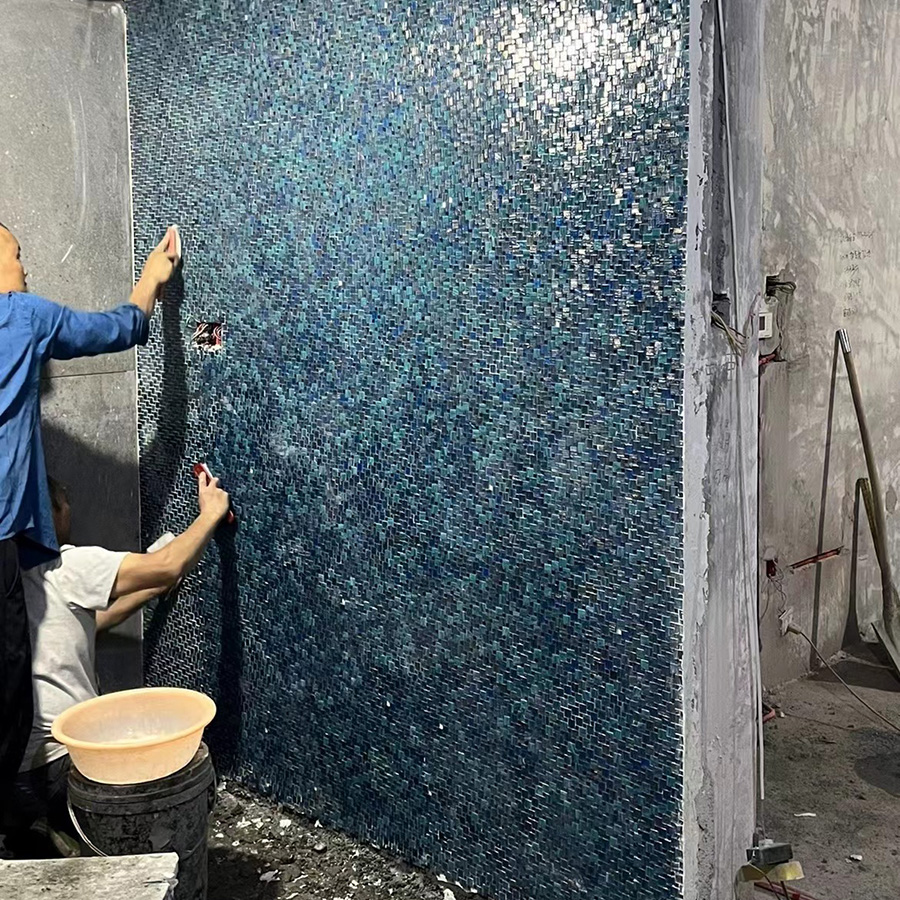
Mix your thinset adhesive according to manufacturer instructions. Work in small sections to prevent the adhesive from drying out before tile placement.
- Use a notched trowel to spread adhesive evenly on a 3-4 square foot area
- Hold the trowel at a 45-degree angle for consistent coverage
- Comb the adhesive to create uniform ridges
- Work quickly - you have about 15-20 minutes before skinning occurs
Install the First Tile Sheet
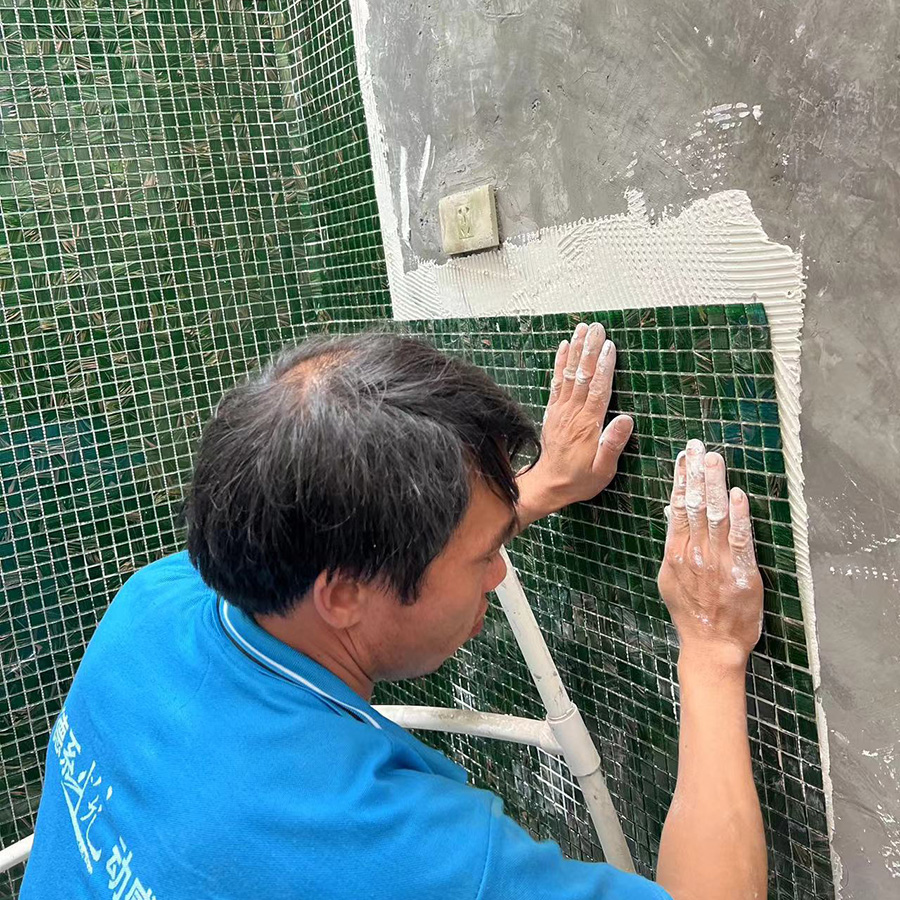
Starting from your center reference point, place the first mosaic sheet carefully. This first sheet sets the standard for all subsequent installations.
- Position the sheet along your reference lines
- Press firmly and evenly across the entire sheet
- Use a rubber float to ensure full contact with adhesive
- Check for level using a small spirit level
Continue Installing Remaining Sheets
Work systematically outward from your starting point, maintaining consistent alignment and spacing between sheets.
- Maintain consistent gaps between mosaic sheets (typically 1/8")
- Use tile spacers if needed to maintain uniform spacing
- Clean excess adhesive from joints immediately
- Check alignment frequently with your level
Cut Tiles for Edges and Obstacles
Most installations require some cutting to fit around outlets, edges, or other obstacles. Take accurate measurements and cut carefully.
- Measure twice, cut once - accuracy is crucial for a clean look
- Use a wet saw for clean, precise cuts on glass or stone
- For small adjustments, use tile nippers carefully
- Remove individual tiles from mesh backing when necessary
Grouting and Finishing
Allow Proper Curing Time
Before grouting, allow the adhesive to cure completely. This typically takes 24 hours, but may vary based on humidity and temperature conditions.
Timing is critical: Grouting too early can cause tiles to shift, while waiting too long may make adhesive removal difficult.
Mix and Apply Grout
Choose the appropriate grout type based on your joint width. Sanded grout for joints wider than 1/8", unsanded for narrower joints.
Mixing Tips:
- Mix only what you can use in 30 minutes
- Achieve a peanut butter consistency
- Let it slake for 10 minutes, then remix
Application Process:
- Work diagonally across tiles
- Press firmly to fill all joints completely
- Remove excess immediately
Clean and Polish
Proper cleaning technique is essential for achieving a professional finish without damaging your new installation.
Wait 10-15 minutes after grouting, then clean with a damp sponge
Rinse sponge frequently in clean water
After 24 hours, remove any grout haze with a clean, dry cloth
Common Mistakes to Avoid
Installation Mistakes
- Using wrong adhesive type for your tile material
- Not allowing proper curing time between steps
- Applying too much or too little adhesive
- Ignoring manufacturer's instructions
Grouting Mistakes
- Choosing grout color that matches tile exactly
- Grouting before adhesive is fully cured
- Not cleaning grout haze promptly
- Skipping the grout sealing step
Prevention Tips
Always read manufacturer instructions completely before starting
Allow proper curing time between each installation phase
Test adhesive and grout on a small area first
Sealing and Final Protection
Why Sealing is Essential
Sealing your grout and, in some cases, your tiles is crucial for long-term durability and easy maintenance. This step protects against stains, moisture penetration, and bacterial growth.
When to Seal:
- Wait 72 hours after grouting
- Ensure grout is completely dry
- Choose a day with low humidity
Application Tips:
- Use a small brush for precision
- Apply only to grout lines, not tiles
- Apply second coat if needed
Sealer Application Process
Clean the Surface
Remove any dust, debris, or residue from the grout lines using a clean, dry cloth.
Apply Sealer
Using a small brush or applicator, carefully apply sealer to grout lines, avoiding tile surfaces.
Remove Excess
Immediately wipe away any sealer that gets on tile surfaces to prevent clouding or residue.
Allow to Cure
Let the sealer cure according to manufacturer instructions before exposing to moisture.
Maintenance and Long-term Care
Daily Maintenance
- Wipe down with mild soap and warm water daily
- Avoid abrasive cleaners or scrubbing pads
- Dry thoroughly to prevent water spots
- Use pH-neutral cleaners for best results
Periodic Maintenance
- Reseal grout annually or as needed
- Inspect for loose tiles or cracked grout
- Address repairs promptly to prevent damage
- Deep clean grout lines quarterly
Pro Maintenance Tips
Frequently Asked Questions
How long does it take to install a mosaic tile backsplash?
A typical kitchen backsplash installation takes 2-3 days: Day 1 for preparation and tile installation, Day 2 for grouting (after 24-hour cure time), and Day 3 for sealing and final cleanup. The exact timeline depends on the area size and complexity.
Can I install mosaic tiles over existing backsplash?
In some cases, yes, but it's generally recommended to remove existing tiles for the best results. If the existing surface is smooth, well-adhered, and level, you may be able to tile over it using appropriate primer and adhesive. However, this will add thickness and may require electrical outlet adjustments.
What's the difference between sanded and unsanded grout?
Sanded grout contains fine sand particles and is used for joints wider than 1/8 inch. It's stronger and less likely to shrink. Unsanded grout is smoother and used for joints 1/8 inch or narrower, particularly with delicate surfaces like natural stone or glass that could be scratched by sand particles.
How do I cut mosaic tiles around outlets?
Turn off power and remove outlet covers first. For mesh-backed sheets, you can often remove individual tiles from the mesh where needed. Use tile nippers for small adjustments or a wet saw for precise cuts. Always wear safety glasses and work slowly for clean results.
Why is my grout cracking?
Grout cracking can result from several factors: inadequate surface preparation, using the wrong grout type, adding too much water to the mix, not allowing proper curing time between steps, or structural movement. Proper preparation and following manufacturer instructions prevent most cracking issues.
Ready to Transform Your Space?
Installing a mosaic tile backsplash is a rewarding project that adds both beauty and value to your home. With proper preparation, the right tools, and careful attention to detail, you can achieve professional-looking results that will last for years to come.
Key Success Factors
- Thorough surface preparation
- Quality materials and tools
- Proper curing times
- Careful measurement and planning
- Attention to detail
- Regular maintenance
Remember to take your time, follow safety procedures, and don't hesitate to consult professionals for complex situations. Your beautiful new mosaic tile backsplash will be a source of pride and enjoyment for years to come.
Comment