How to Grout Tile Backsplash: Complete Professional Guide
Oct 10,2025 | Shiloman
Master the art of grouting with our comprehensive step-by-step guide. From choosing the right grout type to professional finishing techniques.
Grouting a tile backsplash is the final step that transforms your tiling project from amateur to professional. The right grout choice, proper technique, and attention to detail make all the difference in achieving a stunning, long-lasting backsplash that enhances your kitchen or bathroom design.
Whether you're working with subway tiles, natural stone, or intricate mosaic patterns, this comprehensive guide will walk you through every aspect of backsplash grouting, from material selection to maintenance tips that will keep your installation looking pristine for years to come.
Understanding Grout Types for Backsplash
Powder Grout (Cement-Based)
Sanded Grout:
Best for joints wider than 1/8 inch. Contains fine sand particles for added strength and durability. Ideal for floor tiles and larger format wall tiles.
Unsanded Grout:
Perfect for joints narrower than 1/8 inch. Smooth consistency flows easily into thin joints. Recommended for glass tiles and polished stone.
Best Use: Wall and floor applications, outdoor projects. Mix with water before use.
Epoxy Grout
Made from fine sand and resin, requires precise ratio mixing. Extremely durable and stain-resistant once cured.
Advantages:
- • Superior stain resistance
- • Waterproof properties
- • Chemical resistance
- • No sealing required
Best Use: High-moisture areas, commercial applications, areas requiring maximum durability.
Pre-mixed Grout
Ready-to-use acrylic or polymer-based grout. No mixing required, making it convenient for small projects and DIY enthusiasts.
Features:
- • No mixing required
- • Consistent color
- • Easy cleanup
- • Longer working time
Best Use: Small backsplash projects, touch-up repairs, beginner-friendly applications.
Grout Color Selection Strategies
Color Matching Approaches
Complementary Colors
Choose grout that closely matches your tile color, but slightly lighter. This creates a seamless, cohesive appearance that makes the tile the focal point.
Best for: Creating a unified, clean look that emphasizes tile texture and quality.
Contrasting Colors
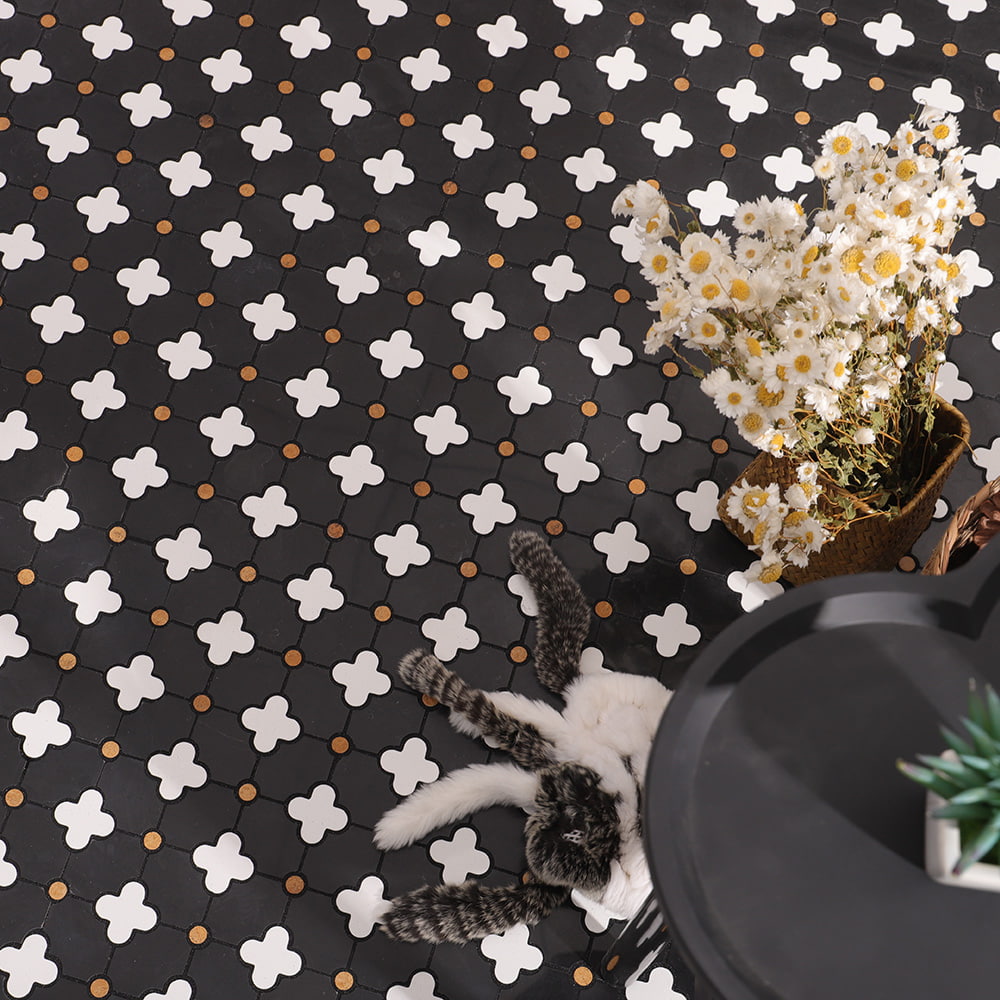
Select colors opposite to your tile choice - black tiles with white grout, white tiles with black or colored grout. This creates dramatic definition and highlights tile patterns.
Best for: Modern designs, geometric patterns, making bold style statements.
Neutral & Semi-Transparent
Gray tones or semi-transparent grout with fine glass particles blend naturally with tile colors while providing subtle definition.
Best for: Versatile designs, natural stone tiles, timeless appeal.
Professional Color Tips
Expert Recommendations:
- Test grout colors on sample tiles in your actual lighting conditions
- Consider maintenance - darker grout hides stains better in high-traffic areas
- Match grout to trim and cabinet hardware for cohesive design
- Use manufacturer color charts for consistent results
Pro Tip:
For glass tiles and polished stone, avoid sanded grout as it can scratch the surface. Always use unsanded or epoxy grout for these materials.
Step-by-Step Grouting Process
Required Tools and Materials
Essential Tools:
- • Rubber grout float
- • Large grout sponges
- • Two 5-gallon buckets
- • Margin trowel
- • Clean cloths/microfiber towels
- • Grout removal tool
- • Painter's tape
Materials Needed:
- • Grout (calculate 1 lb per 10 sq ft)
- • Clean water
- • Grout sealer (if applicable)
- • Caulk for transitions
- • Work gloves
- • Knee pads
- • Drop cloths
1 Surface Preparation
Proper preparation ensures professional results and prevents future problems.
Cleaning Process:
- • Remove spacers and excess adhesive
- • Use old toothbrush to clean grout joints
- • Vacuum debris with shop vacuum
- • Ensure tiles are completely dry
Protection Setup:
- • Apply painter's tape to protect surfaces
- • Cover countertops with plastic
- • Ensure adequate ventilation
- • Check that adhesive has fully cured (24+ hours)
2 Mixing Grout
Important: Only mix what you can use in 20-30 minutes. Grout begins setting quickly.
For Powder Grout:
- Add 3/4 of total water to mixing bucket
- Slowly add dry grout powder while stirring
- Mix with margin trowel until smooth, peanut butter consistency
- Let slake (rest) for 10 minutes
- Re-mix briefly before use
For Epoxy Grout:
Follow manufacturer's exact mixing ratios. Work in smaller batches due to faster setting time. Clean tools immediately after use.
3 Grout Application
Application Technique:
- • Work in 3×3 foot sections
- • Hold float at 45° angle
- • Press firmly into joints
- • Use sweeping diagonal motions
- • Fill joints completely
Professional Tips:
- • Apply grout upward to minimize dropping
- • Work from multiple angles
- • Avoid dragging float across tile faces
- • Keep consistent pressure
- • Move to next section before cleanup
4 Cleaning Process
Initial Cleaning (15-30 minutes after application):
- Powder Grout: Use damp sponge in circular motions when grout is semi-dry
- Epoxy Grout: Clean immediately during application, don't wait more than 30 minutes
Sponge Cleaning Technique:
- • Use two buckets of clean water
- • Rinse sponge frequently
- • One diagonal swipe per sponge side
- • Avoid pressing into grout lines
- • Change water when it becomes cloudy
5 Final Cleaning & Curing
Haze Removal:
After grout has hardened, clean remaining haze with damp cloth, then immediately buff with dry microfiber cloth.
Curing Process:
- Powder Grout: Clean with water; for epoxy, use hot water for final cleaning
- Curing Time: Allow 24-48 hours before use
- Sealing: Apply sealer after full cure (cement-based grout only)
Maintenance and Long-term Care
Regular Maintenance
Daily Care
- • Wipe down tiles with damp cloth after cooking
- • Clean spills immediately to prevent staining
- • Use mild soap solution for routine cleaning
- • Avoid abrasive cleaners or scrubbers
Weekly Cleaning
- • Deep clean with appropriate tile cleaner
- • Inspect grout lines for wear or damage
- • Use soft brush for grout line cleaning
- • Rinse thoroughly and dry completely
Sealing and Restoration
Grout Sealing Schedule
- • High-traffic areas: Every 6-12 months
- • Low-traffic areas: Every 2-3 years
- • New installations: Seal after full cure
- • Epoxy grout: No sealing required
Re-grouting Options
If you initially used powder grout, you can refresh the installation by applying new grout over existing lines for renovation projects.
This technique works best when original grout is still structurally sound but showing cosmetic wear.
Common Issues and Solutions
Problem: Cracking Grout
Causes: Too much water in mix, improper curing, structural movement
Solutions:
- Remove damaged grout and reapply
- Use caulk at tile-to-countertop transitions
- Ensure proper mixing ratios
Problem: Hazy Residue
Causes: Insufficient cleaning, wrong cleaning timing
Solutions:
- Use vinegar solution (50/50 with water)
- Buff with microfiber cloth
- For stubborn haze, use commercial haze remover
Problem: Staining
Causes: Unsealed grout, spills not cleaned promptly
Solutions:
- Clean with baking soda paste
- Apply grout sealer after cleaning
- For severe staining, consider grout coloring
Problem: Uneven Grout Lines
Causes: Inconsistent pressure, wrong float angle
Solutions:
- Remove and reapply affected areas
- Use consistent 45° float angle
- Work in small sections for better control
Professional Expert Tips
From Professional Contractors
- Always test grout on a sample area first
- Work in temperatures between 60-80°F for best results
- Keep tools clean throughout the process
- Plan for 25% extra grout for waste and touch-ups
Time-Saving Strategies
- Organize all tools before starting
- Mix grout in small batches to prevent waste
- Use quality tools for better results and speed
- Clean as you go to minimize final cleanup
Master Your Backsplash Grouting Project
With the right knowledge, materials, and techniques, grouting your tile backsplash can be a rewarding DIY project that adds significant value and beauty to your kitchen or bathroom. Remember that patience and attention to detail are key to achieving professional-looking results.
Key Takeaways:
- • Choose the right grout type for your specific application
- • Test grout colors before committing to the entire project
- • Work in small sections for the best control and results
- • Clean properly and at the right timing
- • Seal cement-based grout for longevity
- • Maintain regularly to preserve appearance and function
Whether you're renovating your kitchen or updating a bathroom, proper grouting technique will ensure your backsplash looks professional and lasts for years to come. Take your time, follow these guidelines, and enjoy the transformation of your space.
Comment