Tile Patterns: Creative Arrangements for Mosaic Designs
What Are Tile Patterns?
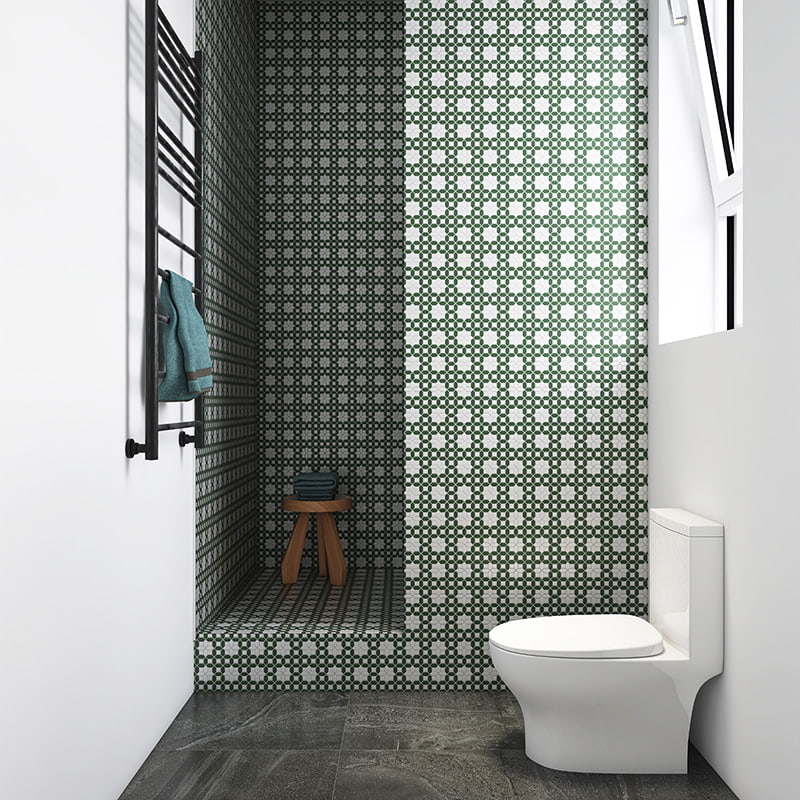
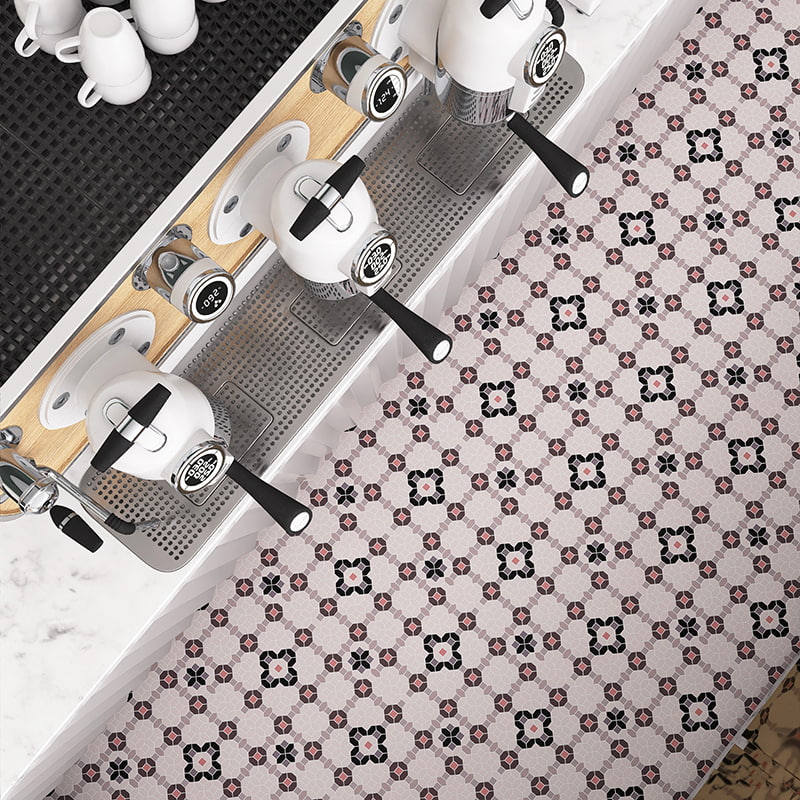
Tile patterns refer to the intentional arrangement of tiles—such as squares, hexagons, circles, and other shapes—to create decorative or functional designs. These patterns can vary in complexity, from simple straight rows to intricate pixel-like artworks. Understanding how different tile shapes affect pattern design is key to achieving desired visual outcomes.
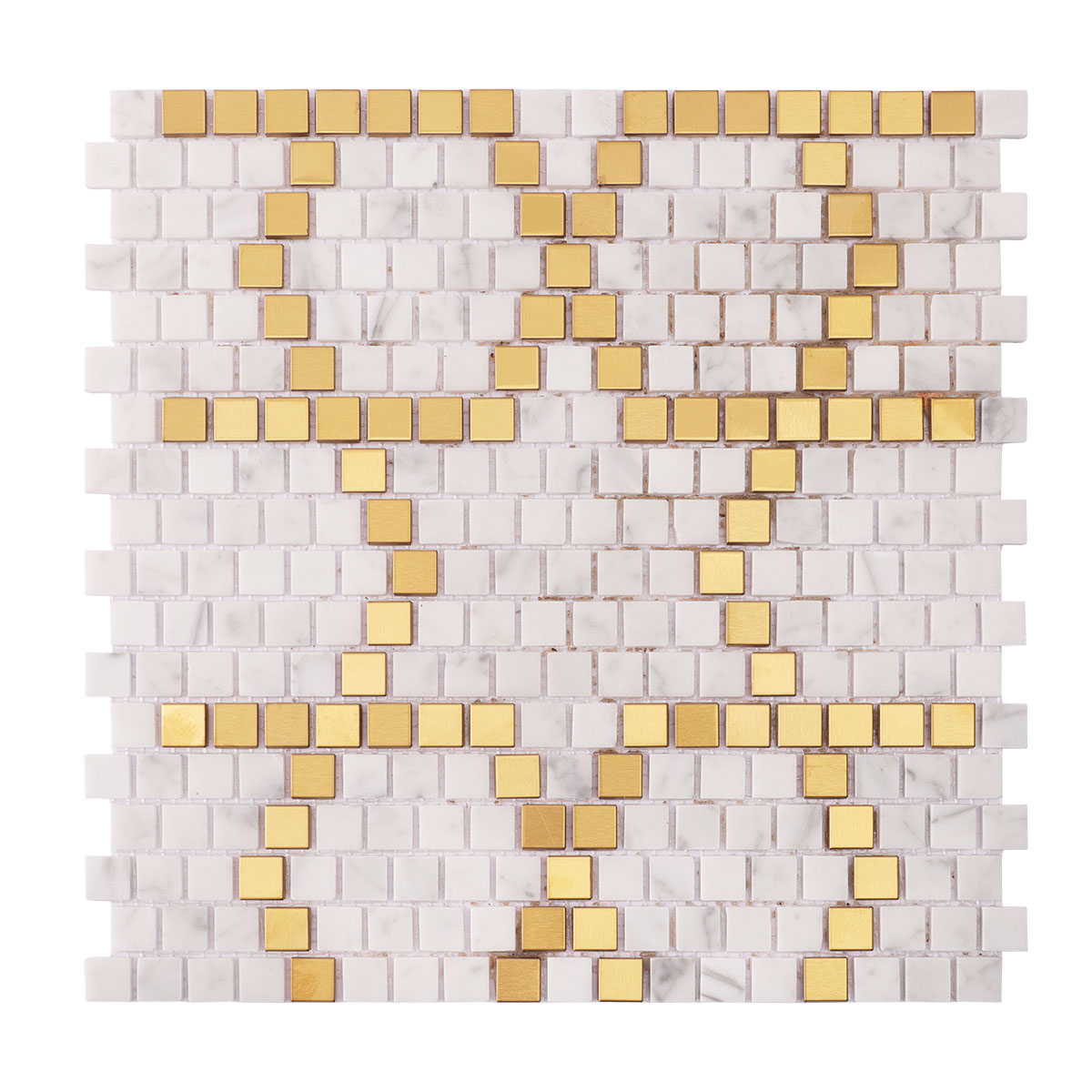
Square Mosaic Pixel Patterns
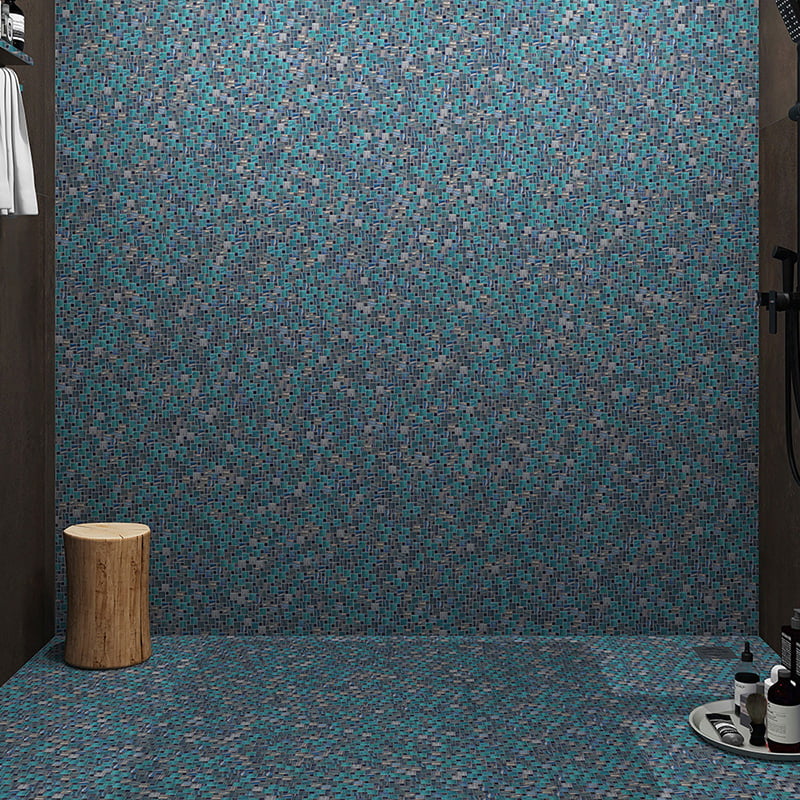
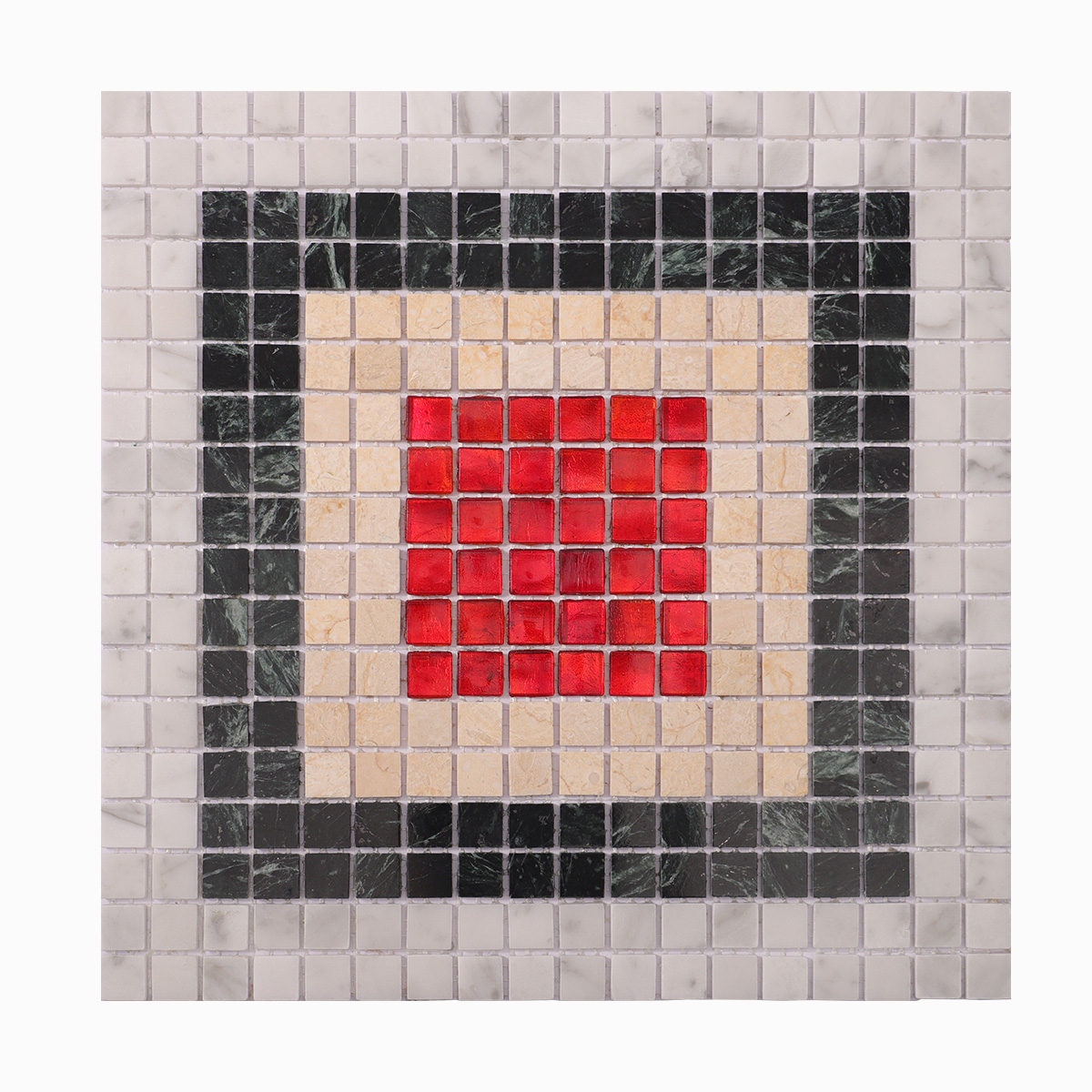
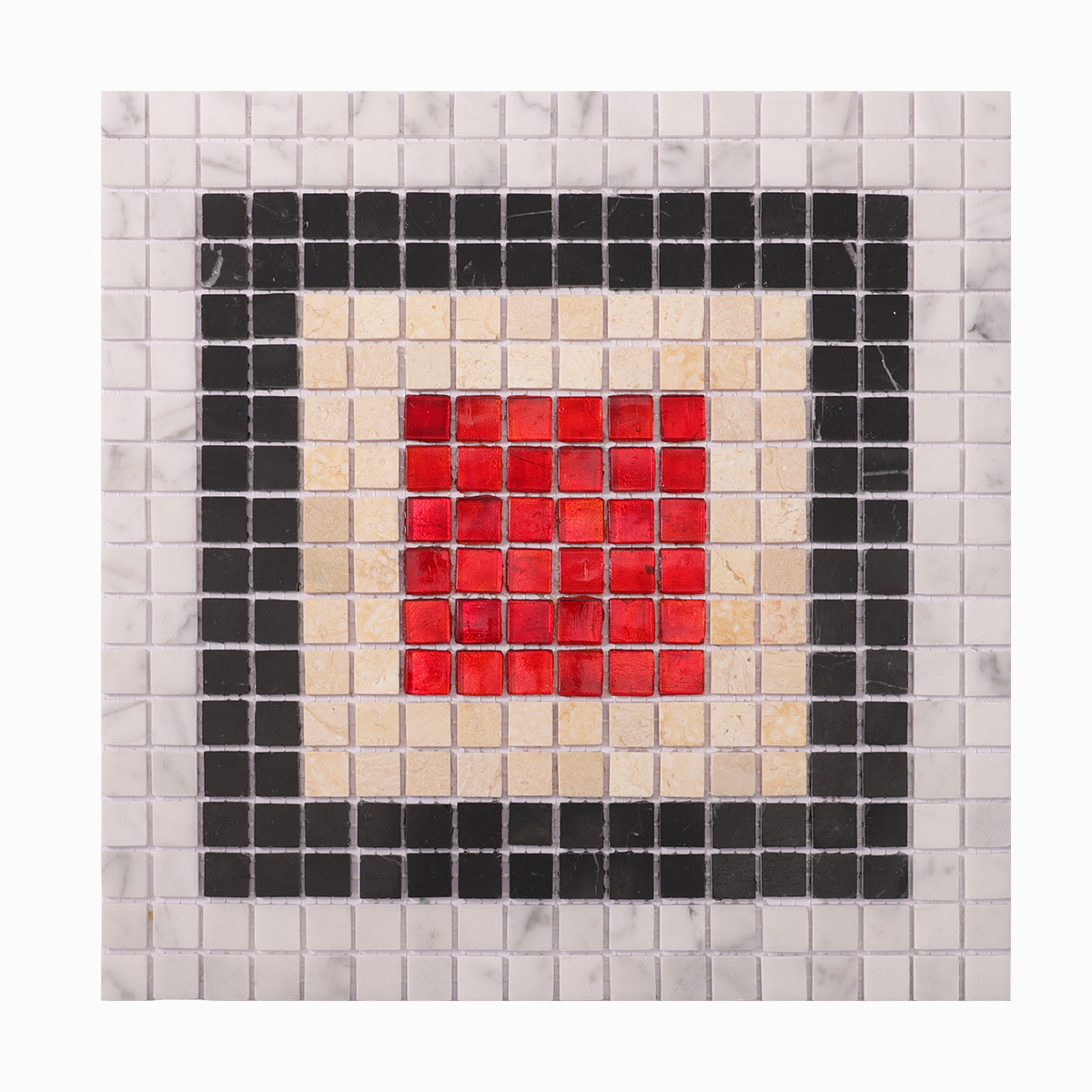
Each square tile represents a pixel in this layout. By combining tiles of different colors, it's possible to create clear, vertical and horizontal designs—similar to pixel art. This method is highly structured and allows for sharp, defined images.
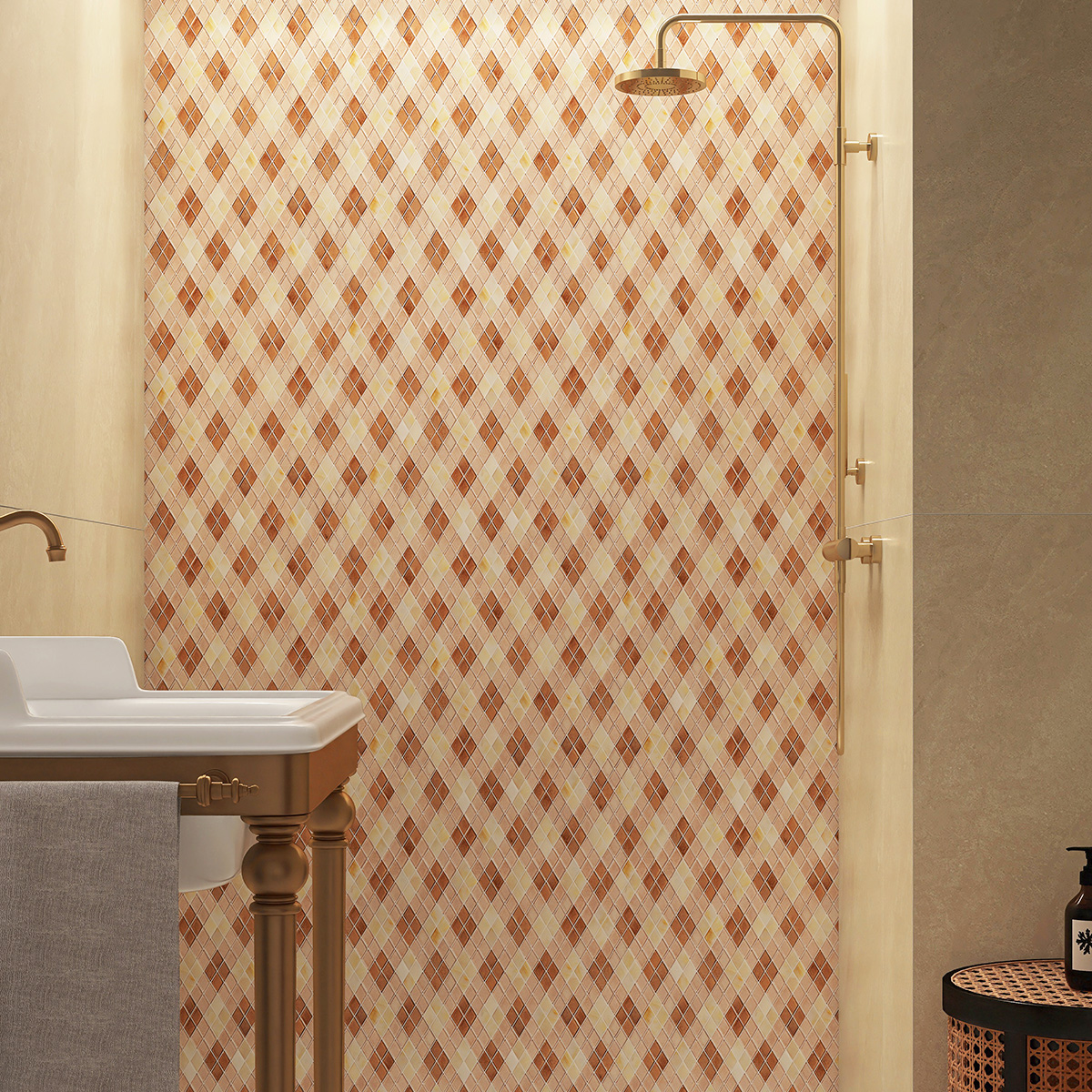
Hexagon-Based Mosaic Arrangements
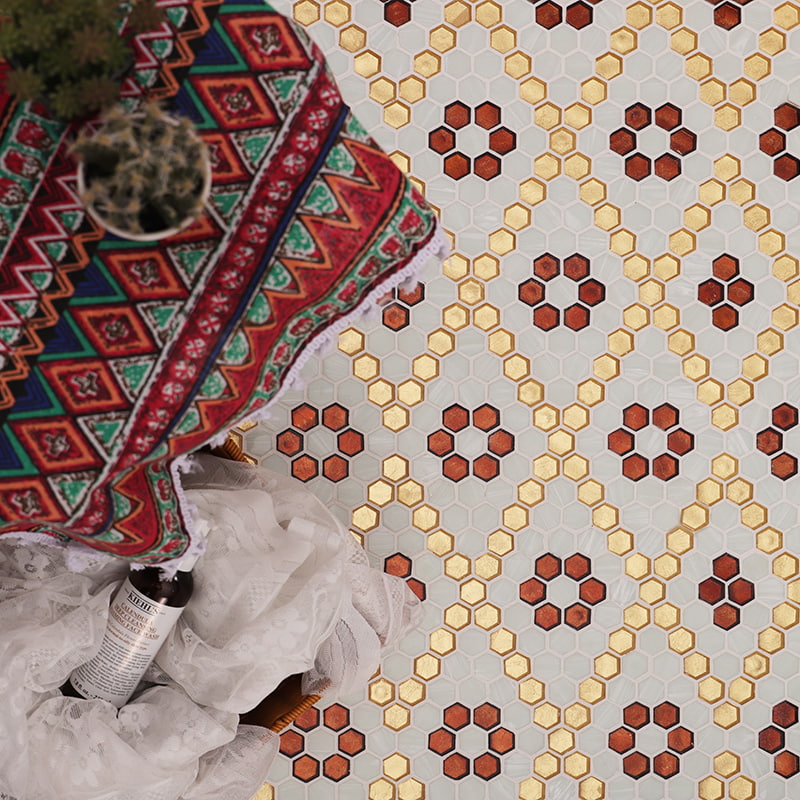
Hexagon tiles create an interlocking, staggered layout. Unlike squares, they can't form clear pixelated images, but can generate flowing patterns based on the natural geometry of hexagons. These are ideal for floral, honeycomb, or wave-like effects.
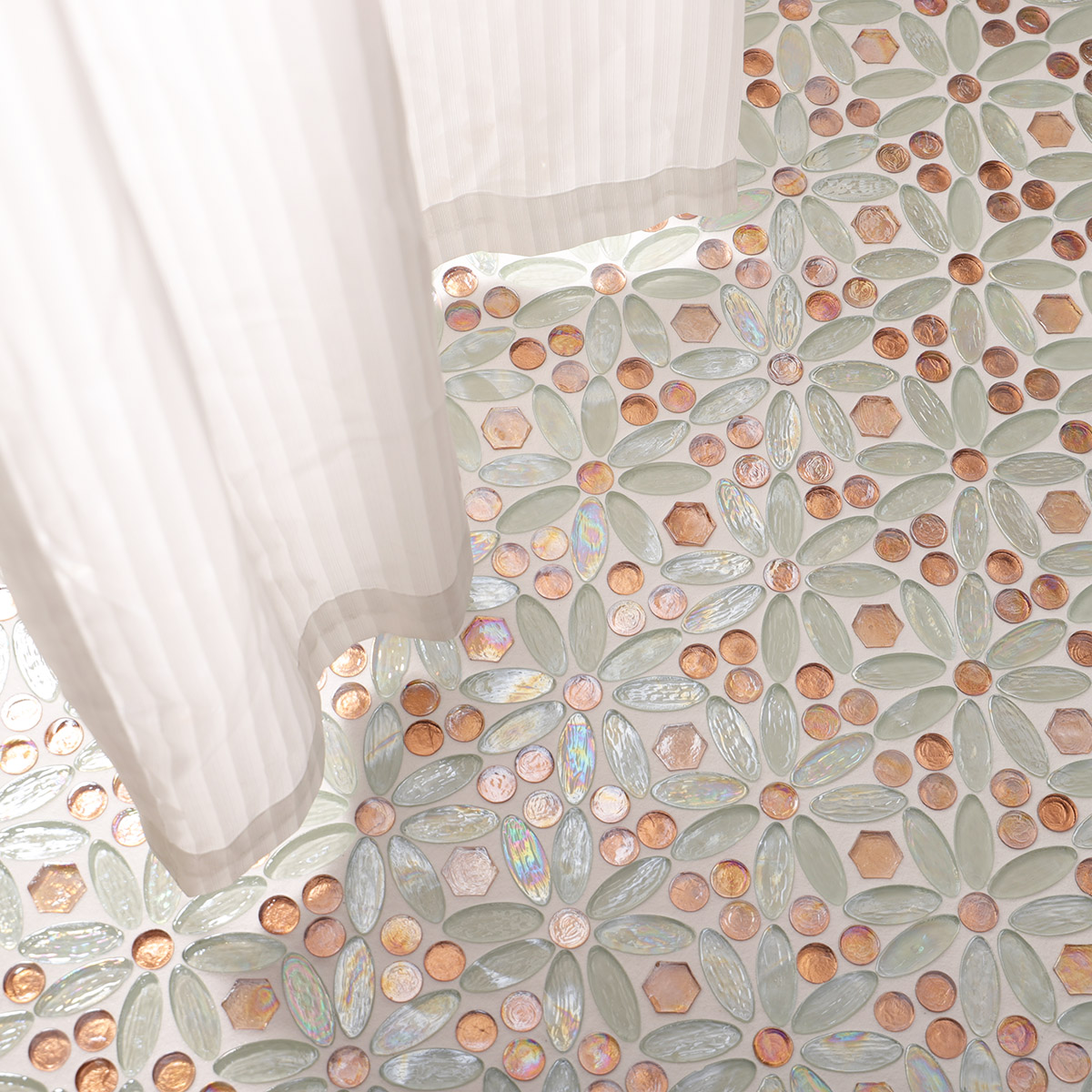
Circular Tile Patterns
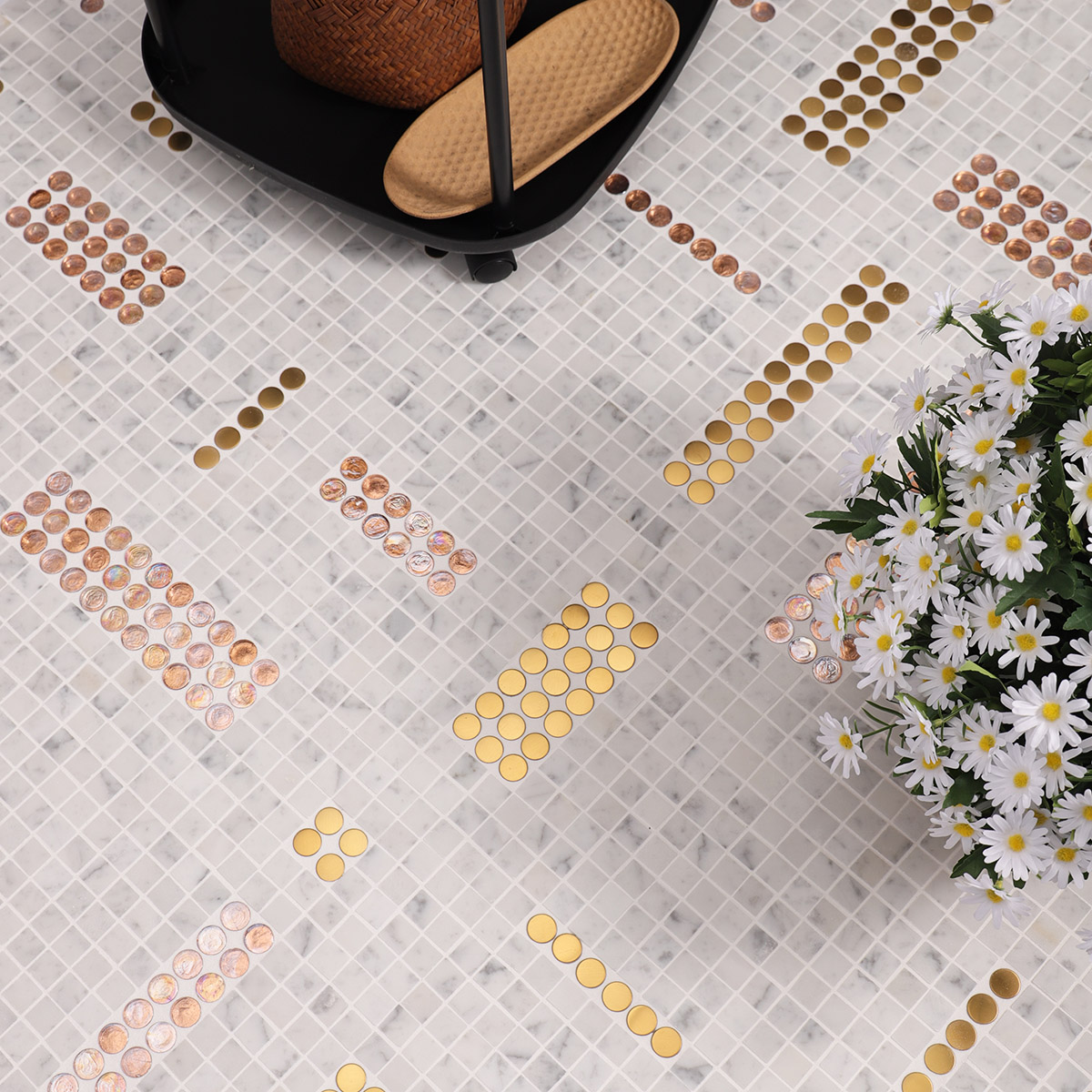
Like hexagons, circular tiles are also placed in a staggered manner. Due to their smaller size, they offer more granularity and allow for more refined designs. This makes them suitable for detailed gradients or abstract compositions.
Hand-Cut Mosaic Patterns
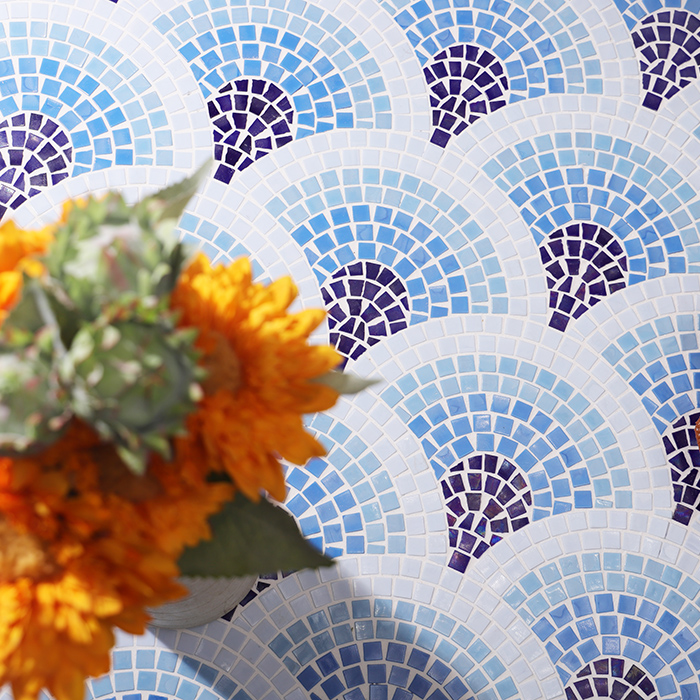
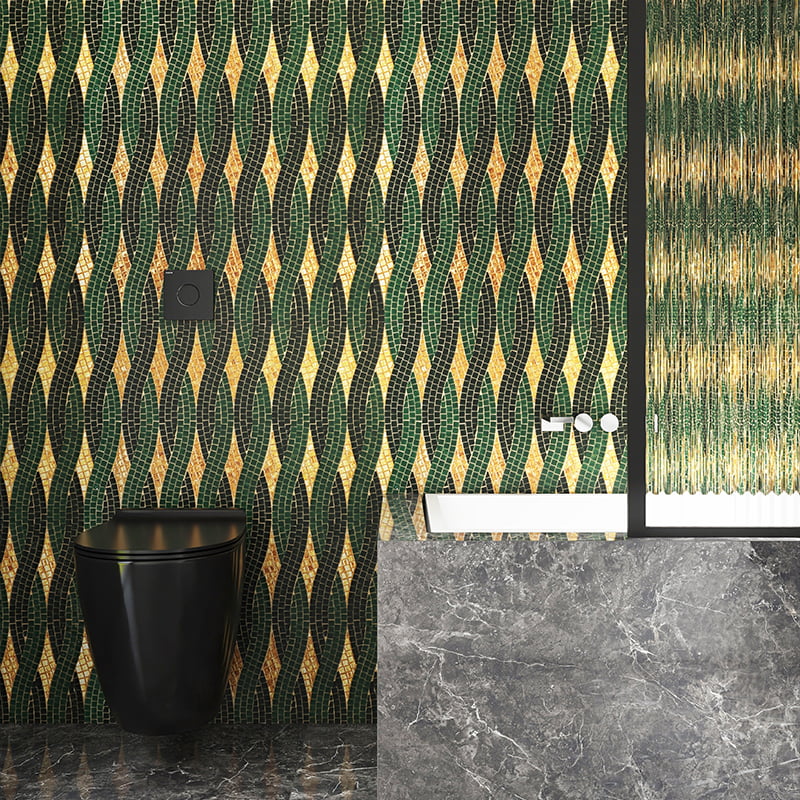
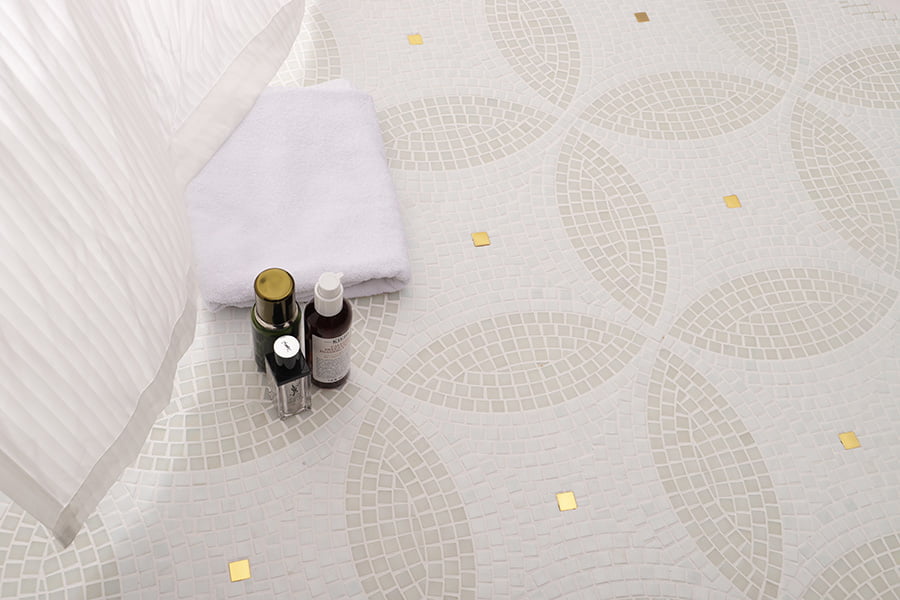
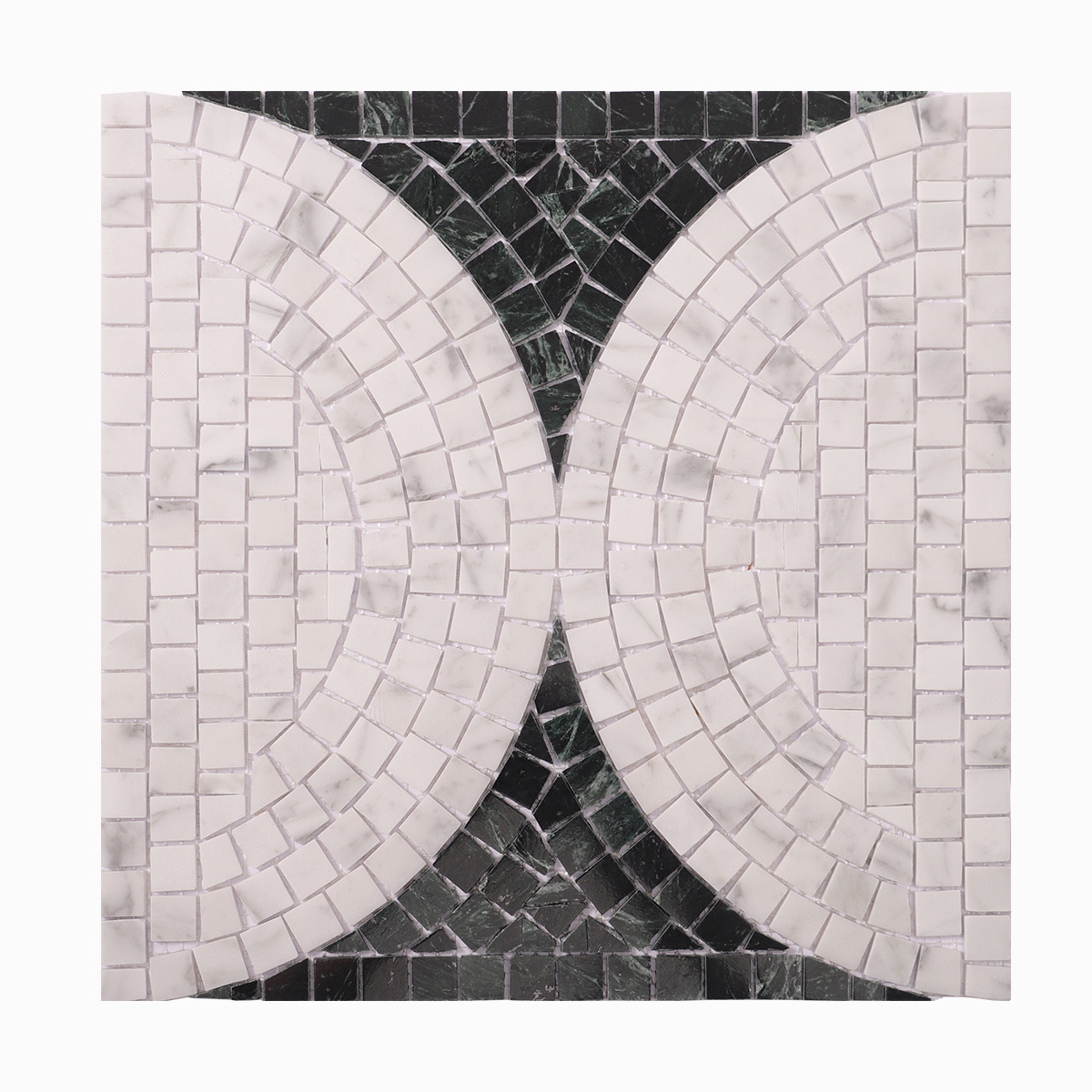
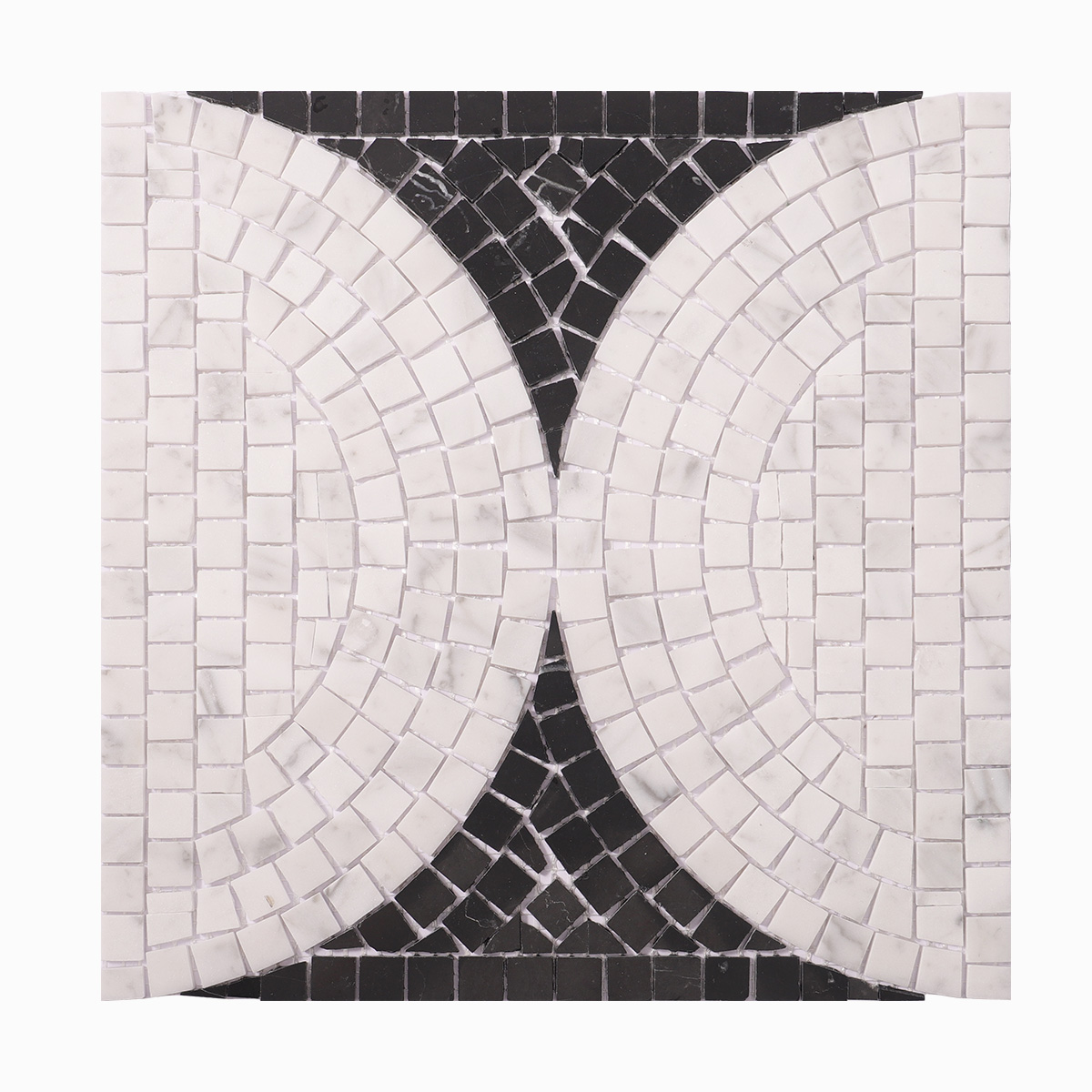
Usually starting with square tiles, these are manually trimmed using mosaic clippers. The pieces are then arranged based on the direction and texture of the desired image, with color variations enhancing depth and shadow. This technique allows for custom, artisan-level creations.
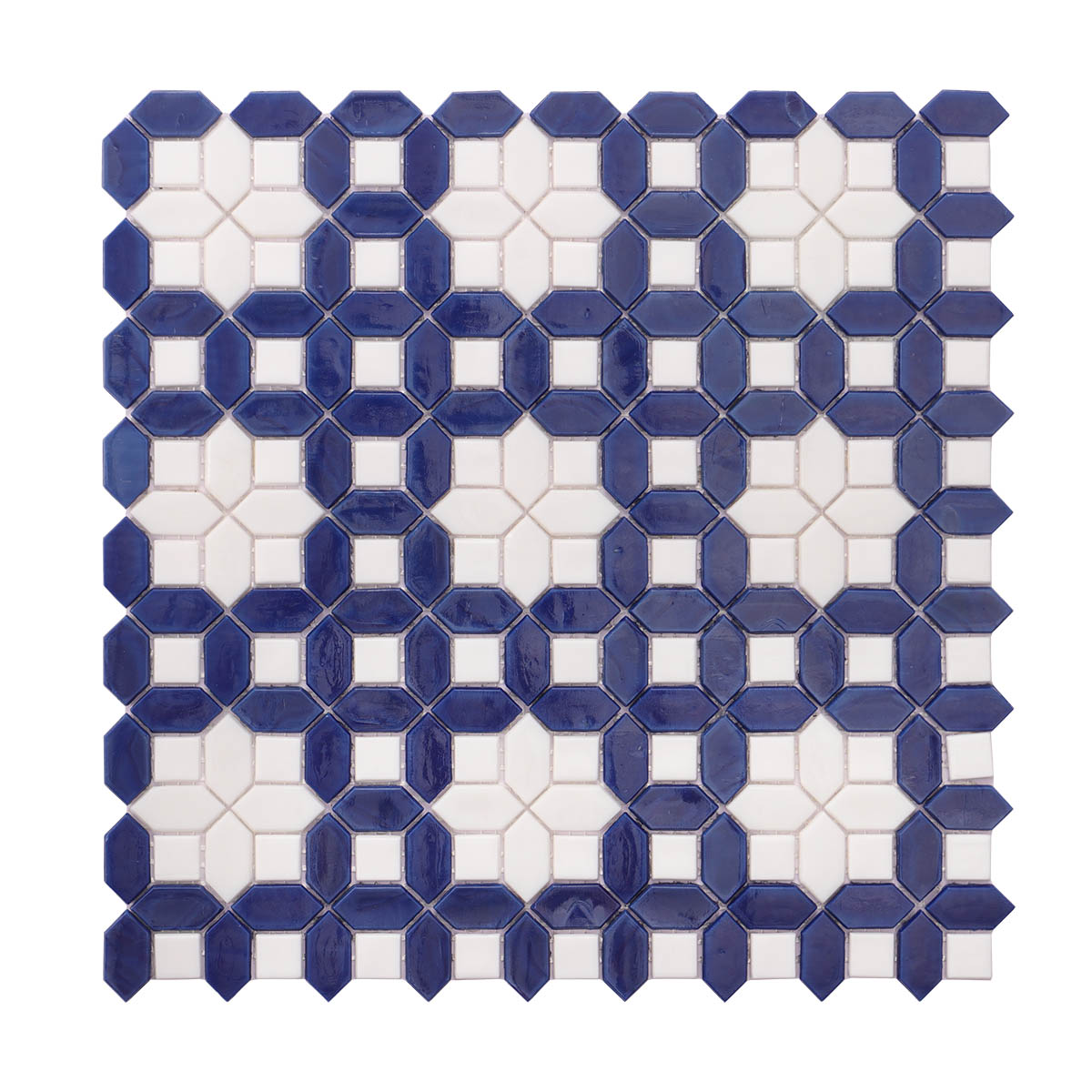
Patterns Using Other Shapes
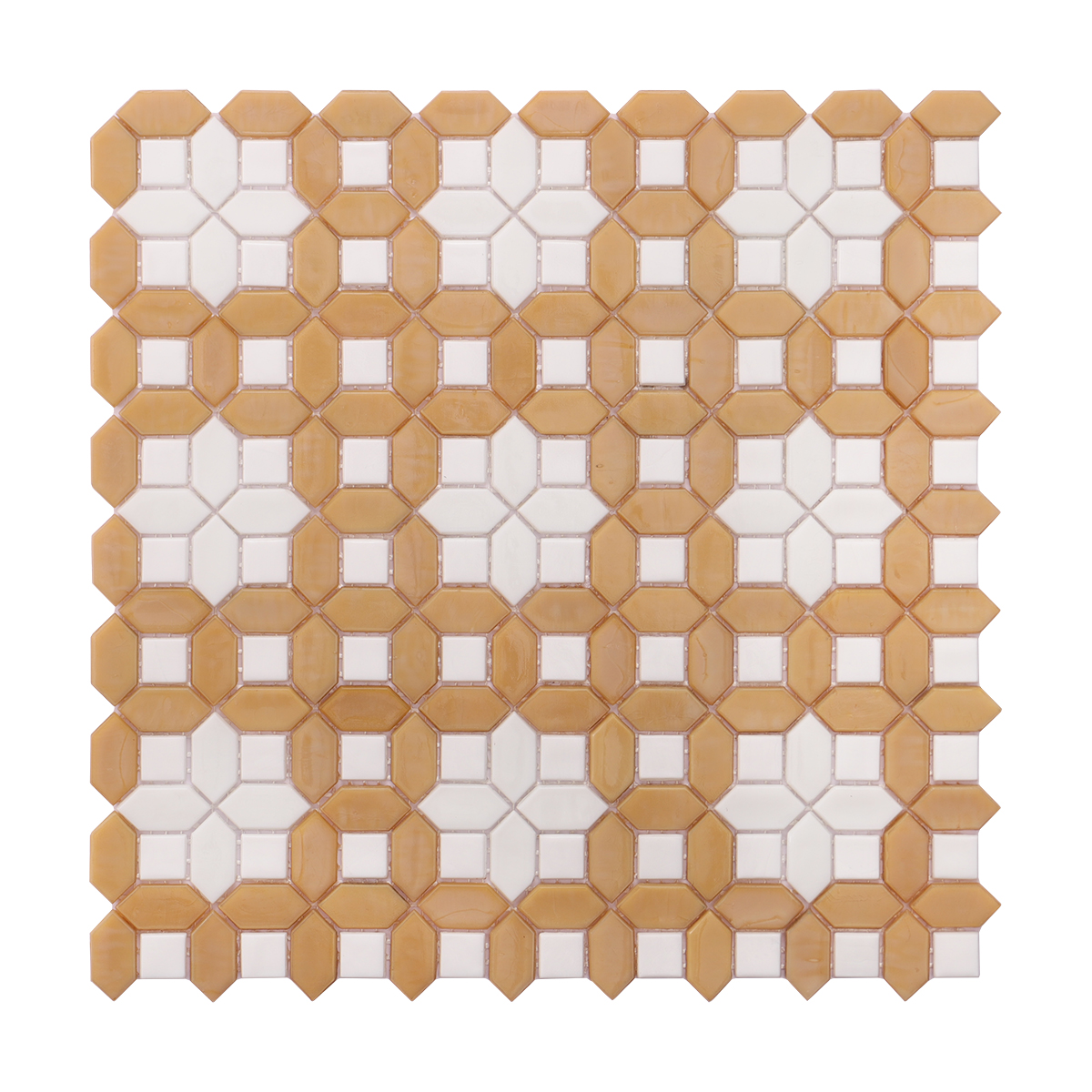
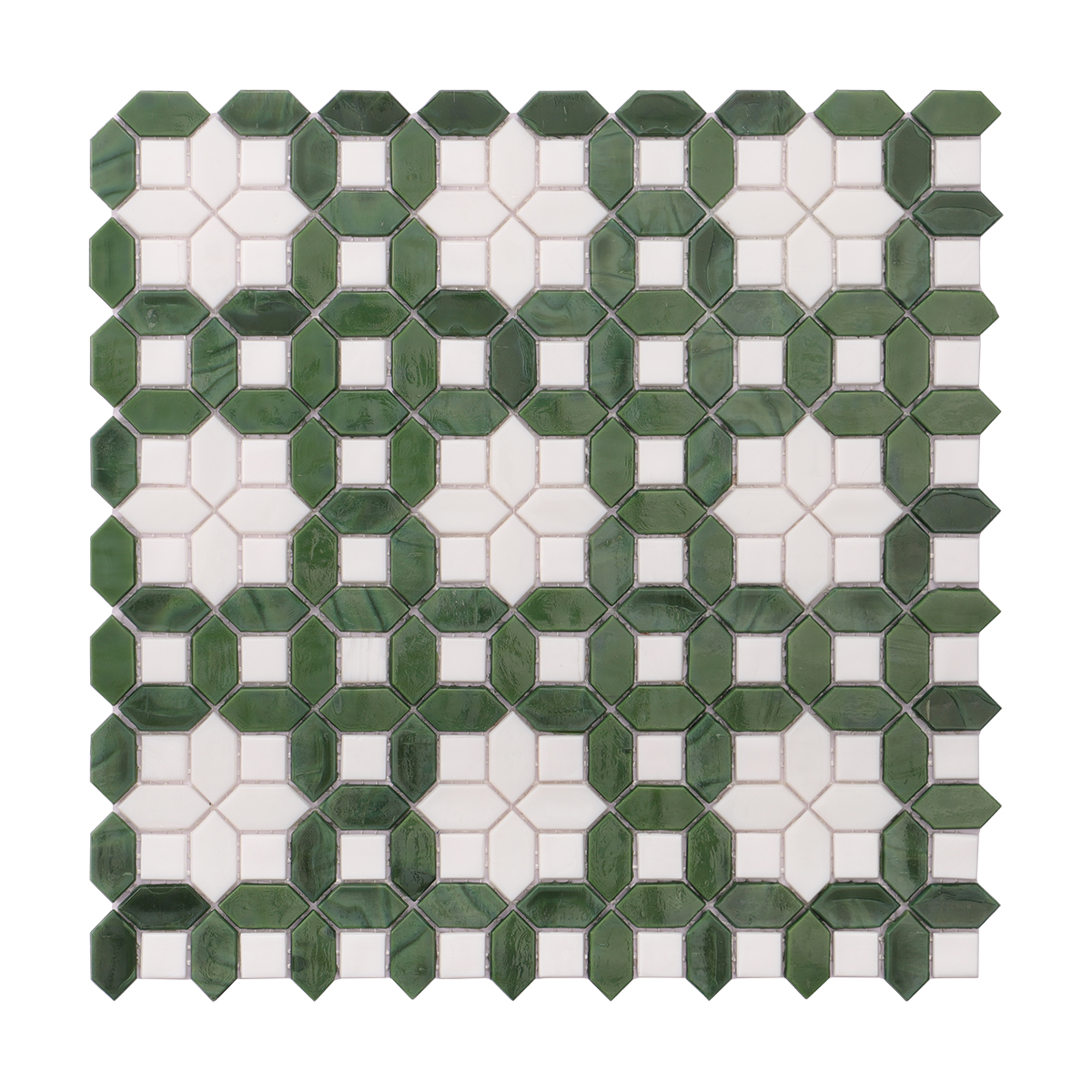
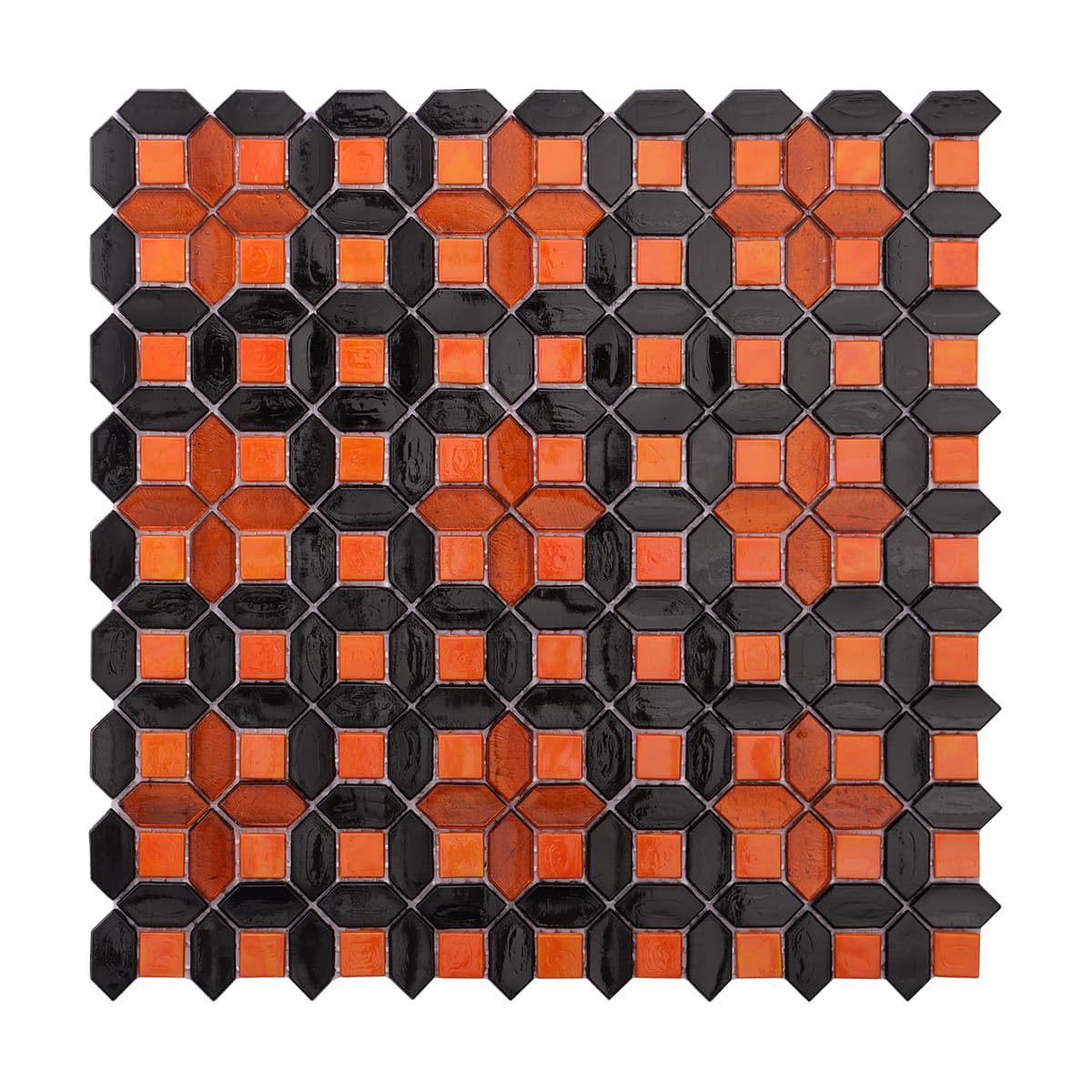
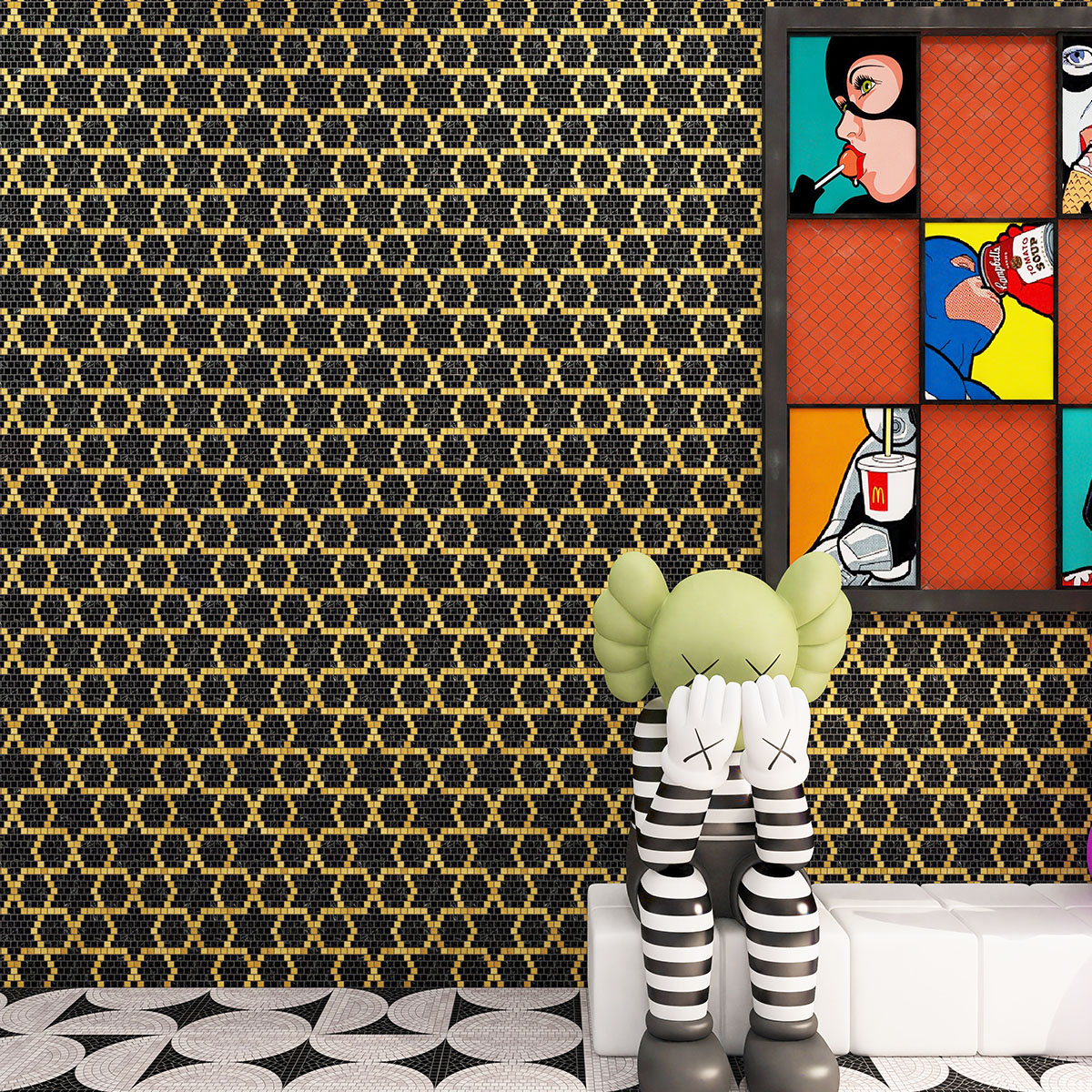
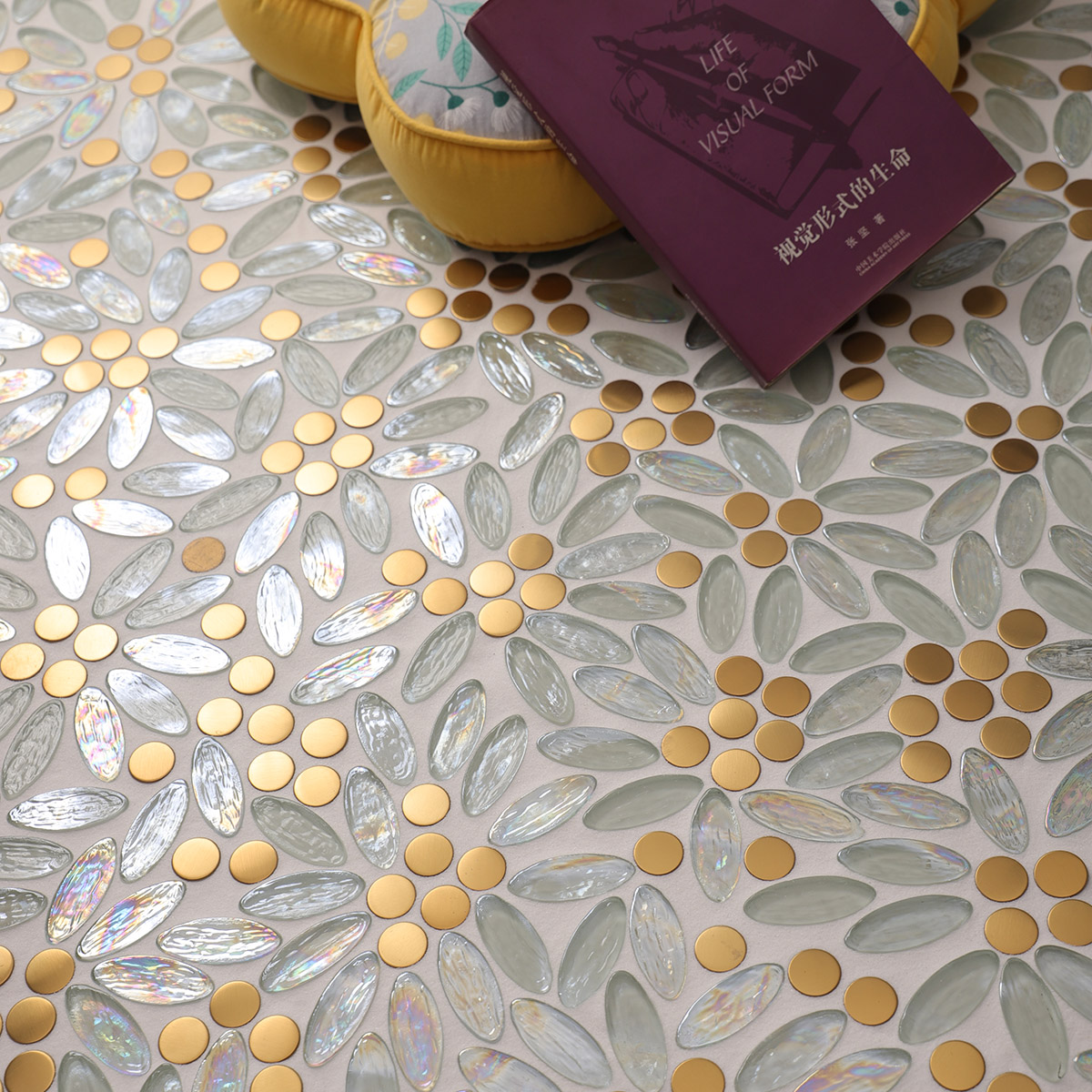
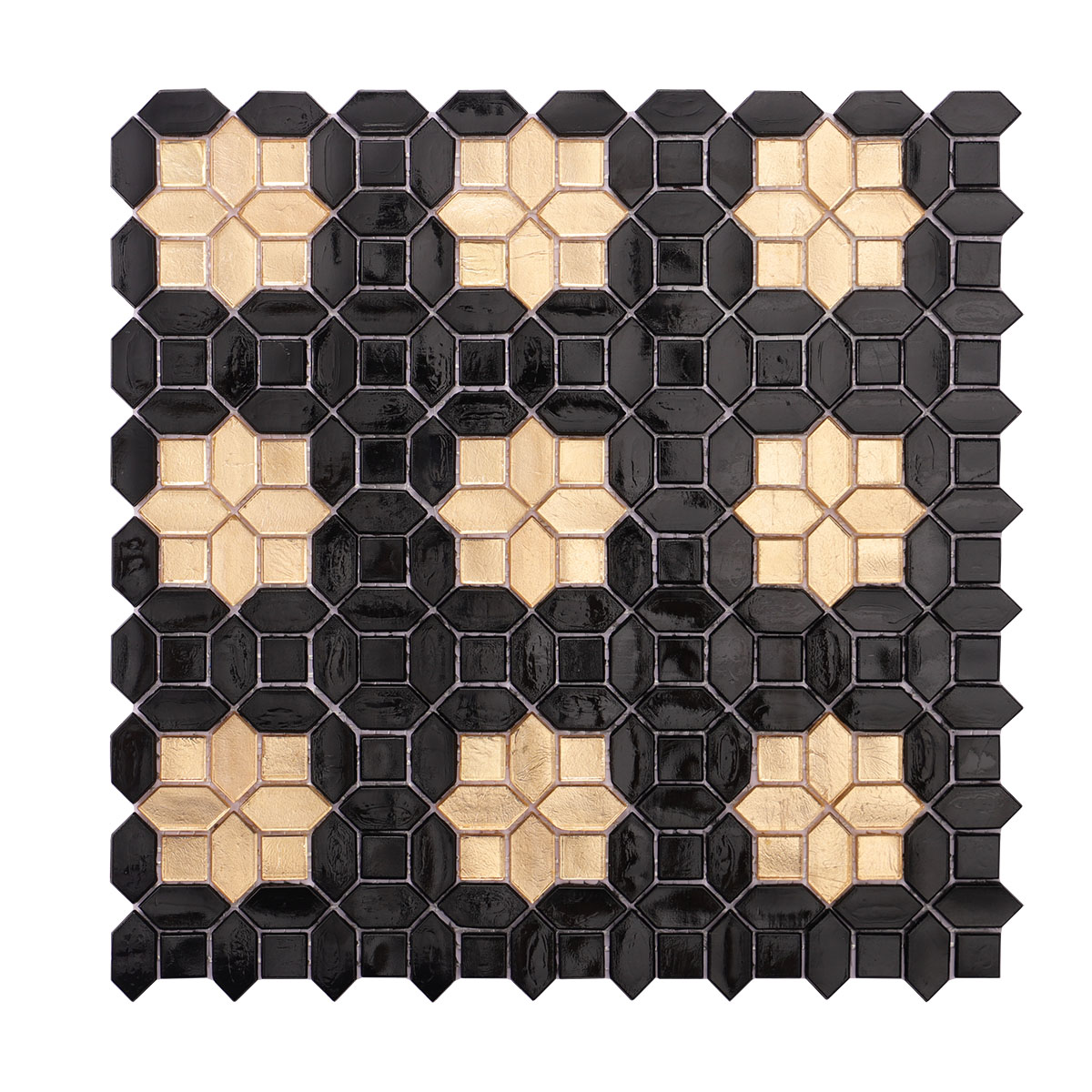
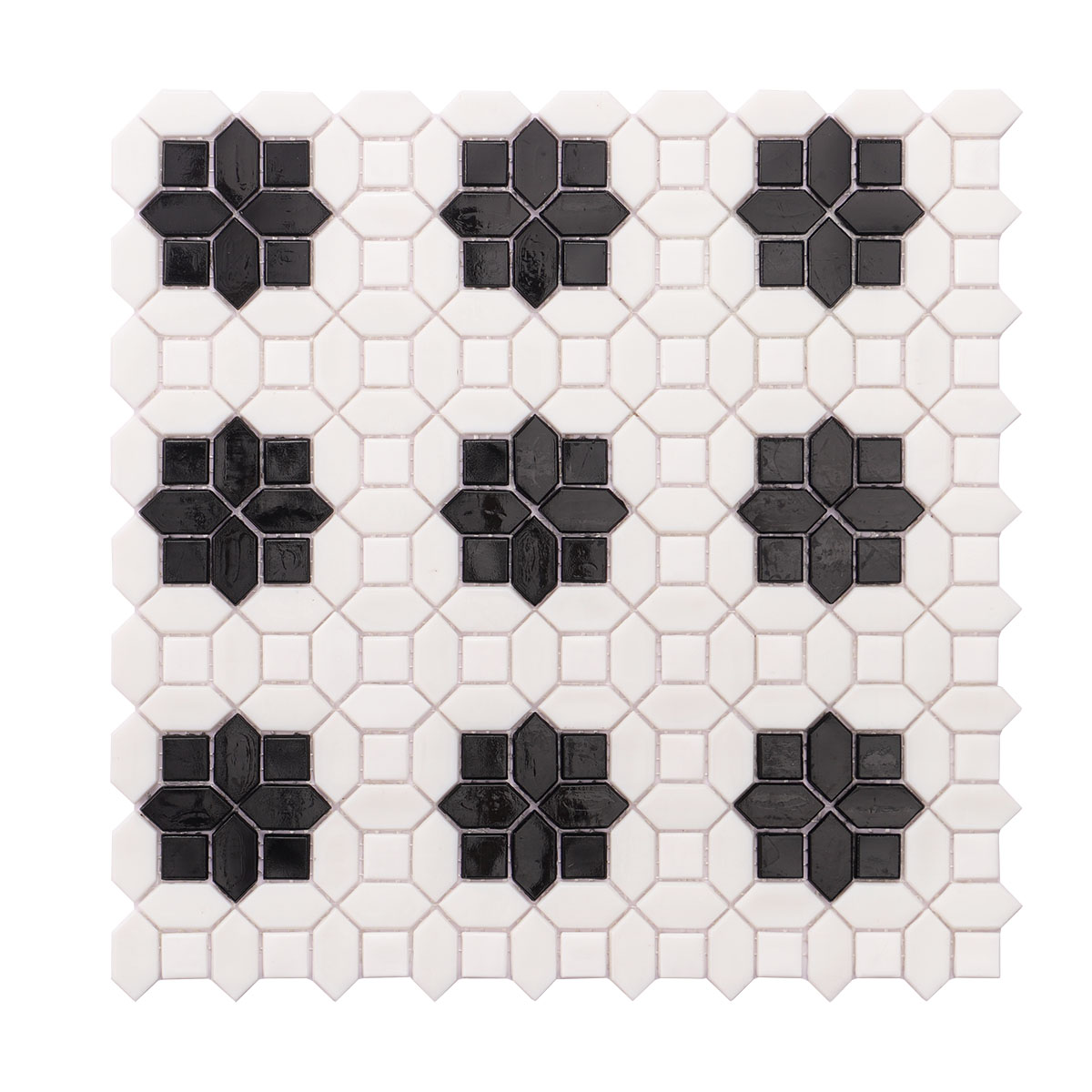
Besides traditional shapes, unique patterns can be made with picket (elongated hexagon), oval, or herringbone layouts. These offer dynamic visuals and are widely used in contemporary wall and floor designs.