

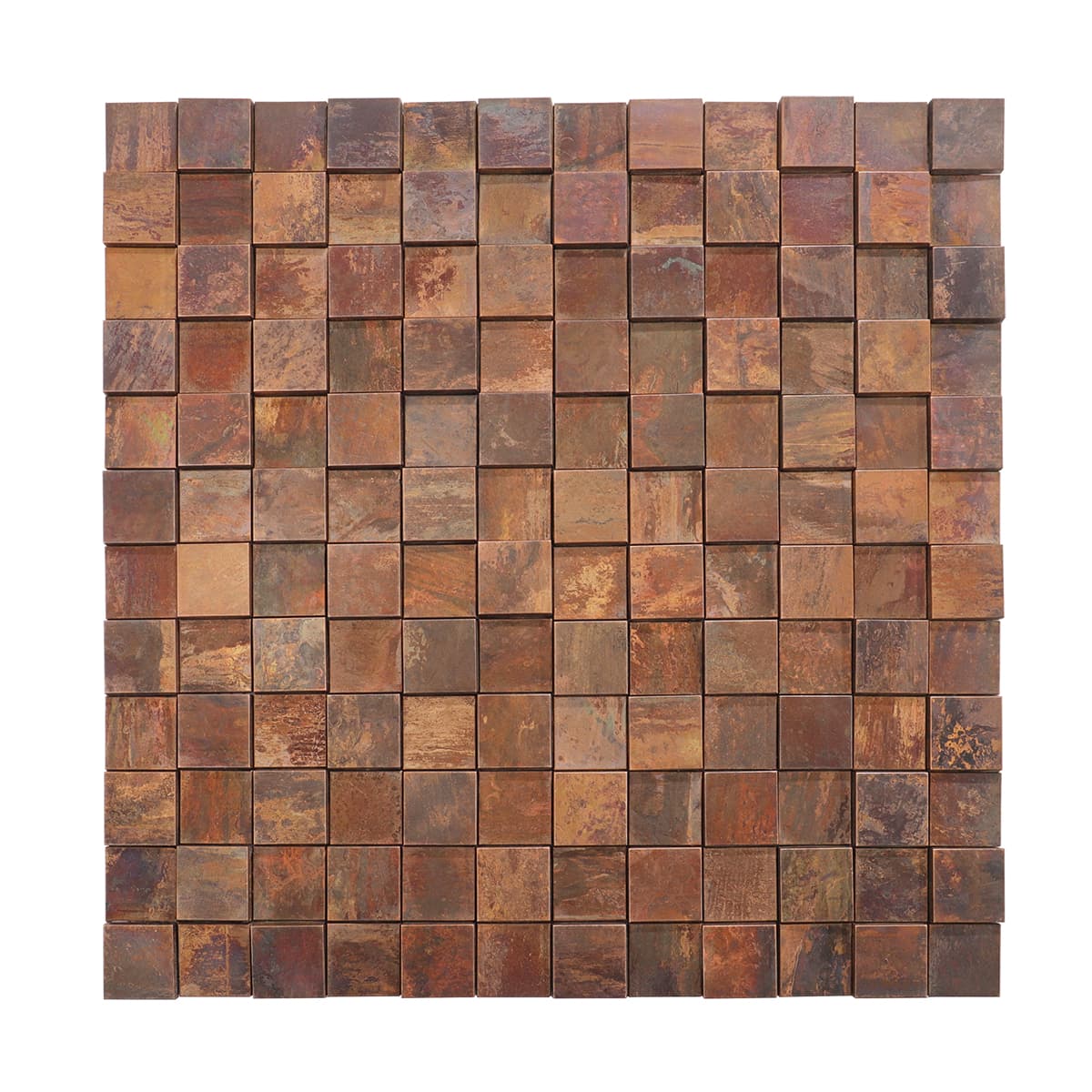
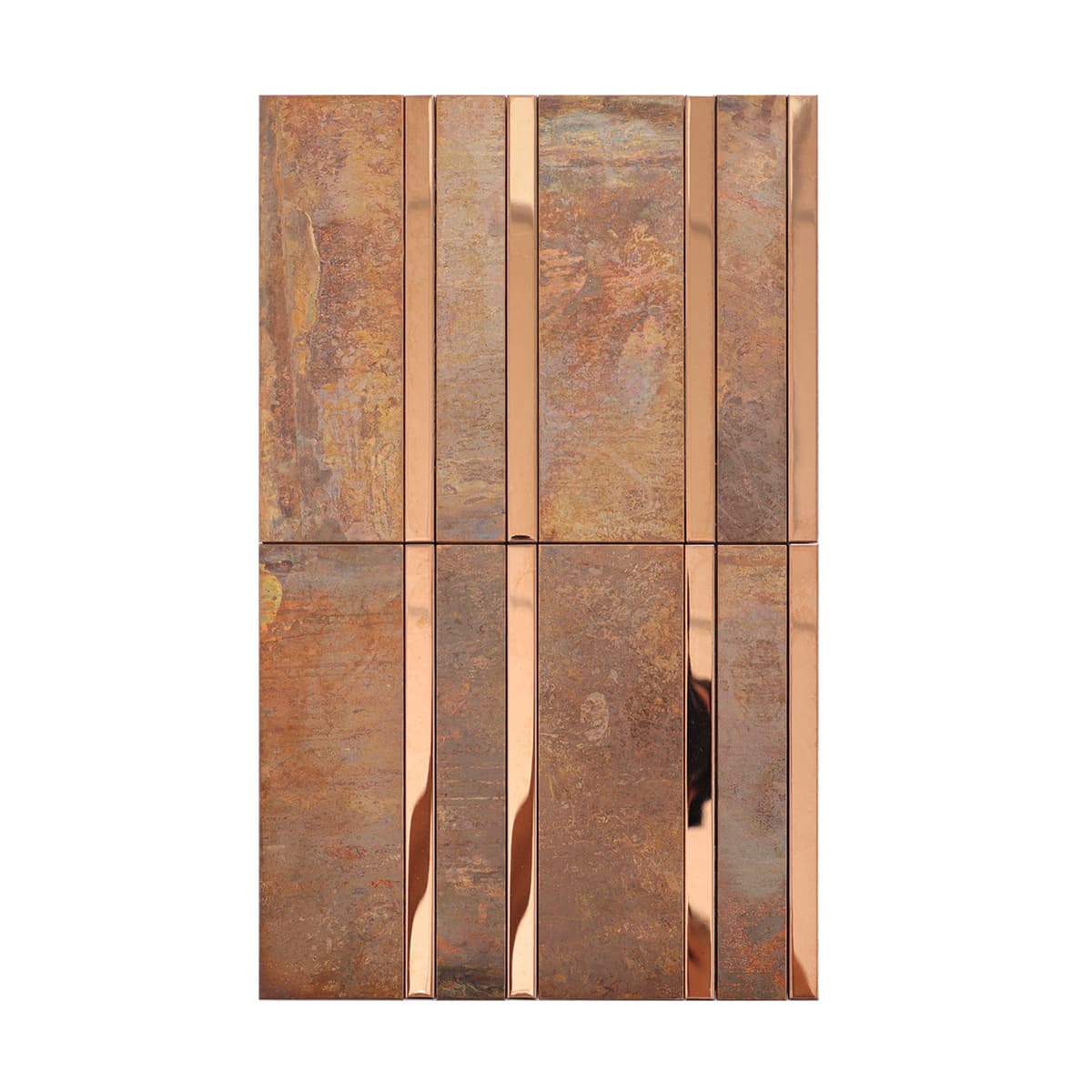
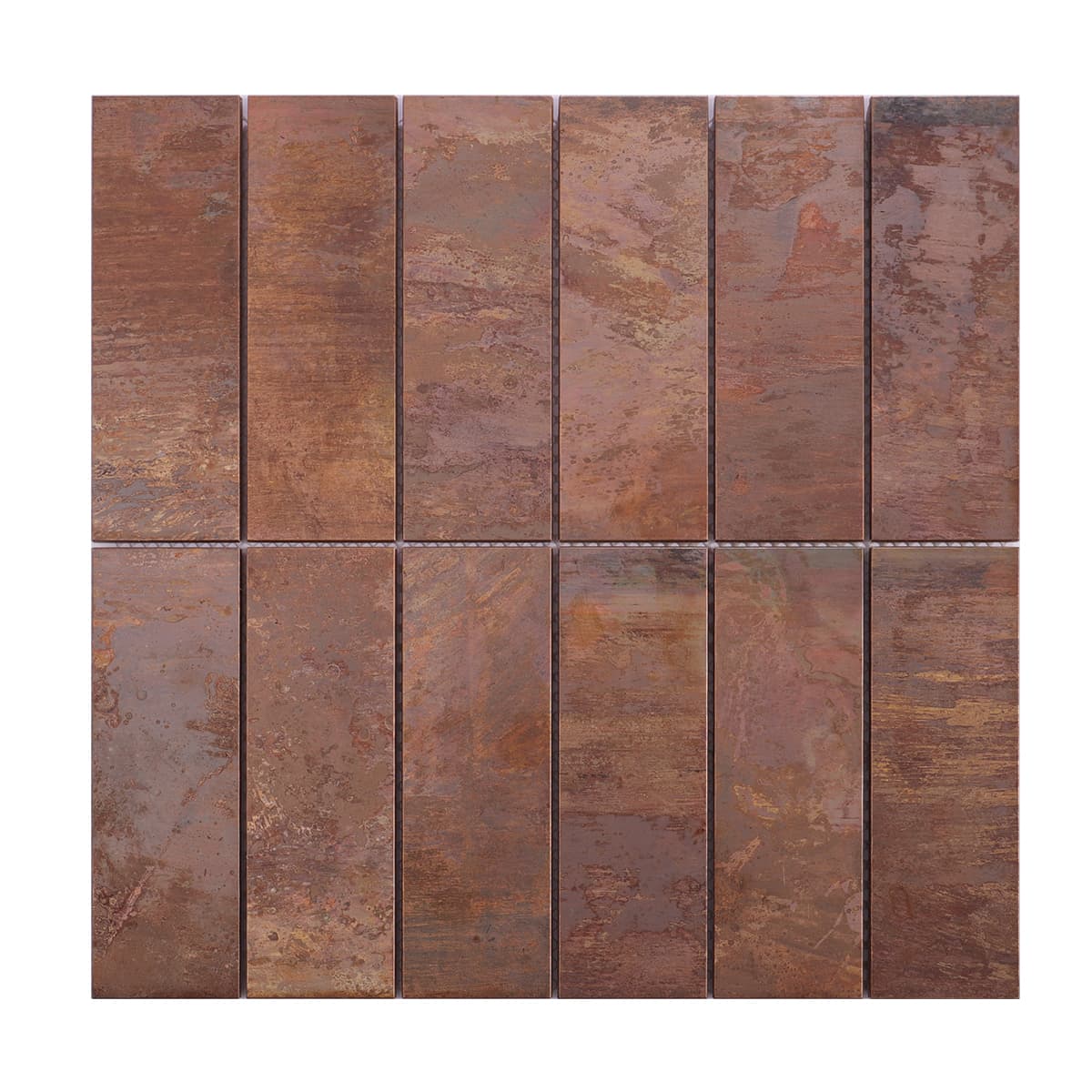
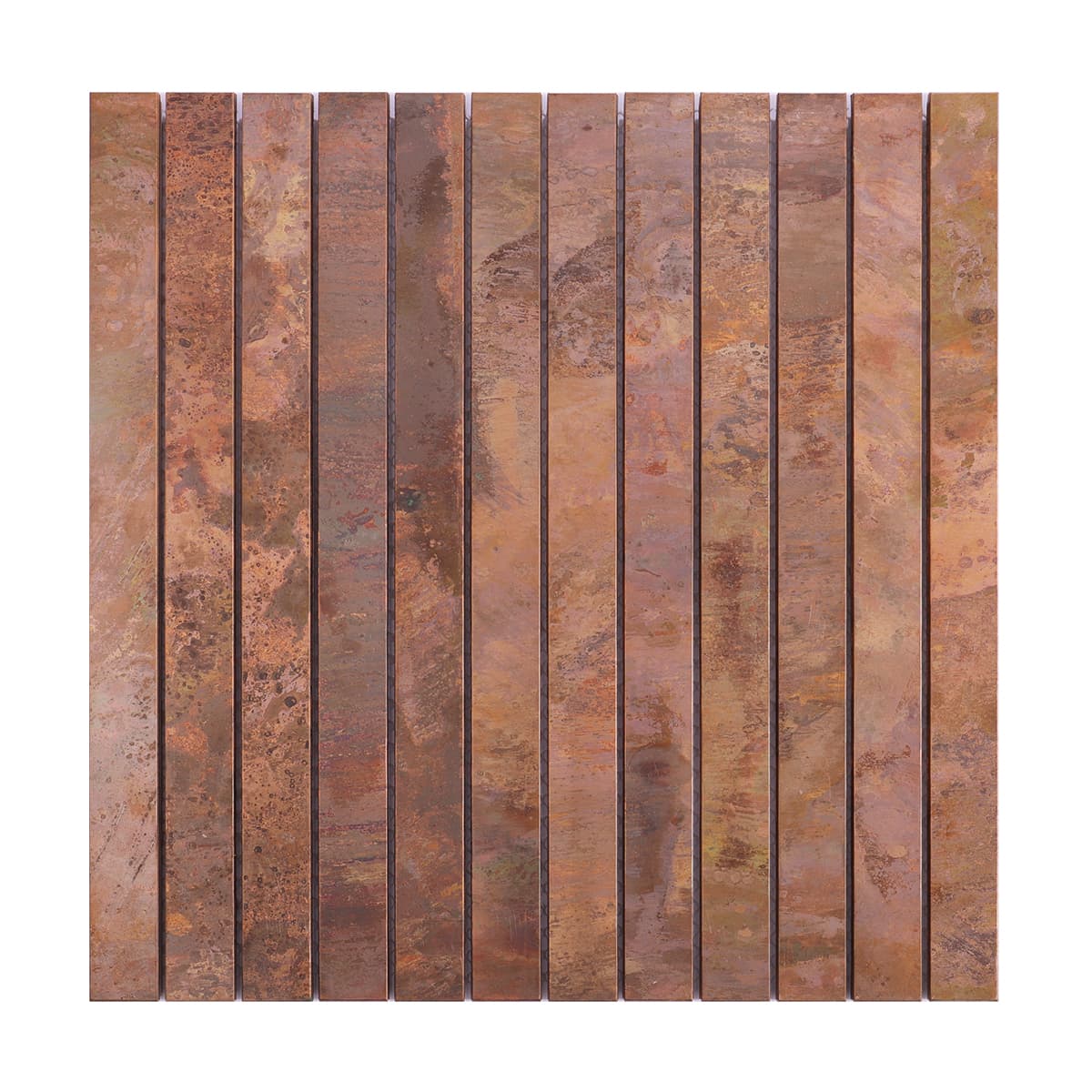
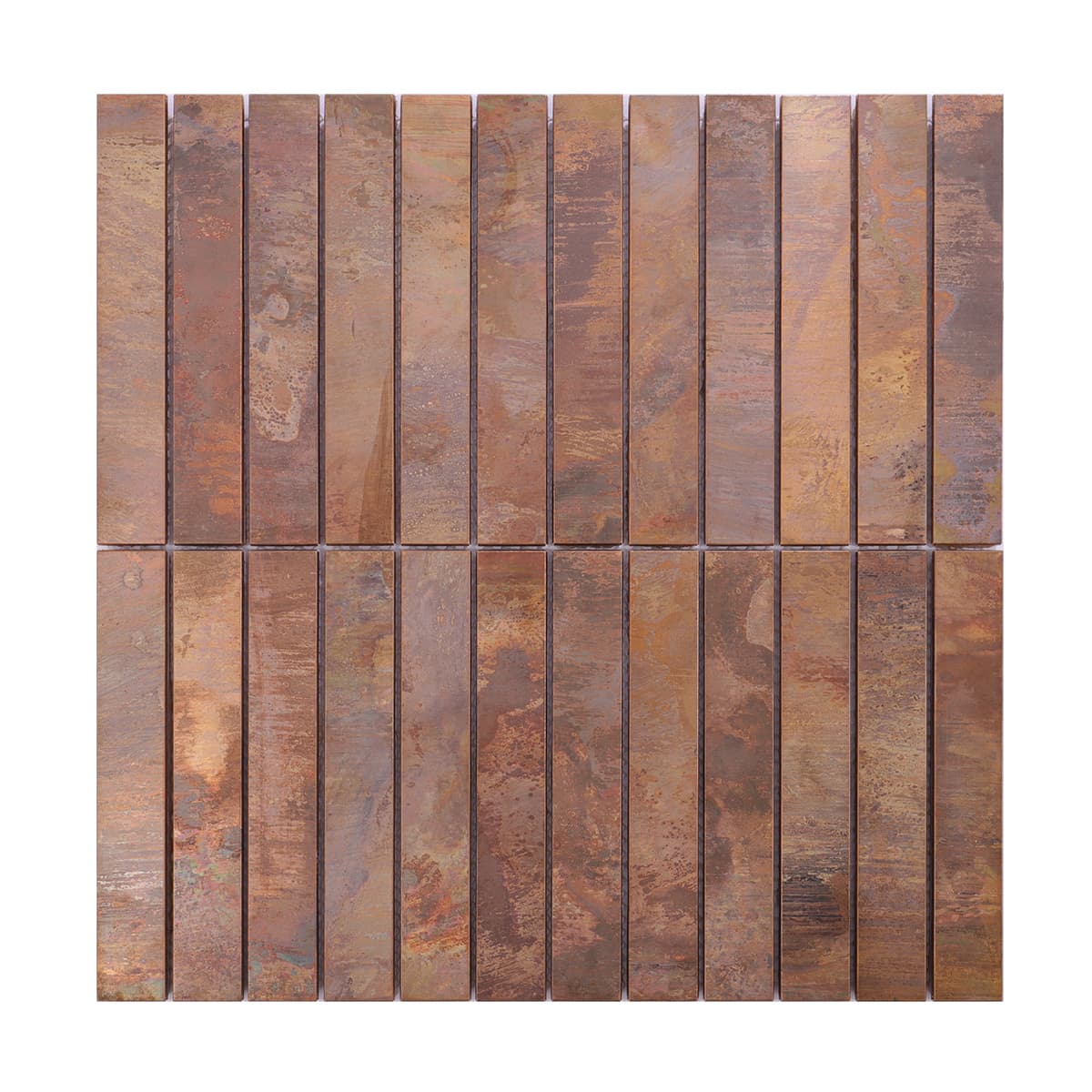
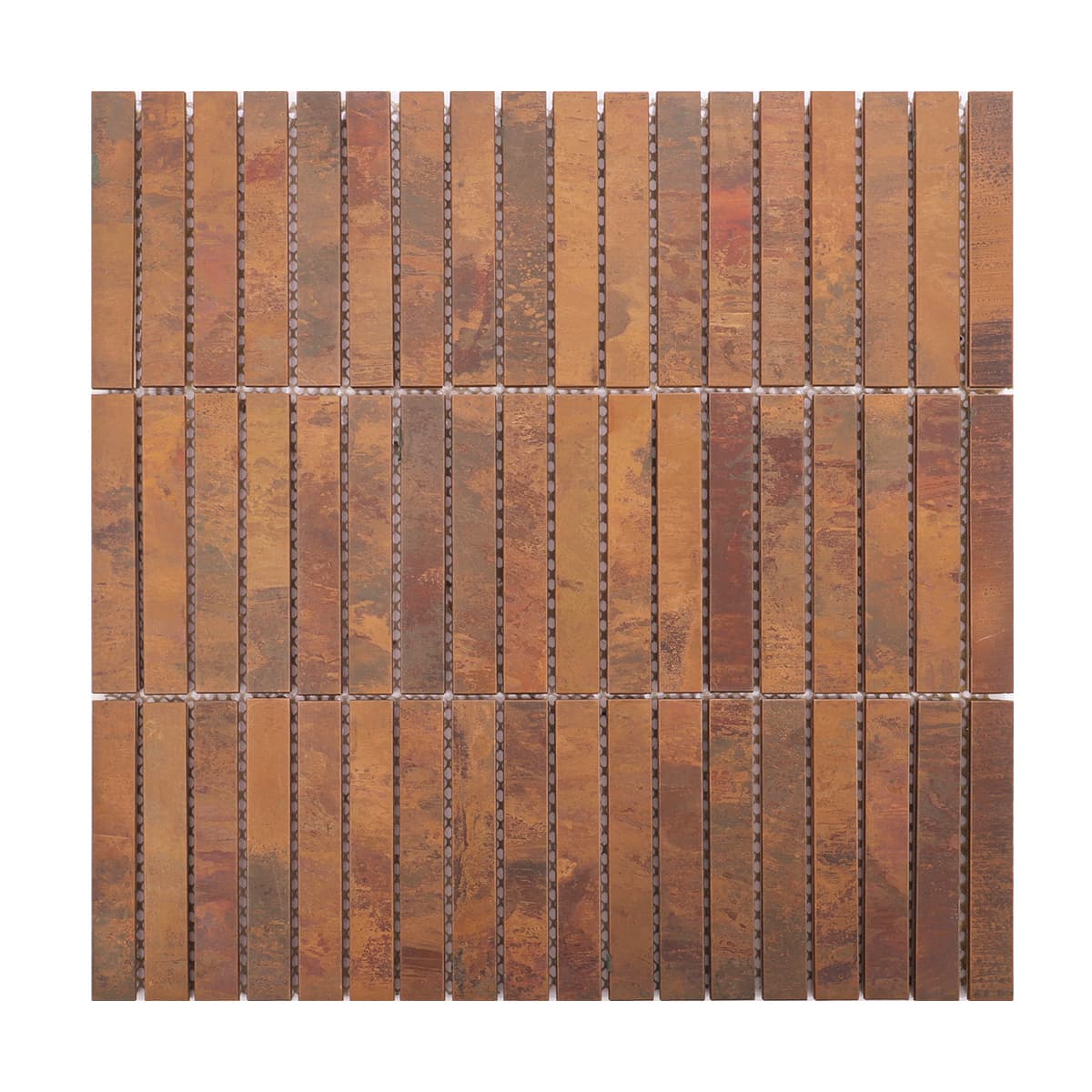
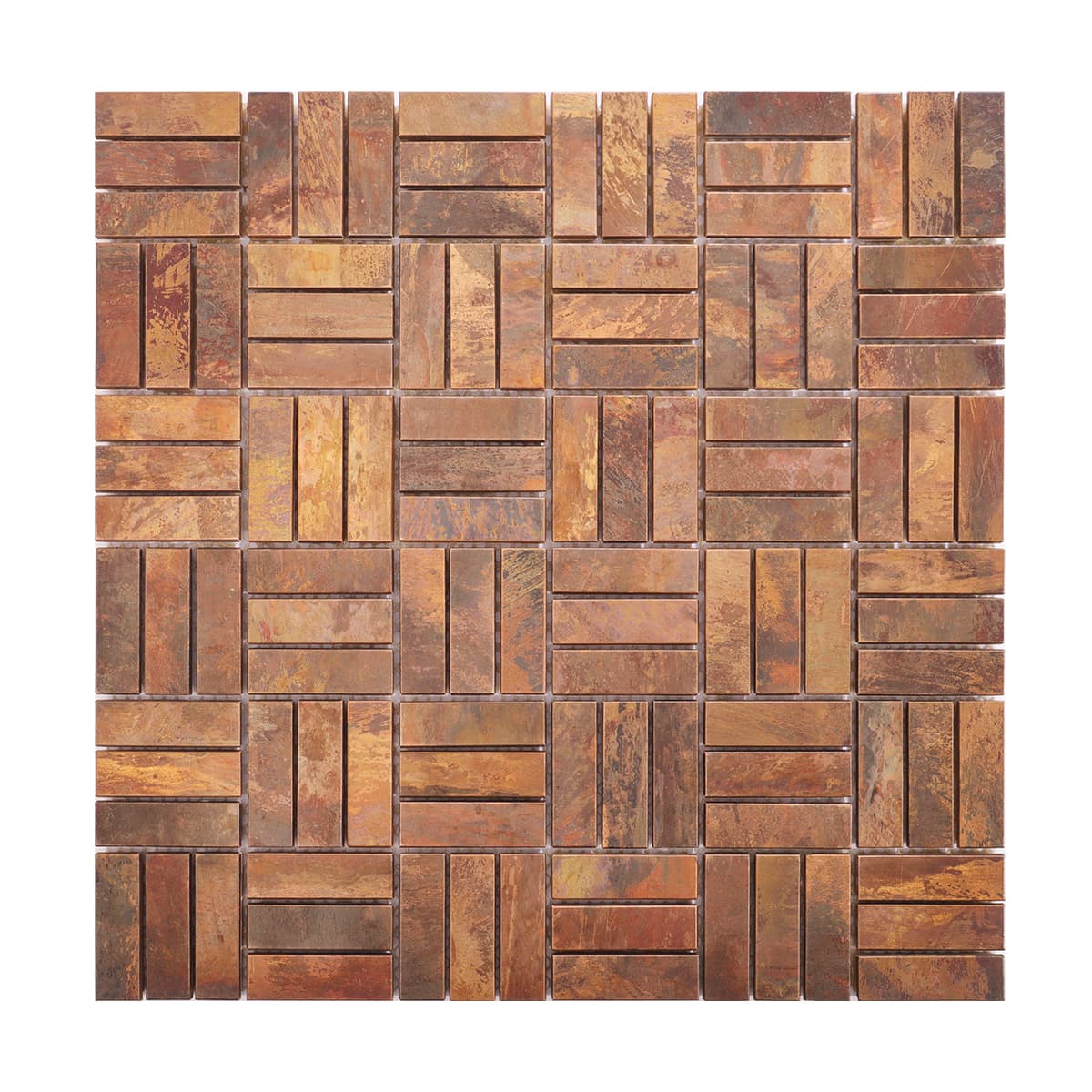
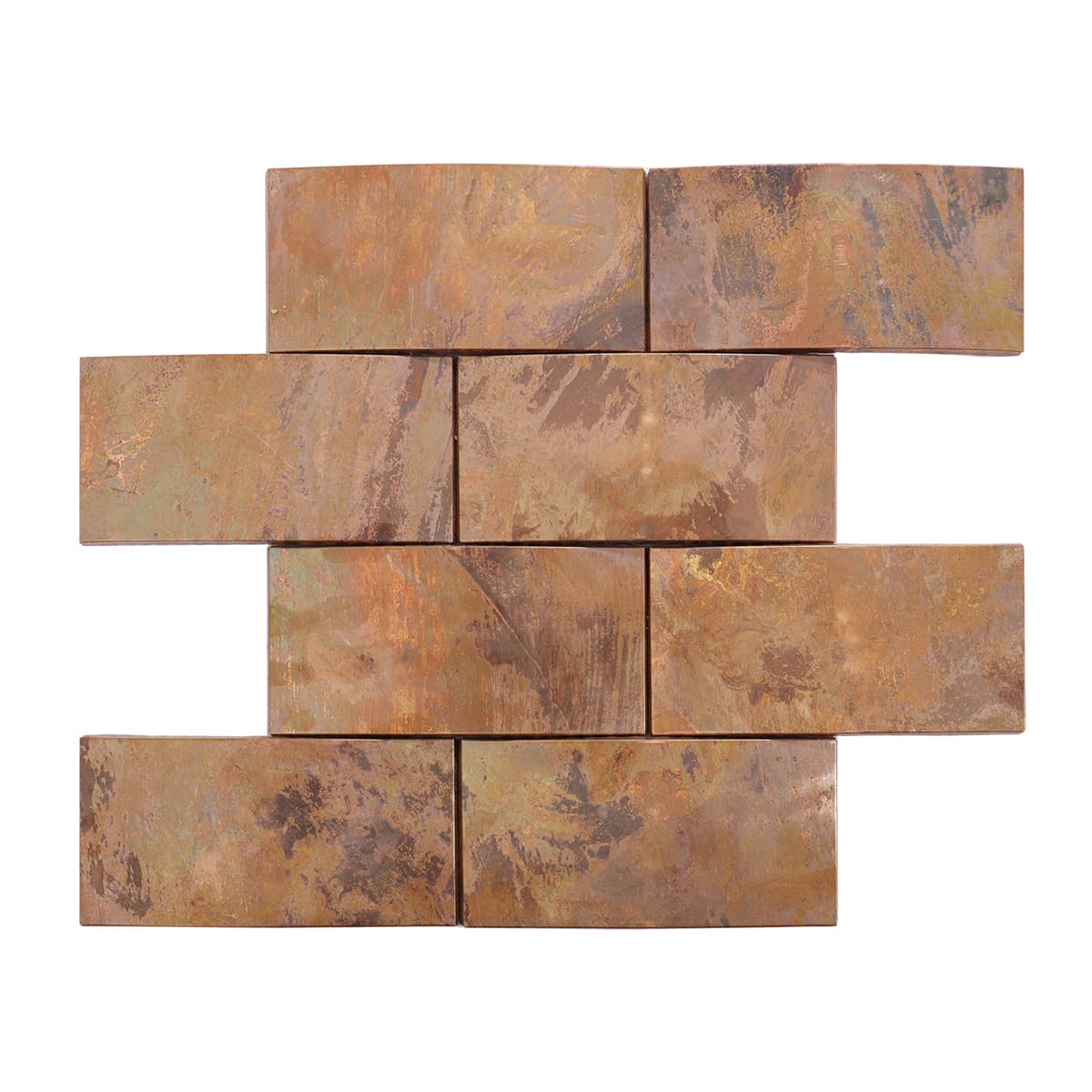
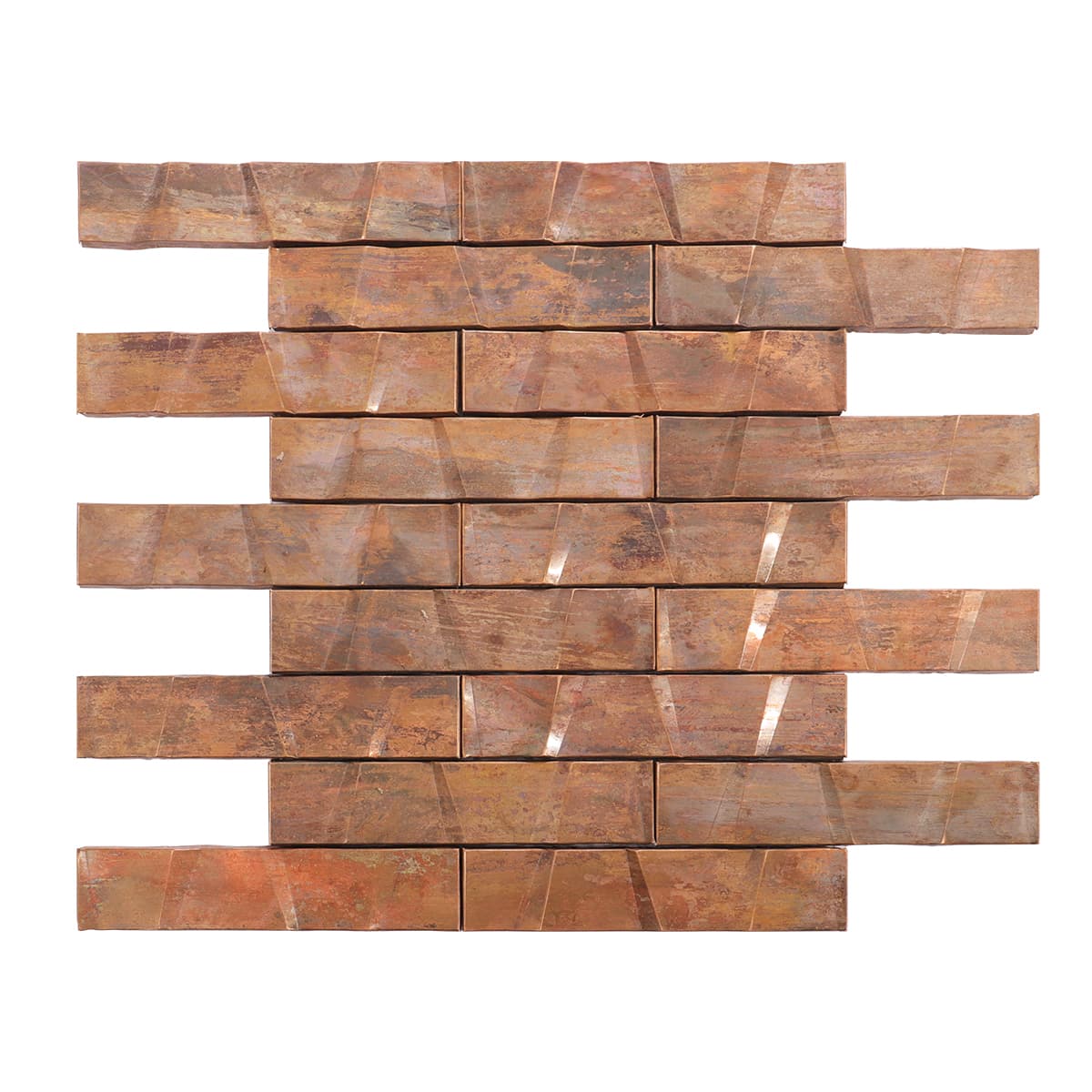
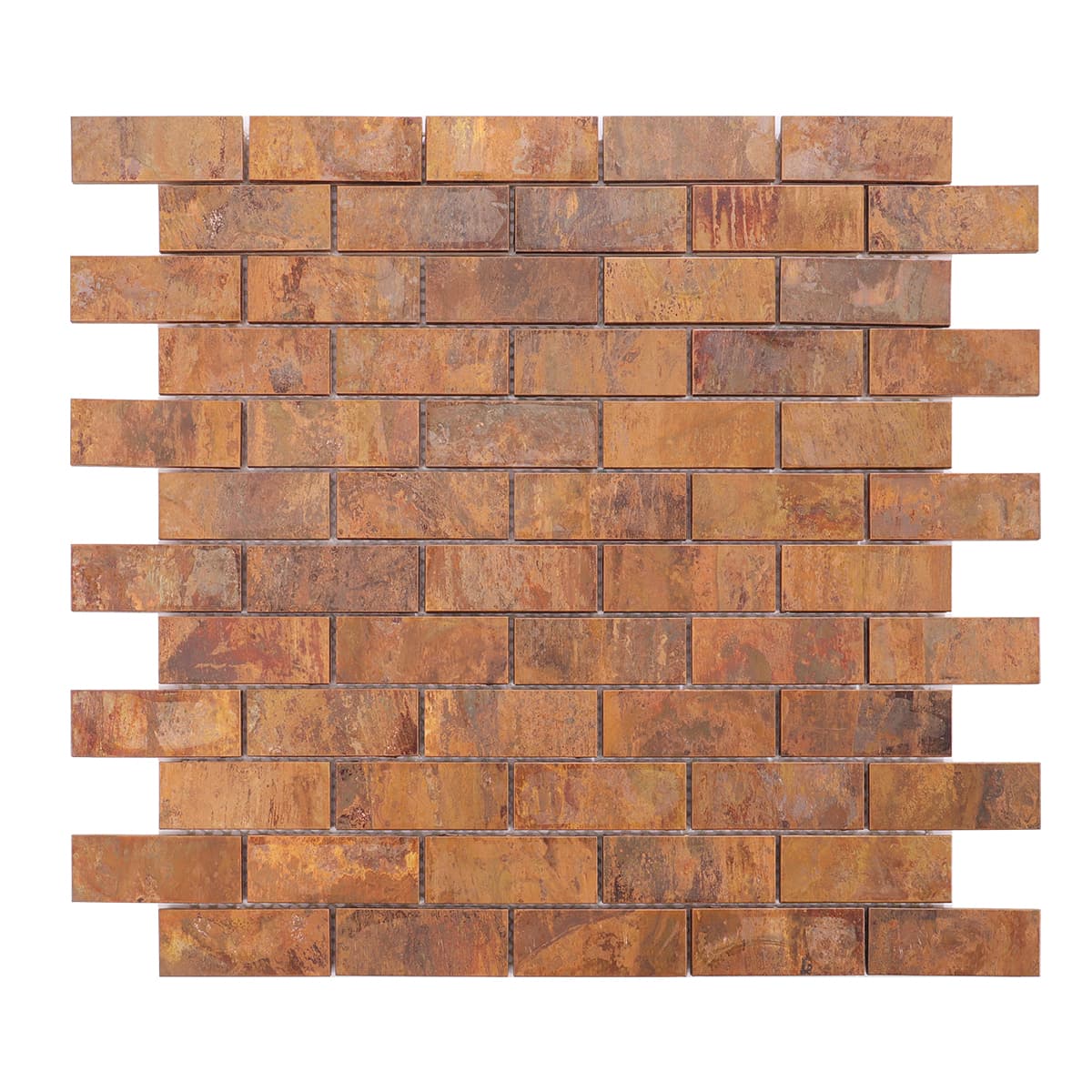
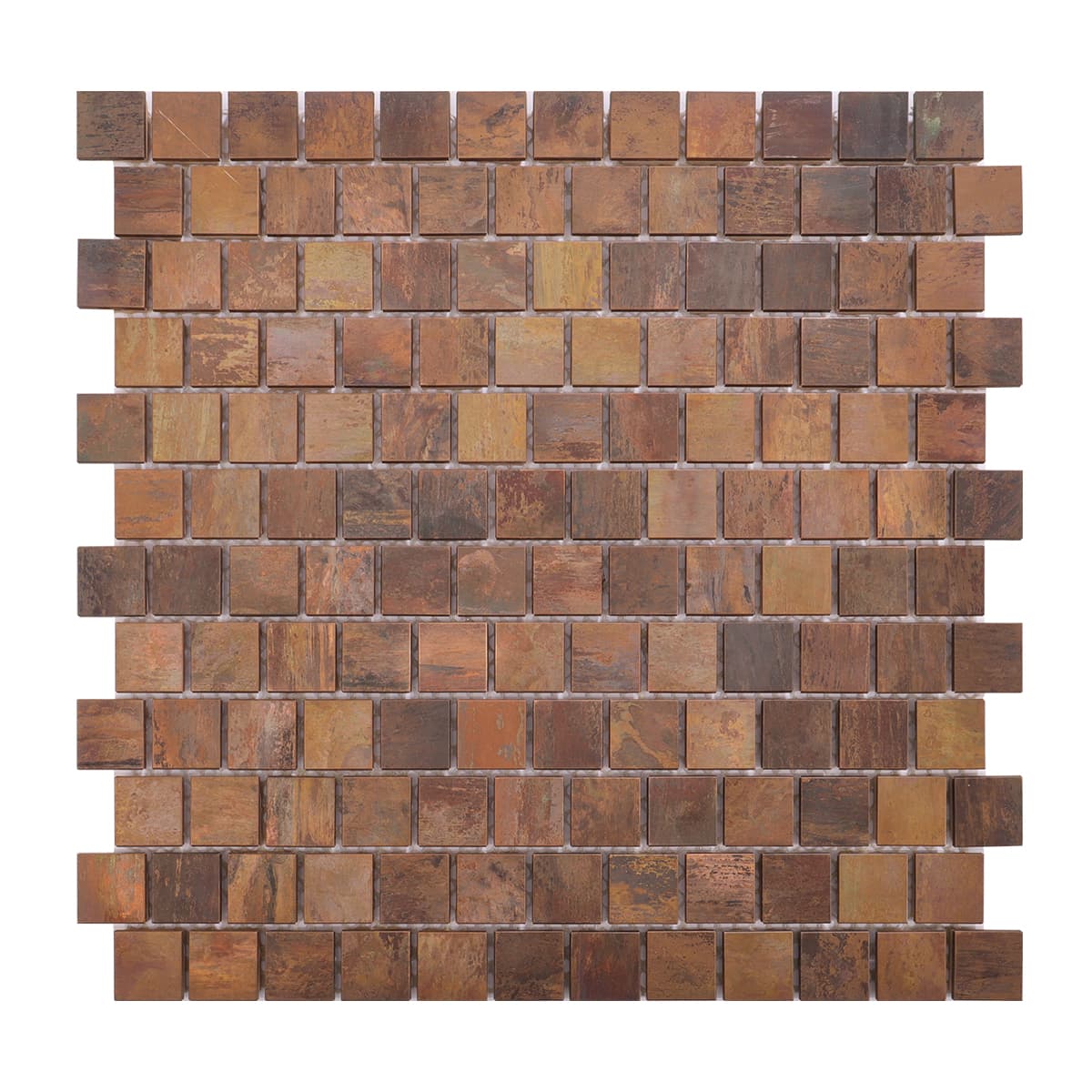
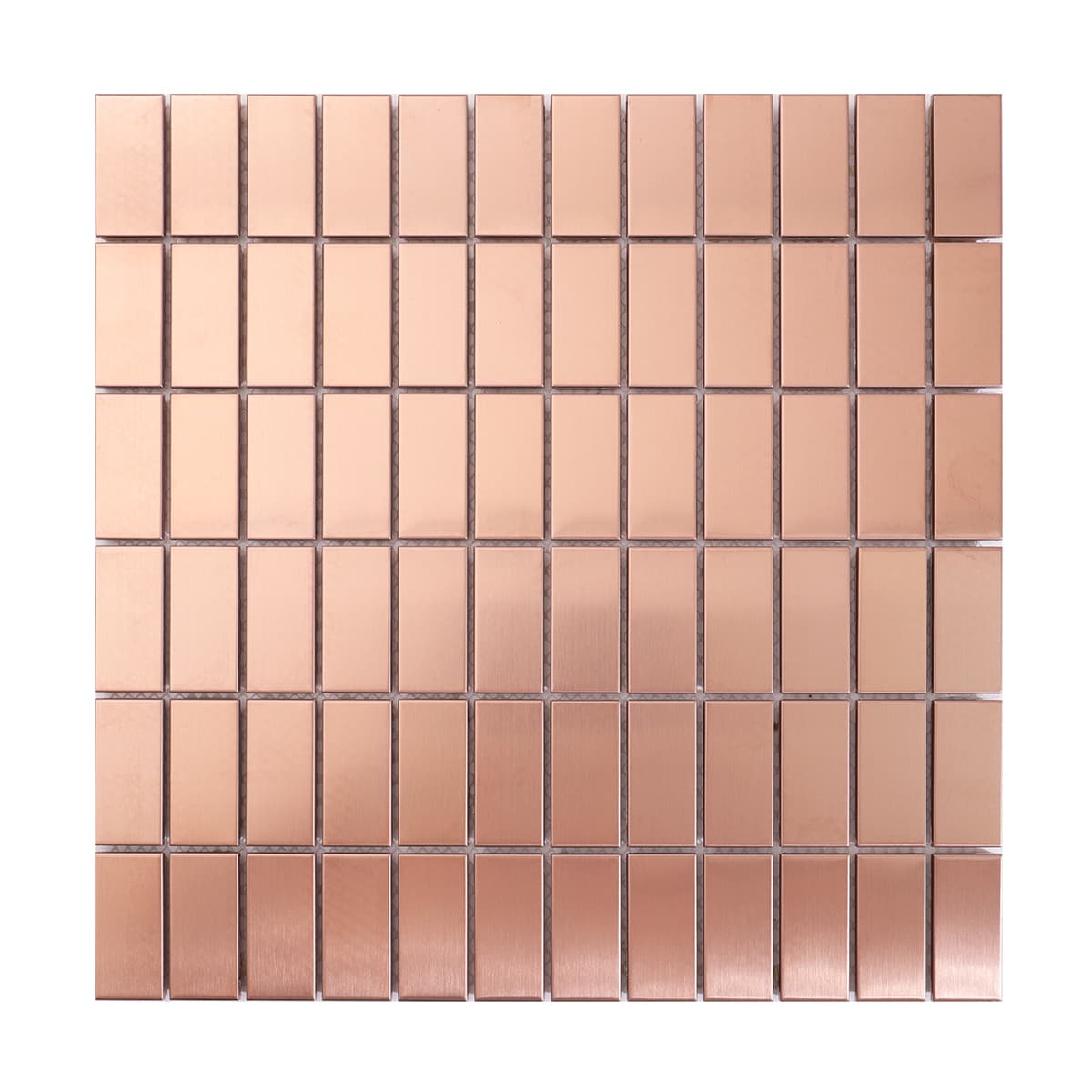
Selecting the right shower tiles is essential for creating a safe, durable, and aesthetically pleasing bathroom space. With countless options available in materials, textures, and designs, understanding the key features of waterproof and non-slip tiles will help you make an informed decision. Whether you're renovating an existing shower or designing a new one, the proper tile selection ensures both functionality and style that will last for years to come.
Modern shower tiles must meet specific performance criteria including water resistance, slip resistance, ease of maintenance, and visual appeal. From classic ceramic to luxurious natural marble and contemporary glass mosaics, each material offers unique advantages for different areas of your shower including floors, walls, and decorative niches.
Waterproof & Non-Slip Performance
Waterproof Excellence
The primary requirement for any shower tile is complete water resistance. Quality shower tiles create an impermeable barrier that prevents moisture from penetrating through to the substrate, protecting your walls and floors from water damage, mold growth, and structural deterioration.
Porcelain and ceramic tiles offer exceptional waterproof properties with water absorption rates below 0.5%. Glass tiles are naturally non-porous, making them ideal for wet environments. Natural stone tiles like marble require proper sealing to achieve optimal waterproof performance, but once sealed, they provide excellent moisture protection while adding natural beauty to your shower.
Slip-Resistant Safety
Non-slip shower tiles are crucial for preventing accidents in wet conditions. The slip resistance of tiles is measured by their coefficient of friction (COF), with ratings of R11 or higher recommended for shower floors. Textured surfaces, smaller tile formats with more grout lines, and specific finish treatments all contribute to improved slip resistance.
Matte and honed finishes provide better traction than polished surfaces. Small-format mosaics, pebble tiles, and tiles with textured patterns naturally create grip through their uneven surfaces and multiple grout joints, significantly reducing the risk of slipping even when the surface is covered with soap and water.
Popular Shower Tile Materials
Glass Shower Tiles
Glass tiles represent one of the most premium and versatile options for shower applications. Available in solid colors, transparent finishes, and iridescent effects, glass tiles bring luminosity and depth to shower spaces. Their non-porous nature makes them inherently waterproof, requiring no sealing and resisting mold and mildew growth naturally.
Glass Tile Applications:
- Small-format glass mosaics (1x1 inch or smaller) are excellent for shower floors due to their enhanced slip resistance from numerous grout lines
- Glass pebble tiles create organic texture and natural traction, perfect for creating spa-like shower floors
- Crackle glass mosaics feature intentional textured patterns that provide both visual interest and improved grip
- Larger format glass tiles work beautifully on shower walls and in niches, reflecting light and creating an open, airy feeling
Glass tiles pair exceptionally well with other materials like natural stone or ceramic, allowing for creative combinations such as glass accent strips within marble walls or glass mosaic niche backgrounds contrasting with porcelain field tiles.
Natural Marble Shower Tiles
Natural marble tiles bring timeless elegance and luxury to shower spaces. While marble is a natural stone that requires proper care and maintenance, modern sealing technologies have made it increasingly practical for shower use. The key to successful marble shower installations lies in selecting the appropriate finish and format.
Marble Finish Options:
- Honed marble features a matte, smooth finish that provides better slip resistance than polished marble while maintaining elegance
- Tumbled marble creates an aged, textured appearance with naturally enhanced grip, ideal for traditional or rustic shower designs
- Marble pebble tiles offer natural stone beauty with superior slip resistance for shower floors
- Marble mosaics in hexagon, basketweave, or herringbone patterns combine aesthetic appeal with practical functionality
Marble shower tiles require periodic resealing to maintain their waterproof properties and resist staining. However, the natural veining, color variations, and sophisticated appearance of marble create a spa-like atmosphere that many homeowners find worth the extra maintenance. Popular marble varieties for showers include Carrara, Calacatta, Statuario, and Emperador.
Porcelain & Ceramic Shower Tiles
Porcelain and ceramic tiles remain the most popular choices for shower installations due to their exceptional durability, water resistance, and design versatility. Porcelain tiles, fired at higher temperatures than ceramic, offer superior density and lower water absorption, making them ideal for all shower applications including floors, walls, and steam showers.
Modern manufacturing techniques allow porcelain and ceramic tiles to authentically replicate natural materials like wood, stone, concrete, and marble while providing superior performance characteristics. These tiles resist scratches, stains, and fading, maintaining their appearance for decades with minimal maintenance.
Key Advantages:
Shower Floor Tiles
Shower floor tiles face the most demanding conditions in your bathroom, requiring exceptional slip resistance, drainage capability, and durability. The ideal shower floor tile combines safety features with visual appeal while maintaining easy cleaning properties.
Best Tile Types for Shower Floors:
Small-Format Mosaics
Tiles measuring 2x2 inches or smaller create numerous grout lines that enhance traction and facilitate water drainage. Popular options include penny rounds, hexagons, and square mosaics in porcelain, ceramic, glass, or natural stone.
Pebble Tiles
Natural or glass pebbles mounted on mesh backing provide organic texture and superior slip resistance. The irregular surface creates excellent foot grip while adding a spa-like, natural element to the shower floor.
Textured Porcelain
Large-format porcelain tiles with anti-slip surface treatments or embossed textures offer a contemporary look with practical slip resistance. Look for tiles rated R11 or higher for shower floor applications.
Important Considerations:
- Ensure proper slope (1/4 inch per foot) toward the drain
- Use epoxy grout for durability and stain resistance
- Avoid highly polished finishes that become slippery when wet
- Consider contrasting floor tile with wall tile for visual interest
Shower Wall Tiles
Shower wall tiles offer more design flexibility than floor tiles since slip resistance is less critical. This allows for larger formats, polished finishes, and decorative patterns that create stunning visual impacts. Wall tiles should still be rated for wet areas and properly installed with waterproof backing and appropriate membranes.
Size & Format Options
- Large format tiles (12x24 inches or larger) create seamless, modern appearances with fewer grout lines
- Subway tiles (3x6 inches) remain timelessly popular in various layouts including horizontal, vertical, herringbone, and stacked
- Decorative mosaics can be used as accent bands, focal walls, or mixed with larger field tiles
Design Approaches
- Monochromatic schemes use varying shades of one color for sophisticated depth
- Mixed materials combine glass, stone, and ceramic for textural interest
- Accent walls feature special tiles behind the showerhead or on the main viewing wall
Popular Wall Tile Trends
Vertical Installation
Creates height illusion
Floor-to-Ceiling
Maximizes protection
Geometric Patterns
Adds visual interest
Shower Niche Design
A shower niche (also called a shower shelf or recessed shelf) provides essential storage for toiletries while adding a design element to your shower. The tile selection for niches offers an opportunity to introduce accent colors, contrasting materials, or complementary patterns that enhance the overall shower aesthetic.
Niche Tile Ideas
-
Glass mosaics - Create jewel-box effects with shimmering glass tiles that catch light beautifully
-
Natural stone - Continue marble or other stone from walls into niche for seamless luxury
-
Contrasting color - Use darker or brighter tiles to make the niche a focal point
-
Different pattern - Install tiles in opposing direction or different layout than field tiles
Installation Tips
Slope the bottom slightly toward the shower to prevent water pooling
Use smaller tiles on curved or angled surfaces for easier installation
Consider durability for the horizontal shelf surface where bottles sit
Plan niche location at comfortable height between 48-60 inches from floor
Common Niche Sizes & Configurations
Single Horizontal
12" H x 24-36" W
Most common layout
Vertical Stack
36-48" H x 12" W
Space-efficient design
Double Shelf
24" H x 24" W
Extra storage option
Installation & Maintenance Guidelines
Professional Installation
Proper shower tile installation is critical for long-term performance. The substrate must be appropriately prepared with waterproof membranes, and tiles should be set with quality thin-set mortar suitable for wet areas. Proper slope for drainage, careful attention to corners and transitions, and correct grout application all contribute to a successful installation.
Key Installation Steps:
- Waterproof membrane installation
- Proper tile layout planning
- Quality adhesive application
- Precise tile cutting and fitting
- Complete grout and sealer application
Care & Maintenance
Different tile materials require varying levels of maintenance. Porcelain and ceramic tiles need only regular cleaning with mild detergents. Glass tiles resist staining but may show water spots that require frequent wiping. Natural stone tiles need periodic resealing to maintain their waterproof properties and appearance.
Maintenance Best Practices:
- Regular cleaning with appropriate products
- Periodic grout sealing (annually)
- Immediate spill cleanup
- Adequate ventilation after use
- Stone resealing as recommended
Choosing the Perfect Shower Tiles
Selecting the right shower tiles involves balancing aesthetic preferences with practical requirements. Whether you choose the timeless elegance of natural marble, the luminous beauty of glass mosaics, or the reliable performance of porcelain and ceramic, prioritize waterproof and non-slip properties for safety and durability.
Consider how different tile materials work together across your shower floor, walls, and niche to create a cohesive design that reflects your personal style while meeting the functional demands of a wet environment. With proper installation and maintenance, quality shower tiles will provide years of beautiful, worry-free performance.
Pro Tip: Always purchase 10-15% extra tiles beyond your calculated needs to account for cuts, breakage, and future repairs. Request samples before ordering to see how tiles look in your actual bathroom lighting conditions.