


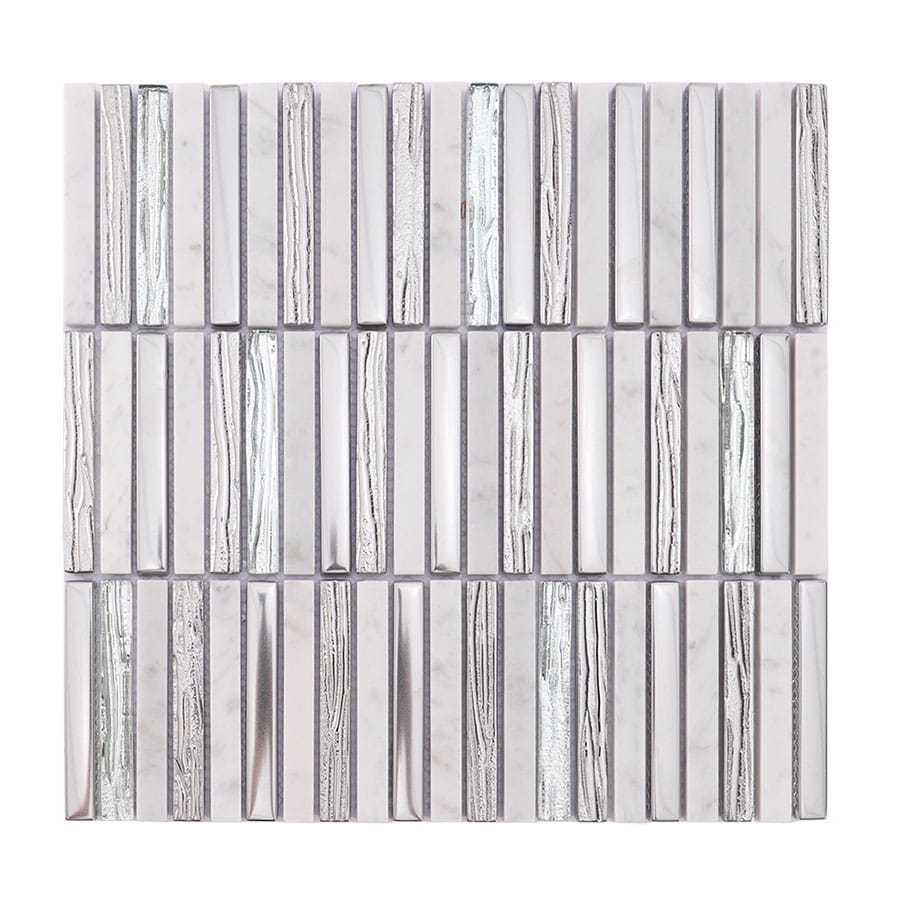
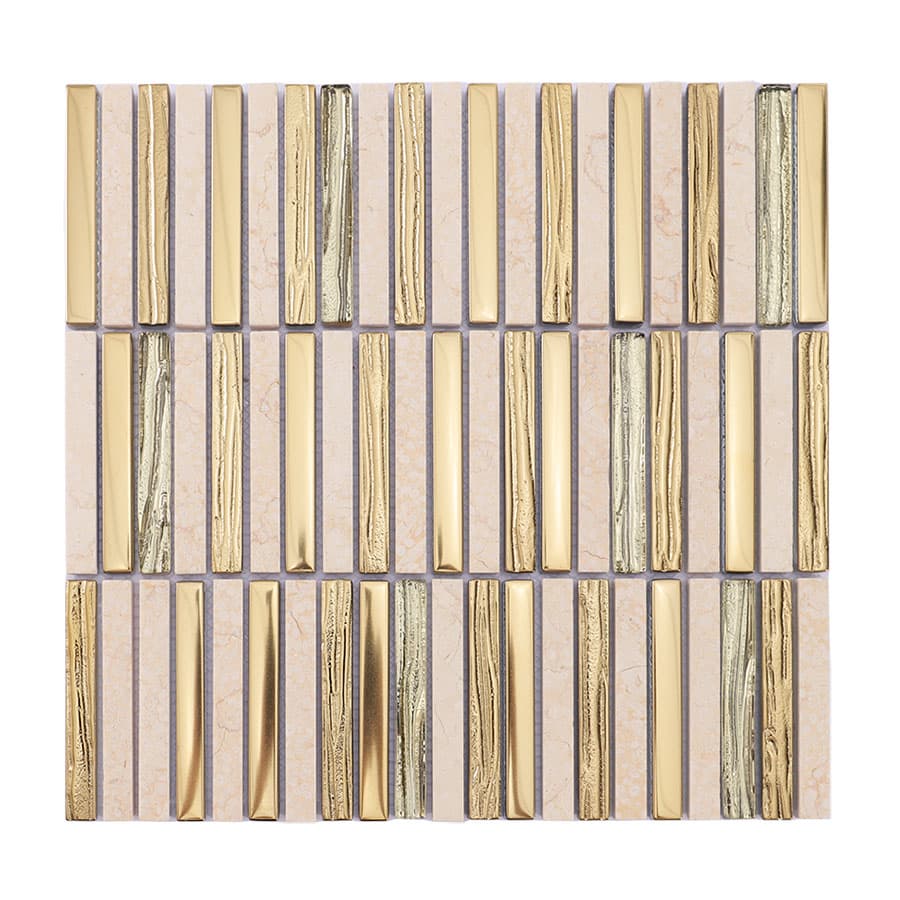
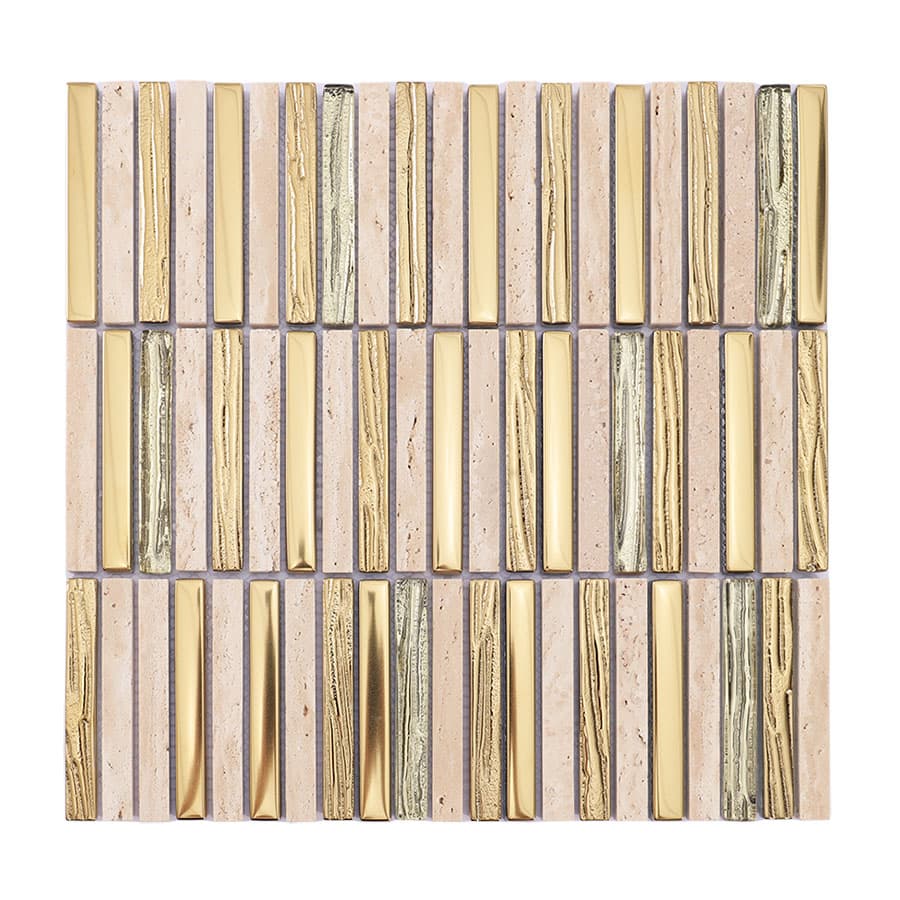
Kitchen tiles are one of the most important design elements in any kitchen renovation or new build project. They serve both functional and aesthetic purposes, protecting walls and floors from moisture, heat, and daily wear while creating the visual foundation for your kitchen's overall style. Whether you're updating a backsplash, installing new flooring, or completely transforming your kitchen space, choosing the right tiles can dramatically impact both the look and longevity of your kitchen.
From durable porcelain to luxurious marble, from classic subway tiles to contemporary large-format designs, the options for kitchen tiles have never been more diverse. Understanding the different types, materials, and styles available will help you make informed decisions that balance beauty, functionality, and budget to create the kitchen of your dreams.
Types of Kitchen Tiles
Kitchen Wall Tiles
Kitchen wall tiles are specifically designed for vertical surfaces, primarily used for backsplashes and accent walls. These tiles protect your walls from cooking splashes, grease, and moisture while serving as a stunning focal point in your kitchen design. Wall tiles are typically lighter than floor tiles and come in a vast array of colors, patterns, and finishes.
Popular applications include backsplash areas behind stoves and sinks, full-height feature walls, and decorative borders. Wall tiles can extend from countertop to cabinets or stretch all the way to the ceiling for maximum visual impact and protection. They offer easier installation compared to floor tiles due to their lighter weight and smaller size options.
Kitchen Floor Tiles
Kitchen floor tiles must withstand constant foot traffic, dropped objects, spills, and cleaning routines, making durability the top priority. These tiles are typically thicker, denser, and more slip-resistant than wall tiles. The right floor tile selection can dramatically affect your kitchen's ambiance while providing years of reliable performance.
Floor tiles should have appropriate slip resistance ratings, especially important in areas prone to water exposure. Consider textured or matte finishes for better traction. Large-format tiles have become increasingly popular for kitchen floors as they create fewer grout lines, making cleaning easier while giving the space a modern, seamless appearance.
Kitchen Tile Materials
Ceramic Tiles
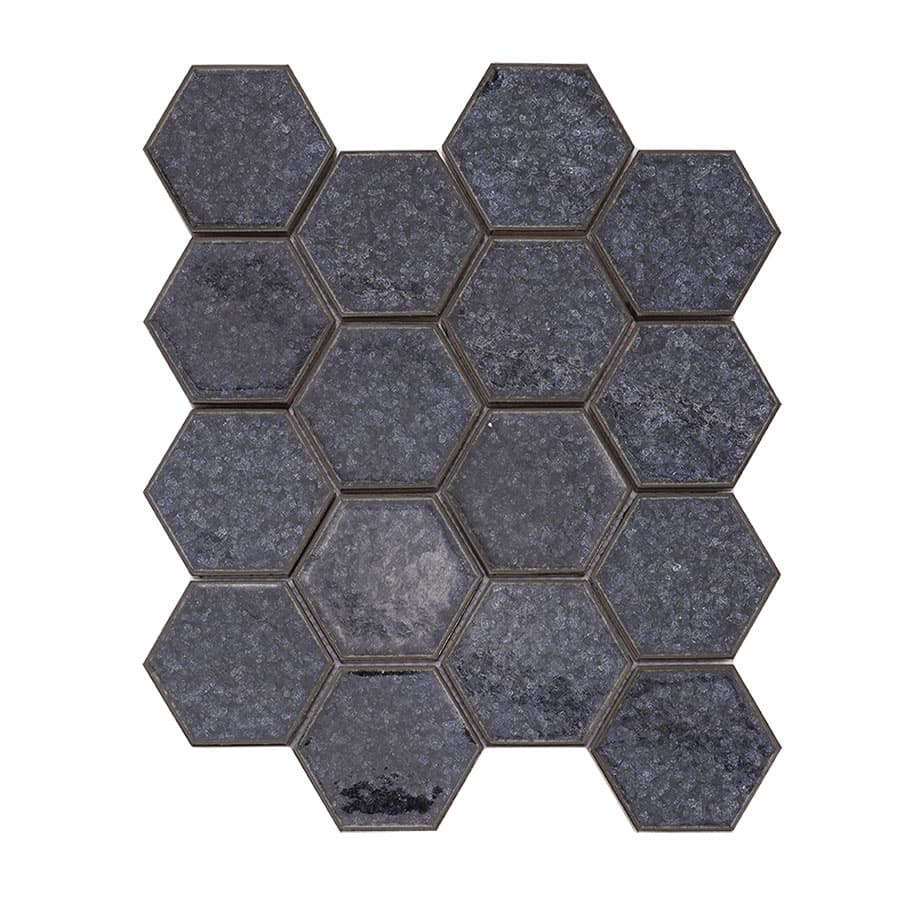
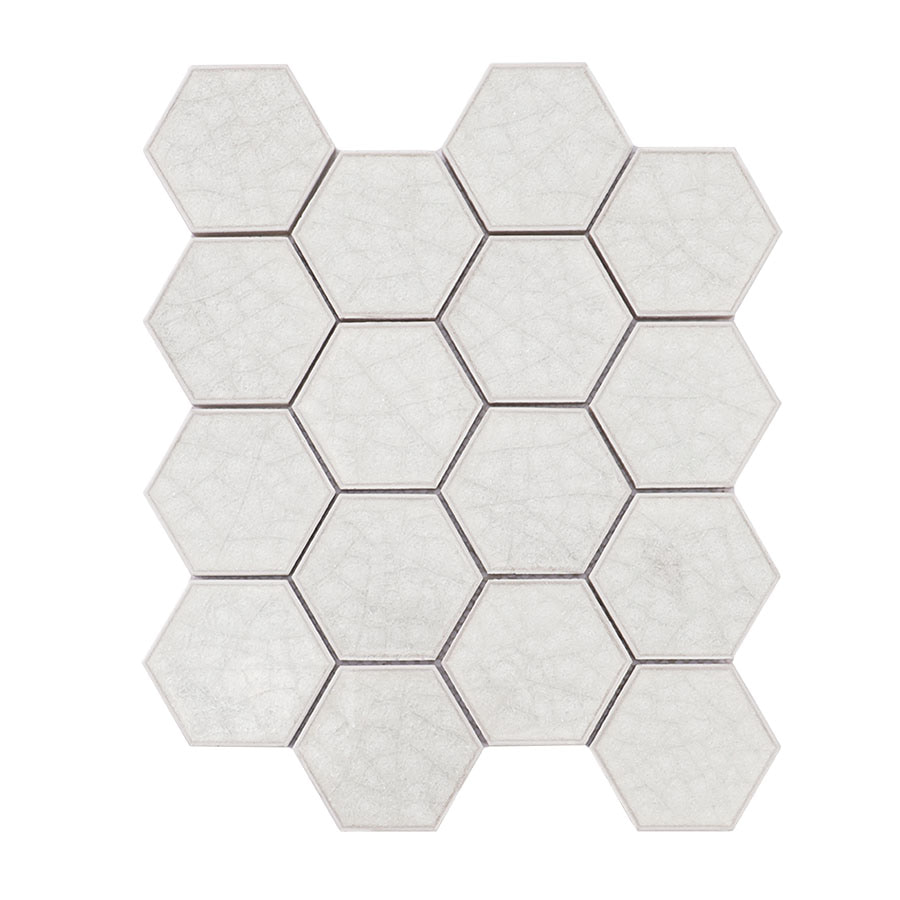
Ceramic tiles are made from clay that is shaped, glazed, and fired at high temperatures. They represent one of the most versatile and budget-friendly options for kitchen applications. The glazed surface comes in endless colors, patterns, and finishes, making ceramic tiles suitable for backsplashes, walls, and light-traffic floor areas. They offer excellent resistance to stains and moisture, are easy to clean, and provide good durability for most kitchen uses.
Available in various surface finishes including glossy, matte, and textured options, ceramic tiles can accommodate any design style from traditional to contemporary. While not as dense as porcelain, quality ceramic tiles perform exceptionally well in kitchen environments when properly installed and maintained.
Porcelain Tiles
Porcelain tiles are created through a more refined process using finer clay pressed and fired at higher temperatures, resulting in an extremely dense and durable material. This makes porcelain ideal for high-traffic kitchen floors where resistance to wear, moisture, and staining is critical. Porcelain tiles are available in rectified formats that allow for minimal grout lines, creating sleek, modern installations.
Many porcelain tiles feature through-body coloration, meaning chips and scratches are less noticeable compared to glazed tiles. They can convincingly replicate natural materials like wood, stone, and concrete while offering superior performance characteristics. Though more expensive than ceramic, porcelain's longevity and low maintenance make it an excellent long-term investment.
Glass Tiles
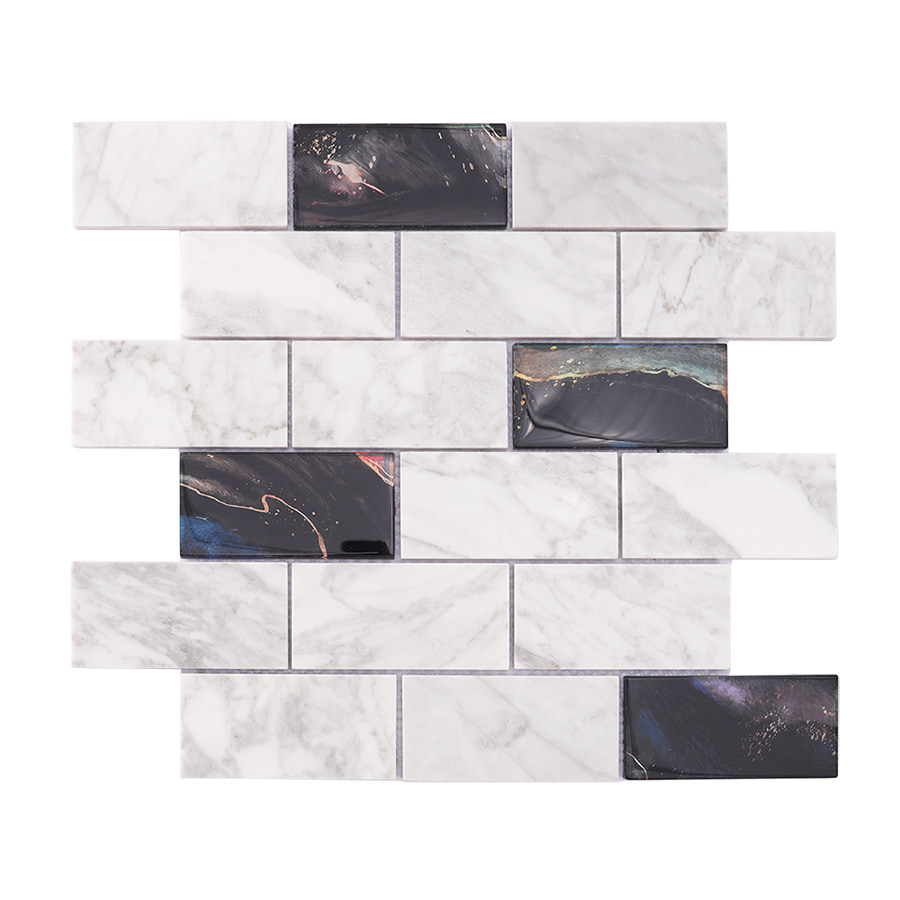
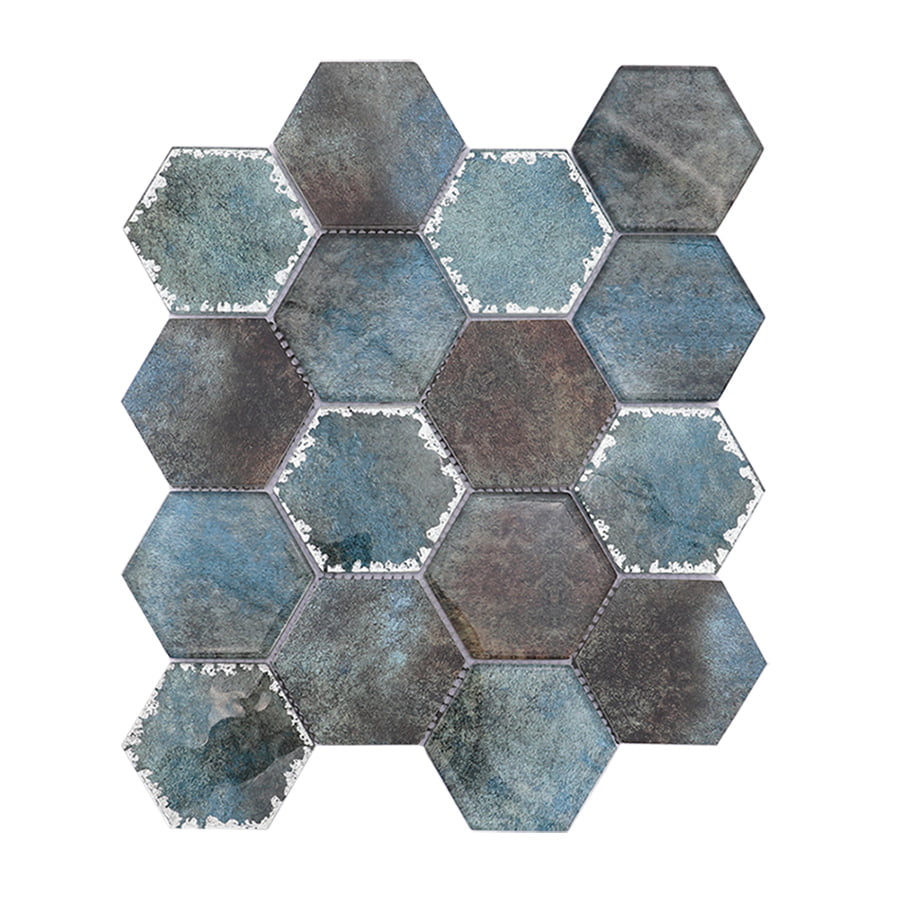
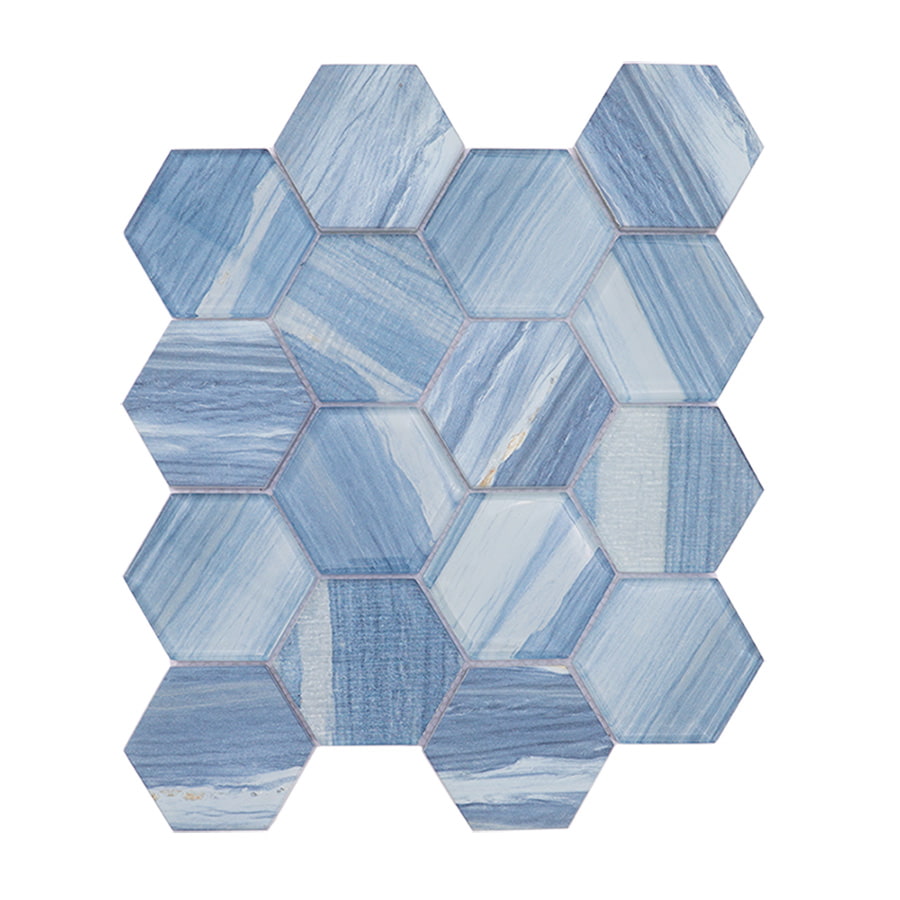
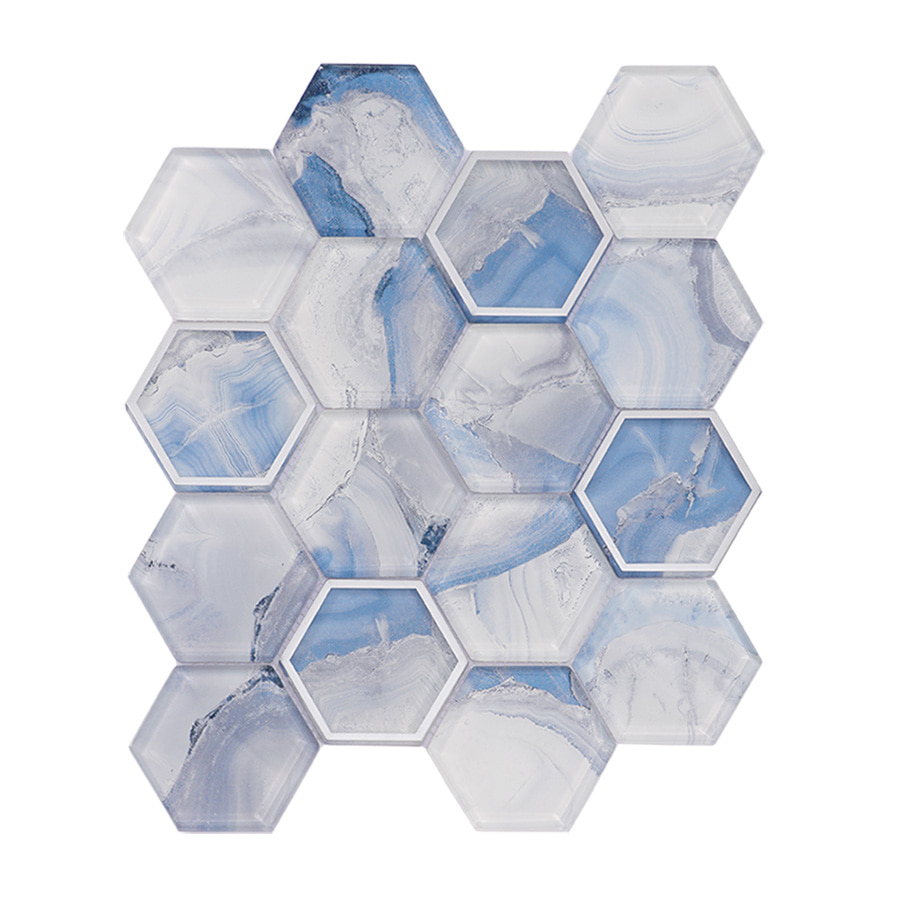
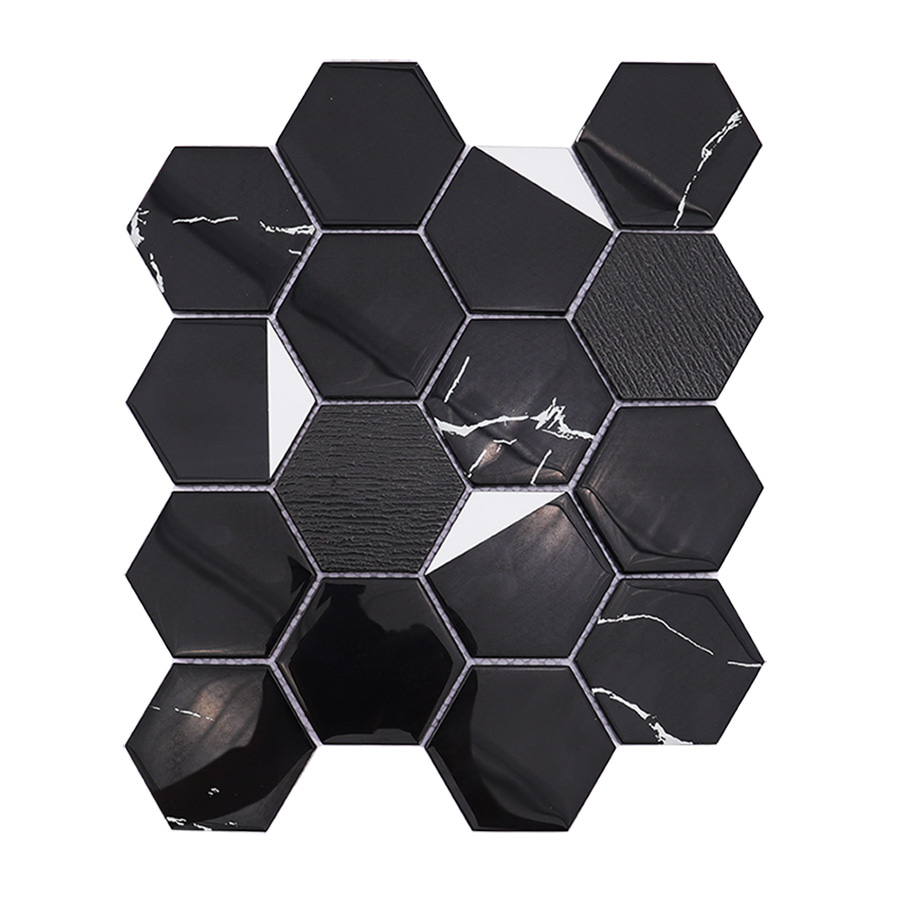
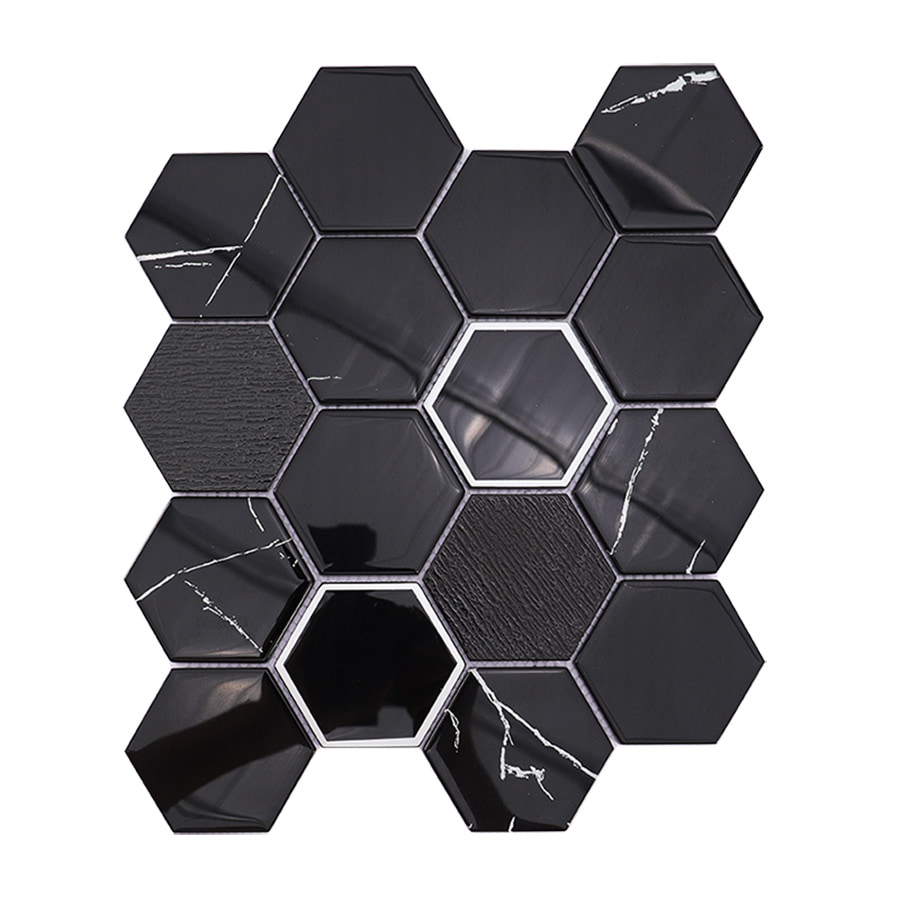
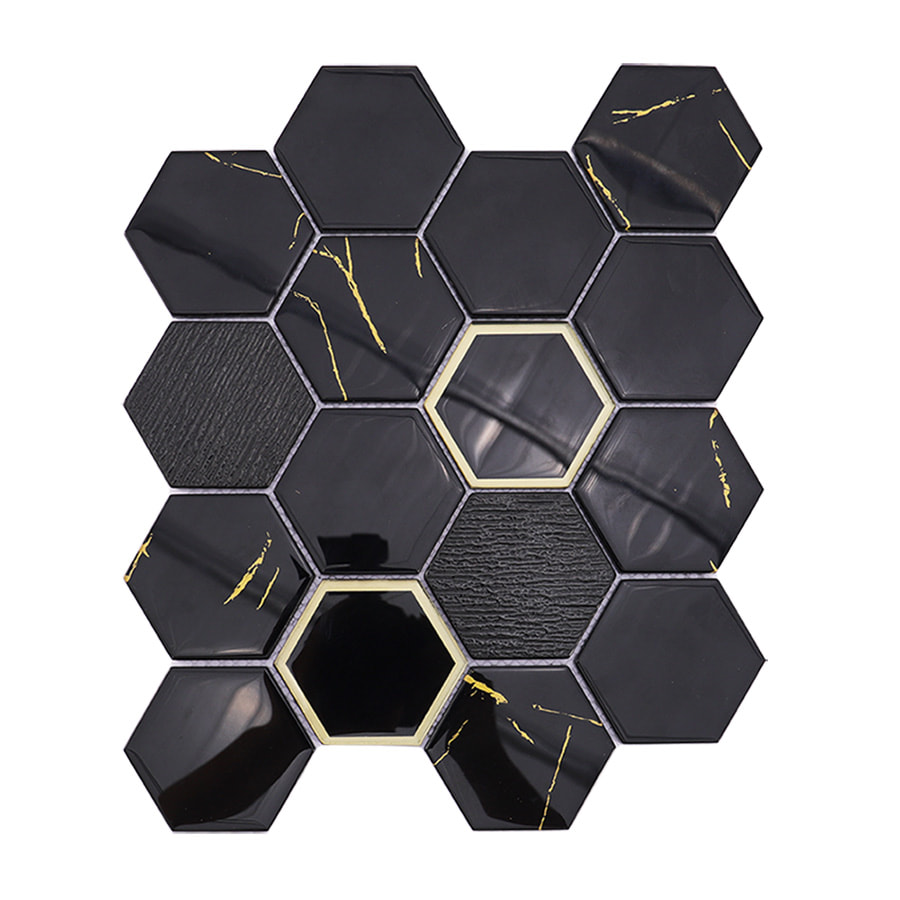
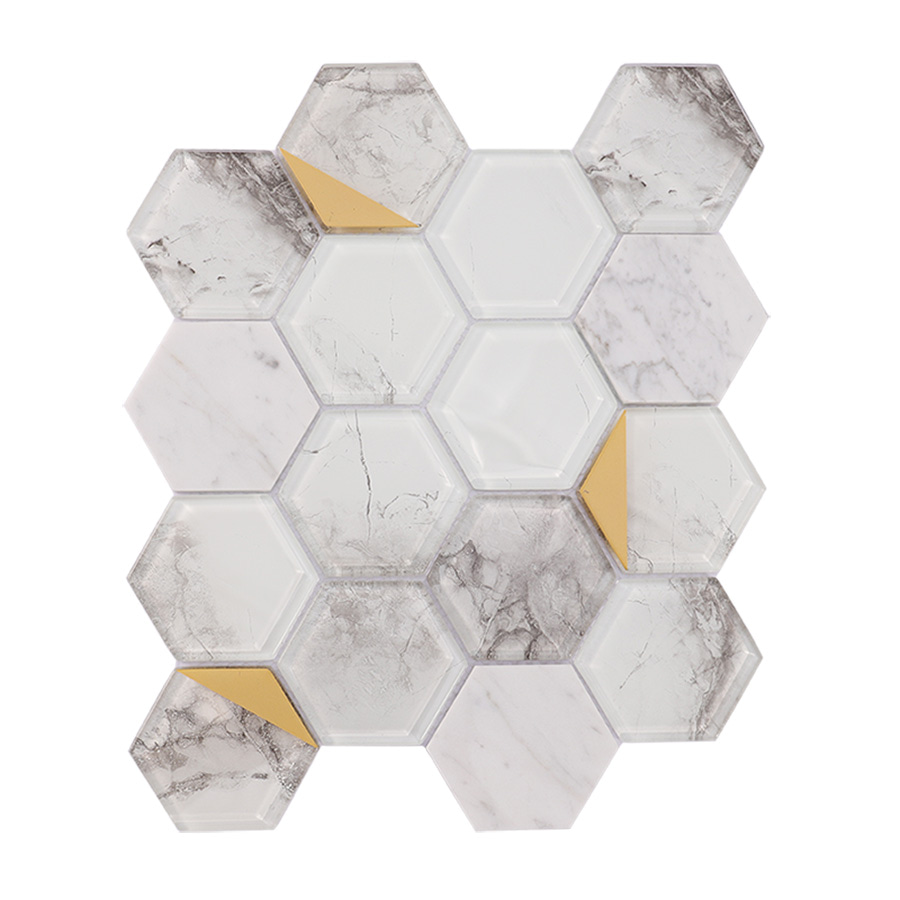
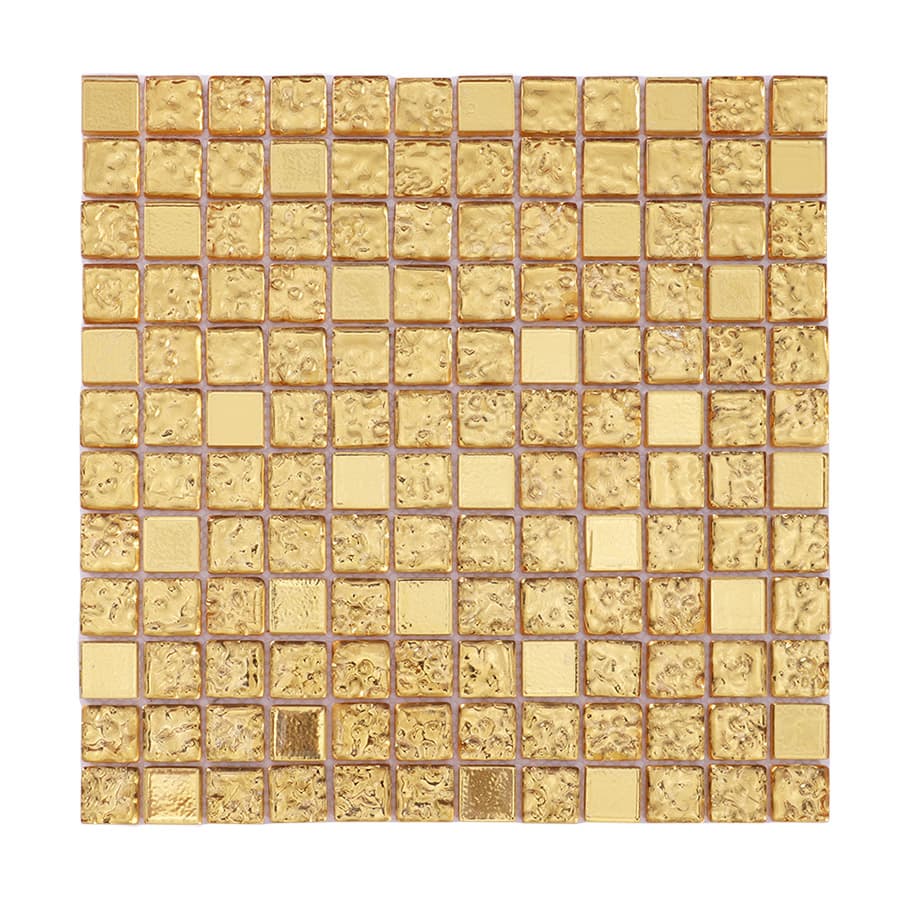
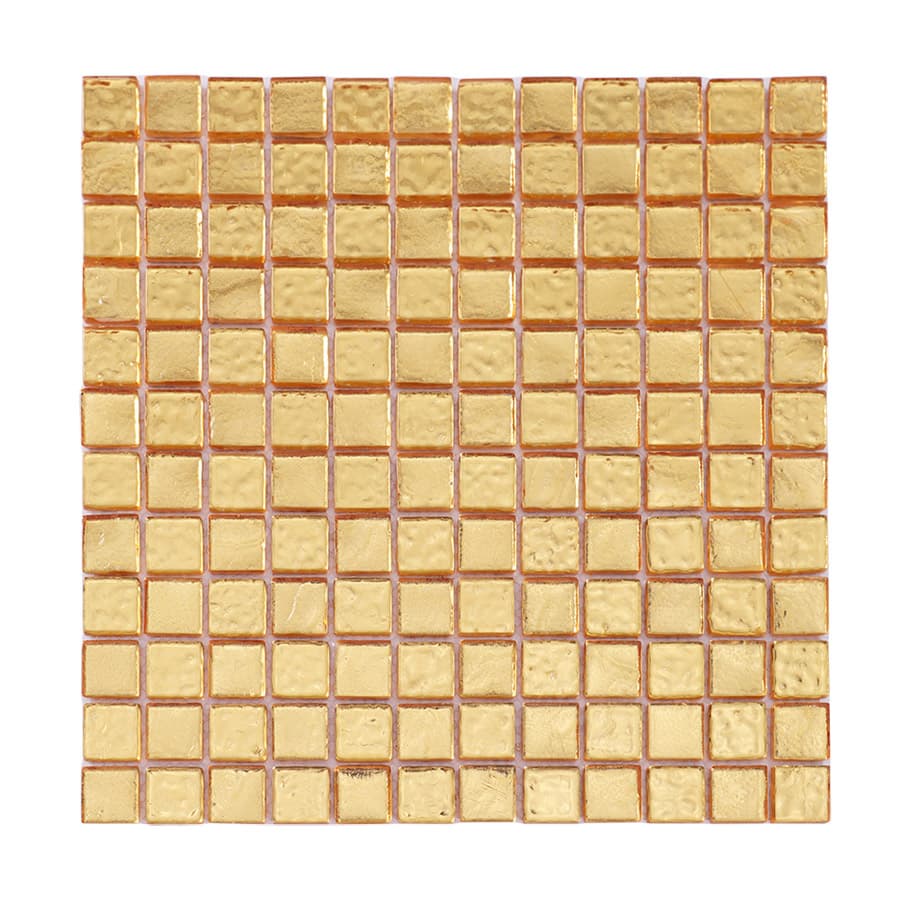
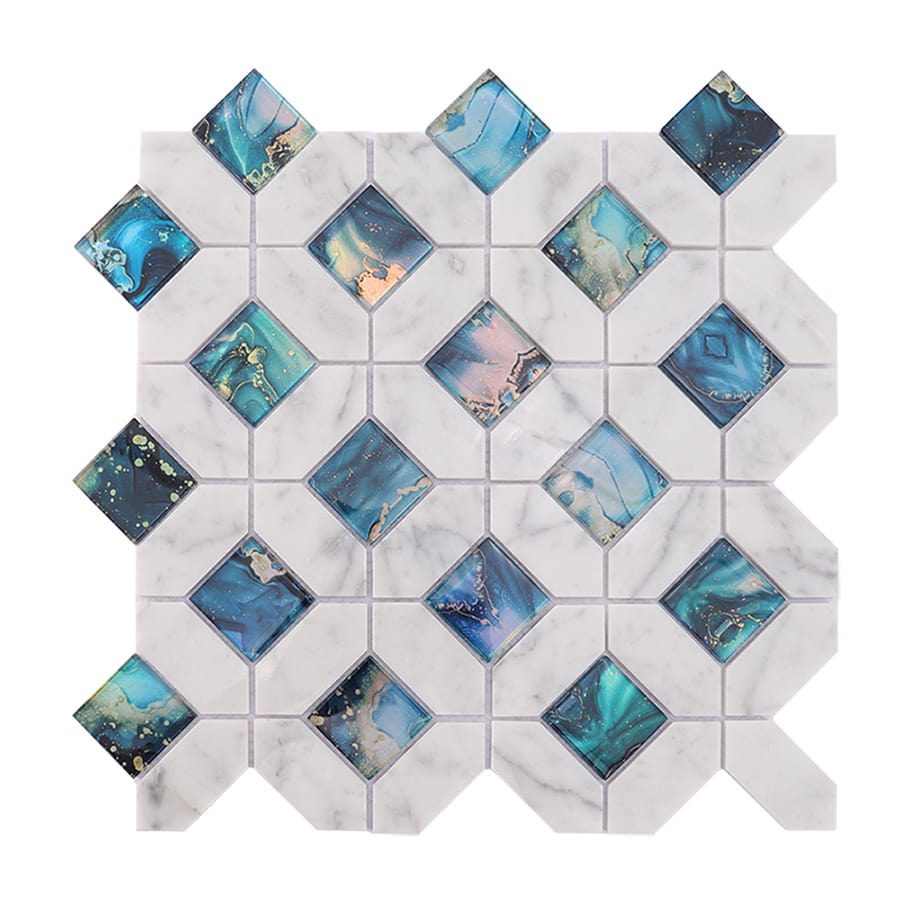
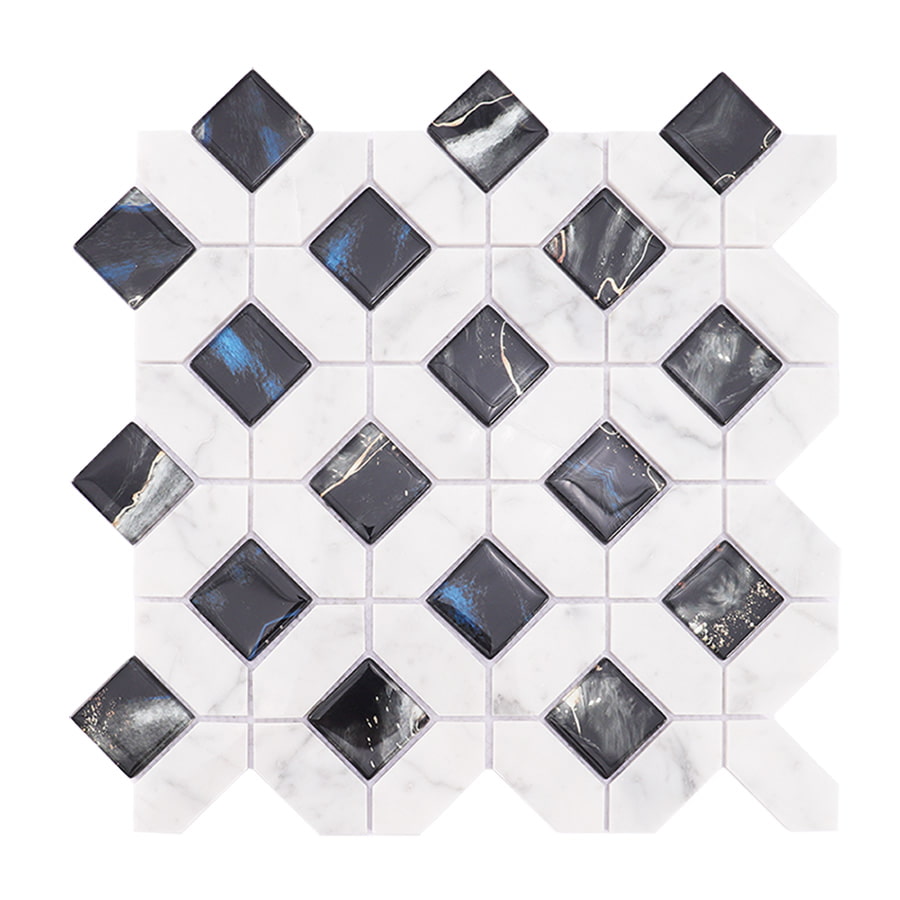
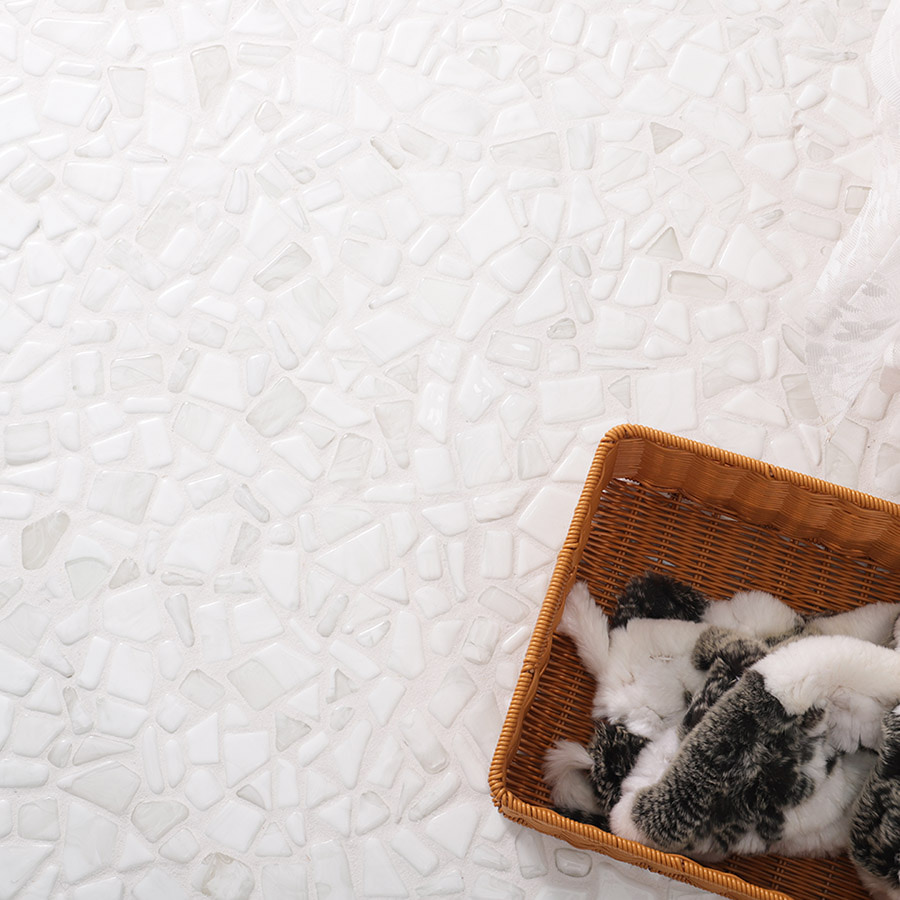
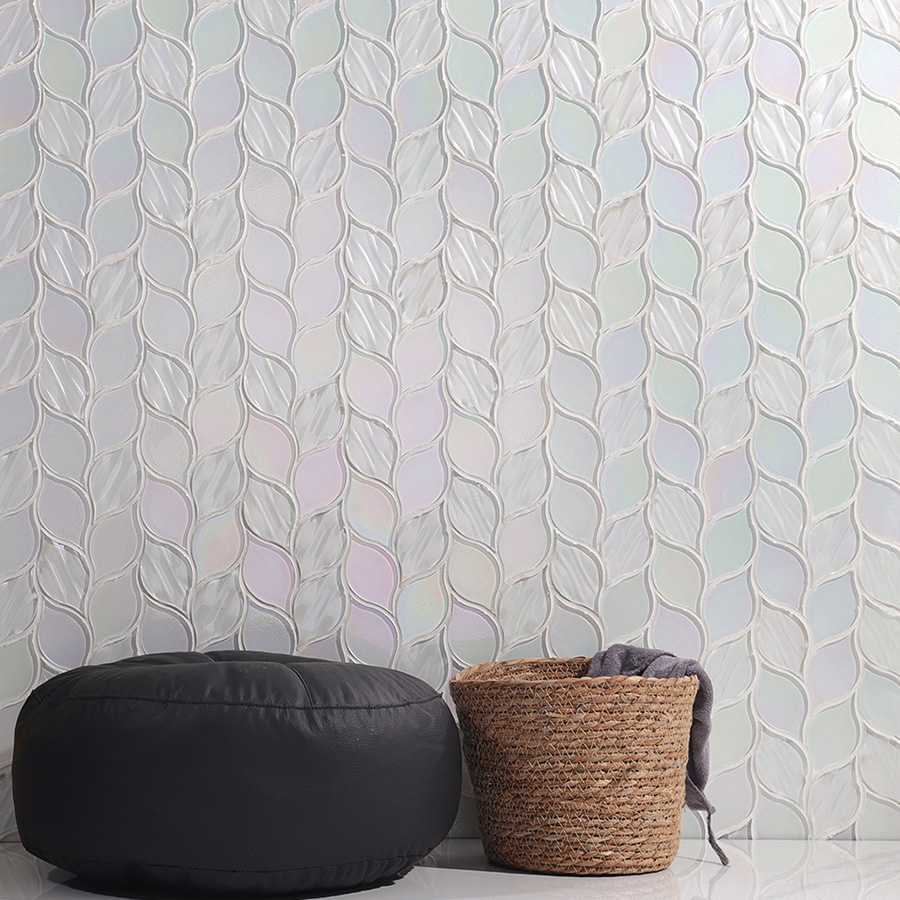
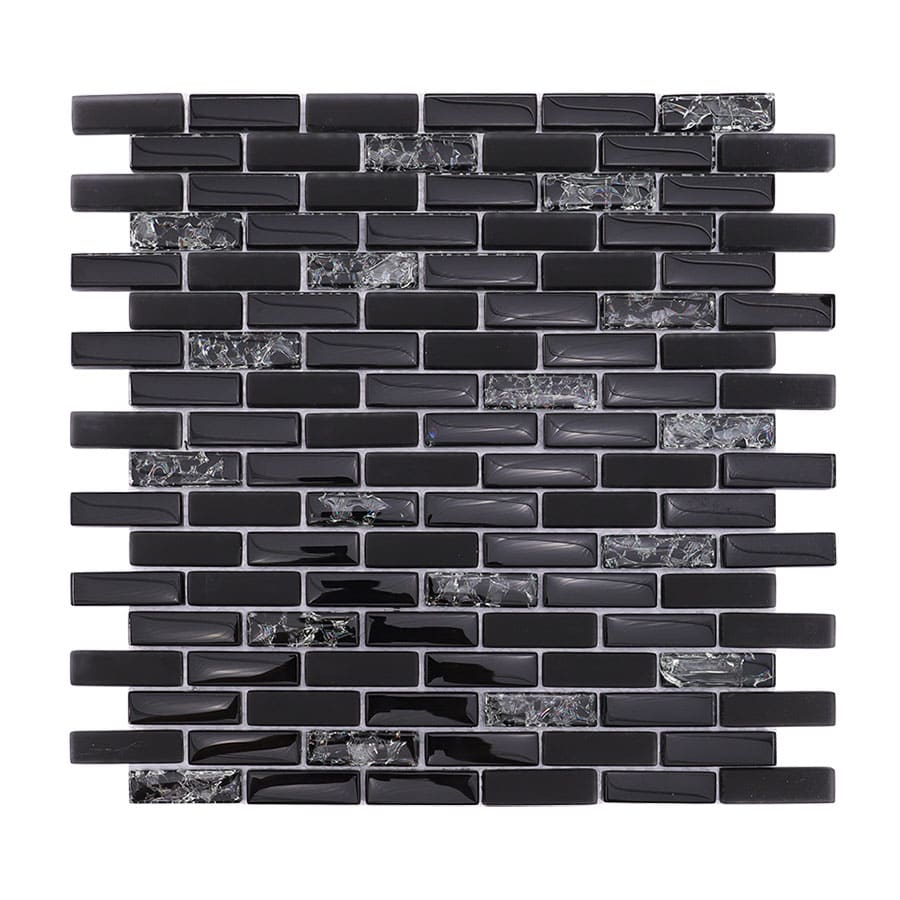
Glass tiles bring luminosity and depth to kitchen designs, reflecting light beautifully and creating visual interest. Available in vitreous glass, recycled glass, and crystal glass variations, these tiles come in numerous shapes including subway, mosaic, and custom formats. Glass tiles feature various surface effects such as matte, metallic, and iridescent finishes that add dimension to backsplashes and accent walls.
While stunning for decorative applications, glass tiles require careful installation and are typically reserved for wall applications rather than floors due to their fragile nature. They are non-porous and resist staining exceptionally well, making them easy to clean and maintain. The transparency of glass tiles allows for creative backlighting effects and layered design possibilities.
Marble Tiles
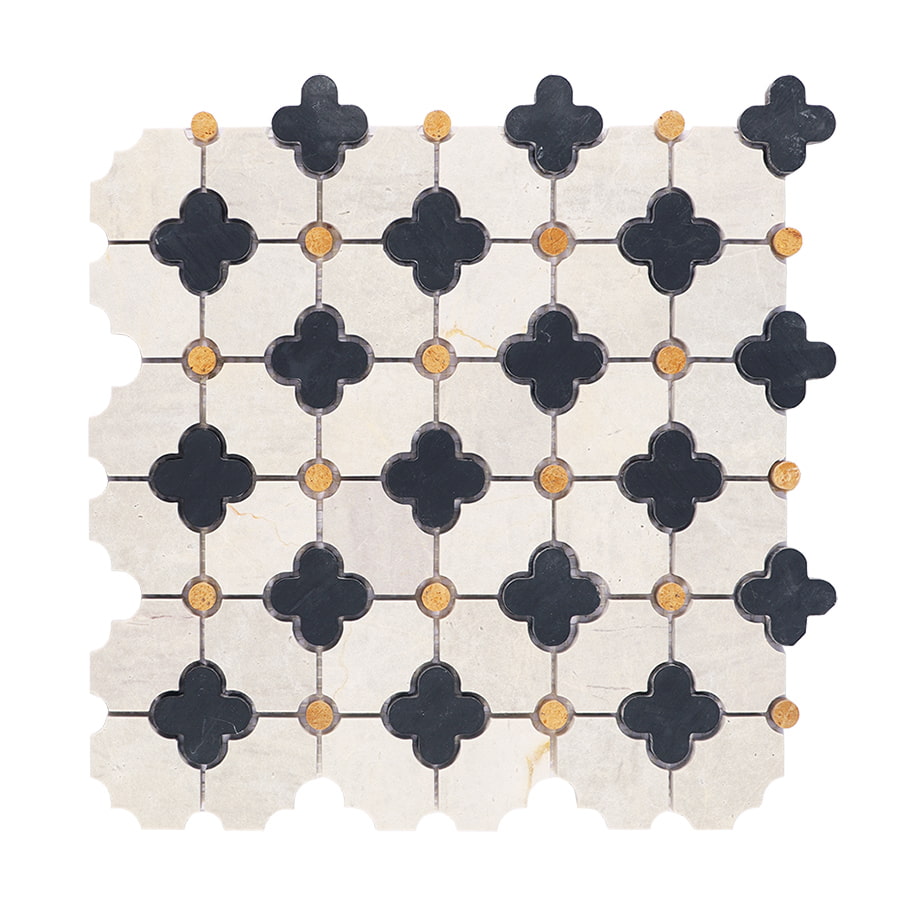
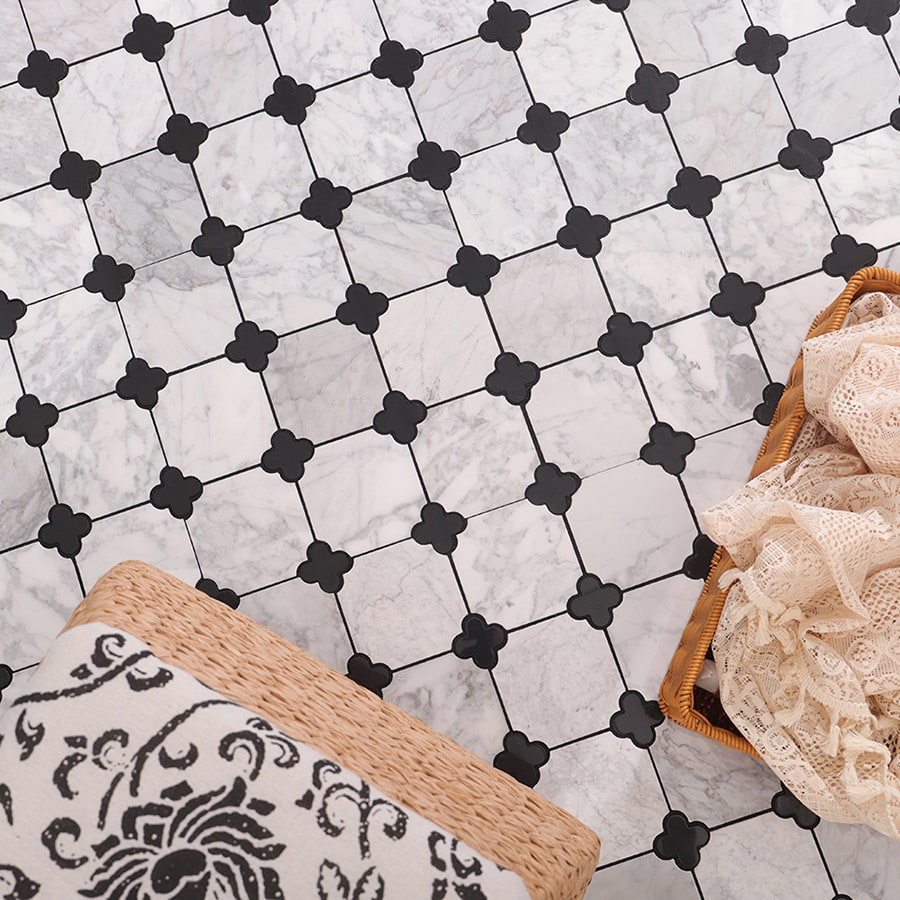
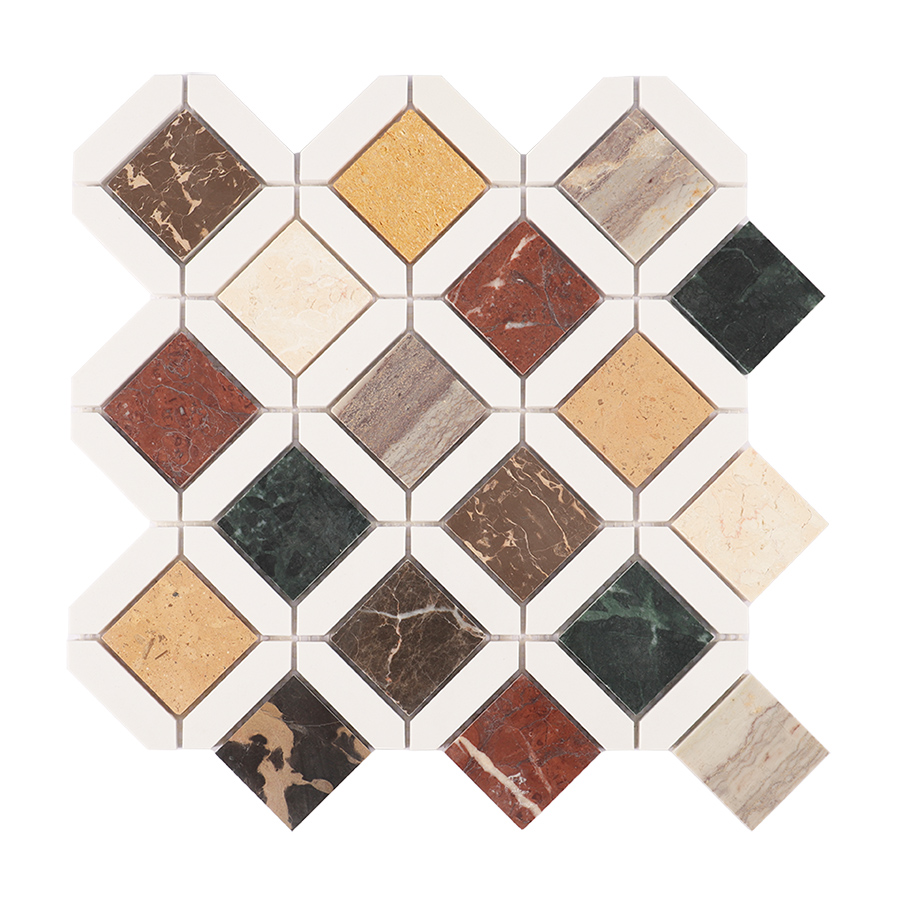
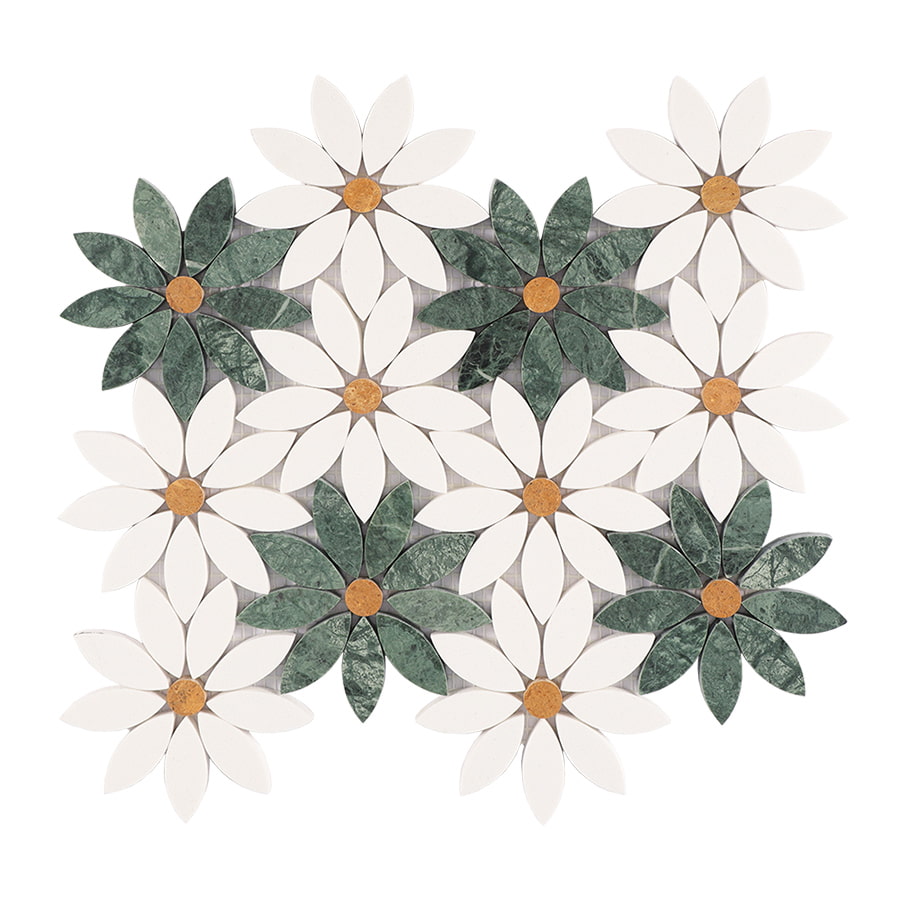
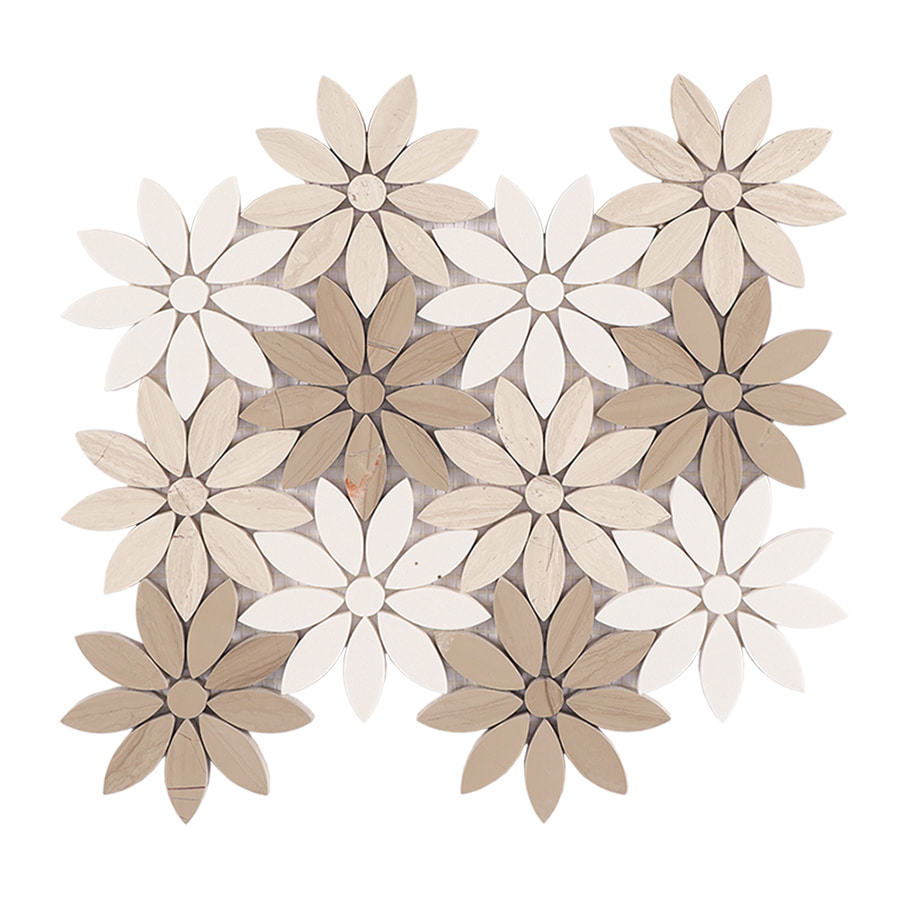
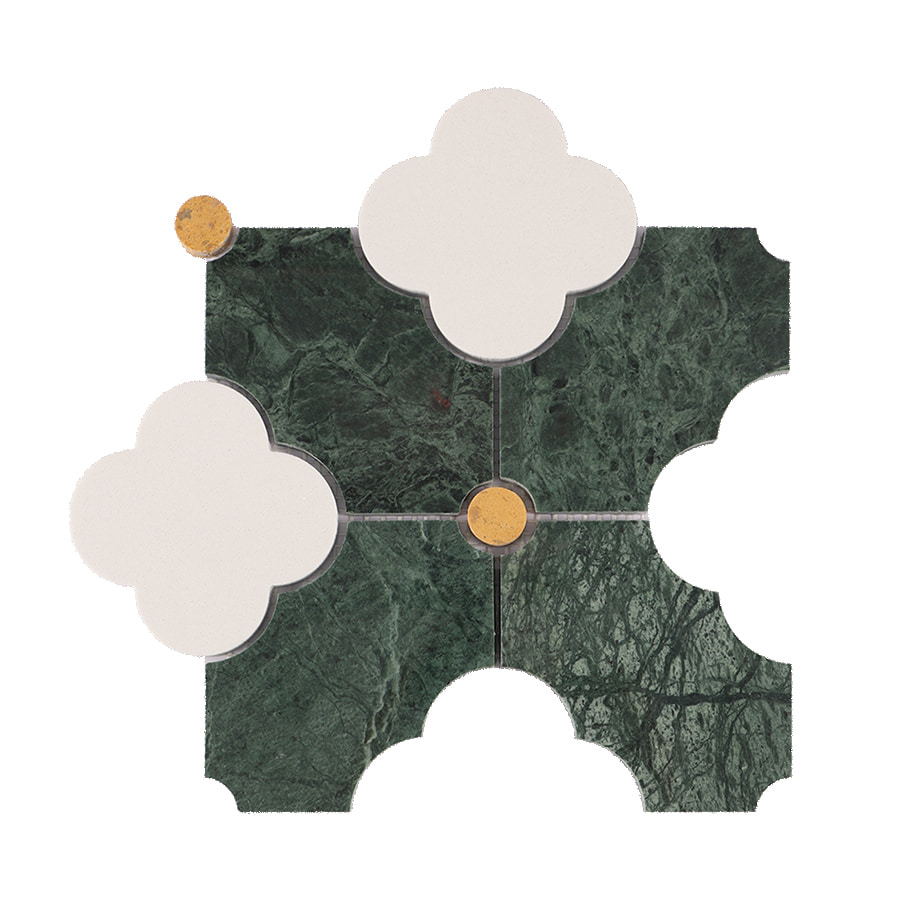
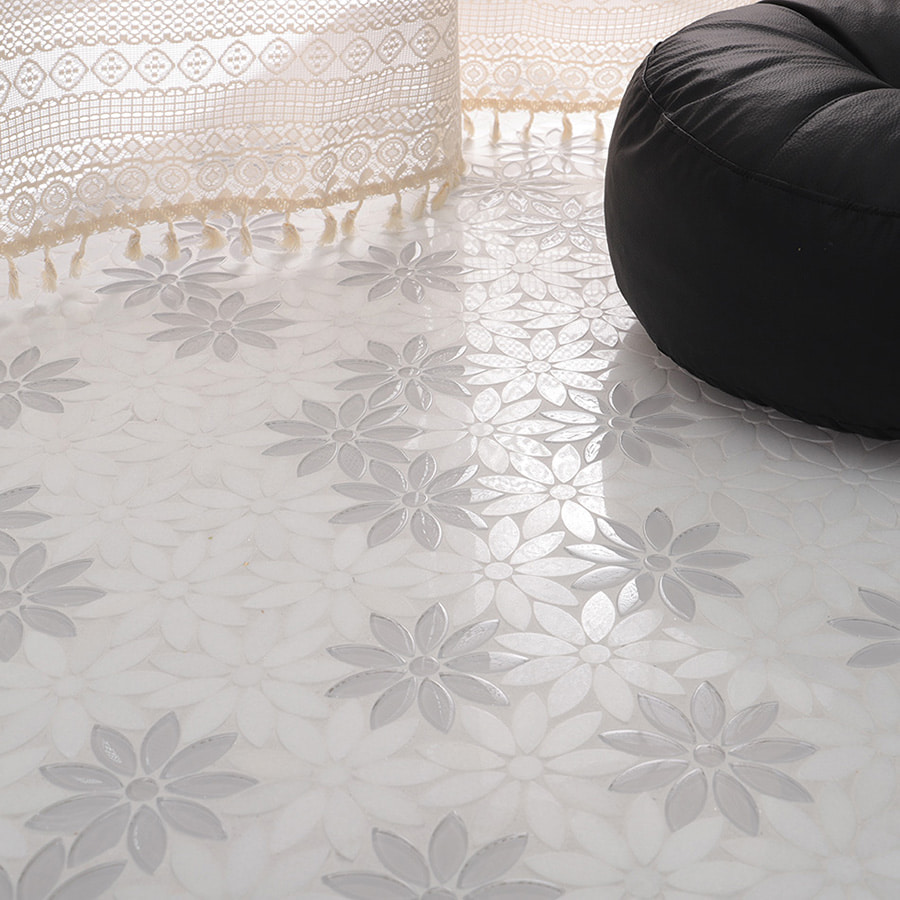
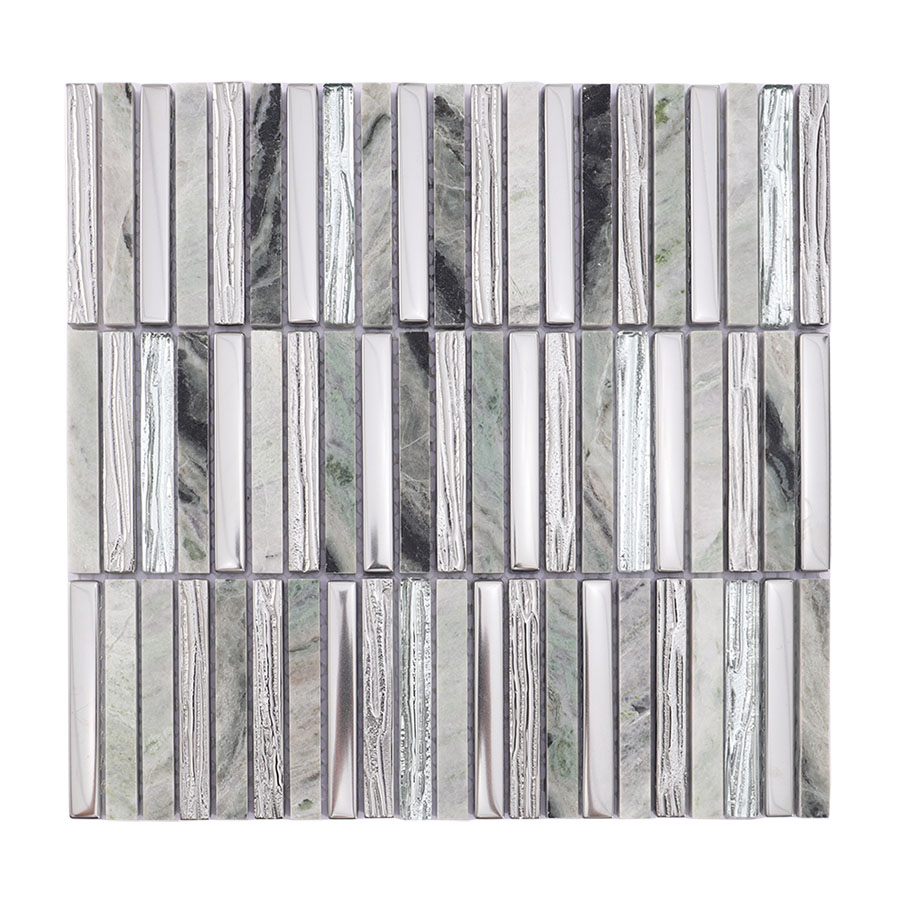
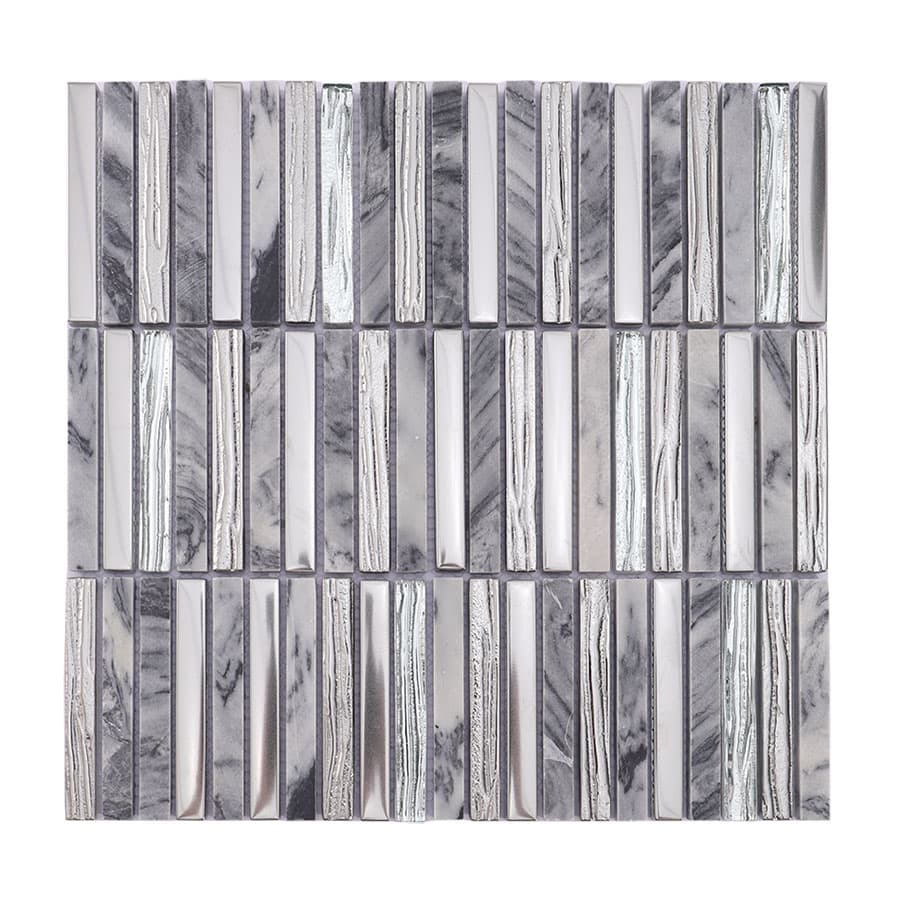
Marble tiles represent timeless luxury and elegance in kitchen design. This natural stone can be cut into various shapes and sizes to accommodate different installation styles and design preferences. Marble works beautifully on both floors and walls, though it requires more maintenance than manufactured alternatives. Available finishes include polished for high gloss, honed for a smooth matte appearance, and tumbled for a rustic, aged look.
Each marble tile features unique veining and color variations, ensuring no two installations are identical. However, marble is porous and susceptible to staining from acidic substances, requiring regular sealing and careful maintenance. Despite the upkeep requirements, marble's incomparable beauty and prestige make it a sought-after choice for high-end kitchen renovations.
Metal Tiles
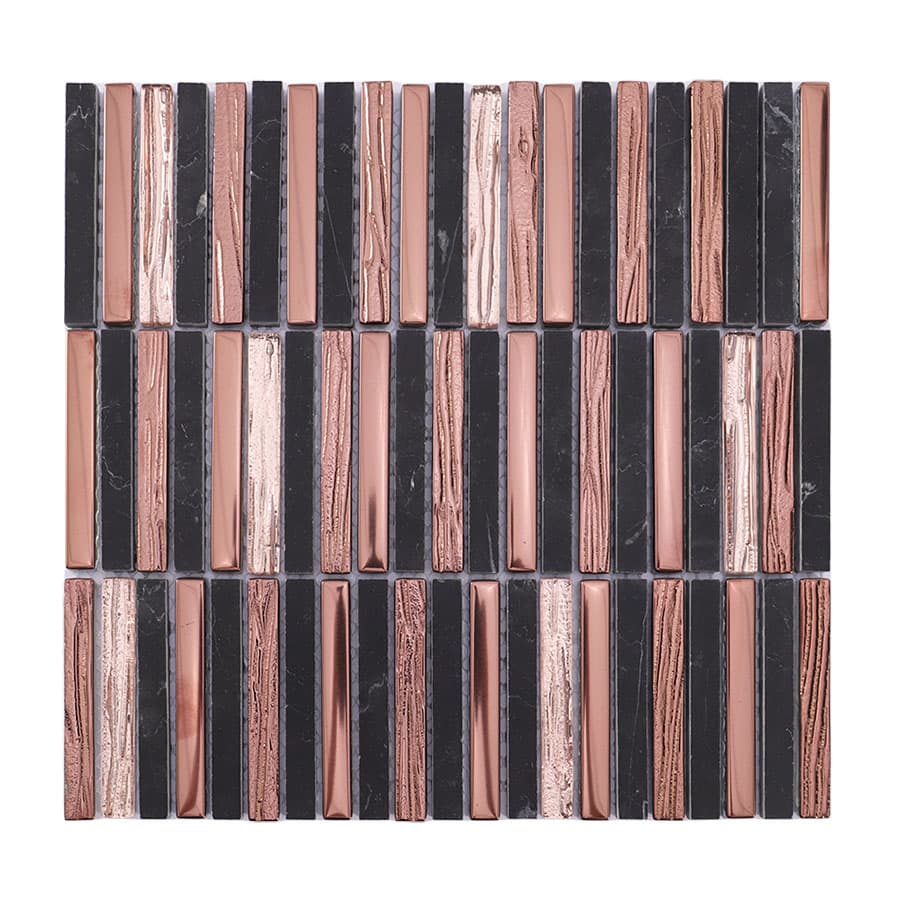
Metal tiles crafted from stainless steel, aluminum, or copper bring contemporary industrial aesthetics to modern kitchens. These tiles can be pressed into various shapes and sizes, offering unique three-dimensional possibilities not available with other materials. Surface finishes include brushed for subtle texture, mirror for maximum reflection, and antiqued or aged for vintage character.
Metal tiles excel at creating dramatic accent walls and backsplashes with dimensional effects. They are heat-resistant, durable, and easy to clean, though they can show fingerprints and water spots more readily than other materials. Particularly suited for contemporary and industrial design styles, metal tiles make bold design statements while providing practical functionality.
Wood Tiles
Authentic wood tiles bring warmth and natural character to kitchen spaces. Crafted from reclaimed ship wood, walnut, ash, and other hardwoods, these tiles are hand-cut and finished to create unique installations. Each piece showcases natural wood grain, knots, and color variations that add organic beauty to contemporary and rustic kitchen designs alike.
While genuine wood tiles offer unmatched authenticity and warmth, they require careful maintenance and are sensitive to moisture exposure. For kitchens, wood-look porcelain tiles often provide a practical alternative, delivering the aesthetic appeal of wood with the durability and water resistance of porcelain. These tiles successfully capture wood's visual warmth while eliminating concerns about water damage and maintenance.
Shell Tiles
Shell tiles represent the ultimate in luxury tile materials, crafted from natural river pearls and deep-sea shells. These exquisite tiles are hand-cut, meticulously polished, and finished to reveal their natural iridescence and unique patterns. Each tile showcases organic color variations and lustrous surfaces that cannot be replicated by manufactured materials.
The labor-intensive production process and rare natural materials make shell tiles among the most expensive options available. They are typically reserved for accent areas, feature walls, or small backsplash sections where their beauty can be appreciated. Shell tiles require gentle cleaning methods and careful maintenance to preserve their delicate surfaces and natural shimmer.
Kitchen Tile Design Styles
Modern
Modern kitchen tiles feature clean lines, minimalist aesthetics, and large-format designs. Favor neutral colors like white, gray, and black with glossy or matte finishes. Rectified tiles with minimal grout lines create seamless, contemporary looks.
Contemporary
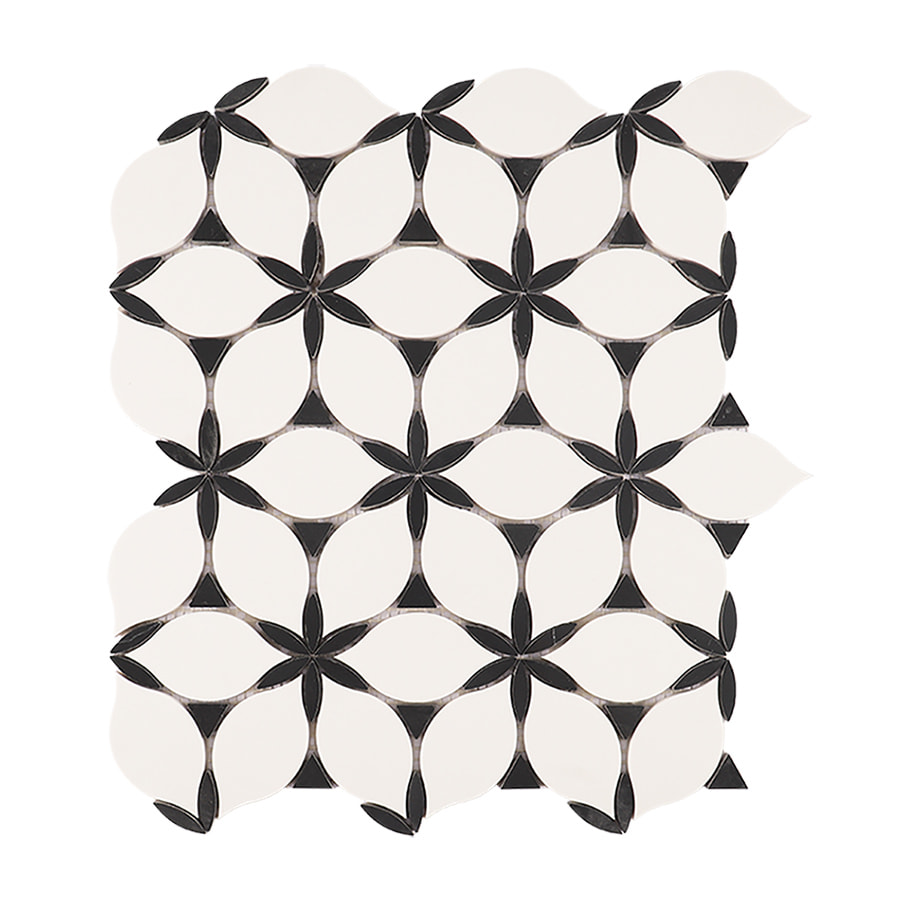
Contemporary designs embrace current trends with bold geometric patterns, mixed materials, and innovative textures. Expect to see metal accents, glass mosaics, and creative tile combinations that push design boundaries.
Traditional
Traditional kitchens utilize classic subway tiles, timeless marble, and ceramic tiles in warm, neutral tones. Decorative borders, handpainted details, and natural stone create elegant, enduring designs.
Farmhouse
Farmhouse style incorporates rustic brick tiles, weathered wood-look porcelain, and handcrafted ceramic tiles. Herringbone patterns, subway tiles, and warm earthy colors create cozy, welcoming spaces.
Industrial
Industrial kitchens feature metal tiles, concrete-look porcelain, and exposed brick aesthetics. Raw finishes, darker grout lines, and utilitarian designs characterize this urban-inspired style.
Mediterranean
Mediterranean designs showcase colorful handpainted tiles, terracotta, and natural stone. Intricate patterns, warm earth tones, and textured surfaces evoke coastal European charm.
How to Choose Kitchen Tiles
Consider Your Kitchen's Function
Assess your lifestyle and how you use your kitchen. High-traffic areas and cooking-intensive households need more durable, easy-to-clean tiles. For floors, prioritize slip-resistance and durability. For backsplashes, focus on heat resistance and ease of cleaning. Consider whether you cook frequently, have young children, or entertain often, as these factors influence tile selection.
Define Your Design Style
Identify your kitchen's overall aesthetic before selecting tiles. Create a mood board with inspiration images, color swatches, and material samples. Ensure your tile choices complement existing cabinetry, countertops, and appliances. Consider whether you want tiles to be a bold focal point or subtle background element in your kitchen design.
Select Appropriate Materials
Match tile materials to their intended application. Use porcelain for kitchen floors due to its durability and water resistance. Ceramic or glass works beautifully for backsplashes. Consider maintenance requirements—some materials like natural stone need regular sealing, while porcelain and ceramic are virtually maintenance-free. Budget also plays a role in material selection.
Think About Size and Scale
Large-format tiles make small kitchens appear more spacious and reduce grout line maintenance. Smaller tiles like mosaics work well for decorative accents and curved surfaces. Consider your space proportions—oversized tiles can overwhelm small kitchens, while tiny tiles may look busy in expansive spaces. Rectangular tiles can visually elongate spaces when installed horizontally.
Test Samples in Your Space
Always order physical samples before committing to a large purchase. View tiles in your actual kitchen under natural daylight and artificial lighting at different times of day. Test how they look against your cabinets, countertops, and paint colors. Consider how the tiles will appear when clean versus when they show dirt, water spots, or grease.
Plan Your Budget Wisely
Factor in both tile costs and installation expenses when budgeting. More expensive tiles don't always mean better quality—sometimes you're paying for aesthetics rather than performance. Remember to purchase 10-15% extra tiles for cuts, breakage, and future repairs. Consider long-term value: investing in quality tiles and professional installation can save money over time through durability and reduced maintenance.
Kitchen Tile Maintenance and Care
Daily and Weekly Maintenance
Regular Cleaning
For daily maintenance, sweep or vacuum kitchen floors regularly to remove loose dirt, grit, and debris that can scratch tile surfaces. Use a damp mop with warm water and mild pH-neutral cleaner for routine floor cleaning. For wall tiles and backsplashes, wipe down surfaces after cooking to prevent grease and food splatter buildup. Avoid harsh chemicals, acidic cleaners, or abrasive scrubbers that can damage tile finishes and grout.
Grout Care
Grout requires special attention as it's more porous than tile surfaces. Clean grout lines weekly using a soft brush and a mixture of baking soda and water, or a pH-neutral grout cleaner. For stubborn stains, apply the cleaning solution, let it sit for 10-15 minutes, then scrub gently and rinse thoroughly. Avoid bleach-based cleaners on colored grout as they can cause discoloration. Keep grout sealed to prevent staining and moisture penetration.
Immediate Spill Management
Address spills immediately to prevent staining, especially on natural stone tiles. Acidic substances like wine, tomato sauce, lemon juice, and vinegar can etch or stain certain tile materials if left unattended. Blot spills rather than wiping to avoid spreading. For oily or greasy spills, use a degreasing dish soap solution followed by clean water rinse. This proactive approach prevents permanent damage and keeps tiles looking new longer.
Long-Term Maintenance
Sealing Requirements
Natural stone tiles (marble, granite, slate) and unglazed ceramic require periodic sealing to protect against stains and moisture. Seal these materials every 12-18 months, or as recommended by the manufacturer. Test if resealing is needed by placing a few water drops on the tile—if water beads up, the seal is intact; if absorbed, resealing is necessary. Porcelain and glazed ceramic tiles typically don't require sealing.
Deep Cleaning
Perform deep cleaning every few months using a steam cleaner or specialized tile cleaning solution. Steam cleaning effectively sanitizes tiles and grout without harsh chemicals, making it ideal for food preparation areas. For heavily soiled areas, use a professional-grade tile and grout cleaner following manufacturer instructions. Consider professional cleaning services annually for large installations or difficult-to-reach areas.
Damage Prevention
Use protective pads under heavy appliances to prevent tile scratching. Place mats near sinks and cooking areas to catch water and food debris. Avoid dragging heavy objects across tile floors. For high-traffic areas, consider using area rugs to reduce wear. Repair chipped or cracked tiles promptly to prevent water damage to underlying surfaces and maintain the integrity of your tile installation.
Material-Specific Care
Different tile materials require specific care approaches. Metal tiles may need specialized cleaners to prevent tarnishing and maintain their finish. Glass tiles benefit from glass cleaner for streak-free shine. Wood tiles require wood-specific cleaners and should be kept away from standing water. Always consult manufacturer care instructions for your specific tile type to ensure proper maintenance and warranty compliance.
Pro Tip
Establish a maintenance routine from day one to keep your kitchen tiles looking pristine for years. Keep extra tiles from your installation for future repairs, and maintain a cleaning kit specifically for your tile type. Regular preventive maintenance is far less expensive and time-consuming than major restoration work down the line.
Transform Your Kitchen with the Perfect Tiles
Selecting the right kitchen tiles is a significant decision that impacts both the functionality and beauty of your space for years to come. By understanding the various types, materials, design styles, and maintenance requirements, you can make informed choices that align with your lifestyle, budget, and aesthetic preferences. Whether you opt for classic ceramic subway tiles, durable porcelain flooring, luxurious marble accents, or contemporary glass mosaics, the perfect kitchen tiles will enhance your daily cooking experience while increasing your home's value and appeal.