




Flower Tiles: Transform Your Space with Nature-Inspired Ceramic Artistry
Flower tiles represent the perfect fusion of natural beauty and functional design, bringing the timeless elegance of botanical motifs into modern interior spaces. These decorative elements have evolved from ancient mosaic traditions to become essential components in contemporary home design, offering endless possibilities for creative expression while maintaining practical durability for everyday use.
Types of Flower Tiles: A Comprehensive Guide to Floral Ceramic Designs
Understanding the various types of flower tiles available helps you make informed decisions for your design projects. Each type offers unique aesthetic qualities and installation considerations that can dramatically impact your final design outcome.
Geometric Pattern Flower Tiles
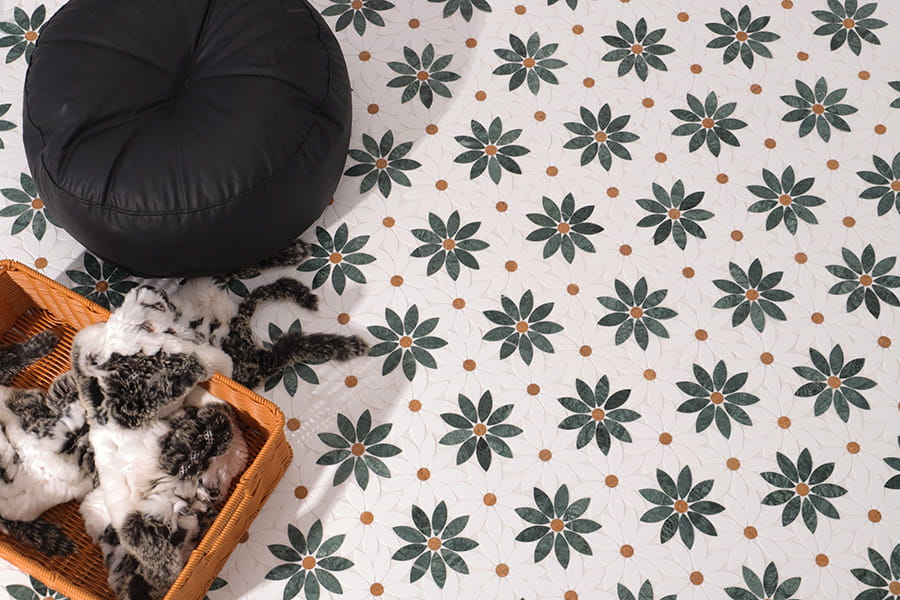
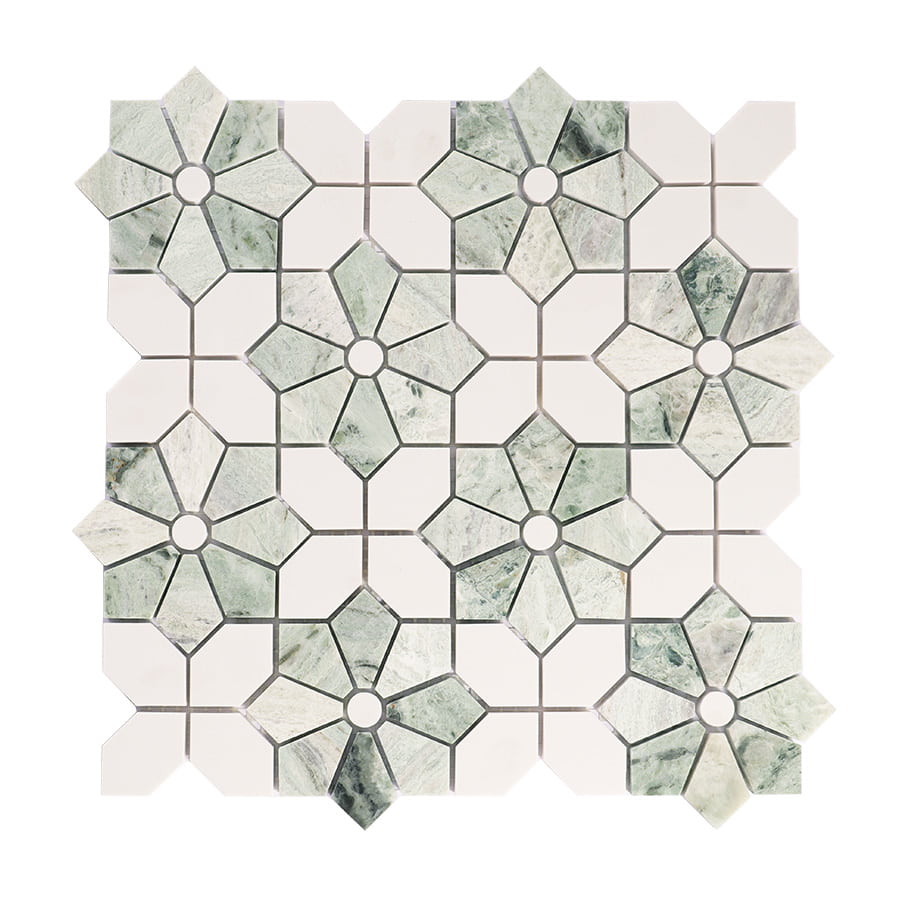
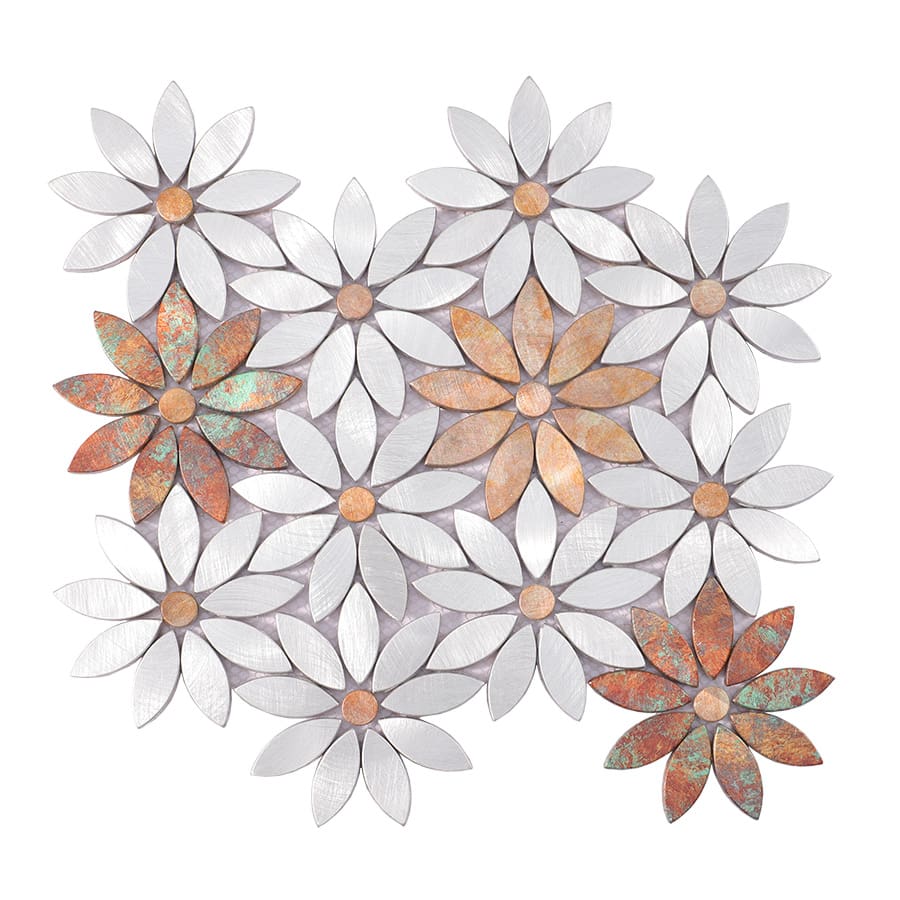
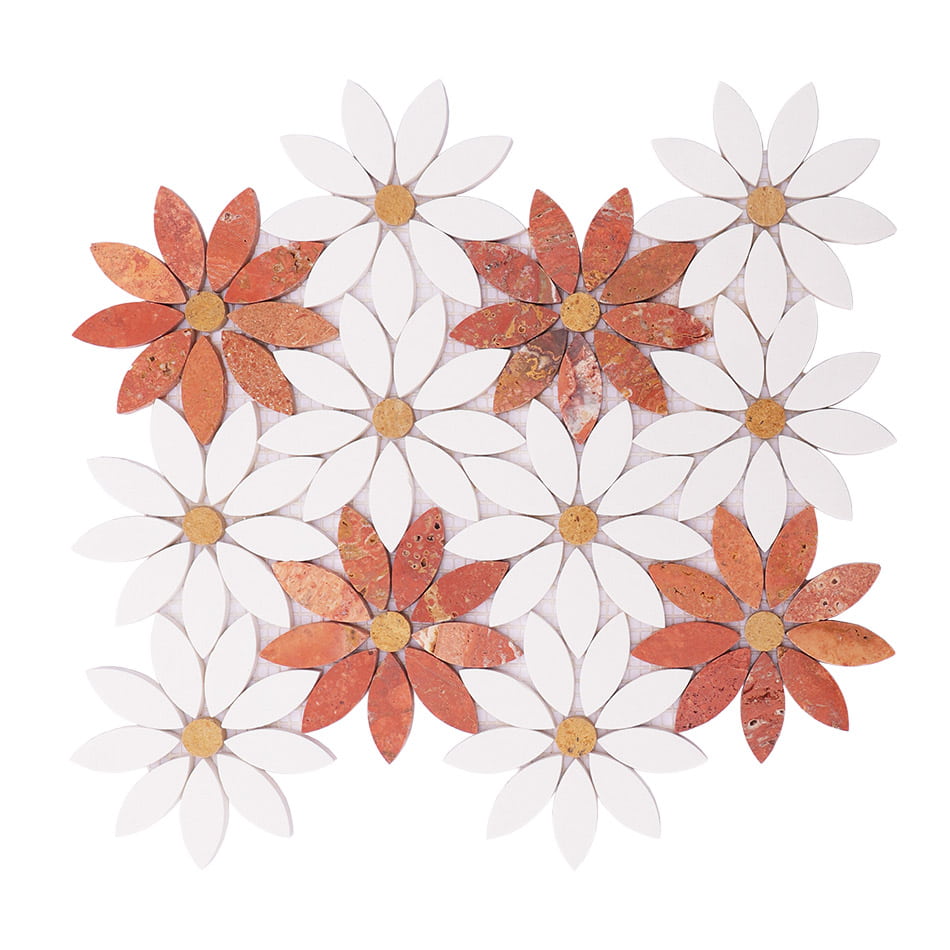
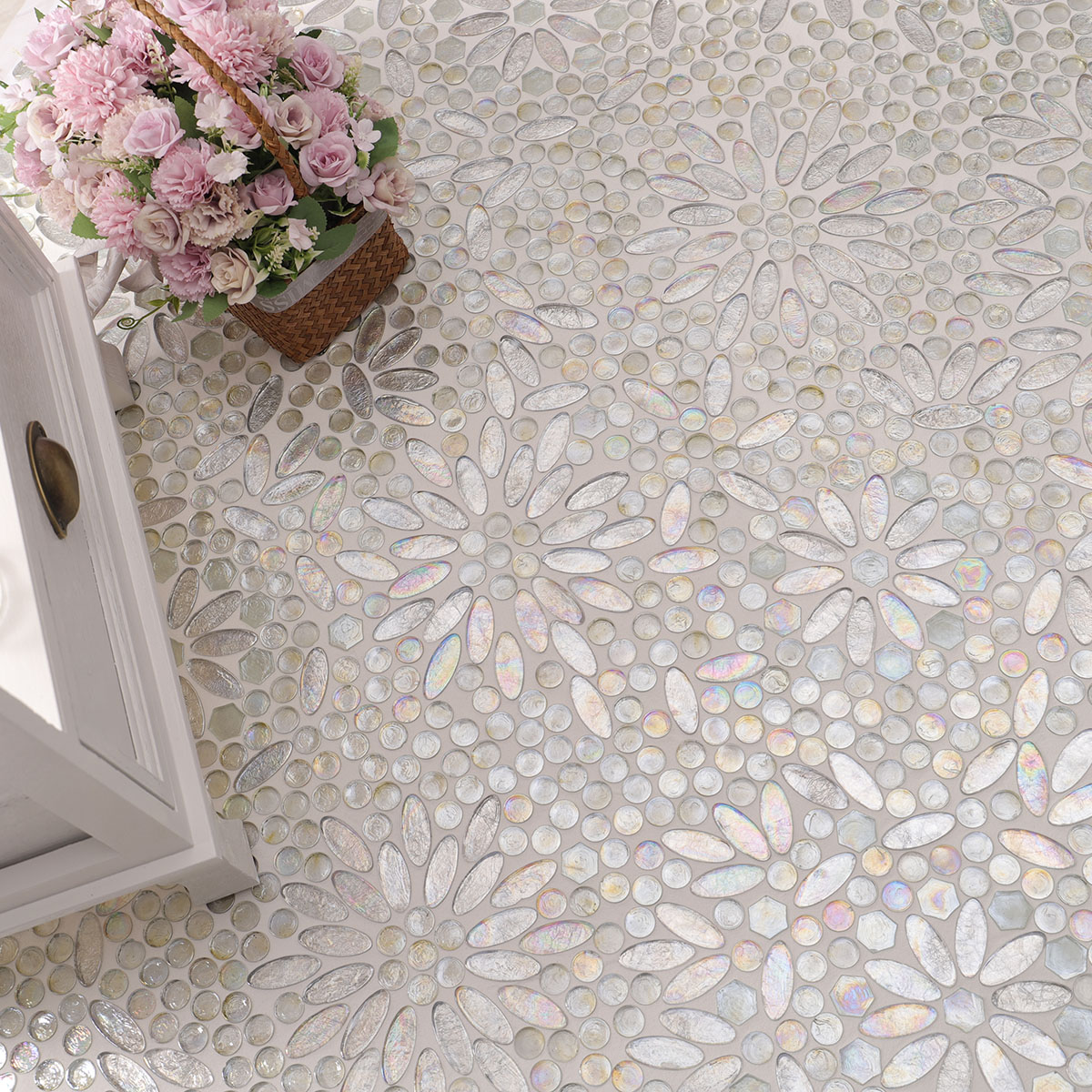
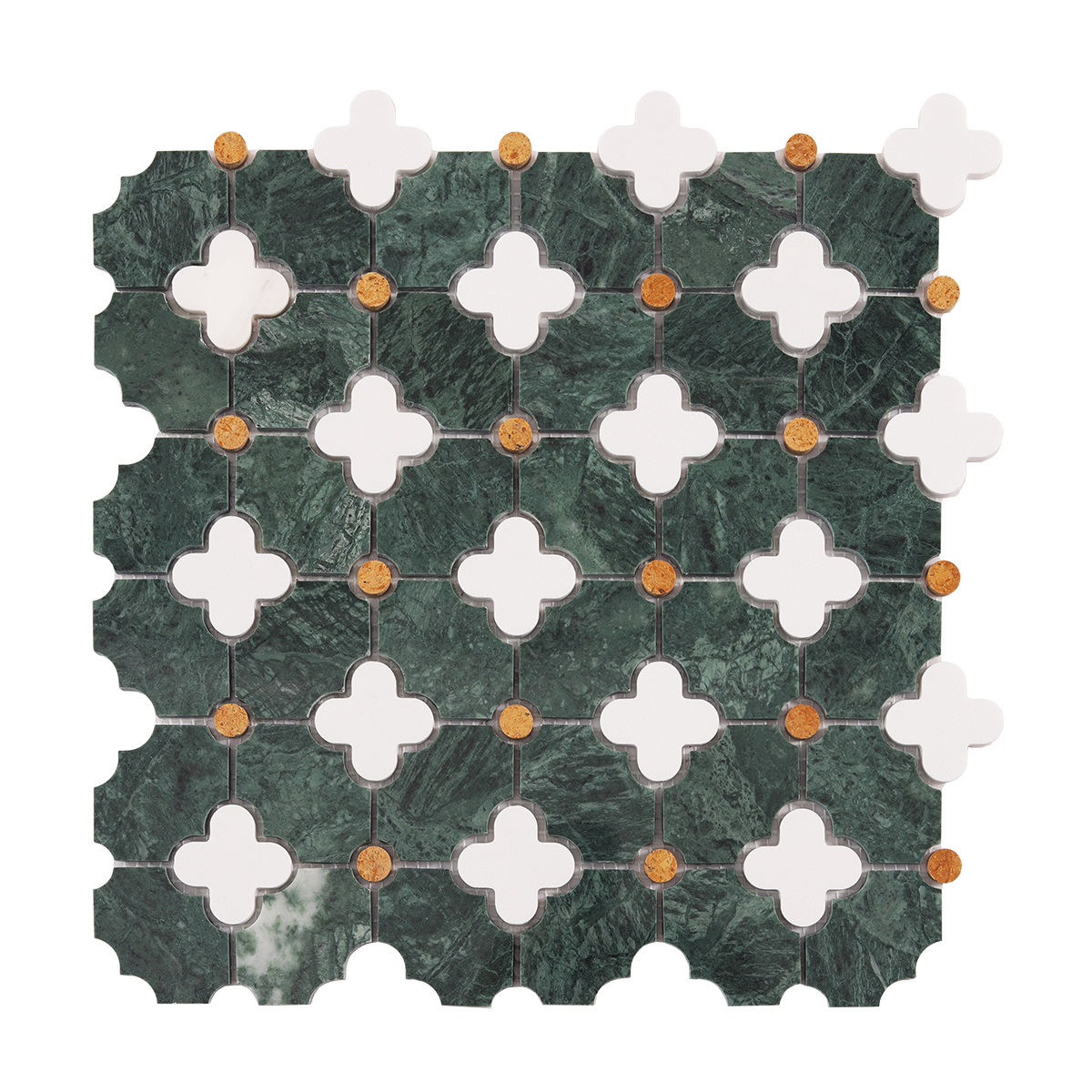
Geometric pattern flower tiles showcase intricate floral designs created through the precise arrangement of different materials and shapes. These tiles combine marble, metal, and ceramic elements to form sophisticated daisy patterns, rose motifs, and other botanical designs. The geometric approach creates clean lines while maintaining organic flower shapes, making them ideal for contemporary spaces that appreciate both structure and natural beauty. The precision required in manufacturing these tiles ensures consistent pattern alignment and professional installation results.
Textured and Relief Flower Tiles
Textured flower tiles feature raised surfaces that create dimensional floral patterns through advanced ceramic manufacturing processes. These ceramic tiles incorporate printed surface designs combined with tactile relief elements that catch light and shadow beautifully throughout the day. Metal-pressed varieties achieve similar dimensional effects through specialized forming techniques that create embossed floral patterns with remarkable depth and detail. The three-dimensional quality adds visual interest and sophistication to any installation.
Square Mosaic Flower Compositions
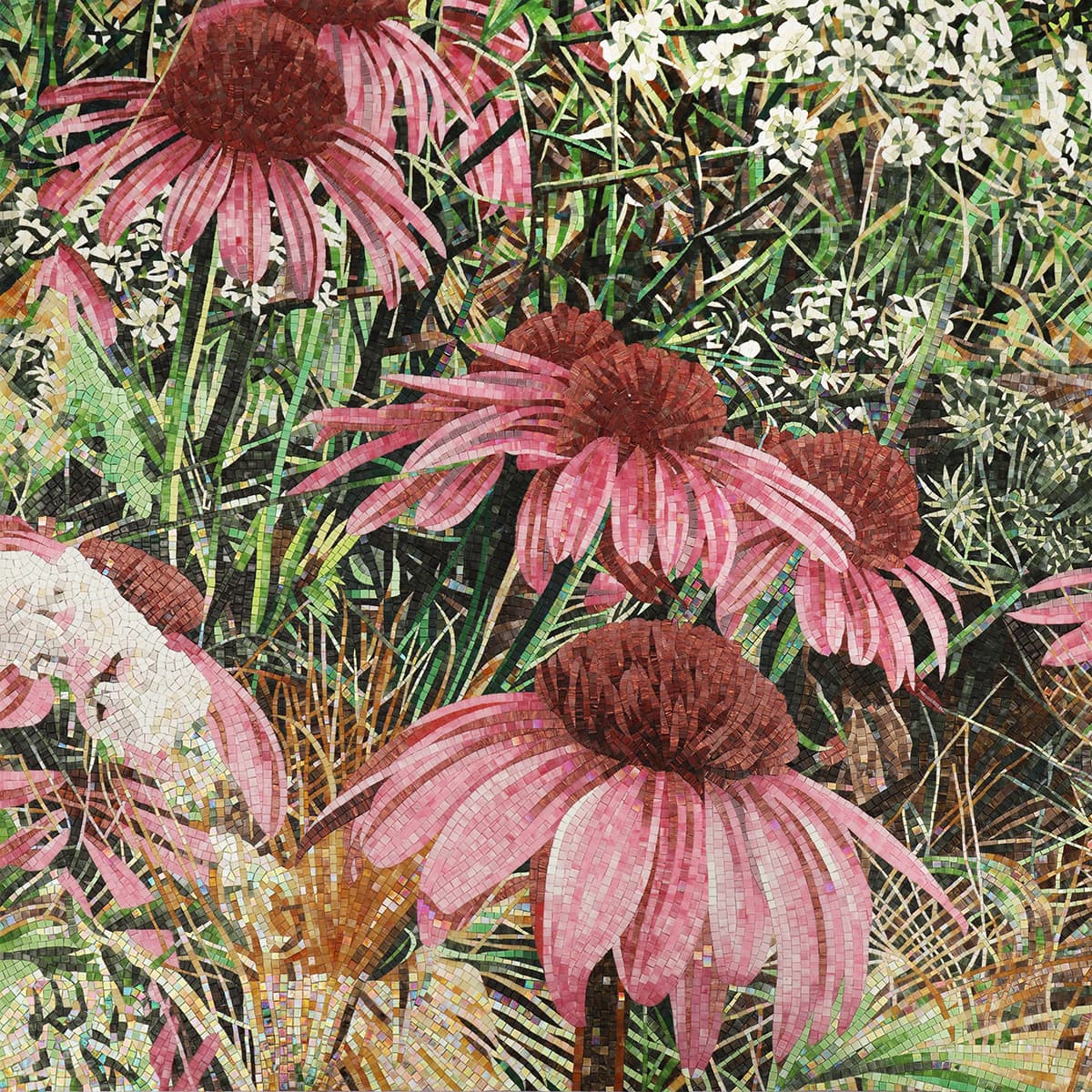
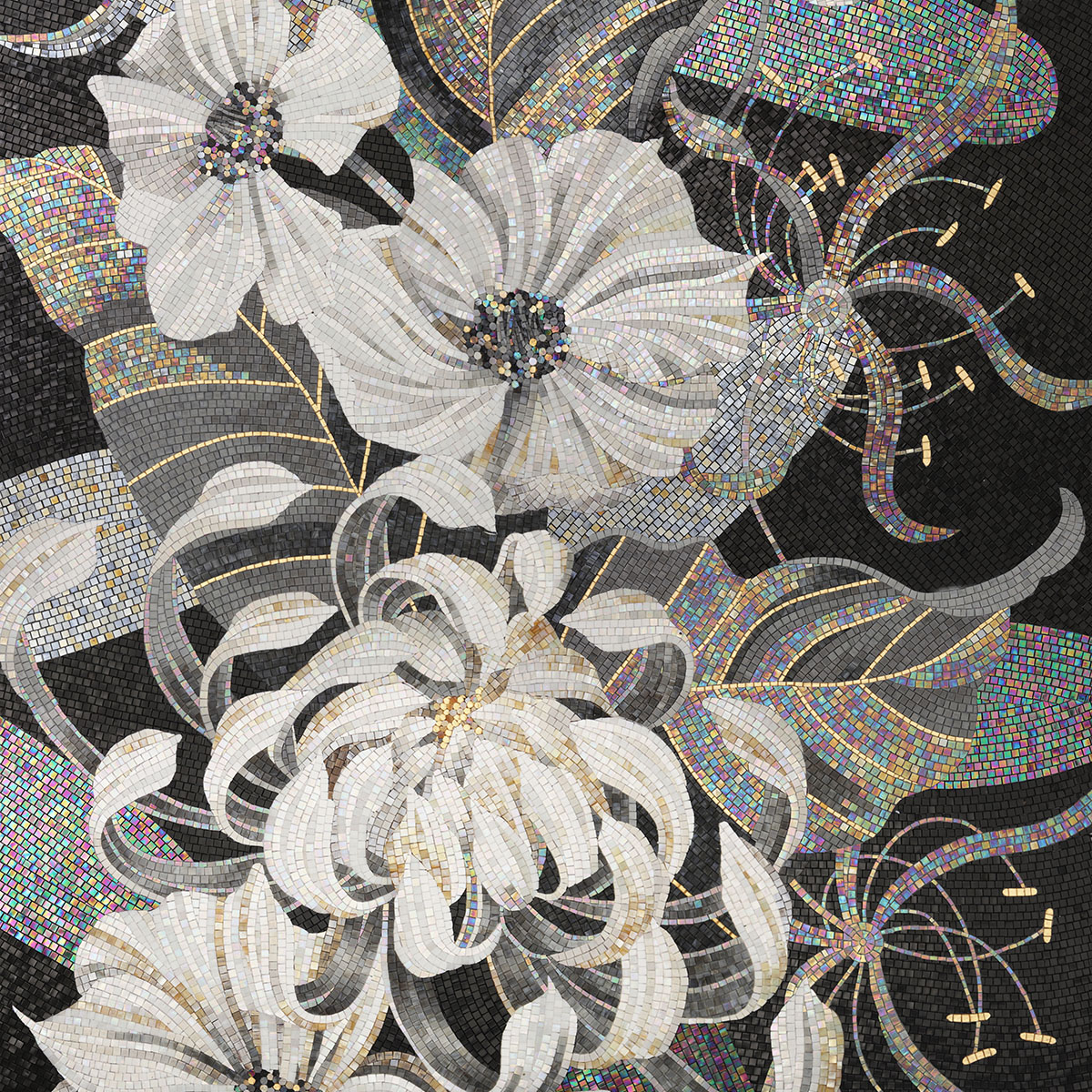
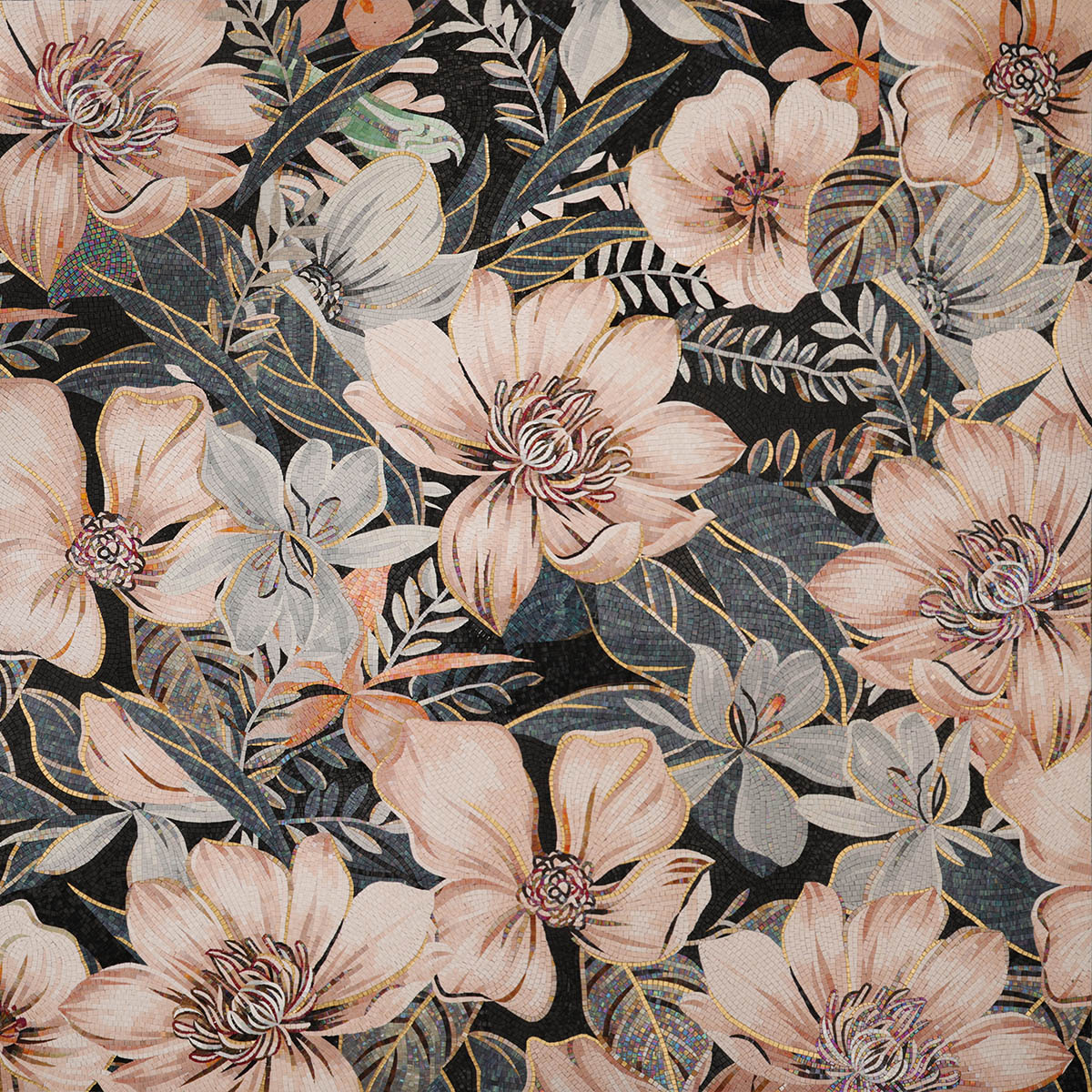
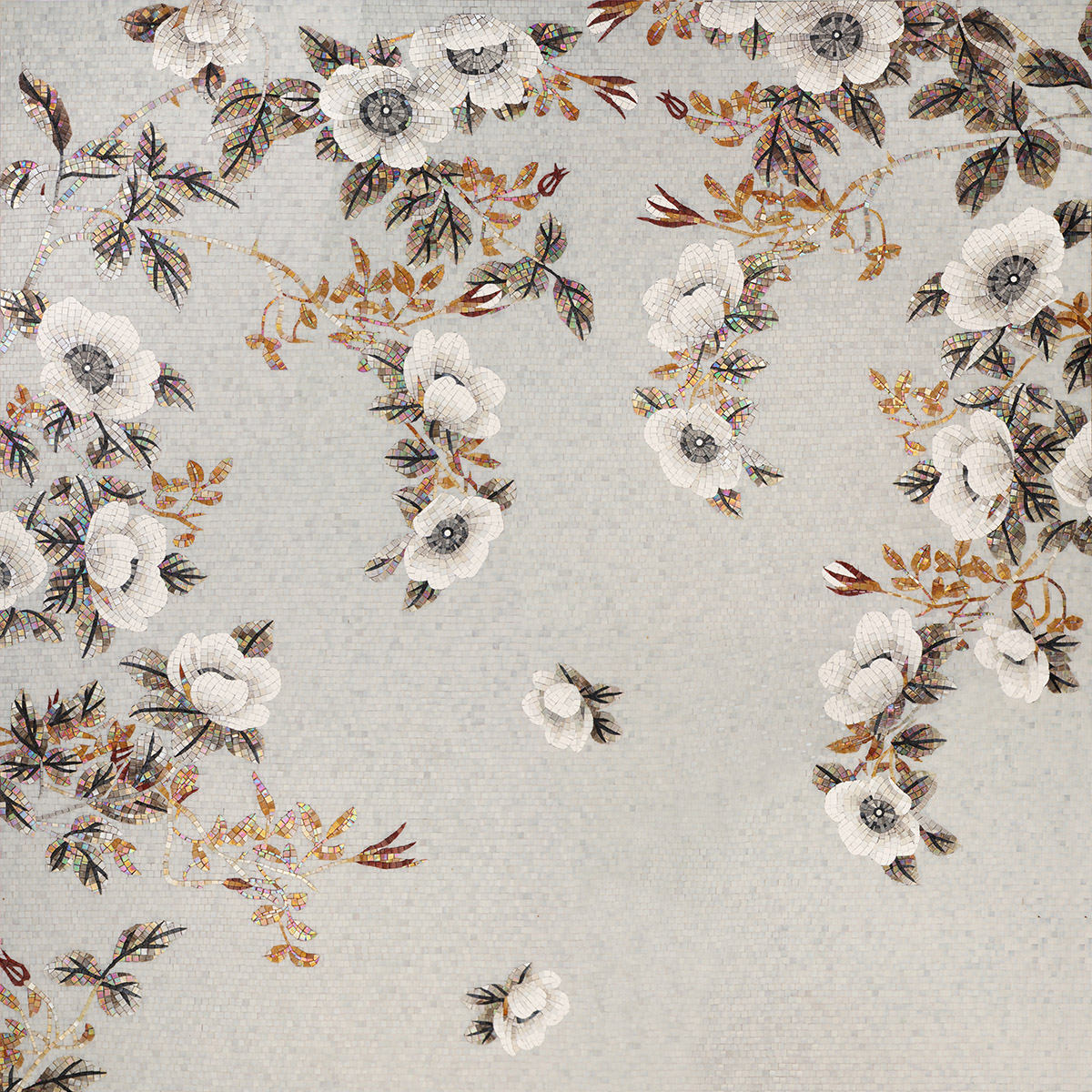
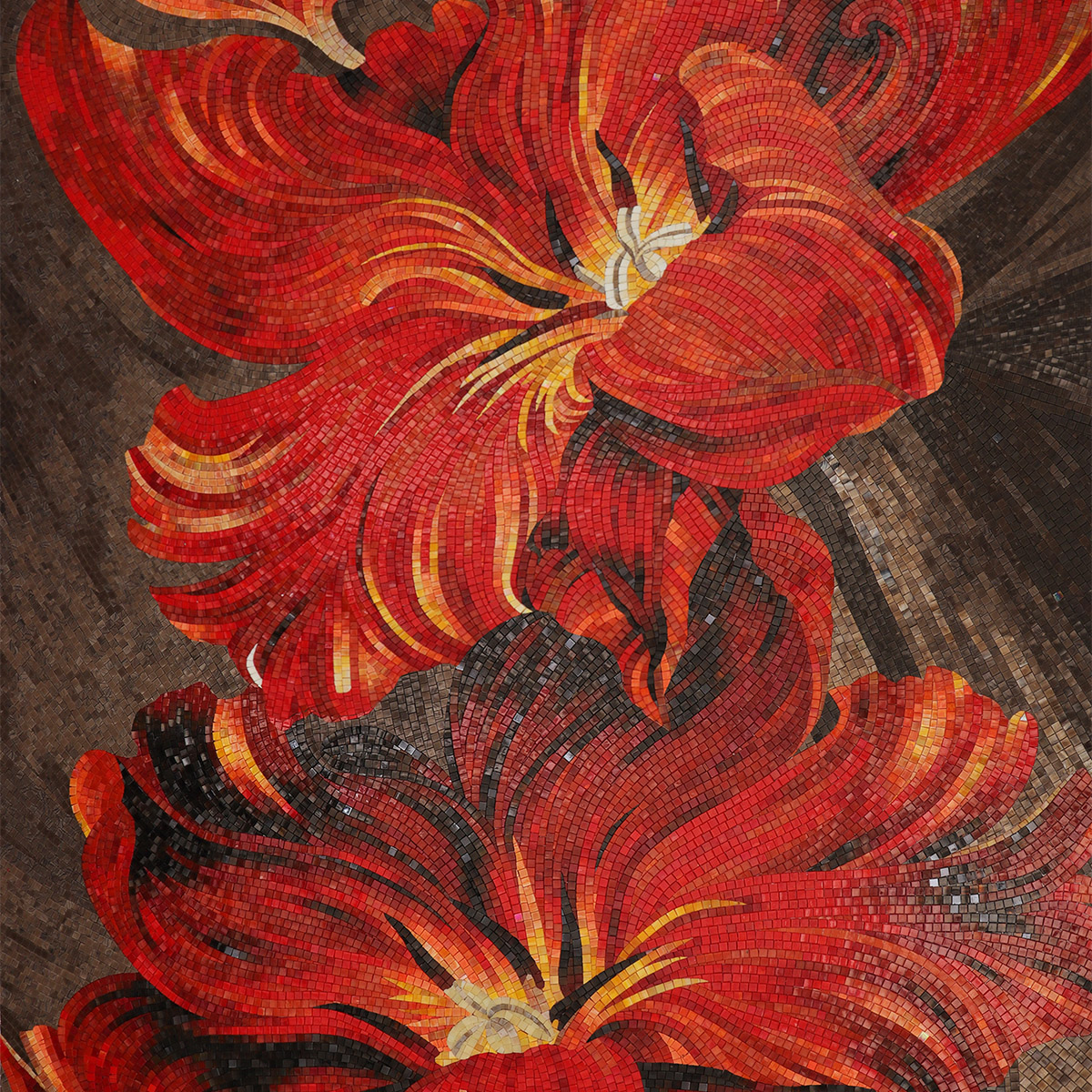
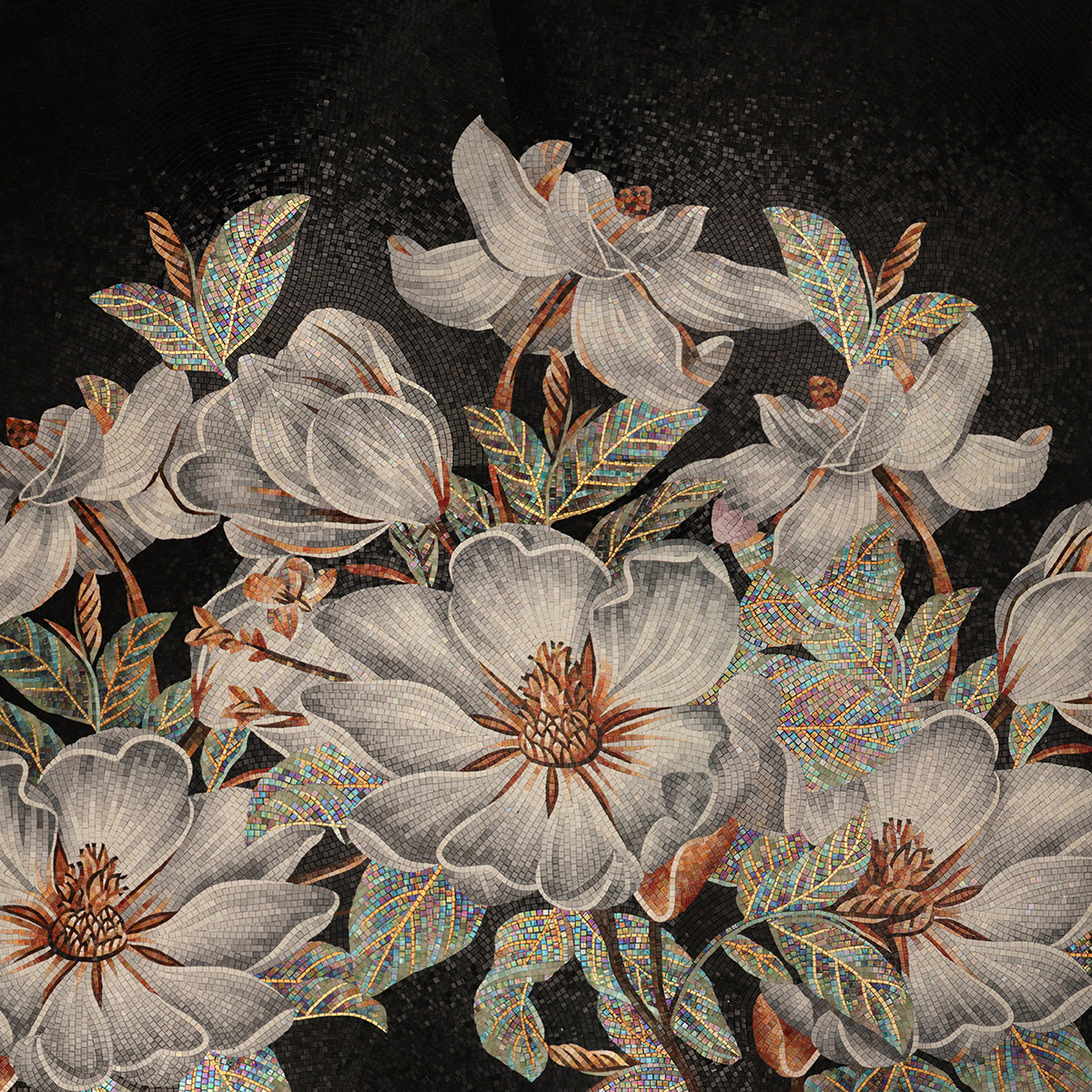
Square mosaic flower tiles represent one of the oldest and most traditional approaches to floral tile design. These compositions require skilled artisans who hand-arrange individual square pieces according to specific flower texture directions and natural growth patterns. Each piece undergoes careful hand-trimming to achieve perfect fit and flow within the overall design. This traditional technique creates authentic, artisanal character that machine-made alternatives cannot replicate, resulting in truly unique installations with subtle variations that enhance visual appeal.
Applications of Flower Tiles in Modern Design
Kitchen Backsplash Applications
Flower tiles transform kitchen spaces by creating stunning backsplashes that serve as functional art pieces. The natural resistance to moisture and heat makes them ideal for areas around stoves and sinks, while their decorative appeal adds personality to cooking spaces. Kitchen applications benefit from the easy maintenance properties of ceramic and stone flower tiles, ensuring long-lasting beauty in high-use areas. The variety of available patterns allows homeowners to coordinate with existing cabinetry and appliances while creating distinctive focal points.
Bathroom Wall Installations
Bathroom environments showcase flower tiles at their best, where moisture resistance combines with aesthetic appeal to create spa-like atmospheres. Shower walls particularly benefit from the non-porous nature of properly sealed flower tiles, preventing water damage while maintaining decorative integrity. The reflective qualities of glazed ceramic flower tiles enhance natural and artificial lighting in bathroom spaces, creating brighter, more inviting environments for daily routines.
Accent Wall Features
Creating accent walls with flower tiles provides opportunities to introduce bold design statements without overwhelming entire spaces. Strategic placement in living rooms, bedrooms, or entryways draws attention while maintaining visual balance throughout the home. These installations work particularly well behind headboards, in reading nooks, or as architectural highlights that define specific areas within open floor plans.
Design Styles and Aesthetic Approaches
Contemporary Minimalist Flower Tiles
Contemporary flower tile designs emphasize clean lines, subtle color palettes, and simplified floral motifs that complement modern architectural elements. These designs often feature monochromatic schemes with gentle texture variations that add interest without creating visual competition with furniture and fixtures. The minimalist approach focuses on quality materials and precise installation to achieve sophisticated results that enhance rather than dominate interior spaces.
Traditional Botanical Patterns
Traditional flower tile styles draw inspiration from classical European and Mediterranean design traditions, featuring elaborate rose patterns, vine motifs, and garden scenes. These designs often incorporate rich color combinations and detailed artwork that creates focal points in formal dining rooms, traditional kitchens, and elegant bathrooms. The timeless appeal of traditional botanical patterns ensures lasting style relevance across changing design trends.
Eclectic Mixed-Media Designs
Eclectic flower tile installations combine different materials, textures, and patterns to create unique artistic expressions. These approaches might blend ceramic flowers with glass accents, metal details, and natural stone elements to achieve personalized design statements. The freedom of eclectic styling allows for creative experimentation while maintaining cohesive visual themes through careful color coordination and proportional balance.
Grout Selection for Flower Tiles: Achieving Perfect Harmony
Light Gray and Semi-Transparent Options
For colorful flower tile installations, light gray or semi-transparent grout selections provide optimal visual results by allowing individual tile colors to maintain prominence while creating subtle definition between design elements. These neutral grout colors prevent overwhelming busy floral patterns and enable the artistic details of flower tiles to shine without interference. The semi-transparent quality helps blend grout lines seamlessly with lighter tile colors while providing adequate contrast for pattern definition.
Color Coordination Principles
Successful grout selection requires understanding how grout colors interact with flower tile patterns and surrounding design elements. Matching grout closely to the lightest colors in multicolored flower tiles creates cohesive appearances, while slightly darker grout tones can provide gentle definition without creating harsh contrasts. The goal is achieving balance between pattern visibility and overall design harmony throughout the installation area.
Maintenance and Longevity Considerations
Light-colored grout selections offer practical advantages for flower tile installations, particularly in high-traffic areas where cleaning frequency matters. These colors show less dirt accumulation and allow for easier maintenance routines that preserve the beauty of flower tile investments over time. Proper sealing of grout lines ensures stain resistance and simplifies ongoing care requirements for busy households.
Flower tiles continue to evolve as both artistic expressions and functional design solutions, offering endless possibilities for creating beautiful, personalized spaces that celebrate the natural world within our homes. Whether choosing geometric patterns, textured surfaces, or traditional mosaic arrangements, the key to successful flower tile installations lies in understanding material properties, design principles, and maintenance requirements that ensure lasting beauty and satisfaction.