


Complete Guide to Bathroom Floor Tiles
Discover the perfect combination of safety, durability, and style for your bathroom flooring needs
Safety First
DCOF ≥0.42 rated tiles
Water Resistant
Perfect for wet environments
Design Variety
Multiple patterns & colors
Easy Maintenance
Simple cleaning & care
Types of Bathroom Floor Tiles
Choose from our premium selection of materials designed for bathroom environments
Ceramic Tiles
- Budget-friendly option
- Water-resistant surface
- Easy to cut and install
- Wide variety of colors
- Matte finish available
Porcelain Tiles
- Superior durability
- Low water absorption
- Stain resistant
- High traffic areas
- Textured options
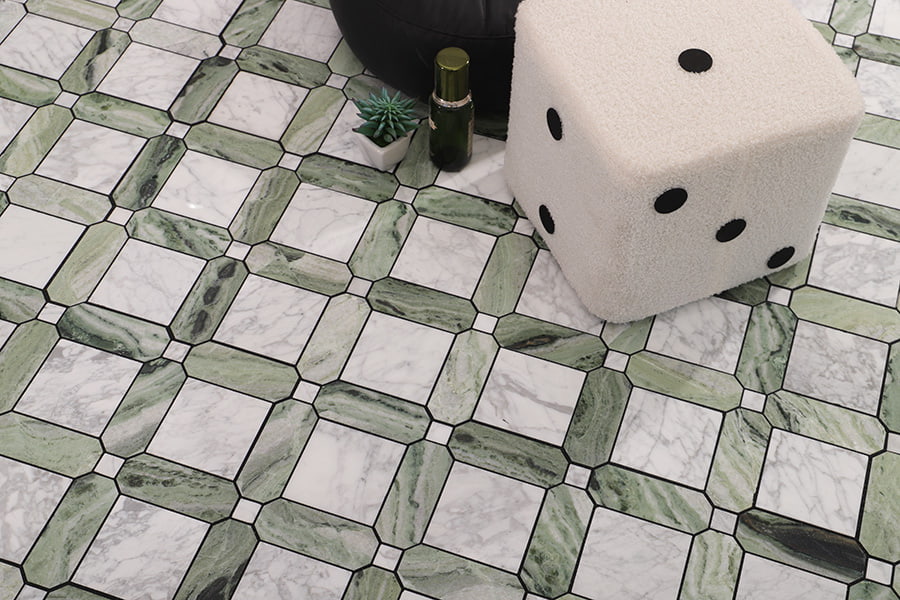
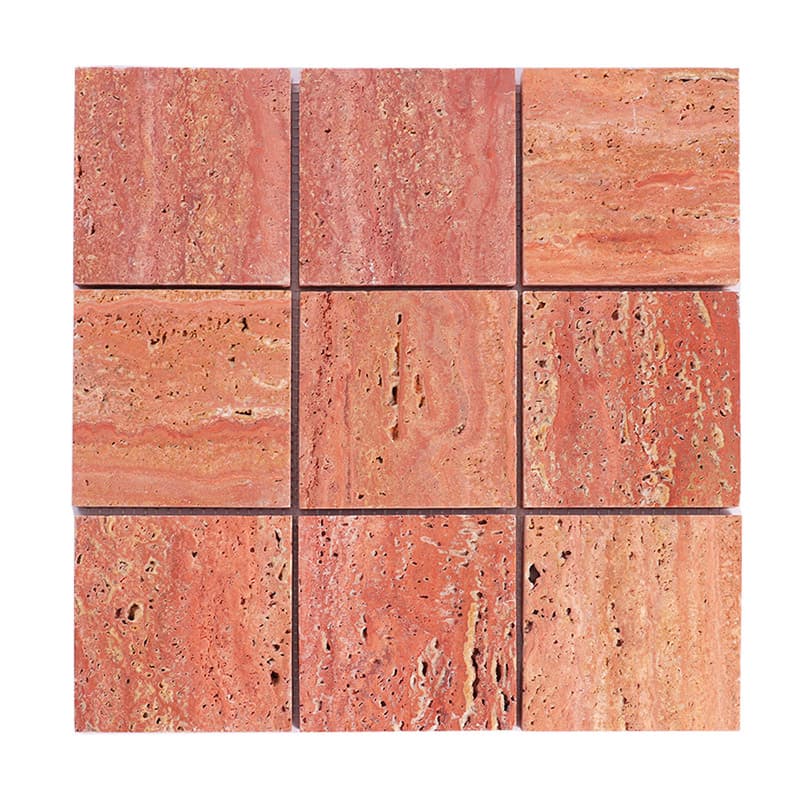
- Luxurious appearance
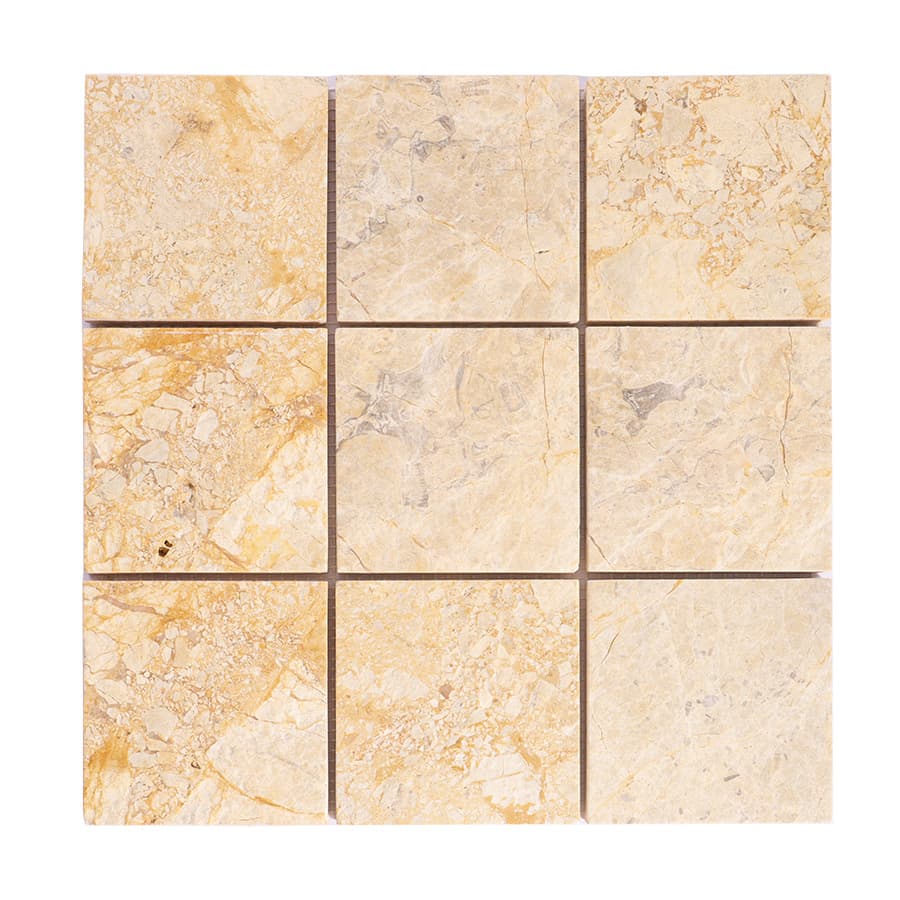
- Natural stone beauty
- Tumbled texture for grip
- Unique veining patterns
- Requires sealing
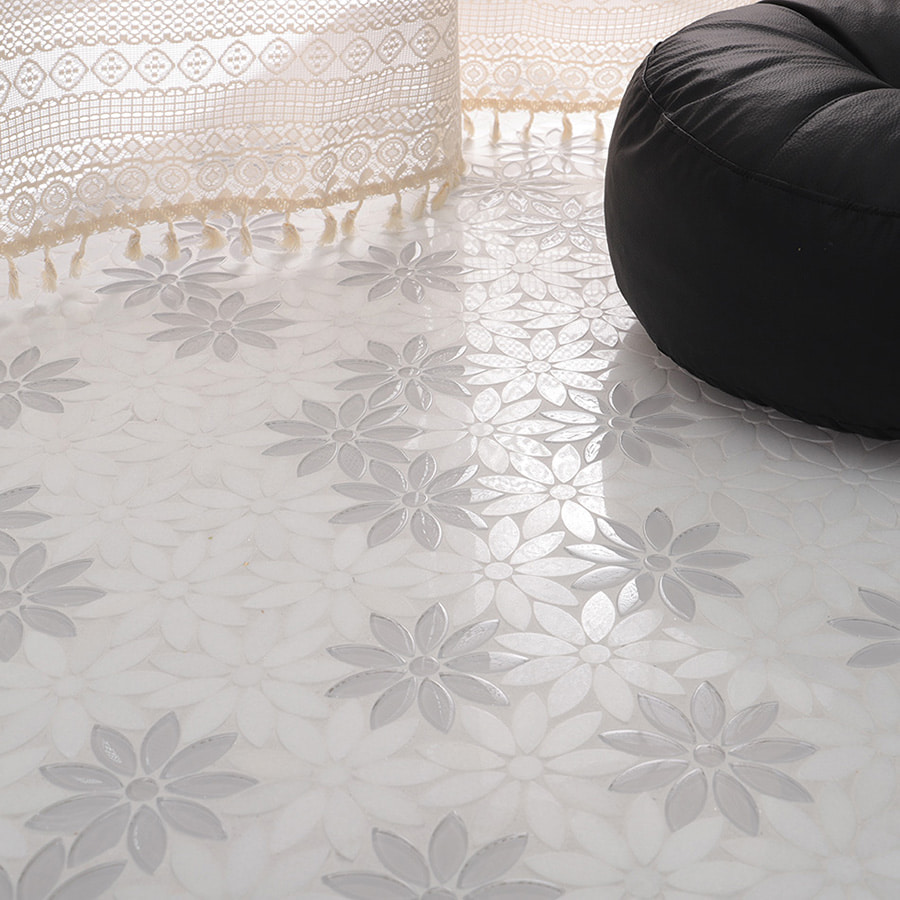
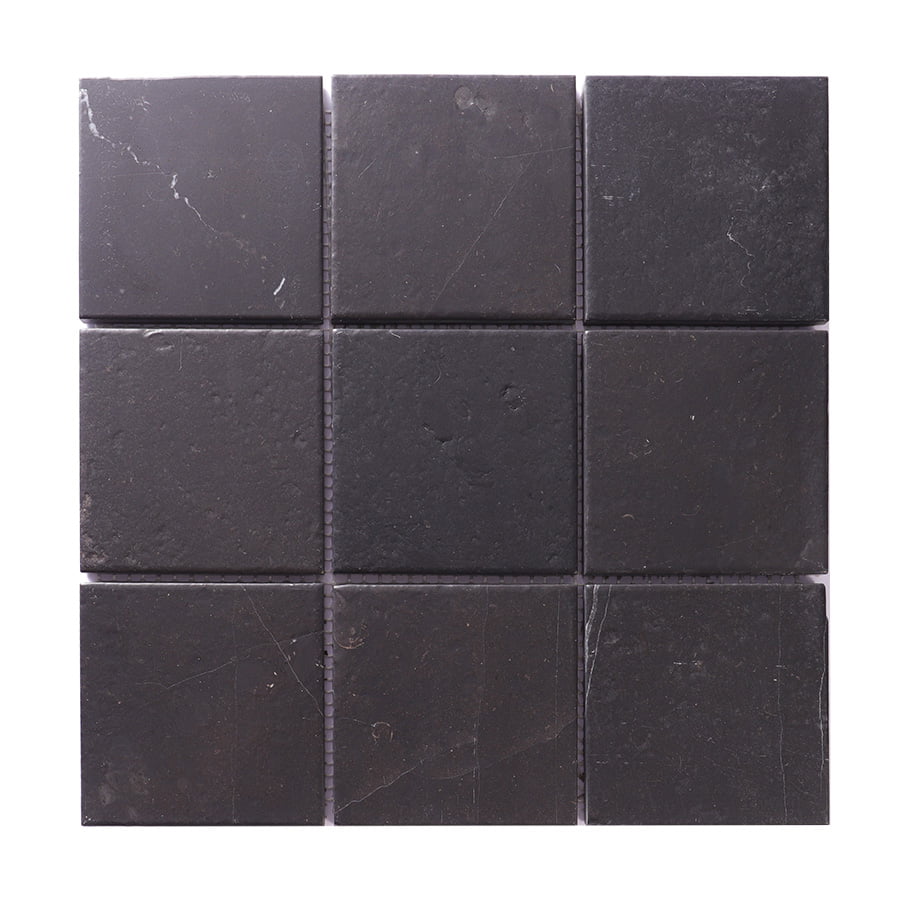
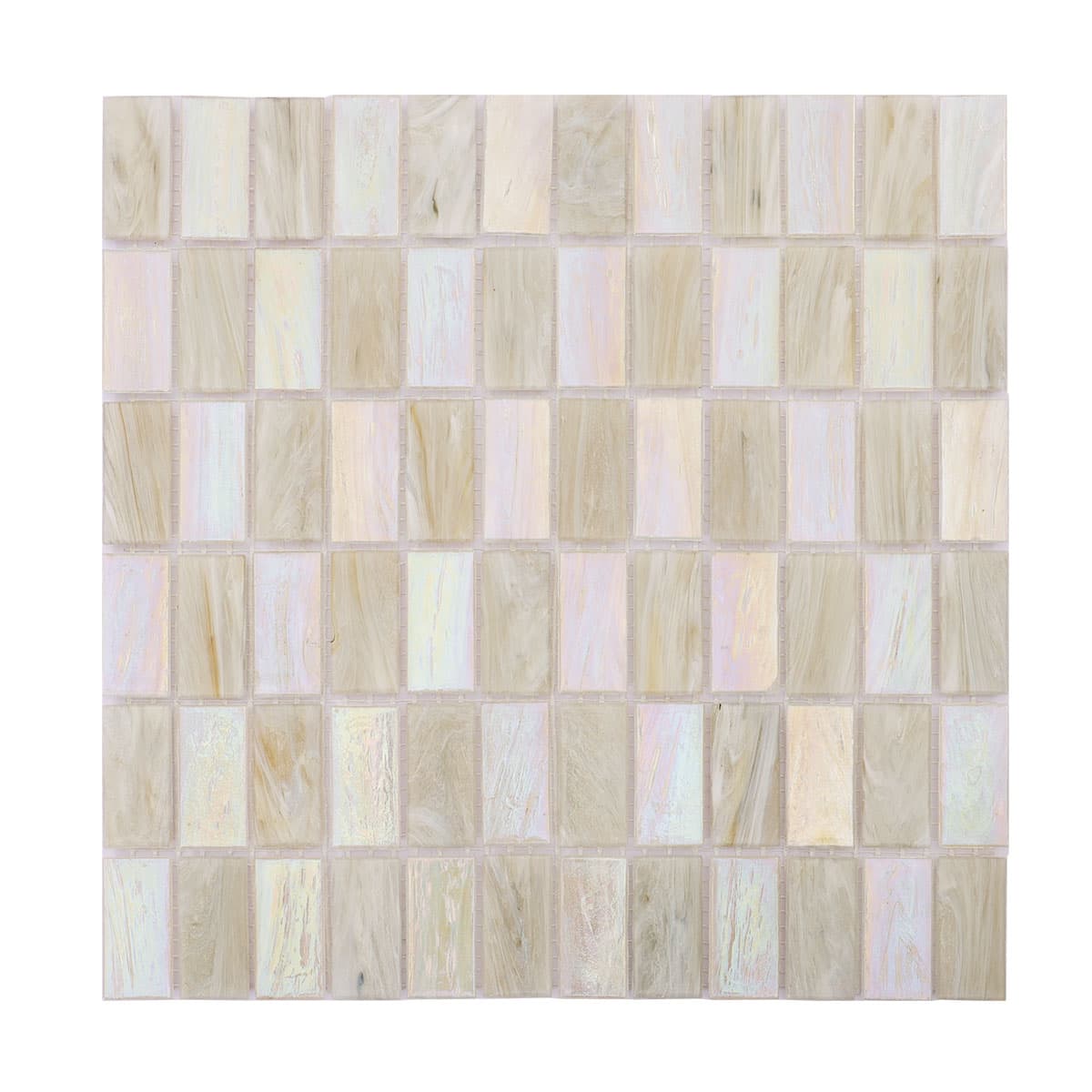
- Modern aesthetic
- Light reflection
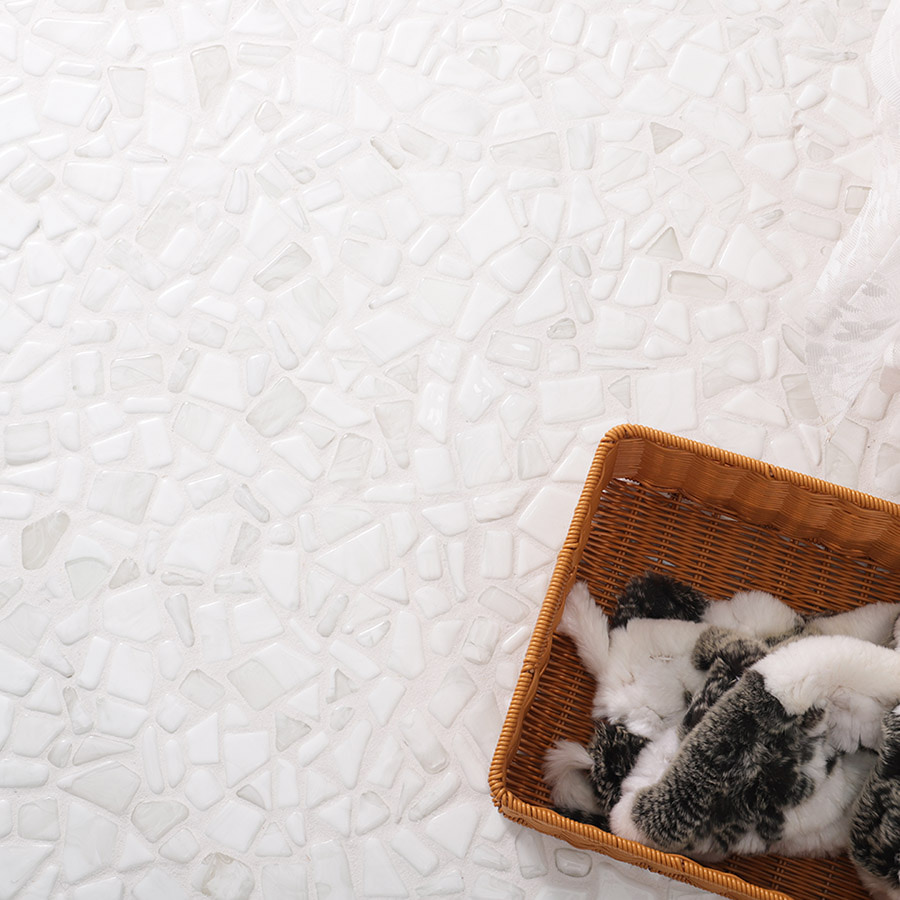
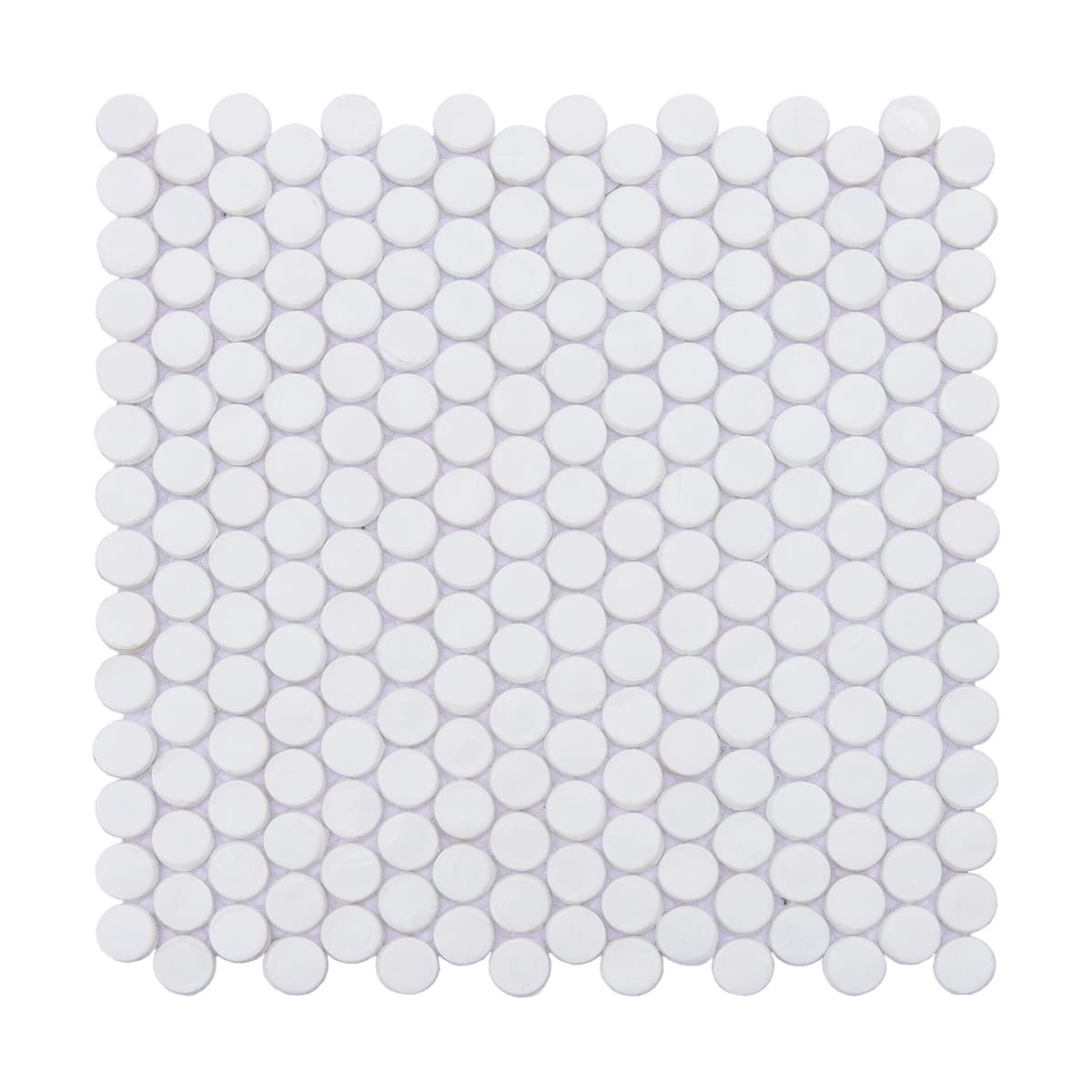
- Mosaic format safety
- Non-porous surface
- Easy to clean
Bathroom Floor Tile Safety Standards
Understanding slip resistance ratings and thickness requirements for safe bathroom flooring
Thickness Requirements
All our bathroom floor tiles meet or exceed the 6mm minimum thickness standard, ensuring durability and long-lasting performance in wet environments.
Slip Resistance (DCOF)
PEI Durability Rating Guide
Wall use only
Light residential
Normal home use
Heavy residential
Commercial use
Popular Bathroom Floor Tile Patterns
Transform your bathroom with these timeless and contemporary design options
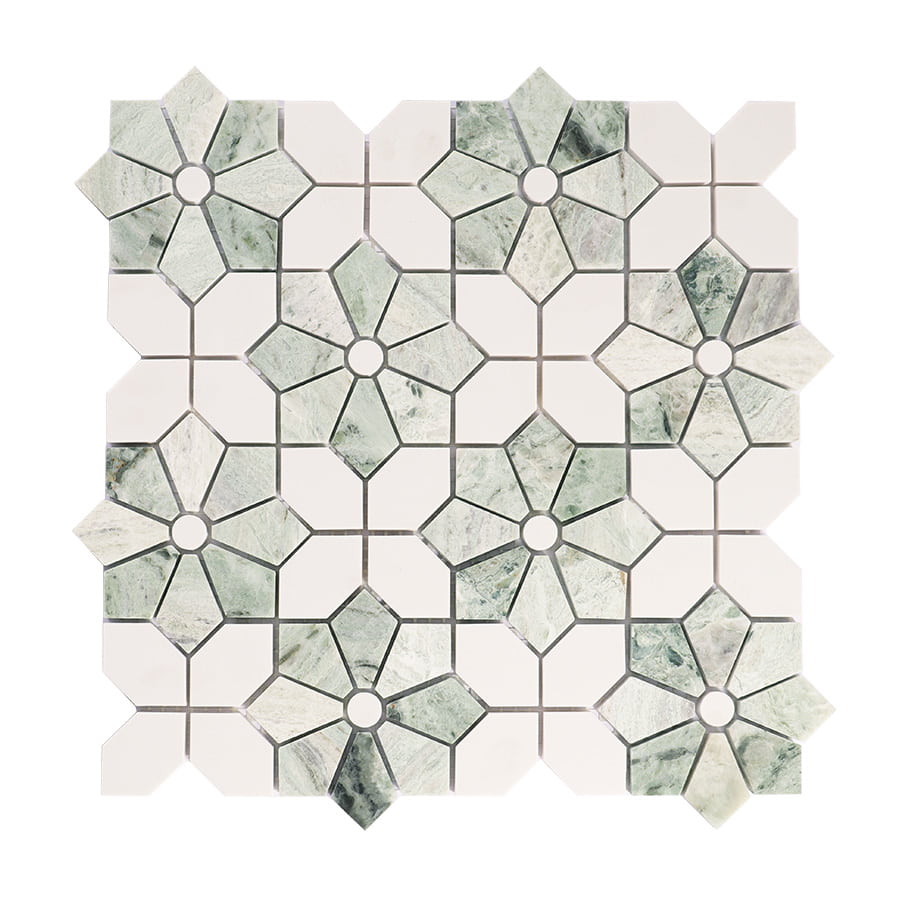
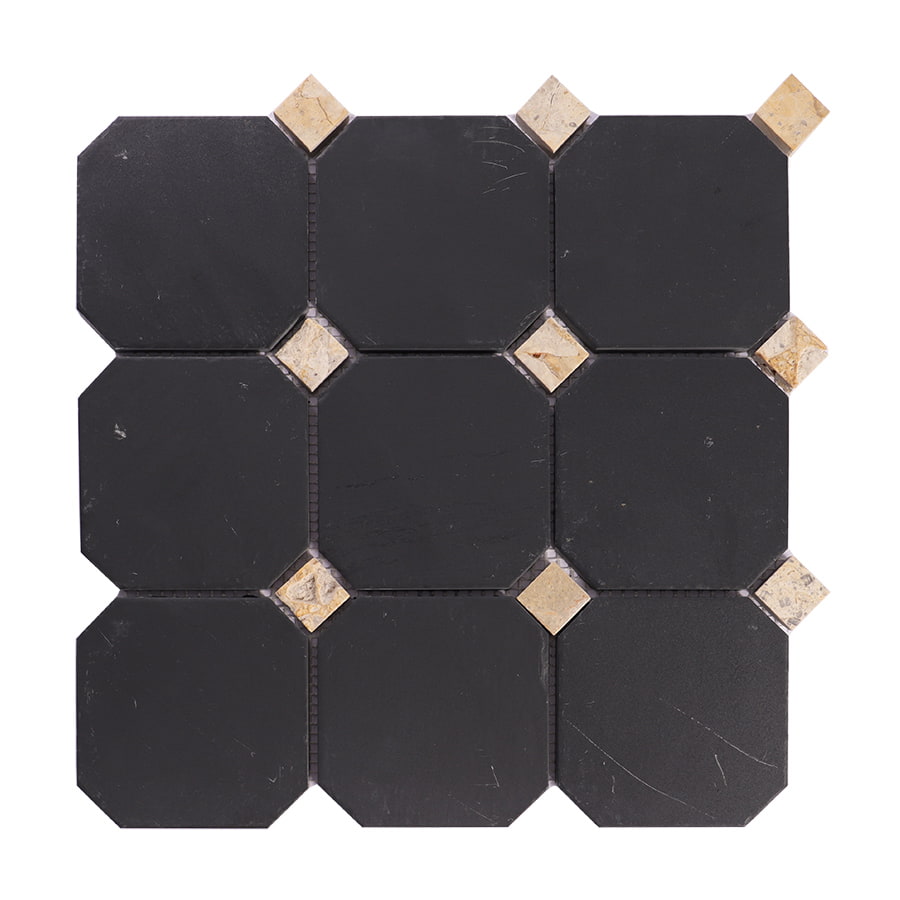
Create visual interest with modern geometric designs that add depth and sophistication to your bathroom floor.
- Hexagonal layouts
- Diamond patterns
- Herringbone designs
- Moroccan-inspired
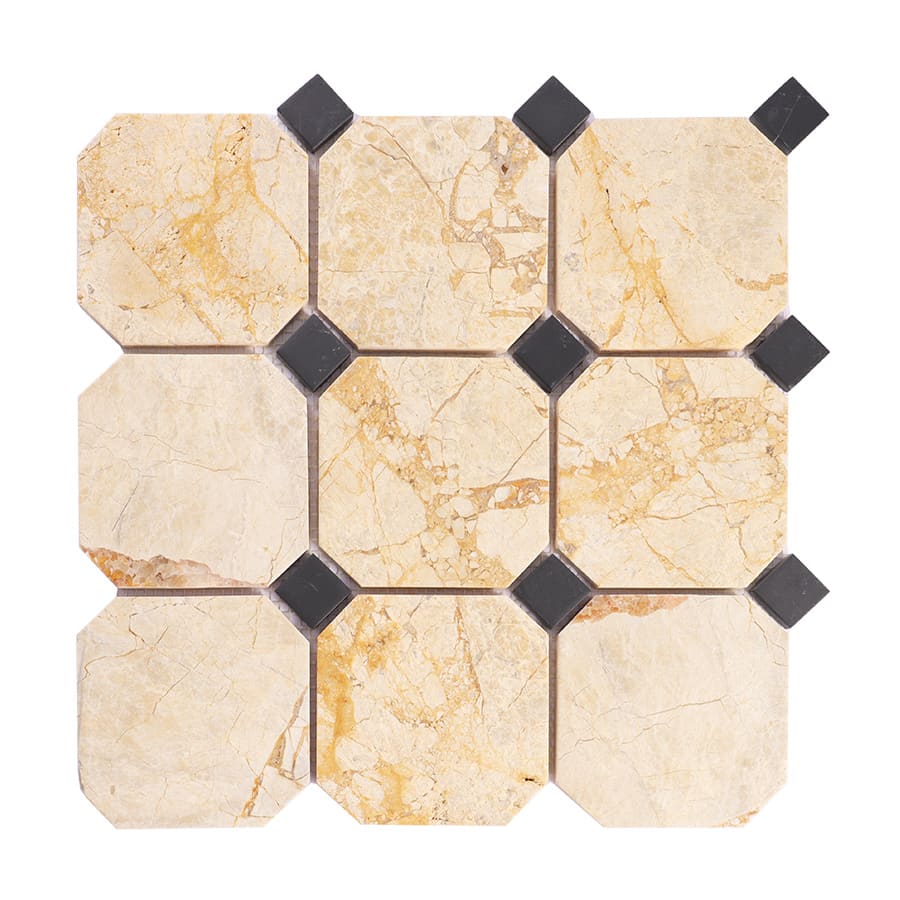
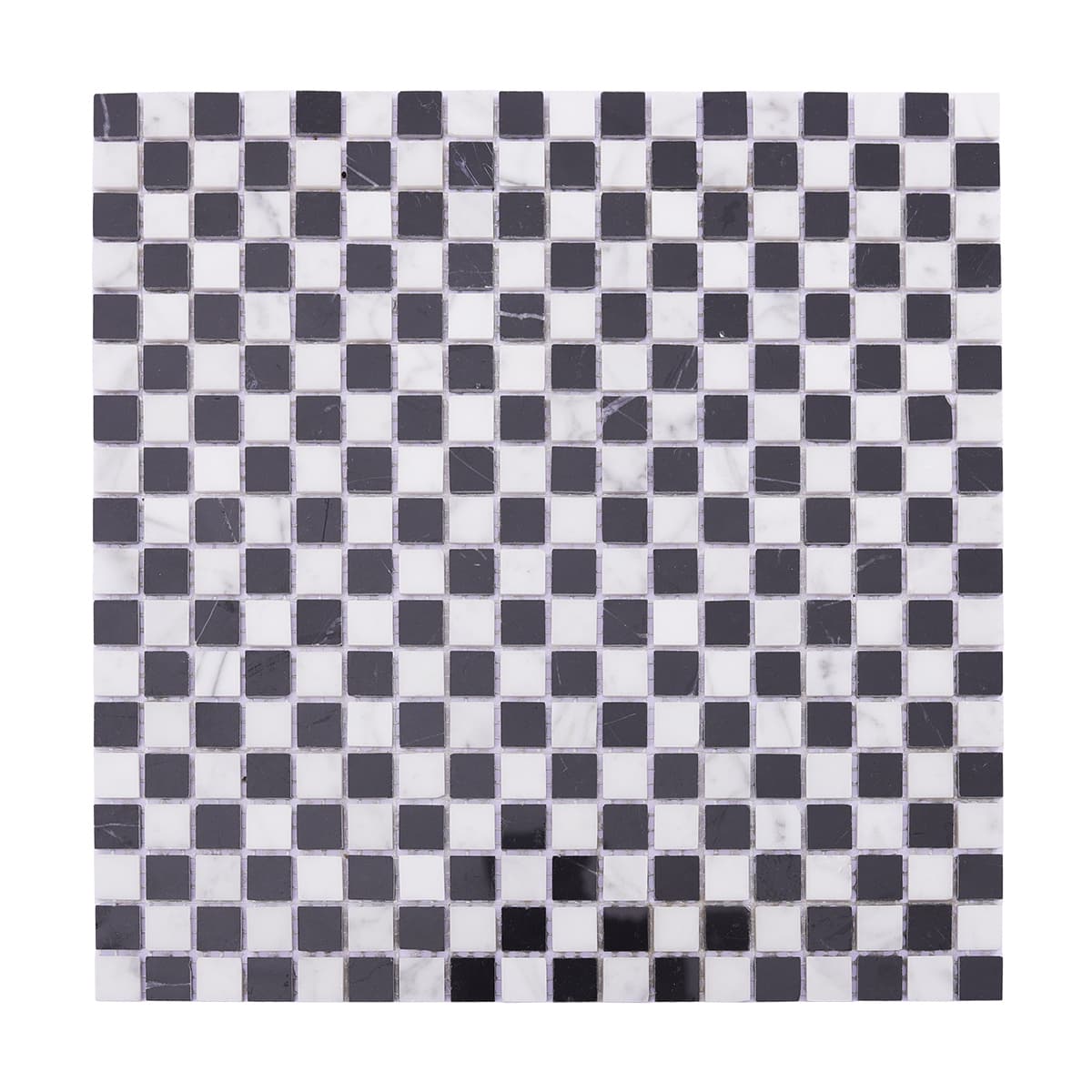
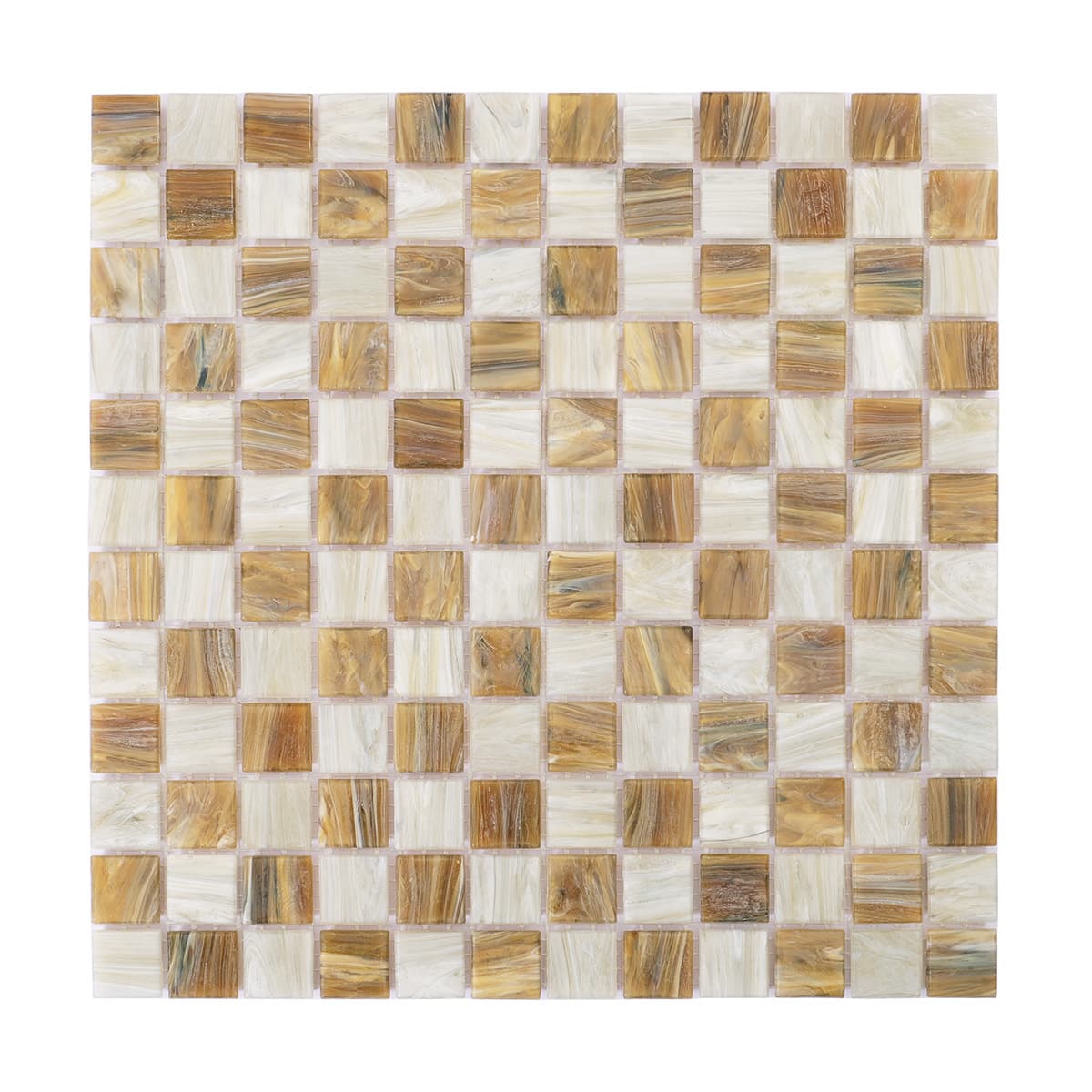
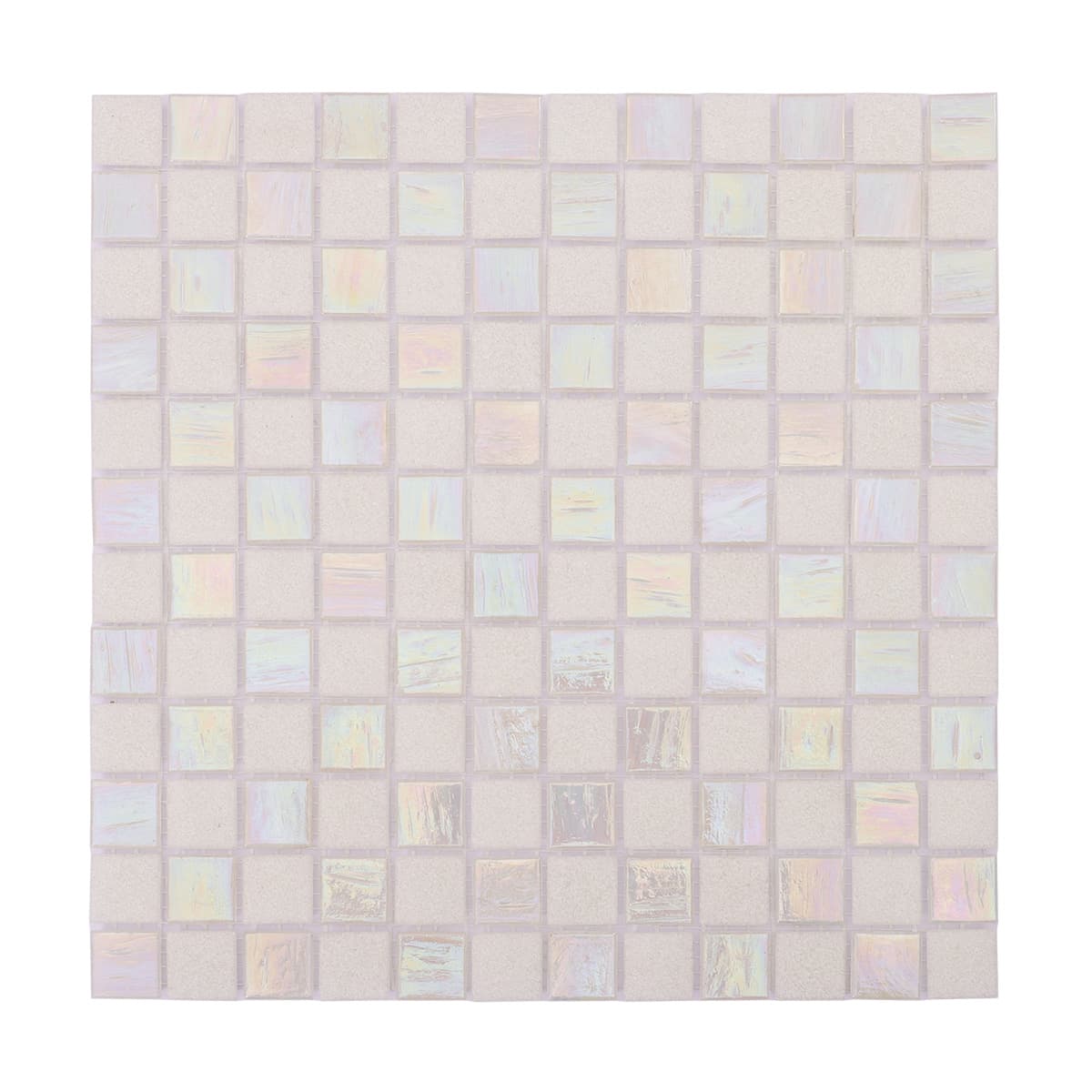
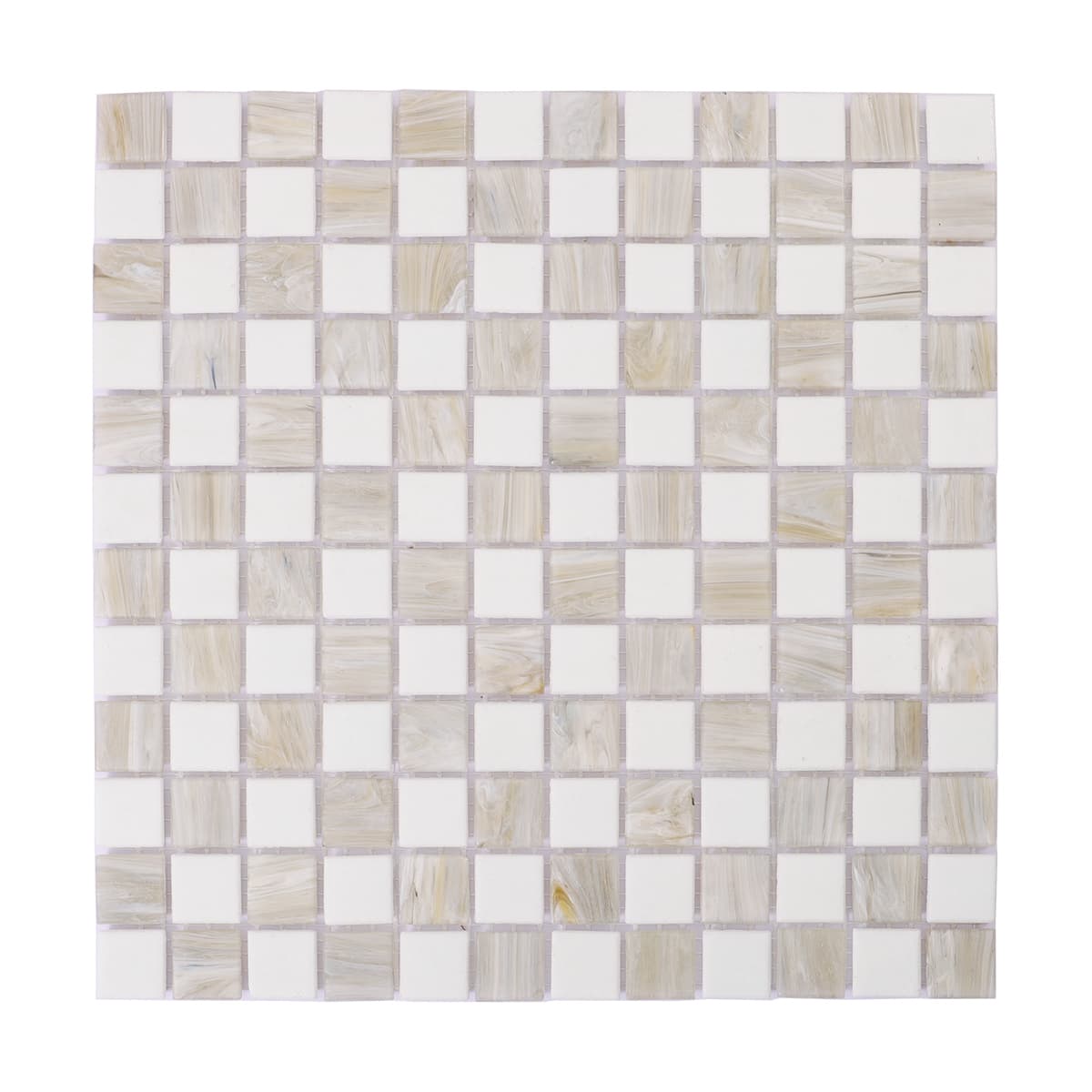
Timeless alternating pattern that creates classic elegance while providing visual contrast and style.
- Black & white classic
- Gray & white modern
- Navy & cream elegant
- Custom color combos
Solid Colors
Clean, minimalist approach that creates a seamless foundation for your bathroom design and decor.
- Neutral tones
- Bold statement colors
- Textured surfaces
- Seamless appearance
Why Choose Small Format Tiles?
Discover the safety and design advantages of smaller bathroom floor tiles
Enhanced Safety Features
More Grout Lines
Additional grout lines act like tire treads, providing superior grip and slip resistance
Better Water Drainage
Small tiles conform to shower slopes, ensuring proper water flow to drains
Family Safe
Ideal for households with children, elderly, or mobility-impaired family members
Installation Benefits
Flexible Design
Easier to cut and fit around fixtures, pipes, and irregular spaces
Slope Adaptation
Small tiles naturally follow shower pan slopes without cutting or special preparation
Easier Repairs
Individual tiles can be replaced without affecting large areas
Epoxy Colored Grout for Superior Performance
Enhance safety and maintenance with professional-grade epoxy grout solutions
Safety Benefits
Maintenance Advantages
Why Epoxy Grout is Perfect for Small Tiles
More Grout Lines
Small tiles create numerous grout lines that benefit from epoxy's durability
Enhanced Grip
Textured epoxy grout adds friction for improved safety
Easy Maintenance
Non-porous surface resists dirt and makes cleaning effortless
Tile Size Selection Guide
Choose the right tile size for your specific bathroom area and needs
Small Tiles (2"x2" to 4"x4")
Best For:
- Shower floors and wet areas
- ADA compliant bathrooms
- Family bathrooms with children
- Senior-friendly designs
Advantages:
- Maximum slip resistance
- Better water drainage
- Easier to replace
- Flexible installation
Medium to Large Tiles (6"x6" and up)
Best For:
- Dry bathroom areas
- Large bathroom spaces
- Modern minimalist designs
- Quick installation projects
Considerations:
- Less grout lines for grip
- May require cutting for slopes
- Choose textured surfaces
- Ensure DCOF ≥0.42 rating
Frequently Asked Questions
Expert answers to common bathroom floor tile questions
What is the best tile material for bathroom floors?
Porcelain tiles are considered the best choice for bathroom floors due to their low water absorption, high durability, and slip-resistant options. Ceramic tiles are also excellent for budget-conscious projects while maintaining good performance.
What DCOF rating should I look for?
For bathroom floors, look for a DCOF rating of at least 0.42 for dry areas, 0.60 for shower areas, and 0.65 for public or senior bathrooms. This ensures adequate slip resistance when wet.
Why are small tiles better for shower floors?
Small tiles (2"x2" to 4"x4") provide more grout lines, which act like tire treads for better grip. They also conform better to shower slopes for proper drainage and are easier to install around fixtures.
Should I choose matte or glossy tiles?
Always choose matte or textured finishes for bathroom floors. Glossy tiles become very slippery when wet and pose a safety risk. Matte finishes provide better traction while still offering attractive aesthetics.
What are the benefits of epoxy grout?
Epoxy grout is non-porous, stain-resistant, and doesn't require sealing. It provides additional slip resistance, prevents mold growth, and is much easier to clean than traditional cement grout.
How thick should bathroom floor tiles be?
Bathroom floor tiles should be at least 6mm thick to ensure durability and proper performance in wet environments. Thicker tiles provide better stability and longevity.
Ready to Transform Your Bathroom?
Choose from our premium collection of safety-rated bathroom floor tiles
Quality Guaranteed
All tiles meet safety standards
Fast Delivery
Quick shipping nationwide
Expert Support
Professional installation guidance