
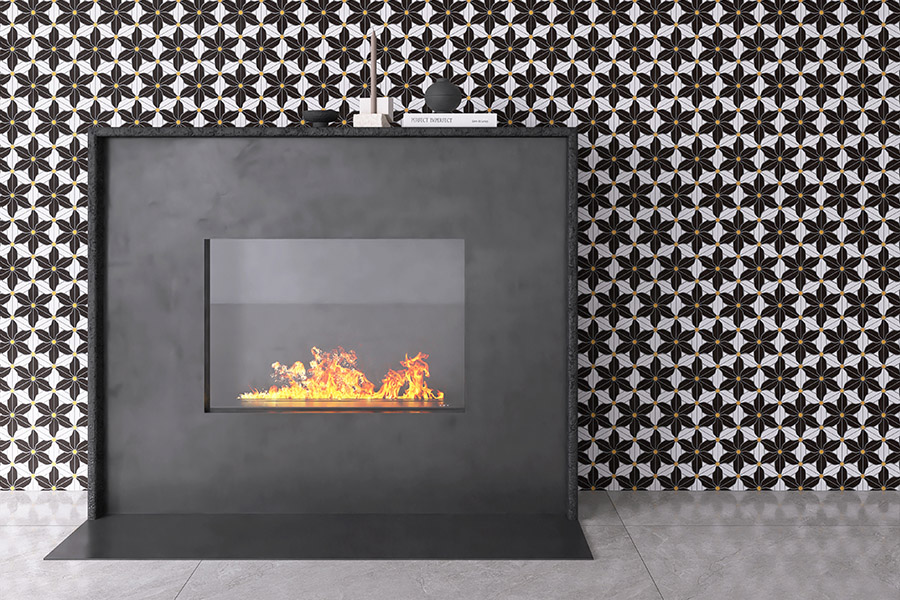
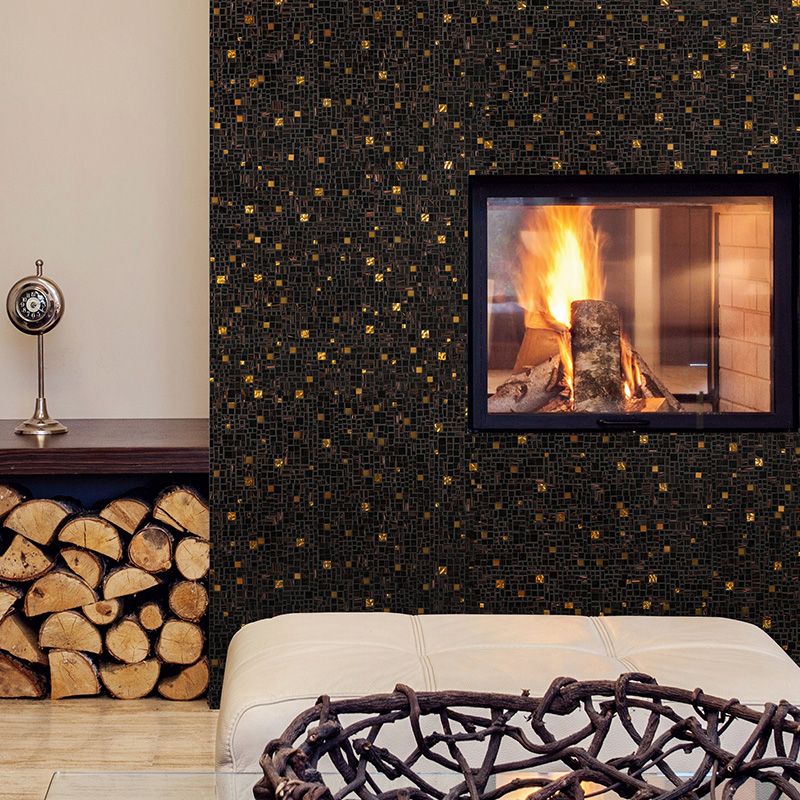
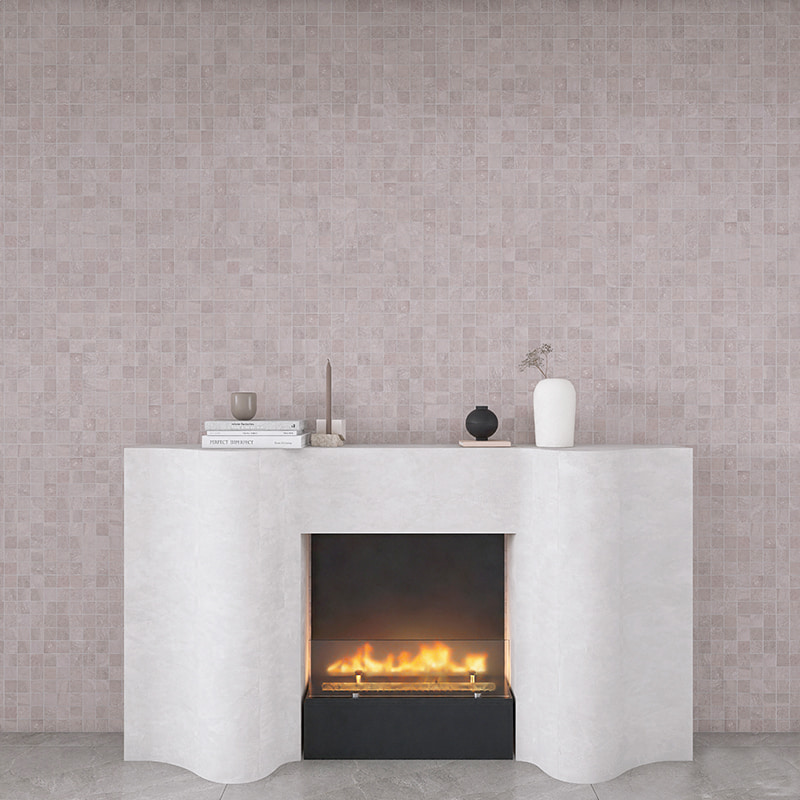
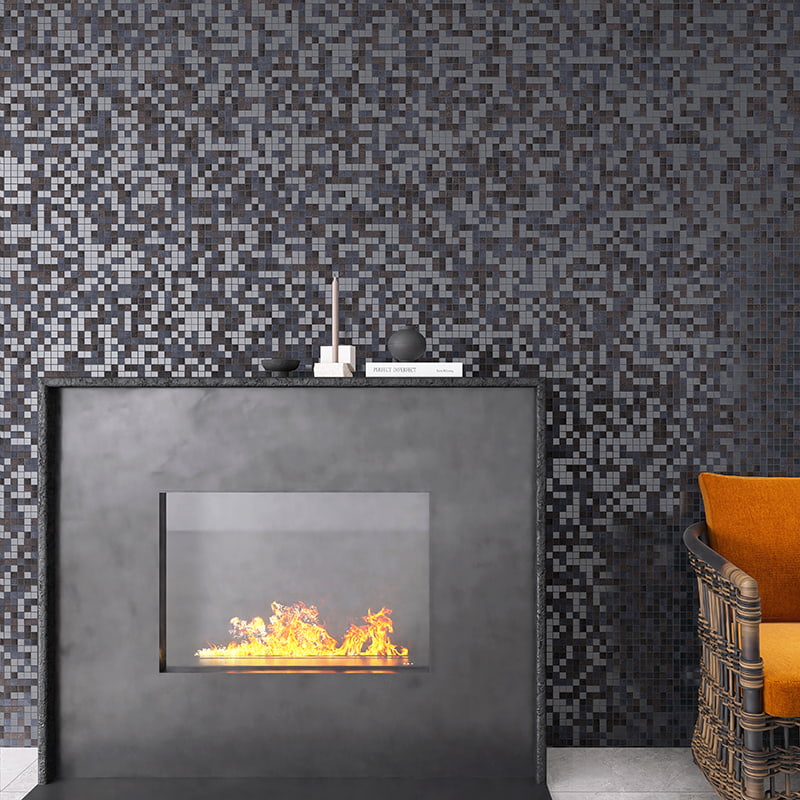


Fireplace Tiles Guide
Discover heat-resistant materials, stunning designs, and expert installation tips
Fireplace tiles protect your walls and floors from extreme heat while transforming your fireplace into a stunning focal point. The right tile choice balances safety, durability, and aesthetic appeal—withstanding temperatures up to 1800°F while defining your room's character.
Heat Protection
Withstand extreme temperatures without cracking
Durability
Long-lasting materials for decades of beauty
Style
Elevate your space with design choices
Best Fireplace Tile Materials
Choose the right material for safety, longevity, and beauty
Porcelain Tiles (Most Recommended)
Fired at 2300°F+, porcelain is the gold standard for fireplaces. Exceptional density and heat resistance prevent warping, cracking, or discoloring.
Key Benefits
- • Water absorption < 0.5%
- • Extremely durable and scratch-resistant
- • Endless designs (wood, marble, concrete looks)
- • Minimal maintenance
- • Ideal for all fireplace areas
Best For
- • Direct fire exposure & hearths
- • Modern, contemporary designs
- • Large format (24×48")
- • Long-term investment
Ceramic Tiles
Budget-friendly with good heat resistance for surrounds and background walls.
Advantages:
- • More affordable than porcelain
- • Wide variety of colors & patterns
- • Easier to cut and install
Note: Not for direct heat near firebox. Water absorption 3-7%.
Natural Stone
Slate, granite, and marble bring timeless elegance and unique character.
Popular Options:
- • Slate: Excellent heat resistance, rustic texture
- • Granite: Extremely durable, low maintenance
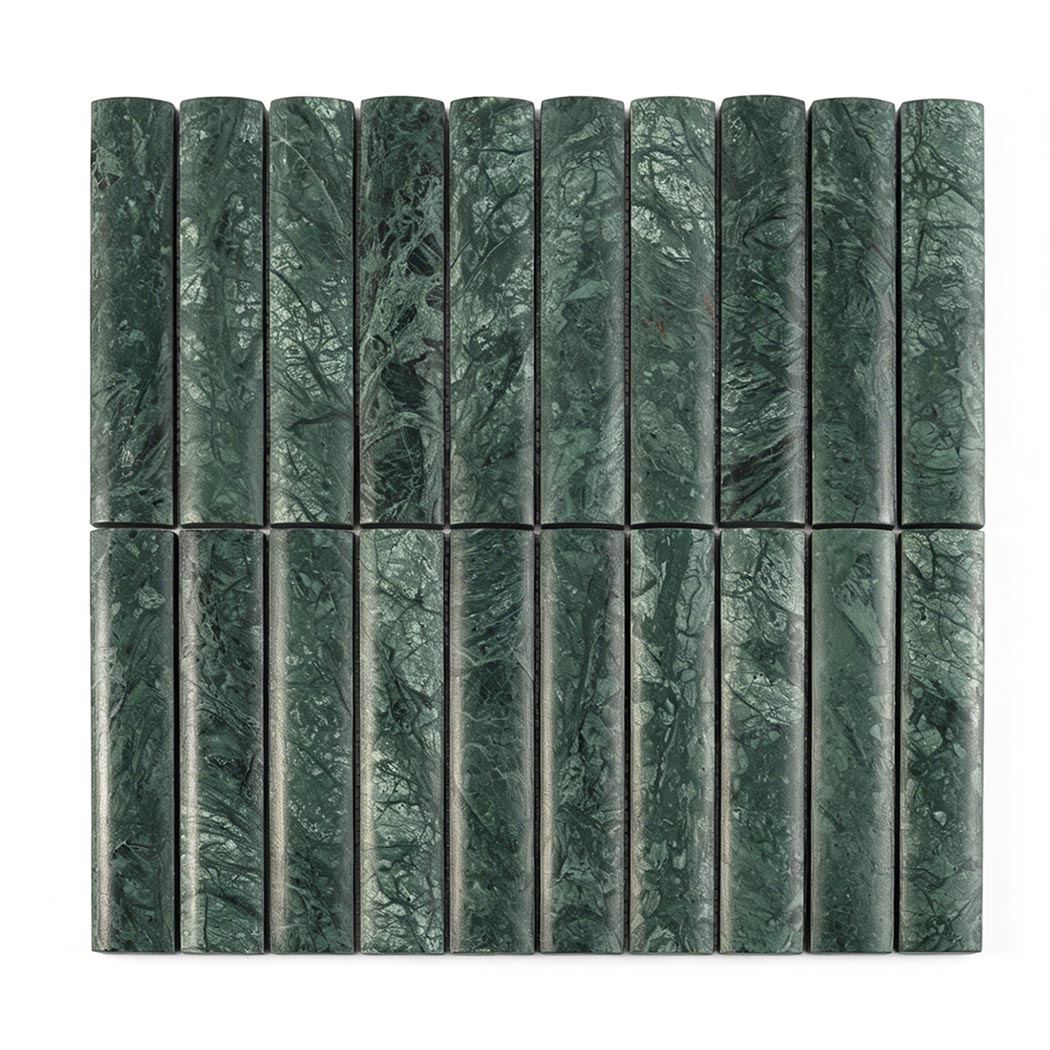
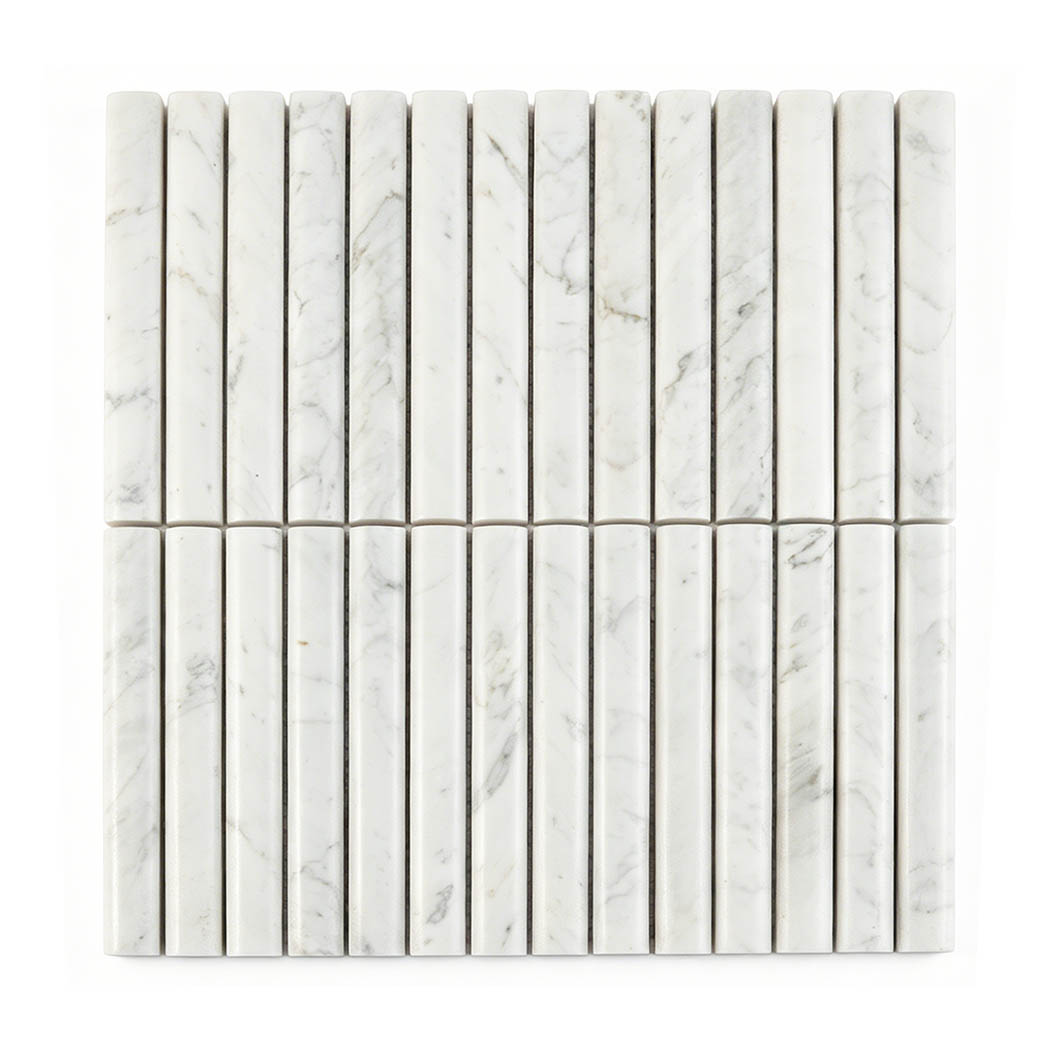
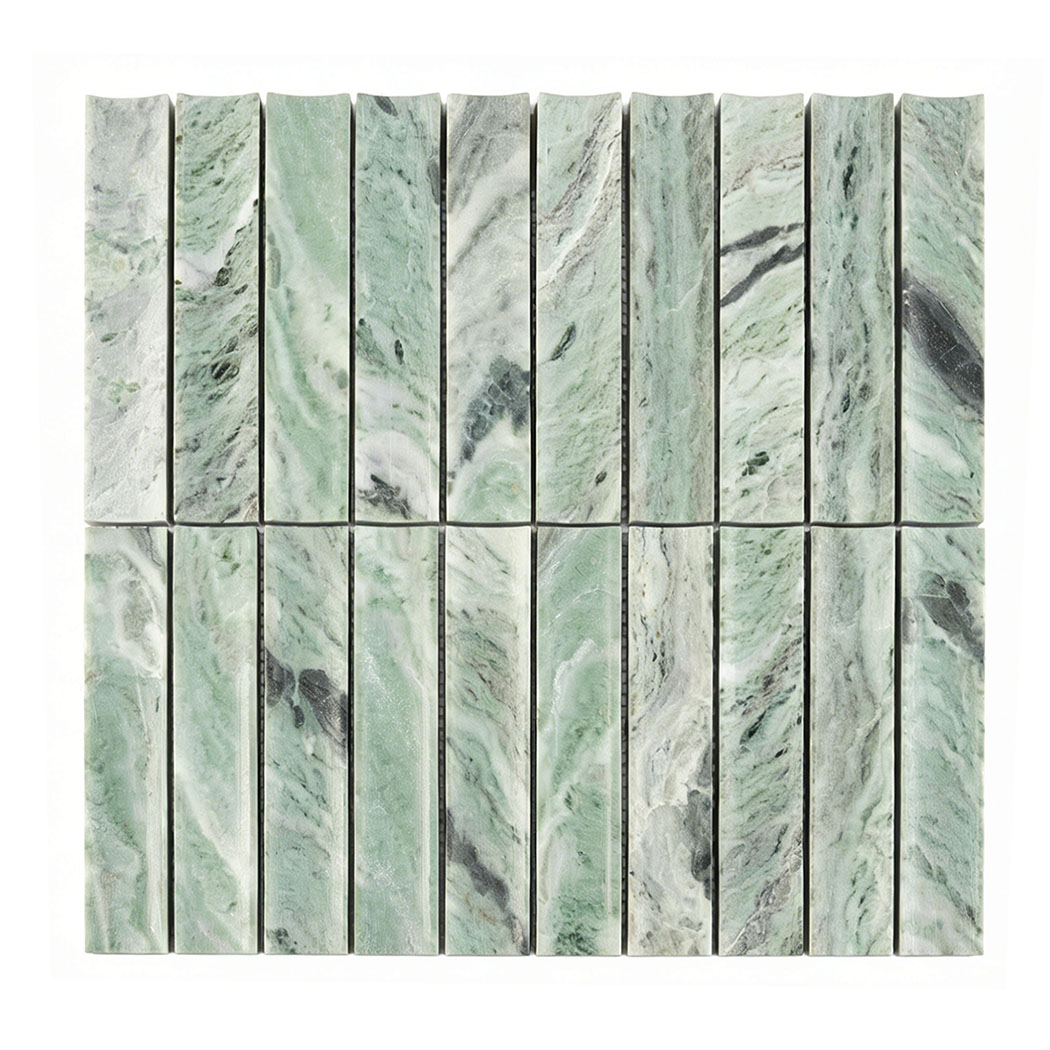
- • Marble: Timeless elegance, unique veining
Maintenance: Requires sealing every 1-3 years.
Glass Tiles
Vitreous glass adds modern, luminous quality. Best for decorative accents.
- • Reflects light beautifully
- • Iridescent & metallic finishes
- • Non-porous, stain-resistant
Limitation: Not for direct heat exposure.
Avoid These Materials
- Standard Crystal: Not heat-resistant, prone to cracking
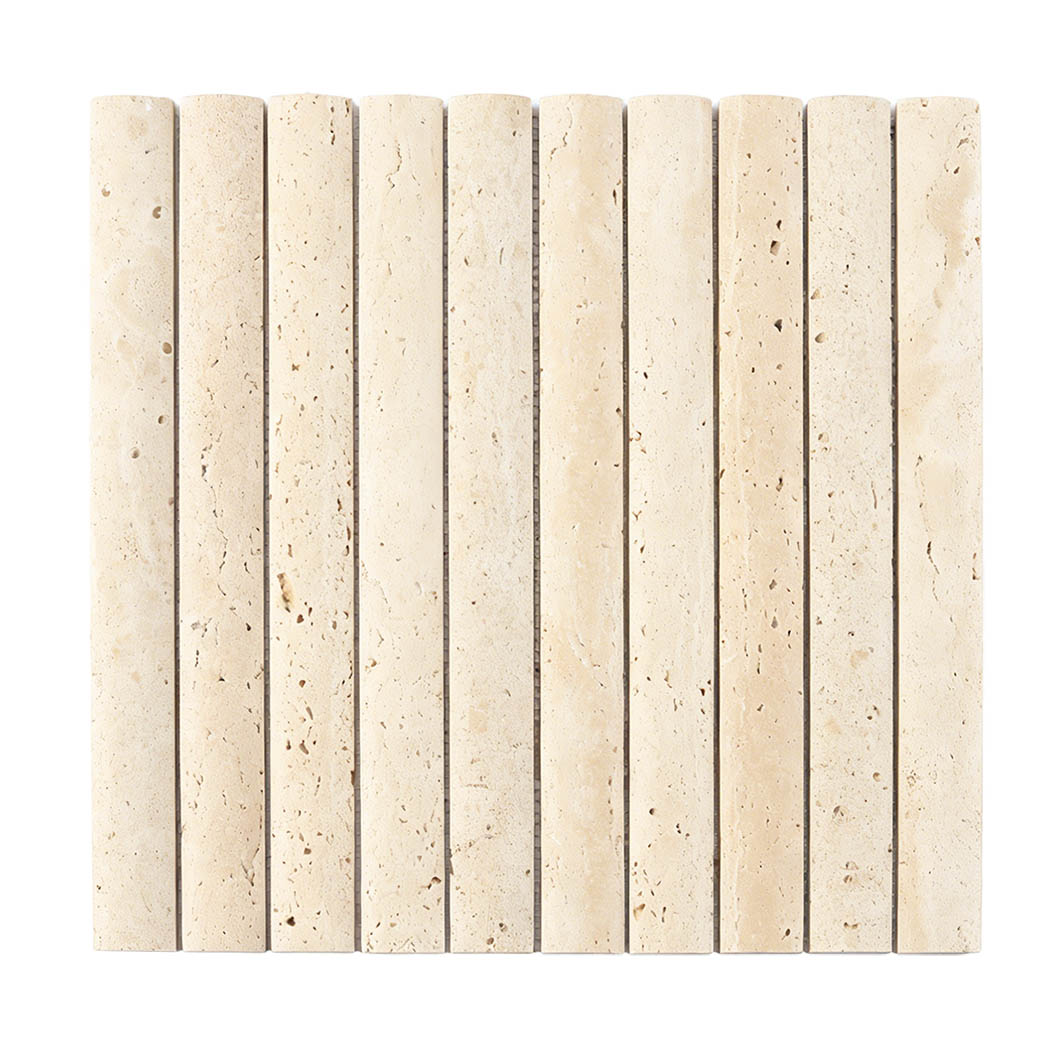
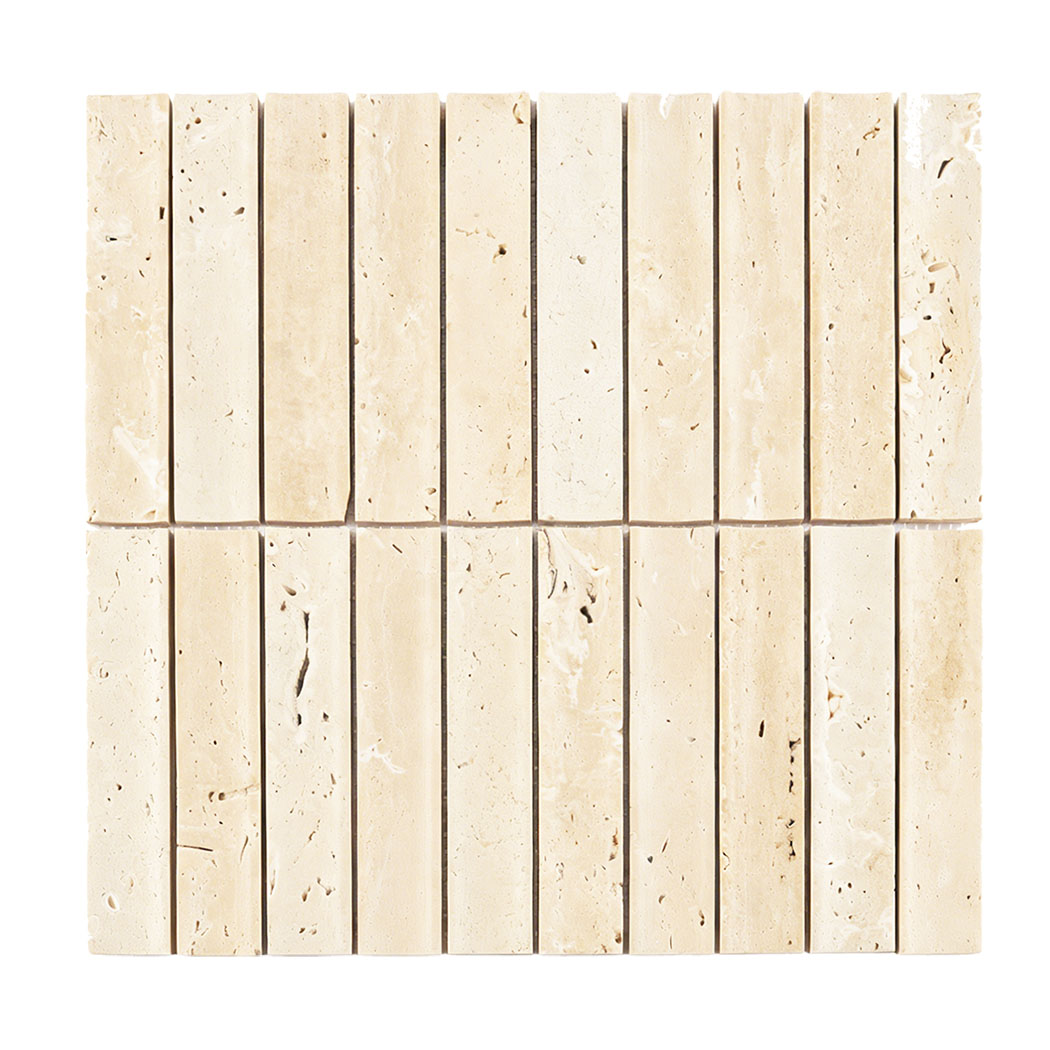
- Limestone/Travertine: Vulnerable to thermal stress
- Vinyl/Plastic: Will melt or release toxic fumes
Heat Resistance & Technical Standards
Key specifications for safety and longevity
Temperature Requirements
Fireplace Hearth
Must withstand: 1200-1800°F
Use: Porcelain, granite, slate (10mm+ thickness)
Fireplace Surround
Must withstand: 200-500°F
Options: Porcelain, ceramic, natural stone, glass accents
Water Absorption Rate
Lower rates = denser, more heat-resistant tiles:
Design Ideas & Styles
Create a stunning focal point with these design approaches
Tile Size Options
Large Format
24×48", 32×32"
Modern, sleek look with minimal grout lines
Subway Tile
3×6", 4×8", 6×12"
Timeless, versatile, budget-friendly
Mosaic
1×1", 2×2"
Intricate patterns, decorative accents
Surface Finishes
Matte (Most Popular)
Sophisticated, no glare, hides fingerprints, warm ambiance
Glossy
Reflects light, easier to clean soot, modern aesthetic
Textured
Tactile dimension, natural stone look, rustic appeal
Popular Color Palettes
White & Light Gray
Clean, timeless, brightens spaces, pairs with any decor
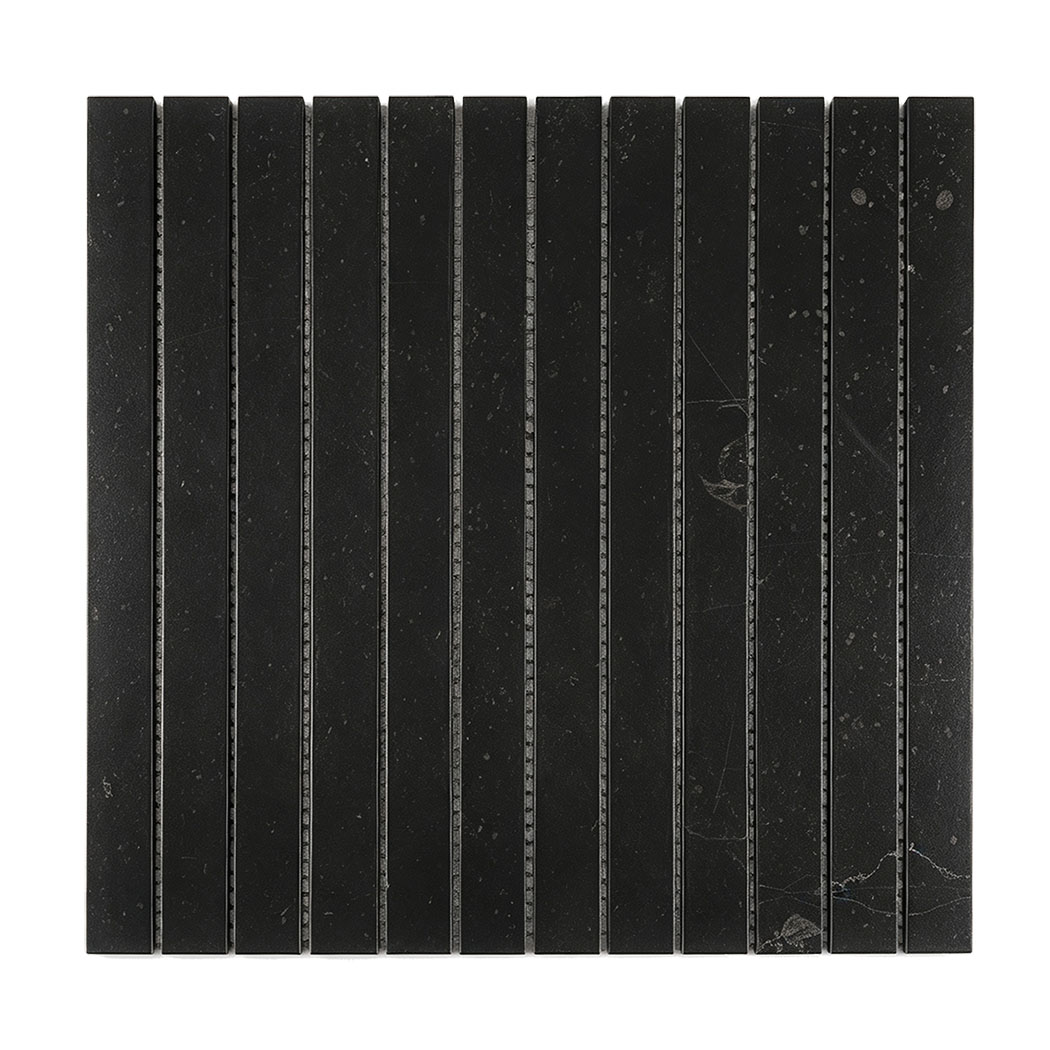
Black & Charcoal
Bold, dramatic, hides soot, ultra-modern aesthetic
Natural Stone Tones
Beige, taupe, cream - warm, organic, traditional elegance
2025 Popular Styles
Modern Minimalist
Large format porcelain, neutral colors, minimal grout lines
Rustic Farmhouse
Natural textures, handmade look, warm earth tones
Classic Traditional
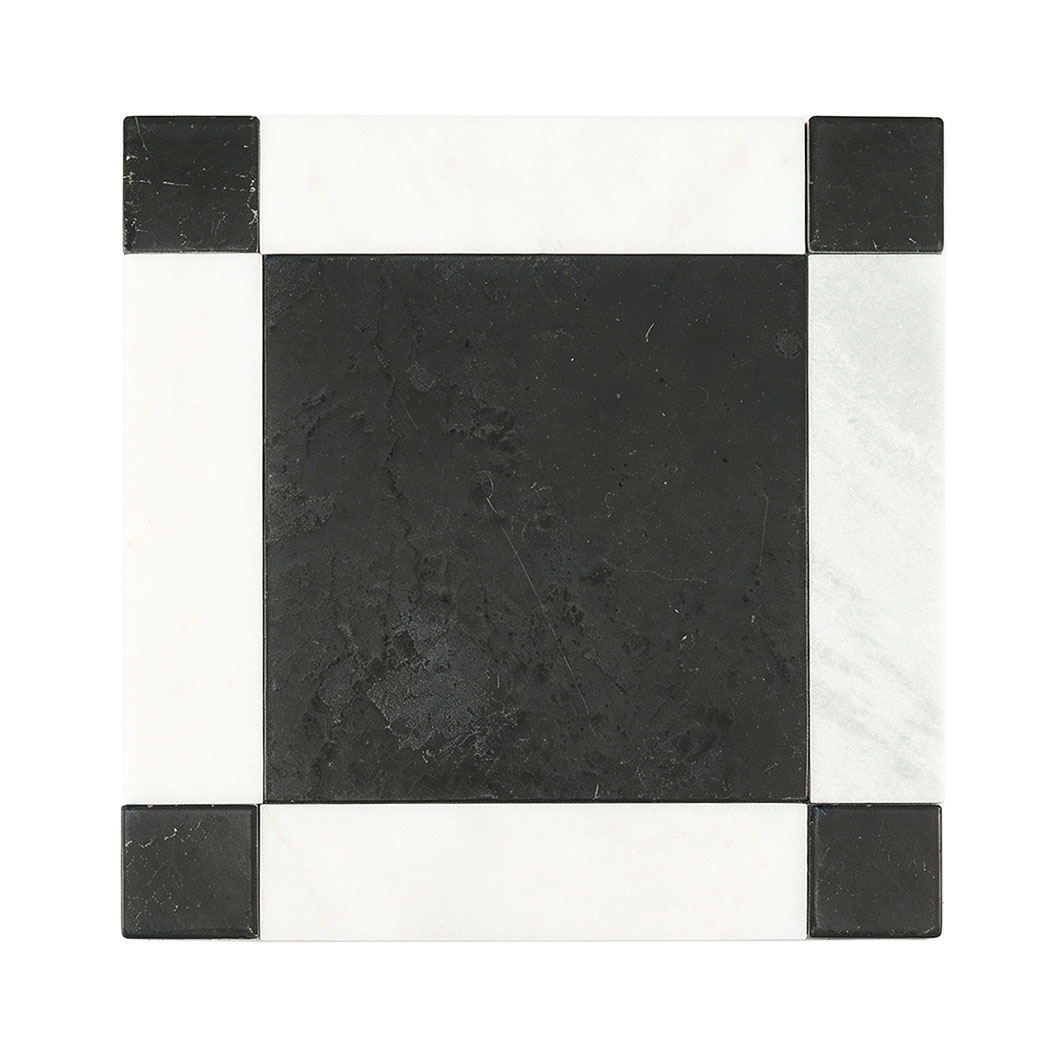
Marble elegance, ornate details, symmetrical layouts
Industrial Contemporary
Raw materials, concrete aesthetics, urban edge
Installation Essentials
Key steps for safe, durable installation
Adhesives
- • Heat-resistant thinset mortar
- • Modified for porcelain/ceramic
- • Unmodified for natural stone
Grout & Sealers
- • Heat-resistant grout
- • Grout sealer
- • Stone sealer (for natural stone)
Tools
- • Tile cutter or wet saw
- • Notched trowel
- • Level, spacers, grout float
6-Step Installation Process
Plan Layout: Dry-lay tiles, mark reference lines, identify cuts
Apply Thinset: Mix per instructions, apply with notched trowel
Set Tiles: Press firmly with twisting motion, use spacers, check level
Cure: Let thinset cure 24-48 hours before grouting
Grout: Apply at 45° angle, remove excess with damp sponge
Seal: After 48-72 hours, apply grout/stone sealer
Pro Installation Tips
- Always use heat-resistant adhesives and grouts
- Ensure 95% thinset coverage for large tiles
- Wait 7 days before using fireplace
- Install expansion joints at material transitions
Maintenance Guide
Regular Cleaning
Porcelain & Ceramic:
Wipe weekly with damp cloth, use pH-neutral cleaner, remove soot with specialized cleaner
Natural Stone:
Use stone-specific cleaners only, avoid acids, blot spills immediately
Sealing Schedule
Cost Guide
Budget-Friendly
Mid-Range
Premium
Total Project Cost
For 40-60 sq ft fireplace area:
Ceramic tiles, DIY installation
Premium porcelain, professional install
Natural stone, expert craftsman
Frequently Asked Questions
Quick answers to common questions
Can I use regular ceramic tiles around a fireplace?
Yes, for surrounds and background walls with minimal heat. For hearths and areas near the firebox, use heat-resistant porcelain or natural stone.
Is porcelain better than ceramic for fireplaces?
Yes. Porcelain is denser, more heat-resistant, has lower water absorption, and better withstands thermal stress. It's the safer choice for all fireplace areas.
How long should I wait before using my fireplace after installation?
Wait at least 7 days after grouting. Start with a small, low-temperature fire to gradually acclimate the tiles to heat.
Should I choose matte or glossy finish?
Matte creates a sophisticated look without glare. Glossy is easier to clean (soot wipes off easily). Consider matte for main areas, glossy for accents.
Can I install fireplace tiles myself?
Yes, if you have basic tiling experience and use simple patterns. Hire a professional for large format tiles, complex patterns, or expensive materials like marble.
Ready to Transform Your Fireplace?
With the right tiles and proper installation, create a stunning focal point
Key Takeaways:
- Porcelain offers best heat resistance and durability
- Always use heat-resistant thinset and grout
- Proper installation is crucial for safety and longevity
- Natural stone requires more maintenance but offers luxury
- Budget wisely—quality materials pay off long-term