
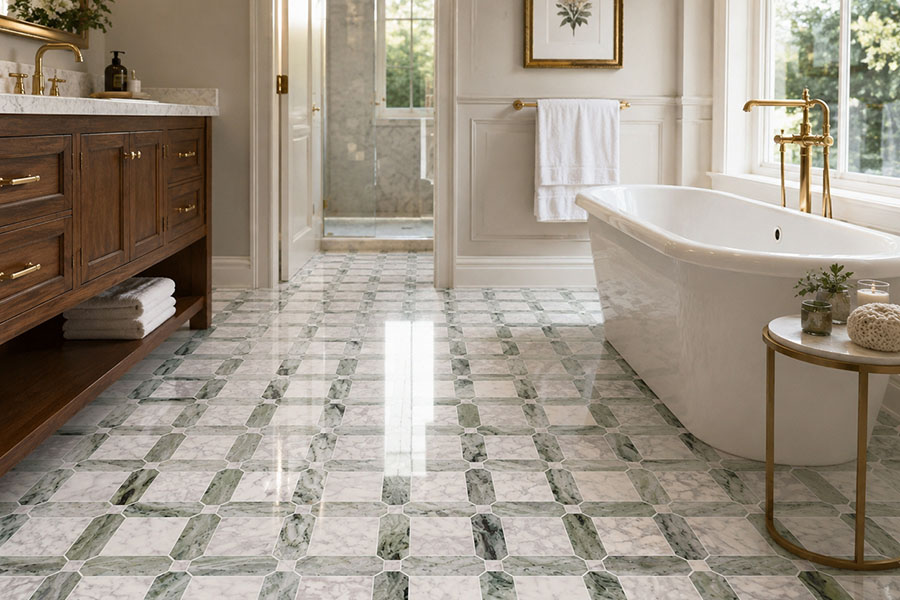
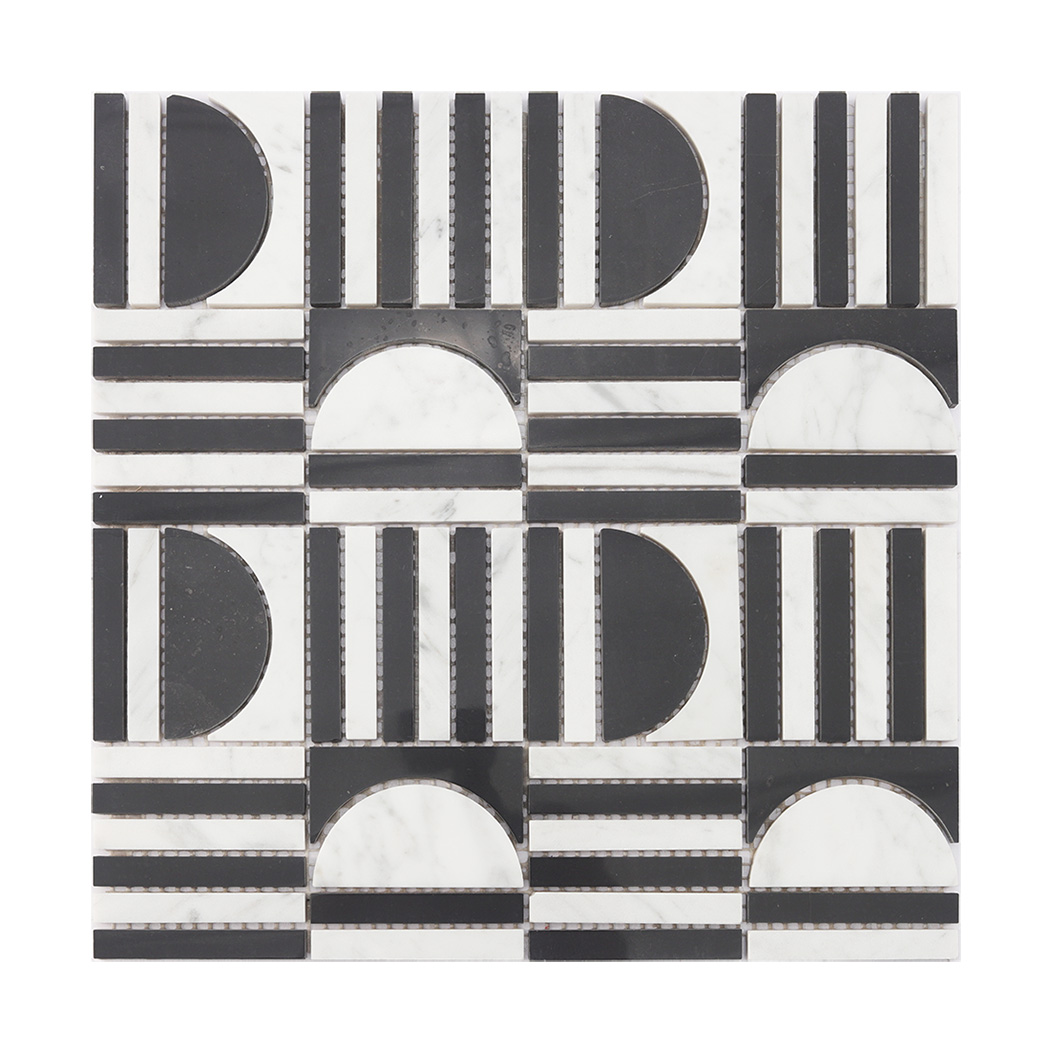
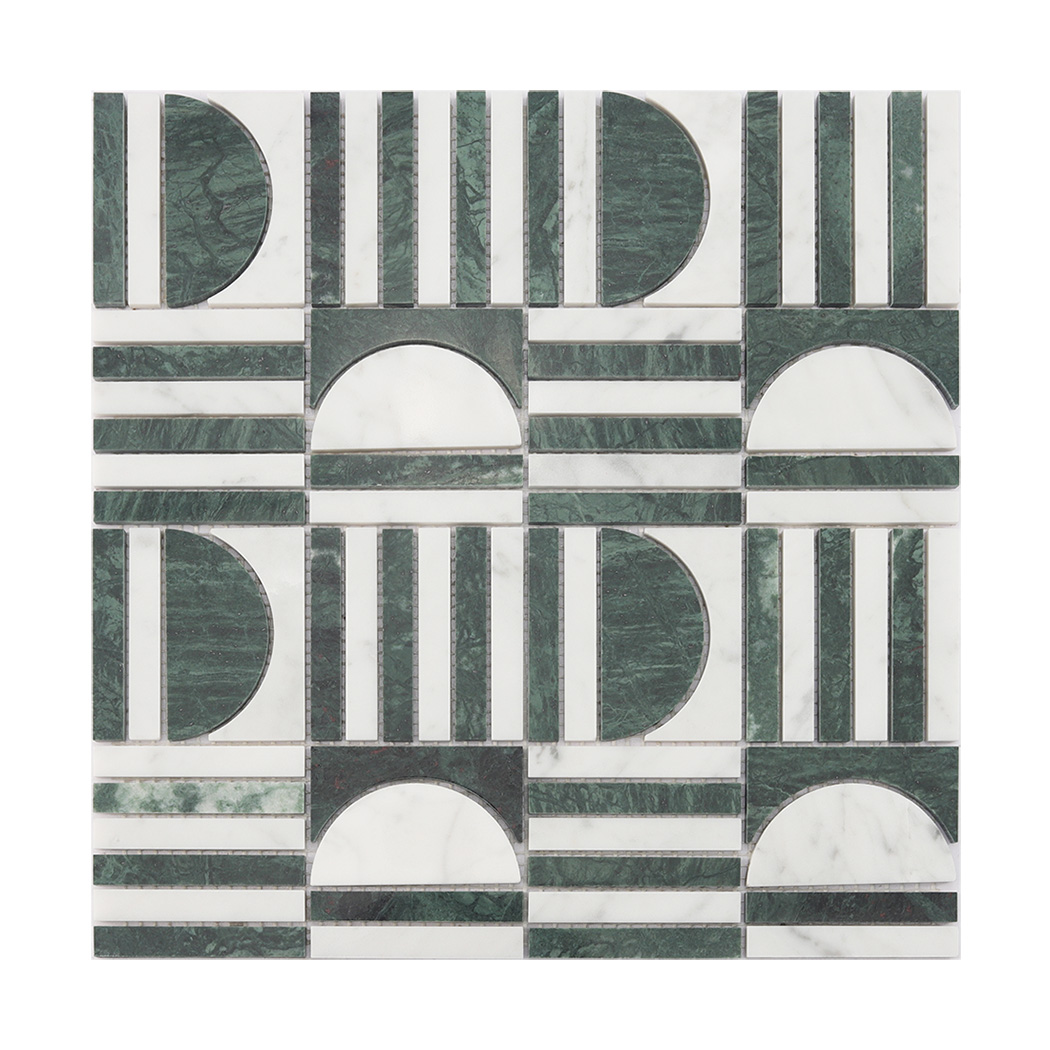
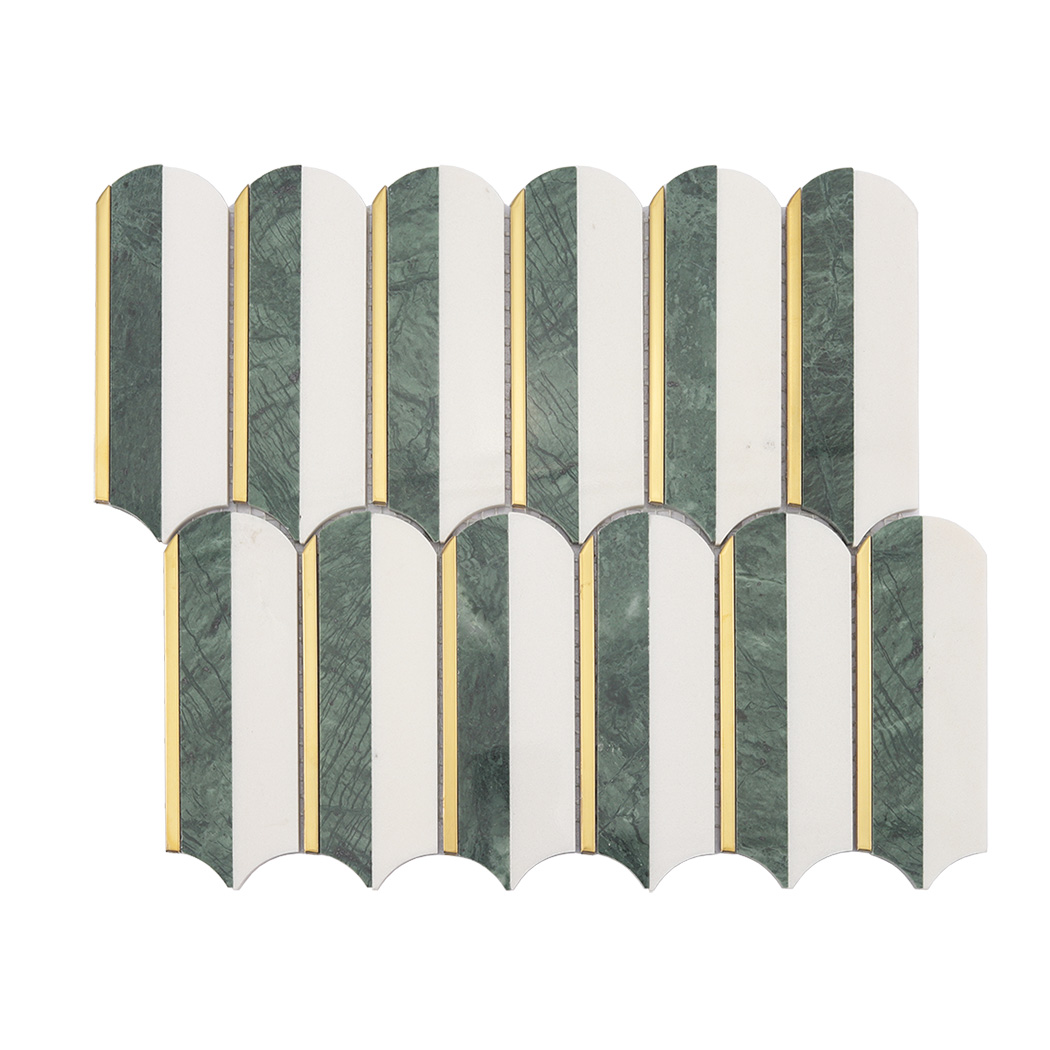
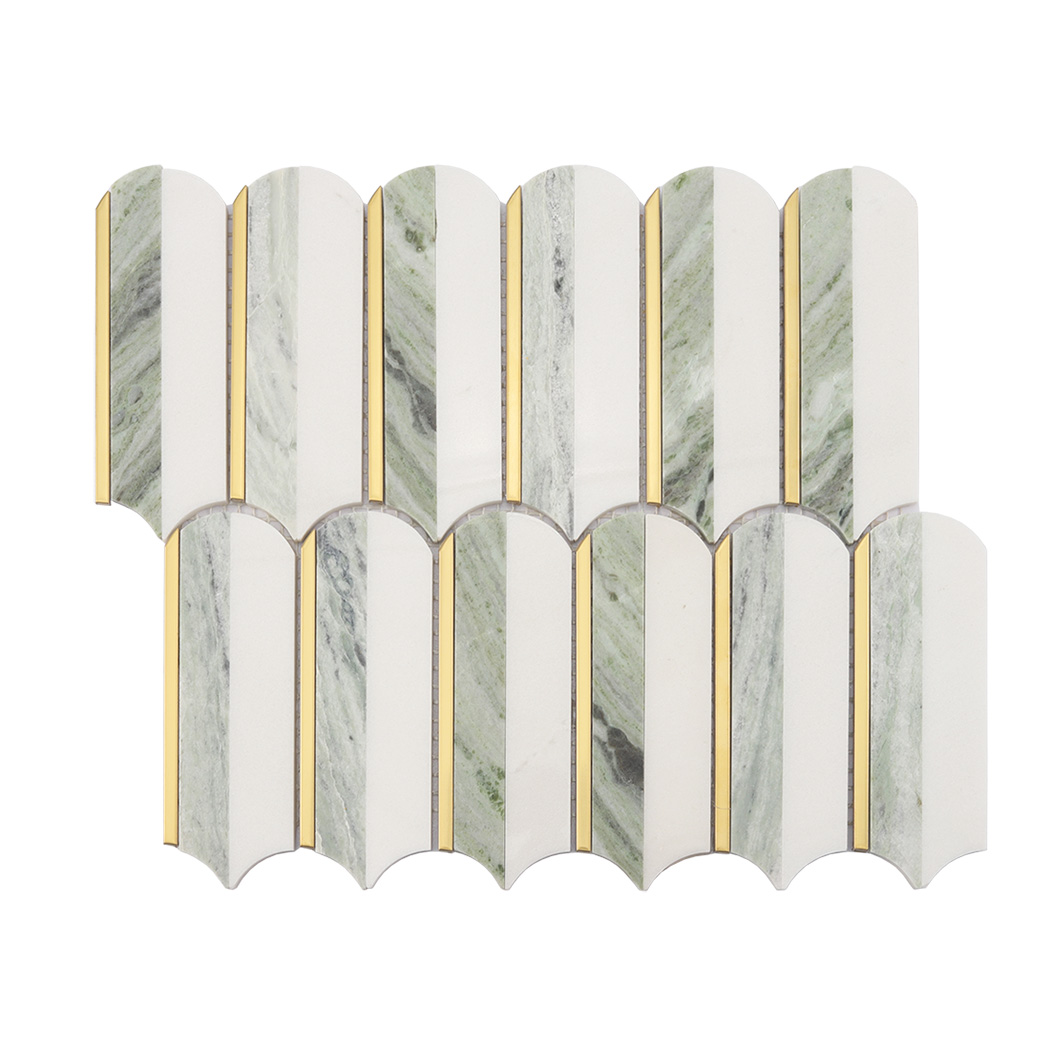
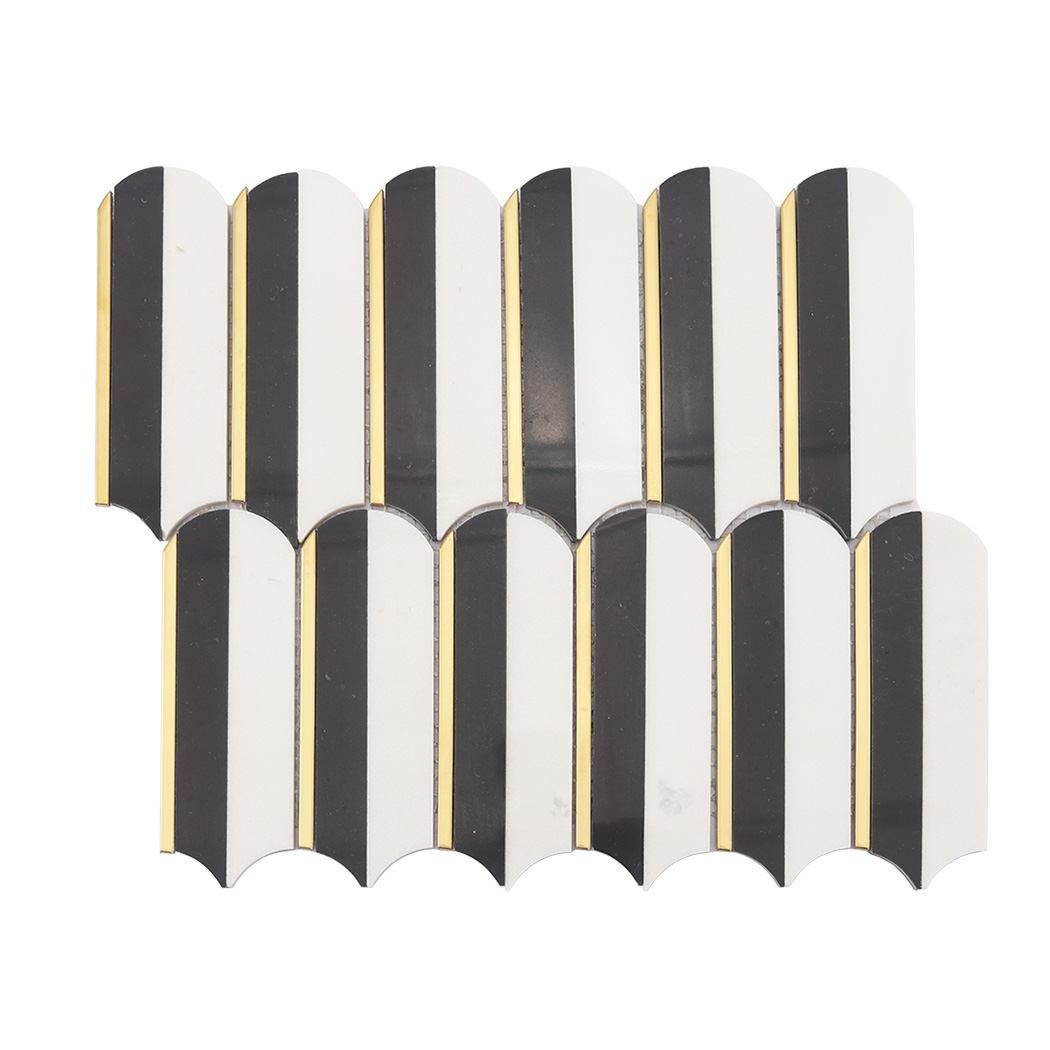

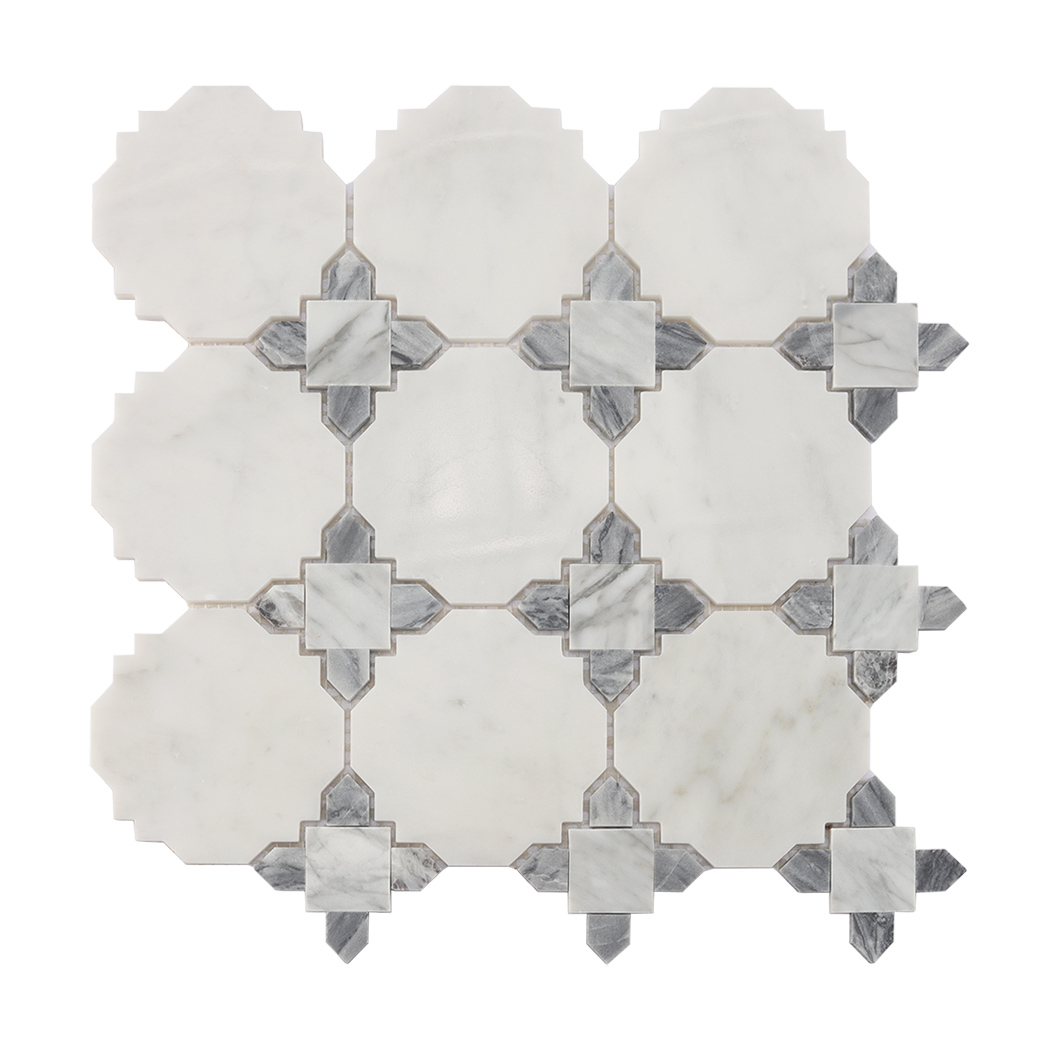
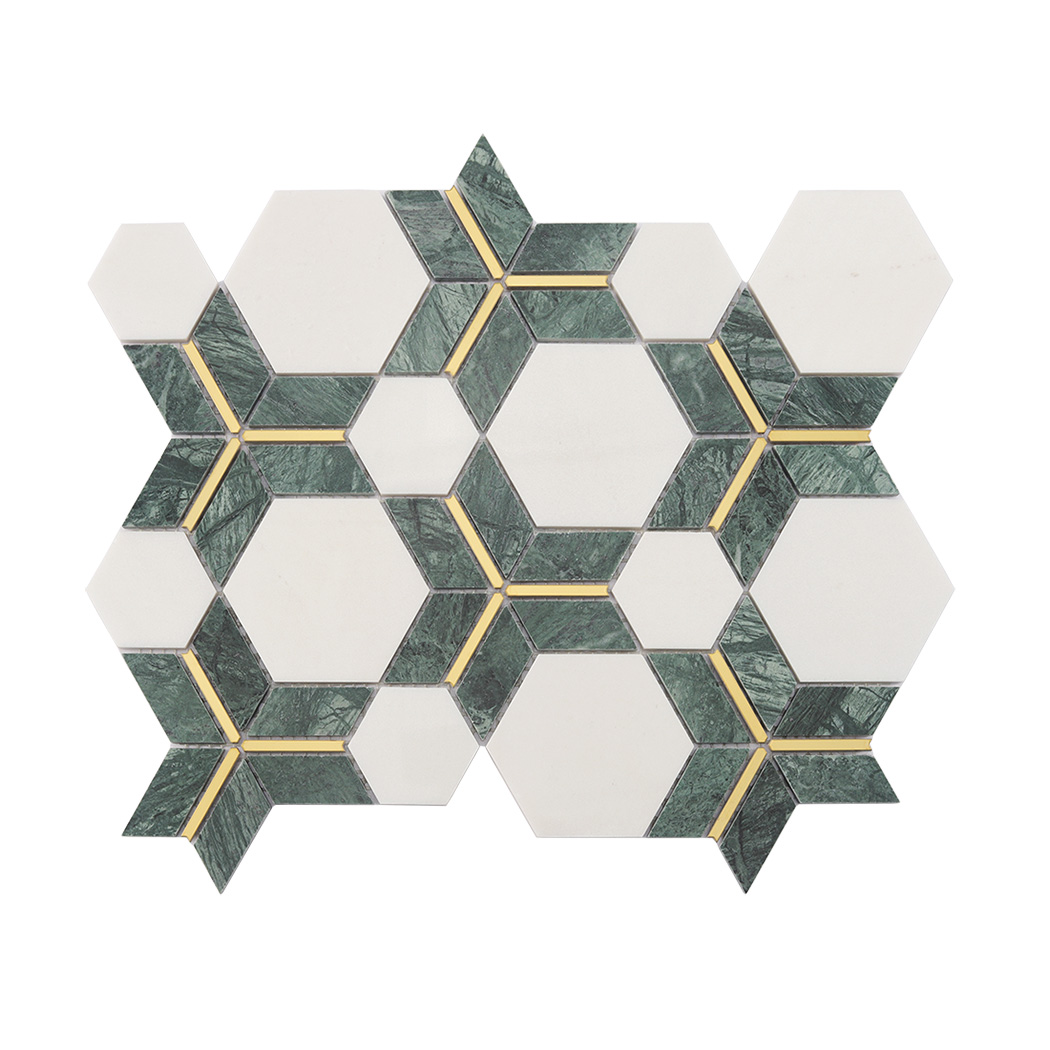
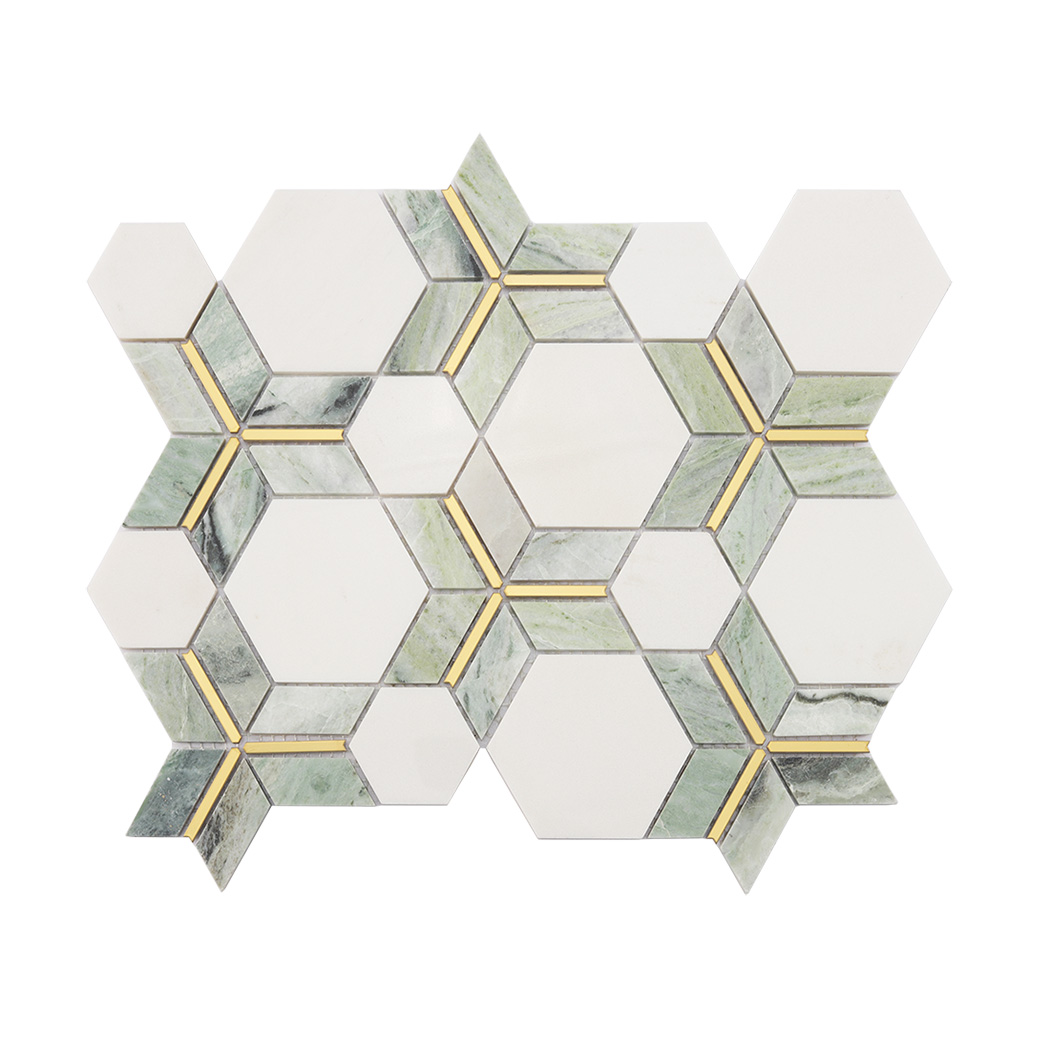
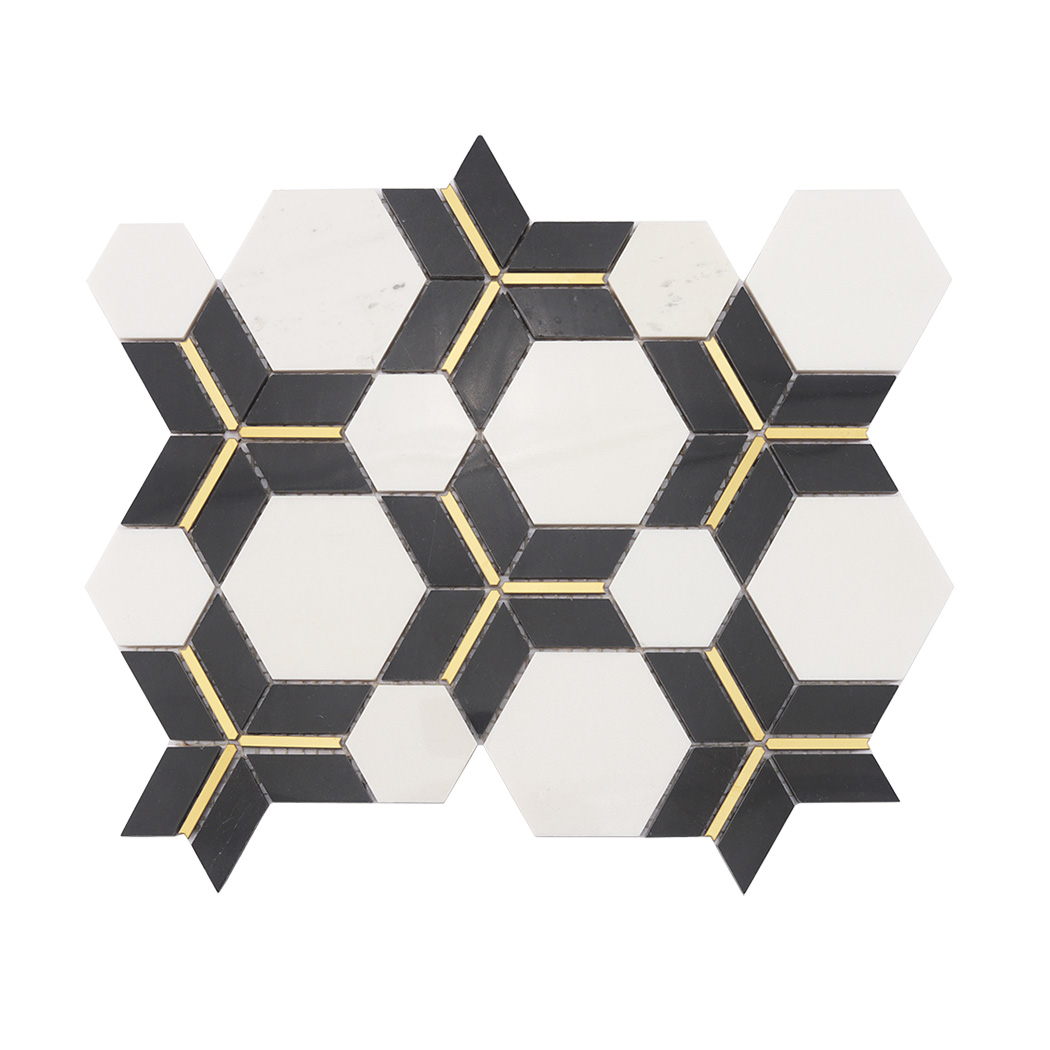
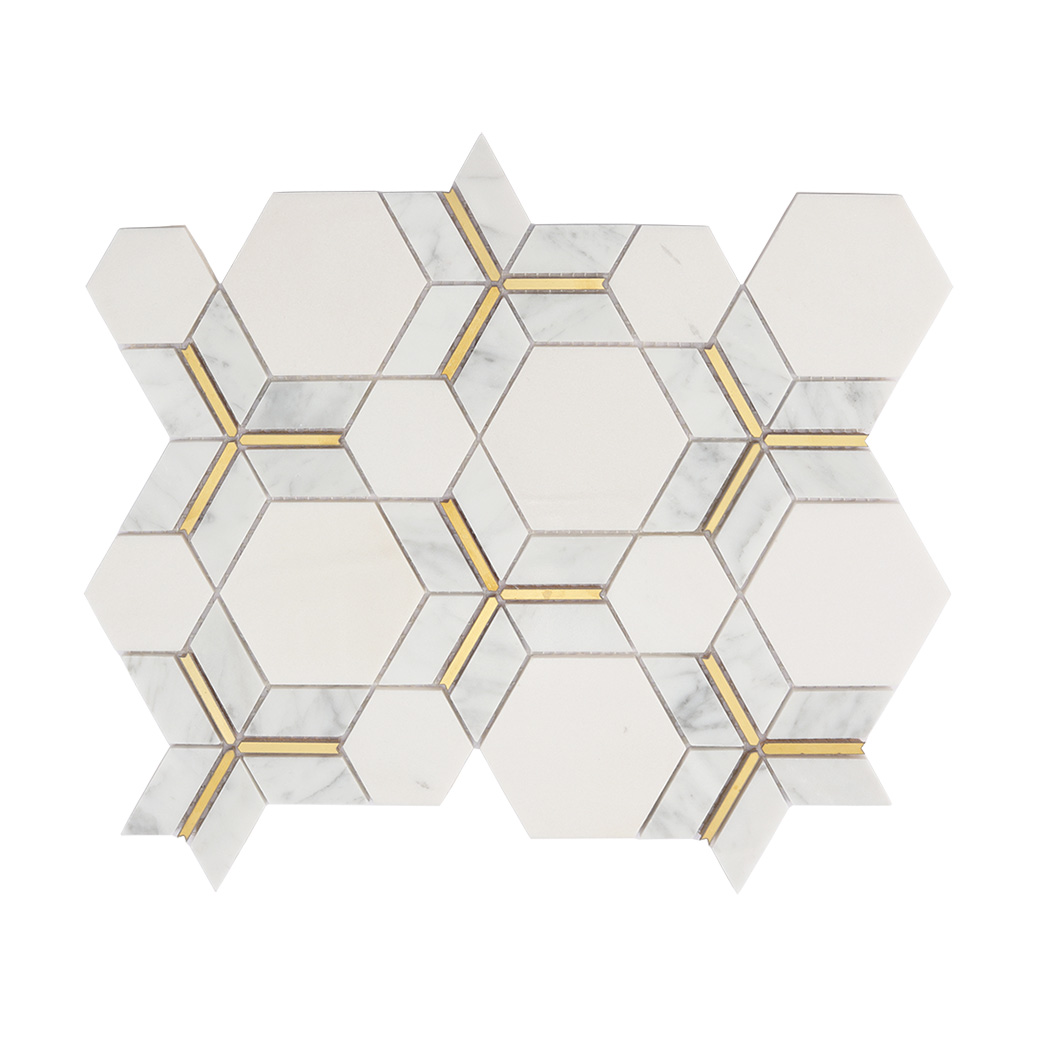
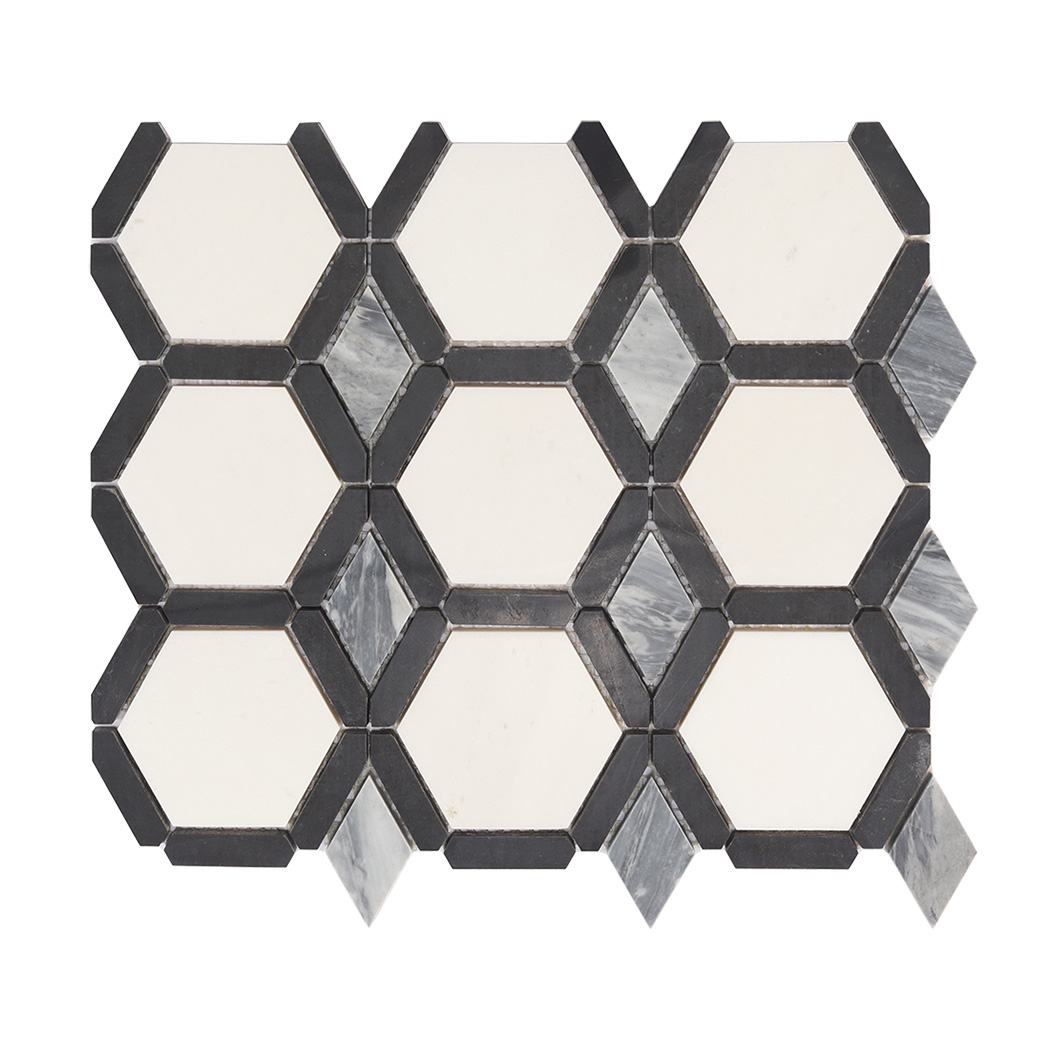


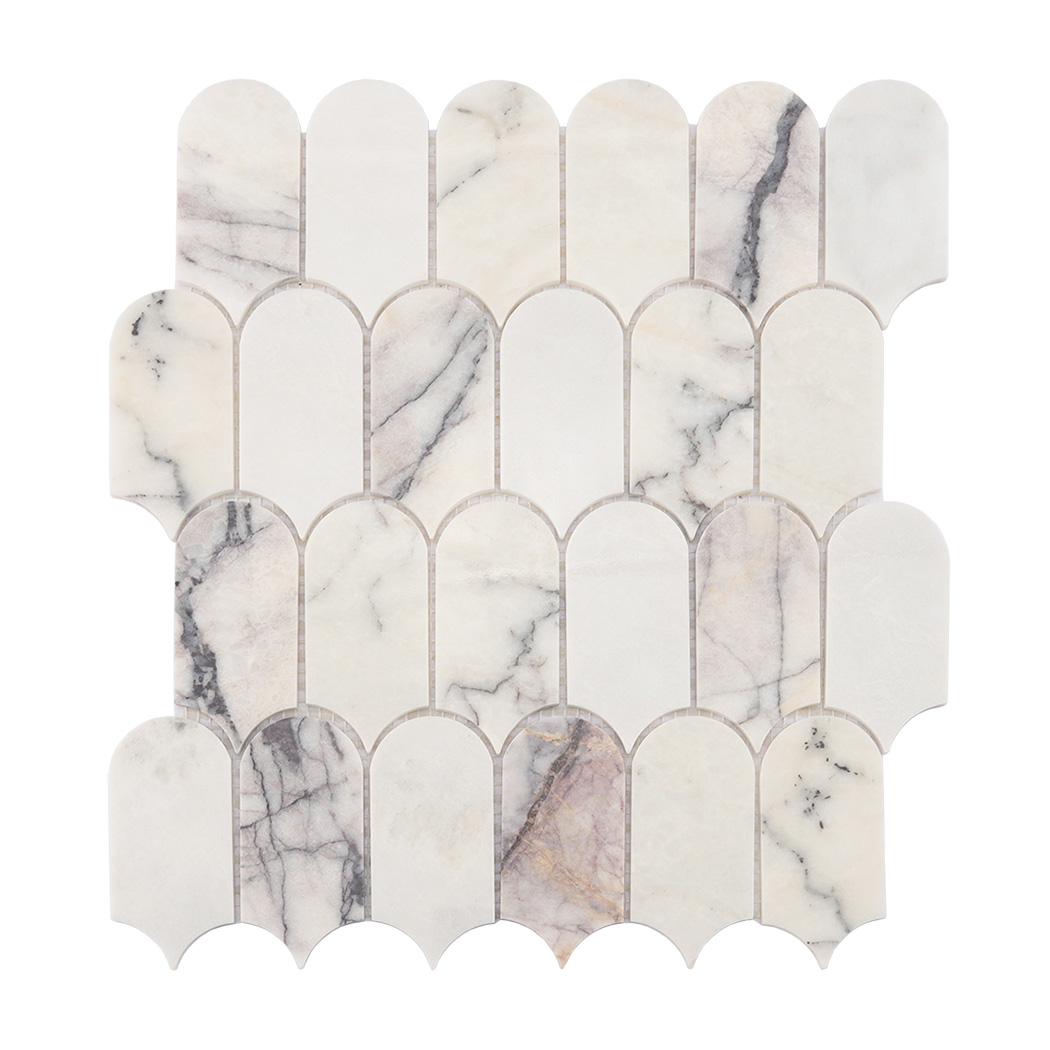
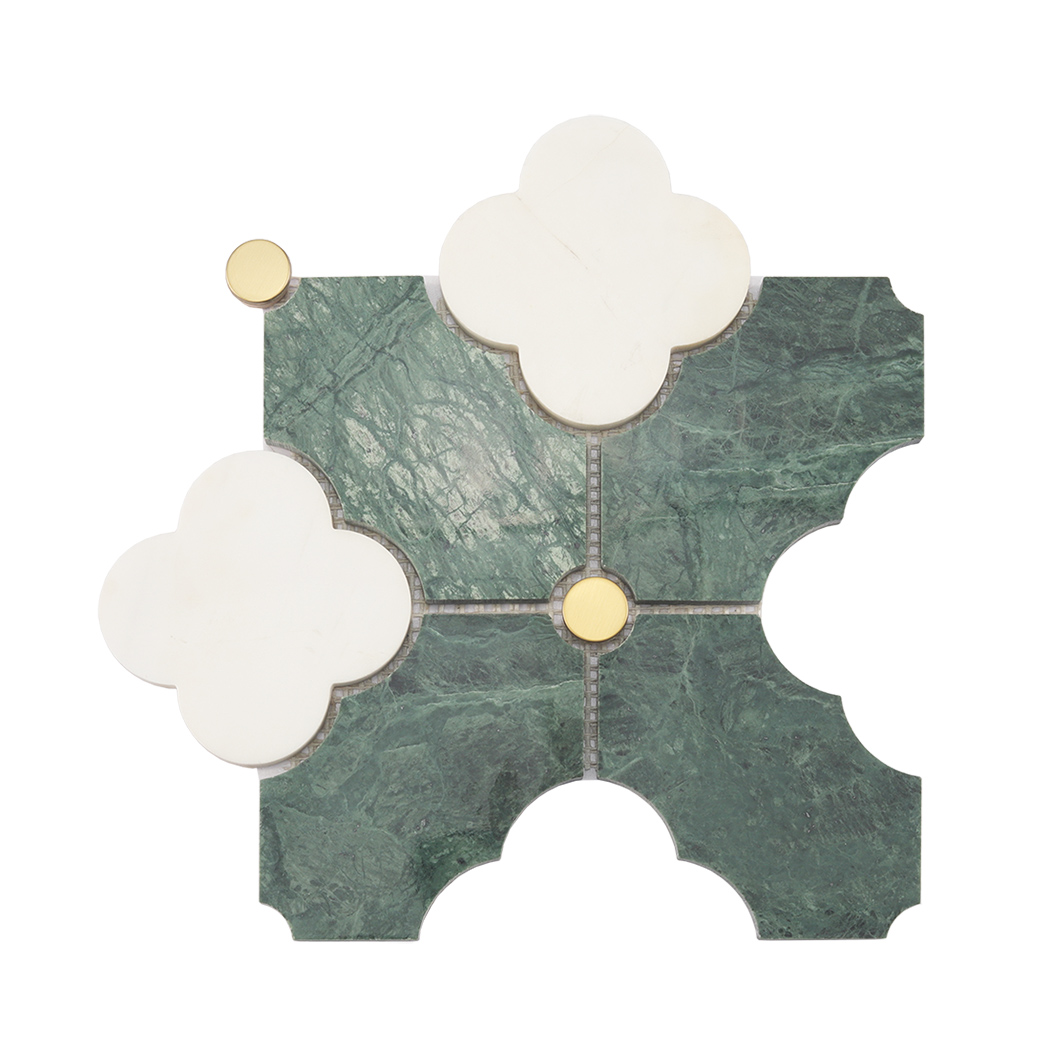
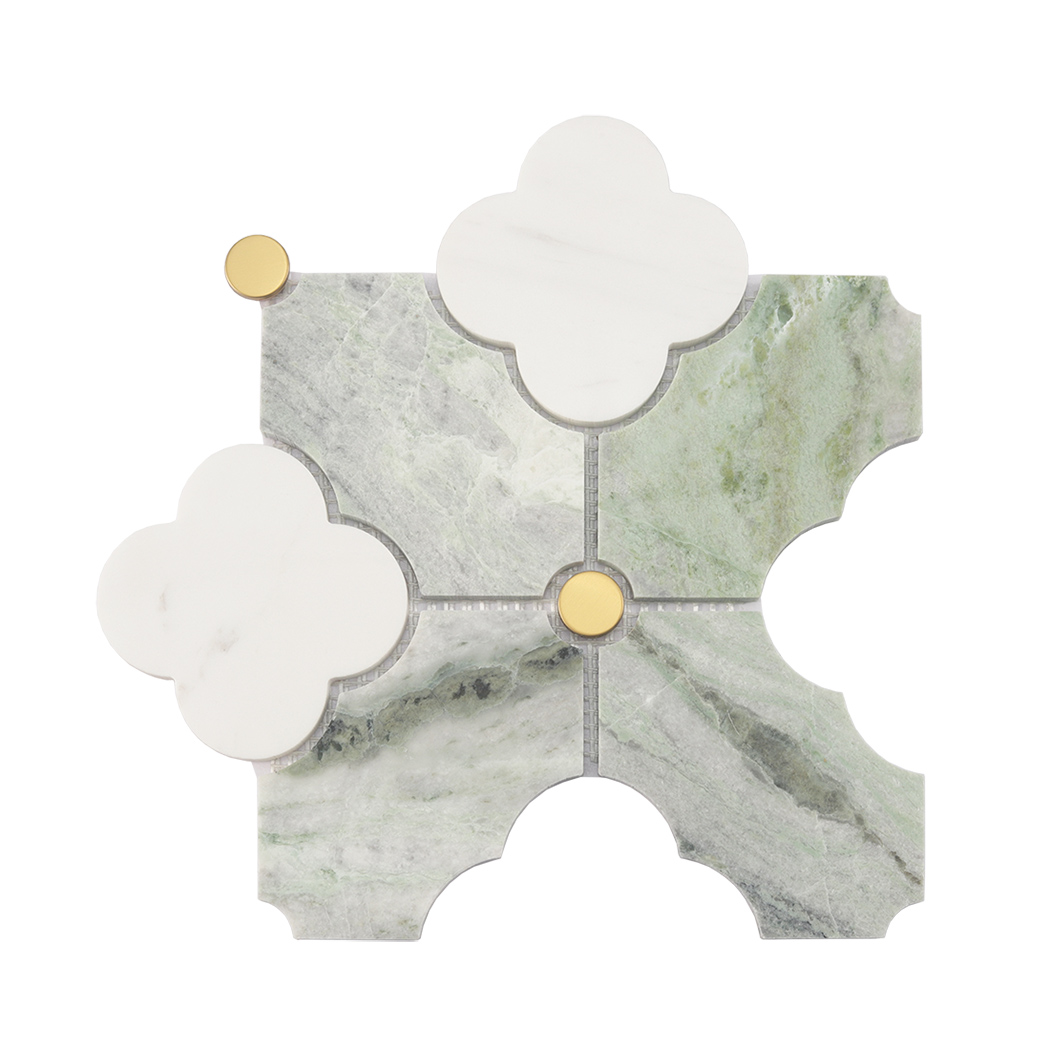
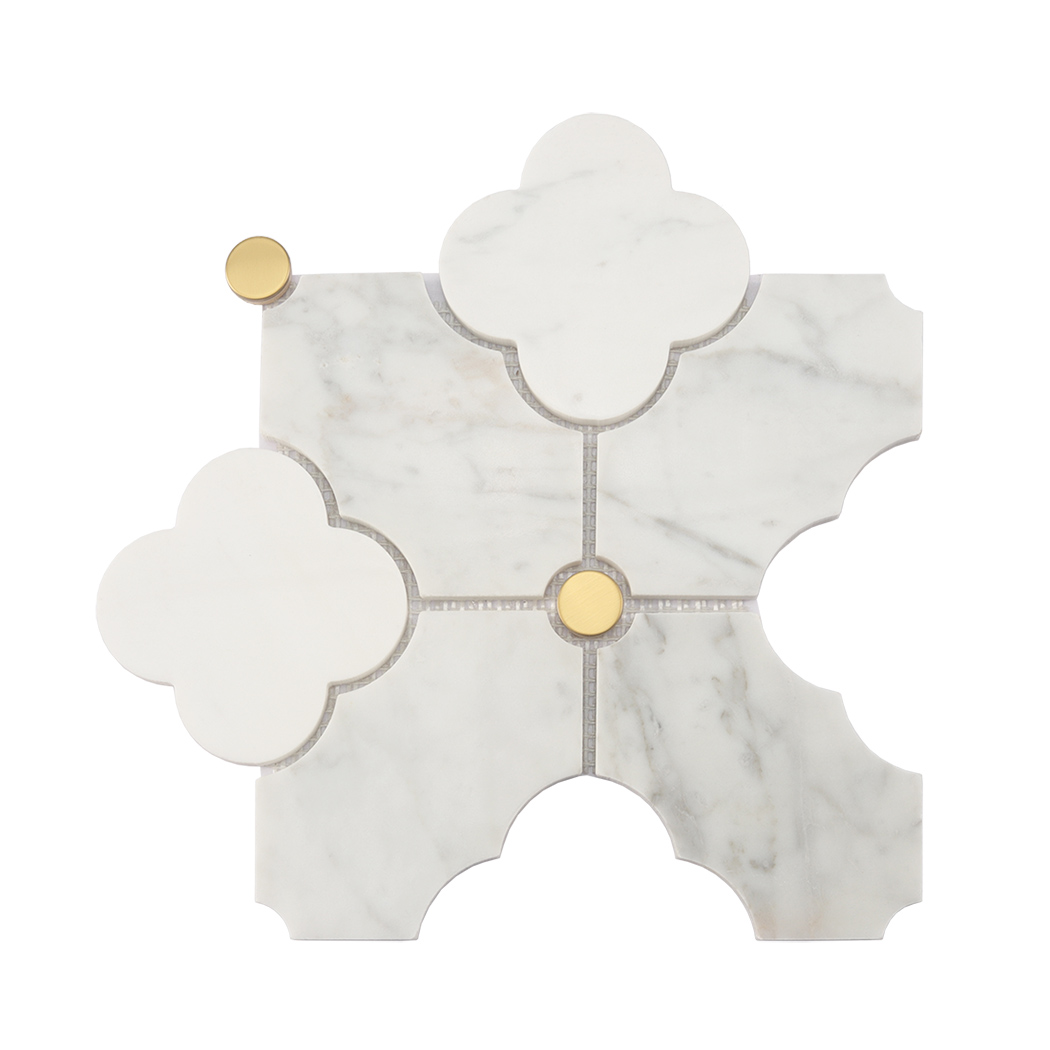
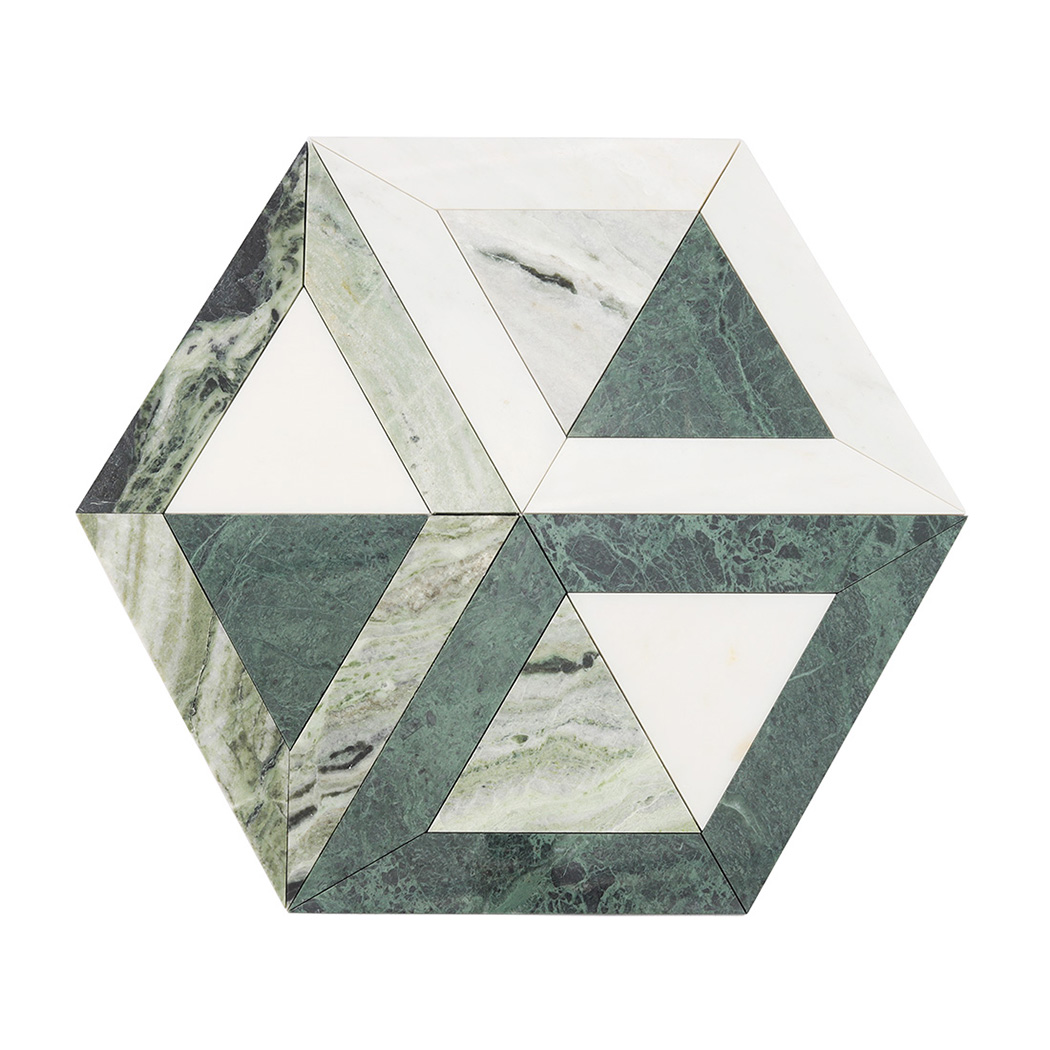


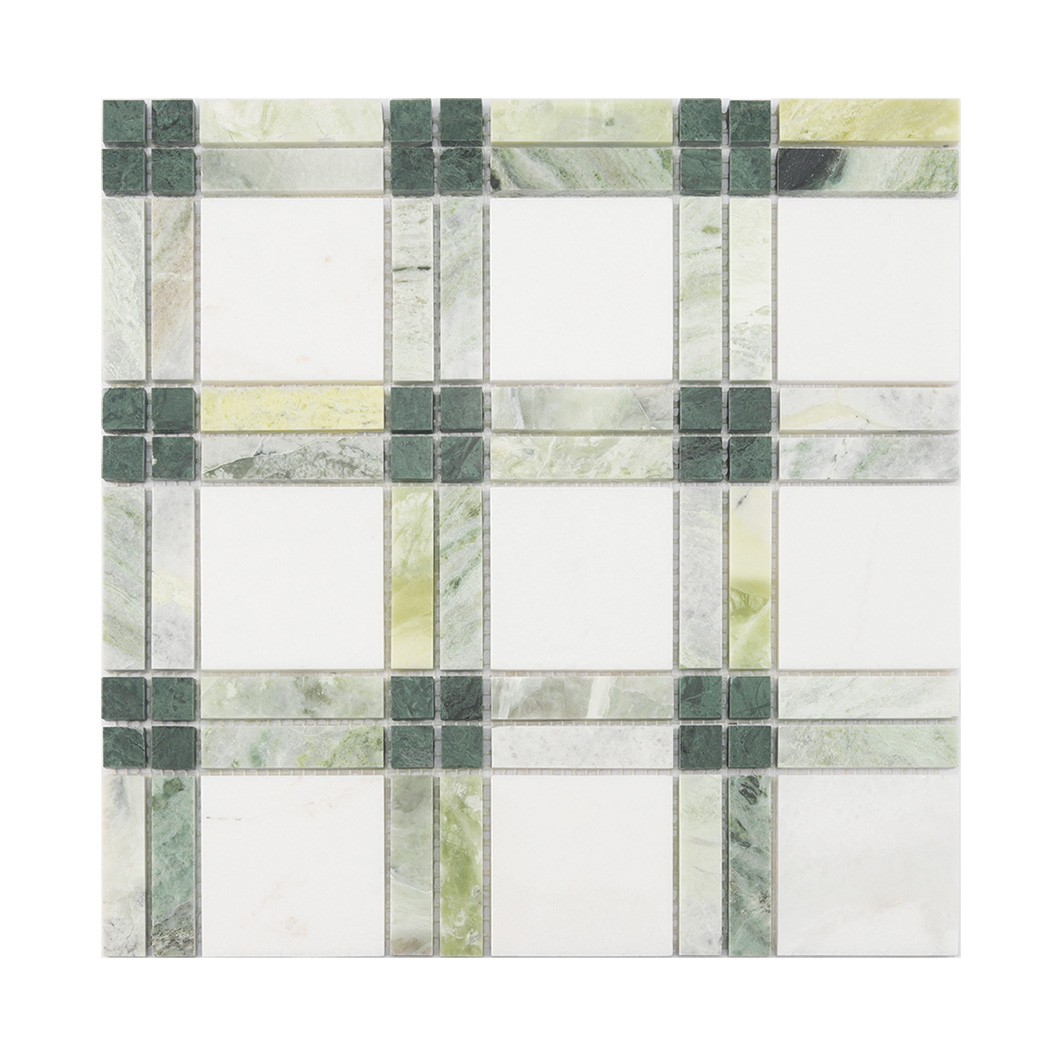

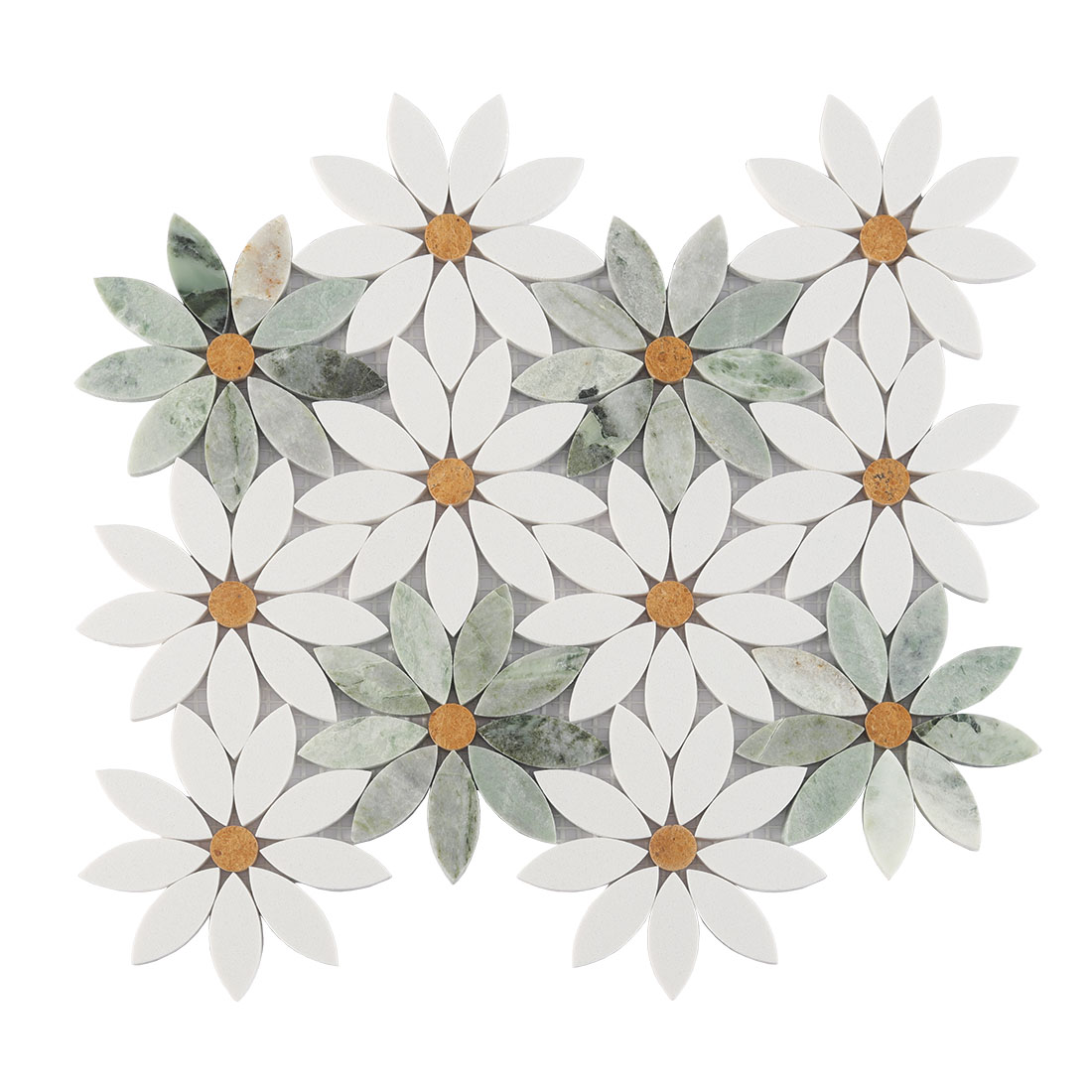
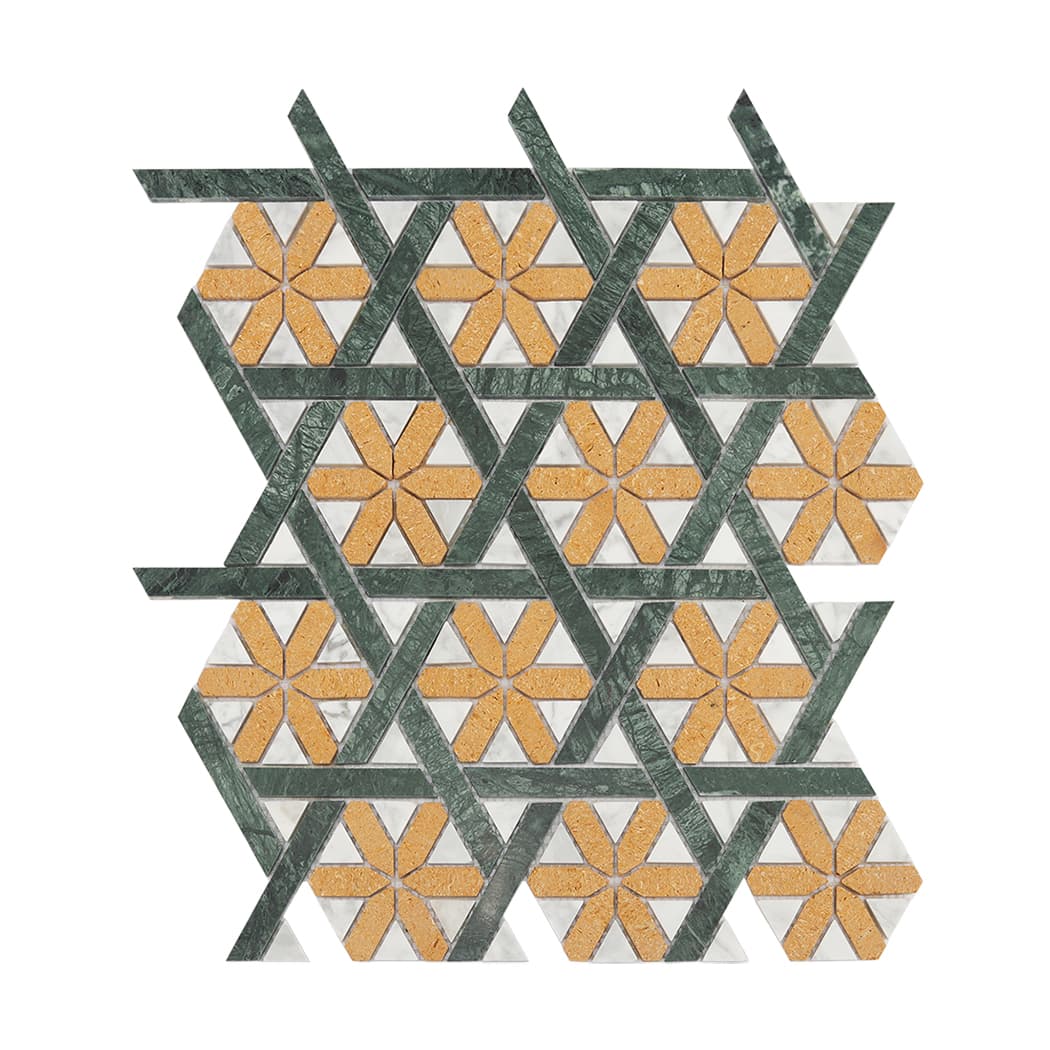
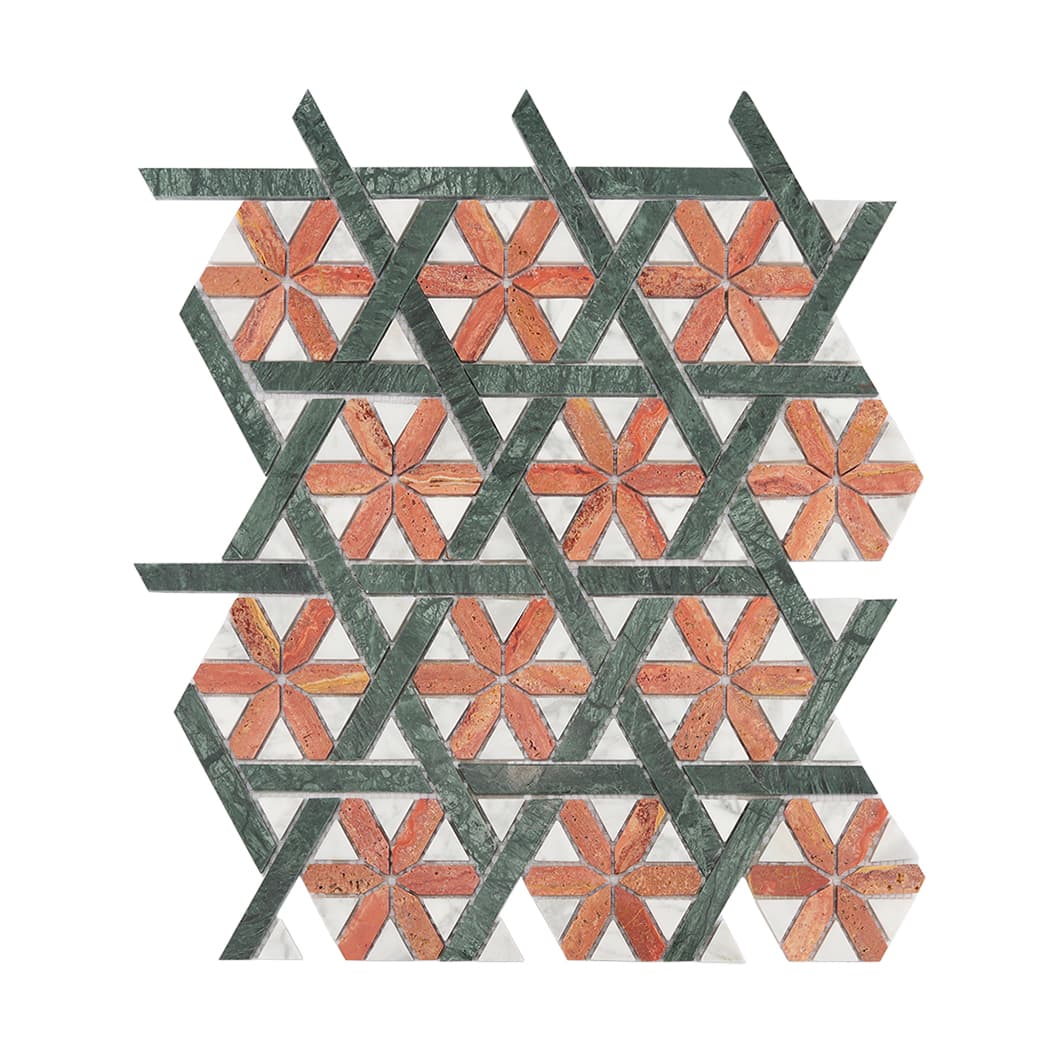
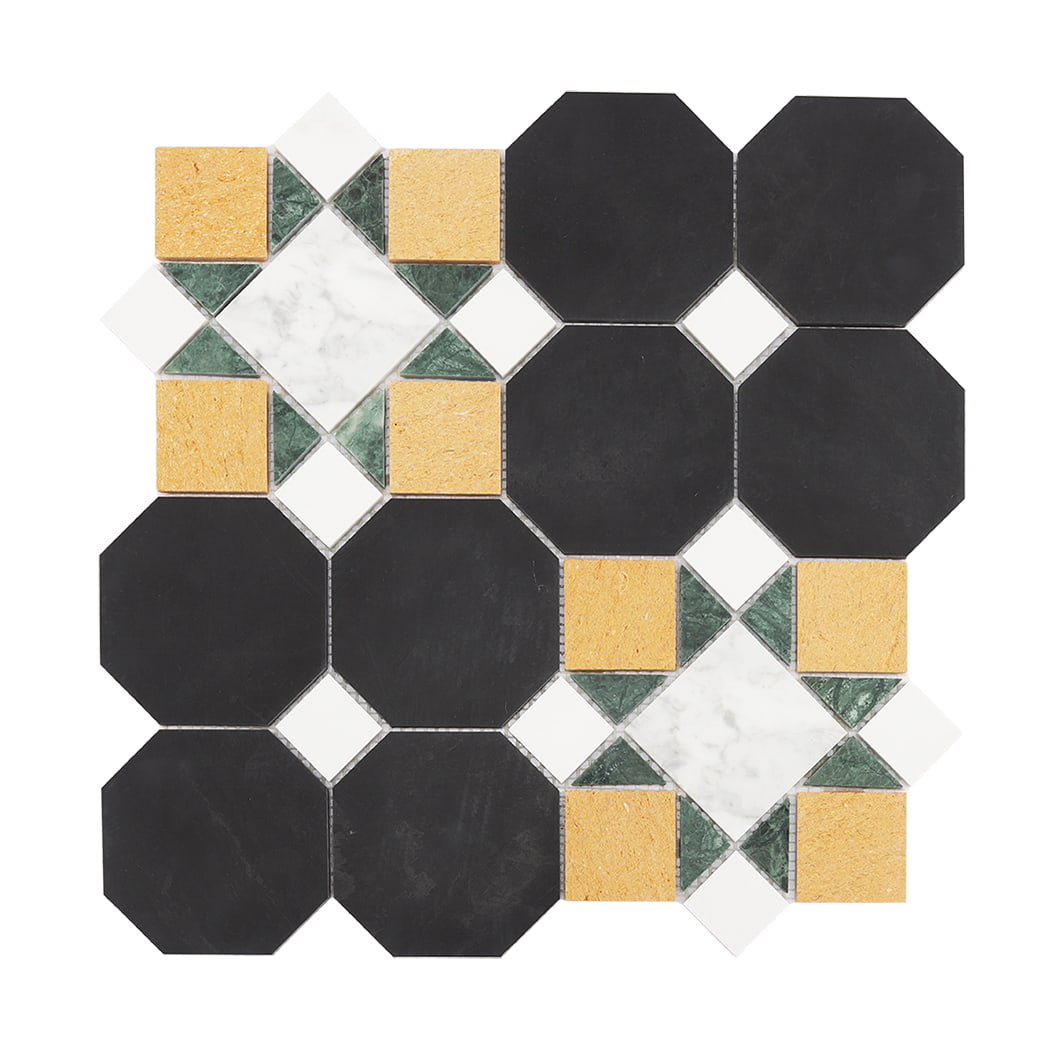
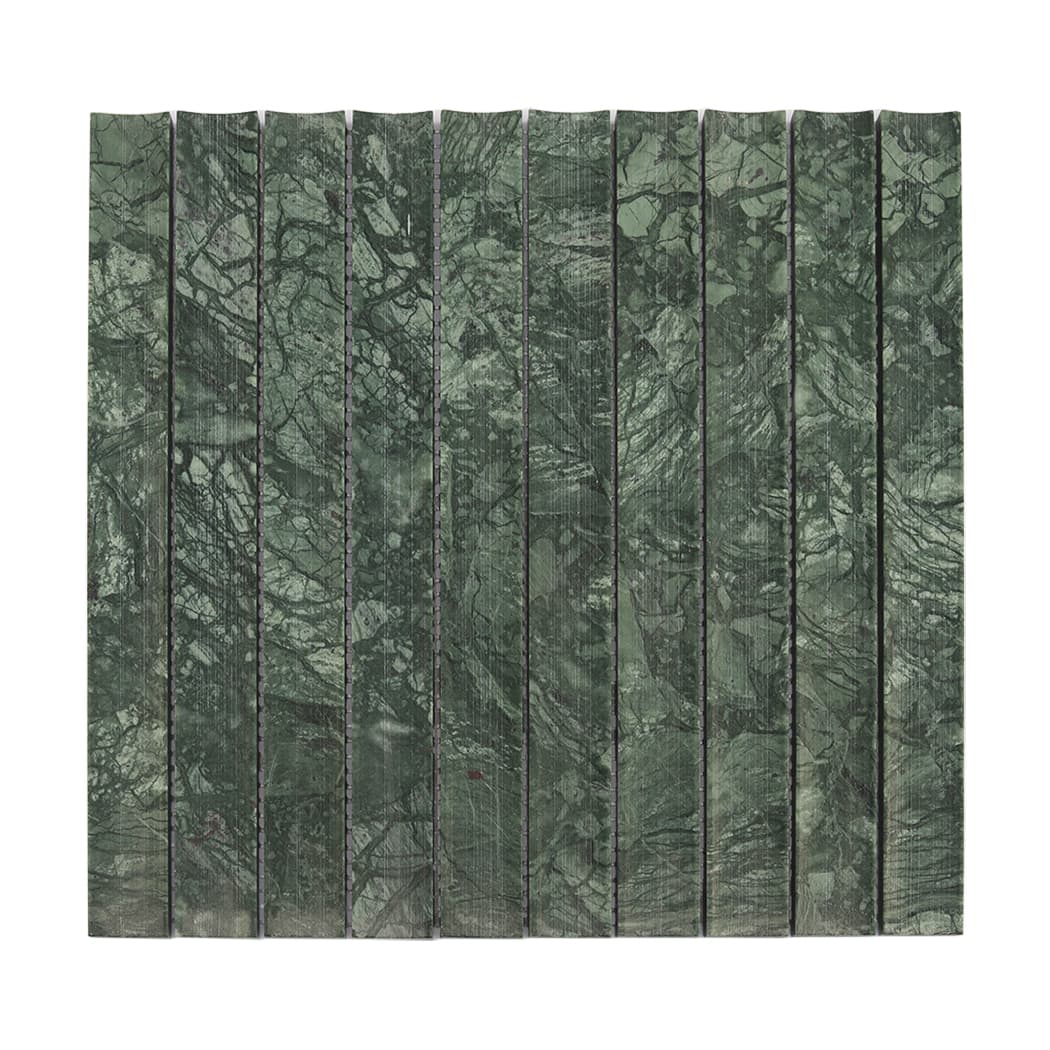
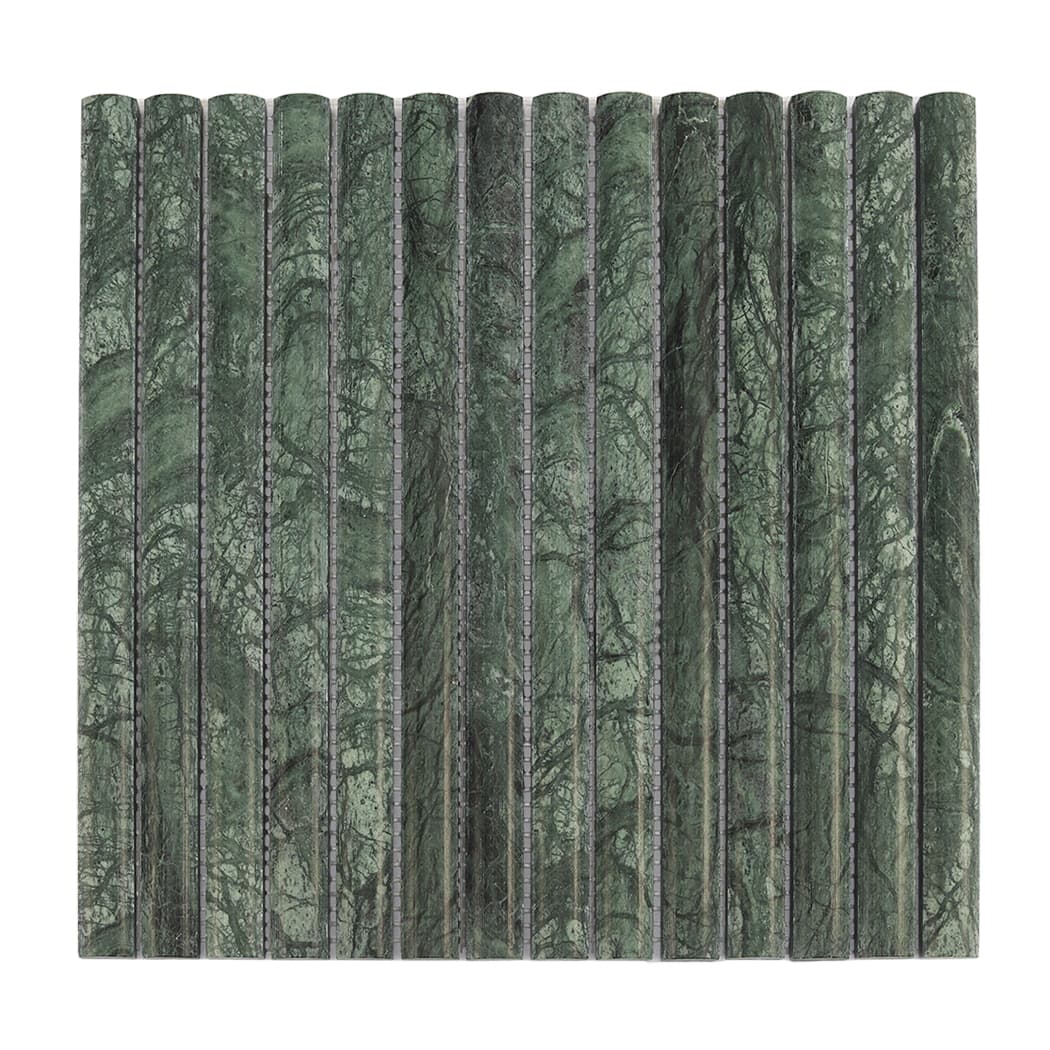
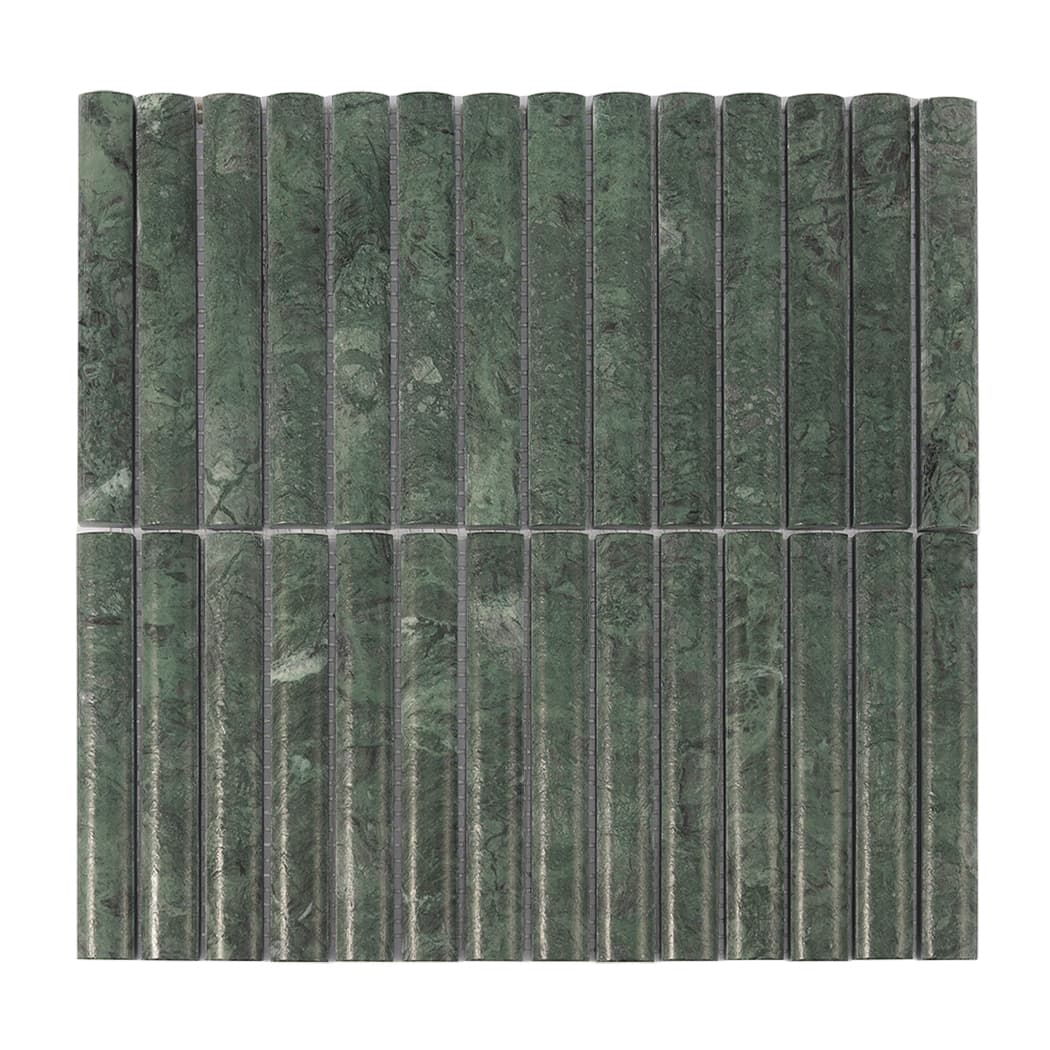
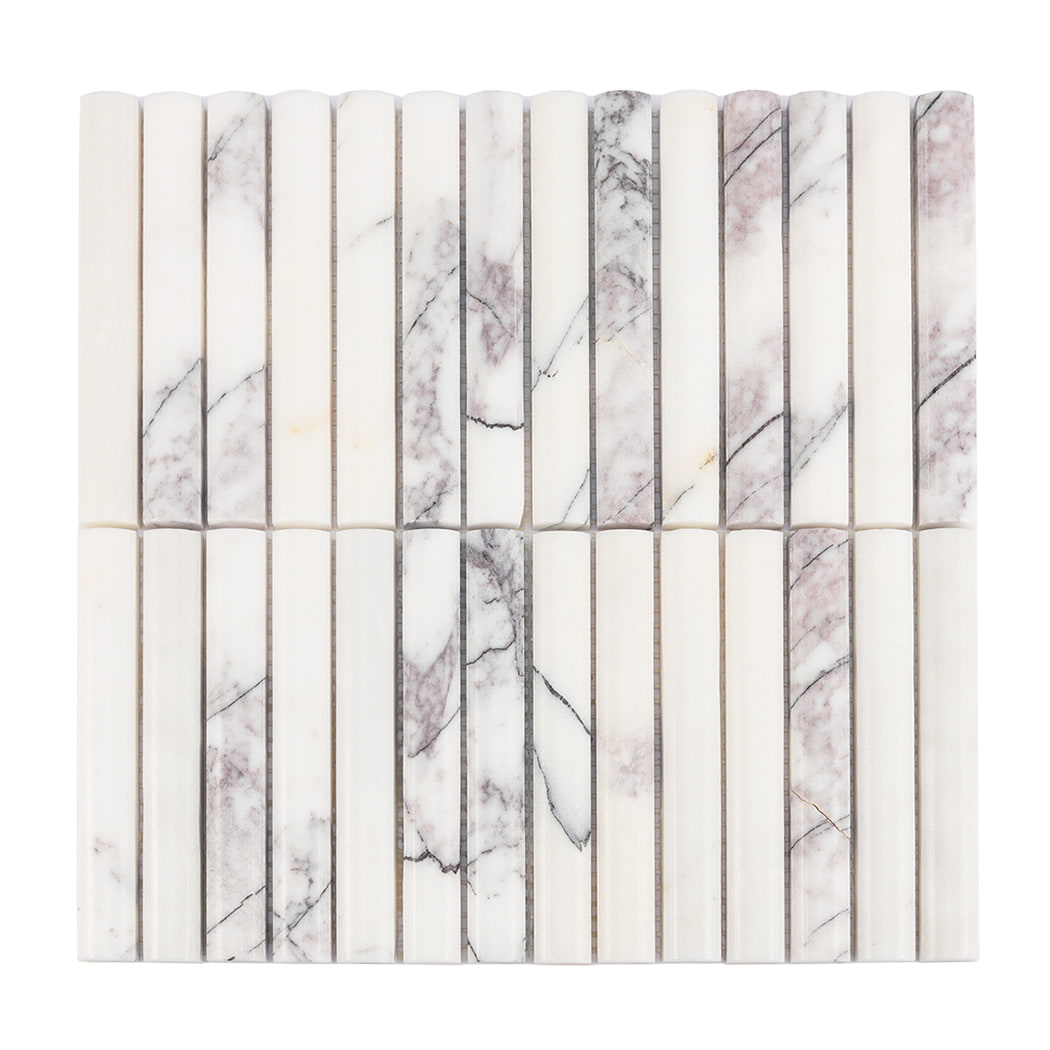
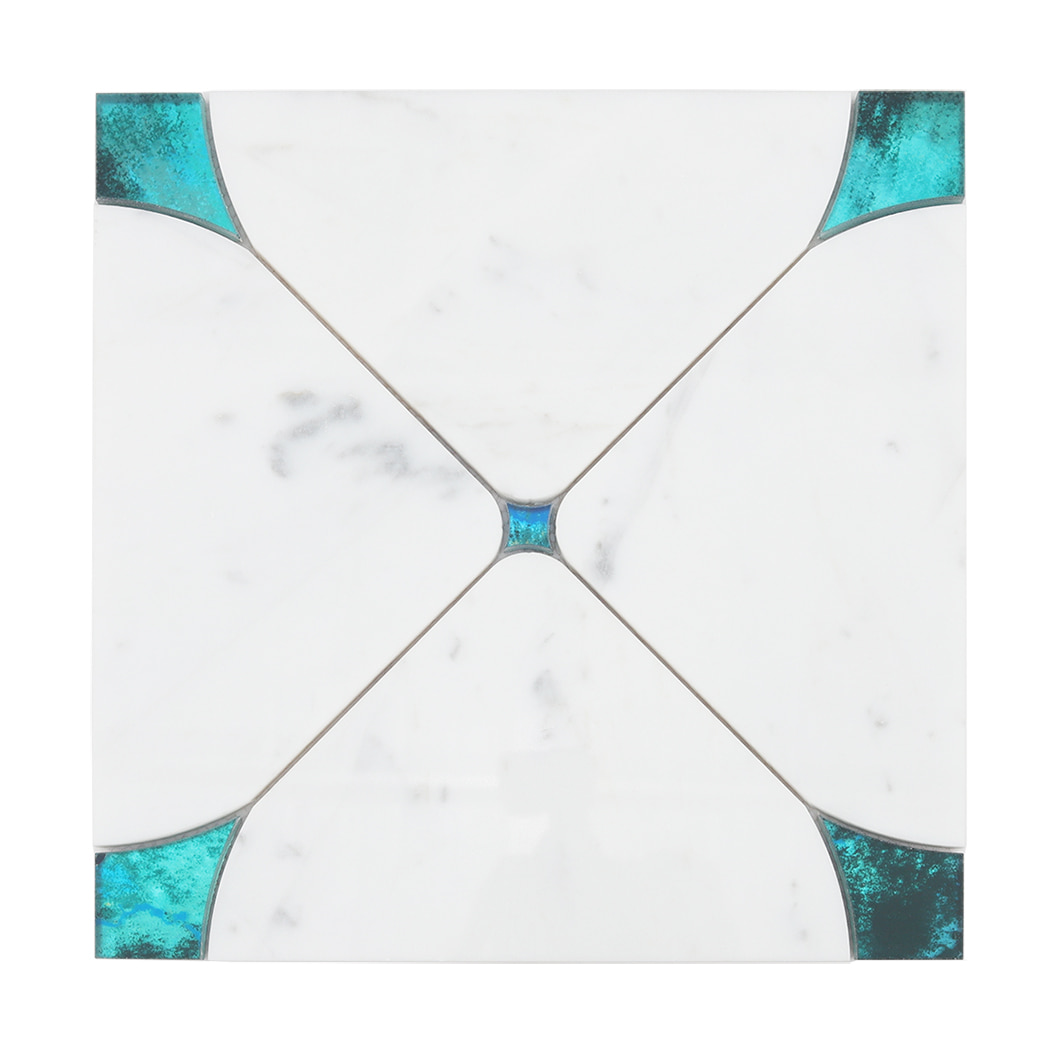
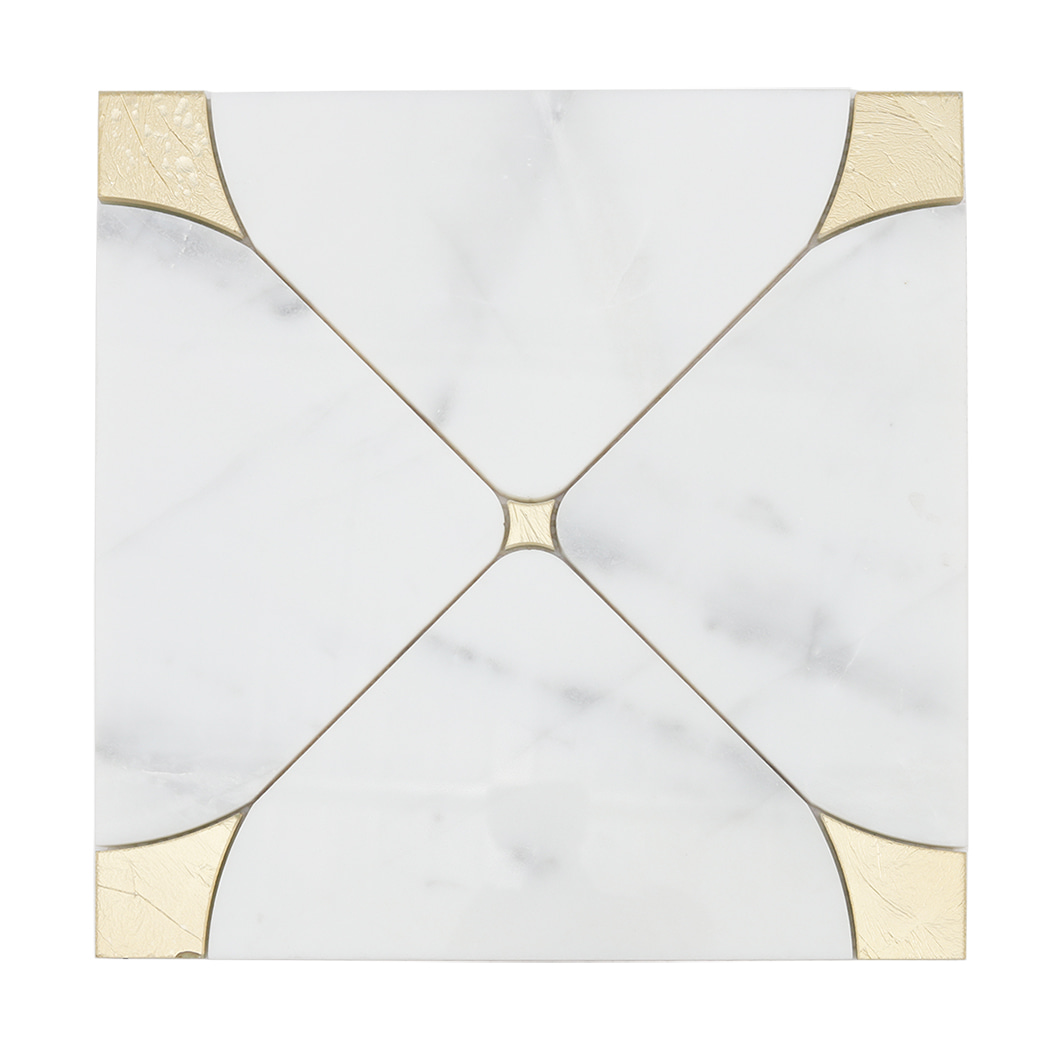
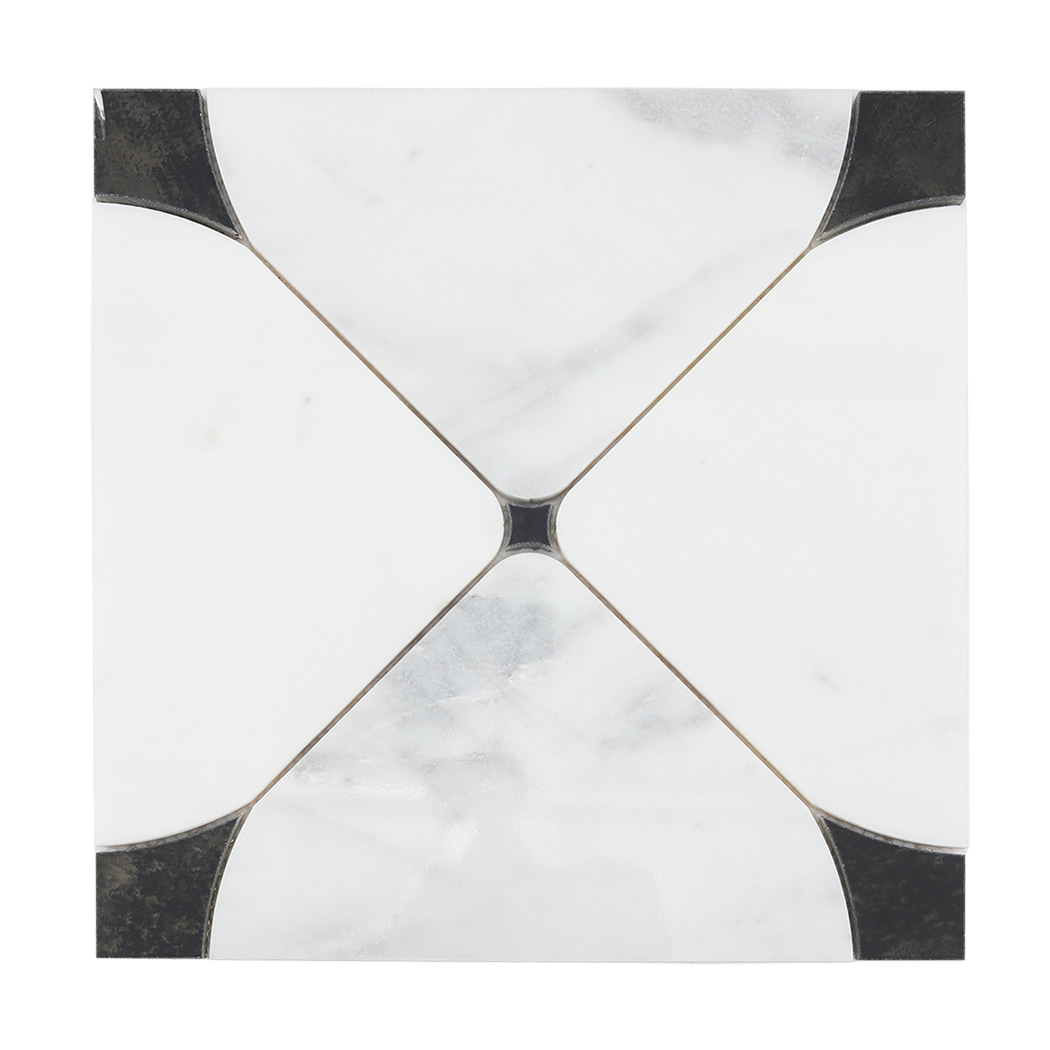
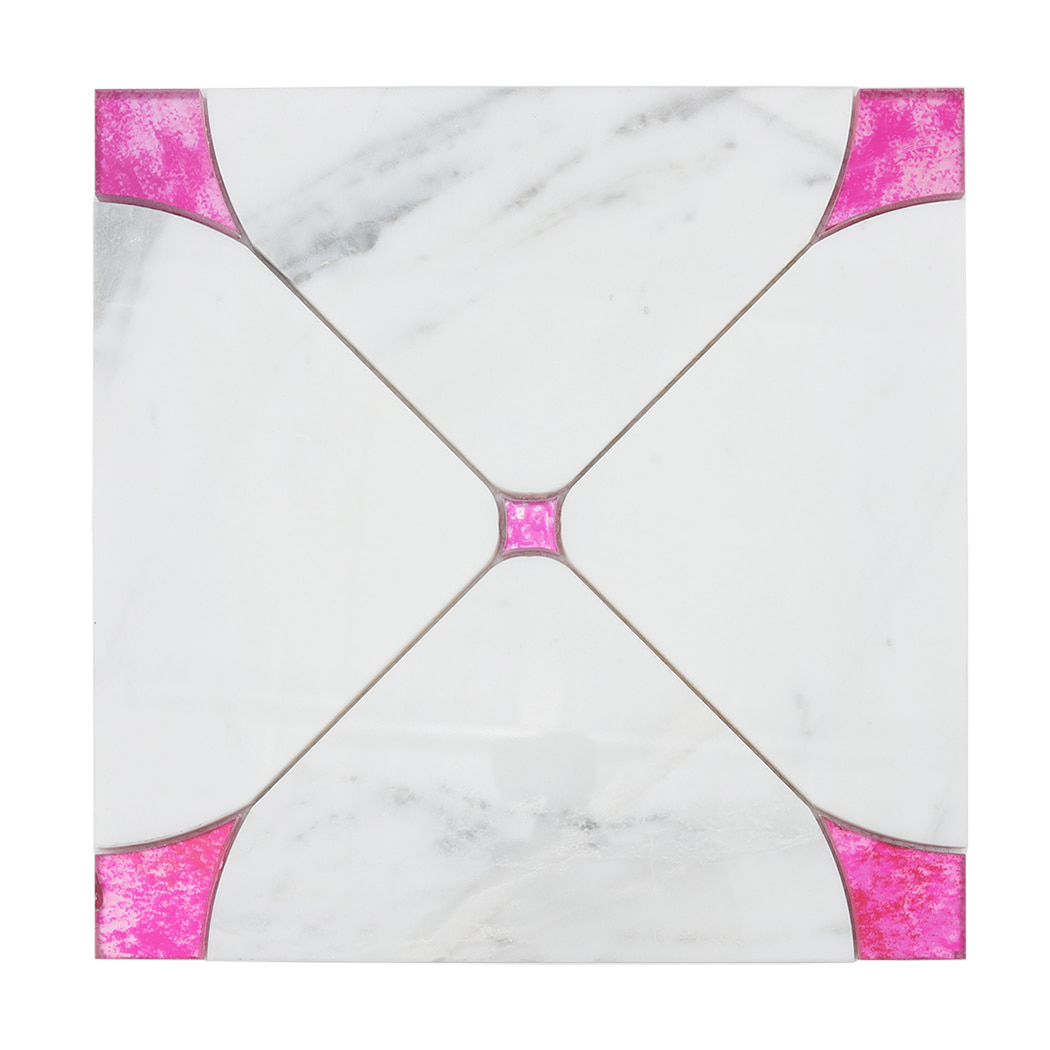
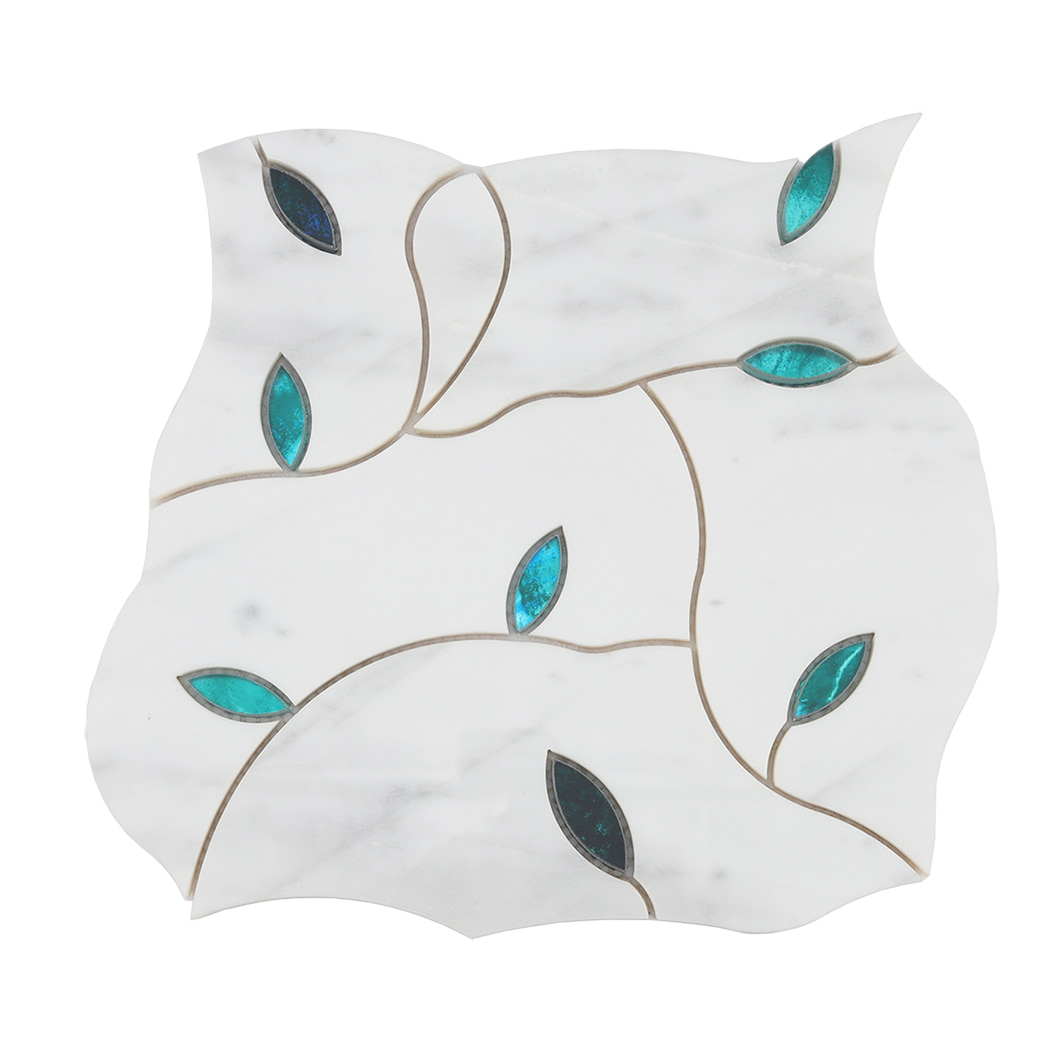
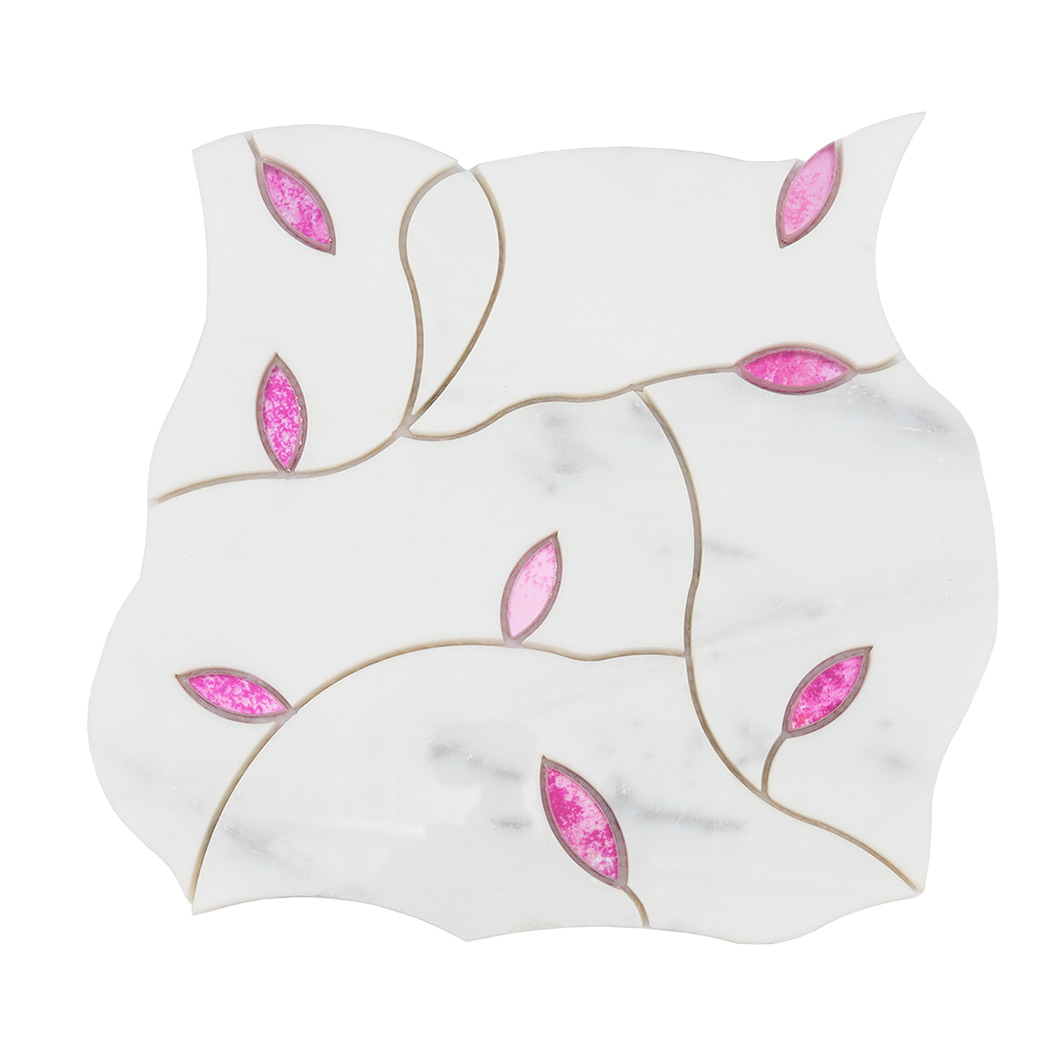
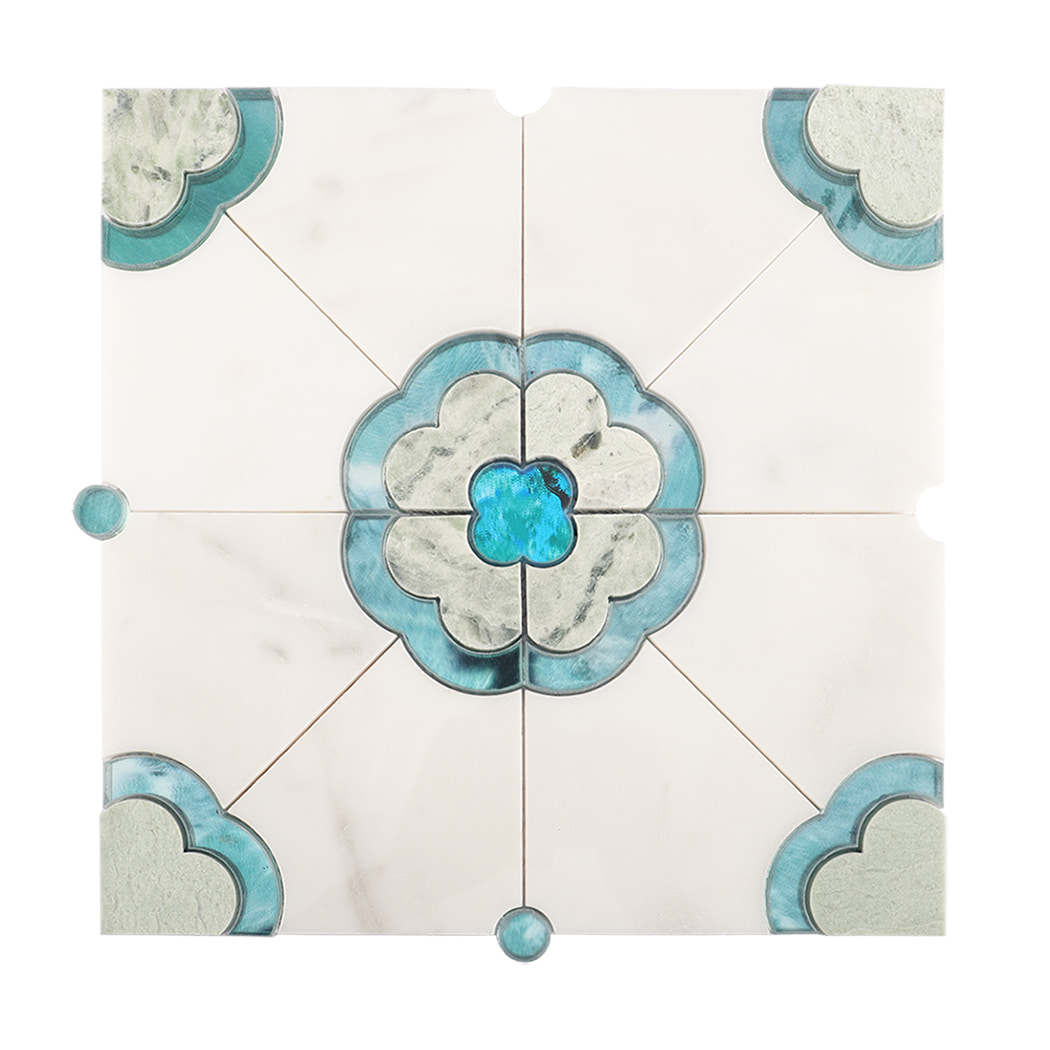
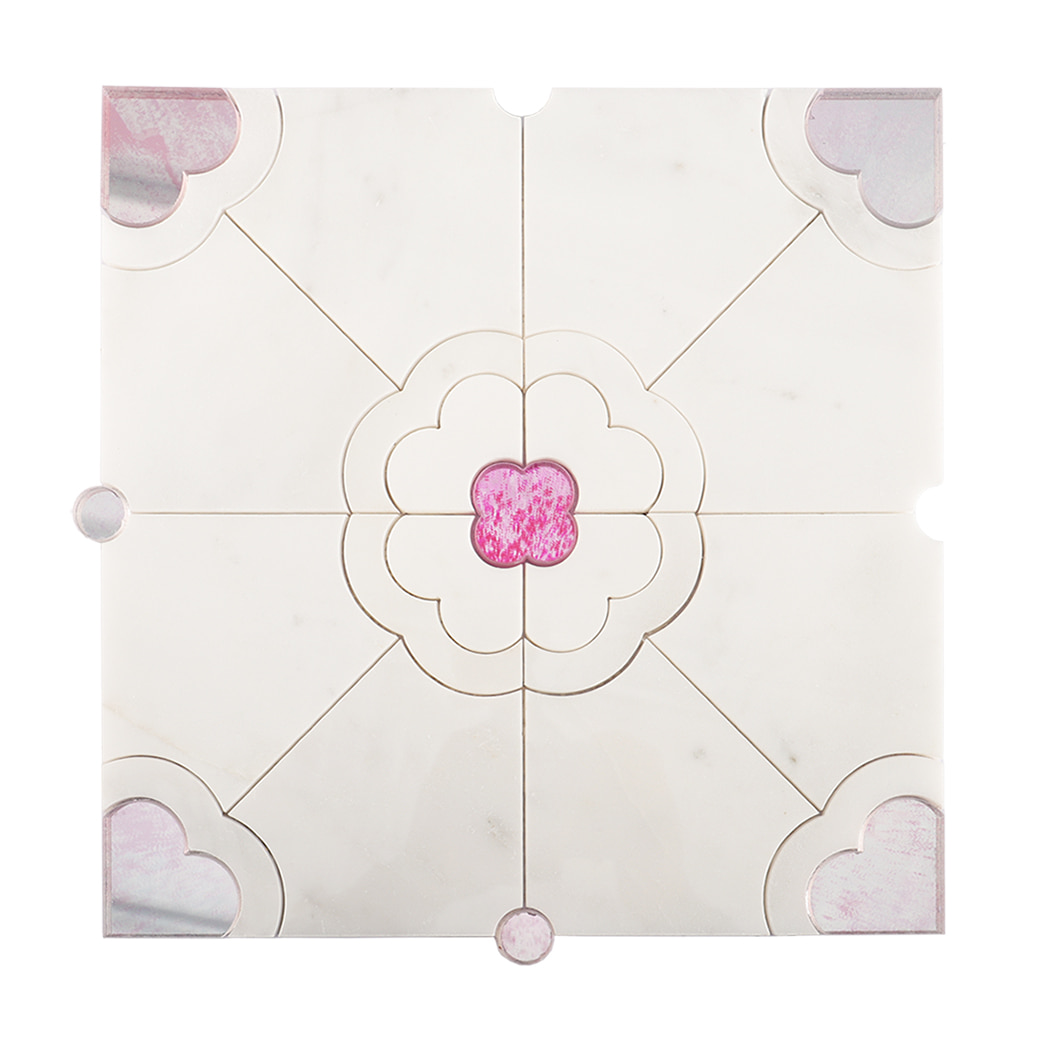
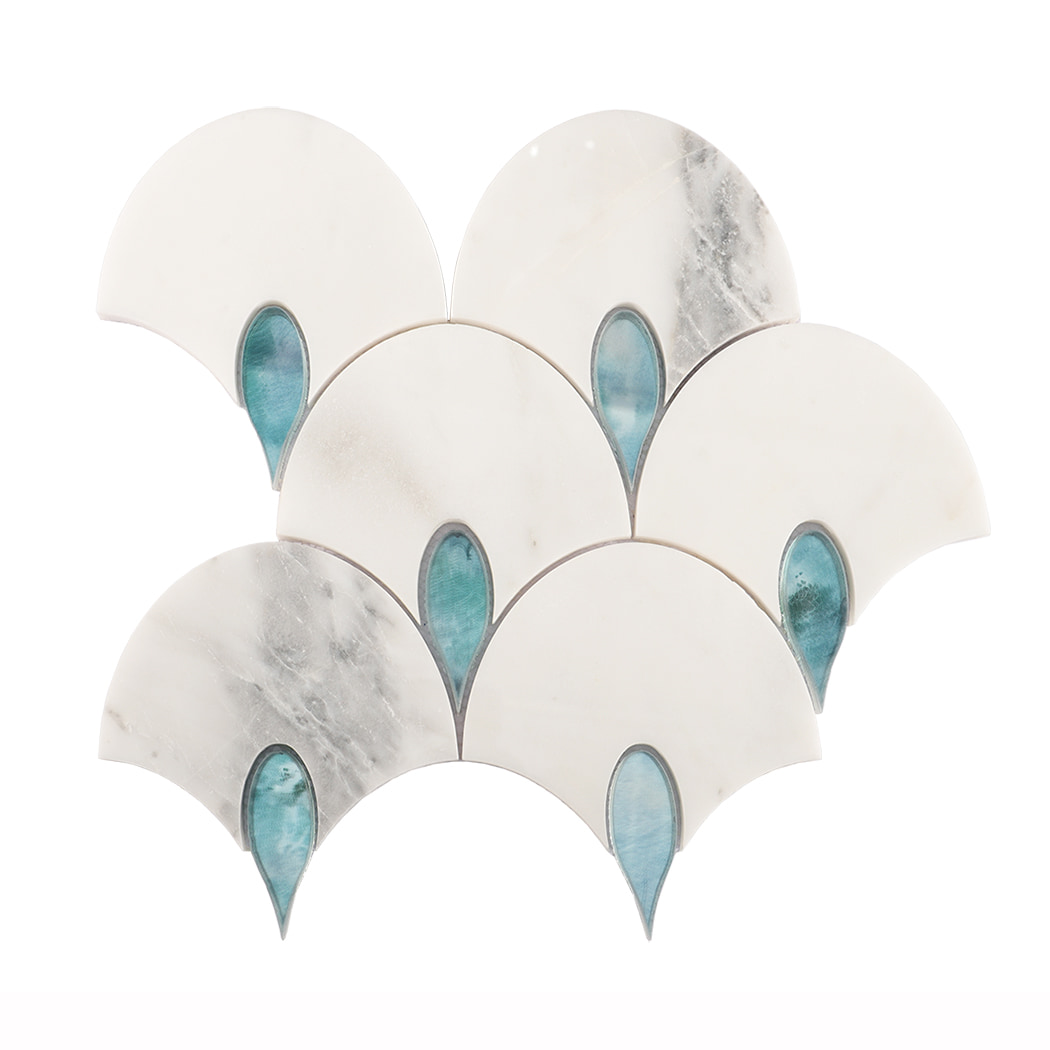
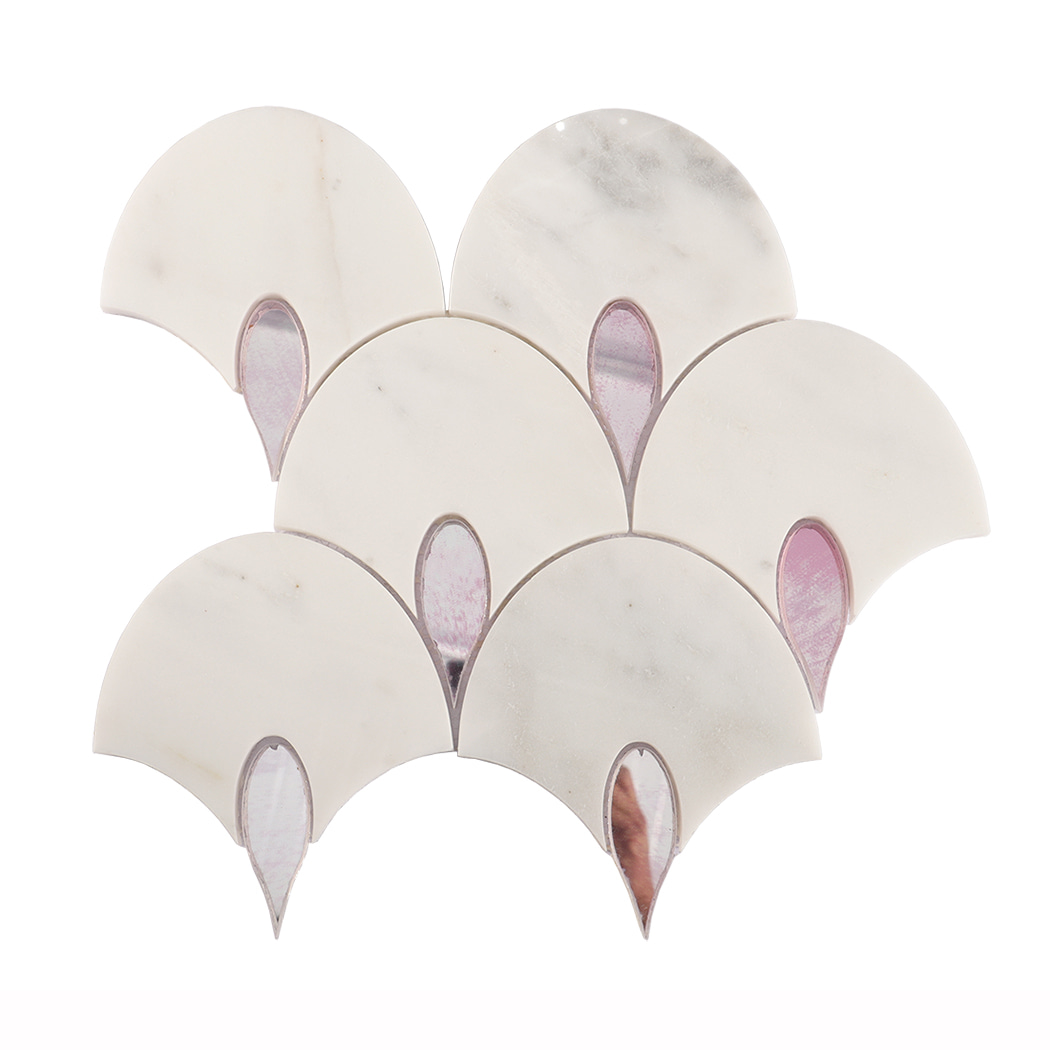
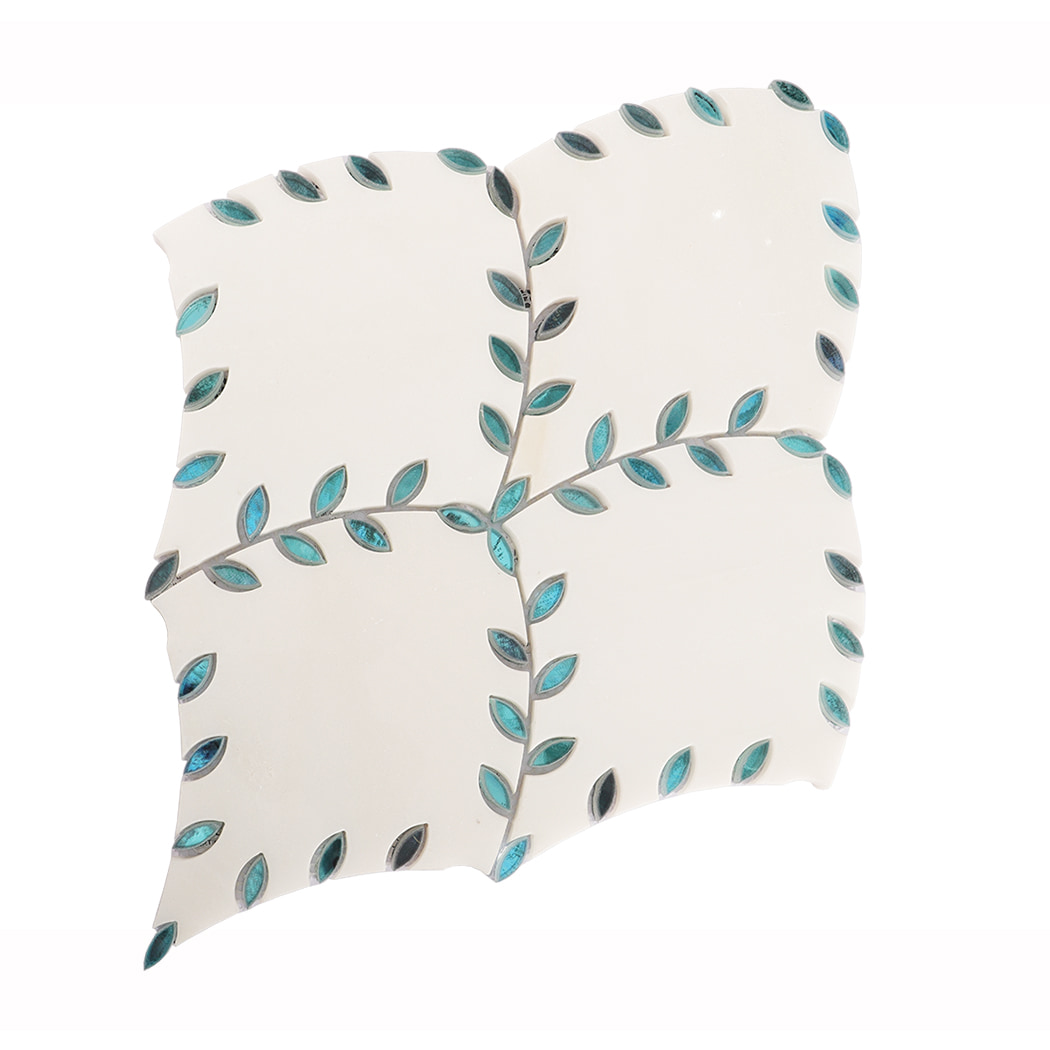
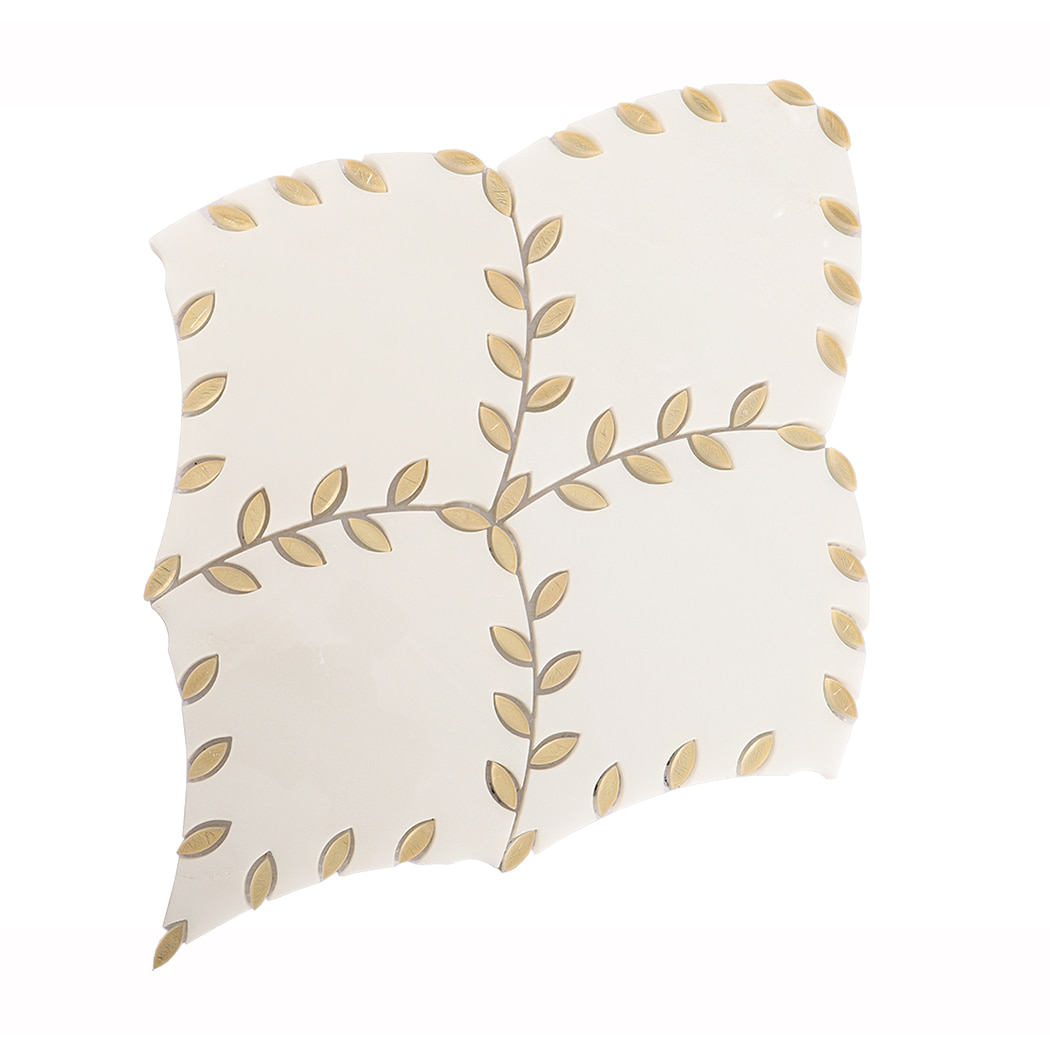
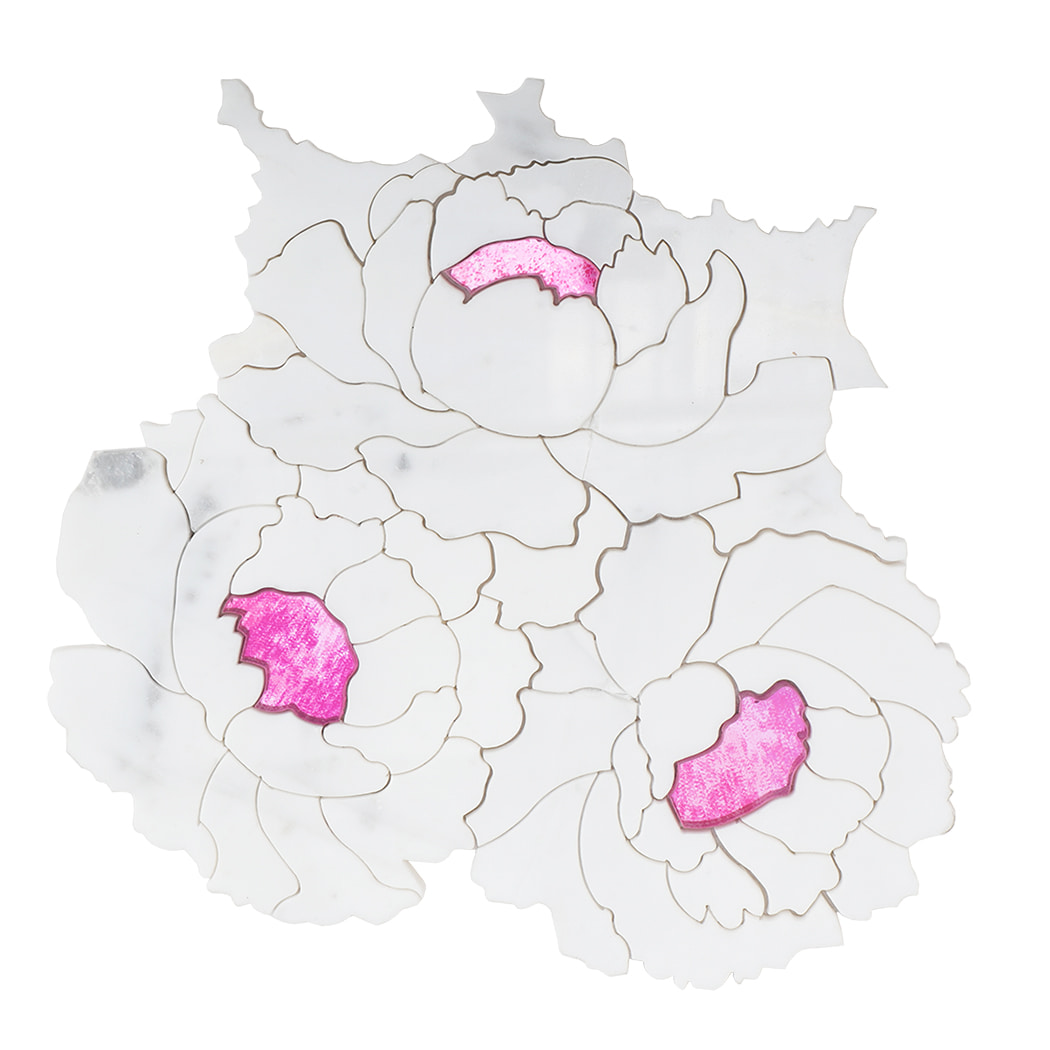
Polished Marble Tiles bring a bright, refined, and naturally luxurious look to walls and floors. With a smooth reflective surface, polished marble highlights the natural veining, color movement, and depth of real stone, making it one of the most popular finishes for marble tile designs.
Unlike matte or tumbled marble, polished marble has a glossy surface that reflects light and makes a space feel cleaner, brighter, and more elegant. It is widely used for bathroom walls, kitchen backsplashes, feature walls, living room floors, hotel interiors, fireplace surrounds, and decorative marble tile designs. For bathroom wet-area floors, however, polished marble is usually not the best choice because the smooth surface can become slippery when wet. Honed, textured, or small mosaic formats are often safer for wet shower floors.
What Are Polished Marble Tiles?
Polished Marble Tiles are natural marble tiles finished with a smooth, glossy surface. The polishing process makes the stone surface more reflective and brings out the richness of the marble’s natural color and veining.
In the past, the surface quality of natural marble was mostly controlled by hand grinding and manual polishing. Today, marble polishing technology is much more advanced. Most polished marble tiles are processed through automated polishing lines, where marble pieces move along a conveyor system and pass through multiple polishing stages until the desired gloss level is achieved.
For small marble tiles and marble mosaic tiles, we usually use a semi-polished or soft-polished finish by default. This gives the surface a gentle sheen instead of an overly mirror-like shine, helping the tiles look elegant while still keeping a more natural stone feeling.
Why Choose Polished Marble Tiles?
Polished Marble Tiles are chosen for their timeless beauty, elegant shine, and natural stone texture. Because marble is a natural material, every tile has unique veining, color movement, and surface character.
The polished finish is especially suitable for projects that need a clean, upscale, and bright appearance. It works well in both classic and modern interiors, from luxury bathrooms and hotel lobbies to kitchen backsplashes and decorative feature walls.
Best Applications for Polished Marble Tiles
Polished Marble Tiles can be used in many residential and commercial spaces.
Bathroom Walls
Polished marble is a beautiful choice for bathroom walls, vanity backsplashes, tub surrounds, and decorative shower walls. The glossy finish reflects light and makes the bathroom feel more spacious and elegant. For shower walls, natural marble should be properly sealed because it is exposed to water, soap, and moisture regularly.
Kitchen Backsplashes
A polished marble backsplash creates a clean and high-end kitchen look. The reflective surface pairs well with stone countertops, wood cabinets, stainless steel appliances, and brass or gold fixtures.
Interior Floors
Polished Marble Tiles can be used on dry interior floors such as living rooms, entryways, hallways, dining rooms, and hotel spaces. For wet floors, especially bathroom floors and shower floors, a honed, matte, textured, or small-format mosaic finish is usually more practical.
Feature Walls
Polished marble is ideal for fireplace walls, TV walls, hotel reception areas, boutique interiors, and decorative wall panels. The shine and natural veining help create a strong visual focal point.
Commercial Interiors
Polished marble is often used in hotels, restaurants, spas, luxury retail stores, and office reception areas. It gives commercial spaces a refined and premium appearance.
Polished vs Honed Marble Tiles
Polished marble has a glossy, reflective surface. It makes colors look deeper and veining appear more dramatic.
Honed marble has a softer, matte or satin surface. It is less reflective and often feels more natural and understated.
For walls, backsplashes, and dry interior floors, polished marble is a beautiful option. For wet floors, shower floors, or spaces where slip resistance is a major concern, honed or textured marble is usually a better choice. Slip resistance depends on finish, tile size, installation, and maintenance.
Are Polished Marble Tiles Slippery?
Polished marble can become slippery when wet because of its smooth glossy surface. This is why it is not usually recommended for bathroom wet-area floors, shower floors, or pool decks.
For dry floors, polished marble can be used beautifully with proper installation and regular cleaning. For wet floors, small mosaic tiles, honed marble, brushed marble, or textured finishes are more suitable because grout joints and surface texture can improve traction.
Do Polished Marble Tiles Need Sealing?
Yes. Marble is a natural stone and should be sealed after installation. Sealing helps reduce moisture absorption and gives you more time to clean spills before they penetrate the stone. It does not make marble completely stain-proof, but it helps protect the surface.
For bathrooms, showers, kitchens, and other areas exposed to water or daily use, sealing is especially important. A simple water test can help check whether marble needs resealing: place a few drops of water on the surface. If the stone darkens within several minutes, resealing may be needed.
How to Clean Polished Marble Tiles
Polished marble should be cleaned with a pH-neutral stone cleaner or mild soap solution. Avoid acidic cleaners, vinegar, lemon-based cleaners, bleach, and harsh chemicals because they can damage the polished surface and weaken the sealer. Acidic chemicals may strip or damage protective sealers and increase the risk of staining or etching.
For daily care, wipe the surface with a soft cloth or mop. Clean spills quickly, especially coffee, wine, juice, oil, cosmetics, and other liquids that may stain or etch natural stone.
Available Styles and Custom Options
Polished Marble Tiles can be made in many shapes, sizes, and patterns, including:
Square marble tiles
Rectangle marble tiles
Subway marble tiles
Hexagon marble tiles
Penny round marble mosaics
Basketweave marble tiles
Herringbone marble tiles
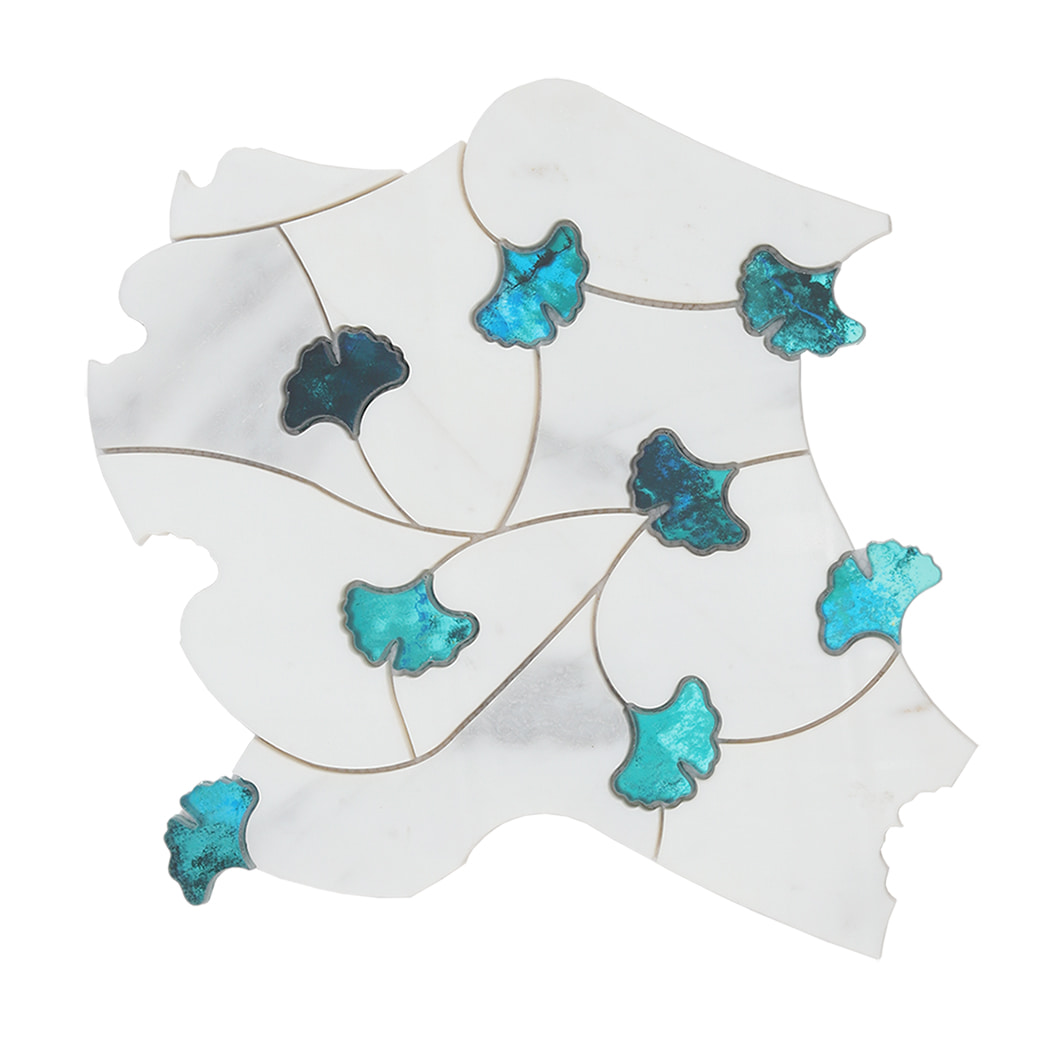
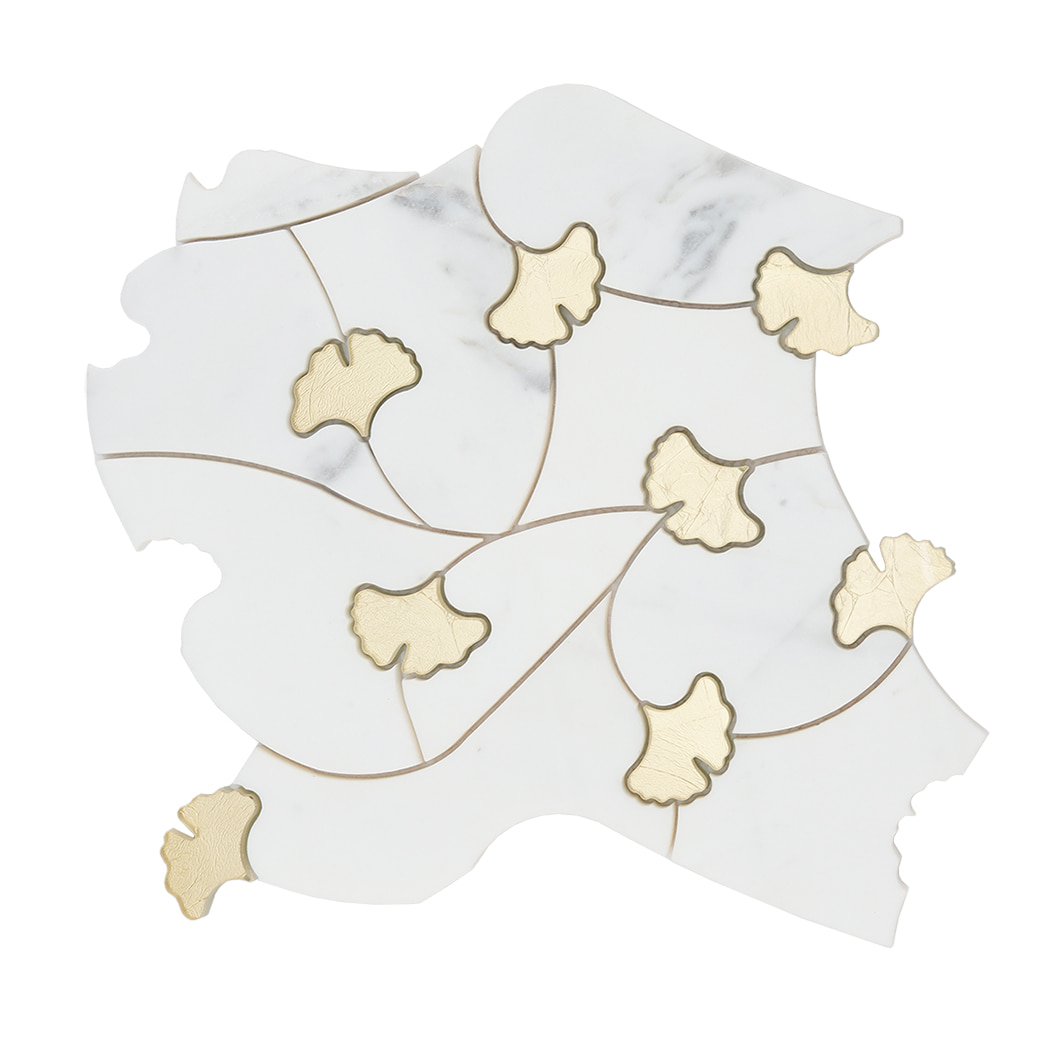
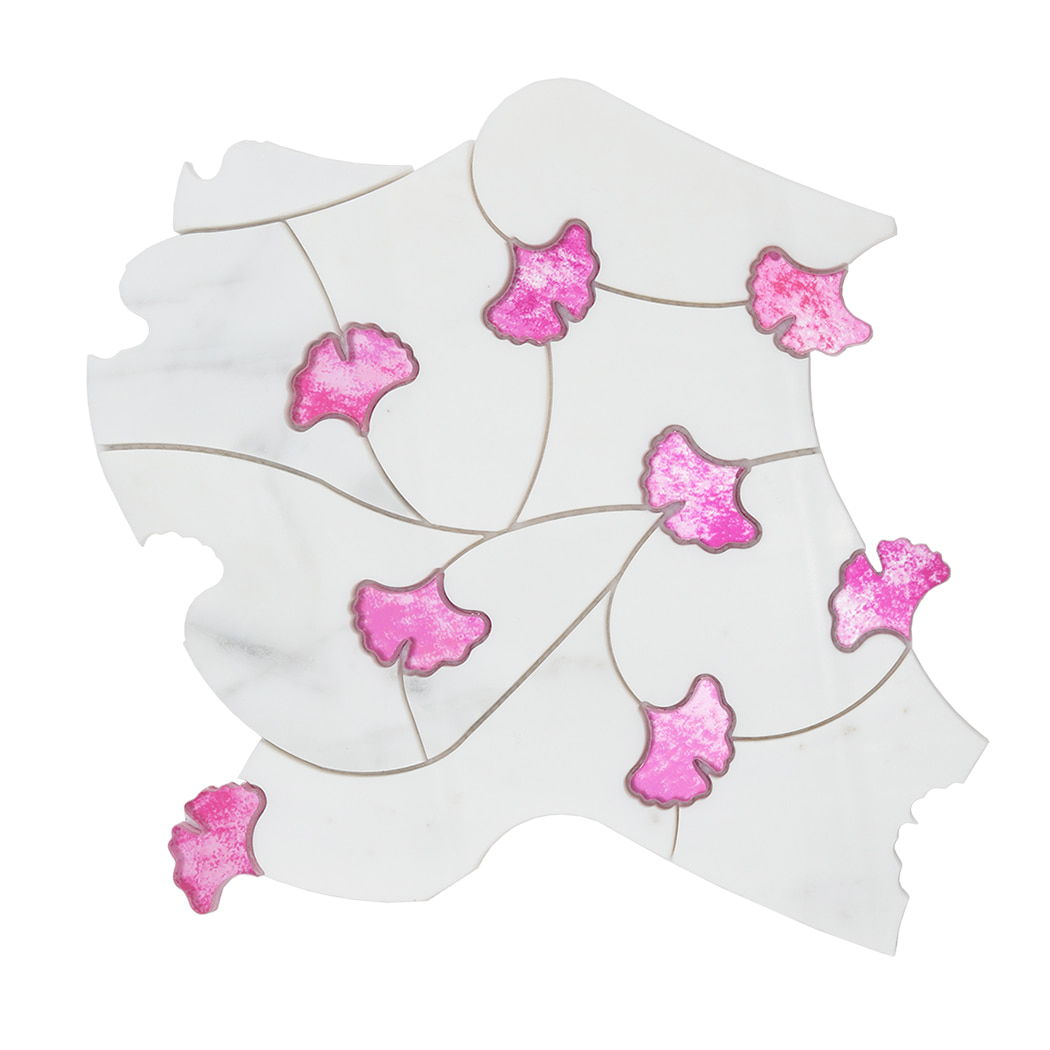
Waterjet marble tiles
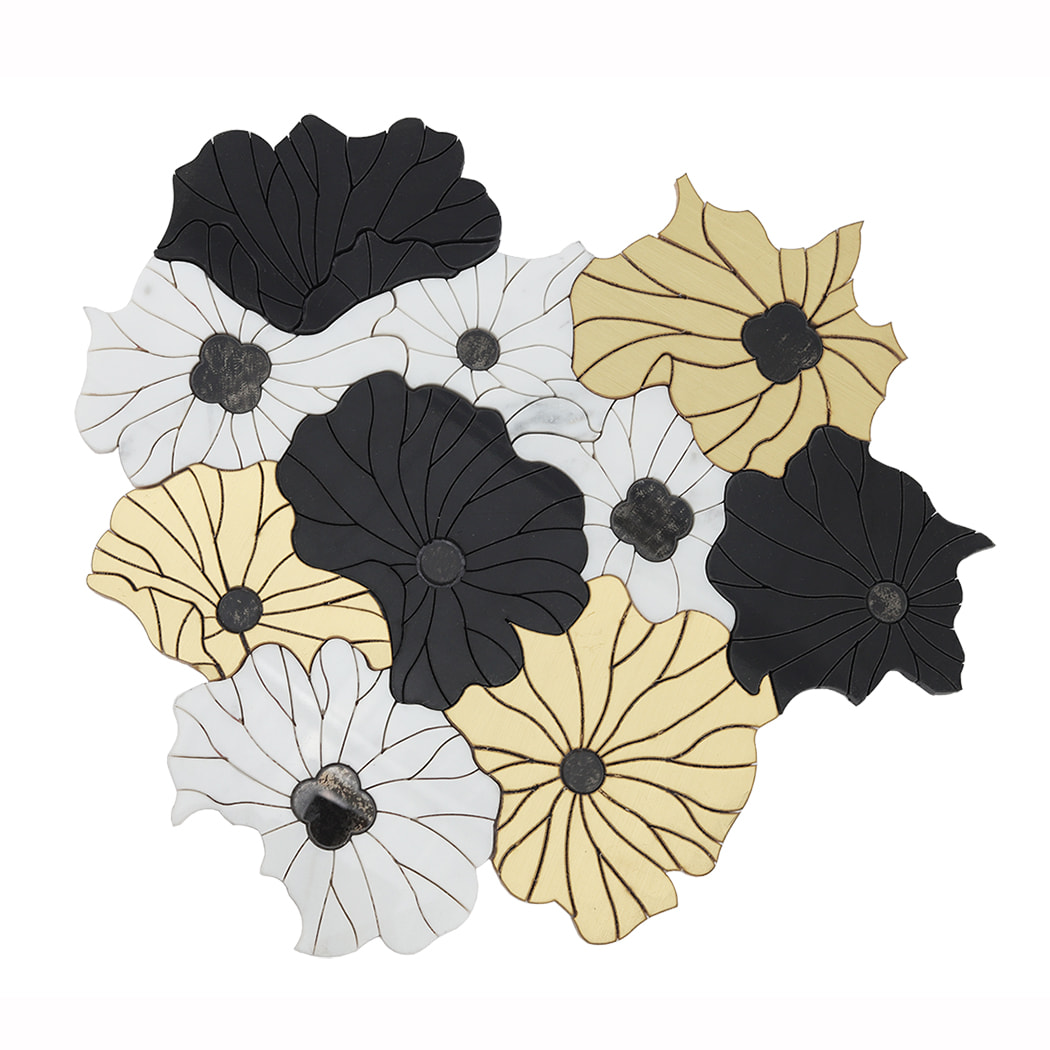
Flower marble mosaics
Custom marble mosaic patterns
Different marble types can also be selected, such as white marble, black marble, beige marble, green marble, gray marble, brown marble, and mixed-color marble designs.
Semi-Polished Marble Mosaic Tiles
For our small marble mosaic tiles, the standard finish is usually semi-polished or soft-polished. This finish keeps the elegant light reflection of polished marble but avoids an overly glossy effect.
Semi-polished marble mosaics are especially suitable for backsplashes, bathroom walls, shower walls, decorative panels, and feature walls. They show the beauty of natural marble while keeping a softer and more refined surface appearance.
Installation Tips for Polished Marble Tiles
Install polished marble tiles on a clean, flat, dry, and stable surface. Use a suitable stone adhesive or mortar recommended for natural marble. White adhesive is usually preferred for light-colored marble to avoid discoloration.
After installation, seal the marble surface and grout lines. For wet areas, proper waterproofing behind the tile is also important. Always test grout color before full installation because grout can change the final appearance of marble tile designs.
Polished Marble Tiles for Walls and Floors
Polished Marble Tiles are suitable for many wall and floor applications, but the right finish should be selected according to the space.
Recommended for:
Bathroom walls
Shower walls
Kitchen backsplashes
Fireplace walls
Feature walls
Dry interior floors
Hotel walls and floors
Living room floors
Dining room floors
Commercial interiors
Not recommended for:
Shower floors
Wet bathroom floors
Outdoor wet floors
Pool decks
Areas requiring high slip resistance
Frequently Asked Questions
Are polished marble tiles good for bathroom floors?
Polished marble can be used on dry bathroom floor areas, but it is not recommended for wet bathroom floors or shower floors because the surface can become slippery when wet.
Can polished marble tiles be used on shower walls?
Yes. Polished marble can be used on shower walls, but it should be properly sealed and maintained because marble is a natural stone exposed to water and soap in shower areas.
What is the difference between polished and semi-polished marble?
Polished marble has a stronger glossy shine. Semi-polished marble has a softer sheen with a more natural look. For small marble tiles, semi-polished finishes are often more practical and elegant.
Do polished marble tiles scratch easily?
Marble is softer than some other stones, so it can scratch or etch if exposed to abrasive materials or acidic cleaners. Use proper stone-safe cleaning products and avoid harsh scrubbing tools.
How often should polished marble be sealed?
The sealing frequency depends on the marble type, usage, and exposure to moisture. High-use areas may need resealing more often. A water test can help determine whether resealing is needed.
Are polished marble tiles good for kitchen backsplashes?
Yes. Polished marble is excellent for kitchen backsplashes because it gives a clean, bright, and elegant look. It should be sealed and cleaned with stone-safe products.
Buy Polished Marble Tiles
Polished Marble Tiles are a timeless choice for elegant walls, backsplashes, and dry interior floors. Whether you need classic white marble, warm beige marble, dramatic black marble, or custom marble mosaic designs, polished marble brings natural beauty and refined shine to your space.
Choose polished marble tiles for a bright luxury finish, or select semi-polished marble mosaics for a softer and more natural surface effect. Contact us to explore available marble colors, shapes, sizes, and custom tile options.