
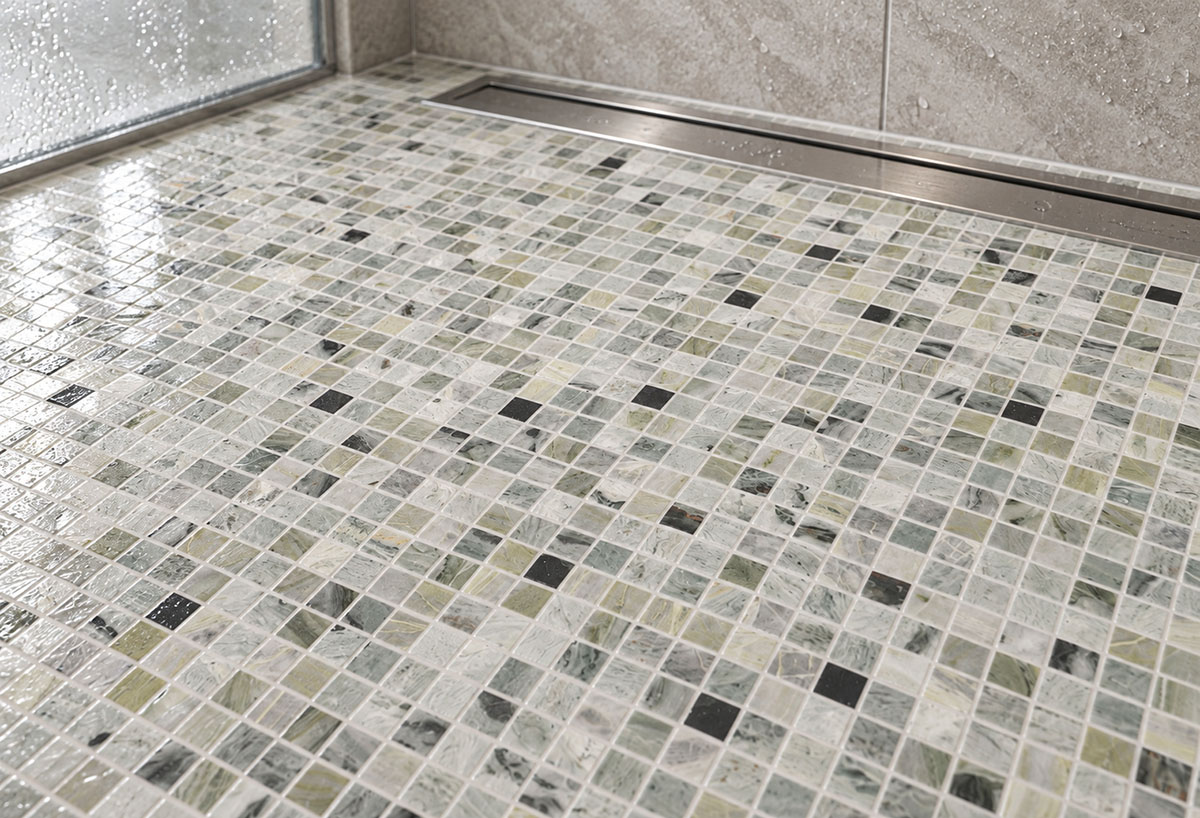




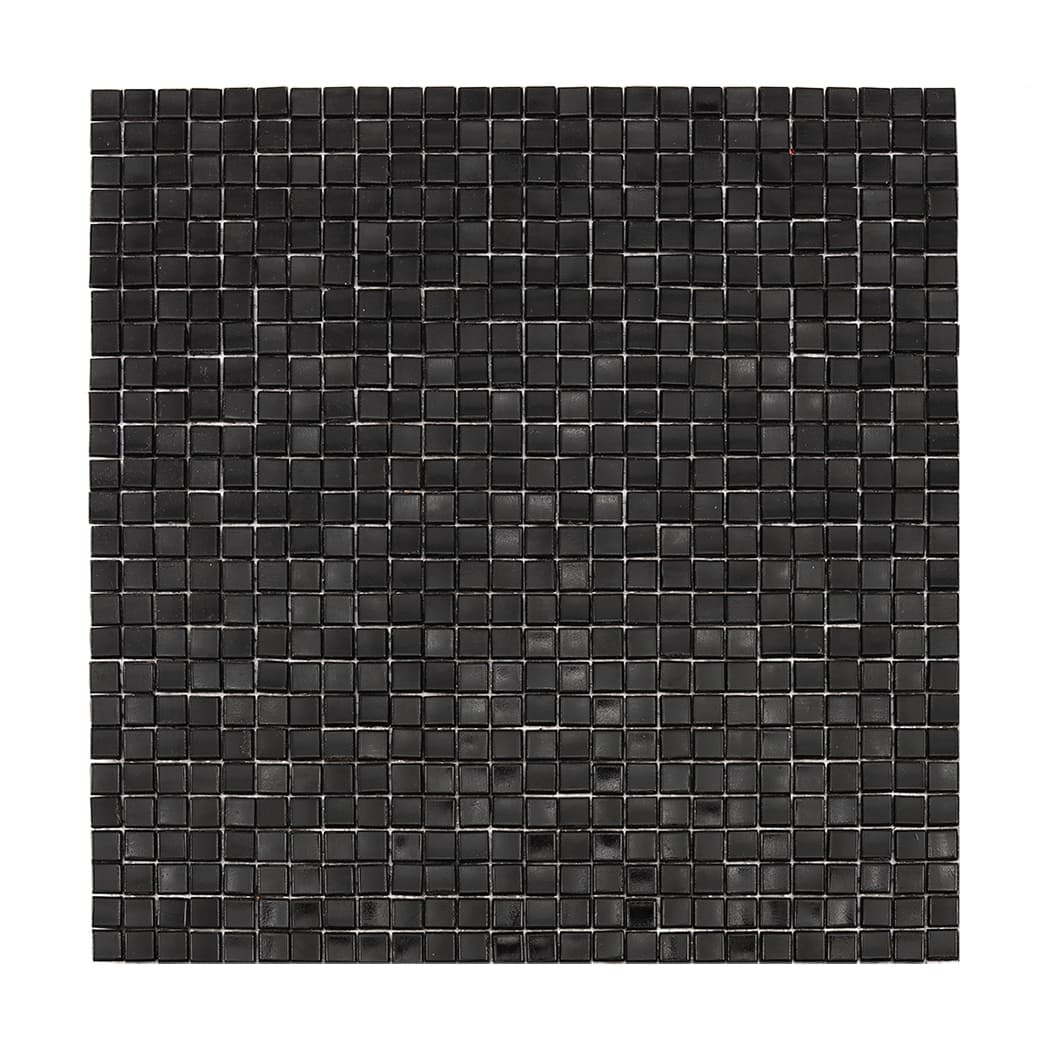
Mosaic shower floor tiles combine practical wet-area performance with detailed surface design. Their small individual pieces and frequent grout joints allow the tiled surface to follow the slopes, corners and drain transitions found in a shower floor more easily than many large-format tiles.
At SAICINA TILES, our shower floor mosaic collection includes selected glass mosaics, natural stone mosaics and decorative crackle-finish designs in a wide range of colors, shapes and textures. From clean modern bathrooms to natural spa-inspired interiors, these mosaics help create a shower floor that feels visually connected to the rest of the space.
Not every mosaic is suitable for use underfoot. Before ordering, always confirm the individual product’s approved applications, surface finish and wet-area suitability. More grout joints may improve traction, but tile size alone does not make a product slip resistant.
Why Choose Mosaic Tiles for a Shower Floor?
A shower floor must manage water, accommodate drainage slopes and provide comfortable footing. Small-format mosaics are often selected because their flexible sheet-mounted construction works well with these requirements.
More Grout Joints for Additional Footing
Mosaics create more grout joints than large-format tiles. These joints interrupt the surface and can provide additional grip underfoot, particularly when combined with a matte, textured or naturally varied finish.
However, grout joints are only one part of wet-area safety. Surface finish, tile geometry, installation quality, cleaning condition and the manufacturer’s recommended application must also be considered.
Easier to Fit Around Drains and Slopes
A point drain normally requires the shower floor to slope toward the drain from several directions. Small mosaic pieces can follow these changes in plane more smoothly than large rigid tiles.
Mosaics are also easier to fit around:
-
Center and offset drains
-
Linear drains
-
Curved shower bases
-
Benches and recessed areas
-
Corners and wall transitions
-
Custom or irregular shower layouts
Efficient Water Movement
Correctly installed mosaics can follow the designed shower slope closely, helping water move toward the drain instead of collecting in low areas.
The tile itself does not create drainage. Proper substrate preparation, slope formation, drain placement and installation are essential to the finished performance of the shower floor.
Greater Design Flexibility
Mosaic shower floor tiles are available in square, hexagon, penny round, pebble, basketweave, geometric and irregular formats. They can coordinate with shower wall tiles or introduce a contrasting color, texture or pattern.
Their smaller scale also makes mosaics useful for borders, drain surrounds and decorative floor insets.
Compare Mosaic Shower Floor Tile Materials
The best material depends on the desired appearance, maintenance level and product-specific floor rating. SAICINA TILES offers glass, natural stone and crackle-finish mosaics, but each product should be evaluated individually before installation.
Glass Mosaic Shower Floor Tiles
Glass mosaics bring color, brightness and visual depth to a shower. Depending on the finish, the surface may appear translucent, frosted, iridescent, reflective or softly textured.
Glass is generally nonporous and does not require the same type of sealing as porous natural stone. It is also easy to wipe clean when maintained regularly.
Glass mosaics can suit:
-
Modern bathrooms
-
Coastal-style showers
-
Hotel bathrooms
-
Spa-inspired interiors
-
Colorful feature floors
-
Coordinated shower wall and floor designs
Not every glass mosaic is approved for floor use. Highly polished or smooth glass may feel slippery when wet, and some decorative glass products are intended only for walls. Choose only glass mosaics specifically identified as suitable for shower floors.
Transparent and translucent glass can reveal the color and coverage of the setting material beneath it. A compatible white mortar is commonly selected to support an even finished appearance.
Natural Stone Mosaic Shower Floor Tiles
Natural stone mosaics introduce organic color variation, mineral movement and a warm tactile quality. Marble, travertine, limestone, pebble and other stones can create anything from an elegant hotel-style shower to a relaxed natural retreat.
Each stone piece has its own veining, shade and surface variation. These differences are part of the material’s character rather than defects.
Natural stone mosaics work especially well in:
-
Luxury residential bathrooms
-
Boutique hotels
-
Spa and wellness spaces
-
Rustic or Mediterranean interiors
-
Wabi-sabi and nature-inspired bathrooms
-
Traditional marble bathrooms
Porous natural stone may absorb moisture or develop stains if it is not protected and maintained correctly. Some stones also react to acidic products. Depending on the stone and finish, sealing may be recommended before grouting, after installation and periodically during use.
Always test the chosen sealer on a spare piece because some products can alter the stone’s color or sheen.
Crackle-Finish Mosaic Shower Floor Tiles
Crackle mosaics feature fine lines within or beneath the surface finish, creating a layered, handcrafted appearance. The pattern can resemble fractured ice, aged glaze or naturally weathered material.
These mosaics can add character to:
-
Vintage-inspired bathrooms
-
Artistic shower floors
-
Boutique hospitality projects
-
Light-luxury interiors
-
Decorative wet-room accents
A crackle appearance should not automatically be interpreted as a slip-resistant surface. Some crackle lines are purely visual and remain beneath a smooth glaze. Other products may have a tactile or irregular finish.
Use a crackle mosaic on a shower floor only when the individual product is approved for that application. Depending on its construction, sealing before and after grouting may also be required.
How to Choose the Best Mosaic Tile for a Shower Floor
A beautiful tile is only a suitable shower-floor tile when its material, finish and installation requirements match the project.
Confirm the Approved Application
Look for a product specification that clearly identifies the mosaic as suitable for interior floors, shower floors or wet-area floors.
A mosaic described only as suitable for shower walls or bathroom walls should not be assumed suitable for the floor.
Review Wet-Area Slip Information
Ask for available wet-condition slip-test information and confirm whether the product is recommended for barefoot shower use.
Slip ratings should not be viewed in isolation. Real-world traction can also be affected by:
-
Soap and shampoo residue
-
Standing water
-
Surface texture
-
Grout joint frequency
-
Footwear or bare feet
-
Cleaning and maintenance
-
Installation angle and drainage
No tile surface is completely slip-proof. Regular cleaning and correct drainage remain important after installation.
Select an Appropriate Surface Finish
Matte, honed and subtly textured finishes are often considered for shower floors because they may offer more tactile grip than a highly polished surface.
For natural stone, a honed, tumbled or textured finish is generally more practical underfoot than a highly polished finish, subject to the product’s approved use.
Consider Tile Size and Shape
Small mosaic pieces can conform more easily to a multi-directional shower slope. Common choices include:
-
20 × 20 mm square mosaics
-
25 × 25 mm square mosaics
-
1 × 1 inch mosaics
-
2 × 2 inch mosaics
-
Small hexagon mosaics
-
Penny round mosaics
-
Irregular pebble mosaics
Smaller is not automatically safer. The final result depends on the surface finish, grout, installation and wet-area suitability of the complete system.
Examine Sheet Mounting
Many mosaics are supplied on mesh-mounted or paper-faced sheets. Sheet mounting speeds up installation, but it must be suitable for wet environments.
Excessive adhesive coverage on the back of a mesh-mounted mosaic can interfere with mortar contact. Your installer should inspect the sheets and follow the tile and setting-material manufacturers’ instructions.
Order Samples Before Making a Final Decision
Photographs cannot fully show texture, reflectivity, shade variation or the feel of a mosaic underfoot. Review a physical sample in both dry and wet conditions before ordering for a complete shower.
Natural stone and handcrafted glass may vary between production batches. When possible, approve a current sample representing the expected order.
Mosaic Shapes and Shower Design Ideas
The shape of a mosaic influences both the visual rhythm and the number of grout joints across the floor.
Square Mosaics
Square mosaics create a clean, balanced grid. They suit modern, minimalist and commercial bathrooms and are easy to coordinate with rectangular wall tiles.
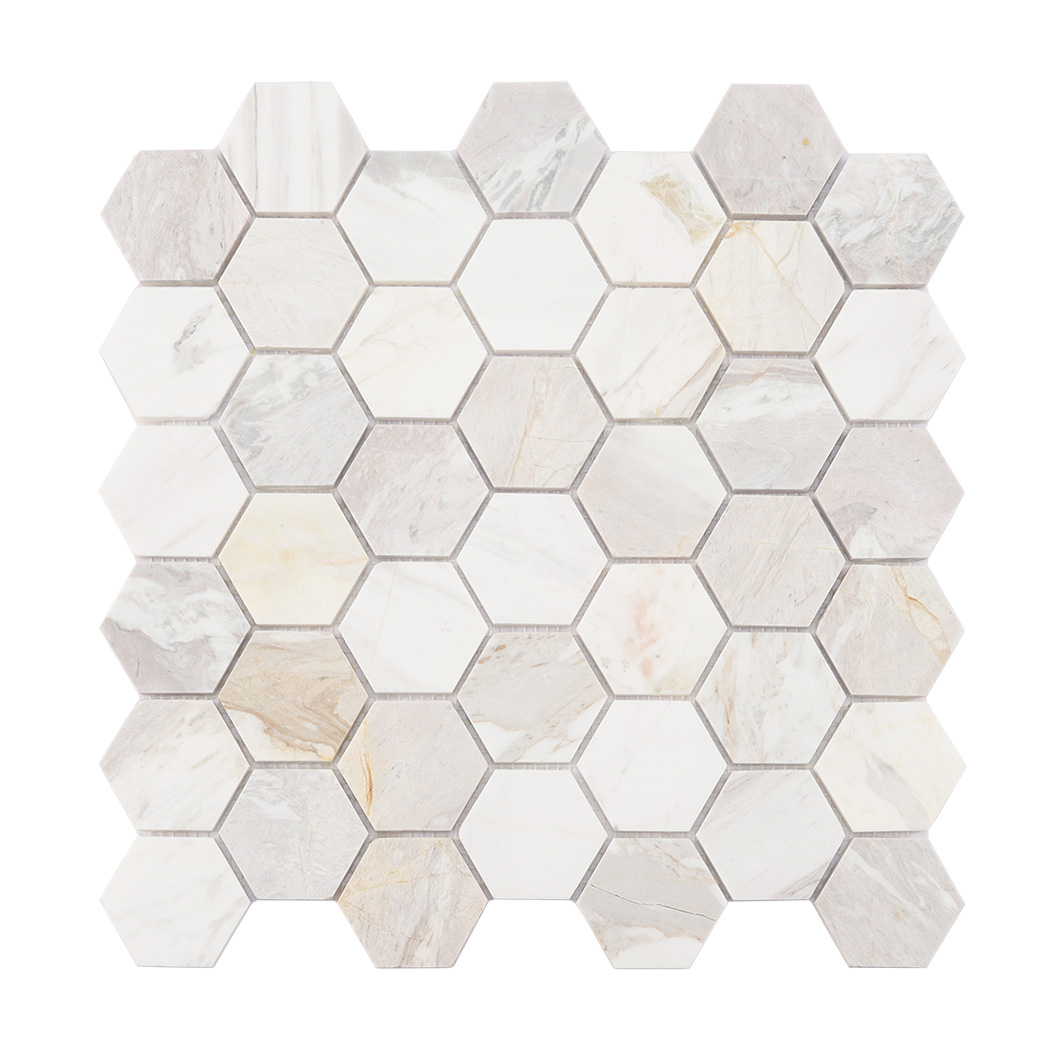
Hexagon Mosaics
Hexagon mosaics add geometric movement without overwhelming a small shower. White marble creates a classic look, while blue or dark glass produces a more contemporary result.
Penny Round Mosaics
Penny round tiles have a soft, curved appearance and a high number of grout joints. They work well in retro bathrooms, colorful showers and playful hospitality interiors.
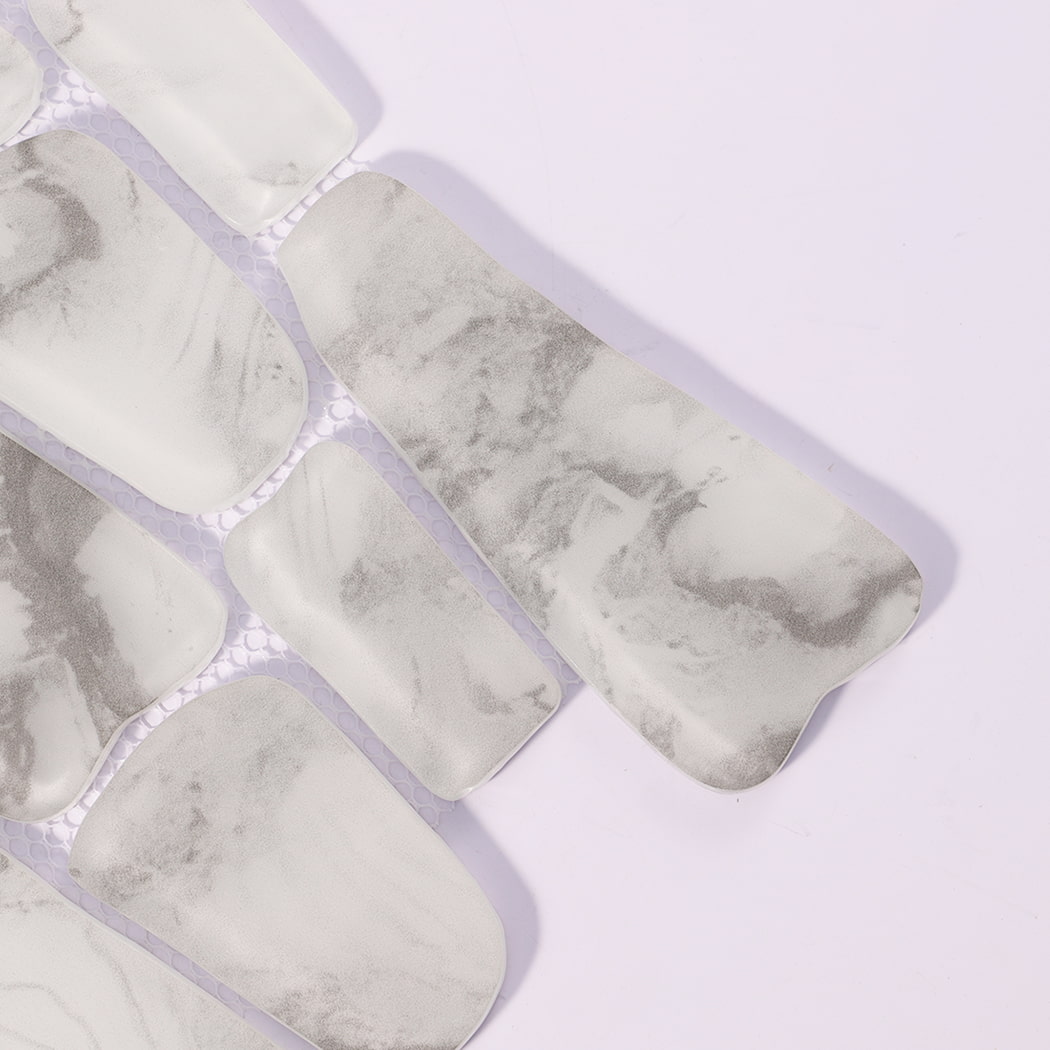
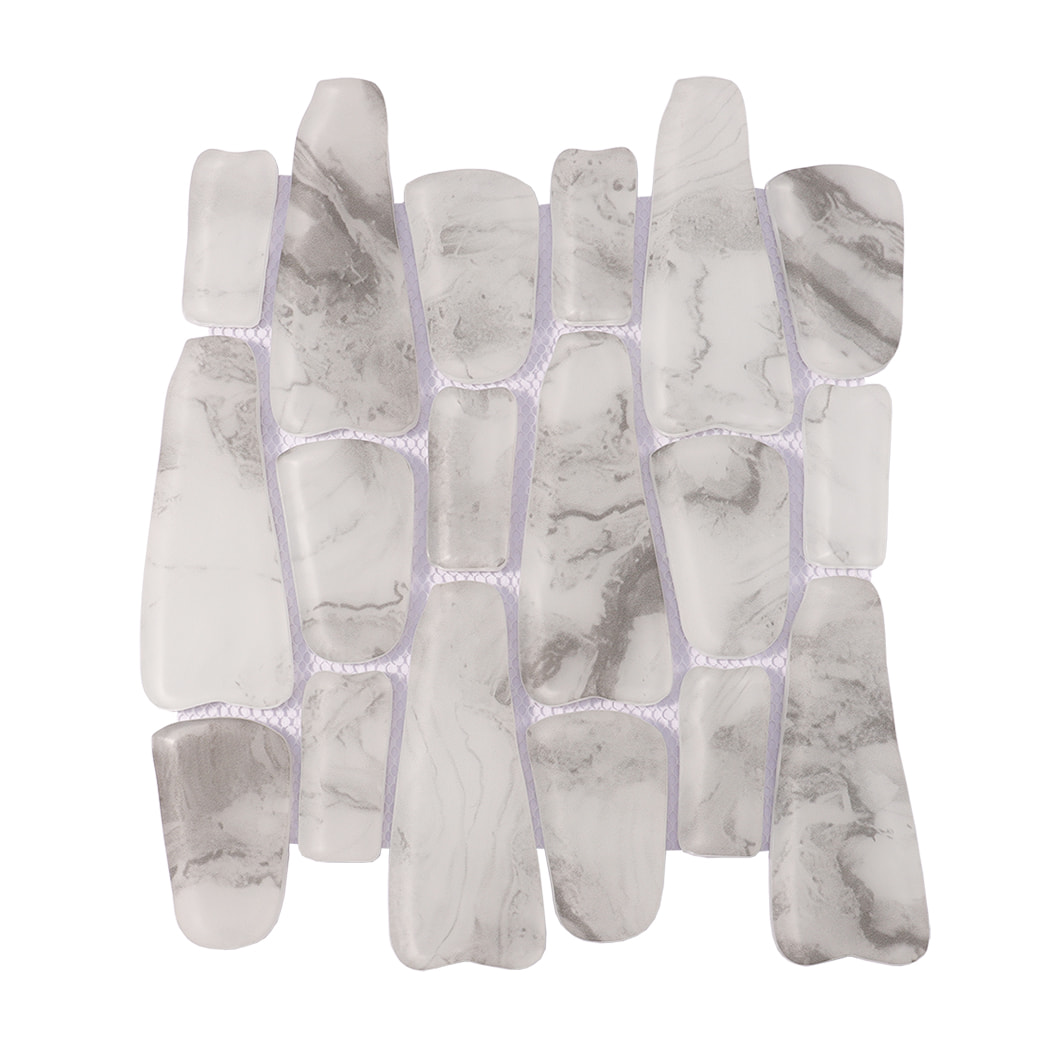
Pebble and Irregular Mosaics
Pebble and irregular stone mosaics offer an organic, spa-like effect. Careful sheet blending is important because poorly positioned sheets may reveal visible outlines after installation.
Rounded pebbles can also require a carefully planned slope and sufficient drainage because their uneven surface may retain small amounts of water.
Geometric and Mixed-Material Designs
Triangles, diamonds and other geometric mosaics can turn the shower floor into a focal point. For mixed-material products, confirm that every component—including any metal, shell or decorative insert—is approved for continuous wet-area floor use.
Grout Color and Grout Type
Grout affects the appearance, maintenance and overall performance of a mosaic shower floor.
Choosing a Grout Color
A matching grout color produces a quieter, more continuous surface. Contrasting grout emphasizes the individual shape of each mosaic piece.
Before installation, test the grout with a spare sheet. Dark grout may affect light or porous stone, while strongly pigmented grout can be difficult to remove from textured surfaces.
Cementitious Grout
Cement-based grout is widely used and available in many colors. Depending on the selected product, sealing may be recommended to reduce moisture absorption and staining.
Epoxy and High-Performance Grout
Epoxy and other high-performance grouts can provide improved stain and chemical resistance. They may be useful in frequently used showers, hotels and commercial wet areas.
These products require careful installation and cleaning before curing. Confirm compatibility with glass, natural stone and textured surfaces, as some materials may require pre-sealing or testing.
Professional Installation Requirements
A successful mosaic shower floor depends on the complete installation system, not only the visible tile.
Build a Waterproof Shower Assembly
Tile and grout are not substitutes for a waterproofing system. The shower floor should include an approved waterproof membrane or shower-pan system, correctly sealed transitions and a compatible drain connection.
Complete any required flood test before installing the mosaic.
Create the Correct Drainage Slope
The shower base must slope consistently toward the drain without low spots. A commonly used reference is approximately 1/4 inch per foot, or about 6 mm per 305 mm, although local building codes and system-manufacturer instructions should take priority.
The finished mosaic surface should follow the intended slope without raised sheet edges or depressions that can hold water.
Use Compatible Setting Materials
Choose mortar according to the substrate, mosaic material, tile backing and wet-area conditions.
White mortar is often used behind glass and light-colored stone. Some natural stones require a mortar designed to reduce staining, warping or discoloration. Always follow the technical instructions supplied with the tile and installation products.
Prevent Visible Sheet Lines
Dry-lay several mosaic sheets before installation. Adjust the individual pieces along each sheet edge so the spaces between sheets match the joints within the sheets.
This step is particularly important for pebble, irregular and handcrafted mosaics.
Achieve Adequate Mortar Coverage
The installer should use the appropriate trowel and embed the mosaic evenly without allowing excessive mortar to fill the grout joints. Coverage should be checked during installation, especially in shower applications.
Allow Materials to Cure
Mortar, grout, sealers and waterproofing products require specific curing times. Do not expose the shower to water before the complete system has cured according to the manufacturers’ instructions.
Cleaning and Maintaining Mosaic Shower Floors
Routine care helps preserve appearance and reduces soap residue that can make any shower floor feel more slippery.
Regular Cleaning
Rinse the floor after use when practical and clean it regularly with a pH-neutral cleaner suitable for the tile and grout.
Use a soft brush or nonabrasive pad around grout joints. Remove hair and debris from the drain so water can leave the shower efficiently.
Avoid Harsh Cleaners
Do not use acidic, highly alkaline or abrasive cleaners unless the tile manufacturer specifically approves them.
Acidic cleaners can etch marble, limestone and other calcium-based stones. Abrasive products may scratch glass, polished stone or decorative surfaces.
Monitor Grout and Sealant
Inspect grout joints, perimeter movement joints and drain connections periodically. Repair cracked or deteriorated sealant before moisture reaches vulnerable areas of the assembly.
Natural stone and some cement-based grouts may need resealing. Instead of following a fixed schedule, check the sealer manufacturer’s instructions and observe how quickly the surface absorbs water.
How Much Mosaic Tile Should You Order?
Measure the shower floor’s length and width, then calculate the total area. For irregular floors, divide the space into smaller rectangles and combine their areas.
Add an allowance for cutting, drain details, breakage and future repairs. Approximately 10% additional material is common for a straightforward layout, while complex patterns, diagonal installations or irregular shapes may require more.
Natural stone and shade-sensitive glass should be ordered from the same production batch whenever possible. Keep several unused sheets after installation for future repairs.
Why Choose SAICINA TILES?
SAICINA TILES supplies glass and natural stone mosaics for residential, hospitality and commercial projects. Our collection includes multiple colors, shapes, finishes and sheet formats for coordinating shower floors, walls, niches and bathroom features.
We can assist with:
-
Product application confirmation
-
Material and finish selection
-
Mosaic size and sheet information
-
Color and grout coordination
-
Sample requests
-
Project quantity calculations
-
Custom colors, patterns and mosaic artwork
-
Residential and commercial project orders
Because wet-area requirements vary, please provide your intended application when requesting a quotation or sample. Our team can help identify products designed for shower-floor use.
Mosaic Shower Floor Tile FAQs
Are mosaic tiles suitable for shower floors?
Yes, many mosaics are suitable for shower floors. Their small format helps them follow the shower slope, and their numerous grout joints may provide additional grip. Always confirm that the specific product is approved for wet-area floor use.
Are mosaic shower floor tiles non-slip?
Mosaic construction can improve traction because it introduces more grout joints, but no mosaic should automatically be described as non-slip. Surface finish, wet-condition testing, maintenance and installation all affect footing.
Can glass mosaic tile be installed on a shower floor?
Selected glass mosaics can be used on shower floors when the manufacturer approves the application. Highly polished, smooth or wall-only glass mosaics should not be installed underfoot without confirmation.
Is natural stone suitable for a shower floor?
Many natural stone mosaics can be used on shower floors. The stone’s porosity, finish, maintenance requirements and compatibility with cleaning products should be reviewed before selection.
Does natural stone need to be sealed?
Porous stone often benefits from a penetrating sealer, sometimes before grouting and again after installation. Dense stones may require less treatment. Follow the stone and sealer manufacturers’ recommendations.
Is crackle mosaic suitable for a shower floor?
Only when the specific crackle mosaic is approved for wet-area floor use. A crackle pattern may be decorative rather than tactile, so it should not be treated as proof of slip resistance.
What mosaic size is best for a shower floor?
Small formats such as 1 × 1 inch, 2 × 2 inch, 20 × 20 mm and 25 × 25 mm are commonly considered because they can follow drainage slopes. The best size also depends on the drain type, tile finish and shower layout.
Can mosaic tiles be used with a linear drain?
Yes. A linear drain normally allows the shower floor to slope in one main direction. Mosaics remain a practical option and can be cut neatly around the drain channel.
Should shower floor grout be sealed?
Some cement-based grouts may require sealing, while epoxy and certain high-performance grouts may not. Check the grout manufacturer’s instructions instead of assuming every grout needs the same treatment.
Do tiles and grout make the shower waterproof?
No. The waterproofing layer must be installed beneath or directly behind the tiled surface as part of an approved shower system. Tile, mortar and grout are finish components rather than the complete waterproof barrier.
How should mosaic shower floor tiles be cleaned?
Use clean water and a pH-neutral cleaner compatible with the tile. Avoid abrasive tools and acidic cleaners, particularly on marble, limestone and other acid-sensitive stones.
Can I install mosaic shower floor tiles myself?
Experienced DIY installers may be able to complete simple mosaic work, but shower-floor construction involves waterproofing, slope formation, drain connections and detailed sheet alignment. Professional installation is recommended when these conditions are unfamiliar.
Find the Right Mosaic for Your Shower Floor
The best mosaic shower floor combines approved wet-area performance, comfortable footing, efficient drainage and a finish that supports the overall bathroom design.
Explore SAICINA TILES glass, natural stone and crackle-finish mosaics, or contact our team with your shower dimensions, preferred color and project requirements. We can help you compare suitable options, calculate the required quantity and arrange samples before you place your order.