
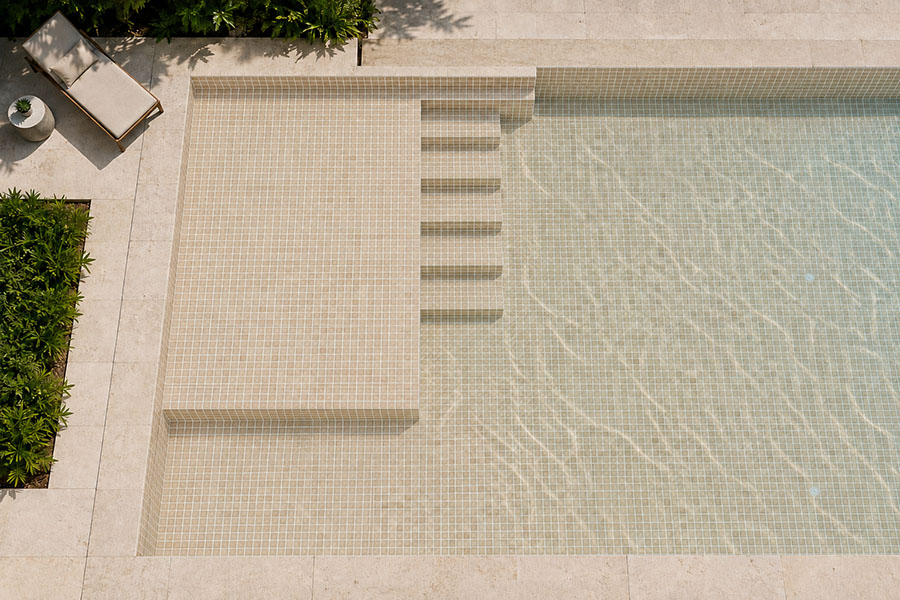
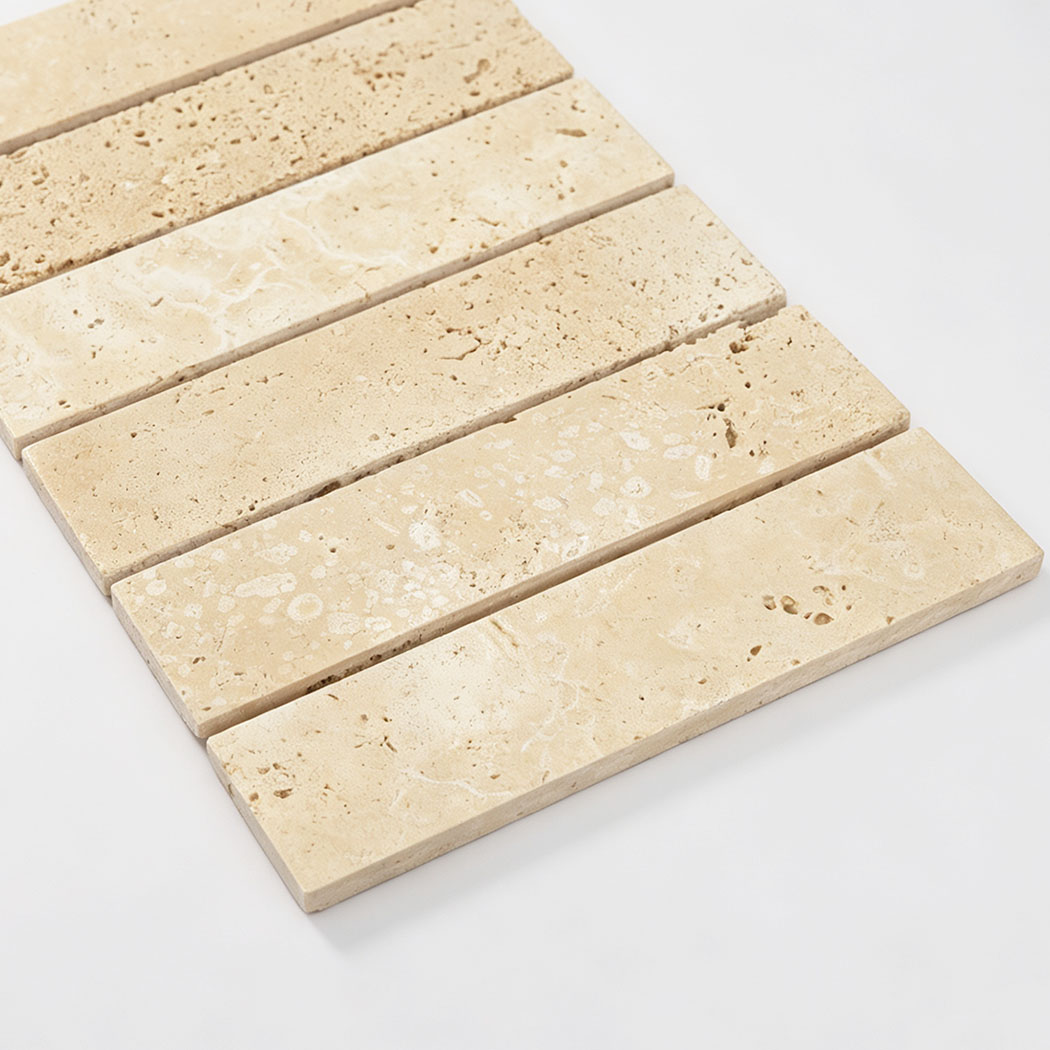
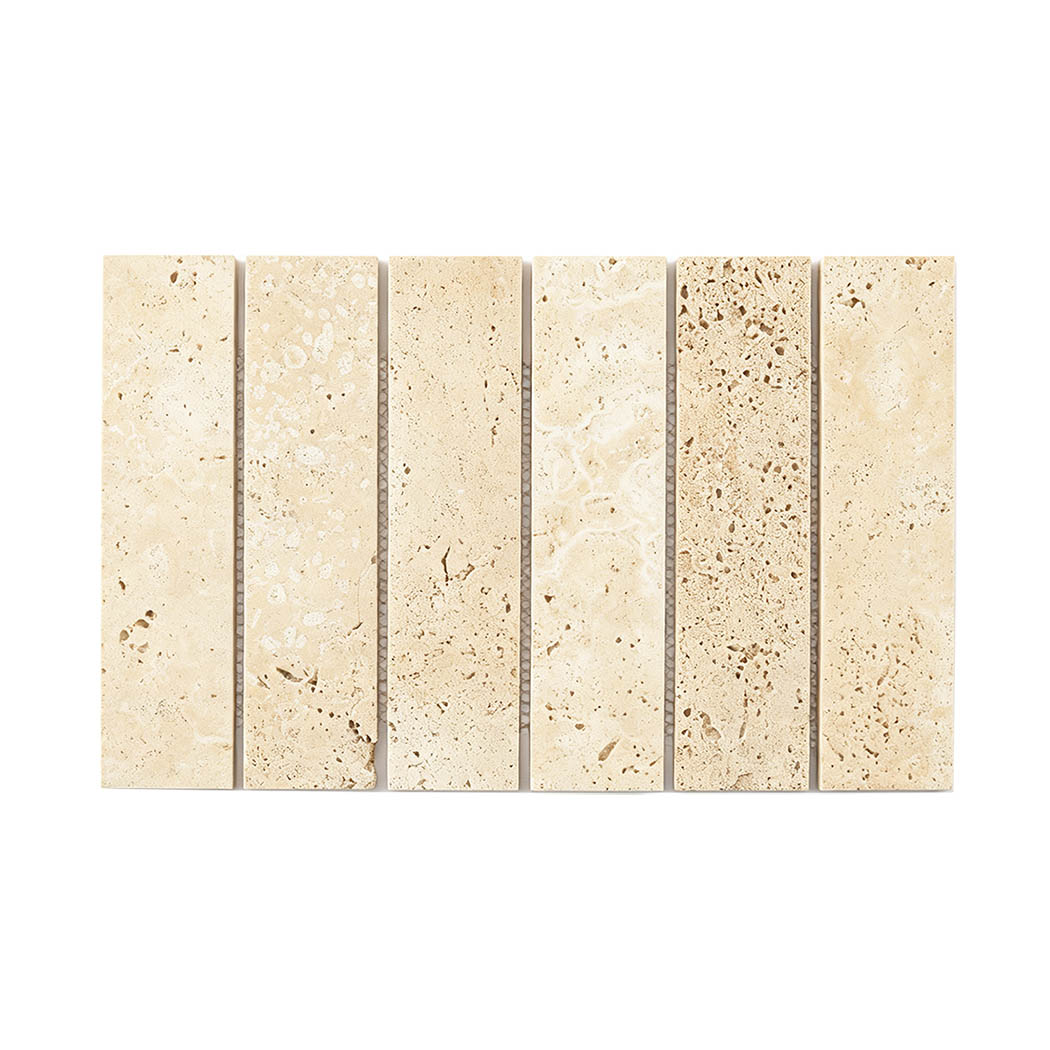

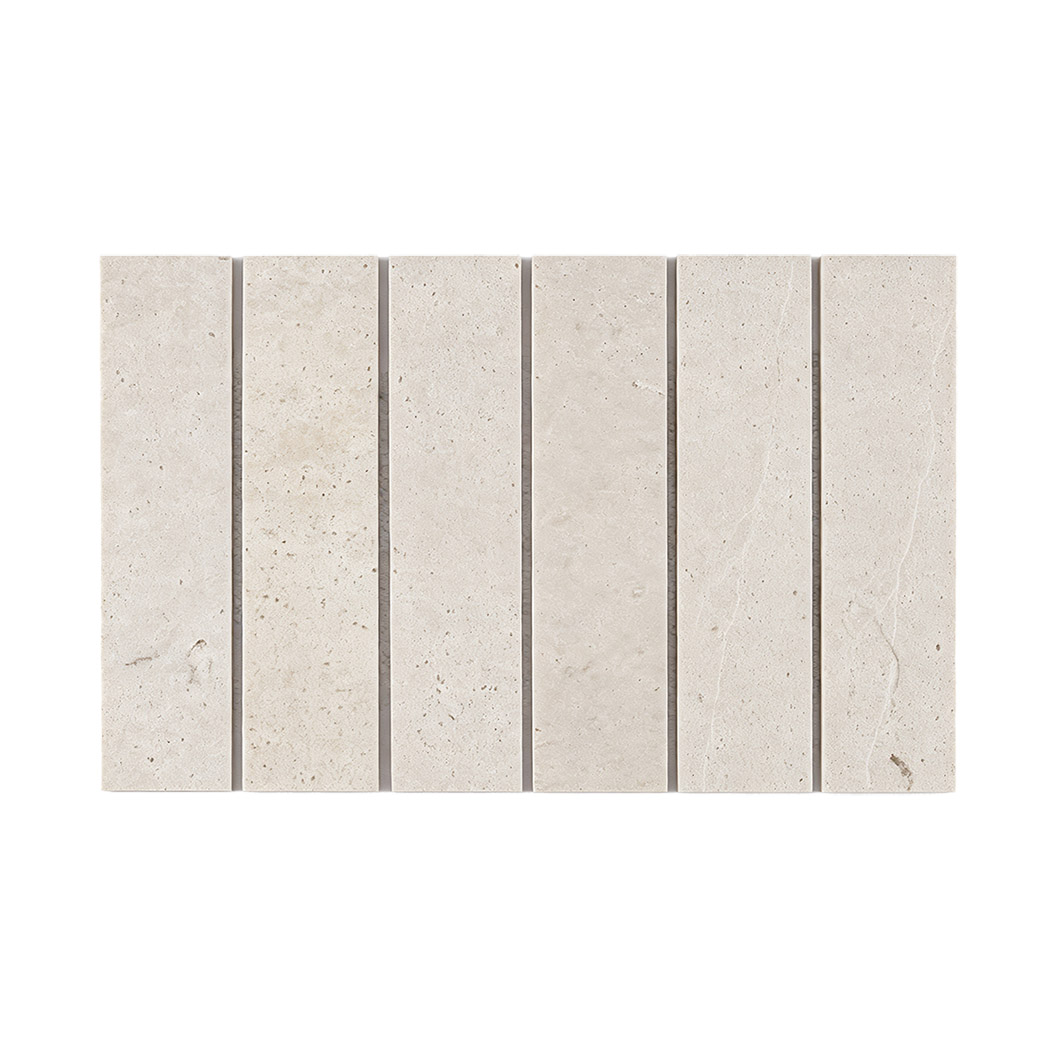
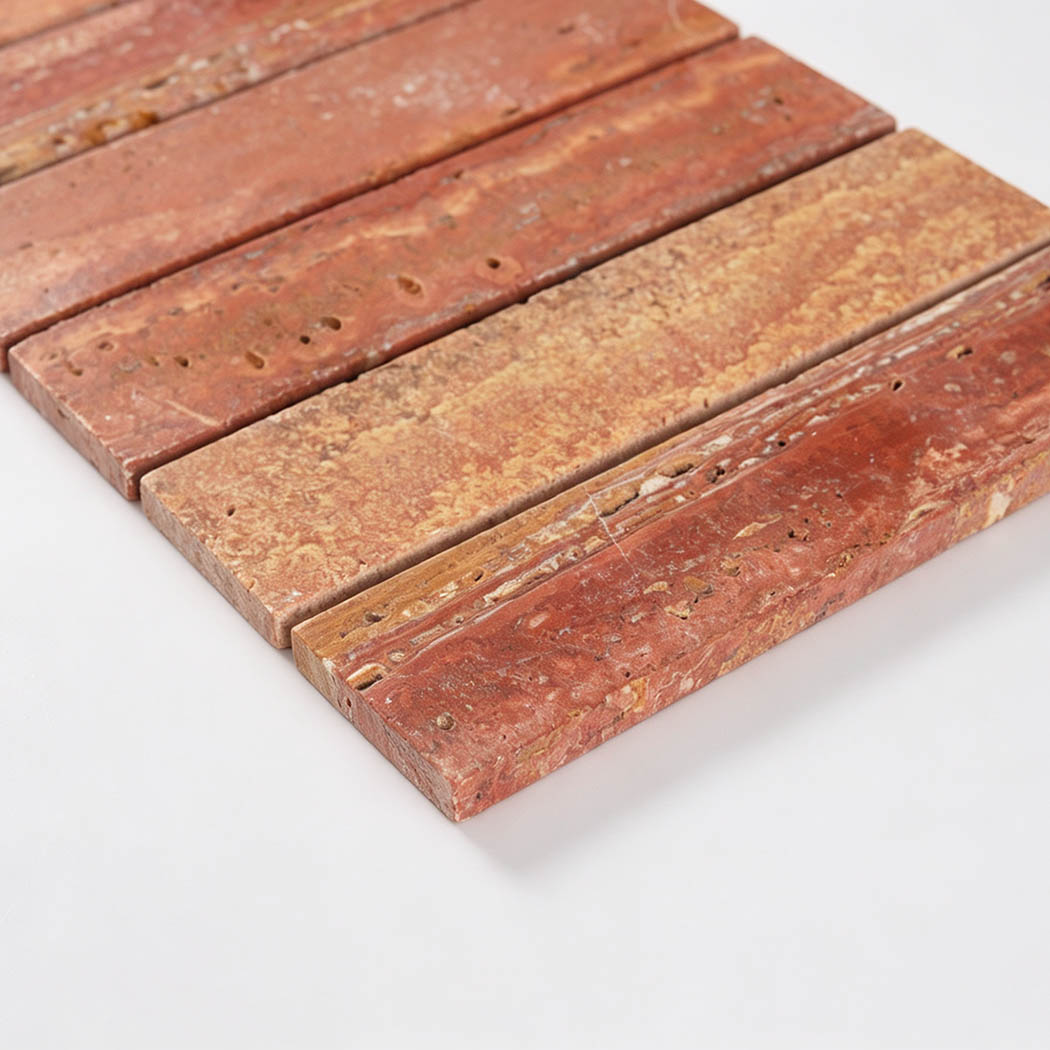
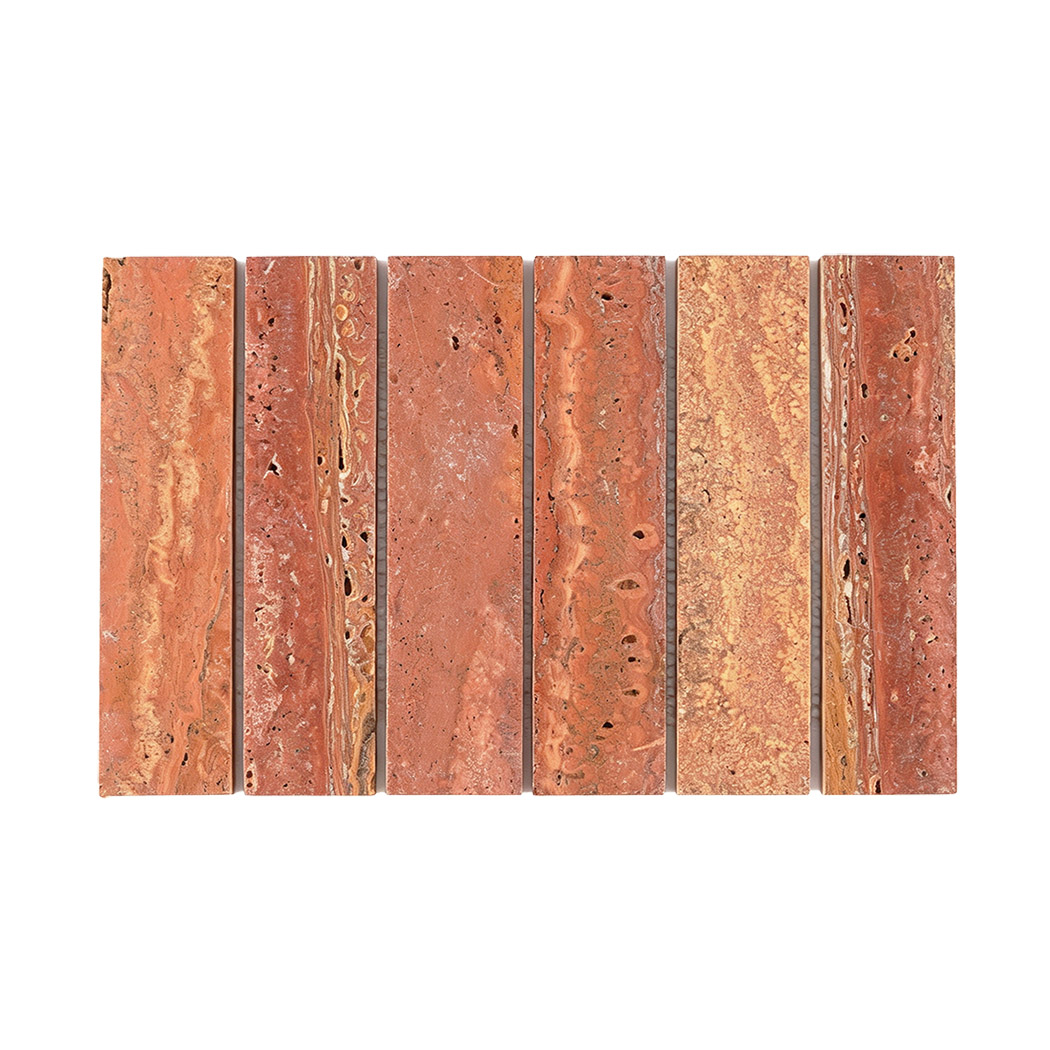
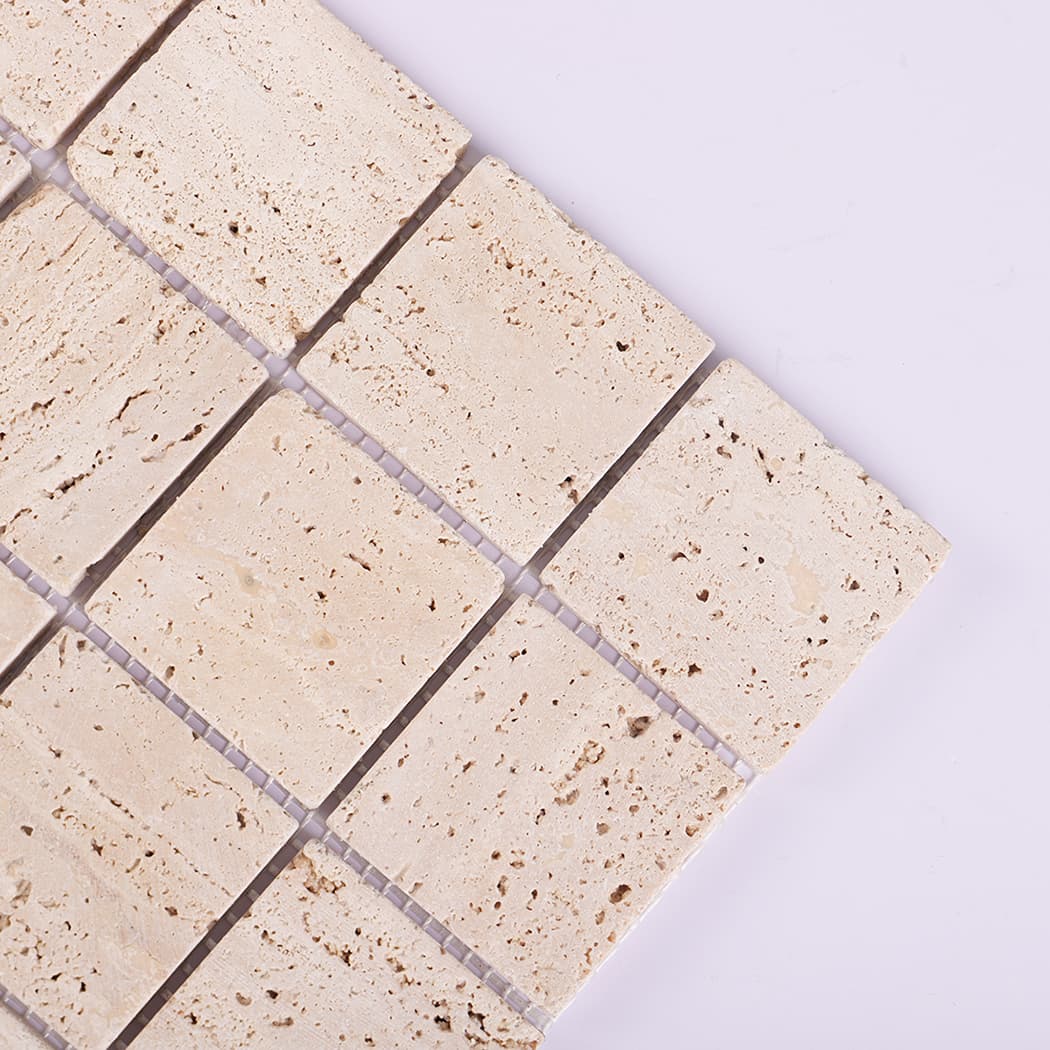
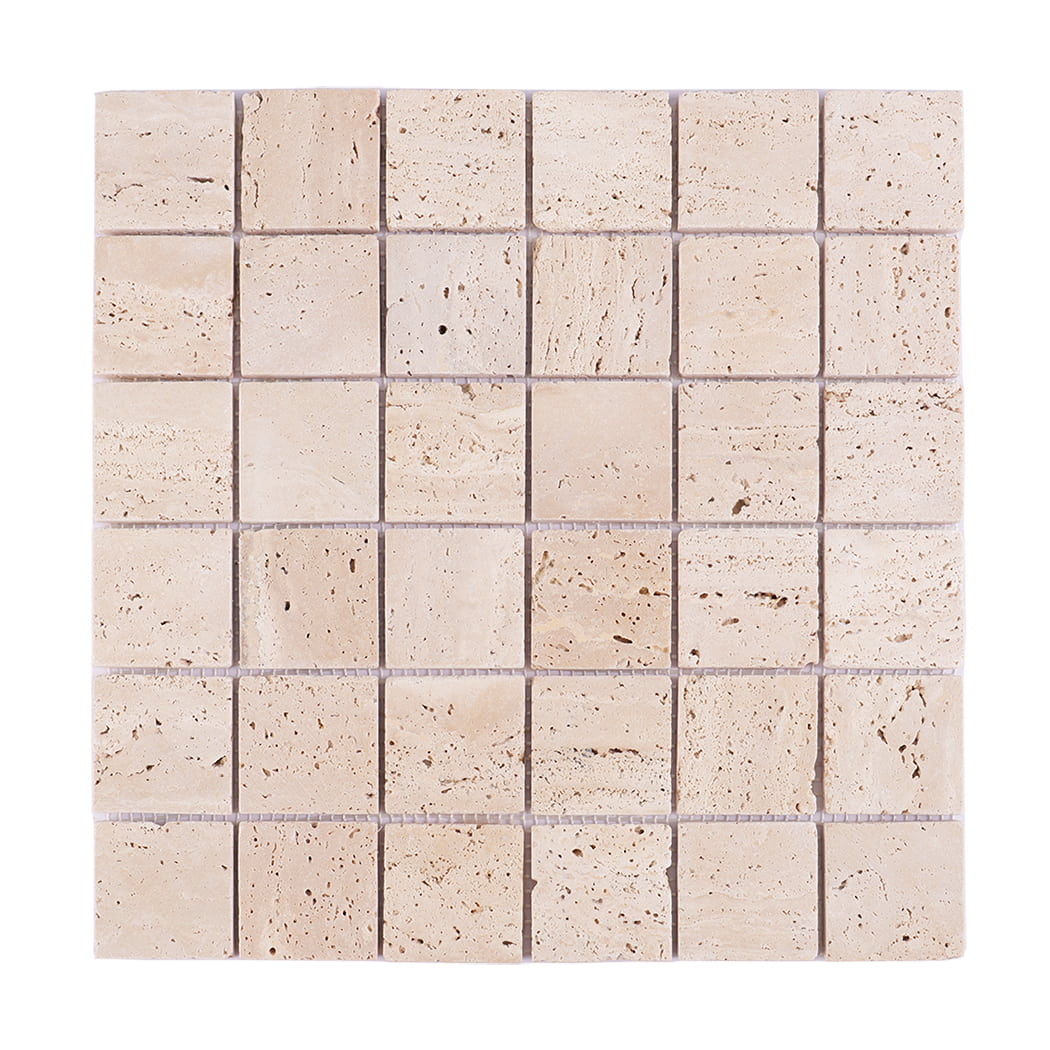
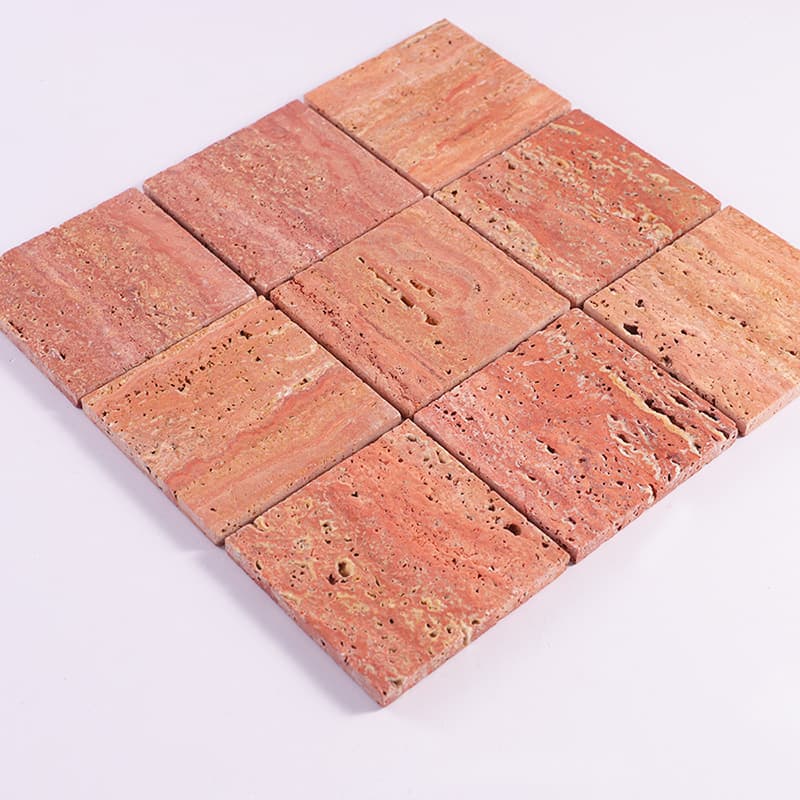
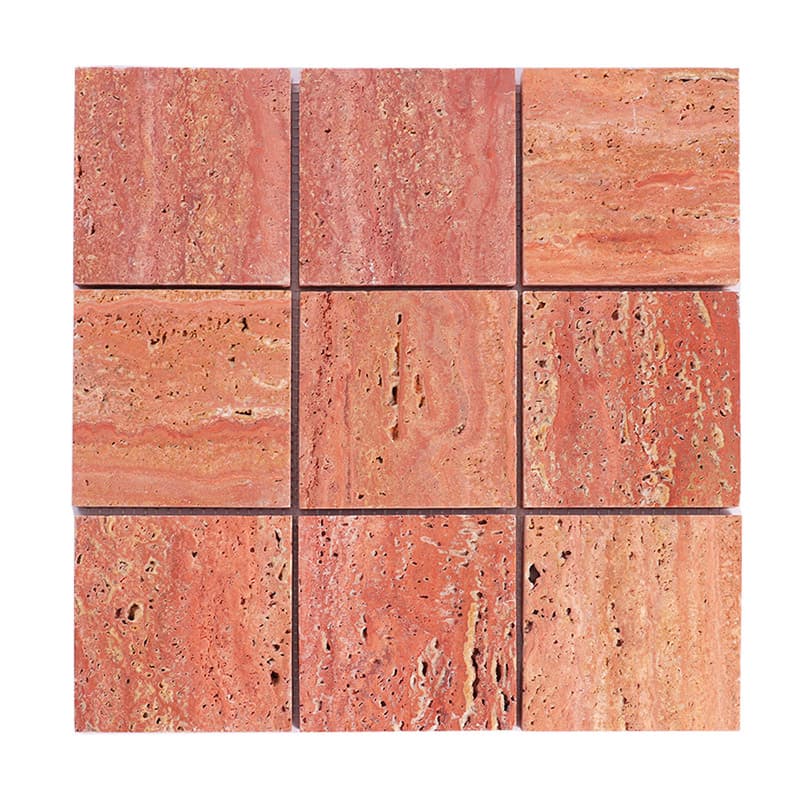
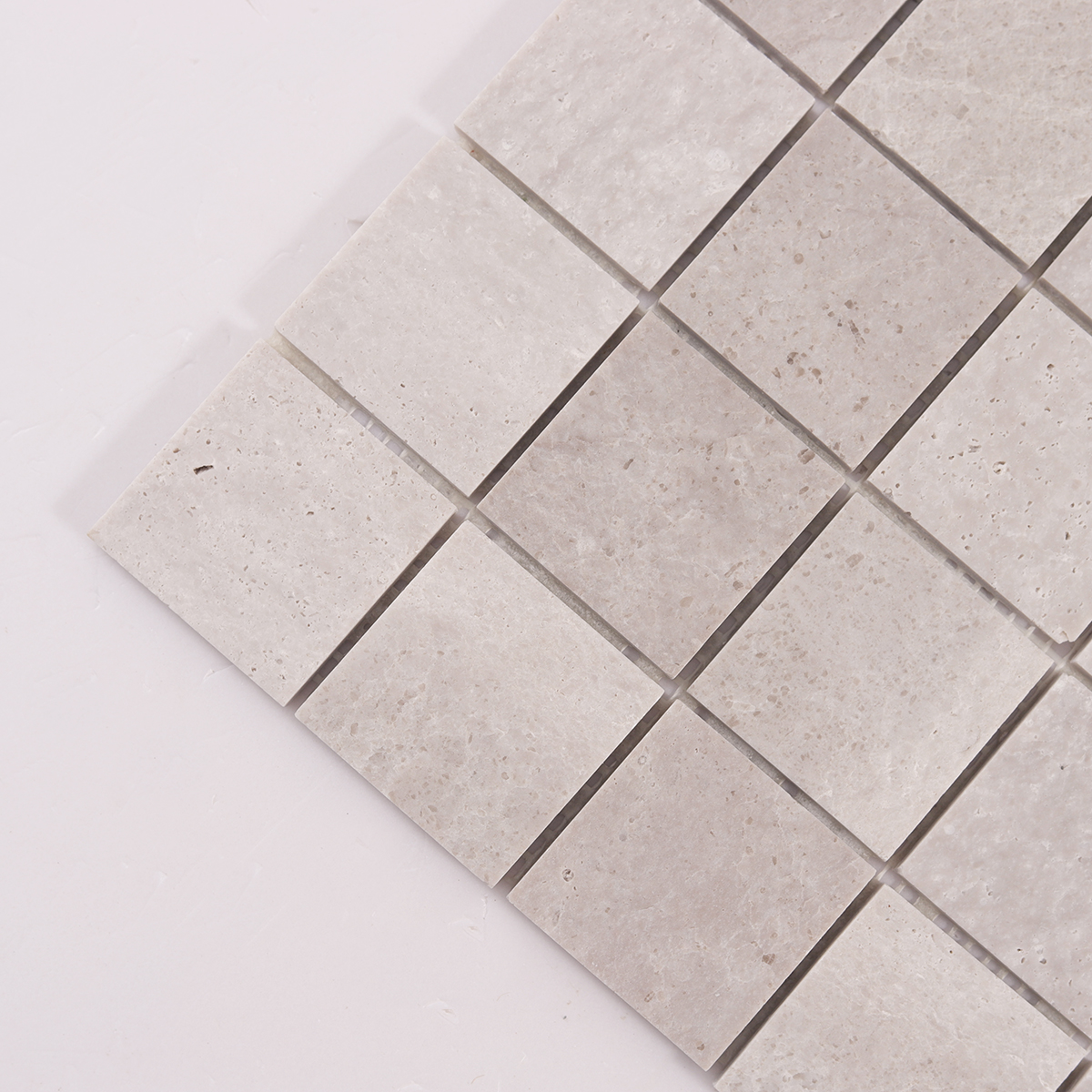
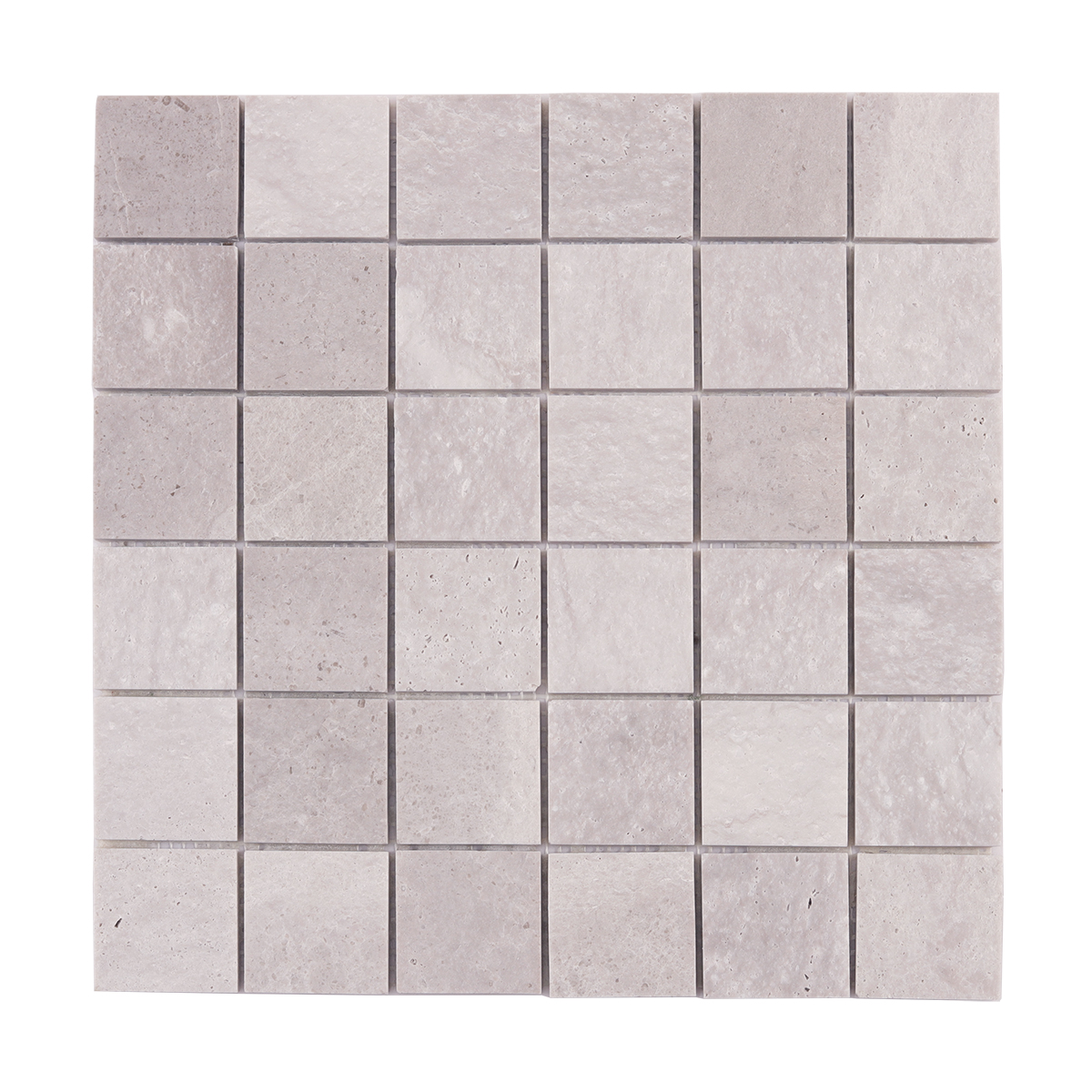
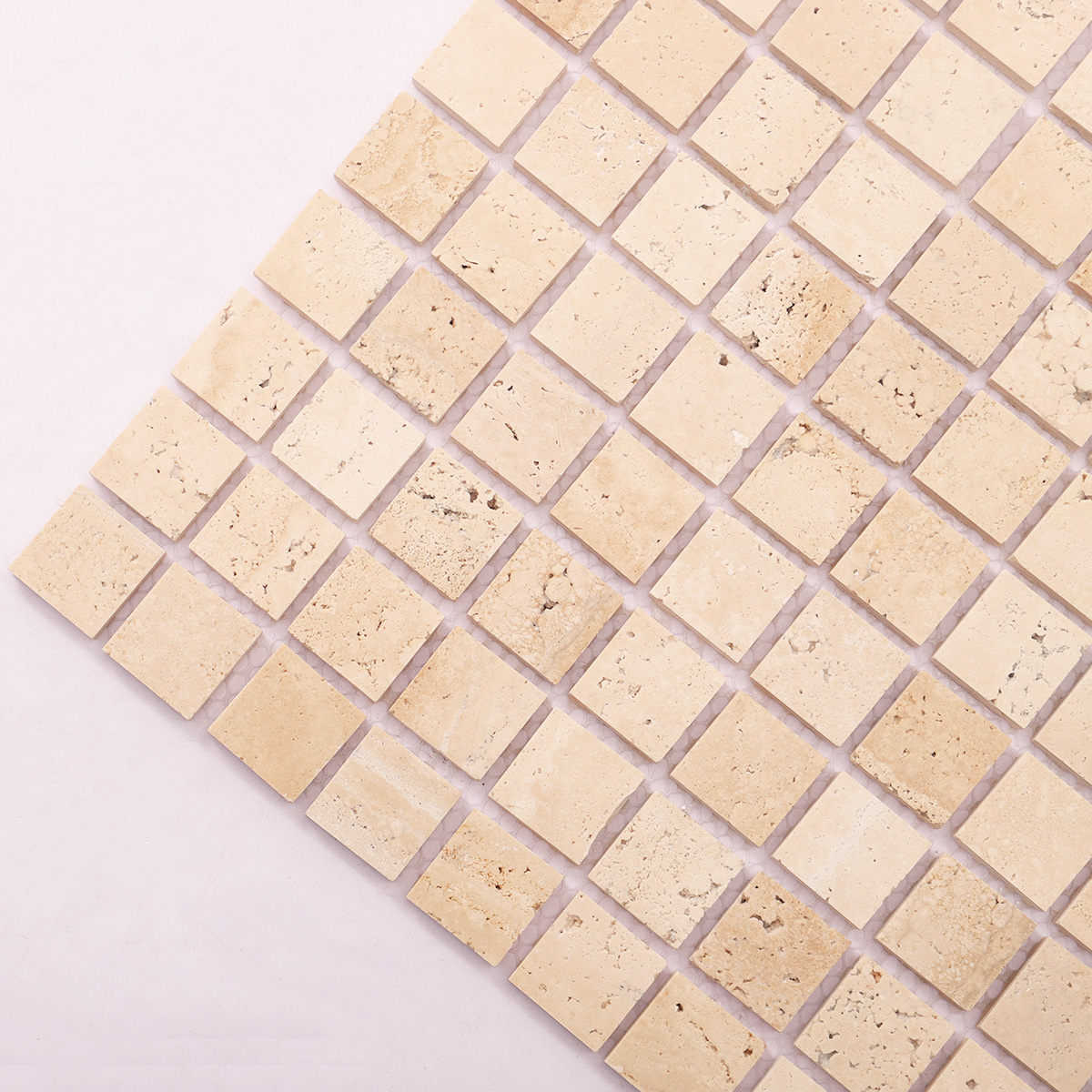
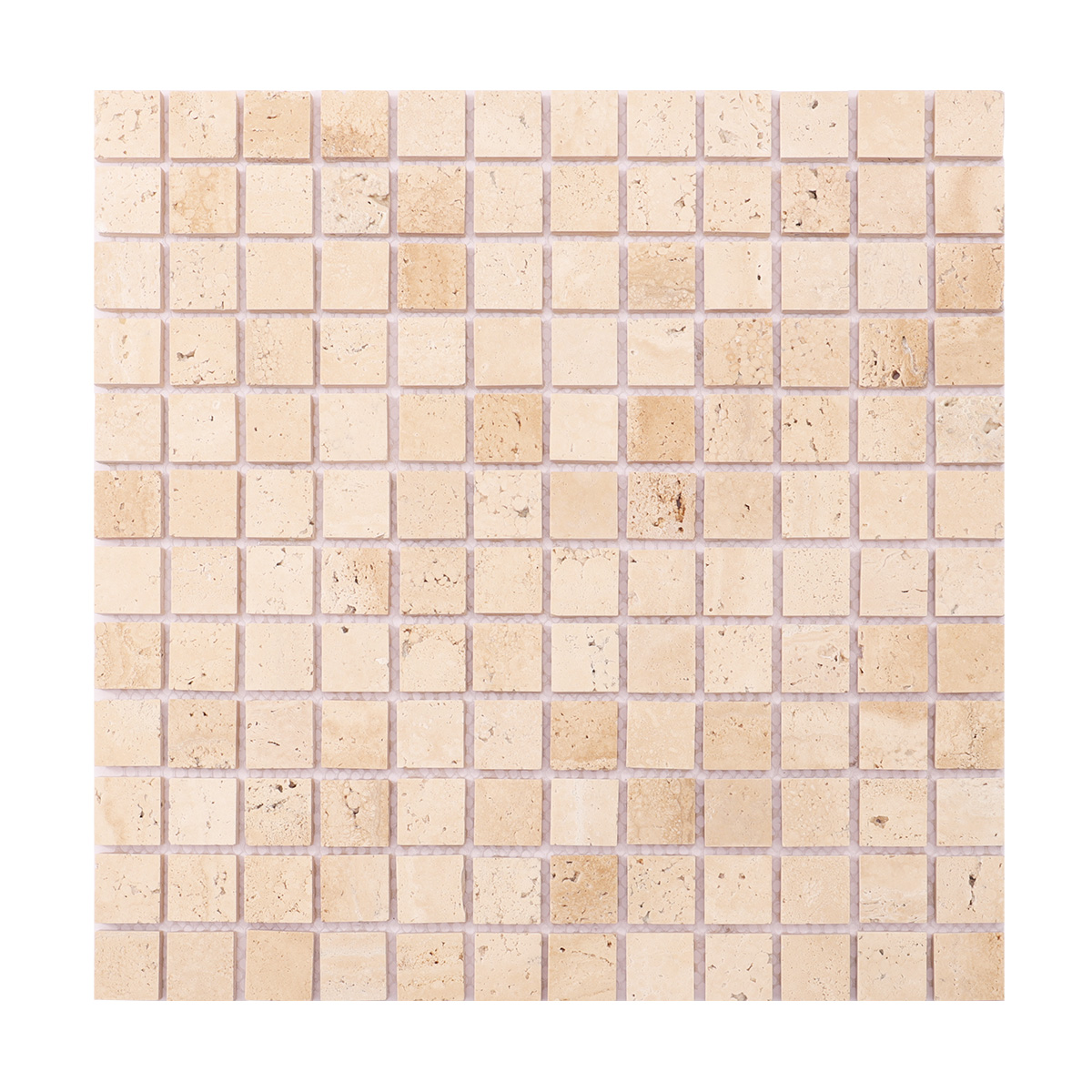
Travertine pool tiles combine natural beauty, comfortable texture and timeless style, making them a popular choice for residential pools, luxury villas, hotels, resorts and outdoor spa areas. Formed by mineral-rich water, natural travertine features distinctive pores, soft color variations and organic patterns that make every tile unique.
Saicina Tiles supplies travertine tiles, pool pavers and matching coping in ivory, beige, cream, gold, walnut and silver-gray tones. Different sizes, surface finishes and custom edge profiles are available for pool decks, steps, coping and surrounding outdoor areas.
Why Choose Travertine Pool Tiles?
Comfortable Underfoot
Light-colored travertine generally feels more comfortable under direct sunlight than many dark pavers, dark concrete surfaces and darker natural stones. Ivory, cream and beige travertine are especially suitable for sunny pool areas where barefoot comfort is important.
Surface temperature still depends on the climate, stone color and sun exposure, so physical samples should be evaluated under local conditions before ordering.
Textured Poolside Surface
Tumbled, brushed, acid-washed and sandblasted travertine finishes provide a naturally textured appearance that can improve traction around wet areas.
Wet-slip performance depends on the exact finish, sealer, drainage and maintenance. For commercial swimming pools or projects with specific safety requirements, confirm the product’s wet-slip test results before installation.
Natural and Timeless Appearance
Every travertine tile contains unique mineral marks, pores and color movement. This natural variation creates a warm, sophisticated surface that printed porcelain tiles cannot reproduce exactly.
Ivory and cream travertine create a bright resort-inspired appearance, while beige and gold tones suit Mediterranean and traditional landscapes. Silver travertine is ideal for contemporary pools and minimalist outdoor spaces.
Durable and Repairable
Properly selected and installed exterior-grade travertine can withstand regular poolside traffic and outdoor exposure. If individual tiles become damaged, they can normally be replaced without removing the entire deck.
Keeping spare pieces from the original production lot is recommended for future repairs and color matching.
Where Can Travertine Pool Tiles Be Used?
Pool Decks and Surrounds
Travertine tiles and pavers can be installed around swimming pools, patios, outdoor seating areas and garden walkways. Large rectangular tiles create a clean modern appearance, while mixed-size French patterns add natural movement to traditional pool designs.
The pool deck must include the correct slope and drainage system. Travertine pores should not be used as a substitute for proper deck drainage.
Travertine Pool Coping
Travertine pool coping creates a comfortable and visually coordinated transition between the pool water and surrounding deck.
Popular edge profiles include:
-
Bullnose coping with a rounded edge
-
Eased-edge coping for modern designs
-
Tumbled-edge coping for a rustic appearance
-
Drop-face coping for a thicker architectural profile
-
Custom curved coping for freeform swimming pools
Matching coping, stair treads, corners and wall caps can be produced to create a consistent pool design.
Pool Steps and Spa Areas
Travertine can also be used for outdoor steps, spa surrounds, raised pool features and seating areas. Rounded or eased edges are recommended for places where swimmers may sit, hold or climb.
Travertine intended for pool decks is not automatically suitable for permanent underwater installation. Before using it inside a swimming pool, confirm that the stone, waterproofing, adhesive, grout and sealer are approved for submerged applications.
Popular Travertine Pool Tile Finishes
Tumbled Travertine
Tumbled travertine has softened edges and a naturally aged texture. It is ideal for Mediterranean, farmhouse and resort-style pool areas.
Brushed Travertine
Brushed travertine has a gently textured matte surface that balances natural character with a refined appearance.
Acid-Washed Travertine
Acid-washed travertine features a fine, low-sheen texture suitable for contemporary residential and commercial pool decks.
Sandblasted Travertine
Sandblasted travertine has a stronger, more consistent texture and is often selected for busy pool decks and commercial wet areas.
Honed Travertine
Honed travertine has a smooth matte surface. Some honed finishes may become slippery when wet, so product-specific wet-slip performance should be confirmed before poolside installation.
Polished travertine is generally not recommended for wet walking areas because its smooth reflective surface may provide less traction.
Common Sizes and Layouts
Popular travertine pool tile and paver sizes include:
-
6 × 12 inches
-
12 × 12 inches
-
12 × 24 inches
-
16 × 24 inches
-
24 × 24 inches
A traditional French or Versailles pattern combines several square and rectangular sizes to create a relaxed, natural layout. Smaller formats work well around curved pools and steps, while large-format tiles create a spacious and contemporary appearance.
Travertine thickness should be selected according to the substrate, installation method, traffic level and climate. Pool coping and exterior pavers may require thicker stone than tiles installed over a prepared concrete slab.
Installing Travertine Around a Pool
Travertine pool tiles should be installed by professionals experienced with natural stone and exterior wet areas.
Before installation:
-
Confirm whether the stone will be used for the pool deck, coping, steps or submerged areas.
-
Review current production-lot samples for color, pores and surface texture.
-
Order the complete required quantity together to reduce lot-to-lot color differences.
-
Include approximately 10% extra material for simple layouts and more for curves or complex patterns.
-
Prepare a stable substrate with the correct slope and drainage.
-
Use adhesive, grout, waterproofing and sealant approved for natural stone.
-
Blend tiles from several crates to distribute natural color variation evenly.
-
Keep required movement joints clear and use compatible flexible sealant where specified.
Sealing and Maintenance
Travertine is porous, so applying a penetrating natural-stone sealer is commonly recommended. Sealing helps reduce the absorption of water, oils, dirt and poolside contaminants while preserving the stone’s natural matte appearance.
Sealer does not replace waterproofing or proper drainage, and it cannot make the surface completely stain-proof or non-slip. Test the selected product on spare material before treating the entire installation.
Clean travertine with clean water or a pH-neutral natural-stone cleaner. Avoid vinegar, acidic cleaners, harsh alkaline products and abrasive powders, as they may damage the stone surface.
The resealing schedule depends on sunlight, traffic, pool chemicals, climate and the selected sealer. Inspect the surface regularly and follow the sealer manufacturer’s recommendations.
Why Choose Saicina Tiles?
Saicina Tiles supplies natural travertine for private swimming pools, villas, hotels, resorts, spas and commercial outdoor projects.
Our services include:
-
Multiple natural travertine colors
-
Pool deck tiles and outdoor pavers
-
Matching bullnose and eased-edge coping
-
Custom sizes and edge profiles
-
Curved coping and special-cut pieces
-
Current-lot sample support
-
Wholesale and project quantities
-
Protective export packaging
-
Worldwide shipping options
Send Saicina Tiles your pool dimensions, required area, preferred color, application details and delivery address. Our team will help confirm the appropriate product, calculate the required quantity and prepare a customized quotation.
Frequently Asked Questions
Are Travertine Pool Tiles Slippery?
Textured travertine can provide useful poolside traction, but performance depends on the specific finish, sealer, drainage and maintenance. Confirm the required wet-slip rating before ordering.
Does Travertine Stay Cool Around a Pool?
Light-colored travertine often feels cooler than darker pool deck materials under similar conditions. However, no outdoor surface remains completely cool in every climate.
Does Travertine Need to Be Sealed?
Sealing is commonly recommended to reduce water and stain absorption. Use a penetrating sealer approved for natural stone and the intended pool environment.
Can Travertine Be Used Around Saltwater Pools?
Travertine may be used around some saltwater pools when the stone, installation system and sealer are suitable for salt exposure. Proper drainage and regular cleaning are essential.
Can Travertine Be Used Inside a Swimming Pool?
Some travertine products may be suitable for submerged installations, but pool deck tiles are not automatically approved for underwater use. Confirm the complete installation system before proceeding.
How Much Extra Material Should I Order?
Allow approximately 10% extra for straightforward layouts and 15% or more for curved pools, complicated patterns or extensive cutting.