

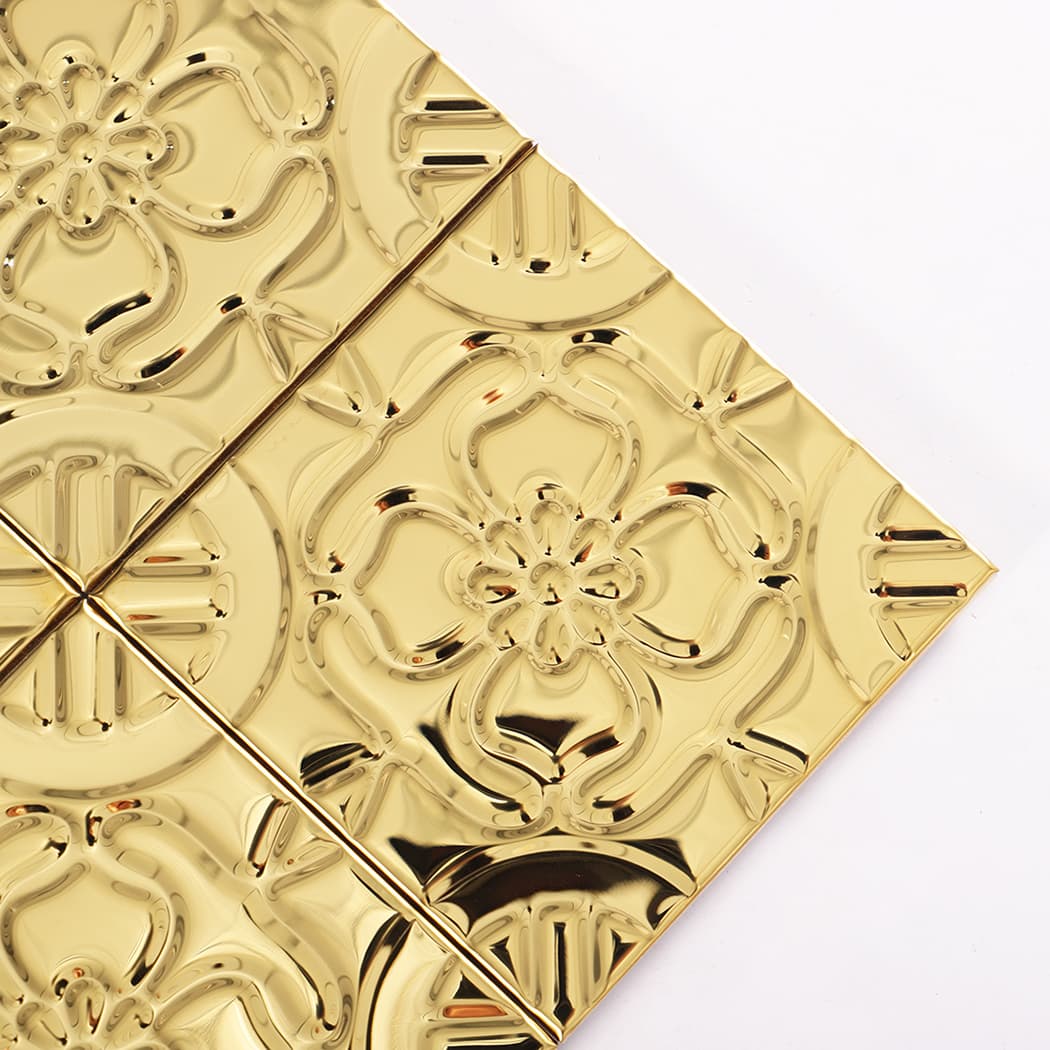


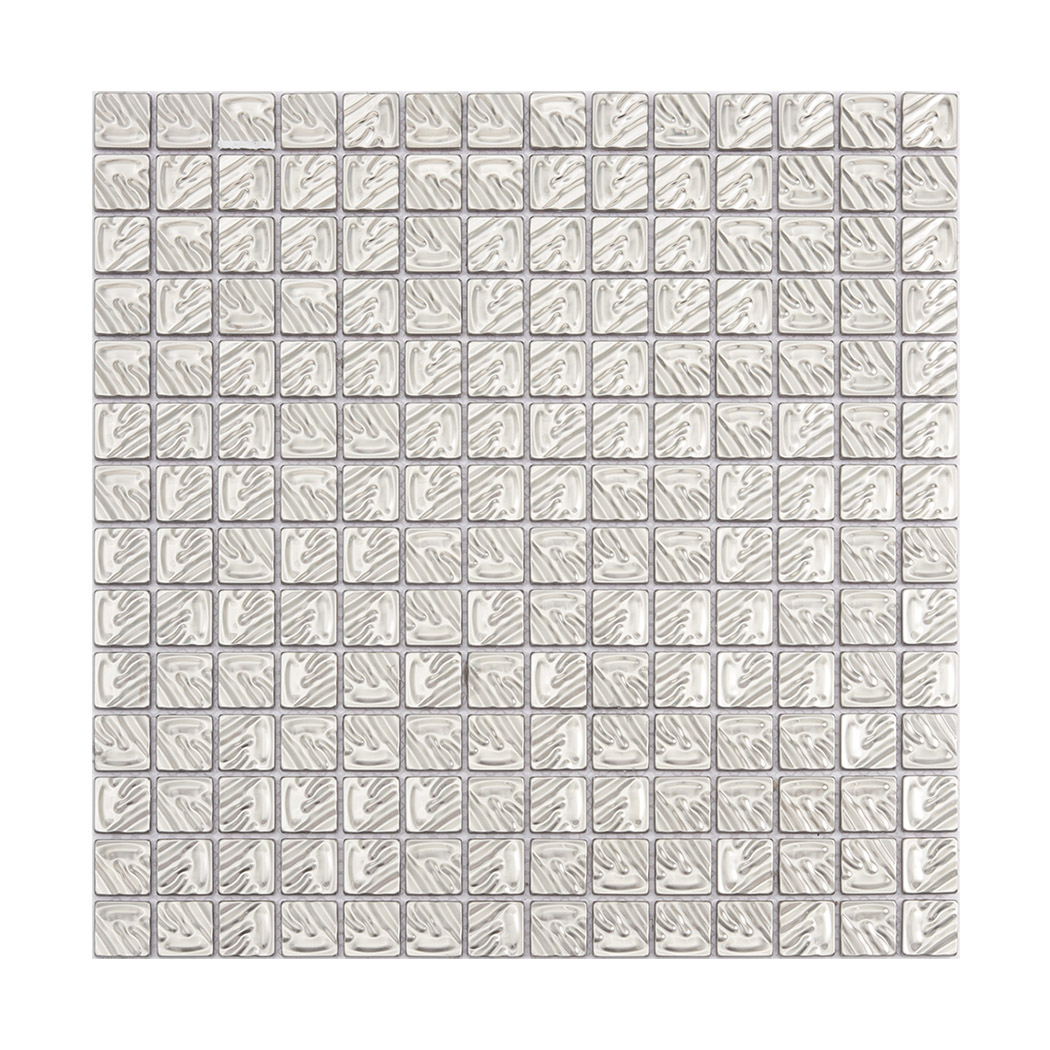


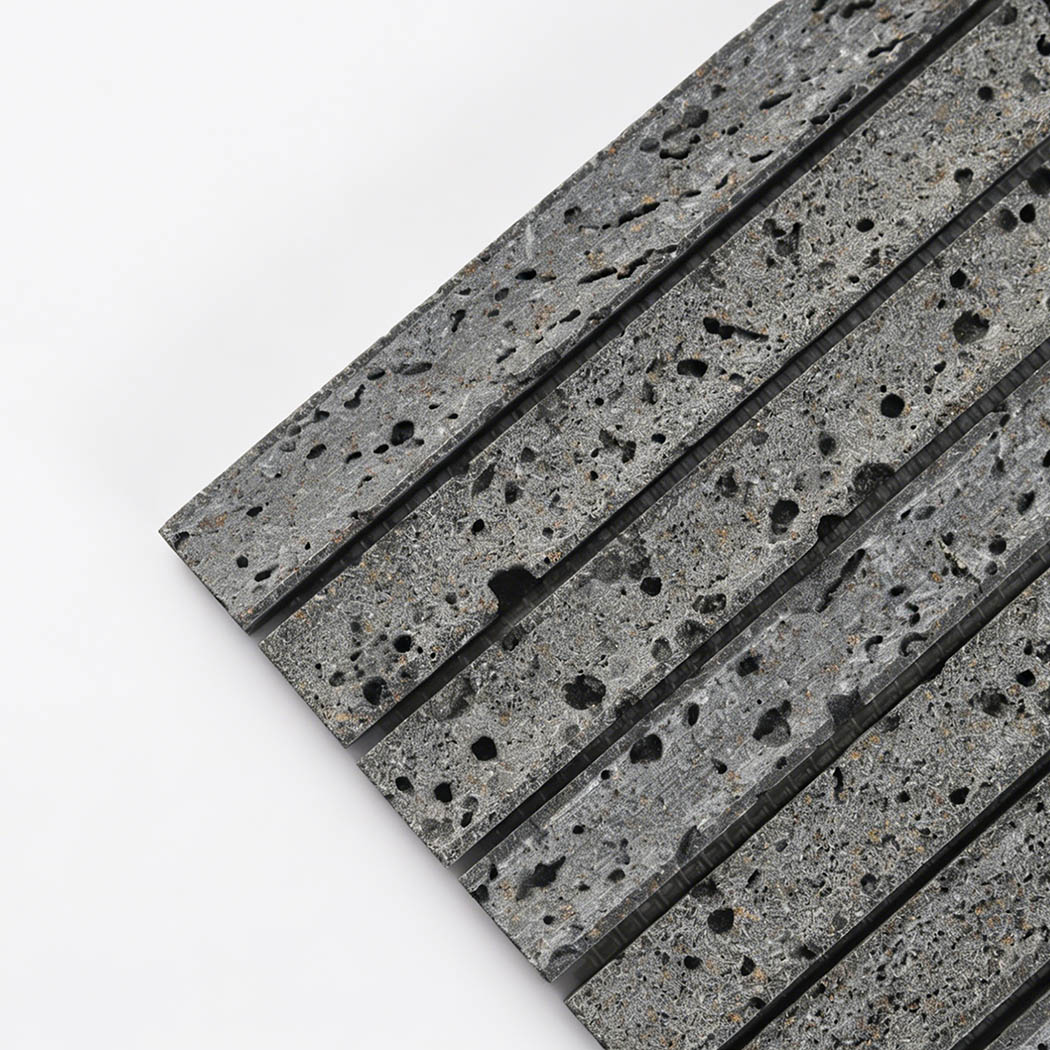
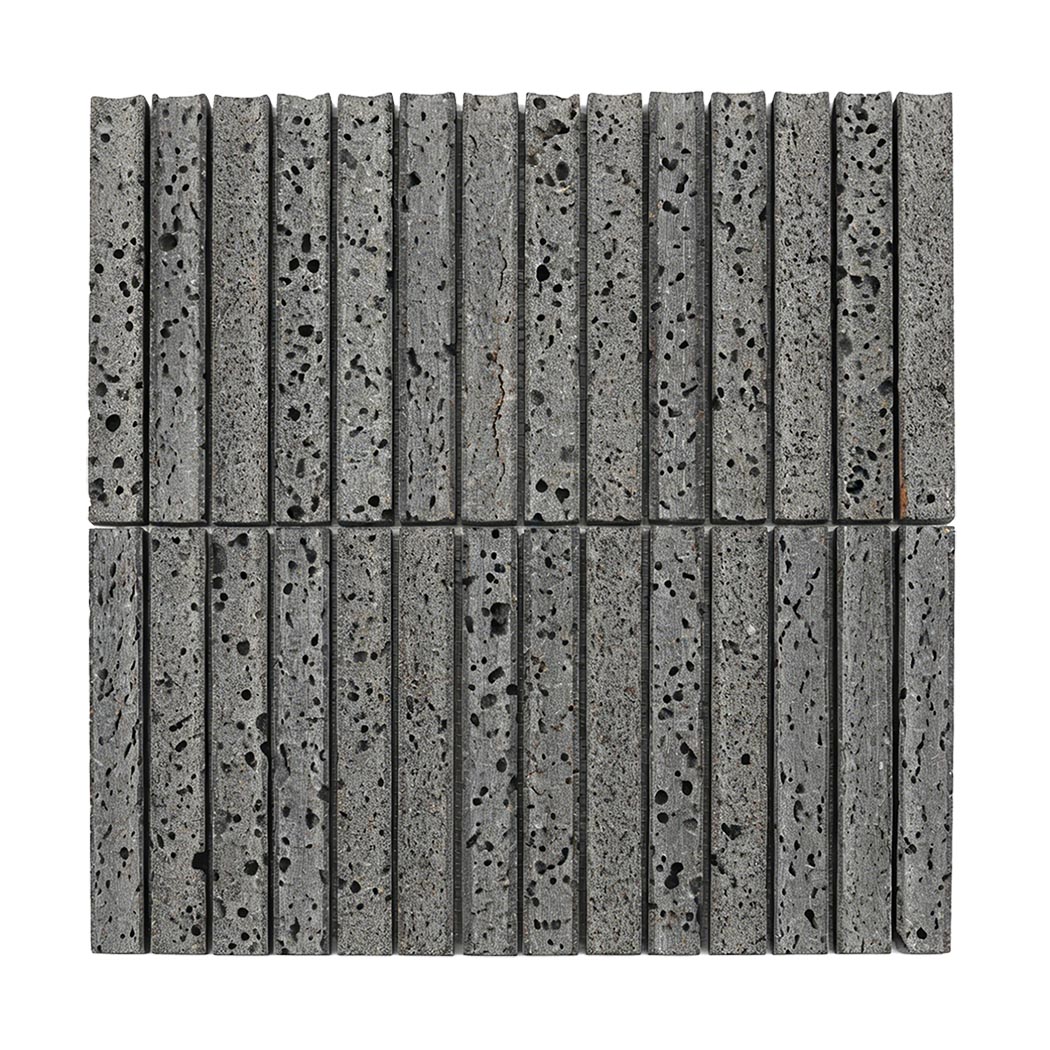


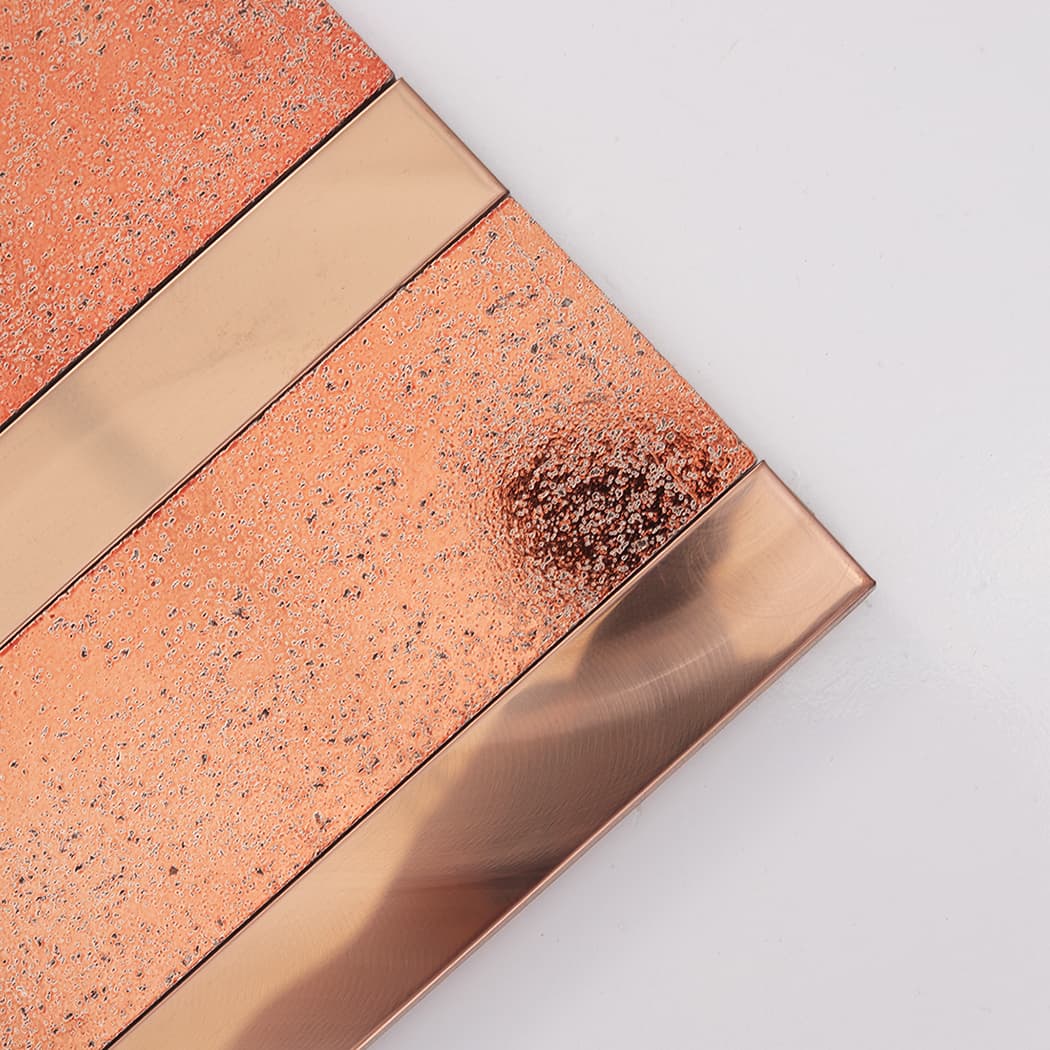

Textured Mosaic Tiles add depth, dimension, and tactile character to interior and architectural surfaces. Unlike flat mosaic tiles with a uniform finish, textured mosaics feature raised patterns, recessed details, chiseled surfaces, linear grooves, sandblasted finishes, natural stone variations, or three-dimensional relief effects.
SAICINA TILES offers Textured Mosaic Tiles in glass, natural stone, marble, ceramic, porcelain, metal, and mixed materials. Available in a wide range of colors, shapes, sizes, patterns, and surface finishes, these mosaics can be used to create elegant bathroom walls, shower surrounds, kitchen backsplashes, feature walls, commercial interiors, and selected floor or wet-area applications.
Whether you prefer a subtle matte texture or a bold 3D relief design, Textured Mosaic Tiles help transform ordinary surfaces into expressive architectural features.
What Are Textured Mosaic Tiles?
Textured Mosaic Tiles are small-format tiles with a three-dimensional or tactile surface. Their texture may be created through pressing, carving, embossing, brushing, sandblasting, chiseled finishing, natural stone processing, or layered material construction.
The texture can be subtle, such as a fine matte grain, or highly dimensional, such as a deep relief pattern or raised geometric design. When light moves across the surface, the texture creates highlights and shadows that make the wall or floor appear more dynamic.
Most Textured Mosaic Tiles are supplied as individual pieces or mesh-mounted sheets. Mesh-backed sheets help maintain consistent spacing and make it easier to install mosaics across flat, curved, or creatively shaped surfaces.
How Texture Creates Dimension
A smooth tile mainly reflects light across one continuous plane. A textured tile breaks up that plane through variation in height, depth, direction, and finish.
This creates:
-
Soft shadows across the surface
-
Greater visual depth
-
A handcrafted or natural appearance
-
More variation under changing light
-
A stronger focal point in the room
-
A tactile finish that can be seen and felt
Textured mosaics work particularly well in spaces where the design needs more character without relying on bold colors or complicated patterns.
Textured Mosaic Tiles vs. Smooth Mosaic Tiles
Smooth mosaic tiles create a clean, polished, and uniform appearance. They are often selected for contemporary kitchens, bathrooms, pools, and bright decorative walls.
Textured Mosaic Tiles create a more layered and architectural effect. They are ideal for accent walls, feature areas, natural-style interiors, luxury bathrooms, hospitality projects, and spaces that need additional visual interest.
The right choice depends on the application, cleaning requirements, lighting, material, and overall design style.
Textured Mosaic Tile Materials
SAICINA TILES produces textured mosaics in a variety of materials. Each material offers a different combination of appearance, durability, maintenance, and application suitability.
Textured Ceramic and Porcelain Mosaic Tiles
Ceramic and porcelain mosaics can be manufactured with embossed patterns, raised surfaces, geometric relief, fluted lines, stone-inspired textures, or handmade-style variations.
Porcelain is often selected for areas that require a dense, durable surface, while ceramic offers a wide range of colors, finishes, and decorative effects. Depending on the product specification, textured ceramic and porcelain mosaics may be suitable for walls, backsplashes, floors, bathrooms, commercial interiors, or exterior applications.
Textured ceramic and porcelain mosaics are available in:
-
Square and rectangular formats
-
Hexagon and geometric shapes
-
Herringbone and chevron layouts
-
Brick and stacked patterns
-
Fluted and linear designs
-
Matte, satin, glossy, and handmade-style finishes
Natural Stone and Marble Mosaic Tiles
Natural stone Textured Mosaic Tiles provide authentic variation and organic character. Marble, limestone, travertine, slate, and other natural stones can feature brushed, honed, chiseled, tumbled, split-face, or naturally uneven surfaces.
Each stone may have differences in color, veining, pore structure, and texture. These variations are part of the natural appearance and can create a more distinctive installation.
Natural stone mosaics are commonly used for:
-
Bathroom walls
-
Shower surrounds
-
Kitchen backsplashes
-
Entryways
-
Living room feature walls
-
Hotel and restaurant interiors
-
Selected floor applications
Many natural stones require sealing and material-specific maintenance. Always confirm the recommended sealer, cleaning method, and application rating before installation.
Textured Glass Mosaic Tiles
Textured Glass Mosaic Tiles combine light reflection with surface dimension. They may feature ridges, waves, raised geometric patterns, irregular surfaces, metallic accents, translucent layers, or frosted finishes.
Glass mosaics are especially effective in areas where light can emphasize the surface, including:
-
Kitchen backsplashes
-
Shower walls
-
Bathroom accent walls
-
Spa interiors
-
Decorative wall panels
-
Pools and water features when specifically approved
-
Hospitality and retail interiors
Glass is available in glossy, matte, frosted, iridescent, translucent, and mixed finishes. Because glass products differ in strength, backing, surface treatment, and slip resistance, the selected product should always be matched to the intended application.
Metal and Mixed-Material Mosaic Tiles
Metal Textured Mosaic Tiles add a modern, industrial, or luxury appearance. Stainless steel, aluminum, copper, bronze, and metallic-finish mosaics can be formed into raised patterns, fluted surfaces, geometric reliefs, brushed finishes, or three-dimensional designs.
Metal mosaics are popular for:
-
Modern kitchen backsplashes
-
Bar areas
-
Commercial feature walls
-
Restaurant interiors
-
Reception desks
-
Luxury bathroom accents
-
Decorative columns and architectural panels
Some products combine metal with glass, marble, ceramic, mother of pearl, or other materials. These mixed-material mosaics create contrast between reflective, matte, natural, and dimensional surfaces.
Metal surfaces should be protected from harsh acids, abrasive cleaners, and unsuitable chemicals. Care instructions vary according to the metal type and surface finish.
Textured Mosaic Tile Styles and Surface Finishes
3D and Relief Mosaic Tiles
3D Mosaic Tiles feature raised or recessed patterns that create a sculptural surface. The relief may be geometric, organic, wave-like, linear, or inspired by natural forms.
3D textured designs are suitable for:
-
Feature walls
-
Shower niches
-
Bathroom vanity walls
-
Hotel lobbies
-
Restaurant interiors
-
Reception areas
-
Fireplace surrounds when the selected product is heat-rated
Because three-dimensional surfaces attract attention, they can be used on one focal wall while surrounding surfaces remain simple and neutral.
Fluted, Ribbed, and Linear Textured Tiles
Fluted and ribbed mosaics use repeated grooves or raised lines to create rhythm across the surface. Depending on the installation direction, they can make a wall appear taller, wider, or more structured.
Vertical linear textures can visually increase the height of a room. Horizontal layouts can create a wider, calmer appearance. Mixed linear patterns can also be used to create contemporary architectural designs.
These tiles work well with:
-
Minimalist interiors
-
Modern bathrooms
-
Japandi-style spaces
-
Contemporary kitchens
-
Commercial reception areas
-
Neutral stone and wood finishes
Matte, Sandblasted, and Honed Finishes
Matte and honed Textured Mosaic Tiles create a softer, more understated appearance. They absorb and diffuse light rather than producing strong reflections.
These finishes are often selected for:
-
Calm bathroom designs
-
Natural stone interiors
-
Neutral kitchens
-
Spa and wellness spaces
-
Modern minimalist walls
-
Large accent surfaces
Sandblasted and finely textured finishes can add depth without making the pattern visually overwhelming.
Chiseled, Split-Face, Pebble, and Irregular Textures
Chiseled and split-face mosaics feature a more natural, rustic, or architectural surface. Pebble-style and irregular mosaics provide an organic appearance with variation in shape and height.
These textures can complement:
-
Rustic interiors
-
Mediterranean bathrooms
-
Natural-style homes
-
Outdoor-inspired spaces
-
Mountain and coastal designs
-
Stone feature walls
-
Resort and hospitality projects
Irregular products may require additional attention during installation and grouting because the surface contains different heights and spaces.
Patterned and Geometric Textured Mosaics
Geometric Textured Mosaic Tiles combine surface relief with a defined pattern. Popular options include hexagons, diamonds, basketweave, herringbone, chevron, interlocking shapes, wave patterns, and abstract arrangements.
Geometric texture can make a simple color palette appear more sophisticated. For example, a neutral white or beige mosaic can create a strong design effect through shadow and pattern rather than color contrast.
Where to Use Textured Mosaic Tiles
Bathroom Walls and Shower Surrounds
Textured Mosaic Tiles can add depth to bathroom walls without requiring strong color contrast. A raised pattern behind a vanity, bathtub, or shower can become the main decorative feature of the room.
For shower walls and tub surrounds, select a product that is approved for wet-area use. Pay attention to the texture depth, grout joints, cleaning requirements, and compatibility with the waterproofing system.
Popular bathroom applications include:
-
Shower walls
-
Tub surrounds
-
Vanity backsplashes
-
Shower niches
-
Bathroom accent walls
-
Powder room feature walls
-
Wall areas behind mirrors
Shower Floors and Wet Areas
Small-format mosaics can be useful on shower floors because the additional grout joints can support drainage and help conform to sloped surfaces. However, not every textured mosaic is suitable for a shower floor.
For shower floors, confirm:
-
The product is rated for floor use
-
The surface provides appropriate slip resistance
-
The texture is comfortable and safe underfoot
-
The material can withstand regular moisture
-
The grout and adhesive are suitable for wet areas
-
The complete waterproofing system is correctly installed
Highly textured products may require more frequent cleaning because water, soap, and residue can collect in recessed areas. Product-specific recommendations should always be followed.
Kitchen Backsplashes and Islands
Textured Mosaic Tiles are popular for kitchen backsplashes because they add visual interest without taking up additional space.
Suitable design options include:
-
Fluted glass mosaic
-
Matte ceramic mosaic
-
Brushed metal mosaic
-
Marble relief mosaic
-
Geometric stone mosaic
-
Mixed glass and metal mosaic
-
Neutral textured subway-style mosaic
A textured backsplash can be used behind a cooktop, sink, coffee bar, kitchen island, or open shelving. For areas exposed to grease and food residue, choose a surface that can be cleaned easily and avoid textures that are excessively deep unless the design effect justifies the additional maintenance.
Living Rooms, Entryways, and Feature Walls
A textured mosaic feature wall can create a focal point behind a television, console, shelving, artwork, or fireplace. In entryways, a textured surface can help define the transition between the entrance and the main living area.
Neutral shades such as white, ivory, beige, gray, taupe, and natural stone tones are effective when the goal is to add depth without overwhelming the room.
Metallic, dark, or high-contrast mosaics can be used when a more dramatic effect is desired.
Hotels, Restaurants, Retail, and Commercial Interiors
Textured mosaics are well suited to commercial interiors where material quality and visual identity are important.
Common commercial applications include:
-
Hotel lobby walls
-
Restaurant feature walls
-
Bar counters and backsplashes
-
Retail display areas
-
Salon and spa interiors
-
Office reception areas
-
Showrooms
-
Commercial bathrooms
-
Hospitality corridors
-
Exhibition and display walls
Custom colors, layouts, sheet sizes, and mixed materials can help designers create a distinctive branded interior.
Pools, Spas, Patios, and Outdoor Spaces
Selected glass, porcelain, ceramic, and stone mosaics may be manufactured for pools, spas, patios, terraces, and other outdoor applications.
Outdoor and submerged applications require additional technical checks, including:
-
Water absorption
-
Chemical resistance
-
Freeze-thaw suitability
-
UV exposure
-
Slip resistance
-
Adhesive compatibility
-
Grout compatibility
-
Pool or spa installation requirements
Never assume that a wall mosaic is automatically suitable for a pool, shower floor, exterior wall, or patio. Confirm the application rating for the exact product before ordering.
Textured Mosaic Tile Design Ideas
Use Tone-on-Tone Texture
Choose a textured mosaic and grout in similar colors for a quiet, high-end appearance. This approach emphasizes the surface relief without creating strong visual lines.
White-on-white, beige-on-beige, gray-on-gray, and natural stone combinations work well in minimalist bathrooms and contemporary kitchens.
Create a Textured Shower Feature Wall
Use a dimensional mosaic on the main shower wall while keeping the side walls in a simpler tile. This gives the shower a focal point without making the entire bathroom feel busy.
Combine Texture with Wood and Stone
Textured mosaics pair well with wood cabinetry, natural stone countertops, concrete-effect porcelain, and warm metal fixtures. The combination of different surfaces creates a layered and comfortable interior.
Use Metallic Texture for Contrast
Brushed aluminum, stainless steel, copper, bronze, and metallic glass mosaics can add brightness and contrast to dark cabinetry or neutral walls.
Metallic textured tiles are especially effective in kitchens, bars, restaurants, and contemporary commercial spaces.
Use Small Textured Areas in Compact Rooms
In a small bathroom or narrow hallway, use Textured Mosaic Tiles in a niche, backsplash, vanity wall, or border instead of covering every surface. This keeps the room visually balanced while still adding personality.
Combine Different Textures Carefully
A successful design can combine a smooth main tile with one textured accent. Avoid using too many strong patterns, finishes, and colors in the same small space.
A good approach is to select:
-
One main surface
-
One textured accent
-
One coordinated grout color
-
One supporting material such as wood, stone, or metal
How to Choose the Right Textured Mosaic Tiles
Start with the Intended Application
Before choosing a color or pattern, determine where the mosaic will be installed.
Confirm whether the product is suitable for:
-
Interior walls
-
Interior floors
-
Shower walls
-
Shower floors
-
Steam rooms
-
Swimming pools
-
Spas
-
Outdoor walls
-
Patios and terraces
-
Commercial floors
-
High-traffic areas
A mosaic that is suitable for a backsplash may not be suitable for a floor. Application ratings should be confirmed for the exact product.
Match Texture Depth to Cleaning Needs
Fine textures are usually easier to clean and are suitable for larger wall areas. Deep relief, split-face, pebble, and irregular textures create more dramatic effects but may require more detailed cleaning.
For kitchens, showers, and other areas exposed to oil, soap, or mineral deposits, consider whether the texture can be easily reached with a soft brush or cloth.
Choose the Right Material and Finish
Choose the material according to the appearance, performance, and maintenance requirements of the project.
-
Glass provides brightness, color depth, and light reflection.
-
Natural stone provides authentic variation and organic texture.
-
Ceramic offers versatile colors and decorative finishes.
-
Porcelain offers dense, durable options for approved wall and floor applications.
-
Metal creates a contemporary or luxury appearance.
-
Mixed materials provide contrast and visual complexity.
Select the Format, Shape, and Scale
Small mosaics provide more grout lines and can conform to curves and slopes. Larger mosaic pieces create a calmer appearance and may reduce visual complexity.
Consider the scale of the room and the distance from which the surface will be viewed. A small, detailed mosaic may be ideal for a niche or backsplash, while a larger relief pattern may work better on a feature wall.
Coordinate the Grout Color
Grout is a visible part of every mosaic installation.
A grout color close to the tile softens the overall pattern. A contrasting grout makes individual pieces and layout lines more noticeable.
Before installation, test the tile and grout together on a spare sheet whenever possible. This is especially important for textured glass, natural stone, irregular mosaics, and multi-color designs.
Order Samples and Confirm Shade Variation
Samples help confirm:
-
Actual color
-
Texture depth
-
Surface reflectivity
-
Grout compatibility
-
Material variation
-
Thickness
-
Edge finish
-
Lighting response
For larger projects, blend tiles from multiple cartons during installation when appropriate. Natural stone, handmade-style products, and glass mosaics may have intentional shade and texture variation.
Textured Mosaic Tile Installation Guide
Inspect and Plan Before Installation
Open and inspect the material before installation. Check the color, texture, dimensions, backing, and overall condition.
Before applying adhesive:
-
Measure the installation area.
-
Confirm the layout and starting point.
-
Dry-lay several sheets.
-
Check sheet-to-sheet spacing.
-
Plan cuts around corners, outlets, niches, and edges.
-
Blend sheets where variation is expected.
-
Confirm that the selected adhesive and grout are compatible.
Installation generally constitutes acceptance of the material, so visible concerns should be reported before the product is installed.
Prepare a Flat, Stable, and Waterproof Substrate
Textured mosaics can make an uneven wall or floor more noticeable. The substrate should be clean, dry, stable, properly prepared, and sufficiently flat for the selected tile.
For showers, steam rooms, pools, and other wet areas, the waterproofing system must be completed before tile installation begins.
Cracks, movement, moisture problems, dust, grease, loose paint, and uneven surfaces should be corrected before applying adhesive.
Use the Right Adhesive and Coverage
Use an adhesive or mortar recommended for the material and application. Glass, natural stone, metal, ceramic, porcelain, pools, showers, and exterior projects may require different setting materials.
For mesh-mounted mosaic sheets, ensure sufficient adhesive coverage behind the tiles while preventing excessive adhesive from filling the grout joints.
Follow the adhesive manufacturer’s instructions for:
-
Mixing
-
Open time
-
Trowel size
-
Coverage
-
Cure time
-
Temperature
-
Moisture conditions
Install Sheets with Controlled Seams
Position each sheet carefully and maintain consistent spacing between sheets. Avoid creating visible straight lines that reveal the sheet edges.
For irregular, pebble, or highly textured mosaics, individual pieces may need to be adjusted by hand to create a natural transition between sheets.
Check the surface regularly from different angles to ensure that:
-
The pattern remains aligned
-
Grout joints are consistent
-
Sheet seams are not too visible
-
Tile surfaces are properly embedded
-
Raised areas are not damaged
Grout Textured Mosaic Tiles Carefully
Textured surfaces may hold grout in grooves, pores, and recessed areas. Work in small sections and clean excess grout while it is still manageable.
Choose the grout according to:
-
Joint width
-
Tile material
-
Wet or dry location
-
Traffic level
-
Chemical exposure
-
Manufacturer recommendations
Use a suitable float and avoid aggressive tools that can scratch glass, metal, polished stone, or delicate finishes.
The grout color should be tested before full installation because it can significantly change the appearance of textured mosaics.
Seal and Cure as Required
Natural stone may require sealing before or after grouting, depending on the stone type and manufacturer instructions. Some grout types may also require sealing.
Glass and many glazed surfaces generally have different maintenance requirements from porous natural stone. Do not apply a sealer unless it is recommended for the exact material.
Allow the adhesive and grout to cure for the required time before exposing the installation to water, traffic, cleaning chemicals, or temperature changes.
Cleaning and Maintaining Textured Mosaic Tiles
Routine Cleaning
For regular cleaning:
-
Remove loose dust with a soft cloth or vacuum attachment.
-
Use clean water or a pH-neutral tile cleaner.
-
Wipe gently with a soft sponge or cloth.
-
Use a soft brush for recessed areas.
-
Rinse away cleaner residue.
-
Dry the surface to reduce water marks.
Avoid abrasive pads, harsh powders, steel wool, and unapproved chemical cleaners.
Cleaning Natural Stone Mosaics
Natural stone should be cleaned with a product designed for the specific stone. Acidic cleaners may damage marble, limestone, travertine, and other calcium-based stones.
Follow the recommended sealing schedule and repair or renew the sealer when necessary.
Cleaning Glass and Metal Mosaics
Glass mosaics can usually be cleaned with a mild, non-abrasive product. Metal mosaics should be cleaned according to the metal type and finish.
Avoid abrasive materials and strong acids that may scratch, discolor, oxidize, or dull the surface.
Maintaining Grout and Joints
Inspect grout and flexible joints periodically. If cracks, gaps, discoloration, or loose sections appear, repair them according to the installation system.
In wet areas, properly maintained grout, sealant, and waterproofing are important for long-term performance.
Custom Textured Mosaic Tiles by SAICINA TILES
SAICINA TILES provides textured mosaic solutions for residential, hospitality, commercial, and architectural projects.
Depending on the product and project requirements, customization may include:
-
Material selection
-
Color matching
-
Surface finish
-
Texture depth
-
Tile shape
-
Tile size
-
Sheet size
-
Pattern layout
-
Mixed-material combinations
-
Mesh mounting
-
Border and transition details
-
Project-specific packaging
Available materials include glass, natural marble, limestone, travertine, ceramic, porcelain, aluminum, stainless steel, copper, mother of pearl, lava stone, and other decorative surfaces.
Our textured mosaic designs can be developed for bathroom walls, kitchen backsplashes, shower surrounds, feature walls, commercial interiors, selected floor applications, pools, spas, and outdoor projects when the product specification supports the intended use.
For project orders, customers can request product information, samples, color references, technical details, packing information, and quotation support before production.
Technical Information to Confirm Before Ordering
Designers, contractors, distributors, and project buyers should confirm the following information for the selected Textured Mosaic Tiles:
-
Material
-
Tile thickness
-
Individual piece size
-
Sheet size
-
Coverage per sheet
-
Surface finish
-
Mesh or backing type
-
Recommended adhesive
-
Recommended grout
-
Wall or floor suitability
-
Wet-area suitability
-
Slip-resistance information where applicable
-
Water absorption where applicable
-
Outdoor or freeze-thaw suitability
-
Pool or submerged-use suitability
-
Sealing requirements
-
Cleaning instructions
-
Shade variation
-
Sample availability
-
Production lead time
-
Packaging and shipping requirements
Technical suitability should be confirmed before purchase, especially for commercial, exterior, submerged, high-traffic, or moisture-sensitive installations.
Frequently Asked Questions About Textured Mosaic Tiles
Are Textured Mosaic Tiles suitable for bathrooms?
Many Textured Mosaic Tiles are suitable for bathroom walls, backsplashes, vanity areas, shower walls, and selected floors. The exact product must be approved for the intended application.
Can textured mosaic tiles be used on a shower floor?
Some products can be used on shower floors, but not every textured mosaic is suitable. Check the floor rating, slip resistance, texture comfort, water resistance, and installation requirements before choosing a product.
Are Textured Mosaic Tiles difficult to clean?
Fine and moderate textures are generally easier to clean. Deep relief, split-face, pebble, and highly irregular surfaces may require additional attention because residue can collect in recessed areas.
What grout color is best for textured mosaics?
A matching grout creates a softer appearance, while contrasting grout emphasizes each individual tile and the overall pattern. Always test the grout color on a sample sheet before installation.
Do natural stone Textured Mosaic Tiles need sealing?
Many natural stone products require sealing, but the correct treatment depends on the specific stone, finish, and installation area. Follow the manufacturer’s care instructions.
Can Textured Mosaic Tiles be used in swimming pools?
Selected products may be suitable for pools and submerged applications. Confirm water resistance, chemical resistance, installation compatibility, and pool-specific technical requirements for the exact product.
Can textured mosaics be used outdoors?
Some porcelain, ceramic, stone, and glass products may be suitable for outdoor use. Exterior suitability depends on water absorption, climate, freeze-thaw exposure, UV resistance, and installation conditions.
Are Textured Mosaic Tiles suitable for commercial projects?
Yes. Textured mosaics can be used in hotels, restaurants, spas, retail stores, offices, showrooms, and other commercial spaces when the product meets the project’s performance requirements.
Can SAICINA TILES customize textured mosaic designs?
SAICINA TILES can support customized materials, colors, shapes, textures, layouts, sheet sizes, and mixed-material designs for qualified projects. Contact the team to discuss samples, technical requirements, and production details.
Can I order samples before purchasing?
Samples are recommended before large orders so you can evaluate the real color, texture, thickness, finish, variation, and compatibility with grout and surrounding materials.
Create a More Dimensional Space with SAICINA TILES
Textured Mosaic Tiles bring together material character, surface depth, and flexible mosaic design. From subtle matte relief to bold 3D geometric surfaces, they can transform bathrooms, kitchens, shower walls, feature walls, hospitality interiors, and architectural projects.
SAICINA TILES offers a wide selection of textured glass, marble, natural stone, ceramic, porcelain, metal, and mixed-material mosaics. Explore the collection or contact SAICINA TILES to request samples, discuss custom designs, and find the right textured mosaic solution for your project.