


Penny tiles have made a massive comeback, evolving from classic bathroom staples to high-end design statements. Whether you are looking for the timeless elegance of marble or the modern edge of metal, this guide covers everything you need to know about choosing the perfect penny tile for your floor.
Why Penny Tile Flooring?
Penny tiles are small, circular mosaics (usually around 1 inch in diameter) that offer incredible versatility. Their high grout-to-tile ratio provides excellent slip resistance, making them the premier choice for wet areas like walk-in showers and entryways.
1. Material Selection: From Classic to Contemporary
Marble Penny Tile: Timeless Luxury
Marble is the gold standard for penny tiles. It offers natural veining and a sophisticated feel.
-
Pro Tip: Because marble is porous, it must be treated with a high-quality penetrating sealer when used on floors to prevent staining and moisture damage.
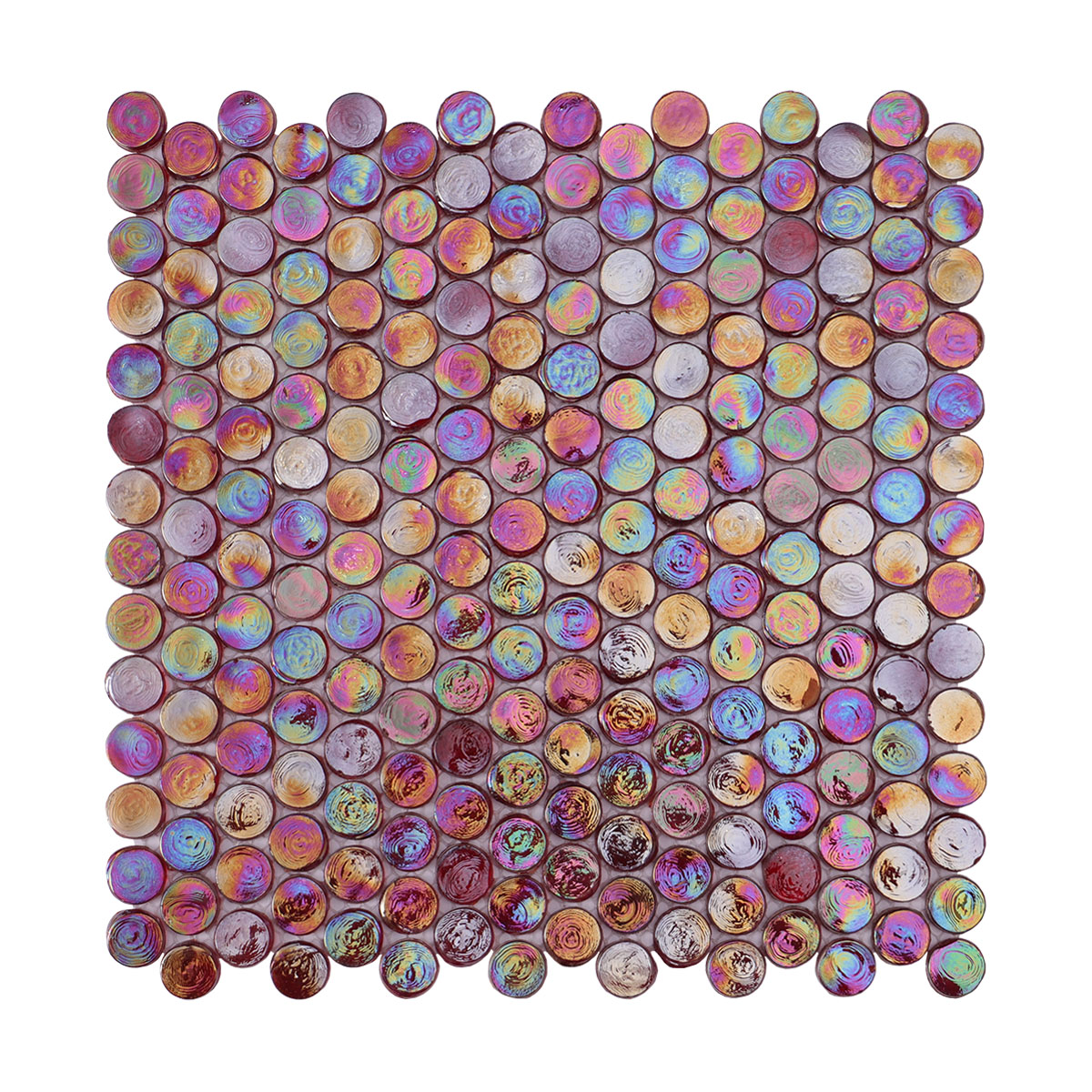
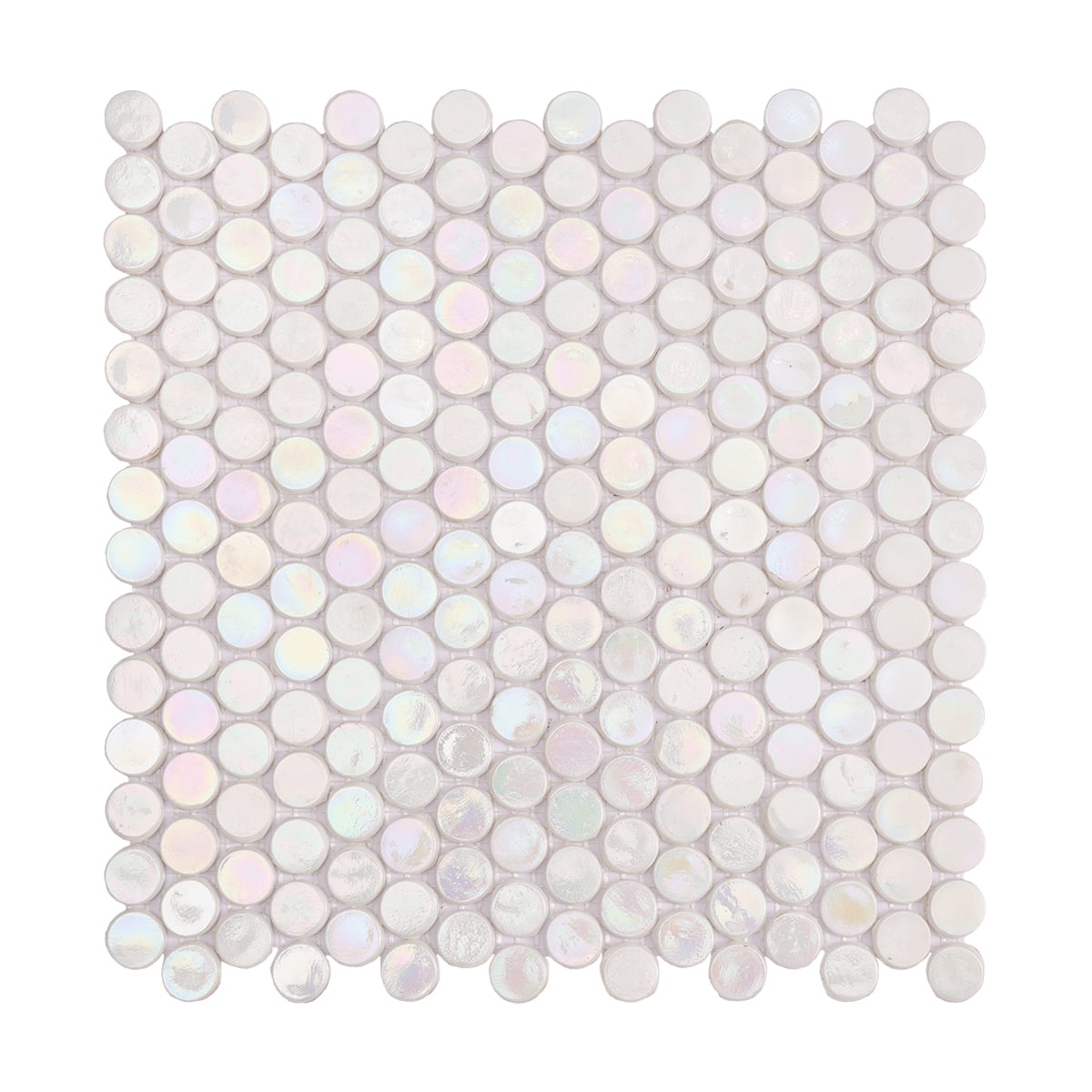
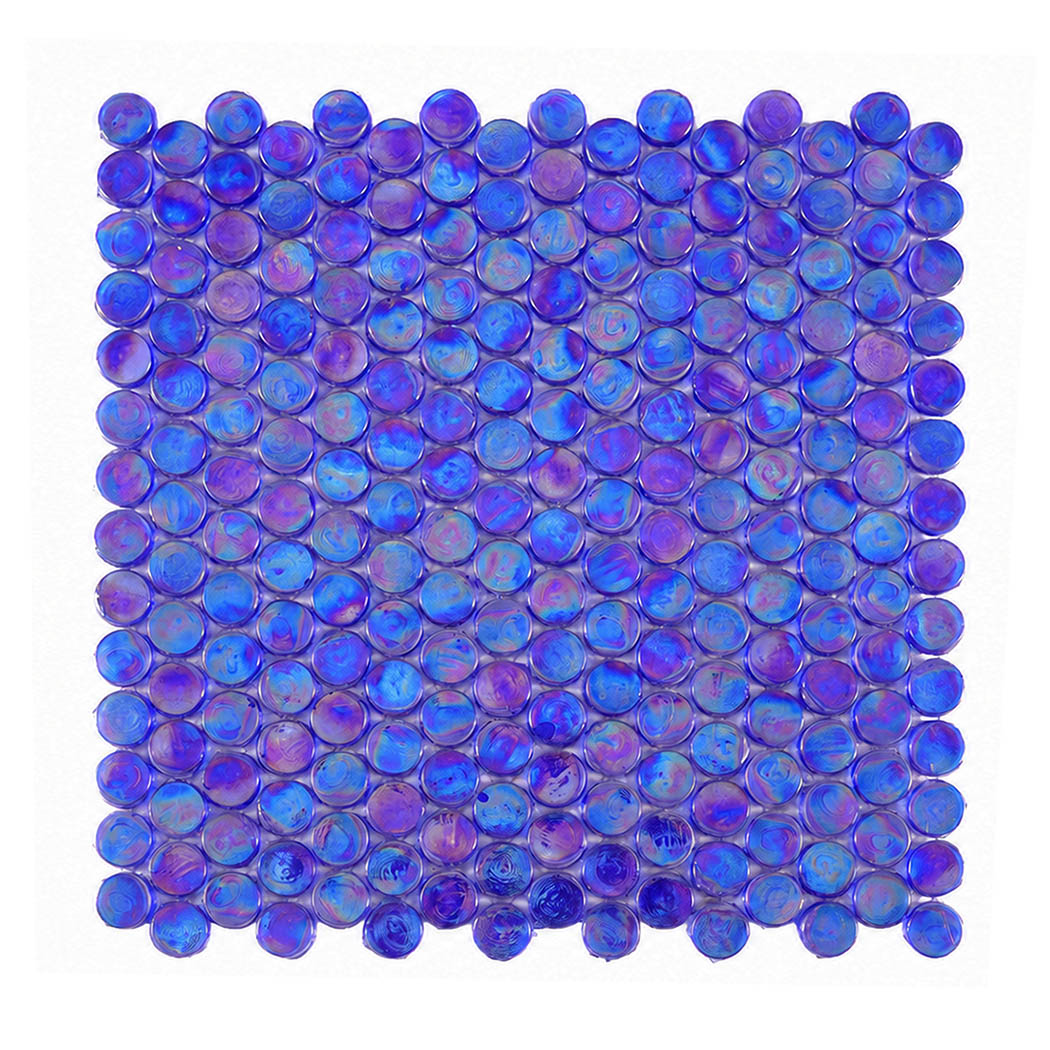
Glass Penny Tile: Vibrant and Versatile
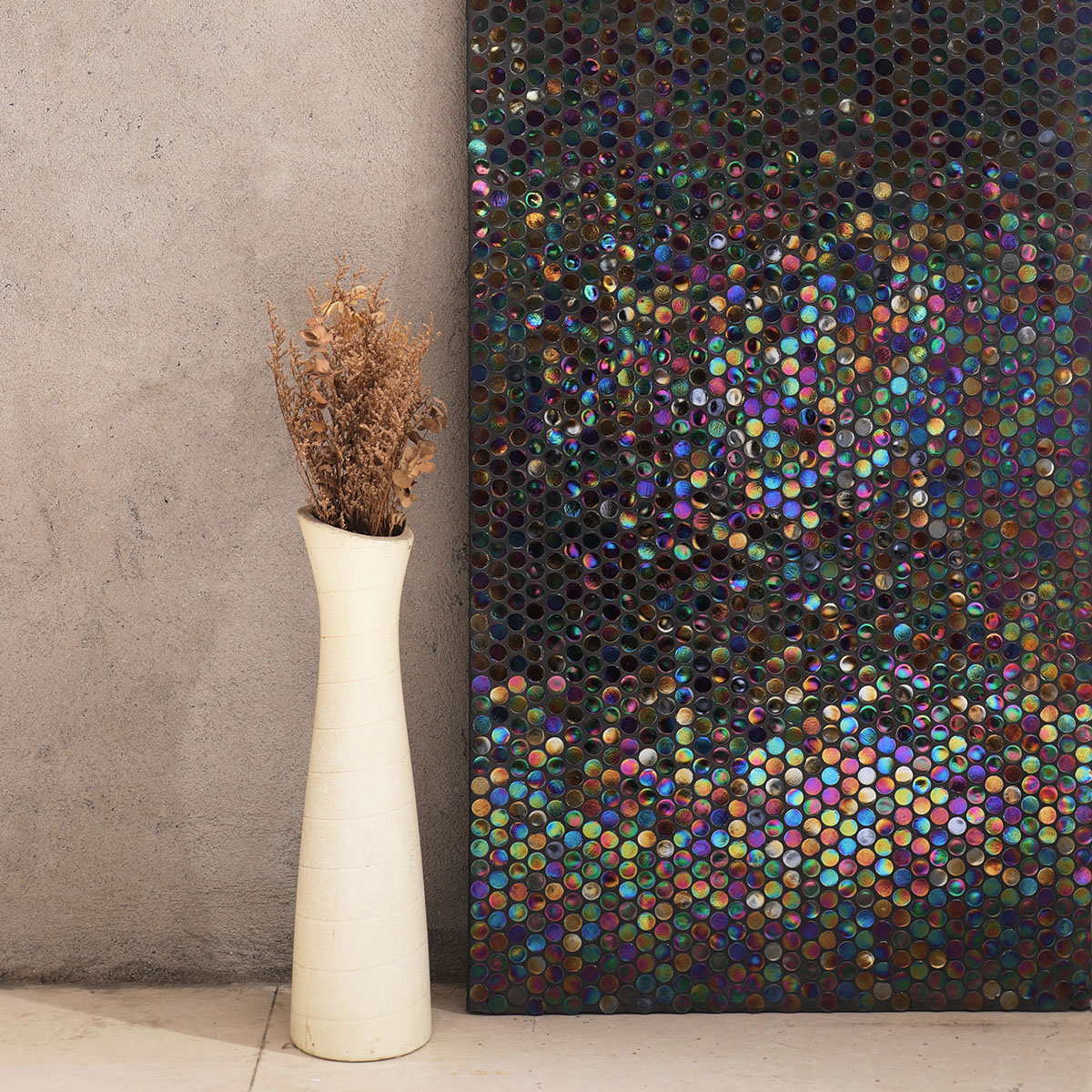
Usually made from water glass, these tiles offer an expansive color palette.
-
Finishes: Choose from sleek matte finishes for a contemporary look or iridescent coatings that catch the light and create a shimmering, "oil-slick" effect.
Metal Penny Tile: Industrial & Bold
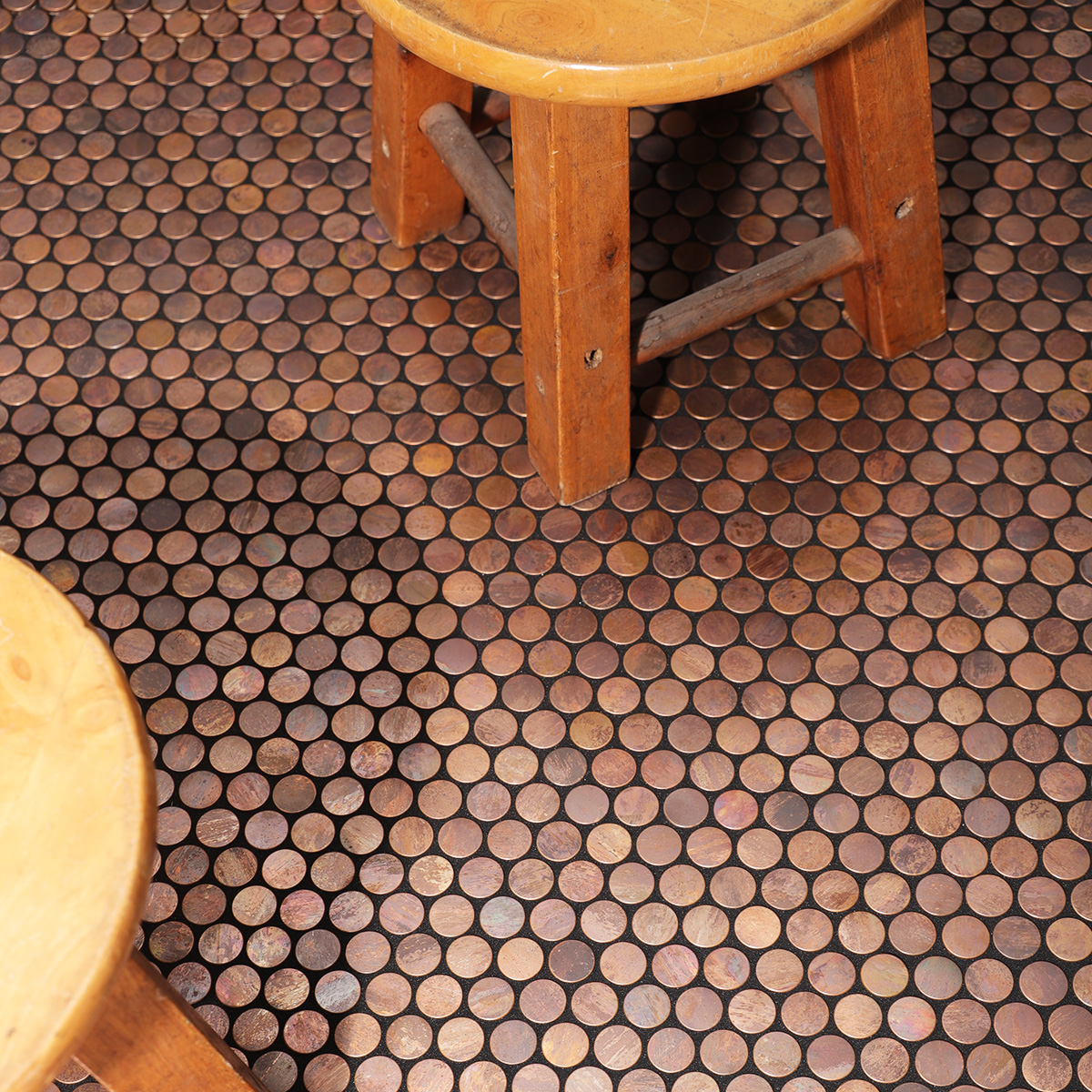
Available in stainless steel, copper, and bronze, metal tiles add a reflective, high-tech vibe to any space.
-
Technical Note: For flooring, always opt for thickened metal versions to ensure durability and prevent denting under heavy foot traffic.
Mother of Pearl: Organic Elegance
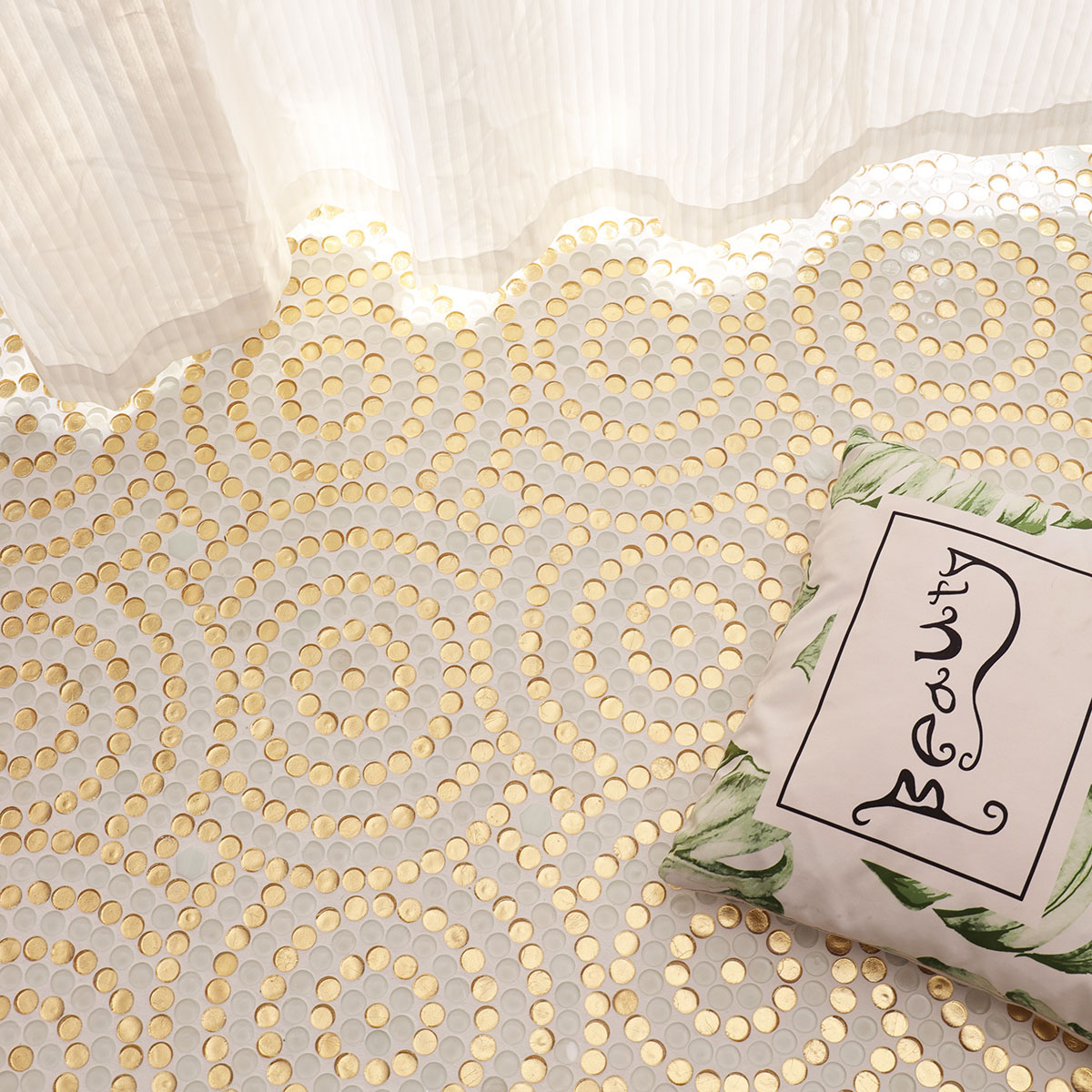
Natural shell or Mother of Pearl tiles are prized for their unique luster.
-
Thickness Insight: These tiles are often thin (approx. 2mm). While delicate, they are increasingly popular for "low-traffic" luxury flooring or decorative borders when properly installed with thin-set mortar.
2. Custom Patterns and Creative Designs
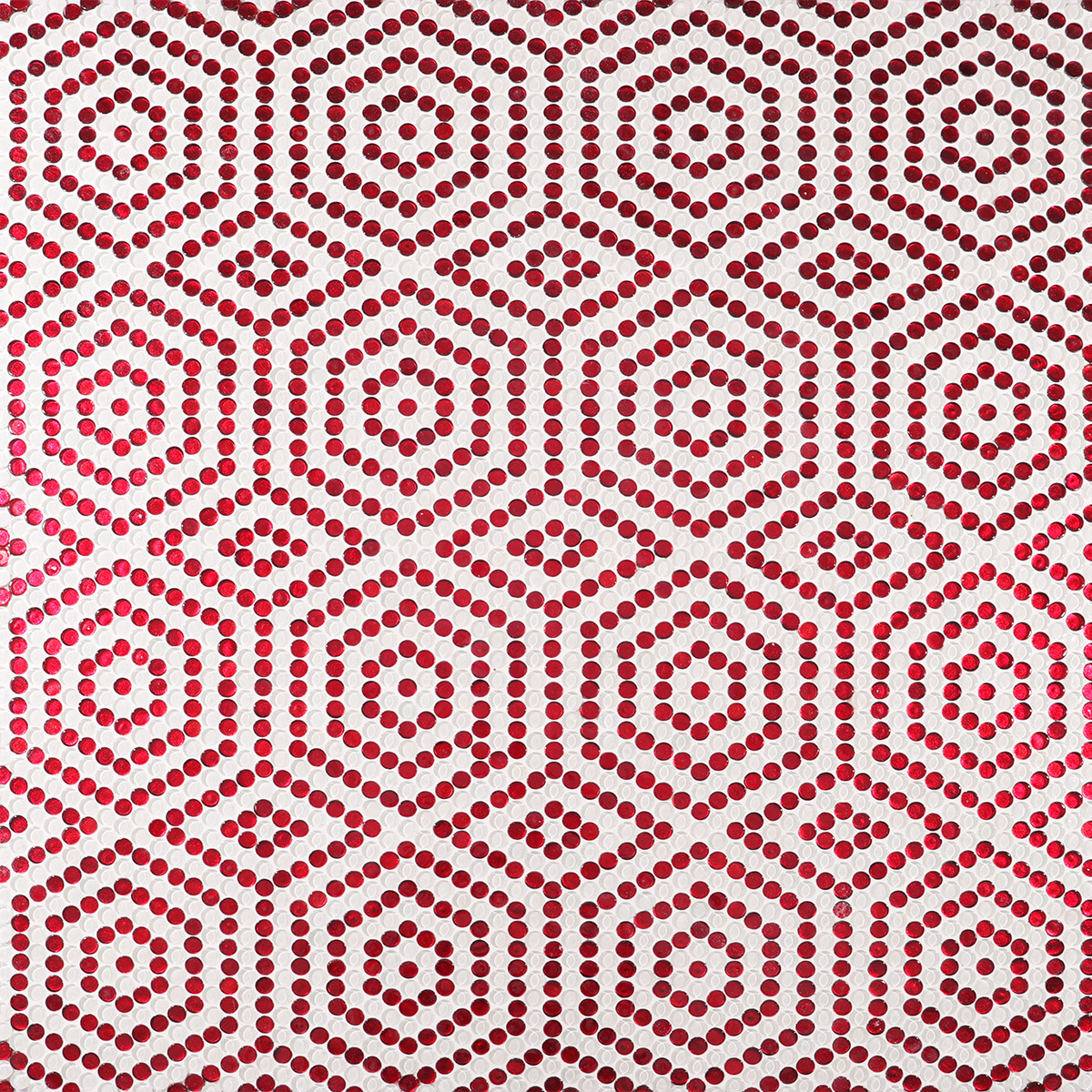
One of the greatest strengths of penny tiles is the ability to create custom mosaics. By mixing different colors, you can spell out words, create floral "rosettes," or design geometric borders that act as a permanent area rug.
-
Monochromatic: Use one color with a contrasting grout for a bold, graphic look.
-
Gradient/Ombre: Blend three or four shades of glass tile to create a waterfall effect on your floor.
3. Installation and Maintenance Tips
The Importance of Sealing
As mentioned, Marble penny tiles require a professional-grade sealant. Re-sealing every 1–2 years is recommended to maintain the stone's integrity.
Grout Choice is Key
Since penny tiles have many grout lines, the color of your grout will drastically change the look of the floor.
-
Dark Grout: Easier to clean and emphasizes the circular shape.
-
Light Grout: Creates a seamless, airy feel but requires more frequent scrubbing.
Frequently Asked Questions (FAQ)
Are penny tiles good for shower floors?
Yes! They are one of the best materials for shower floors because the numerous grout lines provide superior grip, reducing the risk of slipping.
How do I clean penny tile floors?
For glass and metal, a pH-neutral cleaner is best. For marble and Mother of Pearl, avoid acidic cleaners (like vinegar) which can etch the surface.
Can I install 2mm Mother of Pearl tiles on a high-traffic floor?
While possible, it is recommended to use them in areas like powder rooms or as decorative accents rather than high-traffic hallways to avoid cracking the thin shell material.