
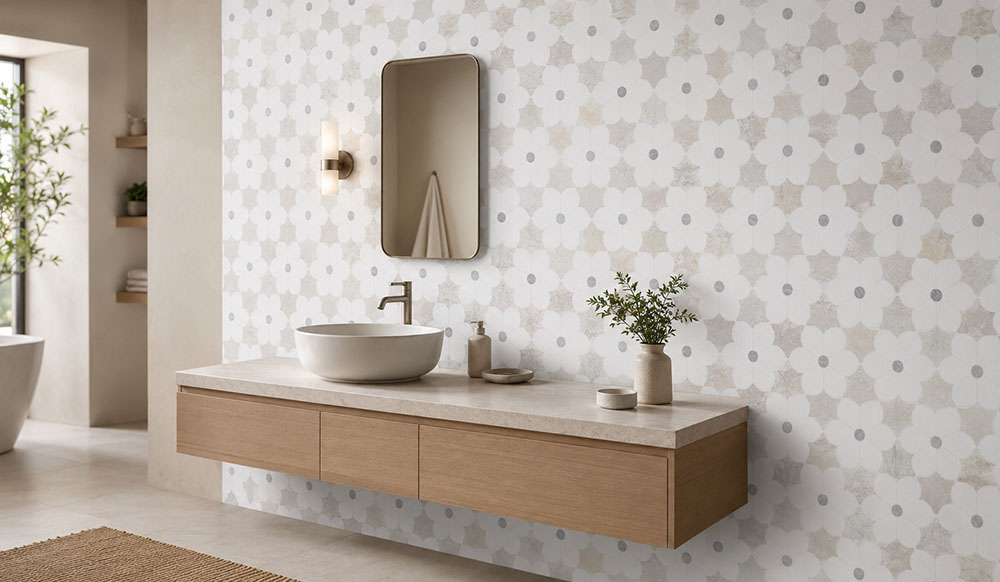
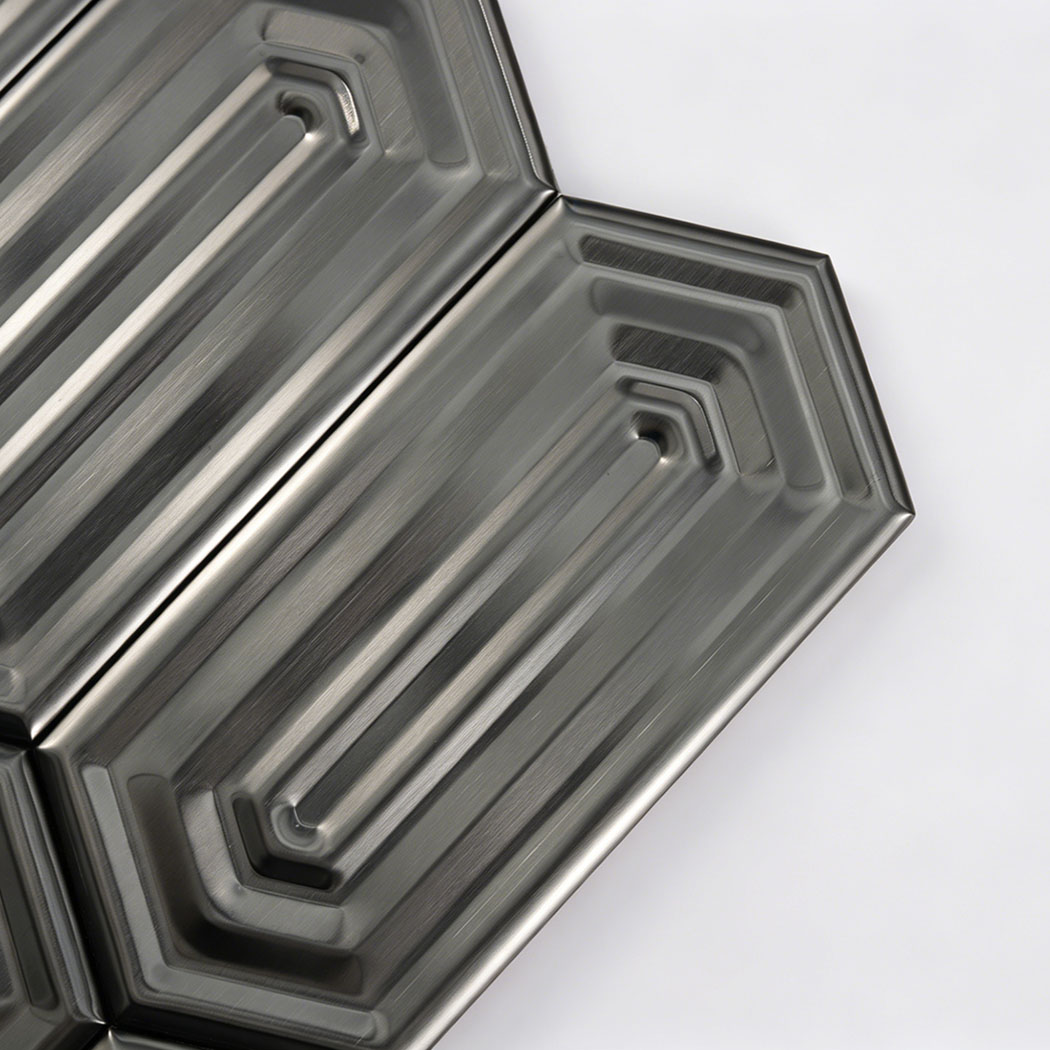
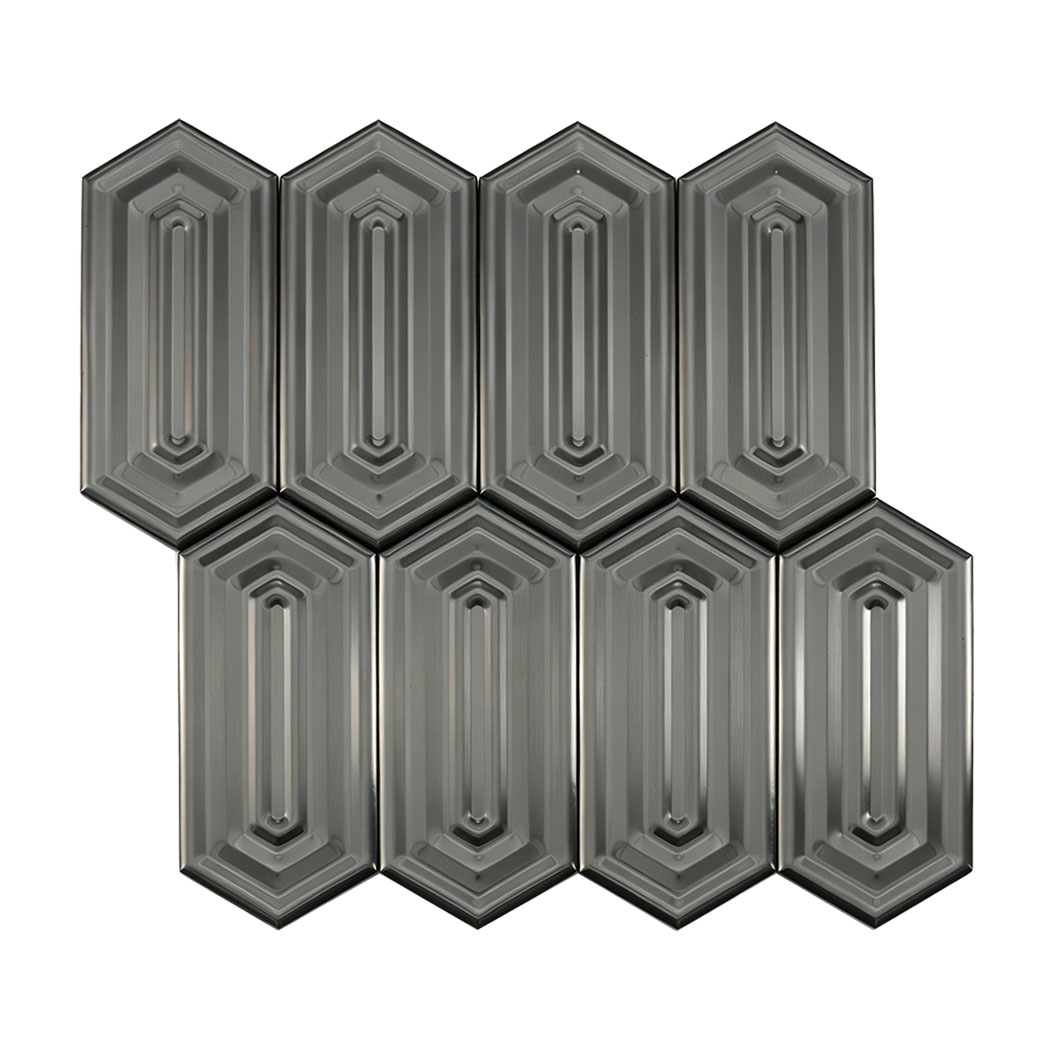

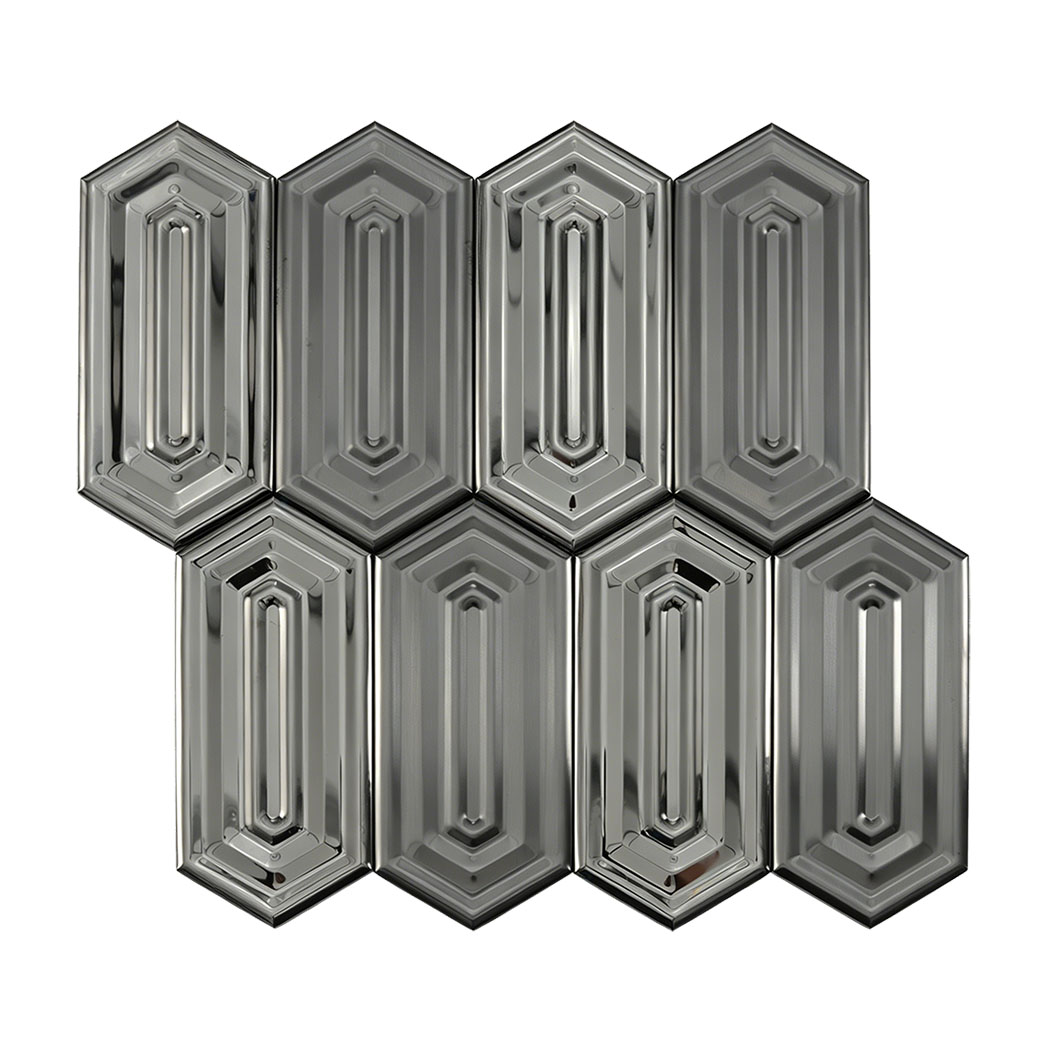




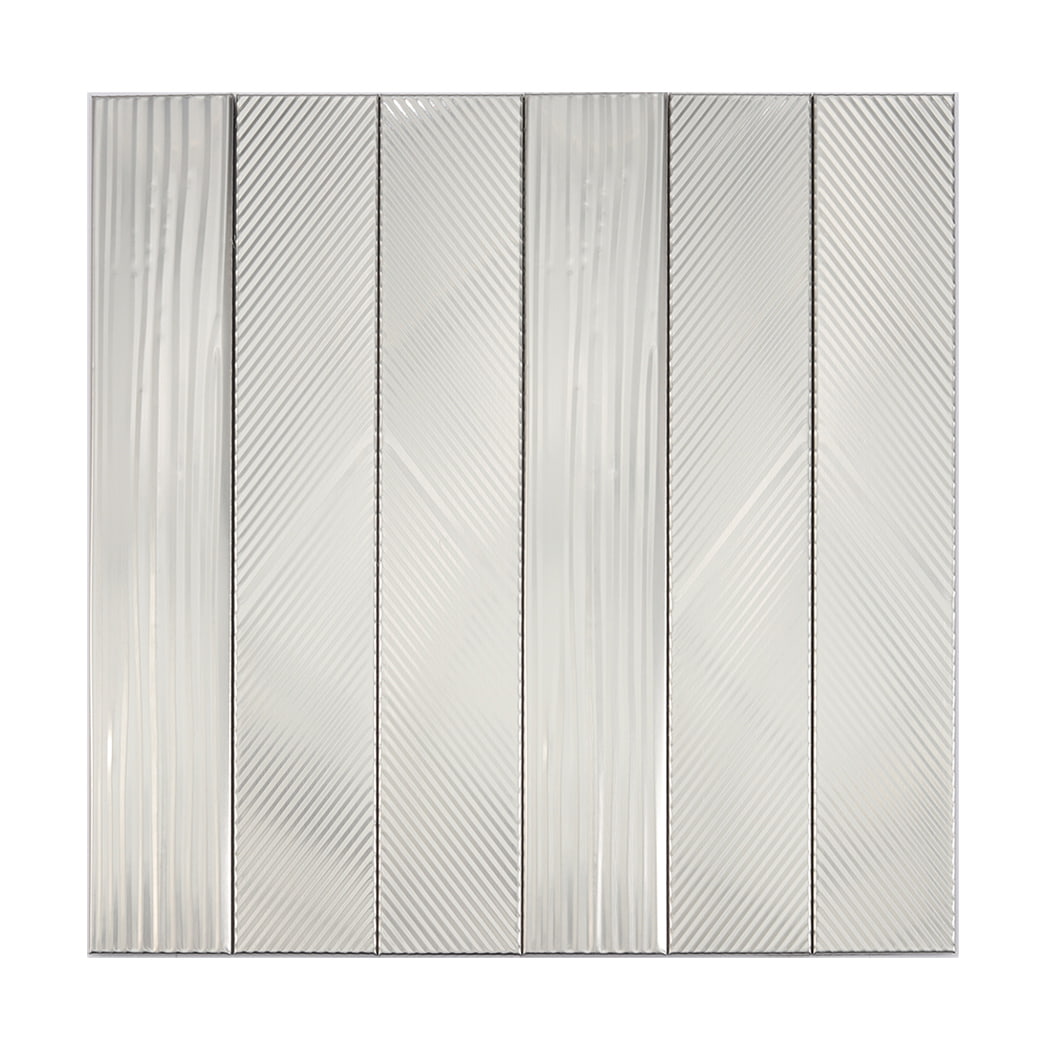

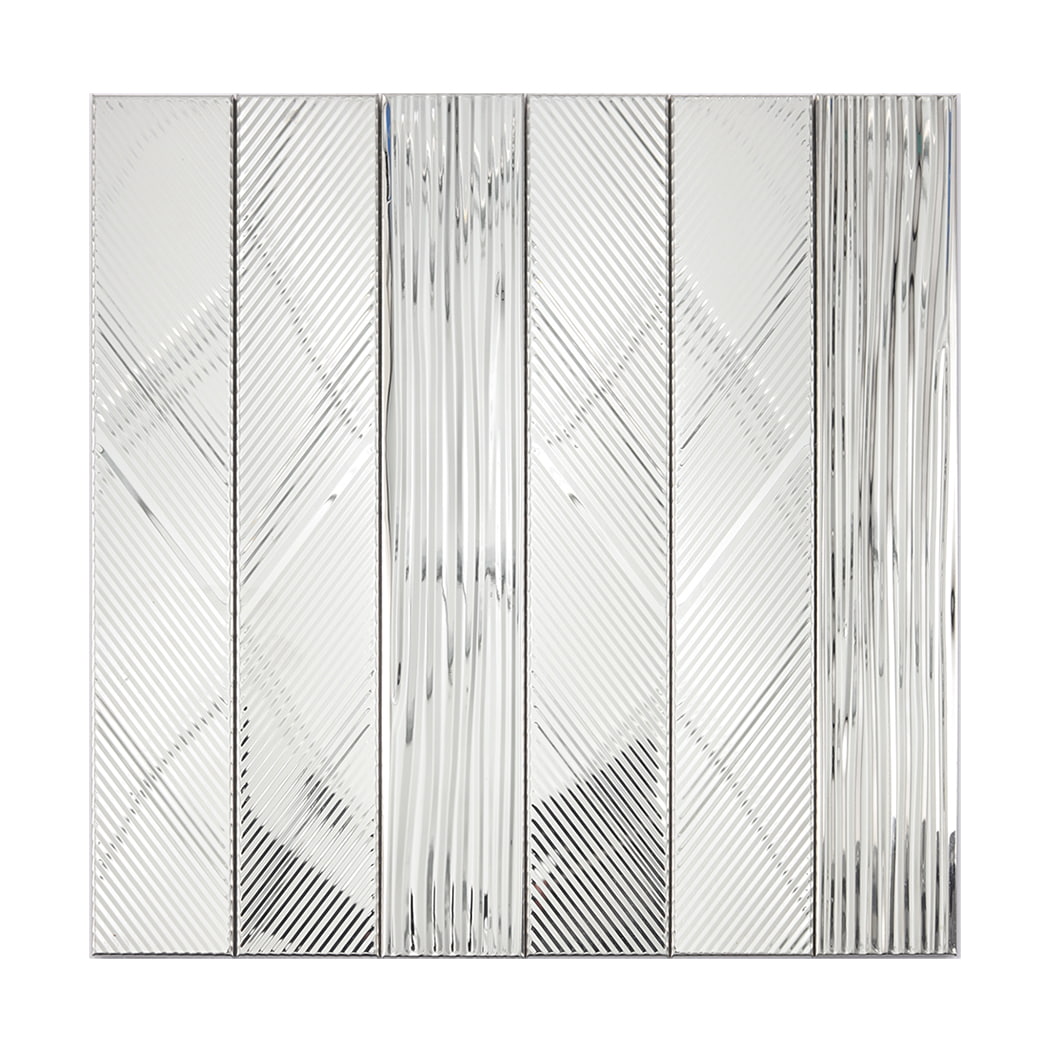

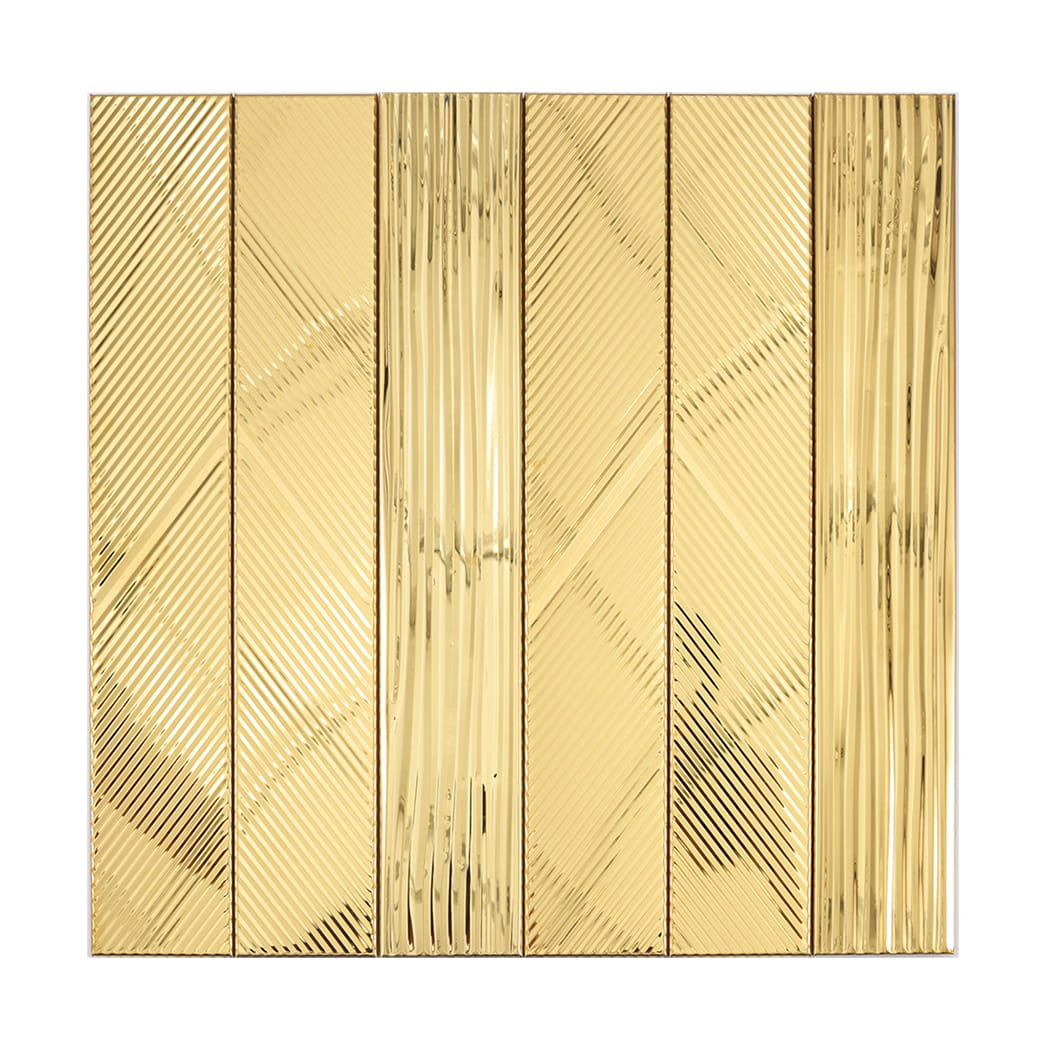

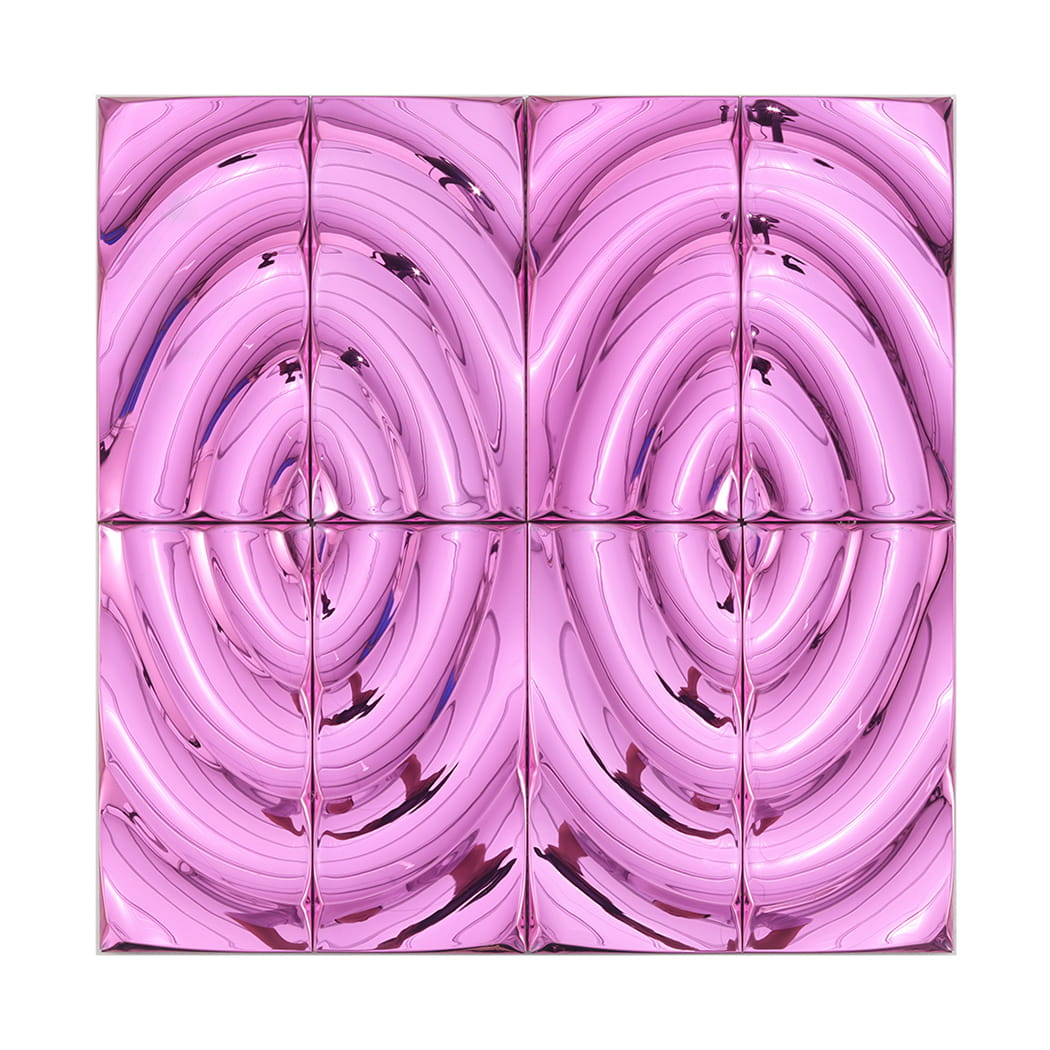
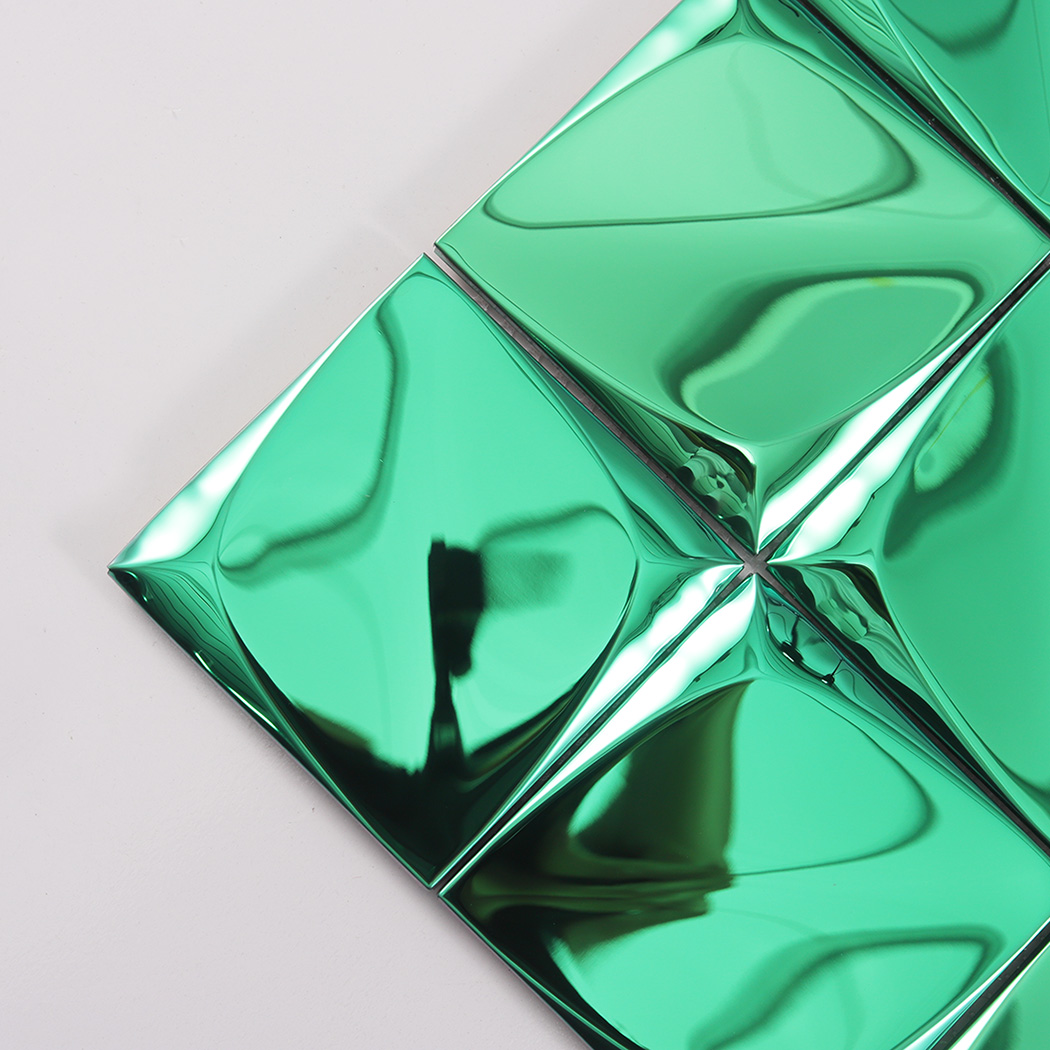
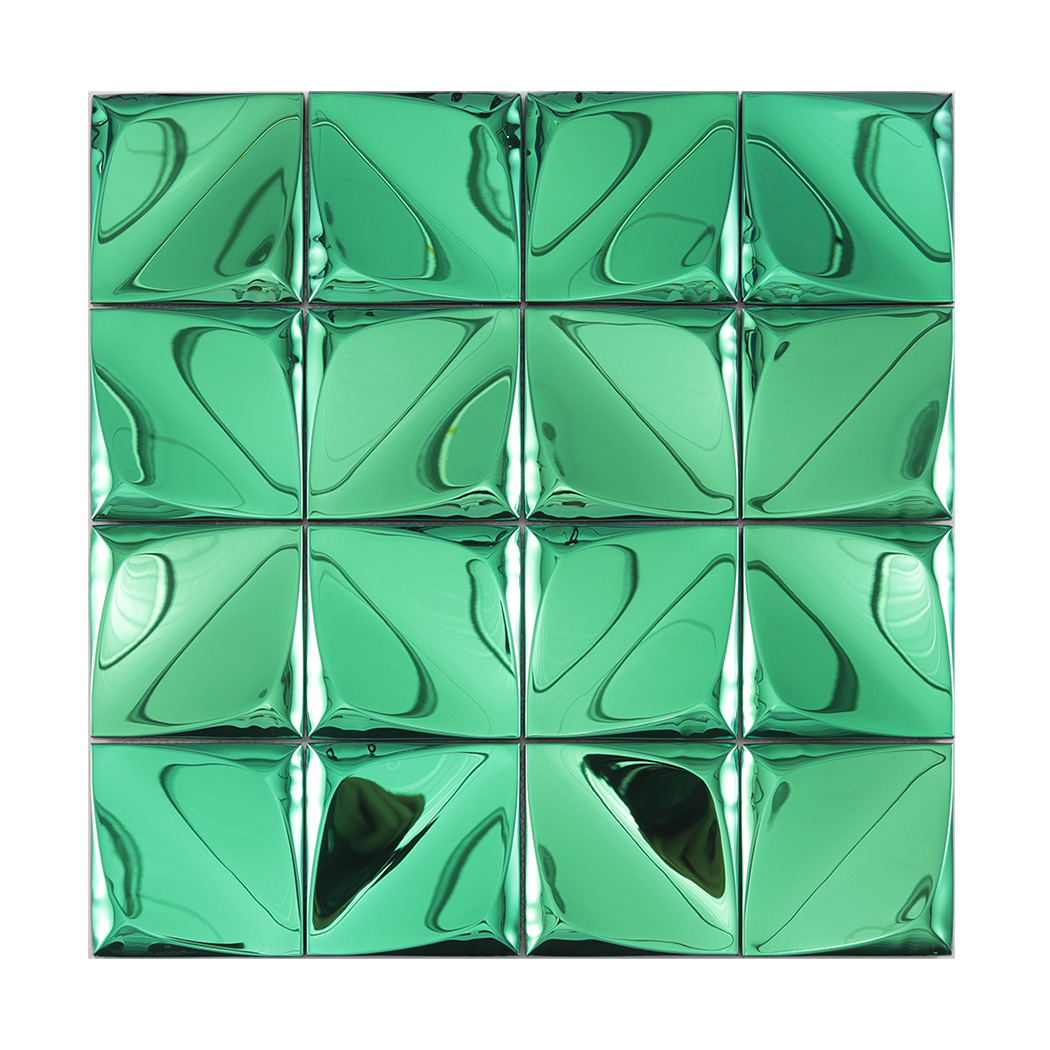
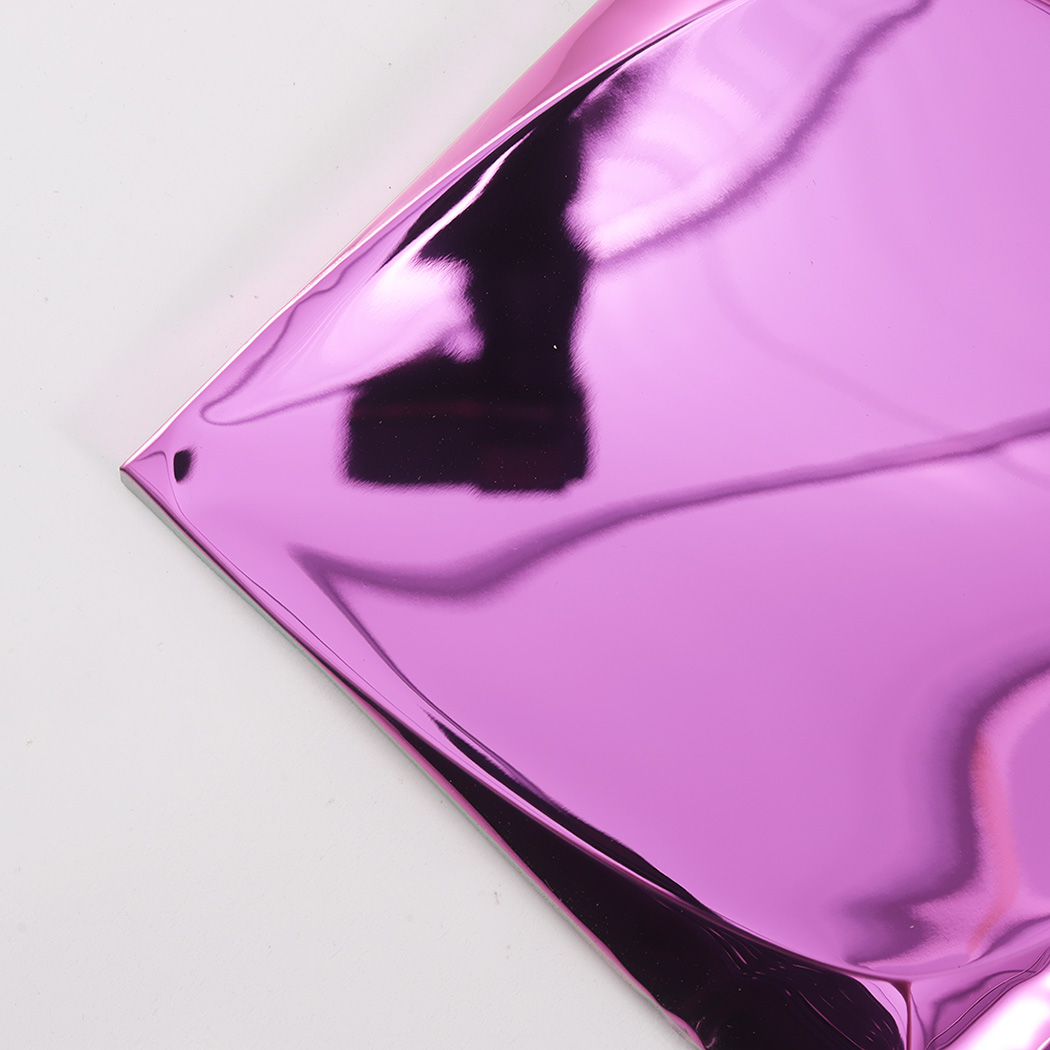
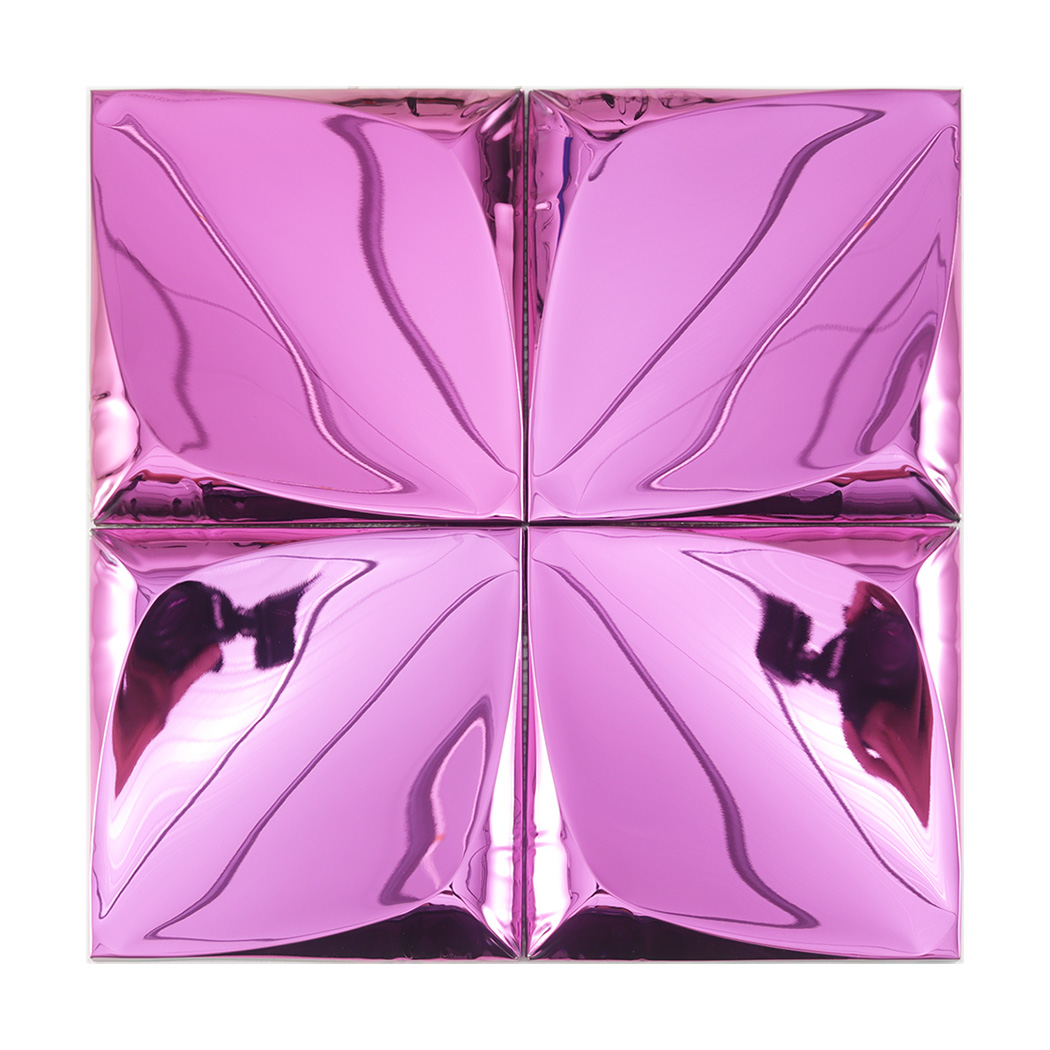

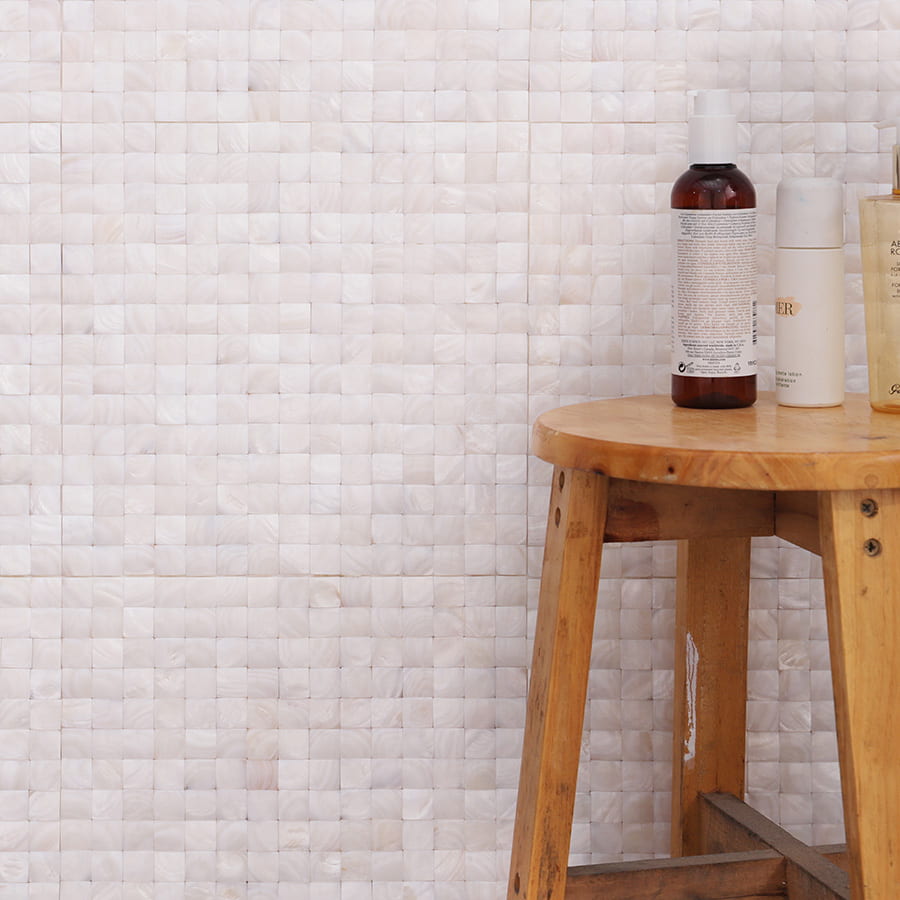
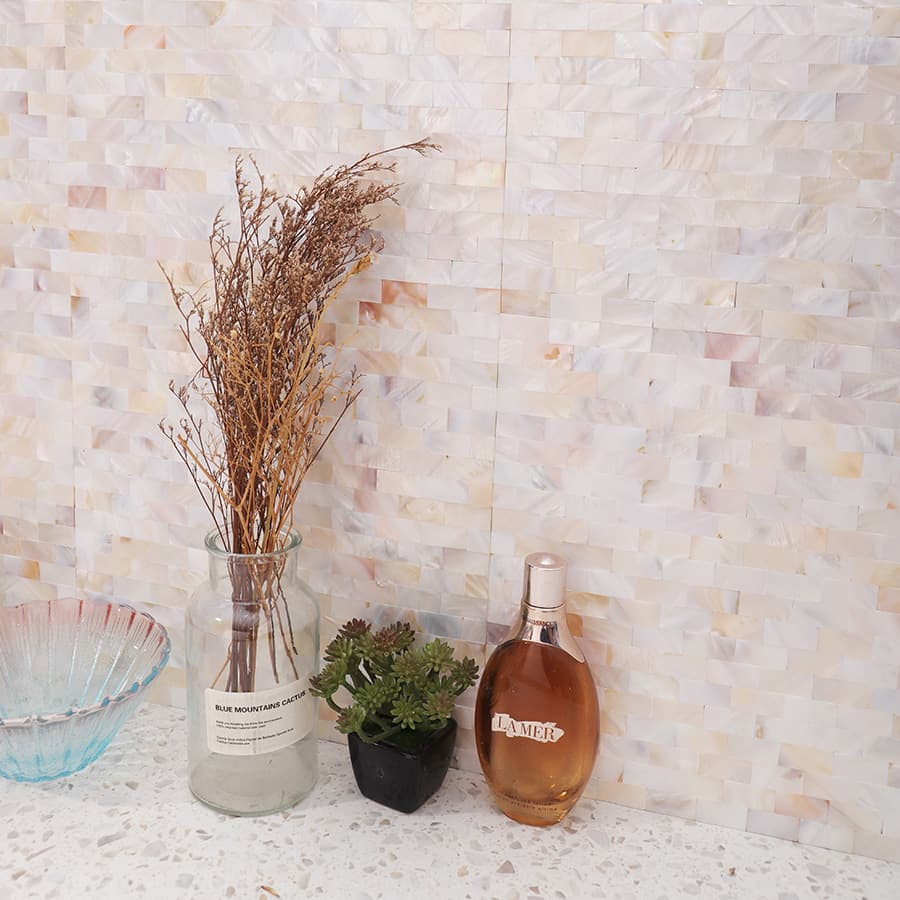
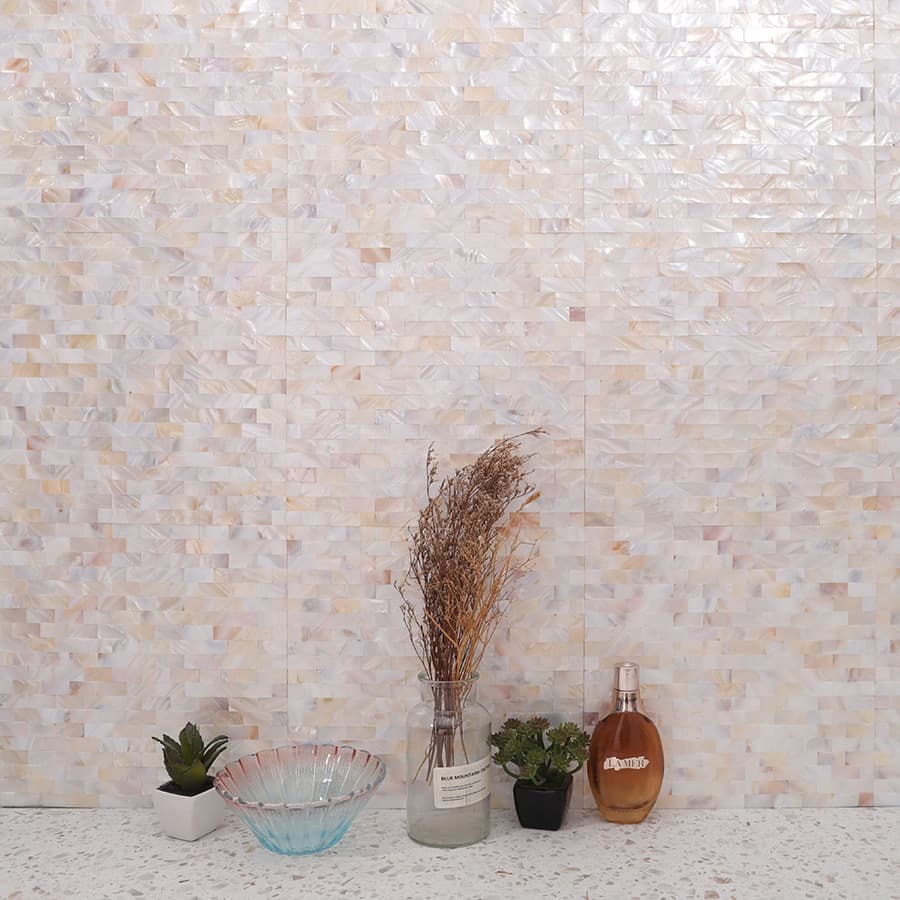
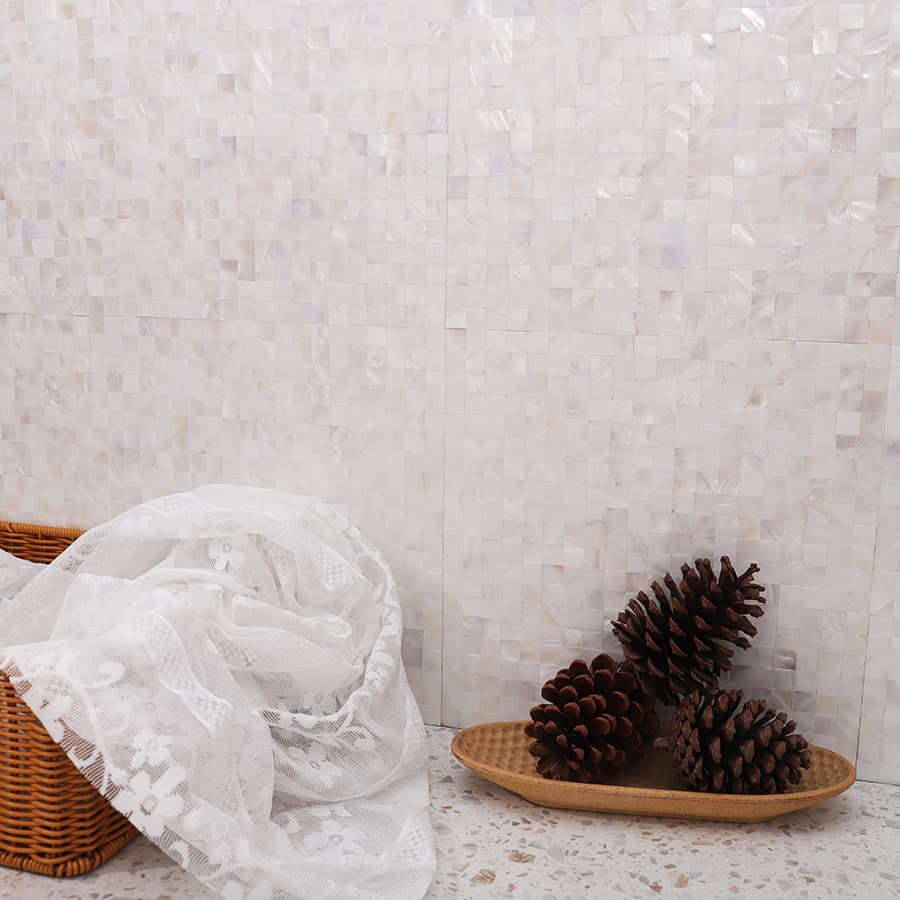
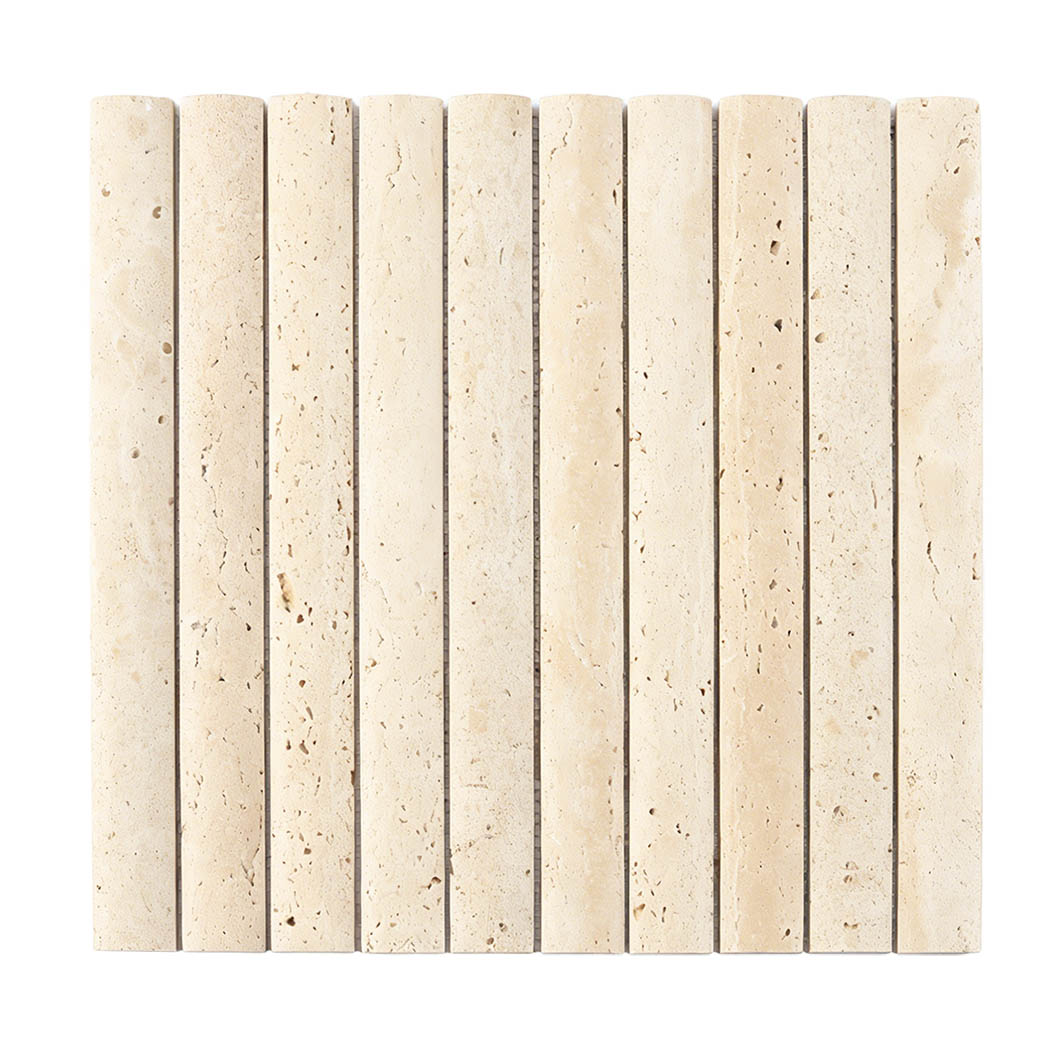

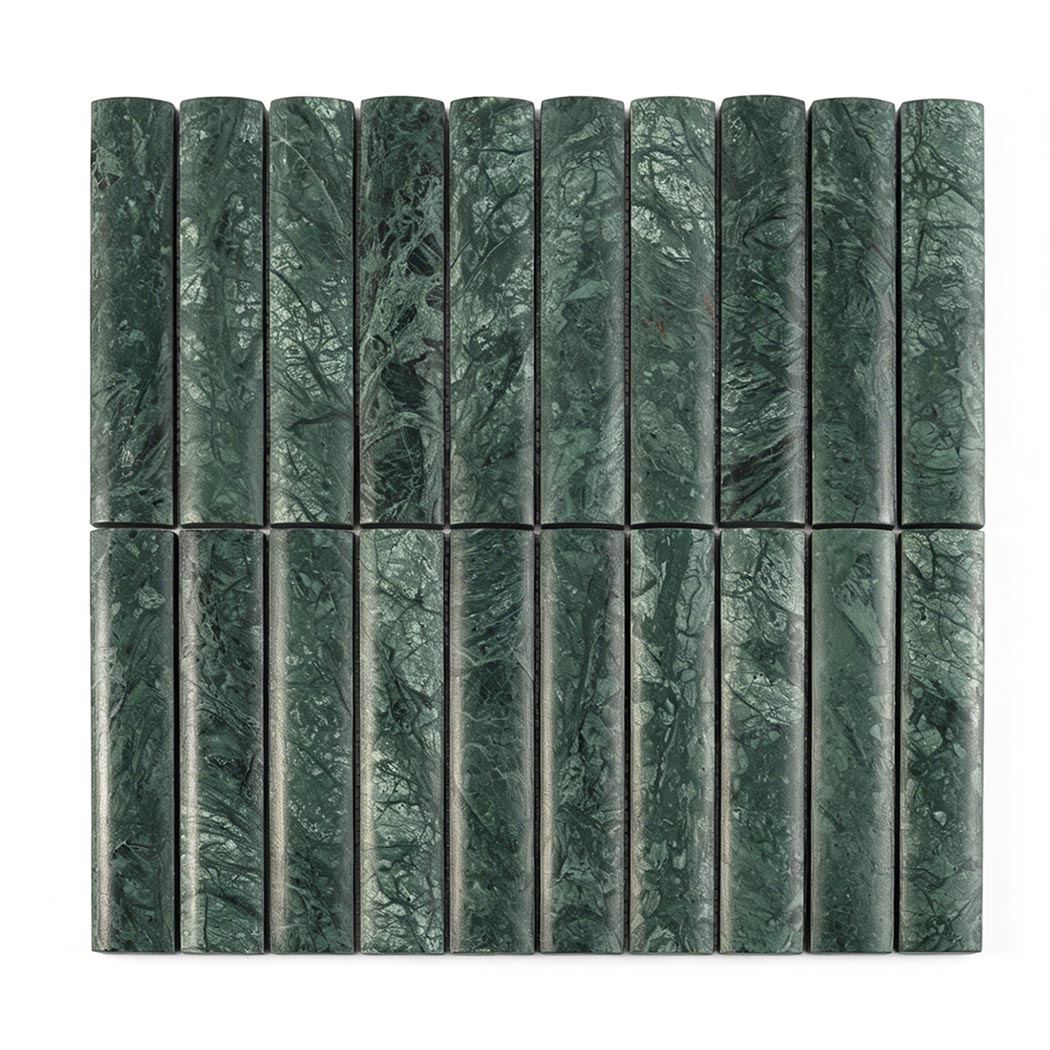
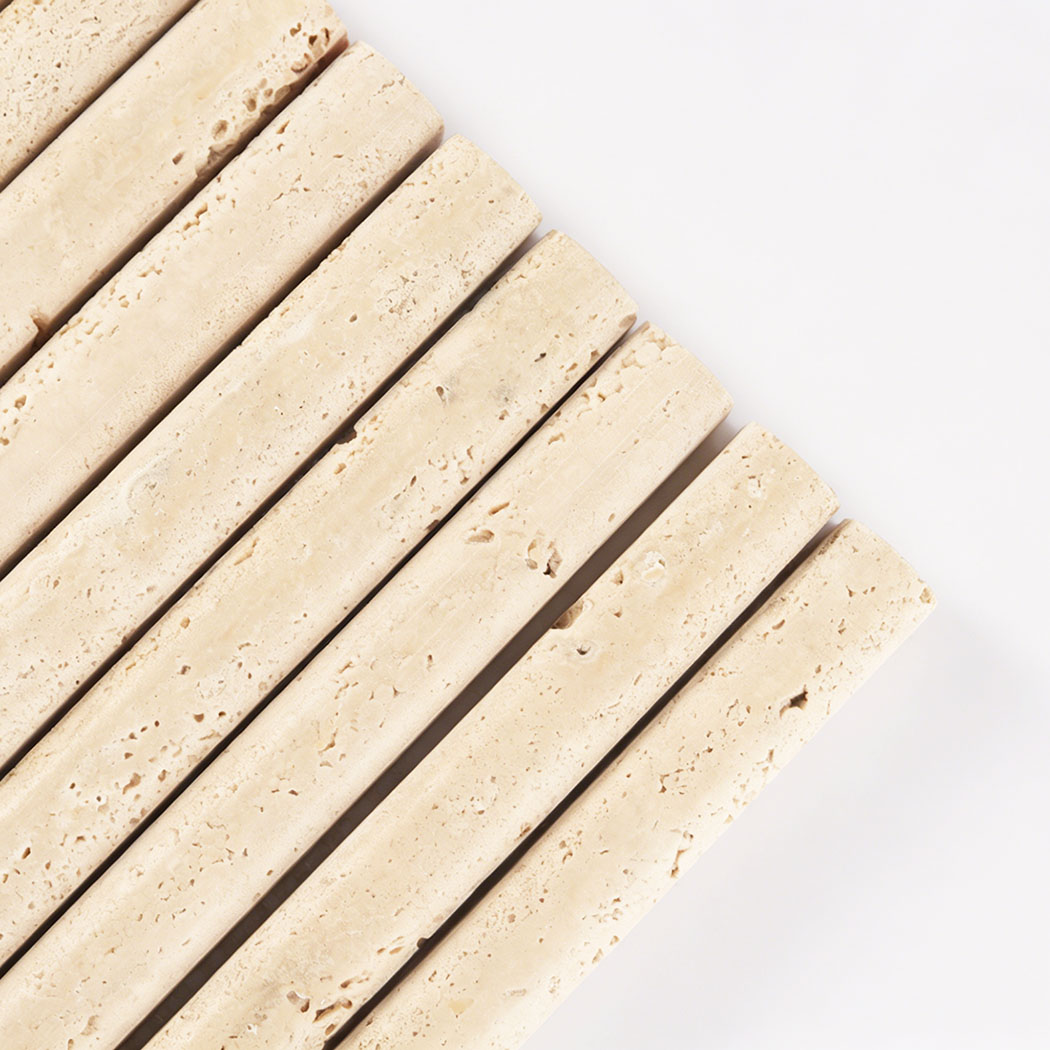
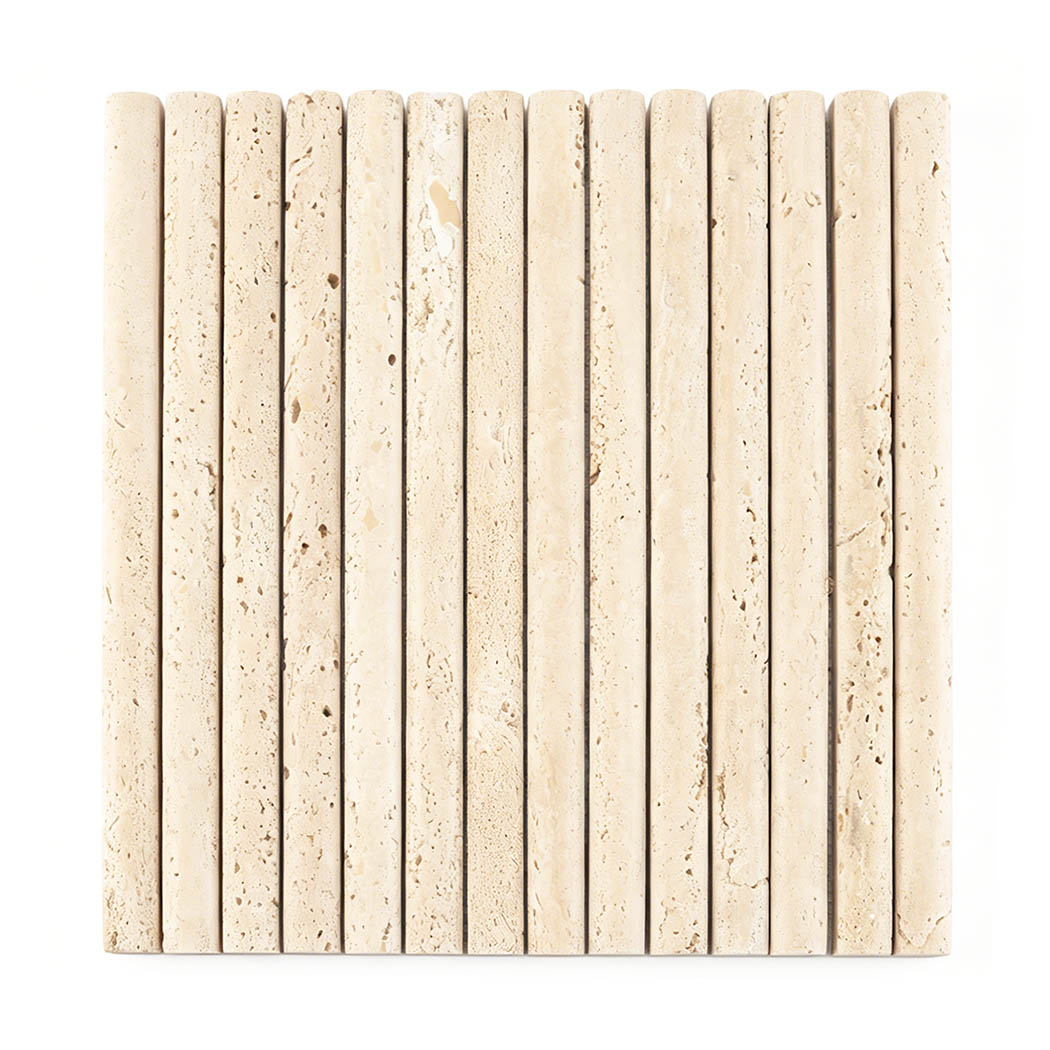

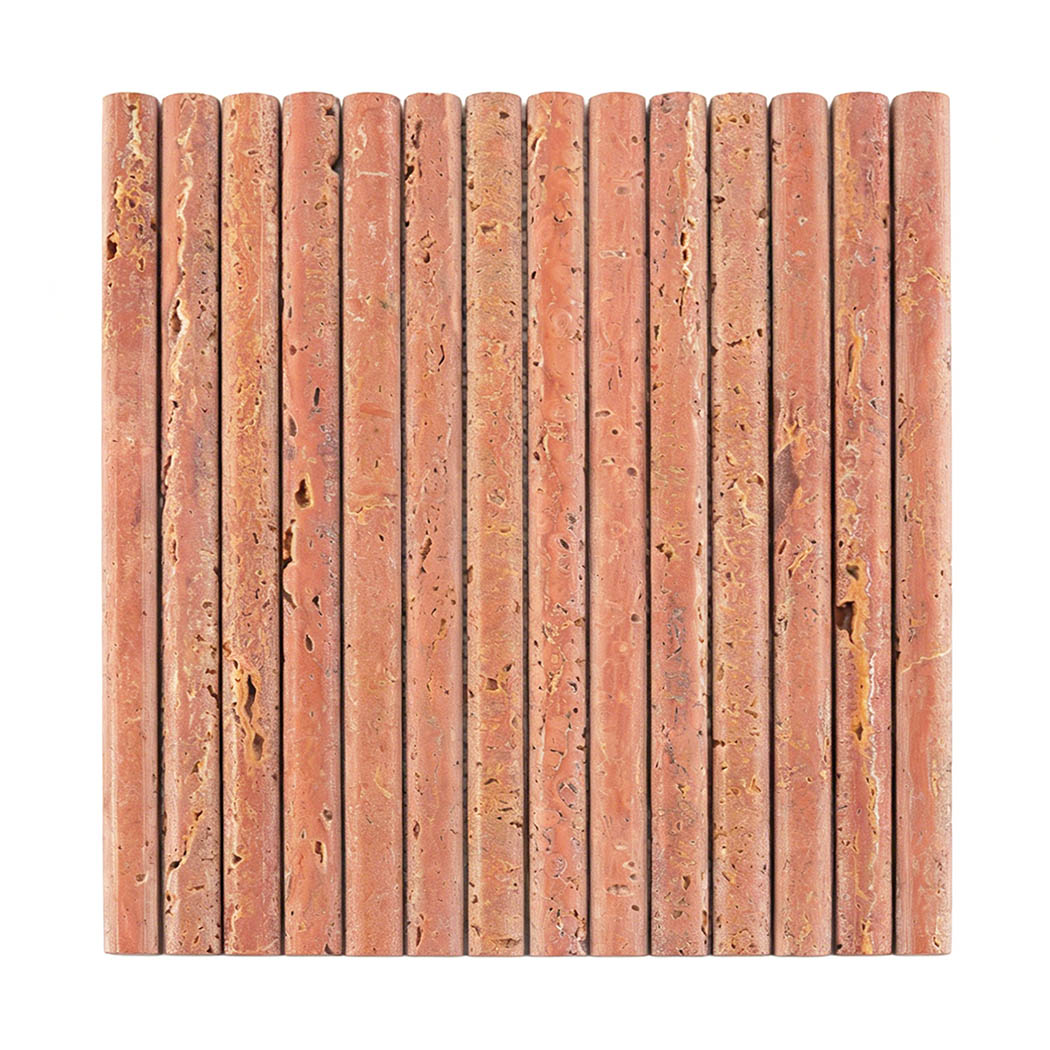

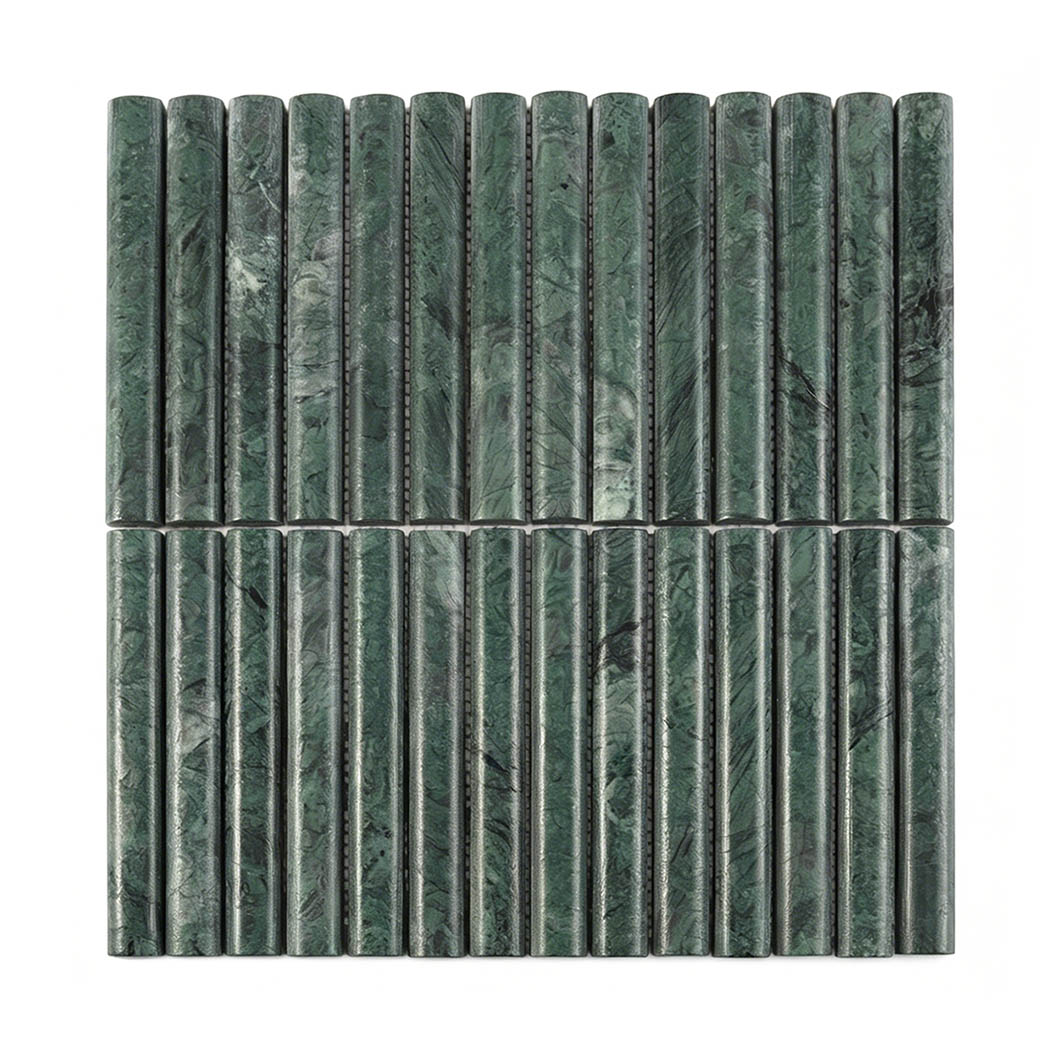

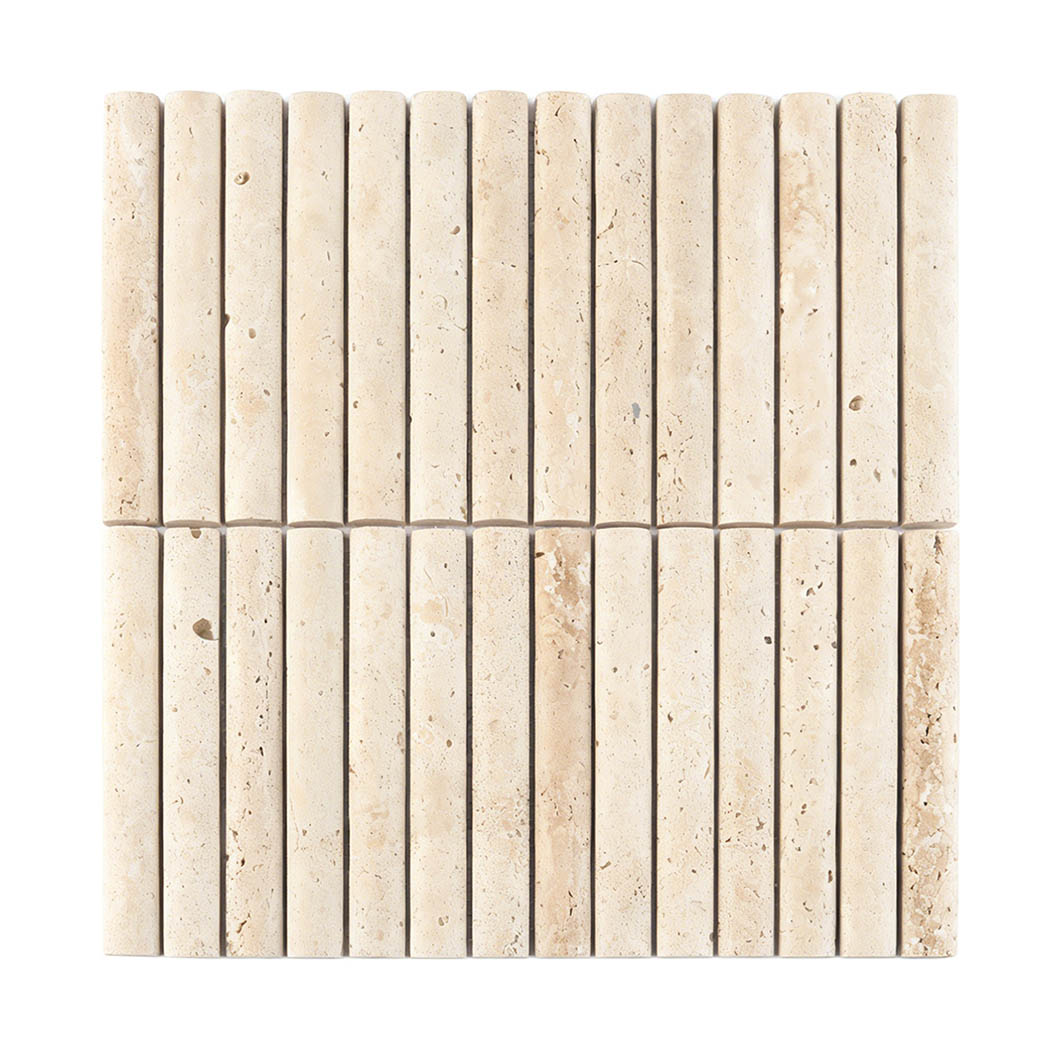
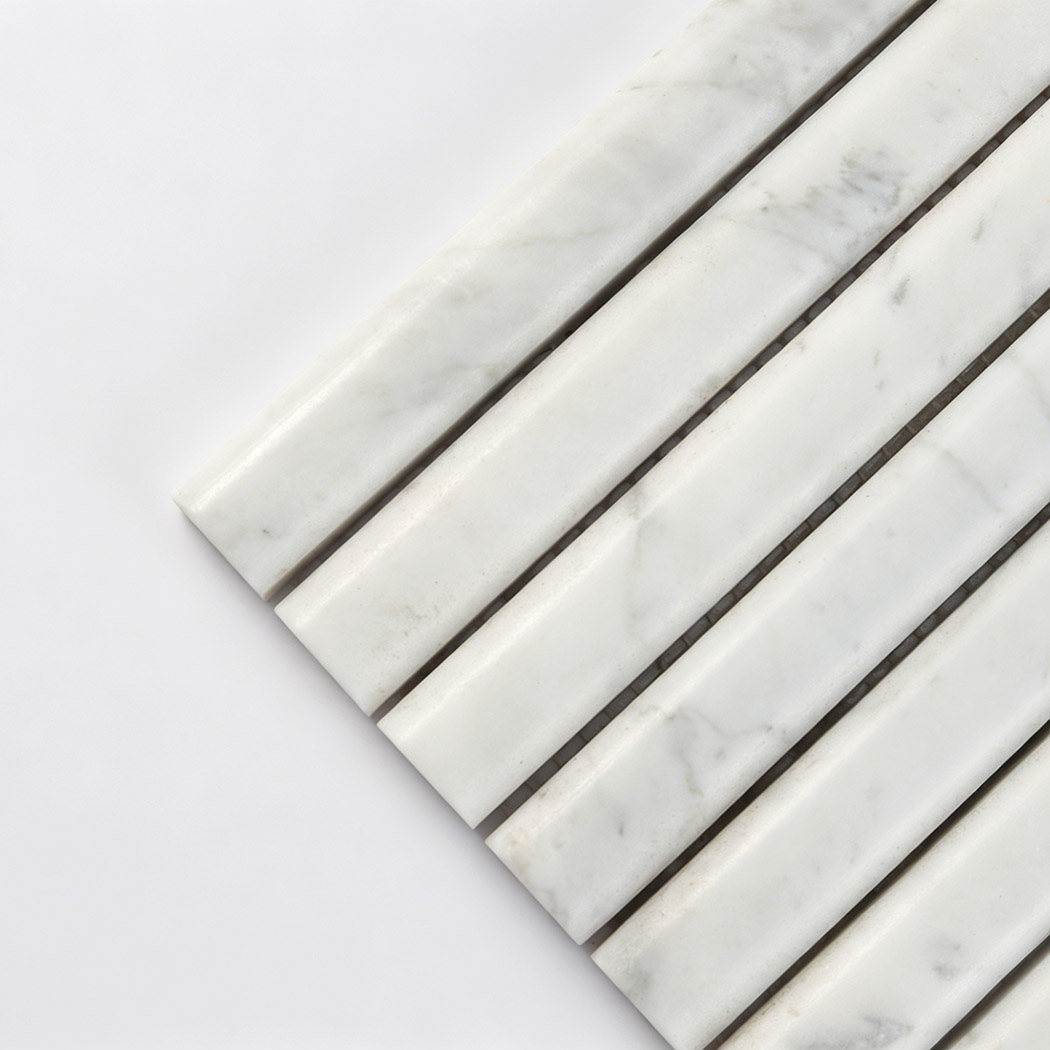
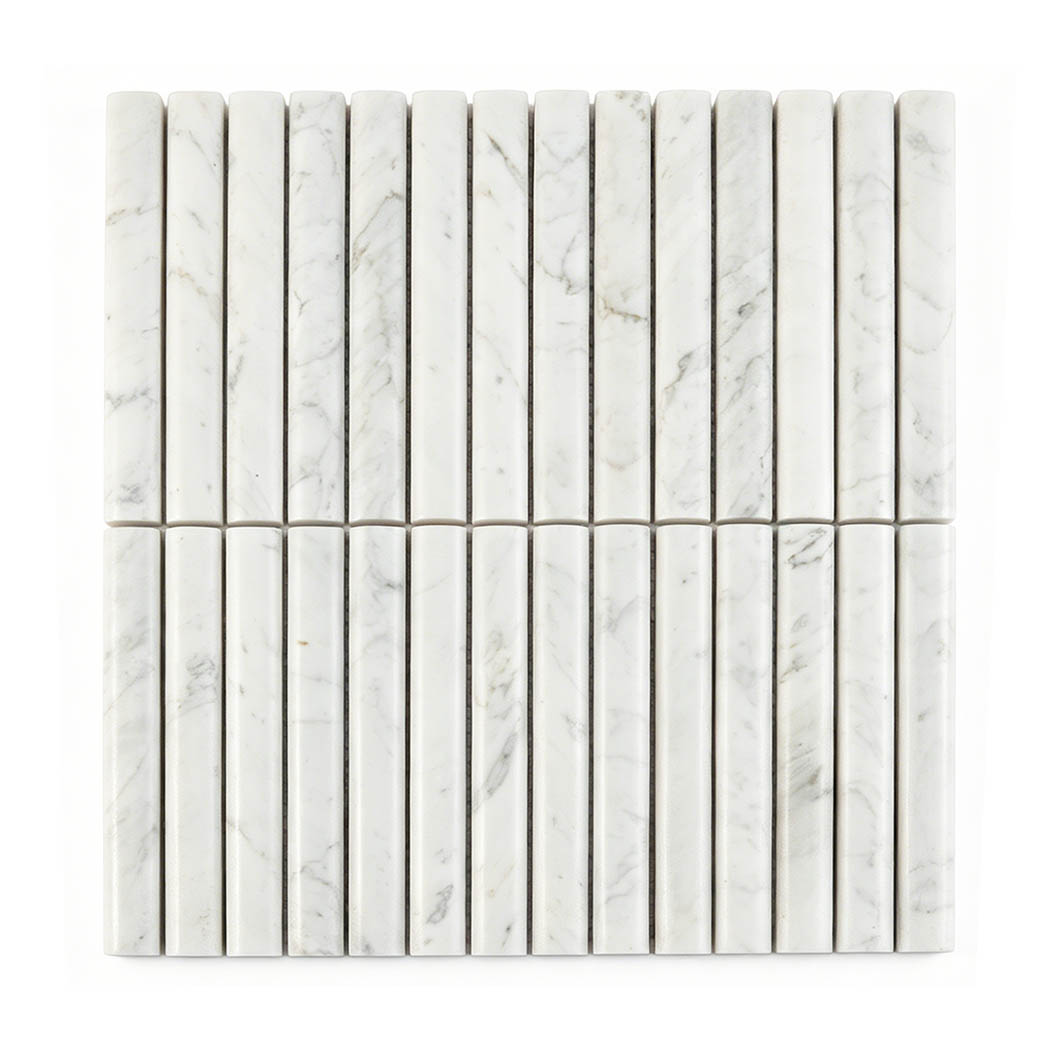

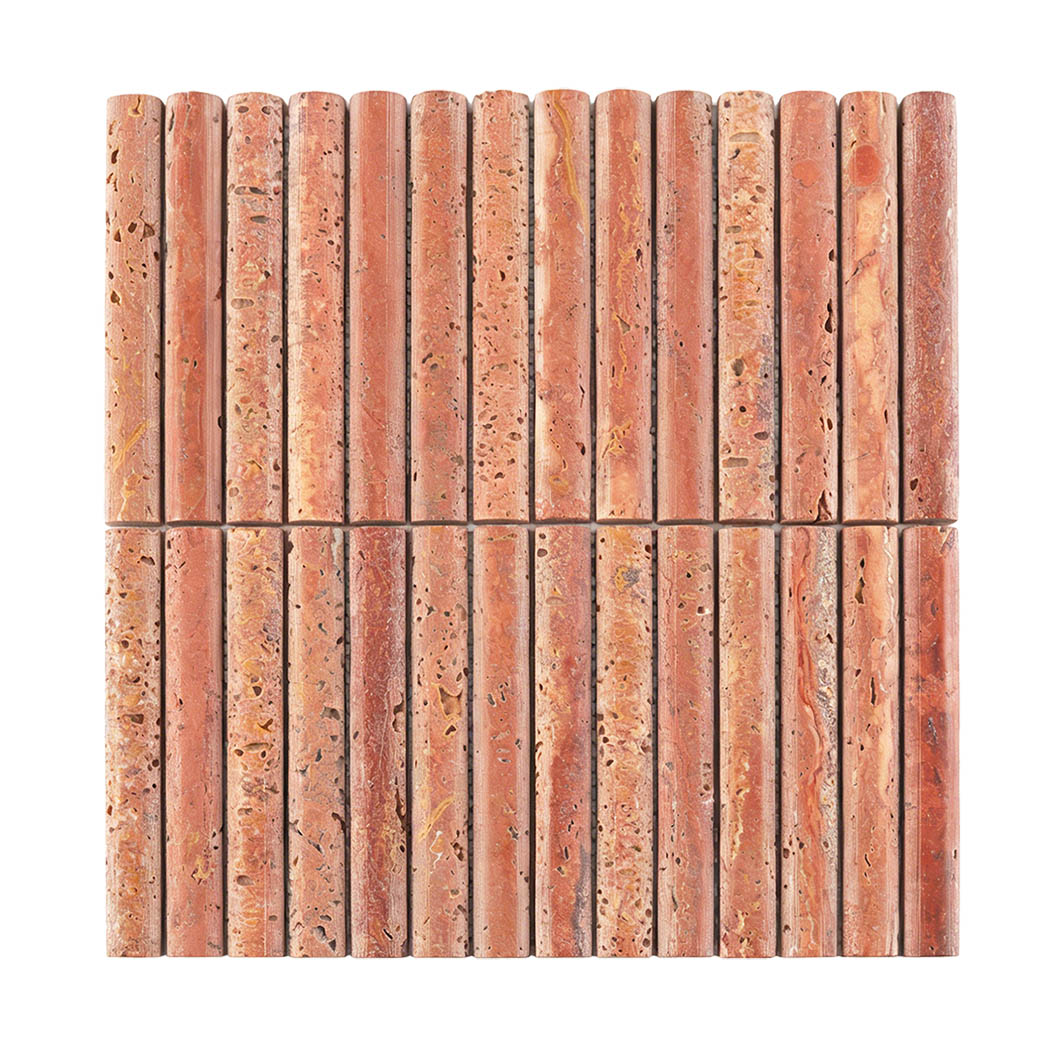
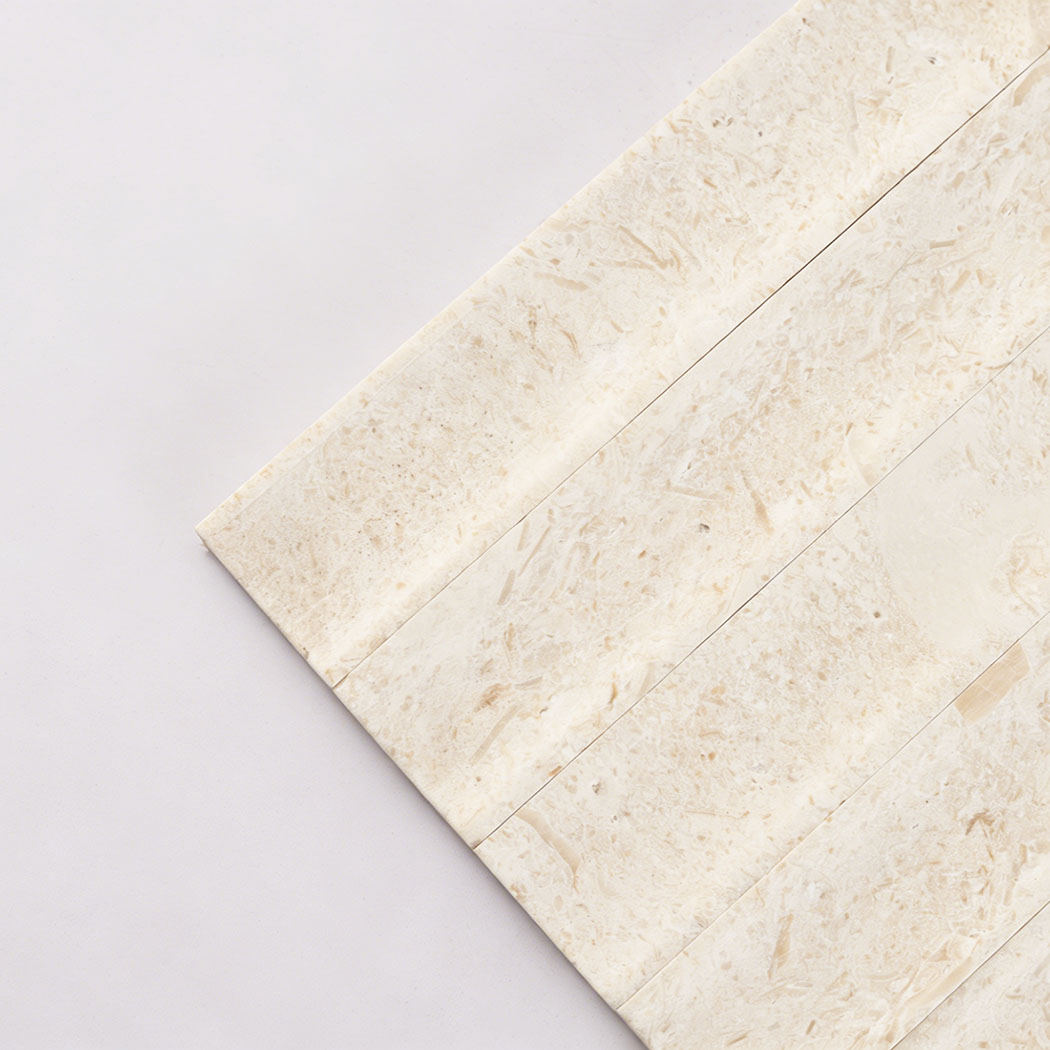
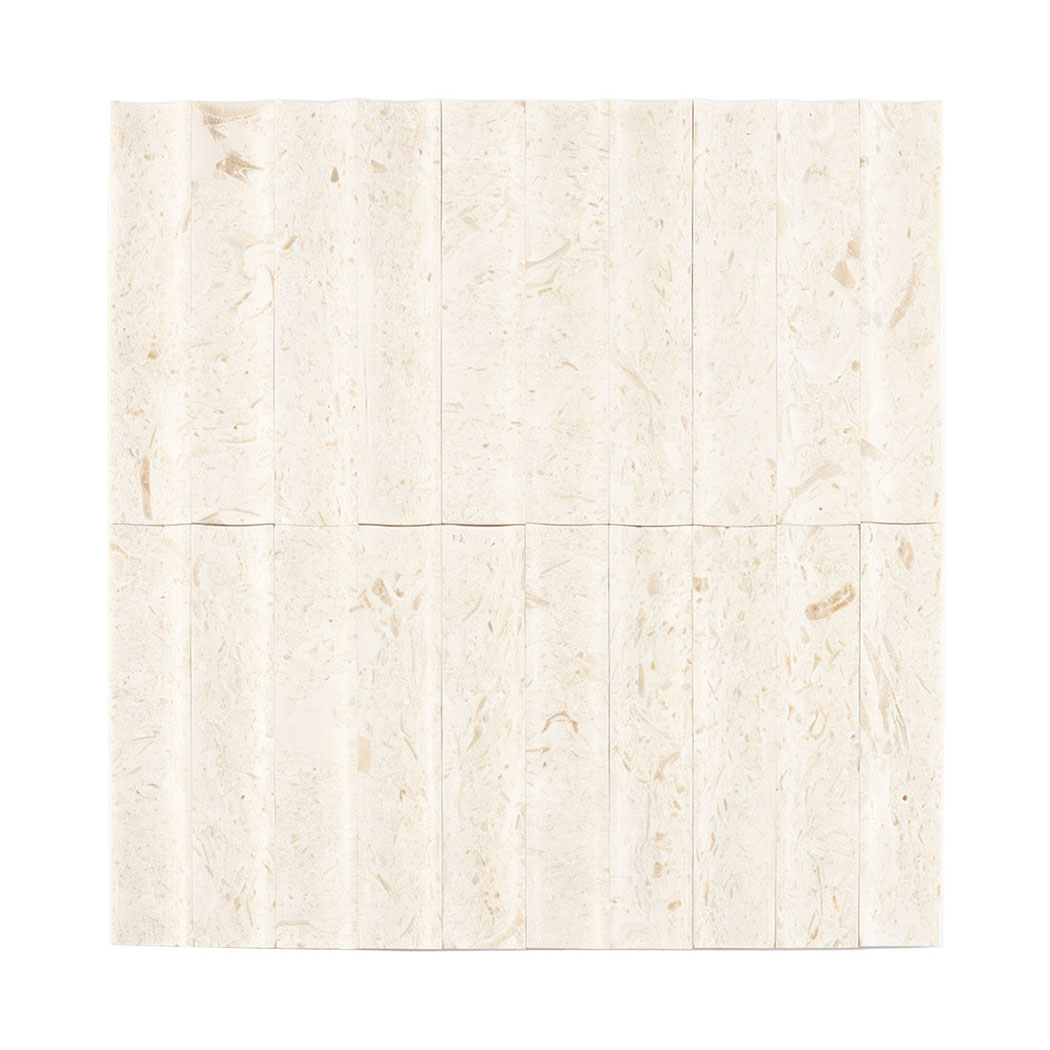

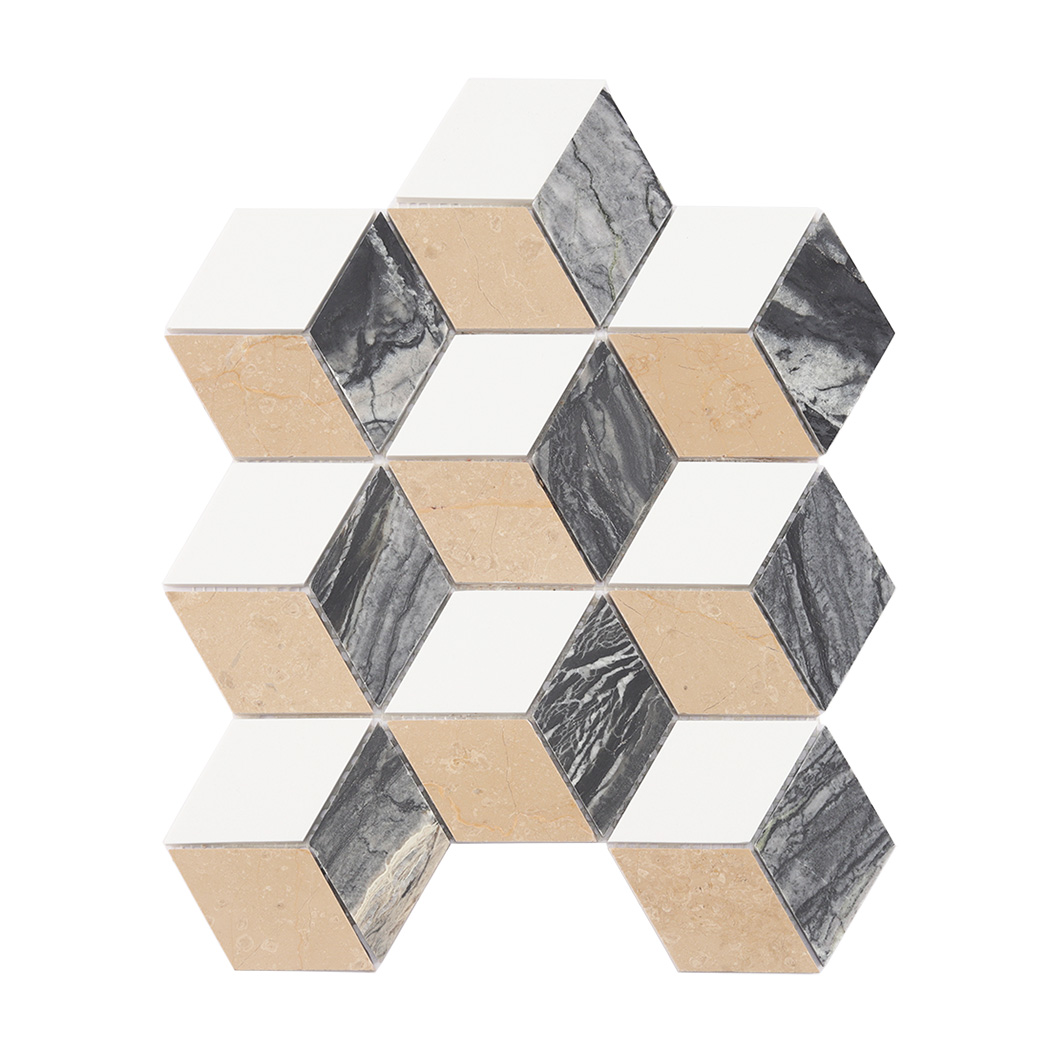


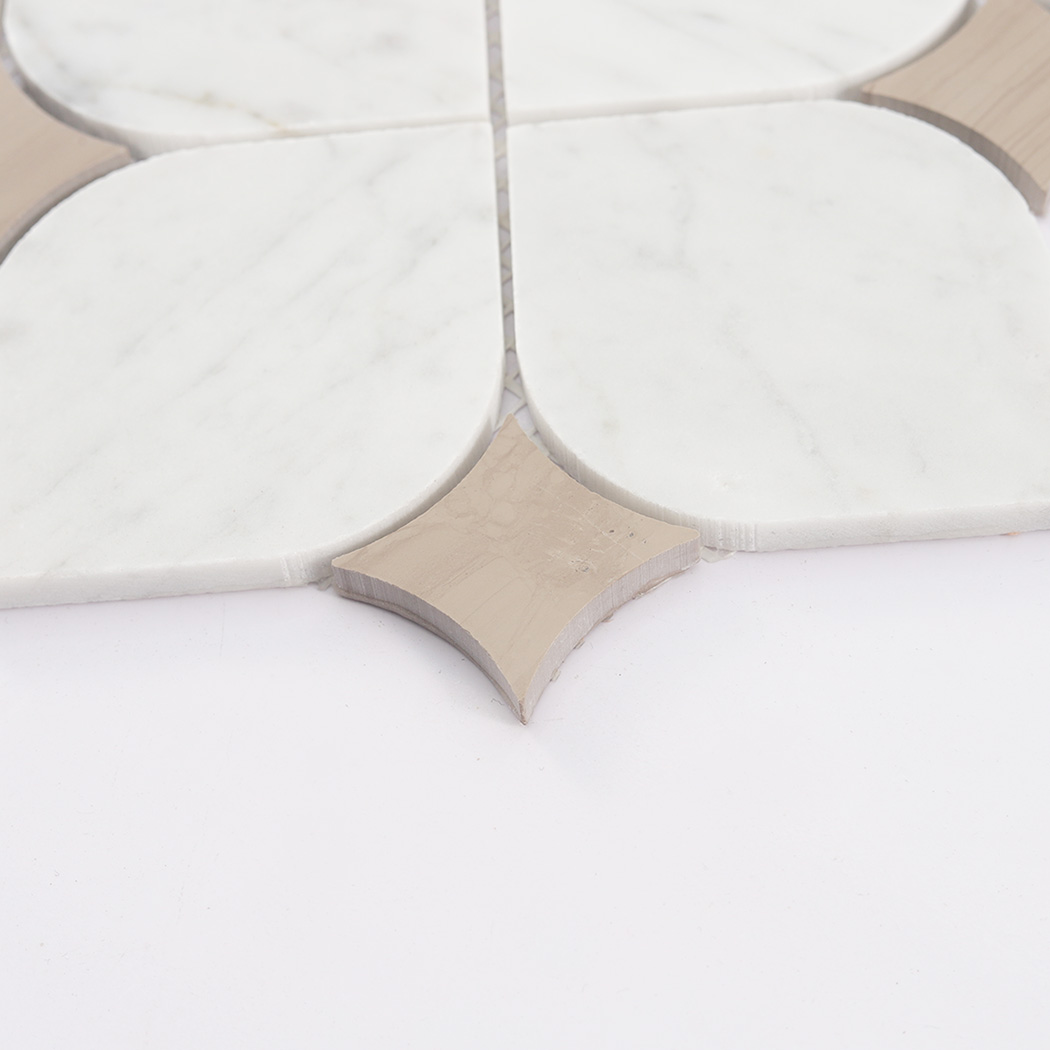
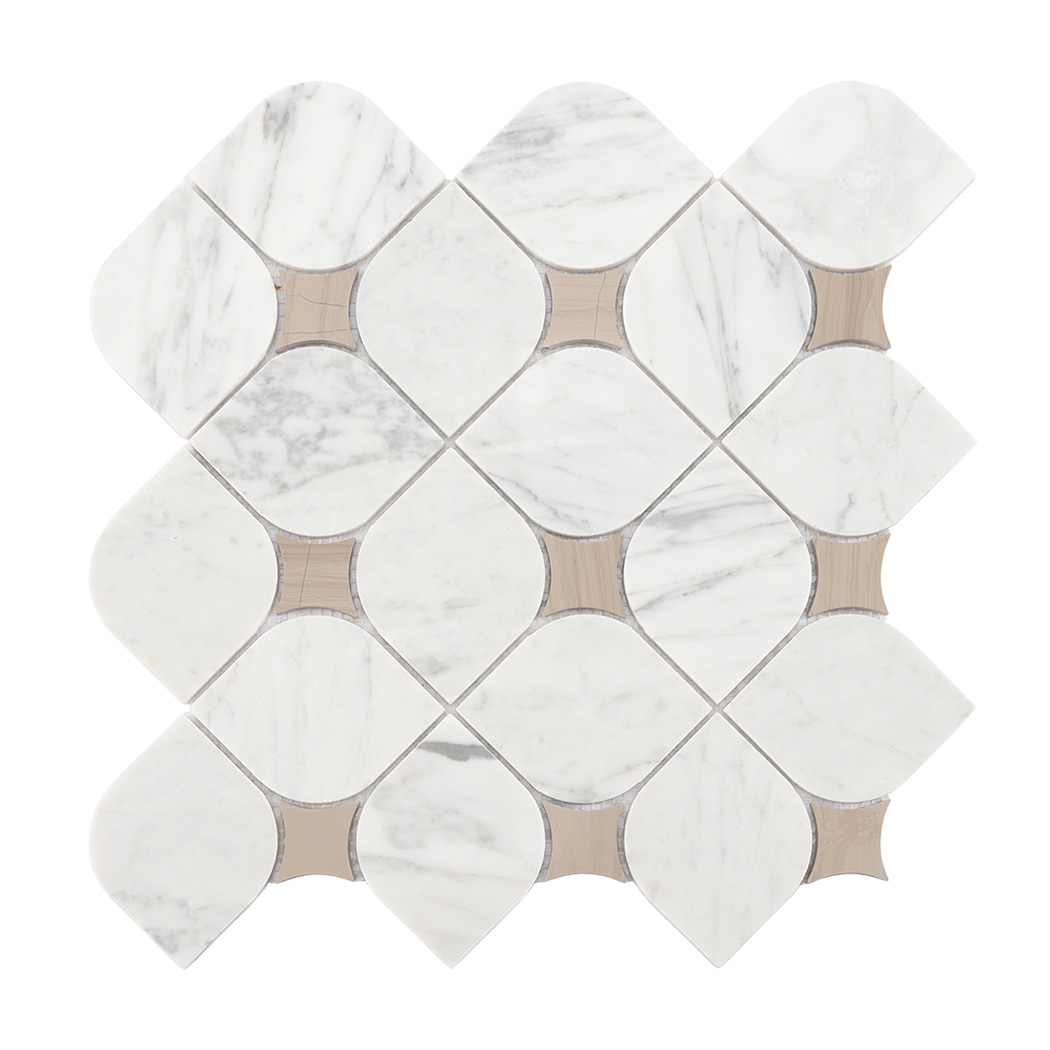

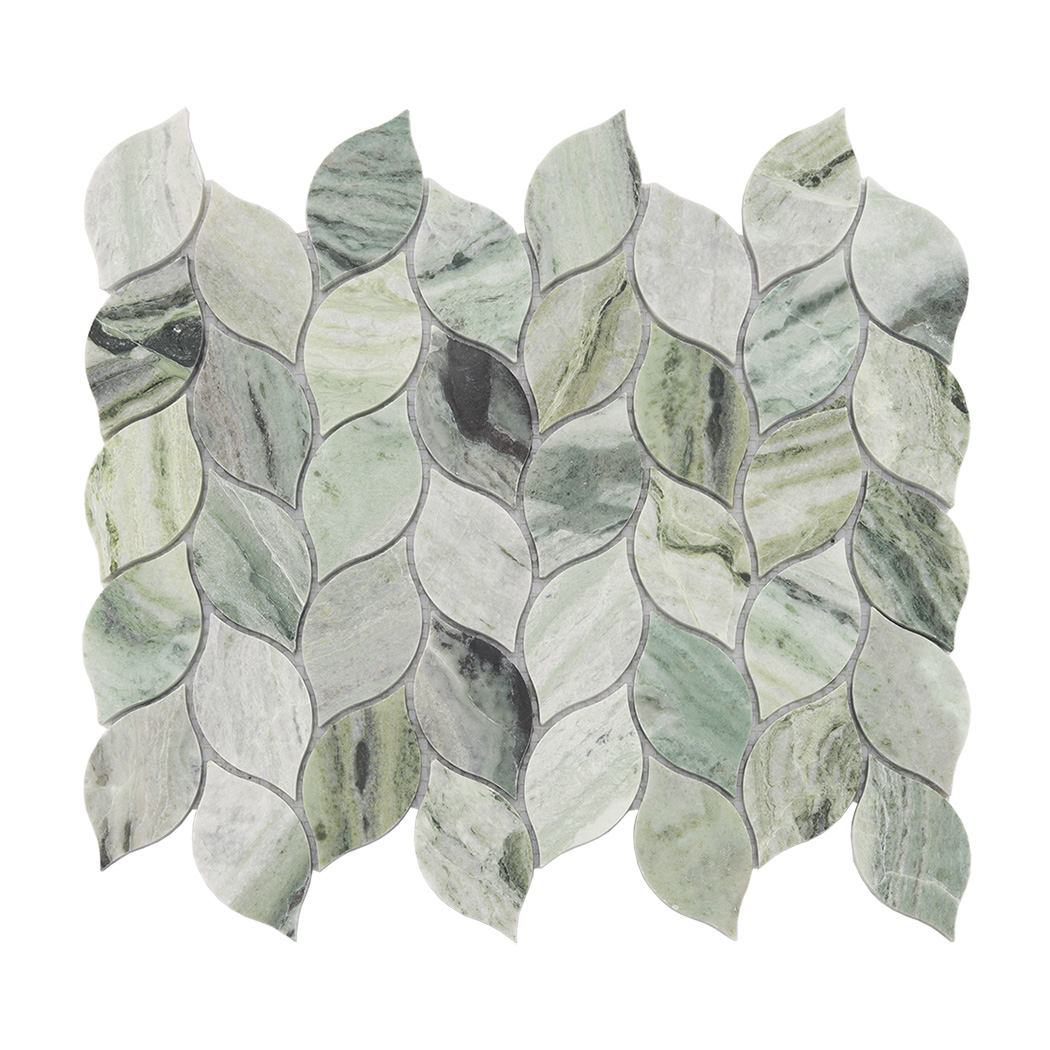

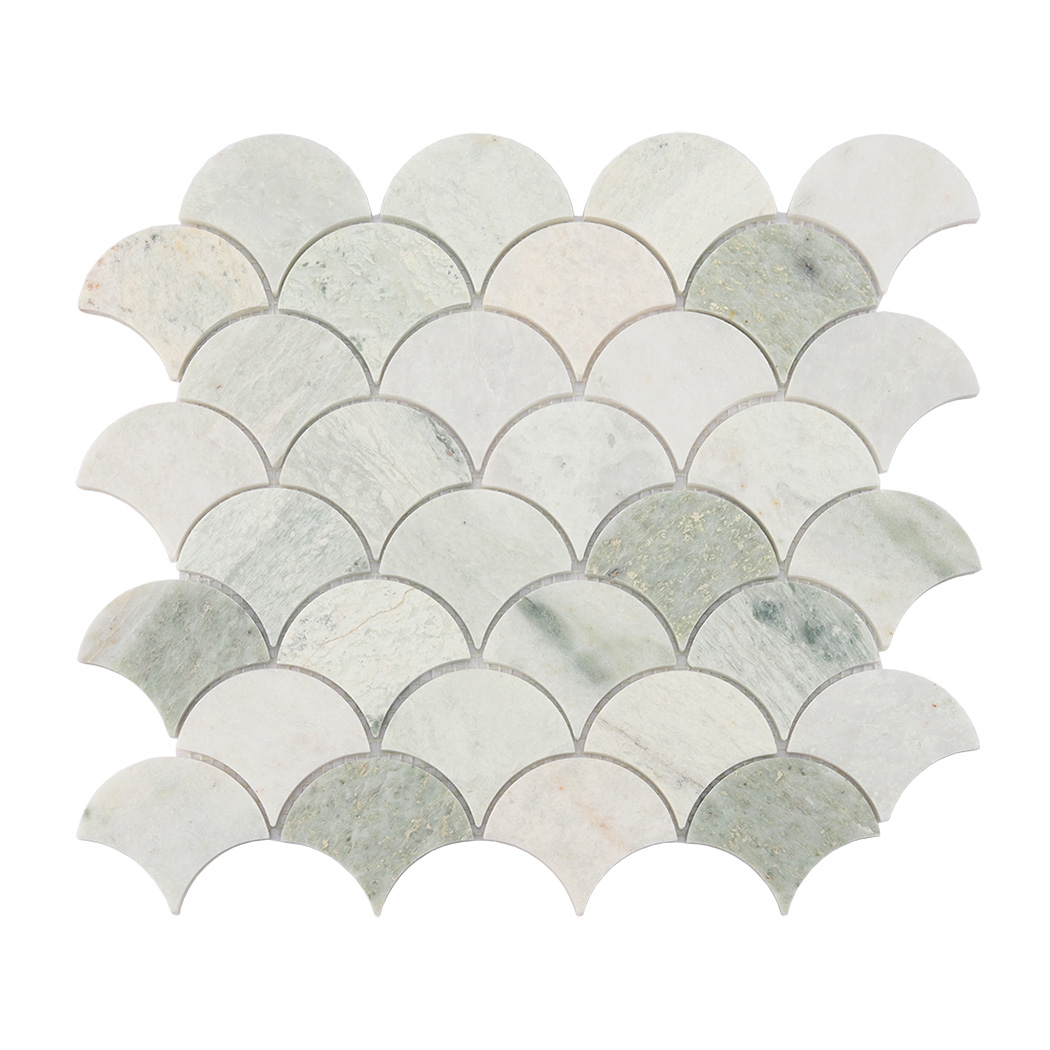
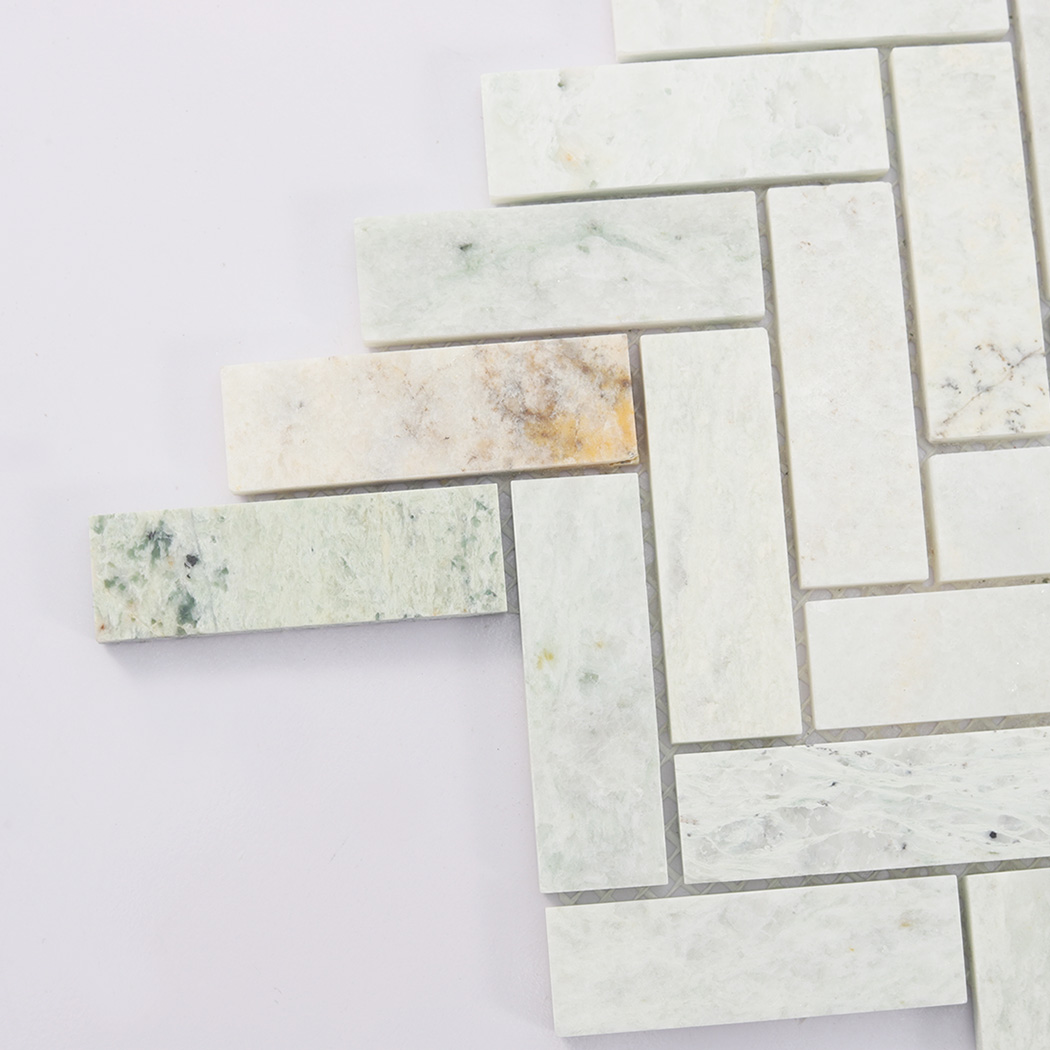
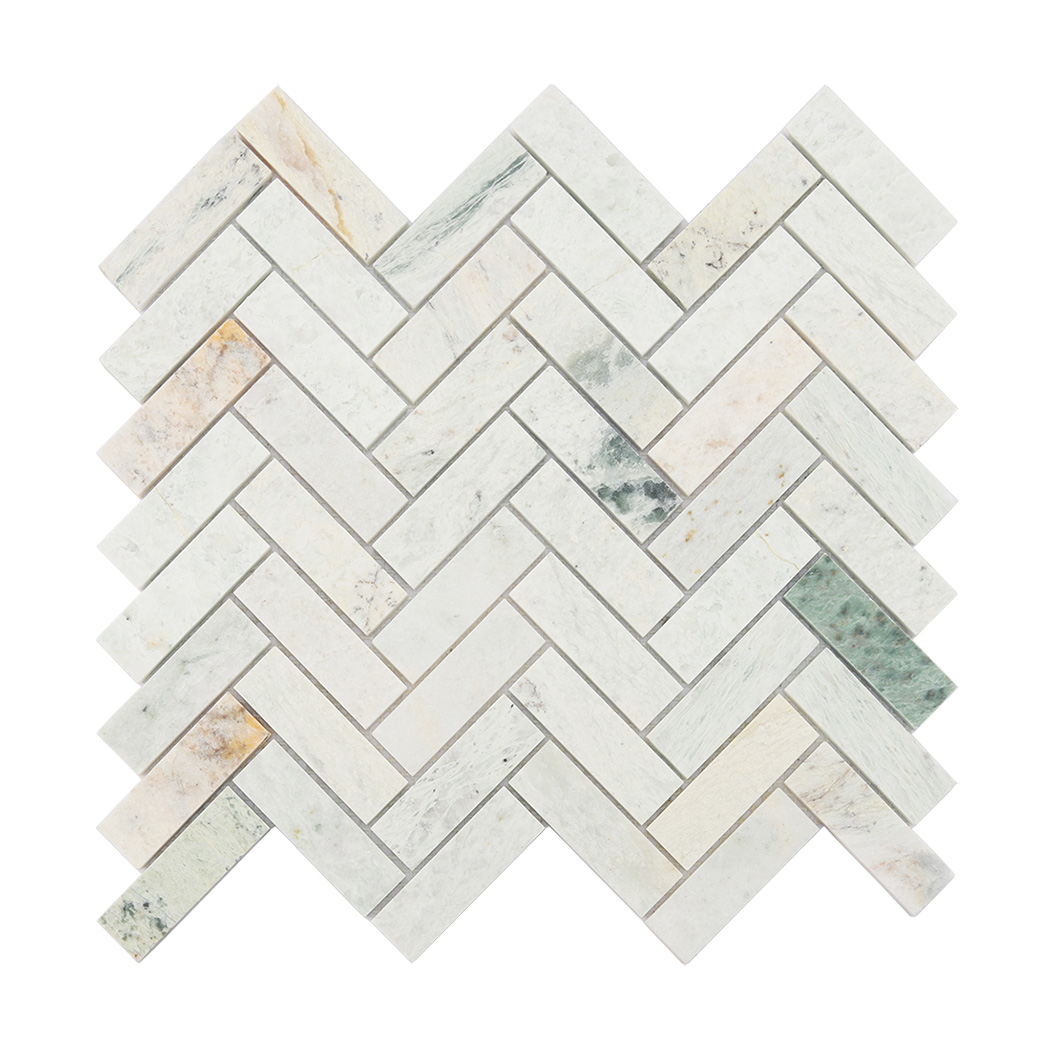
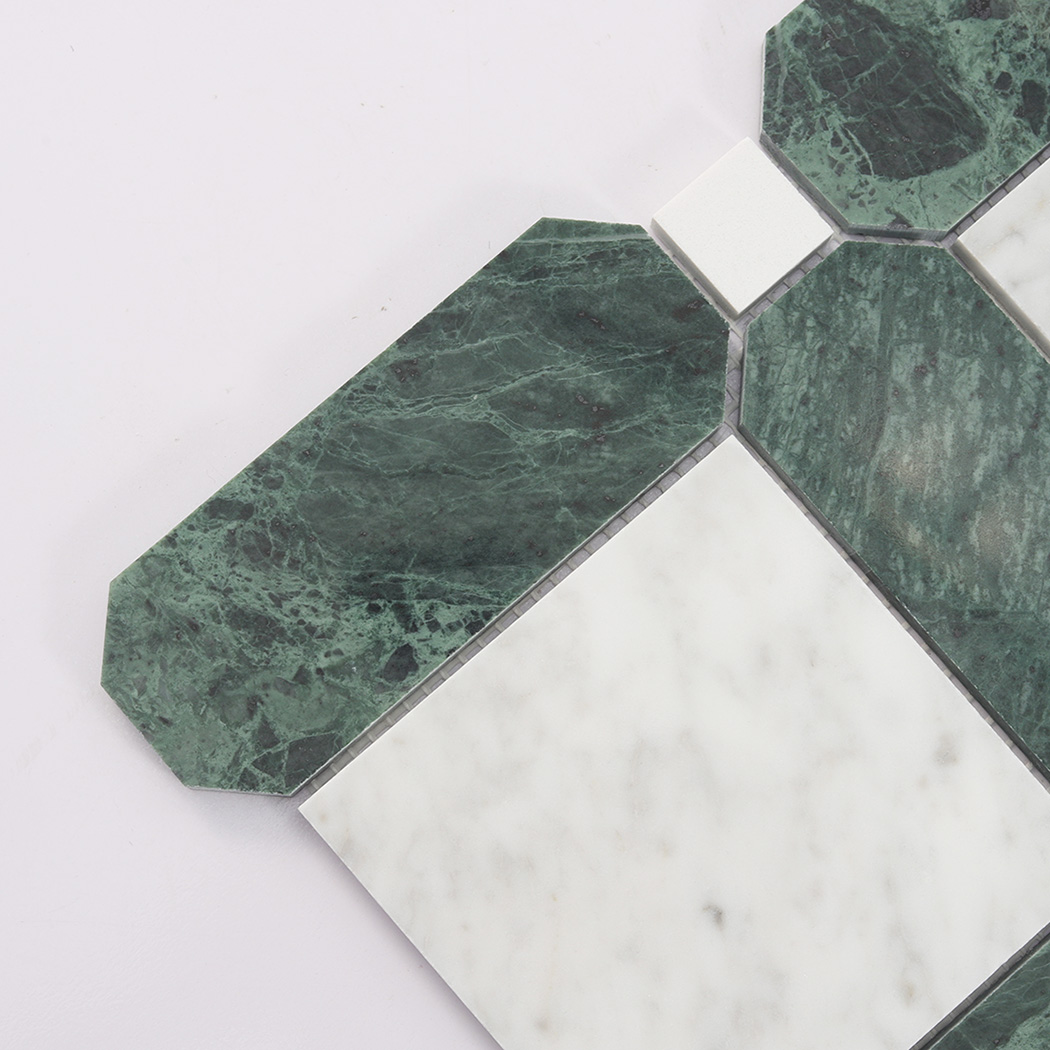
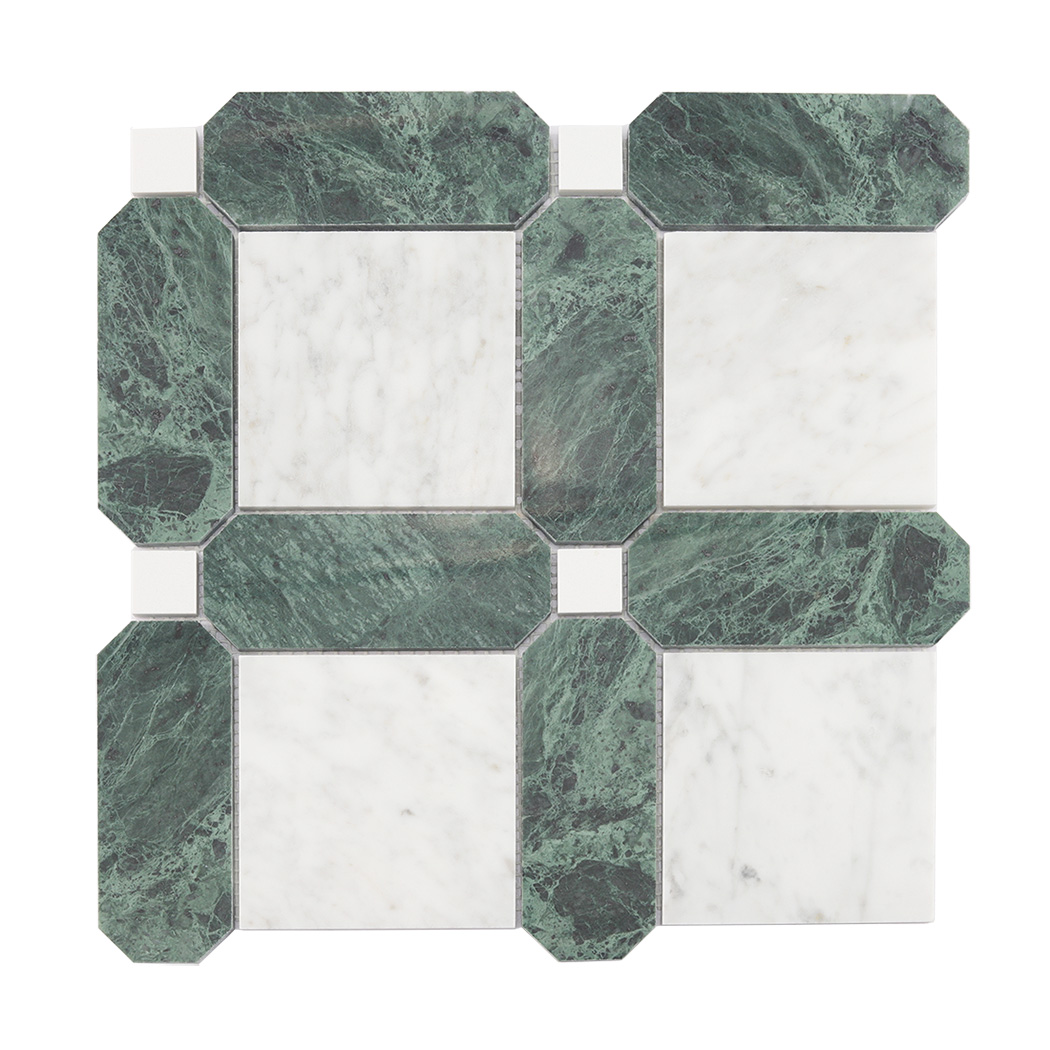
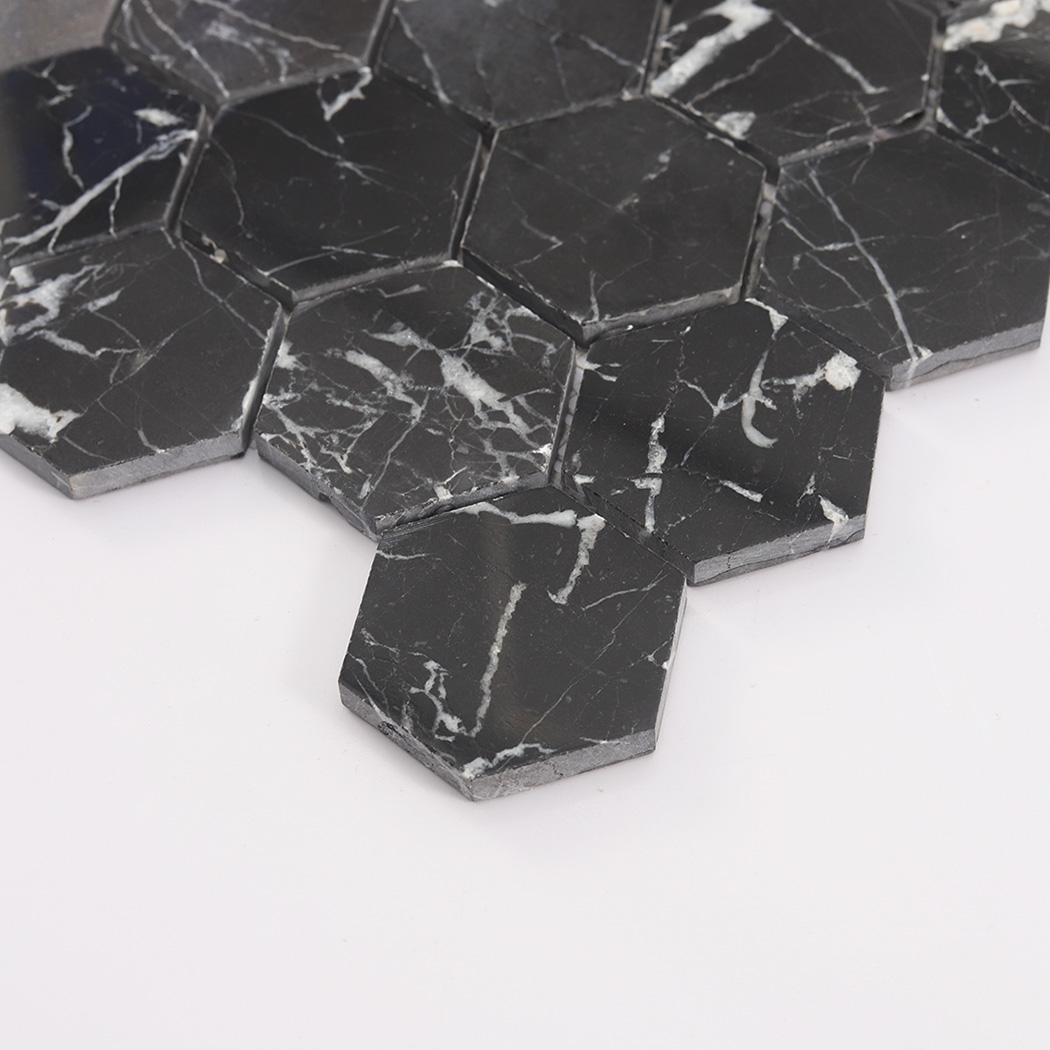
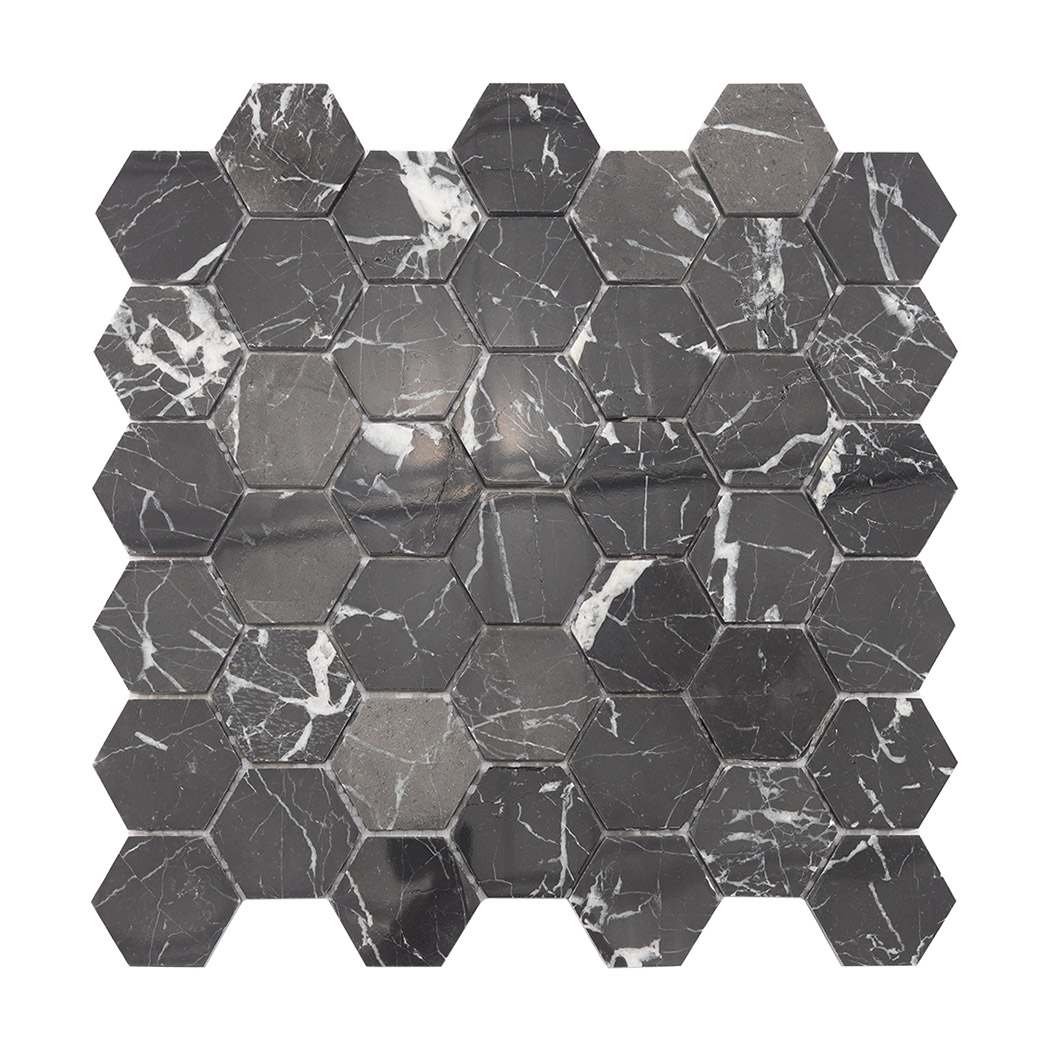

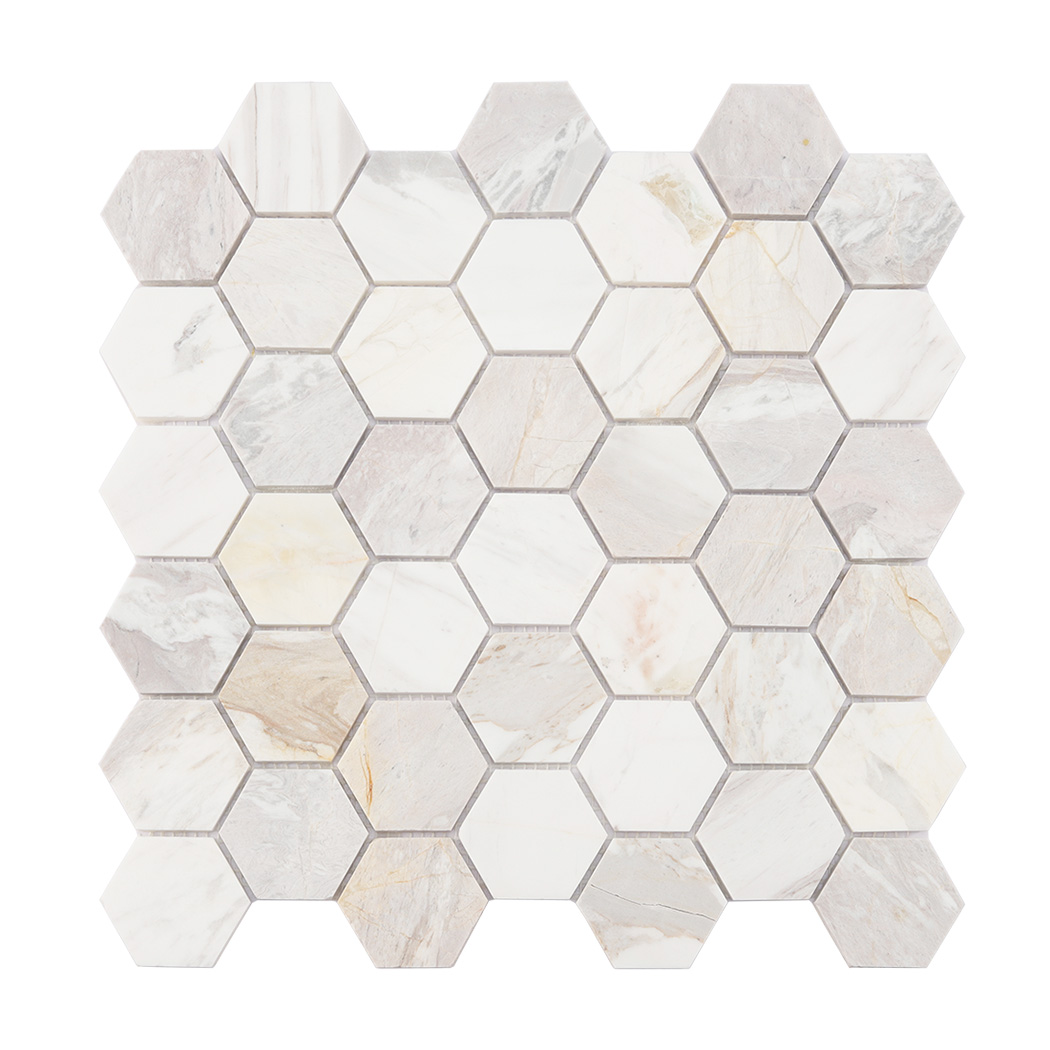


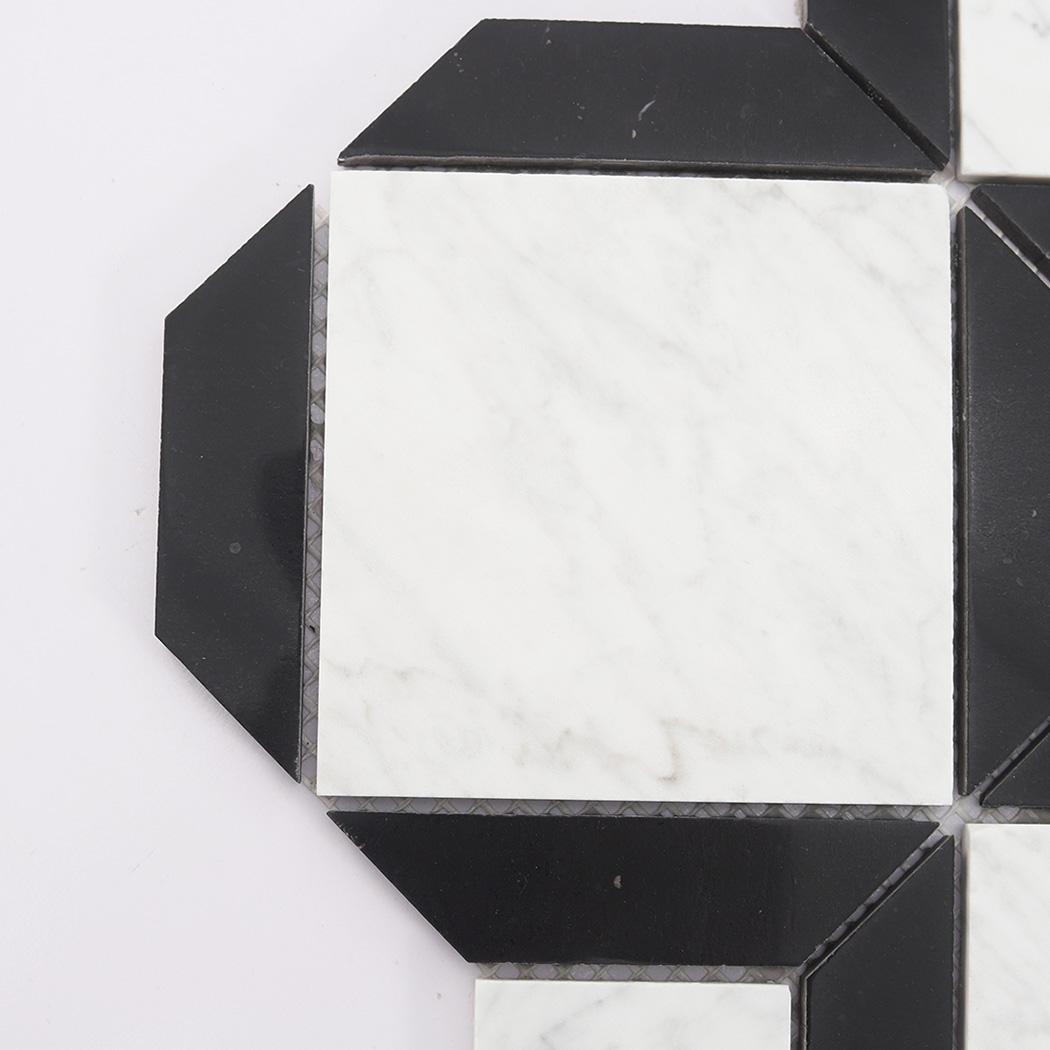
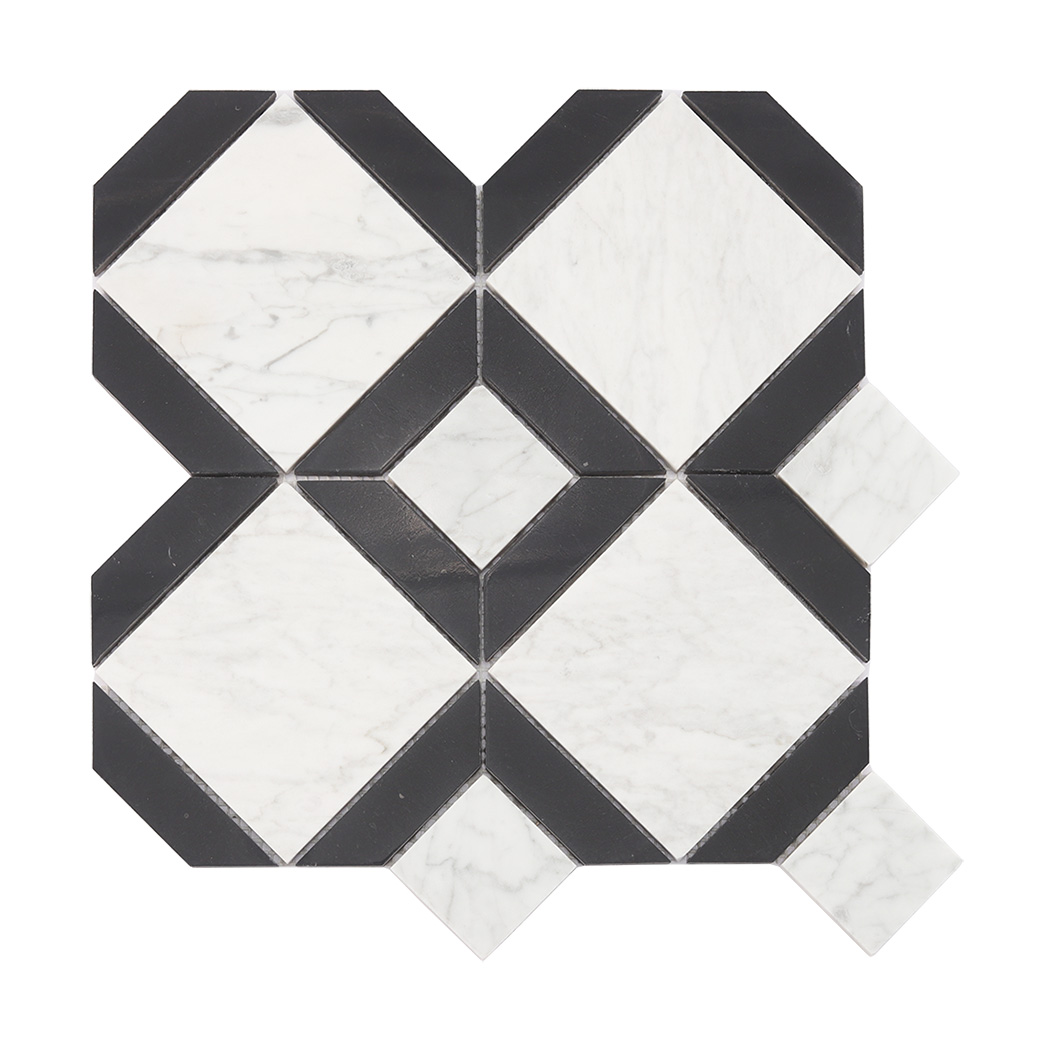

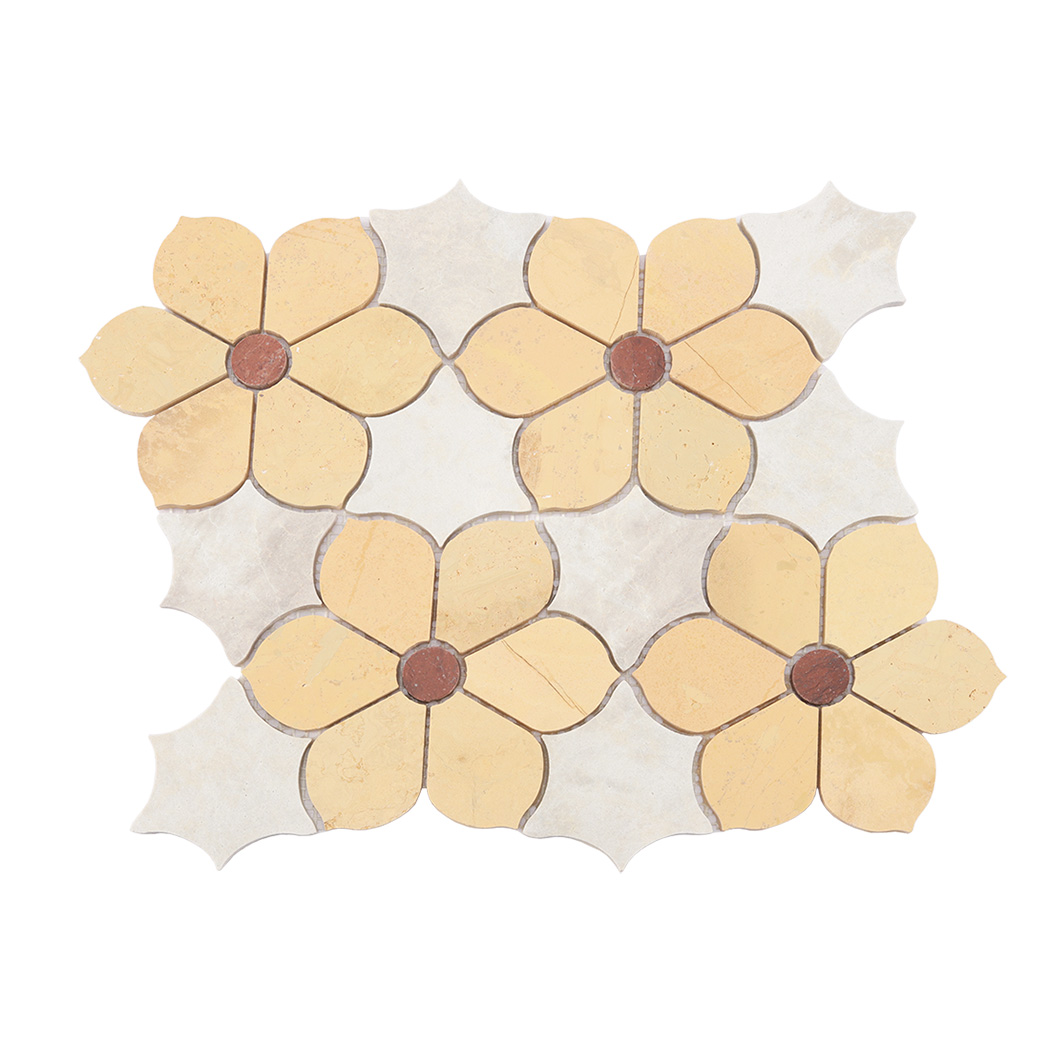


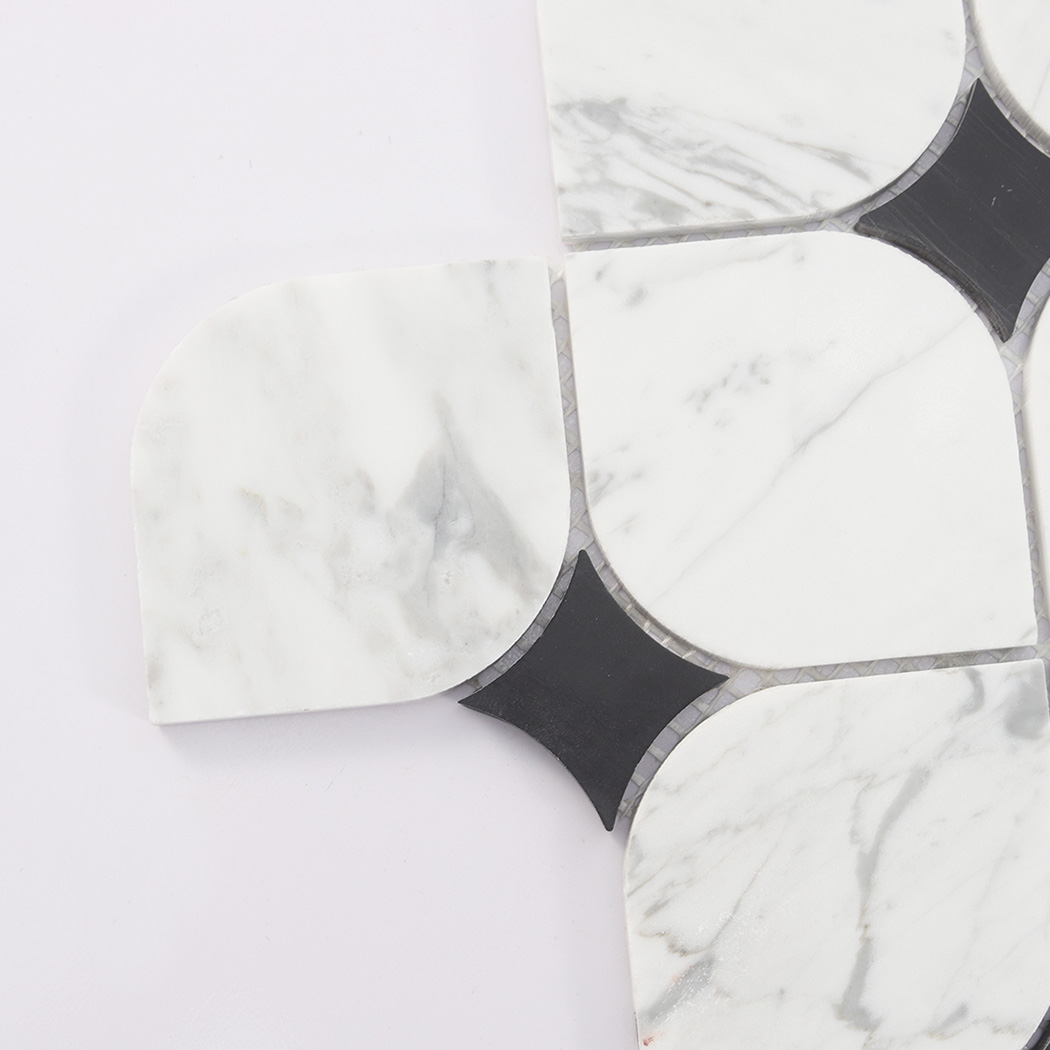
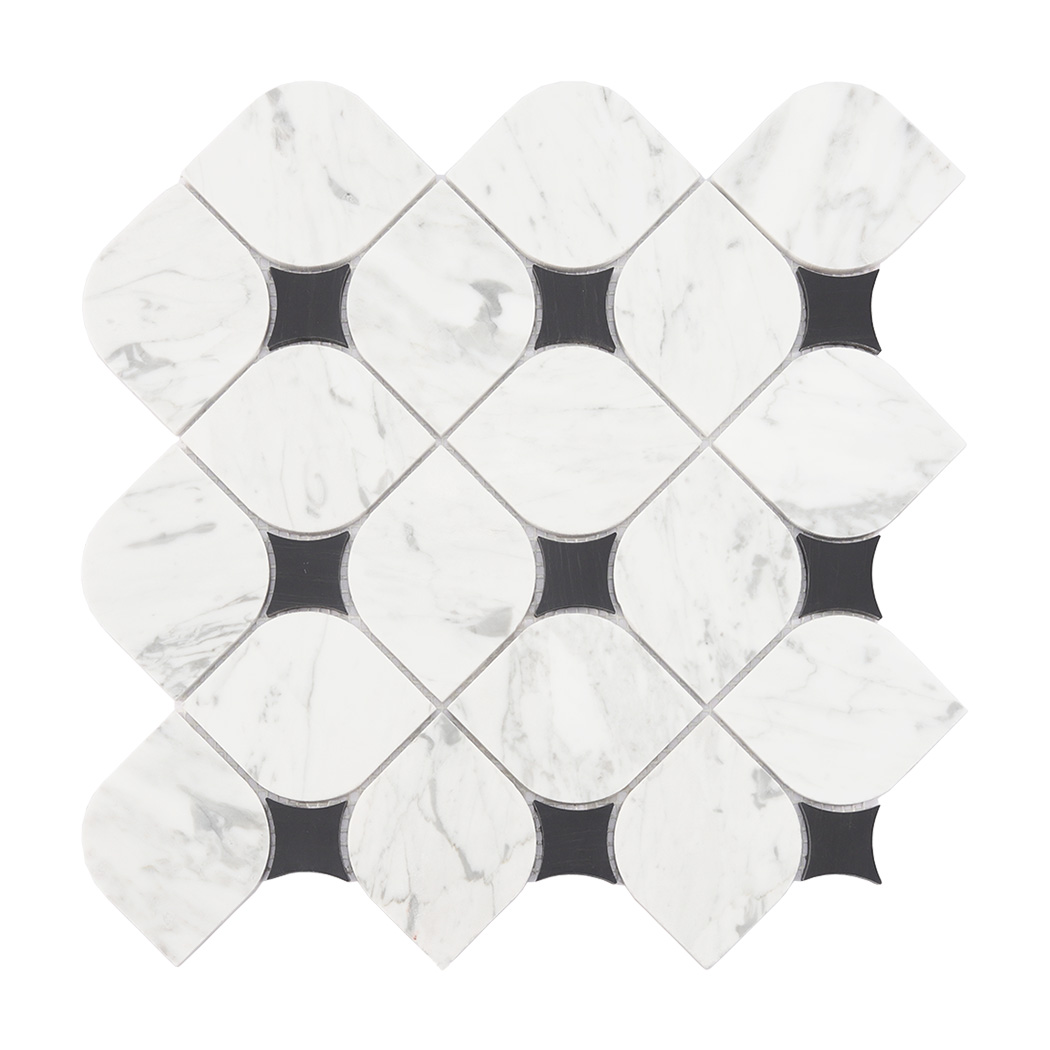
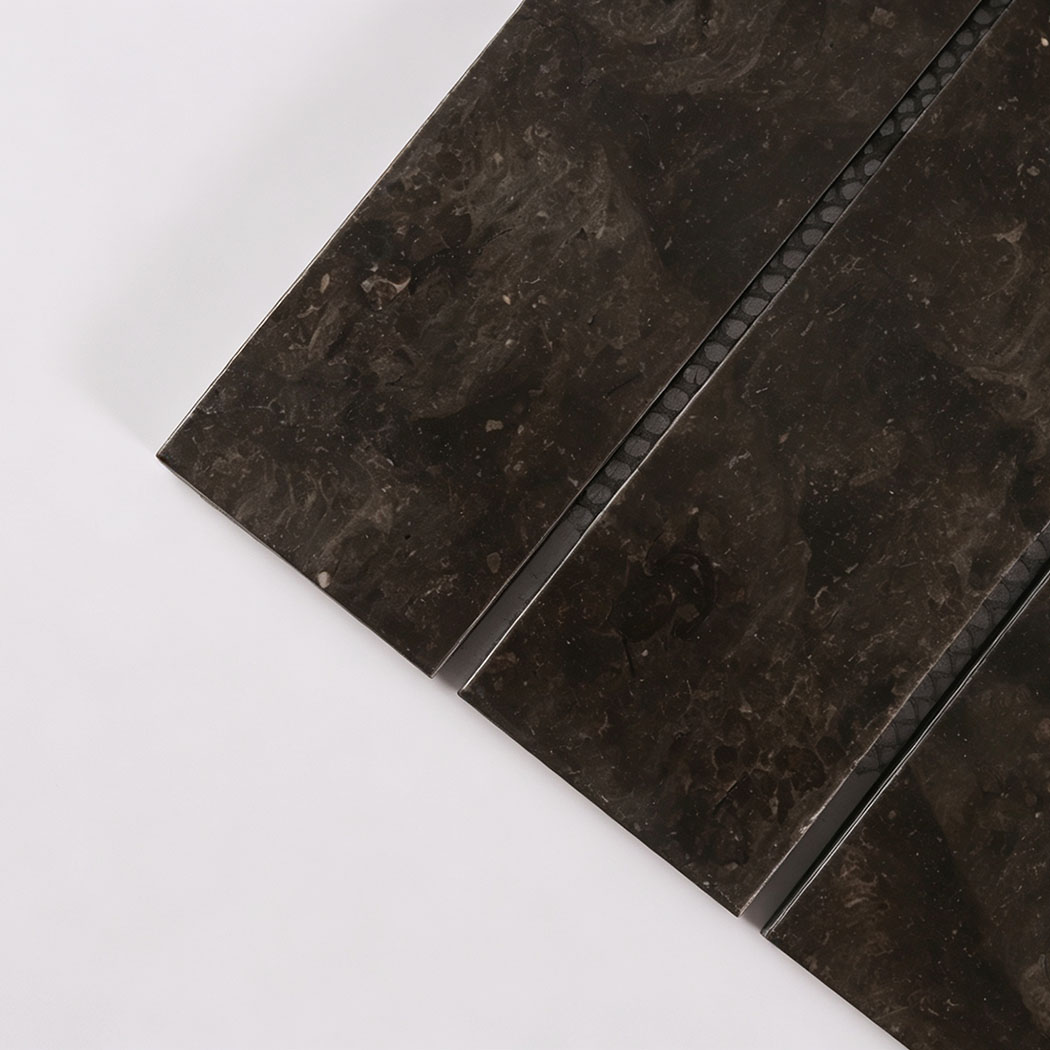
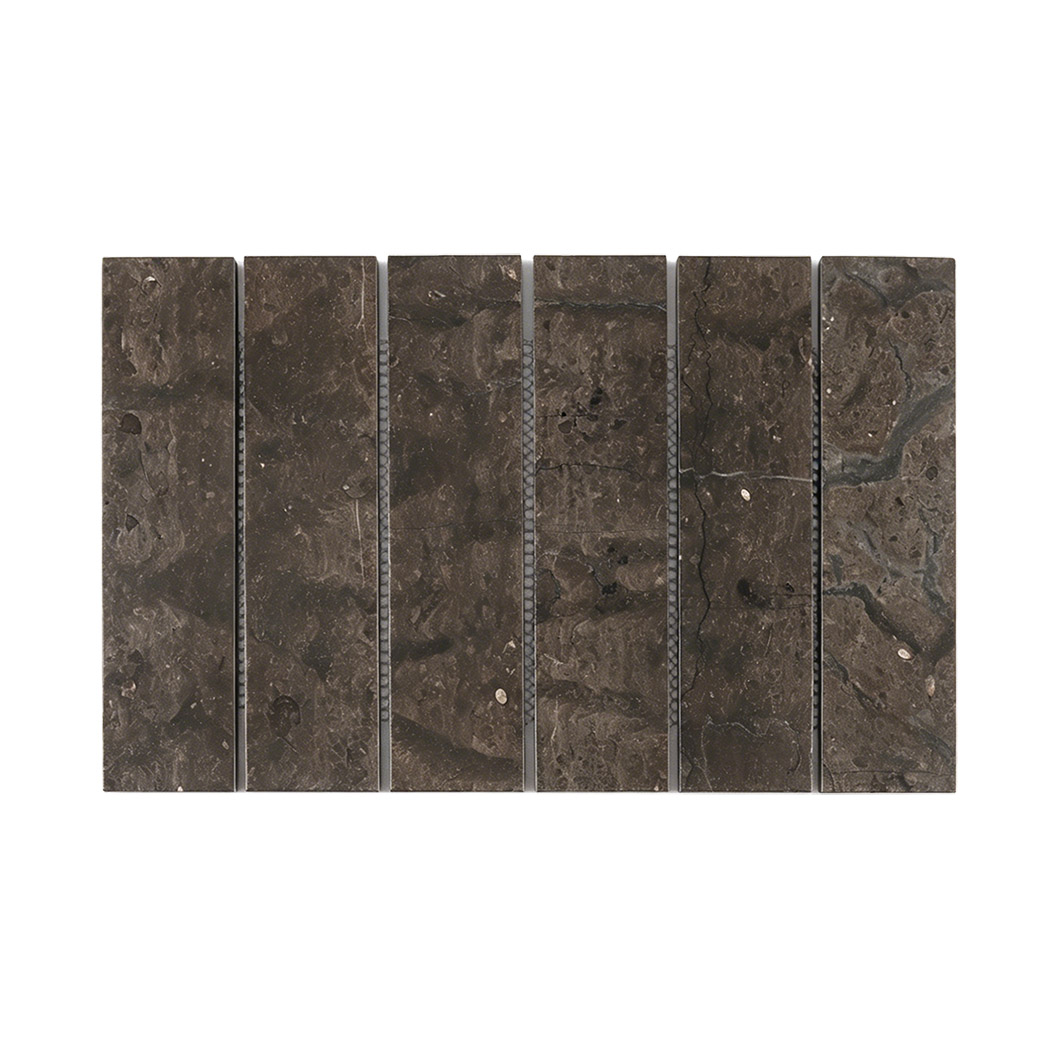
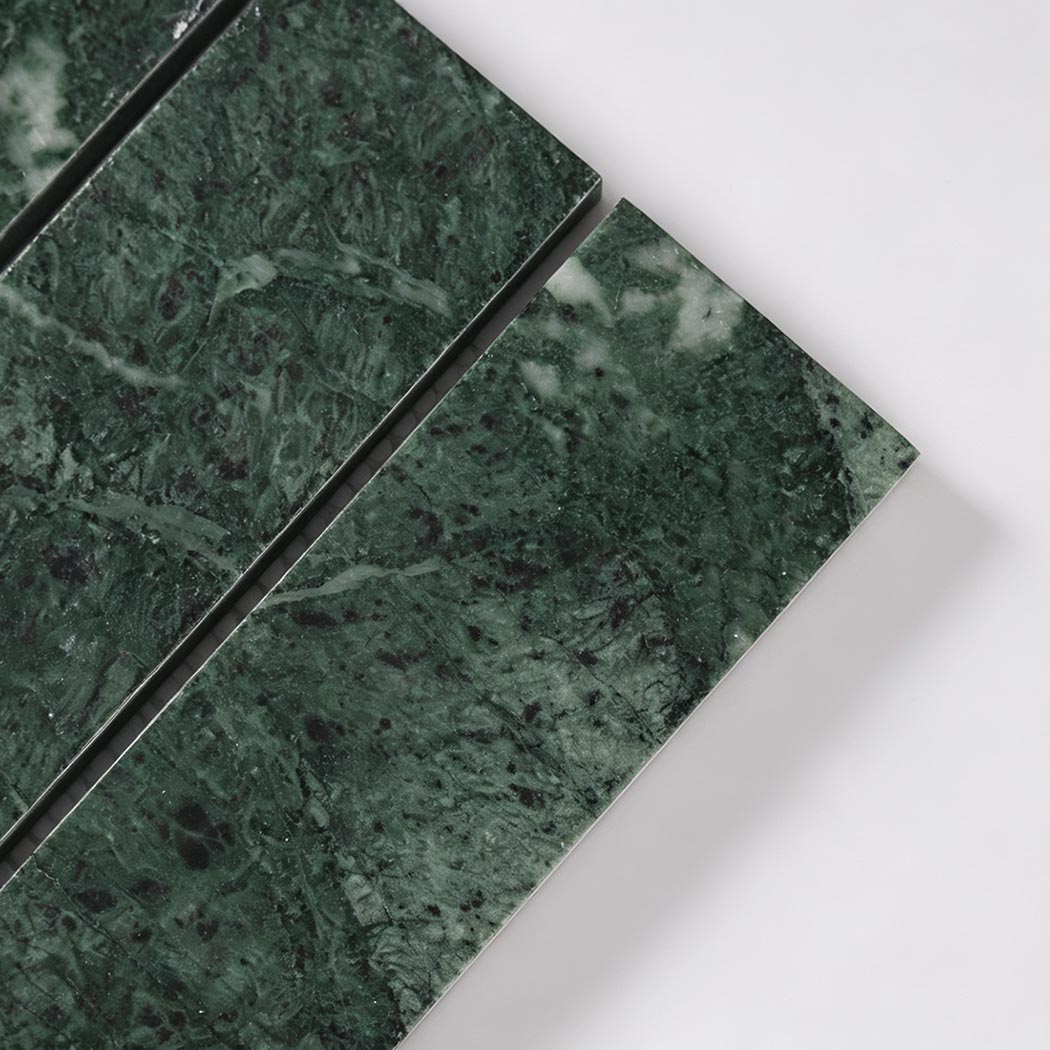
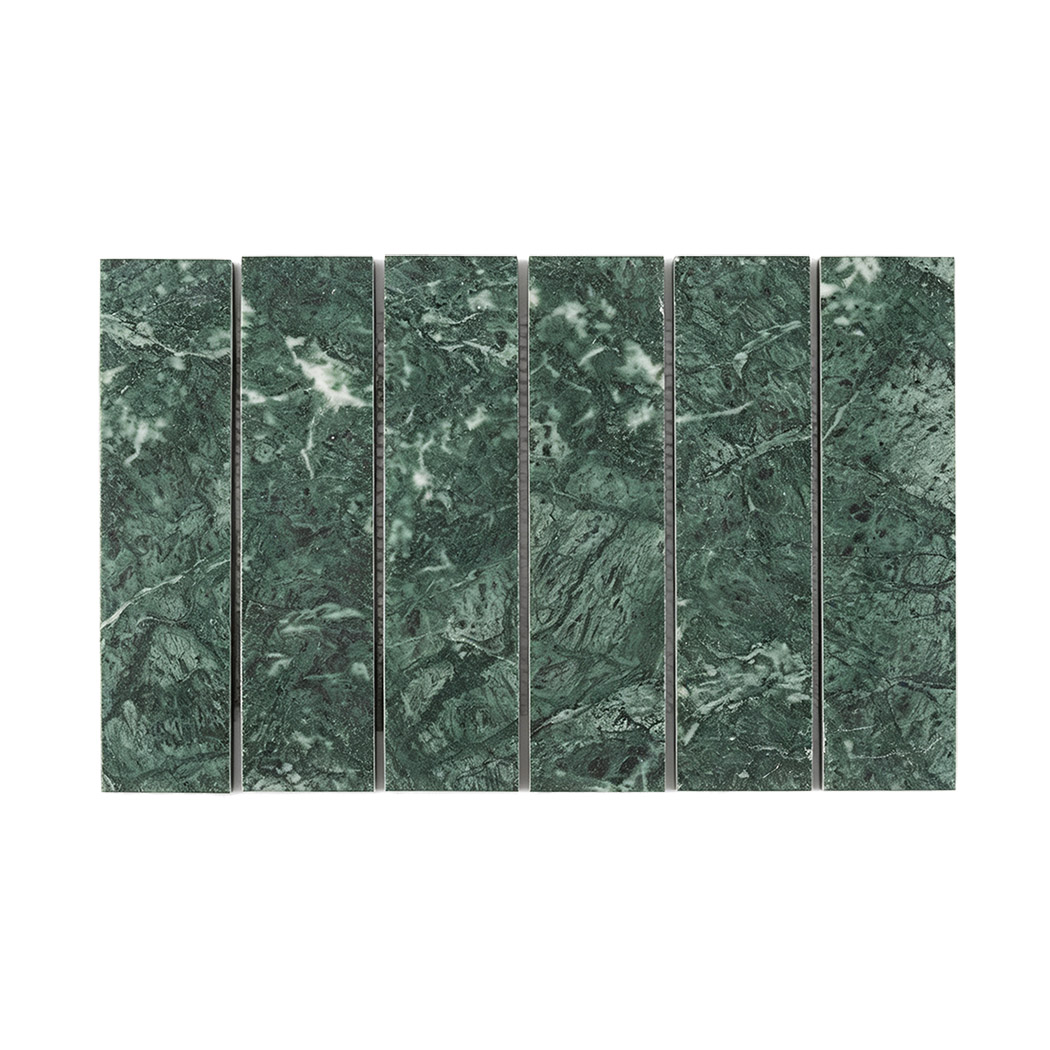
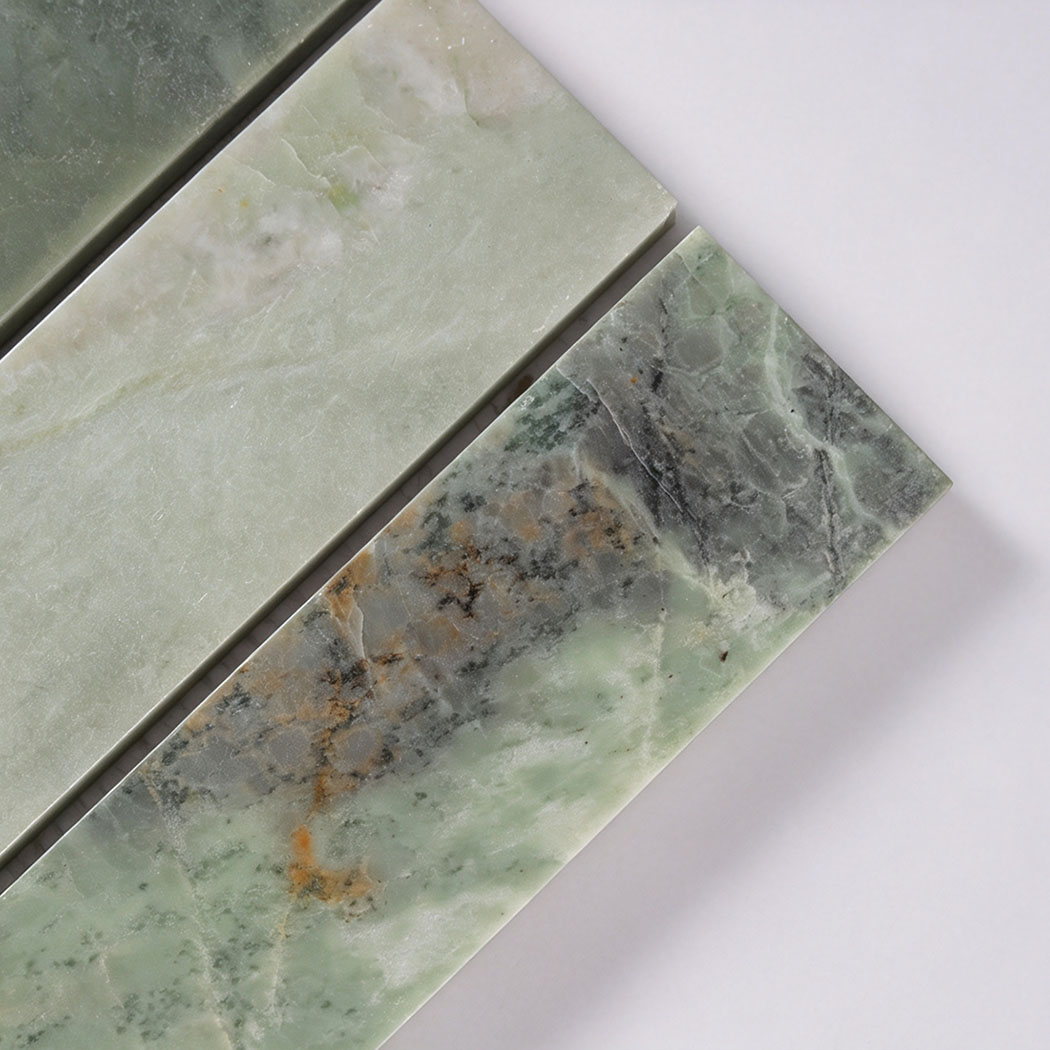
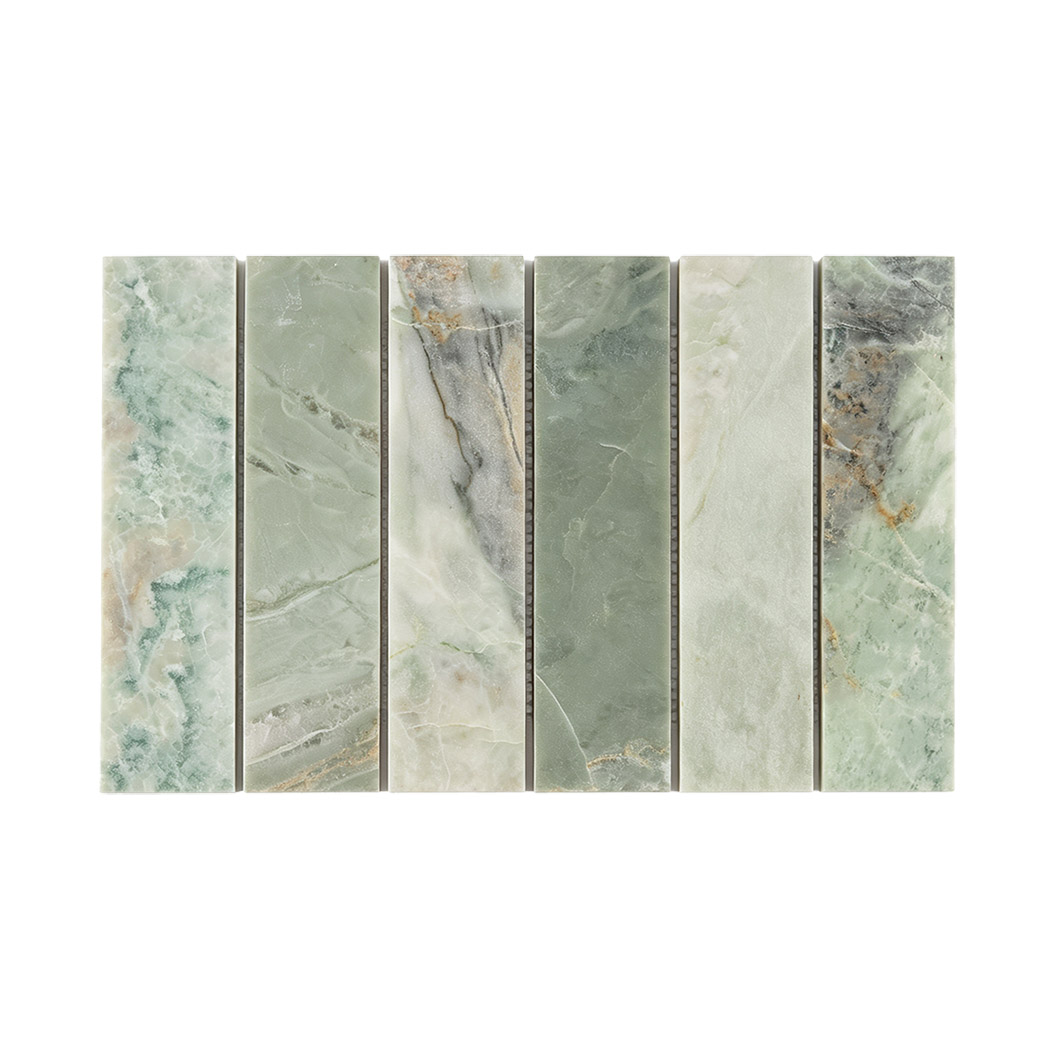
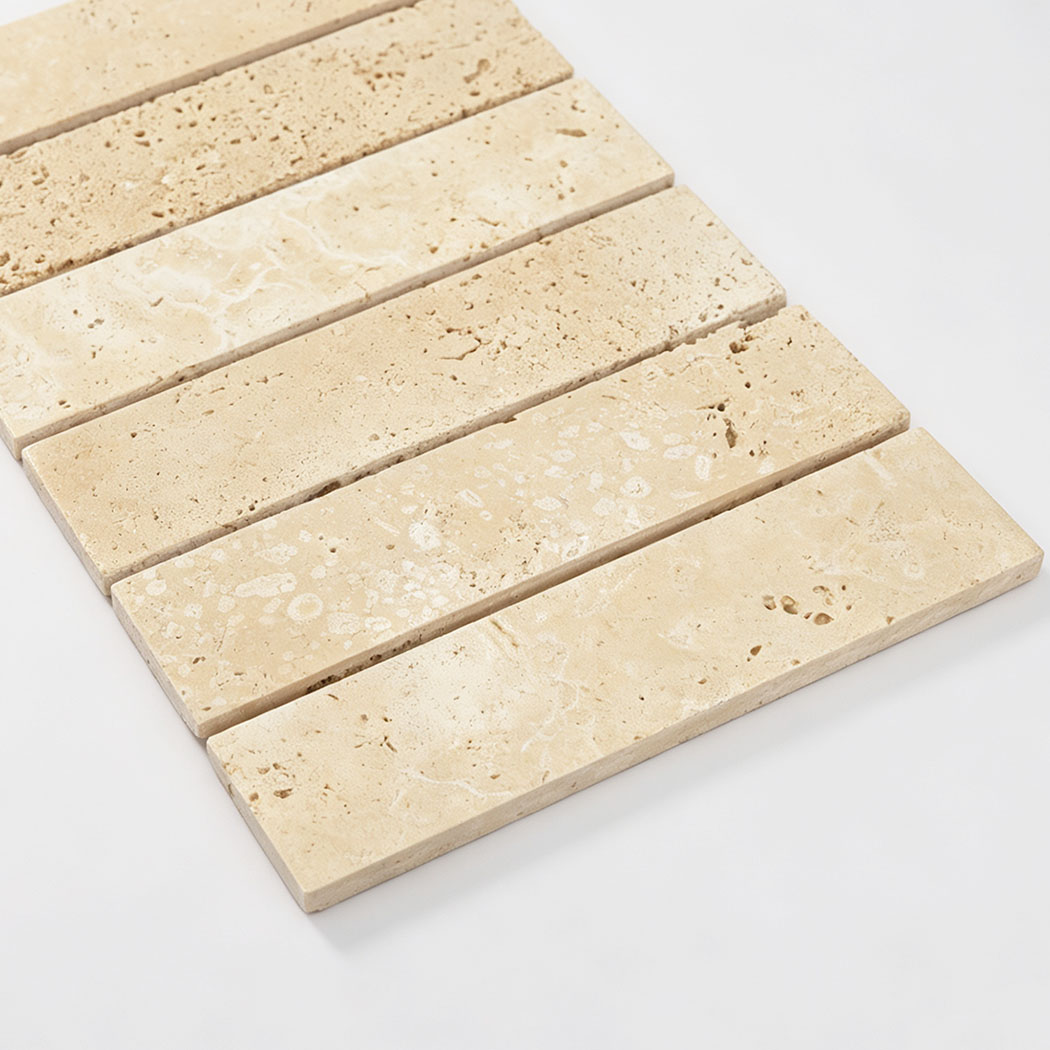
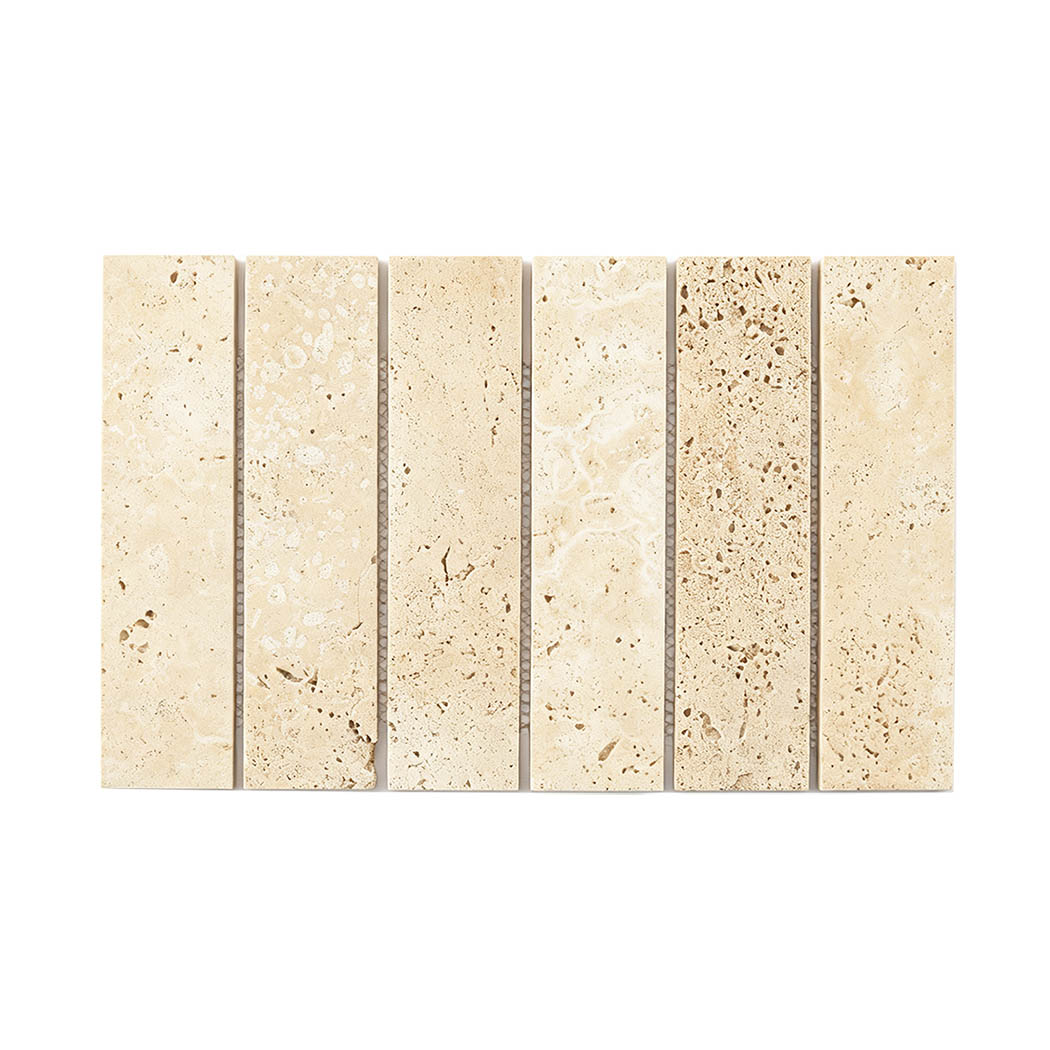
Modern washroom tiles from Saicina Tiles combine clean contemporary design with the natural depth, color variation and tactile character of premium materials. Explore marble, limestone, travertine, natural stone mosaics, metal-accent designs and Mother of Pearl tiles for bathroom walls, vanity backsplashes, shower features, niches and suitably rated floors.
A modern bathroom should feel calm and visually organized while performing reliably in a space exposed to water, steam and frequent cleaning. Achieving this balance begins with choosing the right material, finish, size and installation system for each surface.
Large-format natural stone tiles create a quiet, nearly seamless background, while small mosaics introduce texture, flexibility and intricate detail. Fluted stone, geometric patterns, reflective metal and luminous shell tiles can create a distinctive focal point without making the room feel overcrowded.
Because genuine stone and shell are formed by nature, variations in veining, shade, mineral markings and surface texture are expected. These differences are not defects. They are part of the material’s natural identity and ensure that every completed washroom has its own distinctive character.
Find the Right Tile for Every Washroom Surface
The best modern washroom tile is not simply the most attractive option. It must also be suitable for the location in which it will be installed.
A tile designed for a vanity wall may not be suitable for a shower floor. Likewise, a polished stone that looks beautiful on a wall may become slippery when installed underfoot in a wet area.
Bathroom Walls
Bathroom walls can accommodate a wide selection of decorative materials, including marble, limestone, travertine, stone mosaics, Mother of Pearl and selected metal-accent tiles.
Wall tiles can be polished, honed, matte, textured, fluted or dimensional. The final selection should complement the room’s lighting, fixtures and overall design style.
Vanity Backsplashes
Vanity backsplashes are ideal for introducing detailed materials without covering the entire bathroom. Natural stone mosaics, Mother of Pearl, polished marble and metal-accent designs can create an elegant focal point behind the sink.
Before ordering, consider how the surface will react to toothpaste, cosmetics, soap and daily cleaning products.
Shower Walls
Marble, limestone, travertine, stone mosaics and selected shell tiles can be used on shower walls when the specific product is approved for direct wet-area installation.
A complete waterproofing system must be installed behind the tile. Sealing the stone or grout does not replace the waterproof membrane beneath the finished surface.
Shower Niches
A shower niche provides a natural location for a decorative accent. Small marble mosaics, geometric stone patterns, Mother of Pearl and contrasting materials can help define the niche while keeping the overall shower design balanced.
Careful waterproofing, drainage, inside-corner treatment and edge finishing are essential.
Bathroom Floors
For bathroom floors, choose honed, textured or suitably rated natural stone and mosaics. Always verify the product’s floor-use approval, wet-area slip rating, abrasion resistance and sealing requirements.
A matte or honed appearance does not automatically mean that a tile is slip-resistant.
Shower Floors
Small-format mosaics are often easier to install on sloped shower floors because they can follow the pitch toward the drain. The additional grout joints may also improve traction.
However, not every mosaic is suitable for a shower floor. Always confirm that the exact product is approved for wet flooring.
Modern Washroom Tiles by Material
Natural Marble Tiles
Natural marble remains one of the most recognizable materials for a high-end modern bathroom. Its flowing veins, mineral variation and visual depth bring movement to a minimalist space without relying on artificial printed patterns.
White and soft gray marble support clean contemporary interiors, while beige, brown, green and dramatic black marble can create a stronger visual statement.
Large marble tiles can reduce the number of grout joints and produce a more continuous appearance. Marble mosaics are suitable when a smaller scale, geometric pattern or easier fit around shower slopes and niches is required.
Polished marble reflects light and is often selected for walls, vanity backsplashes and decorative surfaces. Honed marble has a softer, lower-reflection appearance that works well in warm minimalist and spa-inspired bathrooms.
Marble is sensitive to acidic substances. It should be cleaned with a pH-neutral natural stone cleaner. Some marble installations may also require an impregnating sealer to improve resistance to water-based and oil-based stains.
Travertine Tiles
Travertine introduces warmth, natural movement and an architectural quality to modern washrooms. Its pores, linear markings and tonal variations work especially well in spa-inspired, Japandi, Mediterranean-modern and warm minimalist interiors.
Ivory, cream, beige, sand and light walnut travertine coordinate naturally with oak cabinetry, brushed metal fixtures and soft neutral walls.
Filled and honed travertine has a cleaner and more controlled appearance, while textured or tumbled finishes create a more organic surface.
Because travertine is naturally porous, its filling material, surface finish, sealing requirements and wet-area suitability should all be confirmed before installation.
Limestone Tiles
Limestone is appreciated for its quiet color movement and soft, understated elegance. Compared with strongly veined marble, limestone creates a calmer visual surface that is particularly suitable for minimalist bathrooms and hotel-style washrooms.
Cream, beige, taupe and pale gray limestone can make a small bathroom feel warm and cohesive, especially when similar tones continue from the walls to the floor.
Different limestone varieties have different densities, absorption rates and maintenance requirements. Select a product and finish specifically approved for the intended wall, floor or wet-area application.
Like marble and travertine, limestone is sensitive to acidic cleaning products and should be maintained with a pH-neutral stone cleaner.
Natural Stone Mosaic Tiles
Natural stone mosaics bring the depth and texture of marble, limestone and other genuine stones into a more detailed and flexible format.
Popular shapes include:
-
Square mosaics
-
Hexagon mosaics
-
Penny round mosaics
-
Herringbone mosaics
-
Basketweave mosaics
-
Diamond mosaics
-
Elongated strip mosaics
-
Waterjet geometric patterns
-
Custom stone mosaic designs
Stone mosaics are suitable for shower niches, vanity backsplashes, feature walls, curved surfaces and selected bathroom floors.
Smaller pieces can follow the slope of a shower floor more easily than large tiles. The additional grout joints may provide more traction, but the tile must still be specifically approved for shower-floor installation.
Sheet-mounted mosaics should be dry-laid before installation. This allows the installer to adjust the spacing, blend natural variations and prevent visible sheet lines in the completed surface.
Metal and Natural Stone Mosaic Tiles
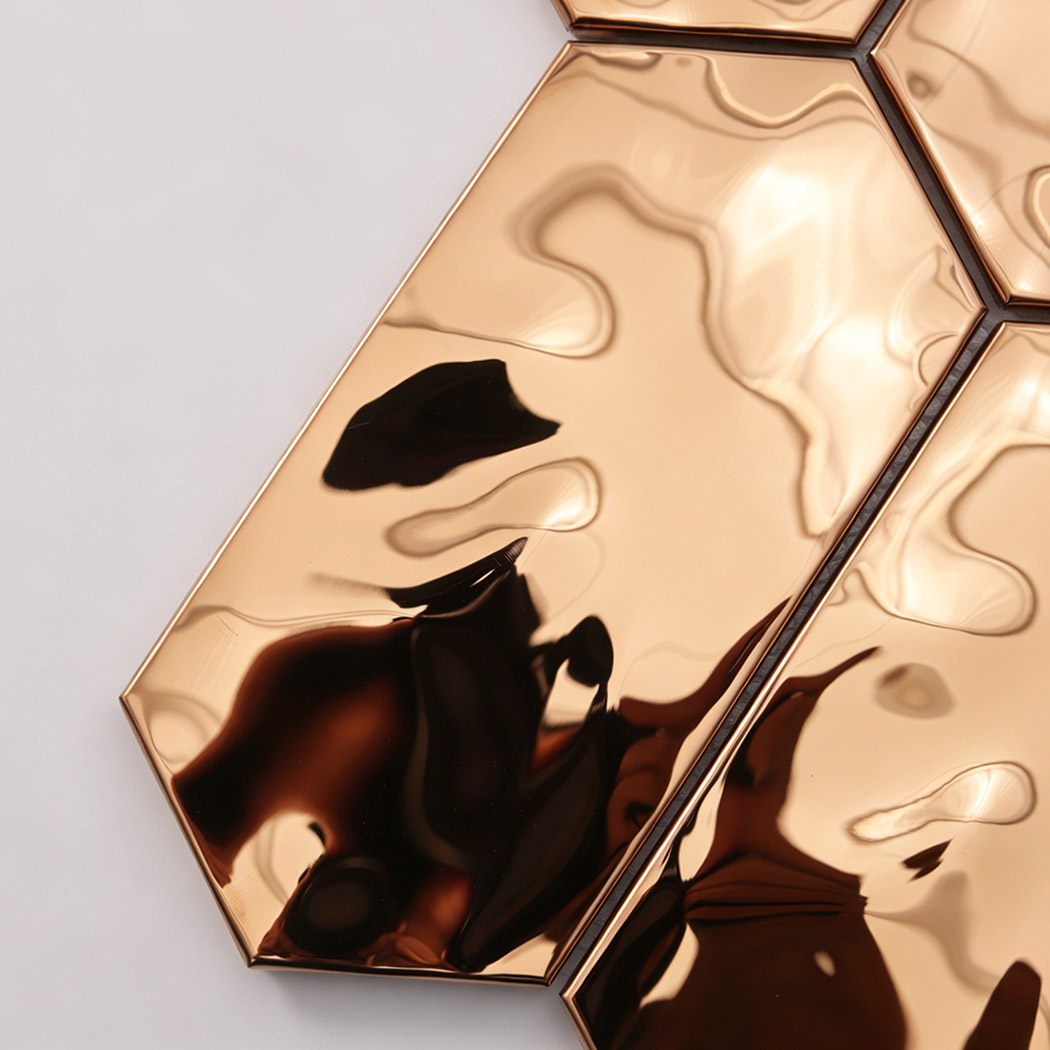
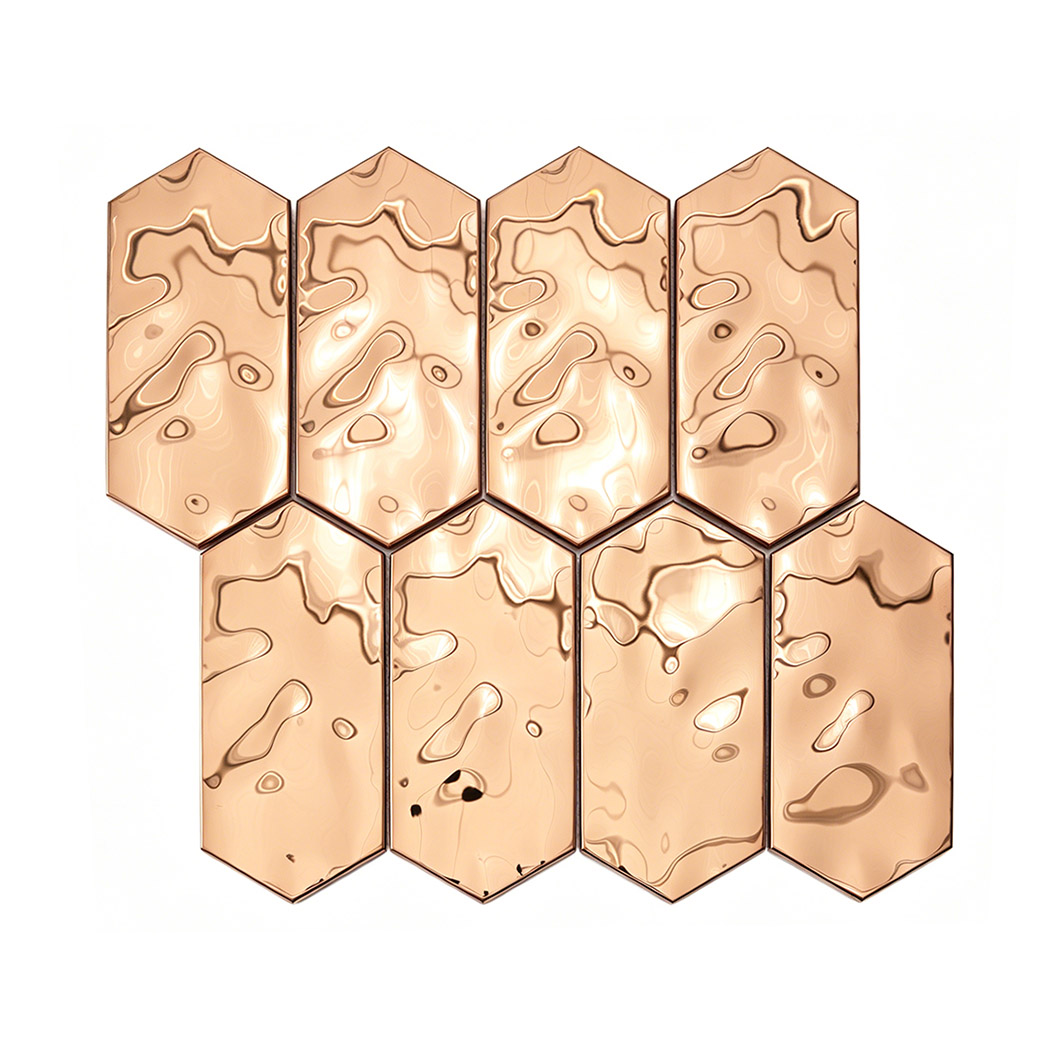
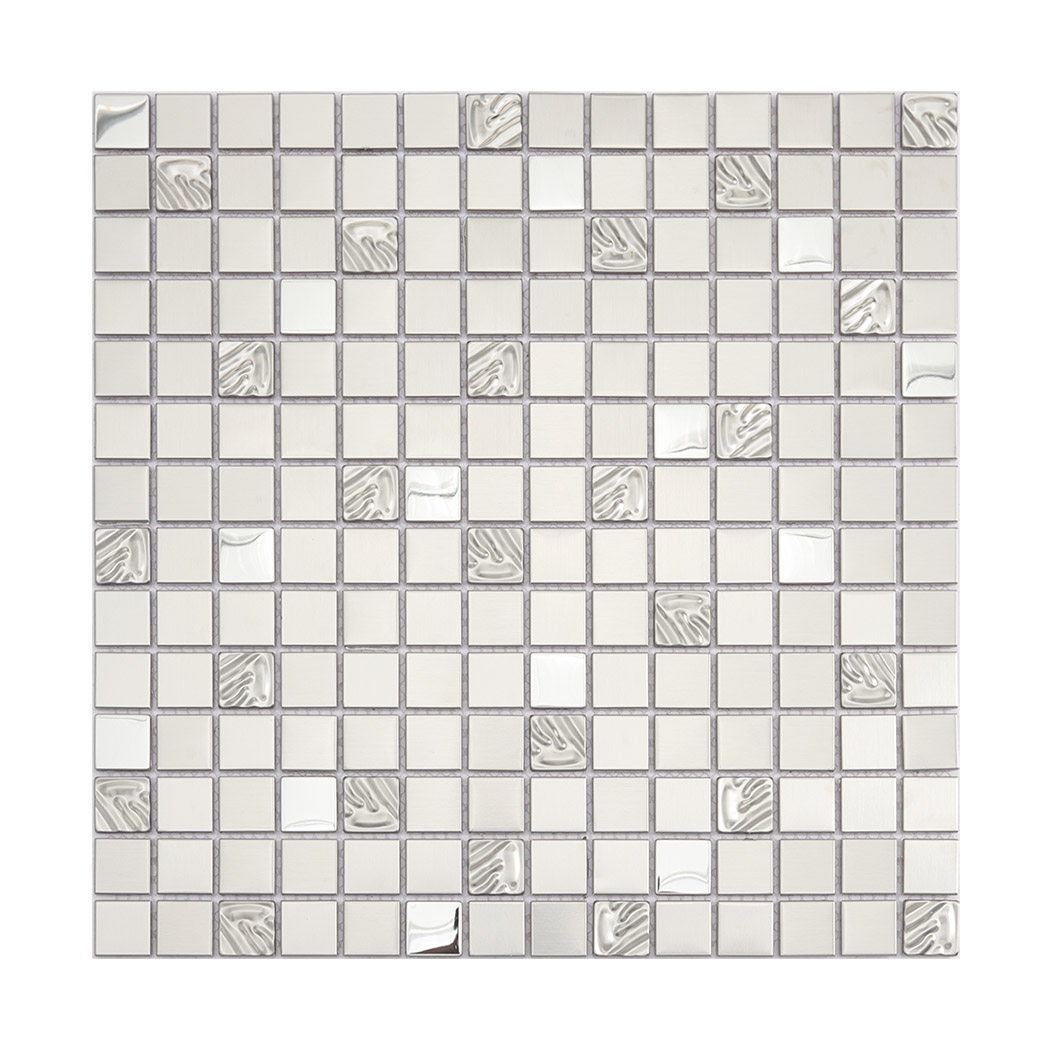
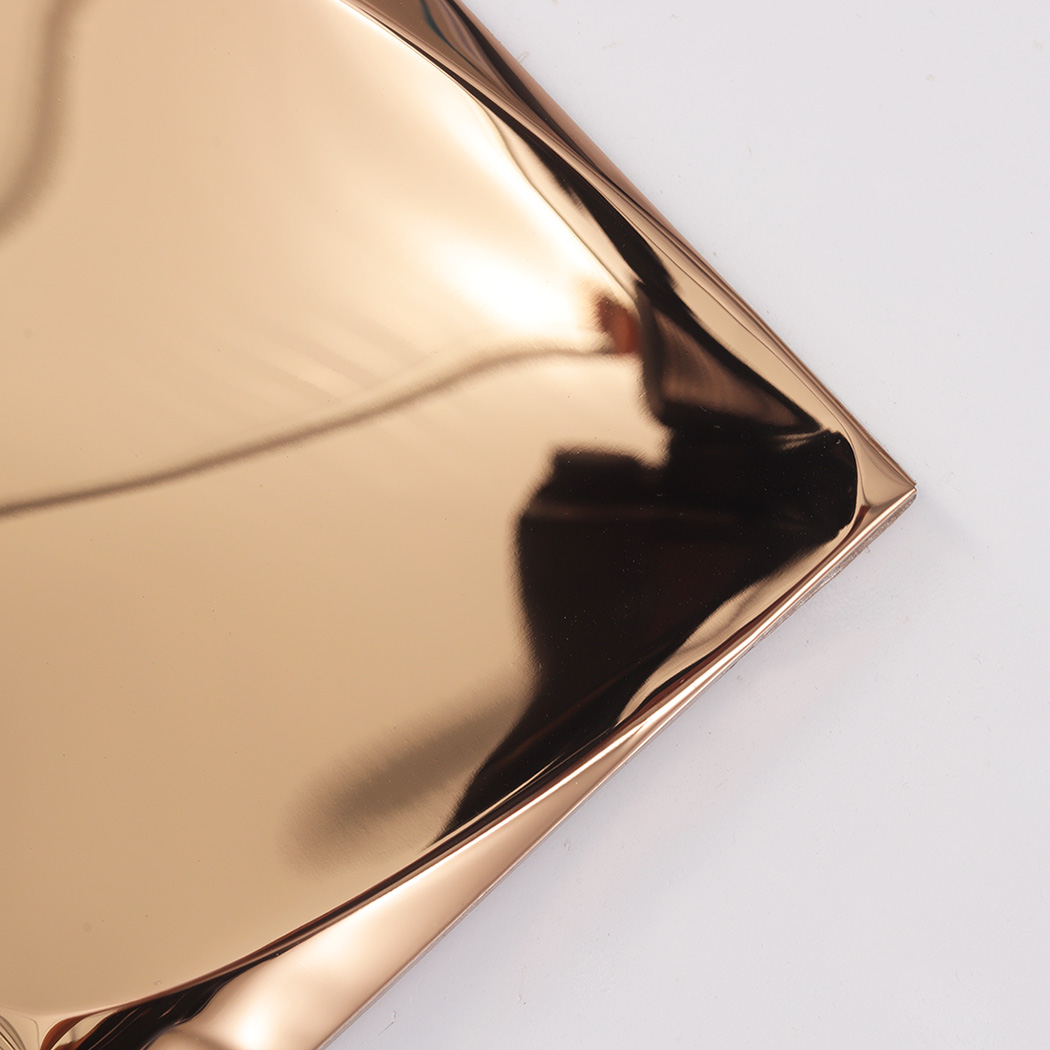
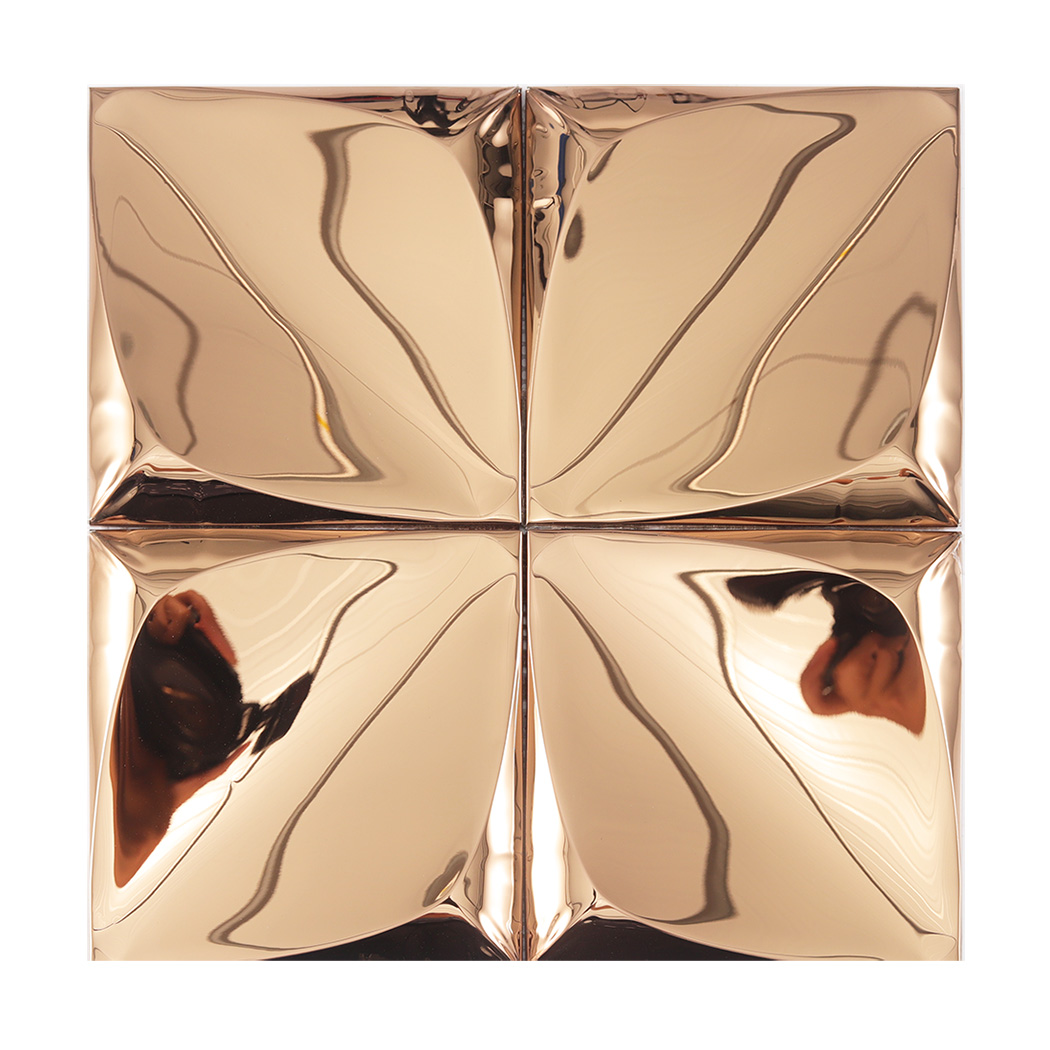
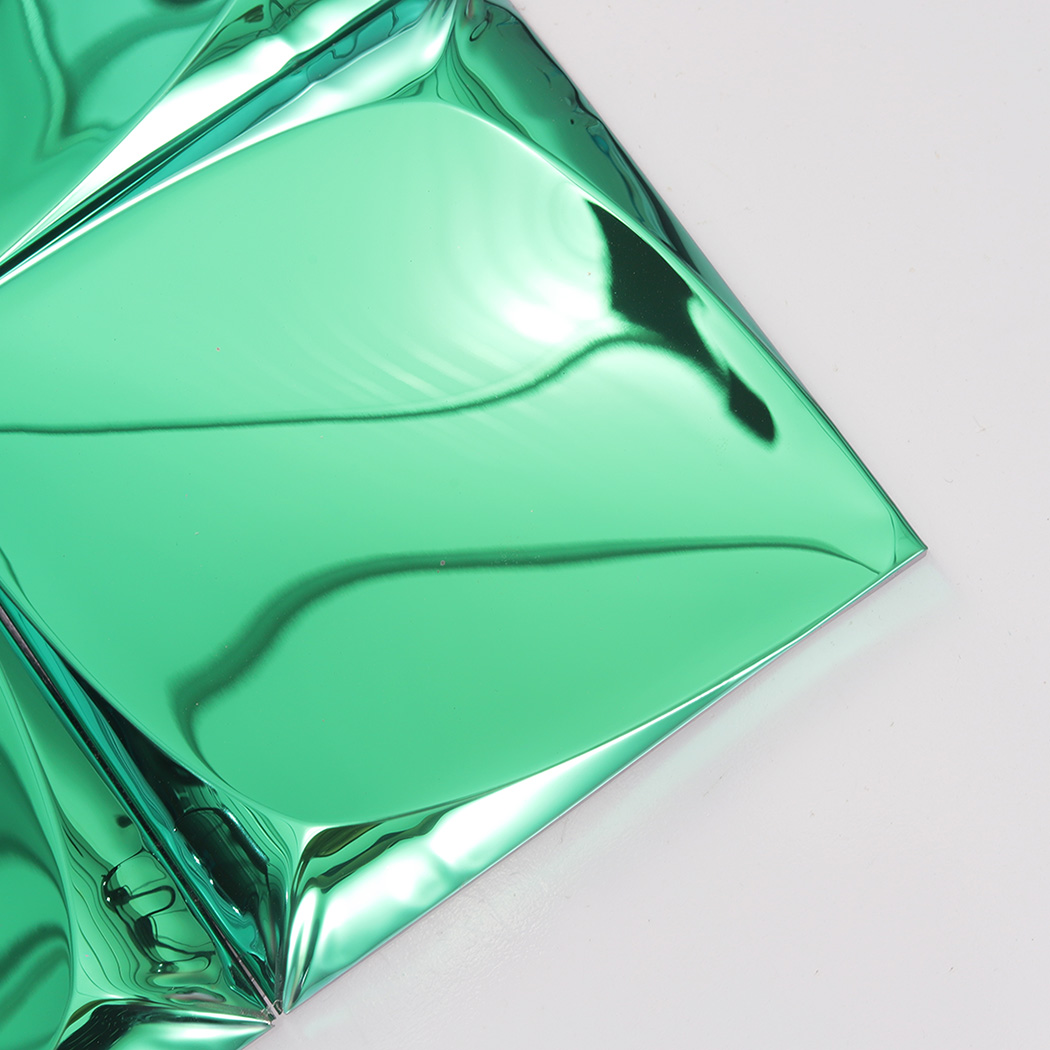
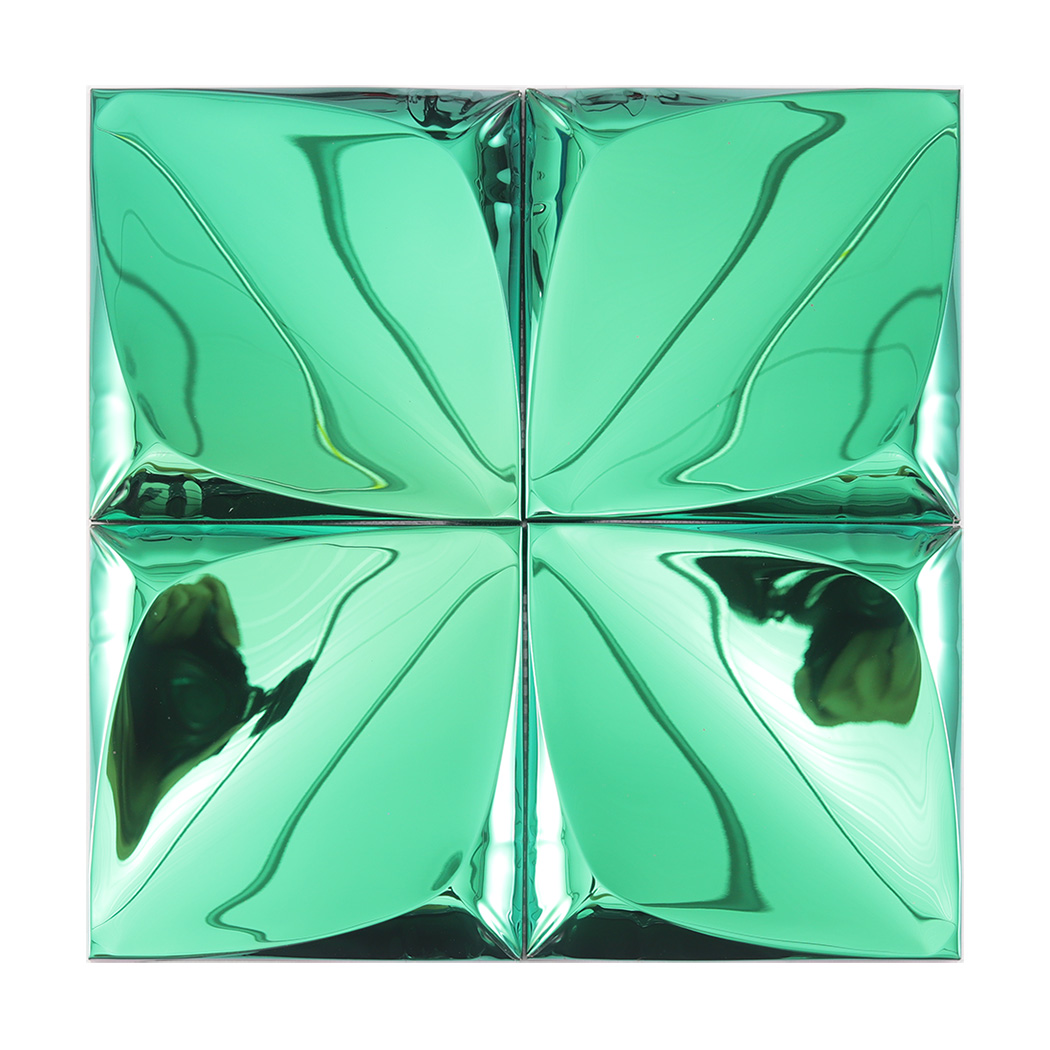
Metal-accent tiles create a striking contrast against soft stone and neutral bathroom surfaces. Saicina Tiles offers designs featuring stainless steel, copper and aluminum components in brushed, mirror, matte, antiqued and dimensional finishes.
These materials are particularly suitable for:
-
Vanity backsplashes
-
Powder room feature walls
-
Dry bathroom accent walls
-
Shower niches
-
Selected shower walls
-
Decorative borders
-
Custom bathroom feature panels
Metal and stone mosaics should be treated as their own material category rather than described as 100% natural stone.
Their suitability depends on the metal type, surface treatment, backing material, adhesive and level of exposure to water. Copper and brass may naturally develop patina, while harsh chemicals and abrasive cleaning tools may damage polished or plated metal finishes.
Do not assume that every metal mosaic is suitable for a shower floor, steam room or continuously wet location. Always follow the application information provided for the individual product.
Stainless Steel Bathroom Tiles
Stainless steel tiles create a clean, contemporary and architectural appearance. Available finishes may include brushed, mirror, matte, textured, black titanium and three-dimensional embossed surfaces.
Mirror stainless steel reflects surrounding light and can visually expand a compact washroom. Brushed and matte finishes offer a softer appearance and may show fewer fingerprints and water marks.
Stainless steel mosaics work well with white marble, gray limestone, black stone and minimalist cabinetry. Use non-abrasive cleaning products and a soft cloth to help preserve the surface finish.
Copper Bathroom Tiles
Copper tiles introduce warmth and an artistic metallic character. Brass, antique copper, rose copper and oxidized copper finishes can coordinate with warm stone, dark wood and natural beige interiors.
Copper is particularly effective behind a vanity, inside a decorative niche or on a small feature wall. Depending on the surface treatment, genuine copper may gradually develop a natural patina.
Use only compatible adhesives and cleaning products, and verify whether the specific design is approved for direct wet-area installation.
Aluminum Bathroom Tiles
Aluminum tiles are lightweight and can be manufactured in slim, textured or dimensional formats. Their low weight makes them useful for decorative wall applications and selected architectural surfaces.
Matte and brushed aluminum provide a modern metallic effect without the strong reflection of mirror stainless steel.
As with other metal materials, direct shower and steam-room suitability should be verified for the individual product.
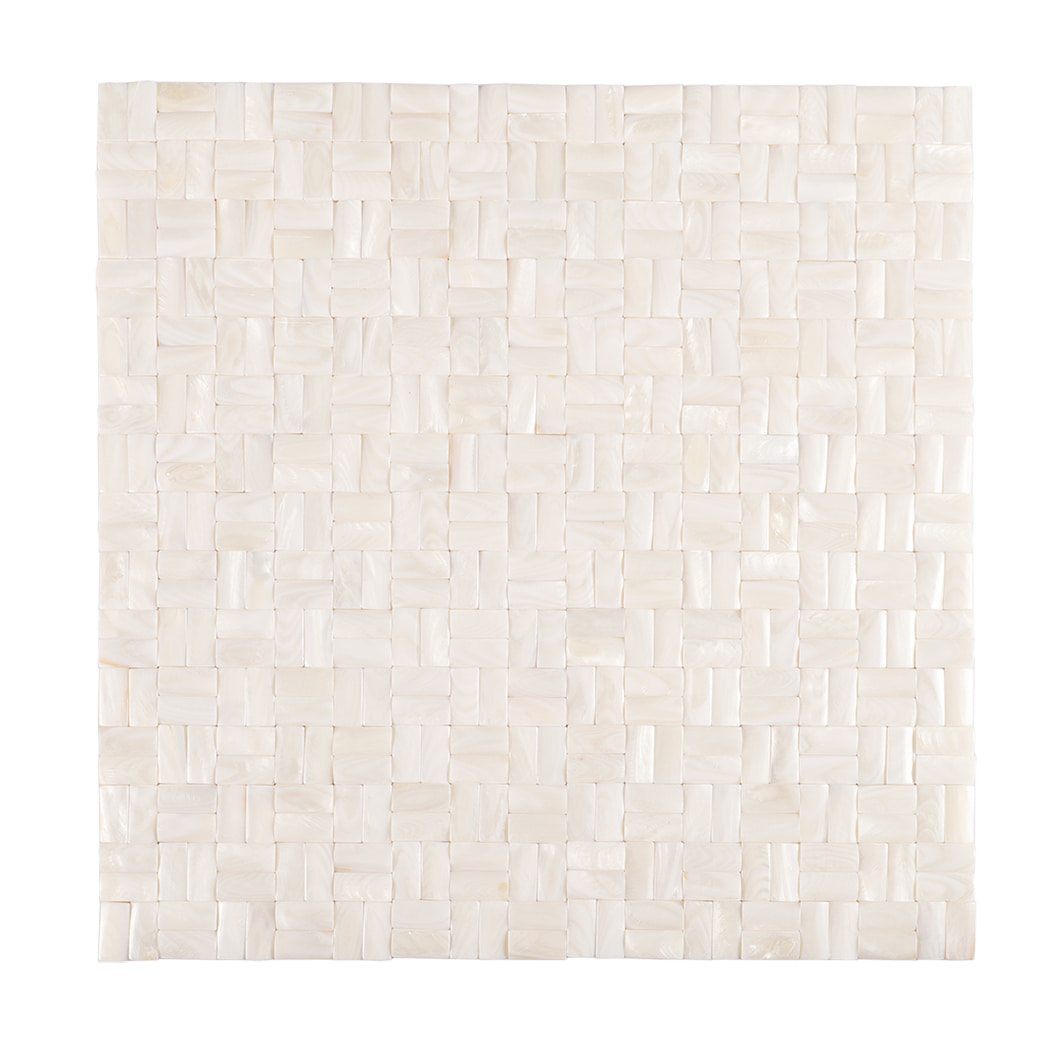
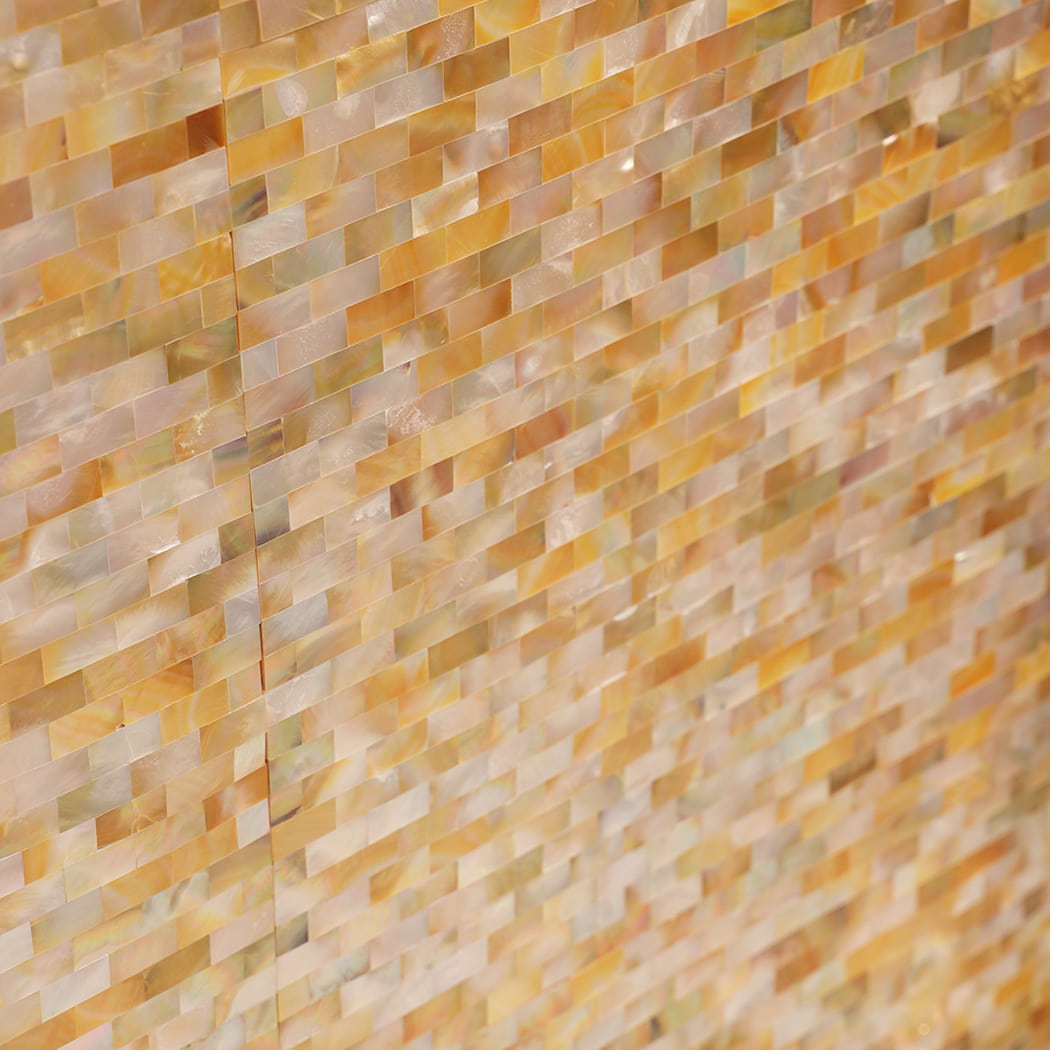
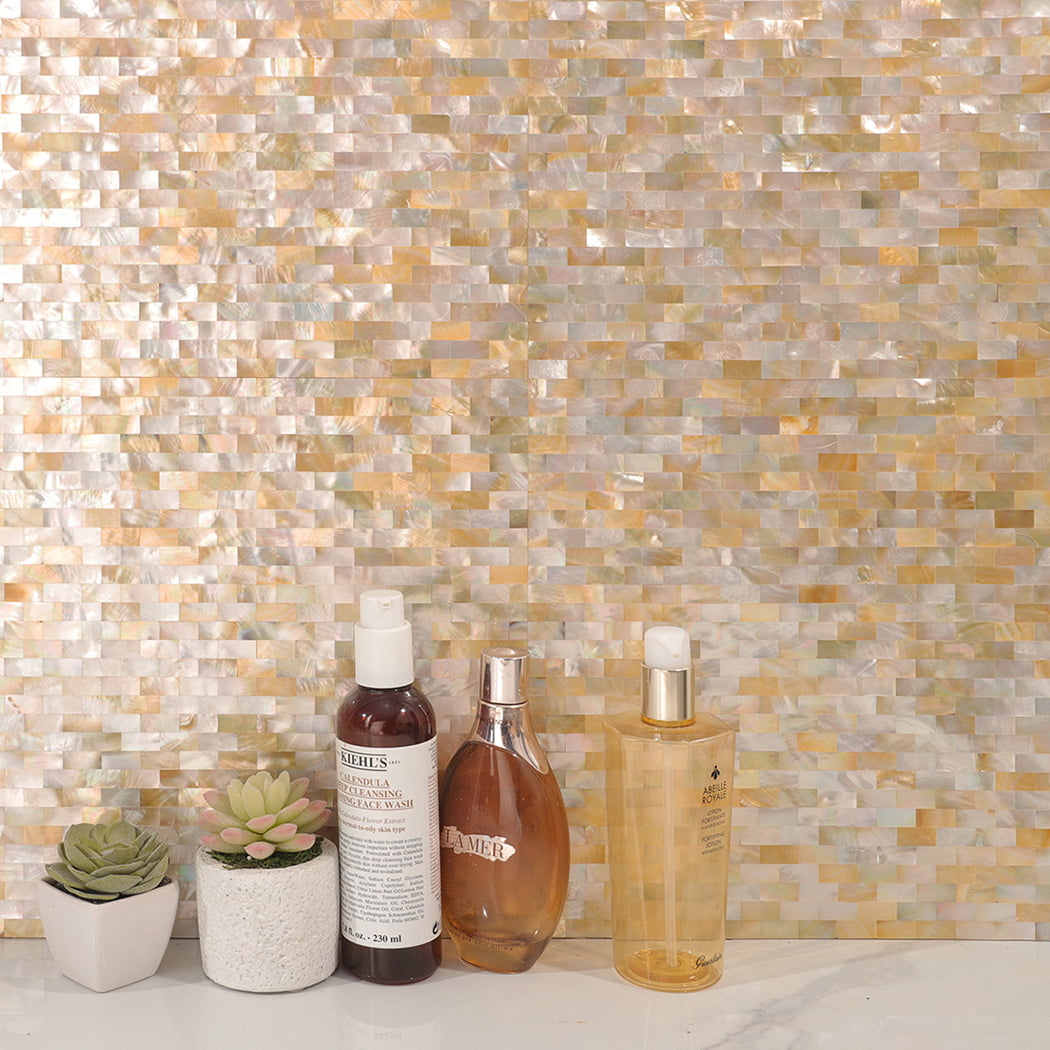
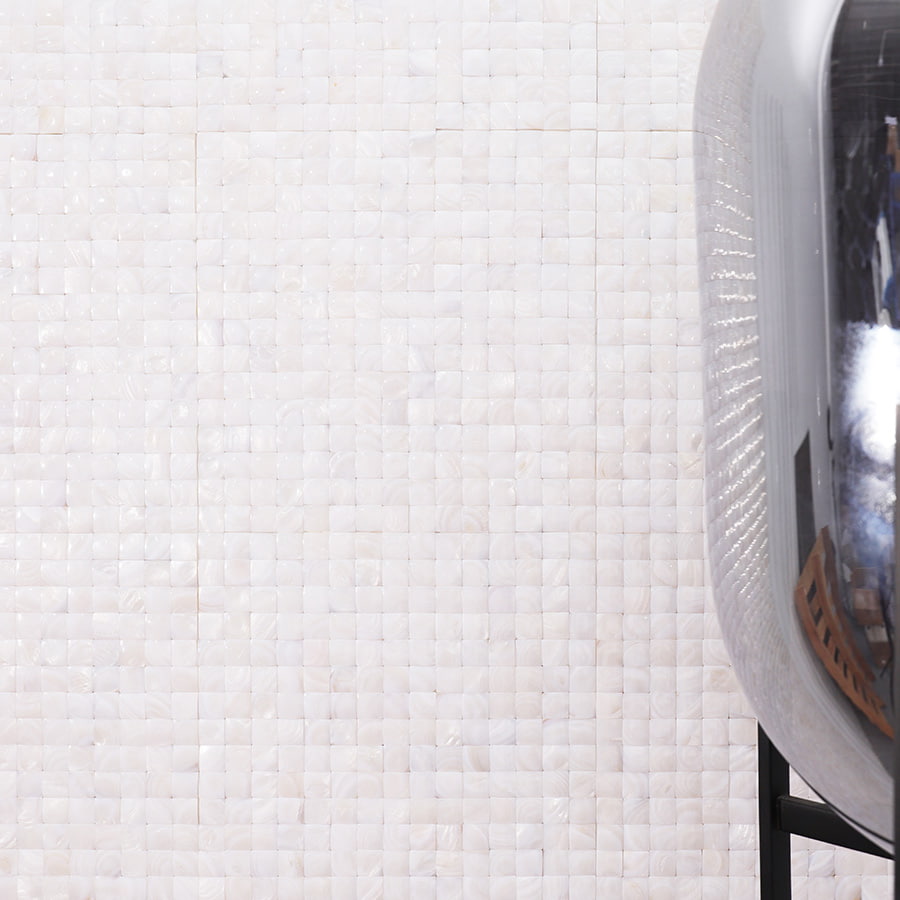
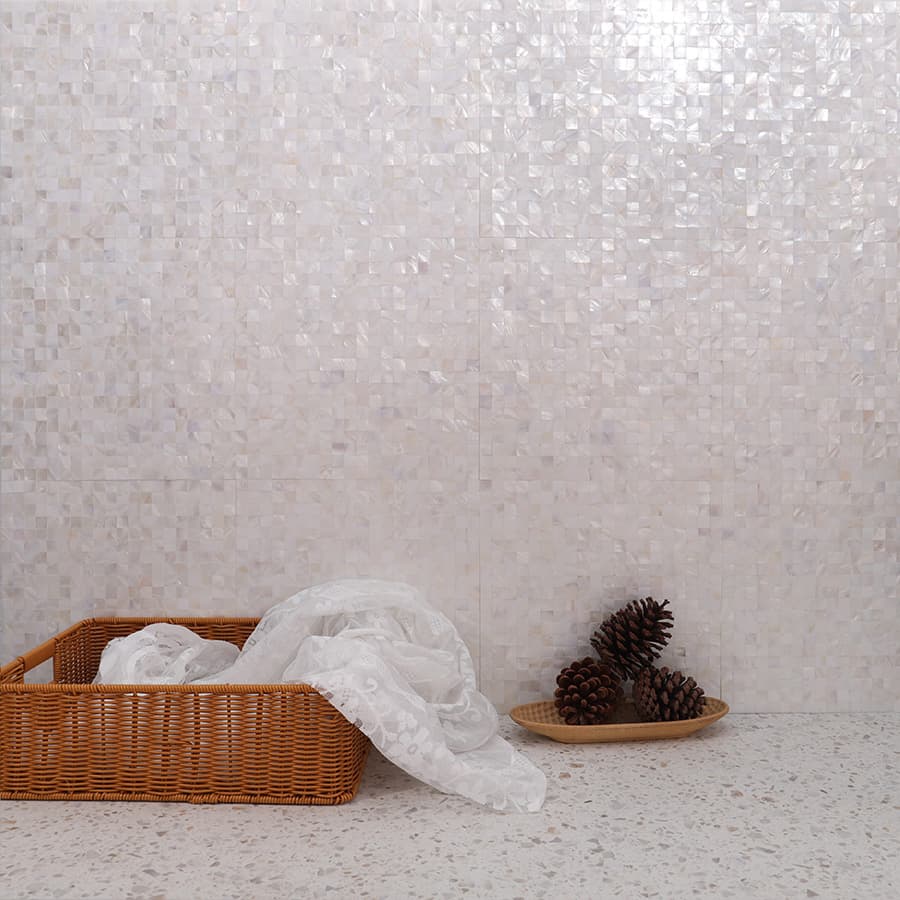
Mother of Pearl Tiles
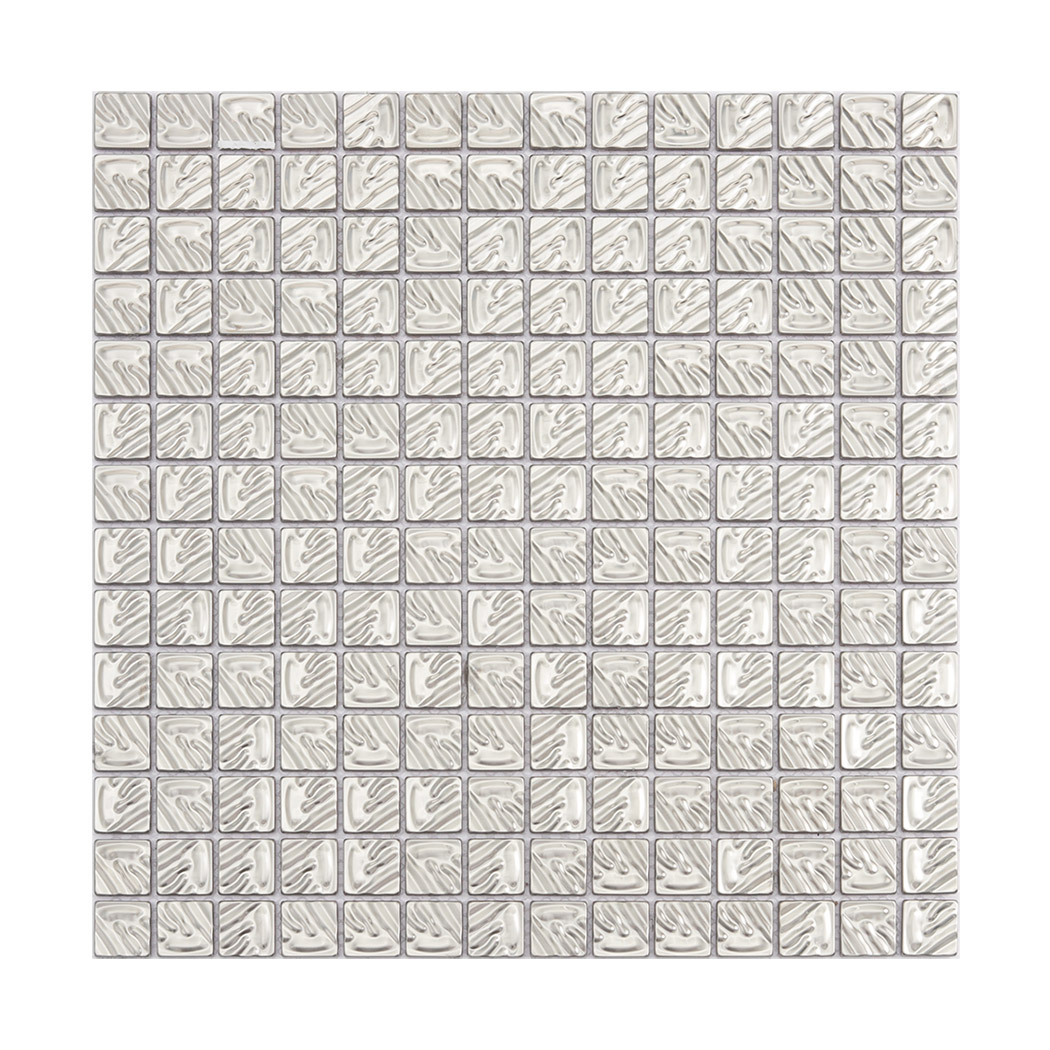
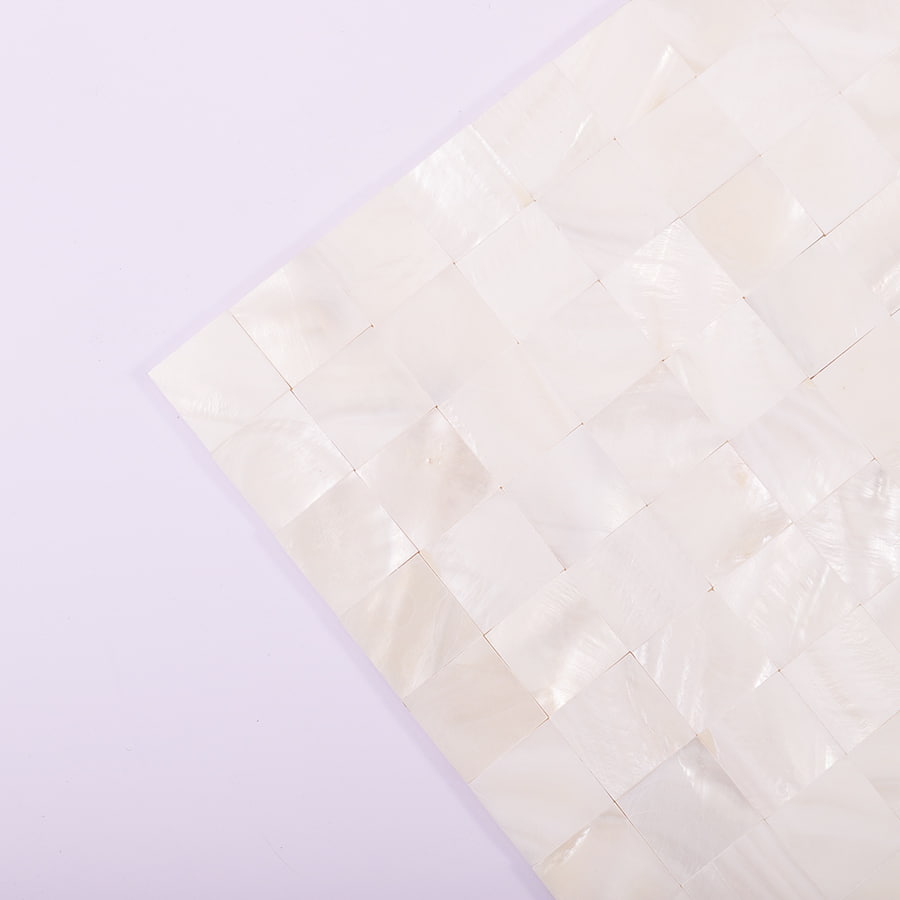
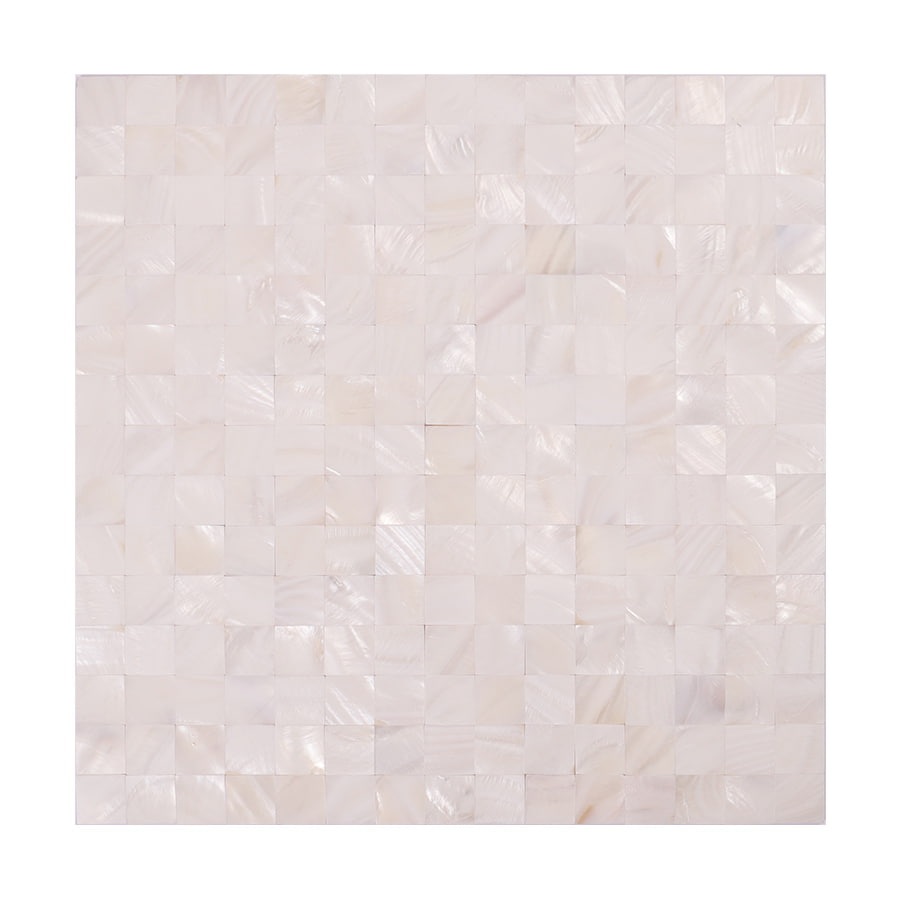
Mother of Pearl tile is made from natural shell and is valued for its layered luster rather than an artificial printed surface.
The material reflects soft shades of white, cream, silver, blush and subtle rainbow color as light moves across the wall. It can make a vanity backsplash, shower niche or decorative feature feel luminous without overpowering a minimalist washroom.
Saicina Tiles offers Mother of Pearl mosaics in different shapes, colors and pattern scales. Selected collections may include marine-shell and freshwater-shell materials.
Natural shade and iridescence variations are expected. These variations create the depth and movement that make genuine shell tiles distinctive.
A white adhesive is commonly recommended behind light or translucent shell, subject to the individual product instructions. Acidic and abrasive cleaners should be avoided.
Because application approval varies according to construction and backing, confirm whether the selected shell tile is suitable for a shower wall, floor, steam room or other wet location.
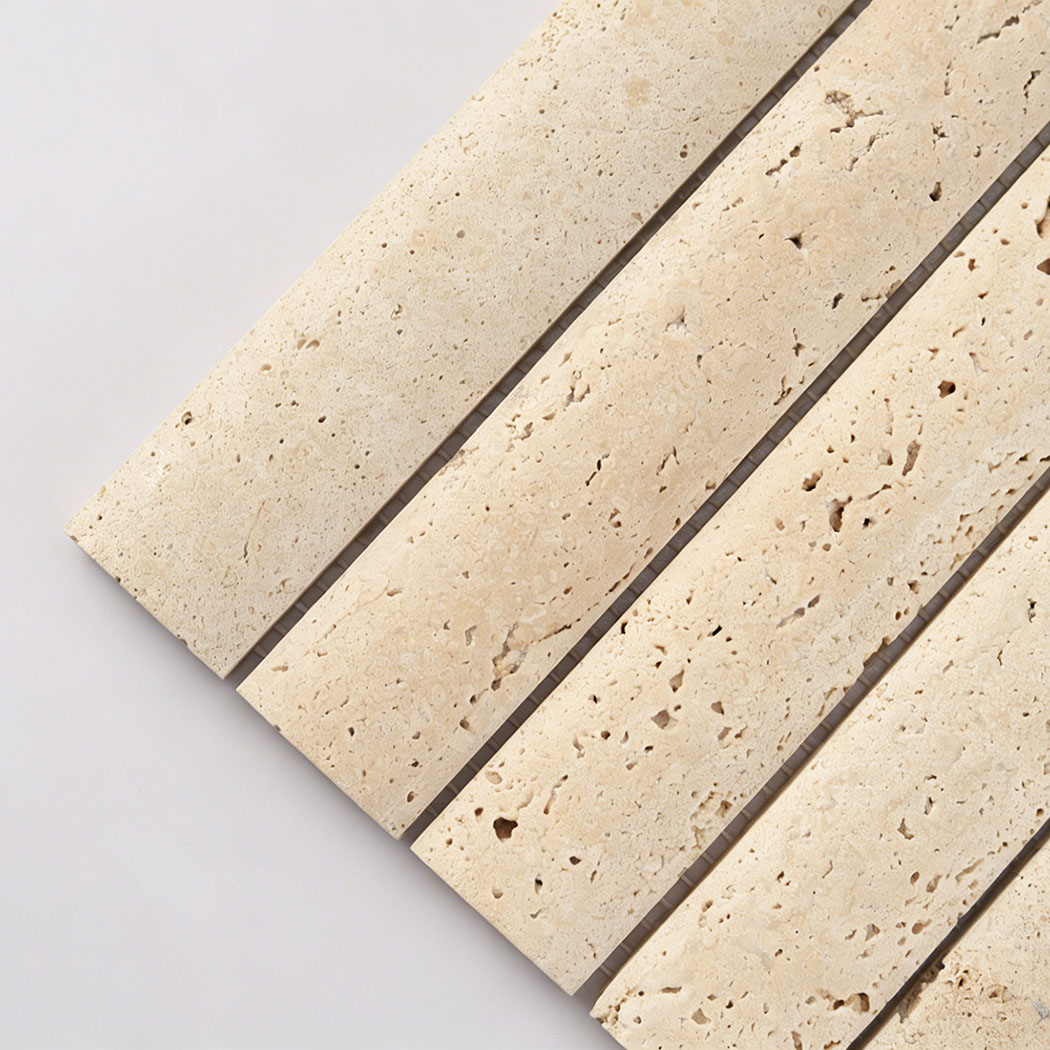
Fluted and Dimensional Stone Tiles
Fluted, concave and three-dimensional stone tiles add shadow, texture and architectural rhythm to a modern washroom.
They are especially effective behind a vanity, on a powder room feature wall or as a carefully planned shower accent when the product is approved for direct wet use.
Vertical grooves can visually increase the sense of ceiling height, while pale natural stone keeps the overall effect soft and refined.
Dimensional surfaces require additional attention around corners, plumbing penetrations and exposed edges. They also contain more recessed areas than flat tile and may require more detailed cleaning.
Review installation drawings, trim options and maintenance requirements before specifying dimensional tiles for a high-use area.
Popular Modern Washroom Tile Styles
Warm Minimalist Washrooms
Combine ivory travertine, cream limestone or warm white marble with light oak cabinetry, brushed nickel or soft brass fixtures.
Limit the material palette to two or three related colors and allow the natural texture to provide visual interest. Honed finishes generally create a softer and calmer effect than highly reflective polished surfaces.
Contemporary Hotel-Style Bathrooms
Use large-format marble or dramatic natural stone as the primary surface, then add a smaller coordinating mosaic inside the shower niche or behind the vanity.
Fewer grout joints, carefully planned vein placement and precisely finished edges create the tailored appearance associated with luxury hotels.
Spa-Inspired Washrooms
Choose pale limestone, travertine or softly textured stone in sand, mushroom, greige and mineral gray.
Continue similar tones across the walls and floor while selecting the correct finish for each surface. A small-format mosaic can be used on the shower floor to coordinate with larger wall tiles.
Black and White Bathrooms
Pair white marble with black stone details, or use a black-and-white basketweave, hexagon or linear mosaic as a controlled focal point.
Repeating the darker tone in the faucet, mirror frame, shower enclosure or vanity hardware creates a cohesive modern design.
Artful Mosaic Accents
Use a waterjet stone pattern, Mother of Pearl mosaic or metal-and-stone composition on one defined surface instead of covering the entire bathroom.
The vanity wall, shower niche and wall behind a freestanding bathtub are natural focal points. Surround the accent with quiet field tile so the detailed material remains intentional.
Organic Modern Bathrooms
Honed stone, subtle mineral movement and natural surface relief can make a modern bathroom feel warmer and less clinical.
Pair tactile tiles with simple cabinetry, integrated lighting and restrained accessories. Natural variation is particularly effective in monochromatic rooms because it creates depth without introducing another strong color.
Industrial Modern Washrooms
Combine black or dark gray stone with brushed stainless steel, oxidized copper or dimensional metal mosaics.
Use the metallic surface as a controlled accent and balance it with large, simple areas of stone. This prevents the room from feeling visually heavy.
Choose the Best Tile Color
White and Ivory
White and ivory tiles reflect light and support a clean, open atmosphere. Natural veining and mineral variation prevent an all-white bathroom from appearing flat or sterile.
These colors work particularly well in small washrooms, windowless bathrooms and modern hotel-style interiors.
Beige and Warm Gray
Beige, greige and warm gray create a relaxed spa effect. They coordinate easily with natural wood, stone countertops, brushed brass and soft black fixtures.
These colors are suitable for warm minimalist, Japandi and contemporary organic interiors.
Cool Gray
Cool gray works well with concrete-inspired modern interiors, stainless steel fixtures and black architectural details.
Use multiple gray tones carefully to avoid creating a cold atmosphere. Warm lighting and wood cabinetry can provide balance.
Brown and Taupe
Brown, taupe and walnut-colored stone add warmth and visual grounding. They are particularly effective in larger washrooms or rooms with generous natural light.
Black and Charcoal
Black and charcoal tiles produce a dramatic, sculptural appearance. They work well on feature walls, shower surrounds and vanity backsplashes.
Consider lighting, water spotting and maintenance before using very dark stone throughout a large wet area.
Green and Mineral Tones
Green marble and mineral-inspired colors bring a biophilic quality to modern bathrooms. They coordinate naturally with white stone, warm wood, brushed brass and matte black fixtures.
Always examine physical samples in the actual room. Daylight, warm vanity lighting and cool overhead lighting can make the same stone, metal or shell appear significantly different.
Choose the Right Tile Size
Large-Format Washroom Tiles
Large-format tiles reduce the number of grout joints and can make bathroom walls feel visually continuous.
They work particularly well in minimalist primary bathrooms and compact washrooms where a busy grout grid may make the room feel smaller.
Large tiles require:
-
A flat and properly prepared substrate
-
Careful handling
-
Appropriate mortar coverage
-
Lippage control
-
An installer experienced with large-format materials
-
Correct movement-joint planning
Shower floors require a properly formed drainage slope, so large-format tiles are not automatically suitable for every shower base.
Small Mosaic Tiles
Mosaics introduce pattern, accommodate smaller spaces and adapt more easily to curves or slopes.
They are a practical way to coordinate a shower floor with a larger wall tile from the same stone family.
Before installation, inspect the spacing between individual sheets and blend multiple sheets to avoid visible repeats or grid lines.
Vertical Tiles
Long rectangular tiles installed vertically can visually increase the perceived height of a bathroom. This layout works well behind a vanity, inside a walk-in shower or on a floor-to-ceiling feature wall.
Geometric Tiles
Hexagons, diamonds, herringbone patterns, penny rounds and custom waterjet shapes create movement and detail.
For a balanced modern bathroom, use complex geometric tiles on one focal surface and combine them with simple field tiles elsewhere.
Choose the Right Surface Finish
Polished Finish
Polished tiles are reflective and visually rich. They are commonly selected for bathroom walls, vanity backsplashes and decorative areas.
Polished surfaces can show water marks and may become slippery when wet. Floor suitability must be confirmed using the product’s application information and slip rating.
Honed Finish
Honed stone has a smooth surface with lower reflection. It produces a soft, contemporary appearance and works especially well in minimalist and spa-inspired bathrooms.
A honed finish does not automatically guarantee sufficient slip resistance for wet floors.
Tumbled or Textured Finish
Tumbled and textured stone has a more tactile and organic appearance. The surface may provide additional grip but can require more detailed cleaning than polished or honed tile.
Fluted or Dimensional Finish
Fluted and dimensional tiles create relief, shadows and architectural depth. They are generally used for feature walls, vanity areas and selected wet walls.
Confirm direct-wet-area suitability and plan the treatment of corners and exposed edges before installation.
How to Plan a Modern Washroom Tile Scheme
Define Every Surface
Separate the project into the main bathroom floor, shower floor, shower walls, vanity backsplash, niche and feature areas.
Choose the tile according to the performance requirements of each location instead of forcing one material onto every surface.
Create a Simple Material Palette
A successful modern bathroom usually includes:
-
One primary wall material
-
One coordinating floor or mosaic
-
One decorative accent
For example, use honed beige limestone on the main walls, a matching small-format stone mosaic on the shower floor and Mother of Pearl inside the niche.
This creates depth while keeping the room calm and organized.
Review Physical Samples
Order samples and examine them beside the vanity, countertop, plumbing finish and lighting.
View the samples under natural daylight, vanity lighting and overhead lighting. When considering a shower or floor application, examine the appearance of the material when both wet and dry.
A sample represents the general material range. Genuine natural stone and shell will vary from one piece to another.
Confirm Technical Suitability
Review the individual product information for:
-
Indoor wall use
-
Bathroom wall use
-
Shower wall use
-
Bathroom floor use
-
Shower floor use
-
Steam room use
-
Pool use
-
Tile thickness
-
Sheet dimensions
-
Individual chip size
-
Surface finish
-
Recommended grout joint
-
Sealing requirements
If an intended application is not clearly listed, contact Saicina Tiles before ordering.
Calculate the Required Quantity
Measure each surface separately and include additional material for cutting, breakage, pattern alignment and future repairs.
Approximately 10% additional material is commonly recommended for a straightforward layout.
Consider ordering 15% or more for:
-
Diagonal layouts
-
Complex geometric patterns
-
Waterjet mosaics
-
Book-matched stone
-
Rooms with many corners
-
Multiple shower niches
-
Detailed vein alignment
-
Custom patterns
Ask the installer to confirm the final quantity before placing the order.
Plan the Layout and Edge Details
Determine where full tiles will begin, where cut pieces will be located and how outside corners, niches and exposed edges will be finished.
Dry-lay natural stone and mosaics before installation to balance shade, veining and mineral variation.
For custom mosaics, approve the drawing, overall dimensions, chip size, colors, pattern scale and sheet divisions before production begins.
Use a Qualified Installer
Natural stone, shell, metal and large-format materials require compatible adhesives, grout, sealers and cutting tools.
A qualified tile or stone installer should evaluate:
-
Substrate preparation
-
Waterproofing
-
Drainage slope
-
Mortar coverage
-
Movement joints
-
Lippage control
-
Grout selection
-
Sealing sequence
-
Edge finishing
Installation Requirements for Wet Areas
Tile and grout are surface finishes. They are not the waterproofing system.
Shower walls, shower floors, niches, curbs and plumbing penetrations require a correctly installed waterproofing assembly beneath the tile.
The substrate must be stable, flat and compatible with the selected waterproofing and tile installation system. The shower base must also be properly sloped toward the drain.
Use setting materials recommended for the specific natural stone, shell or metal tile.
White mortar is commonly preferred behind light-colored or translucent stone and shell, subject to the product instructions. Some natural stones may be moisture-sensitive or vulnerable to discoloration when installed with an incompatible adhesive.
Before grouting, test the grout and sealer on spare pieces. Highly textured, porous or polished surfaces may require protection to prevent staining or grout haze.
Follow the instructions provided by the tile, adhesive, grout, waterproof membrane and sealer manufacturers.
Care and Maintenance
Natural materials are durable when correctly selected, installed and maintained, but they are not maintenance-free.
-
Wipe or squeegee shower surfaces after use to reduce soap and mineral buildup.
-
Clean natural stone with a pH-neutral cleaner formulated for stone.
-
Avoid vinegar, lemon, acidic bathroom cleaners and abrasive powders on marble, limestone and travertine.
-
Use a soft cloth or non-scratch cleaning tool on polished stone, shell and metal finishes.
-
Clean grout according to the grout manufacturer’s instructions.
-
Maintain good bathroom ventilation so wet surfaces can dry.
-
Ask whether the selected stone requires an impregnating sealer.
-
Follow the sealer manufacturer’s recommended application schedule.
-
Keep leftover tile from the original production batch for future repairs.
A stone sealer can improve stain resistance, but it does not make the stone completely stain-proof. It also does not replace the waterproofing system beneath the tile.
Why Choose Saicina Tiles?
Saicina Tiles specializes in distinctive mosaic and architectural tile materials for residential and commercial interiors.
Our collections bring together natural marble, limestone, dimensional stone, stainless steel, copper, aluminum, glass and Mother of Pearl. This allows designers and homeowners to create a coordinated modern washroom without relying entirely on mass-produced printed patterns.
Genuine Material Character
We select materials for their real color, texture and visual depth. Natural variation is considered part of the design rather than a defect.
Custom Mosaic Capability
Selected patterns, colors, chip sizes and layouts can be customized for:
-
Vanity backsplashes
-
Shower niches
-
Bathroom feature walls
-
Hotel washrooms
-
Powder rooms
-
Commercial bathrooms
-
Custom decorative panels
Custom production is subject to material availability, drawing approval and minimum-order requirements.
Samples Before Ordering
Physical samples allow you to evaluate color, texture, reflectivity and scale under the lighting in your own space.
For natural materials, samples should be used as a range reference rather than a guarantee that every piece in the final order will be identical.
Residential and Commercial Project Support
From compact powder rooms to hotel bathrooms and multi-unit developments, Saicina Tiles can assist with material selection, custom requirements, quantity planning and shipping options.
Contact our team early when the project requires matched production batches, custom fabrication or a fixed installation schedule.
Frequently Asked Questions About Modern Washroom Tiles
What Are Modern Washroom Tiles?
Modern washroom tiles use clean proportions, restrained colors and purposeful texture to create an uncluttered bathroom.
Popular materials and styles include large-format natural stone, slim vertical tiles, geometric mosaics, fluted surfaces, marble, limestone, travertine, stainless steel, copper and Mother of Pearl.
What Is the Best Tile for a Modern Washroom?
The best tile depends on the installation area.
Approved natural stone and large-format tiles can work well on walls and main bathroom floors. A suitably rated small mosaic is often easier to install on a sloped shower floor.
Select the tile according to application approval, wet-area performance, slip rating and maintenance requirements rather than appearance alone.
Can Natural Stone Be Used in a Shower?
Yes. Many natural stones can be installed in showers when the exact product is approved for the application.
The substrate must be properly waterproofed, compatible setting materials must be used and the stone must be maintained correctly. The stone type, finish and porosity will affect its care requirements.
Does Sealing Make Natural Stone Waterproof?
No. An impregnating sealer can make some natural stones more resistant to staining, but it does not make the material completely stain-proof.
Sealing also does not replace the waterproofing system installed beneath the tile.
Are Polished Marble Tiles Suitable for Bathroom Floors?
Some polished stone products may be approved for specific floor applications, but polished surfaces can become slippery when wet.
For bathroom and shower floors, verify the product’s wet-area slip rating and approved applications before ordering.
Are Mosaics Better for Shower Floors?
Small mosaics can follow the slope toward the drain and create more grout joints, which may improve underfoot traction.
However, not every mosaic is floor-rated or slip-resistant. Confirm shower-floor approval for the exact product.
Do Large Tiles Make a Small Washroom Look Bigger?
Large tiles can make a small washroom appear more spacious because fewer grout joints create a quieter and more continuous surface.
Using a grout color close to the tile color can strengthen this effect. Good lighting, layout and tile proportion are equally important.
How Should Natural Stone Bathroom Tiles Be Cleaned?
Use warm water and a pH-neutral cleaner intended for natural stone. Rinse the surface and dry it with a soft cloth.
Avoid acidic cleaners, vinegar, lemon and abrasive products, especially on marble, limestone and travertine.
Can Metal Tiles Be Used in Wet Areas?
Some metal tiles can be installed in wet areas, but suitability depends on the metal, finish, backing and tile construction.
Review the individual product specifications before using metal tiles in a shower, steam room or floor installation.
Can Mother of Pearl Tiles Be Used in a Shower?
Selected Mother of Pearl products may be suitable for shower walls or niches. Suitability depends on the shell construction, backing, adhesive and installation method.
Confirm the approved applications for the individual product before ordering.
How Much Extra Tile Should I Order?
Approximately 10% extra is commonly recommended for a straightforward layout.
Consider 15% or more for diagonal patterns, complex cuts, custom mosaics, vein matching or washrooms with multiple niches and corners.
Will Natural Stone Match the Website Photo Exactly?
No two pieces of genuine natural stone or shell are identical.
Samples and website photos show the general color and material character, but the completed order will include natural variation in shade, veining and mineral detail.
For one continuous installation area, order the full quantity at the same time and blend pieces from different cartons during the dry layout.
What Grout Color Works Best in a Modern Bathroom?
A grout color close to the tile creates a calm and continuous appearance. Contrasting grout emphasizes the tile shape and installation pattern.
Test the grout with the tile before installation, especially when working with porous stone, polished surfaces, shell or metal components.
Create a Modern Washroom with Natural Character
The most successful modern bathrooms are not defined by one temporary trend. They combine thoughtful planning, appropriate wet-area performance and materials that remain visually satisfying over time.
Use large natural stone surfaces for calm continuity, mosaics for detailed texture and shell or metal as a carefully positioned accent.
Explore modern washroom tiles from Saicina Tiles, order samples of your preferred materials and contact our team for assistance with custom mosaics, project quantities and application requirements.