



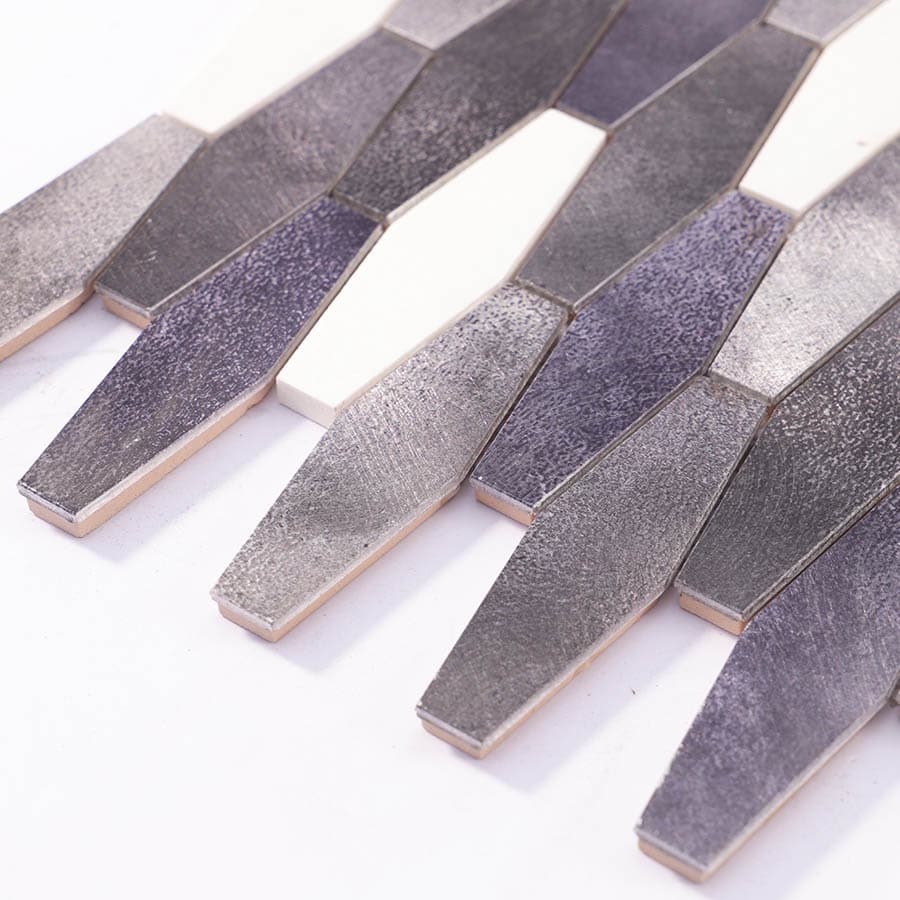
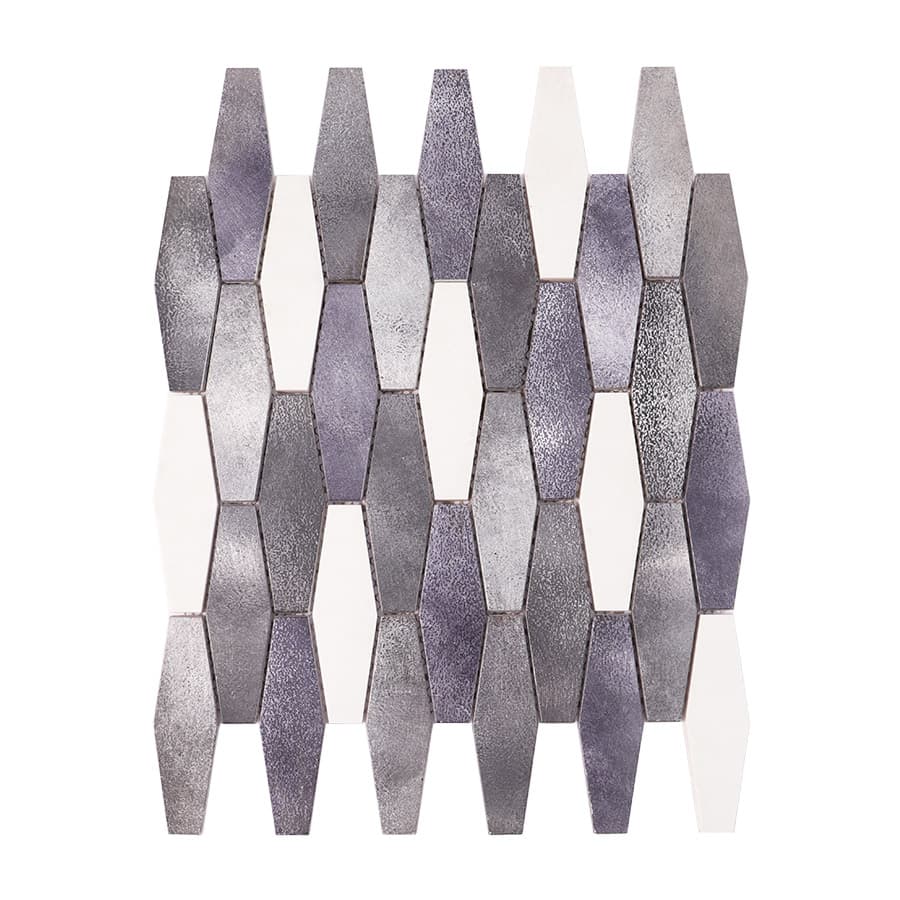

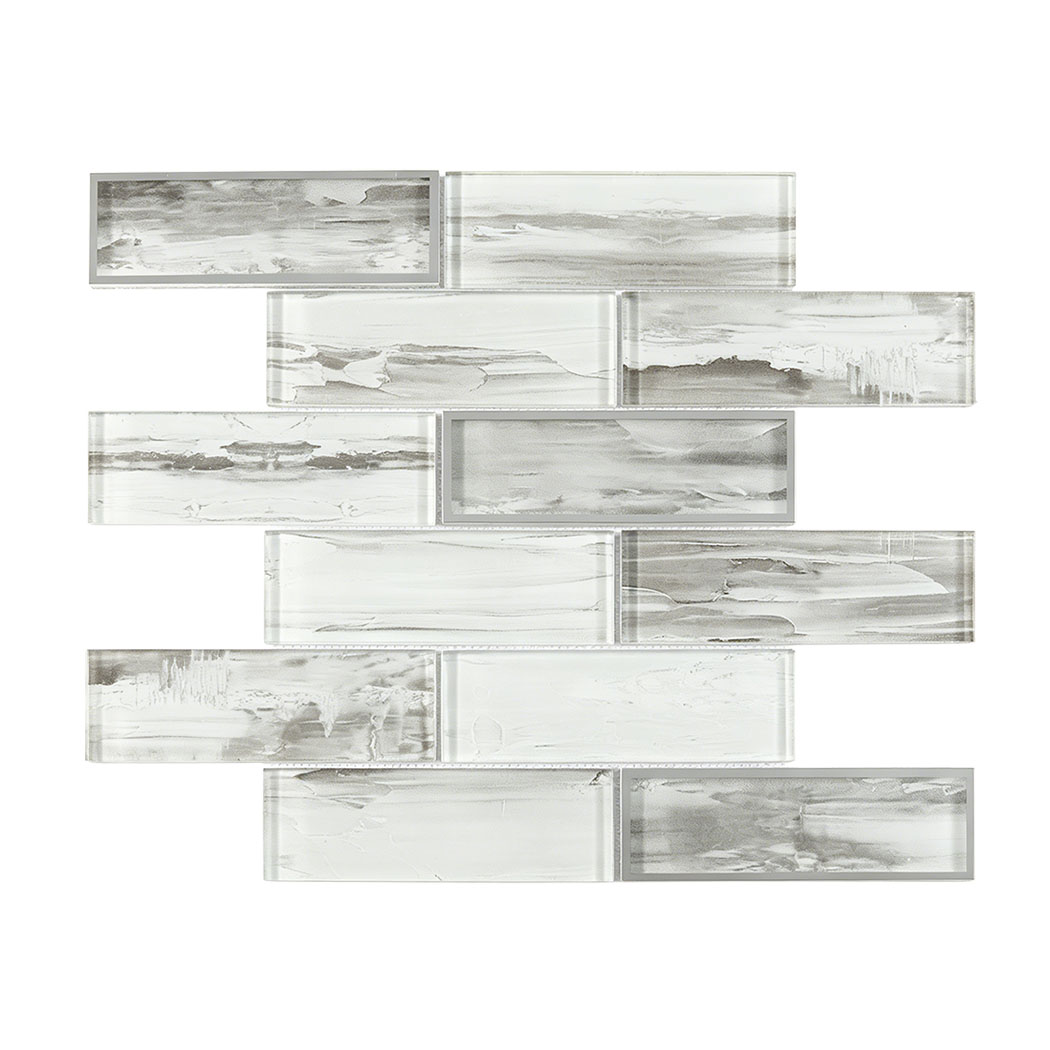

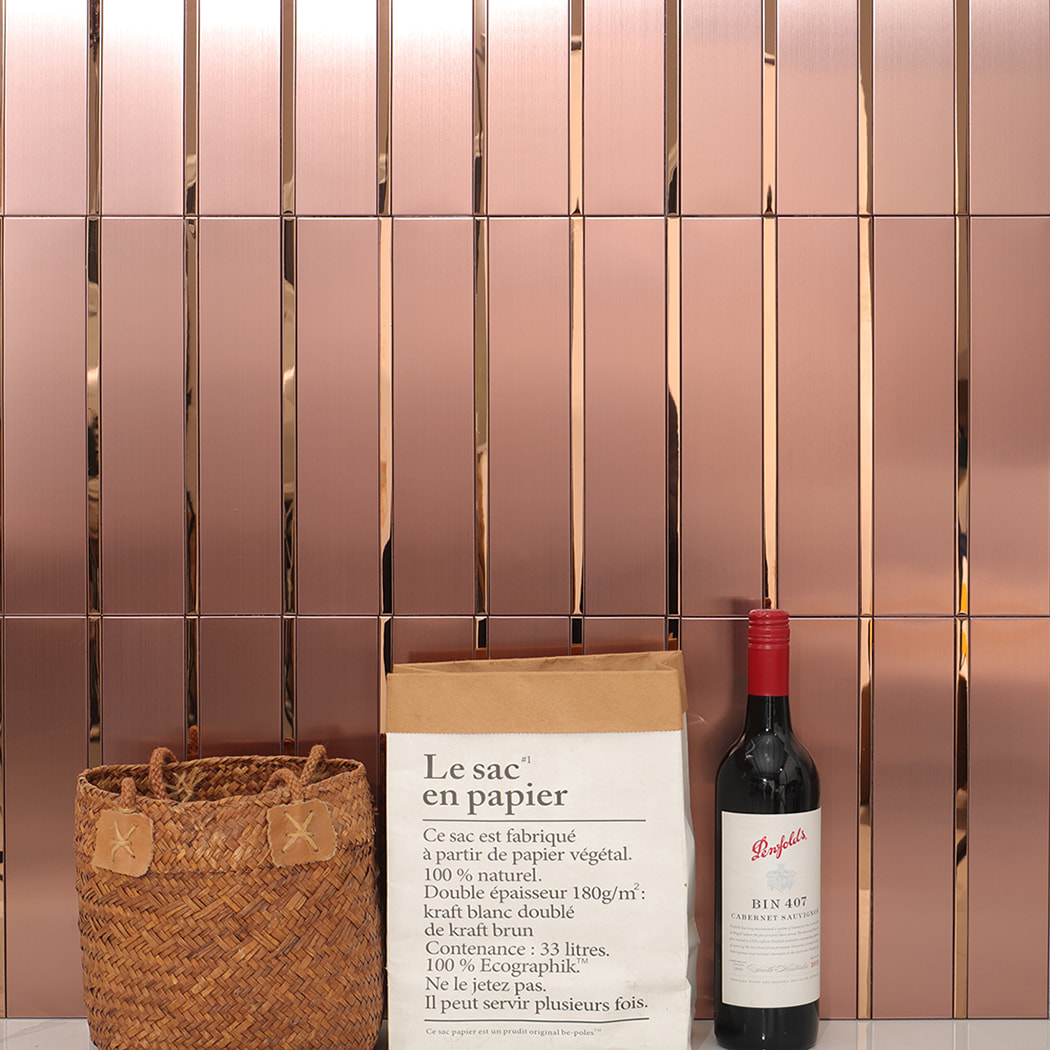







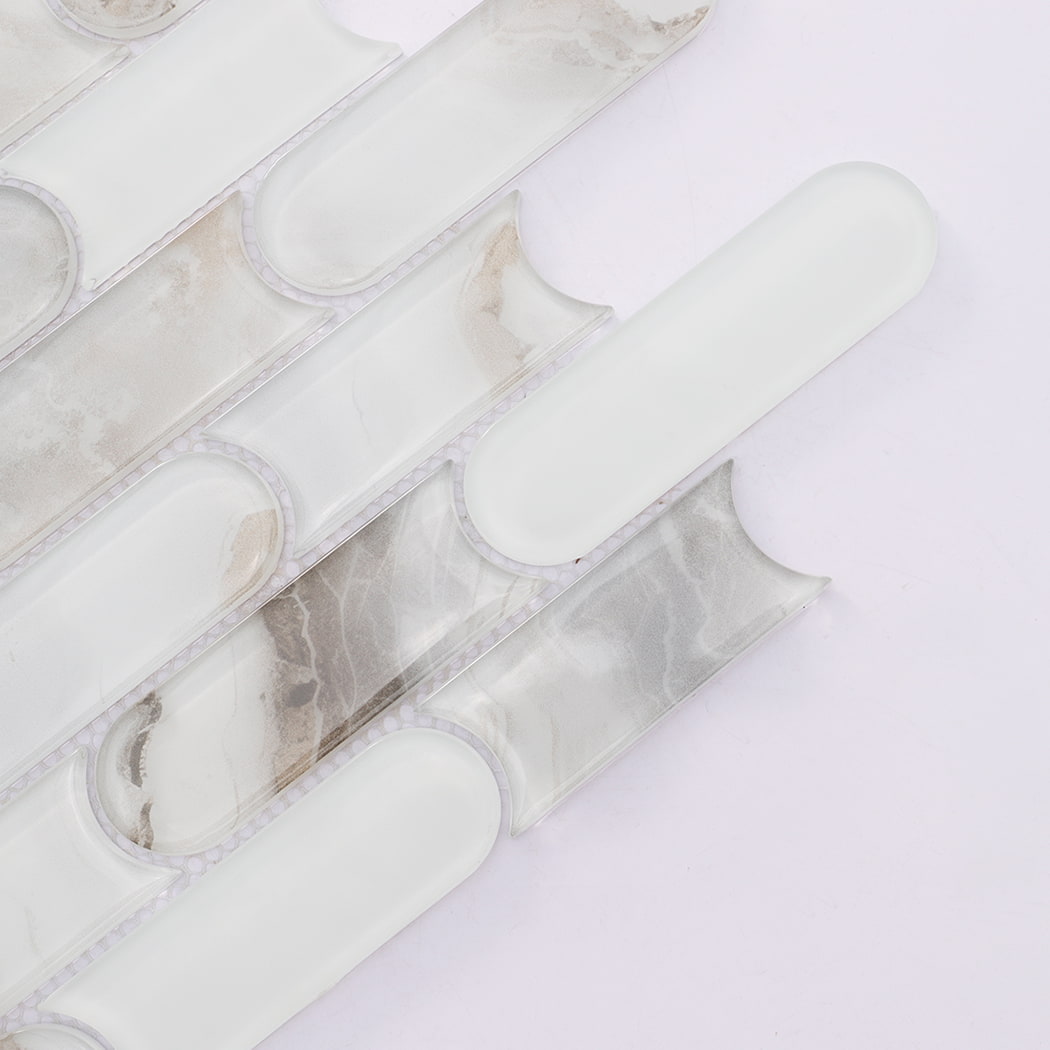
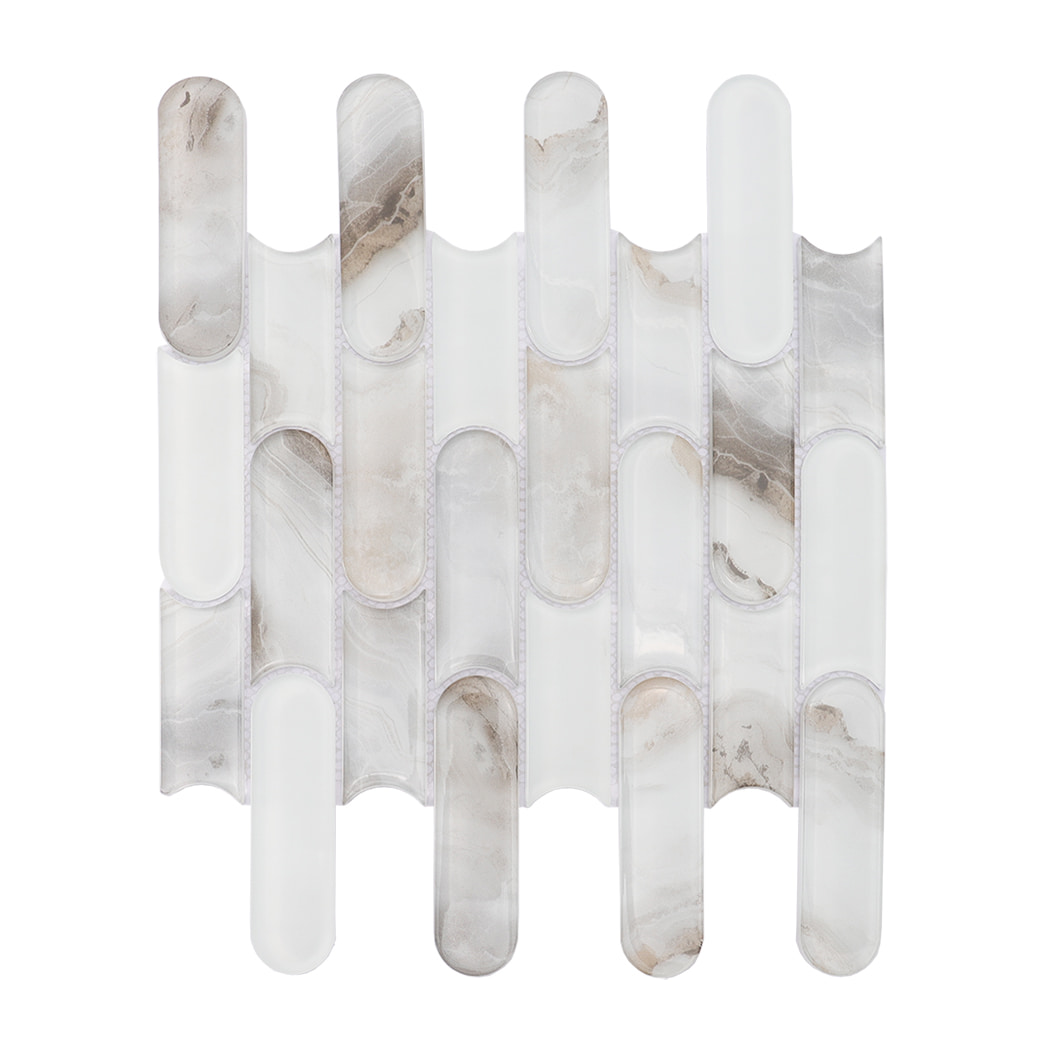
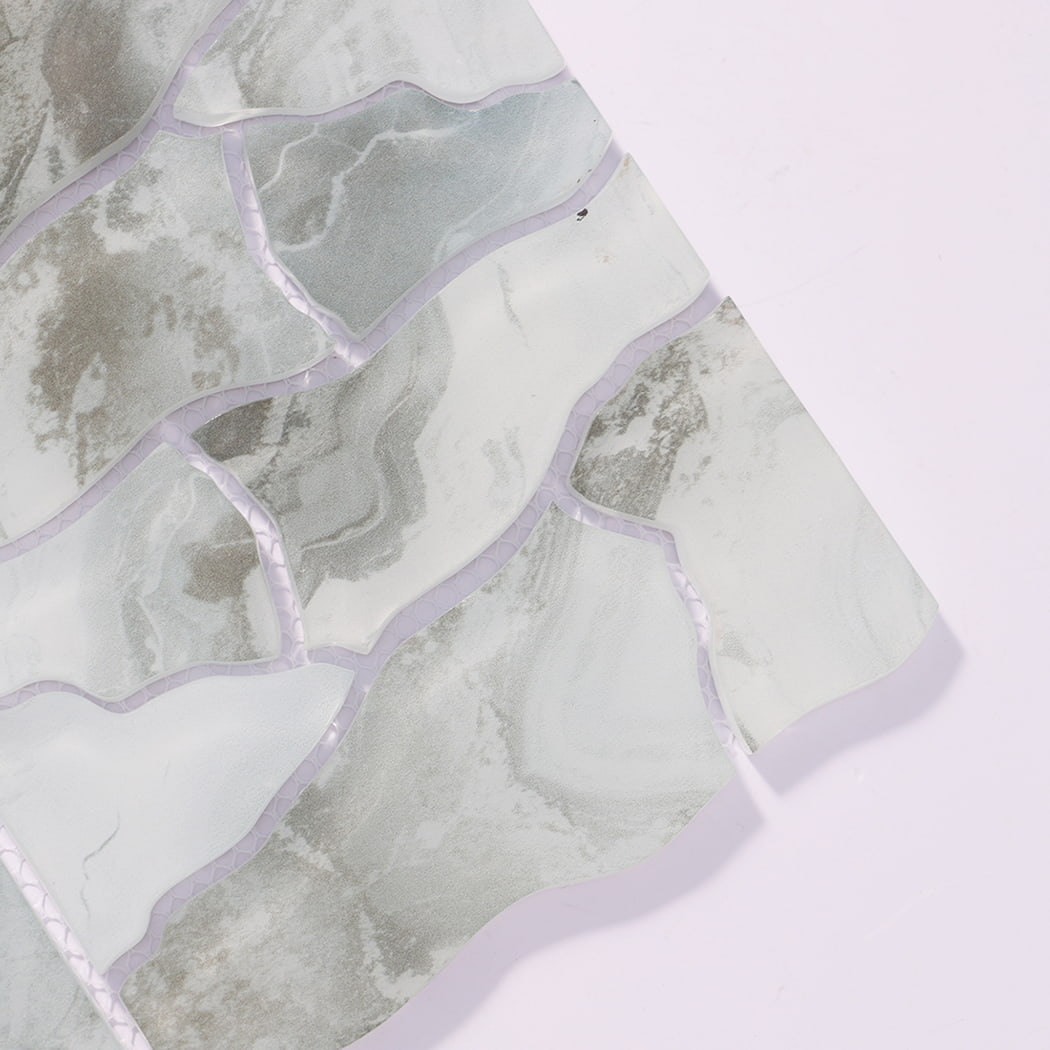
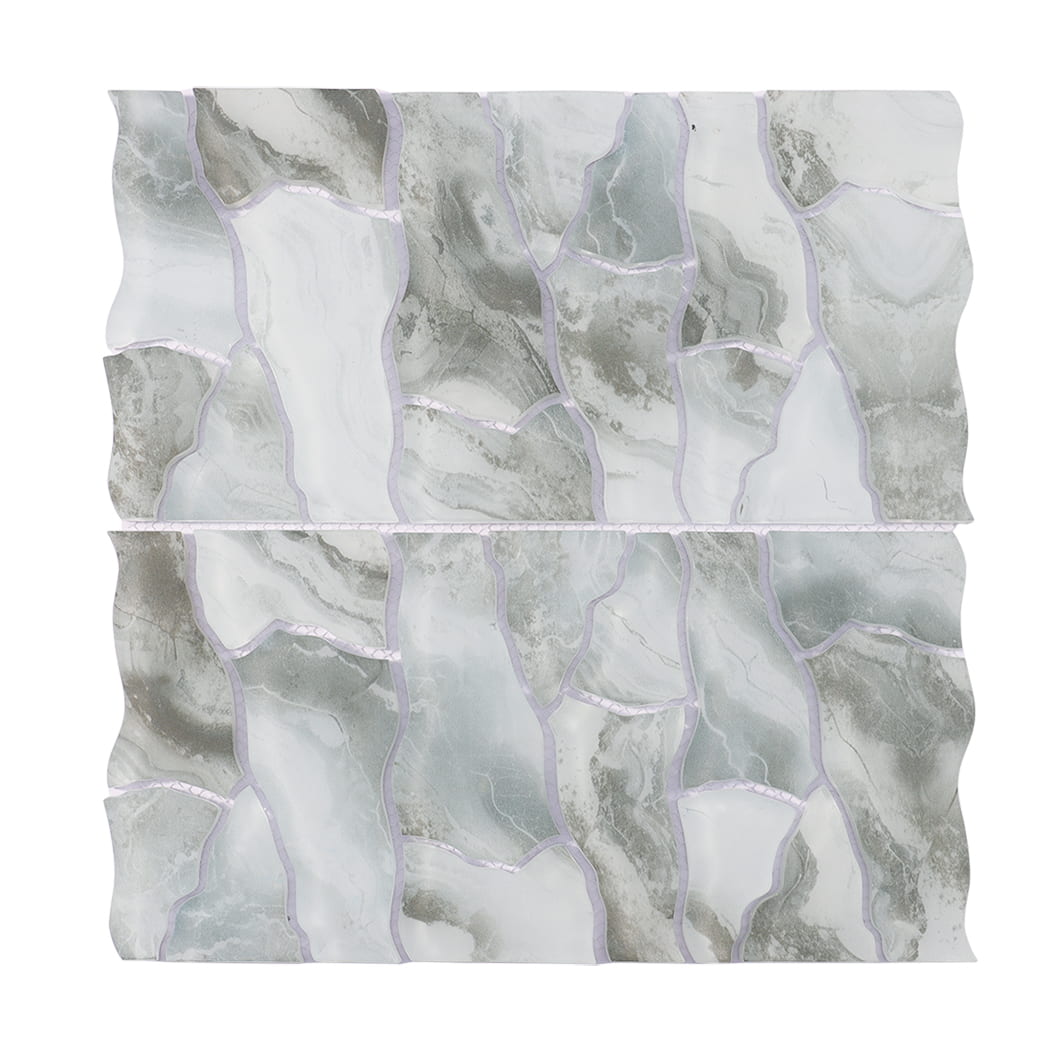

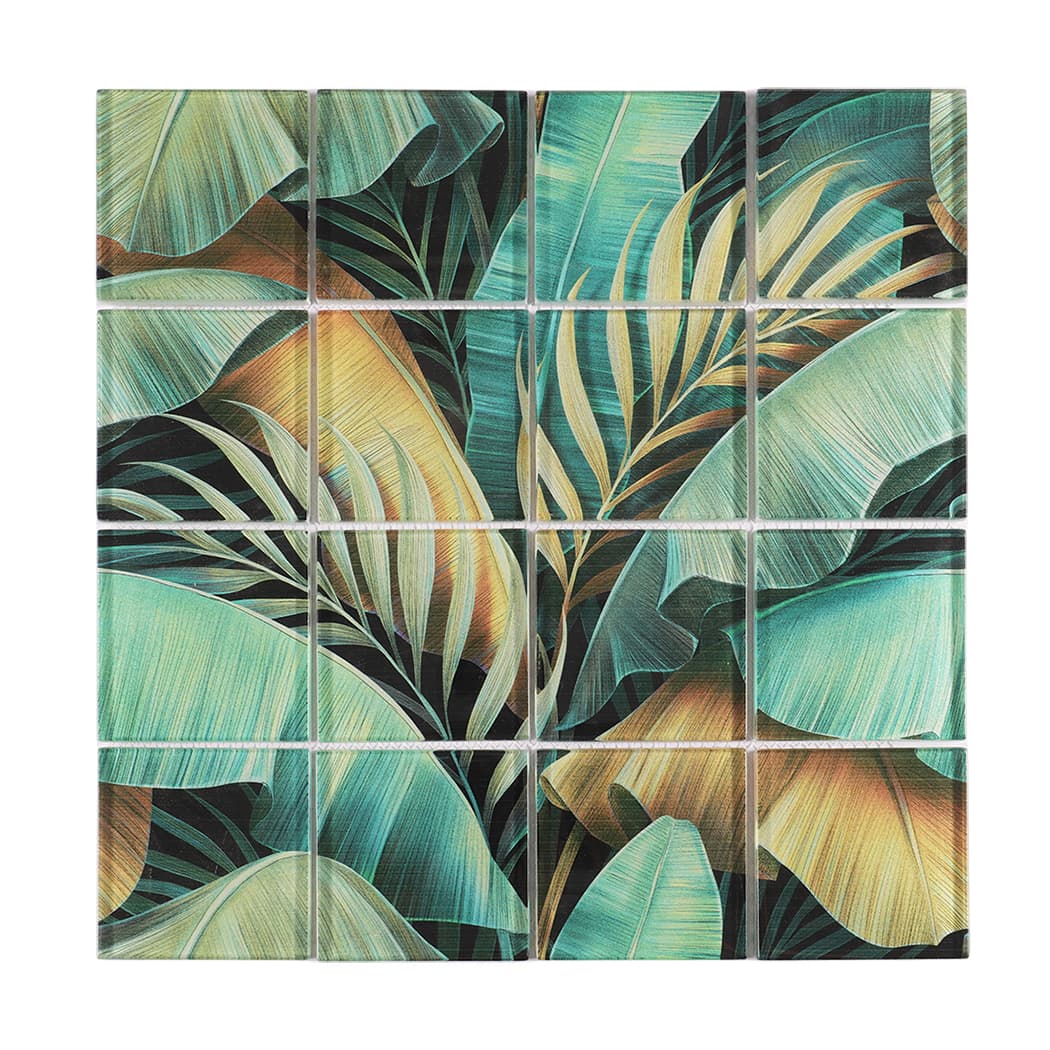
Modern wall tiles combine clean architectural lines, durable surface performance and versatile design possibilities for residential, commercial and hospitality interiors. From quiet neutral backgrounds to sculptural feature walls, the right tile can protect a surface while giving the entire room a more polished and intentional character.
The Saicina Tiles collection includes minimalist solid colors, natural stone, fluted textures, geometric mosaics, glass, stainless steel, copper, aluminum alloy and natural mother-of-pearl designs. Available in a wide range of shapes, sizes, colors and finishes, these tiles can be used to create modern kitchen backsplashes, bathroom walls, shower surrounds, fireplace features, living room walls, hotel interiors and commercial statement surfaces.
Whether you need a subtle matte wall covering or a fully customized decorative installation, Saicina Tiles can help you select the right material, format and finish for your project.
What Defines Modern Wall Tiles?
Modern wall tile design is based on clarity, function and carefully controlled detail. Rather than relying on heavily ornamented patterns, it uses proportion, material, texture and light to create visual interest.
Common characteristics include:
-
Clean horizontal, vertical or geometric lines
-
Neutral and low-saturation color palettes
-
Matte, satin, polished and metallic finishes
-
Natural stone and concrete-inspired textures
-
Slim linear, fluted and three-dimensional surfaces
-
Large-format tiles with fewer visible grout joints
-
Simple stacked, vertical and geometric layouts
-
Carefully selected accent colors and material contrasts
Modern does not have to mean plain. A wall can remain visually calm while gaining depth from fine stone veining, curved flutes, handmade color variation, metal reflections or a structured mosaic pattern.
Why Choose Tiles for Modern Walls?
Long-Lasting Surface Protection
Properly selected wall tiles resist everyday moisture, stains, heat and surface wear more effectively than many painted or paper-based wall coverings. They are especially valuable in kitchens, bathrooms, entryways and commercial spaces where walls require frequent cleaning.
Performance varies by material and product. Always check the individual product specification before using a tile in showers, exterior locations, steam rooms or high-temperature areas.
Easier Cleaning and Maintenance
Ceramic, porcelain, glass and many metal surfaces can usually be cleaned with a soft cloth and an appropriate neutral cleaner. Unlike painted walls, tiled surfaces do not need regular repainting and are less likely to peel in humid environments.
Natural stone, copper, textured metal and mother-of-pearl require material-specific care. Abrasive tools and strong acidic or alkaline cleaners should be avoided unless expressly approved for the product.
Flexible Design Options
Wall tiles are available in formats ranging from tiny mosaics and slim finger tiles to standard rectangular tiles and large-format panels. This makes it possible to create everything from a detailed shower niche to a full-height hotel lobby wall.
Greater Visual Depth
Glossy surfaces reflect light, matte finishes create softness, and relief tiles cast changing shadows throughout the day. These qualities give tiled walls more architectural depth than a flat painted finish.
Suitable for Residential and Commercial Projects
Modern wall tiles can be specified for private homes, offices, restaurants, hotels, retail stores, showrooms and public interiors. Material, finish, substrate and installation system should be chosen according to the conditions of each project.
Explore Modern Wall Tiles by Material
Ceramic and Porcelain Wall Tiles
Ceramic and porcelain are versatile choices for modern kitchens, bathrooms and general interior walls. They are available in solid colors, stone effects, concrete looks, marble patterns and sculptural surfaces.
Ceramic wall tiles are generally lighter and easy to cut, making them practical for backsplashes and decorative interior applications. Porcelain is denser and is often preferred for demanding wet, commercial or exterior areas when the specific product is rated for that use.
Natural Marble Wall Tiles
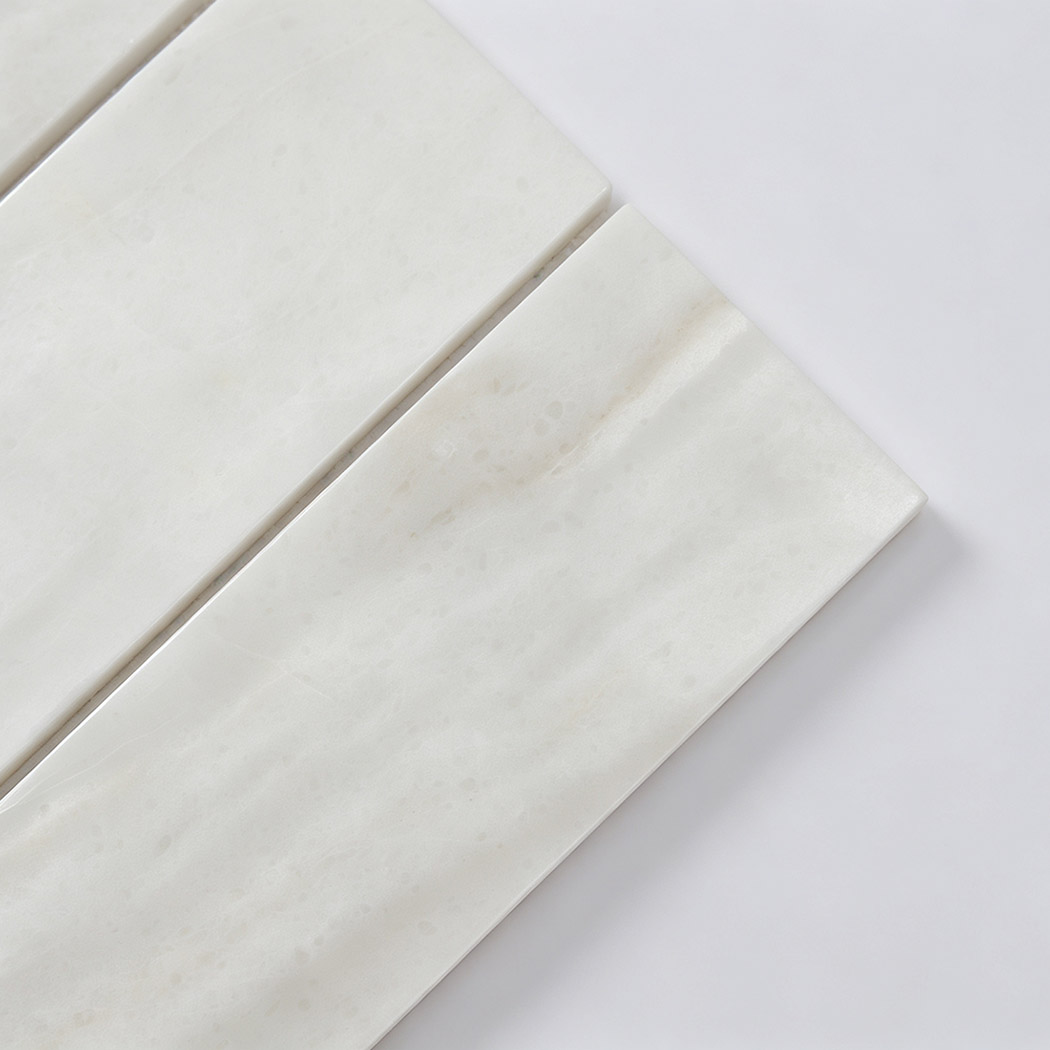
Natural marble introduces distinctive veining, depth and refined luxury. White, gray, beige, green, brown and black varieties can be used for bathroom walls, fireplace surrounds, entrance features, hotel lobbies and premium commercial interiors.
Because marble is a natural material, variation between pieces is expected. Dry laying and blending tiles before installation helps distribute veining and color differences. Most marble should be sealed and cleaned with a pH-neutral stone cleaner.
Travertine Wall Tiles
Travertine offers warm beige, ivory, cream, gray and walnut tones with characteristic pores and layered movement. Honed and matte finishes work especially well in organic modern, Mediterranean, minimalist and wabi-sabi interiors.
Travertine may be supplied filled or unfilled, depending on the desired appearance. Sealing and material-compatible installation products are generally recommended, particularly in kitchens and wet areas.
Limestone Wall Tiles
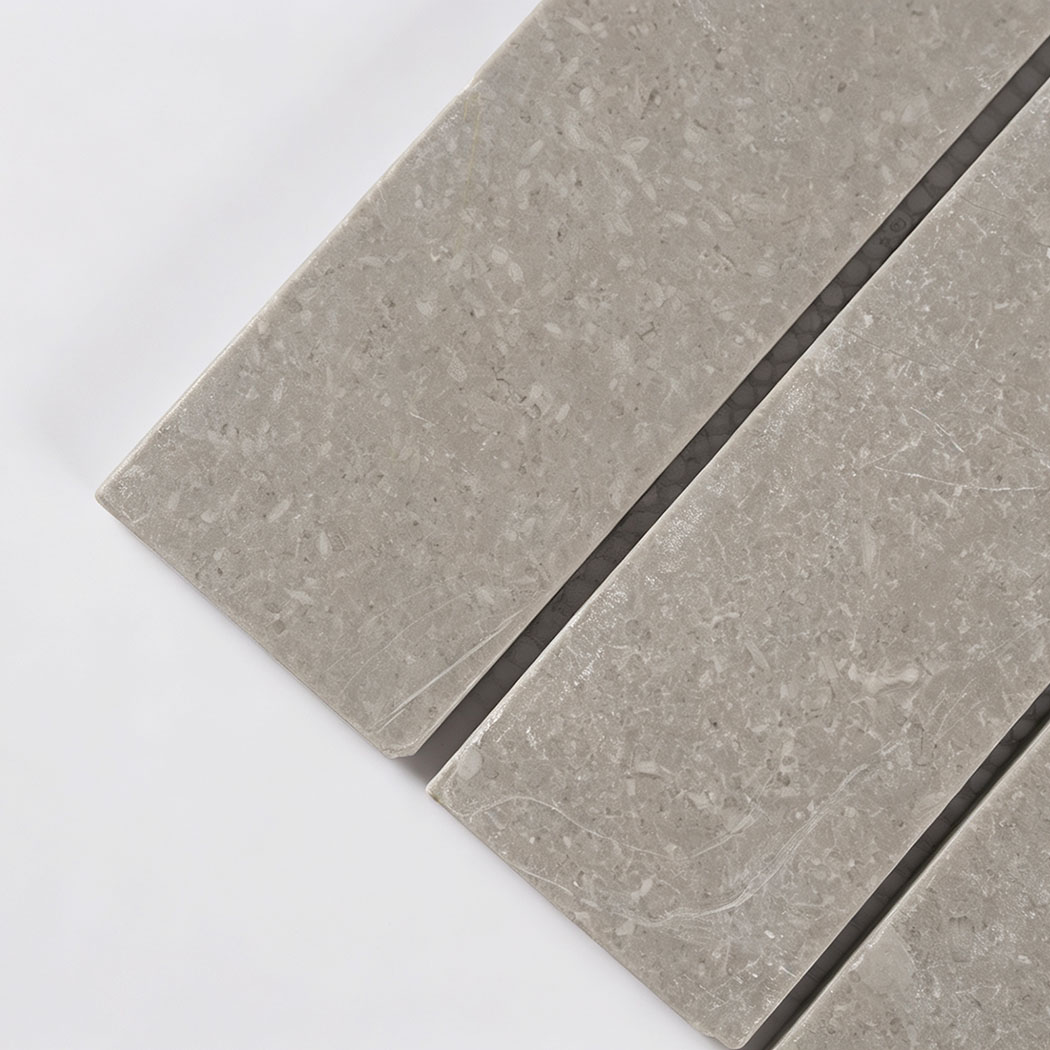
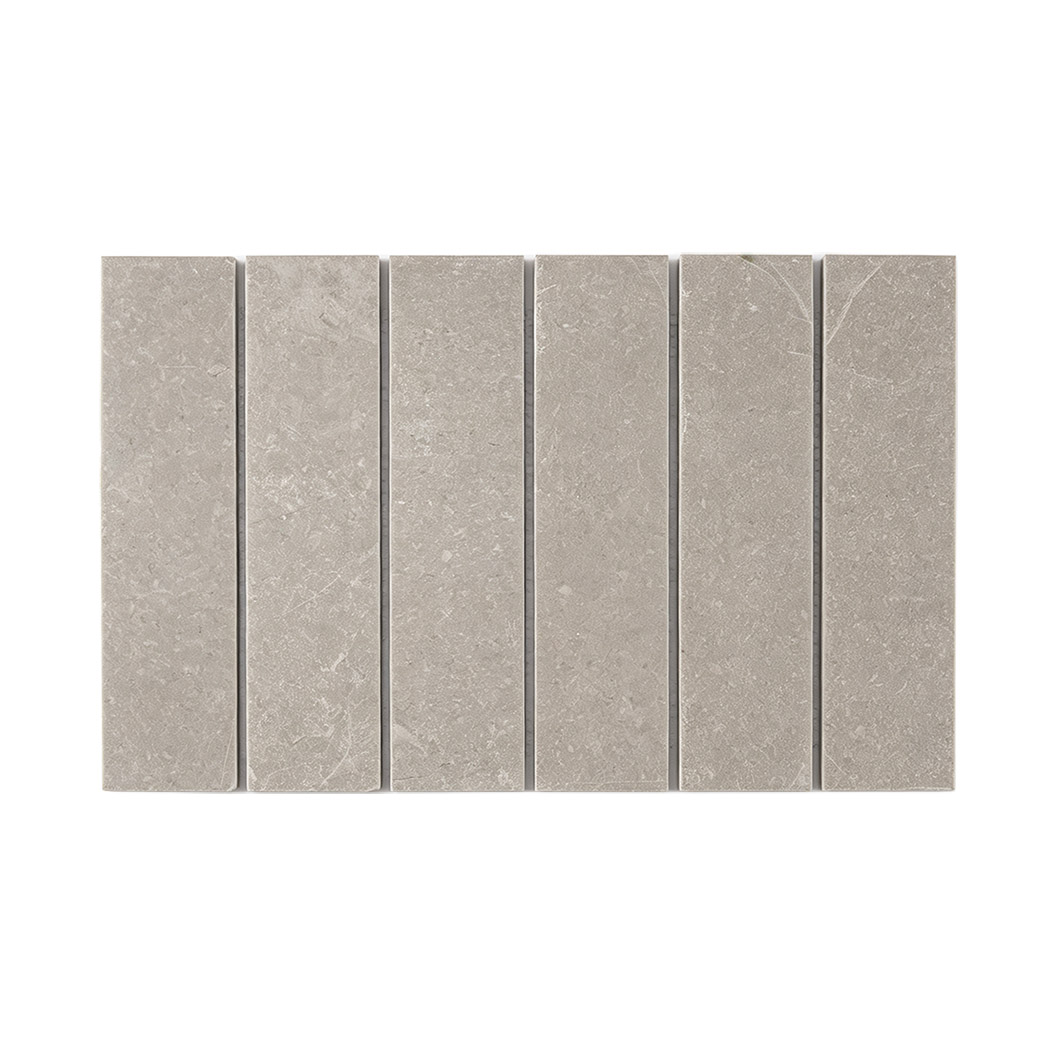
Limestone provides a quiet, fine-grained surface with soft cream, oatmeal, light gray and warm beige tones. Its restrained appearance complements minimalist, Scandinavian, organic modern and contemporary rustic spaces.
It can be used for interior feature walls and, when properly rated, some exterior wall applications. As with other natural stones, sealing requirements and climate suitability should be confirmed for the selected limestone.
Volcanic Stone Wall Tiles
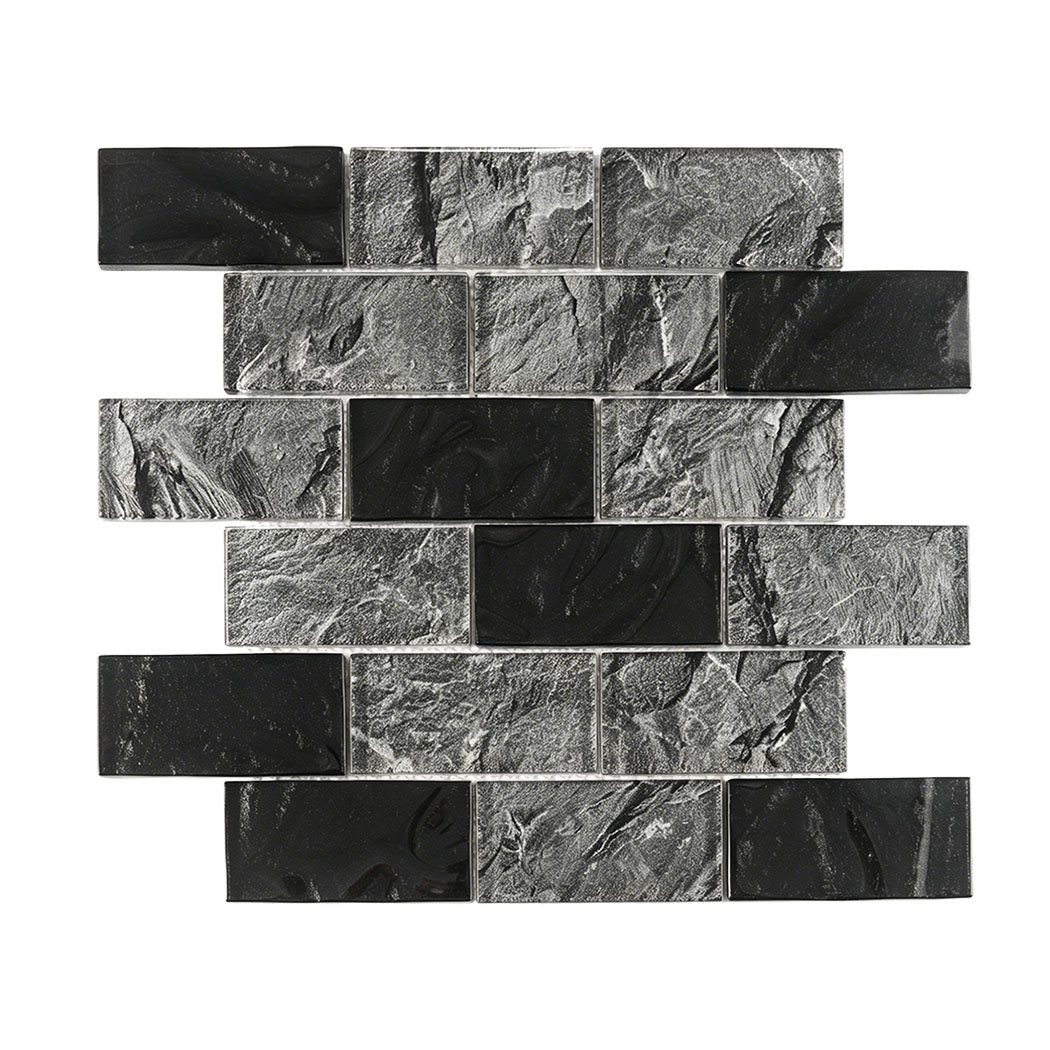
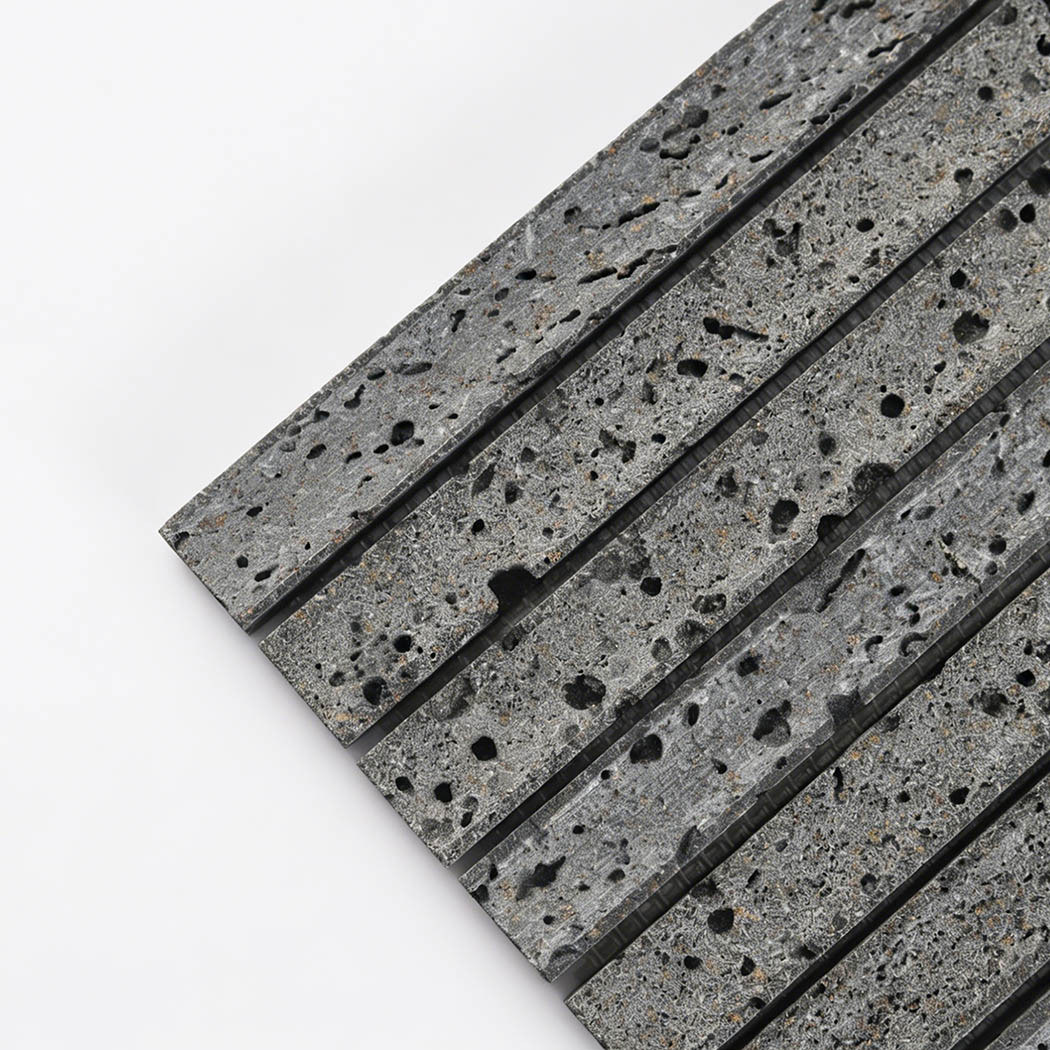
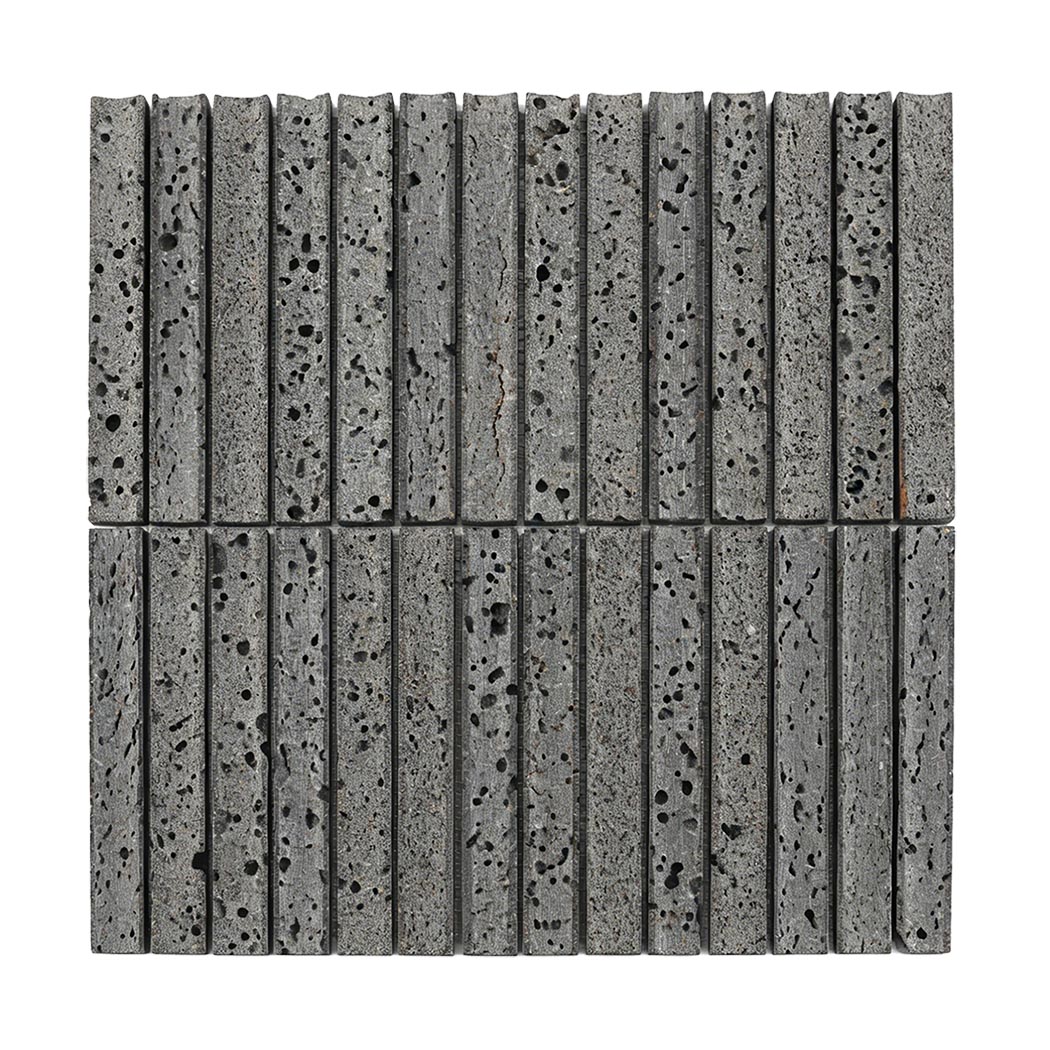
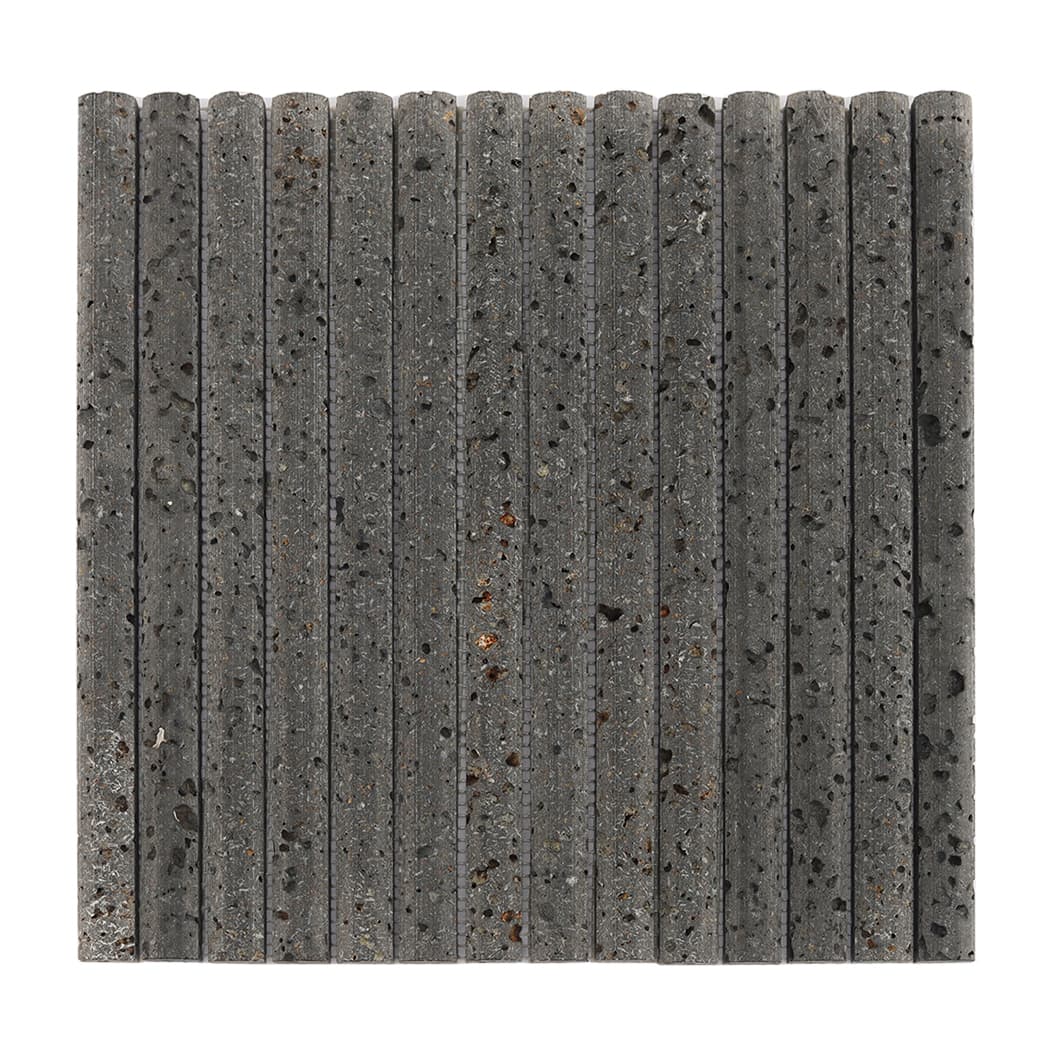
Volcanic stone is recognized for its dark color, natural pores and raw mineral texture. Charcoal, black, gray and brown-red tones create a strong architectural effect for industrial interiors, restaurants, tea rooms, courtyards and landscape walls.
Its textured surface adds character but may require more careful cleaning than a flat glazed tile. Exterior use depends on the product’s weather, moisture and freeze-thaw performance.
Glass Wall Tiles
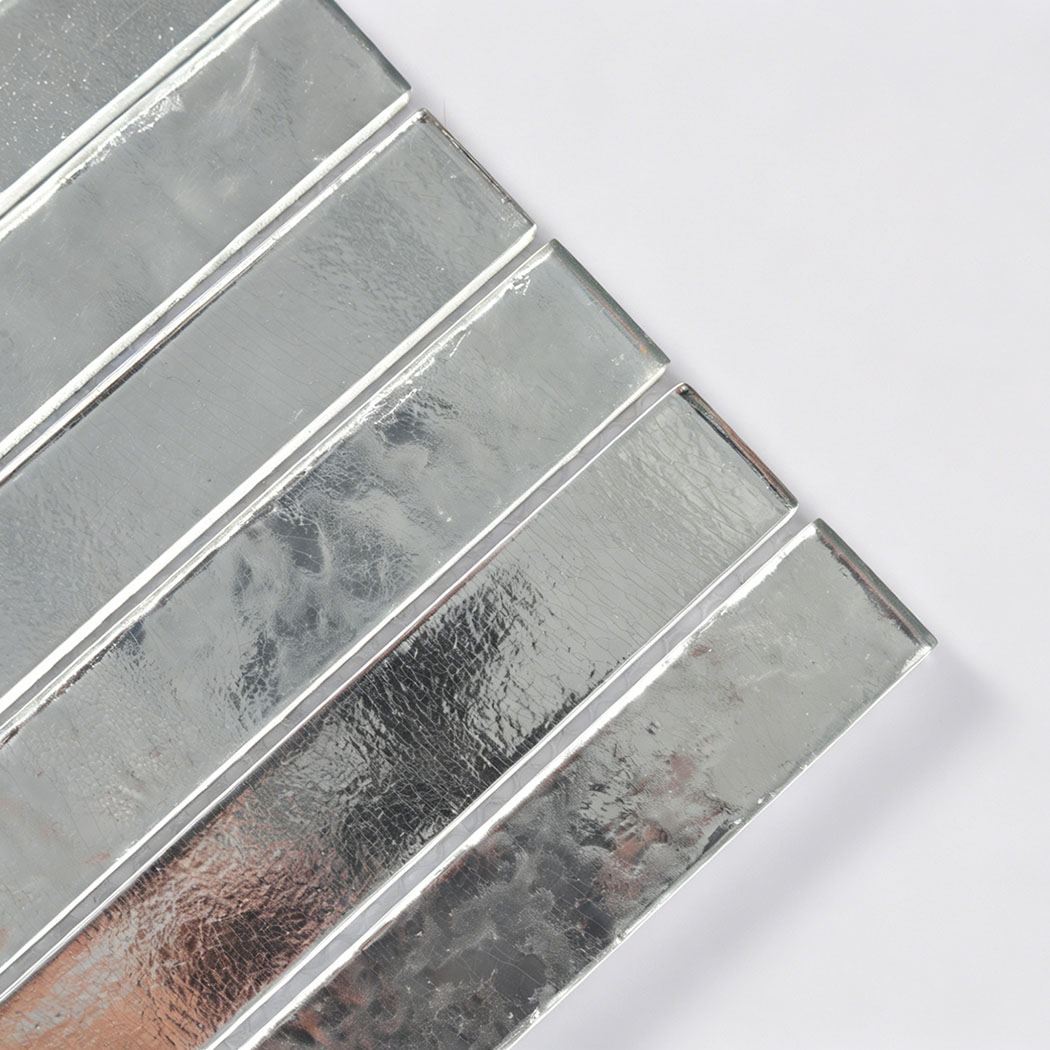
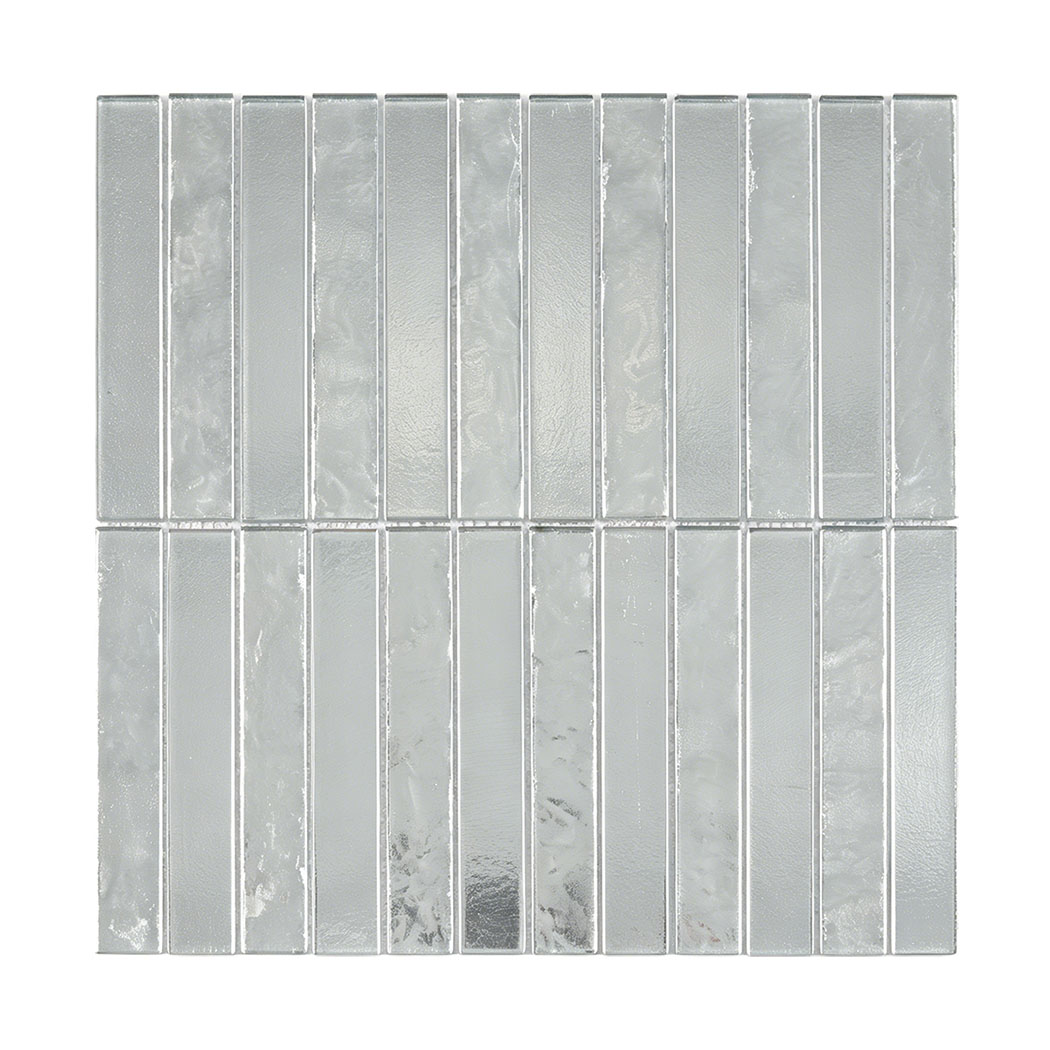
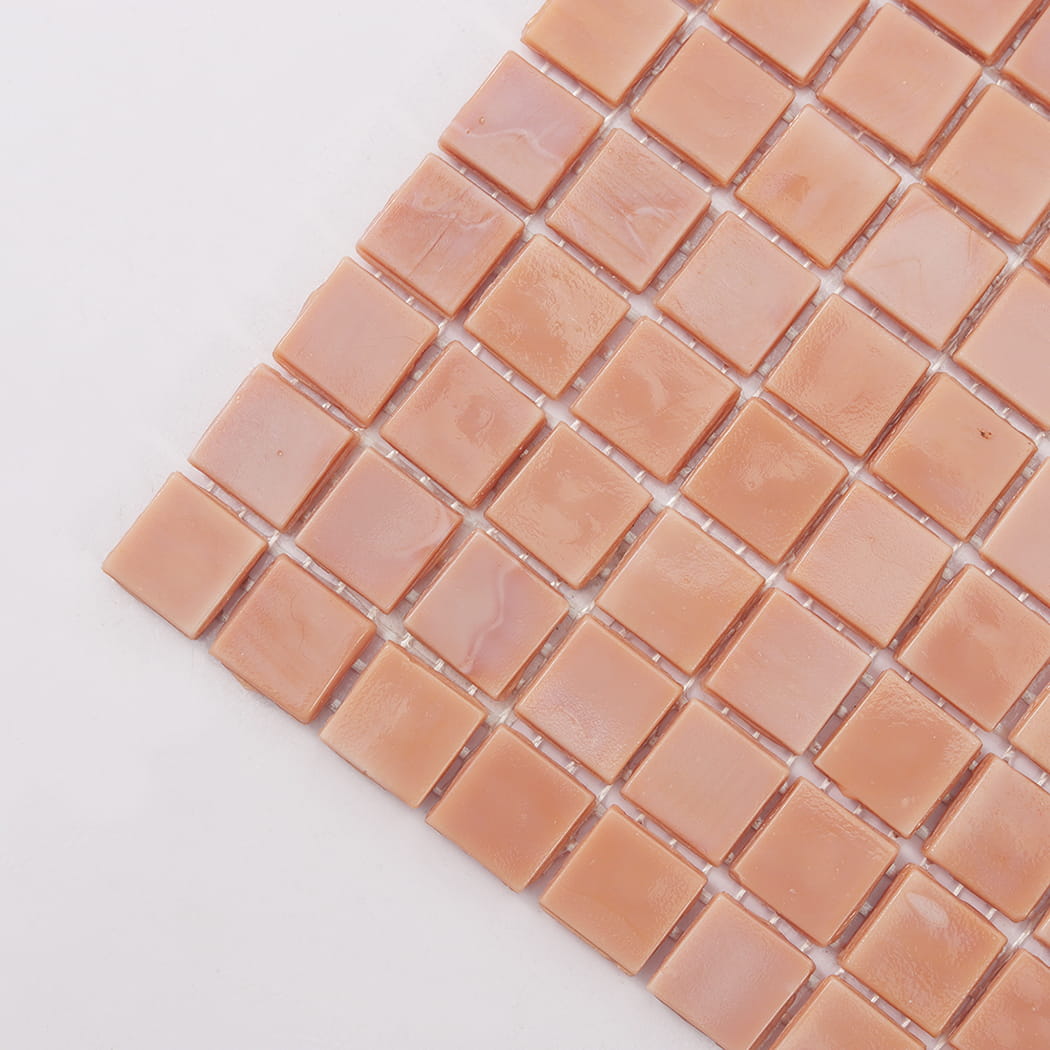
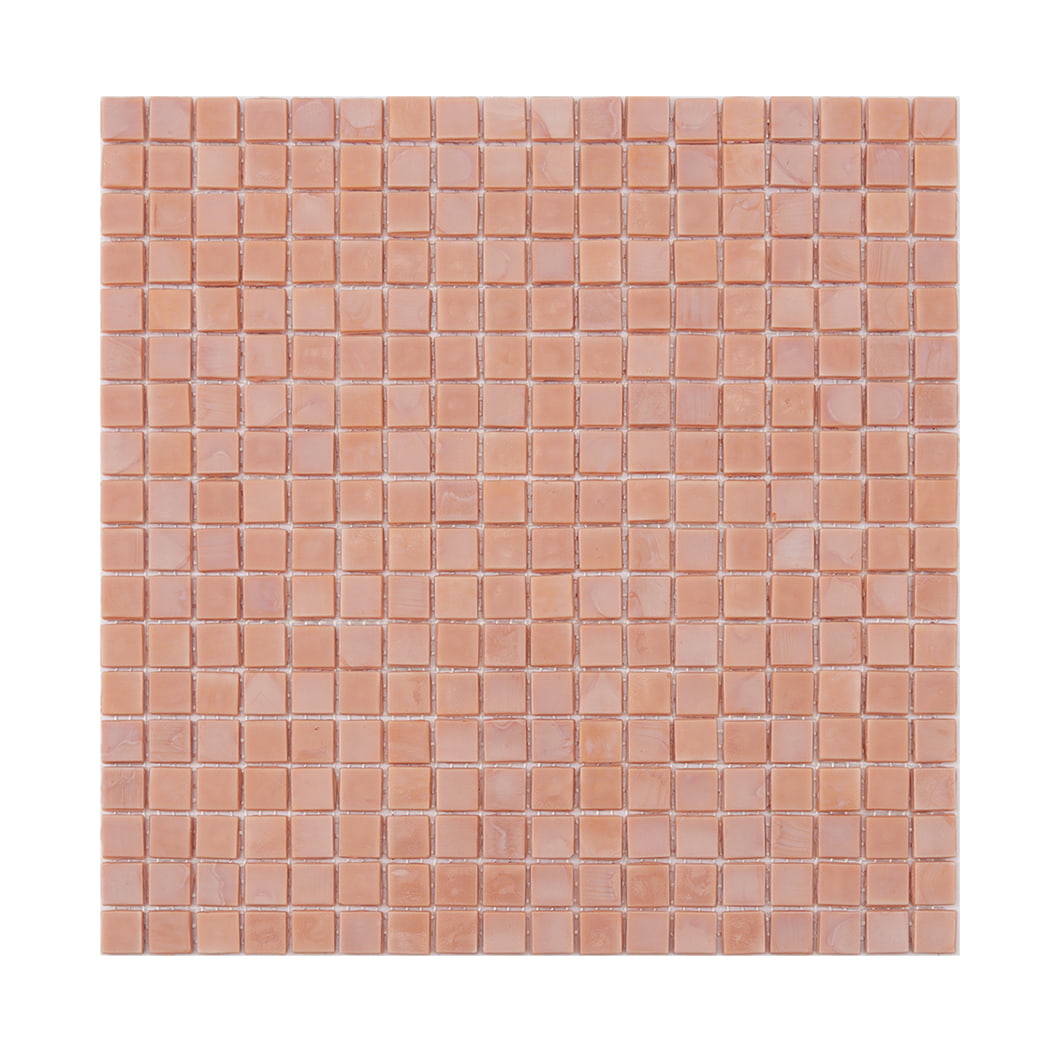
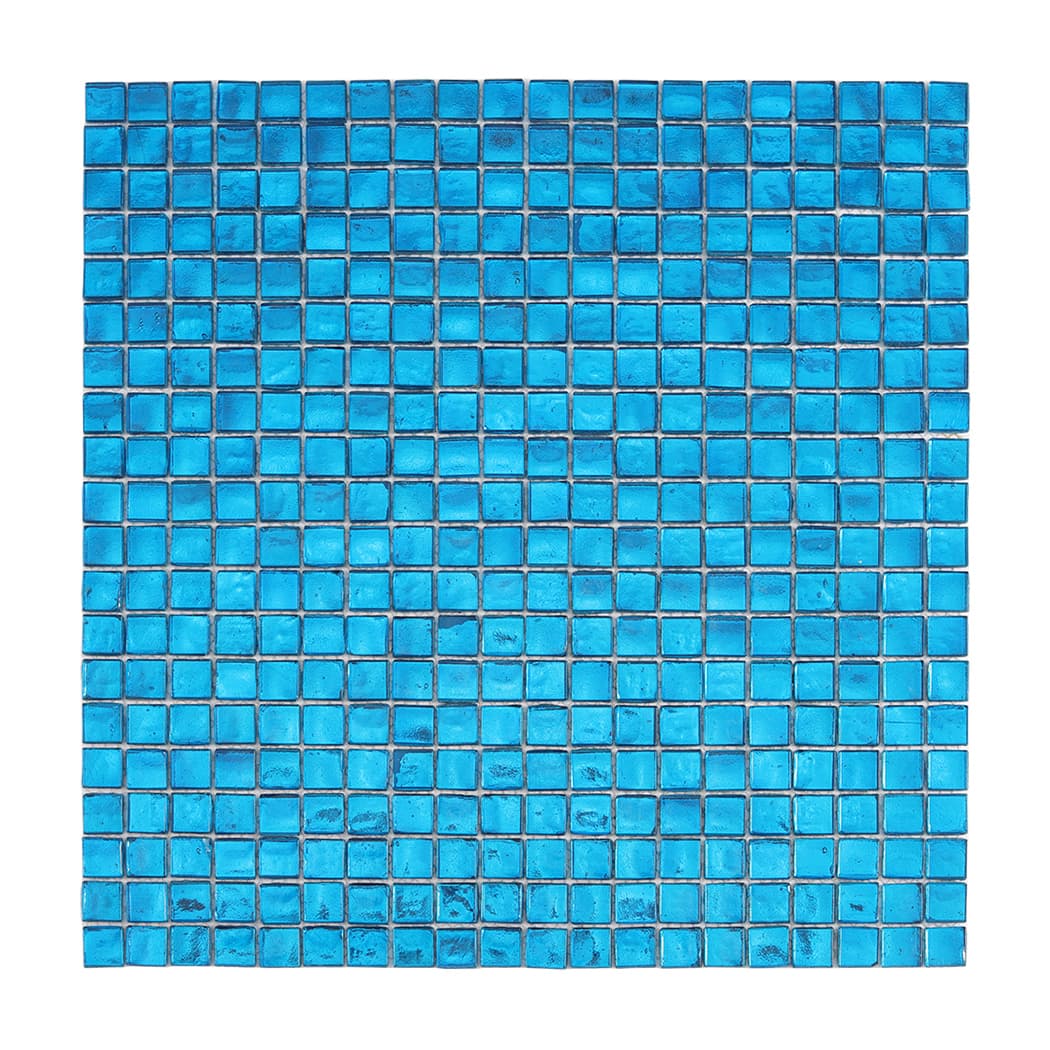
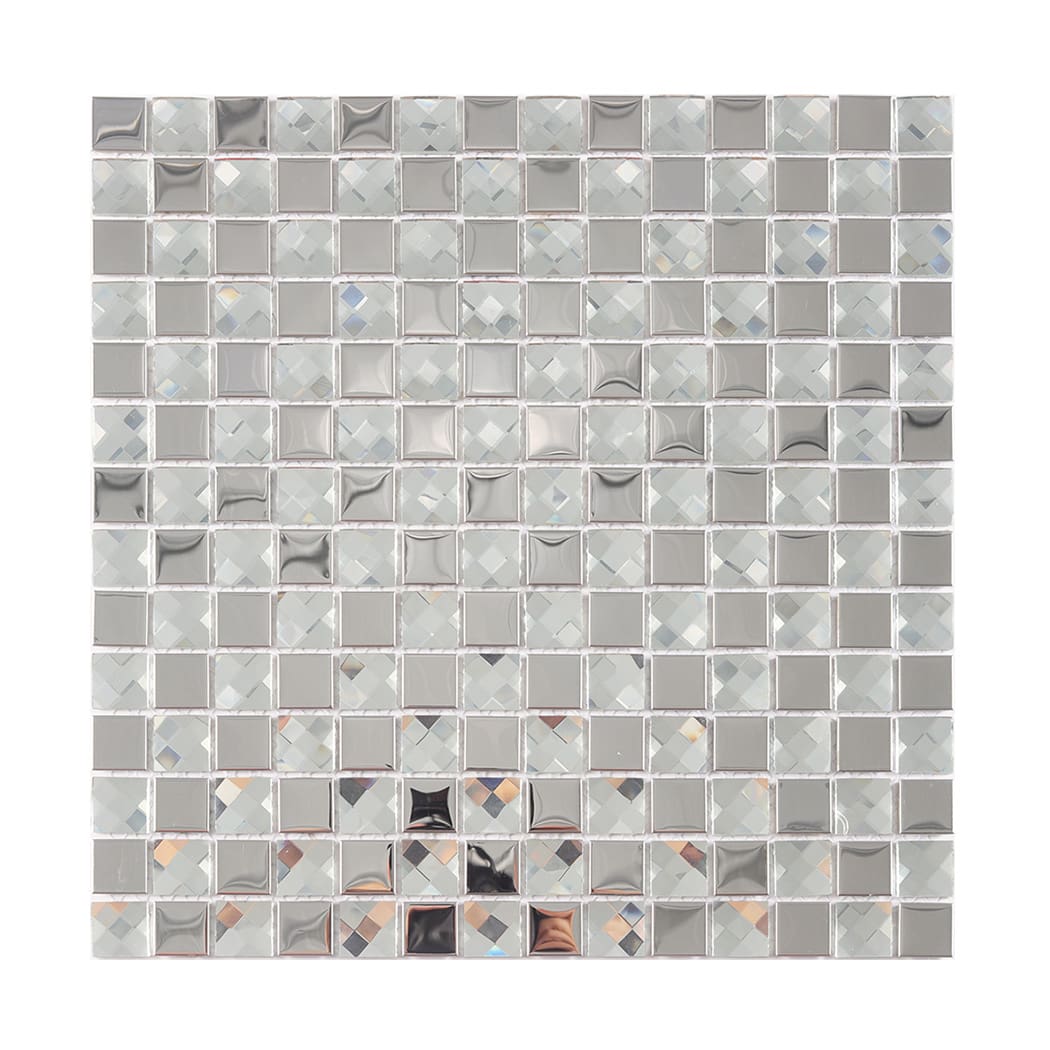
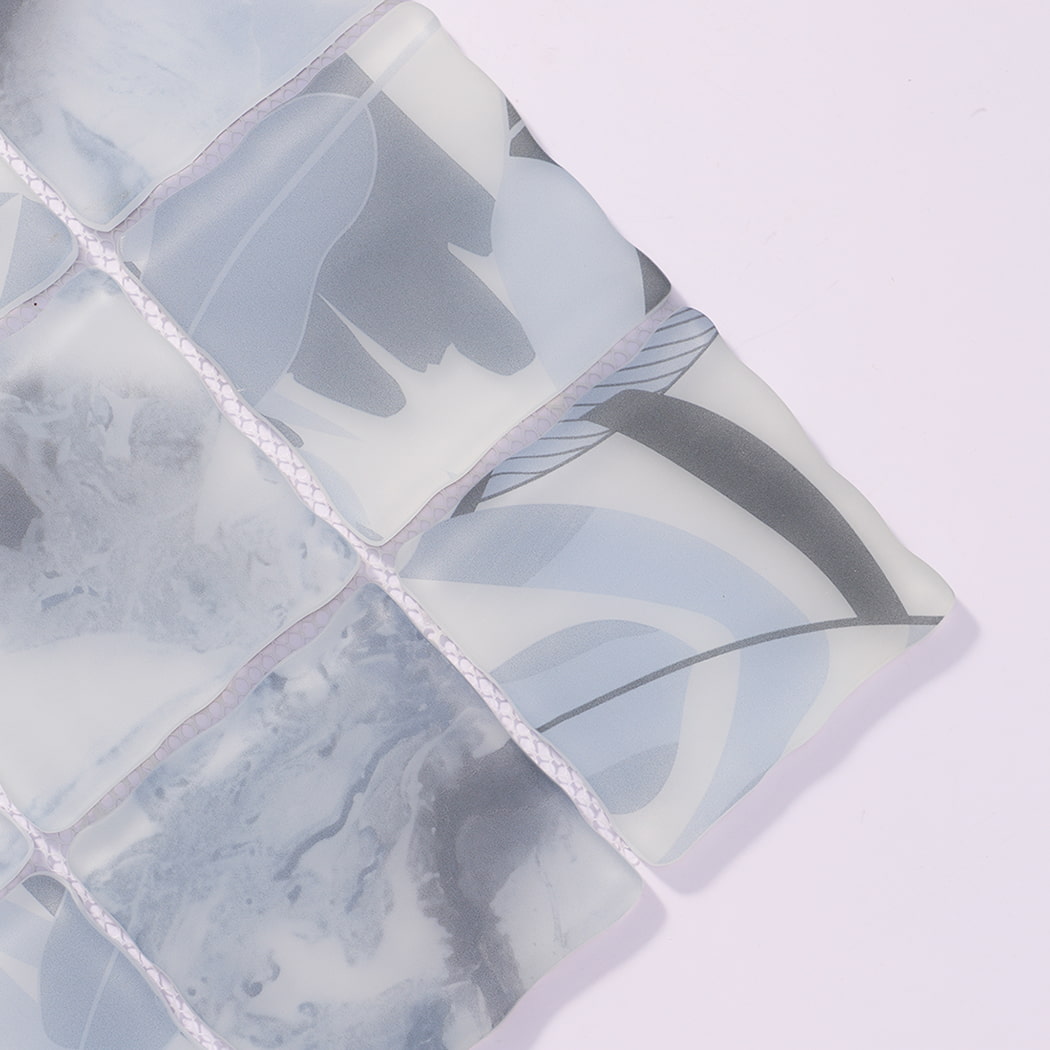
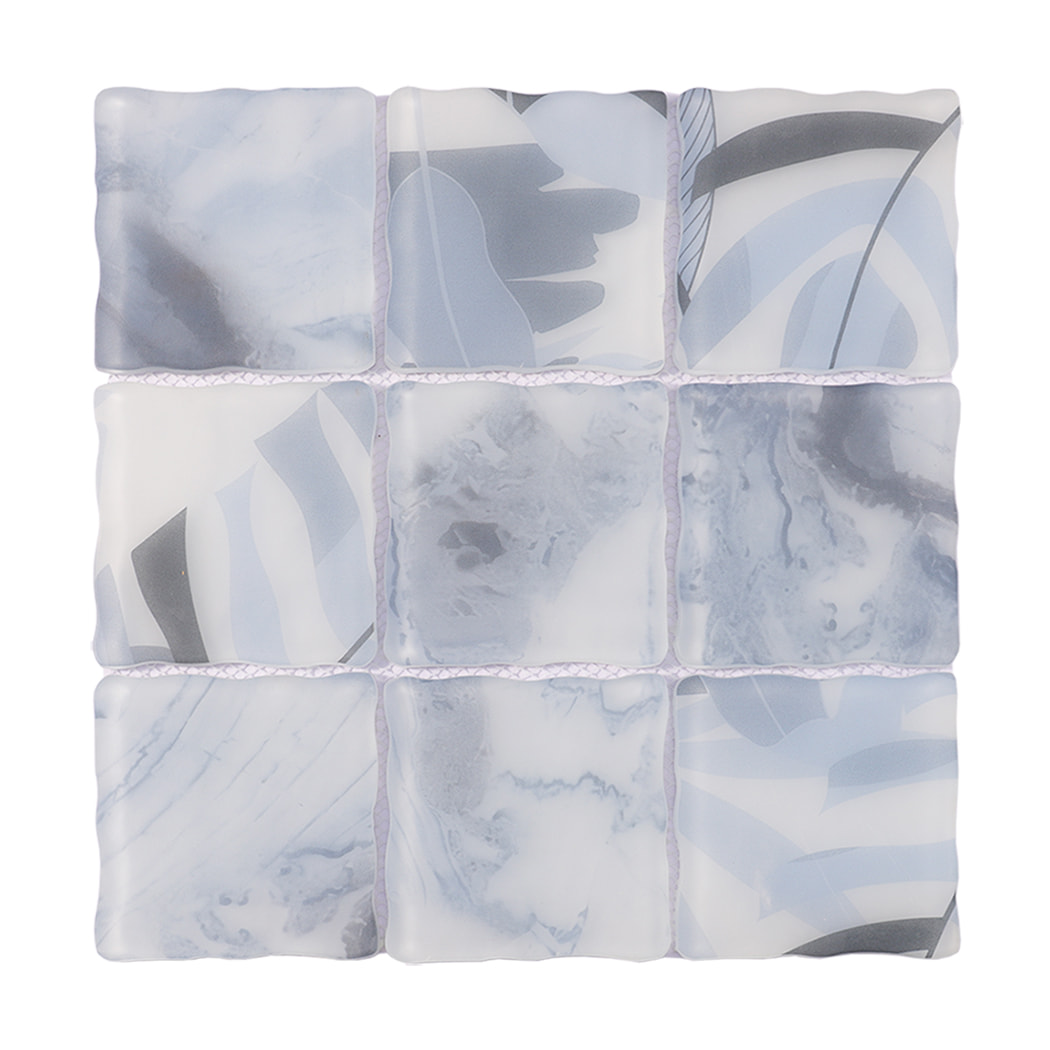
Glass tiles reflect light and can visually brighten compact kitchens, bathrooms and decorative niches. Options include clear, frosted, matte, glossy, iridescent and textured glass.
Glass is often used for backsplashes, shower walls, pools and artistic mosaics, but suitability depends on the backing, mounting system and installation specification. Translucent glass may require white adhesive to preserve its intended color.
Stainless Steel Wall Tiles
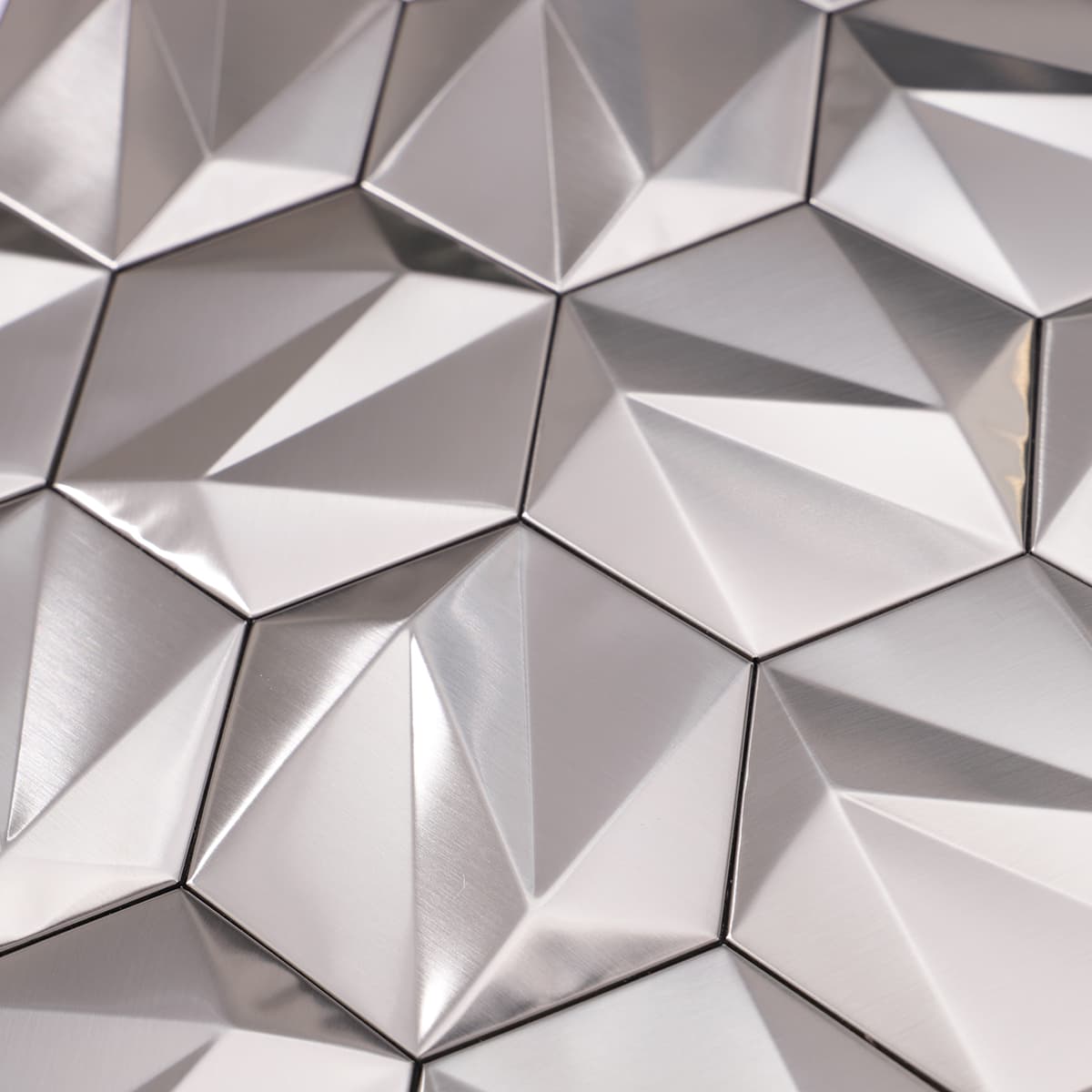
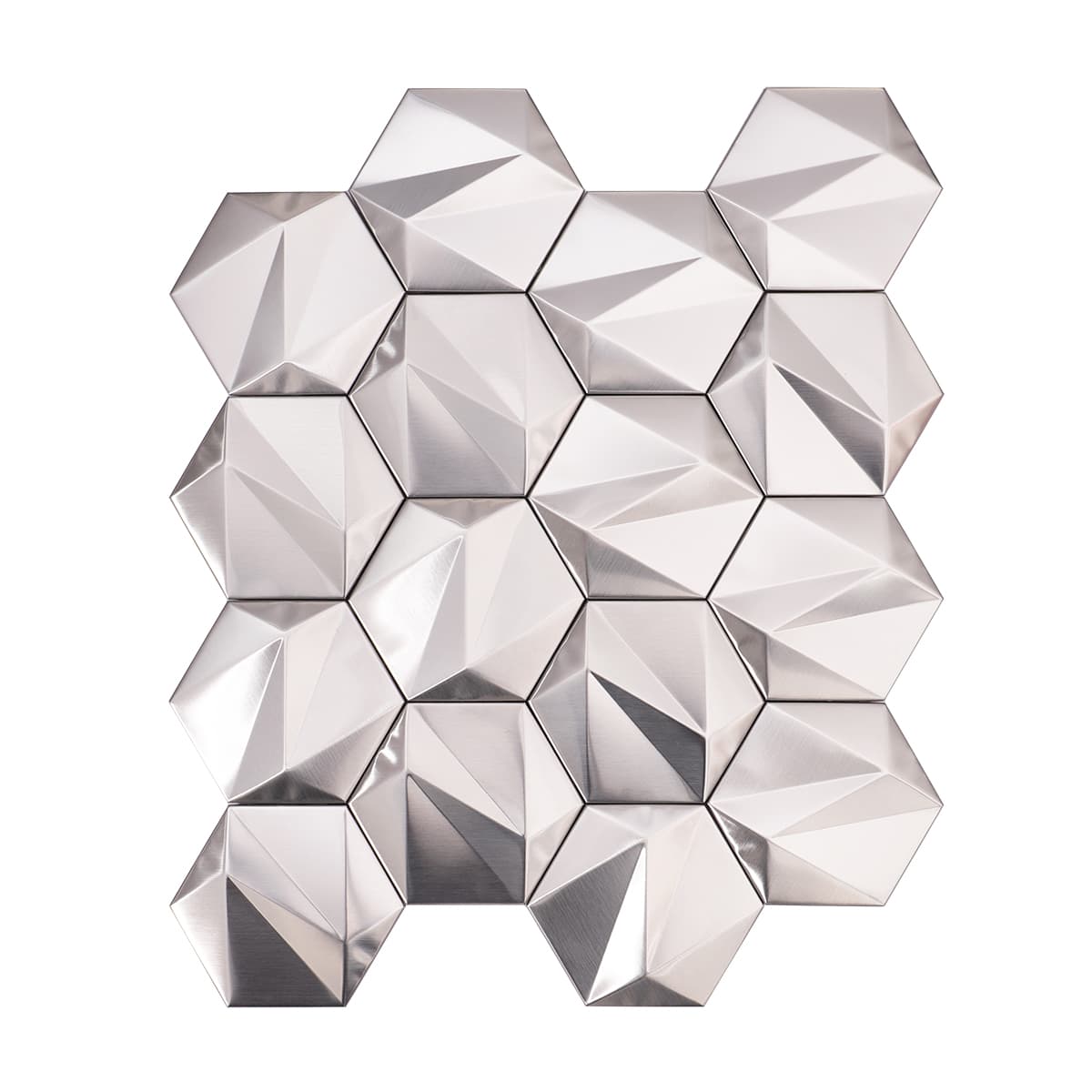
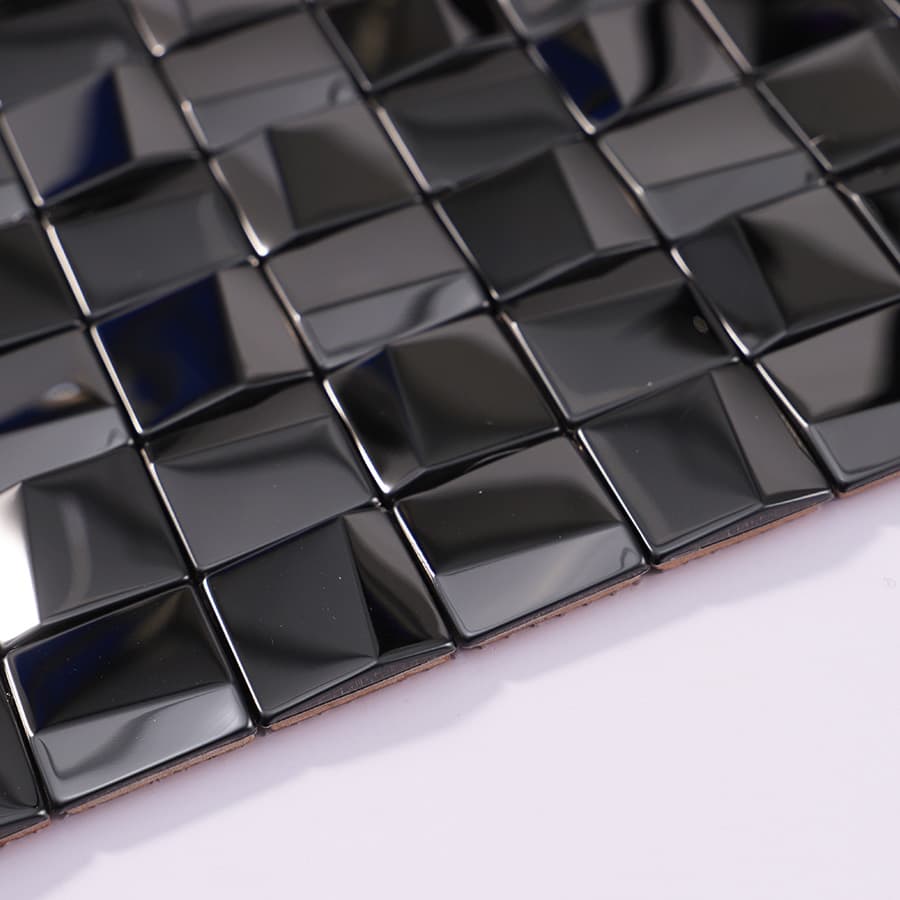
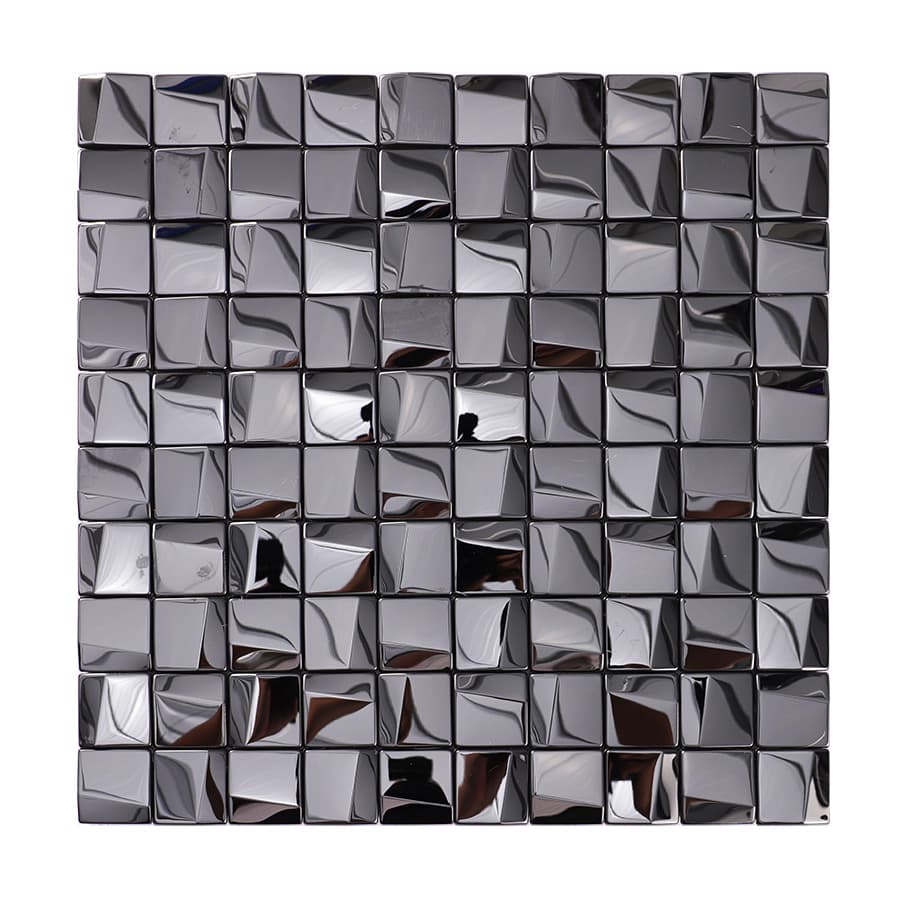
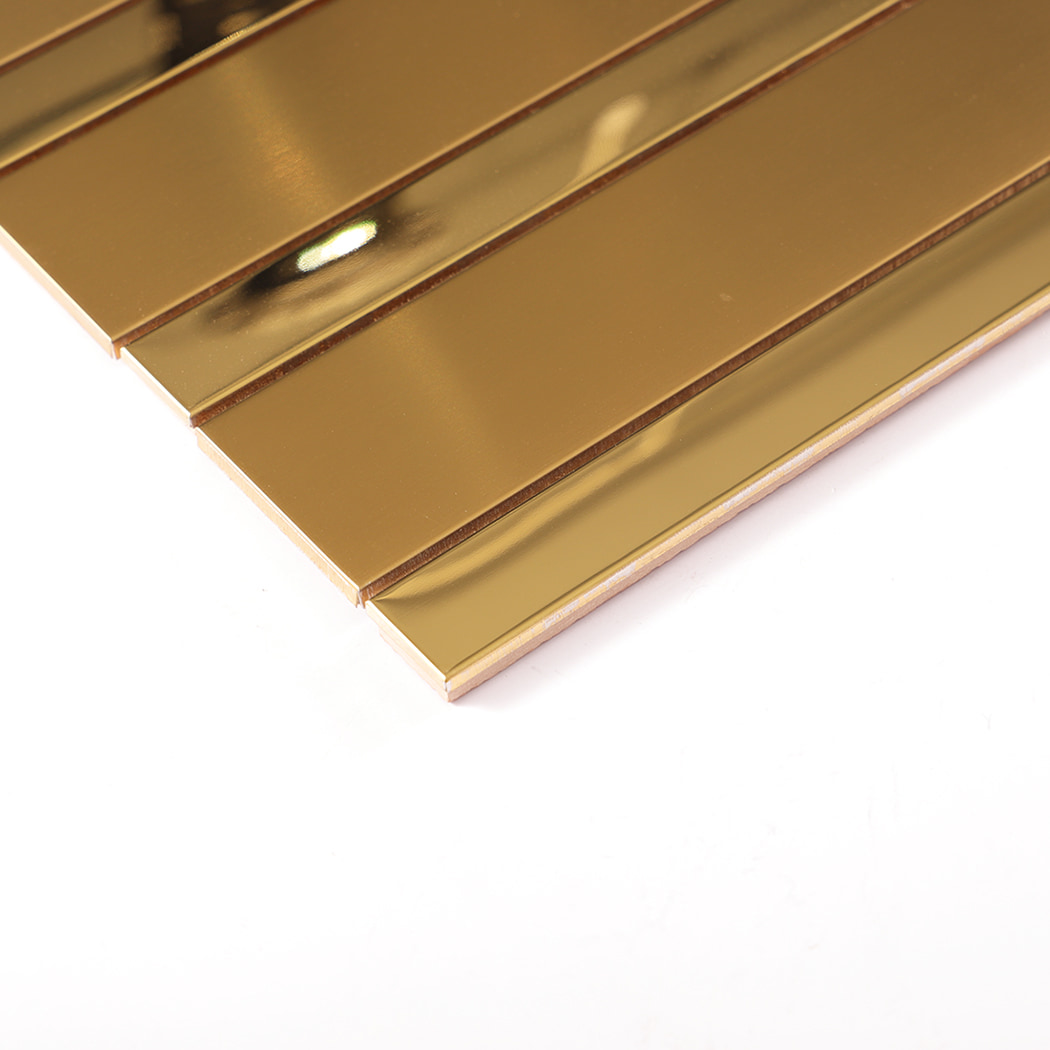
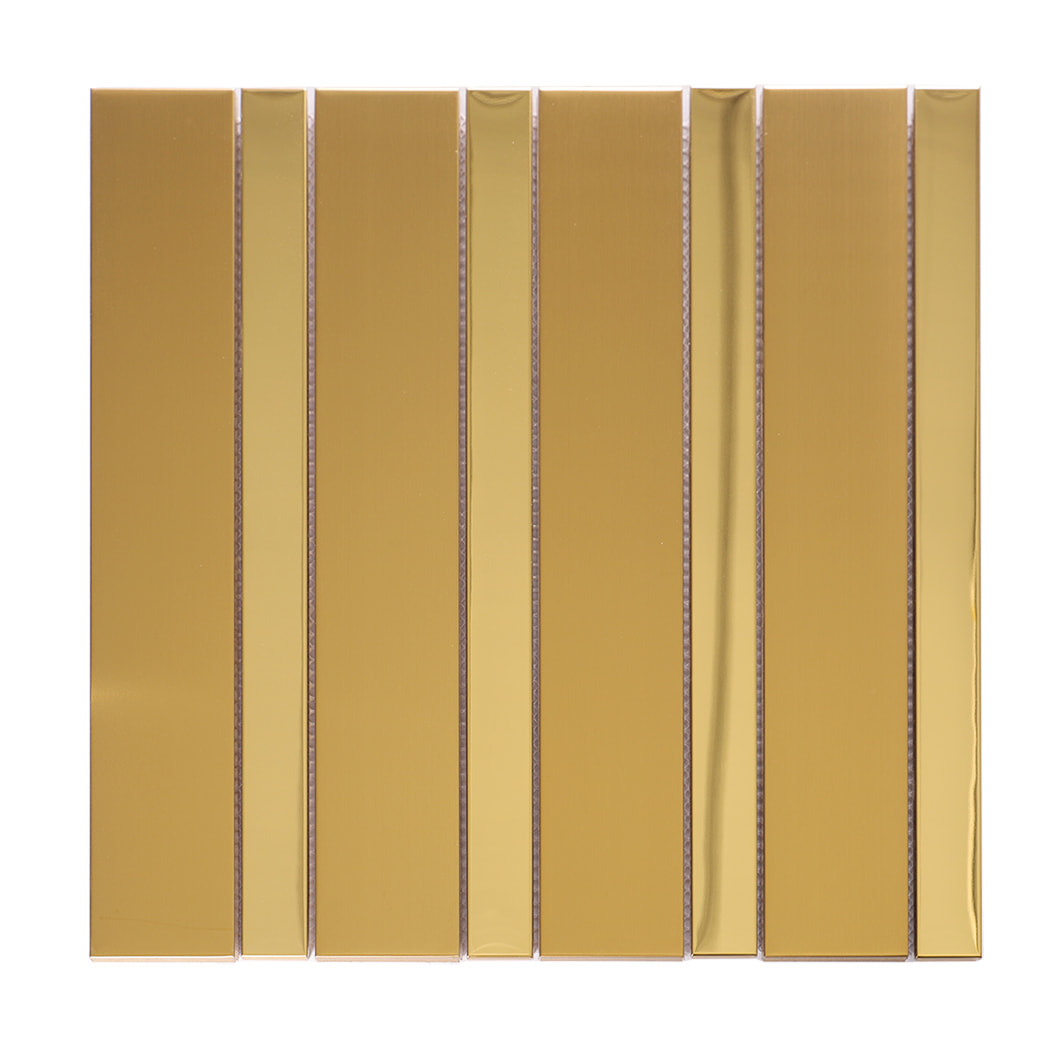
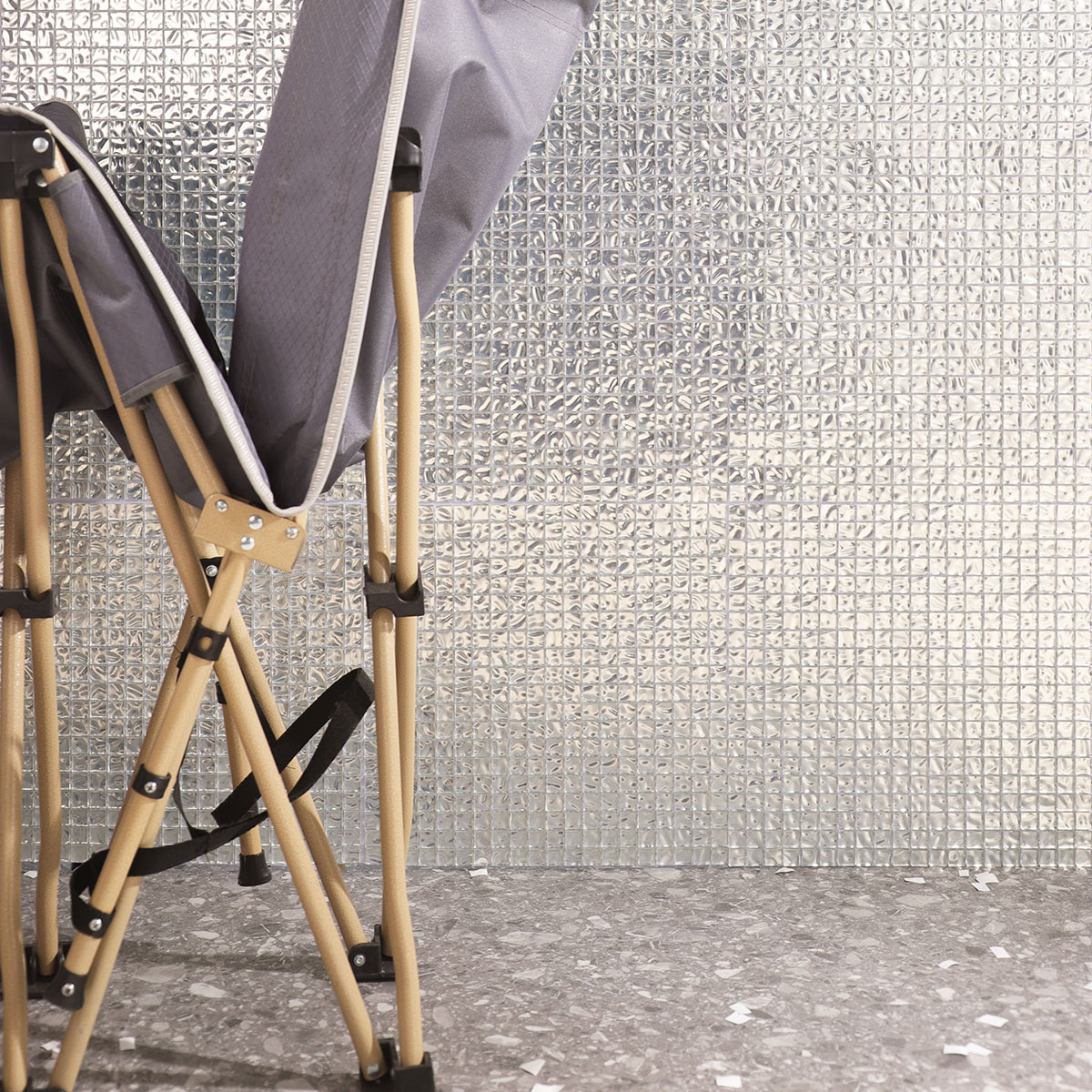
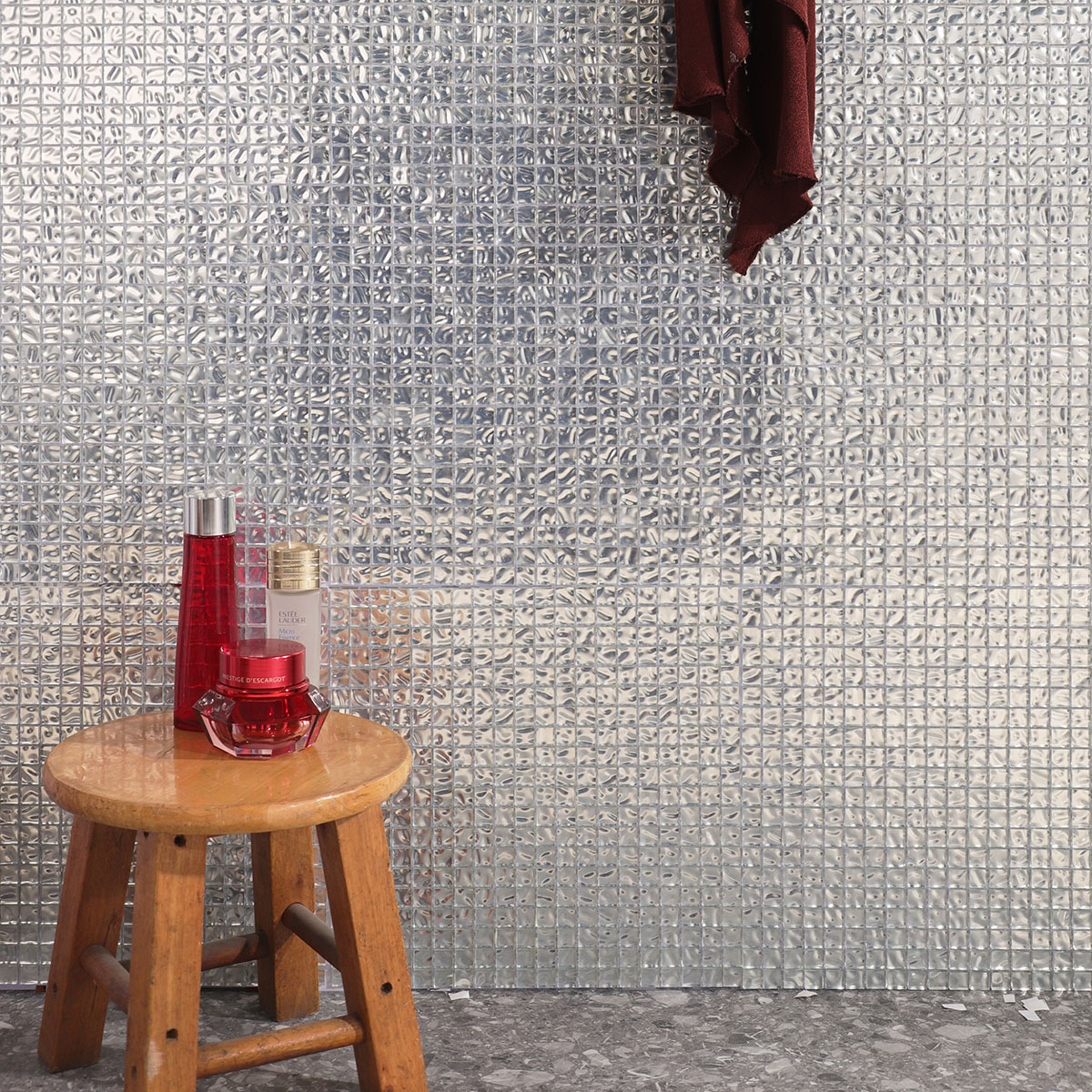
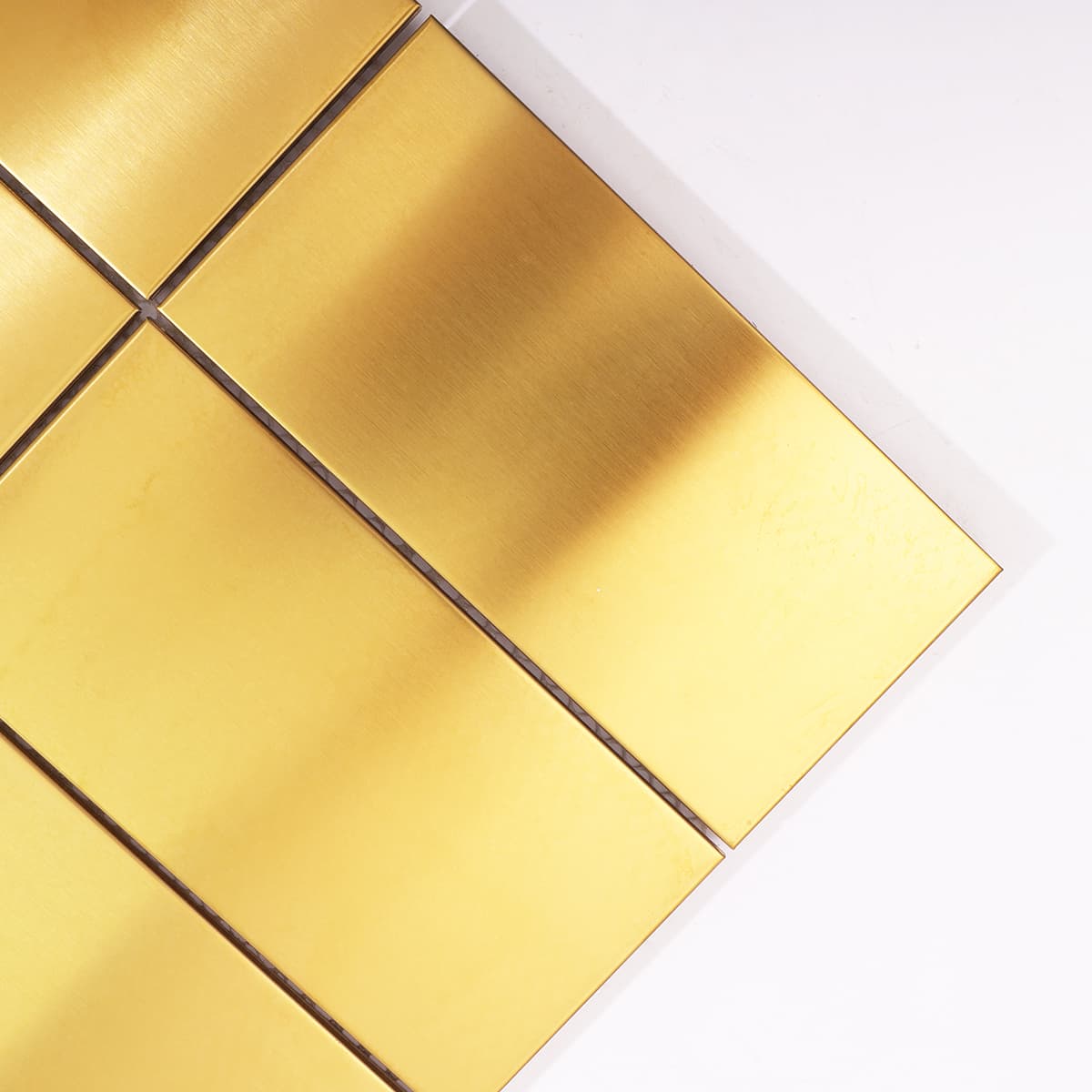
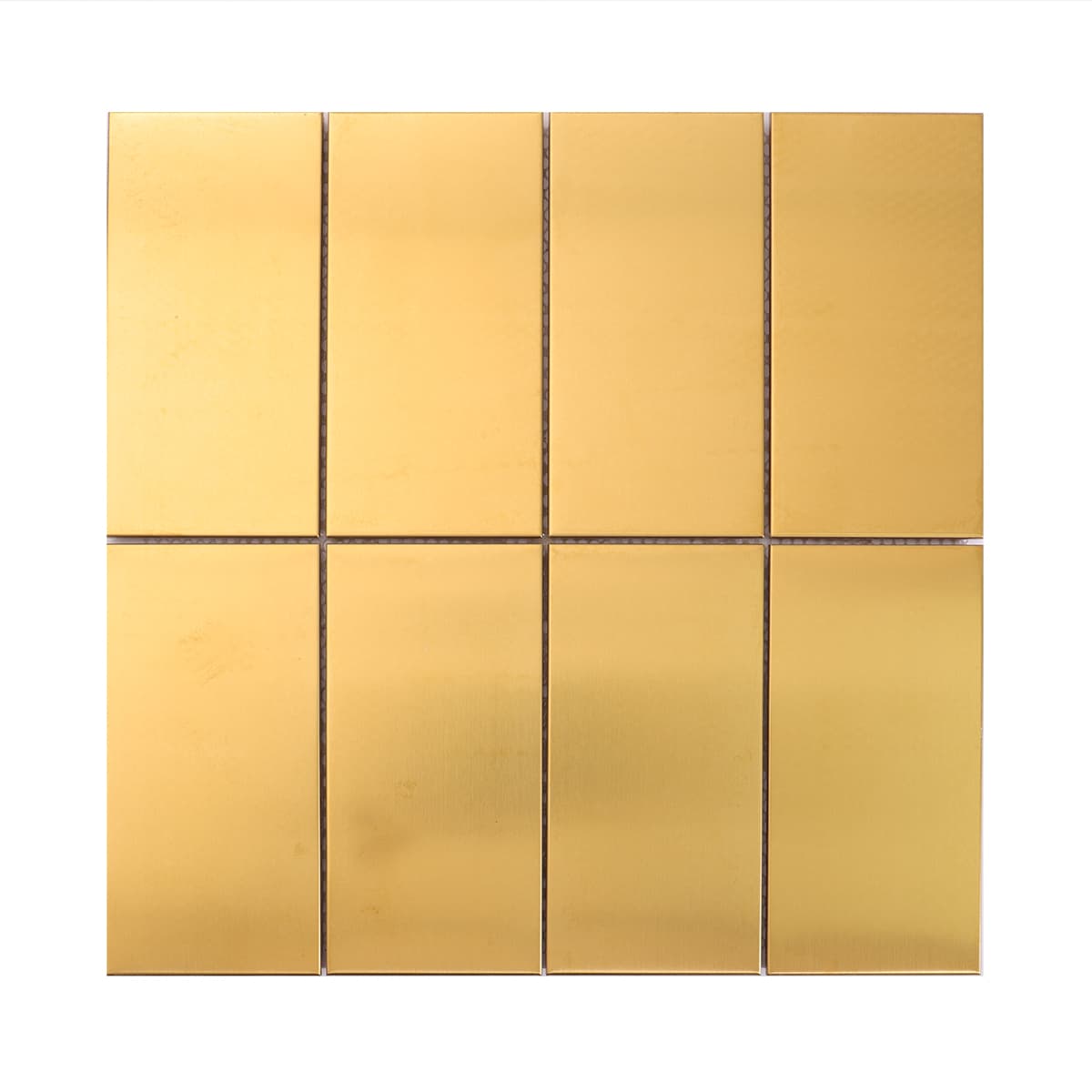
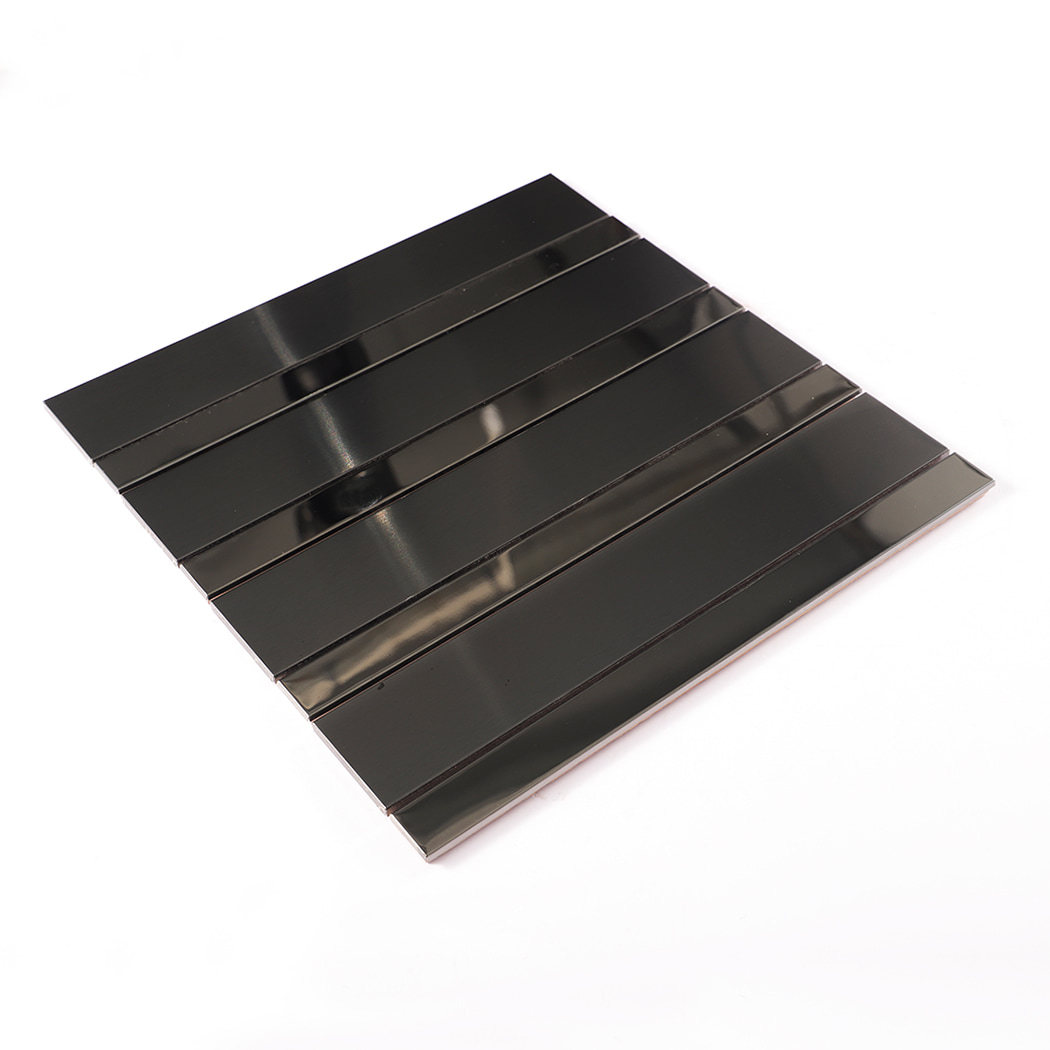
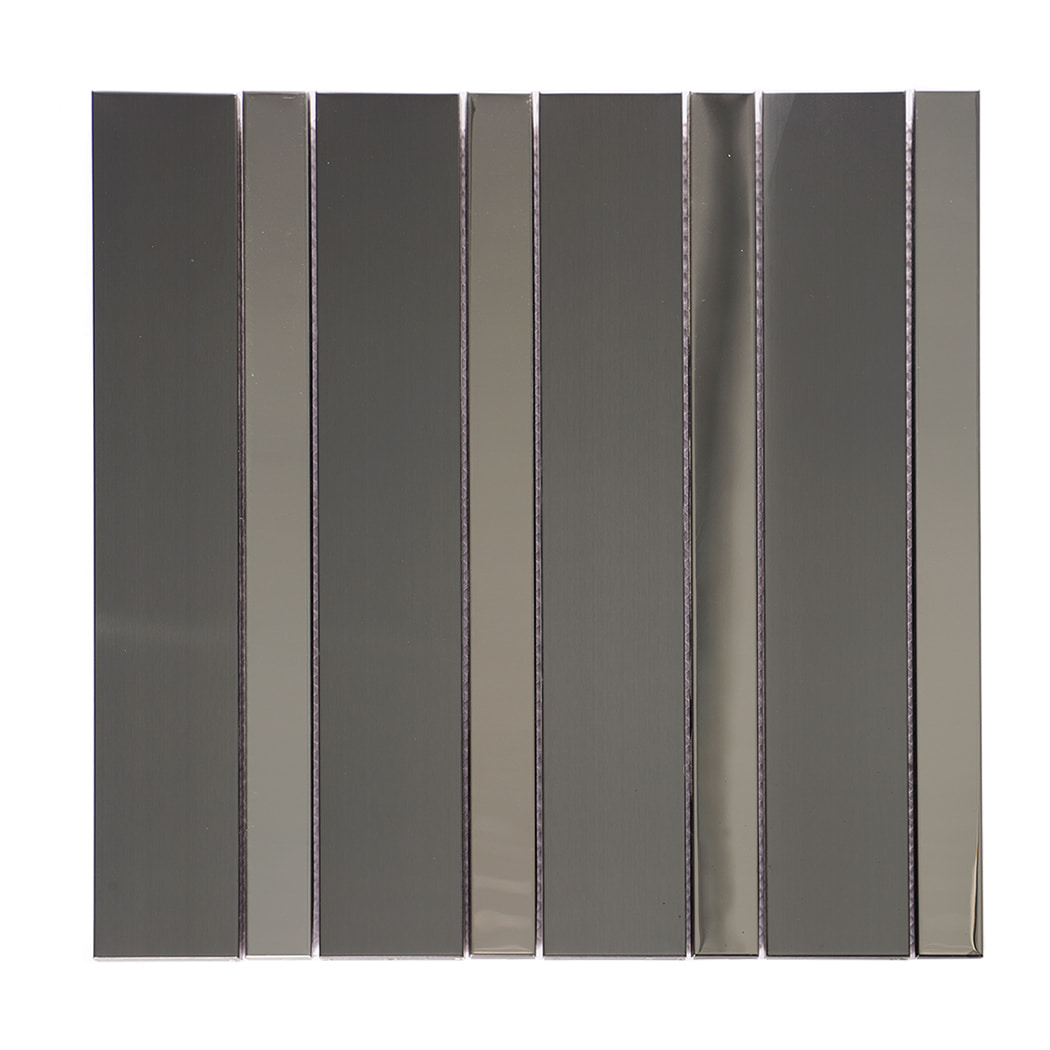
Stainless steel tiles create a clean metallic appearance for modern kitchens, retail displays, elevators, bars and commercial accent walls. Mirror-polished surfaces maximize reflection, while brushed finishes provide a quieter industrial look and show fewer minor marks.
Although stainless steel is corrosion resistant, the grade, backing and environment must be considered. Avoid abrasive pads and cleaners that may scratch or chemically attack the surface.
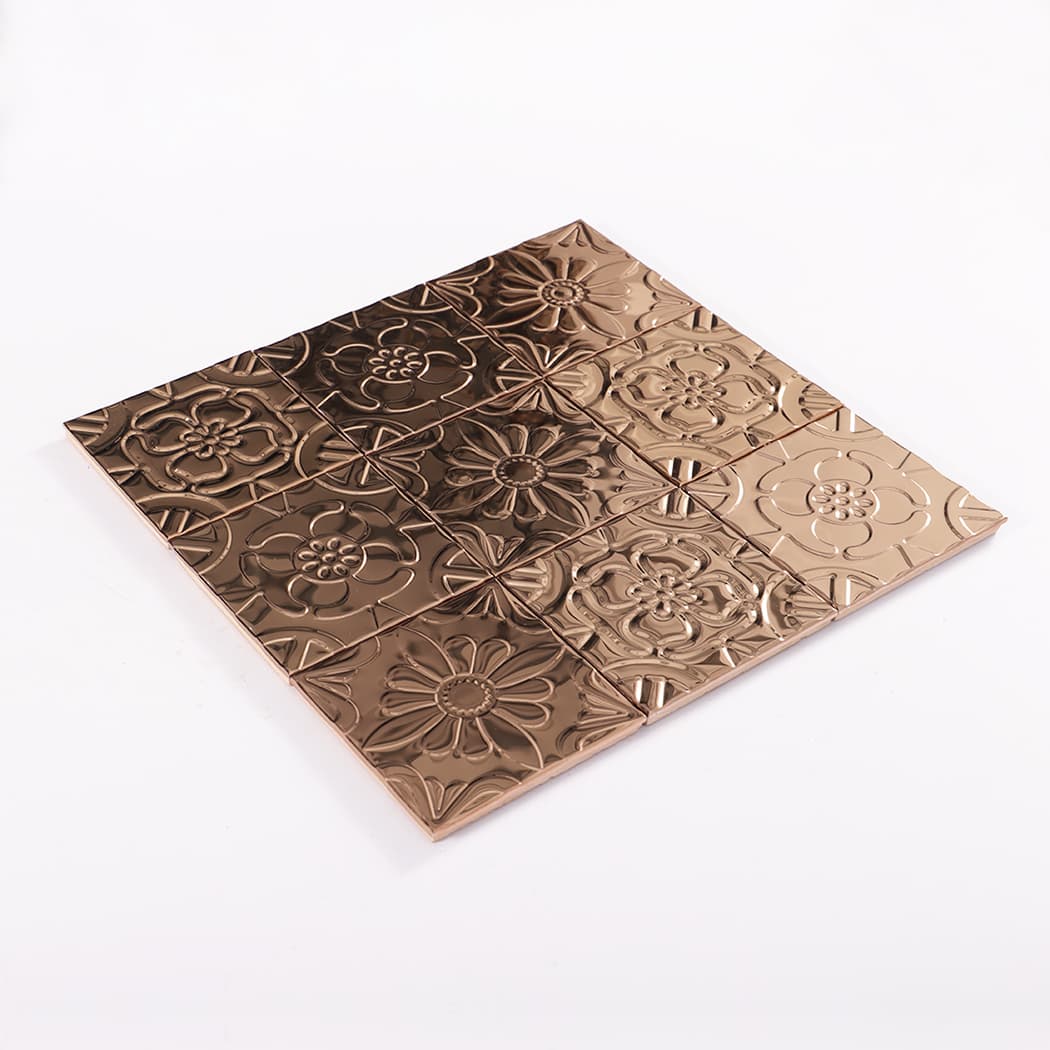
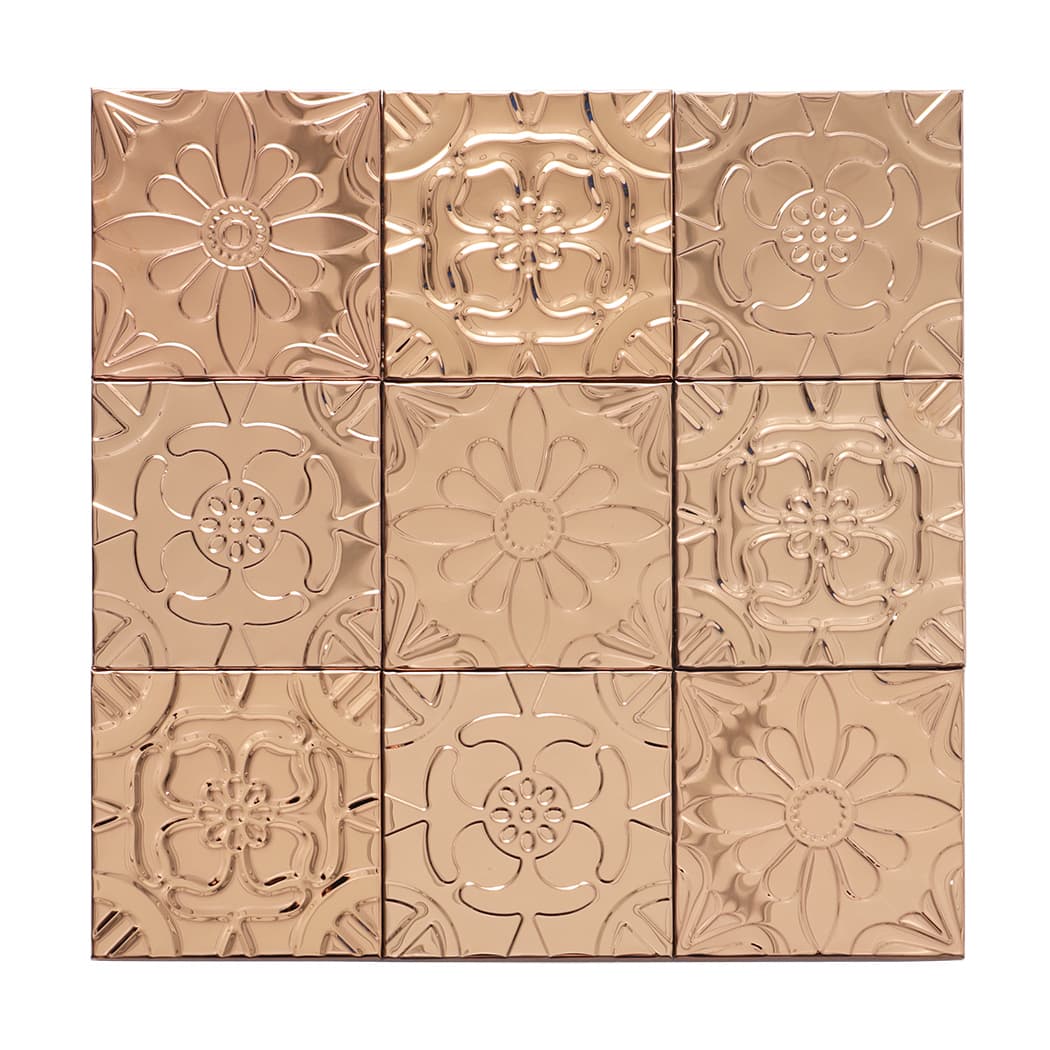
Copper Wall Tiles
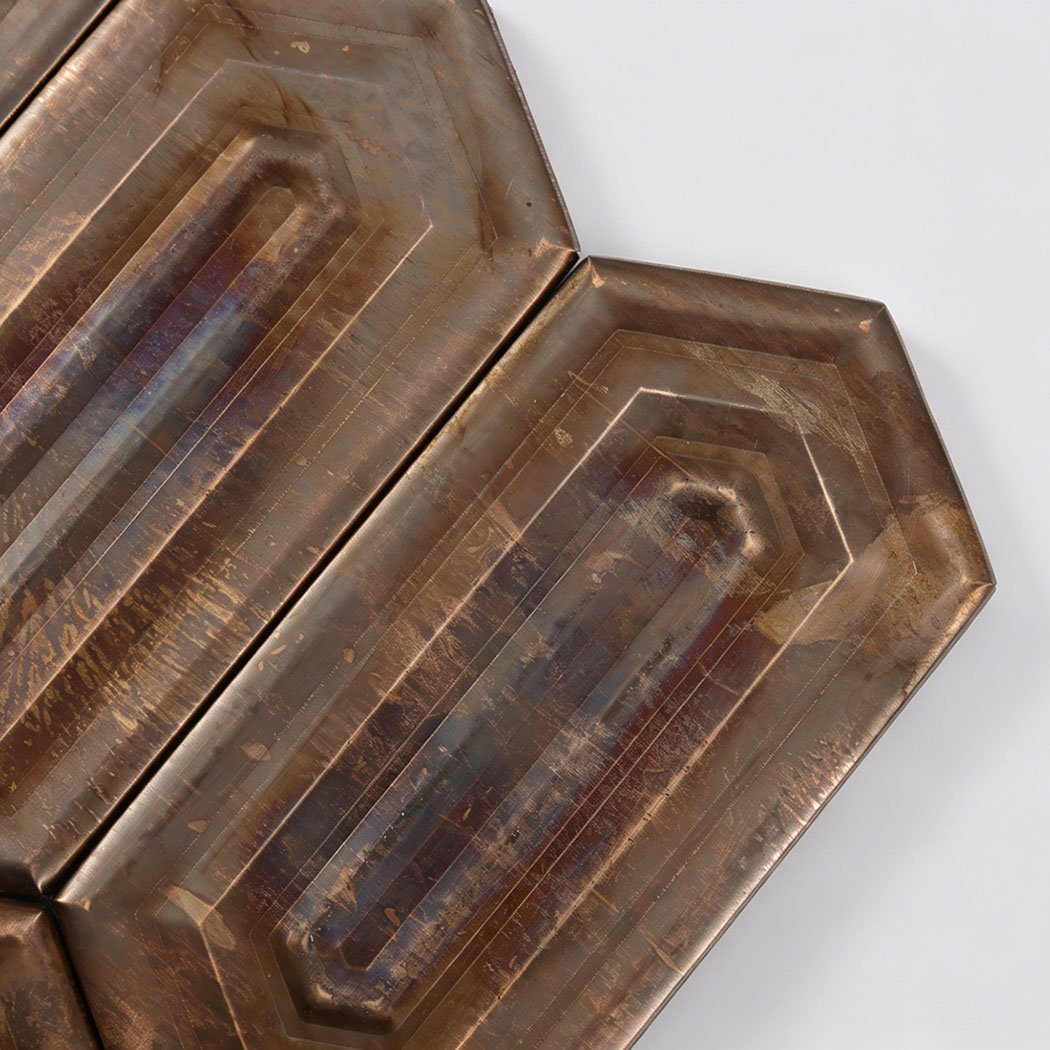
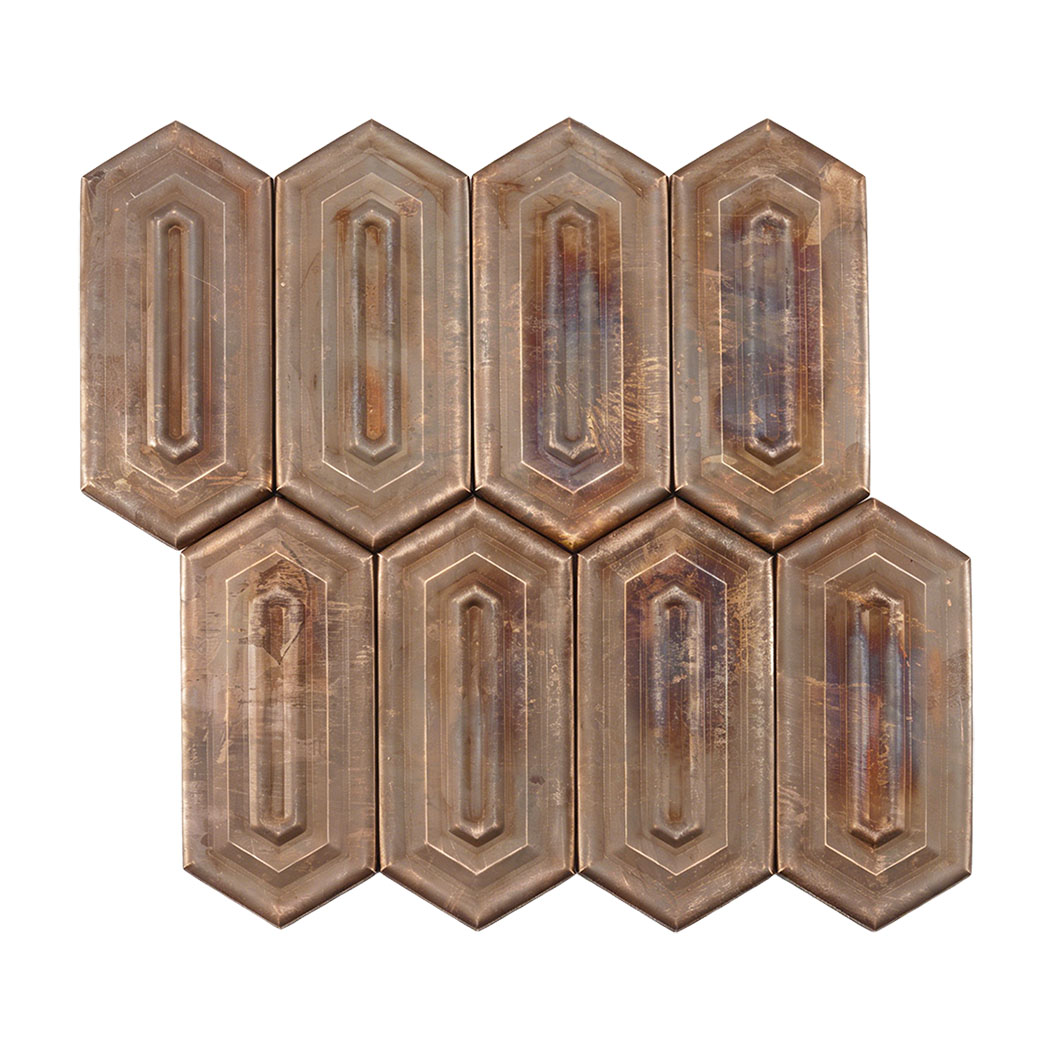
Copper tiles add warmth that is difficult to achieve with cooler silver-toned metals. Available effects may include brushed copper, hammered surfaces, embossed patterns, antique finishes and aged patina looks.
Copper is ideal for decorative backsplashes, reception walls, bars, restaurants, fireplaces and artistic feature walls when the product is approved for the intended environment. Use non-abrasive, material-compatible cleaners and understand that some real copper surfaces may naturally change over time.
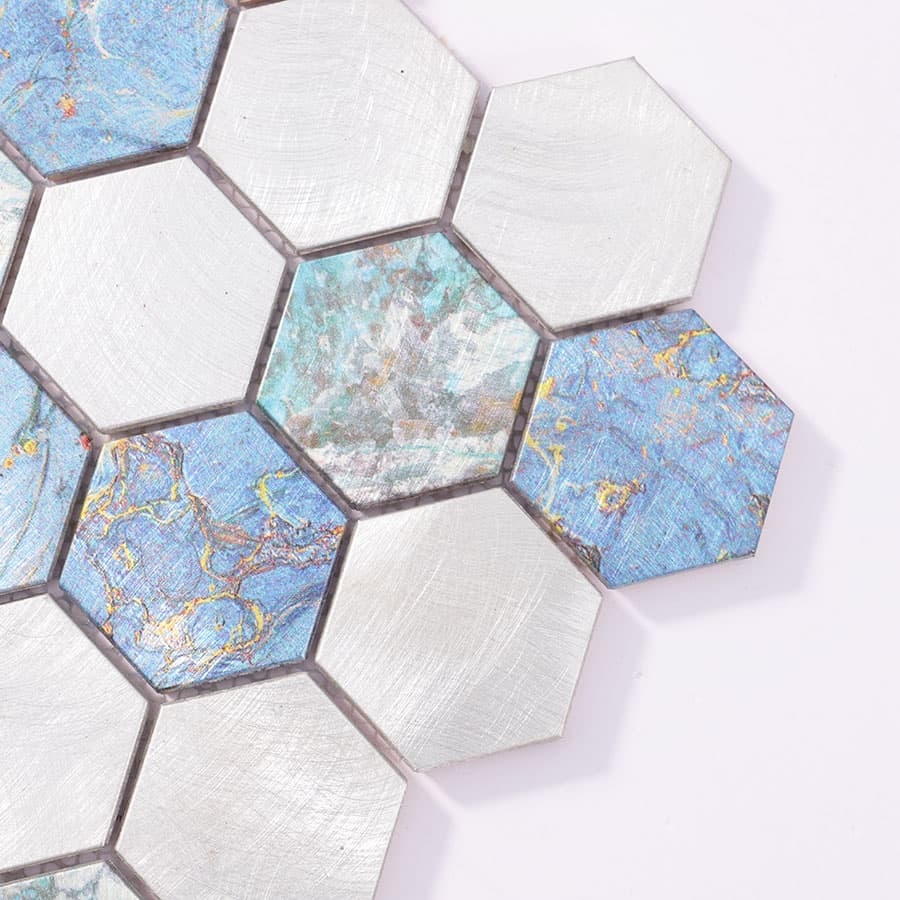
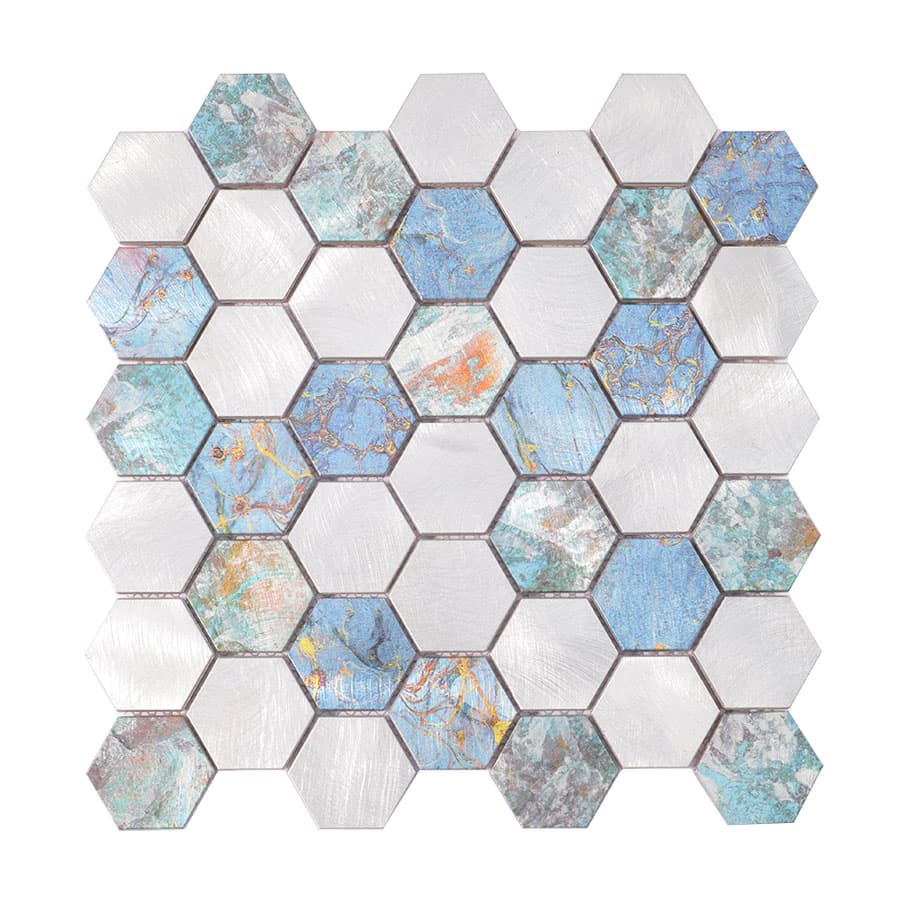
Aluminum Alloy Wall Tiles
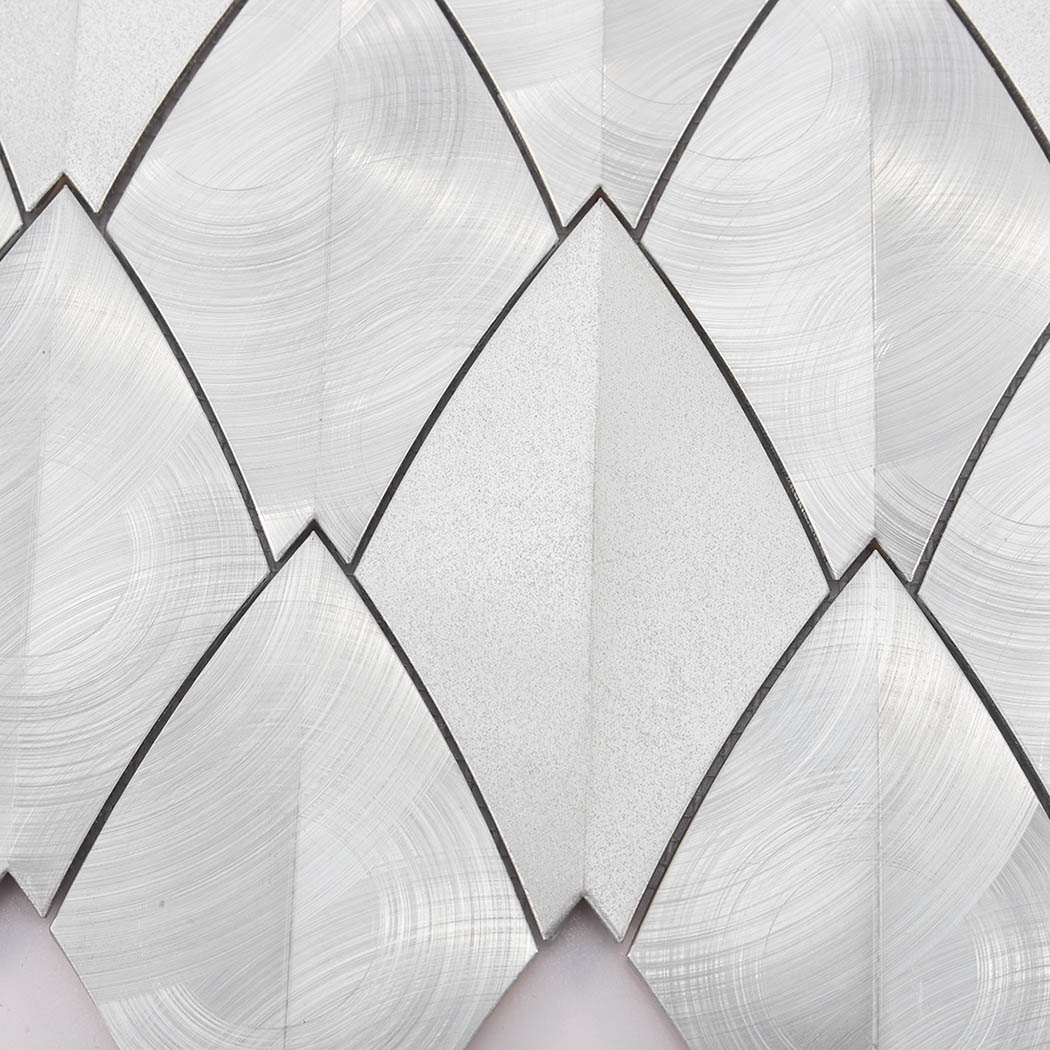
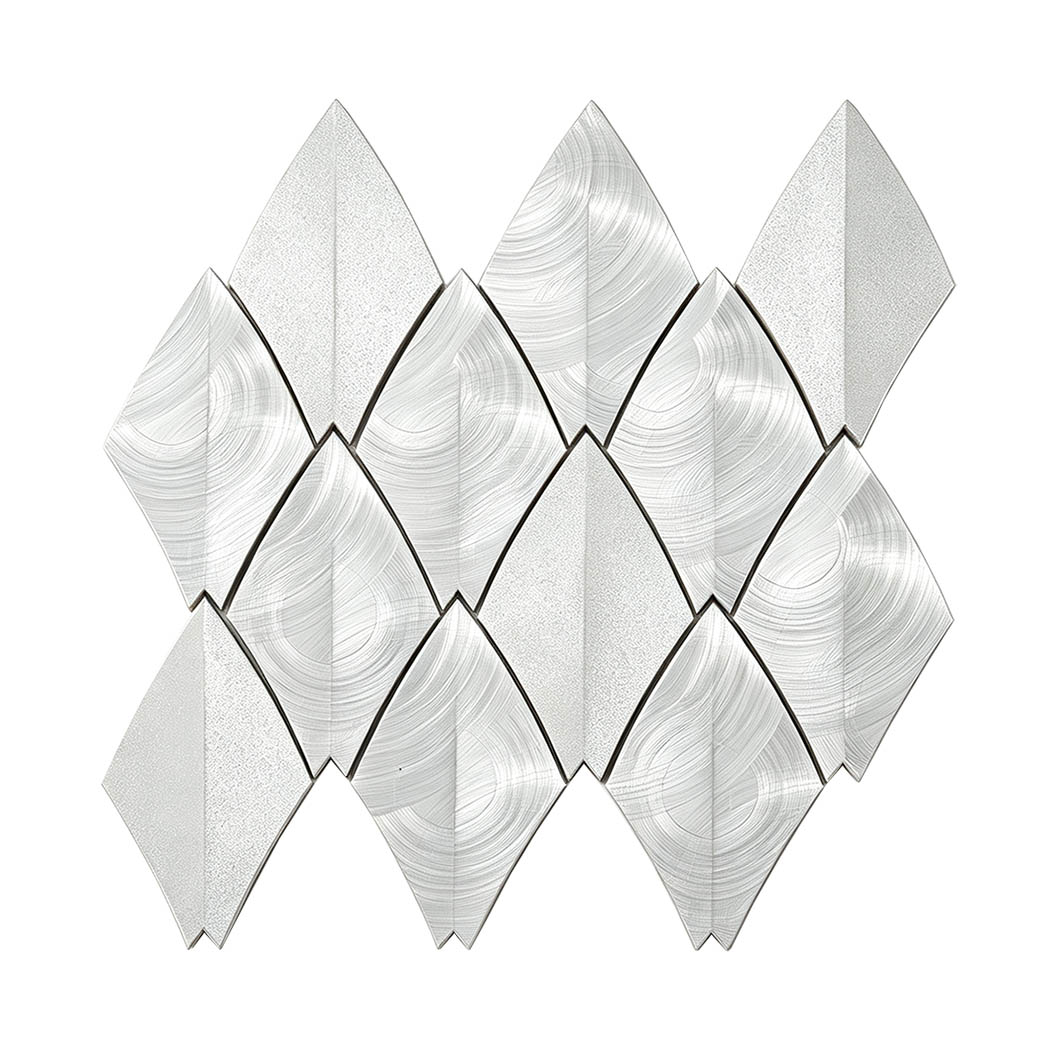
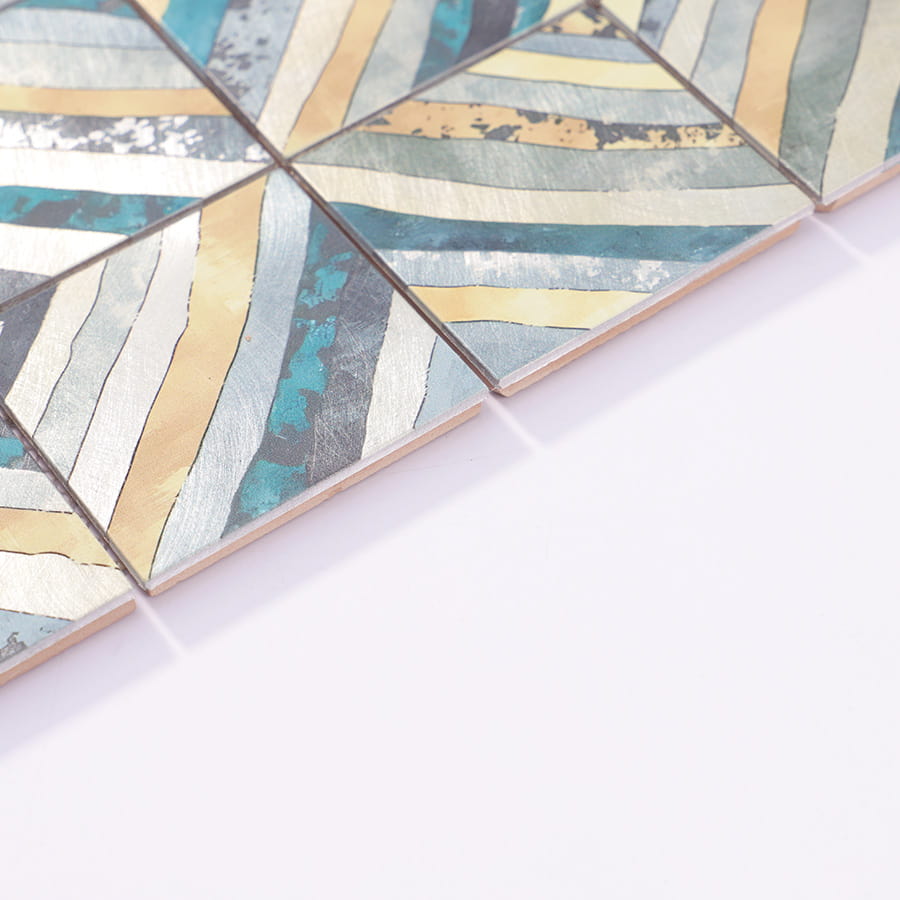
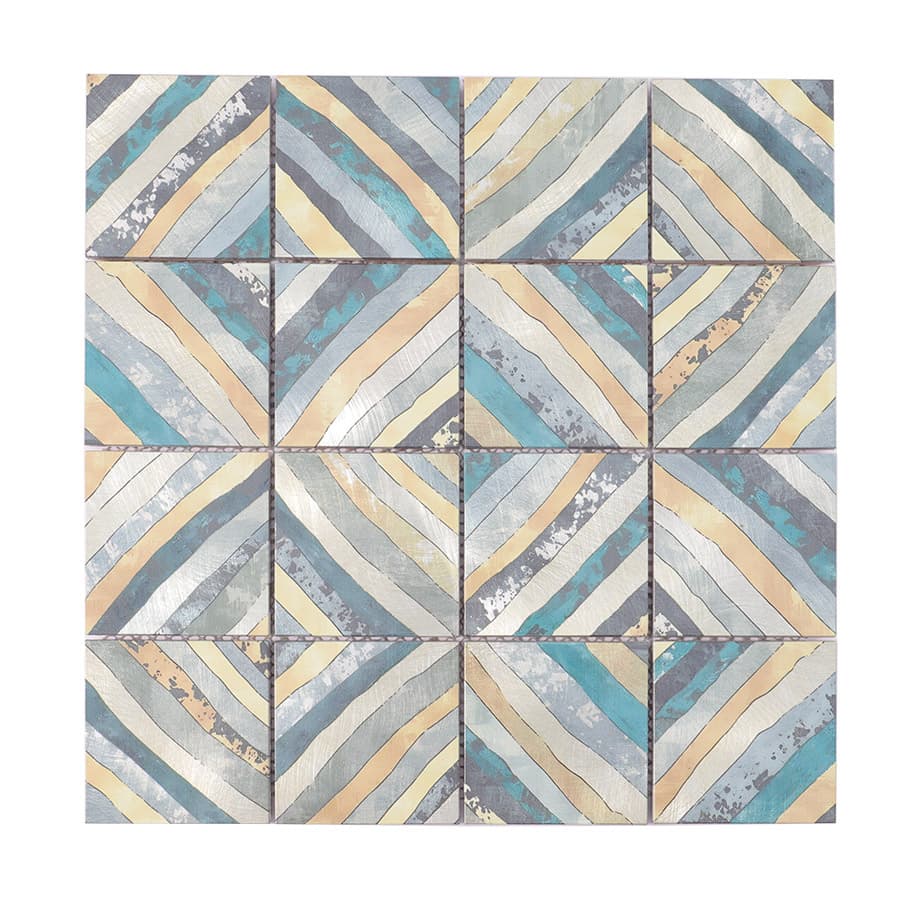
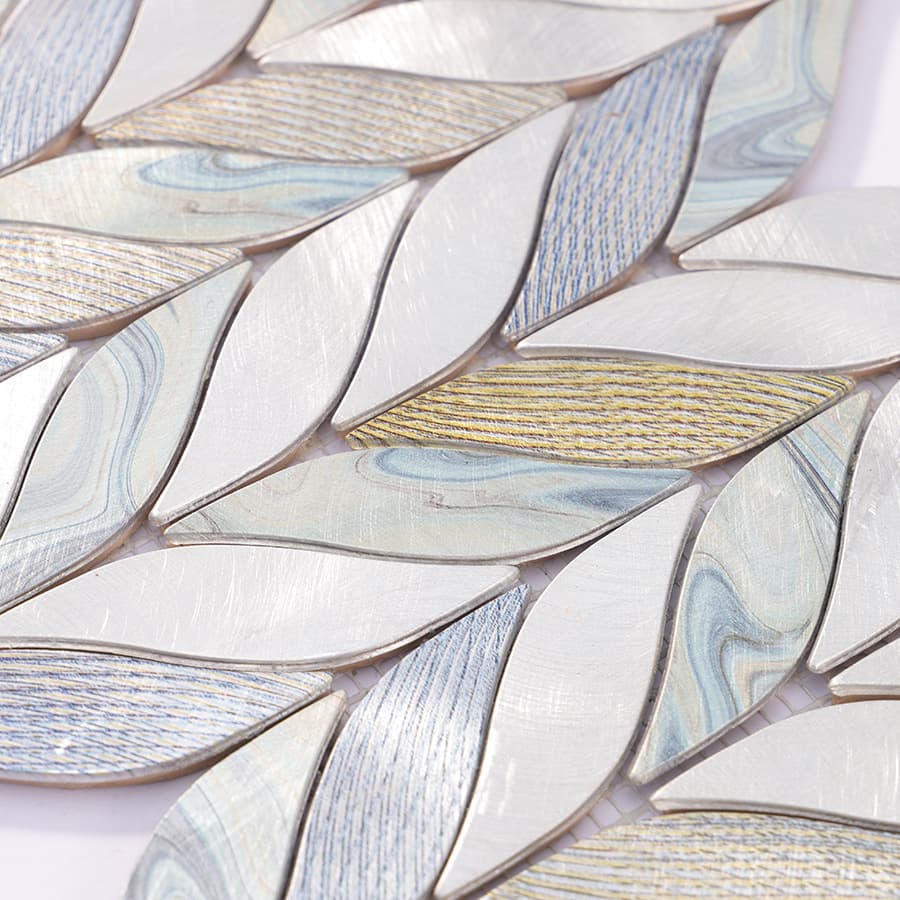
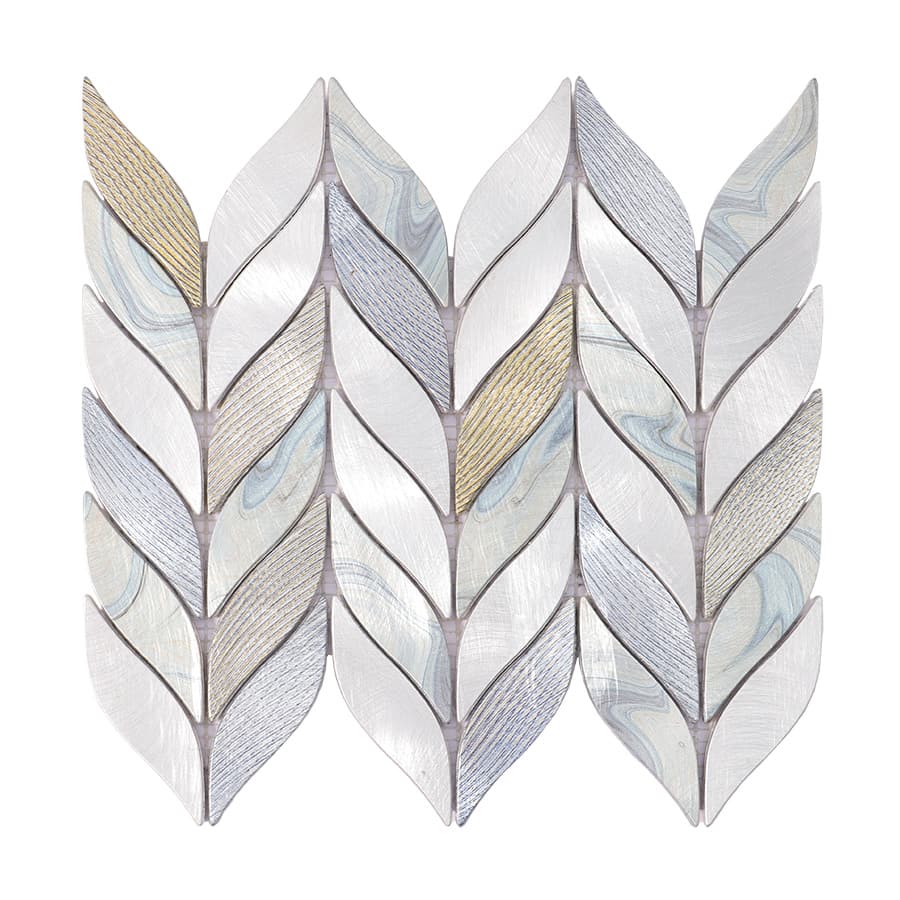
Aluminum alloy tiles are lightweight, stable and available in matte, brushed, printed, solid-color and textured finishes. Their relatively low weight can simplify installation on vertical surfaces compared with heavier decorative materials.
They work well in offices, retail interiors, display walls and contemporary residential features. Product-specific guidance should be followed for wet, exterior or high-heat locations.
Mother-of-Pearl Wall Tiles
Natural mother-of-pearl tiles are handcrafted from selected shell and display subtle iridescent movement that changes with the viewing angle. Deep-sea shell can produce stronger multicolored reflections, while freshwater shell generally has a softer, warmer appearance.
Mother-of-pearl can be cut into square, rectangular, curved, geometric and custom mosaic shapes. It is particularly suited to vanity backsplashes, powder rooms, boutique hotels, luxury retail walls and decorative residential features. Confirm wet-area compatibility and use non-acidic cleaning products.
Terrazzo and Composite Wall Tiles
Terrazzo-style tiles combine mineral fragments with a controlled base color, producing a surface that feels playful yet structured. Fine aggregate designs provide a subtle appearance, while larger chips create a bolder focal point.
Flat, fluted and sculpted terrazzo surfaces can be used for bathroom walls, reception counters, café interiors and modern commercial features.
Mixed-Material and Waterjet Mosaics
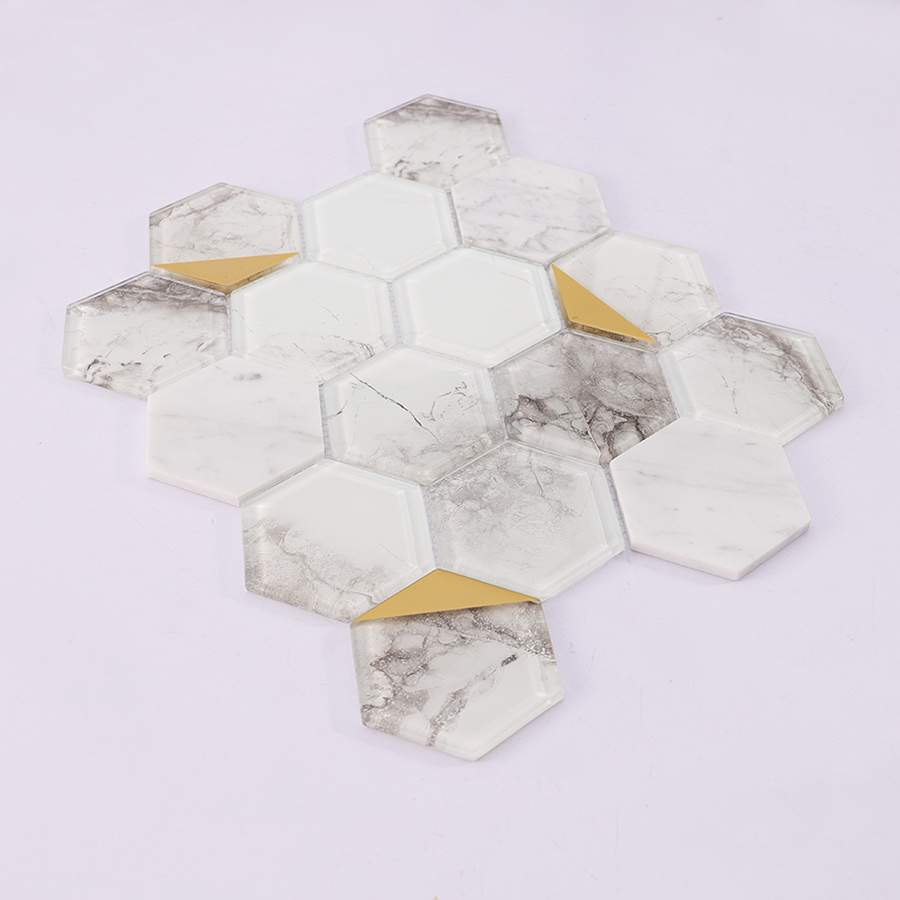
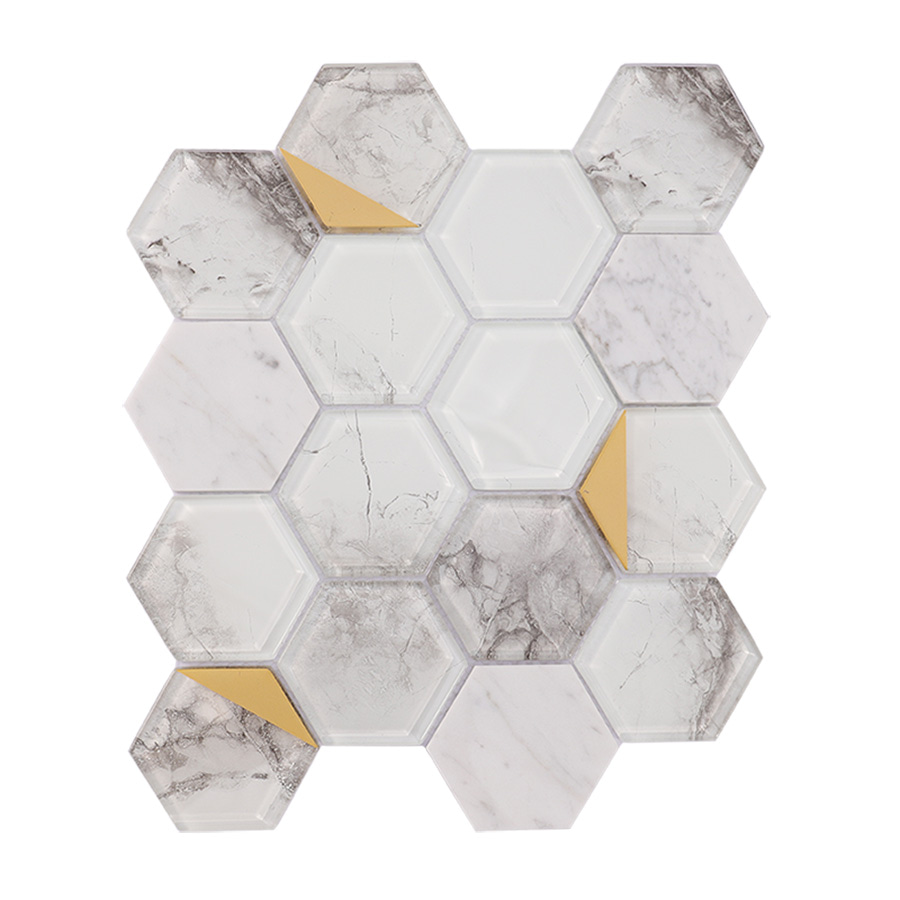
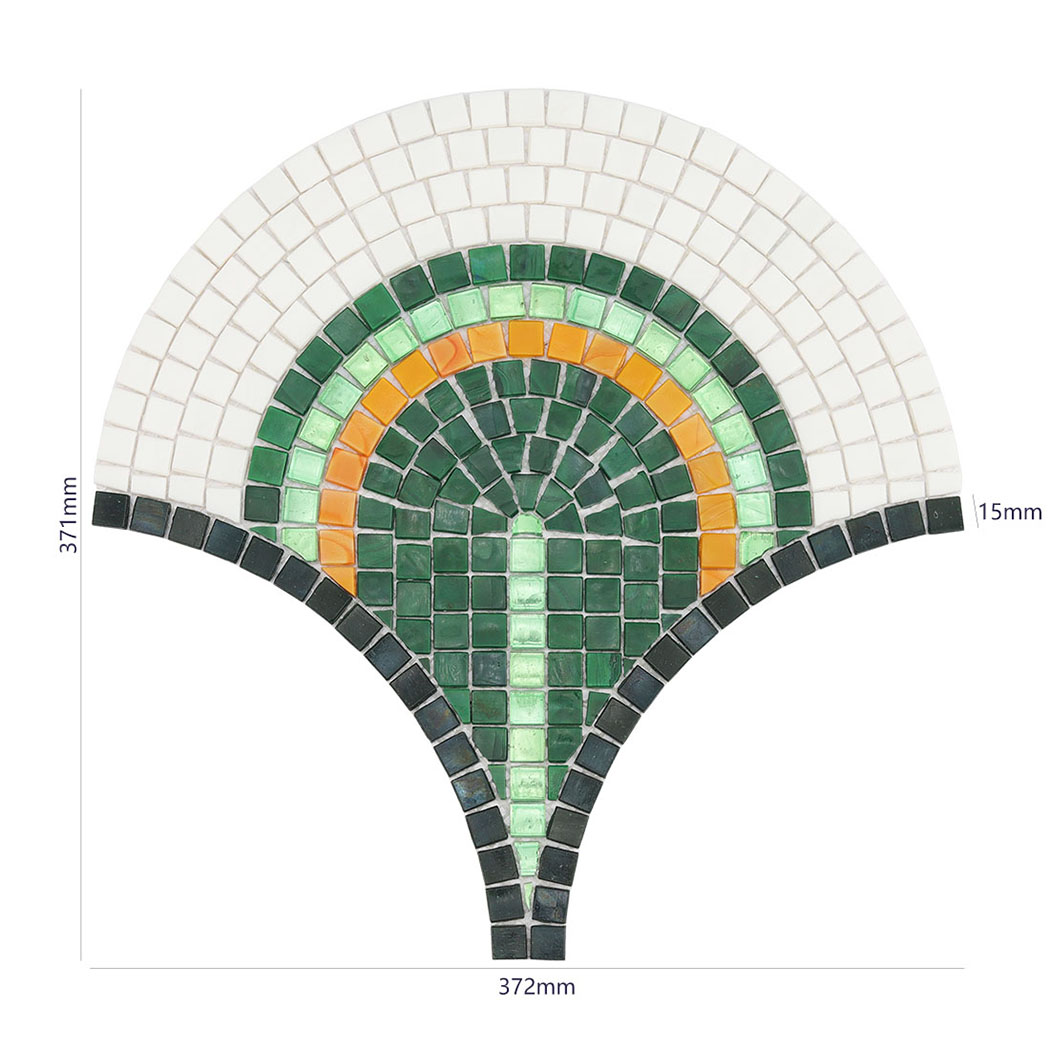
Waterjet cutting makes it possible to combine marble, glass, metal and shell into precise interlocking designs. These mosaics are ideal when a project requires a distinctive pattern without losing a refined contemporary character.
Because mixed materials may have different cleaning and sealing requirements, installation products must be compatible with every component in the mosaic.
Popular Modern Wall Tile Styles
Minimalist Solid-Color Tiles
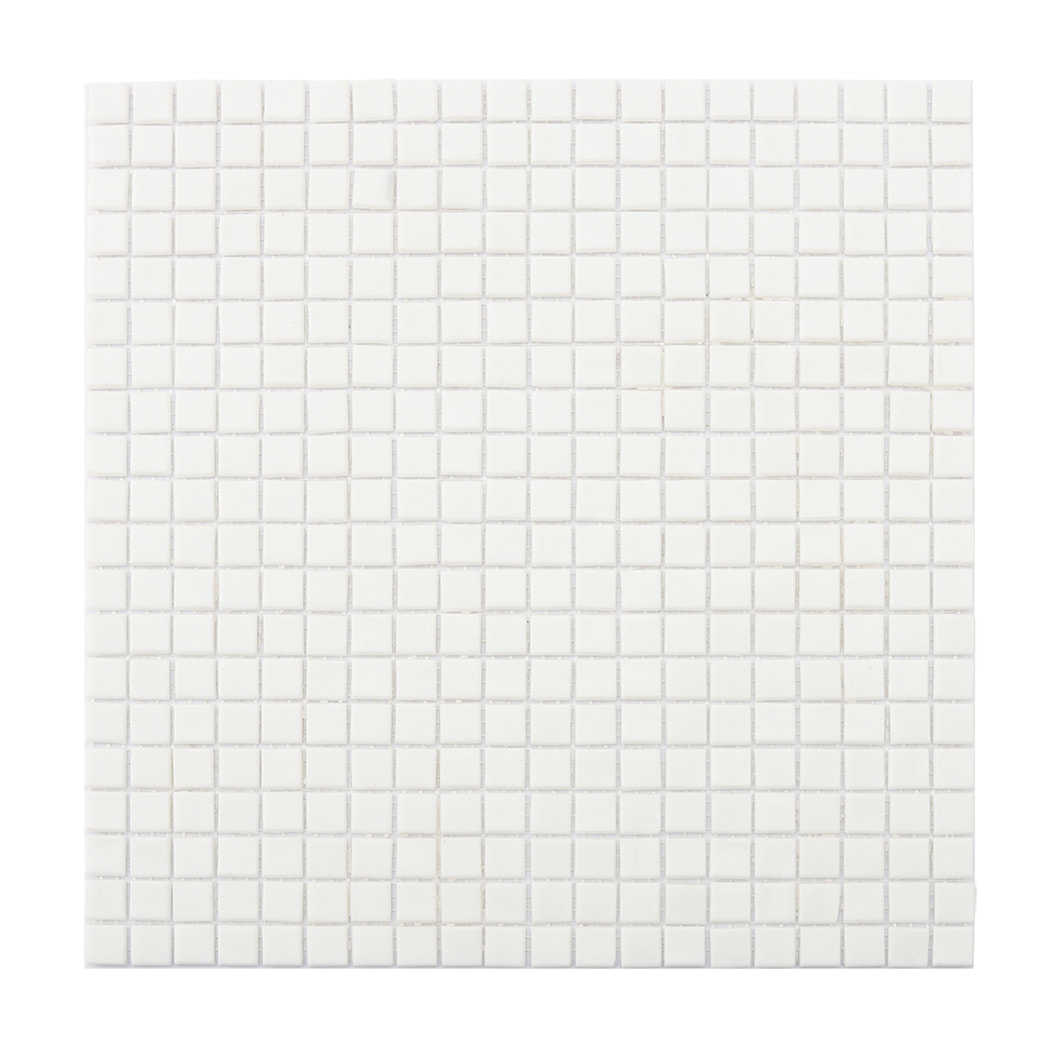
Solid white, warm gray, cream, greige, beige, clay and charcoal tiles create a calm foundation for modern interiors. Subtle variation in glaze or texture prevents the surface from feeling flat while maintaining a clean overall composition.
Textured and Fluted Wall Tiles
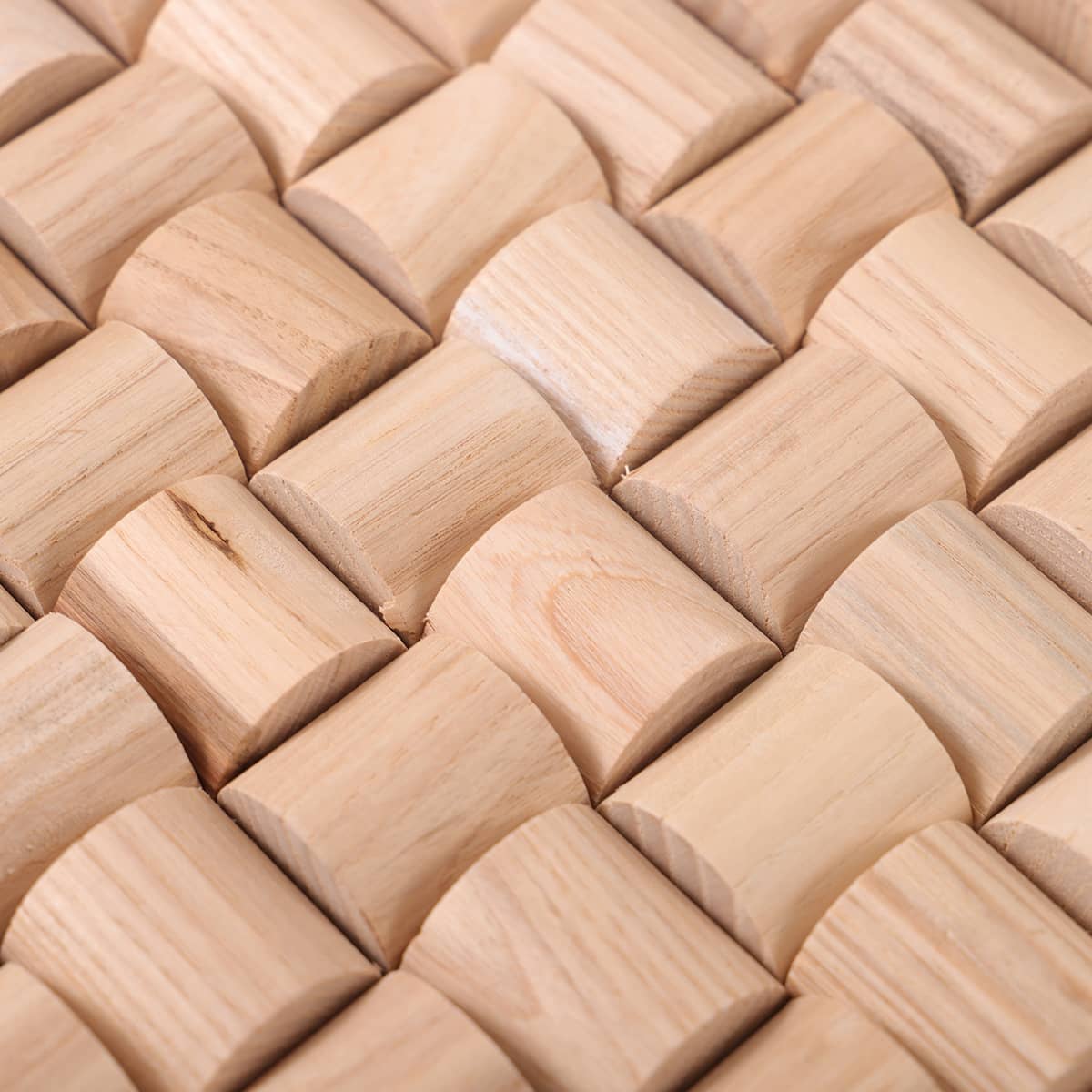
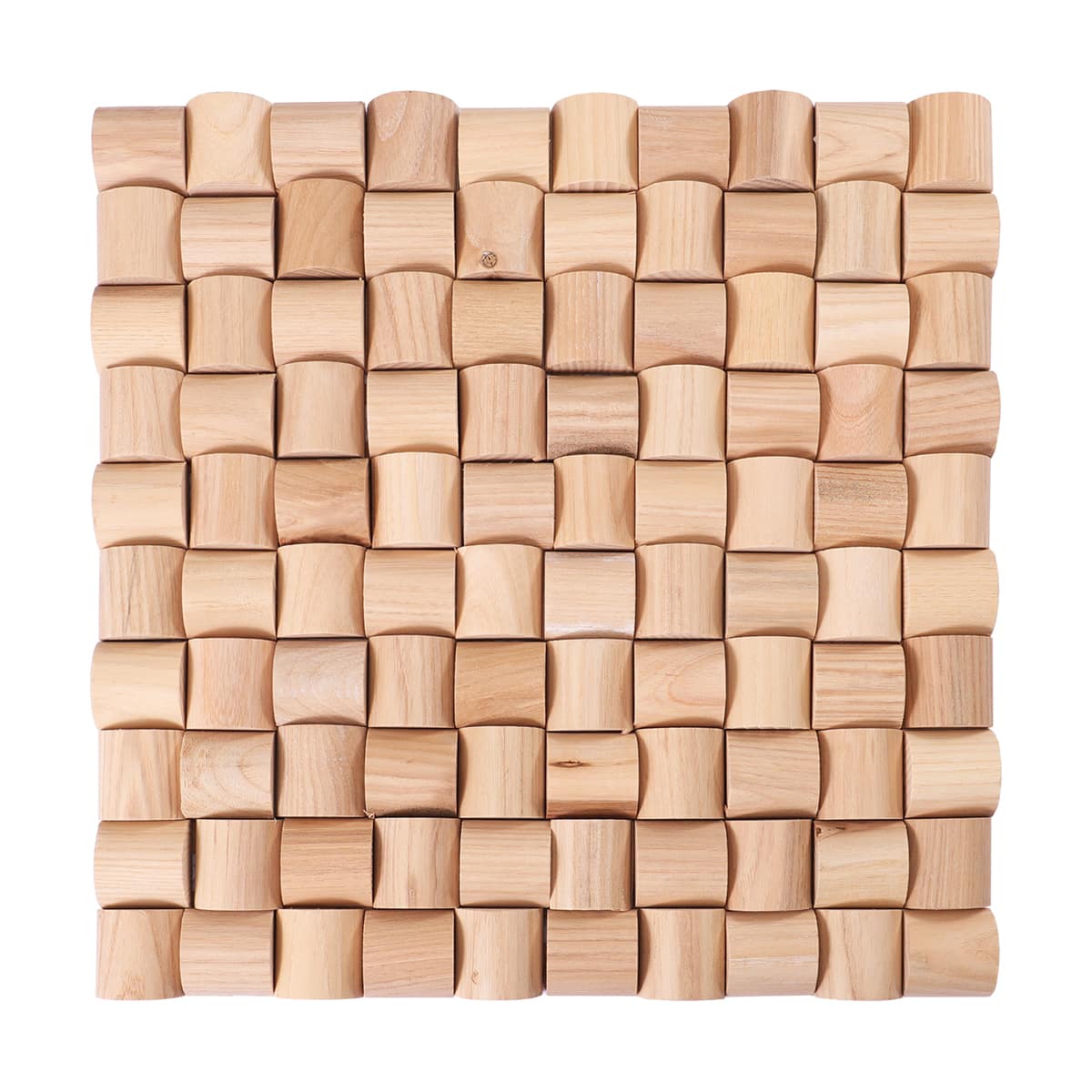
Fluted, ribbed, concave, convex and three-dimensional tiles interact with directional lighting to create controlled highlights and shadows. Vertical fluting can visually increase ceiling height, while horizontal lines can make a wall appear wider.
These tiles are popular for vanity walls, fireplaces, reception desks, bedroom features and commercial statement walls.
Geometric and Mosaic Tiles
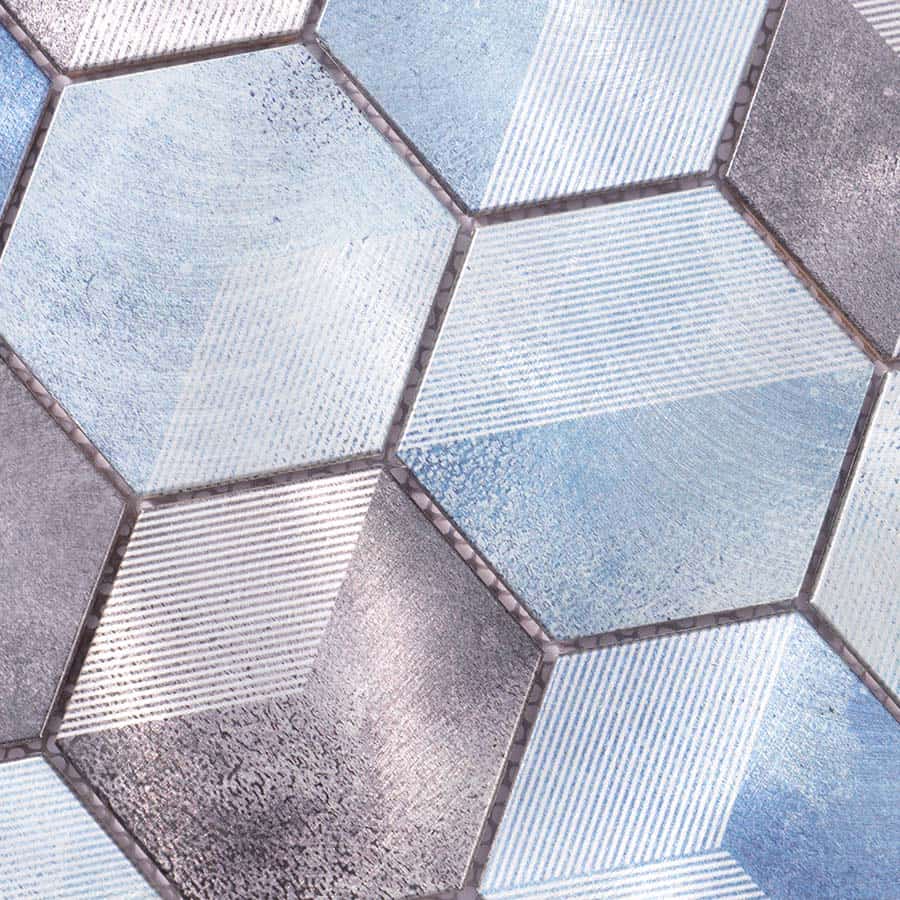
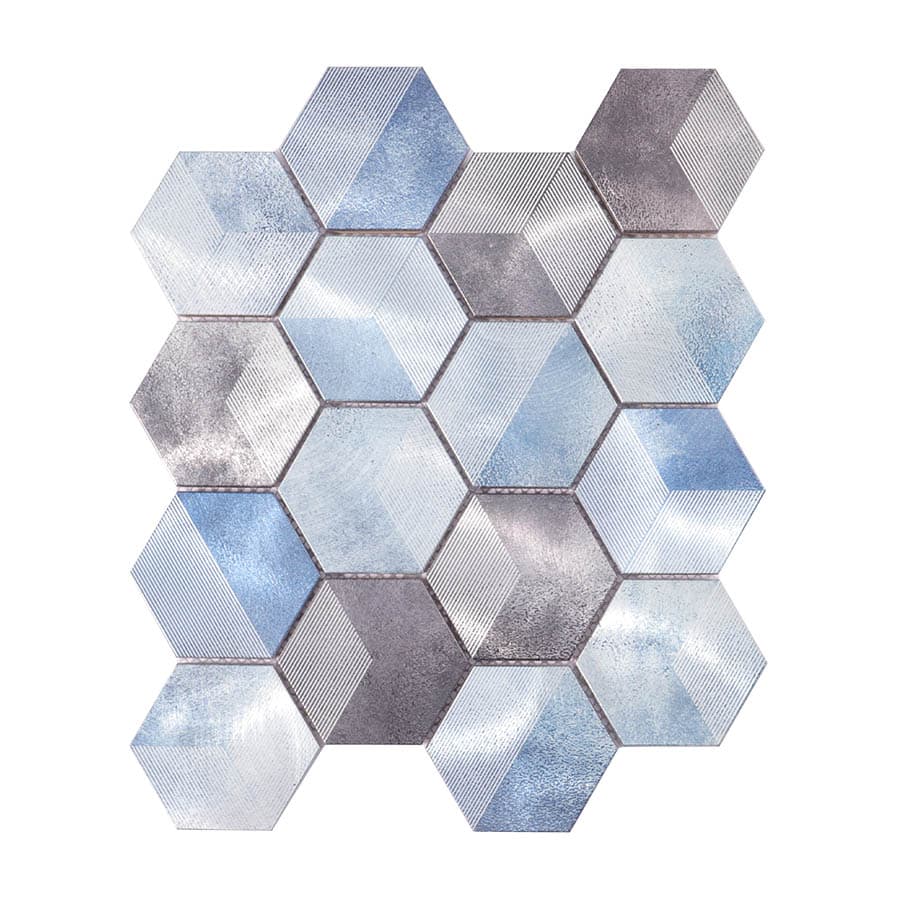
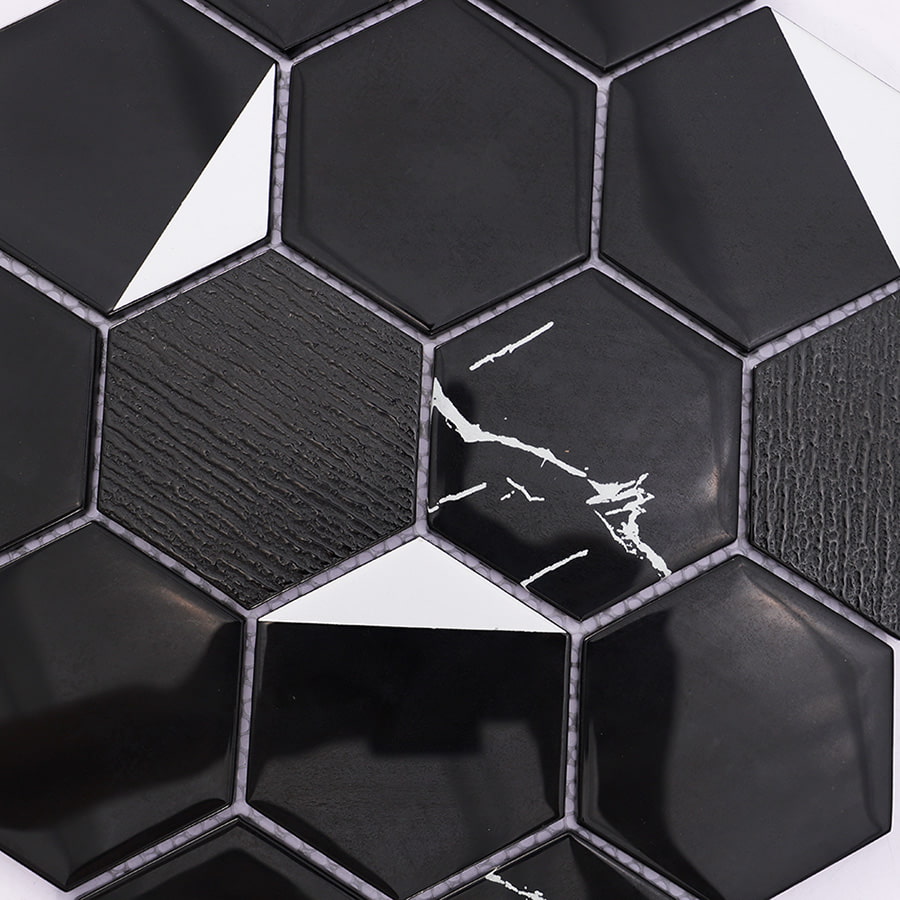
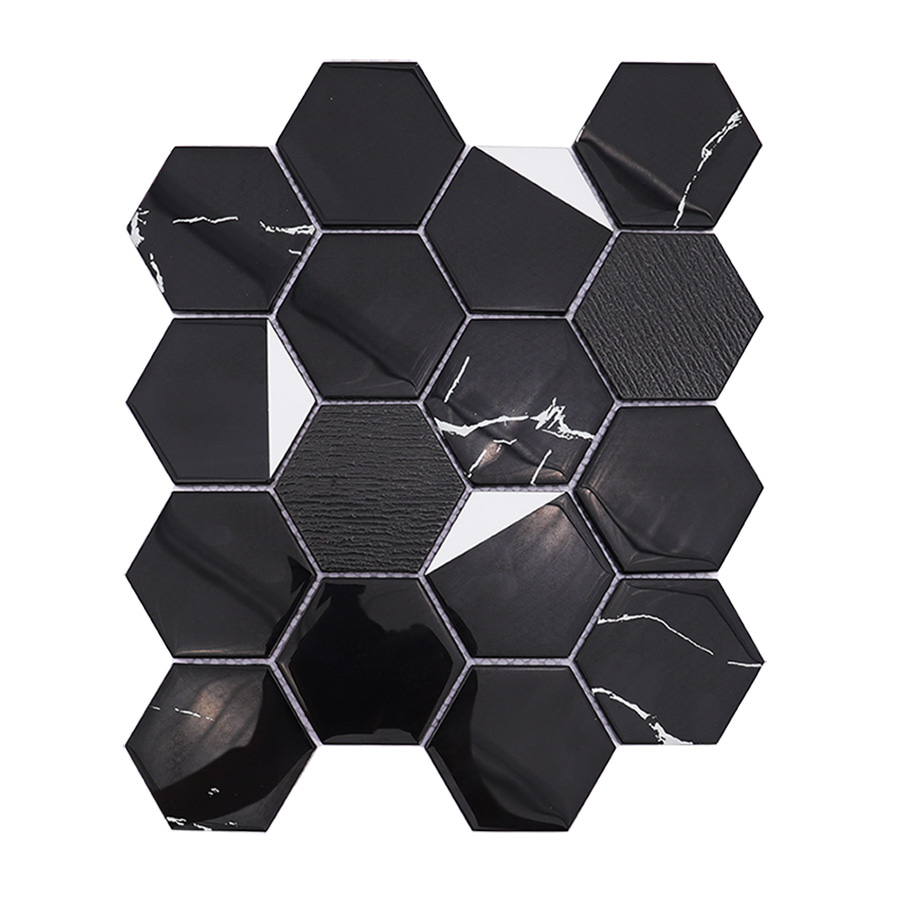
Hexagons, diamonds, circles, triangles, elongated rectangles and custom shapes introduce rhythm without requiring a busy printed pattern. Geometric mosaics can cover an entire wall or define smaller areas such as niches and backsplashes.
Marble and Natural Stone Looks
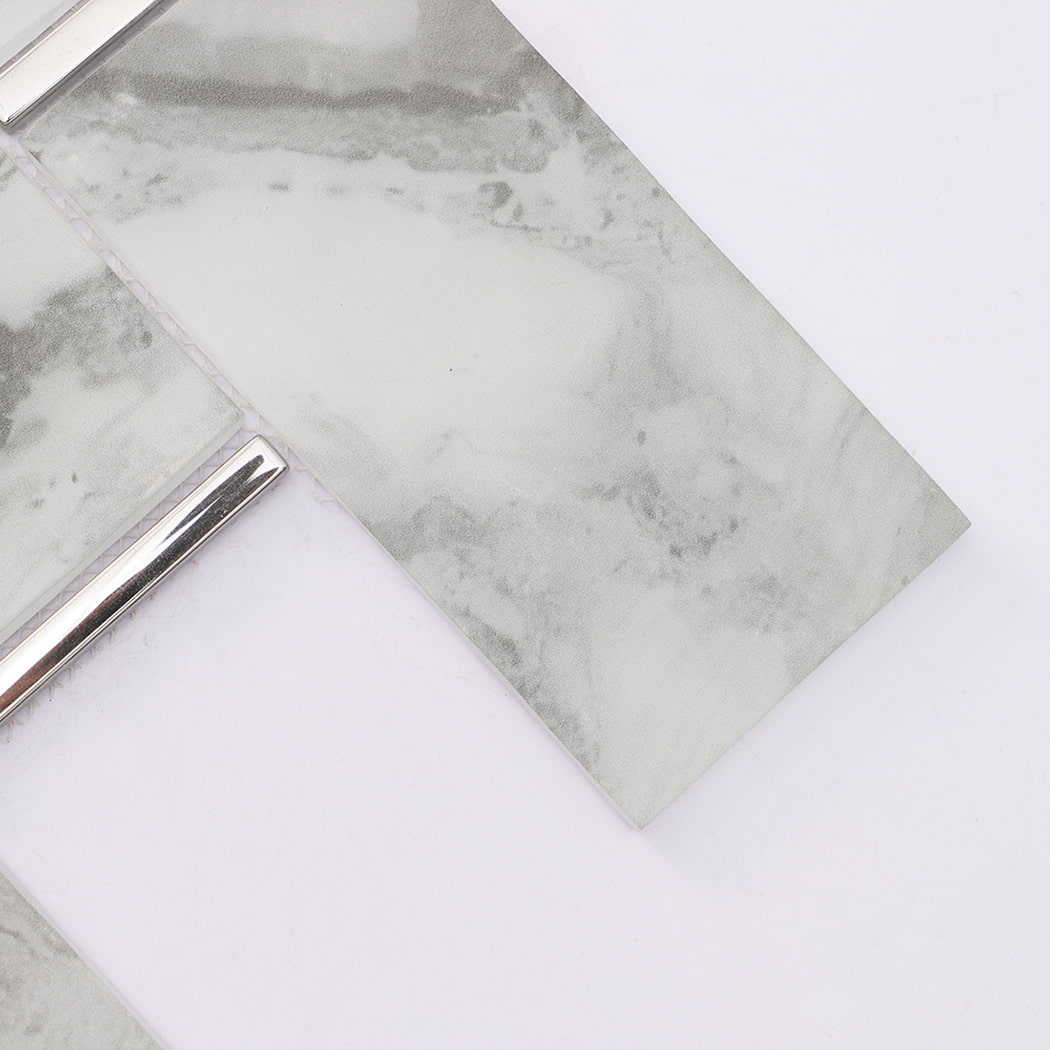
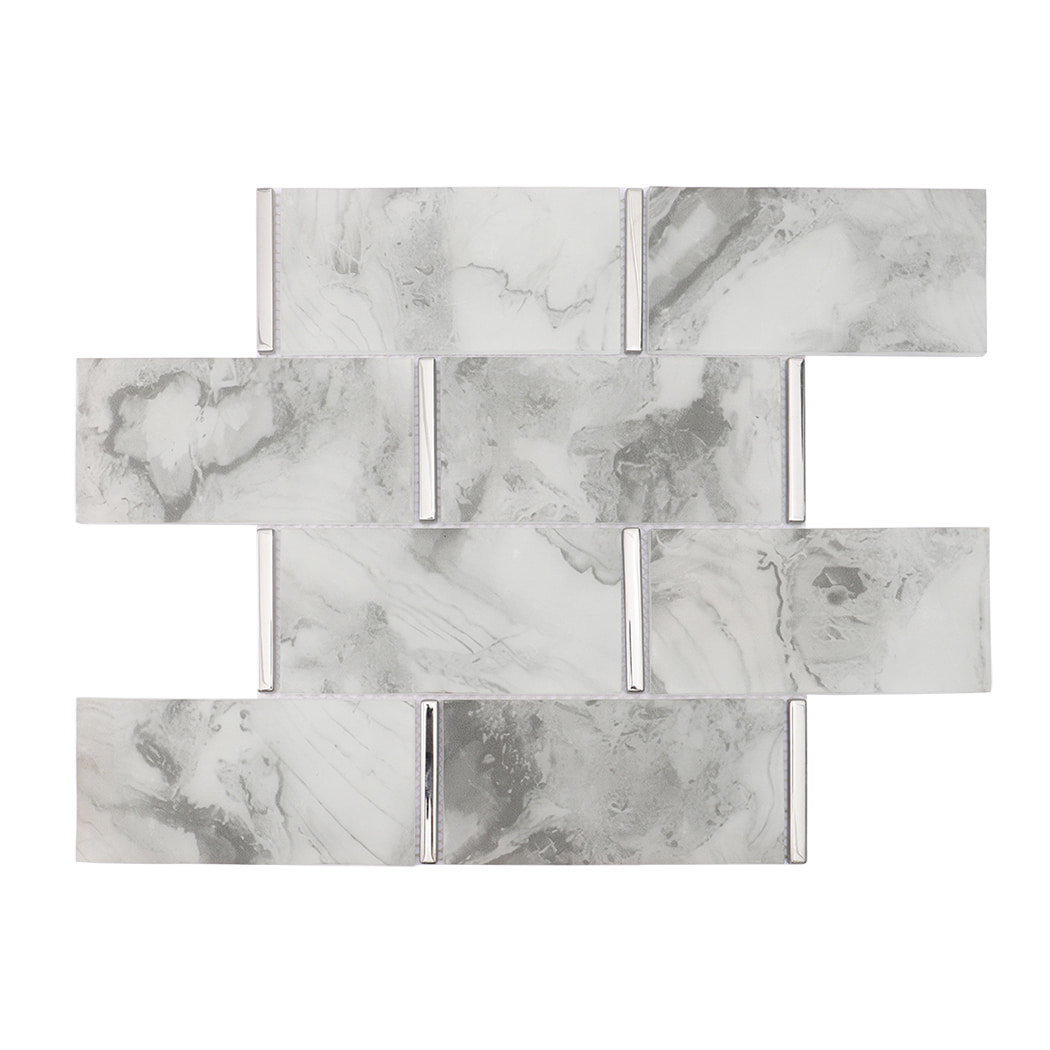
Natural marble and stone-effect tiles bring movement to minimalist rooms. Large-scale veining creates drama, while quiet linear or cloud-like patterns produce a softer background.
Metallic Feature Tiles
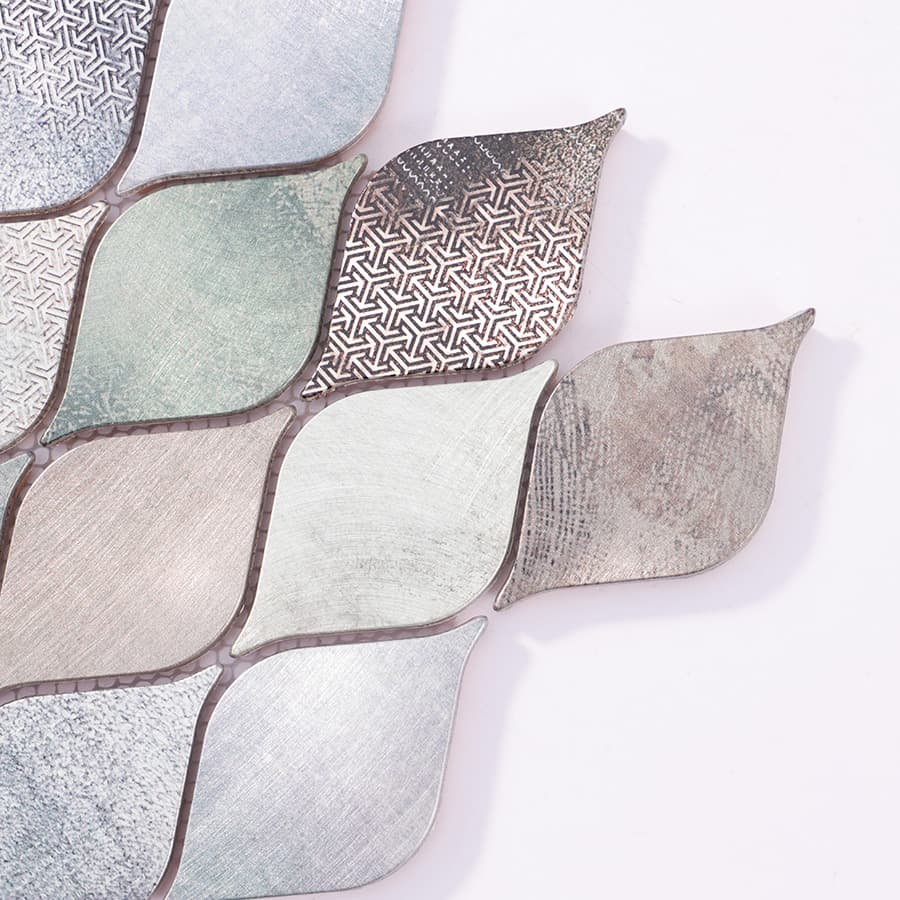
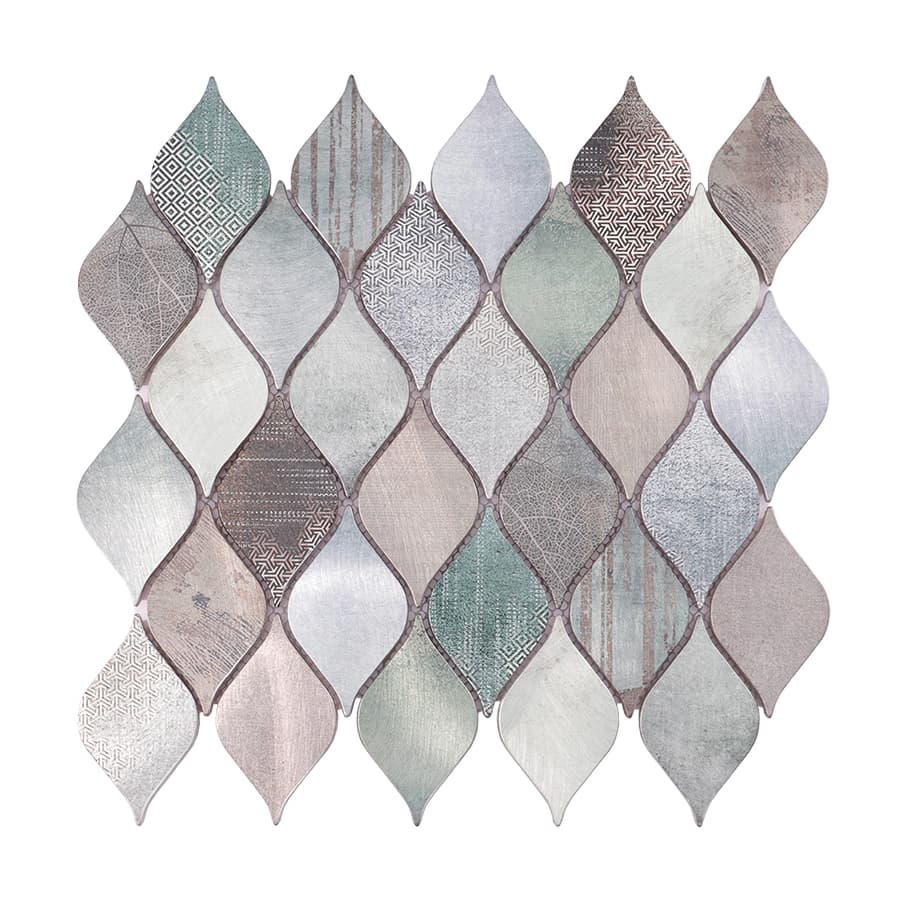
Stainless steel, copper and aluminum tiles add contrast to stone, wood and painted finishes. Metallic tiles are especially effective when used selectively around a bar, fireplace, reception area or retail display.
Large-Format Wall Tiles
Large-format tiles reduce the number of visible grout joints and create a smoother, more continuous wall. They are well suited to shower surrounds, hotel bathrooms, fireplace walls and open-plan living spaces.
The substrate must be sufficiently flat, and large or heavy tiles may require specialized adhesives, mechanical support or professional installation.
Artisan-Inspired Surfaces
Controlled shade variation, softly irregular edges and handcrafted textures can add warmth to a modern room. These surfaces pair particularly well with minimal cabinetry, natural wood, stone countertops and simple metal fixtures.
Modern Wall Tile Colors
White and Warm White
White tiles reflect light and create a clean, open atmosphere. Warm white and ivory are often easier to coordinate with wood, brass and beige stone than bright optical white.
Beige, Greige and Earth Tones
Beige, sand, mushroom, taupe and clay bring warmth to minimalist interiors. These colors work well with travertine, limestone, oak and brushed metal.
Gray and Concrete Tones
Light gray provides a neutral architectural background, while charcoal and graphite create contrast. Concrete-effect tiles are frequently used in industrial, urban and contemporary commercial interiors.
Green and Blue
Sage, olive, forest green, teal and deep blue introduce color without overwhelming the space. They are effective for vanity walls, shower features, kitchen backsplashes and hospitality interiors.
Black and Dark Brown
Dark tiles create a sophisticated, dramatic effect. Adequate lighting, reflective fixtures and lighter adjacent surfaces help prevent compact rooms from feeling too enclosed.
Metallic Colors
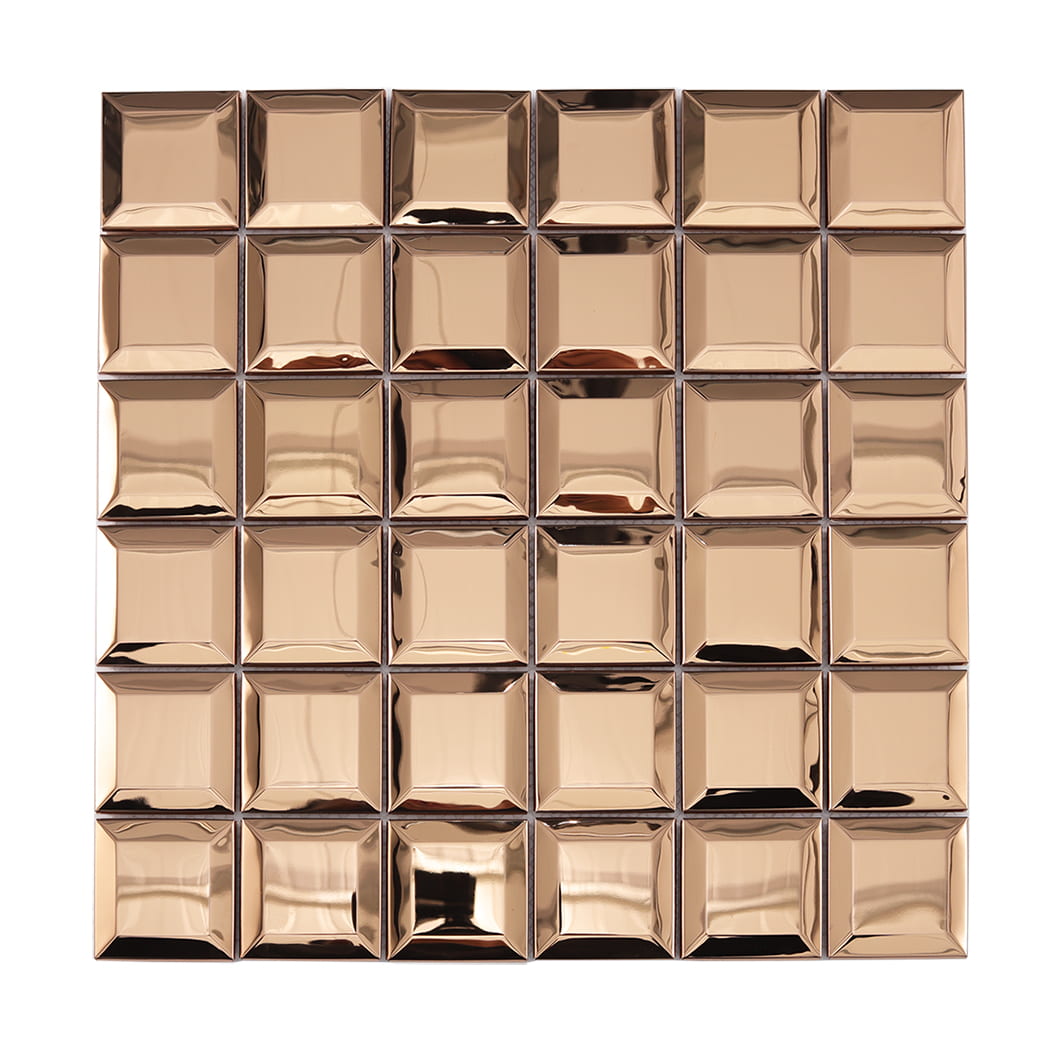
Silver, champagne, gold, bronze, copper and rose gold can be used as accents or full feature walls. Finish has a major influence: polished metal feels bright and glamorous, while brushed or aged metal appears softer and more architectural.
Choosing the Right Surface Finish
Matte
Matte tiles create a soft, understated appearance and reduce glare. They work well in bright spaces and natural, industrial or minimalist interiors. Textured matte surfaces may require more detailed cleaning than smooth finishes.
Satin and Soft-Gloss
Satin finishes provide a balance between matte and high gloss. They reflect enough light to add dimension without creating a strong mirror effect.
Glossy and Polished
Glossy tiles reflect light and can make small or dark rooms feel brighter. They are commonly used on backsplashes and bathroom walls, although water spots and fingerprints may be more visible.
Brushed Metal
Brushed metal has fine directional lines that soften reflection and help conceal minor marks. Keep all pieces aligned when a consistent directional grain is required.
Hammered, Embossed and 3D
Relief finishes add a strong tactile element. Consider lighting direction, cleaning access and edge detailing before using deeply textured tile in cooking or high-splash areas.
Modern Wall Tile Sizes and Shapes
Wall tile size affects the visual scale, installation complexity and amount of grout visible in the finished design.
-
Small mosaics: Suitable for niches, curves, detailed patterns and decorative accents.
-
Subway and brick formats: Flexible for stacked, offset, vertical and herringbone layouts.
-
Slim linear tiles: Create height, movement and a tailored architectural rhythm.
-
Medium rectangular tiles: Practical for bathroom walls, kitchen backsplashes and general wall coverage.
-
Large-format tiles: Minimize grout lines and create a continuous appearance.
-
Panels and slabs: Produce a nearly seamless surface but require careful handling and professional installation.
-
Geometric shapes: Hexagons, diamonds, circles and triangles create distinctive modern patterns.
-
Custom mosaics: Allow project-specific dimensions, colors, motifs and material combinations.
Large tiles can work in small rooms because fewer grout lines reduce visual interruption. However, the best format depends on wall dimensions, plumbing positions, niches, corners and the amount of cutting required.
Popular Layout Patterns
Straight Stack
Tiles align both horizontally and vertically. This layout emphasizes precision and is one of the cleanest choices for modern interiors.
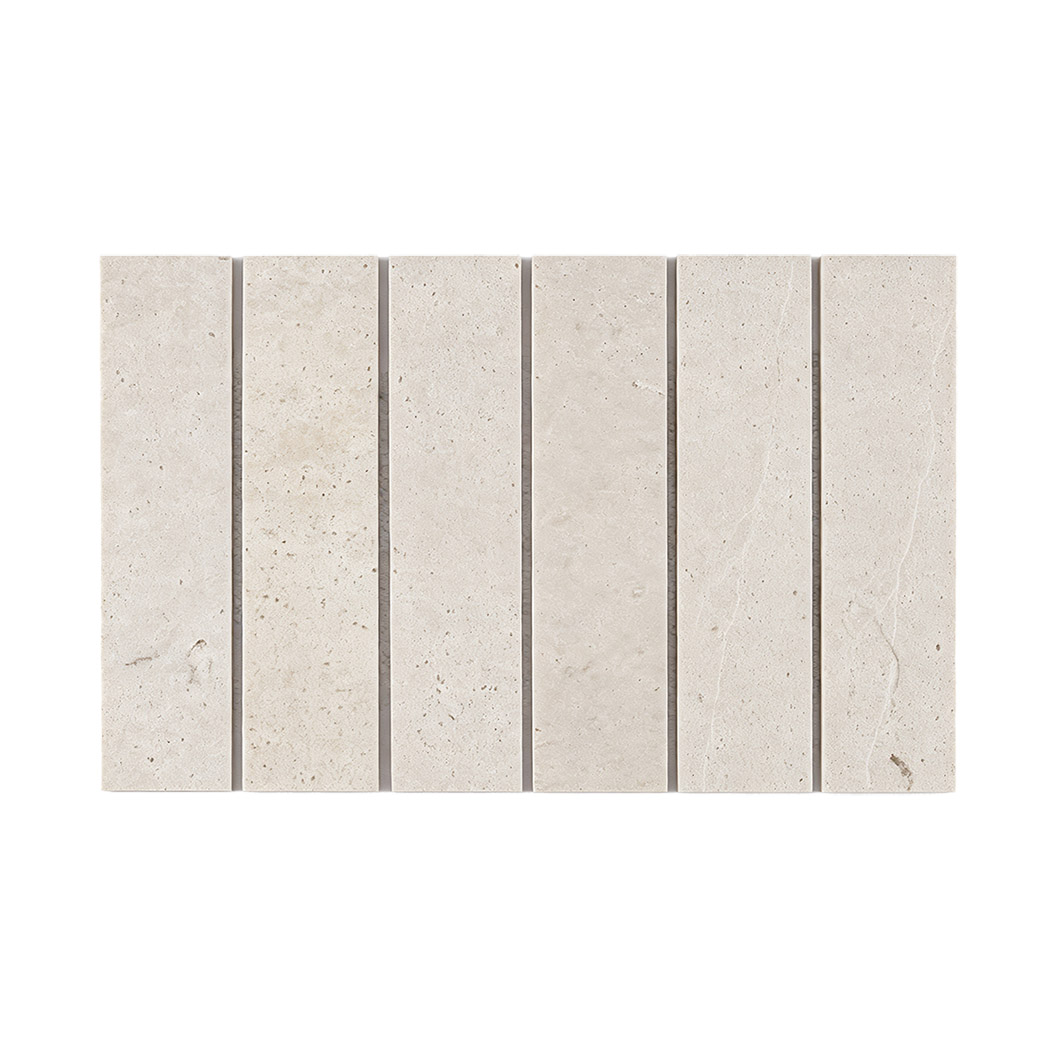
Vertical Stack
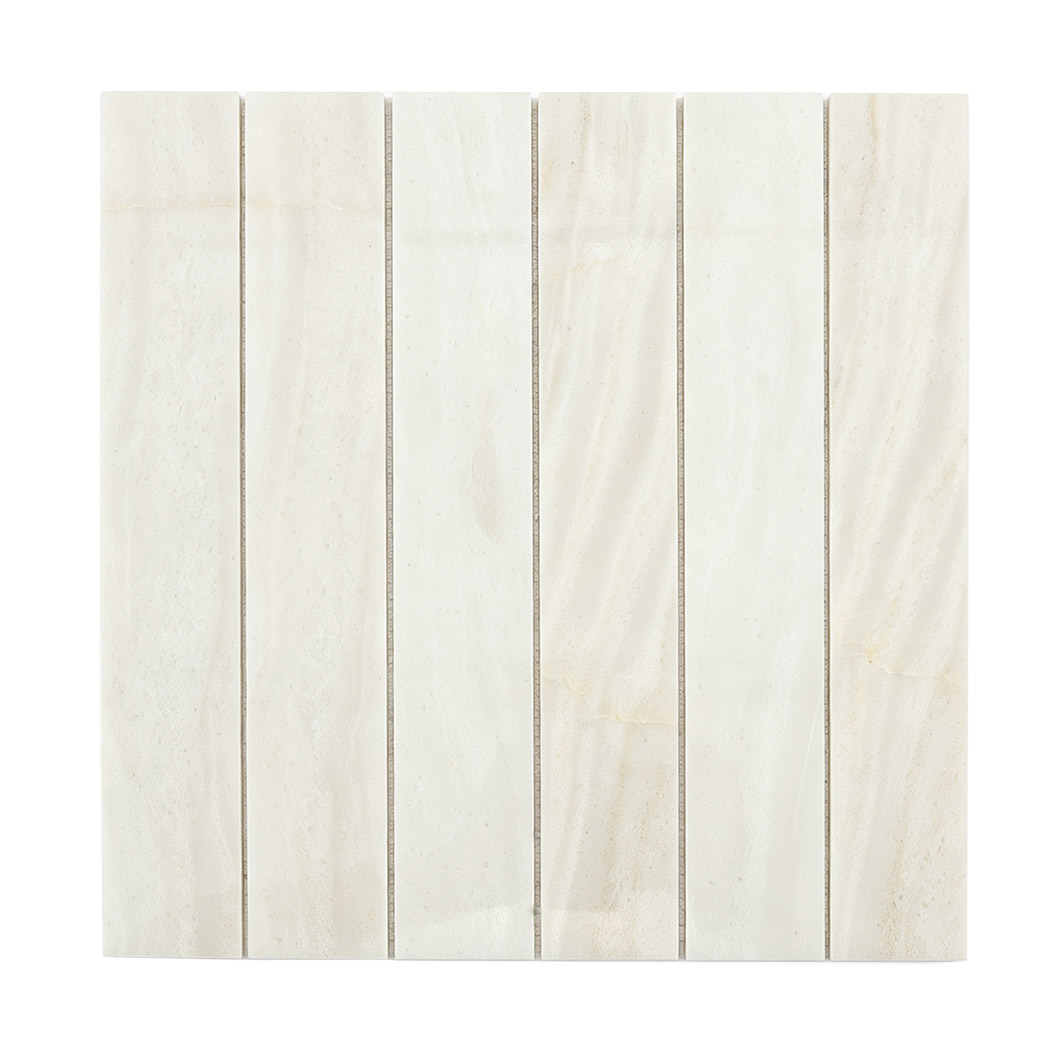
Rectangular tiles are installed upright to draw the eye upward. It is effective behind vanities, inside showers and on fireplace walls.
Horizontal Stack
Horizontal lines visually widen a wall and complement long countertops or floating vanities.
Offset Brick
Each row is offset from the one below. The result is familiar and versatile, particularly with subway and brick-shaped tiles.
Herringbone and Chevron
Angled patterns create movement and work well on backsplashes, shower features and smaller statement areas. Extra material should be allowed for diagonal cuts.
Mosaic Repeat
Mesh-mounted or paper-faced mosaics simplify the installation of small shapes. Sheets should be carefully aligned so individual sheet boundaries do not remain visible.
Random or Modular Layout
Multiple tile sizes or controlled color variations create an organic composition. A dry layout should be prepared before installation to balance tones and avoid unintended repetition.
Where to Use Modern Wall Tiles
Modern Bathroom Walls
Porcelain, ceramic, glass and selected natural stones are widely used for bathroom walls. Light colors can make compact bathrooms feel more open, while fluted or mosaic tiles can define the vanity, shower or bathtub area.
Wet-area walls require an appropriate waterproofing system behind the tile. Tile, grout and sealer alone should not be treated as the complete waterproof assembly.
Shower Walls and Niches
Choose products specifically approved for shower use. Porcelain, ceramic and compatible glass tiles are practical options, while natural stone requires appropriate sealing and maintenance.
Deeply textured tiles may be more difficult to clean in areas exposed to soap residue. Niches, corners and transitions should be planned before installation.
Kitchen Backsplashes
Kitchen wall tiles protect against cooking splashes while adding color and texture. Smooth ceramic, porcelain, glass and selected metal tiles are generally easier to wipe clean.
Natural stone and porous materials should be sealed where required. Behind cooktops, confirm the tile, adhesive and backing system are suitable for the expected heat.
Living Room and TV Feature Walls
Large-format stone, fluted tile, marble mosaic and dimensional surfaces can turn a plain wall into an architectural feature. Indirect lighting can strengthen the effect of relief patterns without adding extra colors.
Fireplace Surrounds
Natural stone, porcelain, glass and metal can be used around some fireplaces, but heat exposure varies significantly by fireplace type and location. Select a product rated for the intended temperature and follow local building codes and fireplace manufacturer requirements.
Bedroom and Hallway Walls
A tiled headboard wall, corridor feature or entry wall can add depth while remaining easy to maintain. Warm stone, soft matte colors and wood-inspired surfaces create a calmer residential effect.
Commercial and Hospitality Interiors
Modern wall tiles are suitable for reception walls, restaurants, cafés, hotel bathrooms, elevator surrounds, retail displays and office interiors. Commercial projects should consider cleaning frequency, fire requirements, impact risk, replacement availability and long-term maintenance.
Exterior Walls
Only tiles, stone, adhesives, grouts and installation systems specifically rated for exterior exposure should be used outdoors. Climate, UV exposure, moisture, temperature change and freeze-thaw conditions must be evaluated before selection.
How to Choose the Best Modern Wall Tiles
Start With the Installation Area
Identify whether the wall is dry, wet, exterior, high heat or exposed to grease and frequent cleaning. This immediately narrows the suitable materials.
Confirm Product Suitability
Do not select a tile based on appearance alone. Review its intended applications, water resistance, sealing needs, cleaning limitations, substrate requirements and environmental conditions.
Consider Room Size and Lighting
Glossy and lighter tiles can reflect light in compact rooms. Matte and dark surfaces create depth but may need stronger lighting. Textured tiles look most effective when light reaches them from the side.
Coordinate With Existing Materials
Compare tile samples with countertops, cabinetry, flooring, paint, fixtures and furniture under the actual project lighting. Warm and cool undertones that appear similar online may look very different in person.
Select the Right Scale
Small mosaics add detail and adapt to curves. Medium formats are flexible and easy to plan. Large-format tiles create visual continuity but require flatter walls and more advanced handling.
Plan Grout Color
A matching grout color creates a quieter surface. Contrasting grout emphasizes the shape and layout of each tile. Grout may affect the appearance of porous stone, textured metal and shell, so testing is recommended.
Order Samples
Digital displays cannot perfectly reproduce gloss, iridescence, natural veining or metallic reflection. A physical sample helps confirm color, texture, scale and compatibility with the room’s lighting.
Review the Entire Project Cost
Include tile, waste allowance, adhesive, grout, waterproofing, trim, sealer, delivery and labor. Complex mosaics, diagonal patterns, oversized panels and natural stone may require more specialized installation.
Measuring and Ordering Wall Tiles
Measure the width and height of each tiled section and multiply them to calculate the surface area. Subtract large openings, then add extra material for cuts, breakage and future repairs.
A general starting allowance is:
-
Approximately 10% extra for simple straight layouts
-
Approximately 15% extra for diagonal, herringbone or complex patterns
-
Additional material for strong shade variation, bookmatching or highly selective natural stone layouts
Confirm the recommended allowance with the installer before ordering. Purchase the full quantity at one time whenever possible to reduce the risk of batch, shade or finish differences.
Installation Considerations
Professional installation is recommended for natural stone, glass, metal, shell mosaics, large-format tiles and wet areas.
A successful installation generally includes:
-
Confirming that the substrate is clean, stable, dry and sufficiently flat.
-
Installing the required waterproofing or backer system in wet areas.
-
Dry laying the material to check pattern, shade and orientation.
-
Selecting an adhesive compatible with the tile and substrate.
-
Using white adhesive where required for translucent glass or light-colored stone.
-
Achieving the adhesive coverage specified for the tile and application.
-
Maintaining consistent joints and necessary movement gaps.
-
Sealing porous materials before or after grouting when required.
-
Testing grout and cleaning products on a spare piece.
-
Allowing the complete installation system to cure according to manufacturer instructions.
Heavy wall tiles may require additional support. Always follow the technical requirements supplied by the tile, adhesive, grout and waterproofing manufacturers.
Cleaning and Maintenance
Ceramic and Porcelain
Clean with warm water, a soft cloth and a neutral tile cleaner. Avoid abrasive tools that may dull glazed surfaces.
Natural Stone
Use a pH-neutral cleaner formulated for stone. Avoid vinegar, lemon-based products and acidic cleaners. Reseal according to the stone, sealer and installation conditions.
Glass
Use a soft, non-abrasive cloth. Cleaners should also be compatible with the grout, backing and any decorative surface treatment.
Stainless Steel and Aluminum
Wipe with a soft cloth and a compatible non-abrasive cleaner. Follow the direction of brushed finishes and avoid steel wool.
Copper
Use only approved neutral cleaners unless a specific patina treatment is intended. Real copper may develop natural variation over time.
Mother-of-Pearl
Clean gently with water or a mild pH-neutral product. Avoid acidic, alkaline and abrasive cleaning materials.
Grout
Wipe splashes promptly and clean grout with a soft nylon brush when necessary. Cement-based grout may require sealing; epoxy and other specialty grouts have different maintenance requirements.
Current Modern Wall Tile Trends
Current design interest is moving toward surfaces that combine minimalism with tactile character. Linear proportions, fluted relief, large-format panels, warm neutrals, natural stone, handcrafted variation and mixed matte-gloss compositions are especially prominent in 2026 trend coverage. Why Tile, Daltile, Bedrosians
Popular directions include:
-
Slim vertical and finger mosaic tiles
-
Fluted, ribbed and sculptural wall surfaces
-
Large-format porcelain and natural stone
-
Warm beige, clay, greige and earthy green
-
Veined marble and expressive natural stone
-
Handmade surfaces with controlled variation
-
Matte backgrounds with selective glossy accents
-
Metallic copper, bronze and brushed steel details
-
Tile drenching across multiple connected surfaces
-
Custom waterjet and mixed-material mosaics
The strongest modern interiors use trends selectively. A well-proportioned material, thoughtful layout and suitable installation system will remain relevant longer than a highly specific decorative fashion.
Why Choose Saicina Tiles?
Saicina Tiles supplies modern decorative wall materials for residential, hospitality, retail and commercial projects. Our collection goes beyond standard ceramic surfaces to include marble, travertine, limestone, volcanic stone, glass, stainless steel, copper, aluminum alloy, terrazzo and handcrafted mother-of-pearl.
Wide Material and Design Selection
Choose from minimalist field tiles, small mosaics, fluted surfaces, geometric patterns, natural stone and decorative mixed-material designs.
Custom Design Support
Eligible products can be customized by size, shape, color, finish, pattern and material combination. Custom mosaic and waterjet services are available for project-specific walls and branded commercial installations.
Physical Samples
Samples allow designers and customers to review color, texture, reflectivity and material variation before placing a larger order.
Quality Control
Dimensions, color range, surface quality, sheet alignment and packaging are inspected according to the requirements of each product and project.
Residential and Commercial Project Assistance
Saicina Tiles works with homeowners, designers, contractors, retailers and commercial buyers. Contact us for product specifications, application suitability, sample options, production time and shipping information.
Frequently Asked Questions
What Are Modern Wall Tiles?
Modern wall tiles are decorative and protective wall coverings characterized by clean lines, functional design, contemporary materials and restrained color palettes. They may be ceramic, porcelain, natural stone, glass, metal, shell or mixed-material mosaics.
What Is the Best Material for Modern Bathroom Walls?
Porcelain, ceramic and compatible glass tiles are practical choices because they are easy to clean and available in many modern finishes. Natural stone can also be used when properly installed, sealed and maintained. Always confirm that the specific tile is approved for wet areas.
Can Modern Wall Tiles Be Used in a Shower?
Yes, if the selected tile, adhesive, grout and backing system are suitable for continuous moisture exposure. The wall must include a properly installed waterproofing system behind the tile.
Can Wall Tiles Be Installed on Floors?
Only when the product is specifically rated for floor use. Many decorative wall tiles, glass pieces, metal mosaics, shell tiles and relief surfaces are not designed to support floor traffic.
Can Floor Tiles Be Installed on Walls?
Many floor-rated porcelain and stone tiles can be installed vertically, but their weight must be considered. Large or heavy tiles may require special adhesive, wall preparation and temporary or mechanical support.
Are Large-Format Tiles Suitable for Small Rooms?
Yes. Fewer grout lines can make a compact bathroom or kitchen feel more continuous and spacious. The tile dimensions should still be planned carefully to avoid narrow cuts around corners and fixtures.
Is Matte or Glossy Tile Better for a Wall?
Glossy tiles reflect more light and are usually easy to wipe clean. Matte tiles create a softer, more understated appearance and may hide water spots better. The best choice depends on lighting, room style, texture and cleaning requirements.
Do Modern Wall Tiles Need Sealing?
Glazed ceramic, porcelain and most glass tiles generally do not require surface sealing. Marble, travertine, limestone and other porous stones usually do. Cement-based grout may also require sealing. Follow the recommendations for the exact product.
Which Grout Color Should I Choose?
Use a grout color close to the tile for a seamless look, or choose a contrasting color to emphasize the pattern. Always test grout on natural stone, metal, shell and textured surfaces before completing the installation.
How Much Extra Tile Should I Order?
Approximately 10% extra is commonly allowed for a simple layout. Complex, diagonal or highly patterned installations may require 15% or more. Confirm the final quantity with your installer.
Are Modern Wall Tiles Suitable for Fireplaces?
Some porcelain, natural stone, glass and metal products can be used on fireplace surrounds. Suitability depends on heat exposure, fireplace construction and local codes. Obtain product-specific approval before installation.
Can Modern Wall Tiles Be Used Outdoors?
Only products rated for exterior use should be installed outside. The tile and complete installation system must withstand moisture, UV exposure, temperature changes and local freeze-thaw conditions.
How Do I Clean Metal or Mother-of-Pearl Tiles?
Use a soft cloth with water or a mild pH-neutral cleaner approved for the material. Avoid abrasive pads and strong acidic or alkaline chemicals.
Does Saicina Tiles Offer Custom Designs?
Yes. Depending on the material and order requirements, Saicina Tiles can customize tile size, shape, color, finish, layout and mixed-material patterns. Contact our team with drawings, dimensions, reference images or project requirements.
Find the Right Modern Wall Tiles for Your Project
Create a clean minimalist backdrop, a textured architectural feature or a fully customized mosaic wall with Saicina Tiles. Explore our modern wall tile collection, compare materials and finishes, or contact us for samples and project-specific recommendations.
Send us your wall dimensions, installation area, preferred material, color and required quantity to receive tailored product guidance and a quotation.