
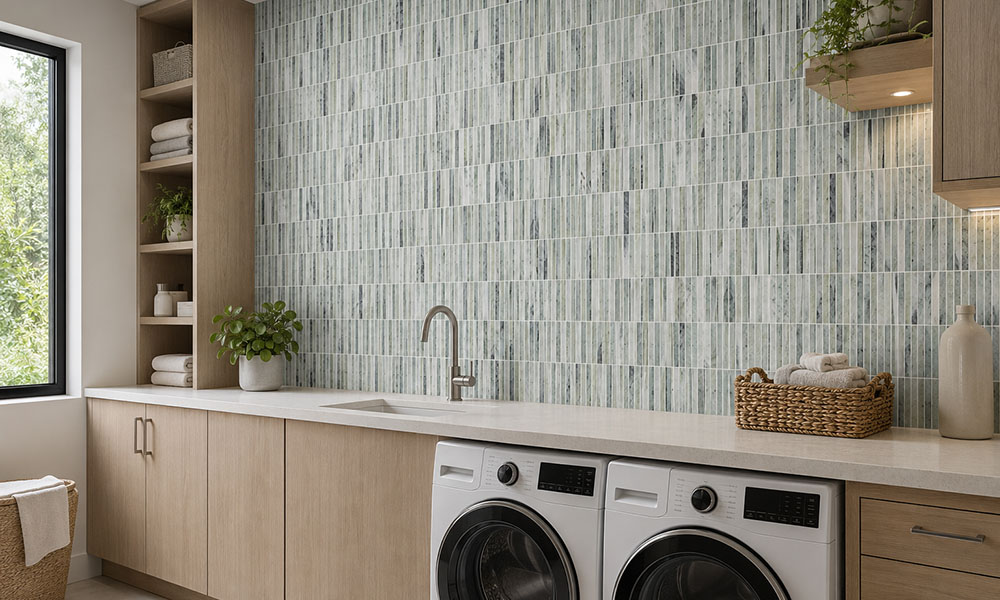


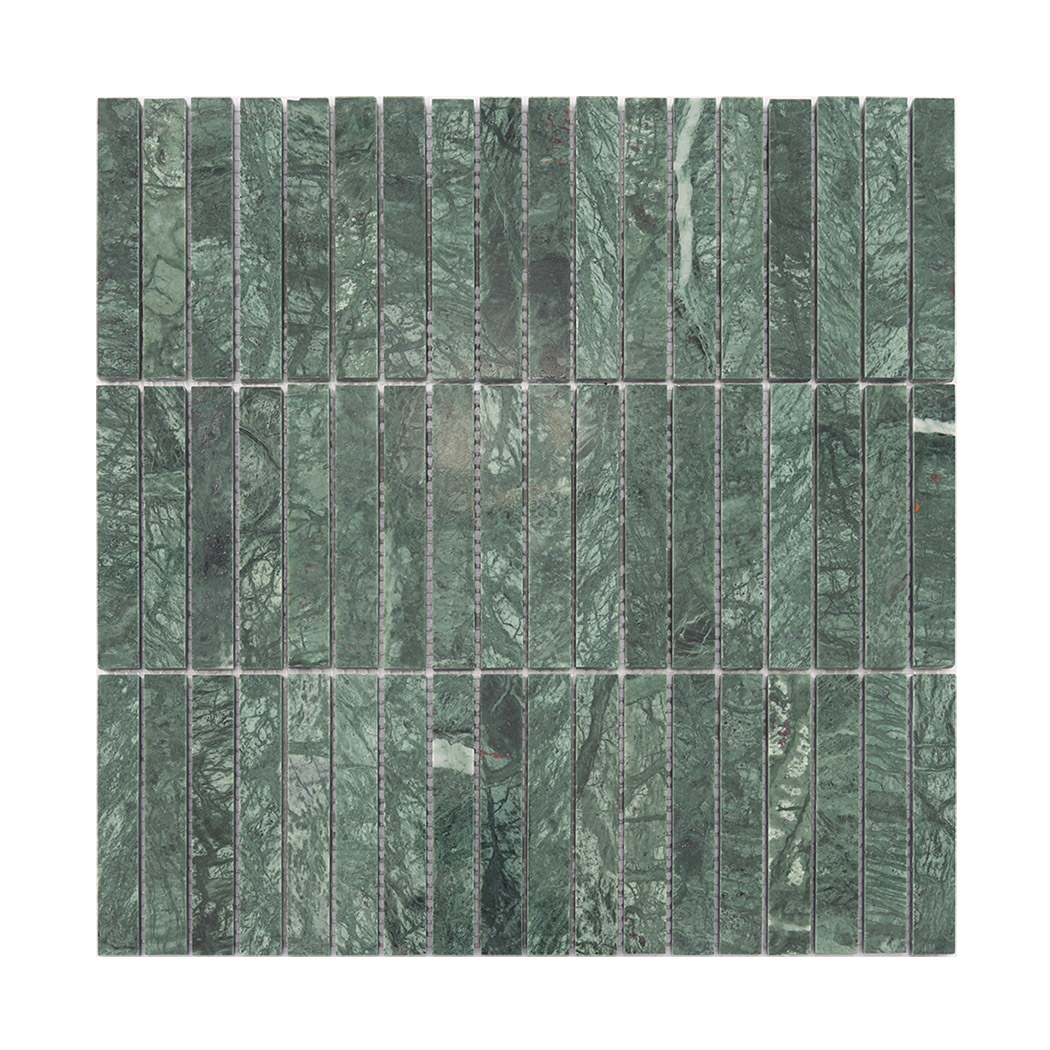
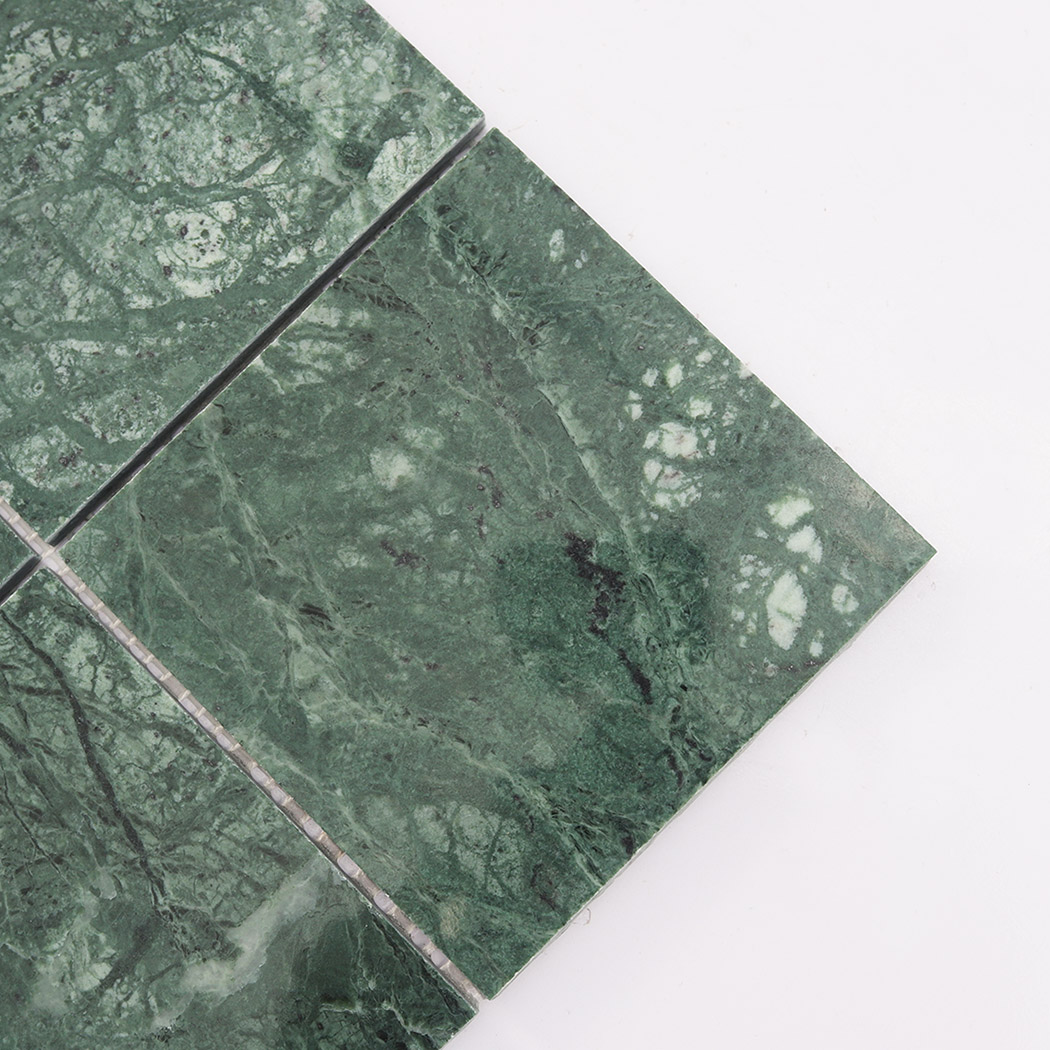
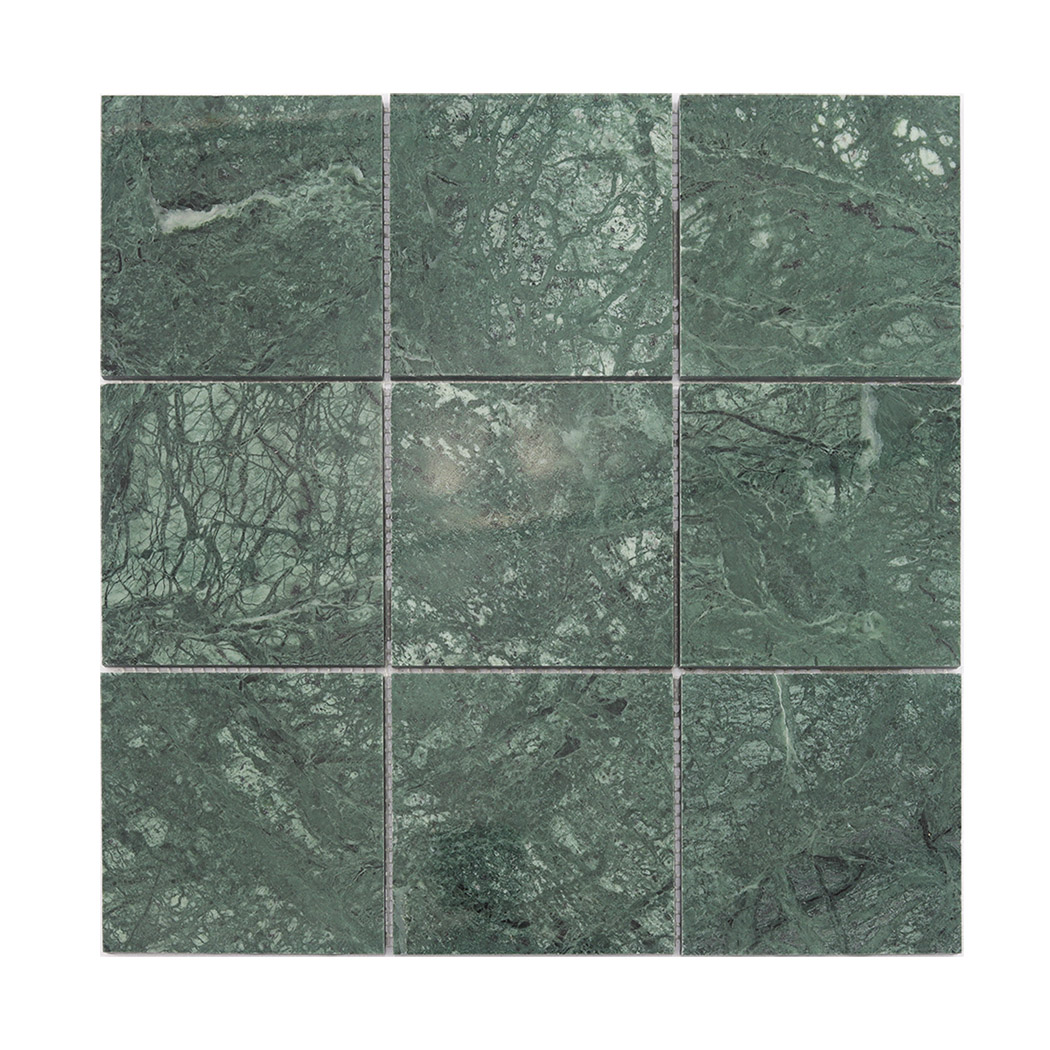

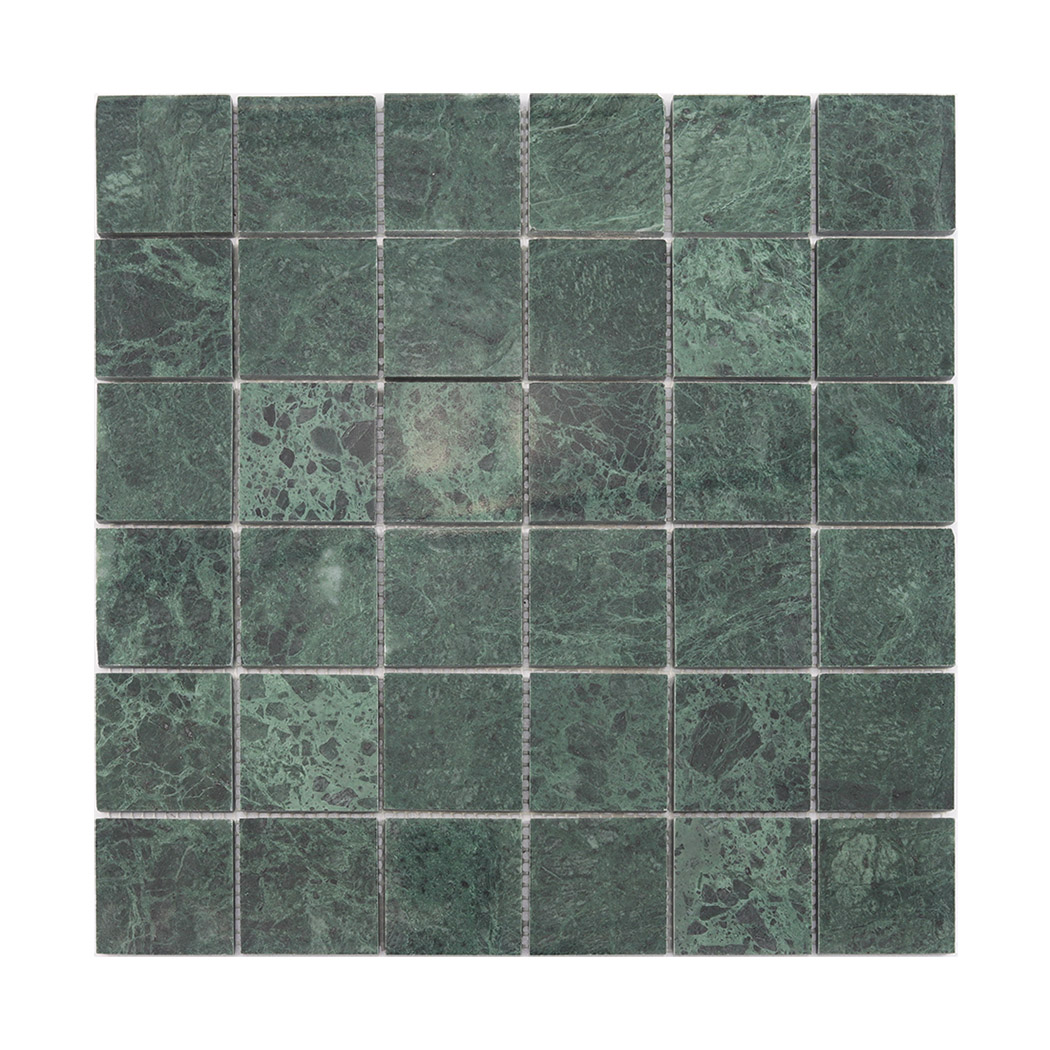













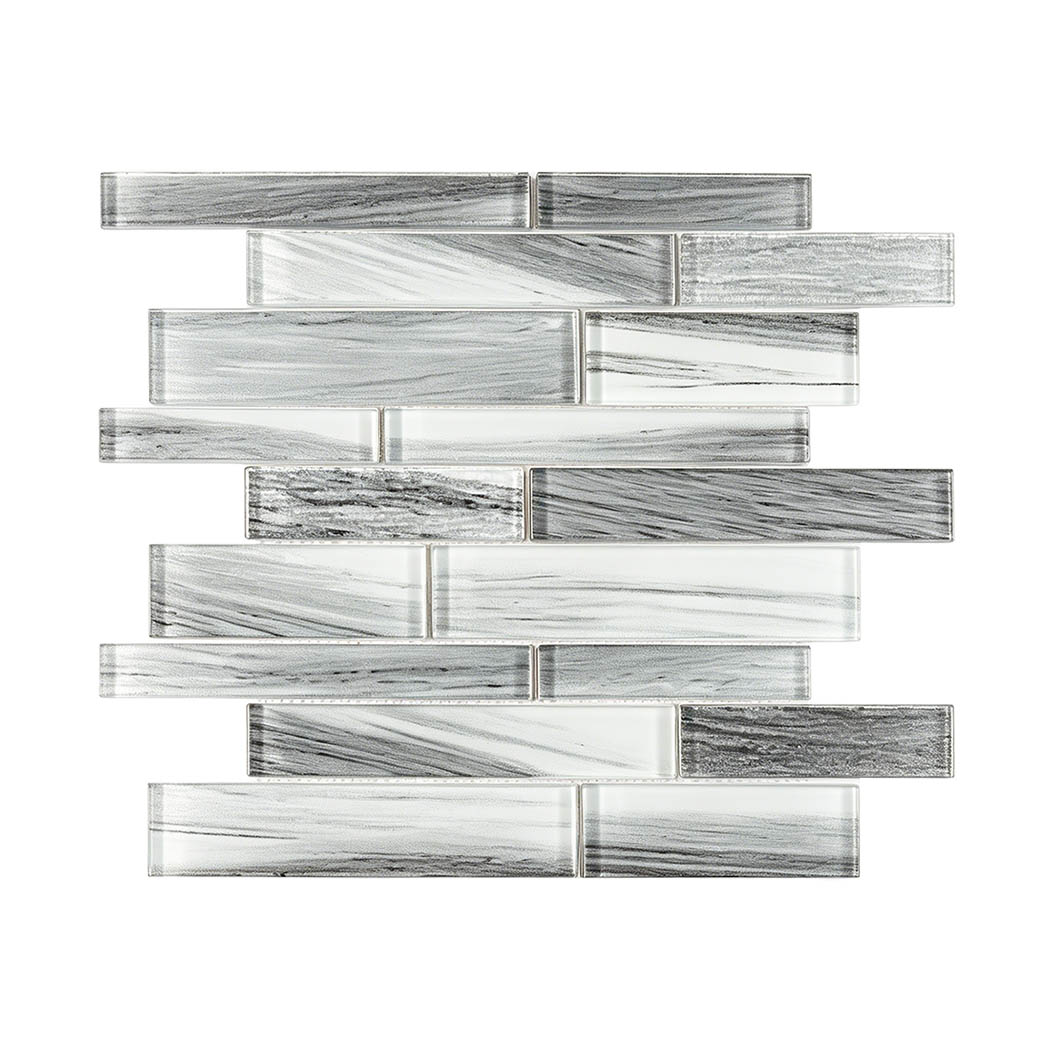

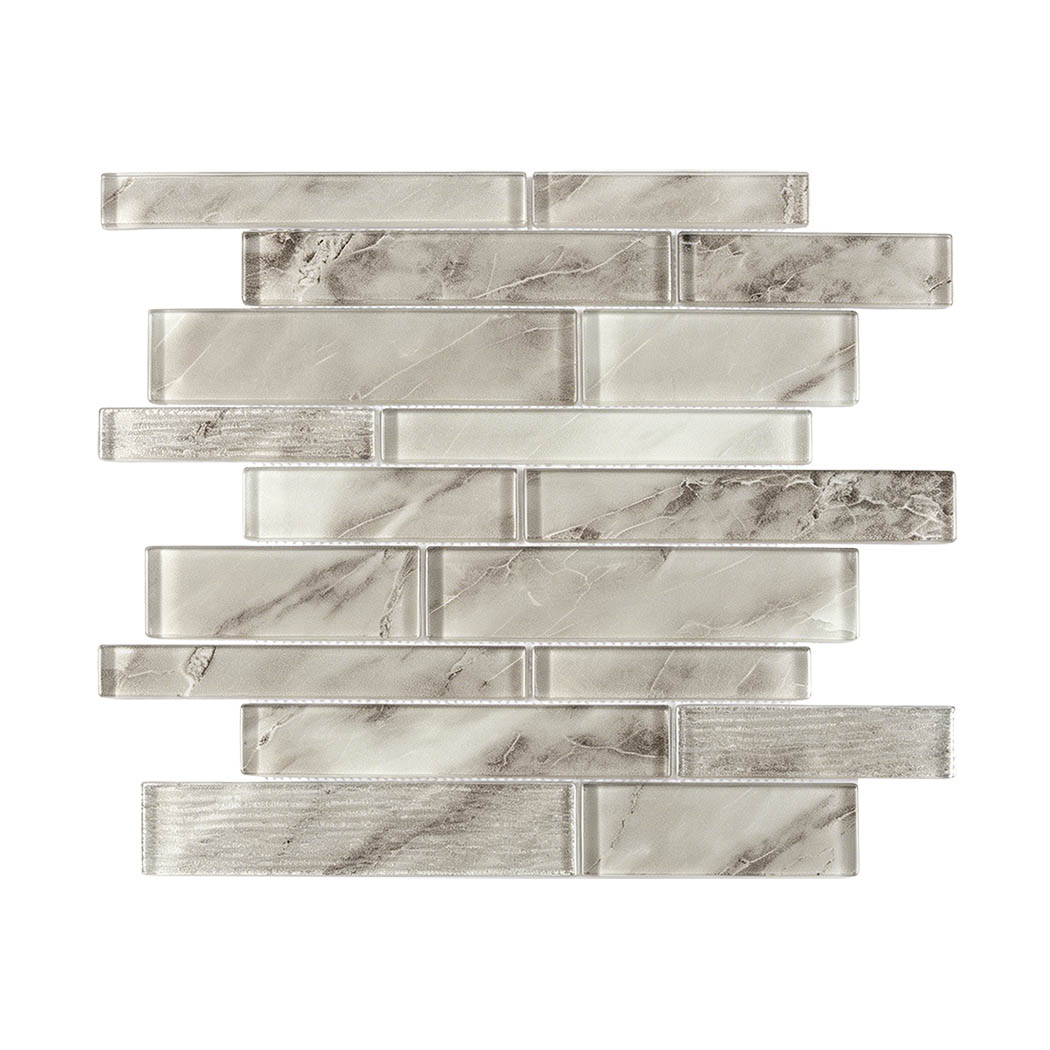

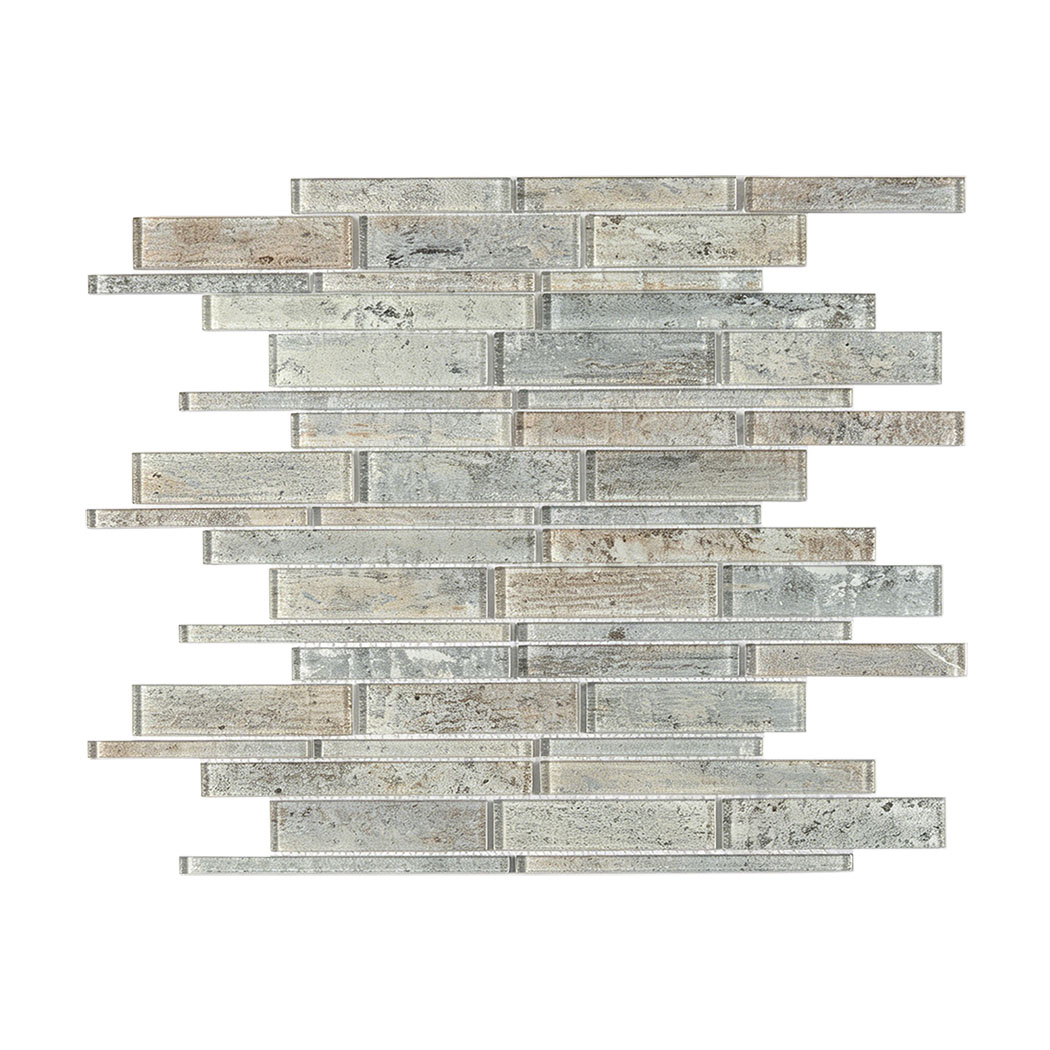

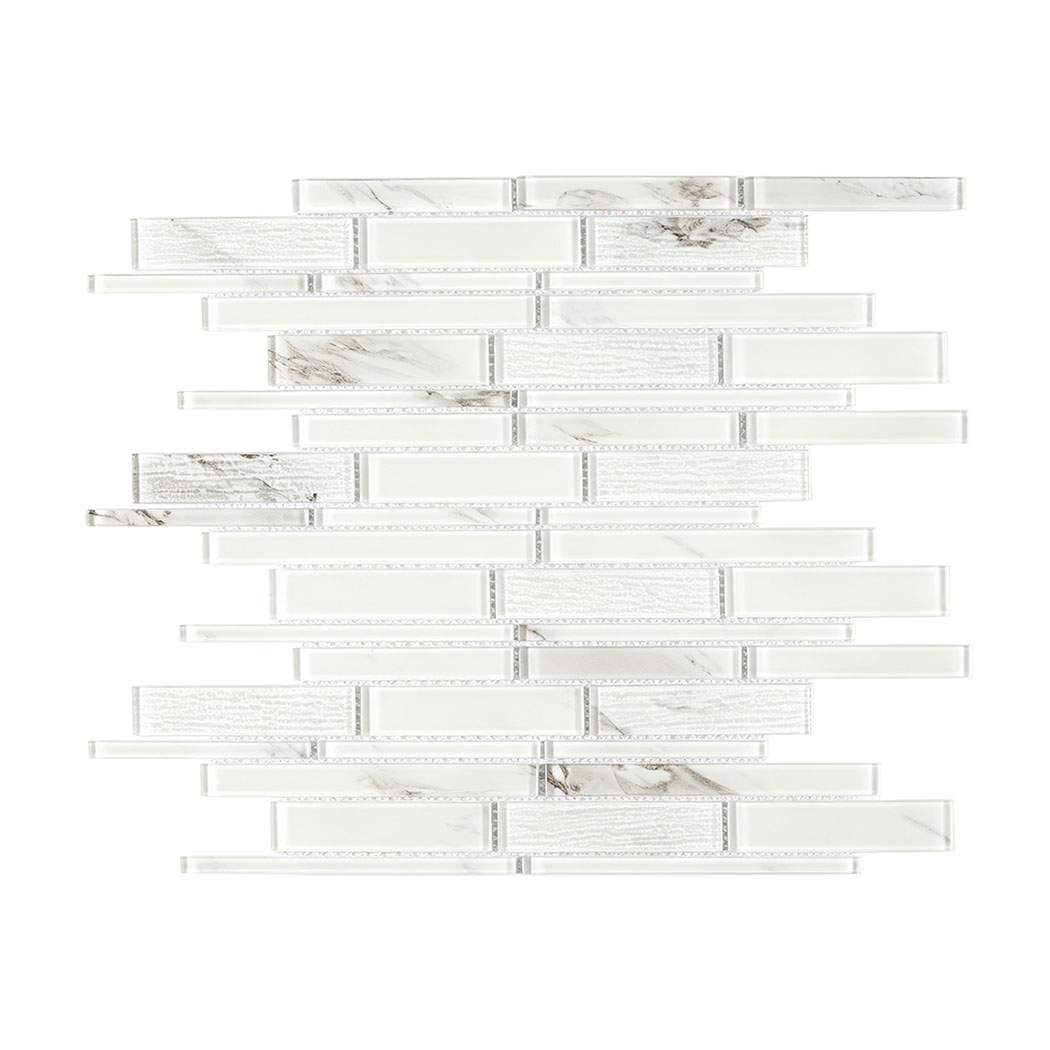
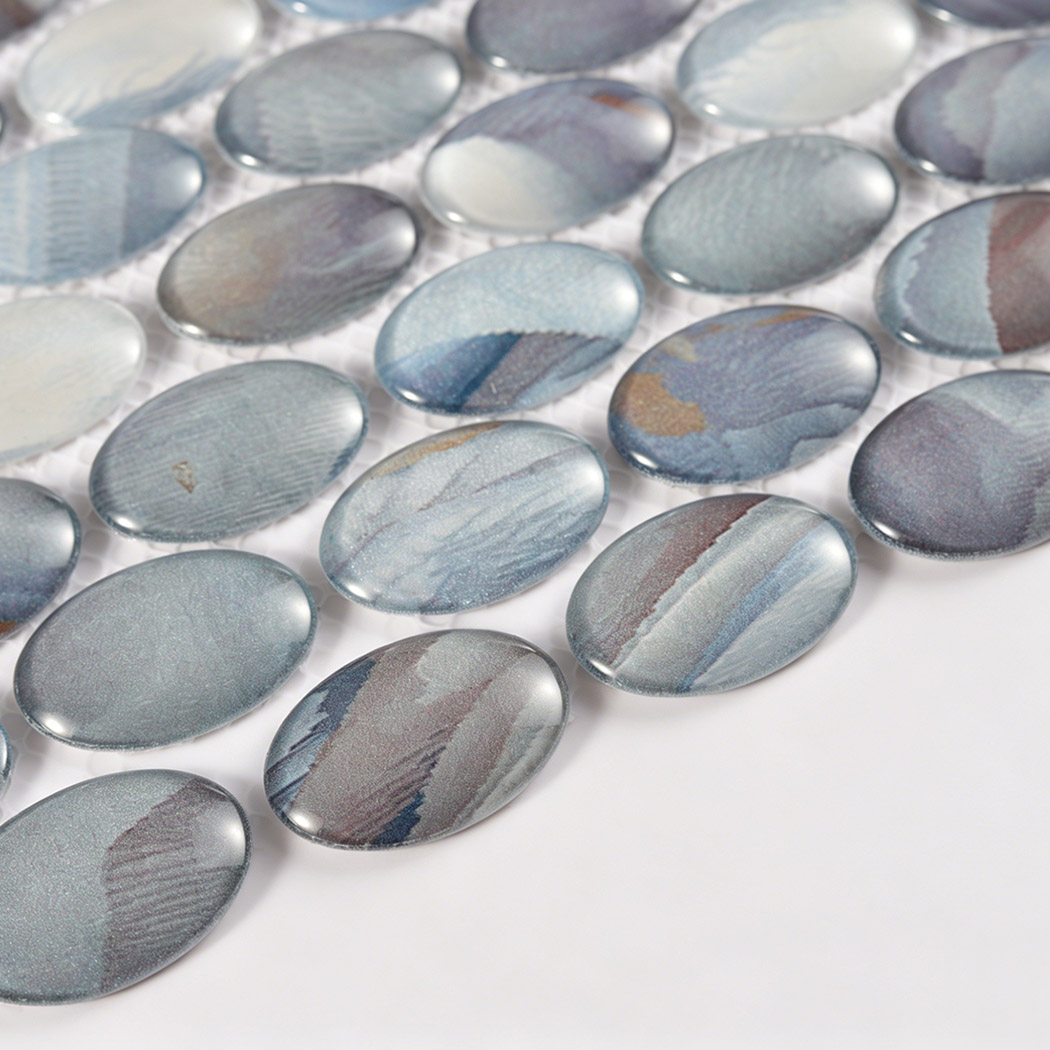
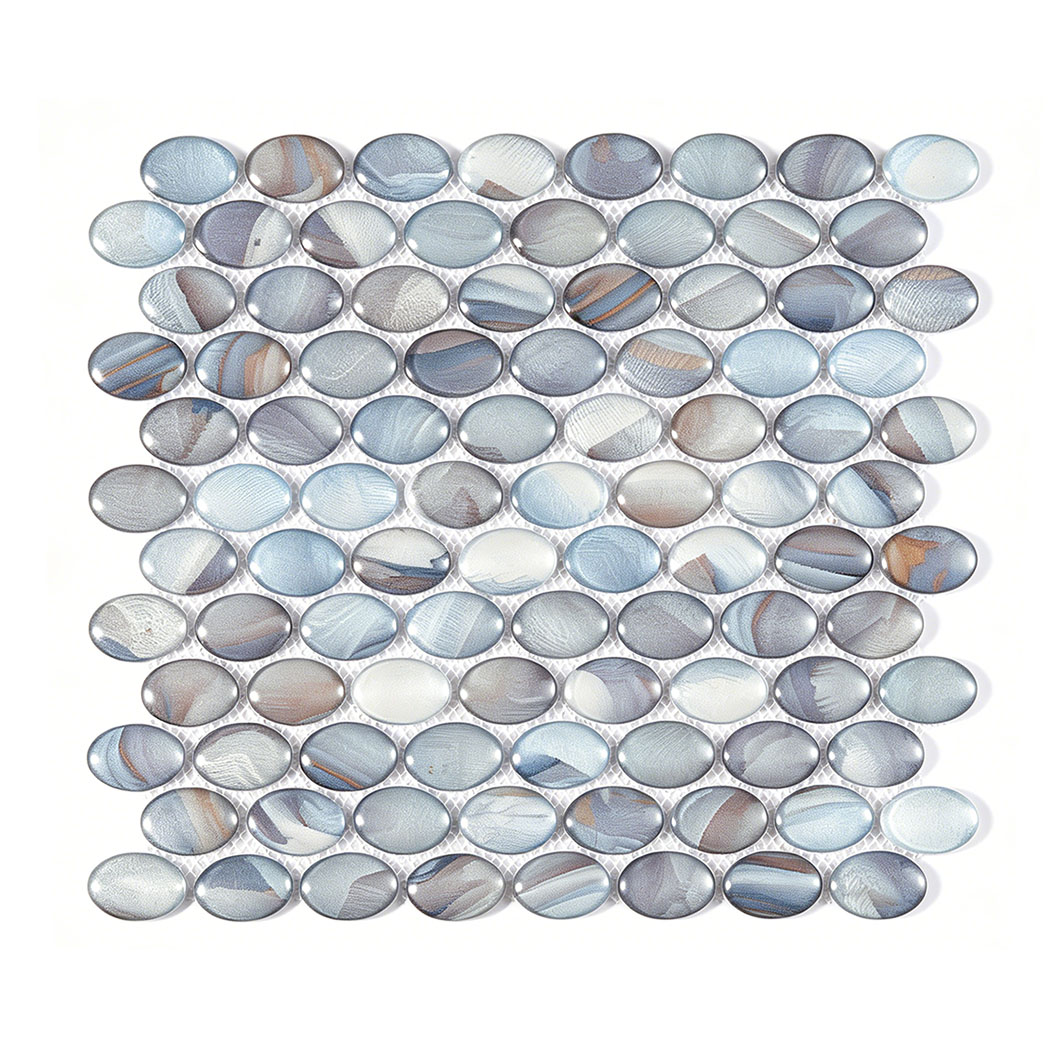

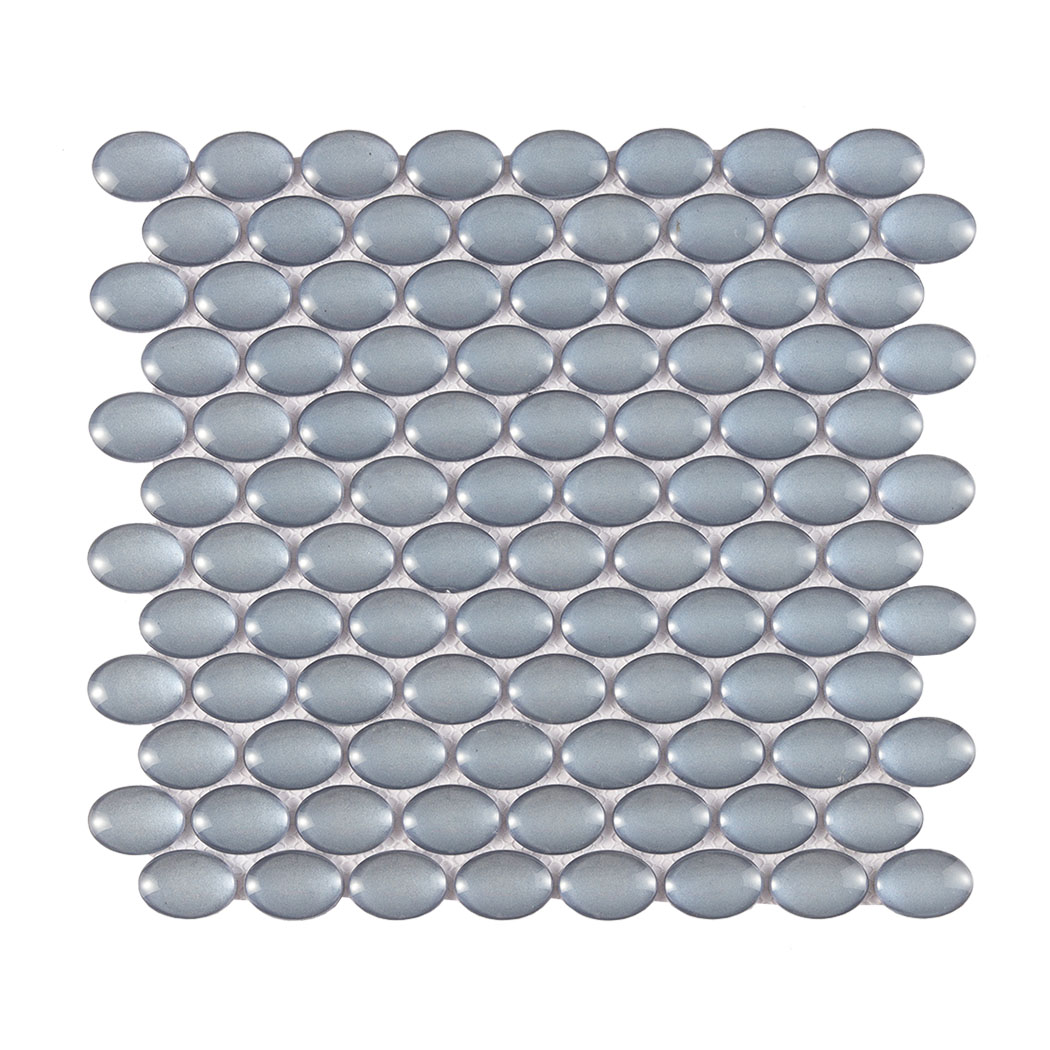


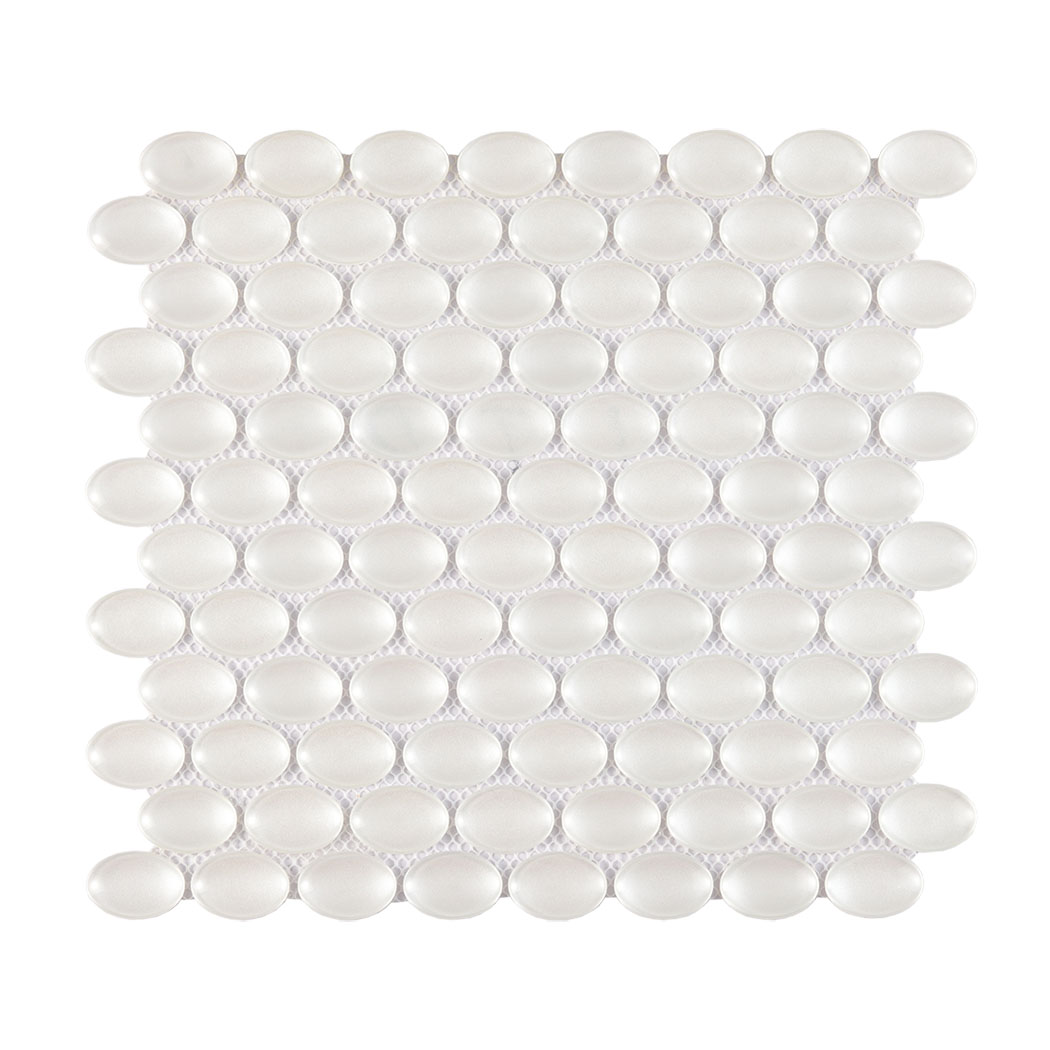






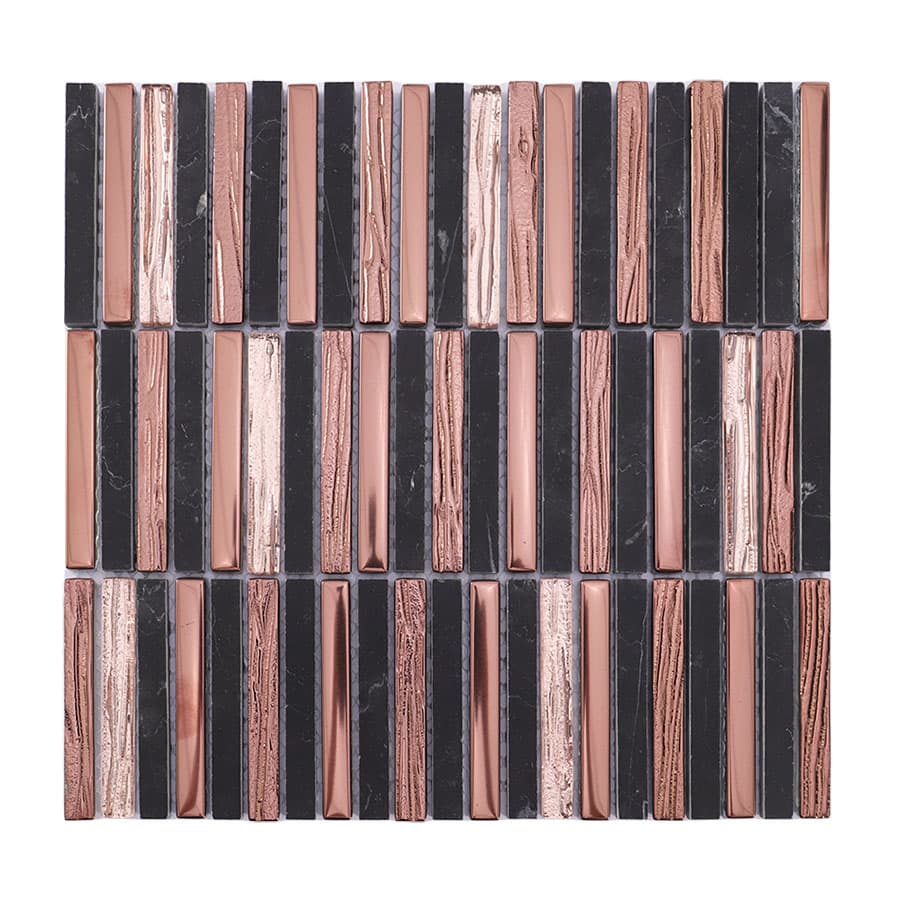

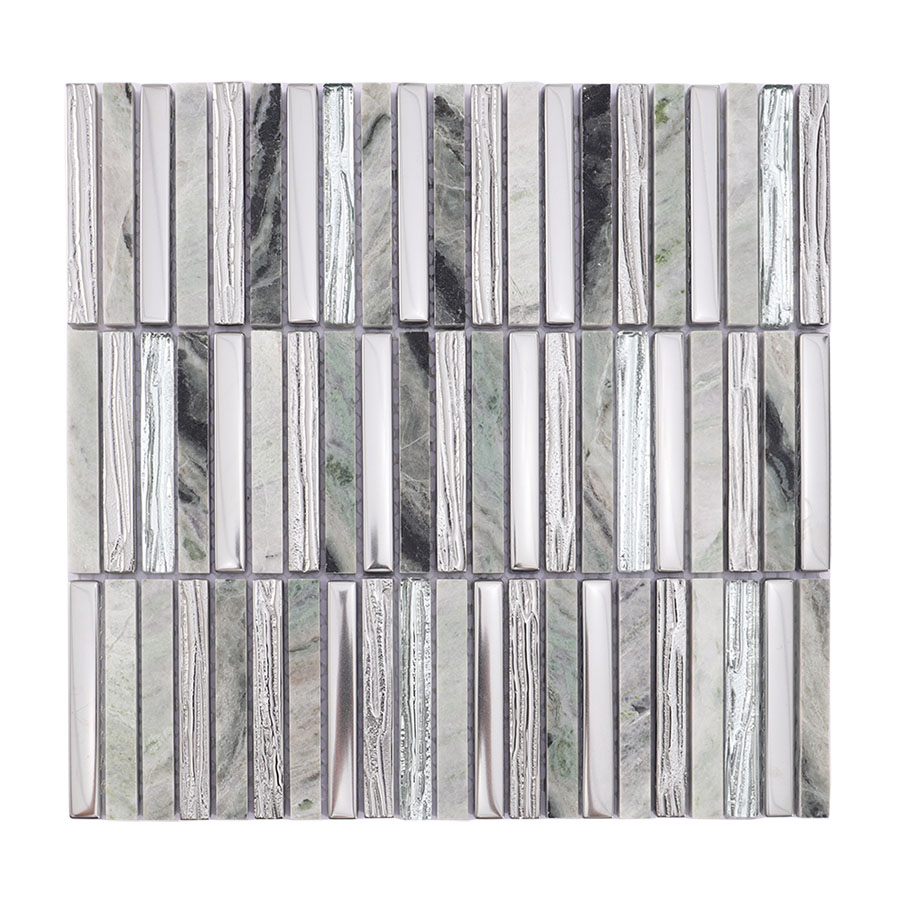

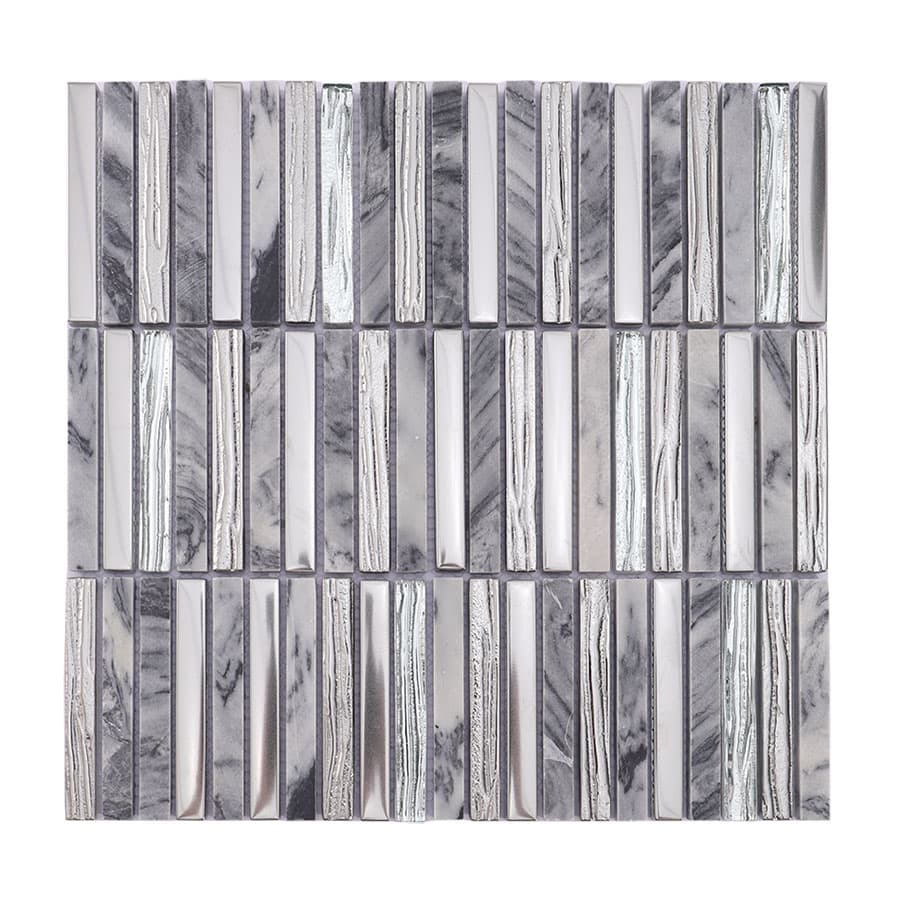

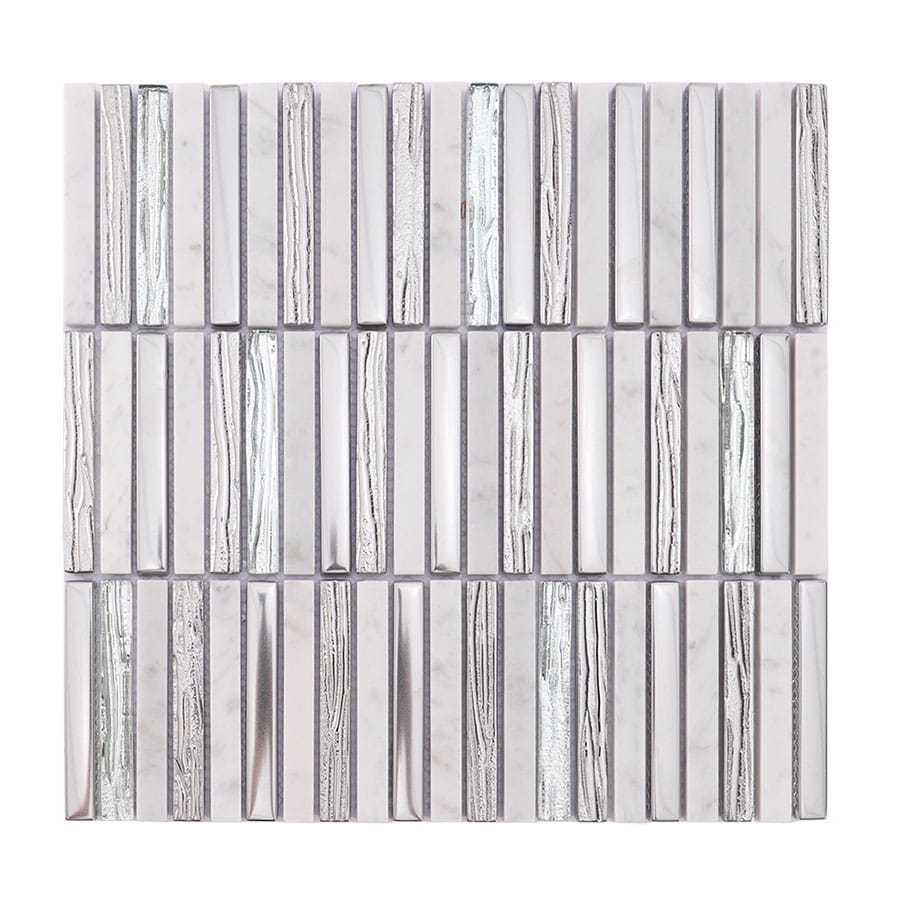

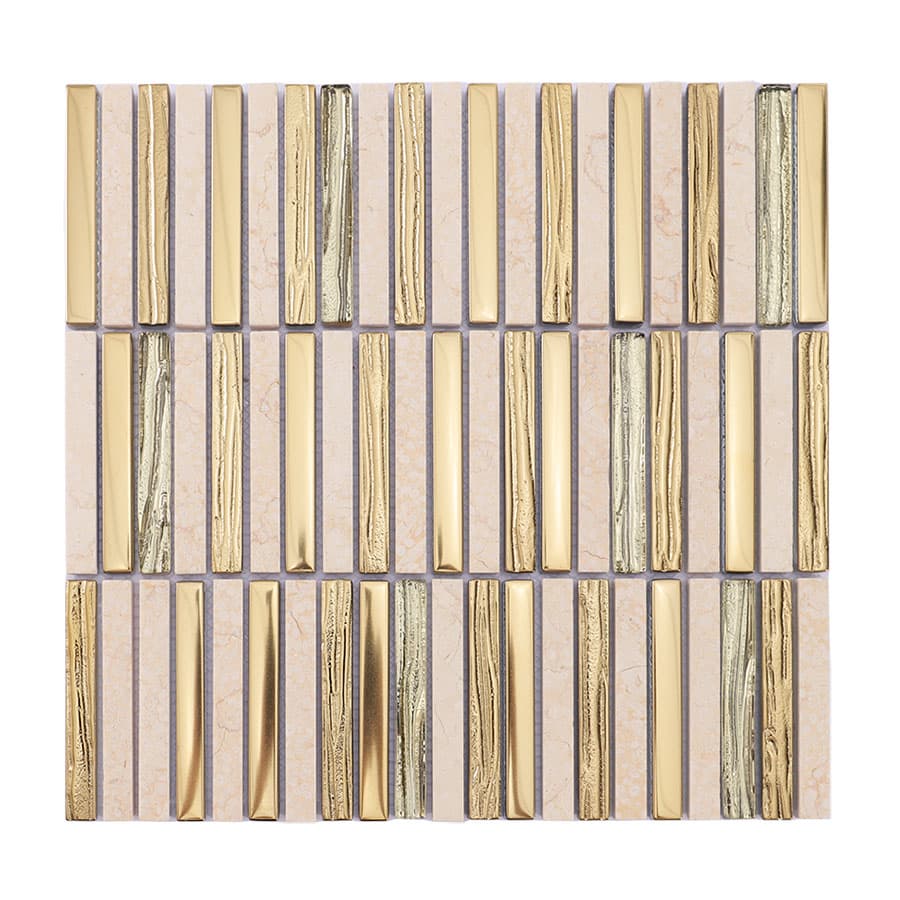

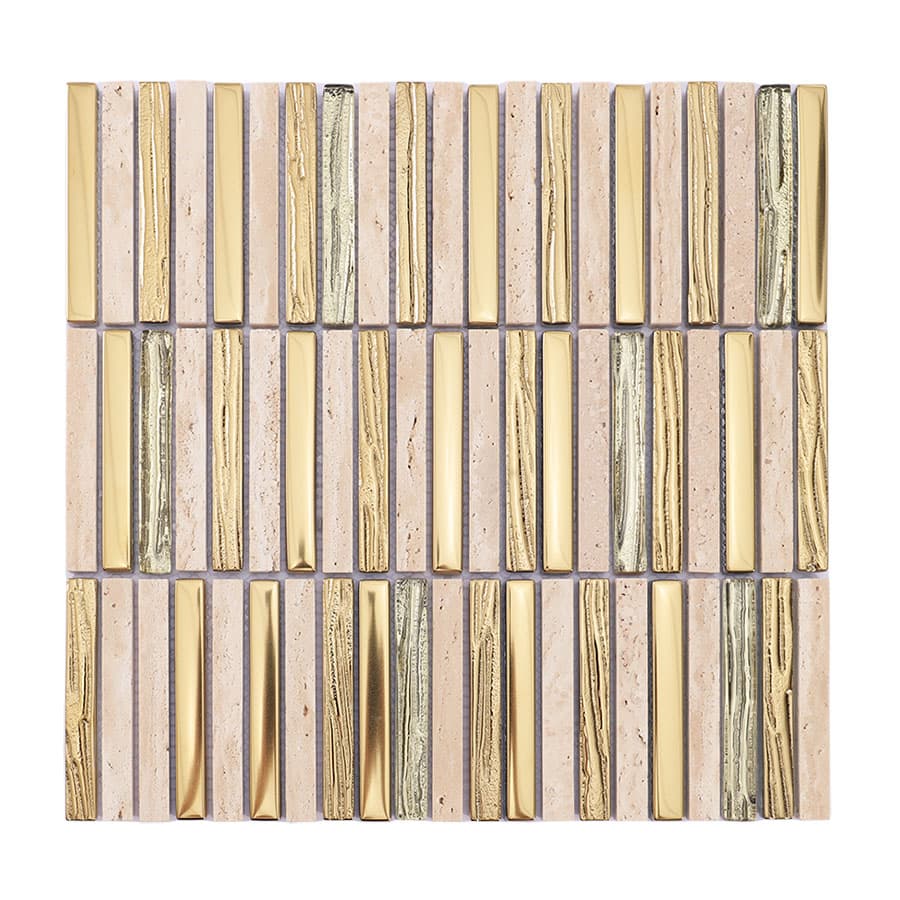

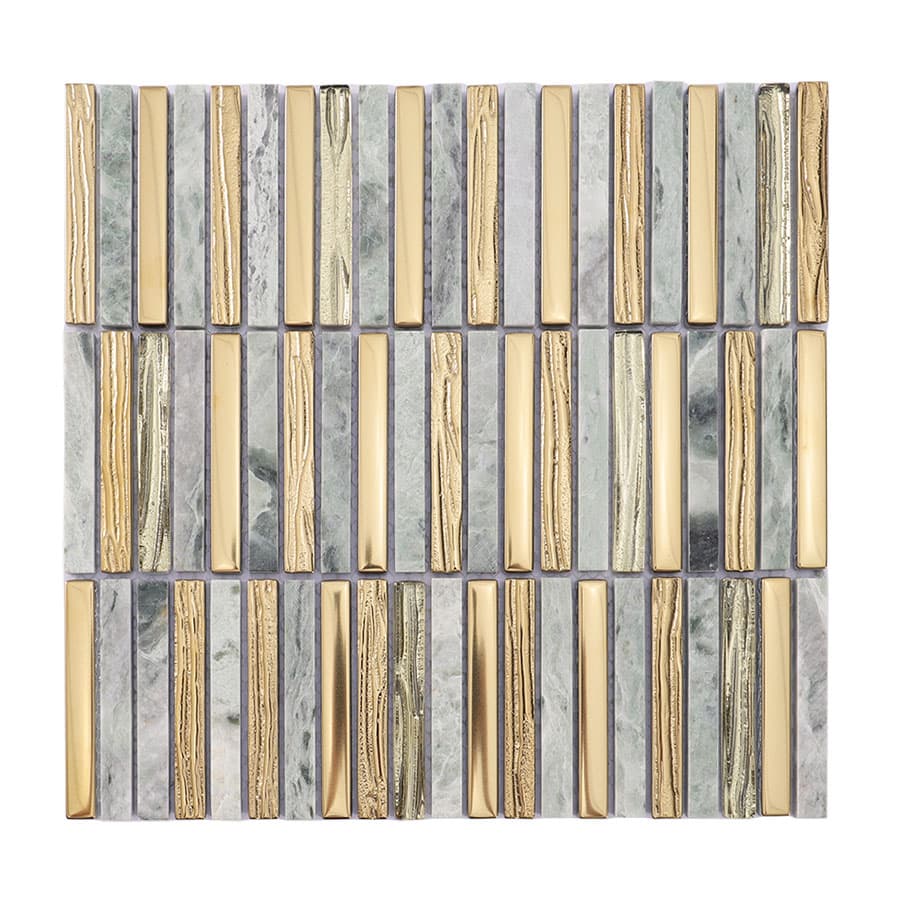
Modern laundry room tiles combine practical performance, refined style, and easy maintenance, transforming an everyday utility area into a polished extension of the home. Whether you are remodeling a compact laundry closet, designing a dedicated utility room, or creating a combined laundry and mudroom, the right tile can protect frequently used surfaces while coordinating with cabinetry, appliances, countertops, and surrounding interiors.
Laundry rooms are exposed to humidity, water splashes, detergent residue, muddy shoes, appliance movement, and occasional leaks. Tiles selected for this space should therefore balance visual appeal with moisture resistance, cleaning requirements, durability, and application suitability.
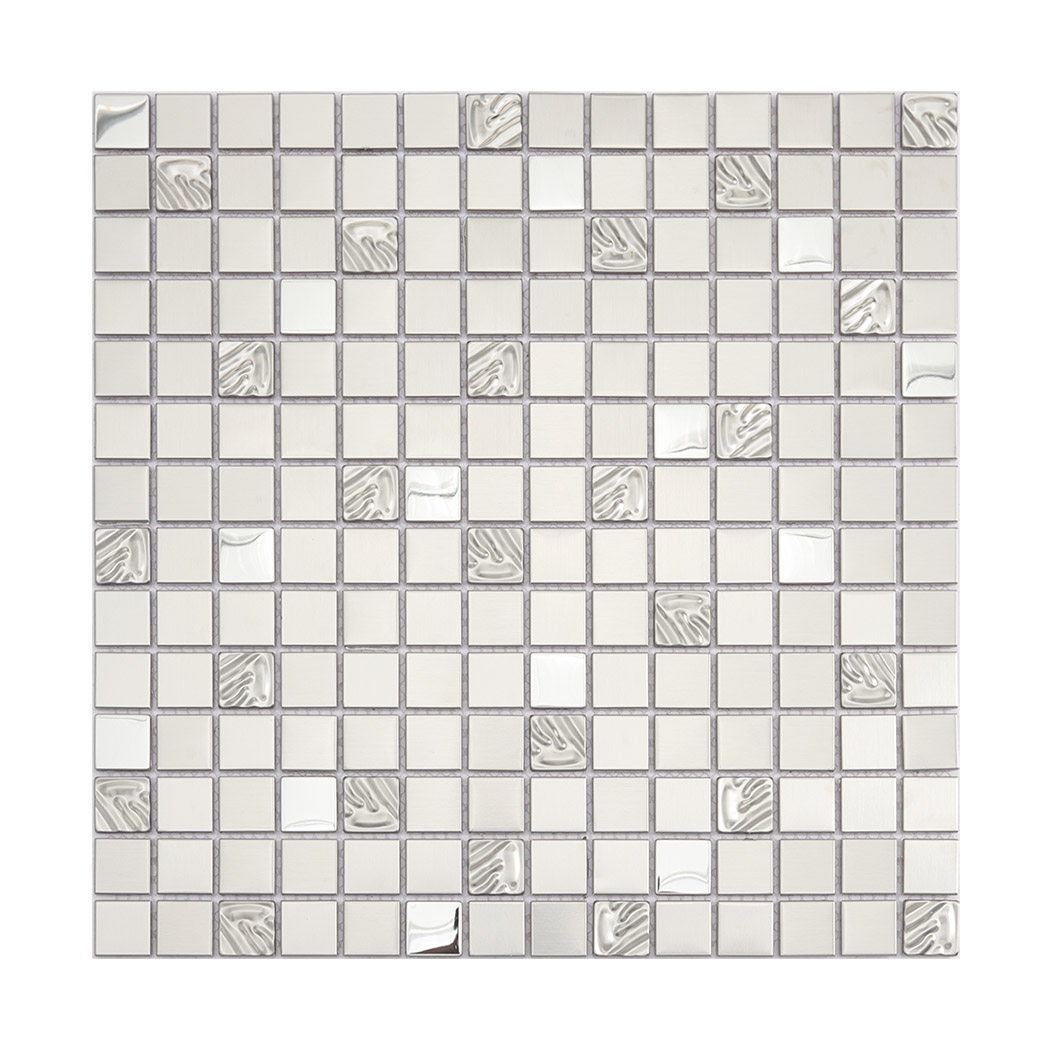
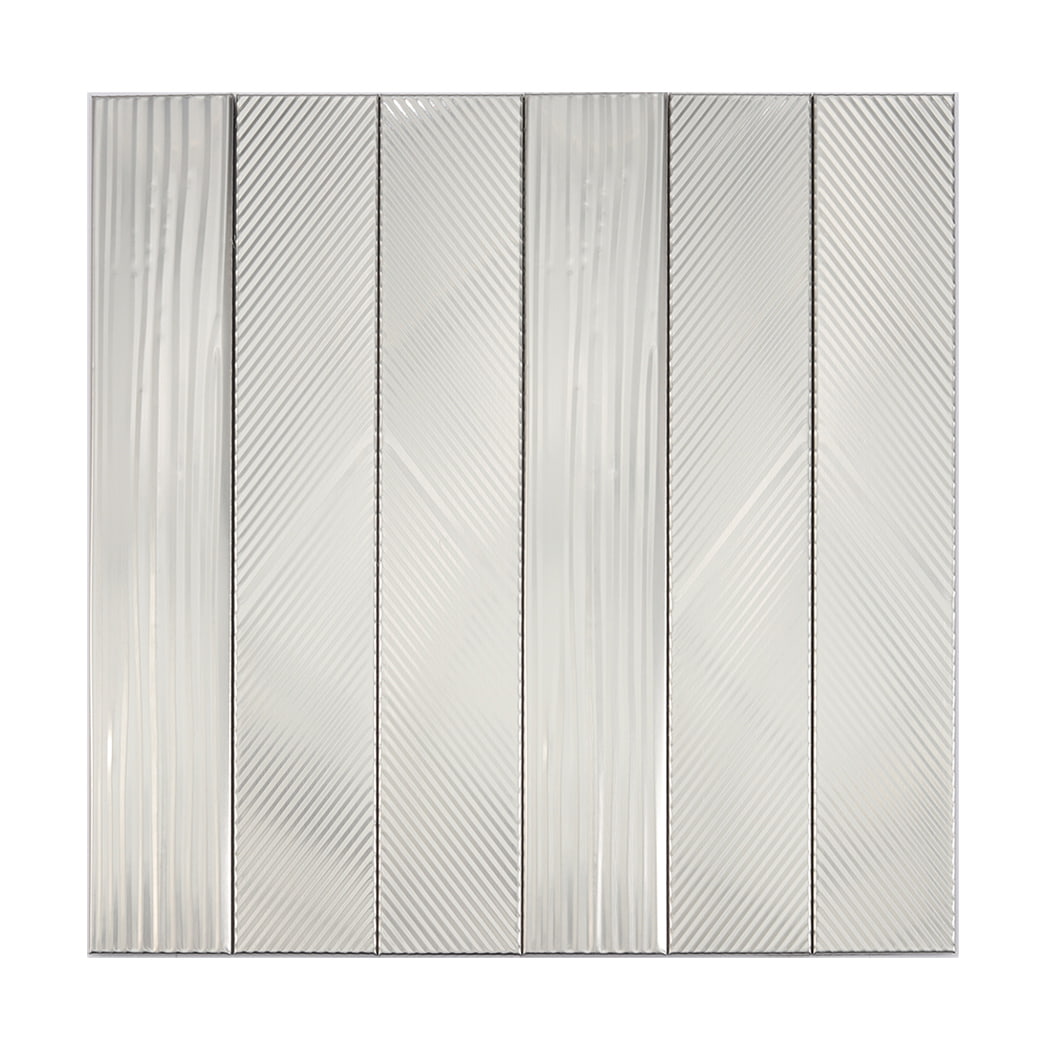
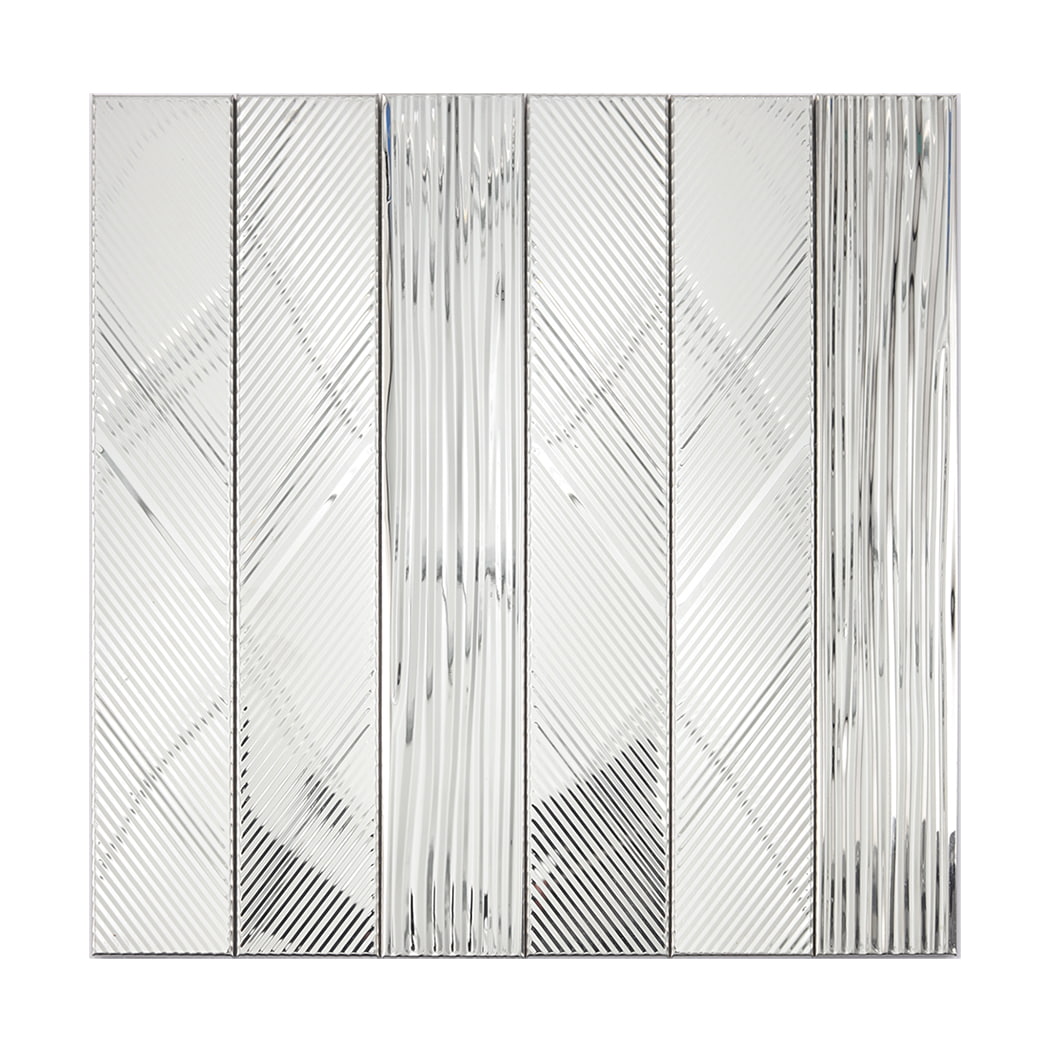
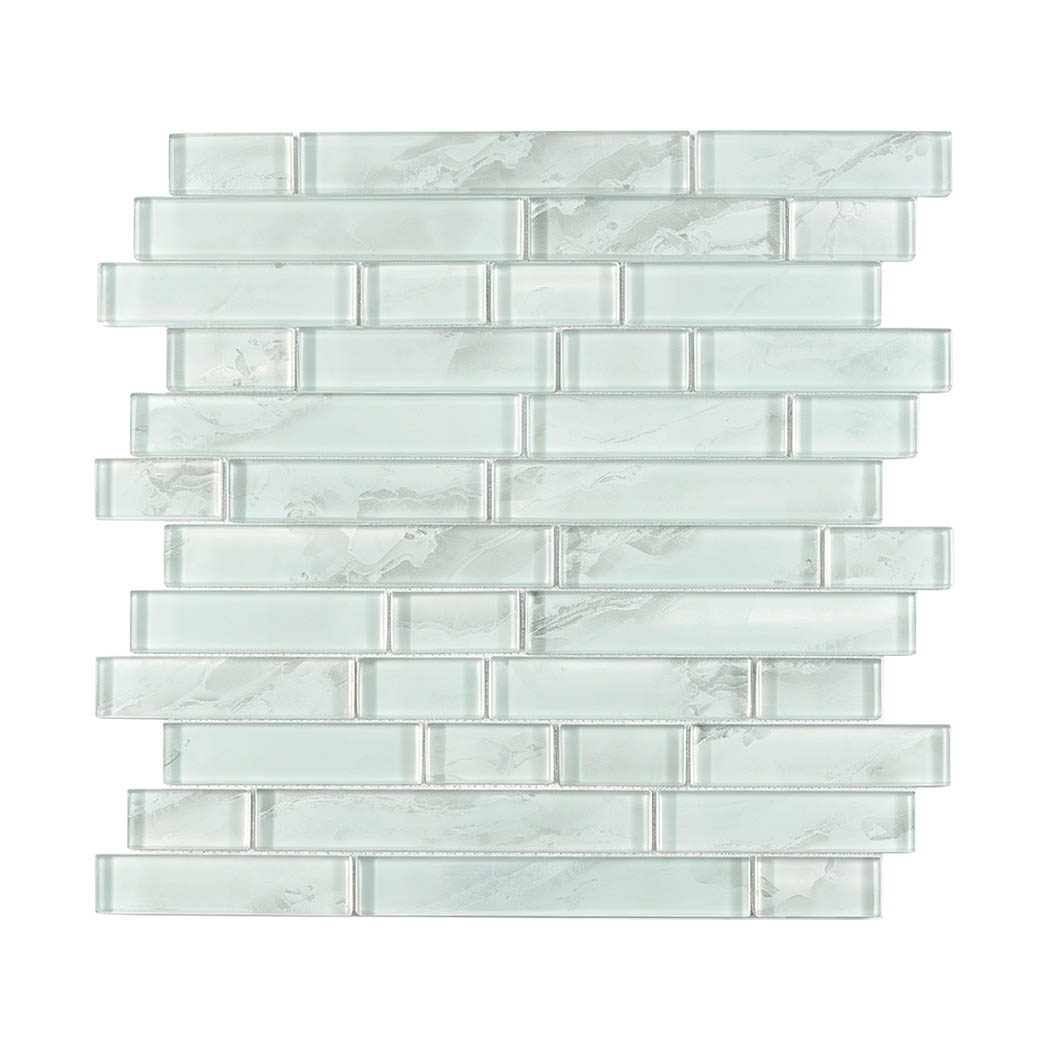
Saicina Tiles offers modern laundry room tiles in natural marble, limestone, travertine, glass, metal, mother of pearl, and mixed-material mosaics. From warm neutral stone and vertically stacked rectangular tiles to geometric mosaics and reflective metallic accents, these materials can create minimalist, organic modern, industrial, coastal, and luxury laundry room designs.
Why Choose Tiles for a Modern Laundry Room?
Modern laundry room tiles offer a combination of functional and decorative advantages that painted walls, wallpaper, and many other surface materials cannot provide.
Moisture-Resistant Surfaces
Laundry rooms frequently experience water splashes, dripping clothes, humidity, detergent residue, and occasional appliance leaks. Properly selected tiles provide a practical surface for laundry room floors, sink backsplashes, appliance walls, and utility areas.
Tile and grout should not be treated as a complete waterproofing system. In areas where leaks or regular water exposure are expected, the tile must be installed over a suitable substrate and an appropriate waterproofing or moisture-management system.
Easy Cleaning and Maintenance
Smooth glazed tiles, glass mosaics, sealed natural stone, and many metal surfaces are easier to wipe clean than painted drywall or unfinished porous materials. Dust, detergent residue, water marks, and daily household dirt can usually be removed with a suitable cleaner and a soft cloth.
The cleaning method must always match the material. Natural marble, limestone, travertine, metal, and mother-of-pearl mosaics may require more specialized care than porcelain or glazed ceramic tile.
Durable Long-Term Performance
Properly installed, floor-rated tile can withstand regular foot traffic and the stationary weight of washing machines and dryers. Tile also resists many of the scratches, dents, and surface changes that can affect softer flooring materials.
The substrate must be flat, stable, and structurally suitable for tile. Excessive movement beneath a washing machine can eventually affect grout joints or the tile installation if the floor assembly is not properly prepared.
Modern Design Versatility
Modern laundry room tiles are available in a wide selection of colors, shapes, textures, and finishes. Neutral natural stone creates a calm, refined appearance, while glass mosaics, geometric patterns, dimensional tiles, and metallic finishes introduce visual interest.
Tiles can support modern minimalist, Scandinavian, Japandi, organic modern, industrial, coastal, contemporary, and luxury interior styles.
A More Finished Laundry Space
Tiling behind the utility sink, washer, dryer, or countertop makes the laundry room feel intentional rather than purely functional. A carefully selected backsplash or feature wall can connect the laundry room with nearby kitchens, bathrooms, mudrooms, or hallways.
Where Can Modern Laundry Room Tiles Be Used?
The most suitable material depends on the surface being covered. Floor tiles require different performance characteristics from decorative wall mosaics.
Laundry Room Floors
The floor receives the greatest amount of wear and has the highest performance requirements. Choose tiles specifically approved for residential flooring and review their suitability for areas that may occasionally become wet.
Matte, honed, or lightly textured finishes are commonly considered for laundry room floors because they generally provide more practical traction and show fewer water spots than highly polished surfaces. However, the manufacturer’s floor rating and wet slip-resistance data should always be checked for the specific product.
Where project conditions allow, continue the finished tile beneath the washer and dryer. A continuous floor makes it easier to move appliances for cleaning or servicing and prevents an unfinished recess from collecting moisture and debris.
Laundry Room Backsplashes
A tiled backsplash protects the wall from water, detergent, stain remover, and cleaning-product splashes. It also provides an opportunity to introduce a more decorative material without covering the entire room.
Common laundry room backsplash locations include:
-
Behind a utility or farmhouse sink
-
Between the countertop and upper cabinets
-
Behind side-by-side washing machines and dryers
-
Behind stacked laundry appliances
-
Below open shelving or hanging rails
-
Across a complete feature wall
-
Inside a recessed storage niche
Natural stone, glass mosaic, ceramic, porcelain, metal, and mother-of-pearl mosaics may all be considered for backsplash applications when the individual product is approved for the location.
Full-Height Appliance Walls
Extending tile from the floor or countertop to the ceiling creates a more architectural appearance. Full-height tile can also make a narrow laundry room appear taller and more complete.
Vertically stacked rectangular tiles, slim stone mosaics, fluted surfaces, and elongated glass tiles emphasize ceiling height. Square, hexagon, basketweave, and octagon patterns create a more detailed decorative background.
Utility Sink Surrounds
The wall surrounding a laundry sink receives frequent splashes from handwashing, soaking, cleaning tools, and household maintenance tasks. A tiled sink surround is easier to clean than painted drywall and can coordinate with the countertop, sink, faucet, and cabinet finish.
Pet-Wash Areas
Built-in pet-wash stations are becoming increasingly popular in combined laundry and mudrooms. These areas should be treated as dedicated wet installations.
Use tiles specifically approved for the required wall, basin, or floor application. Coordinate the tile with proper waterproofing, drainage, edge treatment, and slip-resistance requirements. A decorative wall mosaic should not automatically be assumed suitable for the floor of a pet-wash basin.
Best Materials for Modern Laundry Room Tiles
Different tile materials offer different combinations of appearance, durability, moisture resistance, cleaning requirements, and maintenance.
Natural Marble Tile
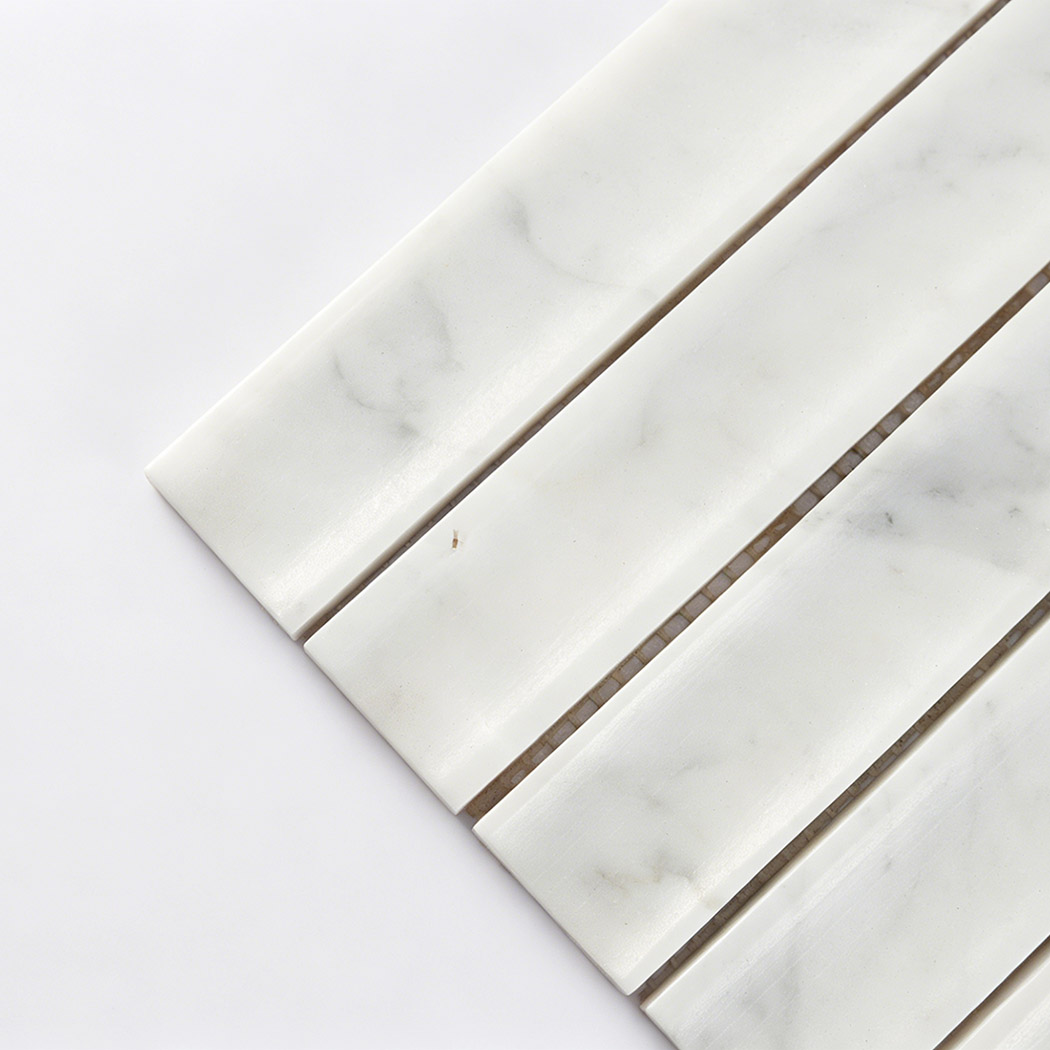
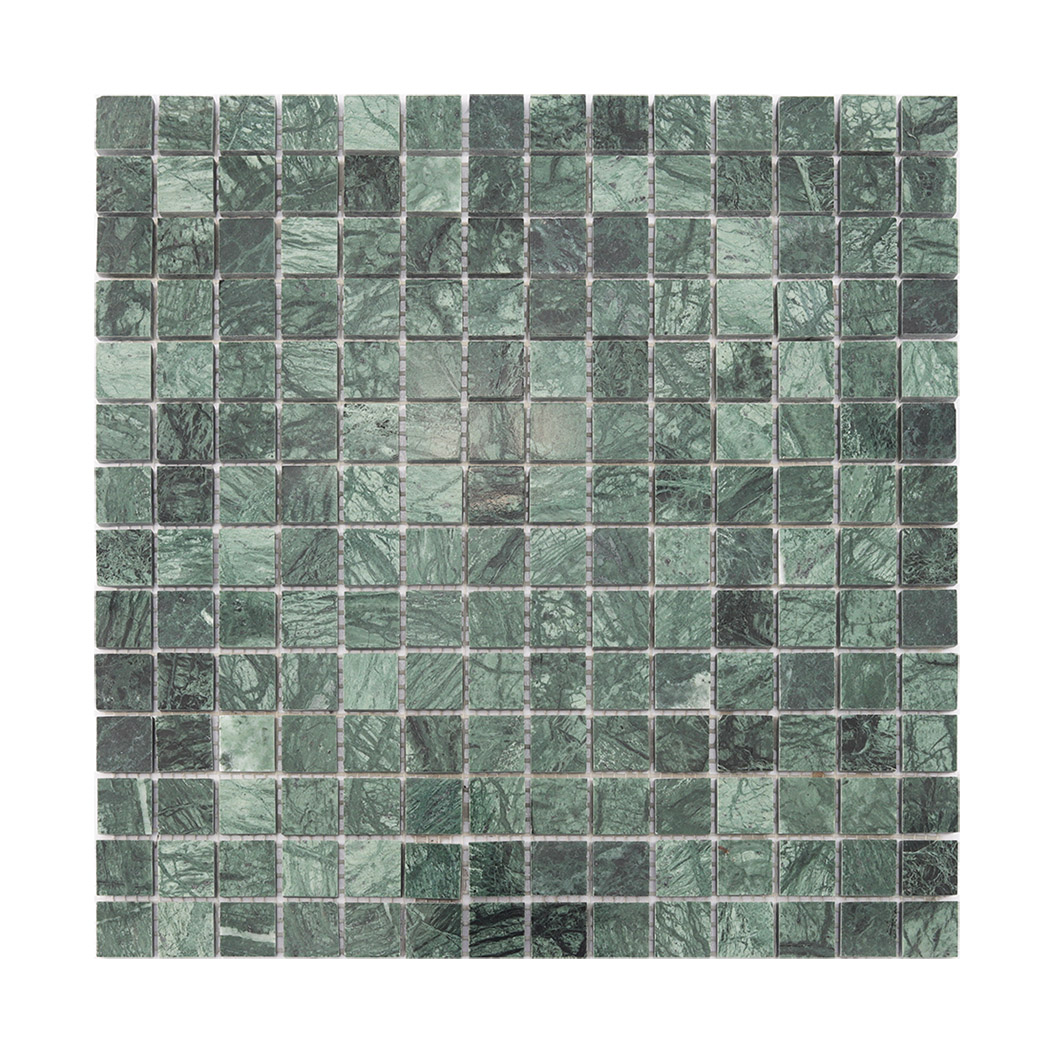
Natural marble brings distinctive veining, subtle color variation, and an elegant high-end character to modern laundry rooms. Every piece has its own natural pattern, allowing the finished installation to feel more individual than a printed imitation.
White, beige, gray, cream, and warm taupe marble are especially suitable for modern interiors. These colors coordinate easily with white, gray, black, green, blue, and natural wood cabinetry.
Honed marble has a softer, quieter appearance and generally shows water spots less than highly polished marble. Polished marble reflects more light but may require more frequent cleaning to maintain its appearance.
Marble is calcium based and can be etched by acidic products. Detergents, stain removers, rust removers, vinegar, lemon-based cleaners, and other household chemicals should not be left on the surface. Use a pH-neutral stone cleaner and apply a compatible impregnating sealer when recommended.
Marble can be used on backsplashes, feature walls, sink surrounds, and appropriately rated floors.
Natural Limestone Tile
Limestone offers a calm, organic appearance with gentle movement and soft natural color. It is ideal for warm minimalist, Scandinavian, Japandi, cream-toned, and organic modern laundry rooms.
Popular limestone colors include ivory, sand, beige, greige, light gray, and soft taupe. Unlike strongly veined marble, limestone usually provides a quieter background that works well with wood cabinetry and simple architectural details.
Because limestone is naturally porous and sensitive to acidic substances, its finish, sealing requirements, installation system, and cleaning routine should be reviewed before purchase.
Limestone is suitable for backsplashes, feature walls, and approved residential floors.
Natural Travertine Tile
Travertine is recognized by its layered movement, warm color, and naturally formed surface voids. Ivory, beige, walnut, and silver travertine can soften the visual effect of white or stainless-steel laundry appliances.
Filled and honed travertine generally provides a smoother and more practical indoor surface than an unfilled open-hole finish. It works especially well in organic modern, Mediterranean-inspired, warm contemporary, and luxury utility spaces.
Travertine requires natural-stone installation and care. Sealing can improve stain resistance, but it does not make the stone completely stain proof. Acidic cleaners should be avoided.
Glass Mosaic Tile
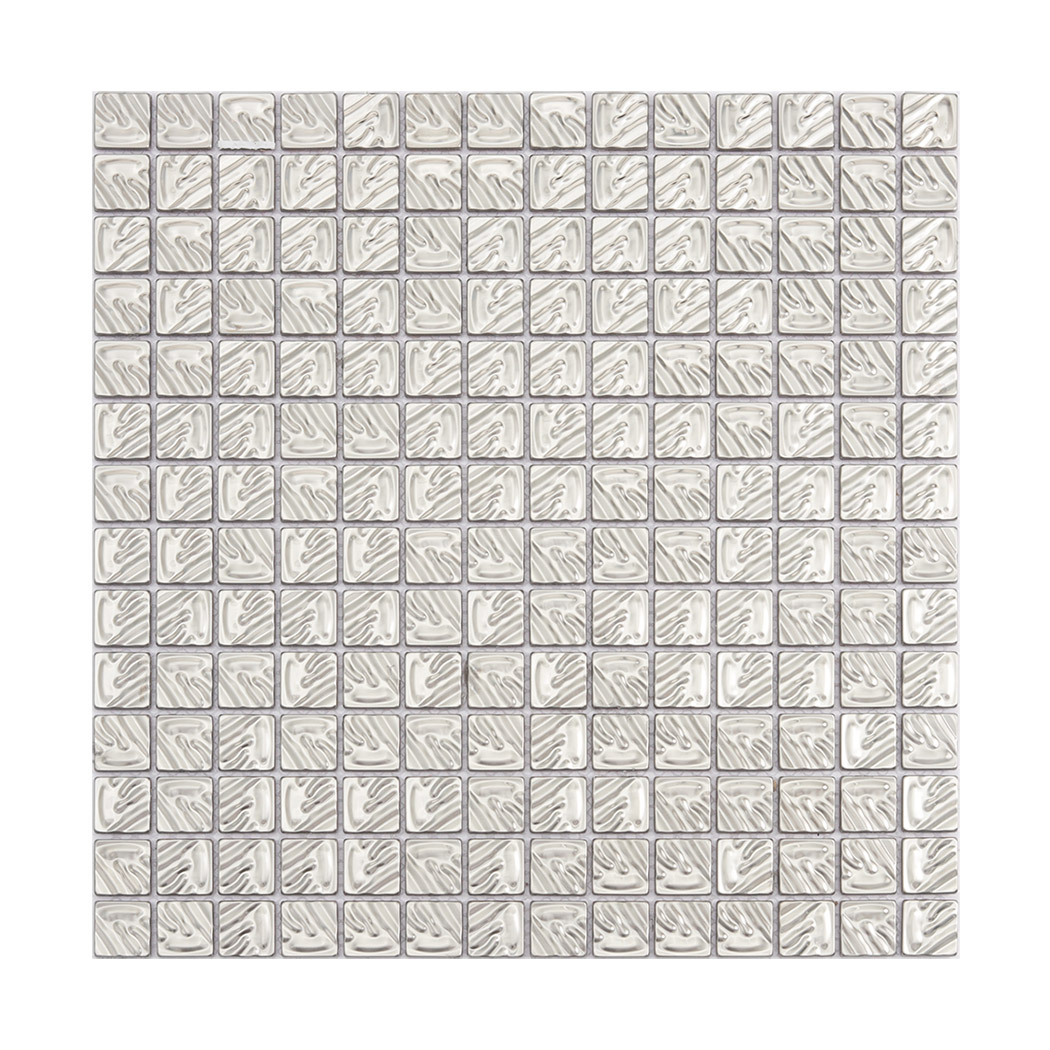
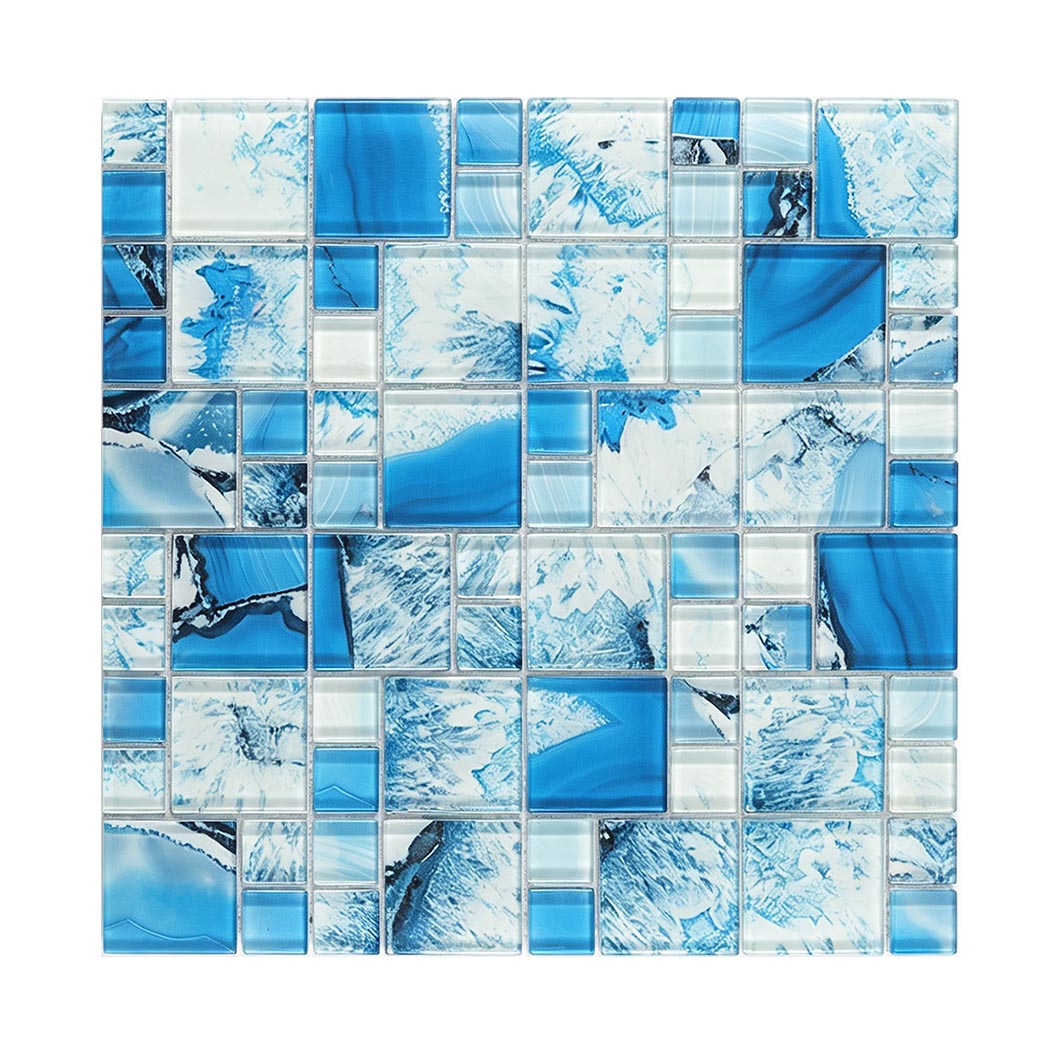
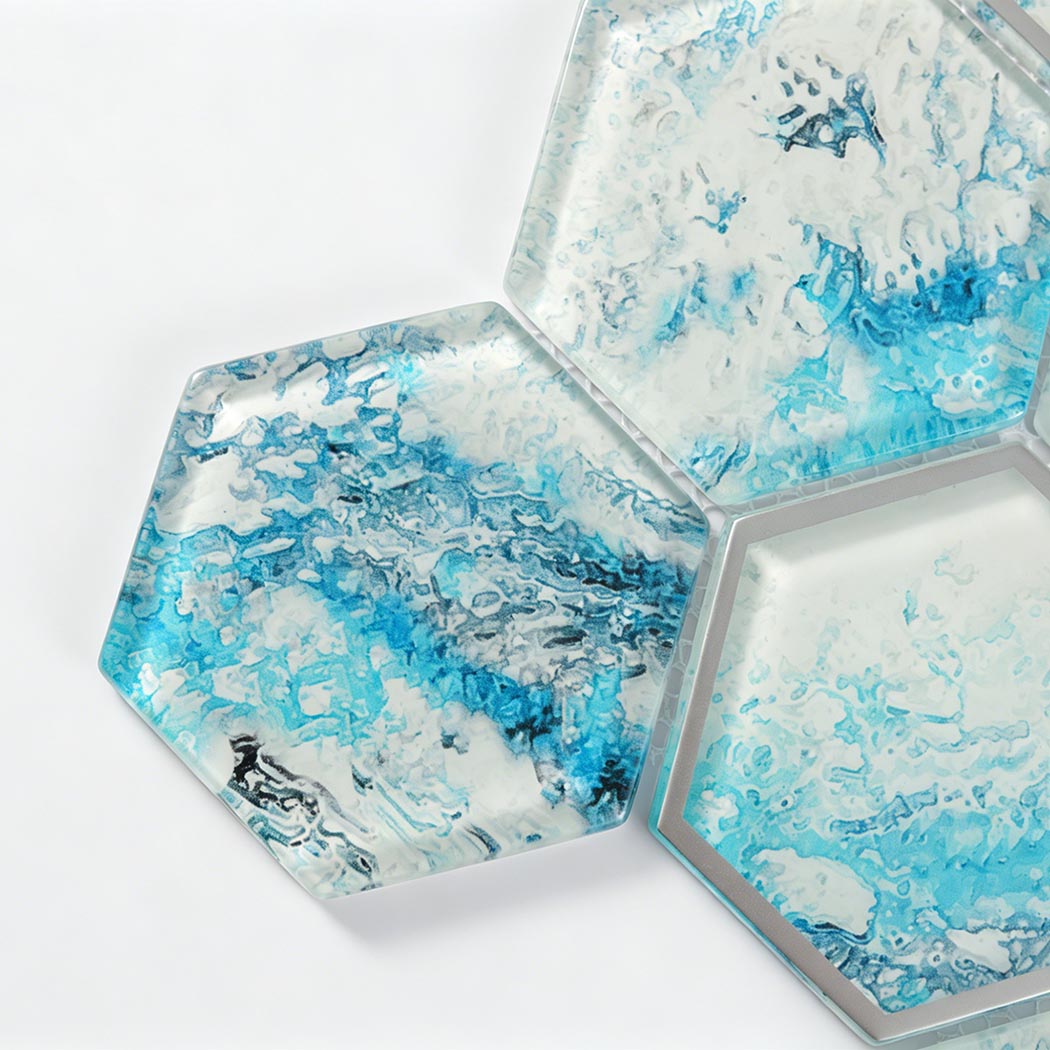
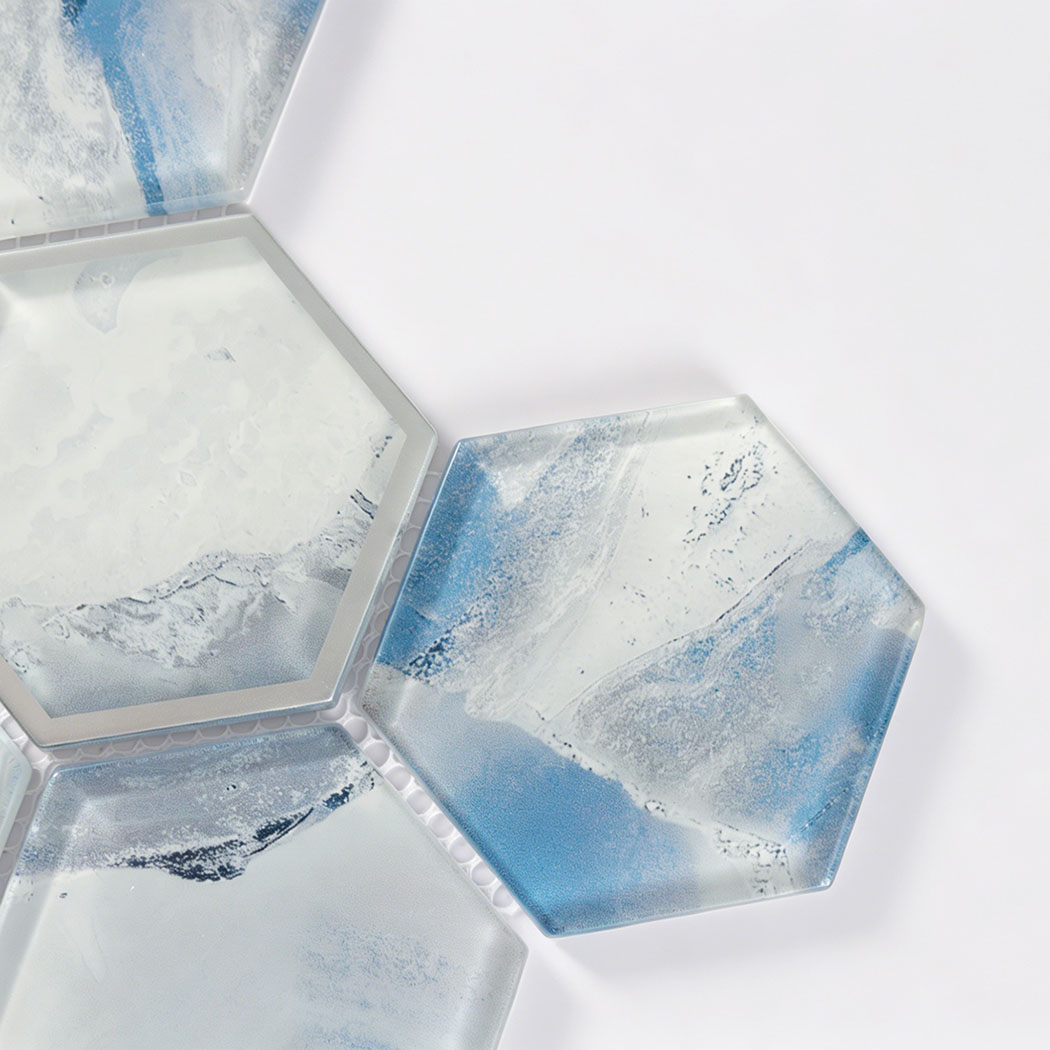
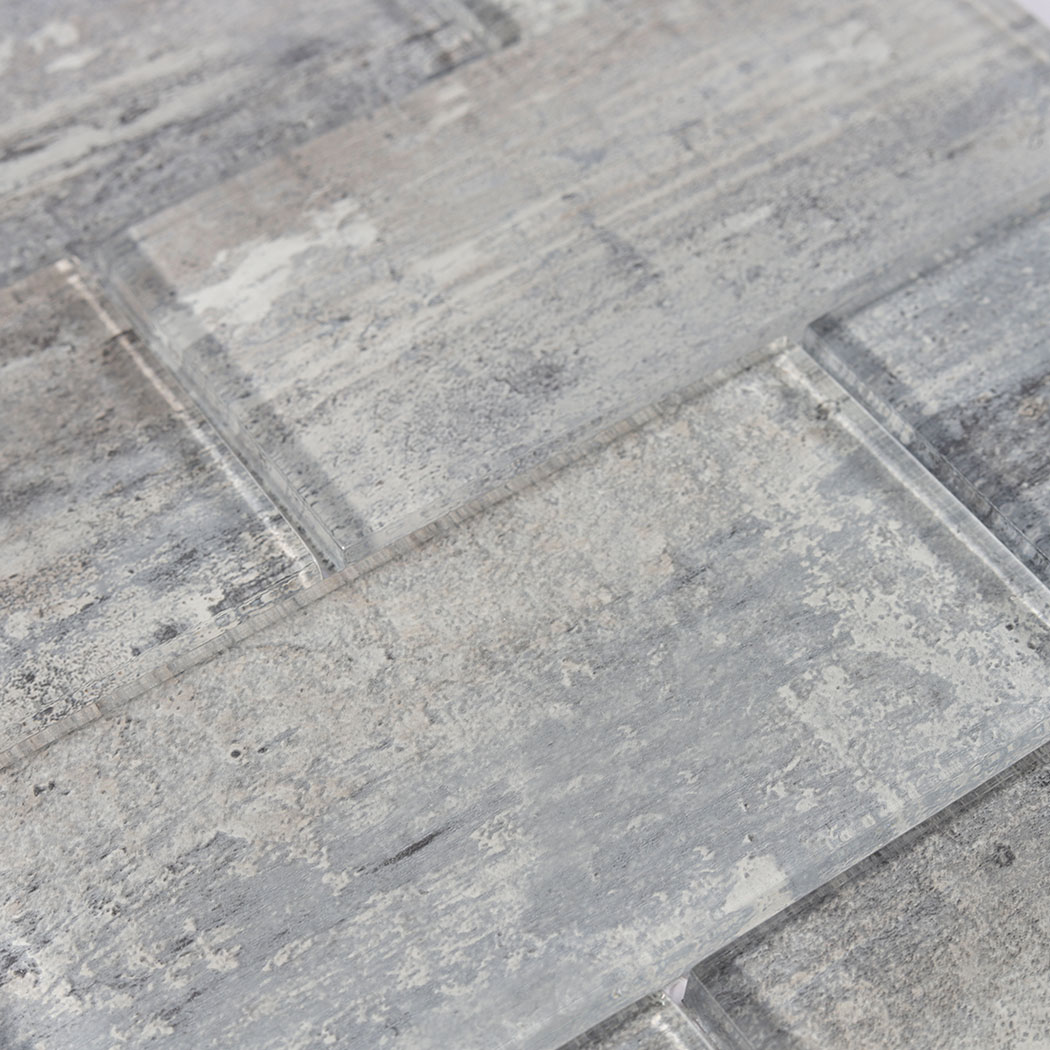
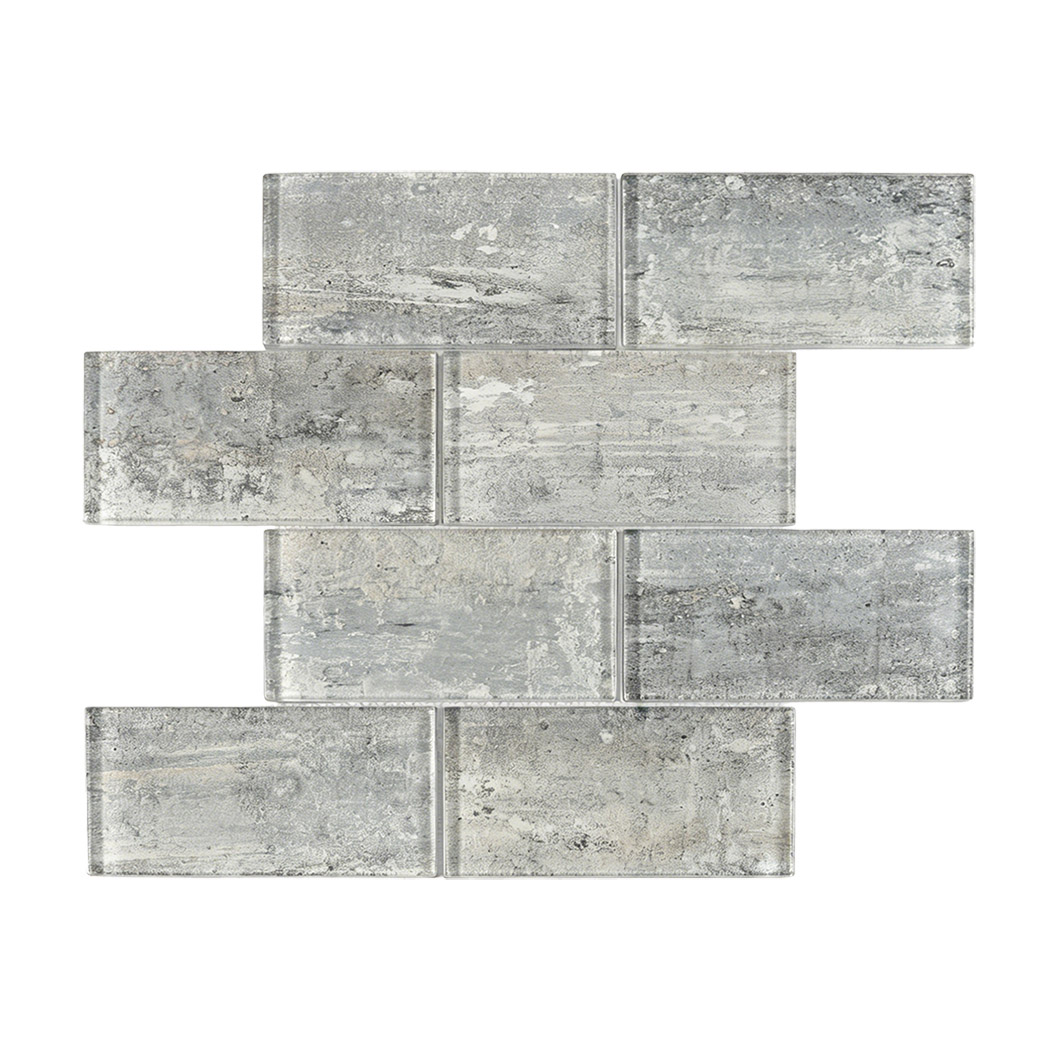
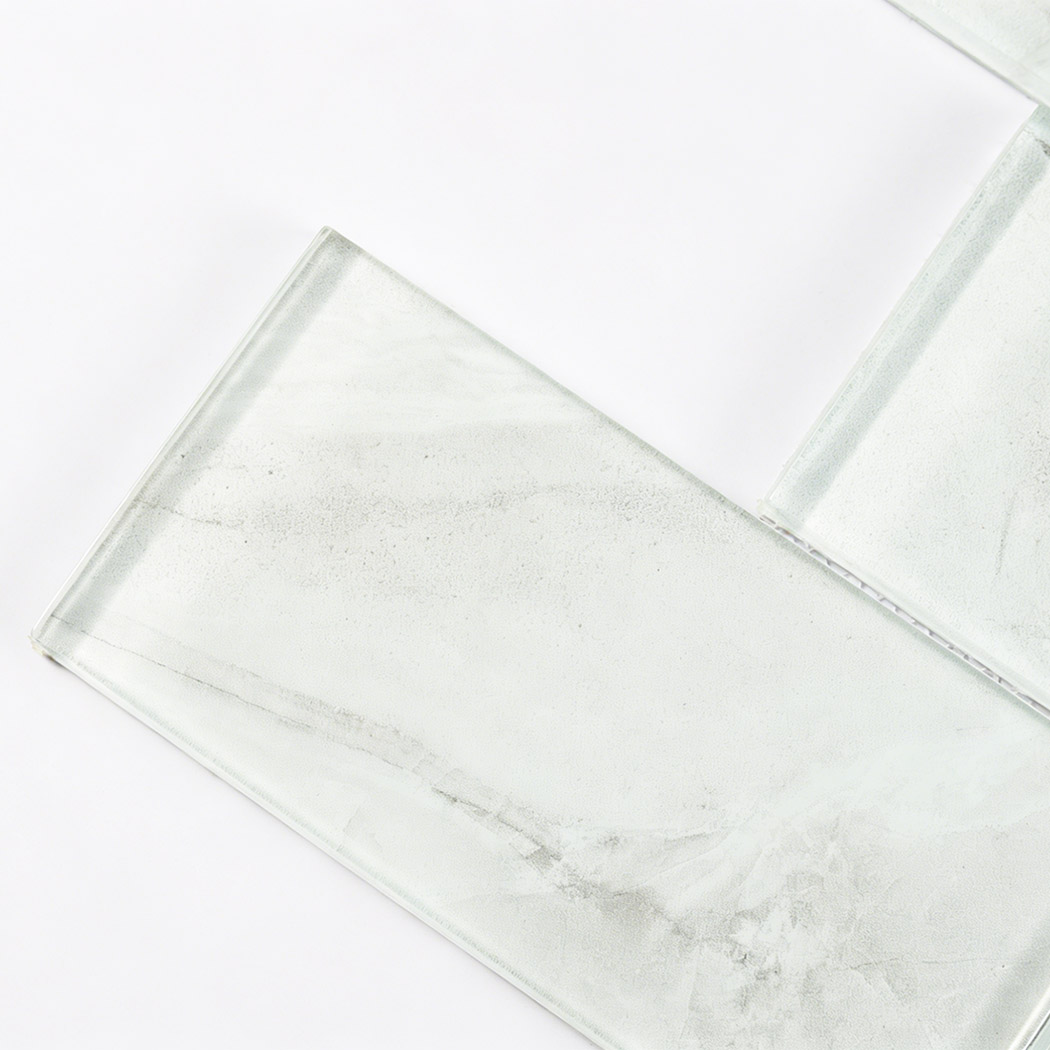
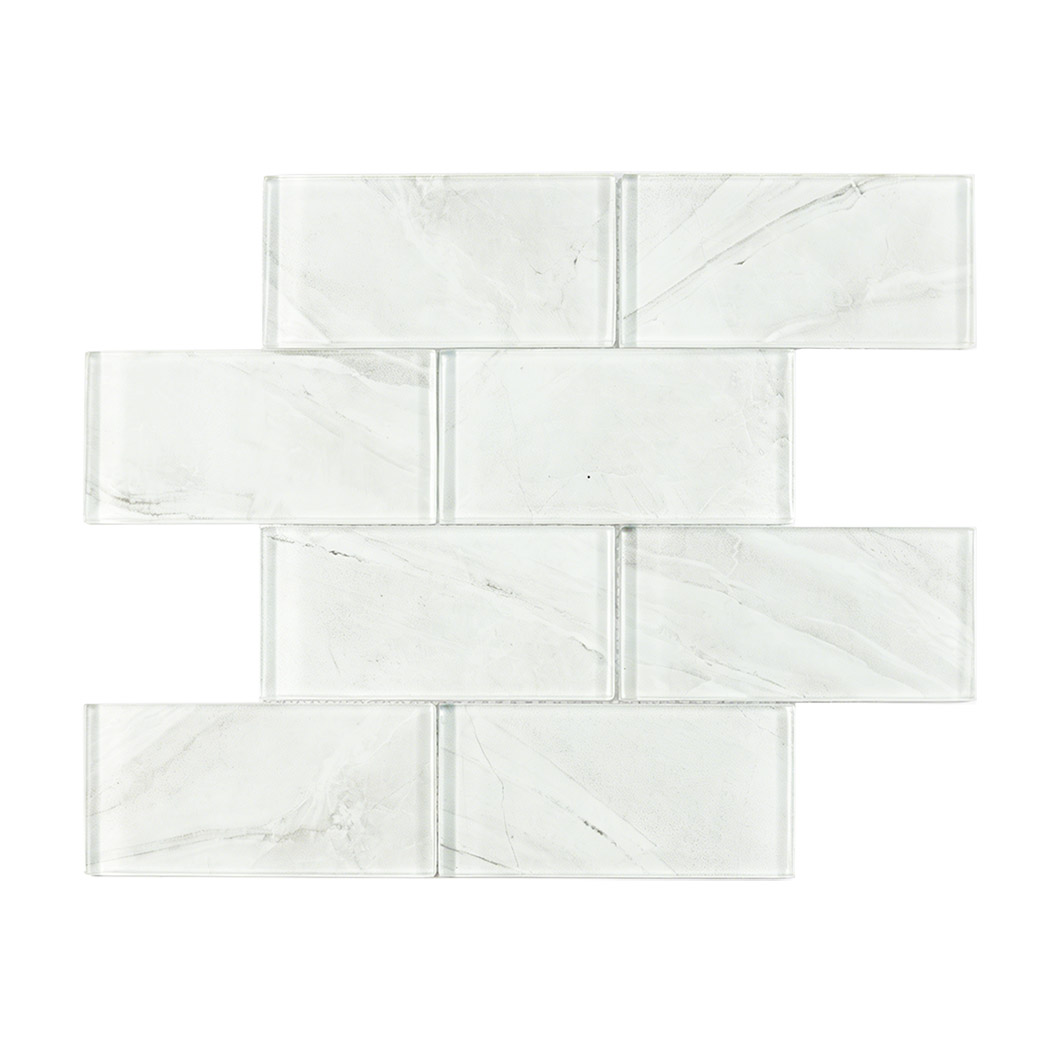
Glass mosaic can brighten a compact or windowless laundry room by reflecting natural and artificial light. It is available in matte, glossy, transparent, translucent, frosted, and iridescent finishes.
Matte glass provides a softer contemporary appearance, while iridescent glass creates subtle changes in color as the lighting and viewing angle change. Glass mosaics are particularly effective behind sinks, appliances, counters, floating shelves, and storage niches.
Small-format mosaic sheets can cover compact or irregular areas more easily than large tiles. They can also be used to create custom color blends, gradients, borders, and geometric patterns.
Transparent and translucent glass may reveal adhesive ridges or uneven substrate color if installed incorrectly. Use the recommended mortar and installation method and confirm whether the exact glass product is approved for the intended wall, floor, or wet application.
Stainless-Steel Tile
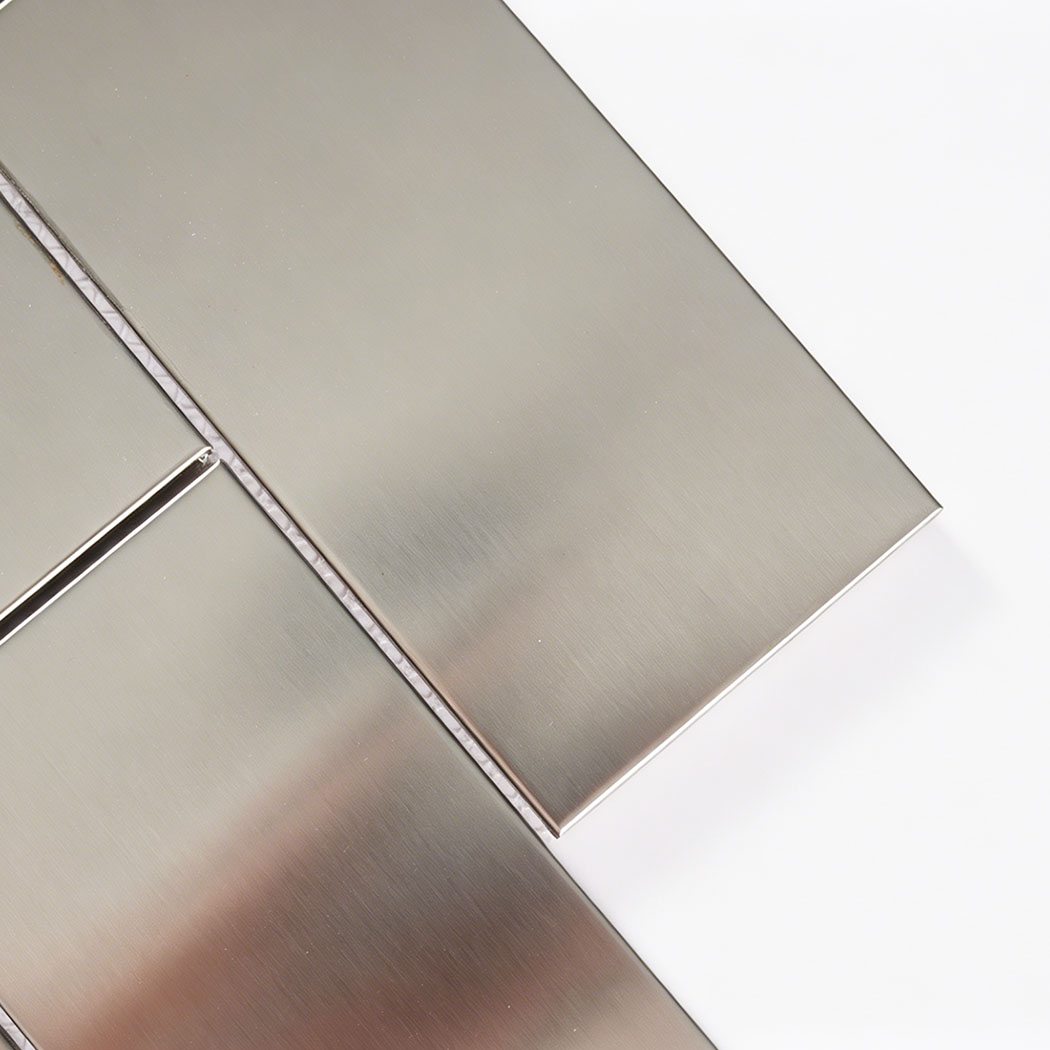
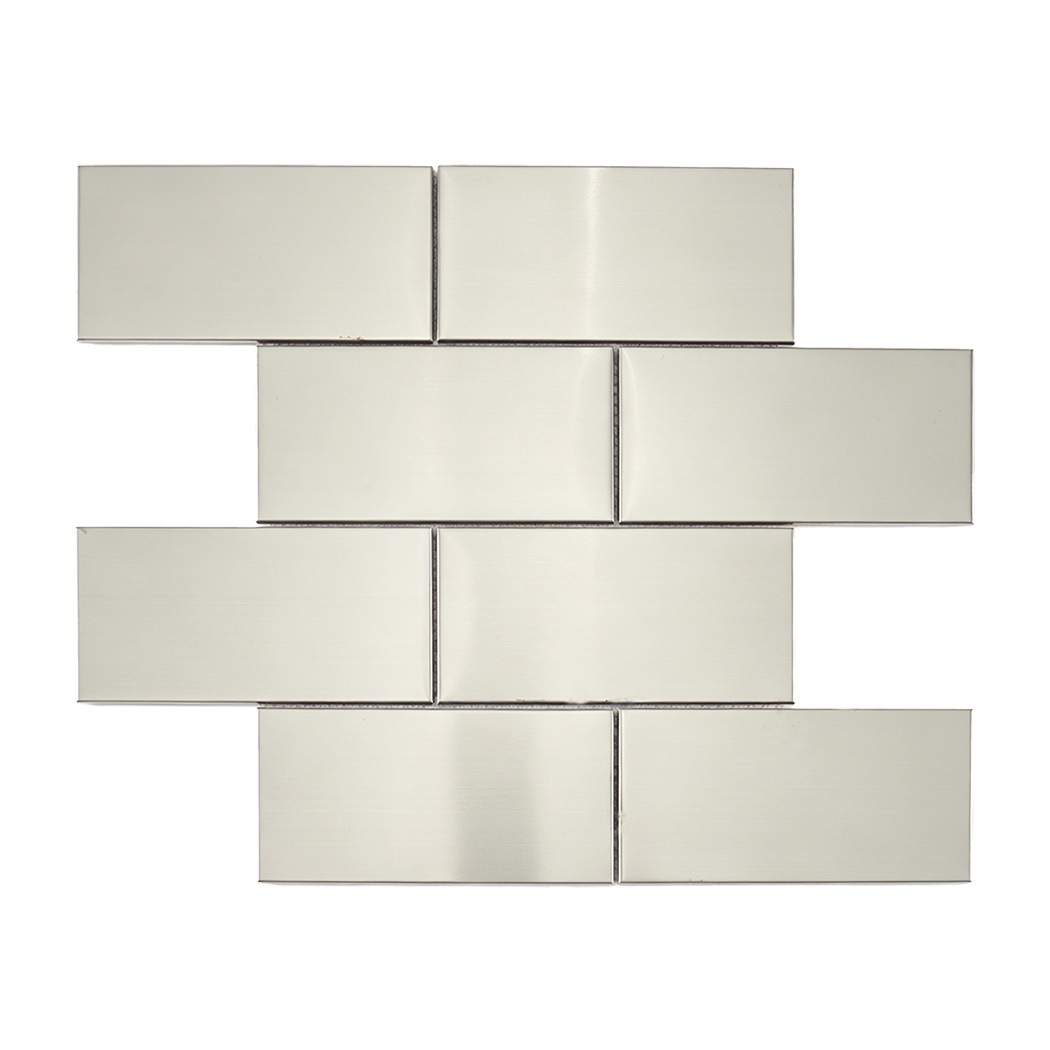
Stainless-steel tile creates a clean, precise, and contemporary appearance that naturally coordinates with washing machines, dryers, utility sinks, faucets, and cabinet hardware.
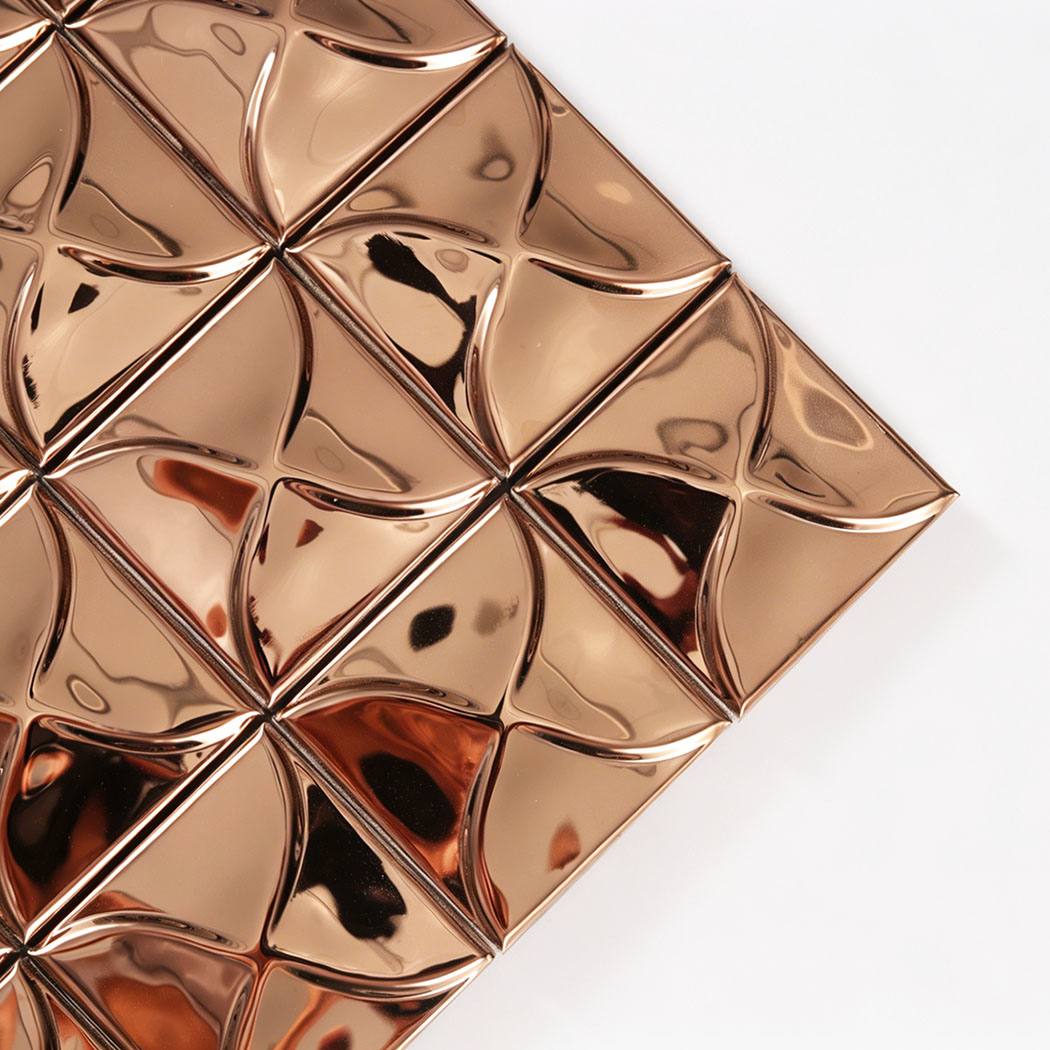
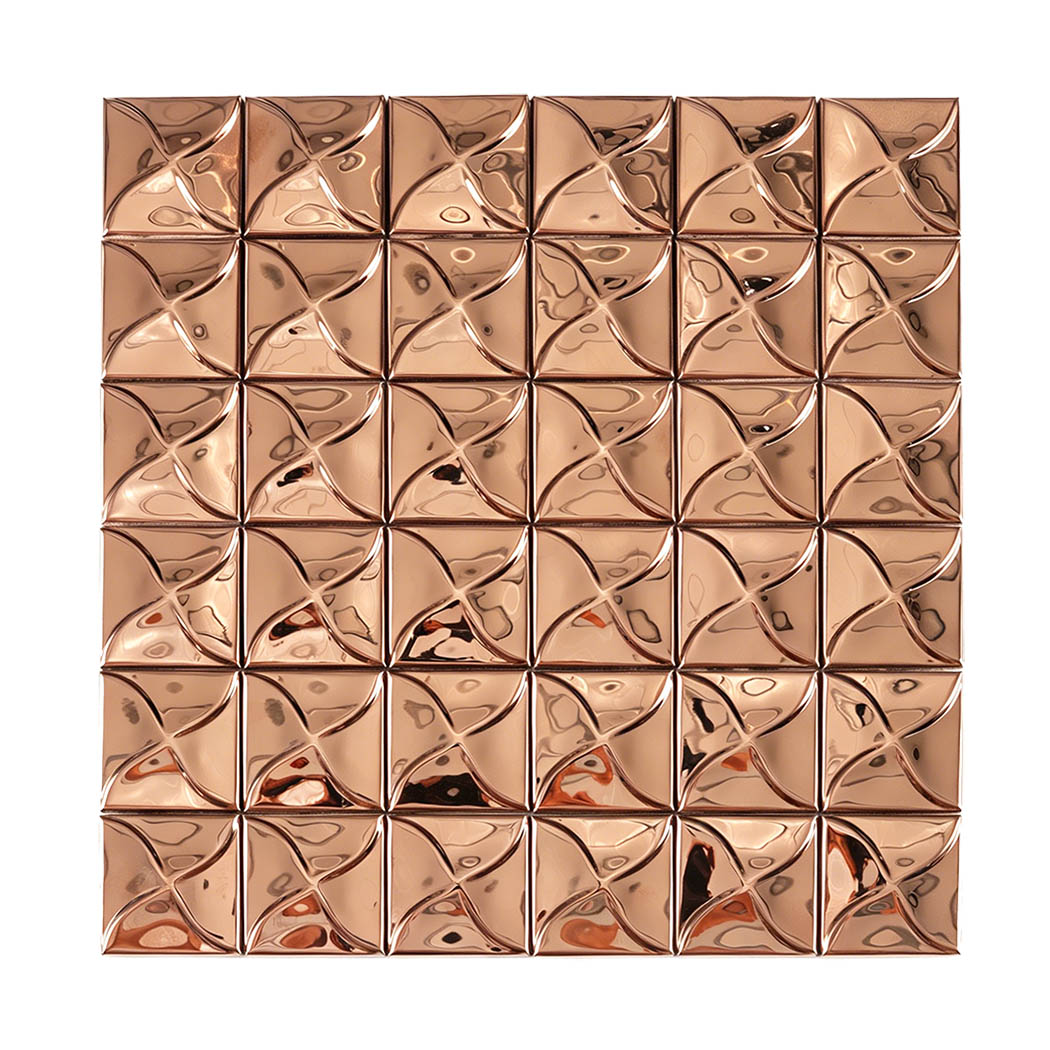
Brushed stainless steel offers a softer reflection and generally shows fingerprints less than a mirror finish. Mirror-polished stainless steel creates a brighter, more dramatic surface, while embossed or three-dimensional stainless-steel mosaics add depth and shadow.
Most decorative stainless-steel mosaics are designed for interior walls rather than floors. Cleaning products containing chloride, bleach, strong acids, abrasive particles, or harsh alkalis may damage the metal or its finish. Always follow the product-specific care instructions.
Copper and Bronze Tile
Copper and bronze tiles add warmth, depth, and a refined metallic accent to a modern laundry room. Matte brass, antique copper, oxidized copper, and aged bronze can complement wood cabinetry, beige stone, charcoal finishes, and warm neutral interiors.
These materials are especially effective as backsplash accents, borders, feature panels, or decorative details. Copper and brass may naturally change color and develop a patina over time.
Avoid abrasive cleaners and household chemicals that are incompatible with the metal or applied finish. Confirm the manufacturer’s maintenance recommendations before installation.
Aluminum Mosaic Tile
Aluminum mosaic provides a lightweight decorative metal option in brushed, matte, textured, anodized, and colored finishes. It can create a modern industrial or contemporary appearance without the visual weight of darker metal surfaces.
Aluminum tiles are generally best used on interior backsplashes and decorative walls. Strong alkaline or acidic cleaning products may damage the finish, so product-specific care instructions should be followed.
Mother-of-Pearl Mosaic Tile
Mother-of-pearl mosaic introduces a soft luminous surface that changes gently under different lighting. White, cream, silver, beige, and warm natural shell colors work particularly well in coastal, light-luxury, elegant neutral, and refined contemporary laundry rooms.
Because mother of pearl is a natural material, variation in tone, texture, and reflectivity is part of its character. Shell mosaics are usually most suitable for decorative walls, backsplashes, borders, and feature panels.
Confirm wet-area approval before using shell near a sink or other frequently wet location. Avoid acidic and abrasive cleaners, and use installation materials that will not discolor or damage the shell.
Porcelain Tile
Porcelain is a dependable choice for many laundry room floors because properly rated products offer low water absorption, strong wear resistance, and straightforward maintenance.
Porcelain can reproduce the appearance of natural stone, concrete, terrazzo, wood, or solid-color surfaces. It is a practical option for homeowners who want a natural appearance with fewer maintenance requirements.
Not every porcelain finish has the same performance. Review the floor rating, wet-use guidance, and slip-resistance data for the individual product.
Ceramic Tile
Ceramic tile offers a wide range of colors, glazes, shapes, and price points. Glazed ceramic is easy to wipe clean and works particularly well on laundry room backsplashes and walls.
Some ceramic tiles are suitable for residential floors, while many decorative glazed products are intended only for walls. Always check the application rating before ordering.
Terrazzo and Cement-Look Tile
Terrazzo and cement-look surfaces introduce subtle movement without the dramatic veining of marble. Their small chips, speckles, and tonal variation can make a modern laundry room feel more relaxed and less visually flat.
Porcelain terrazzo-look tiles are practical when low maintenance is the priority. Traditional cement tile and cement-based terrazzo may require sealing and more specialized care, so the actual material composition should be confirmed before purchase.
Wall and Floor Tile Suitability
The material name alone does not determine whether a tile is suitable for a particular application.
Before ordering, check whether the selected product is approved for:
-
Interior walls
-
Laundry room backsplashes
-
Residential floors
-
Areas expected to become wet
-
Radiant floor heating
-
Utility sink surrounds
-
Pet-wash walls or floors
-
The planned mortar and grout
-
The expected cleaning products
Porcelain and some ceramic tiles are often suitable for floors, but their individual ratings must still be checked. Marble, limestone, travertine, glass, and stone mosaics may be used on floors only when the exact product and finish are approved.
Decorative metal and mother-of-pearl mosaics are generally intended for walls rather than floors.
Popular Modern Laundry Room Styles
Warm Minimalist Laundry Room
Warm minimalism combines simple forms with soft natural colors. Use ivory limestone, beige marble, cream mosaics, or warm-white tile with oak, walnut, or off-white cabinetry.
Choose grout that closely matches the tile to create a calm, continuous surface. Brushed nickel, champagne bronze, or matte black hardware can add definition without making the design feel busy.
Organic Modern Laundry Room
Organic modern interiors combine clean architectural lines with natural materials. Select marble, limestone, travertine, terrazzo, or a stone-and-glass mosaic with gentle tonal variation.
Pair the tile with wood cabinetry, a honed countertop, woven storage baskets, and simple metal details. Vertically stacked rectangles and refined geometric mosaics provide structure while preserving the natural atmosphere.
Industrial Modern Laundry Room
An industrial modern laundry room often uses charcoal, concrete gray, black, stainless steel, and darker metallic finishes.
Combine matte gray floor tile with brushed stainless-steel accents, black cabinet hardware, dark shelving, and front-loading appliances. Differences in surface finish can create depth without requiring many colors.
Bright Contemporary Laundry Room
White, pale gray, light blue, and reflective glass tiles can make a small laundry room feel brighter and more open.
A glossy or iridescent backsplash can reflect light around the room, while a matte, floor-rated tile creates a practical walking surface. White cabinetry and light countertops reinforce the clean contemporary appearance.
Coastal Modern Laundry Room
Coastal modern design uses soft color, natural texture, and light-reflective materials without relying on obvious themed decorations.
Mother-of-pearl mosaic, sea-glass colors, white marble, cream limestone, pale blue glass, and natural wood can create a fresh, relaxed environment.
Luxury Modern Laundry Room
A luxury laundry room may combine veined marble, brass or copper accents, custom cabinetry, and a carefully planned mosaic feature.
Use a quiet neutral floor and place the more decorative material behind the sink or appliances. Basketweave, hexagon, waterjet, floral, and custom mosaics can create a jewelry-like focal point without overwhelming the room.
Popular Tile Shapes and Layouts
Vertically Stacked Rectangular Tiles
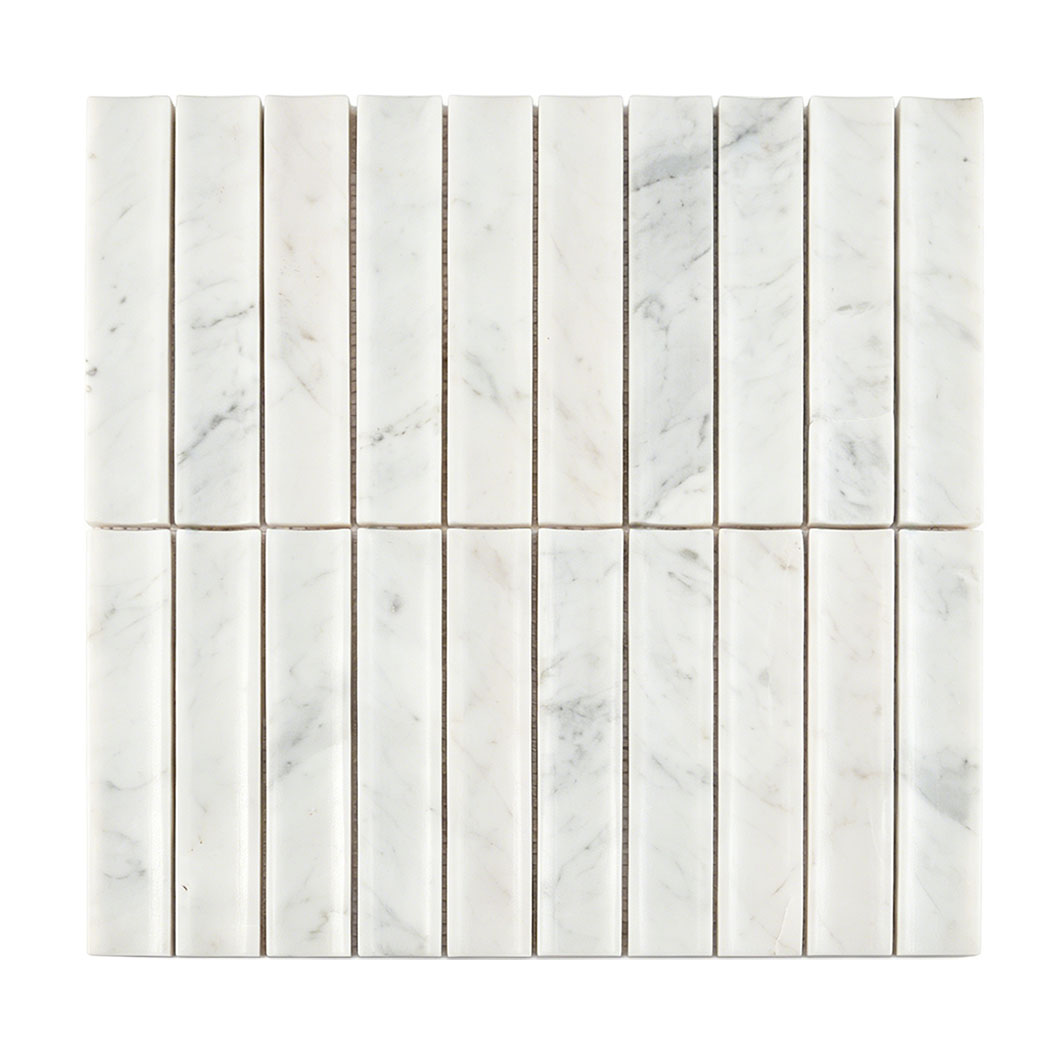
Slim rectangular tiles installed in straight vertical columns make a wall appear taller. This layout suits modern cabinetry and works especially well behind stacked appliances or between a countertop and upper cabinets.
Vertical stacking is particularly effective with narrow marble strips, glass rectangles, slim subway tiles, and elongated metal mosaics.
Horizontal Stack Pattern
A straight horizontal stack creates a clean grid and emphasizes the width of the wall. It works well in long, narrow laundry rooms and coordinates naturally with horizontal countertops and shelving.
Running Bond Pattern
A running bond or offset pattern creates a softer and more familiar appearance than a straight grid. It can be used with natural stone, ceramic, porcelain, glass, and subway tile.
Herringbone Pattern
Herringbone introduces movement without requiring strong color. It works best on a controlled backsplash or feature area where the pattern will not compete with cabinet doors, appliances, shelving, and other architectural lines.
Herringbone layouts generally require additional material for diagonal cuts and pattern alignment.
Chevron Pattern
Chevron creates a more continuous directional effect than herringbone. The angled edges meet to form a repeated V-shaped pattern, making it suitable for contemporary and luxury feature walls.
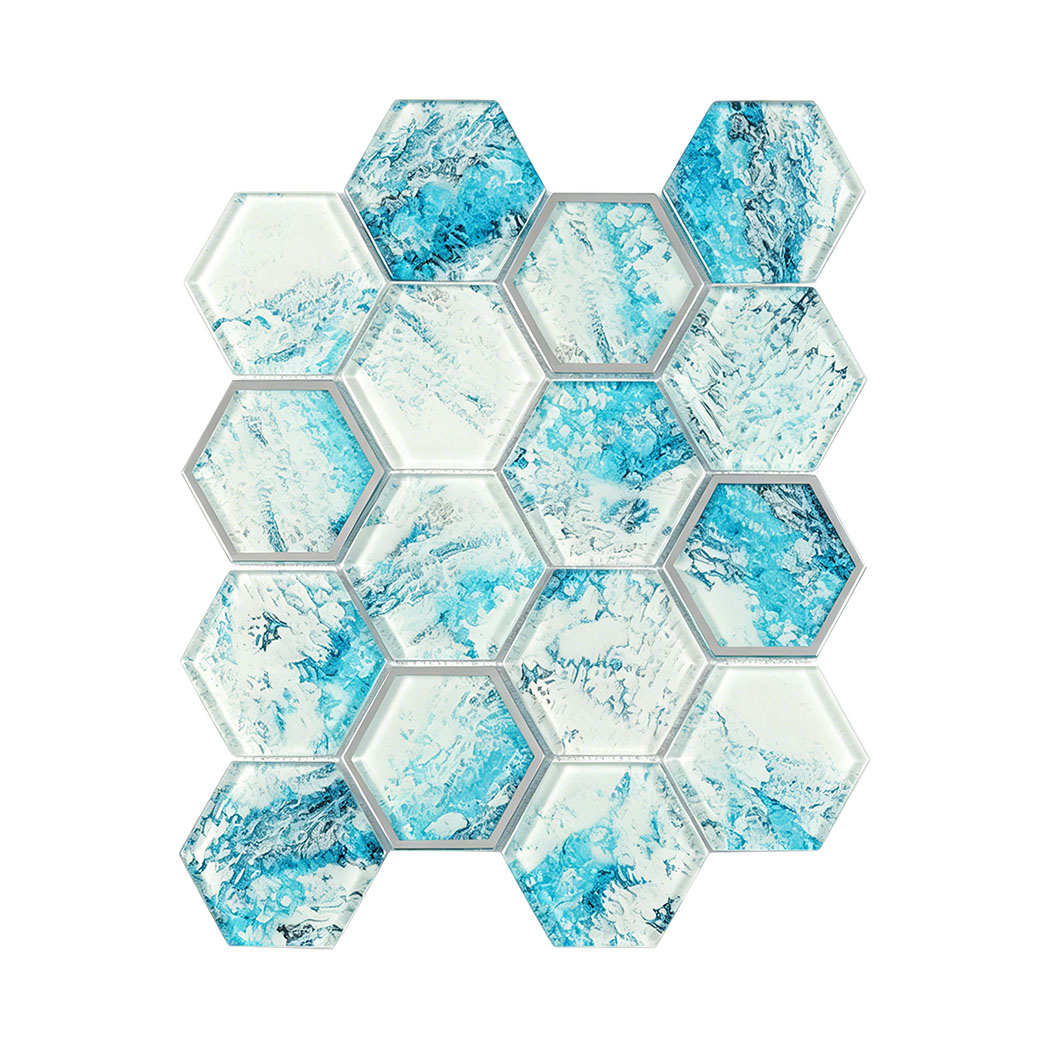
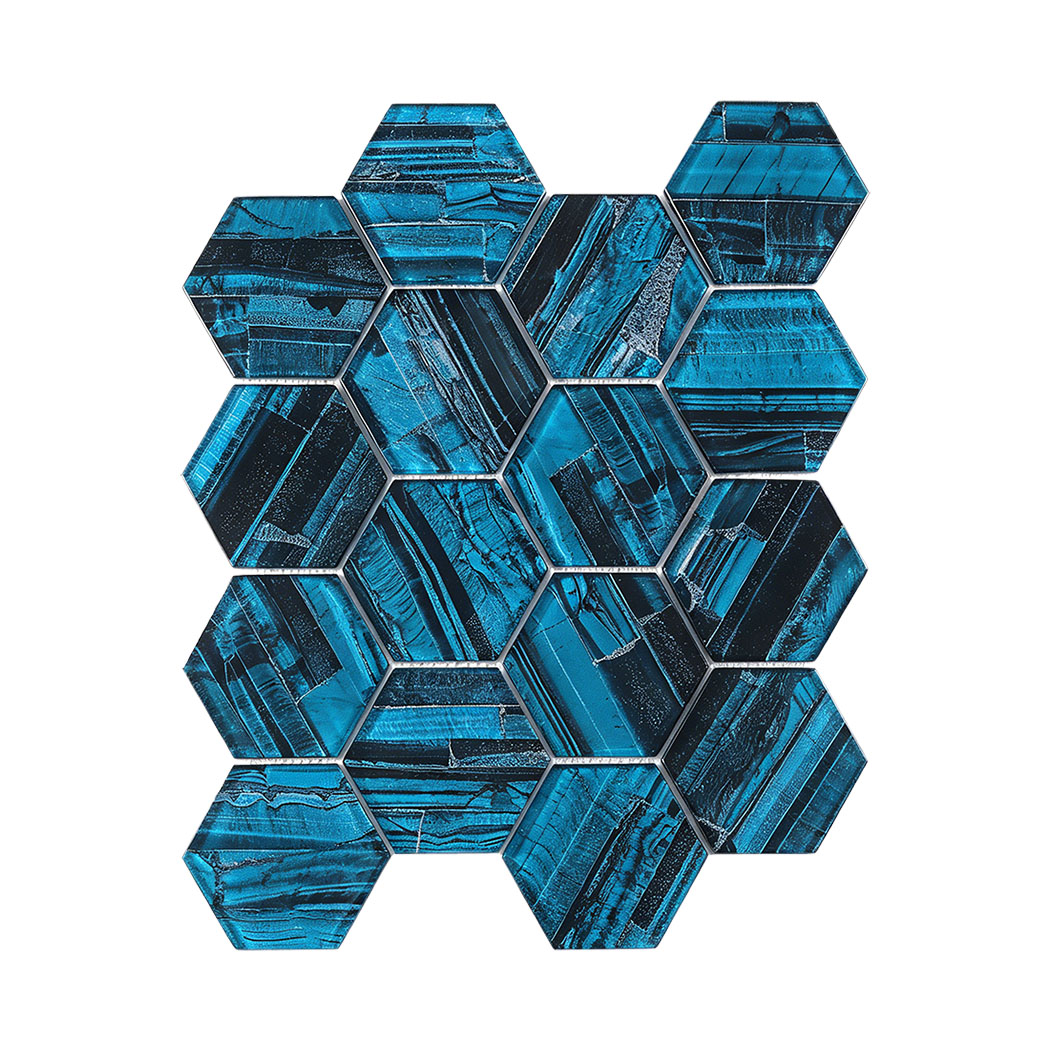
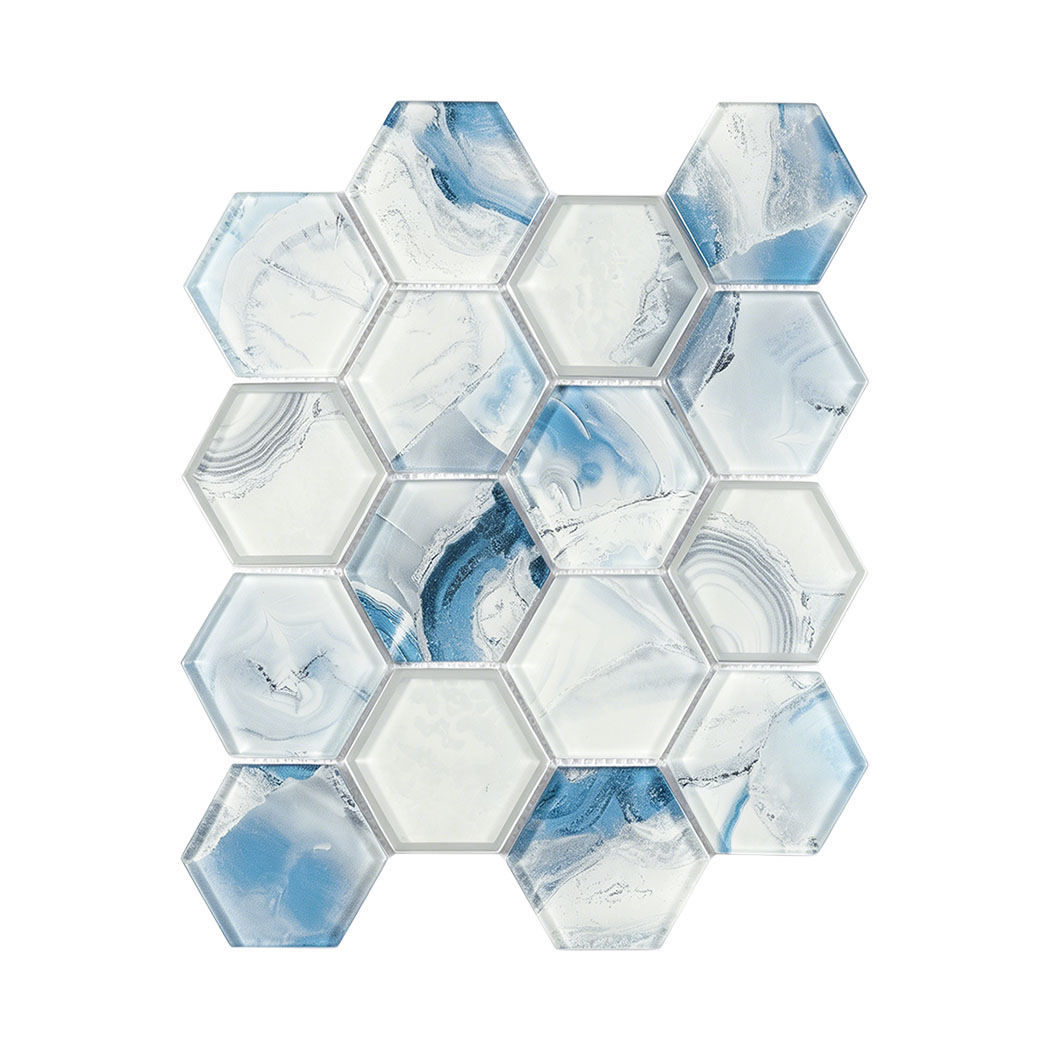
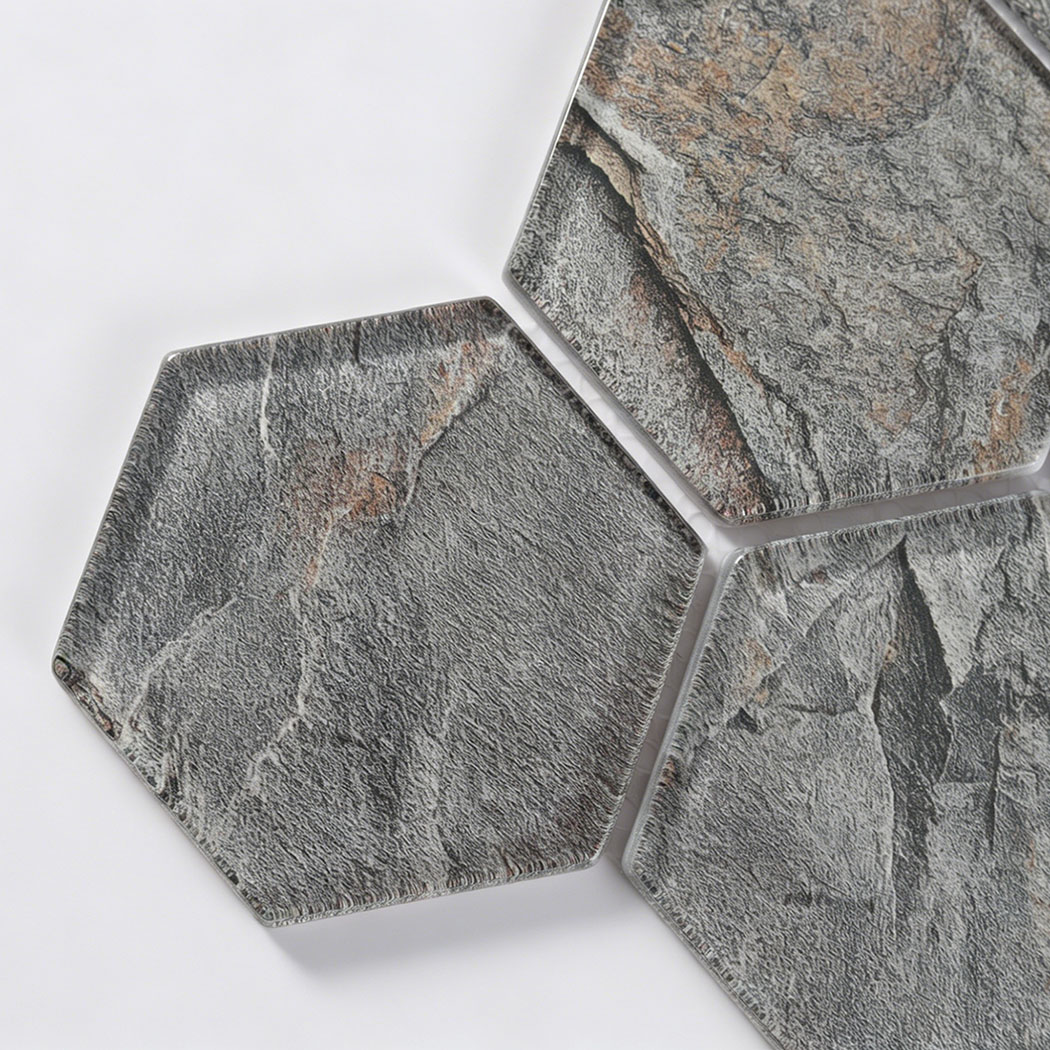
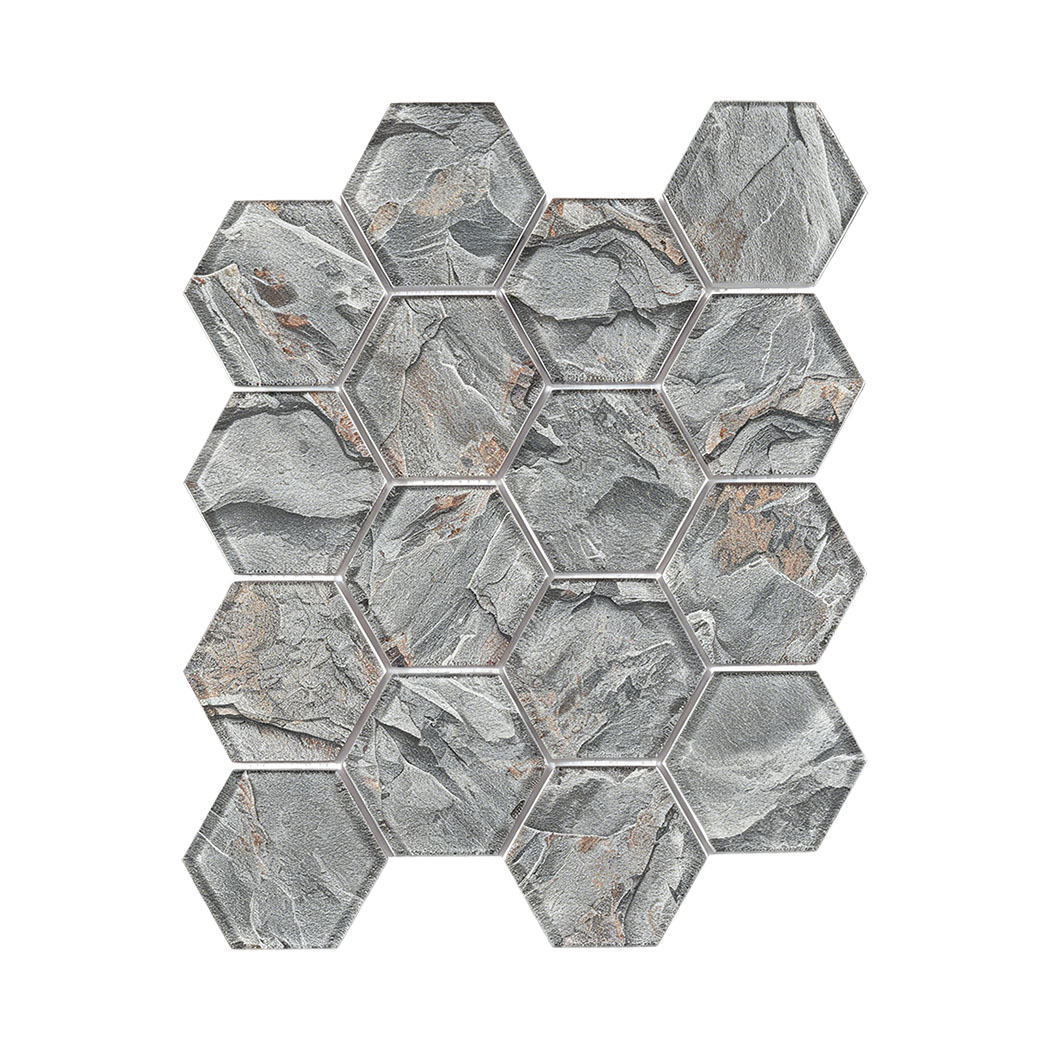
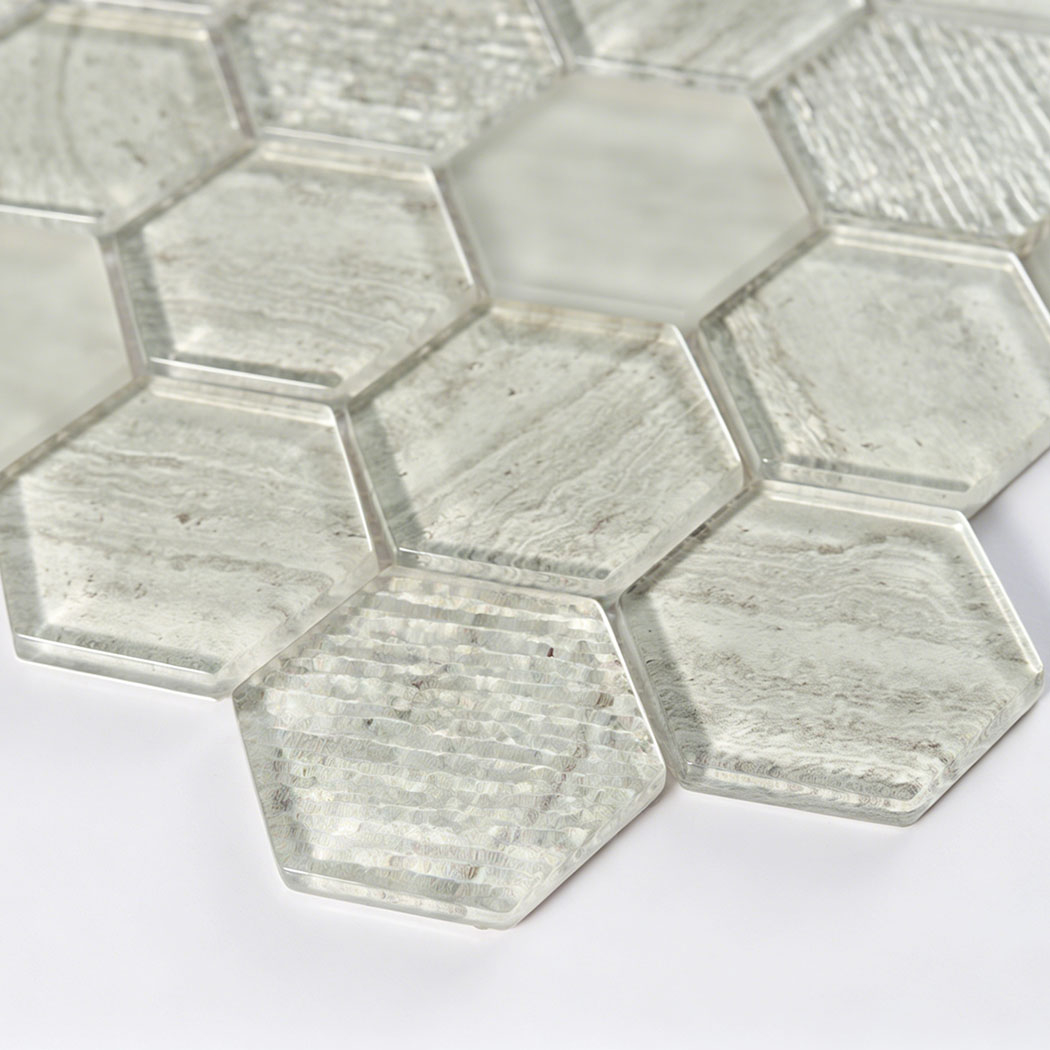
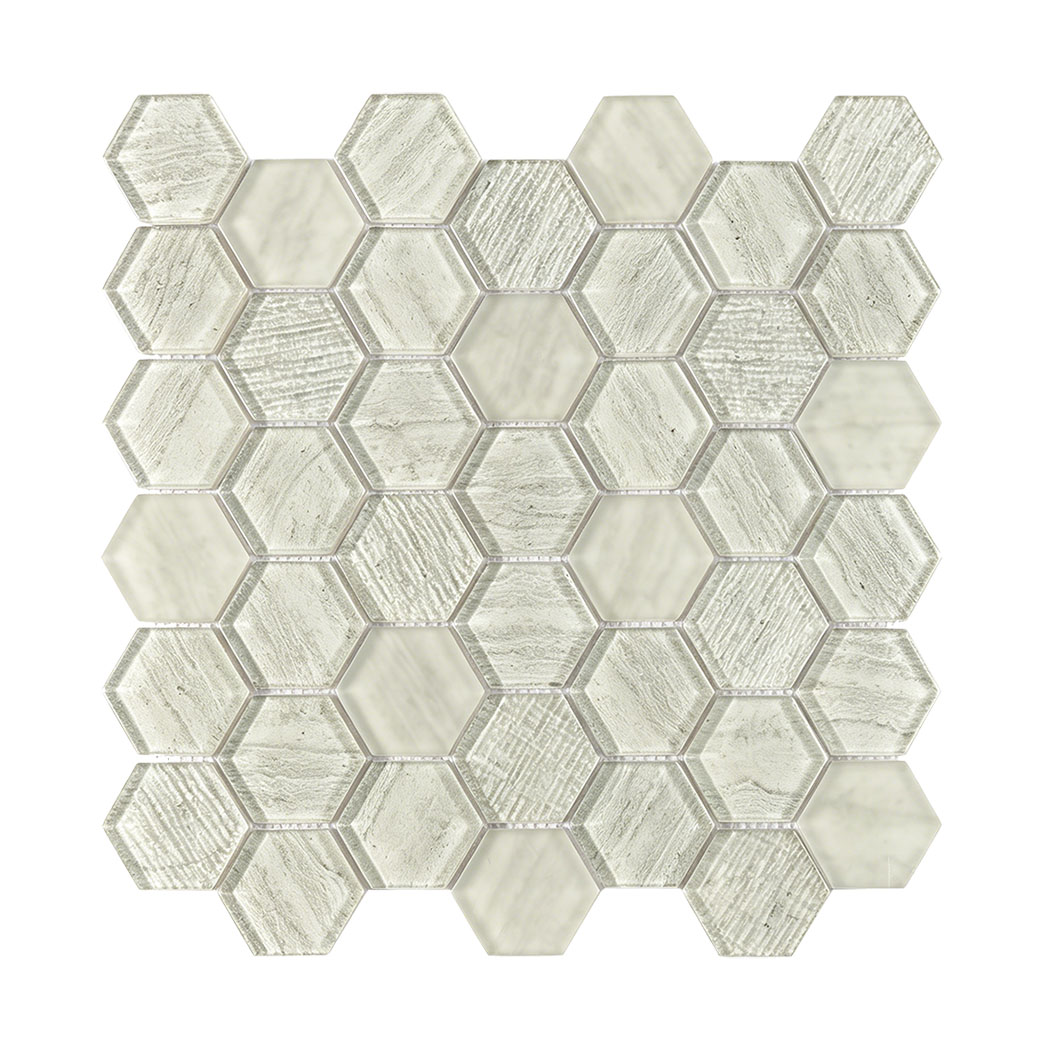
Hexagon Mosaic
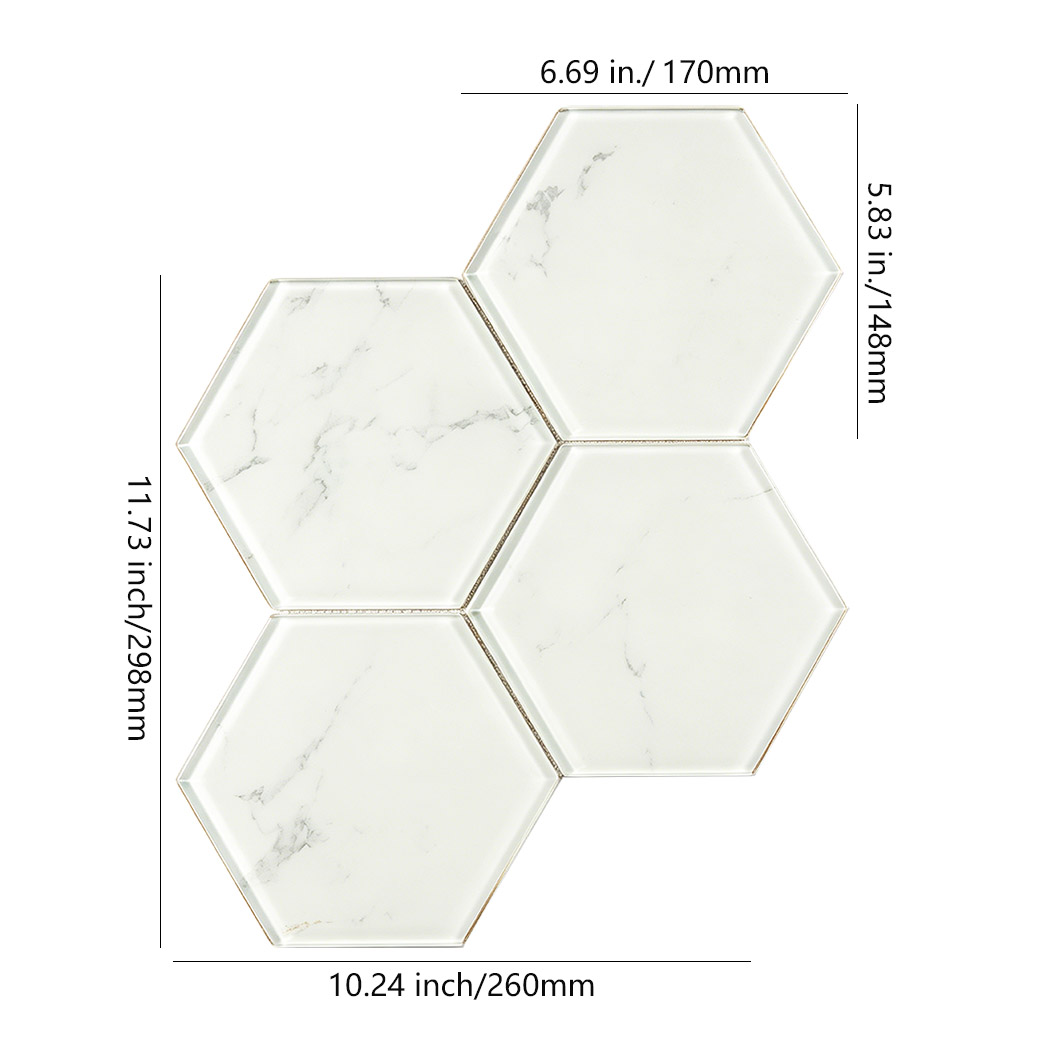
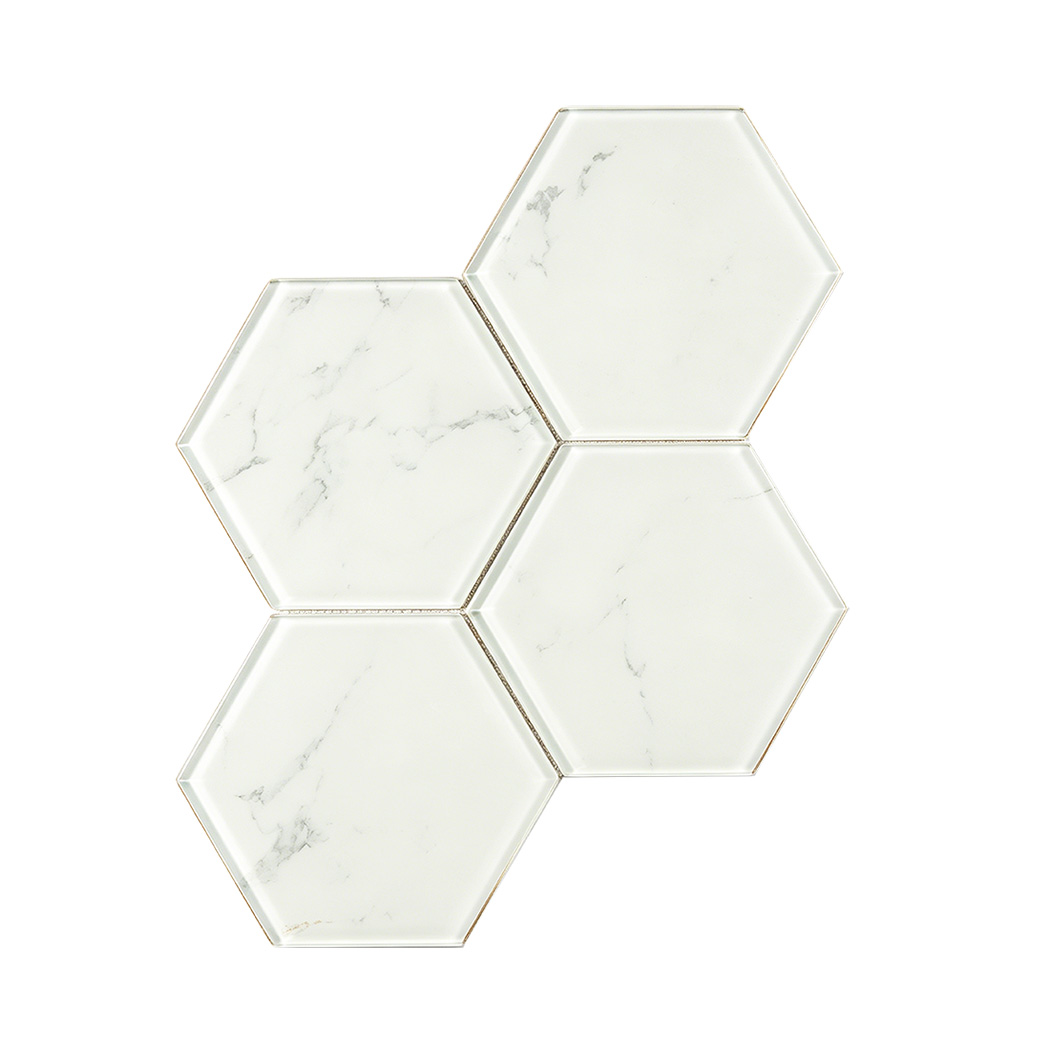
Hexagon mosaics add geometric structure while remaining versatile. Small hexagons create a detailed texture, while larger hexagons make a stronger visual statement.
White marble hexagons feel timeless and refined. Black, gray, green, blue, and mixed-material hexagons create a more contemporary effect.
Penny Round Mosaic
Penny round tiles soften the straight lines of cabinetry, shelves, and appliances. Their small circular shape works particularly well on sink backsplashes, niches, and feature walls.
Check the product rating before using penny mosaics on a laundry room floor.
Basketweave Mosaic
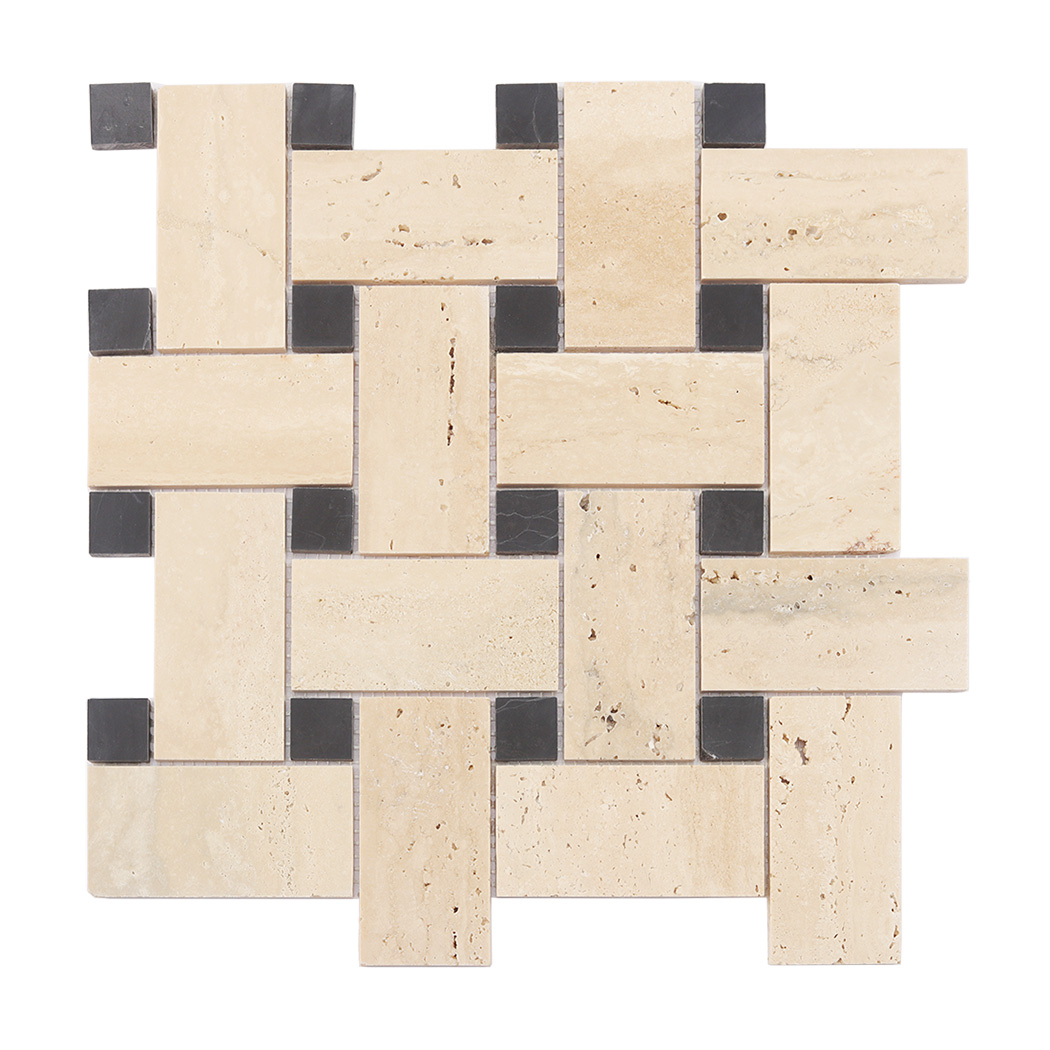
Basketweave mosaics combine classic structure with natural-stone elegance. White and beige marble creates a subtle appearance, while black, brown, or metallic accents increase contrast.
Basketweave tile works especially well behind a utility sink or across a smaller feature wall.
Octagon-and-Dot Mosaic
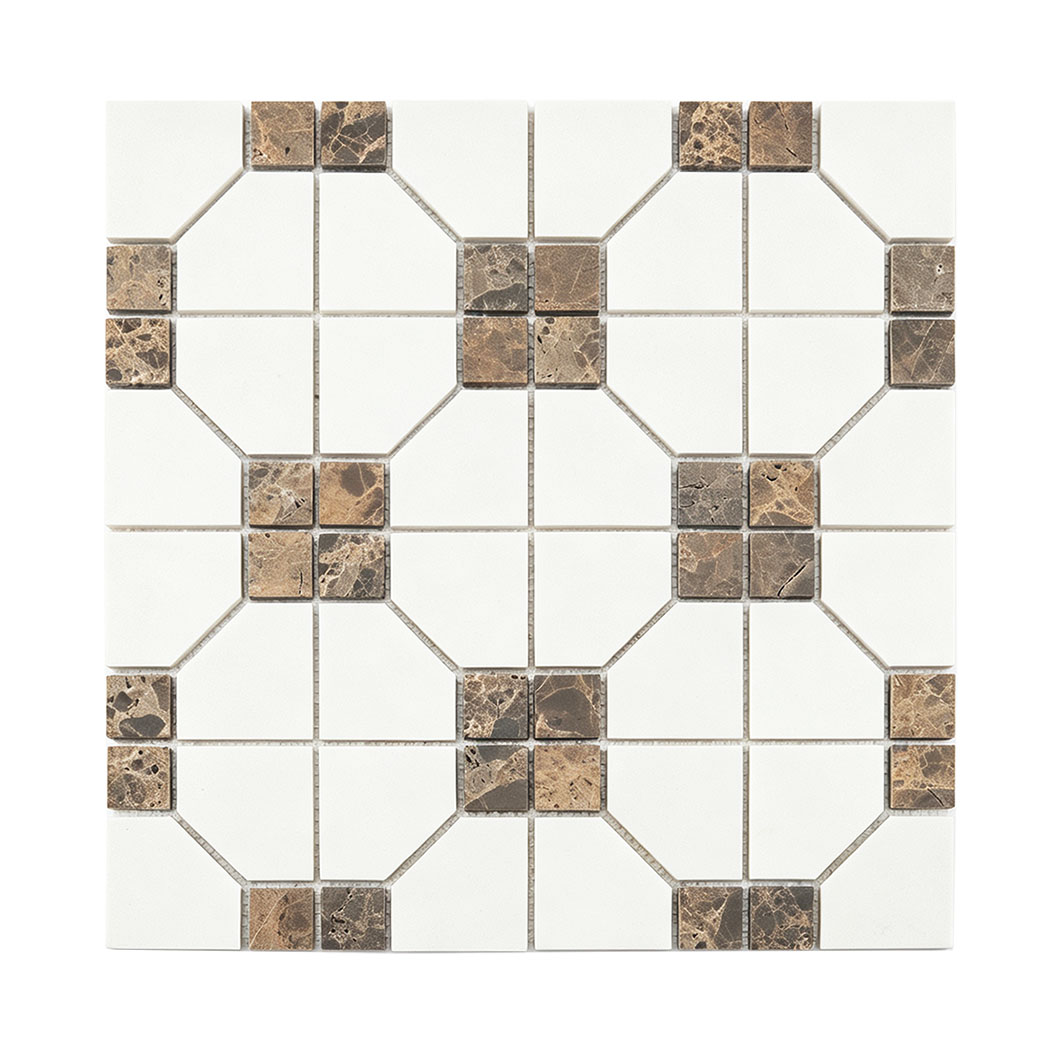
Octagonal tiles with contrasting square dots create a structured geometric pattern. White marble with black, brown, gray, or metallic dots can support modern, transitional, and luxury interiors.
Diamond and Cube Mosaics
Diamond shapes can create three-dimensional cube effects or directional geometric patterns. These mosaics are ideal for homeowners who want a stronger contemporary focal point.
Fluted and Dimensional Tiles
Concave, convex, ribbed, beveled, and embossed tiles use light and shadow to create depth. Dimensional tile is most practical on walls where frequent heavy splashing will not make the grooves difficult to clean.
Use fluted or three-dimensional surfaces as a controlled accent rather than covering every wall.
Choosing the Best Tile Color
The best color depends on the room size, lighting, cabinetry, appliances, countertops, and the amount of contrast you want.
White and Off-White
White tiles create a bright, clean, and flexible background. Warm-white grout produces a more continuous surface, while gray or black grout makes each tile shape more visible.
Beige, Cream, and Greige
Warm neutral tiles create a more relaxed atmosphere than cool white or gray. Beige marble, limestone, travertine, and cream mosaics coordinate well with natural wood, white cabinetry, and warm metallic hardware.
Gray
Light and medium gray tiles are practical for contemporary and industrial interiors. They coordinate naturally with stainless-steel appliances and can help conceal minor dust or water marks between cleanings.
Black and Charcoal
Black and charcoal tiles create a dramatic, grounded appearance. Balance dark surfaces with lighter cabinets, countertops, or walls and make sure the room has sufficient lighting.
Blue and Green
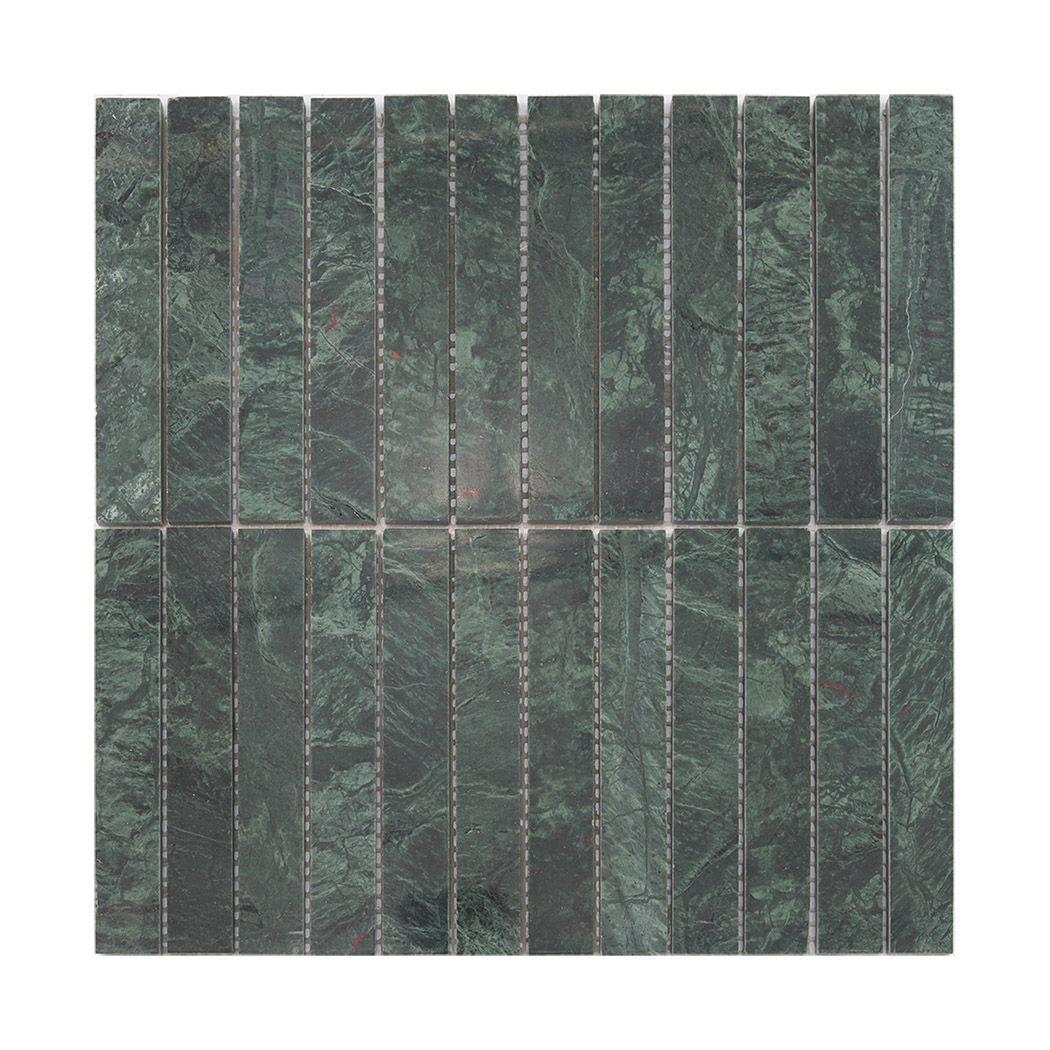
Blue and green tiles introduce a fresh, clean accent. Pale blue glass feels bright and coastal, while navy, teal, forest green, and sage create more saturated focal points.
Metallic Colors
Silver, stainless steel, copper, bronze, brass, rose gold, and black metal finishes can connect the backsplash with appliances, cabinet handles, faucets, shelving, and lighting.
Metallic materials are usually most successful when used in measured amounts.
Choosing the Right Tile Size
Tile size affects visual scale, grout quantity, installation complexity, and cleaning requirements.
Large-format tiles create fewer grout joints and a more continuous appearance. However, very large tiles require a particularly flat substrate and may need more cuts in a narrow laundry room.
Small tiles and mosaics adapt easily around corners, drains, niches, shelves, and compact backsplashes. They also provide more pattern and texture but introduce additional grout joints.
Before choosing a size:
-
Measure the complete floor and wall areas.
-
Confirm the washer and dryer dimensions.
-
Include the space beneath appliances where appropriate.
-
Consider cabinet, countertop, shelf, outlet, and sink positions.
-
Avoid narrow tile pieces at highly visible edges.
-
Review the actual mosaic chip and sheet dimensions.
-
Plan exposed edges and trim before installation.
-
Create a dry layout for patterned or naturally varied materials.
A large tile does not automatically make every small room look bigger. The best size depends on room geometry, cutting requirements, fixtures, and the selected pattern.
Wall and Floor Coordination
Using related colors on the floor and walls can make a laundry room feel larger and more organized. The materials do not need to match exactly.
For example:
-
Combine beige stone floor tile with cream marble mosaics.
-
Pair a light-gray floor with a silver metal backsplash.
-
Use a white porcelain floor with an iridescent glass feature wall.
-
Pair warm travertine with bronze or copper details.
-
Combine a quiet floor with a bold geometric backsplash.
-
Use the same color family in different sizes and finishes.
If the floor has a strong pattern, keep the backsplash simpler. If the backsplash is the main decorative feature, choose a quieter floor.
Grout Color and Performance
Grout color has a major effect on the finished appearance.
Matching Grout
A grout color close to the tile creates a seamless, minimalist look. It is suitable for natural stone, vertical stacked tile, and monochromatic modern interiors.
Light-Gray Grout
Light gray adds gentle definition and often conceals minor discoloration better than bright white. It coordinates naturally with white tile, gray appliances, and stone countertops.
Dark Grout
Dark gray or black grout emphasizes geometric patterns and individual tile shapes. It works well with subway, hexagon, penny, basketweave, and octagon mosaics.
Dark grout can dominate a small-format light tile, so a sample board should be reviewed before installation.
High-Performance Grout
Epoxy and other high-performance grout products may provide improved stain and moisture resistance. However, compatibility and installation requirements vary.
Natural stone, shell, metal, textured tile, and some glass finishes may need testing before grouting to avoid scratching, staining, or discoloration.
Planning a Modern Laundry Room Tile Project
Measure Every Surface
Calculate the floor, backsplash, appliance wall, sink surround, side returns, niches, and areas behind open shelving.
Decide exactly where the tile will stop and how exposed edges will be finished.
Confirm Tile Suitability
Before ordering, verify the material, finish, thickness, sheet size, wall or floor rating, wet-area suitability, slip-resistance information, and maintenance requirements.
Order Samples
Natural stone, shell, iridescent glass, and metal can look different under warm and cool lighting.
Place samples beside the cabinet finish, countertop, wall paint, appliance surface, faucet, and hardware before making the final selection.
Calculate Additional Material
Calculate the net surface area and add an allowance for cuts, breakage, pattern alignment, natural variation, and future repairs.
Straight stacked layouts generally require less additional material than herringbone, diagonal, chevron, or complex mosaic patterns. Confirm the final allowance with the installer after the layout is approved.
Review the Substrate
The substrate must be clean, flat, stable, and suitable for tile. Natural stone, large-format tile, glass mosaic, metal, and shell may have different substrate and mortar requirements.
Plan for Moisture
Where a washer leak, sink overflow, pet wash, or floor drain could expose the assembly to water, coordinate an appropriate waterproofing membrane, transitions, drain details, and perimeter treatment.
Tile and grout alone should not be treated as the complete waterproofing system.
Plan Around Appliances
Confirm the appliance dimensions, door swing, service clearance, shutoff access, plumbing, drain pan, dryer vent, electrical connections, and finished floor height.
Avoid creating a raised edge that could make future appliance removal difficult.
Cleaning and Maintenance
Routine maintenance should be based on the most sensitive material used in the installation.
-
Sweep or vacuum floor grit before mopping.
-
Wipe detergent, bleach, stain remover, and rust-treatment spills promptly.
-
Use a pH-neutral cleaner on marble, limestone, and travertine.
-
Avoid vinegar, lemon, acidic bathroom cleaners, and abrasive powders on natural stone.
-
Avoid steel wool and abrasive pads on metal, glass, shell, and polished surfaces.
-
Check product instructions before using chlorine bleach, ammonia, alkaline degreasers, or solvent cleaners.
-
Reapply an impregnating sealer only when recommended.
-
Maintain flexible sealant around penetrations and changes of plane where specified.
-
Clean grout with products compatible with the surrounding tile.
Sealing can improve the stain resistance of certain natural stones and grout, but it does not make them completely stain proof or replace proper waterproofing.
Small Modern Laundry Room Tile Ideas
A compact laundry closet or narrow utility room can still support a strong tile design.
-
Install narrow rectangular tiles vertically to emphasize height.
-
Use a full-height backsplash to eliminate an awkward stopping line.
-
Choose reflective glass or mother-of-pearl mosaics to brighten limited natural light.
-
Match the grout closely to the tile for a calmer surface.
-
Use one statement wall and keep other finishes simple.
-
Continue floor tile beneath the appliances.
-
Coordinate the tile with an adjacent hallway, kitchen, or bathroom.
-
Use small geometric mosaics to create detail without using physical floor space.
-
Pair light tile with warm wood cabinetry for a brighter but less clinical appearance.
-
Use open shelves over a tiled backsplash to maintain visual depth.
Why Choose Saicina Tiles?
Saicina Tiles offers modern laundry room tiles made from natural stone, glass, metal, shell, and mixed materials. Our collection includes understated neutral surfaces, geometric mosaics, vertical strips, dimensional textures, reflective finishes, and custom designs for residential and commercial interiors.
We can help customers compare:
-
Tile materials and finishes
-
Wall and floor suitability
-
Natural color and texture variation
-
Tile thickness and sheet dimensions
-
Mosaic chip sizes
-
Grout and installation considerations
-
Custom colors and material combinations
-
Custom shapes, patterns, and dimensions
-
Sample and project quantity requirements
Whether you need a subtle natural-stone backsplash, a vertically stacked marble wall, a reflective glass mosaic, a metallic appliance wall, or a custom geometric feature, Saicina Tiles can help develop a tile solution for your laundry room.
Browse our modern laundry room tiles, order a sample, or contact Saicina Tiles to discuss a custom mosaic design.
Frequently Asked Questions
What Is the Best Tile for a Modern Laundry Room Floor?
The best option is a tile specifically rated for residential flooring, suitable for the expected moisture, compatible with the substrate, and appropriate for the required slip resistance.
Porcelain is a common low-maintenance choice. Some natural stone, ceramic, and mosaic products may also be suitable when their specifications and finishes support the application.
Can Marble Tile Be Used in a Laundry Room?
Yes. Marble can be used on laundry room backsplashes, walls, sink surrounds, and approved floors.
Marble requires stone-safe installation and maintenance. Acidic cleaners and certain laundry chemicals may etch or stain the surface, so spills should be wiped promptly.
Can Limestone Be Used on a Laundry Room Floor?
Some limestone tiles can be used on residential floors when the specific product, thickness, finish, and installation system are approved.
Limestone is porous and acid sensitive, so sealing and stone-safe maintenance may be required.
Are Mosaic Tiles Suitable for Laundry Room Floors?
Some mosaic tiles are floor rated, while others are intended only for walls.
Decorative glass, metal, and mother-of-pearl mosaics are often wall products. Certain porcelain, ceramic, and natural-stone mosaics may be approved for residential floors.
Always check the rating for the exact product.
Can Metal Tile Be Installed Behind a Washer and Dryer?
Yes. Metal tile can create a modern appliance-wall accent when the product is approved for interior walls.
Avoid prolonged exposure to incompatible cleaners and follow the maintenance instructions for stainless steel, copper, brass, bronze, aluminum, or the applied finish.
Should Tile Be Installed Under the Washer and Dryer?
In most projects, a continuous tiled floor beneath the appliances is preferable. It simplifies cleaning and future appliance movement and avoids an unfinished change in floor height.
The complete floor assembly must be properly prepared and capable of supporting the appliances.
Does a Laundry Room Tile Floor Need Waterproofing?
Tile and grout do not form a complete waterproofing system.
The need for a membrane, drain, appliance pan, curb, or other moisture-control detail depends on the room location, local requirements, project design, and expected leak exposure.
Discuss the complete assembly with the installer or project professional before tiling.
What Tile Finish Is Best for a Laundry Room Floor?
Matte, honed, or lightly textured finishes are commonly selected because they may provide more practical traction and show fewer water spots than highly polished surfaces.
Always check the product’s floor rating and wet slip-resistance information.
What Grout Color Works Best with Modern Laundry Room Tiles?
Matching grout creates a clean, minimalist appearance. Light gray provides gentle definition and is often visually easier to maintain than bright white.
Dark grout makes geometric patterns more visible. Test the grout with natural stone, shell, metal, or textured tile before full installation.
How High Should a Laundry Room Backsplash Be?
A backsplash may cover only the direct sink splash zone, run from the countertop to upper cabinets, extend behind the appliances, or continue to the ceiling.
Choose the height based on splash protection, cabinetry, shelving, outlets, appliance placement, and the desired focal point.
What Tile Size Is Best for a Small Laundry Room?
Large tile can reduce grout lines and create a more continuous appearance. Small mosaics can adapt more easily around corners and compact fixtures while adding detailed pattern.
The best size depends on the room geometry, number of required cuts, appliance layout, and selected design.
How Much Additional Tile Should I Order?
The additional quantity depends on the layout, room shape, cutting complexity, natural material variation, and future repair needs.
Straight layouts generally require less extra material than herringbone, chevron, diagonal, or complex mosaic patterns. Confirm the final quantity with the installer after approving the layout.
Can Laundry Room Tile Be Used with Radiant Floor Heating?
Many porcelain and natural-stone tiles can work with compatible radiant heating systems.
Every component of the floor assembly—including the tile, membrane, mortar, grout, heating system, and movement joints—must be approved for the application.