
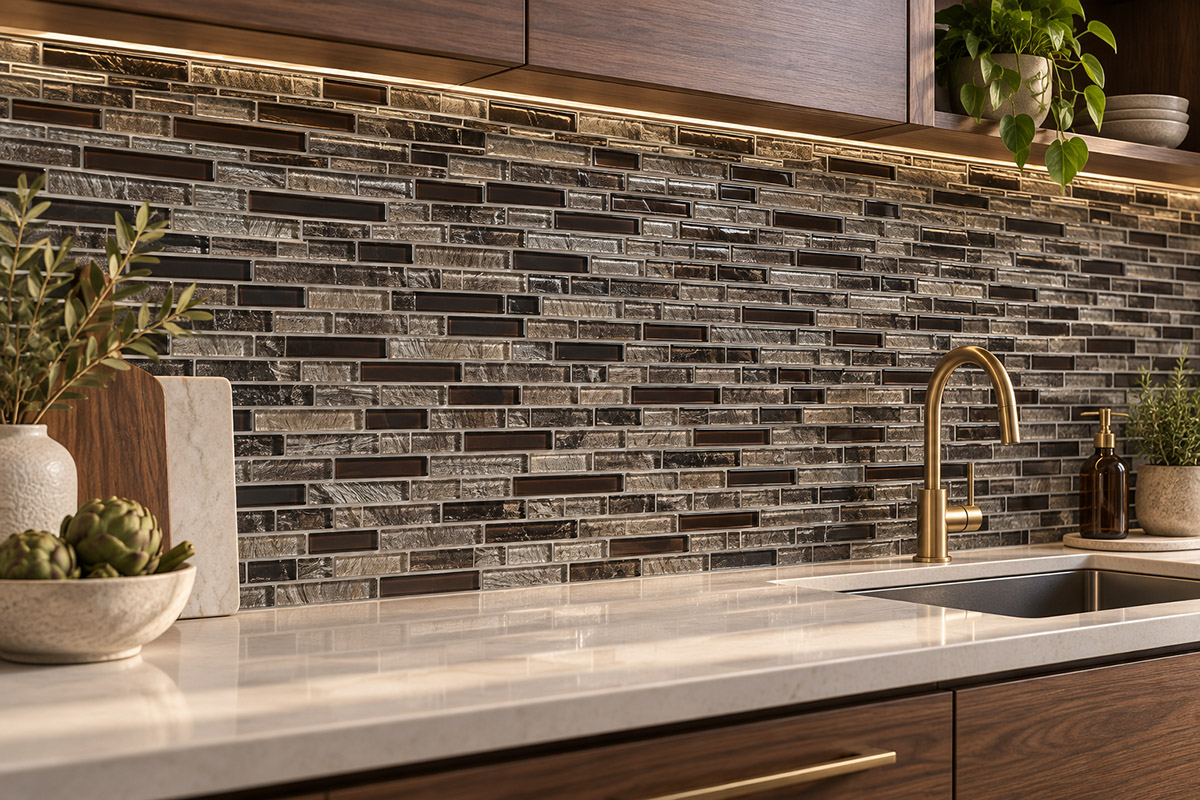


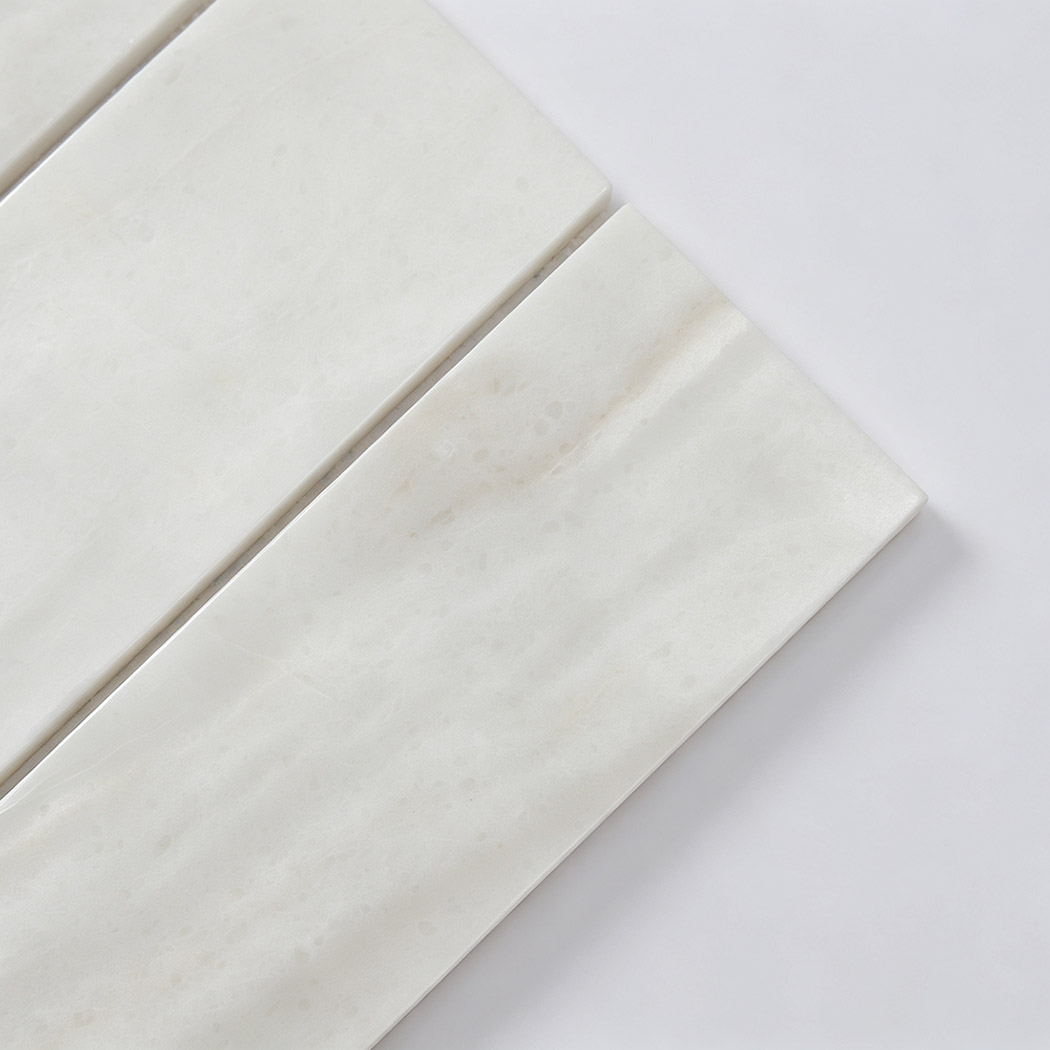
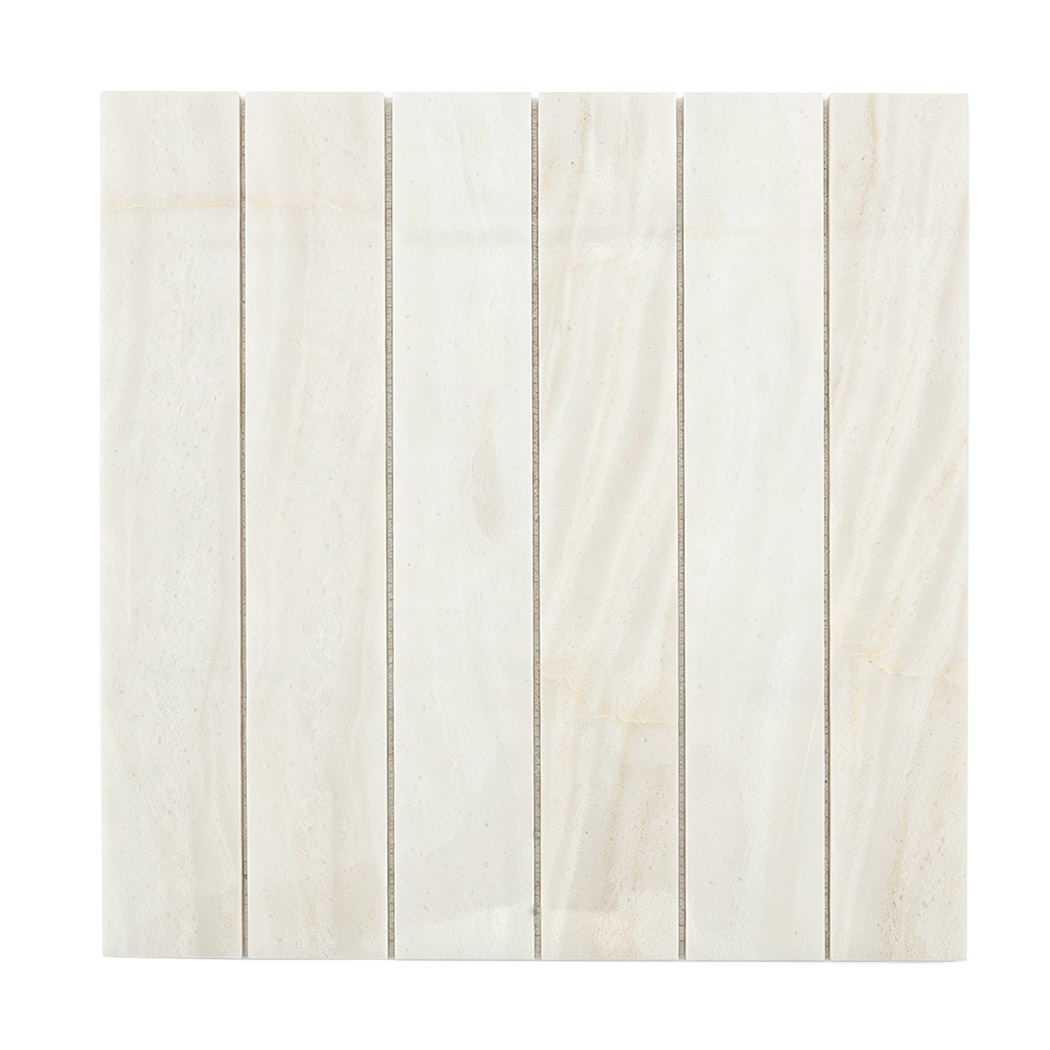

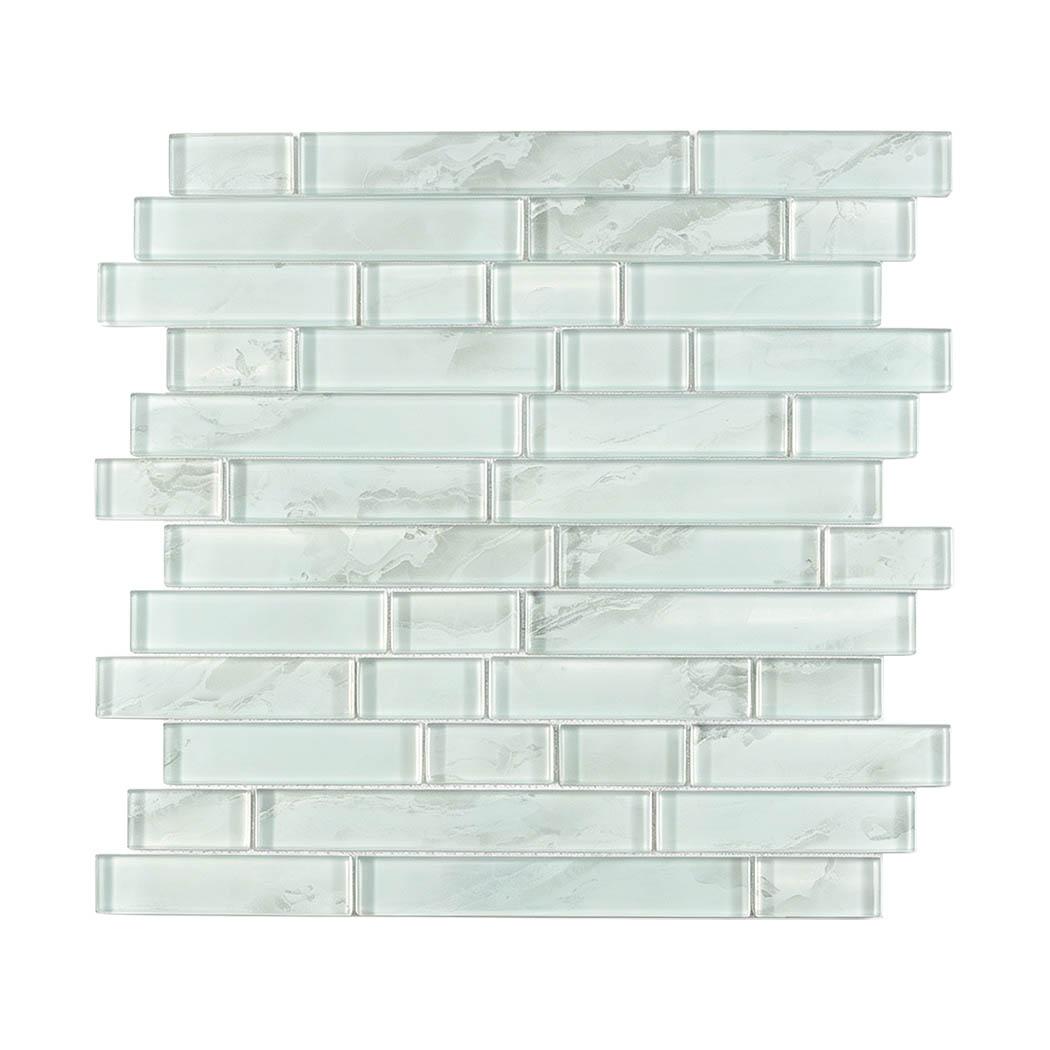





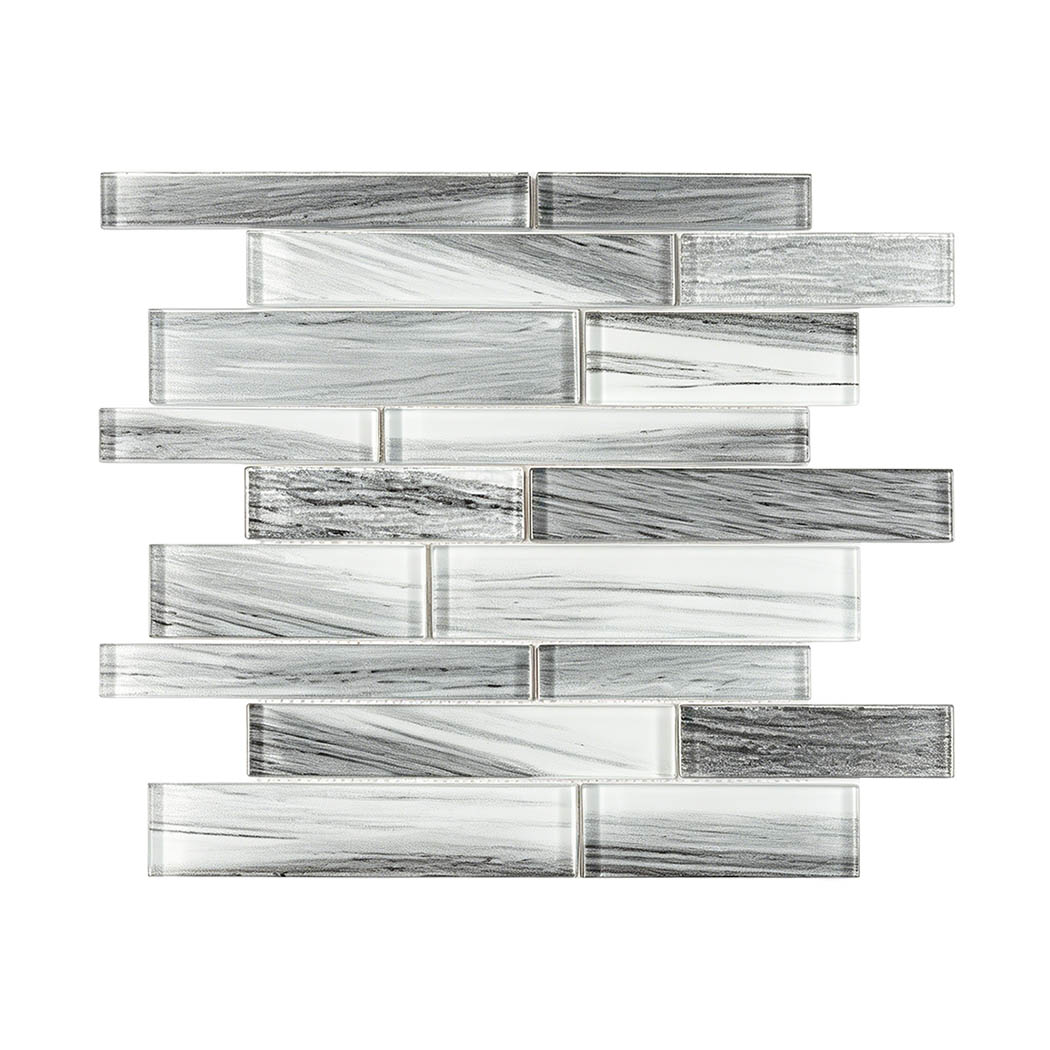

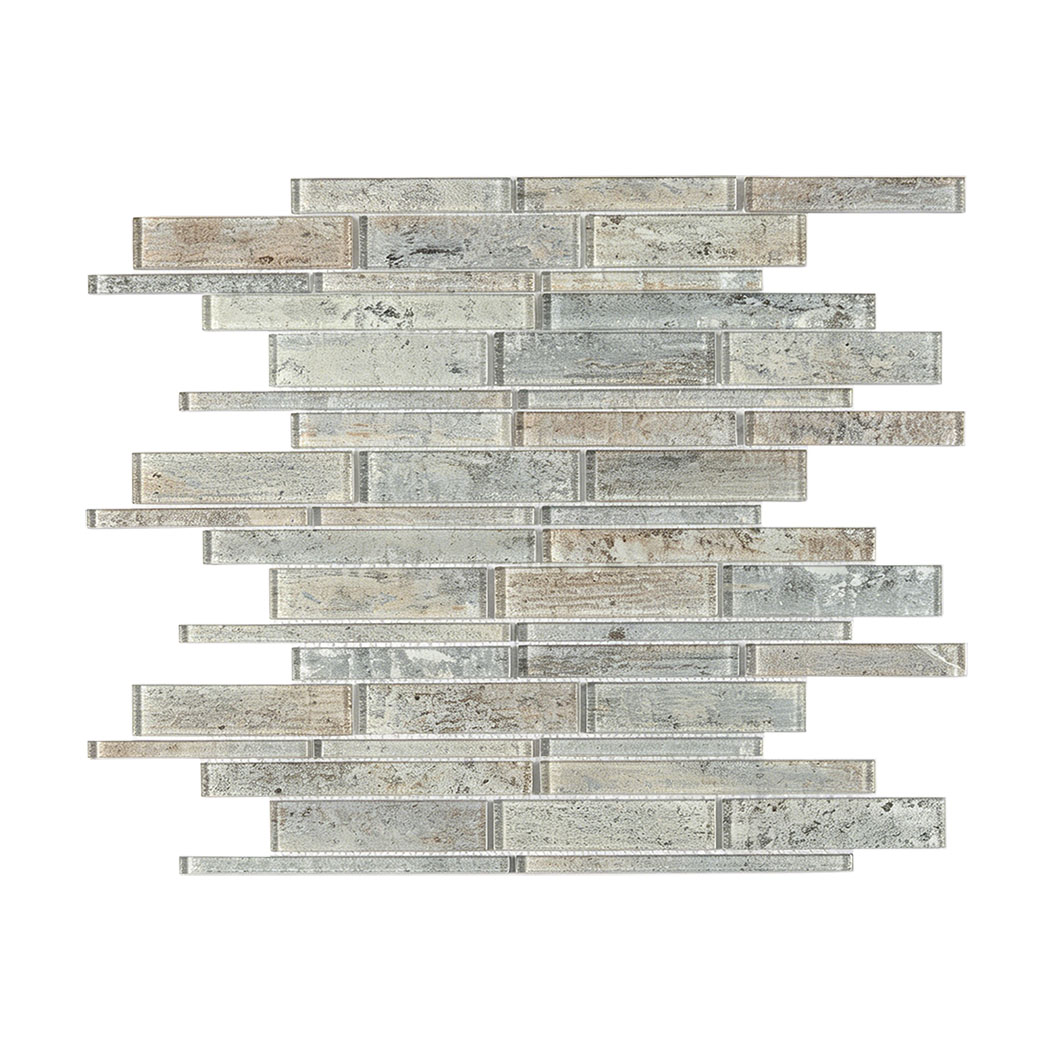


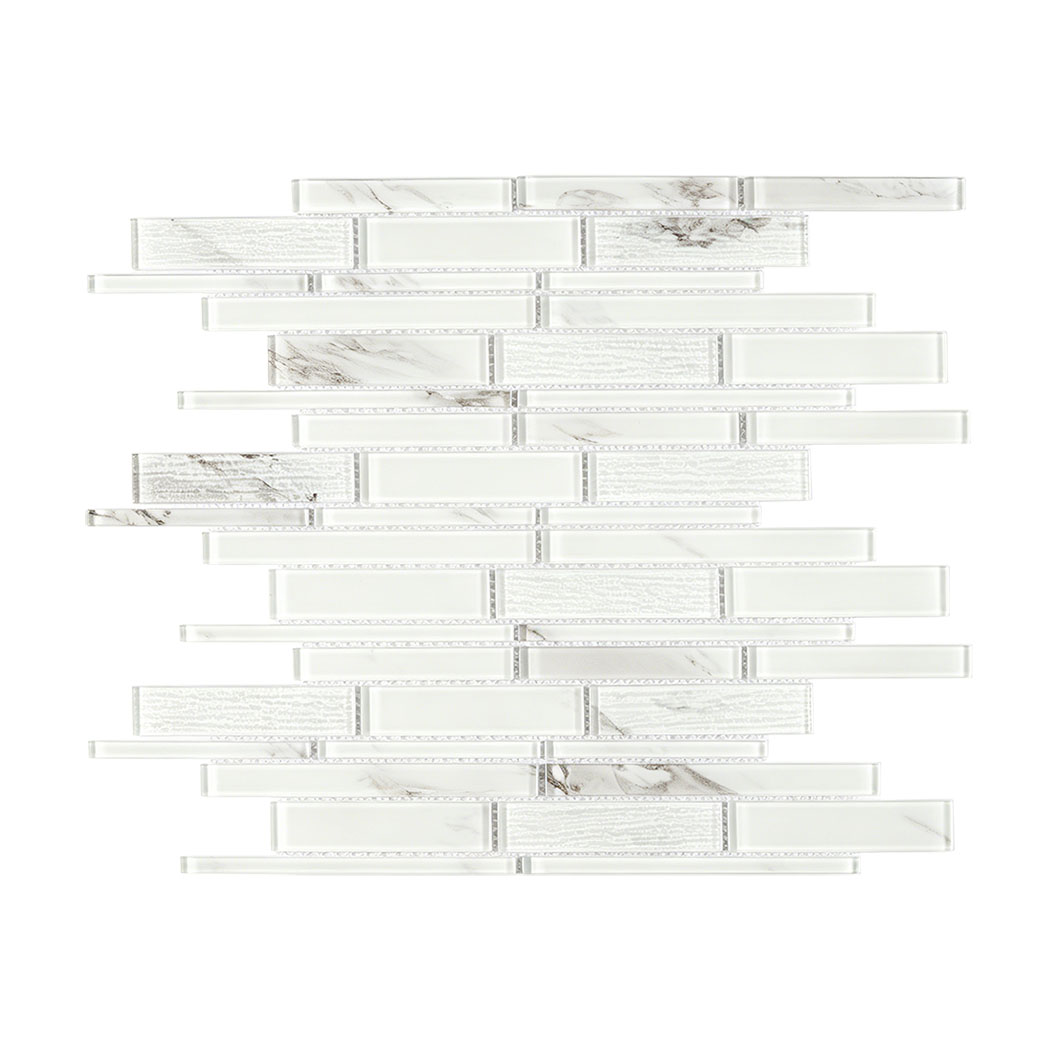
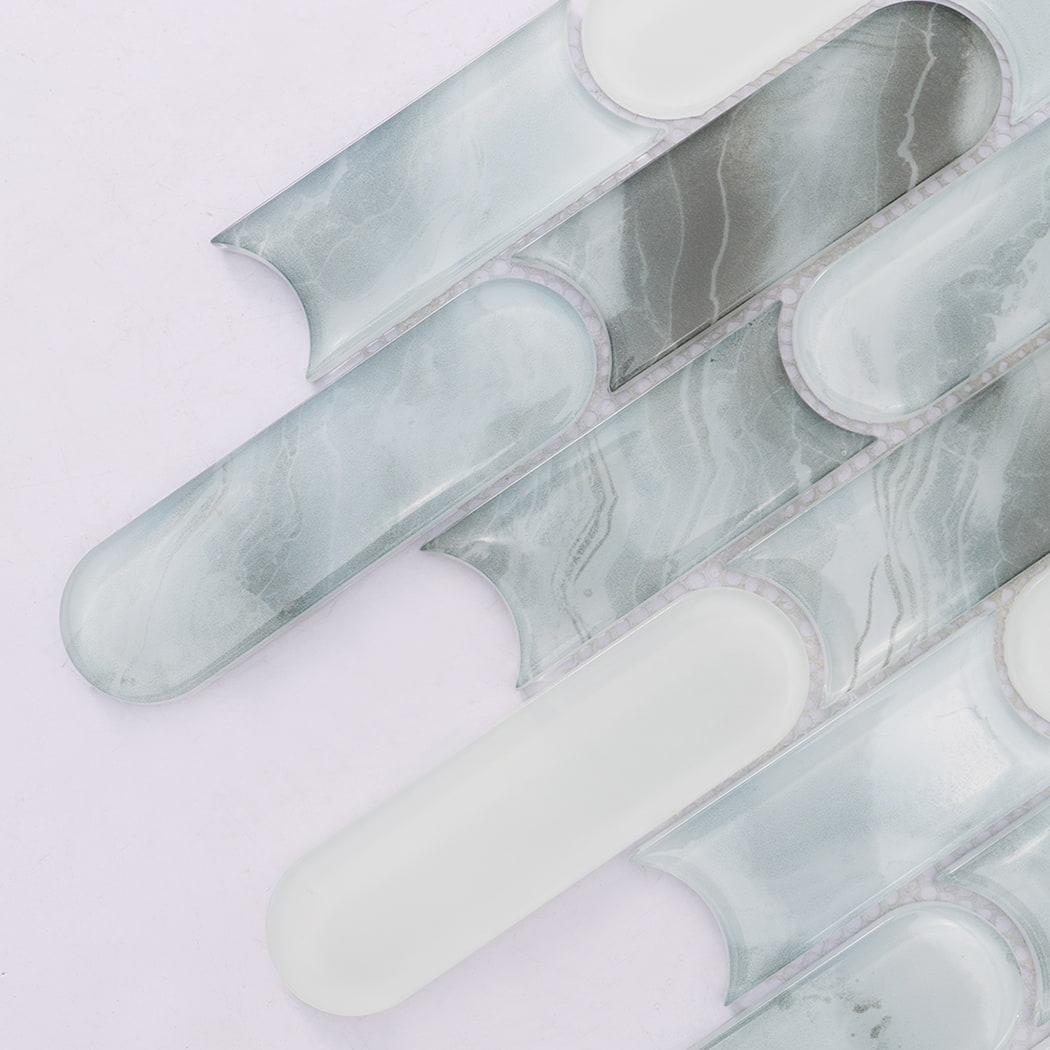
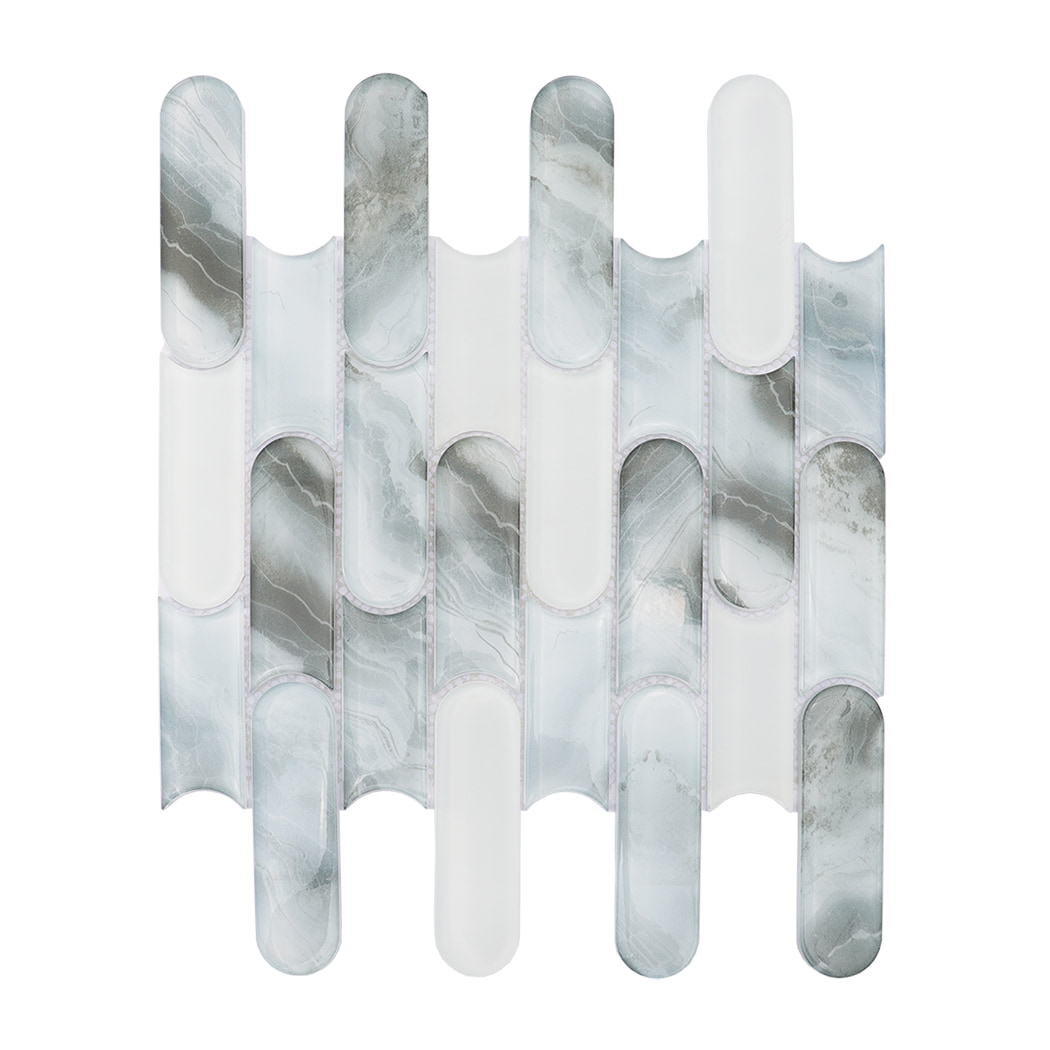
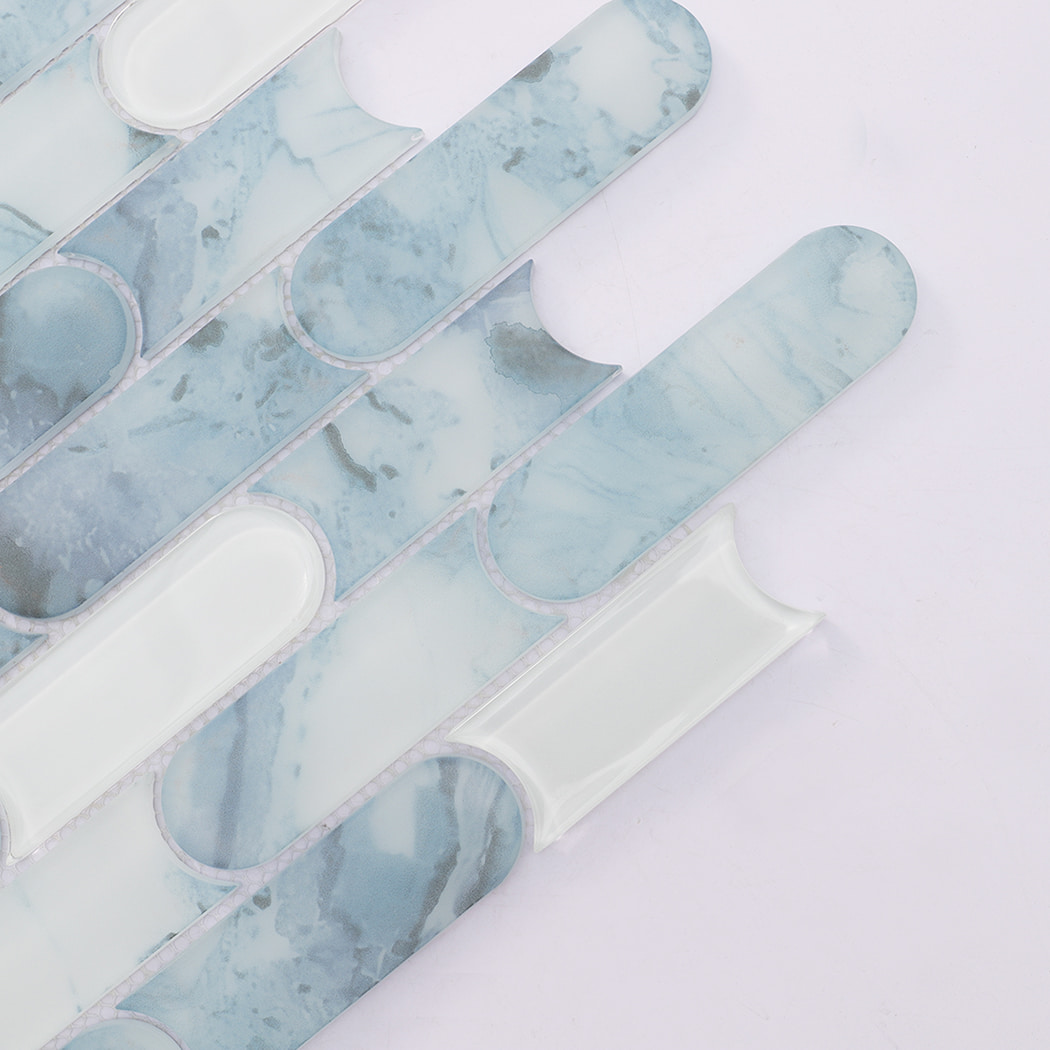
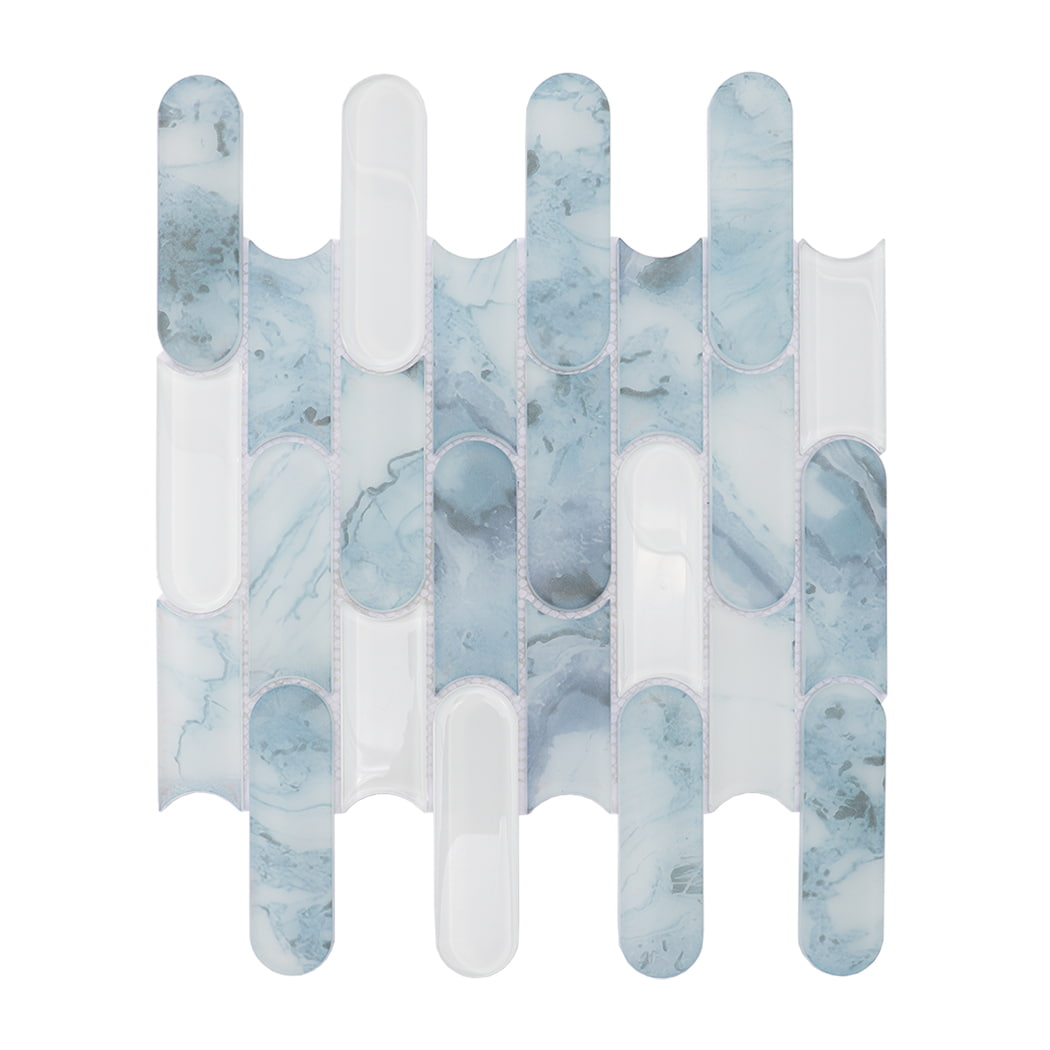
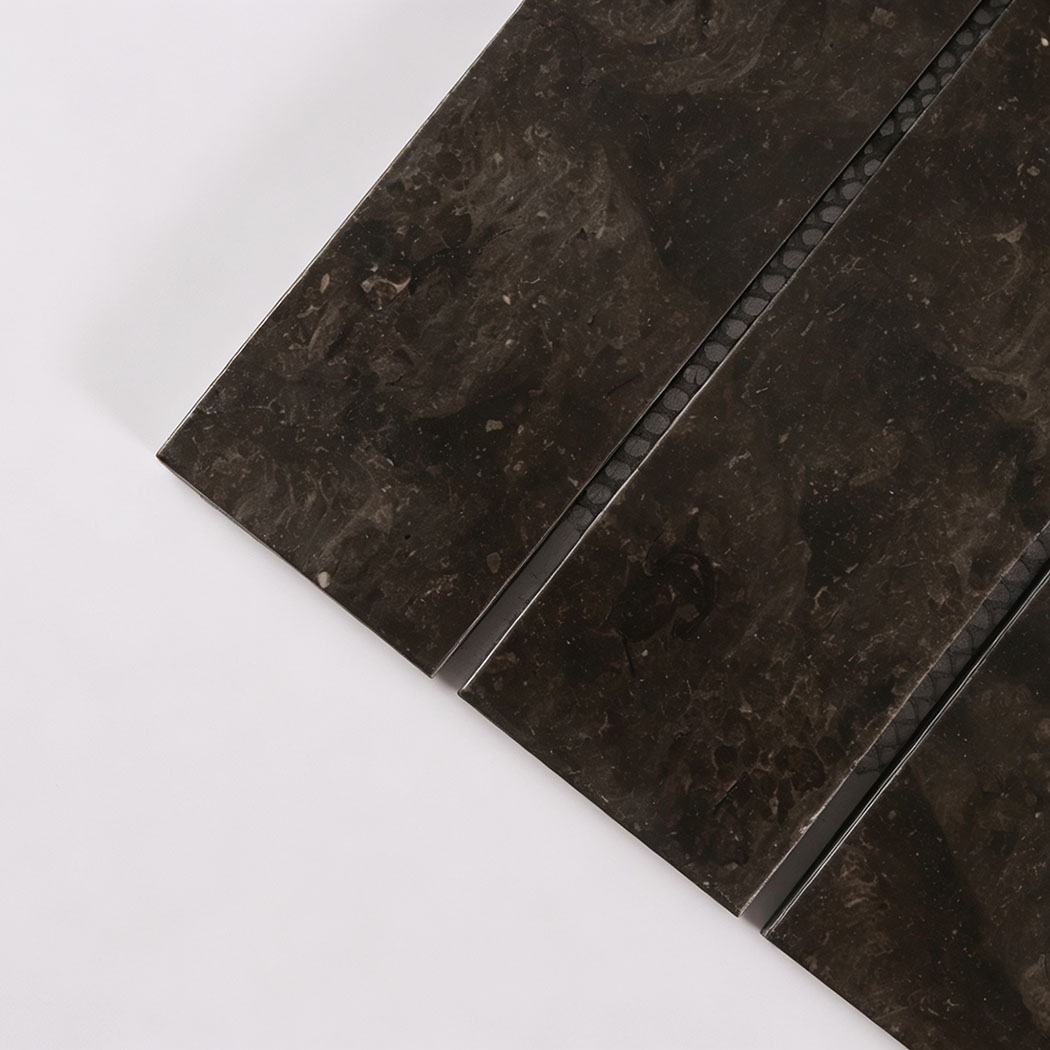
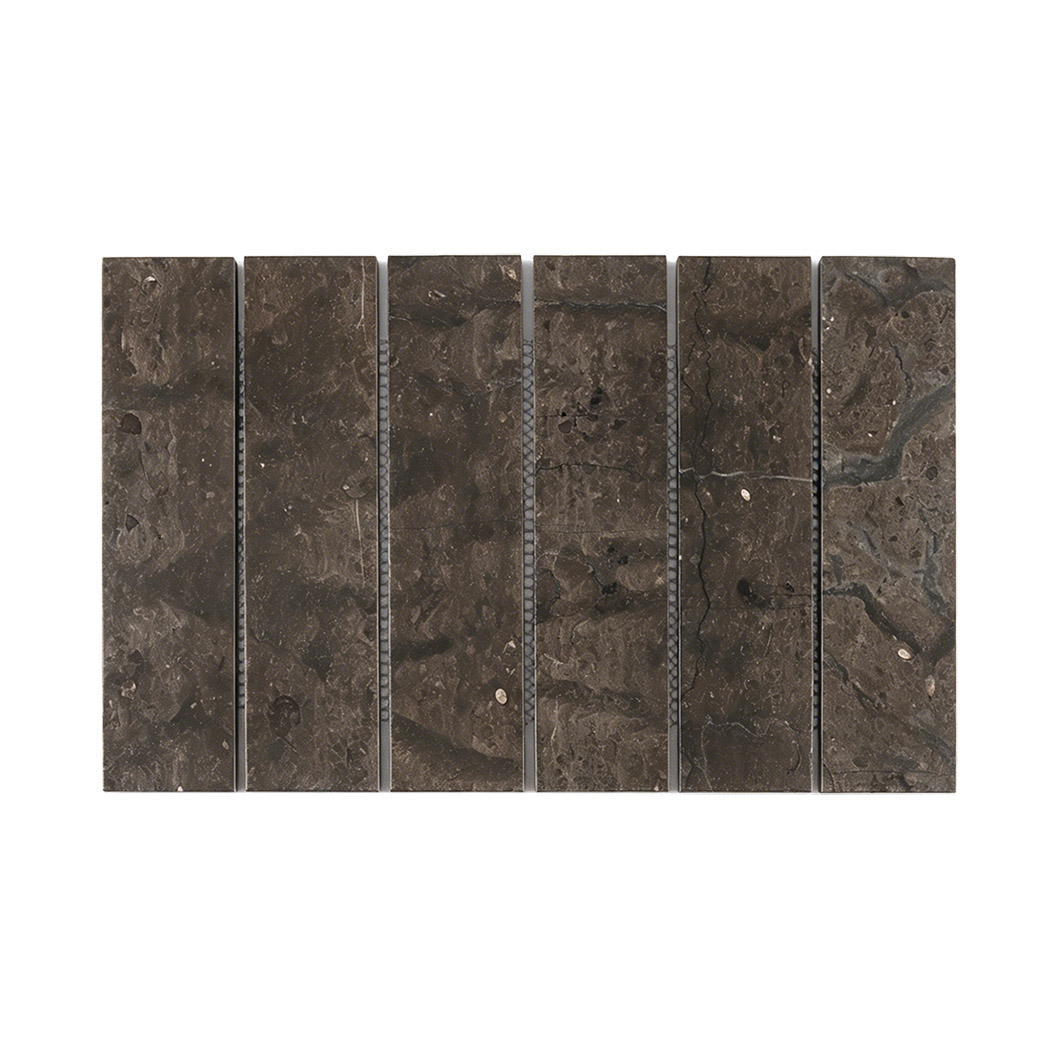
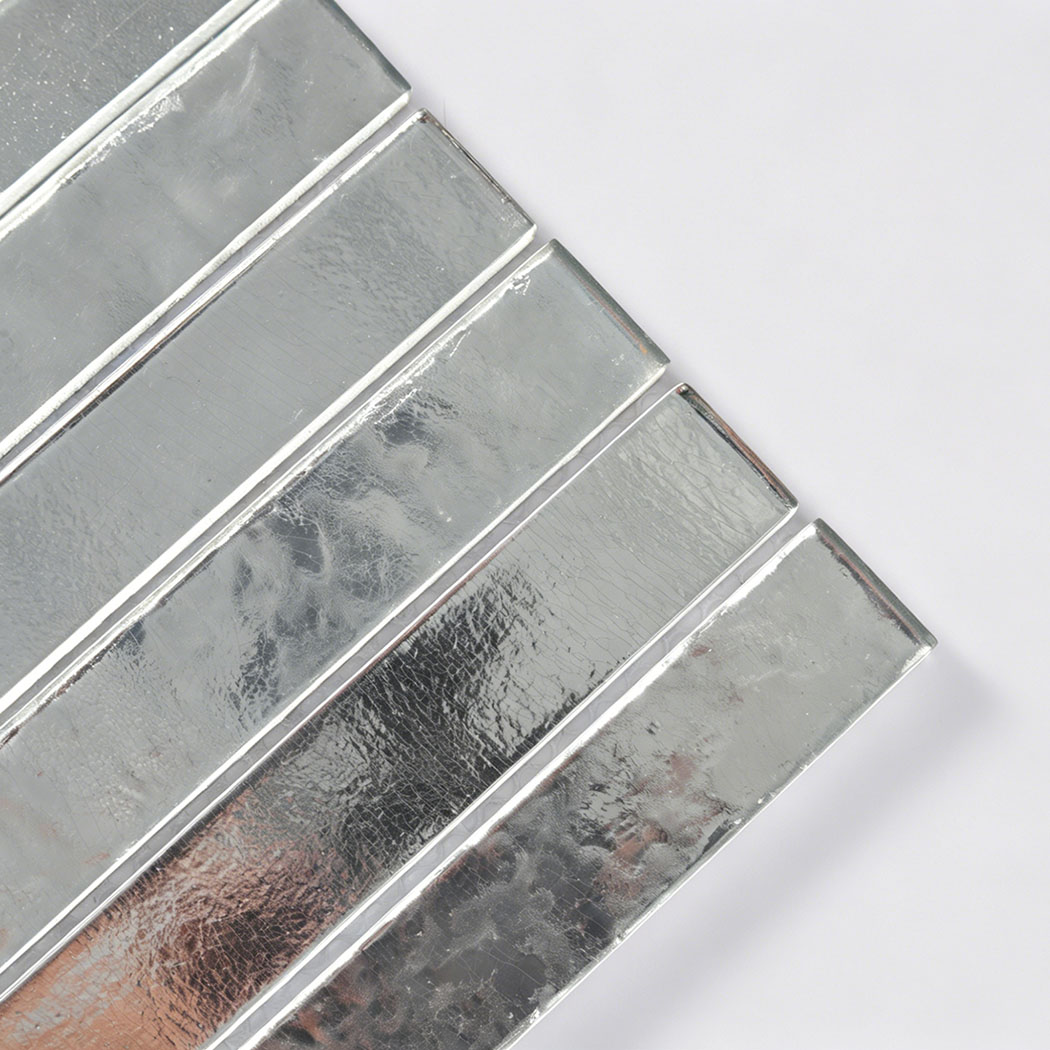
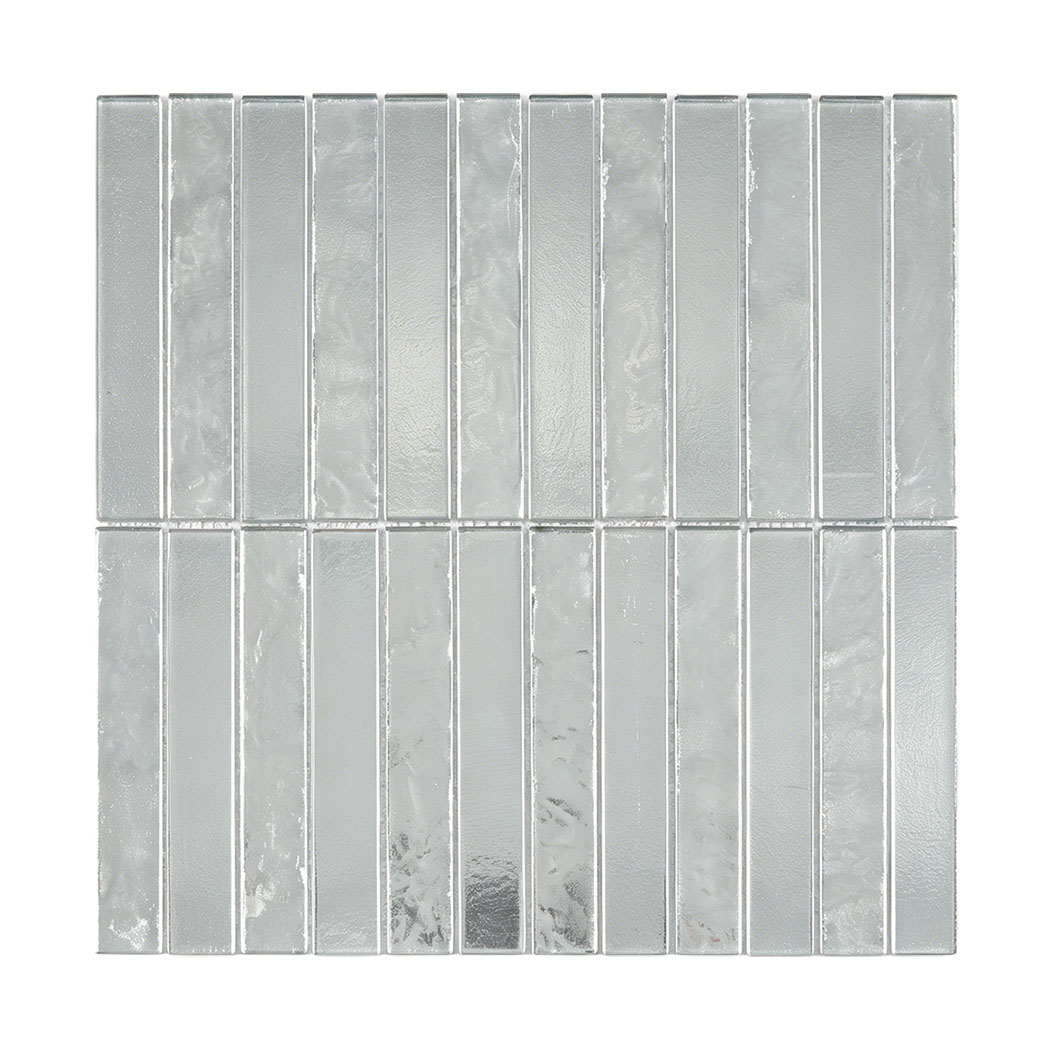

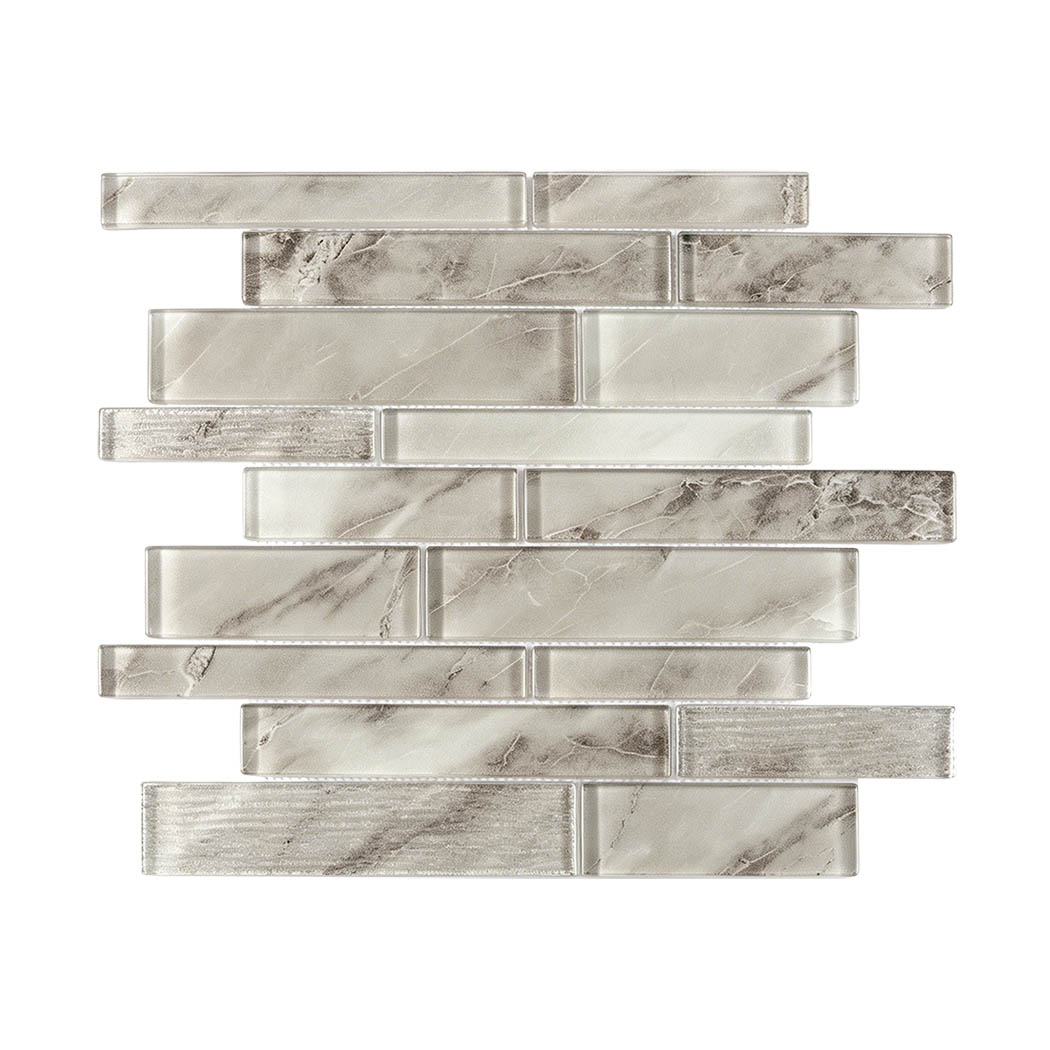

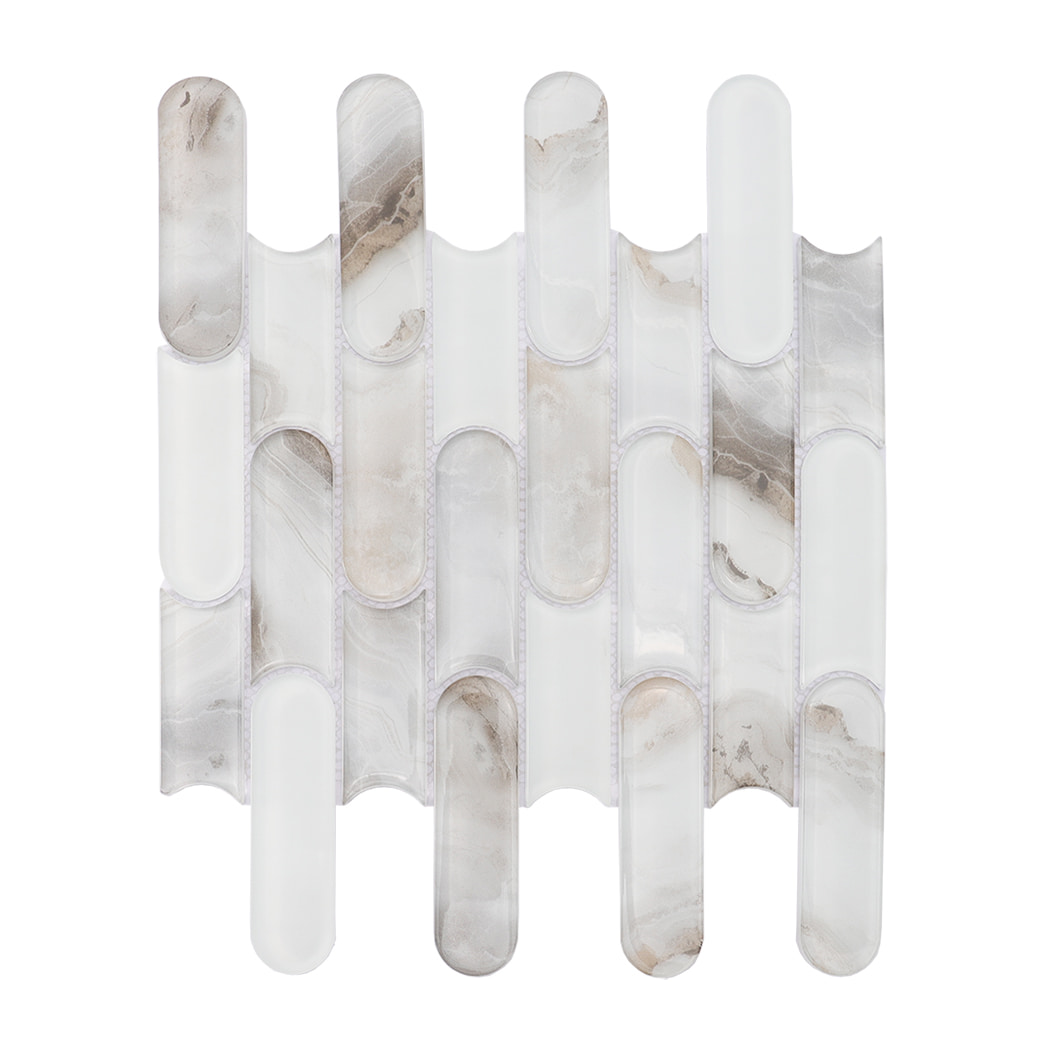

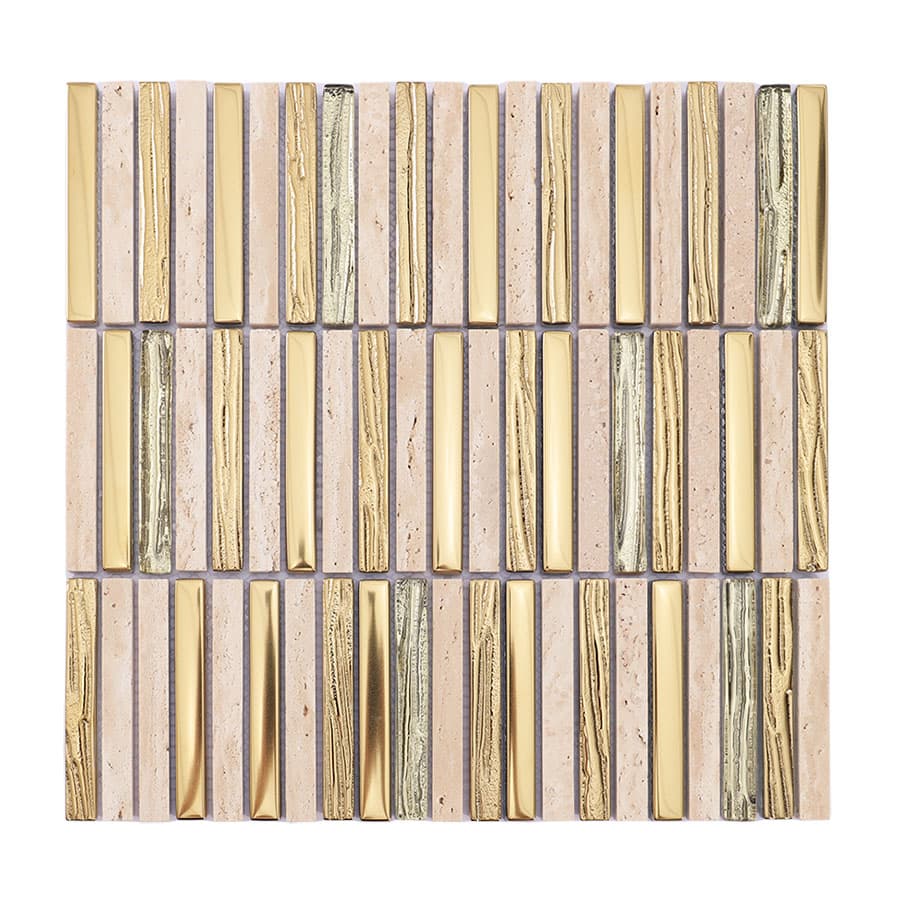

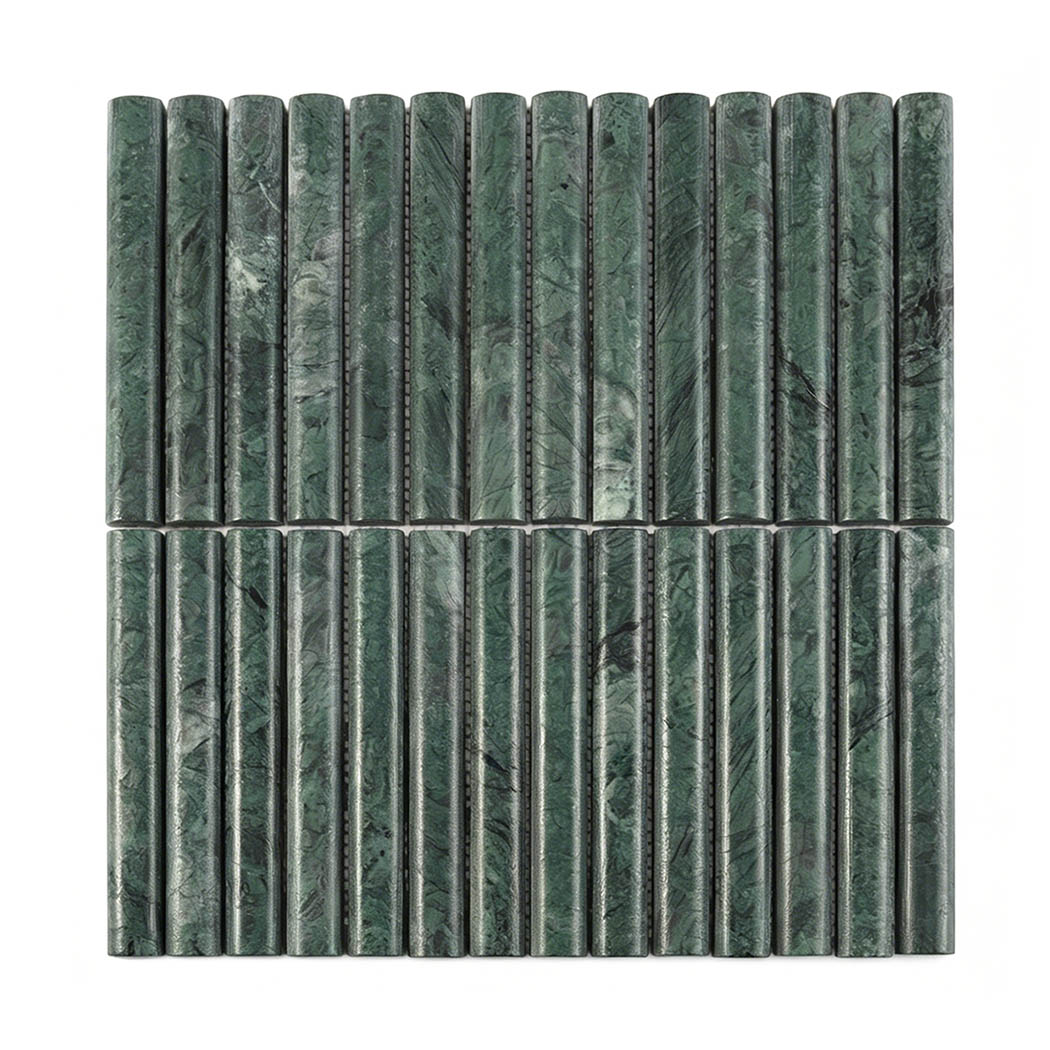


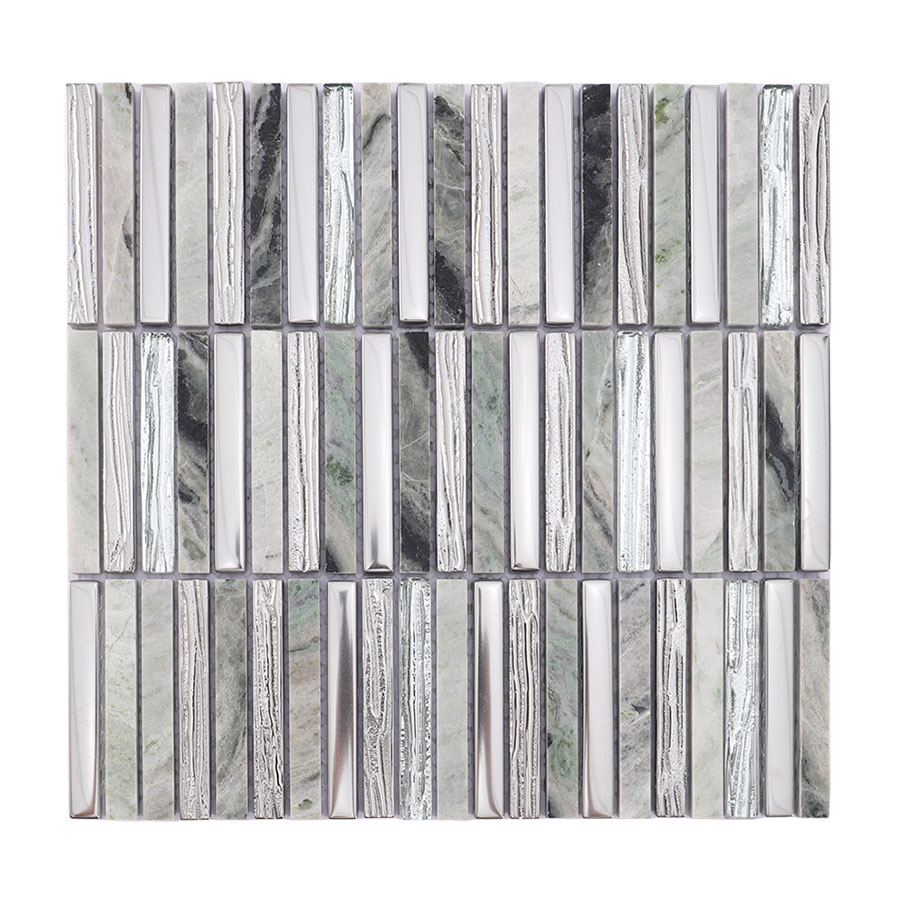

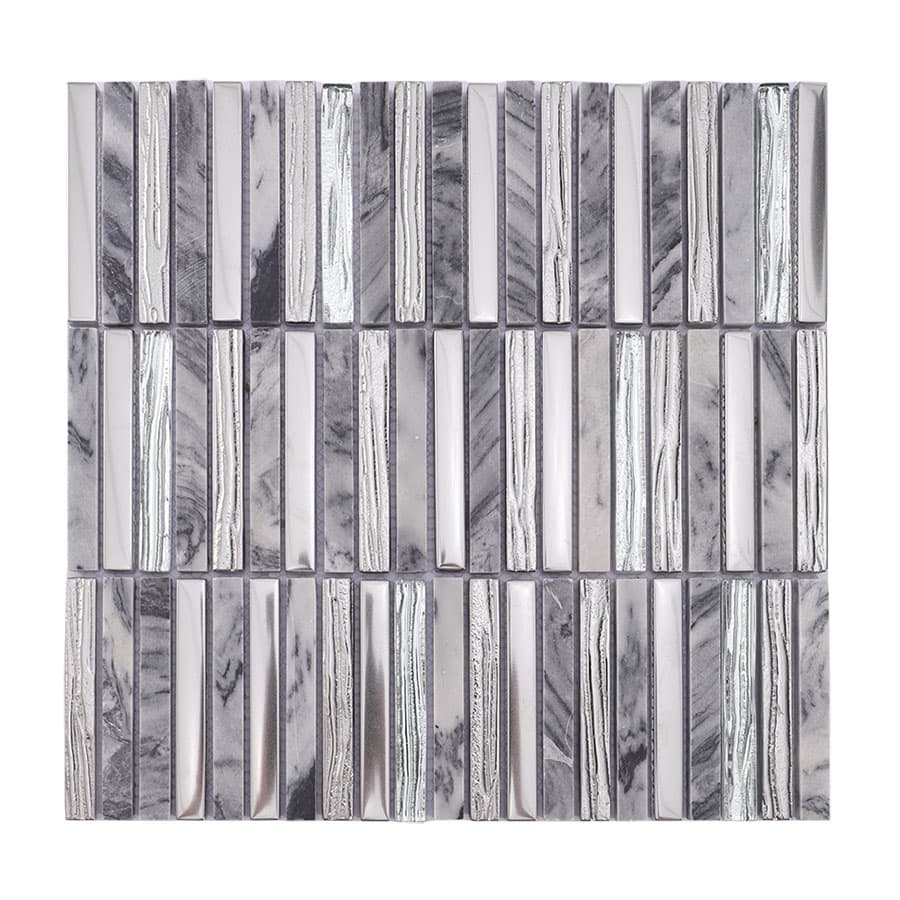
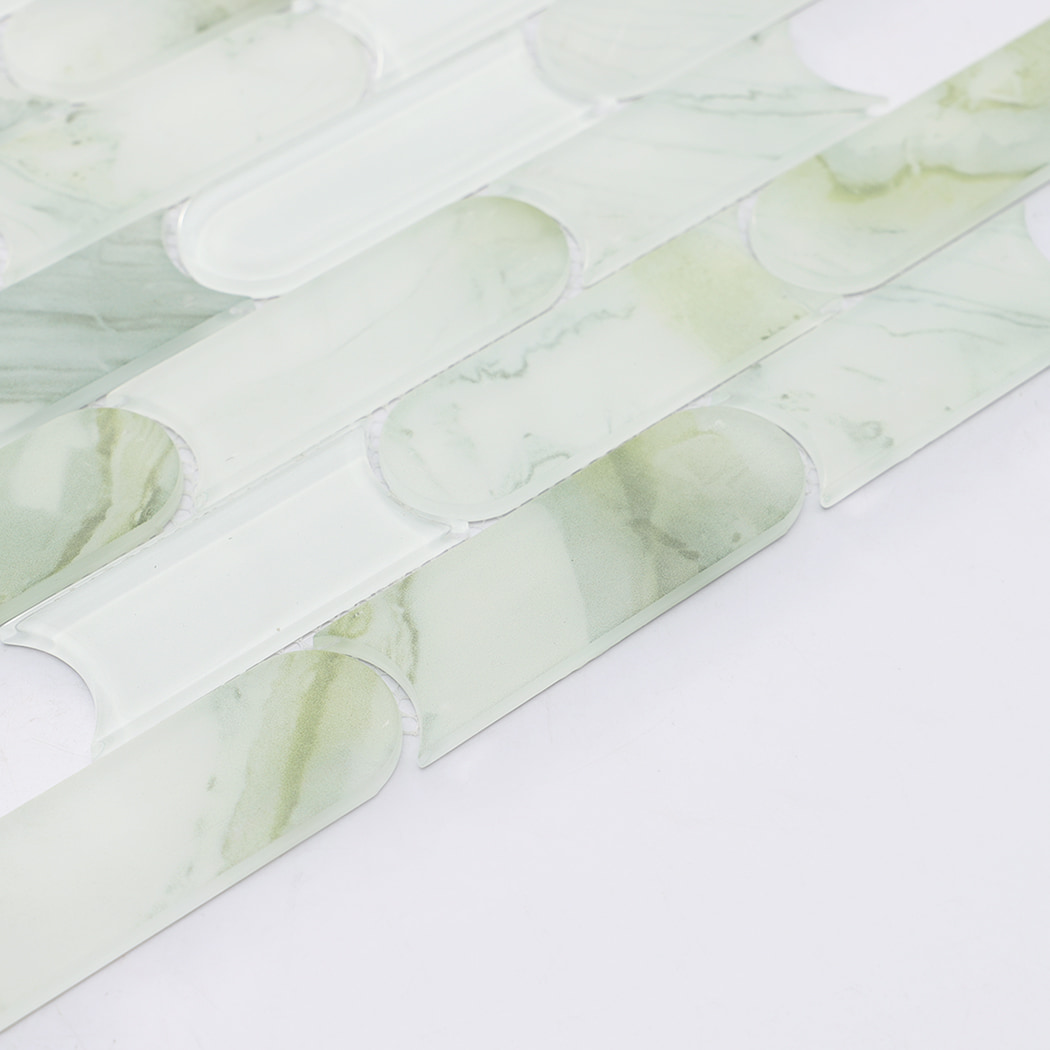
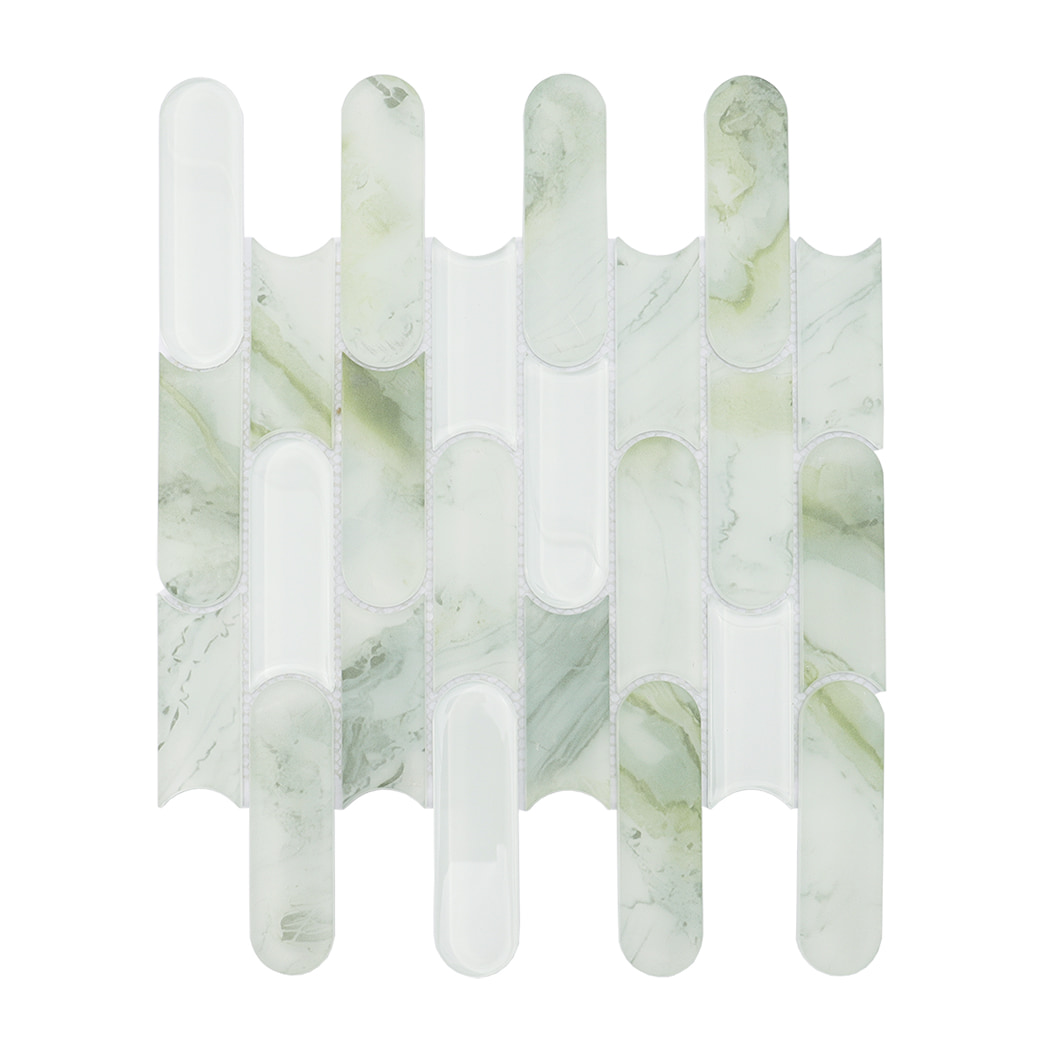
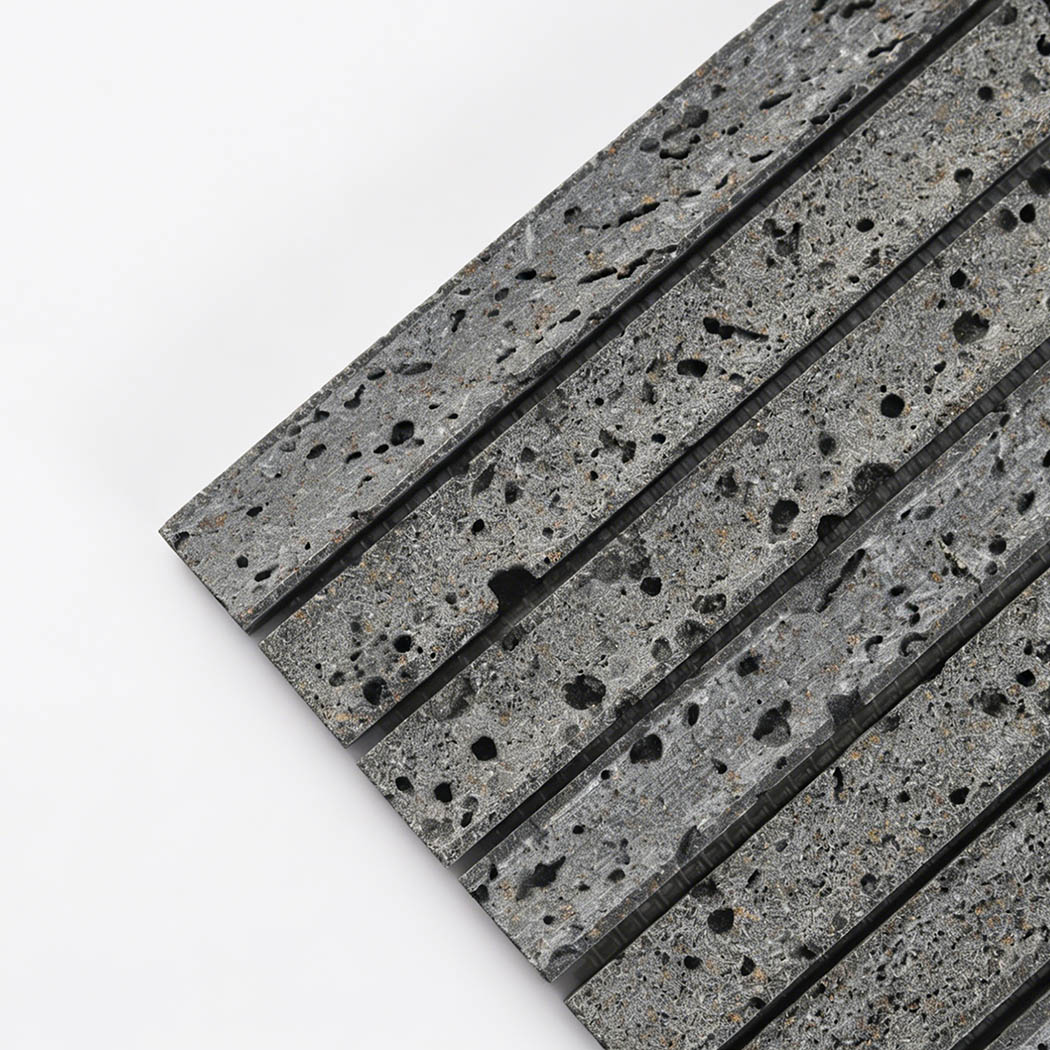
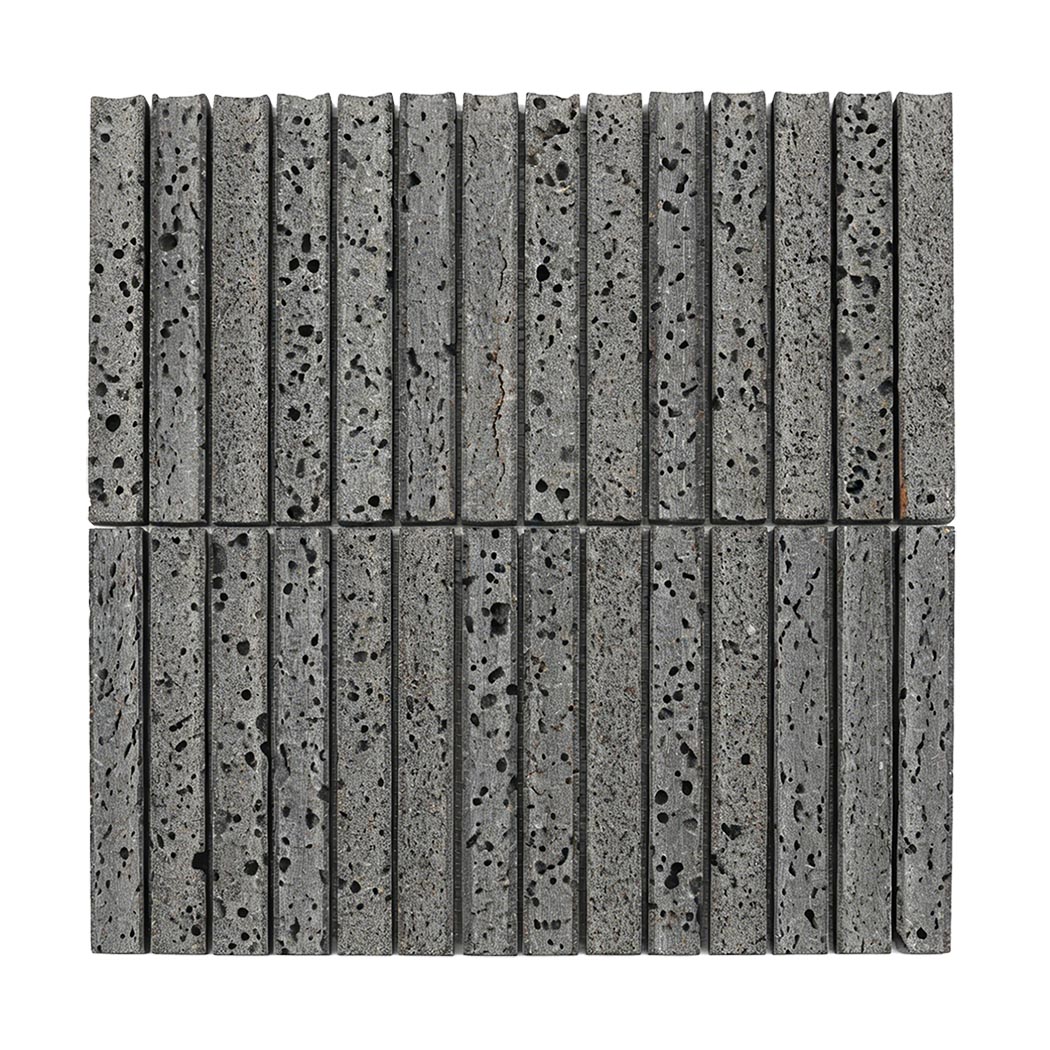

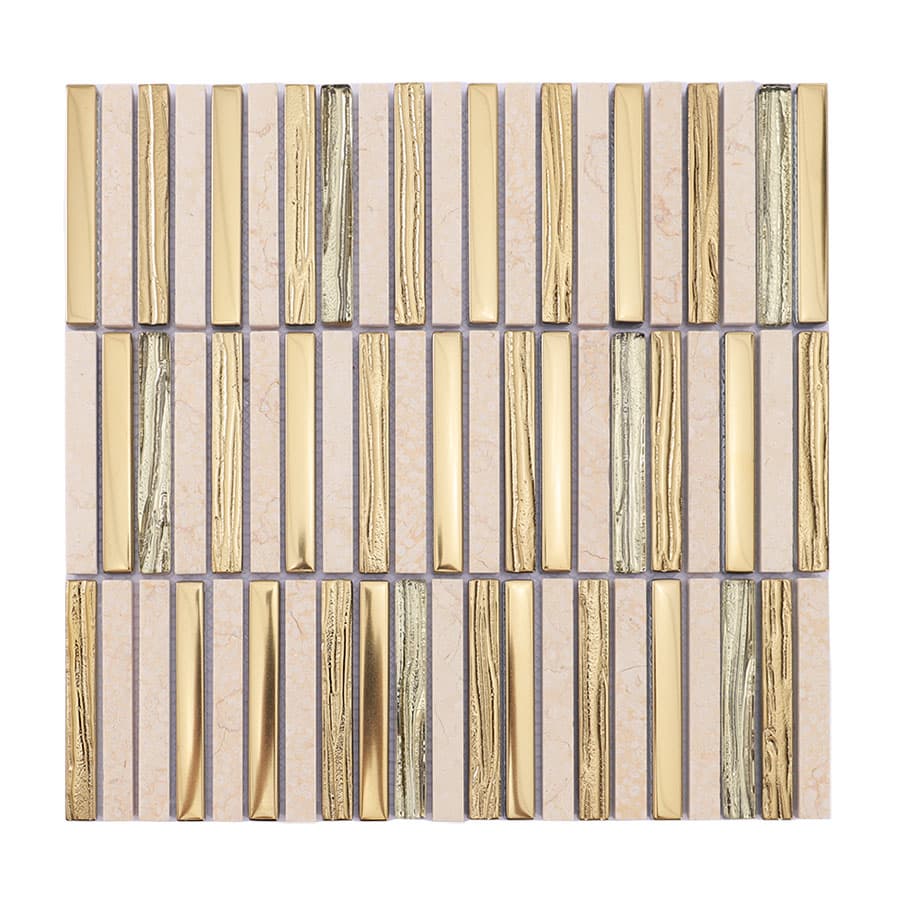


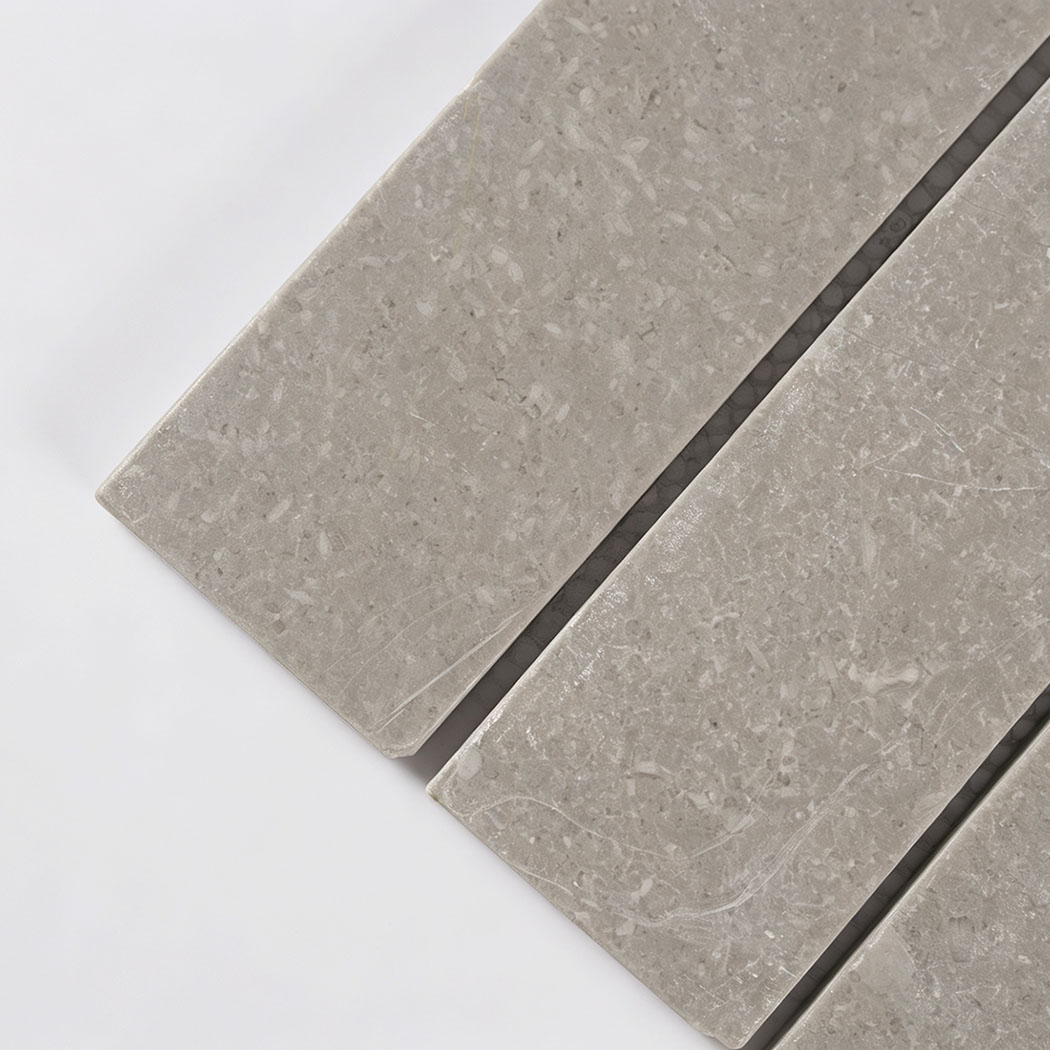
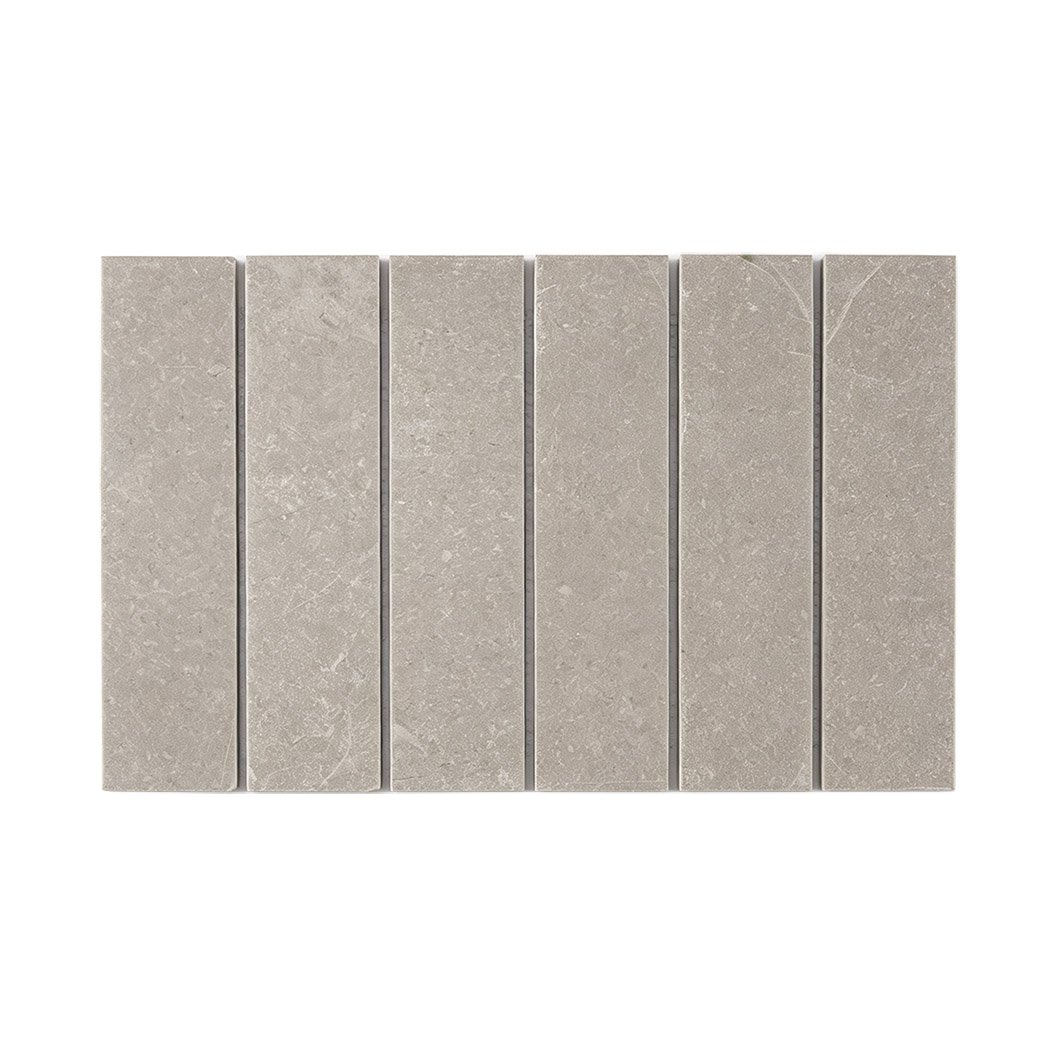


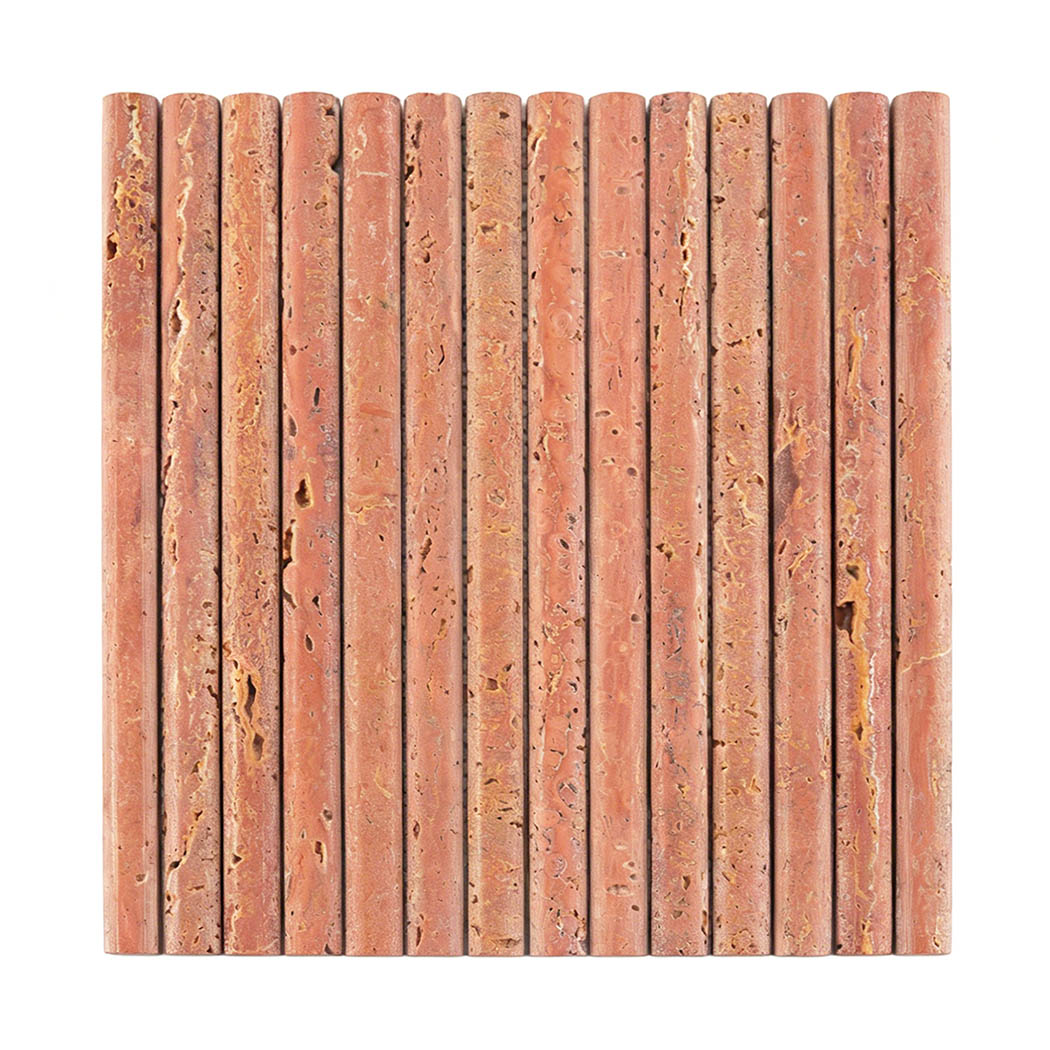
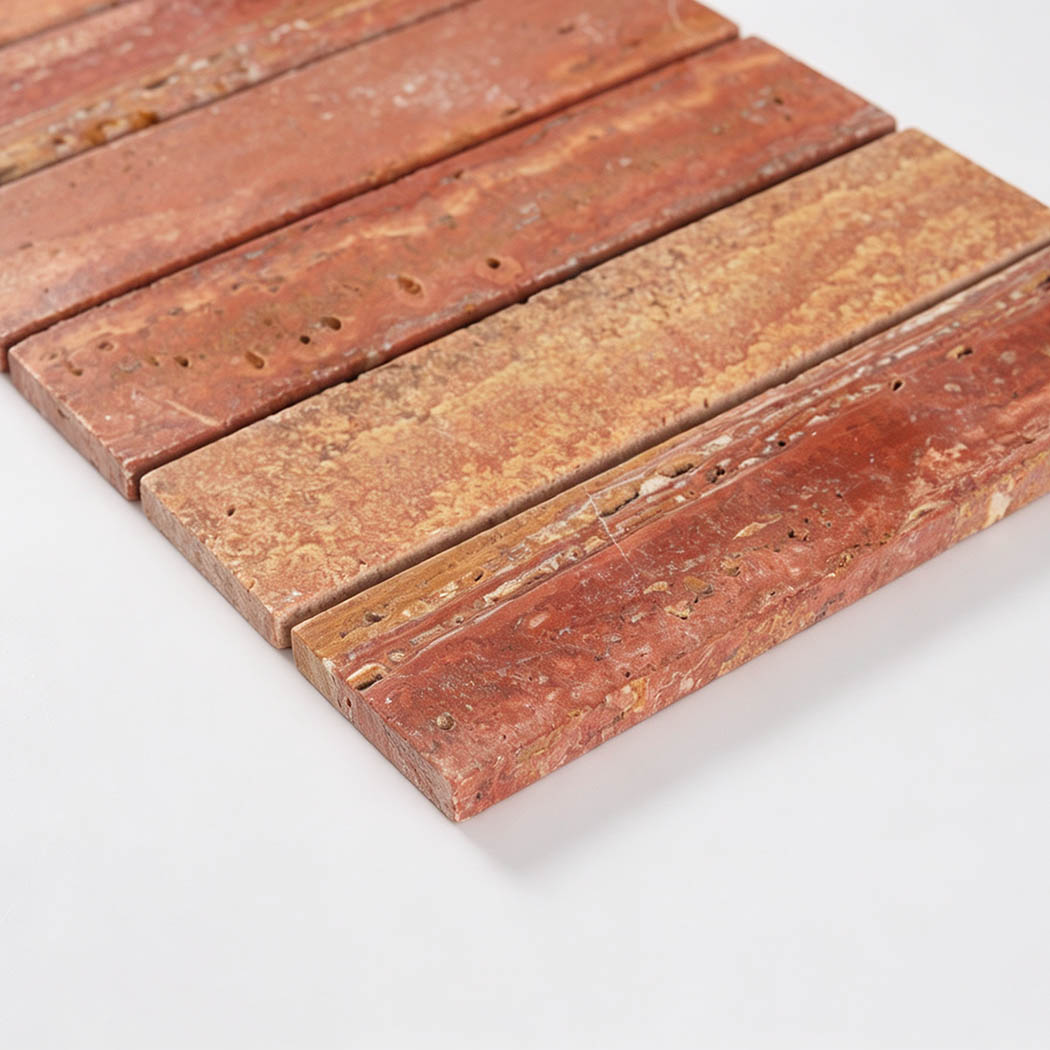
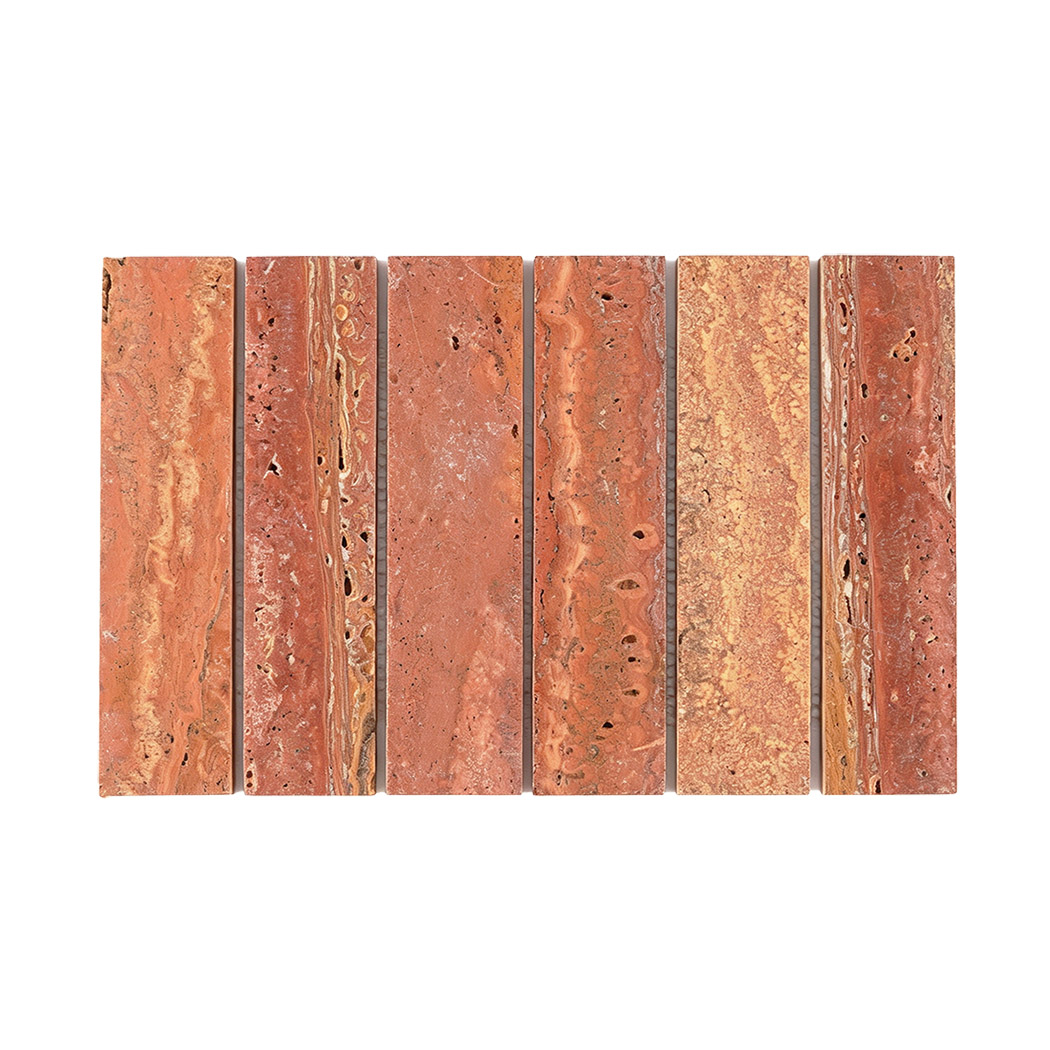


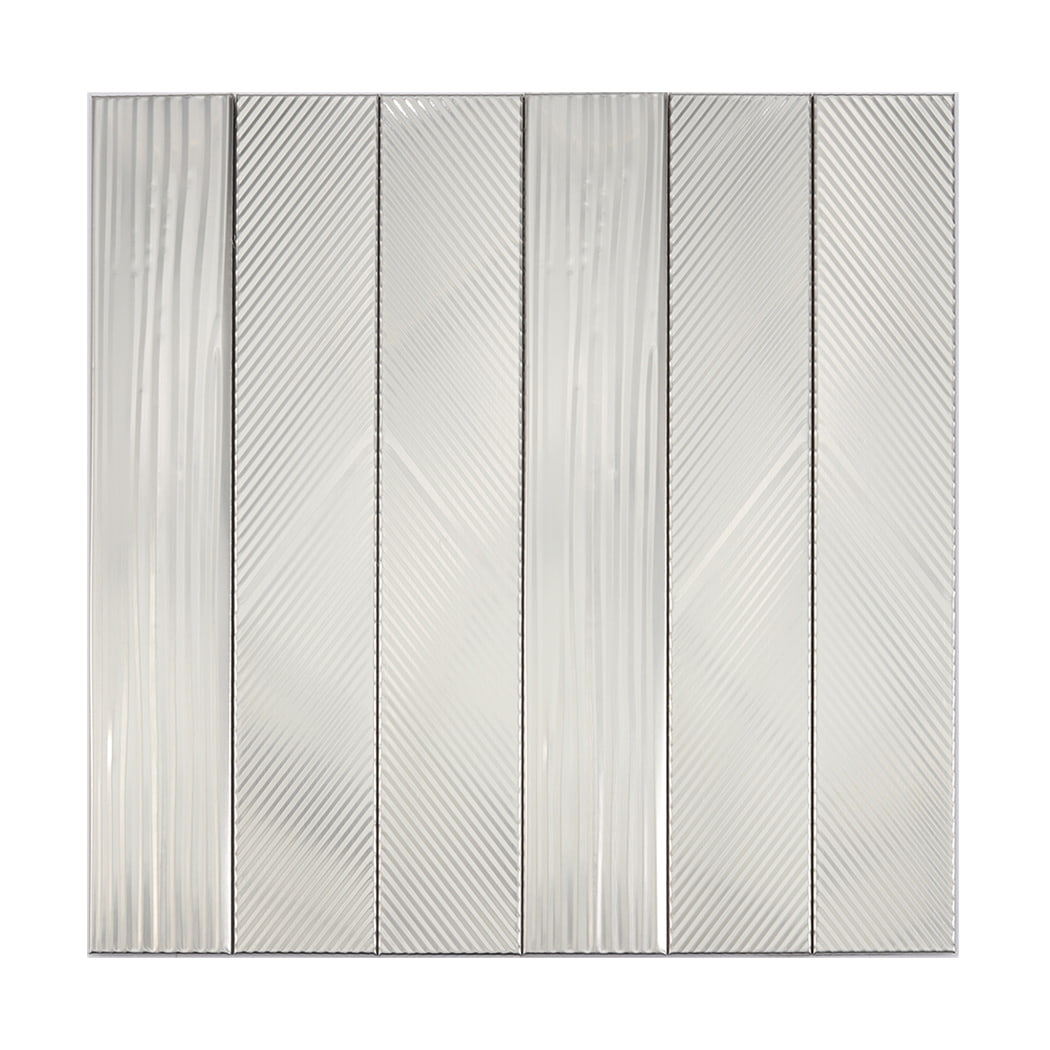

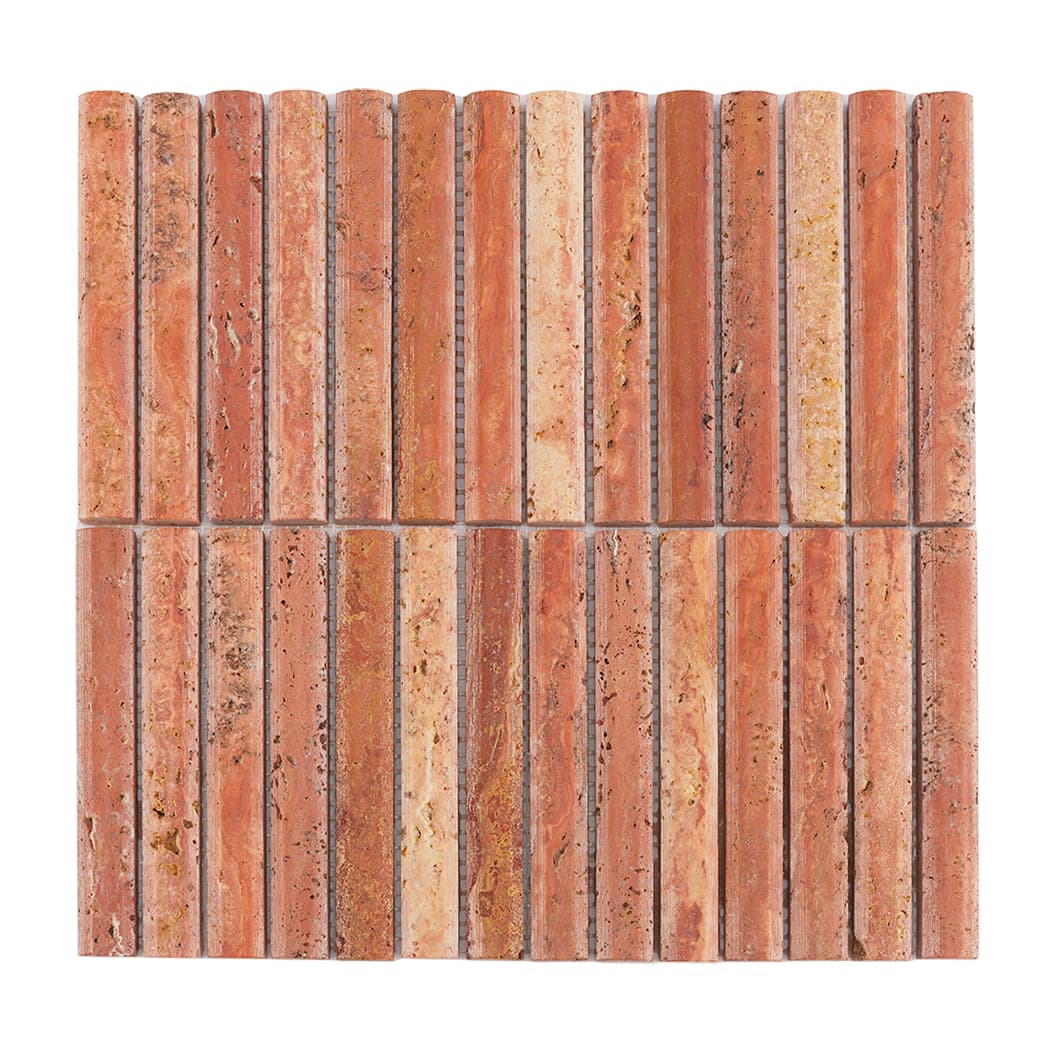
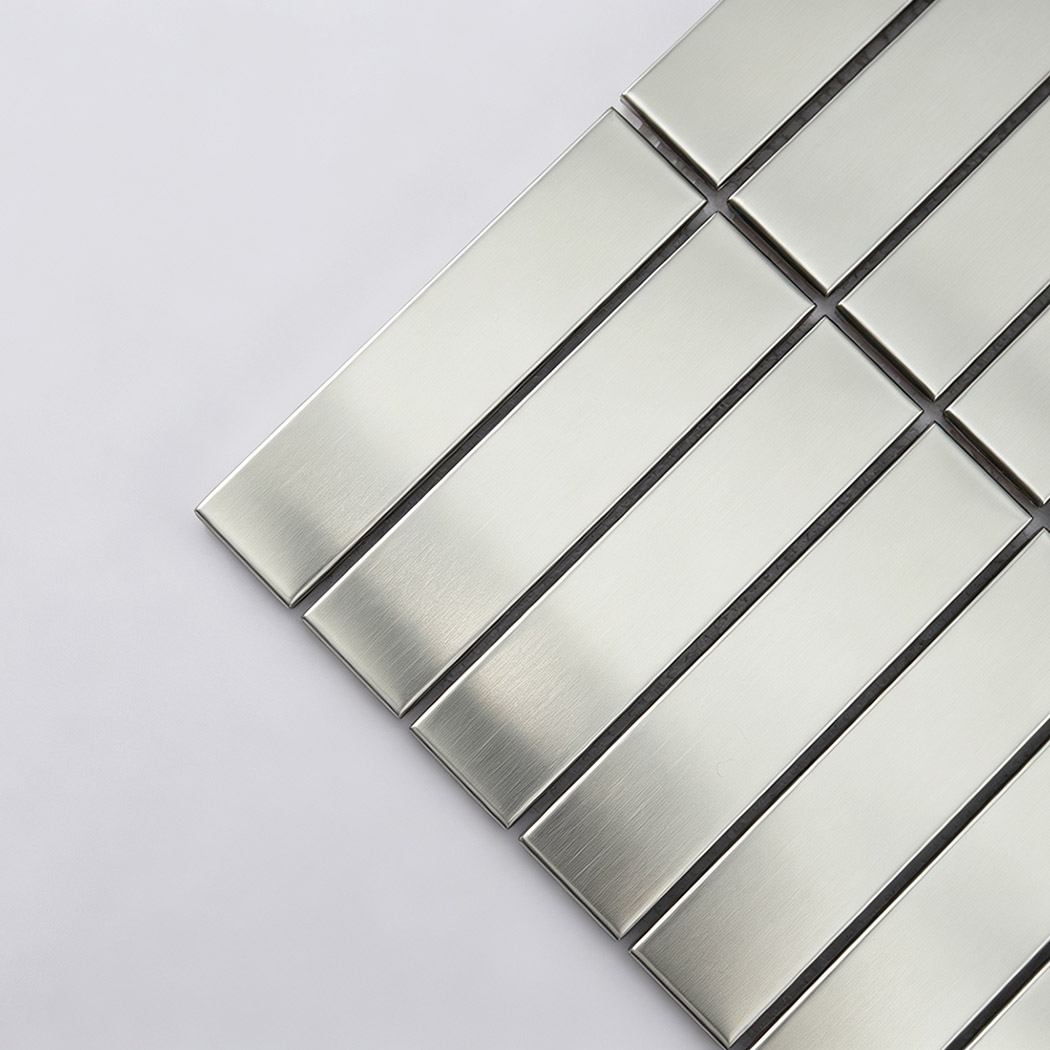
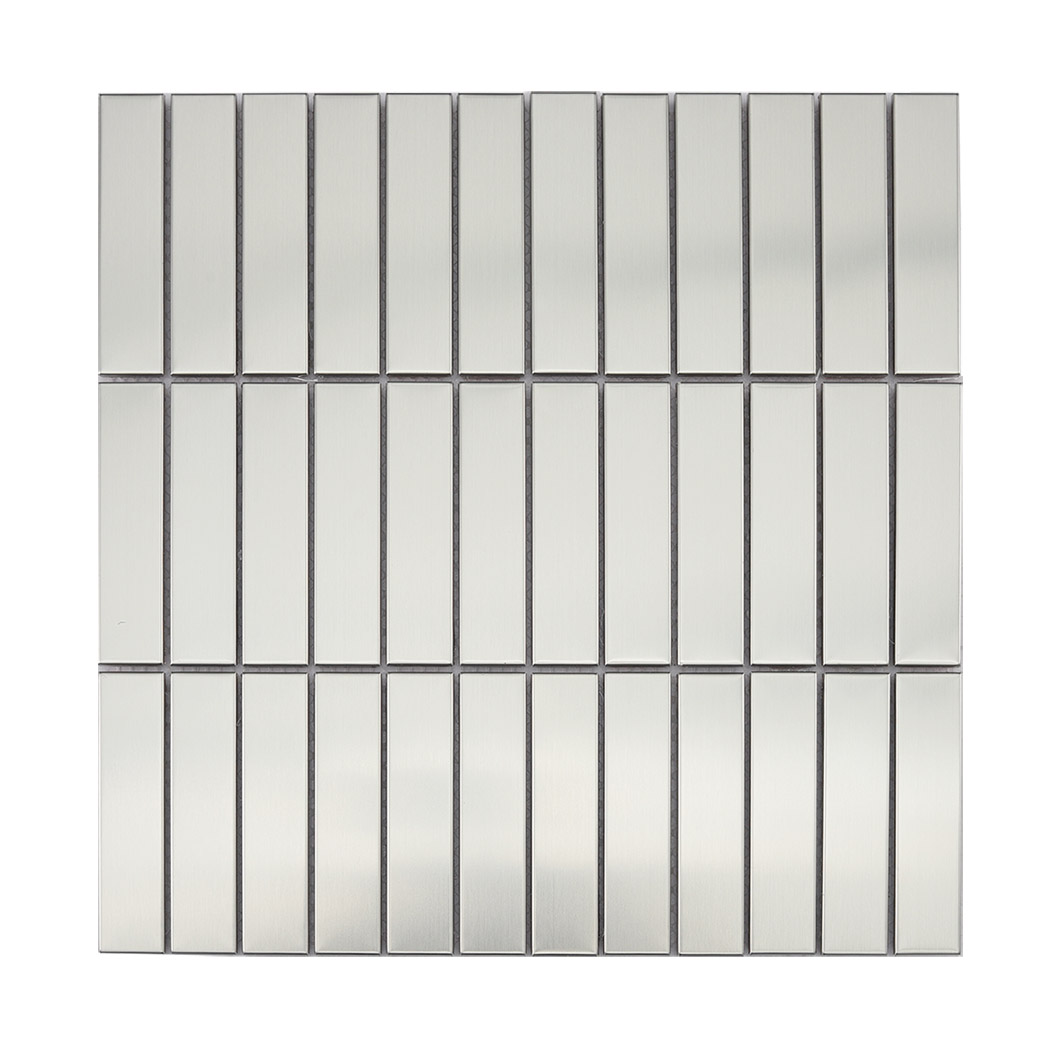
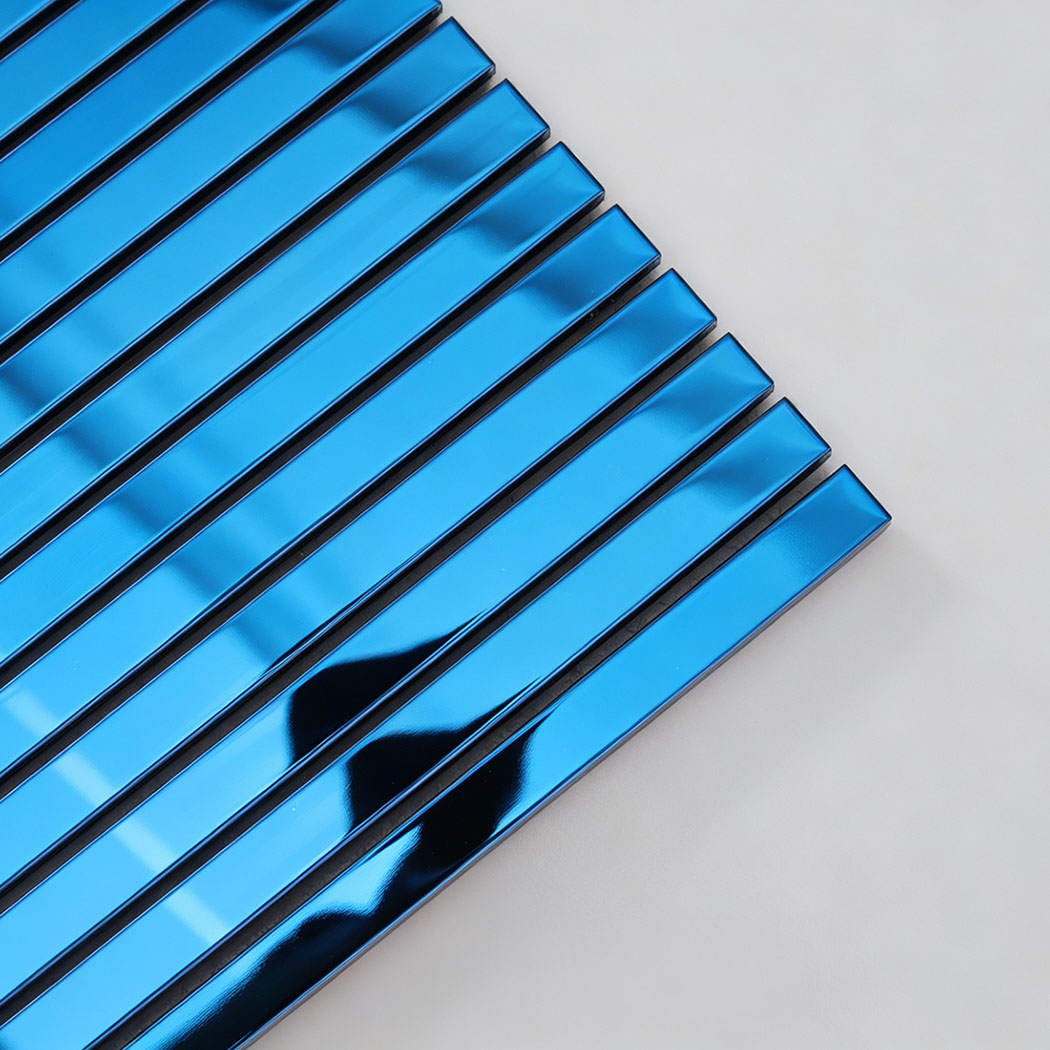
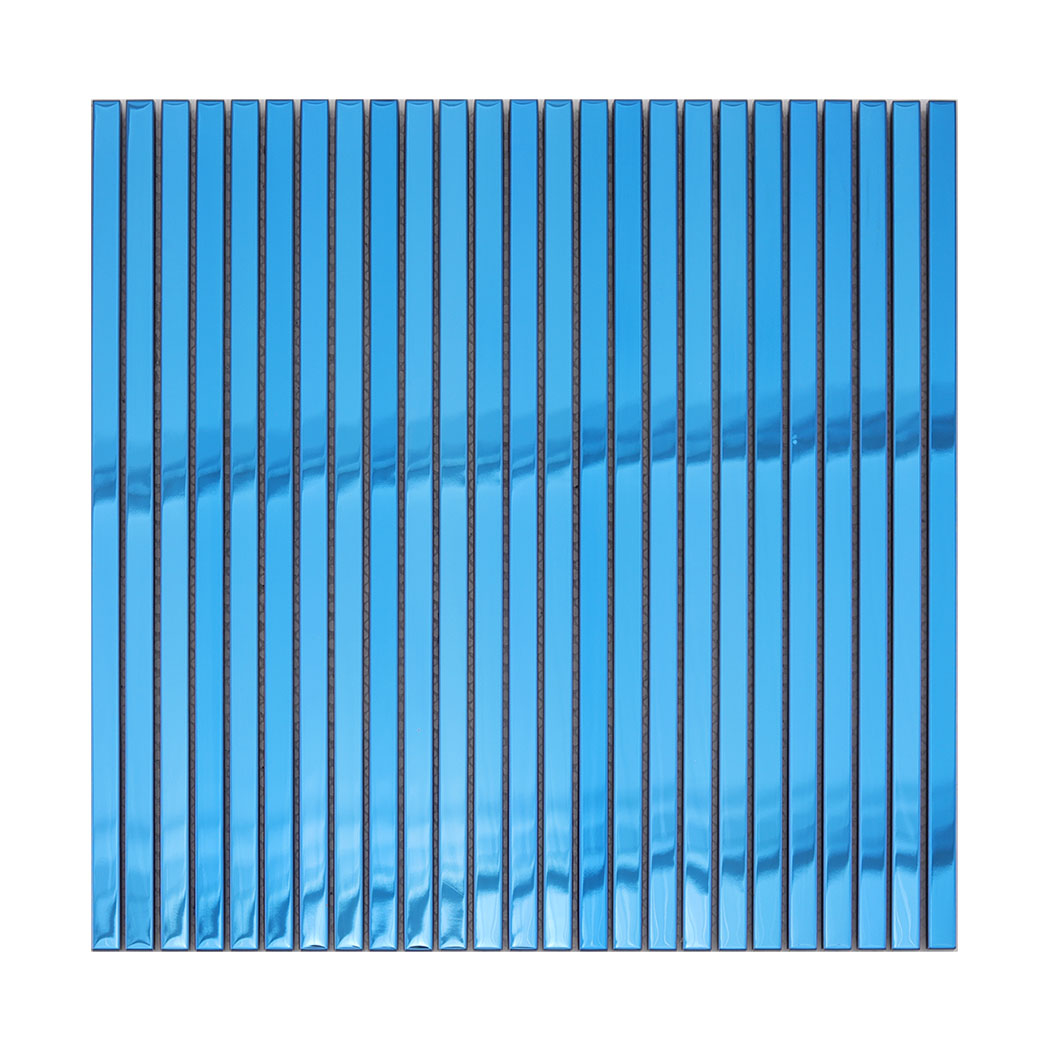
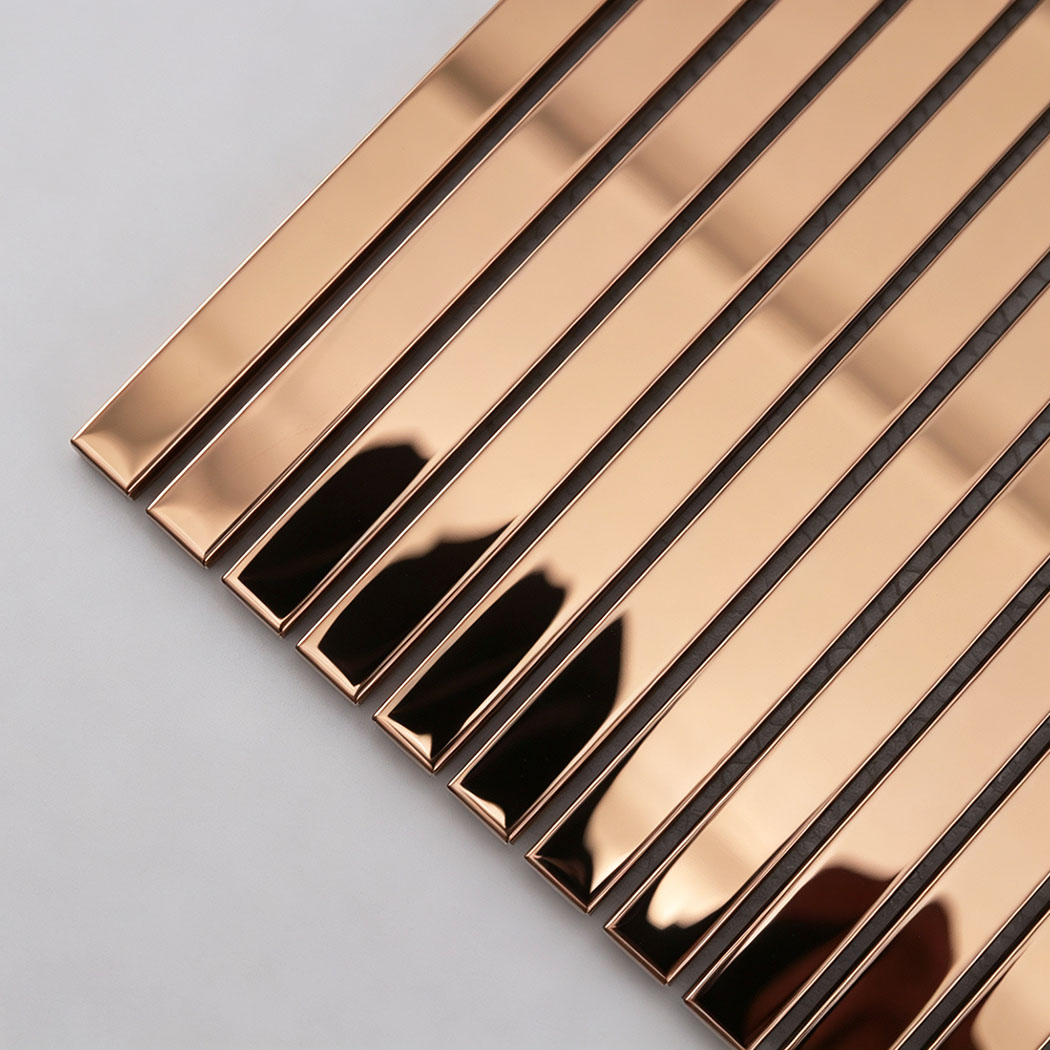
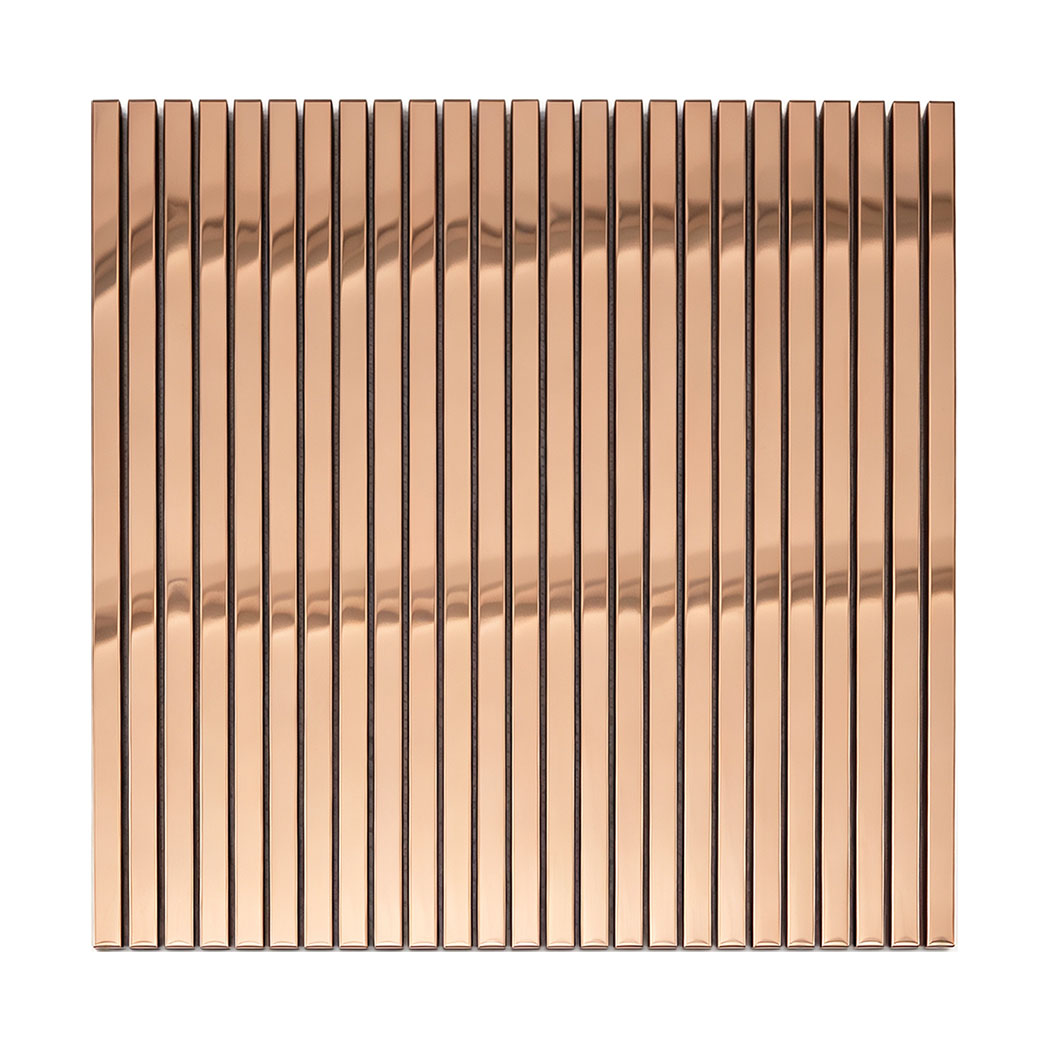
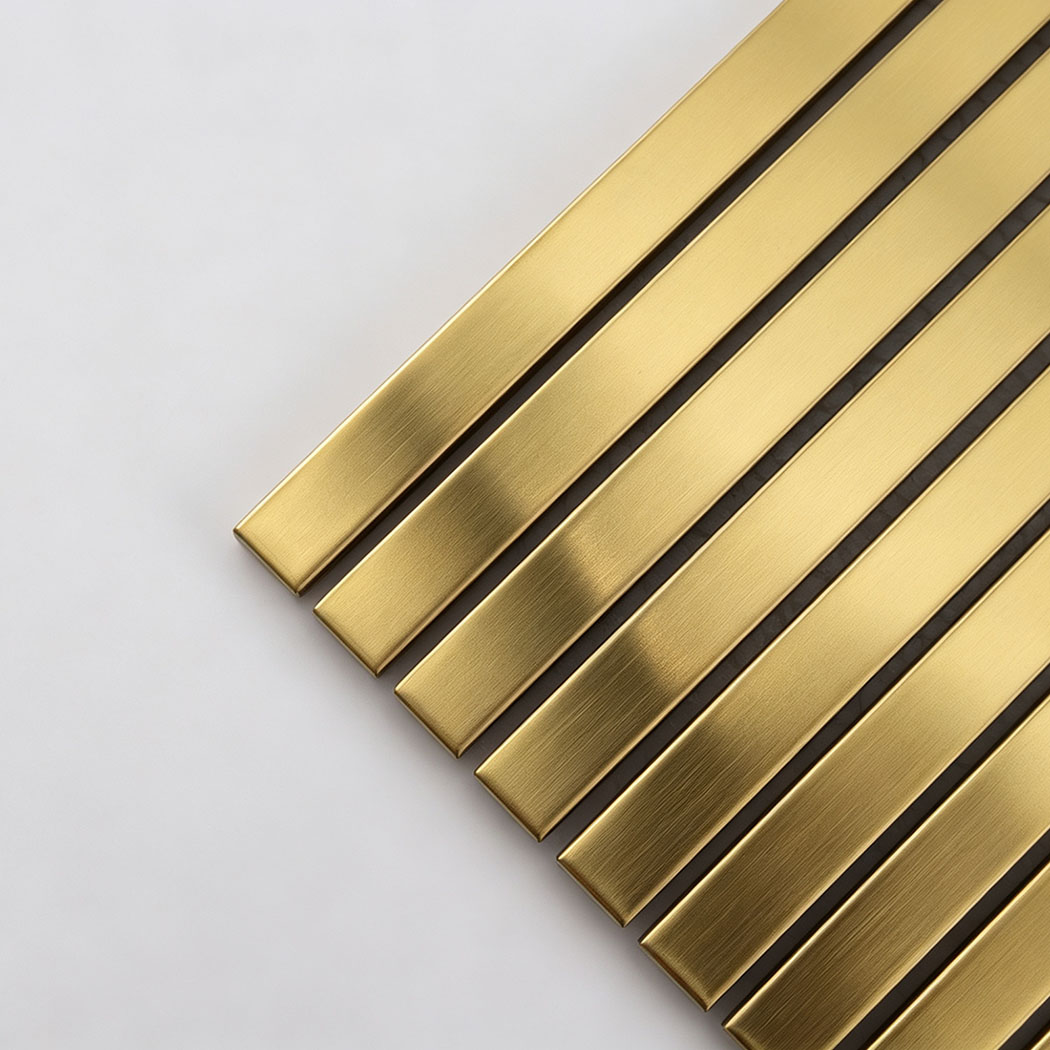
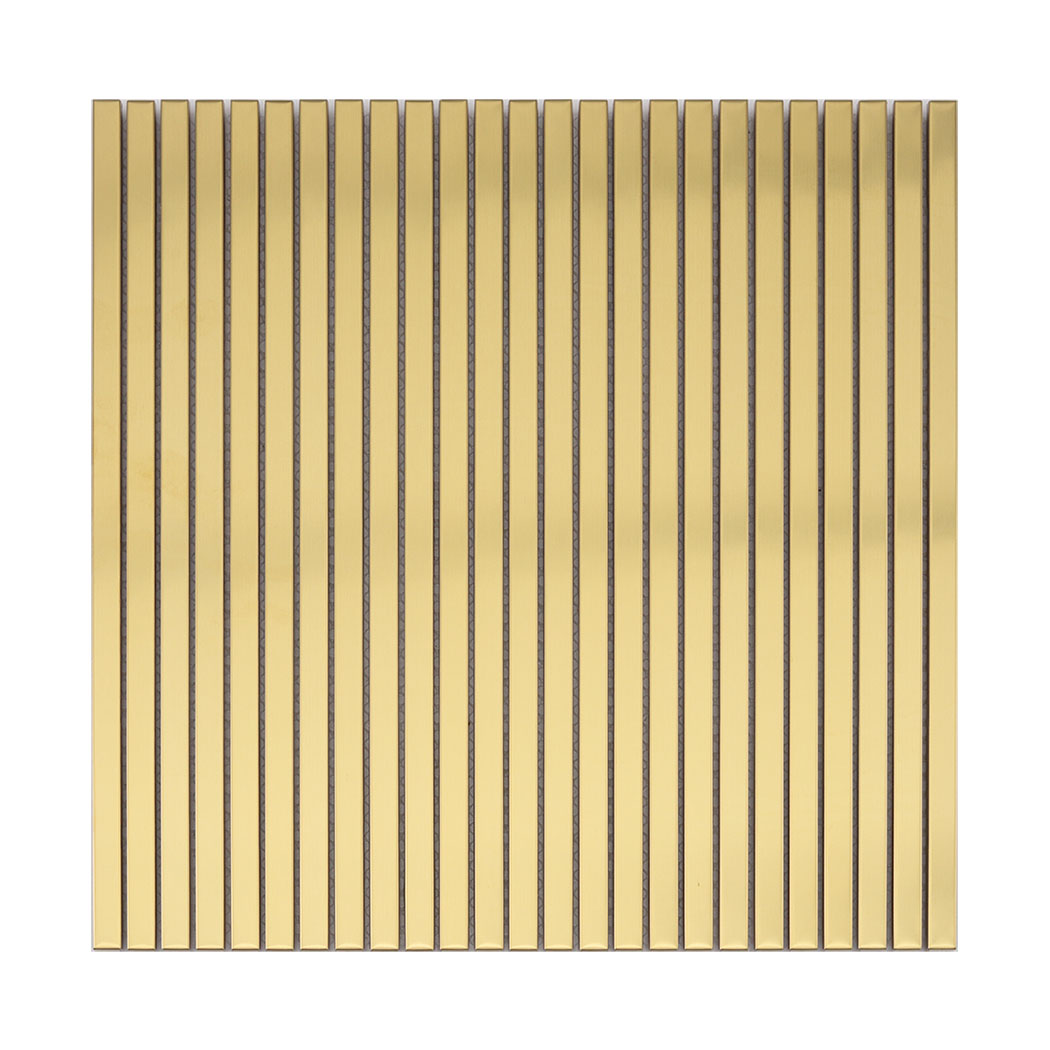
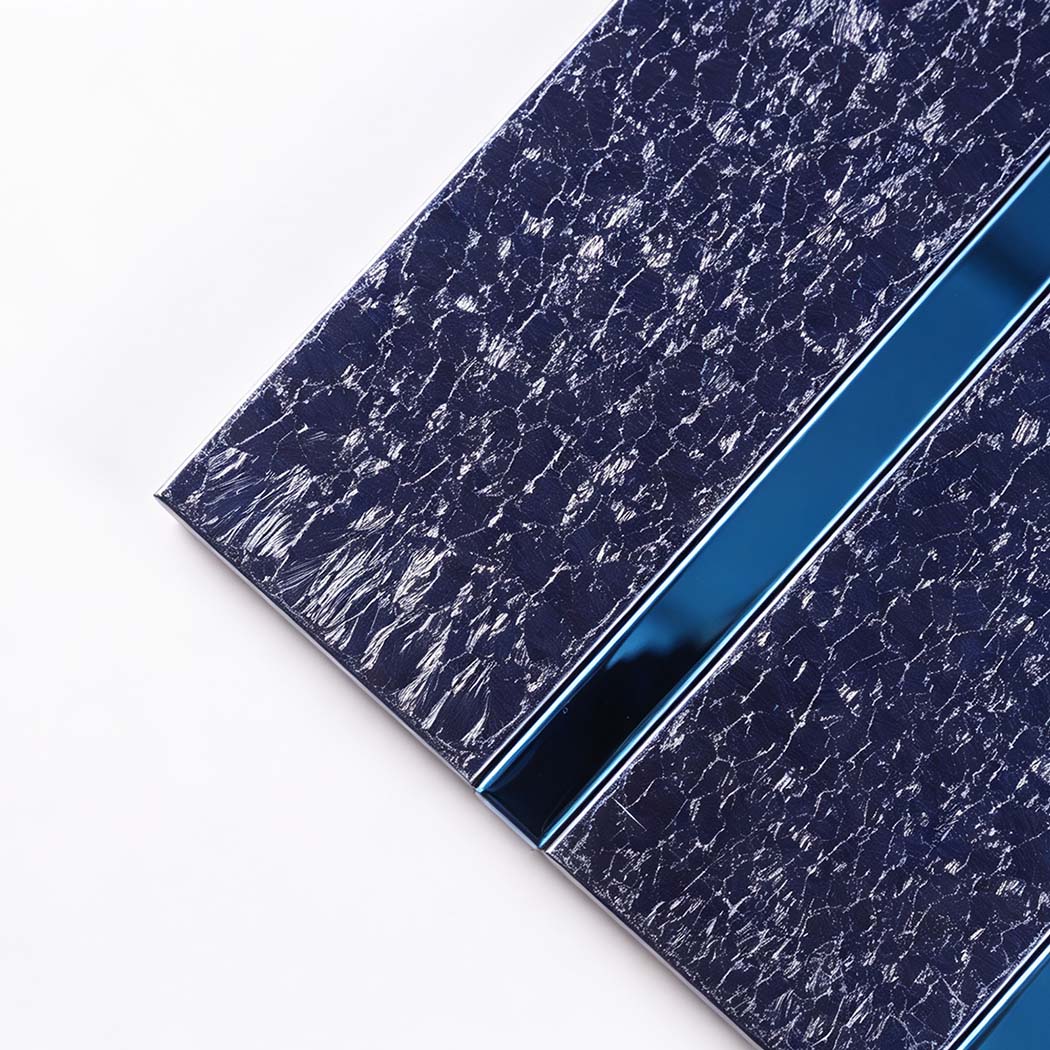
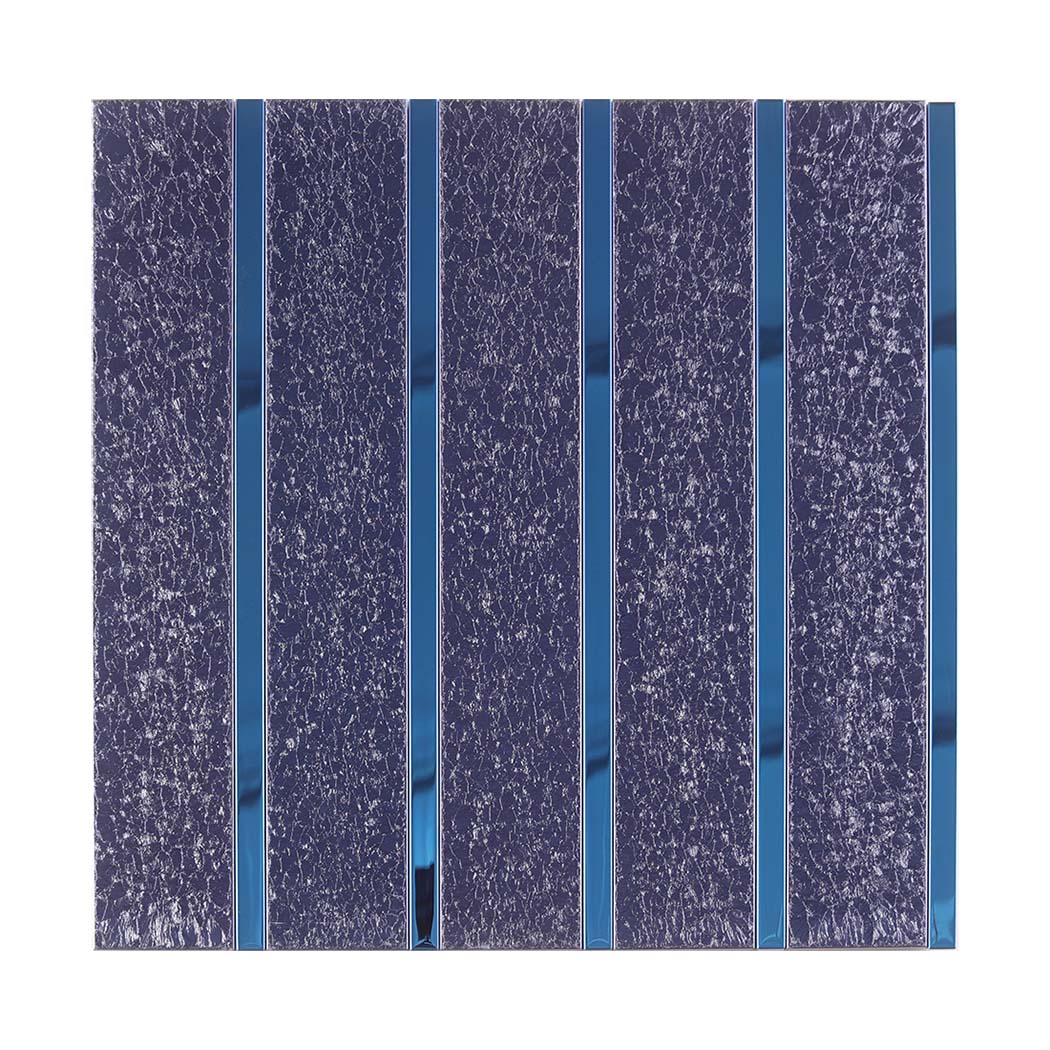
Linear mosaic tiles bring clean lines, layered texture and a sense of movement to interior walls. Arranged in stacked rows, staggered strips or mixed-width patterns, these elongated tiles can create a quiet architectural backdrop or a distinctive decorative feature.
Explore linear mosaic tiles with SAICINA TILES for kitchen backsplashes, bathroom walls, vanity surrounds and commercial interiors. From luminous glass and naturally varied stone to glazed ceramic, porcelain and reflective metal, the right material adds character while supporting the practical needs of your project.
Start with your preferred color, finish and layout, then check the selected product’s dimensions, care requirements and approved applications.
What Are Linear Mosaic Tiles?
Linear mosaic tiles are mosaics made from narrow, elongated pieces arranged to emphasize horizontal or vertical lines. They are also described as strip mosaic tiles, linear backsplash tiles or, for certain layouts, random linear mosaics.
Many designs arrive on mesh-backed sheets that hold the individual pieces in a repeating pattern. Some have straight edges, while others use interlocking ends to continue a staggered layout across neighboring sheets.
“Linear” describes the shape and arrangement, rather than a particular material or performance rating. Two mosaics with similar patterns may have different requirements for installation, cleaning and wet-area use.
Linear Mosaic, Subway Tile and Kit Kat Tile: What Is the Difference?
| Tile Type | Typical Appearance | Design Effect |
|---|---|---|
| Linear mosaic | Narrow strips, often arranged on sheets in uniform or mixed lengths | Fine texture and continuous directional lines |
| Subway tile | Rectangular pieces, commonly installed individually | A broader, more defined rectangular pattern |
| Kit Kat or finger mosaic | Slim, repeated pieces, often in a stacked layout | A compact, regular rhythm |
| Random linear mosaic | A planned mix of strip lengths and sometimes widths | A more varied, layered composition |
These terms can overlap. Compare the actual chip dimensions and sheet pattern to understand how a tile will look across a complete wall.
Why Choose Linear Mosaic Tiles?
Use Direction to Shape the Visual Effect
Horizontal strips draw the eye across a wall, while vertical arrangements emphasize height. This makes orientation useful when designing a narrow backsplash, a vanity feature or a floor-to-ceiling accent wall.
The effect depends on the full design: tile color, grout contrast, lighting and the size of the tiled area all influence how open or enclosed a room feels.
Add Texture Without Relying on Bold Color
A single-color linear mosaic can create interest through joints, subtle surface variation and changes in reflected light. Matte finishes offer a softer appearance, while glossy, iridescent or metallic surfaces make the pattern more noticeable.
Coordinate Small Features and Larger Walls
Linear patterns work across a complete backsplash or within a smaller decorative zone. Use them behind a basin, inside an approved shower niche or across a reception desk front to repeat a material without covering every surface.
Work with Prearranged Mosaic Sheets
Sheet mounting helps maintain the intended pattern and reduces the need to position every piece individually. Careful installation remains essential: sheet boundaries must blend into the overall layout, and joints should stay consistent across the wall.
Explore Linear Mosaic Tile Materials
Glass Linear Mosaic Tiles
Glass brings depth, reflected light and clear color to a linear pattern. Depending on the product, finishes may appear glossy, frosted, translucent, opaque or iridescent.
A glass linear mosaic backsplash can introduce soft blue, green or neutral tones into a kitchen. In bathrooms, approved glass mosaics can create a luminous vanity backdrop or shower feature.
Glass mosaics are not automatically tempered, floor-rated or suitable for swimming pools. The glass type, decorative backing and mounting system all matter when choosing the installation location.
Natural Stone Linear Mosaic Tiles
Marble, travertine and limestone introduce natural variation into an orderly strip pattern. Veining, mineral markings and changes in tone make each installation individual.
Choose marble for expressive veining, travertine for an earthy appearance or limestone for subtle tonal movement. Honed and textured surfaces can complement warm, understated interiors; polished stone creates a more reflective finish.
Natural stone requires material-specific care. Marble, travertine and limestone are sensitive to acidic substances, and sealing may be recommended according to the stone and application.
Ceramic and Porcelain Linear Mosaic Tiles
Ceramic and porcelain offer a wide range of glazed colors, matte finishes and textured surfaces. They can suit simple monochrome schemes, handmade-look interiors or designs that use deliberate glaze variation.
Porcelain and ceramic should not be treated as interchangeable specifications. Confirm the product’s classification and approved use rather than assuming every glazed mosaic performs equally in wet, exterior or floor applications.
Metal Linear Mosaic Tiles
Stainless steel and aluminum mosaics introduce brushed, polished or reflective surfaces. Their linear format pairs well with contemporary cabinetry, concrete finishes and industrial interiors.
Metal mosaics may use solid pieces, metal caps or composite construction. Their suitability near water, heat or cleaning chemicals depends on the complete product, including the backing and surface finish.
Mixed-Material Linear Mosaics
Glass-and-stone or metal-accented mosaics combine contrasting textures within one sheet. They can help connect cabinet finishes, countertops and decorative hardware.
For mixed-material products, choose installation and maintenance methods compatible with every component. A cleaner or grout suitable for one material may damage another.
Wood-Look Linear Mosaics
Wood-look describes an appearance rather than a separate material category. Wood effects may be created on ceramic, porcelain, glass or other surfaces.
Check the actual material before selecting a wood-look mosaic. Its installation requirements come from its construction, not from the timber pattern it resembles.
Choose Your Pattern, Color and Finish
Stacked Linear Mosaic
Aligned pieces create a regular grid with uninterrupted lines. This layout works well with restrained palettes and simple cabinetry.
For a softer result, pair the tile with a closely matching grout. For stronger definition, introduce a carefully chosen contrast.
Staggered and Interlocking Linear Mosaic
Offset strips create movement across the surface. Interlocking sheet edges help continue this arrangement, but they still require precise alignment to prevent visible sheet outlines.
This pattern can complement both contemporary interiors and transitional kitchens that combine traditional cabinetry with modern finishes.
Mixed-Width and Random Linear Mosaic
Different strip widths and lengths produce a more varied composition. Use a limited color palette when you want the pattern to provide texture without dominating the room.
On smaller walls, review several sheets together before committing to a strongly contrasting blend.
Fluted, Ribbed and Sculptural Finishes
Raised profiles add shadows and depth, especially under side lighting. They can create an effective feature behind a vanity or across a decorative wall.
Consider cleaning access when choosing pronounced texture near cooking areas or frequently splashed surfaces.
Color Ideas for Your Space
-
White and ivory: Pair with pale cabinetry, natural wood and subtle grout for a light, cohesive scheme.
-
Gray and greige: Connect cool stone finishes with warmer timber or painted cabinets.
-
Beige, taupe and brown: Support earthy palettes and softly textured interiors.
-
Blue and green: Introduce color into coastal, botanical or contemporary bathroom designs.
-
Black and charcoal: Create definition around a vanity, bar or feature wall.
-
Silver, gold and copper tones: Coordinate with fixtures and decorative metal details.
Evaluate reflective finishes under the lighting you intend to use. Their appearance can change noticeably between daylight and evening illumination.
Where Can You Use Linear Mosaic Tiles?
Kitchen Backsplashes
A linear mosaic tile backsplash brings detail to the area between countertops and cabinets. Extend the same pattern behind a sink or across an open wall for a more continuous composition.
Compare the mosaic with your countertop before choosing a multicolor blend. A quieter tile can balance heavily veined surfaces, while a more varied mosaic can become the focal point beside plain worktops.
For installation behind cooking appliances, confirm the tile’s suitability and the appliance manufacturer’s clearance requirements.
Bathroom and Vanity Walls
Linear bathroom tiles can frame mirrors, define a basin area or add texture behind a freestanding bathtub. Vertical layouts emphasize height; horizontal layouts connect a wider vanity with the surrounding wall.
Choose the finish with everyday cleaning in mind. Dark glossy surfaces and reflective metal can make water marks more visible.
Shower Walls and Niches
Use only products approved for shower exposure. Approval should cover the tile, its backing and the intended installation system.
Tile and grout do not replace waterproofing. Shower walls and niches require a properly designed waterproof assembly, including suitable treatment at corners, penetrations and transitions.
Feature Walls and Commercial Interiors
Linear mosaics can add detail to entrance walls, restaurant bars, hotel reception areas and retail displays. Coordinate the scale of the pattern with the viewing distance: fine strips create a different impression close up than across a large room.
For commercial projects, check that the selected product suits the expected exposure, cleaning routine and applicable project requirements.
Floors, Pools, Outdoor Areas and Fireplaces
These applications need specific approval. A mosaic suitable for an interior wall is not necessarily suitable for foot traffic, constant immersion, freezing temperatures or heat exposure.
For floors, review the intended-use rating and slip-resistance information. For pools, confirm immersion suitability. For exterior installations and fireplace surrounds, verify the complete system’s compatibility before ordering.
How to Choose the Right Linear Mosaic Tile
Check Chip Size, Sheet Size and Thickness
Chip size determines the scale of the pattern. Sheet size affects layout and quantities. Thickness matters where the mosaic meets adjacent tile, trim or another finish.
Before purchasing, confirm:
-
Individual chip dimensions and the repeating arrangement.
-
Overall sheet dimensions and stated coverage.
-
Tile thickness and mounting type.
-
Recommended joint width.
-
Approved installation areas.
-
Finish variation and maintenance requirements.
Do not assume a sheet described as approximately 12 × 12 inches covers exactly one square foot, particularly when it has interlocking edges.
Compare Grout Colors
A matching grout makes the surface appear more continuous. Contrasting grout highlights individual strips and creates a stronger graphic effect.
Test your choice on a small sample assembly where possible. Grout can change the perceived color of translucent glass and the overall balance of a mixed-material mosaic.
Plan Edges and Transitions
Consider exposed ends, external corners, window reveals and the junction with the countertop before installation begins. A compatible trim or carefully planned finished edge can make the difference between a complete design and an unfinished-looking detail.
Review a Physical Sample
Ask about samples of your preferred SAICINA TILES designs. Compare them beside cabinetry, worktops, paint and hardware under your actual lighting.
A small sample helps assess color and finish, while several full sheets give a better understanding of pattern repetition and natural variation.
Calculate Quantities and Compare Project Costs
Measure each area to be tiled and add the areas together. Use the product’s stated coverage to calculate the number of sheets required.
Sheets required = total tiled area × allowance factor ÷ coverage per sheet
Round up to whole sheets, then adjust for full-box ordering where applicable.
For example, a 40-square-foot backsplash with a 10% allowance requires 44 square feet of material. If each sheet covers 0.96 square feet, 44 ÷ 0.96 equals approximately 45.84, so the order would require at least 46 sheets before any box-quantity adjustment.
A 10% allowance is an initial planning example, not a universal requirement. Your installer should confirm the allowance for corners, cutouts, pattern matching and spare material.
When comparing prices, check whether the amount is quoted per sheet, square foot, square meter or box. Include adhesive, grout, waterproofing where required, trims, installation and delivery in the total project budget.
Installation and Maintenance
Prepare the Surface and Plan the Layout
The substrate must be sound, clean, flat and suitable for the installation system. Resolve surface irregularities before setting mosaics, because narrow strips can make unevenness more noticeable.
Lay out several sheets first. Check color distribution, orientation, edge cuts and pattern continuity around corners or fittings.
Use Compatible Adhesive and Grout
Follow the selected tile and setting-material manufacturers’ instructions. Glass, natural stone and metal may need different bonding materials or application methods.
Use grout compatible with both the joint width and the tile finish. Test scratch-sensitive surfaces before grouting the full installation.
Keep Sheet Joints Consistent
Match the spacing between sheets to the spacing within each sheet. Check alignment frequently and keep joints clear of excess adhesive.
Preserve required movement joints and use the specified flexible sealant at relevant transitions. Allow the installation to cure fully before cleaning aggressively or exposing it to water.
Clean According to the Material
Use a soft cloth and a suitable neutral cleaner for routine care. Remove cooking splashes and soap residue before they accumulate, then rinse and dry as appropriate.
For natural stone, avoid acidic cleaners such as vinegar and follow the recommended sealing schedule. Sealing can help reduce staining but does not prevent acid etching.
For glass and metal, avoid abrasive pads and cleaners that could scratch or damage the finish. Mixed-material mosaics need a cleaning product suitable for all components.
Linear Mosaic Tiles FAQs
Are Linear Mosaic Tiles Suitable for Small Kitchens?
Yes. A restrained palette and grout that closely matches the tile can create a visually continuous backsplash. Review the pattern alongside cabinets and countertops to avoid overwhelming a compact space.
Should Linear Tiles Be Installed Horizontally or Vertically?
Horizontal layouts emphasize width, while vertical layouts draw attention upward. Choose the orientation around the wall proportions and surrounding cabinetry, and confirm that the sheet pattern works when rotated.
Can Linear Mosaic Tiles Be Used on Shower Floors?
Only when the specific product is approved for that use. Small pieces and additional grout joints do not automatically make a mosaic slip resistant or suitable for a sloped shower floor.
Are Linear Mosaic Tiles Waterproof?
Some materials, including glass, absorb very little water, but that does not make the installed wall waterproof. Wet areas need an appropriate waterproofing system behind the tile.
Do Linear Mosaic Tiles Need Sealing?
It depends on the material and grout. Natural stone may need sealing, while many glass and glazed tile surfaces do not. Follow the guidance for the exact product, particularly for mixed-material mosaics.
Are Mesh-Backed Linear Mosaics Peel-and-Stick Tiles?
Usually not. Mesh holds the pieces together for installation; it is not normally a self-adhesive layer. Unless specifically identified as peel-and-stick, the mosaic requires a compatible setting material.
How Do You Avoid Visible Sheet Lines?
Plan the layout across several sheets, keep joint widths consistent and adjust individual pieces when necessary. Check the surface from different viewing distances before the adhesive sets.
Can Linear Mosaic Sheets Wrap Around a Curved Surface?
Some can accommodate gentle curves, but flexibility depends on strip length, orientation, spacing and backing. Test the actual sheet against the proposed curve before specifying it.
How Do I Check Price, Availability and Delivery?
Send SAICINA TILES the product reference, required quantity, installation location and delivery destination. Confirm the quotation unit, availability, estimated lead time and applicable order terms before purchasing.
Can I Discuss a Custom Linear Mosaic Design?
Contact SAICINA TILES with your preferred material, colors, strip dimensions and layout reference. Ask which options are feasible for your project and confirm any minimum quantity, sample requirements and production lead time before ordering.
Find Your Linear Mosaic Tiles with SAICINA TILES
Create a kitchen backsplash with subtle movement, a bathroom wall with luminous color or a feature surface with natural texture. SAICINA TILES can help you explore linear mosaic options around your preferred appearance and intended application.
Share your wall dimensions, project location and design references to ask about suitable products, samples and a project quotation.