
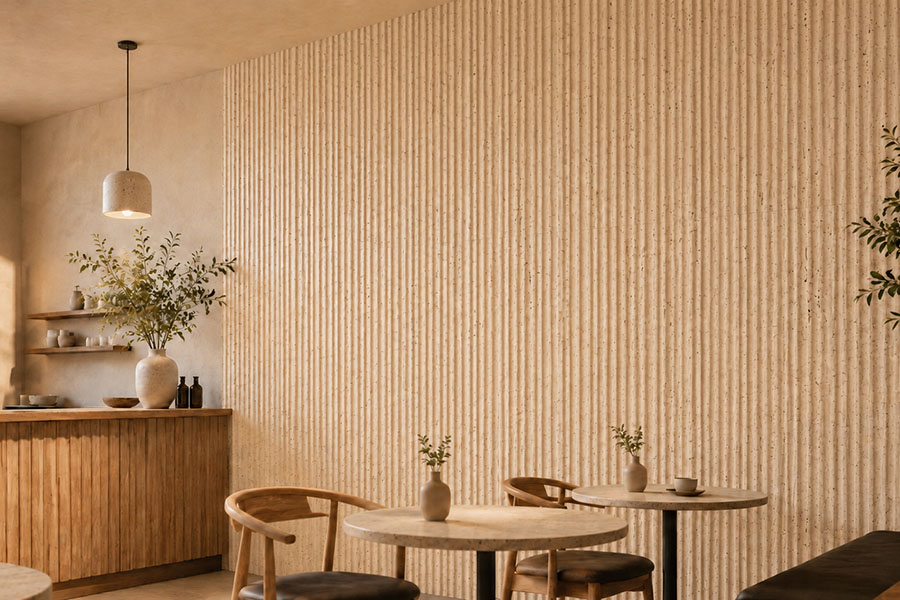

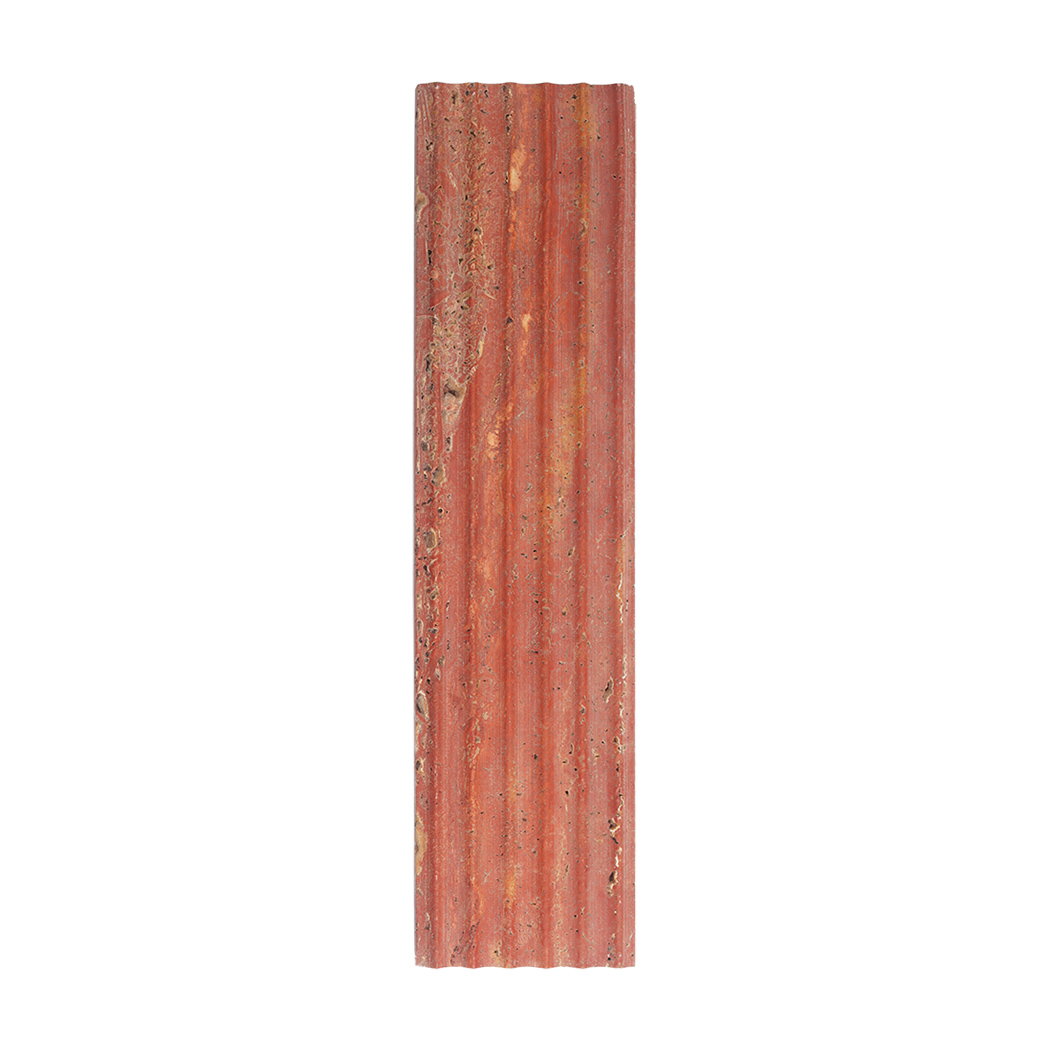
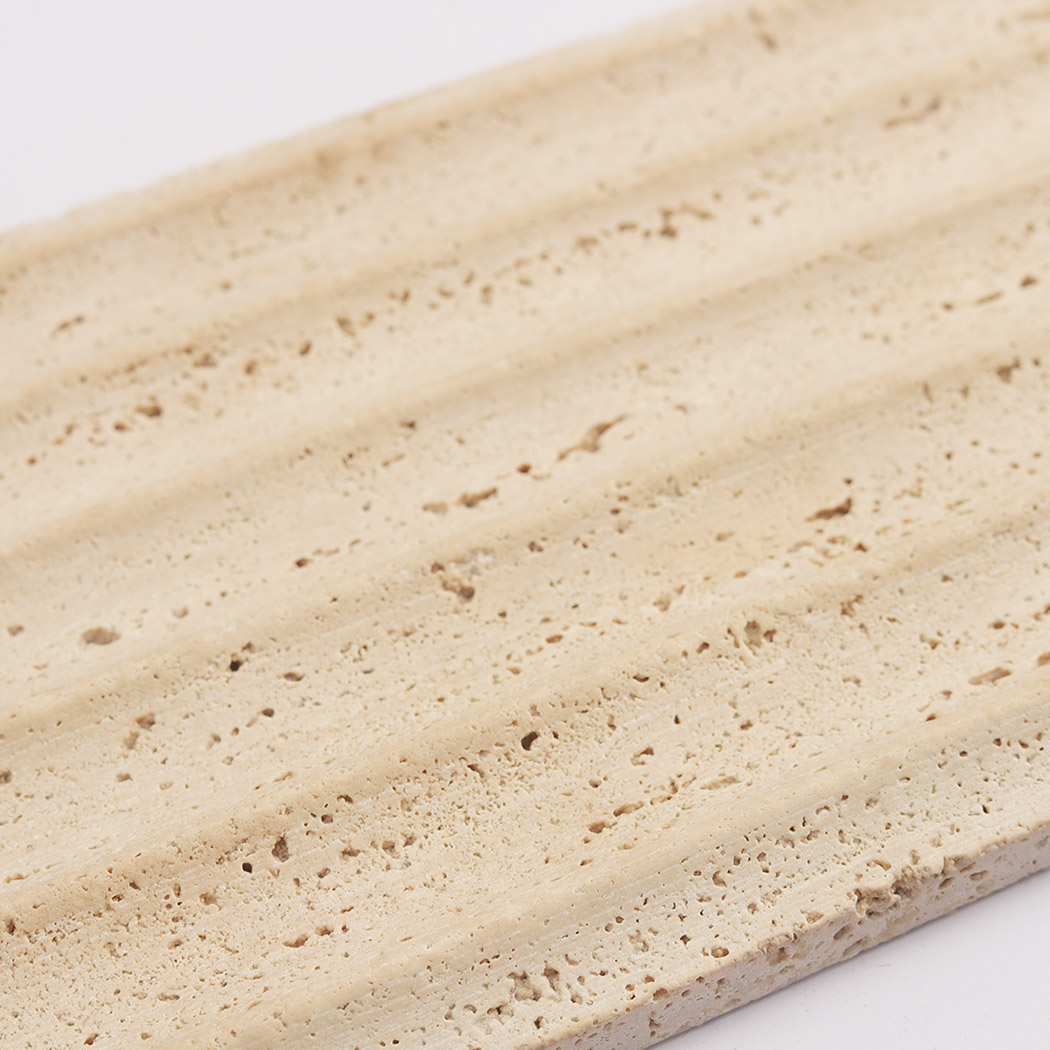
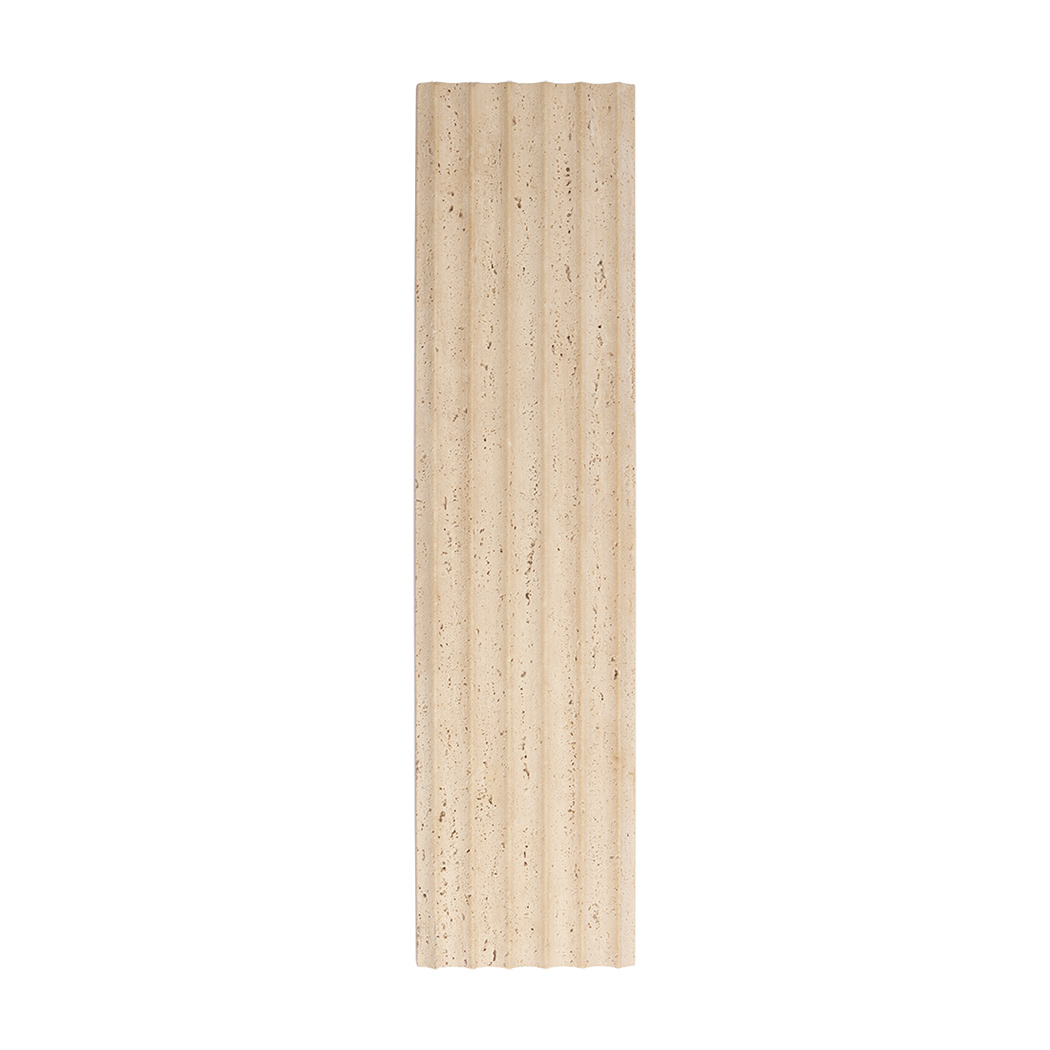

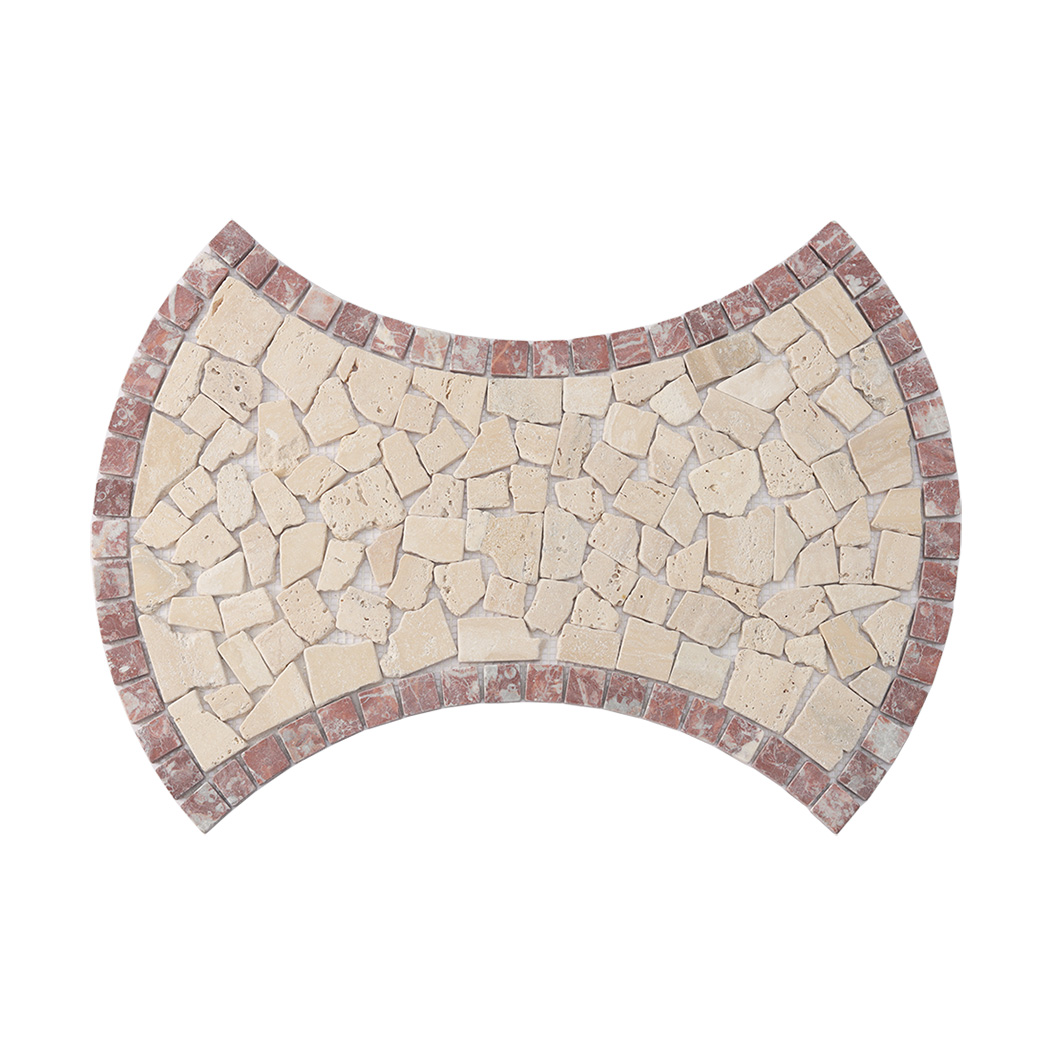
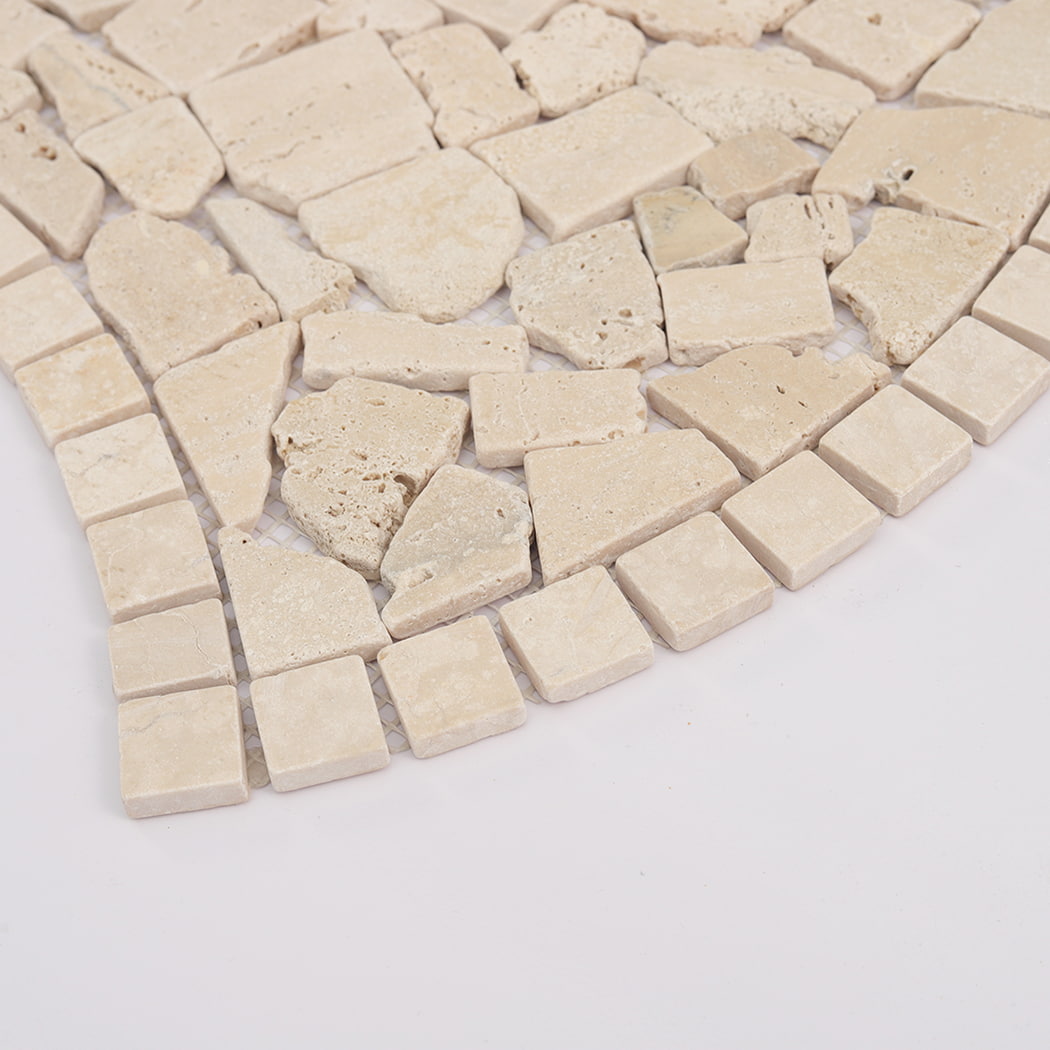
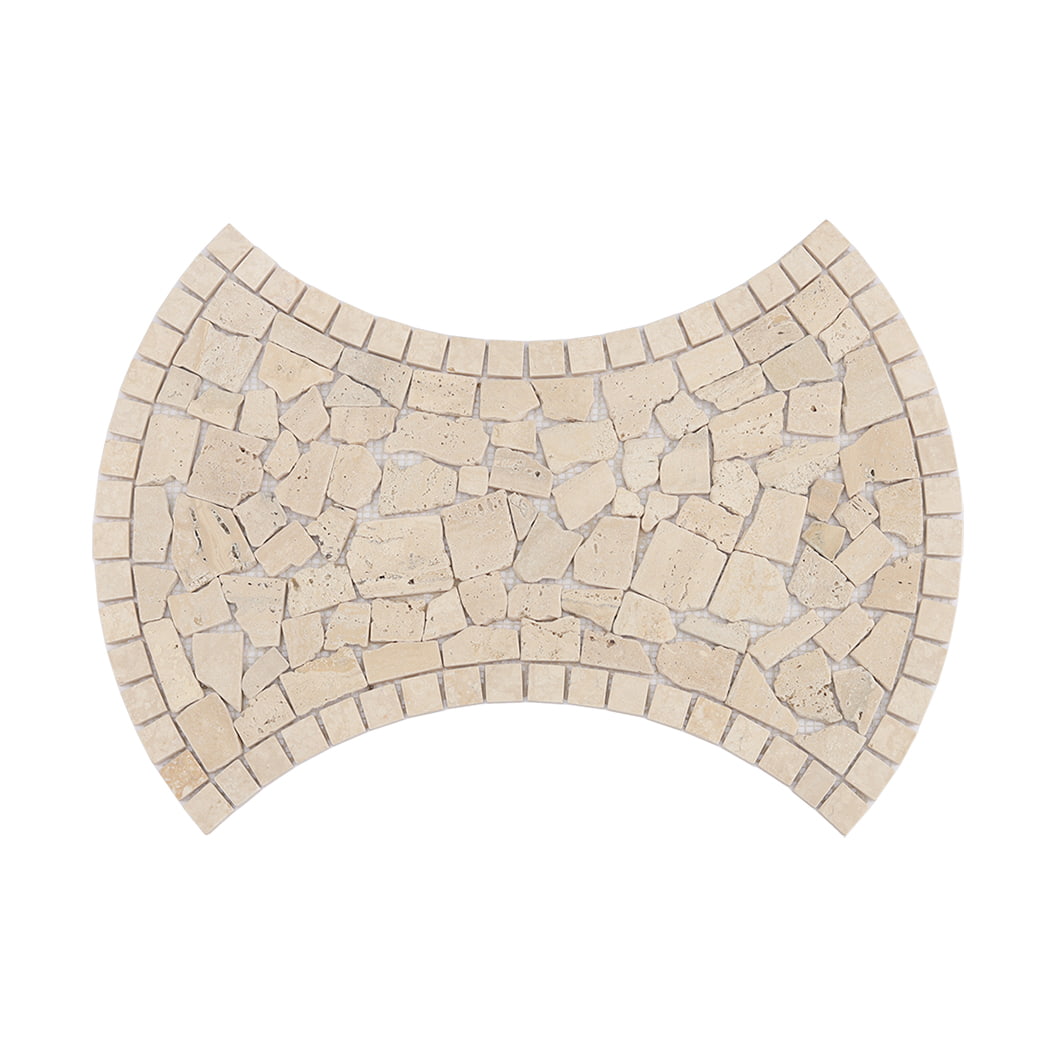
Large travertine tiles bring the warmth, natural movement and architectural character of genuine stone to residential and commercial spaces. Saicina Tiles supplies 100% natural travertine in a standard 600 × 150 mm (23.62 × 5.91 in.) format and manufactures custom sizes, finishes, thicknesses, edge details and three-dimensional profiles for project-specific applications.
Choose understated honed panels for continuous walls and floors, vein-cut travertine for a strong linear appearance, cross-cut stone for softer cloud-like movement, or custom fluted and grooved panels for sculptural feature walls. Because every tile is cut from natural stone, variations in color, pores, veining and mineral markings are expected and form part of the finished design.
Whether you are planning a private residence, hotel, restaurant, retail interior or architectural development, Saicina Tiles can help you select the appropriate stone, finish, size and fabrication method. Contact us to request a sample, confirm technical requirements or receive a custom project quotation.
Large-Format Natural Stone with Fewer Visual Interruptions
Large-format travertine creates broader areas of uninterrupted stone and reduces the number of grout joints compared with small tiles. The result is calmer, more continuous and especially effective in minimalist, contemporary, Mediterranean, organic modern and nature-inspired interiors.
Travertine’s softly layered colors and naturally porous character add visual depth without the cold uniformity of a synthetic surface. Its warm neutral palette works effortlessly with timber, brushed metal, plaster, concrete, glass and other natural materials.
The elongated 600 × 150 mm standard format can be stacked vertically to increase the perceived height of a room, installed horizontally to emphasize width, or arranged in a balanced running-bond layout. Custom cut-to-size panels allow designers to coordinate the stone with wall dimensions, niches, vanity widths, fireplace surrounds, columns and other architectural features.
Large Travertine Tile Specifications
-
Material: 100% natural travertine
-
Standard size: 600 × 150 mm / 23.62 × 5.91 in.
-
Custom sizes: Manufactured according to project drawings and approved tolerances
-
Cut direction: Vein cut or cross cut, subject to stone selection
-
Surface finishes: Honed, polished, brushed, antique, sandblasted, textured or customized
-
Surface filling: Filled, partially filled or unfilled
-
Dimensional profiles: Flat, fluted, grooved, concave, ribbed or custom-machined
-
Common colors: Beige, ivory, cream, light gray, silver, walnut and selected natural variations
-
Applications: Interior walls and floors, feature walls, fireplaces, bathrooms, hotels, restaurants and selected exterior projects
-
Order types: Samples, small custom orders, bulk orders, OEM and ODM projects
All specifications are subject to the selected stone, tile size, thickness, surface finish, dimensional profile and intended application. Final technical suitability should be confirmed before production.
What Makes Natural Travertine Different?
Travertine is a calcium-carbonate natural stone formed by mineral deposits around springs. Its characteristic pores, layered markings and tonal variations make every tile unique.
Unlike printed travertine-look porcelain, natural travertine contains genuine mineral movement throughout the body of the stone. Its veins and pores are not surface graphics, and the pattern does not repeat from tile to tile.
Natural variation is not a defect. Individual pieces may differ in background color, vein density, pore distribution and mineral markings. A successful installation uses these variations intentionally to create a balanced and natural surface.
Before installation, the tiles should be inspected and dry-laid using material from several boxes or crates. Lighter, darker and more strongly figured pieces can then be distributed naturally throughout the installation.
Vein-Cut and Cross-Cut Travertine
Vein-Cut Travertine
Vein-cut travertine is sliced parallel to the stone’s natural bedding. This cutting method reveals long, directional bands and clearly defined linear movement.
Vein-cut travertine works particularly well in modern wall cladding, vertically stacked installations, reception areas, fireplaces and architectural feature walls. When continuous grain alignment is required, the direction of the veins should be clearly marked on the project drawings.
Cross-Cut Travertine
Cross-cut travertine is sliced across the stone’s natural bedding. It produces softer, cloud-like or circular movement with less pronounced linear striping.
This cutting method is suitable for large floors, bathrooms, spas and other spaces where the designer wants natural variation without a strongly directional pattern.
Neither cutting method is universally better. The correct choice depends on the visual effect, installation direction and overall design concept.
Standard and Custom Travertine Tile Sizes
Standard 600 × 150 mm Travertine Tiles
Our standard large travertine tile measures 600 mm high × 150 mm wide, equal to approximately 23.62 × 5.91 inches.
The long rectangular proportion is suitable for vertical stacking, horizontal courses, running-bond patterns and continuous architectural wall compositions. Standard-size production can simplify project estimating and replacement planning while still providing a distinctive large-format appearance.
Custom Cut-to-Size Travertine
Saicina Tiles can manufacture dimensions beyond the standard format for residential, hospitality, retail and commercial projects.
Custom options include:
-
Special lengths and widths based on elevations or shop drawings
-
Coordinated wall panels, returns, corners and end pieces
-
Non-standard rectangular and geometric shapes
-
Customized thicknesses for different applications
-
Calibrated panels for more consistent installation
-
Directionally arranged pieces where the selected stone permits
-
Cutouts and fabrication details subject to drawing review
-
Customized edge profiles and transitions
-
Matching flat and dimensional panels
-
Small-batch and large-volume project production
For an accurate quotation, provide the finished dimensions, total quantity, intended application, preferred stone color, cut direction, surface finish, filling preference, thickness, edge details, project drawings and delivery location.
Large or highly dimensional pieces may require special handling, reinforcement, packaging or installation planning.
Surface Finish Options
The finish affects the stone’s color depth, reflectivity, texture, maintenance requirements and application suitability. It should be selected according to the installation environment rather than appearance alone.
Honed Travertine
A honed finish creates a smooth, matte or low-sheen surface. It preserves the stone’s soft and natural appearance and is a versatile choice for interior walls, residential floors and understated commercial spaces.
Honed travertine is particularly suitable for minimalist and contemporary interiors where a calm, non-reflective stone surface is preferred. Required slip-resistance performance must still be confirmed for floor and wet-area applications.
Polished Travertine
Polishing creates a smoother and more reflective surface while deepening the visible color of the stone.
Polished travertine is commonly selected for decorative interior walls, formal living spaces, luxury reception areas and other applications where reflectivity is desirable. Because polished stone may be less suitable where slip resistance is important, floor applications should be reviewed with the architect and installer.
Brushed and Antique Travertine
Brushed and antique finishes create a more tactile and weathered surface. They emphasize the natural character of the stone and are well suited to rustic, Mediterranean, traditional and organic interior designs.
These finishes may also be considered for selected exterior or floor applications. However, the stone type, thickness, climate, slip resistance and installation system must be evaluated for each project.
Sandblasted and Textured Travertine
Sandblasted and other textured treatments create a more pronounced surface profile. These finishes may improve visual texture and can be considered where a less polished appearance is required.
The exact texture can be customized according to the approved sample and intended application.
Filled and Unfilled Travertine
Filled Travertine
Filled travertine has some or most of its natural surface voids filled with a compatible material to create a smoother face.
It is often preferred for interior floors, bathrooms, kitchens and commercial spaces where easier cleaning is a priority. The filling color may be selected to blend with the stone or provide subtle contrast, subject to material availability and sample approval.
Filled travertine retains the natural character of the stone while reducing the number of open surface pores.
Unfilled Travertine
Unfilled travertine retains more of its natural open pores and tactile texture. It creates a rustic, organic appearance and is particularly effective on decorative walls and architectural features.
Because open voids can collect moisture, dust or debris, unfilled travertine requires more careful specification and maintenance in wet areas and high-traffic locations.
Partially filled surfaces are also available for projects that require a balance between natural texture and easier maintenance.
Custom Fluted and Grooved Travertine Panels
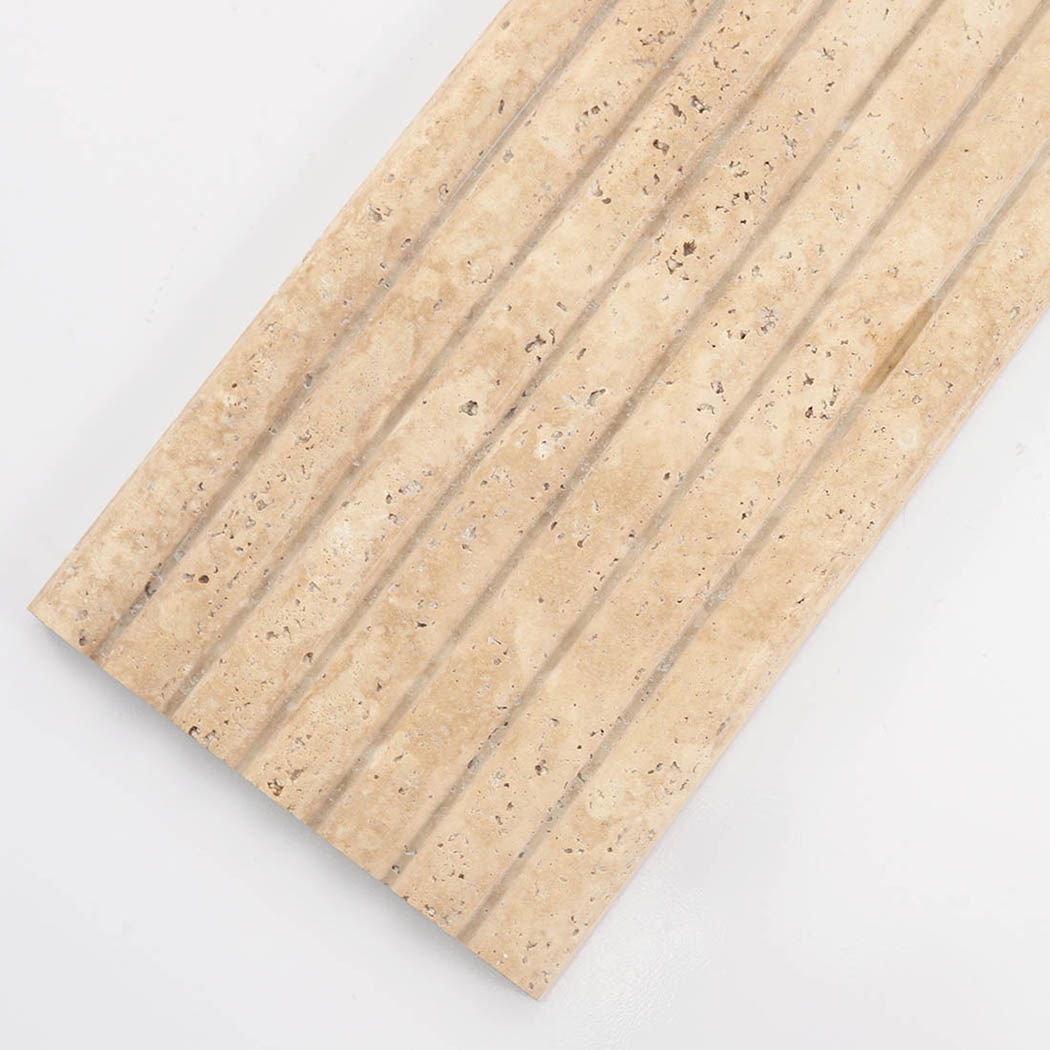
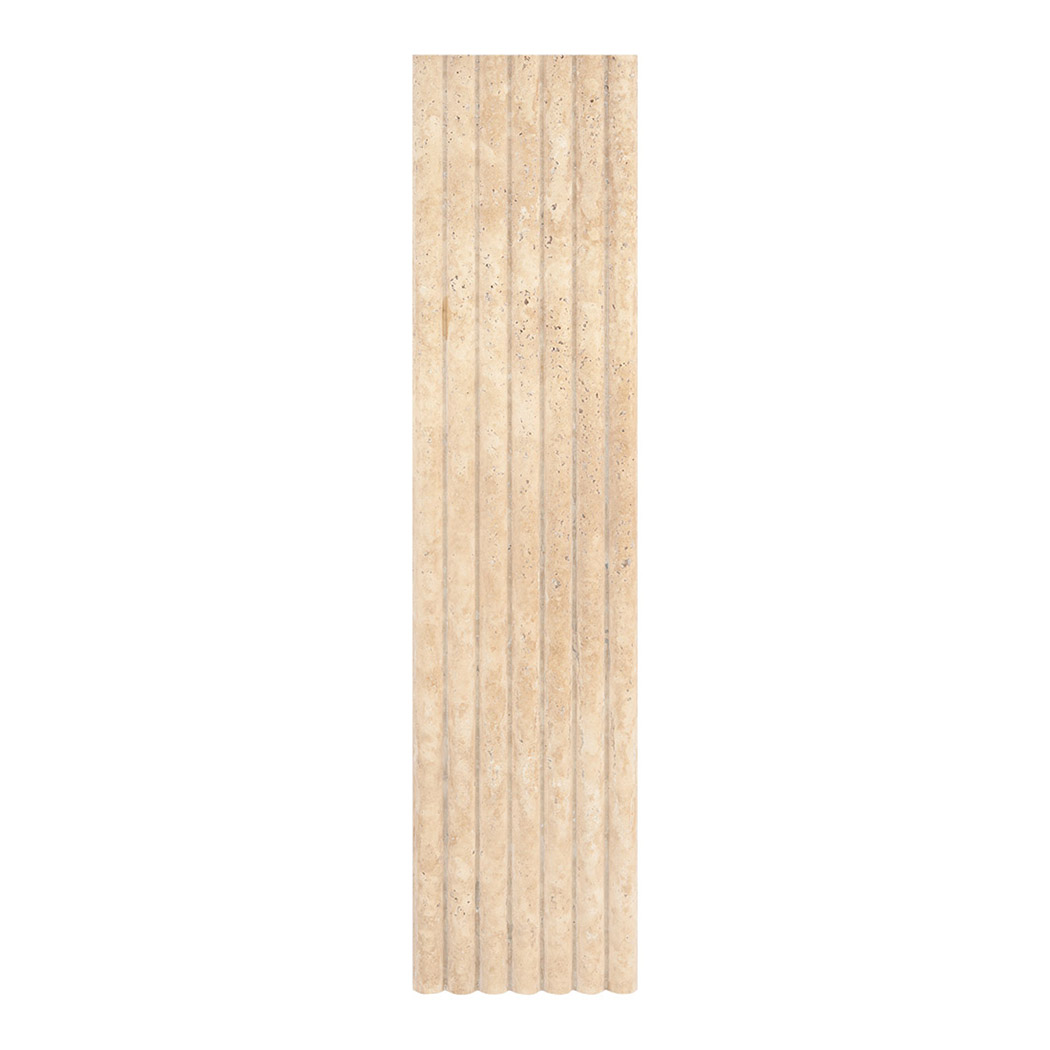
Dimensional travertine transforms a wall through changing light and shadow. Saicina Tiles can machine flat natural stone into fluted, concave, ribbed and grooved profiles with customized spacing, depth, width and radius.
Available designs include broad concave channels, fine linear grooves, half-round fluting, repeating sculptural modules and custom profiles developed from drawings or reference images.
For accurate production, the drawings should specify:
-
Overall panel length, width and thickness
-
Installation direction
-
Groove direction
-
Groove width and depth
-
Distance between grooves
-
Groove pitch and radius
-
Distance from the final groove to each edge
-
Joint position and intended joint width
-
Edge profile and corner treatment
-
Transitions between flat and dimensional surfaces
-
Required pattern continuity between adjacent panels
-
Substrate and installation orientation
Custom fluted travertine panels are ideal for feature walls, hotel lobbies, reception desks, restaurant walls, bar fronts, fireplace surrounds, retail interiors and other vertical decorative applications.
Deeply grooved or fluted profiles are generally intended for walls. They should not be specified for walking surfaces unless that exact construction has been reviewed and approved for floor use.
Travertine Colors and Natural Variation
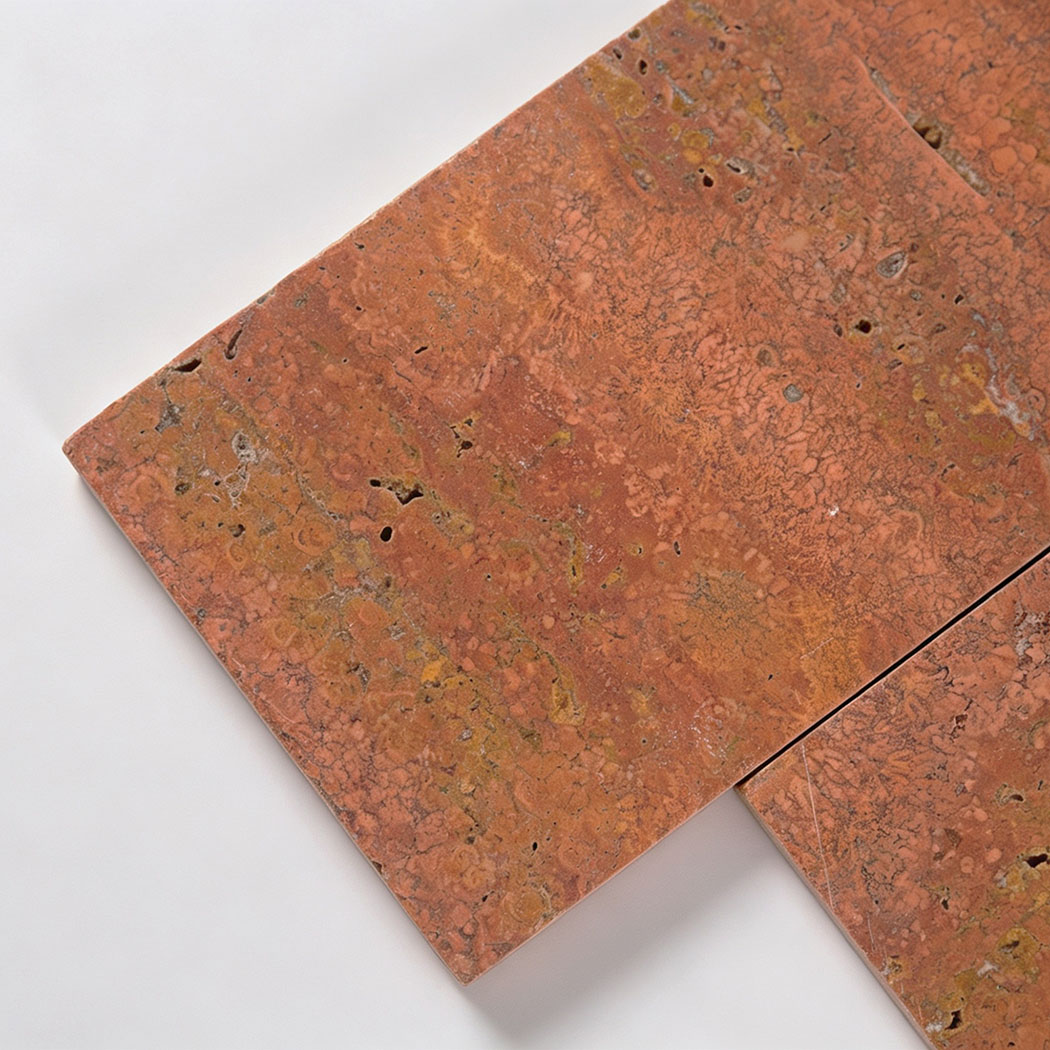
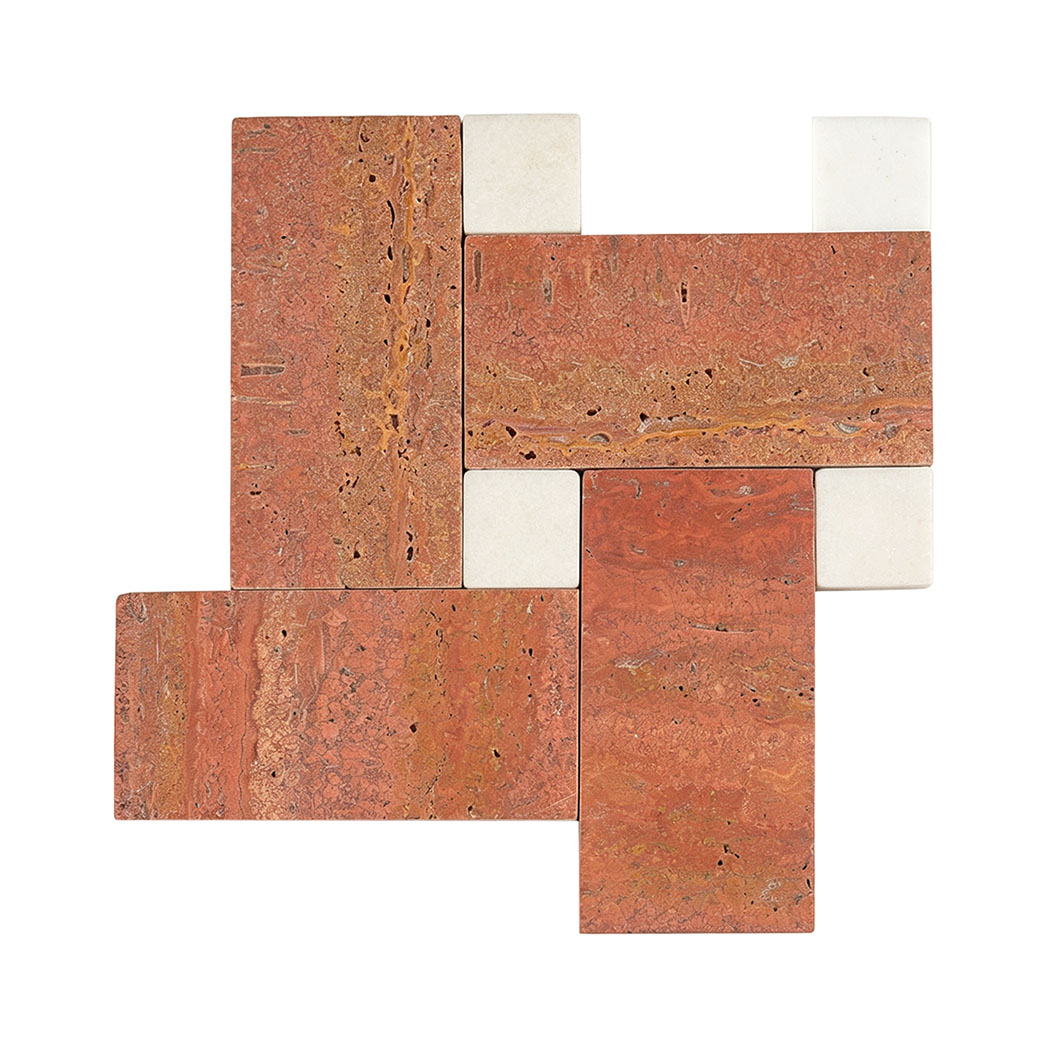
Large travertine tiles are available in warm ivory, cream, classic beige, light gray, silver, walnut and selected darker or more dramatic colors.
Color and pattern availability vary according to the quarry block and production lot. Every order contains natural differences in background tone, veins, pores and mineral markings.
For connected walls or floors, customers should order the full required quantity at the same time. This allows the material to be selected from a coordinated production batch and reduces the risk of noticeable color differences between separate orders.
When consistent color is critical, request an approved control sample or range sample. A small sample can communicate the general material, color and finish, but it cannot represent every variation that may appear in a full natural-stone order.
For major projects, the approval process can include:
-
Material samples
-
Finish samples
-
Color-range samples
-
Technical drawings
-
Production photographs
-
Dry-layout photographs
-
Physical mockups
-
Pre-shipment inspection
Applications for Large Travertine Tiles
Living Rooms and Feature Walls
Large-format travertine can be installed behind a television, along a double-height wall or around a fireplace to create a calm architectural focal point.
Vein-cut panels emphasize height and direction, while cross-cut stone creates softer and more organic movement. Fluted panels can introduce additional depth through natural light and shadow.
Bathrooms and Spa Interiors
Honed and appropriately filled travertine can create warm vanity walls, bathtub surrounds, shower walls and spa-inspired bathroom surfaces.
Wet-area installations require suitable waterproofing, natural-stone mortar, grout, sealant and ongoing maintenance. Surface finish and slip-resistance requirements must be confirmed separately for shower floors and other walking surfaces.
Kitchens and Dining Areas
Travertine can be used for kitchen backsplashes, dining-room feature walls and selected floor applications.
Because acidic foods and cleaning products can etch calcium-based natural stone, correct sealing and pH-neutral maintenance are important. Spills should be blotted promptly rather than allowed to remain on the surface.
Hotels and Hospitality Projects
Large travertine panels bring natural material character to hotel lobbies, guest bathrooms, corridors, restaurants, bars, spas and reception areas.
Custom dimensions allow the tile modules to coordinate with furniture, doors, columns and architectural elevations. Fluted and grooved panels can be used to create distinctive branded interiors and high-end feature walls.
Restaurants and Commercial Interiors
Travertine can be incorporated into restaurant walls, bar fronts, reception desks, retail displays, office lobbies and private clubs.
For commercial floors, the required thickness, surface finish, traffic level, slip performance and maintenance plan should be confirmed before ordering.
Fireplaces
Natural travertine is well suited to decorative fireplace surrounds and full-height fireplace feature walls. Large-format panels reduce visual interruptions, while vein-cut layouts create strong vertical or horizontal movement.
The final stone thickness, substrate, adhesive and distance from the heat source should comply with the fireplace manufacturer’s instructions and local building requirements.
Exterior Walls and Landscape Projects
Selected travertine products can be used for exterior walls, patios, garden features and landscape projects. Exterior suitability must be assessed individually.
Important considerations include:
-
Local climate
-
Freeze-thaw exposure
-
Selected travertine type
-
Tile thickness
-
Surface finish
-
Substrate condition
-
Drainage
-
Waterproofing
-
Mechanical anchoring
-
Installation height
-
Local building requirements
Exterior wall panels and elevated installations may require an engineered mechanical attachment system rather than adhesive alone.
Benefits of Large Travertine Tiles
Fewer Grout Joints
Larger tiles reduce the number of grout joints and create a cleaner, more continuous surface. This is especially beneficial in minimalist interiors and spaces where the natural stone should remain the primary visual feature.
Unique Natural Texture
Every travertine tile has its own pores, veins and mineral markings. There are no completely identical pieces, giving the finished surface genuine natural variation.
Flexible Design Options
Large travertine tiles can be installed vertically, horizontally or in running-bond layouts. They can also be customized into fluted, grooved, ribbed, concave and other architectural profiles.
Suitable for Residential and Commercial Projects
The material can be specified for private homes, hotels, restaurants, retail stores, offices, spas and other design-led environments.
Coordinated Flat and Dimensional Surfaces
Saicina Tiles can produce flat panels and matching dimensional tiles from coordinated natural stone, allowing designers to combine smooth and textured surfaces within the same project.
Long-Term Design Appeal
Travertine has been used in architecture for centuries. Its warm neutral tones and natural mineral character work with traditional, Mediterranean, contemporary and minimalist design styles.
Planning a Large Travertine Installation
Natural stone and large-format installations benefit from professional planning and installation.
Confirm the Application
Identify whether the tile will be installed on an interior wall, dry floor, wet area, exterior wall or outdoor walking surface. Different applications may require different thicknesses, finishes and installation systems.
Check the Structure and Substrate
The substrate must be stable, clean, dry, properly prepared and sufficiently flat for the selected tile size. Floor deflection and structural load capacity should be assessed where relevant.
Approve the Stone Range
Review samples for color, pores, veining, cut direction, finish and filling before production. Natural variation should be understood and approved before the full order is manufactured.
Dry-Lay and Blend the Tiles
Inspect all material before installation. Blend tiles from multiple boxes or crates to distribute lighter, darker and more strongly veined pieces naturally throughout the surface.
Do not install all tiles from one box before opening the next box.
Use Installation Materials Designed for Natural Stone
The installer should select an appropriate light-colored natural-stone mortar, grout, waterproofing system and movement-joint system according to the installation conditions.
Dark mortar may affect the appearance of lighter and more porous stone. Product compatibility should always be tested before full installation.
Achieve Proper Mortar Support
Large natural-stone tiles require adequate mortar transfer and properly supported edges and corners. Back-buttering may be used as part of the installer’s approved installation method.
Voids beneath the stone should be minimized to reduce the risk of cracking or loose tiles.
Include Necessary Joints
Large tiles reduce the number of visible joints, but movement joints, perimeter joints and required grout joints must not be eliminated.
The final grout-joint width should reflect tile calibration, layout, substrate conditions and applicable installation standards.
Seal at the Correct Stage
Depending on the stone, finish, filling material and grout, a penetrating sealer may be applied before grouting, after installation or at both stages.
The selected sealer should always be tested on a spare tile or inconspicuous area before full application.
How Much Extra Travertine Should You Order?
Order approximately 10–15% additional material for straight layouts, cuts, natural variation selection, installation waste and future repairs.
Complex patterns, diagonal installations, extensive corners, custom fabrication or highly selective color arrangements may require a larger allowance.
The final order quantity should be calculated by the installer using approved project drawings.
Keeping spare tiles from the original production batch is recommended because future orders may have different colors, markings or dimensions.
Cleaning and Maintaining Natural Travertine
Routine maintenance is straightforward when the correct products and methods are used.
-
Remove loose dust and grit with a soft broom, dust mop or suitable vacuum attachment.
-
Clean the surface with warm water and a pH-neutral cleaner labeled safe for natural stone.
-
Blot spills promptly instead of wiping them across the surface.
-
Rinse away cleaner residue and dry the surface with a soft cloth.
-
Do not use vinegar, lemon, acidic bathroom cleaners or acidic descaling products.
-
Avoid harsh alkaline cleaners, abrasive powders, metal brushes and rough scouring pads.
-
Use a soft brush to remove dust from fluted or grooved profiles.
-
Inspect filled travertine periodically and repair any opened voids when necessary.
-
Reapply sealer when testing or the sealer manufacturer indicates that it is required.
The frequency of sealing depends on the selected stone, surface finish, installation location, exposure level and sealer used.
A sealer helps reduce absorption and staining, but it does not make natural stone stain-proof, acid-proof or maintenance-free.
Why Choose Saicina Tiles?
Factory-Direct Standard and Custom Production
Saicina Tiles supplies a standard 600 × 150 mm format and supports custom sizes, profiles, finishes, thicknesses and fabrication details.
We work with homeowners, interior designers, architects, contractors, distributors and hospitality teams on both small custom orders and larger project quantities.
Dimensional Stone Manufacturing
Our customization extends beyond flat tiles. We can translate approved drawings into fluted, grooved, concave, ribbed and other dimensional travertine profiles.
Production focuses on groove spacing, depth, radius, edge transitions and visual alignment between adjacent panels.
Project Approval and Quality Control
Depending on the project scope, the approval process can include material samples, finish samples, control samples, technical drawings, production photographs and pre-shipment inspection.
Quality-control checks focus on:
-
Approved dimensions
-
Tile thickness
-
Surface finish
-
Dimensional profile
-
Groove width and depth
-
Color range
-
Vein direction
-
Filling quality
-
Edge condition
-
Panel alignment
-
Packaging requirements
Small-Batch and Large Project Orders
Saicina Tiles supports both small custom orders and larger commercial quantities. Minimum order quantities depend on the material, size, finish, profile complexity and production requirements.
Protective Packaging
Large and dimensional natural stone requires careful handling. Packaging is planned according to the product size, surface profile, order quantity and shipping method.
Reinforced protection, internal separators and custom packing arrangements can be provided where required.
International Project Support
Our team can coordinate international shipping options and project documentation according to the destination. Shipping methods, delivery times and costs depend on the order size, weight, destination and required delivery schedule.
OEM and ODM Services
Custom labels, private-label packaging, design development and OEM or ODM production can be discussed for distributors, tile brands and project buyers.
Send your drawings, reference images, quantities and market requirements for evaluation.
How to Order Custom Large Travertine Tiles
-
Send your project dimensions, drawings, required quantity, intended application and delivery destination.
-
Select the preferred travertine color and vein-cut or cross-cut appearance.
-
Confirm the surface finish and filled, partially filled or unfilled treatment.
-
Select the required tile size, thickness and edge treatment.
-
For dimensional panels, confirm the groove profile, width, depth, pitch, radius and installation direction.
-
Review the quotation, estimated production schedule and available shipping options.
-
Approve the required material sample, range sample, technical drawing or physical mockup.
-
Production begins after the agreed approvals and order terms are completed.
-
Finished material is inspected, carefully packed and dispatched using the confirmed shipping method.
Production time and minimum order quantity depend on natural-stone availability, dimensions, thickness, finish, profile complexity and total quantity.
Contact Saicina Tiles for a project-specific assessment.
Frequently Asked Questions About Large Travertine Tiles
What Size Are Saicina Tiles’ Standard Large Travertine Tiles?
The standard format is 600 × 150 mm, equal to approximately 23.62 × 5.91 inches. Custom lengths, widths, thicknesses and shapes are available after technical review.
Can You Manufacture Travertine Tiles According to My Drawings?
Yes. Send dimensioned drawings or elevations showing the panel sizes, joint positions, edges, cutouts and any fluted or grooved profile. Our production team will review manufacturability before preparing a quotation.
Are These Natural Travertine or Travertine-Look Porcelain Tiles?
This collection is made from natural travertine stone. Natural pores, veins, mineral markings and color variation are expected.
If an individual product uses porcelain or another material, that information should be identified separately on its product page.
What Is the Difference Between Travertine Tile and Travertine Slab?
Travertine tile generally refers to cut modular pieces intended for repeated wall or floor installation.
A travertine slab is a much larger stone sheet commonly fabricated into countertops, vanities, furniture, fireplaces or large wall panels.
The correct format depends on handling requirements, structural support, joint layout, thickness and design intent.
Is Vein-Cut or Cross-Cut Travertine Better?
Neither cutting method is universally better.
Vein-cut travertine produces strong directional bands, while cross-cut travertine creates softer cloud-like movement. The choice depends on the desired visual effect and installation layout.
Should I Choose Filled or Unfilled Travertine?
Filled travertine offers a smoother and easier-to-clean surface. It is commonly selected for interior floors, bathrooms and commercial spaces.
Unfilled travertine retains more natural open pores and creates a rustic, tactile appearance. It is often better suited to selected decorative walls and lower-maintenance-risk applications.
The final choice should reflect the installation location, surface finish and maintenance expectations.
Can Large Travertine Tiles Be Used on Floors?
Flat travertine tiles may be suitable for floors when the stone, thickness, finish, slip performance, substrate and installation method meet the project requirements.
Deeply fluted or grooved profiles are normally intended for walls and should not be treated as floor tiles without specific technical approval.
Can Travertine Be Used in Showers and Wet Areas?
Travertine can be used in appropriately designed wet-area installations. It requires a suitable waterproofing assembly, natural-stone installation materials, careful filling or grouting, sealing and ongoing maintenance.
Slip resistance must be confirmed separately for shower floors and other wet walking surfaces.
Can Large Travertine Tiles Be Installed Outdoors?
Some travertine products are suitable for exterior use, but suitability depends on the selected stone, climate, freeze-thaw exposure, thickness, finish, drainage and installation system.
Send the project location and application details to Saicina Tiles for evaluation before ordering.
Does Travertine Need to Be Sealed?
A suitable penetrating sealer is commonly recommended to help reduce moisture absorption and staining.
The exact sealing product and application schedule depend on the stone, finish, filler, grout and installation environment. Test the product first and follow the sealer manufacturer’s instructions.
How Do I Clean Natural Travertine?
Use a soft cloth or mop with warm water and a pH-neutral cleaner formulated for natural stone.
Avoid vinegar, lemon, acidic descalers, harsh alkaline cleaners and abrasive tools because they may etch, scratch or dull the stone surface.
How Much Extra Tile Should I Order?
Approximately 10–15% additional material is a practical starting allowance for straight layouts, cuts, natural selection, installation waste and future repairs.
Your installer may recommend a higher allowance for complex layouts, extensive corners, custom fabrication or highly selective color arrangements.
How Is the Price of Custom Travertine Calculated?
Price depends on the stone selection, tile dimensions, thickness, cut direction, surface finish, filled or unfilled treatment, dimensional profile, edge fabrication, quantity, packaging and delivery destination.
Send complete project information to receive an accurate quotation.
Can I Order a Sample Before Placing a Full Order?
Yes. Samples help confirm the material, general color, texture and finish.
Because travertine is a natural stone, one small sample cannot show the complete tonal and vein range of a production order. Larger projects may benefit from a range sample, full-size sample or physical mockup.
Can I Customize the Groove Width and Depth?
Yes. Groove width, depth, spacing, pitch and radius can be customized according to approved drawings and production feasibility.
Provide detailed dimensions or a reference profile when requesting a quotation.
Can the Tiles Be Arranged to Maintain Continuous Veining?
Directional arrangement may be possible depending on the selected stone block, cutting method and project quantity.
When continuous veining is important, this requirement should be stated before production and clearly shown on the drawings.
Start Your Large Travertine Tile Project
Create continuous natural-stone floors, refined wall cladding or sculptural fluted feature walls with travertine manufactured for your project.
Send Saicina Tiles your dimensions, drawings, inspiration images, required quantity, intended application and delivery location. Our team will help you compare suitable stone colors, cutting methods, surface finishes, dimensional profiles and production options before providing a quotation.
Request a sample or custom project quote from Saicina Tiles today.